Acta Aeronautica et Astronautica Sinica ›› 2026, Vol. 47 ›› Issue (6): 132481.doi: 10.7527/S1000-6893.2025.32481
• Fluid Mechanics and Flight Mechanics •
Mingsong DING1,2, Yong XU1,2( ), Tao JIANG1,2, Qingzong LIU2, Peng LI1,2
Received:2025-06-27
Revised:2025-08-05
Accepted:2025-08-26
Online:2025-09-19
Published:2025-09-05
Contact:
Yong XU
E-mail:stephen000@sina.com
Supported by:CLC Number:
Mingsong DING, Yong XU, Tao JIANG, Qingzong LIU, Peng LI. Magnetohydrodynamics control of turbulent boundary layer separation with low electric field[J]. Acta Aeronautica et Astronautica Sinica, 2026, 47(6): 132481.
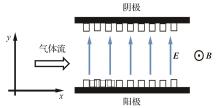
Fig.1
Schematic diagram of local MHD control area
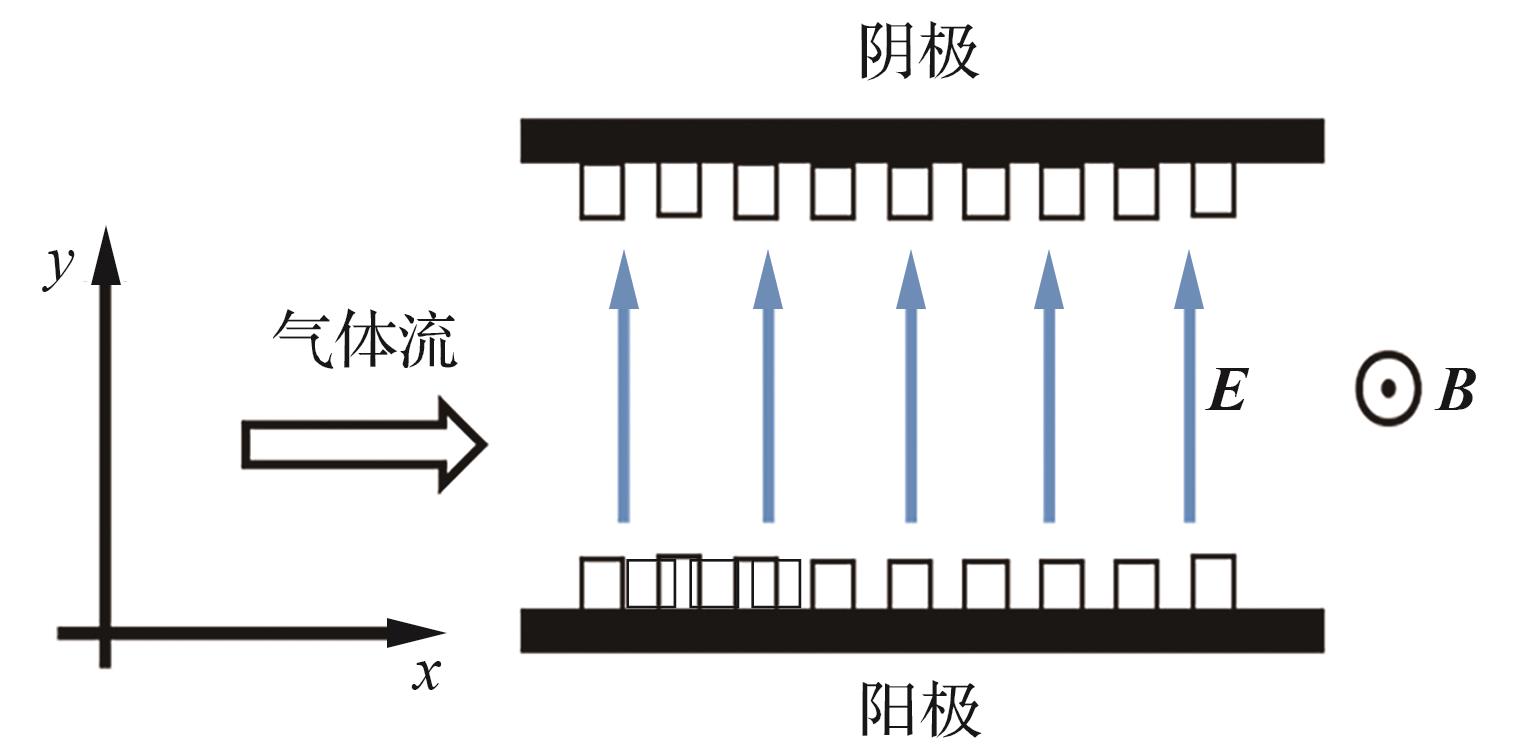
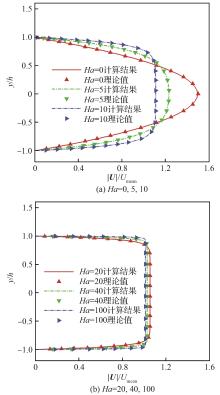
Fig.2
Velocity profile types under different Ha conditions
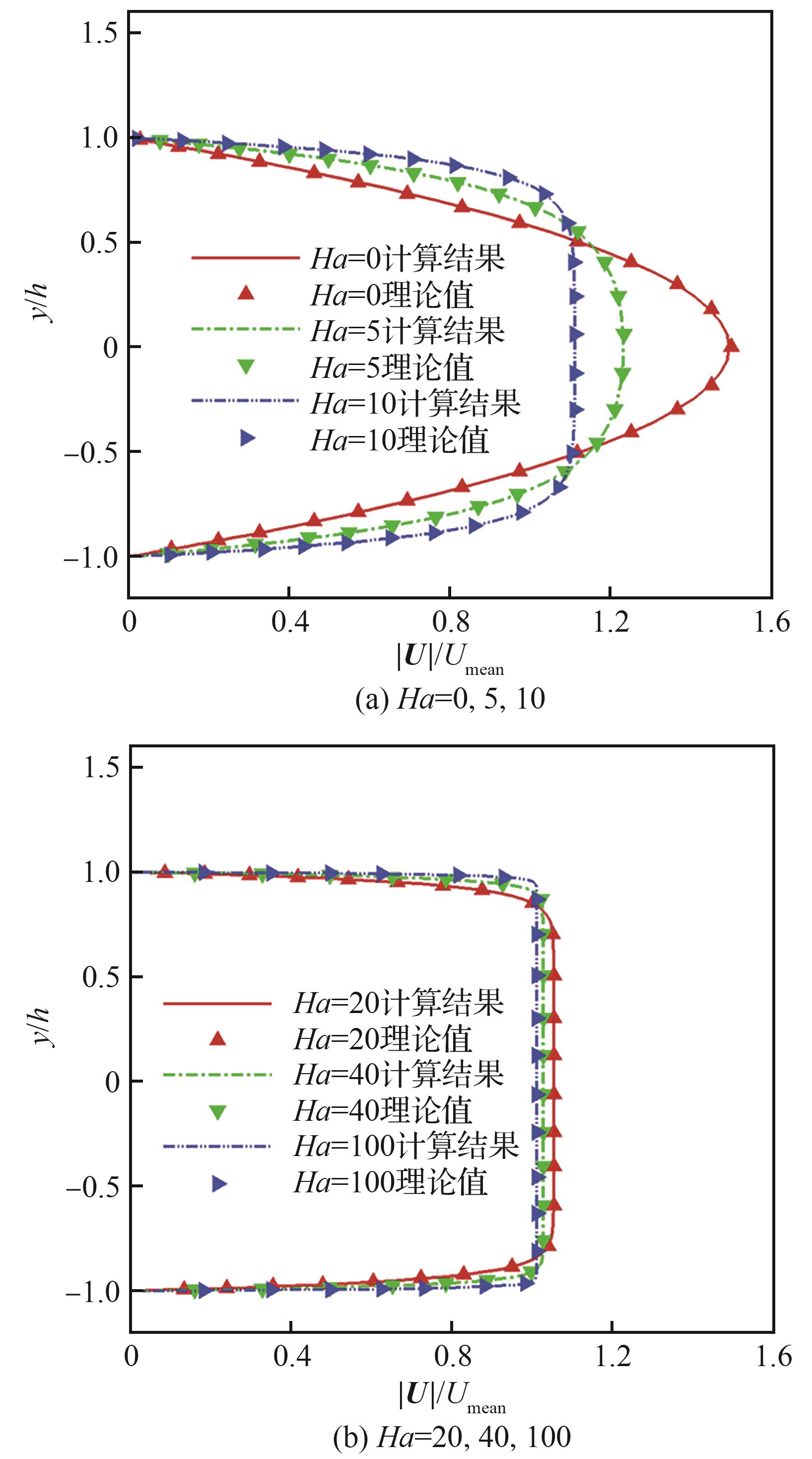
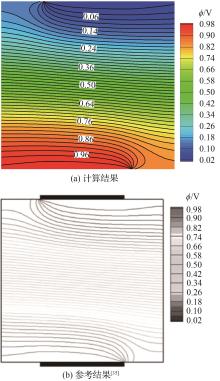
Fig.3
Potential distribution between single pair of electrodes
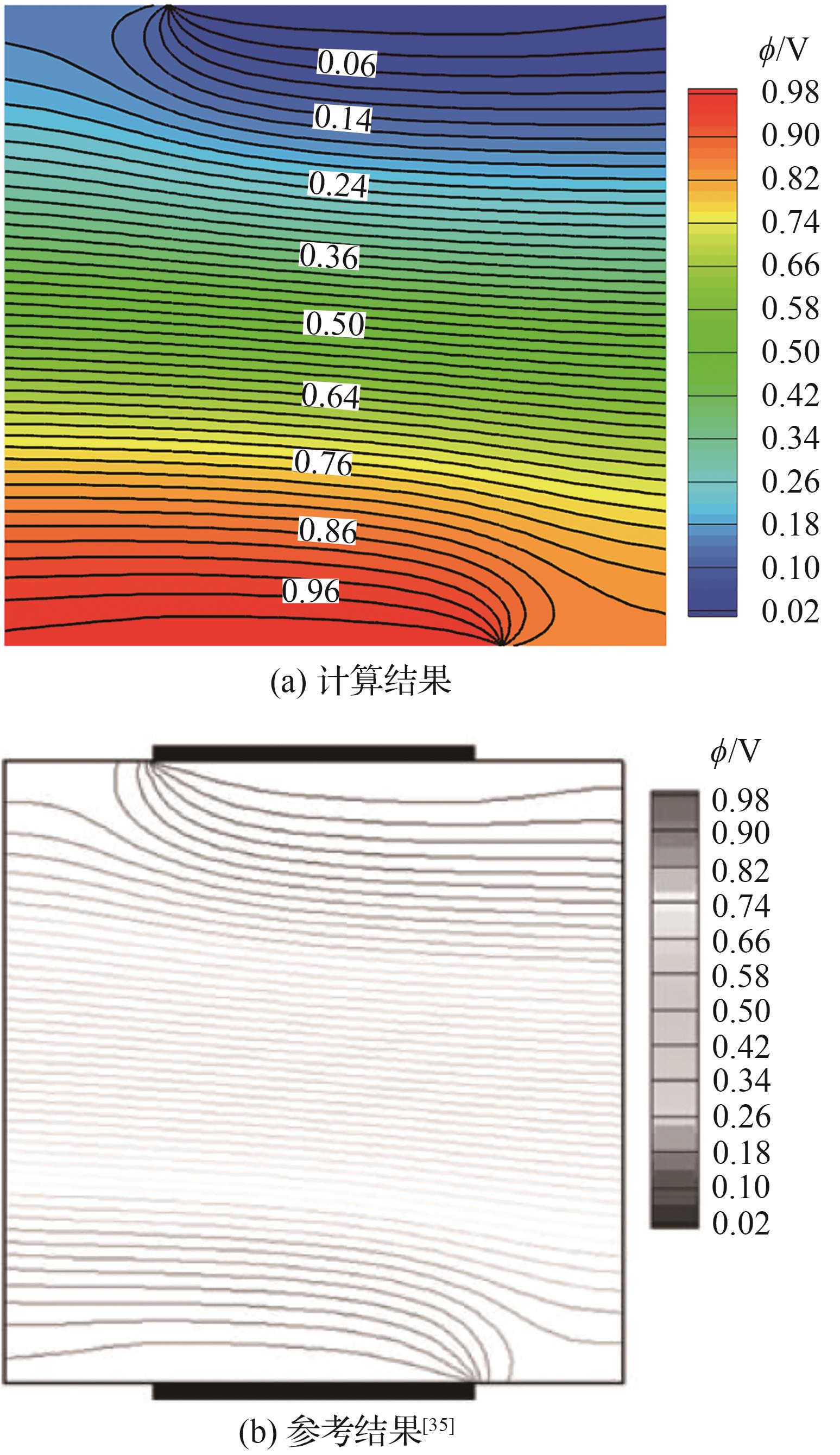
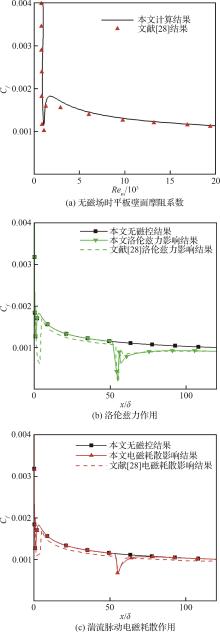
Fig.4
Friction coefficients of plate surface with and without magnetic field
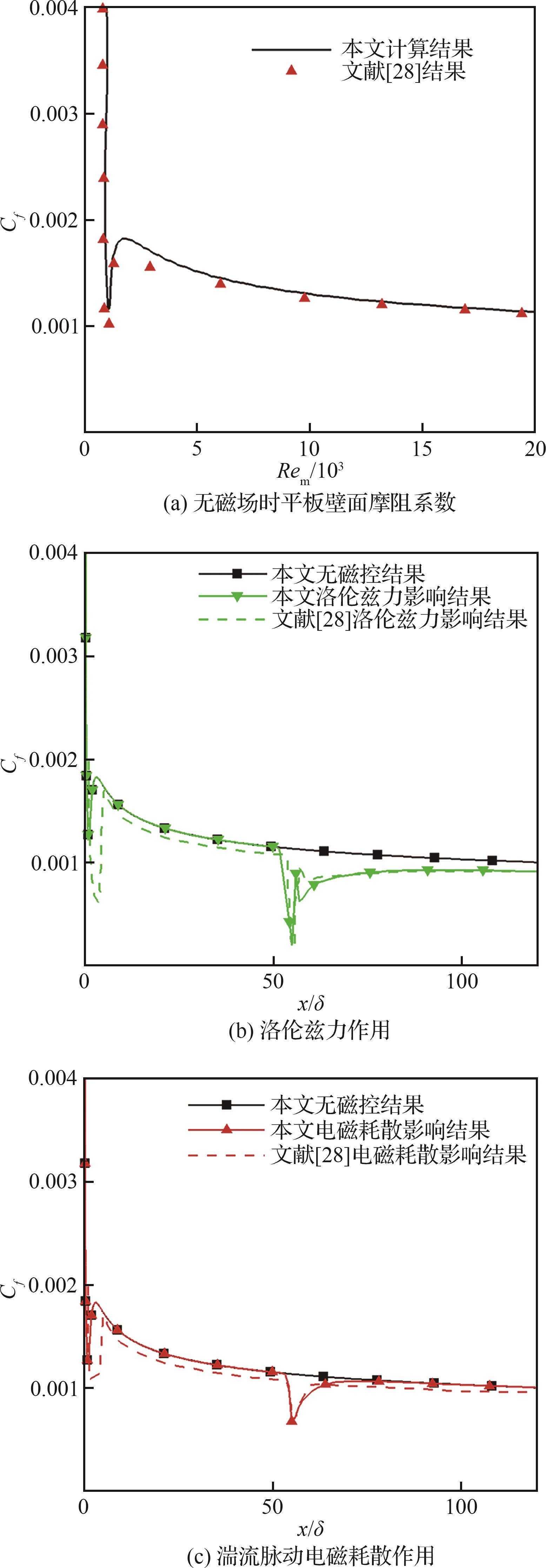
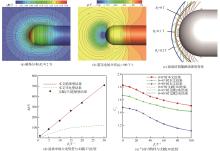
Fig.5
Some results of coupling simulation of high-speed flow and electromagnetic field in blunt cylinder
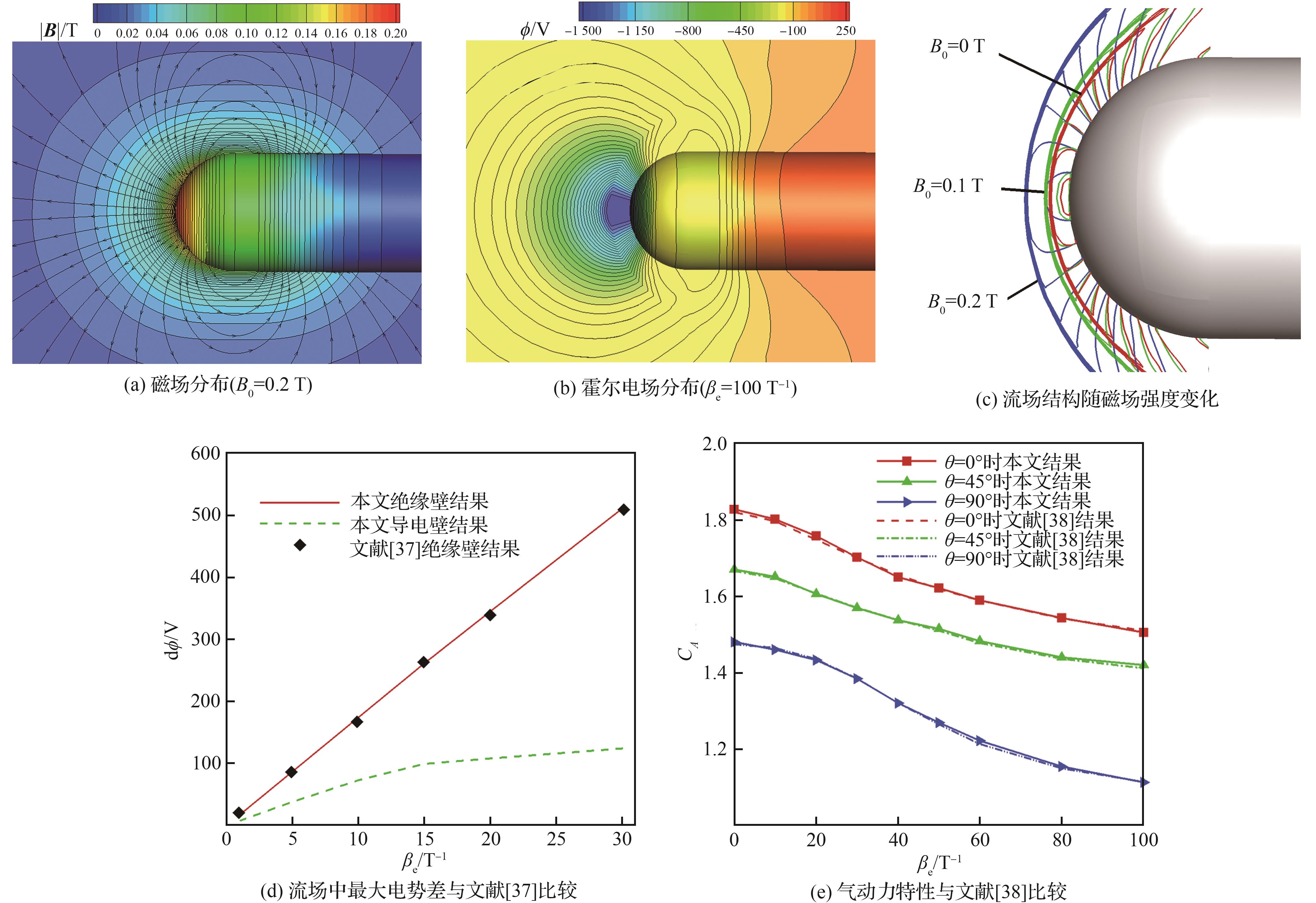
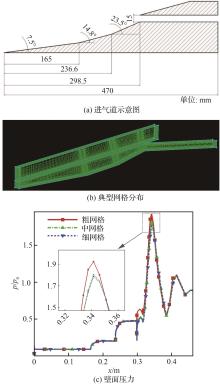
Fig.6
Inlet schematic diagram and wall pressure calculated by different grids
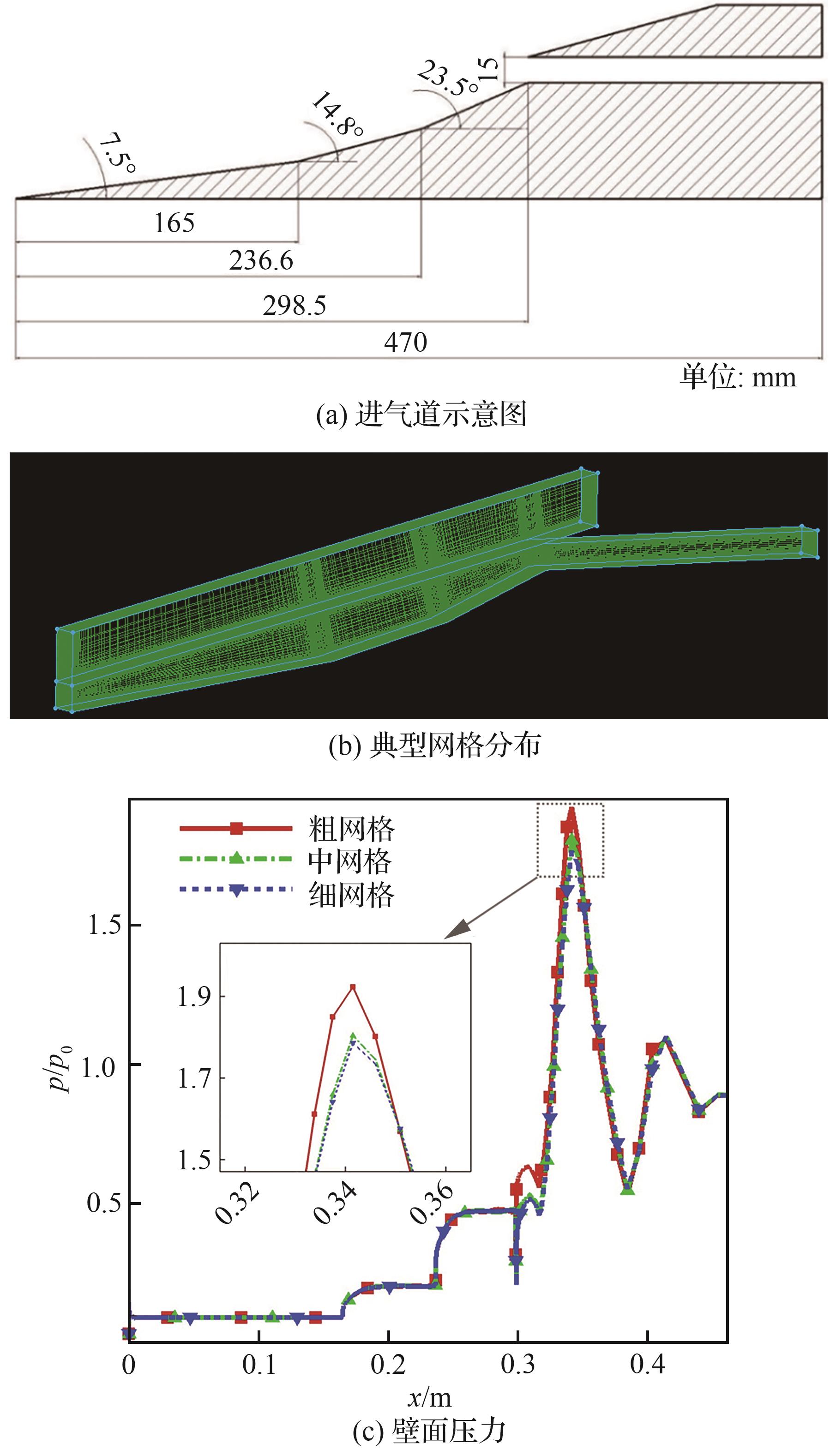
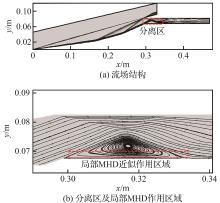
Fig.7
Flow field structure and local MHD action area
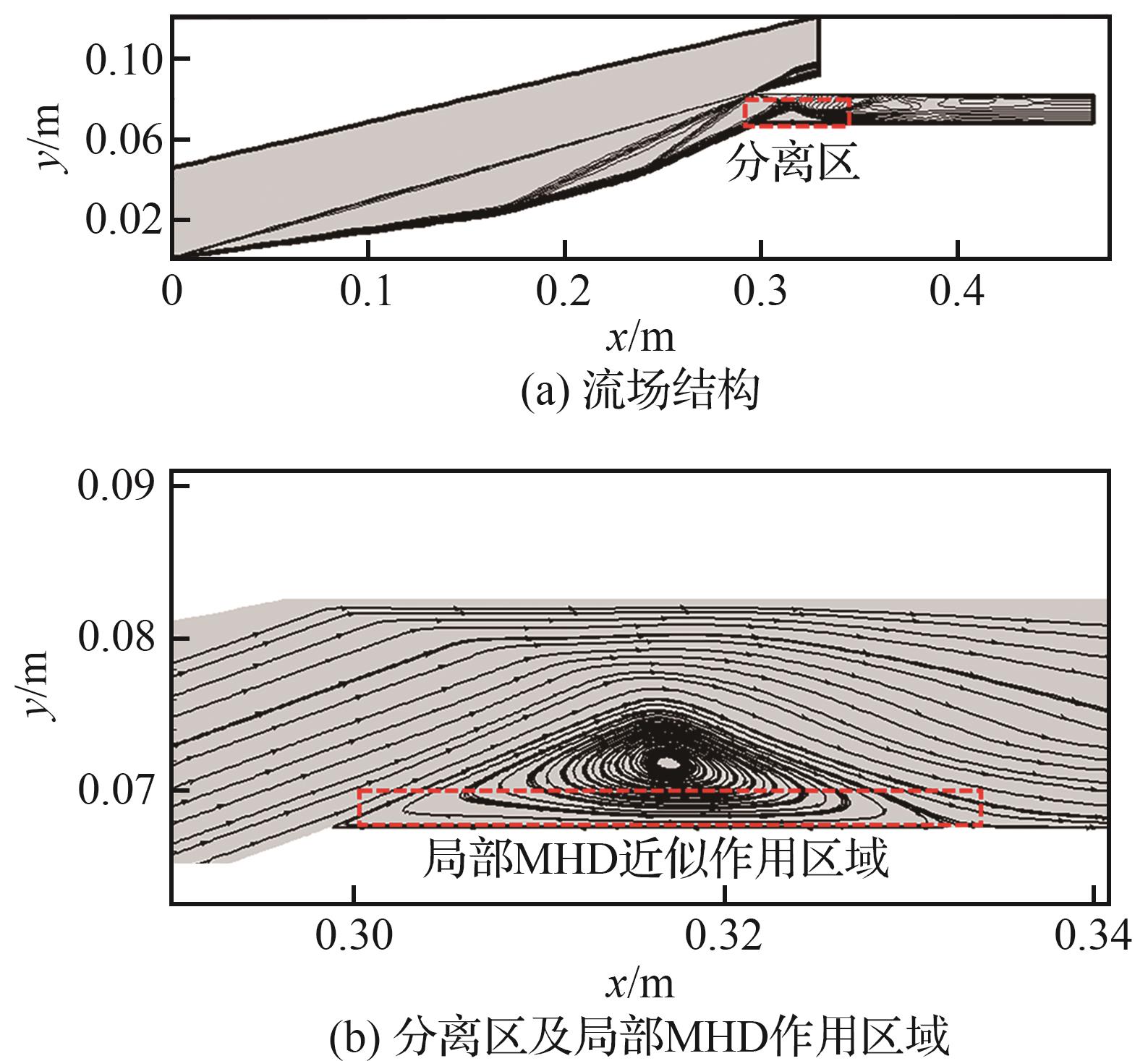
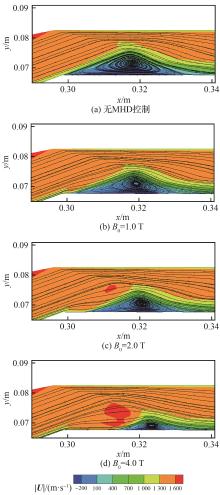
Fig.8
Streamline diagram of boundary layer separation zone in inlet under different magnetic fields
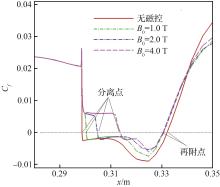
Fig.9
Friction coefficients under different magnetic fields
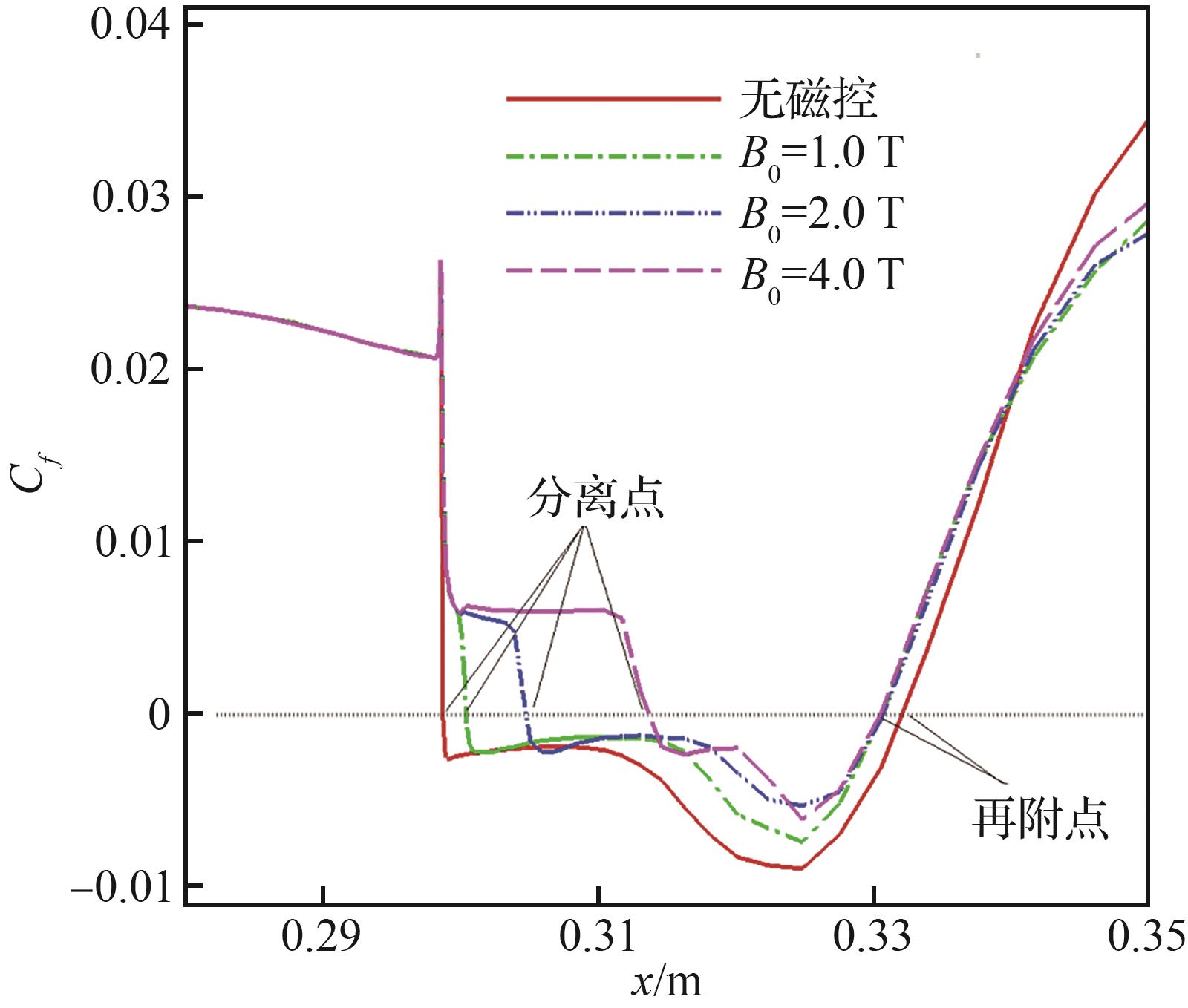
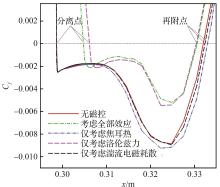
Fig. 10
Friction coefficients of separation zone under different electromagnetic action mechanisms
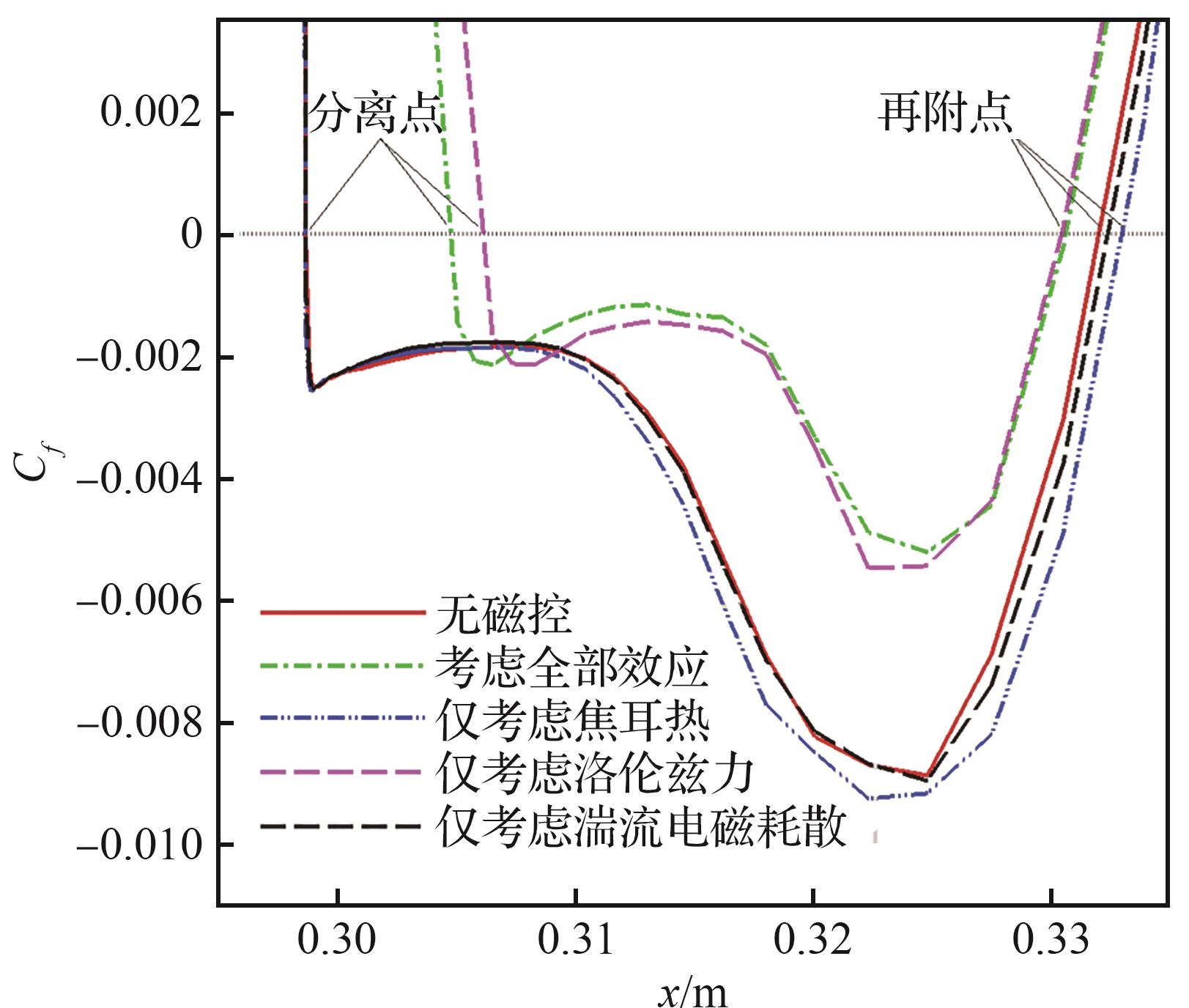
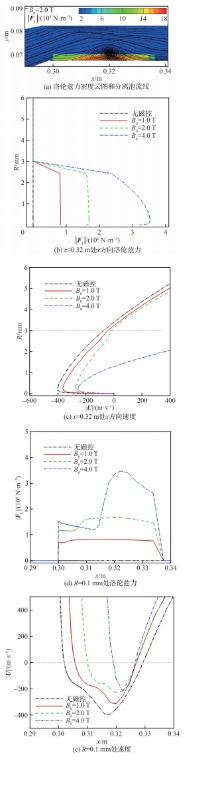
Fig.11
Lorentz force density and velocity distributions under different conditions
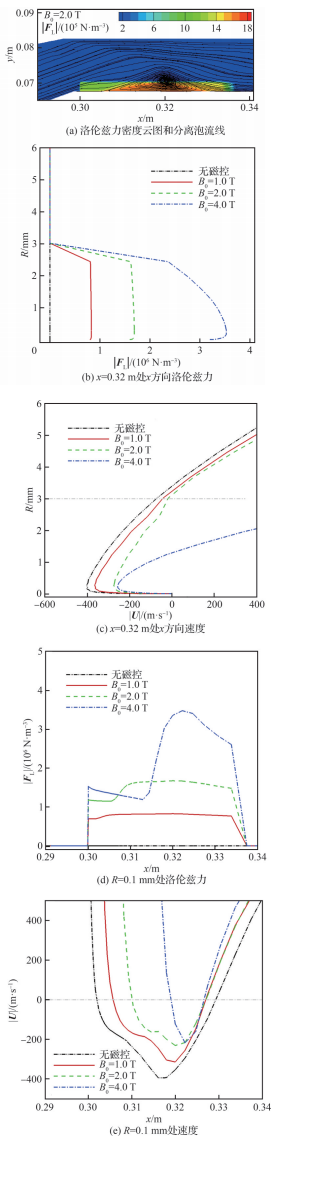
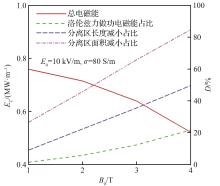
Fig.12
Electromagnetic energy and separation region characteristics under different magnetic field conditions
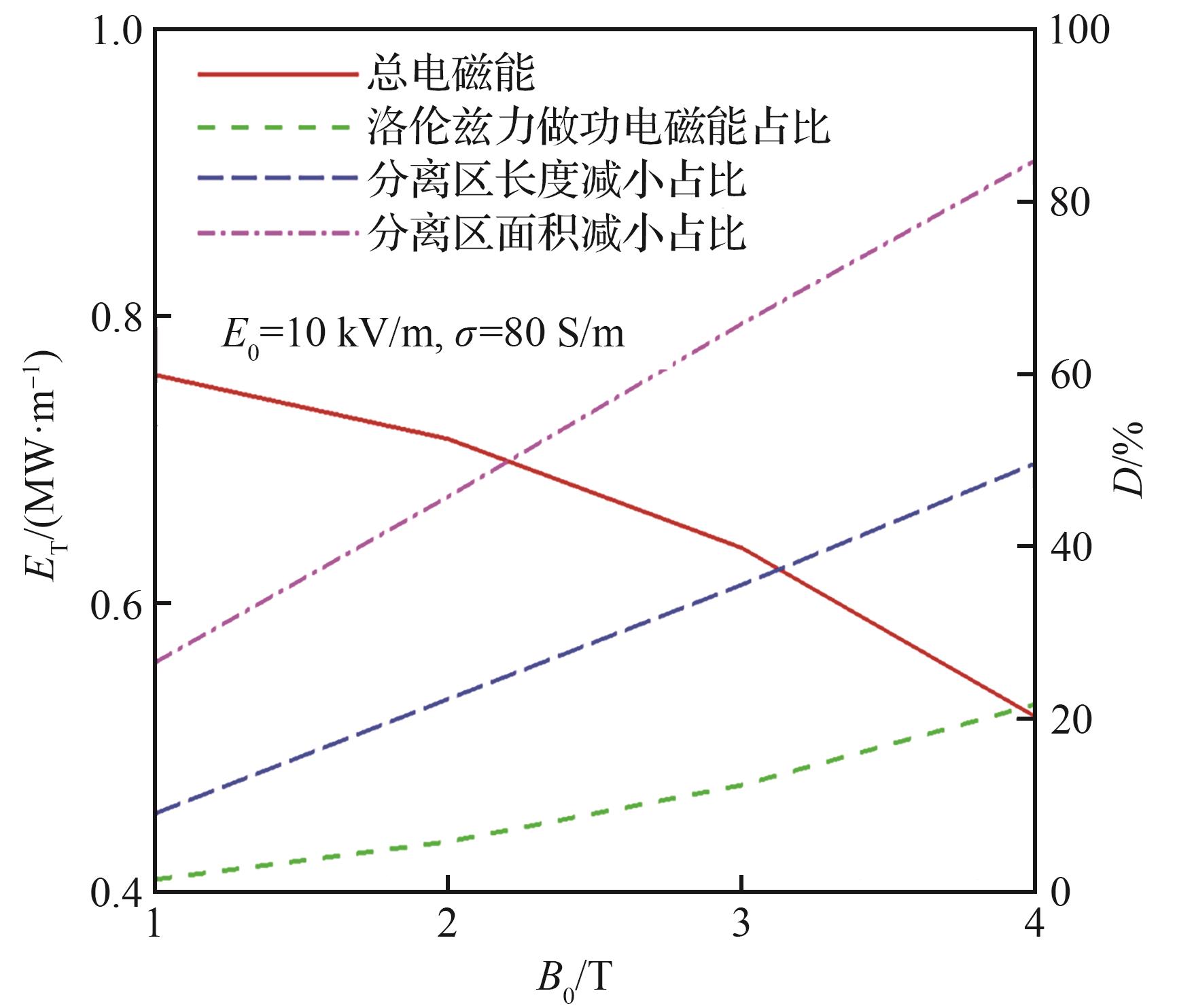
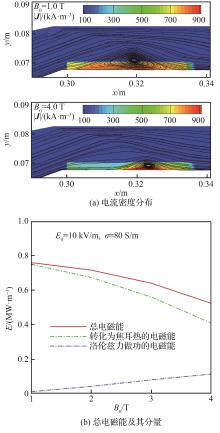
Fig.13
Current density and electromagnetic energy component under different magnetic field conditions
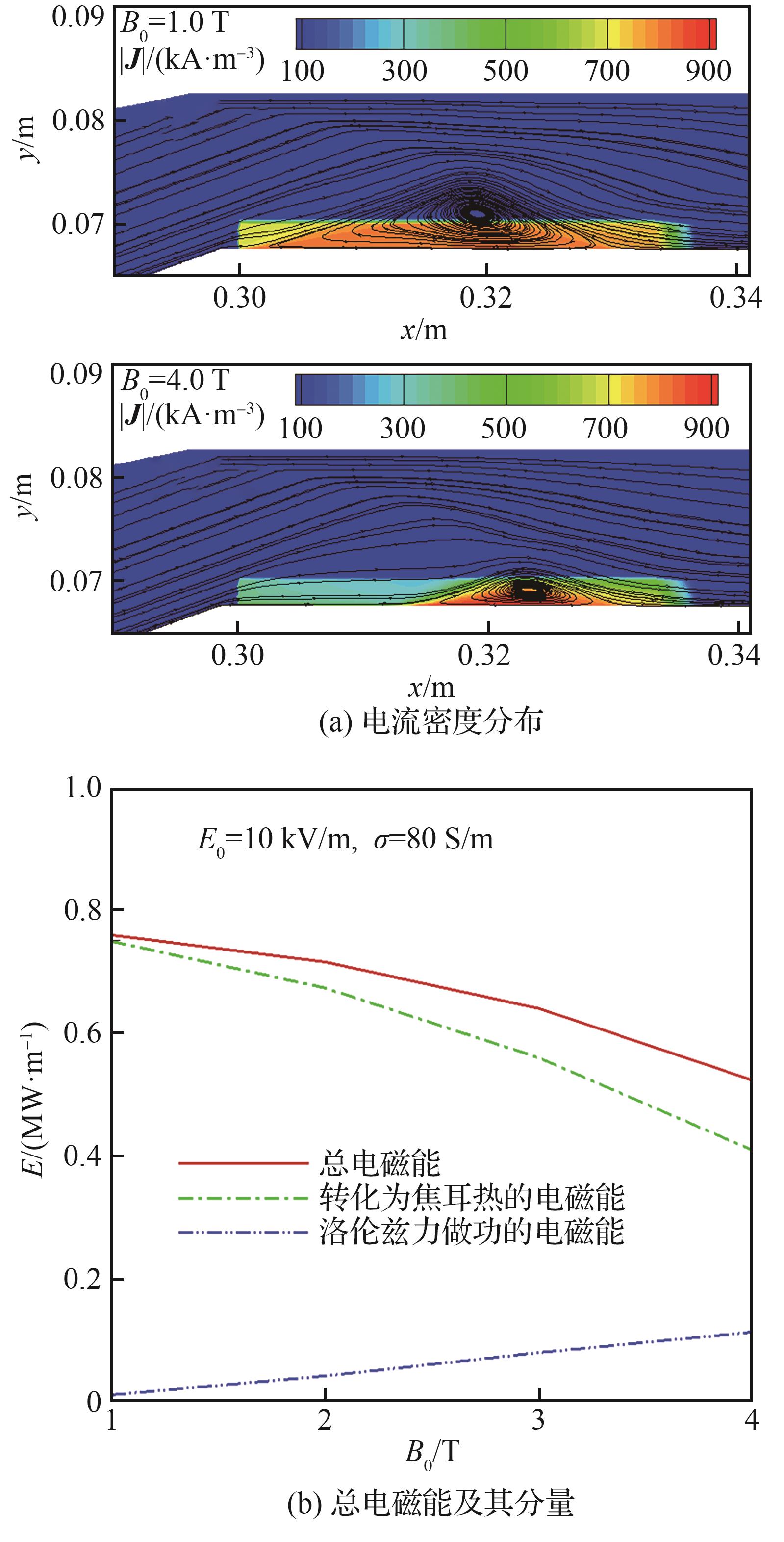
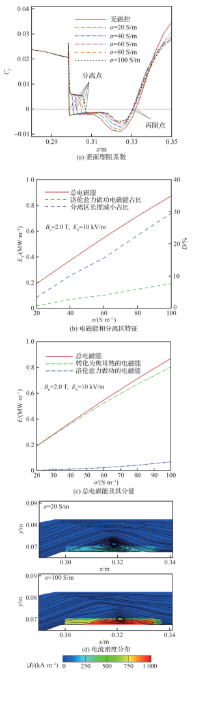
Fig.14
Numerical simulation results under different conductivity conditions
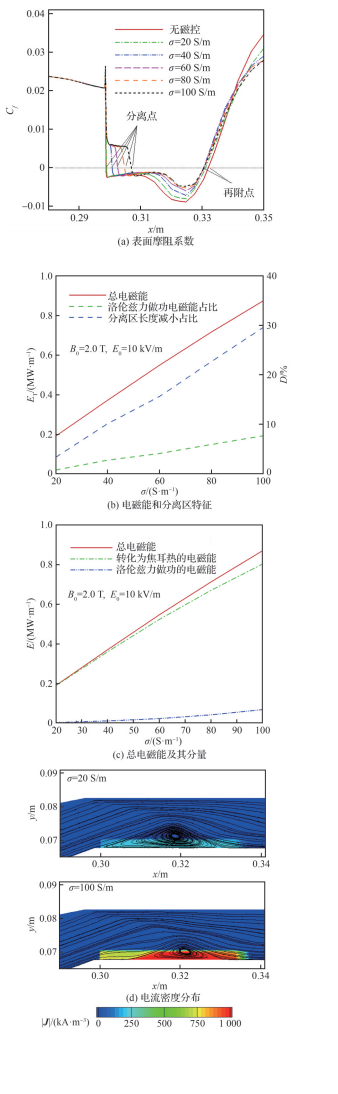
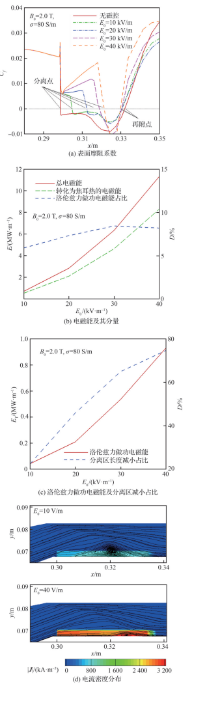
Fig.15
Numerical simulation results under different applied electric field intensities
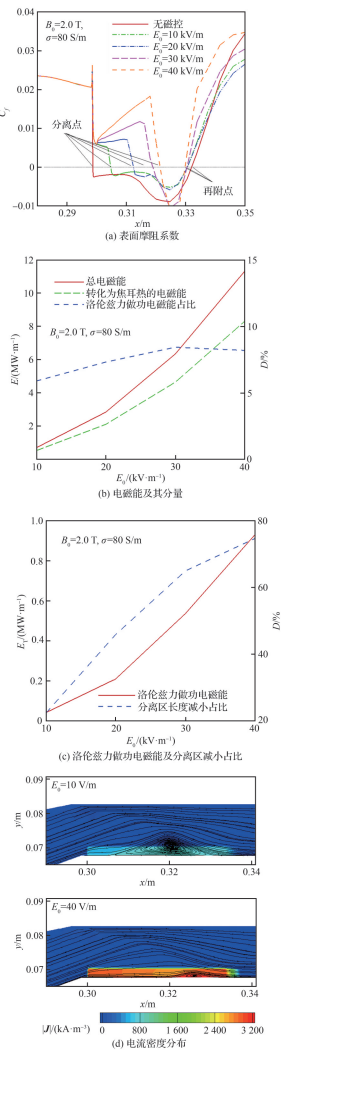
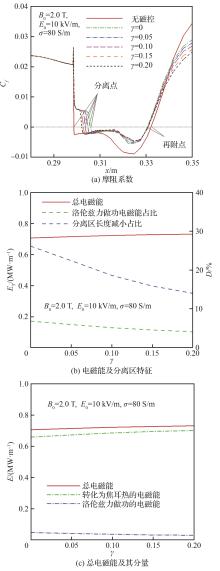
Fig.16
Friction coefficient and electromagnetic energy with different Joule thermal static temperature energy proportions
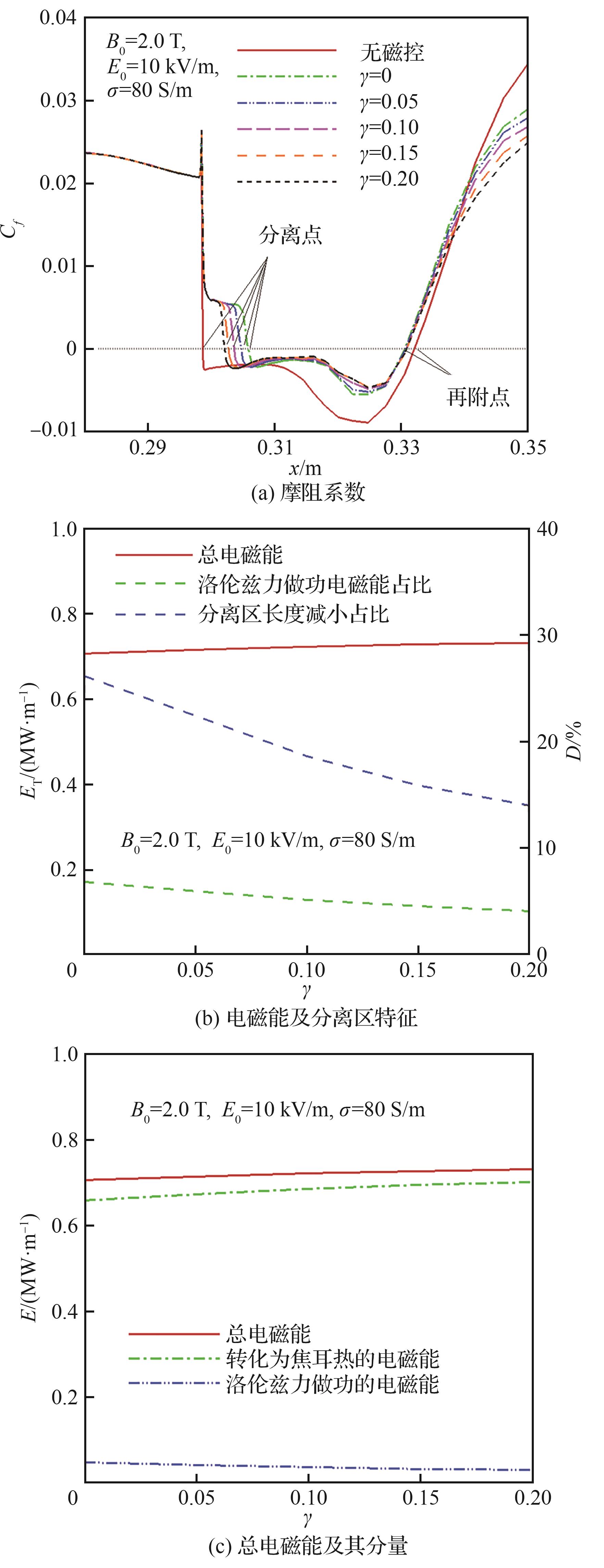
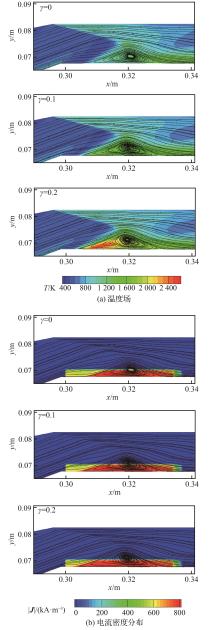
Fig.17
Streamline diagrams of inlet boundary layer separation zone with different interstage voltages
| [1] | 李开. 高温真实气体条件下的磁控热防护机理研究[D]. 长沙: 国防科技大学, 2017: 14-23. |
| LI K. Magnetohydrodynamic heat shield system including high temperature real gas effect[D]. Changsha: National University of Defense Technology, 2017:14-23 (in Chinese). | |
| [2] | MACCORMACK R W. Evaluation of the low magnetic reynolds approximation for aerodynamic flow calculations[C]∥36th AIAA Plasmadynamics and Lasers Conference. Reston: AIAA, 2005. |
| [3] | 陈雄, 郑亚, 周长省, 等. 冲压增程弹丸进气道复杂湍流流场数值仿真[J]. 兵工学报, 2005, 26(3): 303-307. |
| CHEN X, ZHENG Y, ZHOU C S, et al. Numerical simulation on the inlet complex turbulent flow of Ramjet assisted range projectiles[J]. Acta Armamentarii, 2005, 26(3): 303-307 (in Chinese). | |
| [4] | 苏纬仪, 张新宇, 张堃元. 洛仑兹力控制高超声速进气道边界层分离的数值模拟[J]. 推进技术, 2011, 32(1): 36-41. |
| SU W Y, ZHANG X Y, ZHANG K Y. Numerical investigation of Lorentz force control on hypersonic inlet boundary layer separation[J]. Journal of Propulsion Technology, 2011, 32(1): 36-41 (in Chinese). | |
| [5] | JIANG H, LIU J, LUO S B, et al. Hypersonic flow control of shock wave/turbulent boundary layer interactions using magnetohydrodynamic plasma actuators[J]. Journal of Zhejiang University: Science A, 2020, 21: 745-760. |
| [6] | 陈智. 低磁雷诺数磁流体湍流建模及数值模拟研究[D]. 北京: 北京航空航天大学, 2011: 21-23. |
| CHEN Z. Theoretical modeling and numerical study of low magnetic reynolds number magnetohydrodynamic turbulence[D]. Beijing: Beihang University, 2011: 21-23 (in Chinese). | |
| [7] | 丁明松, 刘庆宗, 江涛, 等. 磁控热防护系统在天地往返运载器上的应用仿真[J]. 航空学报, 2021, 42(7): 124501. |
| DING M S, LIU Q Z, JIANG T, et al. Simulation of magnetohydrodynamic heat shield system on reusable launch vehicles[J]. Acta Aeronautica et Astronautica Sinica, 2021, 42(7): 124501 (in Chinese). | |
| [8] | 丁明松, 江涛, 董维中, 等. 三维等离子体MHD气动热环境数值模拟[J]. 航空学报, 2017, 38(8): 121030. |
| DING M S, JIANG T, DONG W Z, et al. Numerical simulation of 3D plasma MHD aero-thermal environment[J]. Acta Aeronautica et Astronautica Sinica, 2017, 38(8): 121030 (in Chinese). | |
| [9] | BOBASHEV S, MENDE N, SAKHAROV V, et al. MHD control of the separation phenomenon in a supersonic xenon plasma flow[C]∥41st Aerospace Sciences Meeting and Exhibit. Reston: AIAA, 2003. |
| [10] | BOBASHEV S, EROFEEV A, LAPUSHKINA T, et al. Experiments on MHD control of attached shocks in diffuser[C]∥41st Aerospace Sciences Meeting and Exhibit. Reston: AIAA, 2003. |
| [11] | ZAIDI S, SMITH T, MACHERET S, et al. Snowplow surface discharge in magnetic field for high speed boundary layer control[C]∥44th AIAA Aerospace Sciences Meeting and Exhibit. Reston: AIAA, 2006. |
| [12] | SAITO S, UDAGAWA K, KAWAGUCHI K, et al. Boundary layer separation control by MHD interaction[C]∥46th AIAA Aerospace Sciences Meeting and Exhibit. Reston: AIAA, 2008. |
| [13] | 苏纬仪, 陈立红, 张新宇. MHD控制超声速边界层的理论研究和数值分析[J]. 力学学报, 2010, 42(4): 782-788. |
| SU W Y, CHEN L H, ZHANG X Y. Physics and numerical simulations of mhd acceletrated supersonic boundary layer[J]. Chinese Journal of Theoretical and Applied Mechanics, 2010, 42(4): 782-788 (in Chinese). | |
| [14] | 王宇天, 张百灵, 李益文, 等. 表面磁流体气动激励控制楔面激波规律数值研究[J]. 推进技术, 2017, 38(11): 2456-2462. |
| WANG Y T, ZHANG B L, LI Y W, et al. Numerical research for regularity of wedge shock wave with surface MHD aerodynamic actuation[J]. Journal of Propulsion Technology, 2017, 38(11): 2456-2462 (in Chinese). | |
| [15] | 李益文, 王宇天, 庞垒, 等. 进气道等离子体/磁流体流动控制研究进展[J]. 力学学报, 2019, 51(2): 311-321. |
| LI Y W, WANG Y T, PANG L, et al. Research progress of plasma/mhd flow control in inlet[J]. Chinese Journal of Theoretical and Applied Mechanics, 2019, 51(2): 311-321 (in Chinese). | |
| [16] | WANG D, WANG J F, LI L F. Electromagnetic field/hypersonic flow field coupled algorithm and its application in the magnetic controlled inlet design[J]. Aerospace Science and Technology, 2022, 126: 107598. |
| [17] | 罗仕超, 吴里银, 常雨. 高超声速湍流流动磁流体动力学控制机理[J]. 物理学报, 2022, 71(21): 260-269. |
| LUO S C, WU L Y, CHANG Y. Mechanism analysis of magnetohydrodynamic control in hypersonic turbulent flow[J]. Acta Physica Sinica, 2022, 71(21): 260-269 (in Chinese). | |
| [18] | WU Z Y, DING M S, DONG W Z, et al. Effect of MHD control on turbulent boundary layer separation flow in scramjet inlet[J]. Journal of Physics: Conference Series, 2022, 2381(1): 012015. |
| [19] | 滕子昂, 周志峰, 张智超, 等. 高超声速磁流体流动控制数值模拟研究[J]. 气动研究与试验, 2024(1): 86-99. |
| TENG Z A, ZHOU Z F, ZHANG Z C, et al. Numerical investigation of magnetohydrodynamics flow control[J]. Aerodynamic Research & Experiment, 2024(1): 86-99 (in Chinese). | |
| [20] | 罗仕超, 柳军, 胡守超, 等. 高超声速进气道自起动特性磁流体动力学控制机理[J]. 中国科学: 物理学 力学 天文学, 2024, 54(3): 138-149. |
| LUO S C, LIU J, HU S C, et al. Effect of magnetohydrodynamic control on the self-starting ability of hypersonic inlets[J]. Scientia Sinica (Physica, Mechanica & Astronomica), 2024, 54(3): 138-149 (in Chinese). | |
| [21] | MACHERET S. Physics of magnetically accelerated non-equilibrium surface discharges in high speed flow[C]∥44th AIAA Aerospace Sciences Meeting and Exhibit. Reston: AIAA, 2005. |
| [22] | 王宇天, 张百灵, 李益文, 等. 等离子体激励控制激波与边界层干扰流动分离数值研究[J]. 航空动力学报, 2018, 33(2): 364-371. |
| WANG Y T, ZHANG B L, LI Y W, et al. Numerical investigation for control of shock wave and boundary layer interactions flow separation with plasma actuation[J]. Journal of Aerospace Power, 2018, 33(2): 364-371 (in Chinese). | |
| [23] | 丁明松, 傅杨奥骁, 高铁锁, 等. 高超声速磁流体力学控制霍尔效应影响[J]. 物理学报, 2020, 69(21): 307-324. |
| DING M S, FU Y A X, GAO T S, et al. Influence of Hall effect on hypersonic magnetohydrodynamic control[J]. Acta Physica Sinica, 2020, 69(21): 307-324 (in Chinese). | |
| [24] | 丁明松, 刘庆宗, 江涛, 等. 高温气体效应对高超声速磁流体控制的影响[J]. 航空学报, 2020, 41(2): 123278. |
| DING M S, LIU Q Z, JIANG T, et al. Impact of high temperature gas effect on hypersonic magnetohydrodynamic control[J]. Acta Aeronautica et Astronautica Sinica, 2020, 41(2): 123278 (in Chinese). | |
| [25] | 丁明松, 江涛, 刘庆宗, 等 . 电导率模拟对高超声速MHD控制影响[J]. 航空学报, 2019, 40(11): 123009. |
| DING M S, JIANG T, LIU Q Z,et al. Impact of simulation of electrical conductivity on hypersonic MHD control[J]. Acta Aeronautica et Astronautica Sinica, 2019, 40(11): 123009 (in Chinese). | |
| [26] | 丁明松, 江涛, 刘庆宗, 等. 基于电流积分计算磁矢量势修正的低磁雷诺数方法[J]. 物理学报, 2020, 69(13): 218-230. |
| DING M S, JIANG T, LIU Q Z, et al. An improved low magnetic Reynolds magnetohydrodynamic method based on computing induced magnetic vector potential by integrating induced current[J]. Acta Physica Sinica, 2020, 69(13): 218-230 (in Chinese). | |
| [27] | DIETIKER J F. Numerical simulation of magneto-hydrodynamic flows[D]. Whichita: Whichita State University, 2001: 25-30. |
| [28] | GAITONDE D, POGGIE J. An implicit technique for 3-D turbulent MGD with the generalized Ohm’s law[C]∥ 32nd AIAA Plasmadynamics and Lasers Conference. Reston: AIAA, 2001. |
| [29] | 赵慧勇. 超燃冲压整体发动机并行数值研究[D]. 绵阳: 中国空气动力研究与发展中心, 2005: 50-56. |
| ZHAO, H Y. Parallel numerical study of whole scramjet engine[D]. Mianyang: China Aerodynamics Research and Development Center, 2005: 50-56 (in Chinese). | |
| [30] | 蒋浩, 柳军, 王君媛, 等. 全隐LU-SGS算法在高超声速热化学非平衡流刚性问题中的应用[J]. 国防科技大学学报, 2022, 44(2): 1-8. |
| JIANG H, LIU J, WANG J Y, et al. Fully implicit LU-SGS algorithms applied to stiff problems in hypersonic thermochemical non-equilibrium flows[J]. Journal of National University of Defense Technology, 2022, 44(2): 1-8 (in Chinese). | |
| [31] | KALRA C, ZAIDI S, ALDERMAN B, et al. Magnetically driven surface discharges for shock-wave induced boundary-layer separation control[C]∥45th AIAA Aerospace Sciences Meeting and Exhibit. Reston: AIAA, 2007. |
| [32] | MILES R, MACHERET S, SHNEIDER M, et al. Plasma-enhanced, hypersonic performance enabled by MHD power extraction[C]∥43rd AIAA Aerospace Sciences Meeting and Exhibit. Reston: AIAA, 2005. |
| [33] | UPDIKE G, SHANG J, GAITONDE D. Hypersonic separated flow control using magneto-aerodynamic interaction[C]∥43rd AIAA Aerospace Sciences Meeting and Exhibit. Reston: AIAA, 2005. |
| [34] | 李开, 柳军, 刘伟强. 高超声速飞行器磁控热防护霍尔电场数值方法研究[J]. 物理学报, 2017, 66(8): 208-217. |
| LI K, LIU J, LIU W Q. Numerical solution procedure for Hall electric field of the hypersonic magnetohydrodynamic heat shield system[J]. Acta Physica Sinica, 2017, 66(8): 208-217 (in Chinese). | |
| [35] | 吕浩宇, 李椿萱. 三维非理想低磁雷诺数磁流体流动的数值模拟[J]. 中国科学E辑: 技术科学, 2009, 39(11): 1836-1842. |
| LV H Y, LI C X. Simulation of three-dimensional nonideal MHD flow at low magnetic Reynolds number[J]. Science in China (Series E (Technological Sciences)), 2009, 39(11): 1836-1842 (in Chinese). | |
| [36] | BISEK N J, BOYD I D, POGGIE J. Numerical study of magnetoaerodynamic flow around a hemisphere[C]∥ 48th AIAA Aerospace Sciences Meeting Including the New Horizons Forum and Aerospace Exposition, Reston: AIAA, 2010. |
| [37] | OTSU H, ABE T, KONIGORSKI D. Influence of the Hall effect on the electrodynamic heat shield system for reentry vehicles[C]∥ 36th AIAA Plasmadynamics and Lasers Conference. Reston: AIAA, 2005. |
| [38] | NAGATA Y, OTSU H, YAMADA K, et al. Influence of Hall effect on electrodynamic flow control for weakly ionized flow[C]∥ 43rd AIAA Plasmadynamics and Lasers Conference. Reston: AIAA, 2012. |
| [39] | 张百灵, 朱涛, 李益文, 等. 超声速气流磁流体加速技术的应用与发展[J]. 力学与实践, 2013, 35(2): 13-21. |
| ZHANG B L, ZHU T, LI Y W, et al. Application and development of supersonic airflow acceleration technology based on magnetohydrodynamics[J]. Mechanics in Engineering, 2013, 35(2): 13-21 (in Chinese). | |
| [40] | 左光, 齐玢, 欧东斌. 磁流体动力加速风洞技术发展分析[J]. 航天返回与遥感, 2018, 39(6): 1-11. |
| ZUO G, QI B, OU D B. Research on development of magneto-hydro-dynamics acceleration wind tunnel technology[J]. Spacecraft Recovery & Remote Sensing, 2018, 39(6): 1-11 (in Chinese). | |
| [41] | BOBASHEV S, EROFEEV A, LAPUSHKINA T, et al. Air plasma pruduced by gas discharge in supersonic MHD channel[C]∥ 44th AIAA Aerospace Sciences Meeting and Exhibit. Reston: AIAA, 2006. |
| [1] | Yang LIU, Yongjie SHI, Guohua XU. Wind tunnel test of rotor aerodynamic interference characteristics in complex low-altitude wind fields [J]. Acta Aeronautica et Astronautica Sinica, 2026, 47(1): 632054-632054. |
| [2] | Chen LI, Dong SUN, Pengxin LIU, Qilong GUO, Xianxu YUAN. Direct numerical simulation of supersonic turbulent boundary layer with plasma actuation [J]. Acta Aeronautica et Astronautica Sinica, 2025, 46(S1): 732187-732187. |
| [3] | Haiwei XIE, Dongdong ZHANG, Zheng XU, Yi HOU, Jianguo TAN, Meng DING, Yunfan ZHOU. Flow structure and turbulence statistics of super-sonic mixing layer influenced by splitter plate [J]. Acta Aeronautica et Astronautica Sinica, 2025, 46(23): 131675-131675. |
| [4] | Jialiang HU, Jiangpeng WU, Sixu HUO, Yidi GAO, Hua ZHENG. Modal parameter estimation based on reconstruction of digital twin sweep data in flutter flight test [J]. Acta Aeronautica et Astronautica Sinica, 2025, 46(19): 531602-531602. |
| [5] | Yu ZENG, Hongbo WANG, Chengyue LIAN, Yixin YANG, Dapeng XIONG, Mingbo SUN, Weidong LIU. Applicability analysis of two improved methods of SST turbulence model [J]. Acta Aeronautica et Astronautica Sinica, 2024, 45(S1): 730574-730574. |
| [6] | Wenchang WU, Xingsi HAN, Yaobing MIN, Zhenguo YAN, Yankai MA. Sixth-order low-dissipation WCNS-CU6-ST scheme based on smooth TENO nonlinear weight [J]. Acta Aeronautica et Astronautica Sinica, 2024, 45(S1): 730598-730598. |
| [7] | Wenchang WU, Yankai MA, Xingsi HAN, Yaobing MIN, Zhenguo YAN. Smooth TENO nonlinear weighting for WCNS scheme [J]. Acta Aeronautica et Astronautica Sinica, 2024, 45(8): 129052-129052. |
| [8] | Hongbo WANG, Yu ZENG, Dapeng XIONG, Yixin YANG, Mingbo SUN. Improvement of shock wave and compressibility effects in SST turbulence model [J]. Acta Aeronautica et Astronautica Sinica, 2024, 45(3): 128694-128694. |
| [9] | Zibo ZHUANG, Chunhui ZHANG, Xing CHEN, Jingyuan SHAO, Pakwai CHAN. Clear⁃air turbulence recognition by Doppler⁃wind⁃lidar in terminal area based on DCGAN [J]. Acta Aeronautica et Astronautica Sinica, 2024, 45(16): 329748-329748. |
| [10] | Jiajun LONG, Chenpiao LIU, Fei QIN, Jiale ZHANG, Shengguan XU, Yisheng GAO. Liutex based data-driven turbulence model correction [J]. Acta Aeronautica et Astronautica Sinica, 2024, 45(15): 129579-129579. |
| [11] | Kailing ZHANG, Siyi LI, Yi DUAN, Chao YAN. Uncertainty quantification of parameters in SST turbulence model for inlet simulation [J]. Acta Aeronautica et Astronautica Sinica, 2023, 44(S2): 729429-729429. |
| [12] | Yalu FU, Xianxu YUAN, Pengxin LIU, Ming YU. Statistical properties of thermodynamic fluctuations in compressible wall⁃bounded turbulence [J]. ACTA AERONAUTICAET ASTRONAUTICA SINICA, 2023, 44(9): 127217-127217. |
| [13] | Yu ZENG, Hongbo WANG, Mingbo SUN, Chao WANG, Xu LIU. SST turbulence model improvements: Review [J]. ACTA AERONAUTICAET ASTRONAUTICA SINICA, 2023, 44(9): 27411-027411. |
| [14] | Huangsheng WEI, Zhu HUANG, Guang XI. A dissipation control method based on amplitude and wavenumber [J]. ACTA AERONAUTICAET ASTRONAUTICA SINICA, 2023, 44(4): 126589-126589. |
| [15] | Bo ZHU, Daxiong LIAO, Zhenhua CHEN, Jiming CHEN. Fine measurement for fluctuation mode and turbulence level in transonic flow [J]. ACTA AERONAUTICAET ASTRONAUTICA SINICA, 2023, 44(4): 126378-126378. |
| Viewed | ||||||
|
Full text |
|
|||||
|
Abstract |
|
|||||
Address: No.238, Baiyan Buiding, Beisihuan Zhonglu Road, Haidian District, Beijing, China
Postal code : 100083
E-mail:hkxb@buaa.edu.cn
Total visits: 6658907 Today visits: 1341All copyright © editorial office of Chinese Journal of Aeronautics
All copyright © editorial office of Chinese Journal of Aeronautics
Total visits: 6658907 Today visits: 1341

 CJA
CJA
