Acta Aeronautica et Astronautica Sinica ›› 2025, Vol. 46 ›› Issue (17): 131728.doi: 10.7527/S1000-6893.2025.31728
• Fluid Mechanics and Flight Mechanics • Previous Articles Next Articles
Kai HAN1, Junqiang BAI1,2,3, Shaodong FENG4, Shilong YU4, Junwei HUANG4, Chu TANG1,2,3, Yasong QIU1,2,3( )
)
Received:2024-12-30
Revised:2025-01-16
Accepted:2025-02-25
Online:2025-03-13
Published:2025-03-06
Contact:
Yasong QIU
E-mail:qiuyasong@nwpu.edu.cn
Supported by:CLC Number:
Kai HAN, Junqiang BAI, Shaodong FENG, Shilong YU, Junwei HUANG, Chu TANG, Yasong QIU. A novel high-efficiency and high-precision momentum source method for distributed ducted fans in aero-propulsion coupling configuration[J]. Acta Aeronautica et Astronautica Sinica, 2025, 46(17): 131728.
Fig.1
Various distributed ducted fan aircraft design[7-12]
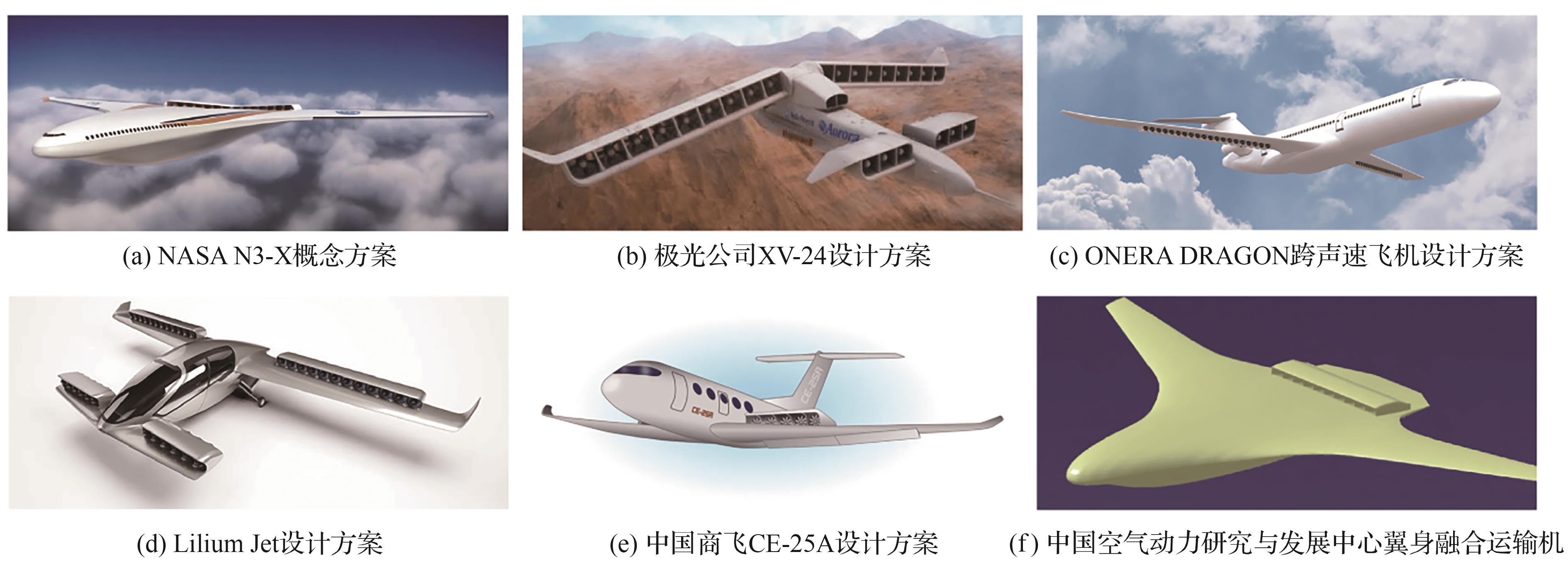
Fig.2
Over-the-wing single ducted fan-wing section coupling configuration
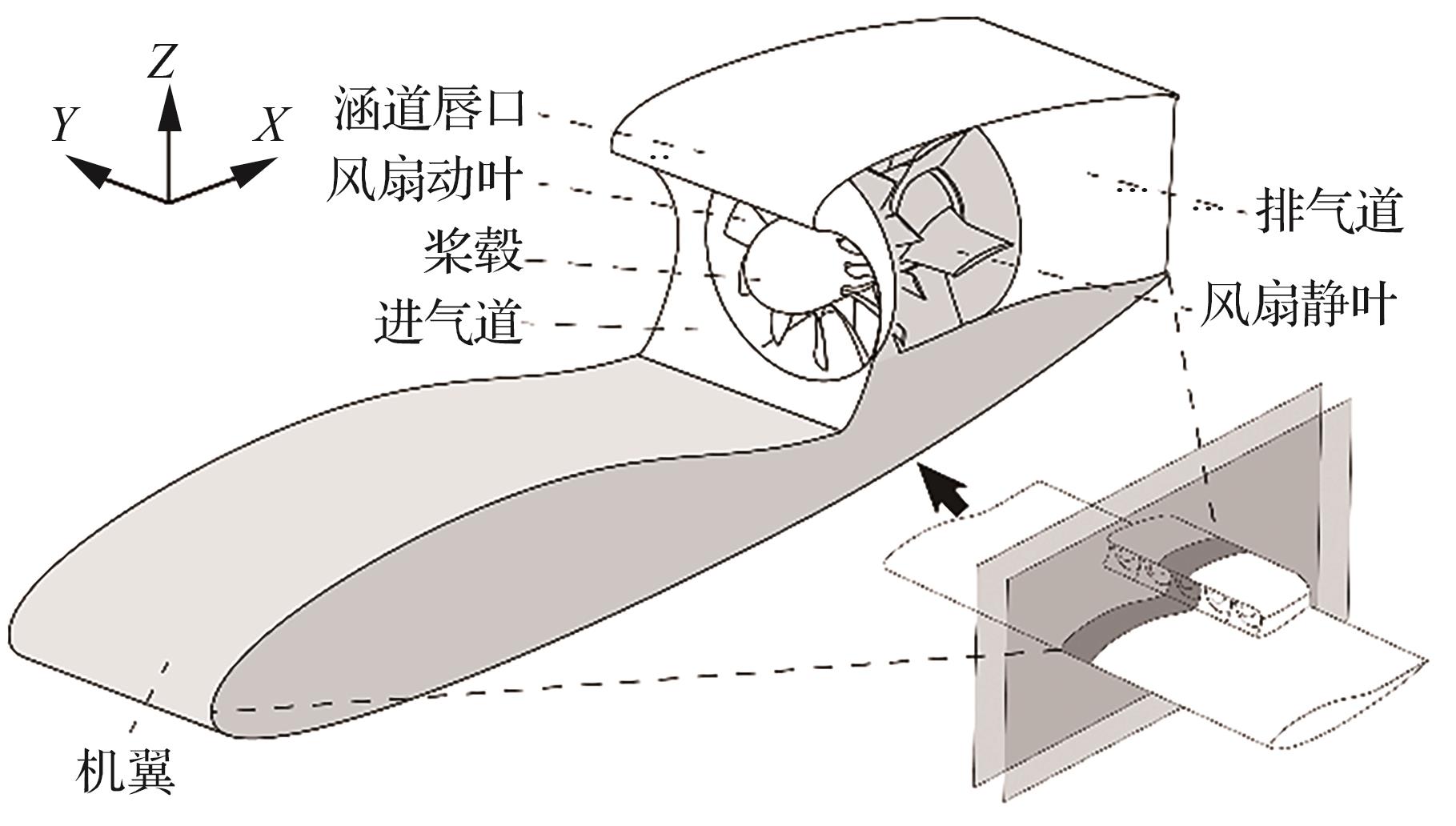
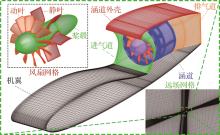
Fig.3
Grid of single ducted fan-wing section coupling configuration
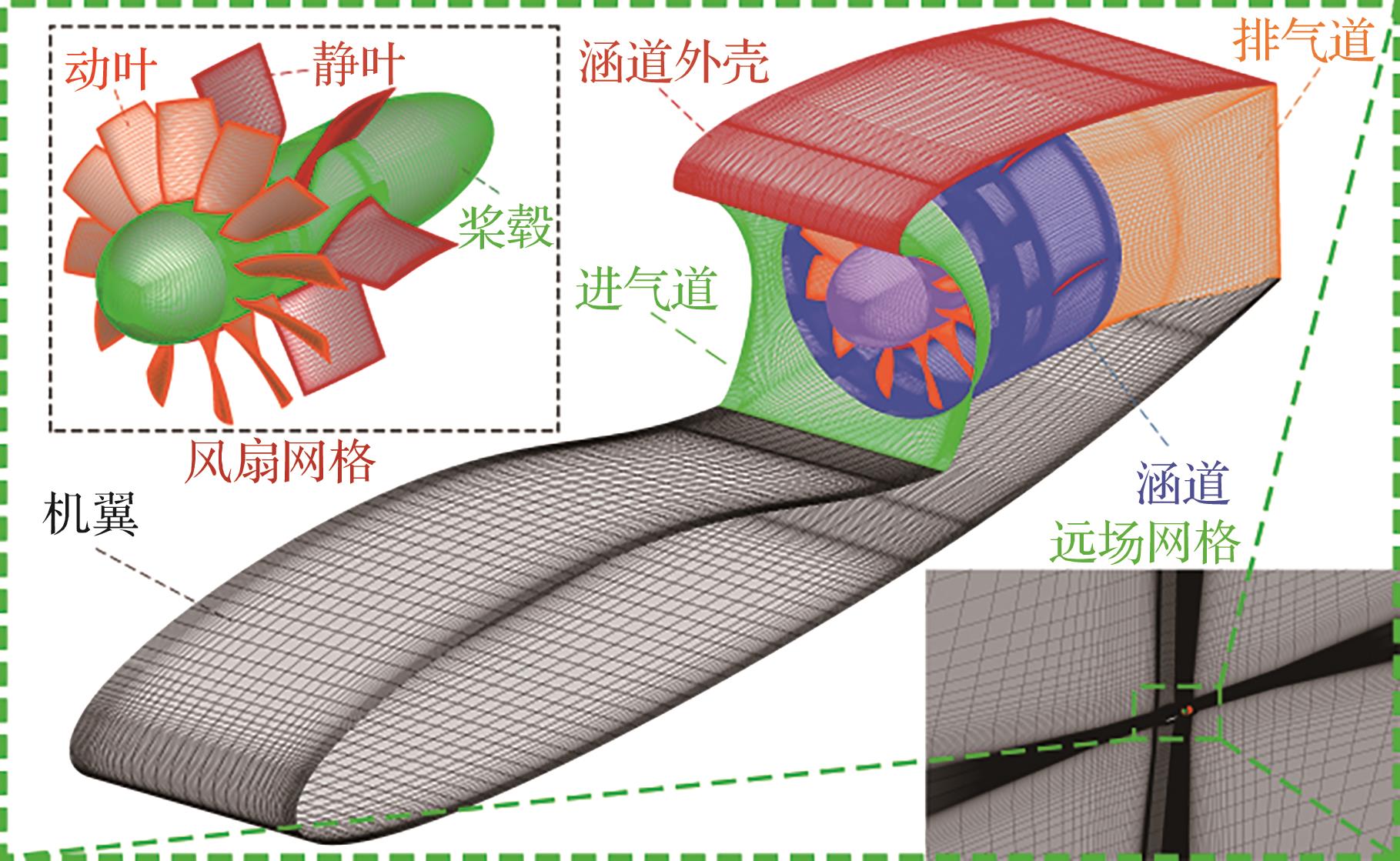
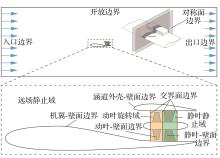
Fig.4
Boundary condition setting for ducted fan-wing coupling configuration
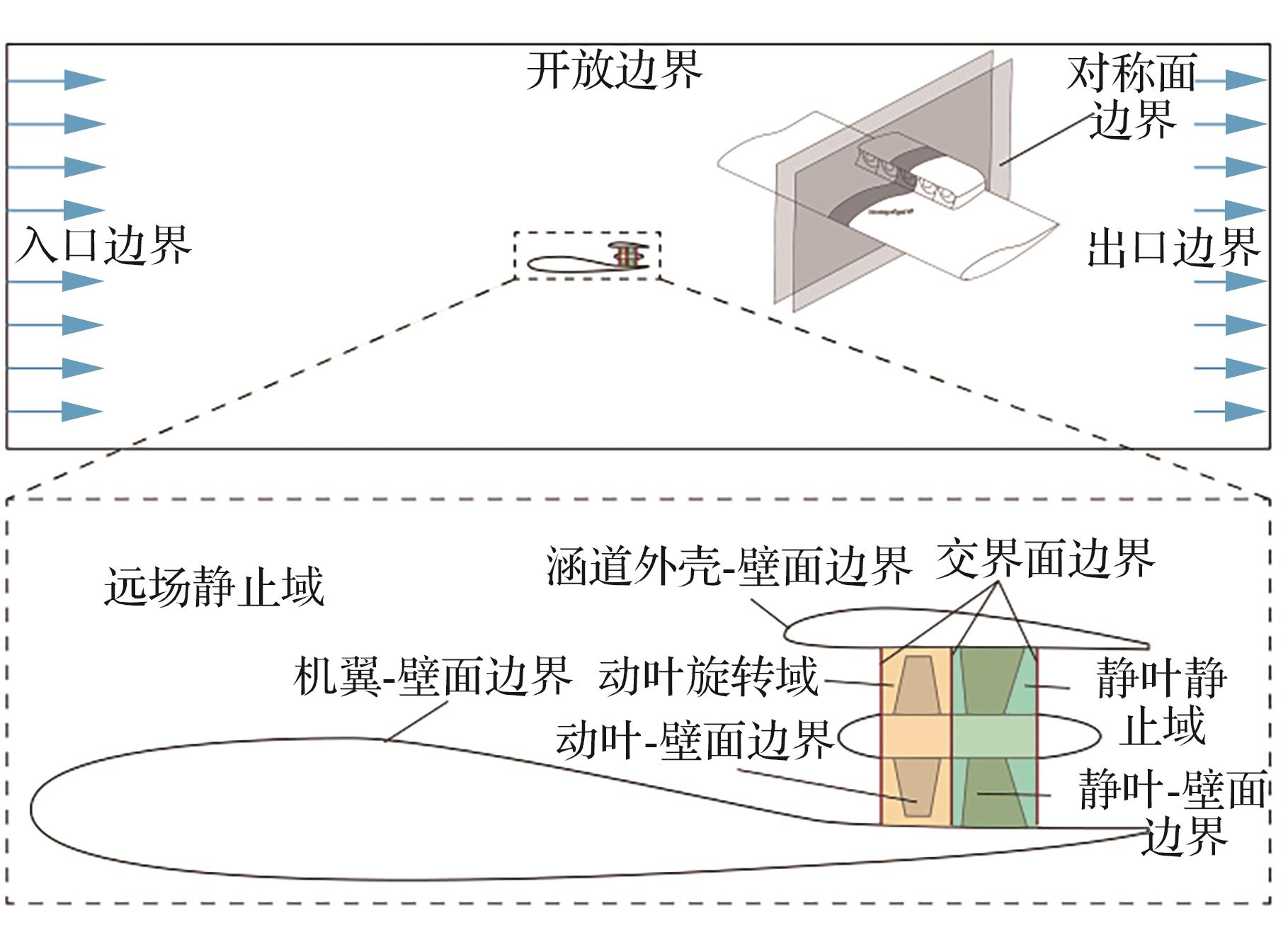
Fig.5
Velocity distribution comparison at three locations on upper surface of the mid-section wing of a single ducted fan-wing section coupling configuration at different rotation speeds
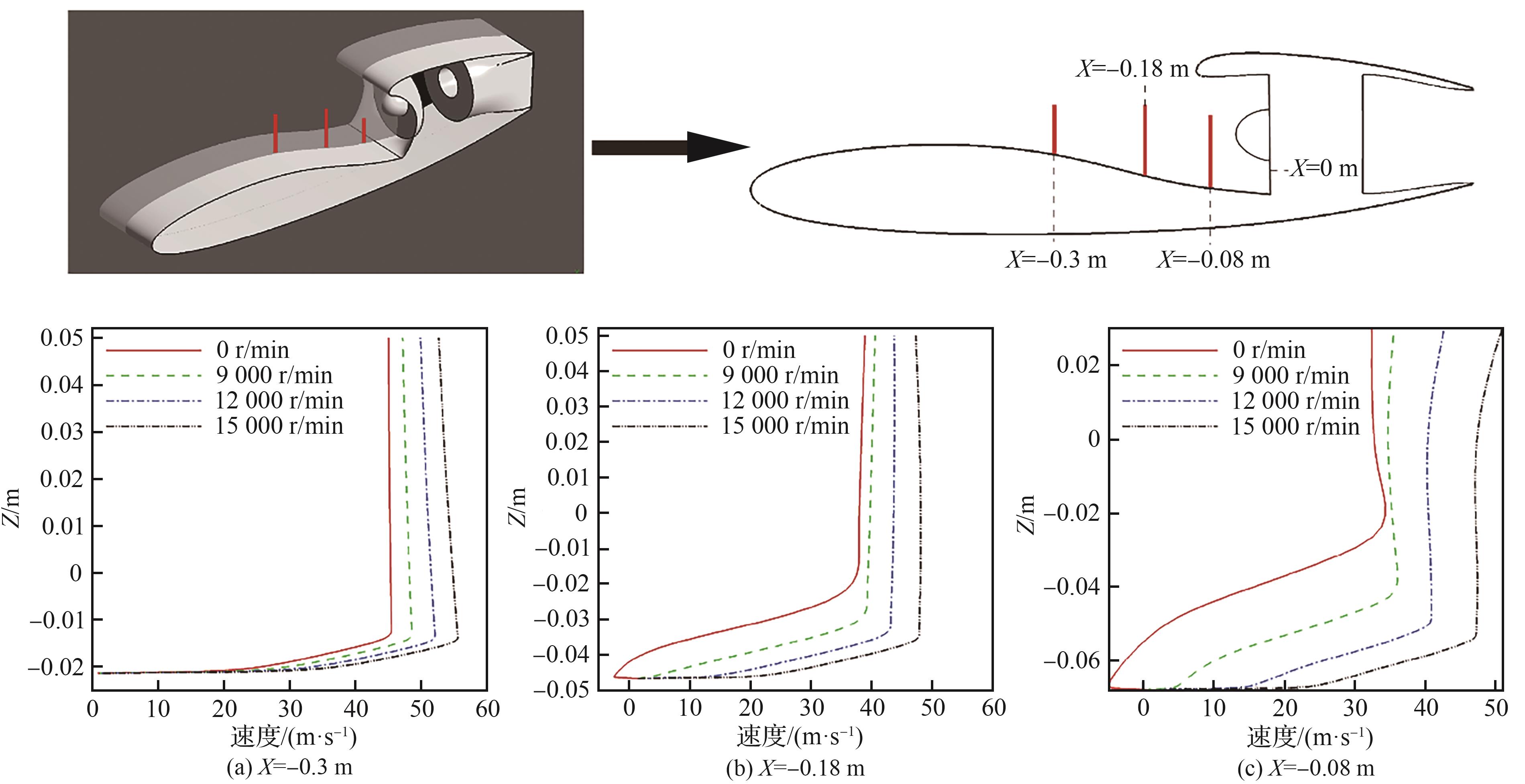
Fig.6
Schematic diagram of two boundary condition methods
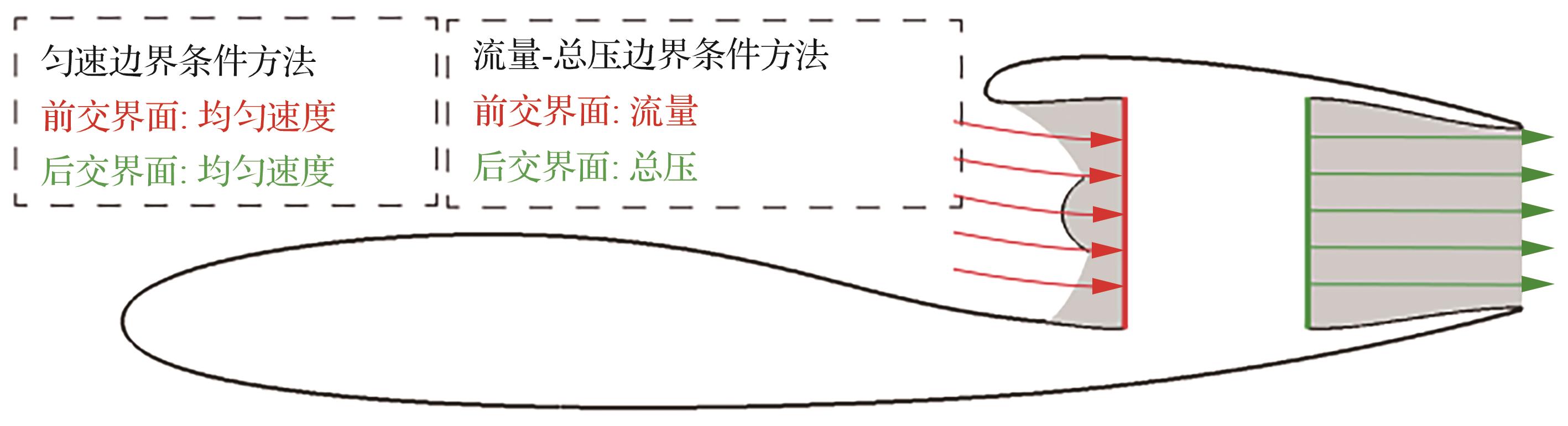
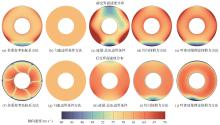
Fig.7
Velocity distribution of front and rear interfaces obtained by different methods
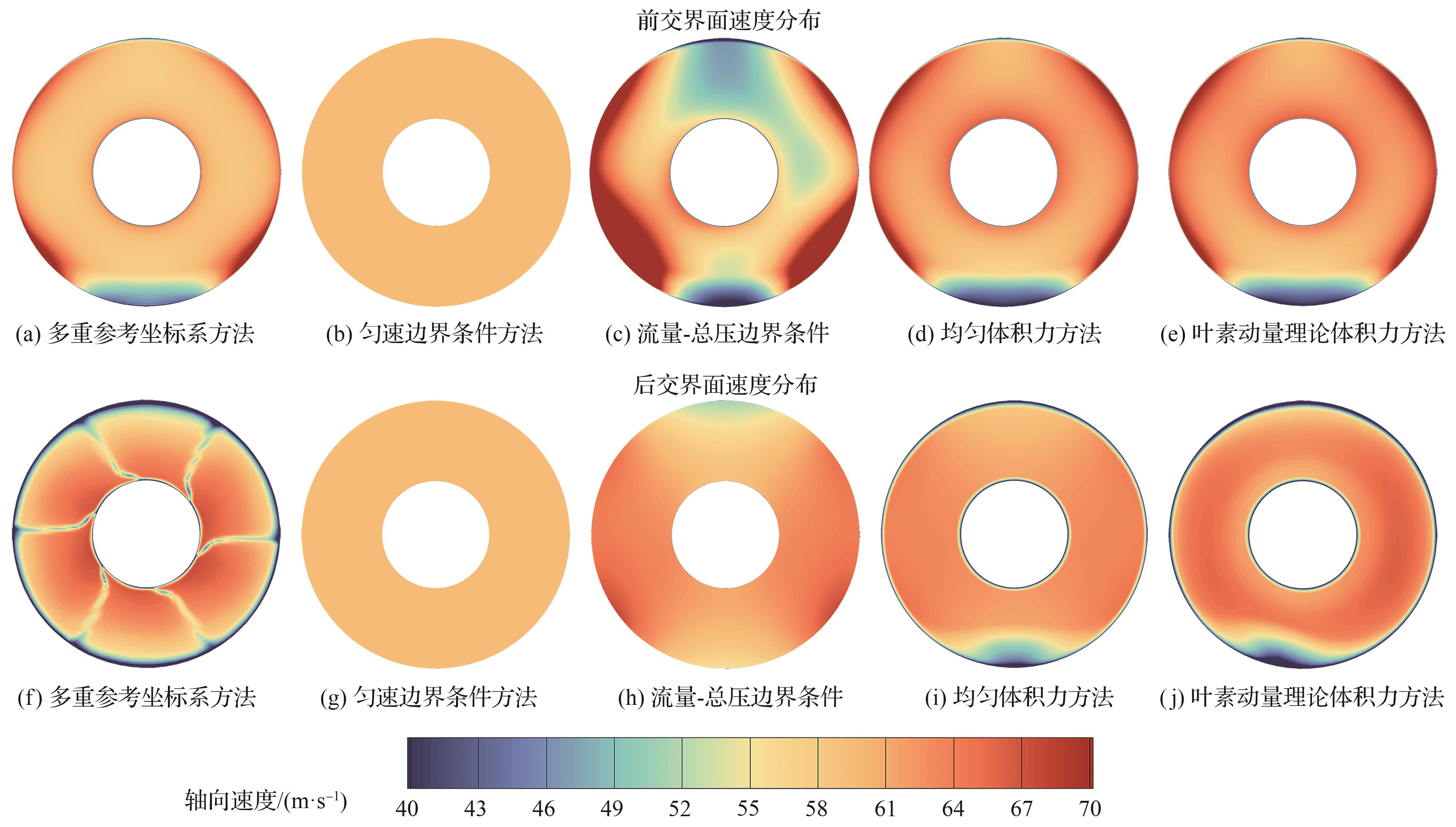
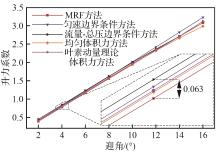
Fig.8
Comparison of lift coefficients calculated by several methods
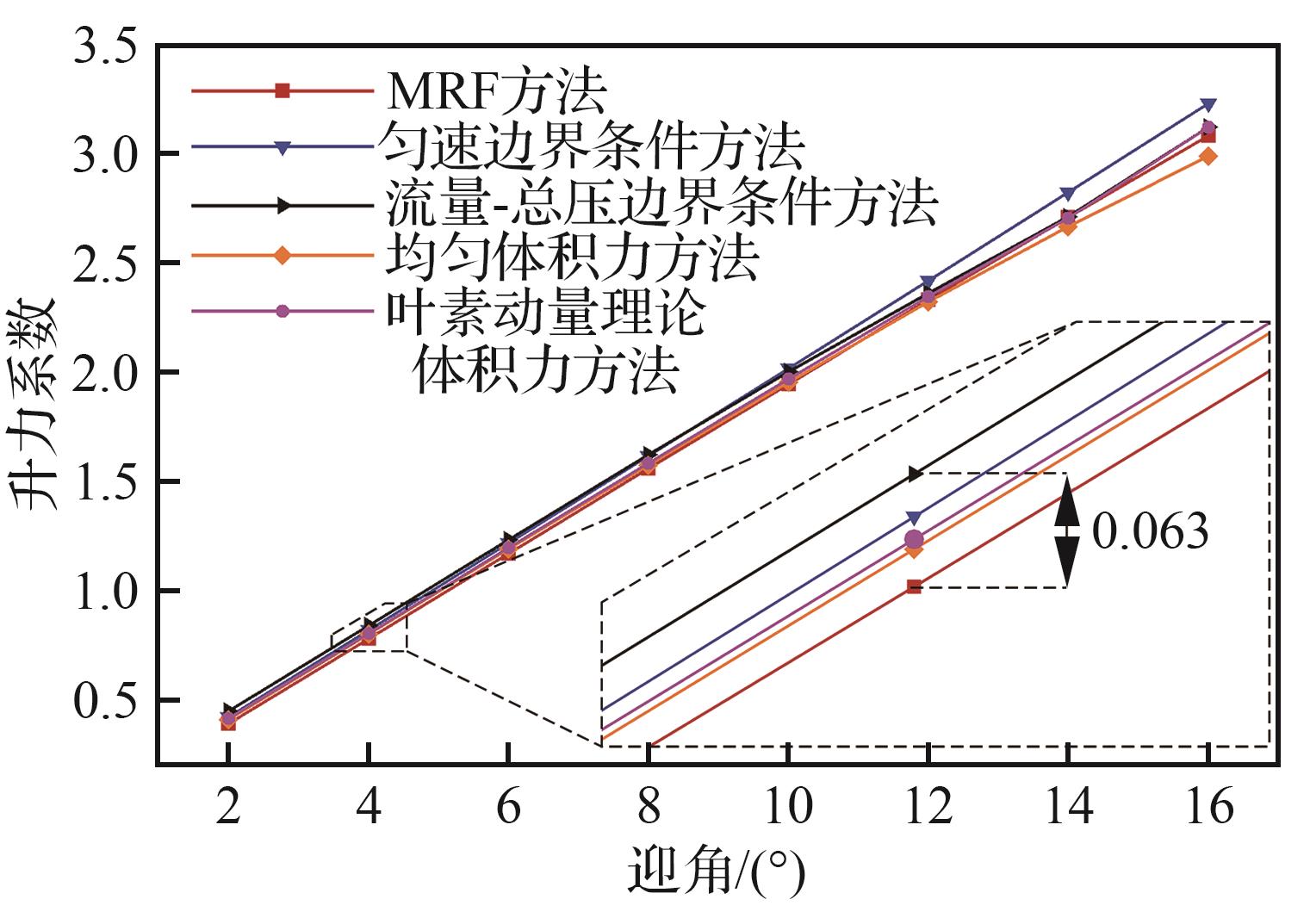
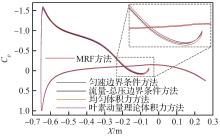
Fig.9
Comparison of pressure coefficients of wing calculated by several methods
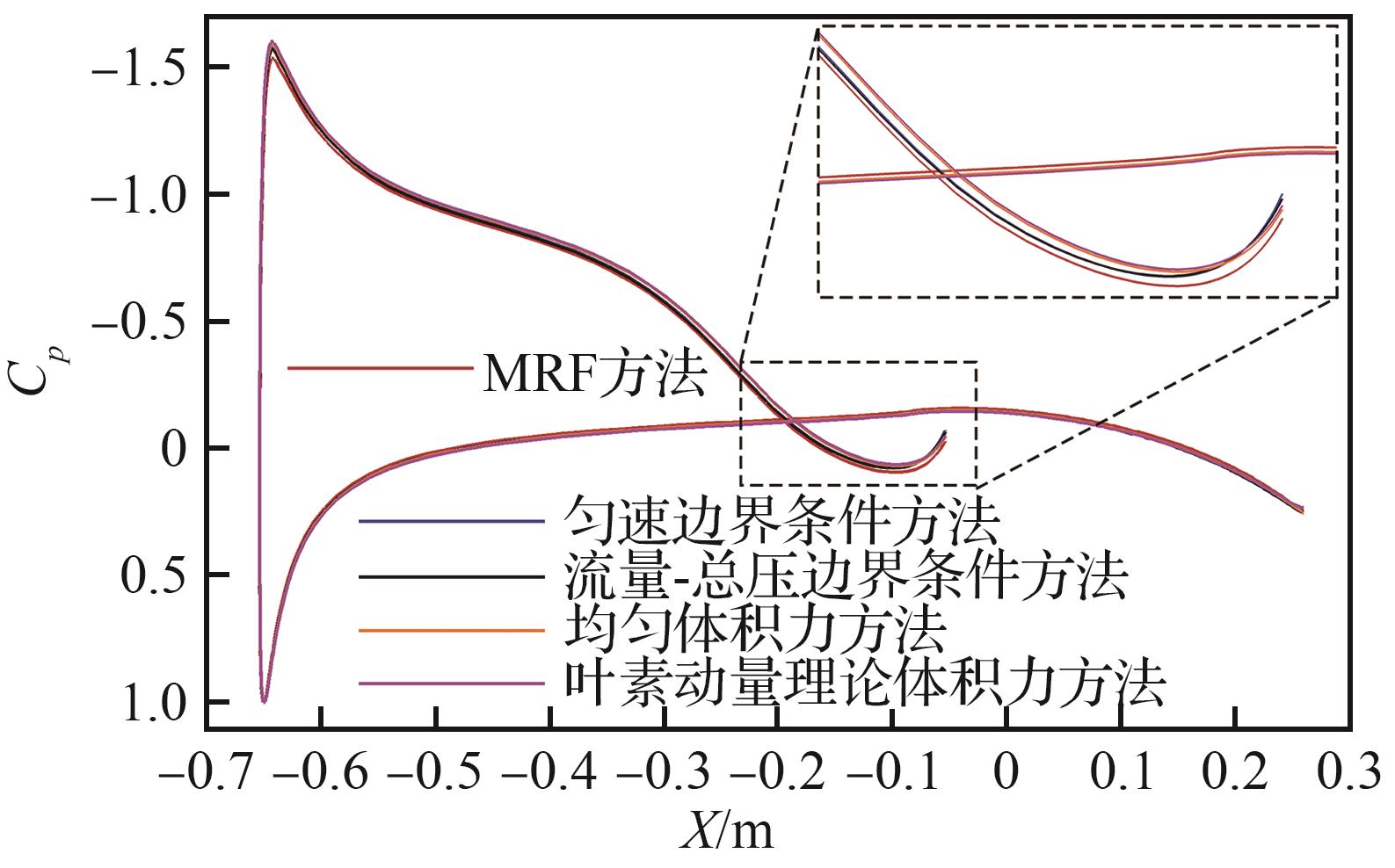
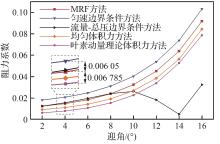
Fig.10
Comparison of drag coefficients calculated by several methods
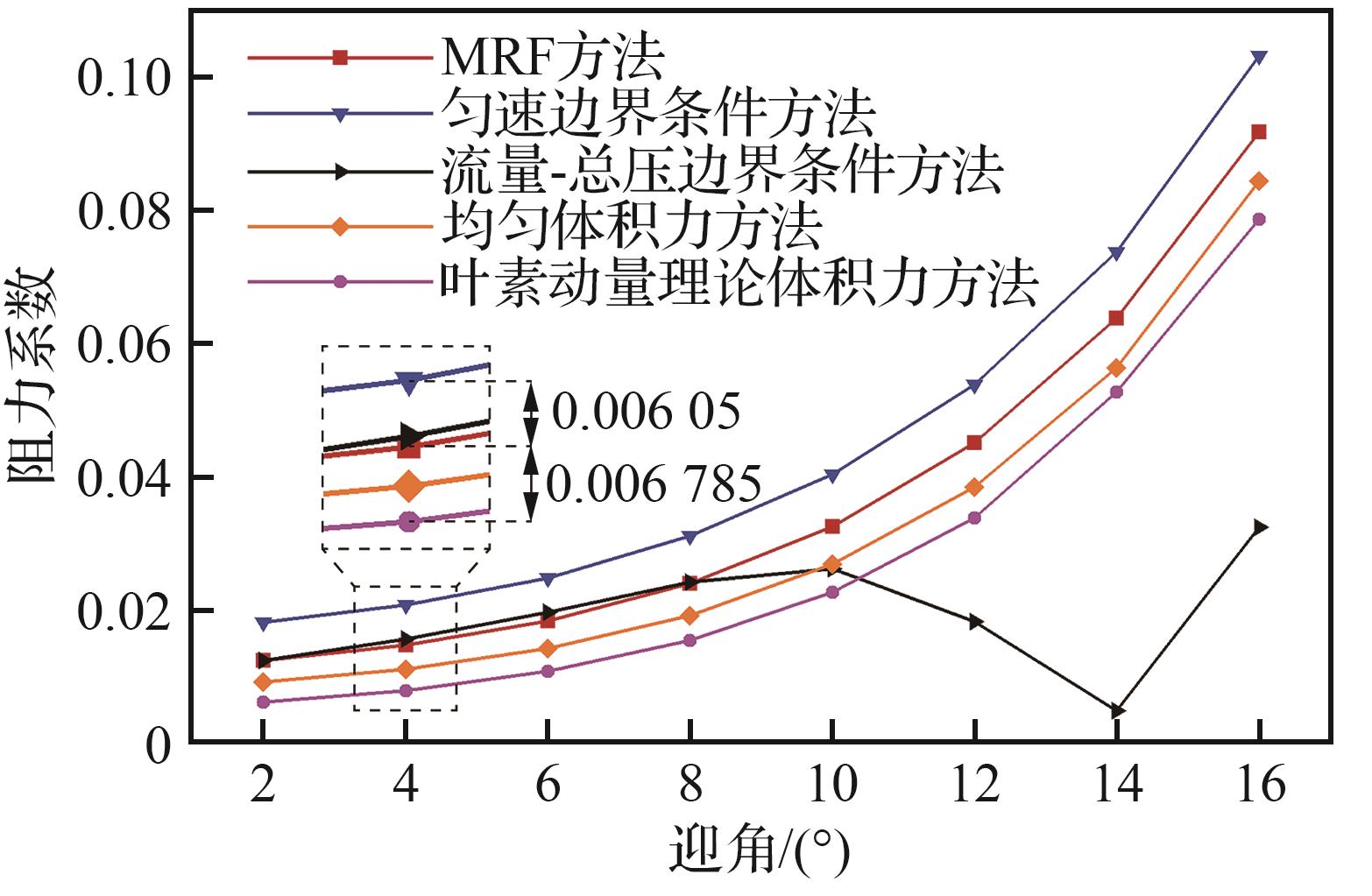
Fig.11
Front view of intake surface pressure coefficient calculated by MRF method and the difference between intake surface pressure coefficient calculated by four traditional momentum source methods and MRF method surface pressure coefficient
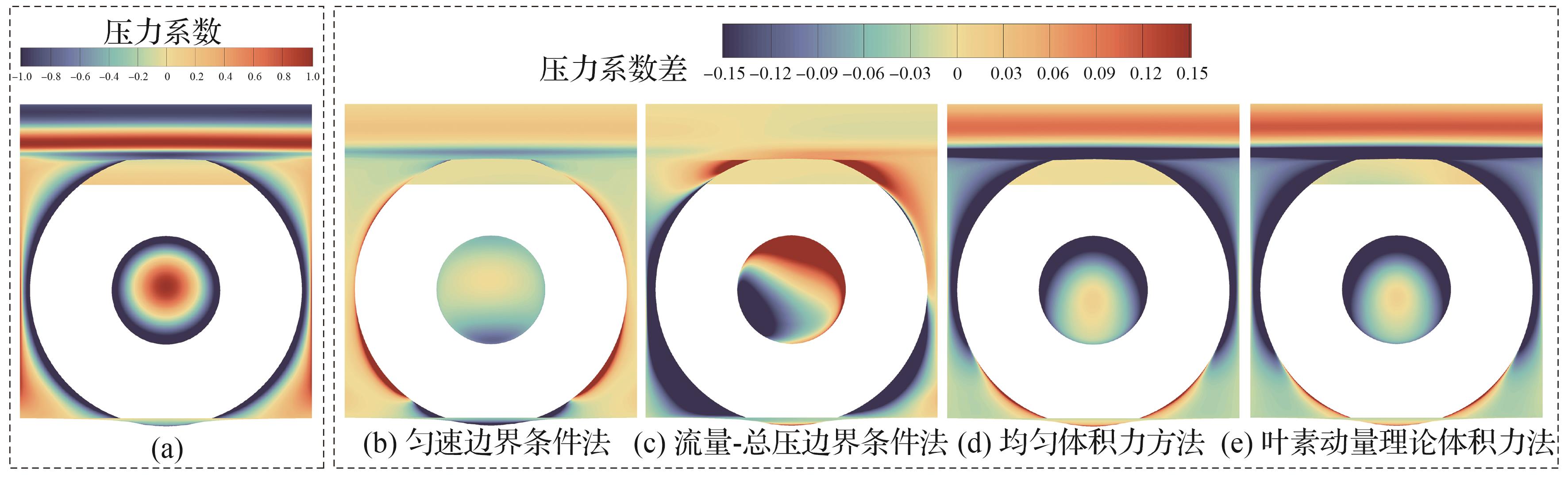
Fig.12
Schematic diagram of solution process of the novel momentum source method
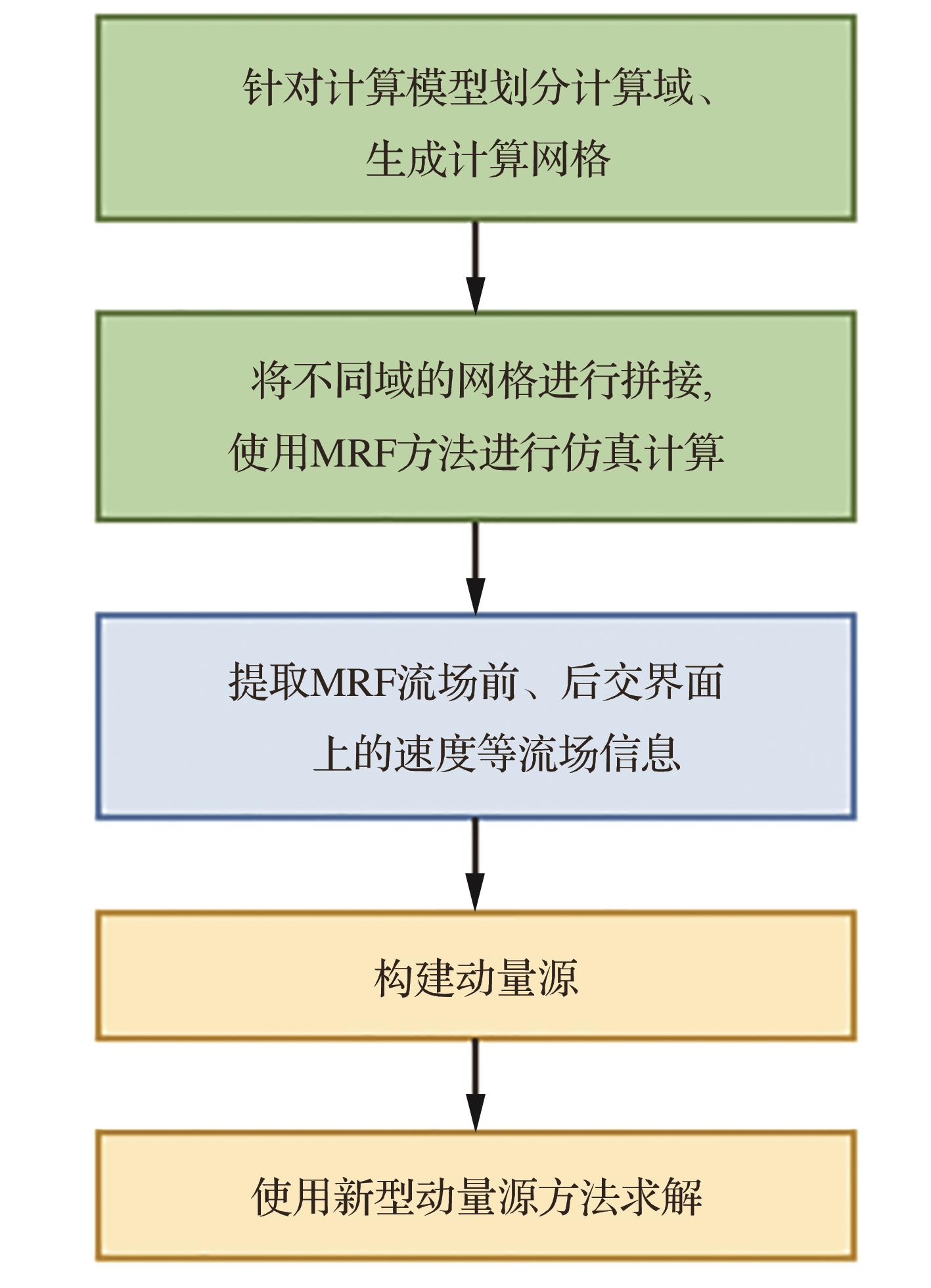
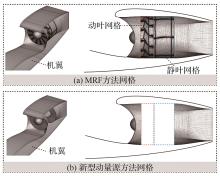
Fig.13
Schematic diagram of grid of MRF method and novel momentum source method
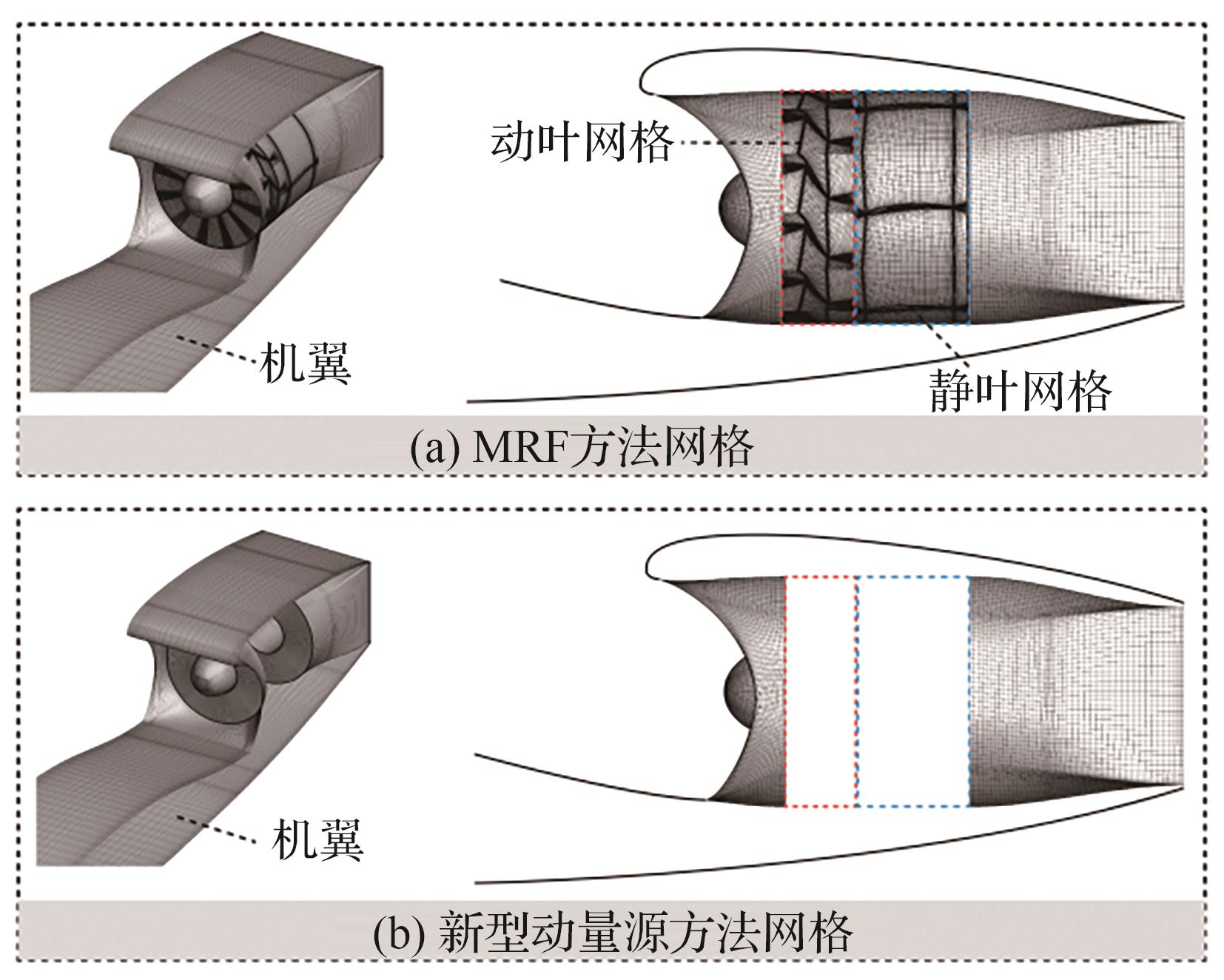
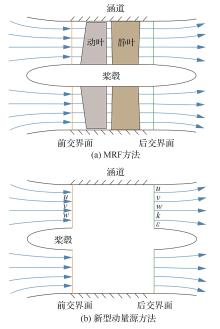
Fig.14
Schematic diagram of MRF method and novel momentum source method
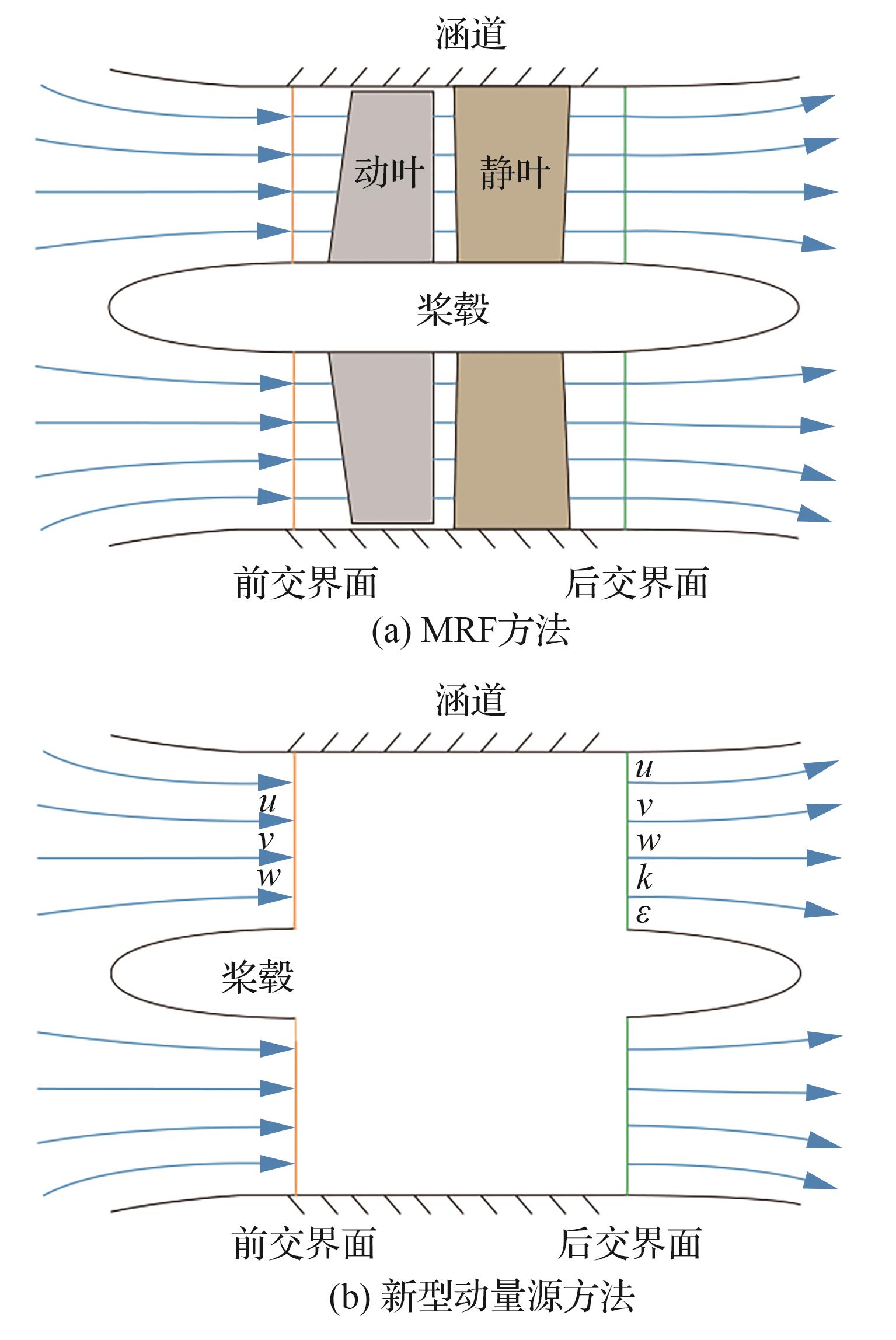
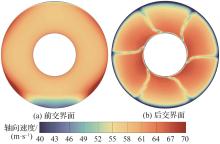
Fig.15
Axial velocity of front and rear interfaces of α=4° flow field calculated by MRF method
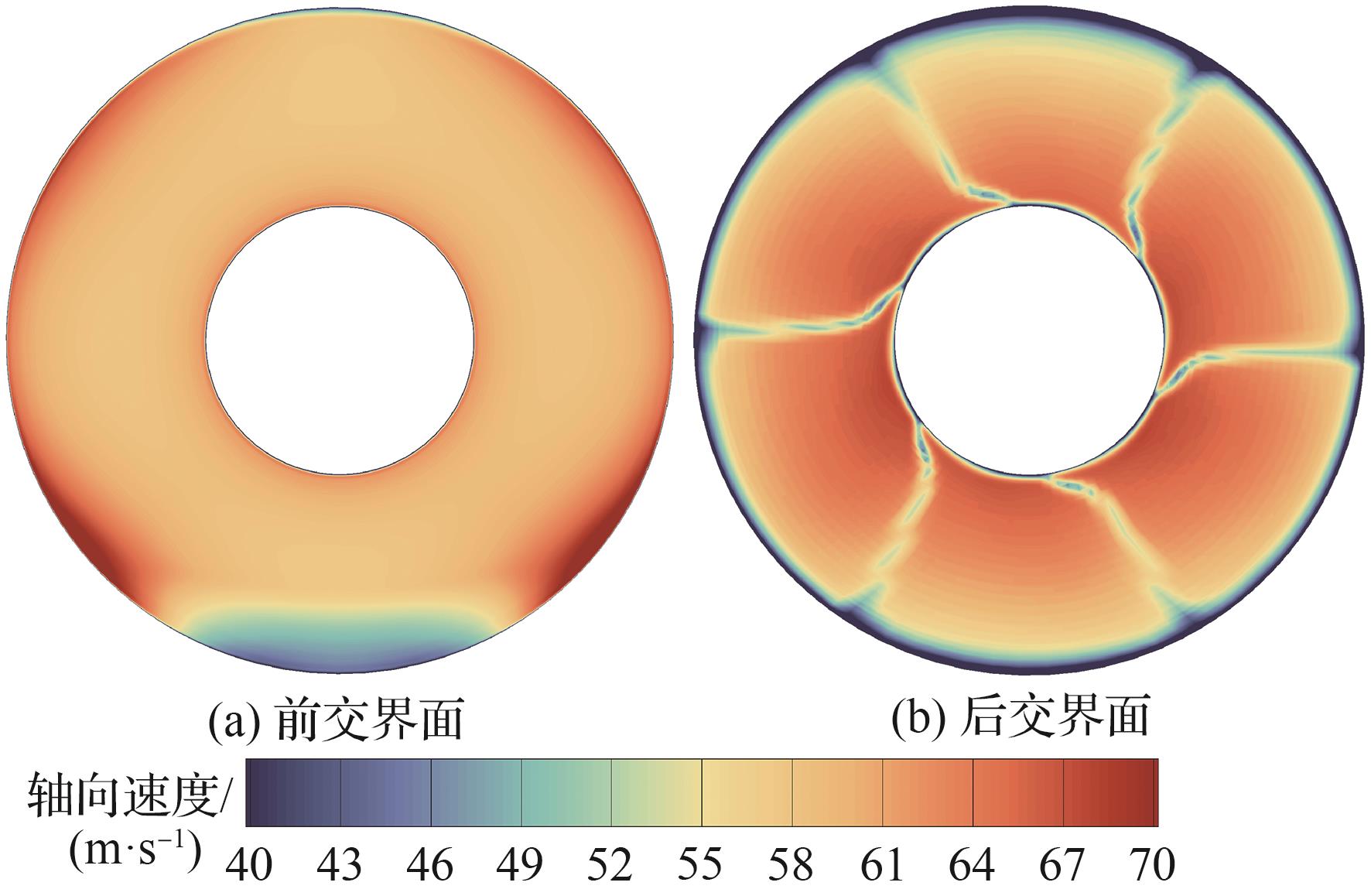
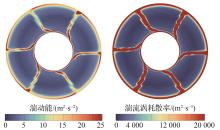
Fig.16
Distribution of turbulent kinetic energy and turbulent eddy dissipation at rear interface of α=4° flow field calculated by MRF method
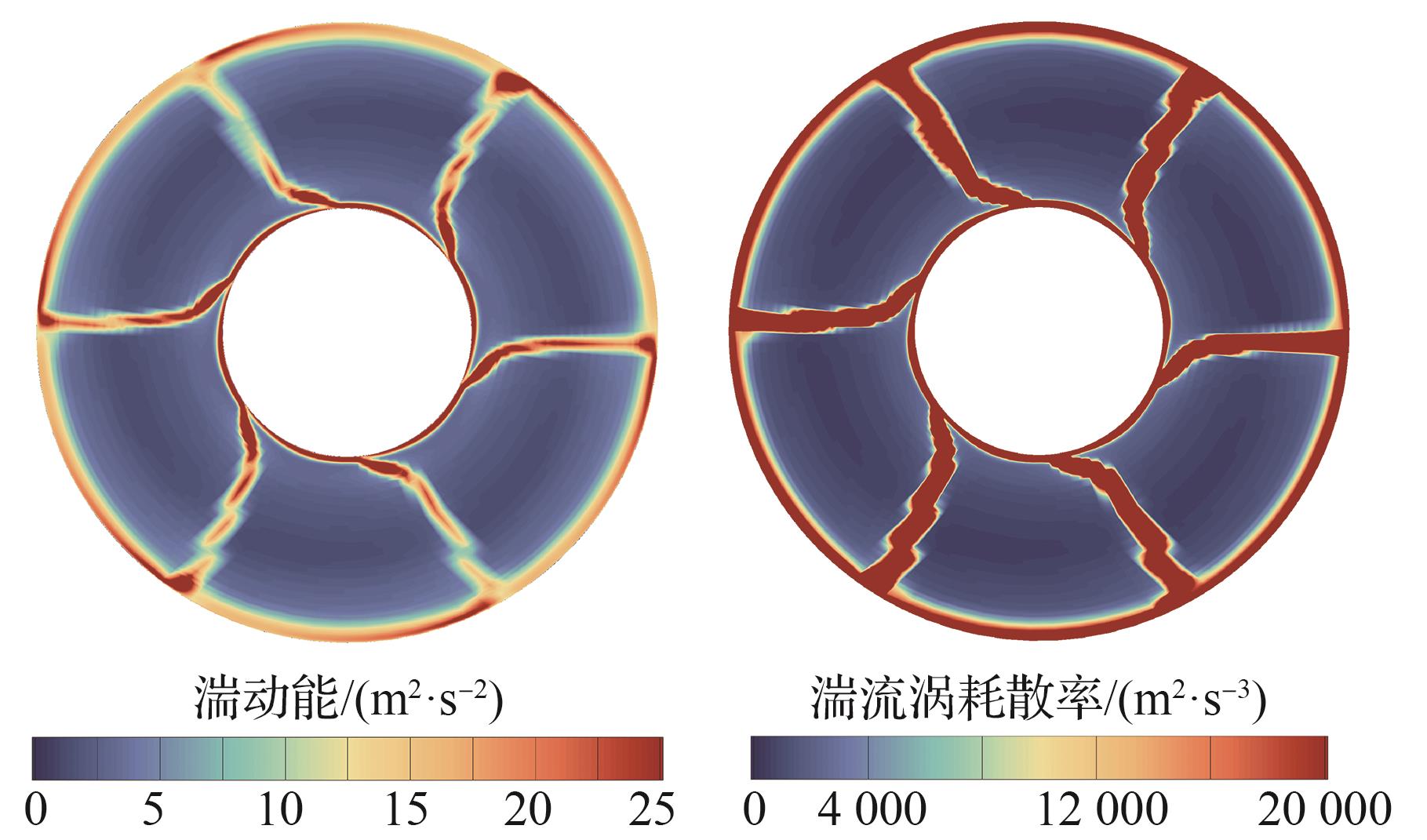
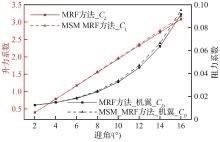
Fig.17
Comparison between new momentum source method and MRF method in calculating lift and drag coefficient of single ducted fan-wing section coupling configuration
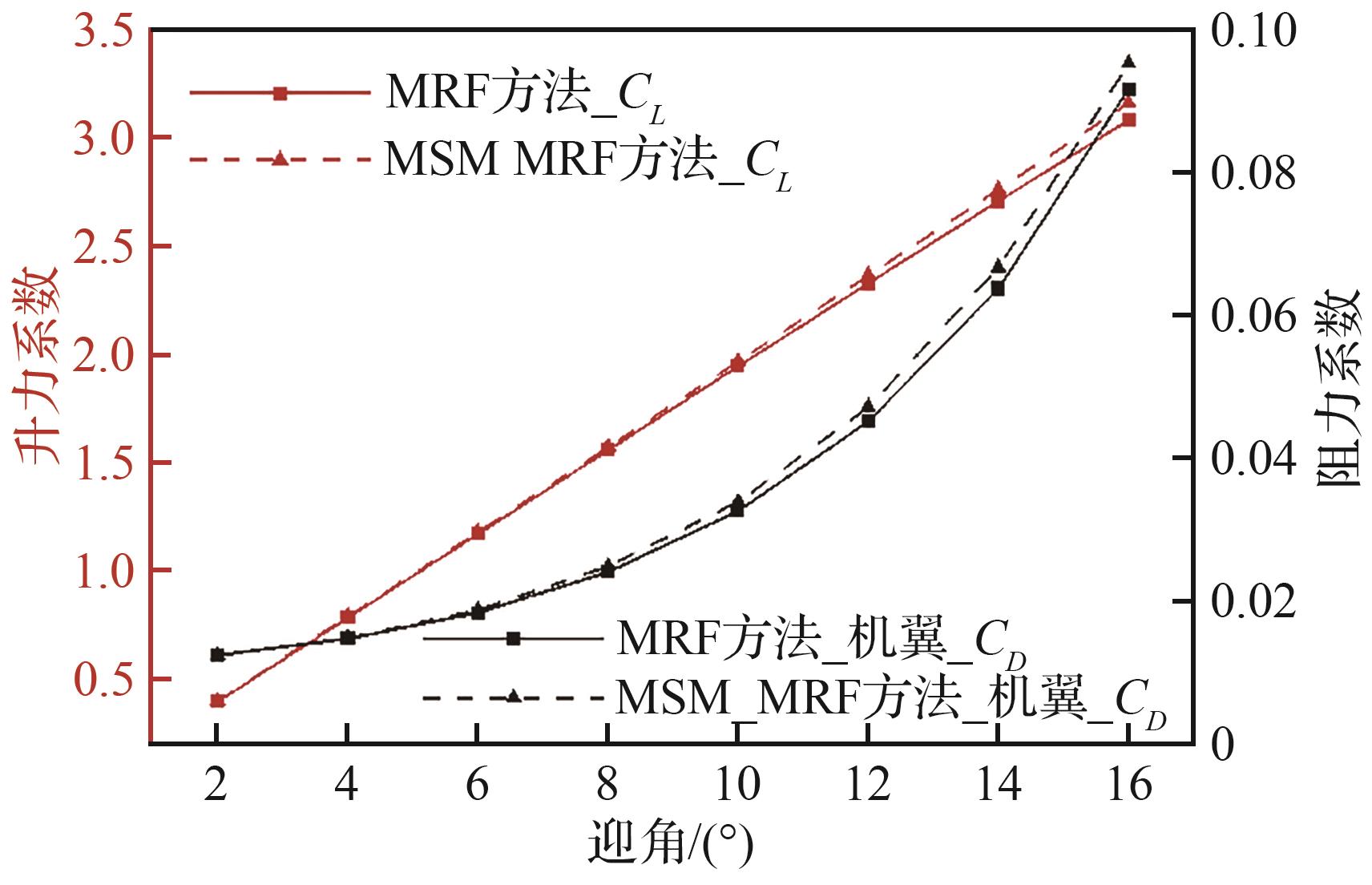
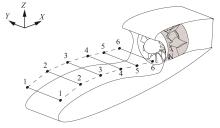
Fig.18
Schematic diagram of FFD control points on upper surface of airfoil
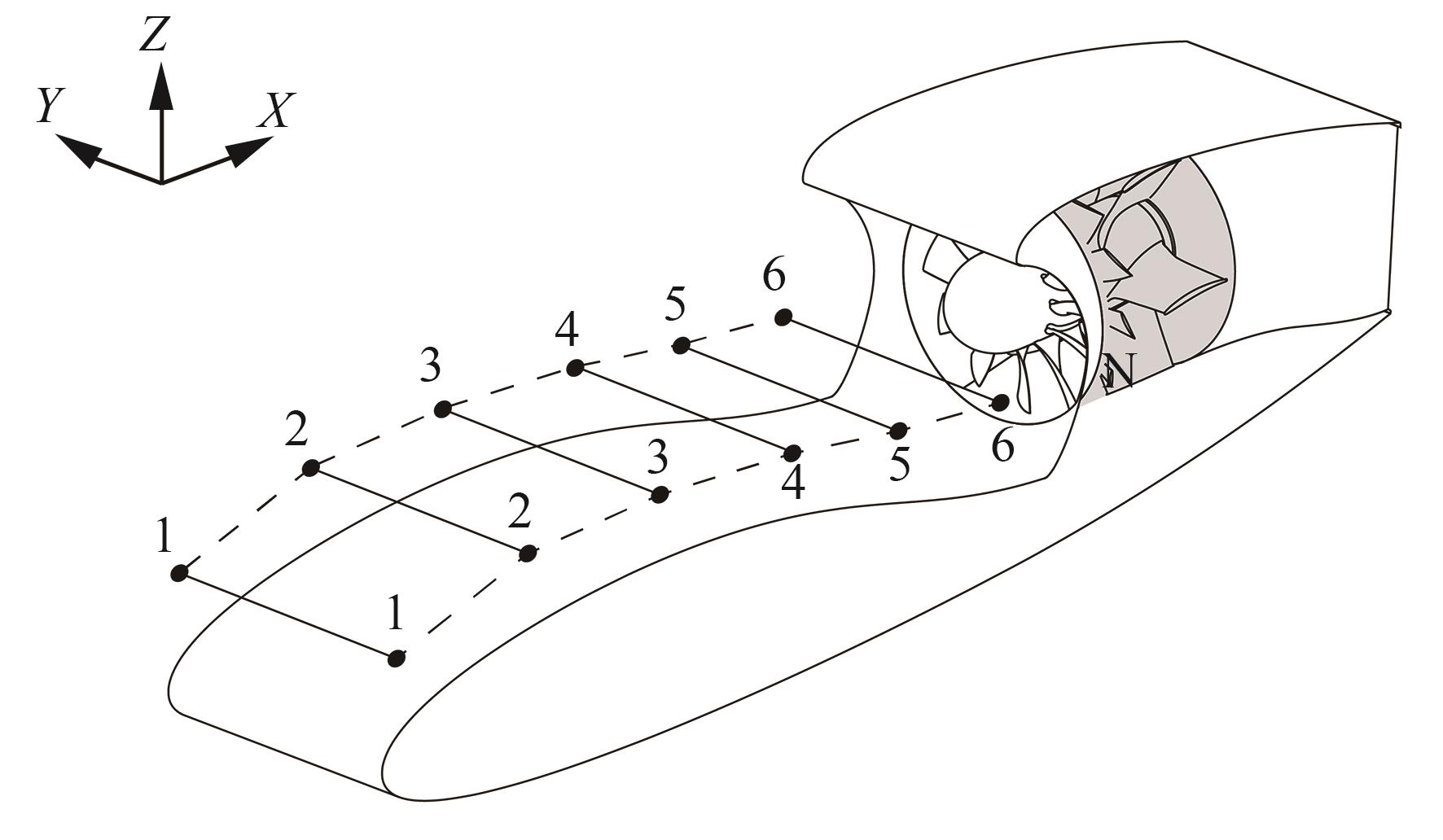

Table 1
Movement range of point 1
| 样本点 | 第1组 | 第2组 | 第3组 |
|---|---|---|---|
| 移动范围/m | ±0.005 | ±0.01 | ±0.02 |
Table 2
Movement range of point 2 to point 6
| 样本点 | 第1组 | 第2组 | 第3组 |
|---|---|---|---|
| 移动范围/m | ±0.01 | ±0.02 | ±0.04 |
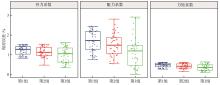
Fig.19
Relative error statistics of aerodynamic coefficients as disturbance amplitude changes
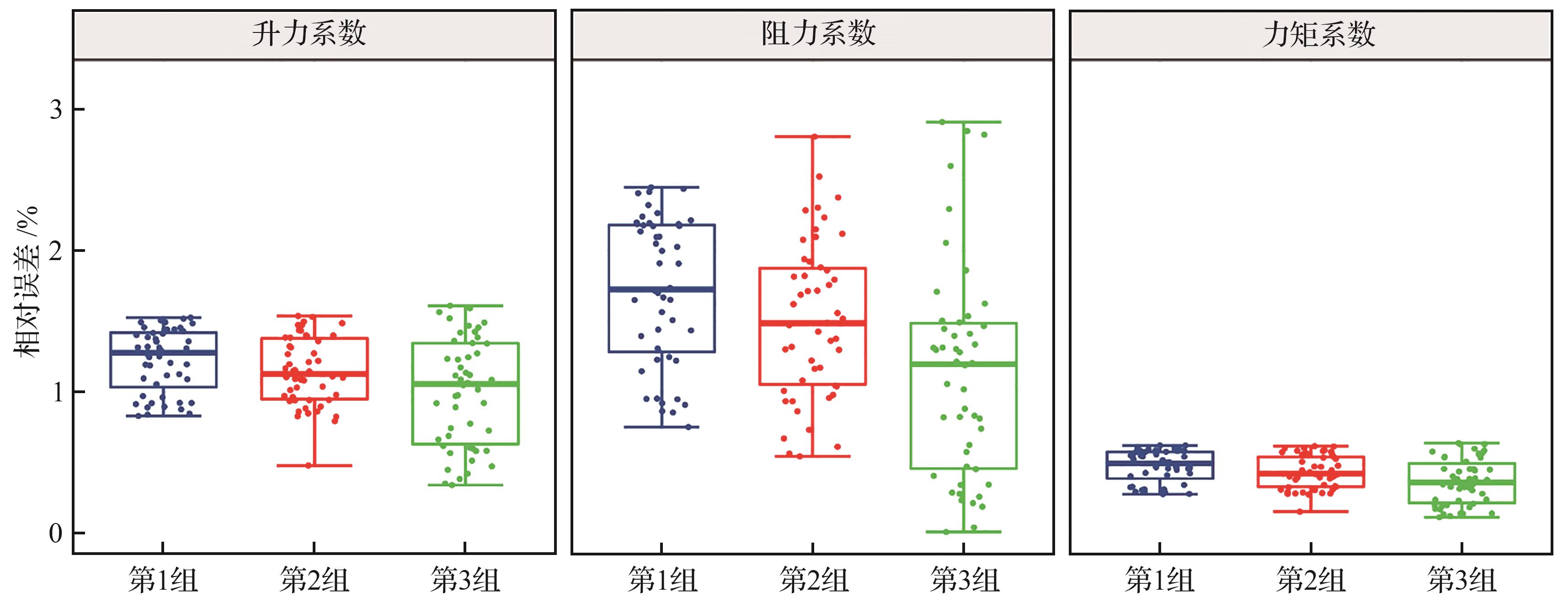
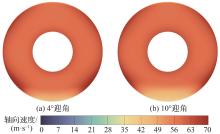
Fig.20
Axial velocity for front interface at α = 4°and 10°
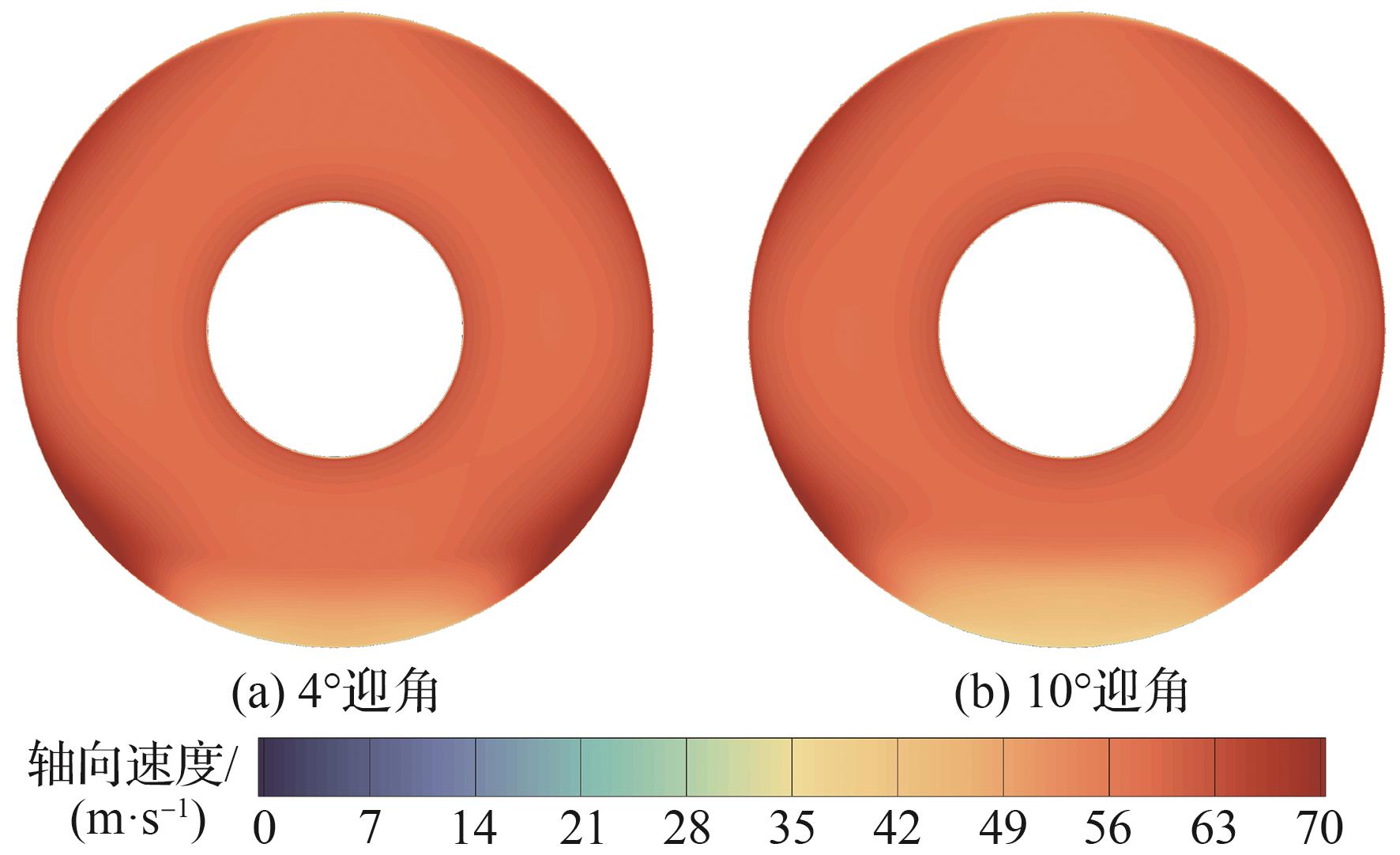
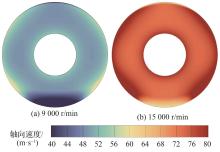
Fig.21
Front interface axial velocity distribution at 9 000 r/min and 15 000 r/min
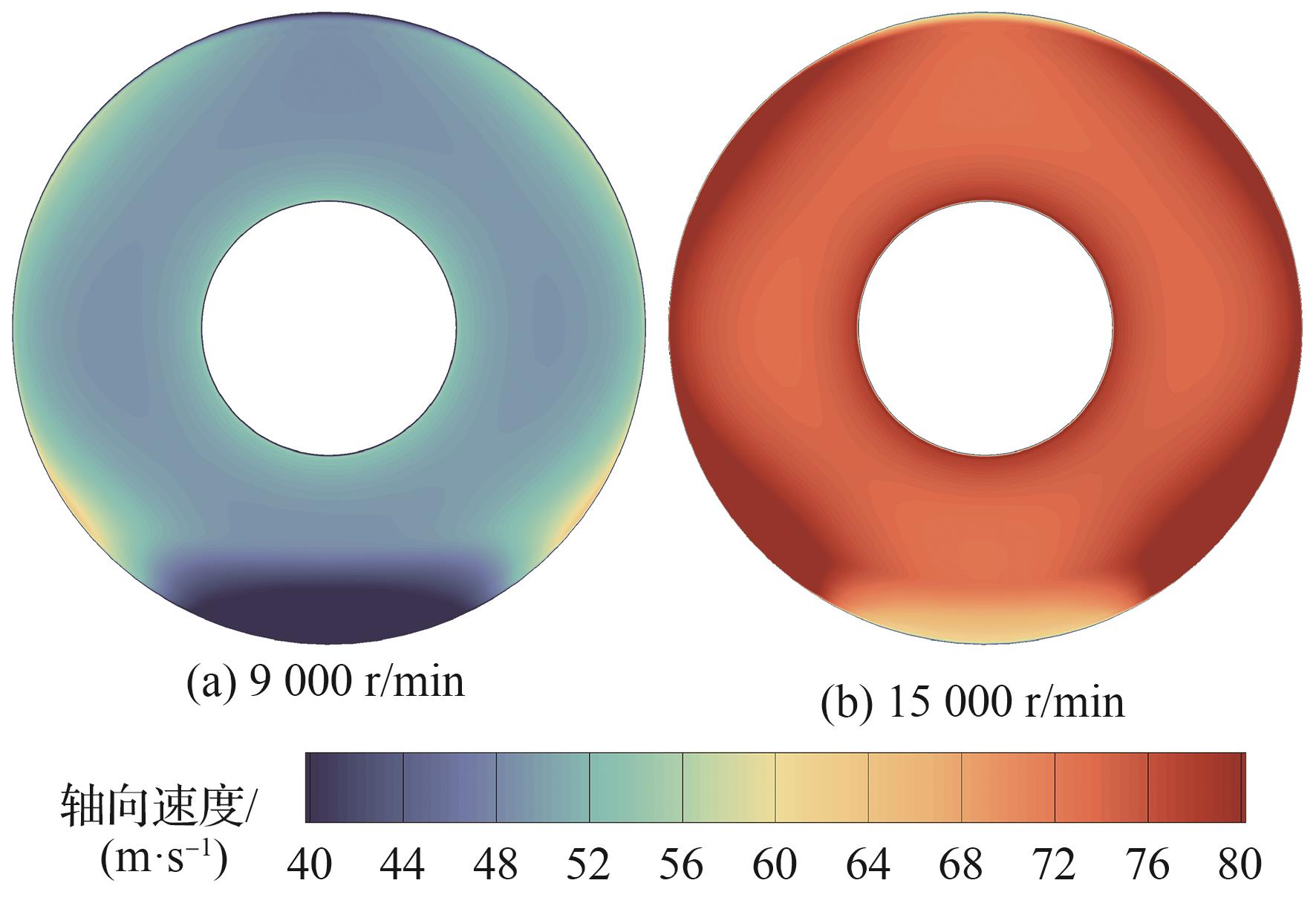
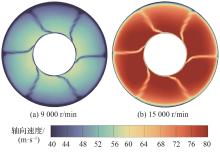
Fig.22
Back interface axial velocity distribution at 9 000 r/min and 15 000 r/min
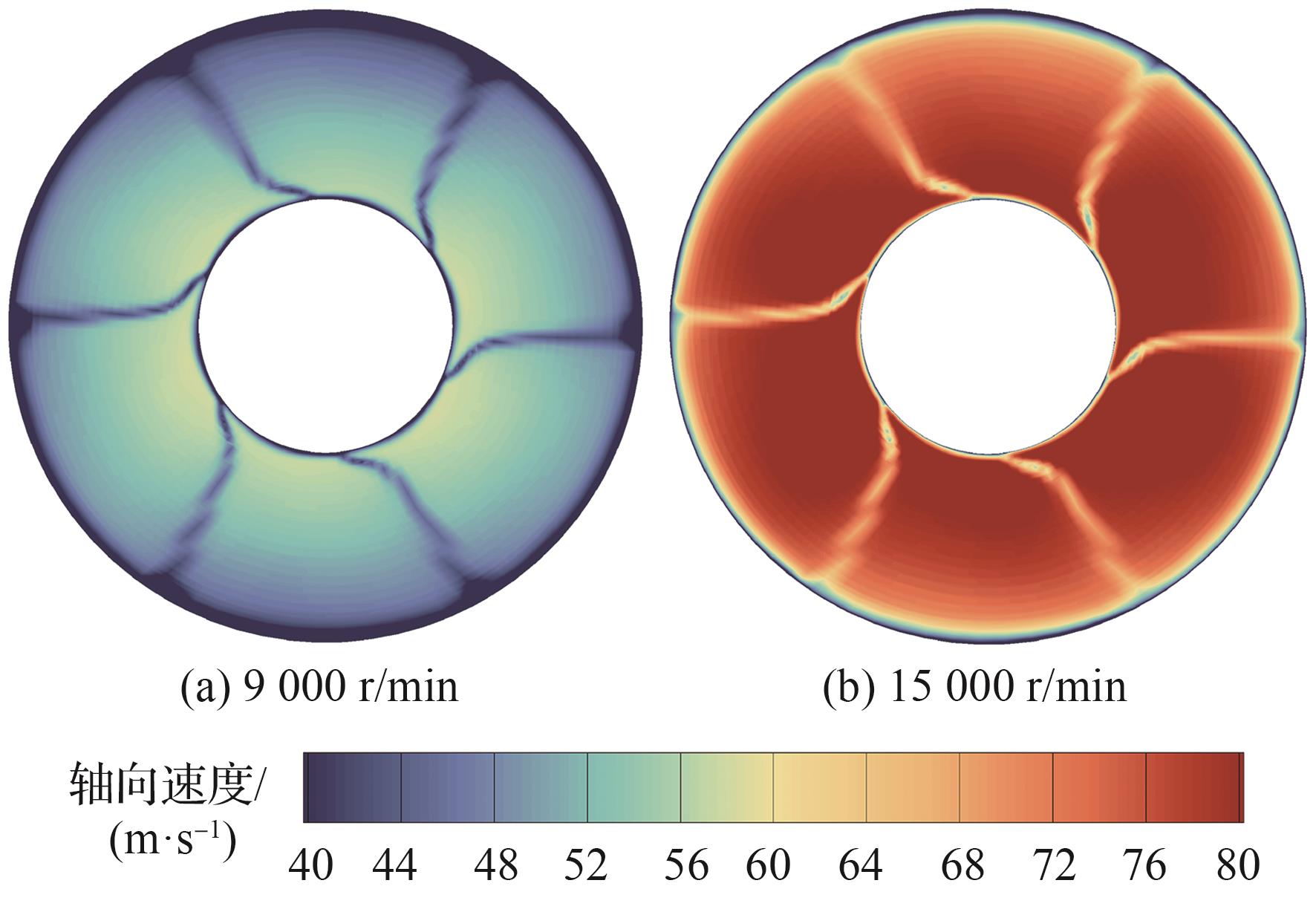
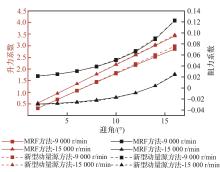
Fig.23
Comparison of lift and drag coefficients obtained using MRF method and the novel momentum source method at 9 000 r/min and 15 000 r/min
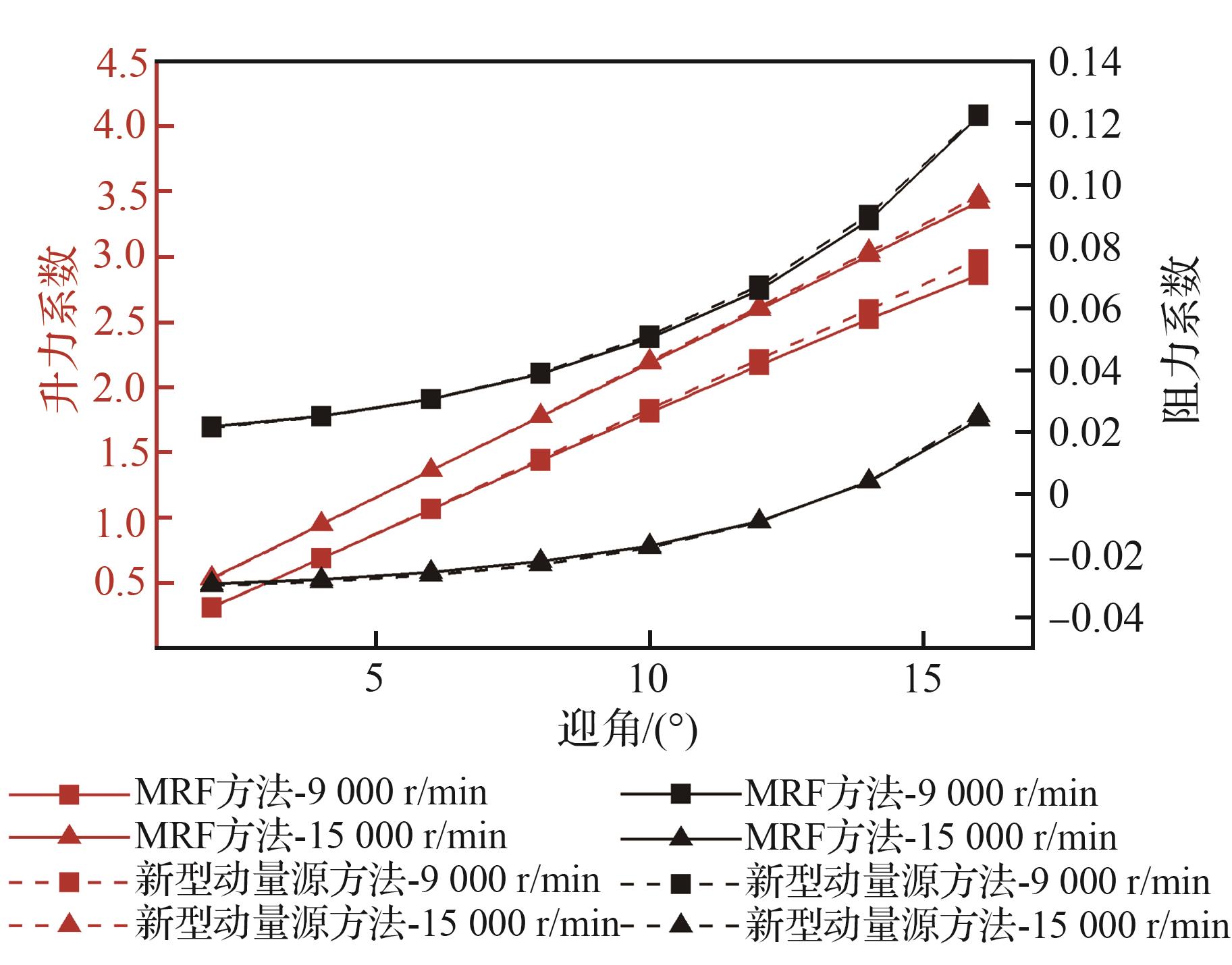
Fig.24
Grid of the distributed ducted fan-wing coupling configuration
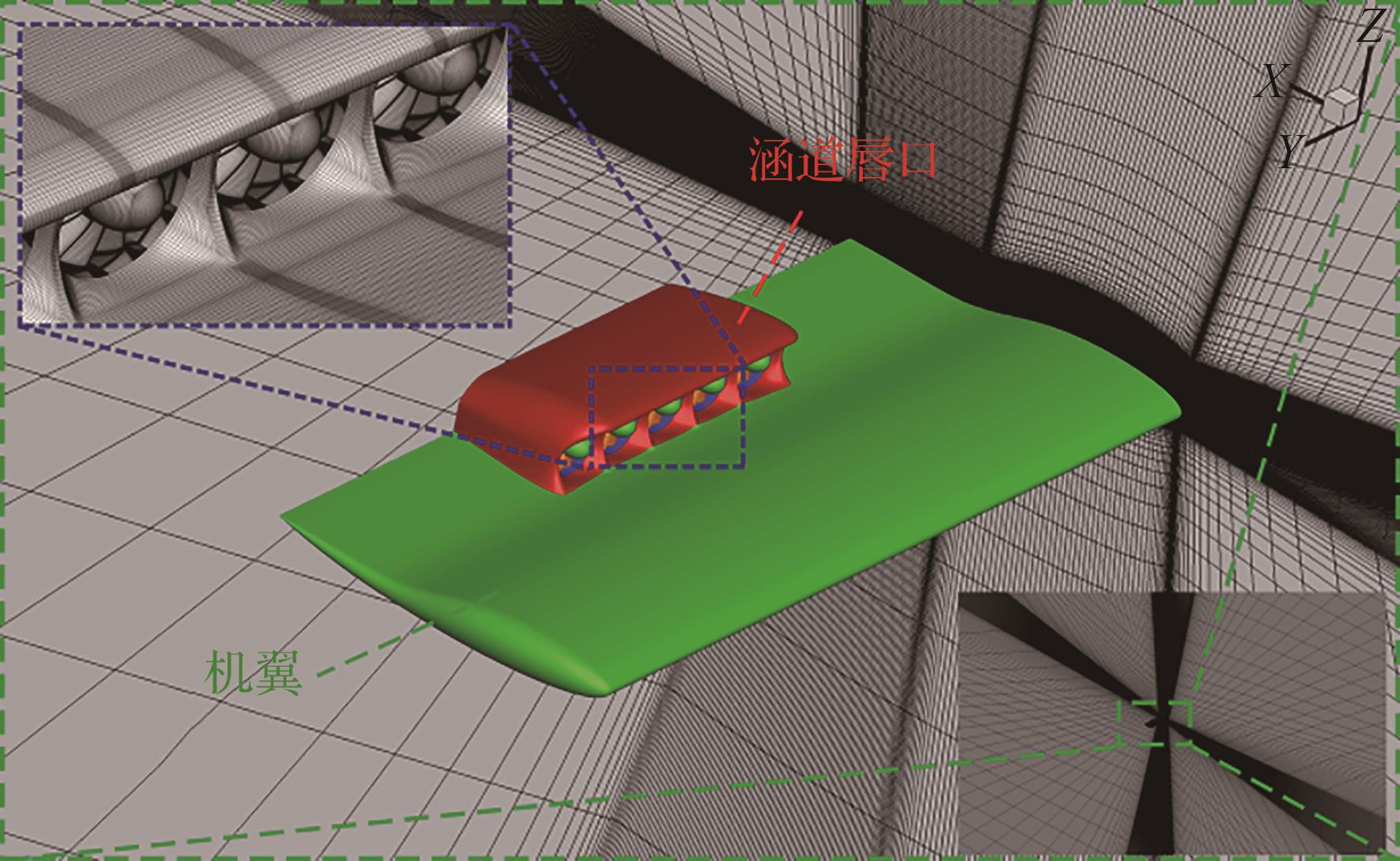
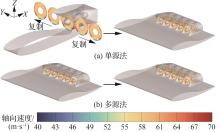
Fig.25
Schematic diagram of principle of single source method and multi-source method
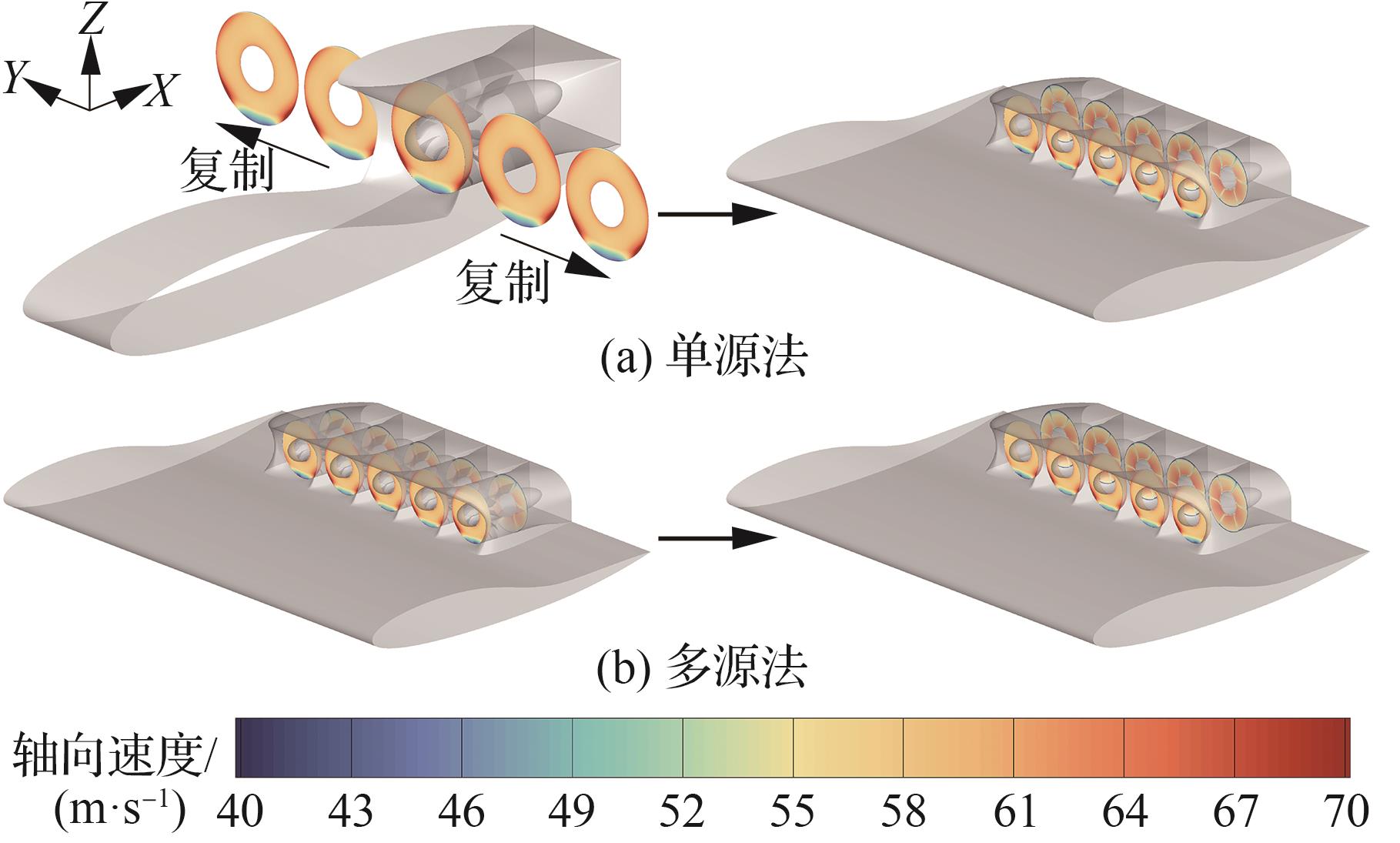
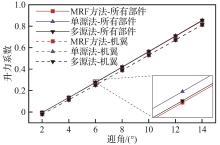
Fig.26
Comparison of lift coefficient calculation using MRF method, single source method and multi-source method
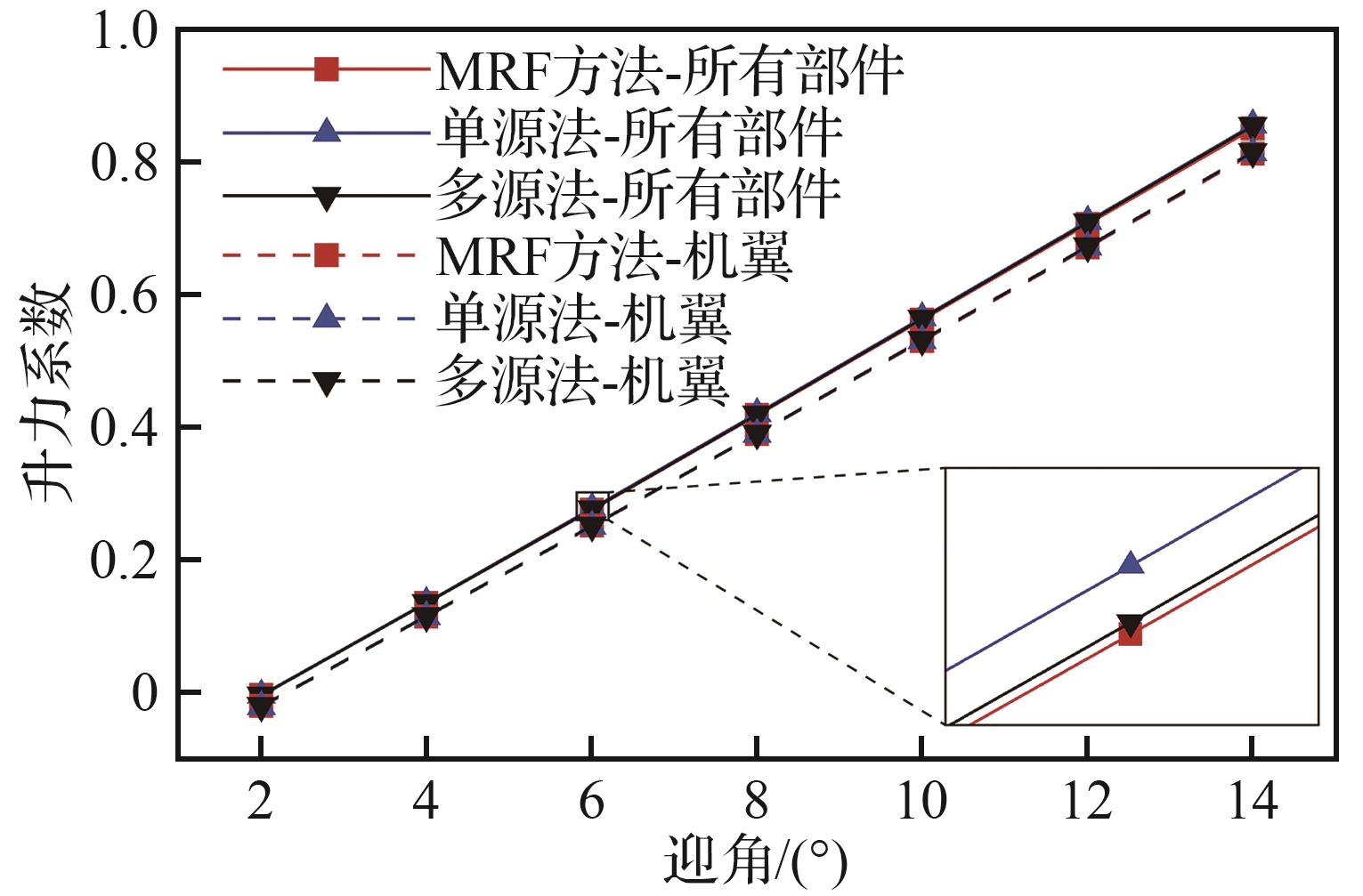
Fig.27
Comparison of drag coefficient calculation using MRF method, single source method and multi-source method
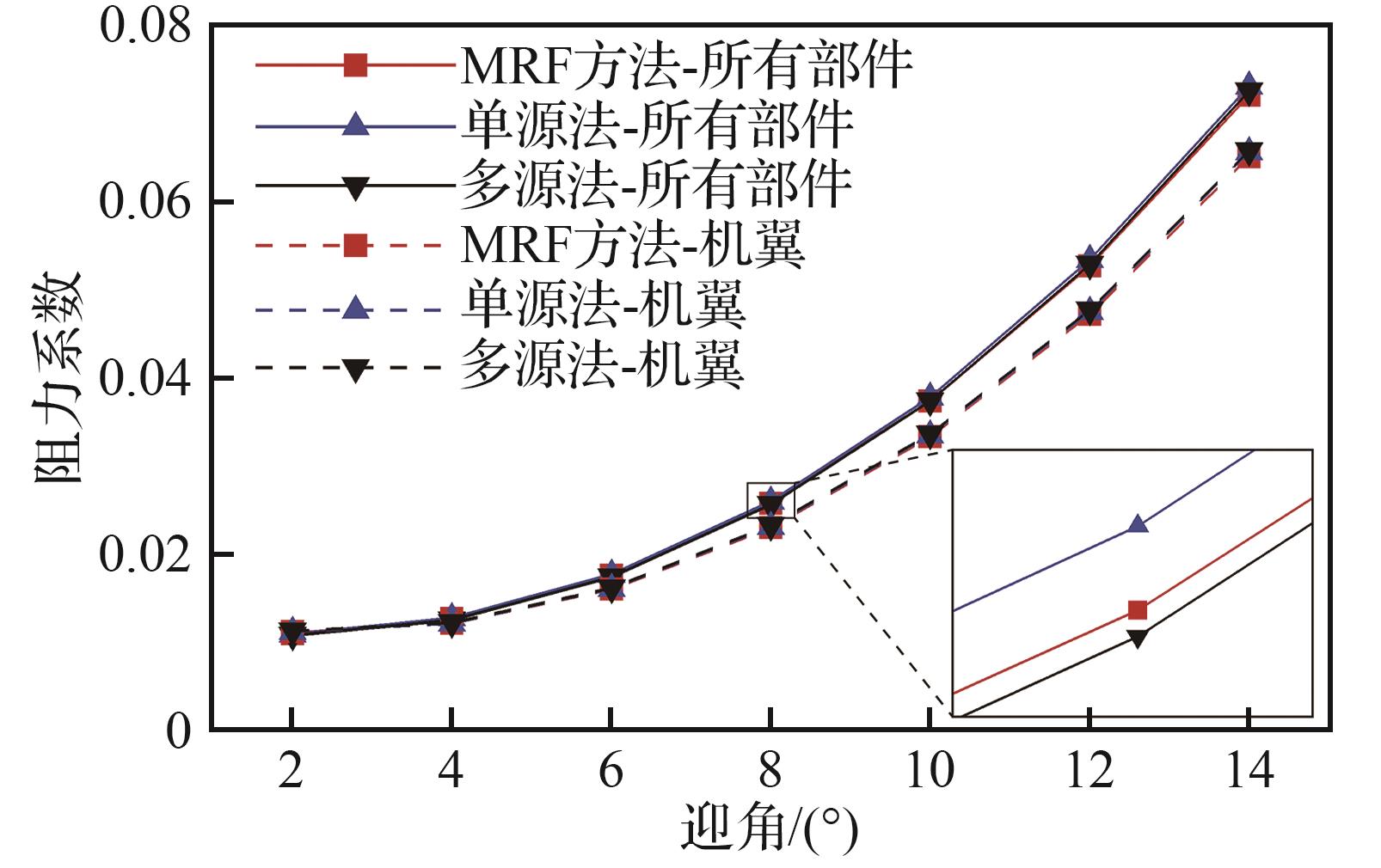
Fig.28
Comparison of pitching moment coefficient calculation using MRF method, single source method and multi-source method
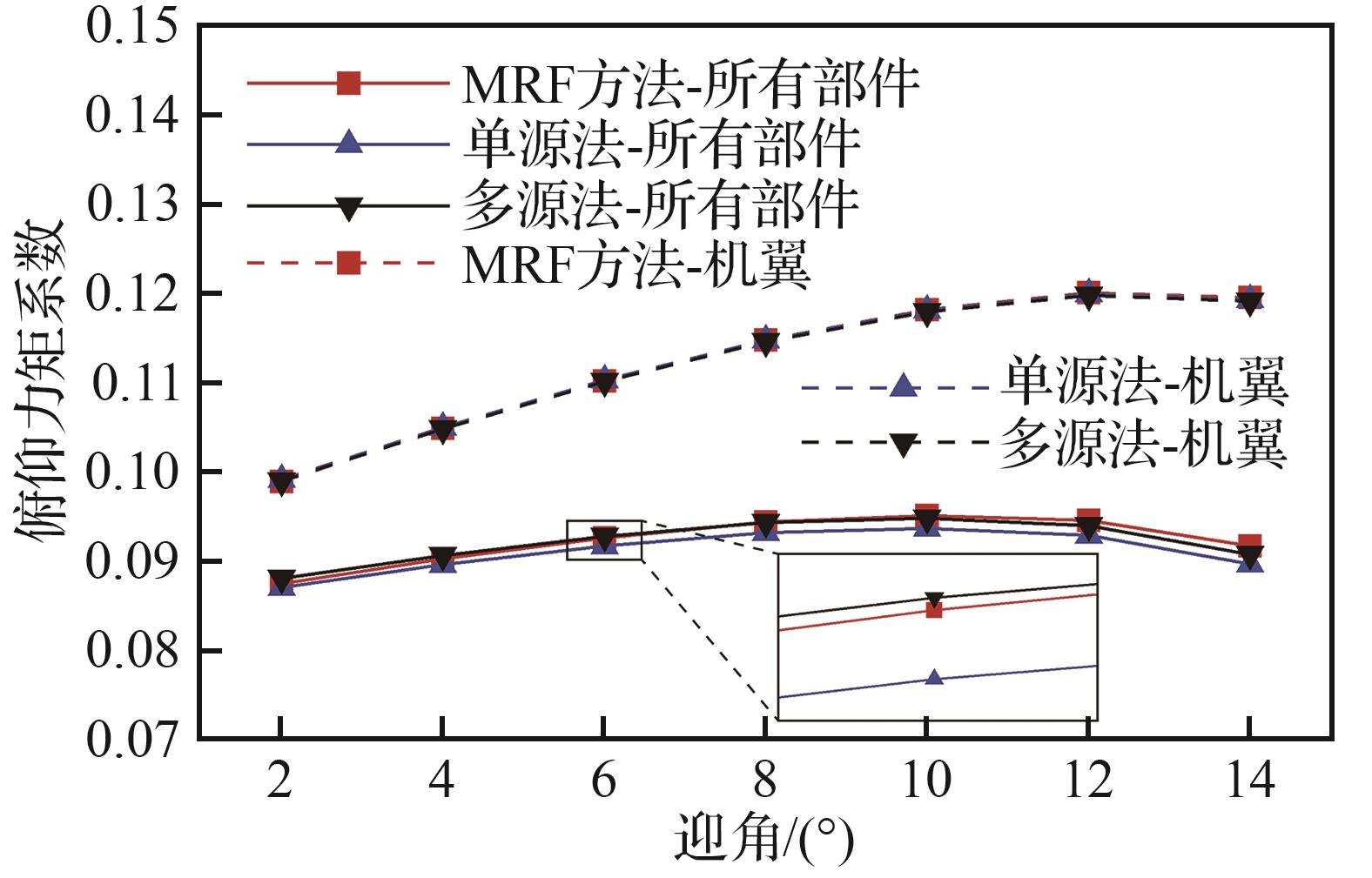
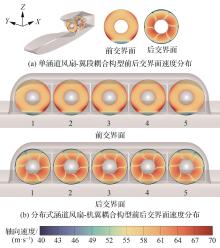
Fig.29
Comparison of front and rear interface velocity distribution between single ducted fan-wing section coupling configuration and distributed ducted fan-wing coupling configuration
Table 3
Thrust performance of single ducted fan-wing section coupling configuration
| 风扇序号 | 推力/N | 质量流量/(kg·s-1) | 推进效率/% |
|---|---|---|---|
| 1 | 12.530 | 0.961 | 57.8 |
Table 4
Thrust performance of distributed ducted fan-wing coupling configuration
| 风扇序号 | 推力/N | 质量流量/(kg·s-1) | 推进效率/% |
|---|---|---|---|
| 1 | 13.763 | 0.954 | 60.0 |
| 2 | 12.795 | 0.969 | 57.4 |
| 3 | 12.790 | 0.969 | 57.5 |
| 4 | 12.856 | 0.968 | 57.6 |
| 5 | 13.786 | 0.954 | 61.8 |
| [1] | 邓景辉. 电动垂直起降飞行器的技术现状与发展[J]. 航空学报, 2024, 45(5): 529937. |
| DENG J H. Technical status and development of electric vertical take-off and landing aircraft[J]. Acta Aeronautica et Astronautica Sinica, 2024, 45(5): 529937 (in Chinese). | |
| [2] | 孙侠生, 程文渊, 穆作栋, 等. 电动飞机发展白皮书[J]. 航空科学技术, 2019, 30(11): 1-7. |
| SUN Xiasheng, CHENG W Y, MU Z D, et al. White paper on the development of electric aircraft[J]. Aeronautical Science & Technology, 2019, 30(11): 1-7 (in Chinese). | |
| [3] | AKTURK A, CAMCI C. Tip clearance investigation of a ducted fan used in VTOL unmanned aerial vehicles—Part Ⅰ: Baseline experiments and computational validation[J]. Journal of Turbomachinery, 2014, 136(2): 021004. |
| [4] | KIM H D, PERRY A T, ANSELL P J. A review of distributed electric propulsion concepts for air vehicle technology[C]∥2018 AIAA/IEEE Electric Aircraft Technologies Symposium. Reston: AIAA, 2018. |
| [5] | PERRY A T, ANSELL P J, KERHO M F. Aero-propulsive and propulsor cross-coupling effects on a distributed propulsion system[J]. Journal of Aircraft, 2018, 55(6): 2414-2426. |
| [6] | HIRONO F C, MARTINEZ A T, ELLIOTT A, et al. Aeroacoustic design and optimisation of an all-electric ducted fan propulsion module for low-noise impact[C]∥28th AIAA/CEAS Aeroacoustics 2022 Conference. Reston: AIAA, 2022. |
| [7] | LIOU M F, GRONSTAL D, KIM H J, et al. Aerodynamic design of the hybrid wing body with nacelle: N3-X propulsion-airframe configuration[C]∥34th AIAA Applied Aerodynamics Conference. Reston: AIAA, 2016. |
| [8] | SWAMINATHAN N, REDDY S R P, RAJASHEKARA K, et al. Flying cars and eVTOLs: technology advancements, powertrain architectures, and design[J]. IEEE Transactions on Transportation Electrification, 2022, 8(4): 4105-4117. |
| [9] | SCHMOLLGRUBER P, DONJAT D, RIDEL M, et al. Multidisciplinary design and performance of the ONERA hybrid electric distributed propulsion concept (DRAGON)[C]∥AIAA Scitech 2020 Forum. Reston: AIAA, 2020. |
| [10] | BACCHINI A, CESTINO E. Electric VTOL configurations comparison[J]. Aerospace, 2019, 6(3): 26. |
| [11] | 钱仲焱, 白俊强, 邱亚松, 等. 集成有分布式涵道风扇的机翼和电动飞机: CN115489716A[P]. 2022-12-20. |
| QIAN Z Y, BAI J Q, QIU Y S, et al. Integrated distributed ducted fan wing and electric aircraft: CN115489716A[P]. 2022-12-20. | |
| [12] | 达兴亚, 李永红, 熊能, 等. 翼身融合运输机分布式电推进系统设计及油耗评估[J]. 航空动力学报, 2019, 34(10): 2158-2166. |
| DA X Y, LI Y H, XIONG N, et al. Distributed electrical propulsion system design and fuel consumption evaluation for a blended-wing-body transport[J]. Journal of Aerospace Power, 2019, 34(10): 2158-2166 (in Chinese). | |
| [13] | DE VRIES R. Hybrid-electric aircraft with over-the-wing distributed propulsion: Aerodynamic performance and conceptual design[D]. Delft: Delft University of Technology, 2022. |
| [14] | 王科雷, 周洲, 郭佳豪, 等. 分布式动力翼前飞状态动力/气动耦合特性[J]. 航空学报, 2024, 45(2): 128643. |
| WANG K L, ZHOU Z, GUOJIA H, et al. Propulsive/aerodynamic coupled characteristics of distributed-propulsion-wing during forward flight[J]. Acta Aeronautica et Astronautica Sinica, 2024, 45(2): 128643 (in Chinese). | |
| [15] | UPADHYAY P, ZAMAN K B M Q. Effect of incoming boundary-layer characteristics on performance of a distributed propulsion system[J]. Journal of Propulsion and Power, 2021, 37(5): 701-712. |
| [16] | 王海童, 王掩刚, 周芳, 等. 基于面元法的分布式涵道推进系统进气道优化设计[J]. 推进技术, 2021, 42(11): 2465-2473. |
| WANG H T, WANG Y G, ZHOU F, et al. Optimization design of inlet for distributed ducted fan propulsion system based on panel method[J]. Journal of Propulsion Technology, 2021, 42(11): 2465-2473 (in Chinese). | |
| [17] | 刘乾, 刘汉儒, 尚珣, 等. 电推进涵道风扇气动快速求解方法及性能分析研究[J]. 推进技术, 2024, 45(3): 136-143. |
| LIU Q, LIU H R, SHANG X, et al. Fast aerodynamic prediction method and performance of electrically driven duct fan[J]. Journal of Propulsion Technology, 2024, 45(3): 136-143 (in Chinese). | |
| [18] | KIM H, LIOU M S. Flow simulation and optimal shape design of N3-X hybrid wing body configuration using a body force method[J]. Aerospace Science and Technology, 2017, 71: 661-674. |
| [19] | 张阳, 周洲, 王科雷, 等. 分布式动力系统参数对翼身融合布局无人机气动特性的影响[J]. 西北工业大学学报, 2021, 39(1): 17-26. |
| ZHANG Y, ZHOU Z, WANG K L. Influences of distributed propulsion system parameters on aerodynamic characteristics of a BLI-BWB UAV[J]. Journal of Northwestern Polytechnical University, 2021, 39(1): 17-26. (in Chinese). | |
| [20] | CUI R, LI Q S, PAN T Y, et al. Streamwise-body-force-model for rapid simulation combining internal and external flow fields[J]. Chinese Journal of Aeronautics, 2016, 29(5): 1205-1212. |
| [21] | 邱奥祥, 桑为民, 张桐, 等. 翼身融合布局飞机分布式推进边界层吸入效应影响研究[J]. 力学学报, 2024, 56(8): 2448-2467. |
| QIU A X, SANG W M, ZHANG T, et al. Research on the effect of boundary layer ingestion of blended-wing-body aircraft with distributed propulsion[J]. Chinese Journal of Theoretical and Applied Mechanics, 2024, 56(8): 2448-2467 (in Chinese). | |
| [22] | 徐诸霖, 达兴亚, 范召林, 等. 一种适用于进气道/风扇一体化计算的体积力模型[J]. 推进技术, 2019, 40(4): 732-740. |
| XU Z L, DA X Y, FAN Z L, et al. A body force model for the computation of inlet and fan integration[J]. Journal of Propulsion Technology, 2019, 40(4): 732-740 (in Chinese). | |
| [23] | MENTER F. Zonal two equation k-w turbulence models for aerodynamic flows[C]∥23rd Fluid Dynamics, Plasmadynamics, and Lasers Conference. Reston: AIAA, 1993. |
| [24] | 金奕星. 螺旋桨滑流的转/静交界面数值模拟方法研究[D]. 南京: 南京航空航天大学, 2015: 45-61. |
| JIN Y X. Study on numerical simulation method of rotating/static interface of propeller slipstream[D]. Nanjing: Nanjing University of Aeronautics and Astronautics, 2015: 45-61 (in Chinese). | |
| [25] | DOGRUOZ M B, SHANKARAN G. Computations with the multiple reference frame technique: Flow and temperature fields downstream of an axial fan[J]. Numerical Heat Transfer, Part A: Applications, 2017, 71(5): 488-510. |
| [26] | SILVA P A S F, TSOUTSANIS P, ANTONIADIS A F. Simple multiple reference frame for high-order solution of hovering rotors with and without ground effect[J]. Aerospace Science and Technology, 2021, 111: 106518. |
| [27] | 韩凯, 白俊强, 邱亚松, 等. 涵道螺旋桨设计变量的影响及其流动机理[J]. 航空学报, 2022, 43(7): 125466. |
| HAN K, BAI J Q, QIU Y S, et al. Aerodynamic performance and flow mechanism of ducted propeller with different design variables[J]. Acta Aeronautica et Astronautica Sinica, 2022, 43(7): 125466 (in Chinese). | |
| [28] | 王海童. 分布式升力系统优化设计及试验研究[D]. 西安: 西北工业大学, 2021: 51-53. |
| WANG H T. Optimal design and experimental study of distributed lift system[D]. Xi’an: Northwestern Polytechnical University, 2021: 51-53 (in Chinese). | |
| [29] | LENG Y C, YOO H, JARDIN T, et al. Aerodynamic modeling of propeller forces and moments at high angle of incidence[C]∥AIAA Scitech 2019 Forum. Reston: AIAA, 2019. |
| [1] | Kelei WANG, Zhou ZHOU, Minghao LI. Research and experimental validation of loose coupling design method for propulsion wing unit [J]. Acta Aeronautica et Astronautica Sinica, 2025, 46(9): 212-229. |
| [2] | Zhuoyuan LI, Xudong YANG, Kai SUN, Junhui XIONG, Shuai SHI. Aerodynamic configuration of distributed ducted fan with complex strong interference effect and performance influence [J]. Acta Aeronautica et Astronautica Sinica, 2025, 46(3): 130805-130805. |
| [3] | Jinhua LOU, Rongqian CHEN, Jiaqi LIU, Yue BAO, Hao WU, Yancheng YOU. Aircraft aerodynamic performance prediction and inverse design based on a gated diffusion model [J]. Acta Aeronautica et Astronautica Sinica, 2025, 46(10): 631183-631183. |
| [4] | Weiguo ZHANG, Min TANG, Jie WU, Xianmin PENG, Guichuan ZHANG, Bowen NIE, Liangquan WANG, Chaoqun LI. Overview of wind tunnel test research on tiltrotor aircraft [J]. Acta Aeronautica et Astronautica Sinica, 2024, 45(9): 530114-530114. |
| [5] | Weikang HUANG, Zhuoran ZHANG, Xingya DA, Peibo YUAN, Huamin GAO. Thermal characteristics of dual drive motors for high speed counter⁃rotating ducted fan [J]. Acta Aeronautica et Astronautica Sinica, 2024, 45(8): 129048-129048. |
| [6] | Haixing LI, Feng ZHOU, Wei YAN, Feng BAI, Keliang ZHAO. Effects of roughness ice on aerodynamic performance of civil aircraft horizontal tail [J]. Acta Aeronautica et Astronautica Sinica, 2024, 45(2): 128657-128657. |
| [7] | Haowan ZHUANG, Chuanjun CAO, Yan WANG, Jinfang TENG, Mingmin ZHU, Xiaoqing QIANG. Uncertainty analysis of non-axisymmetric stagger angle based on NIPC [J]. Acta Aeronautica et Astronautica Sinica, 2024, 45(19): 630145-630145. |
| [8] | Junyang YU, Wenguang FU, Peng SUN, Tao ZHANG, Chunxue WANG, Wei ZHAO. Design and stabilization mechanism of non-axisymmetric fans under inlet distortion conditions [J]. Acta Aeronautica et Astronautica Sinica, 2024, 45(16): 129725-129725. |
| [9] | Dinghua ZHANG, Zhiwei HE, Xuebao ZHANG, Ming LUO. Influence of blade multi-scale surface on aerodynamic performance of compressor and its high-performance manufacturing: A review [J]. Acta Aeronautica et Astronautica Sinica, 2024, 45(13): 629642-629642. |
| [10] | Qiulin LI, Li ZHOU, Peng SUN, Jingwei SHI, Zhanxue WANG. Influence mechanism of aspect ratio on fluid-structure interaction characteristics of serpentine nozzle [J]. Acta Aeronautica et Astronautica Sinica, 2023, 44(14): 628204-628204. |
| [11] | Jiyu XIA, Zhou ZHOU, De XU, Zhengping WANG. Aerodynamic/propulsion coupling model of vector electric propulsion system [J]. ACTA AERONAUTICAET ASTRONAUTICA SINICA, 2023, 44(11): 127672-127672. |
| [12] | Zhikun SUN, Zhiwei SHI, Weilin ZHANG, Zheng LI, Qijie SUN. Effect of plasma actuator on lift-drag characteristics of high-speed airfoil [J]. ACTA AERONAUTICAET ASTRONAUTICA SINICA, 2022, 43(S2): 23-39. |
| [13] | ZHANG Xingyu, GAO Zhenghong, LEI Tao, MIN Zhihao, LI Weiling, ZHANG Xiaobin. Ground test on aerodynamic-propulsion coupling characteristics of distributed electric propulsion aircraft [J]. ACTA AERONAUTICAET ASTRONAUTICA SINICA, 2022, 43(8): 125389-125389. |
| [14] | XU Xin, JIA He, CHEN Yaqian, RONG Wei, JIANG Wei, XUE Xiaopeng. Influence mechanism of fabric permeability of canopy on aerodynamic performance of Mars parachute [J]. ACTA AERONAUTICAET ASTRONAUTICA SINICA, 2022, 43(12): 126289-126289. |
| [15] | WEI Yongbin, DUAN Zhuoyi, GUO Zhaodian, YANG Chengfeng. Parameterization investigation method for nacelle aerodynamic performance [J]. ACTA AERONAUTICAET ASTRONAUTICA SINICA, 2022, 43(11): 526742-526742. |
| Viewed | ||||||
|
Full text |
|
|||||
|
Abstract |
|
|||||
Address: No.238, Baiyan Buiding, Beisihuan Zhonglu Road, Haidian District, Beijing, China
Postal code : 100083
E-mail:hkxb@buaa.edu.cn
Total visits: 6658907 Today visits: 1341All copyright © editorial office of Chinese Journal of Aeronautics
All copyright © editorial office of Chinese Journal of Aeronautics
Total visits: 6658907 Today visits: 1341

 CJA
CJA
