Acta Aeronautica et Astronautica Sinica ›› 2025, Vol. 46 ›› Issue (18): 331945.doi: 10.7527/S1000-6893.2025.31945
• Electronics and Electrical Engineering and Control • Previous Articles Next Articles
Yizhe LUO1,2,3, Hui ZHANG1, Xinde YU1( ), Zhao JIN1,2,3, Shuo FENG1,2,3, Yucheng SHI1,2,3, Mingling XU1,2,3
Received:2025-03-06
Revised:2025-03-19
Accepted:2025-05-13
Online:2025-09-25
Published:2025-06-06
Contact:
Xinde YU
E-mail:xdzzu2022@163.com
Supported by:CLC Number:
Yizhe LUO, Hui ZHANG, Xinde YU, Zhao JIN, Shuo FENG, Yucheng SHI, Mingling XU. Hierarchical dynamic scheduling for multi-wave carrier-based aircraft ammunition support missions[J]. Acta Aeronautica et Astronautica Sinica, 2025, 46(18): 331945.
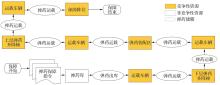
Fig.1
Ammunition transfer flow chart
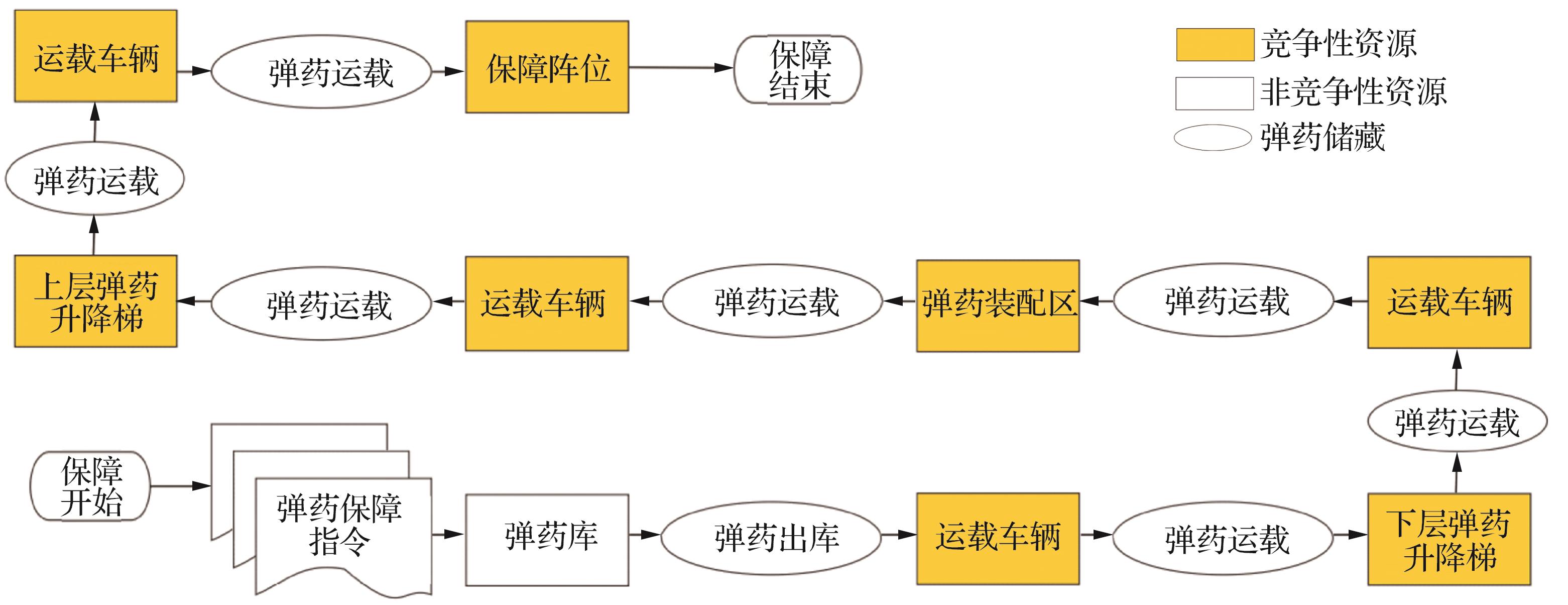
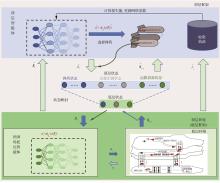
Fig.2
Schematic diagram of the algorithm framework
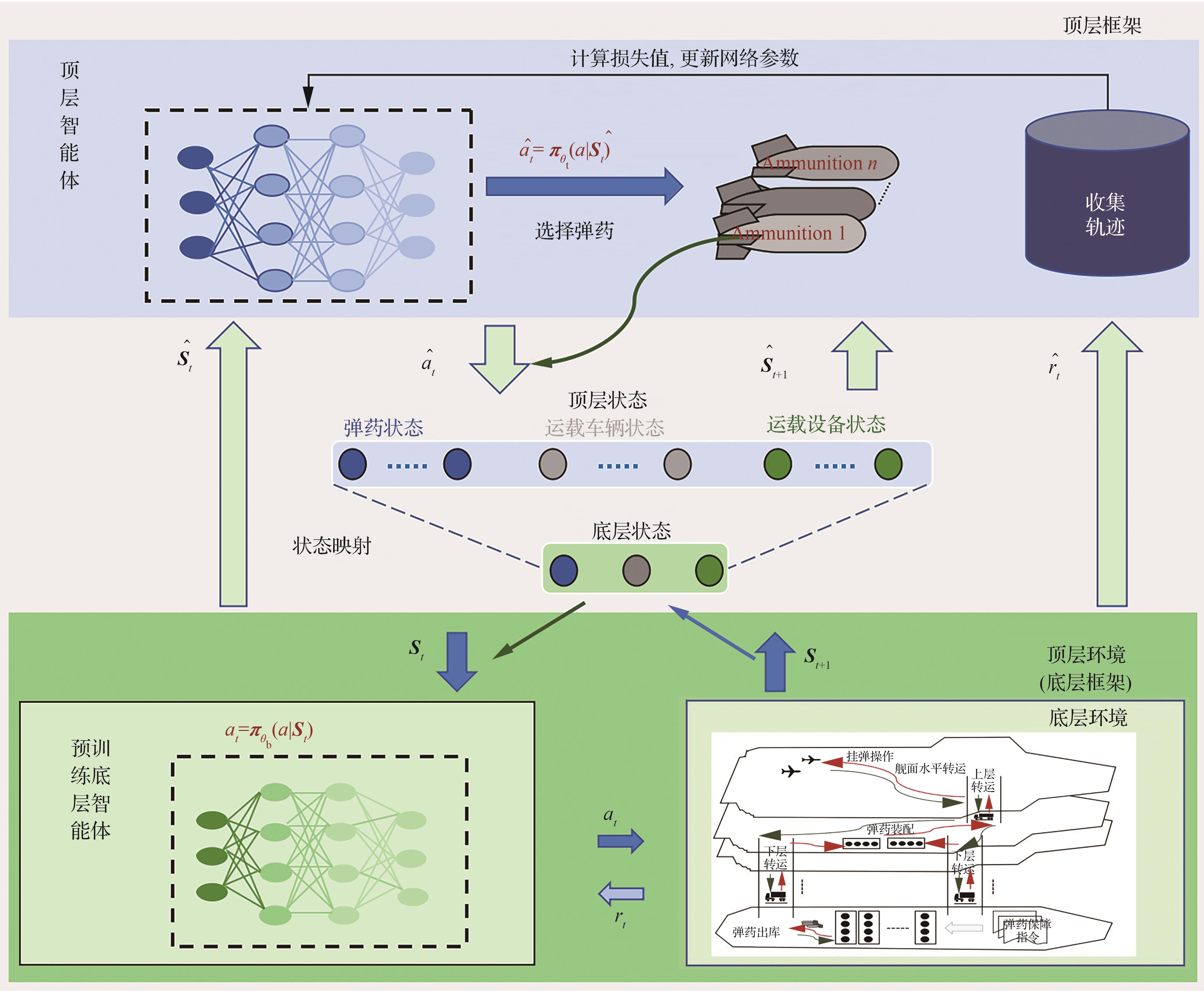
Fig.3
State space representation
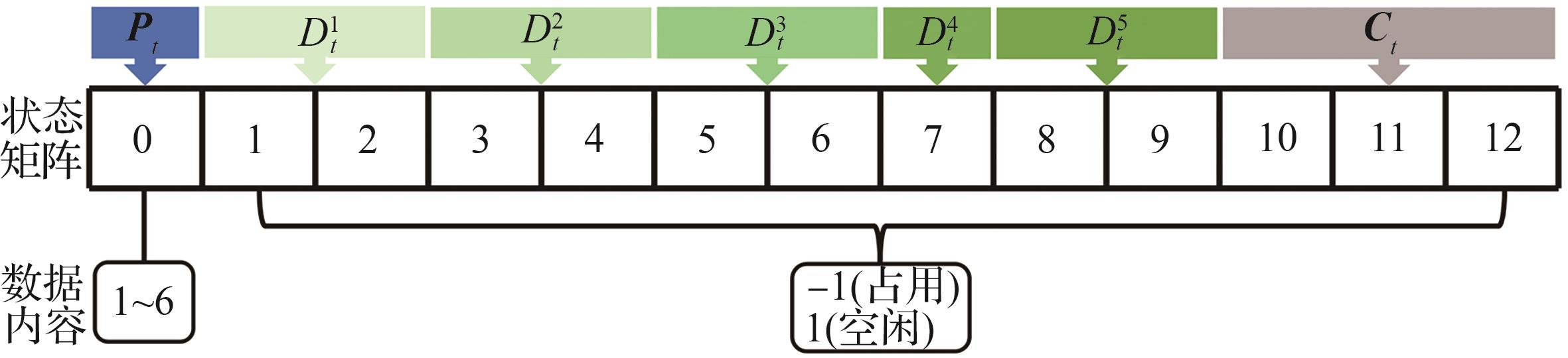

Table 1
Status Parameter
| 状态 | 含义 |
|---|---|
| 弹药所处位置状态 | |
| 运载车辆占用状态 | |
| 设备占用状态 | |
| 弹药库占用状态 | |
| 上层升降机占用状态 | |
| 弹药装配区占用状态 | |
| 下层升降机占用状态 | |
| 阵位占用状态 |
Fig.4
The underlying pre-training module
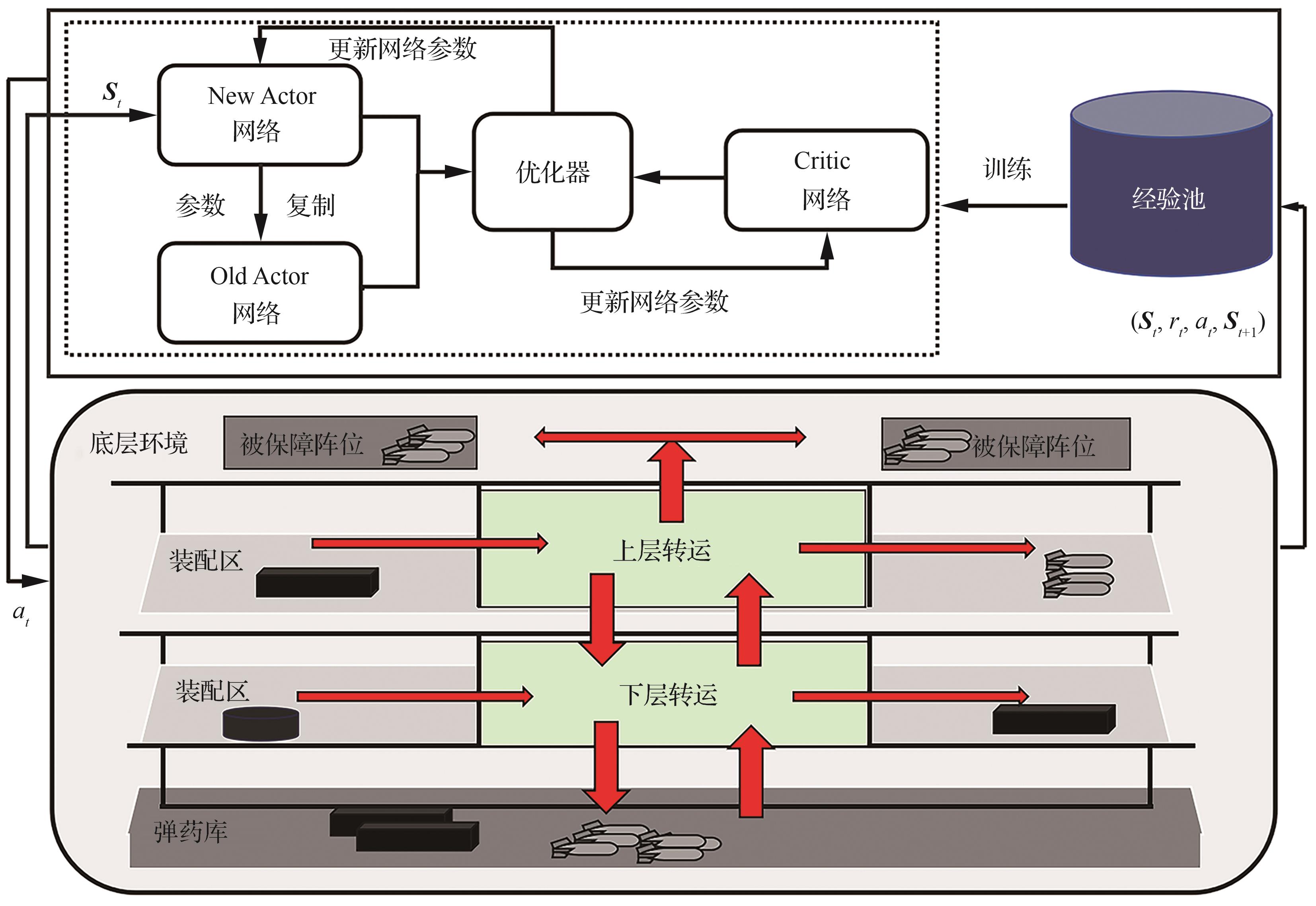
Fig.5
Comparison of activation functions
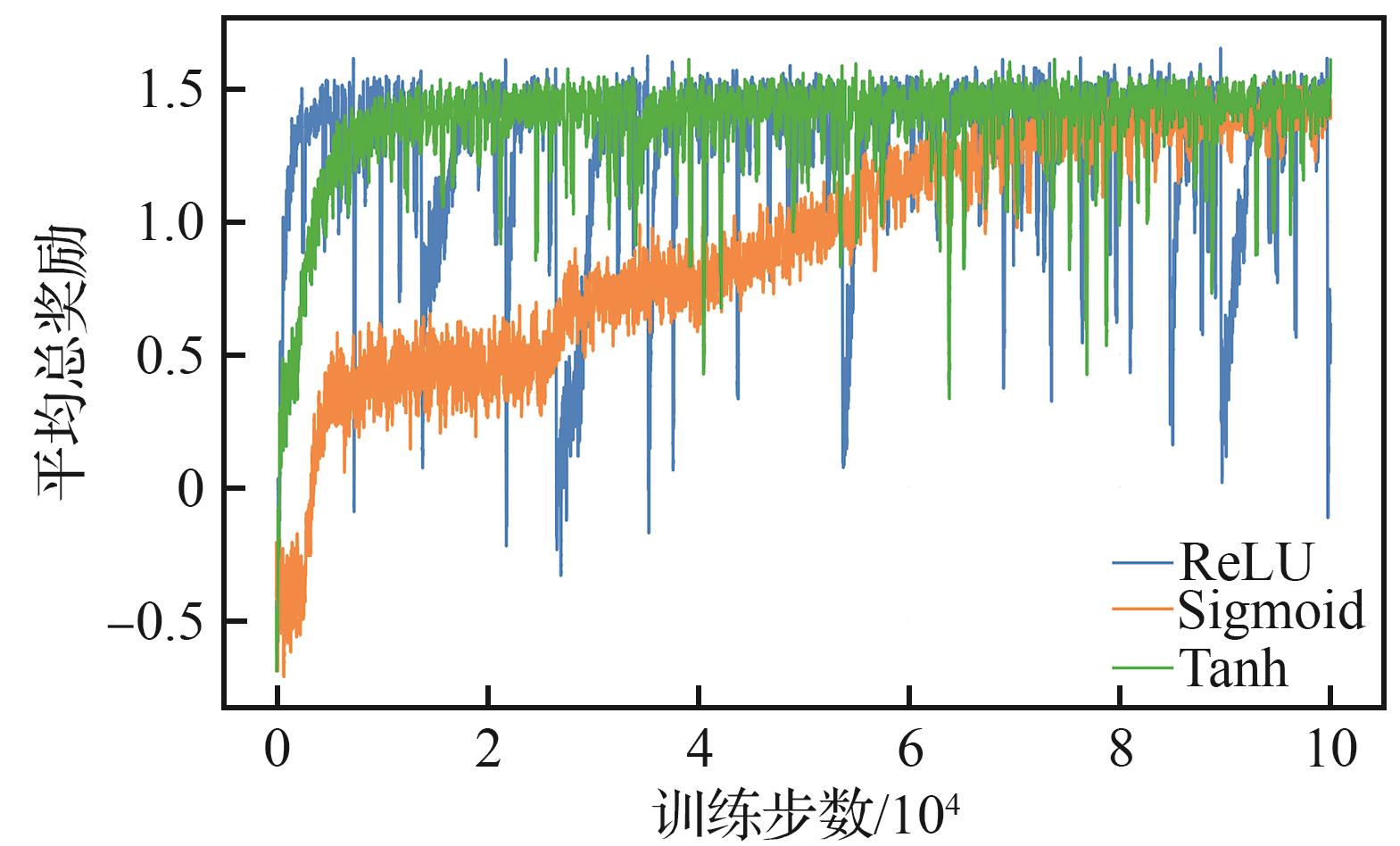
Fig.6
Comparison of learning rates
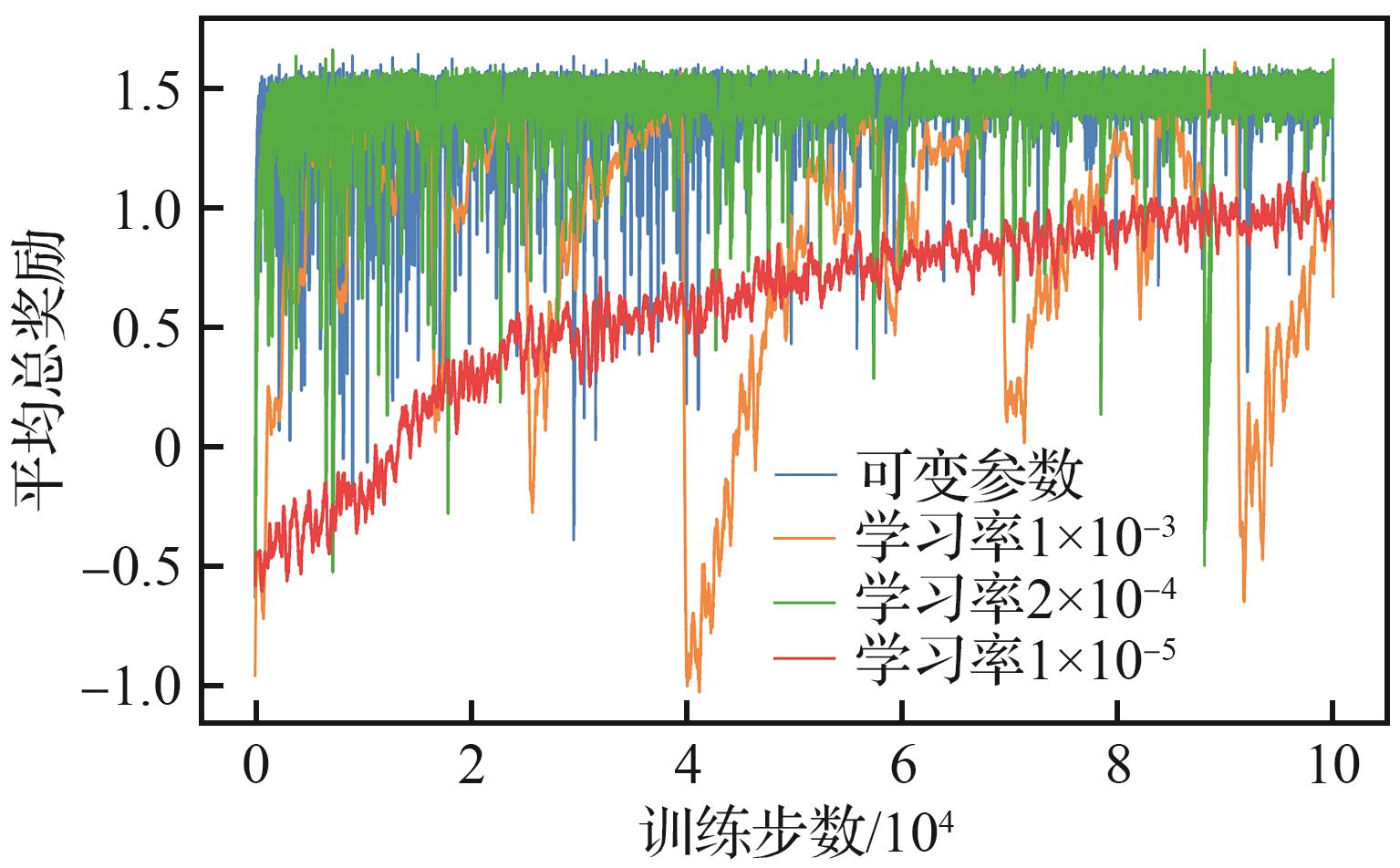
Fig.7
Comparison of discount factors
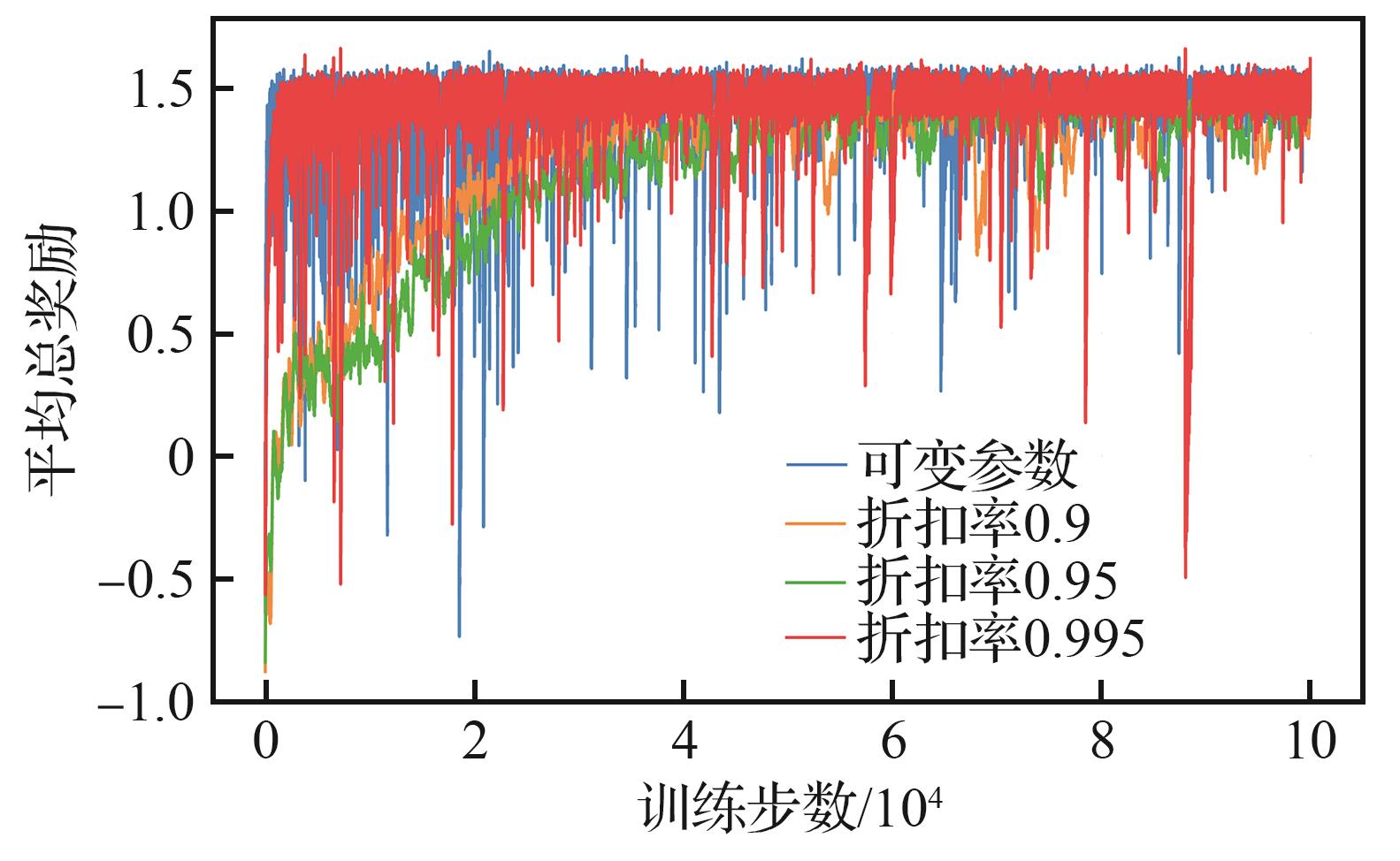
Table 2
Experimental hyperparameter settings
| 参数 | 数值 | 参数 | 数值 |
|---|---|---|---|
| 经验库容量 | 4 096 | 时间步数 | 1×10⁷ |
| 学习率 | 可变参数 | 激活函数 | Tanh |
| 批大小 | 128 | 剪切参数 | 0.4 |
| 折扣率 | 可变参数 | 值函数系数 | 0.5 |
Table 3
Ammunition transit time at each device
| 弹药类型 | 设备使用时长/min | ||||
|---|---|---|---|---|---|
| l1 | l2 | l3 | l4 | l5 | |
| 1 | 1 | 3 | 4 | 3 | 5 |
| 2 | 1 | 3 | 4 | 3 | 5 |
| 3 | 1 | 3 | 4 | 3 | 5 |
| 4 | 1 | 3 | 4 | 3 | 5 |
| 5 | 1 | 3 | 4 | 3 | 5 |
Fig.8
Sequence of ammunition support operations
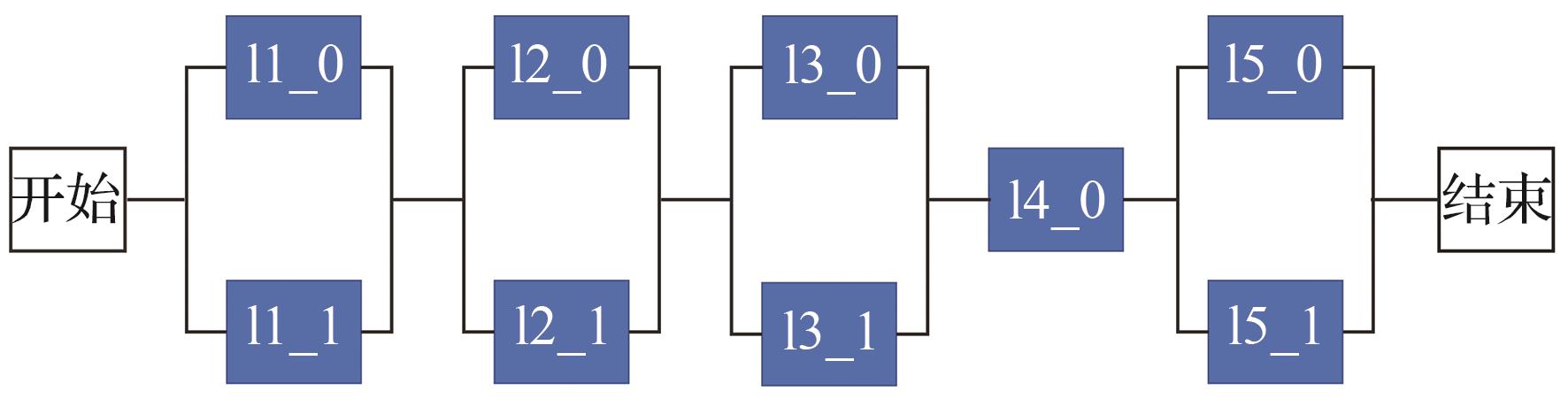
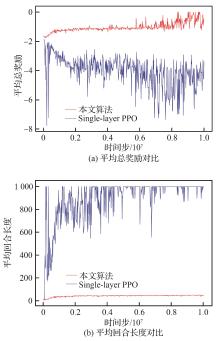
Fig.9
Comparison of average total reward and round length
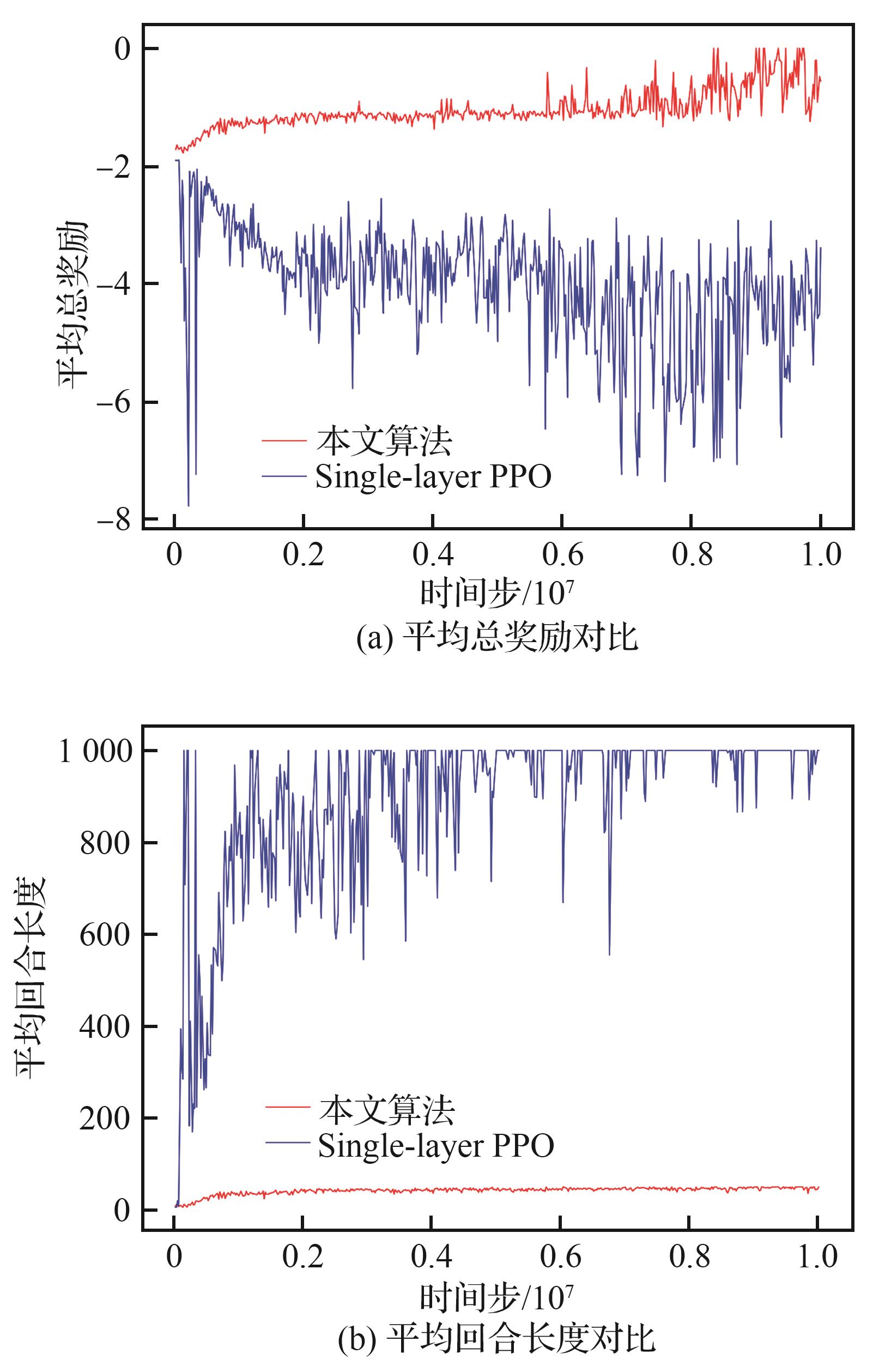
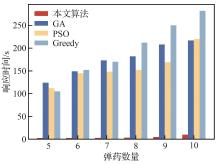
Fig.10
Average response time in Case 1
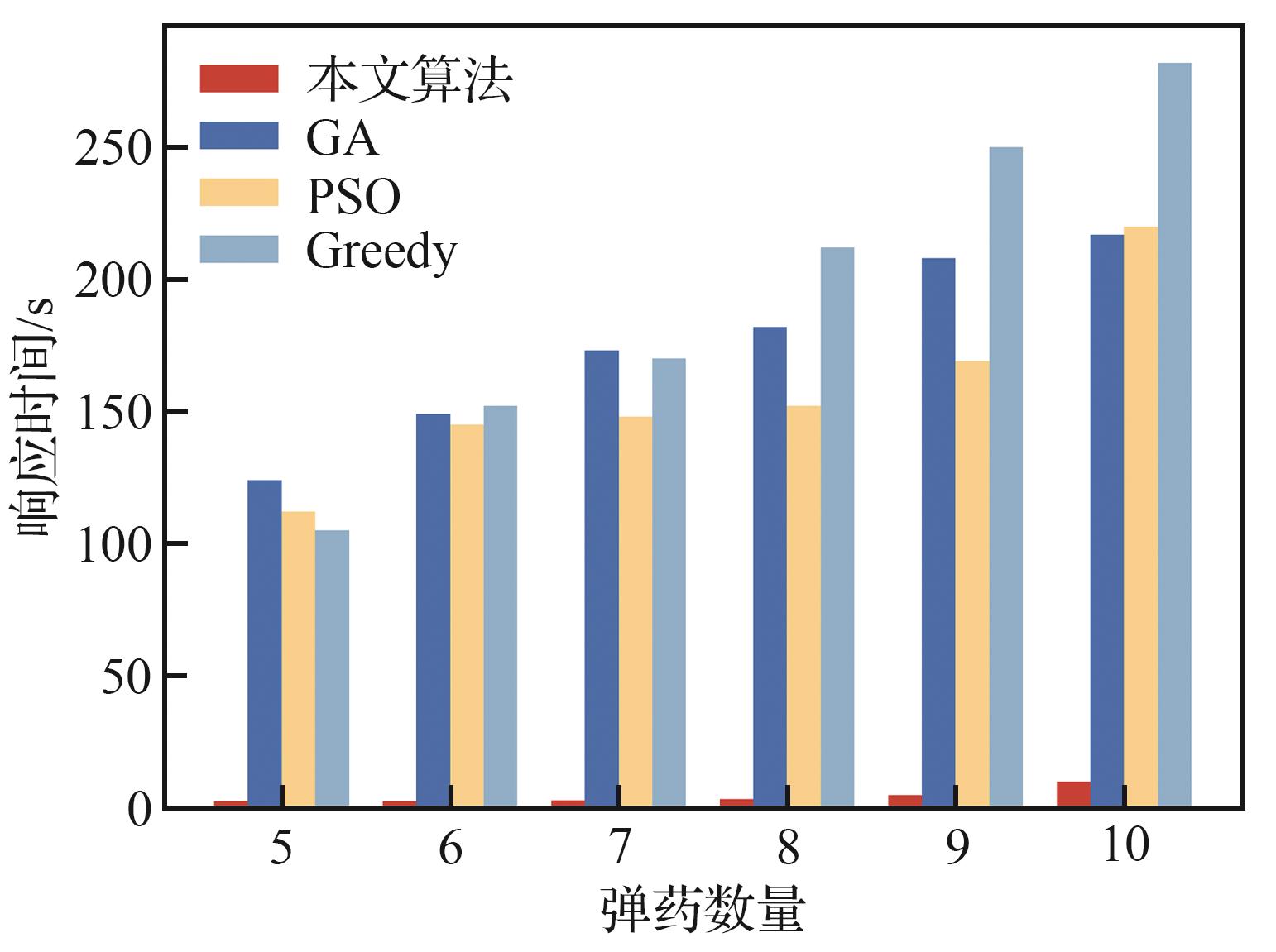
Table 4
Comparison average transit time in Case 1
| 弹药数 | 弹药转运时长/min | |||
|---|---|---|---|---|
| 本文算法 | GA | PSO | Greedy | |
| 5 | 32 | 32 | 32 | 32 |
| 6 | 35 | 36 | 36 | 38 |
| 7 | 44 | 43 | 43 | 45 |
| 8 | 47 | 47 | 47 | 53 |
| 9 | 56 | 57 | 56 | 61 |
| 10 | 58 | 60 | 60 | 68 |
Fig.11
Average response time in Case 2
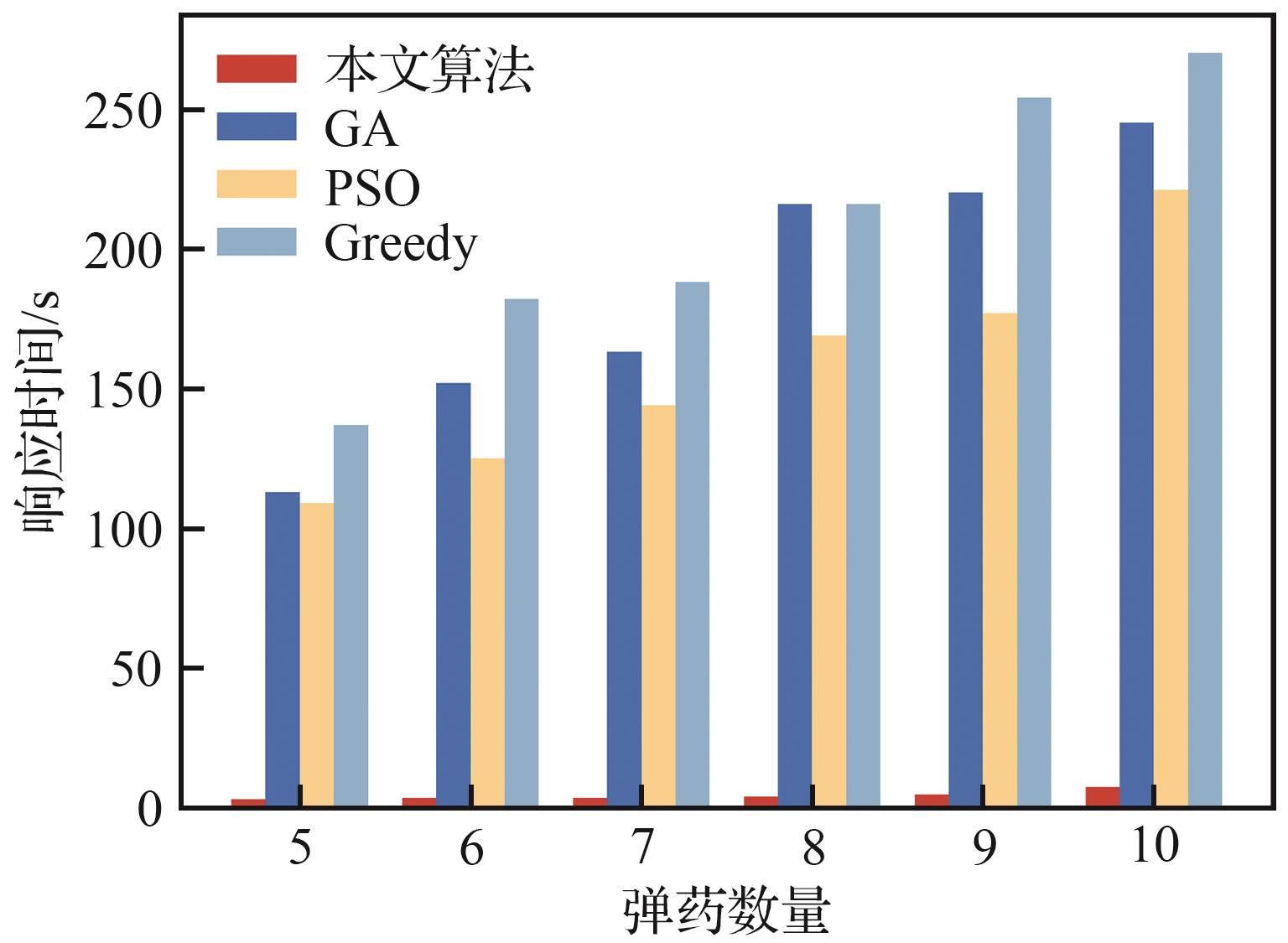
Table 5
Comparison average transit time in Case 2
| 弹药数 | 弹药转运时长/min | |||
|---|---|---|---|---|
| 本文算法 | GA | PSO | Greedy | |
| 5 | 42 | 40 | 40 | 41 |
| 6 | 46 | 48 | 48 | 50 |
| 7 | 58 | 56 | 56 | 60 |
| 8 | 67 | 64 | 64 | 68 |
| 9 | 74 | 72 | 72 | 79 |
| 10 | 85 | 80 | 81 | 90 |
Fig.12
Average response time in Case 3
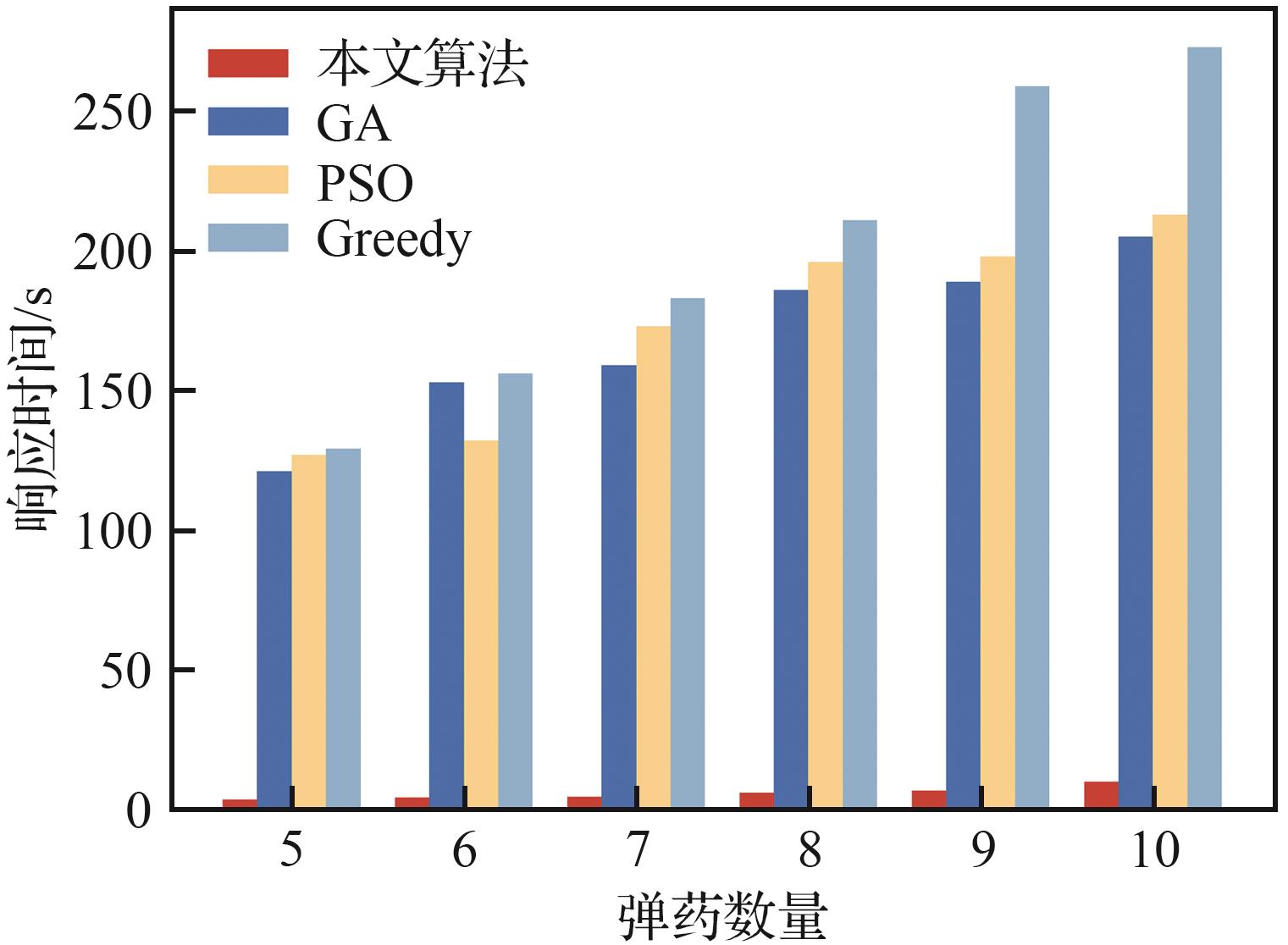
Table 6
Comparison average transit time in Case 3
| 弹药数 | 弹药转运时长/min | |||
|---|---|---|---|---|
| 本文算法 | GA | PSO | Greedy | |
| 5 | 31 | 31 | 31 | 32 |
| 6 | 38 | 38 | 38 | 37 |
| 7 | 43 | 42 | 43 | 46 |
| 8 | 49 | 51 | 49 | 49 |
| 9 | 56 | 58 | 57 | 59 |
| 10 | 63 | 61 | 59 | 71 |
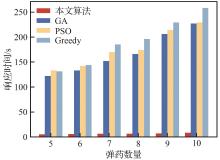
Fig.13
Average response time in Case 4
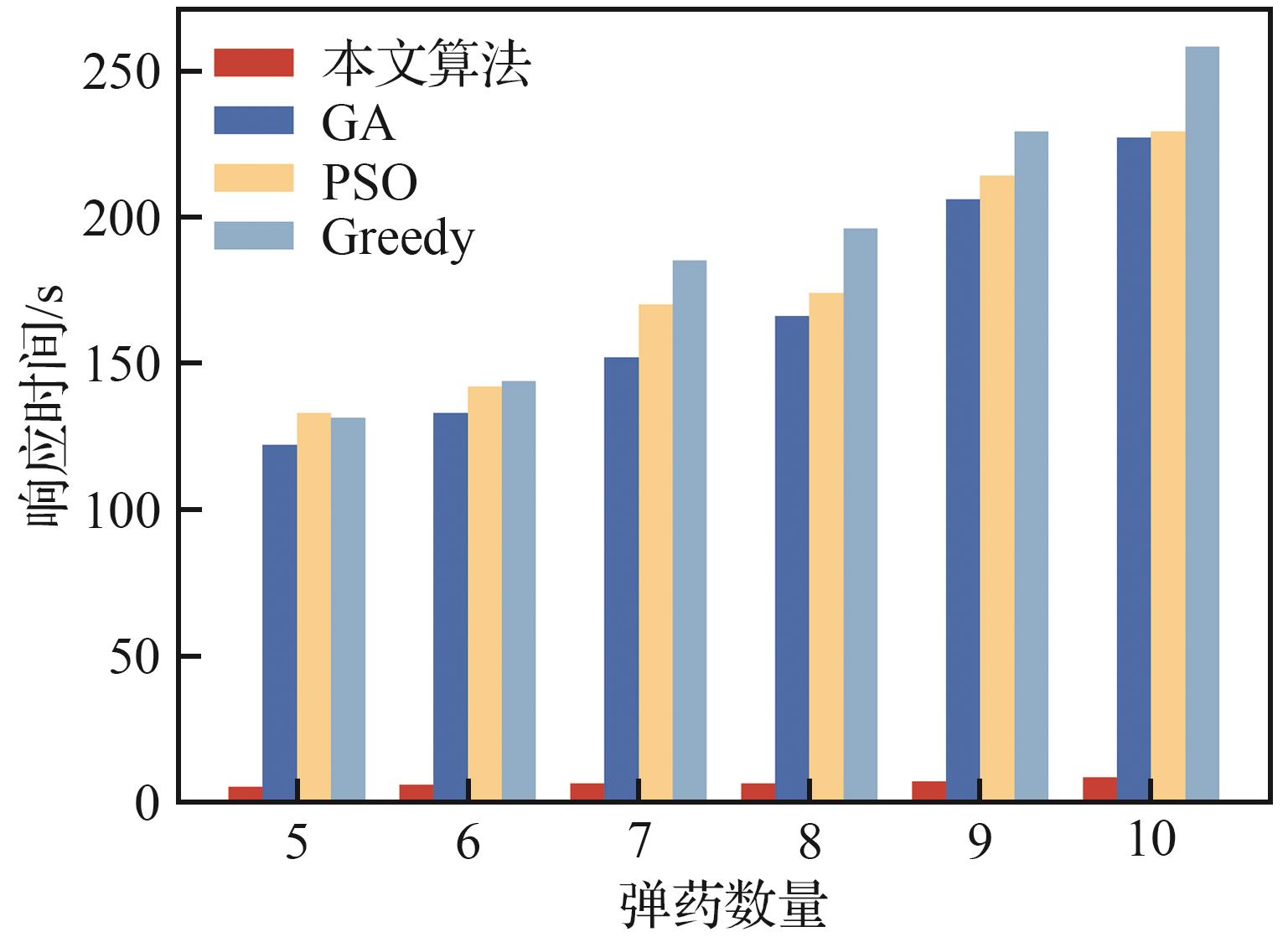
Table 7
Comparison average transit time in Case 4
| 弹药数 | 弹药转运时长/min | |||
|---|---|---|---|---|
| 本文算法 | GA | PSO | Greedy | |
| 5 | 43 | 43 | 43 | 46 |
| 6 | 51 | 52 | 52 | 59 |
| 7 | 63 | 62 | 62 | 68 |
| 8 | 72 | 71 | 71 | 84 |
| 9 | 82 | 79 | 80 | 93 |
| 10 | 97 | 86 | 87 | 110 |
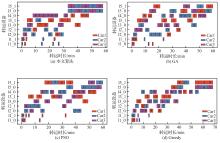
Fig.14
Gantt chart of ammunition scheduling under Case 1
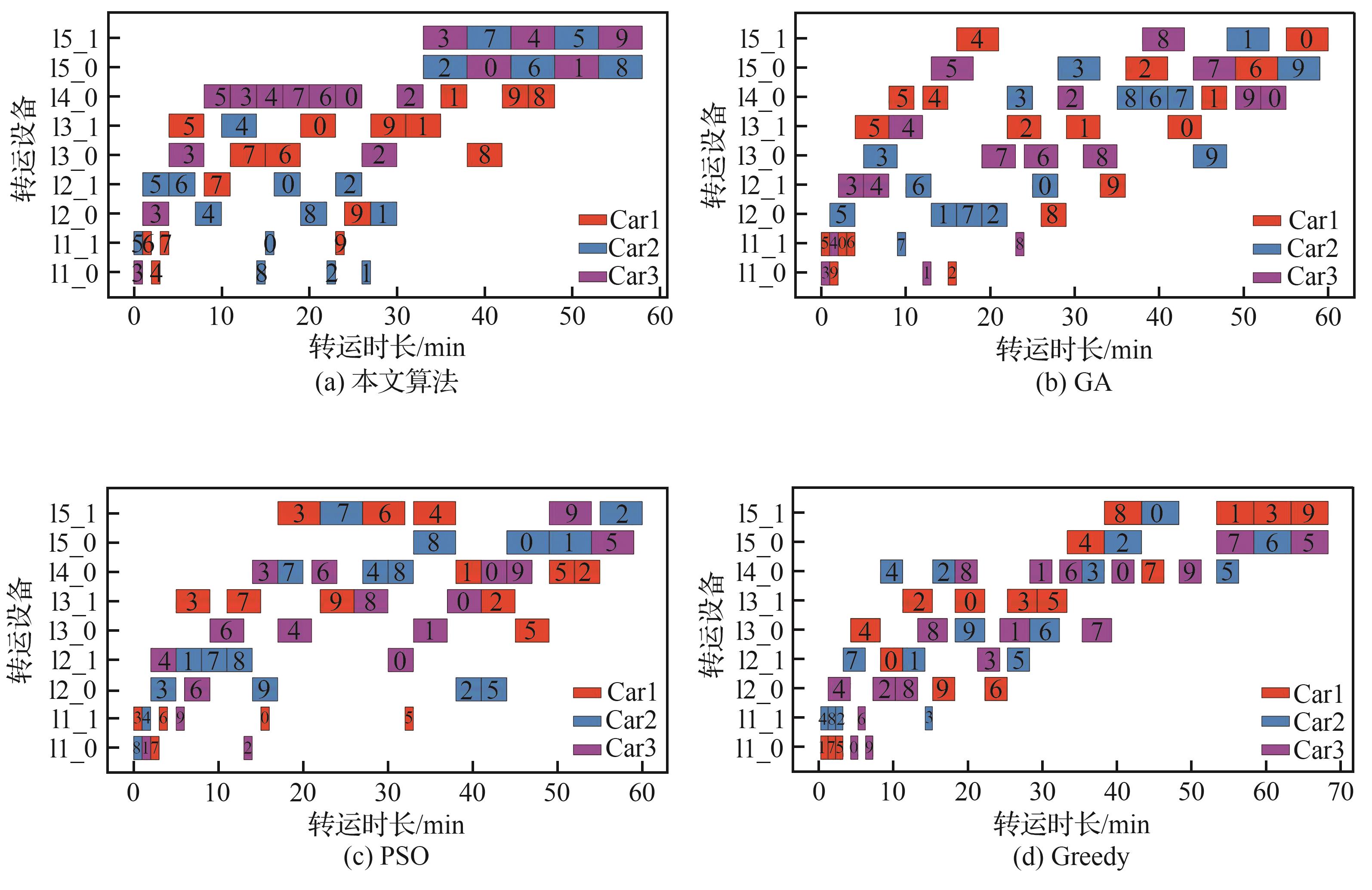
Fig.15
Gantt chart of ammunition scheduling under Case 2
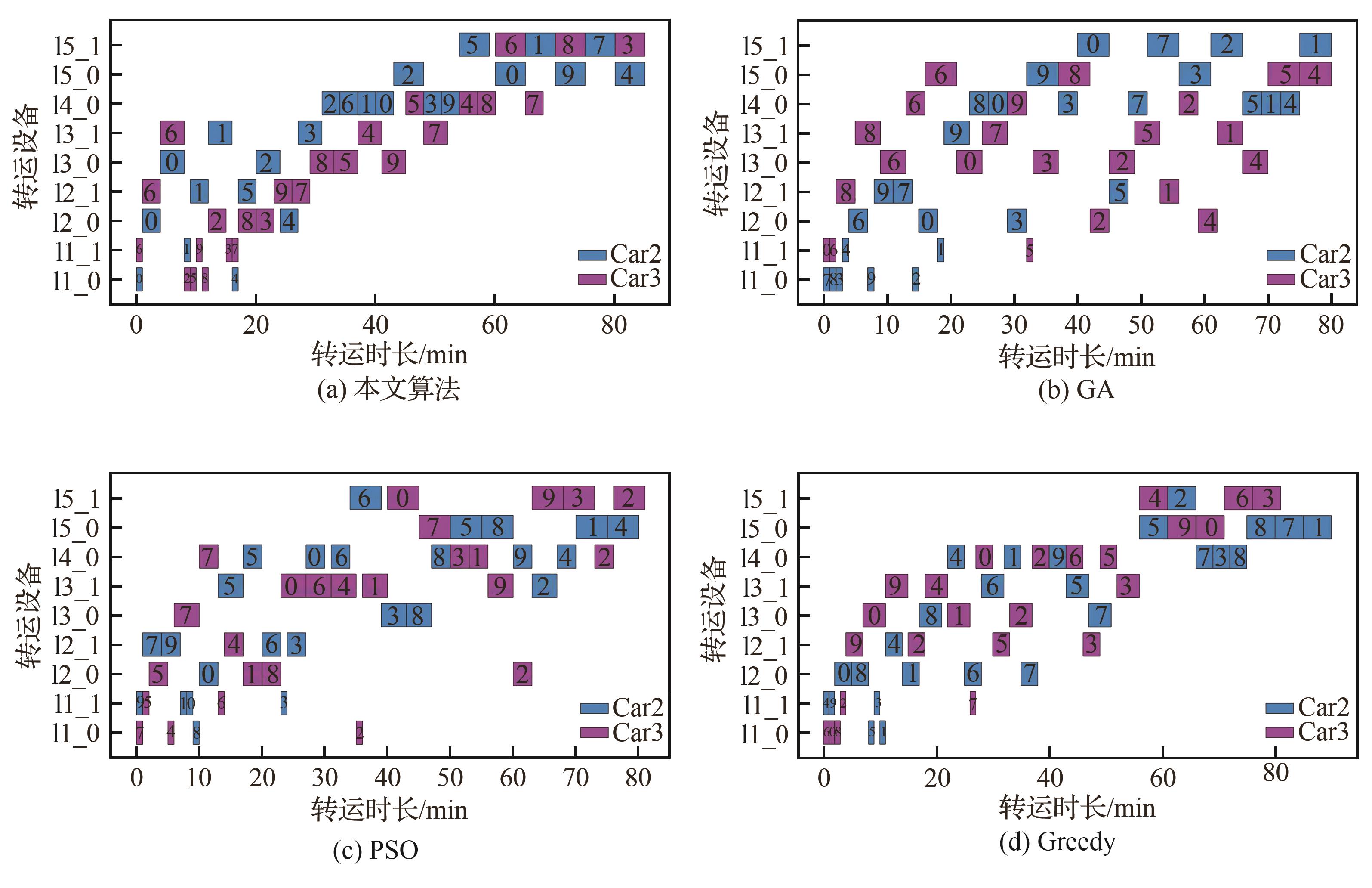
Fig.16
Gantt chart of ammunition scheduling under Case 3
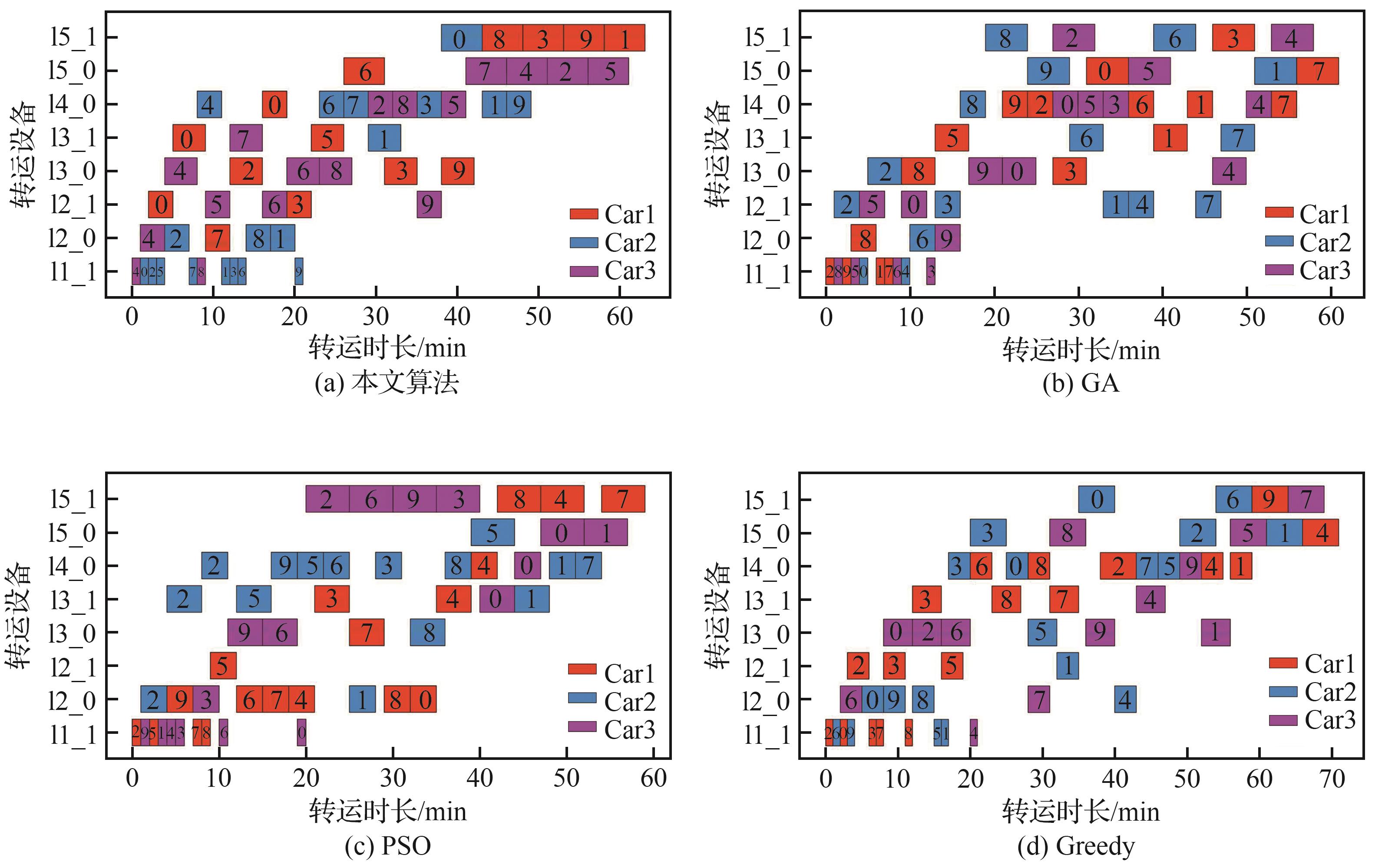
Fig.17
Gantt chart of ammunition scheduling under Case 4
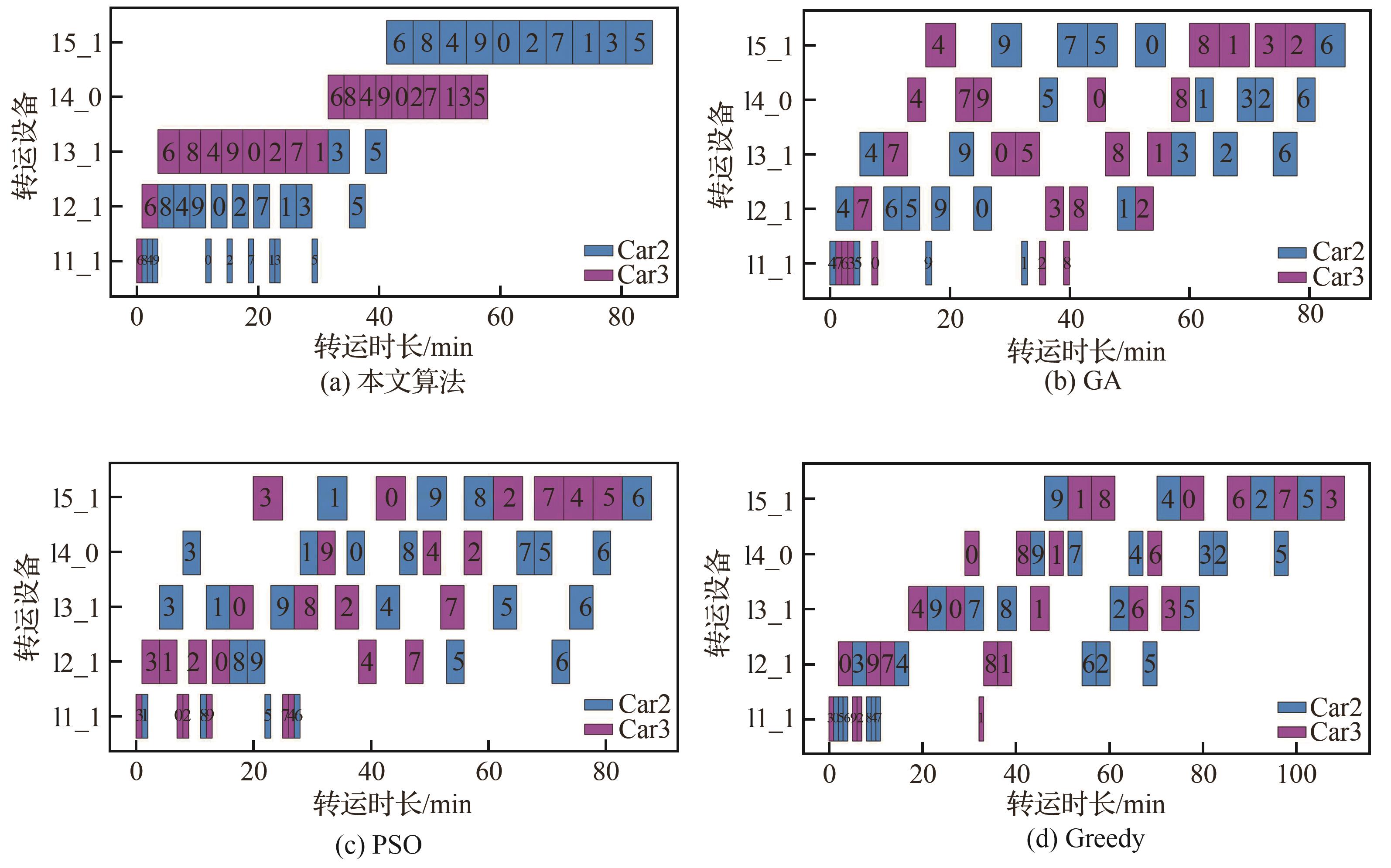
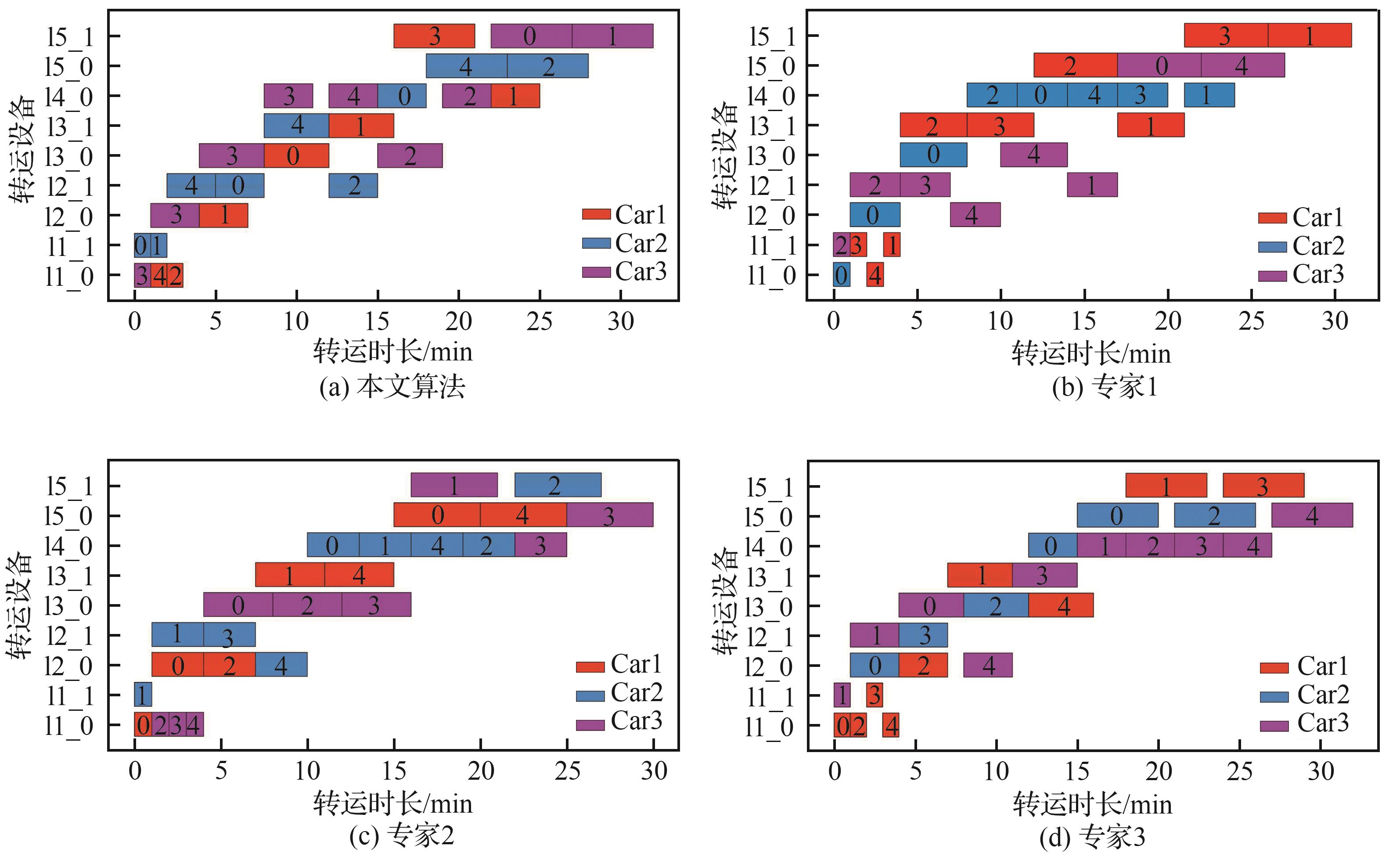
Fig.18
Comparison of scheduling results between manual experience and our algorithm
| [1] | 李亚飞, 吴庆顺, 徐明亮, 等. 基于强化学习的舰载机保障作业实时调度方法[J]. 中国科学: 信息科学, 2021, 51(2): 247-262. |
| LI Y F, WU Q S, XU M L, et al. Real-time scheduling for carrier-borne aircraft support operations: A reinforcement learning approach[J]. Scientia Sinica (Informationis), 2021, 51(2): 247-262 (in Chinese). | |
| [2] | GUO F, HAN W, SU X C, et al. A bi-population immune algorithm for weapon transportation support scheduling problem with pickup and delivery on aircraft carrier deck[J]. Defence Technology, 2023, 22(4): 119-134. |
| [3] | 张少辉, 刘舜, 李亚飞, 等. 航空母舰舰载机弹药保障作业调度优化算法[J]. 航空学报, 2023, 44(20): 228485. |
| ZHANG S H, LIU S, LI Y F, et al. Optimization algorithm for ammunition support operation scheduling of carrier-borne aircraft[J]. Acta Aeronautica et Astronautica Sinica, 2023, 44(20): 228485 (in Chinese). | |
| [4] | 高亮, 张国辉, 王晓娟. 柔性作业车间调度智能算法及其应用[M]. 武汉: 华中科技大学出版社, 2012. |
| GAO L, ZHANG G H, WANG X J. Intelligent algorithm for flexible job shop scheduling and its application[M]. Wuhan: Huazhong University of Science and Technology Press, 2012 (in Chinese). | |
| [5] | 袁泉, 马羚, 吕晓峰. 母舰航空弹药转运流程规划方法[J]. 火力与指挥控制, 2024, 49(5): 88-95, 101. |
| YUAN Q, MA L, LYU X F. Research on planning methods of aviation ammunition transfer process of aircraft carrier[J]. Fire Control & Command Control, 2024, 49(5): 88-95, 101 (in Chinese). | |
| [6] | 韩庆田, 曹文静, 苏涛. 基于遗传算法的舰载机保障流程研究[J]. 科学技术与工程, 2012, 12(35): 9784-9787. |
| HAN Q T, CAO W J, SU T. Research on maintenance support schedule for carrier aircraft based on genetic algorithm[J]. Science Technology and Engineering, 2012, 12(35): 9784-9787 (in Chinese). | |
| [7] | 张洪亮, 刘建伟, 马羚, 等. 基于离散粒子群的舰载机弹药调度[J]. 舰船电子工程, 2021, 41(4): 146-149. |
| ZHANG H L, LIU J W, MA L, et al. Ammunition scheduling of carrier based aircraft based on discrete particle swarm optimization[J]. Ship Electronic Engineering, 2021, 41(4): 146-149 (in Chinese). | |
| [8] | YUAN Q, WANG L, ZHENG X, et al. Ammunition scheduling of shipboard aircraft according to improved ant colony algorithm[C]∥Proceedings of the 2022 5th International Conference on Algorithms, Computing and Artificial Intelligence. New York: ACM, 2022: 1-7. |
| [9] | WANG L T, LI F Q, HUANG J R, et al. Optimization design of ammunition scheduling scheme for carrier-based aircraft based on improved DPSO algorithm[C]∥Proceedings of the 2022 5th International Conference on Algorithms, Computing and Artificial Intelligence. New York: ACM, 2022: 1-5. |
| [10] | ZHENG X M, LI B, WANG L T, et al. Design of carrier ammunition scheduling scheme based on improved genetic algorithm[C]∥Proceedings of the 7th International Conference on Control Engineering and Artificial Intelligence. New York: ACM, 2023: 162-167. |
| [11] | LIU M, LI G F. Ammunition scheduling method in air-borne weapon depot based on improved genetic algorithm[J]. Journal of Physics: Conference Series, 2021, 1948(1): 012050. |
| [12] | 王丰, 李瑞鹏. 航母航空弹药保障能力优化的可拓策略生成研究[J]. 兵工自动化, 2023, 42(6): 8-11, 26. |
| WANG F, LI R P. Research on extension strategy generation of aircraft carrier air ammunition support capability optimization[J]. Ordnance Industry Automation, 2023, 42(6): 8-11, 26 (in Chinese). | |
| [13] | 刘哲, 马俊飞, 陈佳峰, 等. 基于改进灰狼算法的舰载机弹药保障调度优化[J]. 系统工程与电子技术, 2024, 46(4): 1264-1272. |
| LIU Z, MA J F, CHEN J F, et al. Carrier-based aircraft ammunition support scheduling optimization based on improved grey wolf optimizer algorithm[J]. Systems Engineering and Electronics, 2024, 46(4): 1264-1272 (in Chinese). | |
| [14] | 吕晓峰, 杨东泽, 马羚, 等. 基于改进遗传算法的舰载机弹药挂载调度[J]. 电光与控制, 2024, 31(1): 82-86. |
| LYU X F, YANG D Z, MA L, et al. Carrier-based aircraft ammunition loading scheduling based on improved genetic algorithm[J]. Electronics Optics & Control, 2024, 31(1): 82-86 (in Chinese). | |
| [15] | 刘珏, 王能建, 罗旭, 等. 采用改进遗传算法的舰载机保障调度方法[J]. 国防科技大学学报, 2020, 42(2): 194-205. |
| LIU J, WANG N J, LUO X, et al. Deck operation scheduling method of carrier-based aircraft based on improved genetic algorithm[J]. Journal of National University of Defense Technology, 2020, 42(2): 194-205 (in Chinese). | |
| [16] | 陶俊权, 苏析超, 韩维, 等. 基于EDA算法的航母弹药调度优化研究[J]. 兵器装备工程学报, 2022, 43(5): 125-131. |
| TAO J Q, SU X C, HAN W, et al. Study of aircraft carrier ammunition scheduling optimization based on EDA algorithm[J]. Journal of Ordnance Equipment Engineering, 2022, 43(5): 125-131 (in Chinese). | |
| [17] | LIU Y J, HAN W, SU X C, et al. Optimization of fixed aviation support resource station configuration for aircraft carrier based on aircraft dispatch mission scheduling[J]. Chinese Journal of Aeronautics, 2023, 36(2): 127-138. |
| [18] | KAYHAN B M, YILDIZ G. Reinforcement learning applications to machine scheduling problems: a comprehensive literature review[J]. Journal of Intelligent Manufacturing, 2023, 34(3): 905-929. |
| [19] | 钟敬伟, 石宇强. 基于DQN的智能工厂作业车间调度[J]. 现代制造工程, 2021(9): 17-23, 93. |
| ZHONG J W, SHI Y Q. Job shop scheduling based on DQN algorithm in intelligent factory[J]. Modern Manufacturing Engineering, 2021(9): 17-23, 93 (in Chinese). | |
| [20] | 王凌, 潘子肖. 基于深度强化学习与迭代贪婪的流水车间调度优化[J]. 控制与决策, 2021, 36(11): 2609-2617. |
| WANG L, PAN Z X. Scheduling optimization for flow-shop based on deep reinforcement learning and iterative greedy method[J]. Control and Decision, 2021, 36(11): 2609-2617 (in Chinese). | |
| [21] | 李宝帅, 叶春明. 深度强化学习算法求解作业车间调度问题[J]. 计算机工程与应用, 2021, 57(23): 248-254. |
| LI B S, YE C M. Job shop scheduling problem based on deep reinforcement learning[J]. Computer Engineering and Applications, 2021, 57(23): 248-254 (in Chinese). | |
| [22] | 白天, 罗永亮, 刘敬, 等. 基于变作业窗深度强化学习的舰面保障动态调度方法[J]. 船舶工程, 2021, 43(S2): 117-123. |
| BAI T, LUO Y L, LIU J, et al. Dynamic aircraft scheduling method on flight deck based on variable operation window deep reinforcenemnt learning[J]. Ship Engineering, 2021, 43(S2): 117-123 (in Chinese). | |
| [23] | CHEN S Y, YU Y, DA Q, et al. Stabilizing reinforcement learning in dynamic environment with application to online recommendation[C]∥Proceedings of the 24th ACM SIGKDD International Conference on Knowledge Discovery & Data Mining. New York:ACM,2018: 1187-1196. |
| [24] | 袁子龙, 何非, 赵建波, 等. 航母舰载机保障作业任务分配及弹药转运调度优化方法[J]. 兵工学报, 2025, 46(5): 286-299. |
| YUAN Z L, HE F, ZHAO J B, et al. Optimization method of carrier-borne aircraft support operation assignment and ammunition transport scheduling[J]. Acta Armamentarii, 2025, 46(5): 286-299 (in Chinese). | |
| [25] | 吕晓峰, 杨东泽, 马羚. 舰载机模块化弹药调度方案优化设计[J]. 系统工程与电子技术, 2023, 45(2): 465-471. |
| LYU X F, YANG D Z, MA L. Optimal design of modular ammunition scheduling scheme for carrier-based aircraft[J]. Systems Engineering and Electronics, 2023, 45(2): 465-471 (in Chinese). | |
| [26] | 郭漩, 王宁, 于淑彤, 等. 航空母舰多阶段弹药转运序列可视分析[J/OL]. 计算机辅助设计与图形学学报, (2024-07-25)[2025-03-06]. . |
| GUO X, WANG N, YU S T, et al. Visual analysis for multi-stage ammunition transfer sequences on aircraft carrier[J/OL]. Journal of Computer-Aided Design & Computer Graphics, (2024-07-25) [2025-03-06]. (in Chinese). | |
| [27] | 田德红, 何建敏, 齐洁, 等. 航空弹药动态调运决策优化建模与仿真研究[J]. 西北工业大学学报, 2018, 36(6): 1236-1242. |
| TIAN D H, HE J M, QI J, et al. Research on the modeling and simulation of optimal dynamic aerial ammunition scheduling and transportation[J]. Journal of Northwestern Polytechnical University, 2018, 36(6): 1236-1242 (in Chinese). | |
| [28] | 刘哲, 陈佳峰, 马俊飞, 等. 舰载机弹药保障调度仿真系统[J]. 系统仿真学报, 2024, 36(7): 1621-1630. |
| LIU Z, CHEN J F, MA J F, et al. Simulation system for carrier-based aircraft ammunition support scheduling[J]. Journal of System Simulation, 2024, 36(7): 1621-1630 (in Chinese). | |
| [29] | SCHULMAN J, WOLSKI F, DHARIWAL P, et al. Proximal policy optimization algorithms[DB/OL]. arXiv preprint: 1707. 06347, 2017. |
| [30] | BRITTAIN M, WEI P. Hierarchical reinforcement learning with deep nested agents[DB/OL]. arXiv preprint: 1805. 07008, 2018. |
| [1] | Xiaochen LYU, Jingping SHI, Yongxi LYU, Gengnong LI. Flow angle reconstruction algorithm for MAGIC CARPET landing with sensor failure [J]. Acta Aeronautica et Astronautica Sinica, 2025, 46(13): 531159-531159. |
| [2] | Fang GUO, Wei HAN, Yujie LIU, Jie LIU, Xichao SU, Liangliang CHENG. Scheduling for maintenance and service support of carrier-based aircraft based on variable operation process [J]. Acta Aeronautica et Astronautica Sinica, 2025, 46(13): 531195-531195. |
| [3] | Yu LI, Tongwen CHEN, Zhigang WANG, Chiyung WEN, Xiaoxiong LIU. Incremental control of direct lift landing based on predefined-time theory [J]. Acta Aeronautica et Astronautica Sinica, 2025, 46(13): 531163-531163. |
| [4] | Wei CHEN, Lulu LI, Dong CHEN, Shaohui ZHANG, Yafei LI, Ke WANG, Yuanyuan JIN, Mingliang XU. Multi-aircraft cooperative decision-making methods driven by differentiated support demands for carrier-based aircraft [J]. Acta Aeronautica et Astronautica Sinica, 2025, 46(13): 531274-531274. |
| [5] | Xudong CHEN, Qiqi CHEN, Yizhe LUO, Jiabao WANG, Mingliang XU. Dynamic parallel scheduling of heterogeneous carrier-based aircraft deck support operations [J]. Acta Aeronautica et Astronautica Sinica, 2025, 46(13): 531329-531329. |
| [6] | Zheng WANG, Hua WANG, Keke CUI, Chaochao LI, Junnan LIU, Mingliang XU. Locally guided reinforcement learning for autonomous dispatching of carrier-based aircraft [J]. Acta Aeronautica et Astronautica Sinica, 2025, 46(13): 531333-531333. |
| [7] | Xinze XU, Guanxin HONG, Liang DU, Gang LIU. Manual approach and landing model of carrier-based aircraft in complex environments [J]. Acta Aeronautica et Astronautica Sinica, 2025, 46(13): 531802-531802. |
| [8] | Jiaxing WANG, Hao CHEN, Zheng SHAO, Yang ZHANG. Direct lift landing control method based on flight path angle command [J]. Acta Aeronautica et Astronautica Sinica, 2025, 46(13): 532162-532162. |
| [9] | Zhibing ZHANG, Ziyang ZHEN. Research progress on guidance and control of fixed-wing manned and unmanned carrier-based aircraft landing [J]. Acta Aeronautica et Astronautica Sinica, 2025, 46(13): 532336-532336. |
| [10] | Guang LIU, Hua WANG, Youfang LIN, Shuo HE, Yafei LI, Mingliang XU. Adaptive batch matching decision method for carrier-based aircraft support operations [J]. Acta Aeronautica et Astronautica Sinica, 2025, 46(1): 330615-330615. |
| [11] | Dapeng ZHOU, Xiaolei QU. Knowledge-based intelligent pigeon-inspired optimization of carrier-based aircraft landing control [J]. Acta Aeronautica et Astronautica Sinica, 2024, 45(S1): 730801-730801. |
| [12] | FU Jiawei, YU Jialong, LIU Chao, WANG Muguo, WANG Zizi. Key technologies of aerodynamics design of stealth carrier-based aircraft [J]. ACTA AERONAUTICAET ASTRONAUTICA SINICA, 2021, 42(8): 525804-525804. |
| [13] | WANG Xiao, CHENG Jianhui, SHEN Tianrong, XU Baocheng, MENG Xuan. Numerical simulation research of influence of wake flow field on inlet temperature field of carrier-based aircraft [J]. ACTA AERONAUTICAET ASTRONAUTICA SINICA, 2021, 42(8): 525795-525795. |
| [14] | CHEN Yueliang, CHEN Liang, BIAN Guixue, YANG Xiangning, GUAN Yu, ZHANG Yong, HE Gang. Corrosion protection control and calendar life design of advanced carrier-based aircraft [J]. ACTA AERONAUTICAET ASTRONAUTICA SINICA, 2021, 42(8): 525786-525786. |
| [15] | LIU Dong, WU Jiaren, ZHOU Yizhou, LIU Zhenxiang, LI Yu, WANG Mingze. Practice and prospects of comprehensive support technologies of carrier-based aircraft [J]. ACTA AERONAUTICAET ASTRONAUTICA SINICA, 2021, 42(8): 525802-525802. |
| Viewed | ||||||
|
Full text |
|
|||||
|
Abstract |
|
|||||
Address: No.238, Baiyan Buiding, Beisihuan Zhonglu Road, Haidian District, Beijing, China
Postal code : 100083
E-mail:hkxb@buaa.edu.cn
Total visits: 6658907 Today visits: 1341All copyright © editorial office of Chinese Journal of Aeronautics
All copyright © editorial office of Chinese Journal of Aeronautics
Total visits: 6658907 Today visits: 1341

 CJA
CJA
