Acta Aeronautica et Astronautica Sinica ›› 2025, Vol. 46 ›› Issue (21): 532355.doi: 10.7527/S1000-6893.2025.32355
• Special Issue: 60th Anniversary of Aircraft Strength Research Institute of China • Previous Articles
Jiaxin LI1,2( ), Shuaishuai LYU1,2, Yezi WANG1,2, Yu YANG1,2, Ziyue LI1
Received:2025-06-03
Revised:2025-07-03
Accepted:2025-08-11
Online:2025-08-29
Published:2025-08-28
Contact:
Jiaxin LI
E-mail:1056900948@qq.com
Supported by:CLC Number:
Jiaxin LI, Shuaishuai LYU, Yezi WANG, Yu YANG, Ziyue LI. Transformer-based intelligent tracking method of aviation structure surface cracks[J]. Acta Aeronautica et Astronautica Sinica, 2025, 46(21): 532355.
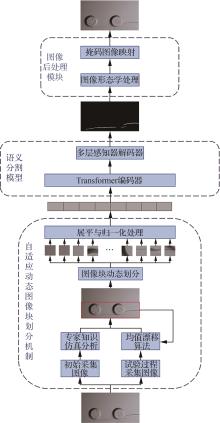
Fig.1
Overall framework structure of TICT
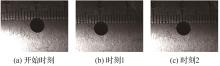
Fig.2
Images at different moments during experiment
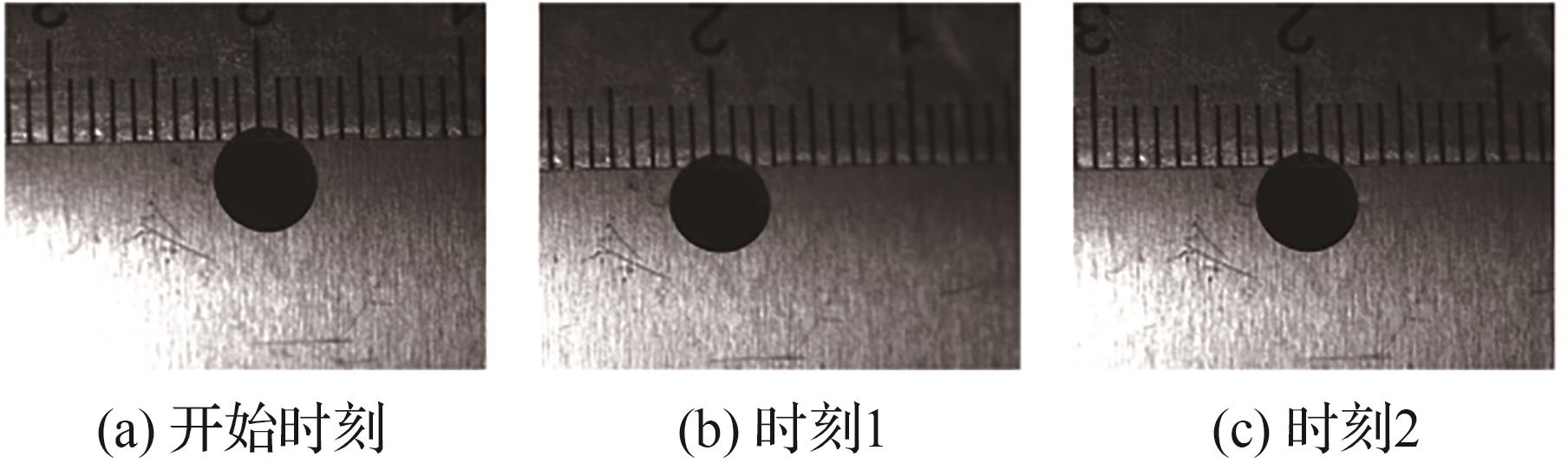

Fig.3
Schematic diagram of ADPPM

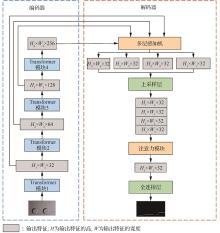
Fig.4
Diagram of transformer-based semantic segmentation model
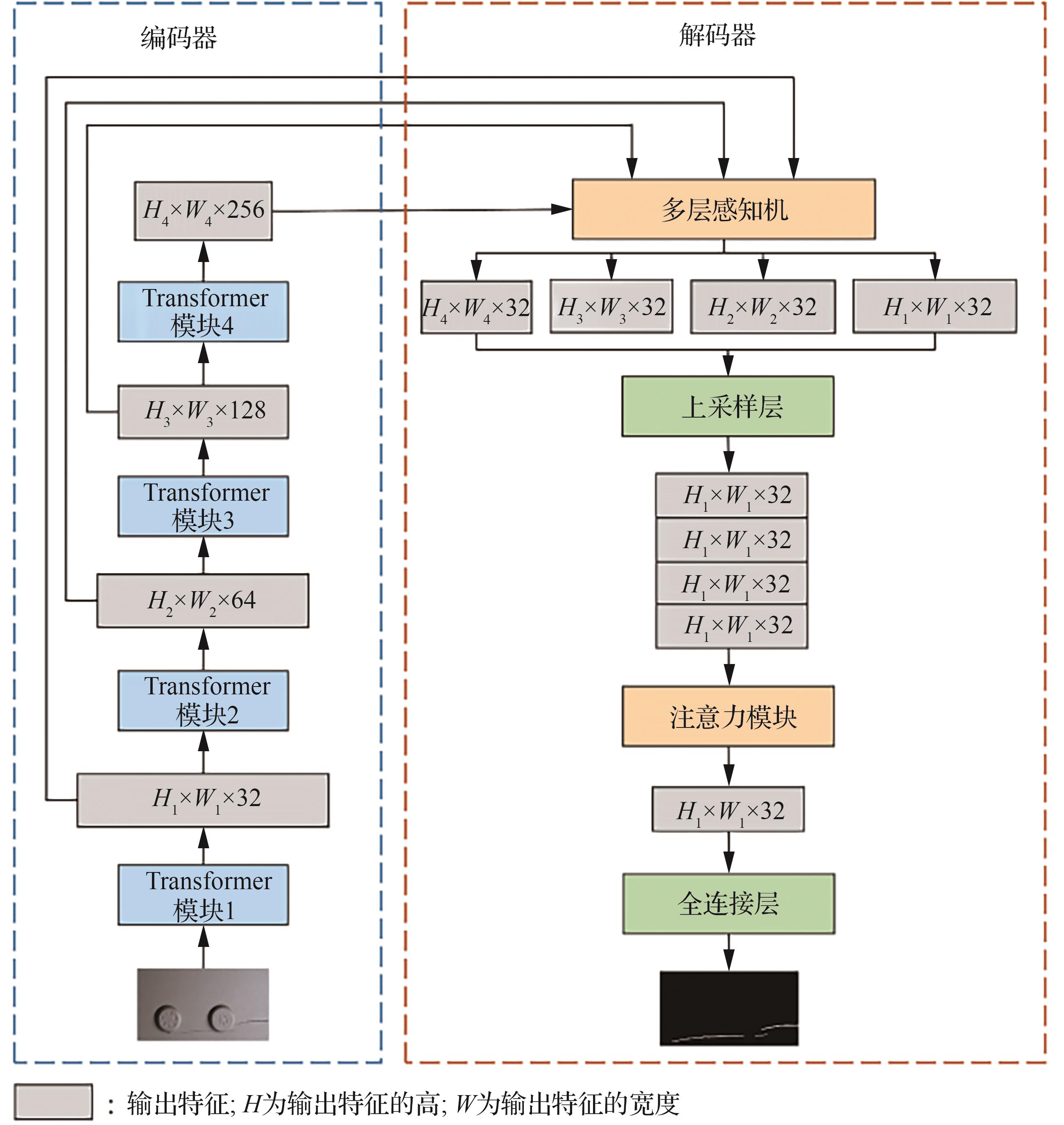

Fig.5
Network structure diagram of transformer module

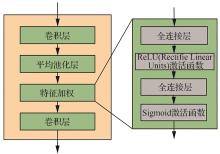
Fig.6
Network structure diagram of attention fusion module

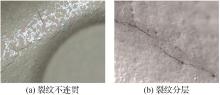
Fig.7
Crack morphology
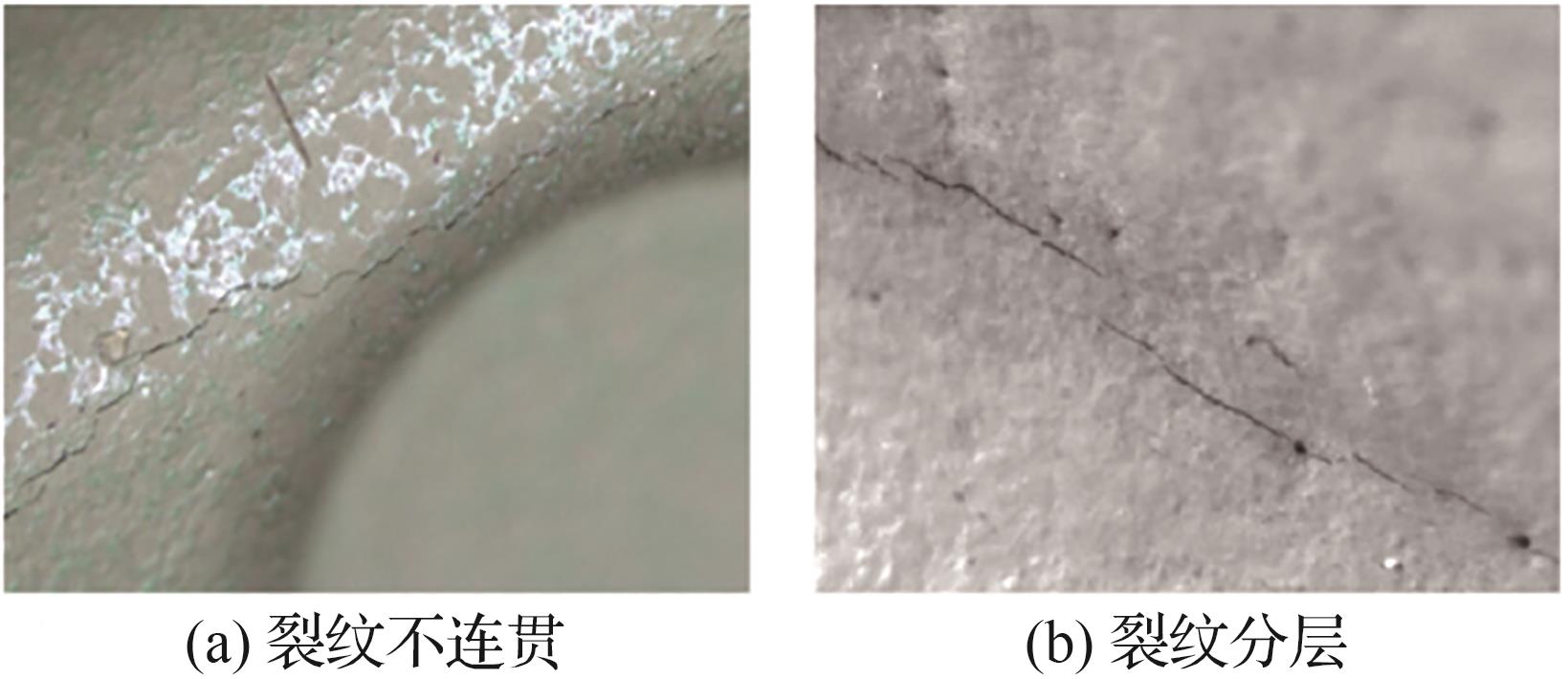
Fig.8
Result of image post-processing module
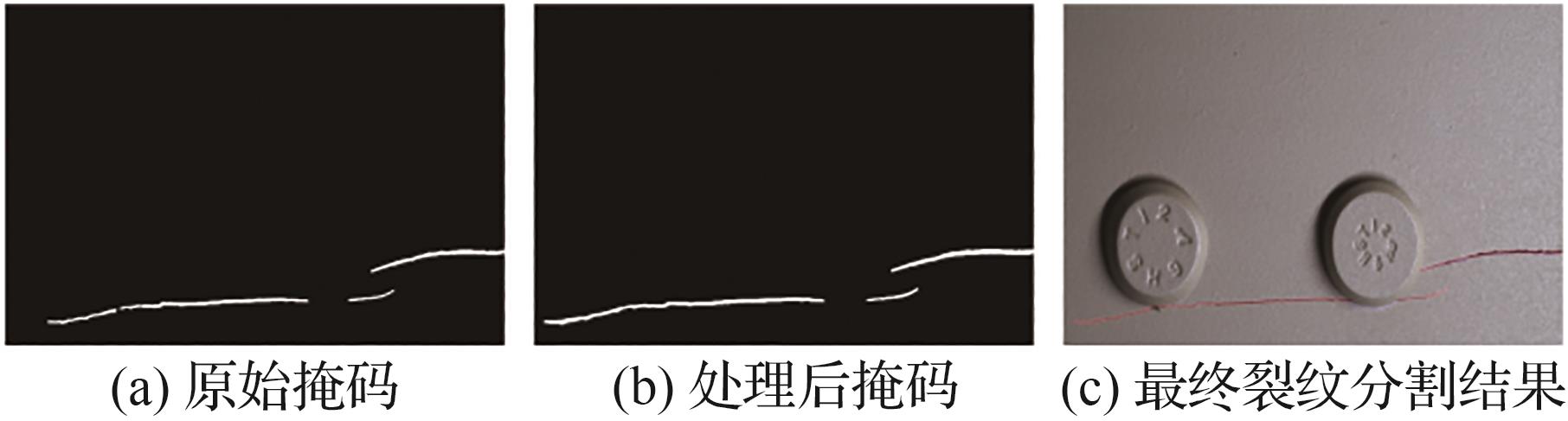
Fig.9
Crack image visual acquisition devices


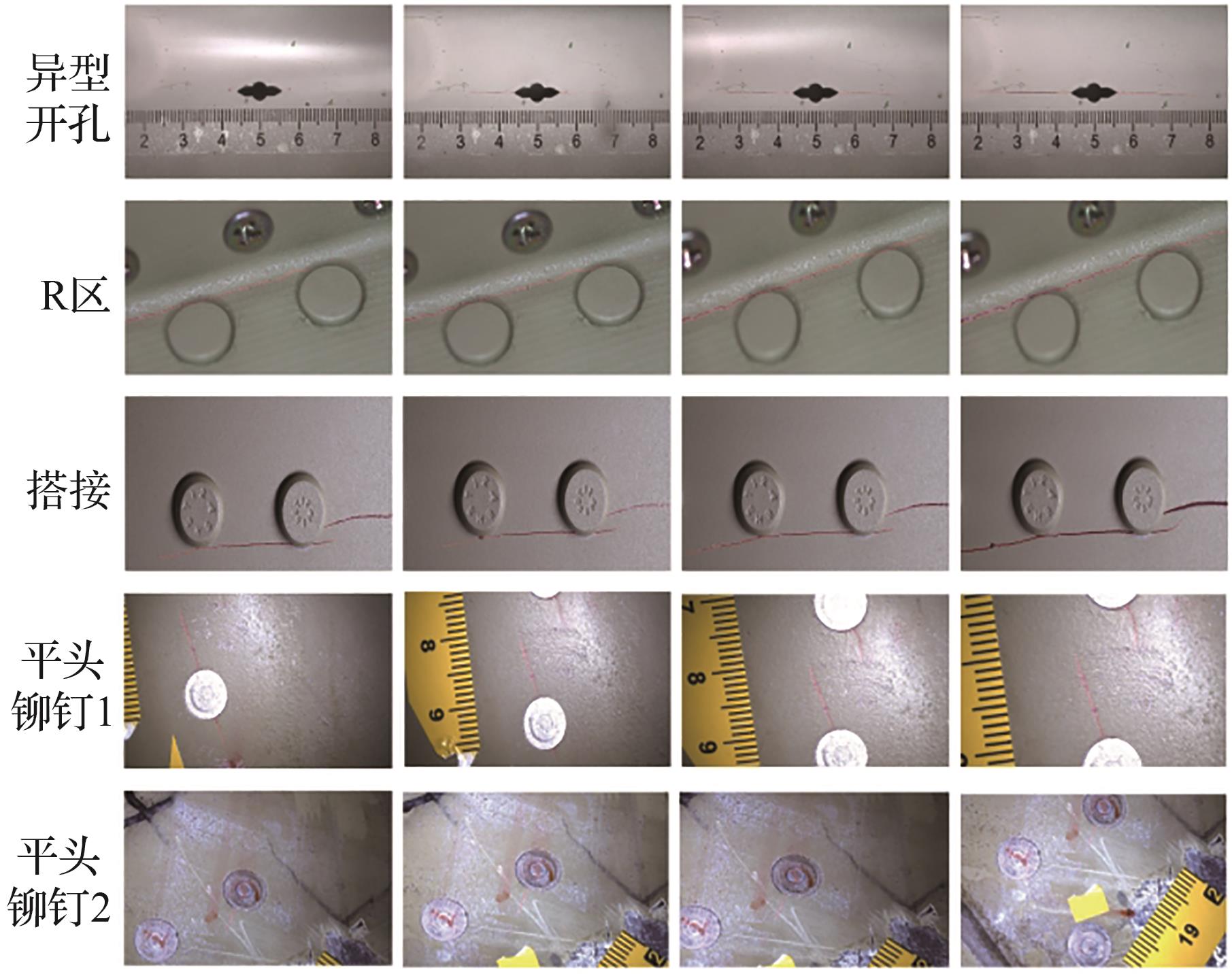
Fig.10
Component test images

Fig.11
Surface treatment methods of test pieces
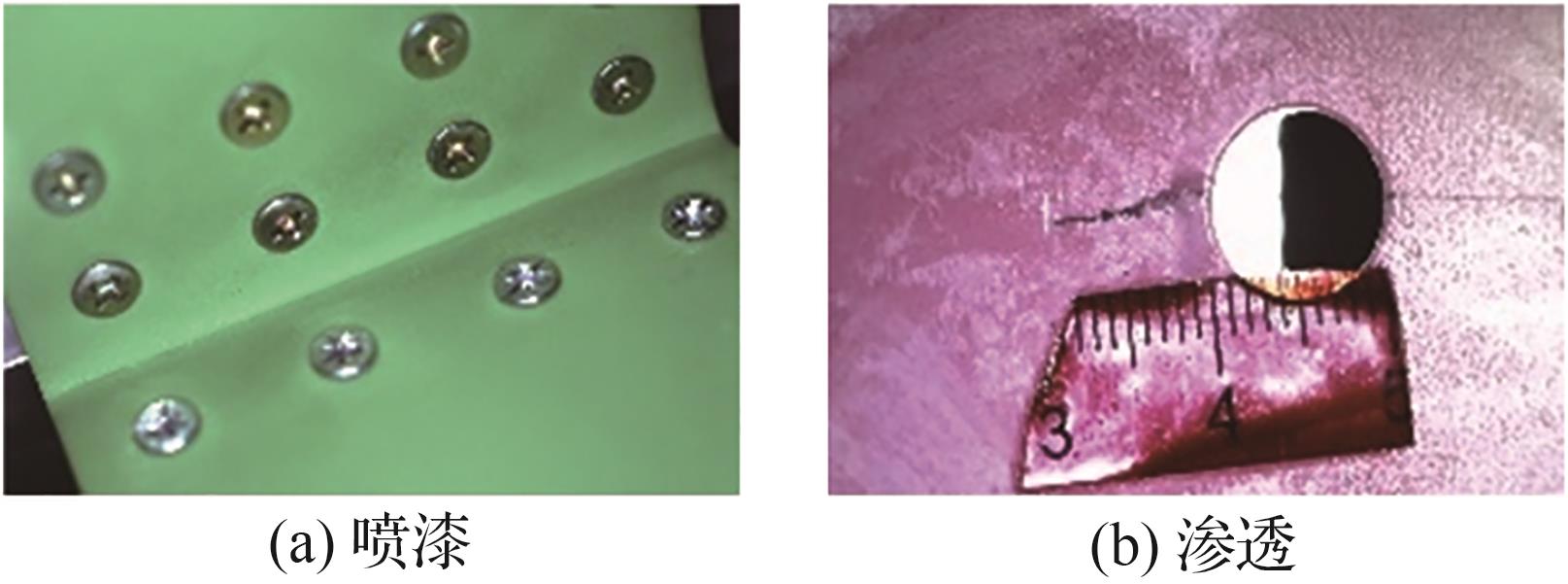

Table 1
Quantity distribution of component test images
| 元件试验结构构型 | 试验件数量 | 裂纹图像数量 |
|---|---|---|
| 开孔 | 12 | 889 |
| 搭接 | 4 | 212 |
| R区 | 5 | 373 |
| 大开口 | 1 | 75 |
| 总计 | 22 | 1 549 |
Fig.12
Full-scale test images
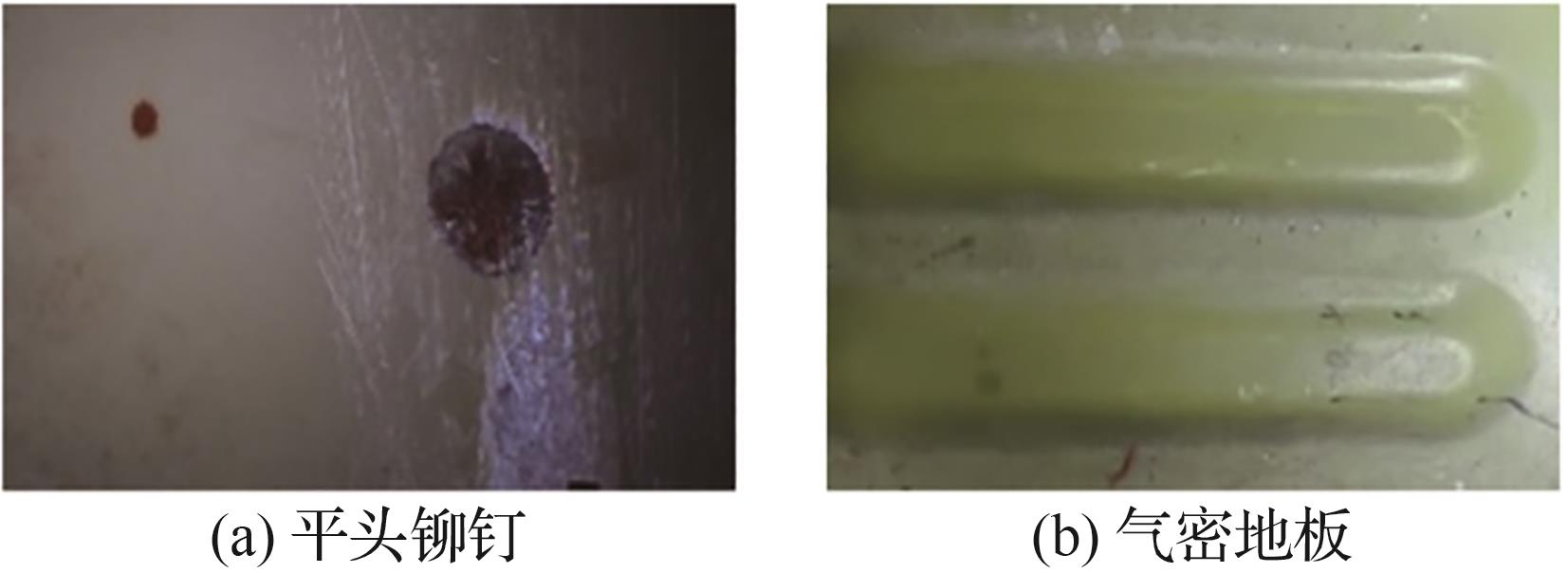
Table 2
Quantity distribution of full-scale test images
| 全机试验结构构型 | 监测部位数量 | 裂纹图像数量 |
|---|---|---|
| 气密地板 | 2 | 39 |
| 平头铆钉 | 2 | 82 |
| 总计 | 4 | 121 |
Table 3
Crack image dataset
| 试验类型 | 训练集数量 | 验证集数量 | 测试集数量 |
|---|---|---|---|
| 元件试验 | 7 982 | 887 | 282 |
| 全机试验 | 246 | 27 | 82 |
| 总计 | 8 228 | 914 | 364 |
Table 4
TICT model training parameters setting
| 参数名称 | 设置值 |
|---|---|
| 冷冻epoch | 30 |
| 冷冻batch | 32 |
| 解冻epoch | 70 |
| 解冻batch | 16 |
| 优化器 | AdamW |
| 动量 | 0.9 |
| 初始学习率/10-4 | 1 |
| 学习率衰减方式 | cosine |
Table 5
Comparison of quantitative metrics for models
| 模型 | 模型参数量/106 | 图像平均检测时间/(s·张-1) | mIoU/% | Dice系数 | Hausdorff距离/像素 |
|---|---|---|---|---|---|
| TICT | 4.31 | 0.029 | 78.31 | 71.54 | 98.63 |
| U-net | 24.89 | 0.026 | 74.65 | 69.00 | 161.33 |
| DeepLabv3+ | 5.82 | 0.024 | 77.00 | 71.31 | 91.34 |
| HRnet | 29.55 | 0.072 | 59.62 | 40.21 | 653.26 |
| PSPnet | 2.37 | 0.025 | 60.71 | 44.04 | 691.06 |
| DeepCrack | 14.71 | 0.019 | 64.64 | 43.90 | 475.19 |
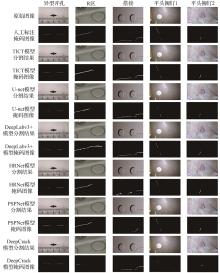
Fig.13
Segmentation results of various models on test set
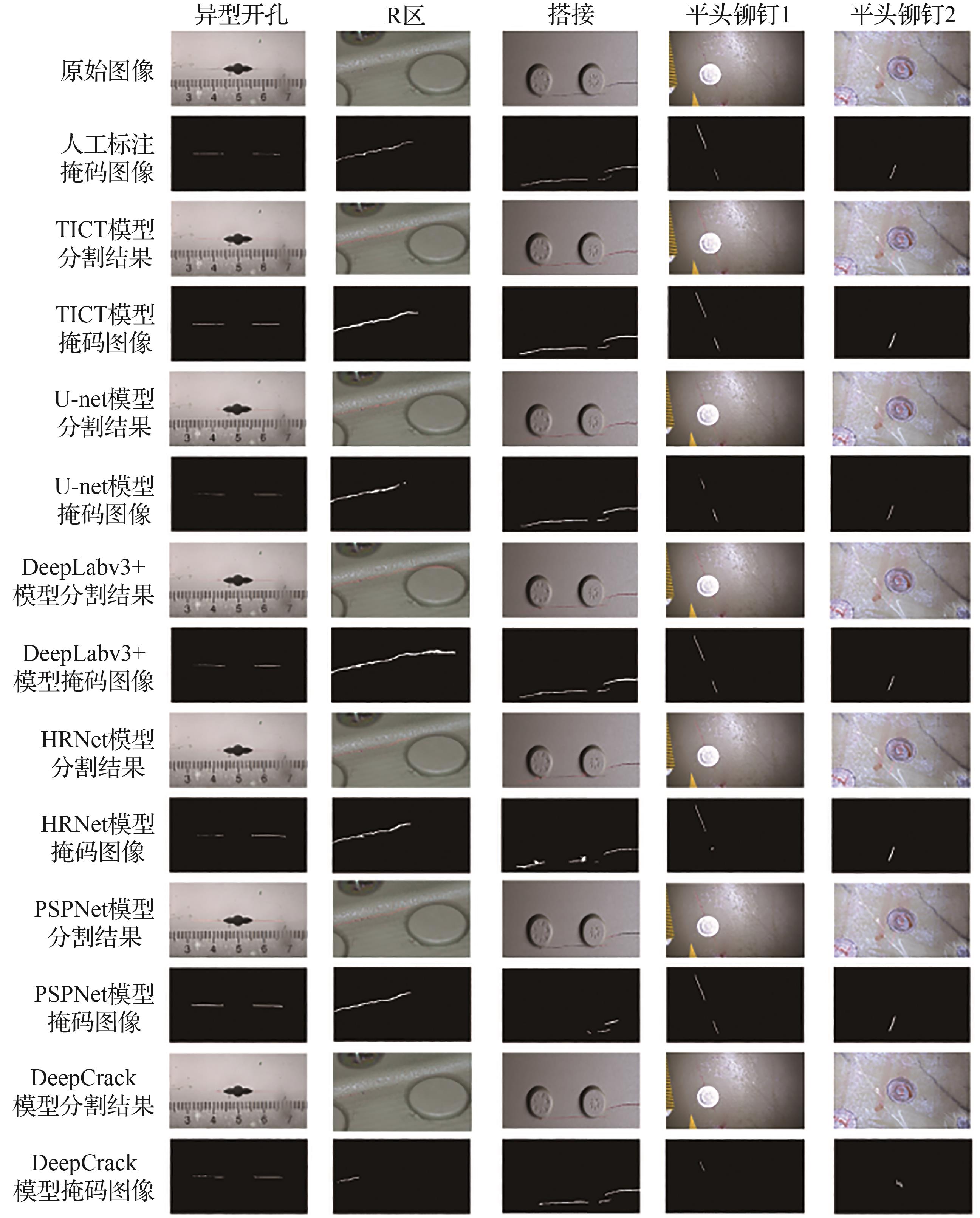
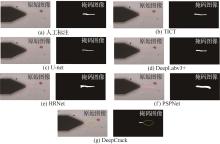
Fig.14
Segmentation results of various models on tiny crack images
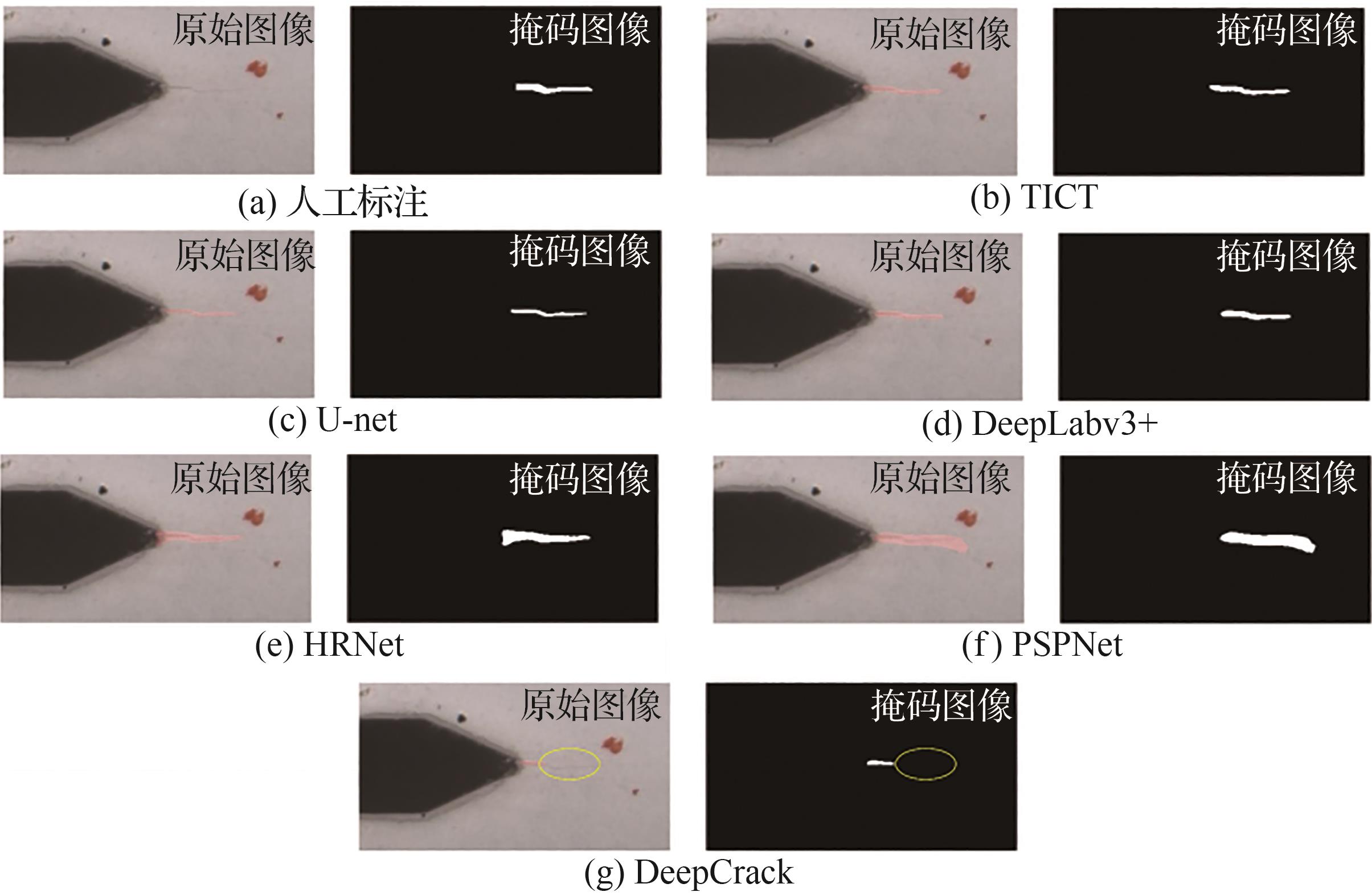
Fig.15
Segmentation results of various models on crack images with complex surface
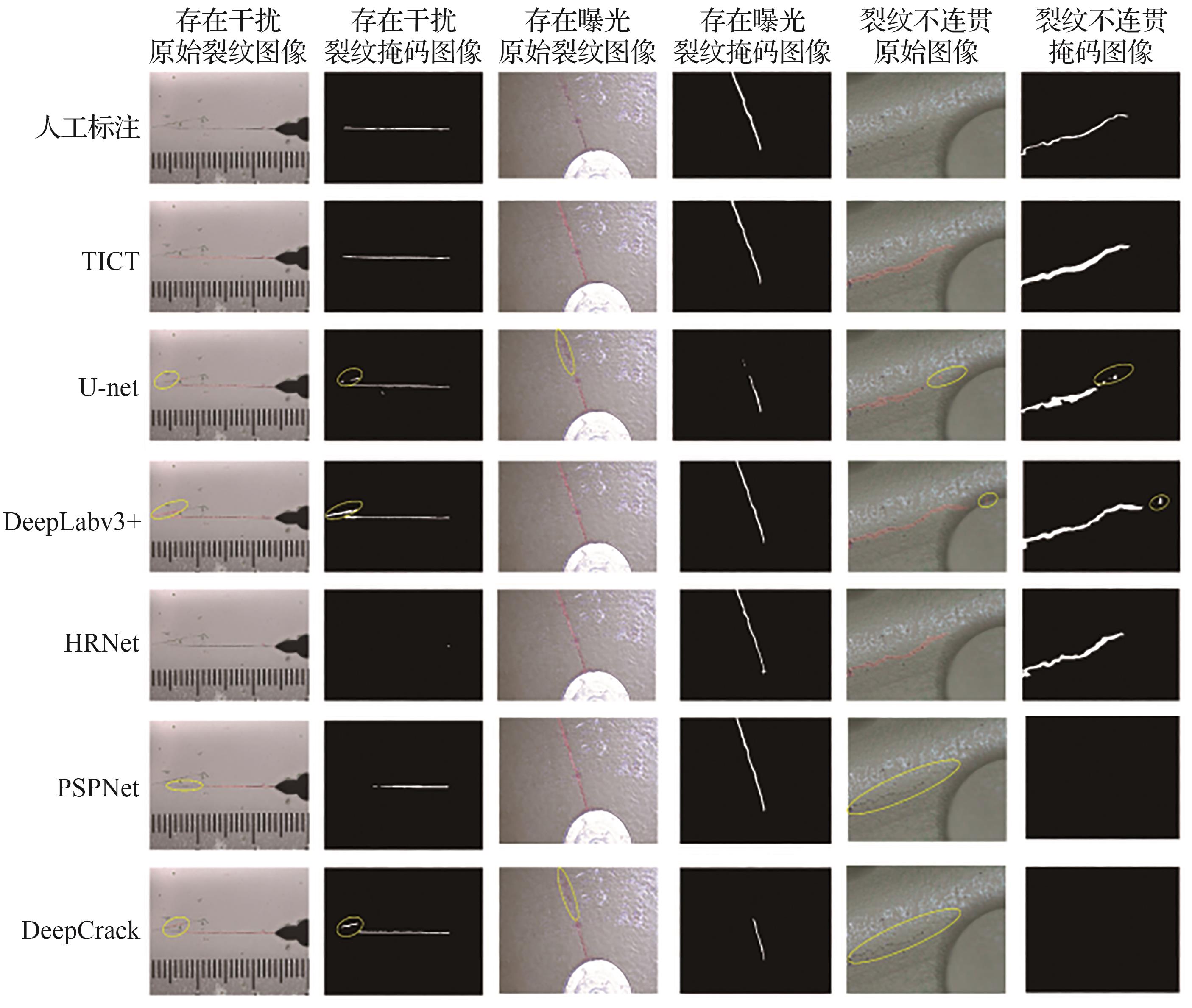
Fig.16
Crack segmentation performance of TICT on edge computing device
| [1] | 袁慎芳, 徐秋慧, 陈健. 可靠性评价: 从无损检测到结构健康监测[J]. 航空学报, 2025, 46(5): 531442. |
| YUAN S F, XU Q H, CHEN J. Reliability evaluation: From non-destructive testing to structural health monitoring[J]. Acta Aeronautica et Astronautica Sinica, 2025, 46(5): 531442 (in Chinese). | |
| [2] | LATEEF F, RUICHEK Y. Survey on semantic segmentation using deep learning techniques[J]. Neurocomputing, 2019, 338: 321-348. |
| [3] | 徐胜军, 郝明, 孟月波, 等. 基于特征增强整体嵌套网络裂缝检测方法[J]. 激光与光电子学进展, 2022, 59(10): 90-101. |
| XU S J, HAO M, MENG Y B, et al. Crack detection method of holistically-nested network based on feature enhancement[J]. Laser & Optoelectronics Progress, 2022, 59(10): 90-101 (in Chinese). | |
| [4] | KONG S Y, FAN J S, LIU Y F, et al. Automated crack assessment and quantitative growth monitoring[J]. Computer-Aided Civil and Infrastructure Engineering, 2021, 36(5): 656-674. |
| [5] | WANG S, LIU C, ZHANG Y H. Fully convolution network architecture for steel-beam crack detection in fast-stitching images[J]. Mechanical Systems and Signal Processing, 2022, 165: 108377. |
| [6] | VASWANI A, SHAZEER N, PARMAR N, et al. Attention is all you need[C]∥NIPS’17: Proceedings of the 31st International Conference on Neural Information Processing Systems. New York: ACM, 2017: 6000-6010. |
| [7] | XIONG R, YANG Y, HE D, et al.On layer normalization in the transformer architecture[C]∥Proceedings of the 37th International Conference on Machine Learning. New York: ACM, 2020: 10524-10533. |
| [8] | LIU H J, MIAO X Y, MERTZ C, et al. CrackFormer: Transformer network for fine-grained crack detection[C]∥2021 IEEE/CVF International Conference on Computer Vision (ICCV). Piscataway: IEEE Press, 2021: 3763-3772. |
| [9] | SHAMSABADI E A, XU C, RAO A S, et al. Vision transformer-based autonomous crack detection on asphalt and concrete surfaces[J]. Automation in Construction, 2022, 140: 104316. |
| [10] | JU X C, ZHAO X X, QIAN S S. TransMF: Transformer-based multi-scale fusion model for crack detection[J]. Mathematics, 2022, 10(13): 2354. |
| [11] | GU E H, XIAO G, LIAN F M, et al. Segmentation and evaluation of crack image from aircraft fuel tank via atrous spatial pyramid fusion and hybrid attention network[J]. IEEE Transactions on Instrumentation and Measurement, 2023, 72: 2512314. |
| [12] | SHAILAJA P, PADMANABHAN S. A survey on autonomous damage detection on aircraft surfaces using deep learning models[C]∥2022 6th International Conference on Computing Methodologies and Communication (ICCMC). Piscataway: IEEE Press, 2022: 1135-1140. |
| [13] | SPENCER B F, SIM S H, KIM R E, et al. Advances in artificial intelligence for structural health monitoring: A comprehensive review[J]. KSCE Journal of Civil Engineering, 2025, 29(3): 100203. |
| [14] | YUE X Y, SUN S Y, KUANG Z H, et al. Vision transformer with progressive sampling[C]∥2021 IEEE/CVF International Conference on Computer Vision (ICCV). Piscataway: IEEE Press, 2021: 377-386. |
| [15] | ZHANG T, LI B, SEO J, et al. Context-aware token selection and packing for enhanced vision transformer[DB/OL]. arXiv preprint: 2410.23608, 2024. |
| [16] | WANG W H, XIE E Z, LI X, et al. PVT v2: Improved baselines with Pyramid Vision Transformer[J]. Computational Visual Media, 2022, 8(3): 415-424. |
| [17] | ZHOU T, NIU Y X, LU H L, et al. Vision transformer: To discover the “four secrets” of image patches[J]. Information Fusion, 2024, 105: 102248. |
| [18] | BIRCHFIELD S T, RANGARAJAN S. Spatiograms versus histograms for region-based tracking[C]∥2005 IEEE Computer Society Conference on Computer Vision and Pattern Recognition (CVPR’05). Piscataway: IEEE Press, 2005: 1158-1163. |
| [19] | VOJIR T, NOSKOVA J, MATAS J. Robust scale-adaptive mean-shift for tracking[J]. Pattern Recognition Letters, 2014, 49: 250-258. |
| [20] | DOSOVITSKIY A, BEYER L, KOLESNIKOV A, et al. An image is worth 16×16 words: Transformers for image recognition at scale[DB/OL]. arXiv preprint: 2010.11929, 2020. |
| [21] | LIU Z, LIN Y T, CAO Y, et al. Swin transformer: Hierarchical vision transformer using shifted windows[C]∥2021 IEEE/CVF International Conference on Computer Vision (ICCV). Piscataway: IEEE Press, 2021: 9992-10002. |
| [22] | WU G. Powerful design of small vision Transformer on CIFAR10[DB/OL]. arXiv preprint: 2501.06220, 2025. |
| [23] | XIE E Z, WANG W H, YU Z D, et al. SegFormer: Simple and efficient design for semantic segmentation with transformers[C]∥Neural Information Processing Systems, 2021. |
| [24] | GONZALES R C, WOODS R E. 数字图像处理学[M]. 4版. 阮秋琦, 阮宇智, 译. 北京: 电子工业出版社, 2001: 457-465. |
| GONZALESR C, WOODSR E. Digital image processing[M]. 4th edition. RUAN Q Q, RUAN Y Z, translated. Beijing: Publishing House of Electronics Industry, 2001: 457-465 (in Chinese). | |
| [25] | SAID K A M, JAMBEK A B. Analysis of image processing using morphological erosion and dilation[J]. Journal of Physics: Conference Series, 2021, 2071(1): 012033. |
| [26] | RONNEBERGER O, FISCHER P, BROX T. U-Net: convolutional networks for biomedical image segmentation[C]∥Medical Image Computing and Computer-Assisted Intervention (MICCAI 2015). Cham: Springer, 2015: 234-241. |
| [27] | CHEN L C, ZHU Y K, PAPANDREOU G, et al. Encoder-decoder with atrous separable convolution for semantic image segmentation[C]∥Computer Vision- ECCV 2018. Cham: Springer, 2018: 833-851. |
| [28] | ZHAO H S, SHI J P, QI X J, et al. Pyramid scene parsing network[C]∥2017 IEEE Conference on Computer Vision and Pattern Recognition (CVPR). Piscataway: IEEE Press, 2017: 6230-6239. |
| [29] | SUN K, XIAO B, LIU D, et al. Deep high-resolution representation learning for human pose estimation[C]∥ 2019 IEEE/CVF Conference on Computer Vision and Pattern Recognition (CVPR). Piscataway: IEEE Press, 2019: 5686-5696. |
| [30] | LIU Y H, YAO J, LU X H, et al. DeepCrack: A deep hierarchical feature learning architecture for crack segmentation[J]. Neurocomputing, 2019, 338: 139-153. |
| [1] | Shenfang YUAN, Qiuhui XU, Jian CHEN. Reliability evaluation: From non-destructive testing to structural health monitoring [J]. Acta Aeronautica et Astronautica Sinica, 2025, 46(5): 531442-531442. |
| [2] | Ran ZHUO, Chuliang YAN. A key component in digital twin of aircraft structures: Multi-dimensional flight parameter measurements [J]. Acta Aeronautica et Astronautica Sinica, 2025, 46(19): 532375-532375. |
| [3] | Yao LU, Zihao LI, Zhunga LIU, Yanbo YANG. Intelligent data association and tracking of different types of multiple targets based on Transformer [J]. Acta Aeronautica et Astronautica Sinica, 2025, 46(17): 331643-331643. |
| [4] | Guoqiang YU, Siyuan HAN, Xiguang GAO, Yingdong SONG. Application and development prospects of electrical impedance imaging in aerospace structural health monitoring [J]. Acta Aeronautica et Astronautica Sinica, 2025, 46(15): 231532-231532. |
| [5] | Xudong LUO, Yiquan WU, Jinlin CHEN. Research progress on deep learning methods for object detection and semantic segmentation in UAV aerial images [J]. Acta Aeronautica et Astronautica Sinica, 2024, 45(6): 28822-028822. |
| [6] | Xiao WANG, Zhenbao LIU. Infrared small target detection based on multi⁃layer multi⁃direction transformer [J]. Acta Aeronautica et Astronautica Sinica, 2024, 45(14): 629490-629490. |
| [7] | Xin SU, Runcheng GUAN, Qiao WANG, Weizheng YUAN, Xianglian LYU, Yang HE. Ice area and thickness detection method based on deep learning [J]. Acta Aeronautica et Astronautica Sinica, 2023, 44(S2): 729283-729283. |
| [8] | Baichuan ZHANG, Wenhao BI, An ZHANG, Zeming MAO, Mi YANG. Transformer-based error compensation method for air combat aircraft trajectory prediction [J]. ACTA AERONAUTICAET ASTRONAUTICA SINICA, 2023, 44(9): 327413-327413. |
| [9] | Guotao MAO, Tianmin DENG, Nanjing YU. Object detection in UAV images based on multi-scale split attention [J]. ACTA AERONAUTICAET ASTRONAUTICA SINICA, 2023, 44(5): 326738-326738. |
| [10] | Xiaohang LI, Jianjiang ZHOU. Multi⁃scale modality fusion network based on adaptive memory length [J]. Acta Aeronautica et Astronautica Sinica, 2023, 44(22): 628977-628977. |
| [11] | Ping WANG, Hui FU, Guili XU. Camera pose estimation and corresponding points matching based on rotation search [J]. ACTA AERONAUTICAET ASTRONAUTICA SINICA, 2023, 44(2): 326695-326695. |
| [12] | Zihao LI, Zhengping WANG, Yuntao HE. Aerial-photography dense small target detection algorithm based on adaptive cooperative attention mechanism [J]. Acta Aeronautica et Astronautica Sinica, 2023, 44(13): 327944-327944. |
| [13] | ZHONG Mengfan, PEI Jihong. Image stitching enhancement method with symmetrical constraint of local feature points [J]. ACTA AERONAUTICAET ASTRONAUTICA SINICA, 2022, 43(S1): 726948-726948. |
| [14] | ZHENG Hui, QIU Lei, YUAN Shenfang, YANG Xiaofei, LU Xulong, XUE Zhaopeng. Experimental method of guided wave monitoring for high temperature airflow damage of C/C thermal protection structures [J]. ACTA AERONAUTICAET ASTRONAUTICA SINICA, 2022, 43(8): 225659-225659. |
| [15] | LYU Shuaishuai, YANG Yu, WANG Binwen, YIN Chenfei. A crack identification method of aircraft structure based on improved FaceNet [J]. ACTA AERONAUTICAET ASTRONAUTICA SINICA, 2022, 43(6): 525463-525463. |
| Viewed | ||||||
|
Full text |
|
|||||
|
Abstract |
|
|||||
Address: No.238, Baiyan Buiding, Beisihuan Zhonglu Road, Haidian District, Beijing, China
Postal code : 100083
E-mail:hkxb@buaa.edu.cn
Total visits: 6658907 Today visits: 1341All copyright © editorial office of Chinese Journal of Aeronautics
All copyright © editorial office of Chinese Journal of Aeronautics
Total visits: 6658907 Today visits: 1341

 CJA
CJA
