Acta Aeronautica et Astronautica Sinica ›› 2025, Vol. 46 ›› Issue (21): 532353.doi: 10.7527/S1000-6893.2025.32353
• Special Issue: 60th Anniversary of Aircraft Strength Research Institute of China • Previous Articles
Li LUO1,2, Yuanchi SUN1, Xuefeng ZOU2, Fengtong ZHAO1( )
)
Received:2025-06-03
Revised:2025-06-30
Accepted:2025-08-11
Online:2025-08-19
Published:2025-08-18
Contact:
Fengtong ZHAO
E-mail:zhao_ft@buaa.edu.cn
Supported by:CLC Number:
Li LUO, Yuanchi SUN, Xuefeng ZOU, Fengtong ZHAO. Calculation and analysis of thermo-acoustic coupling response characteristics of C/SiC thin plate with high-velocity airflow[J]. Acta Aeronautica et Astronautica Sinica, 2025, 46(21): 532353.
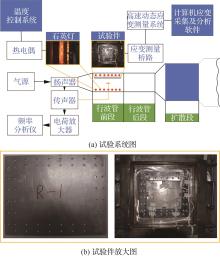
Fig.1
Test system and enlarged view of test specimens
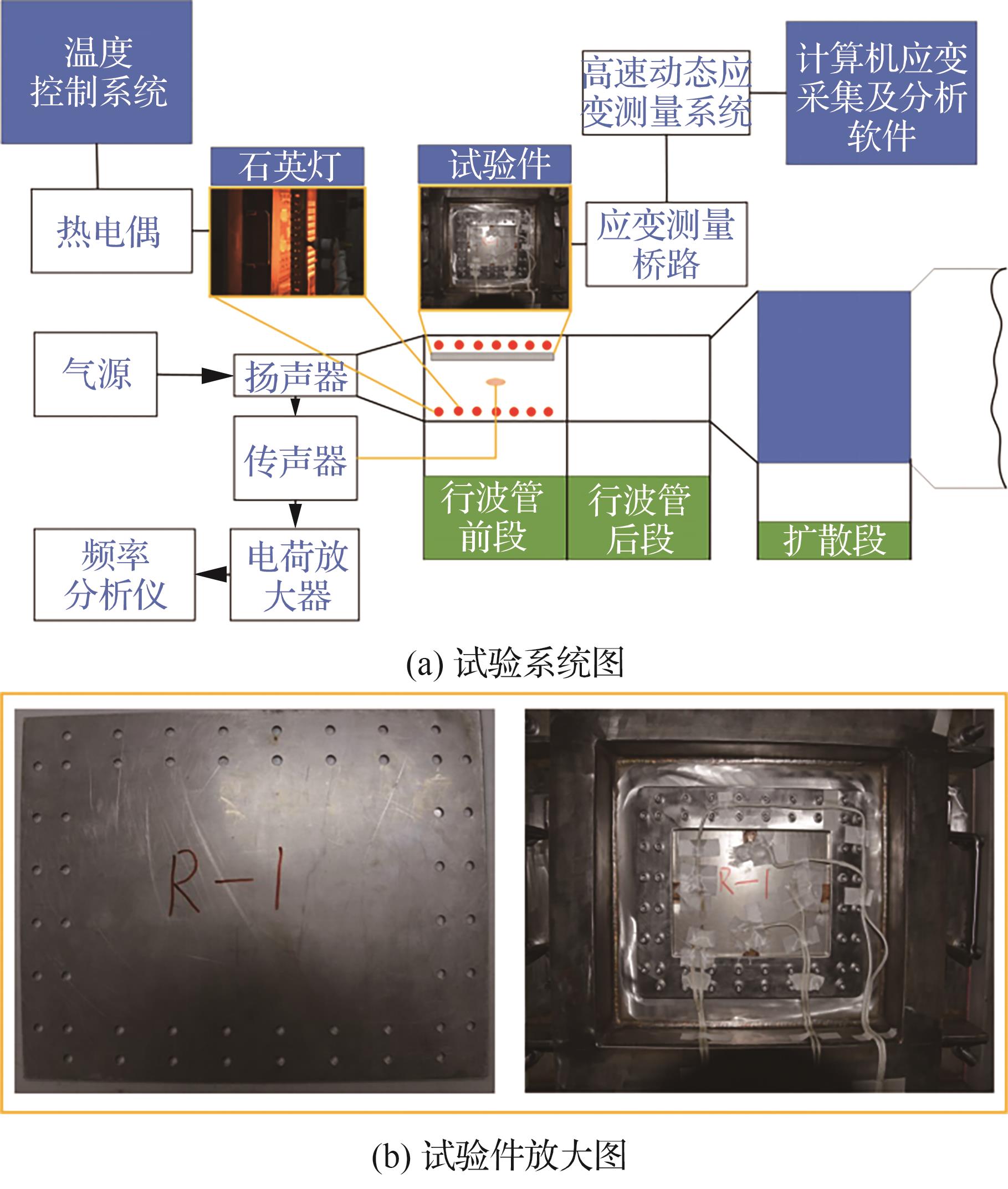

Table 1
Properties of GH188 material
| 温度/℃ | 模量/GPa | 泊松比 | 热膨胀率/(10-6 ℃-1) | 密度/(103 kg·m-3) |
|---|---|---|---|---|
| 50 | 213 | 0.300 | 11.4 | 9.09 |
| 100 | 208 | 0.302 | 11.7 | 9.09 |
| 150 | 199 | 0.304 | 11.9 | 9.09 |
| 200 | 194 | 0.307 | 12.2 | 9.09 |
| 250 | 189 | 0.309 | 12.5 | 9.09 |
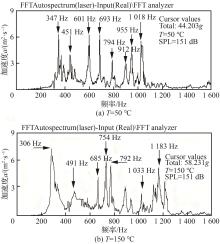
Fig.2
Acceleration frequency domain response result of measurement point #1
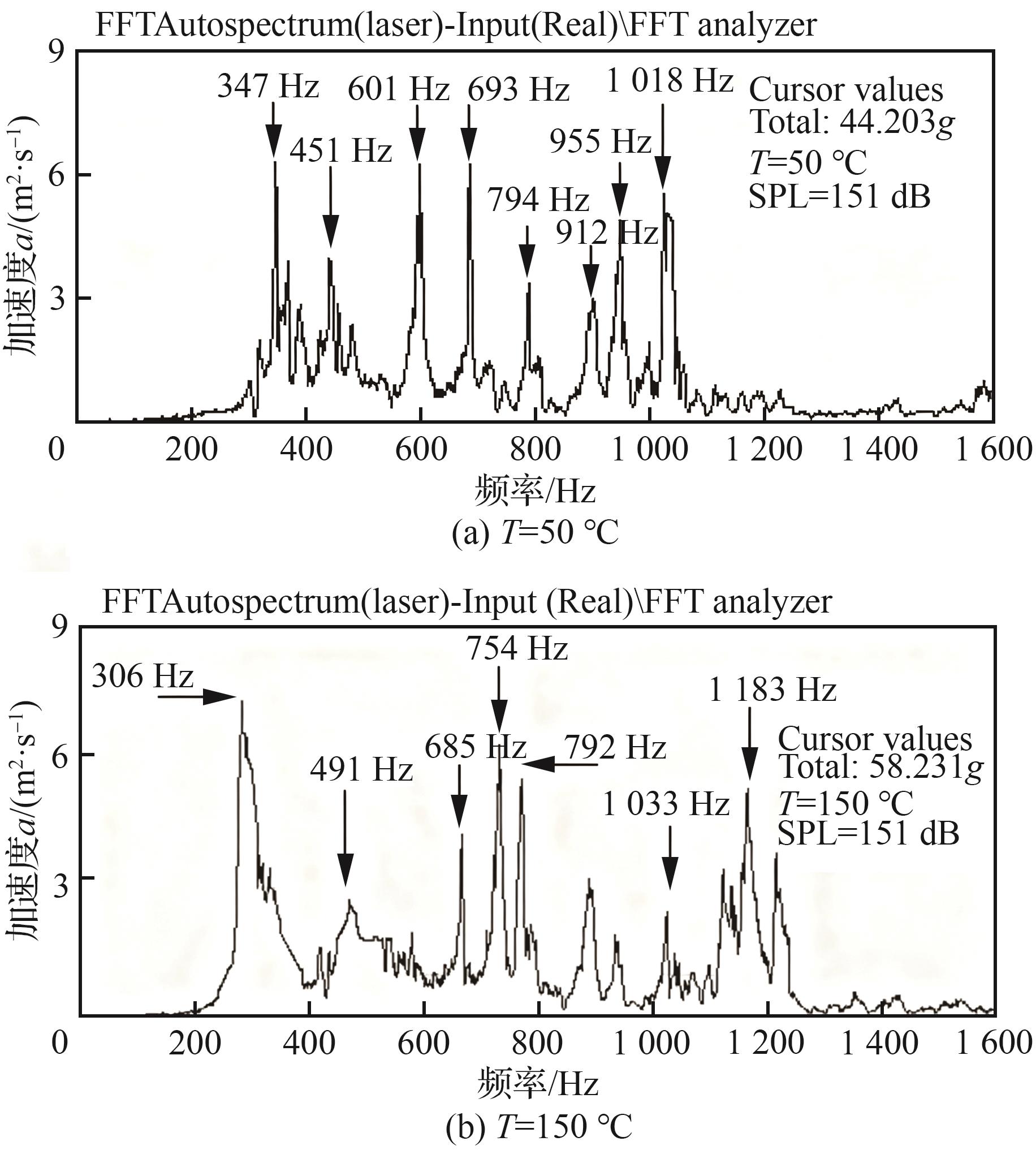
Table 2
Fundamental frequency result at measurement point position (SPL=151 dB)
| 温度/℃ | 50 | 100 | 150 | 200 | 250 |
|---|---|---|---|---|---|
| 基频/Hz | 347 | 256 | 306 | 350 | 482 |
Table 3
Unidirectional strain peak at the first-order natural frequency
| 测点 | 单向应变峰值/με | ||||
|---|---|---|---|---|---|
| T=50 ℃ | T=100 ℃ | T=150 ℃ | T=200 ℃ | T=250 ℃ | |
| #1(X向) | 10.7 | 15.1 | 16.6 | 12.1 | 14.7 |
| #2(Y向) | 13.9 | 22.5 | 26.0 | 14.4 | 15.1 |
Table 4
Power spectral density of Gaussian white noise with finite bandwidth
| SPL/dB | 145 | 148 | 151 | 154 |
|---|---|---|---|---|
| PSD/(Pa2∙Hz-1) | 105.41 | 210.32 | 419.64 | 837.30 |
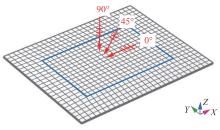
Fig.3
Finite element calculation model and acoustic load loading method
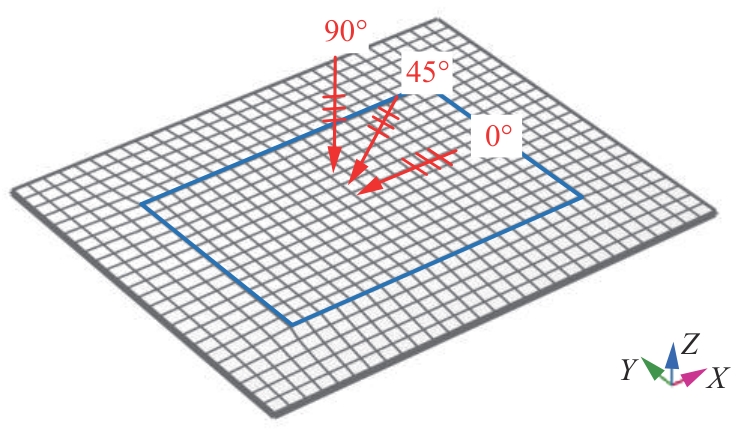
Table 5
Comparison of computation results of the first-order natural frequency and peak value of unidirectional strain at dangerous position with test results
| 温度/℃ | 第一阶固有频率结果 | 薄板各边中点单向应变结果 | |||||
|---|---|---|---|---|---|---|---|
| 仿真值/Hz | 试验值/Hz | 误差/% | 应变方向 | 仿真值/με | 试验值/με | 误差/% | |
| 50 | 323 | 347 | 7.8 | X向 | 10.2 | 10.7 | 4.67 |
| Y向 | 13.1 | 13.9 | 5.76 | ||||
| 100 | 275 | 257 | 8.4 | X向 | 16.9 | 15.1 | 11.92 |
| Y向 | 19.7 | 22.5 | 12.44 | ||||
| 150 | 313 | 307 | 0.8 | X向 | 17.9 | 16.6 | 7.83 |
| Y向 | 26.9 | 26.0 | 3.46 | ||||
| 200 | 358 | 350 | 2.3 | X向 | 12.7 | 12.1 | 4.96 |
| Y向 | 14.6 | 14.4 | 1.39 | ||||
| 250 | 481 | 482 | 0.2 | X向 | 15.1 | 14.7 | 2.72 |
| Y向 | 14.6 | 15.1 | 3.31 | ||||
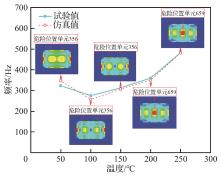
Fig.4
Comparison results between simulation values and test values of the first-order natural frequency meter
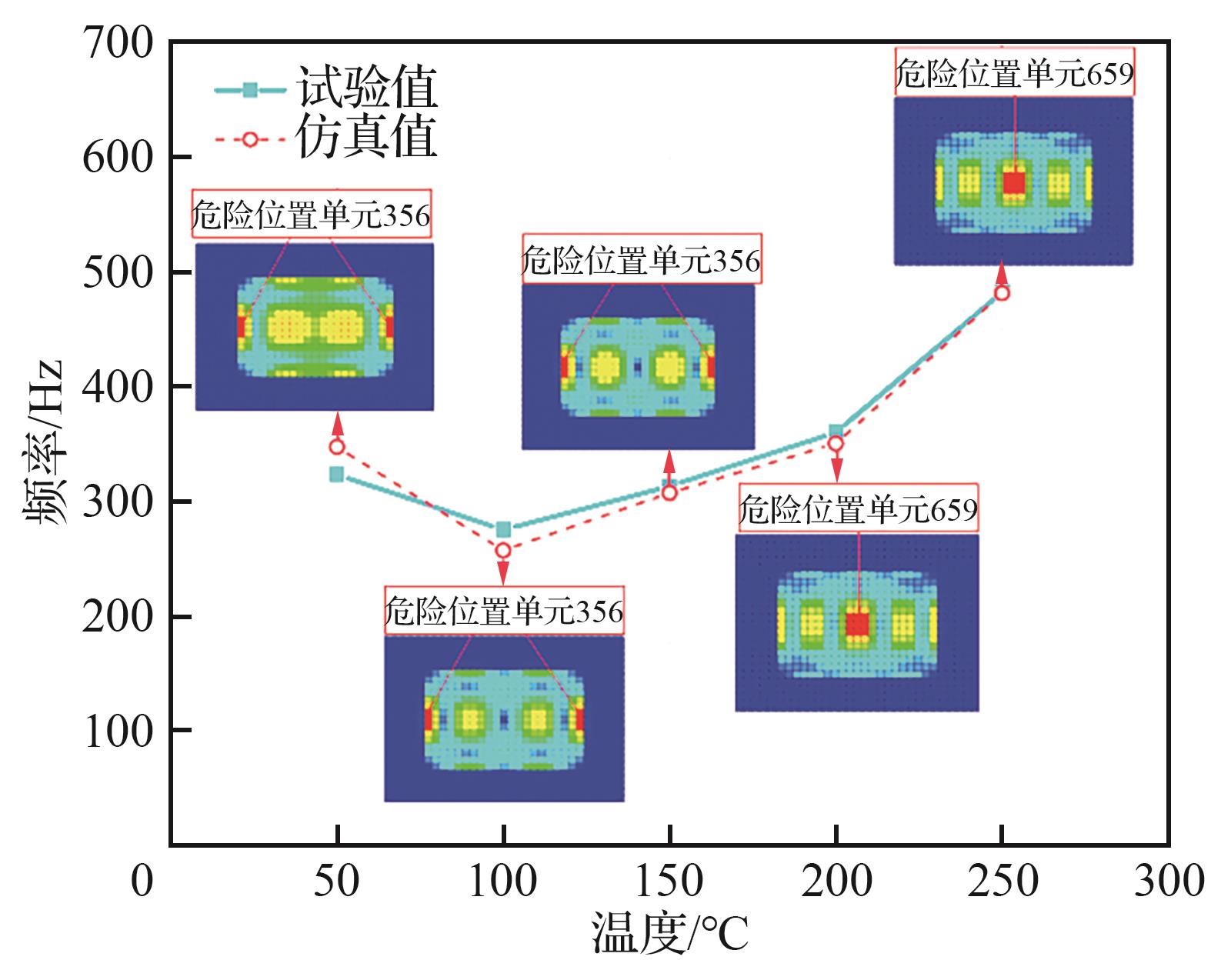
Table 6
Properties of ceramic matrix composites
| 温度/℃ | 模量/GPa | 泊松比 | 密度/ (103 kg∙m-3) | 热膨胀率/ (10-6 ℃-1) |
|---|---|---|---|---|
| 20 | 243 | 0.1 | 2.0 | 3.825 |
| 600 | 145 | 0.1 | 2.0 | 3.853 |
| 800 | 118 | 0.1 | 2.0 | 3.886 |
| 1 000 | 97 | 0.1 | 2.0 | 3.915 |
| 1 200 | 76 | 0.1 | 2.0 | 3.951 |
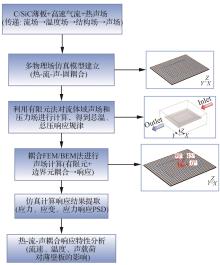
Fig.5
Framework of multi-physics field computing methods
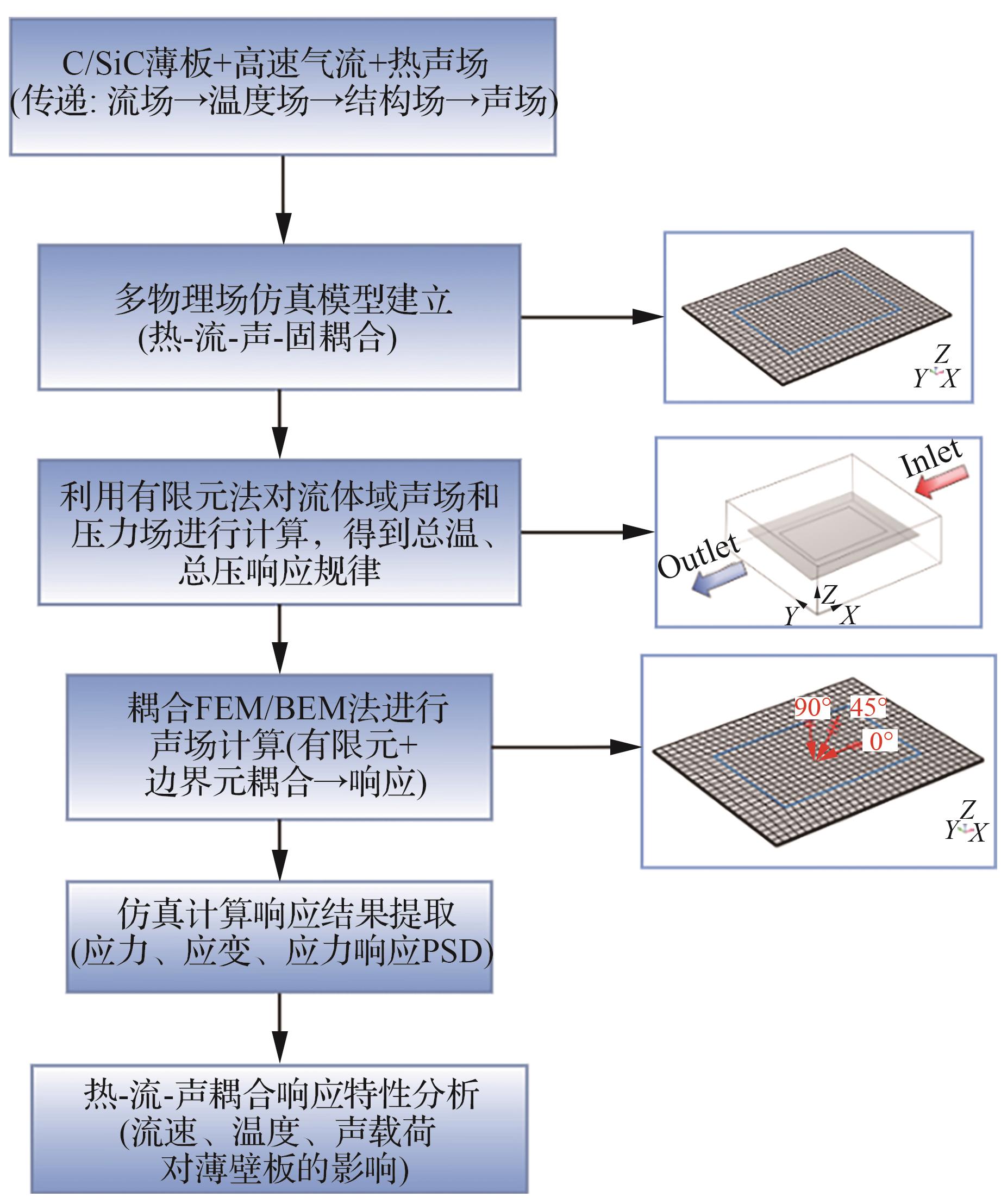
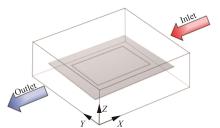
Fig.6
Finite element simulation diagram of flow field
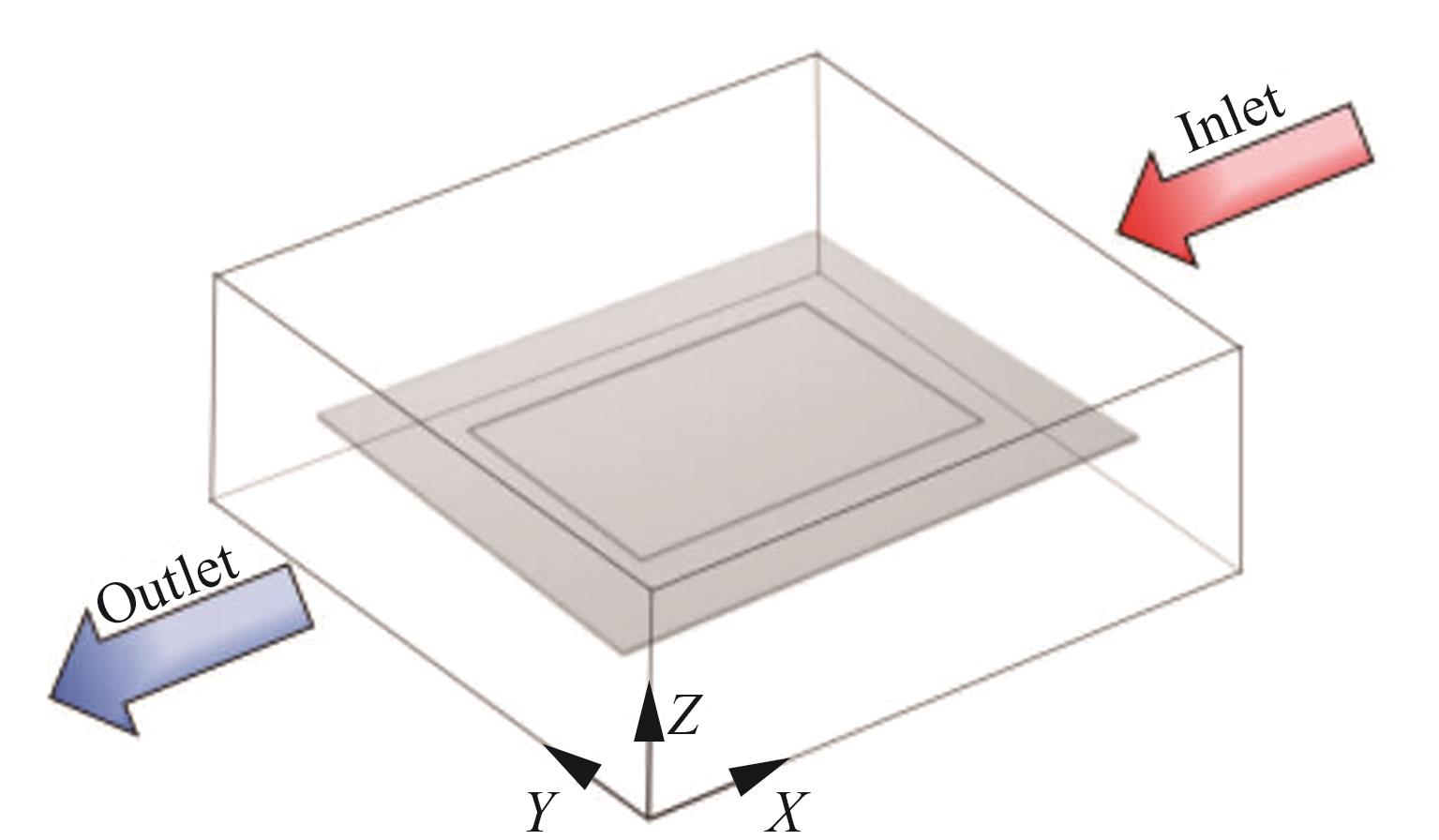
Fig.7
Distribution of total impact pressure of thin-walled plates at different flow rates
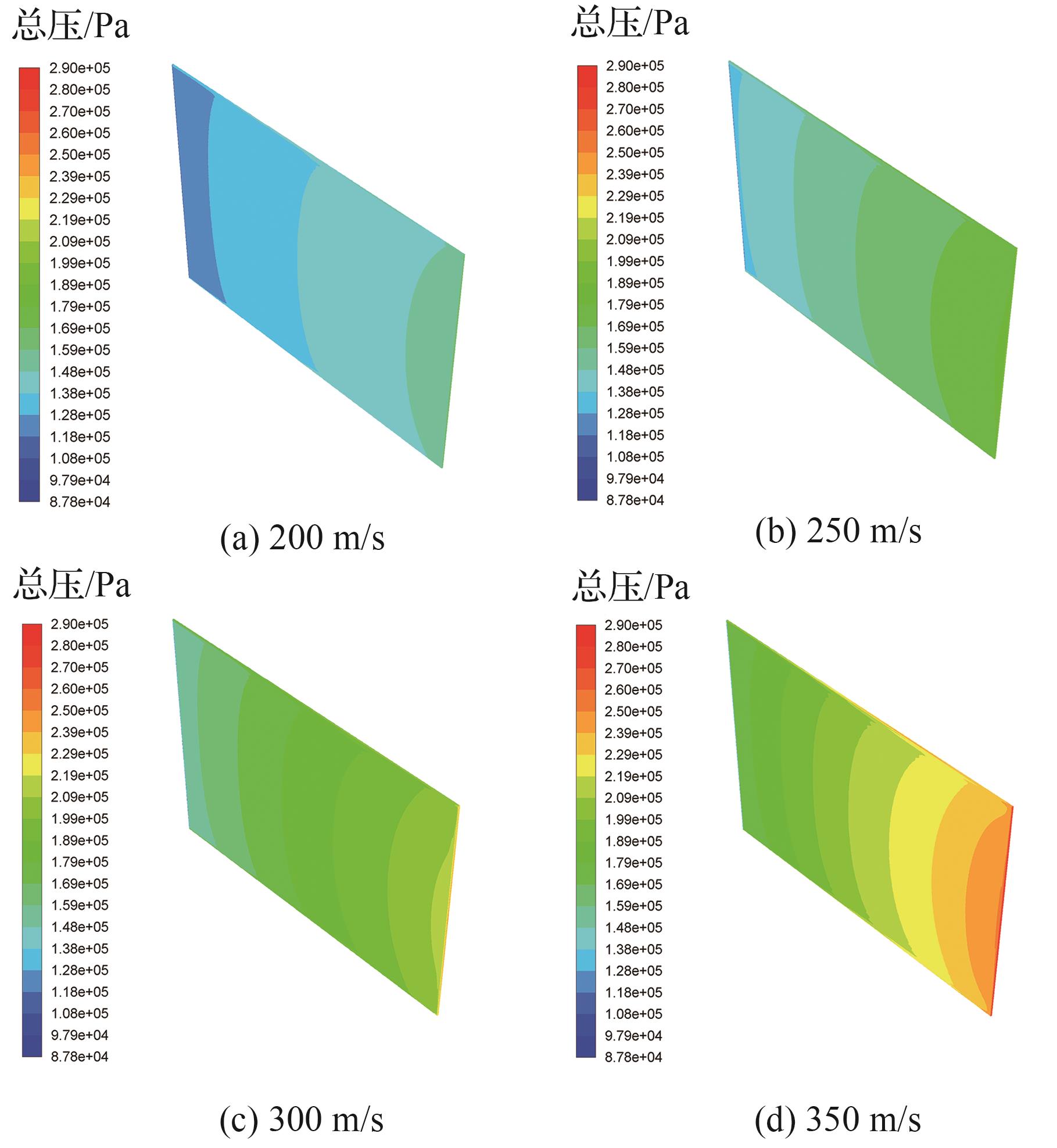
Fig.8
Temperature distribution of thin-walled plates under different heat flow loads
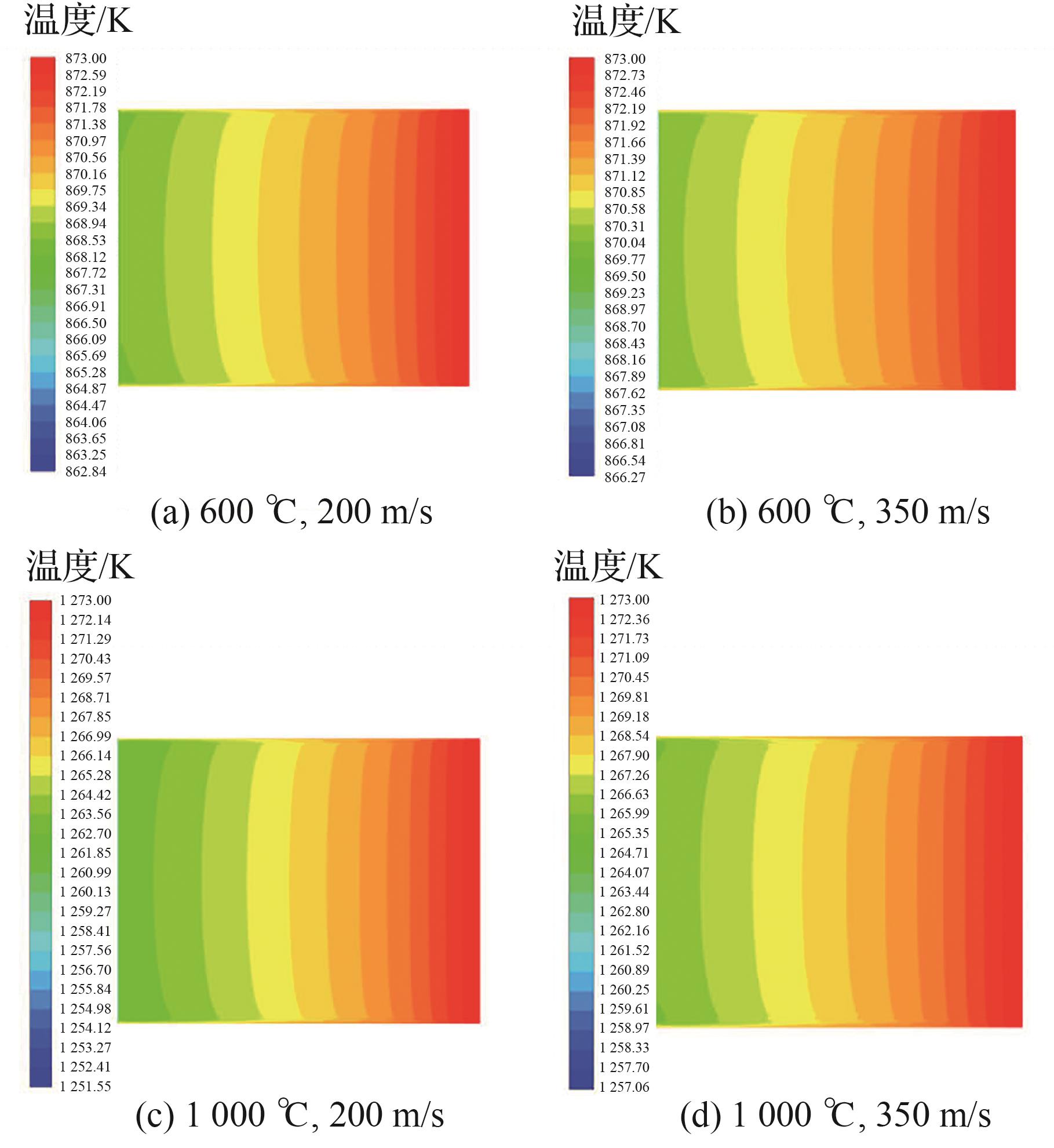
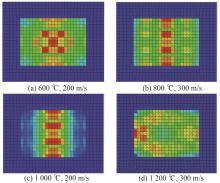
Fig.9
Von-Mises stress distribution of thin-walled plates at fundamental frequency of SPL=151 dB
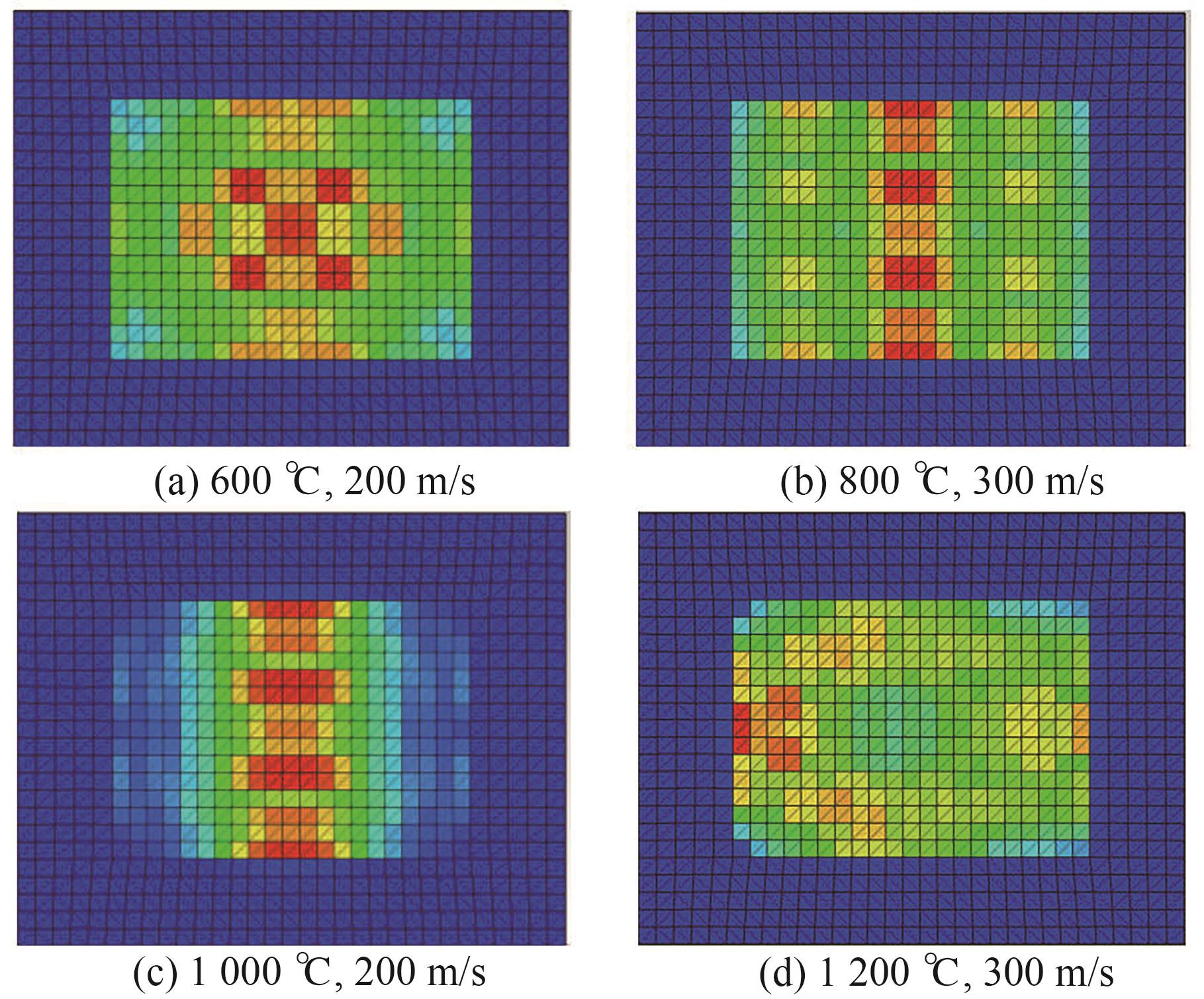
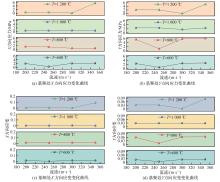
Fig.10
Variation curves of stress and strain responses in X and Y directions of thin-walled plates
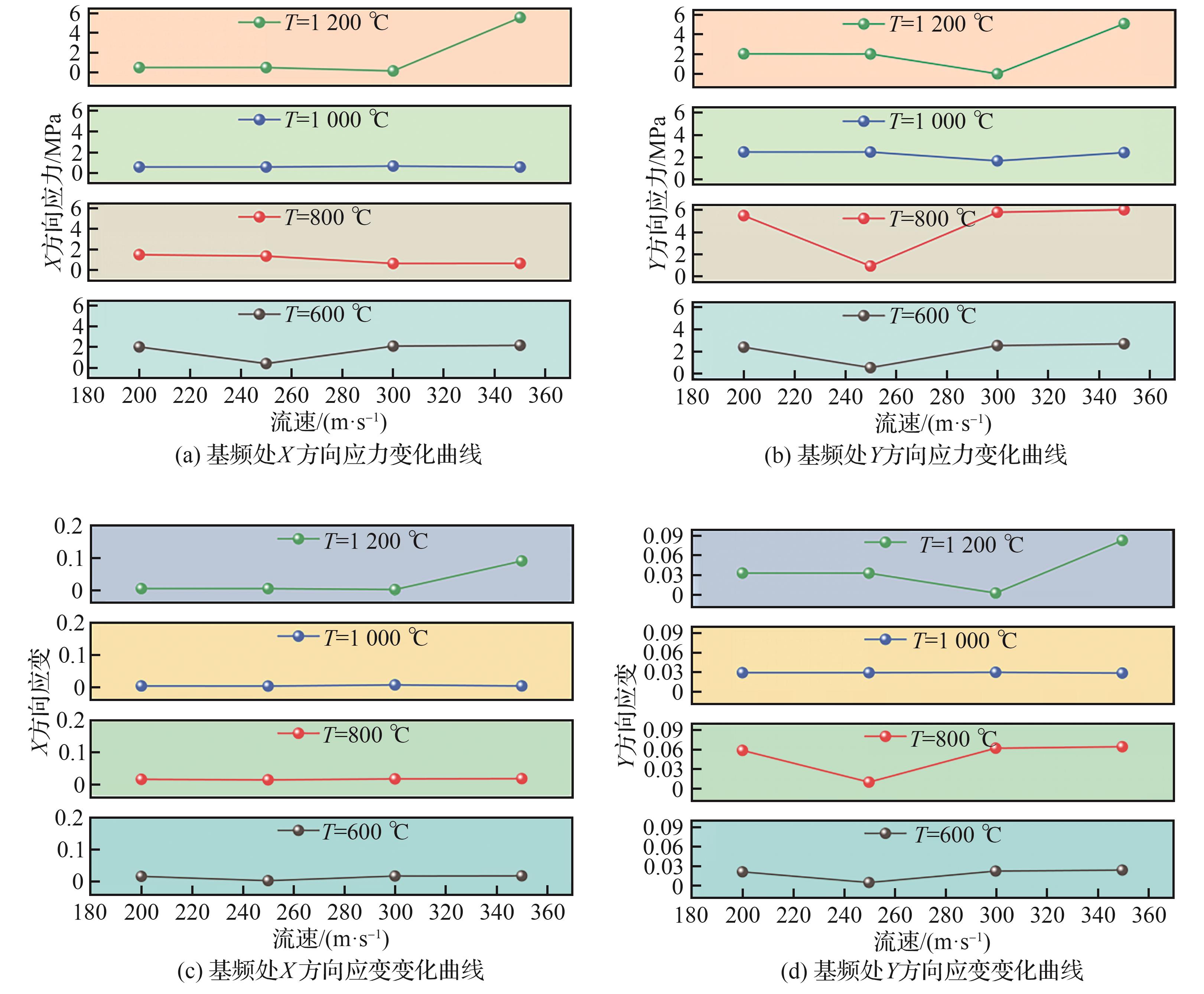
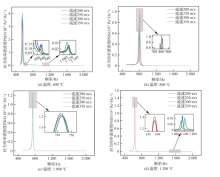
Fig.11
Comparison of stress PSD values of thin-walled plates at different temperatures
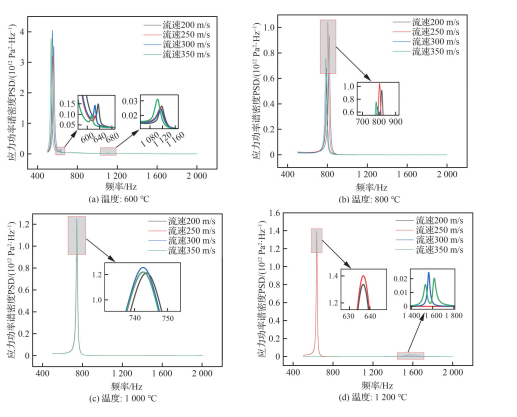
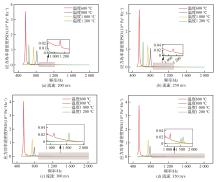
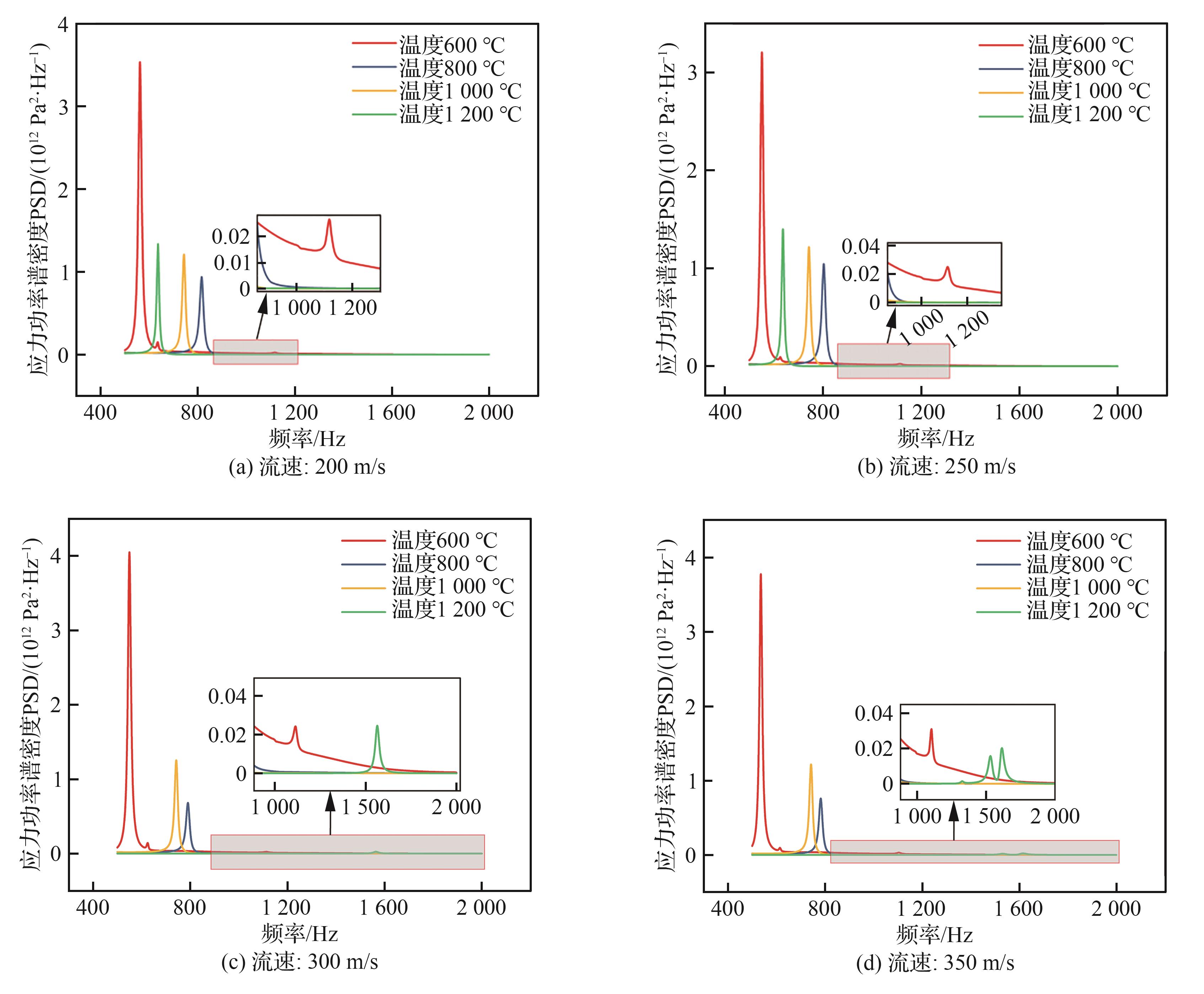
Fig.12
Comparison of stress PSD values of thin-walled plates at different flow rates
| [1] | SONG C K, YE F, CHENG L F, et al. Long-term ceramic matrix composite for aeroengine[J]. Journal of Advanced Ceramics, 2022, 11(9): 1343-1374. |
| [2] | LI L B. Modeling strength degradation of fiber-reinforced ceramic-matrix composites under cyclic loading at room and elevated temperatures[J]. Materials Science and Engineering: A, 2017, 695: 221-229. |
| [3] | 孙坤, 王洪斌, 张树林, 等. 基于热响应的陶瓷基复合材料火焰筒热冲击试验[J]. 航空发动机, 2021, 47(3): 86-90. |
| SUN K, WANG H B, ZHANG S L, et al. Thermal shock test of ceramic matrix composites liner based on thermal response[J]. Aeroengine, 2021, 47(3): 86-90 (in Chinese). | |
| [4] | 刘鑫, 乔逸飞, 董少静, 等. 陶瓷基复合材料力学性能计算及涡轮导叶宏观响应分析方法[J]. 航空发动机, 2021, 47(6): 85-90. |
| LIU X, QIAO Y F, DONG S J, et al. Mechanical property calculation of ceramic matrix composites and macro response analysis method of turbine guide vane[J]. Aeroengine, 2021, 47(6): 85-90 (in Chinese). | |
| [5] | SCHNEIDER C W. Acoustic fatigue of aircraft structures at elevated temperatures[C]∥Aeroacoustics Conference, 1973. |
| [6] | VAICAITIS R, ARNOLD R. Nonlinear response and sonic fatigue of metal and composite panels: AIAA-1990-3938[R]. Reston: AIAA, 1990. |
| [7] | NG C F, CLEVENSON S A. High-intensity acoustic tests of a thermally stressed plate[J]. Journal of Aircraft, 1991, 28(4): 275-281. |
| [8] | TZONG G T, LIGUORE S L. Verification studies on hypersonic structure thermal/acoustic response and life prediction methods[C]∥54th AIAA/ASME/ASCE/AHS/ASC Structures, Structural Dynamics, and Materials Conference. Reston: AIAA, 2013. |
| [9] | LEE H B, KIM Y N, CHOI I J, et al. Nonlinear dynamic responses of shear-deformable composite panels under combined supersonic aerodynamic, thermal, and random acoustic loads[J]. International Journal of Aeronautical and Space Sciences, 2020, 21(3): 707-722. |
| [10] | GO E S, KIM M G, MOON Y S, et al. Experimental study on dynamic behavior of a titanium specimen using the thermal-acoustic fatigue apparatus[J]. Journal of the Korean Society for Aeronautical & Space Sciences, 2020, 48(2): 127-134. |
| [11] | SADAGOPAN A, HUANG D N, HANQUIST K. Impact of high-temperature effects on the aerothermoelastic behavior of composite skin panels in hypersonic flow[C]∥AIAA Scitech 2020 Forum. Reston: AIAA, 2020. |
| [12] | ALMEIDA R S M, CHEN S A, BESSER B, et al. Fatigue behavior and damage analysis of PIP C/SiC composite[J]. Journal of the European Ceramic Society, 2022, 42(13): 5391-5398. |
| [13] | 韩红梅, 张秀莲, 李贺军, 等. 炭/炭复合材料高温力学行为研究[J]. 新型炭材料, 2003, 18(1): 20-24. |
| HAN H M, ZHANG X L, LI H J, et al. Study on mechanical behavior of carbon/carbon composites at high temperature[J]. New Carbon Materials, 2003, 18(1): 20-24 (in Chinese). | |
| [14] | 吴振强, 刘宝瑞, 贾洲侠, 等. 强噪声激励下C/SiC复合材料壁板动态响应与失效分析[J]. 复合材料学报, 2019, 36(5): 1254-1262. |
| WU Z Q, LIU B R, JIA Z X, et al. Dynamic responses and failure analysis of C/SiC composite plates subjected high intensity acoustic loads[J]. Acta Materiae Compositae Sinica, 2019, 36(5): 1254-1262 (in Chinese). | |
| [15] | 吴振强, 张正平, 李海波, 等. C/SiC壁板热噪声复合环境动态响应试验研究[J]. 实验力学, 2015, 30(6): 741-748. |
| WU Z Q, ZHANG Z P, LI H B, et al. Experimental investigation on C/SiC plate dynamic response in a thermal and acoustic combined environment[J]. Journal of Experimental Mechanics, 2015, 30(6): 741-748 (in Chinese). | |
| [16] | 林华刚. 超声速气流中复合材料结构的气动弹性颤振研究[D]. 哈尔滨: 哈尔滨工业大学, 2019. |
| LIN H G. Aeroelastic flutter study of composite structures in supersonic air[D]. Harbin: Harbin Institute of Technology, 2019 (in Chinese). | |
| [17] | 代吉祥, 沙建军, 王首豪, 等. 纤维表面状态对C/C-SiC复合材料微观组织和相成分的影响[J]. 航空学报, 2015, 36(5): 1704-1712. |
| DAI J X, SHA J J, WANG S H, et al. Influence of fiber surface state on microstructure and phase composition of C/C-SiC composites[J]. Acta Aeronautica et Astronautica Sinica, 2015, 36(5): 1704-1712 (in Chinese). | |
| [18] | 李若愚, 王天宏. 薄板热力耦合的屈曲分析[J]. 应用数学和力学, 2020, 41(8): 877-886. |
| LI R Y, WANG T H. Thermo-mechanical buckling analysis of thin plates[J]. Applied Mathematics and Mechanics, 2020, 41(8): 877-886 (in Chinese). | |
| [19] | 赵锐, 于开平, 崔乃刚. 时变热环境下复合材料夹层板结构动力学响应分析[J]. 振动工程学报, 2018, 31(2): 329-335. |
| ZHAO R, YU K P, CUI N G. Vibration response analysis of a composite sandwich plate under a time-varying thermal environment[J]. Journal of Vibration Engineering, 2018, 31(2): 329-335 (in Chinese). | |
| [20] | 赵陈伟, 毛军逵, 屠泽灿, 等. 纤维增韧陶瓷基复合材料热端部件的热分析方法现状和展望[J]. 航空学报, 2021, 42(6): 136-161. |
| ZHAO C W, MAO J K, TU Z C, et al. Thermal analysis methods for high-temperature ceramic matrix composite components: Review and prospect[J]. Acta Aeronautica et Astronautica Sinica, 2021, 42(6): 136-161 (in Chinese). | |
| [21] | 陶永强, 关成启, 金亮, 等. 高量级宽带噪声等效加载方法[J]. 航空学报, 2022, 43(12): 627037. |
| TAO Y Q, GUAN C Q, JIN L, et al. Equivalent loading method for high-level noise under broadband condition[J]. Acta Aeronautica et Astronautica Sinica, 2022, 43(12): 627037 (in Chinese). | |
| [22] | 沙云东, 王建, 赵奉同, 等. 热声载荷下薄壁结构振动响应试验验证与疲劳分析[J]. 航空动力学报, 2017, 32(11): 2659-2671. |
| SHA Y D, WANG J, ZHAO F T, et al. Vibration response experimental verification and fatigue analysis of thin-walled structures to thermal-acoustic loads[J]. Journal of Aerospace Power, 2017, 32(11): 2659-2671 (in Chinese). | |
| [23] | 沙云东, 朱付磊, 赵奉同, 等. 热声载荷下薄壁板行波管疲劳分析与试验研究[J]. 推进技术, 2019, 40(8): 1876-1886. |
| SHA Y D, ZHU F L, ZHAO F T, et al. Fatigue analysis and experimental research for thin-walled plates under thermoacoustic loading in traveling wave tube[J]. Journal of Propulsion Technology, 2019, 40(8): 1876-1886 (in Chinese). | |
| [24] | 师艳, 刘晗, 赵彤彤, 等. 陶瓷基复合材料反应熔渗过程多场建模与仿真[J]. 航空学报, 2025, 46(3): 319-335. |
| SHI Y, LIU H, ZHAO T T, et al. Multi-field modeling and simulation of reactive infiltration process of ceramic matrix composites[J]. Acta Aeronautica et Astronautica Sinica, 2025, 46(3): 319-335 (in Chinese). | |
| [25] | 吴峰宇. 高温环境下复合材料薄壁结构声疲劳性能计算与试验研究[D]. 沈阳: 沈阳航空航天大学, 2023. |
| WU F Y. Calculation and experimental study on acoustic fatigue performance of thin-walled composite structures under high-temperature environments [D]. Shenyang: Shenyang Aerospace University, 2023 (in Chinese). | |
| [26] | 艾思泽. 热-声-流-固耦合作用下薄壁结构疲劳寿命预估[D]. 沈阳: 沈阳航空航天大学, 2019. |
| AI S Z. Fatigue life prediction of thin-walled structures under the coupling of heat, sound, flow and solid [D]. Shenyang: Shenyang Aerospace University, 2019 (in Chinese). | |
| [27] | 沙云东, 艾思泽, 张家铭. 金属薄壁结构在高速流动下热声响应特性分析方法[J]. 机械设计与制造, 2023(3): 165-170, 174. |
| SHA Y D, AI S Z, ZHANG J M. Thermal acoustic response analysis method for metal thin-walled structures under high-speed flow[J]. Machinery Design & Manufacture, 2023(3): 165-170, 174 (in Chinese). |
| [1] | Li CHEN, Xiaoyun ZENG, Wen HUANG, Jianfei ZHANG. Lattice structure optimization design under harmonic base acceleration excitations [J]. Acta Aeronautica et Astronautica Sinica, 2024, 45(5): 529704-529704. |
| [2] | Xinyu LUAN, Yu WANG, Zhangwu WU. Three-port rectifier for pulse load frequency sudden drop control strategy [J]. Acta Aeronautica et Astronautica Sinica, 2024, 45(24): 330424-330424. |
| [3] | Cheng ZHANG, Haoyuan REN, Tailong SHI, Wendi DAI. Multidisciplinary full-time coupling methods of folding fin containing non-linear connections and their applications [J]. Acta Aeronautica et Astronautica Sinica, 2023, 44(S2): 729461-729461. |
| [4] | Yaodong JIANG, Quanyong XU, Yulin MA, yao CHENG. Dynamic response of hydrazine⁃based monocomponent rocket engine [J]. Acta Aeronautica et Astronautica Sinica, 2023, 44(21): 529170-529170. |
| [5] | Libo WANG, Zhiwei JING, Chu TANG. Modelling and simulation of flexible aircraft in blast wind [J]. Acta Aeronautica et Astronautica Sinica, 2023, 44(17): 228214-228214. |
| [6] | DENG Yunfei, ZHOU Nan, TIAN Rui, WEI Gang. Response characteristics of sandwich structure with S-shaped CFRP folded core under low velocity impact [J]. ACTA AERONAUTICAET ASTRONAUTICA SINICA, 2022, 43(6): 525446-525446. |
| [7] | ZHAO Xiaojian, SHAO Xiao, YANG Mingsui. Equivalence of vibro-acoustic response based on scaled thin-walled structures [J]. ACTA AERONAUTICAET ASTRONAUTICA SINICA, 2022, 43(3): 225146-225146. |
| [8] | FENG Zhenyu, LIU Xu, LIN Lanhui, YANG Yongpan, XIE Jiang, SHI Xiaopeng, XIAO Pei, LI Leizi, YI Pengfei, LIU Xiaochuan, BAI Chunyu. Impact of seatbelts on impact characteristics of aviation seats and occupants [J]. ACTA AERONAUTICAET ASTRONAUTICA SINICA, 2022, 43(1): 224808-224808. |
| [9] | CAO Qikai, WANG Yan, YAO Niankui, HE Gang, CHEN Zhongming, ZHANG Guijiang, TIAN Zhiliang, WU Xinyue. Development and application of strength design technology of advanced carrier-based aircraft [J]. ACTA AERONAUTICAET ASTRONAUTICA SINICA, 2021, 42(8): 525793-525793. |
| [10] | ZHAO Yanqin, CHEN Renliang. Systematical modelling of low-altitude windshear and its qualitative threat analysis to helicopter flight safety [J]. ACTA AERONAUTICAET ASTRONAUTICA SINICA, 2020, 41(7): 123413-123413. |
| [11] | HE Min, ZHU Xiaolong, LIU Xiaoming, LIU Fan, YAO Xiaohu. Impact response of ground ejection of front fuselage structure of carrier-based aircraft [J]. ACTA AERONAUTICAET ASTRONAUTICA SINICA, 2018, 39(5): 221711-221711. |
| [12] | ZOU Xuefeng, GUO Dingwen, PAN Kai, QU Chao, TAO Yongqiang, ZHANG Xudong. Test technique for multi-load combined strength of hypersonic vehicle structure under complex loading environment [J]. ACTA AERONAUTICAET ASTRONAUTICA SINICA, 2018, 39(12): 222326-222326. |
| [13] | XUE Shuaijie, LIU Hongjun, HONG Liu, CHEN Pengfei. Experimental on dynamic characteristics of an open-end swirl injector with thick liquid film [J]. ACTA AERONAUTICAET ASTRONAUTICA SINICA, 2018, 39(12): 122534-122534. |
| [14] | FANG Xingbo, NIE Hong, ZHANG Zhao, WEI Xiaohui, ZHANG Ming. Dynamic response analysis on carrier-based UAV considering catapult shuttle mass [J]. ACTA AERONAUTICAET ASTRONAUTICA SINICA, 2018, 39(12): 222237-222237. |
| [15] | CHEN Qi, CHEN Jianqiang, ZHANG Yifeng, YUAN Xianxu. Numerical simulation of influence of RCS on control characteristics of aerodynamic surfaces [J]. ACTA AERONAUTICAET ASTRONAUTICA SINICA, 2018, 39(11): 122141-122149. |
| Viewed | ||||||
|
Full text |
|
|||||
|
Abstract |
|
|||||
Address: No.238, Baiyan Buiding, Beisihuan Zhonglu Road, Haidian District, Beijing, China
Postal code : 100083
E-mail:hkxb@buaa.edu.cn
Total visits: 6658907 Today visits: 1341All copyright © editorial office of Chinese Journal of Aeronautics
All copyright © editorial office of Chinese Journal of Aeronautics
Total visits: 6658907 Today visits: 1341

 CJA
CJA
