Acta Aeronautica et Astronautica Sinica ›› 2025, Vol. 46 ›› Issue (20): 532012.doi: 10.7527/S1000-6893.2025.32012
• Special Issue: Key Technologies for Supersonic Civil Aircraft • Previous Articles
Jiakun FAN1, Junqiang AI2,3, Ningjuan DONG4, Jiakuan XU1,3,5( ), Lei QIAO6,7, Junqiang BAI1,6,7
Received:2025-03-21
Revised:2025-04-10
Accepted:2025-04-25
Online:2025-05-12
Published:2025-05-08
Contact:
Jiakuan XU
E-mail:jk.xu@nwpu.edu.cn
CLC Number:
Jiakun FAN, Junqiang AI, Ningjuan DONG, Jiakuan XU, Lei QIAO, Junqiang BAI. Stationary crossflow induced transition prediction method for supersonic swept-wing based on convolutional neural networks[J]. Acta Aeronautica et Astronautica Sinica, 2025, 46(20): 532012.
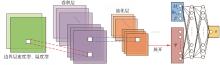
Fig.1
Schematic diagram of CNN
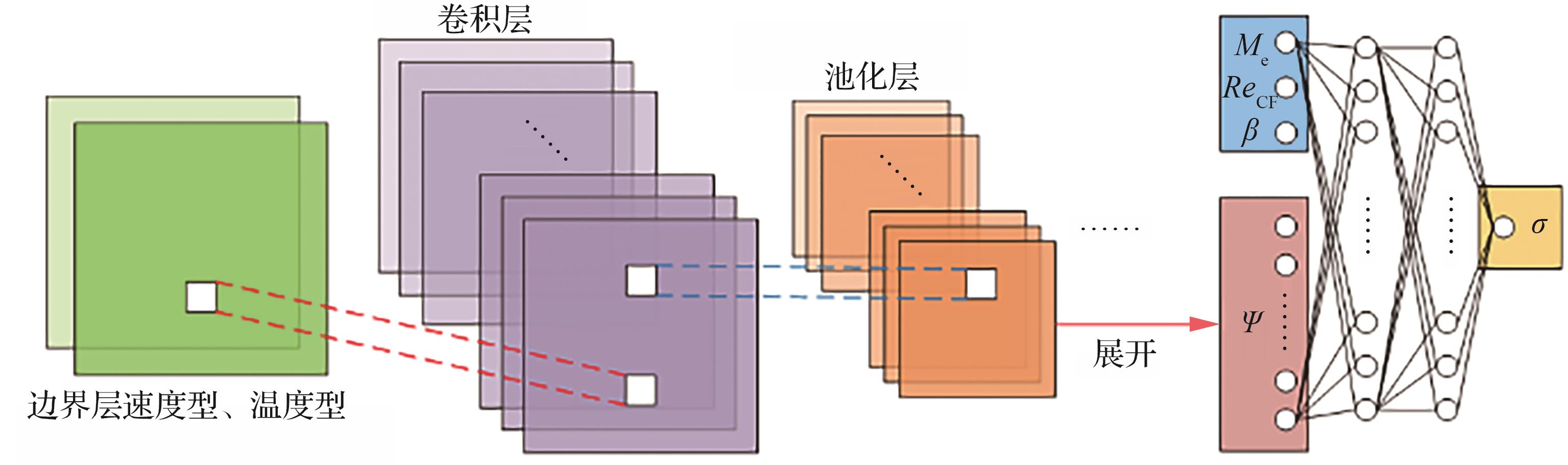
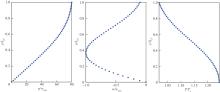
Fig.2
Schematic diagram of input baseflow profiles
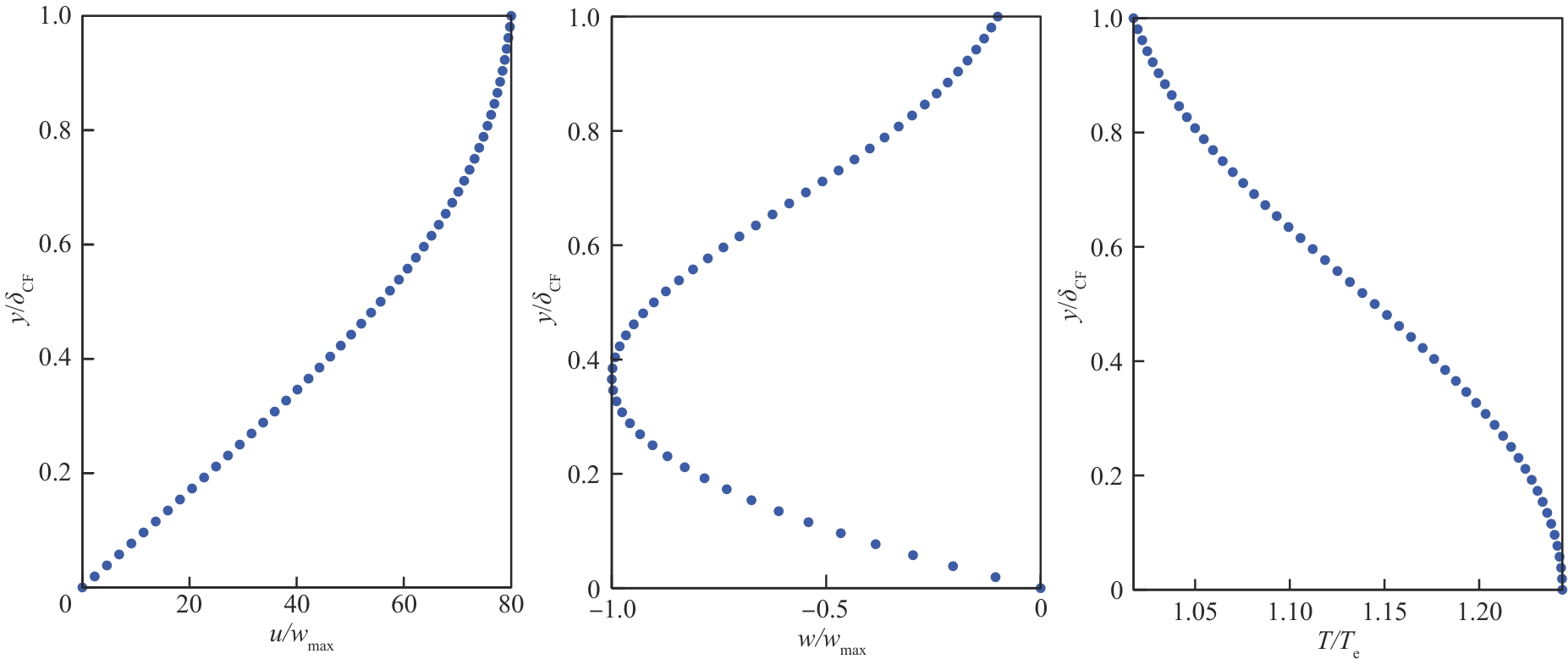

Table 1
Dimensionless method
| 无量纲化前 | 无量纲化后 |
|---|---|
Fig.3
Loss convergence history of training and validation set
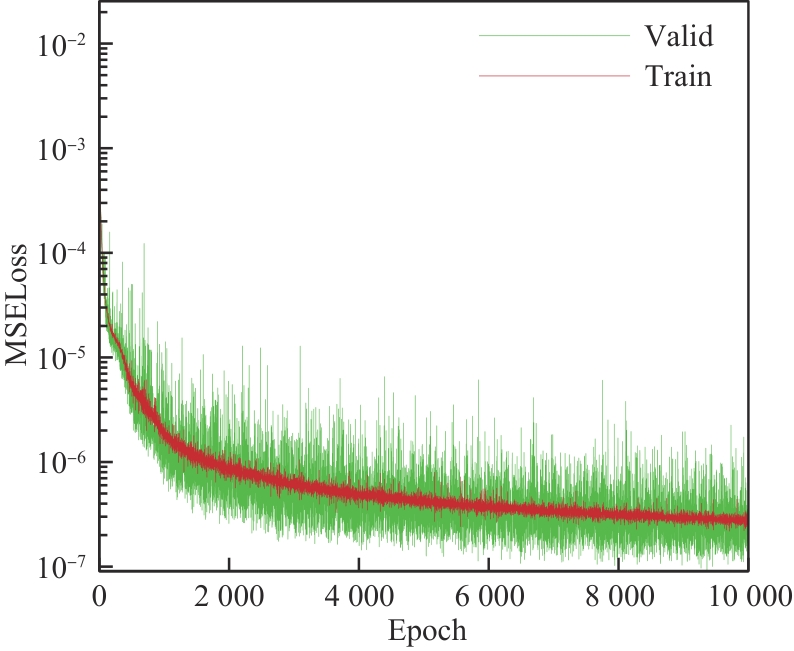
Table 2
Prediction results of test set
| 测试集类型 | Error/% | |||
|---|---|---|---|---|
| 内插测试1 | 1.5 | 0.25 | 30 | 4.70 |
| 内插测试2 | 2.5 | 0.40 | 60 | 3.65 |
| 外插测试1 | 2.0 | 1.00 | 45 | 11.5 |
| 外插测试2 | 3.5 | 0.10 | 45 | 6.52 |
Fig.4
Interpolation test case
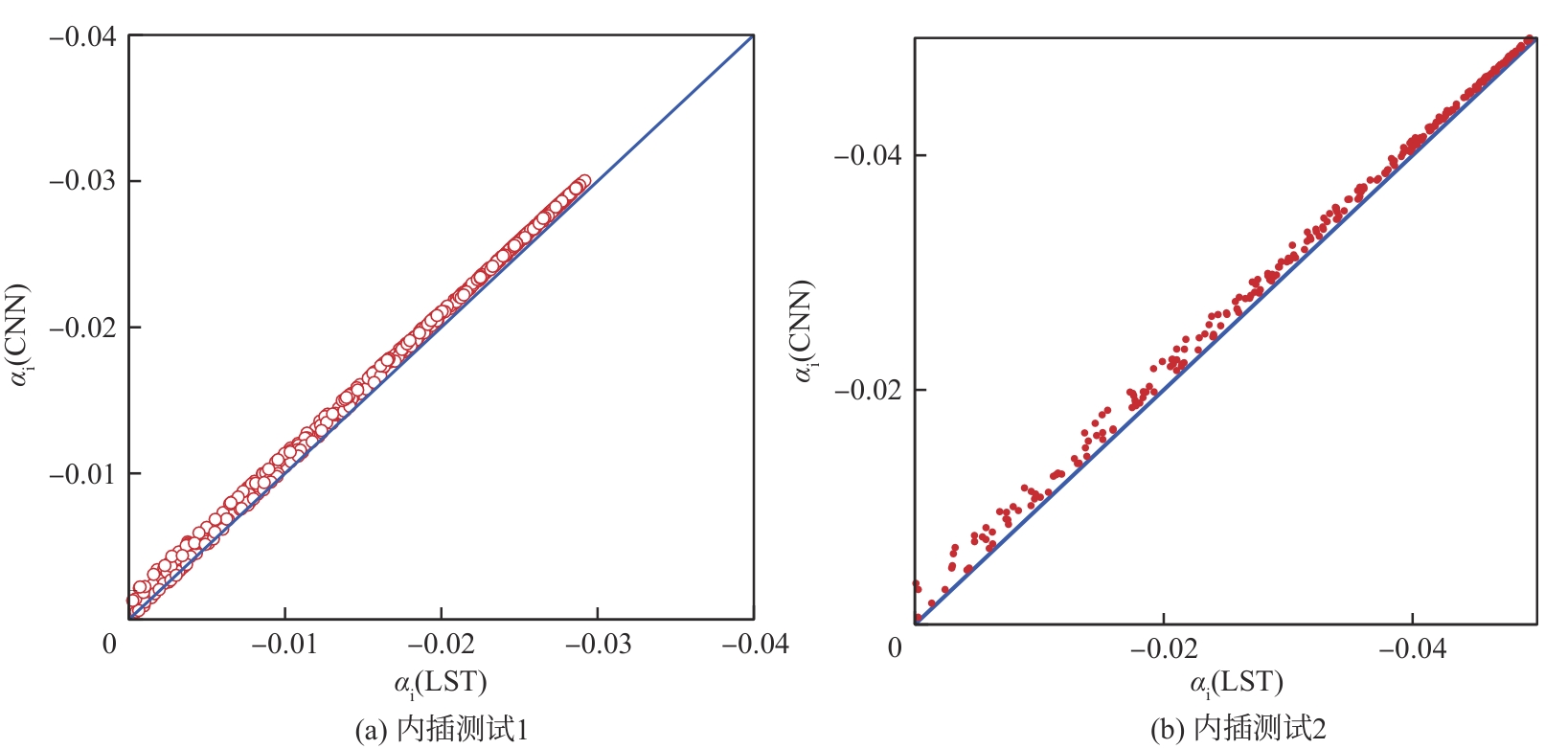
Fig.5
Extrapolation test case
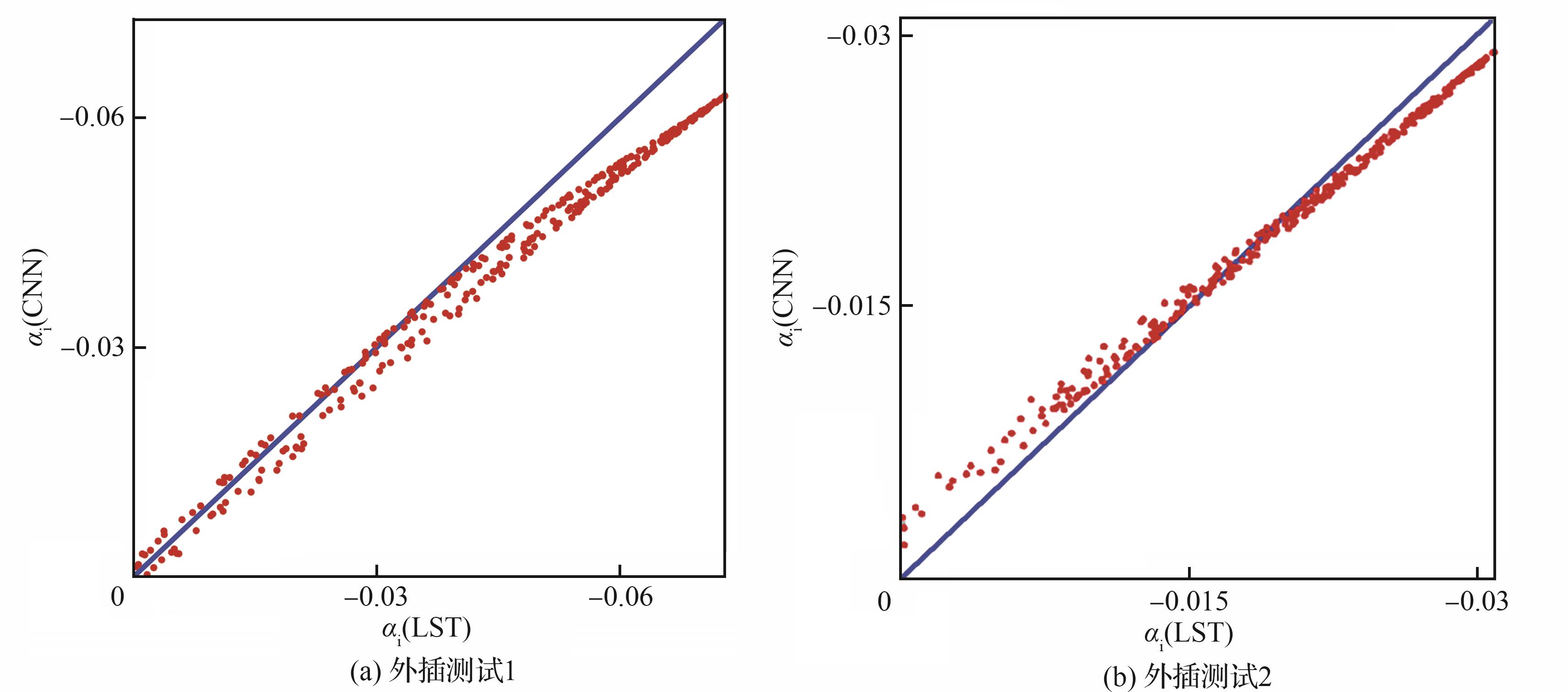
Fig.6
Shape of variable airfoil test cases
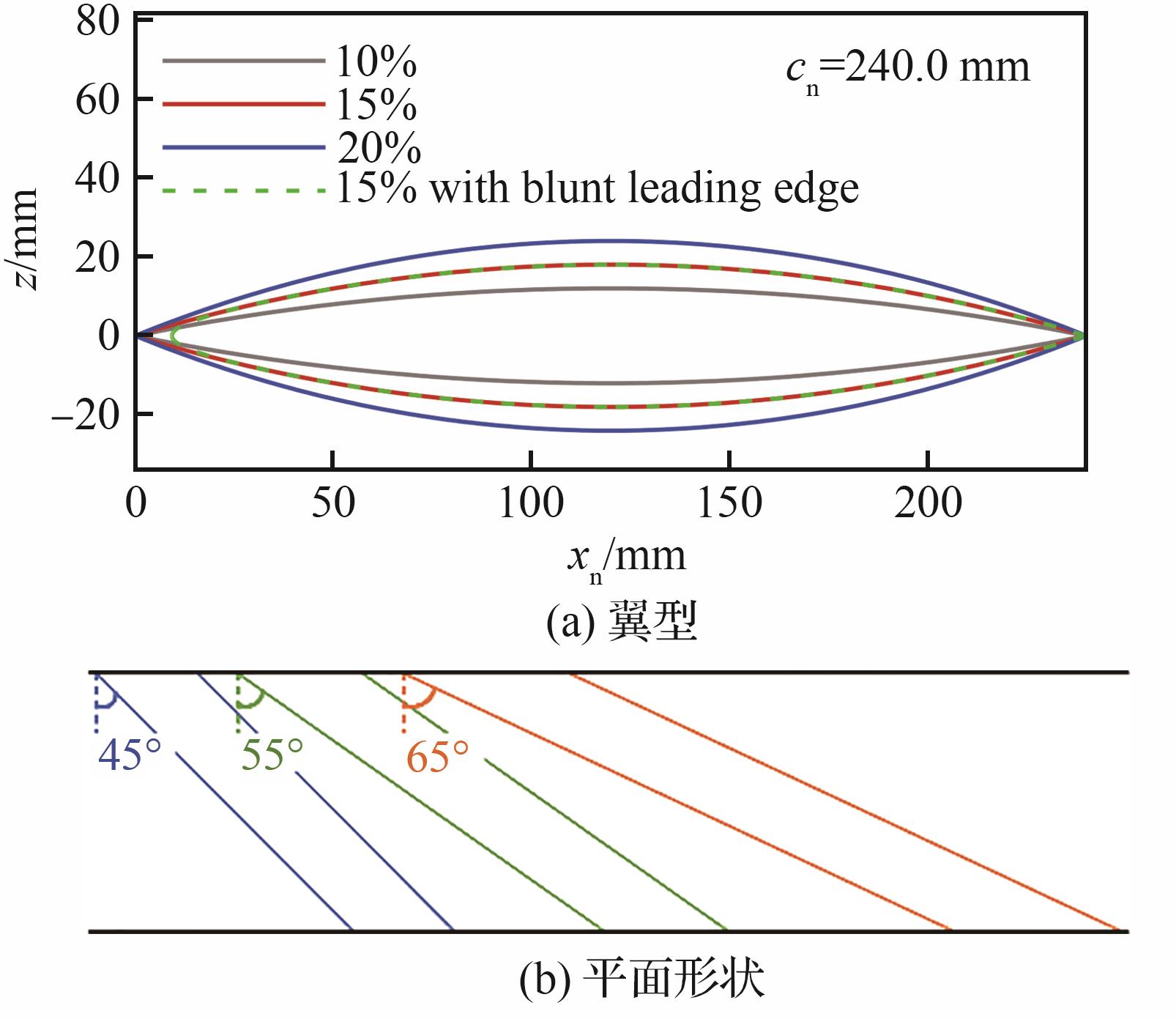
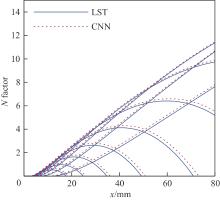
Fig.7
Reference test case
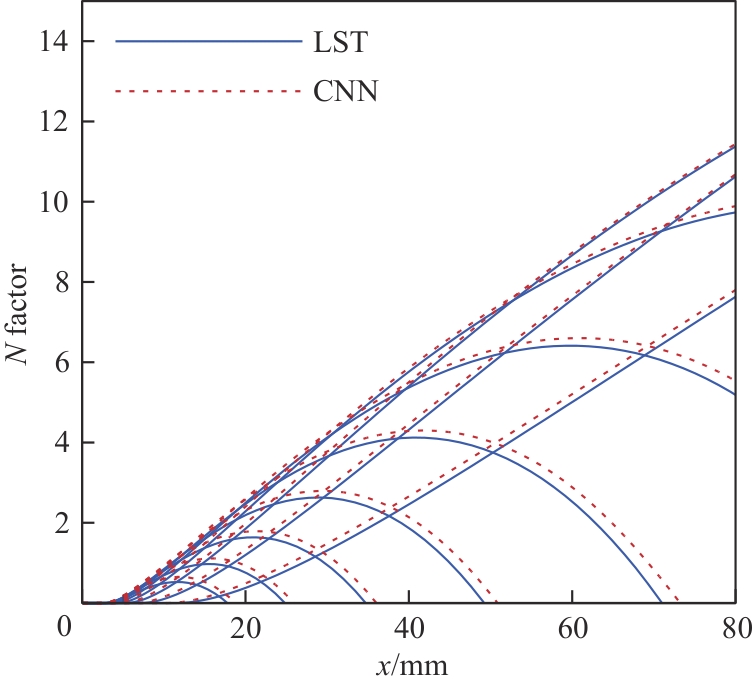
Table 3
Test examples
| 算例类型 | 马赫数 | 雷诺数/ | 后掠角/(°) | 翼型/相对厚度/% |
|---|---|---|---|---|
| 基准 | 2.0 | 65 | 15 | |
| 变马赫数 | 1.2, 2.8 | 65 | 15 | |
| 变雷诺数 | 2.0 | 0.5, 1.5 | 65 | 15 |
| 变后掠角 | 2.0 | 1.0 | 45,55 | 15 |
| 变翼型 | 2.0 | 1.0 | 65 | 10,20 |
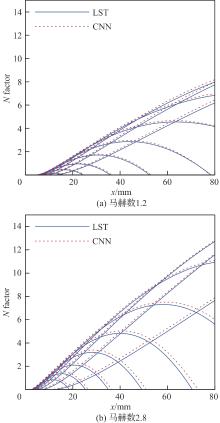
Fig.8
Test cases of variable Mach number
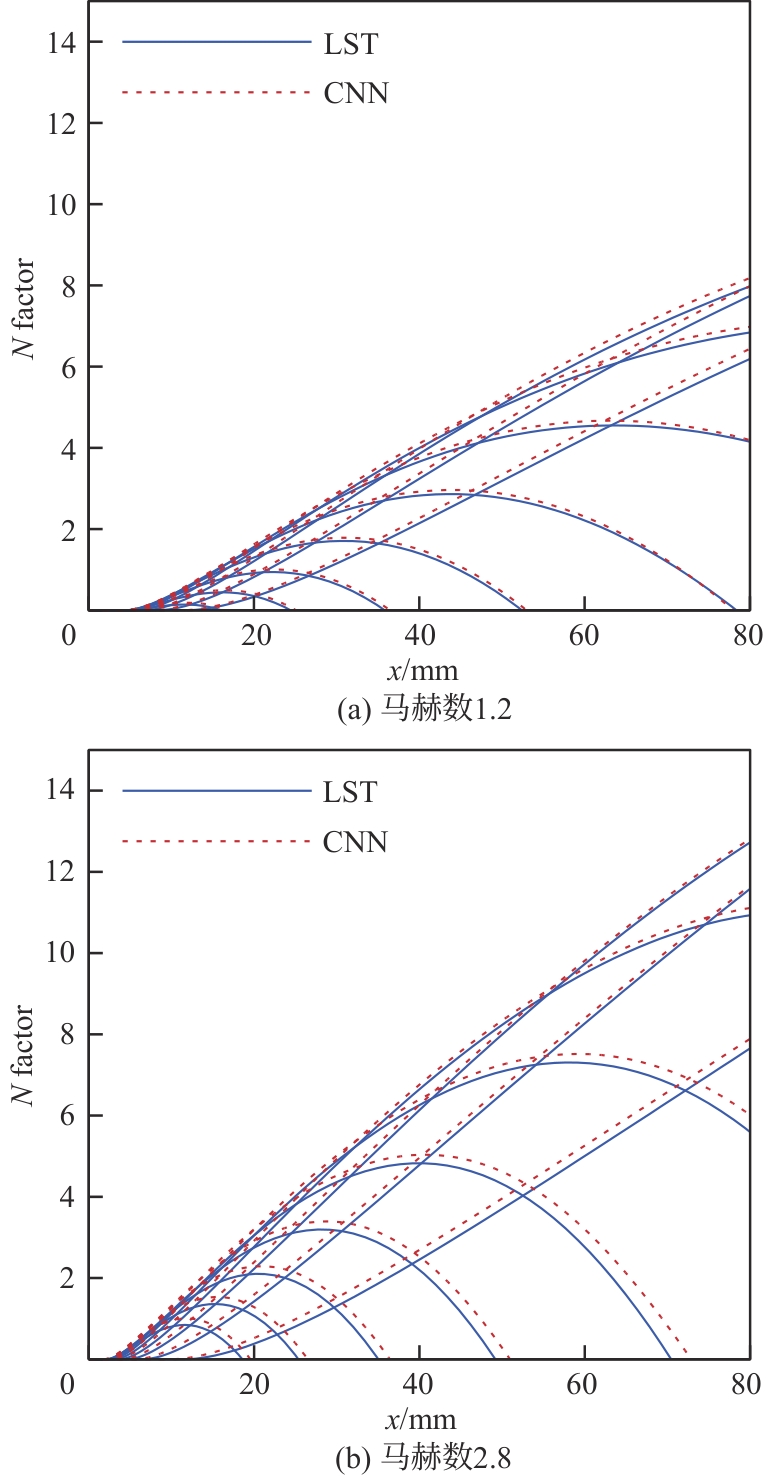
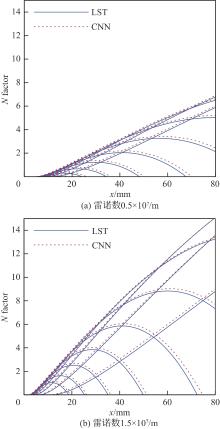
Fig.9
Test cases of variable Reynolds number
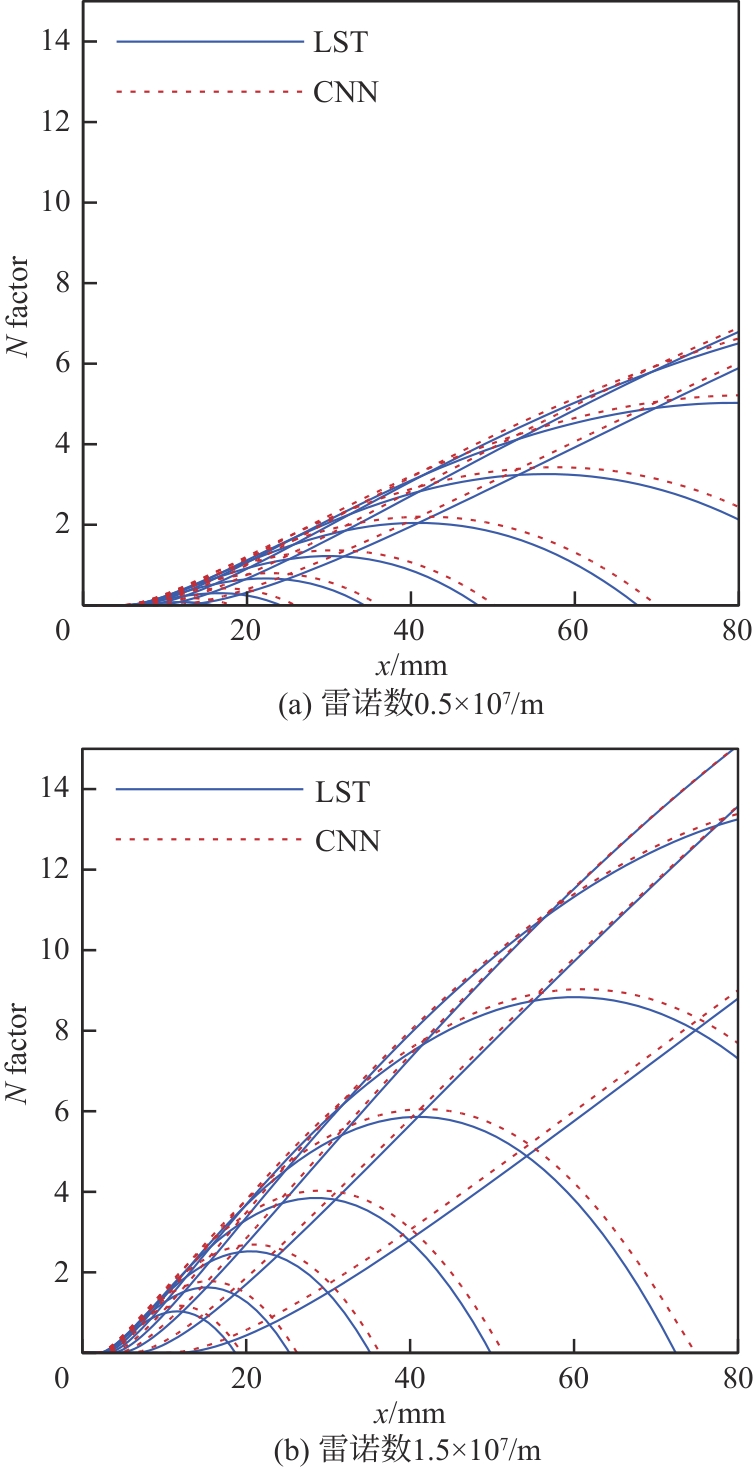
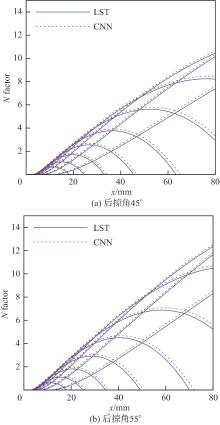
Fig.10
Test cases of variable sweep angle
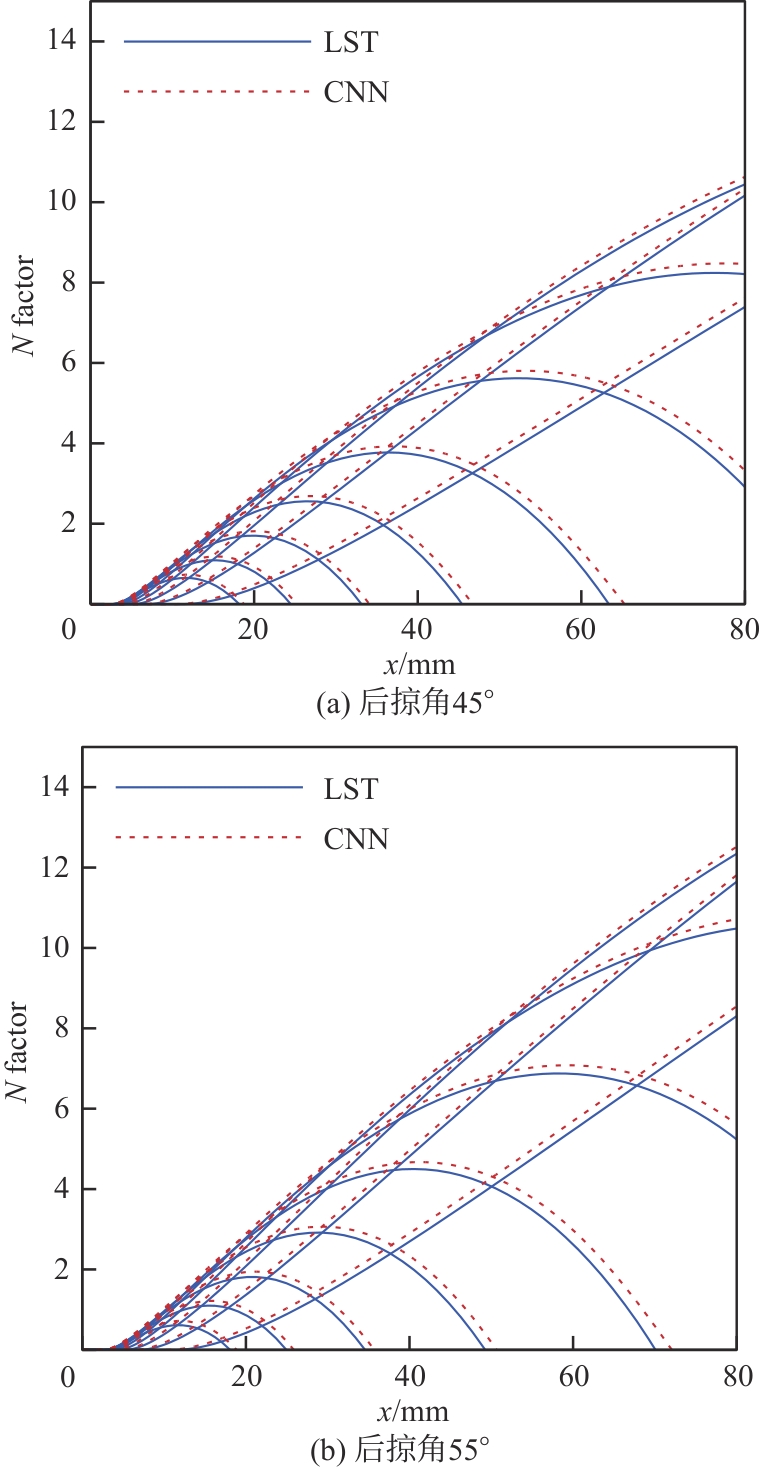
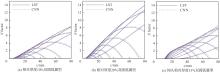
Fig.11
Test cases of variable airfoils
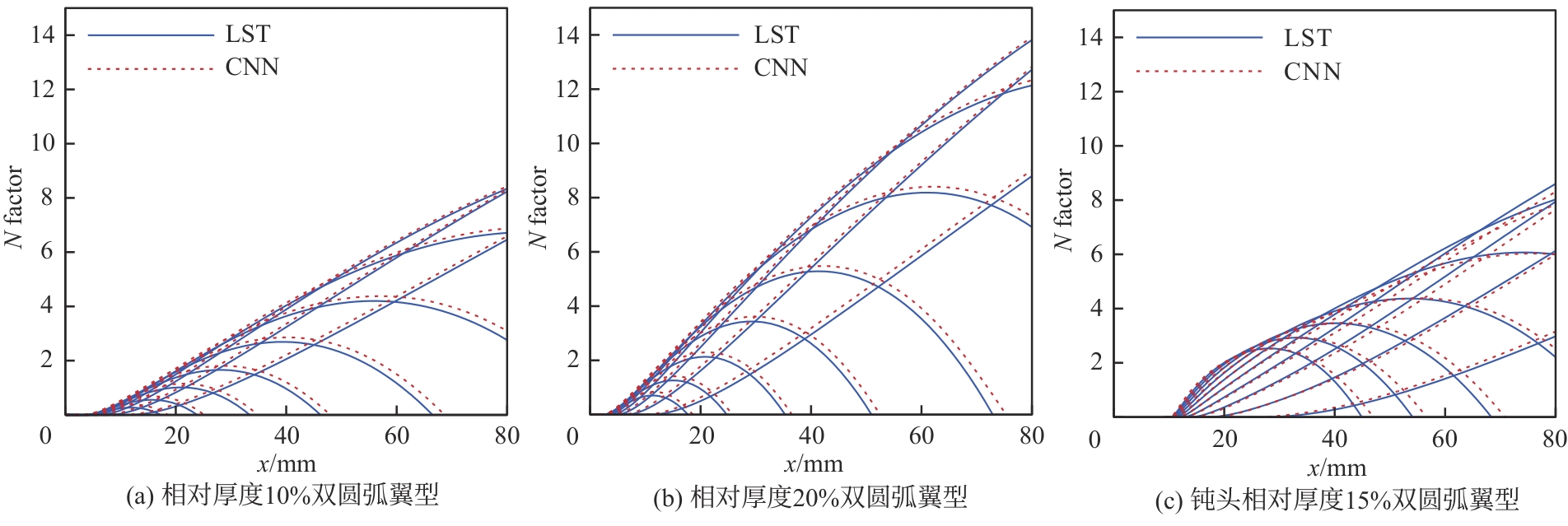
Table 4
Comparison of effective computing time between CNN and LST
| 测试网格 | 测试算例 | 有效计算时间/s | |
|---|---|---|---|
| LST | CNN | ||
| CNN | 横流驻波真实边界层 基准测试算例 | 153.440 | 0.194 |
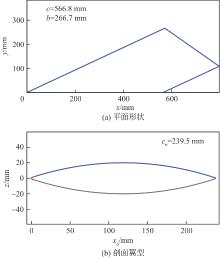
Fig.12
NASA experimental swept-back wing shape
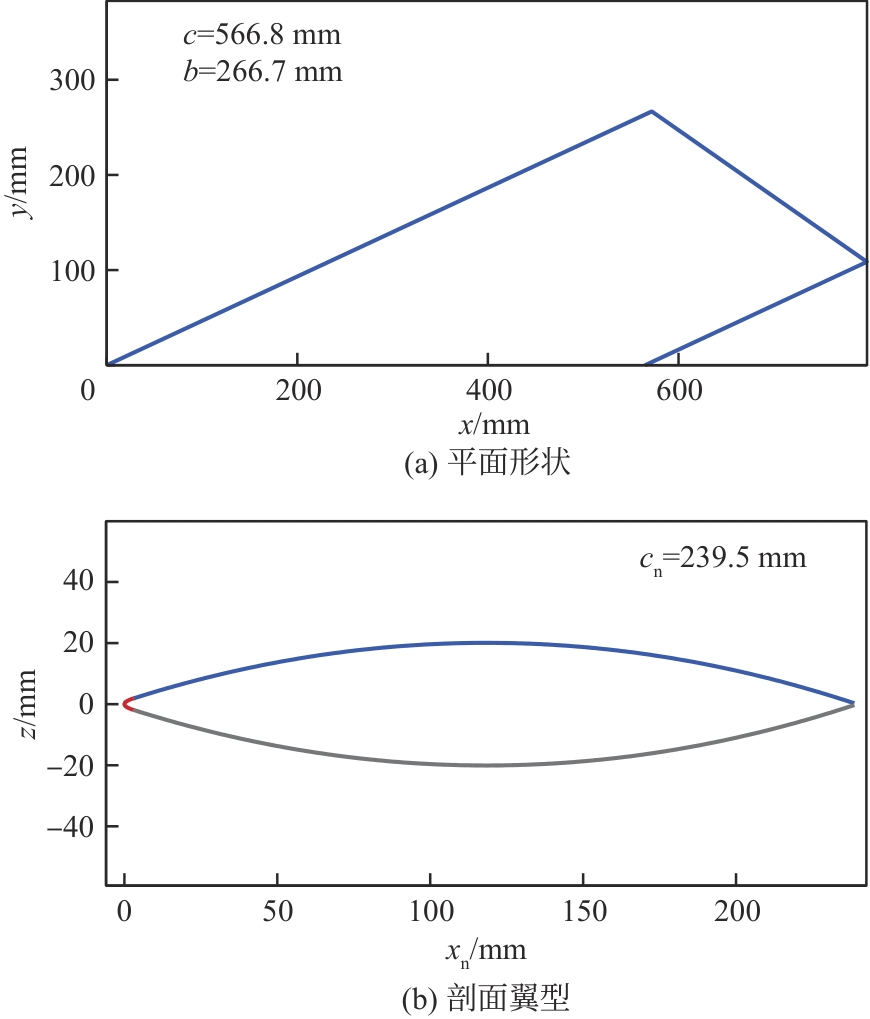
Table 5
Test cases
| 序号 | 马赫数 | 海拔高度/km | 温度/K | 雷诺数/ |
|---|---|---|---|---|
| 1 | 2.0 | 16.8 | 216.65 | 6.2 |
| 2 | 2.0 | 12.7 | 216.65 | 11.5 |
| 3 | 1.98 | 13.7 | 216.65 | 10.9 |
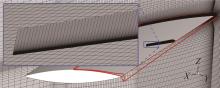
Fig.13
Schematic diagram of boundary layer grids along inviscid streamlines
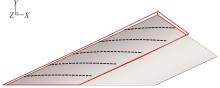
Fig.14
Inviscid streamlines of wing surface
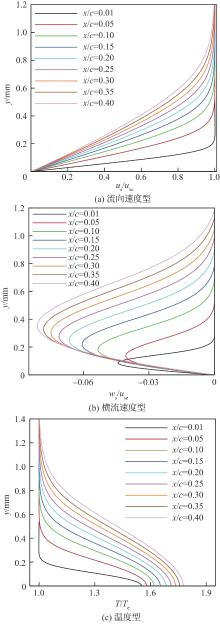
Fig.15
Baseflow calculation results of Test 1
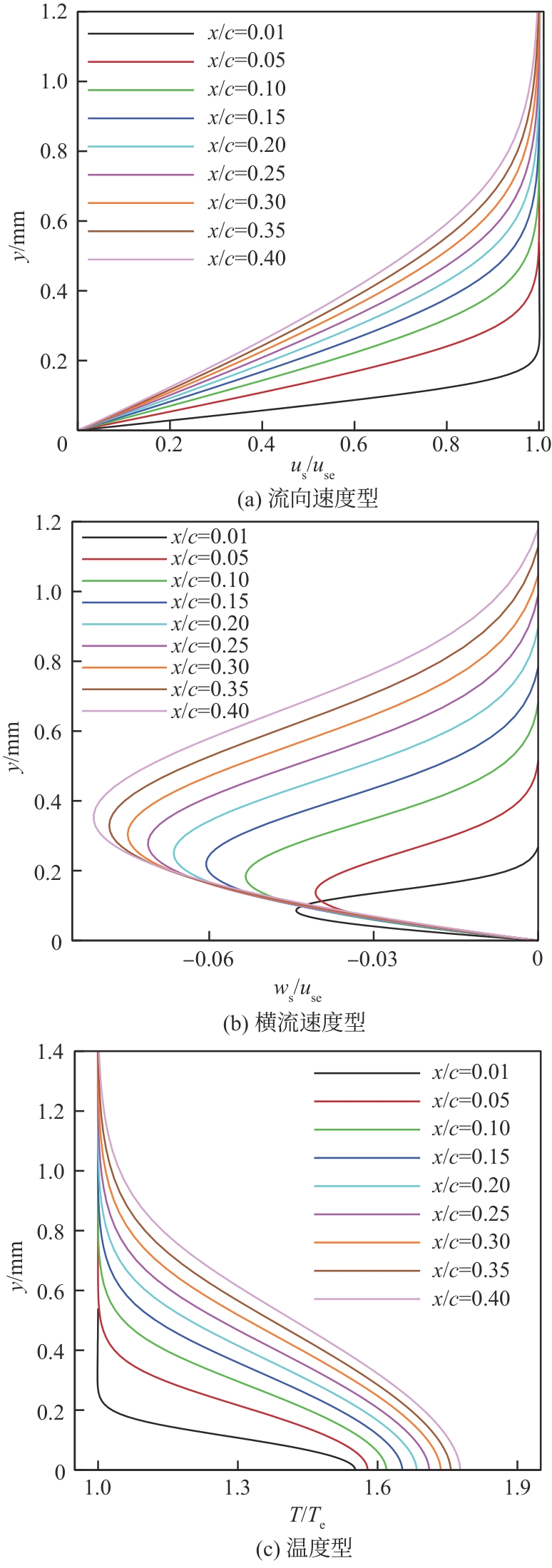
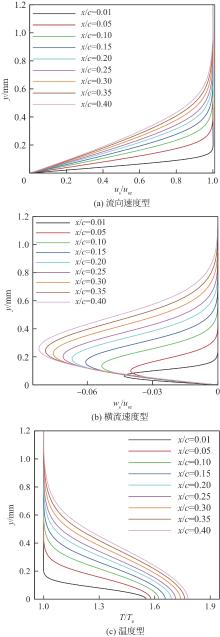
Fig.16
Baseflow calculation results of Test 2
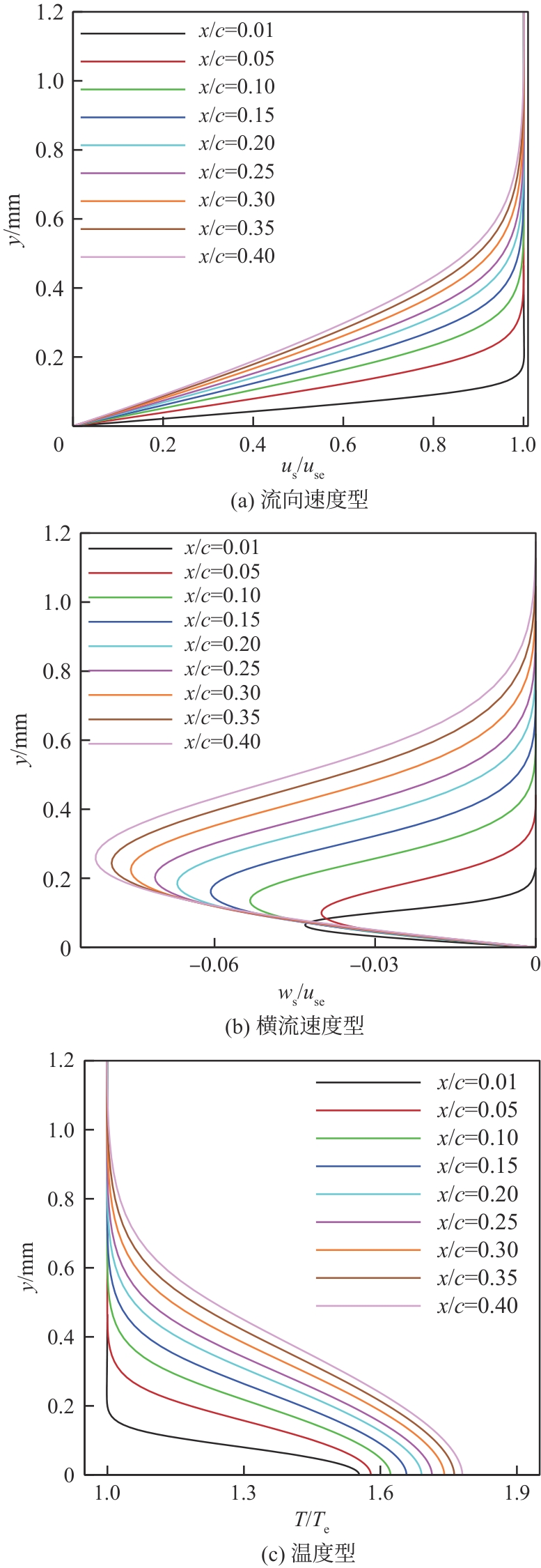
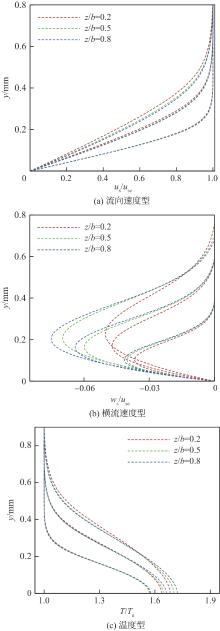
Fig.17
Baseflow calculation results of Test 3
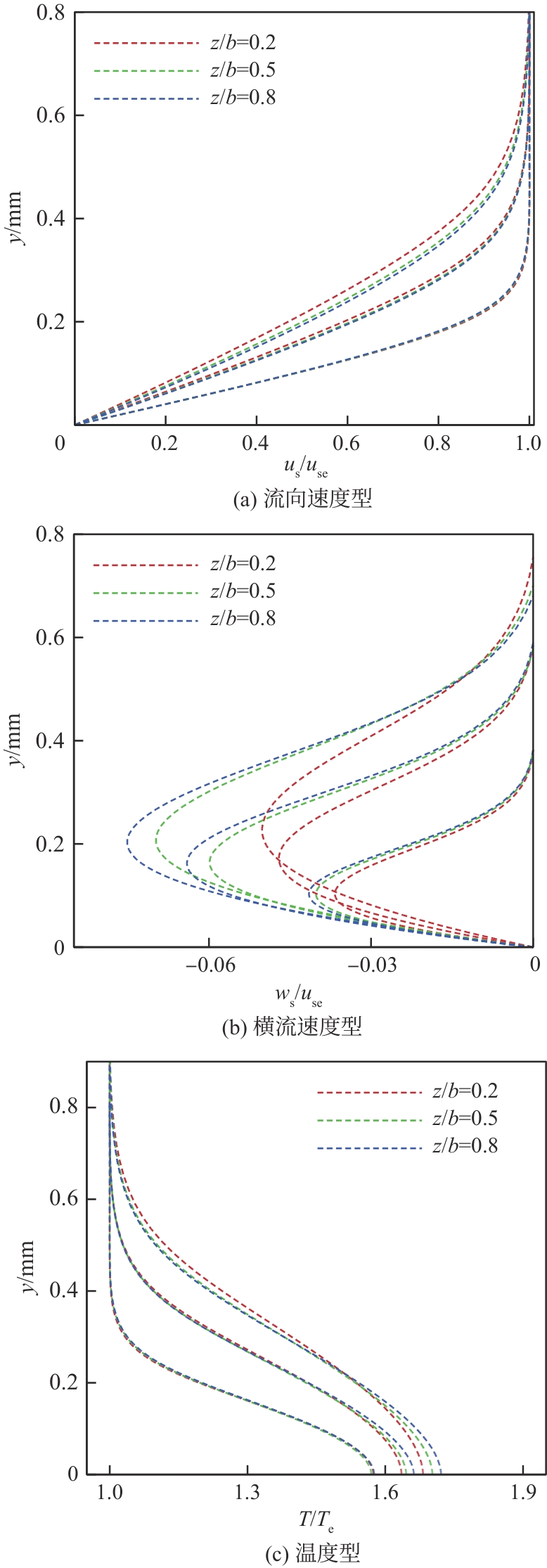
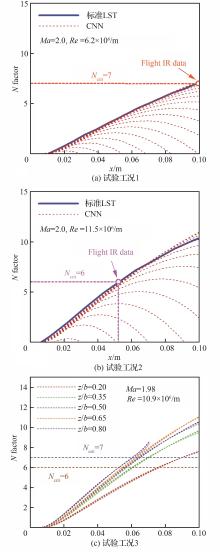
Fig.18
Prediction results of N factors
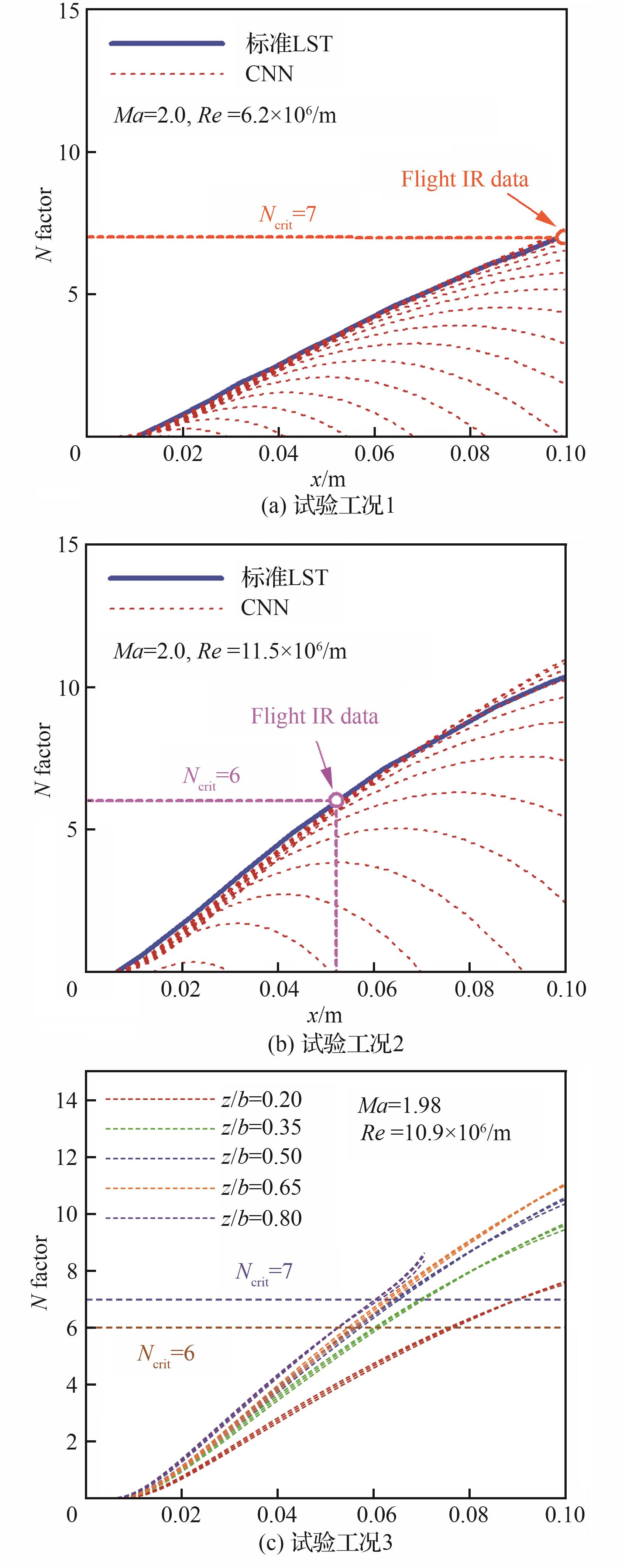
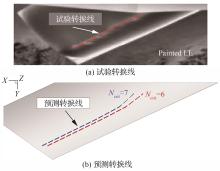
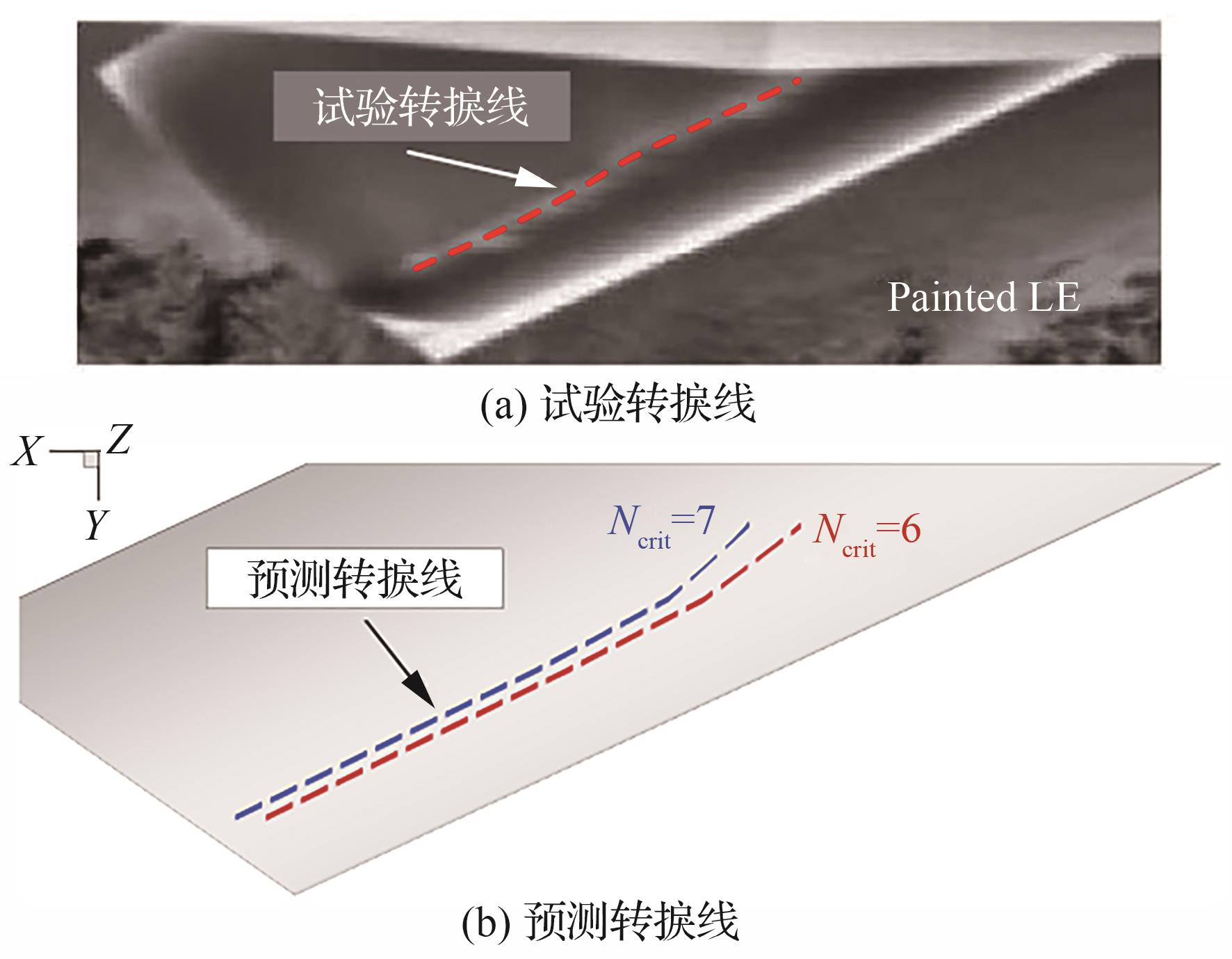
Fig.19
Transition location of test 3
| [1] | DARREN H. Commercial market outlook: 2024-2043[R]. Chicago: Boeing Commercial Airplanes, 2024. |
| [2] | 丁玉临, 韩忠华, 乔建领, 等. 超声速民机总体气动布局设计关键技术研究进展[J]. 航空学报, 2023, 44(2): 626310. |
| DING Y L, HAN Z H, QIAO J L, et al. Research progress in key technologies for conceptual-aerodynamic configuration design of supersonic transport aircraft[J]. Acta Aeronautica et Astronautica Sinica, 2023, 44(2): 626310 (in Chinese). | |
| [3] | MORGENSTERN J, NORSTRUD N, STELMACK M, et al. Advanced concept studies for supersonic commercial transports entering service in 2030-35 (N+3)[C]∥28th AIAA Applied Aerodynamics Conference. Reston: AIAA, 2010. |
| [4] | LIEBHARDT B, LÜTJENS K, UENO A, et al. JAXA’s S4 supersonic low-boom airliner-A collaborative study on aircraft design, sonic boom simulation, and market prospects[C]∥AIAA Aviation 2020 Forum. Reston: AIAA, 2020. |
| [5] | 韩忠华, 乔建领, 丁玉临, 等. 新一代环保型超声速客机气动相关关键技术与研究进展[J]. 空气动力学学报, 2019, 37(4): 620-635. |
| HAN Z H, QIAO J L, DING Y L, et al. Key technologies for next-generation environmentally-friendly supersonic transport aircraft: A review of recent progress[J]. Acta Aerodynamica Sinica, 2019, 37(4): 620-635 (in Chinese). | |
| [6] | 聂晗, 宋文萍, 韩忠华, 等. 面向超声速民机层流机翼设计的转捩预测方法[J]. 航空学报, 2022, 43(11): 526342. |
| NIE H, SONG W P, HAN Z H, et al. Automatic transition prediction for natural-laminar-flow wing design of supersonic transports[J]. Acta Aeronautica et Astronautica Sinica, 2022, 43(11): 526342 (in Chinese). | |
| [7] | 袁吉森, 孙爵, 李玲玉, 等. 超声速飞机层流布局设计与评估技术进展[J]. 航空学报, 2022, 43(11): 526316. |
| YUAN J S, SUN J, LI L Y, et al. Progress of supersonic aircraft laminar flow layout design and evaluation technologies[J]. Acta Aeronautica et Astronautica Sinica, 2022, 43(11): 526316 (in Chinese). | |
| [8] | ARNAL D, JUILLEN J C, RENEAUX J, et al. Effect of wall suction on leading edge contamination[J]. Aerospace Science and Technology, 1997, 1(8): 505-517. |
| [9] | TANI I, AIHARA Y. Görtler vortices and boundary-layer transition[J]. Zeitschrift Für Angewandte Mathematik und Physik ZAMP, 1969, 20(5): 609-618. |
| [10] | RESHOTKO E. Boundary-layer stability and transition[J]. Annual Review of Fluid Mechanics, 1976, 8: 311-349. |
| [11] | SARIC W, REED H. Crossflow instabilities-theory & technology[C]∥41st Aerospace Sciences Meeting and Exhibit. Reston: AIAA, 2003. |
| [12] | 于晟浩, 袁吉森, 高亮杰, 等. 三维超声速后掠翼转捩的eN-神经网络模型预测[J]. 力学学报, 2023, 55(6): 1236-1246. |
| YU S H, YUAN J S, GAO L J, et al. eN-neural network model for predicting transition of 3-d supersonic swept wing[J]. Chinese Journal of Theoretical and Applied Mechanics, 2023, 55(6): 1236-1246 (in Chinese). | |
| [13] | 周恒, 赵耕夫. 流动稳定性[M]. 北京: 国防工业出版社, 2004: 77-78. |
| ZHOU H, ZHAO G F. Hydrodynamic stability[M]. Beijing: National Defense Industry Press, 2004: 77-78 (in Chinese). | |
| [14] | SARIC W S, REED H L, KERSCHEN E J. Boundary-layer receptivity to freestream disturbances[J]. Annual Review of Fluid Mechanics, 2002, 34(34): 291-319. |
| [15] | SARIC W, REED H, WHITE E. Stability and transition of three-dimensional boundary layers[J]. Annual Review of Fluid Mechanics, 2003, 35(1): 413-440. |
| [16] | 李学良, 李创创, 苏伟, 等. 分布式粗糙元对高超声速边界层不稳定性的影响试验[J]. 航空学报, 2024, 45(2): 128627. |
| LI X L, LI C C, SU W, et al. Experiment of influence of distributed roughness elements on hypersonic boundary layer instability[J]. Acta Aeronautica et Astronautica Sinica, 2024, 45(2): 128627 (in Chinese). | |
| [17] | 张定金, 雷娟棉, 赵瑞. 壁温对高超声速裙锥边界层感受性的影响规律[J]. 航空学报, 2024, 45(24): 156-172. |
| ZHANG D J, LEI J M, ZHAO R. Influence of wall temperature on receptivity of hypersonic flare cone boundary layer[J]. Acta Aeronautica et Astronautica Sinica, 2024, 45(24): 156-172 (in Chinese). | |
| [18] | BIPPES H, NITSCHKE-KOWSKY P. Experimental study of instability modes in a three-dimensional boundary layer[C]∥19th AIAA, Fluid Dynamics, Plasma Dynamics, and Lasers Conference. Reston: AIAA, 1987. |
| [19] | MOIN P, MAHESH K. DIRECT numerical simulation: A tool in turbulence research[J]. Annual Review of Fluid Mechanics, 1998, 30: 539-578. |
| [20] | HUAI X, JOSLIN R D, PIOMELLI U. Large-eddy simulation of transition to turbulence in boundary layers[J]. Theoretical and Computational Fluid Dynamics, 1997, 9(2): 149-163. |
| [21] | DI PASQUALE D, RONA A, GARRETT S. A selective review of transition modelling for CFD[C]∥39th AIAA Fluid Dynamics Conference. Reston: AIAA, 2009. |
| [22] | VAN I J L. A suggested semi-empirical method for the calculation of the boundary layer transition region: UTH-74 [R]. Delft: Delft University of Technology, 1956. |
| [23] | KRUMBEIN A, KRIMMELBEIN N, GRABE C. Streamline-based transition prediction techniques in an unstructured computational fluid dynamics code[J]. AIAA Journal, 2017, 55(5): 1548-1564. |
| [24] | STURDZA P. An aerodynamic design method for supersonic natural laminar flow aircraft[M]. Palo Alto: Stanford University, 2004:47. |
| [25] | ARNAL D. Transition prediction in transonic flow[M]∥ Symposium Transsonicum Ⅲ. Berlin: Springer Berlin Heidelberg, 1989: 253-262. |
| [26] | DRELA M, GILES M B. Viscous-inviscid analysis of transonic and low Reynolds number airfoils[J]. AIAA Journal, 1987, 25(10): 1347-1355. |
| [27] | CODER J G, MAUGHMER M D. Computational fluid dynamics compatible transition modeling using an amplification factor transport equation[J]. AIAA Journal, 2014, 52(11): 2506-2512. |
| [28] | XU J K, HAN X, QIAO L, et al. Fully local amplification factor transport equation for stationary crossflow instabilities[J]. AIAA Journal, 2019, 57(7): 2682-2693. |
| [29] | XU J K, QIAO L, BAI J Q. Improved local amplification factor transport equation for stationary crossflow instability in subsonic and transonic flows[J]. Chinese Journal of Aeronautics, 2020, 33(12): 3073-3081. |
| [30] | WANG Y X, XU J K, QIAO L, et al. Improved amplification factor transport transition model for transonic boundary layers[J]. AIAA Journal, 2023, 61(9): 3866-3882. |
| [31] | 唐志共, 朱林阳, 向星皓, 等. 智能空气动力学若干研究进展及展望[J]. 空气动力学学报, 2023, 41(7): 1-35. |
| TANG Z G, ZHU L Y, XIANG X H, et al. Some research progress and prospect of intelligent aerodynamics[J]. Acta Aerodynamica Sinica, 2023, 41(7): 1-35 (in Chinese). | |
| [32] | 安凯, 黄伟, 王振国, 等. AI驱动高速飞行器多学科发展知识图谱分析[J]. 航空学报, 2024, 45(): 48-66. |
| AN K, HUANG W, WANG Z G, et al. Knowledge map analysis of multidisciplinary development of AI-driven high-speed aircraft[J]. Acta Aeronautica et Astronautica Sinica, 2024, 45(Sup 1): 48-66 (in Chinese). | |
| [33] | ZAFAR M I, XIAO H, CHOUDHARI M M, et al. Convolutional neural network for transition modeling based on linear stability theory[J]. Physical Review Fluids, 2020, 5(11): 113903. |
| [34] | PAREDES P, VENKATACHARI B, CHOUDHARI M M, et al. Toward a practical method for hypersonic transition prediction based on stability correlations[J]. AIAA Journal, 2020, 58(10): 4475-4484. |
| [35] | CHANG C L. Development of physics-based transition models for unstructured-mesh CFD codes using deep learning models[C]∥AIAA Aviation 2021 Forum. Reston: AIAA, 2021. |
| [36] | SROKOWSKI A, ORSZAG S. Mass flow requirements for LFC wing design[C]∥Aircraft Systems and Technology Meeting. Reston: AIAA, 1977. |
| [37] | CEBECI T, STEWARTSON K. On stability and transition in three-dimensional flows[J]. AIAA Journal, 1980, 18(4): 398-405. |
| [38] | MACK L M. Stability of three-dimensional boundary layers on swept wings at transonic speeds[C]∥Symposium Transsonicum III. Berlin: Springer Berlin Heidelberg, 1989: 209-223. |
| [39] | MACK L. On the stability of the boundary layer on a transonic swept wing[C]∥17th Aerospace Sciences Meeting. Reston: AIAA, 1979. |
| [40] | ARNAL D, CASALIS G, HOUDEVILLE R. Laminar-turbulent transition prediction in three-dimensional flows[J]. Progress in Aerospace Sciences, 2000, 36(2): 173-191. |
| [41] | QIAO L, XU J K, BAI J Q, et al. Fully local transition closure model for hypersonic boundary layers considering crossflow effects[J]. AIAA Journal, 2021, 59(5): 1692-1706. |
| [42] | OKEWU E, MISRA S, LIUS F S. Parameter tuning using adaptive moment estimation in deep learning neural networks[C]∥Computational Science and Its Applications-ICCSA 2020. Cham: Springer International Publishing, 2020: 261-272. |
| [43] | OWENS L R, BEELER G, KING R, et al. Supersonic traveling crossflow wave characteristics in ground and flight tests[C]∥AIAA Scitech 2020 Forum. Reston: AIAA, 2020. |
| [1] | Xueliang LI, Chuangchuang LI, Yahan ZHANG, Wei SU, Jie WU. Effect of distributed ablation pattern on hypersonic boundary-layer instability with a flat plate [J]. Acta Aeronautica et Astronautica Sinica, 2025, 46(2): 130464-130464. |
| [2] | Xueliang LI, Chuangchuang LI, Wei SU, Jie WU. Experiment of influence of distributed roughness elements on hypersonic boundary layer instability [J]. Acta Aeronautica et Astronautica Sinica, 2024, 45(2): 128627-128627. |
| [3] | Qingdong MENG, Juanmian LEI, Ling ZHOU. Influence of transition characteristics and angle of attack of HyTRV based on transition model [J]. Acta Aeronautica et Astronautica Sinica, 2024, 45(18): 129855-129855. |
| [4] | Yuanhao HU, Yibo SONG, Jiahui LIU, Xiaoli ZHAO, Wenxiang DENG, Jian HU, Jianyong YAO. Fault diagnosis of electro-hydraulic proportional servo valves based on attention convolutional capsule networks [J]. Acta Aeronautica et Astronautica Sinica, 2024, 45(15): 630407-630407. |
| [5] | Hongkang LIU, Jianqiang CHEN, Xinghao XIANG, Yatian ZHAO. Transition prediction for HIAD with different Reynolds numbers by improved k-ω-γtransition model [J]. ACTA AERONAUTICAET ASTRONAUTICA SINICA, 2023, 44(6): 126868-126868. |
| [6] | Lei HE, Weiqi QIAN, Kangsheng DONG, Xian YI, Congcong CHAI. Aerodynamic characteristics modeling of iced airfoil based on convolution neural networks [J]. ACTA AERONAUTICAET ASTRONAUTICA SINICA, 2023, 44(5): 126434-126434. |
| [7] | LIU Qiang, TU Guohua, LUO Zhenbing, CHEN Jianqiang, ZHAO Rui, YUAN Xianxu. Progress in hypersonic boundary layer transition delay control [J]. ACTA AERONAUTICAET ASTRONAUTICA SINICA, 2022, 43(7): 25357-025357. |
| [8] | LI Qiang, WAN Bingbing, YANG Kai, ZHU Tao. Experimental research on characteristics of pressure and heat flux fluctuation in hypersonic cone boundary layer [J]. ACTA AERONAUTICAET ASTRONAUTICA SINICA, 2022, 43(2): 124956-124956. |
| [9] | NIE Han, SONG Wenping, HAN Zhonghua, CHEN Jianqiang, DUAN Maochang, WAN Bingbing. Automatic transition prediction for natural-laminar-flow wing design of supersonic transports [J]. ACTA AERONAUTICAET ASTRONAUTICA SINICA, 2022, 43(11): 526342-526342. |
| [10] | XU Jiakuan, WANG Yuxuan, ZHANG Yang, QIAO Lei, LIU Jianxin, BAI Junqiang. Progress in amplification factor transport models in subsonic and transonic boundary layers [J]. ACTA AERONAUTICAET ASTRONAUTICA SINICA, 2022, 43(11): 526734-526734. |
| [11] | WANG Hui, JIA Zikai, JIN Ren, LIN Defu, FAN Junfang, XU Chao. Cooperative object detection in UAV-based vision-guided docking [J]. ACTA AERONAUTICAET ASTRONAUTICA SINICA, 2022, 43(1): 324854-324854. |
| [12] | YANG Peng, TANG Zhigong, CHEN Jianqiang, YUAN Xianxu, CHEN Xi, DONG Siwei. Temporal evolution of wavepackets on the windward side of an inclined hypersonic cone under a flight condition [J]. ACTA AERONAUTICAET ASTRONAUTICA SINICA, 2021, 42(S1): 726367-726367. |
| [13] | LI Hongguang, YU Ruonan, DING Wenrui. Research development of small object traching based on deep learning [J]. ACTA AERONAUTICAET ASTRONAUTICA SINICA, 2021, 42(7): 24691-024691. |
| [14] | WANG Zelin, JI Ritian, HUI Xinyu, DING Chen, WANG Hui, BAI Junqiang. L-shaped directional heat transfer based on deep learning [J]. ACTA AERONAUTICAET ASTRONAUTICA SINICA, 2021, 42(6): 124242-124242. |
| [15] | CHEN Jianqiang, TU Guohua, WAN Bingbing, YUAN Xianxu, YANG Qiang, ZHUANG Yu, XIANG Xinghao. Characteristics of flow field and boundary-layer stability of HyTRV [J]. ACTA AERONAUTICAET ASTRONAUTICA SINICA, 2021, 42(6): 124317-124317. |
| Viewed | ||||||
|
Full text |
|
|||||
|
Abstract |
|
|||||
Address: No.238, Baiyan Buiding, Beisihuan Zhonglu Road, Haidian District, Beijing, China
Postal code : 100083
E-mail:hkxb@buaa.edu.cn
Total visits: 6658907 Today visits: 1341All copyright © editorial office of Chinese Journal of Aeronautics
All copyright © editorial office of Chinese Journal of Aeronautics
Total visits: 6658907 Today visits: 1341

 CJA
CJA
