Acta Aeronautica et Astronautica Sinica ›› 2025, Vol. 46 ›› Issue (17): 331810.doi: 10.7527/S1000-6893.2025.31810
• Electronics and Electrical Engineering and Control • Previous Articles Next Articles
Xunliang YAN1,2, Peichen WANG1,2( ), Yang GUO3
Received:2025-01-15
Revised:2025-02-18
Accepted:2025-03-31
Online:2025-04-07
Published:2025-04-07
Contact:
Peichen WANG
E-mail:wpcqtyz@mail.nwpu.edu.cn
Supported by:CLC Number:
Xunliang YAN, Peichen WANG, Yang GUO. Review of trajectory planning and guidance methods for entry glide maneuvering penetration[J]. Acta Aeronautica et Astronautica Sinica, 2025, 46(17): 331810.
Fig.1
Schematic diagram of spherical and cylindrical no-fly zones[23]
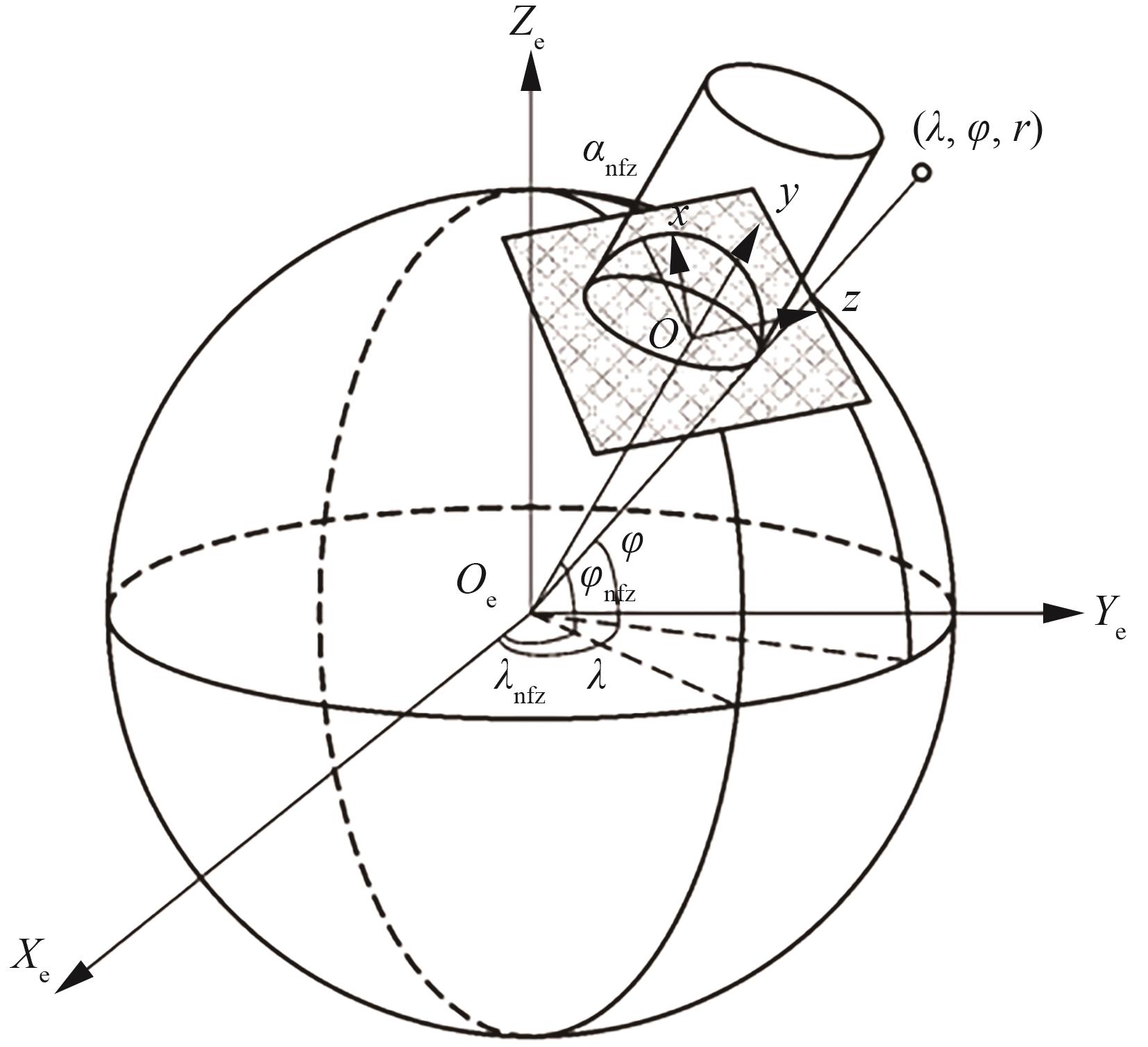
Fig.2
Schematic diagram of conical no-fly zone[24]
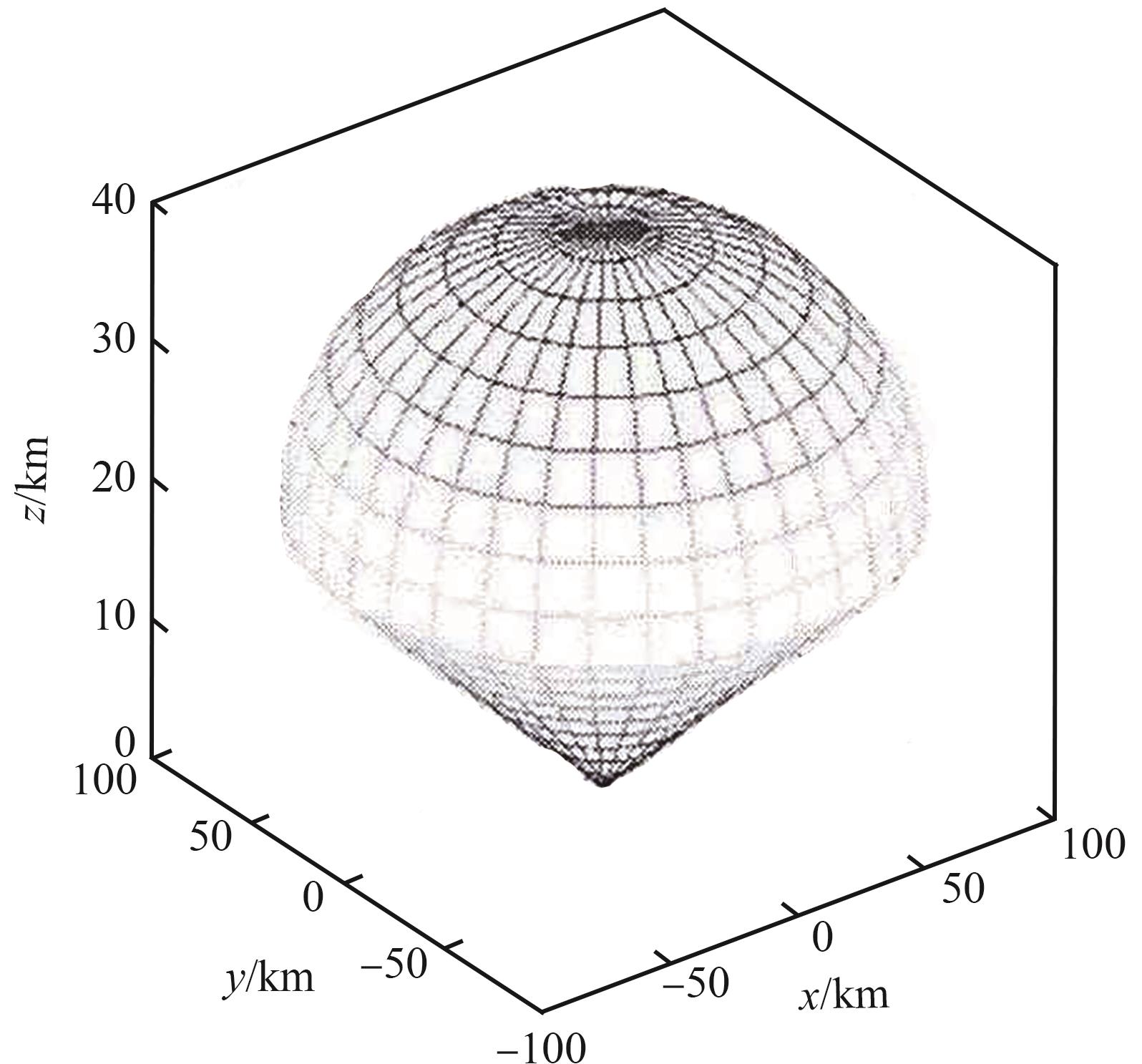
Fig.3
Schematic diagram of air defense identification zone[25]
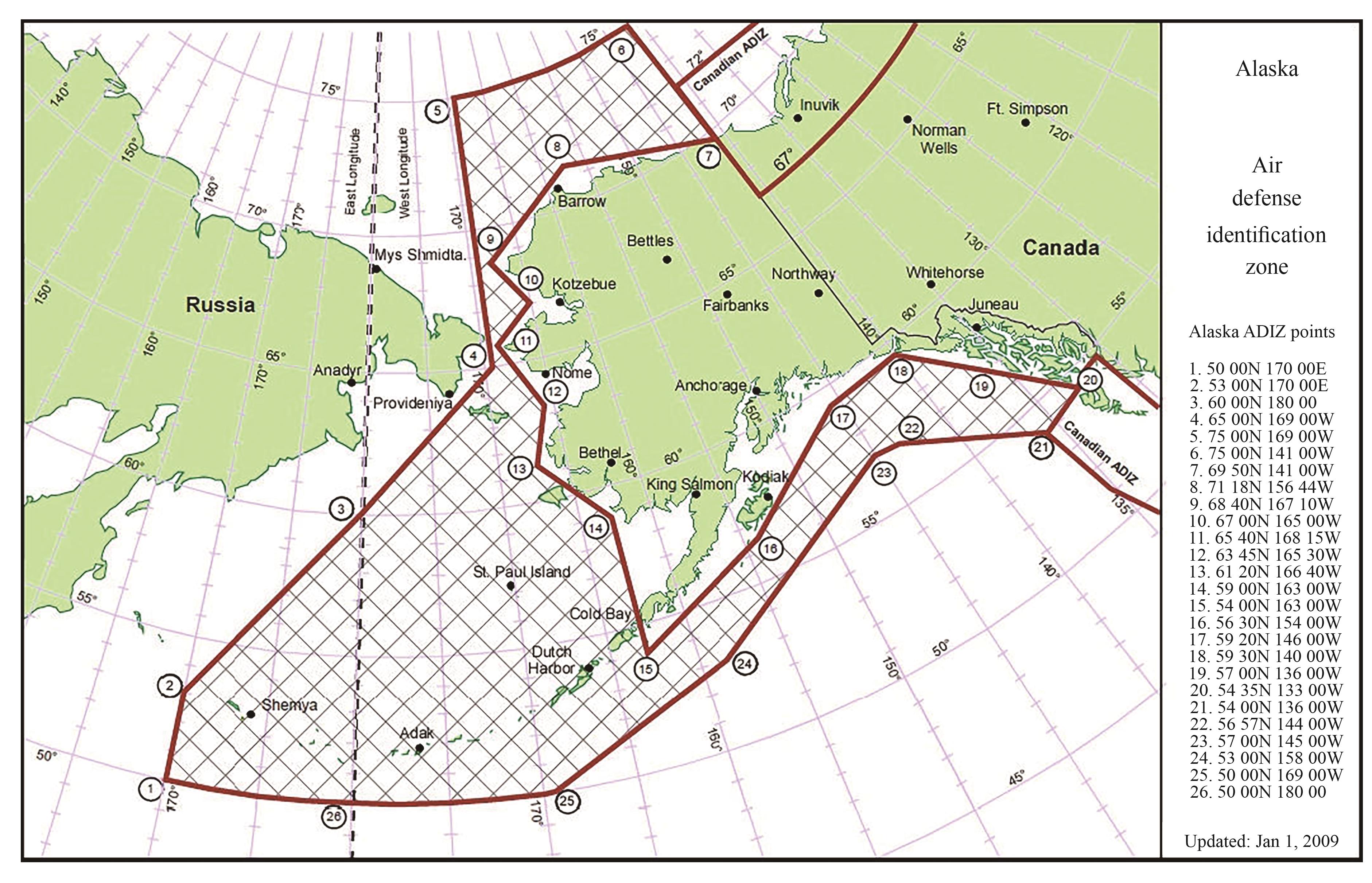
Fig.4
Probability map model[28]
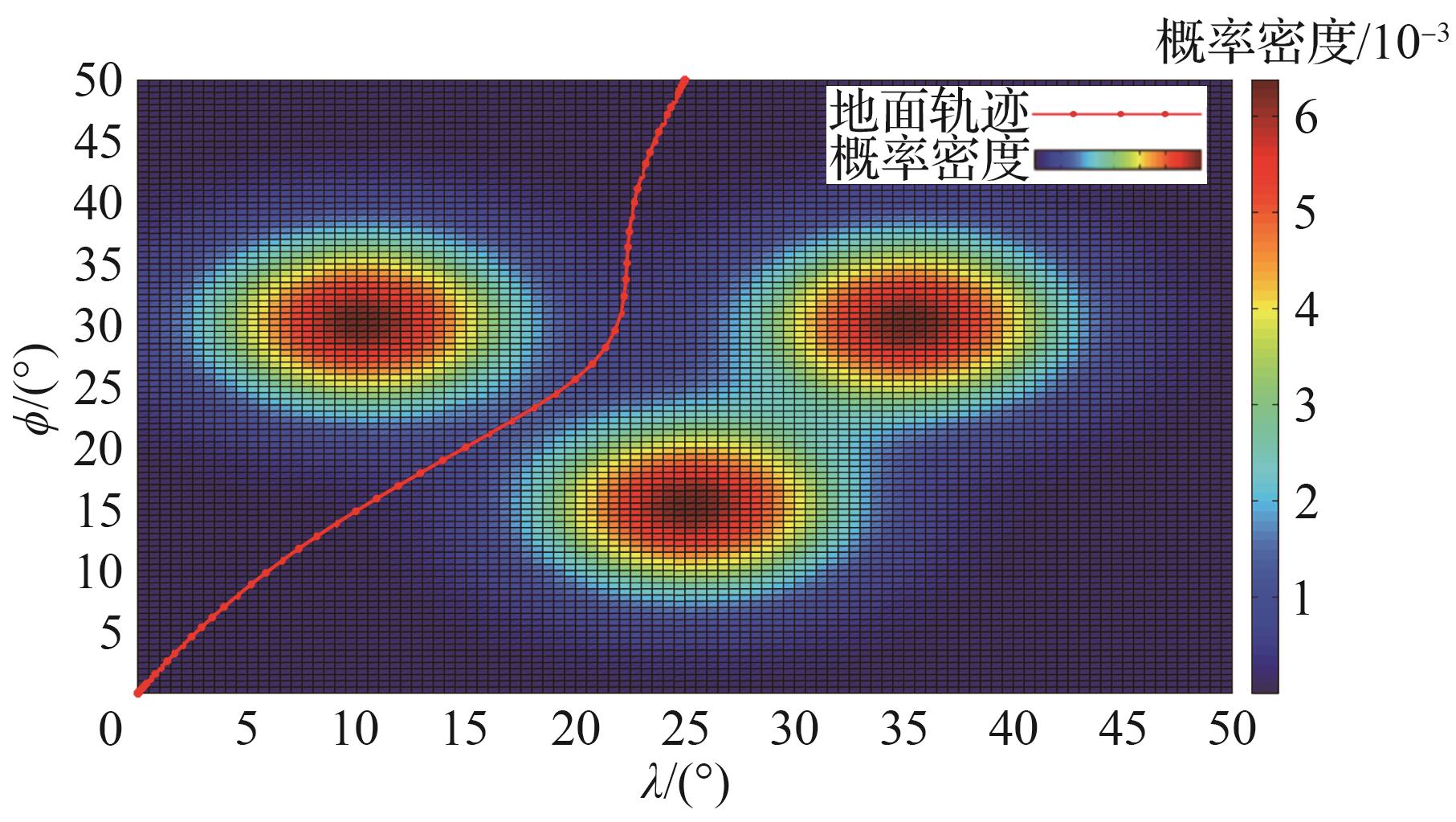
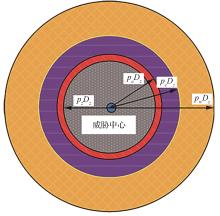
Fig.5
Schematic diagram of the division of killing zones[27]
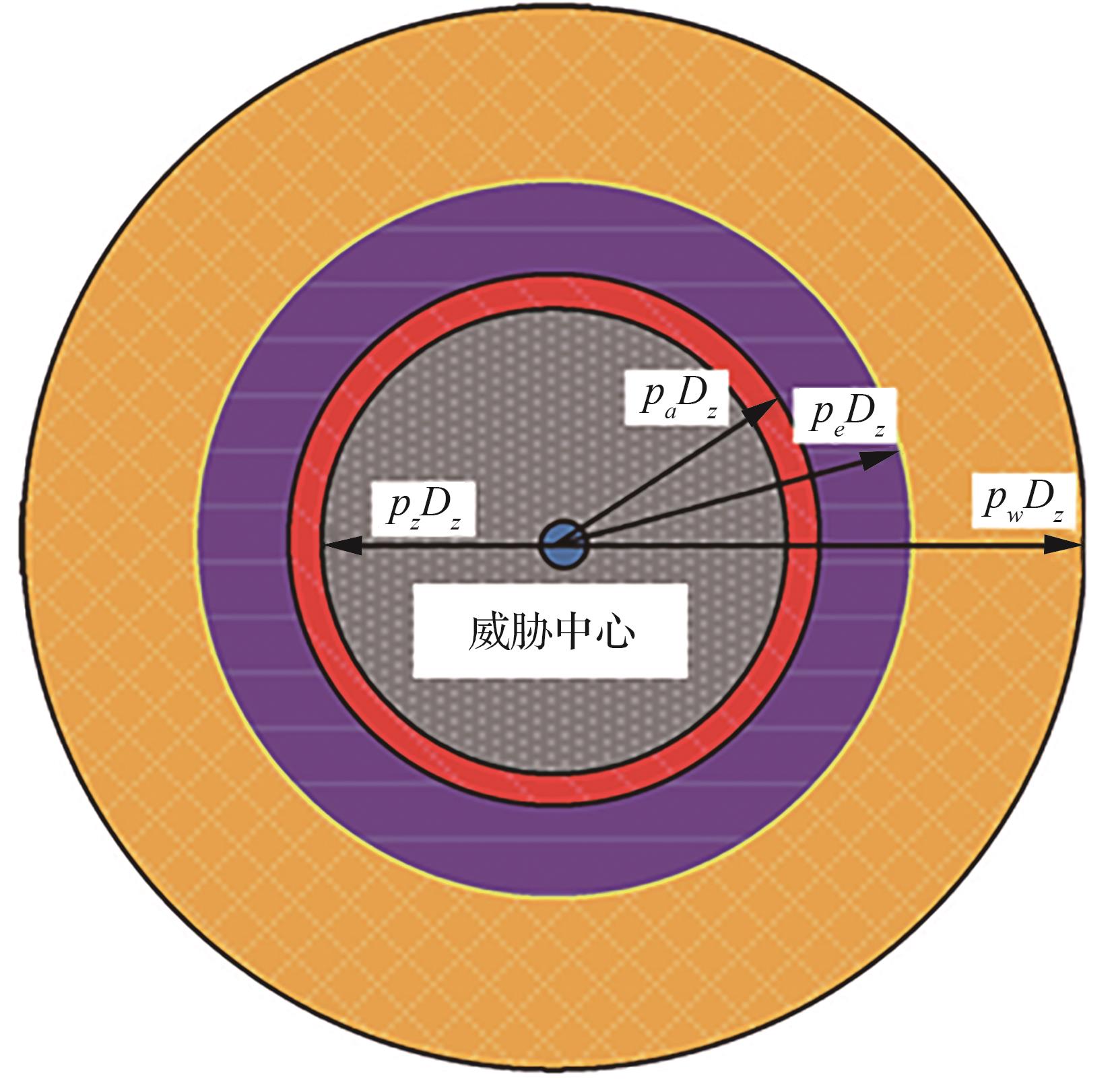
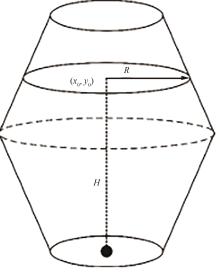
Fig.6
Schematic diagram of the three-dimensional killing zone of air defense and anti-missile weapons[29]
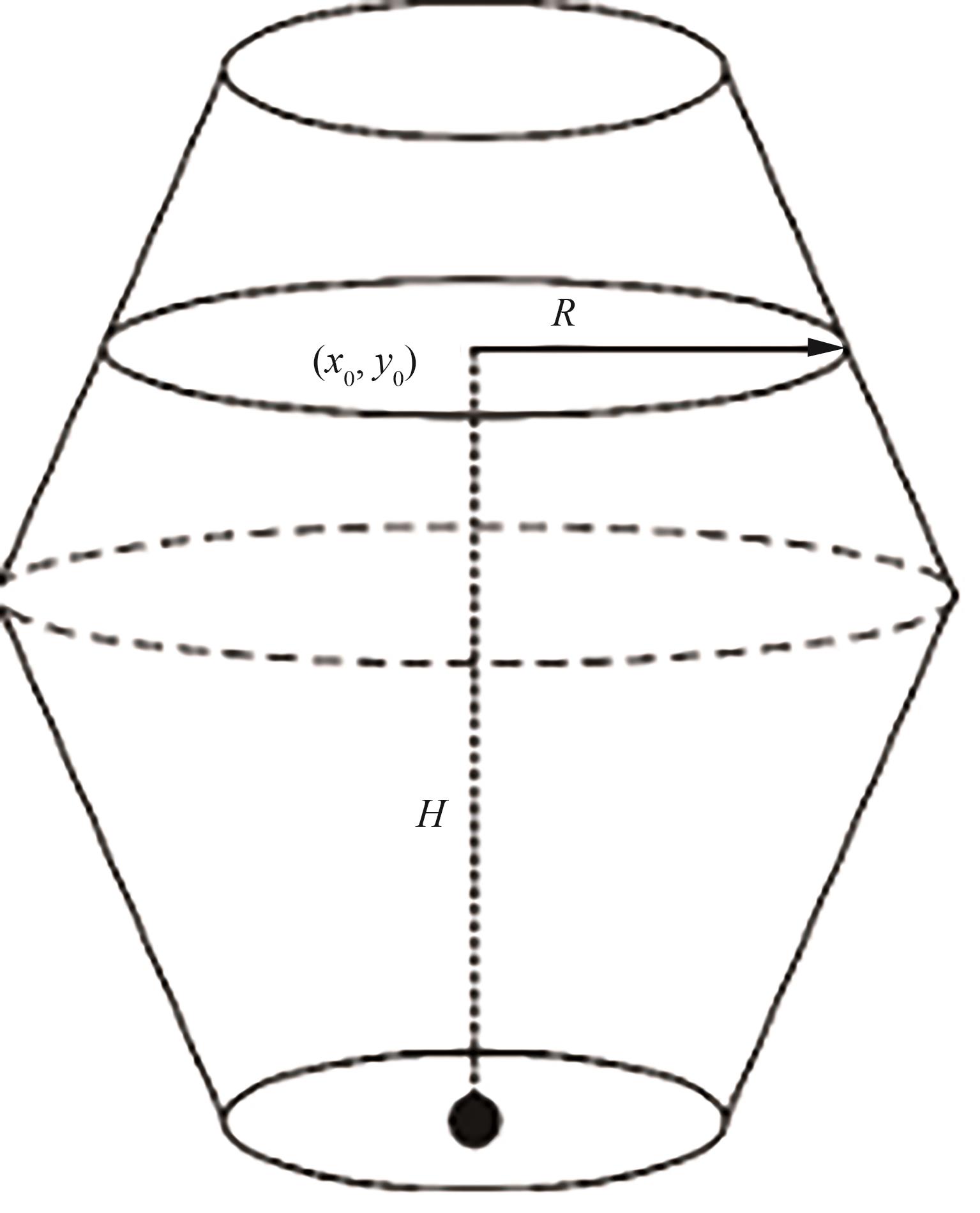
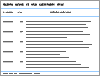
Table 1
Comparison of advantages and disadvantages of passive evasion trajectory planning and guidance methods for different types of no-fly zones
| 类型 | 方法 | 优点 | 缺点 |
|---|---|---|---|
| 静态禁飞区 | 基于动态航向角走廊 | 原理简单,易于实现,实时性较好 | 适用于单个或多个分布稀疏的禁飞区场景 |
| 基于可行轨迹规划 | 适用于复杂禁飞区分布场景,规划精度较高 | 可适用于分布复杂的禁飞区场景,但计算耗时随禁飞区数量、分布复杂度的提升而显著增大 | |
| 基于轨迹优化 | 规划结果的最优性较好,规划精度较高 | 计算效率依赖于初值猜测,难于处理多个复杂禁飞区分布场景 | |
| 基于启发式算法 | 可解释性较强,计算效率高 | 参数设置对算法性能影响较大,复杂禁飞区场景的适应性有待提升 | |
| 基于深度强化学习 | 复杂禁飞区分布场景的适应性较强,实际应用过程中的计算实时性较好 | 需要对动力学进行了一定程度的简化,且存在稀疏奖励的问题,算法的收敛性和泛化能力有待提升 | |
| 动态禁飞区 | 基于滚动优化 | 最优性较好,规划精度高 | 需要已知禁飞区分布全局信息,规划实时性较差,难以适用于高动态快时变的场景 |
| 基于自适应触角探测 | 无需禁飞区先验信息,可适用于复杂形状禁飞区,算法的自主性和自适应性较强 | 计算量与禁飞区个数和分布复杂度相关,难以适用于多禁飞区复杂分布的场景 | |
| 基于深度强化学习 | 规划实时性较好,高动态快时变场景的适应性和自主性较强 | 算法可解释性较差,需要简化飞行器的动力学模型,可行性有待提升 | |
| 概率禁飞区 | 基于机会约束 | 计算效率高,可适用于固定突防概率约束下少量禁飞区规避的场景 | 处理多个概率禁飞区耦合情况下的联合机会约束问题时较为保守,不能将禁飞区违反概率引入目标函数中进行优化 |
| 基于不确定量化 | 能够将多个禁飞区约束的联合违反率引入目标函数中进行优化,避免概率约束施加的保守性 | 待优化变量随概率禁飞区个数的增大呈指数增长,计算效率和最优性难以兼顾 |
Table 2
Comparison of decision and guidance methods for different types of maneuvering penetration
| 方法 | 优点 | 缺点 |
|---|---|---|
| 基于程序机动 | 不依赖相对运动信息,简单易行,计算实时性较好 | 机动模式容易被识别,在强对抗条件下的突防概率较低 |
| 基于轨迹优化 | 可实现终端速度最大、机动能量最省或脱靶量最大情况下的最优机动决策 | 适用场景相对固定,全局信息需完全已知,实时性较差 |
| 基于微分对策 | 可通过一定的假设推导得到解析解,具有近最优性和实时性 | 适用场景与突防策略相对单一,推导过程的简化近似导致机动突防性能有所降低 |
| 基于机器学习 | 复杂强对抗环境适应性和决策自主性较好 | 可解释性较差,网络训练的收敛效率低,决策的智能化水平有待提升 |
| [1] | 张远龙, 谢愈. 滑翔飞行器弹道规划与制导方法综述[J]. 航空学报, 2020, 41(1): 023377. |
| ZHANG Y L, XIE Y. Review of trajectory planning and guidance methods for gliding vehicles[J]. Acta Aeronautica et Astronautica Sinica, 2020, 41(1): 023377 (in Chinese). | |
| [2] | 熊瑛, 夏薇, 王林. 2023年国外导弹防御发展综述[J]. 战术导弹技术, 2024(1): 1-6, 19. |
| XIONG Y, XIA W, WANG L. Overview of foreign missile defense development in 2023[J]. Tactical Missile Technology, 2024(1): 1-6, 19 (in Chinese). | |
| [3] | 骆帅, 查旭, 陆红. 高速打击武器突防技术综述[J]. 战术导弹技术, 2023(5): 1-9. |
| LUO S, ZHA X, LU H. Overview on penetration technology of high-speed strike weapon[J]. Tactical Missile Technology, 2023(5): 1-9 (in Chinese). | |
| [4] | 刘双喜, 刘世俊, 李勇, 等. 国外高超声速飞行器及防御体系发展现状[J]. 空天防御, 2023, 6(3): 39-51. |
| LIU S X, LIU S J, LI Y, et al. Current developments in foreign hypersonic vehicles and defense systems[J]. Air & Space Defense, 2023, 6(3): 39-51 (in Chinese). | |
| [5] | 王铮, 邢晓露, 闫天, 等. 高超声速飞行器突防制导的发展现状与未来发展方向[J]. 飞航导弹, 2021(7): 18-24, 67. |
| WANG Z, XING X L, YAN T, et al. The current status and future development direction of hypersonic aircraft penetration guidance[J]. Aerodynamic Missile Journal, 2021(7): 18-24, 67 (in Chinese). | |
| [6] | 汪民乐. 弹道导弹突防对策综述[J]. 飞航导弹, 2012(10): 45-51. |
| WANG M L. Overview of ballistic missile penetration countermeasures[J]. Aerodynamic Missile Journal, 2012(10): 45-51 (in Chinese). | |
| [7] | 武天才, 王宏伦, 任斌, 等. 考虑规避与突防的高超声速飞行器智能容错制导控制一体化设计[J]. 航空学报, 2024, 45(15): 329607. |
| WU T C, WANG H L, REN B, et al. Learning-based integrated fault-tolerant guidance and control for hypersonic vehicles considering avoidance and penetration[J]. Acta Aeronautica et Astronautica Sinica, 2024, 45(15): 329607 (in Chinese). | |
| [8] | XIA W J, WANG P C, YAN X L, et al. Rapid and near-analytical planning method for entry trajectory under time and full-state constraints[J]. Aerospace, 2024, 11(7): 580. |
| [9] | LIANG Z X, LONG J T, ZHU S Y, et al. Entry guidance with terminal approach angle constraint[J]. Aerospace Science and Technology, 2020, 102: 105876. |
| [10] | 谢愈, 刘鲁华, 汤国建, 等. 高超声速滑翔飞行器摆动式机动突防弹道设计[J]. 航空学报, 2011, 32(12): 2174-2181. |
| XIE Y, LIU L H, TANG G J, et al. Weaving maneuver trajectory design for hypersonic glide vehicles[J]. Acta Aeronautica et Astronautica Sinica, 2011, 32(12): 2174-2181 (in Chinese). | |
| [11] | 陈迎春, 齐欢. 基于协同进化的平面追逃对策研究[J]. 控制与决策, 2009, 24(3): 383-387. |
| CHEN Y C, QI H. Co-evolutionary pursuit-evasion game on a plane[J]. Control and Decision, 2009, 24(3): 383-387 (in Chinese). | |
| [12] | 刘思源, 梁子璇, 任章, 等. 高超声速滑翔飞行器再入段制导方法综述[J]. 中国空间科学技术, 2016, 36(6): 1-13. |
| LIU S Y, LIANG Z X, REN Z, et al. Review of reentry guidance methods for hypersonic gliding vehicles[J]. Chinese Space Science and Technology, 2016, 36(6): 1-13 (in Chinese). | |
| [13] | 潘亮, 谢愈, 彭双春, 等. 高超声速飞行器滑翔制导方法综述[J]. 国防科技大学学报, 2017, 39(3): 15-22. |
| PAN L, XIE Y, PENG S C, et al. A survey of gliding guidance methods for hypersonic vehicles[J]. Journal of National University of Defense Technology, 2017, 39(3): 15-22 (in Chinese). | |
| [14] | 郭杰, 郑金库, 王浩凝, 等. 高超声速滑翔飞行器再入制导方法及热点问题研究综述[J]. 空天技术, 2022(1): 54-63. |
| GUO J, ZHENG J K, WANG H N, et al. Review of research on reentry guidance methods and hot issues of hypersonic gliding vehicle[J]. Aerospace Technology, 2022(1): 54-63 (in Chinese). | |
| [15] | DING Y B, YUE X K, CHEN G S, et al. Review of control and guidance technology on hypersonic vehicle[J]. Chinese Journal of Aeronautics, 2022, 35(7): 1-18. |
| [16] | 陈万春, 陈中原, 龚晓鹏. 智能机动突防策略研究进展[J]. 飞行力学, 2024, 42(5): 1-9. |
| CHEN W C, CHEN Z Y, GONG X P. Advances in the study of intelligent maneuver penetration strategy[J]. Flight Dynamics, 2024, 42(5): 1-9 (in Chinese). | |
| [17] | 江锐, 张欣, 王晓芳. 基于最优控制的高速飞行器突防技术研究[J]. 飞行力学, 2024, 42(1): 32-38. |
| JIANG R, ZHANG X, WANG X F. Research on penetration technology of high-speed aircraft based on optimal control[J]. Flight Dynamics, 2024, 42(1): 32-38 (in Chinese). | |
| [18] | 安凯, 郭振云, 黄伟, 等. 低/高速飞行器系统编队协同控制方法研究进展[J]. 航空兵器, 2022, 29(5): 53-65. |
| AN K, GUO Z Y, HUANG W, et al. Research progress of formation-cooperative control methods for low-speed and high-speed vehicle systems[J]. Aero Weaponry, 2022, 29(5): 53-65 (in Chinese). | |
| [19] | 向锦武, 董希旺, 丁文锐, 等. 复杂环境下无人集群系统自主协同关键技术[J]. 航空学报, 2022, 43(10): 527570. |
| XIANG J W, DONG X W, DING W R, et al. Key technologies for autonomous cooperation of unmanned swarm systems in complex environments[J]. Acta Aeronautica et Astronautica Sinica, 2022, 43(10): 527570 (in Chinese). | |
| [20] | 陈洁卿, 孙瑞胜, 陈伟. 超声速导弹群协同博弈突防制导研究[J]. 无人系统技术, 2021, 4(6): 65-74. |
| CHEN J Q, SUN R S, CHEN W. Research on cooperative penetration game guidance of supersonic missile group[J]. Unmanned Systems Technology, 2021, 4(6): 65-74 (in Chinese). | |
| [21] | 王宁宇, 白瑜亮, 魏金鹏, 等. 多弹最优协同诱导突防制导律[J]. 宇航学报, 2022, 43(4): 434-444. |
| WANG N Y, BAI Y L, WEI J P, et al. Guidance law for multi-missile optimal cooperative lured penetration[J]. Journal of Astronautics, 2022, 43(4): 434-444 (in Chinese). | |
| [22] | ZHANG R H, CUI N G. Entry trajectory optimization with general polygonal no-fly zone constraints[J]. IEEE Transactions on Aerospace and Electronic Systems, 2023, 59(6): 9205-9218. |
| [23] | 张梦樱, 唐乾刚, 韩小军, 等. 复杂约束条件下的再入轨迹迭代求解方法[J]. 兵工学报, 2015, 36(6): 1015-1023. |
| ZHANG M Y, TANG Q G, HAN X J, et al. Iterative method to solving re-entry trajectory optimization with complex constraints[J]. Acta Armamentarii, 2015, 36(6): 1015-1023 (in Chinese). | |
| [24] | 季荣涛. 基于威胁分析的战场空间划分及其在航迹规划中的应用[D]. 南京: 南京大学, 2016. |
| JI R T. Battlefield space division based on threat analysis and its application in route planning[D]. Nanjing: Nanjing University, 2016 (in Chinese). | |
| [25] | ZHANG R H, XIE Z H, WEI C Z, et al. An enlarged polygon method without binary variables for obstacle avoidance trajectory optimization[J]. Chinese Journal of Aeronautics, 2023, 36(8): 284-297. |
| [26] | TIAN M Y, SHEN Z J. Air-breathing hypersonic vehicle trajectory optimization with uncertain no-fly zones[J]. Advances in Mechanical Engineering, 2022, 14(7): 1-18. |
| [27] | 郭行, 符文星, 付斌, 等. 复杂动态环境下无人飞行器动态避障近似最优轨迹规划[J]. 宇航学报, 2019, 40(2): 182-190. |
| GUO H, FU W X, FU B, et al. Near optimal dynamic obstacle avoidance trajectory programming for unmanned aerial vehicles[J]. Journal of Astronautics, 2019, 40(2): 182-190 (in Chinese). | |
| [28] | COTTRILL G, HARMON F. Hybrid Gauss pseudospectral and generalized polynomial chaos algorithm to solve stochastic trajectory optimization problems[C]∥AIAA Guidance, Navigation, and Control Conference. Reston: AIAA, 2011. |
| [29] | 陆遥, 李东生. 基于威胁概率图的无人机作战场景模型设计[J]. 电子信息对抗技术, 2018, 33(5): 60-66, 79. |
| LU Y, LI D S. Design of UAV combat scenario model based on threat probability graph[J]. Electronic Information Warfare Technology, 2018, 33(5): 60-66, 79 (in Chinese). | |
| [30] | 蔡超, 葛超, 武振波, 等. 基于动态RCS的无人飞行器隐身突防航迹规划[J]. 华中科技大学学报(自然科学版), 2022, 50(11): 72-78. |
| CAI C, GE C, WU Z B, et al. Stealth penetration path planning of unmanned aerial vehicle based on dynamic RCS[J]. Journal of Huazhong University of Science and Technology (Natural Science Edition), 2022, 50(11): 72-78 (in Chinese). | |
| [31] | XIE Y, LIU L H, TANG G J, et al. Highly constrained entry trajectory generation[J]. Acta Astronautica, 2013, 88: 44-60. |
| [32] | GUO J, WU X Z, TANG S J. Autonomous gliding entry guidance with geographic constraints[J]. Chinese Journal of Aeronautics, 2015, 28(5): 1343-1354. |
| [33] | LIANG Z X, LIU S Y, LI Q D, et al. Lateral entry guidance with no-fly zone constraint[J]. Aerospace Science and Technology, 2017, 60: 39-47. |
| [34] | GAO B L, YAO Y D, CHENG H, et al. An online trajectory planning method for hypersonic aircraft considering maneuverability[C]∥2024 4th International Conference on Computer, Control and Robotics (ICCCR). Piscataway: IEEE Press, 2024: 323-327. |
| [35] | SUN Z K, SUN L Y, QI J T, et al. Distributed path planning for UAVs based on A* algorithm of dubins path[C]∥2023 42nd Chinese Control Conference (CCC). Piscataway: IEEE Press, 2023: 5939-5944. |
| [36] | HE R Z, LIU L H, TANG G J, et al. Rapid generation of entry trajectory with multiple no-fly zone constraints[J]. Advances in Space Research, 2017, 60(7): 1430-1442. |
| [37] | HE R Z, LIU L H, TANG G J, et al. Entry trajectory generation without reversal of bank angle[J]. Aerospace Science and Technology, 2017, 71: 627-635. |
| [38] | 张源, 张冉, 李惠峰. 复杂禁飞区高超声速飞行器路径—轨迹双层规划[J]. 宇航学报, 2022, 43(5): 615-627. |
| ZHANG Y, ZHANG R, LI H F. Dual-level path-trajectory generation with complex no-fly zone constraints for hypersonic vehicle[J]. Journal of Astronautics, 2022, 43(5): 615-627 (in Chinese). | |
| [39] | ZHANG Y, ZHANG R, LI H F. Online path decision of no-fly zones avoidance for hypersonic vehicles based on a graph attention network[J]. IEEE Transactions on Aerospace and Electronic Systems, 2023, 59(5): 5554-5567. |
| [40] | 赵吉松, 尚腾, 张金明, 等. 带有控制变量变化率约束的伪谱轨迹优化方法[J]. 宇航学报, 2022, 43(10): 1368-1377. |
| ZHAO J S, SHANG T, ZHANG J M, et al. Pseudo-spectral trajectory optimization method with constraint on the change rate of control variables[J]. Journal of Astronautics, 2022, 43(10): 1368-1377 (in Chinese). | |
| [41] | 梅映雪, 冯玥, 王容顺, 等. 高超声速飞行器多约束再入轨迹快速优化[J]. 宇航学报, 2019, 40(7): 758-767. |
| MEI Y X, FENG Y, WANG R S, et al. Fast optimization of reentry trajectory for hypersonic vehicles with multiple constraints[J]. Journal of Astronautics, 2019, 40(7): 758-767 (in Chinese). | |
| [42] | SUN X, ZHANG B H, CHAI R Q, et al. UAV trajectory optimization using chance-constrained second-order cone programming[J]. Aerospace Science and Technology, 2022, 121: 107283. |
| [43] | HUANG A, YU J L, LIU Y M, et al. Multitask-constrained reentry trajectory planning for hypersonic gliding vehicle[J]. Aerospace Science and Technology, 2024, 155: 109636. |
| [44] | ZHANG Y, ZHANG R, LI H F. Graph-based path decision modeling for hypersonic vehicles with no-fly zone constraints[J]. Aerospace Science and Technology, 2021, 116: 106857. |
| [45] | ZHANG D, LIU L, WANG Y J. On-line reentry guidance algorithm with both path and no-fly zone constraints[J]. Acta Astronautica, 2015, 117: 243-253. |
| [46] | LI Z H, YANG X J, SUN X D, et al. Improved artificial potential field based lateral entry guidance for waypoints passage and no-fly zones avoidance[J]. Aerospace Science and Technology, 2019, 86: 119-131. |
| [47] | TONG X D, SONG J, LI W L, et al. Penetration game strategy of high dynamic vehicles with constraints of no-fly zones and interceptors[J]. Engineering Applications of Artificial Intelligence, 2024, 136: 109018. |
| [48] | HU Y D, GAO C S, LI J L, et al. A novel adaptive lateral reentry guidance algorithm with complex distributed no-fly zones constraints[J]. Chinese Journal of Aeronautics, 2022, 35(7): 128-143. |
| [49] | LIANG Z X, REN Z. Tentacle-based guidance for entry flight with no-fly zone constraint[J]. Journal of Guidance, Control, and Dynamics, 2017, 41(4): 996-1005. |
| [50] | GAO Y, CAI G B, YANG X G, et al. Improved tentacle-based guidance for reentry gliding hypersonic vehicle with no-fly zone constraint[J]. IEEE Access, 2019, 7: 119246-119258. |
| [51] | 高杨, 蔡光斌, 徐慧, 等. 虚拟多触角探测的高超声速滑翔飞行器再入机动制导[J]. 航空学报, 2020, 41(11): 623703. |
| GAO Y, CAI G B, XU H, et al. Reentry maneuver guidance of hypersonic glide vehicle under virtual multi-tentacle detection[J]. Acta Aeronautica et Astronautica Sinica, 2020, 41(11): 623703 (in Chinese). | |
| [52] | HU J M, YANG X X, WANG W C, et al. Obstacle avoidance for UAS in continuous action space using deep reinforcement learning[J]. IEEE Access, 2022, 10: 90623-90634. |
| [53] | HONG D, PARK S. Avoiding obstacles via missile real-time inference by reinforcement learning[J]. Applied Sciences, 2022, 12(9): 4142. |
| [54] | WU T C, WANG H L, LIU Y H, et al. Learning-based interfered fluid avoidance guidance for hypersonic reentry vehicles with multiple constraints[J]. ISA Transactions, 2023, 139: 291-307. |
| [55] | WU J F, WANG H L, LIU Y H, et al. Learning-based fixed-wing UAV reactive maneuver control for obstacle avoidance[J]. Aerospace Science and Technology, 2022, 126: 107623. |
| [56] | 惠俊鹏, 汪韧, 郭继峰. 基于强化学习的禁飞区绕飞智能制导技术[J]. 航空学报, 2023, 44(11): 327416. |
| HUI J P, WANG R, GUO J F. Intelligent guidance for no-fly zone avoidance based on reinforcement learning[J]. Acta Aeronautica et Astronautica Sinica, 2023, 44(11): 327416 (in Chinese). | |
| [57] | LI X, WANG X G, ZHOU H Y. Entry guidance for spatial no-fly zones avoidance via model-based reinforcement learning[J]. Aerospace Science and Technology, 2024, 153: 109405. |
| [58] | GAO Y, ZHOU R, CHEN J Y. Integrated entry guidance with no-fly zone constraint using reinforcement learning and predictor-corrector technique[J]. Proceedings of the Institution of Mechanical Engineers, Part G: Journal of Aerospace Engineering, 2024, 238(7): 728-741. |
| [59] | YAO P, WANG H L, SU Z K. Real-time path planning of unmanned aerial vehicle for target tracking and obstacle avoidance in complex dynamic environment[J]. Aerospace Science and Technology, 2015, 47: 269-279. |
| [60] | 万兵, 梁勇, 邓力, 等. 基于滚动时域优化的反舰导弹航路规划[J]. 兵器装备工程学报, 2023, 44(9): 49-57. |
| WAN B, LIANG Y, DENG L, et al. A path planning method for an anti-ship missile based on receding horizon optimal procedure[J]. Journal of Ordnance Equipment Engineering, 2023, 44(9): 49-57 (in Chinese). | |
| [61] | 刘畅, 谢文俊, 张鹏, 等. 多重威胁下的无人机自主避障航迹规划[J]. 哈尔滨工业大学学报, 2020, 52(4): 119-126. |
| LIU C, XIE W J, ZHANG P, et al. UAV autonomous obstacle avoidance path planning under multiple threats[J]. Journal of Harbin Institute of Technology, 2020, 52(4): 119-126 (in Chinese). | |
| [62] | 高昂, 董志明, 叶红兵, 等. 基于深度强化学习的巡飞弹突防控制决策[J]. 兵工学报, 2021, 42(5): 1101-1110. |
| GAO A, DONG Z M, YE H B, et al. Loitering munition penetration control decision based on deep reinforcement learning[J]. Acta Armamentarii, 2021, 42(5): 1101-1110 (in Chinese). | |
| [63] | JIANG Q J, WANG X G, LI Y. Intelligent reentry guidance with dynamic no-fly zones based on deep reinforcement learning[C]∥Computational and Experimental Simulations in Engineering. Cham: Springer International Publishing, 2024: 291-313. |
| [64] | 王浩凝, 郭杰, 张宝超, 等. 多禁飞区在线遭遇的自主规避再入制导方法[J]. 宇航学报, 2024, 45(9): 1429-1444. |
| WANG H N, GUO J, ZHANG B C, et al. Autonomous entry guidance method for online encounters with multiple no-fly zones[J]. Journal of Astronautics, 2024, 45(9): 1429-1444 (in Chinese). | |
| [65] | WANG H N, GUO J, ZHANG B C, et al. Learning-based guidance method of avoiding multiple online-detected no-fly zones for hypersonic cruise vehicles[J]. Journal of Aerospace Engineering, 2025, 38(1): 04024107. |
| [66] | 杨浩东, 王剑颖, 吴志刚, 等. 面向动态禁飞区的自适应触角探测机动制导方法[J]. 宇航学报, 2024, 45(2): 192-202. |
| YANG H D, WANG J Y, WU Z G, et al. Adaptive tentacle detection and maneuvering guidance method for dynamic no-fly zones[J]. Journal of Astronautics, 2024, 45(2): 192-202 (in Chinese). | |
| [67] | BLACKMORE L, ONO M, WILLIAMS B C. Chance-constrained optimal path planning with obstacles[J]. IEEE Transactions on Robotics, 2011, 27(6): 1080-1094. |
| [68] | BUJARBARUAH M, ROSOLIA U, STÜRZ Y R, et al. A simple robust MPC for linear systems with parametric and additive uncertainty[C]∥2021 American Control Conference (ACC). Piscataway: IEEE Press, 2021: 2108-2113. |
| [69] | ZHANG Y Q, CHENG M, NAN B, et al. Stochastic trajectory optimization for 6-DOF spacecraft autonomous rendezvous and docking with nonlinear chance constraints[J]. Acta Astronautica, 2023, 208: 62-73. |
| [70] | ONO M, WILLIAMS B C. Iterative Risk Allocation: A new approach to robust model predictive control with a joint chance constraint[C]∥2008 47th IEEE Conference on Decision and Control. Piscataway: IEEE Press, 2008: 3427-3432. |
| [71] | DING Y F, MORSTYN T, MCCULLOCH M D. Distributionally robust joint chance-constrained optimization for networked microgrids considering contingencies and renewable uncertainty[J]. IEEE Transactions on Smart Grid, 2022, 13(3): 2467-2478. |
| [72] | PILIPOVSKY J, TSIOTRAS P. Covariance steering with optimal risk allocation[J]. IEEE Transactions on Aerospace and Electronic Systems, 2021, 57(6): 3719-3733. |
| [73] | 田牧垠, 沈作军. 一类不确定环境下的再入滑翔飞行器轨迹规划[J]. 北京航空航天大学学报, 2024, 50(8): 2514-2523. |
| TIAN M Y, SHEN Z J. Trajectory planning of re-entry gliding vehicle in a class of uncertain environment[J]. Journal of Beijing University of Aeronautics and Astronautics, 2024, 50(8): 2514-2523 (in Chinese). | |
| [74] | 闫循良, 王培臣, 夏文杰, 等. 基于混沌多项式的再入滑翔鲁棒轨迹凸优化[J]. 西北工业大学学报, 2023, 41(5): 850-859. |
| YAN X L, WANG P C, XIA W J, et al. Robust convex optimization for reentry glide trajectory using polynomial chaos[J]. Journal of Northwestern Polytechnical University, 2023, 41(5): 850-859 (in Chinese). | |
| [75] | 王培臣, 闫循良, 王宽, 等. 基于随机响应面与混沌多项式的鲁棒轨迹优化[J]. 系统工程与电子技术, 2023, 45(10): 3226-3239. |
| WANG P C, YAN X L, WANG K, et al. Robust trajectory optimization method based on stochastic response surface and polynomial chaos[J]. Systems Engineering and Electronics, 2023, 45(10): 3226-3239 (in Chinese). | |
| [76] | 龚宇莲, 孟斌, 李毛毛. 基于单参数迭代的TAEM在线轨迹生成方法[J]. 航空学报, 2020, 41(): 724289. |
| GONG Y L, MENG B, LI M M. Online trajectory design method for terminal area energy management based on single parameter iteration [J]. Acta Aeronautica et Astronautica Sinica, 2020, 41(Sup 2): 724289 (in Chinese). | |
| [77] | WANG X, GUO J, TANG S J, et al. Entry trajectory planning with terminal full states constraints and multiple geographic constraints[J]. Aerospace Science and Technology, 2019, 84: 620-631. |
| [78] | SHI P, XU J J, CHENG L, et al. Real-time lateral predictor-corrector entry guidance with terminal heading angle constraint[J]. IEEE Transactions on Aerospace and Electronic Systems, 2025, 61(2): 2106-2119. |
| [79] | LIANG Z X, YU J L, REN Z, et al. Trajectory planning for cooperative flight of two hypersonic entry vehicles[C]∥21st AIAA International Space Planes and Hypersonics Technologies Conference. Reston: AIAA, 2017: 2251. |
| [80] | 王肖, 郭杰, 唐胜景, 等. 基于解析剖面的时间协同再入制导[J]. 航空学报, 2019, 40(3): 322565. |
| WANG X, GUO J, TANG S J, et al. Time-cooperative entry guidance based on analytical profile[J]. Acta Aeronautica et Astronautica Sinica, 2019, 40(3): 322565 (in Chinese). | |
| [81] | LI Z H, HE B, WANG M H, et al. Time-coordination entry guidance for multi-hypersonic vehicles[J]. Aerospace Science and Technology, 2019, 89: 123-135. |
| [82] | 刘旭, 李响, 王晓鹏. 高超声速滑翔飞行器解析协同再入制导[J]. 宇航学报, 2023, 44(5): 731-742. |
| LIU X, LI X, WANG X P. Analytical cooperative reentry guidance for hypersonic glide vehicles[J]. Journal of Astronautics, 2023, 44(5): 731-742 (in Chinese). | |
| [83] | YU W B, CHEN W C, JIANG Z G, et al. Analytical entry guidance for coordinated flight with multiple no-fly-zone constraints[J]. Aerospace Science and Technology, 2019, 84: 273-290. |
| [84] | 王培臣, 闫循良, 李新国, 等. 考虑时间约束的解析再入滑翔制导[J]. 航空学报, 2024, 45(23): 229-246. |
| WANG P C, YAN X L, LI X G, et al. Reentry glide analytical guidance considering time constraints[J]. Acta Aeronautica et Astronautica Sinica, 2024, 45(23): 229-246 (in Chinese). | |
| [85] | 方科, 张庆振, 倪昆, 等. 高超声速飞行器时间协同再入制导[J]. 航空学报, 2018, 39(5): 321958. |
| FANG K, ZHANG Q Z, NI K, et al. Time-coordinated reentry guidance law for hypersonic vehicle[J]. Acta Aeronautica et Astronautica Sinica, 2018, 39(5): 321958 (in Chinese). | |
| [86] | 张晚晴, 余文斌, 李静琳, 等. 基于纵程解析解的飞行器智能横程机动再入协同制导[J]. 兵工学报, 2021, 42(7): 1400-1411. |
| ZHANG W Q, YU W B, LI J L, et al. Cooperative reentry guidance for intelligent lateral maneuver of hypersonic vehicle based on downrange analytical solution[J]. Acta Armamentarii, 2021, 42(7): 1400-1411 (in Chinese). | |
| [87] | 方科, 张庆振, 倪昆, 等. 飞行时间约束下的再入制导律[J]. 哈尔滨工业大学学报, 2019, 51(10): 90-97. |
| FANG K, ZHANG Q Z, NI K, et al. Reentry guidance law with flight time constraint[J]. Journal of Harbin Institute of Technology, 2019, 51(10): 90-97 (in Chinese). | |
| [88] | 刘哲, 陆浩然, 郑伟, 等. 多滑翔飞行器时间协同轨迹快速规划[J]. 航空学报, 2021, 42(11): 524497. |
| LIU Z, LU H R, ZHENG W, et al. Rapid time-coordination trajectory planning method for multi-glide vehicles[J]. Acta Aeronautica et Astronautica Sinica, 2021, 42(11): 524497 (in Chinese). | |
| [89] | YU J L, DONG X W, LI Q D, et al. Cooperative guidance strategy for multiple hypersonic gliding vehicles system[J]. Chinese Journal of Aeronautics, 2020, 33(3): 990-1005. |
| [90] | YU W B, YAO Y Z, CHEN W C. Analytical cooperative entry guidance for rendezvous and formation flight[J]. Acta Astronautica, 2020, 171: 118-138. |
| [91] | JARMARK B, MERZ AW, BREAKWELL J. The variable-speed tail-chase aerial combat problem[J]. Journal of Guidance, Control, and Dynamics, 1981, 4(3): 323-328. |
| [92] | ALMEIDA F. Improving maneuver performance in unmanned aerial vehicles through learning-based reference management[C]∥AIAA Guidance, Navigation, and Control (GNC) Conference. Reston: AIAA, 2013. |
| [93] | REN L L, GUO W L, XIAN Y, et al. Deep reinforcement learning based integrated evasion and impact hierarchical intelligent policy of exo-atmospheric vehicles[J]. Chinese Journal of Aeronautics, 2025, 38(1): 103193. |
| [94] | 何磊, 闫晓东, 唐硕. 螺旋俯冲机动突防的制导律设计[J]. 航空学报, 2019, 40(5): 322457. |
| HE L, YAN X D, TANG S. Guidance law design for spiral-diving maneuver penetration[J]. Acta Aeronautica et Astronautica Sinica, 2019, 40(5): 322457 (in Chinese). | |
| [95] | 段安娜, 闫循良. 多约束螺旋机动变结构制导律设计[J]. 固体火箭技术, 2020, 43(3): 400-406. |
| DUAN A N, YAN X L. Design of multi-constrained spiral maneuvering variable structure guidance law[J]. Journal of Solid Rocket Technology, 2020, 43(3): 400-406 (in Chinese). | |
| [96] | ZHU J W, LIU L H, TANG G J, et al. Optimal diving maneuver strategy considering guidance accuracy for hypersonic vehicle[J]. Acta Astronautica, 2014, 104(1): 231-242. |
| [97] | ZHU J W, HE R Z, TANG G J, et al. Pendulum maneuvering strategy for hypersonic glide vehicles[J]. Aerospace Science and Technology, 2018, 78: 62-70. |
| [98] | 周啟航, 刘延芳, 齐乃明, 等. 基于反预警的反拦截中段规避突防策略[J]. 航空学报, 2017, 38(1): 319922. |
| ZHOU Q H, LIU Y F, QI N M, et al. Anti-warning-based anti-interception avoiding penetration strategy in midcourse[J]. Acta Aeronautica et Astronautica Sinica, 2017, 38(1): 319922 (in Chinese). | |
| [99] | HE L, YAN X D, TANG S. Spiral-diving trajectory optimization for hypersonic vehicles by second-order cone programming[J]. Aerospace Science and Technology, 2019, 95: 105427. |
| [100] | YAN B B, LIU R F, DAI P, et al. A rapid penetration trajectory optimization method for hypersonic vehicles[J]. International Journal of Aerospace Engineering, 2019, 2019(1): 1490342. |
| [101] | SHEN Z P, YU J L, DONG X W, et al. Penetration trajectory optimization for the hypersonic gliding vehicle encountering two interceptors[J]. Aerospace Science and Technology, 2022, 121: 107363. |
| [102] | SHINAR J, STEINBERG D. Analysis of optimal evasive maneuvers based on a linearized two-dimensional kinematic model[J]. Journal of Aircraft, 1977, 14(8): 795-802. |
| [103] | ONG S Y, PIERSON B L. Optimal planar evasive aircraft maneuvers against proportional navigation missiles[J]. Journal of Guidance, Control, and Dynamics, 1996, 19(6): 1210-1215. |
| [104] | KANG S, KIM H J, TAHK M J. Aerial pursuit-evasion game using nonlinear model predictive guidance[C]∥AIAA Guidance, Navigation, and Control Conference. Reston: AIAA, 2010: 7880. |
| [105] | 王雨琪, 宁国栋, 王晓峰, 等. 基于微分对策的临近空间飞行器机动突防策略[J]. 航空学报, 2020, 41(): 724276. |
| WANG Y Q, NING G D, WANG X F, et al. Maneuver penetration strategy of near space vehicle based on differential game[J]. Acta Aeronautica et Astronautica Sinica, 2020, 41(Sup 2): 724276 (in Chinese). | |
| [106] | LIANG H Z, WANG J Y, WANG Y H, et al. Optimal guidance against active defense ballistic missiles via differential game strategies[J]. Chinese Journal of Aeronautics, 2020, 33(3): 978-989. |
| [107] | BEN-ASHER J, CLIFF E M, KELLEY H J. Optimal evasion with a path-angle constraint and against two pursuers[J]. Journal of Guidance, Control, and Dynamics, 1988, 11(4): 300-304. |
| [108] | SUN A, LIU H. Multi-pursuer evasion[C]∥AIAA Guidance, Navigation and Control Conference and Exhibit. Reston: AIAA, 2008. |
| [109] | ZHANG P, FANG Y W, ZHANG F M, et al. An adaptive weighted differential game guidance law[J]. Chinese Journal of Aeronautics, 2012, 25(5): 739-746. |
| [110] | BARDHAN R, GHOSE D. An SDRE based differential game approach for maneuvering target interception[C]∥AIAA Guidance, Navigation, and Control Conference. Reston: AIAA, 2015. |
| [111] | SHAFERMAN V, SHIMA T Y. A cooperative differential game for imposing a relative intercept angle[C]∥AIAA Guidance, Navigation, and Control Conference. Reston: AIAA, 2017. |
| [112] | YAN T, CAI Y L, XU B. Evasion guidance algorithms for air-breathing hypersonic vehicles in three-player pursuit-evasion games[J]. Chinese Journal of Aeronautics, 2020, 33(12): 3423-3436. |
| [113] | PERELMAN A, SHIMA T, RUSNAK I. Cooperative differential games strategies for active aircraft protection from a homing missile[J]. Journal of Guidance, Control, and Dynamics, 2011, 34(3): 761-773. |
| [114] | RUBINSKY S, GUTMAN S. Three-player pursuit and evasion conflict[J]. Journal of Guidance, Control, and Dynamics, 2013, 37(1): 98-110. |
| [115] | WEISS M, SHIMA T, CASTANEDA D, et al. Combined and cooperative minimum-effort guidance algorithms in an active aircraft defense scenario[J]. Journal of Guidance, Control, and Dynamics, 2017, 40(5): 1241-1254. |
| [116] | 王子瑶, 唐胜景, 郭杰, 等. 高超声速攻防博弈自适应微分对策三维制导[J]. 兵工学报, 2023, 44(8): 2342-2353. |
| WANG Z Y, TANG S J, GUO J, et al. Adaptive 3-dimensional differential game guidance for hypersonic attack and defense[J]. Acta Armamentarii, 2023, 44(8): 2342-2353 (in Chinese). | |
| [117] | SHEN Z P, YU J L, DONG X W, et al. Deep neural network-based penetration trajectory generation for hypersonic gliding vehicles encountering two interceptors[C]∥2022 41st Chinese Control Conference (CCC). Piscataway: IEEE Press, 2022: 3392-3397. |
| [118] | 左家亮, 杨任农, 张滢, 等. 基于启发式强化学习的空战机动智能决策[J]. 航空学报, 2017, 38(10): 321168. |
| ZUO J L, YANG R N, ZHANG Y, et al. Intelligent decision-making in air combat maneuvering based on heuristic reinforcement learning[J]. Acta Aeronautica et Astronautica Sinica, 2017, 38(10): 321168 (in Chinese). | |
| [119] | JIANG L, NAN Y, ZHANG Y, et al. Anti-interception guidance for hypersonic glide vehicle: A deep reinforcement learning approach[J]. Aerospace, 2022, 9(8): 424. |
| [120] | 张鸿林, 罗建军, 马卫华. 基于机器学习的航天器规避目标威胁博弈决策[J]. 航空学报, 2024, 45(8): 329136. |
| ZHANG H L, LUO J J, MA W H. Spacecraft game decision making for threat avoidance of space targets based on machine learning[J]. Acta Aeronautica et Astronautica Sinica, 2024, 45(8): 329136 (in Chinese). | |
| [121] | HU X, WANG T S, GONG M, et al. Guidance design for escape flight vehicle using evolution strategy enhanced deep reinforcement learning[J]. IEEE Access, 2024, 12: 48210-48222. |
| [122] | HU X, WANG H B, GONG M, et al. Guidance design for escape flight vehicle against multiple pursuit flight vehicles using the RNN-based proximal policy optimization algorithm[J]. Aerospace, 2024, 11(5): 361. |
| [123] | GUO Y H, JIANG Z J, HUANG H Q, et al. Intelligent maneuver strategy for a hypersonic pursuit-evasion game based on deep reinforcement learning[J]. Aerospace, 2023, 10(9): 783. |
| [124] | LI X, WANG X G, ZHOU H Y, et al. A novel evasion guidance for hypersonic morphing vehicle via intelligent maneuver strategy[J]. Chinese Journal of Aeronautics, 2024, 37(5): 441-461. |
| [125] | JEON I S, LEE J I, TAHK M J. Impact-time-control guidance law for anti-ship missiles[J]. IEEE Transactions on Control Systems Technology, 2006, 14(2): 260-266. |
| [126] | 崔乃刚, 韦常柱, 郭继峰. 导弹协同作战飞行时间裕度[J]. 航空学报, 2010, 31(7): 1351-1359. |
| CUI N G, WEI C Z, GUO J F. Flight time margin of missile cooperative engagement[J]. Acta Aeronautica et Astronautica Sinica, 2010, 31(7): 1351-1359 (in Chinese). | |
| [127] | 乔浩, 白风科, 毛瑞. 高超声速滑翔导弹协同再入影响因素分析[J]. 飞行力学, 2020, 38(6): 63-69. |
| QIAO H, BAI F K, MAO R. Analysis of influence factors for cooperative reentry of hypersonic glide missile[J]. Flight Dynamics, 2020, 38(6): 63-69 (in Chinese). | |
| [128] | LIANG Z X, LV C, ZHU S Y. Lateral entry guidance with terminal time constraint[J]. IEEE Transactions on Aerospace and Electronic Systems, 2023, 59(3): 2544-2553. |
| [129] | PARK B G, KWON H H, KIM Y H, et al. Composite guidance scheme for impact angle control against a nonmaneuvering moving target[J]. Journal of Guidance, Control, and Dynamics, 2016, 39(5): 1132-1139. |
| [130] | LEE S, KIM Y. Capturability of impact-angle control composite guidance law considering field-of-view limit[J]. IEEE Transactions on Aerospace and Electronic Systems, 2020, 56(2): 1077-1093. |
| [131] | 赵启伦, 陈建, 李清东, 等. 高超武器与常规导弹协同攻击策略可行域研究[J]. 航空学报, 2015, 36(7): 2291-2300. |
| ZHAO Q L, CHEN J, LI Q D, et al. Feasible region of hypersonic and ballistic missiles’cooperative attack strategy[J]. Acta Aeronautica et Astronautica Sinica, 2015, 36(7): 2291-2300 (in Chinese). | |
| [132] | ZHANG M H, WANG H L, LI Z Y, et al. Fluid-based moderate collision avoidance for UAV formation in 3-D low-altitude environments[J]. Chinese Journal of Aeronautics, 2025, 38(6): 103222. |
| [133] | 徐星光, 于江龙, 郭鸿飞, 等. 有翼飞行器编队协同突防构型和通信拓扑优化方法[J/OL]. 北京航空航天大学学报, (2024-05-16)[2025-07-16]. . |
| XU X G, YU J L, GUO H F, et al. Optimization method of cooperative penetration configuration and communication topology of winged aircraft formation[J/OL]. Journal of Beijing University of Aeronautics and Astronautics, (2024-05-16)[2025-07-16]. (in Chinese). | |
| [134] | Shui X, Wang X, Lin P, et al. A formation control method of multiple hypersonic missiles[J]. Tactical Missile Technology, 2020, 5:139-148. |
| [135] | 陆浩然, 邱薇, 孙海亮, 等. 高速飞行器编队队形快速成形设计方法[J]. 航天控制, 2021, 39(2): 33-38, 44. |
| LU H R, QIU W, SUN H L, et al. Design method of rapid forming for high-speed aircraft formation[J]. Aerospace Control, 2021, 39(2): 33-38, 44 (in Chinese). | |
| [136] | ZHANG Z, LUO Y F, QU Y H. Distributed formation control with obstacle and collision avoidance for hypersonic gliding vehicles subject to multiple constraints[J]. International Journal of Aerospace Engineering, 2023, 2023(1): 9973653. |
| [137] | ZHANG Y, WANG X, TANG S J. A globally fixed-time solution of distributed formation control for multiple hypersonic gliding vehicles[J]. Aerospace Science and Technology, 2020, 98: 105643. |
| [138] | 胡砚洋, 何凡, 白成超. 高超声速飞行器末制导段协同避障决策方法[J]. 兵工学报, 2024, 45(9): 3147-3160. |
| HU Y Y, HE F, BAI C C. Cooperative obstacle avoidance decision method for the terminal guidance phase of hypersonic vehicles[J]. Acta Armamentarii, 2024, 45(9): 3147-3160 (in Chinese). |
| [1] | Zhengyu SONG. Promoting continuous innovation in space transportation systems: Control technologies and challenges [J]. Acta Aeronautica et Astronautica Sinica, 2025, 46(6): 531446-531446. |
| [2] | Jianye SUN, Dong YE, Yan XIAO. Active observation trajectory planning for non-cooperative spacecraft [J]. Acta Aeronautica et Astronautica Sinica, 2025, 46(15): 331587-331587. |
| [3] | Zijie YU, Zheng ZHENG, Qingdong LI, Lin GUO, Suping REN, Jian GUO. Trajectory planning for solar-powered UAVs based on deep reinforcement learning [J]. Acta Aeronautica et Astronautica Sinica, 2025, 46(12): 331420-331420. |
| [4] | Juntong WANG, Danwen BAO, Jiayi ZHOU, Jingxuan SHANG, Ziqian ZHANG. Low-altitude airspace planning: A review and prospect [J]. Acta Aeronautica et Astronautica Sinica, 2025, 46(11): 530879-530879. |
| [5] | Junzhi LI, Teng LONG, Jingliang SUN, Hongyu MIAO, Zhenlin ZHOU. Differential flatness-based spatial-temporal hierarchical trajectory planning for fixed-wing UAVs in urban environments [J]. Acta Aeronautica et Astronautica Sinica, 2025, 46(11): 531369-531369. |
| [6] | Weicheng DI, Jinkui XU, Zixing WEI, Jinwu XIANG, Zhan TU. Aerial-ground heterogeneous cooperation based on multi-round task allocation method [J]. Acta Aeronautica et Astronautica Sinica, 2025, 46(11): 531348-531348. |
| [7] | Yumei HU, Quan PAN, Bao DENG. A Fisher information based adaptive filtering algorithm for sensor trajectory planning [J]. Acta Aeronautica et Astronautica Sinica, 2024, 45(20): 629825-629825. |
| [8] | Zhe LIU, Xige ZHANG, Changzhu WEI, Naigang CUI. High-precision adaptive convex programming for reentry trajectories of suborbital vehicles [J]. Acta Aeronautica et Astronautica Sinica, 2023, 44(S2): 729430-729430. |
| [9] | Zhenwei WANG, Kai LIU, Jian GUO, Xiaopeng LIU. A multi⁃UAVs and multi⁃USVs formation cooperative mechanism based on leader⁃follower strategy [J]. Acta Aeronautica et Astronautica Sinica, 2023, 44(S2): 729791-729791. |
| [10] | Yongzhi SHENG, Jiahao GAN, Chengxin ZHANG. Fractional order sliding mode guidance law design with trajectory adjustable and terminal angular constraint [J]. ACTA AERONAUTICAET ASTRONAUTICA SINICA, 2023, 44(7): 327073-327073. |
| [11] | Gang LEI, Wei LUO, Yunshu LI, Canhui LAI. Optimization of reentry maneuver trajectory for hypersonic glide vehicles in multiple no-fly zones [J]. Acta Aeronautica et Astronautica Sinica, 2023, 44(15): 528769-528769. |
| [12] | Junpeng HUI, Ren WANG, Jifeng GUO. Intelligent guidance for no⁃fly zone avoidance based on reinforcement learning [J]. ACTA AERONAUTICAET ASTRONAUTICA SINICA, 2023, 44(11): 327416-327416. |
| [13] | Qilei GUO, Weimin SANG, Junjie NIU, Ye YUAN. UAV flight strategy considering icing risk under complex meteorological conditions [J]. ACTA AERONAUTICAET ASTRONAUTICA SINICA, 2023, 44(1): 627518-627518. |
| [14] | RAN Qingbo, XIAO Hong, YANG Fuhong, DUAN Yugang. Trajectory planning algorithm for automatic wire laying on perforated surface [J]. ACTA AERONAUTICAET ASTRONAUTICA SINICA, 2022, 43(9): 425602-425602. |
| [15] | SUN Yang, CHANG Min, BAI Junqiang. Trajectory planning and control for micro-quadrotor perching on vertical surface [J]. ACTA AERONAUTICAET ASTRONAUTICA SINICA, 2022, 43(9): 325756-325756. |
| Viewed | ||||||
|
Full text |
|
|||||
|
Abstract |
|
|||||
Address: No.238, Baiyan Buiding, Beisihuan Zhonglu Road, Haidian District, Beijing, China
Postal code : 100083
E-mail:hkxb@buaa.edu.cn
Total visits: 6658907 Today visits: 1341All copyright © editorial office of Chinese Journal of Aeronautics
All copyright © editorial office of Chinese Journal of Aeronautics
Total visits: 6658907 Today visits: 1341

 CJA
CJA
