Acta Aeronautica et Astronautica Sinica ›› 2025, Vol. 46 ›› Issue (S1): 732186.doi: 10.7527/S1000-6893.2025.32186
• Excellent Papers of the 2nd Aerospace Frontiers Conference/the 27th Annual Meeting of the China Association for Science and Technology • Previous Articles
Zhuangzhuang CUI, Binwu REN, Xu ZHOU, Zhe CHEN, Guoqing ZHAO( )
)
Received:2025-02-15
Revised:2025-05-06
Accepted:2025-05-19
Online:2025-05-20
Published:2025-05-19
Contact:
Guoqing ZHAO
E-mail:zgq198495@nuaa.edu.cn
Supported by:CLC Number:
Zhuangzhuang CUI, Binwu REN, Xu ZHOU, Zhe CHEN, Guoqing ZHAO. Brownout suppression optimization of helicopter landing trajectory parameters under real control[J]. Acta Aeronautica et Astronautica Sinica, 2025, 46(S1): 732186.

Table 1
Rotor and tail rotor parameters of Z-3 helicopter
| 参数 | 数值 |
|---|---|
| 旋翼半径/m | 1.57 |
| 旋翼桨叶片数 | 2 |
| 旋翼桨叶弦长/m | 0.13 |
| 旋翼翼型 | OA212 |
| 旋翼桨叶负扭/(°) | -6 |
| 尾桨半径/m | 0.275 |
| 尾桨桨叶片数 | 2 |
| 尾桨桨叶弦长/m | 0.10 |
| 尾桨翼型 | NACA2408 |
| 尾桨负扭/(°) | 0 |
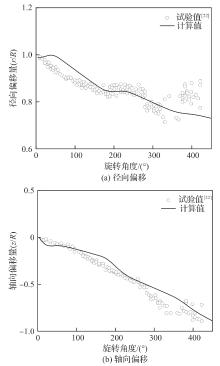
Fig.1
Comparison of wake vortex filament evolution offsets
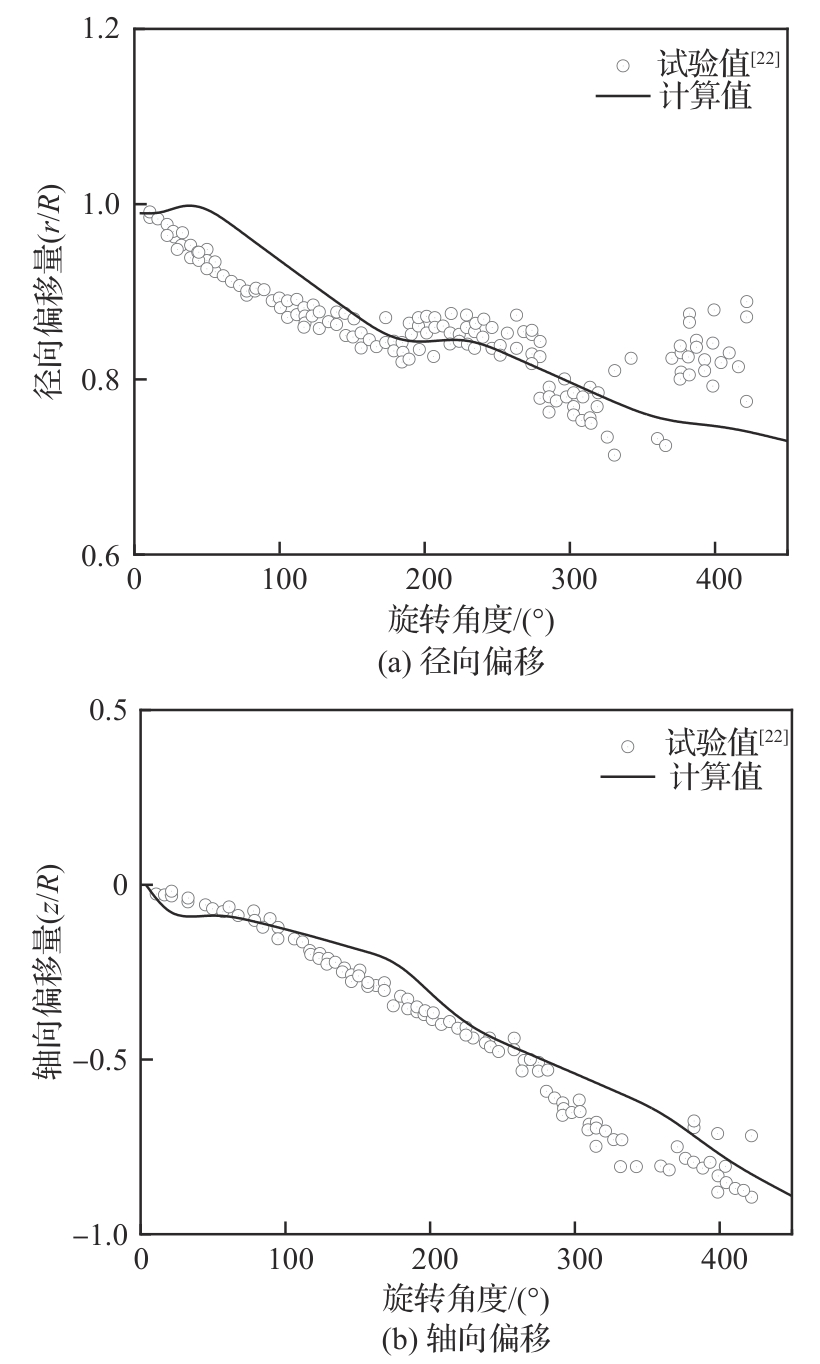
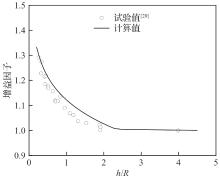
Fig.2
Comparison of in ground effect gain factors
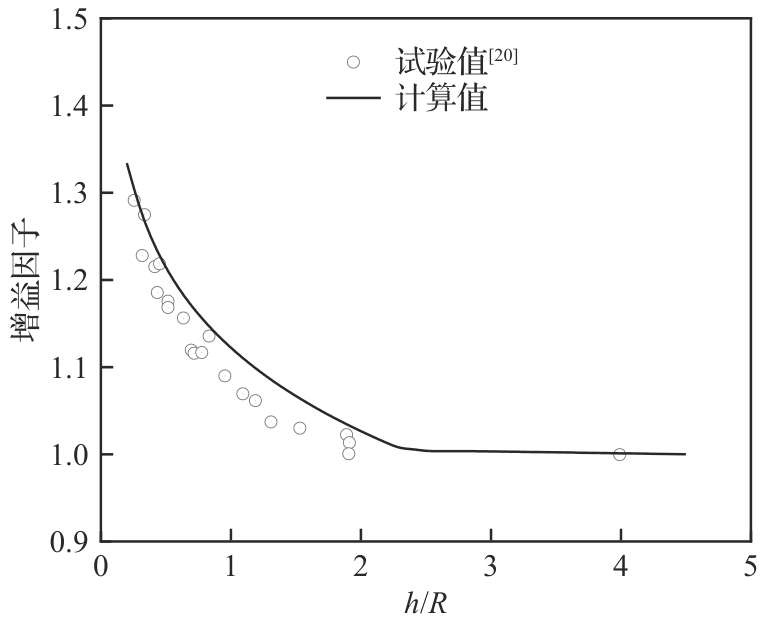
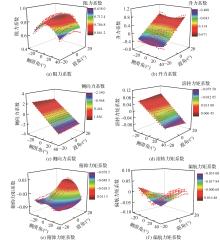
Fig.3
Two-dimensional fitting of helicopter fuselage and vertical tail
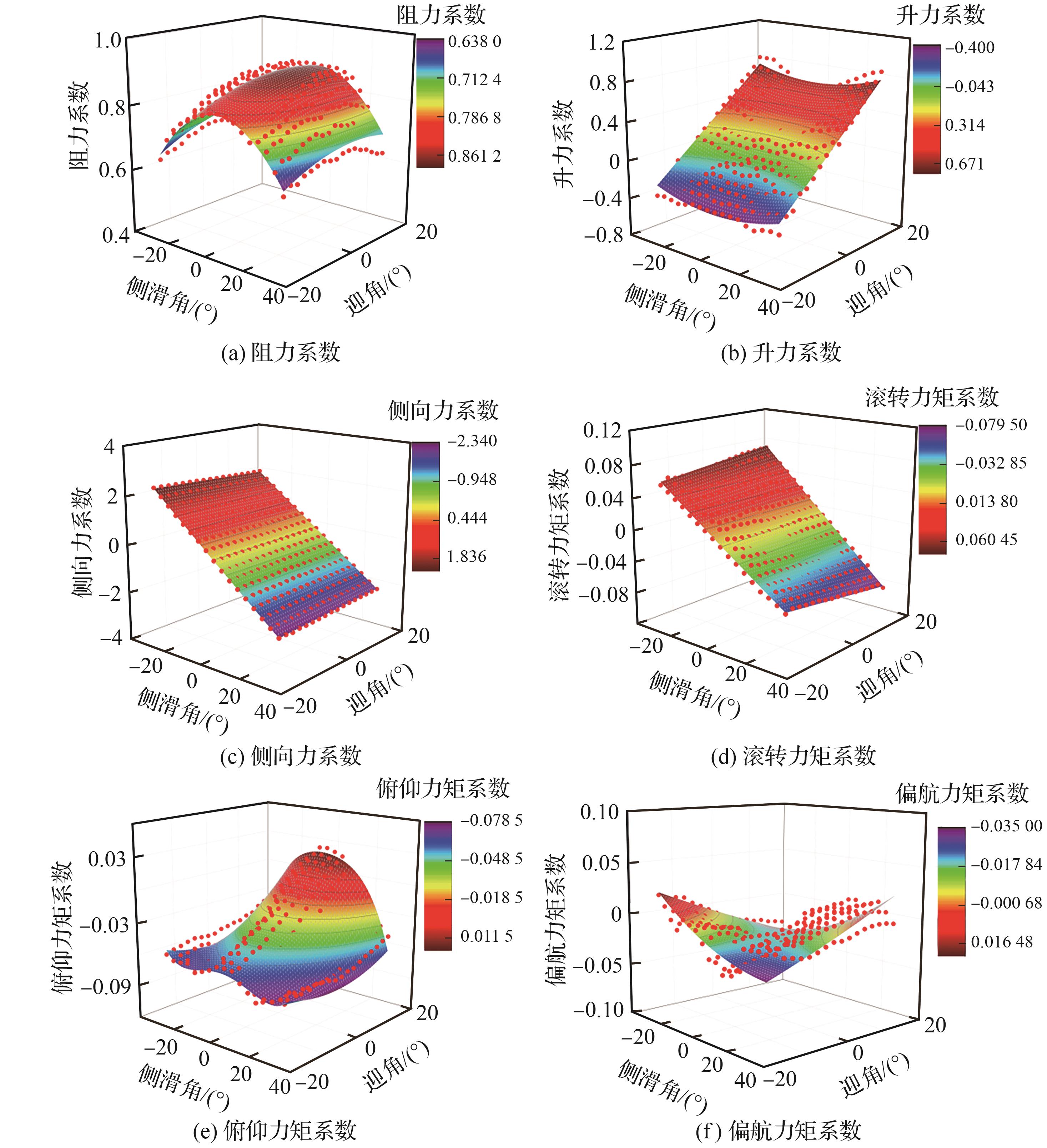
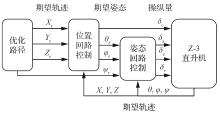
Fig.4
Control structure diagram of trajectory tracking system
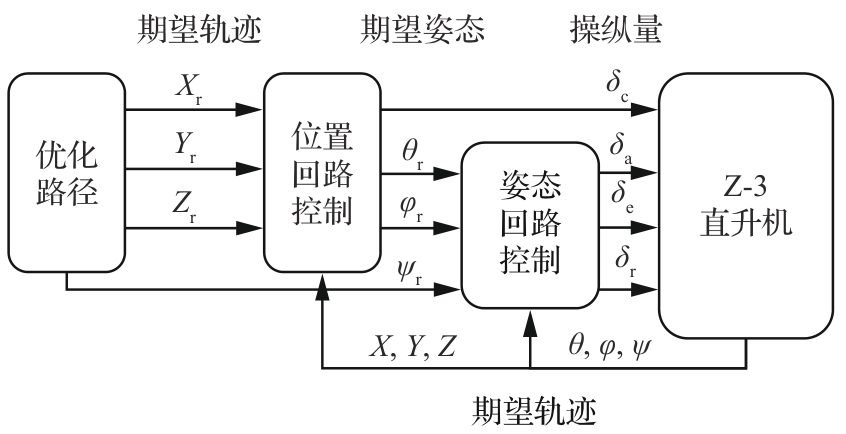
Fig.5
Structure diagram of active disturbance rejection controller
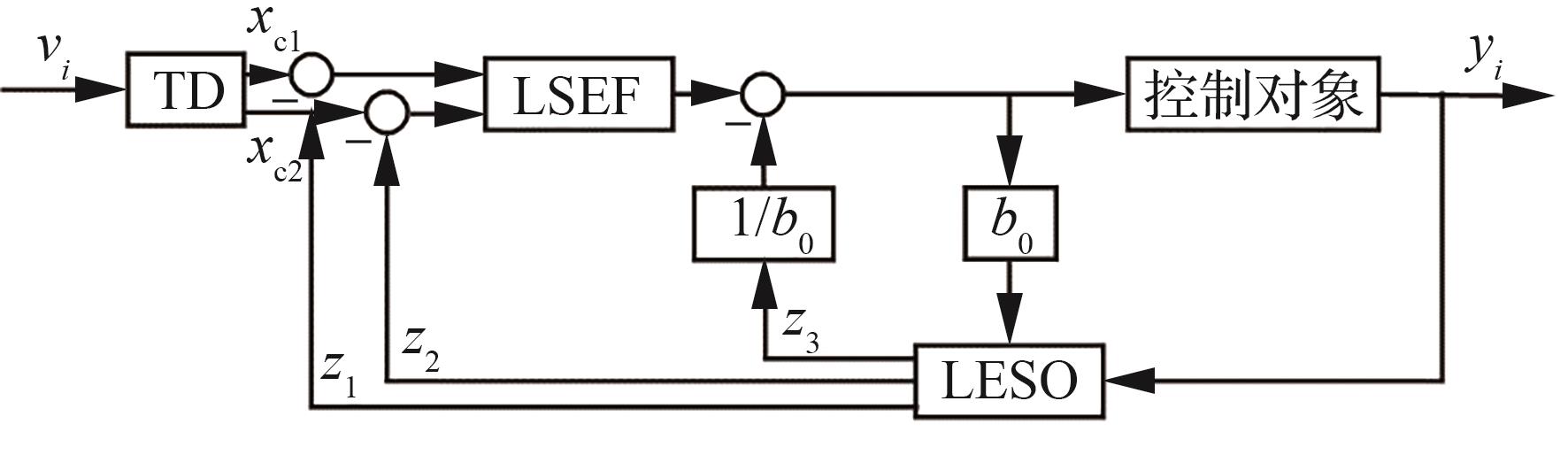
Fig.6
Projection of sand field space and driver’s field of view
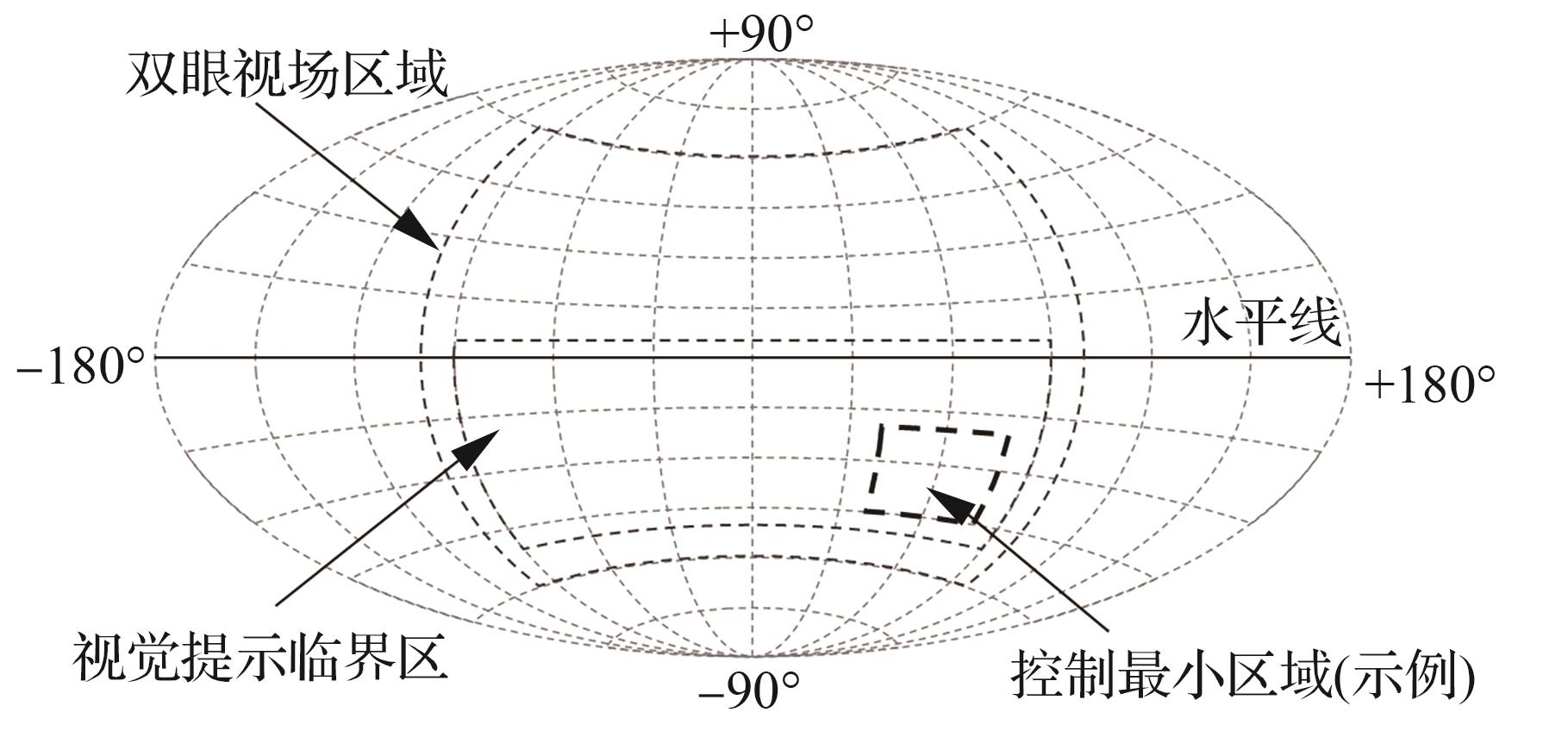
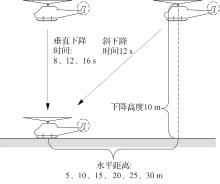
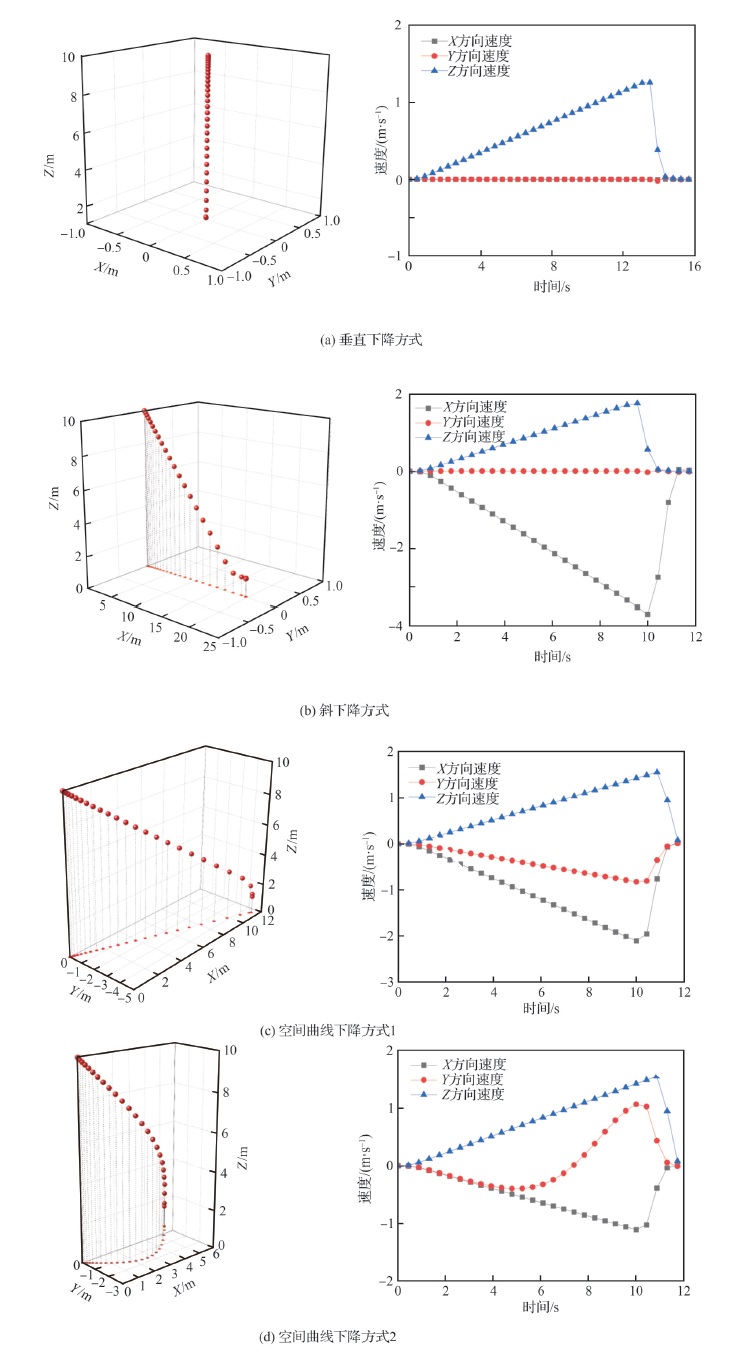
Fig.7
Schematic diagram of vertical and oblique descent methods
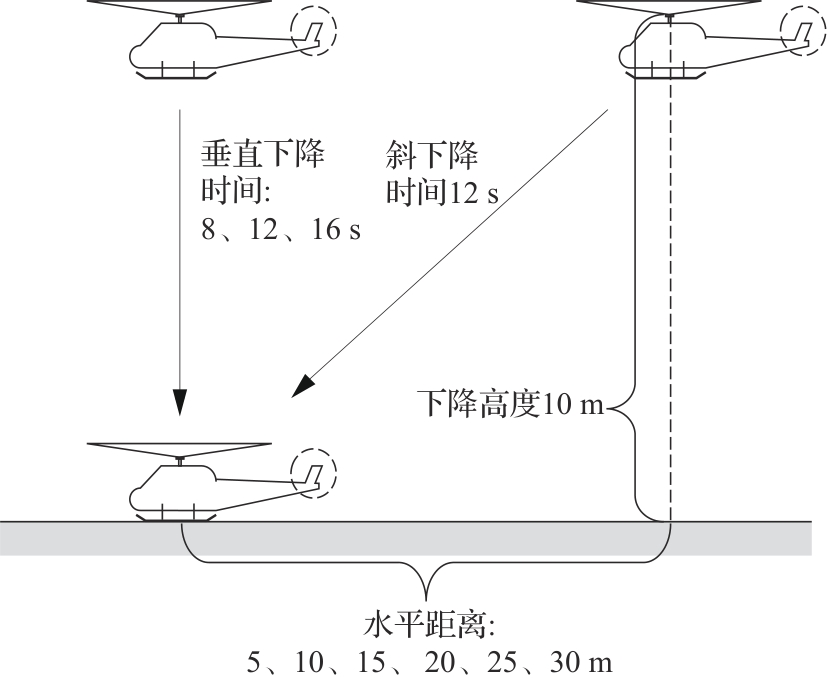
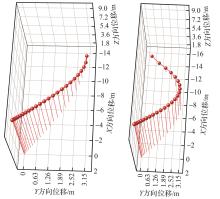
Fig.8
Schematic diagram of two kinds of spatial curve descent methods
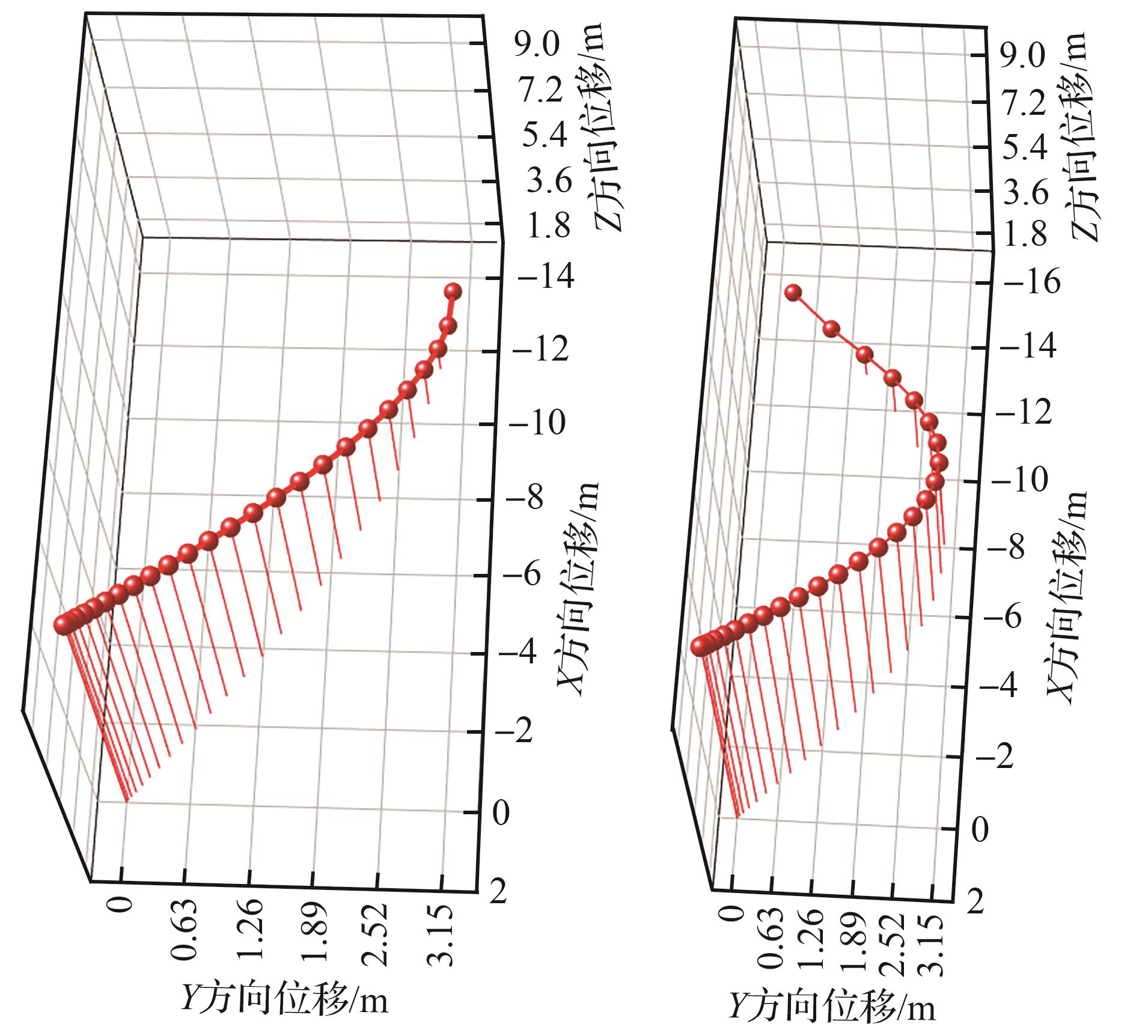
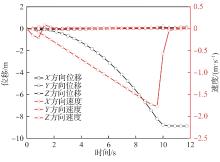
Fig.9
Tracking results of helicopter displacement and velocity
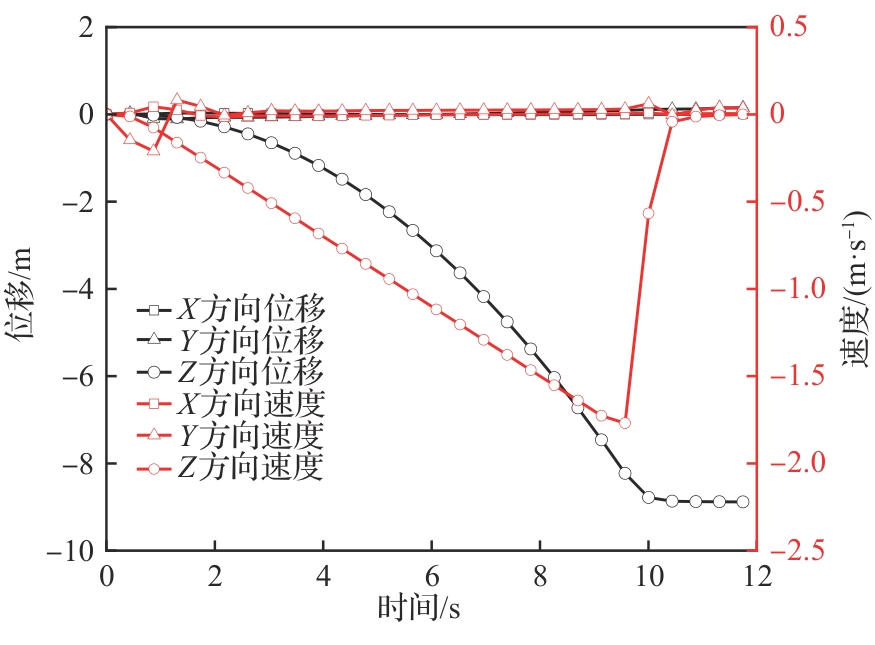
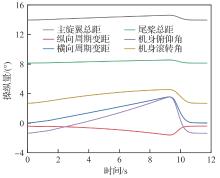
Fig.10
Tracking results of helicopter attitude and control quantity
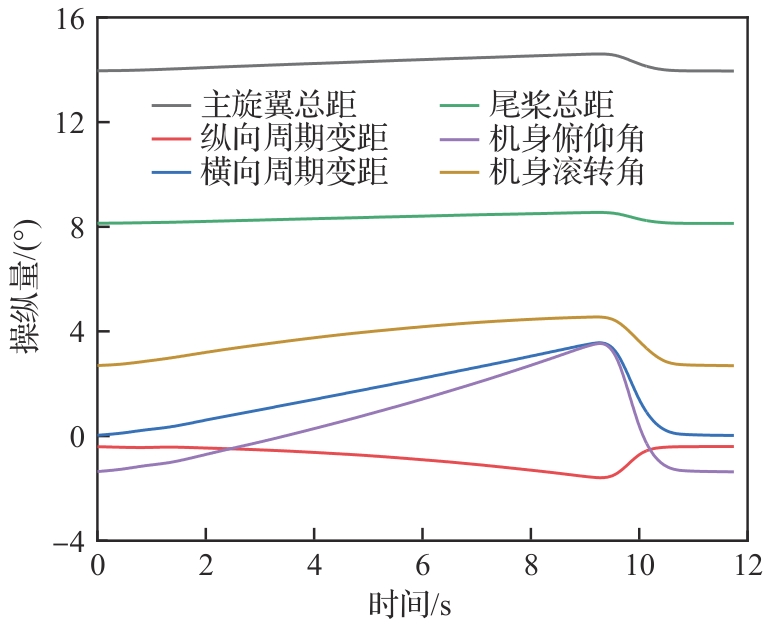
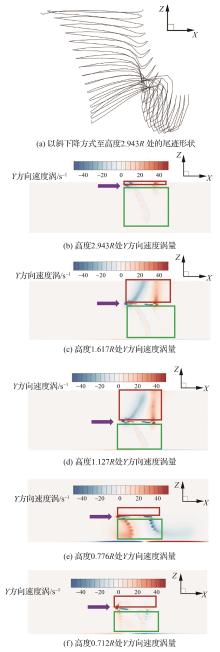
Fig.11
Flow field analysis of oblique descent method
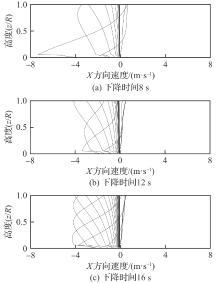
Fig.12
X direction velocity distribution below rotor at different descent times using vertical descent method
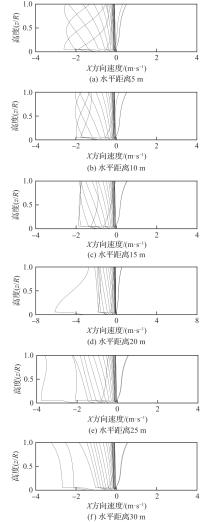
Fig.13
X direction velocity distribution below rotor at different horizontal distances using oblique descent method
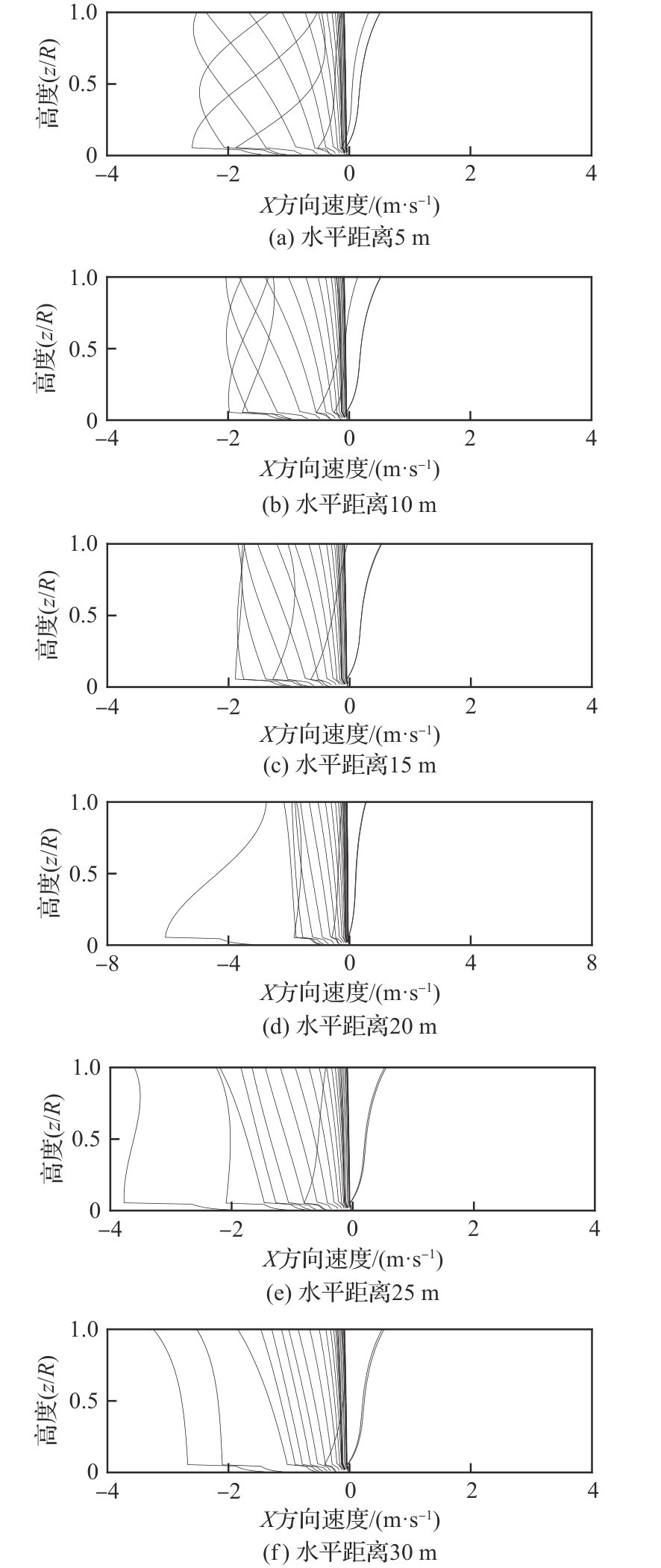
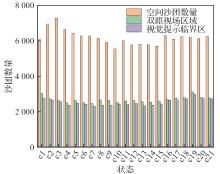
Fig.14
Comparison of number of spatial sand masses in different descending states
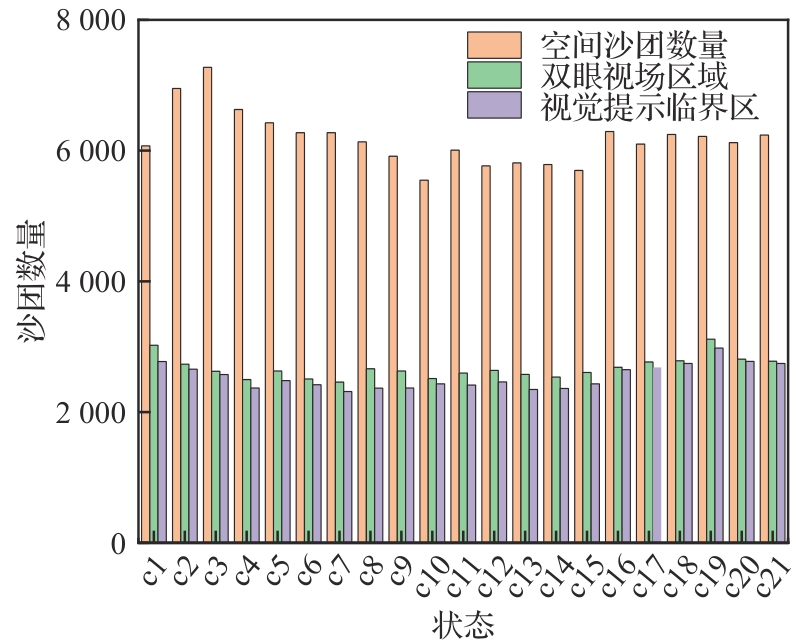
Table 2
Partition of sample space
| 下降方式 | 下降时间 范围/s | 前飞距离 范围/m | 最终/最大偏移 距离范围/m |
|---|---|---|---|
| 垂直下降方式 | [ | ||
| 斜下降方式 | 12 | [ | |
| 空间曲线下降方 | 12 | [ | [0,7] |
| 空间曲线下降方 | 12 | [ | [0,7] |
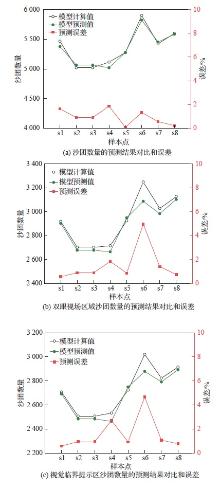
Fig.15
Forecast results and forecast error of number of sand mass
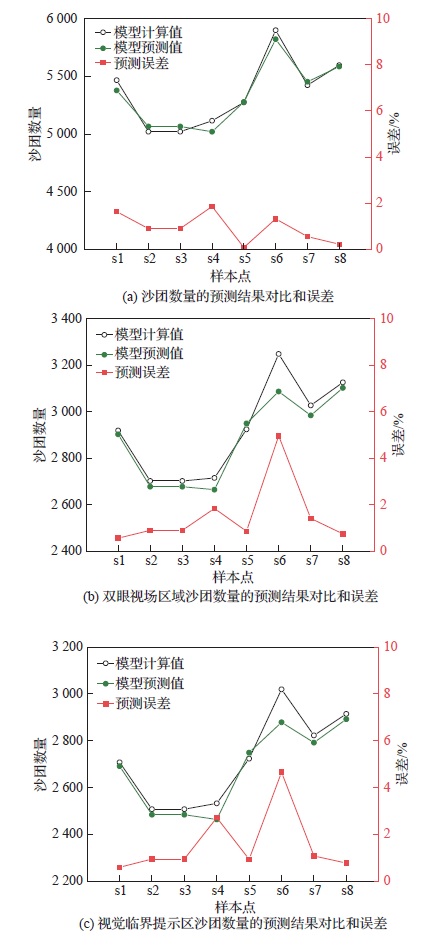
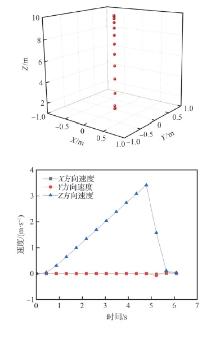
Fig.16
Descent trajectory and state quantity of descent process of benchmark descent method
Table 3
Optimization results of brownout suppression with different descent methods
| 下降方式 | 状态参数 | 视觉提示临界 区沙团数量 | 与基准值的 对比/% |
|---|---|---|---|
基准下降 方式 | 下降6.5 s | 2 844.81 | |
垂直下降 方式 | 下降15.95 s | 2 463.30 | -13.41 |
斜下降下降 方式 | 前进19.8 m | 2 346.52 | -17.52 |
空间曲线 下降方 | (11.62,4.57) m | 2 376.76 | -16.45 |
空间曲线 下降方 | (6.13,0.74) m | 2 747.06 | -3.44 |
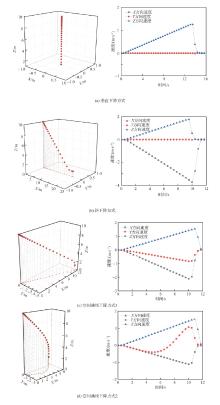
Fig.17
Descent trajectory and state quantity of descent process after optimization of different descent methods
| [1] | HARRIS F D, KASPER E F, ISELER L E. U.S. civil rotorcraft accidents, 1963 through 1997: NASA/TM-2000-209597[R]. Washington, D.C.: NASA, 2000. |
| [2] | 谭剑锋, 闫羽泽, 张卫国, 等. 沙盲环境直升机桨叶磨损分析方法[J]. 航空学报, 2025, 46(9): 431012. |
| TAN J F, YAN Y Z, ZHANG W G, et al. Analysis method of helicopter blade erosion in brownout condition[J]. Acta Aeronautica et Astronautica Sinica, 2025, 46(9): 431012 (in Chinese). | |
| [3] | 张卫国, 谭剑锋, 刘亚奎, 等. 直升机“沙盲” 现象研究进展[J]. 实验流体力学, 2023, 37(5): 56-75. |
| ZHANG W G, TAN J F, LIU Y K, et al. Advances on helicopter brownout[J]. Journal of Experiments in Fluid Mechanics, 2023, 37(5): 56-75 (in Chinese). | |
| [4] | PRESTON J R, FERGUSON S W. Rotorwash operational footprint modeling[C]∥Proceedings of 40th European Rotorcraft Forum. 2014. |
| [5] | WALDT F A. Wakes of lifting propellers (rotors) in ground effect: DTIC AD0643159[R]. Washington, D. C.: Cornell Aeronautical Laboratory, 1966. |
| [6] | 辛冀, 李攀, 陈仁良. 地面效应中悬停旋翼的自由尾迹计算[J]. 航空学报, 2012, 33(12): 2161-2170. |
| XIN J, LI P, CHEN R L. Free-wake analysis of hovering rotor in ground effect[J]. Acta Aeronautica et Astronautica Sinica, 2012, 33(12): 2161-2170 (in Chinese). | |
| [7] | RAMASAMY M, POTSDAM M, YAMAUCHI G K. Measurements to understand the flow mechanisms contributing to tandem-rotor outwash[C]∥ 71st Annual Forum of the American Helicopter Society. Alexandria: American Helicopter Society, 2015. |
| [8] | 卢丛玲. 基于CFD方法的共轴刚性旋翼地面效应气动特性研究[D]. 南京:南京航空航天大学, 2020. |
| LU C L. Research on aerodynamic characteristics of ground effect of coaxial rigid rotor based on CFD method[D]. Nanjing: Nanjing University of Aeronautics and Astronautics, 2020 (in Chinese). | |
| [9] | 蒋霜. 地面效应下倾转旋翼机气动干扰的CFD分析[D]. 南京: 南京航空航天大学, 2018. |
| JIANG S. CFD analyses on the aerodynamic interaction flowfield of tiltrotor aircraft in ground effect[D]. Nanjing: Nanjing University of Aeronautics and Astronautics, 2018 (in Chinese). | |
| [10] | 马砾, 招启军, 赵蒙蒙, 等. 基于CFD/CSD耦合方法的旋翼气动弹性载荷计算分析[J]. 航空学报, 2017, 38(6): 120762. |
| MA L, ZHAO Q J, ZHAO M M, et al. Computation analyses of aeroelastic loads of rotor based on CFD/CSD coupling method[J]. Acta Aeronautica et Astronautica Sinica, 2017, 38(6): 120762 (in Chinese). | |
| [11] | SHEN S Y, XU J F. Adaptive neural network-based active disturbance rejection flight control of an unmanned helicopter[J]. Aerospace Science and Technology, 2021, 119: 107062. |
| [12] | WU K J, ZHANG P X, WU H. A new control design for a morphing UAV based on disturbance observer and command filtered backstepping techniques[J]. Science China Technological Sciences, 2019, 62(10): 1845-1853. |
| [13] | XIAN B, GUO J C, ZHANG Y, et al. Sliding mode tracking control for miniature unmanned helicopters[J]. Chinese Journal of Aeronautics, 2015, 28(1): 277-284. |
| [14] | 丁慎平, 吴卫荣, 于霜, 等. 一种小型无人直升机轨迹跟踪控制方法[J]. 计算机仿真, 2016, 33(11): 28-32. |
| DING S P, WU W R, YU S, et al. A trajectory tracking control of small-scale unmanned helicopters[J]. Computer Simulation, 2016, 33(11): 28-32 (in Chinese). | |
| [15] | TANG S, YANG Q H, QIAN S K, et al. Height and attitude active disturbance rejection controller design of a small-scale helicopter[J]. Science China Information Sciences, 2015, 58(3): 032202. |
| [16] | DING L, MA R, WU H T, et al. Yaw control of an unmanned aerial vehicle helicopter using linear active disturbance rejection control[J]. Proceedings of the Institution of Mechanical Engineers, Part Ⅰ: Journal of Systems and Control Engineering, 2017, 231(6): 427-435. |
| [17] | HUANG D, ALLEN T T, NOTZ W I, et al. Global optimization of stochastic black-box systems via sequential Kriging meta-models[J]. Journal of Global Optimization, 2006, 34(3): 441-466. |
| [18] | RANJAN P, BINGHAM D, MICHAILIDIS G. Sequential experiment design for contour estimation from complex computer codes[J]. Technometrics, 2008, 50(4): 527-541. |
| [19] | SIMPSON T W, MAUERY T M, KORTE J J, et al. Comparison of response surface and Kriging models for multidisciplinary design optimization: AIAA-1998-4755[R]. Reston: AIAA, 1998. |
| [20] | 周明, 孙树栋. 遗传算法原理及应用[M]. 北京:国防工业出版社, 2002. |
| ZHOU M, SUN S D. Genetic algorithms: Theory and applications[M]. Beijing: National Defense Industry Press, 2002 (in Chinese). | |
| [21] | GONG J, DING J M, WANG L Z. Propeller-duct interaction on the wake dynamics of a ducted propeller[J]. Physics of Fluids, 2021, 33(7): 074102. |
| [22] | LIGHT J S. Tip vortex geometry of a hovering helicopter rotor in ground effect[J]. Journal of the American Helicopter Society, 1993, 38(2): 34-42. |
| [1] | Jianfeng TAN, Yuze YAN, Weiguo ZHANG, Yakui LIU, Tianshuang SHAO. Analysis method of helicopter blade erosion in brownout condition [J]. Acta Aeronautica et Astronautica Sinica, 2025, 46(9): 431012-431012. |
| [2] | Rongzu LI, Li LIU, Dun YANG. Optimal design of hydrogen-powered UAV based on multi-source domain fusion surrogate model [J]. Acta Aeronautica et Astronautica Sinica, 2025, 46(9): 630979-630979. |
| [3] | Yunwen FENG, Da TENG, Cheng LU, Rui WANG, Junyu CHEN. Integrated mechanism and generative adversarial surrogate modeling for aircraft systems reliability evaluation [J]. Acta Aeronautica et Astronautica Sinica, 2025, 46(7): 230948-230948. |
| [4] | Xilun DING, Yitong CHEN, Chengcai WANG, Kun XU. Research status and prospect of space robot operation technology [J]. Acta Aeronautica et Astronautica Sinica, 2025, 46(6): 531556-531556. |
| [5] | Dongping JIN, Dingfeng DING, Lin WU, Hao WEN, Xiaotong ZHANG, Jialiang SUN. Key technologies and prospects for separation dynamics of stacked satellite systems [J]. Acta Aeronautica et Astronautica Sinica, 2025, 46(5): 531342-531342. |
| [6] | Kaishang LI, Haoqi FAN, Runzi WANG, Xiancheng ZHANG, Shantung TU. Life design method of high-temperature equipment based on dual-scale damage theory [J]. Acta Aeronautica et Astronautica Sinica, 2025, 46(5): 531706-531706. |
| [7] | Yunwen FENG, Yuhang CUI, Qian HE, Xiaofeng XUE, Jun LU. Reliability evaluation of full-scale structural test based on ISMA-Stacking ensemble modeling and Bayesian fusion [J]. Acta Aeronautica et Astronautica Sinica, 2025, 46(21): 532365-532365. |
| [8] | Lulu JIANG, Xin PAN, Wei JIANG, Rui FENG, Gang CHEN. Optimization shape design of capsule-supersonic parachute system based on fusion surrogate strategy [J]. Acta Aeronautica et Astronautica Sinica, 2025, 46(1): 630471-630471. |
| [9] | Haitao WANG, Jiangli LEI, Wei RONG. Rigid-flexible coupling dynamic modeling for parachute cluster deceleration system [J]. Acta Aeronautica et Astronautica Sinica, 2025, 46(1): 630750-630750. |
| [10] | Hao HE, Peng WANG. Integrated guidance and control method for high-speed morphing wing aircraft [J]. Acta Aeronautica et Astronautica Sinica, 2024, 45(S1): 730692-730692. |
| [11] | Dapeng ZHOU, Xiaolei QU. Knowledge-based intelligent pigeon-inspired optimization of carrier-based aircraft landing control [J]. Acta Aeronautica et Astronautica Sinica, 2024, 45(S1): 730801-730801. |
| [12] | Bo LI, Xiao WANG. Dynamic modeling and modal analysis of coaxial rotors/auxiliary propeller/drive train coupled system [J]. Acta Aeronautica et Astronautica Sinica, 2024, 45(9): 528945-528945. |
| [13] | Zhuangzhuang CUI, Xin YUAN, Guoqing ZHAO, Simeng JING, Qijun ZHAO. Influence of control strategy on forward flight performance of coaxial rigid rotor high⁃speed helicopters [J]. Acta Aeronautica et Astronautica Sinica, 2024, 45(9): 529256-529256. |
| [14] | Jiaqi LIU, Rongqian CHEN, Jinhua LOU, Xu HAN, Hao WU, Yancheng YOU. Aerodynamic shape optimization of high-speed helicopter rotor airfoil based on deep learning [J]. Acta Aeronautica et Astronautica Sinica, 2024, 45(9): 529828-529828. |
| [15] | Shengxiang TONG, Zhiwei SHI, Xi GENG, Lishuang WANG, Zhikun SUN, Qichang CHEN. Combinable samara aircraft and controlled separation technique [J]. Acta Aeronautica et Astronautica Sinica, 2024, 45(6): 629590-629590. |
| Viewed | ||||||
|
Full text |
|
|||||
|
Abstract |
|
|||||
Address: No.238, Baiyan Buiding, Beisihuan Zhonglu Road, Haidian District, Beijing, China
Postal code : 100083
E-mail:hkxb@buaa.edu.cn
Total visits: 6658907 Today visits: 1341All copyright © editorial office of Chinese Journal of Aeronautics
All copyright © editorial office of Chinese Journal of Aeronautics
Total visits: 6658907 Today visits: 1341

 CJA
CJA
