Acta Aeronautica et Astronautica Sinica ›› 2025, Vol. 46 ›› Issue (21): 532447.doi: 10.7527/S1000-6893.2025.32447
• Special Issue: 60th Anniversary of Aircraft Strength Research Institute of China • Previous Articles
Yanjie LIU, Mingqiang LI, Xuan GUO, Yanfei SU, Bintuan WANG( ), Yingju XUE
Received:2025-06-18
Revised:2025-08-21
Accepted:2025-09-11
Online:2025-09-25
Published:2025-09-24
Contact:
Bintuan WANG
E-mail:wangbt001@avic.com
Supported by:CLC Number:
Yanjie LIU, Mingqiang LI, Xuan GUO, Yanfei SU, Bintuan WANG, Yingju XUE. Optimization design of high-load-bearing opening structures in special configuration aircraft[J]. Acta Aeronautica et Astronautica Sinica, 2025, 46(21): 532447.
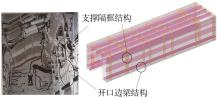
Fig.1
Schematic of typical fuselage opening structure (left) and principle model (right)
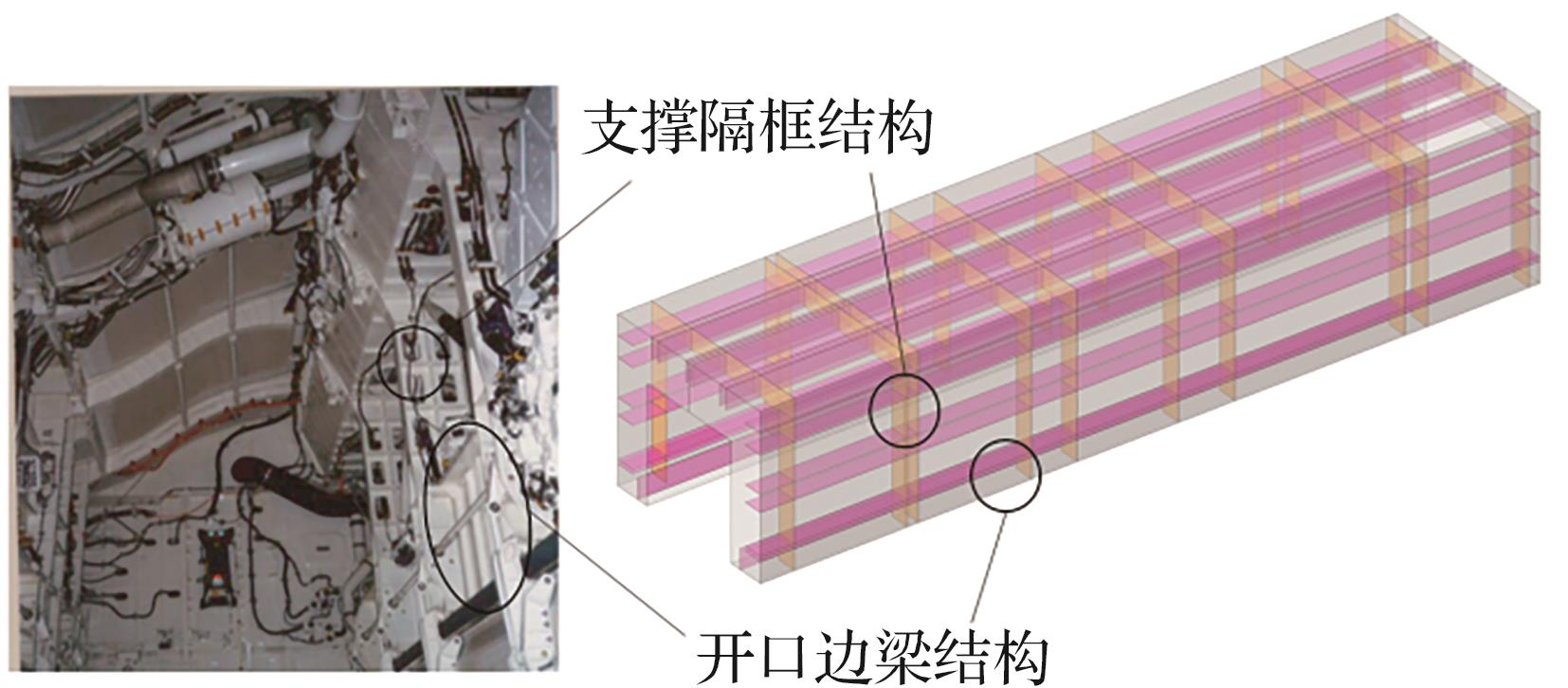
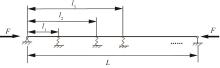
Fig.2
Schematic of long span multi-support opening edge beam under compression
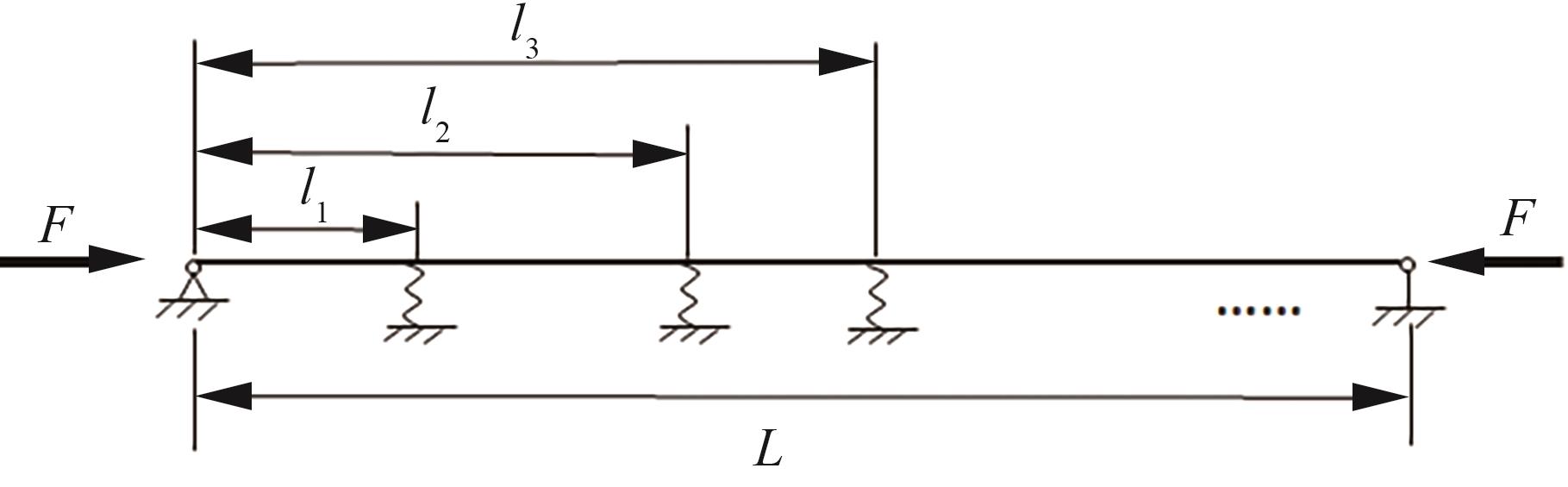
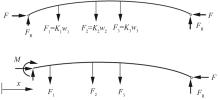
Fig.3
Force static analysis of long span multi-support opening edge beam
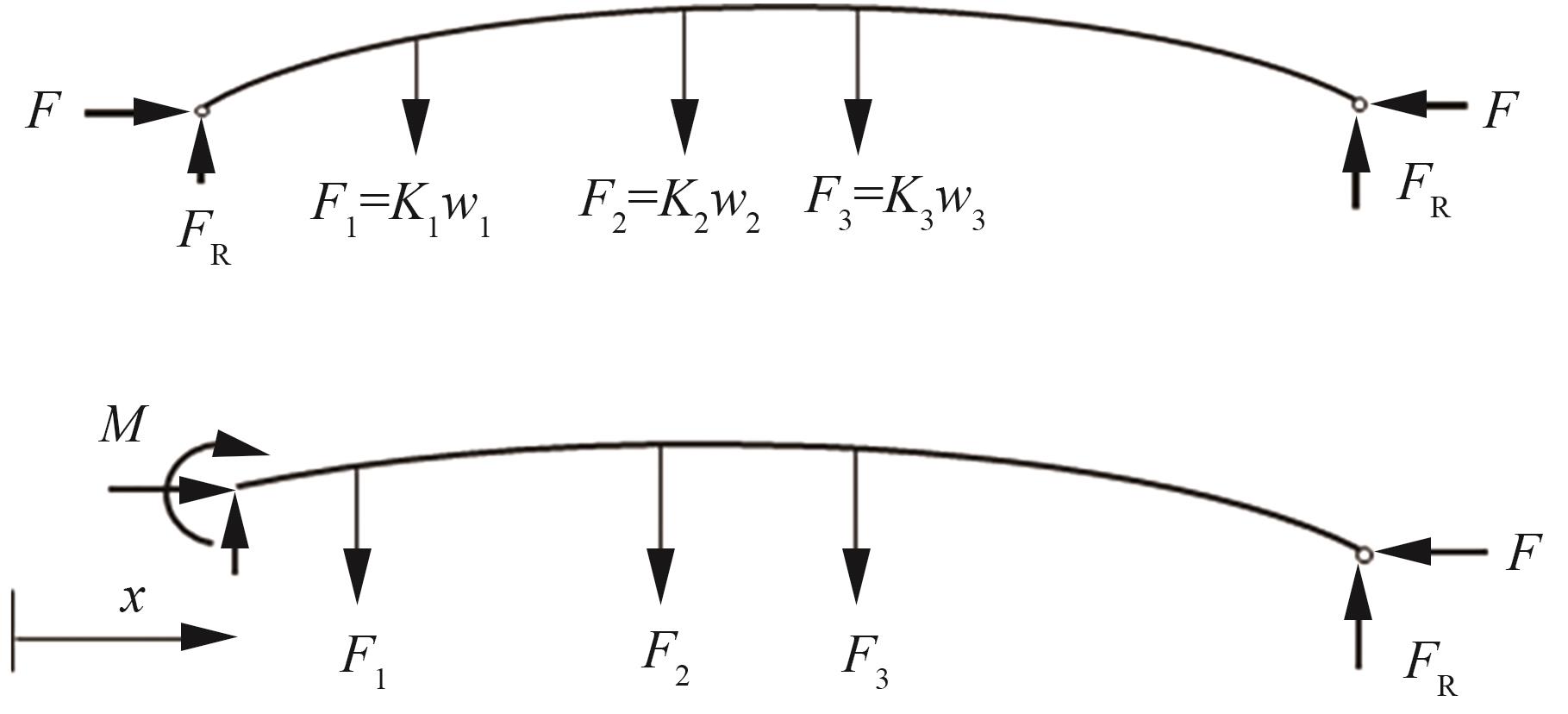
Fig.4
Equivalent spring stiffness calculation demonstration for support frame
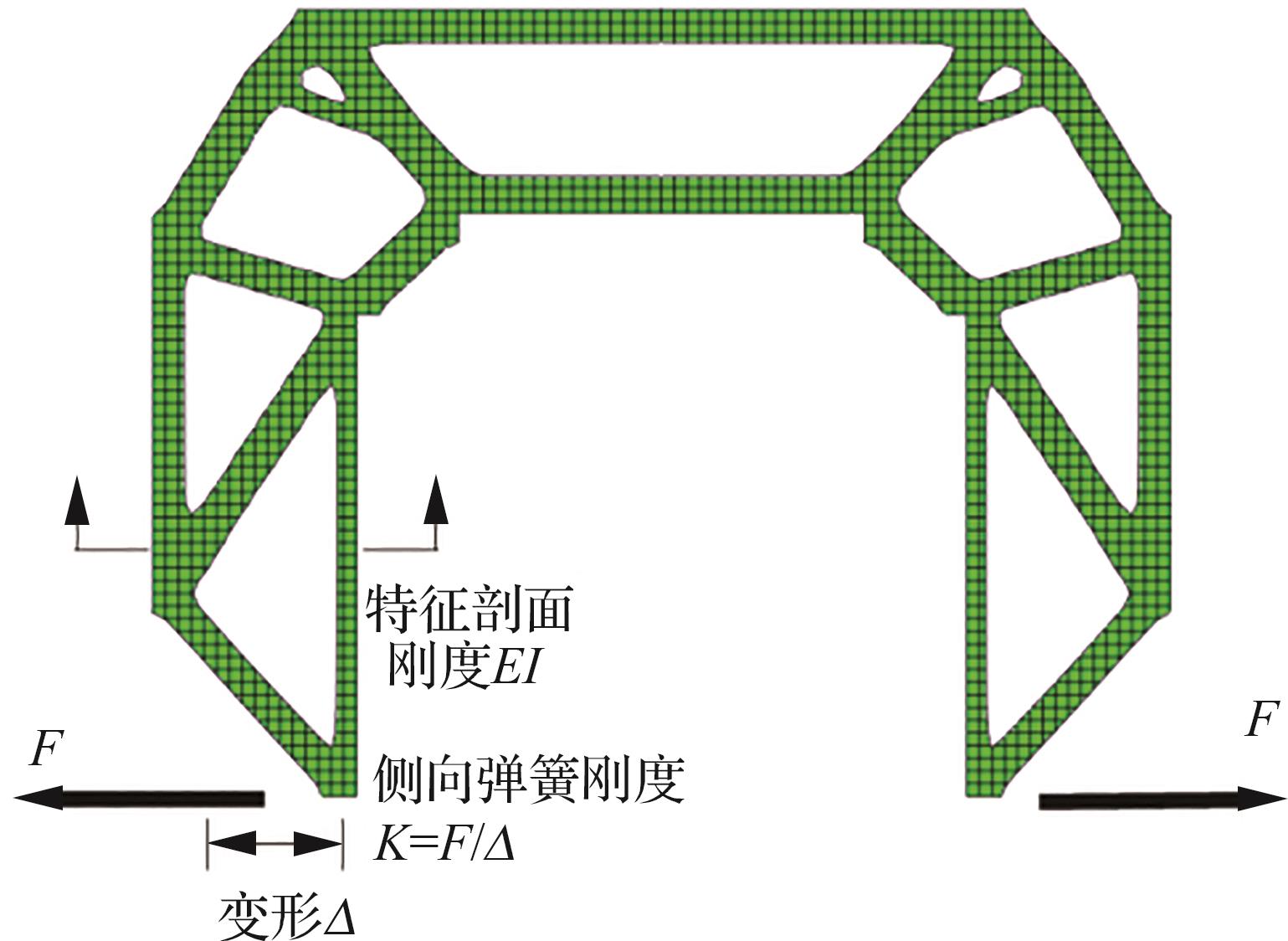
Fig.5
EI框/EI梁-k2L2 curve of opening edge beam and support frame
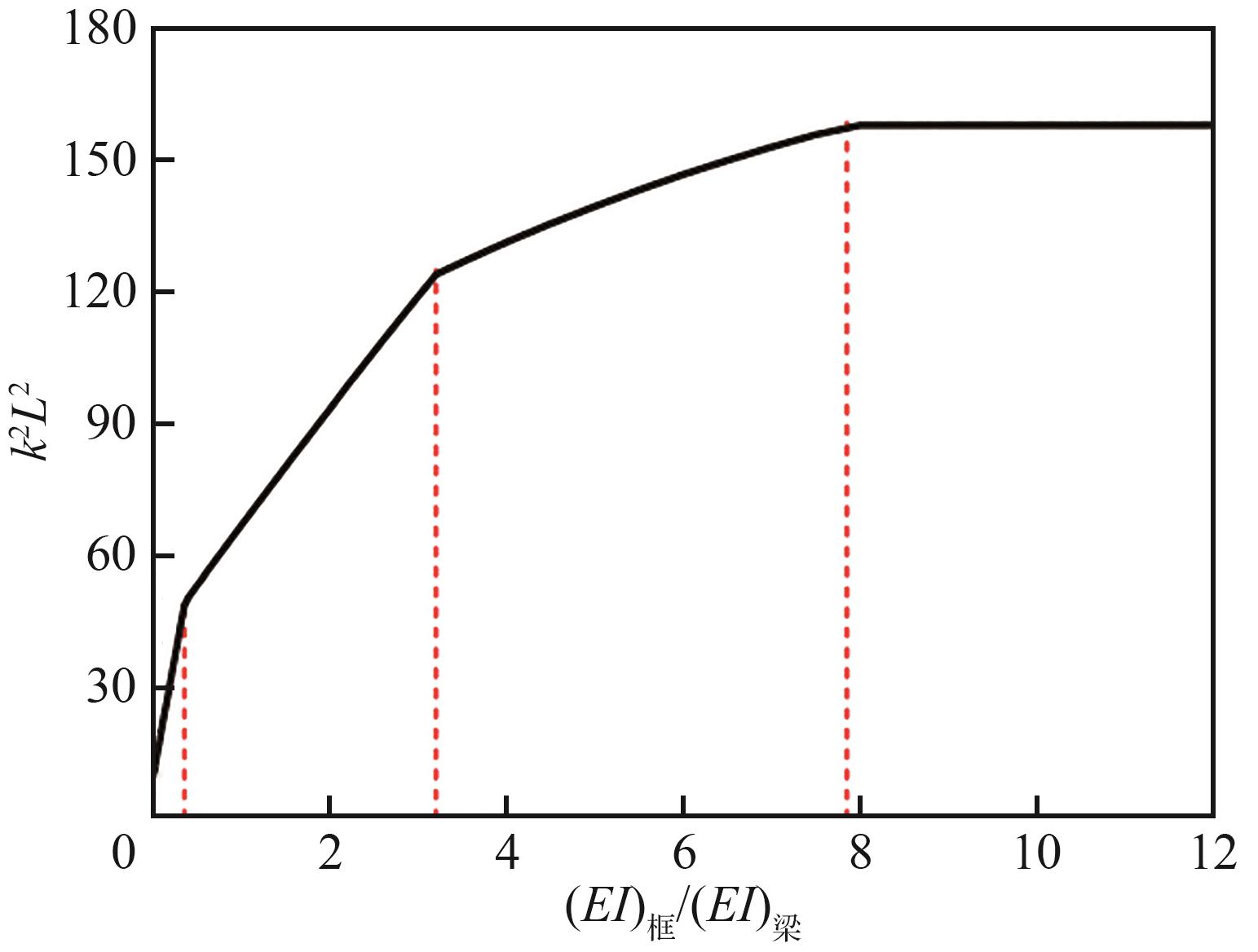
Fig.6
K框L3/EI梁-k2L2 curve of opening edge beam and support frame
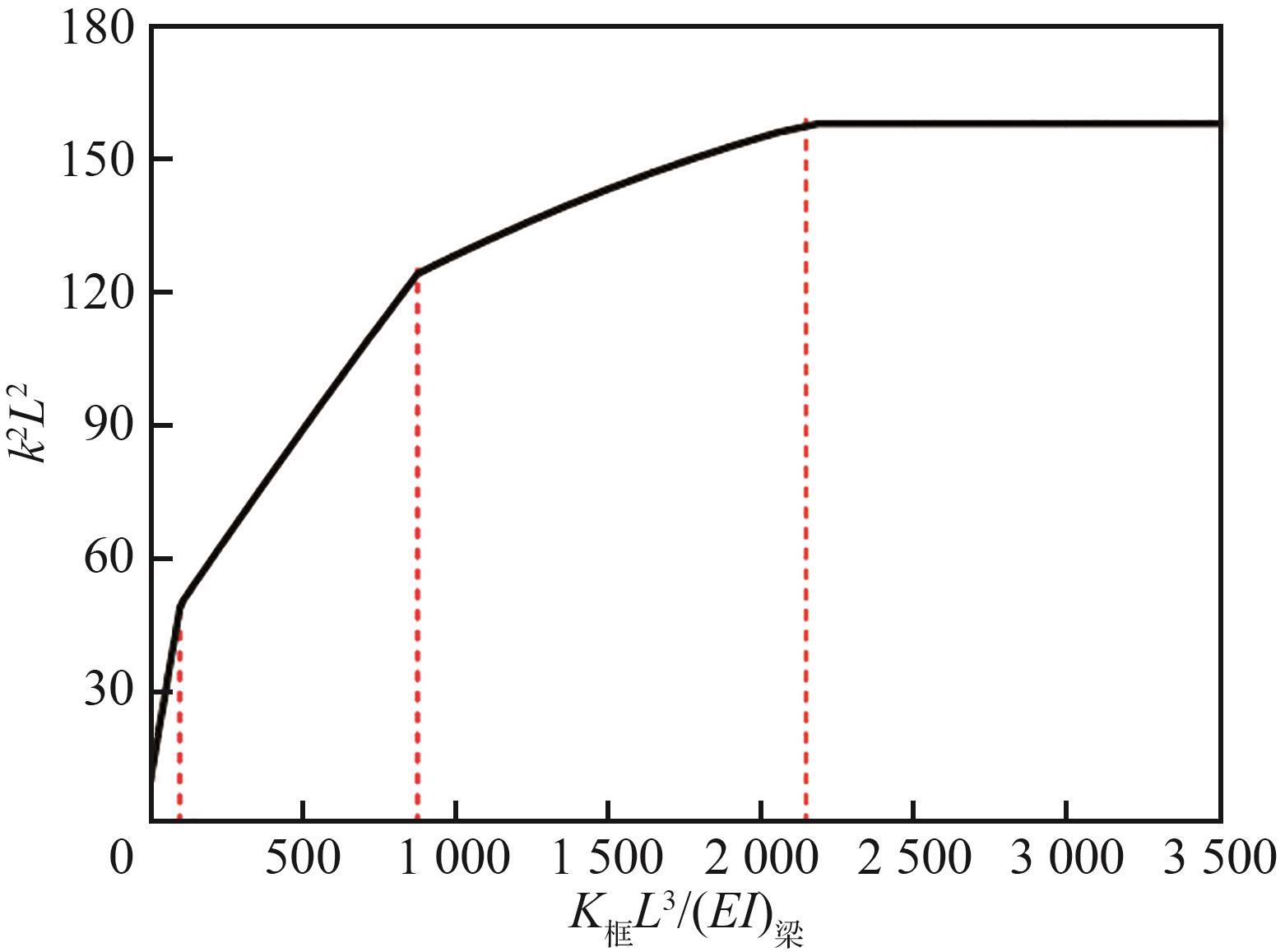
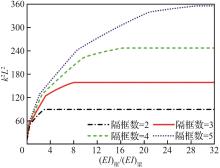
Fig.7
EI框/EI梁-k2L2 curves of opening edge beam and frame for different numbers of frame
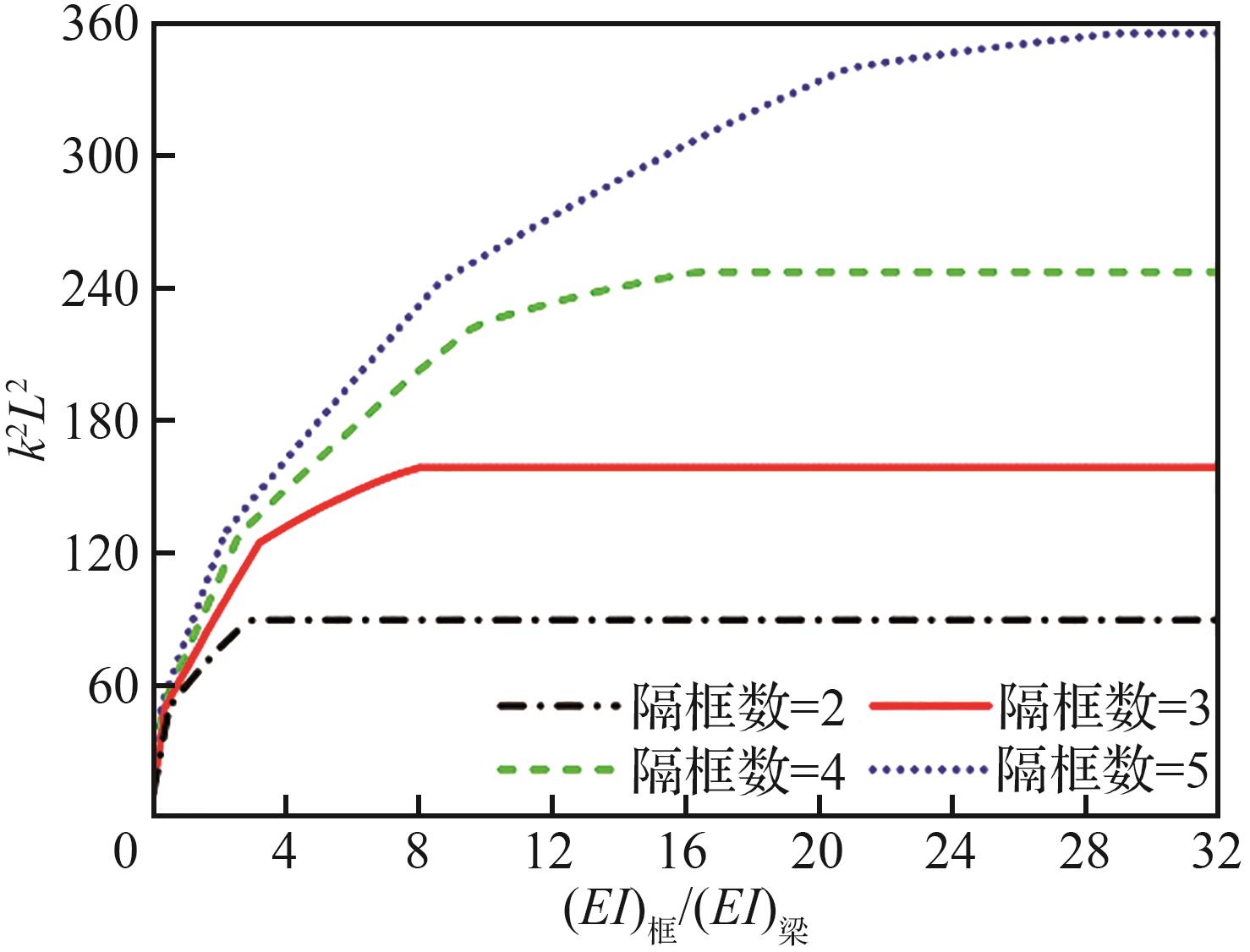
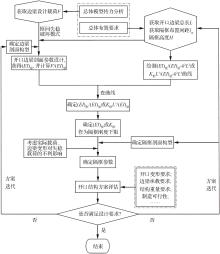
Fig.8
Flowchart of stiffness matching optimization design for edge beam and frame of opening structure
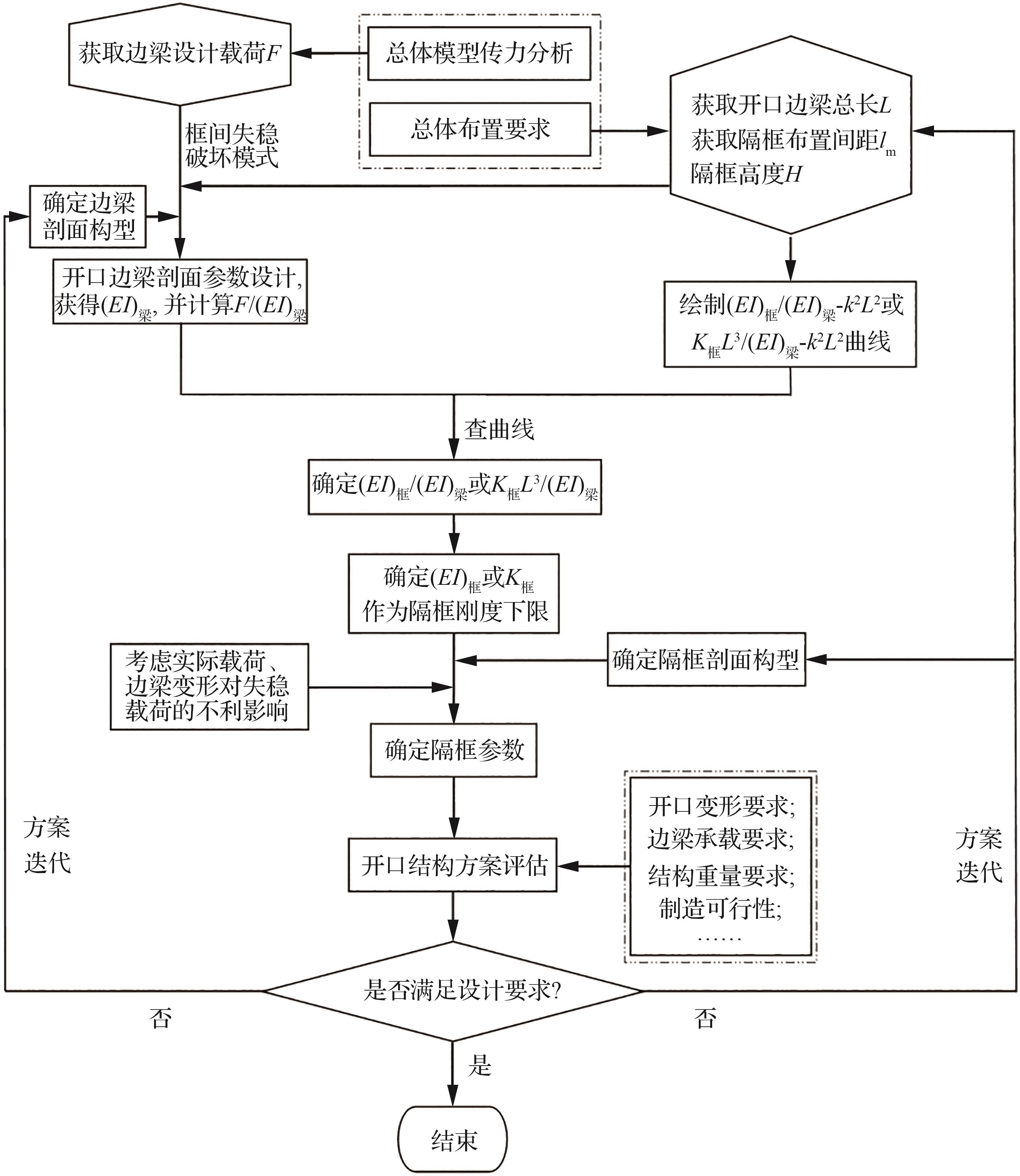
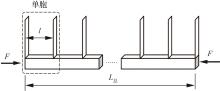
Fig.9
Demonstration of opening edge beam and frame structure
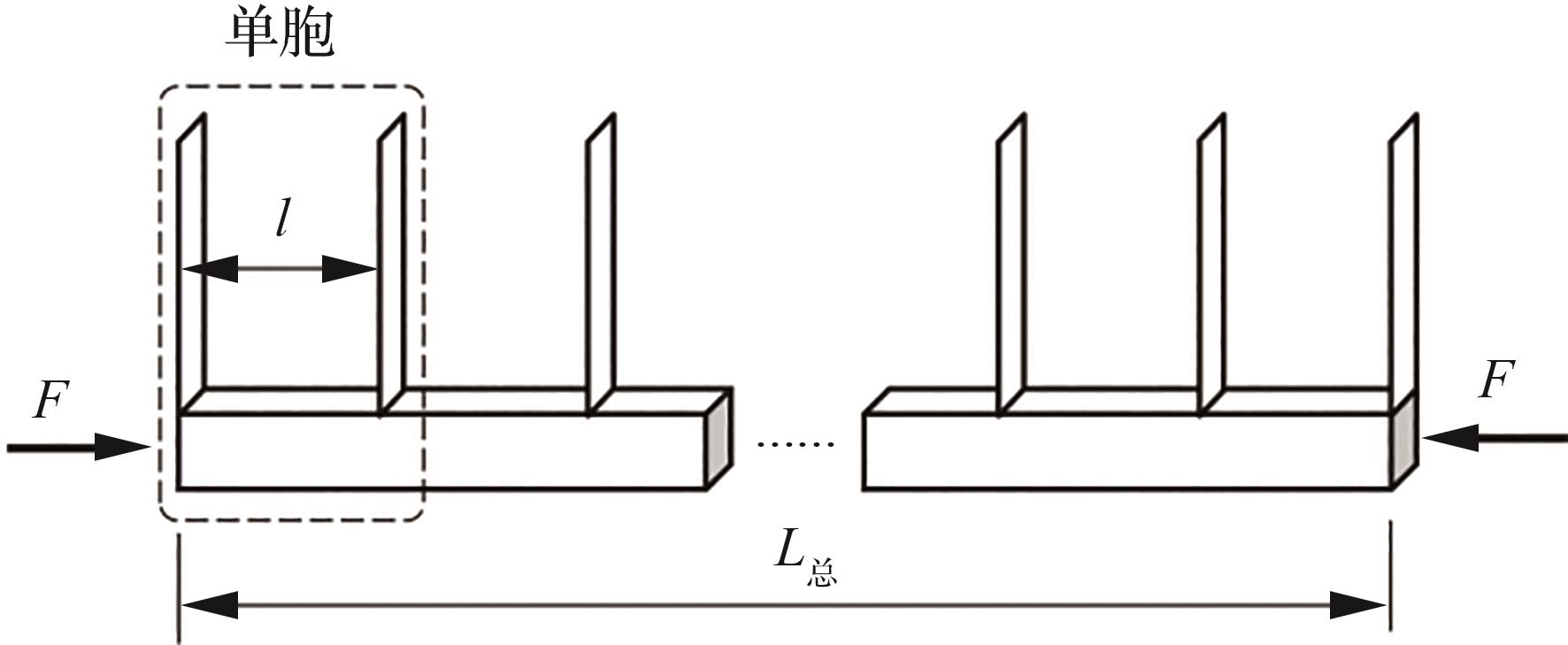
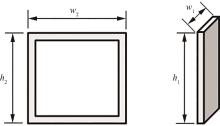
Fig.10
Sections of edge beam and frame structure
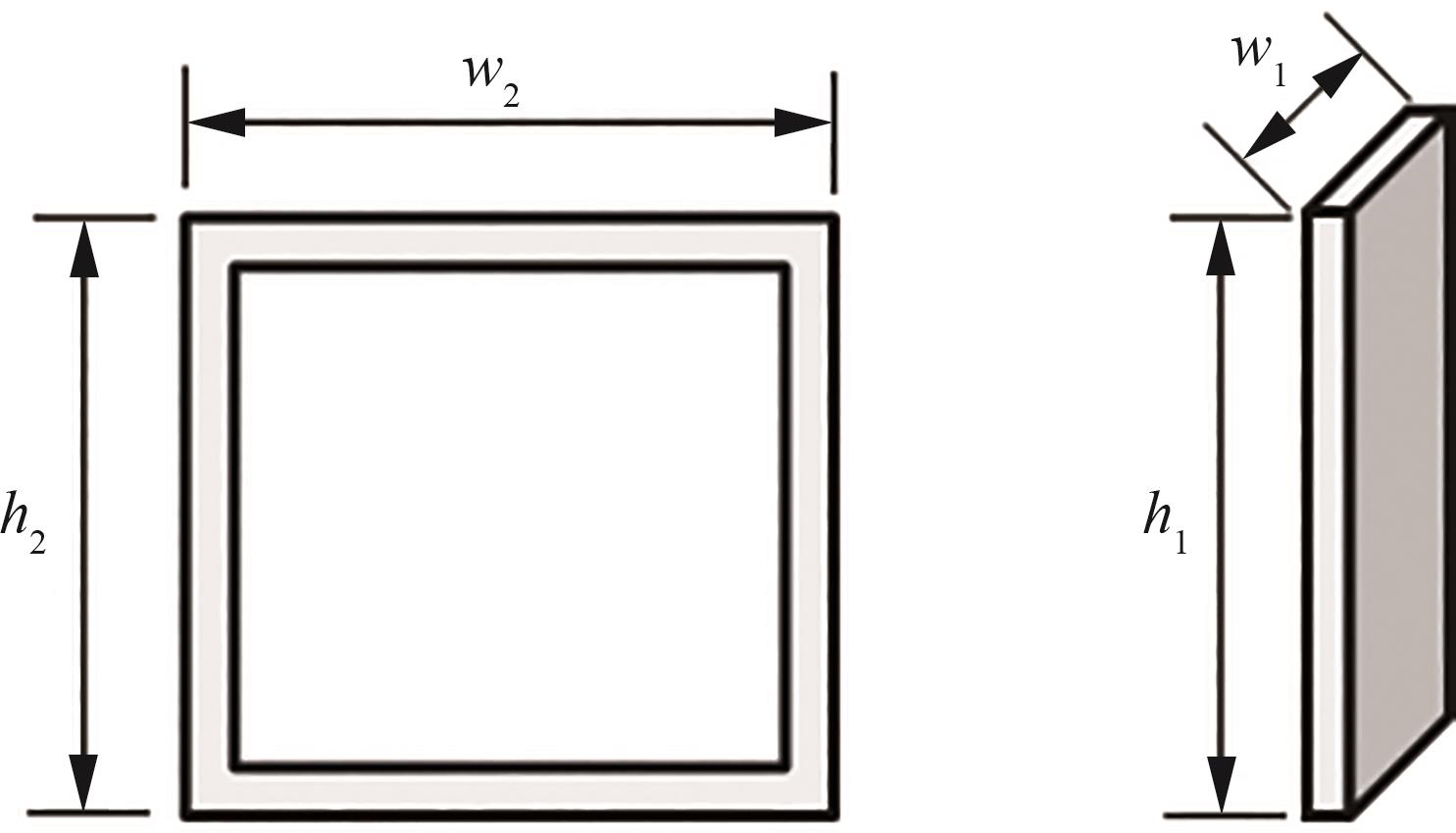
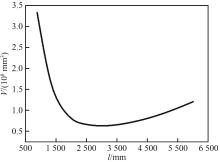
Fig.11
Relation between frame interval and edge beamframe structure’s total volume
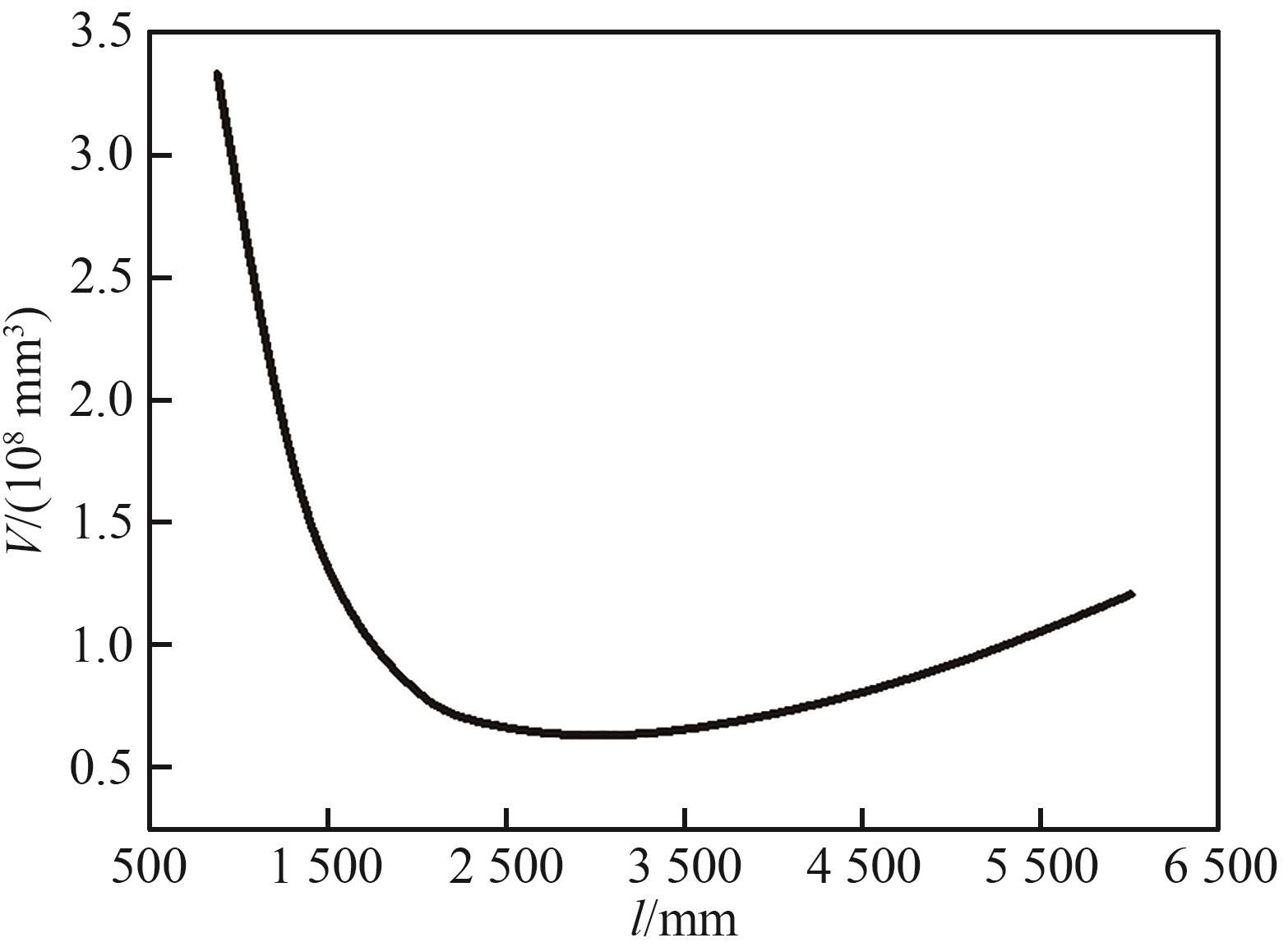
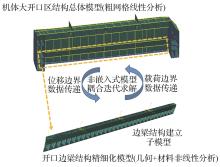
Fig.12
Demonstration of Nastran-Abaqus based coupling failure analysis of opening structure sub-model
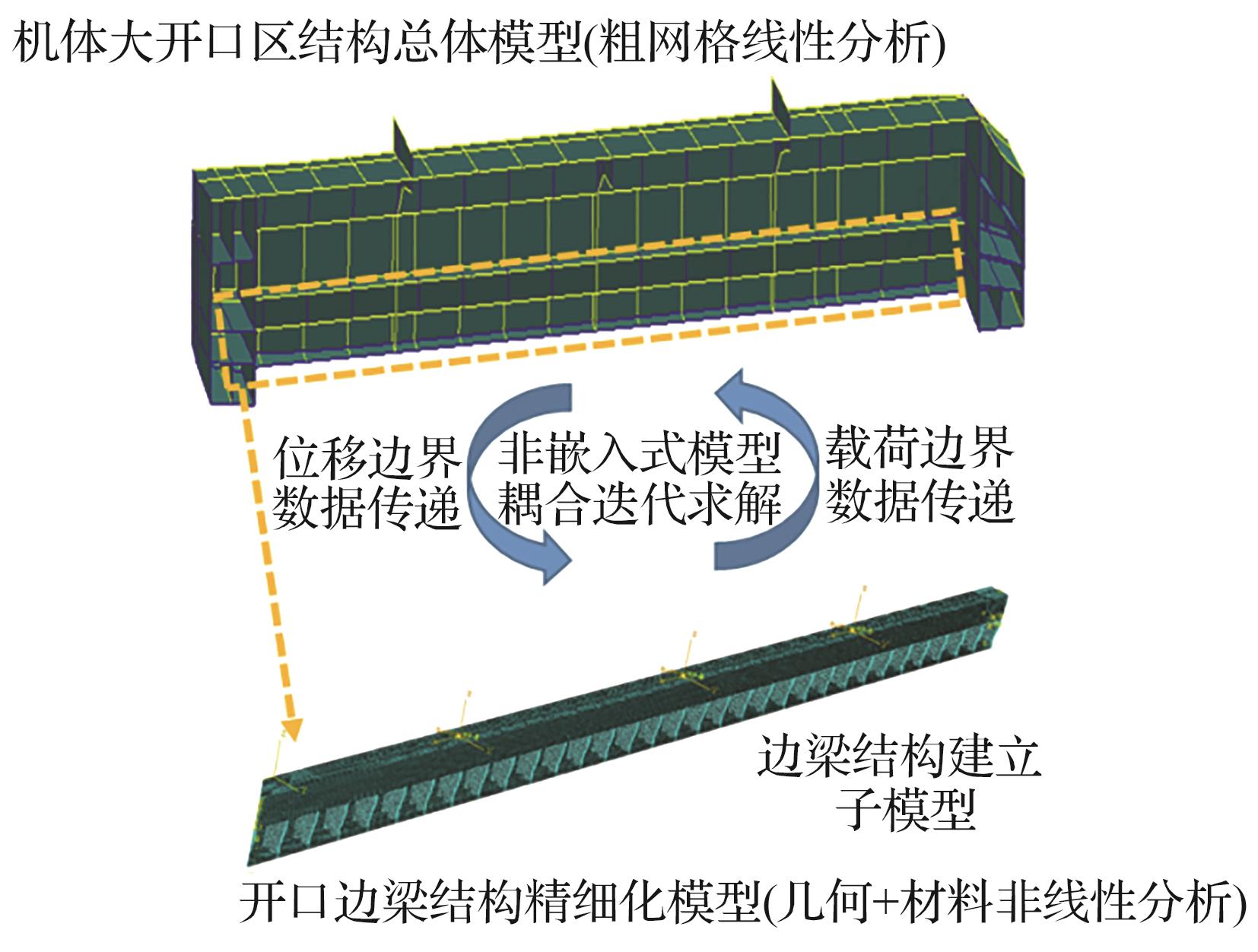
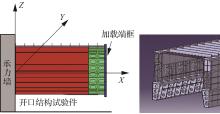
Fig.13
Demonstration of opening structure experiment
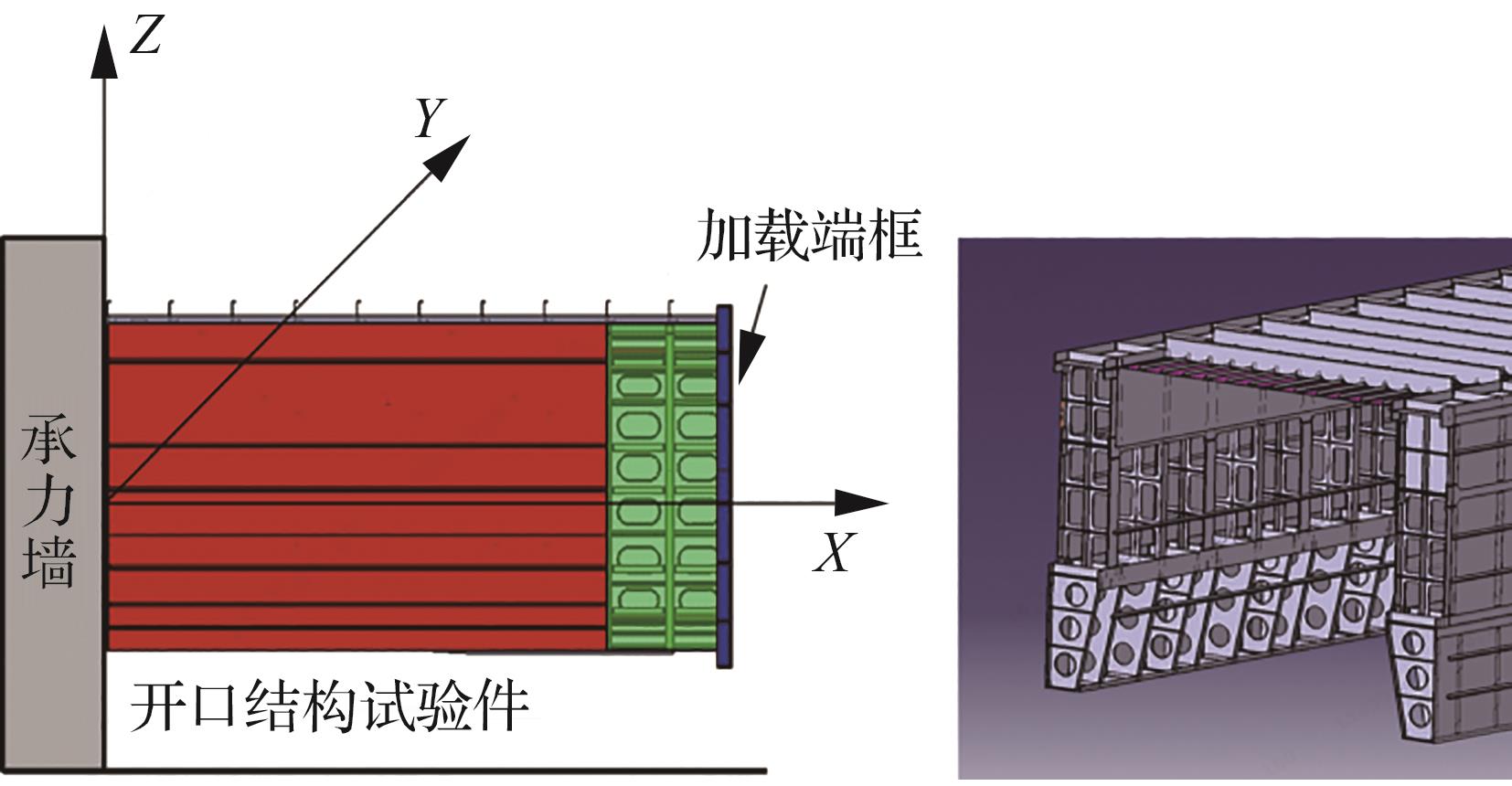
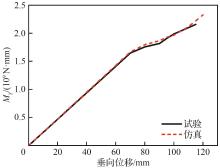
Fig.14
Comparison of experimental and numerical results of load and vertical-displacement curves of specimen
Fig.15
Comparison of experimental and numerical results of local buckling of beam structure
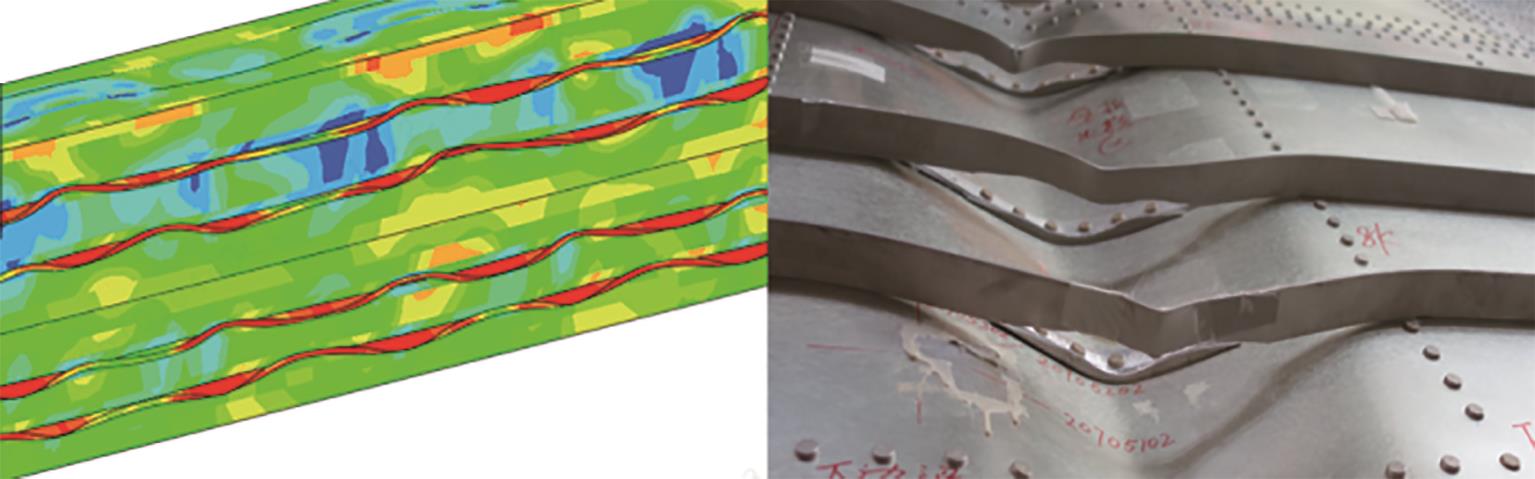
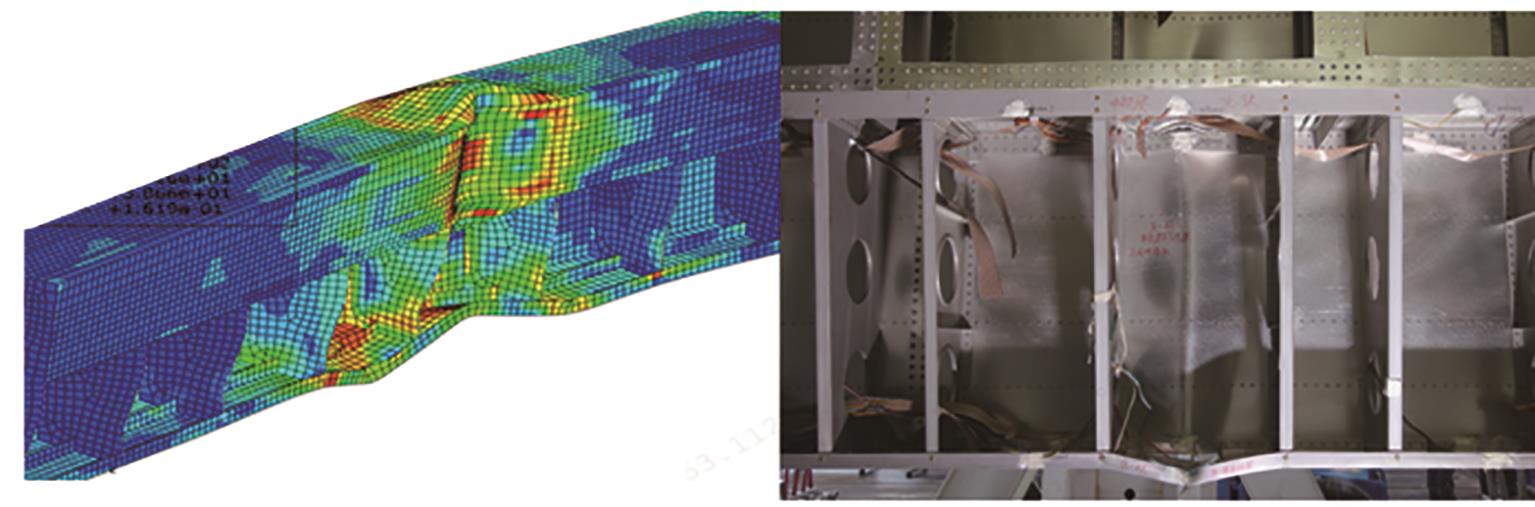
Fig.16
Comparison of experimental and numerical results of failure mode of beam opening structure
| [1] | 刘建, 陈勇, 曹洲. 考虑剪切变形影响的开口薄壁梁约束扭转的扭转角分析[J]. 应用力学学报, 2016, 33(4): 678-683, 742. |
| LIU J, CHEN Y, CAO Z. Torsion angle analysis of restrained torsion theory for open thin walled beams considering shear deformation[J]. Chinese Journal of Applied Mechanics, 2016, 33(4): 678-683, 742 (in Chinese). | |
| [2] | 李慧, 王琳. 扇性正应力在工程结构计算中的应用[J]. 贵州大学学报(自然科学版), 2014, 31(6): 17-19. |
| LI H, WANG L. Application of sector normal stress in engineering structure calculation[J]. Journal of Guizhou University (Natural Sciences), 2014, 31(6): 17-19 (in Chinese). | |
| [3] | 苏雁飞, 谭申刚, 薛应举, 等. 运输类飞机机身大开口结构加强方式理论研究[J]. 力学与实践, 2013, 35(6): 59-64. |
| SU Y F, TAN S G, XUE Y J, et al. The strengthening of aero-transport with large opening[J]. Mechanics in Engineering, 2013, 35(6): 59-64 (in Chinese). | |
| [4] | 王玉, 薛应举, 谷迎松. 大型运输机机身大开口结构强度设计方法[J]. 机械科学与技术, 2015, 34(7): 1144-1148. |
| WANG Y, XUE Y J, GU Y S. Strength design of fuselage structure for large scale aero-transport with large opening[J]. Mechanical Science and Technology for Aerospace Engineering, 2015, 34(7): 1144-1148 (in Chinese). | |
| [5] | 李保江, 邵济明, 王长焕, 等. 天地往返飞行器大开口舱门关键技术及其解决途径[J]. 航空学报, 2016, 37(): 8-15. |
| LI B J, SHAO J M, WANG C H, et al. Key technologies and solutions for large extensible door of re-entry space vehicle[J]. Acta Aeronautica et Astronautica Sinica, 2016, 37(Sup 1): 8-15 (in Chinese). | |
| [6] | 苏雁飞, 赵占文, 李明强. 飞机槽型大开口结构刚度加强研究[J]. 固体力学学报, 2022, 43(6): 783-790. |
| SU Y F, ZHAO Z W, LI M Q. Study on rigidity strengthening for aircraft with slots of large openings[J]. Chinese Journal of Solid Mechanics, 2022, 43(6): 783-790 (in Chinese). | |
| [7] | 苏雁飞, 赵占文, 王斌团. 受扭多槽矩型开口结构载荷分布与应力计算[J]. 机械研究与应用, 2022, 35(1): 58-61, 64. |
| SU Y F, ZHAO Z W, WANG B T. Load distribution and stress analysis of the rectagular multi-cabin opening structure under torque moment[J]. Mechanical Research & Application, 2022, 35(1): 58-61, 64 (in Chinese). | |
| [8] | 毛晓晔, 邵志华, 舒送, 等. 中间支撑刚度对双跨梁屈曲稳定性的影响[J]. 振动与冲击, 2022, 41(11): 1-9, 17. |
| MAO X Y, SHAO Z H, SHU S, et al. Effect of intermediate support stiffness on buckling stability of a double-span beam[J]. Journal of Vibration and Shock, 2022, 41(11): 1-9, 17 (in Chinese). | |
| [9] | 陈悦, 朱锡, 李华东, 等. 复合材料夹芯梁屈曲破坏模式及极限承载[J]. 复合材料学报, 2016, 33(5): 991-997. |
| CHEN Y, ZHU X, LI H D, et al. Buckling failure mode and ultimate load of composite sandwich beam[J]. Acta Materiae Compositae Sinica, 2016, 33(5): 991-997 (in Chinese). | |
| [10] | 刘向民, 姚卫星, 陈方. 复合材料层合板结构冲击损伤数值模拟的损伤力学模型[J]. 航空学报, 2016, 37(10): 3054-3063. |
| LIU X M, YAO W X, CHEN F. Damage mechanics model for simulating impact responses of composite laminated structures[J]. Acta Aeronautica et Astronautica Sinica, 2016, 37(10): 3054-3063 (in Chinese). | |
| [11] | 苏少普, 常文魁, 陈先民. 飞机典型壁板结构剪切屈曲疲劳试验与分析方法[J]. 航空学报, 2022, 43(5): 225219. |
| SU S P, CHANG W K, CHEN X M. Fatigue buckling test and analytical approach of aircraft typical panel structures[J]. Acta Aeronautica et Astronautica Sinica, 2022, 43(5): 225219 (in Chinese). | |
| [12] | 芦冠达, 黄争鸣. 应用桥联理论与有限元模型的航空复合材料结构失效分析[J]. 航空学报, 2018, 39(6): 221646. |
| LU G D, HUANG Z M. Failure analysis of aeronautic composite structures incorporated with bridging model and FE model[J]. Acta Aeronautica et Astronautica Sinica, 2018, 39(6): 221646 (in Chinese). | |
| [13] | 解江, 宋山山, 宋东方, 等. 复合材料C型柱轴压失效分析的层合壳建模方法[J]. 航空学报, 2019, 40(2): 522395. |
| XIE J, SONG S S, SONG D F, et al. Stacked shell modeling method for failure analysis of composite C-channels subject to axial compression[J]. Acta Aeronautica et Astronautica Sinica, 2019, 40(2): 522395 (in Chinese). | |
| [14] | 黄旌, 卢钧, 毕大园, 等. 基于有限元分析的机翼损伤评估的建模[J]. 长江大学学报A(自然科学版), 2006, 3(2): 59-62, 8. |
| HUANG J, LU J, BI D Y, et al. Modeling on air plane wing damage evaluation based on finite element analysis[J]. Journal of Yangtze University (Natural Science Edition), 2006, 3(2): 59-62, 8 (in Chinese). | |
| [15] | 冯振宇, 解江, 李恒晖, 等. 大飞机货舱地板下部结构有限元建模与适坠性分析[J]. 航空学报, 2019, 40(2): 522394. |
| FENG Z Y, XIE J, LI H H, et al. Finite element modeling and crashworthiness analysis of large aeroplane sub-cargo structure[J]. Acta Aeronautica et Astronautica Sinica, 2019, 40(2): 522394 (in Chinese). | |
| [16] | 陈彦达, 范振民, 李军. 飞机螺栓双剪连接结构有限元应力分析[J]. 民用飞机设计与研究, 2020(3): 17-23. |
| CHEN Y D, FAN Z M, LI J. Finite element stress analysis of aircraft double shear bolted connection[J]. Civil Aircraft Design & Research, 2020(3): 17-23 (in Chinese). | |
| [17] | 聂珊珊, 聂小华. 多层级有限元模型数据库综合设计与应用[J]. 工程与试验, 2021, 61(4): 84-86. |
| NIE S S, NIE X H. Comprehensive design and application of multi-level finite element model database[J]. Engineering & Test, 2021, 61(4): 84-86 (in Chinese). | |
| [18] | 黄勇, 李三平. 民用飞机结构强度设计中的全机精细有限元分析技术及其应用[J]. 计算机辅助工程, 2018, 27(3): 35-38, 53. |
| HUANG Y, LI S P. Global detailed finite element analysis technique and its application in structural strength design of civil aircraft[J]. Computer Aided Engineering, 2018, 27(3): 35-38, 53 (in Chinese). | |
| [19] | LIU Y J, SUN Q, FAN X L. A non-intrusive global/local algorithm with non-matching interface: Derivation and numerical validation[J]. Computer Methods in Applied Mechanics and Engineering, 2014, 277: 81-103. |
| [20] | GENDRE L, ALLIX O, GOSSELET P, et al. Non-intrusive and exact global/local techniques for structural problems with local plasticity[J]. Computational Mechanics, 2009, 44(2): 233-245. |
| [21] | BETTINOTTI O, ALLIX O, MALHERBE B. A coupling strategy for adaptive local refinement in space and time with a fixed global model in explicit dynamics[J]. Computational Mechanics, 2014, 53(4): 561-574. |
| [1] | Yihao XU, Pengcheng DONG, Junchao ZHENG, Chunqing TAN, Hailong TANG. Overall performance optimization method of adaptive cycle propulsion system [J]. Acta Aeronautica et Astronautica Sinica, 2025, 46(7): 130987-130987. |
| [2] | Zuotai LI, Shusheng CHEN, Shiyi JIN, Zhenghong GAO, Weiguo ZHOU. Optimization design and data mining for supersonic civil aircraft based on sonic boom efficient prediction [J]. Acta Aeronautica et Astronautica Sinica, 2025, 46(20): 531920-531920. |
| [3] | Qing CHEN, Zhonghua HAN, Keshi ZHANG, Jianling QIAO, Yulin DING, Wenping SONG. A full-carpet design optimization method for low-boom supersonic civil aircraft configuration [J]. Acta Aeronautica et Astronautica Sinica, 2025, 46(20): 531909-531909. |
| [4] | Fulin LI, Min CHEN, Hailong TANG, Jiyuan ZHANG, Yue ZHOU, Jing MA. Control law design for variable cycle engine considering environmental indicators [J]. Acta Aeronautica et Astronautica Sinica, 2025, 46(16): 231624-231624. |
| [5] | Ruitao ZHANG, Cong WANG, Jun TAO, Liyue WANG, Gang SUN. Airfoil parameterization method based on latent diffusion model [J]. Acta Aeronautica et Astronautica Sinica, 2025, 46(10): 631180-631180. |
| [6] | Lulu JIANG, Xin PAN, Wei JIANG, Rui FENG, Gang CHEN. Optimization shape design of capsule-supersonic parachute system based on fusion surrogate strategy [J]. Acta Aeronautica et Astronautica Sinica, 2025, 46(1): 630471-630471. |
| [7] | Yanyan LUO, Shuo YANG, Xiaosong PAN, Xuhuai ZHAO, Li ZHANG. Signal reflection suppression and optimized design of high⁃speed connectors for aerospace applications [J]. Acta Aeronautica et Astronautica Sinica, 2024, 45(7): 328937-328937. |
| [8] | Jinzhao DAI, Haixin CHEN. Optimization design method of three⁃dimensional wave cancellation biplane derived by shock⁃wave morphology [J]. Acta Aeronautica et Astronautica Sinica, 2024, 45(6): 628942-628942. |
| [9] | Shusheng CHEN, Muliang JIA, Yanxu LIU, Zhenghong GAO, Xinghao XIANG. Deformation modes and key technologies of aerodynamic layout design for morphing aircraft: Review [J]. Acta Aeronautica et Astronautica Sinica, 2024, 45(6): 629595-629595. |
| [10] | Siji WANG, Yuwei ZHANG, Kaiming HUANG, Biao LYU, Haifeng ZHAO, Hu WANG, Mingfu LIAO. An optimization method for helicopter power turbine rotor system based on improved particle swarm optimization algorithm [J]. Acta Aeronautica et Astronautica Sinica, 2024, 45(1): 228608-228608. |
| [11] | Qian YANG, Haoran ZHENG, Xianda CHENG, Wei DONG. Optimization design method for hot air anti⁃icing system based on bleed air control [J]. Acta Aeronautica et Astronautica Sinica, 2023, 44(S2): 729285-729285. |
| [12] | Weihong ZHANG, Han ZHOU, Shaoying LI, Jihong ZHU, Lu ZHOU. Material⁃structure integrated design for high⁃performance aerospace thin⁃walled component [J]. ACTA AERONAUTICAET ASTRONAUTICA SINICA, 2023, 44(9): 627428-627428. |
| [13] | Yifu CHEN, Yuhang MA, Qingsheng LAN, Weiping SUN, Yayun SHI, Tihao YANG, Junqiang BAI. Uncertainty analysis and gradient optimization design of airfoil based on polynomial chaos expansion method [J]. ACTA AERONAUTICAET ASTRONAUTICA SINICA, 2023, 44(8): 127446-127446. |
| [14] | Chaoyu LIU, Feng QU, Di SUN, Chuanzhen LIU, Zhansen QIAN, Junqiang BAI. Discretized adjoint based aerodynamic optimization design for hypersonic osculating-cone waverider [J]. ACTA AERONAUTICAET ASTRONAUTICA SINICA, 2023, 44(4): 126664-126664. |
| [15] | Weimin BAO. A review of reusable launch vehicle technology development [J]. Acta Aeronautica et Astronautica Sinica, 2023, 44(23): 629555-629555. |
| Viewed | ||||||
|
Full text |
|
|||||
|
Abstract |
|
|||||
Address: No.238, Baiyan Buiding, Beisihuan Zhonglu Road, Haidian District, Beijing, China
Postal code : 100083
E-mail:hkxb@buaa.edu.cn
Total visits: 6658907 Today visits: 1341All copyright © editorial office of Chinese Journal of Aeronautics
All copyright © editorial office of Chinese Journal of Aeronautics
Total visits: 6658907 Today visits: 1341

 CJA
CJA
