孙宗华( ), 关兴太, 温正优, 吴了泥, 尤延铖
收稿日期:2025-10-13
修回日期:2025-10-27
接受日期:2025-12-31
出版日期:2026-01-16
发布日期:2026-01-15
通讯作者:
孙宗华
E-mail:szh_calt@163.com
基金资助:
Zonghua SUN(), Xingtai GUAN, Zhengyou WEN, Liaoni WU, Yancheng YOU
Received:2025-10-13
Revised:2025-10-27
Accepted:2025-12-31
Online:2026-01-16
Published:2026-01-15
Contact:
Zonghua SUN
E-mail:szh_calt@163.com
Supported by:摘要:
针对助推-滑翔飞行器同时满足最大/最小射程的要求,提出了有效而完备的宽射程范围可调的滑翔制导方法。首先,分析了大气层内基于攻角和倾侧角的气动力制导特点,明确了不同射程气动制导的关键难点。其次,基于总能量控制的思想,实时动态分配速度和高度的控制权限,提出了基于能量混合调节的远程滑翔制导方法,解决了攻角同时控制高度速度引起的欠驱动制导问题。再次,固定攻角剖面将过载、热流密度等约束条件转化为滑翔走廊边界,以阻力加速度和高度反馈为基础,设计了基于阻力加速度-速度剖面的气动减速近程滑翔制导方法,根据倾侧角符号的开关控制将终端方位角约束在横向走廊内。最后,在远/近射程飞行仿真验证中,2种制导方法将不同射程目标飞行器成功引导至相同的末端窗口,系统地解决了高升阻比大气层内滑翔射程管理的制导难题。
中图分类号:
孙宗华, 关兴太, 温正优, 吴了泥, 尤延铖. 宽射程范围可调高速飞行器滑翔制导方法[J]. 航空学报, 2026, 47(12): 332903.
Zonghua SUN, Xingtai GUAN, Zhengyou WEN, Liaoni WU, Yancheng YOU. Wide-range adjustable glide guidance method for hypersonic vehicles[J]. Acta Aeronautica et Astronautica Sinica, 2026, 47(12): 332903.
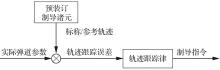
图 1
标称轨迹制导示意图
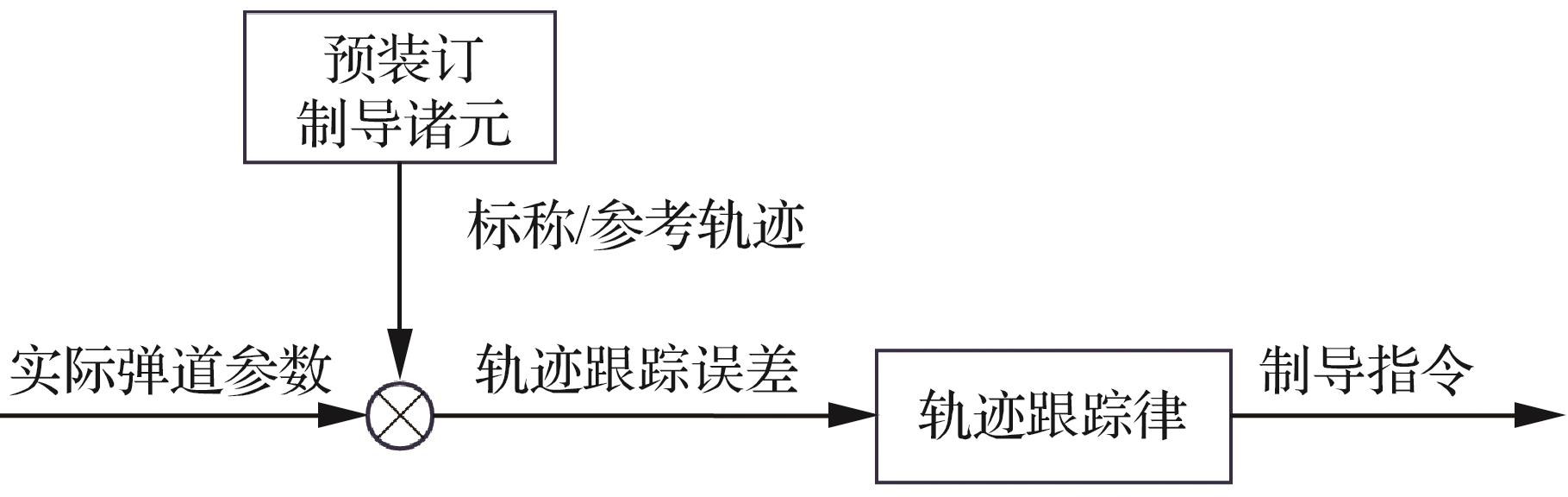
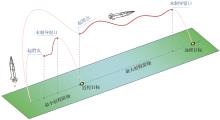
图 2
最大/最小滑翔射程任务
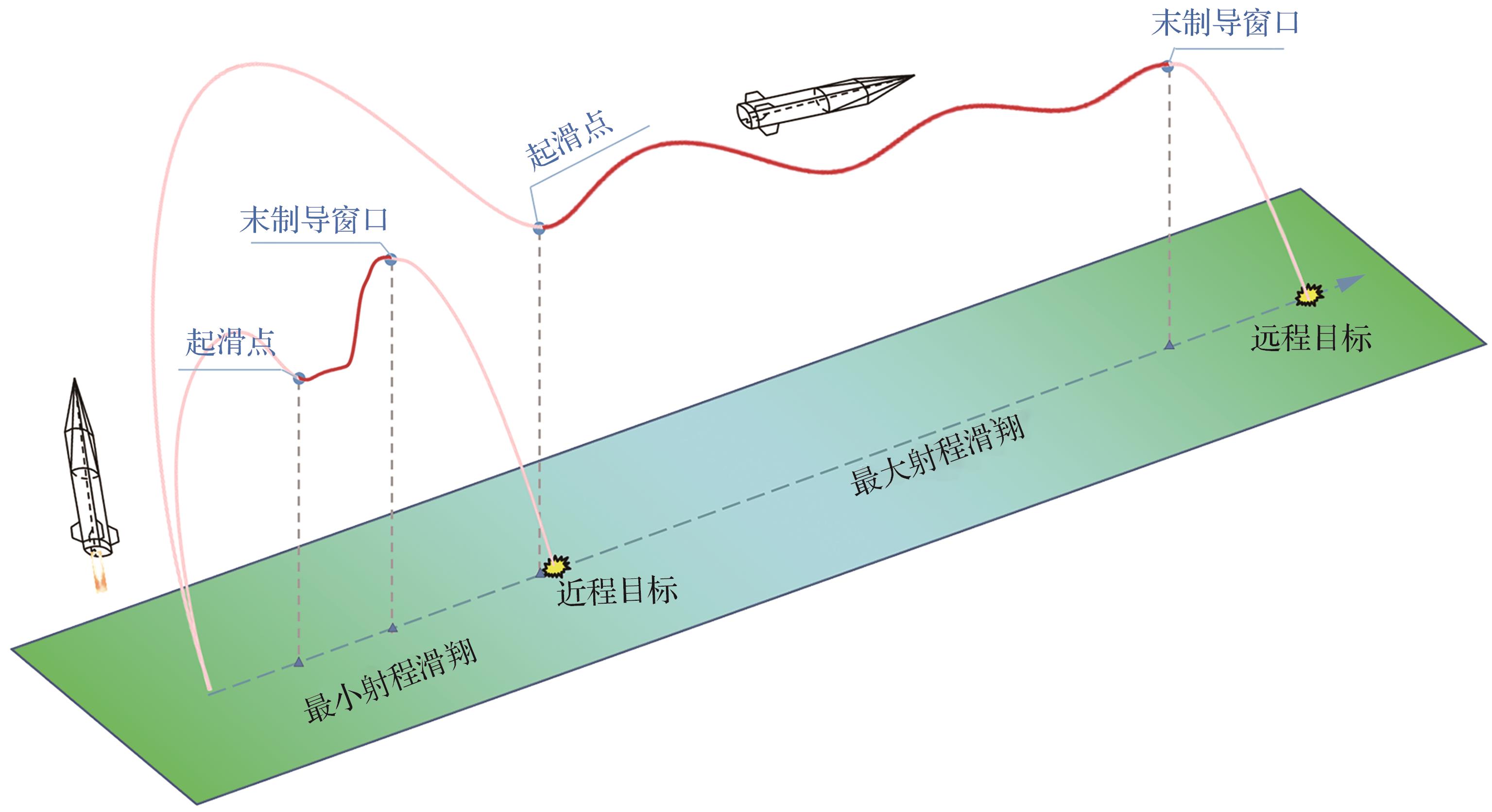
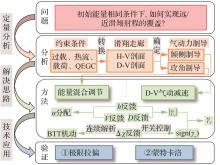
图 3
本文内容框图
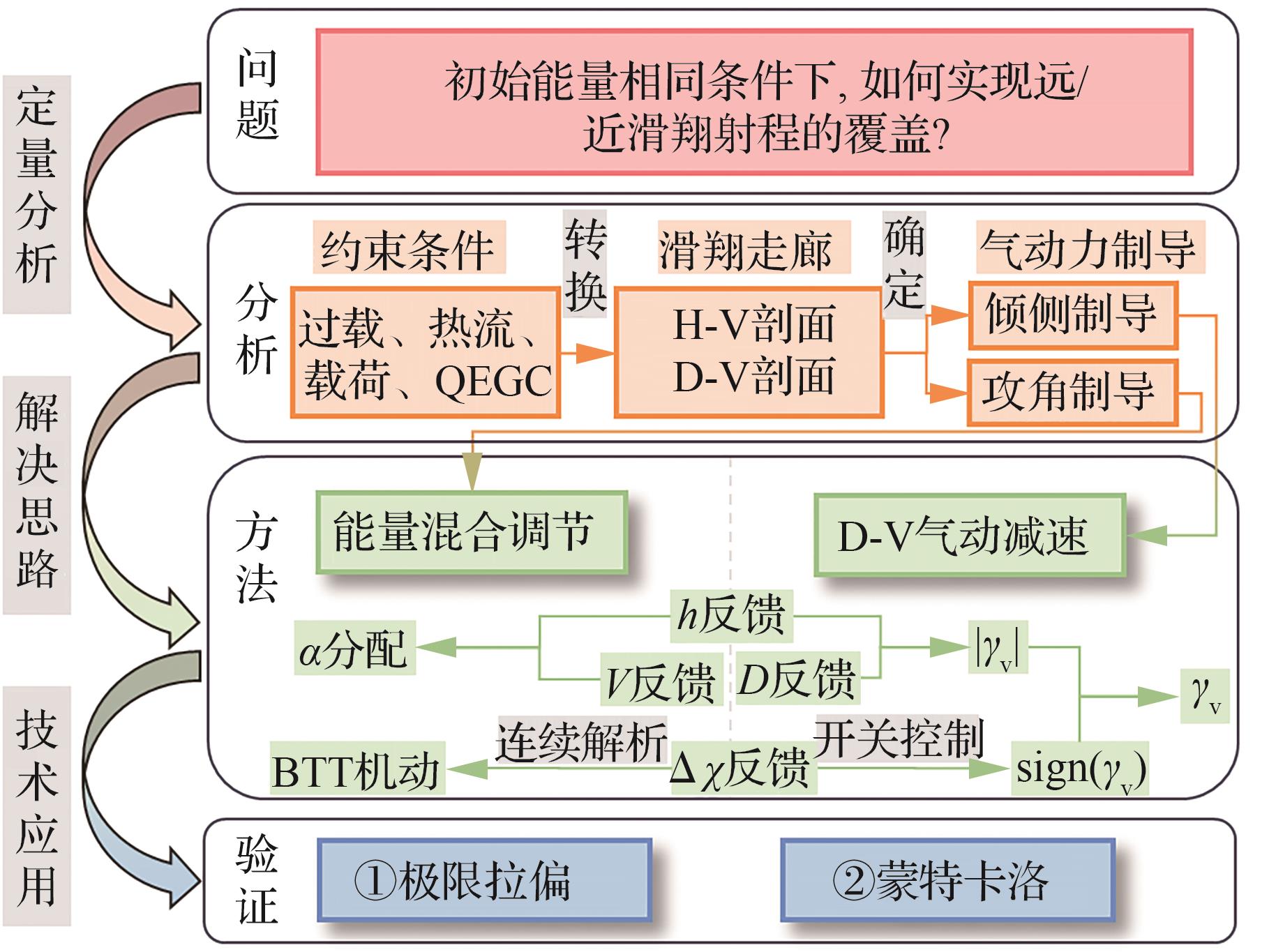
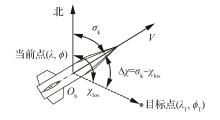
图 4
横向对准偏差示意图
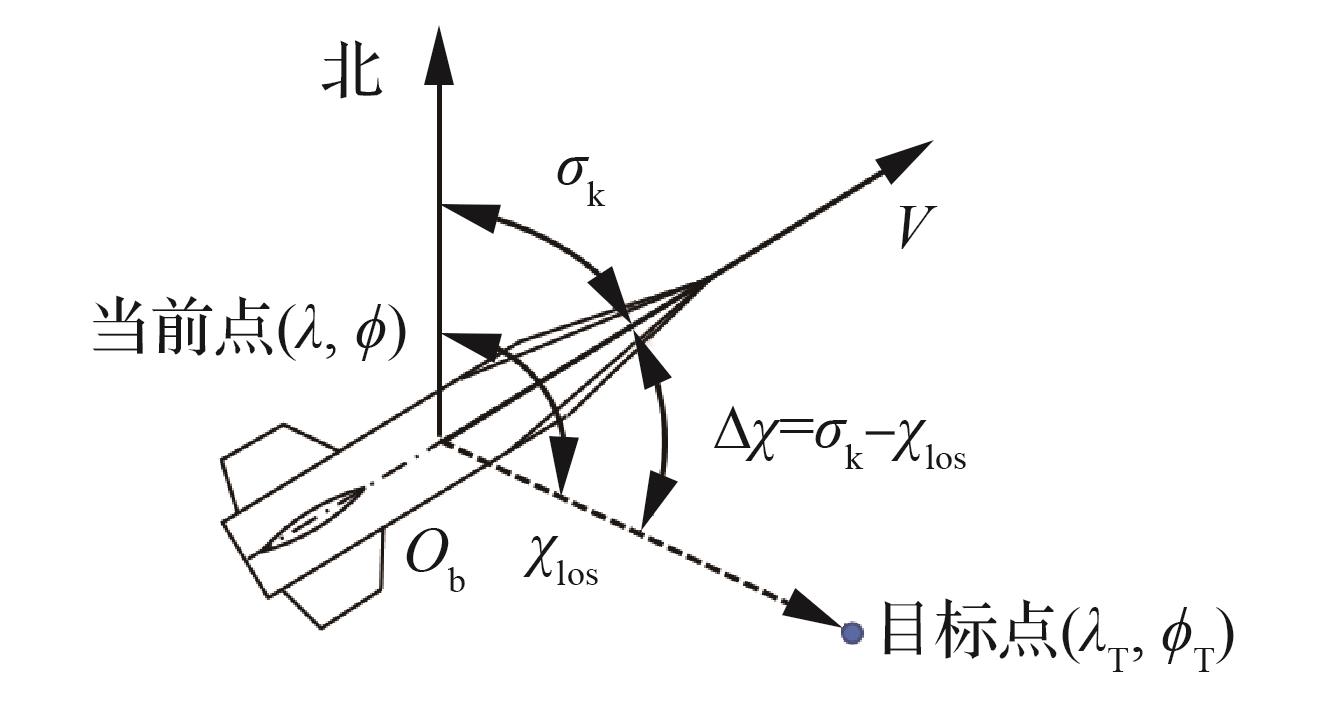

表1
滑翔制导终端窗口约束
| 类型 | 高度 hf/(km) | 速度 Vf/(m·s-1) | 倾角 θf/(°) | 横程误差 Δχf/(°) |
|---|---|---|---|---|
| 远程(673 km) | 26±2 | 1 100±80 | -6±2 | ±2 |
| 近程(112 km) | 28±2 | 1 000±80 | -6±2 | ±8 |
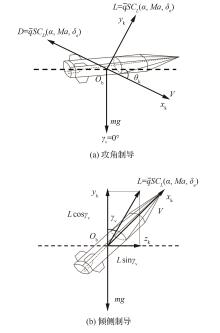
图 5
不同制导方式的飞行器受力分析
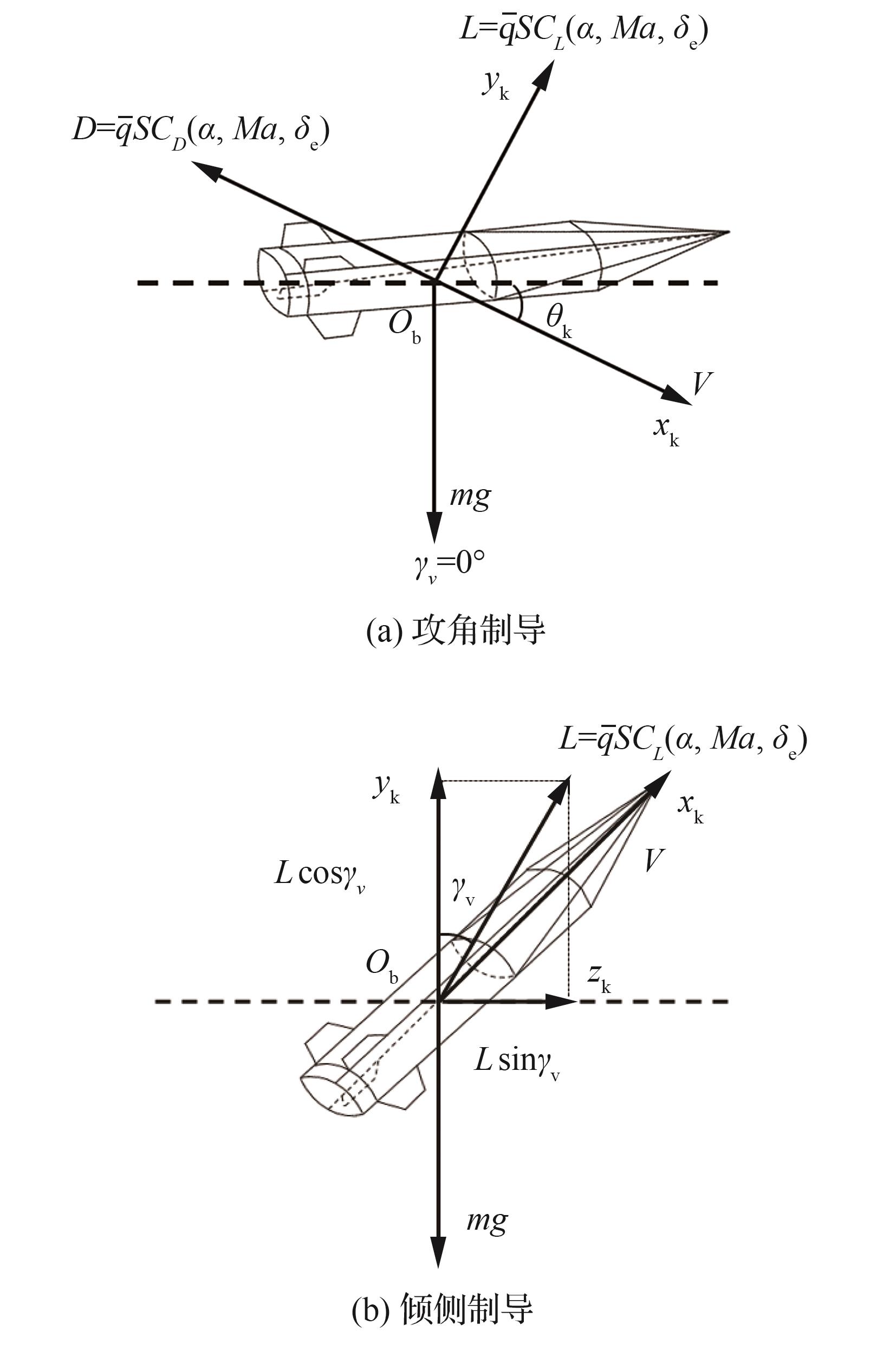
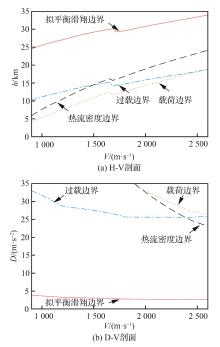
图 6
最大升阻比攻角滑翔走廊
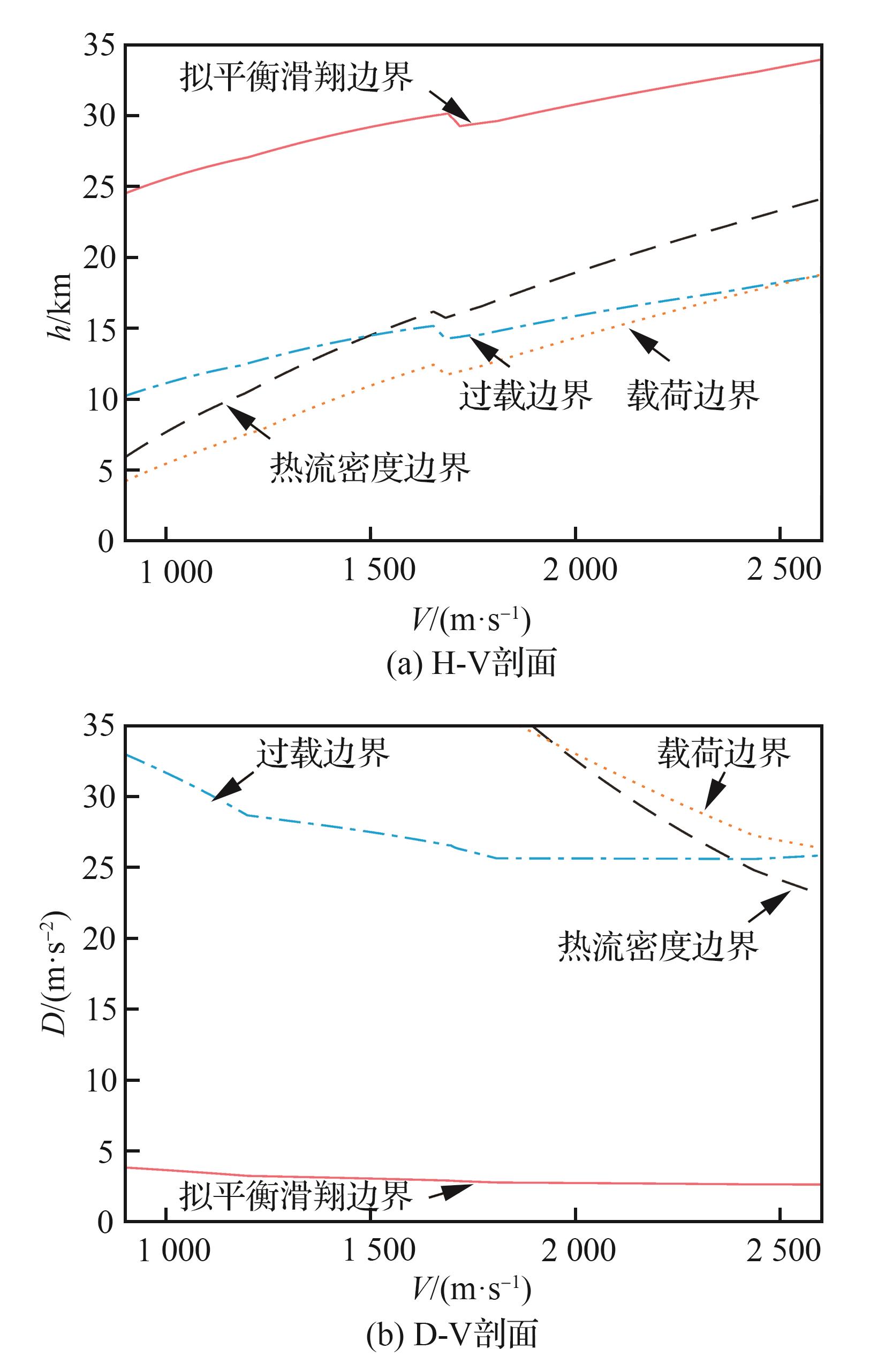
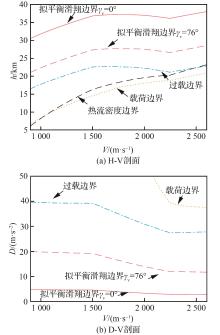
图 7
24°大攻角滑翔走廊
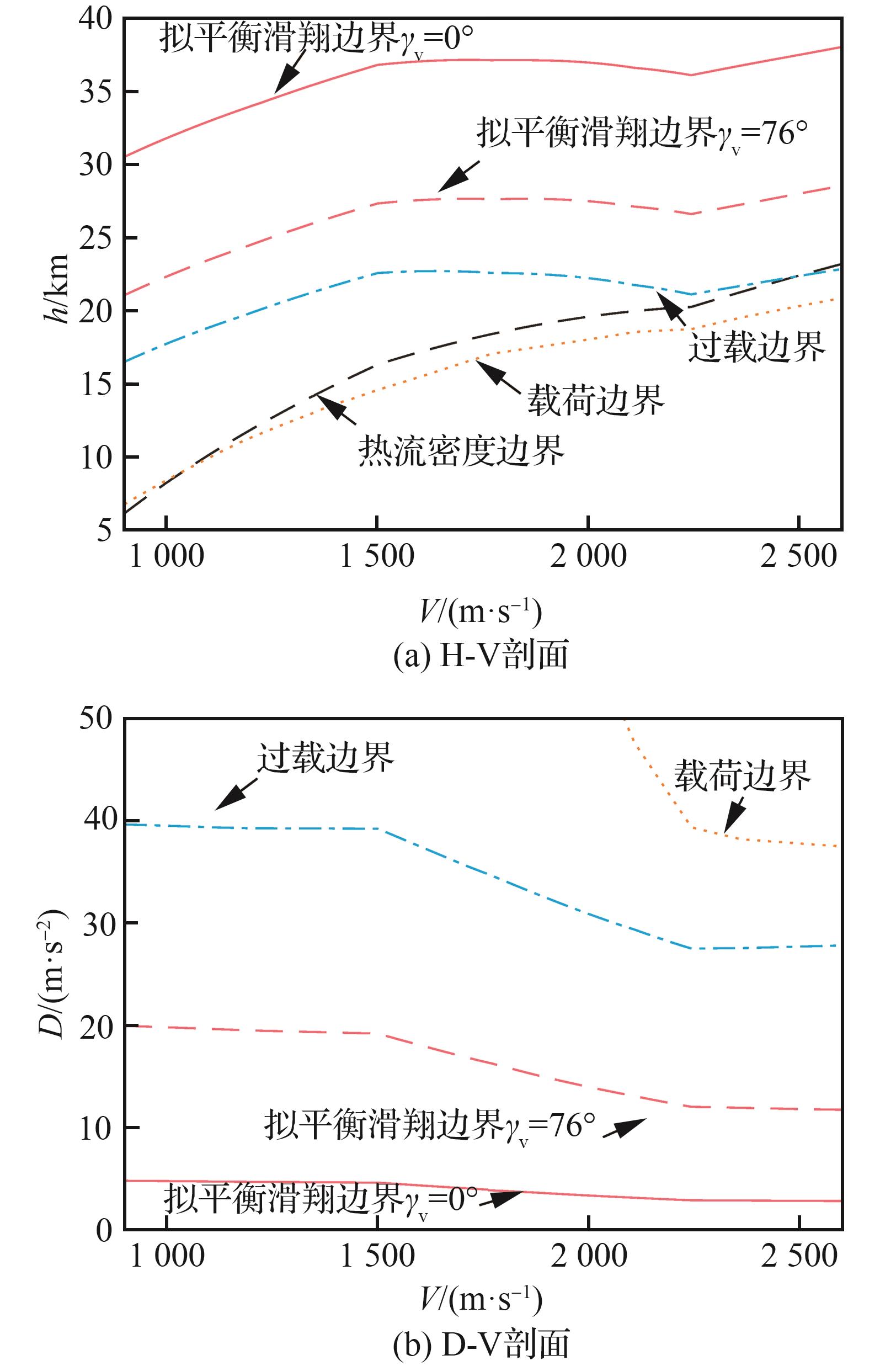
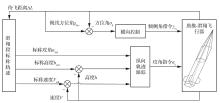
图 8
能量混合调节制导结构框图
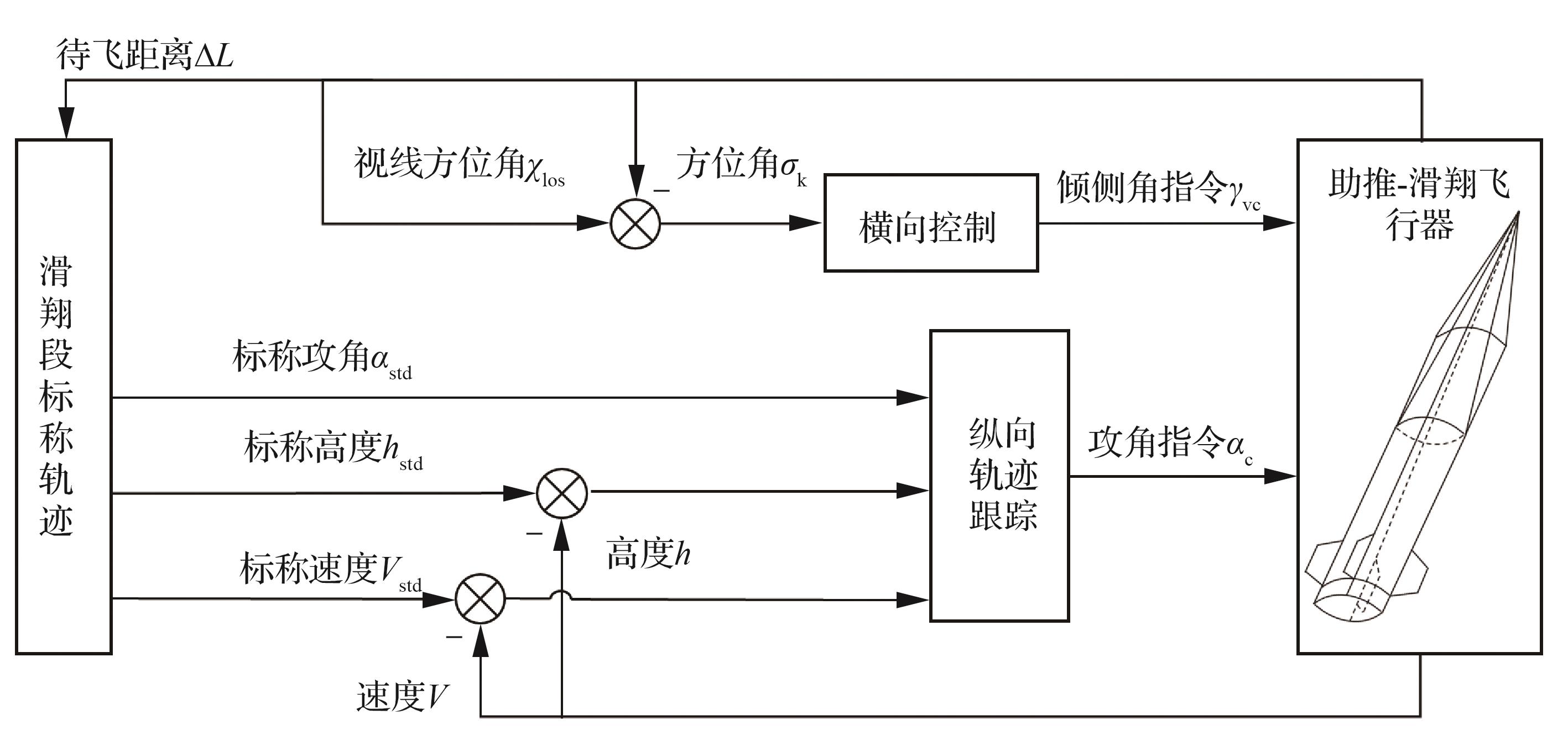
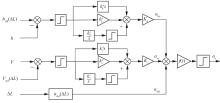
图 9
纵向制导律结构框图
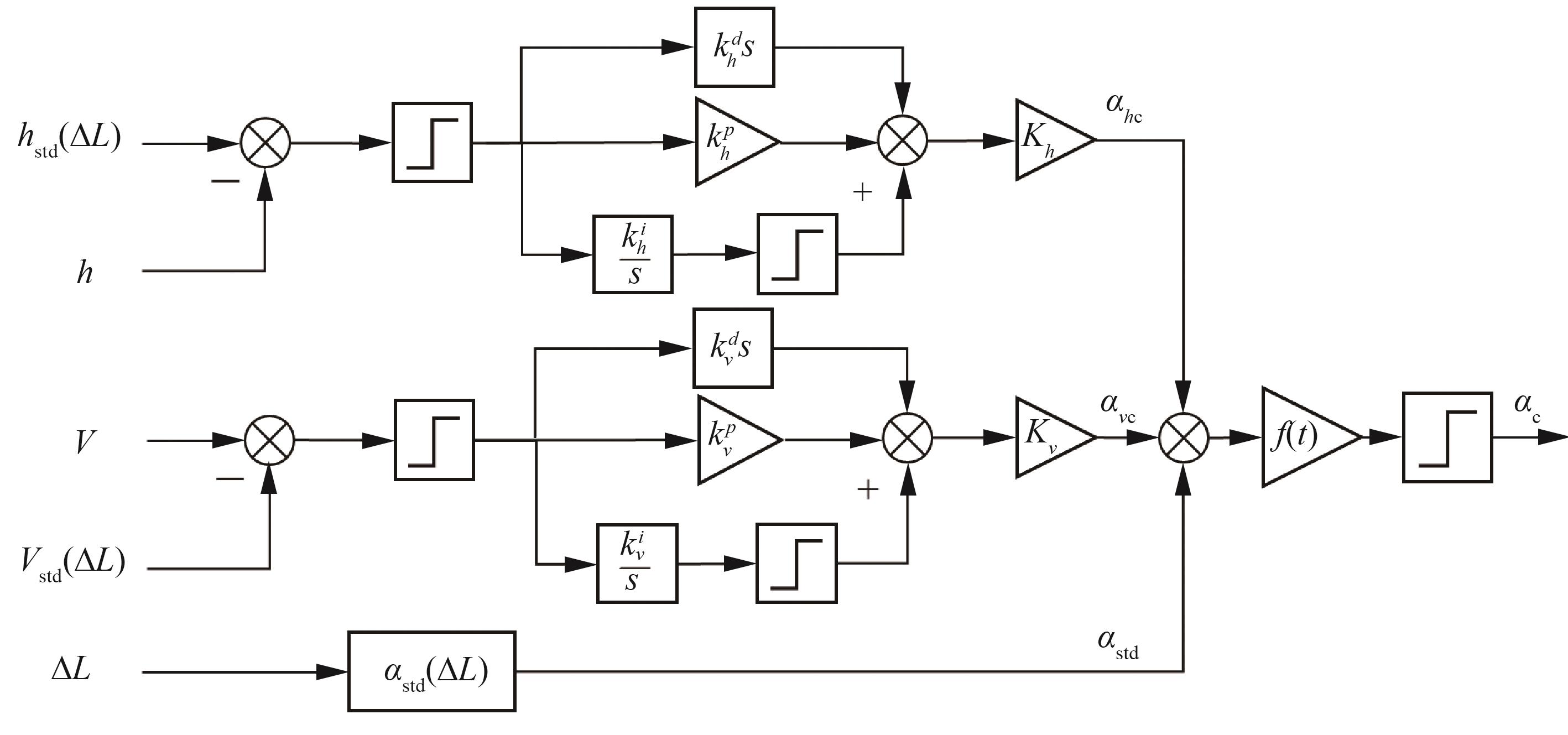
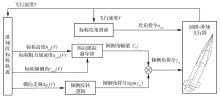
图 10
D-V剖面气动减速制导结构框图
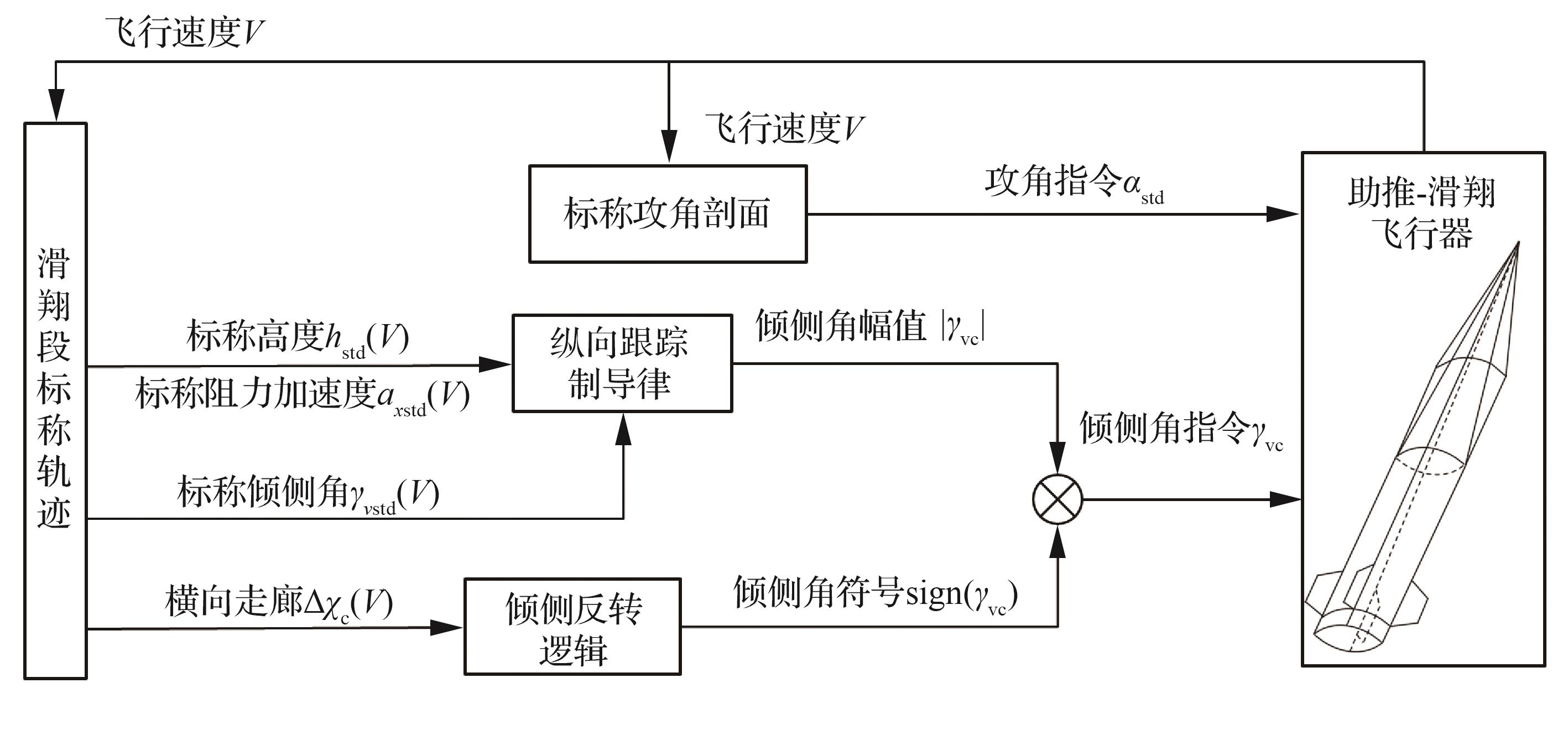
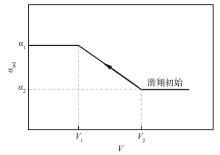
图 11
标称攻角剖面示意图
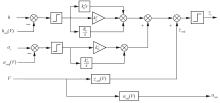
图 12
纵向制导律结构框图
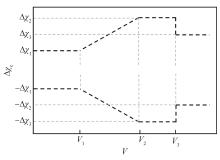
图 13
横向走廊示意图
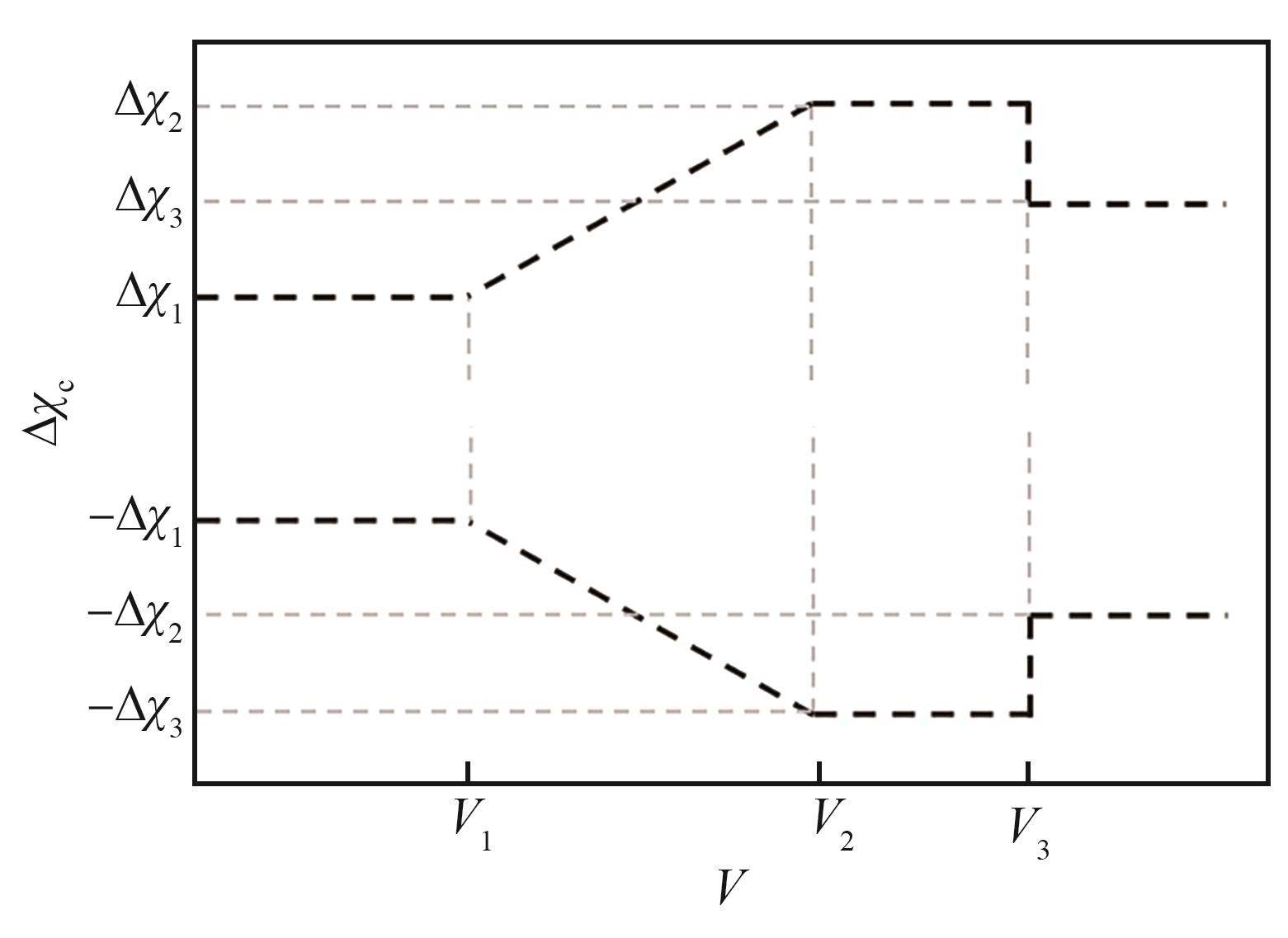
表2
助推-滑翔飞行器模型参数
| 参数 | 数值 |
|---|---|
| 质量/kg | 1 559 |
| 长度/m | 8.972 |
| 参考面积/m2 | 0.567 4 |
| 最大升阻比 | 3.3 |
表3
能量混合调节制导方法标称/偏差仿真结果
| 类型 | hf /km | Vf /(m·s-1) | θf /(°) | Δχf /(°) |
|---|---|---|---|---|
| 标称 | 26.230 | 1 150.7 | -6.39 | -0.312 |
| 推力上偏 | 26.024 | 1 117.1 | -6.71 | -0.304 |
| 推力下偏 | 26.072 | 1 129.7 | -6.60 | -0.308 |
| 密度上偏 | 26.063 | 1 127.3 | -6.67 | -0.340 |
| 密度下偏 | 25.557 | 1 088.8 | -7.24 | -0.258 |
| 法向力上偏 | 29.169 | 1 182.8 | -5.53 | -0.310 |
| 法向力下偏 | 23.338 | 999.5 | -7.23 | -0.284 |
| 轴向力上偏 | 24.888 | 962.5 | -8.58 | -0.277 |
| 轴向力下偏 | 28.136 | 1 190.1 | -5.32 | -0.300 |
| 组合上偏 | 27.441 | 1 229.4 | -4.93 | -0.299 |
| 组合下偏 | 23.987 | 796.7 | -12.7 | -0.237 |
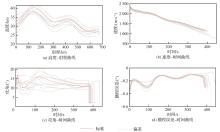
图 14
远程射标称与极限偏差响应曲线
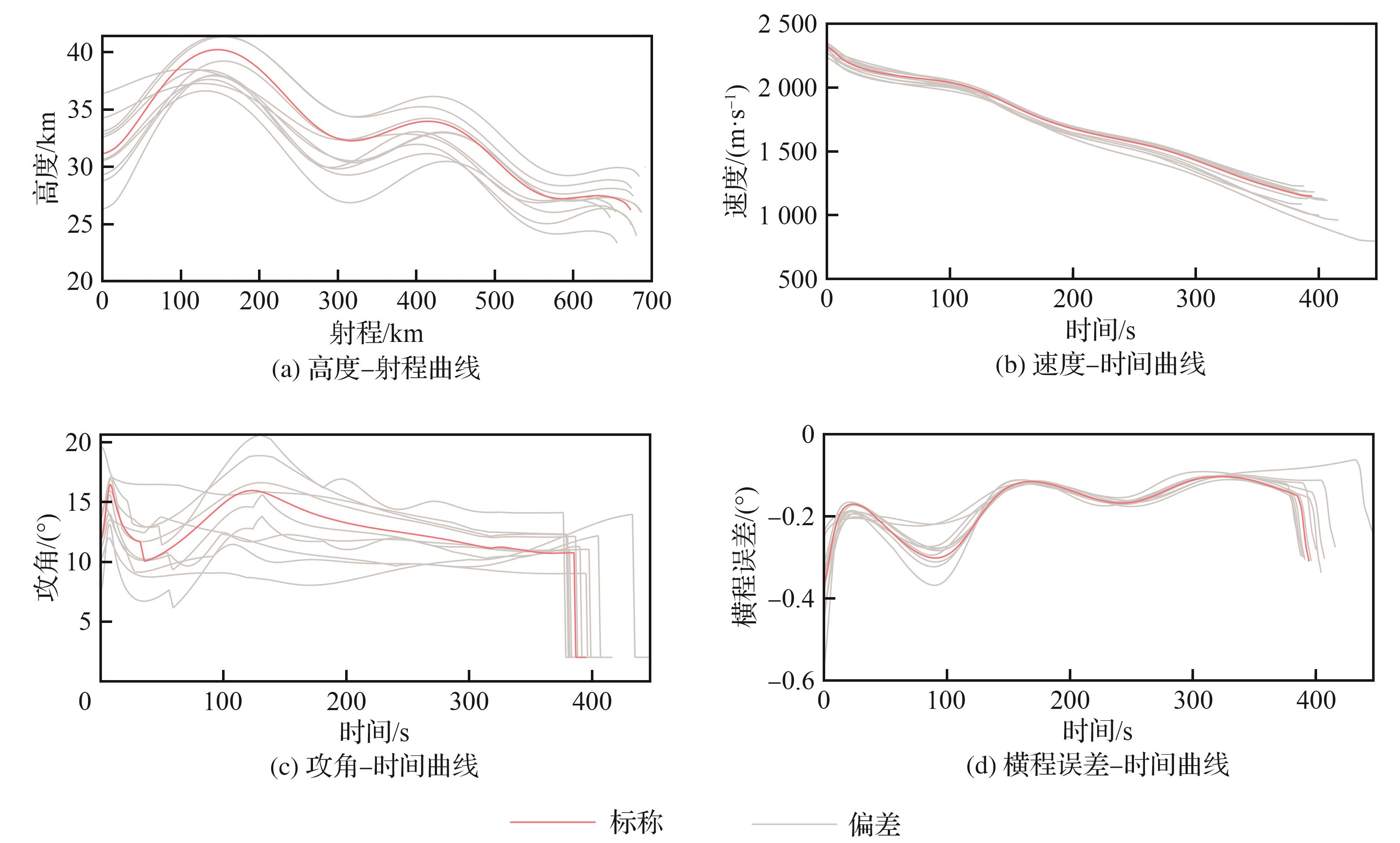
表4
速度反馈标称轨迹制导方法偏差仿真结果
| 类型 | hf/km | Vf/(m·s-1) | θf/(°) | Δχf/(°) |
|---|---|---|---|---|
| 推力上偏 | 25.598 | 1 132.5 | -6.61 | -0.315 |
| 推力下偏 | 24.322 | 1 130.1 | -7.13 | -0.348 |
| 密度上偏 | 25.794 | 1 126.8 | -6.96 | -0.343 |
| 密度下偏 | 24.577 | 1 113.5 | -7.05 | -0.291 |
| 法向力上偏 | 28.878 | 1 137.4 | -7.56 | -0.312 |
| 法向力下偏 | 13.333 | 907.4 | -13.24 | -0.528 |
| 轴向力上偏 | 5.335 | 406.1 | -44.92 | -0.773 |
| 轴向力下偏 | 27.723 | 1 128.6 | -7.29 | -0.297 |
| 组合上偏 | 27.453 | 1 139.9 | -6.55 | -0.278 |
| 组合下偏 |
表5
随机偏差设置
| 类型 | 偏差项 | 数值(3σ)/% | 备注 |
|---|---|---|---|
| 气动力 | 轴向力 | ±15 | Ma1 |
| ±8 | 1≤Ma5 | ||
| ±5 | Ma≥5 | ||
| 法向力 | ±5 | ||
| 飞行环境 | 大气密度 | ±10 | h40 km |
| ±20 | 40≤h60 km | ||
| ±30 | h≥60 km |
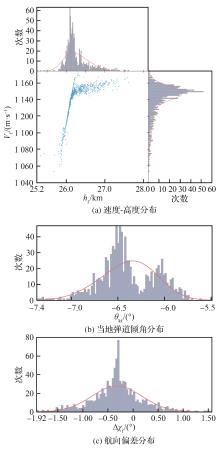
图 15
能量混合调节制导的蒙特卡洛仿真终端状态分布
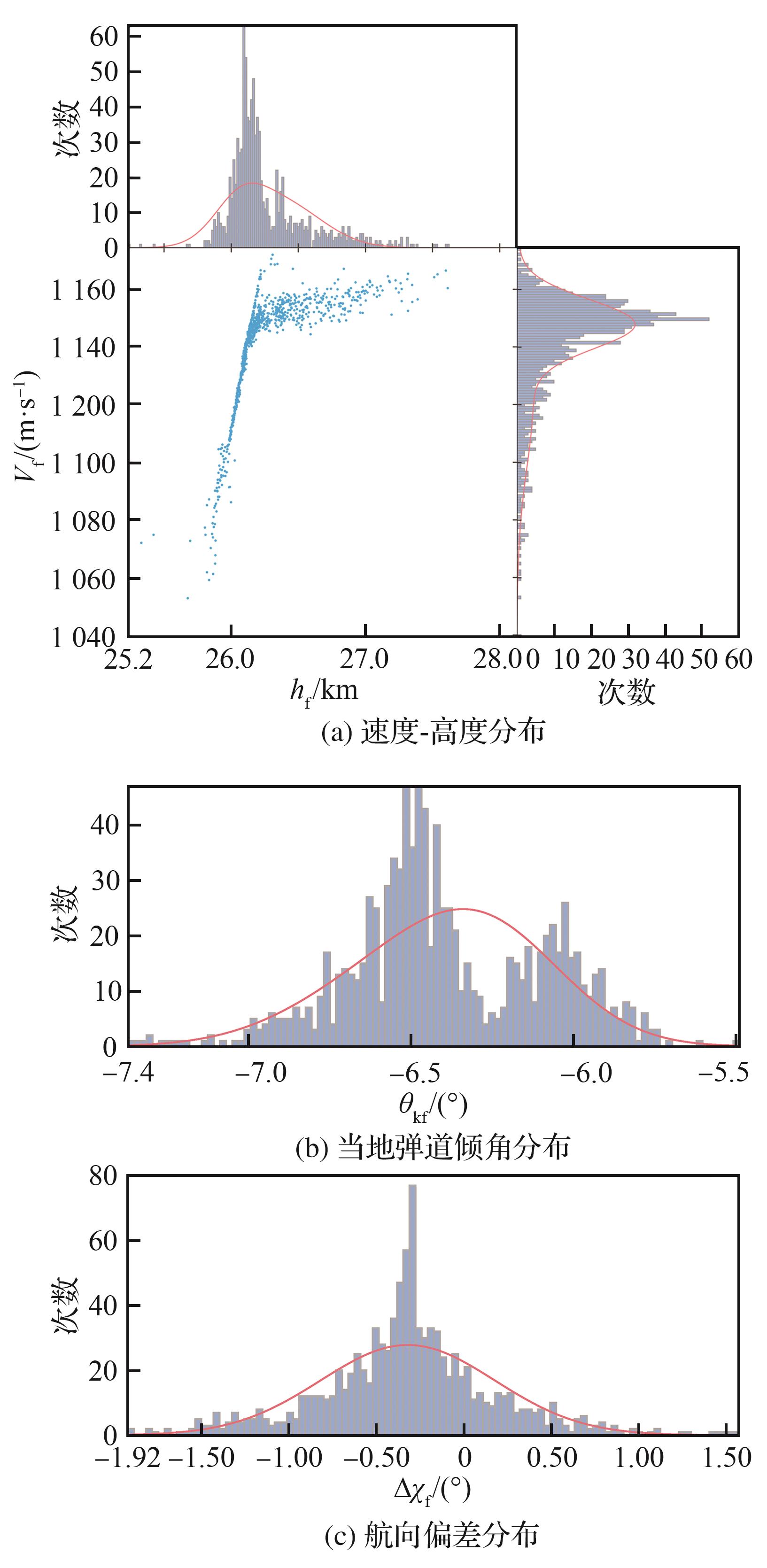
表6
远程制导蒙特卡洛仿真统计结果
终端 状态 | 推力标称 | 推力上偏 | 推力下偏 | |||
|---|---|---|---|---|---|---|
| 均值 | 标准差 | 均值 | 标准差 | 均值 | 标准差 | |
| hf/m | 26.364 | 0.307 | 26.034 | 0.201 | 26.074 | 0.179 |
| Vf/(m·s-1) | 1 148.2 | 8.4 | 1 117.0 | 25.7 | 1 129.0 | 25.5 |
| θf/(°) | -6.28 | 0.24 | -6.72 | 0.25 | -6.58 | 0.23 |
| Δχf/(°) | -0.310 | 0.491 | -0.341 | 0.529 | -0.348 | 0.507 |
表7
气动减速滑翔制导方法标称/偏差仿真结果
| 类型 | hf/km | Vf/(m·s-1) | θf/(°) | Δχf/(°) |
|---|---|---|---|---|
| 标称 | 27.913 | 1 018.5 | -4.97 | 0.401 |
| 推力上偏 | 28.146 | 989.9 | -3.12 | -3.535 |
| 推力下偏 | 27.660 | 1 016.5 | -5.81 | 2.878 |
| 密度上偏 | 27.718 | 966.0 | -7.02 | -4.344 |
| 密度下偏 | 28.025 | 1 103.6 | -1.50 | 6.291 |
| 法向力上偏 | 27.862 | 995.2 | -5.54 | -1.738 |
| 法向力下偏 | 28.122 | 1 040.0 | -3.18 | 2.484 |
| 轴向力上偏 | 27.908 | 1 023.2 | -5.57 | 2.418 |
| 轴向力下偏 | 28.003 | 1 010.0 | -3.91 | 0.490 |
| 组合上偏 | 28.407 | 1 073.4 | -1.12 | 3.301 |
| 组合下偏 | 27.691 | 978.6 | -6.83 | -2.278 |
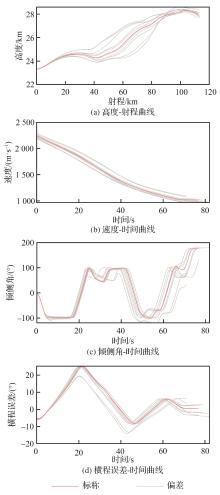
图 16
近程射标称与极限偏差响应曲线
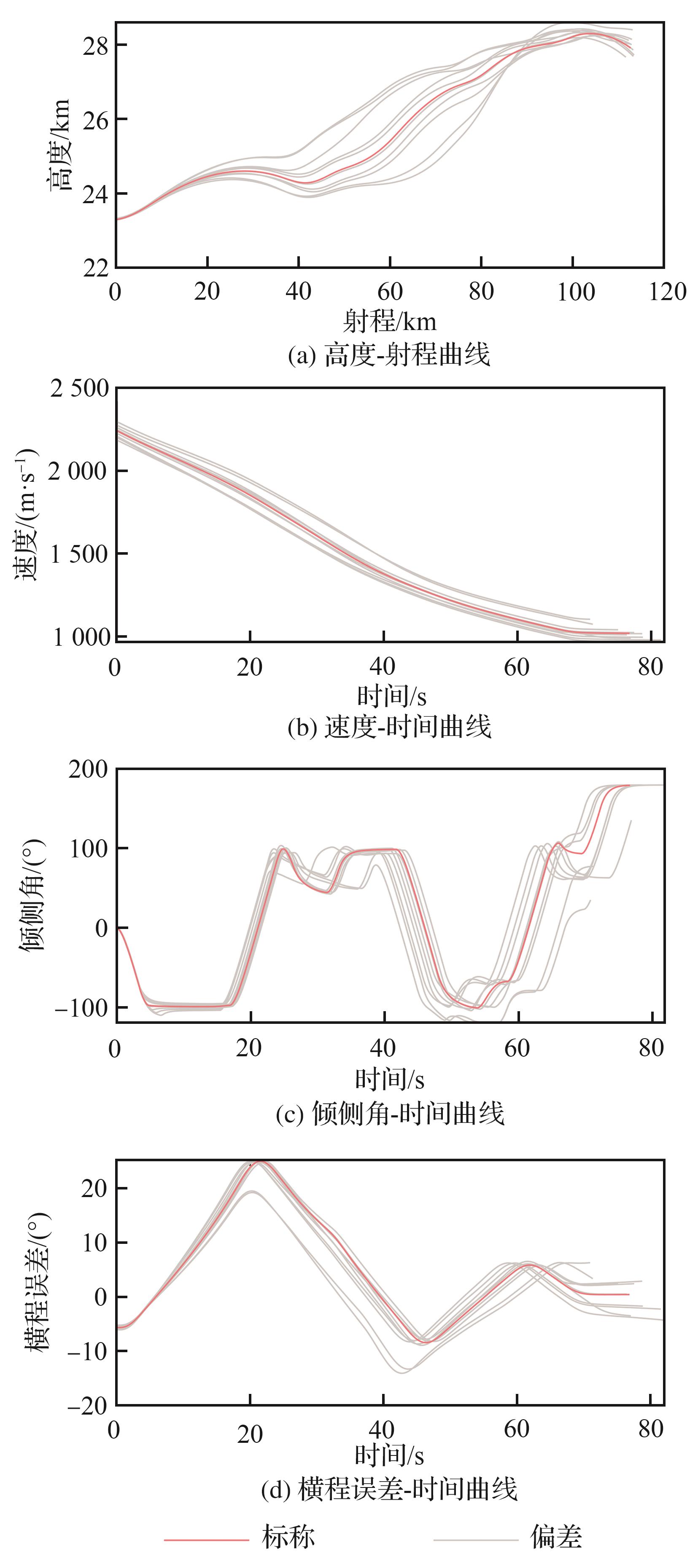
图 17
气动减速滑翔制导的蒙特卡洛仿真终端状态分布
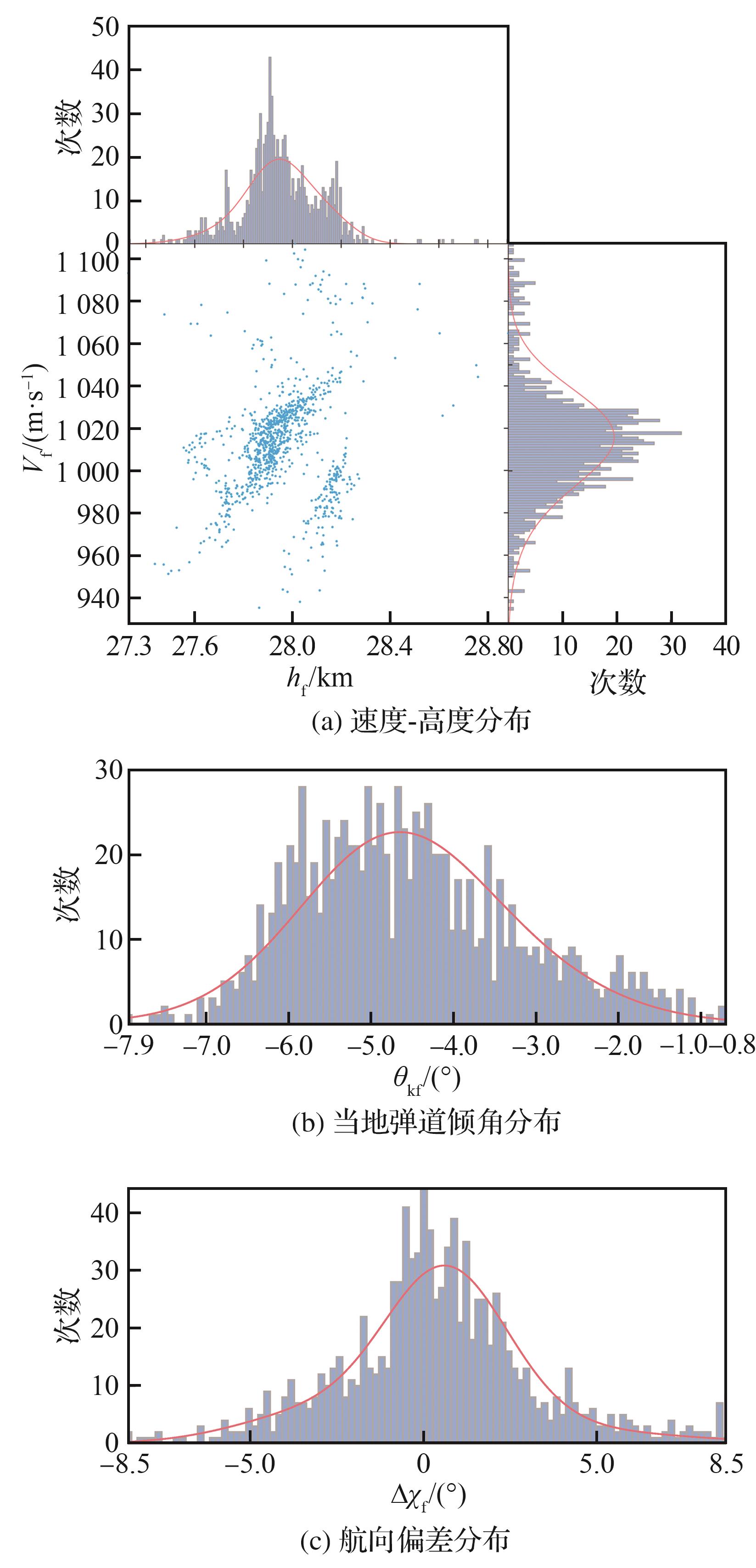
表8
近程制导蒙特卡洛仿真统计结果
终端 状态 | 推力标称 | 推力上偏 | 推力下偏 | |||
|---|---|---|---|---|---|---|
| 均值 | 标准差 | 均值 | 标准差 | 均值 | 标准差 | |
| hf/m | 27.948 | 0.121 | 28.158 | 0.101 | 27.757 | 0.152 |
| Vf/(m·s-1) | 1 018.0 | 21.2 | 991.0 | 25.8 | 1 013.9 | 31.5 |
| θf/(°) | -4.73 | 1.10 | -3.12 | 1.14 | -5.13 | 1.39 |
| Δχf/(°) | 0.656 | 1.754 | -3.113 | 2.252 | 2.730 | 3.689 |
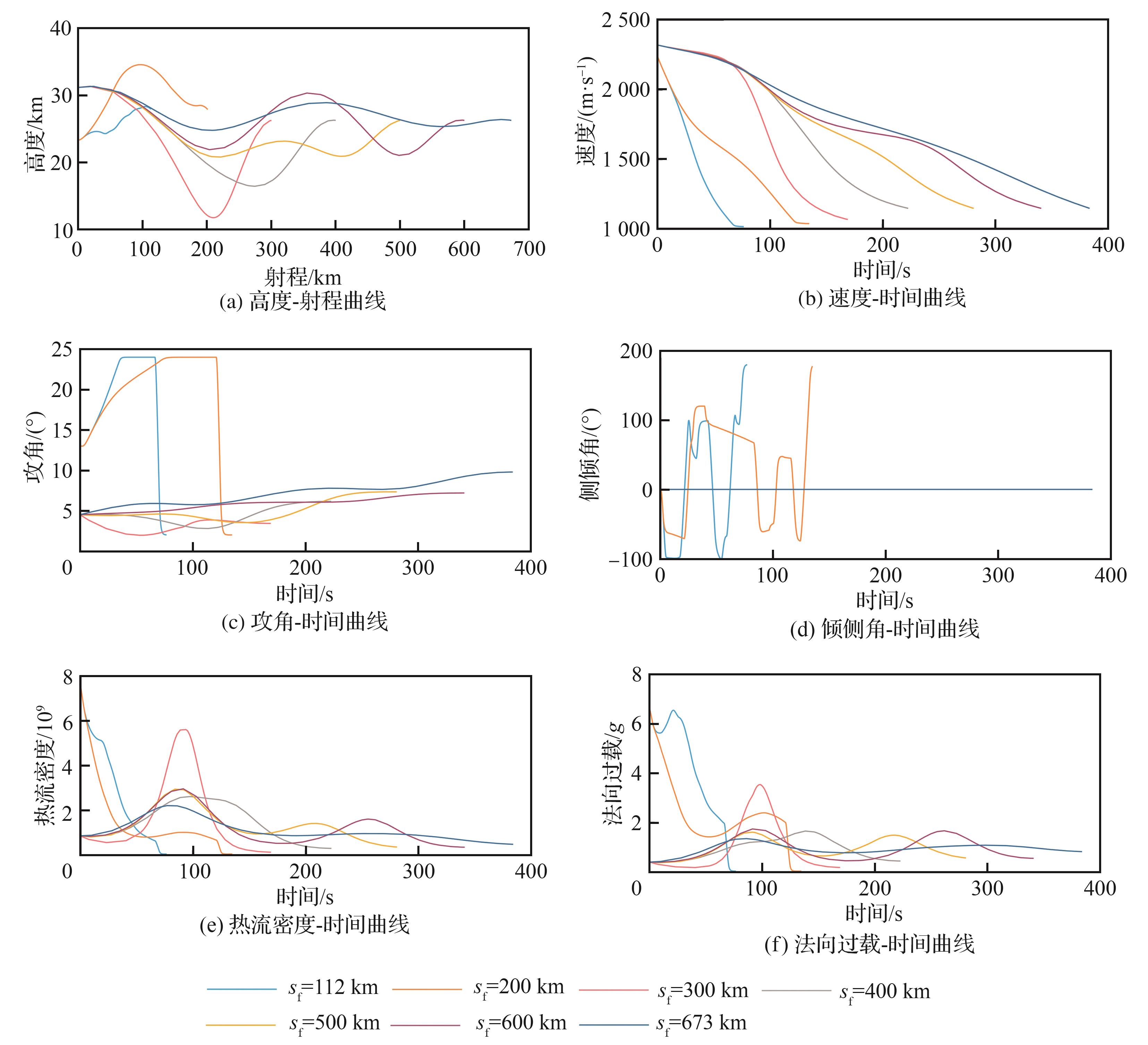
图 18
不同射程目标的标称仿真结果
| [1] | 朱广生. 固体战略导弹创新工程[M]. 北京: 中国宇航出版社, 2016: 3-18. |
| ZHU G S. Innovative project for solid strategic missiles[M]. Beijing: China Astronautic Publishing House, 2016: 3-18 (in Chinese). | |
| [2] | MEASE K, KREMER J P. Shuttle entry guidance revisited[C]∥Astrodynamics Conference. Reston: AIAA, 1992. |
| [3] | 朱广生. 世界高超声速机动飞行器技术发展纵览[M]. 北京: 科学出版社, 2019: 12-22. |
| ZHU G S. Overview of the development of world-class hypersonic maneuverable vehicle technology[M]. Beijing: Science Press, 2019: 12-22 (in Chinese). | |
| [4] | SHEN Z J, LU P. Dynamic lateral entry guidance logic[J]. Journal of Guidance, Control, and Dynamics, 2004, 27(6): 949-959. |
| [5] | 张远龙, 谢愈. 滑翔飞行器弹道规划与制导方法综述[J]. 航空学报, 2020, 41(1): 023377. |
| ZHANG Y L, XIE Y. Review of trajectory planning and guidance methods for gliding vehicles[J]. Acta Aeronautica et Astronautica Sinica, 2020, 41(1): 023377 (in Chinese). | |
| [6] | 闫循良, 王培臣, 郭杨. 再入滑翔机动突防轨迹规划与制导方法综述[J]. 航空学报, 2025, 46(17): 331810. |
| YAN X L, WANG P C, GUO Y. Review of trajectory planning and guidance methods for entry glide maneuvering penetration[J]. Acta Aeronautica et Astronautica Sinica, 2025, 46(17): 331810 (in Chinese). | |
| [7] | DING Y B, YUE X K, CHEN G S, et al. Review of control and guidance technology on hypersonic vehicle[J]. Chinese Journal of Aeronautics, 2022, 35(7): 1-18. |
| [8] | HARPOLD J C, GAVERT D E. Space Shuttle entry guidance performance results[J]. Journal of Guidance, Control, and Dynamics, 1983, 6(6): 442-447. |
| [9] | ROENNEKE A J, MARKL A. Re-entry control to a drag-vs-energy profile[J]. Journal of Guidance, Control, and Dynamics, 1994, 17(5): 916-920. |
| [10] | ROENNEKE A J, CORNWELL P J. Trajectory control for a low-lift re-entry vehicle[J]. Journal of Guidance, Control, and Dynamics, 1993, 16(5): 927-933. |
| [11] | ROENNEKE A J. Adaptive on-board guidance for entry vehicles[C]∥AIAA Guidance, Navigation, and Control Conference and Exhibit. Reston: AIAA, 2001. |
| [12] | MEASE K D, CHEN D T, TEUFEL P, et al. Reduced-order entry trajectory planning for acceleration guidance[J]. Journal of Guidance, Control, and Dynamics, 2002, 25(2): 257-266. |
| [13] | ZIMMERMANN F, CALISE A. Aeroassisted orbital transfer trajectory optimization using direct methods[C]∥20th Atmospheric Flight Mechanics Conference. Reston: AIAA, 1995. |
| [14] | ZIMMERMAN C, DUKEMAN G, HANSON J. Automated method to compute orbital reentry trajectories with heating constraints[J]. Journal of Guidance, Control, and Dynamics, 2003, 26(4): 523-529. |
| [15] | SHEN Z J, LU P. Onboard generation of three-dimensional constrained entry trajectories[J]. Journal of Guidance, Control, and Dynamics, 2003, 26(1): 111-121. |
| [16] | 王培臣, 闫循良, 李新国, 等. 考虑时间约束的解析再入滑翔制导[J]. 航空学报, 2024, 45(23): 329844. |
| WANG P C, YAN X L, LI X G, et al. Reentry glide analytical guidance considering time constraints[J]. Acta Aeronautica et Astronautica Sinica, 2024, 45(23): 329844 (in Chinese). | |
| [17] | LU P, HANSON J M. Entry guidance for the X-33 vehicle[J]. Journal of Spacecraft and Rockets, 1998, 35(3): 342-349. |
| [18] | LU P. Entry guidance and trajectory control for reusable launch vehicle[J]. Journal of Guidance, Control, and Dynamics, 1997, 20(1): 143-149. |
| [19] | RAO A, CLARKE K. Performance optimization of a maneuvering re-entry vehicle using a Legendre pseudospectral method[C]∥AIAA Atmospheric Flight Mechanics Conference and Exhibit. Reston: AIAA, 2002. |
| [20] | KLUMPP A R. Apollo lunar descent guidance[J]. Automatica, 1974, 10(2): 133-146. |
| [21] | LIU X, LI S, XIN M. Comparison of powered descent guidance laws for planetary pin-point landing[J]. Acta Astronautica, 2021, 187: 101-114. |
| [22] | SIMPLÍCIO P, MARCOS A, JOFFRE E, et al. Review of guidance techniques for landing on small bodies[J]. Progress in Aerospace Sciences, 2018, 103: 69-83. |
| [23] | ACIKMESE B, PLOEN S R. Convex programming approach to powered descent guidance for Mars landing[J]. Journal of Guidance, Control, and Dynamics, 2007, 30(5): 1353-1366. |
| [24] | AÇıKMEŞE B, CARSON J M, BLACKMORE L. Lossless convexification of nonconvex control bound and pointing constraints of the soft landing optimal control problem[J]. IEEE Transactions on Control Systems Technology, 2013, 21(6): 2104-2113. |
| [25] | MALYUTA D, REYNOLDS T P, SZMUK M, et al. Convex optimization for trajectory generation: a tutorial on generating dynamically feasible trajectories reliably and efficiently[J]. IEEE Control Systems Magazine, 2022, 42(5): 40-113. |
| [26] | XU H, CAI G B, MU C X, et al. Analytical reentry guidance framework based on swarm intelligence optimization and altitude-energy profile[J]. Chinese Journal of Aeronautics, 2023, 36(12): 336-348. |
| [27] | 宋征宇, 王聪. 运载火箭返回着陆在线轨迹规划技术发展[J]. 宇航总体技术, 2019, 3(6): 1-12. |
| SONG Z Y, WANG C. Development of online trajectory planning technology for launch vehicle return and landing[J]. Astronautical Systems Engineering Technology, 2019, 3(6): 1-12 (in Chinese). | |
| [28] | CHAI R Q, TSOURDOS A, SAVVARIS A, et al. Review of advanced guidance and control algorithms for space/aerospace vehicles[J]. Progress in Aerospace Sciences, 2021, 122: 100696. |
| [29] | 韩雪颖, 马英, 程兴, 等. 运载火箭推力故障下的弹道重构策略研究[J]. 导弹与航天运载技术, 2019(2): 7-11, 26. |
| HAN X Y, MA Y, CHENG X, et al. Trajectory reconfiguration strategy research on launch vehicle with thrust failure[J]. Missiles and Space Vehicles, 2019(2): 7-11, 26 (in Chinese). | |
| [30] | BHARADWAJ S, RAO A V, MEASE K D. Entry trajectory tracking law via feedback linearization[J]. Journal of Guidance, Control, and Dynamics, 1998, 21(5): 726-732. |
| [31] | SARAF A, LEAVITT J A, CHEN D T, et al. Design and evaluation of an acceleration guidance algorithm for entry[J]. Journal of Spacecraft and Rockets, 2004, 41(6): 986-996. |
| [32] | DUKEMAN G. Profile-following entry guidance using linear quadratic regulator theory[C]∥AIAA Guidance, Navigation, and Control Conference and Exhibit. Reston: AIAA, 2002. |
| [33] | LU P. Regulation about time-varying trajectories: precision entry guidance illustrated[J]. Journal of Guidance, Control, and Dynamics, 1999, 22(6): 784-790. |
| [34] | LU P. Closed-form control laws for linear time-varying systems[J]. IEEE Transactions on Automatic Control, 2000, 45(3): 537-542. |
| [35] | VAN SOEST W R, CHU Q P, MULDER J A. Combined feedback linearization and constrained model predictive control for entry flight[J]. Journal of Guidance, Control, and Dynamics, 2006, 29(2): 427-434. |
| [36] | ISHIMOTO S. Nonlinear entry trajectory control using drag-to-altitude transformation[J]. Journal of Guidance, Control, and Dynamics, 2000, 23(2): 378-380. |
| [37] | HARL N, BALAKRISHNAN S N. Reentry terminal guidance through sliding mode control[J]. Journal of Guidance, Control, and Dynamics, 2010, 33(1): 186-199. |
| [38] | XIA Y Q, CHEN R F, PU F, et al. Active disturbance rejection control for drag tracking in Mars entry guidance[J]. Advances in Space Research, 2014, 53(5): 853-861. |
| [39] | MORIO V, CAZAURANG F, VERNIS P. Flatness-based hypersonic reentry guidance of a lifting-body vehicle[J]. Control Engineering Practice, 2009, 17(5): 588-596. |
| [40] | ZHENG Y Y, CUI H T. Disturbance observer-based robust guidance for Mars atmospheric entry with input saturation[J]. Chinese Journal of Aeronautics, 2015, 28(3): 845-852. |
| [41] | BAO C Y, WANG P, TANG G J. Integrated method of guidance, control and morphing for hypersonic morphing vehicle in glide phase[J]. Chinese Journal of Aeronautics, 2021, 34(5): 535-553. |
| [42] | 温正优. 可重复使用飞行器无动力返回段轨迹设计与制导技术研究[D]. 厦门: 厦门大学, 2020: 61-70. |
| WEN Z Y. Trajectory design and guidance technology research of unpowered return phase of reusable launch vehicle[D]. Xiamen: Xiamen University, 2020: 61-70 (in Chinese). | |
| [43] | 陈思. 高超声速飞行器滑翔段制导关键技术研究[D]. 厦门: 厦门大学, 2020: 45-63. |
| CHEN S. Key technology research on glide section guidance of hypersonic vehicle[D]. Xiamen: Xiamen University, 2020: 45-63 (in Chinese). | |
| [44] | 朱广生. 再入机动飞行器气动设计与实践[M]. 北京: 中国宇航出版社, 2016: 32-50. |
| ZHU G S. Aerodynamic design and practice of reentry maneuvering vehicle[M]. Beijing: China Astronautic Publishing House, 2016: 32-50 (in Chinese). | |
| [45] | SUN Z H, WU L N, YOU Y C. Robust gain-scheduled missile autopilot design based on multifrequency extended state observers[J]. Chinese Journal of Aeronautics, 2023, 36(12): 390-407. |
| [46] | SUN Z H, WU L N, YOU Y C. Limit cycle analysis and suppression for disturbance observer-based missile autopilot with flight test results[J]. IEEE Transactions on Aerospace and Electronic Systems, 2025, 61(5): 14192-14210. |
| [1] | 刘庆宗, 丁明松, 董维中, 孔文慧, 江涛. 高速飞行器质量引射条件下气动热数值计算[J]. 航空学报, 2026, 47(5): 132462-132462. |
| [2] | 袁野, 朱琪潇, 朱锐, 杭晓晨, 李盼, 费庆国. 基于Tikhonov正则化的热环境下随机载荷识别方法及验证[J]. 航空学报, 2026, 47(11): 232325-232325. |
| [3] | 高怡宁, 颉文庆, 方淳, 朱丹丹, 赵冬冬, 刘春强, 朱永峰. 燃料电池无人机关键技术与混合能量架构[J]. 航空学报, 2026, 47(11): 232679-232679. |
| [4] | 孙清黎, 郭健, 王永圣. 考虑非圆禁飞区的空天飞行器TAEM段轨迹规划方法[J]. 航空学报, 2026, 47(11): 332177-332177. |
| [5] | 罗平根, 李彬, 王化吉, 李星萍, 夏文庆. 直升机余热回收热管理新构型及应用[J]. 航空学报, 2026, 47(1): 632007-632007. |
| [6] | 张博一, 郭宏, 徐金全, 薛龙献, 马中兵, 陈俊祥. 航空高压直流供电系统双向瞬态干扰抑制方法[J]. 航空学报, 2025, 46(7): 330930-330930. |
| [7] | 王偲琛, 张超, 蔡兴考, 杨肖峰, 肖光明, 杜雁霞. 高速飞行条件下CMC材料细观热响应特性[J]. 航空学报, 2025, 46(3): 230620-230620. |
| [8] | 吴宇, 何林珂, 李瑞珍, 刘子睿, 徐梓潇, 李伟林. 基于稳定性优化的油电混动飞机能量管理方法[J]. 航空学报, 2025, 46(22): 331937-331937. |
| [9] | 余子杰, 郑征, 李清东, 郭林, 任素萍, 郭健. 基于深度强化学习的太阳能无人机航迹规划[J]. 航空学报, 2025, 46(12): 331420-331420. |
| [10] | 贾贺, 蒋伟, 包文龙, 徐欣, 荣伟, 余莉. 行星探测用柔性降落伞跨/超声速气动特性及耦合机理[J]. 航空学报, 2025, 46(1): 630369-630369. |
| [11] | 安凯, 黄伟, 王振国, 徐小平, 孟玉珊. AI驱动高速飞行器多学科发展知识图谱分析[J]. 航空学报, 2024, 45(S1): 730566-730566. |
| [12] | 曾怡兰, 韩东, 刘壮壮, 周鑫. 高速飞行复合式直升机旋翼受上洗时的驱转特性[J]. 航空学报, 2024, 45(9): 529061-529061. |
| [13] | 戴今钊, 陈海昕. 流场波系引导的三维消波翼优化设计方法[J]. 航空学报, 2024, 45(6): 628942-628942. |
| [14] | 邓舒豪, 雷涛, 金贤球, 陈俊祥, 黄代文, 张晓斌. 燃料电池无人机混合电源系统稳定性及功率控制方法[J]. 航空学报, 2024, 45(17): 530032-530032. |
| [15] | 刁尹, 张智, 彭越, 李杨, 张博戎, 张志国. 火箭着陆段能量管理与轨迹优化技术[J]. 航空学报, 2024, 45(15): 229634-229634. |
| 阅读次数 | ||||||
|
全文 |
|
|||||
|
摘要 |
|
|||||
版权所有 © 航空学报编辑部
版权所有 © 2011航空学报杂志社
主管单位:中国科学技术协会 主办单位:中国航空学会 北京航空航天大学

 CJA
CJA
