航空学报 > 2025, Vol. 46 Issue (14): 331452-331452   doi: 10.7527/S1000-6893.2025.31452

固体力学与飞行器总体设计

柔性飞翼布局机翼气动弹性响应控制与风洞试验

白裕峰1, 邹奇彤1, 黄锐1(), 刘豪杰1, 冉玉国2,3   

  1. 1.南京航空航天大学 航空学院,南京 210016
    2.西北工业大学,西安 710070
    3.中国航空工业集团成都飞机设计研究所,成都 610091
  • 收稿日期:2024-10-28 修回日期:2024-11-18 接受日期:2025-01-13 出版日期:2025-02-06 发布日期:2025-02-06
  • 通讯作者: 黄锐 E-mail:ruihwang@nuaa.edu.cn
  • 基金资助:
    国家自然科学基金(12472013);飞行器基础布局全国重点实验室开放基金(JBGS-2024-07)

Aeroelastic control of flexible wing with flying-wing configuration and wind tunnel tests

Yufeng BAI1, Qitong ZOU1, Rui HUANG1(), Haojie LIU1, Yuguo RAN2,3   

  1. 1.College of Aerospace Engineering,Nanjing University of Aeronautics and Astronautics,Nanjing 210016,China
    2.Northwestern Polytechnical University,Xi’an 710070,China
    3.AVIC Chengdu Aircraft Design & Research Institute,Chengdu 610091,China
  • Received:2024-10-28 Revised:2024-11-18 Accepted:2025-01-13 Online:2025-02-06 Published:2025-02-06
  • Contact: Rui HUANG E-mail:ruihwang@nuaa.edu.cn
  • Supported by:
    National Natural Science Foundation of China(12472013);Foundation of National Key Laboratory of Aircraft Configuration Design(JBGS-2024-07)

摘要:

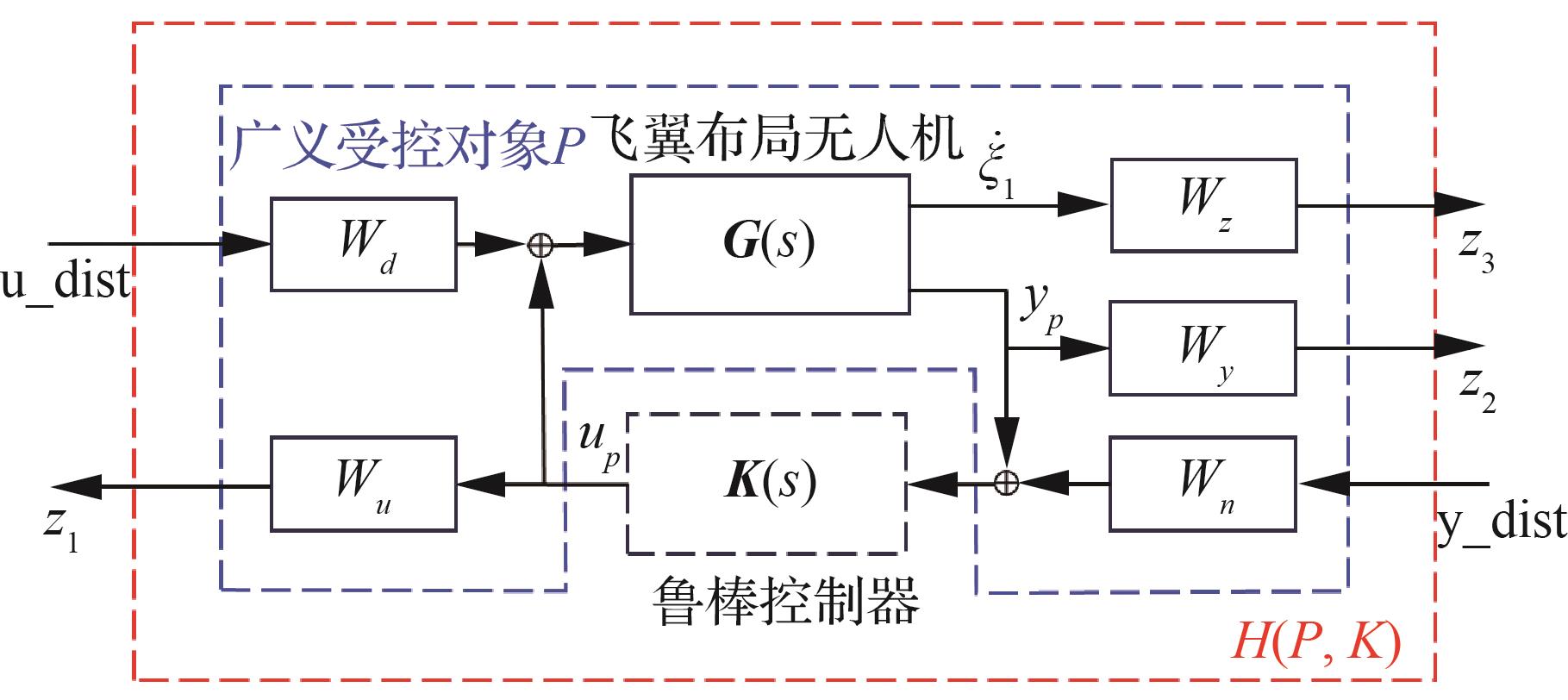
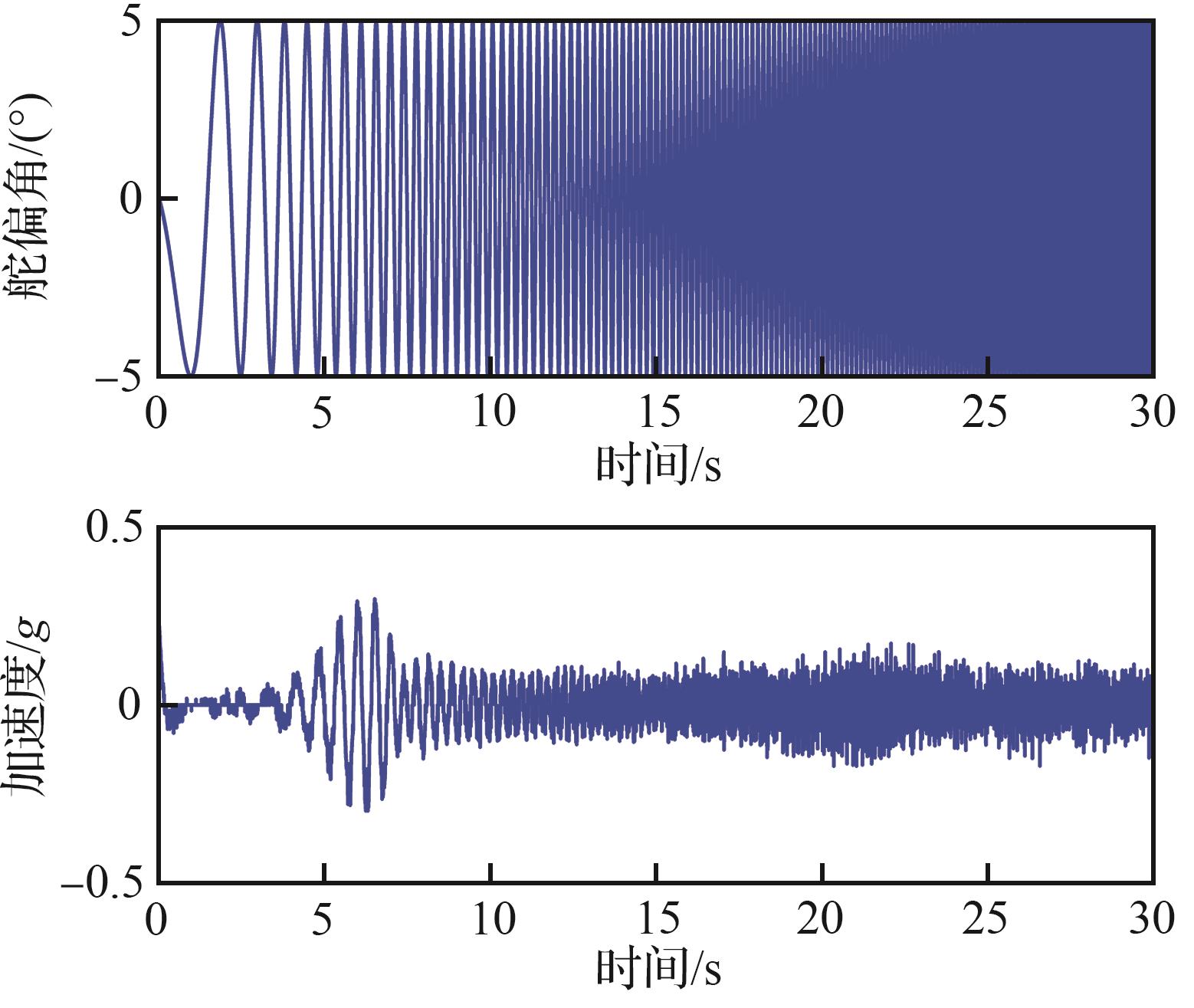
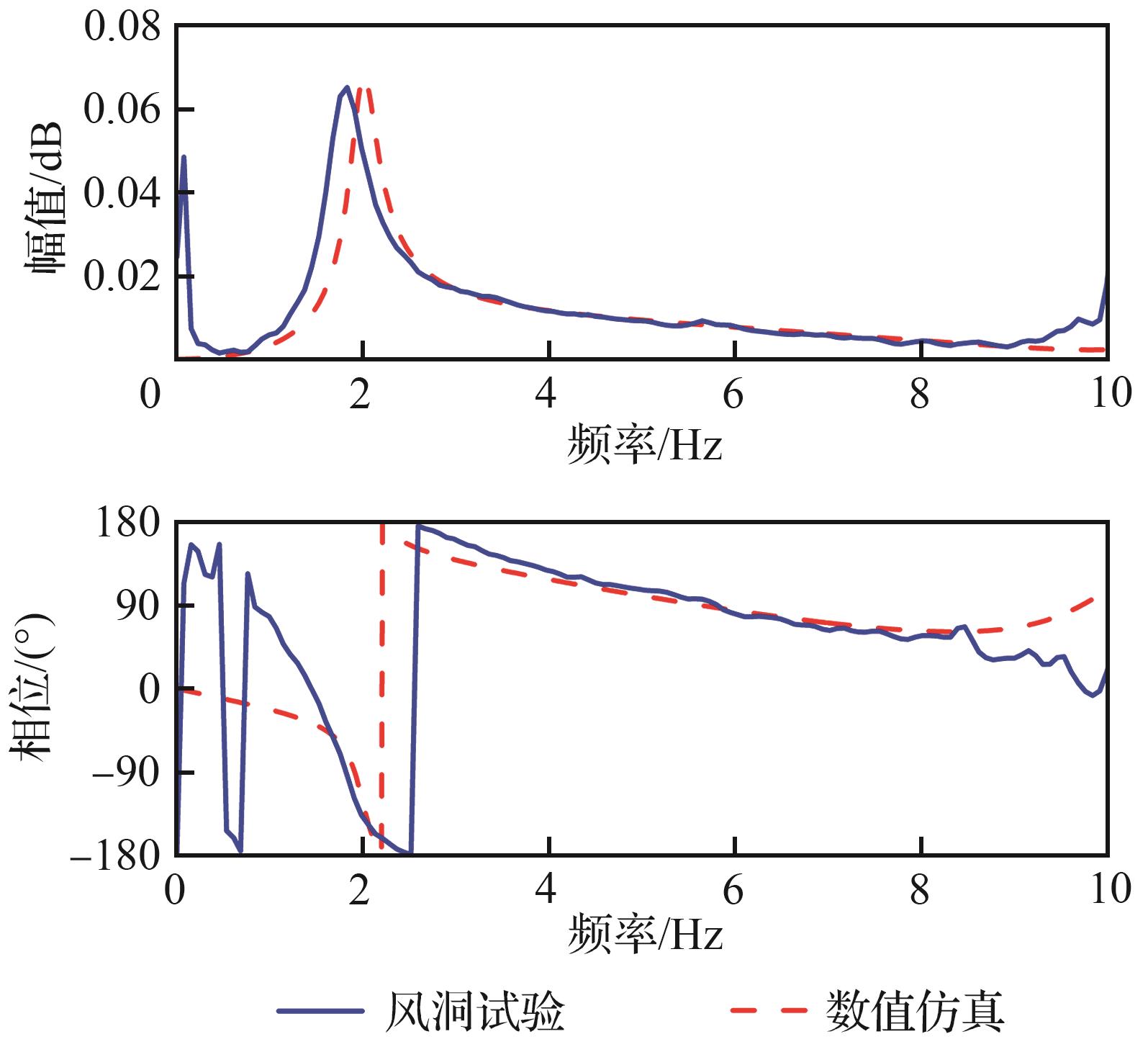
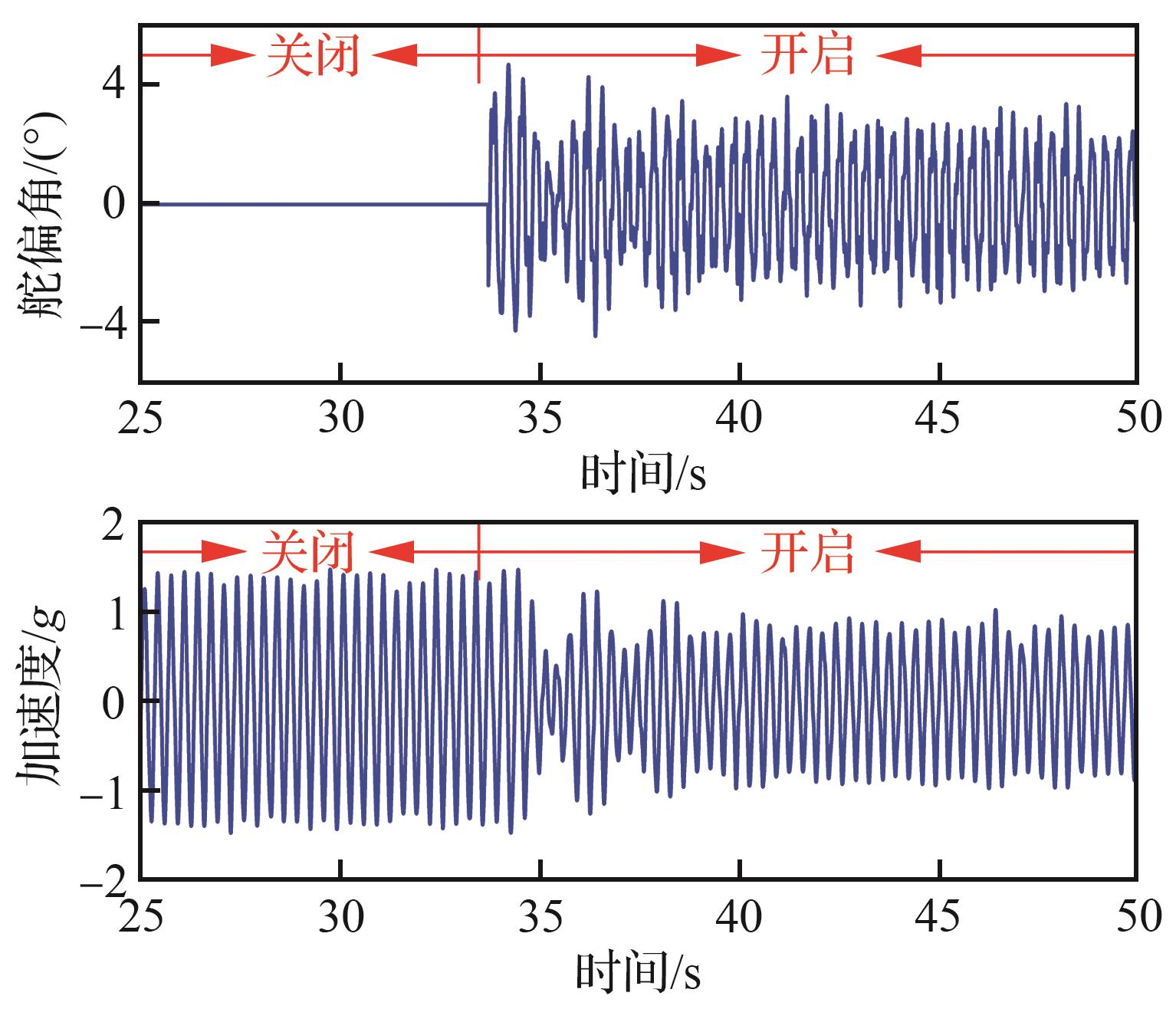
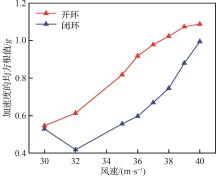
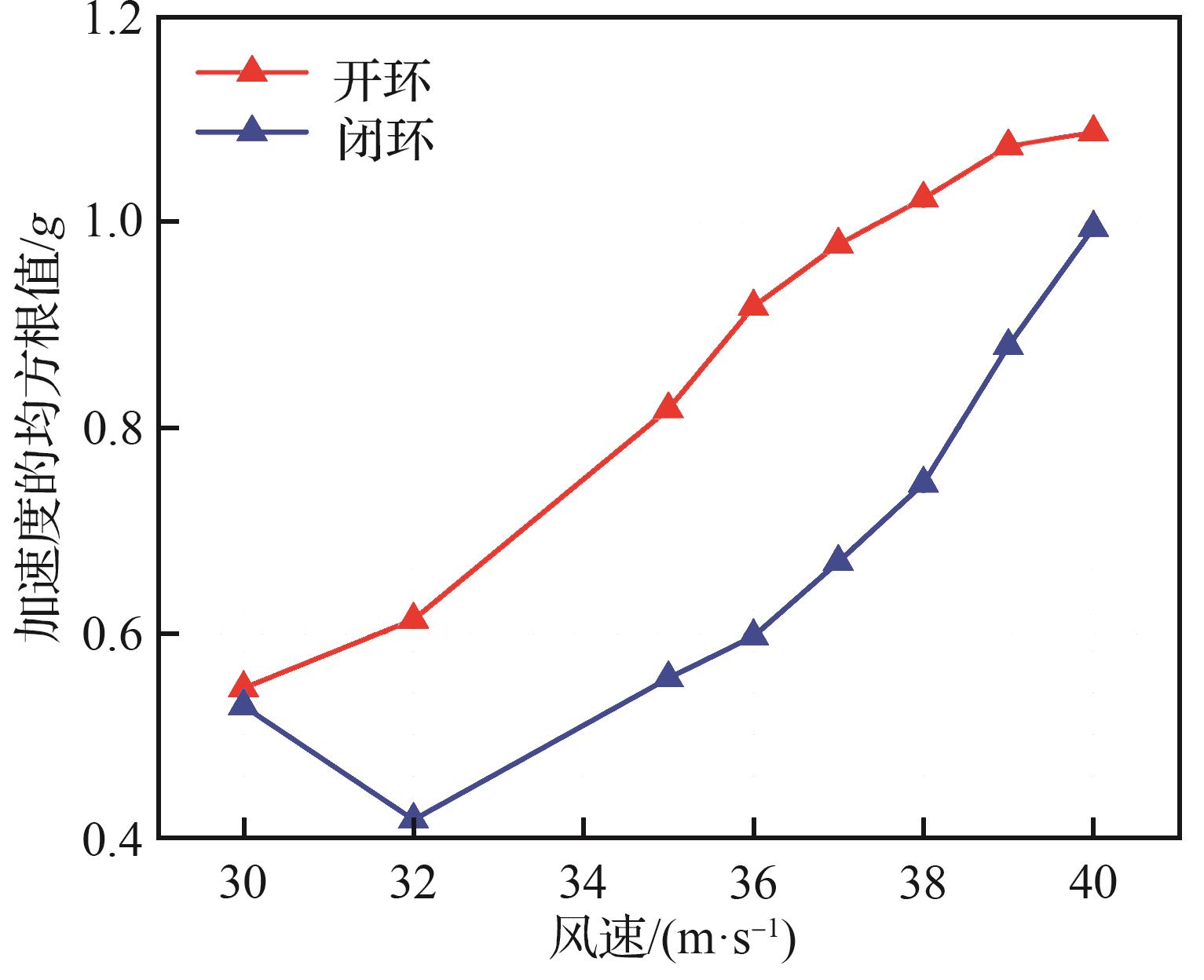
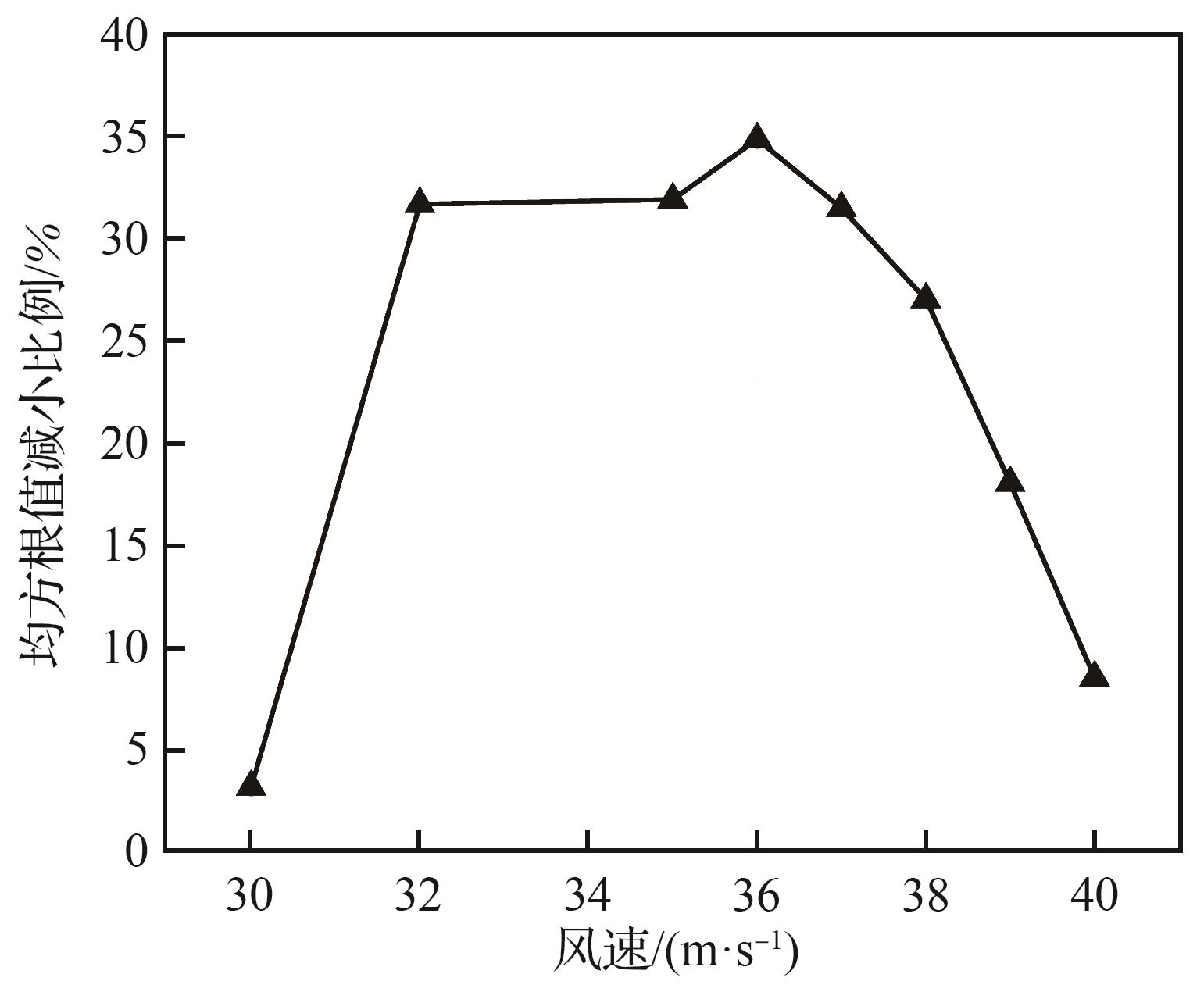
飞翼布局飞机因具有强隐身、高气动效率等优势,受到了国内外的广泛关注。但由于其机身转动惯量小、机翼低阶弯曲模态频率低等因素,因此极易在飞行包线范围内发生刚-弹耦合颤振、气动弹性振动等复杂气动弹性问题。针对柔性飞翼布局飞机的气动弹性振动抑制问题,提出了一种基于试验频响函数估计和鲁棒控制理论的主动气动弹性控制方法,旨通过主动控制降低飞机结构的气动弹性振动并使飞机对外部未知扰动具有较强的鲁棒性。首先,通过开环扫频试验,结合气动伺服弹性动力学建模理论,对试验频响函数进行估计,获取了与试验条件更加贴合的受控系统传递函数。随后,采用鲁棒控制理论设计了气动弹性响应控制器,通过优化其加权参数,使闭环系统的H范数最小化,以提高系统的鲁棒性和稳定性。其次,为了验证控制方法的有效性,开展了风洞试验验证。风洞试验结果表明,在开启鲁棒控制器的情况下,气动弹性响应控制器在一定风速范围内均可显著降低飞机翼尖加速度响应的均方根值,最高降幅可达35%,进而验证了鲁棒气动弹性控制器的有效性和鲁棒性。

关键词: 飞翼布局飞机, 气动弹性振动抑制, 试验频响函数估计, 鲁棒控制, 气动弹性响应控制器, 风洞试验

Abstract:

Flying-wing aerial vehicles have received extensive attention at home and abroad because of their strong stealth performance and excellent aerodynamic characteristics. However, due to the small rotational inertia of the fuselage and the low frequency of the low-order bending modes of the wing, complex aeroelastic problems such as rigid-elastic coupled flutter vibration and aeroelastic vibration are likely to occur in the flight envelope region. An active aeroelastic control method based on estimation of experimental frequency response and robust controller theory is presented for aeroelastic vibration suppression of flying-wing aerial vehicles. The control objective is to simultaneously reduce the aeroelastic vibration of the aircraft structure and enhance the control robustness to external unknown disturbances. An open-loop frequency sweep test in conjunction with the modeling theory of aeroservoelastic dynamics is conducted to estimate the experimental frequency response and obtain the transfer function of a controlled system more closely aligned with the test conditions. Aeroelastic response controllers are designed using robust control theory, and by optimizing the weighting parameters, the number of norms H of the closed-loop system is minimized to improve the robustness and stability of the system. The effectiveness of the control method can then be estimated by wind-tunnel tests. The numerical results demonstrate that the aeroelastic response controller can significantly reduce the root-mean-square value of the wingtip acceleration of the aircraft in a specific wind speed range up to 35%, which in turn verifies the effectiveness of the robust aeroelastic controller and its robustness.

Key words: flying-wing aerial vehicles, aeroelastic vibration suppression, estimation of experimental frequency response, robust control, aeroelastic response controller, wind tunnel tests

中图分类号: