余囿铮1,2,3, 寇家庆1,2,3( ), 张伟伟1,2,3
收稿日期:2025-07-07
修回日期:2025-07-28
接受日期:2025-10-24
出版日期:2025-11-10
发布日期:2025-11-03
通讯作者:
寇家庆
E-mail:jqkou@nwpu.edu.cn
基金资助:
Youzheng YU1,2,3, Jiaqing KOU1,2,3(), Weiwei ZHANG1,2,3
Received:2025-07-07
Revised:2025-07-28
Accepted:2025-10-24
Online:2025-11-10
Published:2025-11-03
Contact:
Jiaqing KOU
E-mail:jqkou@nwpu.edu.cn
Supported by:摘要:
近年来,生成式人工智能为飞行器布局设计提供了全新解决思路。本研究提出了基于生成对抗网络(GAN)的气动布局概念设计方法,以小型通航飞行器为研究对象,开展了气动布局生成式设计研究。首先,基于标准生成对抗网络及其改进模型,建立了面向飞行器气动布局设计的条件Wasserstein生成对抗网络(CWGAN-GP),能实现给定气动性能下的布局方案快速生成。其次,面向低速巡航状态(马赫数0.2、2° 迎角)的机翼设计,分析了不同生成式模型对参数空间的表征能力和给定条件下的布局生成能力,展示出CWGAN-GP在生成式设计方面的优势。最后,面向常规巡航状态(马赫数0.6、2° 迎角)的通航飞行器气动布局生成式设计,以升力系数和升阻比2种关键气动参数为条件,生成了符合条件的多样性气动布局方案。通过突破条件参数采样范围,提出的方法能生成给定气动参数以外的不同气动外形,具有较强的泛化能力与外推性能。研究成果为下一代飞行器生成式气动设计提供了新方法。
中图分类号:
余囿铮, 寇家庆, 张伟伟. 基于生成对抗网络的通航飞行器气动布局设计方法[J]. 航空学报, 2026, 47(6): 132518.
Youzheng YU, Jiaqing KOU, Weiwei ZHANG. A generative adversarial network based method for aerodynamic configuration design of general aviation aircraft[J]. Acta Aeronautica et Astronautica Sinica, 2026, 47(6): 132518.
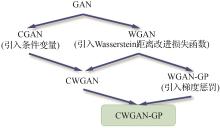
图 1
不同GAN模型的关系
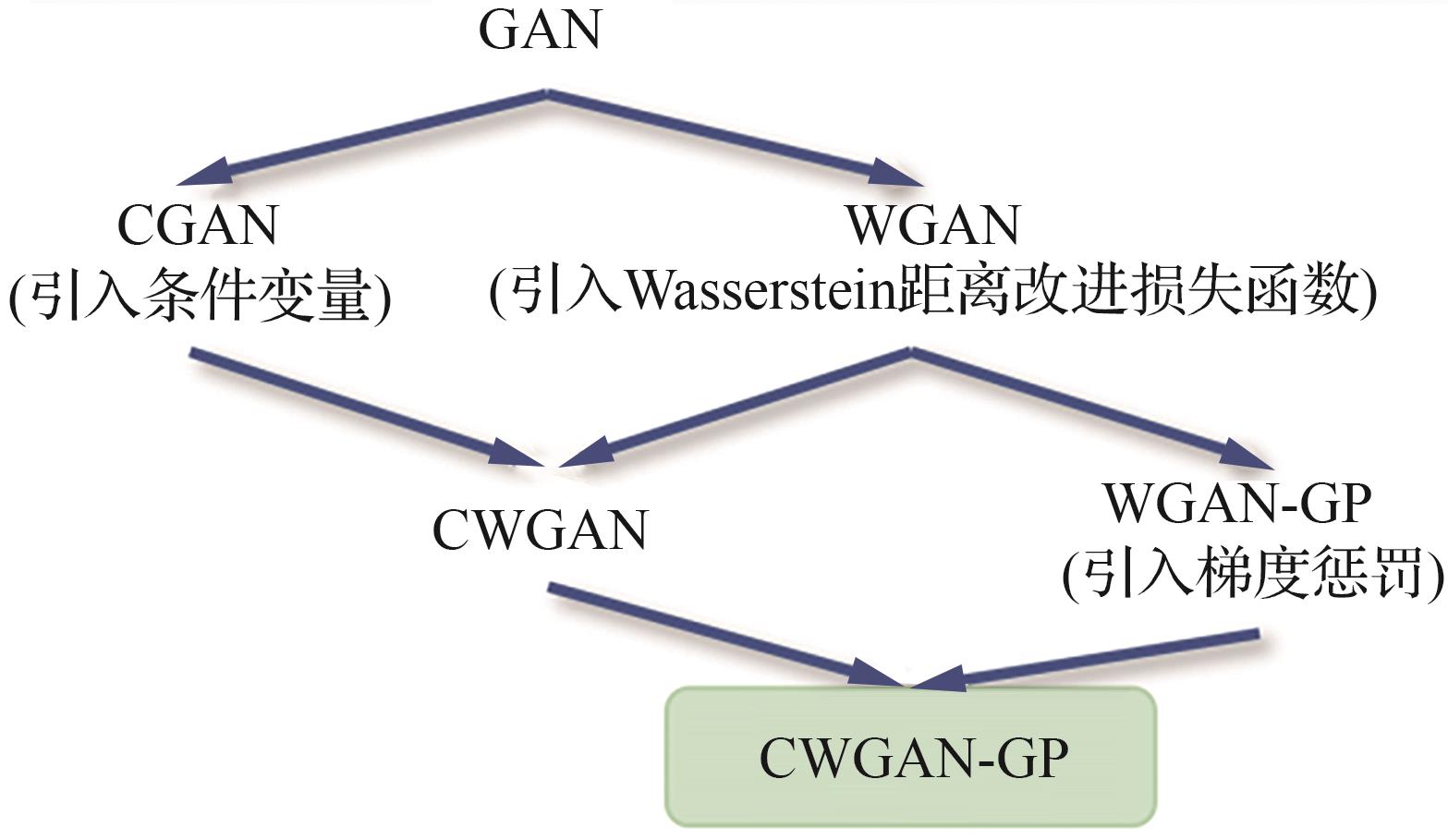

图 2
GAN的网络结构

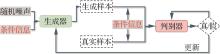
图 3
CGAN的网络结构
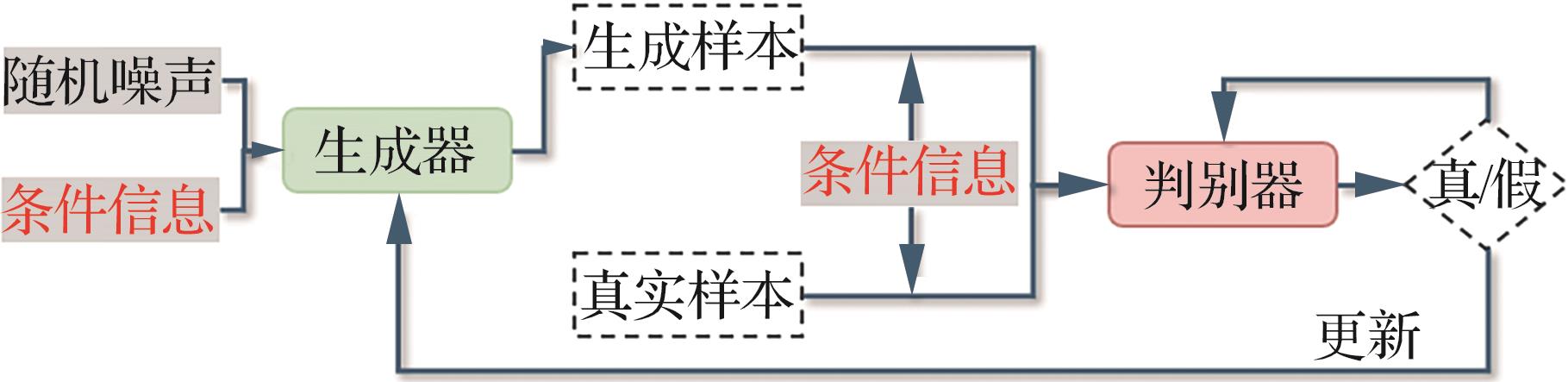
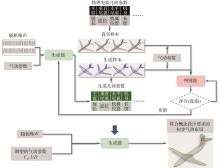
图 4
CWGAN-GP模型的训练与生成过程
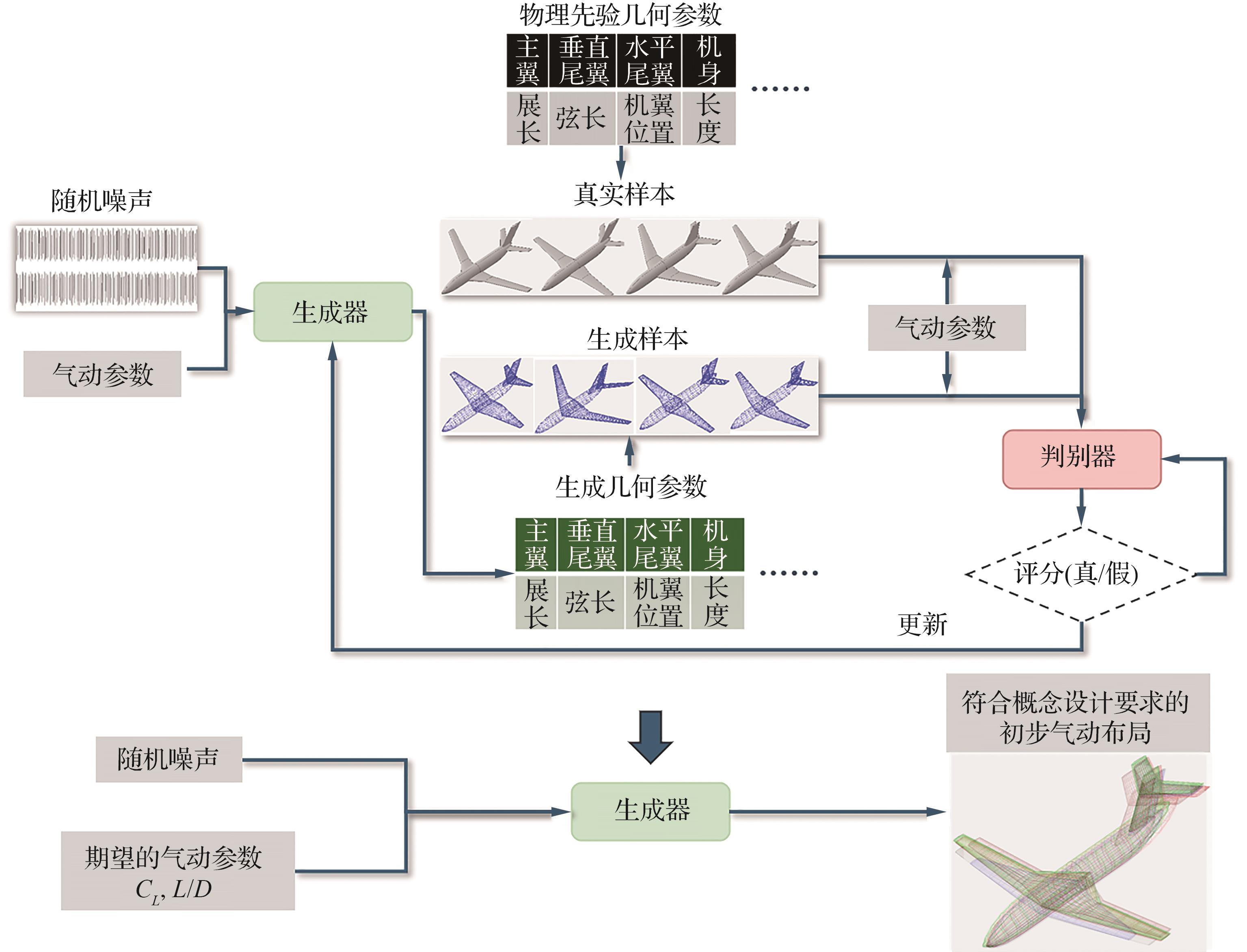
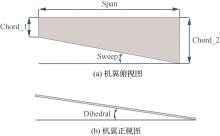
图 5
机翼设计的变量定义
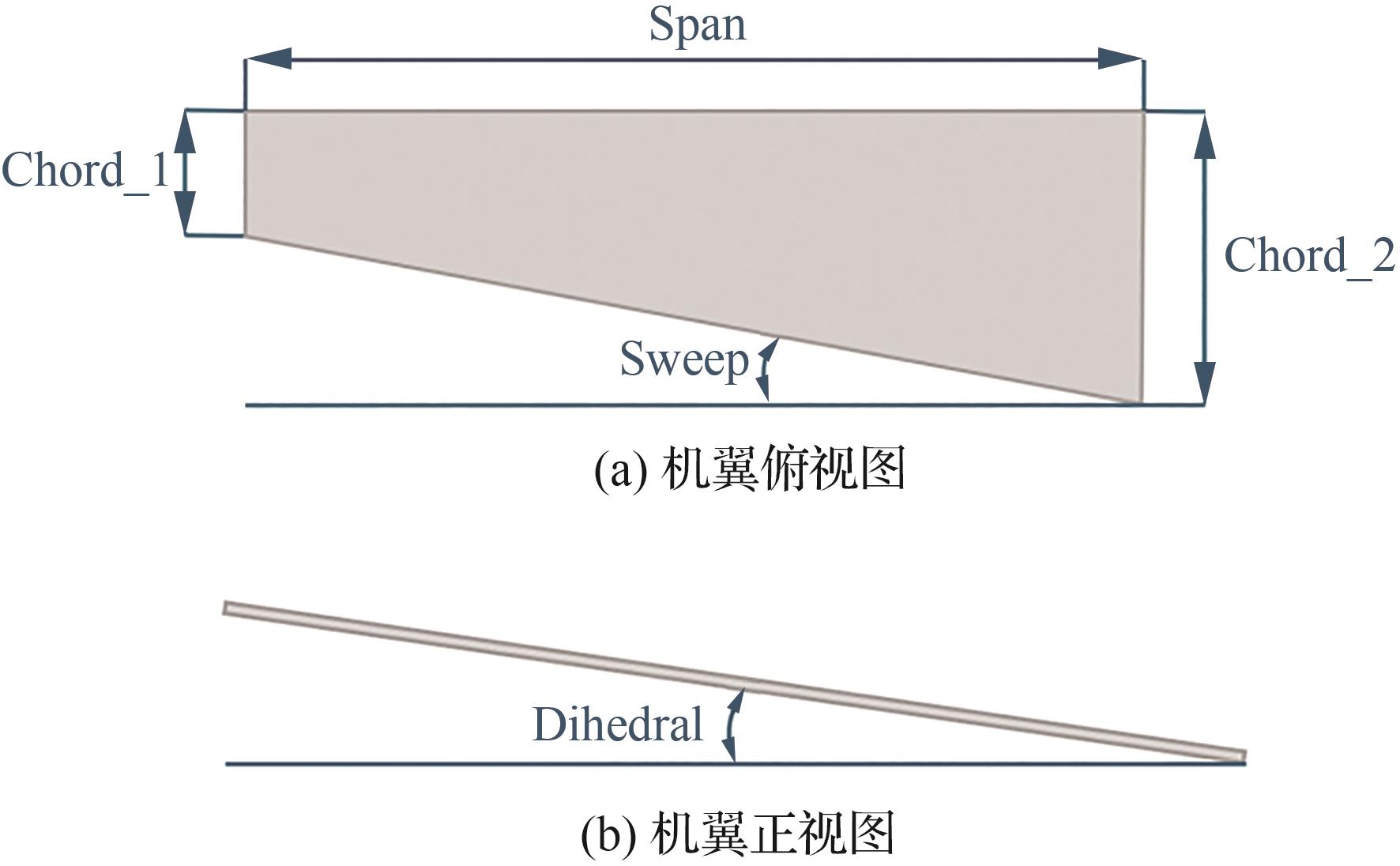

表 1
机翼外形特征参数
| 设计变量 | 定义 | 上限 | 下限 |
|---|---|---|---|
| Span/m | 半边翼展 | 10 | 6 |
| Chord_1/m | 翼尖弦长 | 2 | 1 |
| Chord_2/m | 翼根弦长 | 5 | 翼尖弦长长度 |
| Dihedral/(°) | 上反角 | 5 | 0 |
| Sweep/(°) | 后掠角 | 30 | 0 |
| t/c | 翼型最大厚度 | 0.2 | 0.1 |
表 2
不同模型网络架构
| 网络名称 | 网络层 | 神经元个数 | 激活函数 |
|---|---|---|---|
| 生成器 | 隐藏层1 | 512 | ReLU |
| 隐藏层1 | 128 | ReLU | |
| 隐藏层3 | 16 | ReLU | |
| 输出层 | 6 | Tanh | |
| 判别器 | 隐藏层1 | 128 | LeakyReLU |
| 隐藏层1 | 64 | LeakyReLU | |
| 隐藏层3 | 16 | LeakyReLU | |
| 输出层 | 1 | Sigmoid (GAN,CGAN) |
表 3
不同网络超参数设置
| 网络 | 批次 | 学习率 | 迭代 | 优化器 |
|---|---|---|---|---|
| GAN | 0.000 2(G) 0.000 02(D) | Adam | ||
| WGAN | 128 | 0.000 05 | 1 000 | RMSprop |
| WGAN-GP | 0.000 1 | Adam | ||
| CGAN | 0.000 2(G) 0.000 02(D) | Adam | ||
| CWGAN | 0.000 05 | RMSprop | ||
| CWGAN-GP | 0.000 1 | Adam |
表 4
不同模型性能评估指标
| 模型 | 是否引入条件变量 | MMD距离 | MSE值 | MNND |
|---|---|---|---|---|
| GAN | 否 | 0.193 1 | ||
| WGAN | 否 | 0.041 5 | ||
| WGAN-GP | 否 | 0.096 | ||
| CGAN | 是 | 2×10⁻⁵ | 0.372 1 | |
| CWGAN | 是 | 5.3×10⁻⁵ | 0.804 8 | |
| CWGAN-GP | 是 | 6×10⁻⁶ | 0.801 7 |
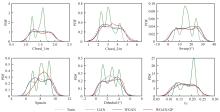
图 6
不同模型特征的概率密度分布
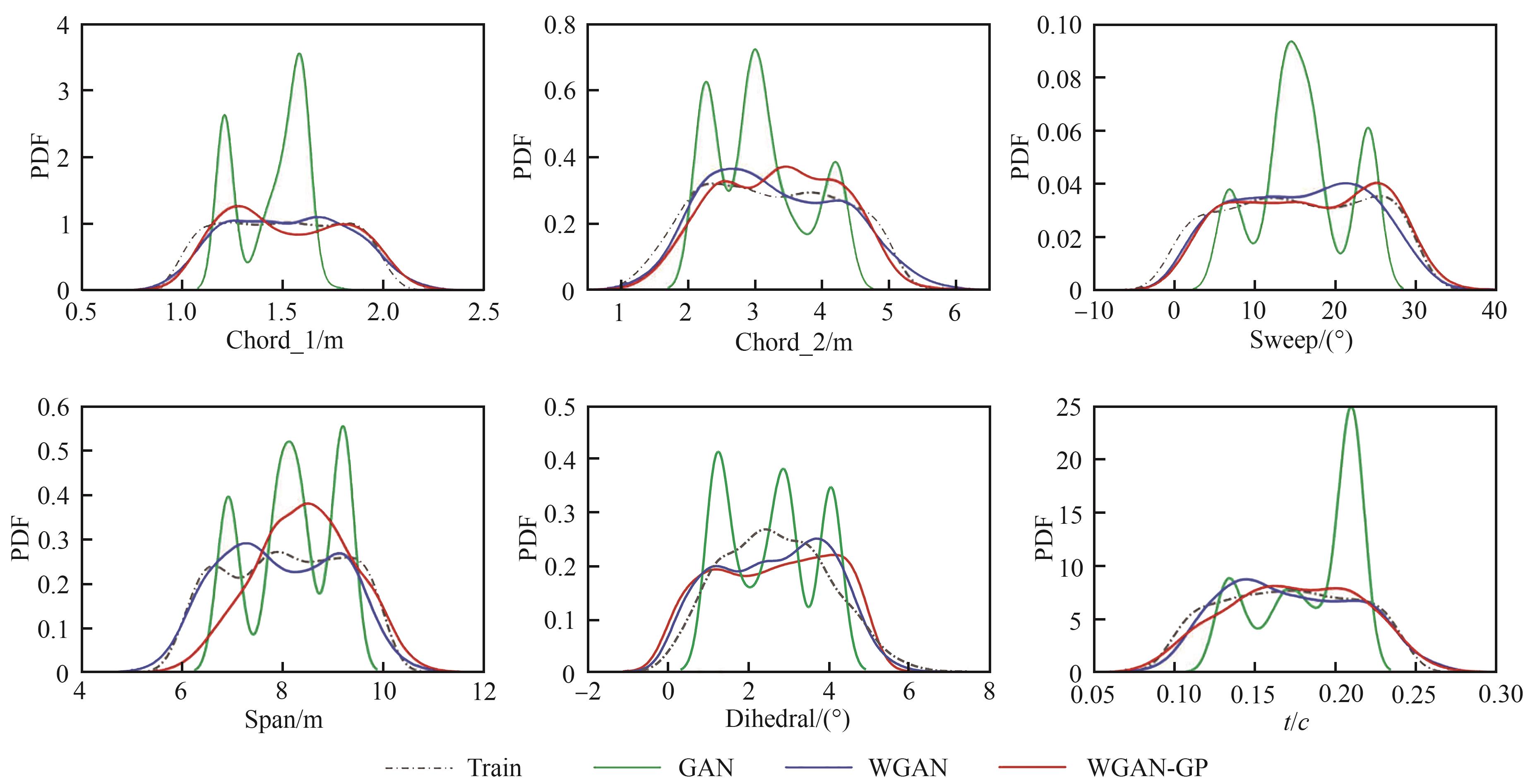
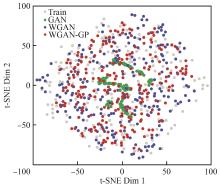
图 7
不同模型t-SNE降维后的特征分布
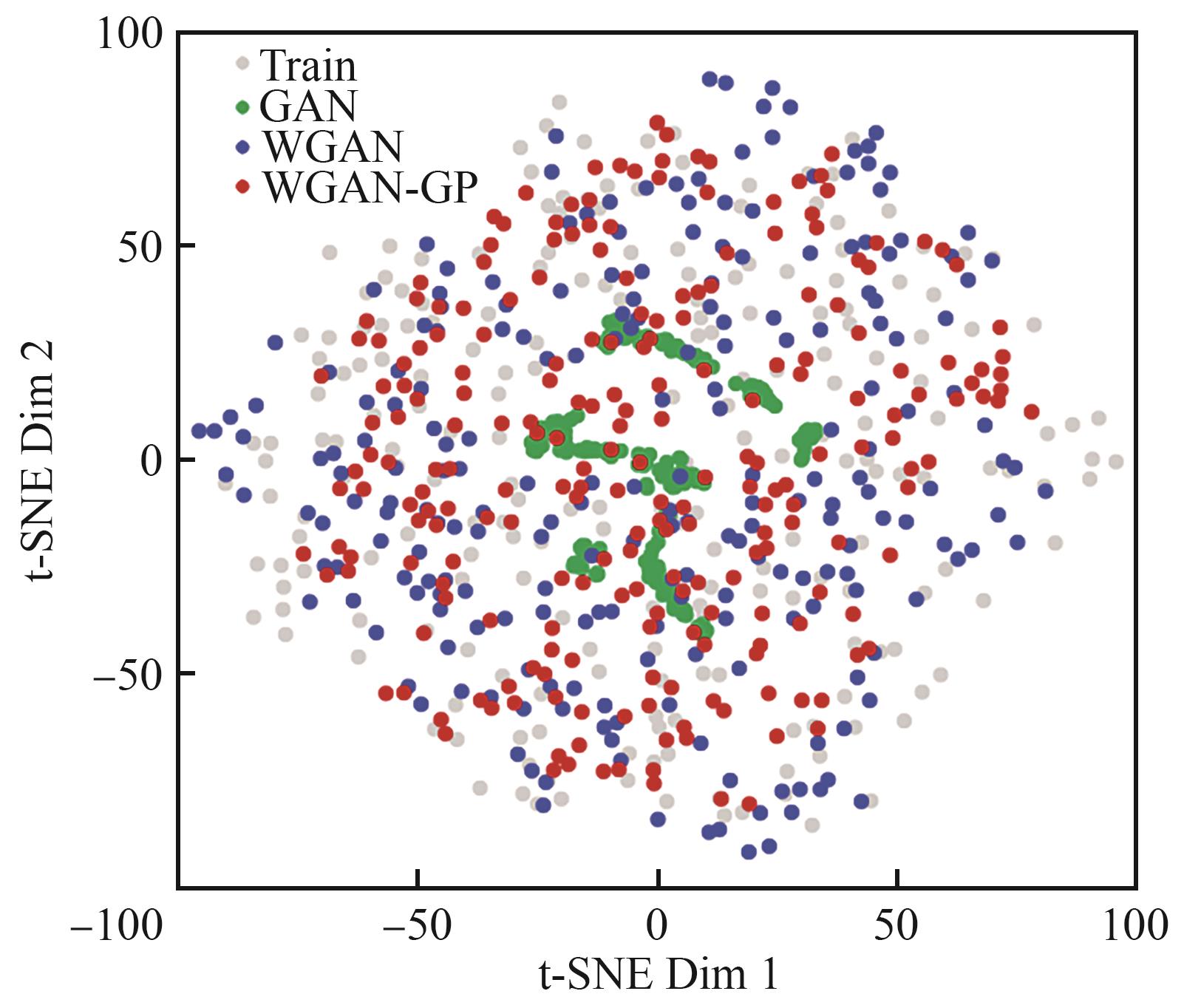
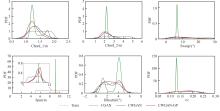
图 8
不同条件模型特征的概率密度分布
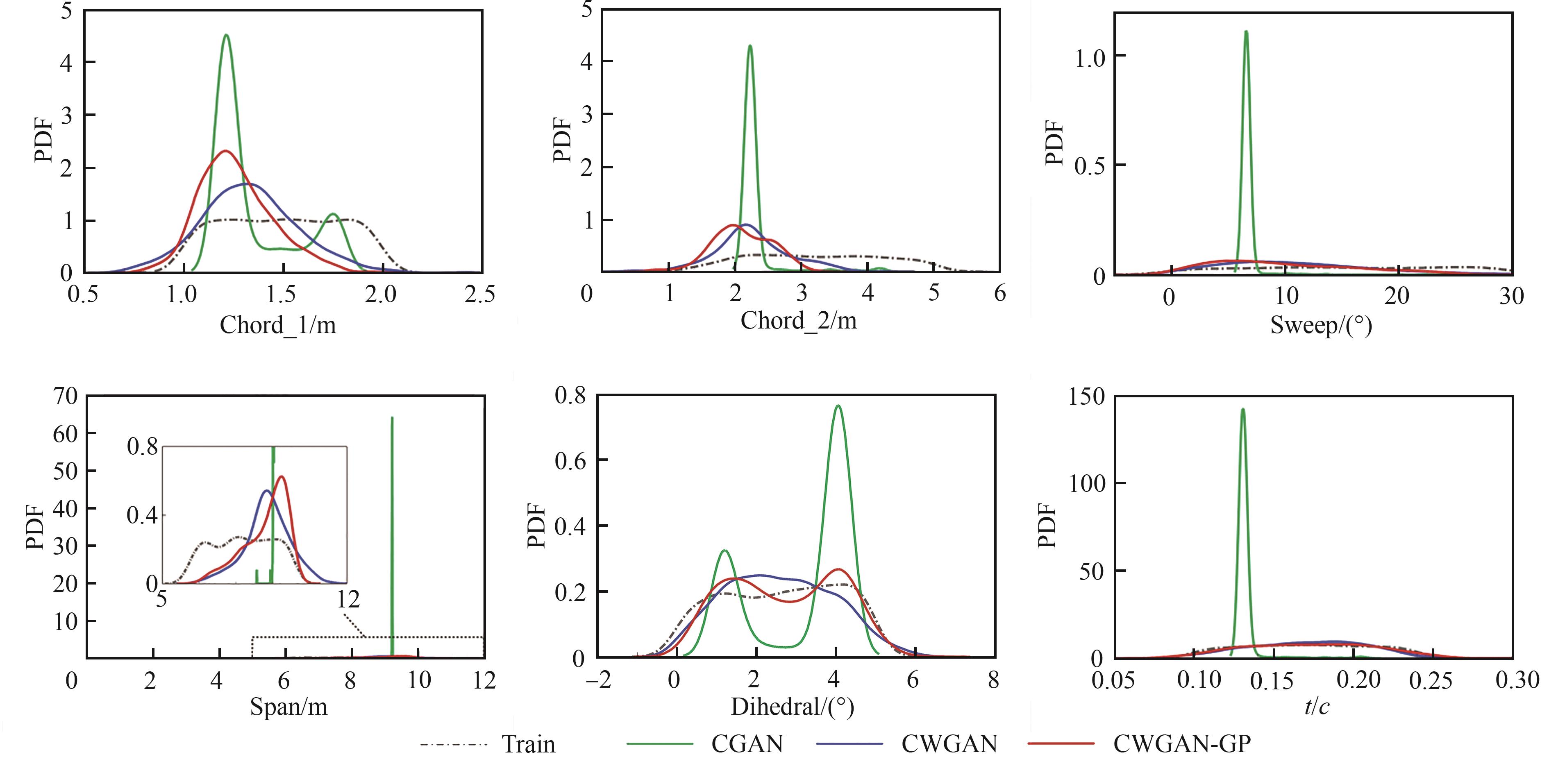
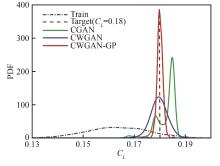
图 9
不同模型生成样本的升力系数概率密度分布
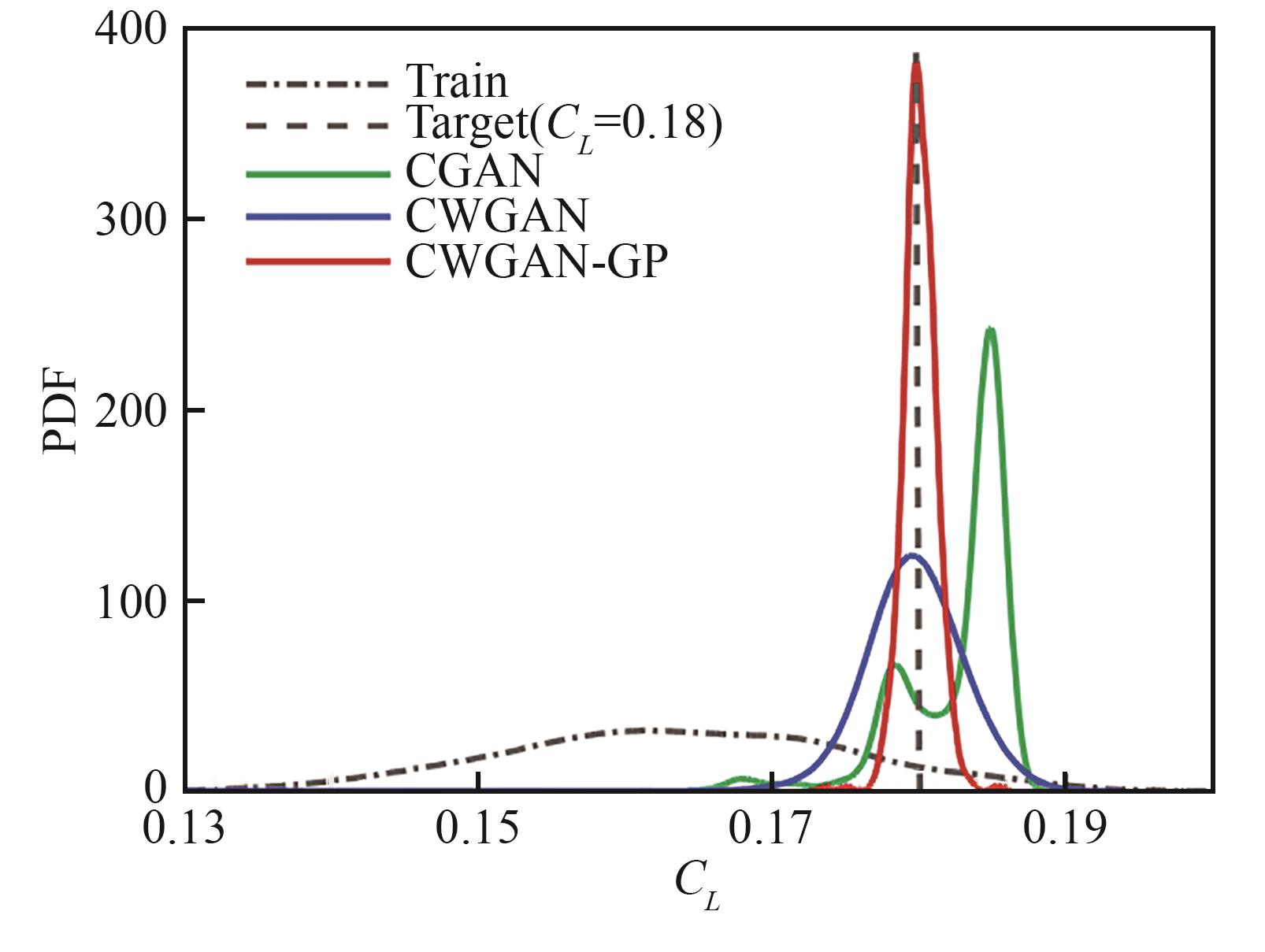
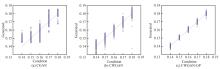
图 10
不同模型针对不同升力系数目标值生成的样本预测值与真实值对比
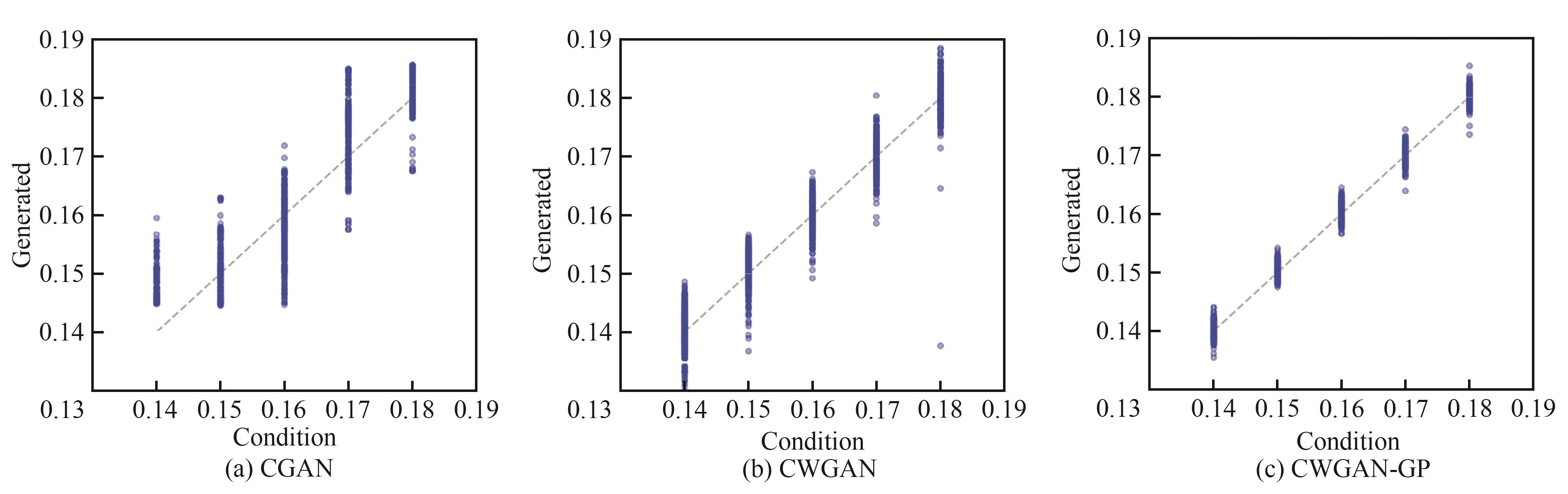
表 5
不同目标值生成结果的评估指标
| 指标 | CGAN | CWGAN | CWGAN-GP |
|---|---|---|---|
| 0.268 | 0.057 | 0.018 | |
| 3.61×10⁻⁵ | 5.53×10⁻⁵ | 1.43×10⁻⁶ |
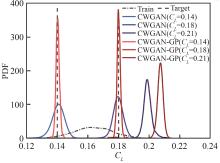
图 11
不同模型针对不同目标的生成结果概率密度分布
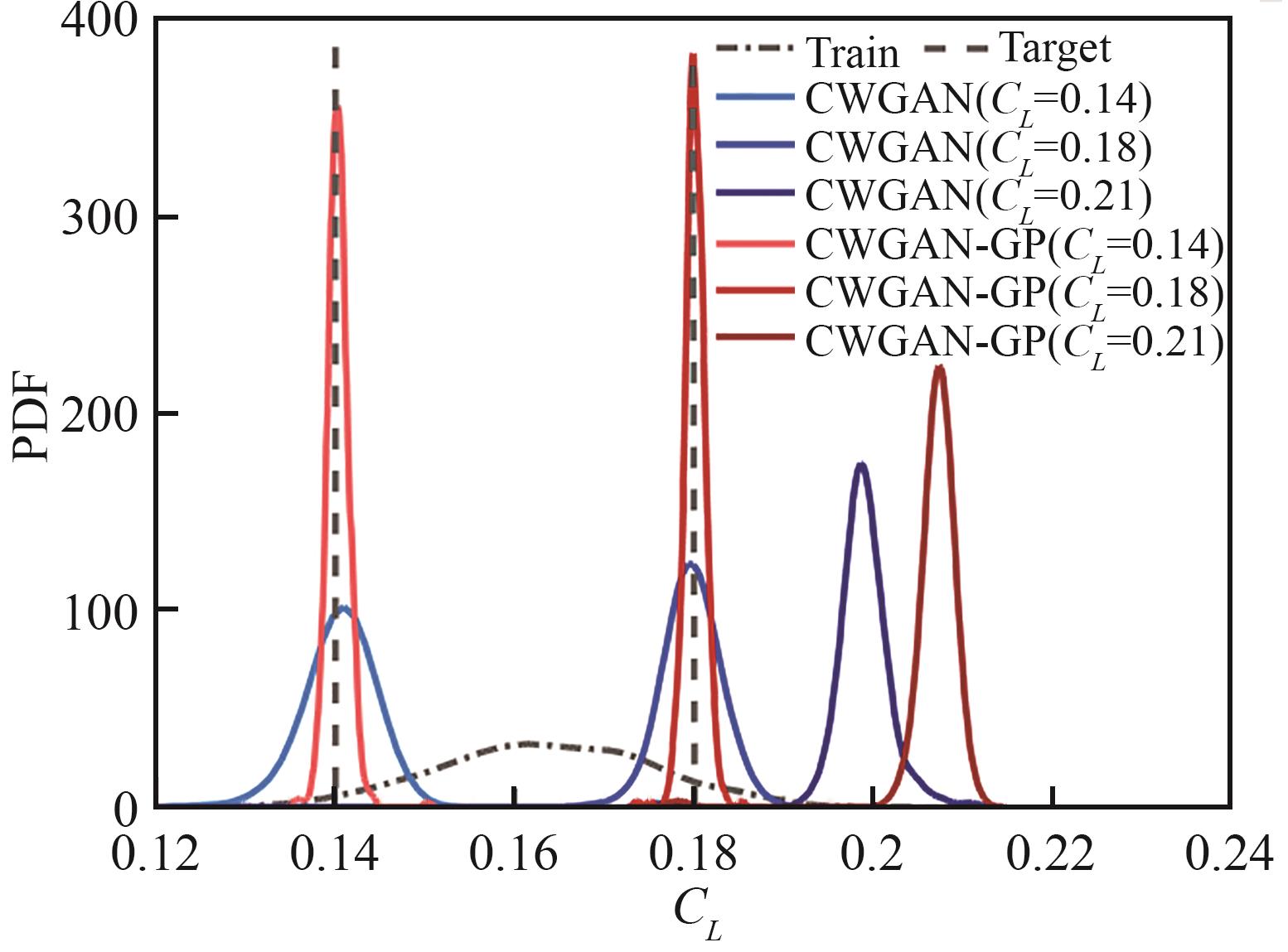
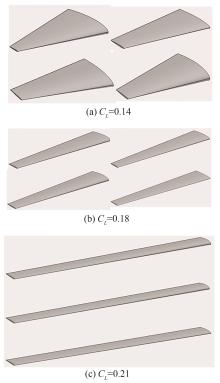
图 12
CWGAN-GP生成结果可视化
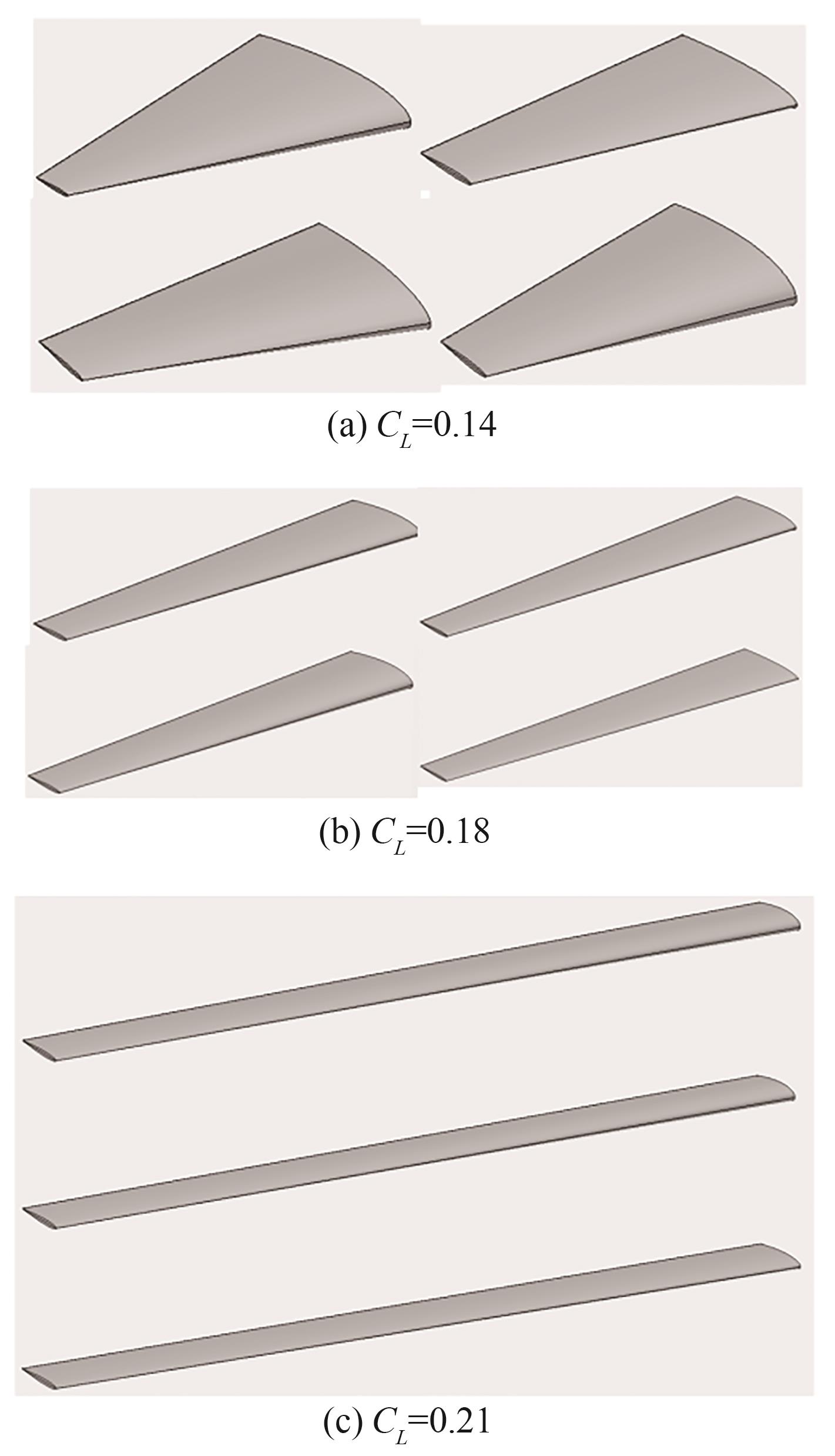
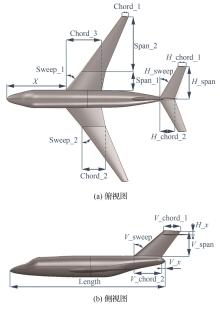
图 13
小型通航飞行器Cessna Citation X参数化示意图
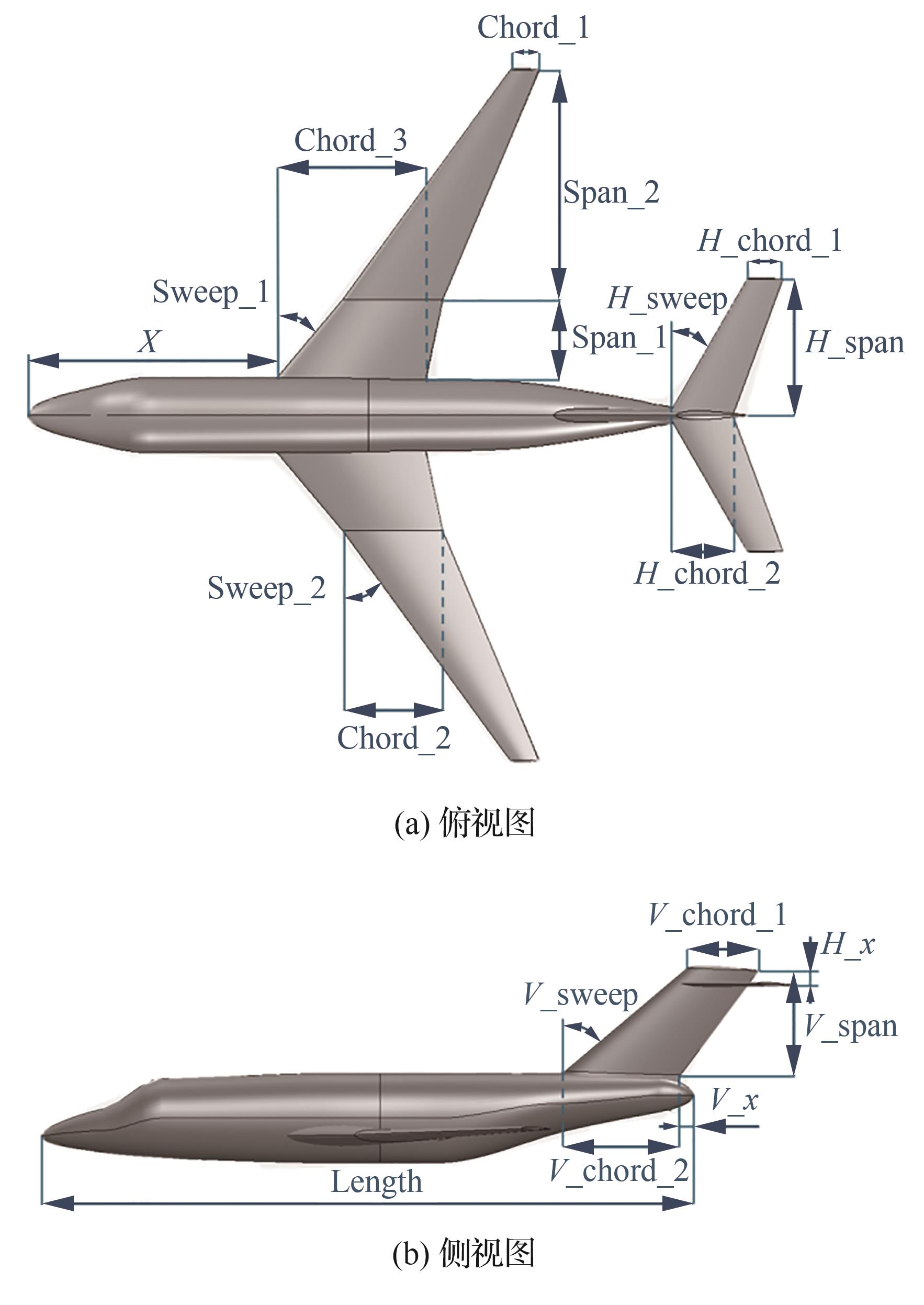
表 6
Cessna Citation X通航飞行器气动布局特征参数
| 设计变量 | 定义 | 下限 | 上限 | 基准 |
|---|---|---|---|---|
| Span_1/m | 主翼翼段1展长(半边) | 2 | 4 | 19.38 (完整) |
| Span_2/m | 主翼翼段2展长(半边) | 6 | 8 | |
| Chord_3/m | 主翼翼根弦长 | 3.5 | 5.5 | 展弦比 7.8 |
| Chord_1/m | 主翼翼尖弦长 | 0.8 | 1.5 | |
| Chord_2/m | 主翼分段处弦长 | |||
| Area/m2 | 主翼面积 | 47 | 50 | 48.96 |
| Sweep_1/(°) | 主翼翼段1后掠角 | 0 | 40 | |
| Sweep_2/(°) | 主翼翼段2后掠角 | 0 | 40 | |
| Dihedral_1/(°) | 主翼翼段1上反角 | 0 | 2 | 2 |
| Dihedral_2/(°) | 主翼翼段2上反角 | 0 | 3 | |
| t/c_1 | 主翼翼尖翼型 最大厚度 | 0.11 | 0.24 | |
| t/c_2 | 主翼分段处翼型 最大厚度 | 0.11 | 0.24 | |
| t/c_3 | 主翼翼根翼型 最大厚度 | 0.11 | 0.24 | |
| X% | 主翼前缘相对机身位置 | 25 | 45 | |
| V_span/m | 垂尾展长 | 3 | 3.6 | |
| V_chord_2/m | 垂尾翼根弦长 | 2 | 2.7 | |
| V_chord_1/m | 垂尾翼尖弦长 | 1.5 | 2 | |
| V_area/m2 | 垂尾面积 | 9 | 11 | 10.31 |
| V_t/c_2 | 垂尾翼根翼型 最大厚度 | 0.11 | 0.24 | |
| V_t/c_1 | 垂尾翼尖翼型 最大厚度 | 0.11 | 0.24 | |
| V_sweep/(°) | 垂尾后掠角 | 30 | 40 | |
| V_x/m | 垂尾后缘距离机尾距离 | 0.1 | 1.5 | |
| H_span/m | 平尾展长(半边) | 3.5 | 4.5 | |
| H_chord_2/m | 平尾翼根弦长 | 3 | 4 | |
| H_chord_1/m | 平尾翼尖弦长 | 2 | 3.5 | |
| H_area/m2 | 平尾面积 | 9 | 12 | 11.15 |
| H_t/c_2 | 平尾翼根翼型 最大厚度 | 0.11 | 0.24 | |
| H_t/c_1 | 平尾翼尖翼型 最大厚度 | 0.11 | 0.24 | |
| H_sweep/(°) | 平尾后掠角 | 30 | 45 | |
| H_x/% | 平尾相对垂尾翼尖位置 | 10 | 20 | |
| Length/m | 机身长度 | 17 | 20 |
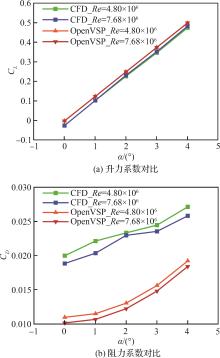
图 14
CFD与OpenVSP的气动参数求解对比
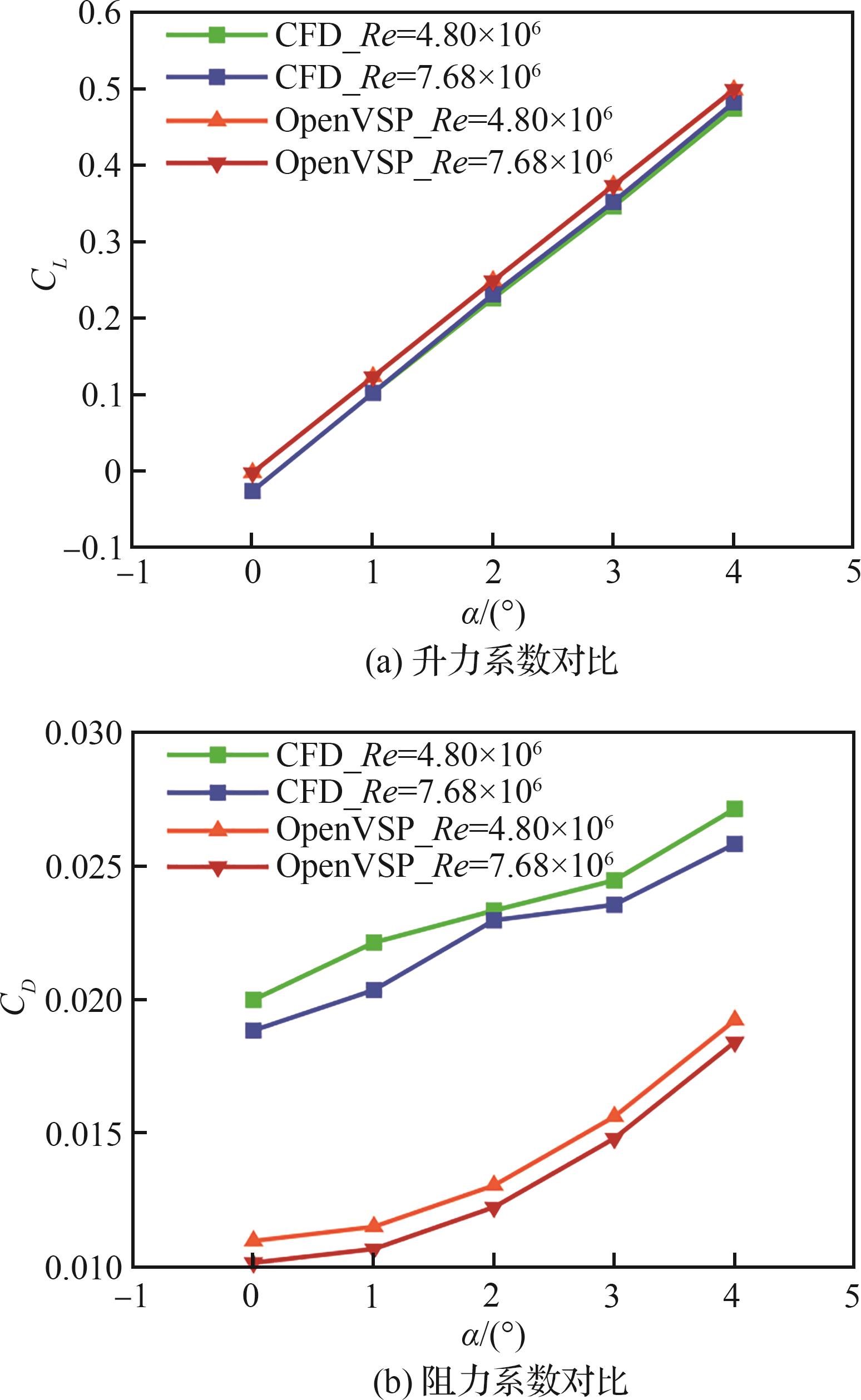
表 7
不同条件生成模型网络架构
| 网络名称 | 网络层 | 神经元个数 | 激活函数 |
|---|---|---|---|
| 生成器 | 隐藏层1 | 512 | ReLU |
| 隐藏层1 | 128 | ReLU | |
| 隐藏层3 | 32 | ReLU | |
| 输出层 | 28 | Tanh | |
| 判别器 | 隐藏层1 | 128 | LeakyReLU |
| 隐藏层1 | 64 | LeakyReLU | |
| 隐藏层3 | 16 | LeakyReLU | |
| 输出层 | 1 |
表 8
不同条件生成模型超参数设置
| 网络 | 批次 | 学习率 | 迭代 | 优化器 |
|---|---|---|---|---|
| CWGAN | 128 | 0.000 05 | 1 000 | RMSprop |
| CWGAN-GP | 128 | 0.000 1 | Adam |
表 9
不同生成模型性能评估指标
| 模型 | 是否引入条件变量 | MMD距离 | MSE值 | MNND | |
|---|---|---|---|---|---|
| CL =0.23 | L/D=15 | ||||
| GAN | 否 | 0.085 9 | |||
| WGAN | 否 | 0.041 3 | |||
| WGAN-GP | 否 | 0.031 3 | |||
| CGAN | 是 | 9.1×10⁻⁵ | 0.141 7 | 0.426 7 | |
| CWGAN | 是 | 6.9×10⁻⁵ | 0.339 5 | 0.615 0 | |
| CWGAN-GP | 是 | 1.0×10⁻⁵ | 0.040 9 | 0.798 3 | |
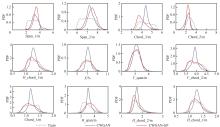
图 15
不同模型部分特征的概率密度分布
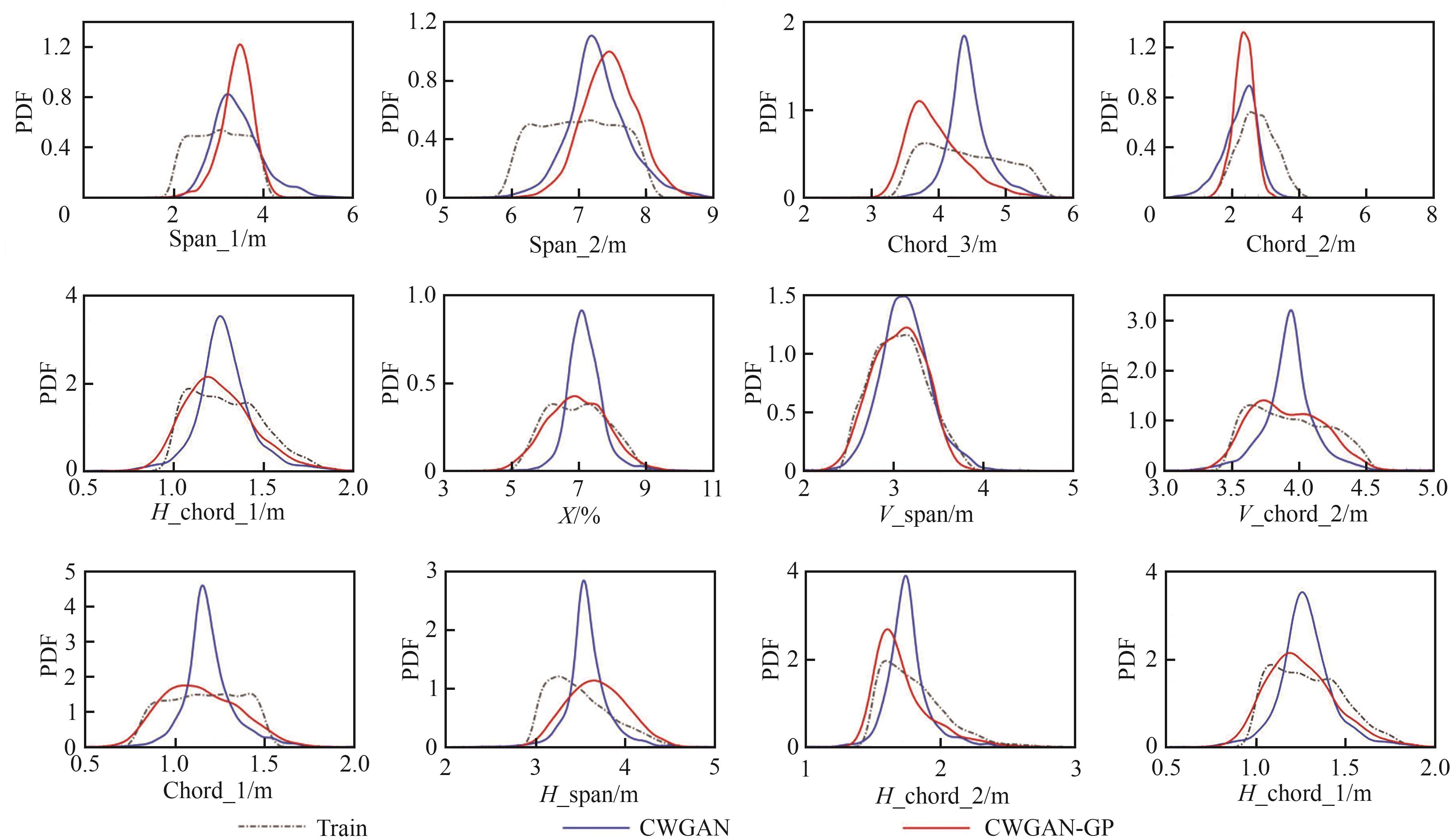
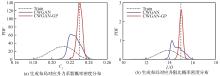
图 16
以CL =0.23、L/D=15为目标不同模型生成结果的概率密度分布
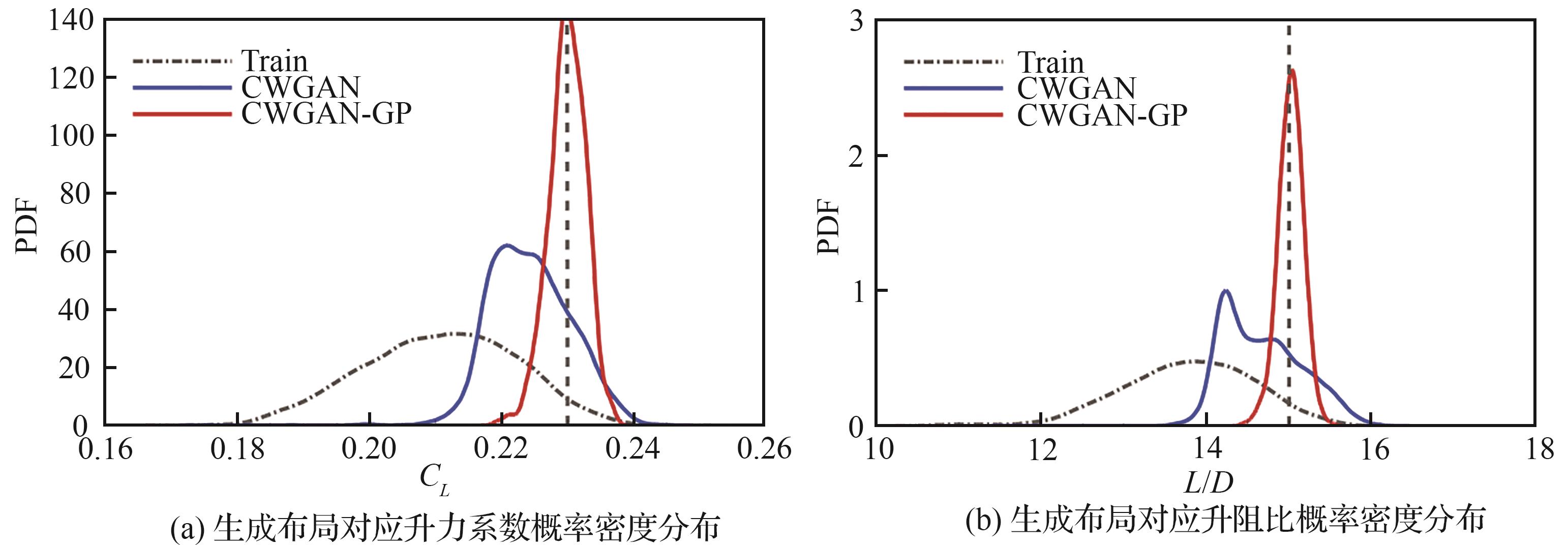
图 17
不同模型生成样本的其他工况CL 对比
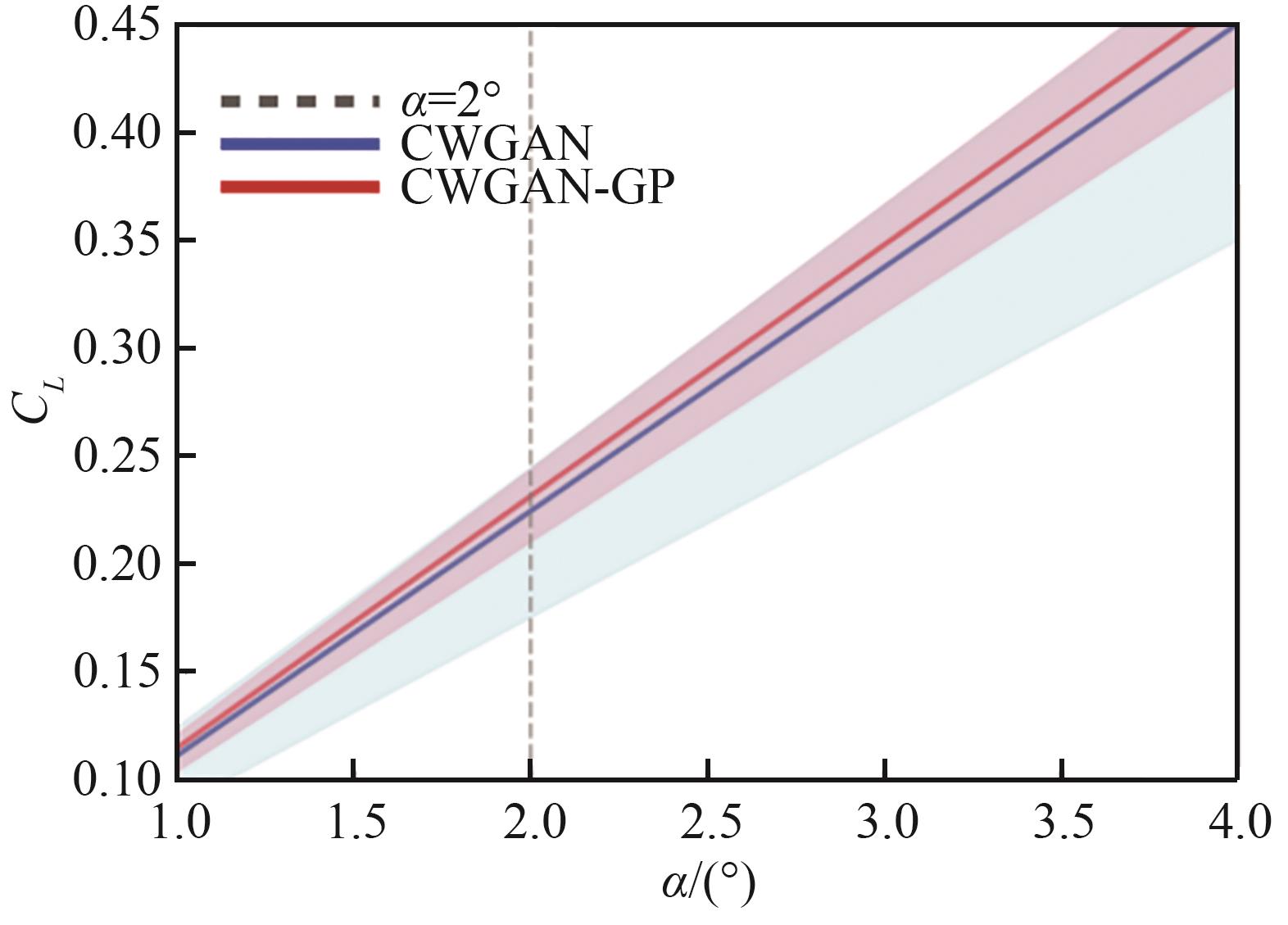
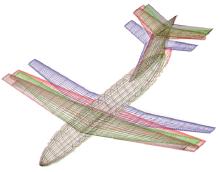
图 18
以CL =0.23、L/D=15为目标CWGAN-GP生成结果可视化
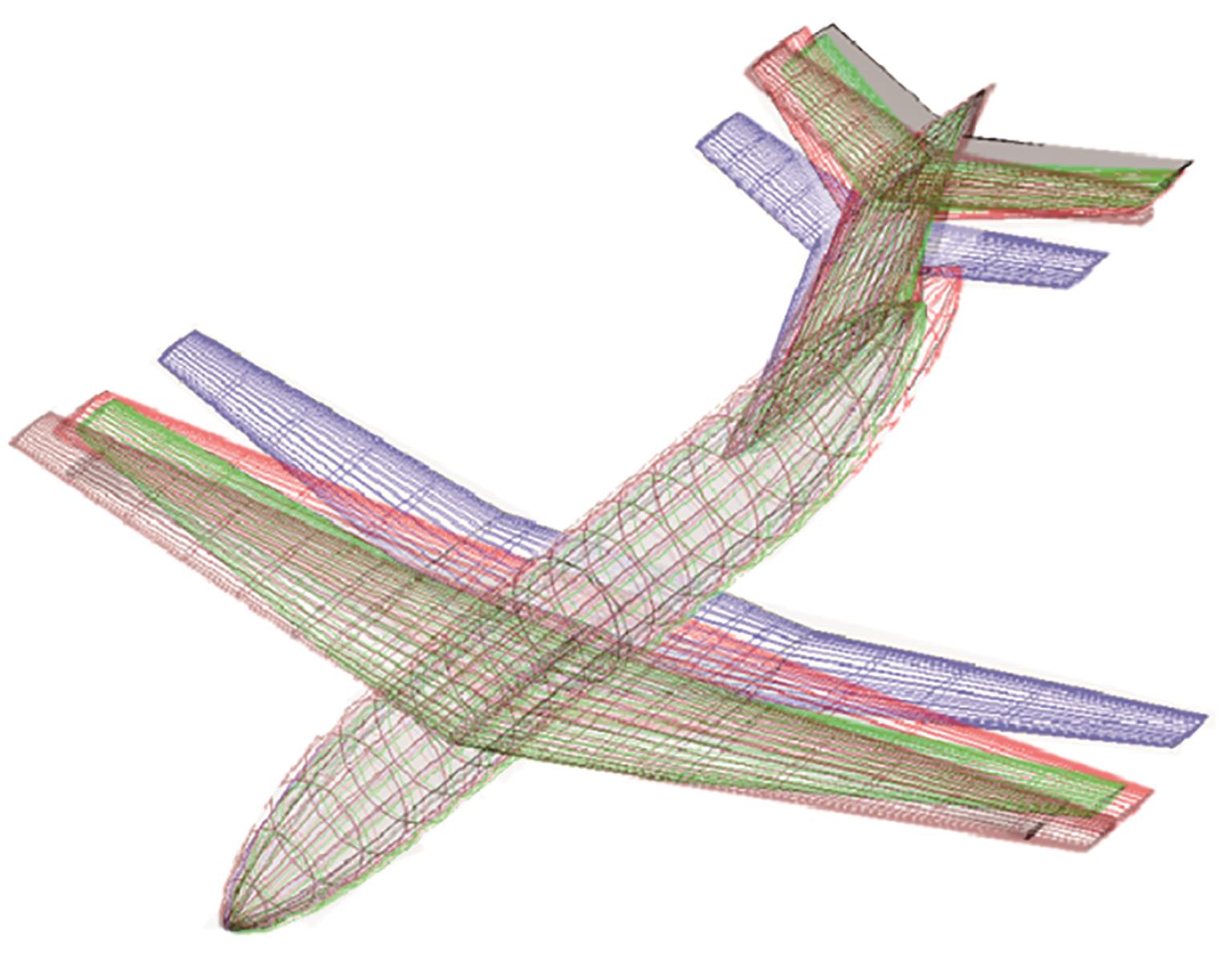
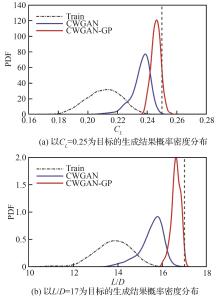
图 19
以CL =0.25、L/D=17为目标不同模型生成结果的概率密度分布results from different models with target of CL =0.25,L/D=17
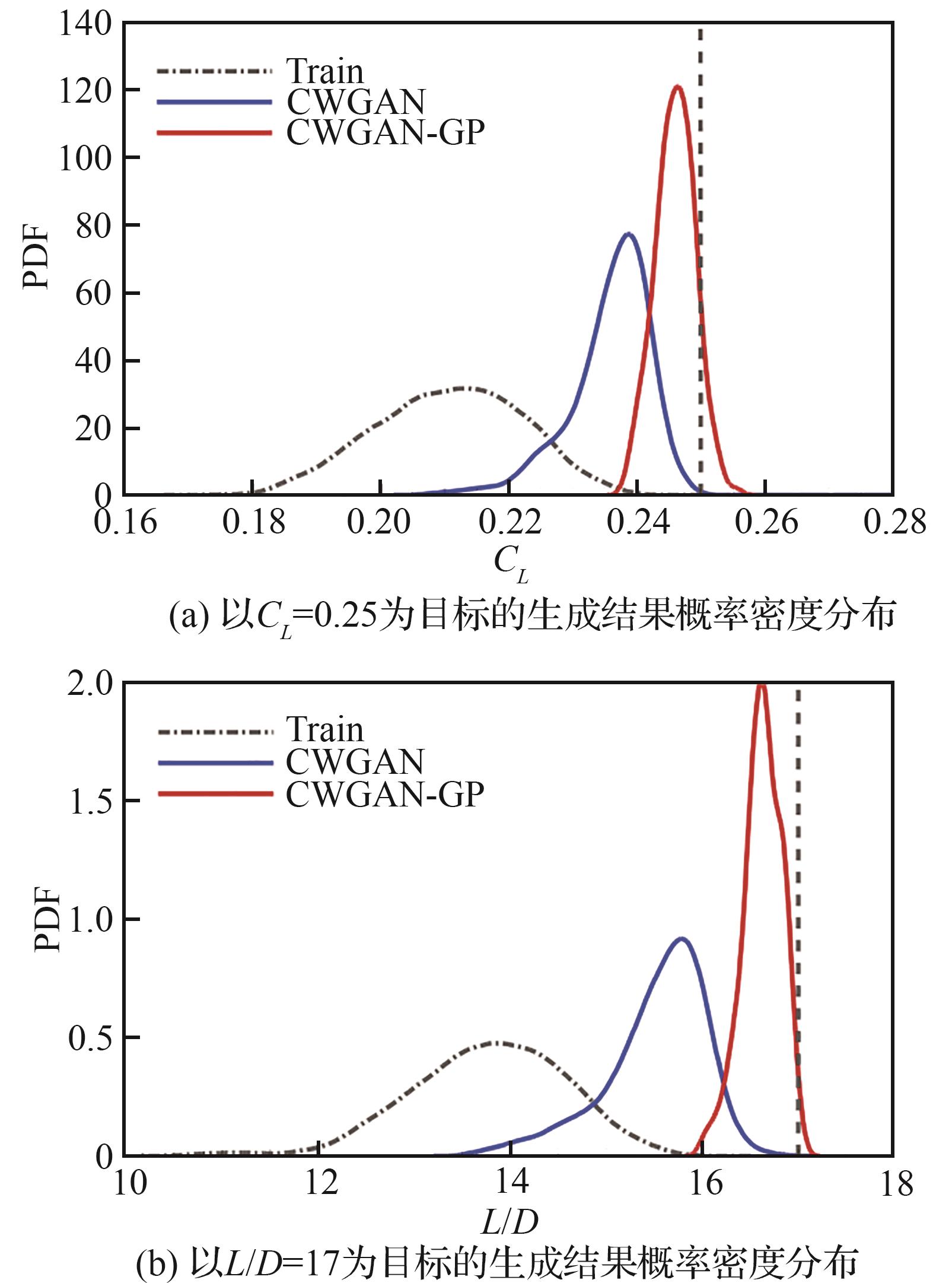
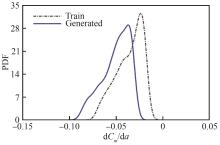
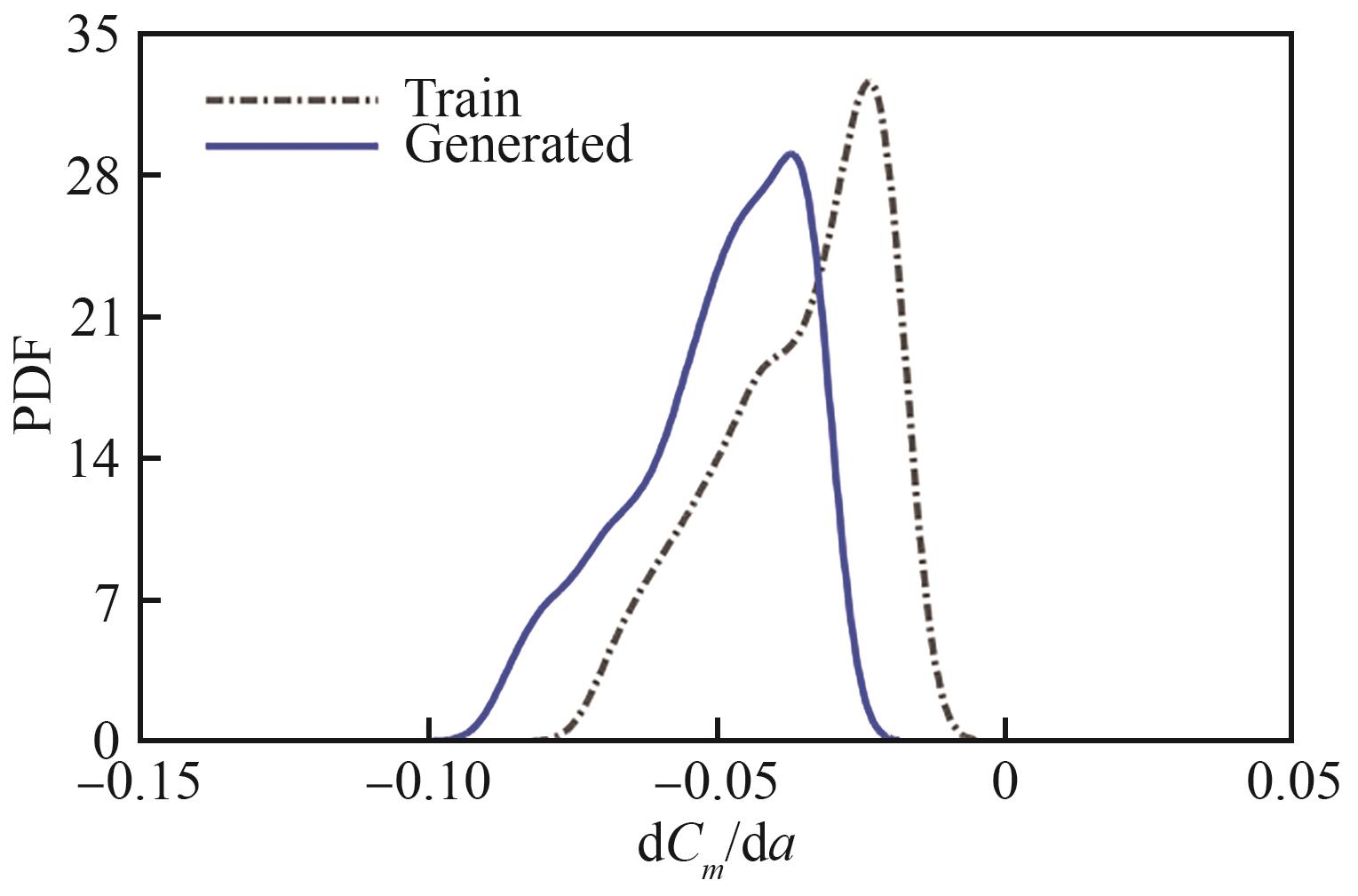
图 20
生成样本的纵向静稳定导数分布
| [1] | 陈小前, 姚雯, 赵勇, 等. 飞行器多学科设计优化理论与应用研究[M]. 2版. 北京: 国防工业出版社, 2023: 34. |
| CHEN X Q, YAO W, ZHAO Y. Multidisciplinary design optimization of flight vehicles theory and applications[M]. 2nd ed. Beijing: National Defense Industry Press, 2023: 34 (in Chinese). | |
| [2] | 陈树生, 贾苜梁, 林家豪, 等. 生成式模型赋能飞行器技术应用研究进展与展望[J]. 航空学报, 2025, 46(10): 631194. |
| CHEN S S, JIA M L, LIN J H, et al. Empowering aircraft technology applications with generative models: Research progress and prospects[J]. Acta Aeronautica et Astronautica Sinica, 2025, 46(10): 631194 (in Chinese). | |
| [3] | DU X S, REN J, LEIFSSON L. Aerodynamic inverse design using multifidelity models and manifold mapping[J]. Aerospace Science and Technology, 2019, 85: 371-385. |
| [4] | 林杰, 唐志共, 钱炜祺, 等. 飞行器生成式气动设计研究进展与展望[J]. 航空学报, 2025, 46(10): 631679. |
| LIN J, TANG Z G, QIAN W Q, et al. Research progress and prospect of aerodynamic configuration design based on generative models for aircraft[J]. Acta Aeronautica et Astronautica Sinica, 2025, 46(10): 631679 (in Chinese). | |
| [5] | PETER J E V, DWIGHT R P. Numerical sensitivity analysis for aerodynamic optimization: A survey of approaches[J]. Computers & Fluids, 2010, 39(3): 373-391. |
| [6] | LUO J Q, XIONG J T, LIU F. Aerodynamic design optimization by using a continuous adjoint method[J]. Science China Physics, Mechanics & Astronomy, 2014, 57(7): 1363-1375. |
| [7] | HOLLAND J H. Adaptation in natural and artificial systems [M]. Cambridge: The MIT Press; 1992. |
| [8] | KENNEDY J, EBERHART R. Particle swarm optimization[C]∥Proceedings of ICNN'95 - International Conference on Neural Networks. Piscataway: IEEE Press, 1942-1948. |
| [9] | RASMUSSEN C E. Gaussian processes in machine learning[M]∥Advanced Lectures on Machine Learning. Berlin, Heidelberg: Springer, 2004: 63-71. |
| [10] | ZHU L Y, ZHANG W W, KOU J Q, et al. Machine learning methods for turbulence modeling in subsonic flows around airfoils[J]. Physics of Fluids, 2019, 31: 015105. |
| [11] | 张伟伟, 寇家庆, 刘溢浪, 等. 智能赋能流体力学展望[J]. 航空学报, 2021, 42(4): 524689. |
| ZHANG W W, KOU J Q, LIU Y L, et al. Prospect of intelligent empowerment fluid mechanics[J]. Acta Aeronautica et Astronautica Sinica, 2021, 42(4): 524689 (in Chinese). | |
| [12] | LI J C, ZHANG M Q, MARTINS J R R A, et al. Efficient aerodynamic shape optimization with deep-learning-based geometric filtering[J]. AIAA Journal, 2020, 58(10): 4243-4259. |
| [13] | LI J C, ZHANG M Q. On deep-learning-based geometric filtering in aerodynamic shape optimization[J]. Aerospace Science and Technology, 2021, 112: 106603. |
| [14] | ZHAO J C, ZENG L F, SHAO X M. A novel prediction method for unsteady aerodynamic force on three-dimensional folding wing aircraft[J]. Aerospace Science and Technology, 2023, 137: 108287. |
| [15] | CHEN X Y, LI C N, GONG C L, et al. A study of morphing aircraft on morphing rules along trajectory[J]. Chinese Journal of Aeronautics, 2021, 34(7): 232-243. |
| [16] | LIGHTHILL M J. A new method of two-dimensional aerodynamic design:R.&M.No.2112[R]. London: His Majesty’s Stationery Office, 1945. |
| [17] | 刘俊, 宋文萍, 韩忠华, 等. Kriging 模型在翼型反设计中的应用研究[J]. 空气动力学学报, 2014, 32(4): 518-526. |
| LIU J, SONG W P, HAN Z H, et al. Research on application of Kriging model in airfoil reverse design[J]. Acta Aerodynamica Sinica, 2014, 32(4): 518-526 (in Chinese). | |
| [18] | 何磊, 钱炜祺, 刘滔, 等. 基于深度学习的翼型反设计方法[J]. 航空动力学报, 2020, 35(9): 1909-1917. |
| HE L, QIAN W Q, LIU T, et al. Inverse design method of airfoil based on deep learning[J]. Journal of Aerospace Power, 2020, 35(9): 1909-1917 (in Chinese). | |
| [19] | DU X S, HE P, MARTINS J R R A. Rapid airfoil design optimization via neural networks-based parameterization and surrogate modeling[J]. Aerospace Science and Technology, 2021, 113: 106701. |
| [20] | DU X S, HE P, MARTINS J R R A. A B-spline-based generative adversarial network model for fast interactive airfoil aerodynamic optimization[C]∥AIAA Scitech 2020 Forum. Reston: AIAA, 2020. |
| [21] | 王景, 柳位, 谢海润, 等. 扩散模型驱动的超临界翼型多目标生成式设计[J]. 航空学报, 2025, 46 (10): 631210. |
| WANG J, LIU W, XIE H R, et al. Multi-objective generative design of supercritical airfoil driven by diffusion model[J]. Acta Aeronautica et Astronautica Sinica, 2025, 46 (10): 631210 (in Chinese). | |
| [22] | CHEN Q Y, WANG J, POPE P, et al. Inverse design of two-dimensional airfoils using conditional generative models and surrogate log-likelihoods[J]. Journal of Mechanical Design, 2022, 144(2): 021712. |
| [23] | LEI R W, BAI J Q, WANG H, et al. Deep learning based multistage method for inverse design of supercritical airfoil[J]. Aerospace Science and Technology, 2021, 119: 107101. |
| [24] | 楼锦华, 陈荣钱, 柳家齐, 等. 基于门控扩散模型的飞行器气动性能预测与反设计[J]. 航空学报, 2025, 46(10): 631183. |
| LOU J H, CHEN R Q, LIU J Q, et al. Aircraft aerodynamic performance prediction and inverse design based on a gated diffusion model[J]. Acta Aeronautica et Astronautica Sinica, 2025, 46(10): 631183 (in Chinese). | |
| [25] | GOODFELLOW I J, POUGET-ABADIE J, MIRZA M, et al. Generative adversarial nets[C]∥Advances in Neural Information Processing Systems 27. Red Hook: Curran Associates, Inc., 2014: 2672-2680. |
| [26] | ARJOVSKY M, BOTTOU L. Towards principled methods for training generative adversarial networks [DB/OL]. arXiv Preprint: 1701.04862, 2017. |
| [27] | ARJOVSKY M, CHINTALA S, BOTTOU L. Wasserstein generative adversarial networks[C]∥ Proceedings of the 34th International Conference on Machine Learning-Volume 70. New York: ACM, 2017: 214-223. |
| [28] | MIRZA M, OSINDERO S. Conditional generative adversarial nets[DB/OL]. arXiv Preprint: 1411.1784, 2014. |
| [29] | MCDONALD R A, GLOUDEMANS J R. Open vehicle sketch pad: An open source parametric geometry and analysis tool for conceptual aircraft design[C]∥AIAA Scitech 2022 Forum. Reston: AIAA, 2022. |
| [30] | ABRAHAM T, LAZZARA D, HUNSAKER D. Multifidelity comparison of supersonic wave drag prediction methods using axisymmetric bodies[J]. Aerospace, 2024, 11(5): 359. |
| [31] | 孙宗燕, 王强, 乔伟, 等. 电动飞机分布式螺旋桨—机翼设计分析方法研究[J]. 航空科学技术, 2024(1): 53-64. |
| SUN Z Y, WANG Q, QIAO W, et al. Research on design and analysis method of distributed propeller-wing for electric aircraft[J]. Aeronautical Science & Technology, 2024(1): 53-64 (in Chinese). | |
| [32] | ROSAS-CORDOVA J, SANTANA-DELGADO C, HERNANDEZ-ALCANTARA D, et al. Validation of VSPAERO for basic wing simulation[J]. Revista Internacional de Métodos Numéricos Para Cálculo y Diseño En Ingeniería, 2024, 40(4): 45. |
| [33] | MAVRIPLIS N, TING K-Y, MOUSTAFA A, et al. Supersonic configurations at low speeds (SCALOS): Test/simulation correlation studies[C]∥AIAA Scitech 2022 Forum. Reston: AIAA, 2022. |
| [34] | BELBEN J. Enabling rapid conceptual design using geometry-based multi-fidelity models in VSP[C]∥51st AIAA Aerospace Sciences Meeting Including the New Horizons Forum and Aerospace Exposition. Reston: AIAA, 2013. |
| [35] | BRAKE N, MCDONALD R. Physics-based conceptual design flying qualities analysis using OpenVSP and VSPAERO: NASA SBIR Phase I Final Report [R]. Washington, D.C.: NASA, 2016. |
| [36] | HEUSEL M, RAMSAUER H, UNTERTHINER T, et al. GANs trained by a two time-scale update rule converge to a local Nash equilibrium[C]∥ Advances in Neural Information Processing Systems 30 (NIPS 2017). 2017. |
| [37] | XU Q, HUANG G, YUAN Y, et al. An empirical study on evaluation metrics of generative adversarial networks[DB/OL]. arXiv Preprint: 1806.07755, 2018. |
| [38] | VAN DER MAATEN L, HINTON G. Visualizing data using t-SNE[J]. Journal of Machine Learning Research, 2008, 9(11): 2579-2605. |
| [39] | SEGUI M M, GHAZI G, BOTEZ R M, et al. Design, development and validation of a Cessna citation X aerodynamic model using OpenVSP software[C]∥ 2018 Modeling and Simulation Technologies Conference. Reston: AIAA, 2018. |
| [1] | 彭朝琴, 李奇聪, 张海尼, 吴红, 马云鹏. 基于GRU和卷积注意力的改进ACGAN故障诊断方法[J]. 航空学报, 2026, 47(2): 431929-431929. |
| [2] | 李旭东, 钟伟, 王震, 王同光, 李金龙. 涵道螺旋桨桨盘推力占总推力比值规律研究[J]. 航空学报, 2025, 46(4): 230829-230829. |
| [3] | 吴军强, 魏志, 刘洋, 钟敏, 杨福军, 余永刚. 民机标准模型体系及气动主题数据库建设[J]. 航空学报, 2025, 46(24): 132030-132030. |
| [4] | 谢睿轩, 章子洋, 李锦烨, 包晗, 陆方寒, 王祁旻, 吴大卫. 远程超声速客机低声爆气动设计及评估[J]. 航空学报, 2025, 46(20): 531589-531589. |
| [5] | 孟宪超, 陶俊. 基于目标检验条件生成对抗网络的翼型反设计方法[J]. 航空学报, 2025, 46(10): 631182-631182. |
| [6] | 楼锦华, 陈荣钱, 柳家齐, 鲍越, 吴昊, 尤延铖. 基于门控扩散模型的飞行器气动性能预测与反设计[J]. 航空学报, 2025, 46(10): 631183-631183. |
| [7] | 王志超, 陈新海, 邓亮, 刘杨, 庞宇飞, 刘杰. 基于无监督学习的飞行器表面网格平滑方法[J]. 航空学报, 2025, 46(10): 631172-631172. |
| [8] | 林杰, 唐志共, 钱炜祺, 王岳青, 张鹏, 徐炜遐, 刘杰. 飞行器生成式模型气动设计研究进展与展望[J]. 航空学报, 2025, 46(10): 631679-631679. |
| [9] | 张艳华, 张登成, 周章文, 雷玉昌, 李林. 基于环量控制的虚拟舵面飞行器概念与设计综述[J]. 航空学报, 2024, 45(6): 629608-629608. |
| [10] | 庄子波, 张春辉, 陈星, 邵靖媛, 陈柏纬. 基于DCGAN的终端区激光雷达晴空湍流识别[J]. 航空学报, 2024, 45(16): 329748-329748. |
| [11] | 甘纪强, 王小平. 基于虚拟样本生成的铺丝表面缺陷检测[J]. 航空学报, 2024, 45(1): 428624-428624. |
| [12] | 田洁华, 孙迪, 屈峰, 白俊强. 基于CST⁃GAN的翼型参数化方法[J]. 航空学报, 2023, 44(18): 128280-128280. |
| [13] | 郑和超, 王建辉, 胡紫阳, 张忠海, 何广平. 仿鸟扑翼飞行器气动力学建模精度测试[J]. 航空学报, 2023, 44(10): 127525-127525. |
| [14] | 孙秀一, 胡绍海, 马晓乐. 基于无监督深度学习的红外与可见光图像融合[J]. 航空学报, 2022, 43(S1): 726938-726938. |
| [15] | 宋威, 艾邦成. 多体分离动力学研究进展[J]. 航空学报, 2022, 43(9): 25950-025950. |
| 阅读次数 | ||||||
|
全文 |
|
|||||
|
摘要 |
|
|||||
版权所有 © 航空学报编辑部
版权所有 © 2011航空学报杂志社
主管单位:中国科学技术协会 主办单位:中国航空学会 北京航空航天大学

 CJA
CJA
