朱琪潇1,2,3, 黄研昕4, 朱锐1,2,3, 杭晓晨1,2,5, 费庆国1,2,3( )
)
收稿日期:2025-07-03
修回日期:2025-08-13
接受日期:2025-09-08
出版日期:2025-09-19
发布日期:2025-09-18
通讯作者:
费庆国
E-mail:qgfei@seu.edu.cn
基金资助:
Qixiao ZHU1,2,3, Yanxin HUANG4, Rui ZHU1,2,3, Xiaochen HANG1,2,5, Qingguo FEI1,2,3()
Received:2025-07-03
Revised:2025-08-13
Accepted:2025-09-08
Online:2025-09-19
Published:2025-09-18
Contact:
Qingguo FEI
E-mail:qgfei@seu.edu.cn
Supported by:摘要:
飞行器在服役时面临着复杂的动载荷环境,其测量成本较高且难以通过直接测量的方式获取。基于动响应信息来识别动载荷已成为获取结构输入的可行方案。从“认知、测量、识别”3方面系统性对飞行器动载荷识别问题进行整理。首先,分析了飞行器机翼、尾翼、舵面、机身、起落架典型位置处的载荷特征,为后续的响应测量技术选取和动载荷识别方法确定提供必要的先验信息。其次,总结了飞行器结构响应的主要测量技术、应用场景及其优缺点。然后,回顾了飞行器动载荷识别方法的研究进展。最后,探讨了飞行器结构动载荷特征、测量及识别领域面临的主要挑战及未来发展趋势。
中图分类号:
朱琪潇, 黄研昕, 朱锐, 杭晓晨, 费庆国. 飞行器结构动载荷特征、测量及识别技术研究进展[J]. 航空学报, 2026, 47(5): 232510.
Qixiao ZHU, Yanxin HUANG, Rui ZHU, Xiaochen HANG, Qingguo FEI. Research progress on dynamic load characteristics, measurement and identification technology of aircraft structure[J]. Acta Aeronautica et Astronautica Sinica, 2026, 47(5): 232510.
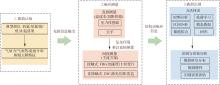
图 1
飞行器载荷“认知、测量、识别”示意图
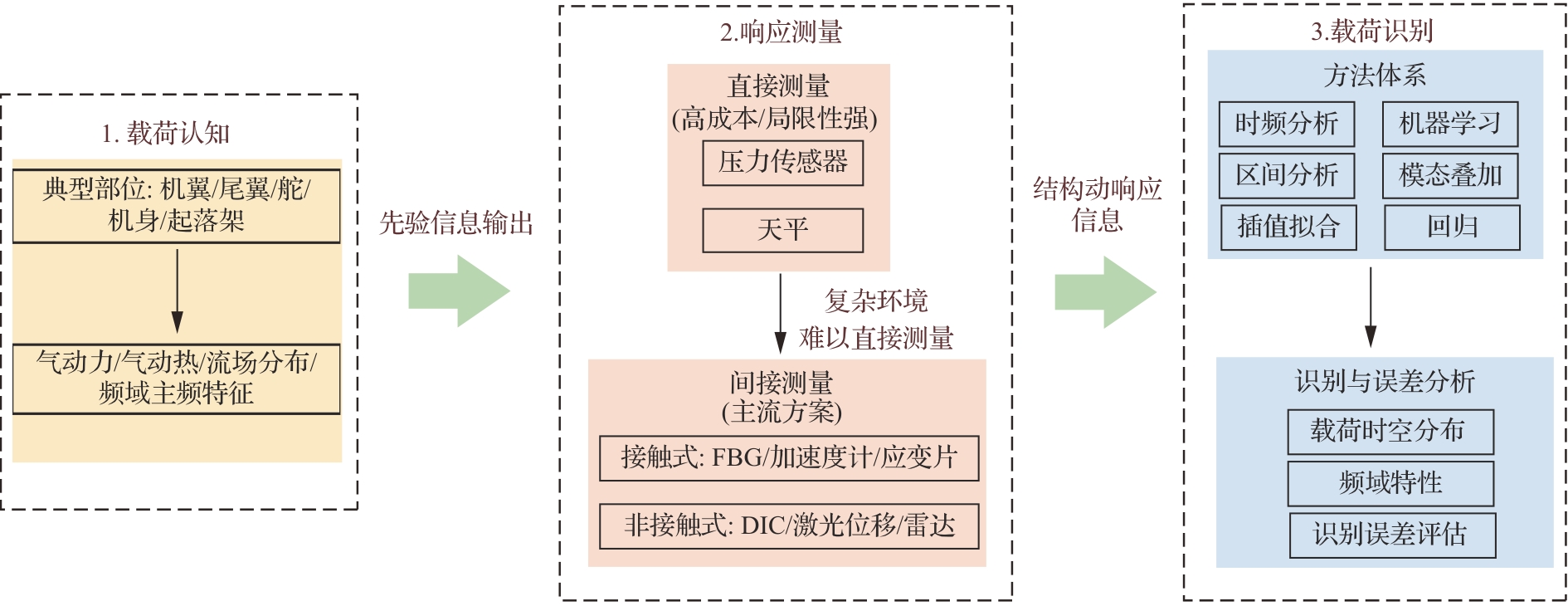
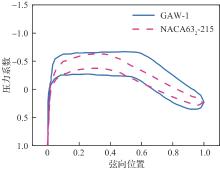
图 2
GAW-1 和 NACA632-215翼型及其压力分布[8]
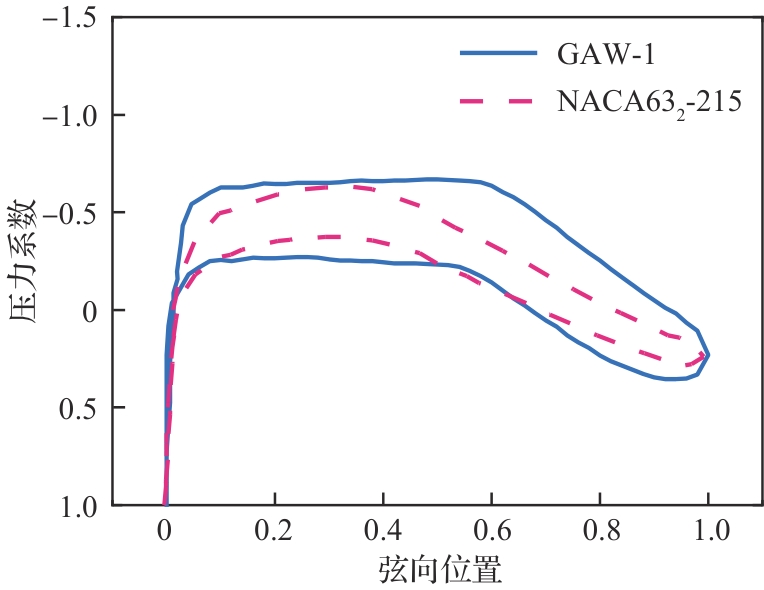
图 3
跨声速下NACA64A-204与优化翼型压力云图[9]
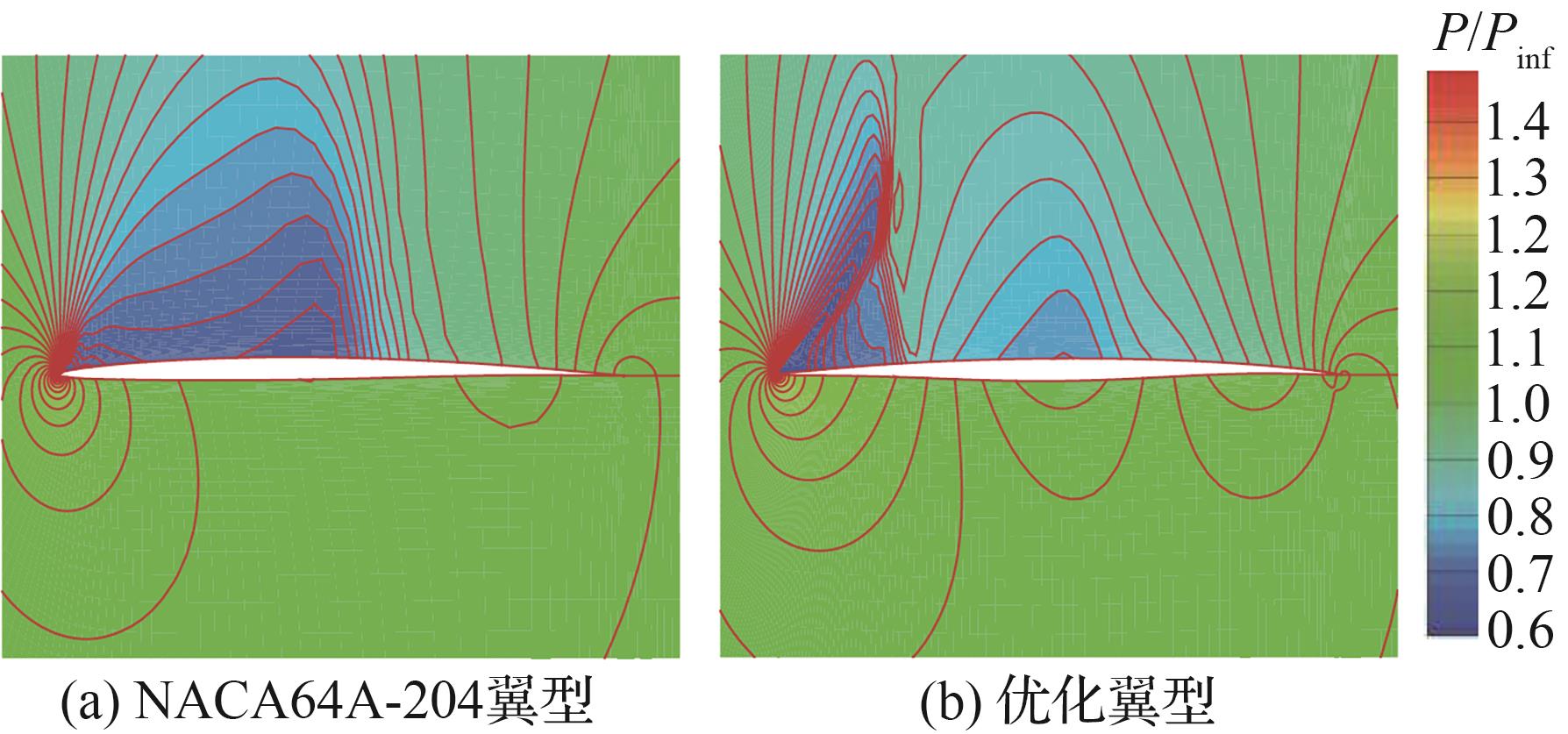
图 4
高超声速下NACA64A-204与优化翼型压力云图[9]
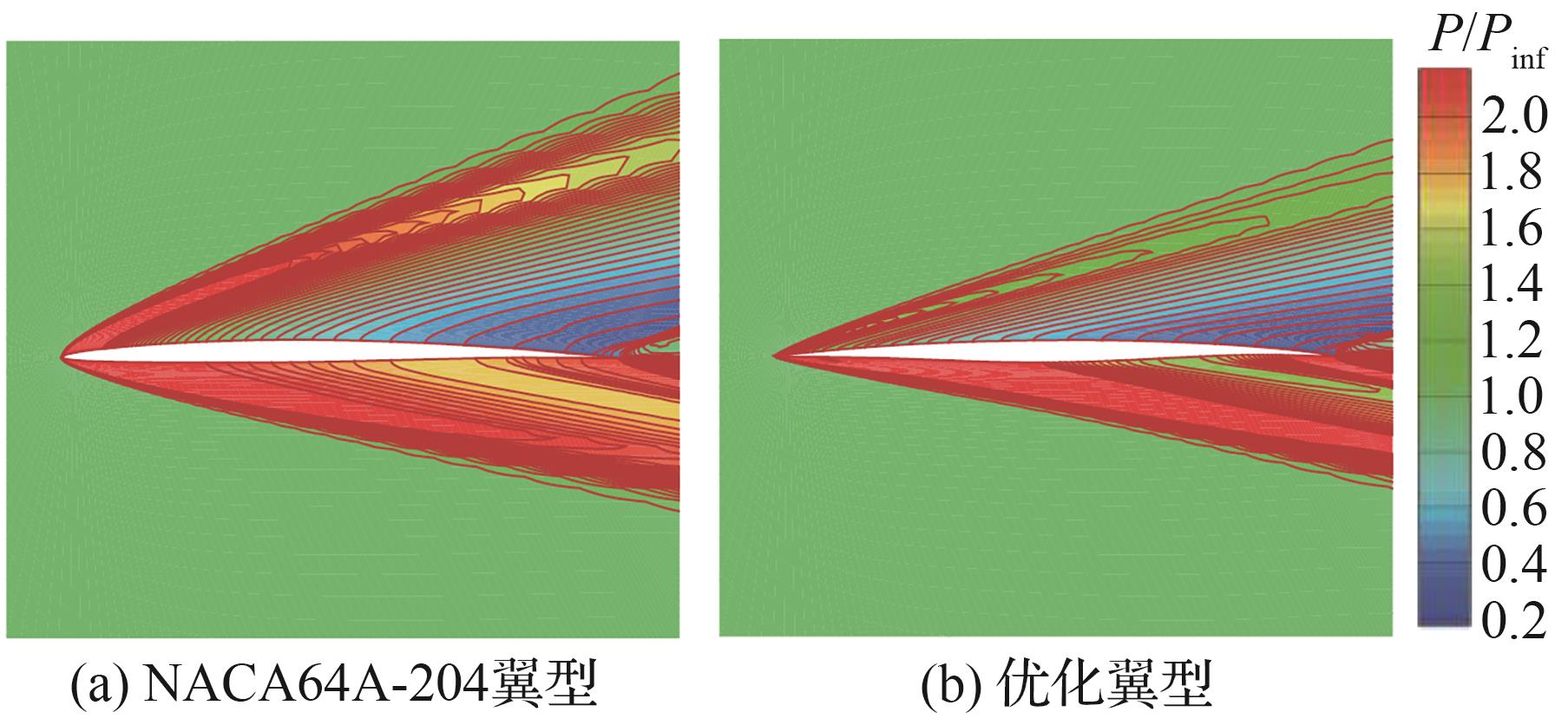
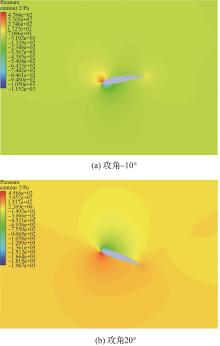
图 5
-10°、20°攻角30 m/s风速对应的数值仿真云图[11]
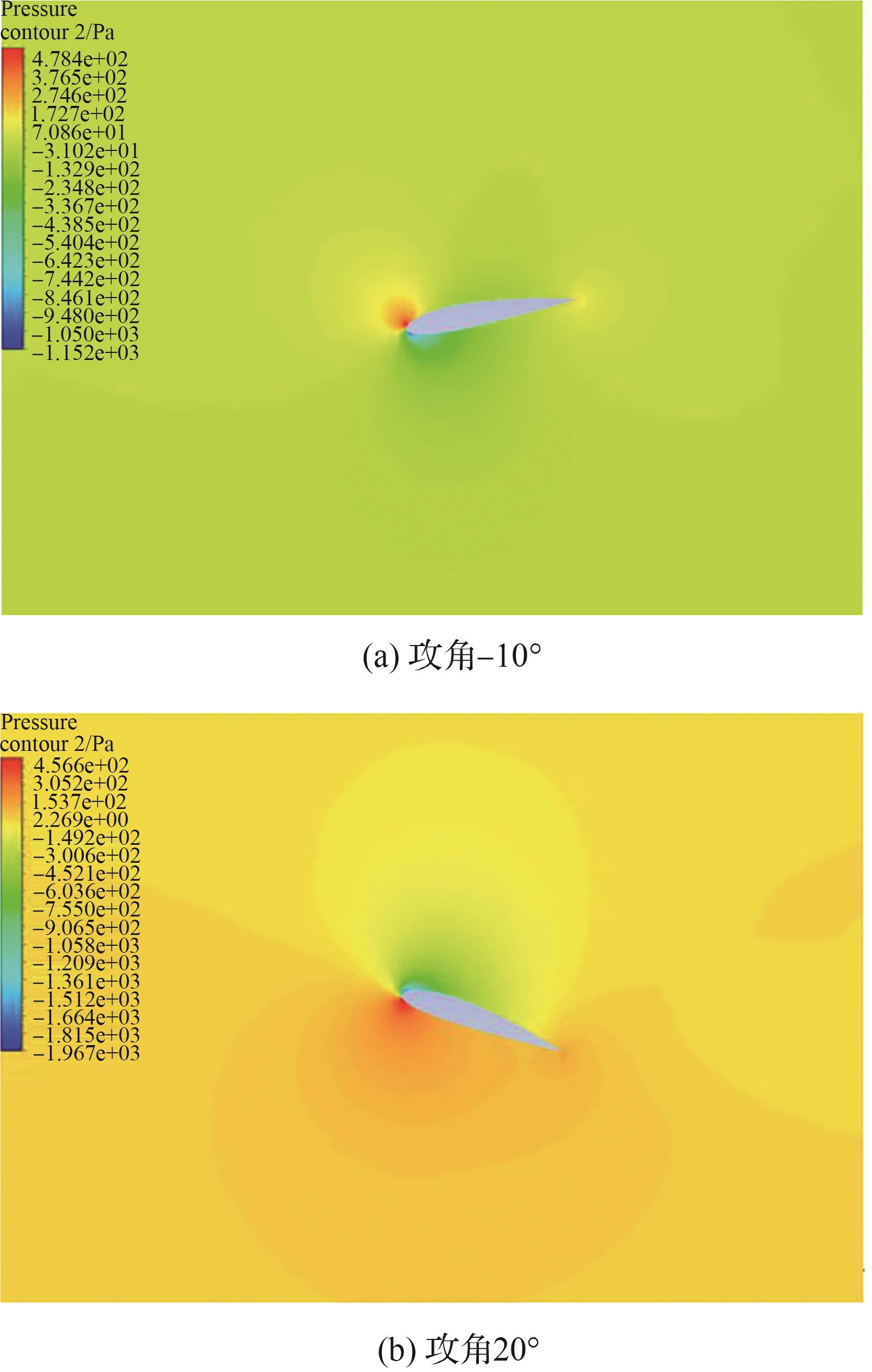
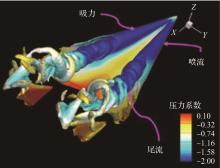
图 6
34°攻角下压力系数云图[13]
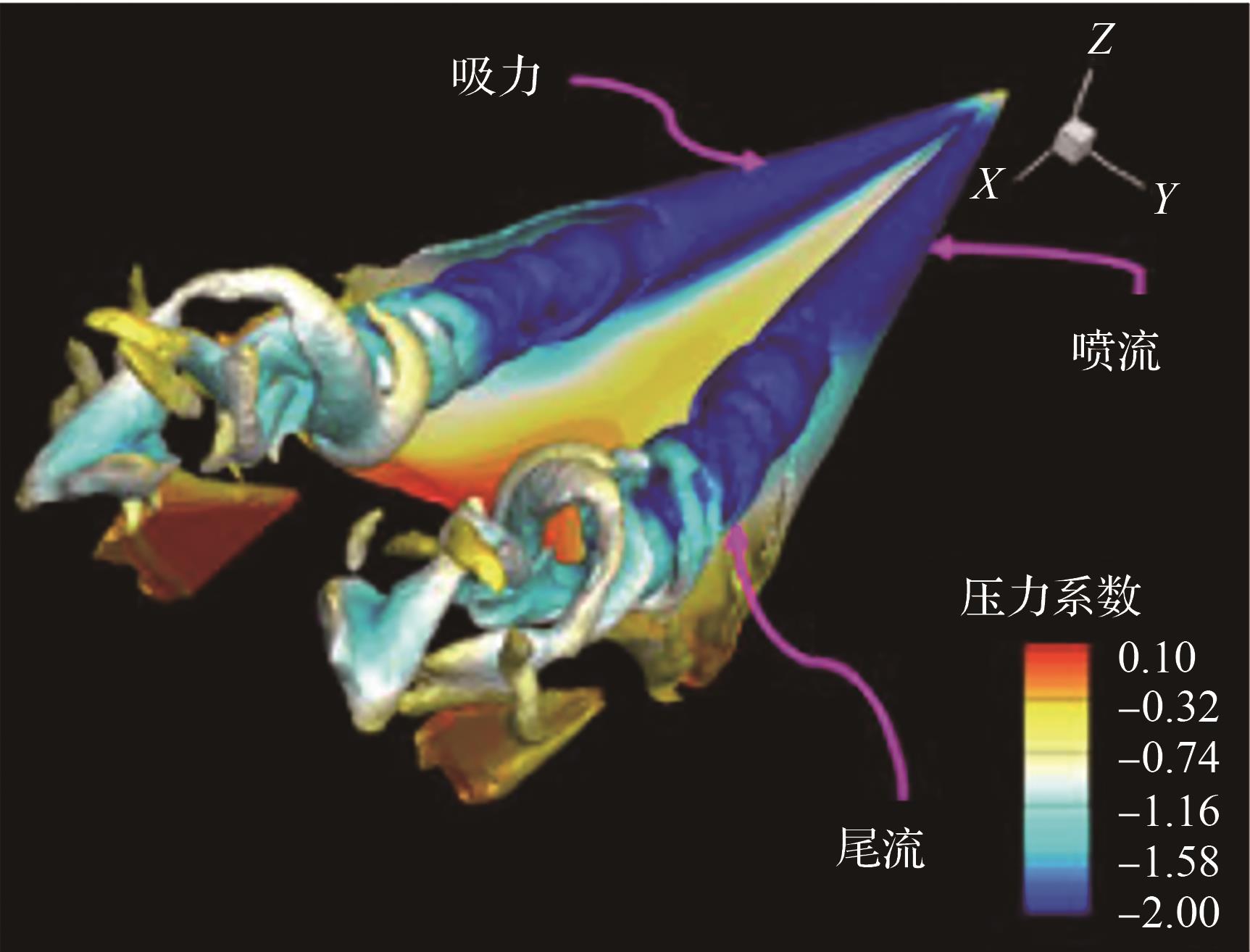
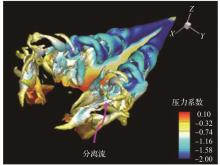
图 7
40°攻角下压力系数云图[13]
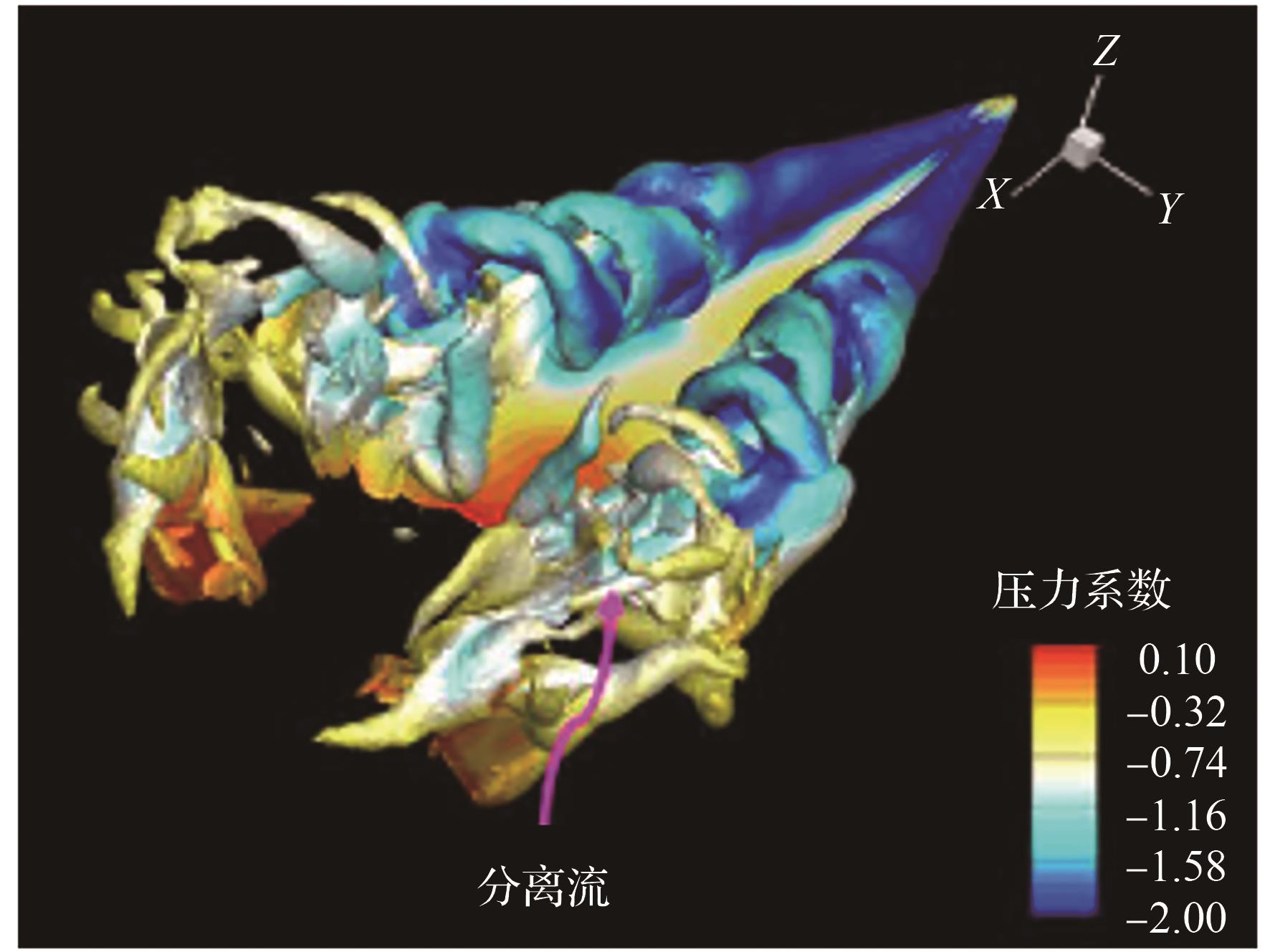
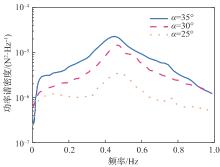
图 8
垂尾抖振功率谱密度[14]
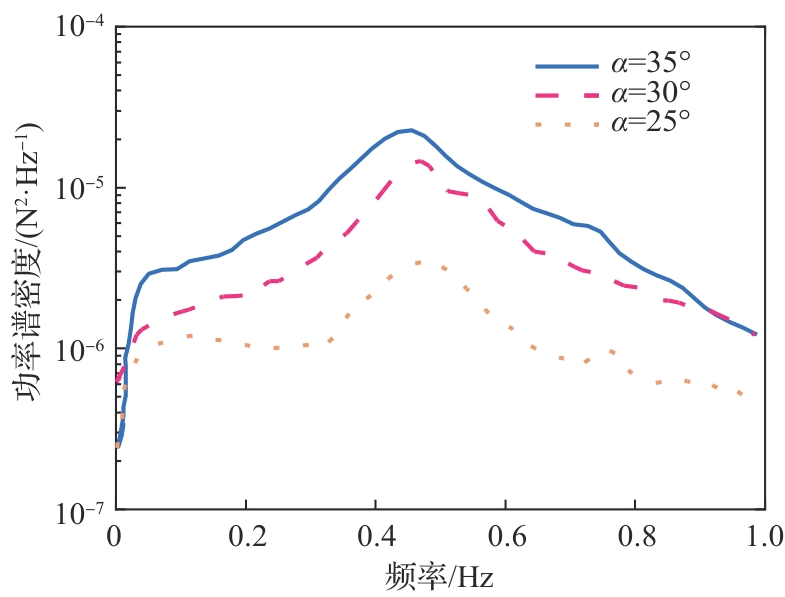
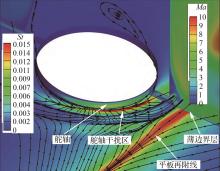
图 9
空气舵模型缝隙内热环境分布[17]
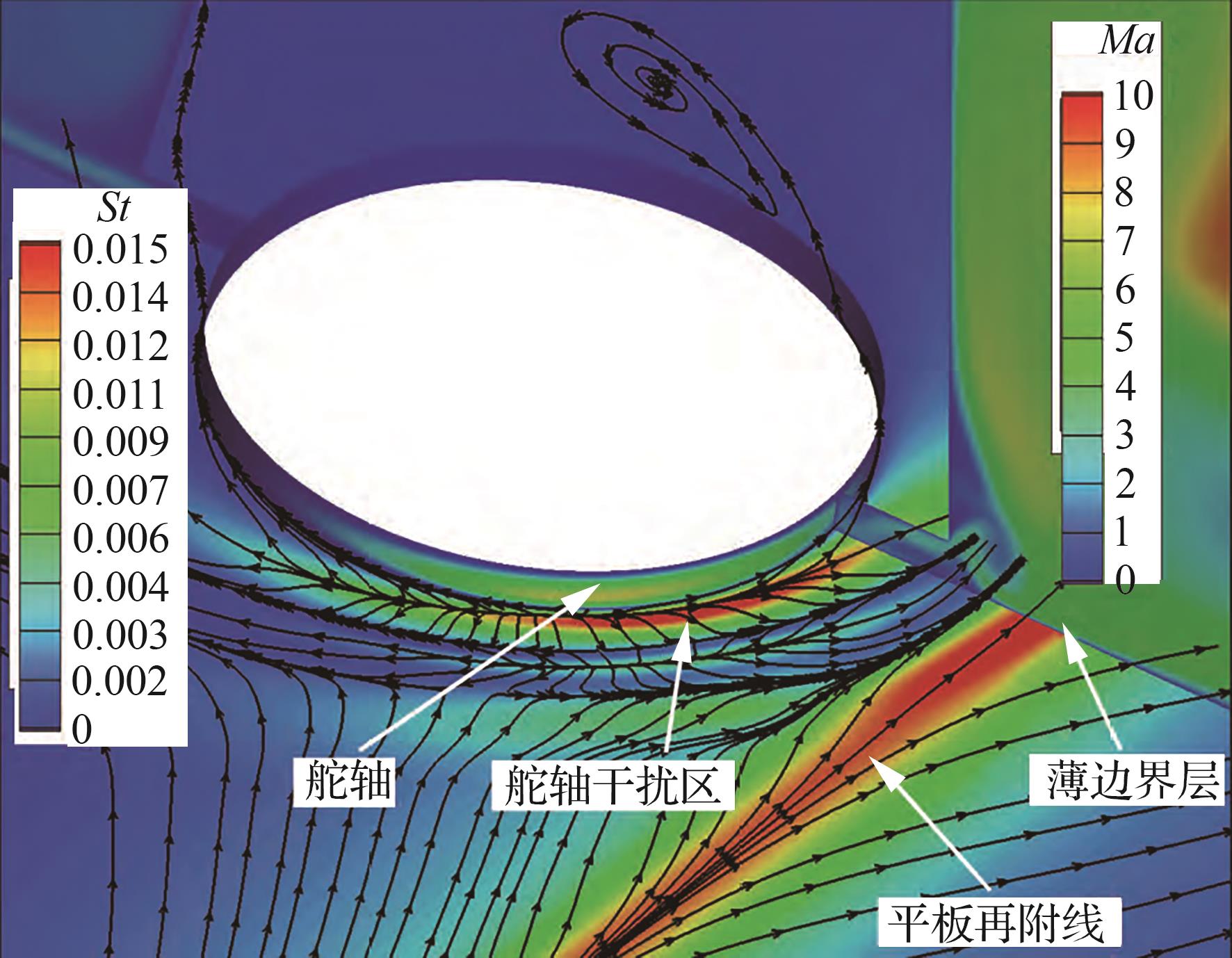
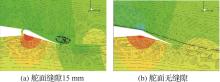
图 10
不同缝隙外侧升降副翼20°舵偏时界面压力系数云图和流线图[18]
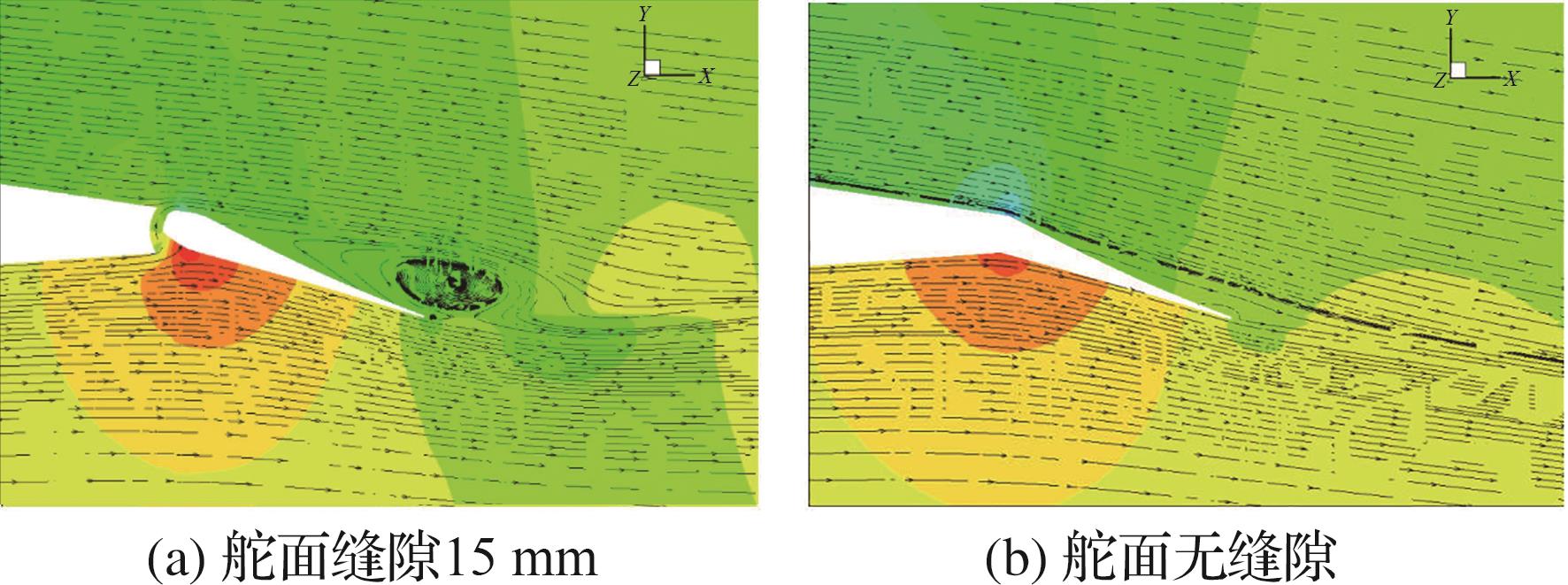
图11
不同缝隙方向舵60°舵偏时界面压力系数云图和流线图[18]
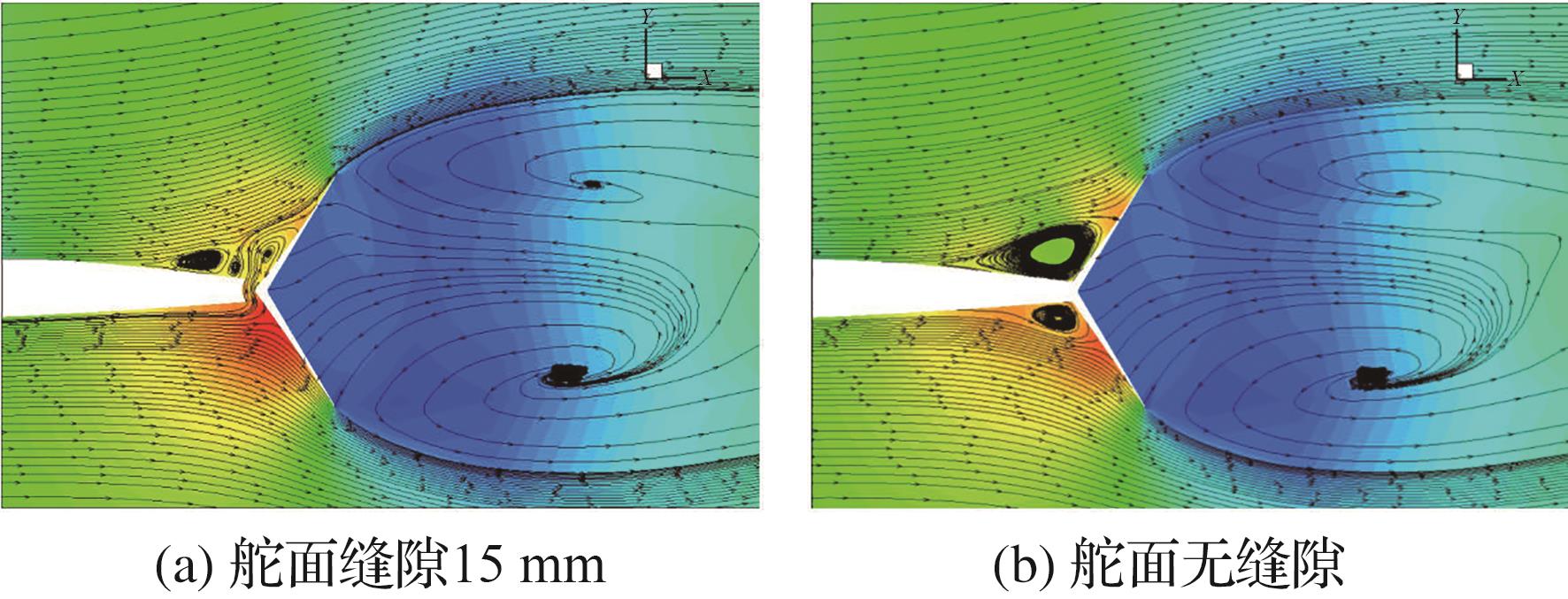
图 12
Robin机身表面压力分布云图[20]
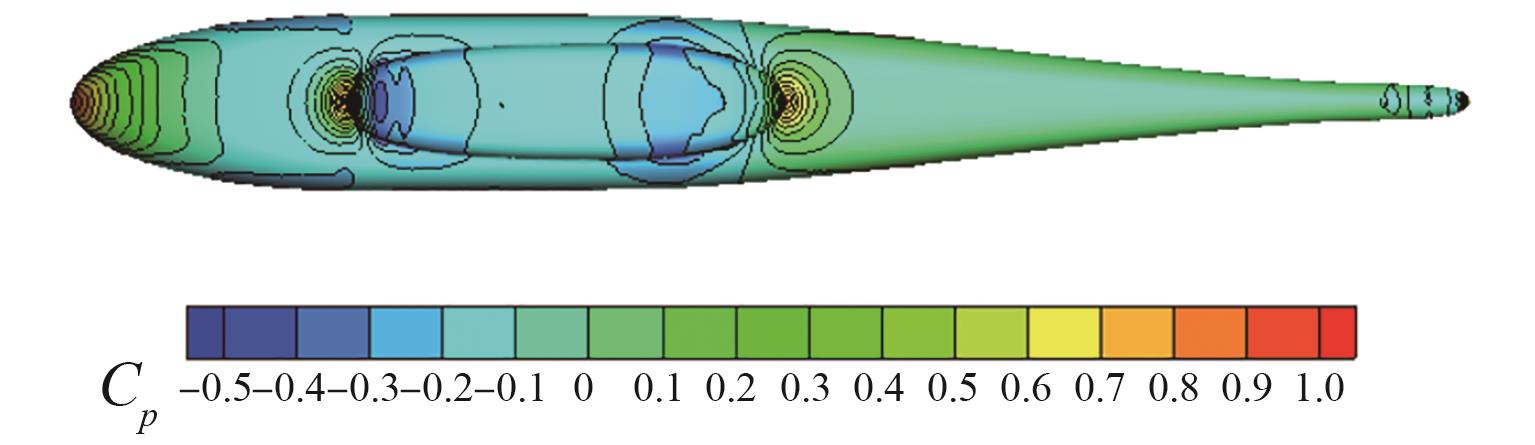
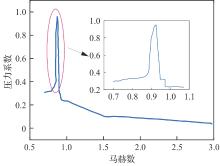
图 13
脉动压力系数随马赫数变化(归一化)[21]
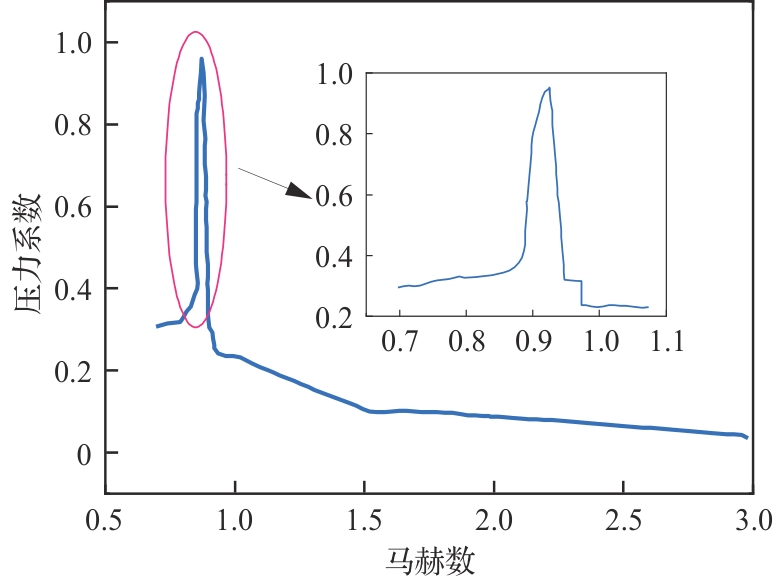
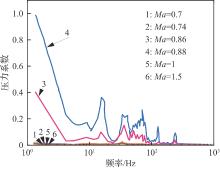
图 14
不同马赫数下脉动压力系数功率谱(归一化)[21]
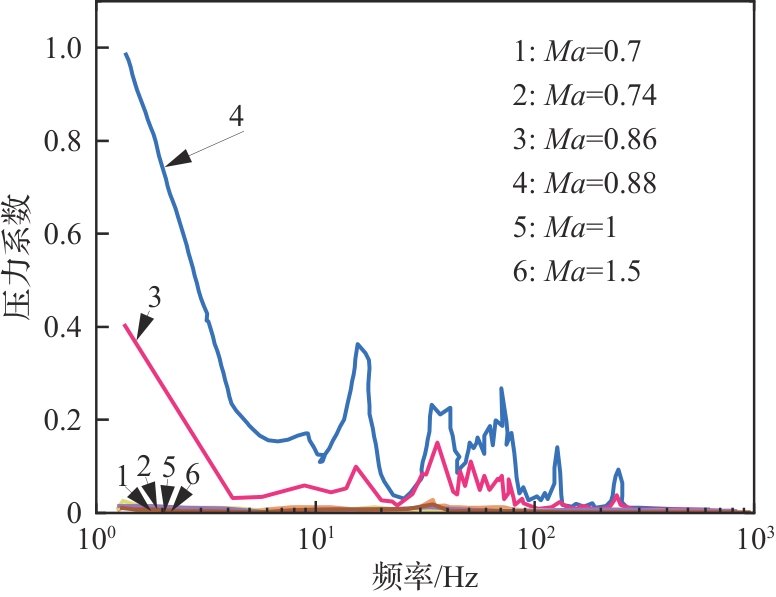
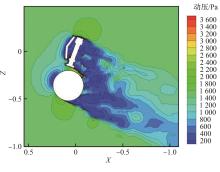
图 15
起落架对称面动压分布[23]
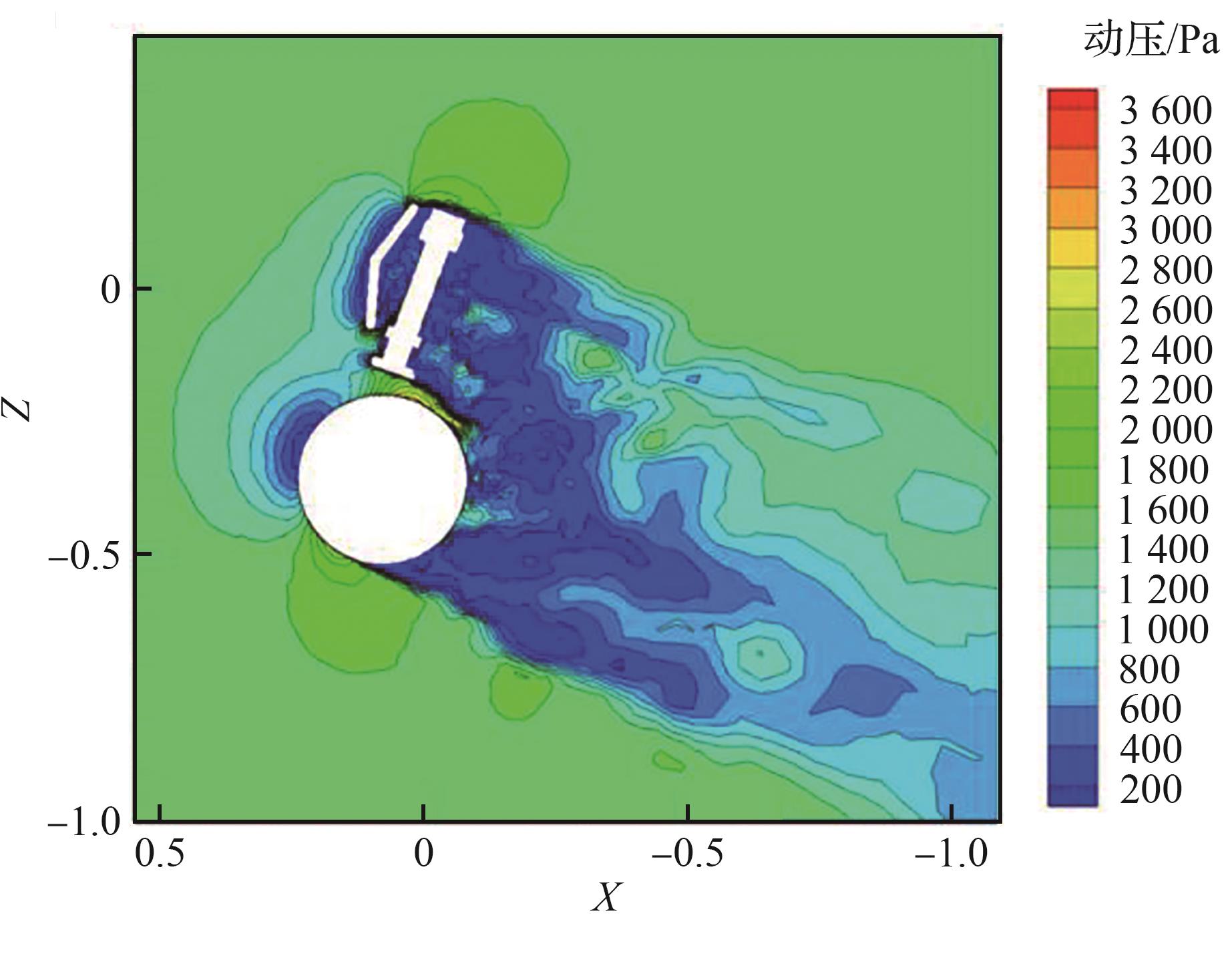
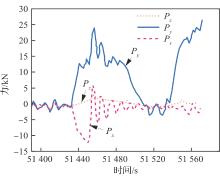
图 16
前起落架着陆撞击三向载荷典型时间历程[24]
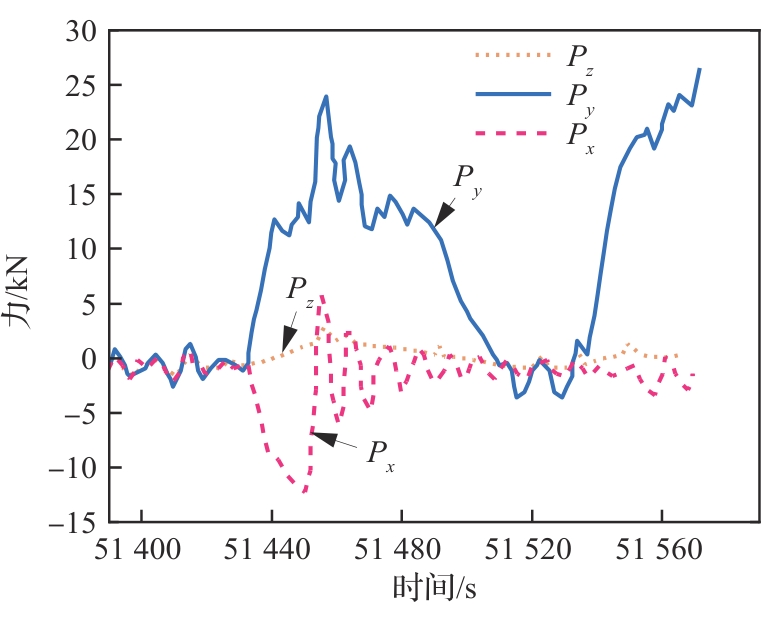
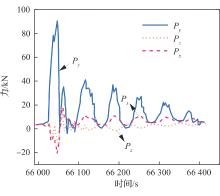
图 17
主起落架着陆撞击三向载荷典型时间历程[24]
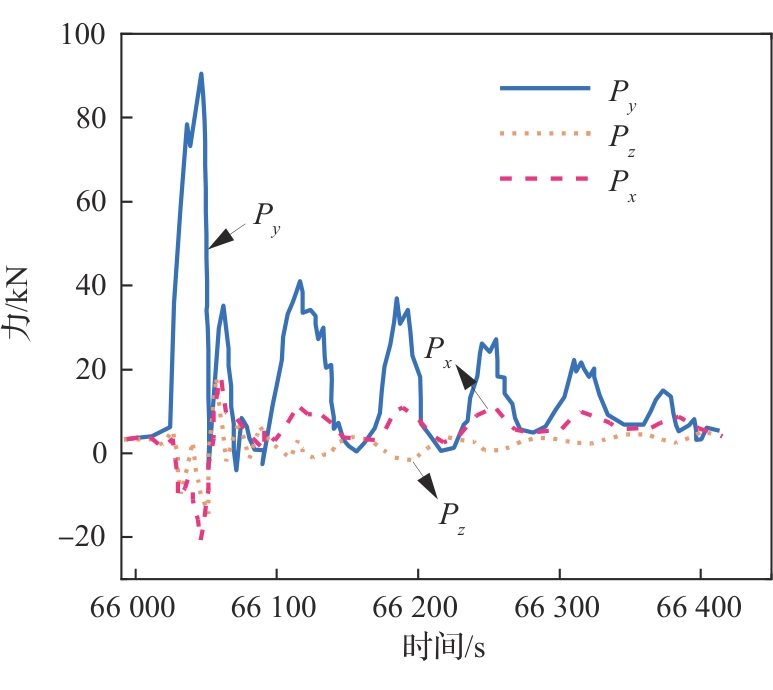
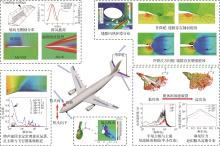
图 18
飞行器结构典型载荷特征
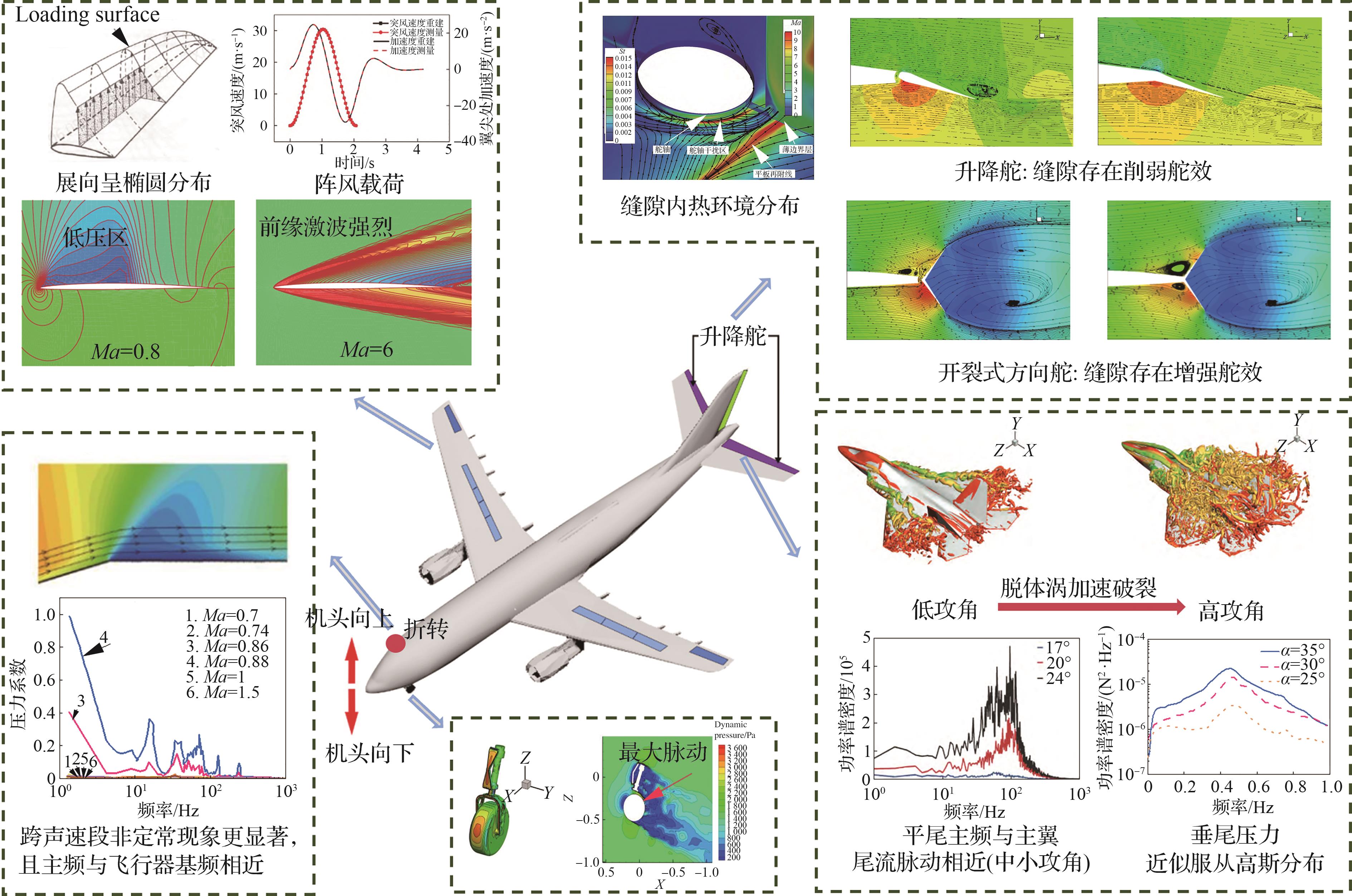
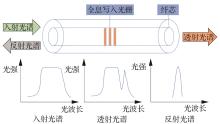
图 19
光纤布拉格光栅传感(FBG)原理[35]
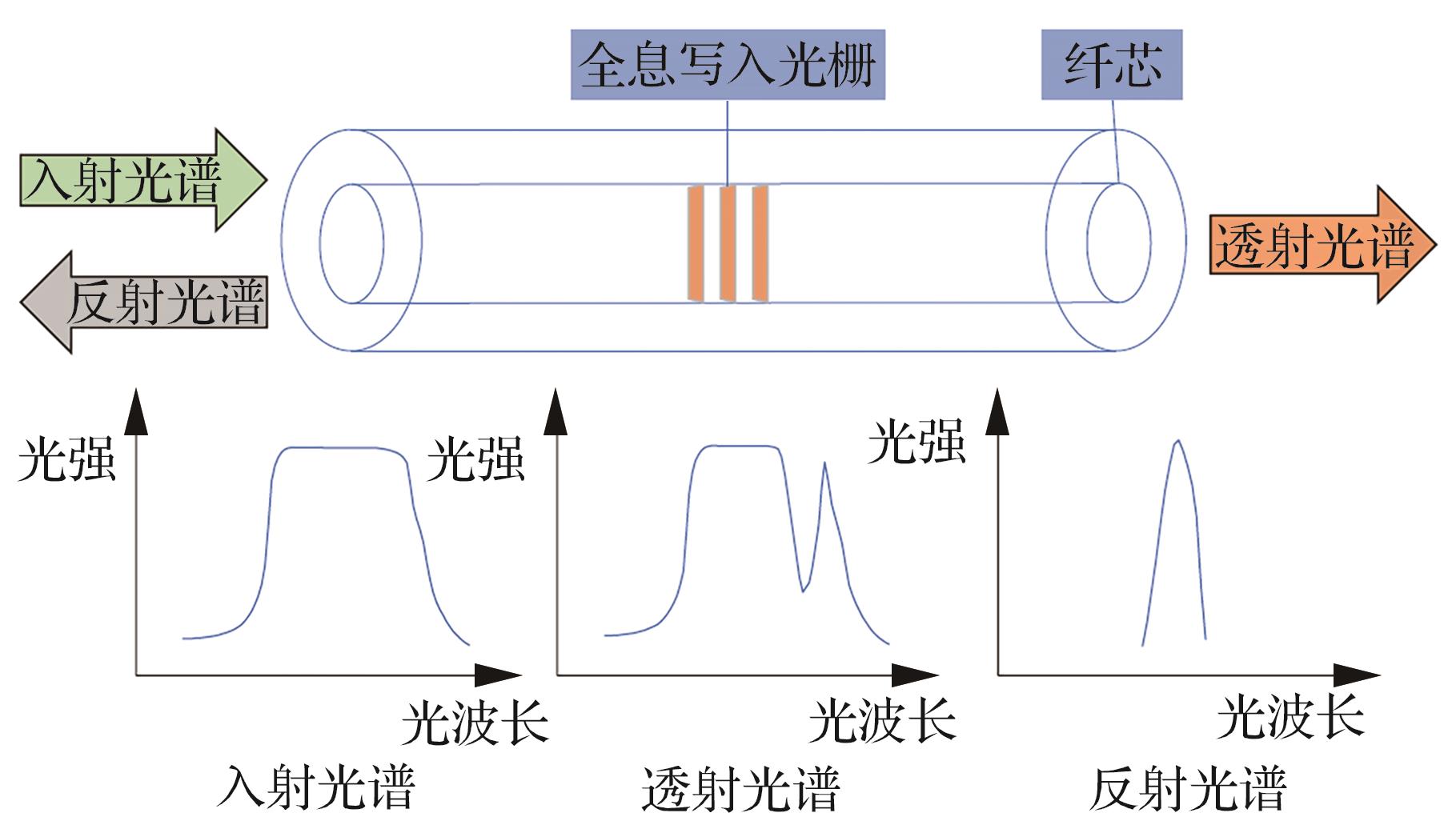
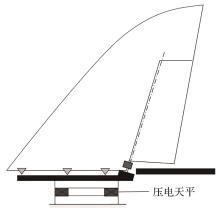
图 20
天平测量布置[48]
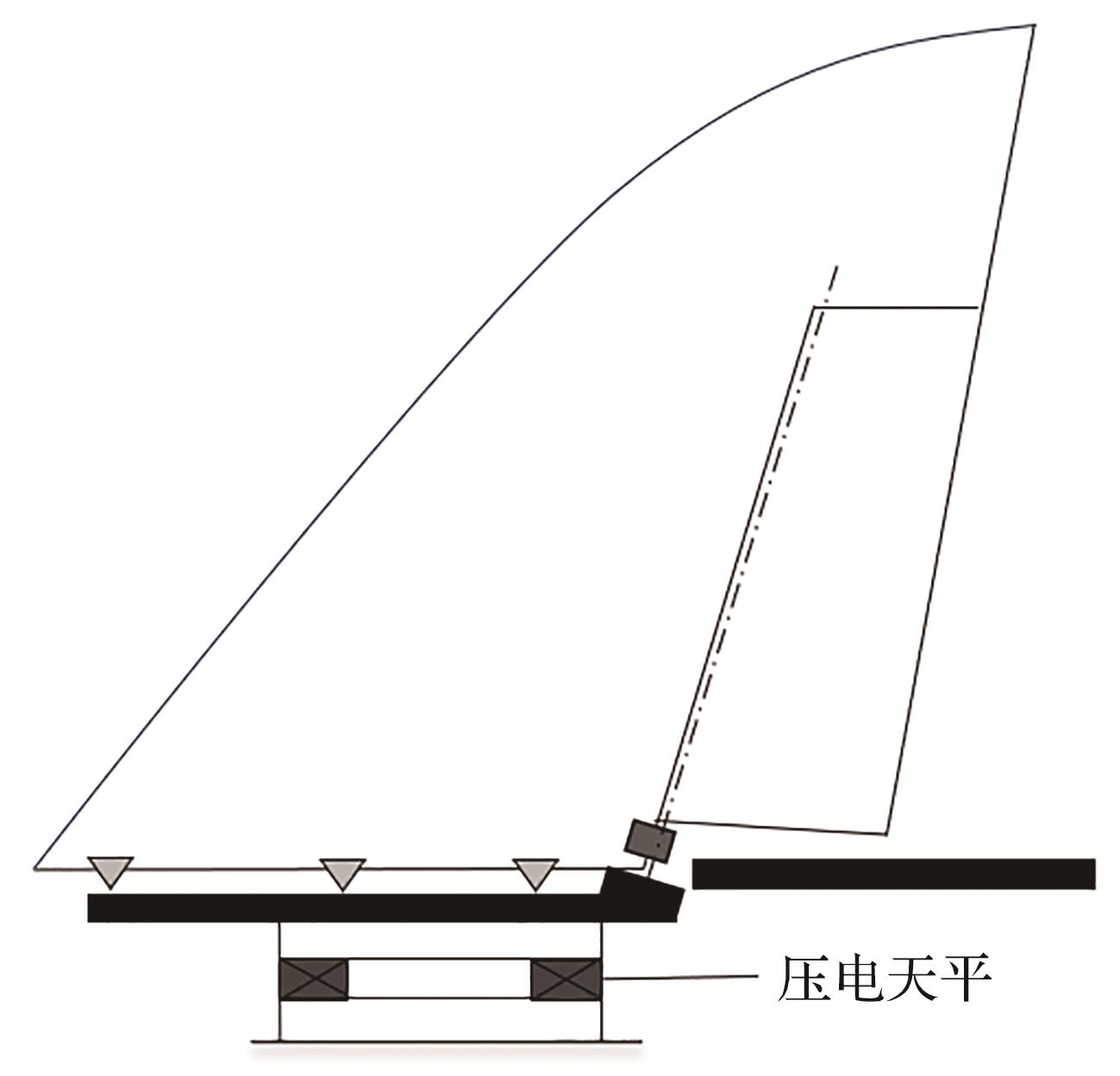
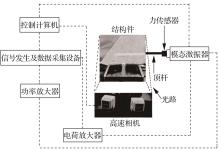
图 21
变截面舵面结构测试系统[52]
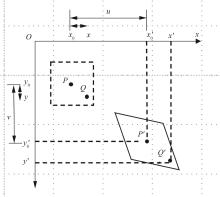
图 22
数字图像相关方法基本原理[55]
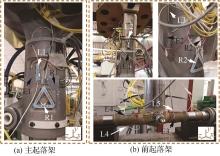
图23
安装在前起和主起上的FBG(白色字母)和电应变片(黑色字母)[25]
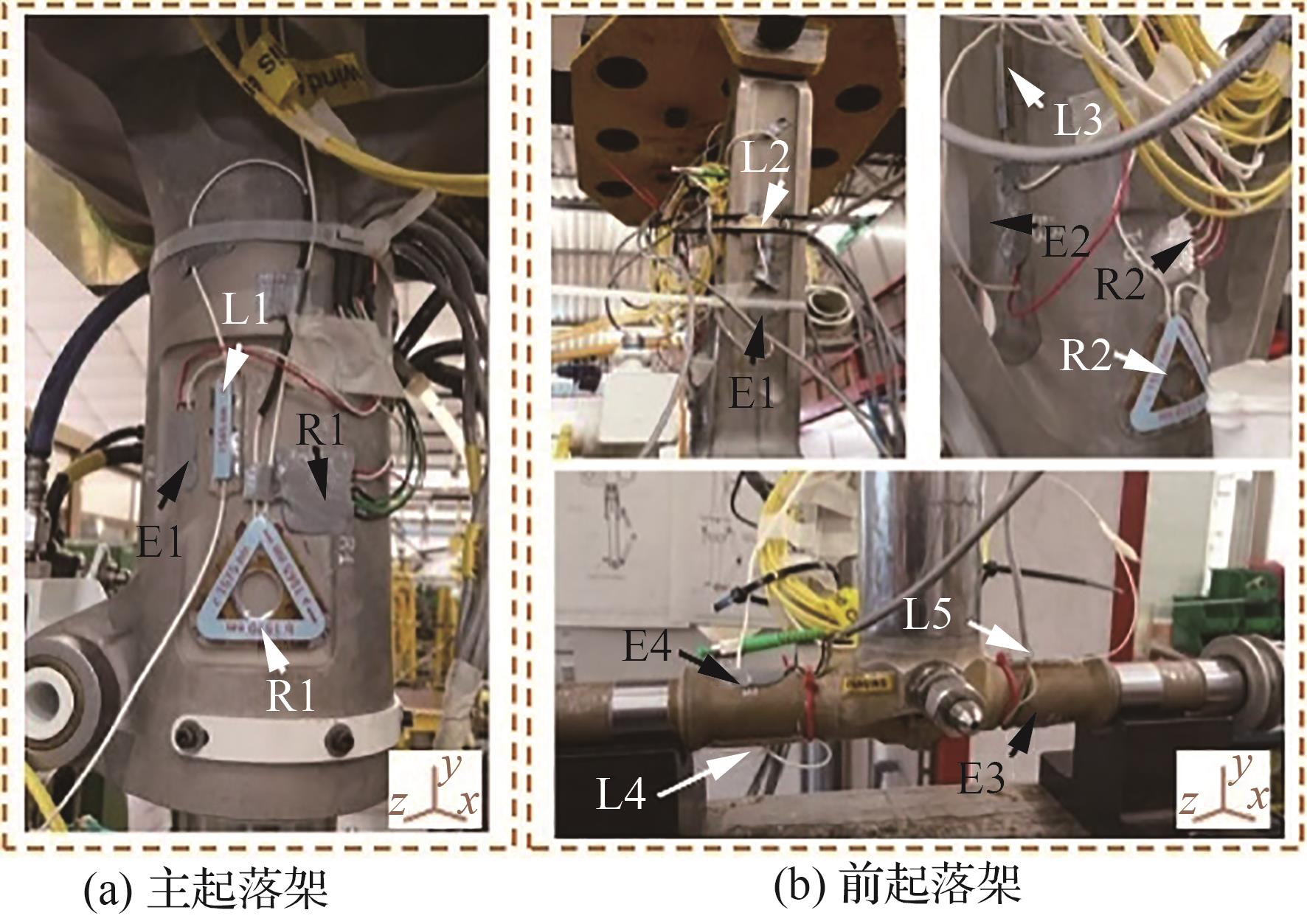

表1
飞行器结构动载荷测量技术
| 方法类型 | 典型技术 | 优势 | 局限性 |
|---|---|---|---|
| 直接测量 | 天平、PSP等 | 直接获取气动载荷数据 | 安装空间需求大、灵敏度受限等 |
| 接触式测量 | 应变片、FBG、加速度计等 | 实时监测、抗电磁干扰、高稳定性 | 受温度影响较大、设备成本较高、仅适用动载荷等 |
| 非接触式测量 | DIC、雷达红外热成像等 | 大变形监测、无需物理接触 | 依赖光学条件、高温/复杂环境适应性需增强等 |
表2
飞行器结构动载荷识别方法
| 部位 | 主要问题 | 方法 | 局限性 | |
|---|---|---|---|---|
| 机翼 | 分布式载荷识别 阵风形状参数化建模 结构不确定性 | 基函数拟合等 随机优化法等 概率模型、非概率模型等 | 数据需求量大;先验假设强,高维计算复杂 迭代过程耗时 受限于不确定性较高的问题 | |
| 尾翼 | 抖振载荷 载荷空间分布未知 载荷作用位置未知 翼根弯矩难以测量 | POD降维建模等 逐点频域识别法等 伪载荷等效法等 建立多元线性回归方程等 | 数据需求量大、参数选取复杂等 依赖于结构区域划分 需预先分析载荷频宽等特性 需大量试验标定、回归模型泛化能力有限 | |
| 舵 | 结构不确定性 铰链力矩实测与力纷争影响 | 概率模型、非概率模型等 建立载荷应变方程等 | 受限于不确定性较高的问题 需大量试验标定 | |
| 机身 | 肩部随机脉动压力 结构不确定性 多场耦合 | 等效集中载荷等 概率模型、非概率模型等 非线性规划求解等 | 等效假设忽略局部细节,精度较低 受限于不确定性较高的问题 易陷入局部最优 | |
| 起落架 | 三向载荷交互耦合 | 多元线性回归法、高斯过程回归等 | 回归模型泛化能力有限 | |
| [1] | 孟光, 周徐斌, 苗军. 航天重大工程中的力学问题[J]. 力学进展, 2016, 46(0): 267-322. |
| MENG G, ZHOU X B, MIAO J. Mechanical problems in momentous projects of aerospace engineering[J]. Advances in Mechanics, 2016, 46(0): 267-322 (in Chinese). | |
| [2] | 许锋, 陈怀海, 鲍明. 机械振动载荷识别研究的现状与未来[J]. 中国机械工程, 2002, 13(6): 526-531. |
| XU F, CHEN H H, BAO M. Force identification for mechanical vibration: State-of-the-art and prospect[J]. China Mechanical Engineering, 2002, 13(6): 526-531 (in Chinese). | |
| [3] | 吴肖, 曾捷, 胡子康, 等. 变截面悬臂梁结构动载荷辨识方法[J]. 航空学报, 2020, 41(9): 223806. |
| WU X, ZENG J, HU Z K, et al. Dynamic load identification method for variable cross-section cantilever structure[J]. Acta Aeronautica et Astronautica Sinica, 2020, 41(9): 223806 (in Chinese). | |
| [4] | 杨智春, 杨特. 动载荷识别物理嵌入式神经网络模型与方法[J]. 航空学报, 2025, 46(5): 531450. |
| YANG Z C, YANG T. Physical embedded neural network model and method for dynamic load identification[J]. Acta Aeronautica et Astronautica Sinica, 2025, 46(5): 531450 (in Chinese). | |
| [5] | 曾旭, 邓德双, 杨红娟, 等. 航空结构低速冲击监测技术研究进展[J]. 航空学报, 2024, 45(23): 030368. |
| ZENG X, DENG D S, YANG H J, et al. Research progress in low-velocity impact monitoring technology for aircraft structures[J]. Acta Aeronautica et Astronautica Sinica, 2024, 45(23): 030368 (in Chinese). | |
| [6] | GATTO A, BOURDIN P, FRISWELL M I. Experimental investigation into articulated winglet effects on flying wing surface pressure aerodynamics[J]. Journal of Aircraft, 2010, 47(5): 1811-1815. |
| [7] | 郭少楠, 孟新意, 杨全, 等. 大展弦比机翼气动载荷展向分布研究[J]. 中国科技信息, 2022(6): 43-46. |
| GUO S N, MENG X Y, YANG Q, et al. Study on spanwise distribution of aerodynamic loads on wings with high aspect ratio[J]. China Science and Technology Information, 2022(6): 43-46 (in Chinese). | |
| [8] | 张煜, 白俊强, 屈峰. 低马赫数通用飞机翼型压力分布设计特点研究[J]. 西北工业大学学报, 2023, 41(1): 28-38. |
| ZHANG Y, BAI J Q, QU F. Study on design characteristics of airfoil pressure distribution for low Mach number general aircraft[J]. Journal of Northwestern Polytechnical University, 2023, 41(1): 28-38 (in Chinese). | |
| [9] | 张阳, 韩忠华, 周正, 等. 面向高超声速飞行器的宽速域翼型优化设计[J].空气动力学学报, 2021, 39(6):111-127. |
| ZHANG Y, HAN Z H, ZHOU Z, et al. Optimal design of wide-velocity airfoil for hypersonic vehicle[J]. Chinese Journal of Aerodynamics, 2021, 39(6):111-127 (in Chinese). | |
| [10] | SOLTANI M R, GHORBANIAN K, MASDARI M. Investigation of the pressure distribution and transition point over a swept wing[J]. Scientia Iranica, 2011, 18(6): 1277-1286. |
| [11] | 严桢锋. 面向机翼气动载荷与攻角特征辨识的光纤智能感知方法[D]. 南京: 南京航空航天大学, 2022: 24-25. |
| YAN Z F. Optical fiber intelligent perception method for wing aerodynamic load and angle of attack feature identification[D]. Nanjing: Nanjing University of Aeronautics and Astronautics, 2022: 24-25 (in Chinese). | |
| [12] | 孟德虹, 孙岩, 王运涛, 等. 战斗机垂尾脉动压力数值模拟[J]. 航空学报, 2016, 37(8): 2472-2480. |
| MENG D H, SUN Y, WANG Y T, et al. Numerical simulation of fluctuating pressure of fighter vertical tail[J]. Acta Aeronautica et Astronautica Sinica, 2016, 37(8): 2472-2480 (in Chinese). | |
| [13] | KANG D H, KWON O J. Numerical study about buffet characteristics and attenuation of vertical tail at high angles of attack[J]. International Journal of Aeronautical and Space Sciences, 2020, 21(2): 315-328. |
| [14] | LEE B H K, TANG F C. Characteristics of the surface pressures on a F/A-18 vertical fin due to buffet[J]. Journal of Aircraft, 1994, 31(1): 228-235. |
| [15] | 陈震宇, 刘洋, 徐亮. 某型民机低速巡航构型平尾抖振特性风洞试验研究[J]. 实验流体力学, 2021, 35(6): 94-99. |
| CHEN Z Y, LIU Y, XU L. Wind tunnel test investigation on buffeting characteristics of horizontal tail of commercial aircraft in low-speed cruise configuration[J]. Journal of Experiments in Fluid Mechanics, 2021, 35(6): 94-99 (in Chinese). | |
| [16] | FALKIEWICZ N, CESNIK C, BOLENDER M, et al. Thermoelastic formulation of a hypersonic vehicle control surface for control-oriented simulation[C]∥ AIAA Guidance, Navigation, and Control Conference. Reston: AIAA, 2009. |
| [17] | 谭杰, 孙晓峰, 刘芙群, 等. 高超声速平板/空气舵热环境数值模拟研究[J]. 空气动力学学报, 2019, 37(1): 153-159. |
| TAN J, SUN X F, LIU F Q, et al. Numerical simulation of aerodynamic heating environment of a hypersonic plate/rudder configuration[J]. Acta Aerodynamica Sinica, 2019, 37(1): 153-159 (in Chinese). | |
| [18] | 姚军锴, 曹德一, 何海波. 飞翼布局飞行器舵面缝隙对操纵效率的影响[J]. 空气动力学学报, 2017, 35(6): 850-854. |
| YAO J K, CAO D Y, HE H B. Gap influence on rudder efficiency of flying wing aircraft[J]. Acta Aerodynamica Sinica, 2017, 35(6): 850-854 (in Chinese). | |
| [19] | JAHANGIR ALAM G M, MAMUN M, TAHER ALI M ABU, et al. Investigation of the aerodynamic characteristics of an aerofoil shaped fuselage UAV model[J]. Procedia Engineering, 2014, 90: 225-231. |
| [20] | 谢冠一.直升机旋翼/机身/尾面气动干扰特性的CFD分析[D]. 南京: 南京航空航天大学, 2012: 25-26. |
| XIE G Y. CFD analysis of aerodynamic interference characteristics of helicopter rotor/fuselage/tail surface[D]. Nanjing: Nanjing University of Aeronautics and Astronautics, 2012: 25-26 (in Chinese). | |
| [21] | 操小龙, 罗金玲, 周丹杰, 等. 锥-柱体外形脉动压力及抖振载荷响应研究[J]. 战术导弹技术, 2010(1): 67-72. |
| CAO X L, LUO J L, ZHOU D J, et al. The research of fluctuating pressure and buffeting load on the cone-column body[J]. Tactical Missile Technology, 2010(1): 67-72 (in Chinese). | |
| [22] | 王娜, 高超. 弹体脉动压力特征的实验研究[J]. 实验流体力学, 2010, 24(1): 30-35. |
| WANG N, GAO C. Experimental research of fluctuating pressure on surface for a certain missile configuration[J]. Journal of Experiments in Fluid Mechanics, 2010, 24(1): 30-35 (in Chinese). | |
| [23] | 赵蓉. 考虑轮胎影响的起落架气动噪声分析[D]. 南京: 南京航空航天大学, 2017: 32-33. |
| ZHAO R. The aerodynamic noise analysis of a landing gear with tires[D]. Nanjing: Nanjing University of Aeronautics and Astronautics, 2017: 32-33 (in Chinese). | |
| [24] | 汤阿妮. 某型飞机实测起落架着陆载荷谱分析[J]. 强度与环境, 2007, 34(4): 43-48. |
| TANG A N. Analysis of usage landing gears loads spectrum for an aircraft’s landing gears[J]. Structure & Environment Engineering, 2007, 34(4): 43-48 (in Chinese). | |
| [25] | IELE A, LEONE M, CONSALES M, et al. Load monitoring of aircraft landing gears using fiber optic sensors[J]. Sensors and Actuators A: Physical, 2018, 281: 31-41. |
| [26] | 刘克格, 闫楚良. 飞机起落架载荷谱实测与编制方法[J]. 航空学报, 2011, 32(5): 841-848. |
| LIU K G, YAN C L. Load measurement and compilation of landing gear of airplane[J]. Acta Aeronautica et Astronautica Sinica, 2011, 32(5): 841-848 (in Chinese). | |
| [27] | 徐凤. 基于激光雷达对飞机机翼形面测量技术研究[J]. 四川职业技术学院学报, 2015, 25(6): 161-164. |
| XU F. Research on the measurement technology of aircraft wing profile based on laser radar[J]. Journal of Sichuan Vocational and Technical College, 2015, 25(6): 161-164 (in Chinese). | |
| [28] | 王景凡, 毛斌, 刘辉, 等. 激光位移传感器工作温度条件下的校准[J]. 中国测试, 2025, 51(2): 127-131. |
| WANG J F, MAO B, LIU H, et al. Calibration of laser displacement sensors under operating temperature conditions[J]. China Measurement & Test, 2025, 51(2): 127-131 (in Chinese). | |
| [29] | XIONG Y Y, GOU Y J, TIAN W D, et al. Full-field 3D displacement measurement via microwave sensing[J]. Mechanical Systems and Signal Processing, 2025, 234: 112804. |
| [30] | BAKUNOWICZ J, MEYER R. In-flight wing deformation measurements on a glider[J]. The Aeronautical Journal, 2016, 120(1234): 1917-1931. |
| [31] | MA Y H, SONG Z X, WANG Y S, et al. Improving the spatial resolution of full-field vibration measurements for hollow structures using a speckle compensation calibration method in multi-camera DIC[J]. Optics Communications, 2025, 585: 131865. |
| [32] | LIU T S, MONTEFORT J, GREGORY J, et al. Wing deformation measurements from pressure sensitive paint images using videogrammetry[C]∥ 41st AIAA Fluid Dynamics Conference and Exhibit. Reston: AIAA, 2011. |
| [33] | KOREANSCHI A, GABOR O S, ACOTTO J, et al. Optimization and design of an aircraft’s morphing wingtip demonstrator for drag reduction at low speeds, Part Ⅱ-Experimental validation using Infra-Red transition measurement from Wind Tunnel tests[J]. Chinese Journal of Aeronautics, 2017, 30(1): 164-174. |
| [34] | 张京娟, 秦海霞, 吴君. 飞机机翼结构变形量测量装置[J]. 仪表技术与传感器, 2012(2): 100-102. |
| ZHANG J J, QIN H X, WU J. Design of measuring device for deformation of airplane’s wing structure[J]. Instrument Technique and Sensor, 2012(2): 100-102 (in Chinese). | |
| [35] | 李晗, 张波涛, 王俊杰, 等. 光纤光栅传感器振动与温度信号解耦[J]. 上海交通大学学报, 2022, 56(2): 214-222. |
| LI H, ZHANG B T, WANG J J, et al. Decoupling of vibration and temperature signals of fiber Bragg grating sensor[J]. Journal of Shanghai Jiao Tong University, 2022, 56(2): 214-222 (in Chinese). | |
| [36] | KWON H, PARK Y, KIM J H, et al. Embedded fiber Bragg grating sensor-based wing load monitoring system for composite aircraft[J]. Structural Health Monitoring, 2019, 18(4): 1337-1351. |
| [37] | FREYDIN M, RATTNER M K, RAVEH D E, et al. Fiber-optics-based aeroelastic shape sensing[J]. AIAA Journal, 2019, 57(12): 5094-5103. |
| [38] | WILLIAM L K, RICHARDS W L. Displacement theories for in-flight deformed shape predictions of a long span flying wing: NASA/TP-2007-214612 [R]. Edwards: NASA Dryden Flight Research Center, 2006. |
| [39] | PENA F, MARTINS B L, RICHARDA W L. Active inflight load redistribution utilizing fiber-optic shape sensing and multiple control surfaces: NASA/TM—2018-219741[R]. Edwards: NASA Armstrong Flight Research Center, 2018. |
| [40] | 曲道明, 孙广开, 李红, 等. 变形机翼柔性蒙皮形状光纤传感及重构方法[J]. 仪器仪表学报, 2018, 39(1): 144-151. |
| QU D M, SUN G K, LI H, et al. Optical fiber sensing and reconstruction method for morphing wing flexible skin shape[J]. Chinese Journal of Scientific Instrument, 2018, 39(1): 144-151 (in Chinese). | |
| [41] | HE Y L, DONG M L, SUN G K, et al. Shape monitoring of morphing wing using micro optical sensors with different embedded depth[J]. Optical Fiber Technology, 2019, 48: 179-185. |
| [42] | 黄勇. 基于光纤传感的襟翼操纵载荷试飞技术[J]. 航空学报, 2020, 41(4): 223213. |
| HUANG Y. Flight test technic for flap operation load with optical fiber sensing[J]. Acta Aeronautica et Astronautica Sinica, 2020, 41(4): 223213 (in Chinese). | |
| [43] | 任旭东, 赵子杰, 高超, 等. NACA0012翼型抖振现象实验研究[J]. 工程力学, 2015, 32(5): 236-242. |
| REN X D, ZHAO Z J, GAO C, et al. Experimental study on the buffet phenomenon of NACA0012 airfoil[J]. Engineering Mechanics, 2015, 32(5): 236-242 (in Chinese). | |
| [44] | 张庆, 华如豪, 叶正寅. 一种新型垂尾抖振抑制方法实验研究[J]. 实验流体力学, 2015, 29(1): 37-42. |
| ZHANG Q, HUA R H, YE Z Y. Experimental study on a novel method for vertical tail buffet suppression[J]. Journal of Experiments in Fluid Mechanics, 2015, 29(1): 37-42 (in Chinese). | |
| [45] | LEE B, TANG F. Buffet load measurements on an F/A-18 vertical fin at high-angle-of-attack[C]∥ Dynamics Specialists Conference. Reston: AIAA, 1992. |
| [46] | 高通锋, 张海涛. 基于T型平尾结构的抖振载荷测量技术研究[J]. 力学与实践, 2023, 45(3): 565-572. |
| GAO T F, ZHANG H T. Research on buffeting load measurement technology based on t-shaped flat tail structure[J]. Mechanics in Engineering, 2023, 45(3): 565-572 (in Chinese). | |
| [47] | VUKOVIĆ Đ, DAMLJANOVIĆ D. Evaluation of a force balance with semiconductor strain gages in wind tunnel tests of the HB-2 standard model[J]. Proceedings of the Institution of Mechanical Engineers, Part G: Journal of Aerospace Engineering, 2015, 229(12): 2272-2281. |
| [48] | HUFNAGEL K, SCHEWE G. Force and moment measurement[M]∥ Springer Handbook of Experimental Fluid Mechanics. Berlin, Heidelberg: Springer, 2007: 563-616. |
| [49] | ROOZEBOOM N H, BAERNY J K. Guide for pressure-sensitive paint testing at NASA Ames Research Center Unitary Plan wind tunnel[C]∥ AIAA Aerospace Sciences Meeting. Reston: AIAA, 2006. |
| [50] | 何发东. 飞机舵面铰链力矩飞行实测技术研究[J]. 科学技术与工程, 2011, 11(31): 7835-7838. |
| HE F D. Technology research of real flight test on hinge moment of aircraft’s control surface[J]. Science Technology and Engineering, 2011, 11(31): 7835-7838 (in Chinese). | |
| [51] | 李俊, 蒋献. 飞机主动式余度作动舵面铰链力矩飞行测量方法[J]. 空军工程大学学报, 2023, 24(3): 43-49. |
| LI J, JIANG X. A flight measurement method for hinge moment of aircraft control surface with redundant actuation system in active mode[J]. Journal of Air Force Engineering University, 2023, 24(3): 43-49 (in Chinese). | |
| [52] | 彭富豪, 于开平, 康亚涛, 等. 变截面舵面结构全场瞬态变形测量及振动特性分析[J]. 计算机测量与控制, 2022, 30(6): 84-90, 119. |
| PENG F H, YU K P, KANG Y T, et al. Full field transient deformation measurement and vibration characteristics analysis of variable section rudder surface structure[J]. Computer Measurement & Control, 2022, 30(6): 84-90, 119 (in Chinese). | |
| [53] | 何石, 田敏, 白春玉. 典型服役热环境下舵面结构动力学特性试验技术[J]. 科学技术与工程, 2024, 24(24): 10545-10551. |
| HE S, TIAN M, BAI C Y. Experimental technology for dynamic characteristics of rudder surface structures under typical service thermal environment[J]. Science Technology and Engineering, 2024, 24(24): 10545-10551 (in Chinese). | |
| [54] | PHAM J, GHATTAS O, WILLCOX K E. Real-time aerodynamic load estimation for hypersonics via strain-based inverse maps[C]∥ AIAA Scitech 2024 Forum. Reston: AIAA, 2024. |
| [55] | 王昌林, 谢宇航, 张文东. 数字图像相关方法在机身壁板试验中的应用研究[J]. 工程与试验, 2022, 62(2): 30-32, 42. |
| WANG C L, XIE Y H, ZHANG W D. Research on application of digital image correlation method to fuselage panel test[J]. Engineering & Test, 2022, 62(2): 30-32, 42 (in Chinese). | |
| [56] | 臧伟锋, 李磊, 张海英. 机身壁板内压剪切联合加载试验研究[J]. 科学技术与工程, 2023, 23(28): 12300-12306. |
| ZANG W F, LI L, ZHANG H Y. Test research on fuselage panel subjected to combined internal pressure and shear load[J]. Science Technology and Engineering, 2023, 23(28): 12300-12306 (in Chinese). | |
| [57] | 谢帅, 张海涛, 霍幸莉, 等. 基于连杆应变测量的起落架舱门结构健康监测[J]. 空军工程大学学报, 2023, 24(3): 50-54. |
| XIE S, ZHANG H T, HUO X L, et al. Structural health mornitoring of landing gear doors based on strain measurement[J]. Journal of Air Force Engineering University, 2023, 24(3): 50-54 (in Chinese). | |
| [58] | 侯强, 马艳萍, 郭辉, 等. 基于LabVIEW的起落架小落震台检测系统研究[J]. 机械工程师, 2023(11): 21-24, 28. |
| HOU Q, MA Y P, GUO H, et al. Research on detection system of landing gear small drop shock platform based on LabVIEW[J]. Mechanical Engineer, 2023(11): 21-24, 28 (in Chinese). | |
| [59] | 张海兵, 李小丽, 朱龙翔. 基于光纤声发射技术的飞机起落装置损伤监测[J].国防制造技术, 2017, 3(1): 43-45. |
| ZHANG H B, LI X L, ZHU L X. Damage monitoring of aircraft landing gear based on optical fibre acoustic emission technology[J]. Defense Manufacturing Technology, 2017, 3(1): 43-45 (in Chinese). | |
| [60] | 黄鹏宇, 陈诗, 刘元凤, 等. 基于FBG的某舰载机前起落架载荷监测技术研究[J]. 激光杂志, 2023, 44(7): 68-75. |
| HUANG P Y, CHEN S, LIU Y F, et al. Research on FBG-based front landing gear load monitoring technology of a carrier aircraft[J]. Laser Journal, 2023, 44(7): 68-75 (in Chinese). | |
| [61] | BARTLETT F D, FLANNELLY W G. Model verification of force determination for measuring vibratory loads[J]. Journal of the American Helicopter Society, 1979, 24(2): 10-18. |
| [62] | STARKEY J M, MERRILLG L. On the ill⁃condition nature of indirect force measurement technique[J]. International Journal of Analysis and Experimental Modal Analysis, 1989, 4(3):103⁃108. |
| [63] | SIMEONE S, RONCH A DA, RENDALL T. A gust reconstruction framework applied to a nonlinear reduced order model of a wing typical section[C]∥ 58th AIAA/ASCE/AHS/ASC Structures, Structural Dynamics, and Materials Conference. Reston: AIAA, 2017. |
| [64] | ZHU R, YUAN W X, FEI Q G, et al. Low-resource dynamic loading identification of nonlinear system using pretraining[J]. Engineering Structures, 2025, 323: 119238. |
| [65] | 郑屹.薄壁结构分布动载荷识别技术研究[D]. 南京: 东南大学, 2021: 43-48. |
| ZHENG Y. Research on dynamic load identification technology for thin-walled structures[D]. Nanjing: Southeast University, 2021: 43-48 (in Chinese). | |
| [66] | WU S Q, ZHENG Y, SUN Y W, et al. Identify the stochastic dynamic load on a complex uncertain structural system[J]. Mechanical Systems and Signal Processing, 2021, 147: 107114. |
| [67] | CAO X, SUGIYAMA Y, MITSUI Y. Application of artificial neural networks to load identification[J]. Computers & Structures, 1998, 69(1): 63-78. |
| [68] | COFFIN P, DENNARD C, PHAM J. Inverse methods for identifying pressure loading vehicles using structural response[C]∥ AIAA Scitech 2020 Forum. Reston: AIAA, 2020. |
| [69] | ZHENG Y, WU S Q, FEI Q G. Distributed dynamic load identification on irregular planar structures using subregion interpolation[J]. Journal of Aircraft, 2021, 58(2): 288-299. |
| [70] | BALATTI D, HADDAD KHODAPARAST H, FRISWELL M I, et al. Aircraft turbulence and gust identification using simulated in-flight data[J]. Aerospace Science and Technology, 2021, 115: 106805. |
| [71] | 肖宇. 一种基于随机优化算法的民用飞机突风动载荷重建方法[J]. 航空工程进展, 2023, 14(3): 61-68, 107. |
| XIAO Y. A reconstruction method of civil aircraft dynamic gust load based on the stochastic optimization algorithm[J]. Advances in Aeronautical Science and Engineering, 2023, 14(3): 61-68, 107 (in Chinese). | |
| [72] | WANG L J, PENG Y L, XIE Y X, et al. A new iteration regularization method for dynamic load identification of stochastic structures[J]. Mechanical Systems and Signal Processing, 2021, 156: 107586. |
| [73] | LIU Y R, WANG L. A two-step weighting regularization method for stochastic excitation identification under multi-source uncertainties based on response superposition-decomposition principle[J]. Mechanical Systems and Signal Processing, 2023, 182: 109565. |
| [74] | KATZENMEIER L, VIDY C, BREITSAMTER C. Using a proper orthogonal decomposition representation of the aerodynamic forces for stochastic buffeting prediction[J]. Journal of Fluids and Structures, 2020, 99: 103178. |
| [75] | LEVINSKI O, HILL B. Prediction of vertical tail buffet using artificial neural networks[C]∥ 24th AIAA Applied Aerodynamics Conference. Reston: AIAA, 2006. |
| [76] | 顾慧芝, 聂君剑, 丁锡洪. 载荷识别的等效点动标定法[J]. 振动工程学报, 1997, 10(3): 329-334. |
| GU H Z, NIE J J, DING X H. An equivalent point calibration method for dynamic load identifications[J]. Journal of Vibration Engineering, 1997, 10(3): 329-334 (in Chinese). | |
| [77] | 贾有, 杨智春. 一种飞机垂尾抖振载荷识别的新方法[J]. 航空学报, 2013, 34(10): 2333-2340. |
| JIA Y, YANG Z C. A new approach to identify buffet loads for aircraft vertical tail[J]. Acta Aeronautica et Astronautica Sinica, 2013, 34(10): 2333-2340 (in Chinese). | |
| [78] | 孙建华, 蘧时红. 飞行载荷参数识别方法研究[J]. 航空学报, 1994, 15(1): 109-112. |
| SUN J H, QU S H. A study on a parametric identification method of flight load[J]. Acta Aeronautica et Astronautica Sinica, 1994, 15(1): 109-112 (in Chinese). | |
| [79] | 耿寅岑, 吴邵庆, 郑屹. 区间不确定性结构表面分布随机动载荷识别[J/OL]. 工程力学, (2024-05-23)[2025-06-16]. . |
| GENG Y C, WU S Q, ZHENG Y. Distributed random dynamic load identification on the surface of a structure with interval uncertainty[J/OL]. Engineering Mechanics, (2024-05-23)[2025-06-16]. (in Chinese). | |
| [80] | WANG L, LIU Y R. A novel method of distributed dynamic load identification for aircraft structure considering multi-source uncertainties[J]. Structural and Multidisciplinary Optimization, 2020, 61(5): 1929-1952. |
| [81] | MILLER E J, CRUZ J, LUNG S F, et al. Evaluation of the hinge moment and normal force aerodynamic loads from a seamless adaptive compliant trailing edge flap in flight[C]∥ 54th AIAA Aerospace Sciences Meeting. Reston: AIAA, 2016. |
| [82] | 李志蕊, 吴波, 高腾龙. 基于应变法的非常规细长拉杆飞行载荷实测技术[J]. 现代机械, 2018(6): 57-59, 78. |
| LI Z R, WU B, GAO T L. Flight load measurement technology of unconventional slender rod based on strain method[J]. Modern Machinery, 2018(6): 57-59, 78 (in Chinese). | |
| [83] | 孙喜桂, 郭瑜超, 聂小华. 机身壁板复杂载荷解耦方法研究[J]. 工程与试验, 2023, 63(1): 4-6. |
| SUN X G, GUO Y C, NIE X H. Study on decoupling method for complex load of fuselage panel[J]. Engineering & Test, 2023, 63(1): 4-6 (in Chinese). | |
| [84] | LIU J, HAN X, JIANG C, et al. Dynamic load identification for uncertain structures based on interval analysis and regularization method[J]. International Journal of Computational Methods, 2011, 8(4): 667-683. |
| [85] | 盖晓男, 于开平. 飞行器跨声速段肩部脉动压力等效预示方法[J]. 噪声与振动控制, 2020, 40(1): 1-4, 45. |
| GAI X N, YU K P. An equivalent prediction method for shoulder pulsating pressure of flight vehicle in transonic phase[J]. Noise and Vibration Control, 2020, 40(1): 1-4, 45 (in Chinese). | |
| [86] | 张曾, 张江监, 王裕昌. 飞机起落架滑行载荷识别[J]. 航空学报, 1994, 15(1): 54-61. |
| ZHANG Z, ZHANG J J, WANG Y C. Identification of airplane landing gear loads during taxiing[J]. Acta Aeronautica et Astronautica Sinica, 1994, 15(1): 54-61 (in Chinese). | |
| [87] | LI W Y, CHEN S, CHU Y Y, et al. Wide-range fiber Bragg grating strain sensor for load testing of aircraft landing gears[J]. Optik, 2022, 262: 169290. |
| [88] | THOMAS J, KISHORE K, RAJANNA T R, et al. Load estimation of aircraft landing gears using fiber Bragg grating sensors[M]∥Advances in Fibers, Optical Sensors, Optical Communications and Networks. Singapore: Springer, 2024: 55-64. |
| [89] | ARNSON M G, ALJABER R, CINAR G. Predicting aircraft design parameters using Gaussian process regressions on historical data[C]∥ AIAA Scitech 2025 Forum. Reston: AIAA, 2025. |
| [90] | 吴大方, 赵星, 贺小帆, 等. 飞机起落架落震试验中机轮水平冲击载荷测量方法的研究[J]. 机械强度, 2010, 32(5): 729-734. |
| WU D F, ZHAO X, HE X F, et al. Study on measurement method of horizontal impact load in aircraft landing gear drop test[J]. Journal of Mechanical Strength, 2010, 32(5): 729-734 (in Chinese). | |
| [91] | WANG Y S, QIAN H, LIU Q H, et al. Hierarchical Bayesian model for identifying clearance-type nonlinear system[J]. Mechanical Systems and Signal Processing, 2025, 235: 112891. |
| [92] | ZHU R, JIANG D, MARCHESIELLO S, et al. Automatic nonlinear subspace identification using clustering judgment based on similarity filtering[J]. AIAA Journal, 2023, 61(6): 2666-2674. |
| [93] | YUAN W X, ZHU R, XIANG T, et al. Nonlinear system identification using audio-inspired WaveNet deep neural networks[J]. AIAA Journal, 2023, 61(9): 4070-4078. |
| [94] | 李锟.分布动态载荷识别的理论与方法研究[D]. 长沙: 湖南大学, 2018: 19-20. |
| LI K. Research on the theory and method of distributed dynamic load identification[D]. Changsha: Hunan University, 2018: 19-20 (in Chinese). |
| [1] | 刘庆宗, 丁明松, 董维中, 孔文慧, 江涛. 高速飞行器质量引射条件下气动热数值计算[J]. 航空学报, 2026, 47(5): 132462-132462. |
| [2] | 王宇, 白兴之, 张代贤, 林泽铖, 范召林, 吴文华. 多旋翼近水面效应气动特性实验[J]. 航空学报, 2026, 47(4): 132234-132234. |
| [3] | 刘备, 达兴亚, 朱耀武, 易渊. 分布式推进飞行器纵向气动/推进耦合效应[J]. 航空学报, 2026, 47(4): 132280-132280. |
| [4] | 张永励, 牛智奇, 余磊, 孟军辉, 孙锋. 智能弹药结构关键技术应用进展与展望[J]. 航空学报, 2026, 47(4): 232351-232351. |
| [5] | 苏健欣, 廖宇新, 许炜平, 谭君岳, 高兴. 考虑性能约束的高超声速变体飞行器自适应优化控制[J]. 航空学报, 2026, 47(4): 332387-332387. |
| [6] | 刘延芳, 王洪悦, 鄂羽佳, 齐乃明. 迈向智能驱动的高超声速飞行器边界层主动质量引射减阻降热研究新范式[J]. 航空学报, 2026, 47(2): 132171-132171. |
| [7] | 牛飞航, 尹乔之, 魏小辉, 梁伟华, 聂宏. 基于主动柔顺控制的仿生起落架缓冲方法[J]. 航空学报, 2026, 47(1): 632001-632001. |
| [8] | 马铁林, 景彪, 蒋崇文, 乔南璇, 付竟成, 向锦武. 跨速域乘波体组合变体机翼布局及其任务能力评估[J]. 航空学报, 2026, 47(1): 632051-632051. |
| [9] | 章涛, 李攀, 王梓旭, 朱振华. 面向直升机姿态控制的强化学习奖励函数设计[J]. 航空学报, 2025, 46(S1): 732184-732184. |
| [10] | 王科雷, 周洲, 李明浩. 动力翼单元松耦合设计方法研究及试验验证[J]. 航空学报, 2025, 46(9): 212-229. |
| [11] | 崔乃刚, 屈国欣, 马鑫海, 徐世昊, 韦常柱. 面对称飞行器助推段自适应预设时间/性能控制[J]. 航空学报, 2025, 46(6): 531470-531470. |
| [12] | 陈谋, 黄正国, 申耀华, 刘凡. 先进飞行器复合抗干扰控制技术综述[J]. 航空学报, 2025, 46(6): 531303-531303. |
| [13] | 朱继宏, 张亦飞, 张亚辉, 侯杰, 张卫红. 空天结构保形设计: 从几何特征到能量疏导[J]. 航空学报, 2025, 46(6): 531833-531833. |
| [14] | 姜宗林, 韩桂来, 汪运鹏, 刘云峰, 苑朝凯, 罗长童, 王春, 胡宗民, 刘美宽. JF-22超高速风洞理论基础与关键技术[J]. 航空学报, 2025, 46(5): 531130-531130. |
| [15] | 杨智春, 杨特. 动载荷识别物理嵌入式神经网络模型与方法[J]. 航空学报, 2025, 46(5): 531450-531450. |
| 阅读次数 | ||||||
|
全文 |
|
|||||
|
摘要 |
|
|||||
版权所有 © 航空学报编辑部
版权所有 © 2011航空学报杂志社
主管单位:中国科学技术协会 主办单位:中国航空学会 北京航空航天大学

 CJA
CJA
