张阳1,2, 韩忠华1,2( ), 张科施1,2, 宋科1,2, 宋文萍1,2
收稿日期:2025-04-02
修回日期:2025-05-30
接受日期:2025-07-10
出版日期:2025-07-28
发布日期:2025-10-30
通讯作者:
韩忠华
E-mail:hanzh@nwpu.edu.cn
基金资助:
Yang ZHANG1,2, Zhonghua HAN1,2(), Keshi ZHANG1,2, Ke SONG1,2, Wenping SONG1,2
Received:2025-04-02
Revised:2025-05-30
Accepted:2025-07-10
Online:2025-07-28
Published:2025-10-30
Contact:
Zhonghua HAN
E-mail:hanzh@nwpu.edu.cn
Supported by:摘要:
宽速域气动设计是水平起降空天飞机研制的瓶颈问题之一。空天飞机在全包线飞行过程中经历极宽的速域和极广的空域,不同速域下的飞行动压存在量级上的差异;飞行器匹配自身重力所需的升力面大小存在显著不同,使得气动布局设计过程中升力匹配设计存在很大挑战。在优先满足低速起飞升力设计要求时,高速飞行的设计升力状态会显著偏离其最大升阻比状态,导致可用升阻比不足。首先,结合空天飞机宽域飞行环境,分析了水平起降空天飞机宽速域升力匹配设计需求。其次,发展了一种考虑升力匹配的全局气动优化设计方法,并针对Sanger空天飞机载机的机翼开展了考虑升力匹配的机翼平面及剖面外形气动优化设计研究,优化机翼在满足起飞升力约束的前提下,在超声速和高超声速状态下的可用升阻比分别提升了20.00%和8.12%,显著缓解了高速可用升阻比不足的难题。最后,开展了机体干扰下考虑升力匹配的机翼平面外形优化设计,验证了发展的方法在全机构型下的适用性。
中图分类号:
张阳, 韩忠华, 张科施, 宋科, 宋文萍. 考虑升力匹配的高超飞行器气动布局优化设计[J]. 航空学报, 2026, 47(1): 632064.
Yang ZHANG, Zhonghua HAN, Keshi ZHANG, Ke SONG, Wenping SONG. Aerodynamic design optimization of hypersonic vehicles considering lift matching[J]. Acta Aeronautica et Astronautica Sinica, 2026, 47(1): 632064.
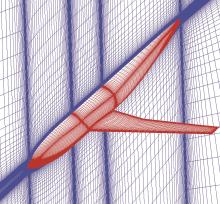
图 1
DLR-F6翼身组合体表面网格
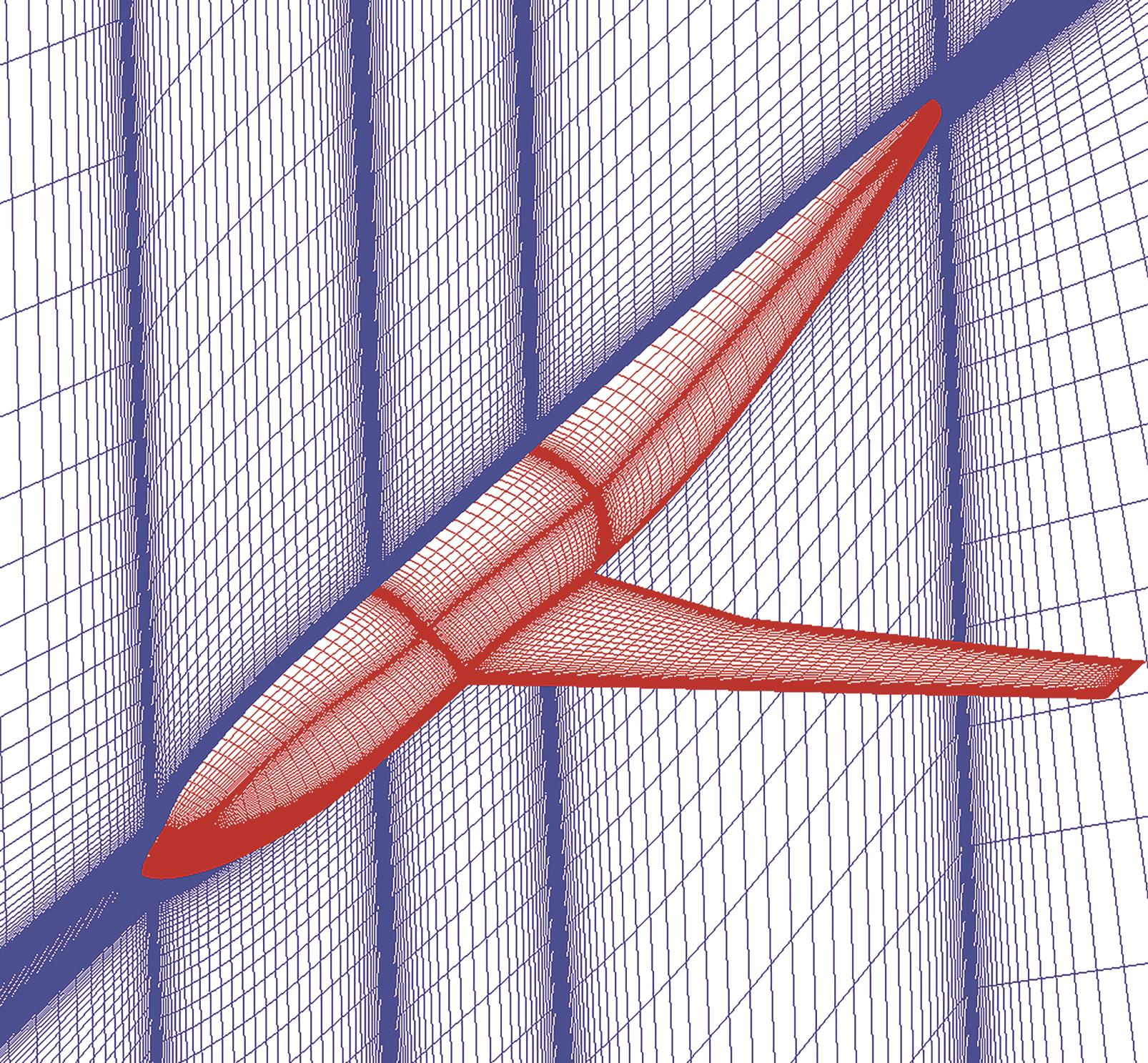
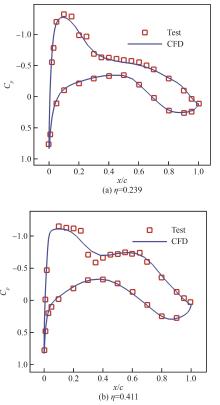
图 2
机翼不同展向站位压力系数分布的计算值与试验值对比(Ma=0.75, Re=3.0×10⁶)
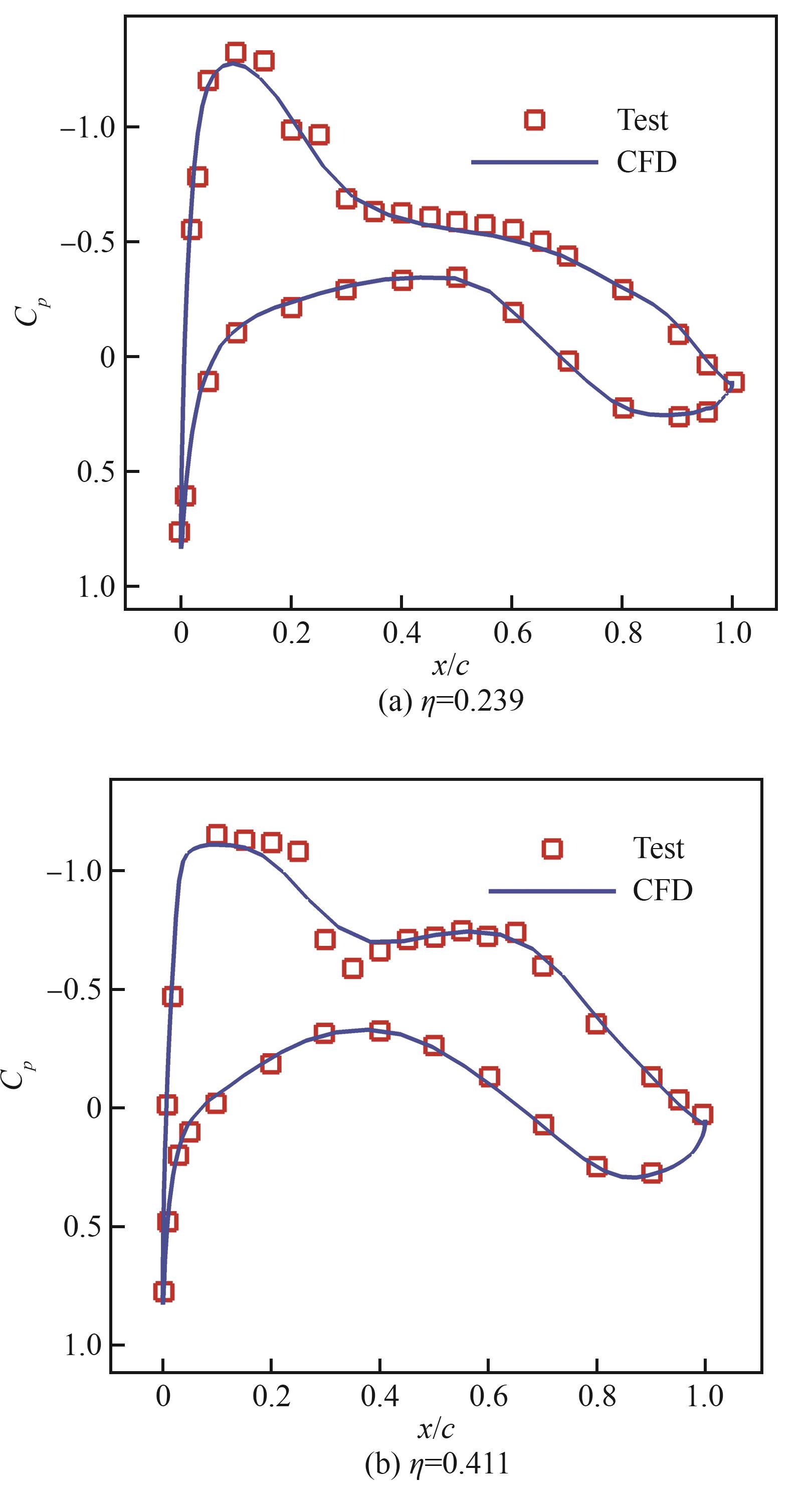

表1
DLR-F6翼身组合体的CFD计算值与试验值对比
| 方法 | 迎角 | 阻力系数 | 俯仰力矩系数 |
|---|---|---|---|
| 试验 | 0.520 | 0.029 5 | -0.121 1 |
| 仿真 | 0.417 | 0.029 8 | -0.118 0 |
图 3
方形截面导弹几何外形
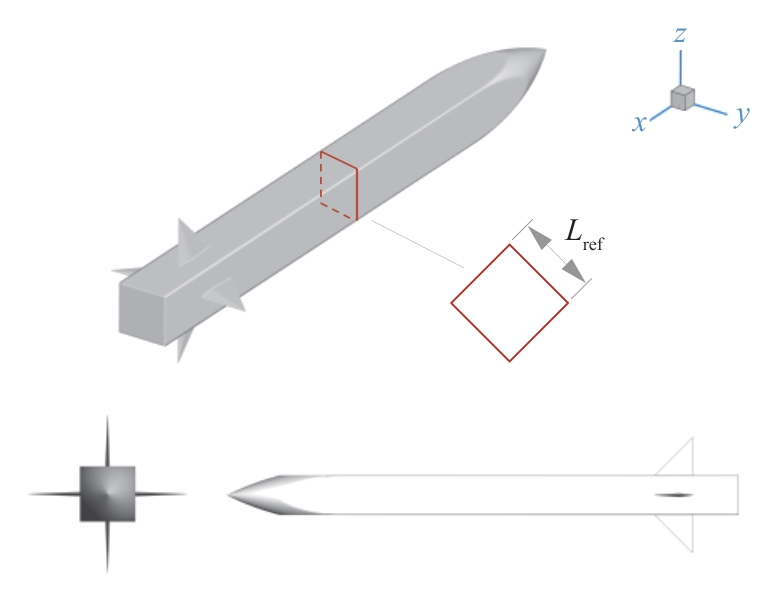
图 4
方形截面导弹表面结构网格
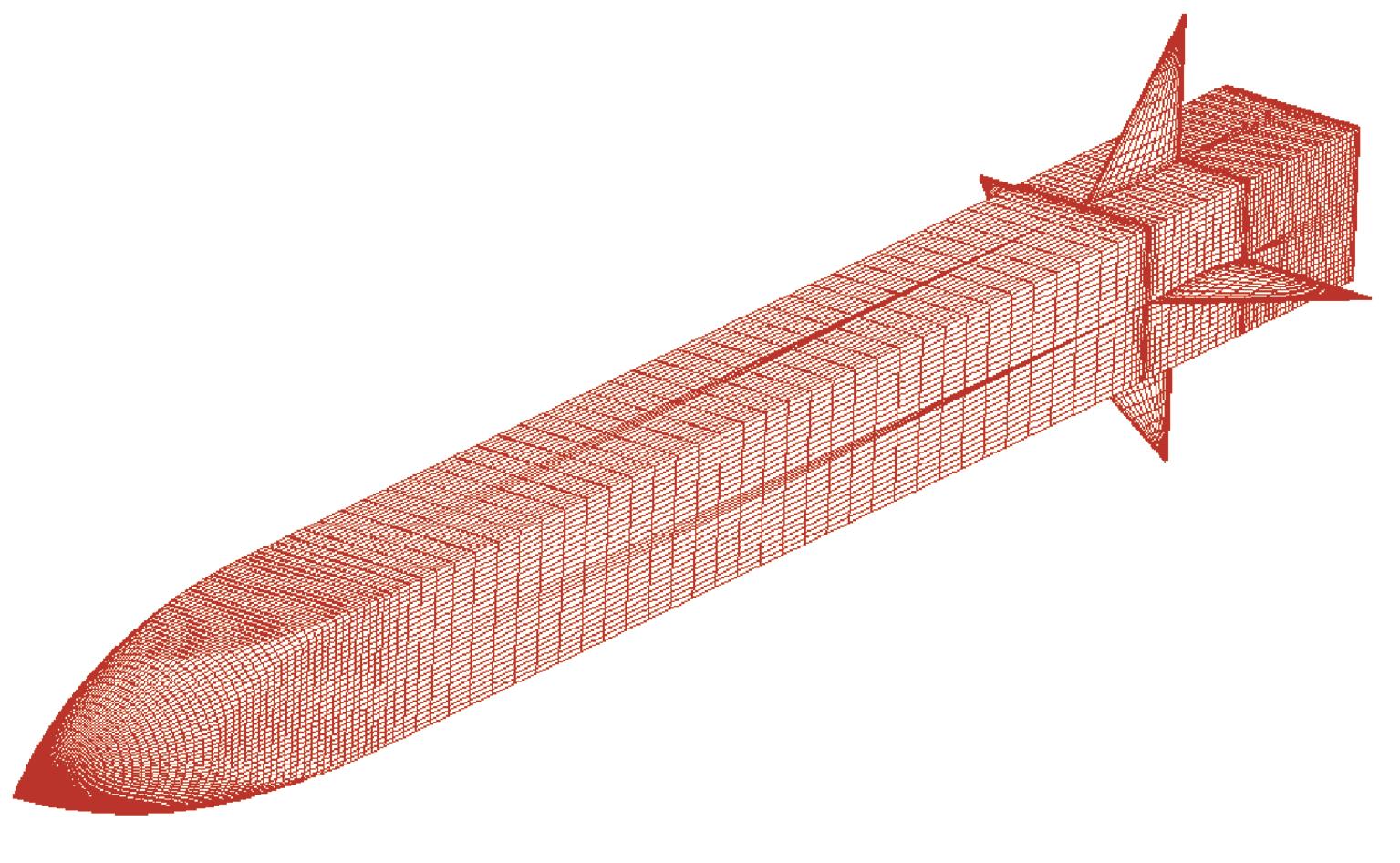
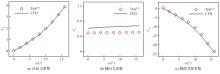
图 5
方形截面导弹气动力系数的计算值与试验值对比 (Ma=2.5, Re=1.233×10⁶, γ=0°)
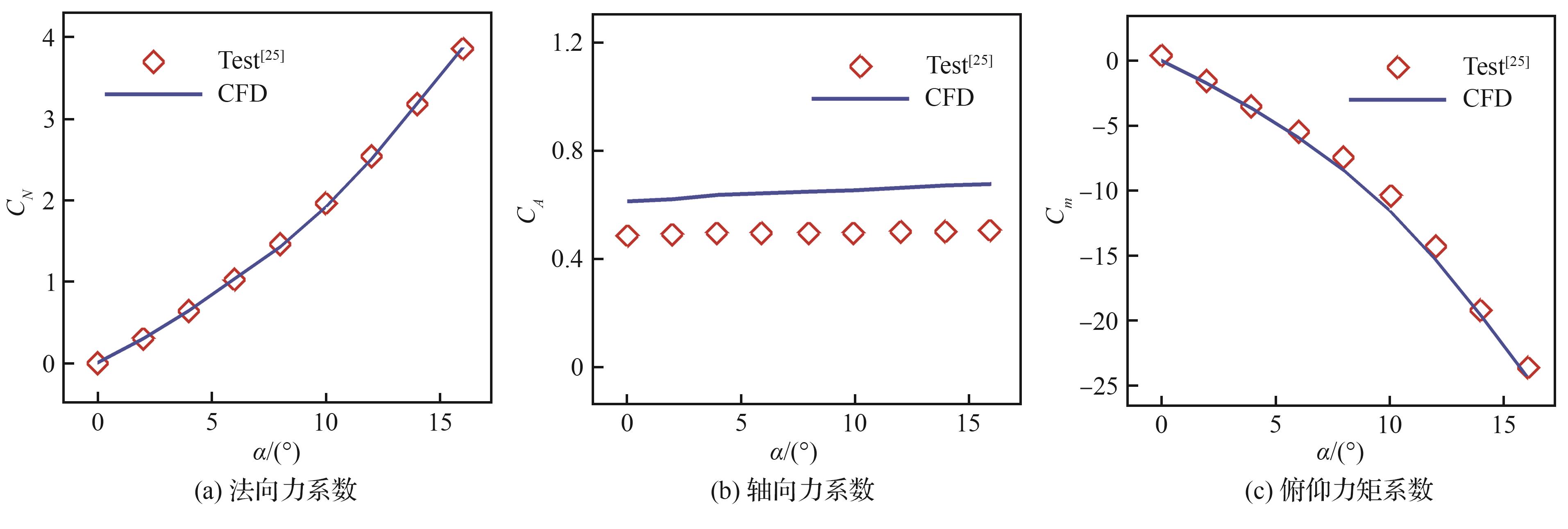
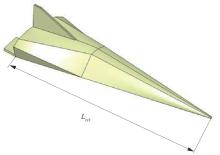
图 6
FDL-5升力体几何外形
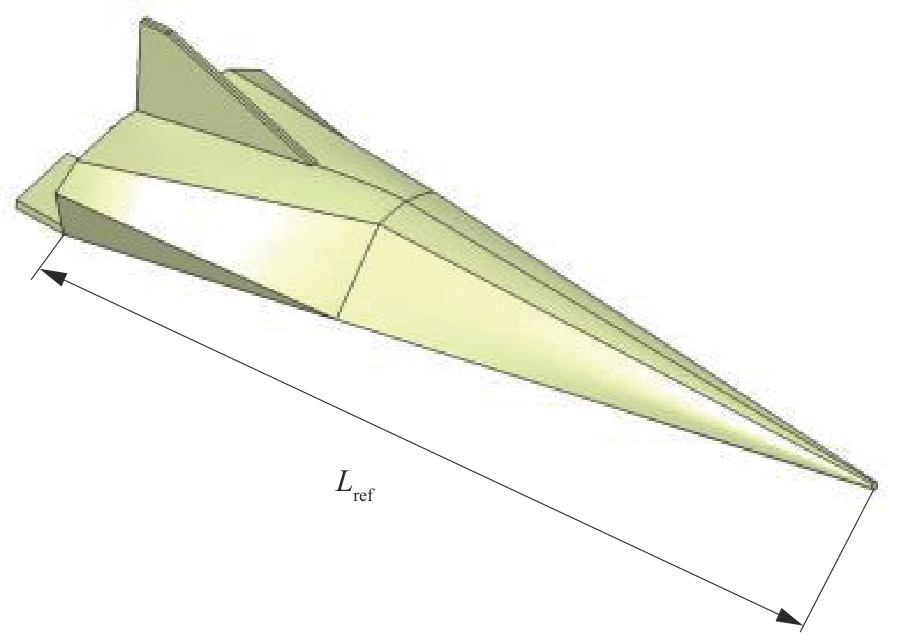
图 7
FDL-5升力体表面网格
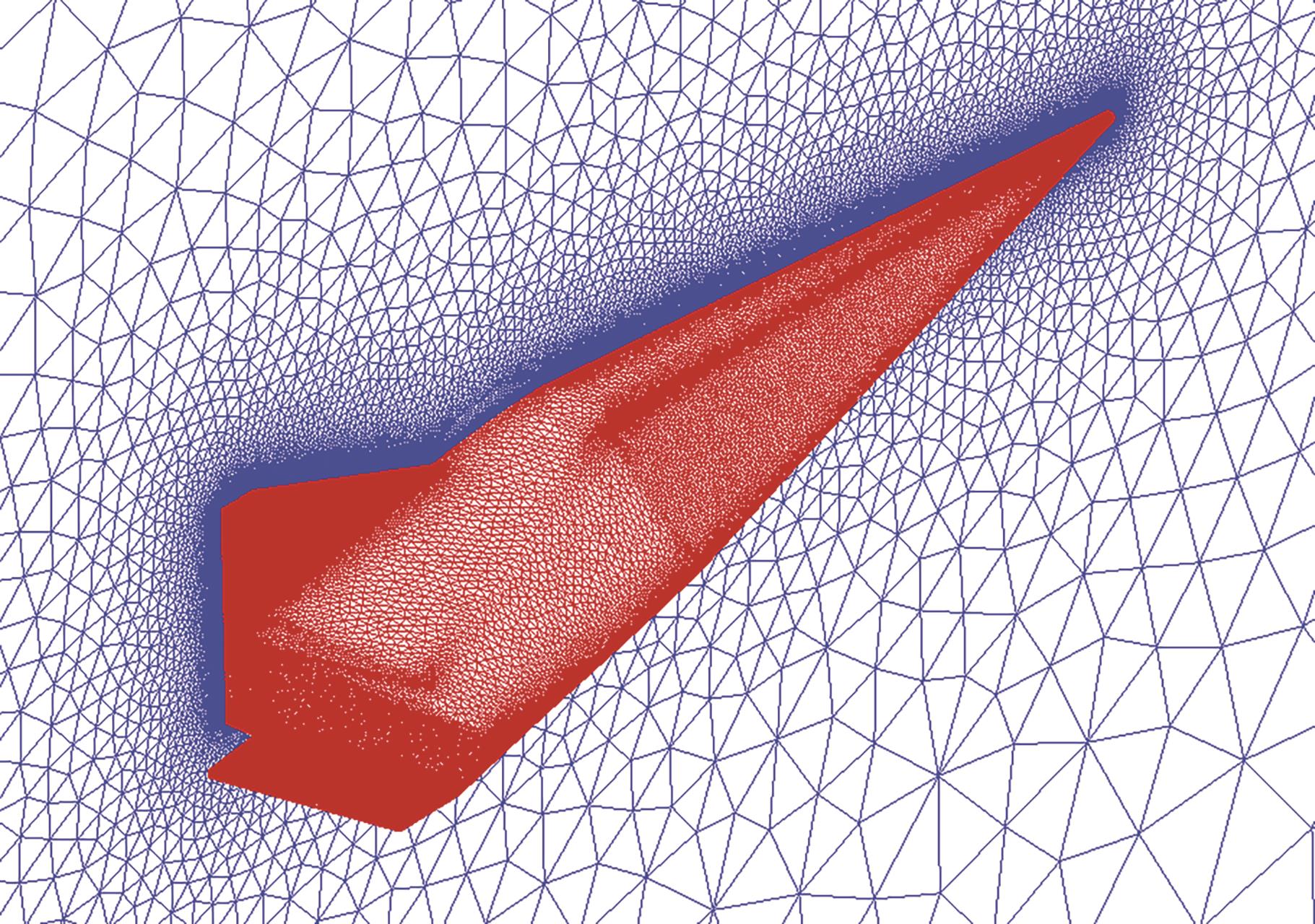
图 8
FDL-5升力体气动力系数的计算值与试验值对比(Ma=7.98, Re=3.832×10⁶)
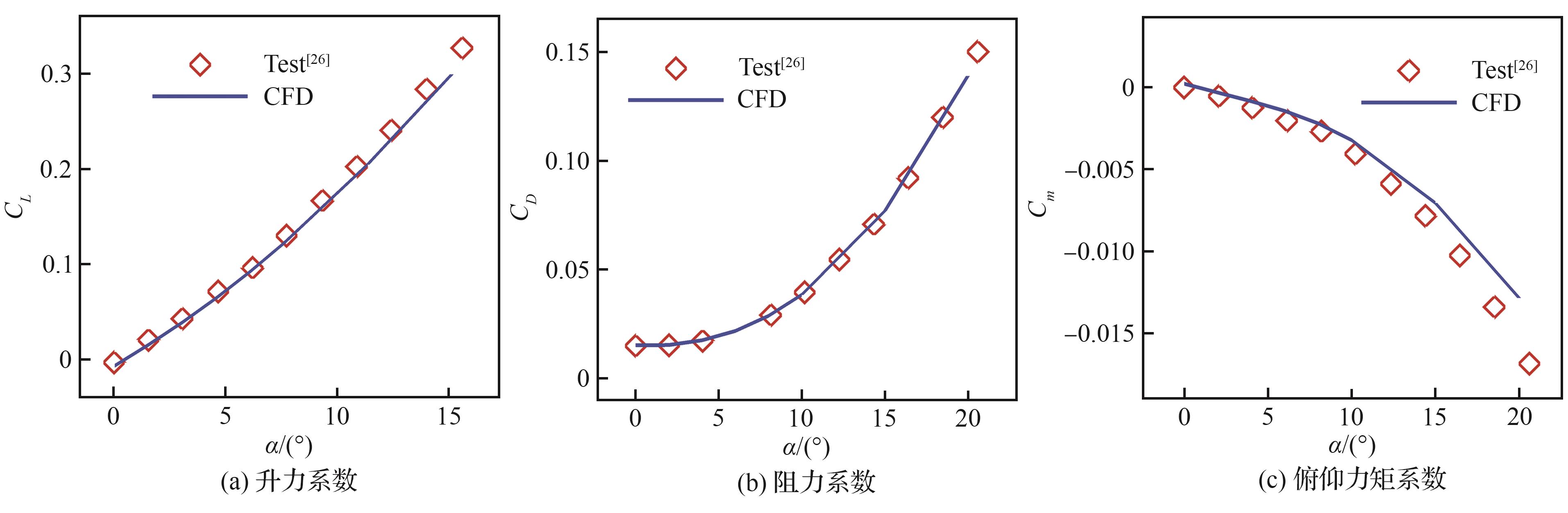
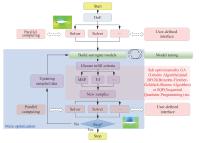
图 9
基于SurroOpt的优化设计流程[27]
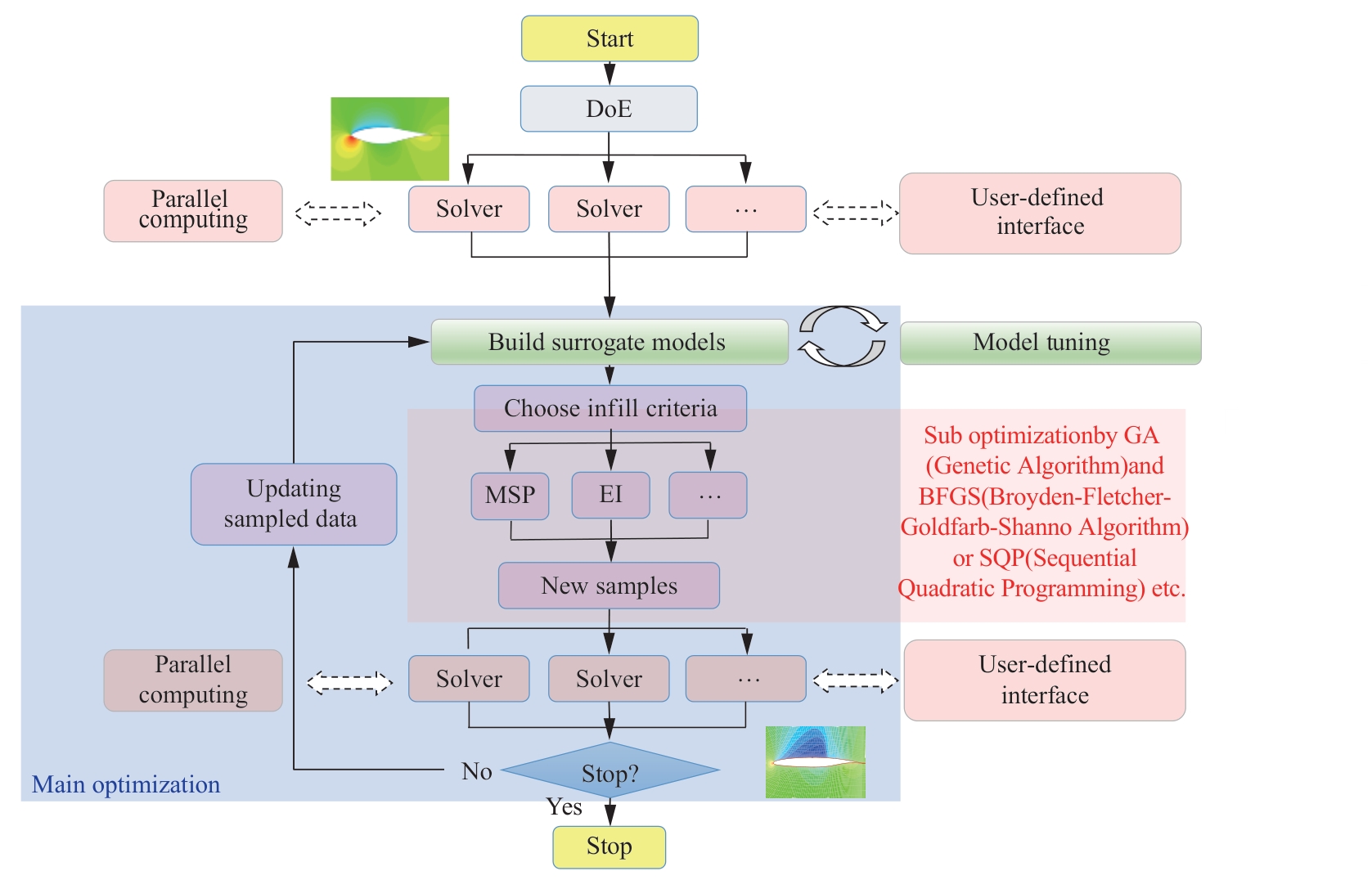
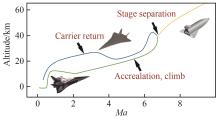
图 10
两级入轨空天飞机典型飞行剖面示意图[36]
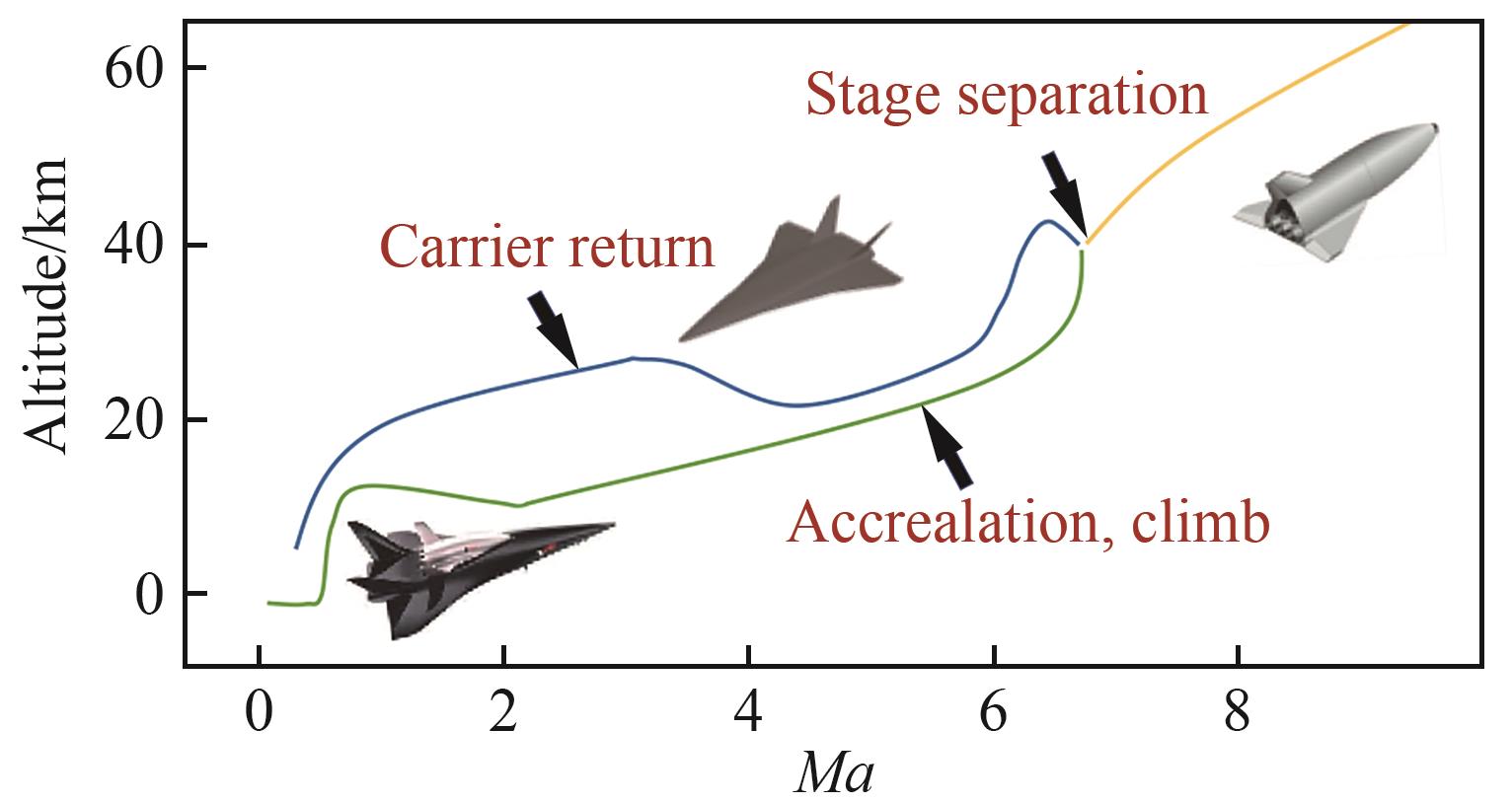
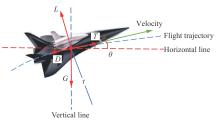
图 11
空天飞机系统受力分析[36]
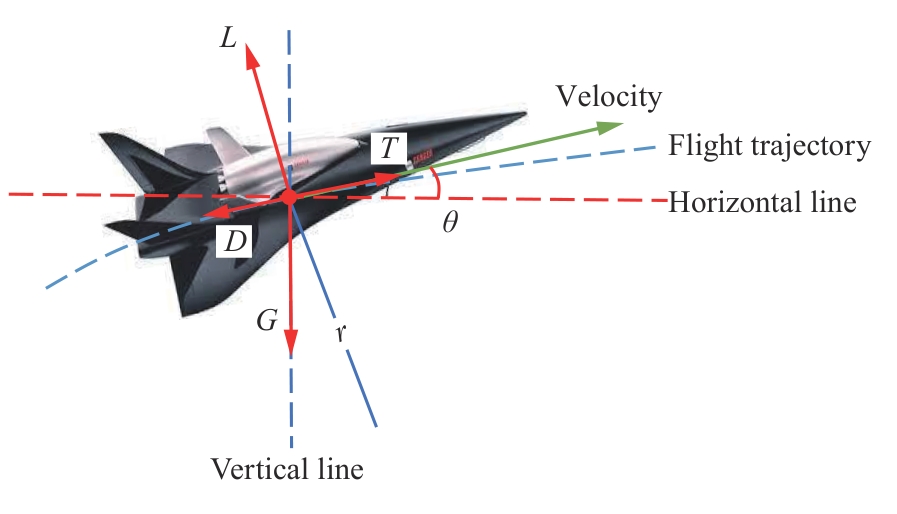
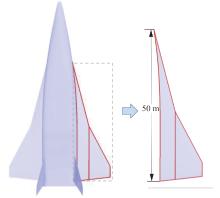
图 12
Sanger号空天飞机一级运载器的机翼几何外形
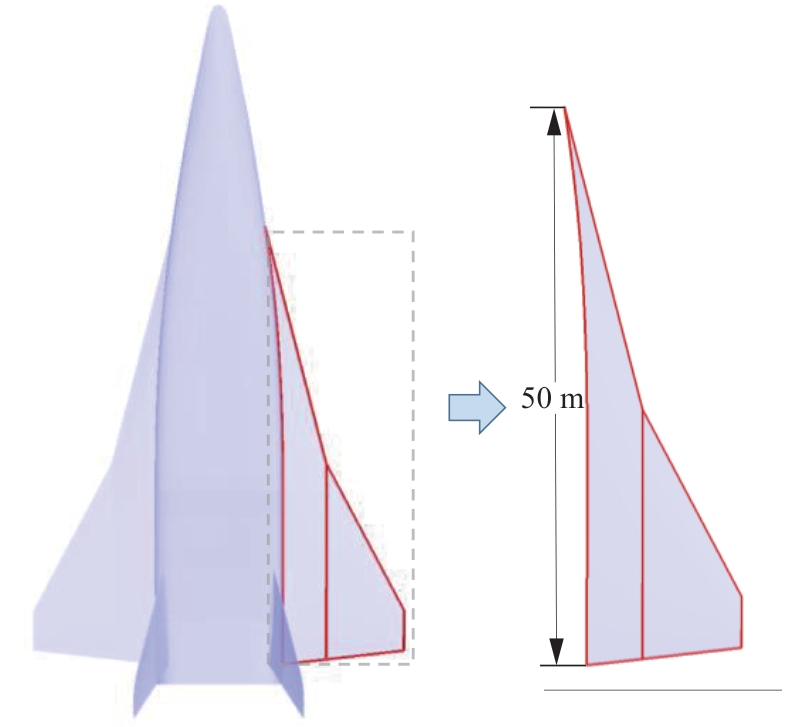
表2
Sanger机翼平面外形参数
| 平面外形参数 | 取值 |
|---|---|
| 内翼根弦长/m | 50 |
| 内翼前缘后掠角/(°) | 83 |
| 外翼前缘后掠角/(°) | 67 |
| 后缘前掠角/(°) | 5 |
| 内翼展长/m | 3.31 |
| 外翼展长/m | 8.09 |
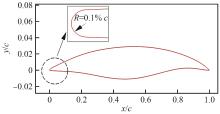
图 13
Sanger机翼剖面翼型示意图
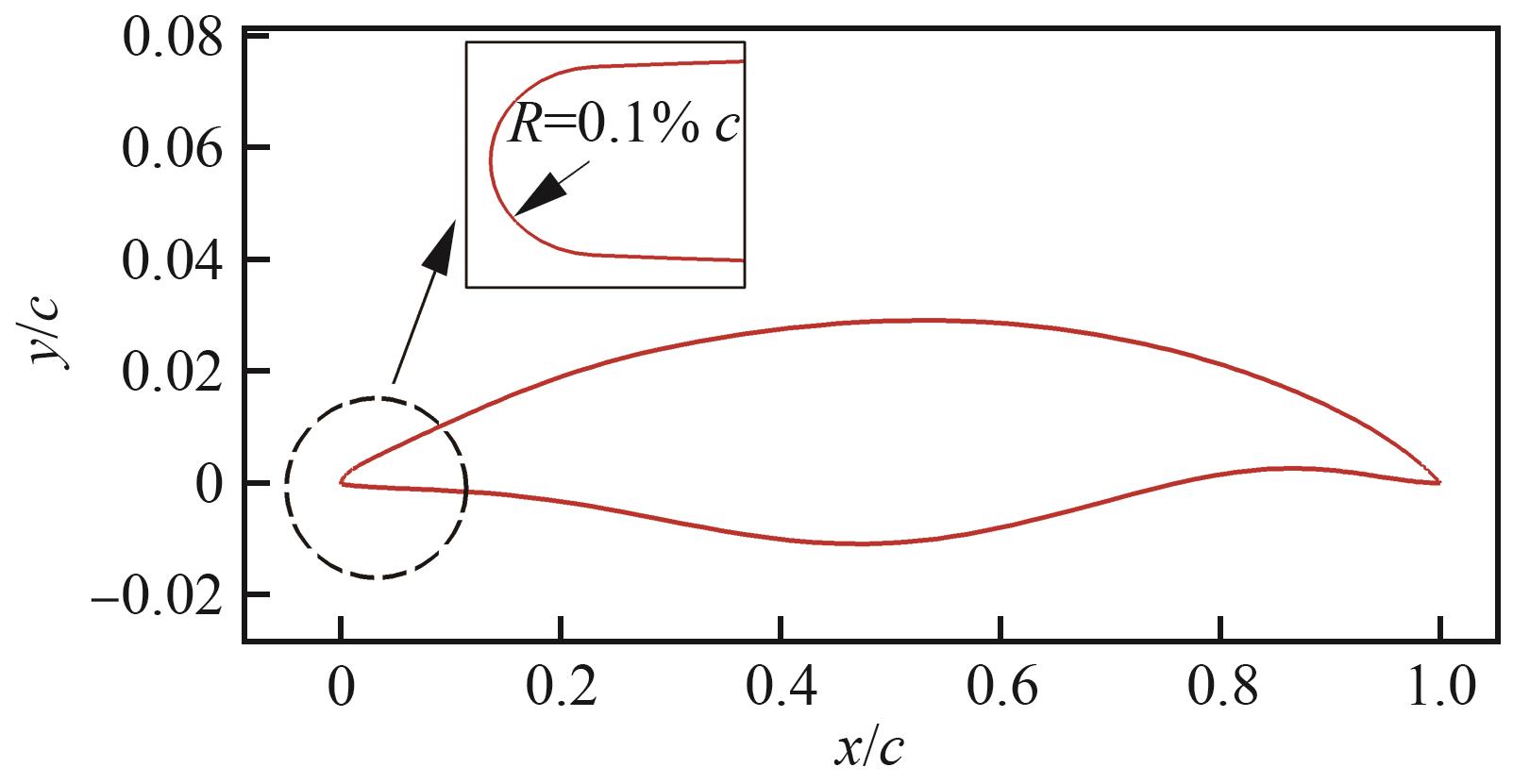
表3
Sanger机翼在不同典型状态马赫数下的升力
| 马赫数 | 高度/km | 升力/t |
|---|---|---|
| 0.3 | 0 | 64.3 |
| 2.0 | 10 | 54.6 |
| 6.0 | 25 | 45.0 |
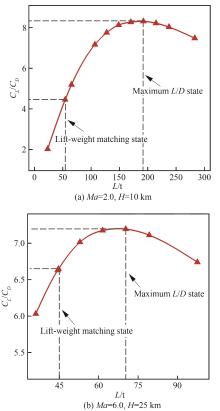
图 14
不同设计工况下升阻比随升力变化
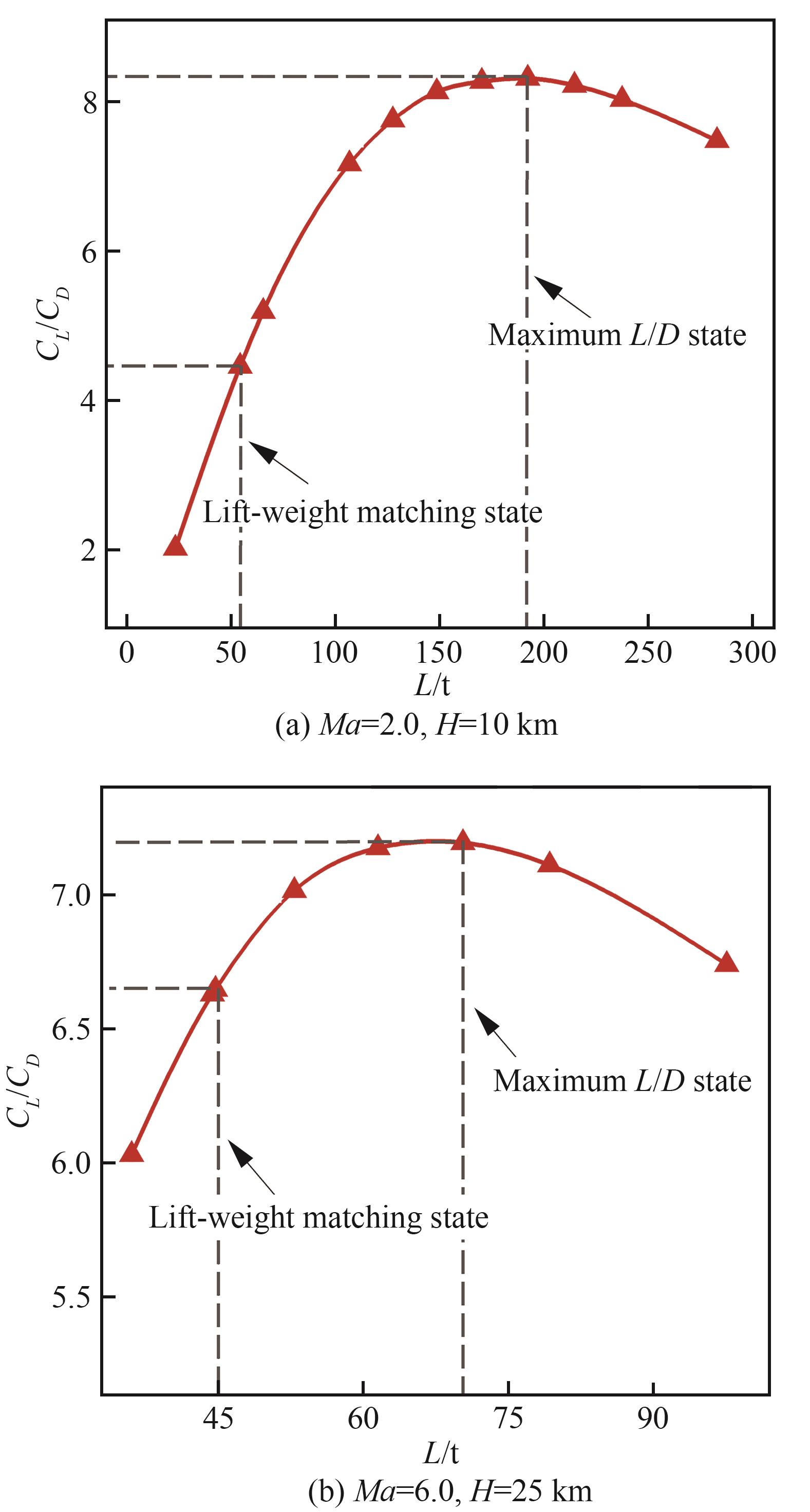
表4
Sanger机翼宽速域气动特性
| 马赫数 | 最大升阻比状态 | 升/重匹配状态 | ||
|---|---|---|---|---|
| 升力/t | 升阻比 | 升力/t | 升阻比 | |
| 2.0 | 192.2 | 8.31 | 54.6 | 4.45 |
| 6.0 | 70.3 | 7.20 | 45.0 | 6.65 |
表5
机翼平面形状优化的数学模型
| 目标/约束 | 函数 | 描述 |
|---|---|---|
| Minimize | 目标:最小化超声速和高超声速状态的阻力 | |
| Subject to | 约束1:典型起飞状态升力不小于所需升力 | |
| 约束2:超声速升/重匹配 | ||
| 约束3:高超声速升/重匹配 |
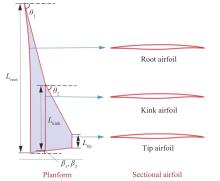
图 15
Sanger机翼参数化方法示意图
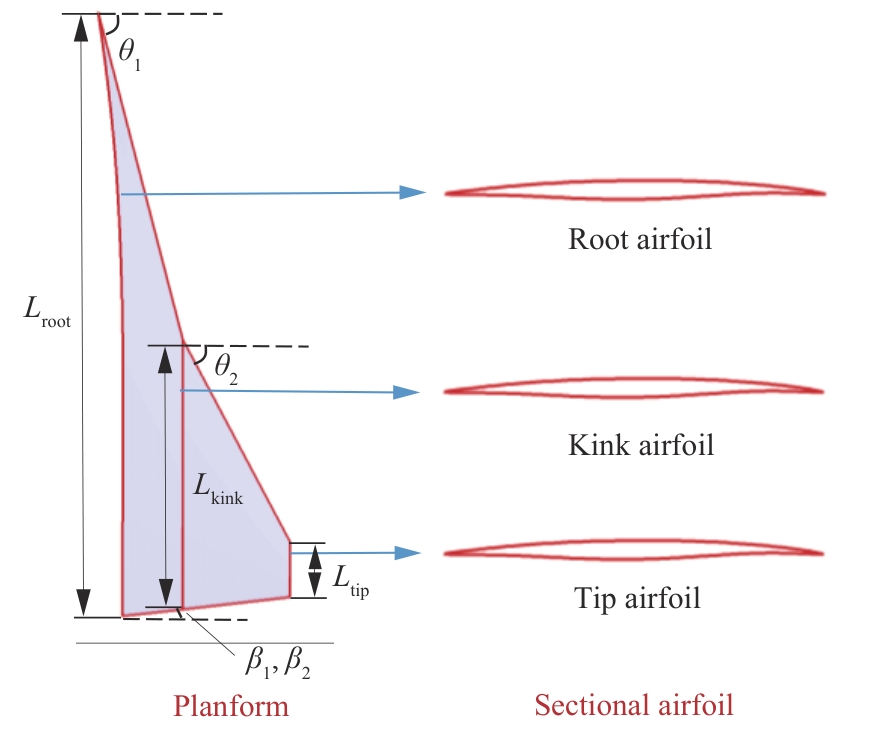
表6
双三角机翼网格无关性验证结果
| 网格 | CL | CD | CD 相对细网格误差/% |
|---|---|---|---|
| 粗 | 0.450 0 | 0.075 40 | 0.71 |
| 中 | 0.448 4 | 0.074 99 | 0.16 |
| 细 | 0.447 9 | 0.074 87 |
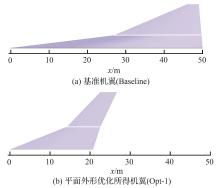
图 16
基准机翼与优化机翼的平面外形对比
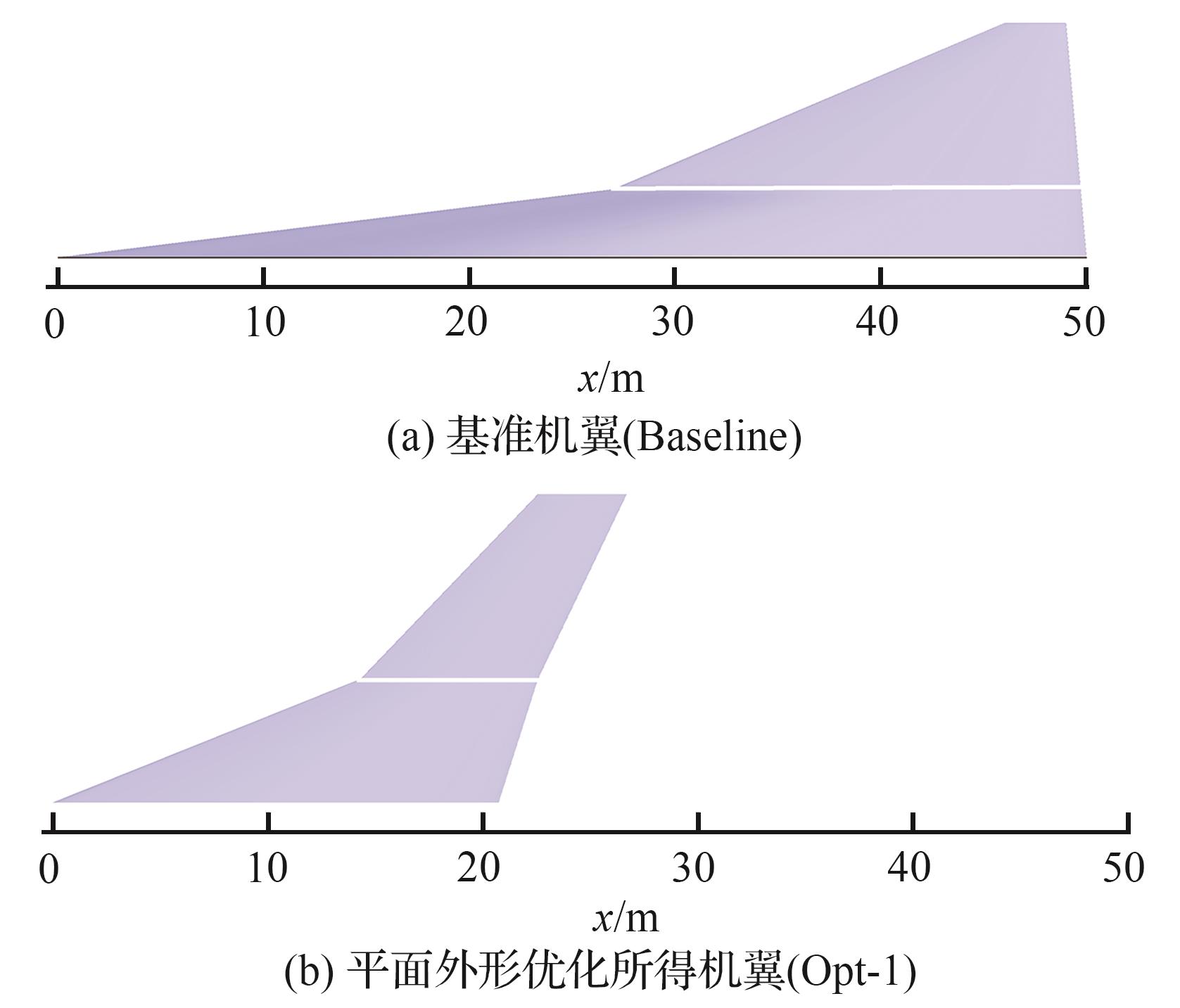
表7
基准机翼与优化机翼Opt-1的平面外形参数对比
| 参数 | 基准机翼 | Opt-1机翼 |
|---|---|---|
| 机翼面积/m2 | 224.56 | 136.68 |
| 内翼前缘后掠角/(°) | 83.0 | 68.1 |
| 外翼前缘后掠角/(°) | 67.0 | 43.8 |
| 翼根弦长/m | 50 | 20.67 |
| Kink处弦长/m | 22.75 | 8.23 |
| 翼尖处弦长/m | 3.00 | 4.12 |
| 内翼后缘前掠角/(°) | 5 | -17.7 |
| 外翼后缘前掠角/(°) | 5 | -25.6 |
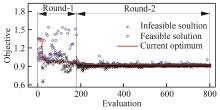
图 17
机翼平面外形优化收敛曲线
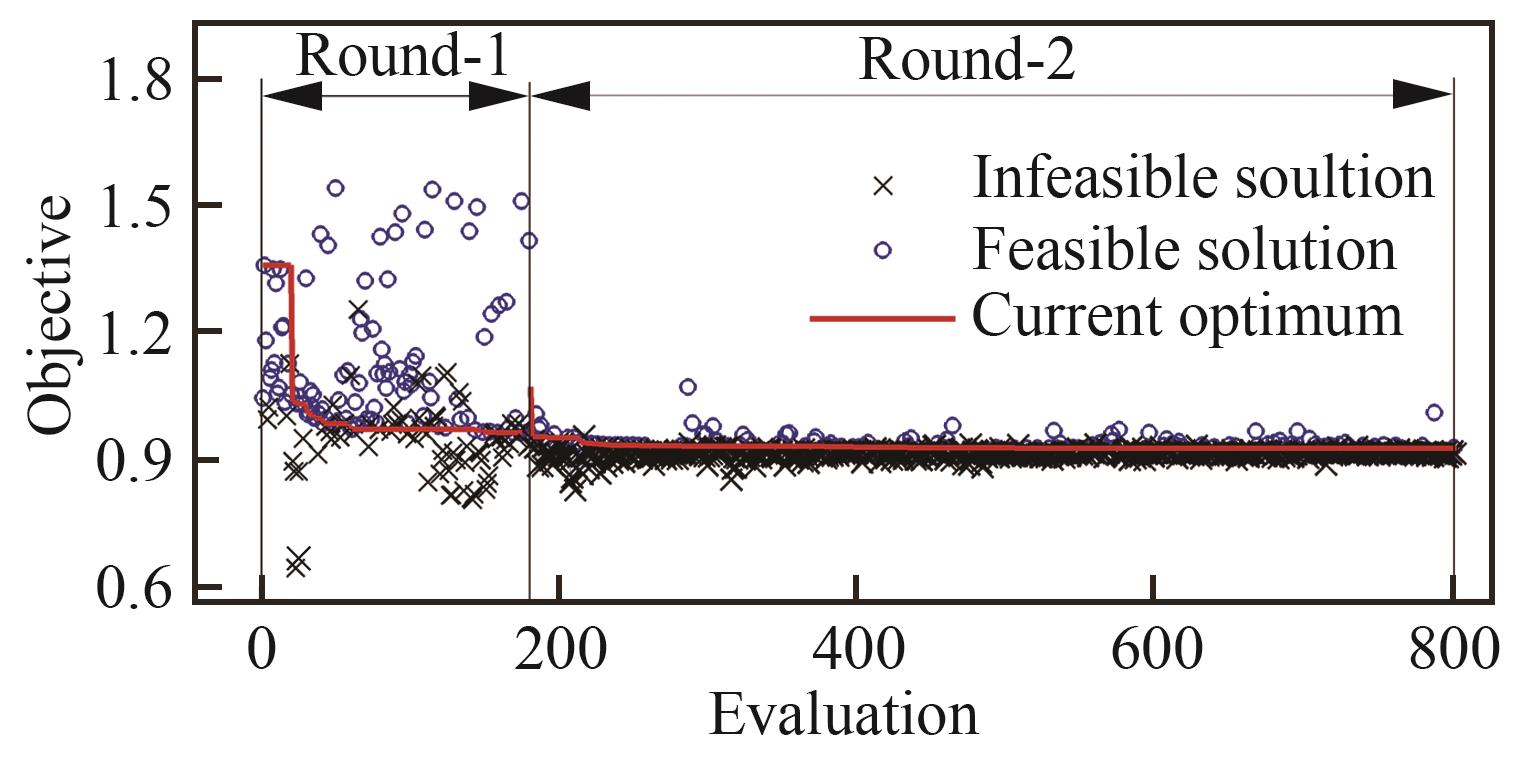
表8
基准机翼与优化机翼的宽速域气动性能对比
| 参数 | 机翼 | Ma=0.3, H=0 km, α=10° | Ma=2.0, H=10 km | Ma=6.0, H=25 km |
|---|---|---|---|---|
| 升力/t | 基准 | 64.30 | 54.60 | 45.00 |
| Opt-1 | 64.16 | 54.60 | 45.00 | |
| 升力相对变化/% | -0.19 | 0 | 0 | |
| 阻力/t | 基准 | 10.75 | 12.27 | 6.67 |
| Opt-1 | 10.15 | 10.88 | 6.61 | |
| 阻力相对变化/% | -5.58 | -11.33 | -2.36 | |
| 升阻比 | 基准 | 5.98 | 4.45 | 6.65 |
| Opt-1 | 6.32 | 5.02 | 6.81 | |
| 升阻比相对变化/% | +5.69 | +12.81 | +2.41 | |
| 升力系数 | 基准 | 0.447 9 | 0.032 58 | 0.031 00 |
| Opt-1 | 0.736 5 | 0.053 55 | 0.050 93 | |
| 升力系数相对变化/% | +64.25 | +64.36 | +64.29 | |
| 阻力系数 | 基准 | 0.074 81 | 0.007 315 | 0.004 662 |
| Opt-1 | 0.116 5 | 0.010 68 | 0.007 479 | |
| 阻力系数相对变化/% | +55.35 | +46.00 | +60.42 |
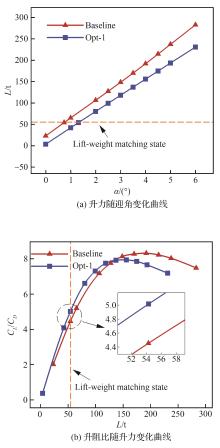
图 18
超声速状态下基准机翼与优化机翼的气动特性对比(Ma=2.0, H=10 km)
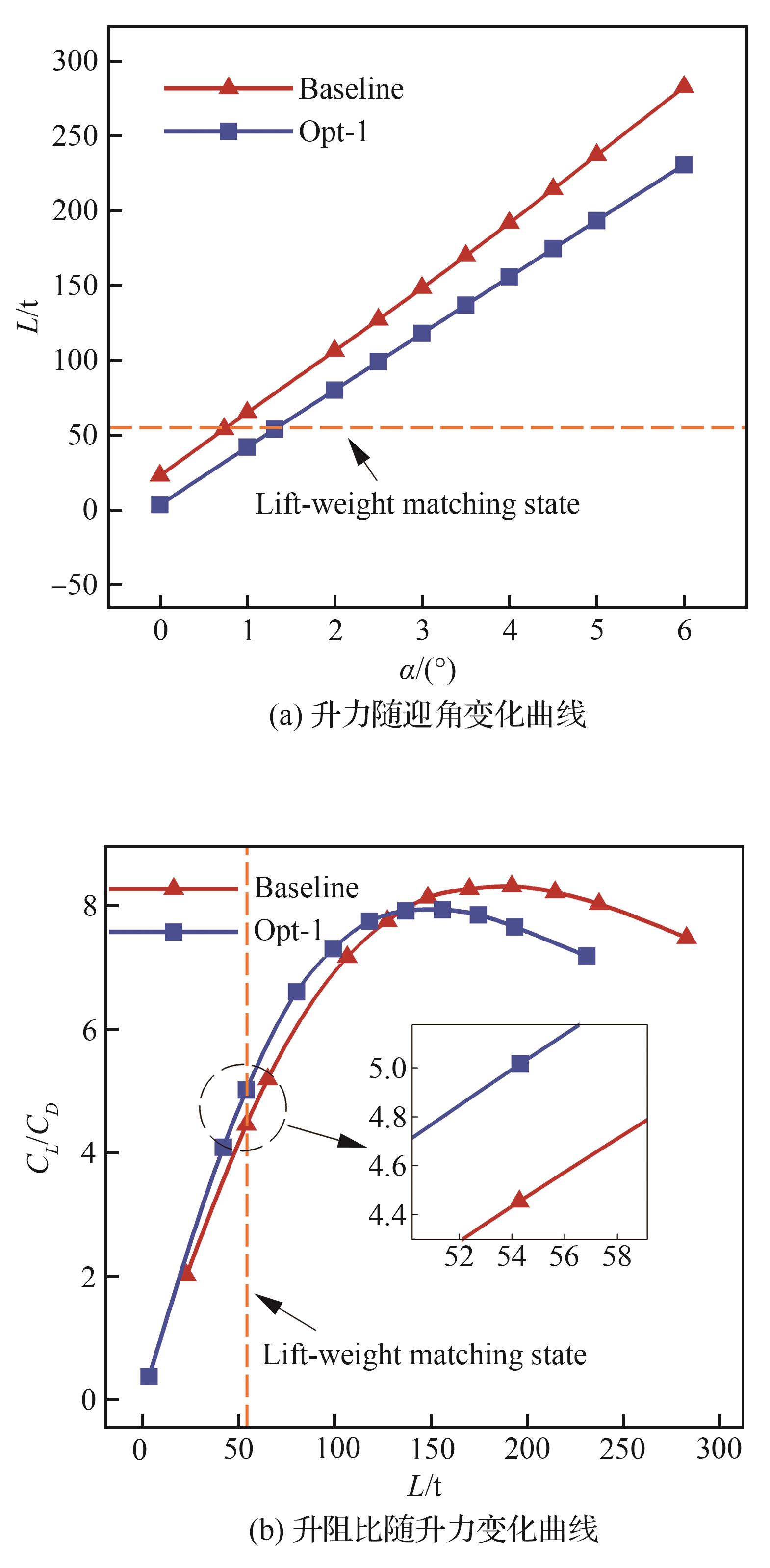
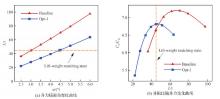
图 19
高超声速状态下基准机翼与优化机翼的气动特性对比(Ma=6.0, H=25 km)
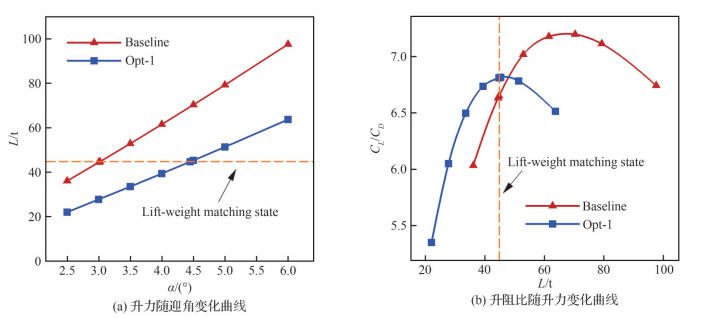
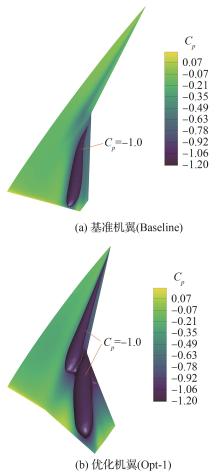
图 20
典型起飞状态(Ma=0.3, H=0 km, α=10°)下基准机翼与优化机翼的压力云图对比
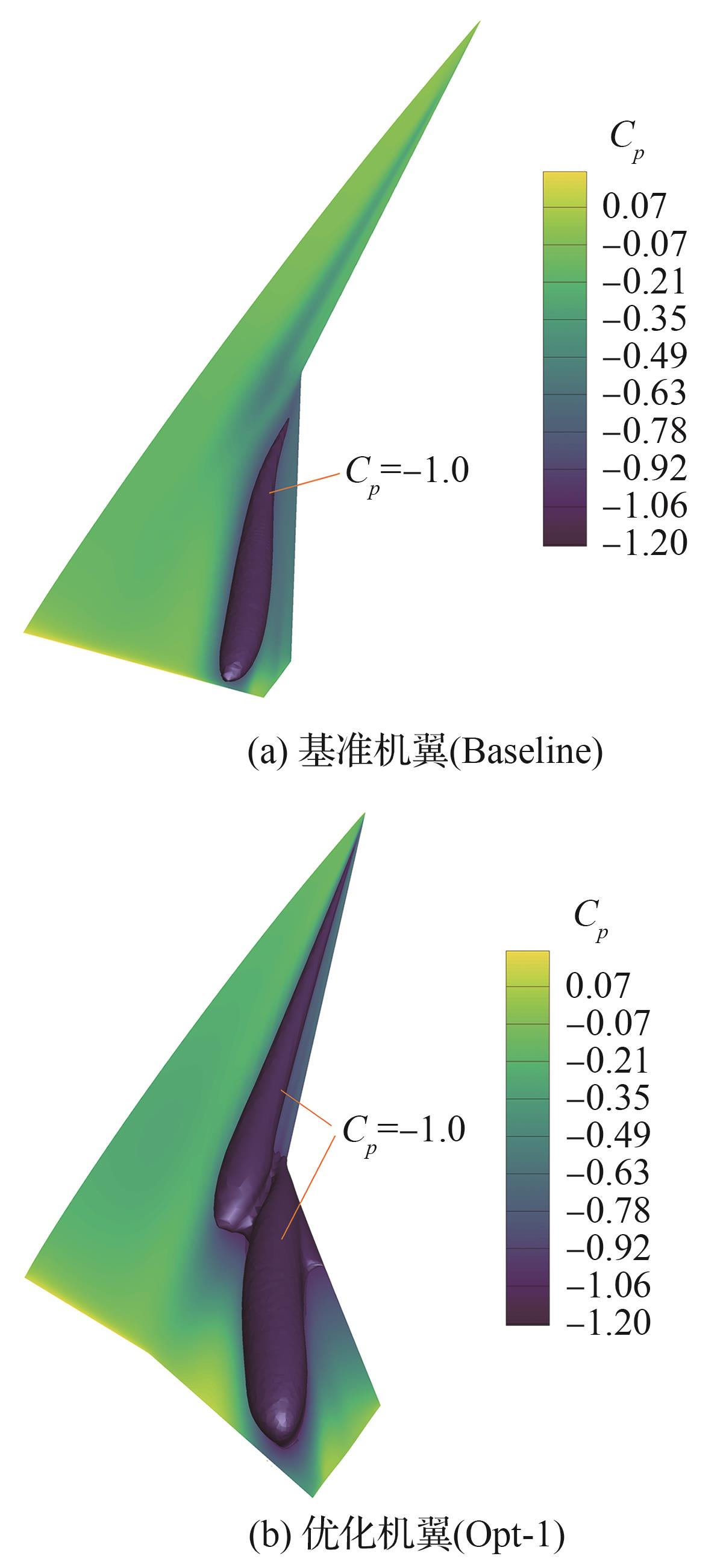
表9
机翼剖面形状优化设计的数学模型
| 目标/约束 | 函数 | 描述 |
|---|---|---|
| Minimize | 目标:最小化超声速和高超声速状态的阻力 | |
| Subject to | 约束1:典型起飞状态升力不小于所需升力 | |
| 约束2:超声速升/重匹配 | ||
| 约束3:高超声速升/重匹配 | ||
| 面积约束4~6:各剖面的面积减小不超过10% | ||
| 厚度约束7~9:各剖面厚度不减小 | ||
| 前缘半径约束10~12:各剖面前缘半径不减小 |
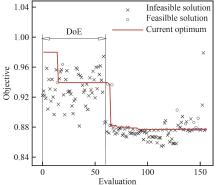
图 21
机翼剖面翼型优化收敛曲线
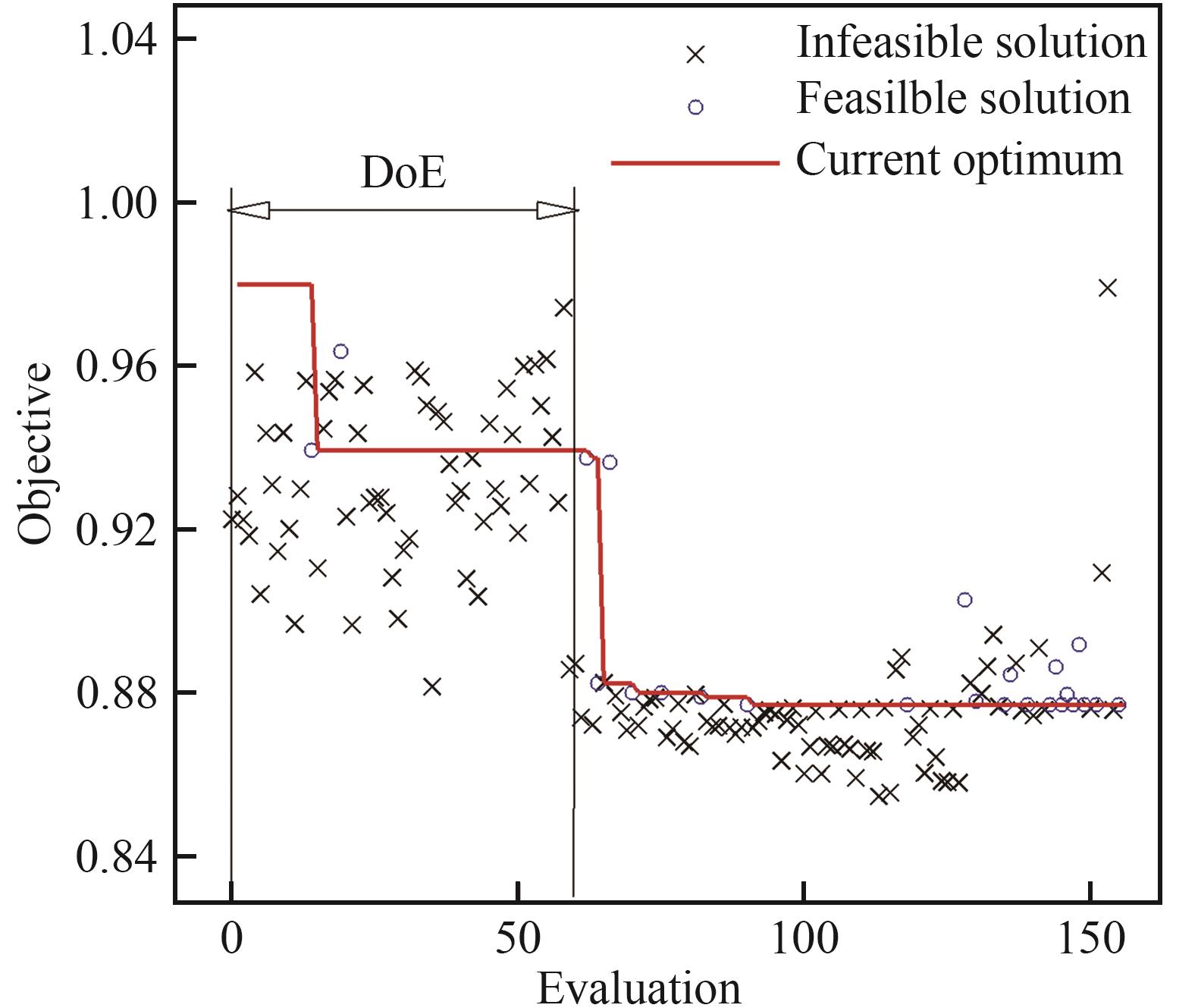
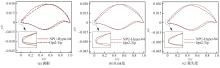
图 22
不同站位处基准机翼与优化机翼的对比
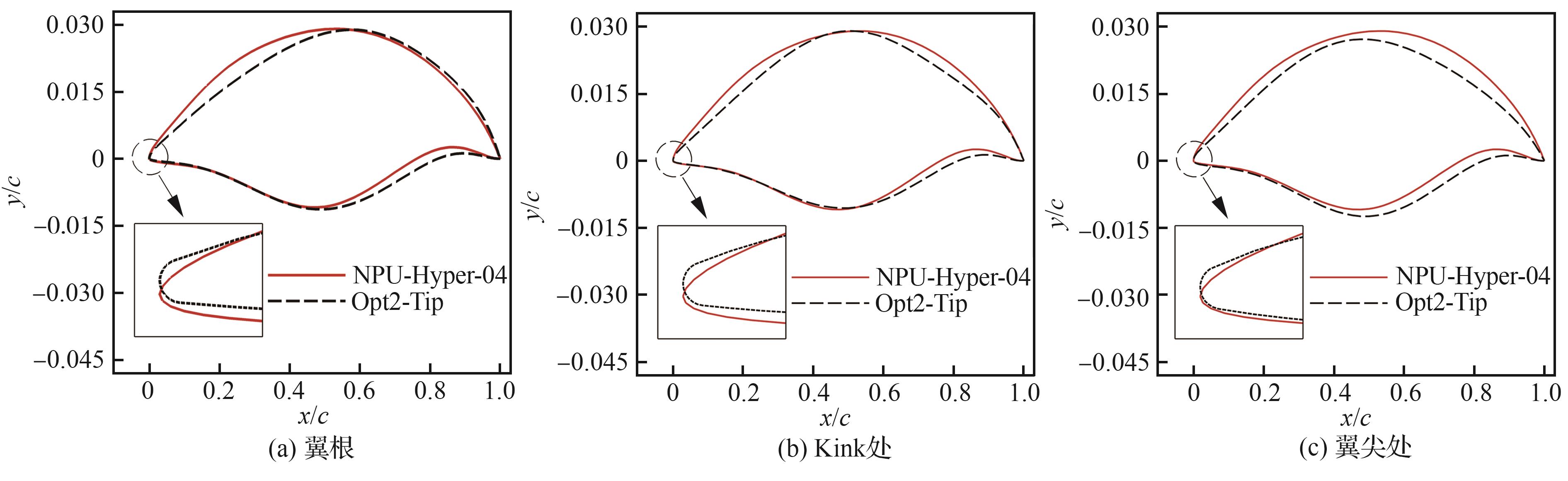
表10
基准机翼和优化机翼的宽速域气动性能对比
| 参数 | 机翼 | Ma=0.3, H=0 km, α=10° | Ma = 2.0, H = 10 km | Ma = 6.0, H = 25 km |
|---|---|---|---|---|
| 升力/t | 基准 | 64.30 | 54.60 | 45.00 |
| Opt-1 | 64.16 | 54.60 | 45.00 | |
| Opt-2 | 64.20 | 54.60 | 45.00 | |
| Opt-2升力相对基准变化/% | -0.16 | 0 | 0 | |
| 升阻比 | 基准 | 5.98 | 4.45 | 6.65 |
| Opt-1 | 6.32 | 5.02 | 6.81 | |
| Opt-2 | 6.15 | 5.34 | 7.19 | |
| Opt-2升阻比相对基准变化/% | +2.84 | +20.00 | +8.12 |
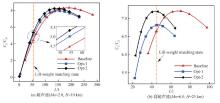
图 23
升阻比随升力变化的曲线
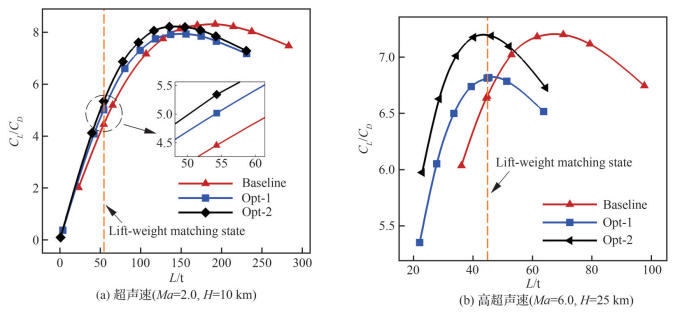
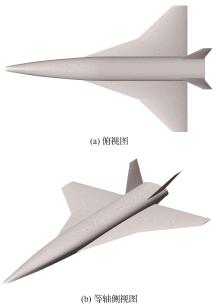
图 24
全机构型几何外形
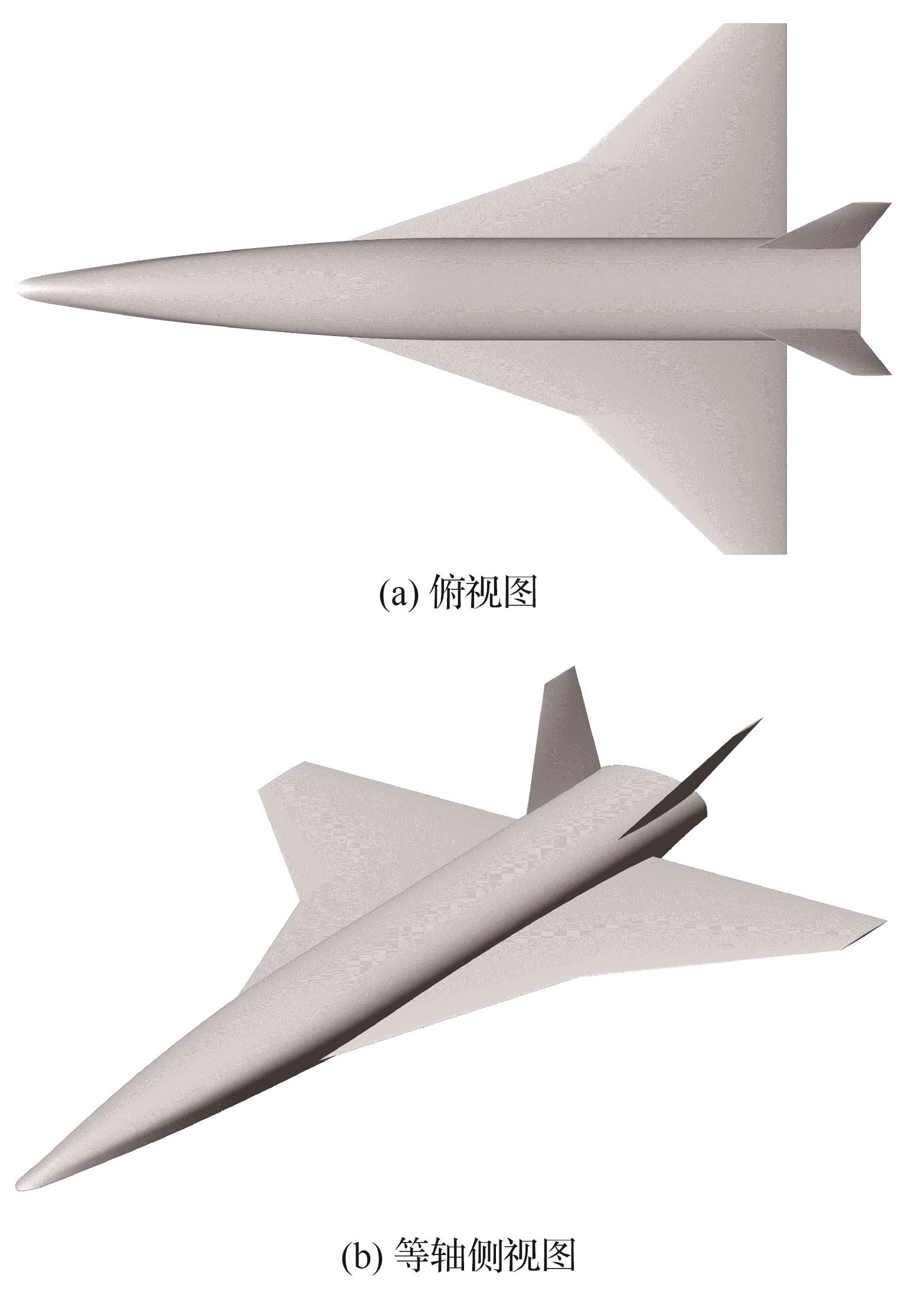
表11
不同飞行状态的重力
| 马赫数 | 高度/km | 重力/t |
|---|---|---|
| 0.3 | 0 | 100 |
| 0.8 | 3.0 | 97 |
| 2.0 | 10.0 | 85 |
| 6.0 | 25.0 | 62 |
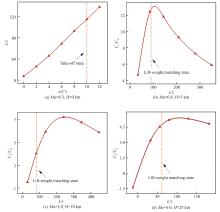
图 25
不同设计工况下的气动特性曲线
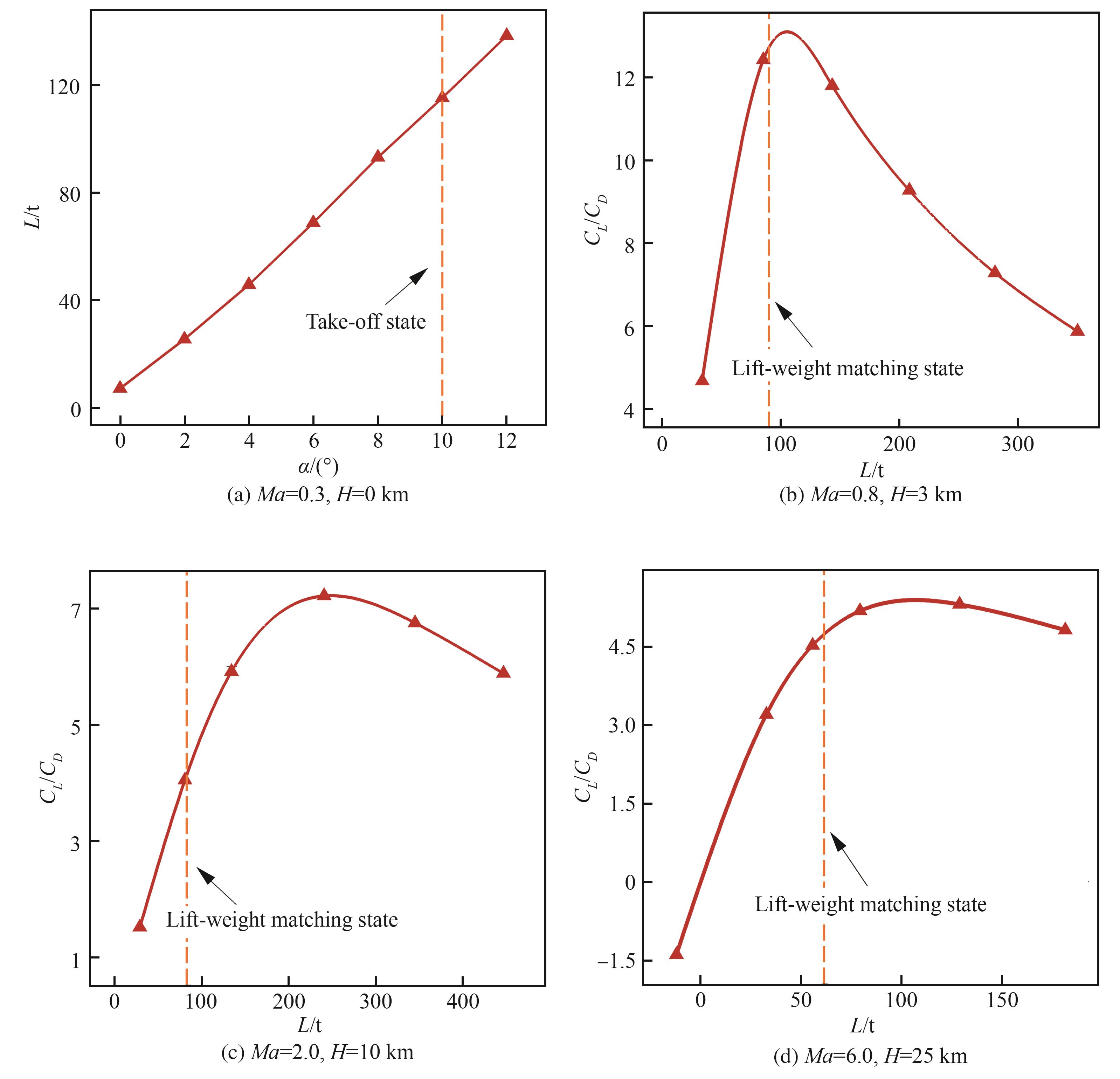
表12
全机构型宽速域气动特性
| 马赫数 | 最大升阻比状态 | 升/重平衡状态 | ||
|---|---|---|---|---|
| 升力/t | 升阻比 | 升力/t | 升阻比 | |
| 0.8 | 104.0 | 13.09 | 97 | 12.71 |
| 2.0 | 239.5 | 7.21 | 85 | 4.16 |
| 6.0 | 100.8 | 5.39 | 62 | 4.72 |
表13
全机构型下机翼平面设计优化的数学模型
| 目标/约束 | 函数 | 描述 |
|---|---|---|
| Minimize | 目标:最小化超/高超声速状态的阻力 | |
| Subject to | 约束1:典型起飞状态升力不小于所需升力 | |
| 约束2:跨声速升/重匹配 | ||
| 约束3:超声速升/重匹配 | ||
| 约束4:高超声速升/重匹配 | ||
| 约束5:高超声速升阻比不小于基准 | ||
| 约束6:跨声速升阻比不小于基准的95% |
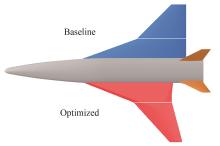
图 26
基准构型与优化构型的机翼平面外形对比
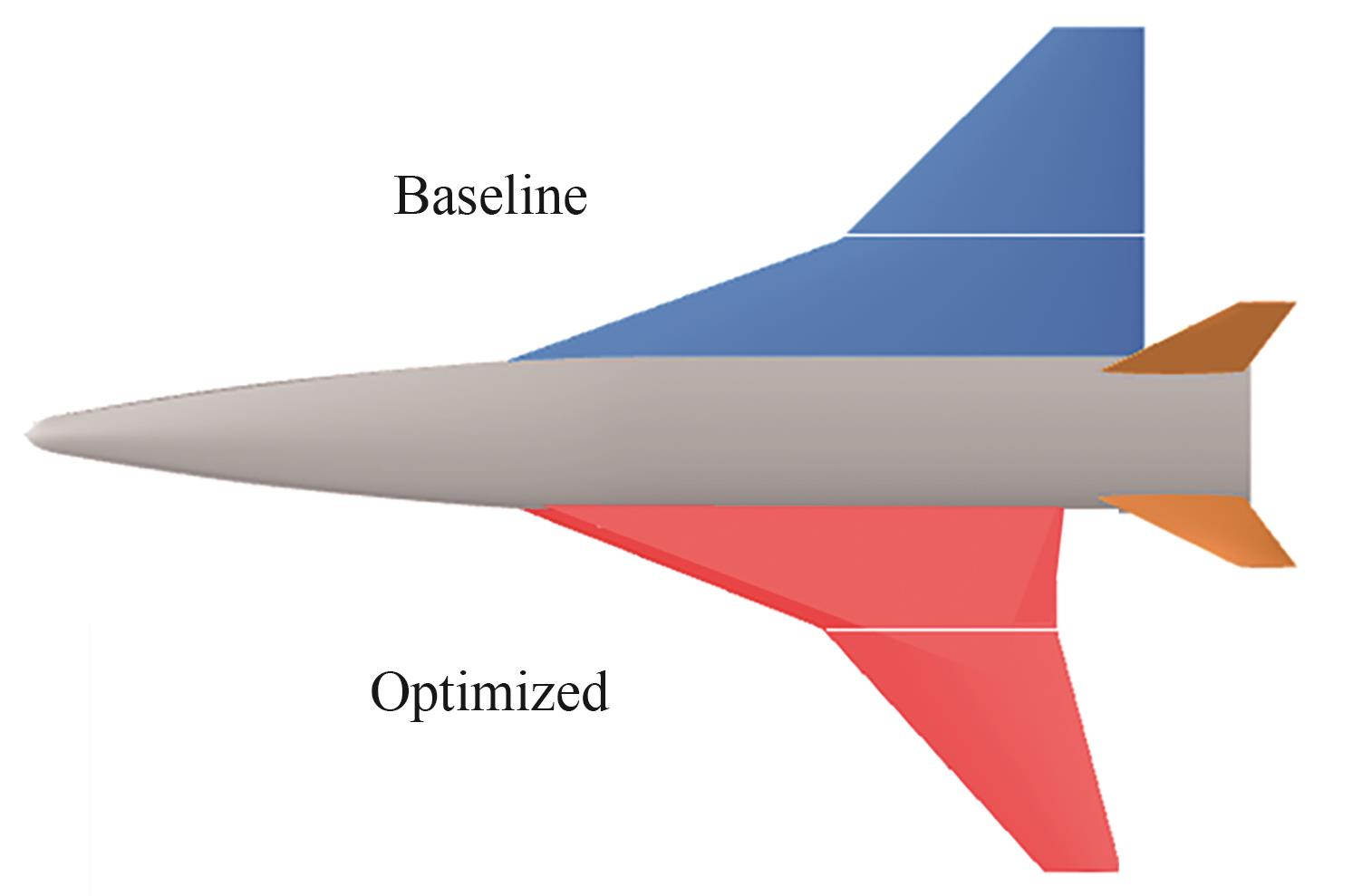
表14
基准构型与优化构型的机翼参数对比
| 参数 | 基准构型 | 优化构型 |
|---|---|---|
| 内翼前缘后掠角/(°) | 70.0 | 68.1 |
| 外翼前缘后掠角/(°) | 45.0 | 43.8 |
| 翼根弦长/m | 18.31 | 15.87 |
| Kink处弦长/m | 8.15 | 6.87 |
| 翼尖处弦长/m | 5.50 | 5.29 |
| 内翼后缘前掠角/(°) | 0 | 1.15 |
| 外翼后缘前掠角/(°) | 0 | -17.31 |
图 27
不同状态升阻比随升力变化
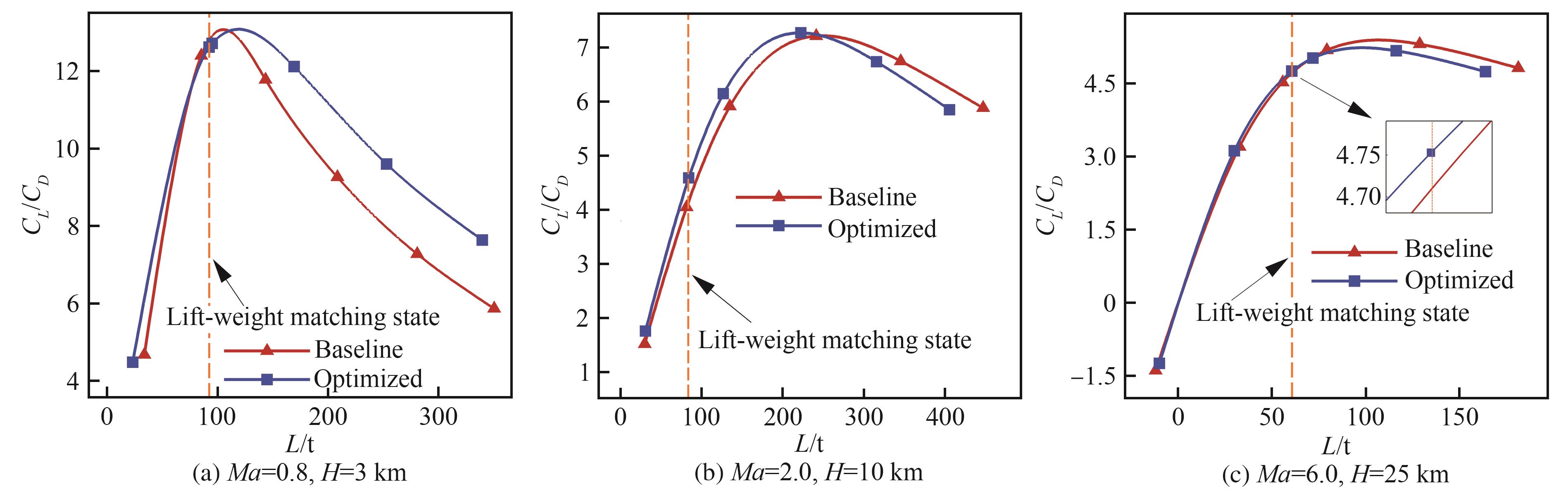
表15
基准构型和优化构型的宽速域气动性能对比
| 参数 | 构型 | Ma=0.3, H=0 km, α=10° | Ma=0.8, H=3 km | Ma=2.0, H=10 km | Ma=6.0, H=25 km |
|---|---|---|---|---|---|
| 升力/t | 基准 | 115.6 | 97 | 85 | 62 |
| 优化 | 100.5 | 97 | 85 | 62 | |
| 升力相对变化/% | 满足起飞要求 | 0 | 0 | 0 | |
| 升阻比 | 基准 | 5.88 | 12.71 | 4.16 | 4.72 |
| 优化 | 5.81 | 12.55 | 4.55 | 4.75 | |
| 升阻比相对变化/% | -1.19 | -1.26 | +9.38 | +0.64 |
| [1] | 左光, 艾邦成. 先进空间运输系统气动设计综述[J]. 航空学报, 2021, 42(2): 624077. |
| ZUO G, AI B C. Aerodynamic design of advanced space transportation system: Review[J]. Acta Aeronautica et Astronautica Sinica, 2021, 42(2): 624077 (in Chinese). | |
| [2] | 魏毅寅. 组合动力空天飞行若干科技关键问题[J]. 空天技术, 2022(1): 1-12. |
| WEI Y Y. Major technological issues of aerospace vehicle with combined-cycle propulsion[J]. Aerospace Technology, 2022(1): 1-12 (in Chinese). | |
| [3] | WALDMAN B, HARSHA P. NASP-focus on technology[C]∥AIAA 4th International Aerospace Planes Conference. Reston: AIAA, 1992. |
| [4] | BURNS B R A. HOTOL, an economic space transport for Europe[J]. Interdisciplinary Science Reviews, 1988, 13(2): 171-179. |
| [5] | LONGSTAFF R, BOND A. The SKYLON project[C]∥17th AIAA International Space Planes and Hypersonic Systems and Technologies Conference. Reston: AIAA, 2011. |
| [6] | HOEGENAUER E, KOELLE D. Saenger—The German aerospace vehicle program[C]∥National Aerospace Plane Conference. Reston: AIAA, 1989. |
| [7] | 王江峰, 王旭东, 李佳伟, 等. 高超声速巡航飞行器乘波布局气动设计综述[J]. 空气动力学学报, 2018, 36(5): 705-728. |
| WANG J F, WANG X D, LI J W, et al. Overview on aerodynamic design of cruising waverider configuration for hypersonic vehicles[J]. Acta Aerodynamica Sinica, 2018, 36(5): 705-728 (in Chinese). | |
| [8] | KUCZERA, H, SACHER, P W. Reusable space transportation systems[M]. Heidelberg: Springer, 2010: v. |
| [9] | 张阳, 韩忠华, 周正, 等. 面向高超声速飞行器的宽速域翼型优化设计[J]. 空气动力学学报, 2021, 39(6): 111-127. |
| ZHANG Y, HAN Z H, ZHOU Z, et al. Aerodynamic design optimization of wide-Mach-number-range airfoils for hypersonic vehicles[J]. Acta Aerodynamica Sinica, 2021, 39(6): 111-127 (in Chinese). | |
| [10] | 孙祥程, 韩忠华, 柳斐, 等. 高超声速飞行器宽速域翼型/机翼设计与分析[J]. 航空学报, 2018, 39(6): 121737. |
| SUN X C, HAN Z H, LIU F, et al. Design and analysis of hypersonic vehicle airfoil/wing at wide-range Mach numbers[J]. Acta Aeronautica et Astronautica Sinica, 2018, 39(6): 121737 (in Chinese). | |
| [11] | 刘明奇, 韩忠华, 杜涛, 等. 面向运载火箭栅格舵的最优操纵效率特征与宽速域气动优化设计方法[J]. 航空学报, 2024, 45(20): 129887. |
| LIU M Q, HAN Z H, DU T, et al. Optimal control efficiency characteristics and wide-speed-range aerodynamic design optimization method for grid fins of launch vehicle[J]. Acta Aeronautica et Astronautica Sinica, 2024, 45(20): 129887 (in Chinese). | |
| [12] | 李宪开, 王霄, 柳军, 等. 水平起降高超声速飞机气动布局技术研究[J]. 航空科学技术, 2020, 31(11): 7-13. |
| LI X K, WANG X, LIU J, et al. Research on the aerodynamic layout design for the horizontal take-off and landing hypersonic aircraft[J]. Aeronautical Science & Technology, 2020, 31(11): 7-13 (in Chinese). | |
| [13] | 罗金玲, 龙双丽, 汤继斌, 等. 空天飞行器机翼/翼型的需求分析及应用[J]. 空气动力学学报, 2021, 39(6): 101-110. |
| LUO J L, LONG S L, TANG J B, et al. Requirement analyses and optimized design of wing/airfoil for aerospace vehicles[J]. Acta Aerodynamica Sinica, 2021, 39(6): 101-110 (in Chinese). | |
| [14] | BOWCUTT K G. Physics drivers of hypersonic vehicle design[C]∥22nd AIAA International Space Planes and Hypersonics Systems and Technologies Conference. Reston: AIAA, 2018. |
| [15] | 王发民, 丁海河, 雷麦芳. 乘波布局飞行器宽速域气动特性与研究[J]. 中国科学(E辑: 技术科学), 2009, 39(11): 1828-1835. |
| WANG F M, DING H H, LEI M F. Aerodynamic characteristics research on wide-speed range waverider configuration[J]. Science in China (Series E (Technological Sciences)), 2009, 39(11): 1828-1835 (in Chinese). | |
| [16] | 李世斌. 新概念宽速域飞行器气动外形设计与优化[D]. 长沙: 国防科学技术大学, 2012. |
| LI S B. Aerodynamic configuration design and optimization of novel wide-speed-range vehicle[D]. Changsha: National University of Defense Technology, 2012 (in Chinese). | |
| [17] | TAKAMA Y. Practical waverider with outer wings for the improvement of low-speed aerodynamic performance[C]∥17th AIAA International Space Planes and Hypersonic Systems and Technologies Conference. Reston: AIAA, 2011. |
| [18] | 刘传振, 刘强, 白鹏, 等. 涡波效应宽速域气动外形设计[J]. 航空学报, 2018, 39(7): 121824. |
| LIU C Z, LIU Q, BAI P, et al. Aerodynamic shape design integrating vortex and shock effects for width-velocity-range[J]. Acta Aeronautica et Astronautica Sinica, 2018, 39(7): 121824 (in Chinese). | |
| [19] | LIU C Z, BAI P, TIAN J W, et al. Nonlinearity analysis of increase in lift of double swept waverider[J]. AIAA Journal, 2019, 58(1): 304-314. |
| [20] | LIU F, HAN Z H, ZHANG Y, et al. Surrogate-based aerodynamic shape optimization of hypersonic flows considering transonic performance[J]. Aerospace Science and Technology, 2019, 93: 105345. |
| [21] | 刘超宇, 屈峰, 李杰奇, 等. 涡波一体乘波飞行器宽速域气动优化设计研究[J]. 力学学报, 2023, 55(1): 70-83. |
| LIU C Y, QU F, LI J Q, et al. Aerodynamic optimization design of the vortex-shock integrated waverider in wide speed range[J]. Chinese Journal of Theoretical and Applied Mechanics, 2023, 55(1): 70-83 (in Chinese). | |
| [22] | 刘超宇, 屈峰, 孙迪, 等. 基于离散伴随的高超声速密切锥乘波体气动优化设计[J]. 航空学报, 2023, 44(4): 126664. |
| LIU C Y, QU F, SUN D, et al. Discretized adjoint based aerodynamic optimization design for hypersonic osculating-cone waverider[J]. Acta Aeronautica et Astronautica Sinica, 2023, 44(4): 126664 (in Chinese). | |
| [23] | 陈树生, 冯聪, 张兆康, 等. 基于全局/梯度优化方法的宽速域乘波-机翼布局气动设计[J]. 航空学报, 2024, 45(6): 629596. |
| CHEN S S, FENG C, ZHANG Z K, et al. Aerodynamic design of wide-speed-range waverider-wing configuration based on global & gradient optimization method[J]. Acta Aeronautica et Astronautica Sinica, 2024, 45(6): 629596 (in Chinese). | |
| [24] | GODARD J L. F6 model tests in the ONERA S2MA wind tunnel[C]∥2nd AIAA CFD Drag Prediction Workshop. Reston: AIAA, 2003. |
| [25] | WILCOX F, BIRCH T, ALLEN J. Force, surface pressure, and flowfield measurements on a slender missile configuration with square cross-section at supersonic speeds[C]∥22nd Applied Aerodynamics Conference and Exhibit. Reston: AIAA, 2004. |
| [26] | EHRLICH, C F, GUARD F L. Preliminary design and experimental investigation of the FDL-5A unmanned high l/d spacecraft: AFFDL TR 68-24[R]. Green: Air Force Flight Dynamics Laboratory, 1968. |
| [27] | HAN Z H. SurroOpt: A generic surrogate-based optimization code for aerodynamic and multidisciplinary design[C]∥30th Congress of the International Council of the Aeronautical Sciences. New York: ICAS, 2016. |
| [28] | GIUNTA A, WOJTKIEWICZ S, ELDRED M. Overview of modern design of experiments methods for computational simulations (invited)[C]∥41st Aerospace Sciences Meeting and Exhibit. Reston: AIAA, 2003. |
| [29] | 韩忠华. Kriging模型及代理优化算法研究进展[J]. 航空学报, 2016, 37(11): 3197-3225. |
| HAN Z H. Kriging surrogate model and its application to design optimization: A review of recent progress[J]. Acta Aeronautica et Astronautica Sinica, 2016, 37(11): 3197-3225 (in Chinese). | |
| [30] | KRIGE D. A statistical approach to some basic mine valuations problems on the Witwatersrand[J]. Journal of the Southern African Institute of Mining and Metallurgy, 1951, 52(6): 119-139. |
| [31] | SACKS J, WELCH W J, MITCHELL T J, et al. Design and analysis of computer experiments[J]. Statistical Science, 1989, 4(4): 409-423. |
| [32] | 韩忠华, 许晨舟, 乔建领, 等. 基于代理模型的高效全局气动优化设计方法研究进展[J]. 航空学报, 2020, 41(5): 623344. |
| HAN Z H, XU C Z, QIAO J L, et al. Recent progress of efficient global aerodynamic shape optimization using surrogate-based approach[J]. Acta Aeronautica et Astronautica Sinica, 2020, 41(5): 623344 (in Chinese). | |
| [33] | BOOKER A J, DENNIS J E, FRANK P D, et al. A rigorous framework for optimization of expensive functions by surrogates[J]. Structural Optimization, 1999, 17(1): 1-13. |
| [34] | JONES D R, SCHONLAU M, WELCH W J. Efficient global optimization of expensive black-box functions[J]. Journal of Global Optimization, 1998, 13(4): 455-492. |
| [35] | LIU J, SONG W P, HAN Z H, et al. Efficient aerodynamic shape optimization of transonic wings using a parallel infilling strategy and surrogate models[J]. Structural and Multidisciplinary Optimization, 2017, 55(3): 925-943. |
| [36] | WEINGERTNER S. SAENGER-the reference concept of the German hypersonics technology program[C]∥5th International Aerospace Planes and Hypersonics Technologies Conference. Reston: AIAA, 1993. |
| [37] | KULFAN B, BUSSOLETTI J. “Fundamental” Parameteric geometry representations for aircraft component shapes[C]∥11th AIAA/ISSMO Multidisciplinary Analysis and Optimization Conference. Reston: AIAA, 2006. |
| [38] | KULFAN B. A universal parametric geometry representation method—“CST”[C]∥45th AIAA Aerospace Sciences Meeting and Exhibit. Reston: AIAA, 2007. |
| [1] | 崔凯, 王泽森, 肖尧, 田中伟, 李广利, 常思源. 宽速域高压捕获翼气动构型及其跨声速气动特性[J]. 航空学报, 2026, 47(1): 632102-632102. |
| [2] | 段佳昕, 刘愿, 高亮杰, 钱战森. 展向多参数可变的新型宽速域乘波体设计方法[J]. 航空学报, 2026, 47(1): 632109-632109. |
| [3] | 马铁林, 景彪, 蒋崇文, 乔南璇, 付竟成, 向锦武. 跨速域乘波体组合变体机翼布局及其任务能力评估[J]. 航空学报, 2026, 47(1): 632051-632051. |
| [4] | 刘峰, 杨森, 韦振鹏. 基于复合材料弹性周期结构和预应力蒙皮的变弦长机翼[J]. 航空学报, 2025, 46(7): 230966-230966. |
| [5] | 杨一凡, 王潇. 基于改进混合涡粒子法的倾转旋翼机旋翼/机翼气动干扰研究[J]. 航空学报, 2025, 46(7): 131040-131040. |
| [6] | 吴光辉, 王景, 谢海润, 马涂亮, 苗强, 向纪鑫, 张淼. 数据与知识联合赋能的民机智能气动设计[J]. 航空学报, 2025, 46(5): 531485-531485. |
| [7] | 郑可风, 宋文萍, 聂晗, 丁玉临, 乔建领, 陈晴, 王奕衡, 宋科, 张科施. 考虑全机声爆特性的超声速自然层流机翼设计方法[J]. 航空学报, 2025, 46(20): 531214-531214. |
| [8] | 廖振荣, 李军府, 赵博文, 张明, 谢露, 韩忠华, 艾梦琪. 基于工程的超声速民机宽速域机翼设计[J]. 航空学报, 2025, 46(20): 531915-531915. |
| [9] | 黄熠玮, 耿一斌, 高天贺, 胡轩玮, 王圆, 马红艳, 田阔. 数字孪生驱动的结构全场变形高精度反演方法[J]. 航空学报, 2025, 46(19): 530967-530967. |
| [10] | 龚煜廉, 张建国, 吴志刚, 褚光远, 范晓铎, 黄赢. 主动学习基自适应PC⁃Kriging模型的复合材料结构可靠度算法[J]. 航空学报, 2024, 45(8): 228982-228982. |
| [11] | 李军府, 陈晴, 王伟, 韩忠华, 谭玉婷, 丁玉临, 谢露, 乔建领, 宋科, 艾俊强. 一种先进超声速民机低声爆高效气动布局设计[J]. 航空学报, 2024, 45(6): 629613-629613. |
| [12] | 陈树生, 贾苜梁, 刘衍旭, 高正红, 向星皓. 变体飞行器变形方式及气动布局设计关键技术研究进展[J]. 航空学报, 2024, 45(6): 629595-629595. |
| [13] | 陈其昌, 史志伟, 张维源, 姚灵珑, 童晟翔. 展开式变体垂直起降飞行器气动布局与控制策略设计及飞行验证[J]. 航空学报, 2024, 45(6): 629583-629583. |
| [14] | 陈树生, 冯聪, 张兆康, 赵轲, 张新洋, 高正红. 基于全局/梯度优化方法的宽速域乘波-机翼布局气动设计[J]. 航空学报, 2024, 45(6): 629596-629596. |
| [15] | 李广佳, 王红波, 张凯, 仪志胜. 临近空间太阳能无人机增升减阻技术综述[J]. 航空学报, 2024, 45(5): 529644-529644. |
| 阅读次数 | ||||||
|
全文 |
|
|||||
|
摘要 |
|
|||||
版权所有 © 航空学报编辑部
版权所有 © 2011航空学报杂志社
主管单位:中国科学技术协会 主办单位:中国航空学会 北京航空航天大学

 CJA
CJA
