Acta Aeronautica et Astronautica Sinica ›› 2026, Vol. 47 ›› Issue (1): 632064.doi: 10.7527/S1000-6893.2025.32064
• Special Topic: The 27th Annual Meeting of the China Association for Science and Technology • Previous Articles Next Articles
Yang ZHANG1,2, Zhonghua HAN1,2( ), Keshi ZHANG1,2, Ke SONG1,2, Wenping SONG1,2
Received:2025-04-02
Revised:2025-05-30
Accepted:2025-07-10
Online:2025-07-28
Published:2025-10-30
Contact:
Zhonghua HAN
E-mail:hanzh@nwpu.edu.cn
Supported by:CLC Number:
Yang ZHANG, Zhonghua HAN, Keshi ZHANG, Ke SONG, Wenping SONG. Aerodynamic design optimization of hypersonic vehicles considering lift matching[J]. Acta Aeronautica et Astronautica Sinica, 2026, 47(1): 632064.
Fig.1
Surface grid for DLR-F6 wing-body configuration
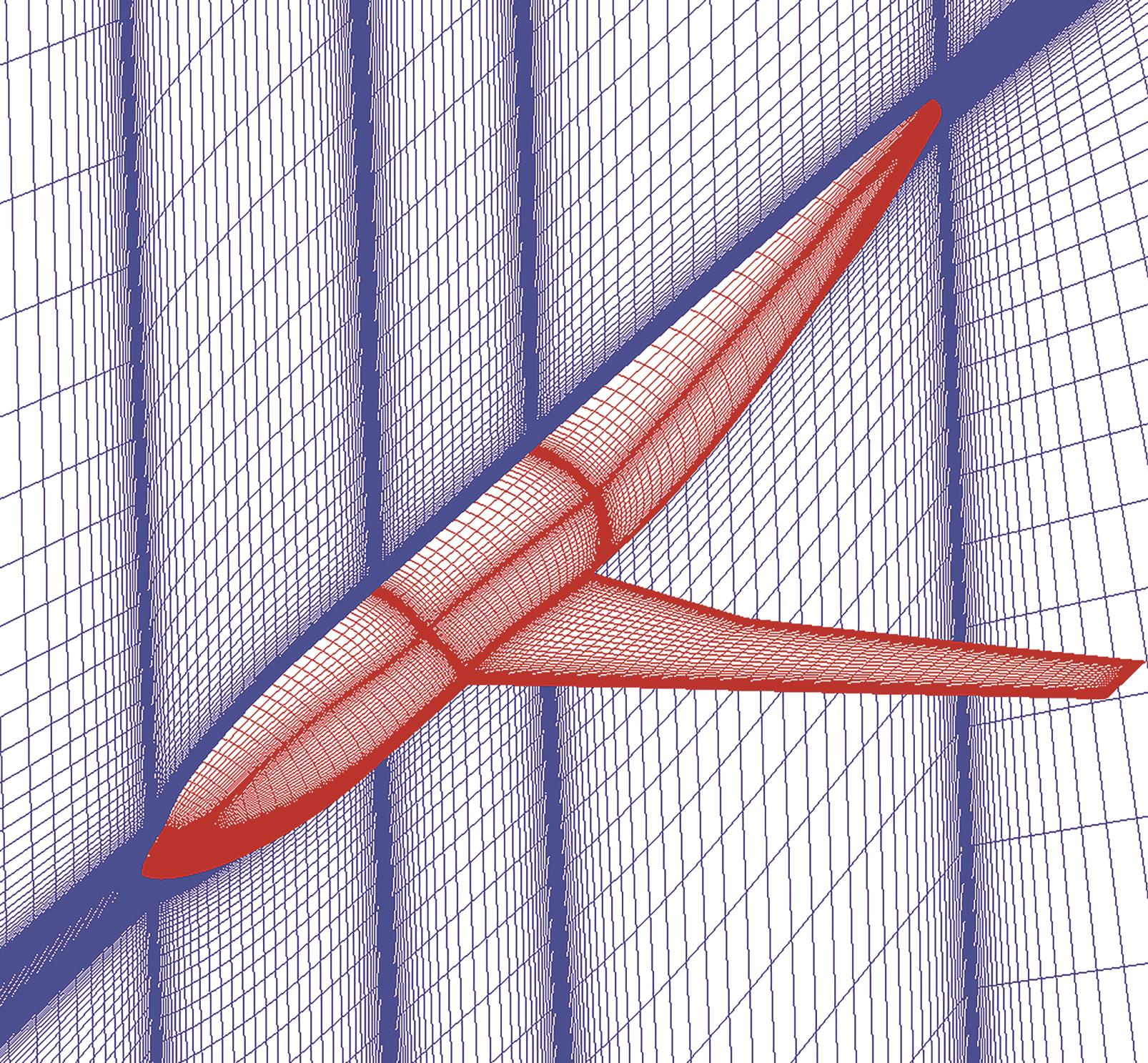
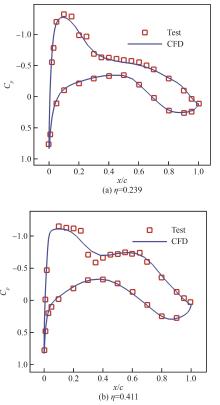
Fig.2
Comparison of computed pressure coefficient distribution and test data at different spanwise station of wing (Ma=0.75, Re=3.0×10⁶)
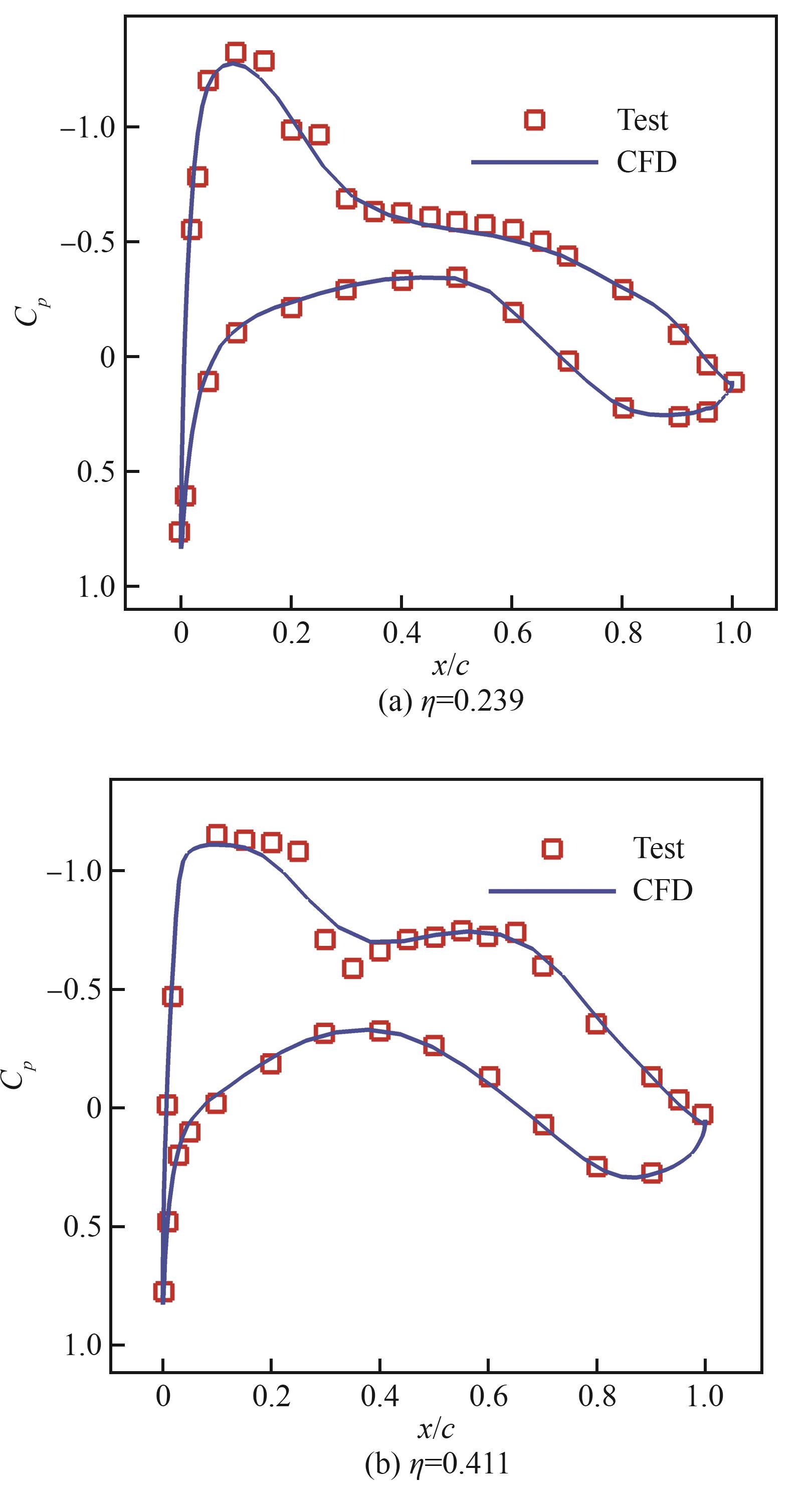

Table 1
Comparison of CFD computed values and test data of DLR-F6 body-wing configuration
| 方法 | 迎角 | 阻力系数 | 俯仰力矩系数 |
|---|---|---|---|
| 试验 | 0.520 | 0.029 5 | -0.121 1 |
| 仿真 | 0.417 | 0.029 8 | -0.118 0 |
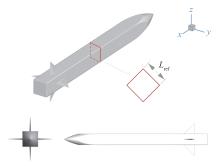
Fig.3
Geometry of a square-section-shape missile
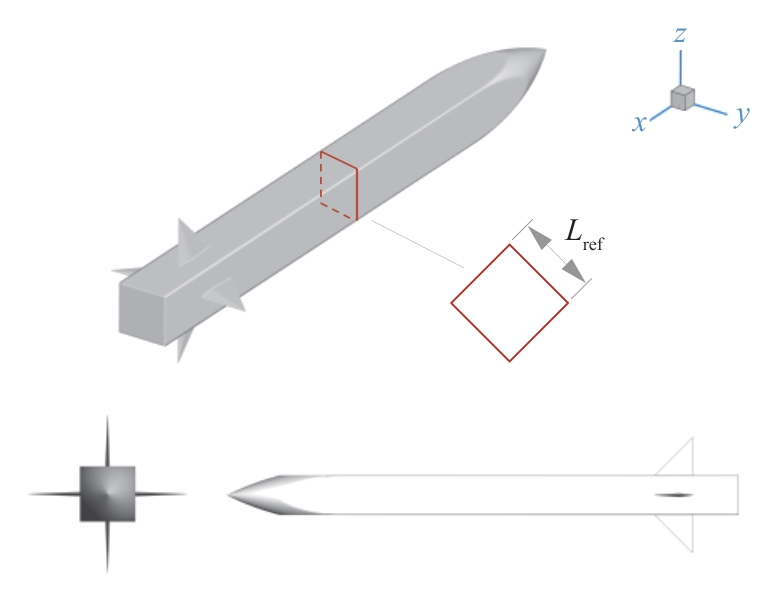
Fig.4
Surface grid for a square-section-shape missile
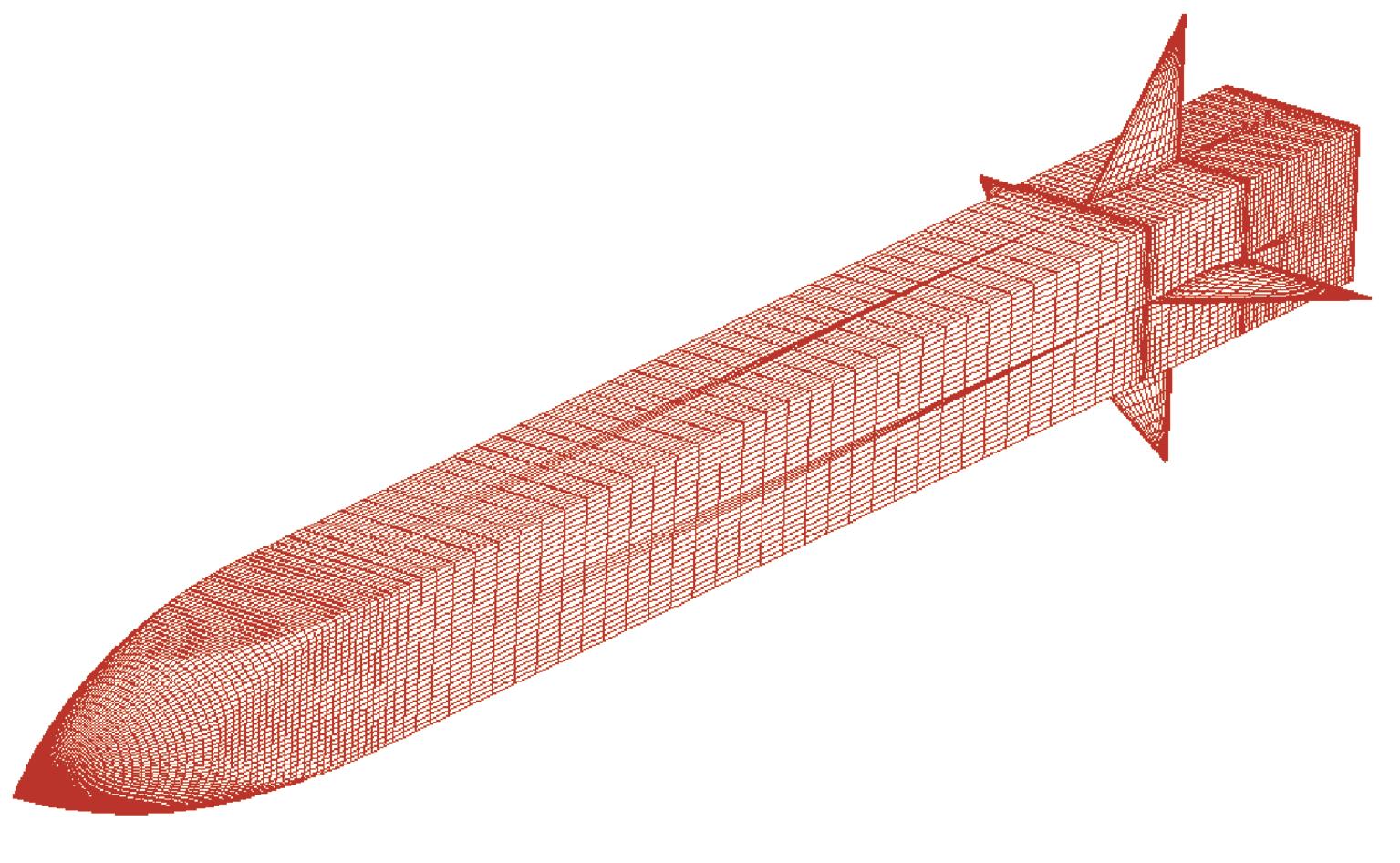
Fig.5
Comparison of computed aerodynamic force coefficients and test data for a square-section-shape missile (Ma=2.5, Re=1.233×10⁶, γ=0°)
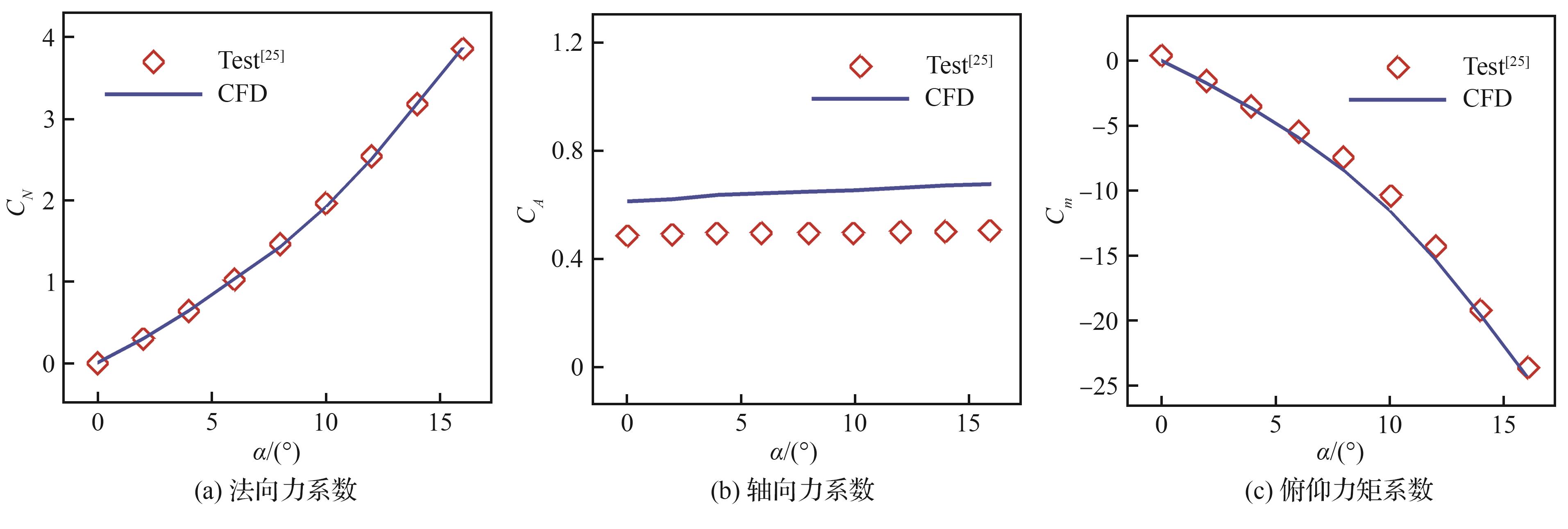
Fig.6
Geometry of FDL-5 lifting body
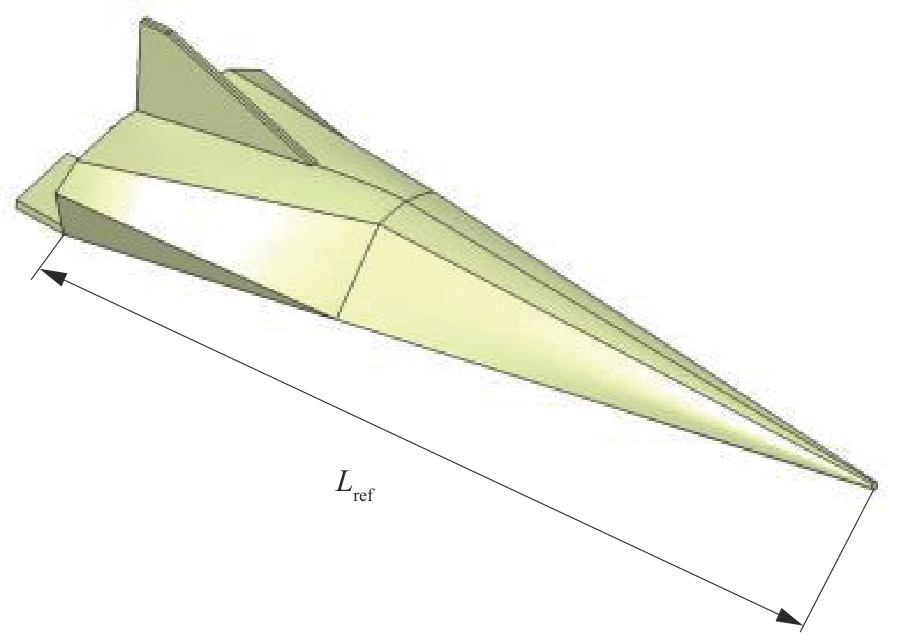
Fig.7
Surface grid of FDL-5 lifting body
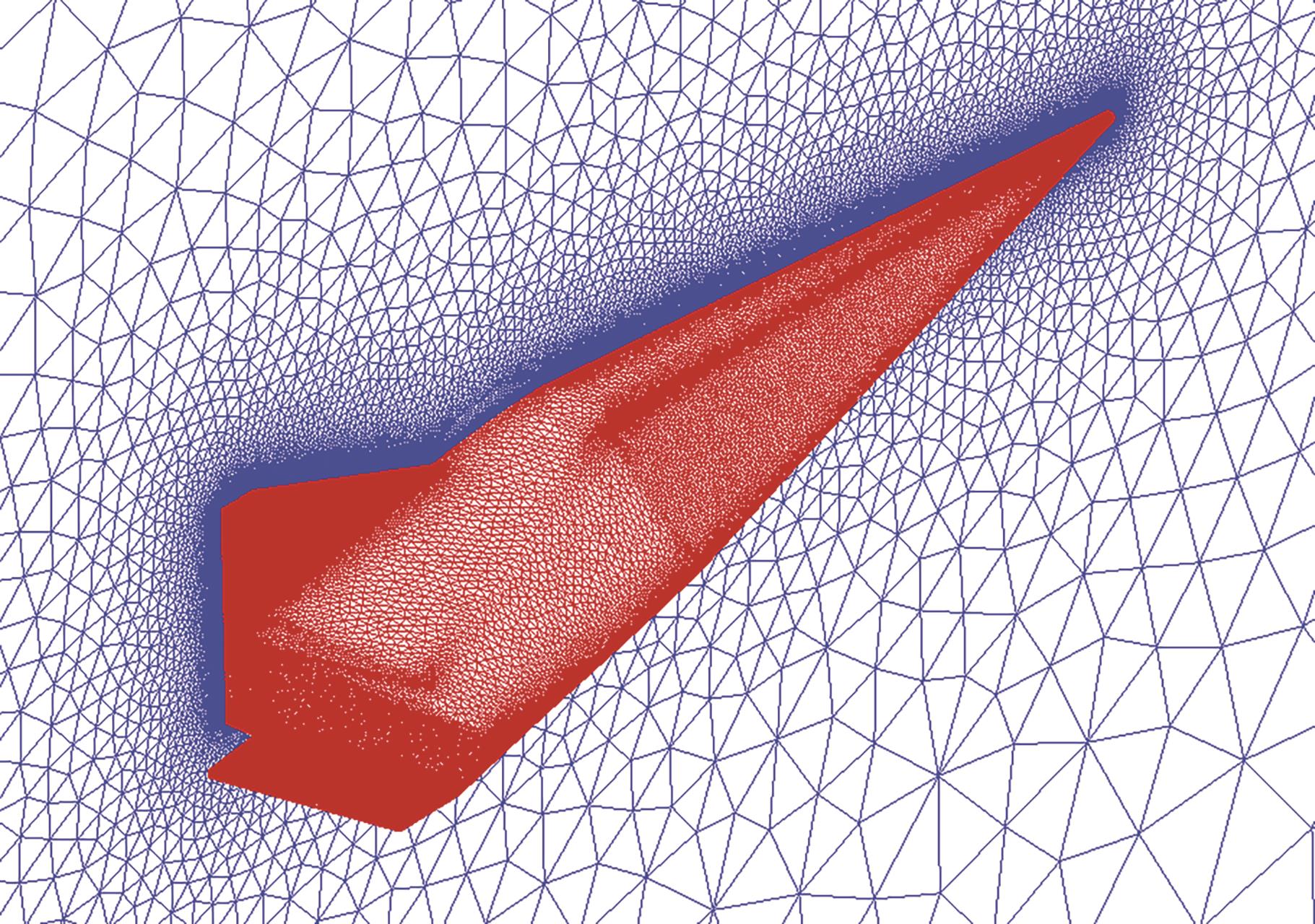
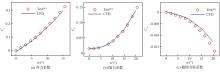
Fig.8
Comparison of computed aerodynamic force coefficients and test data for FDL-5 lifting body (Ma=7.98, Re=3.832×10⁶)
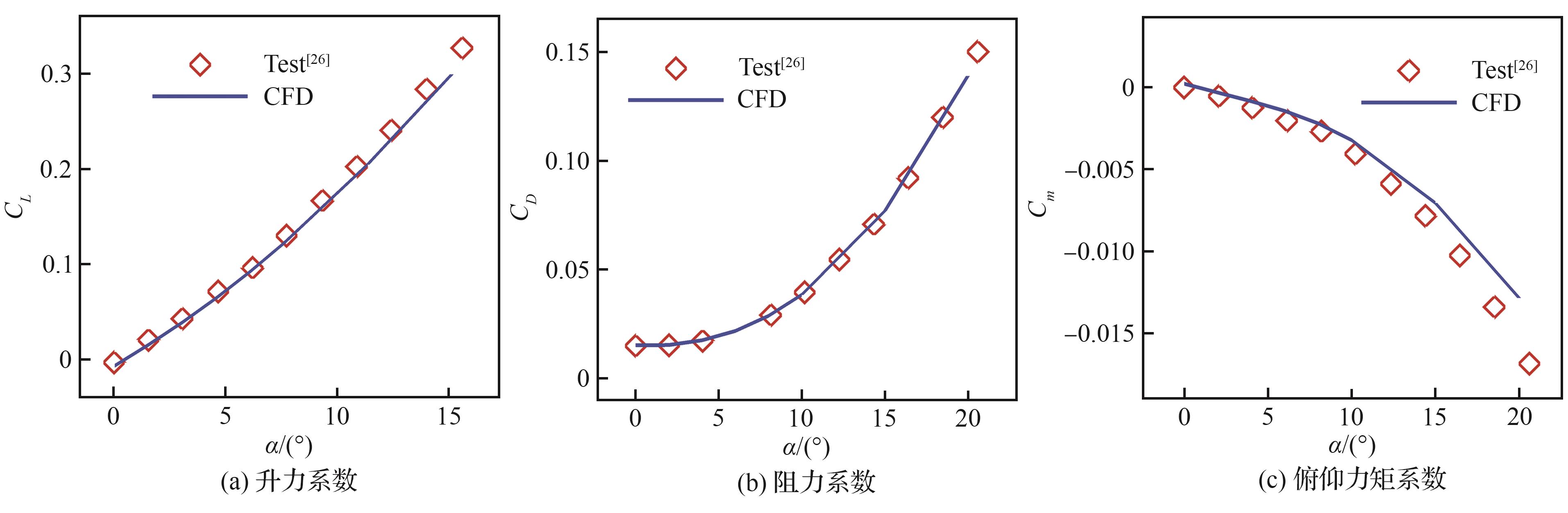
Fig. 9
Framework of SurroOpt-based optimized design[27]
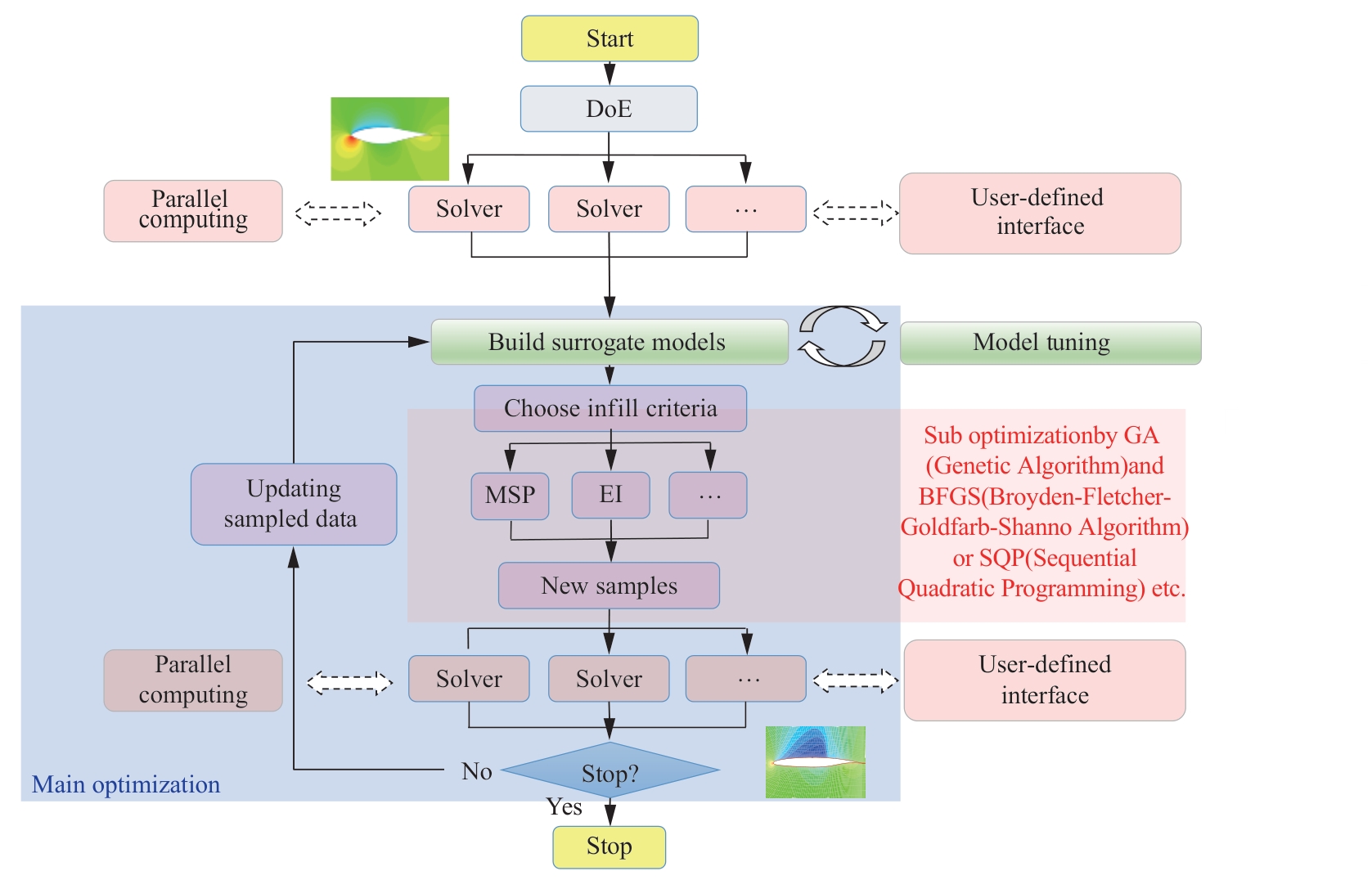
Fig.10
Sketch map of typical flight trajectories of two stage to orbit aerospace aircraft[36]
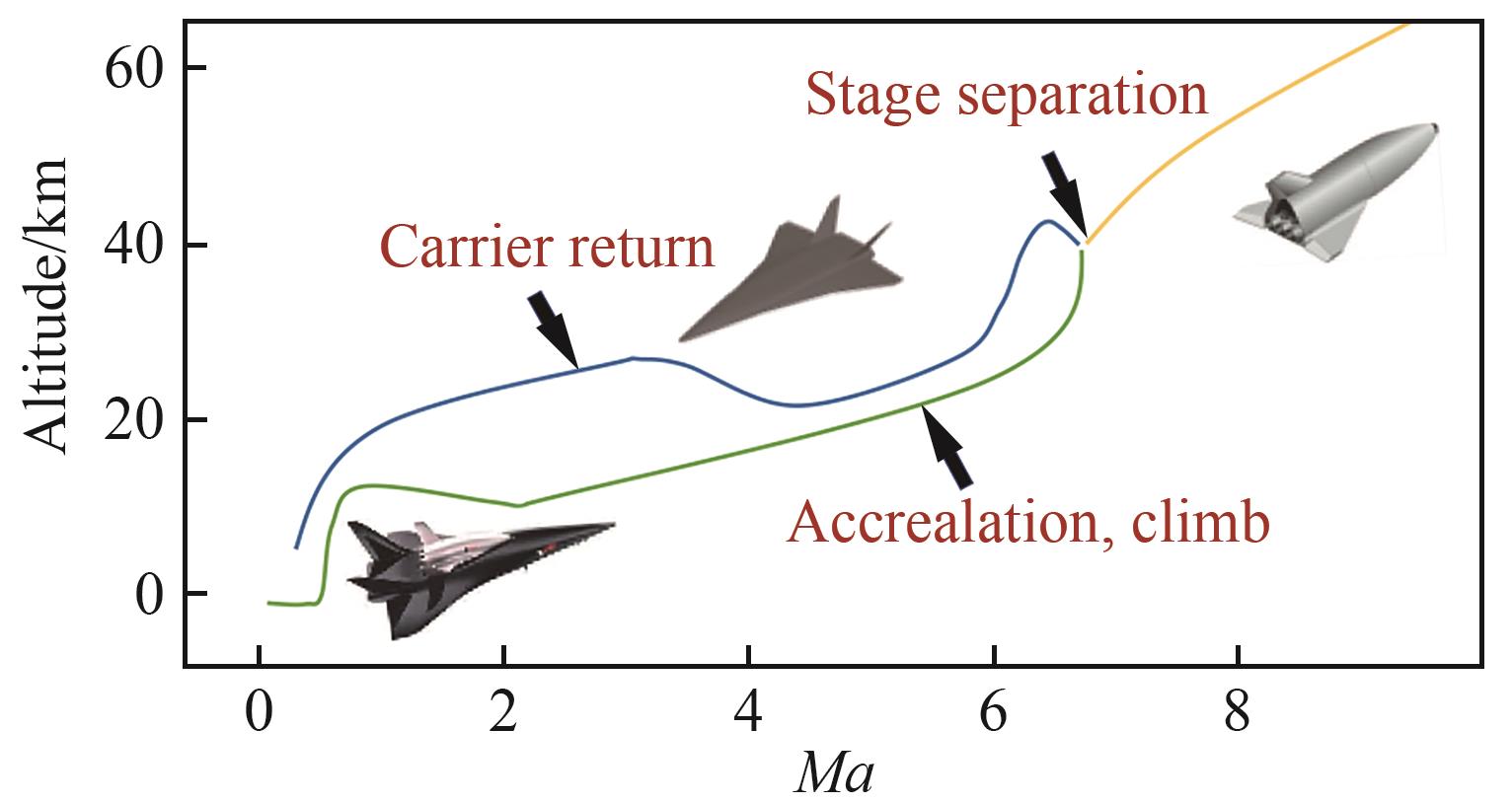
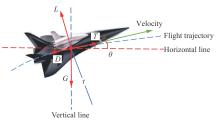
Fig.11
Force analysis of aerospace aircraft system[36]
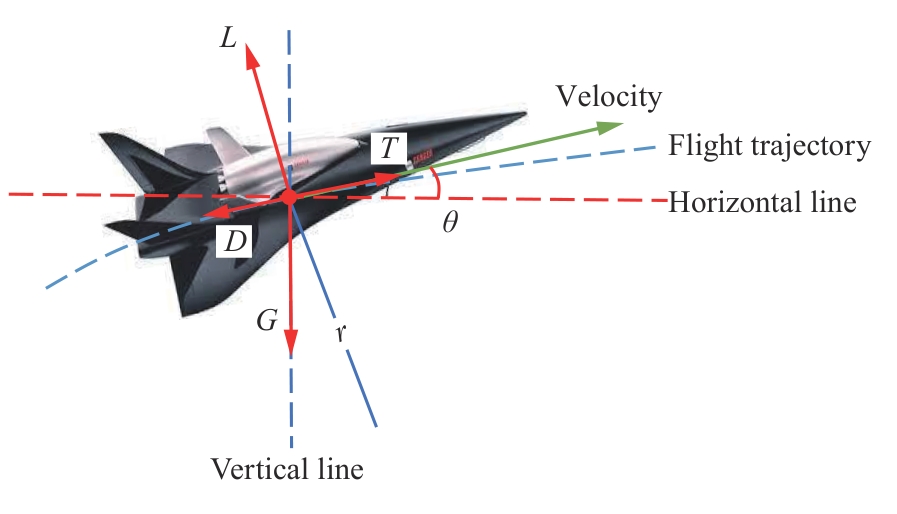
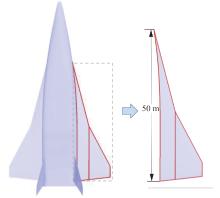
Fig.12
Wing geometry layout of the first-stage carrier on Sanger aerospace aircraft
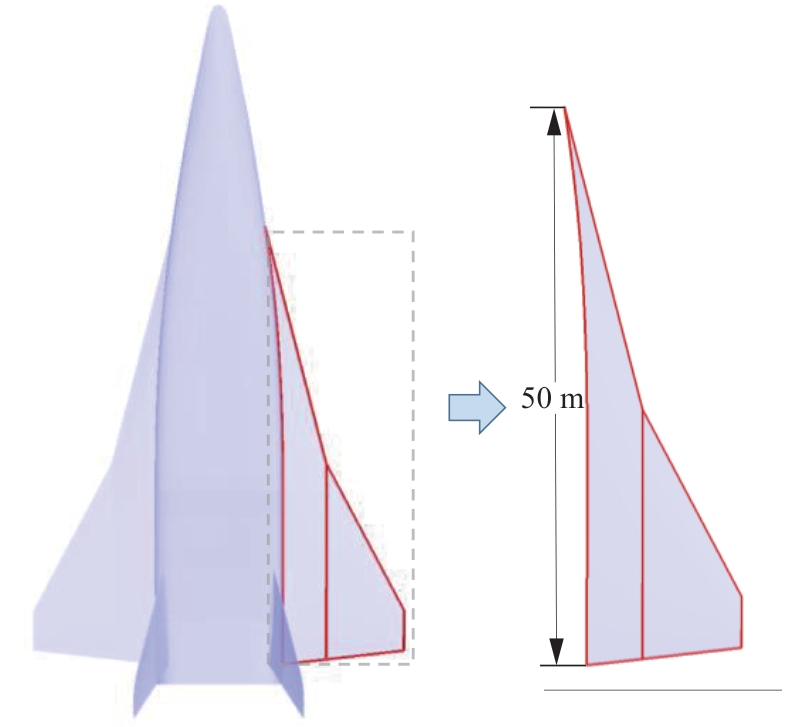
Table 2
Planform layout parameters of Sanger wing
| 平面外形参数 | 取值 |
|---|---|
| 内翼根弦长/m | 50 |
| 内翼前缘后掠角/(°) | 83 |
| 外翼前缘后掠角/(°) | 67 |
| 后缘前掠角/(°) | 5 |
| 内翼展长/m | 3.31 |
| 外翼展长/m | 8.09 |
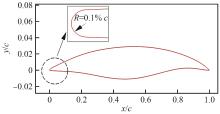
Fig.13
Schematic of profile for Sanger wing
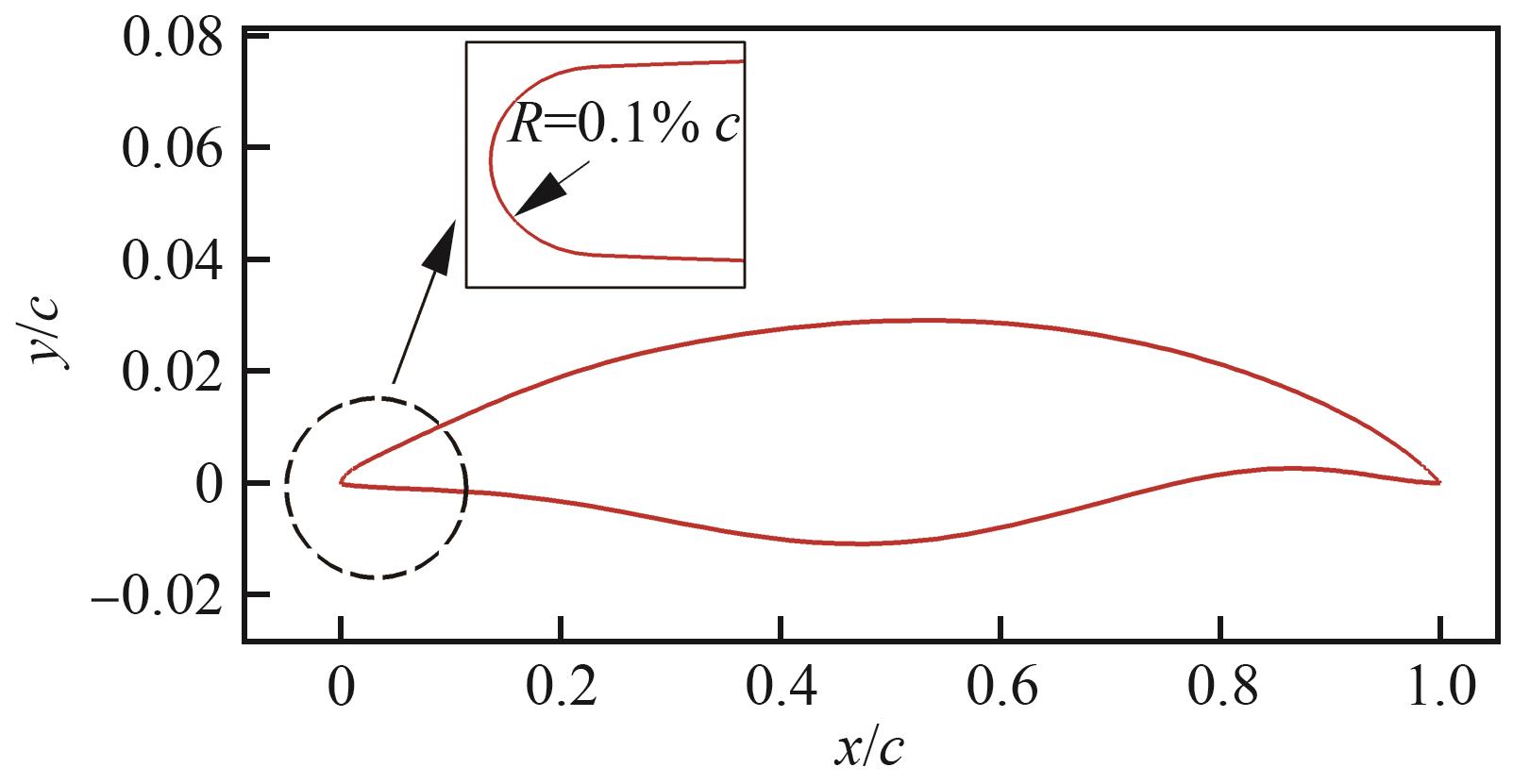
Table 3
Lift of Sanger wing at different typical Mach numbers
| 马赫数 | 高度/km | 升力/t |
|---|---|---|
| 0.3 | 0 | 64.3 |
| 2.0 | 10 | 54.6 |
| 6.0 | 25 | 45.0 |
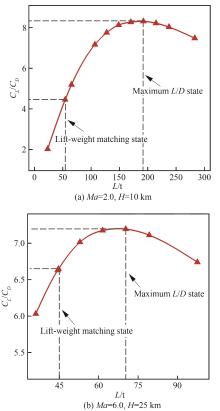
Fig.14
Variation of lift/drag ratio with lift in different design conditions
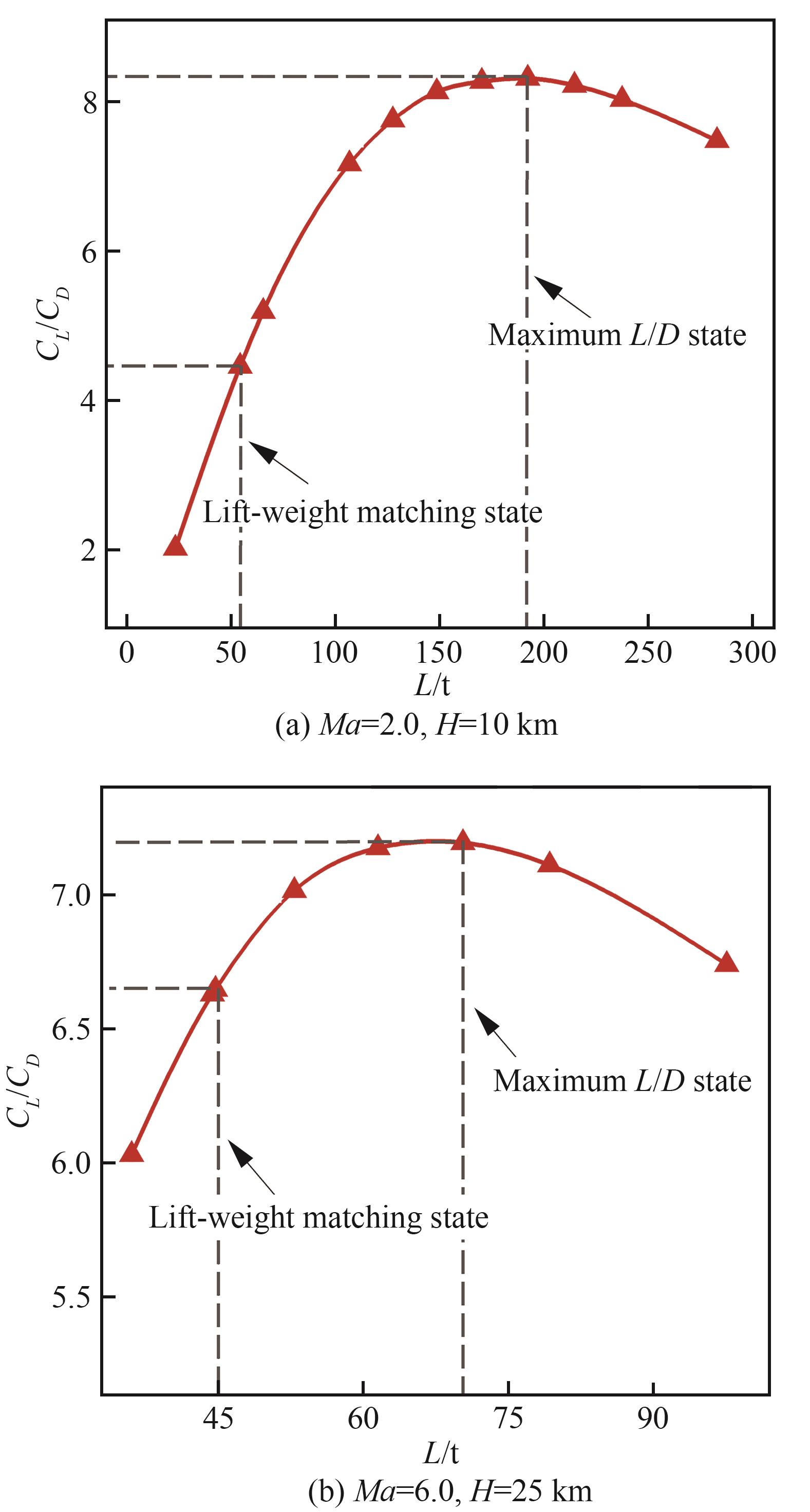
Table 4
Wide-speed-range aerodynamic characteristics of Sanger wing
| 马赫数 | 最大升阻比状态 | 升/重匹配状态 | ||
|---|---|---|---|---|
| 升力/t | 升阻比 | 升力/t | 升阻比 | |
| 2.0 | 192.2 | 8.31 | 54.6 | 4.45 |
| 6.0 | 70.3 | 7.20 | 45.0 | 6.65 |
Table 5
Mathematical model for wing planform shape optimization
| 目标/约束 | 函数 | 描述 |
|---|---|---|
| Minimize | 目标:最小化超声速和高超声速状态的阻力 | |
| Subject to | 约束1:典型起飞状态升力不小于所需升力 | |
| 约束2:超声速升/重匹配 | ||
| 约束3:高超声速升/重匹配 |
Fig. 15
Schematic of parametric method for Sanger wing
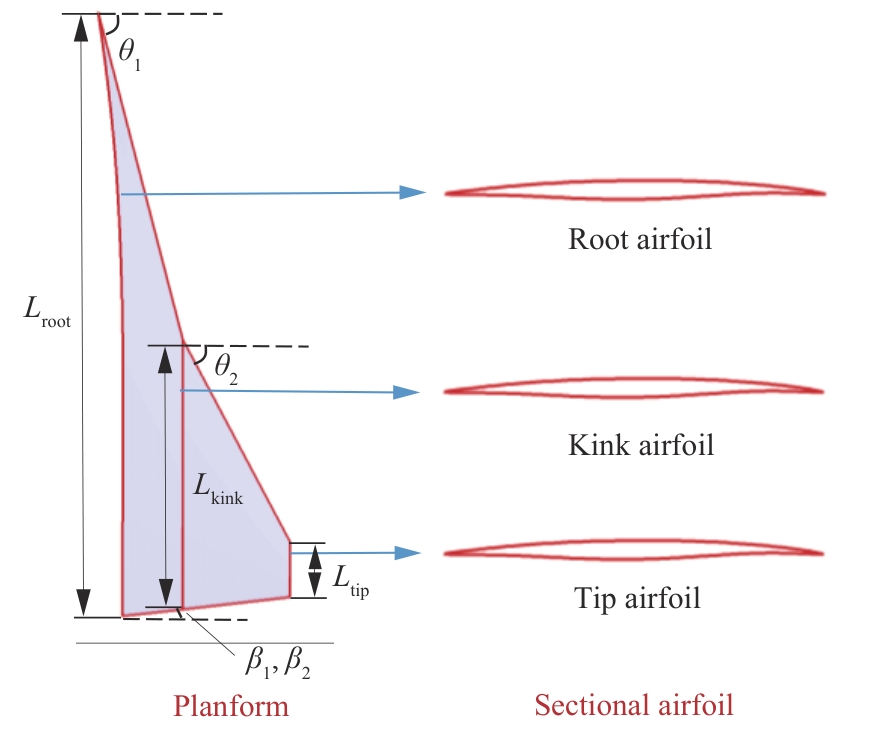
Table 6
Grid independence verification results of double-delta wing
| 网格 | CL | CD | CD 相对细网格误差/% |
|---|---|---|---|
| 粗 | 0.450 0 | 0.075 40 | 0.71 |
| 中 | 0.448 4 | 0.074 99 | 0.16 |
| 细 | 0.447 9 | 0.074 87 |
Fig. 16
Wing planform comparison between baseline and optimized wings
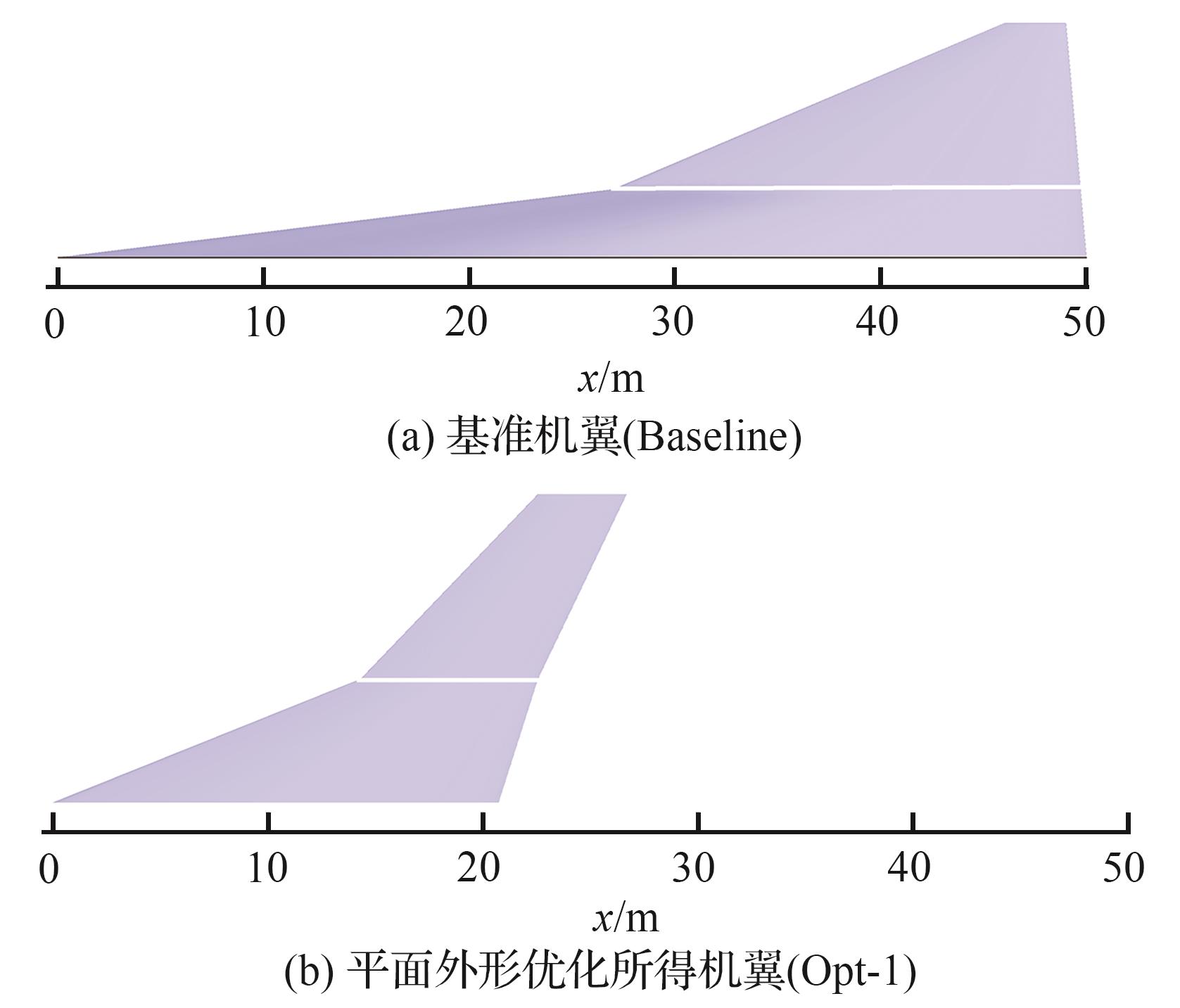
Table 7
Comparison of planform layout parameters between baseline wing and optimized wing Opt-1
| 参数 | 基准机翼 | Opt-1机翼 |
|---|---|---|
| 机翼面积/m2 | 224.56 | 136.68 |
| 内翼前缘后掠角/(°) | 83.0 | 68.1 |
| 外翼前缘后掠角/(°) | 67.0 | 43.8 |
| 翼根弦长/m | 50 | 20.67 |
| Kink处弦长/m | 22.75 | 8.23 |
| 翼尖处弦长/m | 3.00 | 4.12 |
| 内翼后缘前掠角/(°) | 5 | -17.7 |
| 外翼后缘前掠角/(°) | 5 | -25.6 |
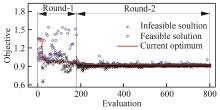
Fig.17
Convergence curves of wing planform layout optimization
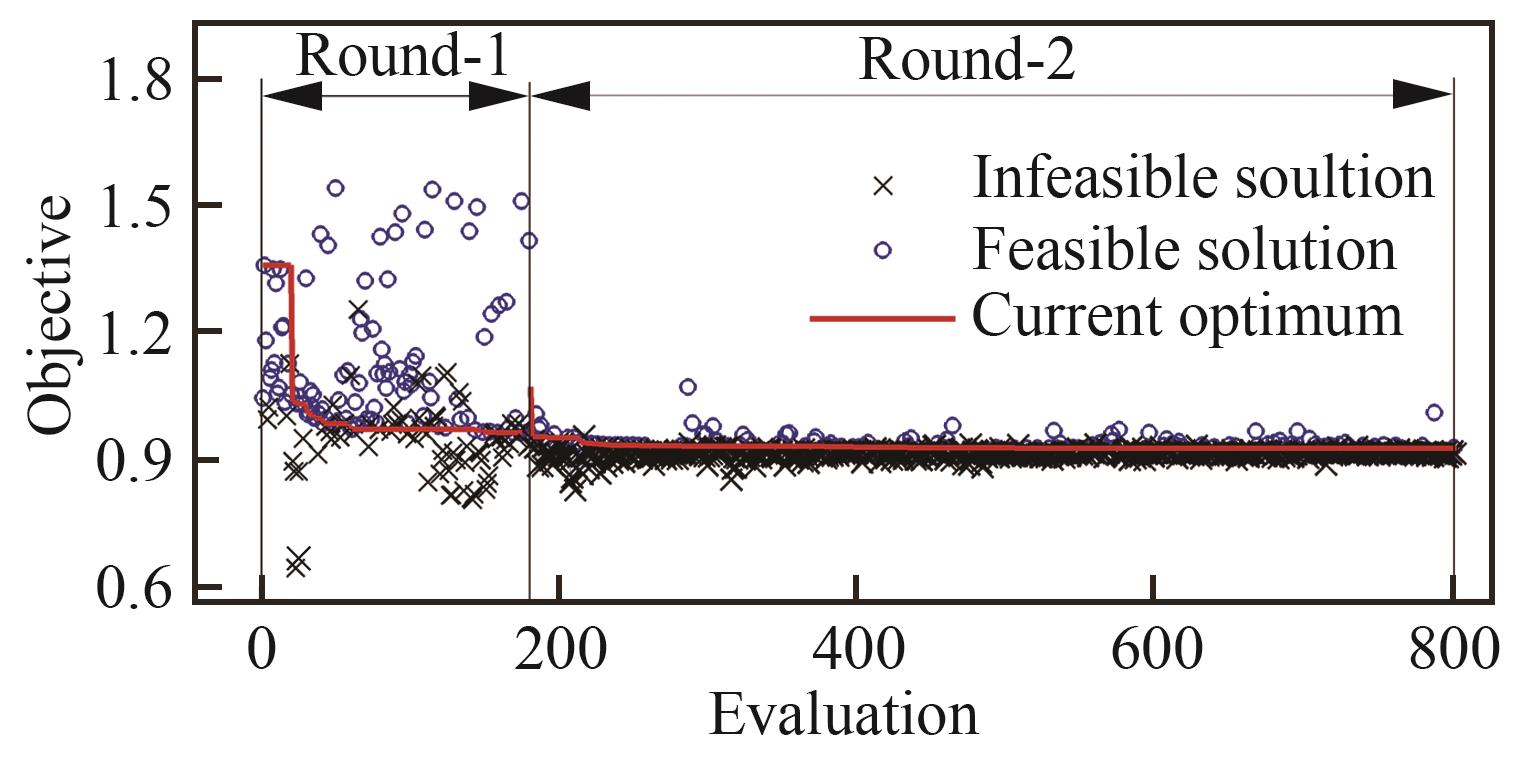
Table 8
Wide-speed-range aerodynamic characteristics comparison of baseline and optimized wings
| 参数 | 机翼 | Ma=0.3, H=0 km, α=10° | Ma=2.0, H=10 km | Ma=6.0, H=25 km |
|---|---|---|---|---|
| 升力/t | 基准 | 64.30 | 54.60 | 45.00 |
| Opt-1 | 64.16 | 54.60 | 45.00 | |
| 升力相对变化/% | -0.19 | 0 | 0 | |
| 阻力/t | 基准 | 10.75 | 12.27 | 6.67 |
| Opt-1 | 10.15 | 10.88 | 6.61 | |
| 阻力相对变化/% | -5.58 | -11.33 | -2.36 | |
| 升阻比 | 基准 | 5.98 | 4.45 | 6.65 |
| Opt-1 | 6.32 | 5.02 | 6.81 | |
| 升阻比相对变化/% | +5.69 | +12.81 | +2.41 | |
| 升力系数 | 基准 | 0.447 9 | 0.032 58 | 0.031 00 |
| Opt-1 | 0.736 5 | 0.053 55 | 0.050 93 | |
| 升力系数相对变化/% | +64.25 | +64.36 | +64.29 | |
| 阻力系数 | 基准 | 0.074 81 | 0.007 315 | 0.004 662 |
| Opt-1 | 0.116 5 | 0.010 68 | 0.007 479 | |
| 阻力系数相对变化/% | +55.35 | +46.00 | +60.42 |
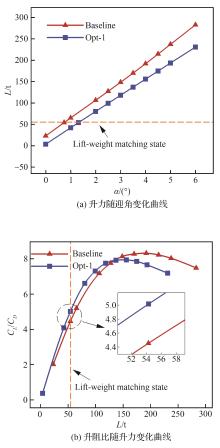
Fig.18
Aerodynamic characteristics comparison between baseline and optimized wings in supersonic state (Ma=2.0, H=10 km)
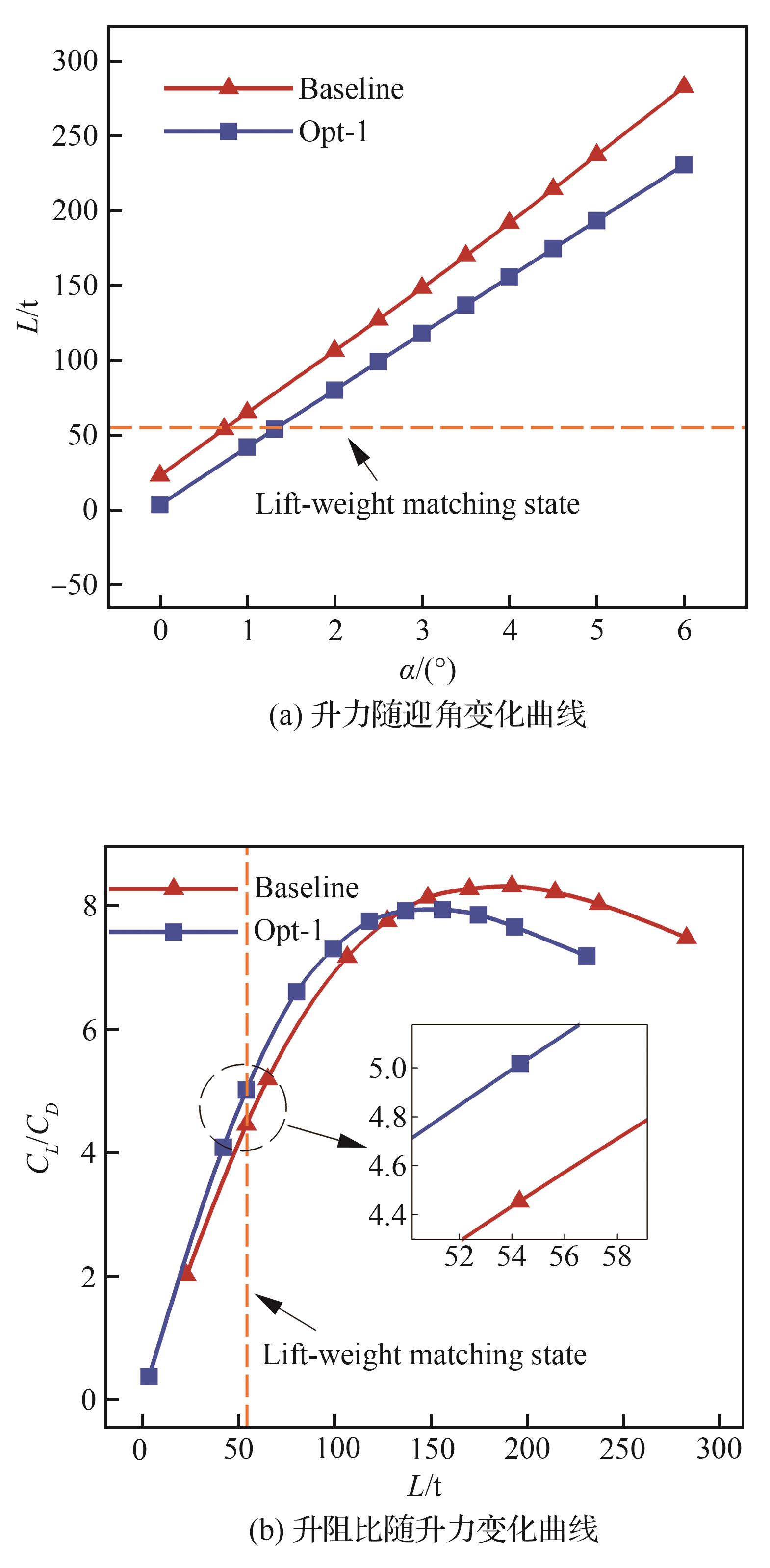
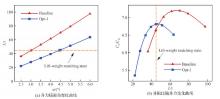
Fig.19
Aerodynamic characteristics comparison between baseline and optimized wings in hypersonic state (Ma=6.0, H=25 km)
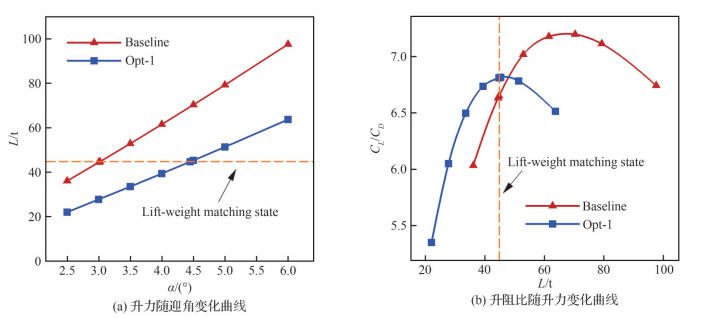
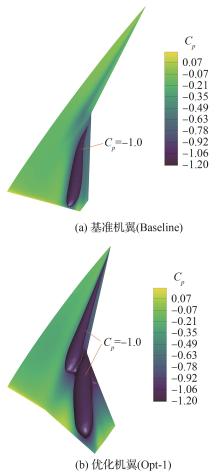
Fig.20
Comparison of pressure contours between baseline and optimized wings in typical takeoff state (Ma=0.3, H=0 km, α=10°)
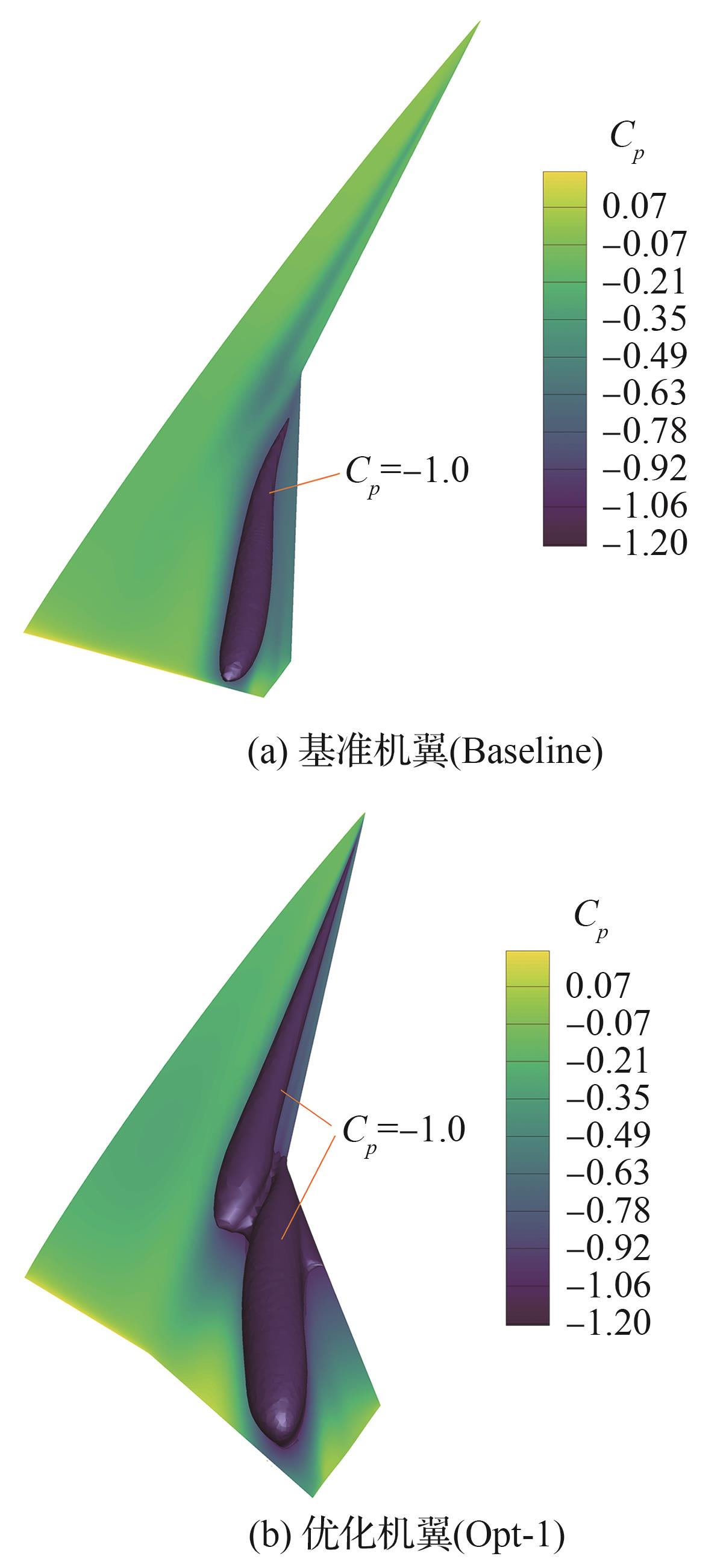
Table 9
Mathematical model for wing profile design optimization
| 目标/约束 | 函数 | 描述 |
|---|---|---|
| Minimize | 目标:最小化超声速和高超声速状态的阻力 | |
| Subject to | 约束1:典型起飞状态升力不小于所需升力 | |
| 约束2:超声速升/重匹配 | ||
| 约束3:高超声速升/重匹配 | ||
| 面积约束4~6:各剖面的面积减小不超过10% | ||
| 厚度约束7~9:各剖面厚度不减小 | ||
| 前缘半径约束10~12:各剖面前缘半径不减小 |
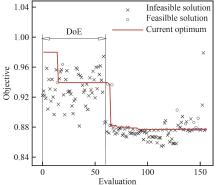
Fig.21
Convergence curves of wing section profile optimization
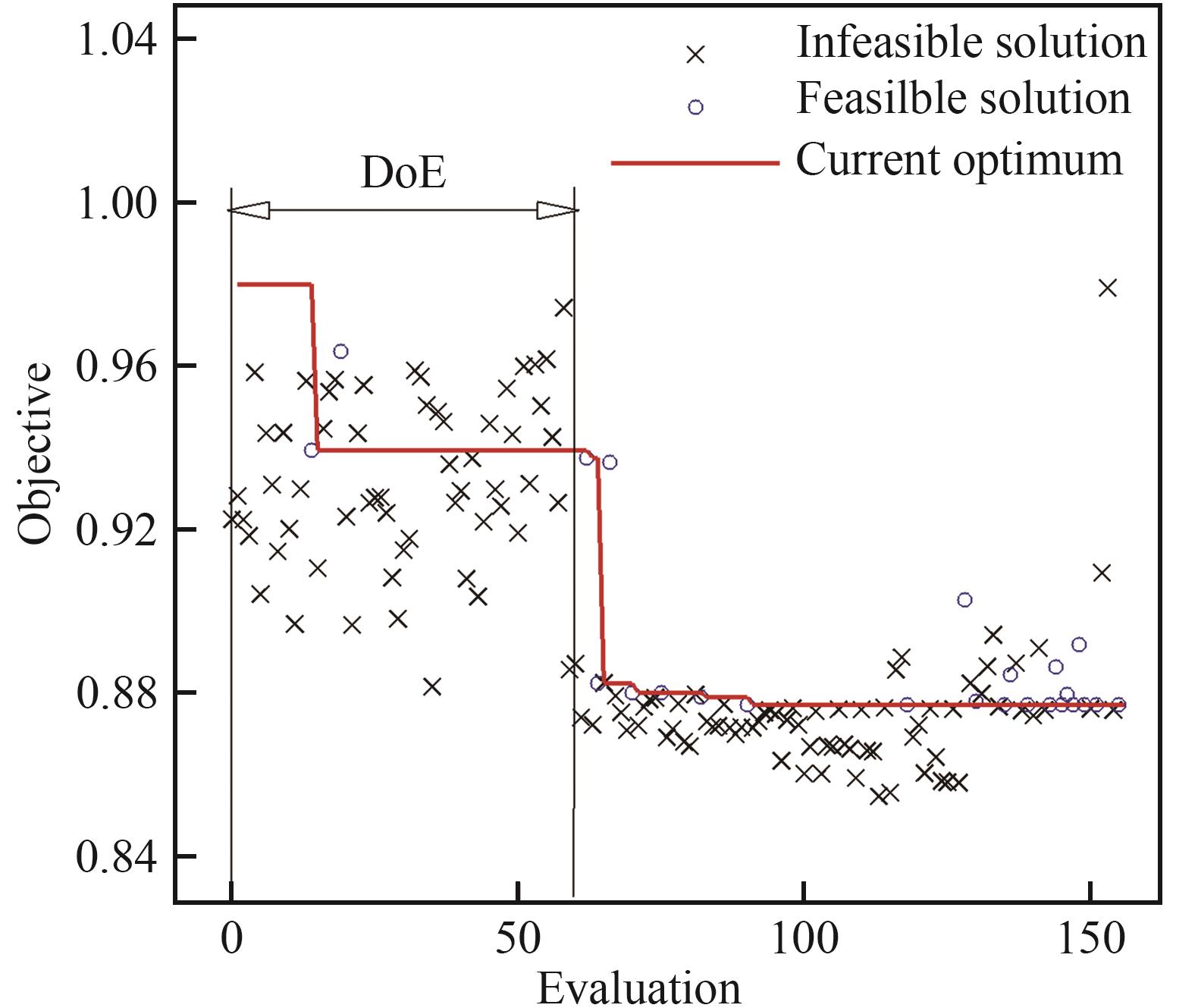
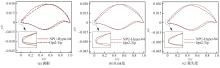
Fig.22
Comparison between baseline and optimized wings at different spanwise locations
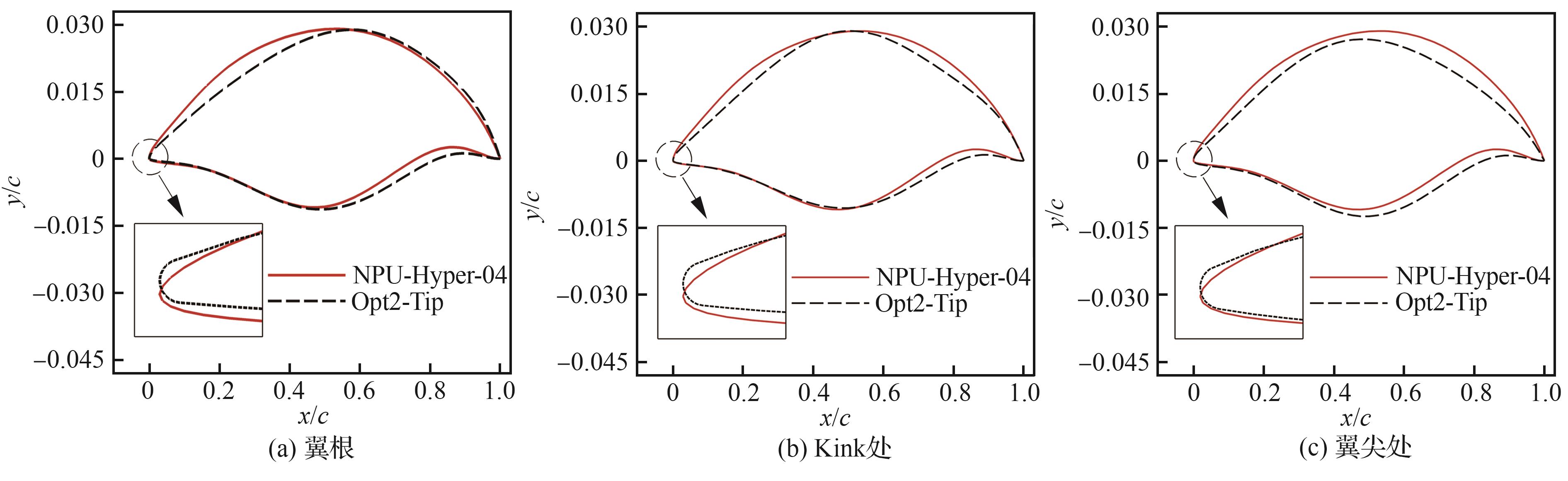
Table 10
Comparison of wide-speed-range aerodynamic characteristics between baseline and optimized wings
| 参数 | 机翼 | Ma=0.3, H=0 km, α=10° | Ma = 2.0, H = 10 km | Ma = 6.0, H = 25 km |
|---|---|---|---|---|
| 升力/t | 基准 | 64.30 | 54.60 | 45.00 |
| Opt-1 | 64.16 | 54.60 | 45.00 | |
| Opt-2 | 64.20 | 54.60 | 45.00 | |
| Opt-2升力相对基准变化/% | -0.16 | 0 | 0 | |
| 升阻比 | 基准 | 5.98 | 4.45 | 6.65 |
| Opt-1 | 6.32 | 5.02 | 6.81 | |
| Opt-2 | 6.15 | 5.34 | 7.19 | |
| Opt-2升阻比相对基准变化/% | +2.84 | +20.00 | +8.12 |
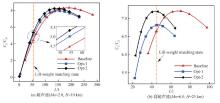
Fig.23
Curves of lift-drag ratio variation with lift
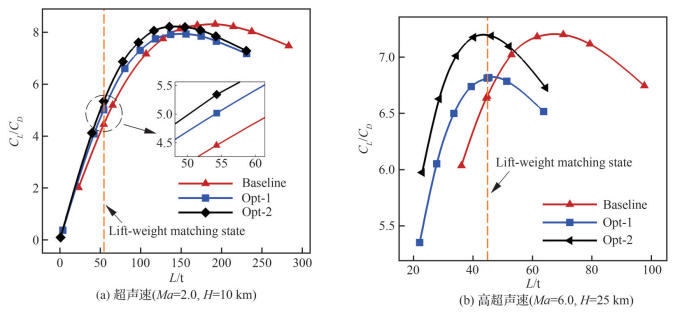
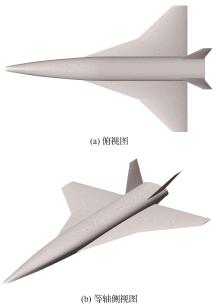
Fig.24
Geometry of full-scale vehicle configuration
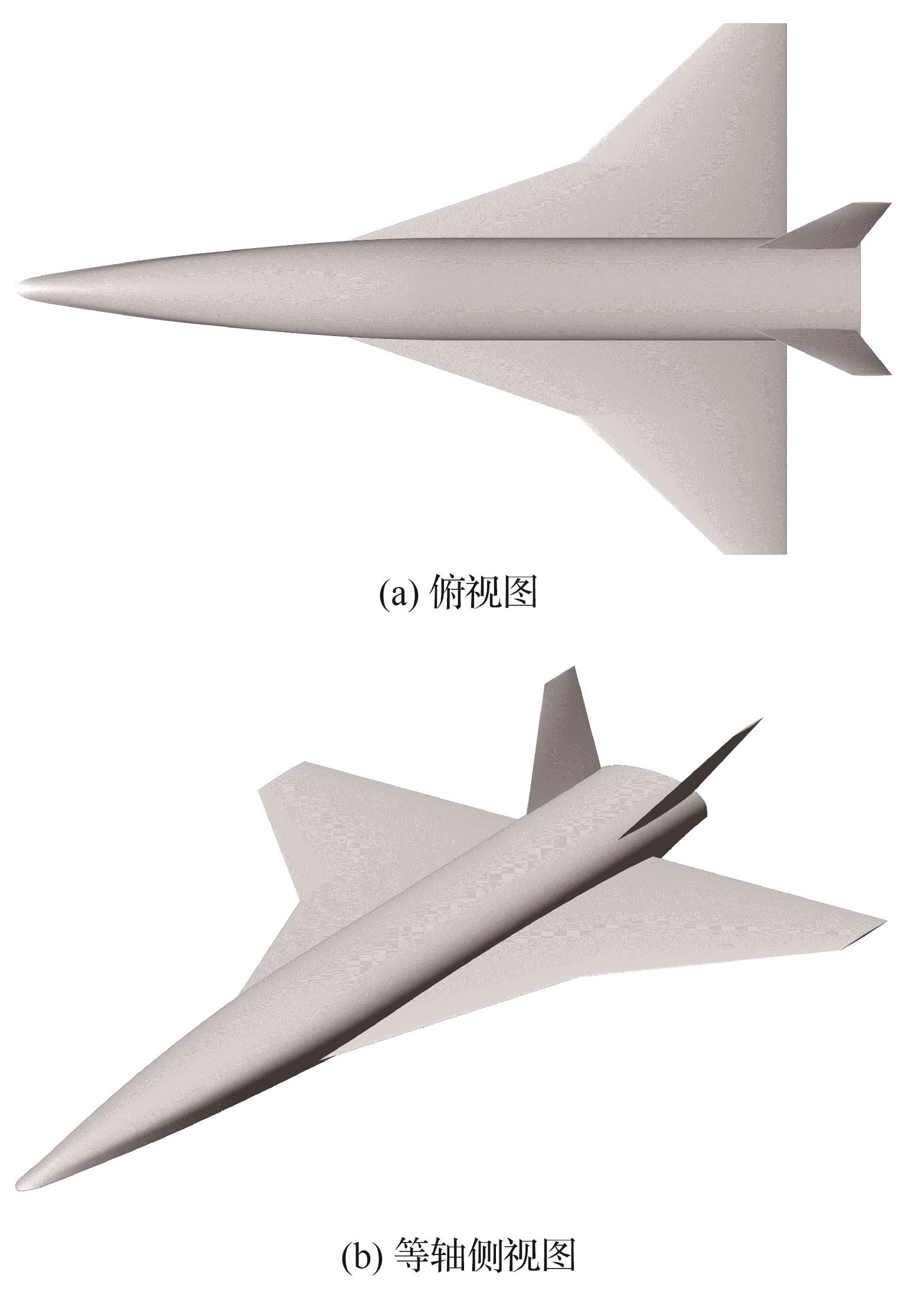
Table 11
Weight in different flying states
| 马赫数 | 高度/km | 重力/t |
|---|---|---|
| 0.3 | 0 | 100 |
| 0.8 | 3.0 | 97 |
| 2.0 | 10.0 | 85 |
| 6.0 | 25.0 | 62 |
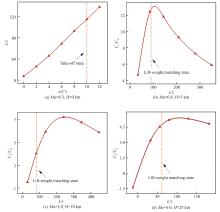
Fig.25
Aerodynamic characteristic curves under different design conditions
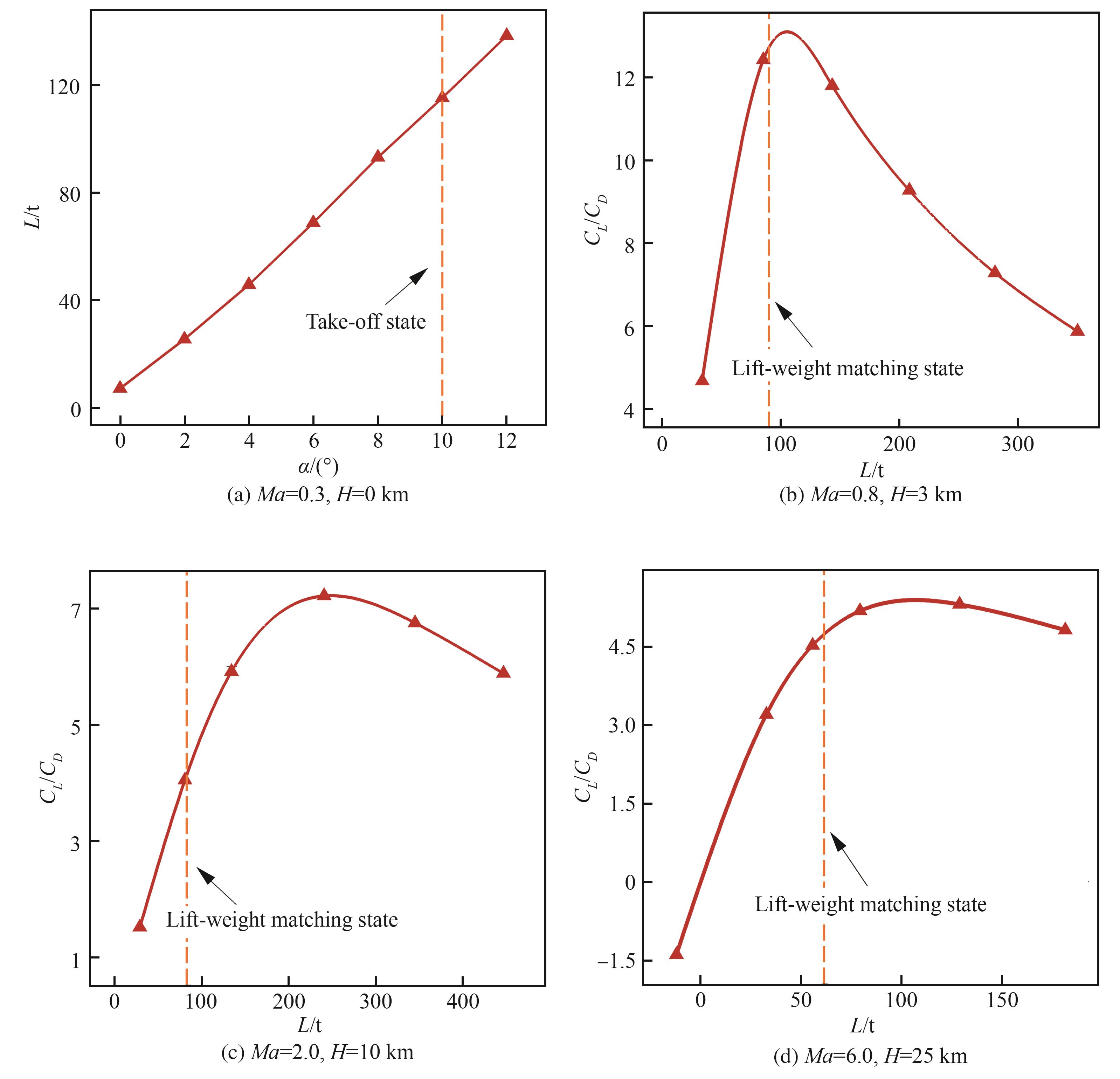
Table 12
Wide-speed-range aerodynamic characteristics of full-scale vehicle configuration
| 马赫数 | 最大升阻比状态 | 升/重平衡状态 | ||
|---|---|---|---|---|
| 升力/t | 升阻比 | 升力/t | 升阻比 | |
| 0.8 | 104.0 | 13.09 | 97 | 12.71 |
| 2.0 | 239.5 | 7.21 | 85 | 4.16 |
| 6.0 | 100.8 | 5.39 | 62 | 4.72 |
Table 13
Mathematical model for wing planform design optimization of full-scale vehicle configuration
| 目标/约束 | 函数 | 描述 |
|---|---|---|
| Minimize | 目标:最小化超/高超声速状态的阻力 | |
| Subject to | 约束1:典型起飞状态升力不小于所需升力 | |
| 约束2:跨声速升/重匹配 | ||
| 约束3:超声速升/重匹配 | ||
| 约束4:高超声速升/重匹配 | ||
| 约束5:高超声速升阻比不小于基准 | ||
| 约束6:跨声速升阻比不小于基准的95% |
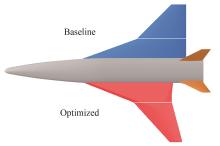
Fig.26
Comparison of wing planform layout between baseline and optimized configurations
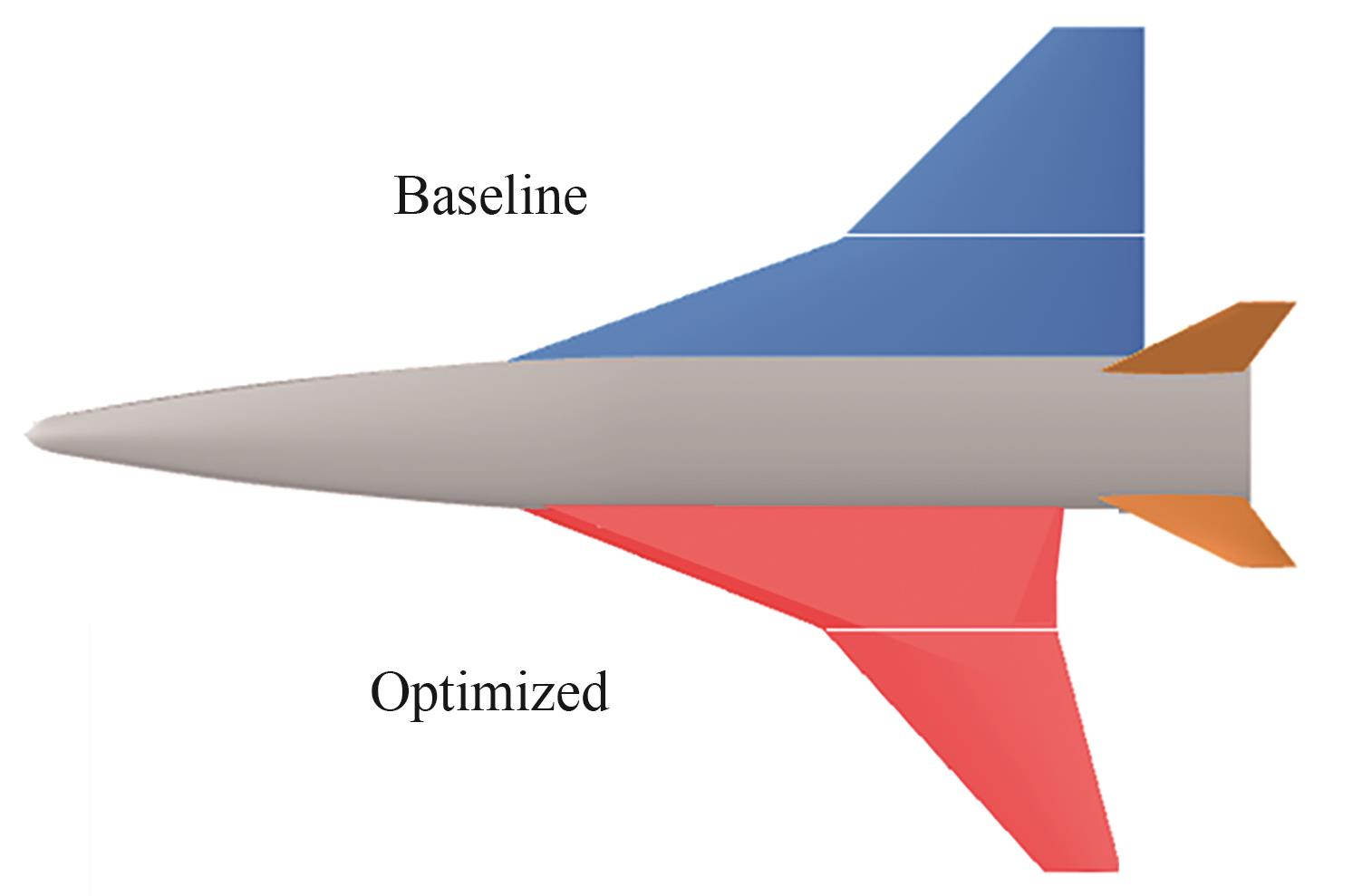
Table 14
Comparison of wing parameters between baseline and optimized configurations
| 参数 | 基准构型 | 优化构型 |
|---|---|---|
| 内翼前缘后掠角/(°) | 70.0 | 68.1 |
| 外翼前缘后掠角/(°) | 45.0 | 43.8 |
| 翼根弦长/m | 18.31 | 15.87 |
| Kink处弦长/m | 8.15 | 6.87 |
| 翼尖处弦长/m | 5.50 | 5.29 |
| 内翼后缘前掠角/(°) | 0 | 1.15 |
| 外翼后缘前掠角/(°) | 0 | -17.31 |
Fig.27
Lift-drag ratio variation with lift in different states
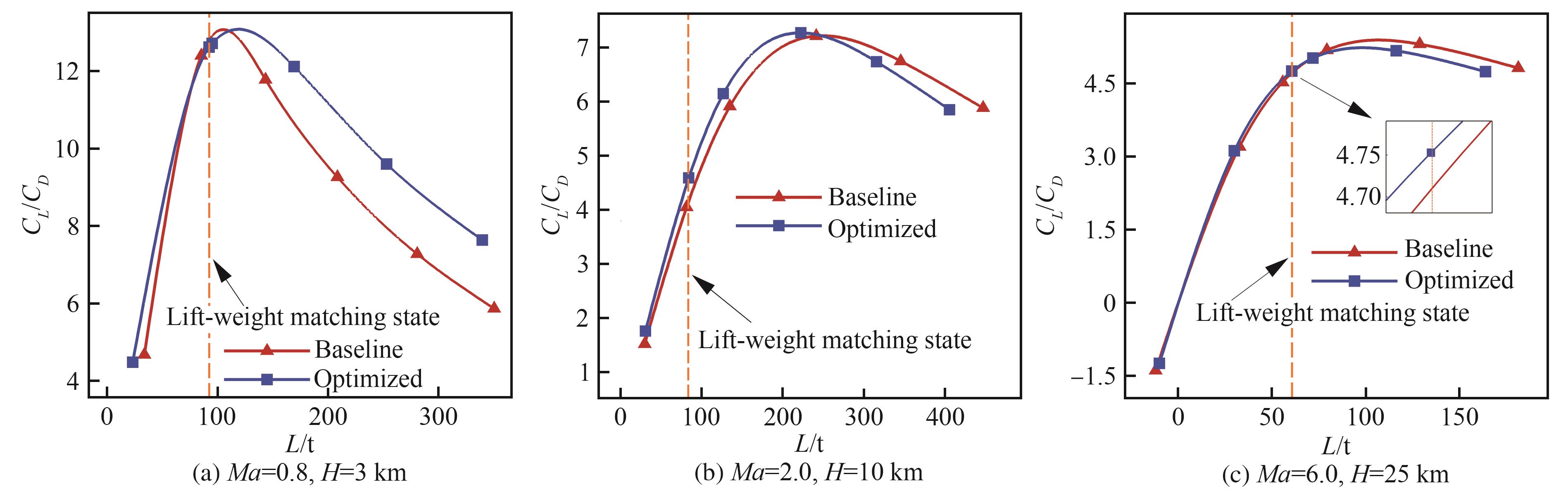
Table 15
Comparison of wide-speed-range aerodynamic characteristics between baseline and optimized configurations
| 参数 | 构型 | Ma=0.3, H=0 km, α=10° | Ma=0.8, H=3 km | Ma=2.0, H=10 km | Ma=6.0, H=25 km |
|---|---|---|---|---|---|
| 升力/t | 基准 | 115.6 | 97 | 85 | 62 |
| 优化 | 100.5 | 97 | 85 | 62 | |
| 升力相对变化/% | 满足起飞要求 | 0 | 0 | 0 | |
| 升阻比 | 基准 | 5.88 | 12.71 | 4.16 | 4.72 |
| 优化 | 5.81 | 12.55 | 4.55 | 4.75 | |
| 升阻比相对变化/% | -1.19 | -1.26 | +9.38 | +0.64 |
| [1] | 左光, 艾邦成. 先进空间运输系统气动设计综述[J]. 航空学报, 2021, 42(2): 624077. |
| ZUO G, AI B C. Aerodynamic design of advanced space transportation system: Review[J]. Acta Aeronautica et Astronautica Sinica, 2021, 42(2): 624077 (in Chinese). | |
| [2] | 魏毅寅. 组合动力空天飞行若干科技关键问题[J]. 空天技术, 2022(1): 1-12. |
| WEI Y Y. Major technological issues of aerospace vehicle with combined-cycle propulsion[J]. Aerospace Technology, 2022(1): 1-12 (in Chinese). | |
| [3] | WALDMAN B, HARSHA P. NASP-focus on technology[C]∥AIAA 4th International Aerospace Planes Conference. Reston: AIAA, 1992. |
| [4] | BURNS B R A. HOTOL, an economic space transport for Europe[J]. Interdisciplinary Science Reviews, 1988, 13(2): 171-179. |
| [5] | LONGSTAFF R, BOND A. The SKYLON project[C]∥17th AIAA International Space Planes and Hypersonic Systems and Technologies Conference. Reston: AIAA, 2011. |
| [6] | HOEGENAUER E, KOELLE D. Saenger—The German aerospace vehicle program[C]∥National Aerospace Plane Conference. Reston: AIAA, 1989. |
| [7] | 王江峰, 王旭东, 李佳伟, 等. 高超声速巡航飞行器乘波布局气动设计综述[J]. 空气动力学学报, 2018, 36(5): 705-728. |
| WANG J F, WANG X D, LI J W, et al. Overview on aerodynamic design of cruising waverider configuration for hypersonic vehicles[J]. Acta Aerodynamica Sinica, 2018, 36(5): 705-728 (in Chinese). | |
| [8] | KUCZERA, H, SACHER, P W. Reusable space transportation systems[M]. Heidelberg: Springer, 2010: v. |
| [9] | 张阳, 韩忠华, 周正, 等. 面向高超声速飞行器的宽速域翼型优化设计[J]. 空气动力学学报, 2021, 39(6): 111-127. |
| ZHANG Y, HAN Z H, ZHOU Z, et al. Aerodynamic design optimization of wide-Mach-number-range airfoils for hypersonic vehicles[J]. Acta Aerodynamica Sinica, 2021, 39(6): 111-127 (in Chinese). | |
| [10] | 孙祥程, 韩忠华, 柳斐, 等. 高超声速飞行器宽速域翼型/机翼设计与分析[J]. 航空学报, 2018, 39(6): 121737. |
| SUN X C, HAN Z H, LIU F, et al. Design and analysis of hypersonic vehicle airfoil/wing at wide-range Mach numbers[J]. Acta Aeronautica et Astronautica Sinica, 2018, 39(6): 121737 (in Chinese). | |
| [11] | 刘明奇, 韩忠华, 杜涛, 等. 面向运载火箭栅格舵的最优操纵效率特征与宽速域气动优化设计方法[J]. 航空学报, 2024, 45(20): 129887. |
| LIU M Q, HAN Z H, DU T, et al. Optimal control efficiency characteristics and wide-speed-range aerodynamic design optimization method for grid fins of launch vehicle[J]. Acta Aeronautica et Astronautica Sinica, 2024, 45(20): 129887 (in Chinese). | |
| [12] | 李宪开, 王霄, 柳军, 等. 水平起降高超声速飞机气动布局技术研究[J]. 航空科学技术, 2020, 31(11): 7-13. |
| LI X K, WANG X, LIU J, et al. Research on the aerodynamic layout design for the horizontal take-off and landing hypersonic aircraft[J]. Aeronautical Science & Technology, 2020, 31(11): 7-13 (in Chinese). | |
| [13] | 罗金玲, 龙双丽, 汤继斌, 等. 空天飞行器机翼/翼型的需求分析及应用[J]. 空气动力学学报, 2021, 39(6): 101-110. |
| LUO J L, LONG S L, TANG J B, et al. Requirement analyses and optimized design of wing/airfoil for aerospace vehicles[J]. Acta Aerodynamica Sinica, 2021, 39(6): 101-110 (in Chinese). | |
| [14] | BOWCUTT K G. Physics drivers of hypersonic vehicle design[C]∥22nd AIAA International Space Planes and Hypersonics Systems and Technologies Conference. Reston: AIAA, 2018. |
| [15] | 王发民, 丁海河, 雷麦芳. 乘波布局飞行器宽速域气动特性与研究[J]. 中国科学(E辑: 技术科学), 2009, 39(11): 1828-1835. |
| WANG F M, DING H H, LEI M F. Aerodynamic characteristics research on wide-speed range waverider configuration[J]. Science in China (Series E (Technological Sciences)), 2009, 39(11): 1828-1835 (in Chinese). | |
| [16] | 李世斌. 新概念宽速域飞行器气动外形设计与优化[D]. 长沙: 国防科学技术大学, 2012. |
| LI S B. Aerodynamic configuration design and optimization of novel wide-speed-range vehicle[D]. Changsha: National University of Defense Technology, 2012 (in Chinese). | |
| [17] | TAKAMA Y. Practical waverider with outer wings for the improvement of low-speed aerodynamic performance[C]∥17th AIAA International Space Planes and Hypersonic Systems and Technologies Conference. Reston: AIAA, 2011. |
| [18] | 刘传振, 刘强, 白鹏, 等. 涡波效应宽速域气动外形设计[J]. 航空学报, 2018, 39(7): 121824. |
| LIU C Z, LIU Q, BAI P, et al. Aerodynamic shape design integrating vortex and shock effects for width-velocity-range[J]. Acta Aeronautica et Astronautica Sinica, 2018, 39(7): 121824 (in Chinese). | |
| [19] | LIU C Z, BAI P, TIAN J W, et al. Nonlinearity analysis of increase in lift of double swept waverider[J]. AIAA Journal, 2019, 58(1): 304-314. |
| [20] | LIU F, HAN Z H, ZHANG Y, et al. Surrogate-based aerodynamic shape optimization of hypersonic flows considering transonic performance[J]. Aerospace Science and Technology, 2019, 93: 105345. |
| [21] | 刘超宇, 屈峰, 李杰奇, 等. 涡波一体乘波飞行器宽速域气动优化设计研究[J]. 力学学报, 2023, 55(1): 70-83. |
| LIU C Y, QU F, LI J Q, et al. Aerodynamic optimization design of the vortex-shock integrated waverider in wide speed range[J]. Chinese Journal of Theoretical and Applied Mechanics, 2023, 55(1): 70-83 (in Chinese). | |
| [22] | 刘超宇, 屈峰, 孙迪, 等. 基于离散伴随的高超声速密切锥乘波体气动优化设计[J]. 航空学报, 2023, 44(4): 126664. |
| LIU C Y, QU F, SUN D, et al. Discretized adjoint based aerodynamic optimization design for hypersonic osculating-cone waverider[J]. Acta Aeronautica et Astronautica Sinica, 2023, 44(4): 126664 (in Chinese). | |
| [23] | 陈树生, 冯聪, 张兆康, 等. 基于全局/梯度优化方法的宽速域乘波-机翼布局气动设计[J]. 航空学报, 2024, 45(6): 629596. |
| CHEN S S, FENG C, ZHANG Z K, et al. Aerodynamic design of wide-speed-range waverider-wing configuration based on global & gradient optimization method[J]. Acta Aeronautica et Astronautica Sinica, 2024, 45(6): 629596 (in Chinese). | |
| [24] | GODARD J L. F6 model tests in the ONERA S2MA wind tunnel[C]∥2nd AIAA CFD Drag Prediction Workshop. Reston: AIAA, 2003. |
| [25] | WILCOX F, BIRCH T, ALLEN J. Force, surface pressure, and flowfield measurements on a slender missile configuration with square cross-section at supersonic speeds[C]∥22nd Applied Aerodynamics Conference and Exhibit. Reston: AIAA, 2004. |
| [26] | EHRLICH, C F, GUARD F L. Preliminary design and experimental investigation of the FDL-5A unmanned high l/d spacecraft: AFFDL TR 68-24[R]. Green: Air Force Flight Dynamics Laboratory, 1968. |
| [27] | HAN Z H. SurroOpt: A generic surrogate-based optimization code for aerodynamic and multidisciplinary design[C]∥30th Congress of the International Council of the Aeronautical Sciences. New York: ICAS, 2016. |
| [28] | GIUNTA A, WOJTKIEWICZ S, ELDRED M. Overview of modern design of experiments methods for computational simulations (invited)[C]∥41st Aerospace Sciences Meeting and Exhibit. Reston: AIAA, 2003. |
| [29] | 韩忠华. Kriging模型及代理优化算法研究进展[J]. 航空学报, 2016, 37(11): 3197-3225. |
| HAN Z H. Kriging surrogate model and its application to design optimization: A review of recent progress[J]. Acta Aeronautica et Astronautica Sinica, 2016, 37(11): 3197-3225 (in Chinese). | |
| [30] | KRIGE D. A statistical approach to some basic mine valuations problems on the Witwatersrand[J]. Journal of the Southern African Institute of Mining and Metallurgy, 1951, 52(6): 119-139. |
| [31] | SACKS J, WELCH W J, MITCHELL T J, et al. Design and analysis of computer experiments[J]. Statistical Science, 1989, 4(4): 409-423. |
| [32] | 韩忠华, 许晨舟, 乔建领, 等. 基于代理模型的高效全局气动优化设计方法研究进展[J]. 航空学报, 2020, 41(5): 623344. |
| HAN Z H, XU C Z, QIAO J L, et al. Recent progress of efficient global aerodynamic shape optimization using surrogate-based approach[J]. Acta Aeronautica et Astronautica Sinica, 2020, 41(5): 623344 (in Chinese). | |
| [33] | BOOKER A J, DENNIS J E, FRANK P D, et al. A rigorous framework for optimization of expensive functions by surrogates[J]. Structural Optimization, 1999, 17(1): 1-13. |
| [34] | JONES D R, SCHONLAU M, WELCH W J. Efficient global optimization of expensive black-box functions[J]. Journal of Global Optimization, 1998, 13(4): 455-492. |
| [35] | LIU J, SONG W P, HAN Z H, et al. Efficient aerodynamic shape optimization of transonic wings using a parallel infilling strategy and surrogate models[J]. Structural and Multidisciplinary Optimization, 2017, 55(3): 925-943. |
| [36] | WEINGERTNER S. SAENGER-the reference concept of the German hypersonics technology program[C]∥5th International Aerospace Planes and Hypersonics Technologies Conference. Reston: AIAA, 1993. |
| [37] | KULFAN B, BUSSOLETTI J. “Fundamental” Parameteric geometry representations for aircraft component shapes[C]∥11th AIAA/ISSMO Multidisciplinary Analysis and Optimization Conference. Reston: AIAA, 2006. |
| [38] | KULFAN B. A universal parametric geometry representation method—“CST”[C]∥45th AIAA Aerospace Sciences Meeting and Exhibit. Reston: AIAA, 2007. |
| [1] | Kai CUI, Zesen WANG, Yao XIAO, Zhongwei TIAN, Guangli LI, Siyuan CHANG. A novel wide-speed-range configuration based on high-pressure capturing wing concept and its transonic aerodynamic characteristics [J]. Acta Aeronautica et Astronautica Sinica, 2026, 47(1): 632102-632102. |
| [2] | Tielin MA, Biao JING, Chongwen JIANG, Nanxuan QIAO, Jingcheng FU, Jinwu XIANG. Configuration design and mission capability evaluation of a cross-speed-range waverider-integrated morphing wing [J]. Acta Aeronautica et Astronautica Sinica, 2026, 47(1): 632051-632051. |
| [3] | Pengqian YANG, Yutong CHEN, Junhui LIU, Jiehao YANG, Jiayuan SHAN, Shijun SUN. Aerodynamic and operational characteristics analysis for tandem wing cargo UAV at high angle of attack [J]. Acta Aeronautica et Astronautica Sinica, 2025, 46(9): 131056-131056. |
| [4] | Kelei WANG, Zhou ZHOU, Minghao LI. Research and experimental validation of loose coupling design method for propulsion wing unit [J]. Acta Aeronautica et Astronautica Sinica, 2025, 46(9): 212-229. |
| [5] | Feng LIU, Sen YANG, Zhenpeng WEI. Variable chord wing based on composite material elastic periodic structure and pre-stressed skin [J]. Acta Aeronautica et Astronautica Sinica, 2025, 46(7): 230966-230966. |
| [6] | Yifan YANG, Xiao WANG. Enhanced hybrid vortex particle method for aerodynamic analysis of tiltrotor rotor/wing interactions [J]. Acta Aeronautica et Astronautica Sinica, 2025, 46(7): 131040-131040. |
| [7] | Guanghui WU, Jing WANG, Hairun XIE, Tuliang MA, Qiang MIAO, Jixin XIANG, Miao ZHANG. Data and knowledge-enabled intelligent aerodynamic design for civil aircraft [J]. Acta Aeronautica et Astronautica Sinica, 2025, 46(5): 531485-531485. |
| [8] | Guocheng YAN, Honglun WANG, Yanxiang WANG, Yuebin LUN, Junfan ZHU. Prescribed performance anti-swing control for wing rotation process of UAV towed aerial recovery [J]. Acta Aeronautica et Astronautica Sinica, 2025, 46(24): 331840-331840. |
| [9] | Anping ZHANG, Hao DONG. UAV swarms and their takeoff method for high-end warfare [J]. Acta Aeronautica et Astronautica Sinica, 2025, 46(22): 331034-331034. |
| [10] | Luofeng WANG, Renliang CHEN, Rui FENG. Cross-medium rigid-flexible coupled modeling and trim analysis of helicopter mine-clearing system [J]. Acta Aeronautica et Astronautica Sinica, 2025, 46(22): 231900-231900. |
| [11] | Chao YAN, Zexu ZHANG, Hutao CUI, Kai ZHANG, Jingzong LIU. Predefined-time affine formation maneuvering control for fixed-wing UAV swarm [J]. Acta Aeronautica et Astronautica Sinica, 2025, 46(22): 331824-331824. |
| [12] | Yan WANG, Liang CHEN, Yongming CAI, Lilong LUO. Optimization method for primary load-bearing structure of blended wing body aircraft using reduced-dimensional models [J]. Acta Aeronautica et Astronautica Sinica, 2025, 46(21): 532406-532406. |
| [13] | Kefeng ZHENG, Wenping SONG, Han NIE, Yulin DING, Jianling QIAO, Qing CHEN, Yiheng WANG, Ke SONG, Keshi ZHANG. Natural laminar flow wing design method for supersonic civil aircraft considering full-aircraft sonic-boom characteristics [J]. Acta Aeronautica et Astronautica Sinica, 2025, 46(20): 531214-531214. |
| [14] | Lin TANG, Xuanshi MENG, Ruidi LIU, Xingshi GU, Xian YI. Structural modeling and elastic modulus prediction of aircraft wing ice [J]. Acta Aeronautica et Astronautica Sinica, 2025, 46(20): 531895-531895. |
| [15] | Jiakun FAN, Junqiang AI, Ningjuan DONG, Jiakuan XU, Lei QIAO, Junqiang BAI. Stationary crossflow induced transition prediction method for supersonic swept-wing based on convolutional neural networks [J]. Acta Aeronautica et Astronautica Sinica, 2025, 46(20): 532012-532012. |
| Viewed | ||||||
|
Full text |
|
|||||
|
Abstract |
|
|||||
Address: No.238, Baiyan Buiding, Beisihuan Zhonglu Road, Haidian District, Beijing, China
Postal code : 100083
E-mail:hkxb@buaa.edu.cn
Total visits: 6658907 Today visits: 1341All copyright © editorial office of Chinese Journal of Aeronautics
All copyright © editorial office of Chinese Journal of Aeronautics
Total visits: 6658907 Today visits: 1341

 CJA
CJA
