Acta Aeronautica et Astronautica Sinica ›› 2026, Vol. 47 ›› Issue (1): 632102.doi: 10.7527/S1000-6893.2025.32102
• Special Topic: The 27th Annual Meeting of the China Association for Science and Technology • Previous Articles Next Articles
Kai CUI1,2, Zesen WANG1,2, Yao XIAO1( ), Zhongwei TIAN3, Guangli LI1, Siyuan CHANG1
Received:2025-04-10
Revised:2025-04-28
Accepted:2025-05-26
Online:2025-06-11
Published:2025-10-30
Contact:
Yao XIAO
Supported by:CLC Number:
Kai CUI, Zesen WANG, Yao XIAO, Zhongwei TIAN, Guangli LI, Siyuan CHANG. A novel wide-speed-range configuration based on high-pressure capturing wing concept and its transonic aerodynamic characteristics[J]. Acta Aeronautica et Astronautica Sinica, 2026, 47(1): 632102.
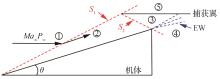
Fig.1
Design principle of high-pressure capturing wing
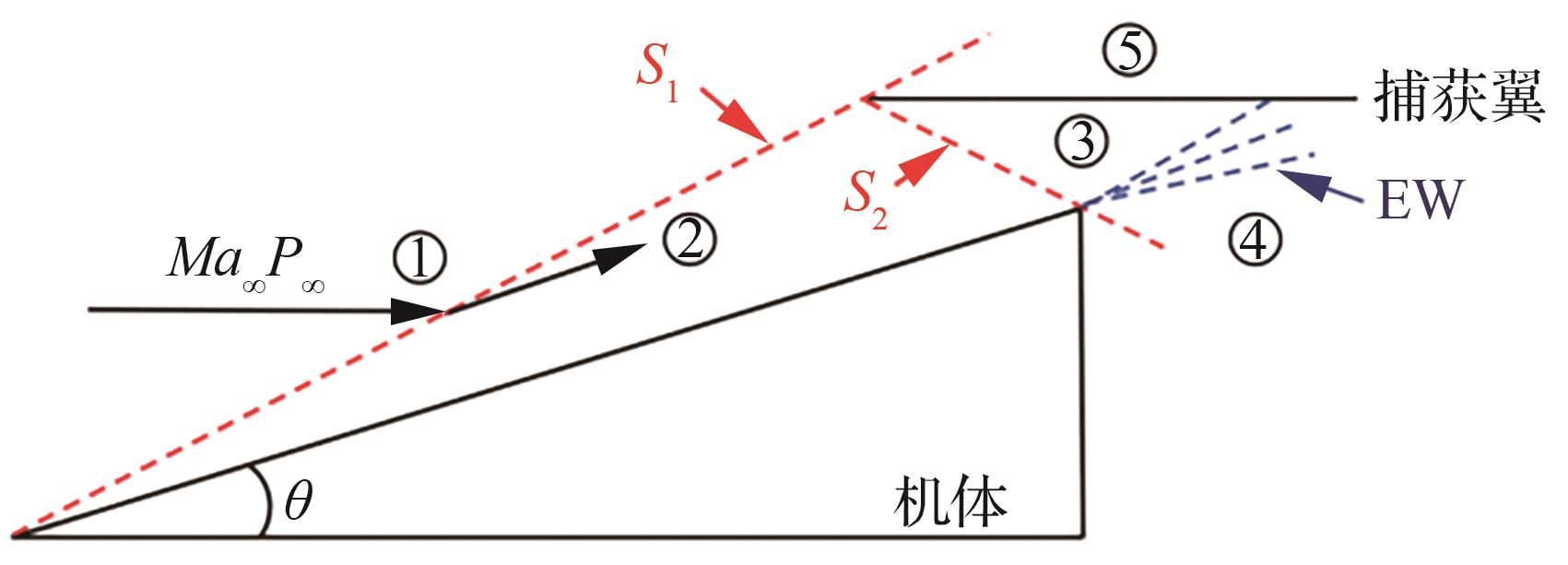
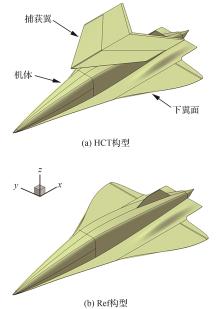
Fig.2
Illustration of HCT configuration and Ref configuration
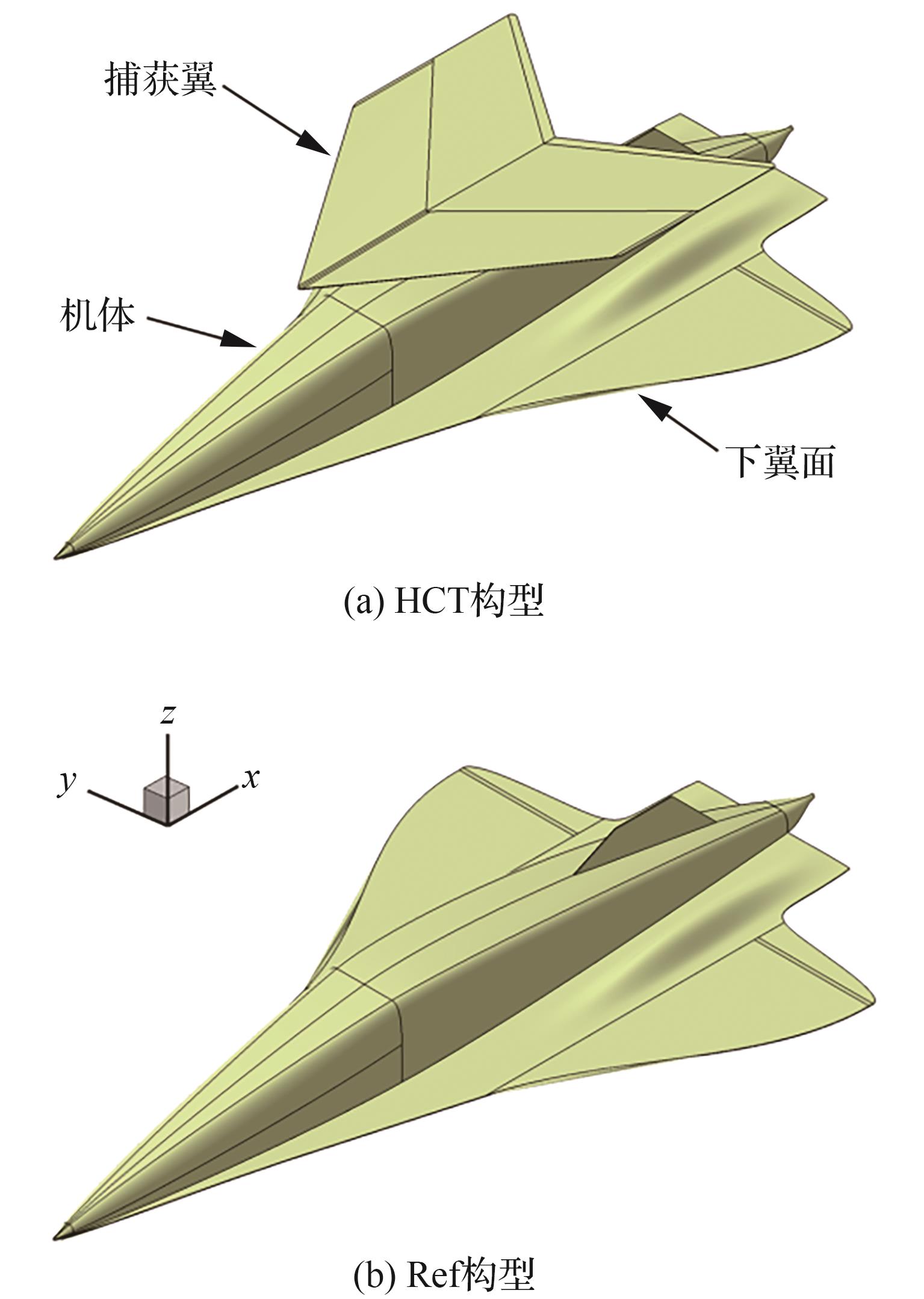
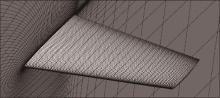
Fig.3
Illustration of computational grid for ONERA M6 wing
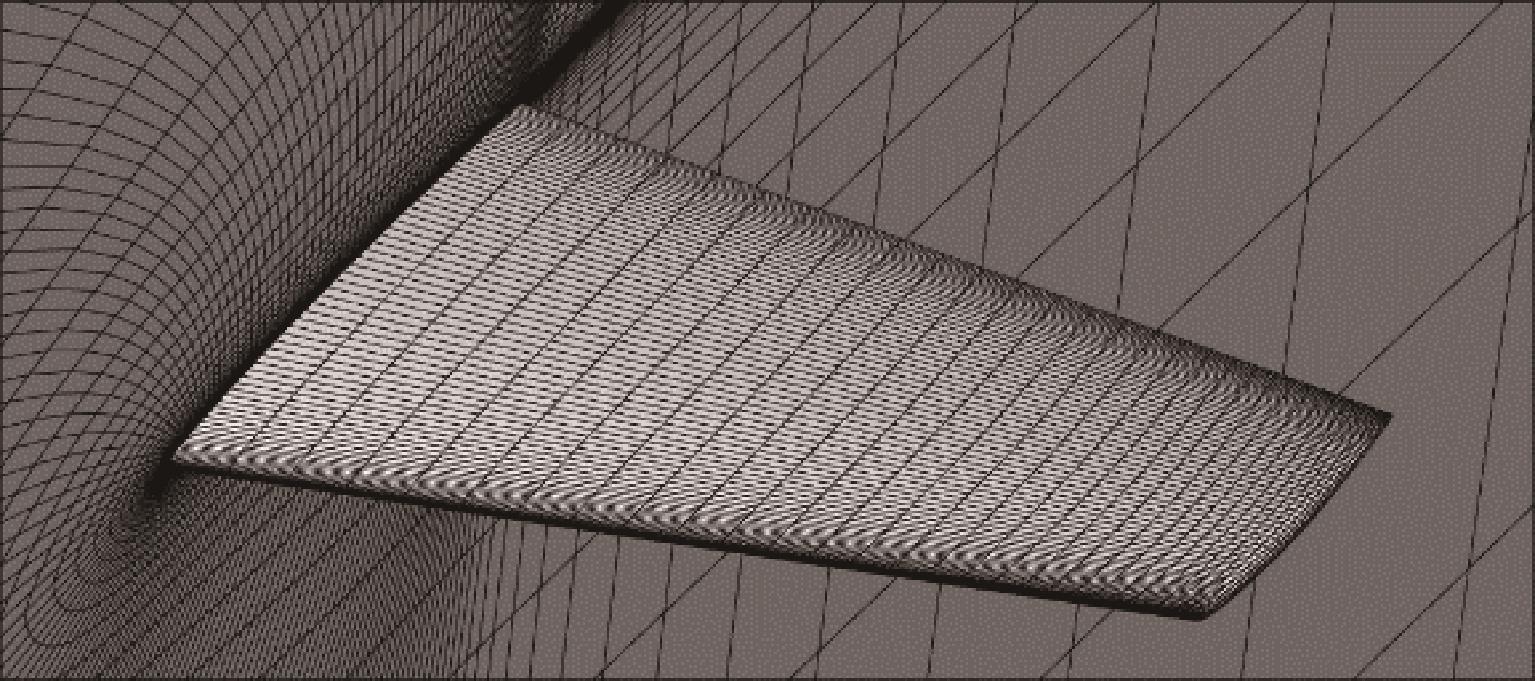
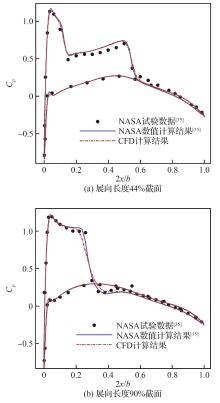
Fig.4
Comparison curves of pressure coefficient for different cross-section positions of wing
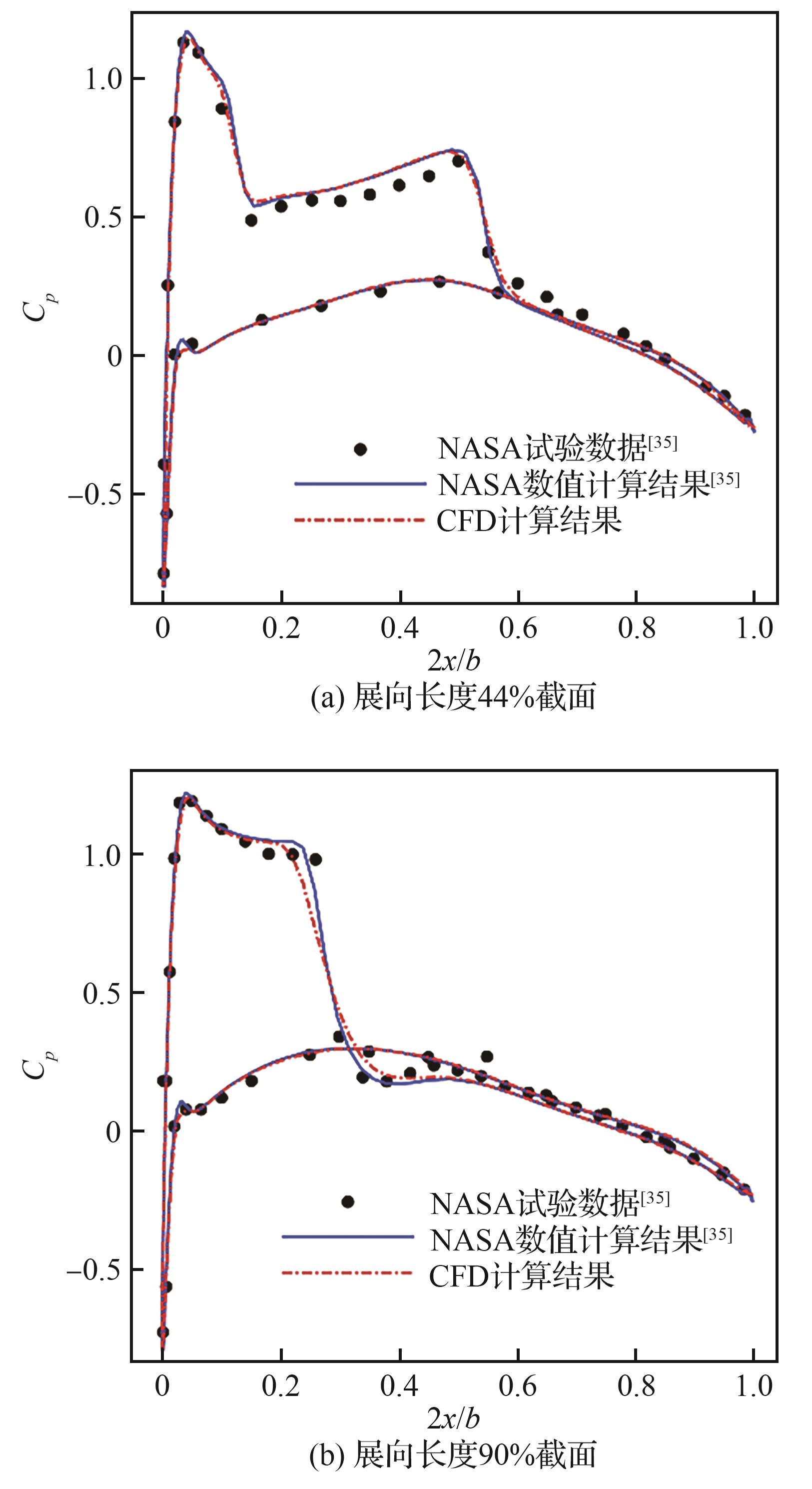
Fig.5
Illustration of structural grid
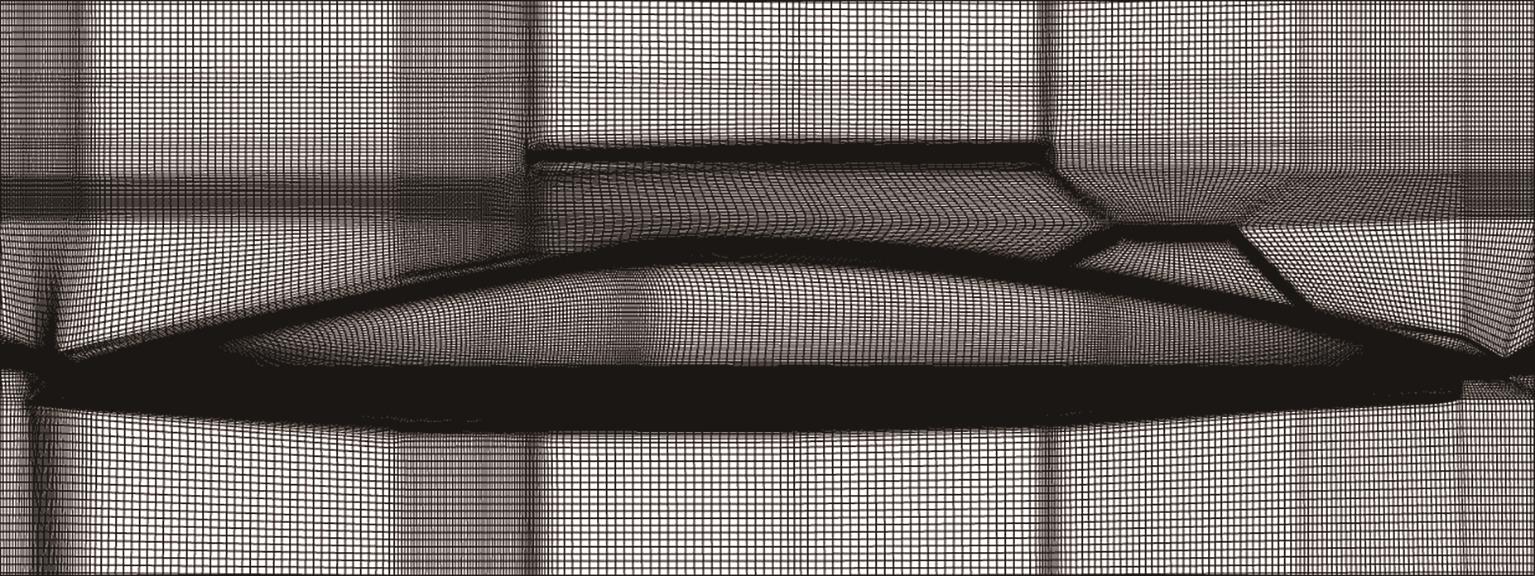
Table 1
Results of grid independence verification
| Ma | 系数 | 粗网格 | 中等网格 | 细网格 |
|---|---|---|---|---|
| 0.8 | CL | 0.555 | 0.552 | 0.551 |
| CD | 0.071 0 | 0.073 1 | 0.073 8 | |
| Cmy | -0.321 | -0.318 | -0.317 | |
| 1.2 | CL | 0.600 | 0.594 | 0.593 |
| CD | 0.097 7 | 0.100 | 0.100 | |
| Cmy | -0.383 | -0.379 | -0.378 |
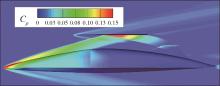
Fig.6
Pressure coefficient contours on longitudinal symmetric planes (Ma=6.0)
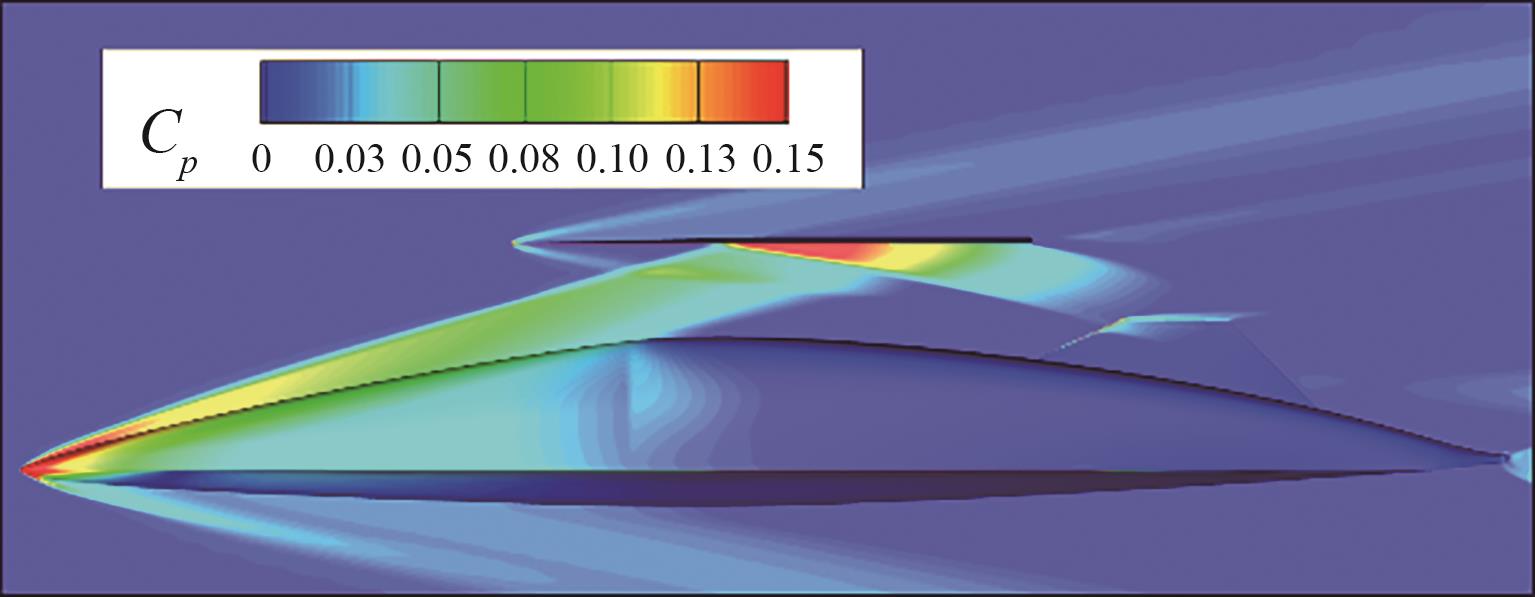
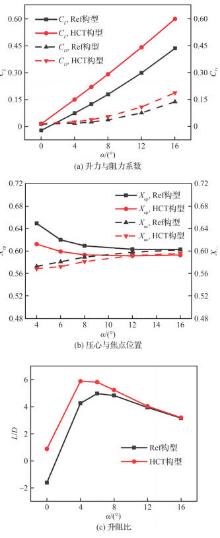
Fig.7
Comparison of aerodynamic parameters of two configurations (Ma=6.0)
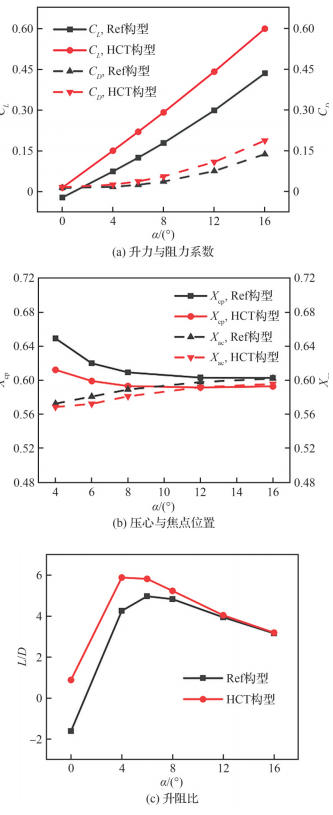
Table 2
Computational conditions
| Ma | H/km | Re/108 | α/(°) |
|---|---|---|---|
| 0.8 | 12 | 1.55 | -4, 0, 4, 6, 8, |
| 1.2 | 12 | 2.33 | 12, 16 |
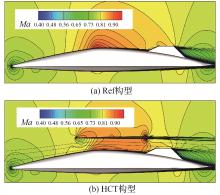
Fig.8
Mach number contours on longitudinal symmetry planes for both configurations (Ma=0.8, α=4°)
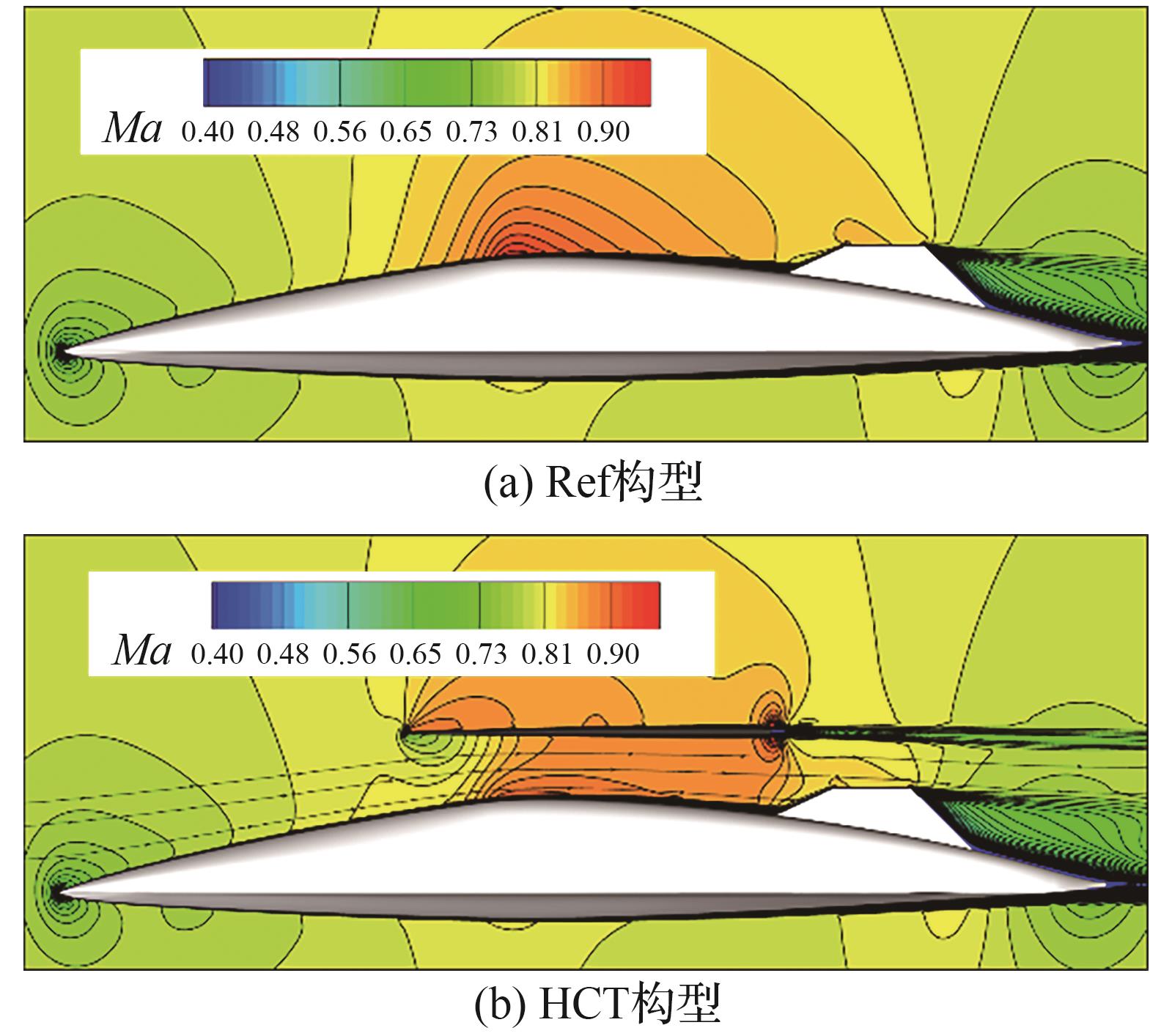
Fig.9
Pressure coefficient contours on longitudinal symmetry planes for both configurations (Ma=0.8, α=4°)
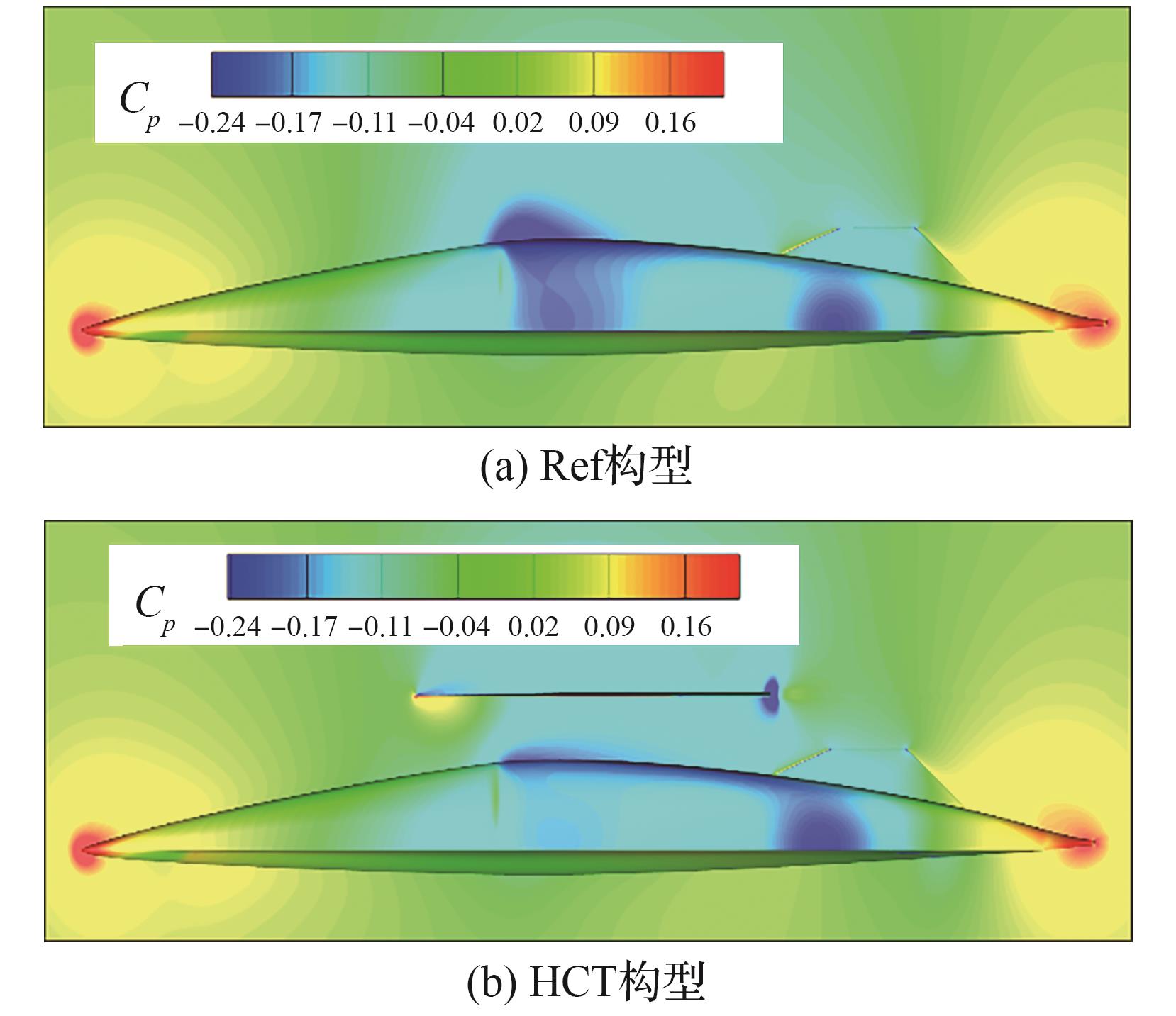
Fig.10
Mach number streamlines at y/b=0.4 for both configurations (Ma=0.8, α=4°)
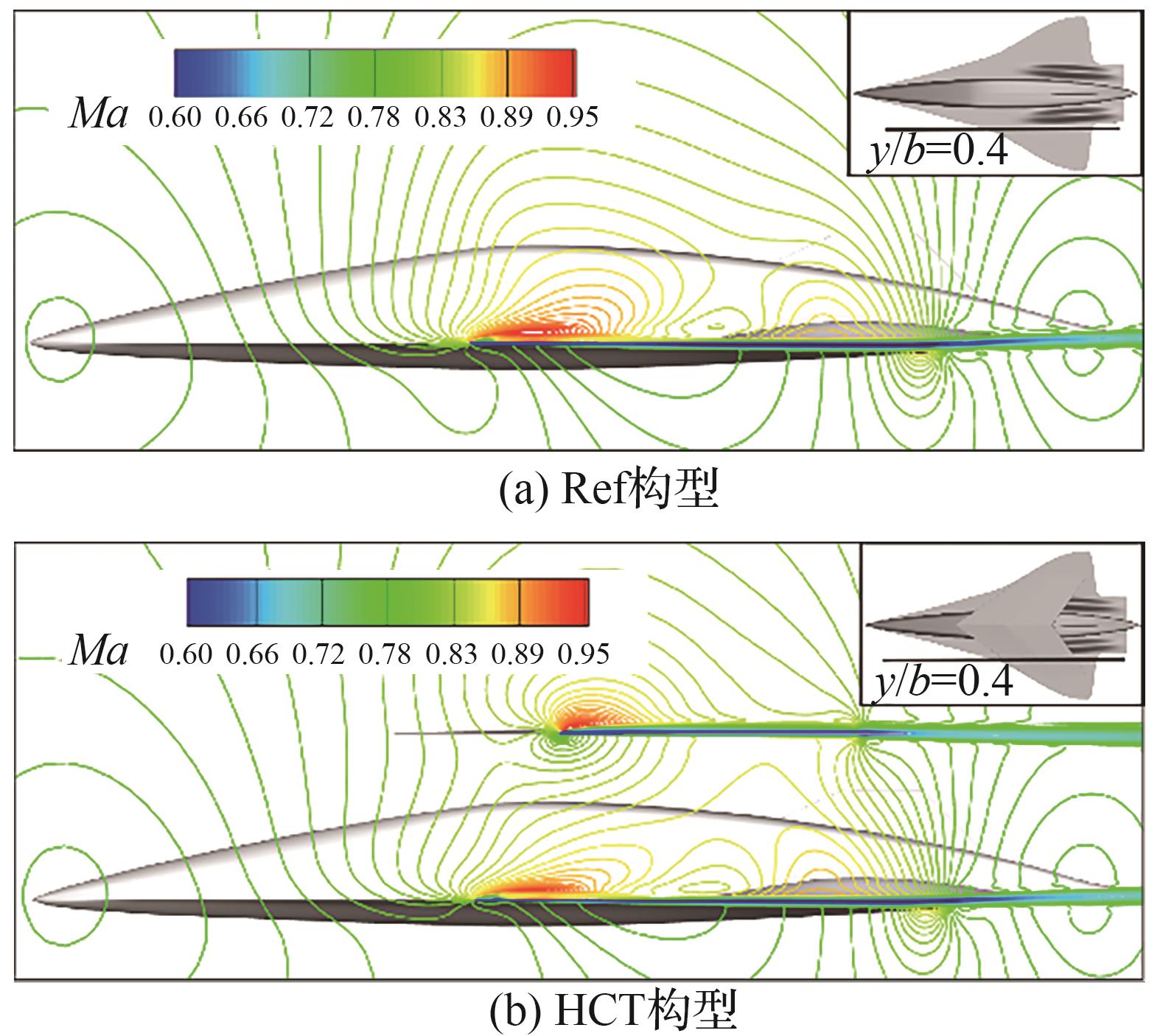
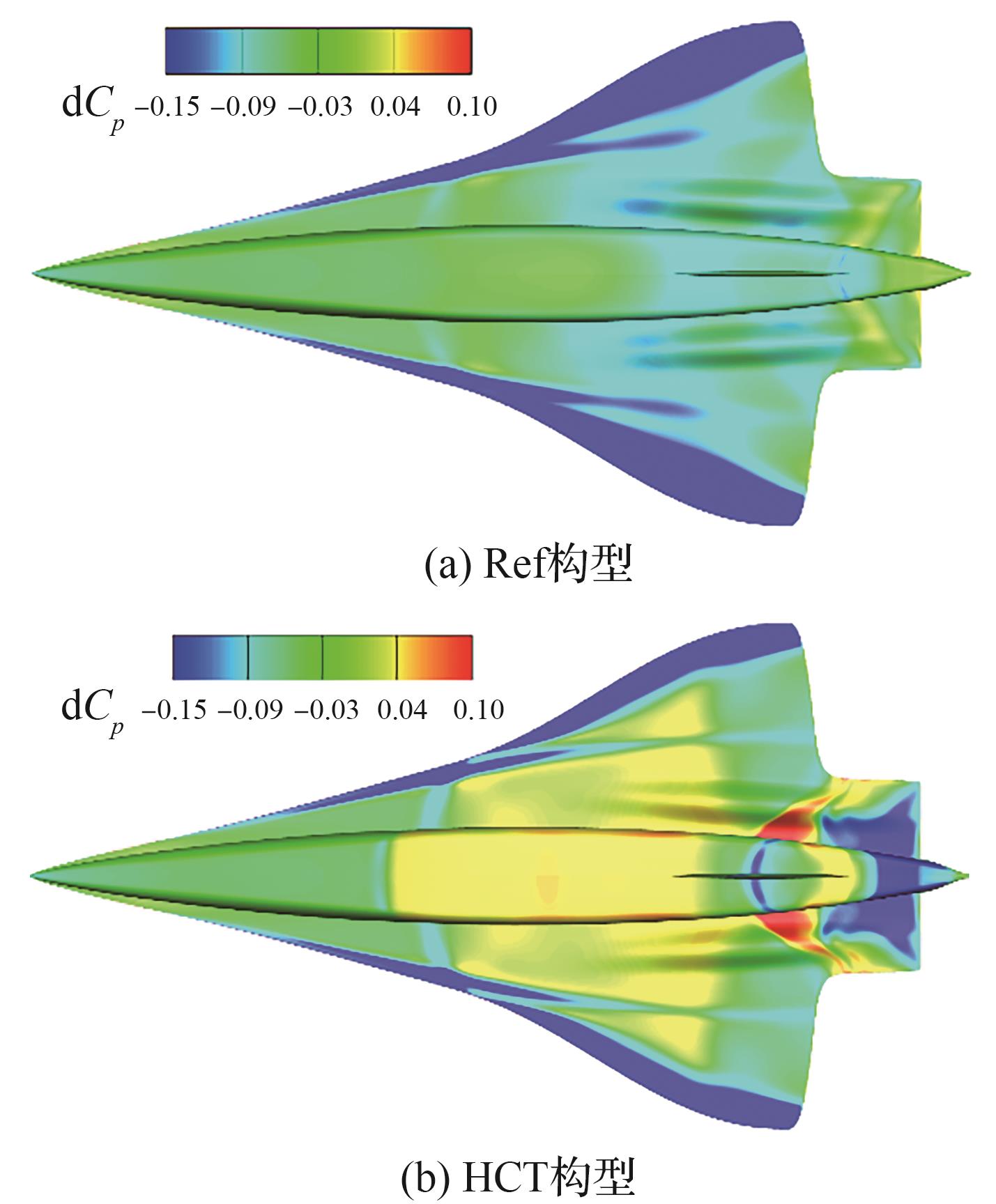
Fig.11
Pressure coefficient contours on upper surfaces of fuselage and wing for both configurations (Ma=0.8, α=4°)
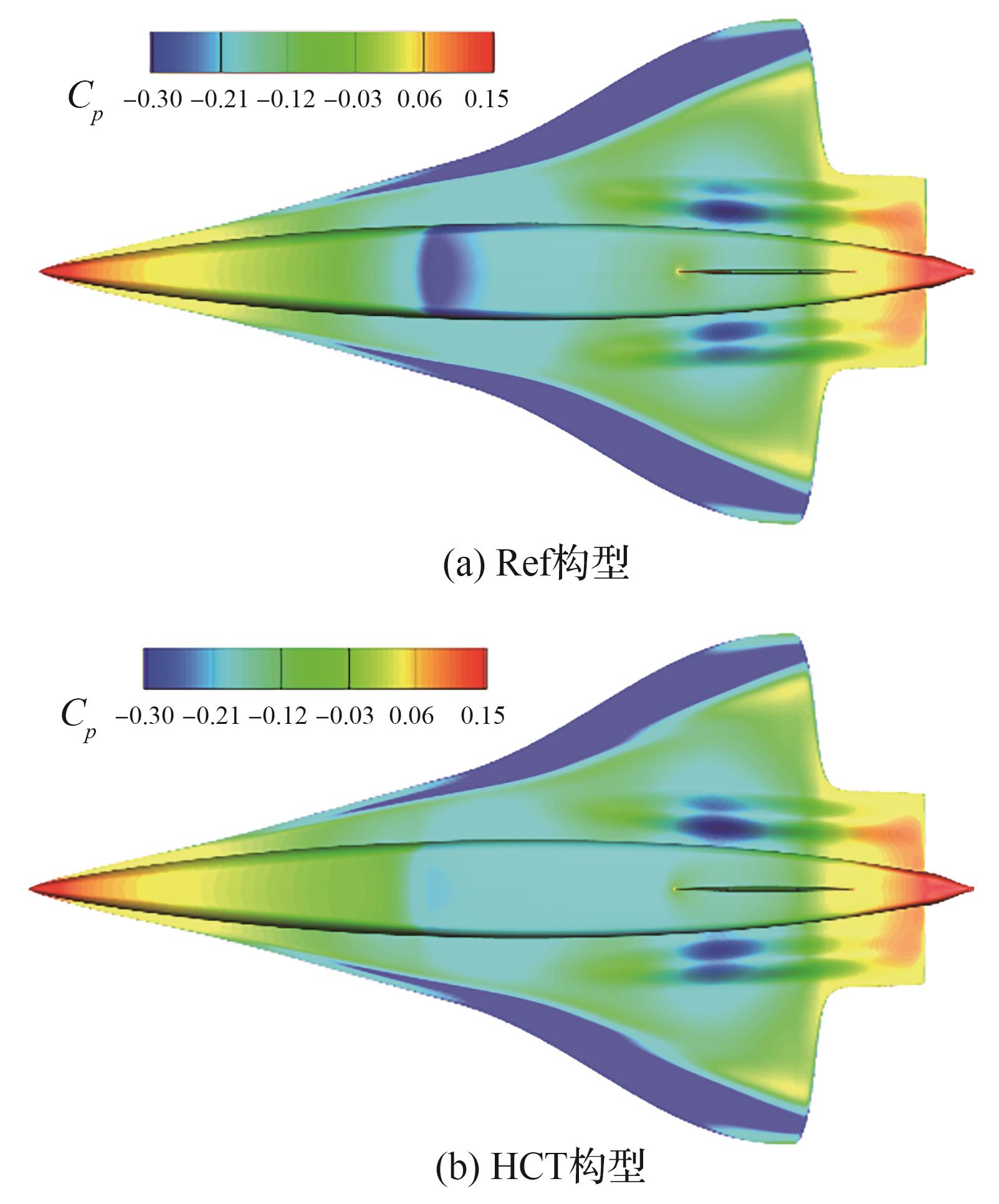
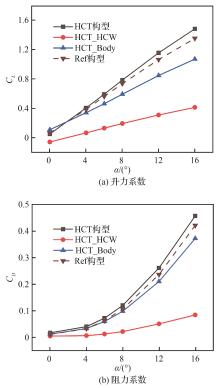
Fig.12
Variation curves of lift and drag coefficients with angle of attack for individual components (Ma=0.8)
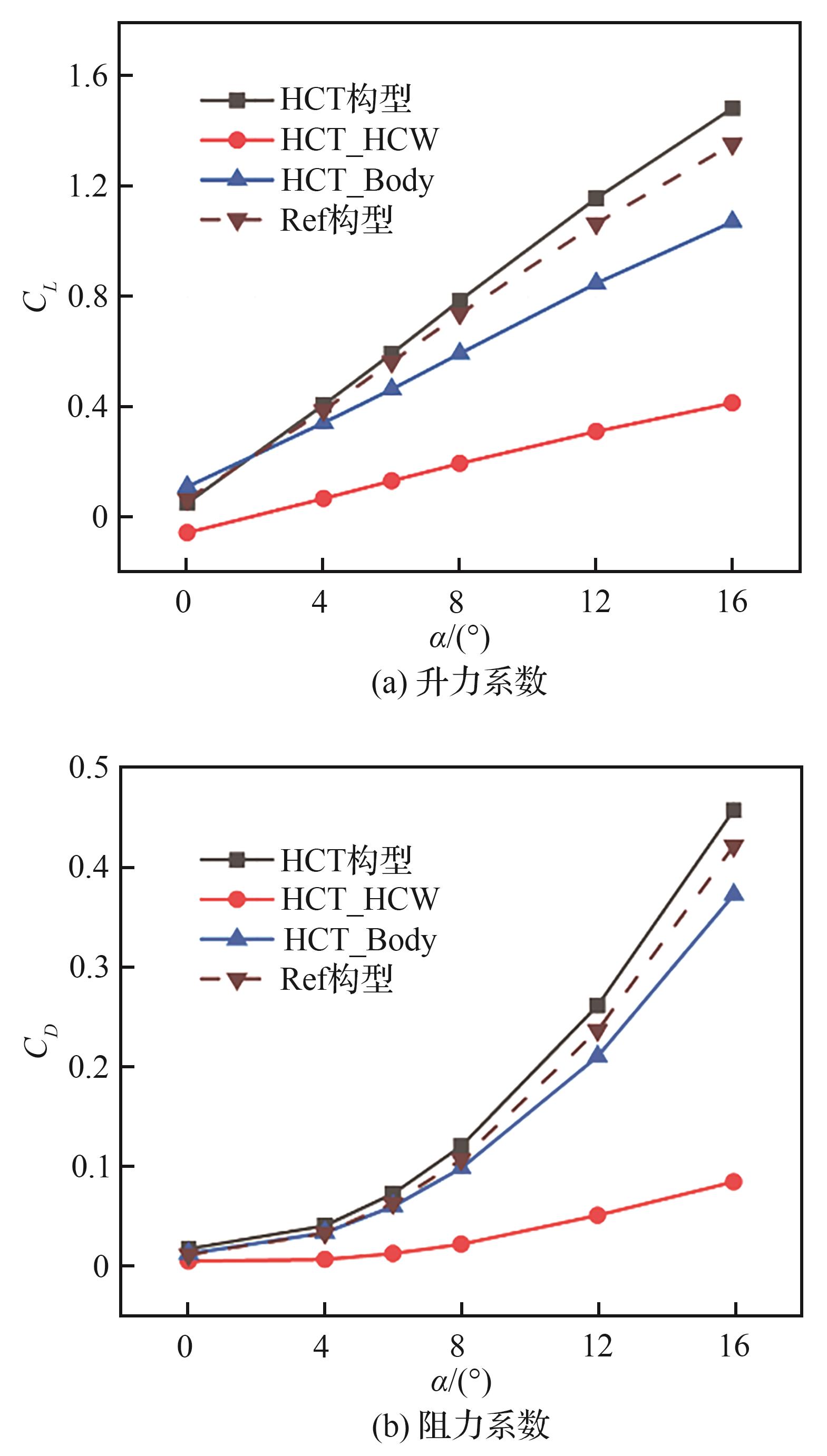
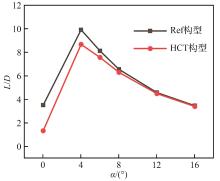
Fig.13
Variation curves of lift-to-drag ratio with angle of attack for both configurations (Ma=0.8)
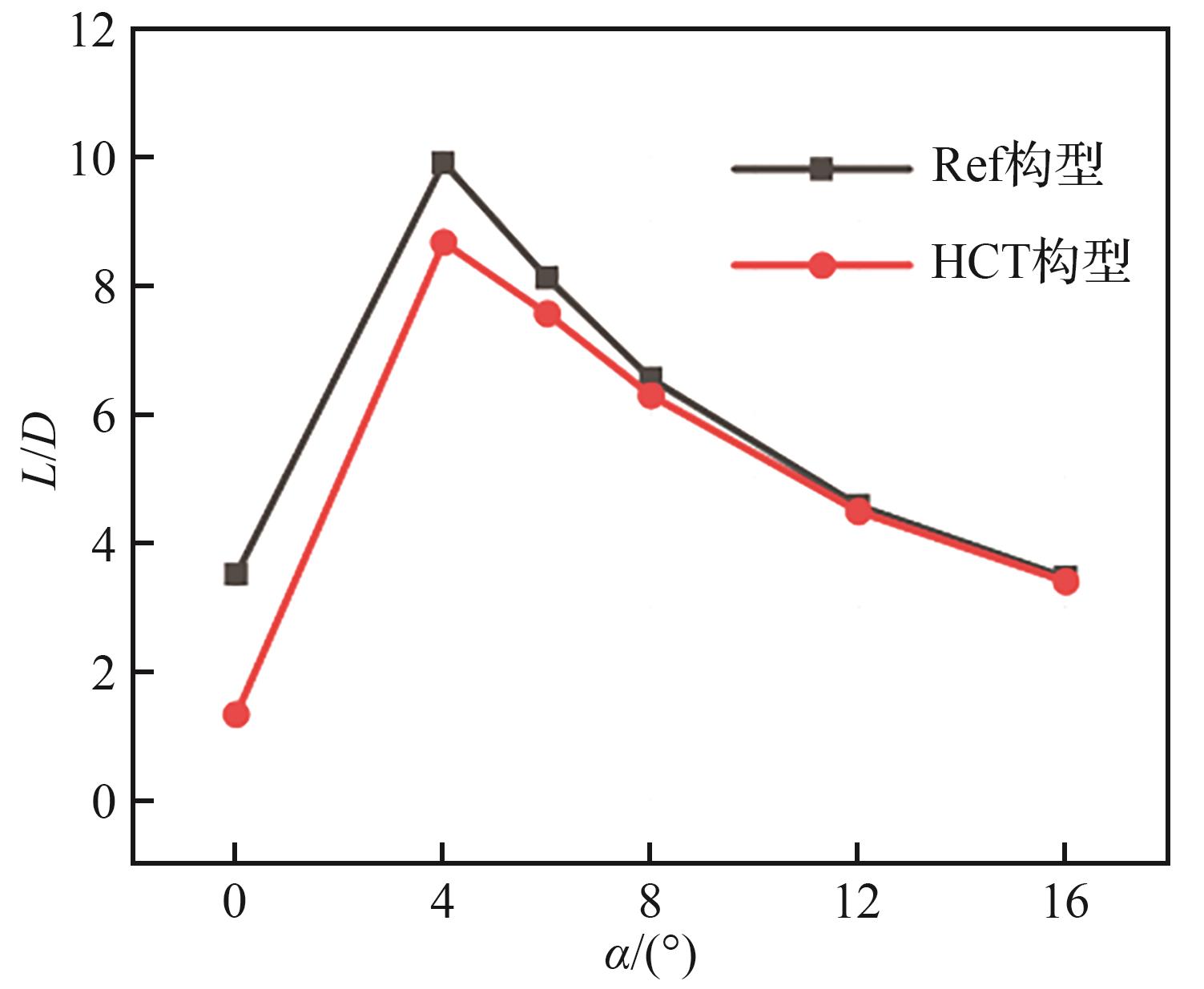
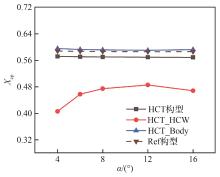
Fig.14
Variation curves of center-of-pressure position with angle of attack for individual components (Ma=0.8)
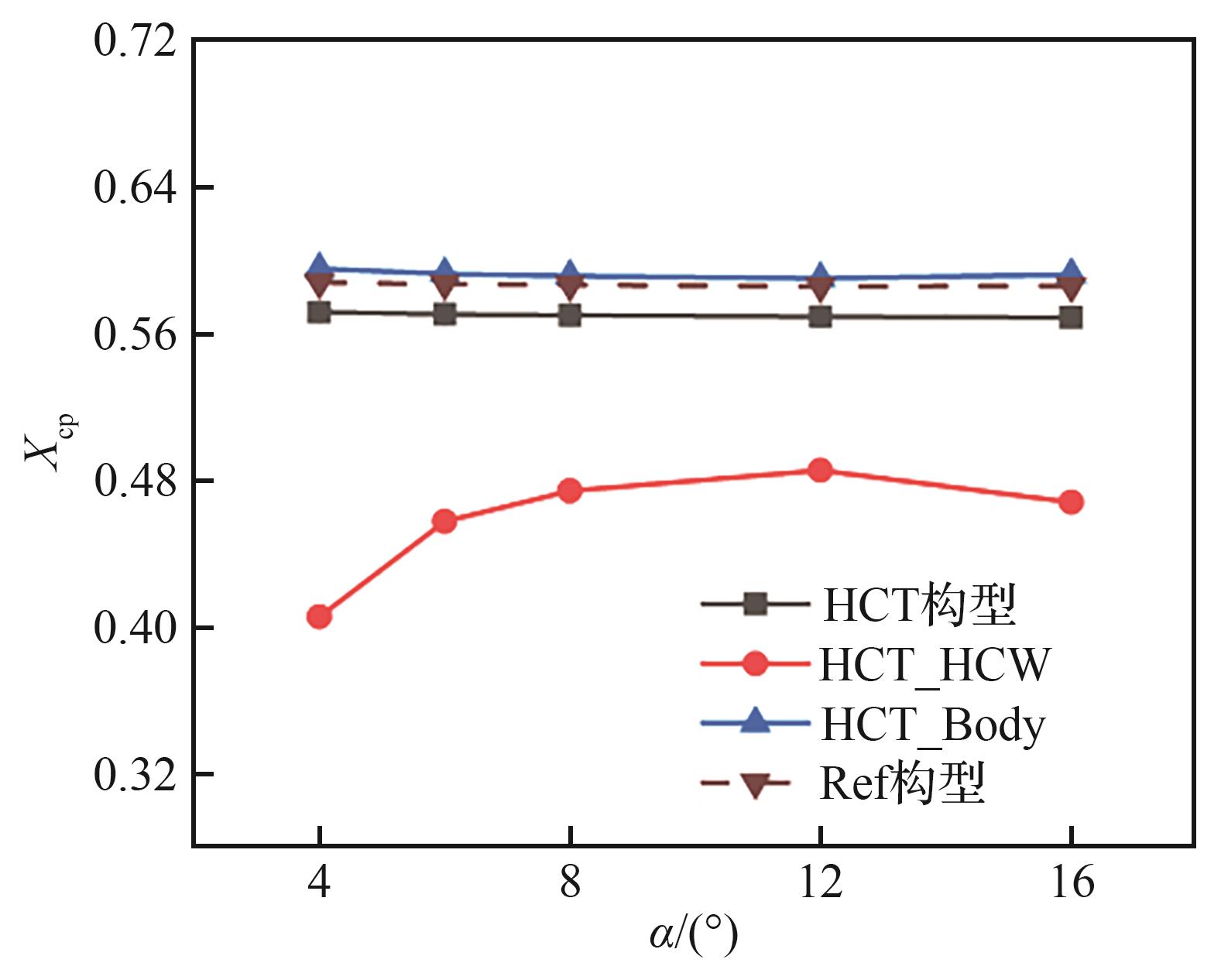
Fig.15
Mach number contours on longitudinal symmetry planes for both configurations (Ma=1.2, α=4°)
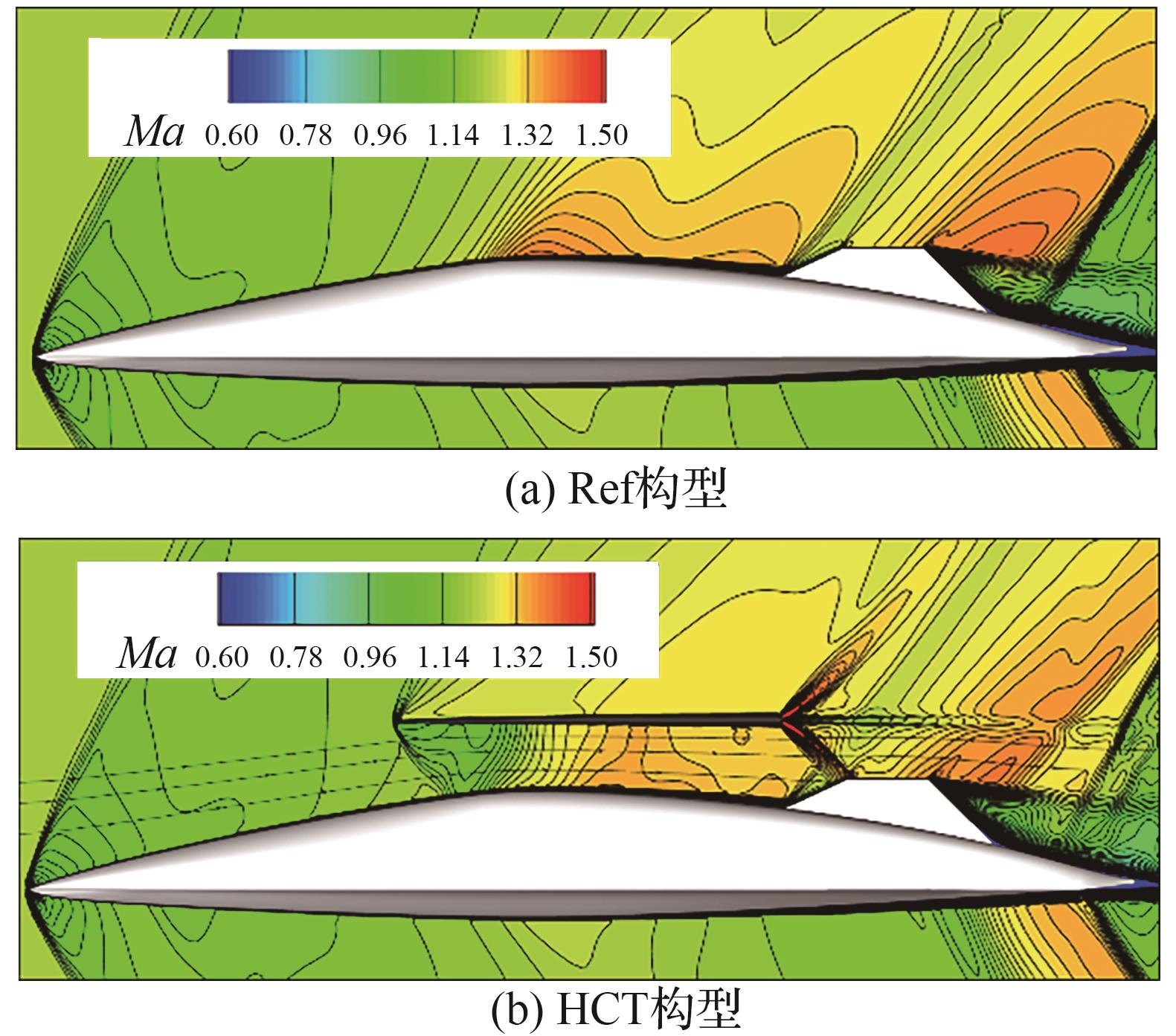
Fig.16
Pressure coefficient contours on longitudinal symmetry planes for both configurations (Ma=1.2, α=4°)
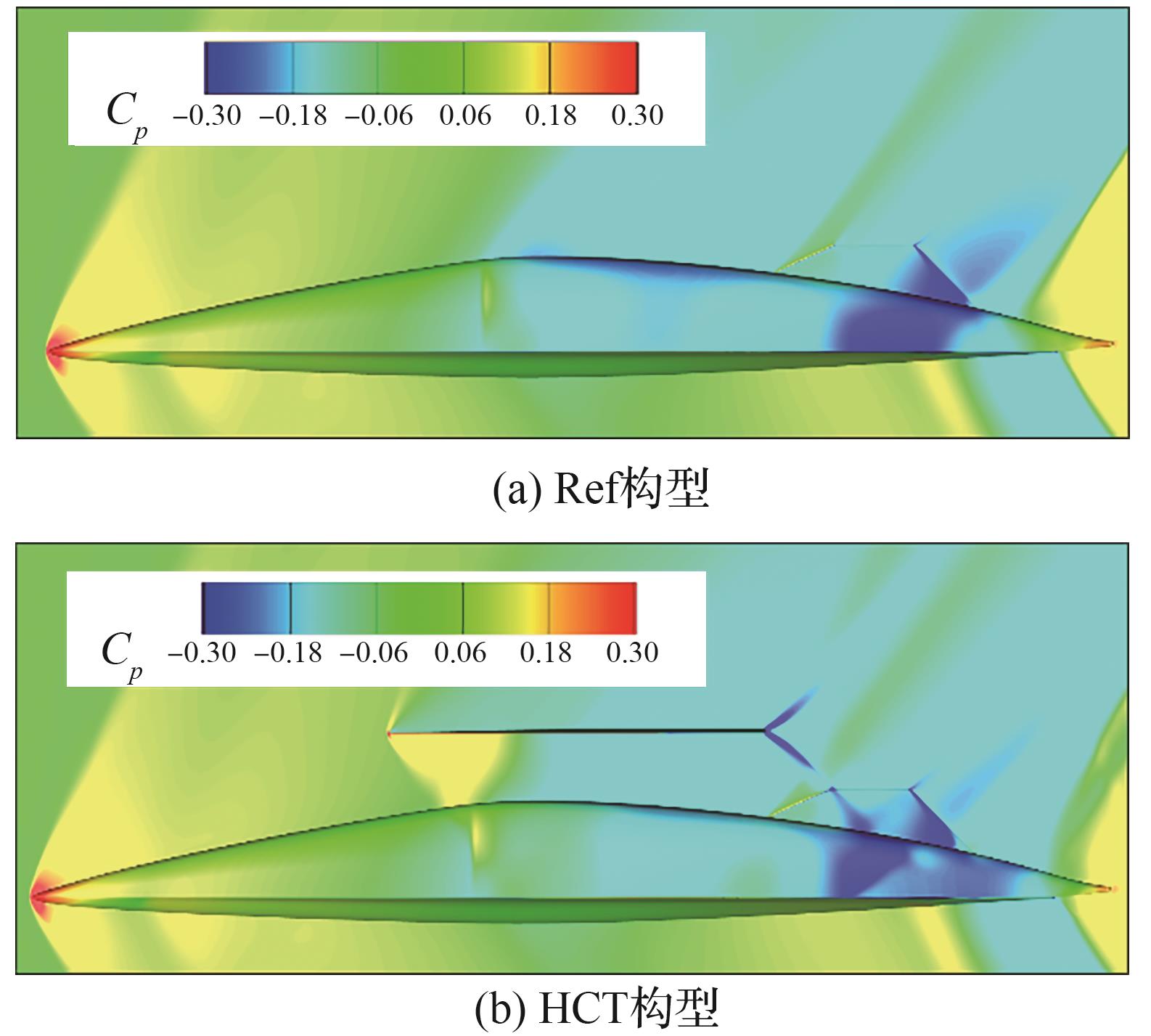
Fig.17
Mach number streamlines at y/b=0.4 for both configurations (Ma=1.2, α=4°)
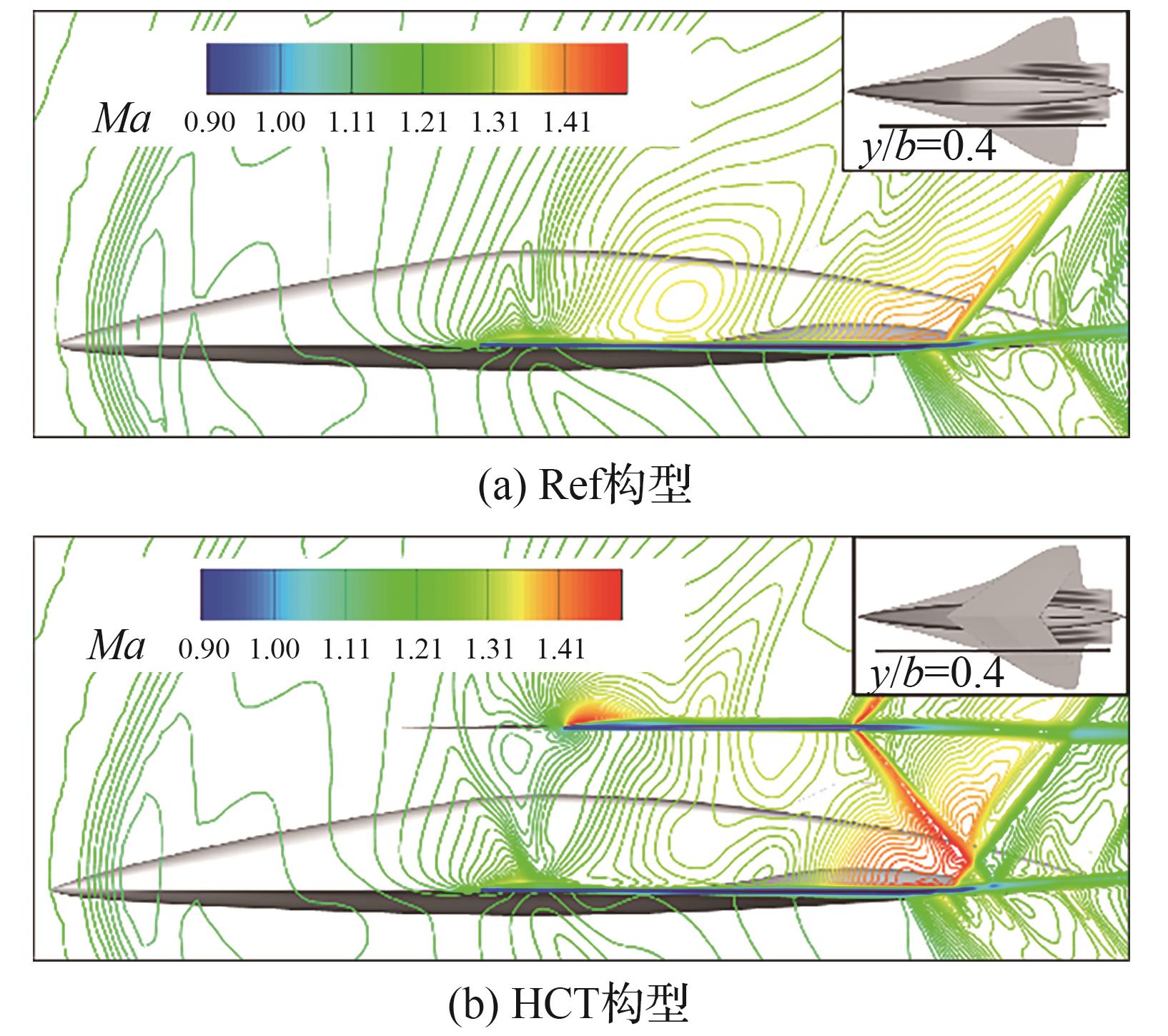
Fig.18
Pressure coefficient contours on upper surfaces of fuselage and wing for both configurations (Ma=1.2, α=4°)
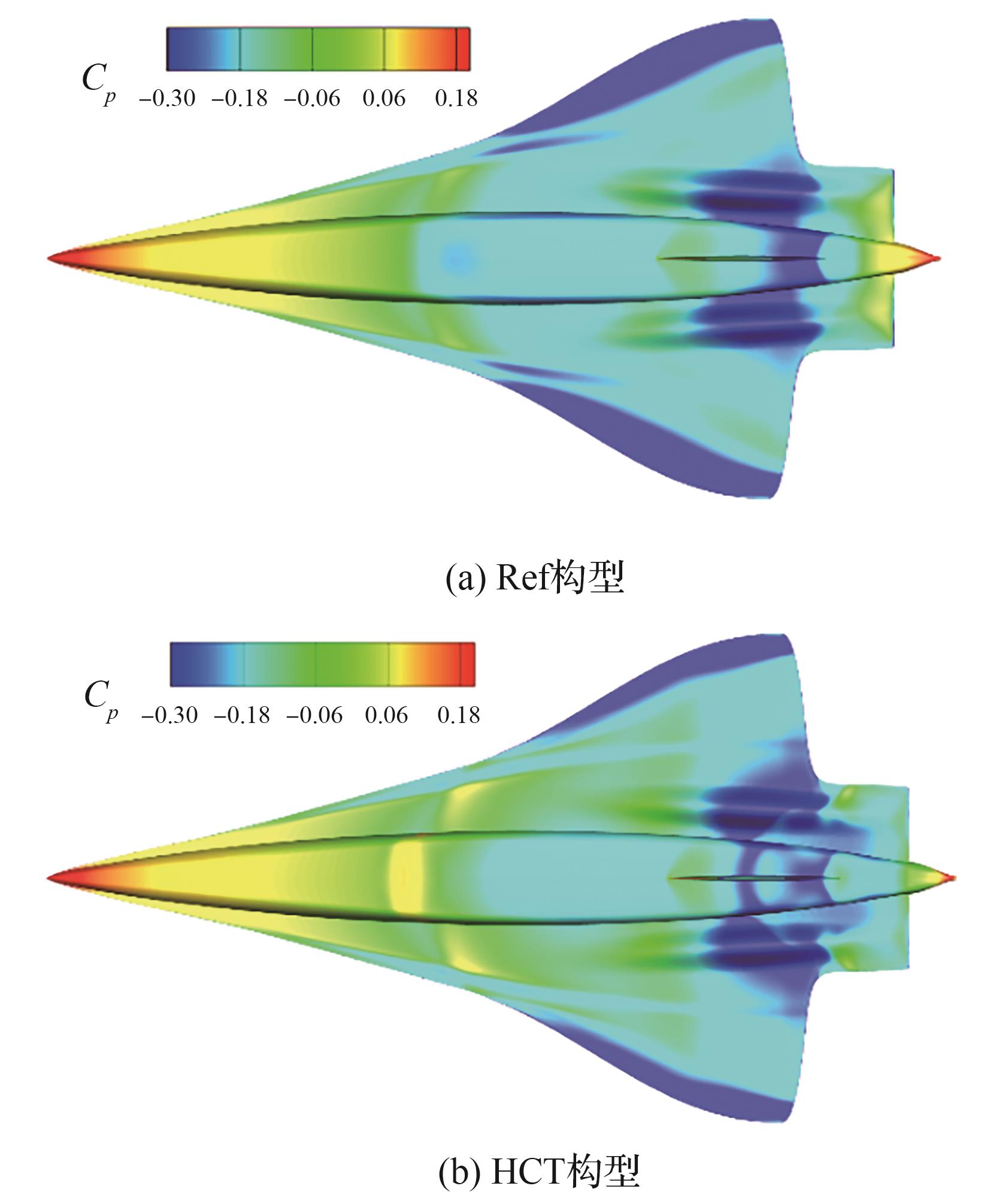
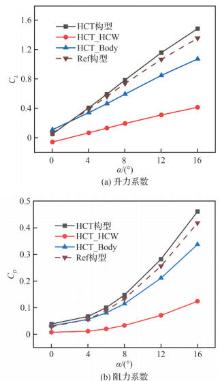
Fig.19
Variation curves of lift and drag coefficients with angle of attack for individual components (Ma=1.2)
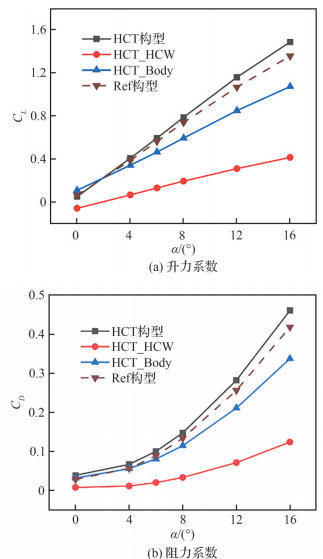
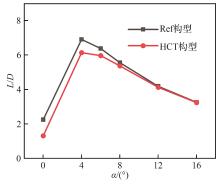
Fig.20
Variation curves of lift-to-drag ratio with angle of attack for both configurations (Ma=1.2)
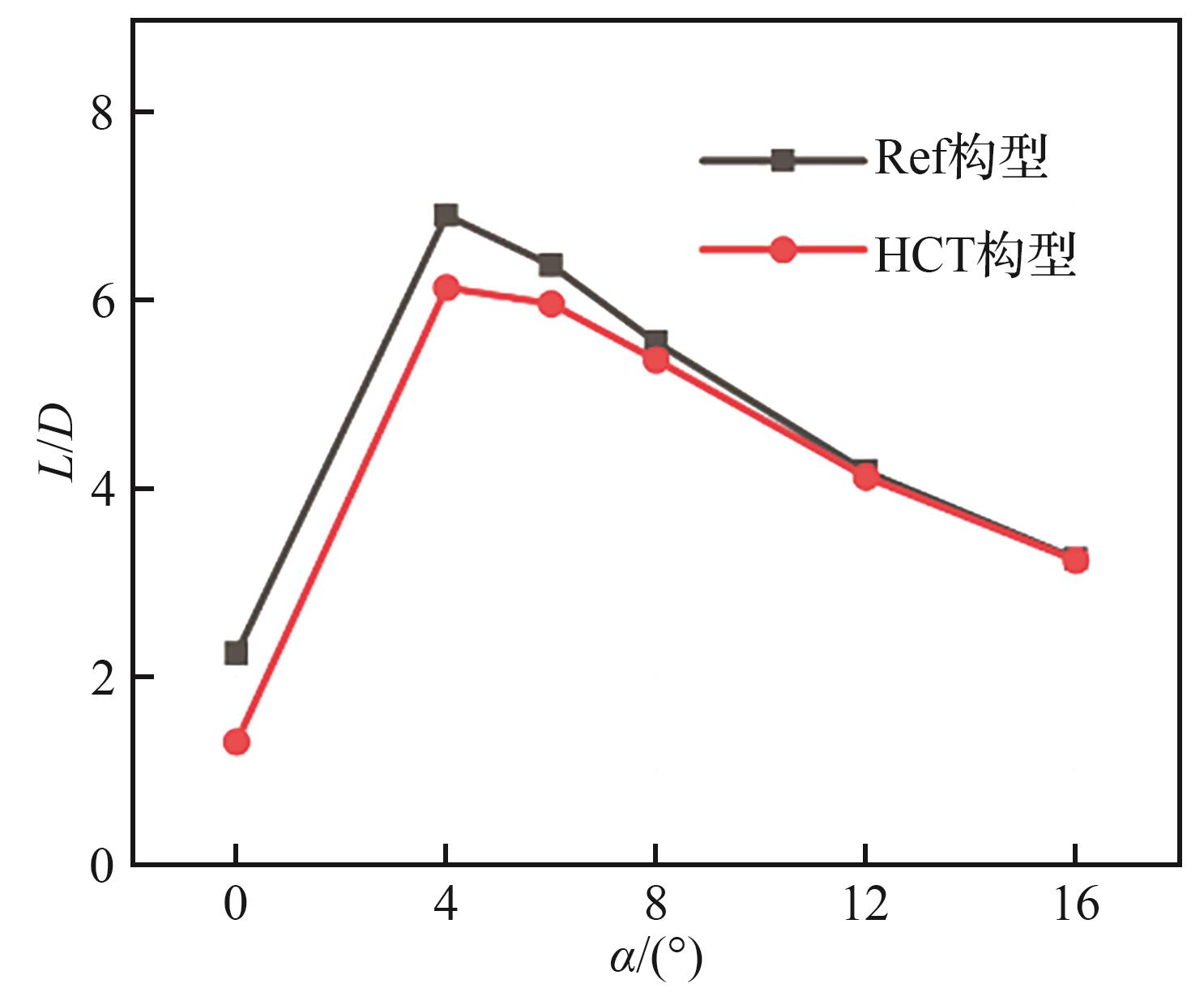
Fig.21
Variation curves of center-of-pressure position with angle of attack for individual components (Ma=1.2)
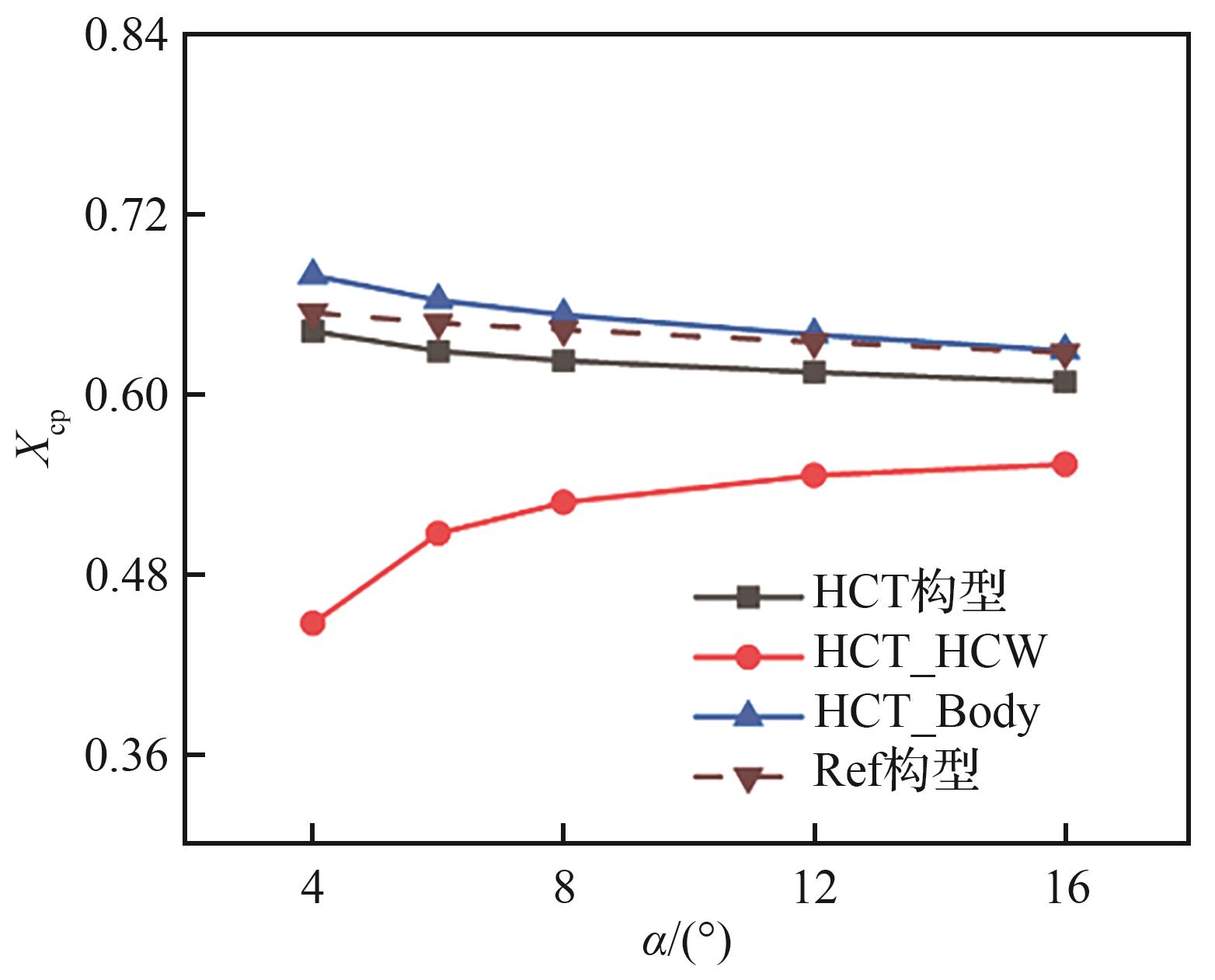
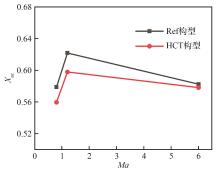
Fig.22
Variation curves of aerodynamic center positions with Mach number for both configurations
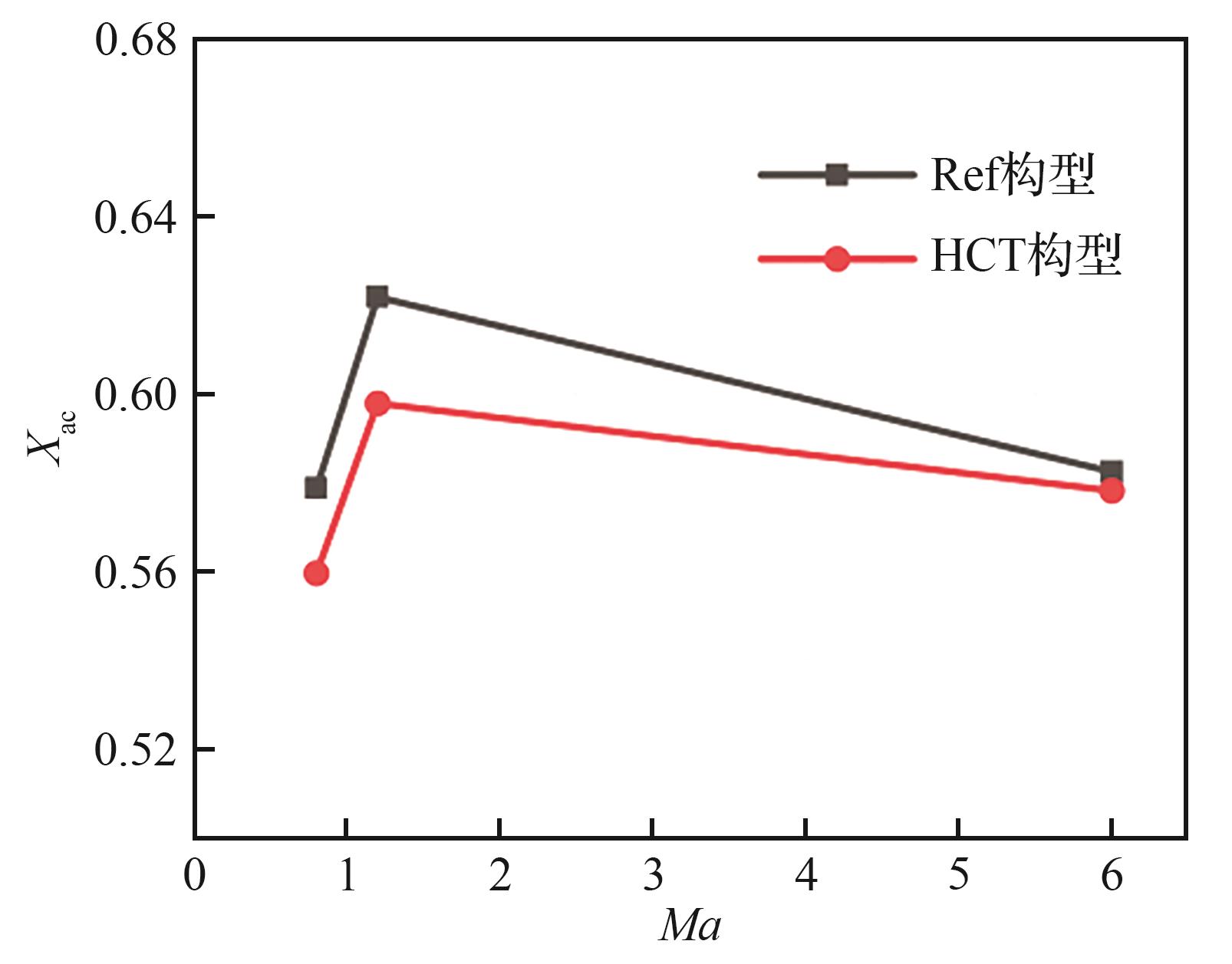
Table 3
Aerodynamic center positions of both configurations at different Mach numbers
| Ma | X ac | |
|---|---|---|
| Ref构型 | HCT构型 | |
| 0.8 | 0.578 7 | 0.559 6 |
| 1.2 | 0.621 8 | 0.597 9 |
| 6 | 0.582 5 | 0.578 2 |
Fig.23
Variation curves of aerodynamic center positions with angle of attack for individual components (Ma=0.8)
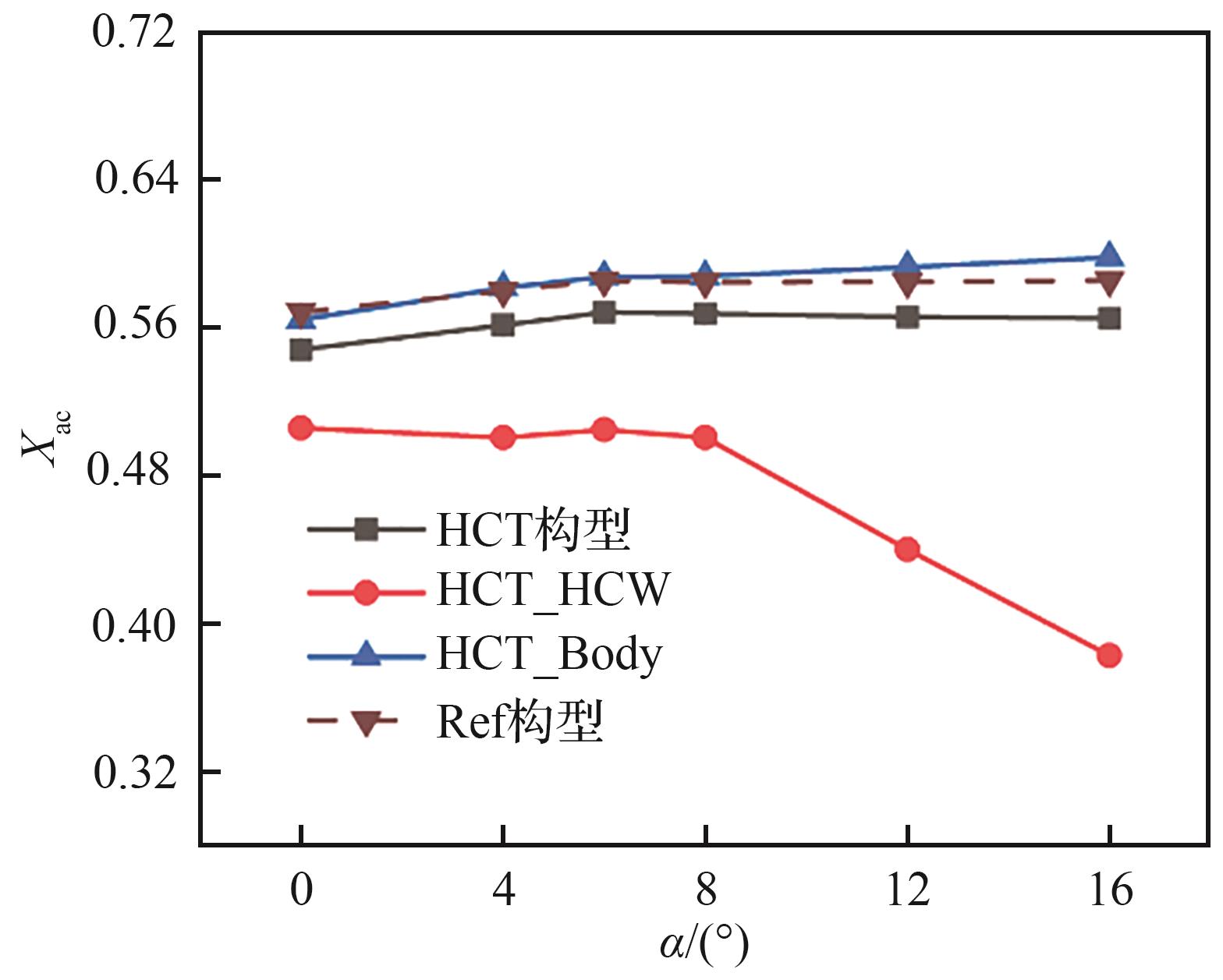
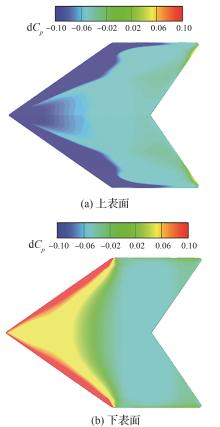
Fig.24
Pressure coefficient increment contours on upper and lower surfaces of HCW (Ma=0.8, α=4°)
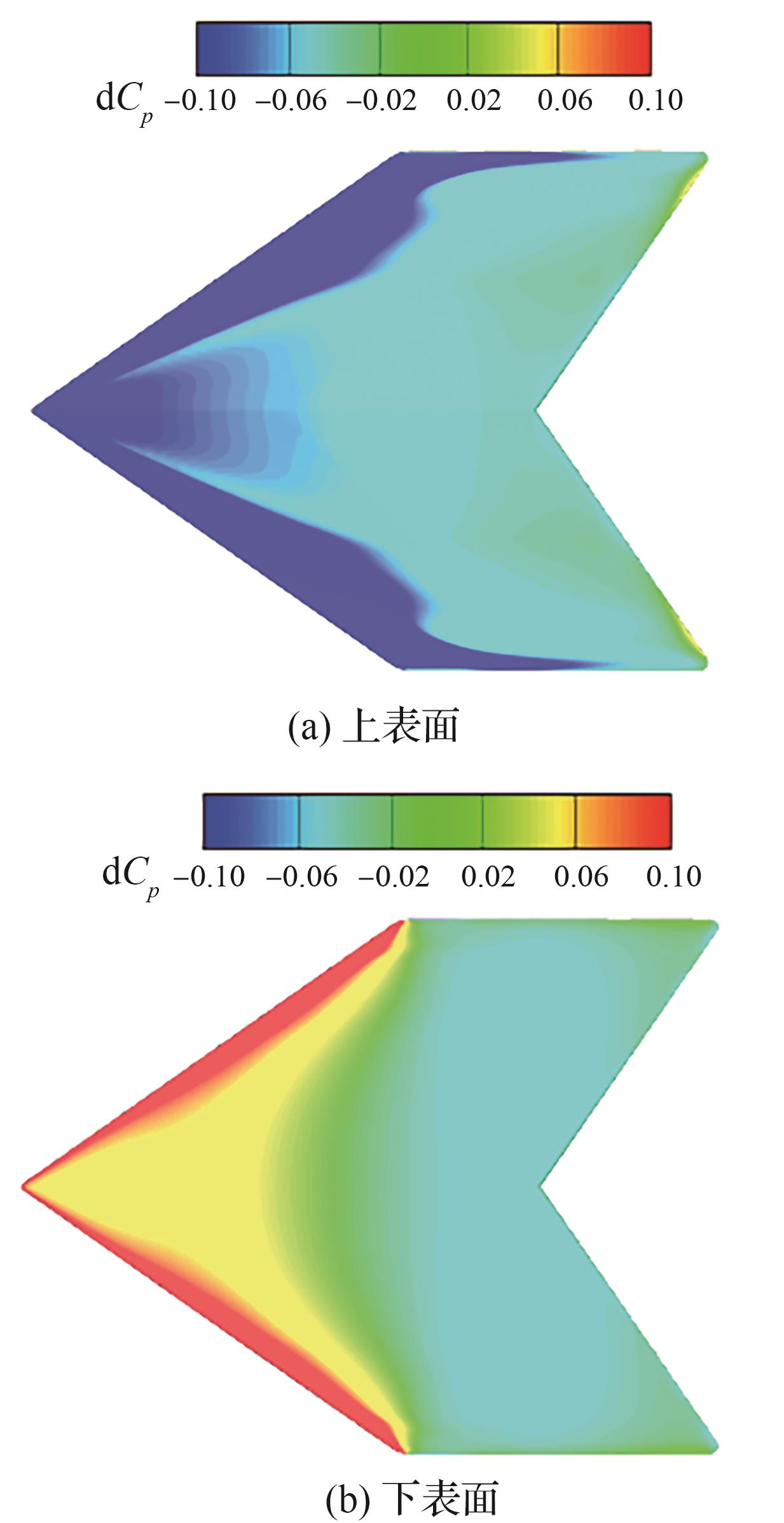
Fig.25
Pressure coefficient increment contours on upper surfaces of fuselage and wing for both configurations (Ma=0.8, α=4°)
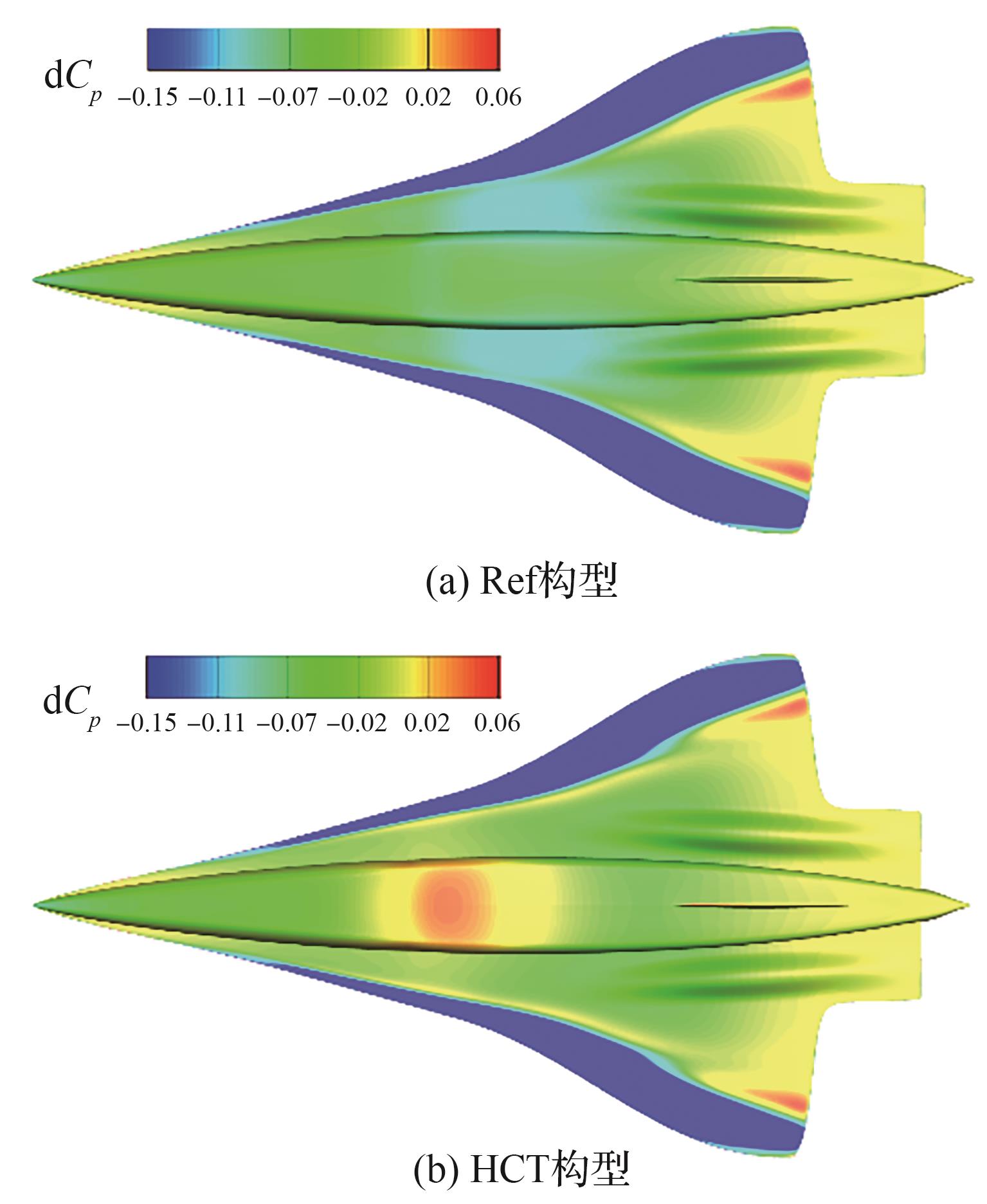
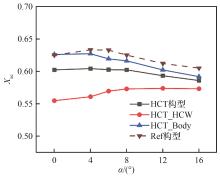
Fig.26
Variation curves of aerodynamic center positions with angle of attack for individual components (Ma=1.2)
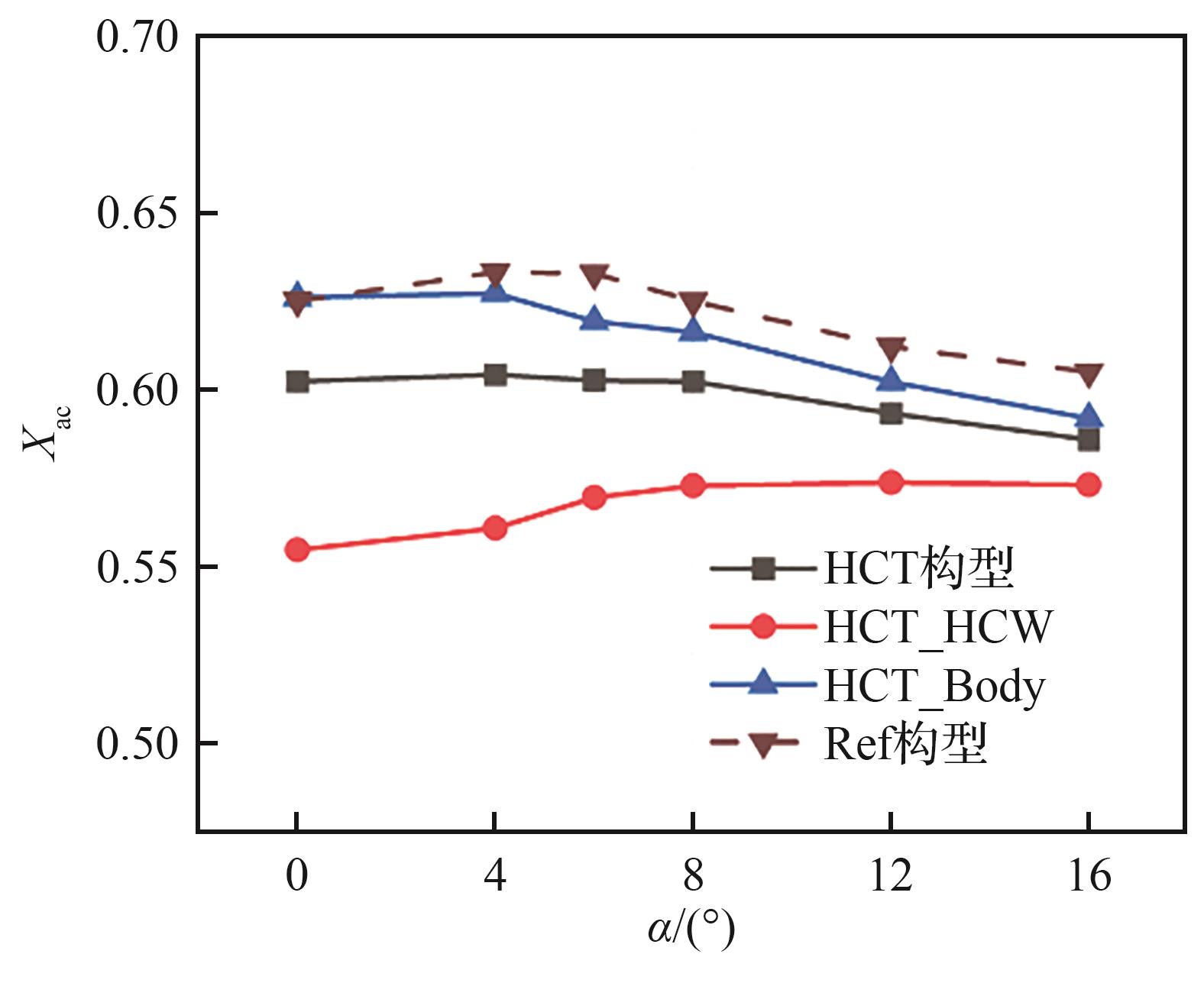
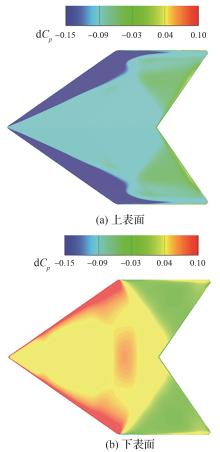
Fig.27
Pressure coefficient increment contours on upper and lower surfaces of HCW (Ma=1.2, α=4°)
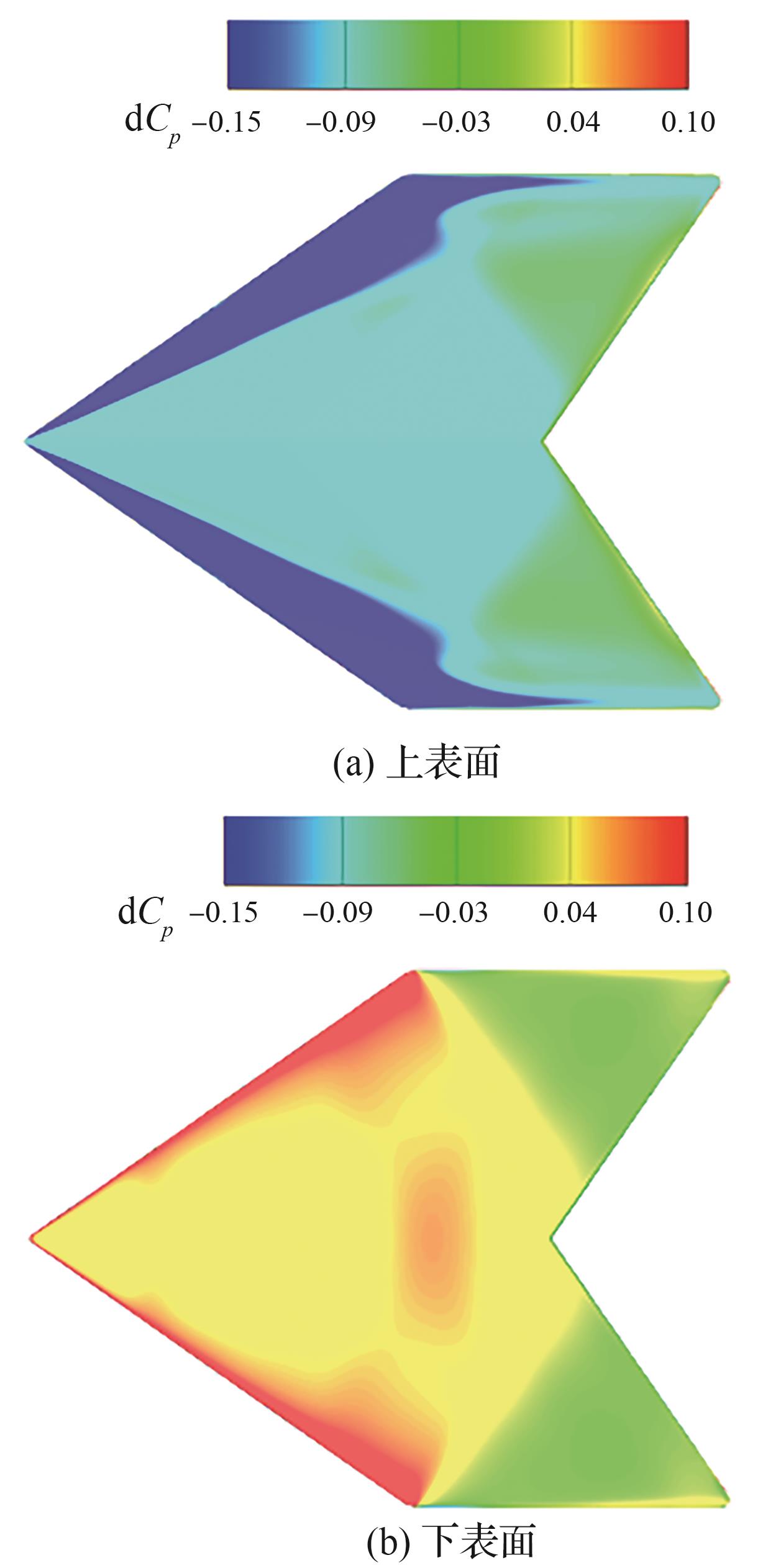
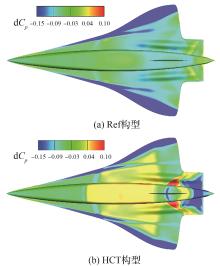
Fig.28
Pressure coefficient increment contours on upper surfaces of fuselage and wing for both configurations (Ma=1.2, α=4°)
| [1] |
|
| [2] |
|
| [3] |
张灿, 林旭斌, 胡冬冬, 等. 2018年国外高超声速飞行器技术发展综述[J]. 飞航导弹, 2019(2): 1-5, 15.
|
|
|
|
| [4] |
|
| [5] |
|
| [6] |
|
| [7] |
|
| [8] |
|
| [9] |
|
| [10] |
刘传振, 白鹏, 陈冰雁. 双后掠乘波体设计及性能优势分析[J]. 航空学报, 2017, 38(6): 120808.
|
|
|
|
| [11] |
刘传振, 刘强, 白鹏, 等. 涡波效应宽速域气动外形设计[J]. 航空学报, 2018, 39(7): 121824.
|
|
|
|
| [12] |
|
| [13] |
|
| [14] |
刘超宇, 屈峰, 李杰奇, 等. 涡波一体乘波飞行器宽速域气动优化设计研究[J]. 力学学报, 2023, 55(1): 70-83.
|
|
|
|
| [15] |
|
| [16] |
|
| [17] |
陈树生, 张兆康, 李金平, 等. 一种宽速域乘波三角翼气动布局设计[J]. 航空学报, 2023, 44(23): 128441.
|
|
|
|
| [18] |
刘文, 郭帅旗, 刘洋, 等. 乘波体设计与优化研究进展——从高超声速至宽速域[J]. 力学学报, 2024, 56(6): 1655-1677.
|
|
|
|
| [19] |
|
| [20] |
|
| [21] |
肖尧, 崔凯, 李广利, 等. 高压捕获翼双翼构型宽速域气动性能研究[J]. 气体物理, 2023, 8(5): 54-60.
|
|
|
|
| [22] |
崔凯, 李广利, 胡守超, 等. 高速飞行器高压捕获翼气动布局概念研究[J]. 中国科学:物理学 力学 天文学, 2013, 43(5): 652-661.
|
|
|
|
| [23] |
|
| [24] |
李广利, 崔凯, 肖尧, 等. 高压捕获翼前缘型线优化和分析[J]. 力学学报, 2016, 48(4): 877-885.
|
|
|
|
| [25] |
常思源, 肖尧, 李广利, 等. 翼反角对高压捕获翼构型高超气动特性的影响[J]. 航空学报, 2023, 44(8): 127349.
|
|
|
|
| [26] |
|
| [27] |
|
| [28] |
|
| [29] |
崔凯, 杨靖, 常思源, 等. 基于POD和代理模型的高压捕获翼表面流场快速预测方法[J]. 力学学报, 2025, 57(4): 883-894.
|
|
|
|
| [30] |
王浩祥, 李广利, 徐应洲, 等. 高压捕获翼构型跨声速流动特性初步研究[J]. 空气动力学学报, 2020, 38(3): 441-447.
|
|
|
|
| [31] |
王浩祥, 李广利, 杨靖, 等. 高压捕获翼构型亚跨超流动特性数值研究[J]. 力学学报, 2021, 53(11): 3056-3070.
|
|
|
|
| [32] |
|
| [33] |
|
| [34] |
王浩祥. 高压捕获翼构型宽速域气动特性数值研究[D]. 北京: 中国科学院力学研究所, 2023: 46-54.
|
|
|
|
| [35] |
|
| [1] | Xiaofeng YANG, Xingkao CAI, Lei LIU, Dong WEI, Guangming XIAO, Yanxia DU, Yewei GUI. Coupling simulation of aircraft aerothermodynamics regulated by gradient characteristics of thermal protection structure and its experimental verification [J]. Acta Aeronautica et Astronautica Sinica, 2025, 46(9): 130888-130888. |
| [2] | Binwen WANG, Qiaozhi SONG, Haoyu CHEN. Body freedom flutter ground test of flying wing aircraft [J]. Acta Aeronautica et Astronautica Sinica, 2025, 46(21): 532758-532758. |
| [3] | Liwen ZHANG, Zhonghua HAN, Keshi ZHANG, Ke SONG, Wenping SONG. High-fidelity numerical simulation of near-/mid-field sonic boom propagation using a space-marching method for supersonic civil aircraft [J]. Acta Aeronautica et Astronautica Sinica, 2025, 46(20): 531935-531935. |
| [4] | Tingyu GUO, Ming YAN, Chunlei XIE. Aerodynamic characteristics of aggregation-separation aircraft [J]. Acta Aeronautica et Astronautica Sinica, 2024, 45(S1): 730596-730596. |
| [5] | Qi LIU, Yongjie SHI, Zhiyuan HU, Guohua XU. Parameter effects analysis on aerodynamic and aeroacoustic characteristics of coaxial rigid rotor [J]. Acta Aeronautica et Astronautica Sinica, 2024, 45(9): 528856-528856. |
| [6] | Jianheng JI, Zun CAI, Taiyu WANG, Mingbo SUN, Zhenguo WANG. Flow and combustion process for wide speed range scramjet: Review [J]. Acta Aeronautica et Astronautica Sinica, 2024, 45(3): 28696-028696. |
| [7] | Chengjun SHAN, Tianyu GONG, Lizhe YI, Haohui YANG, Yaosong LONG. High-efficiency and high-reliability sonic boom/aerodynamic multidisciplinary optimization method for supersonic civil aircraft [J]. Acta Aeronautica et Astronautica Sinica, 2024, 45(24): 630573-630573. |
| [8] | Mingqi LIU, Zhonghua HAN, Tao DU, Chenzhou XU, Han ZENG, Keshi ZHANG, Wenping SONG. Optimal control efficiency characteristics and wide-speed-range aerodynamic design optimization method for grid fins of launch vehicle [J]. Acta Aeronautica et Astronautica Sinica, 2024, 45(20): 129887-129887. |
| [9] | Li LI, Yihua LIANG, Yong YANG, Junsheng WU. WiseCFD V2023: A software framework with open architecture to support verification and validation and credibility assessment of CFD software [J]. Acta Aeronautica et Astronautica Sinica, 2024, 45(20): 630440-630440. |
| [10] | Fengxia LU, Kun WEI, Chunlei WANG, Heyun BAO, Rupeng ZHU. Accessibility of metal particles in three-phase flow of helicopter intermediate gearbox [J]. Acta Aeronautica et Astronautica Sinica, 2024, 45(1): 128524-128524. |
| [11] | Jiong REN, Gang WANG, Guodong HU, Xiaolu SHI. Adaptive finite volume method with Walsh basis functions [J]. ACTA AERONAUTICAET ASTRONAUTICA SINICA, 2023, 44(8): 127444-127444. |
| [12] | Siyuan CHANG, Yao XIAO, Guangli LI, Zhongwei TIAN, Kaikai ZHANG, Kai CUI. Effect of wing dihedral and anhedral angles on hypersonic aerodynamic characteristics of high-pressure capturing wing configuration [J]. ACTA AERONAUTICAET ASTRONAUTICA SINICA, 2023, 44(8): 127349-127349. |
| [13] | Haoxiang WANG, Yao XIAO, Kaikai ZHANG, Guangli LI, Siyuan CHANG, Zhongwei TIAN, Kai CUI. Effect of body trailing edge shape on subsonic flow characteristics of high-pressure capturing wing configuration [J]. ACTA AERONAUTICAET ASTRONAUTICA SINICA, 2023, 44(6): 127215-127215. |
| [14] | Wenbo CAO, Yilang LIU, Weiwei ZHANG. Accelerated convergence method for fluid dynamics solvers based on reduced⁃order model and gradient optimization [J]. ACTA AERONAUTICAET ASTRONAUTICA SINICA, 2023, 44(6): 127090-127090. |
| [15] | Shijun SUN, Xiaolong LI, Yanming LIU, Jianhua WANG, Songtao WANG. Influence of wide-speed-range inflow on aerodynamic performance of supersonic through-flow fan cascade [J]. Acta Aeronautica et Astronautica Sinica, 2023, 44(21): 528523-528523. |
| Viewed | ||||||
|
Full text |
|
|||||
|
Abstract |
|
|||||
Address: No.238, Baiyan Buiding, Beisihuan Zhonglu Road, Haidian District, Beijing, China
Postal code : 100083
E-mail:hkxb@buaa.edu.cn
Total visits: 6658907 Today visits: 1341All copyright © editorial office of Chinese Journal of Aeronautics
All copyright © editorial office of Chinese Journal of Aeronautics
Total visits: 6658907 Today visits: 1341

 CJA
CJA
