Acta Aeronautica et Astronautica Sinica ›› 2025, Vol. 46 ›› Issue (21): 532361.doi: 10.7527/S1000-6893.2025.32361
• Special Issue: 60th Anniversary of Aircraft Strength Research Institute of China • Previous Articles
Yi WANG, Hua LIU, Jialing YANG, Xianfeng YANG( )
)
Received:2025-06-02
Revised:2025-06-27
Accepted:2025-07-22
Online:2025-09-02
Published:2025-08-11
Contact:
Xianfeng YANG
E-mail:yangxf@buaa.edu.cn
Supported by:CLC Number:
Yi WANG, Hua LIU, Jialing YANG, Xianfeng YANG. Design and mechanical behavior of 3D printed high tensile negative Poisson’ s ratio metamaterials[J]. Acta Aeronautica et Astronautica Sinica, 2025, 46(21): 532361.
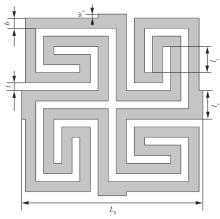
Fig.1
Geometry of the unit cell
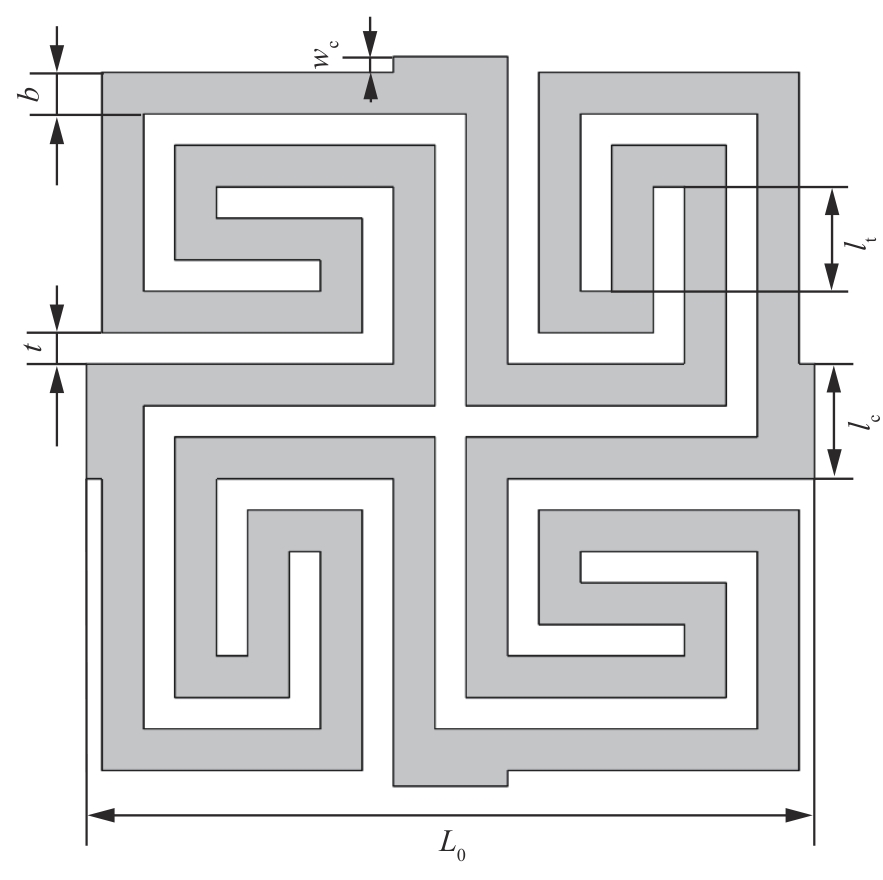
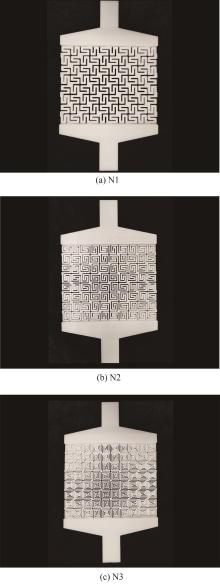
Fig.2
Metamaterial structures with different geometric parameters

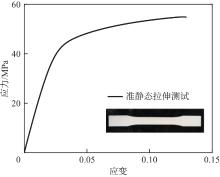
Fig.3
Uniaxial tensile stress-strain curve of nylon PA2200
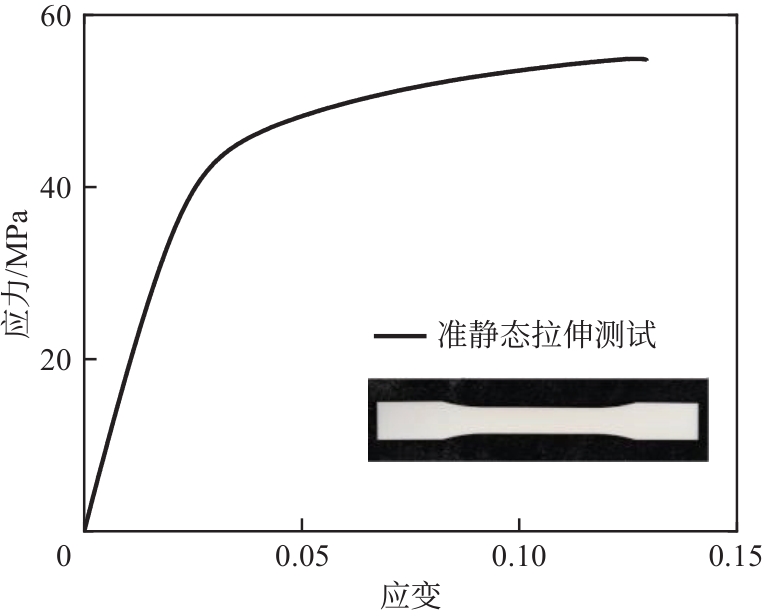
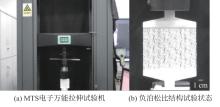
Fig.4
Quasi-static tensile test setup for structures with negative Poisson’s ratio

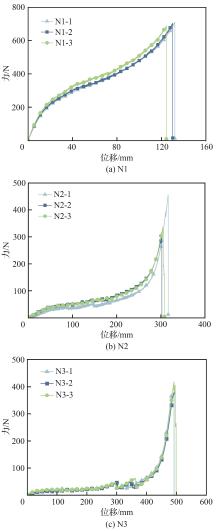
Fig.5
Force-dislacement curves for the different structures of negative Poisson’s ratio under quasi-static tensile loading
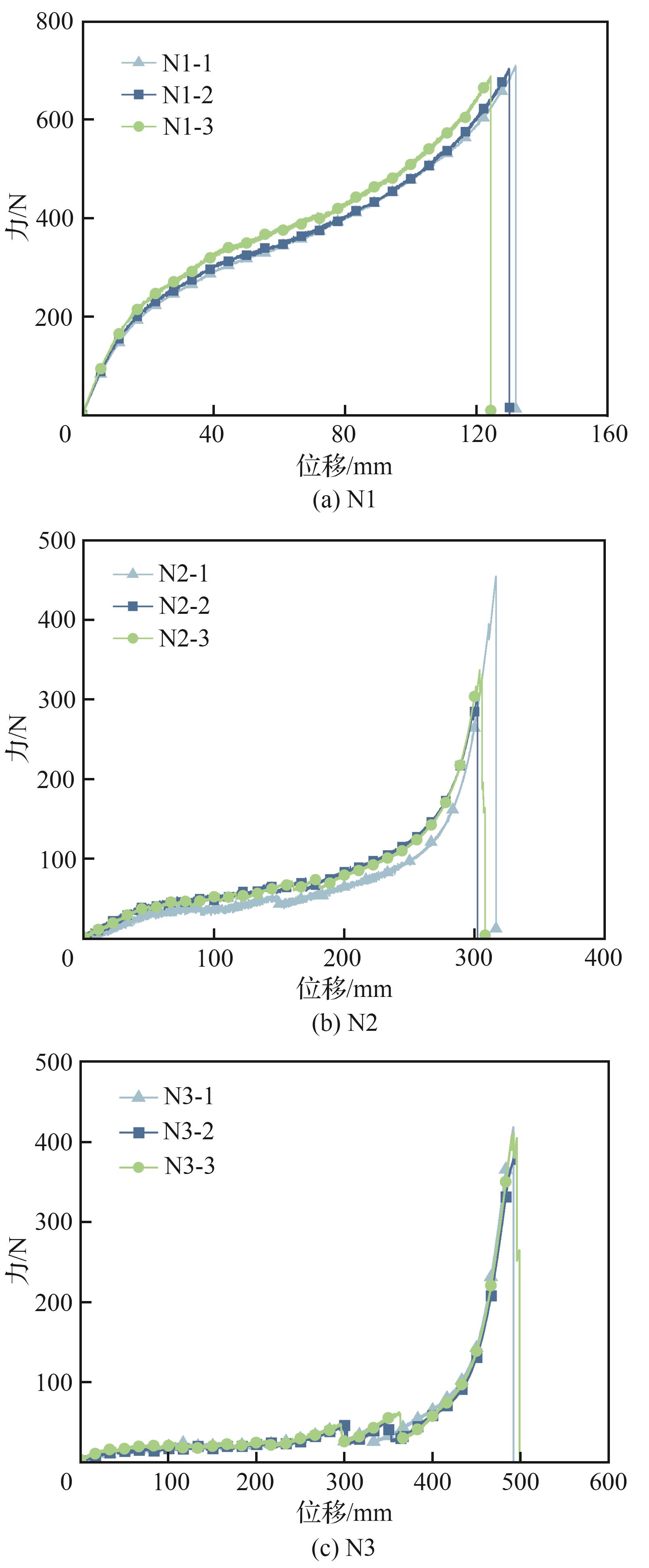
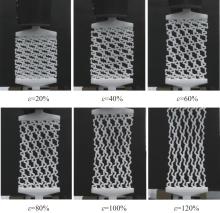
Fig.6
Quasi-static tensile deformation process of N1 structure
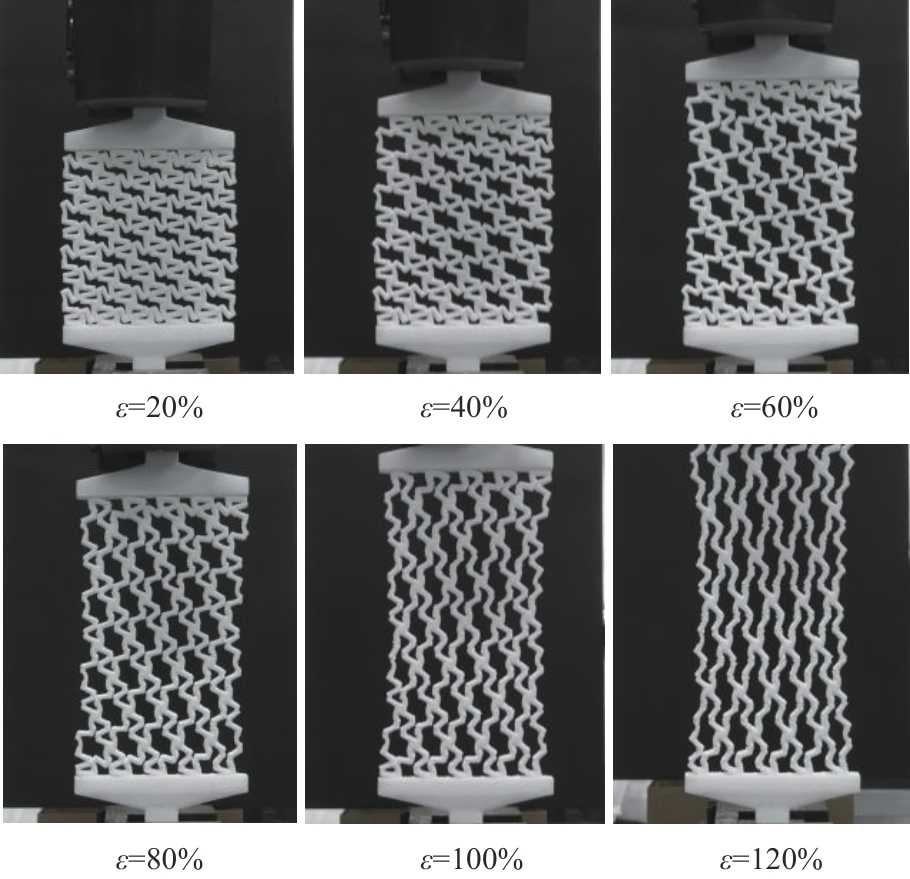
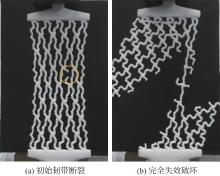
Fig.7
Failure mode of N1 structure
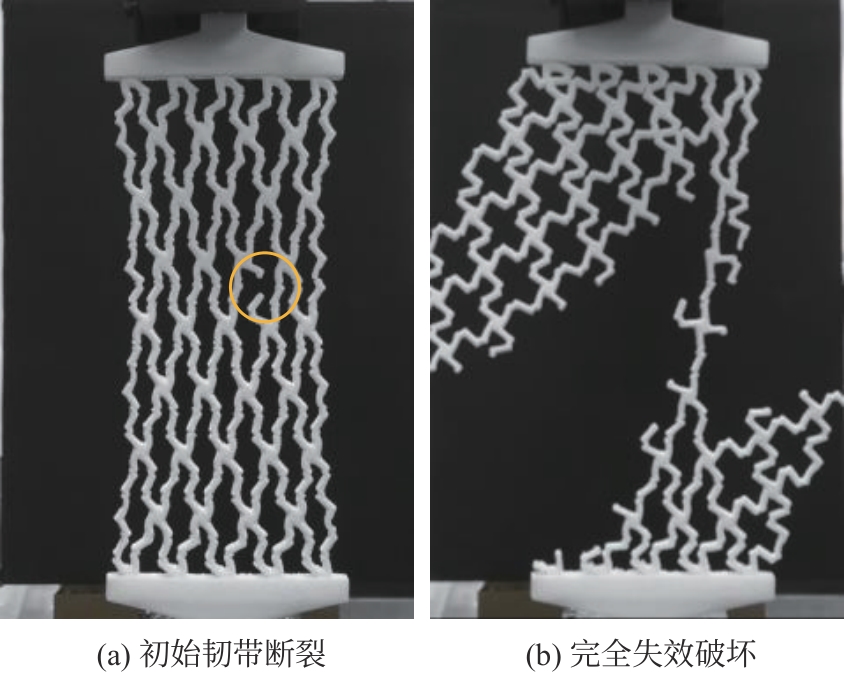

Fig.8
FE model of the chiral hinge lattice
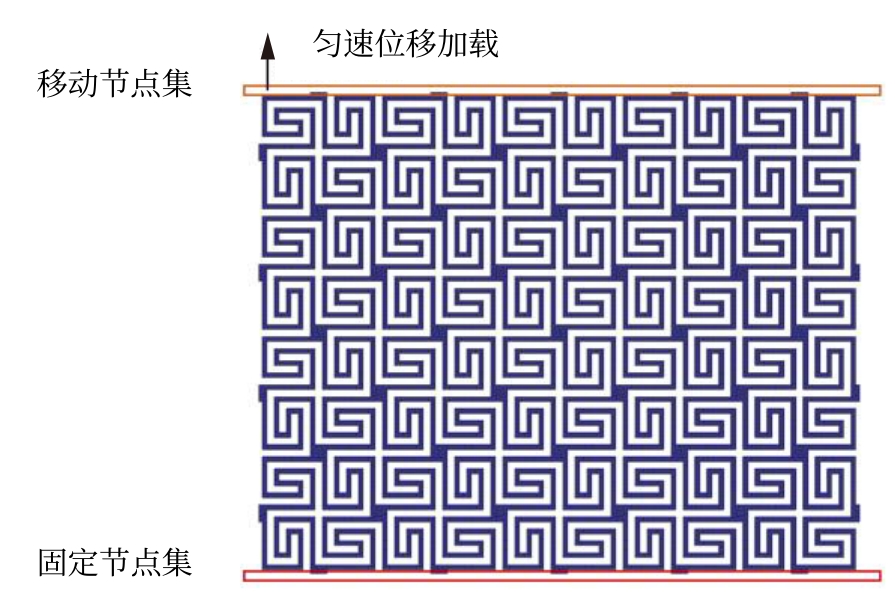
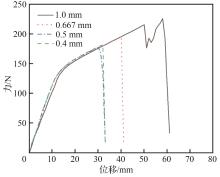
Fig.9
Force-displacement curves of the N1 lattice with different mesh element size
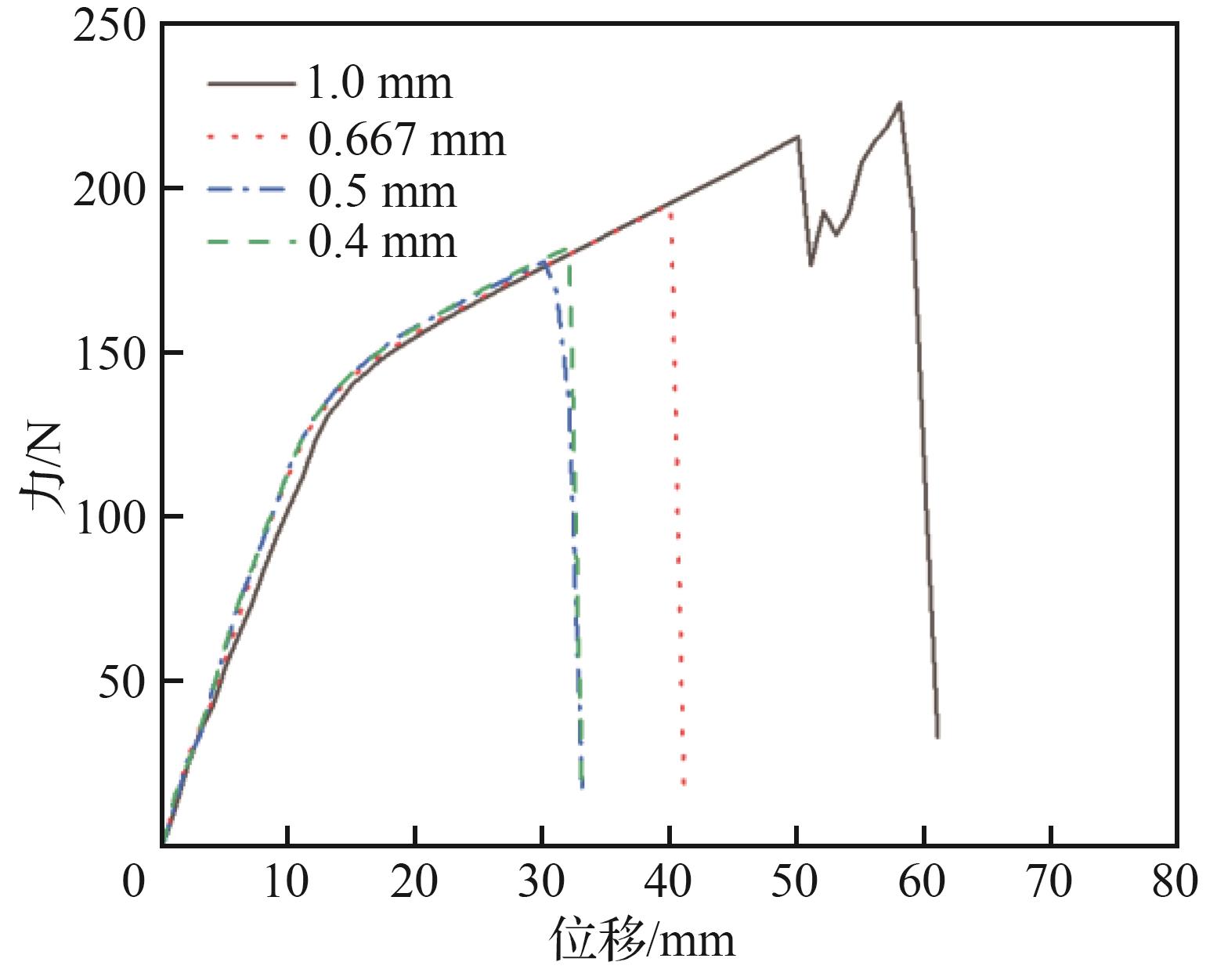
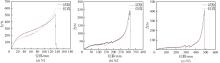
Fig.10
Comparison of force-displacement curves between experiments and FE simulations
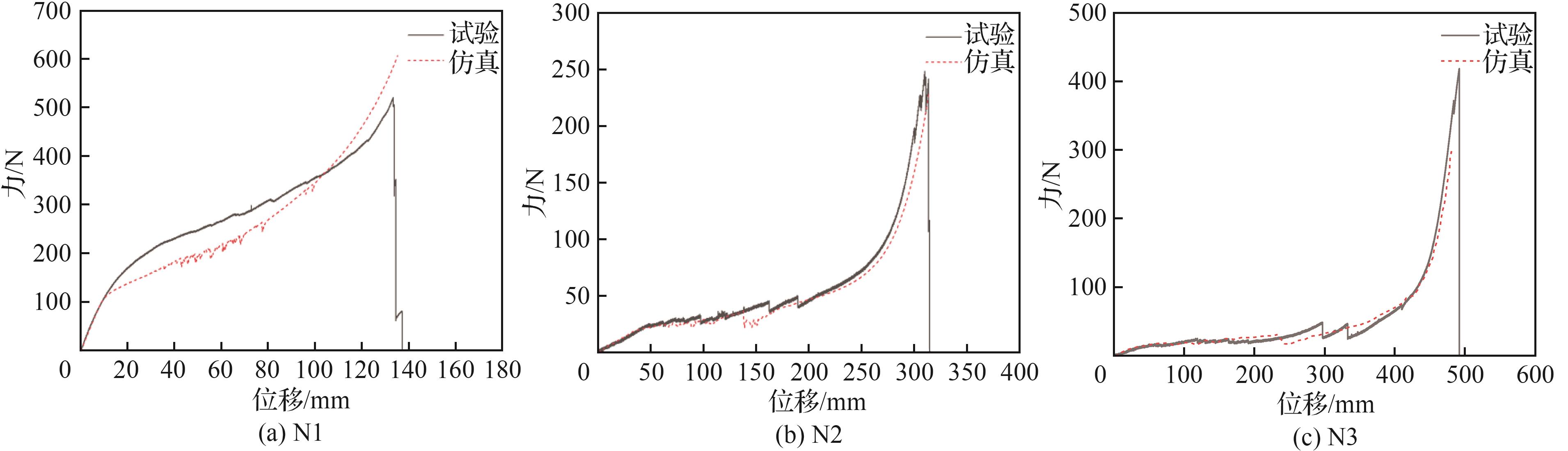
Fig.11
Comparison of deformation modes between experiments and FE simulations
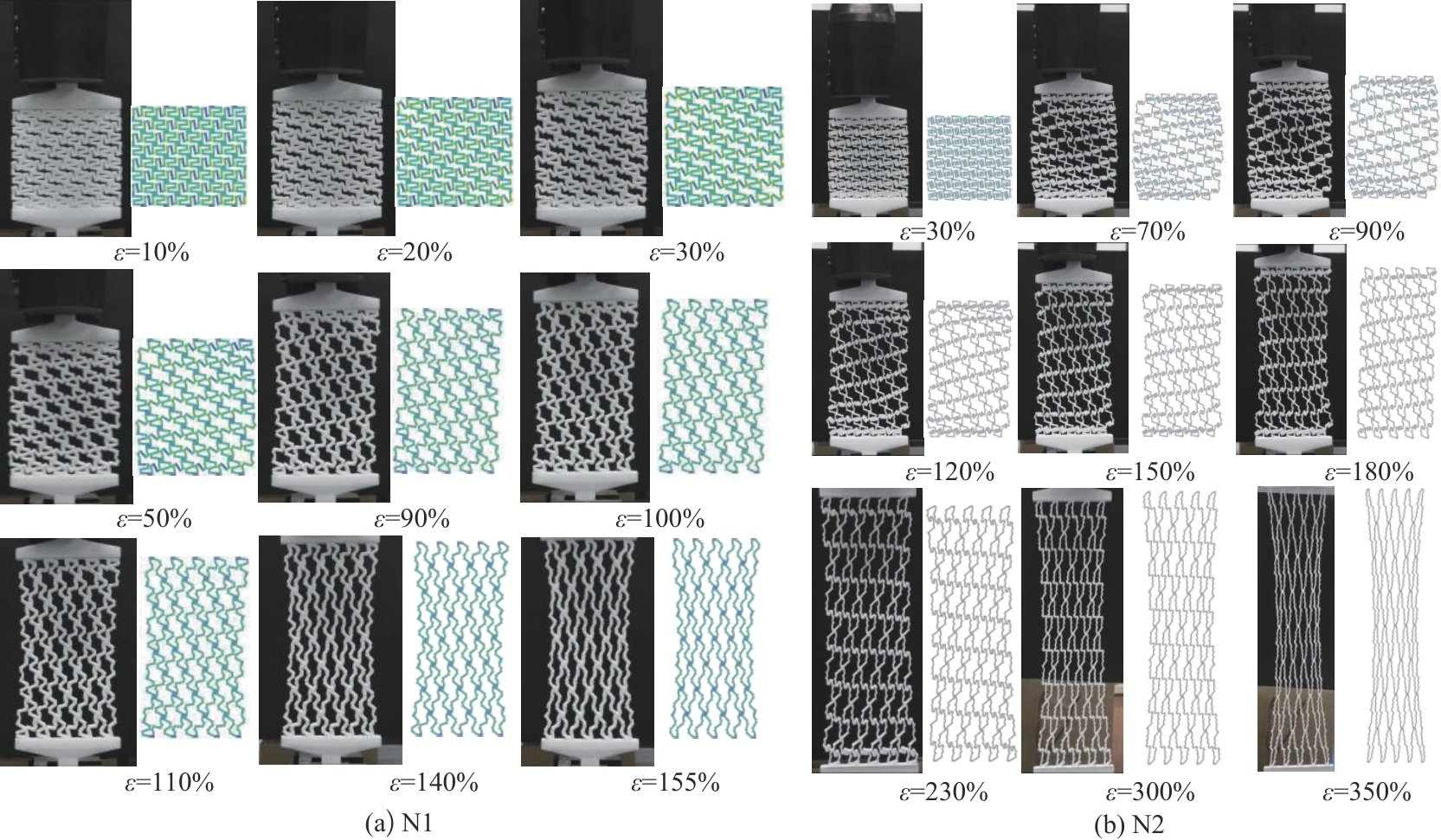

Table 1
Basic parameters of a single unit-cell
| 基本参数 | N1 | N2 | N3 |
|---|---|---|---|
| b/mm | 2.0 | 1.2 | 0.88 |
| t/mm | 1.5 | 0.9 | 0.66 |
| 60.88 | 58.49 | 57.83 |

Fig.12
Stress-strain curves of chiral hinge lattices with different levels
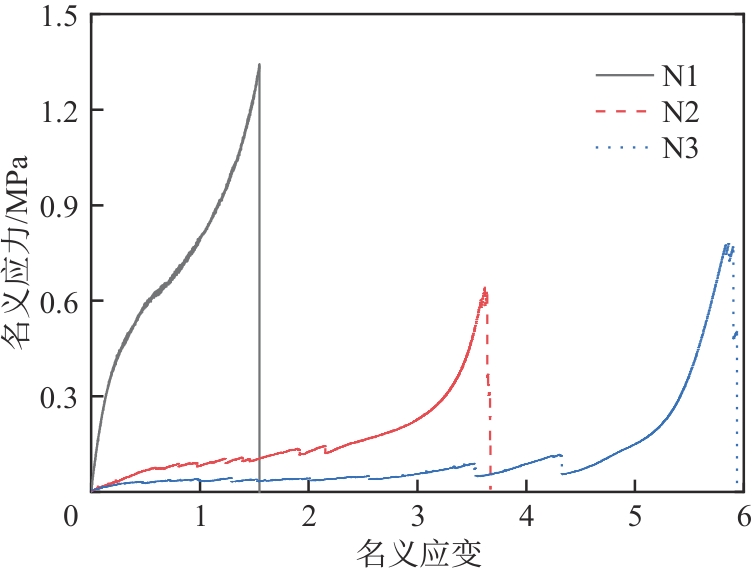

Fig.13
Tensile stiffness and fracture strain of chiral hinge lattices with different levels
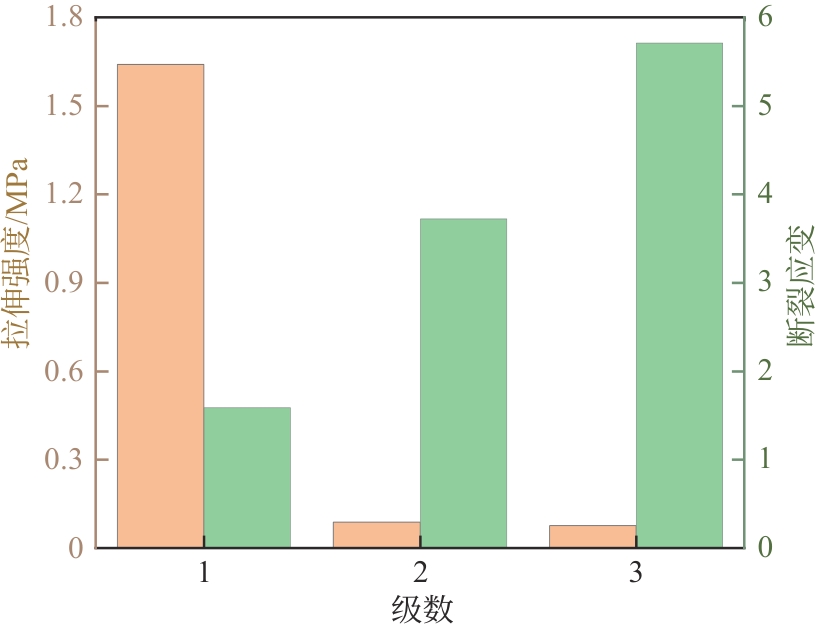
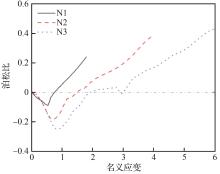
Fig.14
Poisson’s ratio variation curves of the chiral hinge lattices with different levels
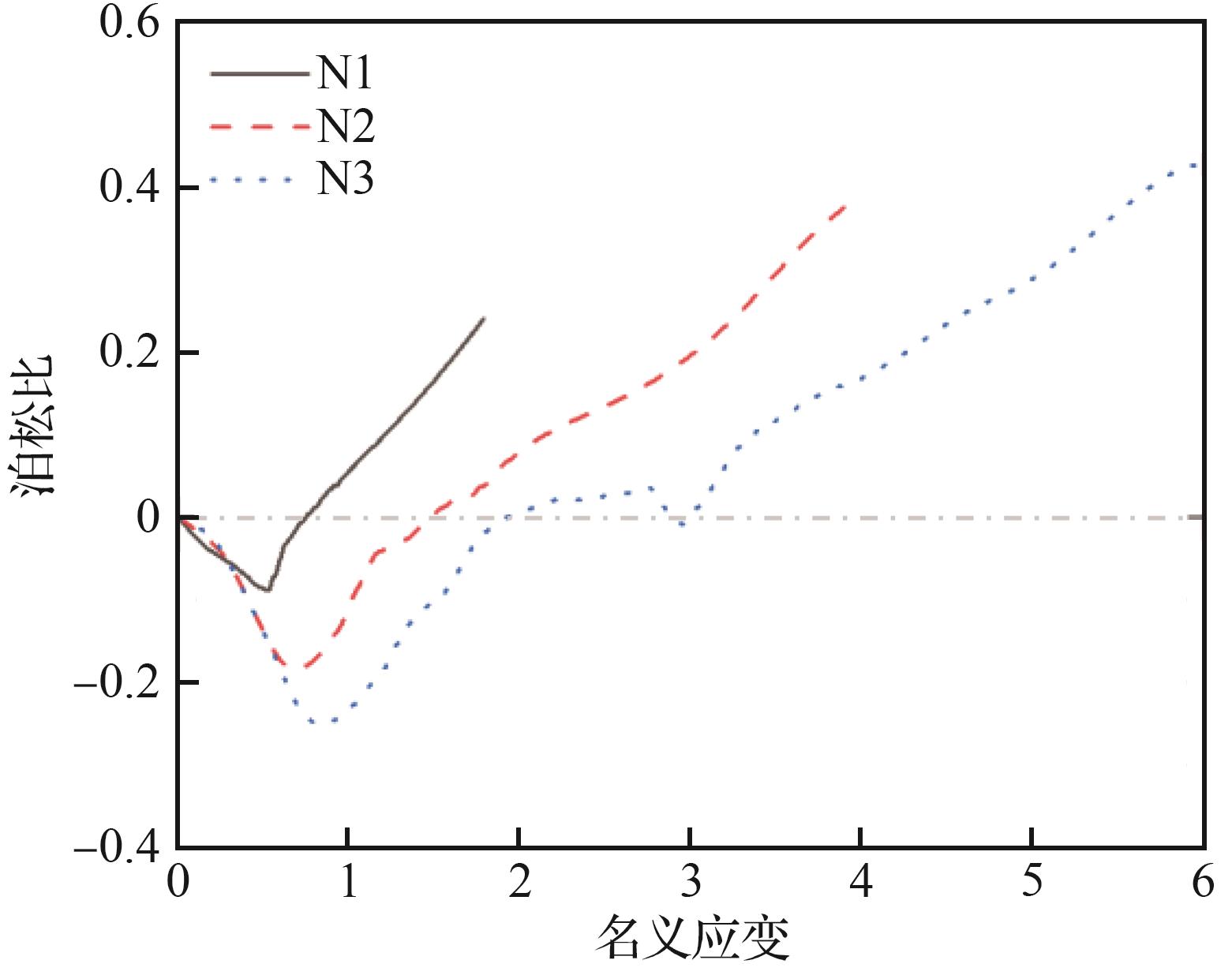
Table 2
Parameter Settings for different normalized gap widths in N1
| 模型 | N1T1 | N1T2 | N1T3 | N1T4 |
|---|---|---|---|---|
| 0.060 | 0.050 | 0.043 | 0.033 |

Fig.15
Stress-strain curves of the N1 lattices with different gap widths
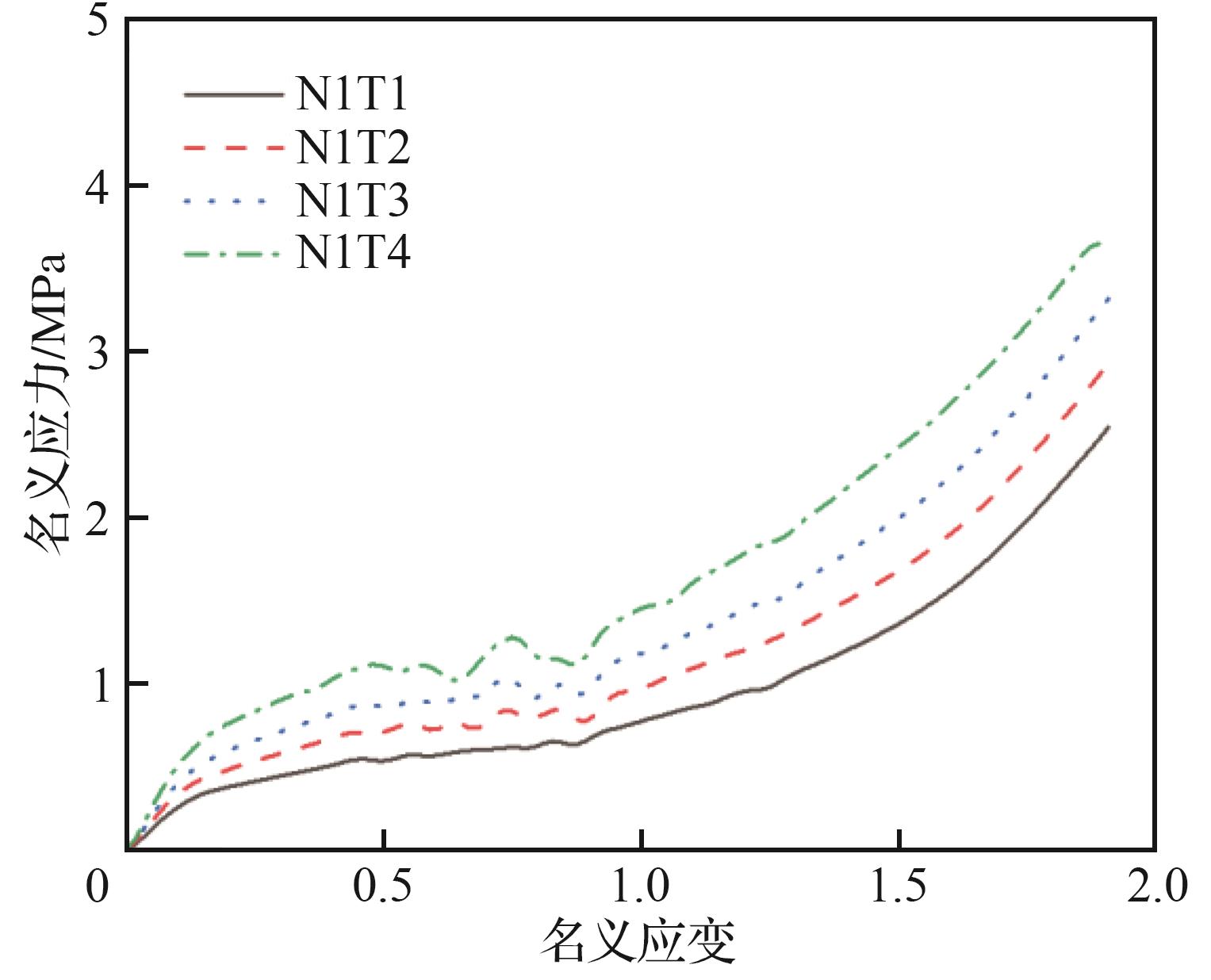

Fig.16
Tensile stiffness of the N1 lattices with different gap widths
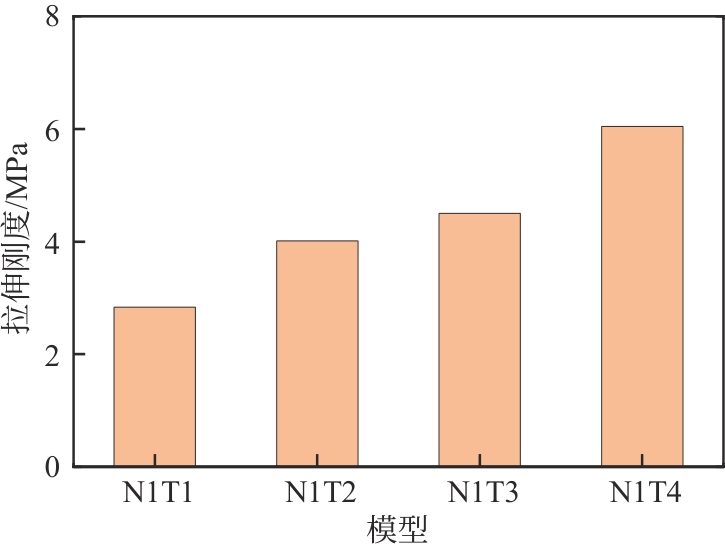
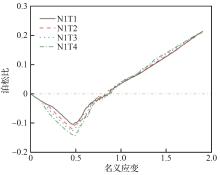
Fig.17
Poisson’s ratio variation curves of the N1 lattices with different gap widths

Table 3
Parameter setting for different normalized gap widths in N2
| 模型 | N2T1 | N2T2 | N2T3 | N2T4 |
|---|---|---|---|---|
| 0.060 | 0.050 | 0.043 | 0.033 |
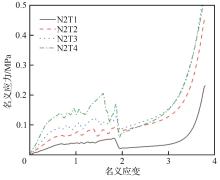
Fig.18
Stress-strain curves of the N2 lattices with different gap widths
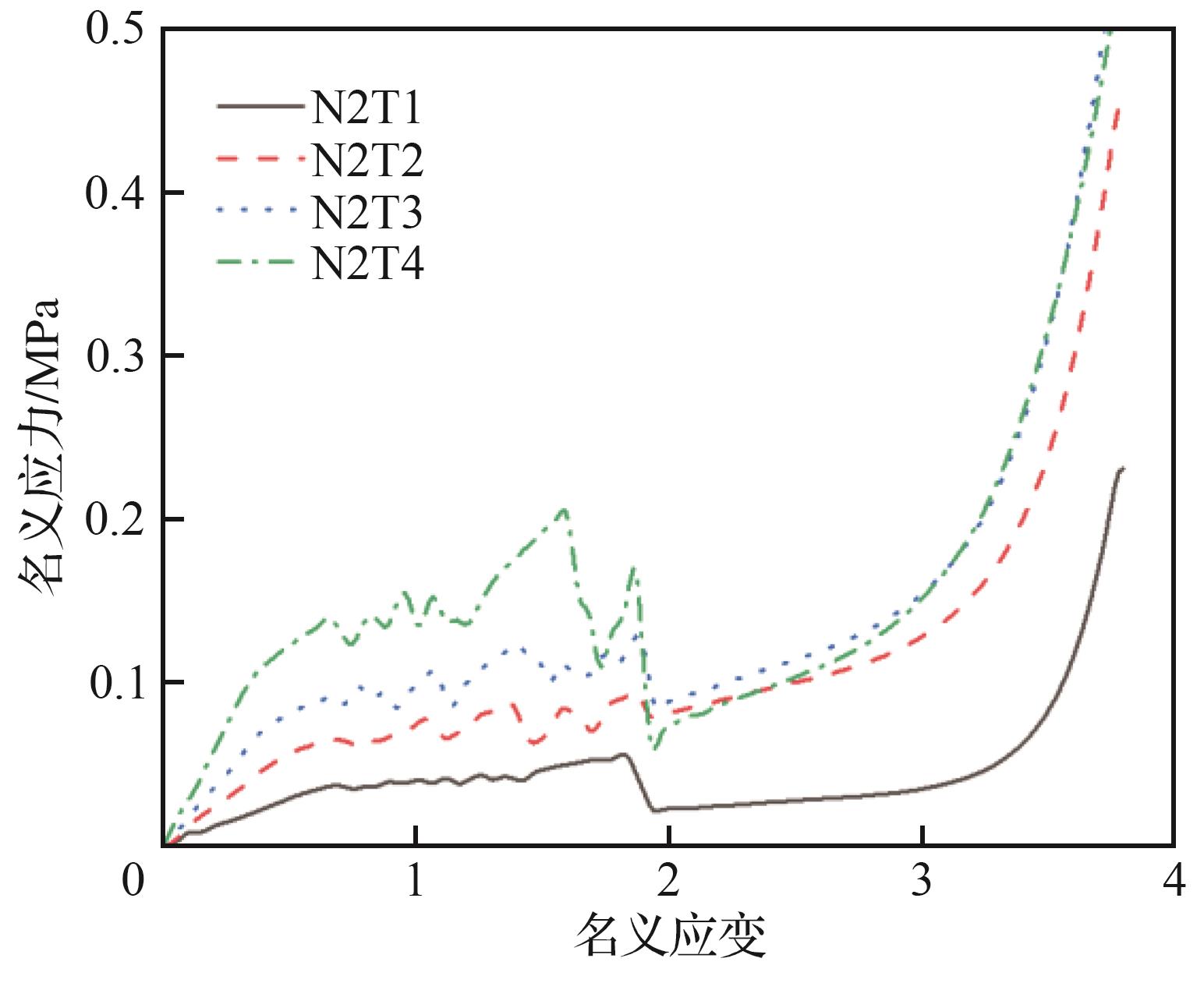

Fig.19
Tensile stiffness of N2 lattices with different gap widths
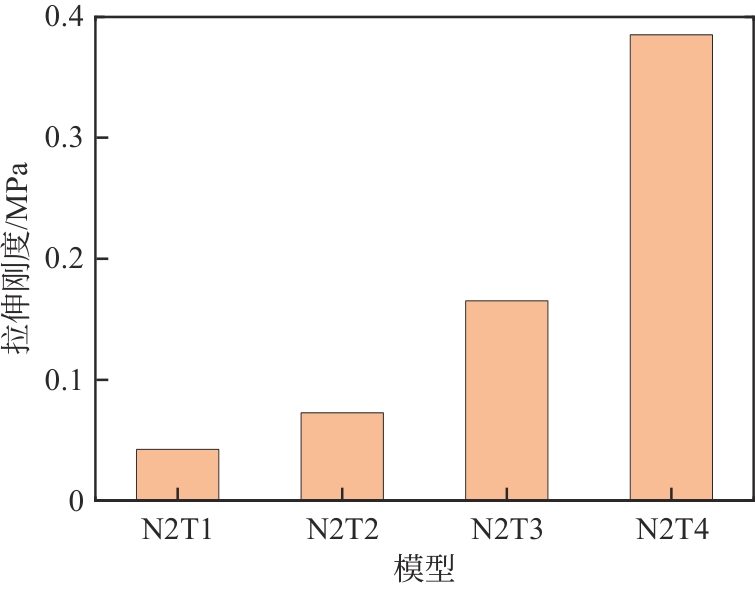
Fig.20
Poisson’s ratio variation curves of N2 lattices with different gap widths
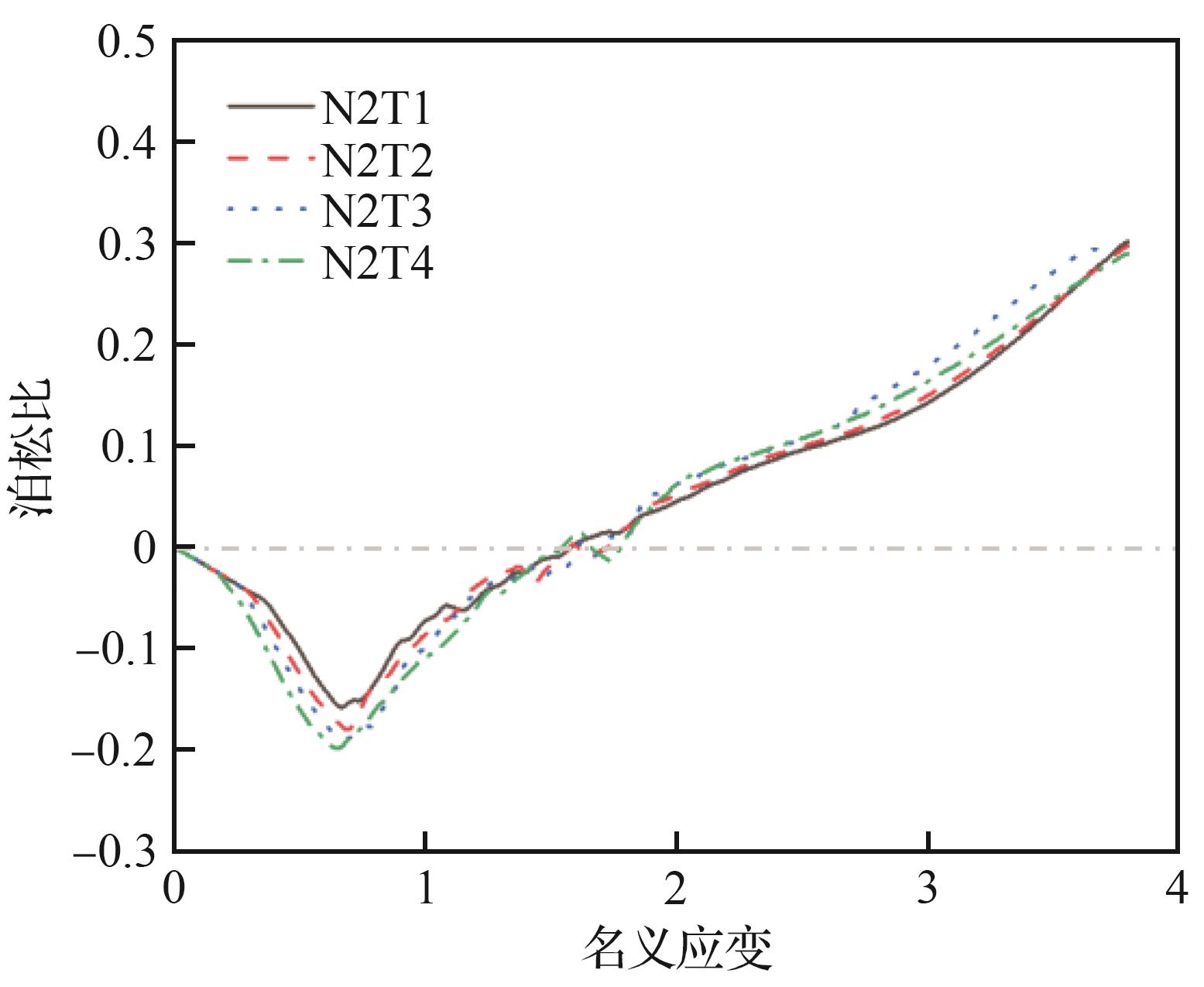
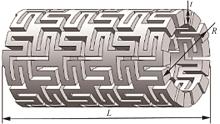
Fig.21
Geometric model and parameters of 3D tubular lattice
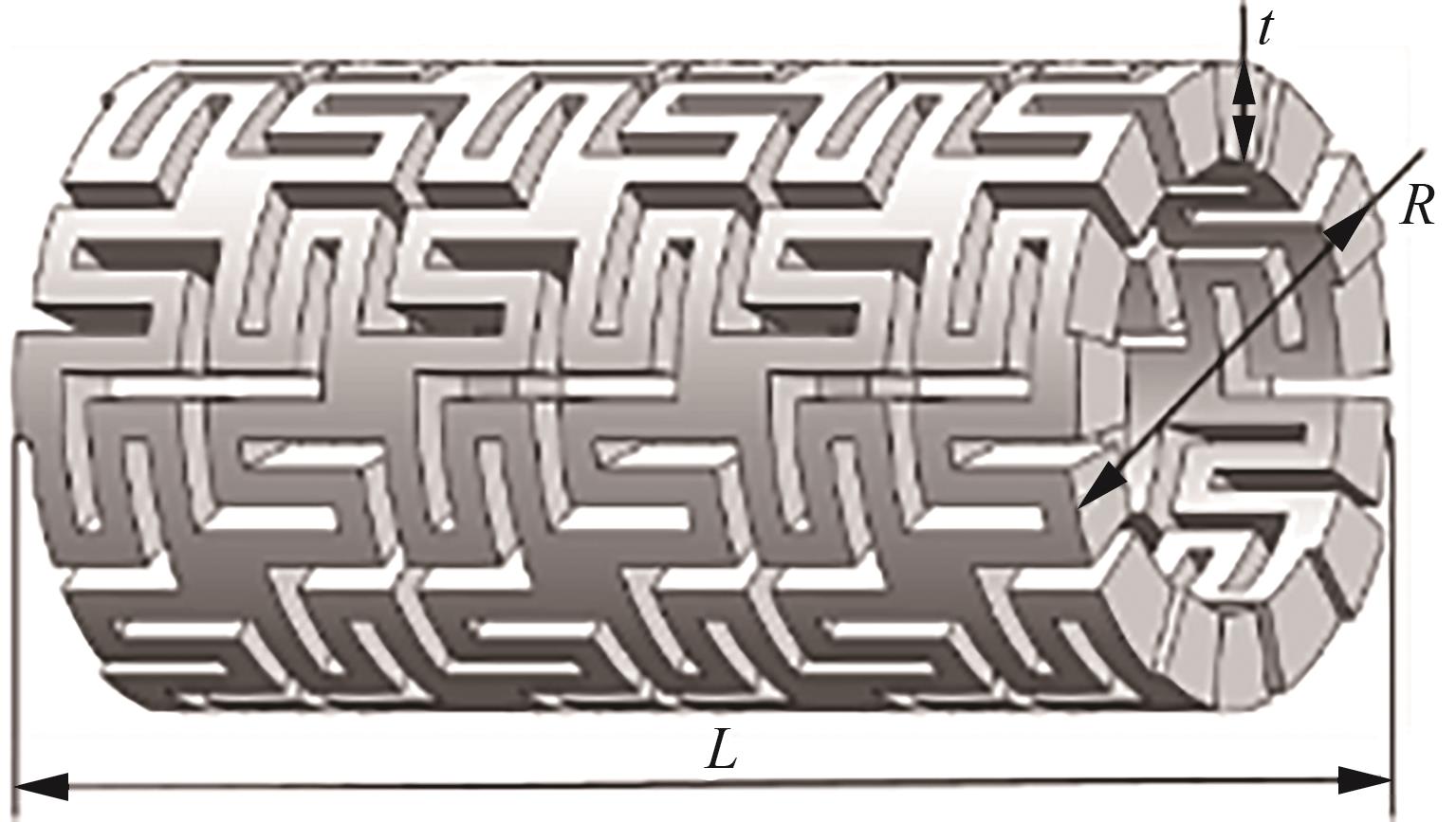

Fig.22
Examples of 3D tubular lattices
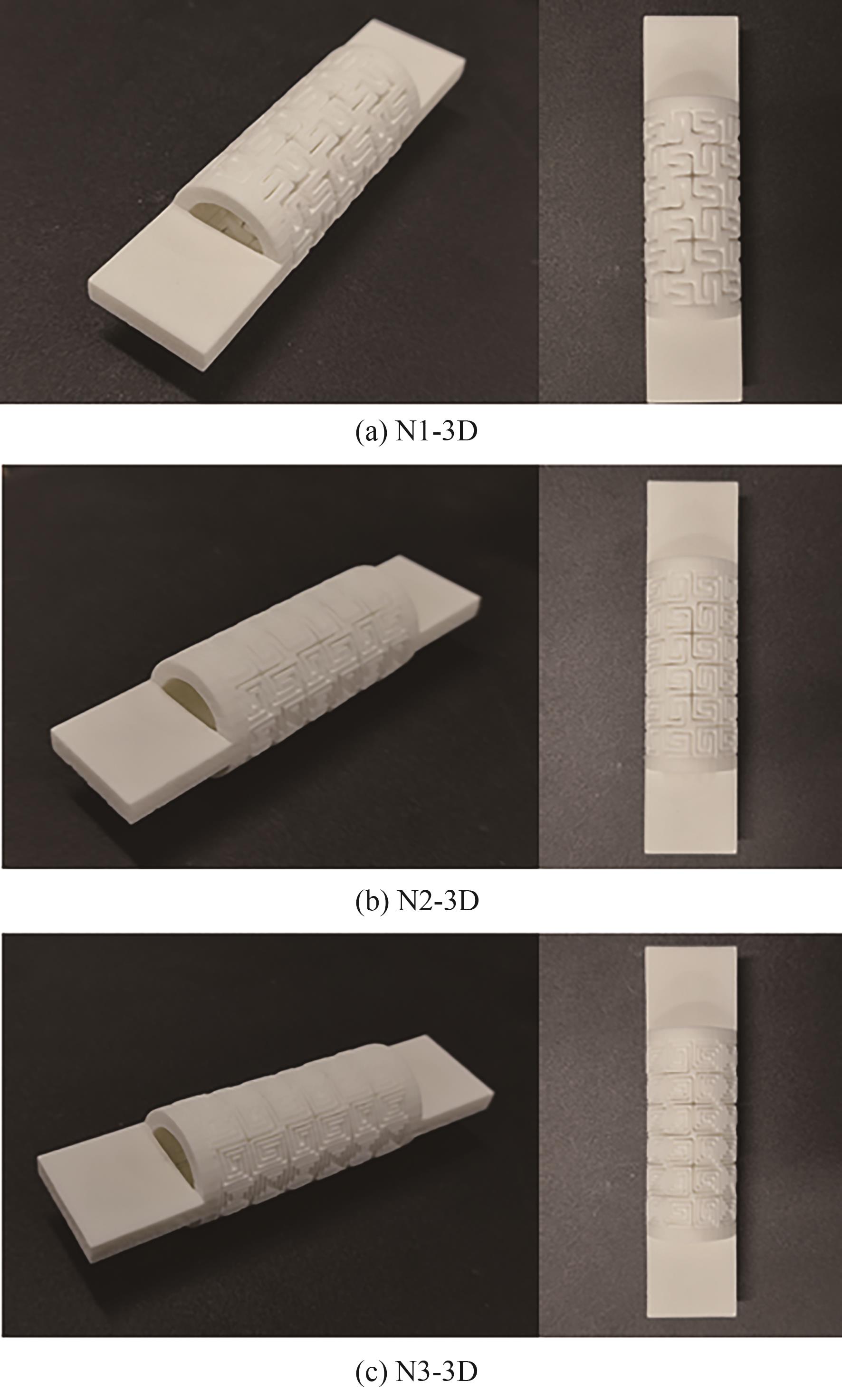
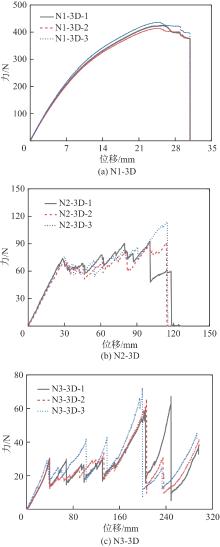
Fig.23
Force-displacement curves of 3D tubular lattices with different levels
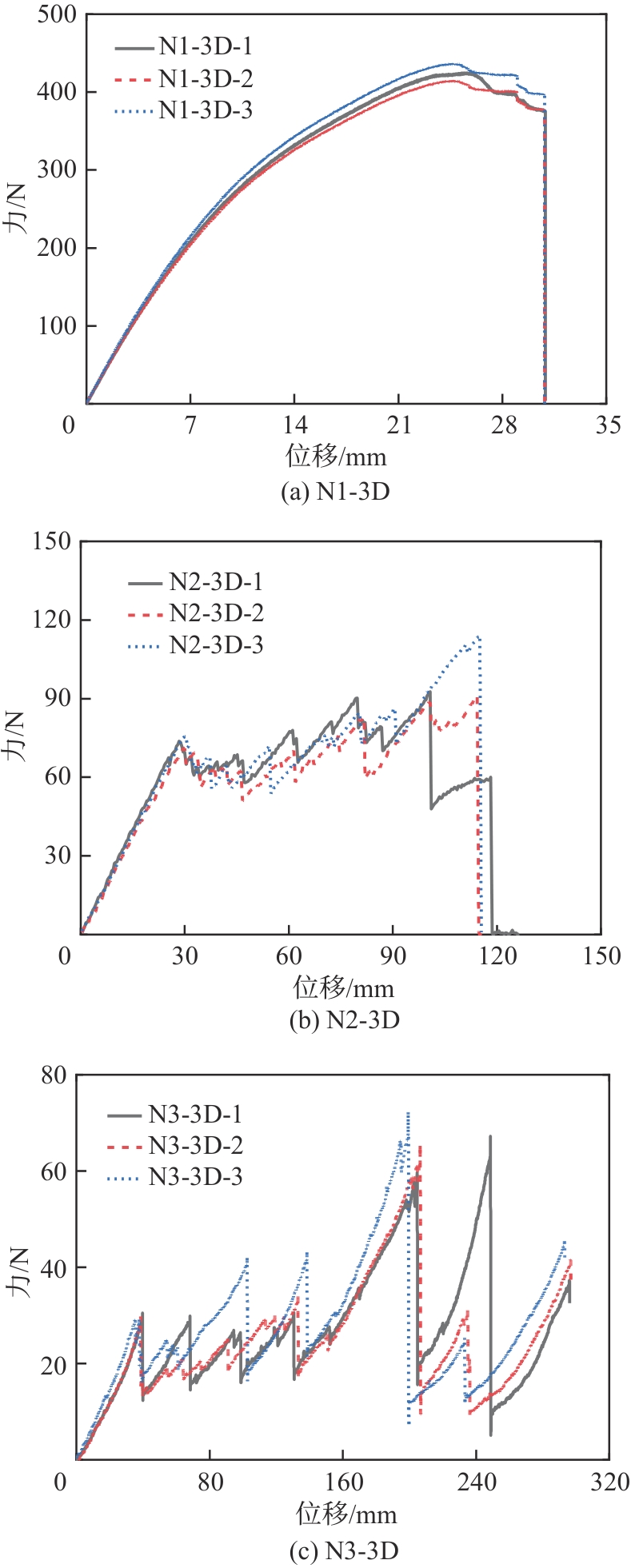
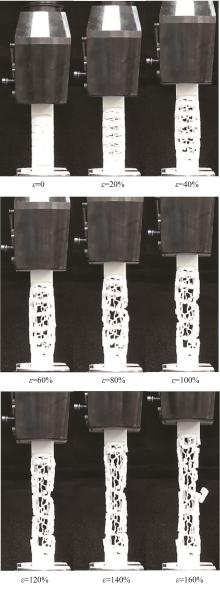
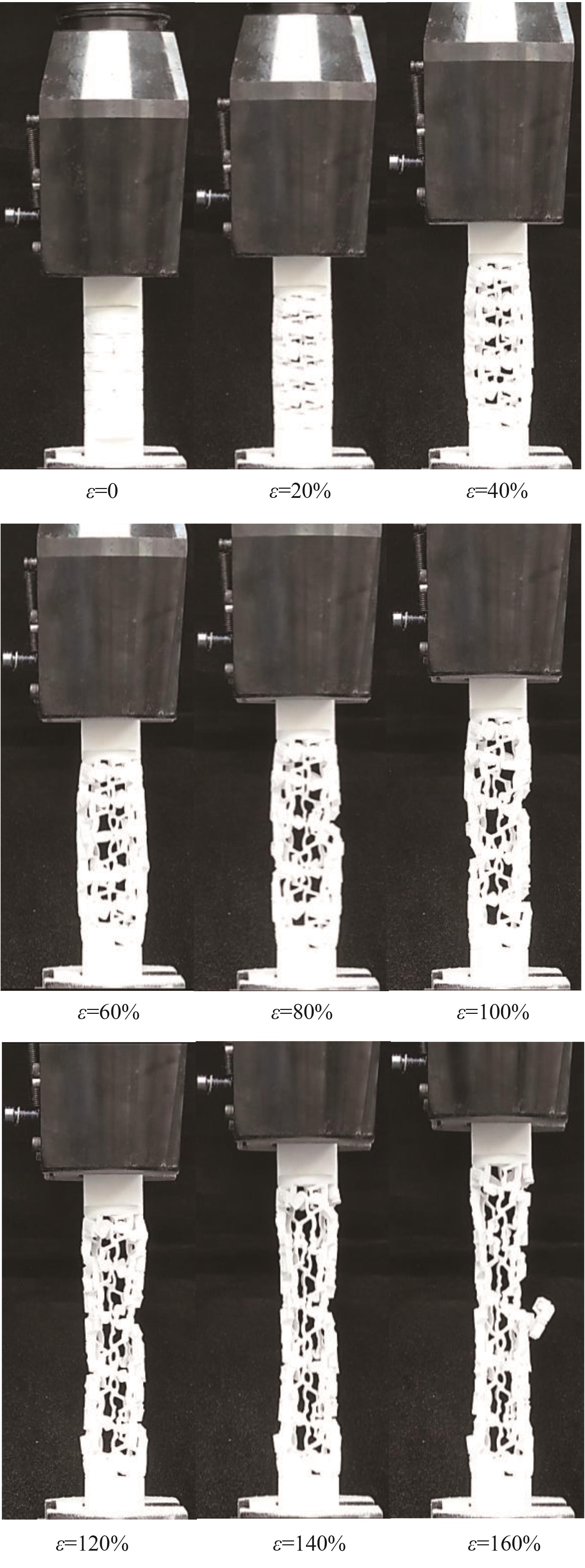
Fig.24
Deformation mode of N2-3D tubular lattice
| [1] | FAN J X, ZHANG L, WEI S S, et al. A review of additive manufacturing of metamaterials and developing trends[J]. Materials Today, 2021, 50: 303-328. |
| [2] | REN X, DAS R, TRAN P, et al. Auxetic metamaterials and structures: a review[J]. Smart Materials and Structures, 2018, 27(2): 023001. |
| [3] | 任鑫, 张相玉, 谢亿民. 负泊松比材料和结构的研究进展[J]. 力学学报, 2019, 51(3): 656-687. |
| REN X, ZHANG X Y, XIE Y M. Research progress in auxetic materials and structures[J]. Chinese Journal of Theoretical and Applied Mechanics, 2019, 51(3): 656-687 (in Chinese). | |
| [4] | XIN X Z, LIU L W, LIU Y J, et al. 4D printing auxetic metamaterials with tunable, programmable, and reconfigurable mechanical properties[J]. Advanced Functional Materials, 2020, 30(43): 2004226. |
| [5] | ZHANG Y, REN X, HAN D, et al. Static and dynamic properties of a perforated metallic auxetic metamaterial with tunable stiffness and energy absorption[J]. International Journal of Impact Engineering, 2022, 164: 104193. |
| [6] | MA M H, WU Y D, YU Y L, et al. Ballistic resistance of biomimetic ceramic composite armor: An integrated analysis of impact dynamics and structural response[J]. Finite Elements in Analysis and Design, 2024, 240: 104209. |
| [7] | KIM W, BANG J, YANG Y, et al. Highly stretchable and conductive kirigami-like double-layer electrodes for motion-insensitive wearable electronics[J]. Composites Part B: Engineering, 2024, 283: 111655. |
| [8] | LI X, WANG Q S, YANG Z Y, et al. Novel auxetic structures with enhanced mechanical properties[J]. Extreme Mechanics Letters, 2019, 27: 59-65. |
| [9] | ROGERS J A, SOMEYA T, HUANG Y G. Materials and mechanics for stretchable electronics[J]. Science, 2010, 327(5973): 1603-1607. |
| [10] | ZHOU W X, YAO S S, WANG H Y, et al. Gas-permeable, ultrathin, stretchable epidermal electronics with porous electrodes[J]. ACS Nano, 2020, 14(5): 5798-5805. |
| [11] | BAO Z N, CHEN X D. Flexible and stretchable devices[J]. Advanced Materials, 2016, 28(22): 4177-4179. |
| [12] | MUTH J T, VOGT D M, TRUBY R L, et al. 3D printing: Embedded 3D printing of strain sensors within highly stretchable elastomers (adv. mater. 36/2014)[J]. Advanced Materials, 2014, 26(36): 6202. |
| [13] | GIBSON L J, ASHBY M F, SCHAJER G S,et al. The mechanics of two-dimensional cellular materials[J] Proceedings of the Royal Society of London, 1982,382(1782): 43-59. |
| [14] | GRIMA J N, EVANS K E. Auxetic behavior from rotating squares[J]. Journal of Materials Science Letters, 2000, 19(17): 1563-1565. |
| [15] | GRIMA J N, EVANS K E. Auxetic behavior from rotating triangles[J]. Journal of Materials Science, 2006, 41(10): 3193-3196. |
| [16] | LAKES R. Deformation mechanisms in negative Poisson’s ratio materials: Structural aspects[J]. Journal of Materials Science, 1991, 26(9): 2287-2292. |
| [17] | ROSSITER J, TAKASHIMA K, SCARPA F, et al. Shape memory polymer hexachiral auxetic structures with tunable stiffness[J]. Smart Materials and Structures, 2014, 23(4): 045007. |
| [18] | GRIMA J N, GATT R. Perforated sheets exhibiting negative Poisson’s ratios[J]. Advanced Engineering Materials, 2010, 12(6): 460-464. |
| [19] | TANG Y C, YIN J. Design of cut unit geometry in hierarchical kirigami-based auxetic metamaterials for high stretchability and compressibility[J]. Extreme Mechanics Letters, 2017, 12: 77-85. |
| [20] | PARK J, WANG S D, LI M, et al. Three-dimensional nanonetworks for giant stretchability in dielectrics and conductors[J]. Nature Communications, 2012, 3: 916. |
| [21] | HUANG S H, LIU P, MOKASDAR A, et al. Additive manufacturing and its societal impact: A literature review[J]. The International Journal of Advanced Manufacturing Technology, 2013, 67(5): 1191-1203. |
| [22] | NGO T D, KASHANI A, IMBALZANO G, et al. Additive manufacturing (3D printing): A review of materials, methods, applications and challenges[J]. Composites Part B: Engineering, 2018, 143: 172-196. |
| [23] | 党乐, 张梦雨, 成艳娜, 等. 3D打印技术在复合材料中的应用与发展[J]科技创新与应用, 2022, 12(24): 166-169. |
| DANG L, ZHANG M Y, CHENG Y N,et al. The application and development of 3D Printing Technology in Composite Materials[J]. Technology Innovation and Application, 2022, 12(24): 166-169 (in Chinese). | |
| [24] | BEHARIC A, RODRIGUEZ EGUI R, YANG L. Drop-weight impact characteristics of additively manufactured sandwich structures with different cellular designs[J]. Materials & Design, 2018, 145: 122-134. |
| [25] | YUAN S Q, SHEN F, BAI J M, et al. 3D soft auxetic lattice structures fabricated by selective laser sintering: TPU powder evaluation and process optimization[J]. Materials & Design, 2017, 120: 317-327. |
| [26] | LI B, LIU H, ZHANG Q, et al. Crushing behavior and energy absorption of a bio-inspired bi-directional corrugated lattice under quasi-static compression load[J]. Composite Structures, 2022, 286: 115315. |
| [1] | Hongxu ZHAO, Ziyang LI, Xudong SHI. Conduction immunity pre-test method based on bulk current injection probe [J]. Acta Aeronautica et Astronautica Sinica, 2024, 45(23): 330391-330391. |
| [2] | Fangyi SHENG, Guolin YANG, Fantong MENG, Zhigang DONG, Renke KANG. Finite element simulation analysis in helical milling of countersunk hole [J]. Acta Aeronautica et Astronautica Sinica, 2024, 45(1): 428690-428690. |
| [3] | Tianchun ZOU, Yuezhang JU, Yuxi GUAN, Zegang LI, Hongcheng CHEN. Effect of stacking sequence on fatigue behavior of CFRP⁃Al joint [J]. Acta Aeronautica et Astronautica Sinica, 2023, 44(18): 428264-428264. |
| [4] | Jiangbo CHEN, Kai ZENG, Baoying XING, Hongshen ZHANG, Yanfang DING, Xiaocong HE. Aluminum alloy clinch-bonding with hot melt adhesive film and joint failure analysis [J]. Acta Aeronautica et Astronautica Sinica, 2023, 44(14): 428029-428029. |
| [5] | LI Dichen, LU Zhongliang, TIAN Xiaoyong, ZHANG Hang, YANG Chuncheng, CAO Yi, MIAO Kai. Additive manufacturing—Revolutionary technology for leading aerospace manufacturing [J]. ACTA AERONAUTICAET ASTRONAUTICA SINICA, 2022, 43(4): 525387-525387. |
| [6] | PENG Jinfeng, WU Dongrun, CUI Weiyun, CAI Deng'an, ZHOU Guangming. Design and analysis of simulated ice with 3D printed sandwich composite material [J]. ACTA AERONAUTICAET ASTRONAUTICA SINICA, 2021, 42(9): 224536-224536. |
| [7] | CAO Zhenzhong, ZHANG Fan, ZHANG Dingguo, YU Yi. Containment of aero-engine casing with bolted flanges [J]. ACTA AERONAUTICAET ASTRONAUTICA SINICA, 2021, 42(9): 224563-224563. |
| [8] | DUAN Jiatong, SUI Fucheng, LIU Hanhai, XIE Fang, OUYANG Tian, BAO Rui. Fatigue crack growth performance of thin-walled structure under bending load [J]. ACTA AERONAUTICAET ASTRONAUTICA SINICA, 2021, 42(5): 524326-524326. |
| [9] | CHEN Xiangming, YAO Liaojun, GUO Licheng, SUN Yi. 3D printed continuous fiber-reinforced composites: State of the art and perspectives [J]. ACTA AERONAUTICAET ASTRONAUTICA SINICA, 2021, 42(10): 524787-524787. |
| [10] | ZHANG Min, TIAN Xitian, LI Bo. Shape control for press bend forming of integral panels [J]. ACTA AERONAUTICAET ASTRONAUTICA SINICA, 2020, 41(7): 623620-623620. |
| [11] | WANG Cunxian, GAO Haomai, GONG Xu, SUO Tao, LI Yulong, TANG Zhongbin, XUE Pu, HOU Liang, LIN Jiajian. Impact responses of aeronautic riveting structures [J]. ACTA AERONAUTICAET ASTRONAUTICA SINICA, 2019, 40(1): 522484-522484. |
| [12] | WU Song, ZANG Xu, LONG Xinjun, GUO Qiwei. Dynamic modeling and analysis of hanging modal test system [J]. ACTA AERONAUTICAET ASTRONAUTICA SINICA, 2018, 39(S1): 722191-722191. |
| [13] | YANG Qiang, WEN Congcong, SUN Zhili, ZHANG Mengjun. Reliability analysis of fatigue life of aviation electrical connector contact parts [J]. ACTA AERONAUTICAET ASTRONAUTICA SINICA, 2018, 39(10): 222123-222123. |
| [14] | ZHU Weijun, LI Dichen, REN Ke, ZHANG Zhengyu. Design and Test of a Practical Aircraft Model for Wind Tunnel Testing with Adjustable Control Surfaces Based on 3D Printing [J]. ACTA AERONAUTICAET ASTRONAUTICA SINICA, 2014, 35(2): 400-407. |
| [15] | MA Yiwei, WANG Zhihong, LIU Dong, ZHU Xinglin, YANG Zhishuo. Optimization of Rotational Speed of Main Roll in Profile Ring Rolling of GH4169 Alloy [J]. ACTA AERONAUTICAET ASTRONAUTICA SINICA, 2011, 32(8): 1555-1562. |
| Viewed | ||||||
|
Full text |
|
|||||
|
Abstract |
|
|||||
Address: No.238, Baiyan Buiding, Beisihuan Zhonglu Road, Haidian District, Beijing, China
Postal code : 100083
E-mail:hkxb@buaa.edu.cn
Total visits: 6658907 Today visits: 1341All copyright © editorial office of Chinese Journal of Aeronautics
All copyright © editorial office of Chinese Journal of Aeronautics
Total visits: 6658907 Today visits: 1341

 CJA
CJA
