Acta Aeronautica et Astronautica Sinica ›› 2025, Vol. 46 ›› Issue (20): 531919.doi: 10.7527/S1000-6893.2025.31919
• Special Issue: Key Technologies for Supersonic Civil Aircraft • Previous Articles
Yafei LI( ), Rui ZHAO
Received:2025-03-03
Revised:2025-04-07
Accepted:2025-04-27
Online:2025-05-12
Published:2025-05-06
Contact:
Yafei LI
E-mail:commissioner@126.com
Supported by:CLC Number:
Yafei LI, Rui ZHAO. Optimization of supersonic passenger aircraft approach procedure based on noise and fuel consumption[J]. Acta Aeronautica et Astronautica Sinica, 2025, 46(20): 531919.
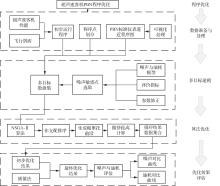
Fig.1
Structure of approach procedure optimization method for supersonic airliners
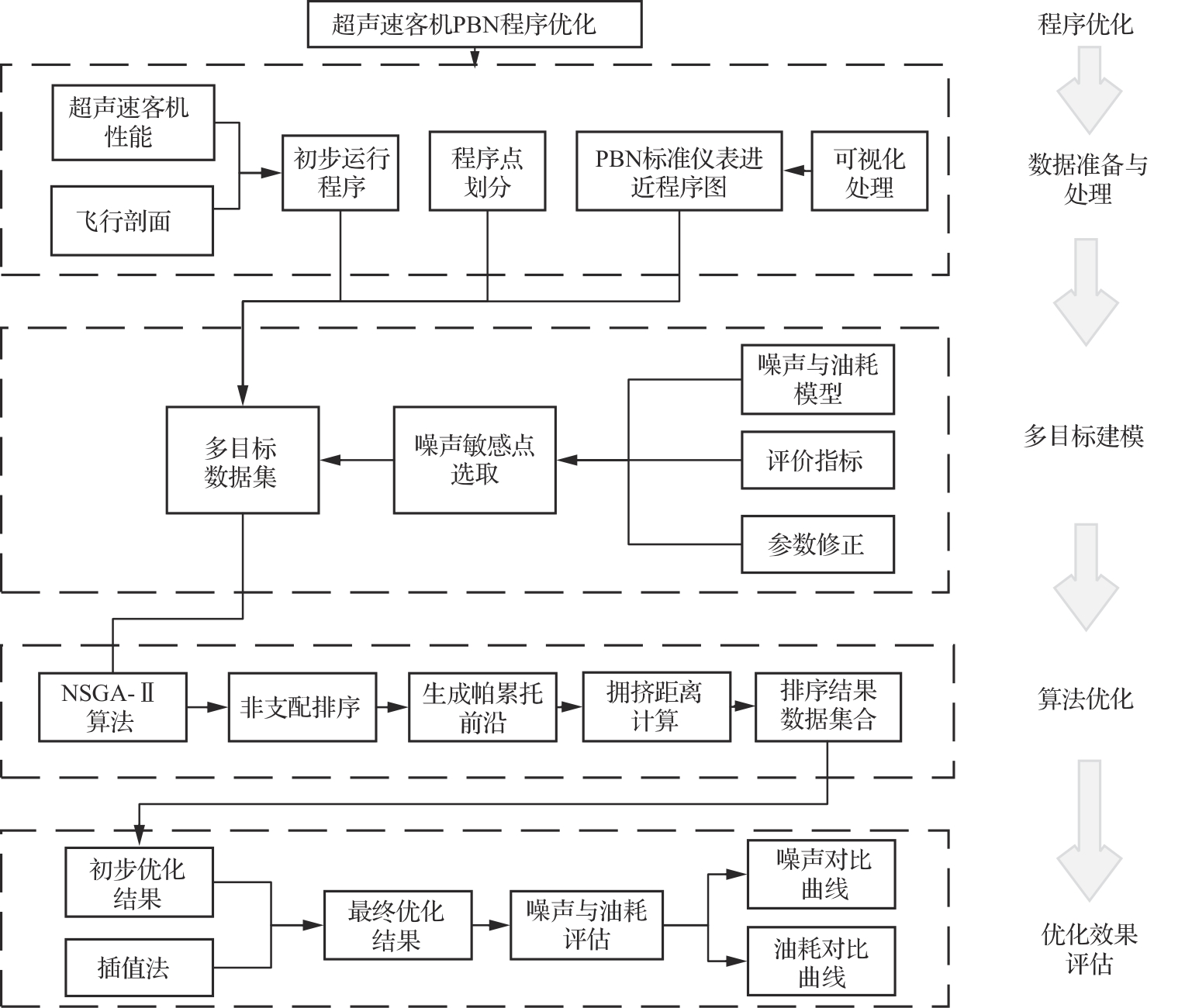
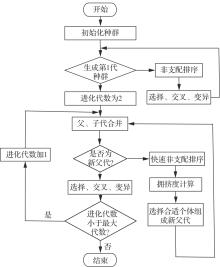
Fig.2
NSGA-Ⅱ algorithm flowchart
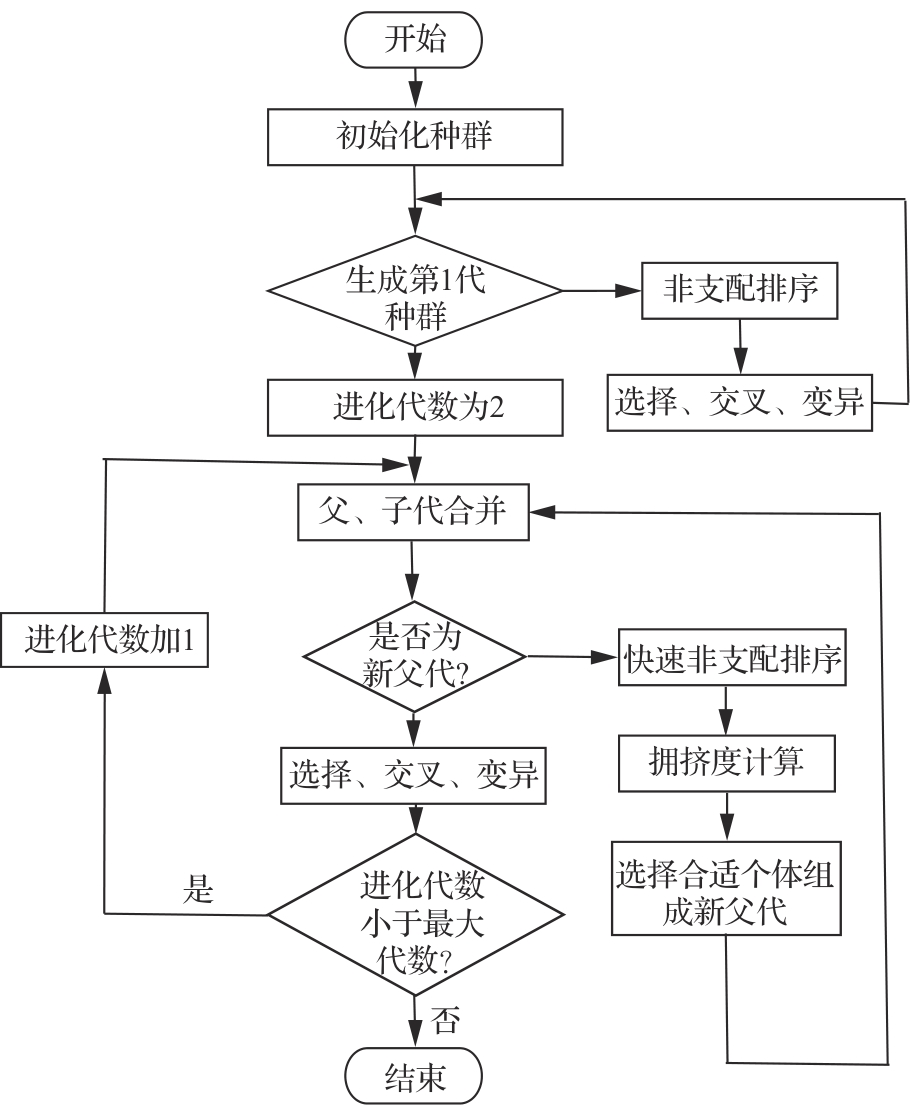
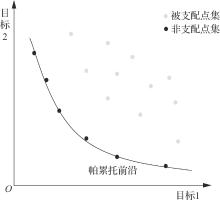
Fig.3
Schematic of pareto frontier
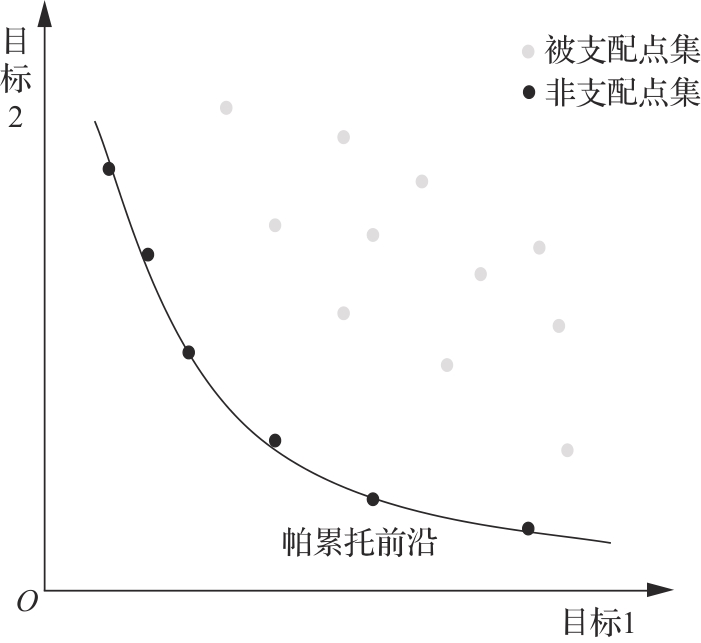
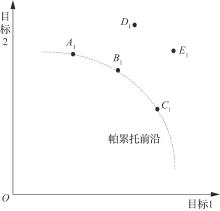
Fig.4
Schematic diagram of non-dominated sorting
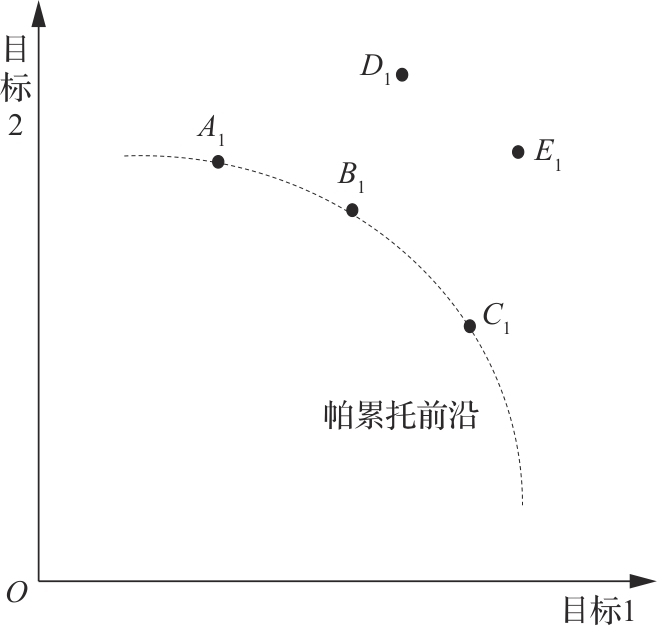
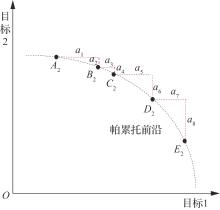
Fig.5
Schematic of congestion distances
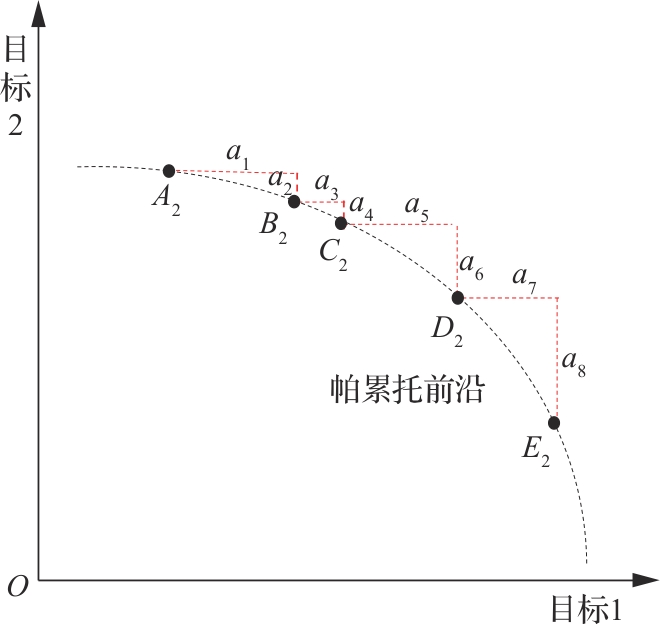
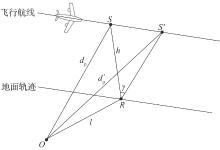
Fig.6
Flight status schematic
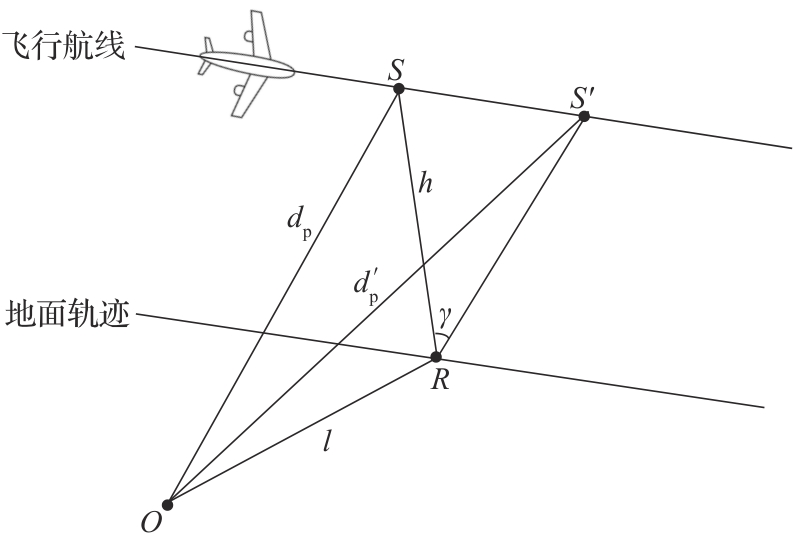
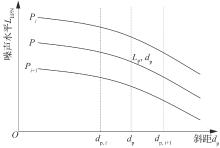
Fig.7
Schematic of NPD noise data
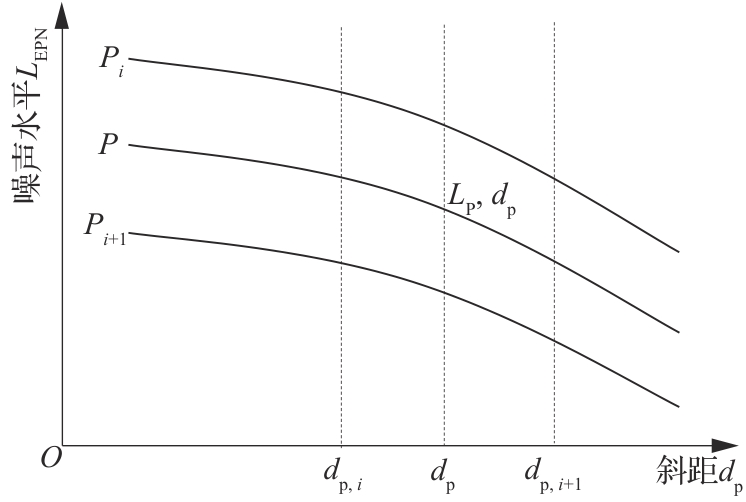

Table 1
Supersonic airliner performance parameters
| 参数 | 数值 | 参数 | 数值 |
|---|---|---|---|
| 巡航 | 1.6 | 进近速度 | 200~250 |
| 进场下降率/(m·s-1) | 17 | 进近下降率/(m·s-1) | 10 |
| 发动机类型 | 长江3000 | 机翼面积 | 240 |
| 质量 | 162.6 | 寄生阻力系数 | 0.03 |
| 诱导阻力系数 | 0.035 | 参考噪声水平 | 83.9~90 |
| 参考油耗/(t·h-1) | 4.5 |
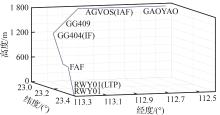
Fig.8
Schematic diagram of AGVOS standard instrument approach procedure
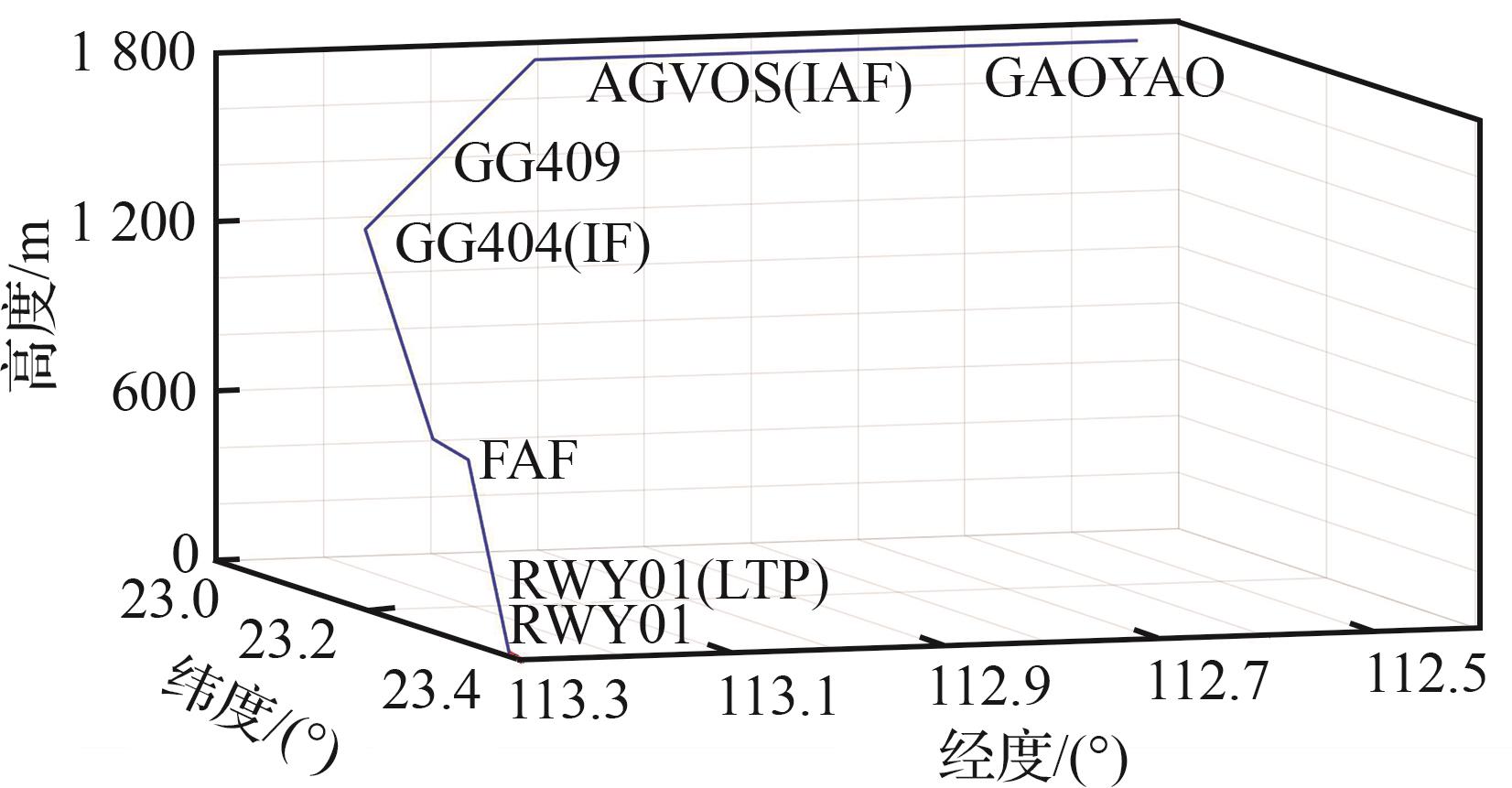
Table 2
AGVOS standard instrument approach program waypoint information
| 航路点 | 经度 | 纬度 | 高度/m |
|---|---|---|---|
| GAOYAO | 112°25′54″ | 23°38′18″ | 1 788 |
| AGVOS | 113°4′9″ | 23°4′ | 1 788 |
| GG409 | 113°6′57″ | 23°3′32″ | 1 520 |
| GG404 | 113°11′36″ | 23°2′28″ | 1 188 |
| FAF | 113°15′43″ | 23°17′1″ | 588 |
| RWY01 | 113°17′38″ | 23°23′36″ | 12.4 |
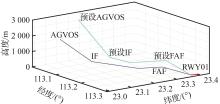
Fig.9
Schematic diagram of AGVOS approach procedure with preliminary setup of supersonic airliner approach procedure
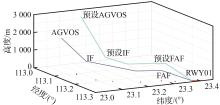
Fig.10
Schematic location of sensitive points
Table 3
Partial total noise level and total fuel consumption data
| 航点 | 总噪声值Z1/dB | 总油耗值Z2/lb |
|---|---|---|
| 1 | 103.939 | 4.072 |
| 2 | 103.933 | 4.084 |
| 3 | 103.925 | 4.097 |
| 4 | 103.919 | 4.103 |
| 5 | 103.912 | 4.112 |
| 6 | 103.905 | 4.157 |
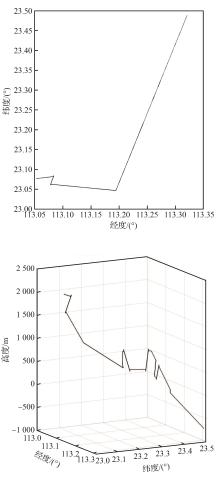
Fig.11
Schematic diagram of optimal point connection
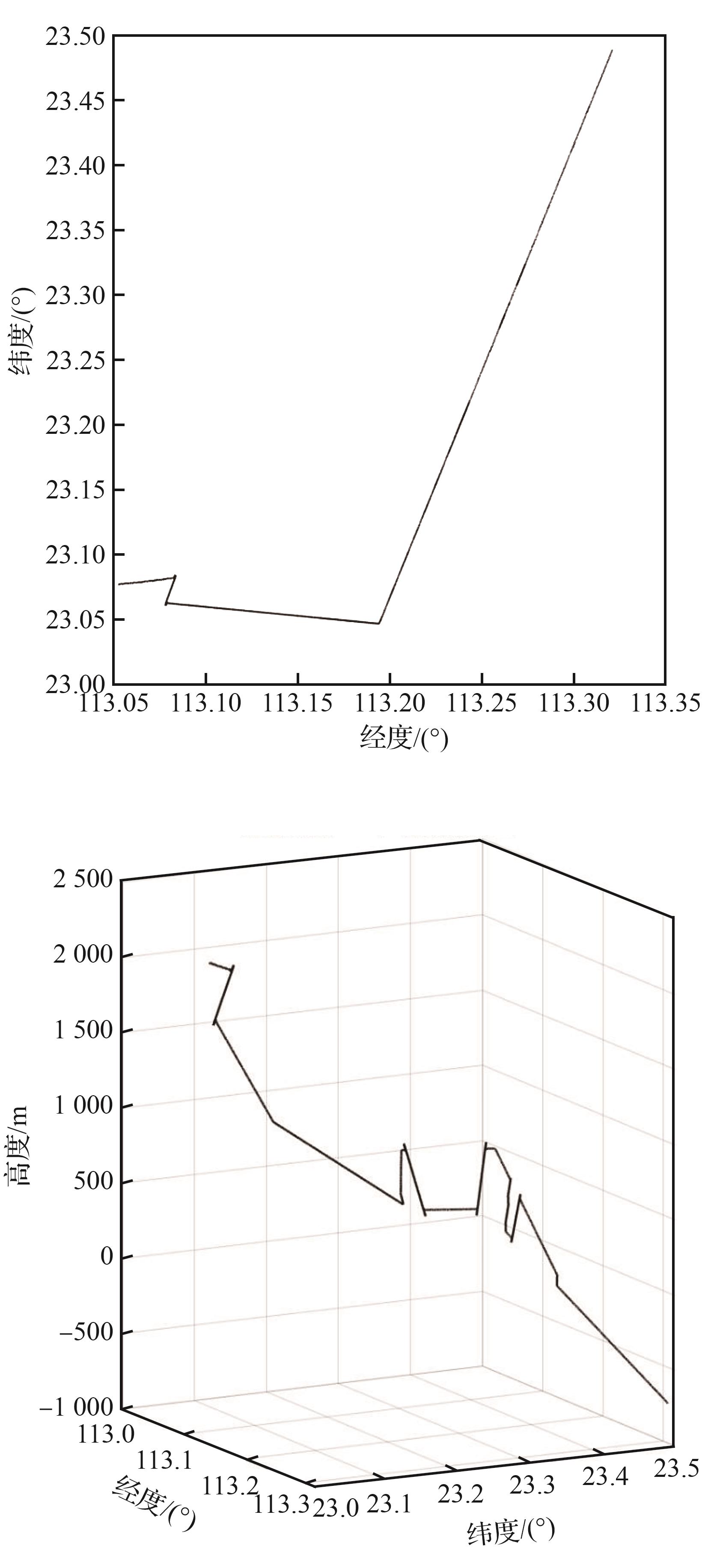
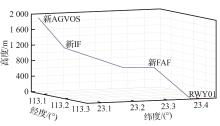
Fig.12
Schematic diagram of optimized approach procedure
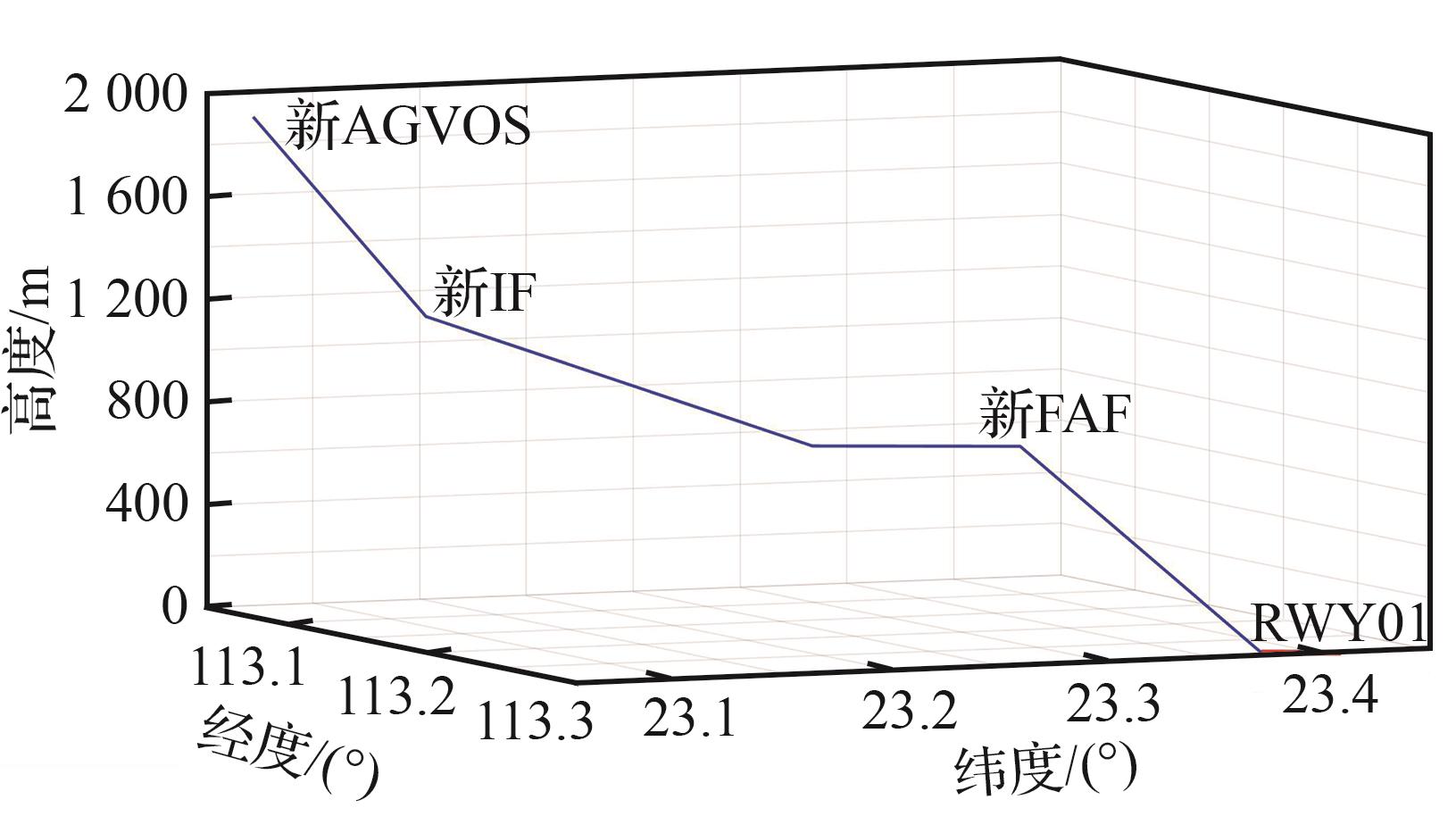
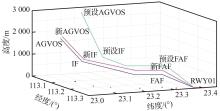
Fig.13
Program comparison schematic
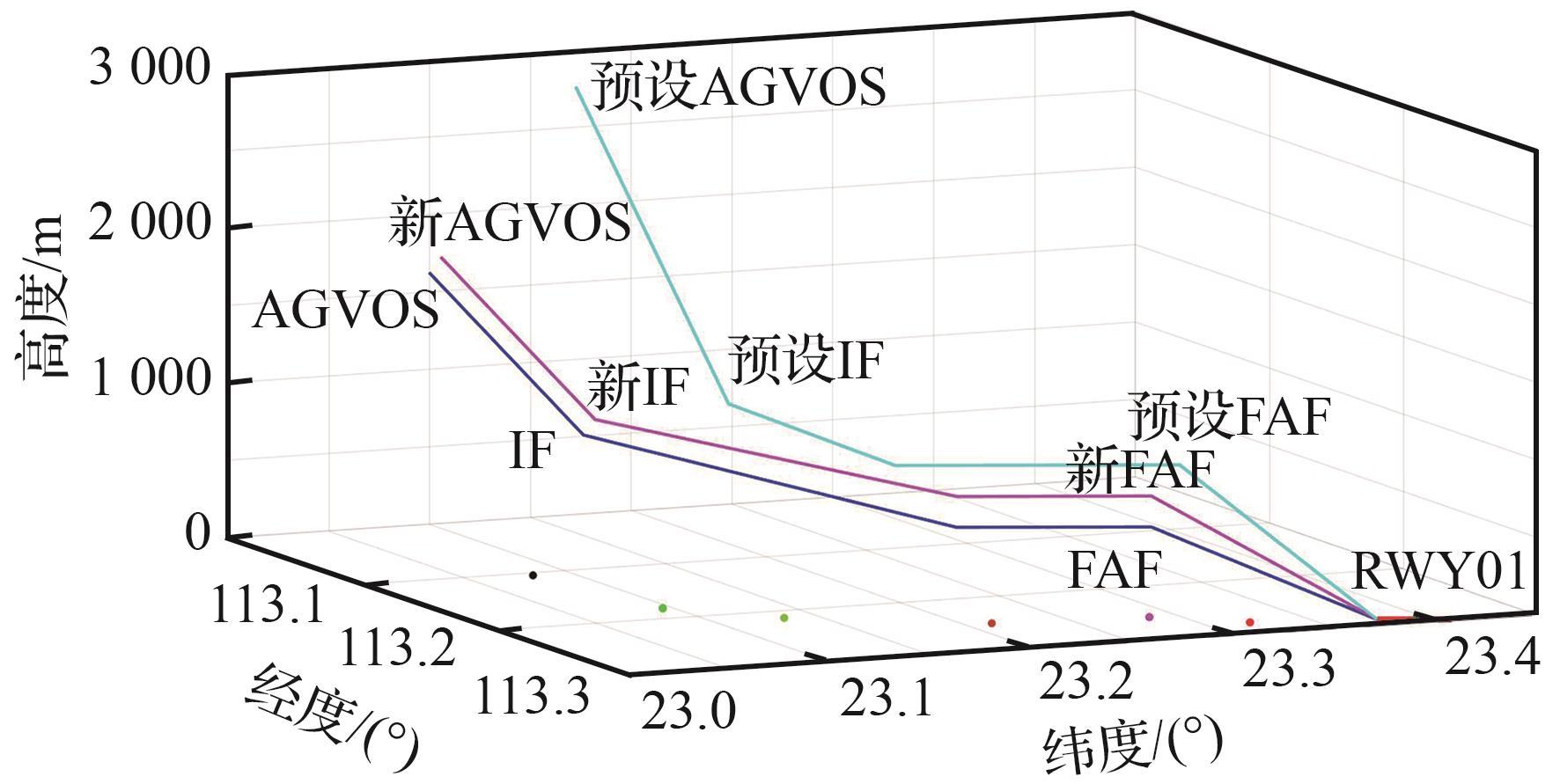
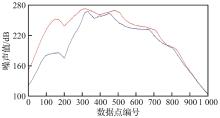
Fig.14
Comparison of noise level results
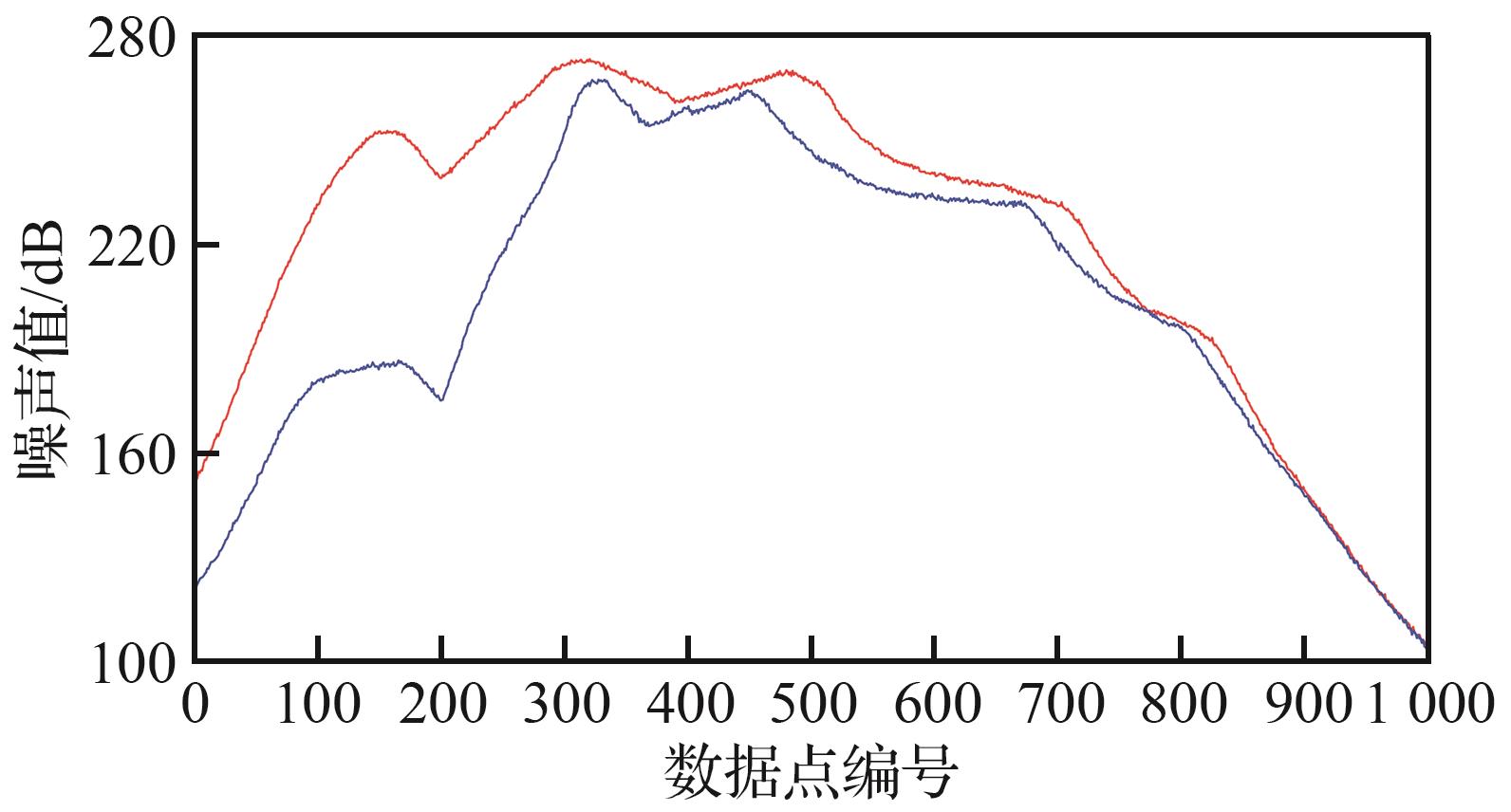
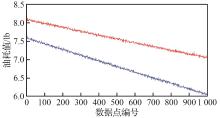
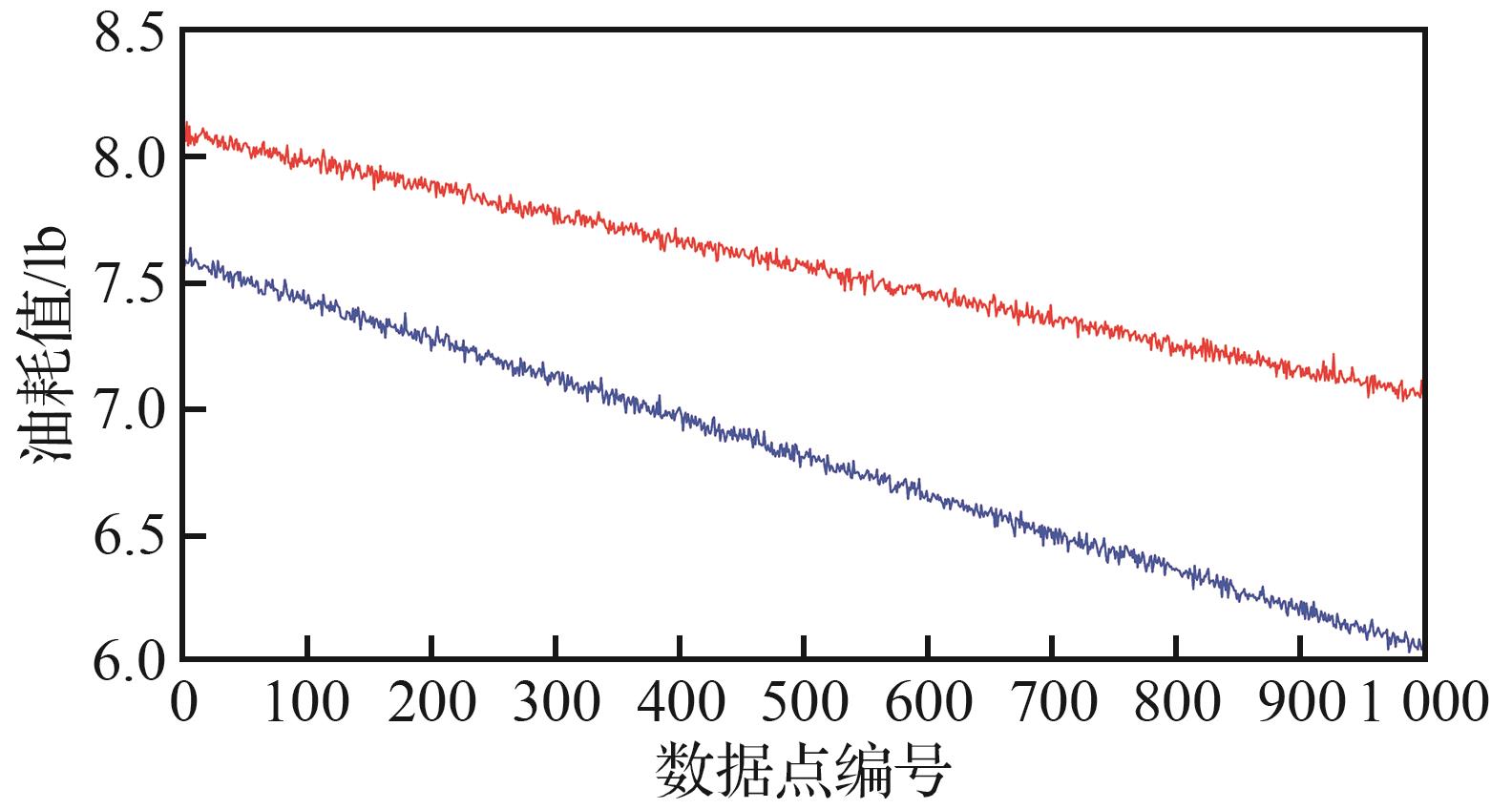
Fig.15
Comparison of fuel consumption results
| [1] | VAN HEERDEN A S J, GUENOV M D, MOLINA-CRISTÓBAL A. Evolvability and design reuse in civil jet transport aircraft[J]. Progress in Aerospace Sciences, 2019, 108: 121-155. |
| [2] | POLLOCK L, WILD G. An examination of high-speed aircraft-Part 1: Past, present, and future[J]. Transportation Engineering, 2024, 18: 100290. |
| [3] | 崔青, 白俊强, 宋源, 等. 基于增广Burgers方程的超声速客机远场声爆预测研究[J]. 航空工程进展, 2021, 12(2): 88-97. |
| CUI Q, BAI J Q, SONG Y, et al. Research on far-field acoustic explosion prediction of supersonic aircraft based on augmented Burgers equation[J]. Advances in Aeronautical Science and Engineering, 2021, 12(2): 88-97 (in Chinese). | |
| [4] | KUMAKSHEV S A, SHMATKOV A M. Optimal fuel consumption trajectories of a civil supersonic aircraft[J]. Journal of Computer and Systems Sciences International, 2022, 61(4): 664-676. |
| [5] | LENGYAN, QIAN Z S. A CFD based sonic boom prediction method and investigation on the parameters affecting the sonic boom signature[J]. Procedia Engineering, 2015, 99: 433-451. |
| [6] | 郝璇, 张青青, 苏诚, 等. 考虑配平特性的超声速客机低声爆气动布局优化研究[J]. 航空工程进展, 2024, 15(1): 38-50. |
| HAO X, ZHANG Q Q, SU C, et al. The low sonic boom and aerodynamic optimization with trim constraint of supersonic jet[J]. Advances in Aeronautical Science and Engineering, 2024, 15(1): 38-50 (in Chinese). | |
| [7] | 刘少伟, 白俊强, 余培汛, 等. 考虑声爆特性的超声速客机气动优化设计[J]. 西北工业大学学报, 2020, 38(2): 271-278. |
| LIU S W, BAI J Q, YU P X, et al. Aerodynamic optimization design on supersonic transports considering sonic boom intensity[J]. Journal of Northwestern Polytechnical University, 2020, 38(2): 271-278 (in Chinese). | |
| [8] | SEYMOUR K, HELD M, GEORGES G, et al. Fuel estimation in air transportation: Modeling global fuel consumption for commercial aviation[J]. Transportation Research Part D: Transport and Environment, 2020, 88: 102528. |
| [9] | PAGE J A, RANKIN D, GALLMAN J M. Takeoff and landing analysis of two Northrop grumman supersonic conceptual vehicle designs: AIAA-2025-1795[R]. Reston: AIAA, 2025. |
| [10] | LI Z W, ZHANG J L, GUAN H. Passenger spatiotemporal distribution prediction in airport terminals based on physics-guided spatio-temporal graph convolutional network and its effect on indoor environment prediction[J]. Sustainable Cities and Society, 2024, 106: 105375. |
| [11] | eAIP. RWY01 PBN standard instrument approach program chart[EB/OL]. (2025-02-15)[2025-03-03]. . |
| [12] | 单程军, 贡天宇, 易理哲, 等. 超声速民机高效高可信度声爆/气动多学科优化方法[J]. 航空学报, 2024, 45(24): 130573. |
| SHAN C J, GONG T Y, YI L Z, et al. High-efficiency and high-reliability sonic boom/aerodynamic multidisciplinary optimization method for supersonic civil aircraft[J]. Acta Aeronautica et Astronautica Sinica, 2024, 45(24): 130573 (in Chinese). | |
| [13] | 杨磊, 李文博, 刘芳子, 等. 柔性空域结构下连续下降航迹多目标优化[J]. 航空学报, 2021, 42(2): 324157. |
| YANG L, LI W B, LIU F Z, et al. Multi-objective optimization of continuous descending trajectories in flexible airspace[J]. Acta Aeronautica et Astronautica Sinica, 2021, 42(2): 324157 (in Chinese). | |
| [14] | CAO R J, LENG Z, YU J M, et al. Multi-objective optimization for maintaining low-noise pavement network system in Hong Kong[J]. Transportation Research Part D: Transport and Environment, 2020, 88: 102573. |
| [15] | PHAM Q HOA, THANH TRAN T, ZENKOUR A M, et al. Multi-objective optimization for free vibration of L-shaped bi-functionally graded sandwich plates using an effective finite element method and non-dominated sorting genetic algorithm Ⅱ[J]. Composite Structures, 2023, 326: 117622. |
| [16] | NUIC A, POLES D, MOUILLET V. BADA: An advanced aircraft performance model for present and future ATM systems[J]. International Journal of Adaptive Control and Signal Processing, 2010, 24(10): 850-866. |
| [17] | CASADO R, BERMÚDEZ A, HERNÁNDEZ-ORALLO E, et al. Pollution and noise reduction through missed approach maneuvers based on aircraft reinjection[J]. Transportation Research Part D: Transport and Environment, 2023, 114: 103574. |
| [18] | CARMONA M, CASADO R, BERMÚDEZ A, et al. Fuel savings through missed approach maneuvers based on aircraft reinjection[J]. Aircraft Engineering and Aerospace Technology. 2024; 96(2): 248-256. |
| [19] | ECAC.Report on standard method of computing noise C-ontours around civil airports. Brussels: ECAC, 2005. |
| [20] | PRETTO M, GIANNATTASIO P, DE GENNARO M. Mixed analysis-synthesis approach for estimating airport noise from civil air traffic[J]. Transportation Research Part D: Transport and Environment, 2022, 106: 103248. |
| [21] | FENG H, ZHOU Y D, ZENG W L, et al. A physics-based PSO-BPNN model for civil aircraft noise assessment[J]. Applied Acoustics, 2024, 221: 109992. |
| [22] | AUDRIN T, APPARICIO P, SÉGUIN A M. Aircraft noise and environmental equity in montréal: A comparison of noise indicators and an analysis of the impacts of COVID-19[J]. Transportation Research Part D: Transport and Environment, 2022, 106: 103274. |
| [23] | FISHER L, LIU S, MAURICE L Q, et al. Supersonic aircraft: Balancing fast, affordable, and green[J]. International Journal of Aeroacoustics, 2004, 3(3): 181-197. |
| [1] | Rongzu LI, Li LIU, Dun YANG. Optimal design of hydrogen-powered UAV based on multi-source domain fusion surrogate model [J]. Acta Aeronautica et Astronautica Sinica, 2025, 46(9): 630979-630979. |
| [2] | Weiwei CAI, Guohua WU, Hengwei LI, Qian YIN. Multi-objective scheduling optimization method for relay satellites considering user preferences [J]. Acta Aeronautica et Astronautica Sinica, 2025, 46(8): 331074-331074. |
| [3] | Qing WANG, Fengqi ZHENG, Di DING, Xi YUE. Aerodynamic coefficient identification method based on noise statistics estimation [J]. Acta Aeronautica et Astronautica Sinica, 2025, 46(7): 130920-130920. |
| [4] | Dongfei ZHANG, Junhui GAO. High-precision numerical simulation of fan rotor-stator interaction pure tone [J]. Acta Aeronautica et Astronautica Sinica, 2025, 46(7): 130884-130884. |
| [5] | Yifan WANG, Xiyun GUO, Shiyuan JIA, Gang CHEN, Mo REN. Configuration optimization method of three-branch robot for truss holding [J]. Acta Aeronautica et Astronautica Sinica, 2025, 46(7): 431033-431033. |
| [6] | Yuxin CUI, Zhong LU, Jia ZHOU. Development assurance level assignment based on multi-objective artificial hummingbird algorithm [J]. Acta Aeronautica et Astronautica Sinica, 2025, 46(4): 330946-330946. |
| [7] | Deyang ZHANG, Ran ZHENG, Huiyan CHENG, Xiaodi MENG, Jingya QI, Lin LI, Dayong LIN. A method to improve sensor sensitivity in detecting dim targets in space [J]. Acta Aeronautica et Astronautica Sinica, 2025, 46(3): 629944-629944. |
| [8] | Zhongwen DENG, Shaogang GUO, Wenjun CHEN, Hengkang ZHANG, Haifeng SUN, Lirong SHEN, Xiaoping LI. Laser phase noise compensation method in frequency scanning interferometry for absolute distance measurement [J]. Acta Aeronautica et Astronautica Sinica, 2025, 46(3): 630561-630561. |
| [9] | Ruixuan XIE, Ziyang ZHANG, Jinye LI, Han BAO, Fanghan LU, Qimin WANG, Dawei WU. Low-boom aerodynamic design and assessment of long-range supersonic passenger aircraft [J]. Acta Aeronautica et Astronautica Sinica, 2025, 46(20): 531589-531589. |
| [10] | Zhiliang HONG, Bosi XIE, Jiaqi ZHANG, Meng WANG, Lingfeng CHEN. Effect of vector wind on aircraft noise footprints [J]. Acta Aeronautica et Astronautica Sinica, 2025, 46(20): 331957-331957. |
| [11] | Zhengwu CHEN, Yubiao JIANG, Xiangyu LU, Qiangbin LI. Aerodynamic noise test of open rotor in wind tunnel [J]. Acta Aeronautica et Astronautica Sinica, 2025, 46(2): 130425-130425. |
| [12] | Xunliang YAN, Yuxuan YANG, Jiawei SHI, Peichen WANG. Rapid ascent-phase trajectory planning for near-optimal fuel consumption of RBCC vehicle [J]. Acta Aeronautica et Astronautica Sinica, 2025, 46(18): 231876-231876. |
| [13] | Yao LU, Zihao LI, Zhunga LIU, Yanbo YANG. Intelligent data association and tracking of different types of multiple targets based on Transformer [J]. Acta Aeronautica et Astronautica Sinica, 2025, 46(17): 331643-331643. |
| [14] | Jiajie GUO, Zhi TAO, Liming SONG, Jun LI. Multi-dimensional and efficient optimization of cooling layout considering combination of oval hole inclination angles [J]. Acta Aeronautica et Astronautica Sinica, 2025, 46(16): 131584-131584. |
| [15] | Fulin LI, Min CHEN, Hailong TANG, Jiyuan ZHANG, Yue ZHOU, Jing MA. Control law design for variable cycle engine considering environmental indicators [J]. Acta Aeronautica et Astronautica Sinica, 2025, 46(16): 231624-231624. |
| Viewed | ||||||
|
Full text |
|
|||||
|
Abstract |
|
|||||
Address: No.238, Baiyan Buiding, Beisihuan Zhonglu Road, Haidian District, Beijing, China
Postal code : 100083
E-mail:hkxb@buaa.edu.cn
Total visits: 6658907 Today visits: 1341All copyright © editorial office of Chinese Journal of Aeronautics
All copyright © editorial office of Chinese Journal of Aeronautics
Total visits: 6658907 Today visits: 1341

 CJA
CJA
