Acta Aeronautica et Astronautica Sinica ›› 2026, Vol. 47 ›› Issue (6): 132842.doi: 10.7527/S1000-6893.2025.32842
• Fluid Mechanics and Flight Mechanics • Previous Articles
Yue ZHANG1,2( ), Gang YANG1,2, Huijun TAN1,2, Hantian ZHANG1,2, Mingchi PANG1,2, Longzhi ZHANG1,2, Xiahao GAO1,2
Received:2025-09-28
Revised:2025-10-24
Accepted:2025-11-11
Online:2025-11-21
Published:2025-11-20
Contact:
Yue ZHANG
E-mail:y.zhang@nuaa.edu.cn
Supported by:CLC Number:
Yue ZHANG, Gang YANG, Huijun TAN, Hantian ZHANG, Mingchi PANG, Longzhi ZHANG, Xiahao GAO. Restart characteristics of low-speed duct during mode transition in an over-under inlet[J]. Acta Aeronautica et Astronautica Sinica, 2026, 47(6): 132842.
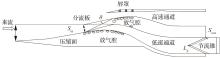
Fig.1
Two-dimensional schematic diagram of test model
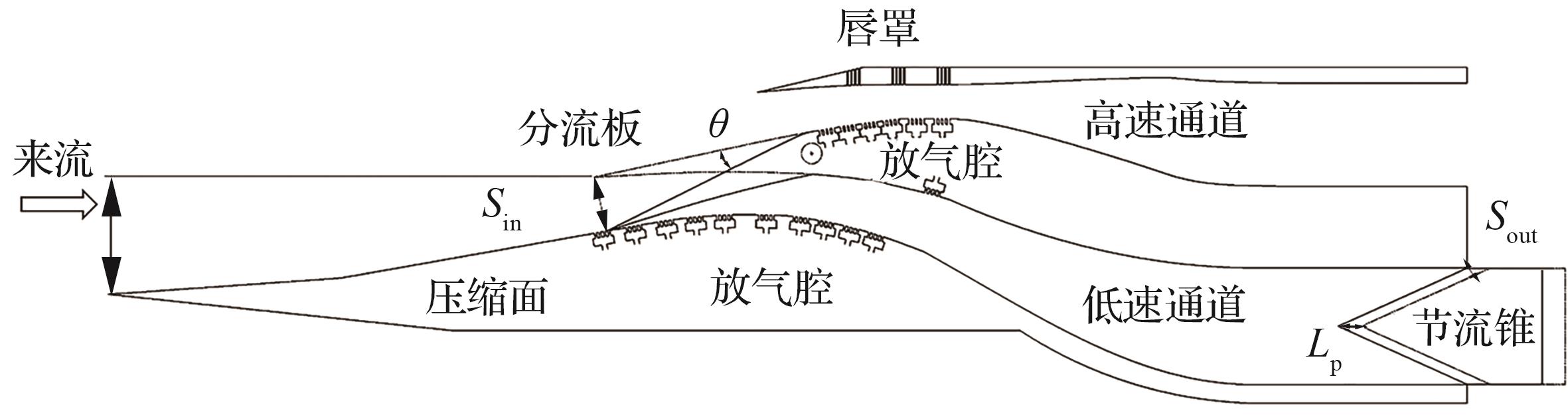
Fig.2
Test model
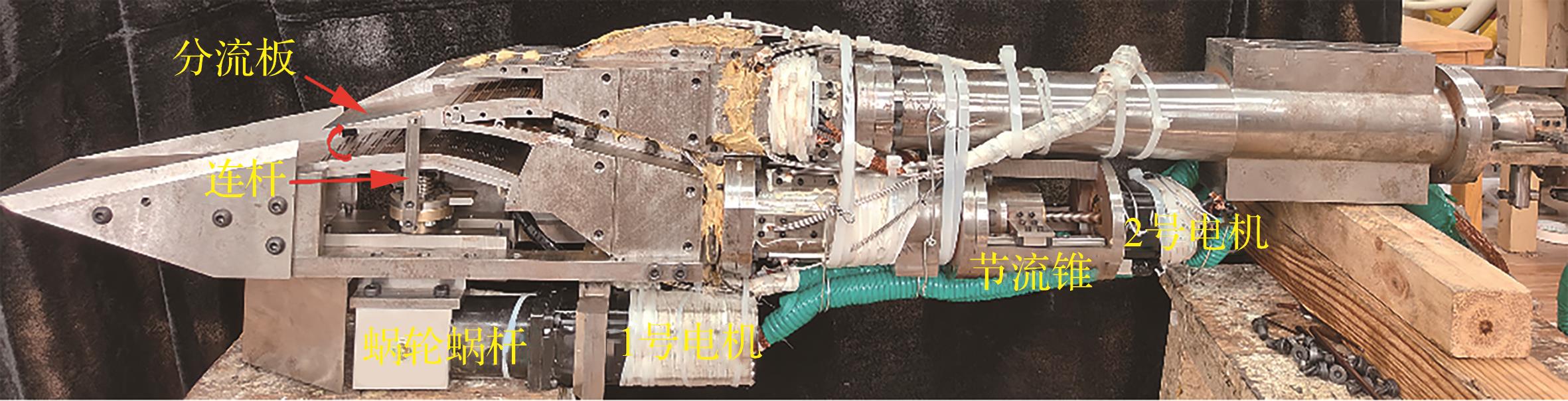

Table 1
Freestream condition for test
| 来流参数 | 数值 |
|---|---|
| 名义马赫数 | 3.0 |
| 实际马赫数 | 3.03 |
| 总压/kPa | 393.34 |
| 静压/kPa | 10.24 |
| 总温/K | 288.20 |
| 静温/K | 101.65 |
| 风洞可运行时间/s | 60 |
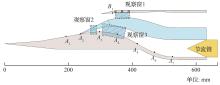
Fig.3
Location of dynamic pressure measuring points and schlieren optical glasses
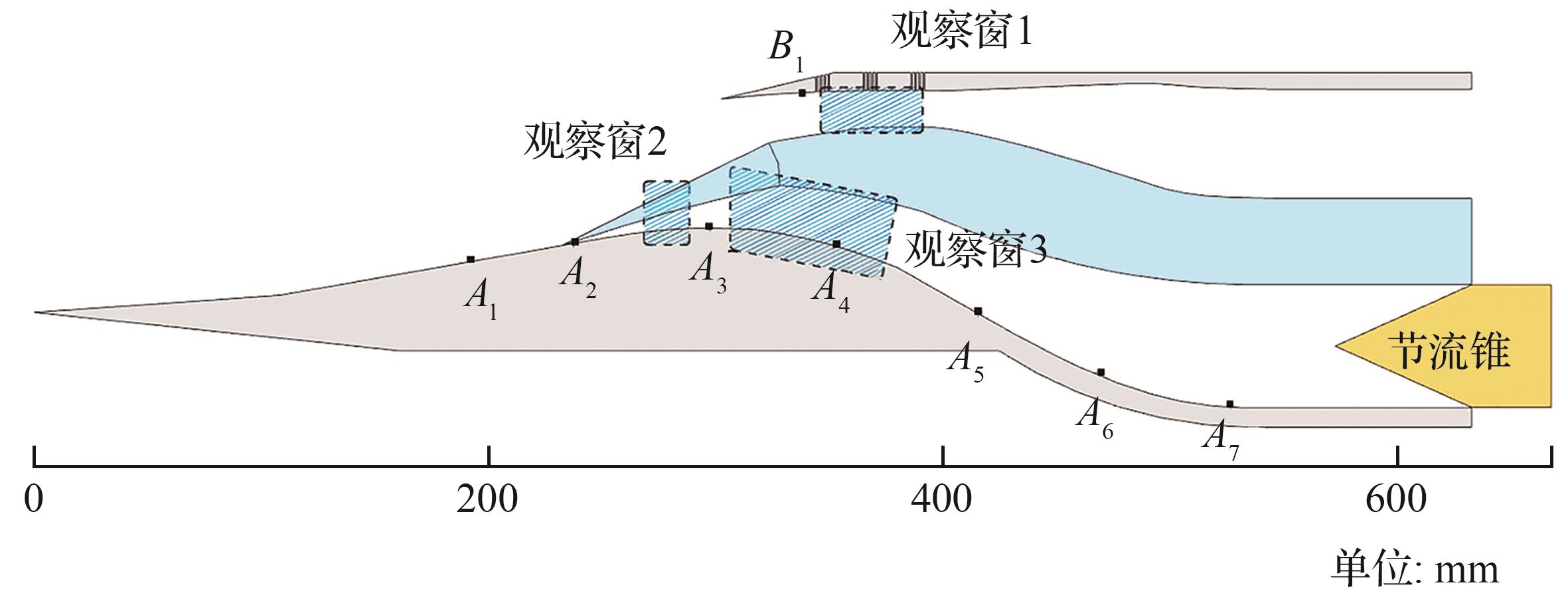
Table 2
Coordinates of dynamic pressure measuring points
| 压力测量点序号 | X坐标/mm |
|---|---|
| A1 | 190.7 |
| A2 | 237.5 |
| A3 | 297.5 |
| A4 | 352.1 |
| A5 | 415.8 |
| A6 | 469.1 |
| A7 | 526.8 |
| B1 | 338.3 |
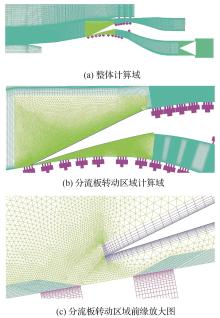
Fig.4
Hybrid-mesh computational domain
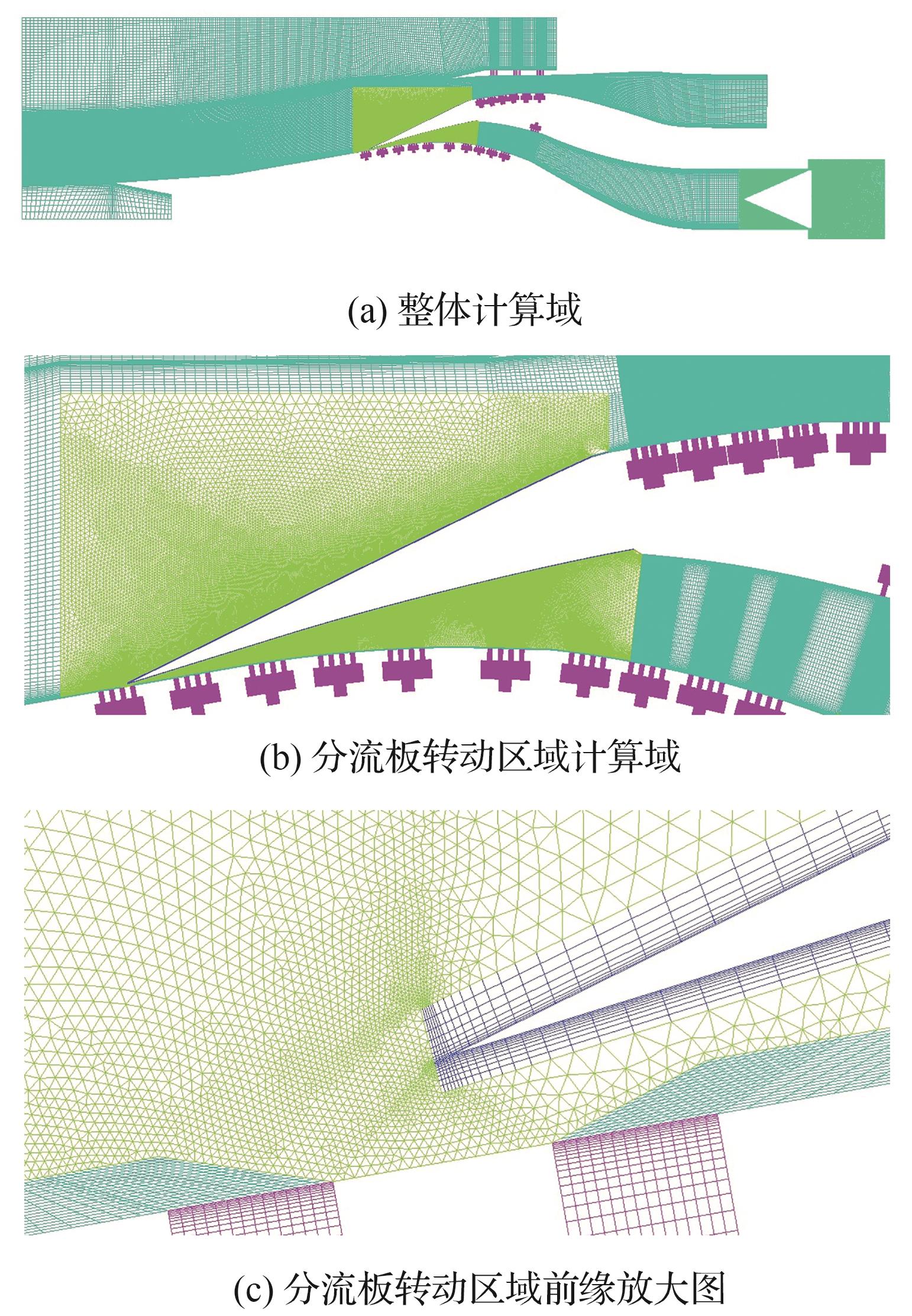
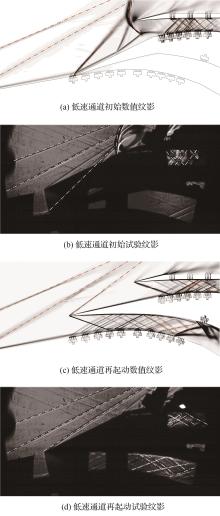
Fig.5
Comparison between numerical and experimental schlieren images
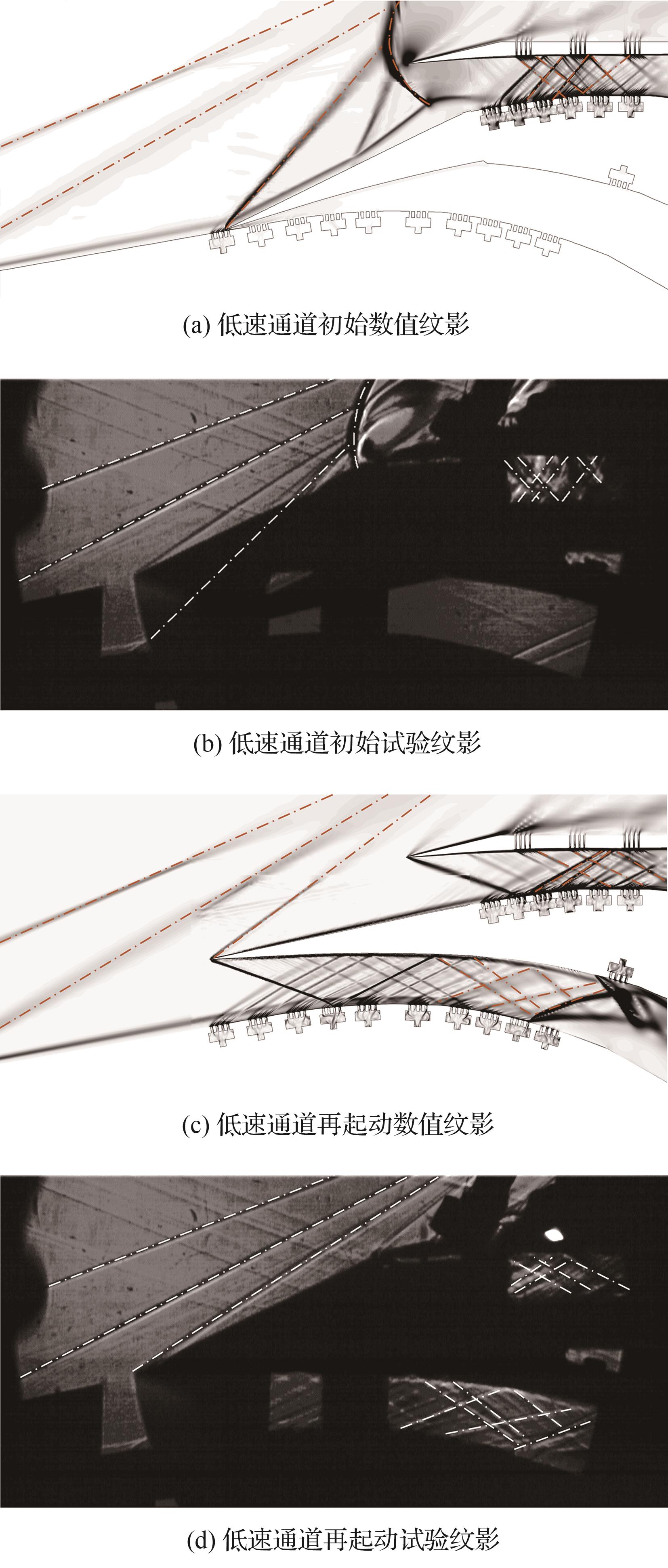
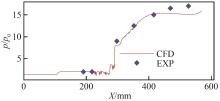
Fig.6
Pressure distribution comparison of bottom wall along streamwise direction
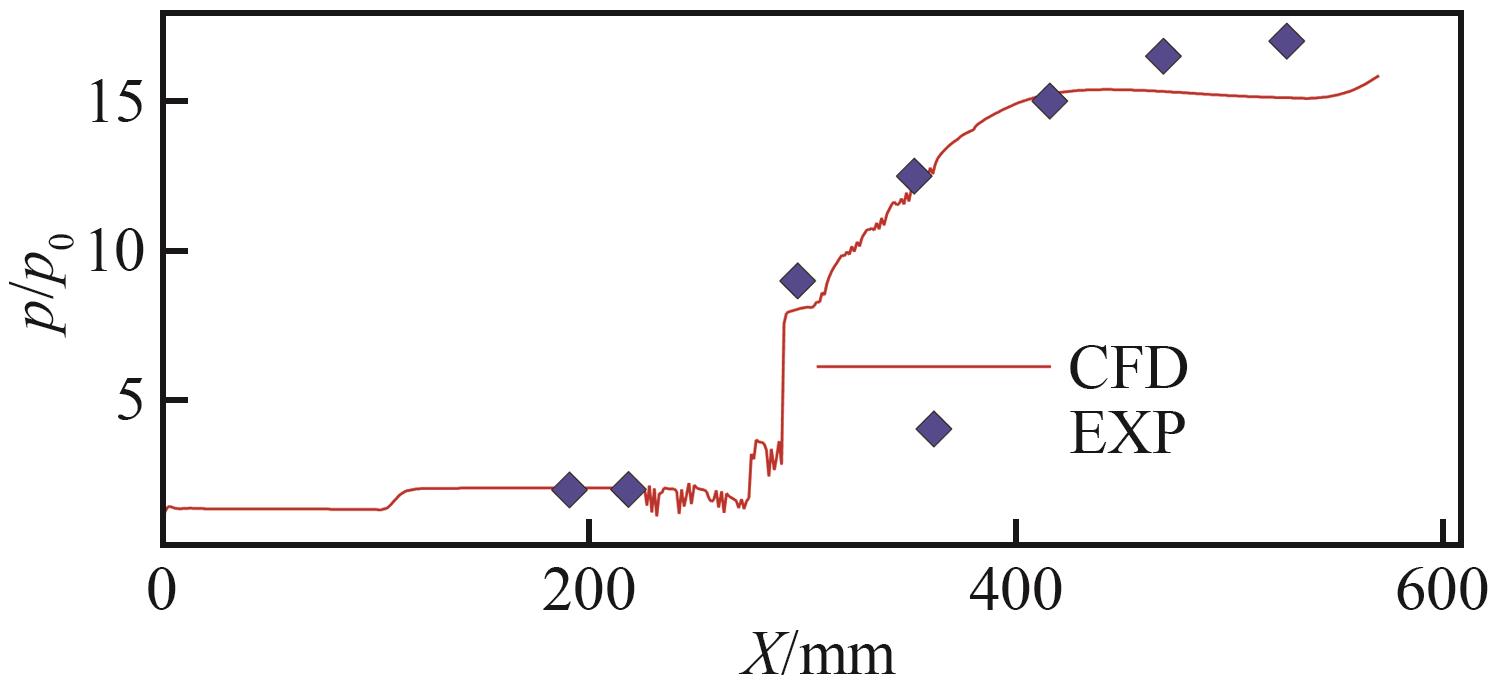
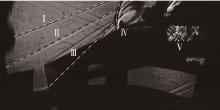
Fig.7
Schlieren image of inlet prior to mode transition
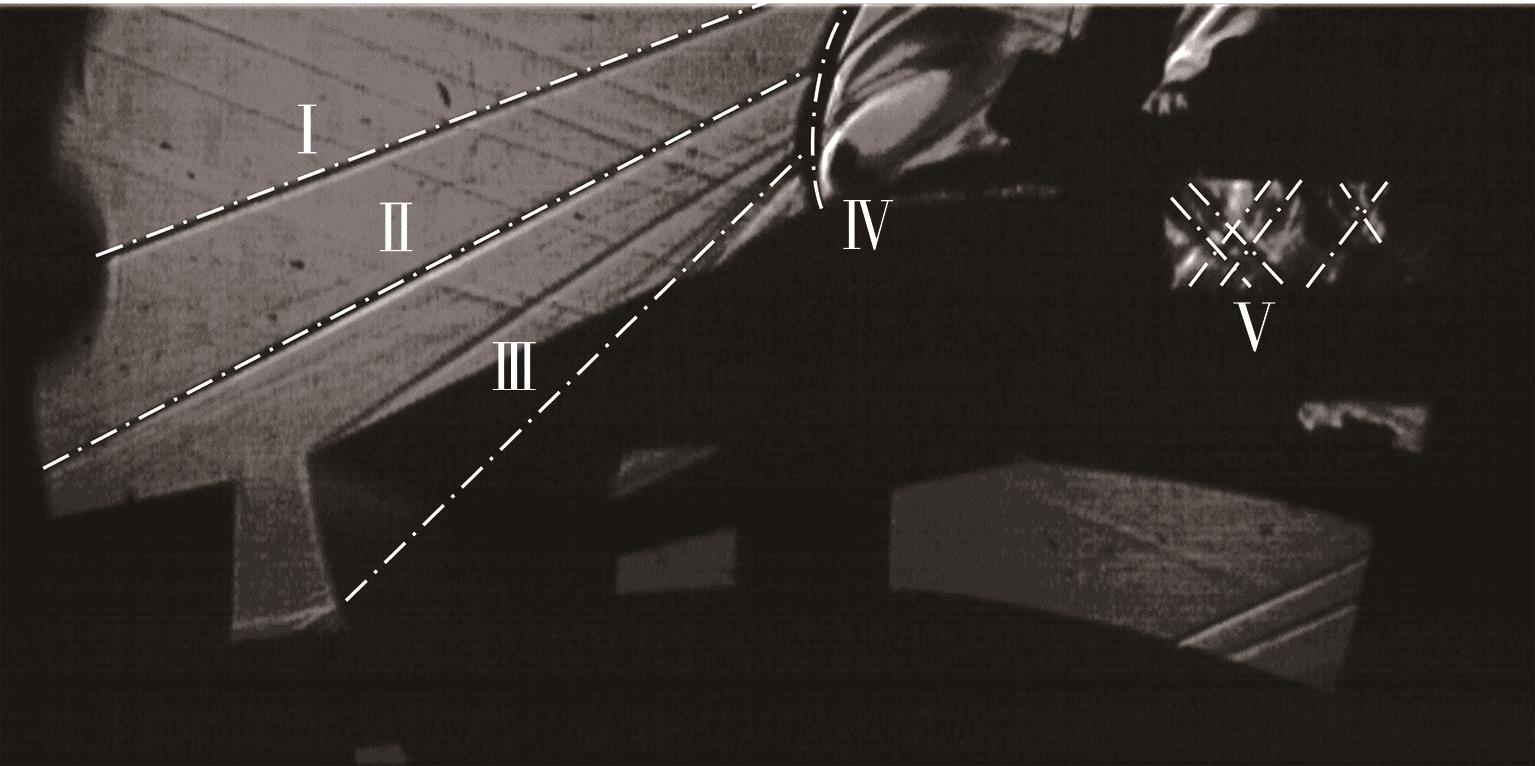
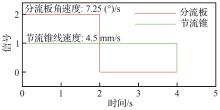
Fig.8
Schematic diagram of motor signal at ω=7.25 (°)/s
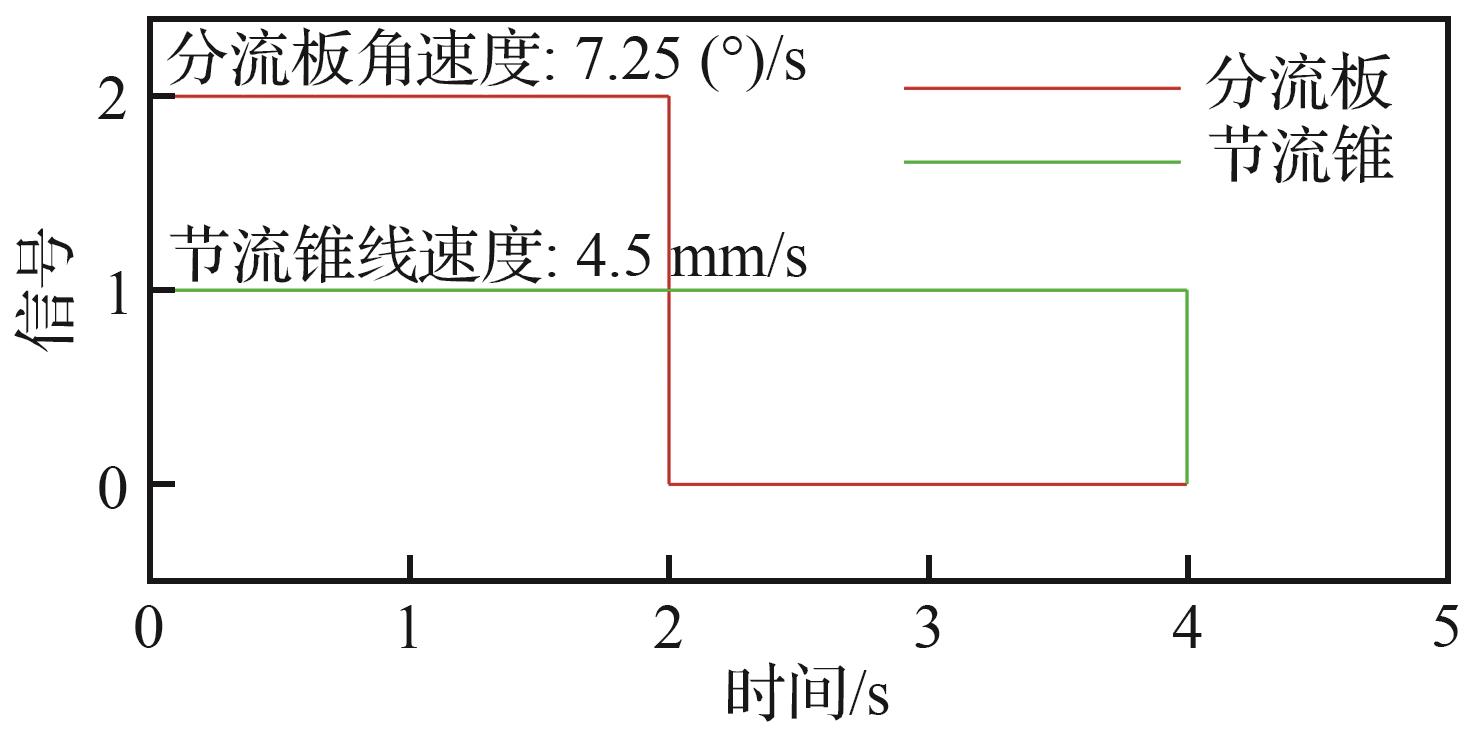
Fig.9
Schlieren image captured during mode transition process at ω=7.25 (°)/s
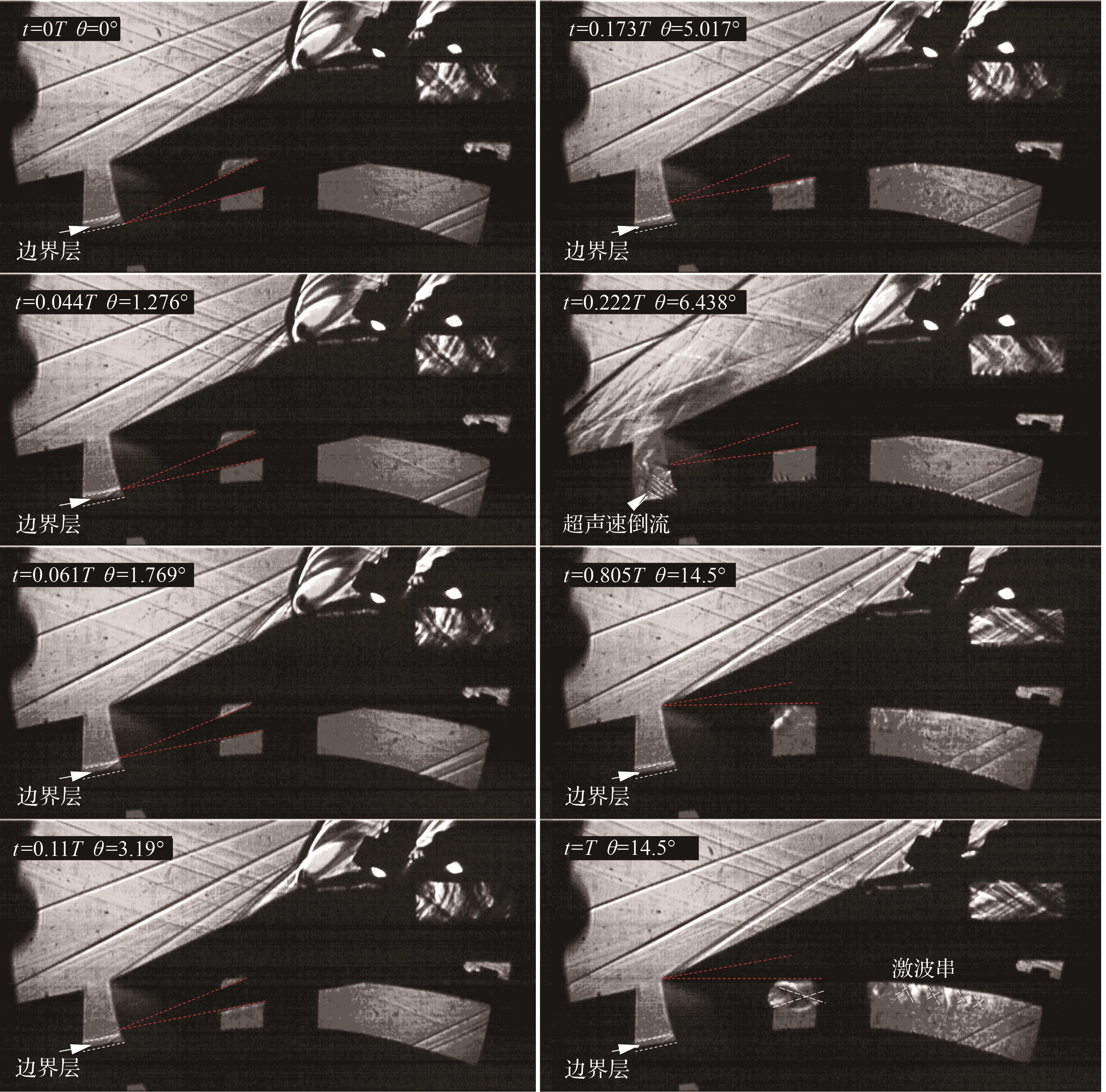
Fig.10
Pressure-time histories at points A1 and A2 during mode transition process at ω=7.25 (°)/s
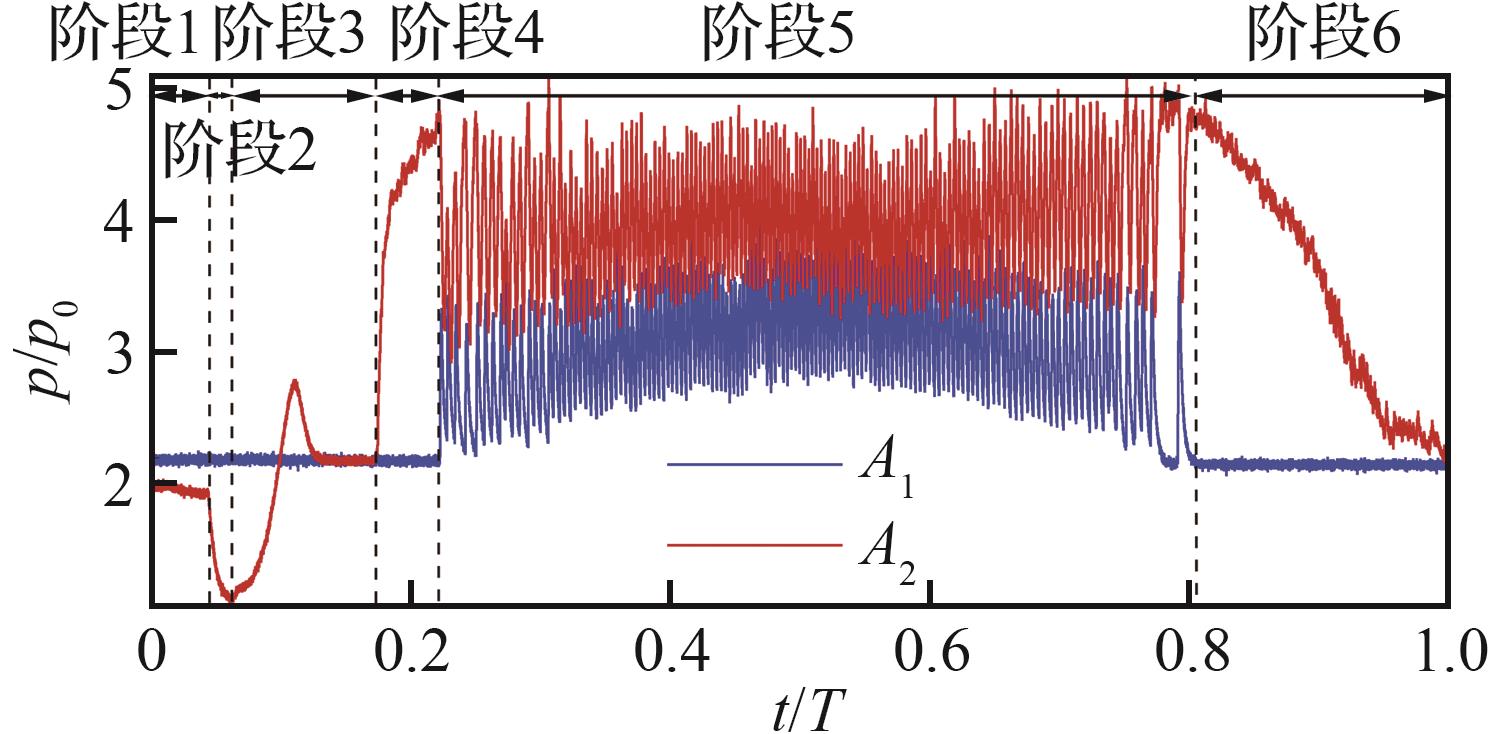
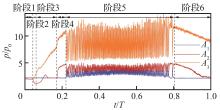
Fig.11
Pressure-time histories at points A1, A2, and A3 during mode transition process at ω = 7.25 (°)/s
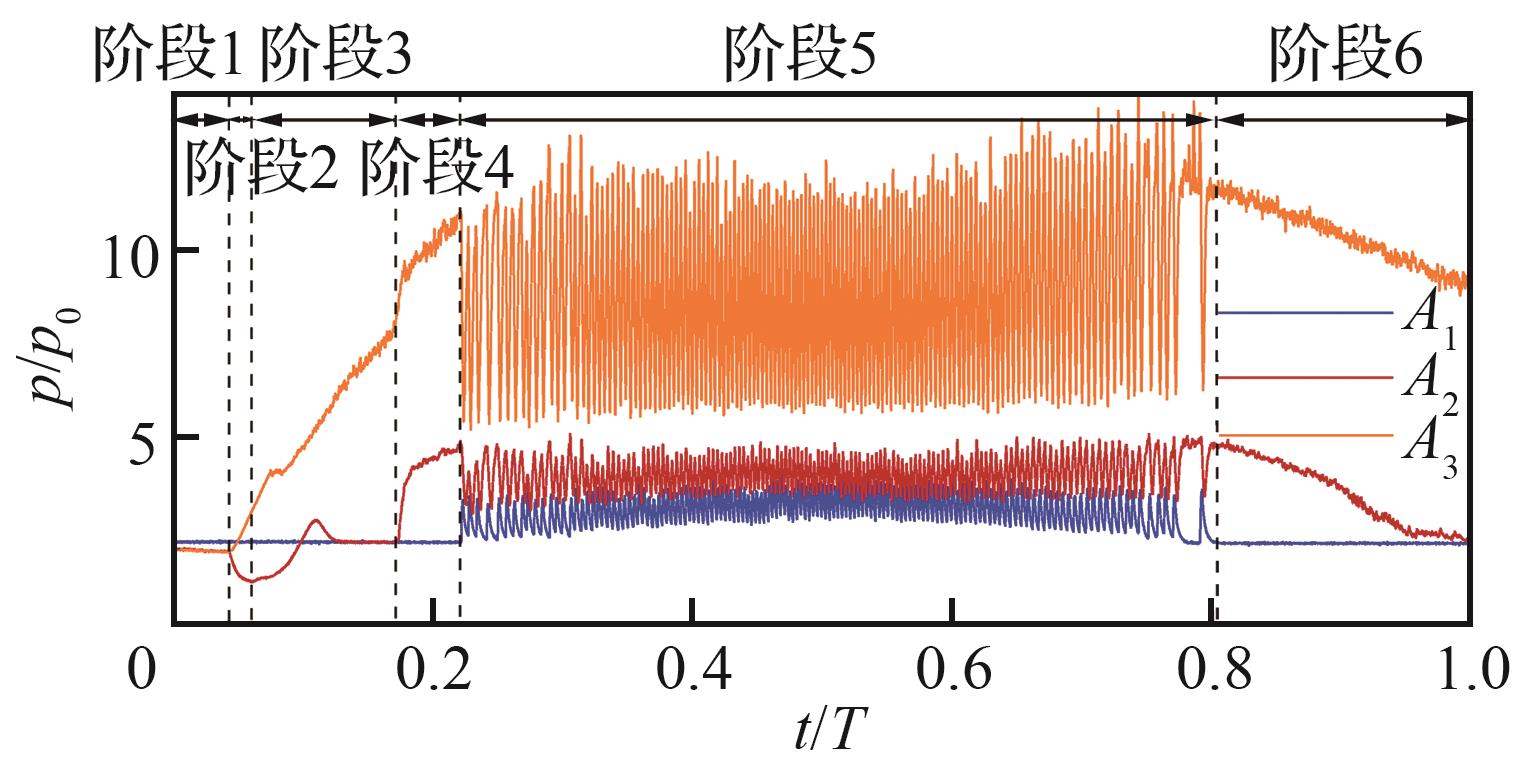

Fig.12
Schematic diagram of bleed cavity backflow at onset of mode transition
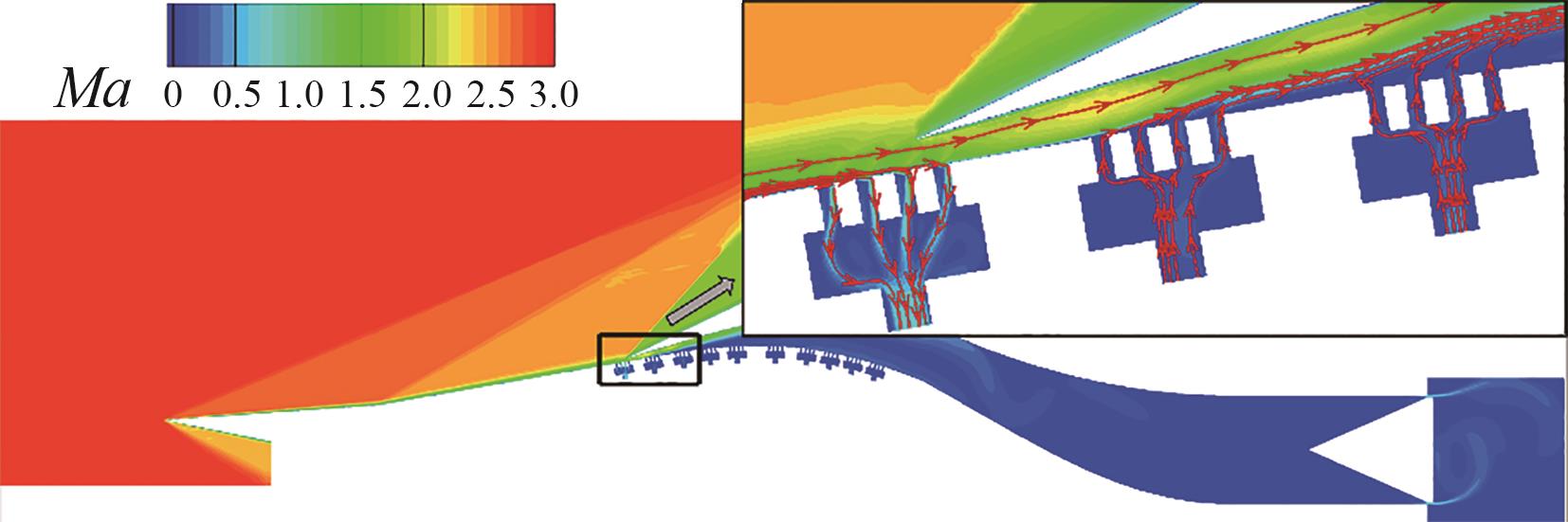
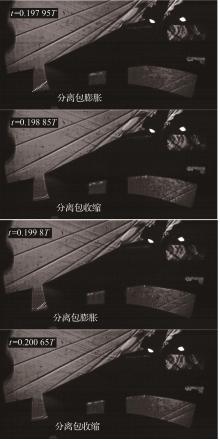
Fig.13
Periodic contraction and expansion of separation zone at inlet of low-speed duct
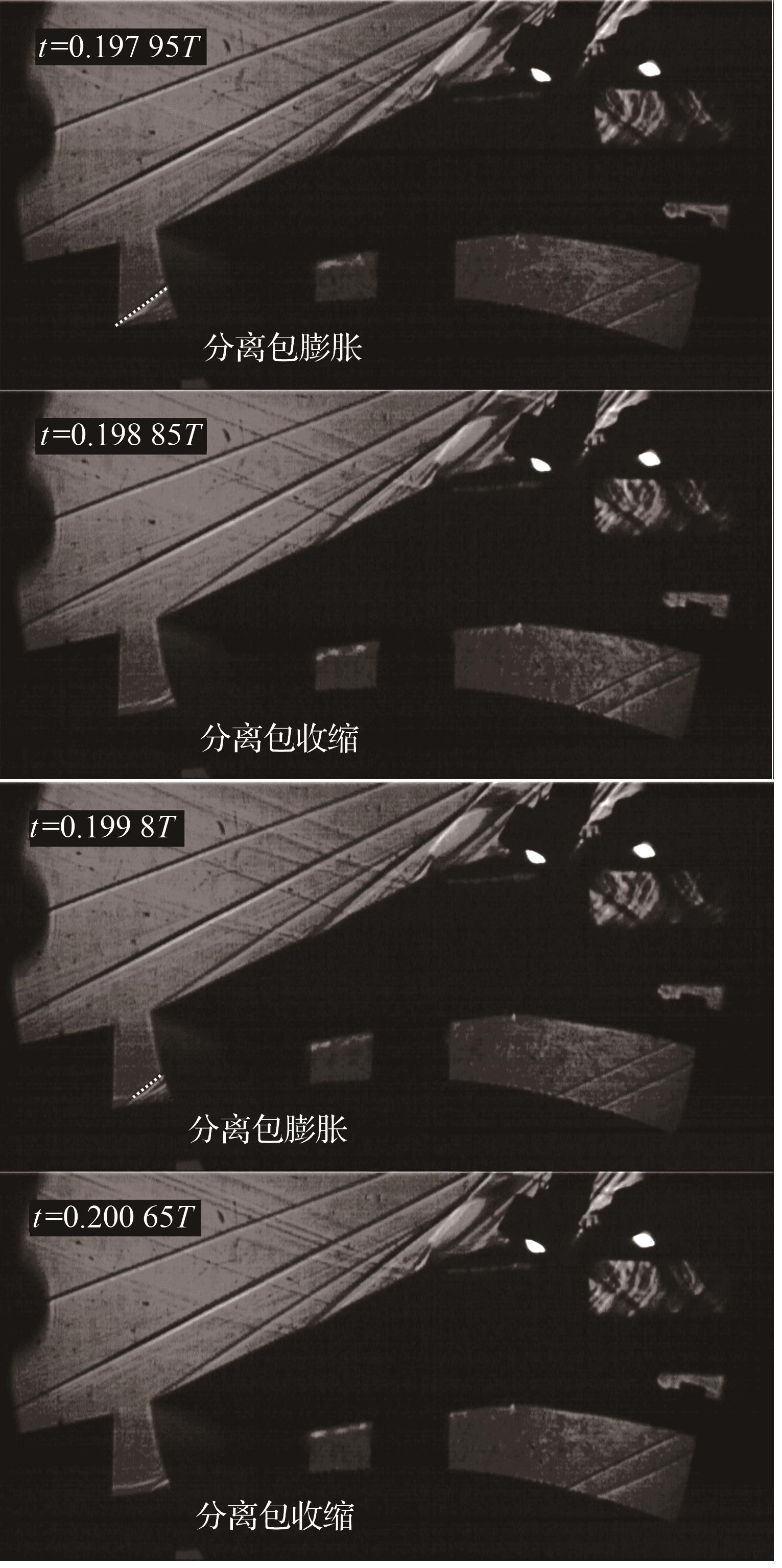
Fig.14
Time history and power spectral density of pressure oscillations at dynamic measurement point A2 for ω=7.25 (°)/s
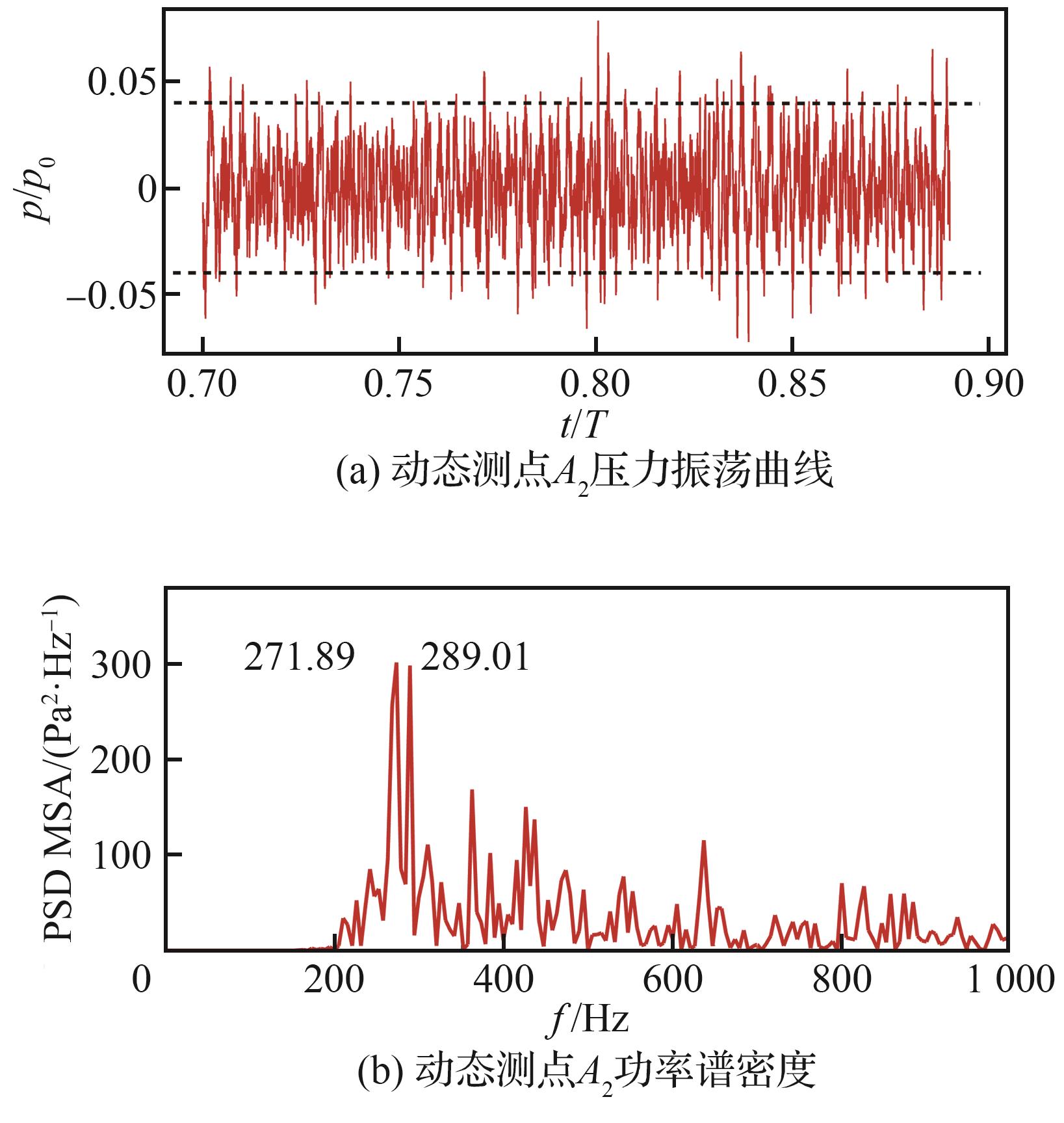
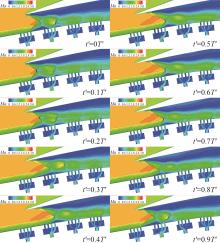
Fig.15
Shock oscillation at inlet of low-speed duct
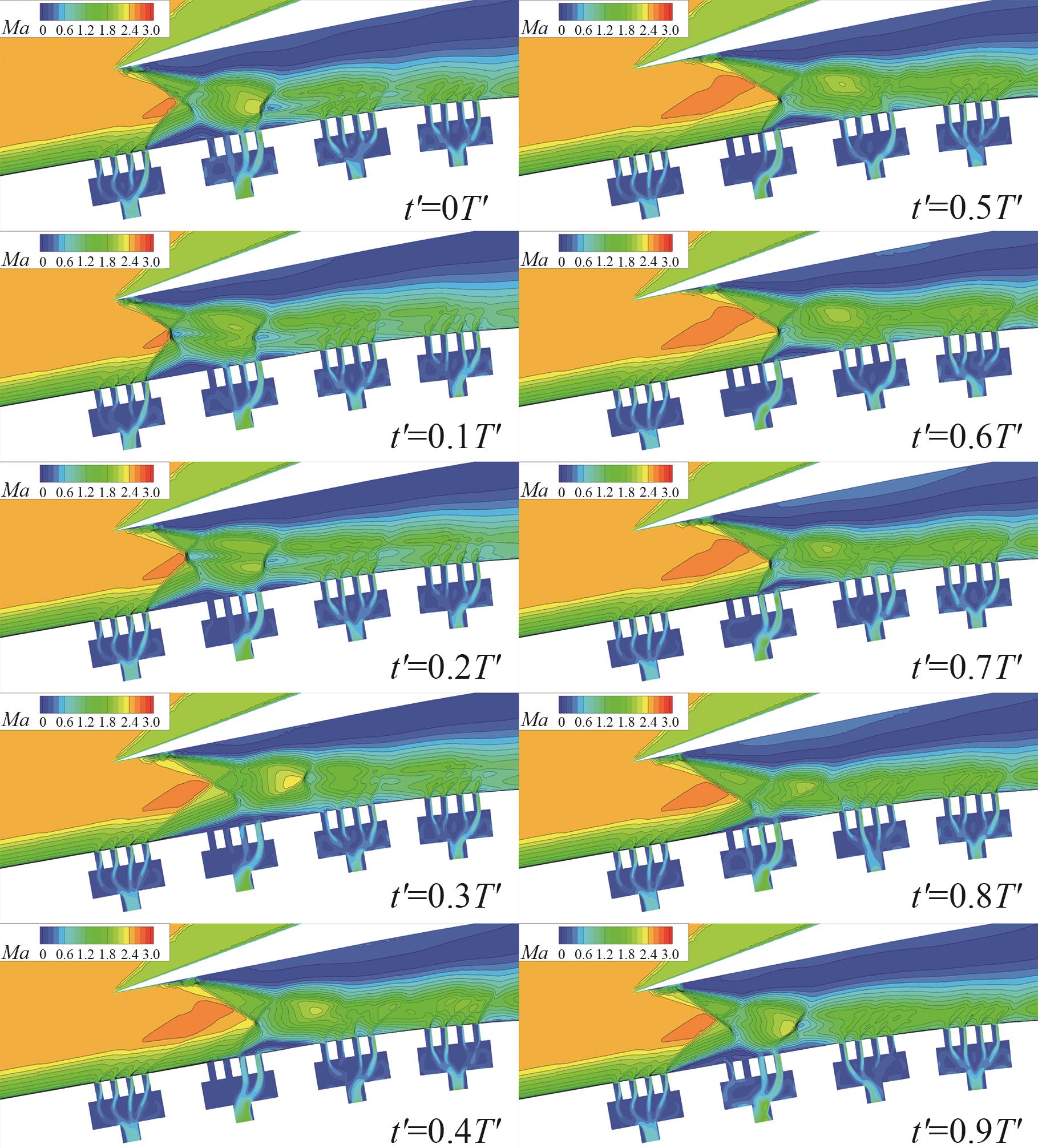
Fig.16
Sequence of buzz development in low-speed duct
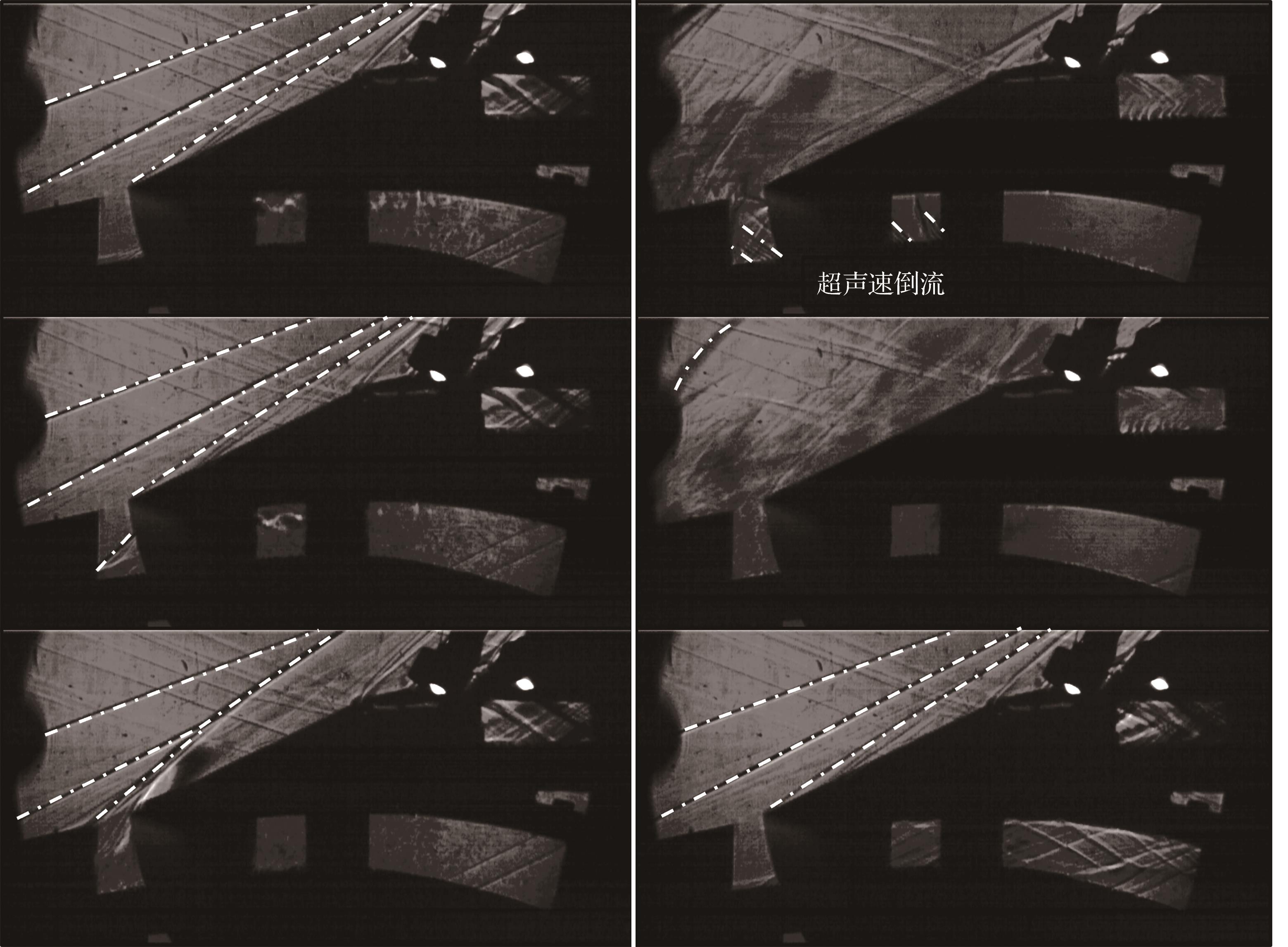
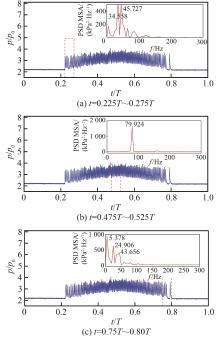
Fig.17
Power spectral density of pressure signal at point A1 for ω = 7.25 (°)/s
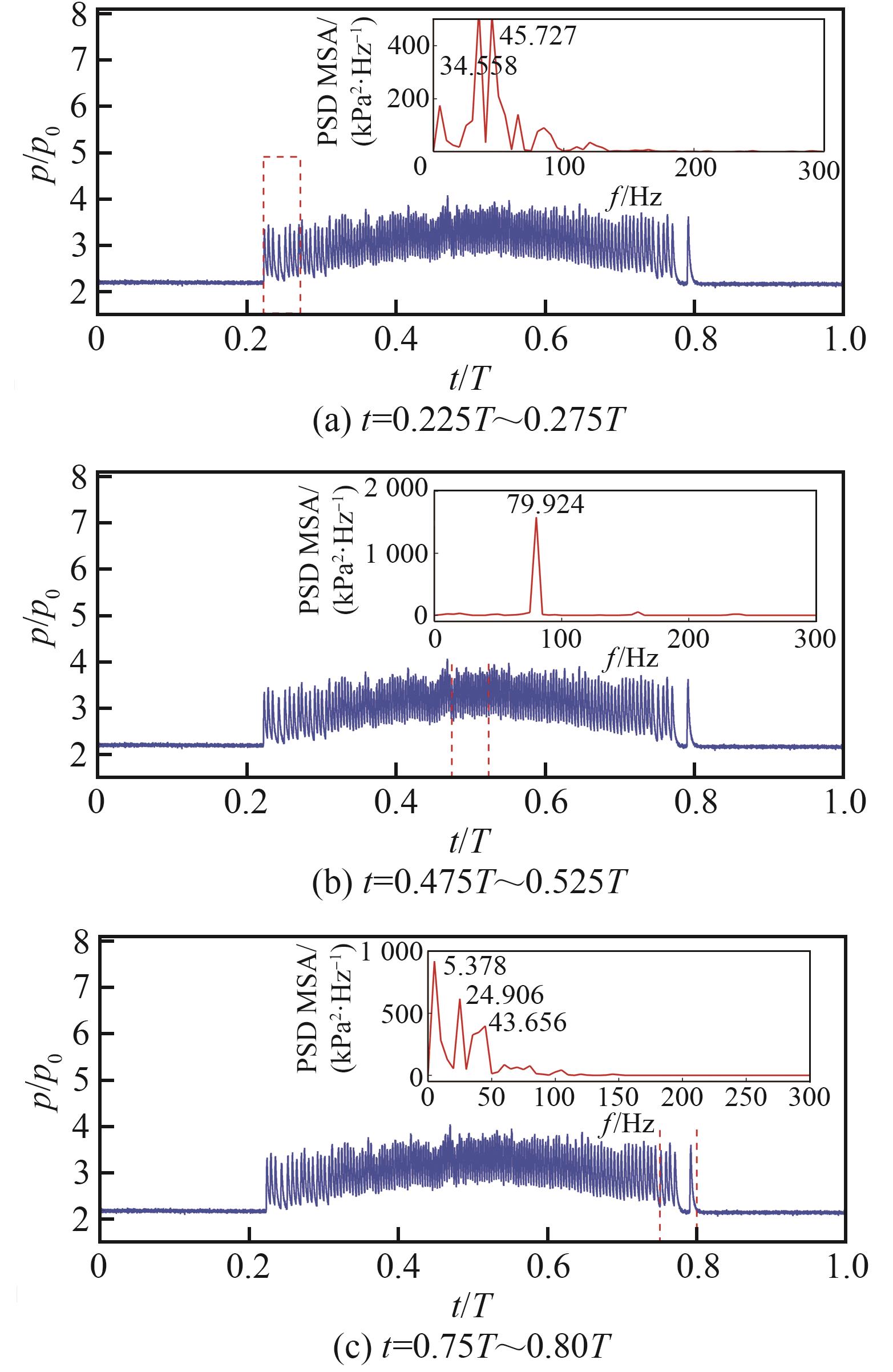
Fig.18
Continuous wavelet transform of pressure signal at point A1 for ω = 7.25 (°)/s
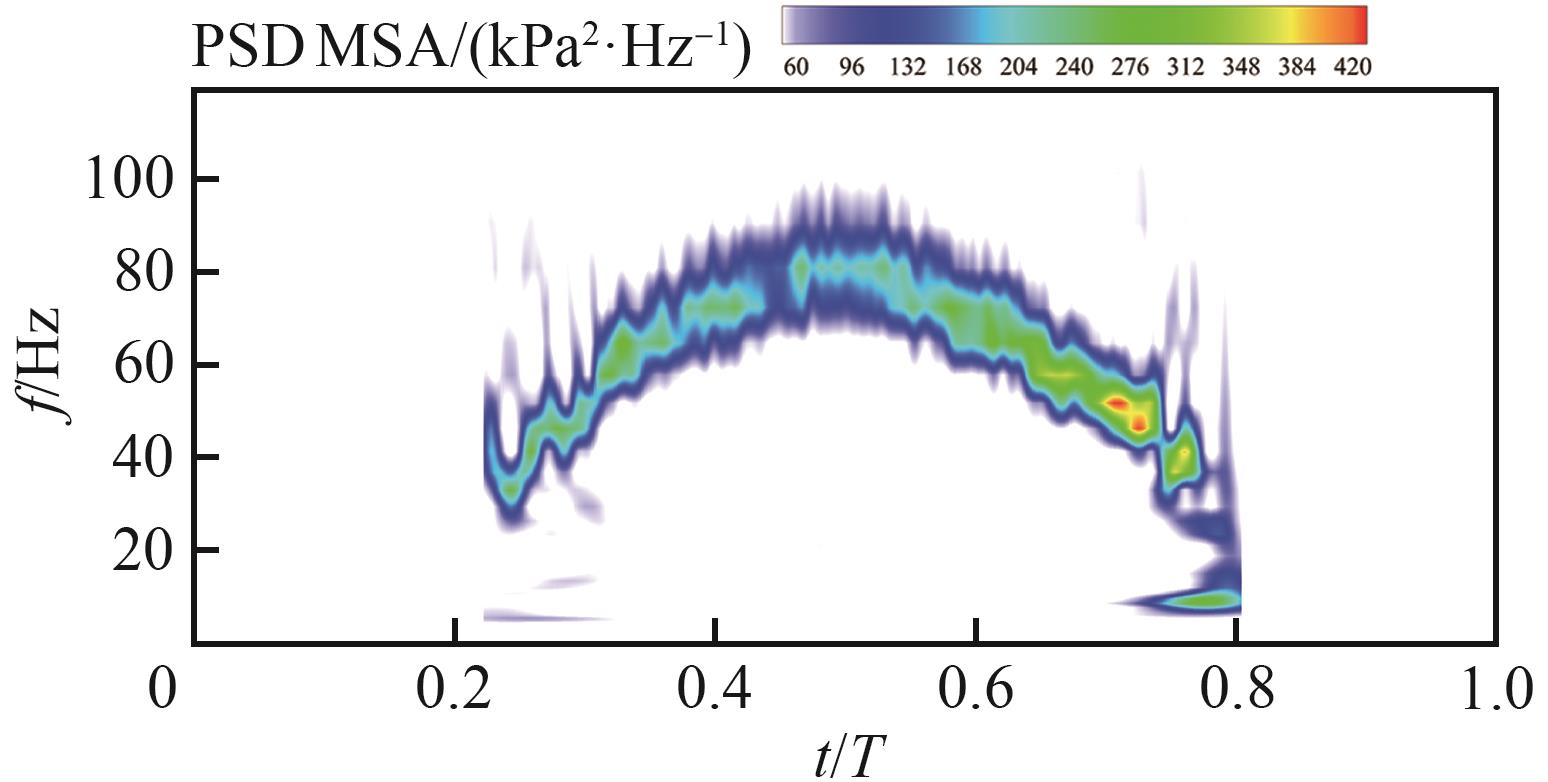
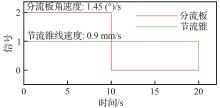
Fig.19
Schematic diagram of motor signal at ω=1.45 (°)/s
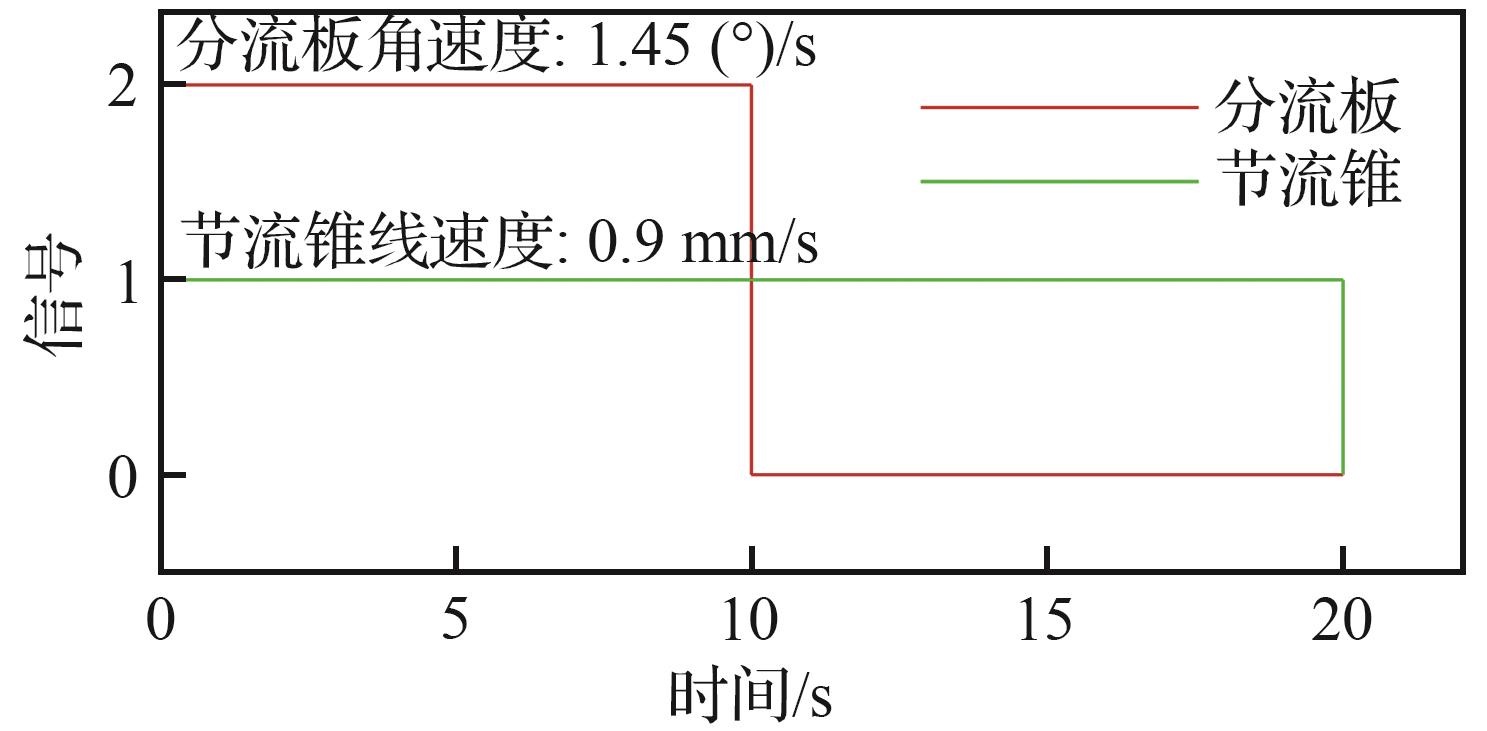
Fig.20
Pressure-time histories at points A1 and A2 during mode transition process at ω=1.45 (°)/s
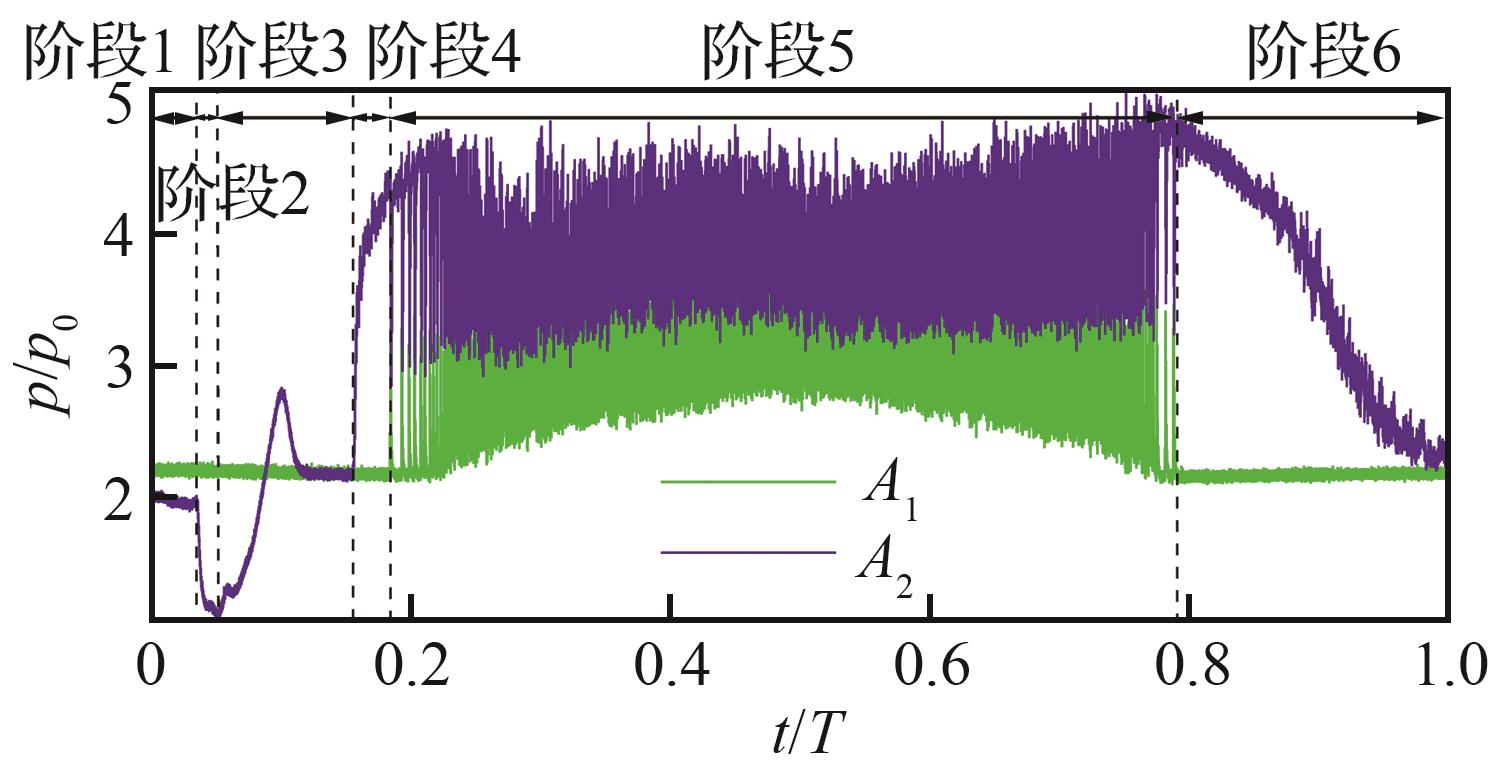
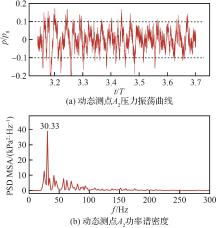
Fig.21
Time history and power spectral density of pressure oscillations at dynamic measurement point A2 for ω = 1.45 (°)/s
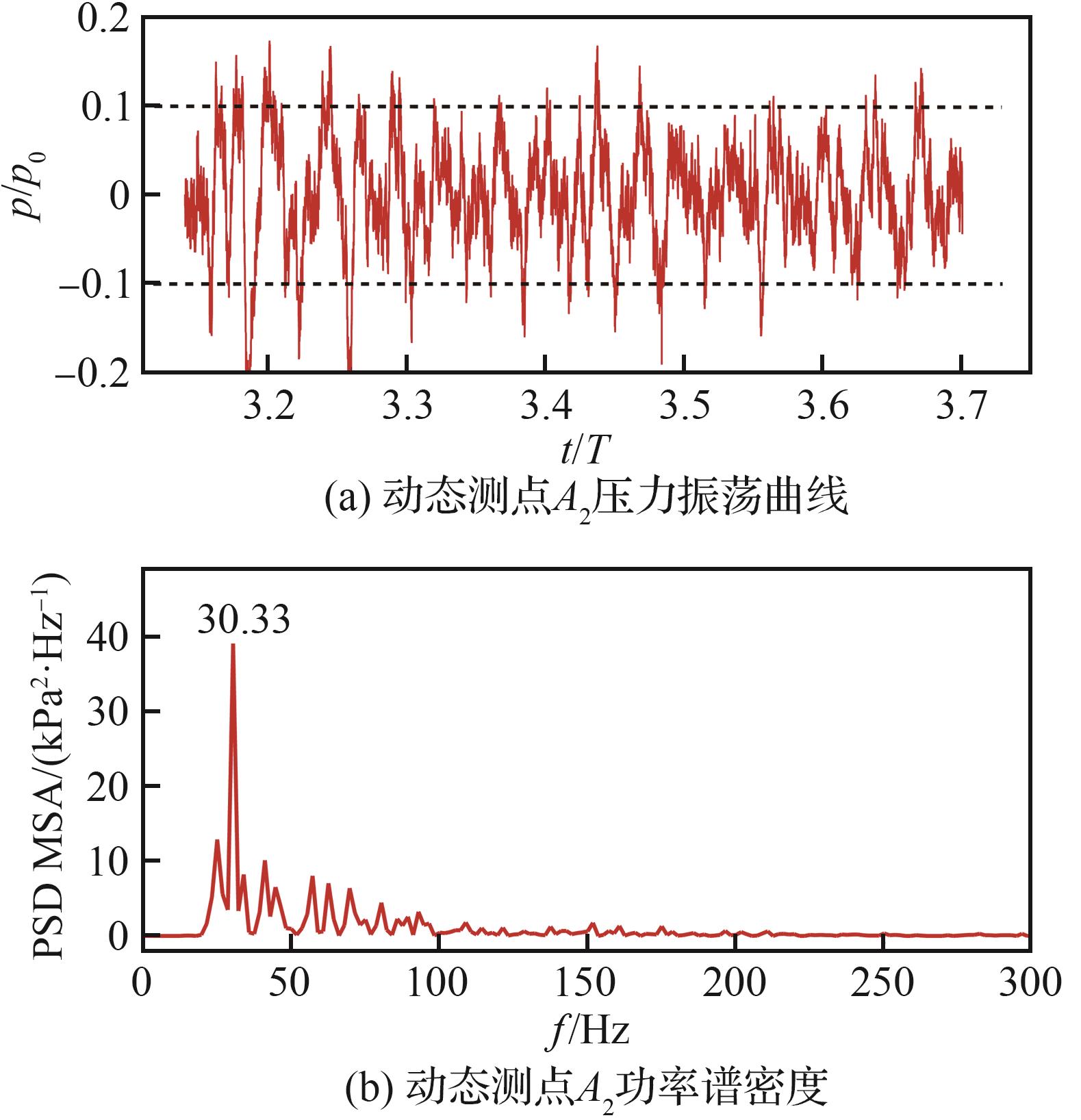
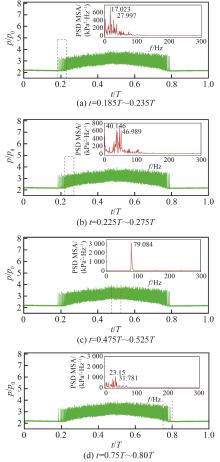
Fig.22
Power spectral density of pressure signal at point A1 for ω = 1.45 (°)/ s
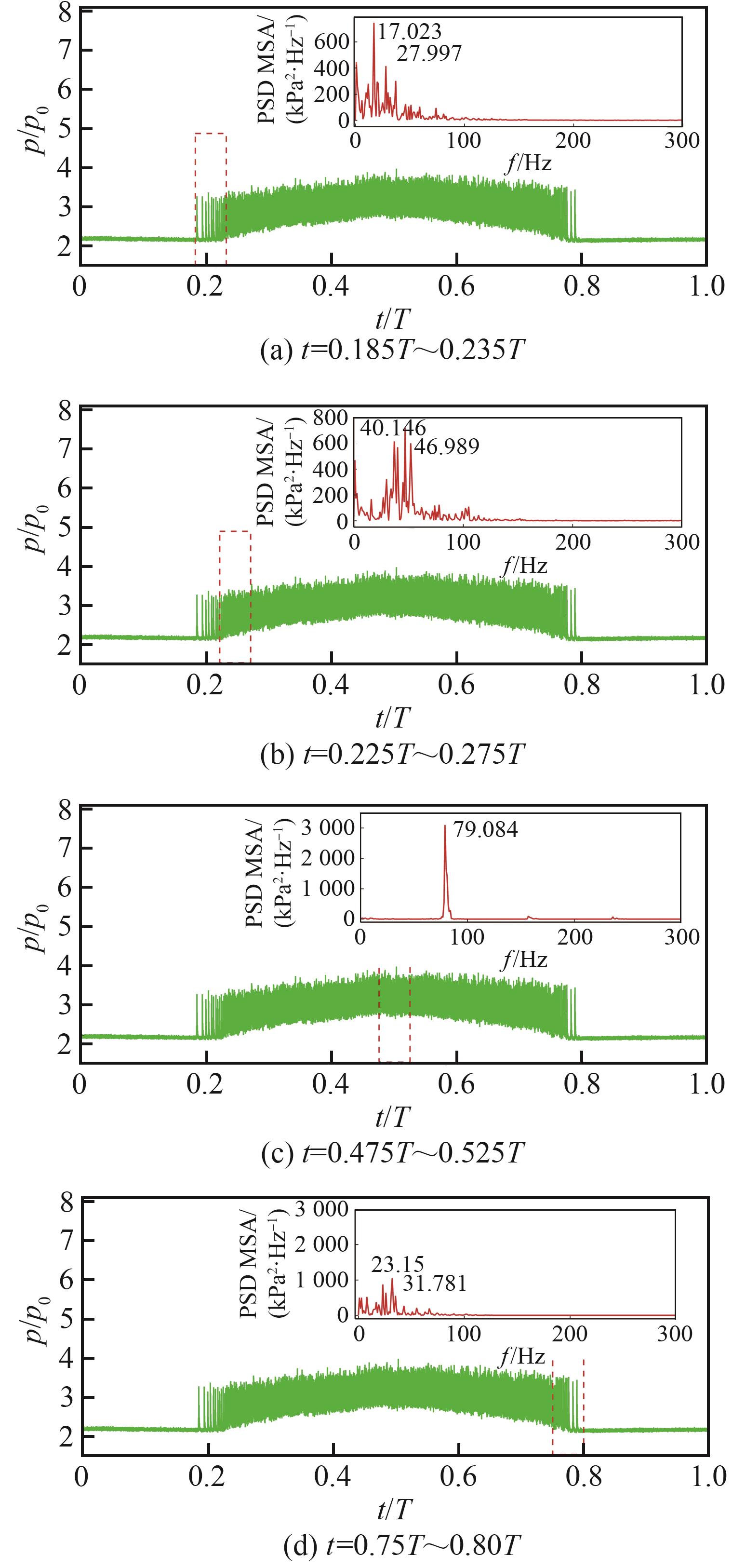
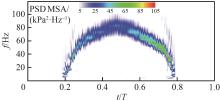
Fig.23
Continuous wavelet transform of pressure signal at point A1 for ω = 1.45 (°)/ s
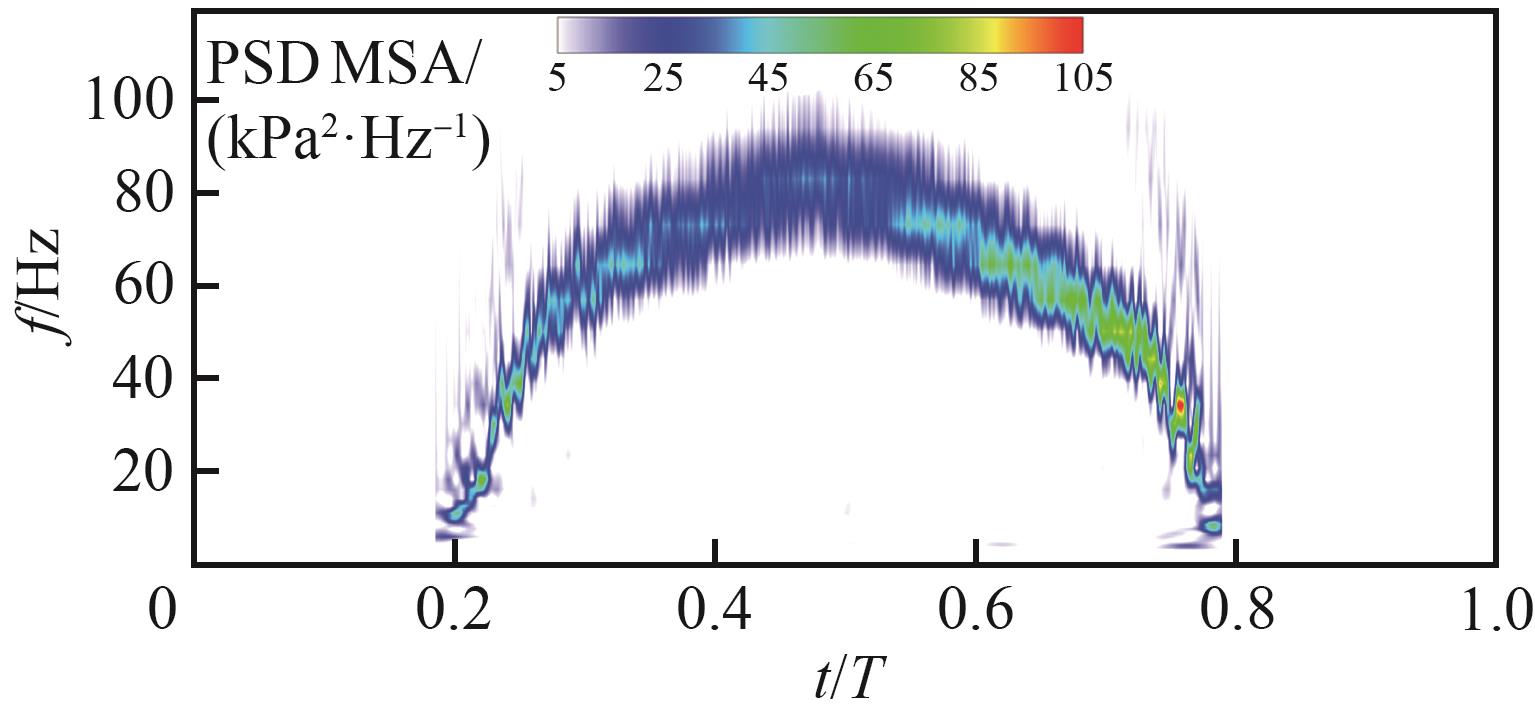
Fig.24
Pressure comparison within an identical cycle
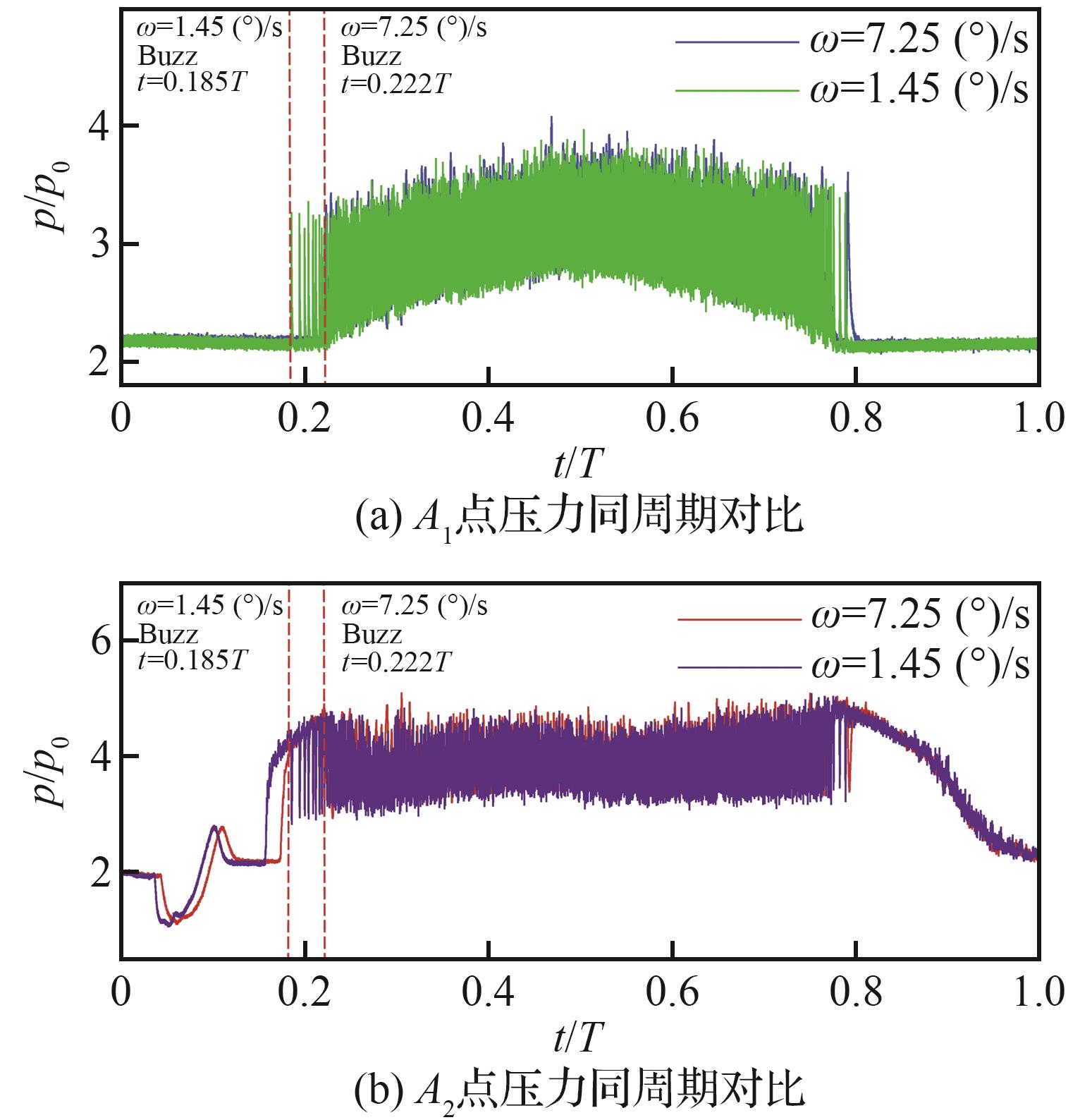
Table 3
Parameter results at different rotational speeds
| ω/((°)∙s-1) | St/10-4 | ORbuzz/% | ORres/% |
|---|---|---|---|
| 7.25 | 1.922 | 28.663 | 51.792 |
| 1.45 | 0.384 | 23.667 | 52.314 |
| [1] | 向先宏, 钱战森, 张铁军. TBCC进气道模态转换气动技术研究综述[J]. 航空科学技术, 2017, 28(1): 10-18. |
| XIANG X H, QIAN Z S, ZHANG T J. An overview of turbine-based combined cycle (TBCC) inlet mode transition aerodynamic technology[J]. Aeronautical Science & Technology, 2017, 28(1): 10-18 (in Chinese). | |
| [2] | 罗金玲, 李超, 徐锦. 高超声速飞行器机体/推进一体化设计的启示[J]. 航空学报, 2015, 36(1): 39-48. |
| LUO J L, LI C, XU J. Inspiration of hypersonic vehicle with airframe/propulsion integrated design[J]. Acta Aeronautica et Astronautica Sinica, 2015, 36(1): 39-48 (in Chinese). | |
| [3] | 贺进, 薛伟鹏, 张维涛, 等. 航空发动机涡轮部件技术特征分析与发展预测[J]. 燃气涡轮试验与研究, 2025, 38(2): 20-32. |
| HE J, XUE W P, ZHANG W T, et al. Characteristics analysis and development forecast of aero-engine turbine component technology[J]. Gas Turbine Experiment and Research, 2025, 38(2): 20-32 (in Chinese). | |
| [4] | MURTHY S N B, CURRAN E T. Scramjet propulsion [M]. Reston: AIAA, 2001. |
| [5] | 张华军,郭荣伟,李博. TBCC进气道研究现状及其关键技术[J]. 空气动力学学报, 2010, 28(5): 613-620. |
| ZHANG H J, GUO R W, LI B. Research status of TBCC inlet and its key technologies[J]. Acta Aerodynamica Sinica, 2010, 28(5): 613-620 (in Chinese). | |
| [6] | 王子运, 于航, 张悦, 等. 空天飞行器可调进气系统关键问题研究进展[J]. 航空学报, 2024, 45(11): 14-50. |
| WANG Z Y, YU H, ZHANG Y, et al. Research progress on key issues of adjustable inlet system for aerospace vehicles[J]. Acta Aeronautica et Astronautica Sinica, 2024, 45(11): 14-50 (in Chinese). | |
| [7] | 陈树生, 贾苜梁, 刘衍旭, 等. 变体飞行器变形方式及气动布局设计关键技术研究进展[J]. 航空学报, 2024, 45(6): 1-47. |
| CHEN S S, JIA M L, LIU Y X, et al. Deformation modes and key technologies of aerodynamic layout design for morphing aircraft: Review[J]. Acta Aeronautica et Astronautica Sinica, 2024, 45(6): 1-47 (in Chinese). | |
| [8] | THOMAS S R. TBCC discipline overview. Hypersonics project[C]∥2011 Technical Conference, 2011. |
| [9] | 乐嘉陵, 胡欲立, 刘陵. 双模态超燃冲压发动机研究进展[J]. 流体力学实验与测量, 2000, 14(1): 1-12. |
| LE J L, HU Y L, LIU L. Investigation of possibilities in developing dual mode scramjets[J]. Experiments and Measurements in Fluid Mechanics, 2000, 14(1): 1-12 (in Chinese). | |
| [10] | WATANABE Y, MIYAGI H, SEKIDO T, et al. Conceptual design study on combined cycle engine for hypersonic transport[C]∥11th International Symposium on Air Breathing Engines, 1993: 188-197. |
| [11] | 陈大光. 高超声速飞行与TBCC方案简介[J]. 航空发动机, 2006, 32(3): 10-13. |
| CHEN D G. Brief introduction of hypersonic flight and TBCC concept[J]. Aeroengine, 2006, 32(3): 10-13 (in Chinese). | |
| [12] | ALBERTSON C, EMAMI S, TREXLER C. Mach 4 test results of a dual-flowpath, turbine based combined cycle inlet[C]∥ 14th AIAA/AHI Space Planes and Hypersonic Systems and Technologies Conference. Reston: AIAA, 2006. |
| [13] | XIANG X H, LIU Y, QIAN Z S. Aerodynamic design and numerical simulation of over-under turbine-based combined-cycle (TBCC) inlet mode transition[J]. Procedia Engineering, 2015, 99: 129-136. |
| [14] | 李圣黄, 孙波, 唐琳, 等. 攻角对TBCC进气道模态转换起动特性影响研究[J]. 兵器装备工程学报, 2022, 43(7): 171-179. |
| LI S H, SUN B, TANG L, et al. Influence of attack angle on starting characteristics of TBCC inlet during mode transition[J]. Journal of Ordnance Equipment Engineering, 2022, 43(7): 171-179 (in Chinese). | |
| [15] | LI N, CHANG J T, JIANG C Z, et al. Unstart/restart hysteresis characteristics analysis of an over-under TBCC inlet caused by backpressure and splitter[J]. Aerospace Science and Technology, 2018, 72: 418-425. |
| [16] | YU H, ZHANG Y, CHEN L, et al. Characteristics of combined-cycle inlet during mode transition in off-design state[J]. AIAA Journal, 2023, 61(6): 2601-2611. |
| [17] | CHEN L, ZHANG Y, ZHANG H, et al. Unsteady flow characteristics in an over-under TBCC inlet during mode transition under unthrottled and throttled conditions[J]. Chinese Journal of Aeronautics, 2024, 37(12): 275-295. |
| [18] | 肖玲斐, 申涛, 黄向华, 等. 涡轮基组合循环发动机控制问题概述[J]. 燃气涡轮试验与研究, 2010, 23(3): 59-62. |
| XIAO L F, SHEN T, HUANG X H, et al. Survey on the control problem in turbine-based combined-cycle engine[J]. Gas Turbine Experiment and Research, 2010, 23(3): 59-62 (in Chinese). | |
| [19] | 袁永青, 徐腾宏, 叶巍. 三维内并联TBCC进气道模态转换过程气动特性研究[J]. 燃气涡轮试验与研究, 2023, 36(5): 1-10. |
| YUAN Y Q, XU T H, YE W. Aerodynamic characteristics of an over/under turbine based combined cycle inlet mode transition process[J]. Gas Turbine Experiment and Research, 2023, 36(5): 1-10 (in Chinese). | |
| [20] | 王德鑫, 褚佑彪, 刘难生, 等. 高背压进气道中内外流耦合作用的大涡模拟[J]. 航空学报, 2021, 42(9): 625754. |
| WANG D X, CHU Y B, LIU N S, et al. Large-eddy simulation of external and internal coupling flow in high back pressure inlet[J]. Acta Aeronautica et Astronautica Sinica, 2021, 42(9): 625754 (in Chinese). |
| [1] | Bei LIU, Xingya DA, Yaowu ZHU, Yuan YI. Longitudinal aerodynamic/propulsion coupling effects of a distributed propulsion aircraft [J]. Acta Aeronautica et Astronautica Sinica, 2026, 47(4): 132280-132280. |
| [2] | Wei SUN, Yuni ZHANG, Ting LIU, Zheyu SHI, Yongfeng LIN. Experiment on influence mechanism of rotor flow on blade-vortex interaction noise [J]. Acta Aeronautica et Astronautica Sinica, 2026, 47(3): 132182-132182. |
| [3] | Yiyan YANG, Anxiang FU, Yuhui WANG, Zhaoyang TIAN, Lei SHI. Aerodynamic design and wind tunnel test on inward-turning inlet of high-speed rocket-augmented ramjet engine [J]. Acta Aeronautica et Astronautica Sinica, 2026, 47(3): 132202-132202. |
| [4] | Yang LIU, Yongjie SHI, Guohua XU. Wind tunnel test of rotor aerodynamic interference characteristics in complex low-altitude wind fields [J]. Acta Aeronautica et Astronautica Sinica, 2026, 47(1): 632054-632054. |
| [5] | Kelei WANG, Zhou ZHOU, Minghao LI. Research and experimental validation of loose coupling design method for propulsion wing unit [J]. Acta Aeronautica et Astronautica Sinica, 2025, 46(9): 212-229. |
| [6] | Lixiang WEI, Jinglei XU, Kuangshi CHEN, Shuai HUANG, Jianhui GE, Guangtao SONG. Scheme design and performance study of adjustable vector nozzle for wide-range hypersonic aircraft [J]. Acta Aeronautica et Astronautica Sinica, 2025, 46(8): 631086-631086. |
| [7] | Xian YI, Jinghao REN, Qingren LAI, Yu LIU, Qiang WANG. Icing characteristics of full-scale multi-element configurations of large aircraft: Computation and experiment [J]. Acta Aeronautica et Astronautica Sinica, 2025, 46(5): 531575-531575. |
| [8] | Zhiqiang WAN, Shanshan ZHANG, Xiaozhe WANG, Liang MA, Ao XU, Zhigang WU, Chao YANG. Maneuver load analysis and alleviation technology of flexible aircraft: Review [J]. Acta Aeronautica et Astronautica Sinica, 2025, 46(3): 30279-030279. |
| [9] | Bin LIANG, Junbo ZHAO, Zengliang FU, Jiajian ZHOU, Ping ZHOU, Shiyu ZHANG, Weiqi SUN. Effect of gas mass injection on pitching characteristics of blunt cone [J]. Acta Aeronautica et Astronautica Sinica, 2025, 46(3): 130822-130822. |
| [10] | Yong LIANG, Weiguo ZHANG, Binghui CHE, Honggang YUAN, Chunhua WEI, Ningmeng YANG. Wind tunnel tests of aeroacoustic characteristic for helicopter aircraft model [J]. Acta Aeronautica et Astronautica Sinica, 2025, 46(24): 132072-132072. |
| [11] | Junqiang WU, Zhi WEI, Yang LIU, Min ZHONG, Fujun YANG, Yonggang YU. Civil aircraft standard model system and construction of aerodynamic subject database [J]. Acta Aeronautica et Astronautica Sinica, 2025, 46(24): 132030-132030. |
| [12] | Wei WANG, Junfu LI, Fengxue QIAN, Yuting TAN, Yan ZHAO, Bowen ZHAO, Qing CHEN, Ke SONG. Wind tunnel test of low sonic boom high efficiency layout for supersonic civil aircraft [J]. Acta Aeronautica et Astronautica Sinica, 2025, 46(20): 531941-531941. |
| [13] | Hui ZHANG, Junqiang AI, Kun QIN, Xiangxi TANG, Jun JI. Wind tunnel test for thrust characteristics of supersonic ejector exhaust system [J]. Acta Aeronautica et Astronautica Sinica, 2025, 46(20): 531934-531934. |
| [14] | Zhengwu CHEN, Yubiao JIANG, Xiangyu LU, Qiangbin LI. Aerodynamic noise test of open rotor in wind tunnel [J]. Acta Aeronautica et Astronautica Sinica, 2025, 46(2): 130425-130425. |
| [15] | Xueliang LI, Chuangchuang LI, Yahan ZHANG, Wei SU, Jie WU. Effect of distributed ablation pattern on hypersonic boundary-layer instability with a flat plate [J]. Acta Aeronautica et Astronautica Sinica, 2025, 46(2): 130464-130464. |
| Viewed | ||||||
|
Full text |
|
|||||
|
Abstract |
|
|||||
Address: No.238, Baiyan Buiding, Beisihuan Zhonglu Road, Haidian District, Beijing, China
Postal code : 100083
E-mail:hkxb@buaa.edu.cn
Total visits: 6658907 Today visits: 1341All copyright © editorial office of Chinese Journal of Aeronautics
All copyright © editorial office of Chinese Journal of Aeronautics
Total visits: 6658907 Today visits: 1341

 CJA
CJA
