航空学报 > 2026, Vol. 47 Issue (17): 632849-632849   doi: 10.7527/S1000-6893.2026.32849

凹腔燃烧室中粉末燃料流动特性大涡模拟

胡颖1,2, 董佳欣1, 王正阳3, 李超3(), 任全彬4   

  1. 1.西北工业大学 固体推进全国重点实验室,西安 710072
    2.西安航天动力技术研究所,西安 710025
    3.西北工业大学 无人飞行器技术全国重点实验室,西安 710072
    4.航天动力技术研究院,西安 710025
  • 收稿日期:2025-09-29 修回日期:2025-10-26 接受日期:2026-01-12 出版日期:2026-07-07 发布日期:2026-07-06
  • 通讯作者: 李超 E-mail:lichao@nwpu.edu.cn
  • 基金资助:
    西北工业大学翱翔青年人才

Large eddy simulation on flow characteristics of powder fuel in a cavity combustor

Ying HU1,2, Jiaxin DONG1, Zhengyang WANG3, Chao LI3(), Quanbin REN4   

  1. 1.National Key Laboratory of Solid Rocket Propulsion,Northwestern Polytechnical University,Xi’an 710072,China
    2.Institute of Xi’an Aerospace Solid Propulsion Technology,Xi’an 710025,China
    3.National Key Laboratory of Unmanned Aerial Vehicle Technology,Northwestern Polytechnical University,Xi’an 710072,China
    4.Academy of Aerospace Solid Propulsion Technology,Xi’an 710025,China
  • Received:2025-09-29 Revised:2025-10-26 Accepted:2026-01-12 Online:2026-07-07 Published:2026-07-06
  • Contact: Chao LI E-mail:lichao@nwpu.edu.cn
  • Supported by:
    Northwestern Polytechnical University Youth Talent Program

摘要:

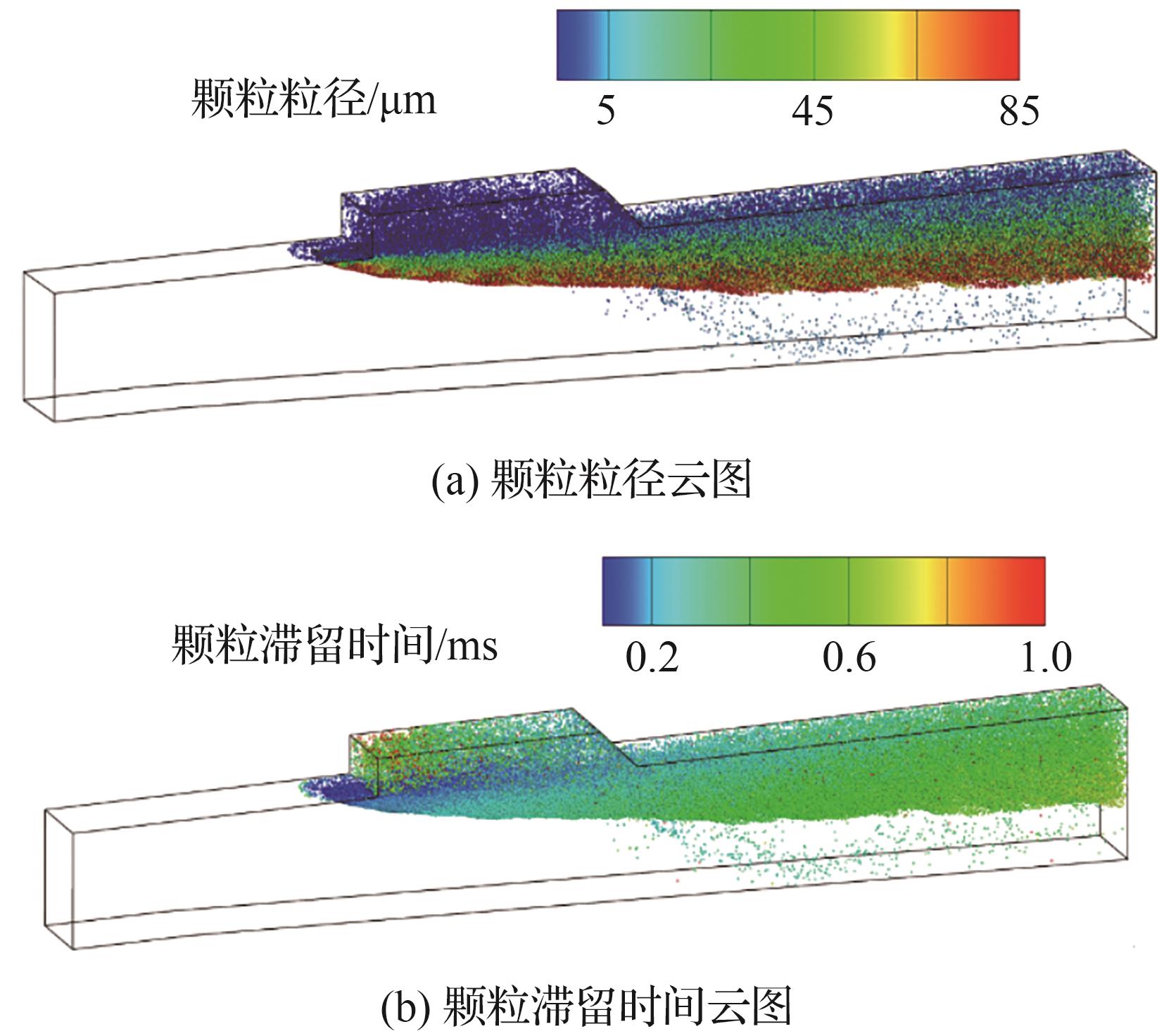
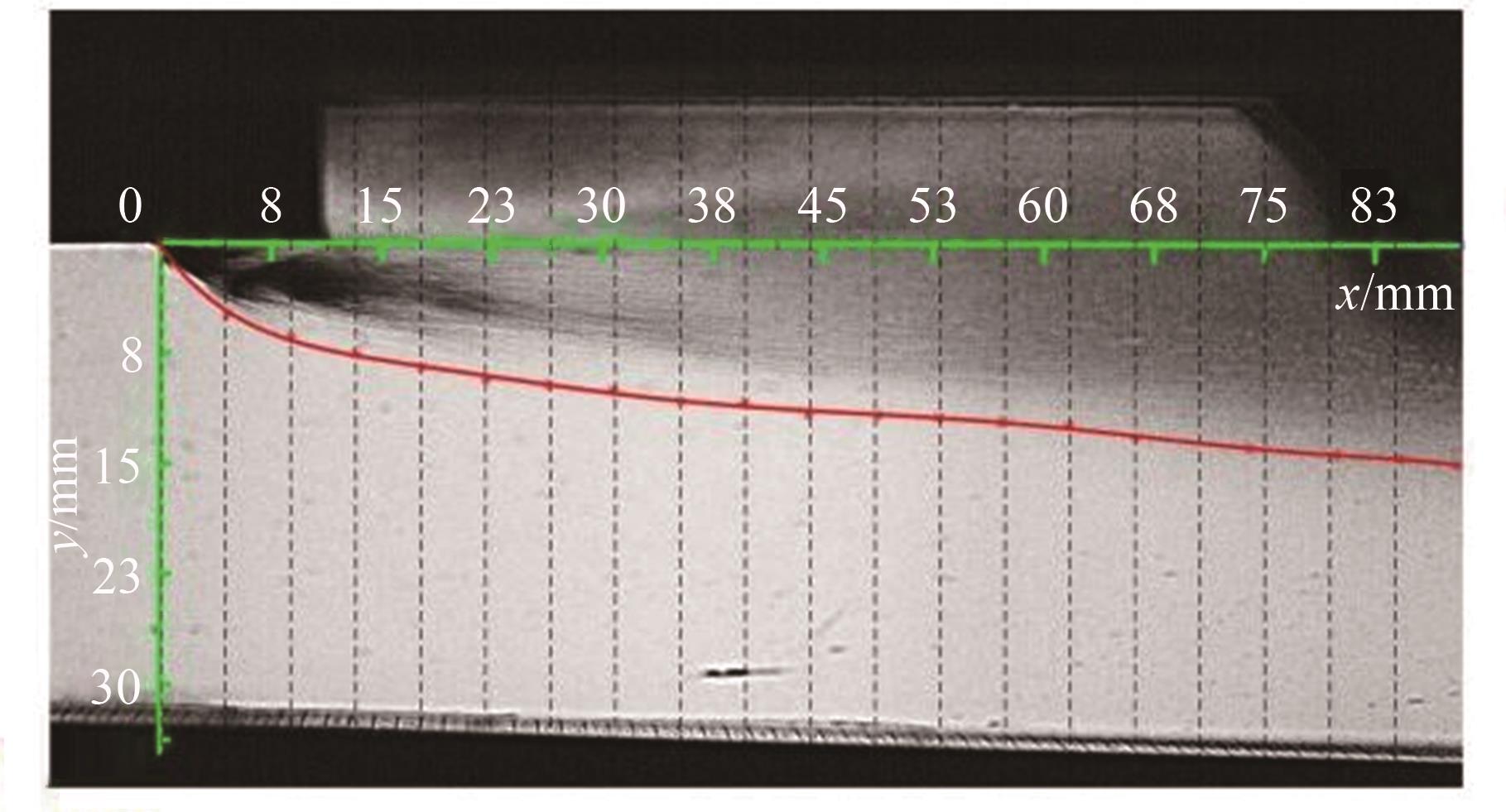
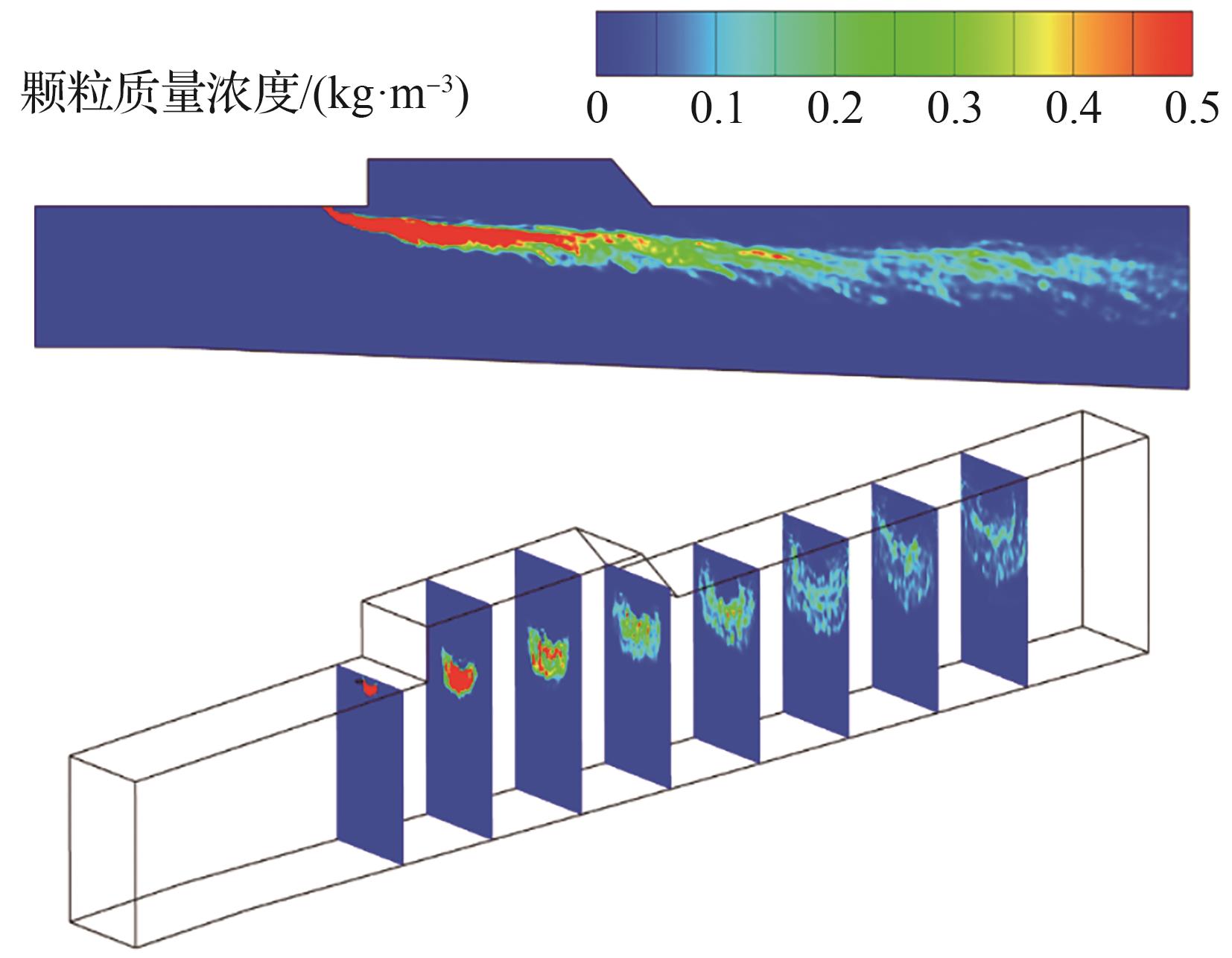
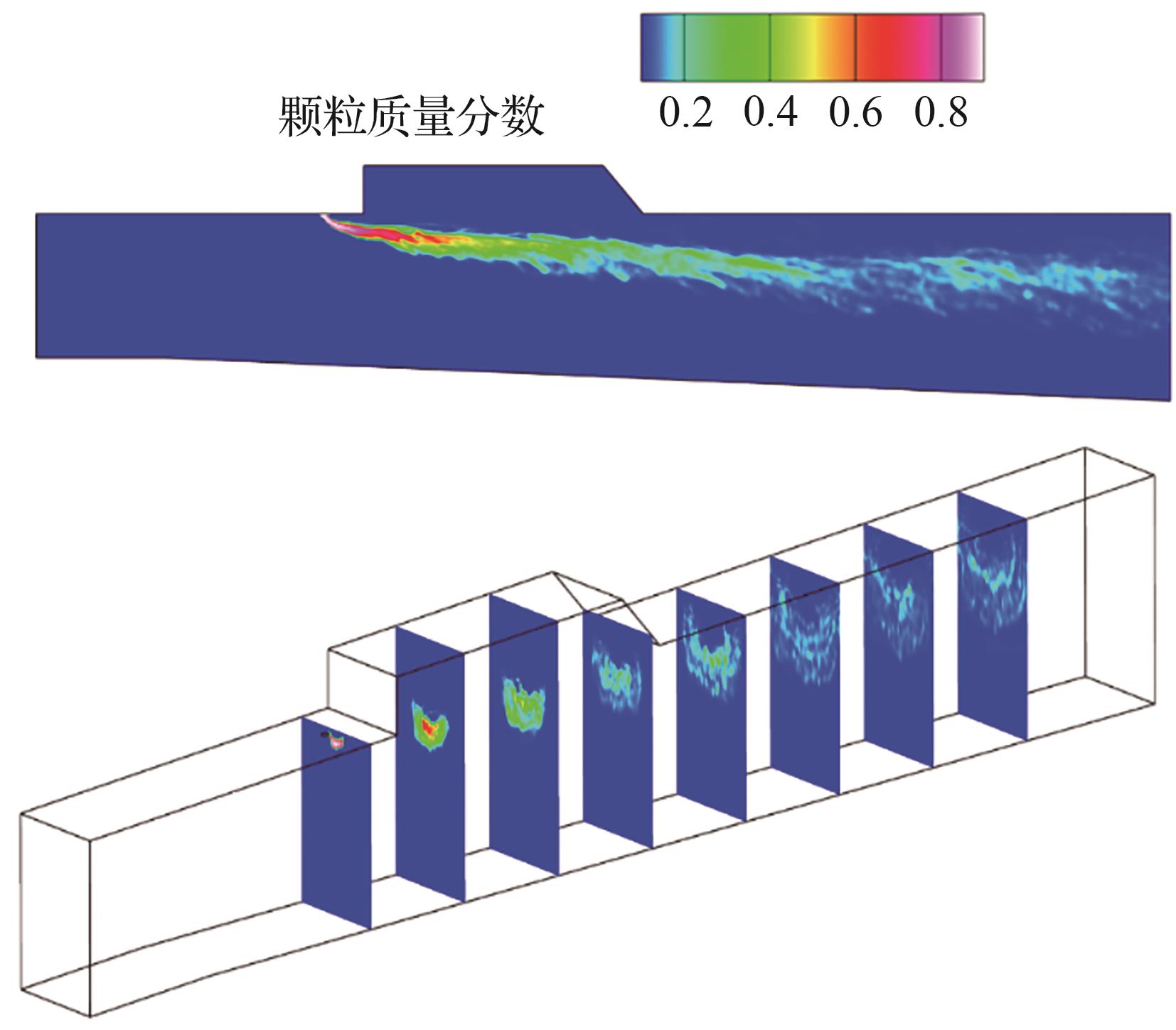
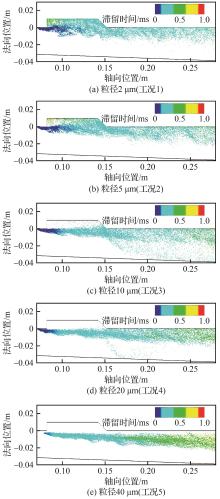
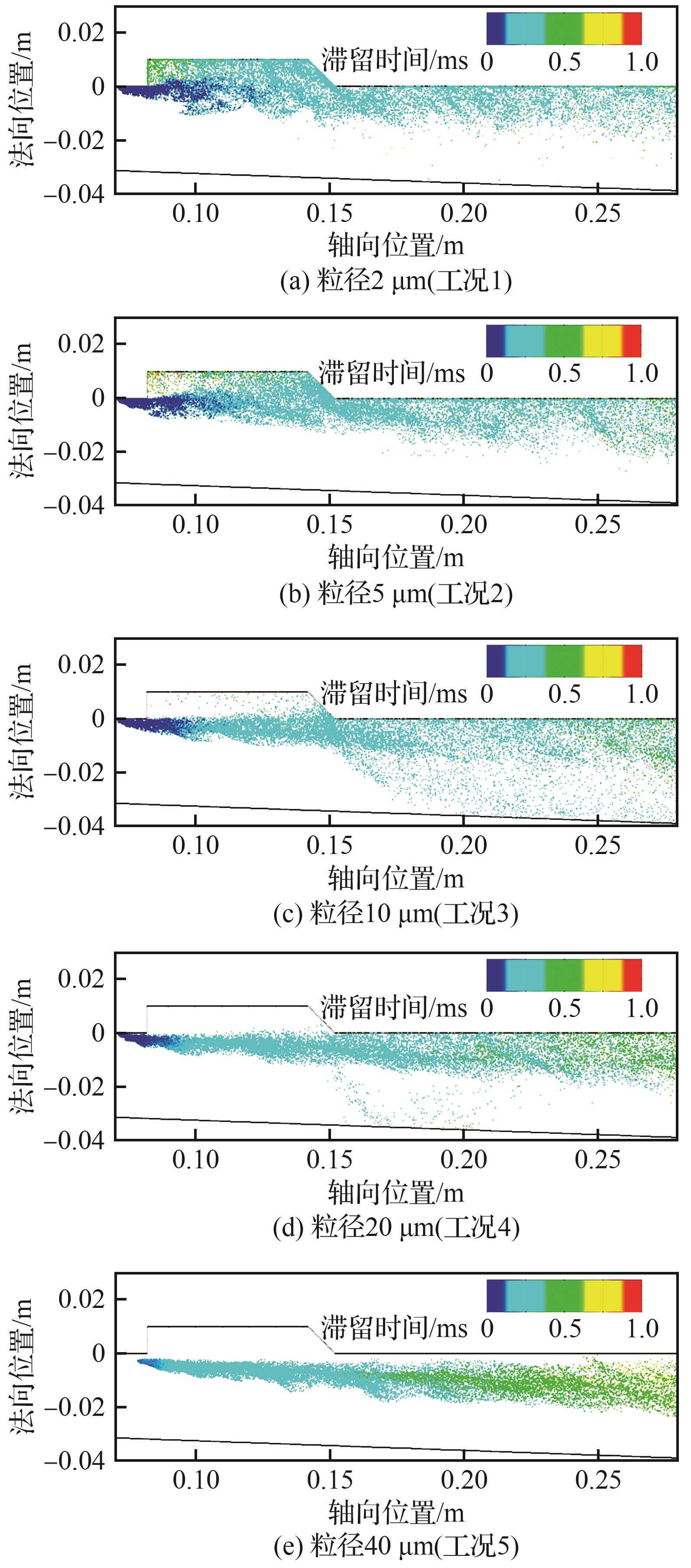
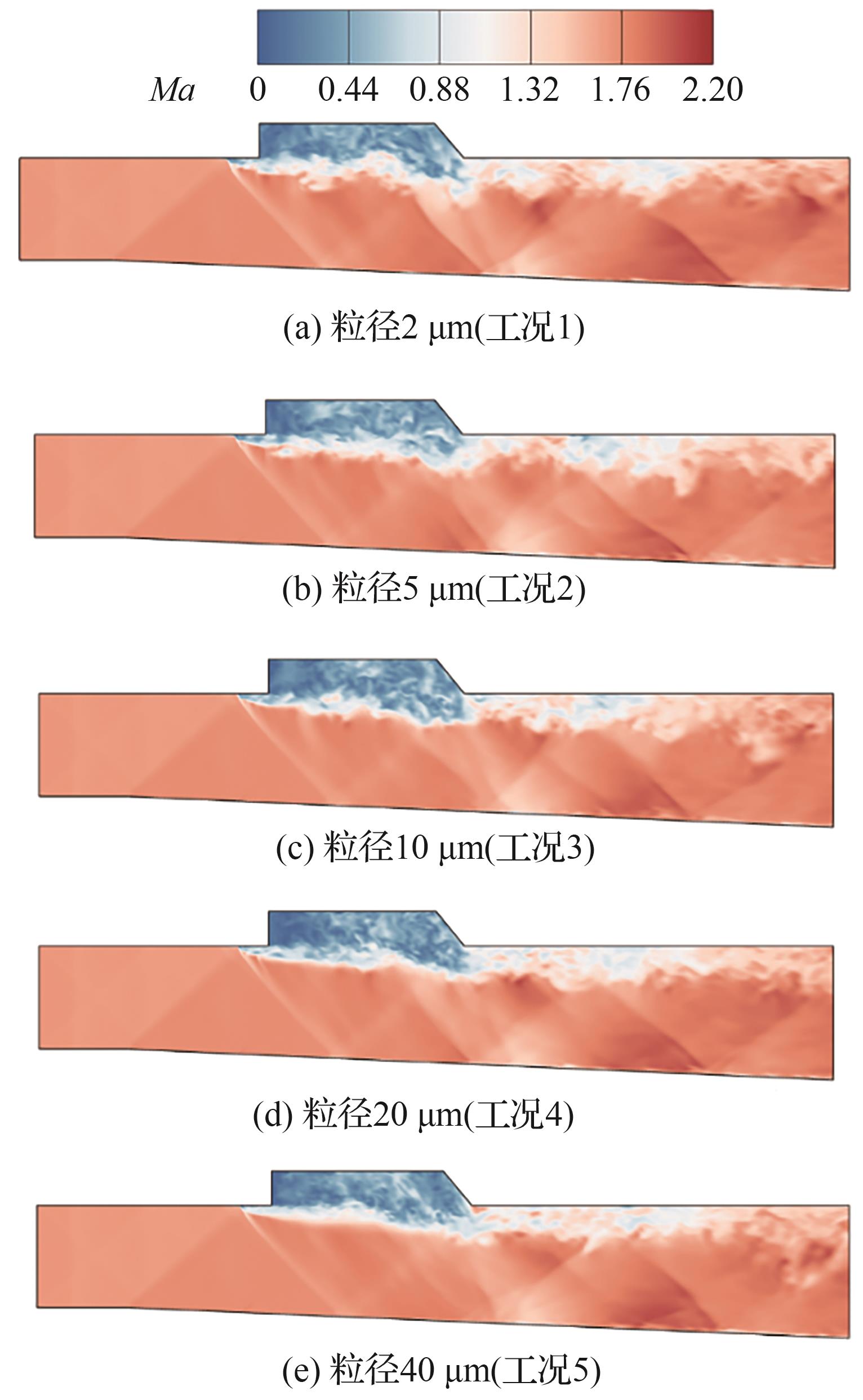
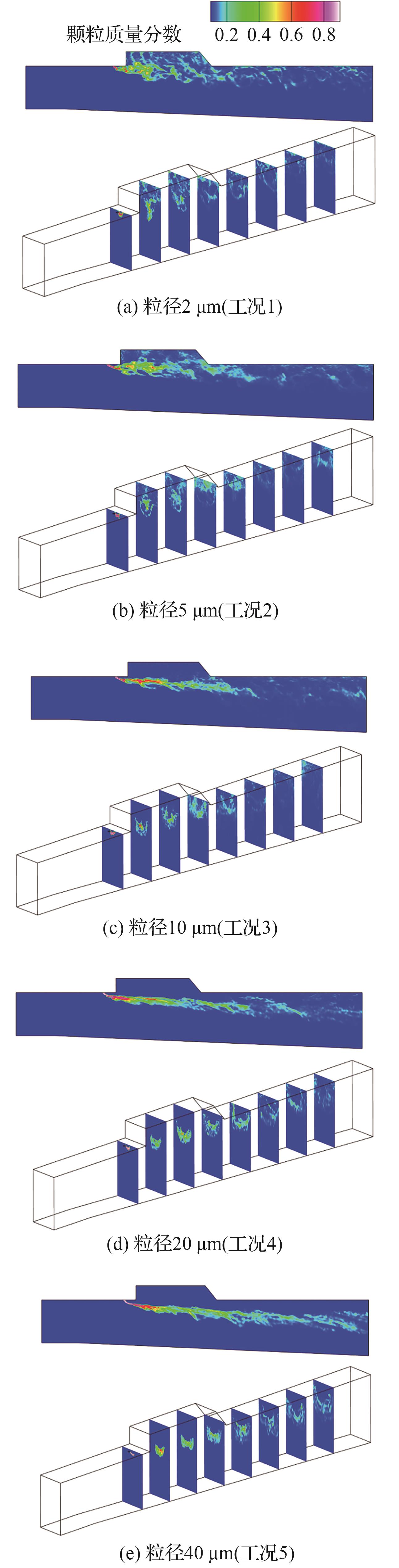
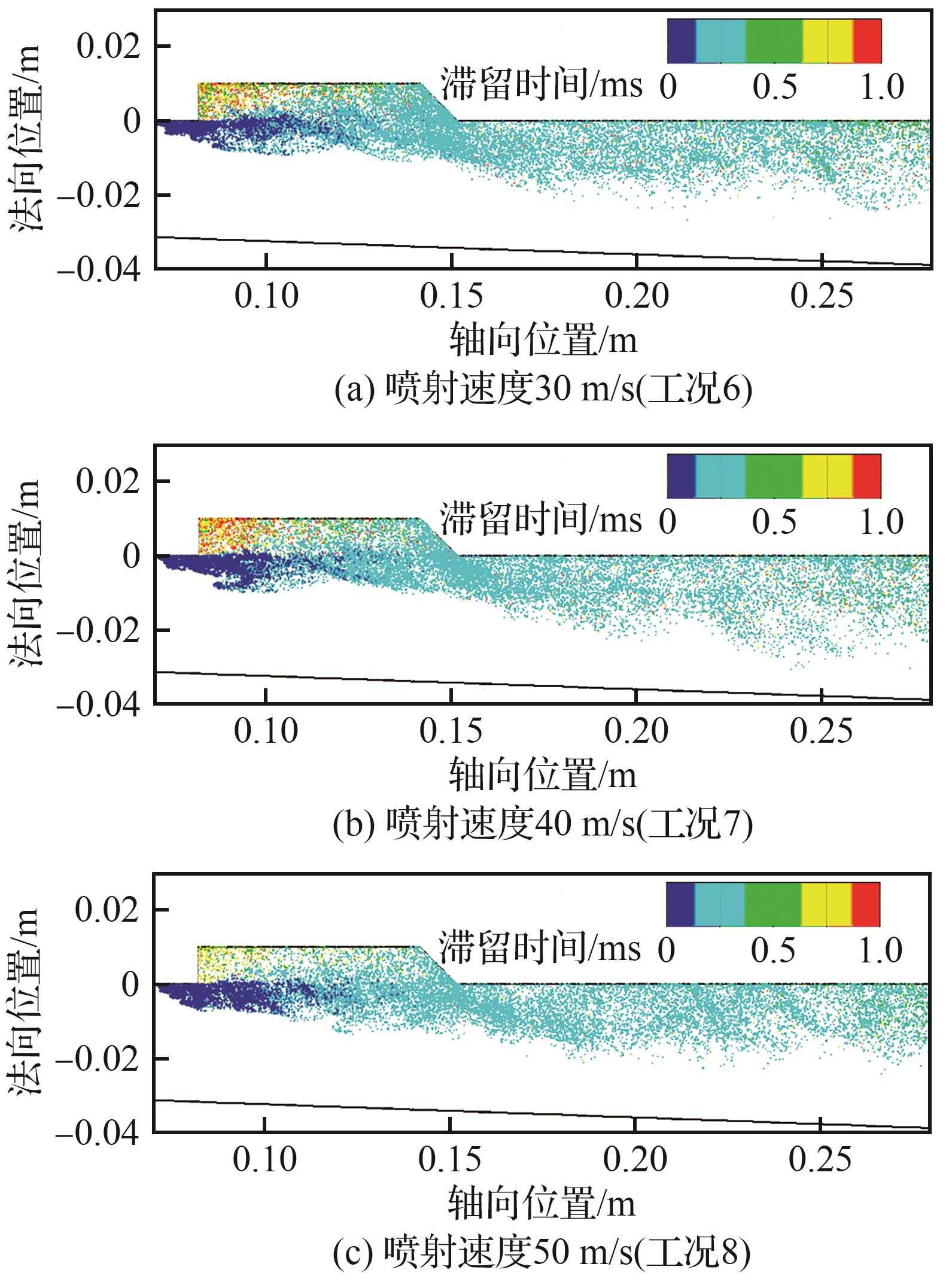
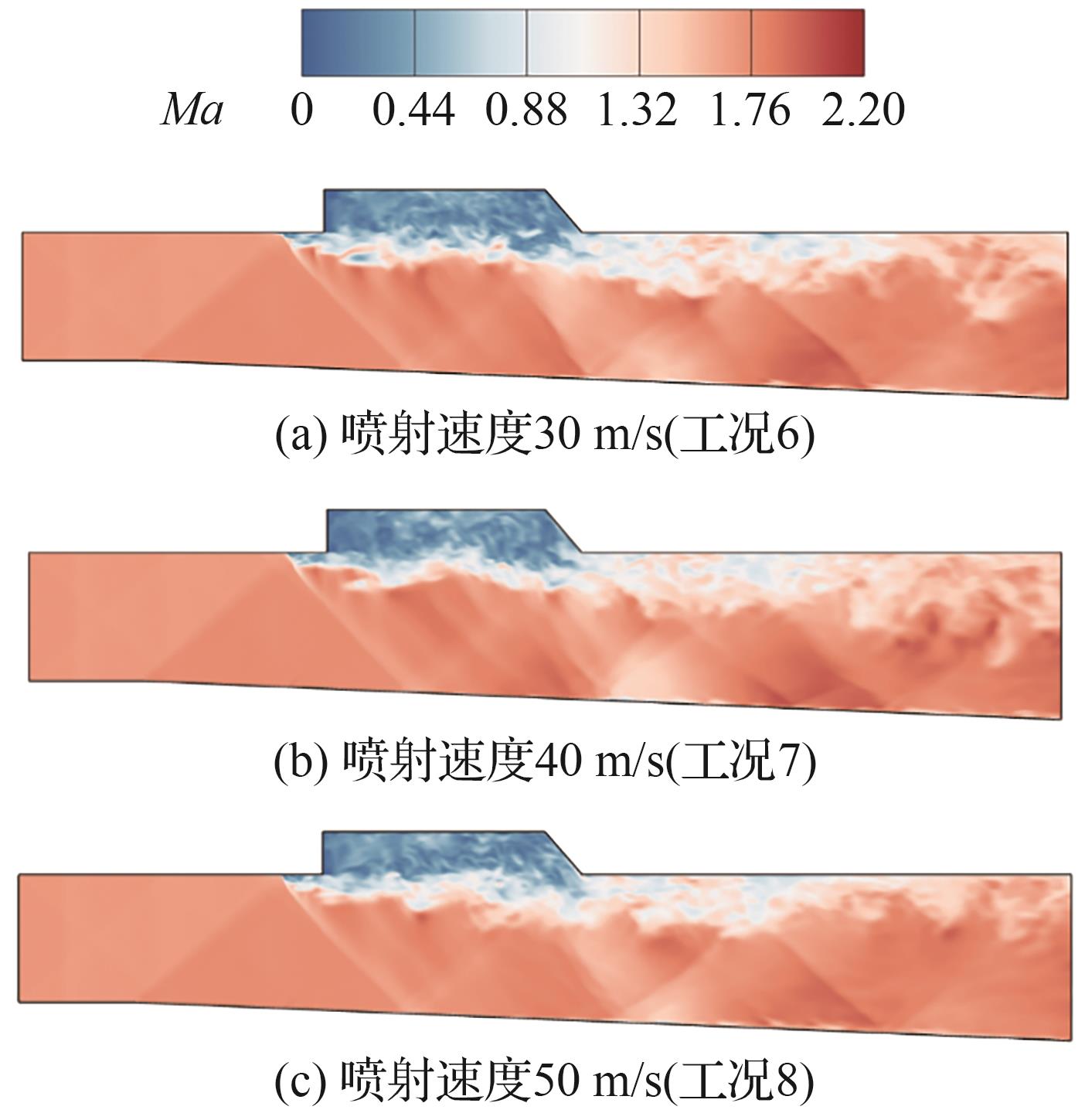
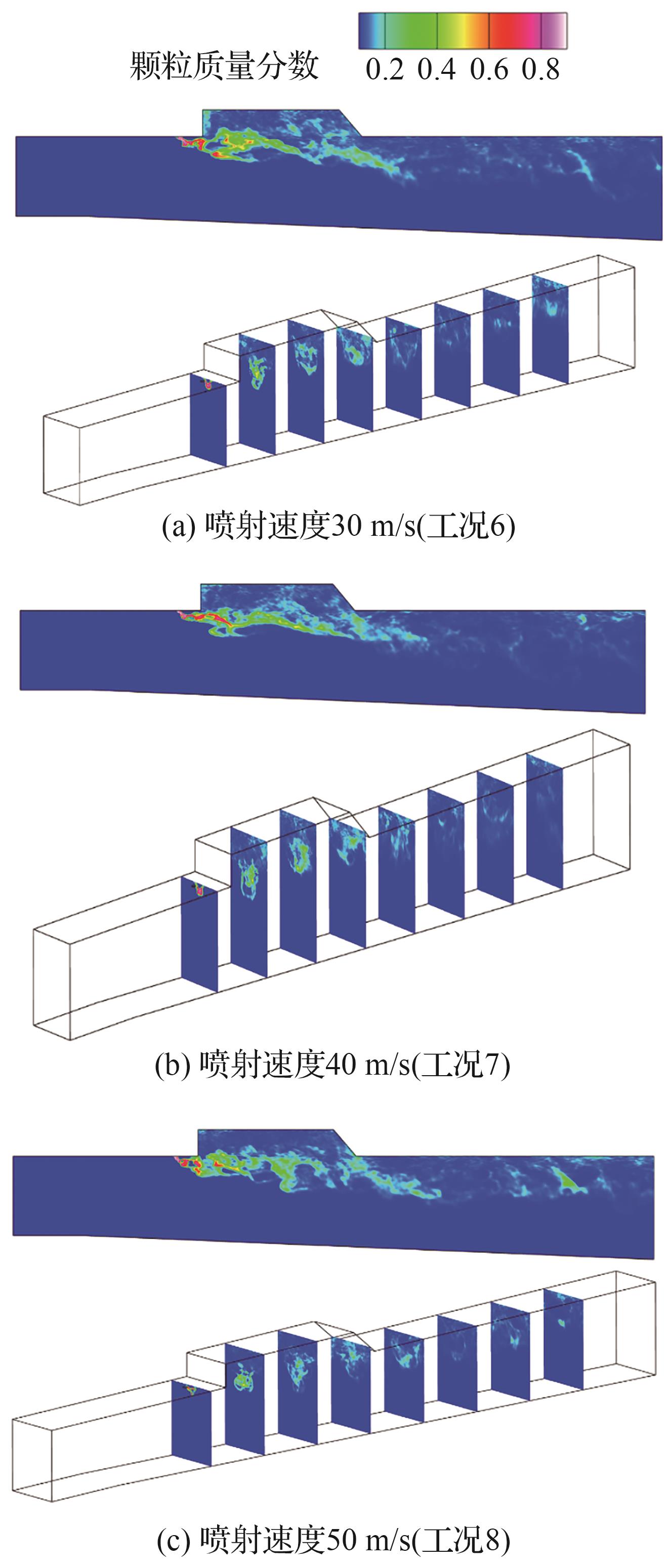
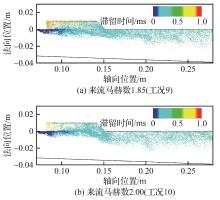
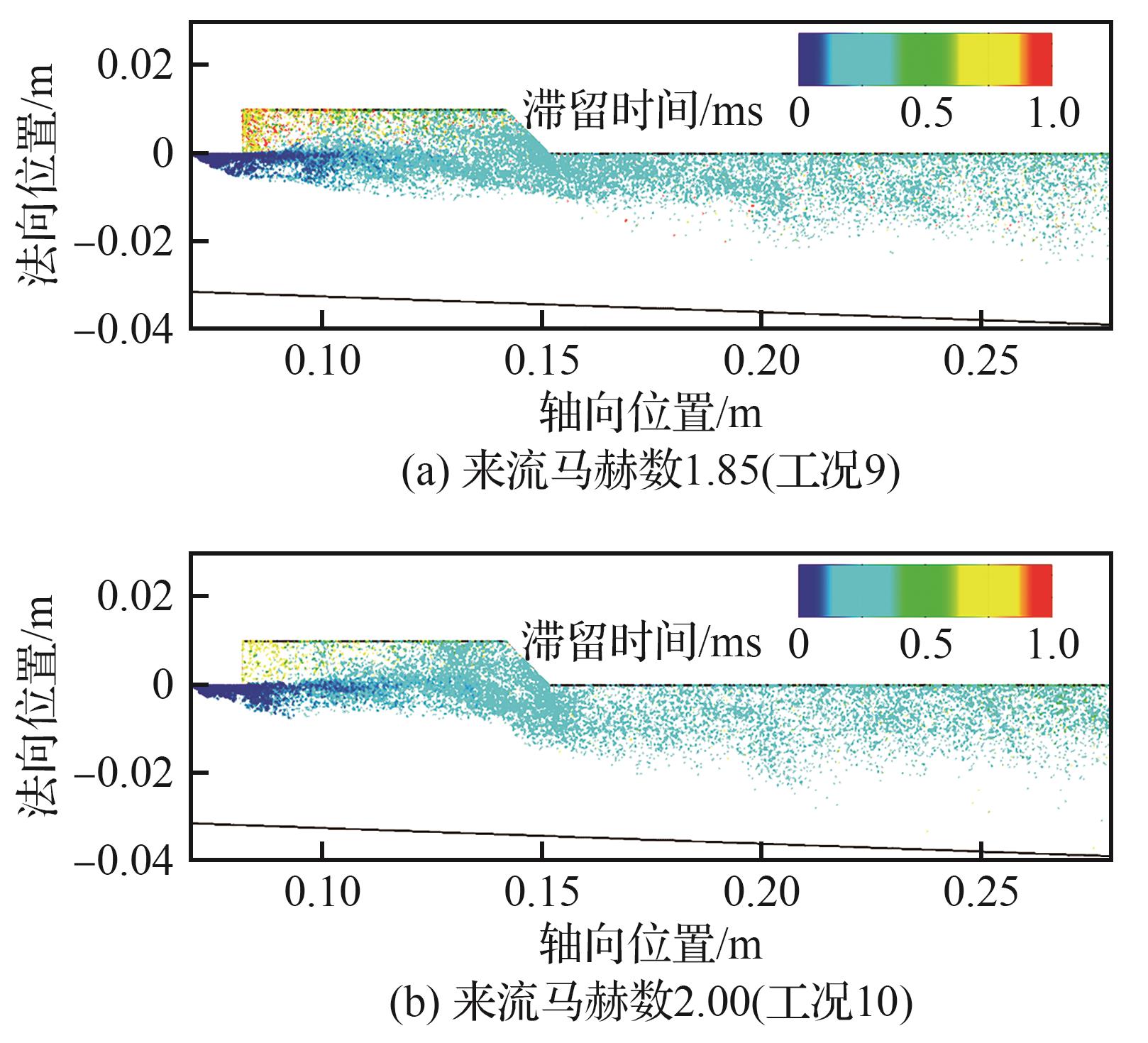
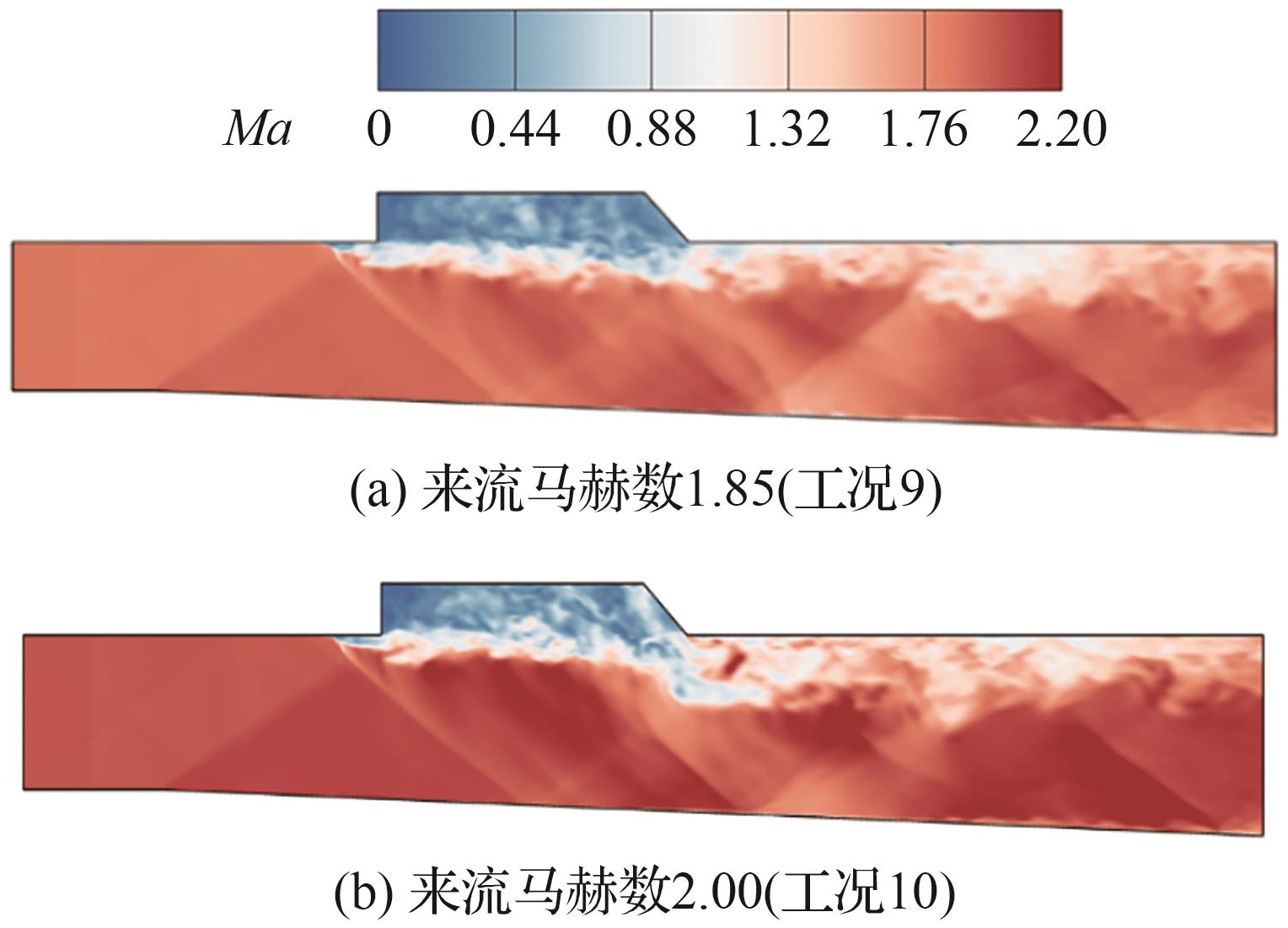
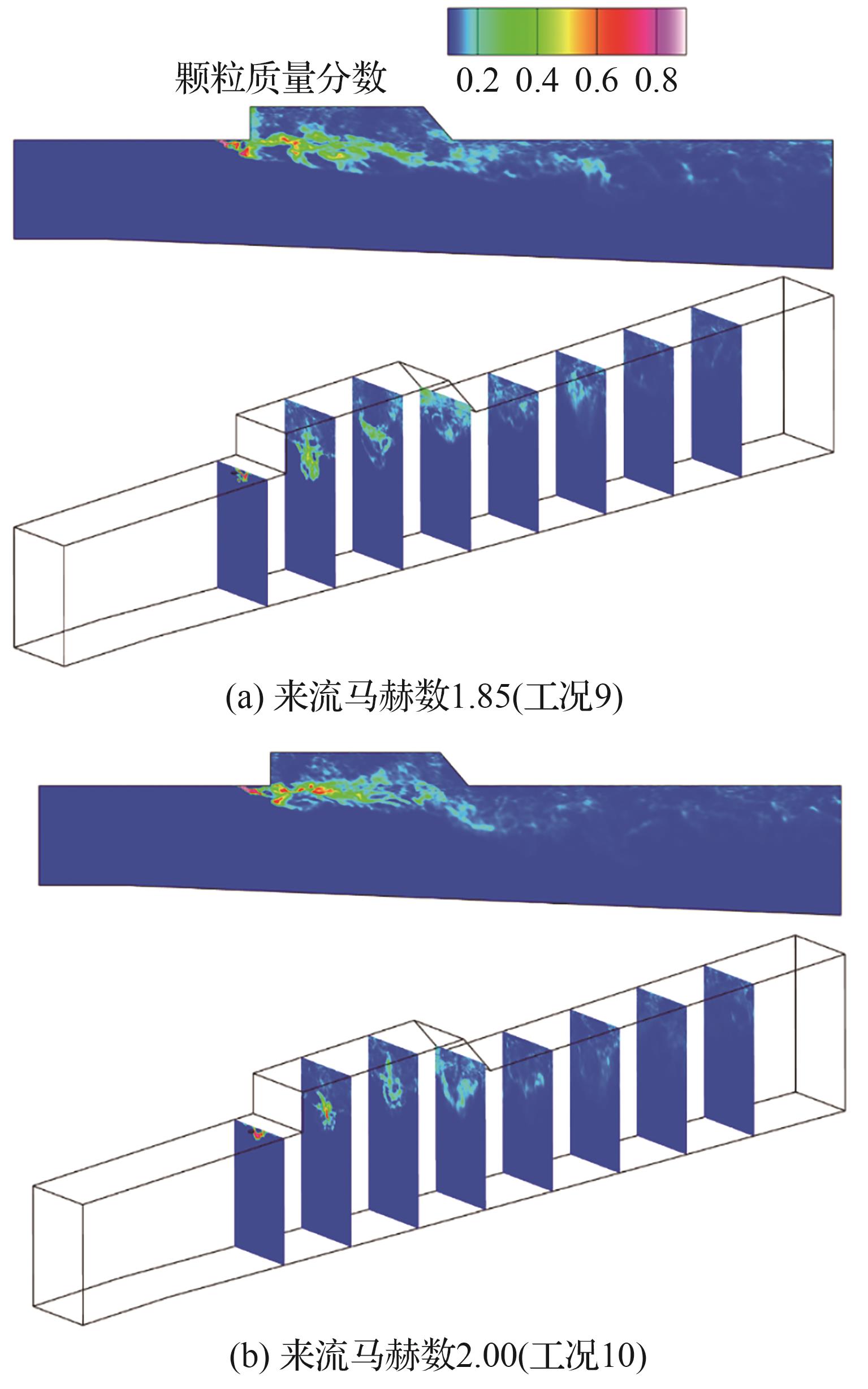
基于大涡模拟方法,详细研究了超燃冲压发动机燃烧室内粉末燃料粒径、喷注速度以及来流速度对粉末燃料掺混特性的影响。研究表明,小粒径(2,5 μm)颗粒会贴壁流动并进入凹腔,较大颗粒则更接近主流区。凹腔区域颗粒驻留时间(约1 ms)长于未进入凹腔的颗粒驻留时间(约0.4 ms)。对于2 μm和5 μm颗粒,其运动轨迹覆盖凹腔内低速回流区,并通过再循环机制延长驻留时间。同时,小粒径(2,5 μm)颗粒会引发剪切层轮廓的显著脉动,其流动过程更易受流场涡结构影响。颗粒质量分数在喷射点附近达到约0.9,但向下游会快速降低,到主流区大约降低至0.1~0.3。增加喷射速度能提升颗粒射流的穿透深度,但提高来流马赫数会缩短颗粒驻留时间,同时来流动量的提高使颗粒射流难以进入主流区域,射流出现明显偏转。研究能够为进一步的粉末燃料喷注方案设计提供理论依据。

关键词: 粉末燃料超燃冲压发动机, 超声速流动, 凹腔结构, 颗粒喷射, 掺混特性

Abstract:

Based on the Large Eddy Simulation (LES) method, this paper provides a detailed investigation into the effects of powder fuel particle size, injection velocity, and incoming flow velocity on the powder fuel mixing characteristics within the combustion chamber of a scramjet. The study shows that smaller particles (2, 5 μm) tend to flow near the wall and enter the cavity, while larger particles remain closer to the main flow region. The residence time of particles in the cavity area (approximately 1 ms) is longer than that of particles outside the cavity (about 0.4 ms). For 2 μm and 5 μm particles, their trajectories cover the low-velocity recirculation zone inside the cavity, extending their residence time through a recirculation mechanism. At the same time, small particles (2, 5 μm) induce significant fluctuations in the shear layer profile, and their motion is more easily influenced by the vortical structures of the flow field. The particle mass fraction reaches about 0.9 near the injection point but decreases rapidly downstream, dropping to approximately 0.1–0.3 in the main flow region. Increasing the injection velocity enhances the penetration depth of the particle jet, whereas raising the incoming flow Mach number reduces the particle residence time. Meanwhile, the increased momentum of the incoming flow makes it more difficult for the particle jet to penetrate the main flow region, resulting in noticeable jet deflection. This study provides a theoretical basis for the further design of powder fuel injection strategies.

Key words: powder-fueled scramjet, supersonic flow, cavity structure, particle injection, mixing characteristics

中图分类号: