张丽芬( ), 陈启曦, 王恺, 吕亚国, 刘振侠
收稿日期:2025-10-31
修回日期:2025-12-01
接受日期:2026-02-11
出版日期:2026-02-28
发布日期:2026-02-27
通讯作者:
张丽芬
E-mail:zhanglifen@nwpu.edu.cn
Lifen ZHANG(), Qixi CHEN, Kai WANG, Yaguo LYU, Zhenxia LIU
Received:2025-10-31
Revised:2025-12-01
Accepted:2026-02-11
Online:2026-02-28
Published:2026-02-27
Contact:
Lifen ZHANG
E-mail:zhanglifen@nwpu.edu.cn
摘要:
针对大涵道比涡扇发动机唇口防冰问题,采用数值模拟方法对比分析了定向流喷嘴旋流增强器(DFNSE)与传统笛形管2种引气防冰方式的加热性能,并系统研究了DFNSE关键几何参数(扭转角度、流道数、环形流道收扩比)对防冰效果的影响。结果表明:在相同引气条件下,DFNSE相较于笛形管具有更高的外蒙皮平均温度、更低的引气压力与热积聚,对发动机性能影响更小。通过研究不同结构参数下的换热效果发现,扭转角度、流道数与收扩比对加热均匀性和系统能耗具有显著非线性影响,存在最优组合,可同时实现高效加热与低能耗运行。此外,提出了综合评估指标“加热质量系数”,证实DFNSE在加热效率、温度均匀性及系统经济性方面均优于传统笛形管,这一系数为防冰系统的性能评估提供了量化指标。研究结论可为航空发动机唇口防冰系统的优化设计提供理论依据与工程指导。
中图分类号:
张丽芬, 陈启曦, 王恺, 吕亚国, 刘振侠. 定向流喷嘴旋流增强器对发动机唇口换热的影响[J]. 航空学报, 2026, 47(11): 633024.
Lifen ZHANG, Qixi CHEN, Kai WANG, Yaguo LYU, Zhenxia LIU. Influence of directed flow nozzle swirl enhancer on heat transfer at engine lip[J]. Acta Aeronautica et Astronautica Sinica, 2026, 47(11): 633024.
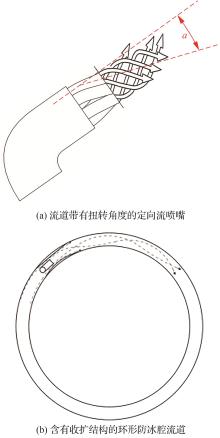
图 1
DFNSE主要构成[25]
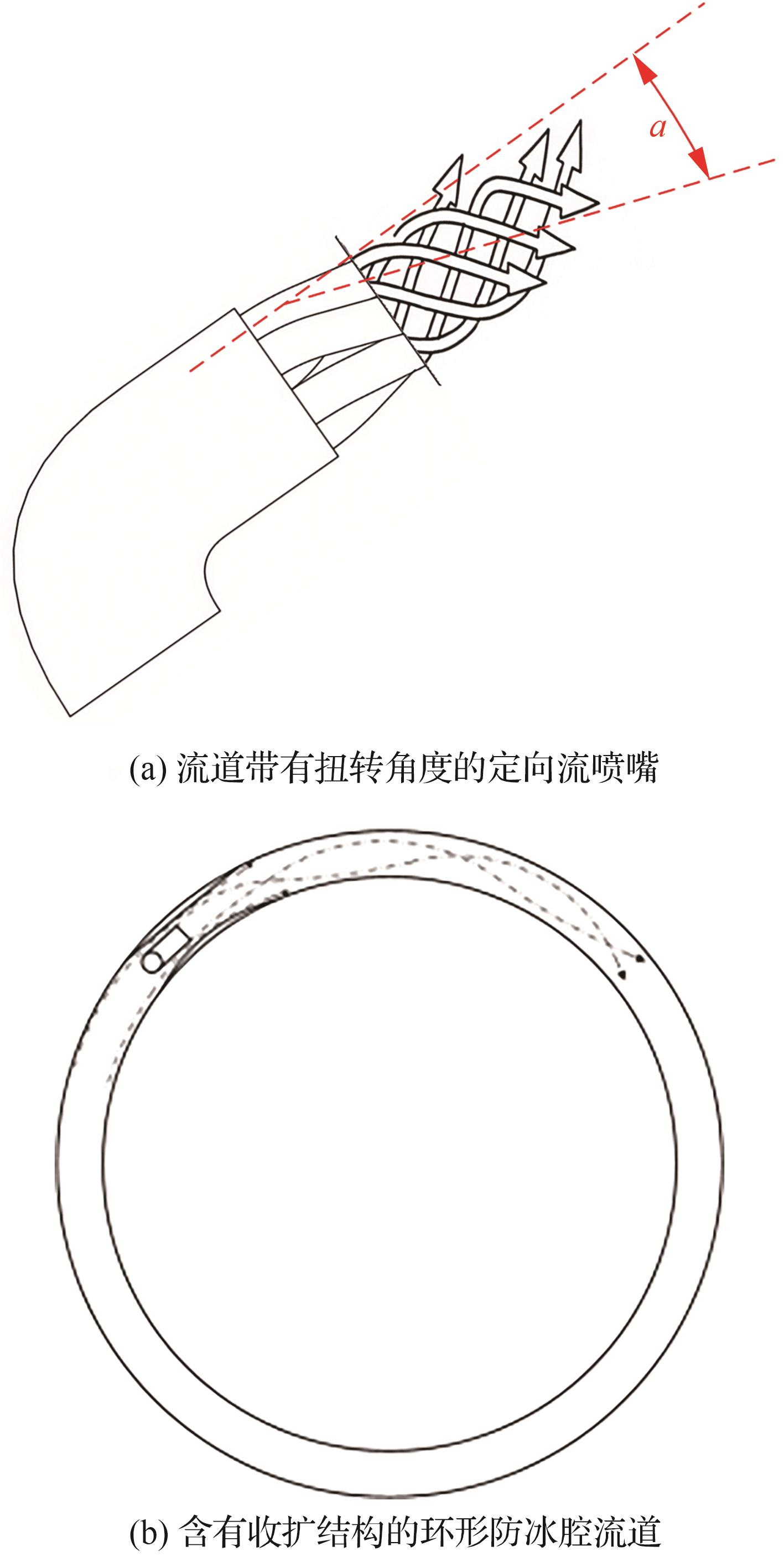
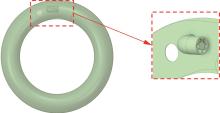
图 2
采用DFNSE进行防冰的发动机唇口三维计算模型
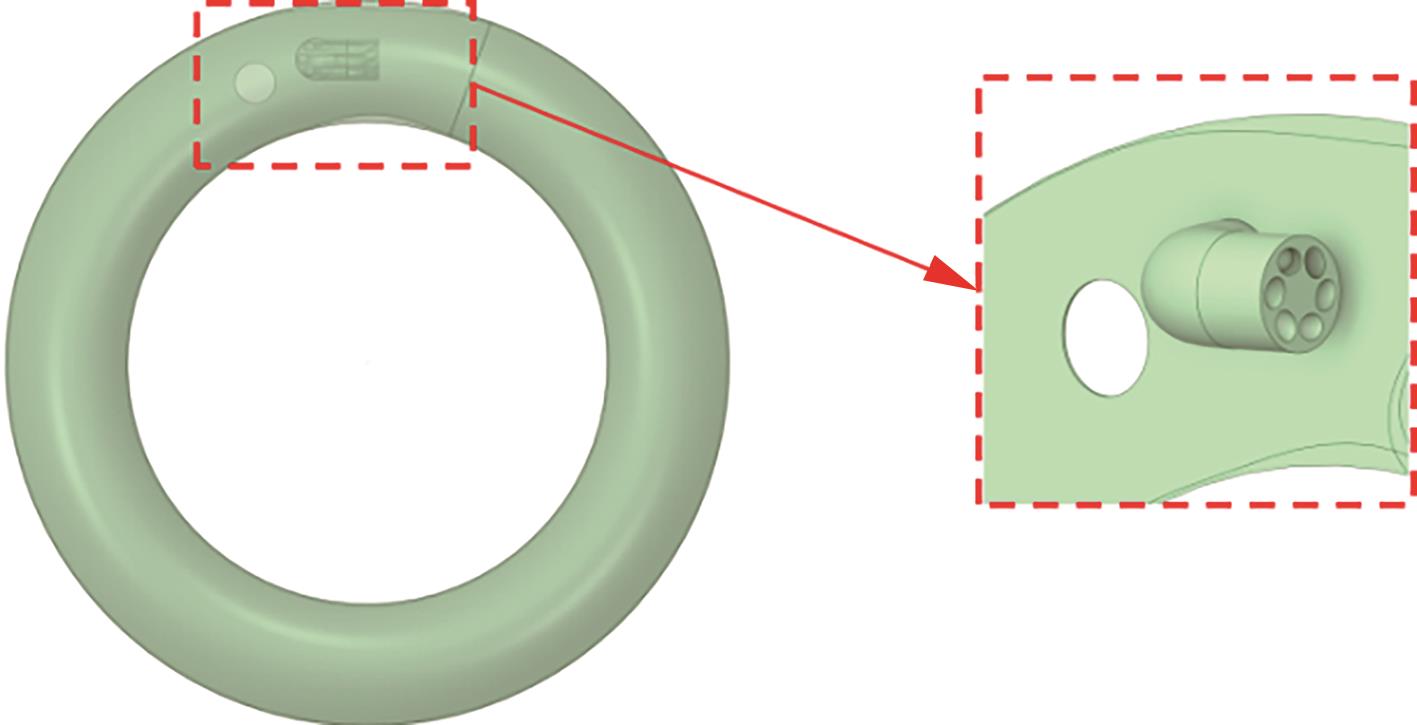
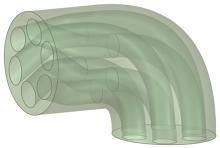
图 3
定向流喷嘴三维模型
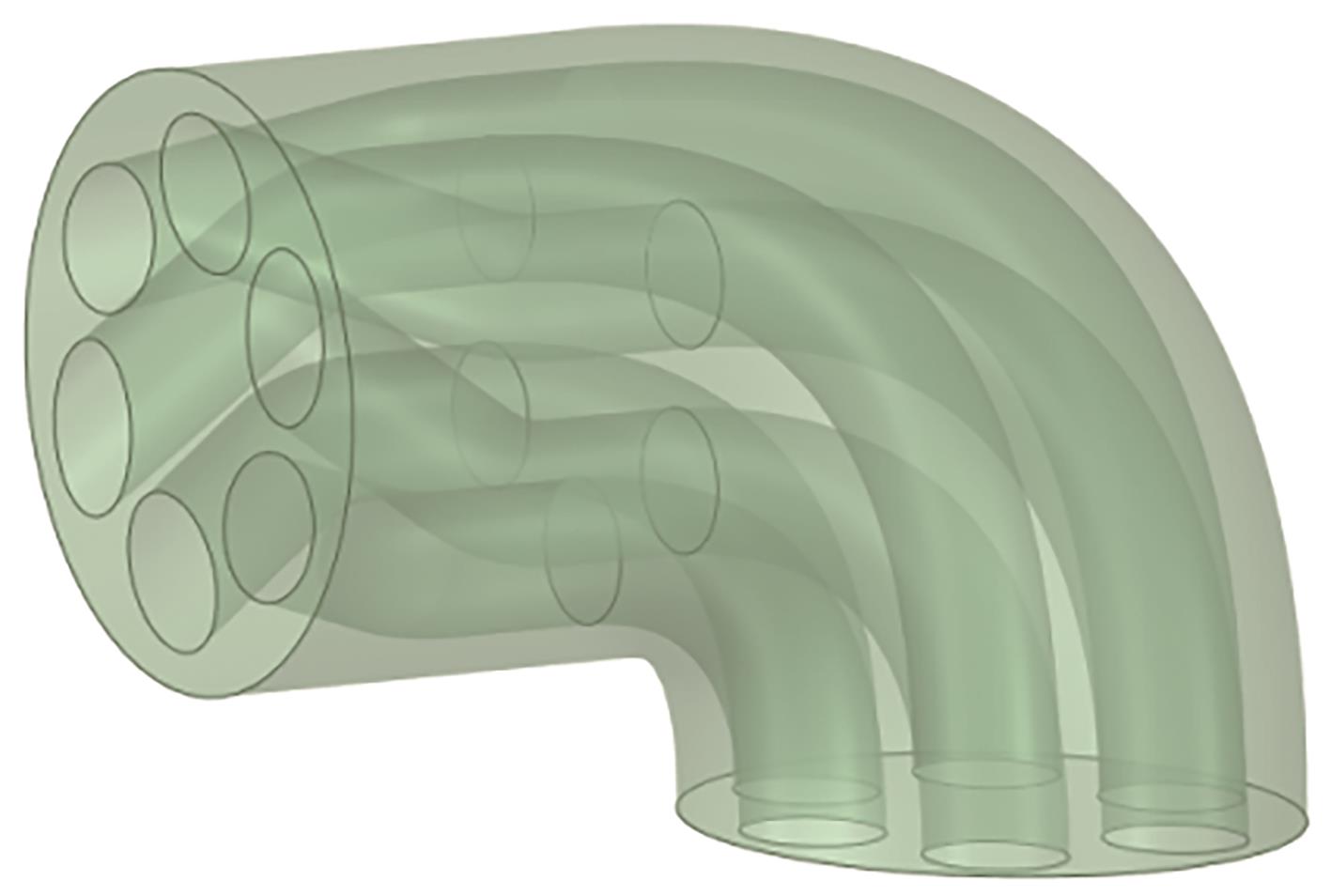
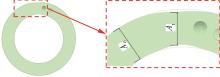
图 4
发动机唇口环形流道收扩段示意图
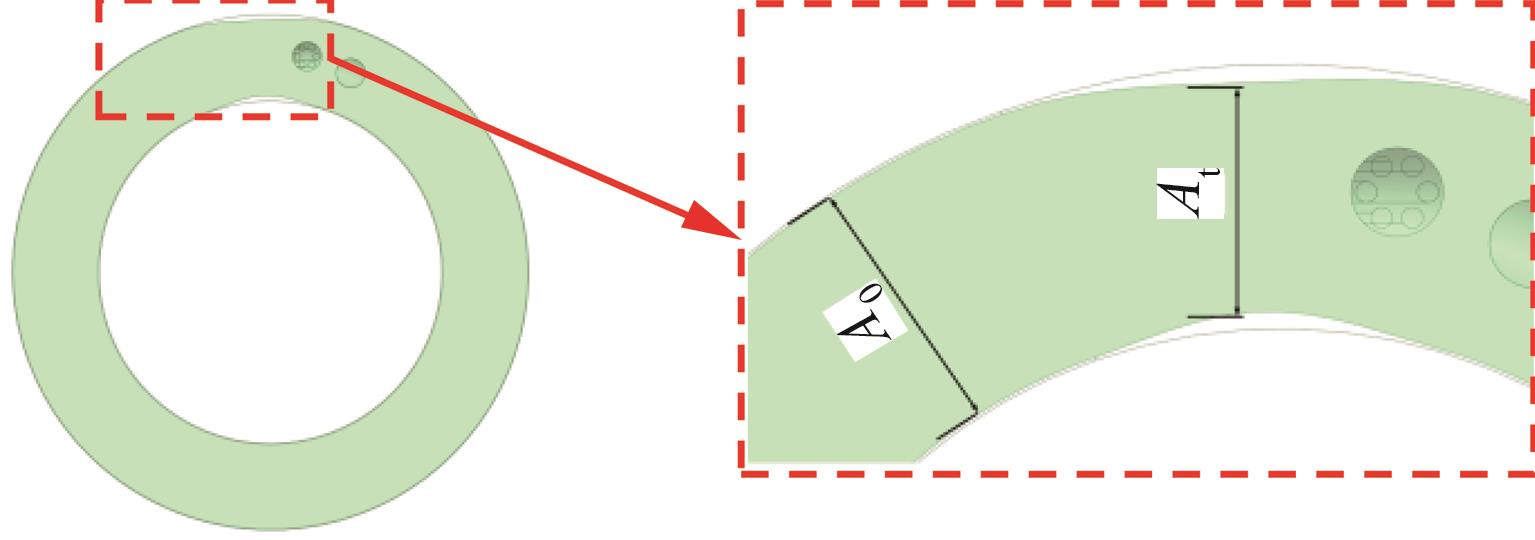
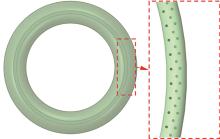
图 5
笛形管防冰的发动机唇口模型
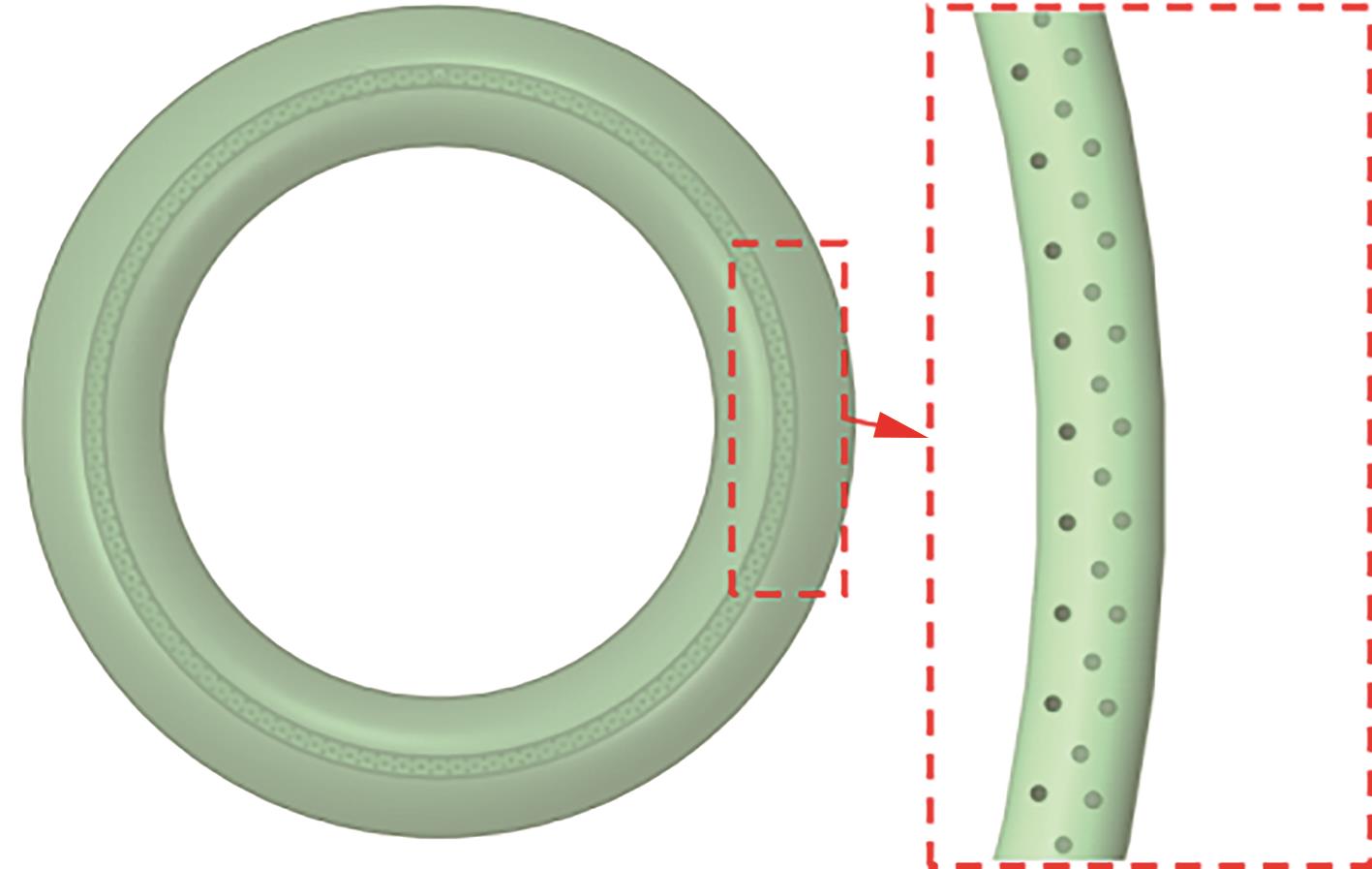
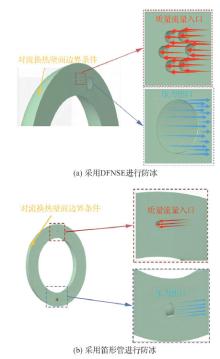
图6
不同防冰结构的计算边界条件
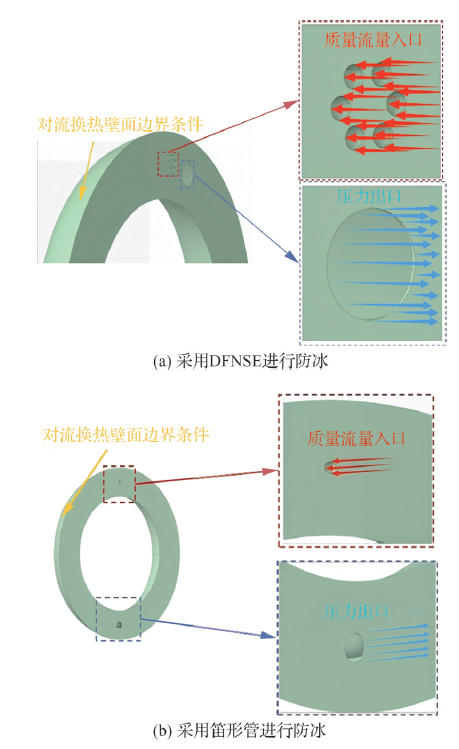
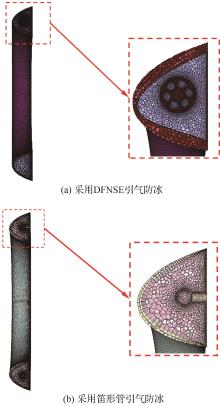
图 7
不同防冰结构的计算网格
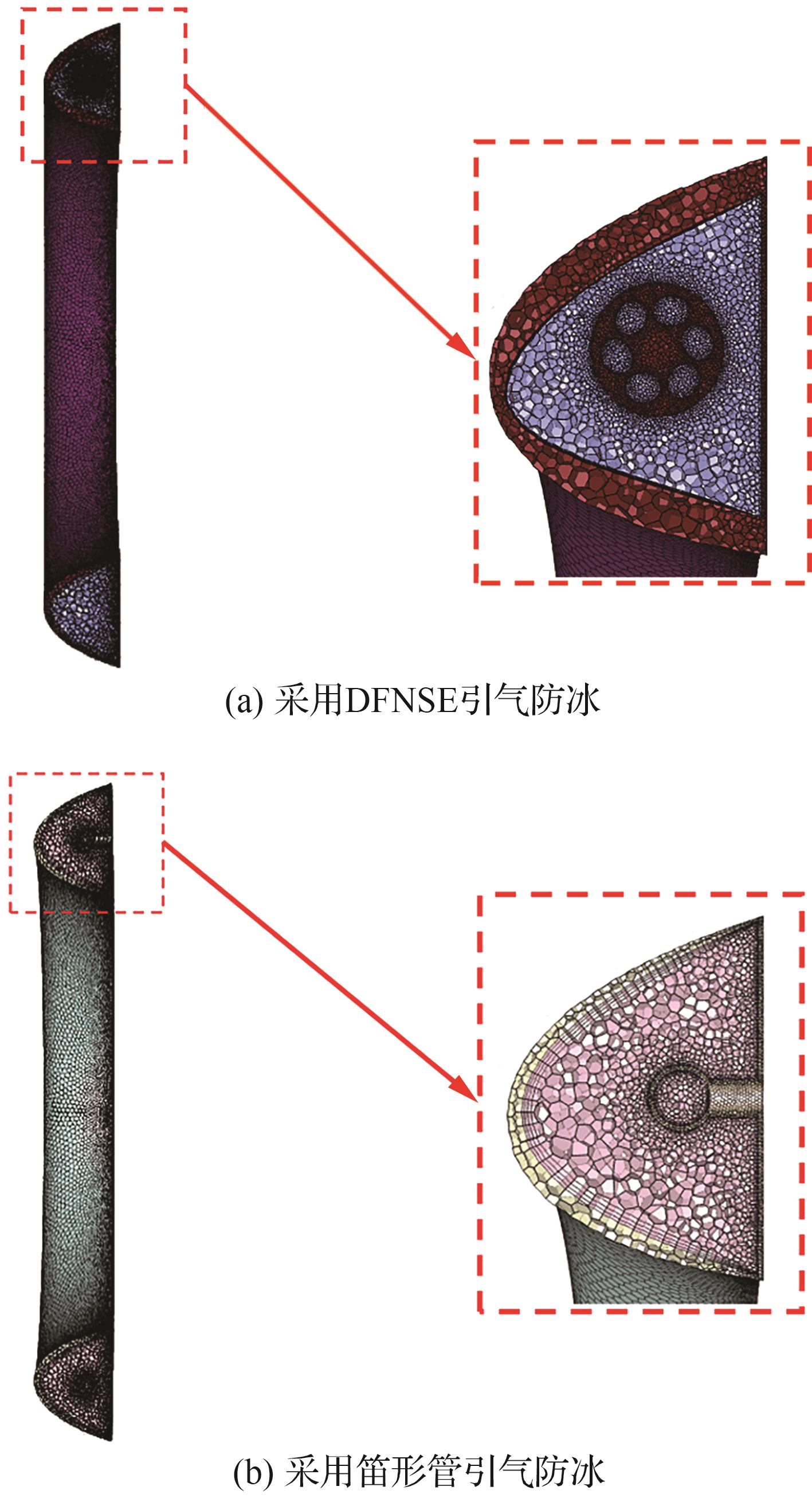
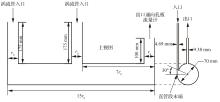
图 8
实验件模型[30]
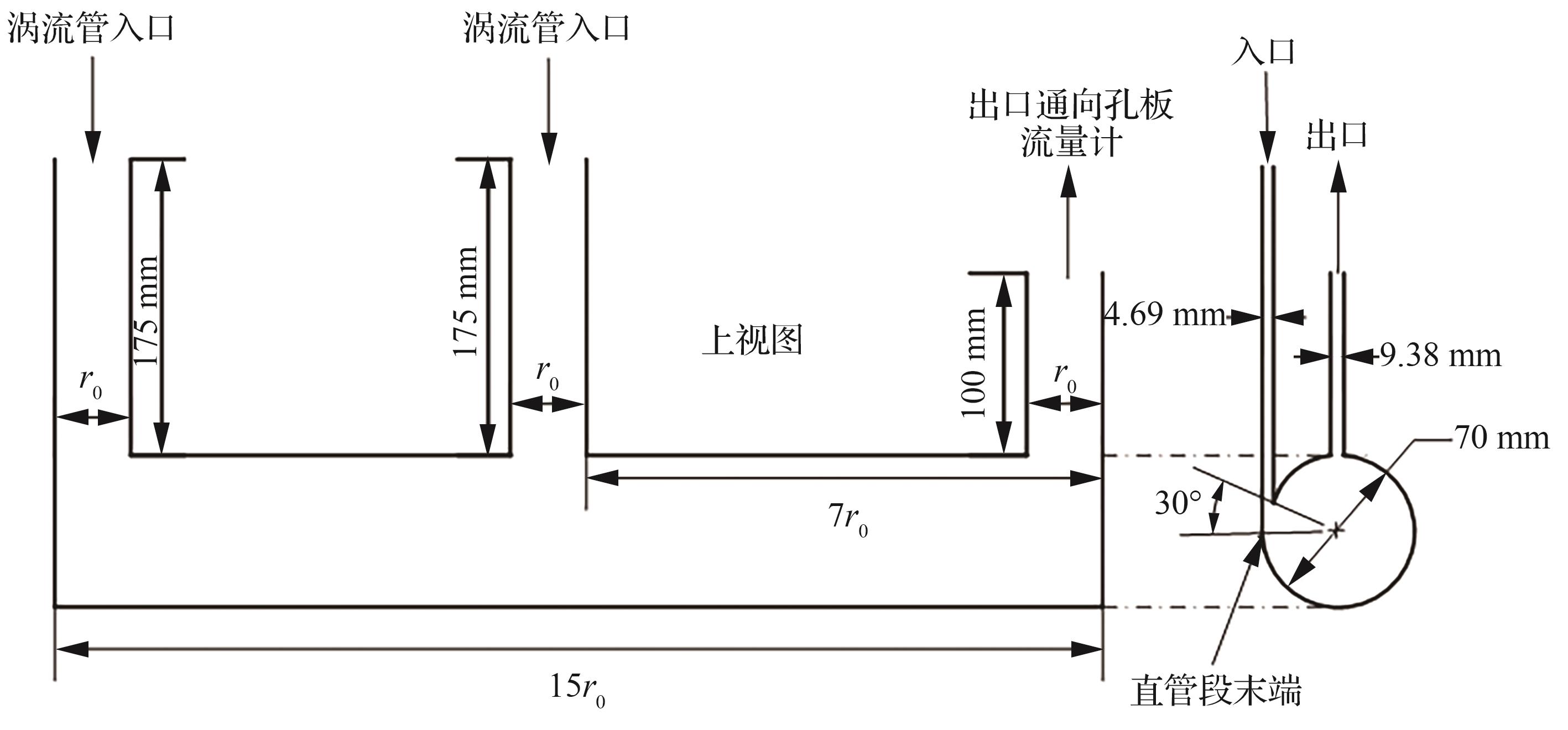
图 9
验证算例计算模型
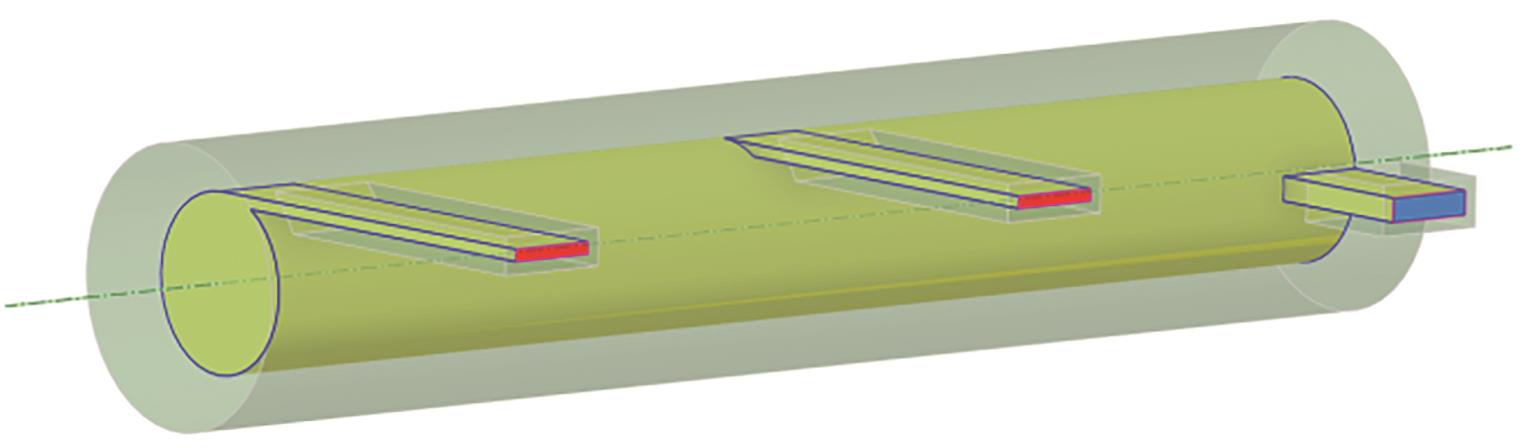
图 10
验证算例计算网格
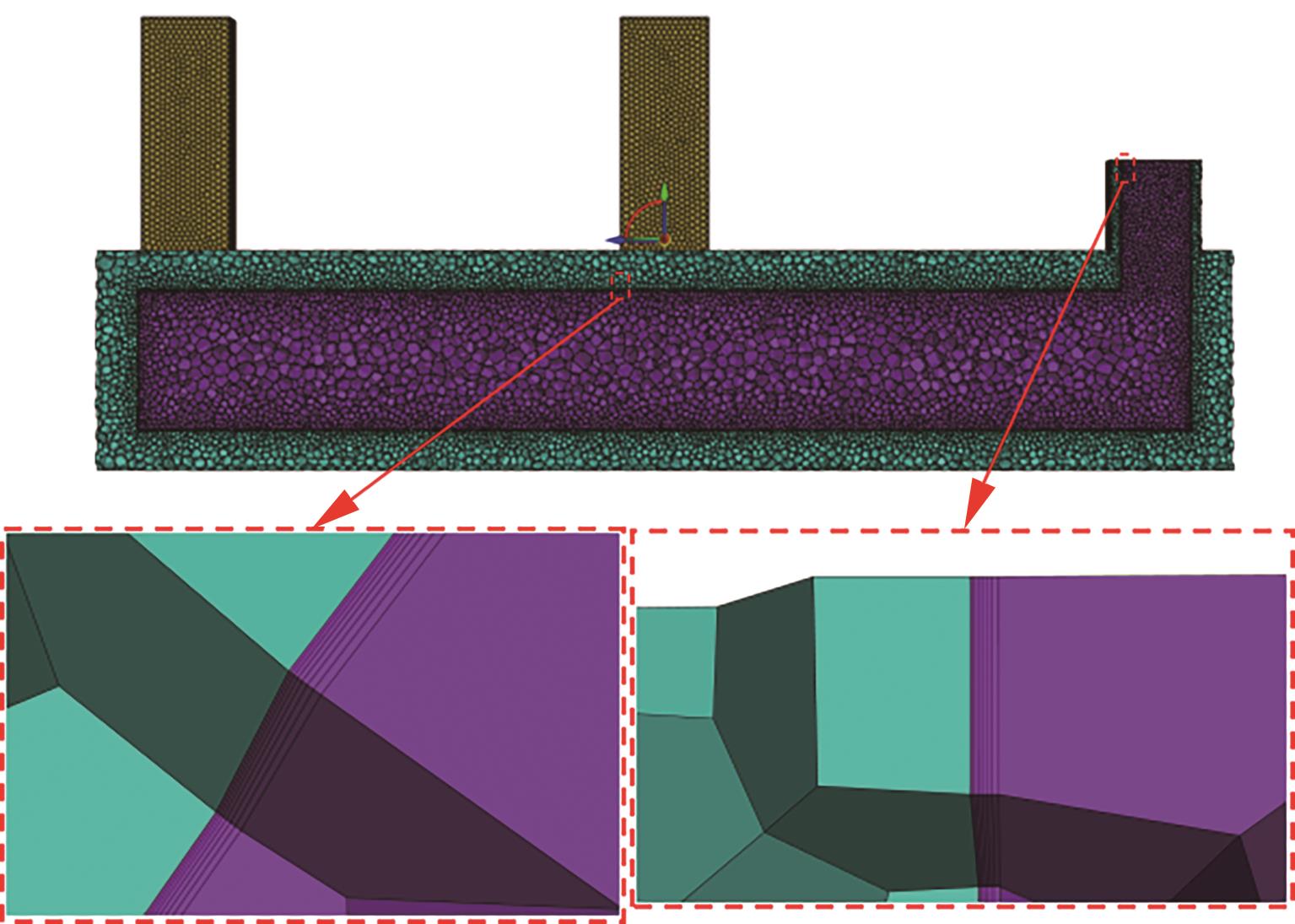
表1
验证算例的边界条件
| 计算条件 | 数值 |
|---|---|
| TIn/K | 243.15 |
| PIn/Pa | 101 325 |
| VIn/(m·s-1) | 13 |
| Twall/K | 292.25 |
| QIn/(kg·s-1) | 0.725 |
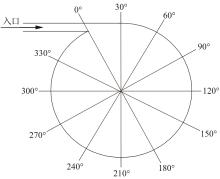
图 11
涡流管轴向截面示意图
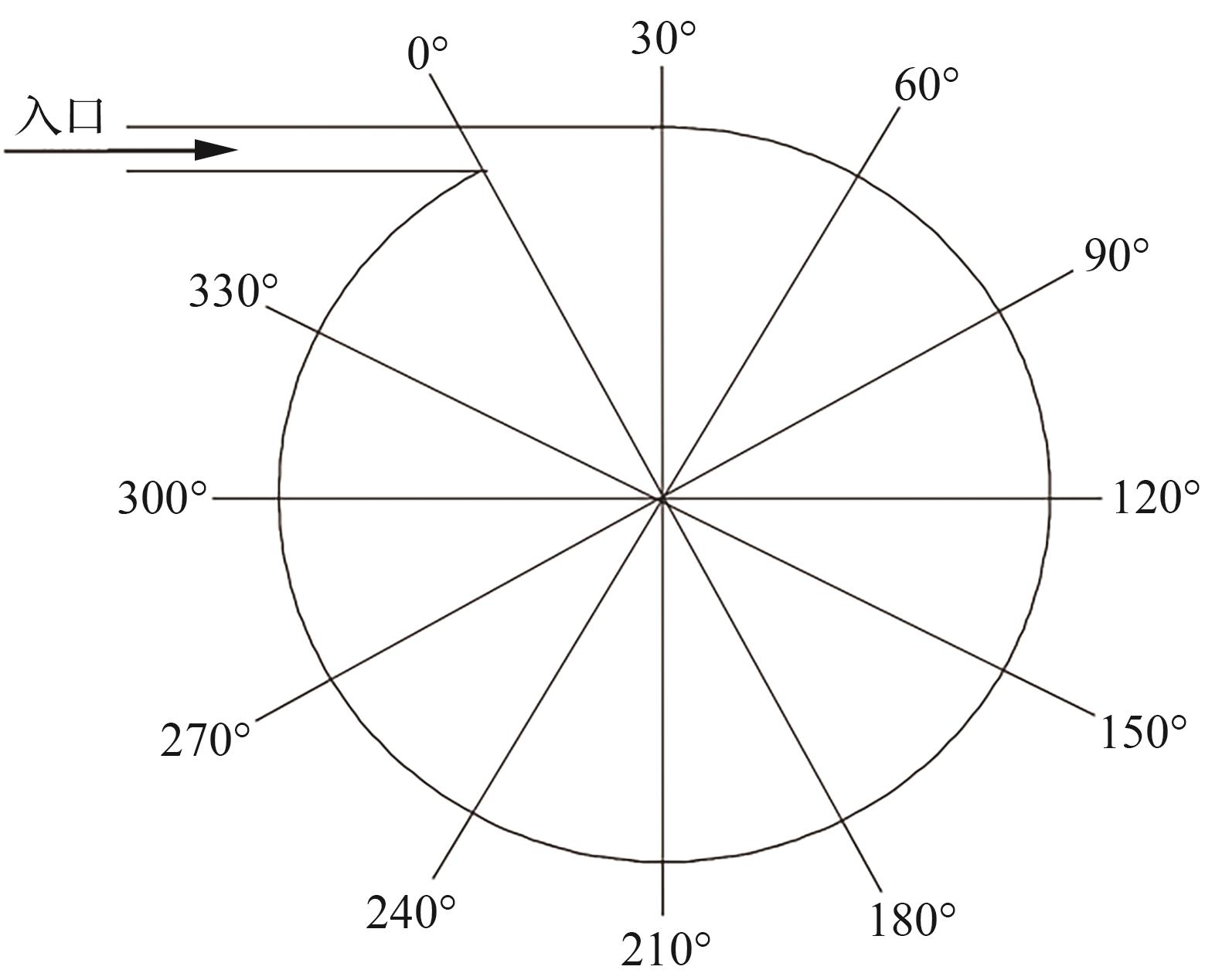
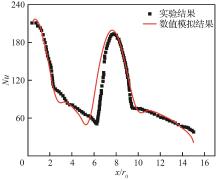
图 12
数值模拟与实验结果对比
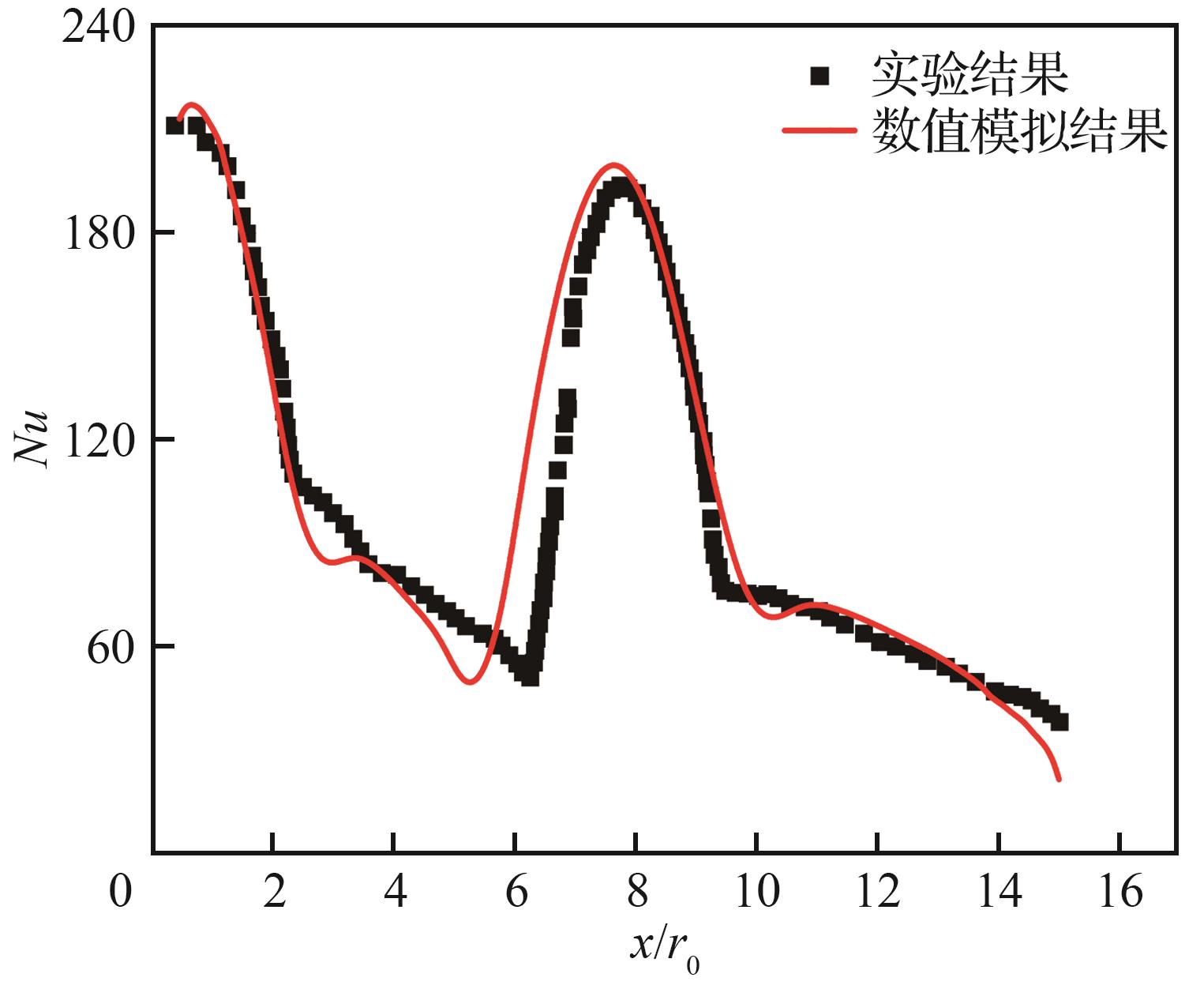
表2
不同网格数的计算网格
| 网格编号 | 网格数/104 |
|---|---|
| No.1 | 114 |
| No.2 | 178 |
| No.3 | 278 |
| No.4 | 325 |
| No.5 | 558 |
表3
典型大涵道比涡扇发动机运行工况
| 计算条件 | 数值 |
|---|---|
| TFlow/K | 243.15 |
| PFlow/Pa | 89 890.06 |
| h/(W·m-2·K-1) | 140 |
| TInlet/K | 418.2 |
| mInlet/(kg·s-1) | 0.725 |
图 13
不同网格数下内部流道壁面平均对流换热系数
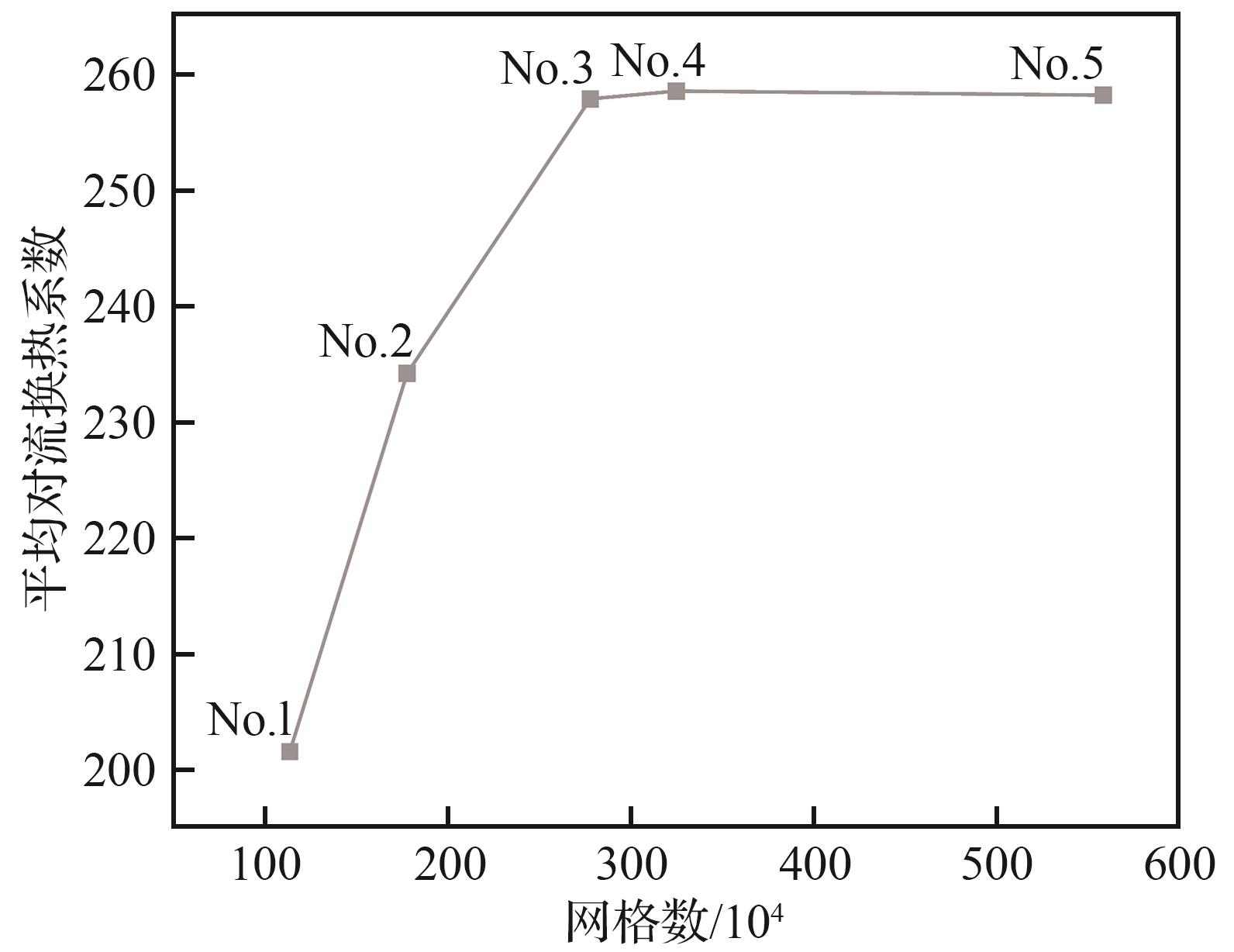
表4
固体材料的物性参数
| 计算条件 | 数值 |
|---|---|
| D/(kg·m-3) | 2 719 |
| cp/(J·kg-1·K-1) | 871 |
| λ/(W·m-1·K-1) | 140 |
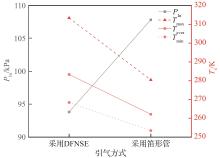
图 14
DFNSE及笛形管唇口防冰相关参数计算结果
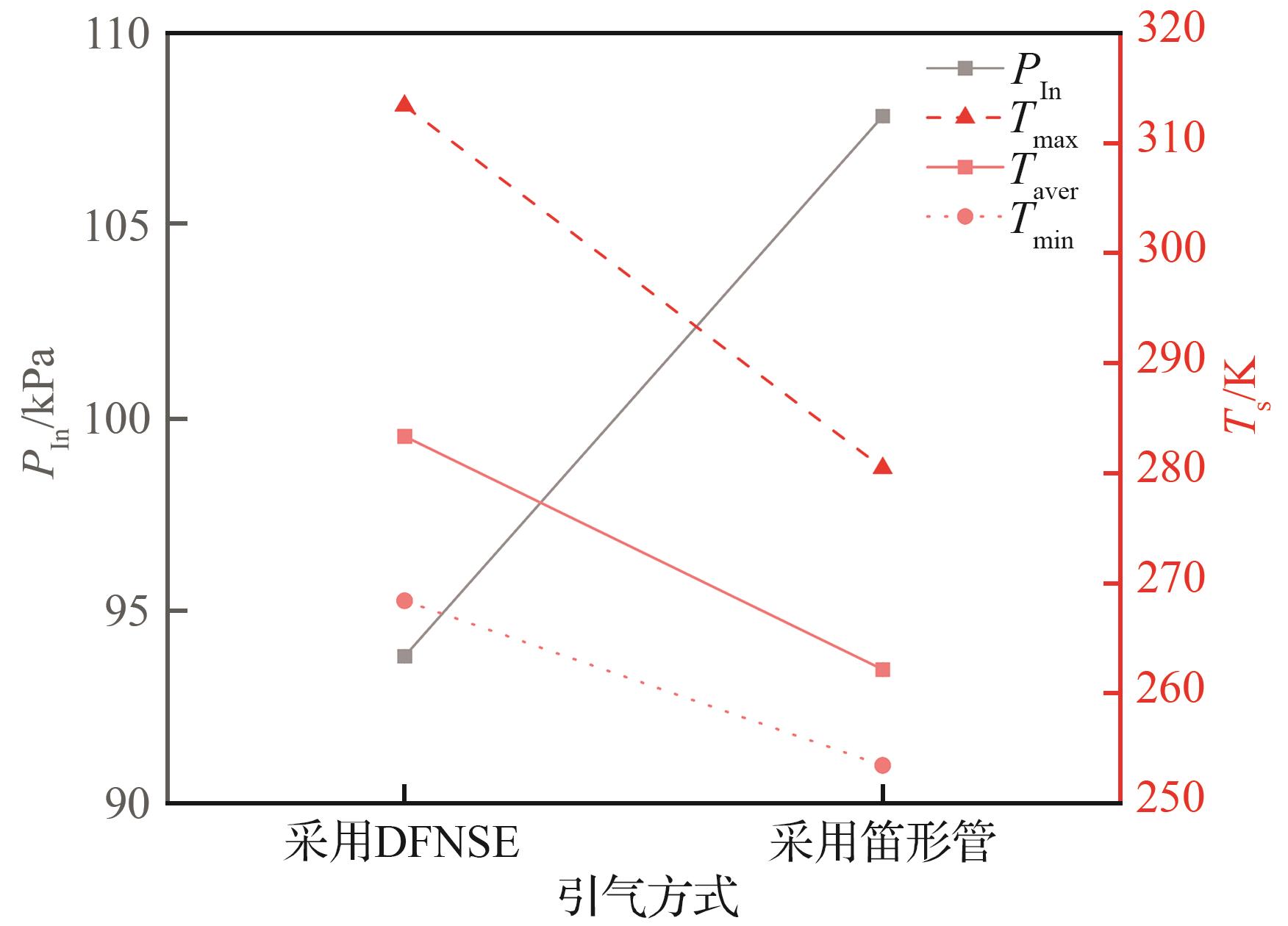
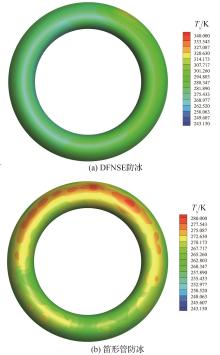
图 15
DFNSE及笛形管防冰的发动机唇口外壁面温度分布
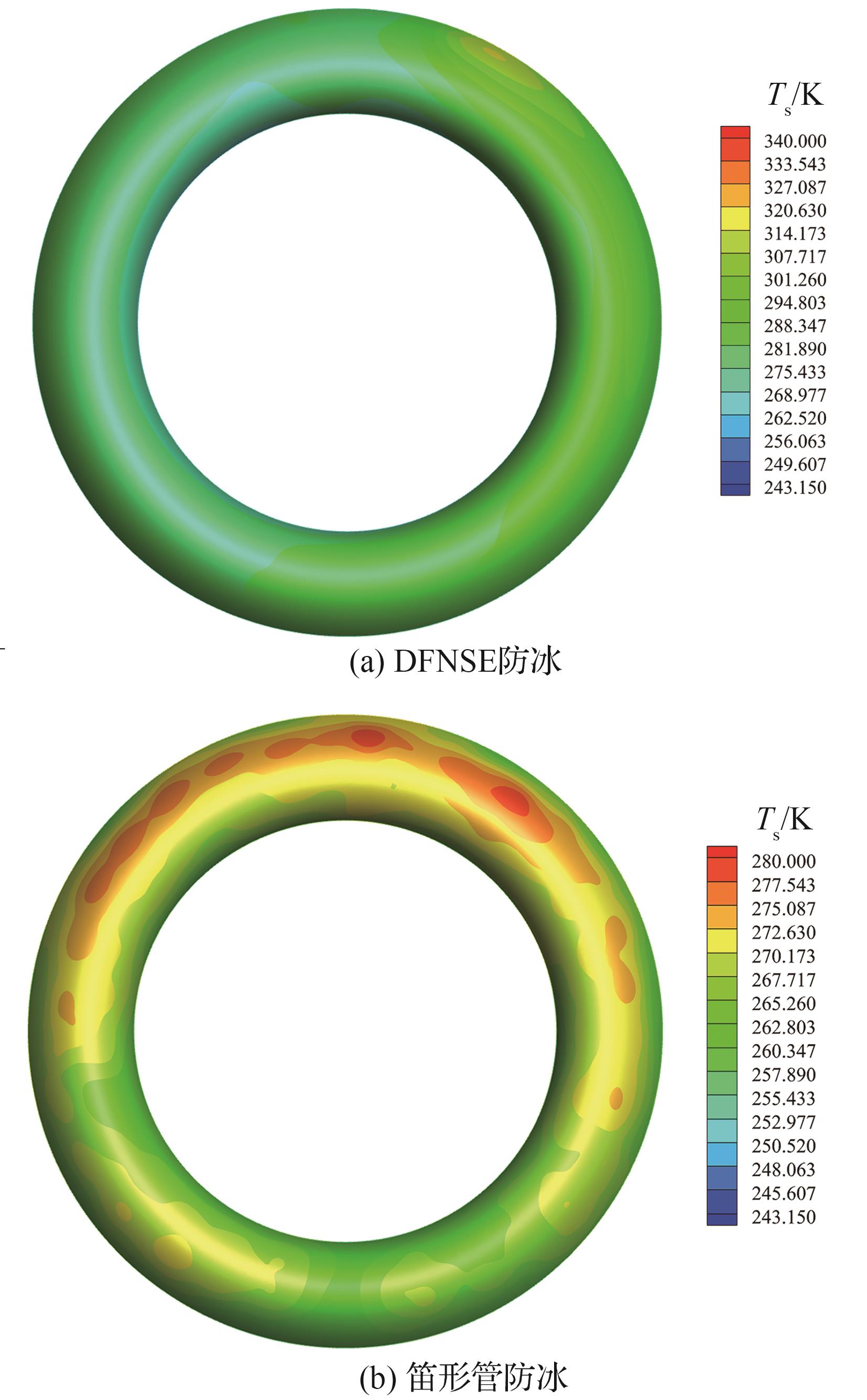
表5
定向流喷嘴内部流道不同扭转角度几何参数
| α/(°) | n | CA |
|---|---|---|
| 5 | 6 | 0.737 1 |
| 10 | 6 | 0.737 1 |
| 15 | 6 | 0.737 1 |
| 20 | 6 | 0.737 1 |
| 25 | 6 | 0.737 1 |
| 30 | 6 | 0.737 1 |
| 35 | 6 | 0.737 1 |
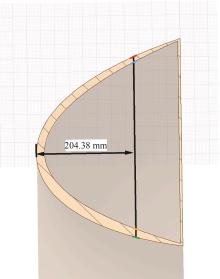
图 16
发动机唇口温度数据取样点示意图
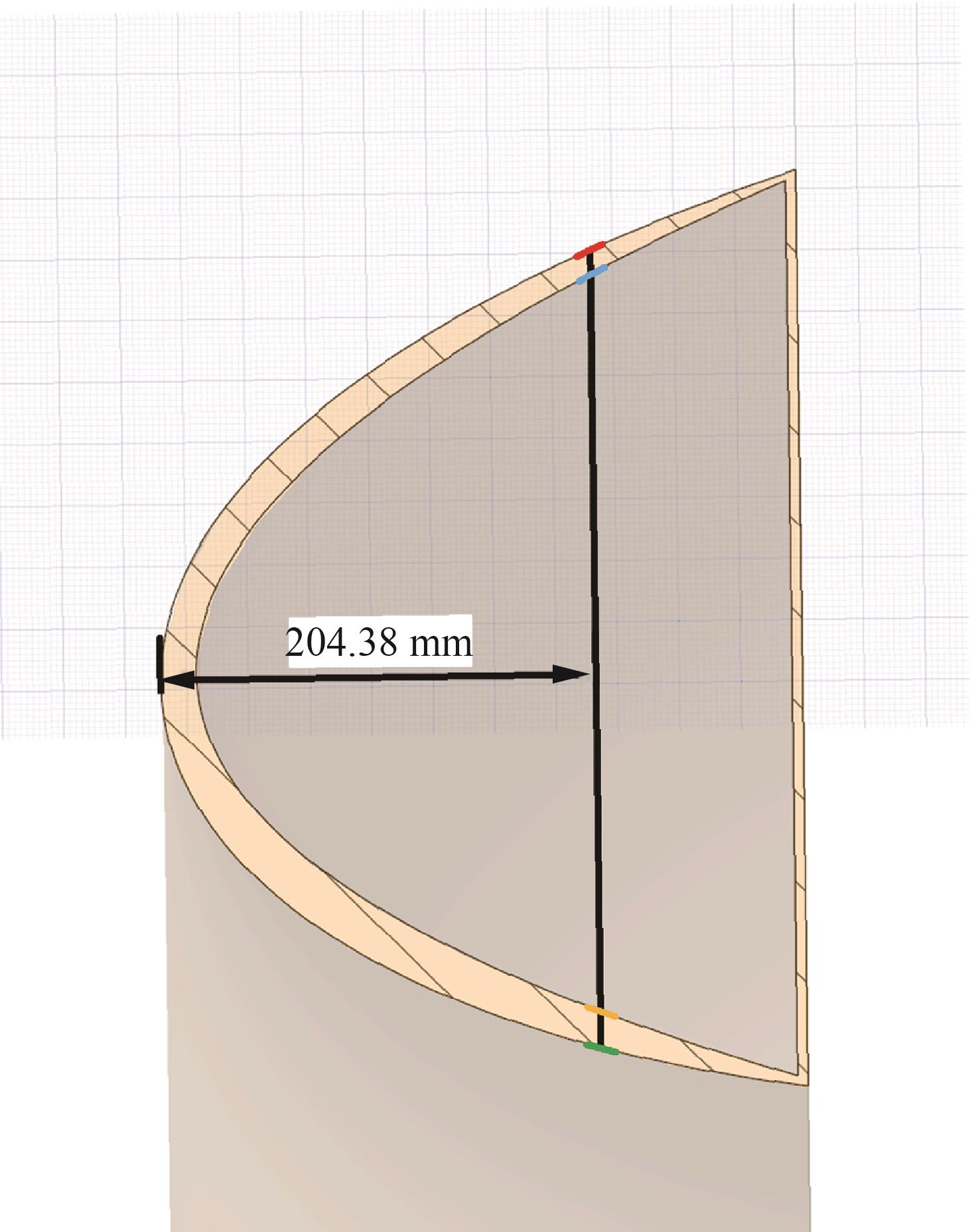
图 17
采用不同内部流道扭转角度的DFNSE进行防冰的发动机唇口表面温度分布
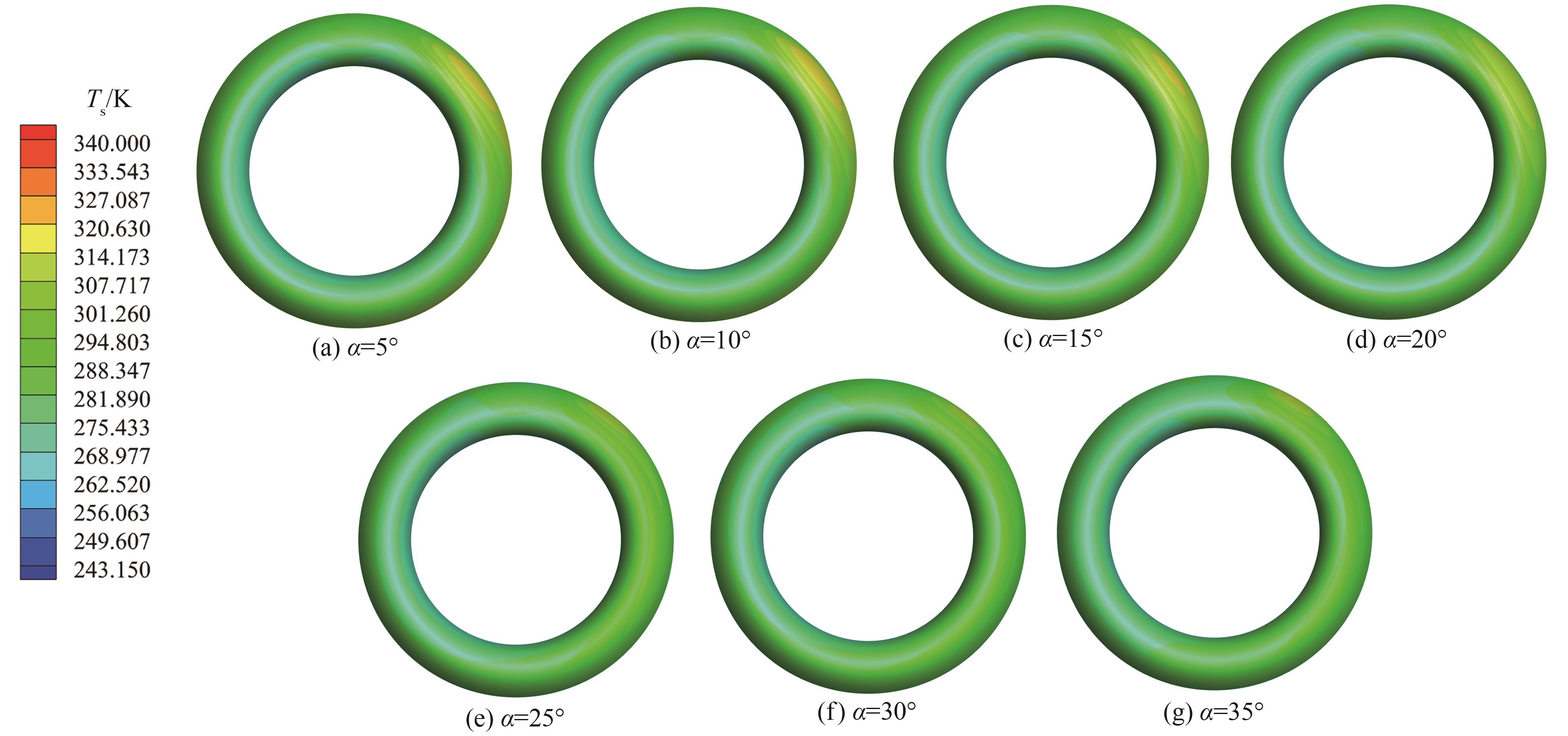
图 18
唇口外蒙皮与内部流道内外环周向温度变化
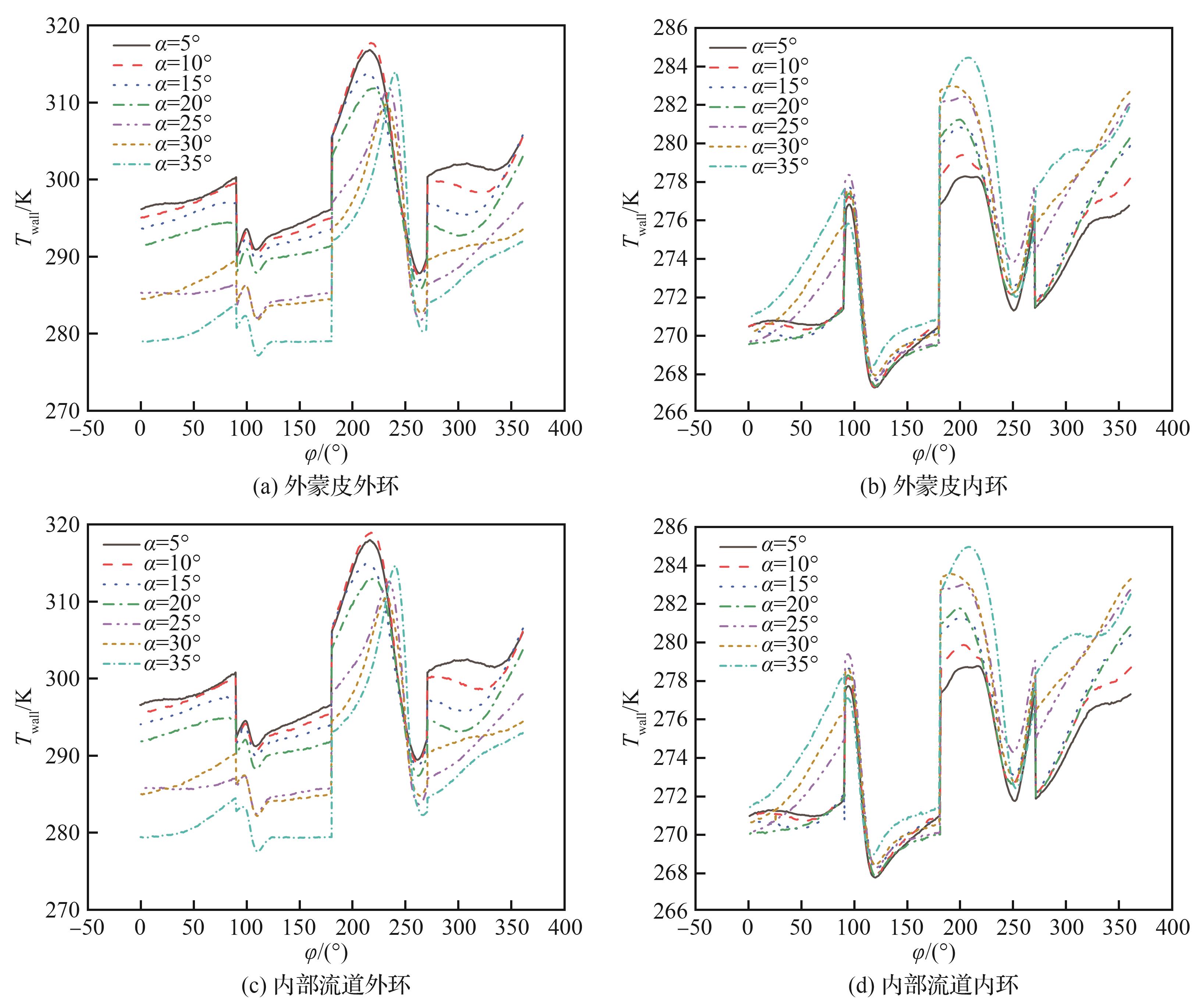
图 19
定向流喷嘴内部流道不同扭转角度的DFNSE防冰相关参数计算结果
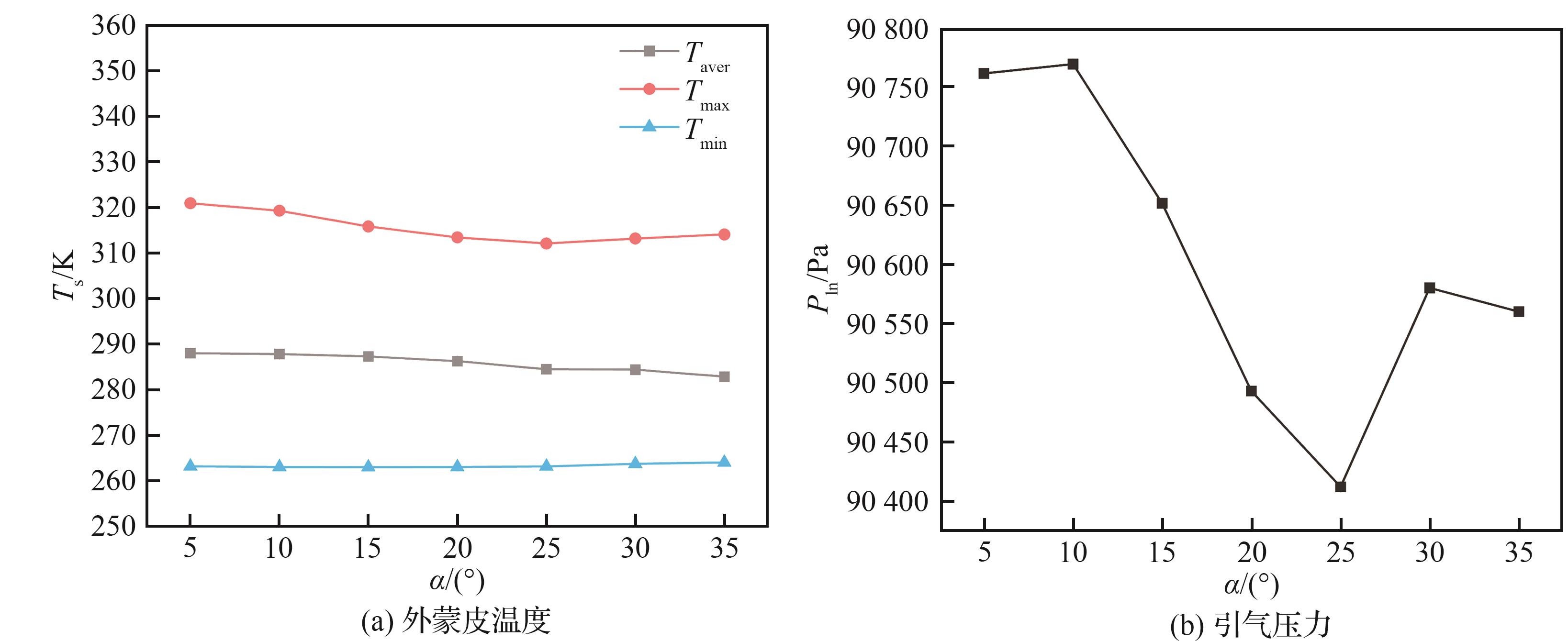
表6
定向流喷嘴不同内部流道数几何参数
| α/(°) | n | CA |
|---|---|---|
| 35 | 4 | 0.737 1 |
| 35 | 5 | 0.737 1 |
| 35 | 6 | 0.737 1 |
| 35 | 8 | 0.737 1 |

图 20
定向流喷嘴不同内部流道数时发动机唇口表面温度分布
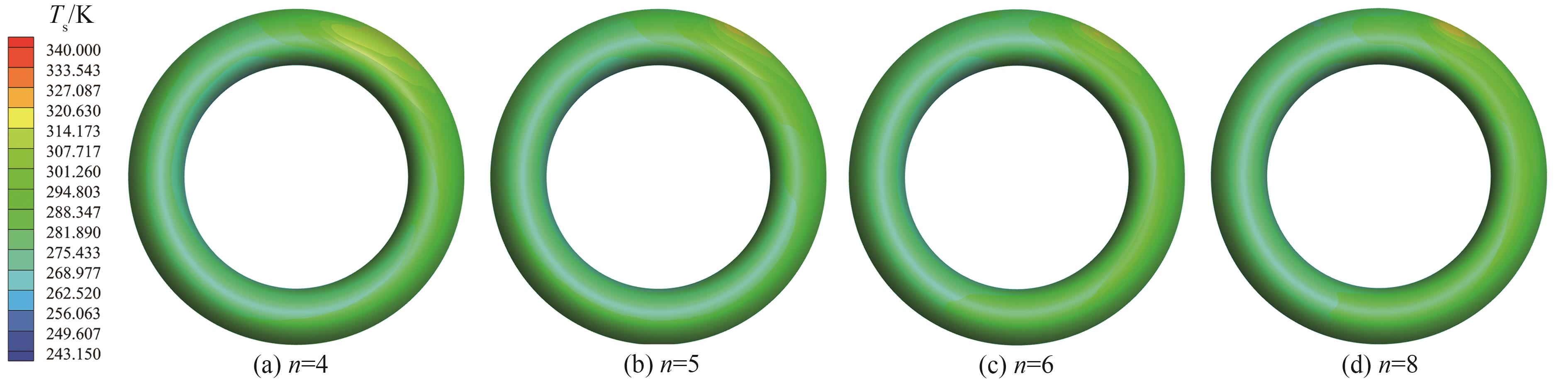
图 21
定向流喷嘴不同内部流道数时唇口外蒙皮与内部流道内外环周向温度变化
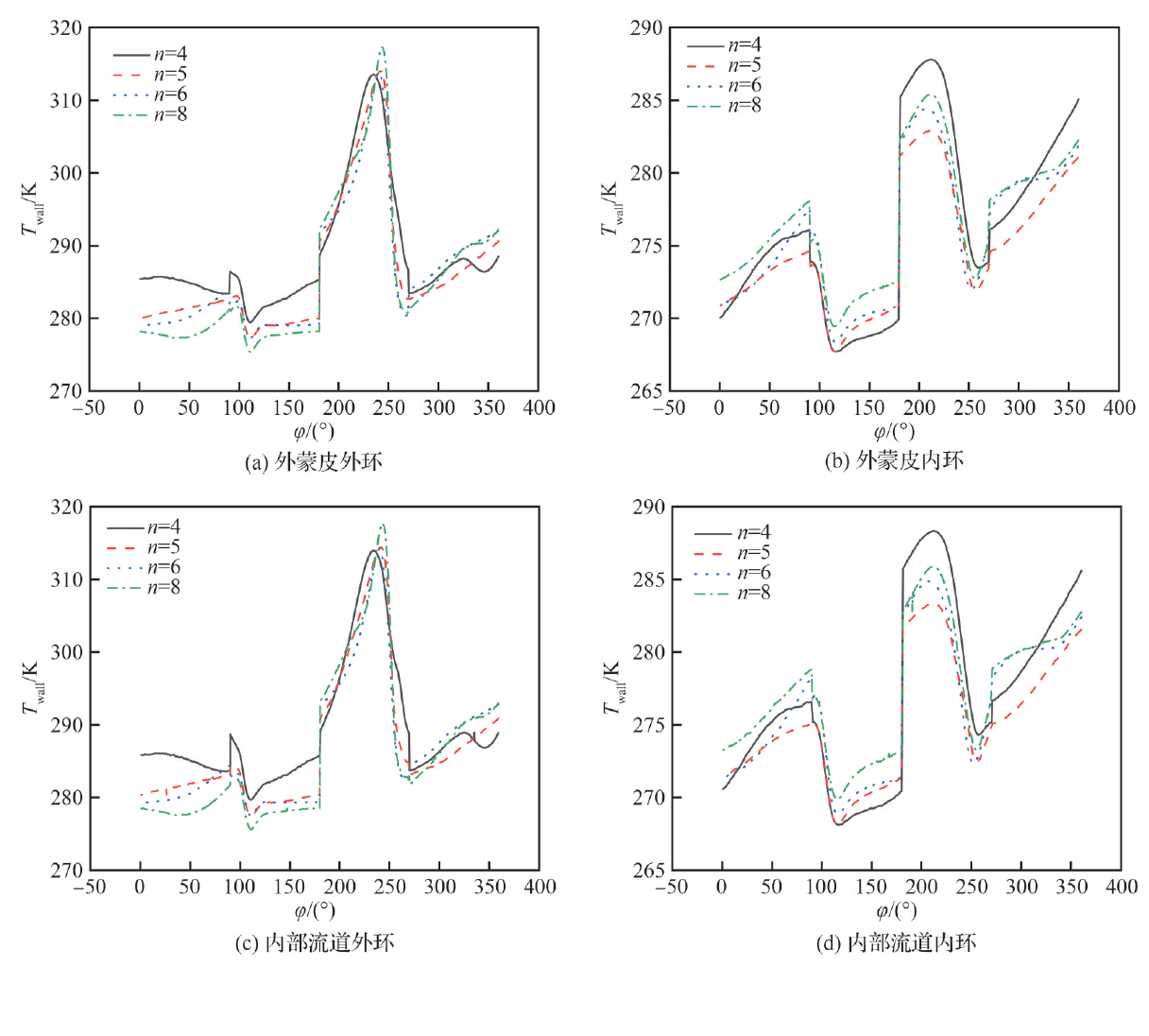
图 22
定向流喷嘴不同内部流道数时的外蒙皮温度及引气压力
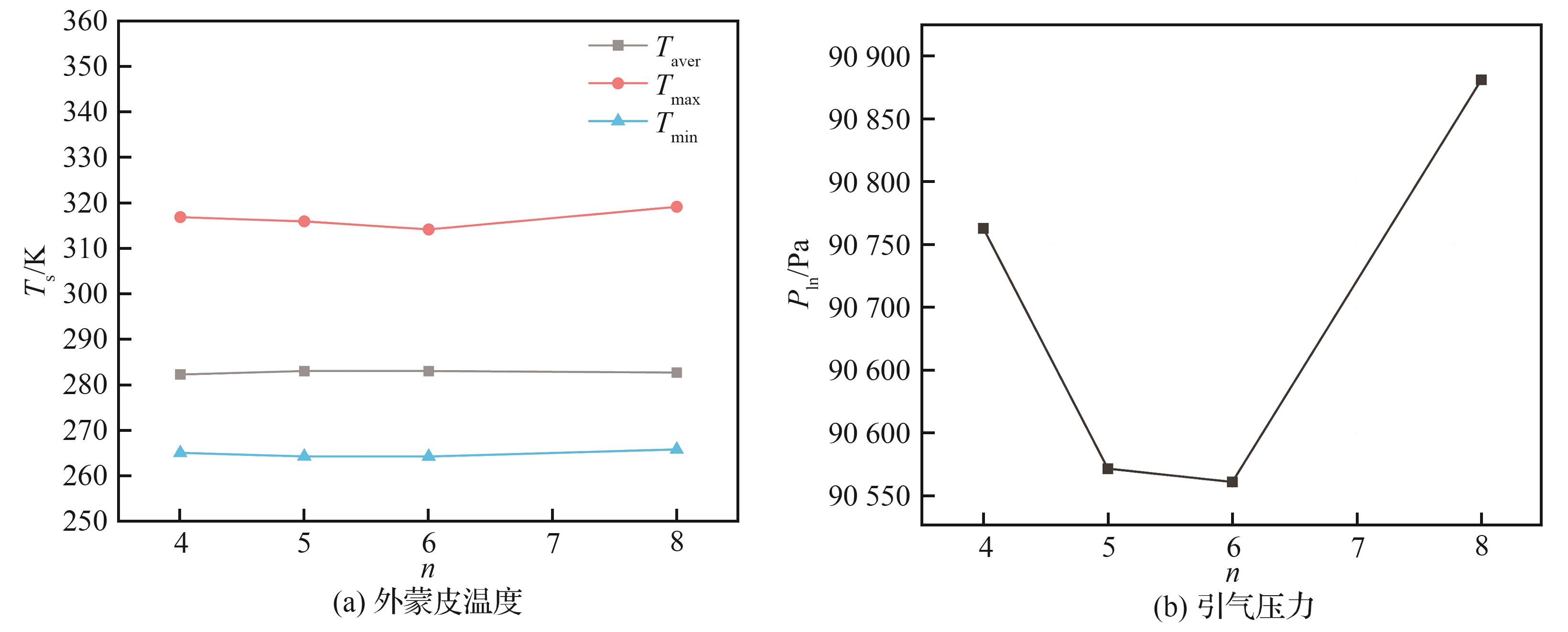
表7
DFNSE环形流道不同的收扩比参数
| α/(°) | n | CA |
|---|---|---|
| 35 | 6 | 0.602 1 |
| 35 | 6 | 0.737 1 |
| 35 | 6 | 0.802 8 |
| 35 | 6 | 0.868 5 |
| 35 | 6 | 0.901 5 |
| 35 | 6 | 0.967 1 |
图 23
不同收扩比时DFNSE防冰的发动机唇口表面温度分布
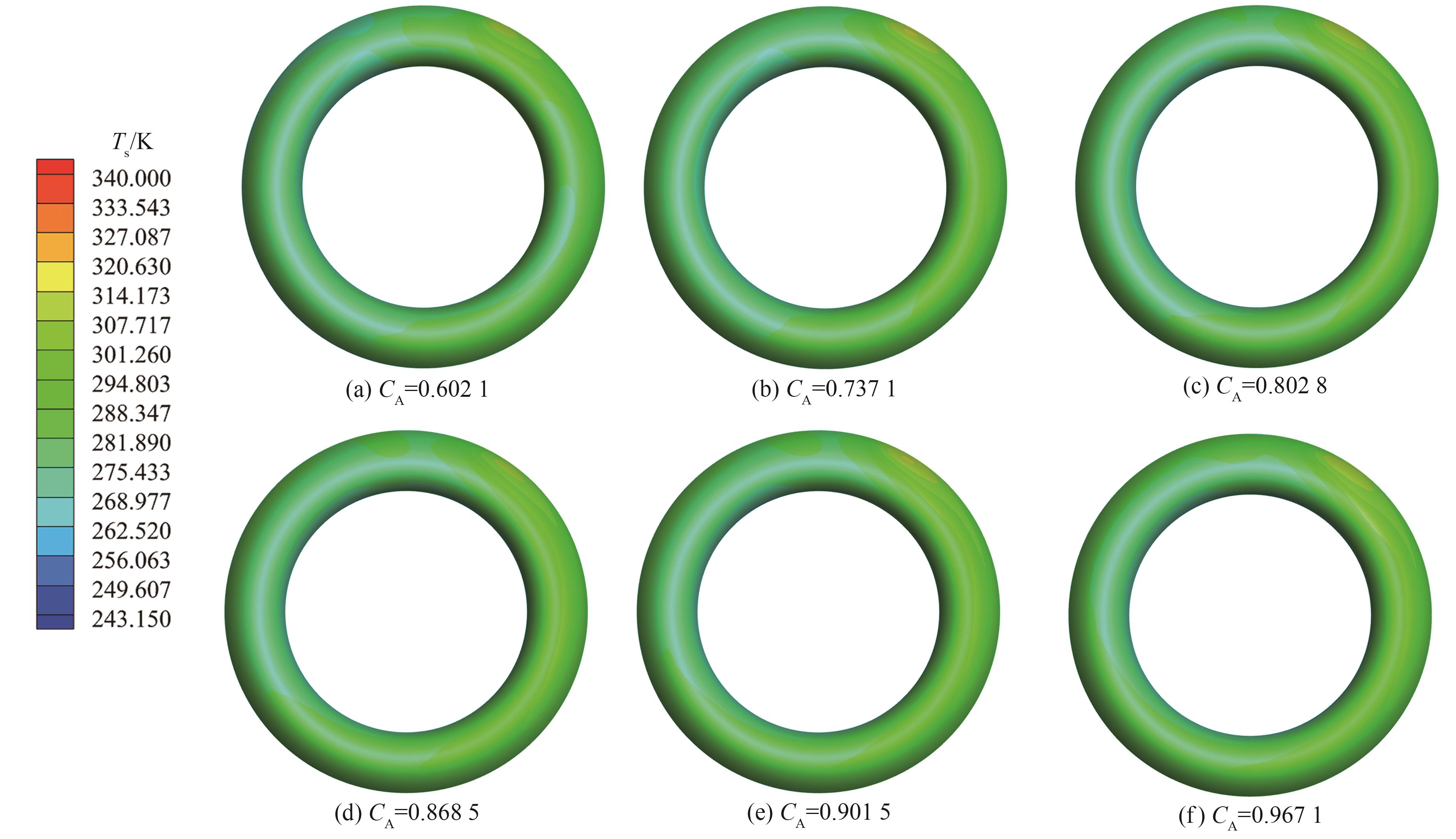
图 24
不同收扩比时DFNSE防冰的发动机唇口外蒙皮温度
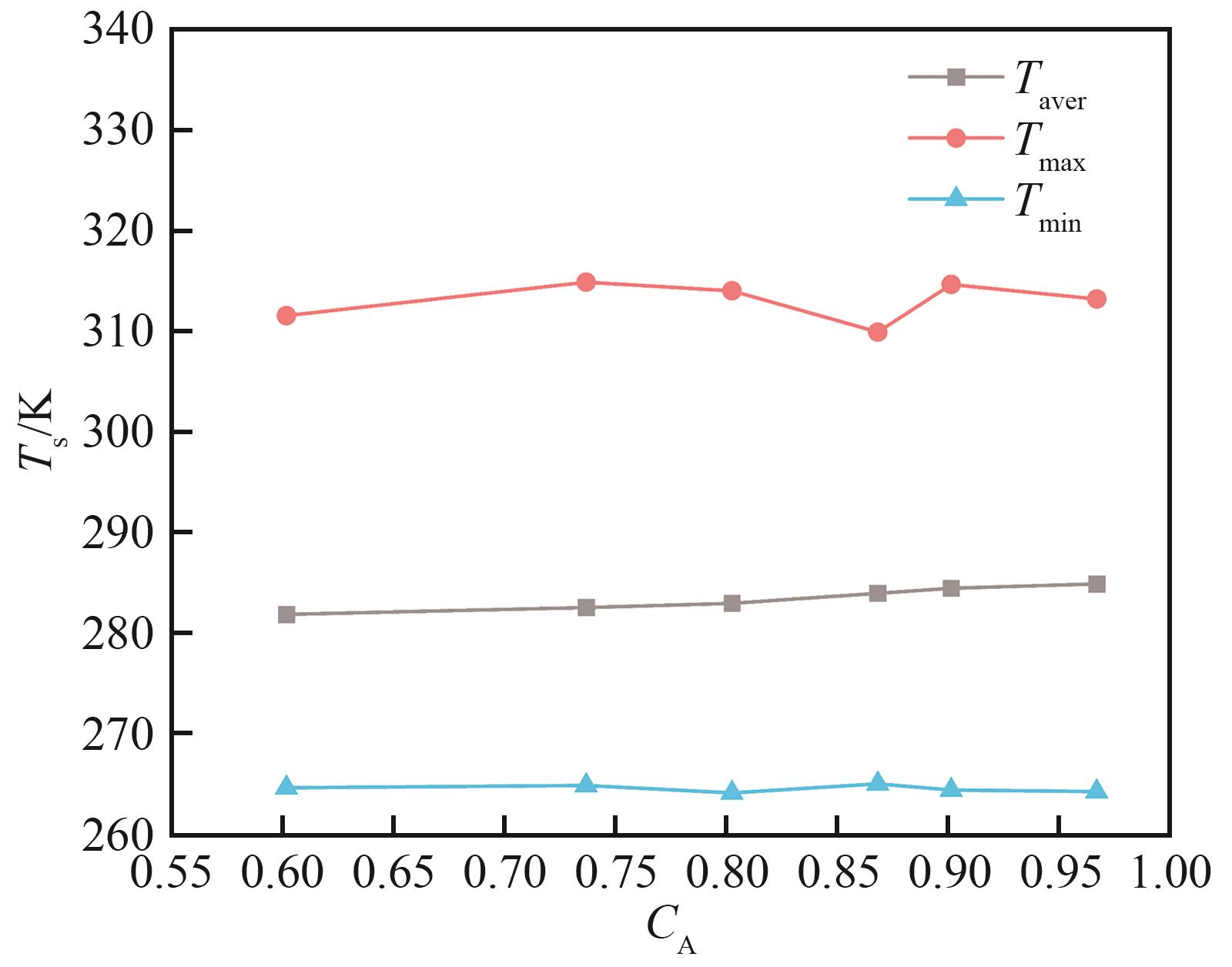
图 25
不同收扩比时DFNSE防冰的唇口周向温度变化
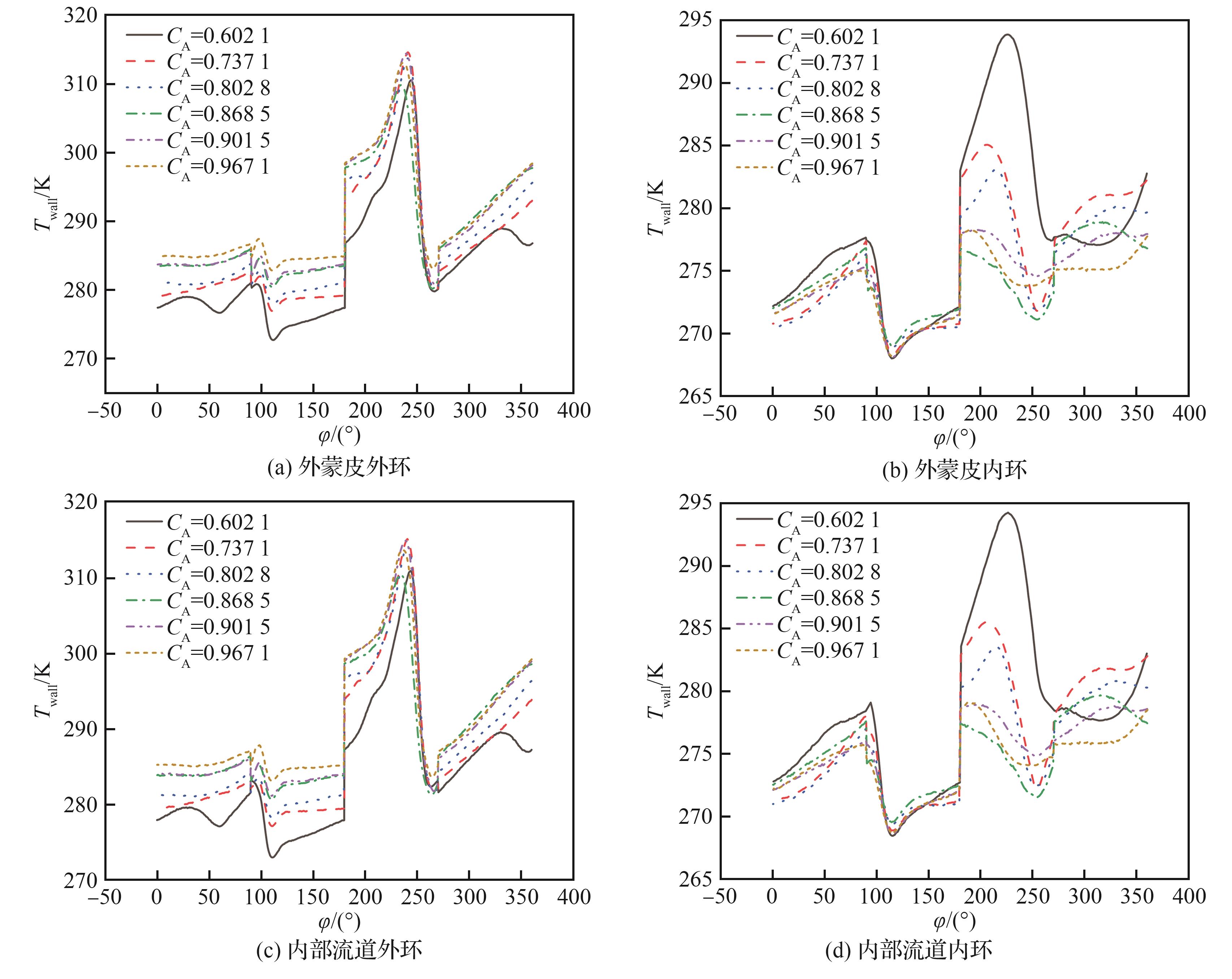
图 26
不同收扩比时定向流喷嘴出口处流动情况
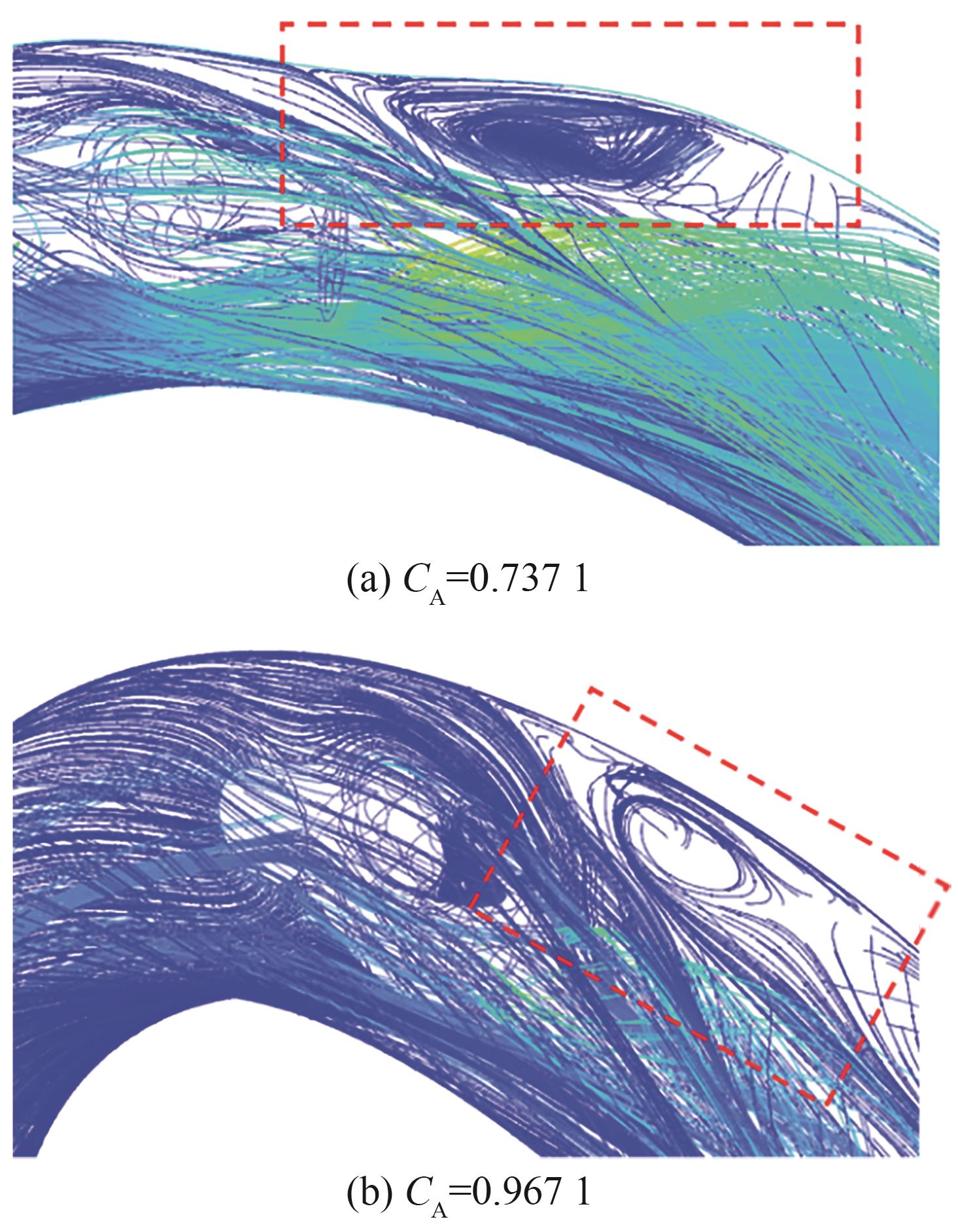
图 27
不同收扩比时环形流道收扩段压力分布
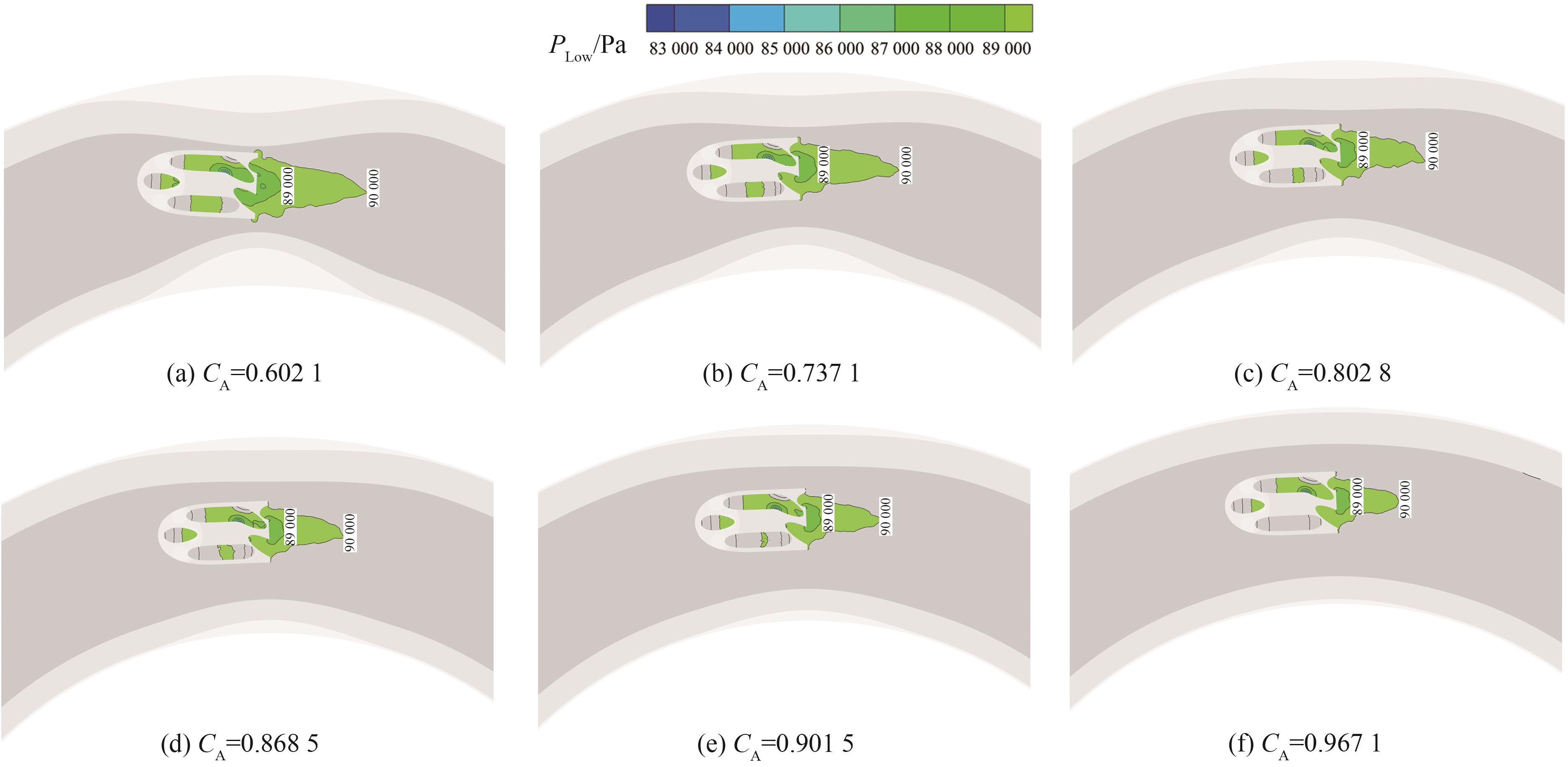
图28
不同收扩比下DFNSE防冰的引气压力及收扩段低压区压力
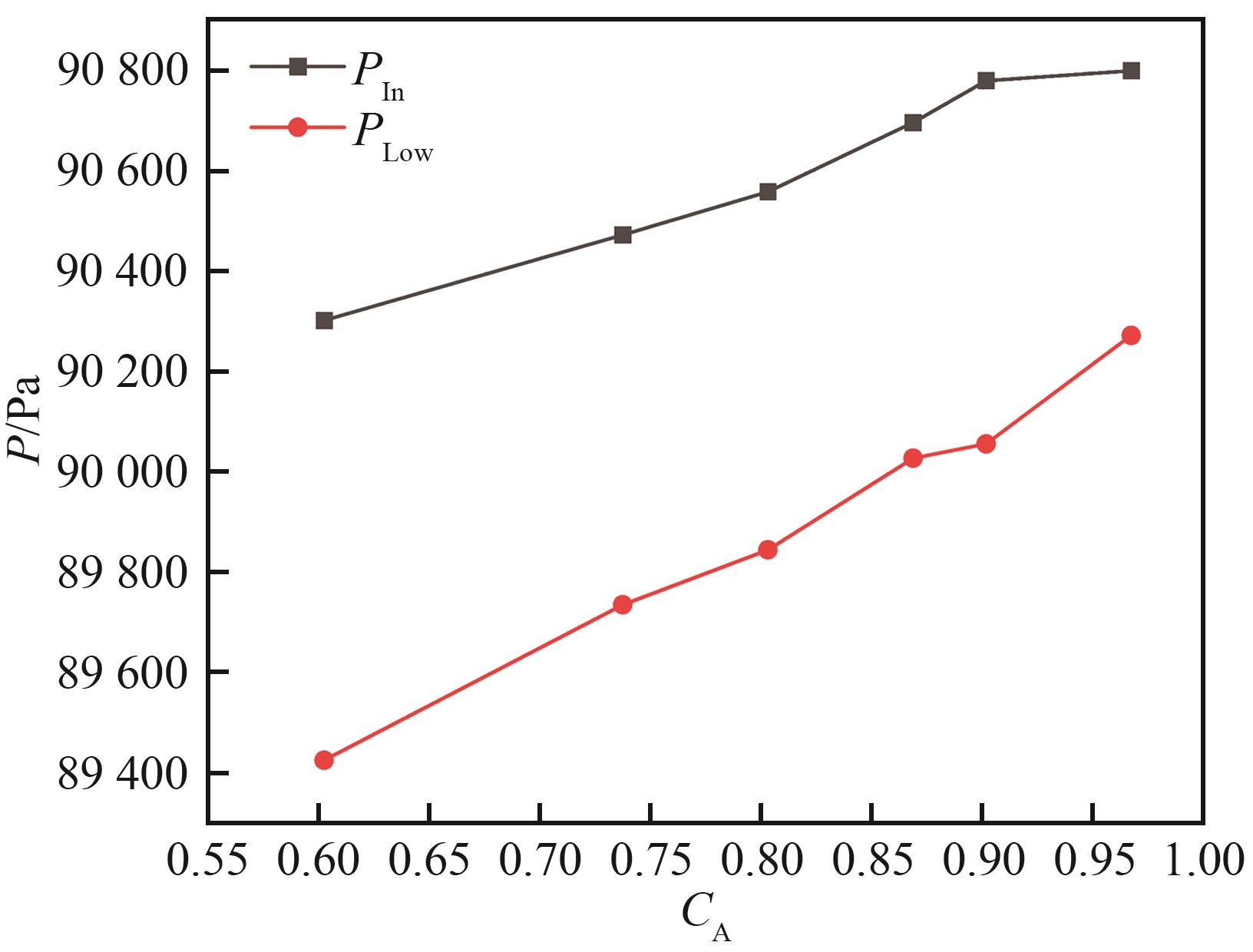
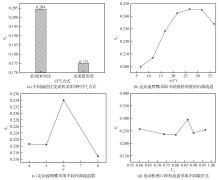
图 29
不同几何构型的DFNSE及笛形管防冰加热质量系数
| [1] | 陆景松. 发动机进气道前缘防冰腔性能研究[D]. 南京: 南京航空航天大学, 2008. |
| LU J S. Performance analysis of anti-icer in airplan eginine inlet[D]. Nanjing: Nanjing University of Aeronautics and Astronautics, 2008 (in Chinese). | |
| [2] | 张丽芬, 葛鑫, 张斐, 等. 旋转帽罩结冰相似准则的冰风洞试验研究[J]. 实验流体力学, 2021, 35(4): 52-59. |
| ZHANG L F, GE X, ZHANG F, et al. An ice wind tunnel test study on the scaling law of a rotating cone[J]. Journal of Experiments in Fluid Mechanics, 2021, 35(4): 52-59 (in Chinese). | |
| [3] | 张丽芬, 刘振侠, 胡剑平. 机翼三维结冰数值模拟[J]. 航空计算技术, 2013, 43(1): 36-39. |
| ZHANG L F, LIU Z X, HU J P. Numerical simulation of three-dimensional ice accretion on airfoils[J]. Aeronautical Computing Technique, 2013, 43(1): 36-39 (in Chinese). | |
| [4] | ZHANG L, ZHANG M, LIU Z. Collection efficiency of rotating spin in jet engine[C]∥ Proceedings of the 22nd International Symposium on Air Breathing Engines. 2015. |
| [5] | CHEN Q X, ZHANG L F, ZHOU C X, et al. Numerical simulation study on predicting the critical icing conditions of aircraft pitot tubes[J]. Sensors, 2024, 24(22): 7410. |
| [6] | 胡剑平, 刘振侠, 张丽芬. 发动机整流支板大尺寸过冷水滴撞击特性[J]. 航空学报, 2011, 32(10): 1778-1785. |
| HU J P, LIU Z X, ZHANG L F. Supercooled large droplet impact behaviors on an aero-engine strut[J]. Acta Aeronautica et Astronautica Sinica, 2011, 32(10): 1778-1785 (in Chinese). | |
| [7] | 樊飞, 杨杰, 王勇. 浅析航空涡轮风扇发动机结冰与处置[J]. 航空维修与工程, 2020(11): 98-100. |
| FAN F, YANG J, WANG Y. Analysis on icing and disposal for aero-turbo fan engine[J]. Aviation Maintenance & Engineering, 2020(11): 98-100 (in Chinese). | |
| [8] | CAO Y H, TAN W Y, WU Z L. Aircraft icing: an ongoing threat to aviation safety[J]. Aerospace Science and Technology, 2018, 75: 353-385. |
| [9] | 郑梅, 冯丽娟, 秦娜, 等. 短舱防冰系统三维内外流耦合计算方法[J]. 航空学报, 2023, 44(1): 627425. |
| ZHENG M, FENG L J, QIN N, et al. 3D computational method for conjugate heat transfer between internal and external flow of nacelle anti-icing system[J]. Acta Aeronautica et Astronautica Sinica, 2023, 44(1): 627425 (in Chinese). | |
| [10] | 冯丽娟, 李冬, 易贤. 民用航空发动机进气道防冰系统设计方法研究[J]. 航空工程进展, 2017, 8(3): 335-341. |
| FENG L J, LI D, YI X. Civil aero-engine inlet anti-icing system power requirement definition methodology investigation[J]. Advances in Aeronautical Science and Engineering, 2017, 8(3): 335-341 (in Chinese). | |
| [11] | CHEN N L, HU Y P, JI H H, et al. Hot-air anti-icing heat transfer and surface temperature modeling[J]. AIAA Journal, 2021, 59(9): 3657-3666. |
| [12] | 杨倩, 郑皓冉, 程显达, 等. 基于引气控制的热气防冰优化设计方法[J]. 航空学报, 2023, 44(S2): 729285. |
| YANG Q, ZHENG H R, CHENG X D, et al. Optimization design method for hot air anti-icing system based on bleed air control[J]. Acta Aeronautica et Astronautica Sinica, 2023, 44(S2): 729285 (in Chinese). | |
| [13] | 徐宁, 徐之太, 管宁. 某航空发动机短舱防冰腔流动与换热仿真[J]. 科学技术创新, 2024(6): 47-50. |
| XU N, XU Z T, GUAN N. Simulation of a short-cabin anti-ice chamber flow and heat exchange of an aero-engine[J]. Scientific and Technological Innovation, 2024(6): 47-50 (in Chinese). | |
| [14] | BU X Q, LIN G P, SHEN X B, et al. Numerical simulation of aircraft thermal anti-icing system based on a tight-coupling method[J]. International Journal of Heat and Mass Transfer, 2020, 148: 119061. |
| [15] | LI L K, LIU Y, TIAN L C, et al. An experimental study on a hot-air-based anti-/ de-icing system for aero-engine inlet guide vanes[J]. Applied Thermal Engineering, 2020, 167: 114778. |
| [16] | PAPADAKIS M, WONG S H. Parametric investigation of a bleed air ice protection system[C]∥ 44th AIAA Aerospace Sciences Meeting and Exhibit. Reston: AIAA, 2006. |
| [17] | RIGBY D. Numerical investigation of hole pattern effect on piccolo tube anti-icing[C]∥ 44th AIAA Aerospace Sciences Meeting and Exhibit. Reston: AIAA, 2006. |
| [18] | MASSARDO A F, FARINAZZO E. Experimental investigation of a new and energy-saving nacelle anti-ice system[J]. Journal of Aircraft, 1996, 33(6): 1033-1039. |
| [19] | 常士楠, 韩凤华. 飞机发动机进气道前缘热气防冰器性能分析[J]. 北京航空航天大学学报, 1999, 25(2): 201-203. |
| CHANG S N, HAN F H. Performance analysis on hot-air anti-icer of airplane engine inlet[J]. Journal of Beijing University of Aeronautics and Astronautics, 1999, 25(2): 201-203 (in Chinese). | |
| [20] | 张书晔, 徐伟, 于磊. 飞机发动机唇口防冰系统仿真分析[J]. 飞机设计, 2016, 36(6): 58-64. |
| ZHANG S Y, XU W, YU L. Emulation analysis for engine lip anti-ice system[J]. Aircraft Design, 2016, 36(6): 58-64 (in Chinese). | |
| [21] | KAN J, ZHU J L, YANG J B, et al. Numerical simulation of electro-thermal anti-icing system for an engine inlet lip[C]∥ CSAA/IET International Conference on Aircraft Utility Systems (AUS 2024). London: IET, 2024: 2239-2245. |
| [22] | 李云单, 陈小明, 龚欢, 等. 飞机热管防冰技术的研究现状及展望[J]. 航空动力学报, 2024, 39(10): 20220771. |
| LI Y D, CHEN X M, GONG H, et al. Research status and prospect of aircraft heat pipe anti-icing technology[J]. Journal of Aerospace Power, 2024, 39(10): 20220771 (in Chinese). | |
| [23] | LIU Y Y, YI X. Investigations on hot air anti-icing characteristics with internal jet-induced swirling flow[J]. Aerospace, 2024, 11(4): 270. |
| [24] | LIU Y Y, LUAN Y, DAI X B, et al. A numerical study on swirling hot air anti-icing with various surface structures on the internal wall[J]. Energies, 2023, 16(3): 1179. |
| [25] | 蒂沃里 P, 穆克赫杰 S, 维伯 C G. 定向流喷嘴旋流增强器: CN201710300802.8[P]. 2021-10-29. |
| TIWARI P, MUKHERJEE S, WIBERG C G. Swirl enhancer for directional flow nozzle: CN201710300802.8[P]. 2021-10-29 (in Chinese). | |
| [26] | ISMAIL M A, WANG J. Effect of nozzle rotation angles and sizes on thermal characteristic of swirl anti-icing[J]. Journal of Mechanical Science and Technology, 2018, 32(9): 4485-4493. |
| [27] | TU Y, WU Y, ZENG Y. Study of flow and heat transfer in an ejector-driven swirl anti-icing chamber[J]. Fluid Dynamics & Materials Processing, 2024, 20(5): 989-1014. |
| [28] | 徐亮, 任德祖, 马永浩, 等. 不同形状喷嘴的旋流冲击射流压力损失和传热特性实验[J]. 航空动力学报, 2018, 33(11): 2678-2686. |
| XU L, REN D Z, MA Y H, et al. Pressure loss and heat transfer characteristics experiment of swirling impinging jet with different shape nozzles[J]. Journal of Aerospace Power, 2018, 33(11): 2678-2686 (in Chinese). | |
| [29] | 兰进, 徐亮, 马永浩, 等. 实验研究类螺纹孔旋流冲击射流的冷却特性[J]. 西安交通大学学报, 2018, 52(1): 8-13, 76. |
| LAN J, XU L, MA Y H, et al. Experimental research on the cooling characteristics by swirling impinging jet from a nozzle with internal thread[J]. Journal of Xi’an Jiaotong University, 2018, 52(1): 8-13, 76 (in Chinese). | |
| [30] | LING J P C W, IRELAND P T, HARVEY N W. Measurement of heat transfer coefficient distributions and flow field in a model of a turbine blade cooling passage with tangential injection[C]∥ ASME Turbo Expo 2006: Power for Land, Sea, and Air. Barcelona: ASMEDC, 2006: 325-340. |
| [31] | 沈东, 史献林, 李志茂, 等. 一种发动机的进气道唇口的防冰系统以及防冰控制方法: CN201210496111.7[P]. 2015-04-22. |
| SHEN D, SHI X L, LI Z M, et al. An anti-icing system for engine inlet lip and control method thereof: CN201210496111.7 [P]. 2015-04-22 (in Chinese). |
| [1] | 汪翔宇, 陈显赟, 刘梦琪, 丰镇平. 机动载荷下振动对涡轮叶尖气热特性影响[J]. 航空学报, 2026, 47(8): 132710-132710. |
| [2] | 唐海洋, 任哲钒, 陈宁立, 易贤, 陈志勇. 基于PLE网络的电加热防冰功率分布优化设计[J]. 航空学报, 2026, 47(2): 132179-132179. |
| [3] | 孟祥一, 戴玉婷, 张育鸣, 黄广靖. 流固耦合翼型跨声速抖振载荷控制与机理分析[J]. 航空学报, 2026, 47(11): 232682-232682. |
| [4] | 尹金鸽, 冯丽娟, 邓阳. 发动机进气道直流喷嘴防冰系统换热特性[J]. 航空学报, 2026, 47(11): 633004-633004. |
| [5] | 刘秀芳, 陈佳军, 郑勉, 钟富豪, 李亚楠, 侯予. 新型高效机载电子器件冷却系统设计及实验[J]. 航空学报, 2025, 46(9): 131078-131078. |
| [6] | 刘宇, 廖航, 吴卓, 舒燕, 曹旭. 部分充气浮空气球伞降过程流固耦合仿真[J]. 航空学报, 2025, 46(7): 130762-130762. |
| [7] | 何雅玲, 姜涛, 杜燊, 徐国强. 飞行包线内空气换热器能力边界研究及进展[J]. 航空学报, 2025, 46(5): 531745-531745. |
| [8] | 高天翔, 罗振兵, 周岩, 彭文强, 程盼. 合成双射流控制水滴轨迹特性实验[J]. 航空学报, 2025, 46(4): 130833-130833. |
| [9] | 孔勇, 丁金兴, 潘涛, 阮波, 杨恺, 高效伟. 再生冷却过程热流固声耦合瞬态模拟[J]. 航空学报, 2025, 46(2): 130709-130709. |
| [10] | 吕元伟, 赵韫铎, 张镜洋, 陈丽君, 肖思维. 多叶波箔型动压气体径向轴承流弹耦合数值分析[J]. 航空学报, 2025, 46(15): 130928-130928. |
| [11] | 杜中宇, 杜鹏程, 宁方飞. 一种适用于流固耦合模拟的高精度气动载荷传递方法[J]. 航空学报, 2025, 46(12): 131425-131425. |
| [12] | 杨毅成, 杨卫华, 张倍萱, 宋志恒, 米兆国. 摩擦温度对篦齿径向裂纹形成的影响[J]. 航空学报, 2025, 46(10): 231196-231196. |
| [13] | 贾贺, 蒋伟, 包文龙, 徐欣, 荣伟, 余莉. 行星探测用柔性降落伞跨/超声速气动特性及耦合机理[J]. 航空学报, 2025, 46(1): 630369-630369. |
| [14] | 邹天琪, 薛晓鹏, 赵党军, 杨德贵, 梁步阁. 透气性对盘帆伞充气性能和气动特性的影响[J]. 航空学报, 2025, 46(1): 630373-630373. |
| [15] | 曹皓然, 黄立家, 李茜茜, 余莉. 基于流固耦合方法的翼伞操纵力研究[J]. 航空学报, 2025, 46(1): 630894-630894. |
| 阅读次数 | ||||||
|
全文 |
|
|||||
|
摘要 |
|
|||||
版权所有 © 航空学报编辑部
版权所有 © 2011航空学报杂志社
主管单位:中国科学技术协会 主办单位:中国航空学会 北京航空航天大学

 CJA
CJA
