航空学报 > 2026, Vol. 47 Issue (3): 632425-632425   doi: 10.7527/S1000-6893.2025.32425

目标状态协同与智能感知专栏

基于稀疏点匹配的协同式未知目标跟踪方法

郎荣玲, 魏才伦, 范亚(), 高飞   

  1. 北京航空航天大学 电子信息工程学院,北京 100191
  • 收稿日期:2025-06-17 修回日期:2025-07-22 接受日期:2025-09-17 出版日期:2025-09-25 发布日期:2025-09-24
  • 通讯作者: 范亚 E-mail:fanya1502@buaa.edu.cn
  • 基金资助:
    陕西省组合与智能导航重点实验室开放基金资助项目(SXKLIIN202401003)

Sparse point matching-based collaborative category-agnostic object tracking method

Rongling LANG, Cailun WEI, Ya FAN(), Fei GAO   

  1. School of Electronic Information Engineering,Beihang University,Beijing 100191,China
  • Received:2025-06-17 Revised:2025-07-22 Accepted:2025-09-17 Online:2025-09-25 Published:2025-09-24
  • Contact: Ya FAN E-mail:fanya1502@buaa.edu.cn
  • Supported by:
    Open Foundation of Shaanxi Key Laboratory of Integrated and Intelligent Navigation(SXKLIIN202401003)

摘要:

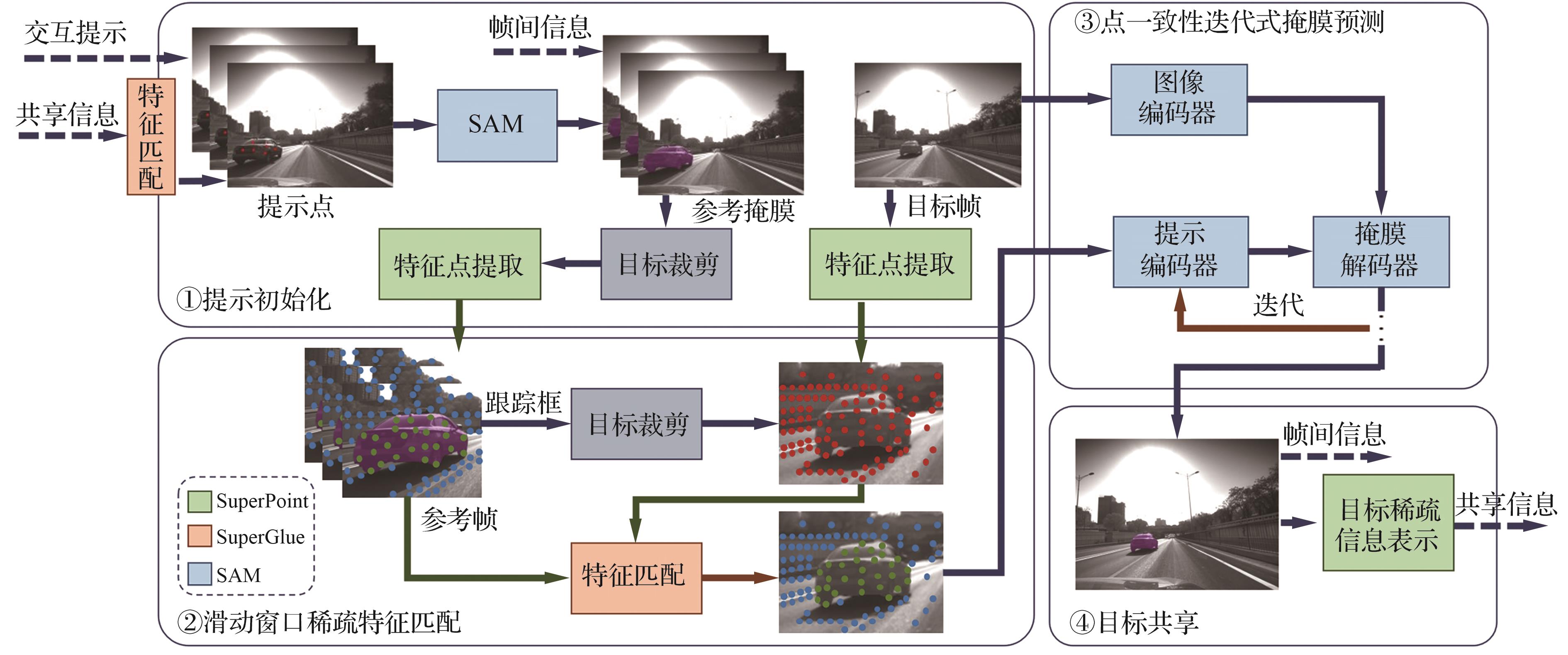
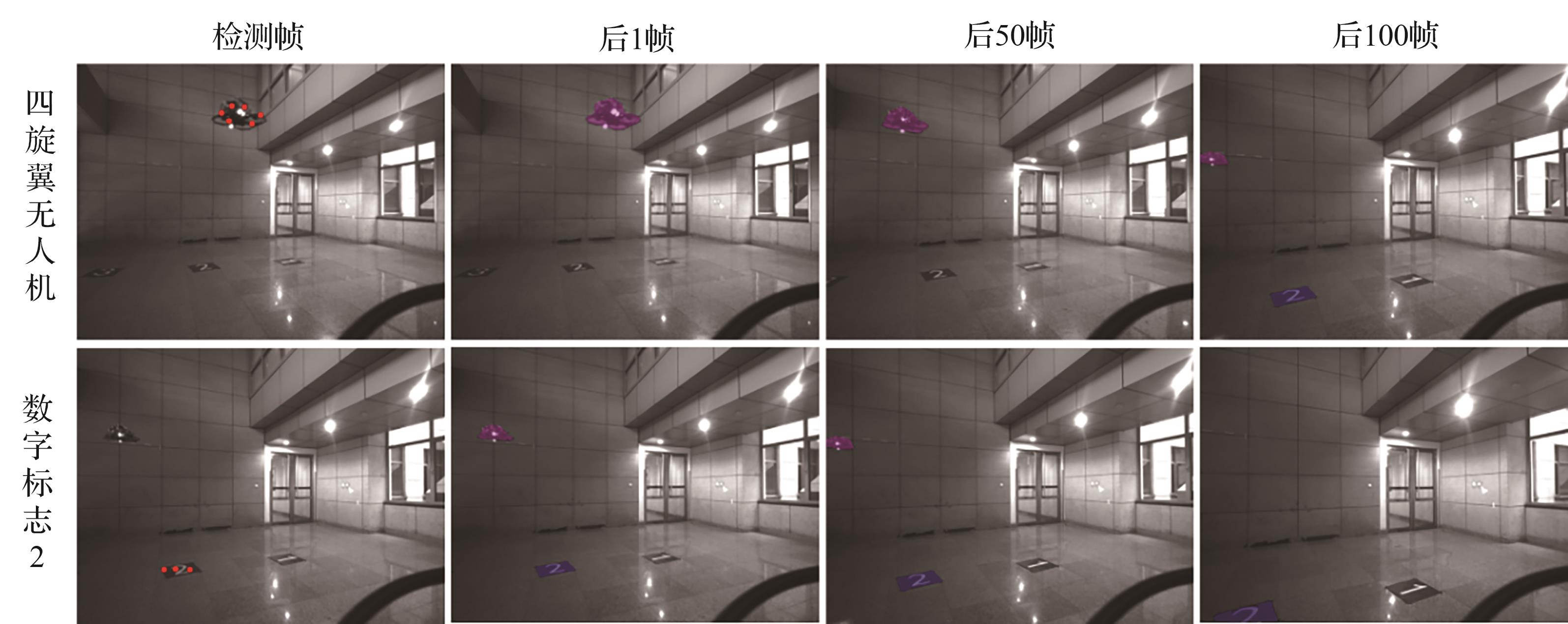
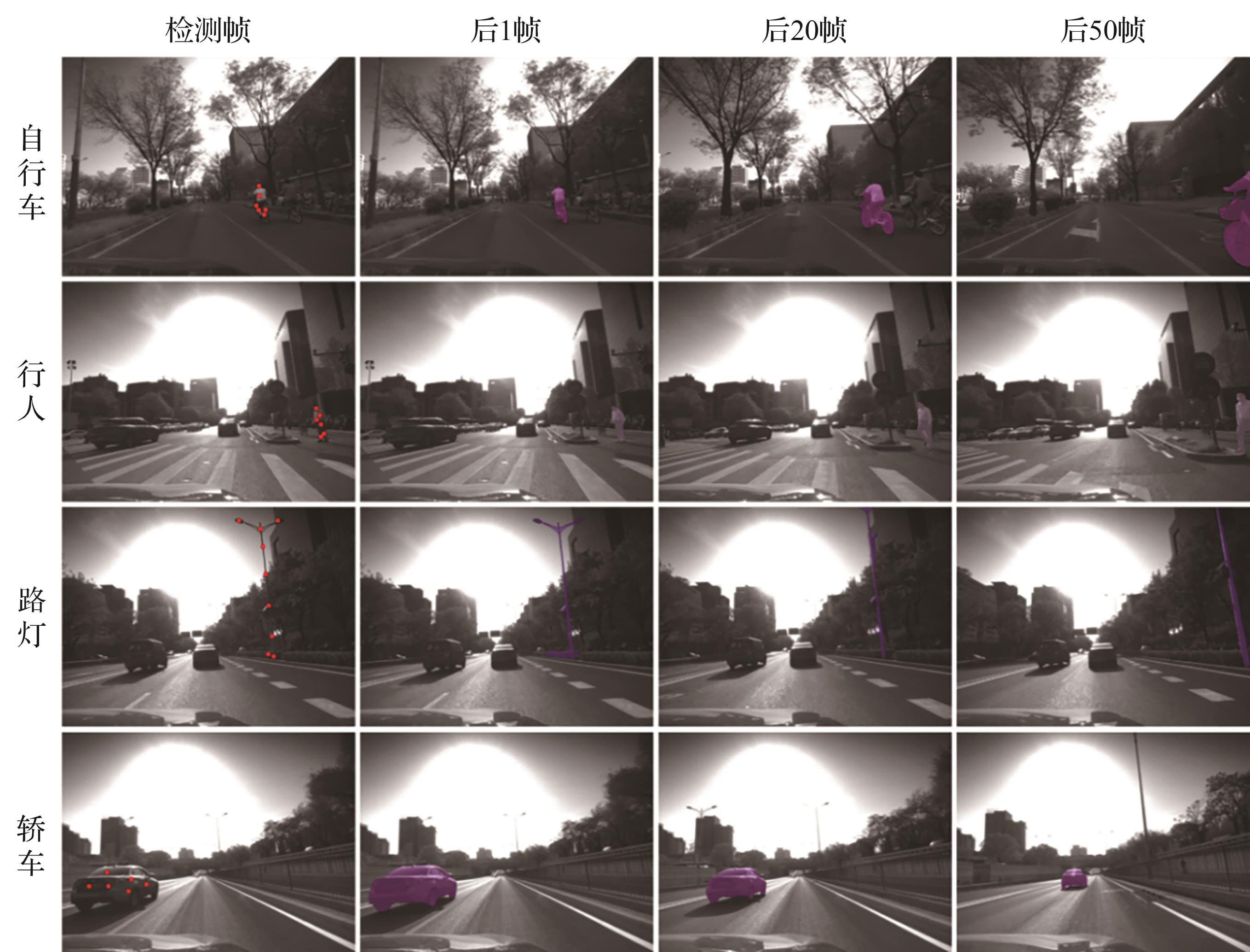
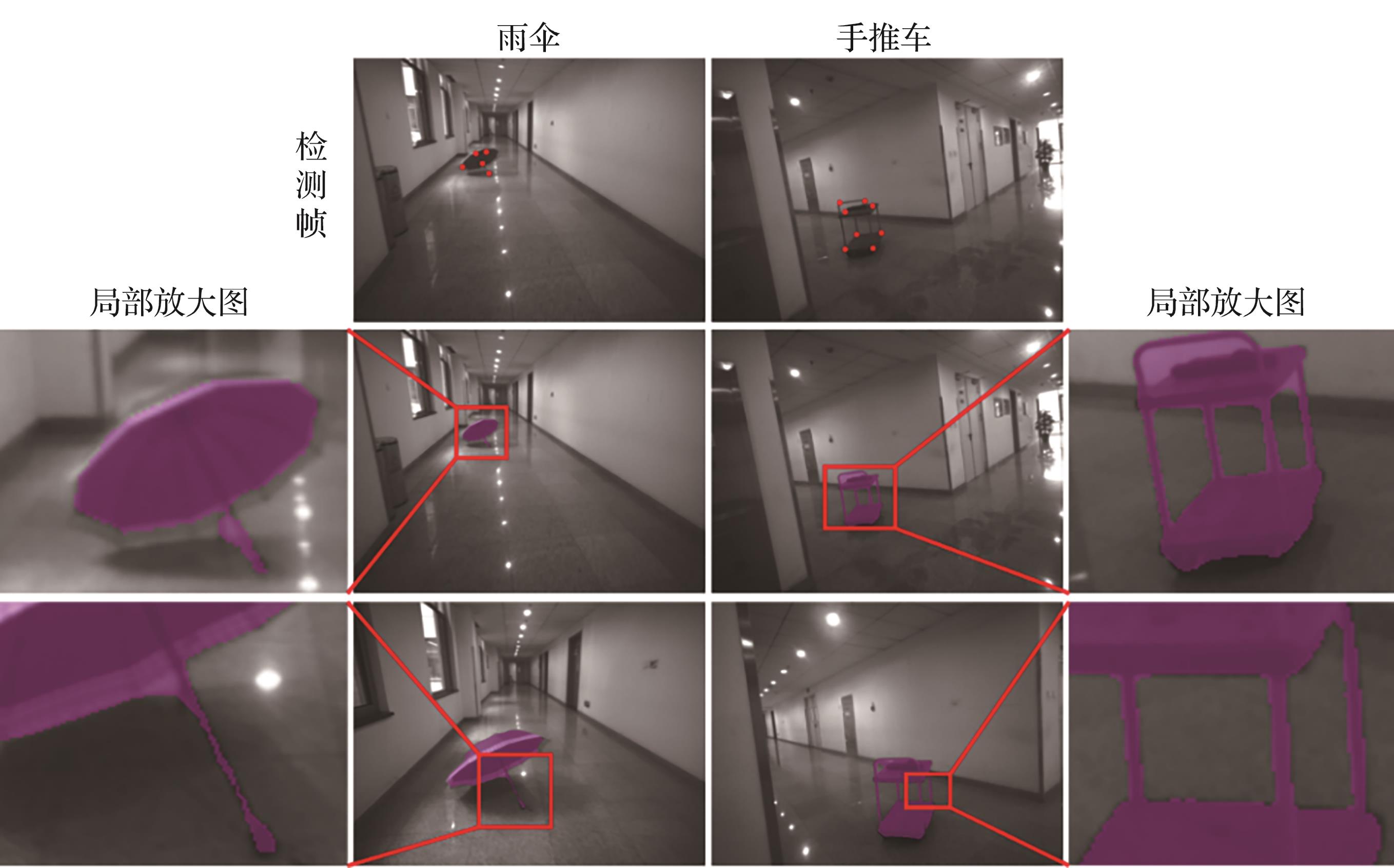
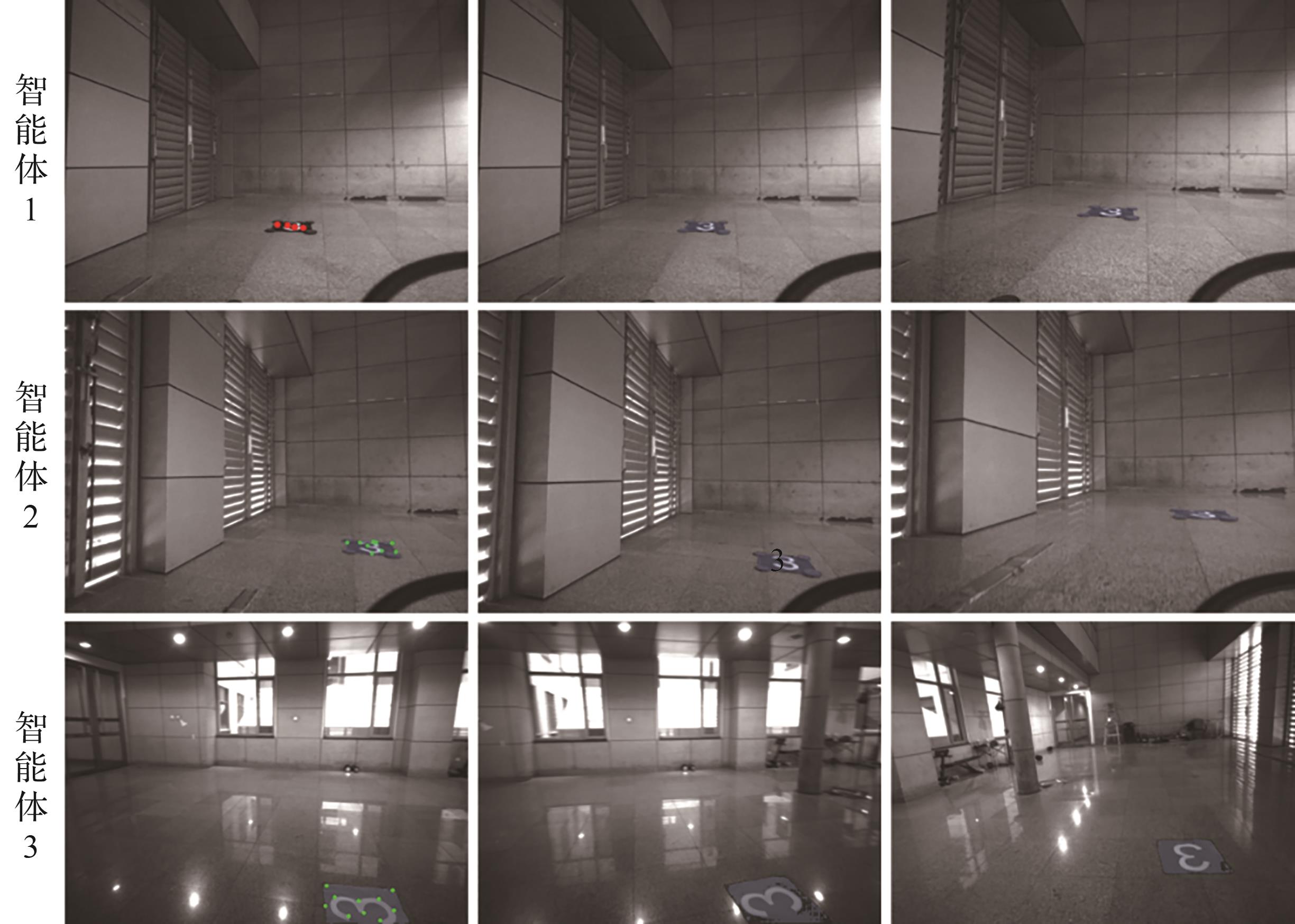
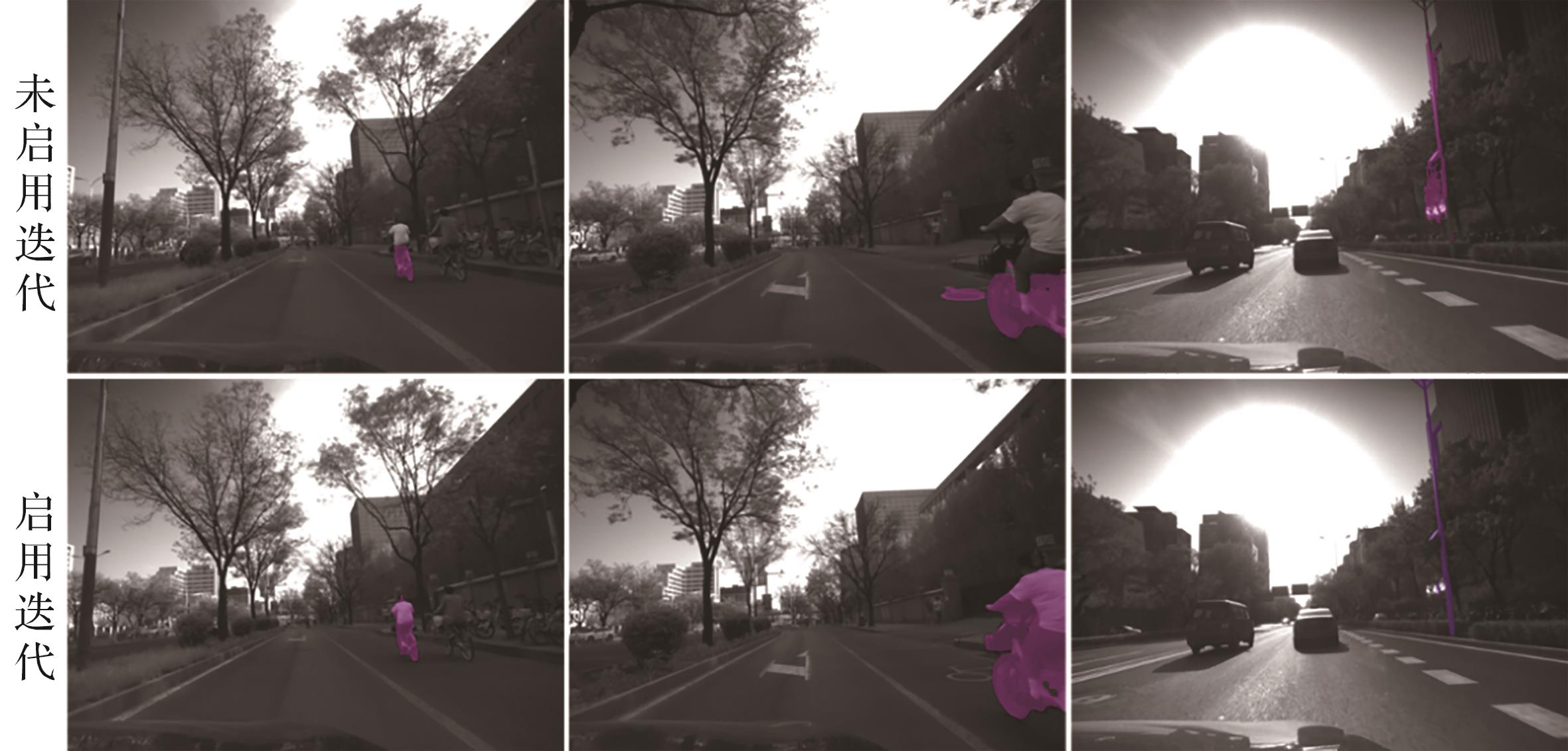
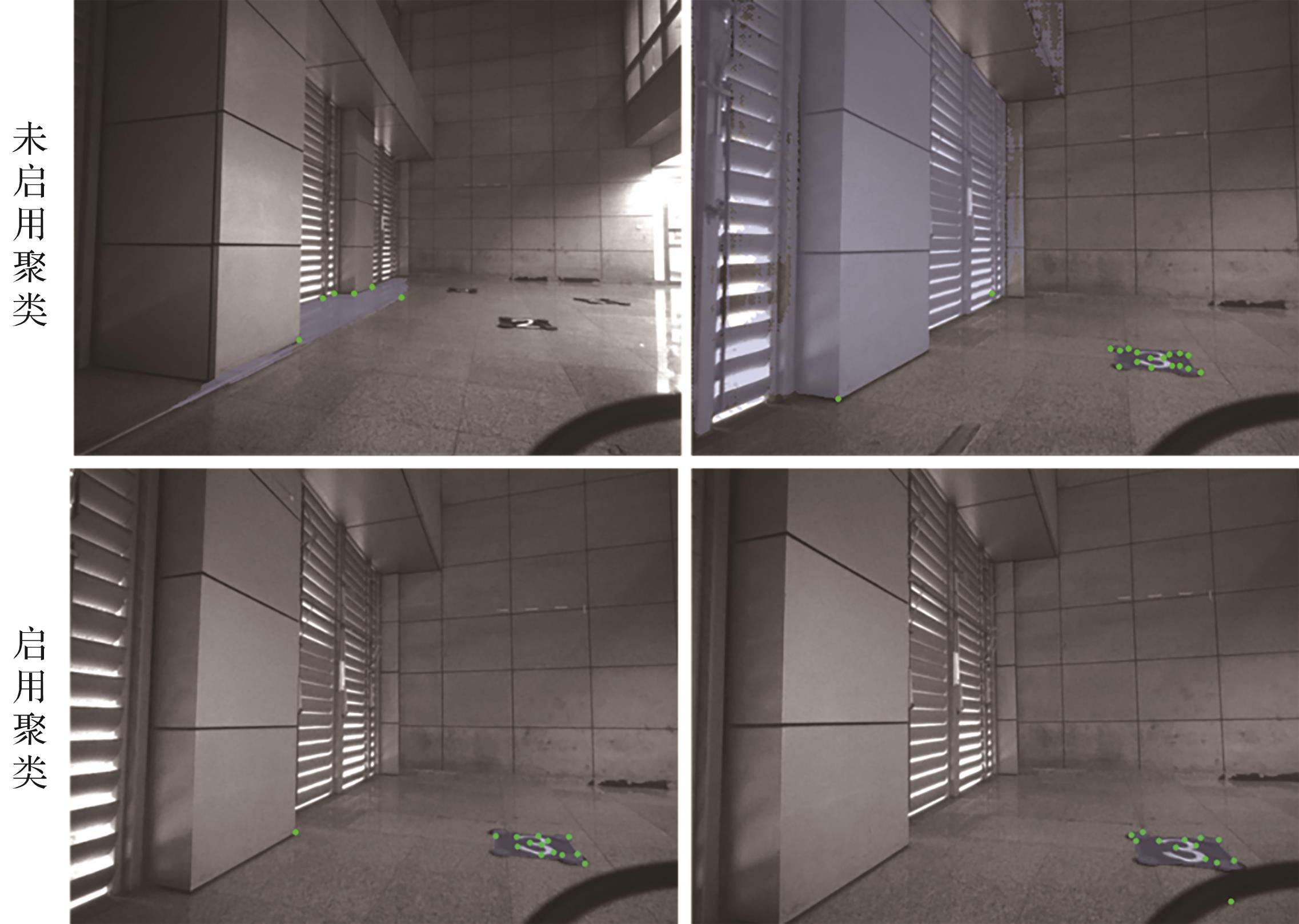
对未知目标的实时感知与持续跟踪是智能系统自主决策的重要前提,在实际应用中存在缺乏目标类别先验信息和训练样本匮乏的问题,使得未知目标的感知与跟踪更具挑战性。针对此问题,提出了一种基于任意分割模型(SAM)与稀疏特征点匹配的未知目标跟踪方法。该方法首先通过提示点引导SAM模型感知并分割图像中的未知目标,随后利用基于卷积神经网络的特征点提取模型,获取目标图像的稀疏特征点作为目标信息,并通过基于注意力机制的匹配网络在后续帧中匹配这些特征点,完成目标信息传播。在此基础上,设计了一个基于特征点一致性的迭代式SAM模块(ISPC),利用匹配的特征点持续引导SAM模型对后续图像帧的目标进行分割,从而实现未知目标的稳定跟踪。此外基于稀疏特征点的轻量化目标信息,可以在多智能体之间高效共享,构建了一个协同式目标跟踪系统。在DAVIS 2017数据集和自构建的近红外视频数据集上,评估了系统的目标跟踪性能与零训练样本目标的泛化能力。实验结果表明,该方法在处理未知类别目标的协同感知与跟踪任务中,表现出良好的鲁棒性和准确性。

关键词: 目标跟踪, 目标分割, 特征提取, 特征匹配, 协同感知

Abstract:

Real-time perception and continuous tracking of unknown objects are critical for autonomous intelligent systems. However, the absence of prior category knowledge and limited training samples make the perception and tracking of unknown targets highly challenging. To address this issue. we propose a category-agnostic object tracking method based on the Segment Anything Model (SAM) and sparse feature point matching. The approach first guides SAM to segment unknown objects using prompt points, then extracts sparse keypoints via a network-based feature extraction model, and matches them across frames using an attention-based network to propagate object information. An Iterative SAM with Point Consensus (ISPC) is introduced to maintain segmentation and achieve stable tracking over time. The lightweight target descriptors based on sparse feature points can be efficiently shared among multiple agents, enabling the construction of a collaborative target tracking system. Experiments on the DAVIS 2017 dateset and a self-constructed near-infrared video dataset demonstrate strong robustness and accuracy in collaborative perception and tracking of unknown-category objects.

Key words: object tracking, object segmentation, feature extraction, feature matching, collaborative perception

中图分类号: