王霄1, 李尚泽1, 刘艳1( ), 王孜孜1, 黄思源1,2
收稿日期:2026-02-11
修回日期:2026-03-03
接受日期:2026-03-26
出版日期:2026-07-15
发布日期:2026-07-15
通讯作者:
刘艳
E-mail:liuyan322601@163.com
基金资助:
Xiao WANG1, Shangze LI1, Yan LIU1(), Zizi WANG1, Siyuan HUANG1,2
Received:2026-02-11
Revised:2026-03-03
Accepted:2026-03-26
Online:2026-07-15
Published:2026-07-15
Contact:
Yan LIU
E-mail:liuyan322601@163.com
Supported by:摘要:
战斗机作为夺取空中优势的核心装备,气动力设计发挥重要作用,气动技术应用推动了战斗机跨代发展。面对高端战斗机设计提出的高隐身、轻重量、多任务载荷和宽速域飞行能力等多项严苛要求,对气动布局选择和气动力设计技术提出更高挑战。为应对顶层要求和多专业设计需求,发展新型流动控制技术和赋能热管理技术越来越受重视,尤其是主动流动控制(AFC)技术由于其独特的优势成为具有重要潜力的关键技术。重点梳理了战斗机与流动控制技术的协同演进历程,明确了流动控制技术从被动式、机械调节式向主动式、智能自适应的发展脉络;深入剖析了机翼流动控制增升、舵面增效、进/发匹配控制、阵风载荷减缓等典型应用场景的技术需求与实现路径;聚焦未来战斗机、高自主无人机、高速飞机三大发展方向,识别了强隐身约束下气动布局设计、多轴控制解耦、模块化适配、气热匹配等与流动控制技术相关的关键技术问题;最后从气动效能提升、全生命周期可靠性保障、工程可实现性3个维度,系统阐述了流动控制技术工程化应用面临的核心挑战,并展望了“流场感知-智能决策-自适应调控”的技术发展方向。研究成果可为未来战斗机的气动设计与流动控制技术应用攻关提供理论支撑与工程参考。
中图分类号:
王霄, 李尚泽, 刘艳, 王孜孜, 黄思源. 从战斗机设计谈流动控制技术应用的需求与挑战[J]. 航空学报, 2026, 47(13): 533503.
Xiao WANG, Shangze LI, Yan LIU, Zizi WANG, Siyuan HUANG. Requirements and challenges of flow control technology in fighter aircraft design[J]. Acta Aeronautica et Astronautica Sinica, 2026, 47(13): 533503.
图 1
装有翼刀的米格-15战斗机[6]
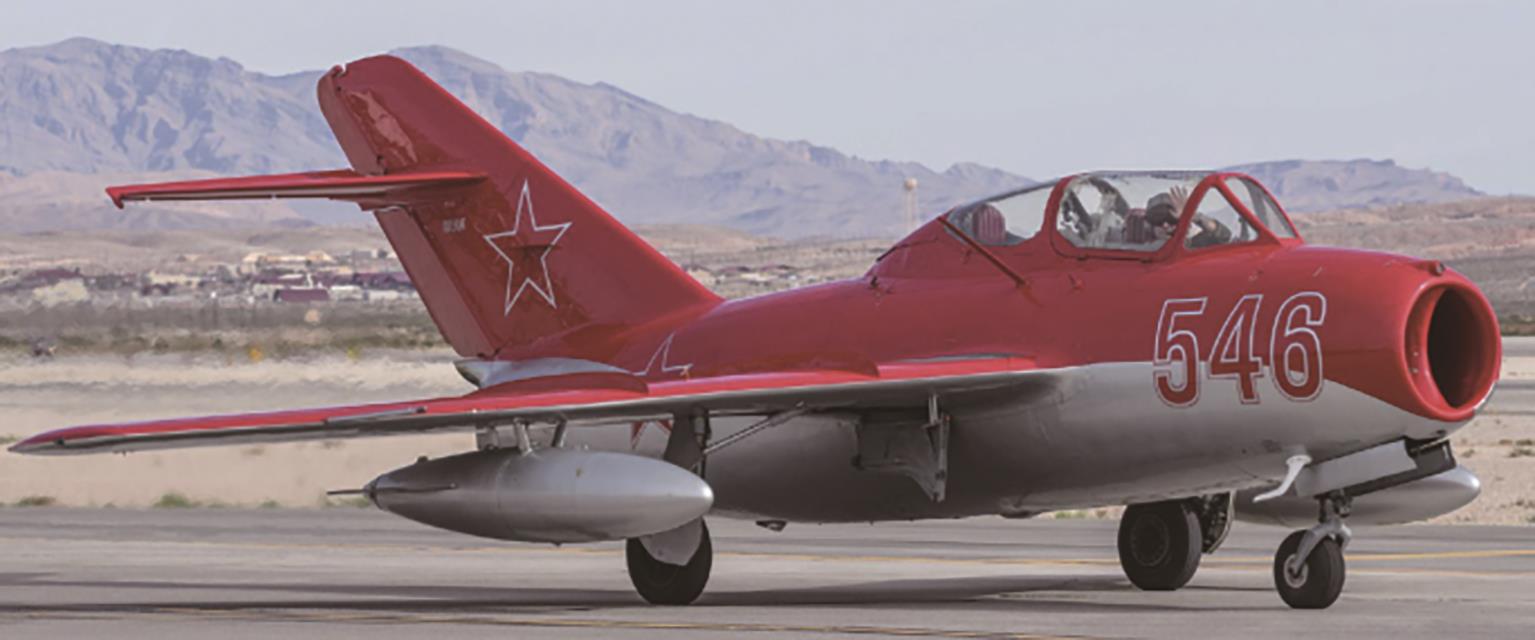
图 2
带有前缘襟翼、边条翼的苏-27战斗机[10]
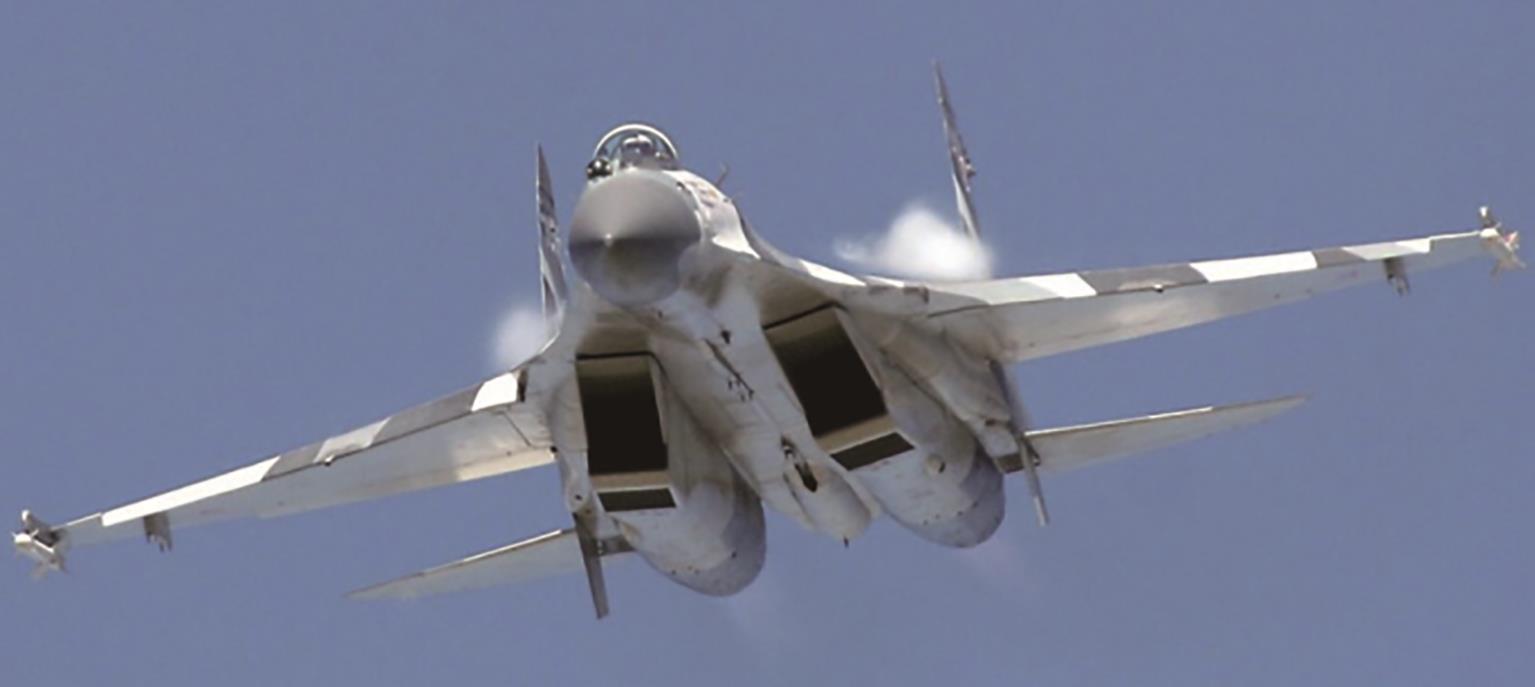
图 3
F-22内埋武器分离风洞试验[11]
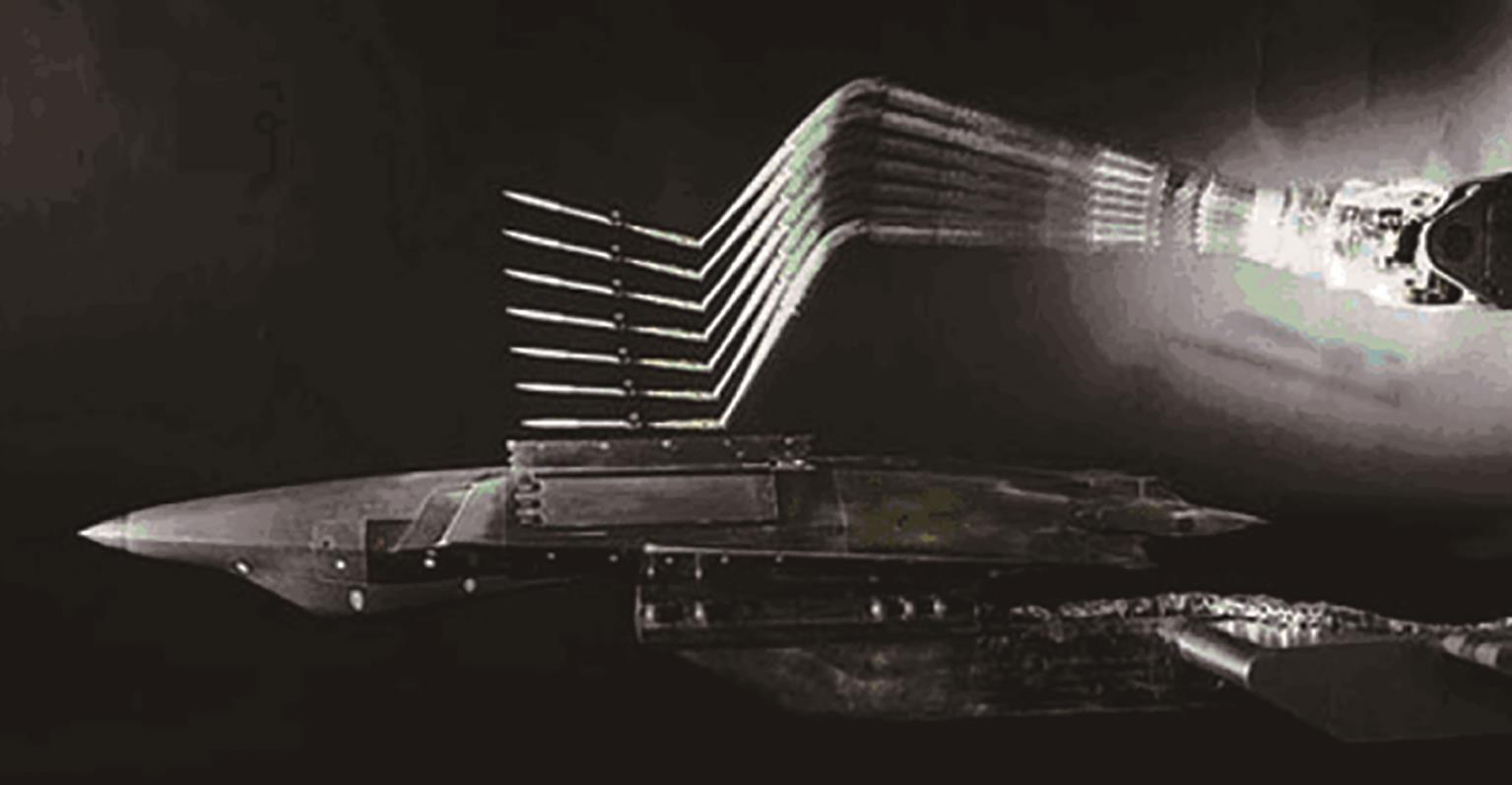
图 4
超紧凑蛇形进气道[20]
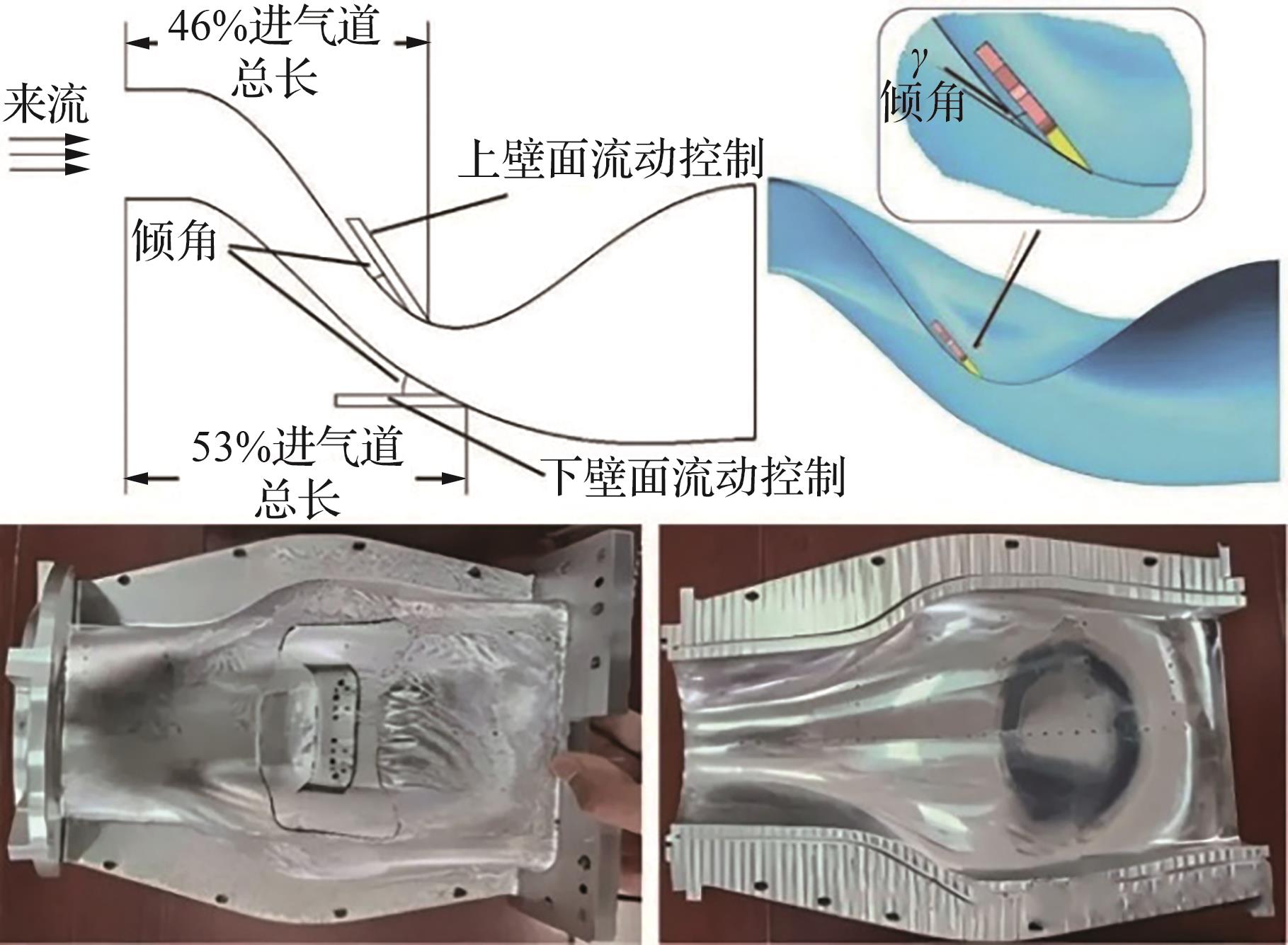
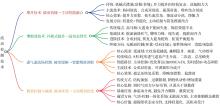
图 5
流动控制技术发展分类
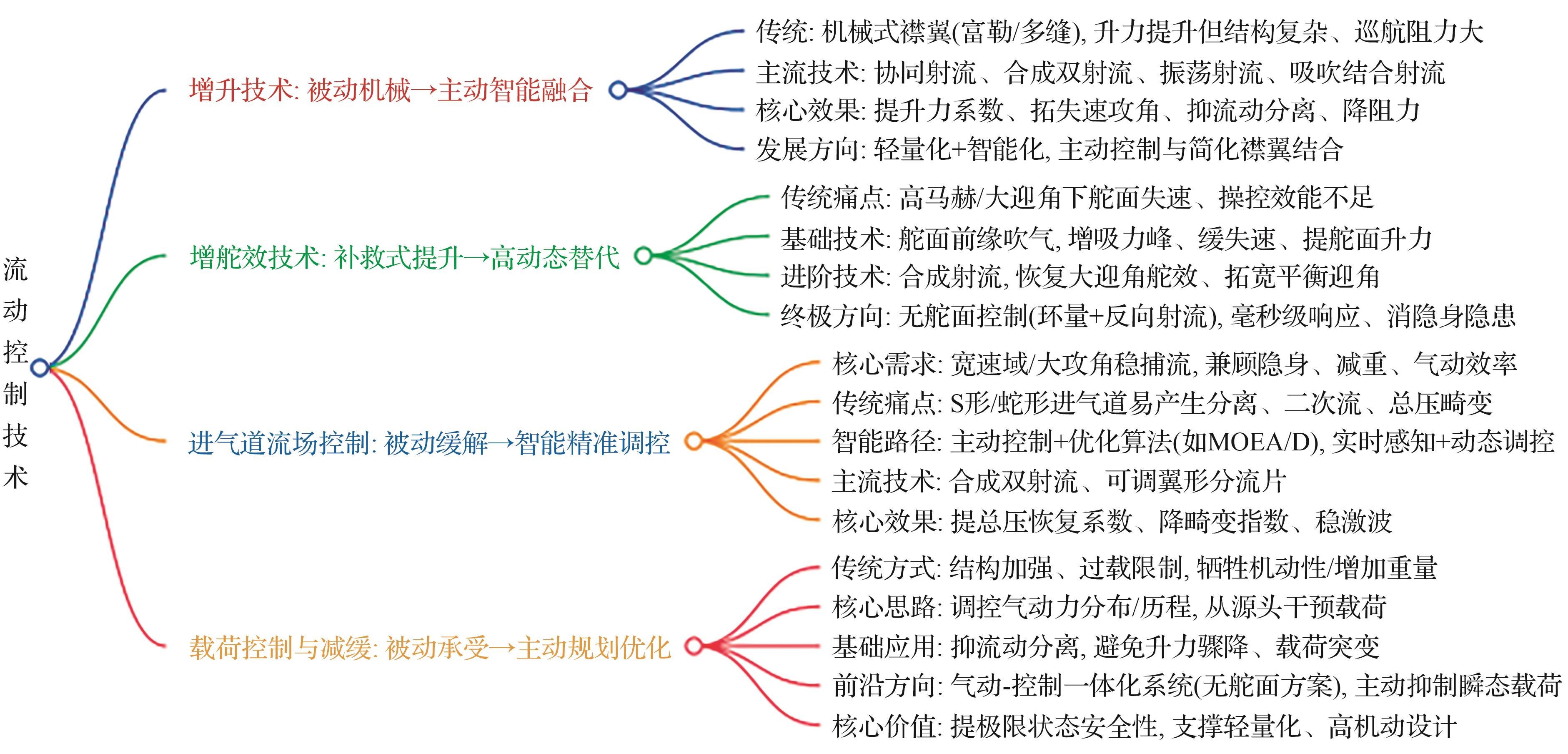
图 6
合成双射流上表面吹/吸气增升控制方案[40]
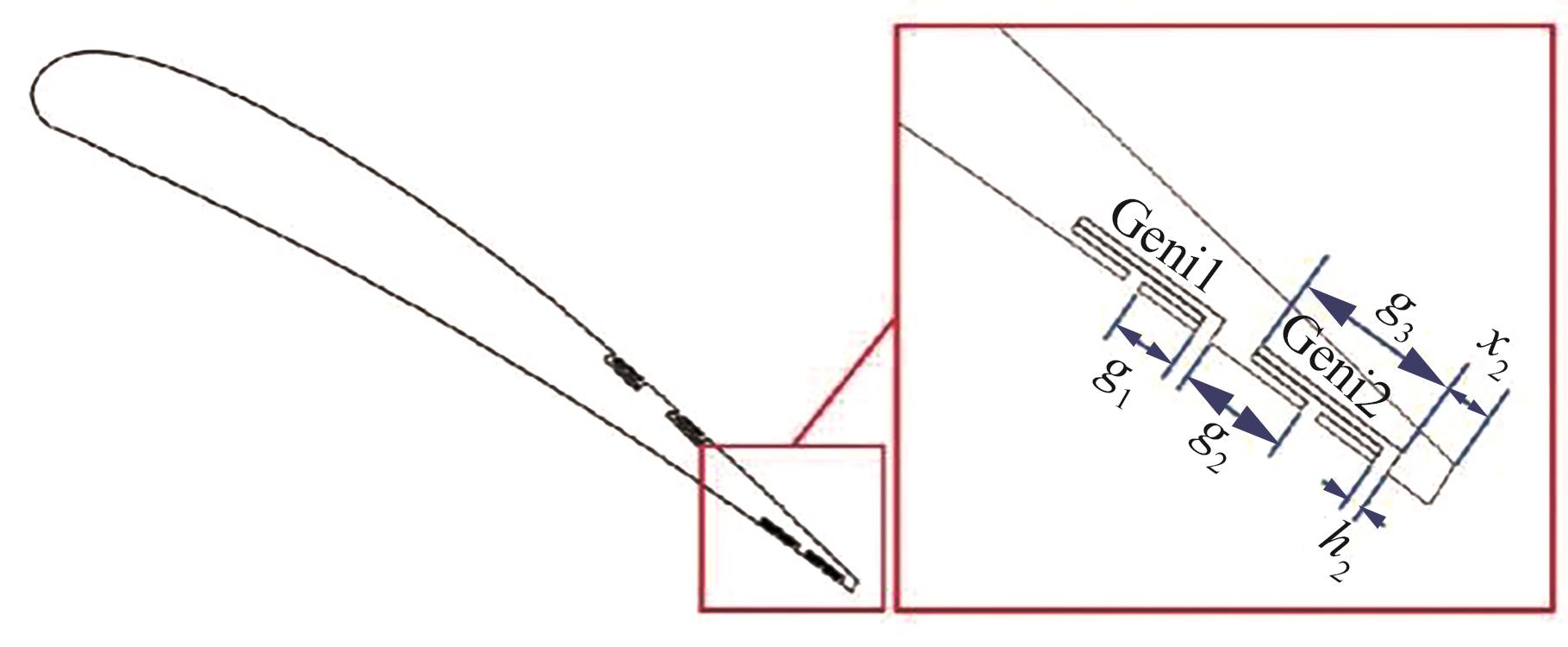
图 7
常见增升构型示意图[41]
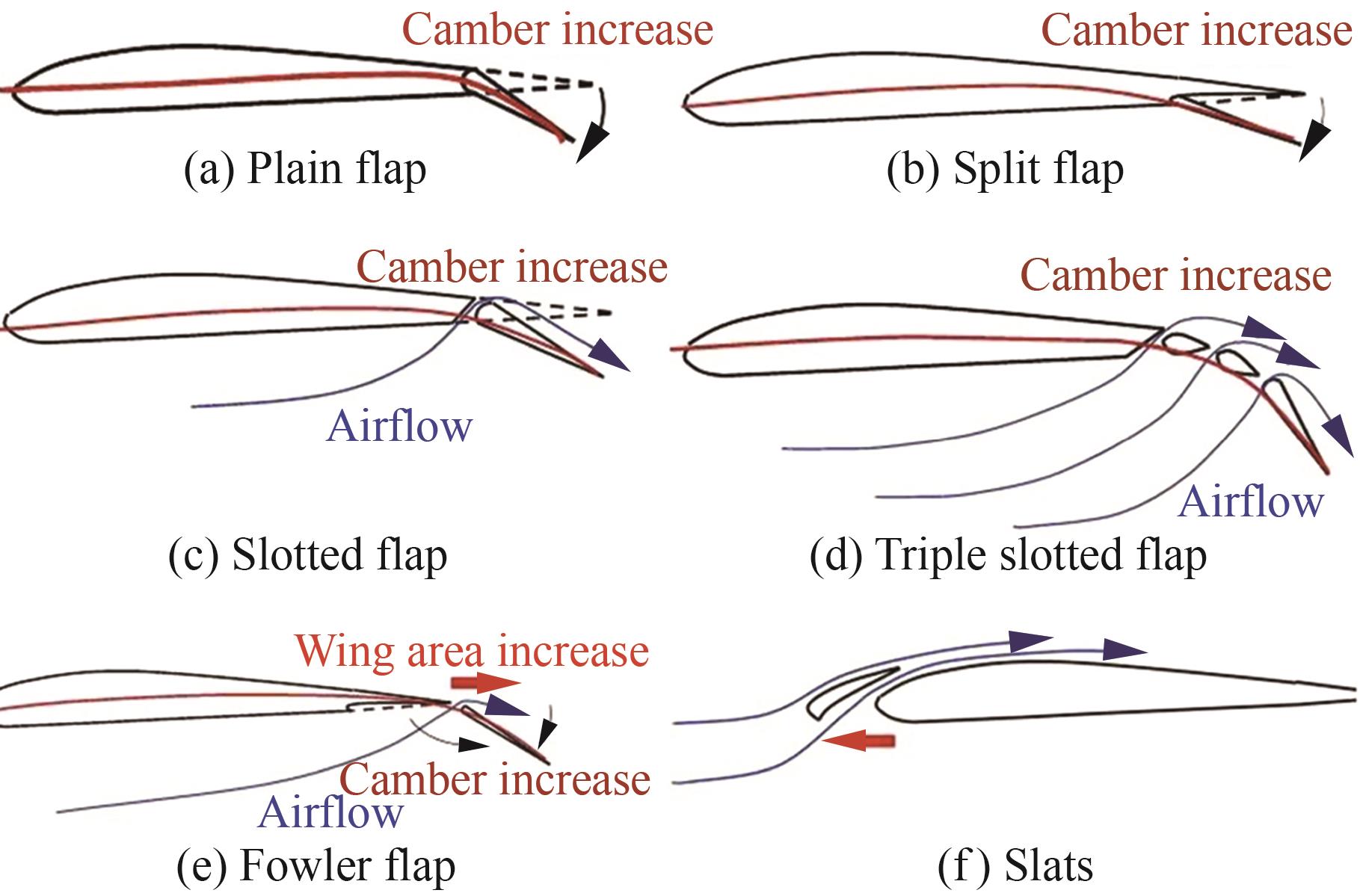
图 8
吸气控制装置示意图[58]
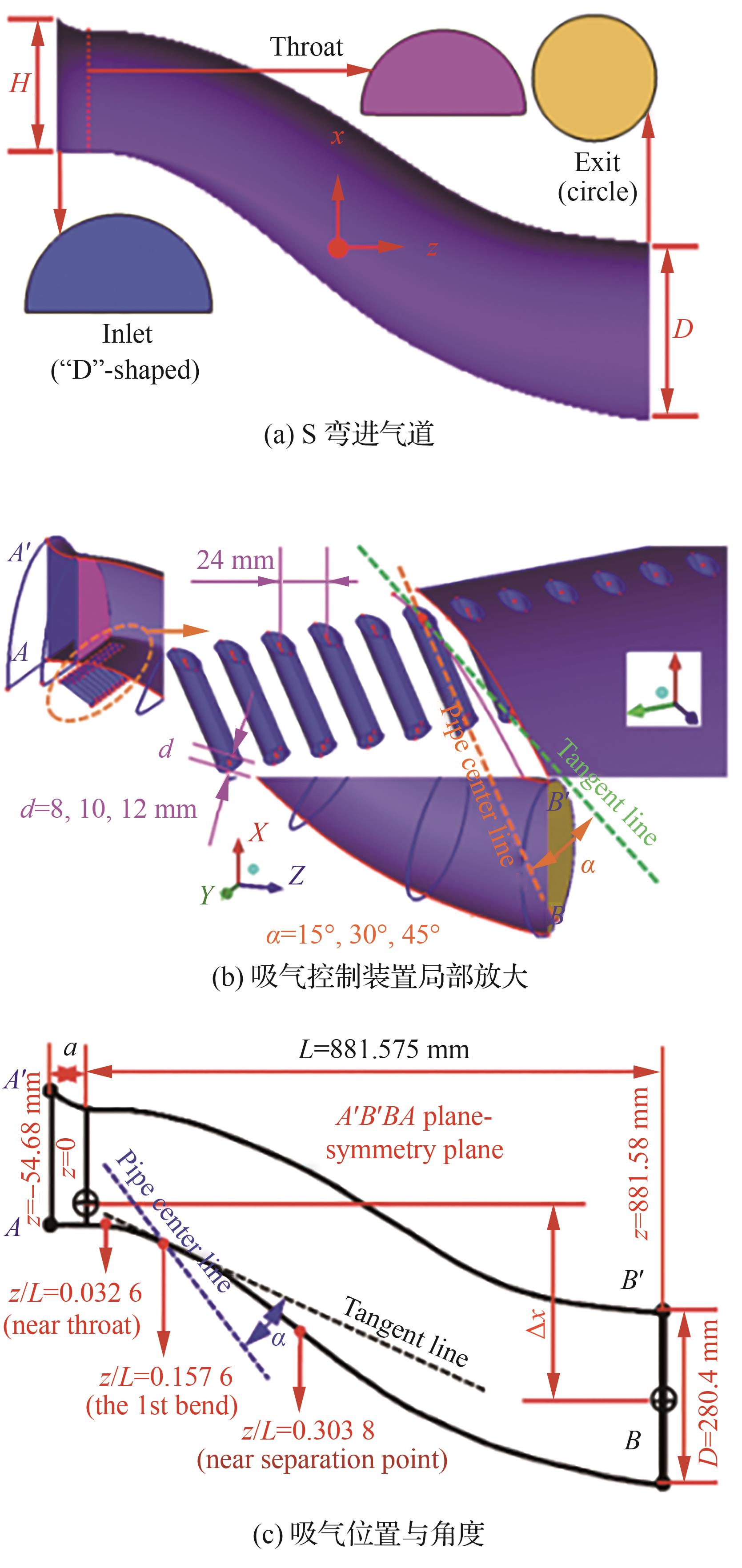
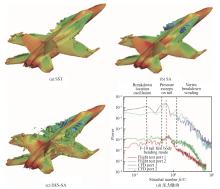
图 9
下一代战斗机流动控制的应用[82]
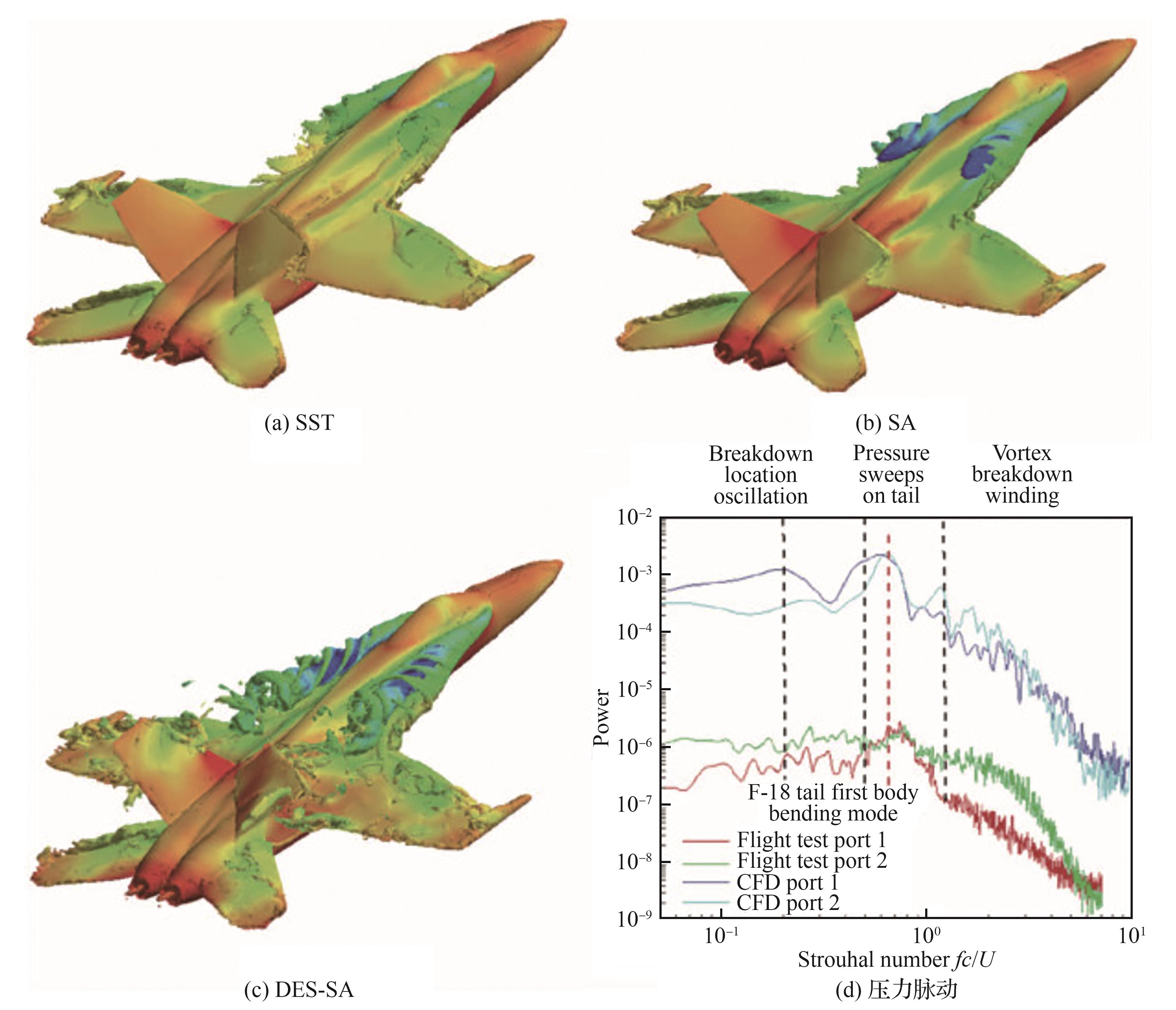
图 10
高自主无人机示意图[83]
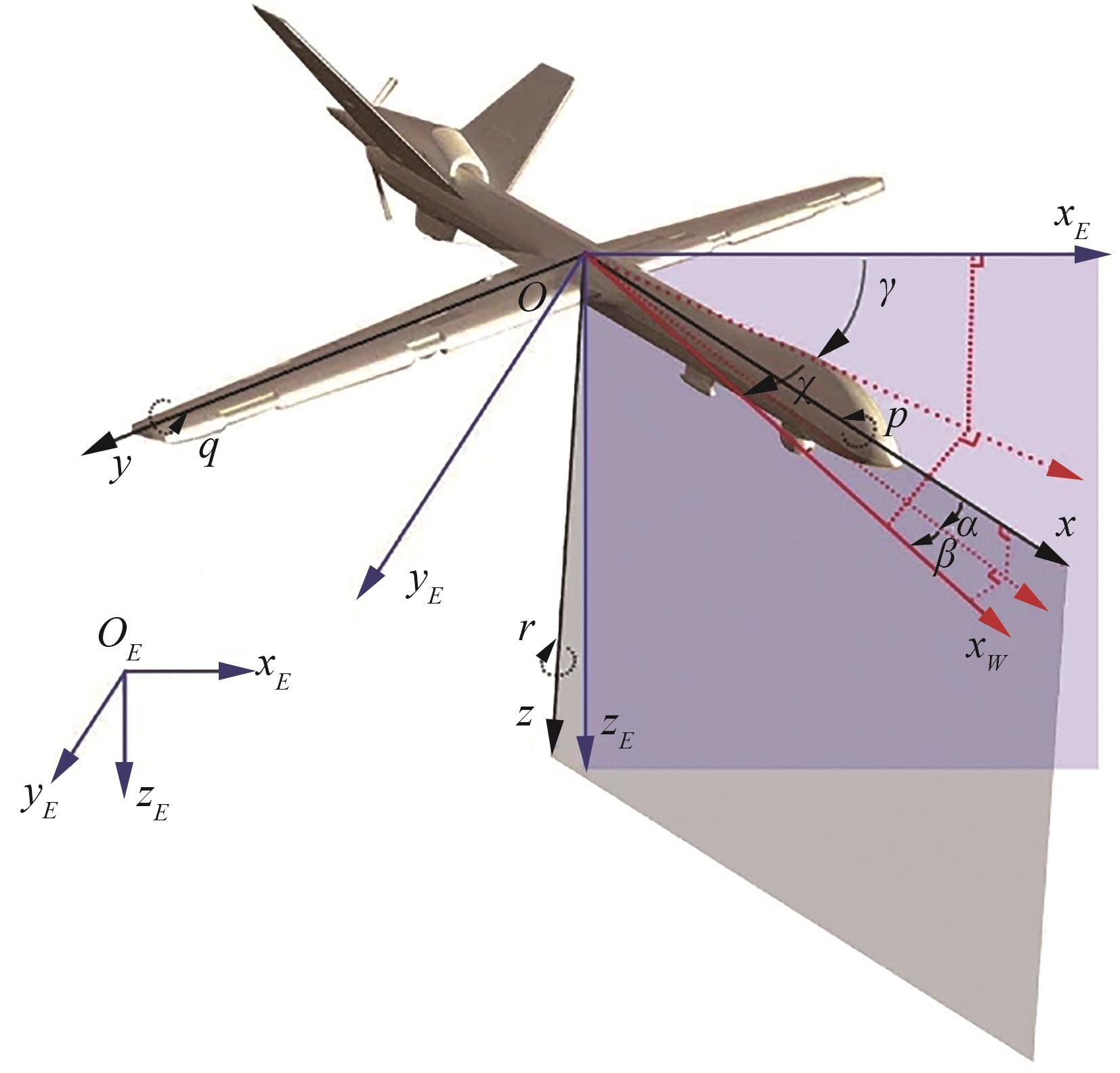
图 11
高速飞机的热管理与热设计[93]
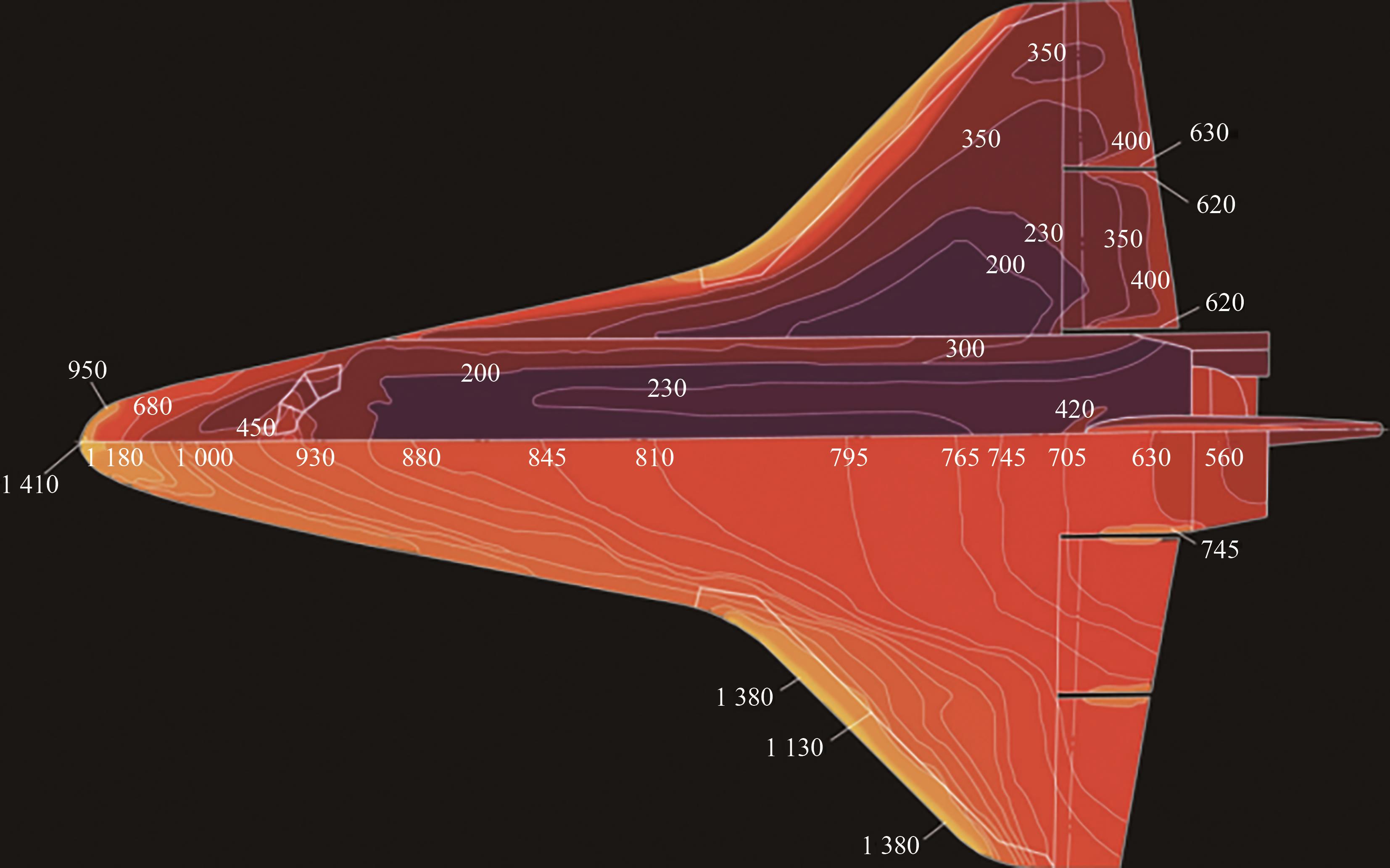
图 12
射流主动流动控制[98]
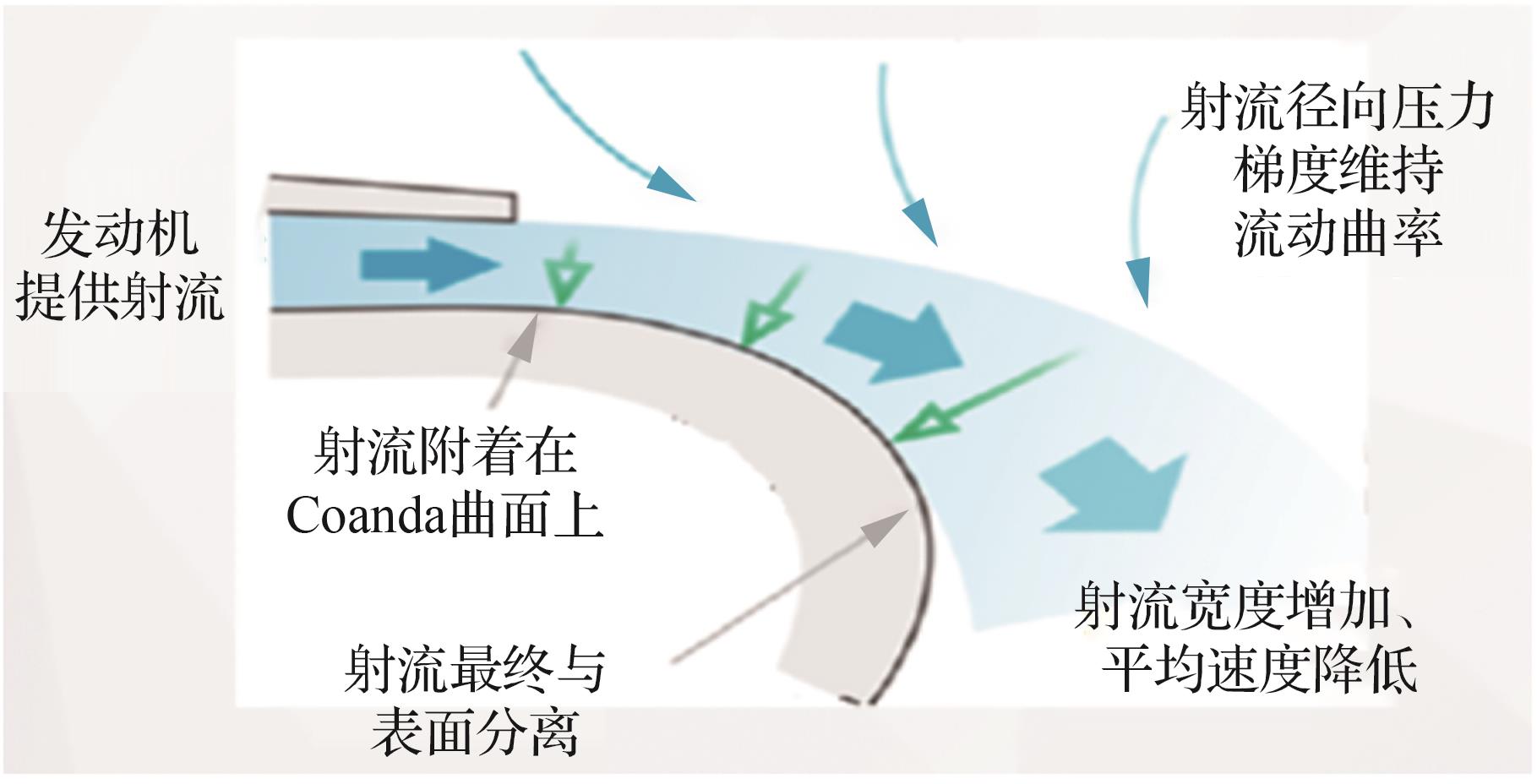
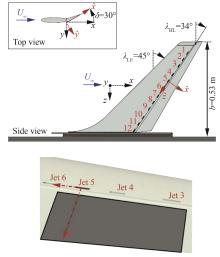
图 13
尾翼模型与合成射流激励器阵列[98]
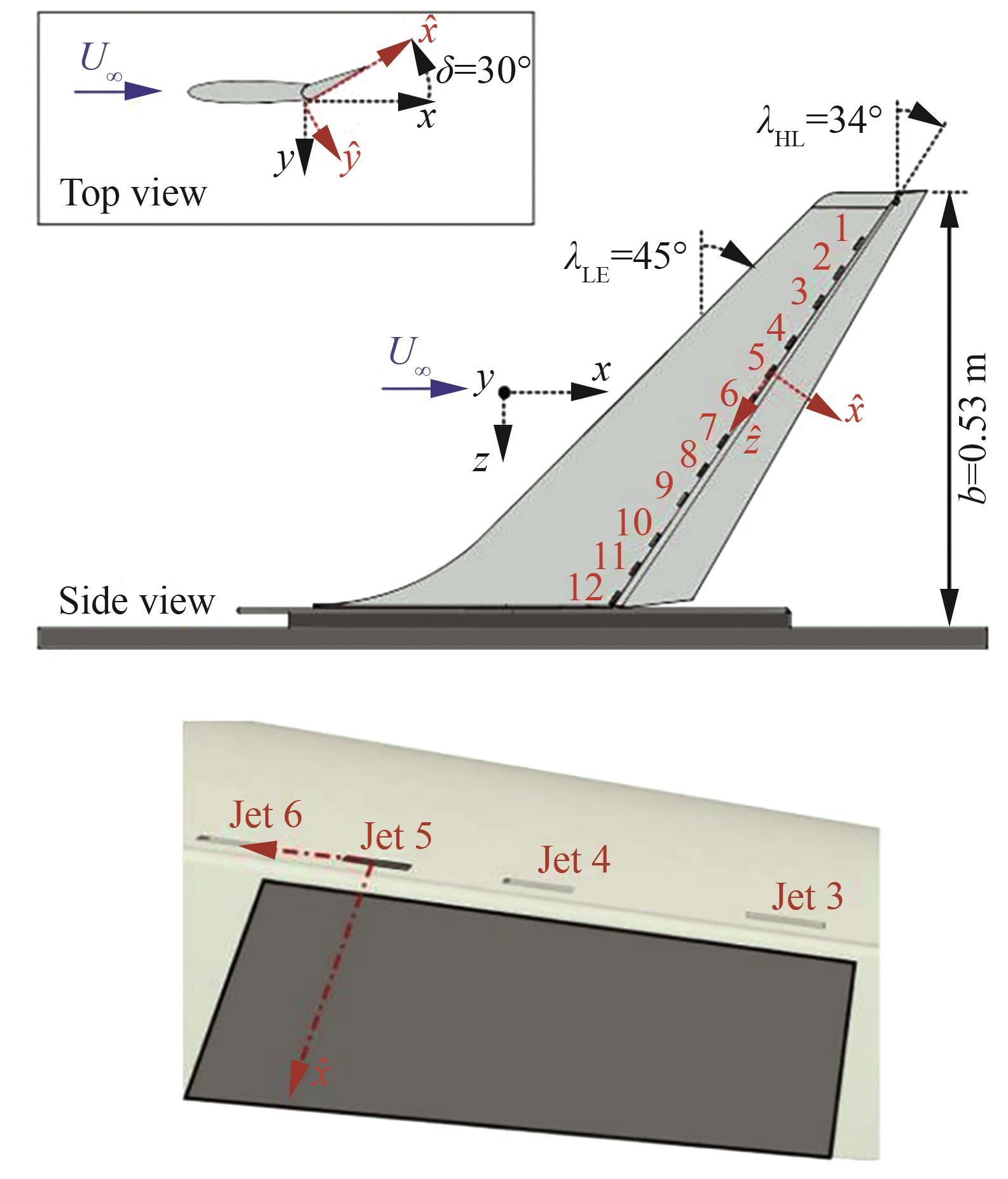
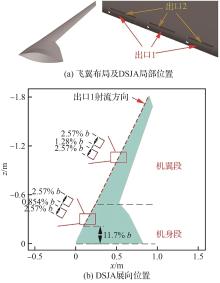
图 14
飞翼布局及前缘合成双射流示意图[98]
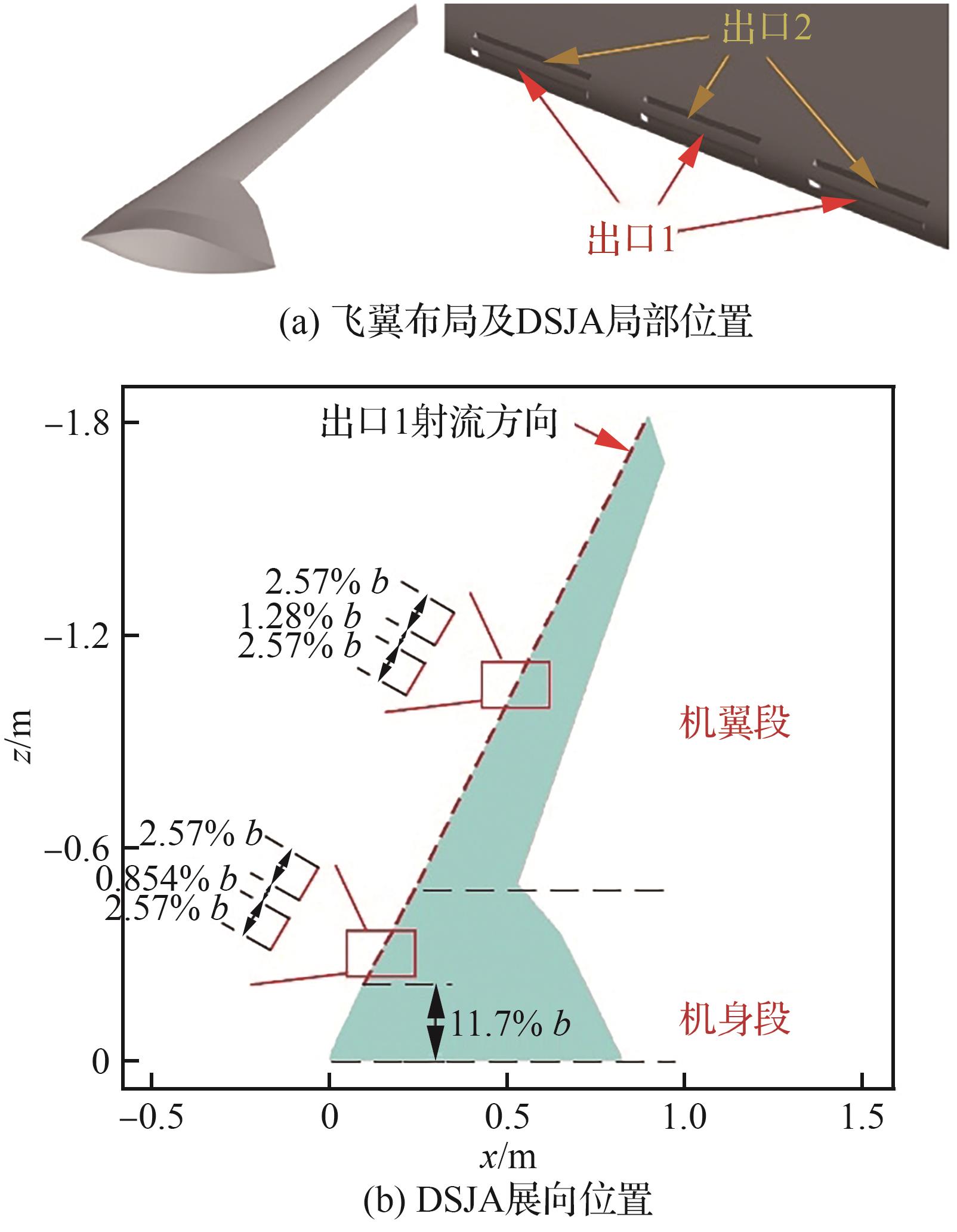
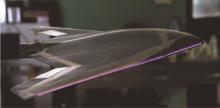
图 15
风洞中等离子体激励器开启状态[100]
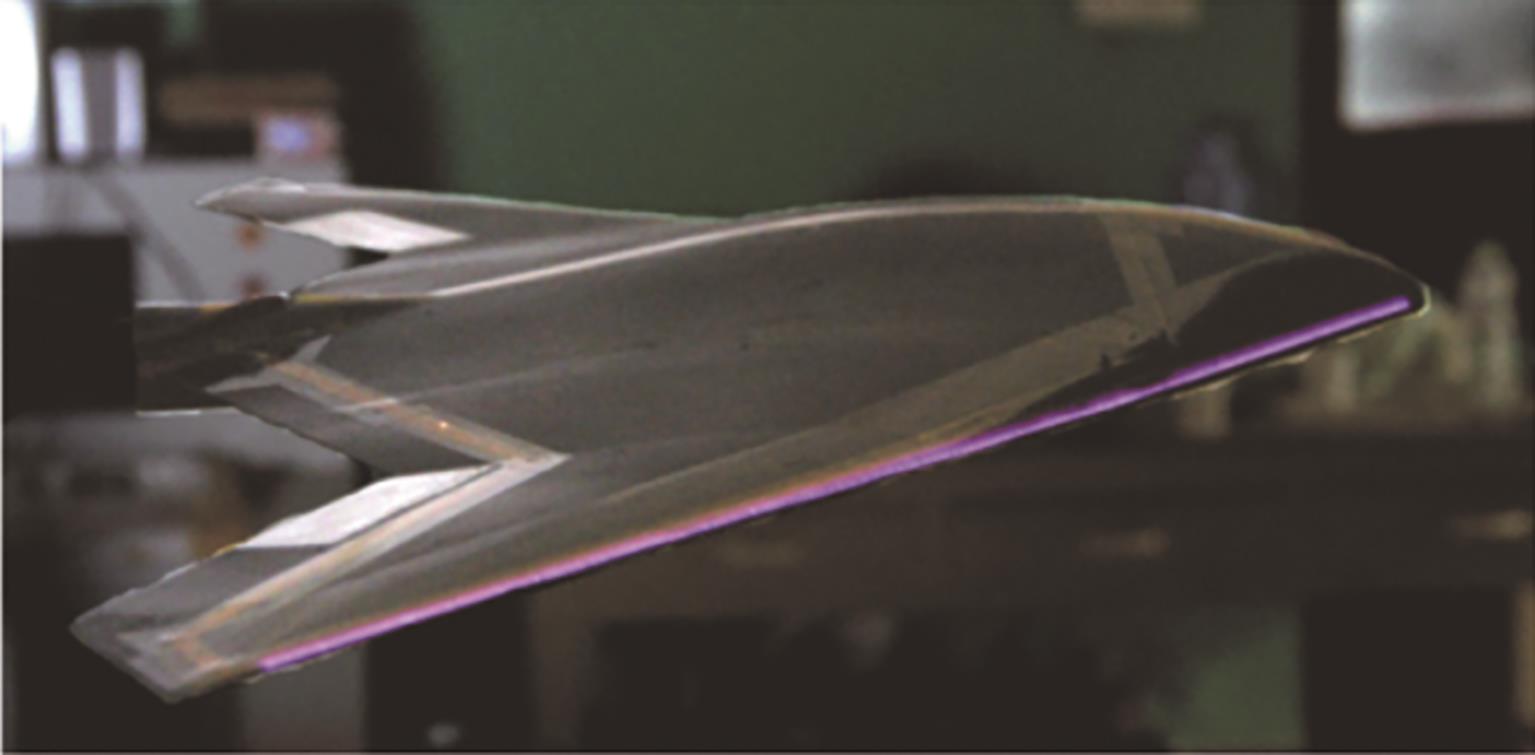
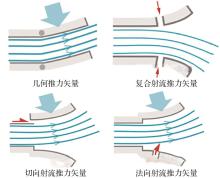
图 16
射流推力矢量主动流动控制[98]
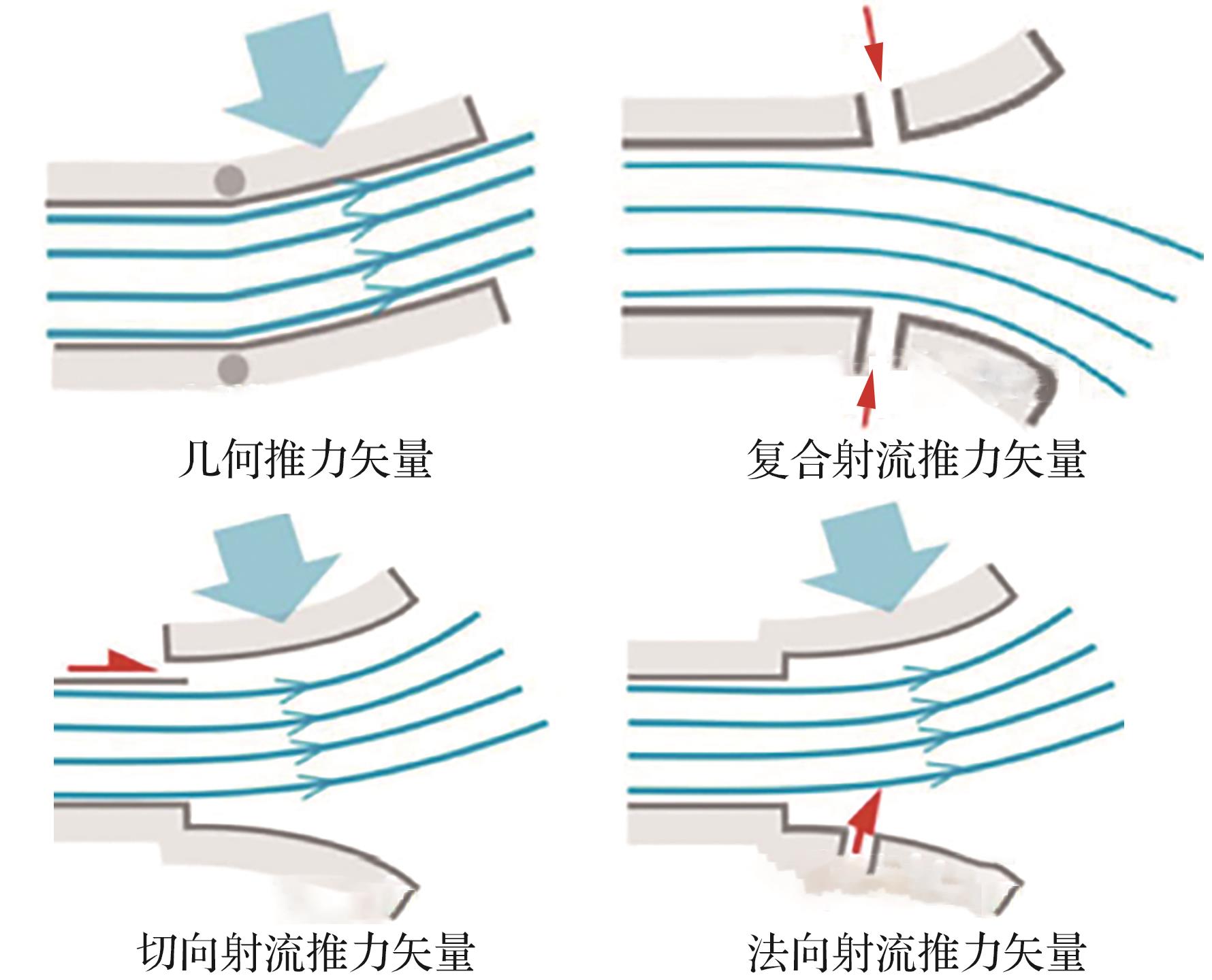
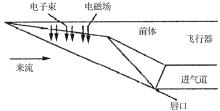
图 17
基于电子束电离的磁流体进气道结构图[103]
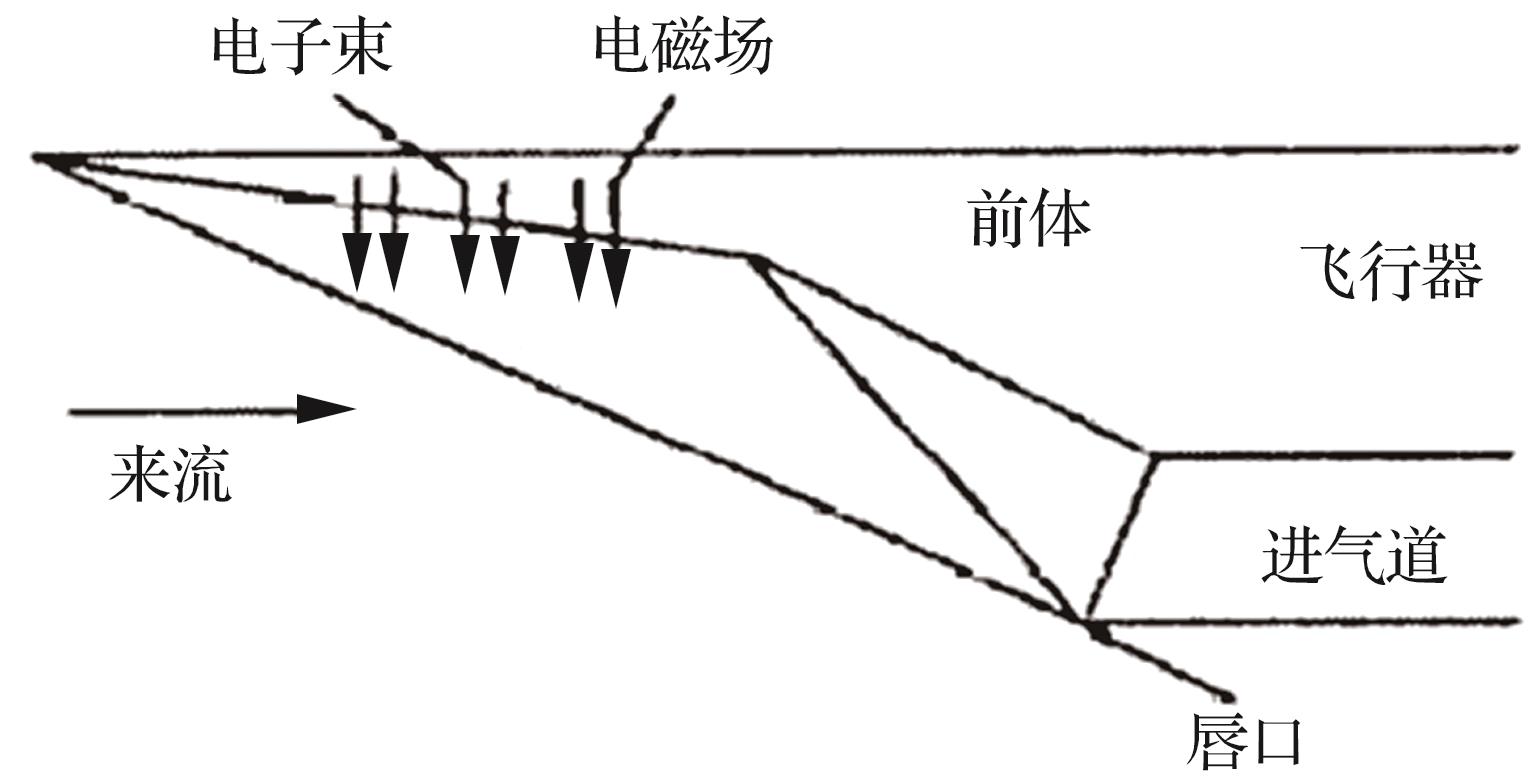
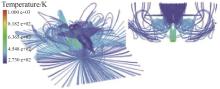
图 18
短垂飞机复杂的动态多喷流干扰[105]
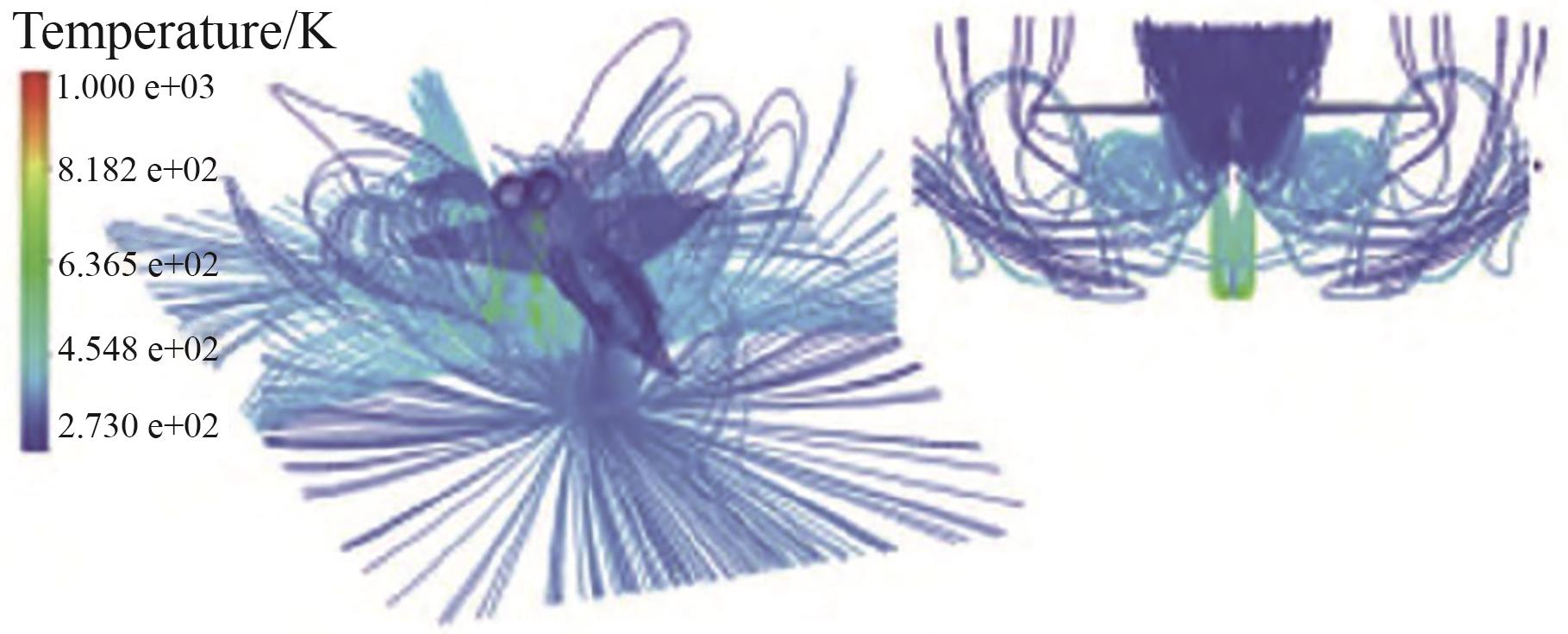
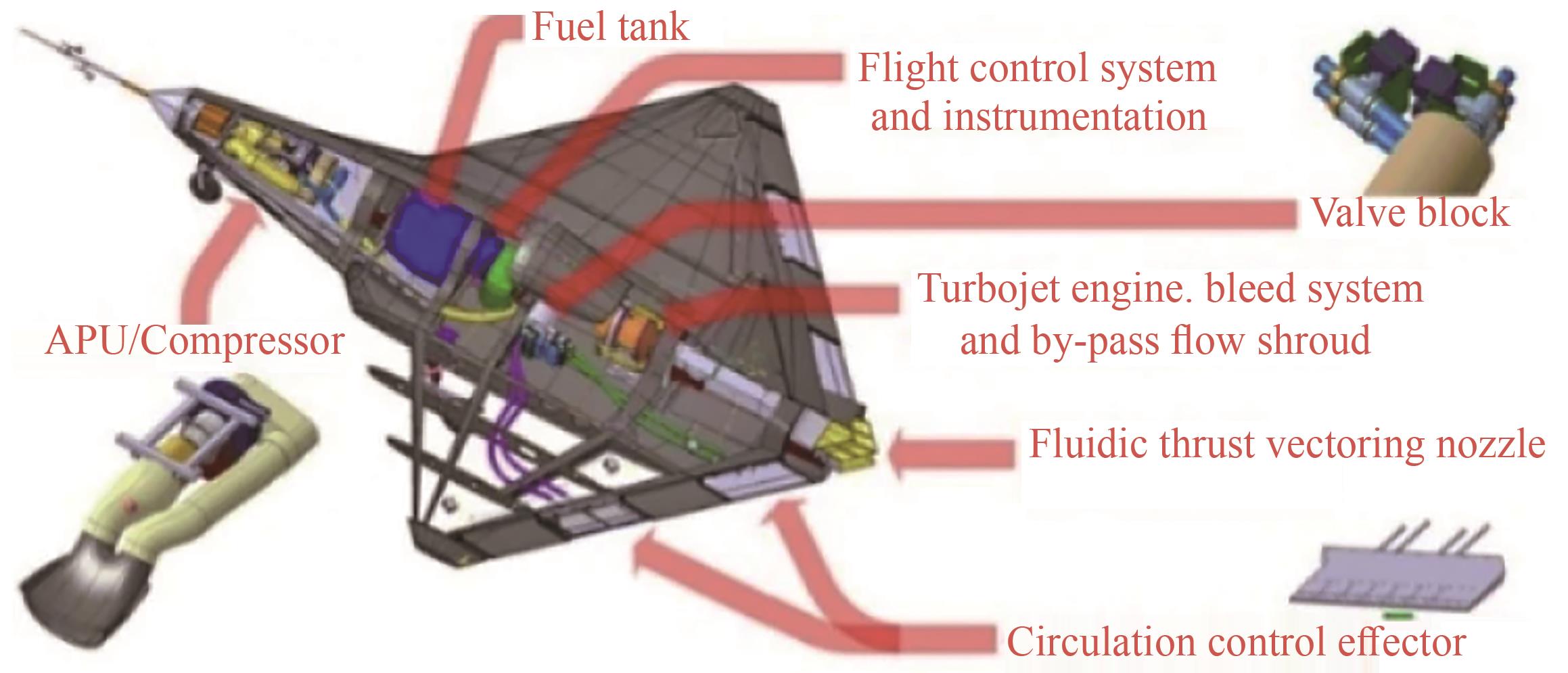
图 19
基于流动控制的飞行控制[108]
| [1] | 刘谋佶. 边条翼及旋涡分离流[M]. 北京: 北京航空学院出版社, 1988: 24-27. |
| LIU M J. Collectde works for strake-wings vortices and separatde flows[M]. Beijing: Beijing University of Aeronautics Press, 1988: 24-27 (in Chinese). | |
| [2] | 刘沛清, 唐文烜, 胡天翔. 鸭式布局大迎角大振幅俯仰动态气动特性机理研究进展[J]. 气动研究与试验, 2024, 2(3): 1-18. |
| LIU P Q, TANG W X, HU T X. Investigation on the dynamic aerodynamic characteristics mechanism of canard configurations pitching at high angle of attack with large amplitude[J]. Aerodynamic Research & Experiment, 2024, 2(3): 1-18 (in Chinese). | |
| [3] | 马军, 关祥东, 满延进, 等. 进气道几何收缩比与抗反压特性初步量化分析[C]∥第八届全国高超声速科技学术会议论文集. 北京: 中国力学学会, 2015: 23. |
| MA J, GUAN X D, MAN Y J, et al. Preliminary quantitative analysis of inlet geometric contraction ratio and anti-backpressure characteristics[C]∥Abstracts of the 8th National Conference on Hypersonic Science and Technology. Beijing: Chinese Society of Theoretical and Applied Mechanics, 2015: 23 (in Chinese). | |
| [4] | 郭涛, 陈朝, 程瀚, 等. 美军的2030年制空优势项目: “下一代空中主宰”(NGAD)项目发展启示[J]. 航天电子对抗, 2022, 38(5): 50-53, 64. |
| GUO T, CHEN Z, CHENG H, et al. Development of next-generation air dominance project of U.S. military for air superiority 2030[J]. Aerospace Electronic Warfare, 2022, 38(5): 50-53, 64 (in Chinese). | |
| [5] | 朱华勇, 张庆杰, 沈林成. 提高无人作战飞机协同作战能力的关键技术[J]. 控制工程, 2010, 17(): 52-55. |
| ZHU H Y, ZHANG Q J, SHEN L C. Technologies for promoting cooperatively combat capability of UCAV[J]. Control Engineering of China, 2010, 17(Sup 1): 52-55 (in Chinese). | |
| [6] | 罗晨. 图解米格-15战斗机[J]. 军事文摘, 2017(7): 35-38. |
| LUO C. Illustrated MIG-15 fighter[J]. Military Digest, 2017(7): 35-38 (in Chinese). | |
| [7] | 桑雨生, 田培彦, 魏余生, 等. F-16飞机大迎角飞行偏离/尾旋特性分析[J]. 飞行力学, 2002, 20(1): 58-62. |
| SANG Y S, TIAN P Y, WEI Y S, et al. Analysis of departure/spin characteristics of F-16 at high angle of attack[J]. Flight Dynamics, 2002, 20(1): 58-62 (in Chinese). | |
| [8] | 梁天骄, 孙立国, 屈香菊. F/A-18E/F全自动着舰飞行特性分析[J]. 飞行力学, 2017, 35(5): 17-21. |
| LIANG T J, SUN L G, QU X J. Flight characteristic analysis on automatic carrier landing for F/A-18E/F[J]. Flight Dynamics, 2017, 35(5): 17-21 (in Chinese). | |
| [9] | JAS 39 GripenE/F被选为哥伦比亚的下一款战斗机[J]. 军事文摘, 2025(9): 81. |
| JAS 39 GripenE/F selected as Colombia’s next generation fighter[J]. Military Digest, 2025(9): 81 (in Chinese). | |
| [10] | BILBIJA B. Aircraft testing in terms of methodology, safety and development of aircraft[J]. Vojnotehnicki Glasnik, 2017, 65(1): 45-68. |
| [11] | 金鑫, 杨党国, 蔡广平, 等. 先进战斗机武器内埋发展趋势与关键气动问题[J]. 空气动力学学报, 2022, 40(3): 152-159. |
| JIN X, YANG D G, CAI G P, et al. Key aerodynamic issues and development tendency of internal weapons bay of advanced fighters[J]. Acta Aerodynamica Sinica, 2022, 40(3): 152-159 (in Chinese). | |
| [12] | DARPA. Control of revolutionary aircraft with novel effectors (CRANE)[EB/OL]. (2026-02-01) [2026-02-04]. . |
| [13] | TIRPAK J A. Introduction to configuration aerodynamics[M]. Blacksburg: Virginia Tech, 2026: 1-13. |
| [14] | Aurora Flight Sciences. Wind tunnel testing advances development of Aurora’s active flow control X-plane[EB/OL]. (2022-05-11) [2026-03-22]. . |
| [15] | WOSZIDLO R, SHMILOVICH A, VIJGEN P. Low-speed performance enhancement using localized active flow control: Program overview and summary (1/4): NNL16AA04B[R]. Washington, D.C.: NASA, 2022. |
| [16] | PACK MELTON L G, KOKLU M, ANDINO M, et al. Wind tunnel testing of AFC over a deflected aileron on the high-lift common research model[C]∥AIAA Aviation Forum and Ascend 2024. Reston: AIAA, 2024. |
| [17] | WHALEN E A, LACY D S, LIN J C, et al. Performance enhancement of a full-scale vertical tail model equipped with active flow control[C]∥53rd AIAA Aerospace Sciences Meeting. Reston: AIAA, 2015. |
| [18] | LIN J C, ANDINO M Y, ALEXANDER M G, et al. An overview of active flow control enhanced vertical tail technology development[C]∥54th AIAA Aerospace Sciences Meeting. Reston: AIAA, 2016. |
| [19] | 周慧晨, 谭慧俊, 李湘萍. 复杂变截面进气道的一种设计方法[J]. 航空动力学报, 2009, 24(6): 1357-1363. |
| ZHOU H C, TAN H J, LI X P. Unique design method of subsonic inlet with complex cross-sectional shape[J]. Journal of Aerospace Power, 2009, 24(6): 1357-1363 (in Chinese). | |
| [20] | 刘雷, 王志豪. 超紧凑蛇形进气道内流控制研究[J]. 航空动力, 2025(3): 71-74. |
| LIU L, WANG Z H. Research on internal flow control of ultra-compact serpentine inlet[J]. Aerospace Power, 2025(3): 71-74 (in Chinese). | |
| [21] | SUN S, GUO R W. Serpentine inlet performance enhancement using vortex generator based flow control[J]. Chinese Journal of Aeronautics, 2006, 19(1): 10-17. |
| [22] | 黄河峡, 孙姝, 于航, 等. 亚声速S弯进气道研究的新进展[J]. 推进技术, 2020, 41(12): 2641-2658. |
| HUANG H X, SUN S, YU H, et al. Recent progress in subsonic S-shaped inlets[J]. Journal of Propulsion Technology, 2020, 41(12): 2641-2658 (in Chinese). | |
| [23] | LIU L, BAI M L, WANG Z H, et al. Investigation of flow control in an ultra-compact serpentine inlet with fluidic oscillators[J]. Aerospace, 2024, 11(12): 1011. |
| [24] | 李应红, 吴云. 等离子体激励调控流动与燃烧的研究进展与展望[J]. 中国科学: 技术科学, 2020, 50(10): 1252-1273. |
| LI Y H, WU Y. Research progress and outlook of flow control and combustion control using plasma actuation[J]. Scientia Sinica (Technologica), 2020, 50(10): 1252-1273 (in Chinese). | |
| [25] | 赵光银, 李应红, 梁华, 等. 纳秒脉冲表面介质阻挡等离子体激励唯象学仿真[J]. 物理学报, 2015, 64(1): 015101. |
| ZHAO G Y, LI Y H, LIANG H, et al. Phenomenological mo deling of nanosecond pulsed surface dielectric barrier discharge plasma actuation for flow control[J]. Acta Physica Sinica, 2015, 64(1): 015101 (in Chinese). | |
| [26] | 李应红, 吴云, 梁华, 等. 等离子体激励气动力学探索与展望[J]. 力学进展, 2022, 52(1): 1-32. |
| LI Y H, WU Y, LIANG H, et al. Exploration and outlook of plasma-actuated gas dynamics[J]. Advances in Mechanics, 2022, 52(1): 1-32 (in Chinese). | |
| [27] | 王万波, 黄勇, 黄宗波, 等. 介质阻挡放电等离子体对NACA0015翼型流动控制的PIV实验研究[J]. 实验流体力学, 2012, 26(2): 1-5. |
| WANG W B, HUANG Y, HUANG Z B, et al. PIV measurement of dielectric barrier discharge plasma flow control on NACA0015 airfoil[J]. Journal of Experiments in Fluid Mechanics, 2012, 26(2): 1-5 (in Chinese). | |
| [28] | 张伟伟, 王旭, 寇家庆. 面向流体力学的多范式融合研究展望[J]. 力学进展, 2023, 53(2): 433-467. |
| ZHANG W W, WANG X, KOU J Q. Prospects of multi-paradigm fusion methods for fluid mechanics research[J]. Advances in Mechanics, 2023, 53(2): 433-467 (in Chinese). | |
| [29] | 张伟伟, 高传强, 叶正寅. 复杂跨声速气动弹性现象及其机理分析[J]. 科学通报, 2018, 63(12): 1095-1110. |
| ZHANG W W, GAO C Q, YE Z Y. The complex transonic aeroelastic phenomena and it’s mechanisms[J]. Chinese Science Bulletin, 2018, 63(12): 1095-1110 (in Chinese). | |
| [30] | HU J W, DOU Z H, ZHANG W W. Fast fluid-structure interaction simulation method based on deep learning flow field modeling[J]. Physics of Fluids, 2024, 36(4): 045106. |
| [31] | TANG H W, RABAULT J, KUHNLE A, et al. Robust active flow control over a range of Reynolds numbers using an artificial neural network trained through deep reinforcement learning[J]. Physics of Fluids, 2020, 32(5): 053605. |
| [32] | REN F, HU H B, TANG H. Active flow control using machine learning: A brief review[J]. Journal of Hydrodynamics, 2020, 32(2): 247-253. |
| [33] | REN F, WANG C L, TANG H. Bluff body uses deep-reinforcement-learning trained active flow control to achieve hydrodynamic stealth[J]. Physics of Fluids, 2021, 33(9): 093602. |
| [34] | 尤孙钰, 靳智昊, 董祥瑞, 等. 基于深度强化学习的多攻角翼型流动控制研究[J]. 动力工程学报, 2024, 44(12): 1887-1897. |
| YOU S Y, JIN Z H, DONG X R, et al. Flow control of multi-attack angle airfoils based on deep reinforcement learning[J]. Journal of Chinese Society of Power Engineering, 2024, 44(12): 1887-1897 (in Chinese). | |
| [35] | 赵志杰, 罗振兵, 刘杰夫, 等. 基于分布式合成双射流的飞行器无舵面三轴姿态控制飞行试验[J]. 力学学报, 2022, 54(5): 1220-1228. |
| ZHAO Z J, LUO Z B, LIU J F, et al. Flight test of aircraft three-axis attitude control without rudders based on distributed dual synthetic jets[J]. Chinese Journal of Theoretical and Applied Mechanics, 2022, 54(5): 1220-1228 (in Chinese). | |
| [36] | LUO Z B, ZHAO Z J, LIU J F, et al. Novel roll effector based on zero-mass-flux dual synthetic jets and its flight test[J]. Chinese Journal of Aeronautics, 2022, 35(8): 1-6. |
| [37] | 郑维新, 曾聪, 陈绍文. 端壁SJA对压气机叶栅角区分离影响[J]. 航空动力学报, 2024, 39(8): 20230563. |
| ZHENG W X, ZENG C, CHEN S W. Effect of endwall SJA on the corner separation of compressor cascade[J]. Journal of Aerospace Power, 2024, 39(8): 20230563 (in Chinese). | |
| [38] | 孟庆鹤, 陈绍文, 刘宏言, 等. 扫频式射流对设计工况压气机叶栅流动分离影响的数值研究[J]. 推进技术, 2020, 41(3): 566-573. |
| MENG Q H, CHEN S W, LIU H Y, et al. Numerical study for effects of sweeping jets on separation in a compressor cascade at designed condition[J]. Journal of Propulsion Technology, 2020, 41(3): 566-573 (in Chinese). | |
| [39] | 陈绍文, 杨鹏骋, 曾聪, 等. 压气机扫频射流激励器流动控制技术研究进展[J]. 航空动力, 2025(3): 58-61. |
| CHEN S W, YANG P C, ZENG C, et al. Research progress on flow control technology of sweeping jet actuator in axial compressors[J]. Aerospace Power, 2025(3): 58-61 (in Chinese). | |
| [40] | 彭文强, 张鉴源, 龚建宇, 等. 基于合成双射流的三段襟翼上下表面增升控制[J]. 海军航空大学学报, 2025, 40(2): 241-251. |
| PENG W Q, ZHANG J Y, GONG J Y, et al. Lift-enhancement control for upper and lower surfaces of three-stage flaps based on dual synthetic jet[J]. Journal of Naval Aviation University, 2025, 40(2): 241-251 (in Chinese). | |
| [41] | YAMADA Y, VASILIEVA I, TAKAYAMA A, et al. Circulation-controlled high-lift wing for small unmanned aerial vehicle[J]. Robomech Journal, 2015, 2: 8. |
| [42] | 彭骞, 顾蕴松, 李琳恺, 等. 基于振荡射流的机翼流动分离控制研究[C]∥第十三届全国流体力学学术会议论文集. 北京: 中国力学学会, 2024: 134-135. |
| PENG Q, GU Y S, LI L K, et al. Research on wing flow separation control based on oscillating jet[C]∥Proceedings of the 13th National Conference on Fluid Mechanics. Beijing: Chinese Society of Theoretical and Applied Mechanics, 2024: 134-135 (in Chinese). | |
| [43] | 田卓越, 黄龙太, 阮远, 等. 基于翼身混合布局水陆两栖飞机的协同射流增升效能研究[J/OL]. 航空动力学报, (2025-09-26) [2026-03-06]. . |
| TIAN Z Y, HUANG L T, RUAN Y, et al. Study on lift enhancement efficiency of co-flow jet for wing-body blended amphibious aircraft[J/OL]. Journal of Aerospace Power, (2025-09-26) [2026-03-06]. (in Chinese). | |
| [44] | 王怡菲, 赵志杰, 彭文强, 等. 分布式合成双射流协同增升控制研究[C]∥中国力学大会—2025论文集. 北京: 中国力学学会, 2025: 107. |
| WANG Y F, ZHAO Z J, PENG W Q, et al. Research on cooperative lift enhancement control of distributed synthetic dual jet[C]∥Proceedings of the Chinese Mechanics Congress—2025. Beijing: Chinese Society of Theoretical and Applied Mechanics, 2025: 107 (in Chinese). | |
| [45] | 刘玉森. 起降状态机翼增升流动控制研究[D]. 北京: 北京交通大学, 2024. |
| LIU Y S. Research on flow control for wing lift enhancement during takeoff and landing[D]. Beijing: Beijing Jiaotong University, 2024 (in Chinese). | |
| [46] | 王磊. 基于定常吸吹结合射流的翼身融合水下滑翔机流动特性研究[D]. 南昌: 南昌航空大学, 2024. |
| WANG L. Flow characterization of blended wing body underwater glider based on steady suction and blowing combined with jet flow[D]. Nanchang: Nanchang Hangkong University, 2024 (in Chinese). | |
| [47] | 邓学蓥, 吴鹏, 王延奎. 前缘吹气控制舵面流动分离[J]. 北京航空航天大学学报, 2012, 38(7): 853-856. |
| DENG X Y, WU P, WANG Y K. Flow separation control on control surface by blowing from leading edge of control surface[J]. Journal of Beijing University of Aeronautics and Astronautics, 2012, 38(7): 853-856 (in Chinese). | |
| [48] | 周梦贝, 史志伟, 陈杰, 等. 基于风洞虚飞实验的双向飞翼纵向控制研究[J]. 飞行力学, 2021, 39(3): 88-94. |
| ZHOU M B, SHI Z W, CHEN J, et al. Research on longitudinal control of bidirectional flying wing based on wind tunnel virtual flight test[J]. Flight Dynamics, 2021, 39(3): 88-94 (in Chinese). | |
| [49] | 孙圣舒, 顾蕴松, 陈勇亮, 等. 低雷诺数自由翼斜出口合成射流分离流流动控制[J]. 空气动力学学报, 2017, 35(2): 277-282. |
| SUN S S, GU Y S, CHEN Y L, et al. Separation flow control on free-wing with beveled-slit-synthetic-jet at low Reynolds numbers[J]. Acta Aerodynamica Sinica, 2017, 35(2): 277-282 (in Chinese). | |
| [50] | 孙全兵, 史志伟, 耿玺, 等. 基于主动流动控制技术的无舵面飞翼布局飞行器姿态控制[J]. 航空学报, 2020, 41(12): 124080. |
| SUN Q B, SHI Z W, GENG X, et al. Attitude control of flying wing aircraft without control surfaces based on active flow control[J]. Acta Aeronautica et Astronautica Sinica, 2020, 41(12): 124080 (in Chinese). | |
| [51] | 翟建, 张伟伟, 王焕玲. 大迎角前体涡控制方法综述[J]. 空气动力学学报, 2017, 35(3): 354-367. |
| ZHAI J, ZHANG W W, WANG H L. Reviews of forebody vortex control method at high angles of attack[J]. Acta Aerodynamica Sinica, 2017, 35(3): 354-367 (in Chinese). | |
| [52] | FISHER D, COBLEIGH B. Controlling forebody asymmetries in flight—Experience with boundary layer transition strips[C]∥12th Applied Aerodynamics Conference. Reston: AIAA, 1994. |
| [53] | 李琳恺, 黄紫, 顾蕴松, 等. 双合成射流前体非对称涡控制技术及模型自由飞实验验证[J]. 实验流体力学, 2023, 37(4): 96-104. |
| LI L K, HUANG Z, GU Y S, et al. Development of forebody asymmetric vortex control based on alternating synthetic jet and the verification on model free flight[J]. Journal of Experiments in Fluid Mechanics, 2023, 37(4): 96-104 (in Chinese). | |
| [54] | 范本根. 大迎角动态试验及等离子体在前体流动控制中的应用[D]. 南京: 南京航空航天大学, 2010. |
| FAN B G. Dynamic experiments at high angle of attack and plasma flow control on forebody[D]. Nanjing: Nanjing University of Aeronautics and Astronautics, 2010 (in Chinese). | |
| [55] | 龙玥霄. 等离子体激励下分离流变化特性及机理研究[D]. 西安: 西北工业大学, 2019. |
| LONG Y X. Investigation on the characteristics and mechanism of separation flow control using plasma actuation[D]. Xi’an: Northwestern Polytechnical University, 2019 (in Chinese). | |
| [56] | 金元中, 郑博睿, 喻明浩, 等. 滑动放电等离子体控制细长体头部背风区非对称涡实验研究[J]. 实验流体力学, 2022, 36(5): 43-51. |
| JIN Y Z, ZHENG B R, YU M H, et al. Experimental study on flow control of asymmetric vortex over the leeward region of the head of the slender body by sliding discharge plasma actuation[J]. Journal of Experiments in Fluid Mechanics, 2022, 36(5): 43-51 (in Chinese). | |
| [57] | 罗振兵, 王春强, 郭芷妍, 等. 基于无源合成双射流的百公斤级飞行器短距起降增升首飞验证[J]. 航空学报, 2026: 47(13): 533291. |
| LUO Z B, WANG C Q, GUO Z Y, et al. First flight test of passive dual synthetic jet for short takeoff and landing lift enhancement[J]. Acta Aeronautica et Astronautica Sinica, 2026: 47(13): 533291 (in Chinese). | |
| [58] | LIU L, LI G Z, WANG B, et al. Suction control of a boundary layer ingestion inlet[J]. Aerospace, 2023, 10(12): 989. |
| [59] | 李星佑, 黄坤荣, 向立平, 等. 合成双射流控制S形进气道数值研究及优化[J]. 航空计算技术, 2025, 55(3): 66-71. |
| LI X Y, HUANG K R, XIANG L P, et al. Numerical study and optimization of S-shaped inlet controlled by synthetic dual jet[J]. Aeronautical Computing Technique, 2025, 55(3): 66-71 (in Chinese). | |
| [60] | 曲俐鹏, 任喆, 杨大伟, 等. 基于翼形分流片的超声速进气道扩张段畸变控制研究[J]. 推进技术, 2026, 47(4): 132-147. |
| QU L P, REN Z, YANG D W, et al. Study on distortion control of supersonic inlet diffuser based on airfoil splitter[J]. Journal of Propulsion Technology, 2026, 47(4): 132-147 (in Chinese). | |
| [61] | DEERE K A. Summary of fluidic thrust vectoring research conducted at NASA Langley Research Center[C]∥21st AIAA Applied Aerodynamics Conference. Reston: AIAA, 2003. |
| [62] | 肖中云, 江雄, 牟斌, 等. 流体推力矢量技术研究综述[J]. 实验流体力学, 2017, 31(4): 8-15. |
| XIAO Z Y, JIANG X, MOU B, et al. Advances influidic thrust vectoring technique research[J]. Journal of Experiments in Fluid Mechanics, 2017, 31(4): 8-15 (in Chinese). | |
| [63] | 瞿丽霞, 李岩, 白香君. 流体推力矢量技术的应用验证研究进展[J]. 航空科学技术, 2020, 31(5): 64-72. |
| QU L X, LI Y, BAI X J. Application verification research progress on fluid thrust vectoring technology[J]. Aeronautical Science and Technology, 2020, 31(5): 64-72 (in Chinese). | |
| [64] | ZMIJANOVIC V, LAGO V, SELLAM M, et al. Thrust shock vector control of an axisymmetric conical supersonic nozzle via secondary transverse gas injection[J]. Shock Waves, 2014, 24(1): 97-111. |
| [65] | 史经纬, 王占学, 刘增文, 等. 二次流喷口形状对激波矢量控制喷管推力矢量特性影响[J]. 航空动力学报, 2013, 28(12): 2678-2684. |
| SHI J W, WANG Z X, LIU Z W, et al. Effects of secondary injection forms on thrust vector performance of shock vector controlling nozzle[J]. Journal of Aerospace Power, 2013, 28(12): 2678-2684 (in Chinese). | |
| [66] | NEELY A, GESTO F, YOUNG J. Performance studies of shock vector control fluidic thrust vectoring[C]∥43rd AIAA/ASME/SAE/ASEE Joint Propulsion Conference & Exhibit. Reston: AIAA, 2007. |
| [67] | DAS A K, MANKODI T K, SAHA U K. Fluidic thrust vectoring on an altitude-adaptive double-divergent nozzle using a bypass passage[C]∥ASME Turbo Expo 2024: Turbomachinery Technical Conference and Exposition. New York: ASME, 2024: 128990. |
| [68] | MILLER D, YAGLE P, HAMSTRA J. Fluidic throat skewing for thrust vectoring in fixed-geometry nozzles[C]∥37th Aerospace Sciences Meeting and Exhibit. Reston: AIAA, 1999. |
| [69] | YAGLE P J, MILLER D N, GINN K B, et al. Demonstration of fluidic throat skewing for thrust vectoring in structurally fixed nozzles[C]∥ASME Turbo Expo 2000: Power for Land, Sea, and Air. New York: ASME, 2014. |
| [70] | WING D J, GIULIANO V J. Fluidic thrust vectoring of an axisymmetric exhaust nozzle at static conditions: DWSAM97-3228[R]. Washington, D.C.: NASA, 1997. |
| [71] | WING D J. Static investigation of two fluidic thrust-vectoring concepts on a two-dimensional convergent-divergent nozzle: L-17350[R]. Washington, D.C.: NASA, 1994. |
| [72] | HUANG S, XU J L, YU K K, et al. Design and experimental study of a bypass dual throat nozzle with the ability of short/vertical takeoff and landing[J]. Aerospace Science and Technology, 2022, 121: 107301. |
| [73] | DEERE K, BERRIER B, FLAMM J, et al. A computational study of a dual throat fluidic thrust vectoring nozzle concept[C]∥41st AIAA/ASME/SAE/ASEE Joint Propulsion Conference & Exhibit. Reston: AIAA, 2005. |
| [74] | FLAMM J, DEERE K, BERRIER B, et al. Experimental study of a dual-throat fluidic thrust-vectoring nozzle concept[C]∥41st AIAA/ASME/SAE/ASEE Joint Propulsion Conference & Exhibit. Reston: AIAA, 2005. |
| [75] | GU R, XU J L. Effects of cavity on the performance of dual throat nozzle during the thrust-vectoring starting transient process[J]. Journal of Engineering for Gas Turbines and Power, 2014, 136: 014502. |
| [76] | DEERE K, BERRIER B, FLAMM J, et al. Computational study of fluidic thrust vectoring using separation control in a nozzle[C]∥21st AIAA Applied Aerodynamics Conference. Reston: AIAA, 2003. |
| [77] | FLAMM J. Experimental study of a nozzle using fluidic counterflow for thrust vectoring[C]∥34th AIAA/ASME/SAE/ASEE Joint Propulsion Conference and Exhibit. Reston: AIAA, 1998. |
| [78] | 宋亚航, 张鑫, 马志明, 等. 翼型阵风减缓等离子体流动控制低速风洞试验[J]. 航空学报, 2025, 46(22): 131975. |
| SONG Y H, ZHANG X, MA Z M, et al. Test of an airfoil gust alleviation using a plasma actuator in low-speed wind tunnel[J]. Acta Aeronautica et Astronautica Sinica, 2025, 46(22): 131975 (in Chinese). | |
| [79] | 梅洋, 史志伟, 张维源, 等. 基于射流流动控制的飞翼布局飞行器阵风载荷减缓研究[J]. 空气动力学学报, 2026, 44(1): 85-95. |
| MEI Y, SHI Z W, ZHANG W Y, et al. Gust loads alleviation of flying wing aircraft based on jet flow control[J]. Acta Aerodynamica Sinica, 2026, 44(1): 85-95 (in Chinese). | |
| [80] | 王浩, 罗振兵, 邓雄, 等. 基于合成双射流的翼型阵风载荷减缓[J]. 航空学报, 2024, 45(16): 129660. |
| WANG H, LUO Z B, DENG X, et al. Airfoil gust load alleviation based on dual synthetic jets[J]. Acta Aeronautica et Astronautica Sinica, 2024, 45(16): 129660 (in Chinese). | |
| [81] | KHALIL K, BAUKNECHT A. Fluidic flow control devices for gust load alleviation[J]. Journal of Aircraft, 2024, 61(4): 1169-1182. |
| [82] | 肖志祥, 崔文瑶, 刘健, 等. 新一代战斗机非定常流动数值研究综述[J]. 航空学报, 2020, 41(6): 523451. |
| XIAO Z X, CUI W Y, LIU J, et al. Review of numerical research on unsteady flows of the new generation fighters[J]. Acta Aeronautica et Astronautica Sinica, 2020, 41(6): 523451 (in Chinese). | |
| [83] | ZUO Z Y, LIU C J, HAN Q L, et al. Unmanned aerial vehicles: Control methods and future challenges[J]. IEEE/CAA Journal of Automatica Sinica, 2022, 9(4): 601-614. |
| [84] | 杨守利.无舵机的倾转技术——“差动倾转”技术[EB/OL]. 小宇宙, (2025-05-23) [2026-02-04]. . |
| YANG S L. Rudderless tilt technology—Differential tilt technology[EB/OL]. XIAOYUZHOU, (2025-05-23) [2026-02-04]. (in Chinese). | |
| [85] | MOHSAN S A H, KHAN M A, NOOR F, et al. Towards the unmanned aerial vehicles (UAVs): A comprehensive review[J]. Drones, 2022, 6(6): 147. |
| [86] | 李军, 黄巍煌, 李希桓. 多翼型组合模块化翼身融合无人机优化设计[J/OL]. 航空工程进展, (2026-01-21) [2026-02-04]. . |
| LI J, HUANG W H, LI X H. Optimal design of multi-airfoil modular blended wing body UAV[J/OL]. Advances in Aeronautical Science and Engineering, (2026-01-21) [2026-02-04]. (in Chinese). | |
| [87] | 琚啸哲. 变体飞行器预设时间容错抗扰姿态控制研究[D]. 哈尔滨: 哈尔滨工业大学, 2022. |
| JU X Z. Predefined-time control of morphing vehicles with fault-tolerance and disturbance-rejection[D]. Harbin: Harbin Institute of Technology, 2022 (in Chinese). | |
| [88] | 刘亚威. 面向飞行器结构健康管理的数字孪生及应用研究综述[J]. 测控技术, 2022, 41(1): 1-10. |
| LIU Y W. Review on digital twin and its application research for aircraft structure health management[J]. Measurement & Control Technology, 2022, 41(1): 1-10 (in Chinese). | |
| [89] | 陈亮, 孟凡星, 王成波, 等. 数字孪生技术在飞行器强度设计中的发展及应用[J]. 航空学报, 2025, 46(19): 532252. |
| CHEN L, MENG F X, WANG C B, et al. Development and application of digital twins technology in aircraft strength design[J]. Acta Aeronautica et Astronautica Sinica, 2025, 46(19): 532252 (in Chinese). | |
| [90] | 沈如松, 徐焕翔, 矫永康, 等. 数字孪生及其在飞行器领域应用[J]. 指挥与控制学报, 2021, 7(3): 241-248. |
| SHEN R S, XU H X, JIAO Y K, et al. Digital twin and its application in aircraft field[J]. Journal of Command and Control, 2021, 7(3): 241-248 (in Chinese). | |
| [91] | JANSEN K E, RASQUIN M, FARNSWORTH J A, et al. Interaction of a synthetic jet with separated flow over a vertical tail[J]. AIAA Journal, 2018, 56(7): 2653-2668. |
| [92] | 王丁. 高超声速流磁耦合机理及磁控内外流布局设计方法研究[D]. 南京: 南京航空航天大学, 2022. |
| WANG D. Research on the hypersonic flowfield/magnetic field coupling mechanism and the magnetic controlled airframe/inlet integrated design method[D]. Nanjing: Nanjing University of Aeronautics and Astronautics, 2022 (in Chinese). | |
| [93] | MAI researchers create digital model of heat protection for hypersonic speed[EB/OL]. (2021-03-04) [2026-04-30]. . |
| [94] | 陈兵. 宽包线吸气式运载器机体/推进一体化耦合设计与分析[D]. 西安: 西北工业大学, 2018. |
| CHEN B. The coupling design and analysis of airframe-propulsion integration for air-breathing launch vehicle in wide envelope[D]. Xi’an: Northwestern Polytechnical University, 2018 (in Chinese). | |
| [95] | 王璐, 王友利. 高超声速飞行器热防护技术研究进展和趋势分析[J]. 宇航材料工艺, 2016, 46(1): 1-6. |
| WANG L, WANG Y L. Research progress and trend analysis of hypersonic vehicle thermal protection technology[J]. Aerospace Materials & Technology, 2016, 46(1): 1-6 (in Chinese). | |
| [96] | BILSBOROUGH J, NEILSEN-BURKE H, KHATAMIFAR M, et al. Review of monolithic and matrix composite ceramic sandwich structures for integrated thermal protection in hypersonic vehicles[J]. Composites Part B: Engineering, 2025, 307: 112906. |
| [97] | 刘晓波, 陈涛, 周蜜. 主动流动控制技术的发展与应用展望[J]. 空天技术, 2023(5): 54-62, 71. |
| LIU X B, CHEN T, ZHOU M. Development status and application prospect of the active flow control technology[J]. Aerospace Technology, 2023(5): 54-62, 71 (in Chinese). | |
| [98] | WARSOP C, CROWTHER W J. Fluidic flow control effectors for flight control[J]. AIAA Journal, 2018, 56(10): 3808-3824. |
| [99] | 邓雄, 赵志杰, 王秋旺, 等. 基于前缘合成双射流的飞翼布局纵向气动控制特性研究[J]. 空气动力学学报, 2022, 40(5): 79-90. |
| DENG X, ZHAO Z J, WANG Q W, et al. Research on longitudinal aerodynamic control characteristics of flying wing based on leading-edge dual synthetic jets[J]. Acta Aerodynamica Sinica, 2022, 40(5): 79-90 (in Chinese). | |
| [100] | 姚军锴, 何海波, 周丹杰, 等. 等离子体激励对飞翼布局飞行器增升及流态影响[J]. 西北工业大学学报, 2018, 36(5): 963-969. |
| YAO J K, HE H B, ZHOU D J, et al. Effects of plasma actuator discharge on lift-enhancement and flow patterns of flying wing aircraft[J]. Journal of Northwestern Polytechnical University, 2018, 36(5): 963-969 (in Chinese). | |
| [101] | 罗振兵, 王浩, 赵志杰. 合成双射流理论及其赋能航空技术进展[J]. 航空学报, 2025, 46(5): 531821. |
| LUO Z B, WANG H, ZHAO Z J. Theory of dual synthetic jets and its empowerment of advancements in aeronautical technology[J]. Acta Aeronautica et Astronautica Sinica, 2025, 46(5): 531821 (in Chinese). | |
| [102] | 罗世彬, 郑盛贤, 刘俊, 等. 宽速域高超声速可调进气道研究进展[J]. 空天技术, 2025(1): 1-19. |
| LUO S B, ZHENG S X, LIU J, et al. Research progress on wide-speed-range hypersonic adjustable inlet[J]. Aerodynamic Missile Journal, 2025(1): 1-19 (in Chinese). | |
| [103] | 李益文, 王宇天, 庞垒, 等. 进气道等离子体/磁流体流动控制研究进展[J]. 力学学报, 2019, 51(2): 311-321. |
| LI Y W, WANG Y T, PANG L, et al. Research progress of plasma/mhd flow control in inlet[J]. Chinese Journal of Theoretical and Applied Mechanics, 2019, 51(2): 311-321 (in Chinese). | |
| [104] | DENG F, ZHANG S H, QIN N. Closed-loop control of transonic buffet using active shock control bump[J]. Aerospace, 2023, 10(6): 537. |
| [105] | 沈家立, 廖华琳, 何天喜, 等. 双发布局短距/垂直起降飞机外流气动特性研究[J]. 燃气涡轮试验与研究, 2022, 35(3): 20-25. |
| SHEN J L, LIAO H L, HE T X, et al. External flow field aerodynamic characteristics of twin-engine S/VTOL aircraft[J]. Gas Turbine Experiment and Research, 2022, 35(3): 20-25 (in Chinese). | |
| [106] | 仇梓豪, 李子焱, 周楷文, 等. 振荡射流控制方法在无舵面飞行控制中的应用[J]. 实验流体力学, 2023, 37(4): 116-125. |
| QIU Z H, LI Z Y, ZHOU K W, et al. Sweeping jet control mechanism and its application in flapless flight control[J]. Journal of Experiments in Fluid Mechanics, 2023, 37(4): 116-125 (in Chinese). | |
| [107] | 陈清阳, 辛宏博, 王鹏, 等. 飞翼布局飞行器研究现状分析[J]. 国防科技大学学报, 2024, 46(3): 39-58. |
| CHEN Q Y, XIN H B, WANG P, et al. Analysis of the current research on the flying-wing aircraft[J]. Journal of National University of Defense Technology, 2024, 46(3): 39-58 (in Chinese). | |
| [108] | ZHAO Z J, LIU T Y, LUO Z B, et al. Rudderless flight control in flying wing aircraft: Core active flow control technology and flight verification[J]. Experiments in Fluids, 2025, 66(10): 183. |
| [109] | GERDROODBARY M B. Aerodynamic heating in supersonic and hypersonic flows: Advanced techniques for drag and aero-heating reduction[M]. Amsterdam: Elsevier, 2022. |
| [110] | GOU J J, CHANG Y, YAN Z W, et al. The design of thermal management system for hypersonic launch vehicles based on active cooling networks[J]. Applied Thermal Engineering, 2019, 159: 113938. |
| [1] | 刘钟琦, 胡旭阳, 罗海宁, 王晓明, 董素君. 战斗机驾驶舱环境热舒适性仿真与优化[J]. 航空学报, 2024, 45(7): 128919-128919. |
| [2] | 王海峰. 高性能战斗机与发动机协同设计关键技术[J]. 航空学报, 2024, 45(5): 529978-529978. |
| [3] | 陈跃良, 吴省均, 卞贵学, 张勇, 张柱柱. 基于DFR的战斗机疲劳关键部位日历寿命设计方法[J]. 航空学报, 2023, 44(10): 227614-227614. |
| [4] | 富佳伟, 于佳龙, 刘超, 王木国, 王孜孜. 隐身舰载战斗机气动力设计关键技术[J]. 航空学报, 2021, 42(8): 525804-525804. |
| [5] | 孙聪. 从空战制胜机理演变看未来战斗机发展趋势[J]. 航空学报, 2021, 42(8): 525826-525826. |
| [6] | 李玉海, 王成波, 陈亮, 董宏达, 管宇, 邸洪亮, 顾宇轩. 先进战斗机寿命设计与延寿技术发展综述[J]. 航空学报, 2021, 42(8): 525791-525791. |
| [7] | 曹奇凯, 王鄢, 姚念奎, 何刚, 陈忠明, 张桂江, 田智亮, 吴新悦. 先进舰载战斗机强度设计技术发展与实践[J]. 航空学报, 2021, 42(8): 525793-525793. |
| [8] | 贾朝文, 冯兵, 鄢勃, 杨洋, 张学帅, 刘翔, 李燕平. 战斗机电子战系统架构总体设计[J]. 航空学报, 2021, 42(2): 324507-324507. |
| [9] | 王育鹏, 裴连杰, 李秋龙, 郑建军, 冯建民, 王凡. 新一代战斗机全机地面强度试验技术[J]. 航空学报, 2020, 41(6): 523482-523482. |
| [10] | 李秋彦, 李刚, 魏洋天, 冉玉国, 吴波, 谭光辉, 李焱, 陈识, 雷博淇, 徐钦炜. 先进战斗机气动弹性设计综述[J]. 航空学报, 2020, 41(6): 523430-523430. |
| [11] | 宋威, 艾邦成, 蒋增辉, 鲁伟. 内埋武器投放分离相容性的风洞投放试验预测与评估[J]. 航空学报, 2020, 41(6): 523415-523415. |
| [12] | 屠敏, 袁耿民, 薛飞, 王晓明. 综合热管理在先进战斗机系统研制中的应用[J]. 航空学报, 2020, 41(6): 523629-523629. |
| [13] | 杨伟. 关于未来战斗机发展的若干讨论[J]. 航空学报, 2020, 41(6): 524377-524377. |
| [14] | 程荣辉, 张志舒, 陈仲光. 第四代战斗机动力技术特征和实现途径[J]. 航空学报, 2019, 40(3): 22698-022698. |
| [15] | 周舟, 郭基联, 周义蛟, 沈安慰. PLS-SEM在装备成本估算核心参数中的应用[J]. 航空学报, 2018, 39(3): 221705-221705. |
| 阅读次数 | ||||||
|
全文 |
|
|||||
|
摘要 |
|
|||||
版权所有 © 航空学报编辑部
版权所有 © 2011航空学报杂志社
主管单位:中国科学技术协会 主办单位:中国航空学会 北京航空航天大学

 CJA
CJA
