闫循良1,2, 王培臣1,2( ), 郭杨3
收稿日期:2025-01-15
修回日期:2025-02-18
接受日期:2025-03-31
出版日期:2025-04-07
发布日期:2025-04-07
通讯作者:
王培臣
E-mail:wpcqtyz@mail.nwpu.edu.cn
基金资助:
Xunliang YAN1,2, Peichen WANG1,2(), Yang GUO3
Received:2025-01-15
Revised:2025-02-18
Accepted:2025-03-31
Online:2025-04-07
Published:2025-04-07
Contact:
Peichen WANG
E-mail:wpcqtyz@mail.nwpu.edu.cn
Supported by:摘要:
随着新型防空反导技术的不断发展,再入滑翔飞行器面临多层次、多平台、多批次的防御体系威胁,其生存和任务完成能力显著下降。在此背景下,再入滑翔飞行器的机动突防轨迹规划与制导成为当前研究的热点问题之一。首先,分析了再入滑翔突防的性能优势与难点问题;其次,梳理了再入滑翔飞行过程中面临的典型禁飞区建模方法,并从禁飞区被动规避、强防御区主动绕飞、近距博弈对抗及多飞行器协同机动突防4类典型突防样式切入,对相应的机动突防轨迹规划与制导方法的研究现状进行了多角度、多层次总结归纳,同时分析了现有研究成果的特点和局限性;在此基础上,梳理给出了该类技术发展面临的挑战与难点。最后,结合当前研究进展、面临挑战及未来需求,分析了再入滑翔飞行器机动突防轨迹规划与制导技术的发展趋势,初步提出了该研究领域未来的5个发展方向,以期为相关技术的发展和研究提供新的思路和技术参考。
中图分类号:
闫循良, 王培臣, 郭杨. 再入滑翔机动突防轨迹规划与制导方法综述[J]. 航空学报, 2025, 46(17): 331810.
Xunliang YAN, Peichen WANG, Yang GUO. Review of trajectory planning and guidance methods for entry glide maneuvering penetration[J]. Acta Aeronautica et Astronautica Sinica, 2025, 46(17): 331810.
图 1
球形与圆柱形禁飞区示意图[23]
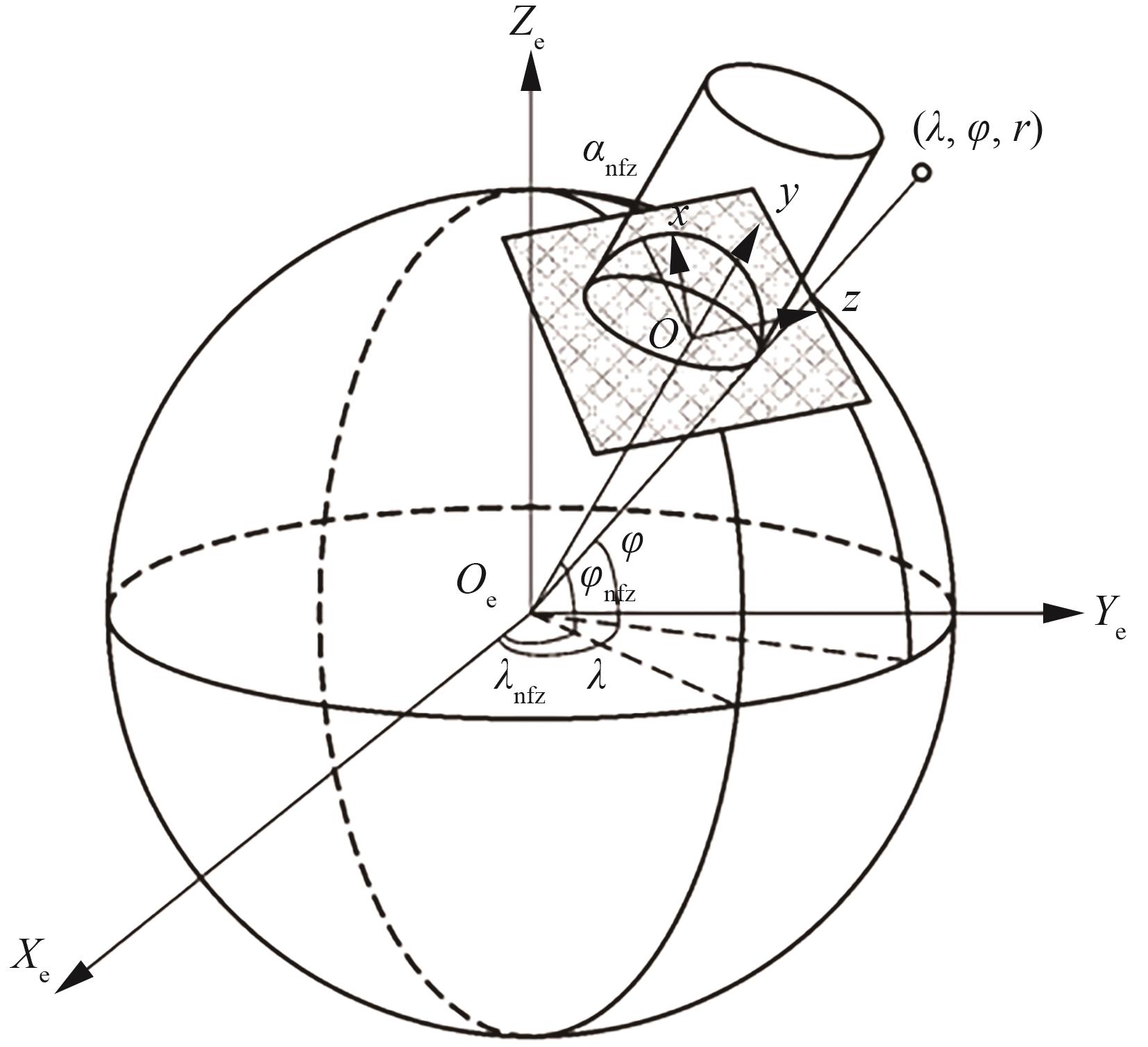
图 2
锥形禁飞区示意图[24]
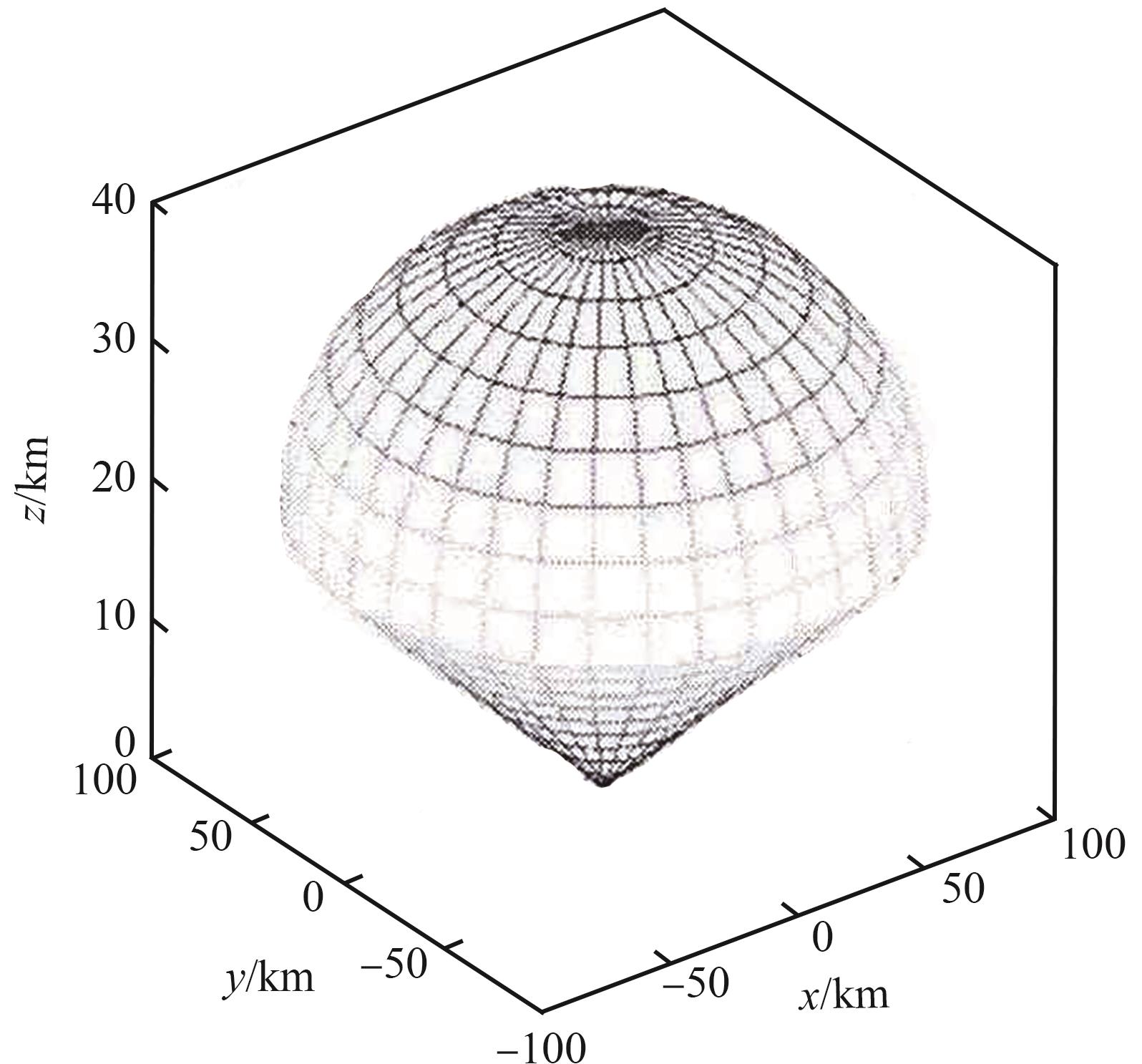
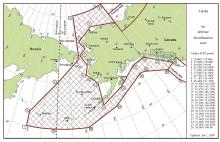
图 3
防空识别区示意图[25]
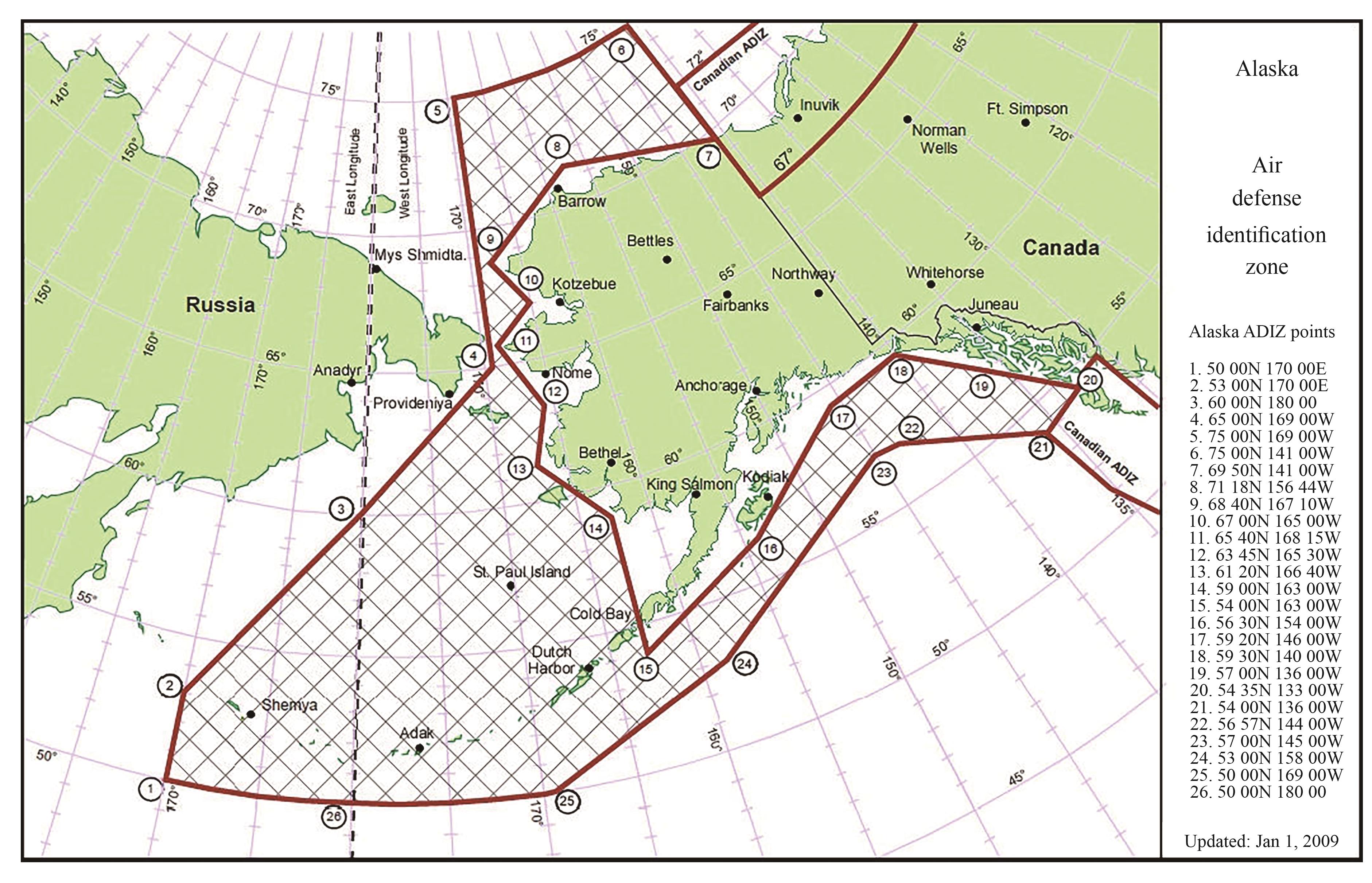
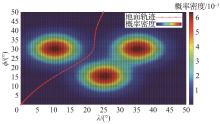
图 4
概率地图模型[28]
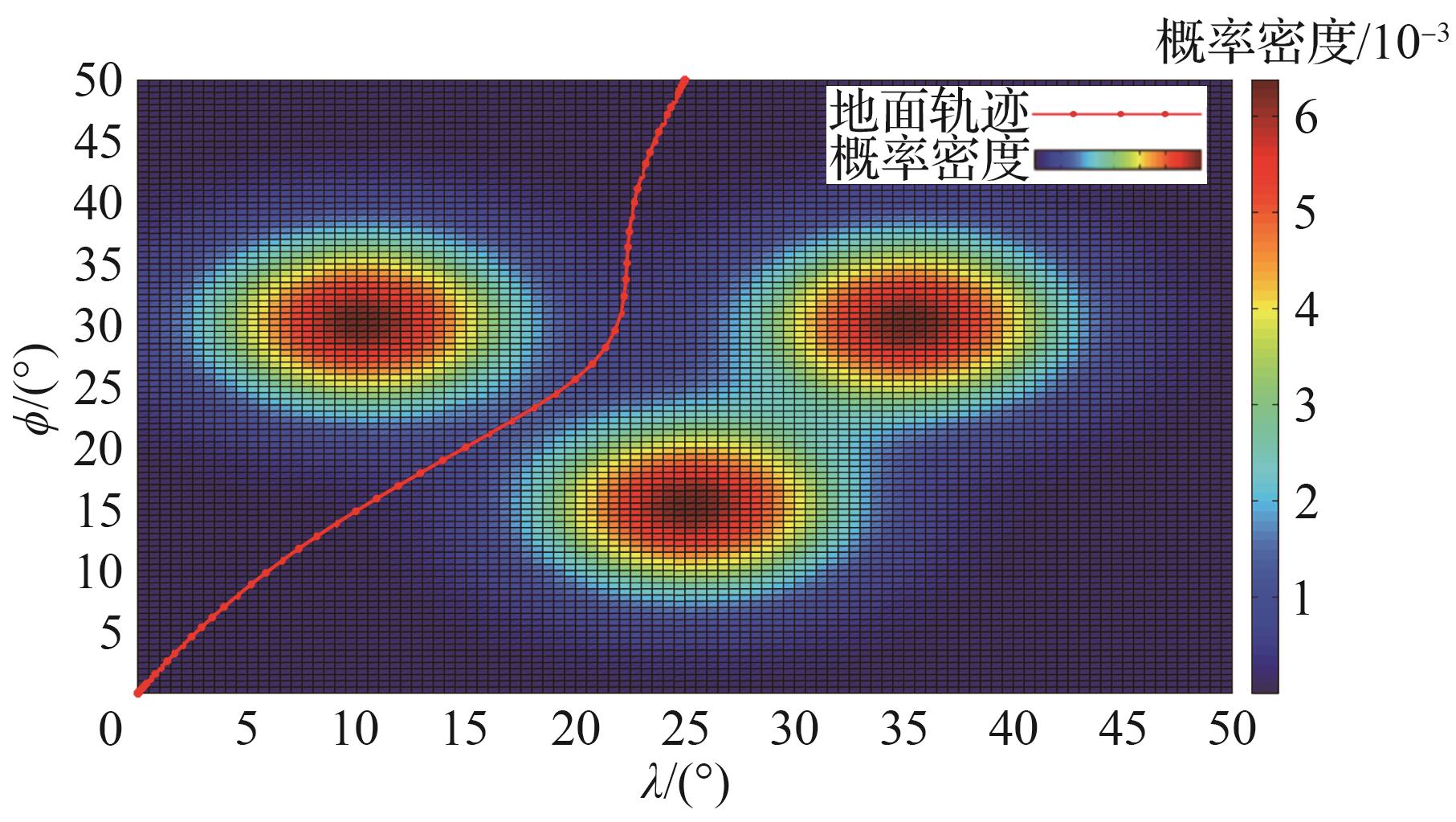
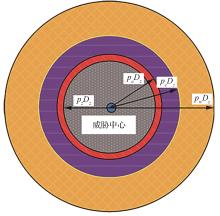
图 5
杀伤区域划分示意图[27]
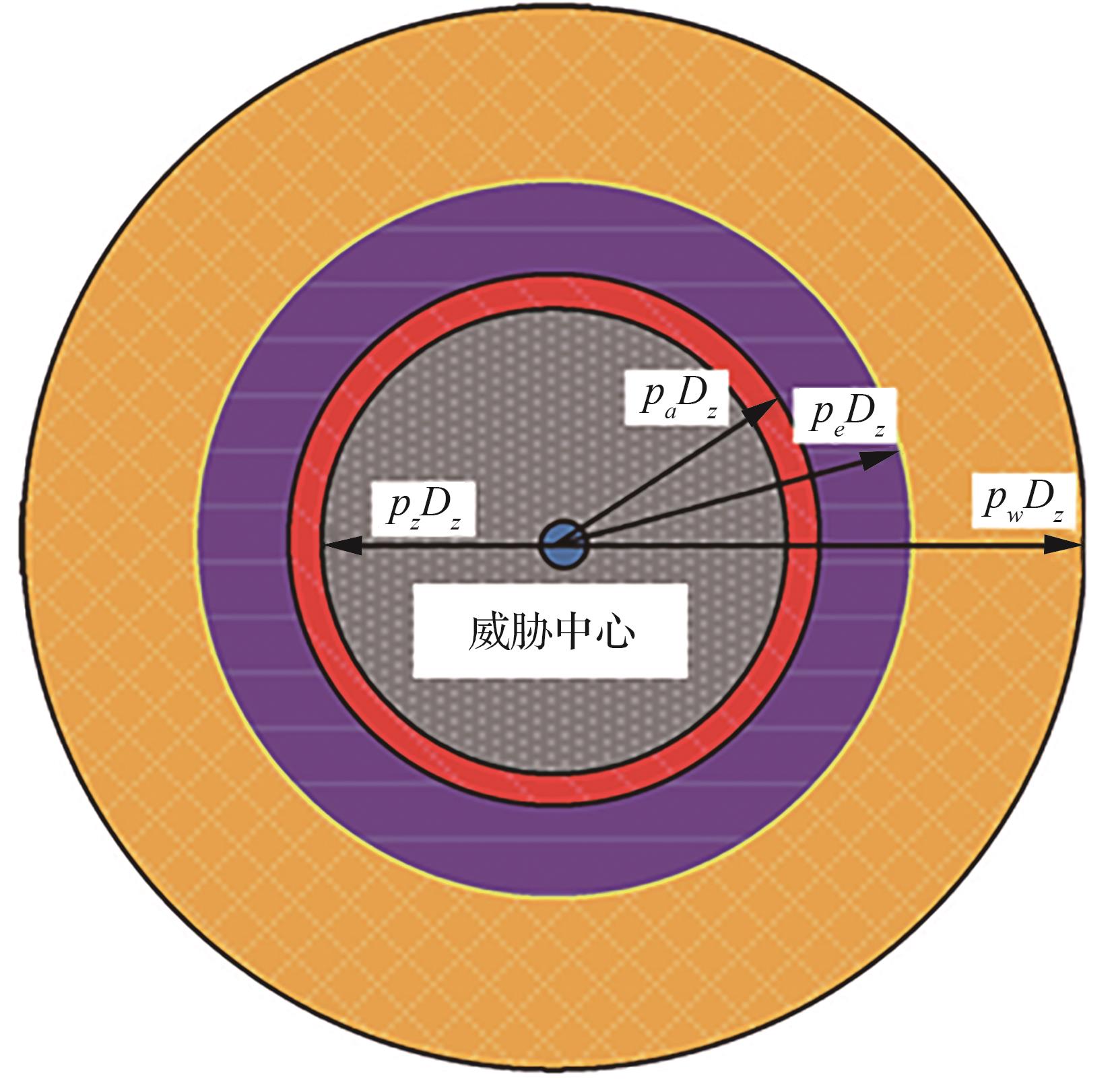
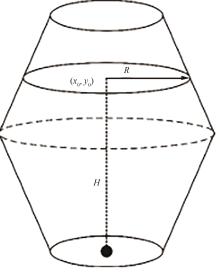
图 6
防空反导武器三维杀伤区示意图[29]
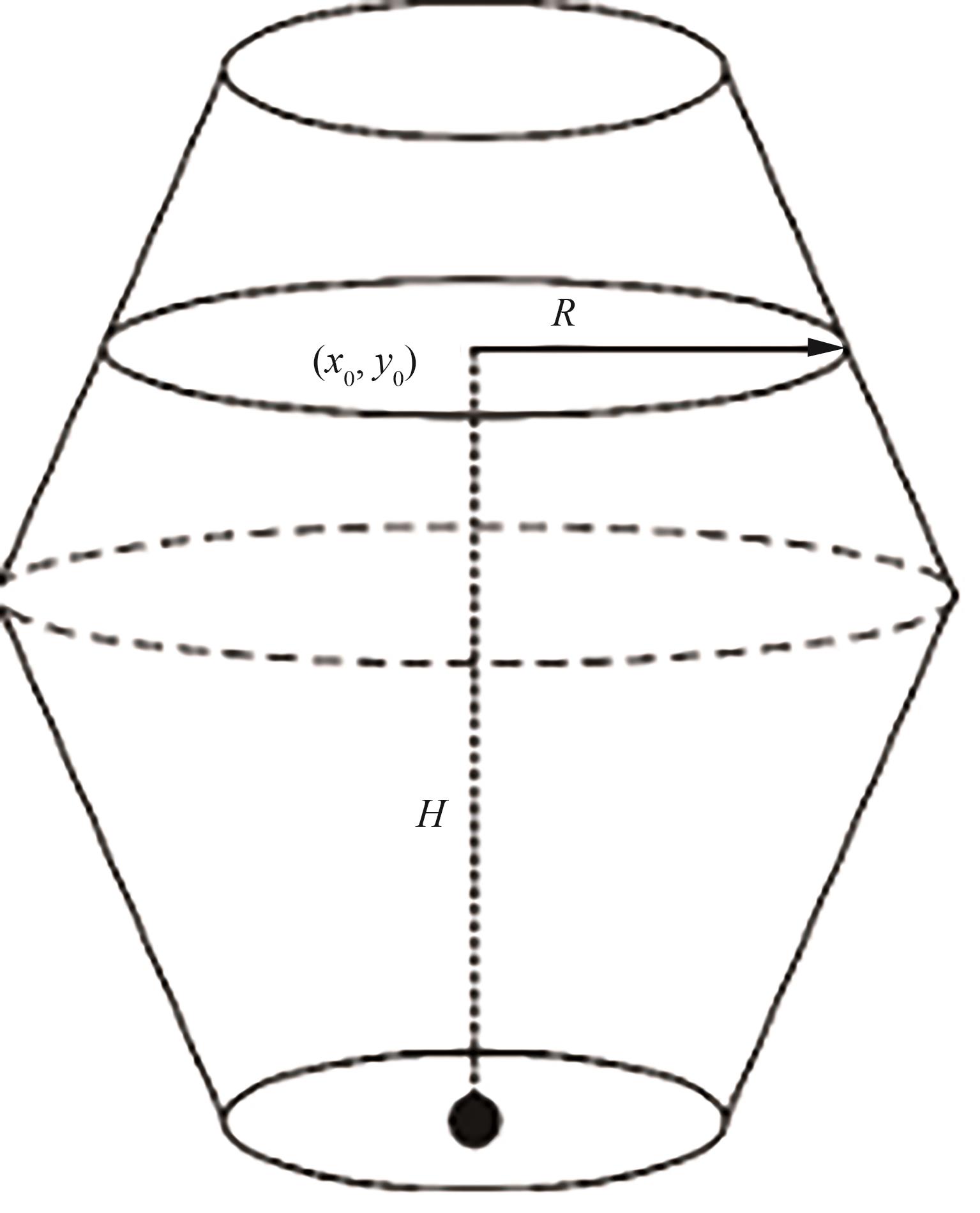

表1
针对不同类型禁飞区的被动规避轨迹规划与制导方法优劣对比
| 类型 | 方法 | 优点 | 缺点 |
|---|---|---|---|
| 静态禁飞区 | 基于动态航向角走廊 | 原理简单,易于实现,实时性较好 | 适用于单个或多个分布稀疏的禁飞区场景 |
| 基于可行轨迹规划 | 适用于复杂禁飞区分布场景,规划精度较高 | 可适用于分布复杂的禁飞区场景,但计算耗时随禁飞区数量、分布复杂度的提升而显著增大 | |
| 基于轨迹优化 | 规划结果的最优性较好,规划精度较高 | 计算效率依赖于初值猜测,难于处理多个复杂禁飞区分布场景 | |
| 基于启发式算法 | 可解释性较强,计算效率高 | 参数设置对算法性能影响较大,复杂禁飞区场景的适应性有待提升 | |
| 基于深度强化学习 | 复杂禁飞区分布场景的适应性较强,实际应用过程中的计算实时性较好 | 需要对动力学进行了一定程度的简化,且存在稀疏奖励的问题,算法的收敛性和泛化能力有待提升 | |
| 动态禁飞区 | 基于滚动优化 | 最优性较好,规划精度高 | 需要已知禁飞区分布全局信息,规划实时性较差,难以适用于高动态快时变的场景 |
| 基于自适应触角探测 | 无需禁飞区先验信息,可适用于复杂形状禁飞区,算法的自主性和自适应性较强 | 计算量与禁飞区个数和分布复杂度相关,难以适用于多禁飞区复杂分布的场景 | |
| 基于深度强化学习 | 规划实时性较好,高动态快时变场景的适应性和自主性较强 | 算法可解释性较差,需要简化飞行器的动力学模型,可行性有待提升 | |
| 概率禁飞区 | 基于机会约束 | 计算效率高,可适用于固定突防概率约束下少量禁飞区规避的场景 | 处理多个概率禁飞区耦合情况下的联合机会约束问题时较为保守,不能将禁飞区违反概率引入目标函数中进行优化 |
| 基于不确定量化 | 能够将多个禁飞区约束的联合违反率引入目标函数中进行优化,避免概率约束施加的保守性 | 待优化变量随概率禁飞区个数的增大呈指数增长,计算效率和最优性难以兼顾 |
表2
不同类型机动突防决策制导方法的对比
| 方法 | 优点 | 缺点 |
|---|---|---|
| 基于程序机动 | 不依赖相对运动信息,简单易行,计算实时性较好 | 机动模式容易被识别,在强对抗条件下的突防概率较低 |
| 基于轨迹优化 | 可实现终端速度最大、机动能量最省或脱靶量最大情况下的最优机动决策 | 适用场景相对固定,全局信息需完全已知,实时性较差 |
| 基于微分对策 | 可通过一定的假设推导得到解析解,具有近最优性和实时性 | 适用场景与突防策略相对单一,推导过程的简化近似导致机动突防性能有所降低 |
| 基于机器学习 | 复杂强对抗环境适应性和决策自主性较好 | 可解释性较差,网络训练的收敛效率低,决策的智能化水平有待提升 |
| [1] | 张远龙, 谢愈. 滑翔飞行器弹道规划与制导方法综述[J]. 航空学报, 2020, 41(1): 023377. |
| ZHANG Y L, XIE Y. Review of trajectory planning and guidance methods for gliding vehicles[J]. Acta Aeronautica et Astronautica Sinica, 2020, 41(1): 023377 (in Chinese). | |
| [2] | 熊瑛, 夏薇, 王林. 2023年国外导弹防御发展综述[J]. 战术导弹技术, 2024(1): 1-6, 19. |
| XIONG Y, XIA W, WANG L. Overview of foreign missile defense development in 2023[J]. Tactical Missile Technology, 2024(1): 1-6, 19 (in Chinese). | |
| [3] | 骆帅, 查旭, 陆红. 高速打击武器突防技术综述[J]. 战术导弹技术, 2023(5): 1-9. |
| LUO S, ZHA X, LU H. Overview on penetration technology of high-speed strike weapon[J]. Tactical Missile Technology, 2023(5): 1-9 (in Chinese). | |
| [4] | 刘双喜, 刘世俊, 李勇, 等. 国外高超声速飞行器及防御体系发展现状[J]. 空天防御, 2023, 6(3): 39-51. |
| LIU S X, LIU S J, LI Y, et al. Current developments in foreign hypersonic vehicles and defense systems[J]. Air & Space Defense, 2023, 6(3): 39-51 (in Chinese). | |
| [5] | 王铮, 邢晓露, 闫天, 等. 高超声速飞行器突防制导的发展现状与未来发展方向[J]. 飞航导弹, 2021(7): 18-24, 67. |
| WANG Z, XING X L, YAN T, et al. The current status and future development direction of hypersonic aircraft penetration guidance[J]. Aerodynamic Missile Journal, 2021(7): 18-24, 67 (in Chinese). | |
| [6] | 汪民乐. 弹道导弹突防对策综述[J]. 飞航导弹, 2012(10): 45-51. |
| WANG M L. Overview of ballistic missile penetration countermeasures[J]. Aerodynamic Missile Journal, 2012(10): 45-51 (in Chinese). | |
| [7] | 武天才, 王宏伦, 任斌, 等. 考虑规避与突防的高超声速飞行器智能容错制导控制一体化设计[J]. 航空学报, 2024, 45(15): 329607. |
| WU T C, WANG H L, REN B, et al. Learning-based integrated fault-tolerant guidance and control for hypersonic vehicles considering avoidance and penetration[J]. Acta Aeronautica et Astronautica Sinica, 2024, 45(15): 329607 (in Chinese). | |
| [8] | XIA W J, WANG P C, YAN X L, et al. Rapid and near-analytical planning method for entry trajectory under time and full-state constraints[J]. Aerospace, 2024, 11(7): 580. |
| [9] | LIANG Z X, LONG J T, ZHU S Y, et al. Entry guidance with terminal approach angle constraint[J]. Aerospace Science and Technology, 2020, 102: 105876. |
| [10] | 谢愈, 刘鲁华, 汤国建, 等. 高超声速滑翔飞行器摆动式机动突防弹道设计[J]. 航空学报, 2011, 32(12): 2174-2181. |
| XIE Y, LIU L H, TANG G J, et al. Weaving maneuver trajectory design for hypersonic glide vehicles[J]. Acta Aeronautica et Astronautica Sinica, 2011, 32(12): 2174-2181 (in Chinese). | |
| [11] | 陈迎春, 齐欢. 基于协同进化的平面追逃对策研究[J]. 控制与决策, 2009, 24(3): 383-387. |
| CHEN Y C, QI H. Co-evolutionary pursuit-evasion game on a plane[J]. Control and Decision, 2009, 24(3): 383-387 (in Chinese). | |
| [12] | 刘思源, 梁子璇, 任章, 等. 高超声速滑翔飞行器再入段制导方法综述[J]. 中国空间科学技术, 2016, 36(6): 1-13. |
| LIU S Y, LIANG Z X, REN Z, et al. Review of reentry guidance methods for hypersonic gliding vehicles[J]. Chinese Space Science and Technology, 2016, 36(6): 1-13 (in Chinese). | |
| [13] | 潘亮, 谢愈, 彭双春, 等. 高超声速飞行器滑翔制导方法综述[J]. 国防科技大学学报, 2017, 39(3): 15-22. |
| PAN L, XIE Y, PENG S C, et al. A survey of gliding guidance methods for hypersonic vehicles[J]. Journal of National University of Defense Technology, 2017, 39(3): 15-22 (in Chinese). | |
| [14] | 郭杰, 郑金库, 王浩凝, 等. 高超声速滑翔飞行器再入制导方法及热点问题研究综述[J]. 空天技术, 2022(1): 54-63. |
| GUO J, ZHENG J K, WANG H N, et al. Review of research on reentry guidance methods and hot issues of hypersonic gliding vehicle[J]. Aerospace Technology, 2022(1): 54-63 (in Chinese). | |
| [15] | DING Y B, YUE X K, CHEN G S, et al. Review of control and guidance technology on hypersonic vehicle[J]. Chinese Journal of Aeronautics, 2022, 35(7): 1-18. |
| [16] | 陈万春, 陈中原, 龚晓鹏. 智能机动突防策略研究进展[J]. 飞行力学, 2024, 42(5): 1-9. |
| CHEN W C, CHEN Z Y, GONG X P. Advances in the study of intelligent maneuver penetration strategy[J]. Flight Dynamics, 2024, 42(5): 1-9 (in Chinese). | |
| [17] | 江锐, 张欣, 王晓芳. 基于最优控制的高速飞行器突防技术研究[J]. 飞行力学, 2024, 42(1): 32-38. |
| JIANG R, ZHANG X, WANG X F. Research on penetration technology of high-speed aircraft based on optimal control[J]. Flight Dynamics, 2024, 42(1): 32-38 (in Chinese). | |
| [18] | 安凯, 郭振云, 黄伟, 等. 低/高速飞行器系统编队协同控制方法研究进展[J]. 航空兵器, 2022, 29(5): 53-65. |
| AN K, GUO Z Y, HUANG W, et al. Research progress of formation-cooperative control methods for low-speed and high-speed vehicle systems[J]. Aero Weaponry, 2022, 29(5): 53-65 (in Chinese). | |
| [19] | 向锦武, 董希旺, 丁文锐, 等. 复杂环境下无人集群系统自主协同关键技术[J]. 航空学报, 2022, 43(10): 527570. |
| XIANG J W, DONG X W, DING W R, et al. Key technologies for autonomous cooperation of unmanned swarm systems in complex environments[J]. Acta Aeronautica et Astronautica Sinica, 2022, 43(10): 527570 (in Chinese). | |
| [20] | 陈洁卿, 孙瑞胜, 陈伟. 超声速导弹群协同博弈突防制导研究[J]. 无人系统技术, 2021, 4(6): 65-74. |
| CHEN J Q, SUN R S, CHEN W. Research on cooperative penetration game guidance of supersonic missile group[J]. Unmanned Systems Technology, 2021, 4(6): 65-74 (in Chinese). | |
| [21] | 王宁宇, 白瑜亮, 魏金鹏, 等. 多弹最优协同诱导突防制导律[J]. 宇航学报, 2022, 43(4): 434-444. |
| WANG N Y, BAI Y L, WEI J P, et al. Guidance law for multi-missile optimal cooperative lured penetration[J]. Journal of Astronautics, 2022, 43(4): 434-444 (in Chinese). | |
| [22] | ZHANG R H, CUI N G. Entry trajectory optimization with general polygonal no-fly zone constraints[J]. IEEE Transactions on Aerospace and Electronic Systems, 2023, 59(6): 9205-9218. |
| [23] | 张梦樱, 唐乾刚, 韩小军, 等. 复杂约束条件下的再入轨迹迭代求解方法[J]. 兵工学报, 2015, 36(6): 1015-1023. |
| ZHANG M Y, TANG Q G, HAN X J, et al. Iterative method to solving re-entry trajectory optimization with complex constraints[J]. Acta Armamentarii, 2015, 36(6): 1015-1023 (in Chinese). | |
| [24] | 季荣涛. 基于威胁分析的战场空间划分及其在航迹规划中的应用[D]. 南京: 南京大学, 2016. |
| JI R T. Battlefield space division based on threat analysis and its application in route planning[D]. Nanjing: Nanjing University, 2016 (in Chinese). | |
| [25] | ZHANG R H, XIE Z H, WEI C Z, et al. An enlarged polygon method without binary variables for obstacle avoidance trajectory optimization[J]. Chinese Journal of Aeronautics, 2023, 36(8): 284-297. |
| [26] | TIAN M Y, SHEN Z J. Air-breathing hypersonic vehicle trajectory optimization with uncertain no-fly zones[J]. Advances in Mechanical Engineering, 2022, 14(7): 1-18. |
| [27] | 郭行, 符文星, 付斌, 等. 复杂动态环境下无人飞行器动态避障近似最优轨迹规划[J]. 宇航学报, 2019, 40(2): 182-190. |
| GUO H, FU W X, FU B, et al. Near optimal dynamic obstacle avoidance trajectory programming for unmanned aerial vehicles[J]. Journal of Astronautics, 2019, 40(2): 182-190 (in Chinese). | |
| [28] | COTTRILL G, HARMON F. Hybrid Gauss pseudospectral and generalized polynomial chaos algorithm to solve stochastic trajectory optimization problems[C]∥AIAA Guidance, Navigation, and Control Conference. Reston: AIAA, 2011. |
| [29] | 陆遥, 李东生. 基于威胁概率图的无人机作战场景模型设计[J]. 电子信息对抗技术, 2018, 33(5): 60-66, 79. |
| LU Y, LI D S. Design of UAV combat scenario model based on threat probability graph[J]. Electronic Information Warfare Technology, 2018, 33(5): 60-66, 79 (in Chinese). | |
| [30] | 蔡超, 葛超, 武振波, 等. 基于动态RCS的无人飞行器隐身突防航迹规划[J]. 华中科技大学学报(自然科学版), 2022, 50(11): 72-78. |
| CAI C, GE C, WU Z B, et al. Stealth penetration path planning of unmanned aerial vehicle based on dynamic RCS[J]. Journal of Huazhong University of Science and Technology (Natural Science Edition), 2022, 50(11): 72-78 (in Chinese). | |
| [31] | XIE Y, LIU L H, TANG G J, et al. Highly constrained entry trajectory generation[J]. Acta Astronautica, 2013, 88: 44-60. |
| [32] | GUO J, WU X Z, TANG S J. Autonomous gliding entry guidance with geographic constraints[J]. Chinese Journal of Aeronautics, 2015, 28(5): 1343-1354. |
| [33] | LIANG Z X, LIU S Y, LI Q D, et al. Lateral entry guidance with no-fly zone constraint[J]. Aerospace Science and Technology, 2017, 60: 39-47. |
| [34] | GAO B L, YAO Y D, CHENG H, et al. An online trajectory planning method for hypersonic aircraft considering maneuverability[C]∥2024 4th International Conference on Computer, Control and Robotics (ICCCR). Piscataway: IEEE Press, 2024: 323-327. |
| [35] | SUN Z K, SUN L Y, QI J T, et al. Distributed path planning for UAVs based on A* algorithm of dubins path[C]∥2023 42nd Chinese Control Conference (CCC). Piscataway: IEEE Press, 2023: 5939-5944. |
| [36] | HE R Z, LIU L H, TANG G J, et al. Rapid generation of entry trajectory with multiple no-fly zone constraints[J]. Advances in Space Research, 2017, 60(7): 1430-1442. |
| [37] | HE R Z, LIU L H, TANG G J, et al. Entry trajectory generation without reversal of bank angle[J]. Aerospace Science and Technology, 2017, 71: 627-635. |
| [38] | 张源, 张冉, 李惠峰. 复杂禁飞区高超声速飞行器路径—轨迹双层规划[J]. 宇航学报, 2022, 43(5): 615-627. |
| ZHANG Y, ZHANG R, LI H F. Dual-level path-trajectory generation with complex no-fly zone constraints for hypersonic vehicle[J]. Journal of Astronautics, 2022, 43(5): 615-627 (in Chinese). | |
| [39] | ZHANG Y, ZHANG R, LI H F. Online path decision of no-fly zones avoidance for hypersonic vehicles based on a graph attention network[J]. IEEE Transactions on Aerospace and Electronic Systems, 2023, 59(5): 5554-5567. |
| [40] | 赵吉松, 尚腾, 张金明, 等. 带有控制变量变化率约束的伪谱轨迹优化方法[J]. 宇航学报, 2022, 43(10): 1368-1377. |
| ZHAO J S, SHANG T, ZHANG J M, et al. Pseudo-spectral trajectory optimization method with constraint on the change rate of control variables[J]. Journal of Astronautics, 2022, 43(10): 1368-1377 (in Chinese). | |
| [41] | 梅映雪, 冯玥, 王容顺, 等. 高超声速飞行器多约束再入轨迹快速优化[J]. 宇航学报, 2019, 40(7): 758-767. |
| MEI Y X, FENG Y, WANG R S, et al. Fast optimization of reentry trajectory for hypersonic vehicles with multiple constraints[J]. Journal of Astronautics, 2019, 40(7): 758-767 (in Chinese). | |
| [42] | SUN X, ZHANG B H, CHAI R Q, et al. UAV trajectory optimization using chance-constrained second-order cone programming[J]. Aerospace Science and Technology, 2022, 121: 107283. |
| [43] | HUANG A, YU J L, LIU Y M, et al. Multitask-constrained reentry trajectory planning for hypersonic gliding vehicle[J]. Aerospace Science and Technology, 2024, 155: 109636. |
| [44] | ZHANG Y, ZHANG R, LI H F. Graph-based path decision modeling for hypersonic vehicles with no-fly zone constraints[J]. Aerospace Science and Technology, 2021, 116: 106857. |
| [45] | ZHANG D, LIU L, WANG Y J. On-line reentry guidance algorithm with both path and no-fly zone constraints[J]. Acta Astronautica, 2015, 117: 243-253. |
| [46] | LI Z H, YANG X J, SUN X D, et al. Improved artificial potential field based lateral entry guidance for waypoints passage and no-fly zones avoidance[J]. Aerospace Science and Technology, 2019, 86: 119-131. |
| [47] | TONG X D, SONG J, LI W L, et al. Penetration game strategy of high dynamic vehicles with constraints of no-fly zones and interceptors[J]. Engineering Applications of Artificial Intelligence, 2024, 136: 109018. |
| [48] | HU Y D, GAO C S, LI J L, et al. A novel adaptive lateral reentry guidance algorithm with complex distributed no-fly zones constraints[J]. Chinese Journal of Aeronautics, 2022, 35(7): 128-143. |
| [49] | LIANG Z X, REN Z. Tentacle-based guidance for entry flight with no-fly zone constraint[J]. Journal of Guidance, Control, and Dynamics, 2017, 41(4): 996-1005. |
| [50] | GAO Y, CAI G B, YANG X G, et al. Improved tentacle-based guidance for reentry gliding hypersonic vehicle with no-fly zone constraint[J]. IEEE Access, 2019, 7: 119246-119258. |
| [51] | 高杨, 蔡光斌, 徐慧, 等. 虚拟多触角探测的高超声速滑翔飞行器再入机动制导[J]. 航空学报, 2020, 41(11): 623703. |
| GAO Y, CAI G B, XU H, et al. Reentry maneuver guidance of hypersonic glide vehicle under virtual multi-tentacle detection[J]. Acta Aeronautica et Astronautica Sinica, 2020, 41(11): 623703 (in Chinese). | |
| [52] | HU J M, YANG X X, WANG W C, et al. Obstacle avoidance for UAS in continuous action space using deep reinforcement learning[J]. IEEE Access, 2022, 10: 90623-90634. |
| [53] | HONG D, PARK S. Avoiding obstacles via missile real-time inference by reinforcement learning[J]. Applied Sciences, 2022, 12(9): 4142. |
| [54] | WU T C, WANG H L, LIU Y H, et al. Learning-based interfered fluid avoidance guidance for hypersonic reentry vehicles with multiple constraints[J]. ISA Transactions, 2023, 139: 291-307. |
| [55] | WU J F, WANG H L, LIU Y H, et al. Learning-based fixed-wing UAV reactive maneuver control for obstacle avoidance[J]. Aerospace Science and Technology, 2022, 126: 107623. |
| [56] | 惠俊鹏, 汪韧, 郭继峰. 基于强化学习的禁飞区绕飞智能制导技术[J]. 航空学报, 2023, 44(11): 327416. |
| HUI J P, WANG R, GUO J F. Intelligent guidance for no-fly zone avoidance based on reinforcement learning[J]. Acta Aeronautica et Astronautica Sinica, 2023, 44(11): 327416 (in Chinese). | |
| [57] | LI X, WANG X G, ZHOU H Y. Entry guidance for spatial no-fly zones avoidance via model-based reinforcement learning[J]. Aerospace Science and Technology, 2024, 153: 109405. |
| [58] | GAO Y, ZHOU R, CHEN J Y. Integrated entry guidance with no-fly zone constraint using reinforcement learning and predictor-corrector technique[J]. Proceedings of the Institution of Mechanical Engineers, Part G: Journal of Aerospace Engineering, 2024, 238(7): 728-741. |
| [59] | YAO P, WANG H L, SU Z K. Real-time path planning of unmanned aerial vehicle for target tracking and obstacle avoidance in complex dynamic environment[J]. Aerospace Science and Technology, 2015, 47: 269-279. |
| [60] | 万兵, 梁勇, 邓力, 等. 基于滚动时域优化的反舰导弹航路规划[J]. 兵器装备工程学报, 2023, 44(9): 49-57. |
| WAN B, LIANG Y, DENG L, et al. A path planning method for an anti-ship missile based on receding horizon optimal procedure[J]. Journal of Ordnance Equipment Engineering, 2023, 44(9): 49-57 (in Chinese). | |
| [61] | 刘畅, 谢文俊, 张鹏, 等. 多重威胁下的无人机自主避障航迹规划[J]. 哈尔滨工业大学学报, 2020, 52(4): 119-126. |
| LIU C, XIE W J, ZHANG P, et al. UAV autonomous obstacle avoidance path planning under multiple threats[J]. Journal of Harbin Institute of Technology, 2020, 52(4): 119-126 (in Chinese). | |
| [62] | 高昂, 董志明, 叶红兵, 等. 基于深度强化学习的巡飞弹突防控制决策[J]. 兵工学报, 2021, 42(5): 1101-1110. |
| GAO A, DONG Z M, YE H B, et al. Loitering munition penetration control decision based on deep reinforcement learning[J]. Acta Armamentarii, 2021, 42(5): 1101-1110 (in Chinese). | |
| [63] | JIANG Q J, WANG X G, LI Y. Intelligent reentry guidance with dynamic no-fly zones based on deep reinforcement learning[C]∥Computational and Experimental Simulations in Engineering. Cham: Springer International Publishing, 2024: 291-313. |
| [64] | 王浩凝, 郭杰, 张宝超, 等. 多禁飞区在线遭遇的自主规避再入制导方法[J]. 宇航学报, 2024, 45(9): 1429-1444. |
| WANG H N, GUO J, ZHANG B C, et al. Autonomous entry guidance method for online encounters with multiple no-fly zones[J]. Journal of Astronautics, 2024, 45(9): 1429-1444 (in Chinese). | |
| [65] | WANG H N, GUO J, ZHANG B C, et al. Learning-based guidance method of avoiding multiple online-detected no-fly zones for hypersonic cruise vehicles[J]. Journal of Aerospace Engineering, 2025, 38(1): 04024107. |
| [66] | 杨浩东, 王剑颖, 吴志刚, 等. 面向动态禁飞区的自适应触角探测机动制导方法[J]. 宇航学报, 2024, 45(2): 192-202. |
| YANG H D, WANG J Y, WU Z G, et al. Adaptive tentacle detection and maneuvering guidance method for dynamic no-fly zones[J]. Journal of Astronautics, 2024, 45(2): 192-202 (in Chinese). | |
| [67] | BLACKMORE L, ONO M, WILLIAMS B C. Chance-constrained optimal path planning with obstacles[J]. IEEE Transactions on Robotics, 2011, 27(6): 1080-1094. |
| [68] | BUJARBARUAH M, ROSOLIA U, STÜRZ Y R, et al. A simple robust MPC for linear systems with parametric and additive uncertainty[C]∥2021 American Control Conference (ACC). Piscataway: IEEE Press, 2021: 2108-2113. |
| [69] | ZHANG Y Q, CHENG M, NAN B, et al. Stochastic trajectory optimization for 6-DOF spacecraft autonomous rendezvous and docking with nonlinear chance constraints[J]. Acta Astronautica, 2023, 208: 62-73. |
| [70] | ONO M, WILLIAMS B C. Iterative Risk Allocation: A new approach to robust model predictive control with a joint chance constraint[C]∥2008 47th IEEE Conference on Decision and Control. Piscataway: IEEE Press, 2008: 3427-3432. |
| [71] | DING Y F, MORSTYN T, MCCULLOCH M D. Distributionally robust joint chance-constrained optimization for networked microgrids considering contingencies and renewable uncertainty[J]. IEEE Transactions on Smart Grid, 2022, 13(3): 2467-2478. |
| [72] | PILIPOVSKY J, TSIOTRAS P. Covariance steering with optimal risk allocation[J]. IEEE Transactions on Aerospace and Electronic Systems, 2021, 57(6): 3719-3733. |
| [73] | 田牧垠, 沈作军. 一类不确定环境下的再入滑翔飞行器轨迹规划[J]. 北京航空航天大学学报, 2024, 50(8): 2514-2523. |
| TIAN M Y, SHEN Z J. Trajectory planning of re-entry gliding vehicle in a class of uncertain environment[J]. Journal of Beijing University of Aeronautics and Astronautics, 2024, 50(8): 2514-2523 (in Chinese). | |
| [74] | 闫循良, 王培臣, 夏文杰, 等. 基于混沌多项式的再入滑翔鲁棒轨迹凸优化[J]. 西北工业大学学报, 2023, 41(5): 850-859. |
| YAN X L, WANG P C, XIA W J, et al. Robust convex optimization for reentry glide trajectory using polynomial chaos[J]. Journal of Northwestern Polytechnical University, 2023, 41(5): 850-859 (in Chinese). | |
| [75] | 王培臣, 闫循良, 王宽, 等. 基于随机响应面与混沌多项式的鲁棒轨迹优化[J]. 系统工程与电子技术, 2023, 45(10): 3226-3239. |
| WANG P C, YAN X L, WANG K, et al. Robust trajectory optimization method based on stochastic response surface and polynomial chaos[J]. Systems Engineering and Electronics, 2023, 45(10): 3226-3239 (in Chinese). | |
| [76] | 龚宇莲, 孟斌, 李毛毛. 基于单参数迭代的TAEM在线轨迹生成方法[J]. 航空学报, 2020, 41(): 724289. |
| GONG Y L, MENG B, LI M M. Online trajectory design method for terminal area energy management based on single parameter iteration [J]. Acta Aeronautica et Astronautica Sinica, 2020, 41(Sup 2): 724289 (in Chinese). | |
| [77] | WANG X, GUO J, TANG S J, et al. Entry trajectory planning with terminal full states constraints and multiple geographic constraints[J]. Aerospace Science and Technology, 2019, 84: 620-631. |
| [78] | SHI P, XU J J, CHENG L, et al. Real-time lateral predictor-corrector entry guidance with terminal heading angle constraint[J]. IEEE Transactions on Aerospace and Electronic Systems, 2025, 61(2): 2106-2119. |
| [79] | LIANG Z X, YU J L, REN Z, et al. Trajectory planning for cooperative flight of two hypersonic entry vehicles[C]∥21st AIAA International Space Planes and Hypersonics Technologies Conference. Reston: AIAA, 2017: 2251. |
| [80] | 王肖, 郭杰, 唐胜景, 等. 基于解析剖面的时间协同再入制导[J]. 航空学报, 2019, 40(3): 322565. |
| WANG X, GUO J, TANG S J, et al. Time-cooperative entry guidance based on analytical profile[J]. Acta Aeronautica et Astronautica Sinica, 2019, 40(3): 322565 (in Chinese). | |
| [81] | LI Z H, HE B, WANG M H, et al. Time-coordination entry guidance for multi-hypersonic vehicles[J]. Aerospace Science and Technology, 2019, 89: 123-135. |
| [82] | 刘旭, 李响, 王晓鹏. 高超声速滑翔飞行器解析协同再入制导[J]. 宇航学报, 2023, 44(5): 731-742. |
| LIU X, LI X, WANG X P. Analytical cooperative reentry guidance for hypersonic glide vehicles[J]. Journal of Astronautics, 2023, 44(5): 731-742 (in Chinese). | |
| [83] | YU W B, CHEN W C, JIANG Z G, et al. Analytical entry guidance for coordinated flight with multiple no-fly-zone constraints[J]. Aerospace Science and Technology, 2019, 84: 273-290. |
| [84] | 王培臣, 闫循良, 李新国, 等. 考虑时间约束的解析再入滑翔制导[J]. 航空学报, 2024, 45(23): 229-246. |
| WANG P C, YAN X L, LI X G, et al. Reentry glide analytical guidance considering time constraints[J]. Acta Aeronautica et Astronautica Sinica, 2024, 45(23): 229-246 (in Chinese). | |
| [85] | 方科, 张庆振, 倪昆, 等. 高超声速飞行器时间协同再入制导[J]. 航空学报, 2018, 39(5): 321958. |
| FANG K, ZHANG Q Z, NI K, et al. Time-coordinated reentry guidance law for hypersonic vehicle[J]. Acta Aeronautica et Astronautica Sinica, 2018, 39(5): 321958 (in Chinese). | |
| [86] | 张晚晴, 余文斌, 李静琳, 等. 基于纵程解析解的飞行器智能横程机动再入协同制导[J]. 兵工学报, 2021, 42(7): 1400-1411. |
| ZHANG W Q, YU W B, LI J L, et al. Cooperative reentry guidance for intelligent lateral maneuver of hypersonic vehicle based on downrange analytical solution[J]. Acta Armamentarii, 2021, 42(7): 1400-1411 (in Chinese). | |
| [87] | 方科, 张庆振, 倪昆, 等. 飞行时间约束下的再入制导律[J]. 哈尔滨工业大学学报, 2019, 51(10): 90-97. |
| FANG K, ZHANG Q Z, NI K, et al. Reentry guidance law with flight time constraint[J]. Journal of Harbin Institute of Technology, 2019, 51(10): 90-97 (in Chinese). | |
| [88] | 刘哲, 陆浩然, 郑伟, 等. 多滑翔飞行器时间协同轨迹快速规划[J]. 航空学报, 2021, 42(11): 524497. |
| LIU Z, LU H R, ZHENG W, et al. Rapid time-coordination trajectory planning method for multi-glide vehicles[J]. Acta Aeronautica et Astronautica Sinica, 2021, 42(11): 524497 (in Chinese). | |
| [89] | YU J L, DONG X W, LI Q D, et al. Cooperative guidance strategy for multiple hypersonic gliding vehicles system[J]. Chinese Journal of Aeronautics, 2020, 33(3): 990-1005. |
| [90] | YU W B, YAO Y Z, CHEN W C. Analytical cooperative entry guidance for rendezvous and formation flight[J]. Acta Astronautica, 2020, 171: 118-138. |
| [91] | JARMARK B, MERZ AW, BREAKWELL J. The variable-speed tail-chase aerial combat problem[J]. Journal of Guidance, Control, and Dynamics, 1981, 4(3): 323-328. |
| [92] | ALMEIDA F. Improving maneuver performance in unmanned aerial vehicles through learning-based reference management[C]∥AIAA Guidance, Navigation, and Control (GNC) Conference. Reston: AIAA, 2013. |
| [93] | REN L L, GUO W L, XIAN Y, et al. Deep reinforcement learning based integrated evasion and impact hierarchical intelligent policy of exo-atmospheric vehicles[J]. Chinese Journal of Aeronautics, 2025, 38(1): 103193. |
| [94] | 何磊, 闫晓东, 唐硕. 螺旋俯冲机动突防的制导律设计[J]. 航空学报, 2019, 40(5): 322457. |
| HE L, YAN X D, TANG S. Guidance law design for spiral-diving maneuver penetration[J]. Acta Aeronautica et Astronautica Sinica, 2019, 40(5): 322457 (in Chinese). | |
| [95] | 段安娜, 闫循良. 多约束螺旋机动变结构制导律设计[J]. 固体火箭技术, 2020, 43(3): 400-406. |
| DUAN A N, YAN X L. Design of multi-constrained spiral maneuvering variable structure guidance law[J]. Journal of Solid Rocket Technology, 2020, 43(3): 400-406 (in Chinese). | |
| [96] | ZHU J W, LIU L H, TANG G J, et al. Optimal diving maneuver strategy considering guidance accuracy for hypersonic vehicle[J]. Acta Astronautica, 2014, 104(1): 231-242. |
| [97] | ZHU J W, HE R Z, TANG G J, et al. Pendulum maneuvering strategy for hypersonic glide vehicles[J]. Aerospace Science and Technology, 2018, 78: 62-70. |
| [98] | 周啟航, 刘延芳, 齐乃明, 等. 基于反预警的反拦截中段规避突防策略[J]. 航空学报, 2017, 38(1): 319922. |
| ZHOU Q H, LIU Y F, QI N M, et al. Anti-warning-based anti-interception avoiding penetration strategy in midcourse[J]. Acta Aeronautica et Astronautica Sinica, 2017, 38(1): 319922 (in Chinese). | |
| [99] | HE L, YAN X D, TANG S. Spiral-diving trajectory optimization for hypersonic vehicles by second-order cone programming[J]. Aerospace Science and Technology, 2019, 95: 105427. |
| [100] | YAN B B, LIU R F, DAI P, et al. A rapid penetration trajectory optimization method for hypersonic vehicles[J]. International Journal of Aerospace Engineering, 2019, 2019(1): 1490342. |
| [101] | SHEN Z P, YU J L, DONG X W, et al. Penetration trajectory optimization for the hypersonic gliding vehicle encountering two interceptors[J]. Aerospace Science and Technology, 2022, 121: 107363. |
| [102] | SHINAR J, STEINBERG D. Analysis of optimal evasive maneuvers based on a linearized two-dimensional kinematic model[J]. Journal of Aircraft, 1977, 14(8): 795-802. |
| [103] | ONG S Y, PIERSON B L. Optimal planar evasive aircraft maneuvers against proportional navigation missiles[J]. Journal of Guidance, Control, and Dynamics, 1996, 19(6): 1210-1215. |
| [104] | KANG S, KIM H J, TAHK M J. Aerial pursuit-evasion game using nonlinear model predictive guidance[C]∥AIAA Guidance, Navigation, and Control Conference. Reston: AIAA, 2010: 7880. |
| [105] | 王雨琪, 宁国栋, 王晓峰, 等. 基于微分对策的临近空间飞行器机动突防策略[J]. 航空学报, 2020, 41(): 724276. |
| WANG Y Q, NING G D, WANG X F, et al. Maneuver penetration strategy of near space vehicle based on differential game[J]. Acta Aeronautica et Astronautica Sinica, 2020, 41(Sup 2): 724276 (in Chinese). | |
| [106] | LIANG H Z, WANG J Y, WANG Y H, et al. Optimal guidance against active defense ballistic missiles via differential game strategies[J]. Chinese Journal of Aeronautics, 2020, 33(3): 978-989. |
| [107] | BEN-ASHER J, CLIFF E M, KELLEY H J. Optimal evasion with a path-angle constraint and against two pursuers[J]. Journal of Guidance, Control, and Dynamics, 1988, 11(4): 300-304. |
| [108] | SUN A, LIU H. Multi-pursuer evasion[C]∥AIAA Guidance, Navigation and Control Conference and Exhibit. Reston: AIAA, 2008. |
| [109] | ZHANG P, FANG Y W, ZHANG F M, et al. An adaptive weighted differential game guidance law[J]. Chinese Journal of Aeronautics, 2012, 25(5): 739-746. |
| [110] | BARDHAN R, GHOSE D. An SDRE based differential game approach for maneuvering target interception[C]∥AIAA Guidance, Navigation, and Control Conference. Reston: AIAA, 2015. |
| [111] | SHAFERMAN V, SHIMA T Y. A cooperative differential game for imposing a relative intercept angle[C]∥AIAA Guidance, Navigation, and Control Conference. Reston: AIAA, 2017. |
| [112] | YAN T, CAI Y L, XU B. Evasion guidance algorithms for air-breathing hypersonic vehicles in three-player pursuit-evasion games[J]. Chinese Journal of Aeronautics, 2020, 33(12): 3423-3436. |
| [113] | PERELMAN A, SHIMA T, RUSNAK I. Cooperative differential games strategies for active aircraft protection from a homing missile[J]. Journal of Guidance, Control, and Dynamics, 2011, 34(3): 761-773. |
| [114] | RUBINSKY S, GUTMAN S. Three-player pursuit and evasion conflict[J]. Journal of Guidance, Control, and Dynamics, 2013, 37(1): 98-110. |
| [115] | WEISS M, SHIMA T, CASTANEDA D, et al. Combined and cooperative minimum-effort guidance algorithms in an active aircraft defense scenario[J]. Journal of Guidance, Control, and Dynamics, 2017, 40(5): 1241-1254. |
| [116] | 王子瑶, 唐胜景, 郭杰, 等. 高超声速攻防博弈自适应微分对策三维制导[J]. 兵工学报, 2023, 44(8): 2342-2353. |
| WANG Z Y, TANG S J, GUO J, et al. Adaptive 3-dimensional differential game guidance for hypersonic attack and defense[J]. Acta Armamentarii, 2023, 44(8): 2342-2353 (in Chinese). | |
| [117] | SHEN Z P, YU J L, DONG X W, et al. Deep neural network-based penetration trajectory generation for hypersonic gliding vehicles encountering two interceptors[C]∥2022 41st Chinese Control Conference (CCC). Piscataway: IEEE Press, 2022: 3392-3397. |
| [118] | 左家亮, 杨任农, 张滢, 等. 基于启发式强化学习的空战机动智能决策[J]. 航空学报, 2017, 38(10): 321168. |
| ZUO J L, YANG R N, ZHANG Y, et al. Intelligent decision-making in air combat maneuvering based on heuristic reinforcement learning[J]. Acta Aeronautica et Astronautica Sinica, 2017, 38(10): 321168 (in Chinese). | |
| [119] | JIANG L, NAN Y, ZHANG Y, et al. Anti-interception guidance for hypersonic glide vehicle: A deep reinforcement learning approach[J]. Aerospace, 2022, 9(8): 424. |
| [120] | 张鸿林, 罗建军, 马卫华. 基于机器学习的航天器规避目标威胁博弈决策[J]. 航空学报, 2024, 45(8): 329136. |
| ZHANG H L, LUO J J, MA W H. Spacecraft game decision making for threat avoidance of space targets based on machine learning[J]. Acta Aeronautica et Astronautica Sinica, 2024, 45(8): 329136 (in Chinese). | |
| [121] | HU X, WANG T S, GONG M, et al. Guidance design for escape flight vehicle using evolution strategy enhanced deep reinforcement learning[J]. IEEE Access, 2024, 12: 48210-48222. |
| [122] | HU X, WANG H B, GONG M, et al. Guidance design for escape flight vehicle against multiple pursuit flight vehicles using the RNN-based proximal policy optimization algorithm[J]. Aerospace, 2024, 11(5): 361. |
| [123] | GUO Y H, JIANG Z J, HUANG H Q, et al. Intelligent maneuver strategy for a hypersonic pursuit-evasion game based on deep reinforcement learning[J]. Aerospace, 2023, 10(9): 783. |
| [124] | LI X, WANG X G, ZHOU H Y, et al. A novel evasion guidance for hypersonic morphing vehicle via intelligent maneuver strategy[J]. Chinese Journal of Aeronautics, 2024, 37(5): 441-461. |
| [125] | JEON I S, LEE J I, TAHK M J. Impact-time-control guidance law for anti-ship missiles[J]. IEEE Transactions on Control Systems Technology, 2006, 14(2): 260-266. |
| [126] | 崔乃刚, 韦常柱, 郭继峰. 导弹协同作战飞行时间裕度[J]. 航空学报, 2010, 31(7): 1351-1359. |
| CUI N G, WEI C Z, GUO J F. Flight time margin of missile cooperative engagement[J]. Acta Aeronautica et Astronautica Sinica, 2010, 31(7): 1351-1359 (in Chinese). | |
| [127] | 乔浩, 白风科, 毛瑞. 高超声速滑翔导弹协同再入影响因素分析[J]. 飞行力学, 2020, 38(6): 63-69. |
| QIAO H, BAI F K, MAO R. Analysis of influence factors for cooperative reentry of hypersonic glide missile[J]. Flight Dynamics, 2020, 38(6): 63-69 (in Chinese). | |
| [128] | LIANG Z X, LV C, ZHU S Y. Lateral entry guidance with terminal time constraint[J]. IEEE Transactions on Aerospace and Electronic Systems, 2023, 59(3): 2544-2553. |
| [129] | PARK B G, KWON H H, KIM Y H, et al. Composite guidance scheme for impact angle control against a nonmaneuvering moving target[J]. Journal of Guidance, Control, and Dynamics, 2016, 39(5): 1132-1139. |
| [130] | LEE S, KIM Y. Capturability of impact-angle control composite guidance law considering field-of-view limit[J]. IEEE Transactions on Aerospace and Electronic Systems, 2020, 56(2): 1077-1093. |
| [131] | 赵启伦, 陈建, 李清东, 等. 高超武器与常规导弹协同攻击策略可行域研究[J]. 航空学报, 2015, 36(7): 2291-2300. |
| ZHAO Q L, CHEN J, LI Q D, et al. Feasible region of hypersonic and ballistic missiles’cooperative attack strategy[J]. Acta Aeronautica et Astronautica Sinica, 2015, 36(7): 2291-2300 (in Chinese). | |
| [132] | ZHANG M H, WANG H L, LI Z Y, et al. Fluid-based moderate collision avoidance for UAV formation in 3-D low-altitude environments[J]. Chinese Journal of Aeronautics, 2025, 38(6): 103222. |
| [133] | 徐星光, 于江龙, 郭鸿飞, 等. 有翼飞行器编队协同突防构型和通信拓扑优化方法[J/OL]. 北京航空航天大学学报, (2024-05-16)[2025-07-16]. . |
| XU X G, YU J L, GUO H F, et al. Optimization method of cooperative penetration configuration and communication topology of winged aircraft formation[J/OL]. Journal of Beijing University of Aeronautics and Astronautics, (2024-05-16)[2025-07-16]. (in Chinese). | |
| [134] | Shui X, Wang X, Lin P, et al. A formation control method of multiple hypersonic missiles[J]. Tactical Missile Technology, 2020, 5:139-148. |
| [135] | 陆浩然, 邱薇, 孙海亮, 等. 高速飞行器编队队形快速成形设计方法[J]. 航天控制, 2021, 39(2): 33-38, 44. |
| LU H R, QIU W, SUN H L, et al. Design method of rapid forming for high-speed aircraft formation[J]. Aerospace Control, 2021, 39(2): 33-38, 44 (in Chinese). | |
| [136] | ZHANG Z, LUO Y F, QU Y H. Distributed formation control with obstacle and collision avoidance for hypersonic gliding vehicles subject to multiple constraints[J]. International Journal of Aerospace Engineering, 2023, 2023(1): 9973653. |
| [137] | ZHANG Y, WANG X, TANG S J. A globally fixed-time solution of distributed formation control for multiple hypersonic gliding vehicles[J]. Aerospace Science and Technology, 2020, 98: 105643. |
| [138] | 胡砚洋, 何凡, 白成超. 高超声速飞行器末制导段协同避障决策方法[J]. 兵工学报, 2024, 45(9): 3147-3160. |
| HU Y Y, HE F, BAI C C. Cooperative obstacle avoidance decision method for the terminal guidance phase of hypersonic vehicles[J]. Acta Armamentarii, 2024, 45(9): 3147-3160 (in Chinese). |
| [1] | 宋征宇. 推动航天运输系统持续创新的控制技术与挑战[J]. 航空学报, 2025, 46(6): 531446-531446. |
| [2] | 王义宇, 张泽旭, 包为民, 袁帅, 崔祜涛. 抵近中躲避非合作目标视场的航天器轨迹规划[J]. 航空学报, 2025, 46(16): 331702-331702. |
| [3] | 孙建业, 叶东, 肖岩. 非合作航天器主动观测安全轨迹规划[J]. 航空学报, 2025, 46(15): 331587-331587. |
| [4] | 李俊志, 龙腾, 孙景亮, 苗洪语, 周桢林. 城市环境下固定翼无人机微分平坦时空分层轨迹规划[J]. 航空学报, 2025, 46(11): 531369-531369. |
| [5] | 高树一, 林德福, 郑多, 徐骋. 考虑拦截器探测能力限制的飞行器智能机动突防制导策略[J]. 航空学报, 2025, 46(10): 331304-331304. |
| [6] | 刘哲, 张羲格, 韦常柱, 崔乃刚. 亚轨道飞行器再入轨迹高精度自适应凸规划[J]. 航空学报, 2023, 44(S2): 729430-729430. |
| [7] | 董豪泽, 陈昱达, 刘丹, 李忠奎. 障碍物空间下分布式轨迹规划的死锁破解[J]. 航空学报, 2023, 44(S2): 729771-729771. |
| [8] | 任乐亮, 鲜勇, 李少朋, 雷刚, 伍薇, 李冰. 基于改进二阶优化器并行学习的弹道导弹神经网络落点预测方法[J]. 航空学报, 2023, 44(14): 327964-327964. |
| [9] | 惠俊鹏, 汪韧, 郭继峰. 基于强化学习的禁飞区绕飞智能制导技术[J]. 航空学报, 2023, 44(11): 327416-327416. |
| [10] | 冉庆波, 肖鸿, 杨富鸿, 段玉岗. 含孔曲面自动铺丝轨迹规划算法[J]. 航空学报, 2022, 43(9): 425602-425602. |
| [11] | 孙杨, 昌敏, 白俊强. 微小型四旋翼无人机垂面栖停轨迹规划与控制[J]. 航空学报, 2022, 43(9): 325756-325756. |
| [12] | 徐广通, 王祝, 曹严, 孙景亮, 龙腾. 动态优先级解耦的无人机集群轨迹分布式序列凸规划[J]. 航空学报, 2022, 43(2): 325059-325059. |
| [13] | 章吉力, 周大鹏, 杨大鹏, 刘然, 刘凯. 禁飞区影响下的空天飞机可达区域计算方法[J]. 航空学报, 2021, 42(8): 525771-525771. |
| [14] | 孙昊, 孙青林, 滕海山, 周朋, 陈增强. 复杂环境下考虑动力学约束的翼伞轨迹规划[J]. 航空学报, 2021, 42(3): 324301-324301. |
| [15] | 刘哲, 陆浩然, 郑伟, 闻国光, 王奕迪, 周祥. 多滑翔飞行器时间协同轨迹快速规划[J]. 航空学报, 2021, 42(11): 524497-524497. |
| 阅读次数 | ||||||
|
全文 |
|
|||||
|
摘要 |
|
|||||
版权所有 © 航空学报编辑部
版权所有 © 2011航空学报杂志社
主管单位:中国科学技术协会 主办单位:中国航空学会 北京航空航天大学

 CJA
CJA
