孟宪超, 陶俊( )
)
收稿日期:2024-09-10
修回日期:2024-10-08
接受日期:2024-11-04
出版日期:2024-11-25
发布日期:2024-11-18
通讯作者:
陶俊
E-mail:juntao@fudan.edu.cn
Xianchao MENG, Jun TAO()
Received:2024-09-10
Revised:2024-10-08
Accepted:2024-11-04
Online:2024-11-25
Published:2024-11-18
Contact:
Jun TAO
E-mail:juntao@fudan.edu.cn
摘要:
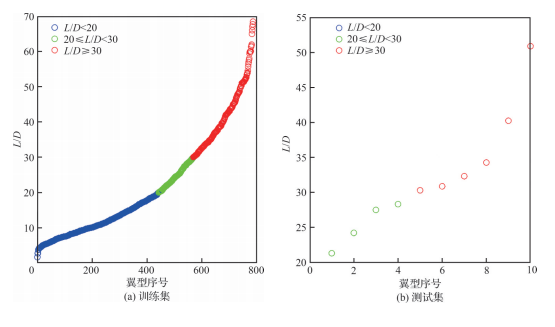
基于条件生成对抗网络(CGAN),通过在CGAN后附加多层感知机(MLP)检验器,发展了一种目标检验条件生成对抗网络(TT-CGAN)并将其用于翼型反设计。TT-CGAN可以重点检验设计目标的实现效果,增强了CGAN对于附加条件的检验效果。基于UIUC翼型数据库,选取了797个真实翼型,并通过求解基于雷诺平均Navier-Stokes(RANS)方程组计算得到了各翼型对应的气动参数,形成真实翼型数据库;利用类别/形状函数变换(CST)方法对翼型外形进行参数化,将翼型外形从100维几何参数描述为14维CST参数。通过特征级融合方式将升力系数、阻力系数、表面压力分布融合得到多模态气动参数,并与基于升阻力系数的气动参数作对比,分别作为网络的附件条件,进行翼型反设计。结果表明,基于多模态数据TT-CGAN的翼型反设计方法生成结果更为精准,翼型几何外形的平均均方根误差为1.779×10-3,平均绝对误差为1.351×10-3。通过求解RANS方程组对生成翼型进行数值模拟验证,结果显示其升力系数的平均相对误差为3.599 8%,阻力系数的平均相对误差为3.723 9%,生成翼型的升阻力系数均满足设计指标,生成结果较精准。通过比较训练样本与测试样本的升阻比分布,发现升阻比在[20,30)区间上的翼型占总测试集的40%,而升阻比在此区间的训练翼型仅占训练集的16%,即使在训练样本较少的区间,该方法也能实现准确的预测,具有一定泛化性。
中图分类号:
孟宪超, 陶俊. 基于目标检验条件生成对抗网络的翼型反设计方法[J]. 航空学报, 2025, 46(10): 631182.
Xianchao MENG, Jun TAO. An airfoil inverse design method based on target testing conditional generative adversarial network[J]. Acta Aeronautica et Astronautica Sinica, 2025, 46(10): 631182.
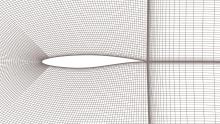
图 1
RAE2822翼型网格图
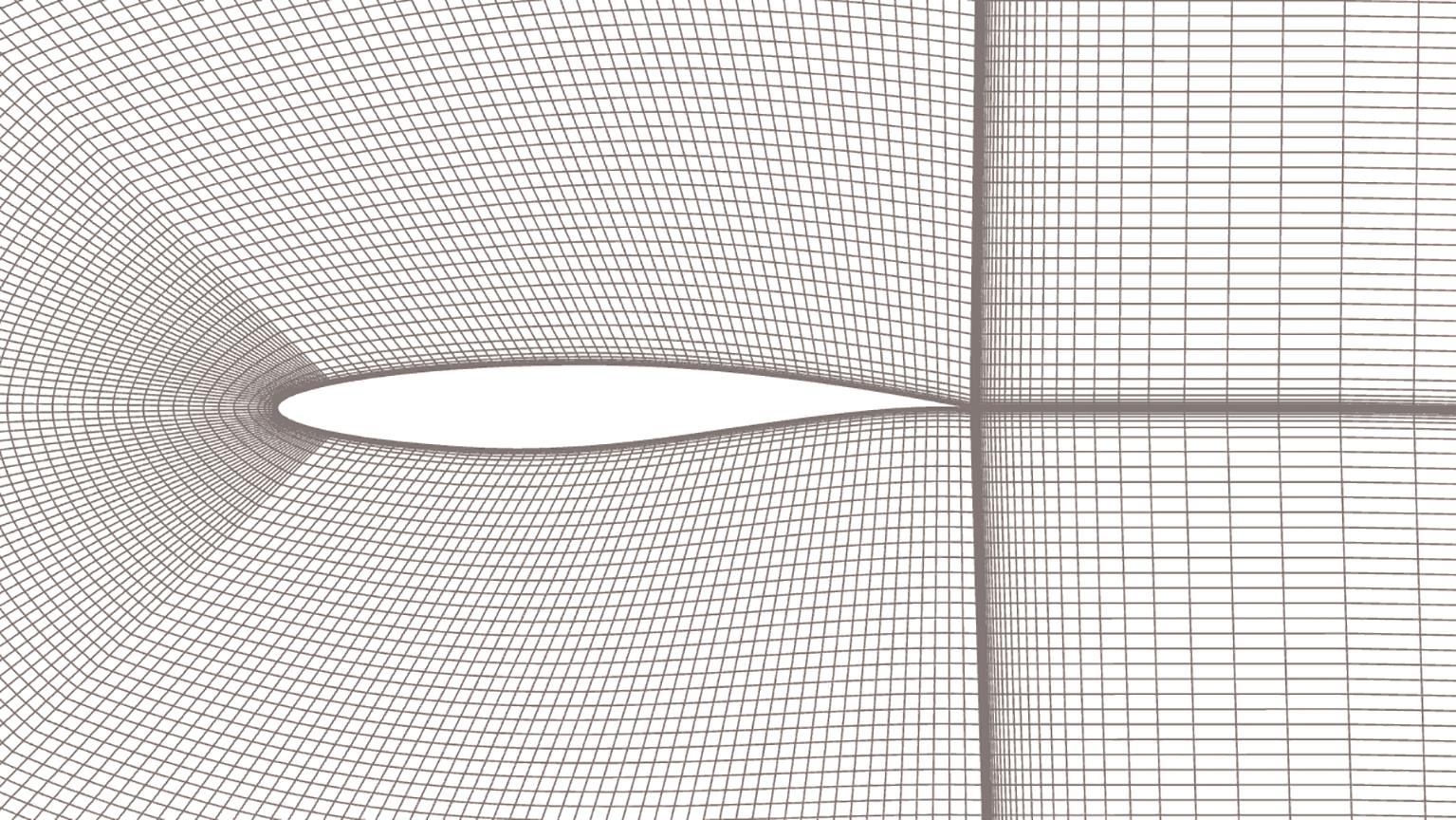
表1
RAE2822设计工况下升力系数、阻力系数计算结果对比
| 类型 | 升力系数 | 阻力系数 | ||
|---|---|---|---|---|
| 数值 | 相对误差/% | 数值 | 相对误差/% | |
| 试验值 | 0.803 0 | 0.016 8 | ||
| 数值模拟值 | 0.763 7 | 4.894 1 | 0.017 2 | 2.381 0 |
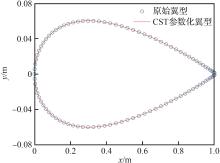
图 2
原始翼型曲线与CST参数化拟合翼型曲线对比
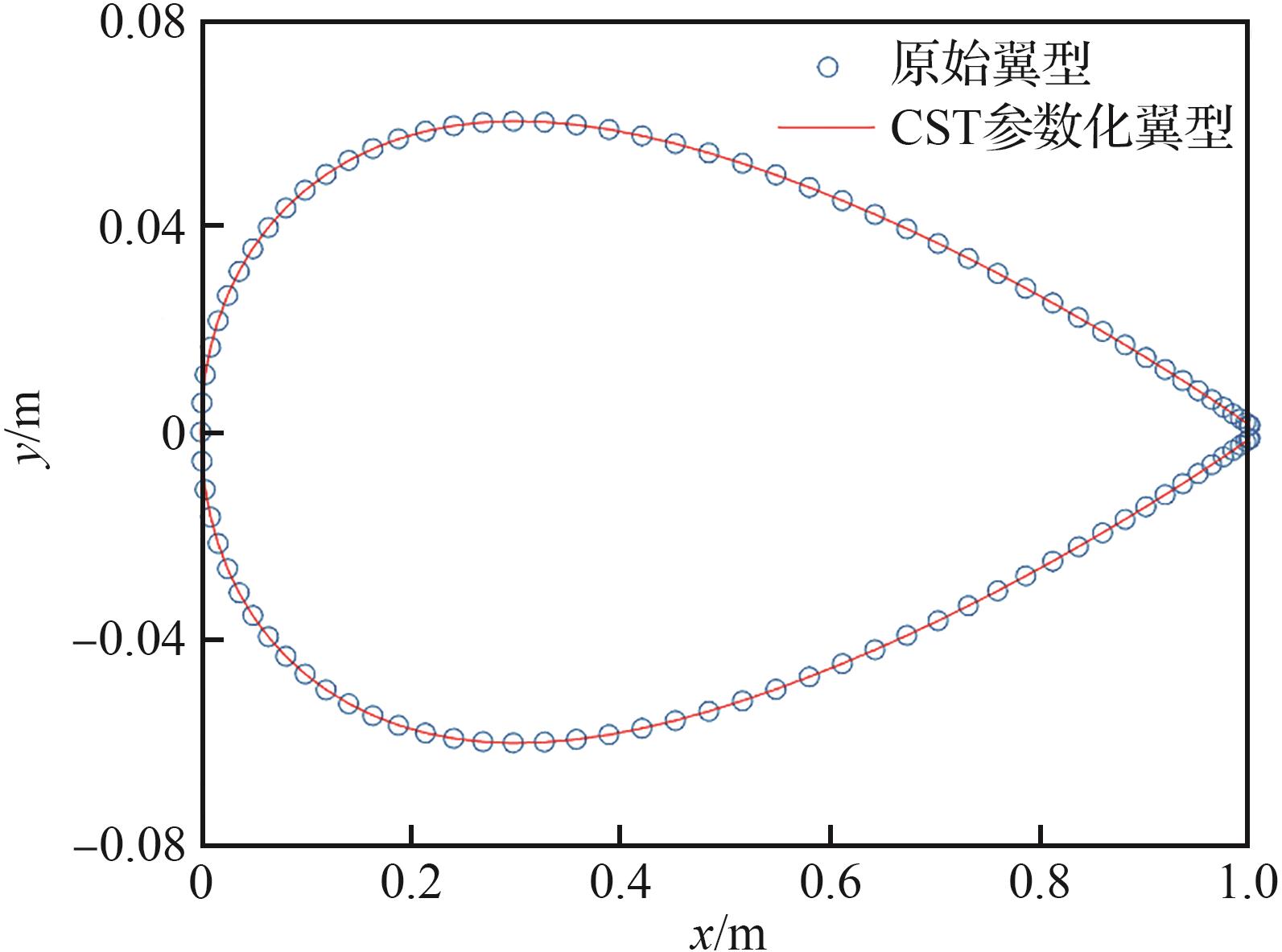
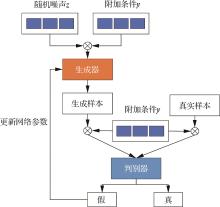
图 3
CGAN结构图
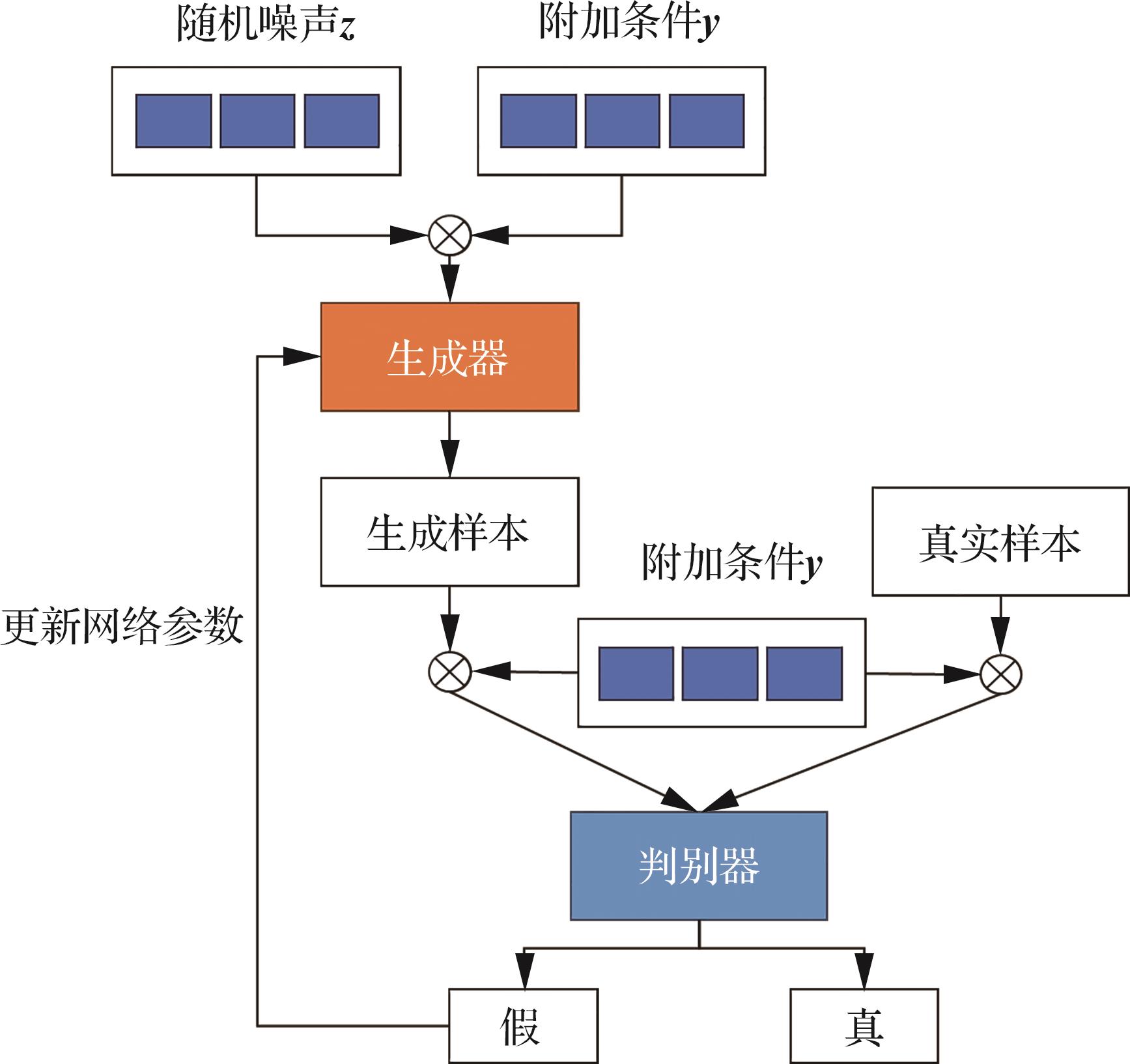
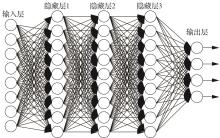
图 4
深度神经网络结构示意图
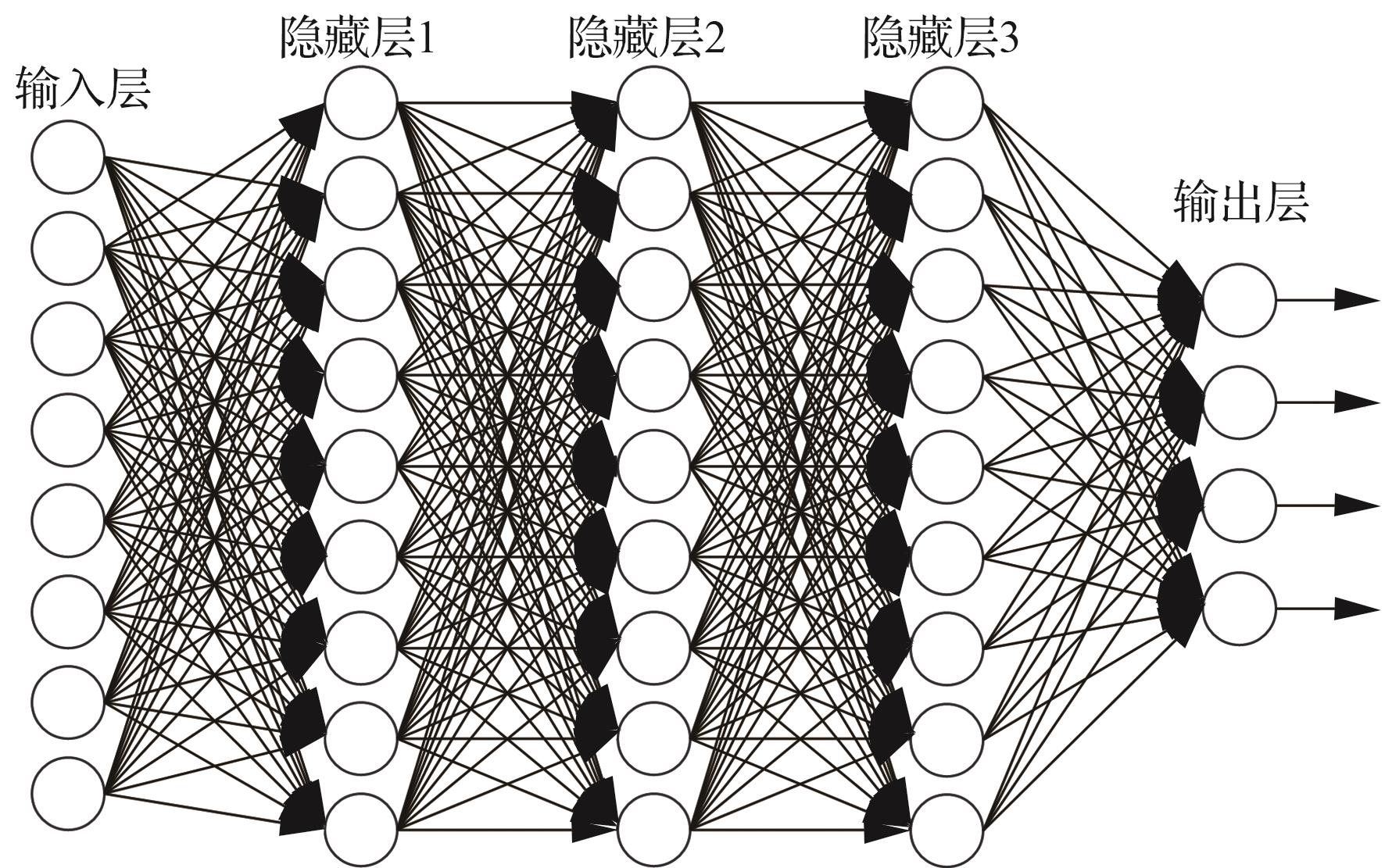
图 5
深度神经网络向前传播示意图
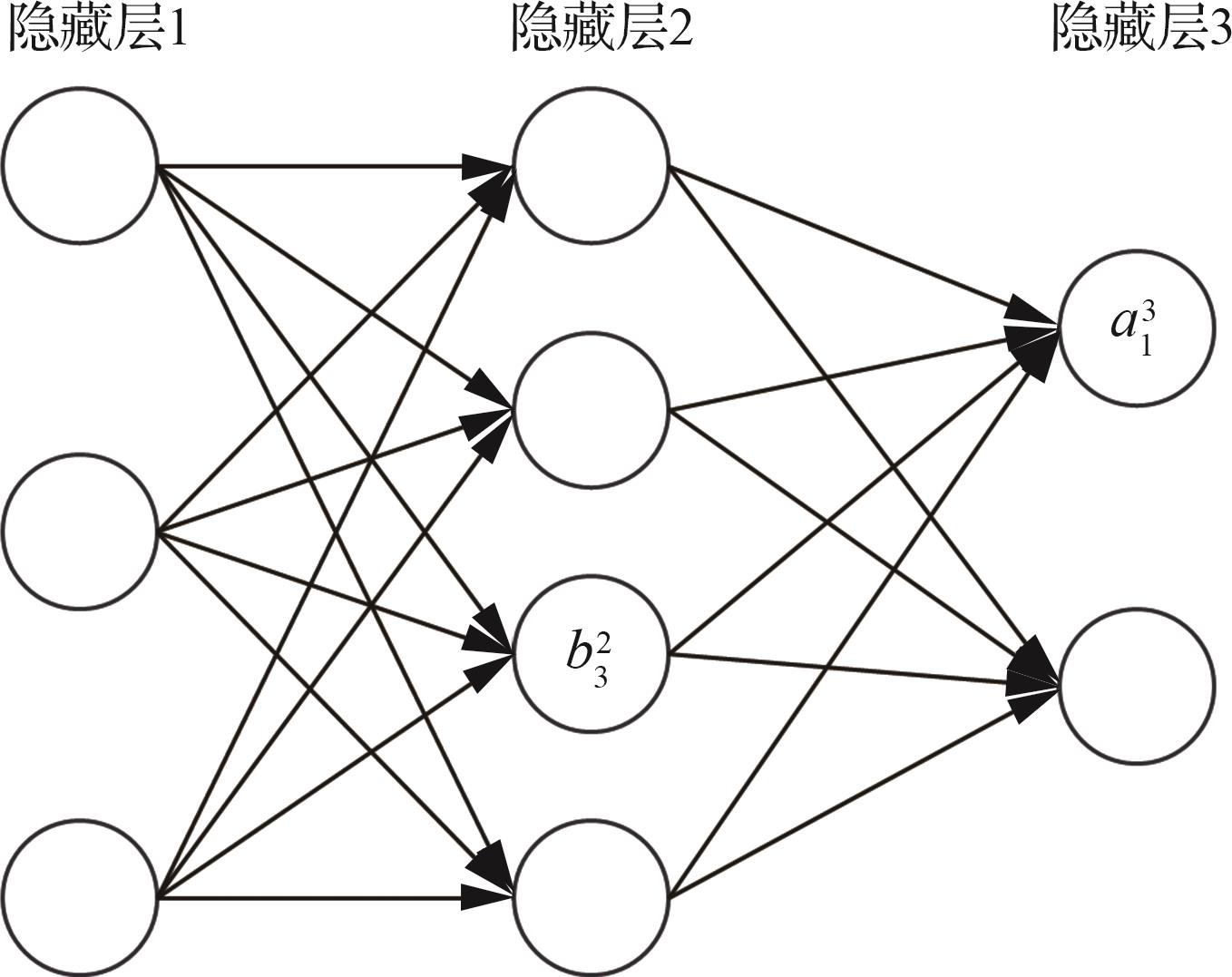
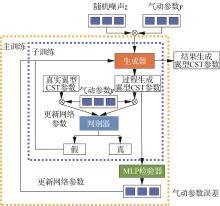
图 6
TT-CGAN结构图
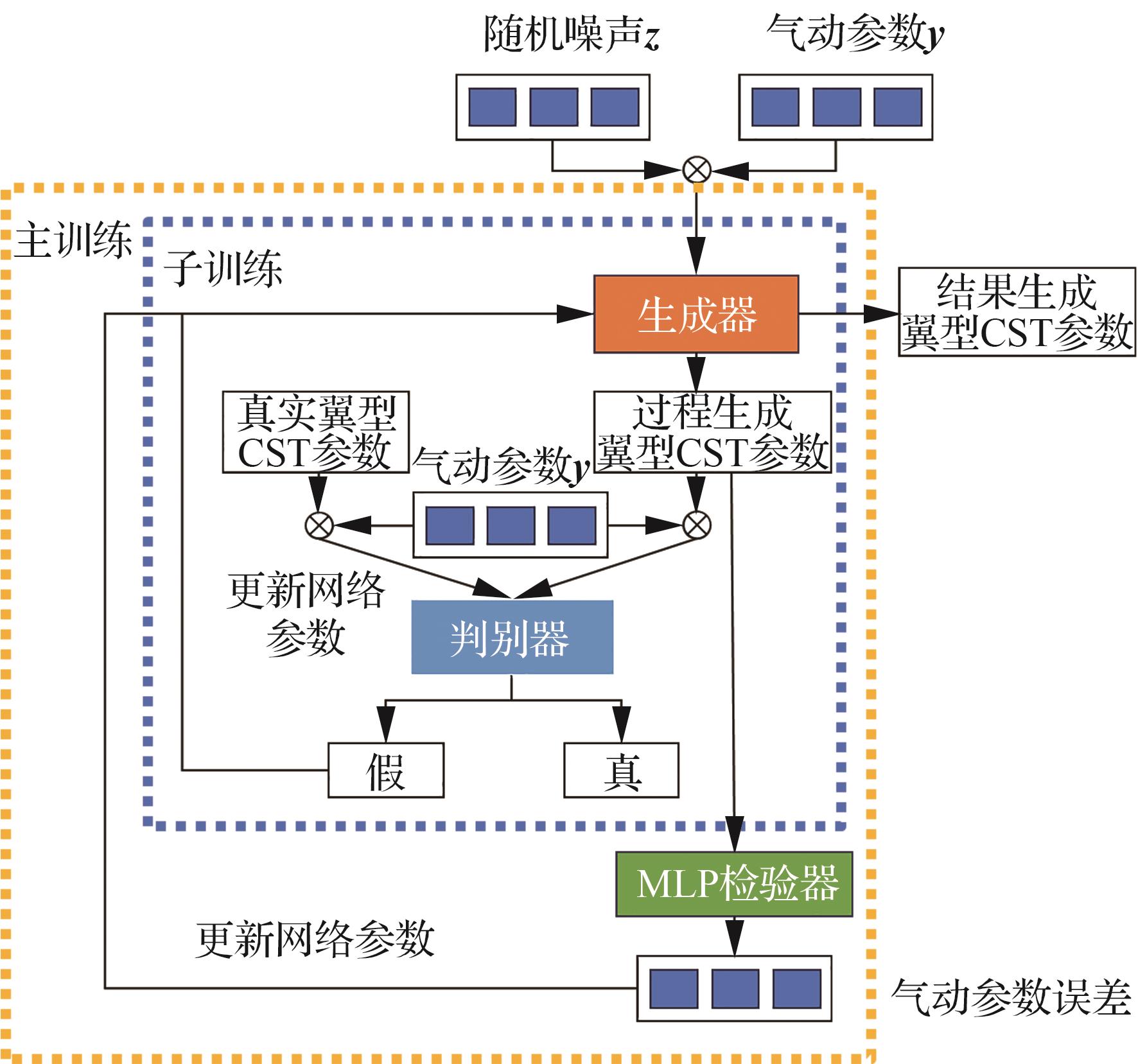
图 7
TT-CGAN流程图
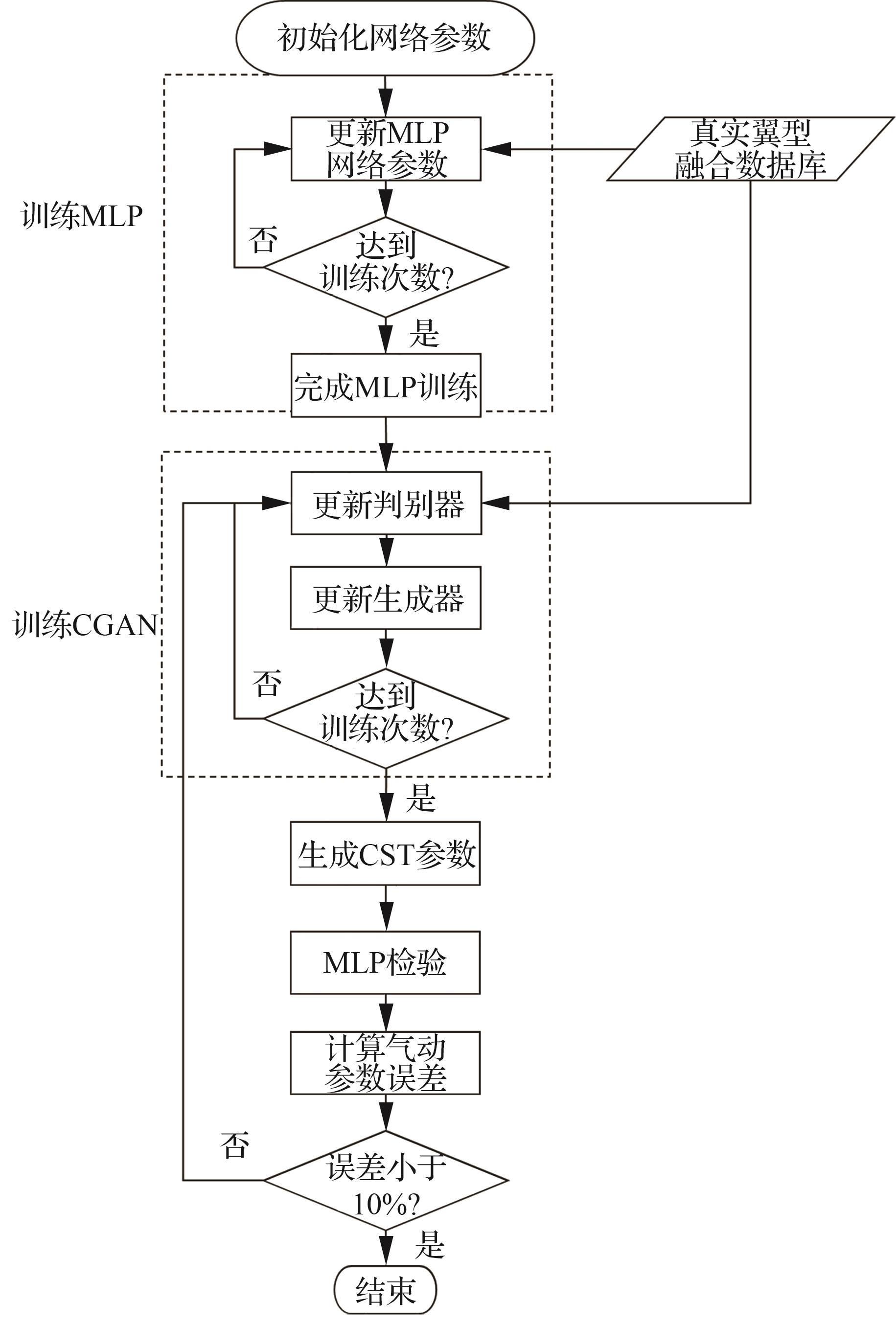
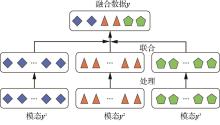
图 8
特征级联合融合示意图
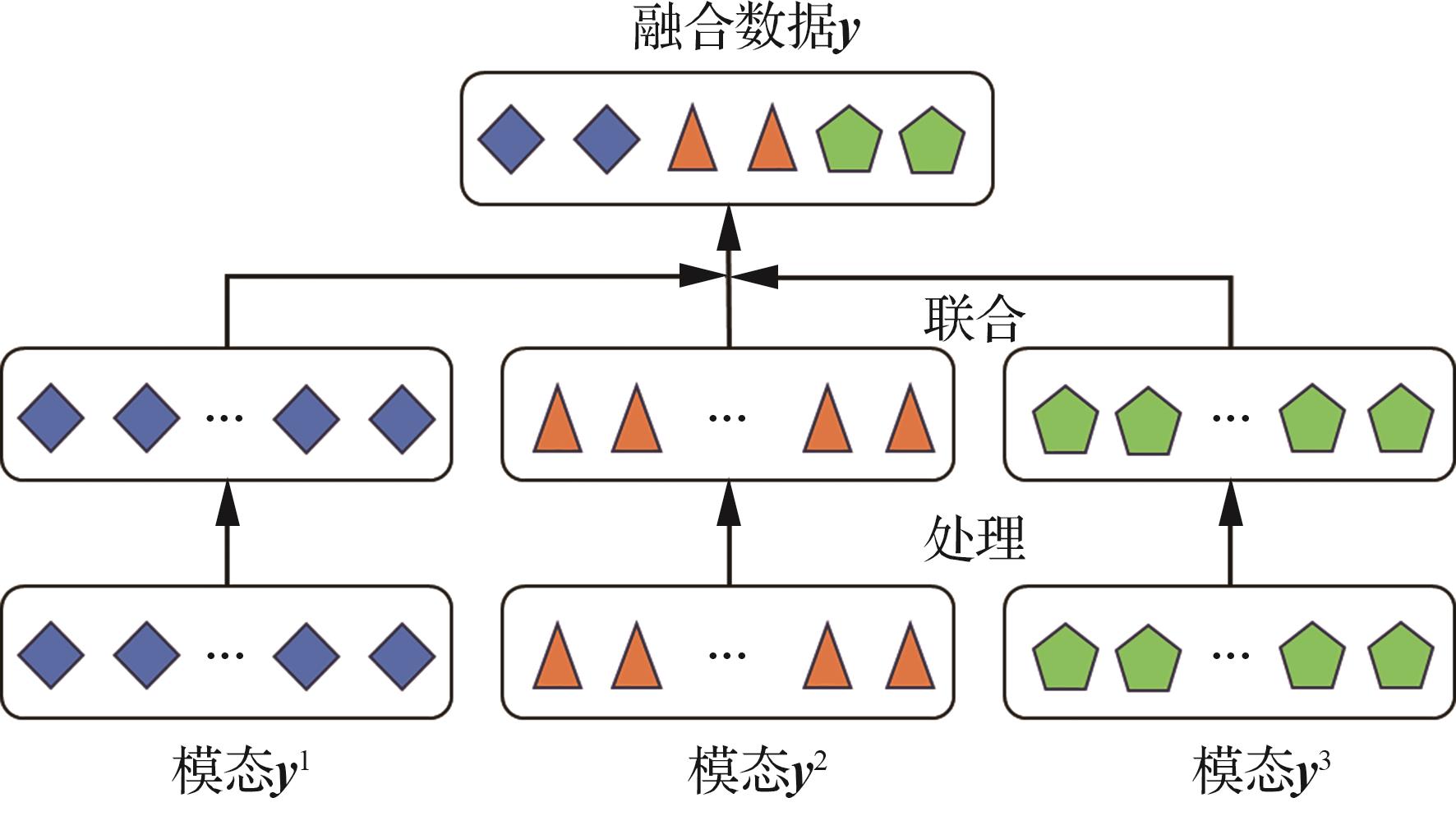
图 9
原始曲线和插值曲线对比图
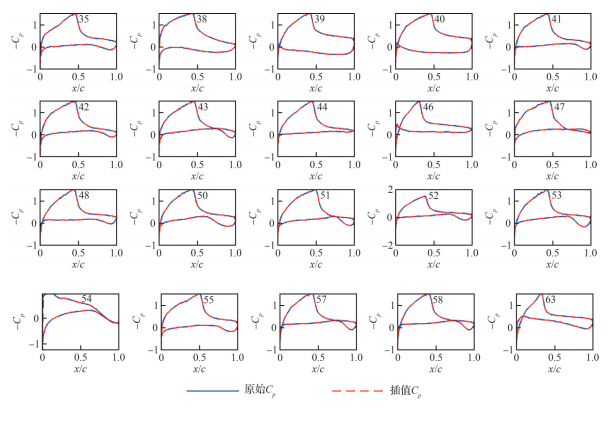
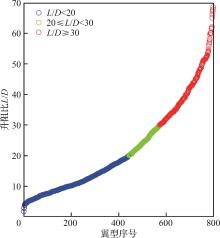
图 10
数据库各翼型升阻比分布图
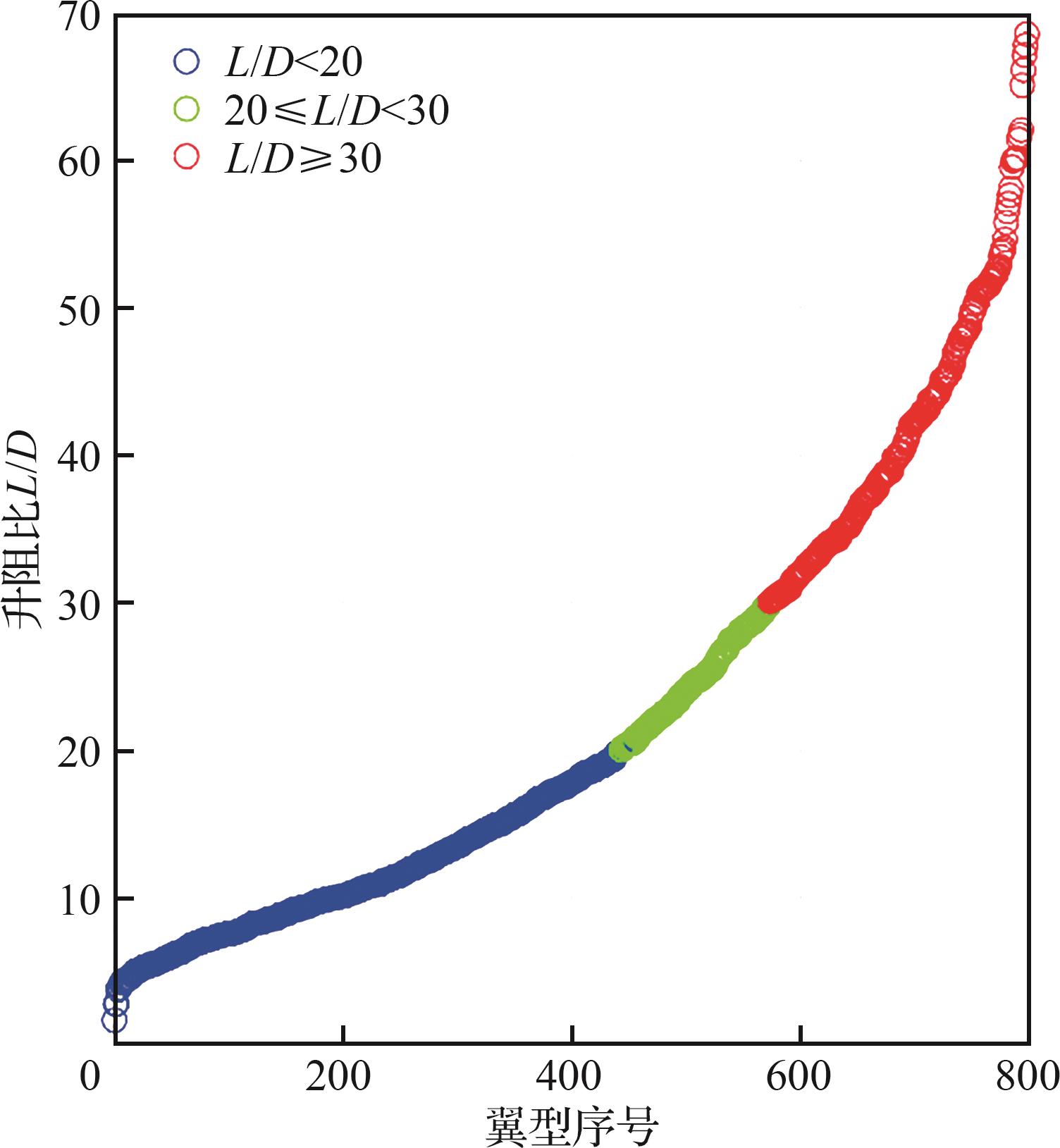
表2
TT-CGAN结构
| 网络名称 | 网络层 | 神经元数目 | 激活函数 |
|---|---|---|---|
| 生成器 | 隐藏层1 | 200 | ReLU |
| 隐藏层2 | 100 | ReLU | |
| 隐藏层3 | 50 | ReLU | |
| 输出层 | 14 | tanh | |
| 判别器 | 隐藏层1 | 500 | LeakyReLU |
| 隐藏层2 | 200 | LeakyReLU | |
| 隐藏层3 | 100 | LeakyReLU | |
| 输出层 | 1 | Sigmoid | |
| 检验器 | 隐藏层1 | 64 | ReLU |
| 隐藏层1 | 128 | ReLU | |
| 隐藏层2 | 80 | ReLU | |
| 隐藏层3 | 20 | ReLU | |
| 输出层 | 2 | ReLU |
表3
TT-CGAN超参数
| 网络 | 批次 | 学习率 | 迭代 | 优化器 | 损失函数 |
|---|---|---|---|---|---|
| CGAN | 16 | 0.000 1 | 20 000 | Adam | 二元交叉熵损失 |
| MLP | 16 | 0.000 1 | 5 000 | Adam | 均方误差 |
图 11
多次主训练下Net1预测结果经MLP检验的平均相对误差
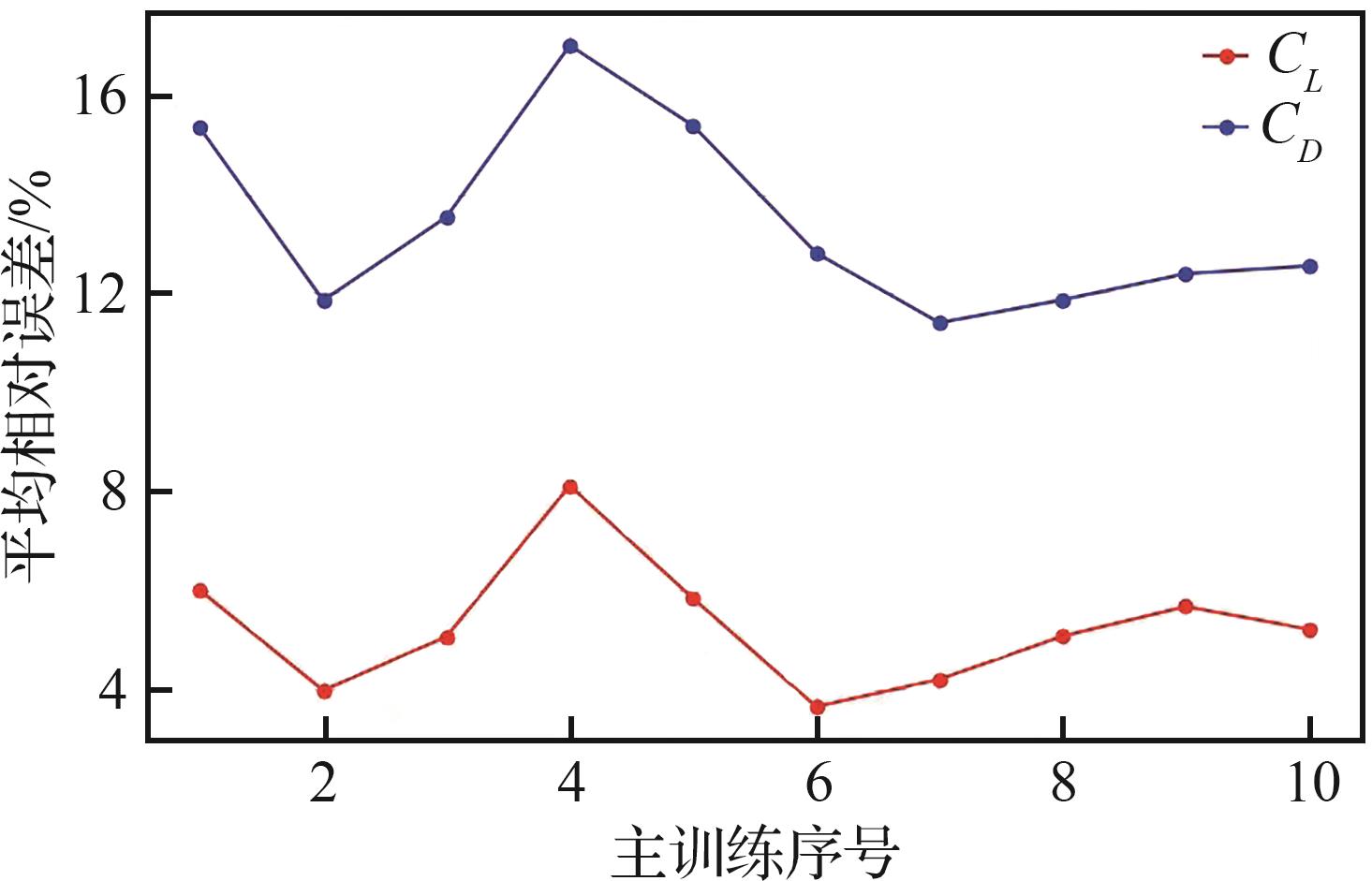
表4
MLP检验器预测结果
| 翼型来源 | 平均相对误差/% | |
|---|---|---|
| Net1 | 4.196 7 | 11.403 9 |
| Net2 | 3.909 7 | 7.303 5 |
图 12
Net1生成翼型与原始翼型对比
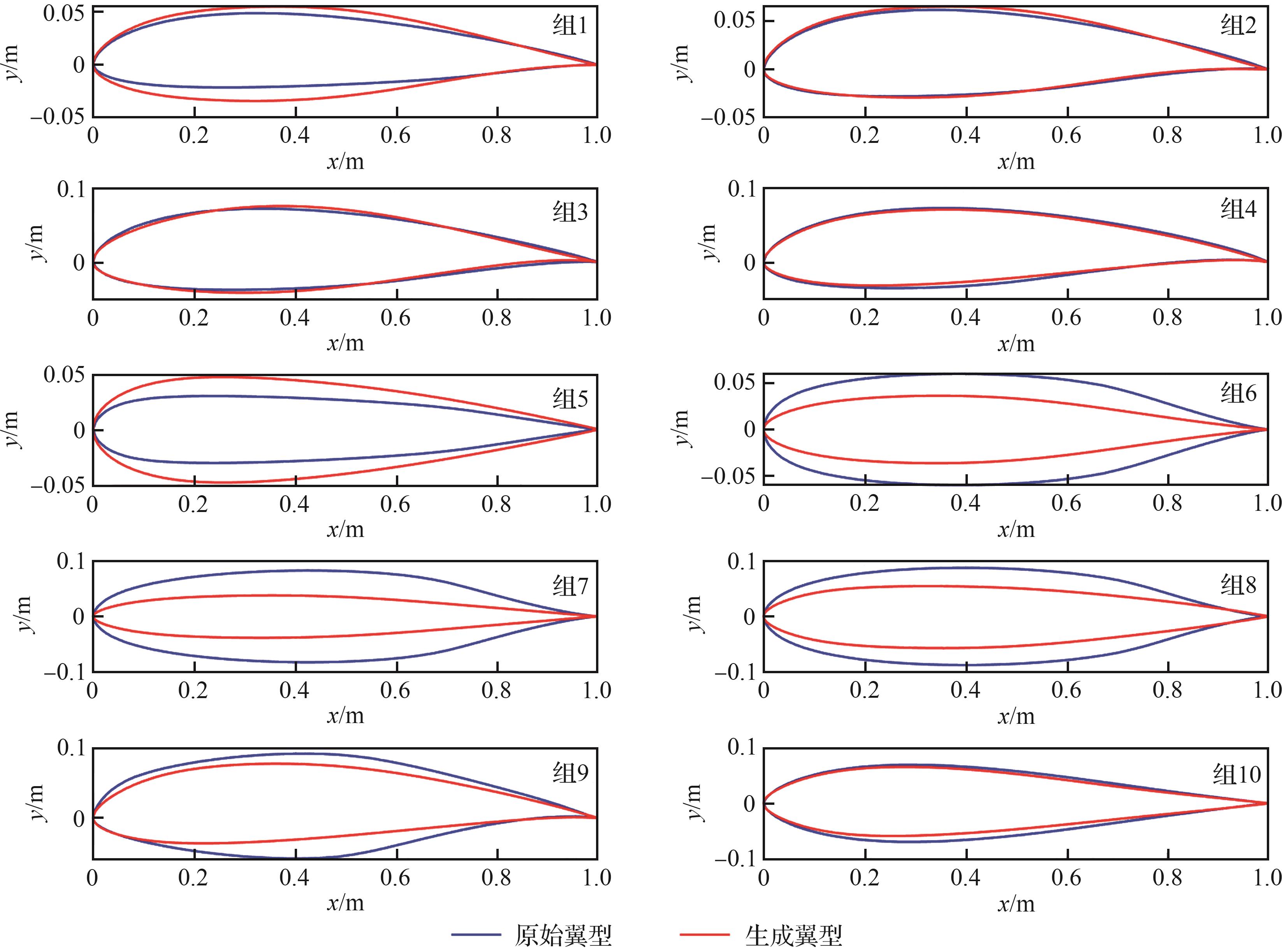
图 13
Net2生成翼型与原始翼型对比
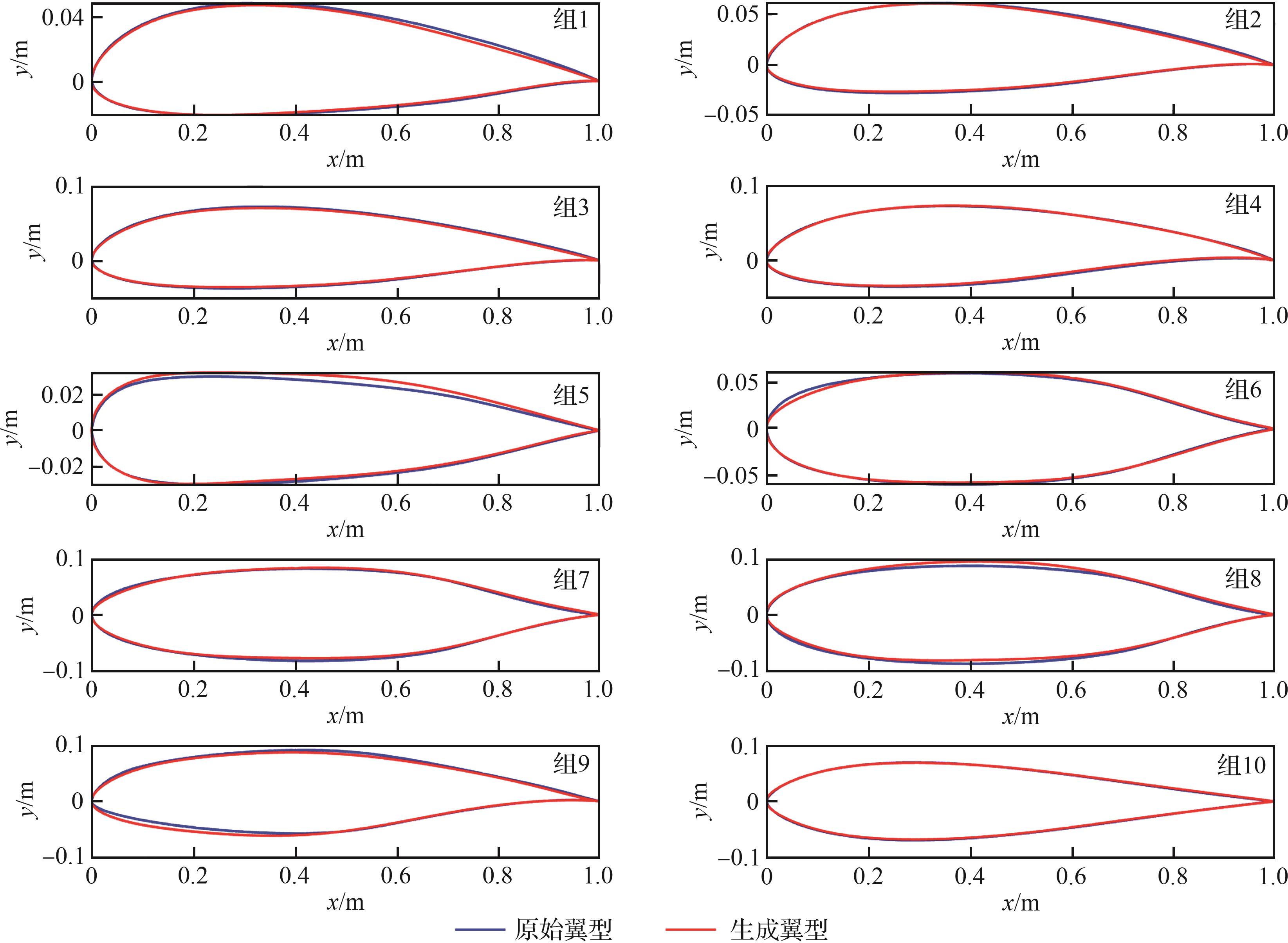
图 14
Net1、Net2生成翼型误差直方图
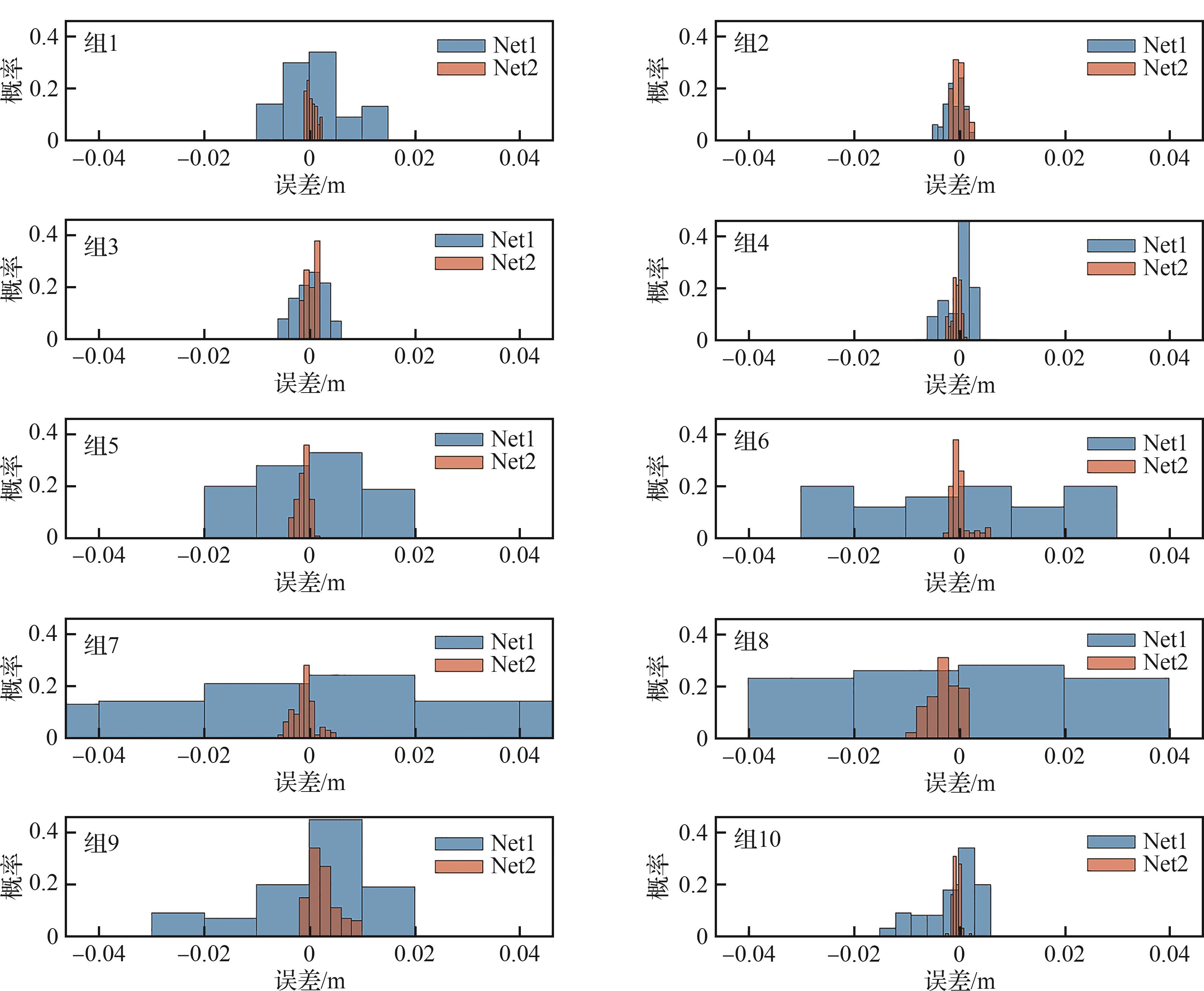
表5
Net1、Net2生成翼型与原始翼型误差对比
| 网络名称 | 平均 | 平均 |
|---|---|---|
| Net1 | 10.650 | 8.455 |
| Net2 | 1.779 | 1.351 |
表6
Net2网络生成翼型数值模拟验证结果
| 翼型序号 | 设计值 | 数值模拟值 | 相对误差/% | |||
|---|---|---|---|---|---|---|
| CL | CD | CL | CD | CL | CD | |
| 1 | 0.703 0 | 0.014 2 | 0.719 2 | 0.014 1 | 2.261 0 | 0.198 2 |
| 2 | 0.828 6 | 0.021 2 | 0.843 8 | 0.021 0 | 1.791 7 | 0.911 0 |
| 3 | 0.801 4 | 0.026 9 | 0.807 4 | 0.026 7 | 0.744 0 | 0.750 3 |
| 4 | 0.922 6 | 0.030 9 | 0.920 2 | 0.029 8 | 0.256 8 | 3.609 4 |
| 5 | 0.505 6 | 0.016 6 | 0.461 1 | 0.016 3 | 9.642 6 | 1.792 8 |
| 6 | 0.482 7 | 0.011 6 | 0.486 5 | 0.014 2 | 0.787 2 | 18.050 6 |
| 7 | 0.472 3 | 0.014 6 | 0.451 1 | 0.014 0 | 4.688 7 | 4.627 8 |
| 8 | 0.440 3 | 0.016 7 | 0.402 0 | 0.016 6 | 9.520 6 | 0.289 0 |
| 9 | 0.776 8 | 0.031 4 | 0.813 3 | 0.029 6 | 4.483 9 | 5.989 7 |
| 10 | 0.467 3 | 0.021 8 | 0.458 9 | 0.021 6 | 1.821 5 | 1.020 6 |
图 15
各翼型升阻比分布
| 1 | 卜月鹏, 宋文萍, 韩忠华, 等. 基于CST参数化方法的翼型气动优化设计[J]. 西北工业大学学报, 2013, 31(5): 829-836. |
| BU Y P, SONG W P, HAN Z H, et al. Aerodynamic optimization design of airfoil based on CST parameterization method[J]. Journal of Northwestern Polytechnical University, 2013, 31(5): 829-836 (in Chinese). | |
| 2 | 王清, 招启军. 基于遗传算法的旋翼翼型综合气动优化设计[J]. 航空动力学报, 2016, 31(6): 1486-1495. |
| WANG Q, ZHAO Q J. Synthetical optimization design of rotor airfoil by genetic algorithm[J]. Journal of Aerospace Power, 2016, 31(6): 1486-1495 (in Chinese). | |
| 3 | 韩忠华, 许晨舟, 乔建领, 等. 基于代理模型的高效全局气动优化设计方法研究进展[J]. 航空学报, 2020, 41(5): 623344. |
| HAN Z H, XU C Z, QIAO J L, et al. Recent progress of efficient global aerodynamic shape optimization using surrogate-based approach[J]. Acta Aeronautica et Astronautica Sinica, 2020, 41(5): 623344 (in Chinese). | |
| 4 | 白俊强, 雷锐午, 杨体浩, 等. 基于伴随理论的大型客机气动优化设计研究进展[J]. 航空学报, 2019, 40(1): 522642. |
| BAI J Q, LEI R W, YANG T H, et al. Progress of adjoint-based aerodynamic optimization design for large civil aircraft[J]. Acta Aeronautica et Astronautica Sinica, 2019, 40(1): 522642 (in Chinese). | |
| 5 | 夏露, 常彦鑫, 张龙. 改进的模拟退火算法在翼型设计中的应用[J]. 飞行力学, 2008, 26(1): 71-74. |
| XIA L, CHANG Y X, ZHANG L. The application of an improved simulated annealing algorithm to airfoil design[J]. Flight Dynamics, 2008, 26(1): 71-74 (in Chinese). | |
| 6 | 许瑞飞, 邓一菊, 钱瑞战. 气动优化设计及其对CFD的需求[J]. 航空科学技术, 2011, 22(2): 50-52. |
| XU R F, DENG Y J, QIAN R Z. Aerodynamic optimzation design and its requirement to CFD[J]. Aeronautical Science & Technology, 2011, 22(2): 50-52 (in Chinese). | |
| 7 | 穆雪峰. 多学科设计优化代理模型技术的研究和应用[D]. 南京: 南京航空航天大学, 2004. |
| MU X F. Research and application of multidisciplinary design optimization agent model technology[D]. Nanjing: Nanjing University of Aeronautics and Astronautics, 2004 (in Chinese). | |
| 8 | 韩忠华. Kriging模型及代理优化算法研究进展[J]. 航空学报, 2016, 37(11): 3197-3225. |
| HAN Z H. Kriging surrogate model and its application to design optimization: a review of recent progress[J]. Acta Aeronautica et Astronautica Sinica, 2016, 37(11): 3197-3225 (in Chinese). | |
| 9 | 郭丽丽, 丁世飞. 深度学习研究进展[J]. 计算机科学, 2015, 42(5): 28-33. |
| GUO L L, DING S F. Research progress on deep learning[J]. Computer Science, 2015, 42(5): 28-33 (in Chinese). | |
| 10 | 廖鹏, 姚磊江, 白国栋, 等. 基于深度学习的混合翼型前缘压力分布预测[J]. 航空动力学报, 2019, 34(8): 1751-1758. |
| LIAO P, YAO L J, BAI G D, et al. Prediction of hybrid airfoil leading edge pressure distribution based on deep learning[J]. Journal of Aerospace Power, 2019, 34(8): 1751-1758 (in Chinese). | |
| 11 | 陈海, 钱炜祺, 何磊. 基于深度学习的翼型气动系数预测[J]. 空气动力学学报, 2018, 36(2): 294-299. |
| CHEN H, QIAN W Q, HE L. Aerodynamic coefficient prediction of airfoils based on deep learning[J]. Acta Aerodynamica Sinica, 2018, 36(2): 294-299 (in Chinese). | |
| 12 | TAO J, SUN G. An artificial neural network approach for aerodynamic performance retention in airframe noise reduction design of a 3D swept wing model[J]. Chinese Journal of Aeronautics, 2016, 29(5): 1213-1225. |
| 13 | 王超杰, 何磊, 李川, 等. 基于注意力机制的翼型反设计方法[J]. 航空动力学报, 2025, 40(1): 20230106. |
| WANG C J, HE L, LI C, et al. Airfoil reverse design method based on self-attention mechanism[J]. Journal of Aerospace Power, 2025, 40(1): 20230106 (in Chinese). | |
| 14 | 赵国庆, 招启军. 基于目标压力分布的旋翼先进气动外形反设计分析方法[J]. 航空学报, 2014, 35(3): 744-755. |
| ZHAO G Q, ZHAO Q J. Inverse design analysis method on rotor with advanced aerodynamic configuration based upon target pressure distribution[J]. Acta Aeronautica et Astronautica Sinica, 2014, 35(3): 744-755 (in Chinese). | |
| 15 | LIGHTHILL M J. A new method of two-dimensional aerodynamic design[R]. London: Aeronautical Research Council, 1945. |
| 16 | STEGER J L, KLINEBERG J M. A finite-difference method for transonic airfoil design[J]. AIAA Journal, 1973, 11(5): 628-635. |
| 17 | CARLSON L A. Transonic airfoil analysis and design using Cartesian coordinates[J]. Journal of Aircraft, 1976, 13(5): 349-356. |
| 18 | SOBIECZKY H, YU N J, FUNG K Y, et al. New method for designing shock-free transonic configurations[J]. AIAA Journal, 1979, 17(7): 722-729. |
| 19 | TAKANASHI S. Iterative three-dimensional transonic wing design using integral equations[J]. Journal of Aircraft, 1985, 22(8): 655-660. |
| 20 | HENNE P A. Inverse transonic wing design method[J]. Journal of Aircraft, 1981, 18(2): 121-127. |
| 21 | CAMPBELL R, SMITH L. A hybrid algorithm for transonic airfoil and wing design[C]∥5th Applied Aerodynamics Conference. Reston: AIAA, 1987. |
| 22 | 华俊, 张仲寅, 乔志德, 等. 一种跨声速翼型设计方法及设计诸例[J]. 空气动力学学报, 1990, 8(2): 117-123. |
| HUA J, ZHANG Z Y, QIAO Z D, et al. A transonic airfoil design method and examples[J]. Acta Aerodynamica Sinica, 1990, 8(2): 117-123 (in Chinese). | |
| 23 | 白俊强, 华俊, 张仲寅. 基于欧拉方程的跨声速翼型设计[J]. 空气动力学学报, 1997, 15(4): 458-449, 460-461. |
| BAI J Q, HUA J, ZHANG Z Y. Transonic airfoil design using Euler equations[J]. Acta Aerodynamica Sinica, 1997, 15(4): 458-449, 460-461 (in Chinese). | |
| 24 | 詹浩, 华俊, 张仲寅. 基于余量修正原理的多翼面气动力反设计方法[J]. 航空学报, 2003, 24(5): 411-413. |
| ZHAN H, HUA J, ZHANG Z Y. Design of multi-lifting surfaces based on iterative residual correction[J]. Acta Aeronautica et Astronautica Sinica, 2003, 24(5): 411-413 (in Chinese). | |
| 25 | BUI-THANH T, DAMODARAN M, WILLCOX K. Aerodynamic data reconstruction and inverse design using proper orthogonal decomposition[J]. AIAA Journal, 2004, 42(8): 1505-1516. |
| 26 | 白俊强, 邱亚松, 华俊. 改进型Gappy POD翼型反设计方法[J]. 航空学报, 2013, 34(4): 762-771. |
| BAI J Q, QIU Y S, HUA J. Improved airfoil inverse design method based on gappy POD[J]. Acta Aeronautica et Astronautica Sinica, 2013, 34(4): 762-771 (in Chinese). | |
| 27 | 宋超, 刘红阳, 周铸, 等. 基于生成拓扑映射的气动外形反设计方法研究[J]. 西北工业大学学报, 2022, 40(4): 837-844. |
| SONG C, LIU H Y, ZHOU Z, et al. Inverse design of aerodynamic configuration using generative topographic mapping[J]. Journal of Northwestern Polytechnical University, 2022, 40(4): 837-844 (in Chinese). | |
| 28 | 吴秋雨. 基于生成式对抗网络的气动外形优化方法研究[D]. 成都: 电子科技大学, 2021. |
| WU Q Y. Research on aerodynamic shape optimization method based on generative countermeasure network[D]. Chengdu: University of Electronic Science and Technology of China, 2021 (in Chinese). | |
| 29 | SEKAR V, ZHANG M Q, SHU C, et al. Inverse design of airfoil using a deep convolutional neural network[J]. AIAA Journal, 2019, 57(3): 993-1003. |
| 30 | 何磊, 钱炜祺, 刘滔, 等. 基于深度学习的翼型反设计方法[J]. 航空动力学报, 2020, 35(9): 1909-1917. |
| HE L, QIAN W Q, LIU T, et al. Inverse design method of airfoil based on deep learning[J]. Journal of Aerospace Power, 2020, 35(9): 1909-1917 (in Chinese). | |
| 31 | 陈鹏, 李擎, 张德政, 等. 多模态学习方法综述[J]. 工程科学学报, 2020, 42(5): 557-569. |
| CHEN P, LI Q, ZHANG D Z, et al. A survey of multimodal machine learning[J]. Chinese Journal of Engineering, 2020, 42(5): 557-569 (in Chinese). | |
| 32 | 黄礼铿, 高正红, 张德虎. 基于变可信度代理模型的气动优化[J]. 空气动力学学报, 2013, 31(6): 783-788. |
| HUANG L K, GAO Z H, ZHANG D H. Aerodynamic optimization based on multi-fidelity surrogate[J]. Acta Aerodynamica Sinica, 2013, 31(6): 783-788 (in Chinese). | |
| 33 | 刘璟, 边枭, 徐冠峰, 等. 基于多可信度代理模型的尾喷管优化设计[J]. 航空工程进展, 2022, 13(6): 29-39. |
| LIU J, BIAN X, XU G F, et al. Optimal design of nozzle based on multi-fidelity surrogate model[J]. Advances in Aeronautical Science and Engineering, 2022, 13(6): 29-39 (in Chinese). | |
| 34 | 张立, 陈江涛, 熊芬芬, 等. 基于元学习的多可信度深度神经网络代理模型[J]. 机械工程学报, 2022, 58(1): 190-200. |
| ZHANG L, CHEN J T, XIONG F F, et al. Meta-learning based multi-fidelity deep neural networks metamodel method[J]. Journal of Mechanical Engineering, 2022, 58(1): 190-200 (in Chinese). | |
| 35 | 屈经国, 王强, 彭博, 等. 基于多模态融合的任意对称翼型结冰预测方法[J]. 航空动力学报, 2024, 39(1): 54-61. |
| QU J G, WANG Q, PENG B, et al. Icing prediction method for arbitrary symmetric airfoil using multimodal fusion[J]. Journal of Aerospace Power, 2024, 39(1): 54-61 (in Chinese). | |
| 36 | GAO J, LI P, CHEN Z K, et al. A survey on deep learning for multimodal data fusion[J]. Neural Computation, 2020, 32(5): 829-864. |
| 37 | 田洁华, 孙迪, 屈峰, 等. 基于CST-GAN的翼型参数化方法[J]. 航空学报, 2023, 44(18): 128280. |
| TIAN J H, SUN D, QU F, et al. Airfoil parameterization method based on CST-GAN[J]. Acta Aeronautica et Astronautica Sinica, 2023, 44(18): 128280 (in Chinese). | |
| 38 | JIN S Y, CHEN S S, CHE S Q, et al. Airfoil aerodynamic/stealth design based on conditional generative adversarial networks[J]. 2024, 36(7): 077146. |
| 39 | WANG Y Q, DENG L, WAN Y B, et al. An intelligent method for predicting the pressure coefficient curve of airfoil-based conditional generative adversarial networks[J]. IEEE Transactions on Neural Networks and Learning Systems, 2023, 34(7): 3538-3552. |
| 40 | REYNOLDS O. On the dynamical theory of incompressible viscous fluids and the determination of the criterion[J]. Philosophical Transactions of the Royal Society of London (A), 1895, 186: 123-164. |
| 41 | WILCOX D C. Turbulence modeling for CFD[J]. Anaheim: DCW Industries, 1998. |
| 42 | SAGAUT P. Large eddy simulation for incompressible flows: An introduction[M]. 3rd ed. Berlin, New York: Springer-Verlag, 2006 |
| 43 | 阎超, 禹建军, 李君哲. 热流CFD计算中格式和网格效应若干问题研究[J]. 空气动力学学报, 2006, 24(1): 125-130. |
| YAN C, YU J J, LI J Z. Scheme effect and grid dependency in CFD computations of heat transfer[J]. Acta Aerodynamica Sinica, 2006, 24(1): 125-130 (in Chinese). | |
| 44 | JIANG G S, SHU C W. Efficient implementation of weighted ENO schemes[J]. Journal of Computational Physics, 1996, 126(1): 202-228. |
| 45 | JAMESON A, YOON S. Lower-upper implicit schemes with multiple grids for the Euler equations[J]. AIAA Journal, 1987, 25(7): 929-935. |
| 46 | WRIGHT M J, CANDLER G V, PRAMPOLINI M. Data-parallel lower-upper relaxation method for the Navier-Stokes equations[J]. AIAA Journal, 1996, 34(7): 1371-1377. |
| 47 | SPALART P, ALLMARAS S. A one-equation turbulence model for aerodynamic flows[C]∥30th Aerospace Sciences Meeting and Exhibit. Reston: AIAA, 1992. |
| 48 | KULFAN B M, BUSSOLETTI J E. “Fundamental” parameteric geometry representations for aircraft component shapes[C]∥11th AIAA/ISSMO Multidisciplinary Analysis and Optimization Conference. Reston: AIAA, 2006. |
| 49 | KULFAN B M. Recent extensions and applications of the ‘CST’ universal parametric geometry representation method[J]. The Aeronautical Journal, 2010, 114(1153): 157-176. |
| 50 | KULFAN B M. A universal parametric geometry representation method-“CST”[C]∥45th AIAA Aerospace Sciences Meeting and Exhibit. Reston: AIAA, 2007. |
| 51 | 徐亚峰, 刘学军, 吕宏强. 基于CST参数化方法的翼型快速设计[J]. 航空计算技术, 2011, 41(5): 24-29, 33. |
| XU Y F, LIU X J, LV H Q. Fast airfoil design based on CST parameterization[J]. Aeronautical Computing Technique, 2011, 41(5): 24-29, 33 (in Chinese). | |
| 52 | 关晓辉, 李占科, 宋笔锋. CST气动外形参数化方法研究[J]. 航空学报, 2012, 33(4): 625-633. |
| GUAN X H, LI Z K, SONG B F. A study on CST aerodynamic shape parameterization method[J]. Acta Aeronautica et Astronautica Sinica, 2012, 33(4): 625-633 (in Chinese). | |
| 53 | MIRZA M, OSINDERO S. Conditional generative adversarial nets[DB/OL]. arXiv preprint:1411.1784, 2014. |
| 54 | 张虎成, 李雷孝, 刘东江. 多模态数据融合研究综述[J]. 计算机科学与探索, 2024, 18(10): 2501-2520. |
| ZHANG H C, LI L X, LIU D J. Survey of multimodal data fusion research[J]. Journal of Frontiers of Computer Science and Technology, 2024, 18(10): 2501-2520 (in Chinese). |
| [1] | 邢誉峰, 李玉婷. 矩形加筋板固有振动半解析分析方法[J]. 航空学报, 2025, 46(5): 531240-531240. |
| [2] | 张睿韬, 王聪, 陶俊, 王立悦, 孙刚. 基于潜在扩散模型的翼型参数化方法[J]. 航空学报, 2025, 46(10): 631180-631180. |
| [3] | 万冰, 陈军, 白菡尘. 基于等效热力过程的宽域冲压全流道性能设计方法[J]. 航空学报, 2024, 45(4): 128757-128757. |
| [4] | 金栢成, 田阔, 黄蕾. 曲面加筋结构拓扑优化结果参数化重构方法[J]. 航空学报, 2024, 45(24): 630586-630586. |
| [5] | 王科雷, 周洲, 郭佳豪, 李明浩. 分布式动力翼前飞状态动力/气动耦合特性[J]. 航空学报, 2024, 45(2): 128643-128643. |
| [6] | 王巍, 王浩, 周艾, 冯贺. 变弯度机翼外形与拓扑分步优化设计[J]. 航空学报, 2024, 45(18): 129990-129990. |
| [7] | 张长龙, 陈利, 王静, 岳万里, 史晓平. 圆顶形层联机织预制体参数化几何建模[J]. 航空学报, 2024, 45(16): 429556-429556. |
| [8] | 孟亮, 张靖, 王亚栋, 于洋, 张帆, 朱继宏, 张卫红. 发动机外涵道机匣加筋布局轻量化设计[J]. 航空学报, 2024, 45(11): 529021-529021. |
| [9] | 余婧, 蒋安林, 刘亮, 吴晓军, 桂业伟, 刘深深. 基于PCA降维的气动外形参数化方法[J]. 航空学报, 2024, 45(10): 129125-129125. |
| [10] | 崔凯鑫, 段广仁. 基于干扰观测器的一类组合航天器高阶全驱抗干扰控制[J]. 航空学报, 2024, 45(1): 628892-628892. |
| [11] | 田洁华, 孙迪, 屈峰, 白俊强. 基于CST⁃GAN的翼型参数化方法[J]. 航空学报, 2023, 44(18): 128280-128280. |
| [12] | 彭沛, 赵永平, 王雨玮. 一种快速自动挖掘航空发动机工作模式的新方法[J]. 航空学报, 2023, 44(11): 327659-327659. |
| [13] | 吴沐宸, 陈江涛, 夏侯唐凡, 赵炜, 刘宇. 非参数化概率盒下随机与认知不确定性的分离式 灵敏度分析[J]. 航空学报, 2023, 44(1): 226658-226658. |
| [14] | 李昊歌, 杨华, 杨雨欣, 陈伟芳. 高超声速升力体迎风面精细化降热优化设计[J]. 航空学报, 2022, 43(S2): 124-137. |
| [15] | 罗佳杰, 宋文滨. 层流机翼及其增升装置嵌套协同优化方法[J]. 航空学报, 2022, 43(8): 125377-125377. |
| 阅读次数 | ||||||
|
全文 |
|
|||||
|
摘要 |
|
|||||
版权所有 © 航空学报编辑部
版权所有 © 2011航空学报杂志社
主管单位:中国科学技术协会 主办单位:中国航空学会 北京航空航天大学

 CJA
CJA
