Acta Aeronautica et Astronautica Sinica ›› 2026, Vol. 47 ›› Issue (7): 632744.doi: 10.7527/S1000-6893.2025.32744
• Special Topic: Aircraft-Engine Integration Technology • Previous Articles
Sirui WANG, Xiaojuan SHI( ), Shihao JIANG, Honghu JI
Received:2025-09-01
Revised:2025-09-22
Accepted:2025-12-08
Online:2025-12-25
Published:2025-12-23
Contact:
Xiaojuan SHI
Supported by:CLC Number:
Sirui WANG, Xiaojuan SHI, Shihao JIANG, Honghu JI. Influence of aircraft afterbody on infrared radiation characteristics of S-shaped nozzles[J]. Acta Aeronautica et Astronautica Sinica, 2026, 47(7): 632744.
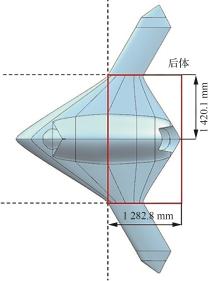
Fig.1
Aircraft model of flying wing layout vehicle
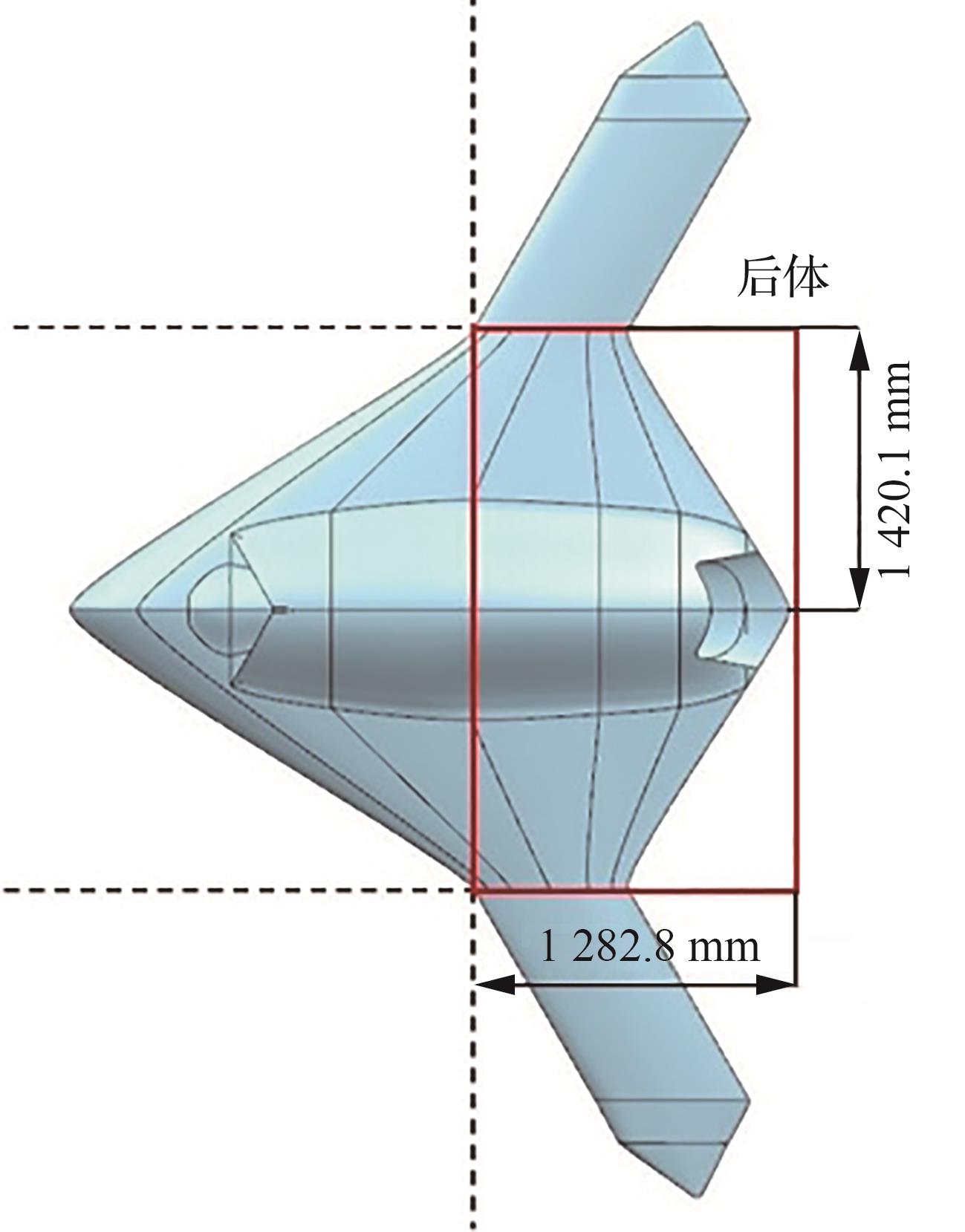
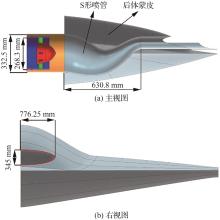
Fig.2
Schematic diagram of Model 1
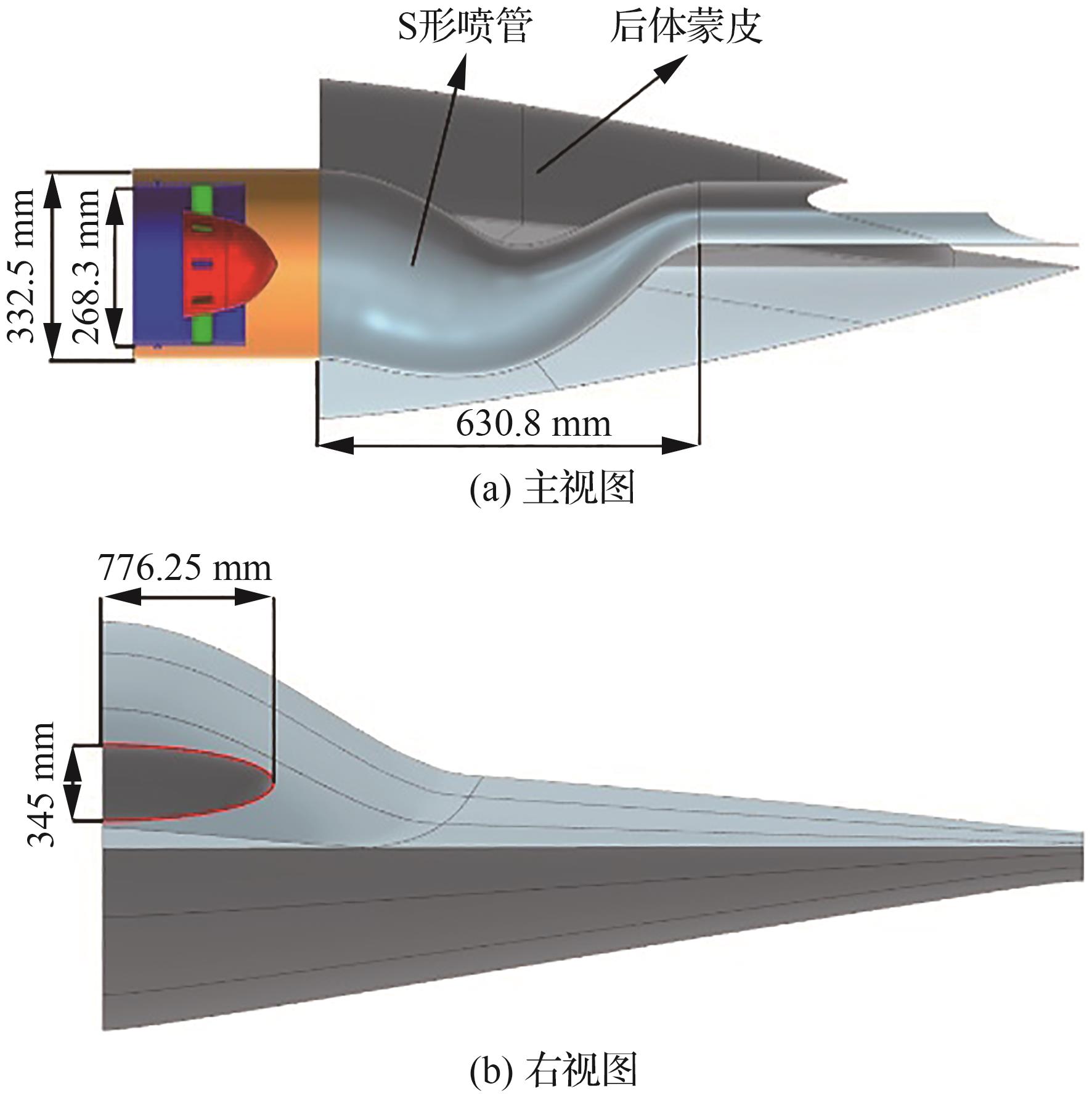
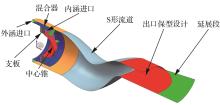
Fig.3
Schematic diagram of Model 2
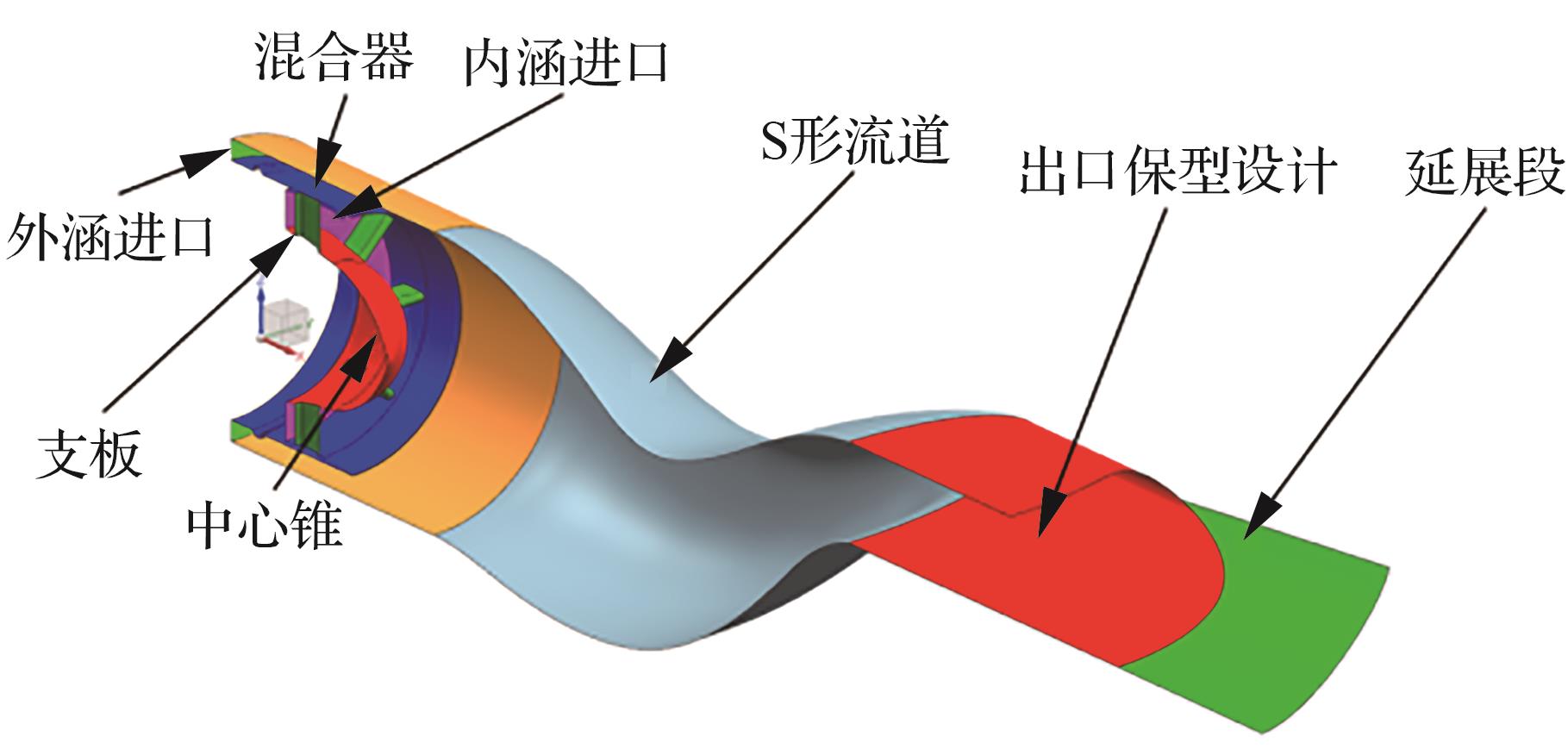
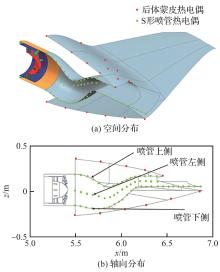
Fig.4
Test piece thermocouple arrangement
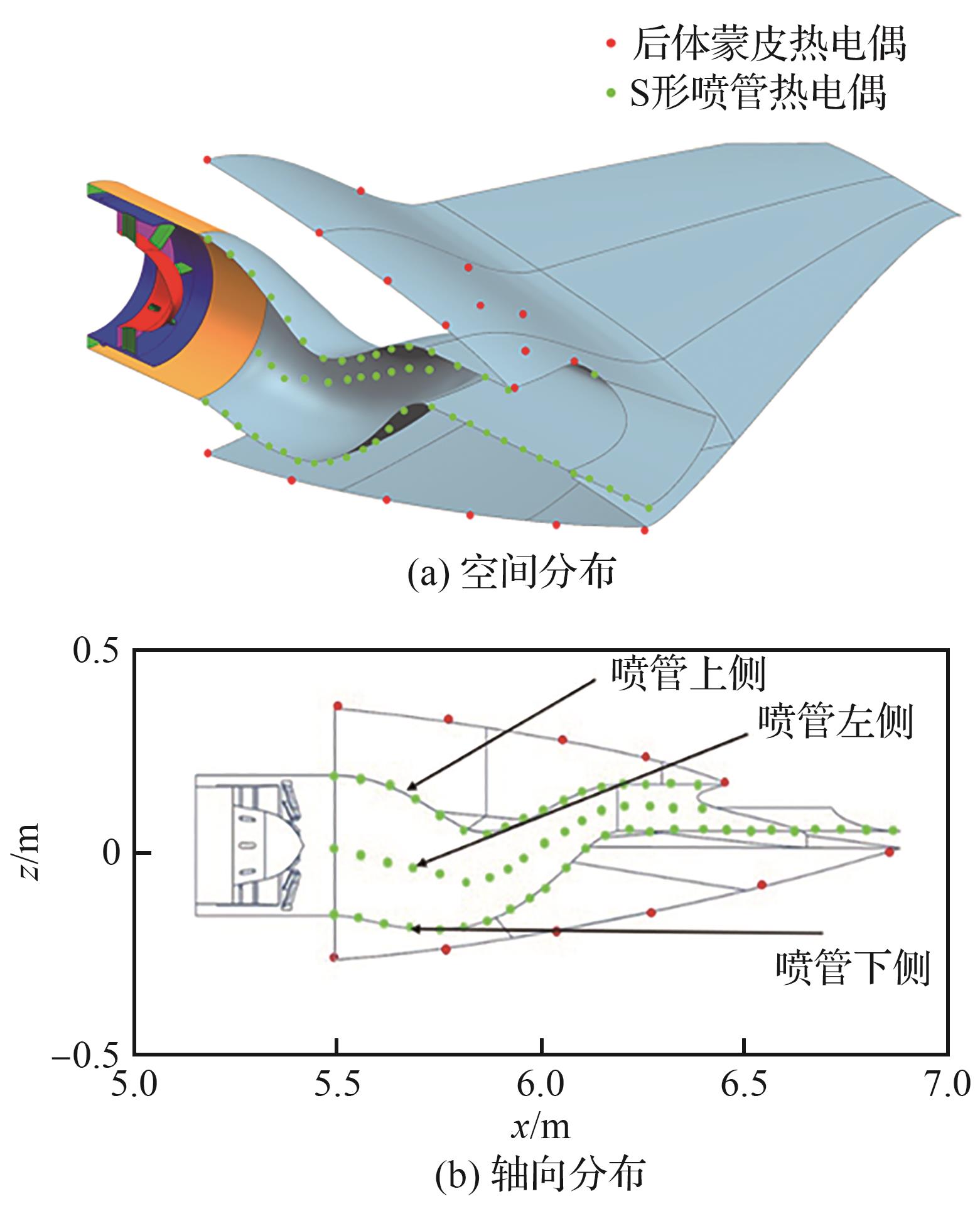
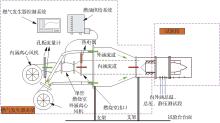
Fig.5
Schematic of experimental rig
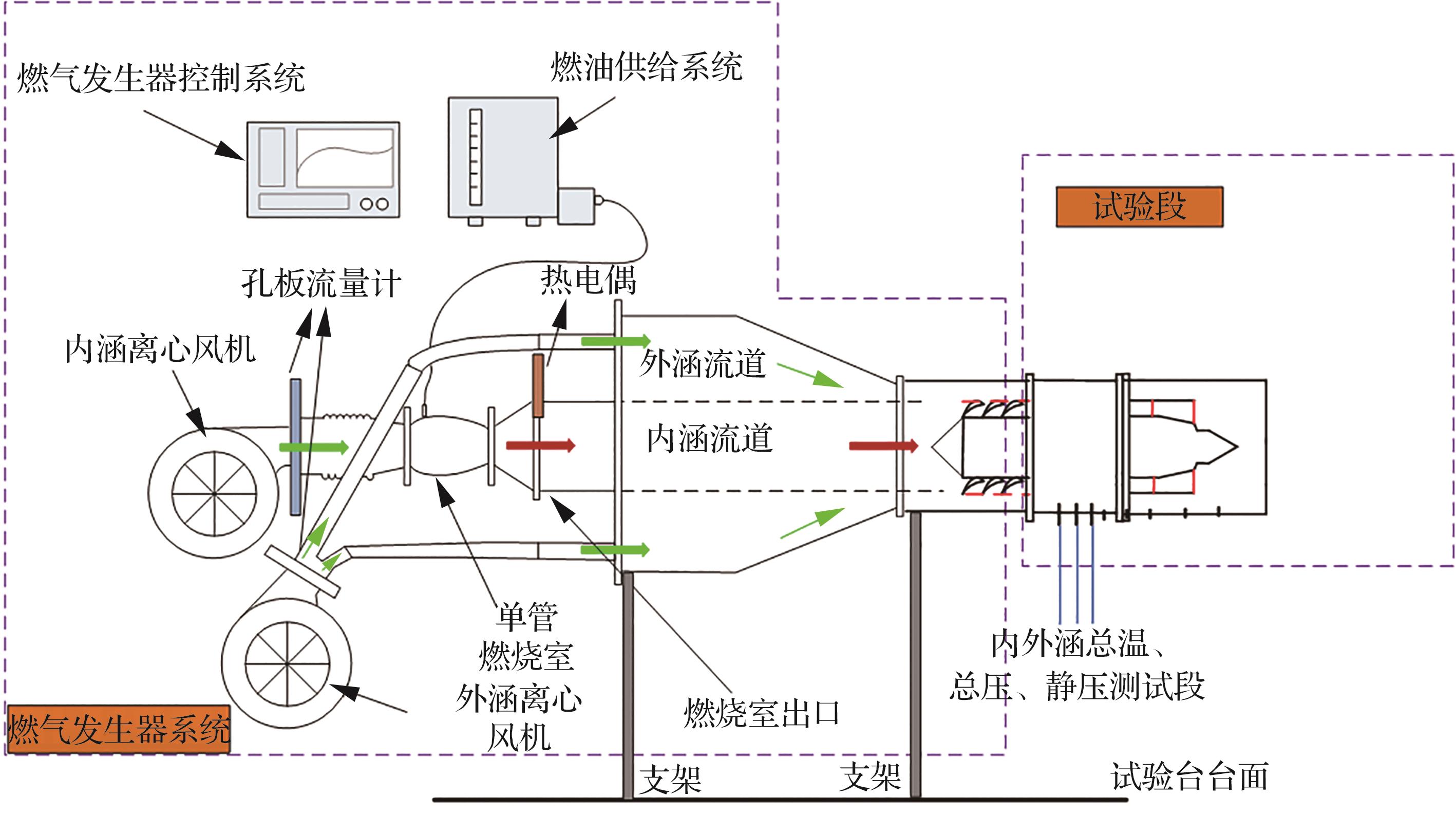
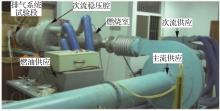
Fig.6
Gas generation system
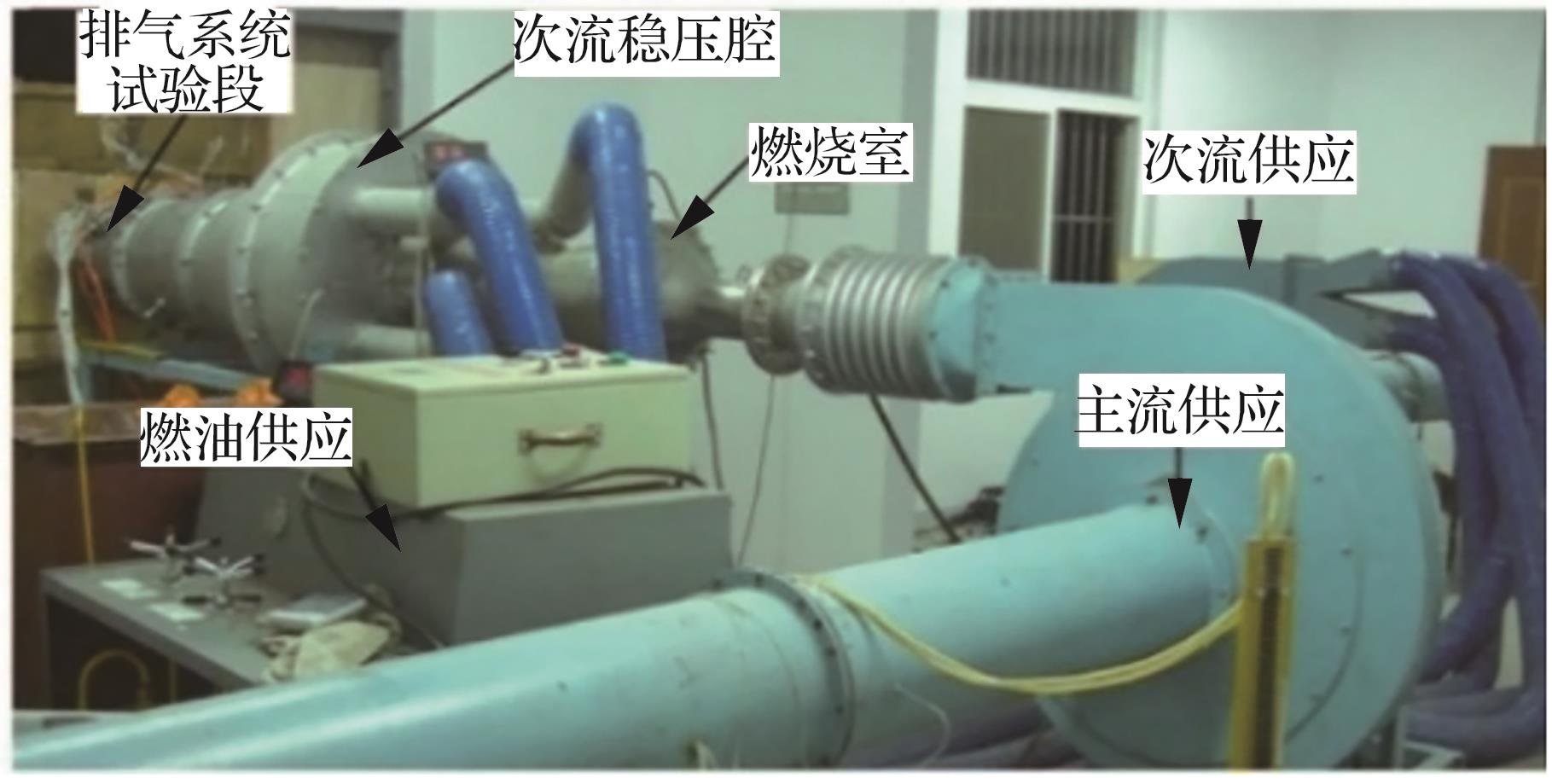
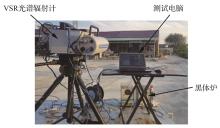
Fig.7
Infrared radiation measurement system
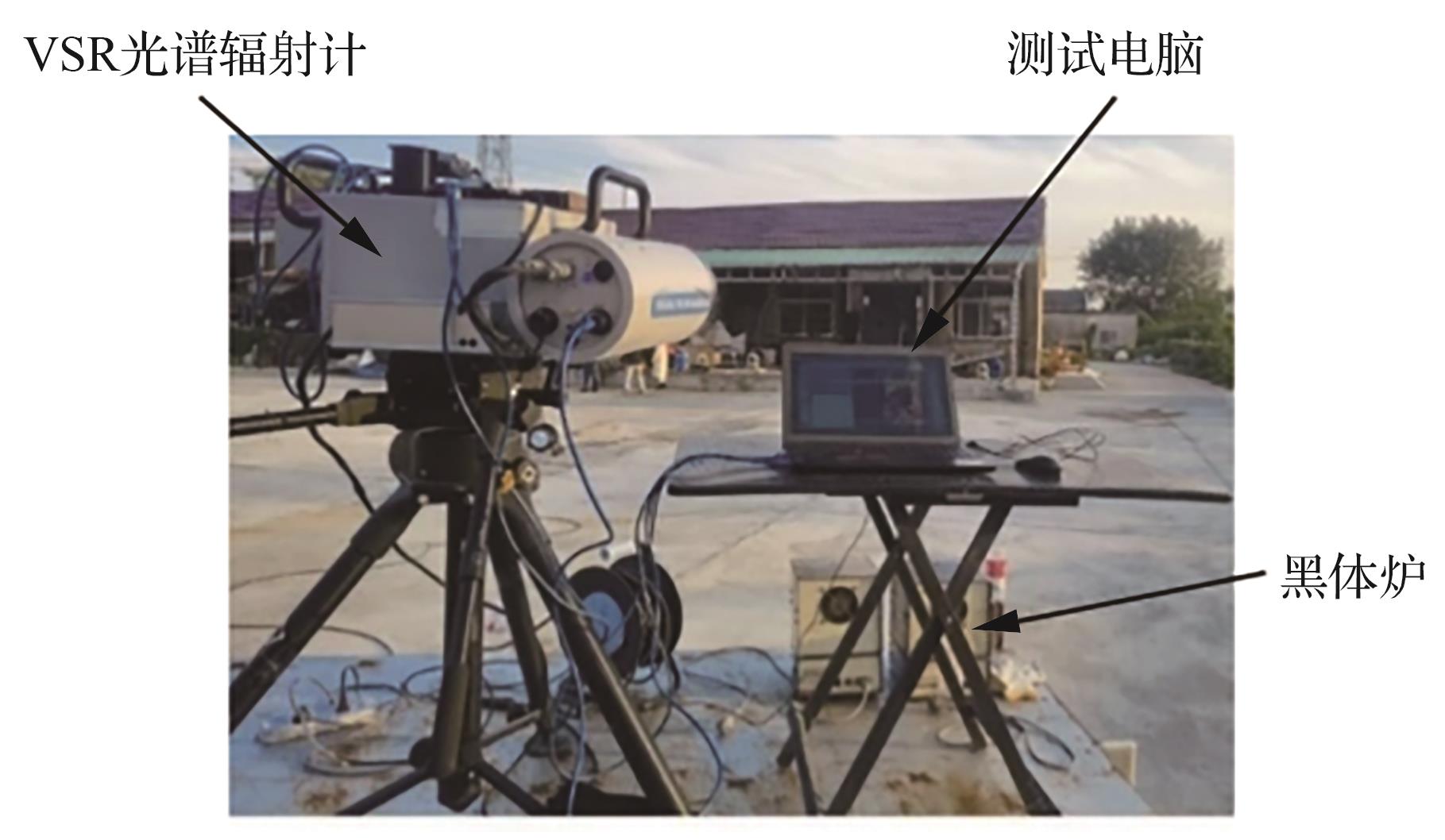
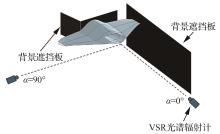
Fig.8
Backdrop arrangement for Model 1
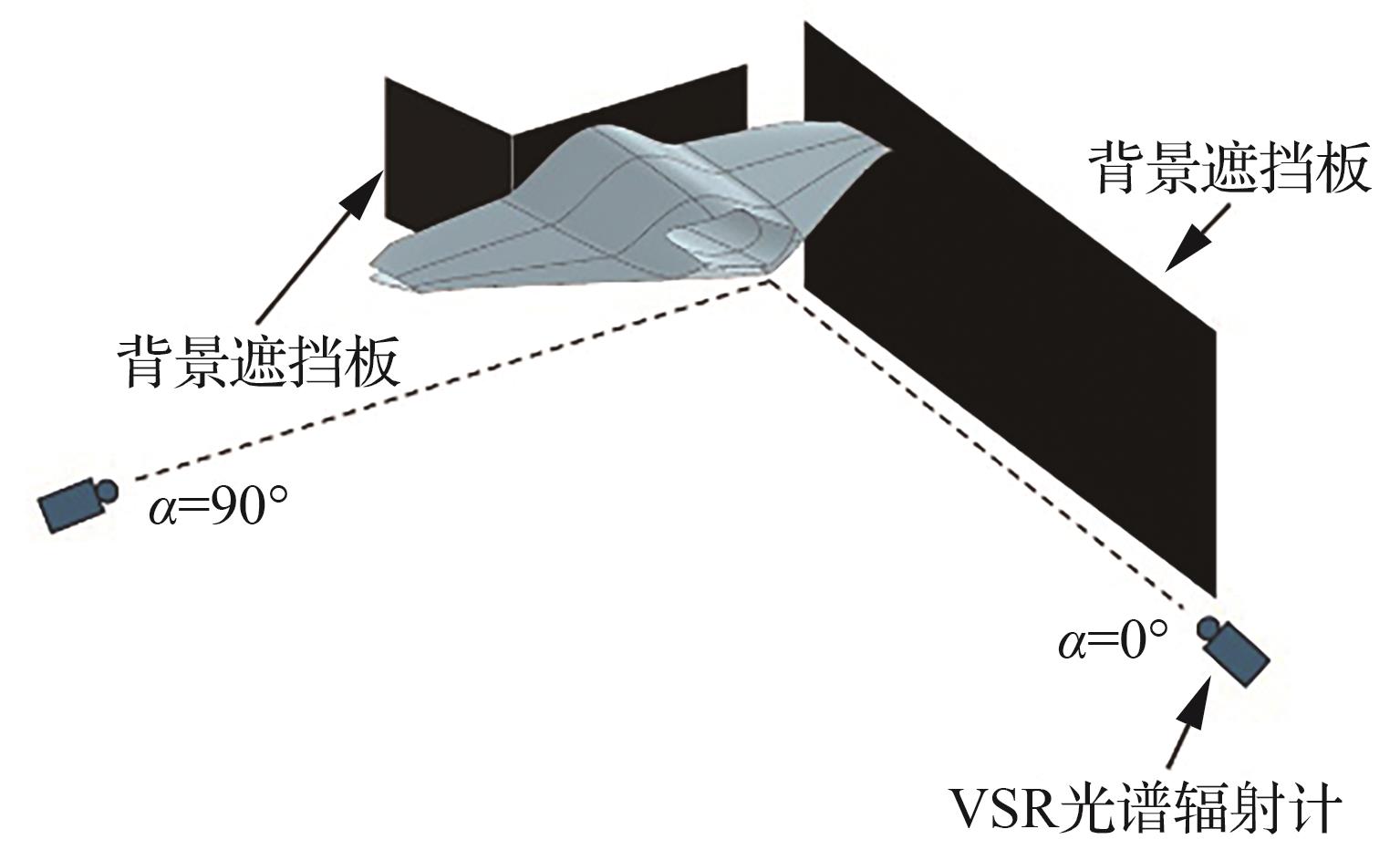
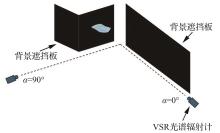
Fig.9
Backdrop arrangement for Model 2
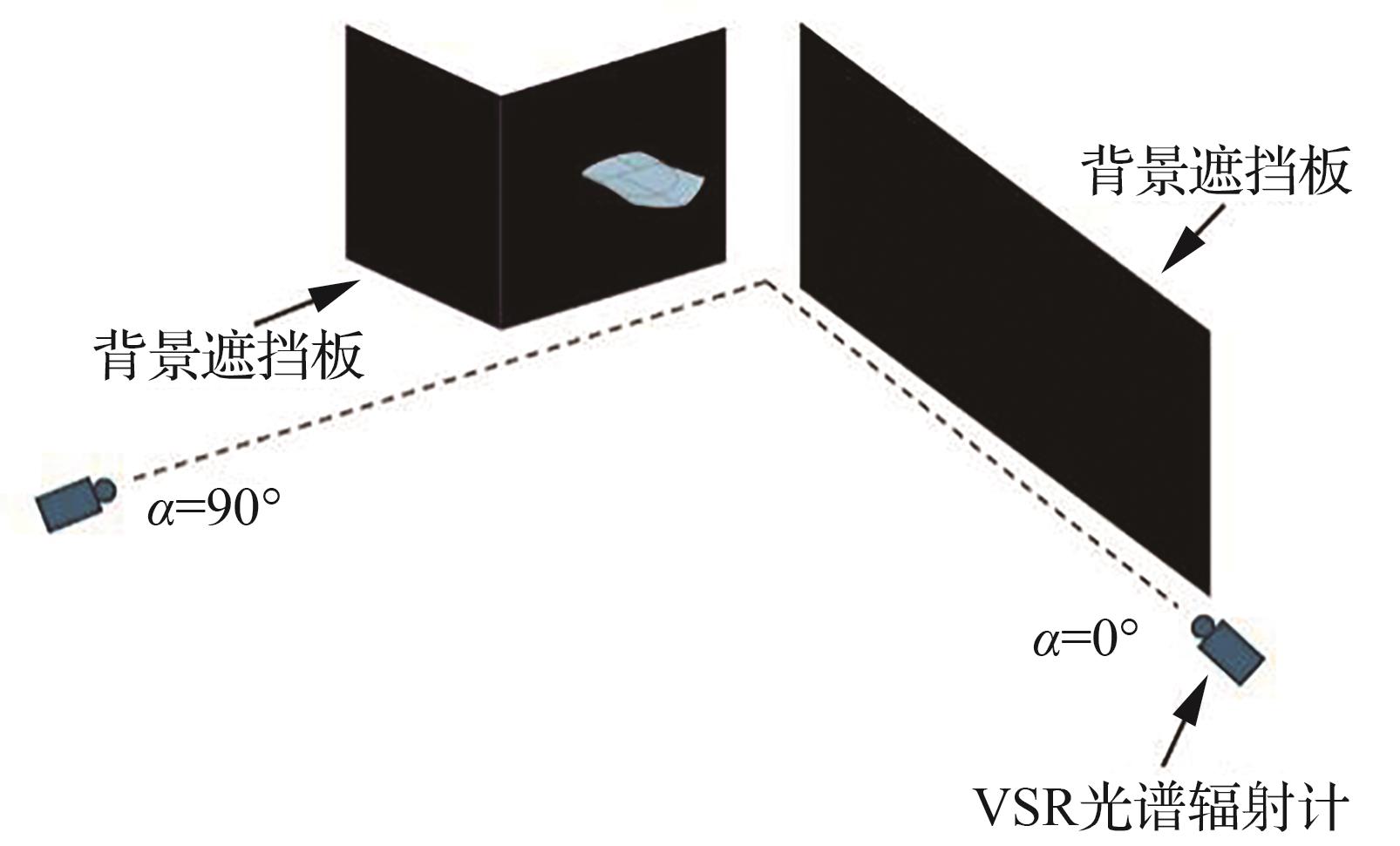
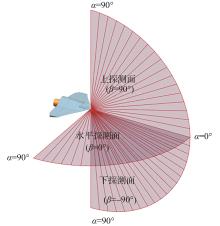
Fig.10
Arrangement of infrared radiation measurement detection points on afterbody test specimen
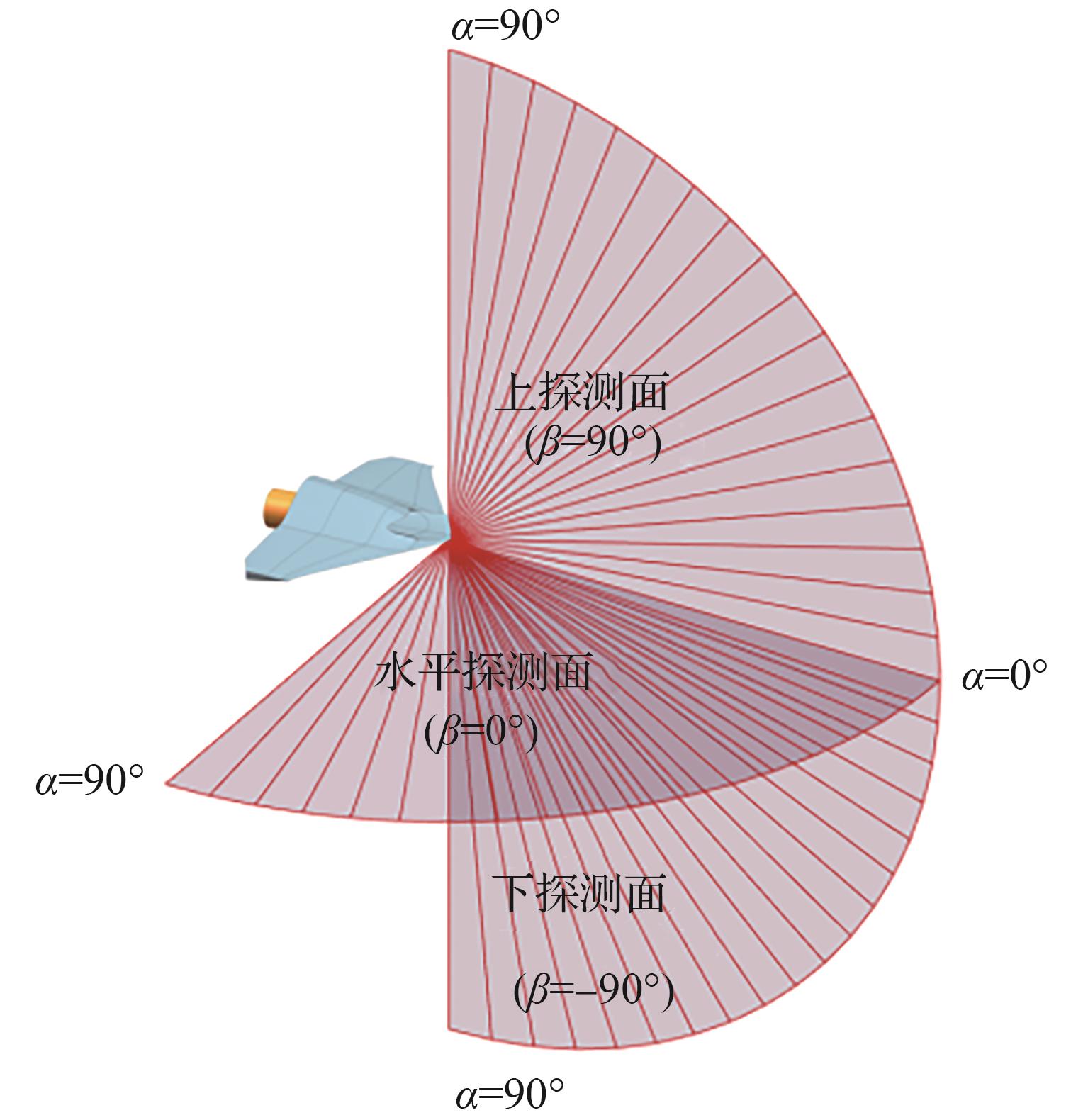
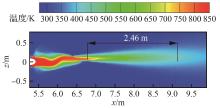
Fig.11
Temperature contour of symmetry plane for Model 1
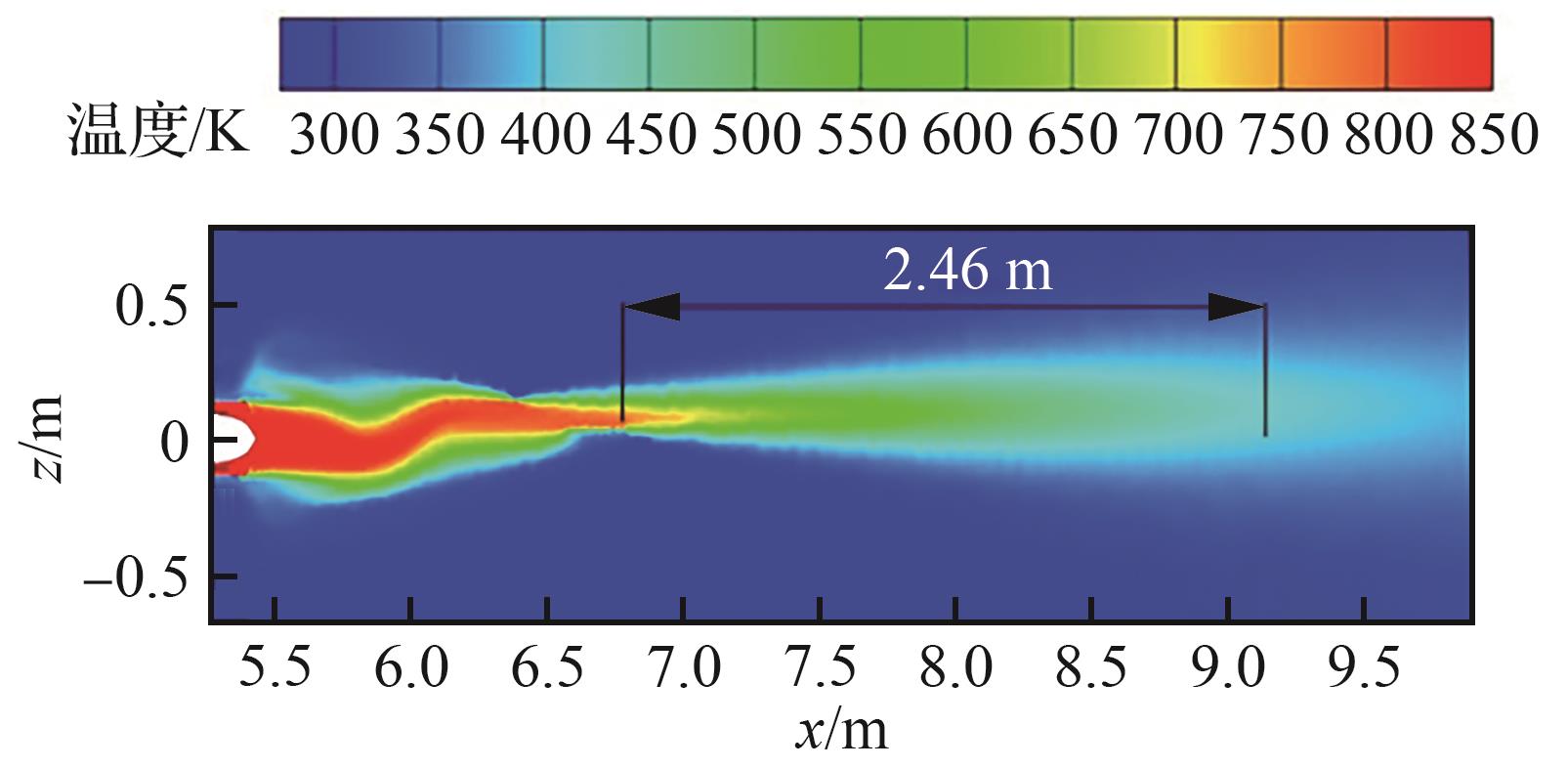
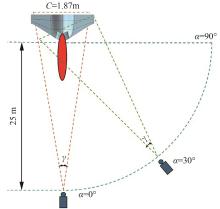
Fig.12
Schematic diagram of spatial positioning between test specimen and detector’ s field of view in a single measurement
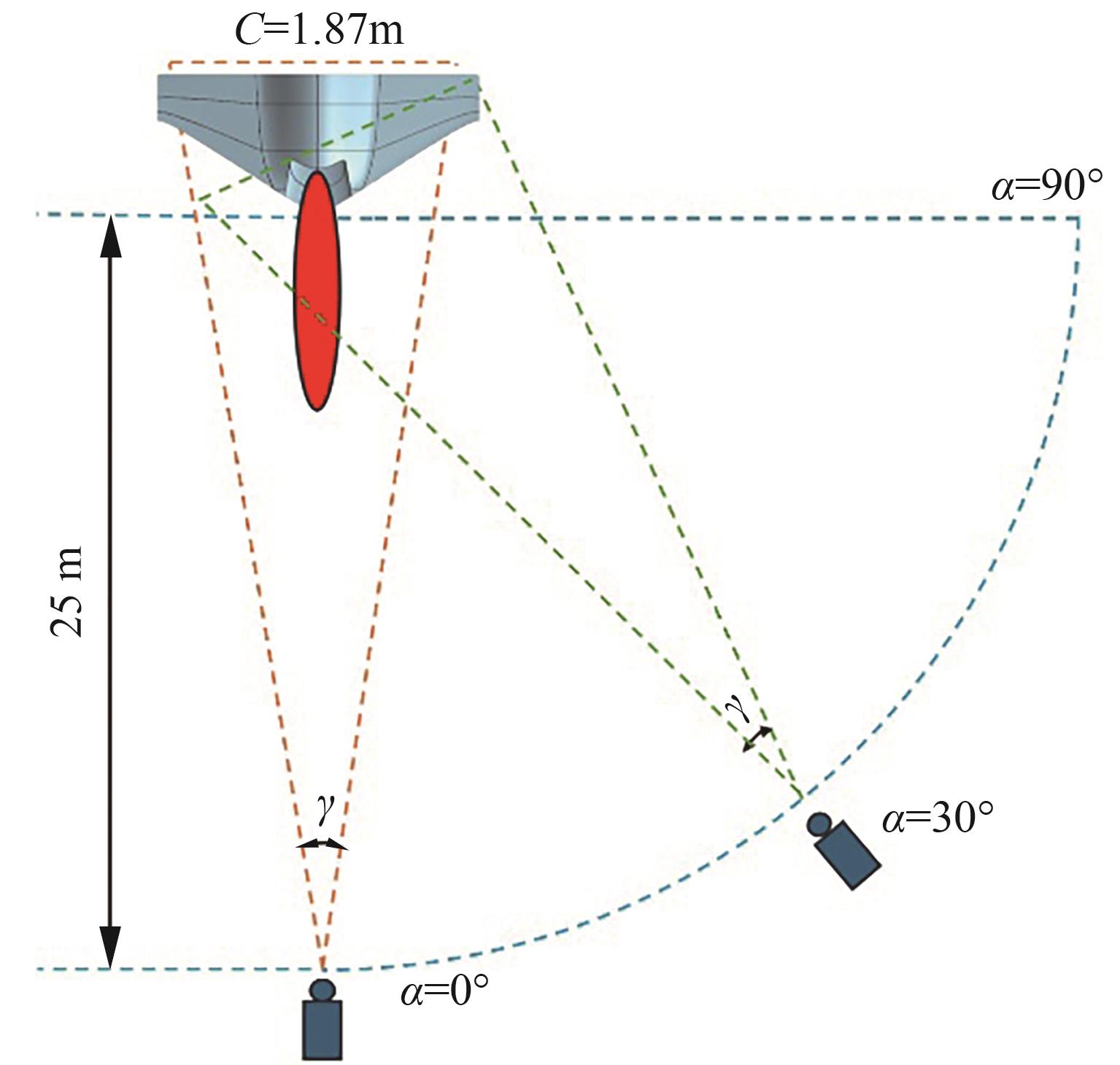
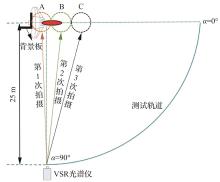
Fig.13
Schematic diagram of partition measurement
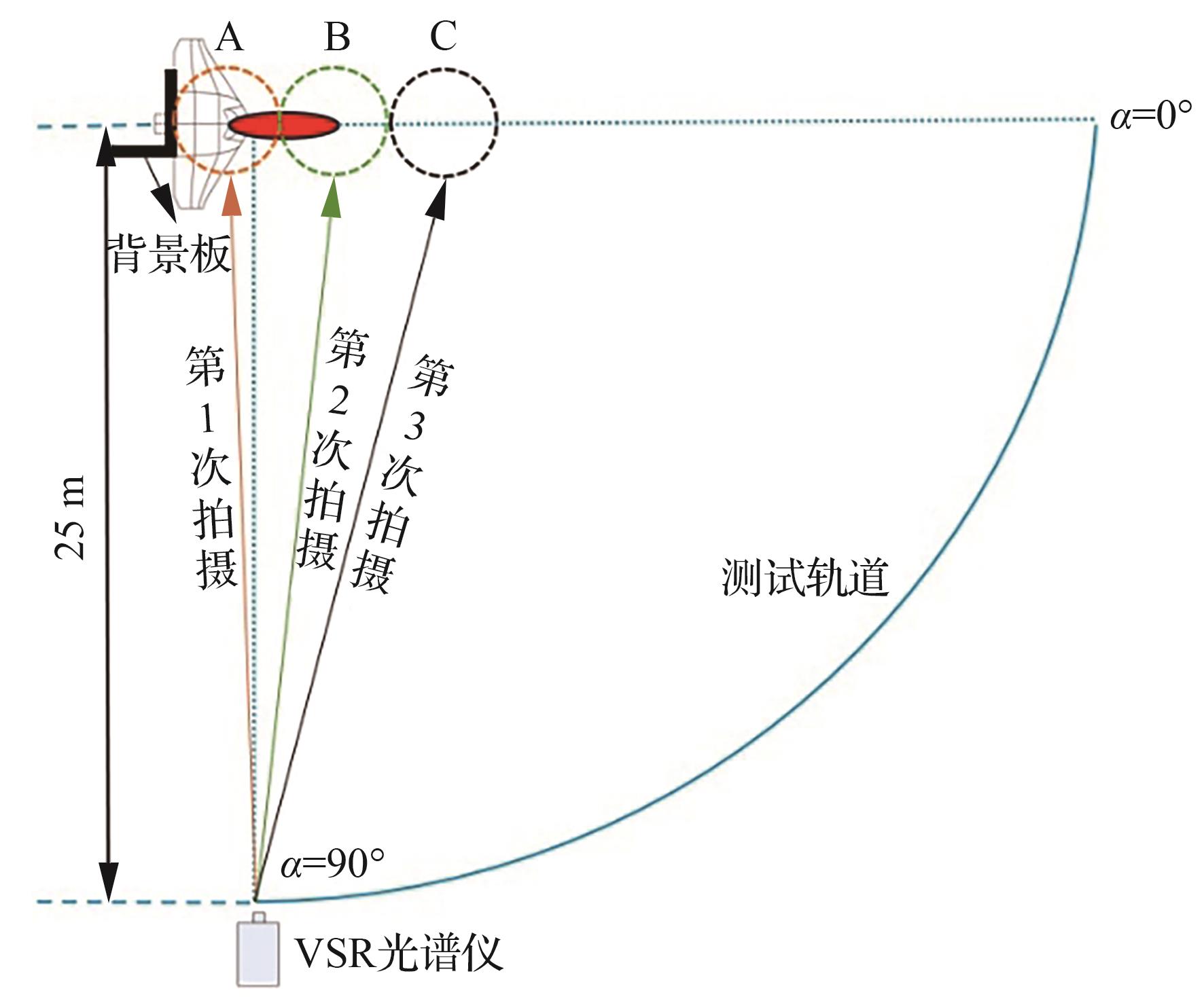
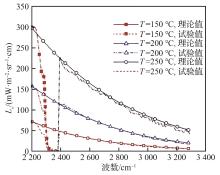
Fig.14
Comparison of tested and theoretical values of spectral radiance
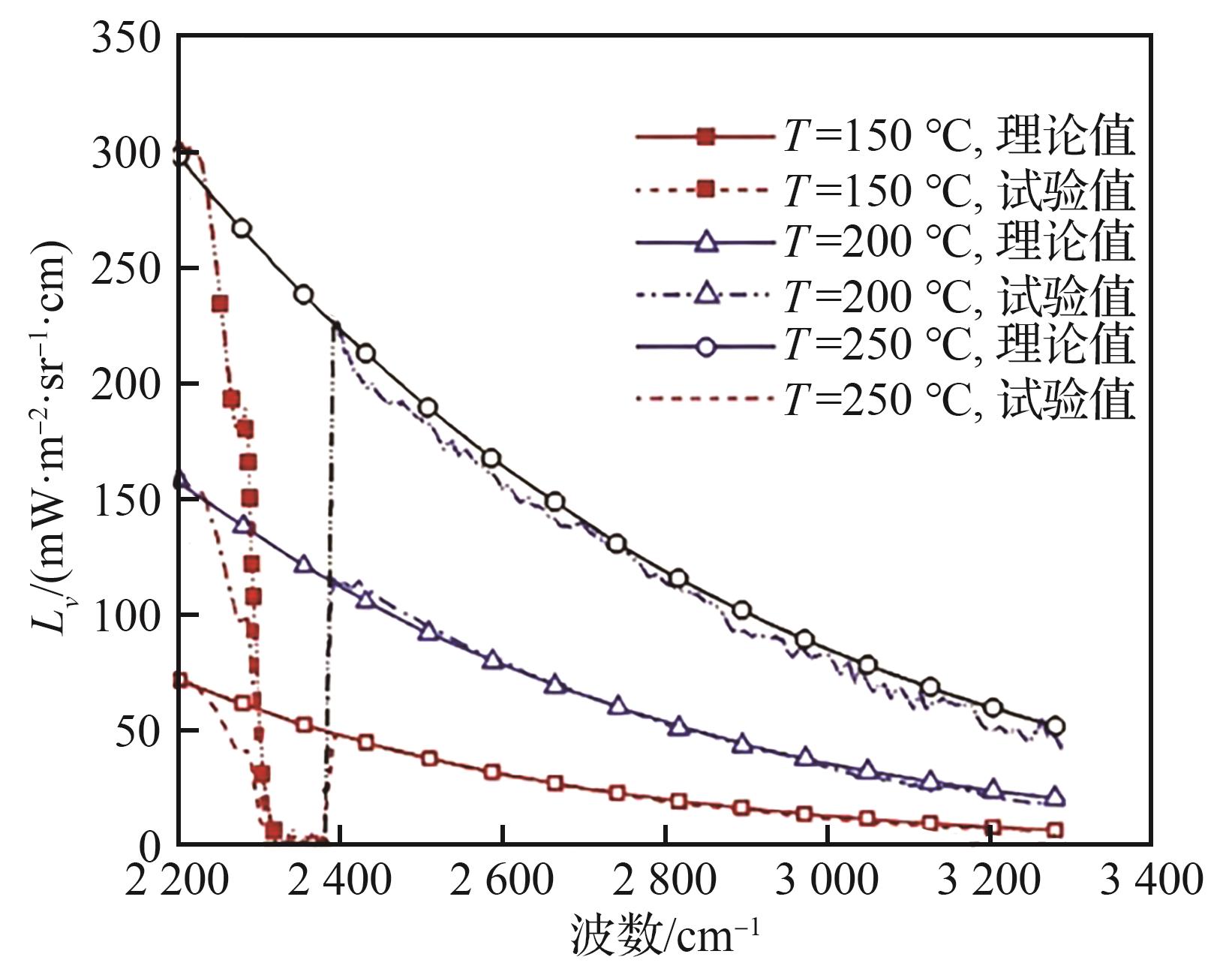
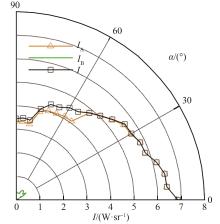
Fig.15
Integral radiation intensity diagram of Model 1 in horizontal detection surface (β = 0°)
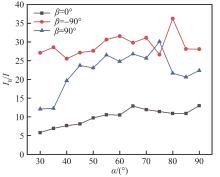
Fig.16
Contribution of typical I B within detection plane to I
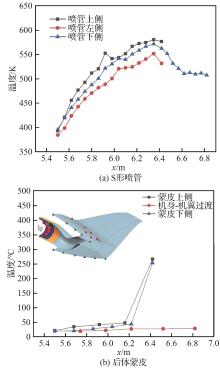
Fig.17
Wall temperature distribution map
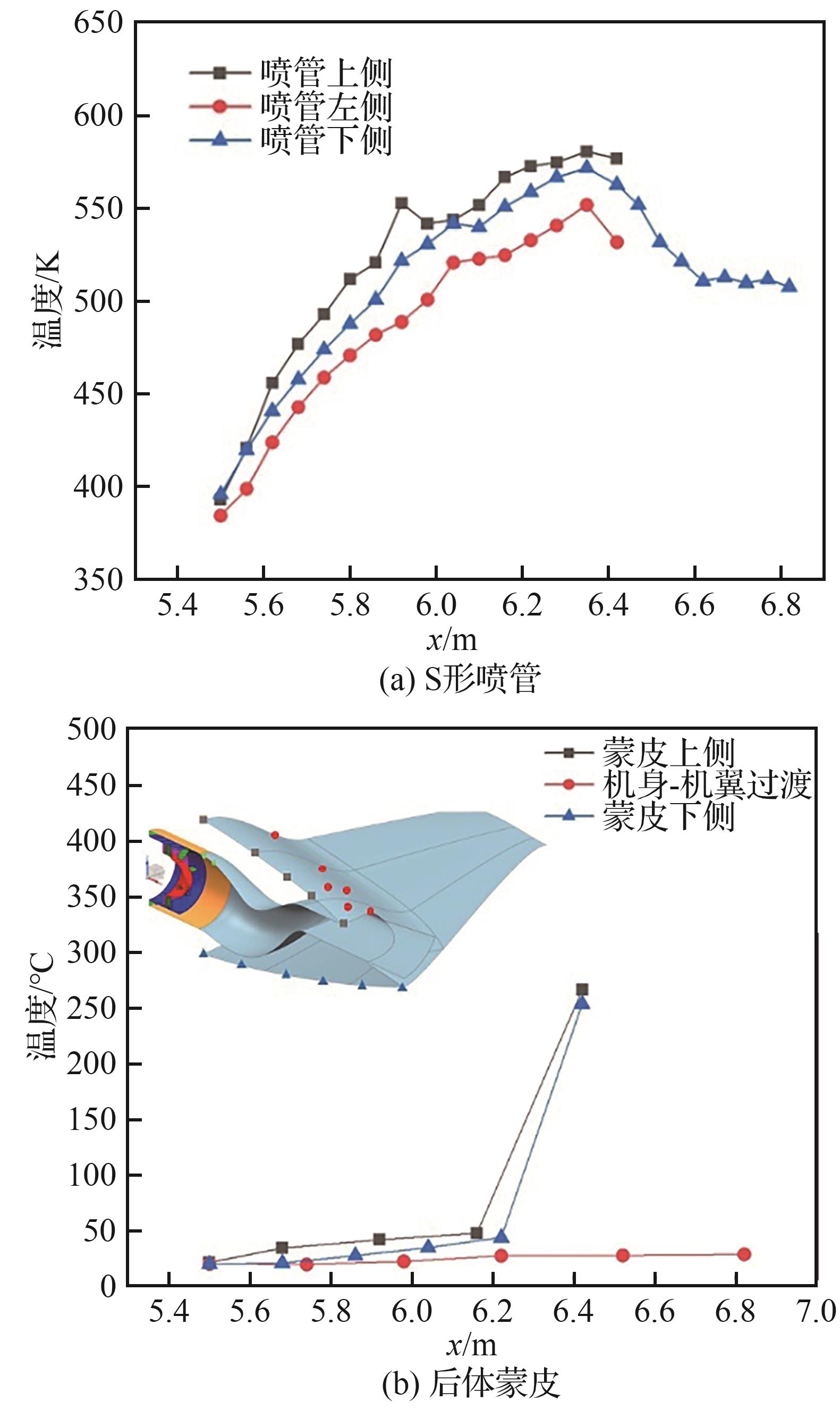
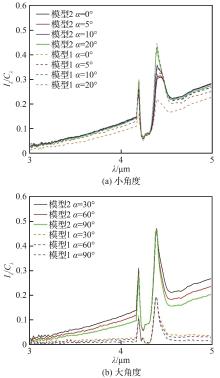
Fig.18
Intensity of spectral radiation in horizontal detection plane(β = 0°)
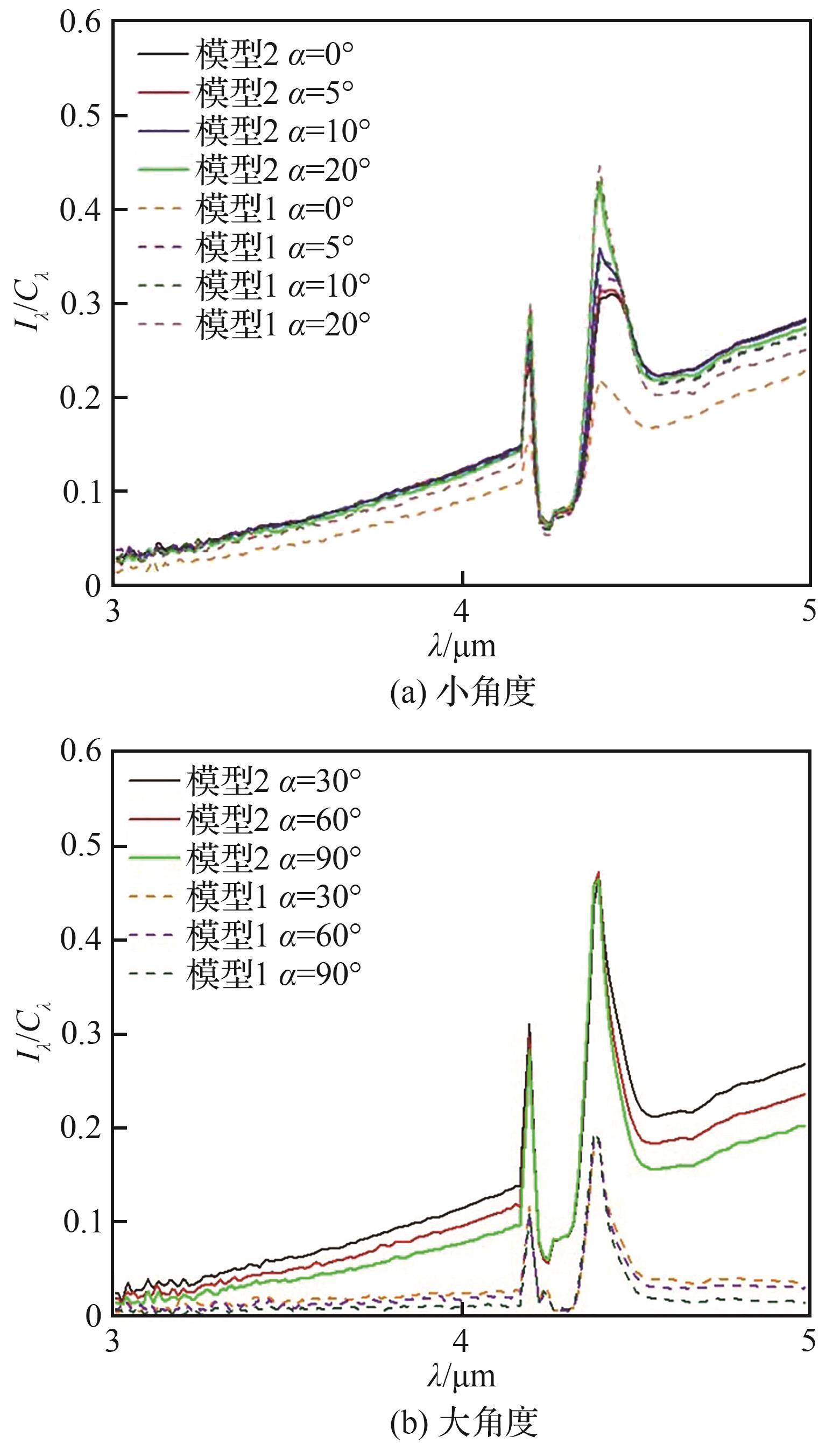
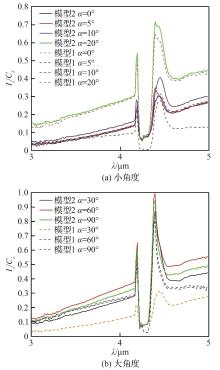
Fig.19
Intensity of spectral radiation in upper detection plane(β = 90°)
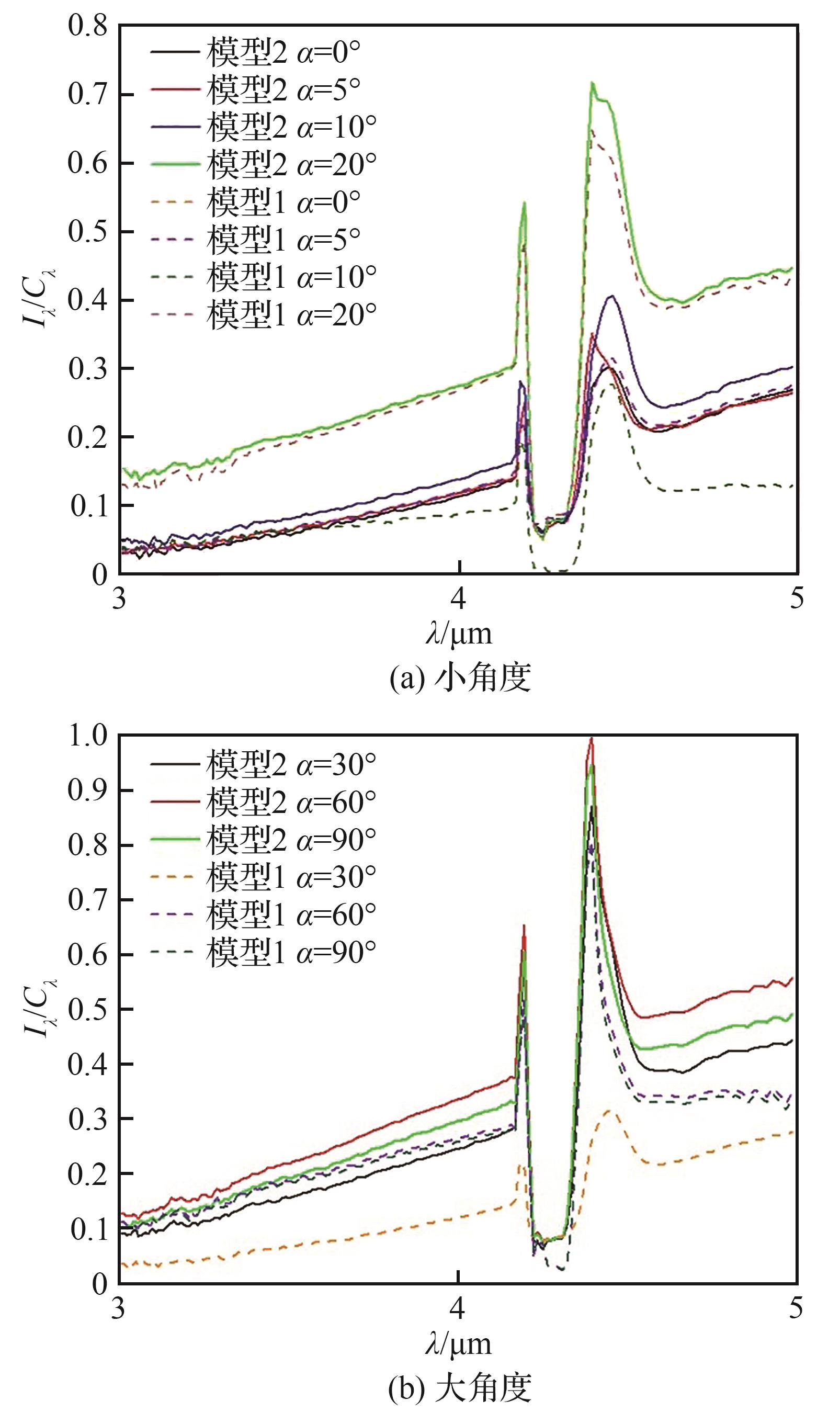
Fig.20
Intensity of spectral radiation in lower detection plane (β = -90°)
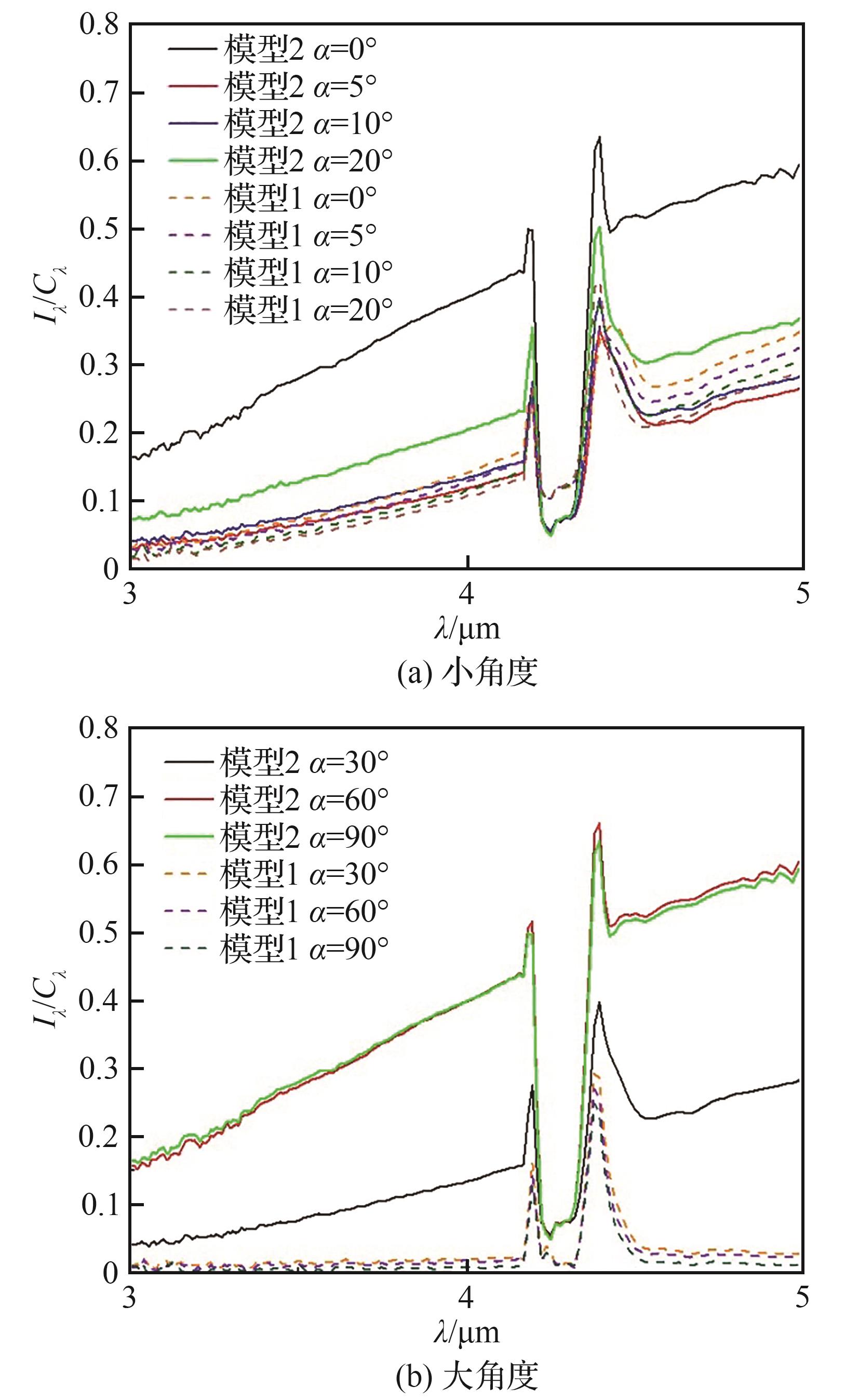
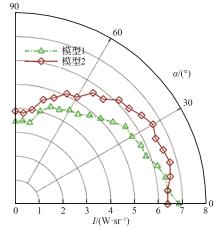
Fig.21
Comparison of integral radiation intensity in horizontal detection surface (β = 0°) of Model 1 and Model 2
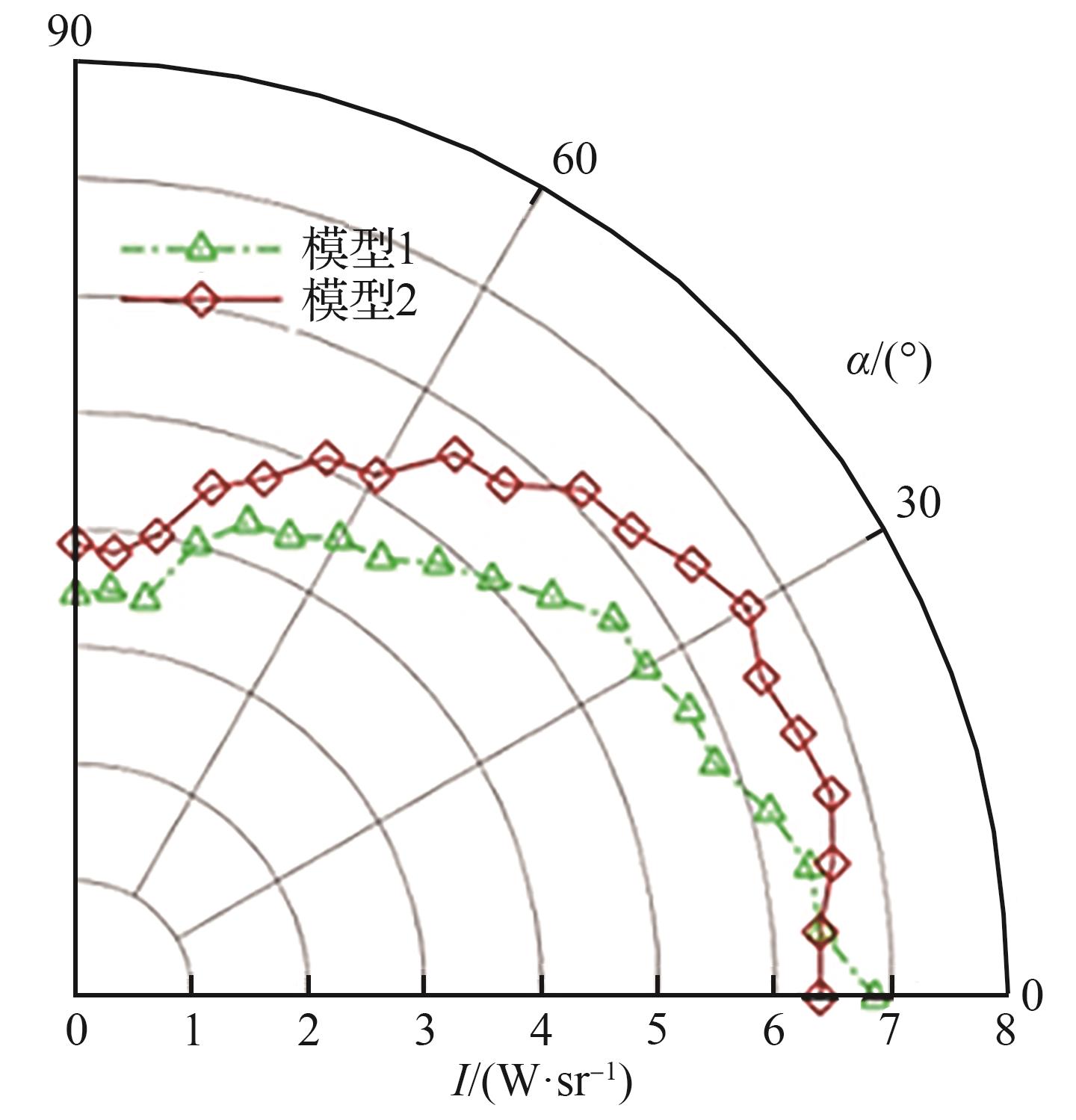
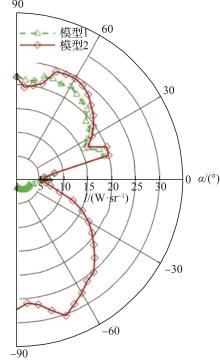
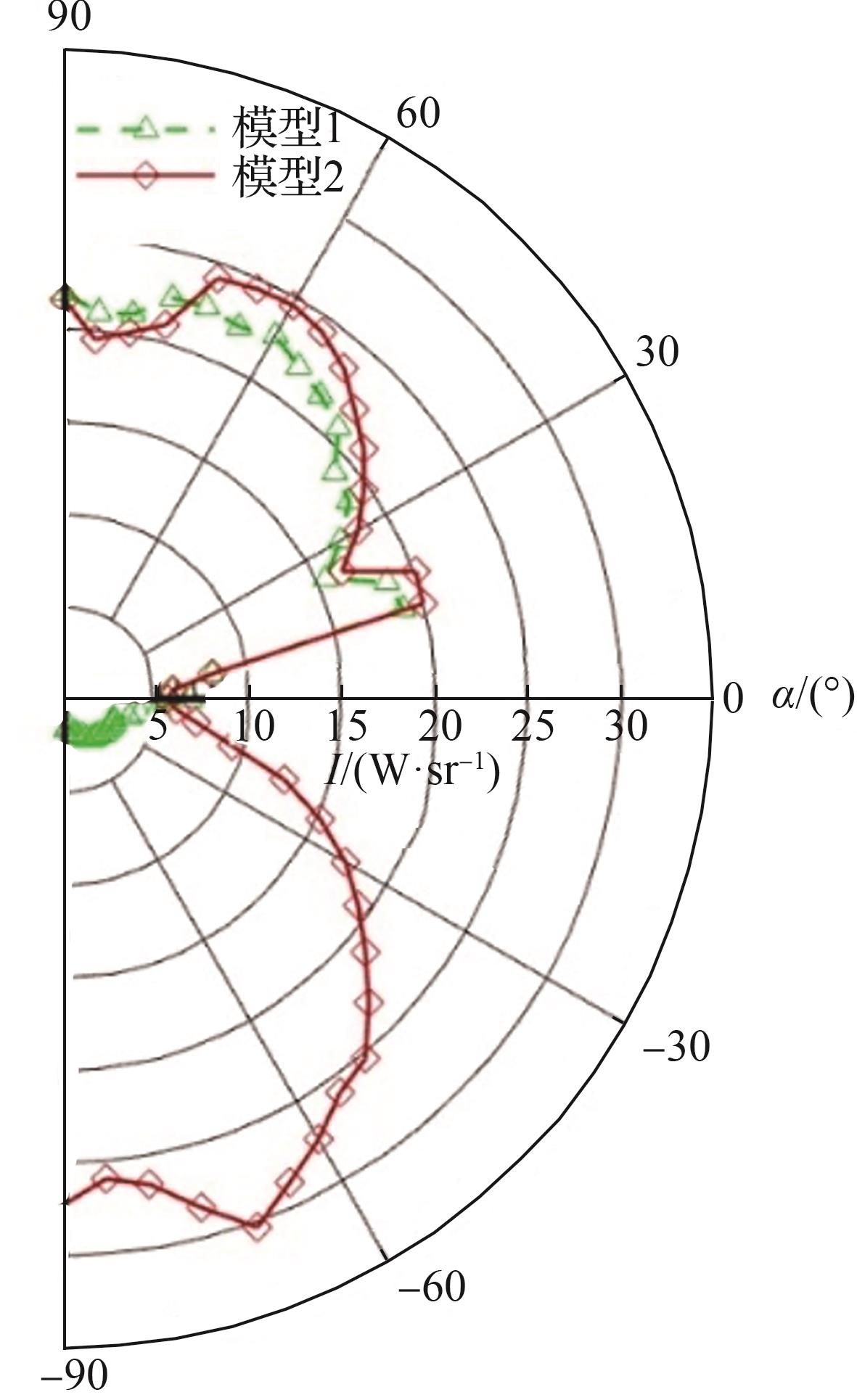
Fig.22
Comparison of integral radiation intensity in vertical detection surface (β = -90°/90°) of Model 1 and Model 2
| [1] |
赵超, 杨号. 红外制导的发展趋势及其关键技术[J]. 电光与控制, 2008, 15(5): 48-53.
|
|
|
|
| [2] |
李宏新, 谢业平. 从航空发动机视角看飞/发一体化问题[J]. 航空发动机, 2019, 45(6): 1-8.
|
|
|
|
| [3] |
金捷, 朱谷君, 徐南荣, 等. 发动机高速排气系统红外辐射特性的数值计算和分析[J]. 航空动力学报, 2002, 17(5): 582-585.
|
|
|
|
| [4] |
郑礼宝. 轴向旋涡强化矩形喷流掺混的机理研究[J]. 空气动力学学报, 1996, 14(4): 400-407.
|
|
|
|
| [5] |
罗明东. 无人机排气系统红外隐身技术研究[D]. 南京: 南京航空航天大学, 2006: 8-9.
|
|
|
|
| [6] |
|
| [7] |
|
| [8] |
|
| [9] |
邓洪伟, 尚守堂, 金海, 等. 航空发动机隐身技术分析与论述[J]. 航空科学技术, 2017, 28(10): 1-7.
|
|
|
|
| [10] |
张维仁, 艾俊强, 崔力. 飞行器排气系统红外隐身技术探析[J]. 航空科学技术, 2014, 25(12): 5-9.
|
|
|
|
| [11] |
昂海松, 余雄庆. 飞行器先进设计技术[M]. 2版. 北京: 国防工业出版社, 2014.
|
|
|
|
| [12] |
黄全军, 刘志成. 飞机后向红外隐身技术应用探讨[J]. 飞机设计, 2013, 33(1): 10-14, 34.
|
|
|
|
| [13] |
魏鑫. 涡扇发动机S形二元收扩排气系统流动传热与红外抑制技术研究[D]. 南京: 南京航空航天大学, 2025: 109-199.
|
|
|
|
| [14] |
杨坤, 于明飞, 杜凯, 等. 双S弯二元排气系统遮挡偏距比对壁温与红外辐射影响的试验研究[J]. 南京航空航天大学学报, 2023, 55(4): 606-613.
|
|
|
|
| [15] |
|
| [16] |
|
| [17] |
|
| [18] |
高翔, 周红, 邓文剑, 等. 带S弯进排气系统的飞翼无人机红外辐射研究[C]∥第八届中国航空学会青年科技论坛论文集. 2018: 237-244.
|
|
|
|
| [19] |
蒋世豪. S形排气系统与飞翼飞行器一体化气动与红外特性研究[D]. 南京: 南京航空航天大学, 2024: 47-87.
|
|
|
|
| [20] |
张勃, 李经警, 袁帅, 等. 不同形式喷管红外抑制特性试验研究[J]. 红外与激光工程, 2017, 46(4): 104-110.
|
|
|
|
| [21] |
王怡, 王浩, 卫子毓, 等. 基于光谱辐射计的航空发动机红外辐射特性测试方法[J]. 红外技术, 2023, 45(3): 292-297, 321.
|
|
|
|
| [22] |
|
| [23] |
斯仁, 吉洪湖, 刘福城, 等. 二元引射喷管高空性能及对无人机红外抑制的数值研究[J]. 航空动力学报, 2014, 29(1): 42-50.
|
|
|
|
| [24] |
斯仁. 飞行器红外隐身设计评估软件及二元喷管隐身技术研究[D]. 南京: 南京航空航天大学, 2015: 61-96.
|
|
|
|
| [25] |
卢浩浩, 吉洪湖, 刘健, 等. 二元俯仰矢量喷管排气系统红外特征模拟实验[J]. 航空动力学报, 2017, 32(8): 1861-1868.
|
|
|
|
| [26] |
江岳鹏, 曹运华, 吴振森, 等. 地面目标的中波红外高光谱成像特性测量[J]. 光谱学与光谱分析, 2024, 44(4): 937-944.
|
|
|
|
| [27] |
廖鹏昊, 汪玉琴, 李佳文, 等. 燃烧喷焰的红外辐射特性分析[J]. 光学与光电技术, 2024, 22(2): 122-130.
|
|
|
|
| [28] |
席有猷, 宋博文, 姜祚鹏. 飞行器目标红外辐射特性测量研究进展[J]. 红外技术, 2025, 47(8): 944-954.
|
|
|
| [1] | Sifang LIU, Weimin GAO, Zhibo REN, Fangchao TIAN, Zhiqiang SUN. Collaborative optimization method of installation performance for adjustable retracting and expanding nozzle for aero-engine [J]. Acta Aeronautica et Astronautica Sinica, 2026, 47(7): 632176-632176. |
| [2] | Jianyu XU, Li ZHOU, Zhanxue WANG, Jie SHI, Hao SHI. Calculation method for hypersonic plume infrared radiation based on a fast line-by-line calculation model [J]. Acta Aeronautica et Astronautica Sinica, 2025, 46(8): 630778-630778. |
| [3] | Lingling CHEN, Yang ZHANG, Yongqiang SHI, Qingzhen YANG. Film cooling performance/nozzle performance/infrared radiation characteristics of a vector nozzle [J]. Acta Aeronautica et Astronautica Sinica, 2025, 46(8): 631139-631139. |
| [4] | Jianxin HAO, Qiang WANG, Haiyang HU. Infrared radiation characteristics of turbulent gas jets based on improved SGS-TRI model [J]. Acta Aeronautica et Astronautica Sinica, 2025, 46(17): 131549-131549. |
| [5] | Yiqiang SUN, Tanxiao ZHU, Qinglin NIU, Zhihong HE, Shikui DONG. Altitude-scaling law for multi-band radiation signals from liquid-propellant rocket engine exhaust plumes [J]. Acta Aeronautica et Astronautica Sinica, 2024, 45(24): 630568-630568. |
| [6] | Jie SHI, Li ZHOU, Jingwei SHI, Zhanxue WANG. Influence of design parameters on infrared radiation characteristics of serpentine nozzles under complex flow conditions [J]. Acta Aeronautica et Astronautica Sinica, 2024, 45(17): 530082-530082. |
| [7] | Jie SHI, Li ZHOU, Jingwei SHI, Zhanxue WANG. Rapid prediction model for tail infrared radiation characteristics of serpentine nozzles [J]. Acta Aeronautica et Astronautica Sinica, 2024, 45(14): 129639-129639. |
| [8] | WANG Li'nan, CAI Chuhan, LIU Guosheng, MA Bang, MA Xianjie. Electro-optical countermeasure simulation of fighter terminal based on effectiveness evaluation [J]. ACTA AERONAUTICAET ASTRONAUTICA SINICA, 2021, 42(8): 525834-525834. |
| [9] | YANG Zongyao, ZHANG Jingzhou, SHAN Yong. Effects of slot-inlet arrangement at infrared-suppressor-integrated rear airframe on flow organization and infrared radiation characteristics [J]. ACTA AERONAUTICAET ASTRONAUTICA SINICA, 2021, 42(7): 124445-124445. |
| [10] | LI Yanqing, XUAN Yimin. Coupling analysis method for helicopter thermal management and infrared radiation characteristics [J]. ACTA AERONAUTICAET ASTRONAUTICA SINICA, 2021, 42(3): 124270-124270. |
| [11] | JIANG Kunhong, ZHANG Jingzhou, SHAN Yong, ZHENG Zhen, YANG Zongyao. Effects of sheltering and outlet shaping on surface temperature and infrared radiation characteristics of rear airframe with an integrating infrared suppressor [J]. ACTA AERONAUTICAET ASTRONAUTICA SINICA, 2020, 41(2): 123497-123497. |
| [12] | ZHENG Jiansheng, SHAN Yong, ZHANG Jingzhou. Cooling and infrared radiation suppression effect of plug trailing-body of two-dimensional vector plug nozzle [J]. ACTA AERONAUTICAET ASTRONAUTICA SINICA, 2017, 38(12): 121384-121384. |
| [13] | GAO Hui, ZHAO Songqing, WU Genshui, CHEN Haiyan, ZHAO Xishuai. Infrared radiation scene generation technology based on resistor array [J]. ACTA AERONAUTICAET ASTRONAUTICA SINICA, 2015, 36(9): 2815-2827. |
| [14] | ZHANG Jingzhou, WANG Xu, SHAN Yong. Effects of plug rear-body film cooling on infrared radiation and aerodynamic performance of axisymmetric plug nozzle [J]. ACTA AERONAUTICAET ASTRONAUTICA SINICA, 2015, 36(8): 2601-2608. |
| [15] | WU Yingchuan, HE Yuanyuan, HE Wei, LE Jialing. Progress in airframe-propulsion integration technology of air-breathing hypersonic vehicle [J]. ACTA AERONAUTICAET ASTRONAUTICA SINICA, 2015, 36(1): 245-260. |
| Viewed | ||||||
|
Full text |
|
|||||
|
Abstract |
|
|||||
Address: No.238, Baiyan Buiding, Beisihuan Zhonglu Road, Haidian District, Beijing, China
Postal code : 100083
E-mail:hkxb@buaa.edu.cn
Total visits: 6658907 Today visits: 1341All copyright © editorial office of Chinese Journal of Aeronautics
All copyright © editorial office of Chinese Journal of Aeronautics
Total visits: 6658907 Today visits: 1341

 CJA
CJA
