Acta Aeronautica et Astronautica Sinica ›› 2026, Vol. 47 ›› Issue (5): 232510.doi: 10.7527/S1000-6893.2025.32510
• Solid Mechanics and Vehicle Conceptual Design • Previous Articles
Qixiao ZHU1,2,3, Yanxin HUANG4, Rui ZHU1,2,3, Xiaochen HANG1,2,5, Qingguo FEI1,2,3( )
)
Received:2025-07-03
Revised:2025-08-13
Accepted:2025-09-08
Online:2025-09-19
Published:2025-09-18
Contact:
Qingguo FEI
E-mail:qgfei@seu.edu.cn
Supported by:CLC Number:
Qixiao ZHU, Yanxin HUANG, Rui ZHU, Xiaochen HANG, Qingguo FEI. Research progress on dynamic load characteristics, measurement and identification technology of aircraft structure[J]. Acta Aeronautica et Astronautica Sinica, 2026, 47(5): 232510.
Fig.1
Schematic diagram for “cognition, measurement, and identification” of aircraft load
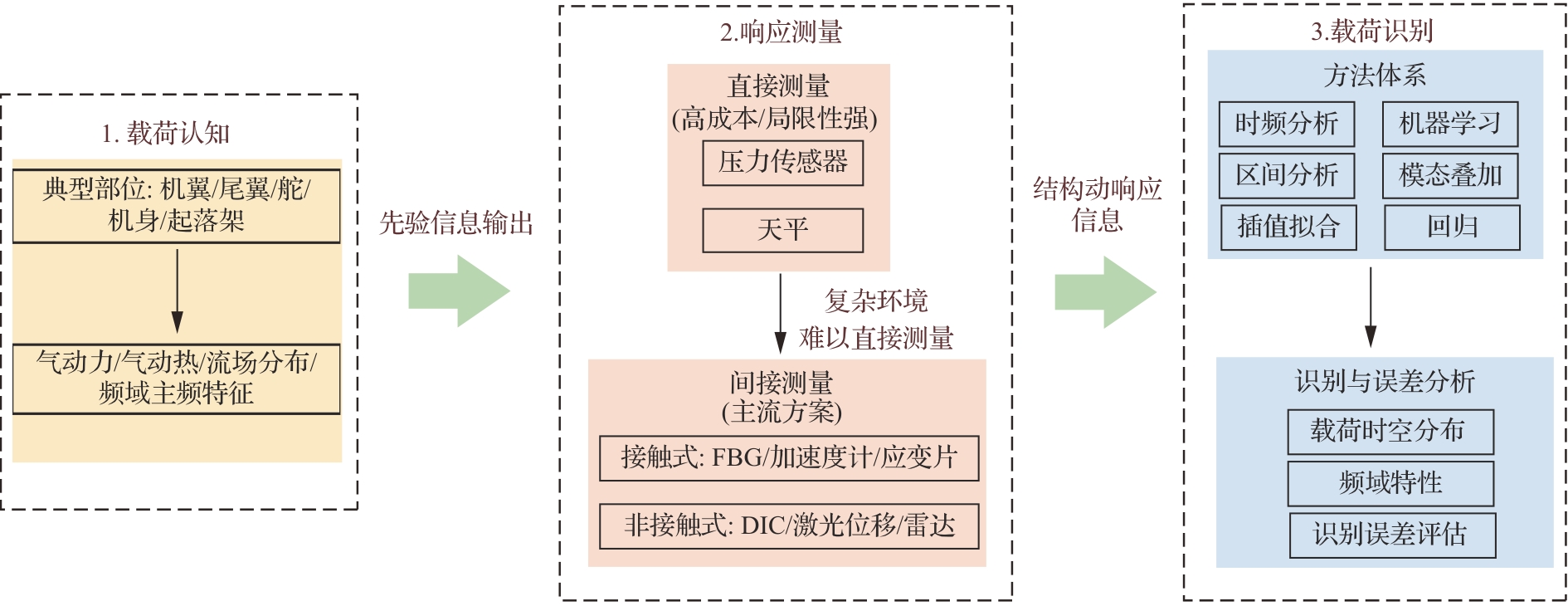
Fig.2
GAW-1 and NACA632-215 airfoils and their pressure distribution[8]
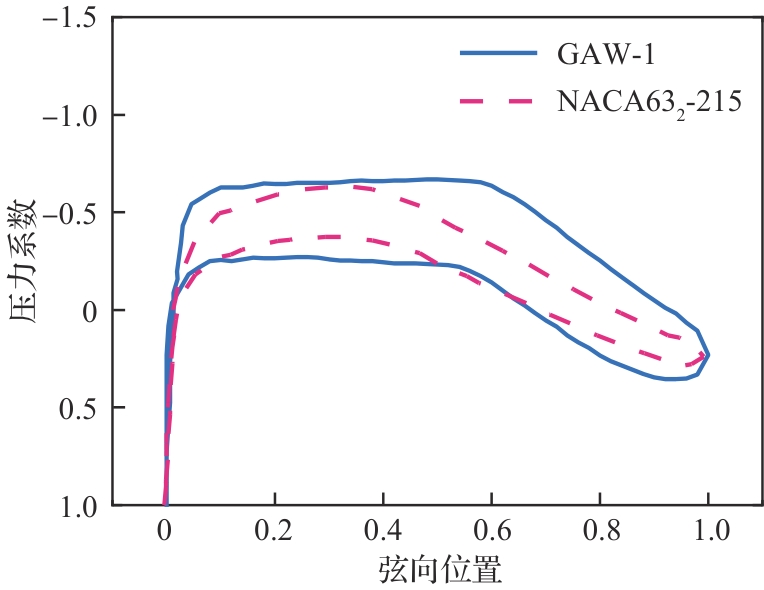
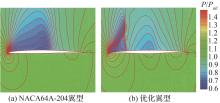
Fig.3
Pressure contour of NACA64A-204 and optimized airfoil at transonic speeds[9]
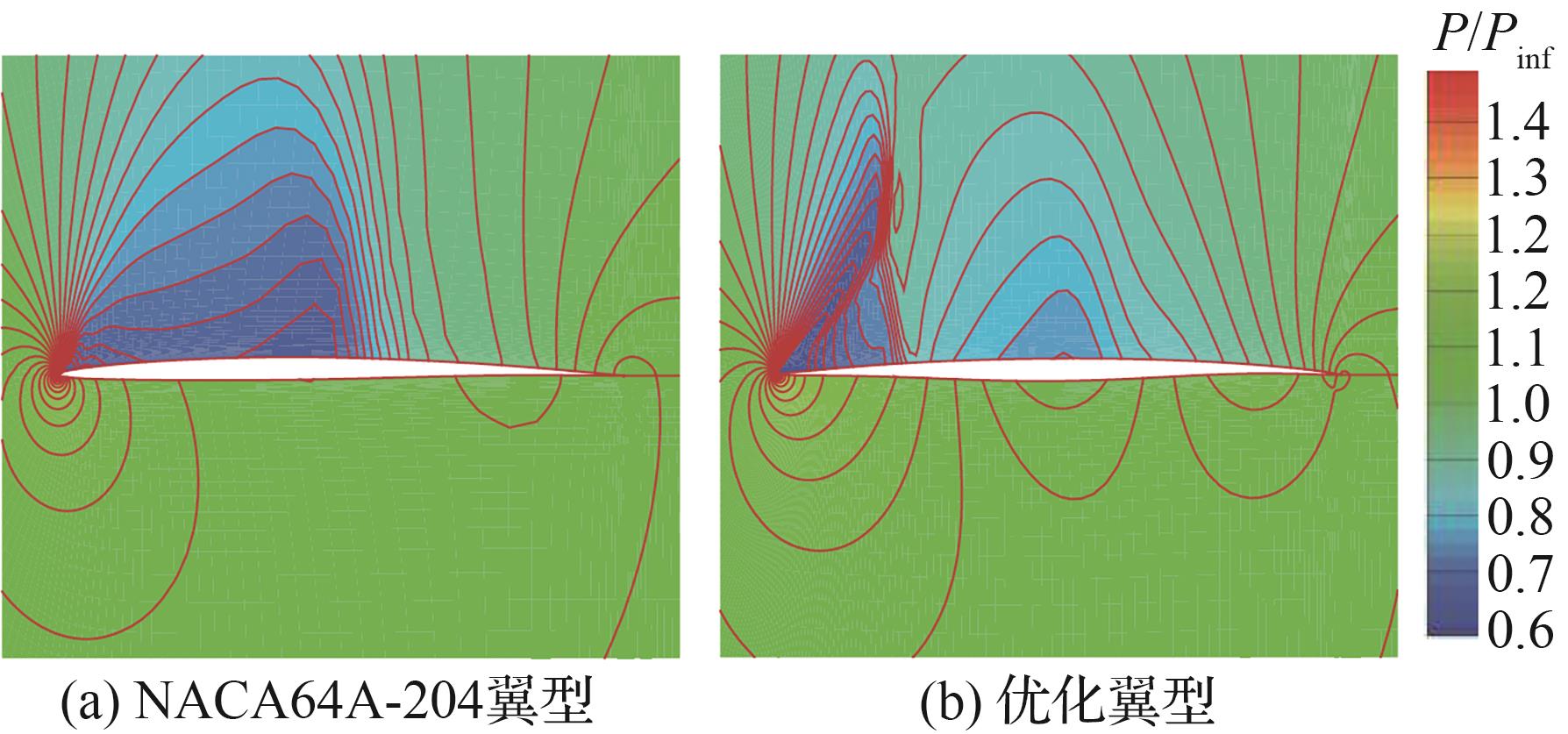
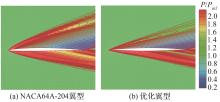
Fig.4
Hypersonic pressure contour of NACA64A-204 and optimized airfoil[9]
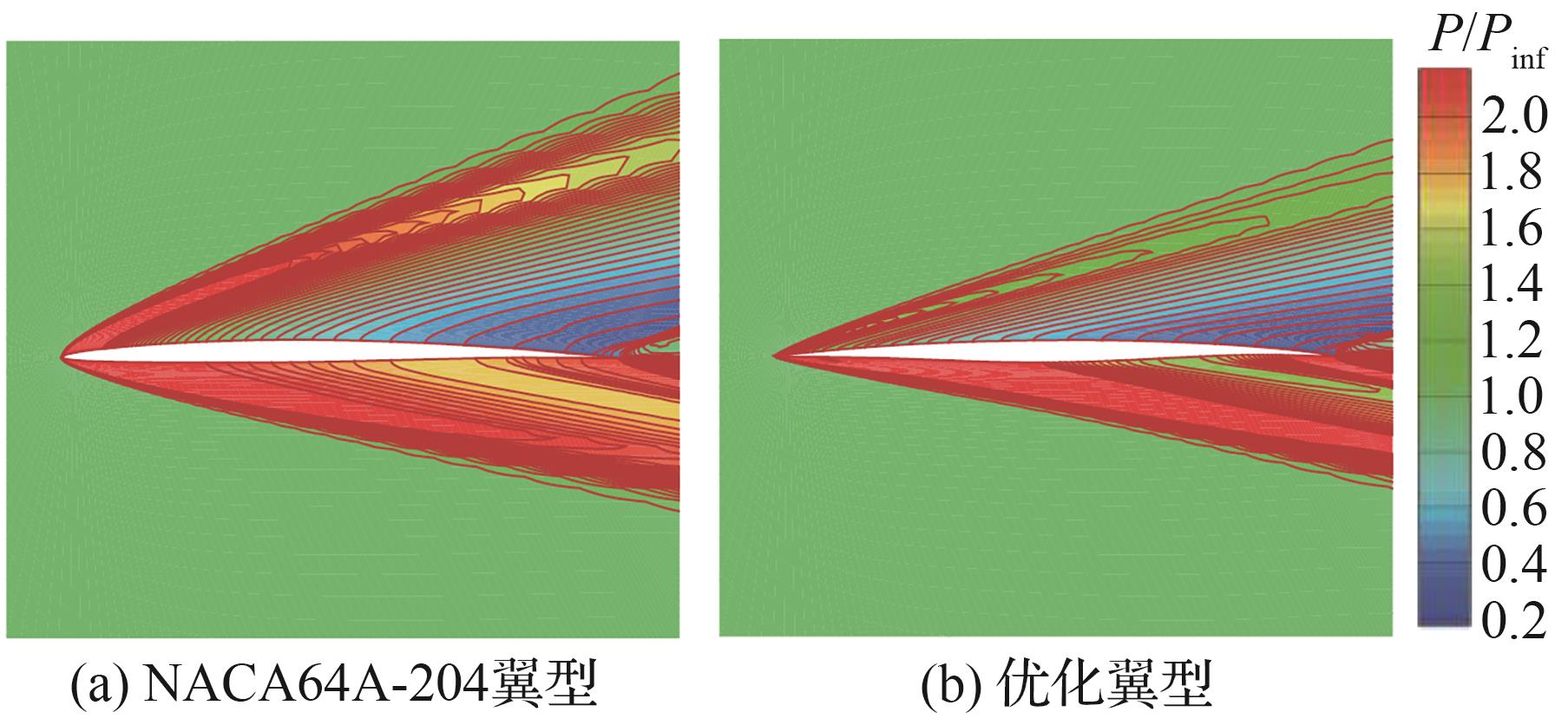
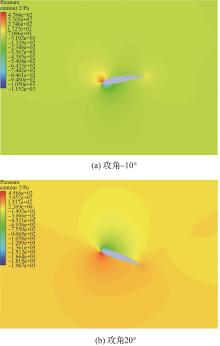
Fig.5
Numerical simulation contour of 30 m/s wind speed at -10° and 20°angles of attack[11]
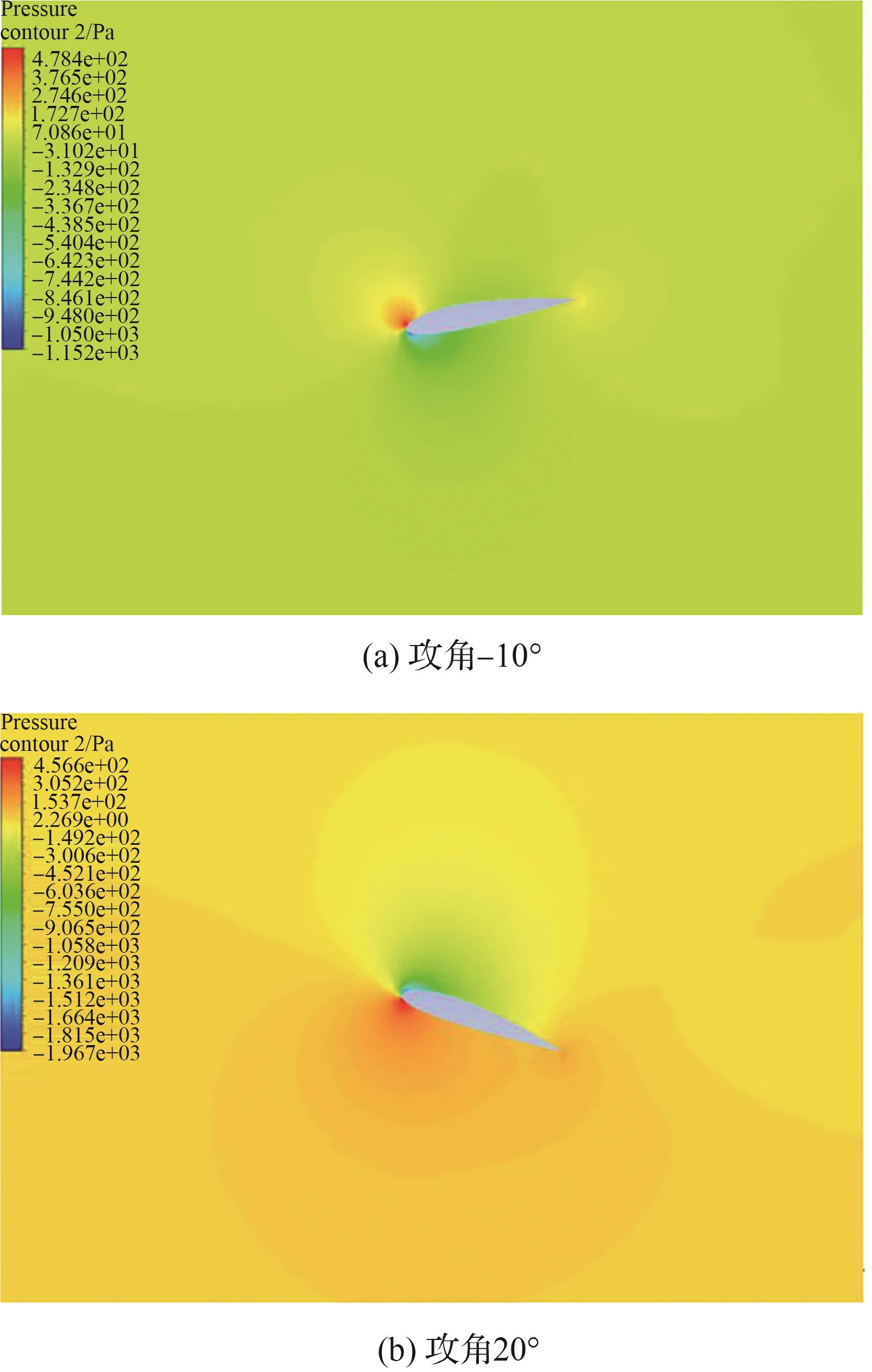
Fig.6
Contour of pressure coefficient at 34° angle of attack[13]
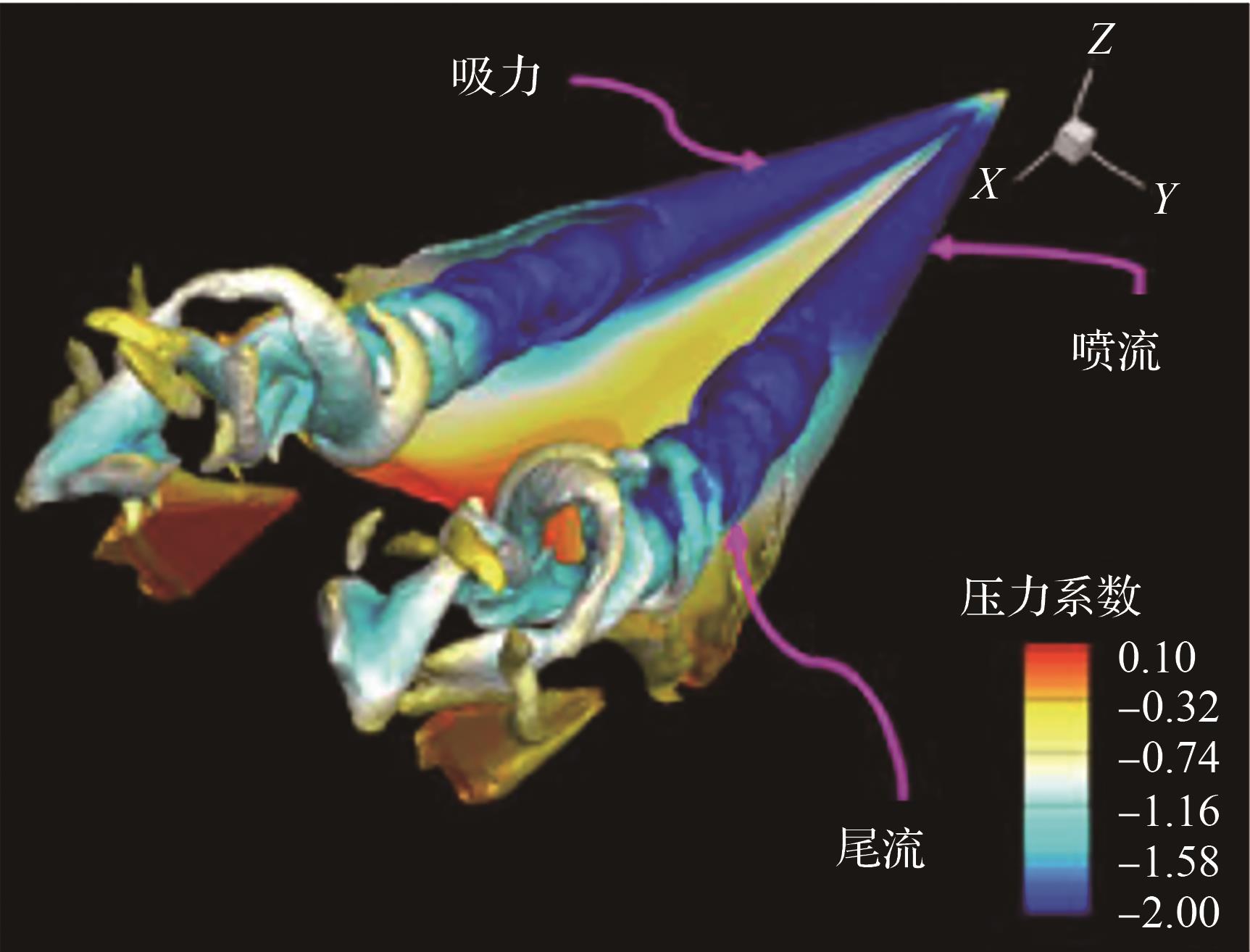
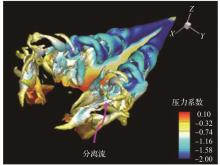
Fig.7
Contour of pressure coefficient at 40° angle of attack[13]
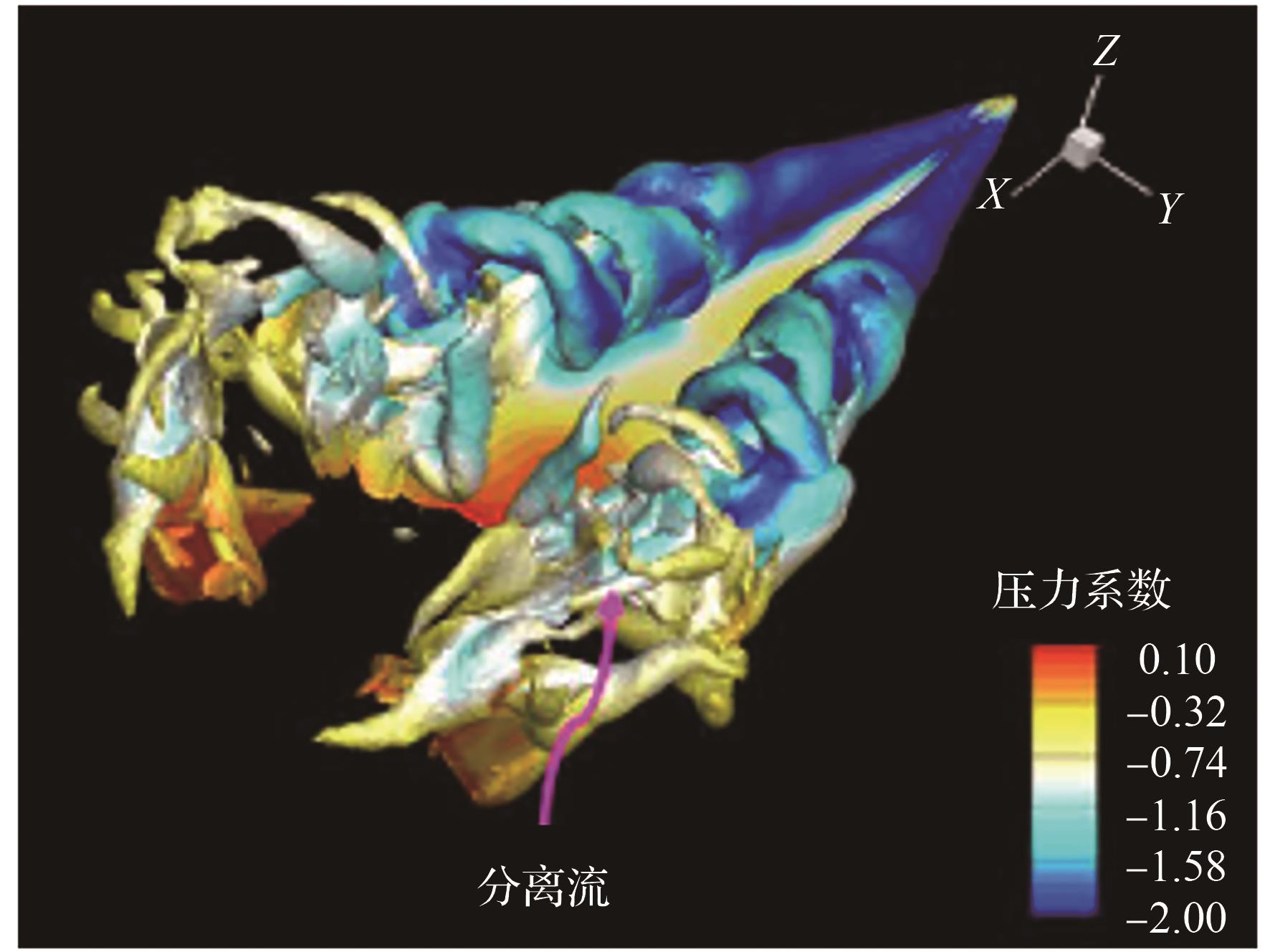
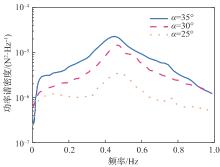
Fig.8
Power spectral density of buffet load[14]
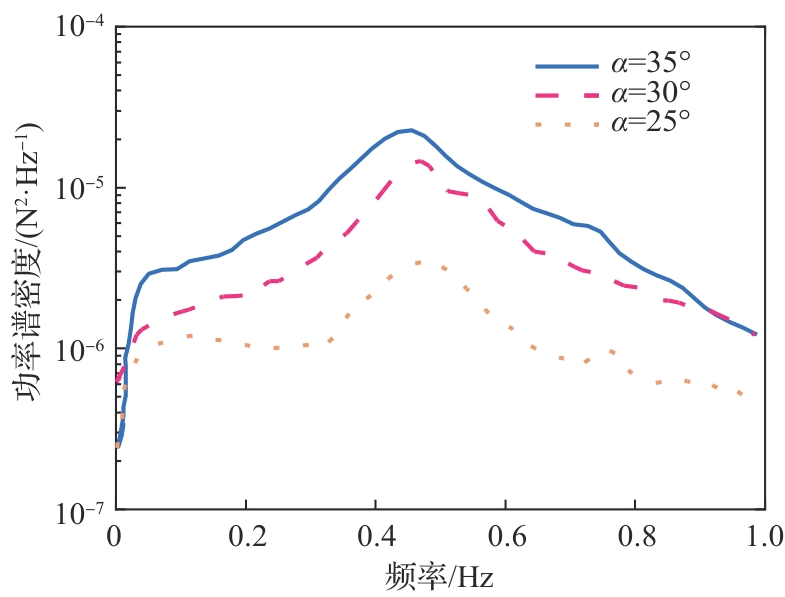
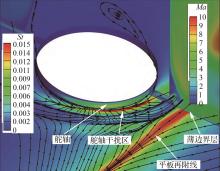
Fig.9
Thermal enviroment distribution inside air rudder model gap[17]
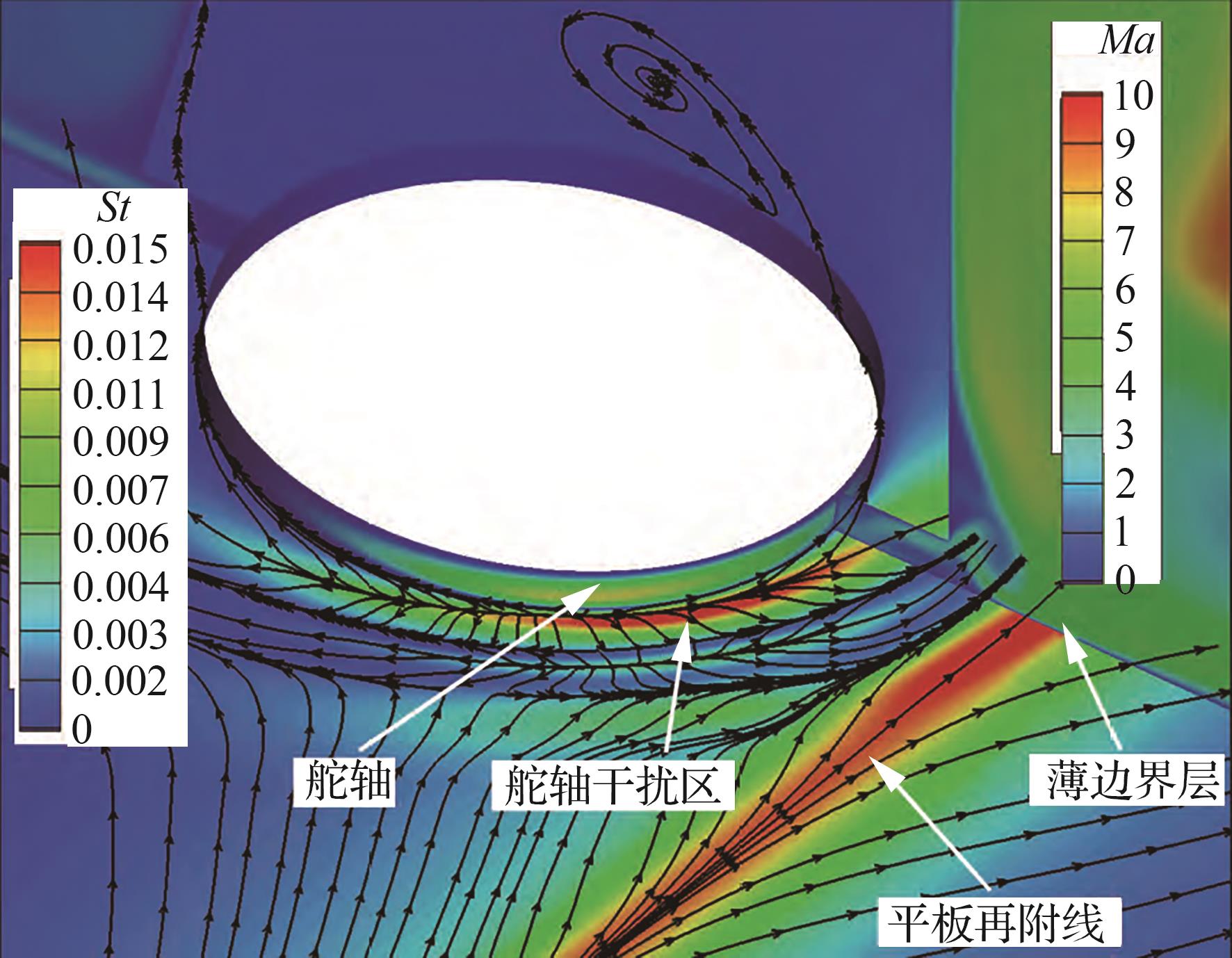
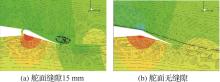
Fig.10
Contour and streamline diagram of interface pressure coefficient of lifting ailerons on outside of different gap sizes at 20° rudder deviation[18]
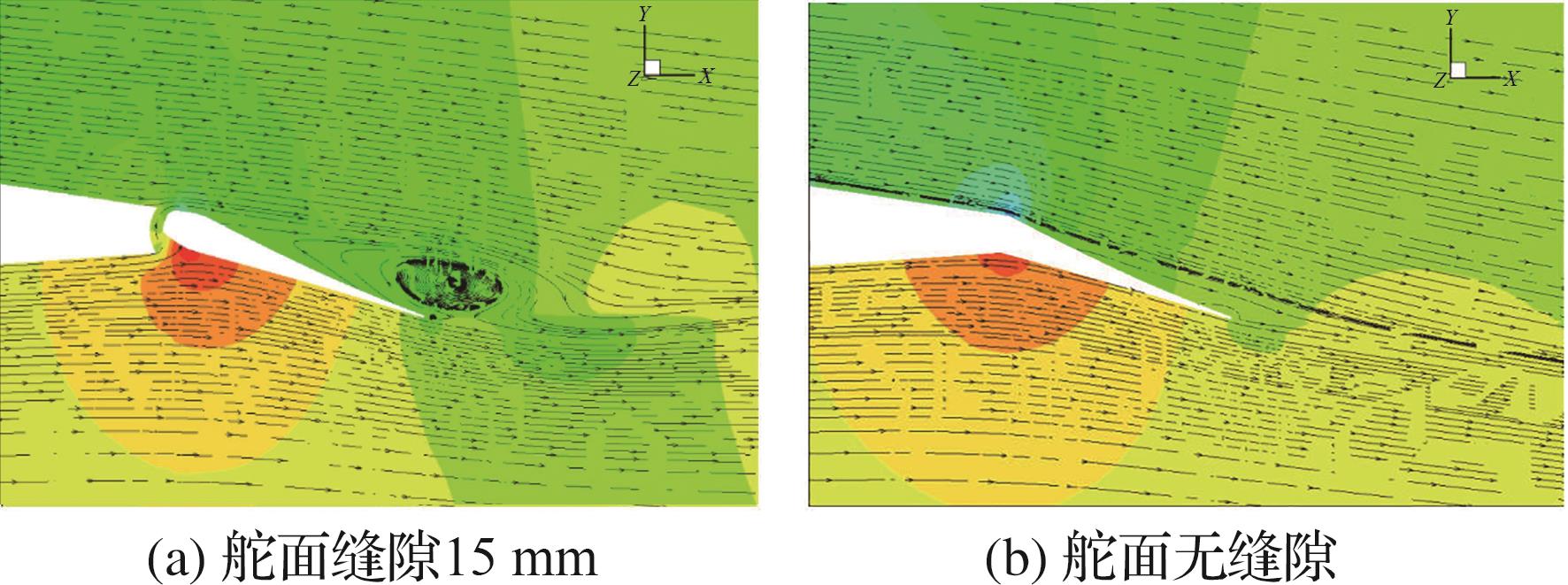
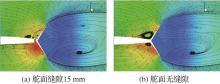
Fig.11
Contour and streamline diagram of interface pressure coefficient of rudder with different gap sizes at 60° rudder deviation[18]
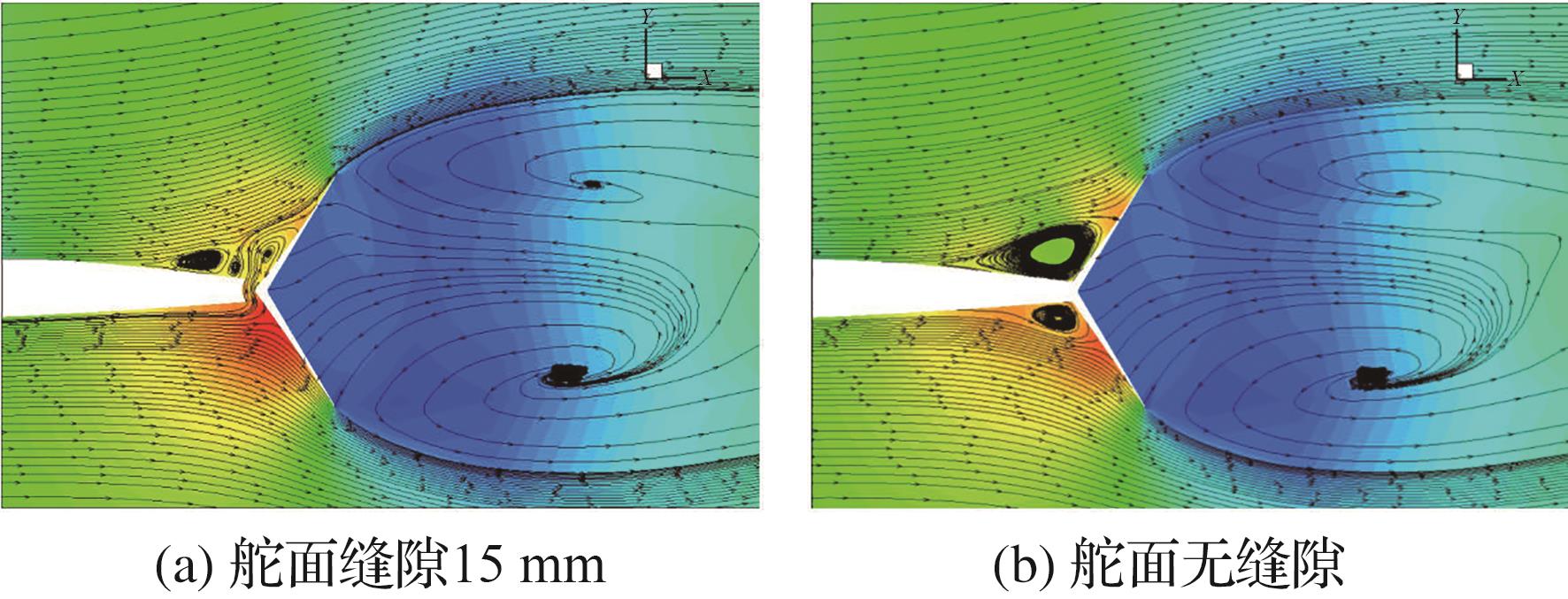
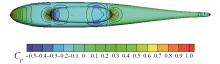
Fig.12
Contour of pressure distribution on surface of Robin’s fuselage[20]
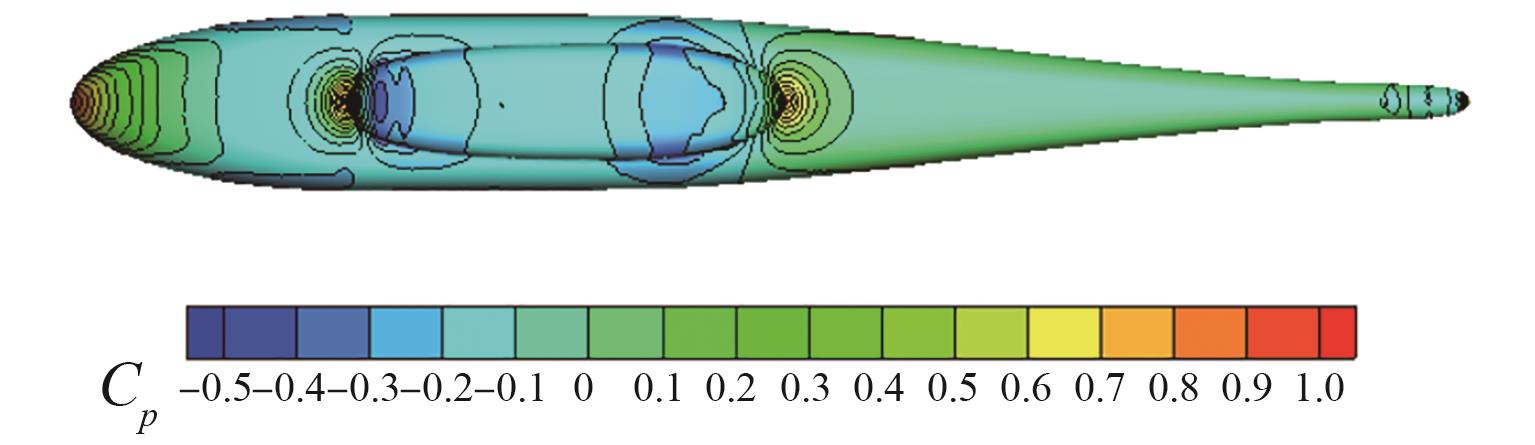
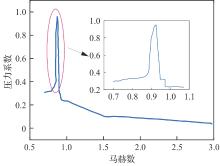
Fig.13
Pulsating pressure coefficient at different Mach numbers (Normalized coefficient)[21]
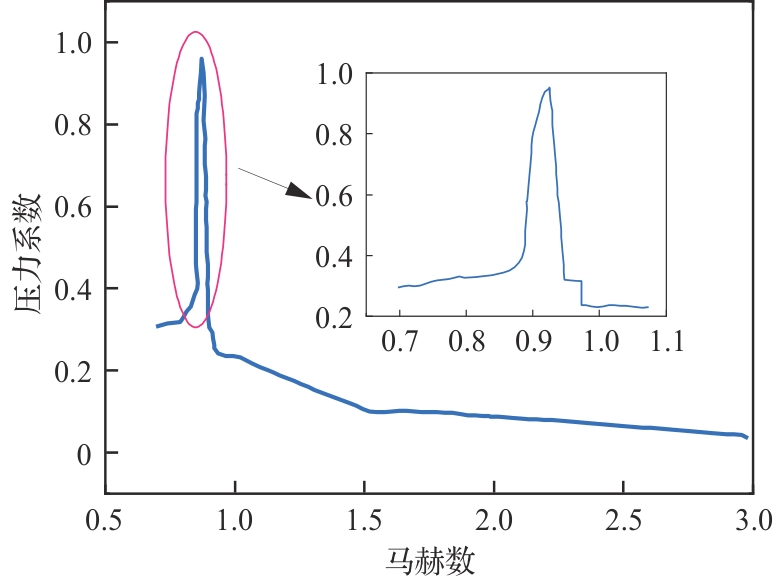
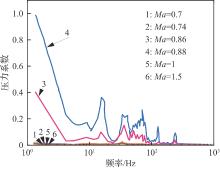
Fig.14
Power spectrum of pulsating pressure coefficient at different Mach numbers (Normalized coefficient)[21]
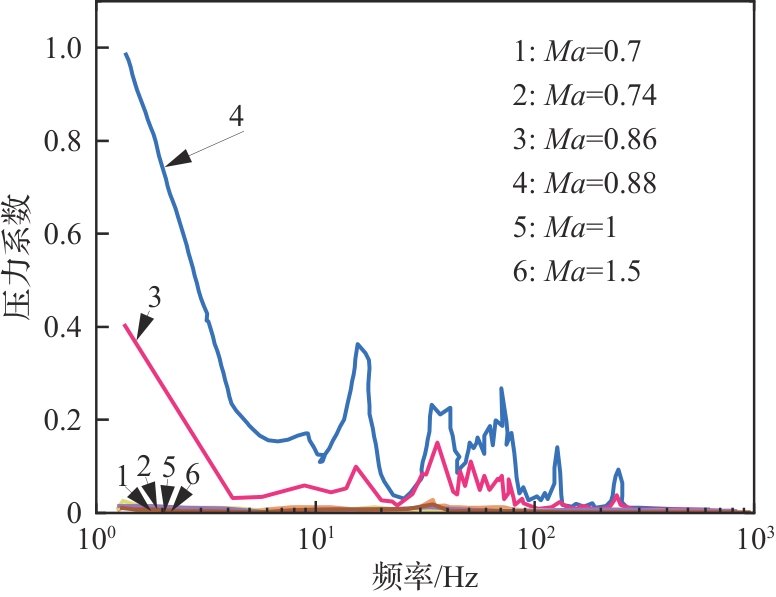
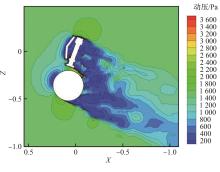
Fig.15
Dynamic pressure distribution on the symmetrical surface of landing gear[23]
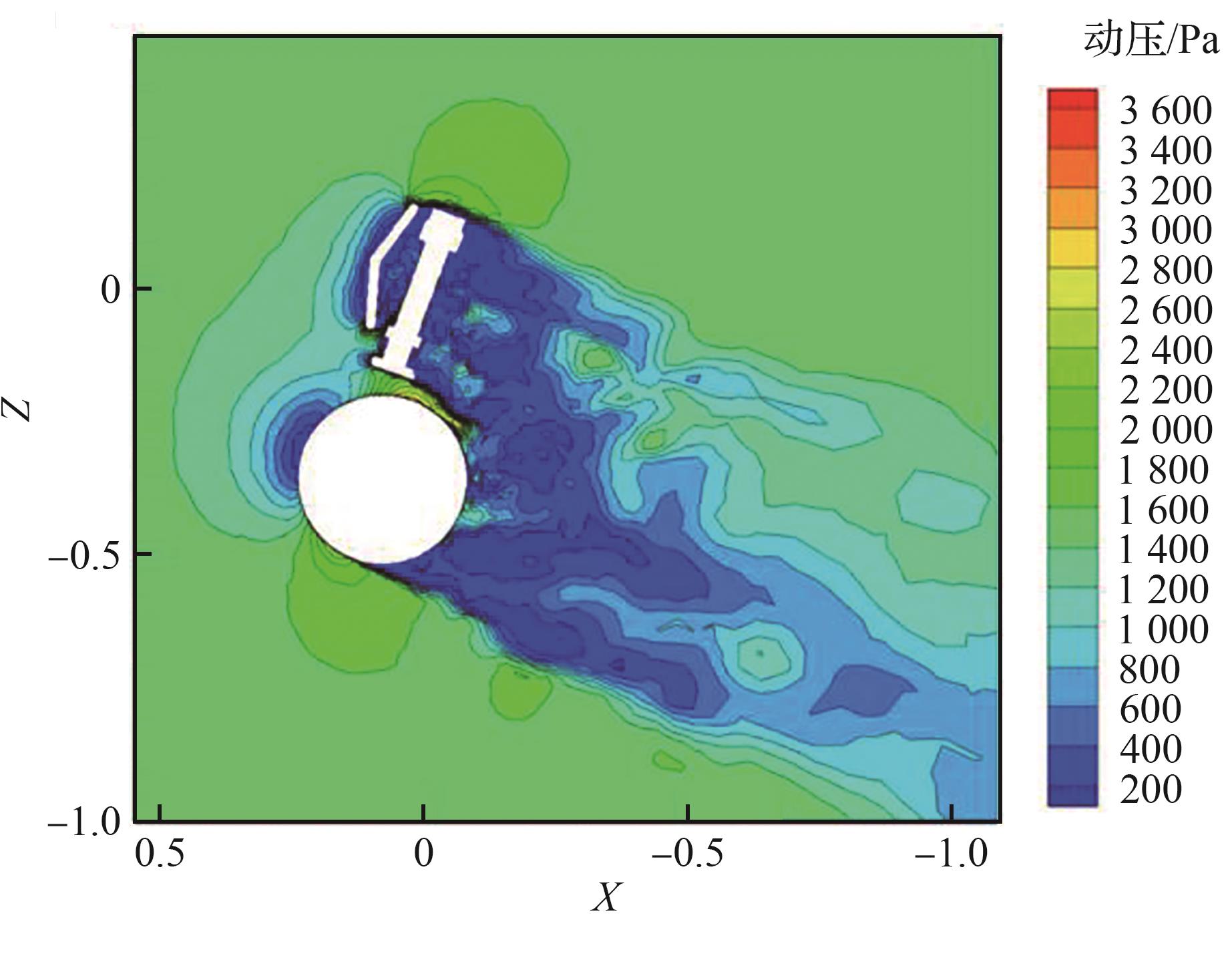
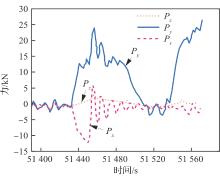
Fig.16
Typical time history of nose landing gear landing impact three-directional load[24]
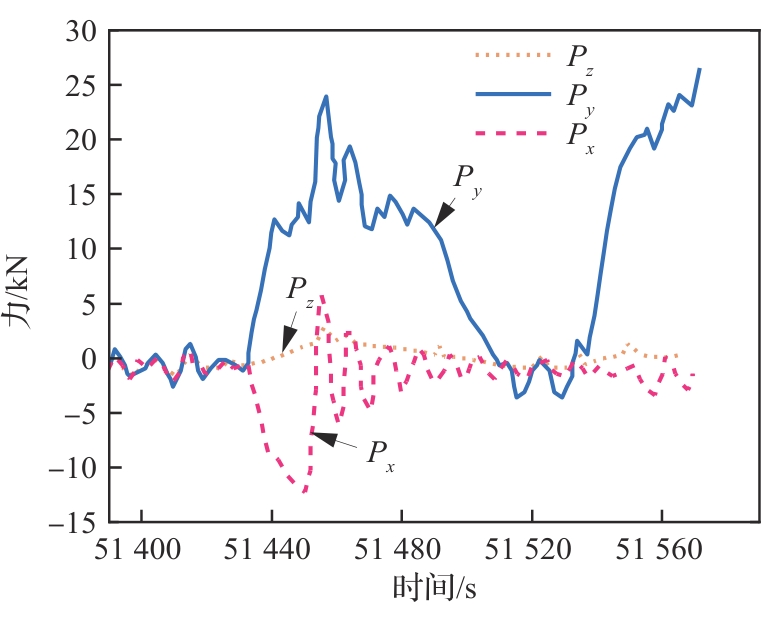
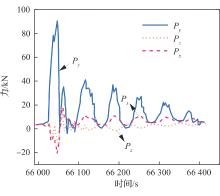
Fig.17
Typical time history of main landing gear landing impact three-directional load[24]
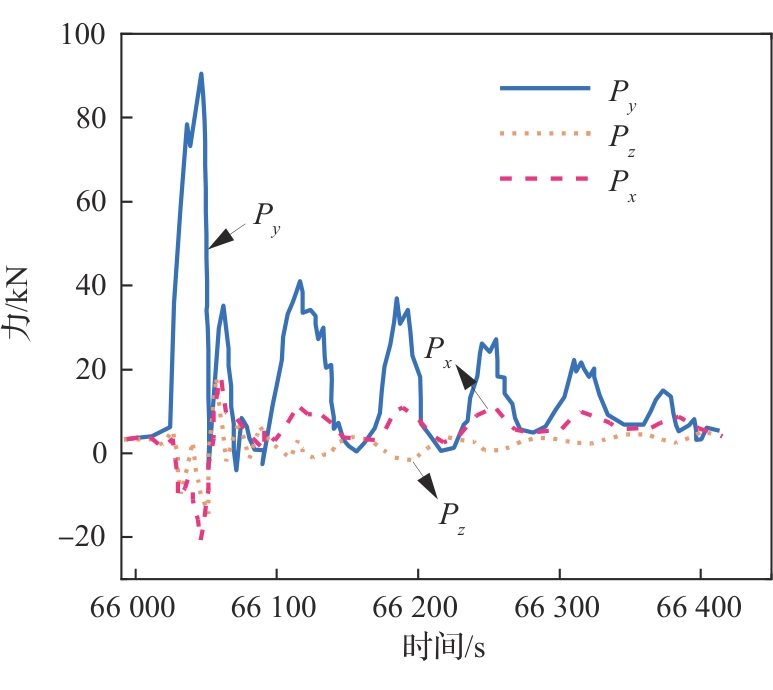
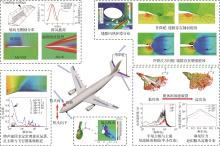
Fig.18
Typical load characteristics of aircraft structures
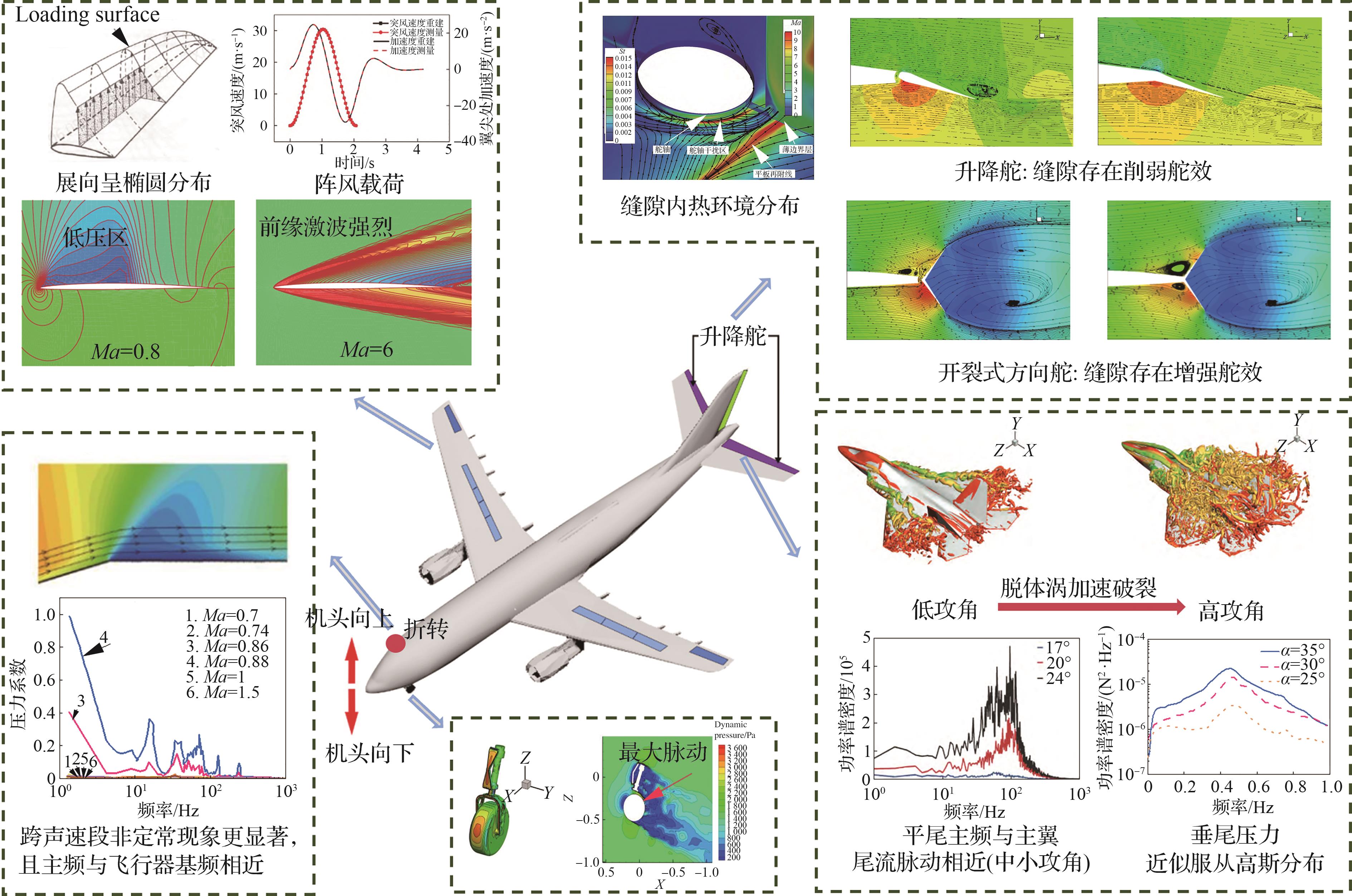
Fig.19
Fiber Bragg Grating (FBG) sensing principle[35]
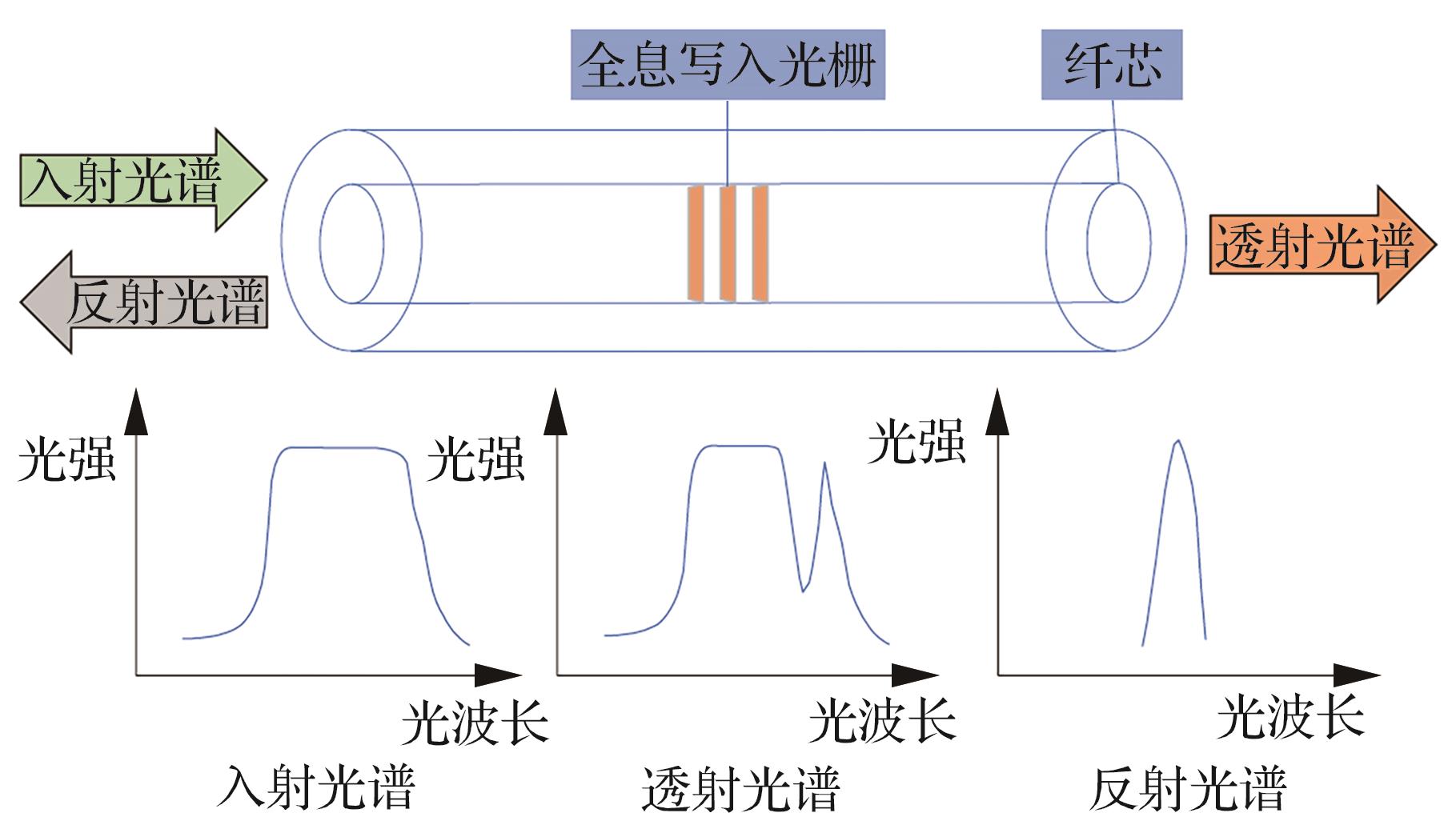
Fig.20
Balance measurement arrangement[48]
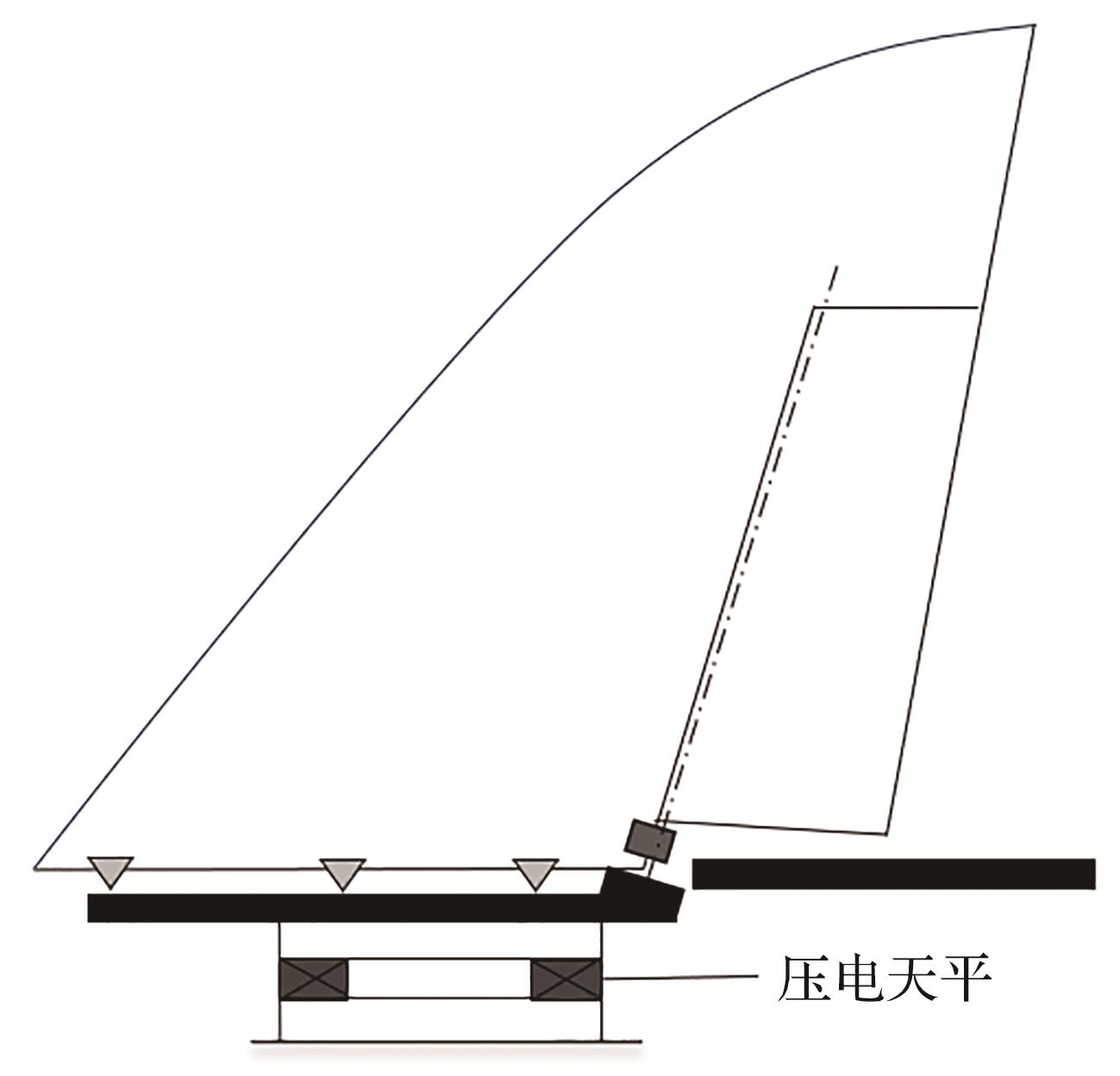
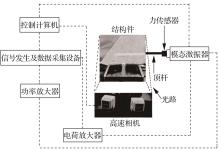
Fig.21
Variable cross-section rudder surface structure test system[52]
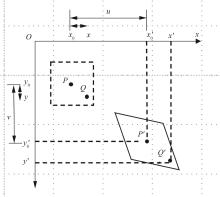
Fig.22
Fundamentals of digital image-related methods[55]
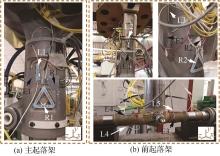
Fig.23
FBGs (white letters) and electrical strain gauges (black letters) installed on main and nose landing gear[25]
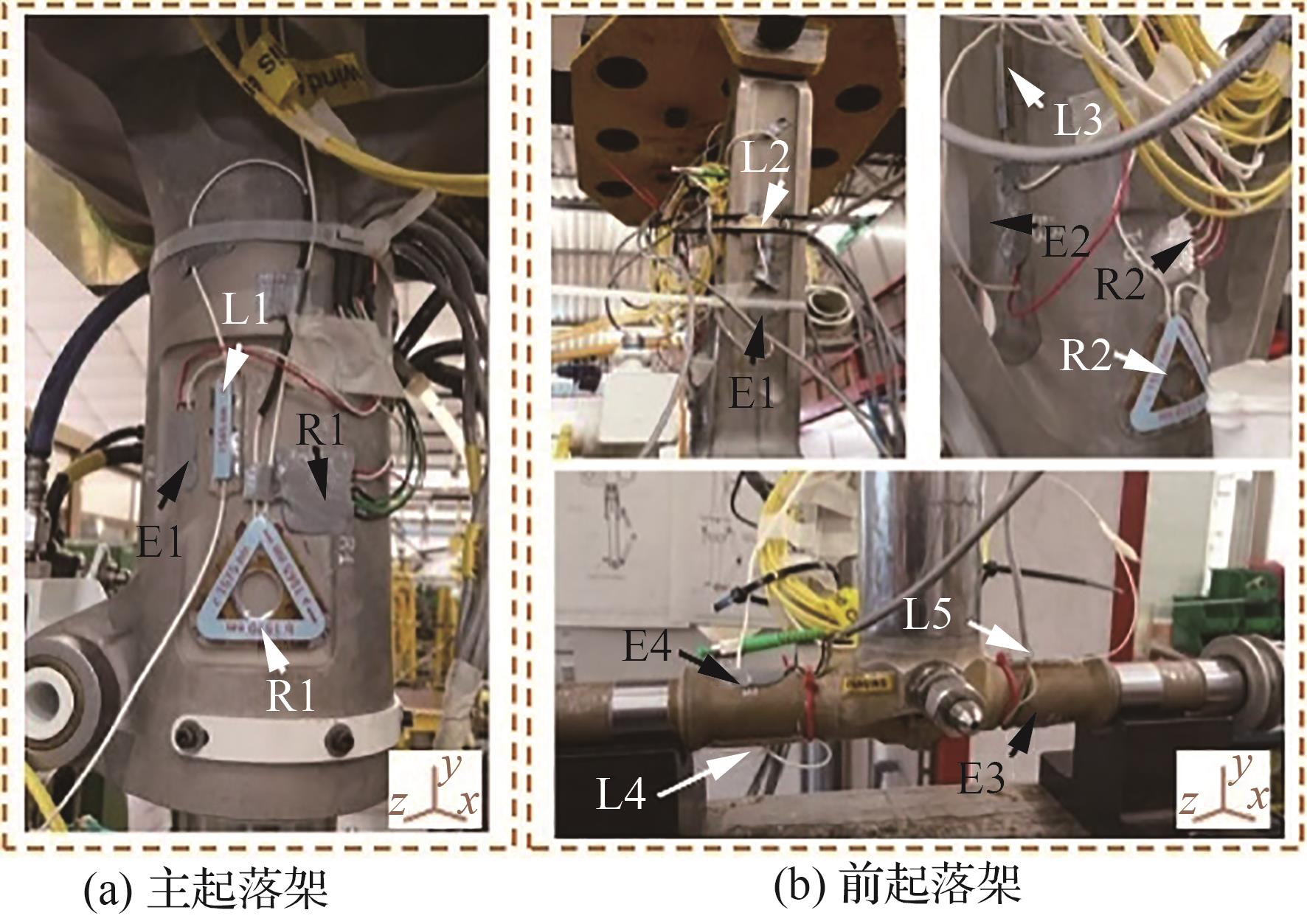

Table 1
Dynamic load measurement technology for aircraft structures
| 方法类型 | 典型技术 | 优势 | 局限性 |
|---|---|---|---|
| 直接测量 | 天平、PSP等 | 直接获取气动载荷数据 | 安装空间需求大、灵敏度受限等 |
| 接触式测量 | 应变片、FBG、加速度计等 | 实时监测、抗电磁干扰、高稳定性 | 受温度影响较大、设备成本较高、仅适用动载荷等 |
| 非接触式测量 | DIC、雷达红外热成像等 | 大变形监测、无需物理接触 | 依赖光学条件、高温/复杂环境适应性需增强等 |
Table 2
Dynamic load identification technology for aircraft structures
| 部位 | 主要问题 | 方法 | 局限性 | |
|---|---|---|---|---|
| 机翼 | 分布式载荷识别 阵风形状参数化建模 结构不确定性 | 基函数拟合等 随机优化法等 概率模型、非概率模型等 | 数据需求量大;先验假设强,高维计算复杂 迭代过程耗时 受限于不确定性较高的问题 | |
| 尾翼 | 抖振载荷 载荷空间分布未知 载荷作用位置未知 翼根弯矩难以测量 | POD降维建模等 逐点频域识别法等 伪载荷等效法等 建立多元线性回归方程等 | 数据需求量大、参数选取复杂等 依赖于结构区域划分 需预先分析载荷频宽等特性 需大量试验标定、回归模型泛化能力有限 | |
| 舵 | 结构不确定性 铰链力矩实测与力纷争影响 | 概率模型、非概率模型等 建立载荷应变方程等 | 受限于不确定性较高的问题 需大量试验标定 | |
| 机身 | 肩部随机脉动压力 结构不确定性 多场耦合 | 等效集中载荷等 概率模型、非概率模型等 非线性规划求解等 | 等效假设忽略局部细节,精度较低 受限于不确定性较高的问题 易陷入局部最优 | |
| 起落架 | 三向载荷交互耦合 | 多元线性回归法、高斯过程回归等 | 回归模型泛化能力有限 | |
| [1] | 孟光, 周徐斌, 苗军. 航天重大工程中的力学问题[J]. 力学进展, 2016, 46(0): 267-322. |
| MENG G, ZHOU X B, MIAO J. Mechanical problems in momentous projects of aerospace engineering[J]. Advances in Mechanics, 2016, 46(0): 267-322 (in Chinese). | |
| [2] | 许锋, 陈怀海, 鲍明. 机械振动载荷识别研究的现状与未来[J]. 中国机械工程, 2002, 13(6): 526-531. |
| XU F, CHEN H H, BAO M. Force identification for mechanical vibration: State-of-the-art and prospect[J]. China Mechanical Engineering, 2002, 13(6): 526-531 (in Chinese). | |
| [3] | 吴肖, 曾捷, 胡子康, 等. 变截面悬臂梁结构动载荷辨识方法[J]. 航空学报, 2020, 41(9): 223806. |
| WU X, ZENG J, HU Z K, et al. Dynamic load identification method for variable cross-section cantilever structure[J]. Acta Aeronautica et Astronautica Sinica, 2020, 41(9): 223806 (in Chinese). | |
| [4] | 杨智春, 杨特. 动载荷识别物理嵌入式神经网络模型与方法[J]. 航空学报, 2025, 46(5): 531450. |
| YANG Z C, YANG T. Physical embedded neural network model and method for dynamic load identification[J]. Acta Aeronautica et Astronautica Sinica, 2025, 46(5): 531450 (in Chinese). | |
| [5] | 曾旭, 邓德双, 杨红娟, 等. 航空结构低速冲击监测技术研究进展[J]. 航空学报, 2024, 45(23): 030368. |
| ZENG X, DENG D S, YANG H J, et al. Research progress in low-velocity impact monitoring technology for aircraft structures[J]. Acta Aeronautica et Astronautica Sinica, 2024, 45(23): 030368 (in Chinese). | |
| [6] | GATTO A, BOURDIN P, FRISWELL M I. Experimental investigation into articulated winglet effects on flying wing surface pressure aerodynamics[J]. Journal of Aircraft, 2010, 47(5): 1811-1815. |
| [7] | 郭少楠, 孟新意, 杨全, 等. 大展弦比机翼气动载荷展向分布研究[J]. 中国科技信息, 2022(6): 43-46. |
| GUO S N, MENG X Y, YANG Q, et al. Study on spanwise distribution of aerodynamic loads on wings with high aspect ratio[J]. China Science and Technology Information, 2022(6): 43-46 (in Chinese). | |
| [8] | 张煜, 白俊强, 屈峰. 低马赫数通用飞机翼型压力分布设计特点研究[J]. 西北工业大学学报, 2023, 41(1): 28-38. |
| ZHANG Y, BAI J Q, QU F. Study on design characteristics of airfoil pressure distribution for low Mach number general aircraft[J]. Journal of Northwestern Polytechnical University, 2023, 41(1): 28-38 (in Chinese). | |
| [9] | 张阳, 韩忠华, 周正, 等. 面向高超声速飞行器的宽速域翼型优化设计[J].空气动力学学报, 2021, 39(6):111-127. |
| ZHANG Y, HAN Z H, ZHOU Z, et al. Optimal design of wide-velocity airfoil for hypersonic vehicle[J]. Chinese Journal of Aerodynamics, 2021, 39(6):111-127 (in Chinese). | |
| [10] | SOLTANI M R, GHORBANIAN K, MASDARI M. Investigation of the pressure distribution and transition point over a swept wing[J]. Scientia Iranica, 2011, 18(6): 1277-1286. |
| [11] | 严桢锋. 面向机翼气动载荷与攻角特征辨识的光纤智能感知方法[D]. 南京: 南京航空航天大学, 2022: 24-25. |
| YAN Z F. Optical fiber intelligent perception method for wing aerodynamic load and angle of attack feature identification[D]. Nanjing: Nanjing University of Aeronautics and Astronautics, 2022: 24-25 (in Chinese). | |
| [12] | 孟德虹, 孙岩, 王运涛, 等. 战斗机垂尾脉动压力数值模拟[J]. 航空学报, 2016, 37(8): 2472-2480. |
| MENG D H, SUN Y, WANG Y T, et al. Numerical simulation of fluctuating pressure of fighter vertical tail[J]. Acta Aeronautica et Astronautica Sinica, 2016, 37(8): 2472-2480 (in Chinese). | |
| [13] | KANG D H, KWON O J. Numerical study about buffet characteristics and attenuation of vertical tail at high angles of attack[J]. International Journal of Aeronautical and Space Sciences, 2020, 21(2): 315-328. |
| [14] | LEE B H K, TANG F C. Characteristics of the surface pressures on a F/A-18 vertical fin due to buffet[J]. Journal of Aircraft, 1994, 31(1): 228-235. |
| [15] | 陈震宇, 刘洋, 徐亮. 某型民机低速巡航构型平尾抖振特性风洞试验研究[J]. 实验流体力学, 2021, 35(6): 94-99. |
| CHEN Z Y, LIU Y, XU L. Wind tunnel test investigation on buffeting characteristics of horizontal tail of commercial aircraft in low-speed cruise configuration[J]. Journal of Experiments in Fluid Mechanics, 2021, 35(6): 94-99 (in Chinese). | |
| [16] | FALKIEWICZ N, CESNIK C, BOLENDER M, et al. Thermoelastic formulation of a hypersonic vehicle control surface for control-oriented simulation[C]∥ AIAA Guidance, Navigation, and Control Conference. Reston: AIAA, 2009. |
| [17] | 谭杰, 孙晓峰, 刘芙群, 等. 高超声速平板/空气舵热环境数值模拟研究[J]. 空气动力学学报, 2019, 37(1): 153-159. |
| TAN J, SUN X F, LIU F Q, et al. Numerical simulation of aerodynamic heating environment of a hypersonic plate/rudder configuration[J]. Acta Aerodynamica Sinica, 2019, 37(1): 153-159 (in Chinese). | |
| [18] | 姚军锴, 曹德一, 何海波. 飞翼布局飞行器舵面缝隙对操纵效率的影响[J]. 空气动力学学报, 2017, 35(6): 850-854. |
| YAO J K, CAO D Y, HE H B. Gap influence on rudder efficiency of flying wing aircraft[J]. Acta Aerodynamica Sinica, 2017, 35(6): 850-854 (in Chinese). | |
| [19] | JAHANGIR ALAM G M, MAMUN M, TAHER ALI M ABU, et al. Investigation of the aerodynamic characteristics of an aerofoil shaped fuselage UAV model[J]. Procedia Engineering, 2014, 90: 225-231. |
| [20] | 谢冠一.直升机旋翼/机身/尾面气动干扰特性的CFD分析[D]. 南京: 南京航空航天大学, 2012: 25-26. |
| XIE G Y. CFD analysis of aerodynamic interference characteristics of helicopter rotor/fuselage/tail surface[D]. Nanjing: Nanjing University of Aeronautics and Astronautics, 2012: 25-26 (in Chinese). | |
| [21] | 操小龙, 罗金玲, 周丹杰, 等. 锥-柱体外形脉动压力及抖振载荷响应研究[J]. 战术导弹技术, 2010(1): 67-72. |
| CAO X L, LUO J L, ZHOU D J, et al. The research of fluctuating pressure and buffeting load on the cone-column body[J]. Tactical Missile Technology, 2010(1): 67-72 (in Chinese). | |
| [22] | 王娜, 高超. 弹体脉动压力特征的实验研究[J]. 实验流体力学, 2010, 24(1): 30-35. |
| WANG N, GAO C. Experimental research of fluctuating pressure on surface for a certain missile configuration[J]. Journal of Experiments in Fluid Mechanics, 2010, 24(1): 30-35 (in Chinese). | |
| [23] | 赵蓉. 考虑轮胎影响的起落架气动噪声分析[D]. 南京: 南京航空航天大学, 2017: 32-33. |
| ZHAO R. The aerodynamic noise analysis of a landing gear with tires[D]. Nanjing: Nanjing University of Aeronautics and Astronautics, 2017: 32-33 (in Chinese). | |
| [24] | 汤阿妮. 某型飞机实测起落架着陆载荷谱分析[J]. 强度与环境, 2007, 34(4): 43-48. |
| TANG A N. Analysis of usage landing gears loads spectrum for an aircraft’s landing gears[J]. Structure & Environment Engineering, 2007, 34(4): 43-48 (in Chinese). | |
| [25] | IELE A, LEONE M, CONSALES M, et al. Load monitoring of aircraft landing gears using fiber optic sensors[J]. Sensors and Actuators A: Physical, 2018, 281: 31-41. |
| [26] | 刘克格, 闫楚良. 飞机起落架载荷谱实测与编制方法[J]. 航空学报, 2011, 32(5): 841-848. |
| LIU K G, YAN C L. Load measurement and compilation of landing gear of airplane[J]. Acta Aeronautica et Astronautica Sinica, 2011, 32(5): 841-848 (in Chinese). | |
| [27] | 徐凤. 基于激光雷达对飞机机翼形面测量技术研究[J]. 四川职业技术学院学报, 2015, 25(6): 161-164. |
| XU F. Research on the measurement technology of aircraft wing profile based on laser radar[J]. Journal of Sichuan Vocational and Technical College, 2015, 25(6): 161-164 (in Chinese). | |
| [28] | 王景凡, 毛斌, 刘辉, 等. 激光位移传感器工作温度条件下的校准[J]. 中国测试, 2025, 51(2): 127-131. |
| WANG J F, MAO B, LIU H, et al. Calibration of laser displacement sensors under operating temperature conditions[J]. China Measurement & Test, 2025, 51(2): 127-131 (in Chinese). | |
| [29] | XIONG Y Y, GOU Y J, TIAN W D, et al. Full-field 3D displacement measurement via microwave sensing[J]. Mechanical Systems and Signal Processing, 2025, 234: 112804. |
| [30] | BAKUNOWICZ J, MEYER R. In-flight wing deformation measurements on a glider[J]. The Aeronautical Journal, 2016, 120(1234): 1917-1931. |
| [31] | MA Y H, SONG Z X, WANG Y S, et al. Improving the spatial resolution of full-field vibration measurements for hollow structures using a speckle compensation calibration method in multi-camera DIC[J]. Optics Communications, 2025, 585: 131865. |
| [32] | LIU T S, MONTEFORT J, GREGORY J, et al. Wing deformation measurements from pressure sensitive paint images using videogrammetry[C]∥ 41st AIAA Fluid Dynamics Conference and Exhibit. Reston: AIAA, 2011. |
| [33] | KOREANSCHI A, GABOR O S, ACOTTO J, et al. Optimization and design of an aircraft’s morphing wingtip demonstrator for drag reduction at low speeds, Part Ⅱ-Experimental validation using Infra-Red transition measurement from Wind Tunnel tests[J]. Chinese Journal of Aeronautics, 2017, 30(1): 164-174. |
| [34] | 张京娟, 秦海霞, 吴君. 飞机机翼结构变形量测量装置[J]. 仪表技术与传感器, 2012(2): 100-102. |
| ZHANG J J, QIN H X, WU J. Design of measuring device for deformation of airplane’s wing structure[J]. Instrument Technique and Sensor, 2012(2): 100-102 (in Chinese). | |
| [35] | 李晗, 张波涛, 王俊杰, 等. 光纤光栅传感器振动与温度信号解耦[J]. 上海交通大学学报, 2022, 56(2): 214-222. |
| LI H, ZHANG B T, WANG J J, et al. Decoupling of vibration and temperature signals of fiber Bragg grating sensor[J]. Journal of Shanghai Jiao Tong University, 2022, 56(2): 214-222 (in Chinese). | |
| [36] | KWON H, PARK Y, KIM J H, et al. Embedded fiber Bragg grating sensor-based wing load monitoring system for composite aircraft[J]. Structural Health Monitoring, 2019, 18(4): 1337-1351. |
| [37] | FREYDIN M, RATTNER M K, RAVEH D E, et al. Fiber-optics-based aeroelastic shape sensing[J]. AIAA Journal, 2019, 57(12): 5094-5103. |
| [38] | WILLIAM L K, RICHARDS W L. Displacement theories for in-flight deformed shape predictions of a long span flying wing: NASA/TP-2007-214612 [R]. Edwards: NASA Dryden Flight Research Center, 2006. |
| [39] | PENA F, MARTINS B L, RICHARDA W L. Active inflight load redistribution utilizing fiber-optic shape sensing and multiple control surfaces: NASA/TM—2018-219741[R]. Edwards: NASA Armstrong Flight Research Center, 2018. |
| [40] | 曲道明, 孙广开, 李红, 等. 变形机翼柔性蒙皮形状光纤传感及重构方法[J]. 仪器仪表学报, 2018, 39(1): 144-151. |
| QU D M, SUN G K, LI H, et al. Optical fiber sensing and reconstruction method for morphing wing flexible skin shape[J]. Chinese Journal of Scientific Instrument, 2018, 39(1): 144-151 (in Chinese). | |
| [41] | HE Y L, DONG M L, SUN G K, et al. Shape monitoring of morphing wing using micro optical sensors with different embedded depth[J]. Optical Fiber Technology, 2019, 48: 179-185. |
| [42] | 黄勇. 基于光纤传感的襟翼操纵载荷试飞技术[J]. 航空学报, 2020, 41(4): 223213. |
| HUANG Y. Flight test technic for flap operation load with optical fiber sensing[J]. Acta Aeronautica et Astronautica Sinica, 2020, 41(4): 223213 (in Chinese). | |
| [43] | 任旭东, 赵子杰, 高超, 等. NACA0012翼型抖振现象实验研究[J]. 工程力学, 2015, 32(5): 236-242. |
| REN X D, ZHAO Z J, GAO C, et al. Experimental study on the buffet phenomenon of NACA0012 airfoil[J]. Engineering Mechanics, 2015, 32(5): 236-242 (in Chinese). | |
| [44] | 张庆, 华如豪, 叶正寅. 一种新型垂尾抖振抑制方法实验研究[J]. 实验流体力学, 2015, 29(1): 37-42. |
| ZHANG Q, HUA R H, YE Z Y. Experimental study on a novel method for vertical tail buffet suppression[J]. Journal of Experiments in Fluid Mechanics, 2015, 29(1): 37-42 (in Chinese). | |
| [45] | LEE B, TANG F. Buffet load measurements on an F/A-18 vertical fin at high-angle-of-attack[C]∥ Dynamics Specialists Conference. Reston: AIAA, 1992. |
| [46] | 高通锋, 张海涛. 基于T型平尾结构的抖振载荷测量技术研究[J]. 力学与实践, 2023, 45(3): 565-572. |
| GAO T F, ZHANG H T. Research on buffeting load measurement technology based on t-shaped flat tail structure[J]. Mechanics in Engineering, 2023, 45(3): 565-572 (in Chinese). | |
| [47] | VUKOVIĆ Đ, DAMLJANOVIĆ D. Evaluation of a force balance with semiconductor strain gages in wind tunnel tests of the HB-2 standard model[J]. Proceedings of the Institution of Mechanical Engineers, Part G: Journal of Aerospace Engineering, 2015, 229(12): 2272-2281. |
| [48] | HUFNAGEL K, SCHEWE G. Force and moment measurement[M]∥ Springer Handbook of Experimental Fluid Mechanics. Berlin, Heidelberg: Springer, 2007: 563-616. |
| [49] | ROOZEBOOM N H, BAERNY J K. Guide for pressure-sensitive paint testing at NASA Ames Research Center Unitary Plan wind tunnel[C]∥ AIAA Aerospace Sciences Meeting. Reston: AIAA, 2006. |
| [50] | 何发东. 飞机舵面铰链力矩飞行实测技术研究[J]. 科学技术与工程, 2011, 11(31): 7835-7838. |
| HE F D. Technology research of real flight test on hinge moment of aircraft’s control surface[J]. Science Technology and Engineering, 2011, 11(31): 7835-7838 (in Chinese). | |
| [51] | 李俊, 蒋献. 飞机主动式余度作动舵面铰链力矩飞行测量方法[J]. 空军工程大学学报, 2023, 24(3): 43-49. |
| LI J, JIANG X. A flight measurement method for hinge moment of aircraft control surface with redundant actuation system in active mode[J]. Journal of Air Force Engineering University, 2023, 24(3): 43-49 (in Chinese). | |
| [52] | 彭富豪, 于开平, 康亚涛, 等. 变截面舵面结构全场瞬态变形测量及振动特性分析[J]. 计算机测量与控制, 2022, 30(6): 84-90, 119. |
| PENG F H, YU K P, KANG Y T, et al. Full field transient deformation measurement and vibration characteristics analysis of variable section rudder surface structure[J]. Computer Measurement & Control, 2022, 30(6): 84-90, 119 (in Chinese). | |
| [53] | 何石, 田敏, 白春玉. 典型服役热环境下舵面结构动力学特性试验技术[J]. 科学技术与工程, 2024, 24(24): 10545-10551. |
| HE S, TIAN M, BAI C Y. Experimental technology for dynamic characteristics of rudder surface structures under typical service thermal environment[J]. Science Technology and Engineering, 2024, 24(24): 10545-10551 (in Chinese). | |
| [54] | PHAM J, GHATTAS O, WILLCOX K E. Real-time aerodynamic load estimation for hypersonics via strain-based inverse maps[C]∥ AIAA Scitech 2024 Forum. Reston: AIAA, 2024. |
| [55] | 王昌林, 谢宇航, 张文东. 数字图像相关方法在机身壁板试验中的应用研究[J]. 工程与试验, 2022, 62(2): 30-32, 42. |
| WANG C L, XIE Y H, ZHANG W D. Research on application of digital image correlation method to fuselage panel test[J]. Engineering & Test, 2022, 62(2): 30-32, 42 (in Chinese). | |
| [56] | 臧伟锋, 李磊, 张海英. 机身壁板内压剪切联合加载试验研究[J]. 科学技术与工程, 2023, 23(28): 12300-12306. |
| ZANG W F, LI L, ZHANG H Y. Test research on fuselage panel subjected to combined internal pressure and shear load[J]. Science Technology and Engineering, 2023, 23(28): 12300-12306 (in Chinese). | |
| [57] | 谢帅, 张海涛, 霍幸莉, 等. 基于连杆应变测量的起落架舱门结构健康监测[J]. 空军工程大学学报, 2023, 24(3): 50-54. |
| XIE S, ZHANG H T, HUO X L, et al. Structural health mornitoring of landing gear doors based on strain measurement[J]. Journal of Air Force Engineering University, 2023, 24(3): 50-54 (in Chinese). | |
| [58] | 侯强, 马艳萍, 郭辉, 等. 基于LabVIEW的起落架小落震台检测系统研究[J]. 机械工程师, 2023(11): 21-24, 28. |
| HOU Q, MA Y P, GUO H, et al. Research on detection system of landing gear small drop shock platform based on LabVIEW[J]. Mechanical Engineer, 2023(11): 21-24, 28 (in Chinese). | |
| [59] | 张海兵, 李小丽, 朱龙翔. 基于光纤声发射技术的飞机起落装置损伤监测[J].国防制造技术, 2017, 3(1): 43-45. |
| ZHANG H B, LI X L, ZHU L X. Damage monitoring of aircraft landing gear based on optical fibre acoustic emission technology[J]. Defense Manufacturing Technology, 2017, 3(1): 43-45 (in Chinese). | |
| [60] | 黄鹏宇, 陈诗, 刘元凤, 等. 基于FBG的某舰载机前起落架载荷监测技术研究[J]. 激光杂志, 2023, 44(7): 68-75. |
| HUANG P Y, CHEN S, LIU Y F, et al. Research on FBG-based front landing gear load monitoring technology of a carrier aircraft[J]. Laser Journal, 2023, 44(7): 68-75 (in Chinese). | |
| [61] | BARTLETT F D, FLANNELLY W G. Model verification of force determination for measuring vibratory loads[J]. Journal of the American Helicopter Society, 1979, 24(2): 10-18. |
| [62] | STARKEY J M, MERRILLG L. On the ill⁃condition nature of indirect force measurement technique[J]. International Journal of Analysis and Experimental Modal Analysis, 1989, 4(3):103⁃108. |
| [63] | SIMEONE S, RONCH A DA, RENDALL T. A gust reconstruction framework applied to a nonlinear reduced order model of a wing typical section[C]∥ 58th AIAA/ASCE/AHS/ASC Structures, Structural Dynamics, and Materials Conference. Reston: AIAA, 2017. |
| [64] | ZHU R, YUAN W X, FEI Q G, et al. Low-resource dynamic loading identification of nonlinear system using pretraining[J]. Engineering Structures, 2025, 323: 119238. |
| [65] | 郑屹.薄壁结构分布动载荷识别技术研究[D]. 南京: 东南大学, 2021: 43-48. |
| ZHENG Y. Research on dynamic load identification technology for thin-walled structures[D]. Nanjing: Southeast University, 2021: 43-48 (in Chinese). | |
| [66] | WU S Q, ZHENG Y, SUN Y W, et al. Identify the stochastic dynamic load on a complex uncertain structural system[J]. Mechanical Systems and Signal Processing, 2021, 147: 107114. |
| [67] | CAO X, SUGIYAMA Y, MITSUI Y. Application of artificial neural networks to load identification[J]. Computers & Structures, 1998, 69(1): 63-78. |
| [68] | COFFIN P, DENNARD C, PHAM J. Inverse methods for identifying pressure loading vehicles using structural response[C]∥ AIAA Scitech 2020 Forum. Reston: AIAA, 2020. |
| [69] | ZHENG Y, WU S Q, FEI Q G. Distributed dynamic load identification on irregular planar structures using subregion interpolation[J]. Journal of Aircraft, 2021, 58(2): 288-299. |
| [70] | BALATTI D, HADDAD KHODAPARAST H, FRISWELL M I, et al. Aircraft turbulence and gust identification using simulated in-flight data[J]. Aerospace Science and Technology, 2021, 115: 106805. |
| [71] | 肖宇. 一种基于随机优化算法的民用飞机突风动载荷重建方法[J]. 航空工程进展, 2023, 14(3): 61-68, 107. |
| XIAO Y. A reconstruction method of civil aircraft dynamic gust load based on the stochastic optimization algorithm[J]. Advances in Aeronautical Science and Engineering, 2023, 14(3): 61-68, 107 (in Chinese). | |
| [72] | WANG L J, PENG Y L, XIE Y X, et al. A new iteration regularization method for dynamic load identification of stochastic structures[J]. Mechanical Systems and Signal Processing, 2021, 156: 107586. |
| [73] | LIU Y R, WANG L. A two-step weighting regularization method for stochastic excitation identification under multi-source uncertainties based on response superposition-decomposition principle[J]. Mechanical Systems and Signal Processing, 2023, 182: 109565. |
| [74] | KATZENMEIER L, VIDY C, BREITSAMTER C. Using a proper orthogonal decomposition representation of the aerodynamic forces for stochastic buffeting prediction[J]. Journal of Fluids and Structures, 2020, 99: 103178. |
| [75] | LEVINSKI O, HILL B. Prediction of vertical tail buffet using artificial neural networks[C]∥ 24th AIAA Applied Aerodynamics Conference. Reston: AIAA, 2006. |
| [76] | 顾慧芝, 聂君剑, 丁锡洪. 载荷识别的等效点动标定法[J]. 振动工程学报, 1997, 10(3): 329-334. |
| GU H Z, NIE J J, DING X H. An equivalent point calibration method for dynamic load identifications[J]. Journal of Vibration Engineering, 1997, 10(3): 329-334 (in Chinese). | |
| [77] | 贾有, 杨智春. 一种飞机垂尾抖振载荷识别的新方法[J]. 航空学报, 2013, 34(10): 2333-2340. |
| JIA Y, YANG Z C. A new approach to identify buffet loads for aircraft vertical tail[J]. Acta Aeronautica et Astronautica Sinica, 2013, 34(10): 2333-2340 (in Chinese). | |
| [78] | 孙建华, 蘧时红. 飞行载荷参数识别方法研究[J]. 航空学报, 1994, 15(1): 109-112. |
| SUN J H, QU S H. A study on a parametric identification method of flight load[J]. Acta Aeronautica et Astronautica Sinica, 1994, 15(1): 109-112 (in Chinese). | |
| [79] | 耿寅岑, 吴邵庆, 郑屹. 区间不确定性结构表面分布随机动载荷识别[J/OL]. 工程力学, (2024-05-23)[2025-06-16]. . |
| GENG Y C, WU S Q, ZHENG Y. Distributed random dynamic load identification on the surface of a structure with interval uncertainty[J/OL]. Engineering Mechanics, (2024-05-23)[2025-06-16]. (in Chinese). | |
| [80] | WANG L, LIU Y R. A novel method of distributed dynamic load identification for aircraft structure considering multi-source uncertainties[J]. Structural and Multidisciplinary Optimization, 2020, 61(5): 1929-1952. |
| [81] | MILLER E J, CRUZ J, LUNG S F, et al. Evaluation of the hinge moment and normal force aerodynamic loads from a seamless adaptive compliant trailing edge flap in flight[C]∥ 54th AIAA Aerospace Sciences Meeting. Reston: AIAA, 2016. |
| [82] | 李志蕊, 吴波, 高腾龙. 基于应变法的非常规细长拉杆飞行载荷实测技术[J]. 现代机械, 2018(6): 57-59, 78. |
| LI Z R, WU B, GAO T L. Flight load measurement technology of unconventional slender rod based on strain method[J]. Modern Machinery, 2018(6): 57-59, 78 (in Chinese). | |
| [83] | 孙喜桂, 郭瑜超, 聂小华. 机身壁板复杂载荷解耦方法研究[J]. 工程与试验, 2023, 63(1): 4-6. |
| SUN X G, GUO Y C, NIE X H. Study on decoupling method for complex load of fuselage panel[J]. Engineering & Test, 2023, 63(1): 4-6 (in Chinese). | |
| [84] | LIU J, HAN X, JIANG C, et al. Dynamic load identification for uncertain structures based on interval analysis and regularization method[J]. International Journal of Computational Methods, 2011, 8(4): 667-683. |
| [85] | 盖晓男, 于开平. 飞行器跨声速段肩部脉动压力等效预示方法[J]. 噪声与振动控制, 2020, 40(1): 1-4, 45. |
| GAI X N, YU K P. An equivalent prediction method for shoulder pulsating pressure of flight vehicle in transonic phase[J]. Noise and Vibration Control, 2020, 40(1): 1-4, 45 (in Chinese). | |
| [86] | 张曾, 张江监, 王裕昌. 飞机起落架滑行载荷识别[J]. 航空学报, 1994, 15(1): 54-61. |
| ZHANG Z, ZHANG J J, WANG Y C. Identification of airplane landing gear loads during taxiing[J]. Acta Aeronautica et Astronautica Sinica, 1994, 15(1): 54-61 (in Chinese). | |
| [87] | LI W Y, CHEN S, CHU Y Y, et al. Wide-range fiber Bragg grating strain sensor for load testing of aircraft landing gears[J]. Optik, 2022, 262: 169290. |
| [88] | THOMAS J, KISHORE K, RAJANNA T R, et al. Load estimation of aircraft landing gears using fiber Bragg grating sensors[M]∥Advances in Fibers, Optical Sensors, Optical Communications and Networks. Singapore: Springer, 2024: 55-64. |
| [89] | ARNSON M G, ALJABER R, CINAR G. Predicting aircraft design parameters using Gaussian process regressions on historical data[C]∥ AIAA Scitech 2025 Forum. Reston: AIAA, 2025. |
| [90] | 吴大方, 赵星, 贺小帆, 等. 飞机起落架落震试验中机轮水平冲击载荷测量方法的研究[J]. 机械强度, 2010, 32(5): 729-734. |
| WU D F, ZHAO X, HE X F, et al. Study on measurement method of horizontal impact load in aircraft landing gear drop test[J]. Journal of Mechanical Strength, 2010, 32(5): 729-734 (in Chinese). | |
| [91] | WANG Y S, QIAN H, LIU Q H, et al. Hierarchical Bayesian model for identifying clearance-type nonlinear system[J]. Mechanical Systems and Signal Processing, 2025, 235: 112891. |
| [92] | ZHU R, JIANG D, MARCHESIELLO S, et al. Automatic nonlinear subspace identification using clustering judgment based on similarity filtering[J]. AIAA Journal, 2023, 61(6): 2666-2674. |
| [93] | YUAN W X, ZHU R, XIANG T, et al. Nonlinear system identification using audio-inspired WaveNet deep neural networks[J]. AIAA Journal, 2023, 61(9): 4070-4078. |
| [94] | 李锟.分布动态载荷识别的理论与方法研究[D]. 长沙: 湖南大学, 2018: 19-20. |
| LI K. Research on the theory and method of distributed dynamic load identification[D]. Changsha: Hunan University, 2018: 19-20 (in Chinese). |
| [1] | Qingzong LIU, Mingsong DING, Weizhong DONG, Wenhui KONG, Tao JIANG. Numerical computation on aerothermal environment with mass injection for high-speed aircraft [J]. Acta Aeronautica et Astronautica Sinica, 2026, 47(5): 132462-132462. |
| [2] | Bei LIU, Xingya DA, Yaowu ZHU, Yuan YI. Longitudinal aerodynamic/propulsion coupling effects of a distributed propulsion aircraft [J]. Acta Aeronautica et Astronautica Sinica, 2026, 47(4): 132280-132280. |
| [3] | Yongli ZHANG, Zhiqi NIU, Lei YU, Junhui MENG, Feng SUN. Advances and prospects in application of key structural technologies for intelligent ammunition [J]. Acta Aeronautica et Astronautica Sinica, 2026, 47(4): 232351-232351. |
| [4] | Yu LI, Xinlong XU, Kecheng LI, Chi-yung WEN, Ni LI, Xiaoxiong LIU. Deep-stall recovery control based on safety-constrained reinforcement learning [J]. Acta Aeronautica et Astronautica Sinica, 2026, 47(4): 332217-332217. |
| [5] | Feihang NIU, Qiaozhi YIN, Xiaohui WEI, Weihua LIANG, Hong NIE. Buffering method of bio-inspired landing gear based on active compliance control [J]. Acta Aeronautica et Astronautica Sinica, 2026, 47(1): 632001-632001. |
| [6] | Yujie YUAN, Jiashuai LI, Xinyi ZHAO, Yantao WANG. eVTOL scheduling schemes for dynamic demand and variable intervals [J]. Acta Aeronautica et Astronautica Sinica, 2026, 47(1): 631907-631907. |
| [7] | Tielin MA, Biao JING, Chongwen JIANG, Nanxuan QIAO, Jingcheng FU, Jinwu XIANG. Configuration design and mission capability evaluation of a cross-speed-range waverider-integrated morphing wing [J]. Acta Aeronautica et Astronautica Sinica, 2026, 47(1): 632051-632051. |
| [8] | Lixiong ZHENG, Zhe CHEN, Xin WANG, Qijun ZHAO. Prediction of whirl flutter boundary for tiltrotor aircraft based on BPNN with adaptive data [J]. Acta Aeronautica et Astronautica Sinica, 2025, 46(S1): 732159-732159. |
| [9] | Xiayang ZHANG, Bin LUO, Xi CHEN, Tao YANG. Optimization design of high-efficiency and low-noise rotor layout for quad-tiltrotor aircraft [J]. Acta Aeronautica et Astronautica Sinica, 2025, 46(S1): 732183-732183. |
| [10] | Tao ZHANG, Pan LI, Zixu WANG, Zhenhua ZHU. Design of reward functions for helicopter attitude control in reinforcement learning [J]. Acta Aeronautica et Astronautica Sinica, 2025, 46(S1): 732184-732184. |
| [11] | Yongjie ZHANG, Hongchen WANG, Bo CUI, Jingpiao ZHOU. Research progress in installation environment adaptability of cryogenic liquid hydrogen tanks for hydrogen-powered aircraft [J]. Acta Aeronautica et Astronautica Sinica, 2025, 46(9): 629870-629870. |
| [12] | Yuhan JI, Fancang ZENG, Xiangyu WANG, Yuanyuan WANG. Concept design and performance analysis of hydrogen fuel cell regional aircraft [J]. Acta Aeronautica et Astronautica Sinica, 2025, 46(9): 630613-630613. |
| [13] | Zhouwei FAN, Chuihuan KONG, Ming LIU, Zhaoguang TAN. Sensitivity analysis on key parameters of hybrid hydrogen fuel cell commercial aircraft [J]. Acta Aeronautica et Astronautica Sinica, 2025, 46(9): 631066-631066. |
| [14] | Chuihuan KONG, Zhouwei FAN, Jiahua DAI, Nanbo XU, Zhaoguang TAN, Lijun PAN. Range analysis of civil aircraft using hydrogen energy and electricity [J]. Acta Aeronautica et Astronautica Sinica, 2025, 46(9): 331087-331087. |
| [15] | Kelei WANG, Zhou ZHOU, Minghao LI. Research and experimental validation of loose coupling design method for propulsion wing unit [J]. Acta Aeronautica et Astronautica Sinica, 2025, 46(9): 212-229. |
| Viewed | ||||||
|
Full text |
|
|||||
|
Abstract |
|
|||||
Address: No.238, Baiyan Buiding, Beisihuan Zhonglu Road, Haidian District, Beijing, China
Postal code : 100083
E-mail:hkxb@buaa.edu.cn
Total visits: 6658907 Today visits: 1341All copyright © editorial office of Chinese Journal of Aeronautics
All copyright © editorial office of Chinese Journal of Aeronautics
Total visits: 6658907 Today visits: 1341

 CJA
CJA
