Acta Aeronautica et Astronautica Sinica ›› 2025, Vol. 46 ›› Issue (5): 531706.doi: 10.7527/S1000-6893.2025.31706
• Solid Mechanics and Vehicle Conceptual Design • Previous Articles
Kaishang LI, Haoqi FAN, Runzi WANG, Xiancheng ZHANG( ), Shantung TU
Received:2024-12-24
Revised:2025-01-17
Accepted:2025-02-19
Online:2025-03-11
Published:2025-02-25
Contact:
Xiancheng ZHANG
E-mail:xczhang@ecust.edu.cn
Supported by:CLC Number:
Kaishang LI, Haoqi FAN, Runzi WANG, Xiancheng ZHANG, Shantung TU. Life design method of high-temperature equipment based on dual-scale damage theory[J]. Acta Aeronautica et Astronautica Sinica, 2025, 46(5): 531706.
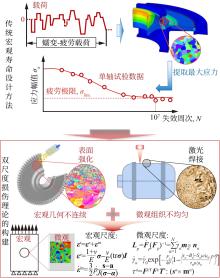
Fig.1
Construction of life design method based on dual-scale damage theory
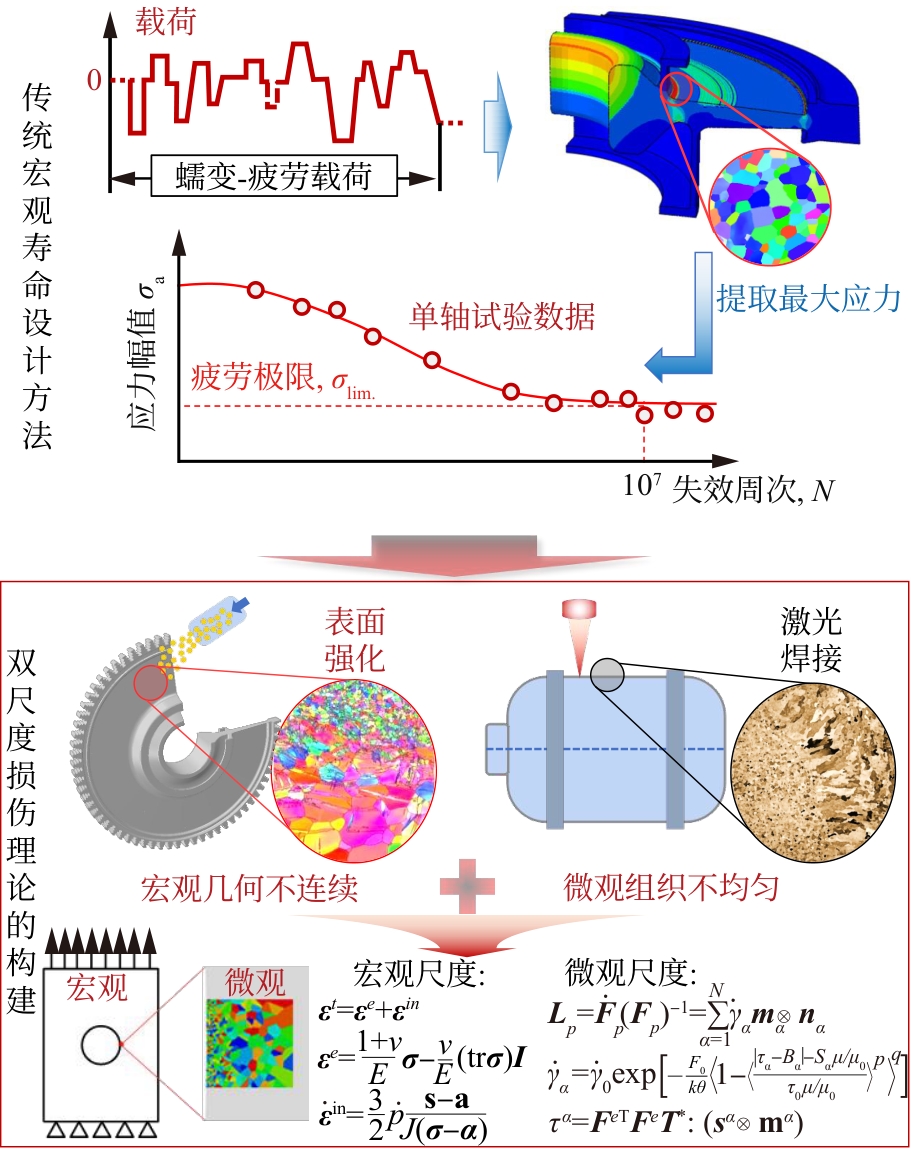
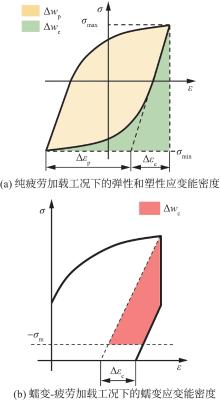
Fig. 2
Schematic of hysteresis loop
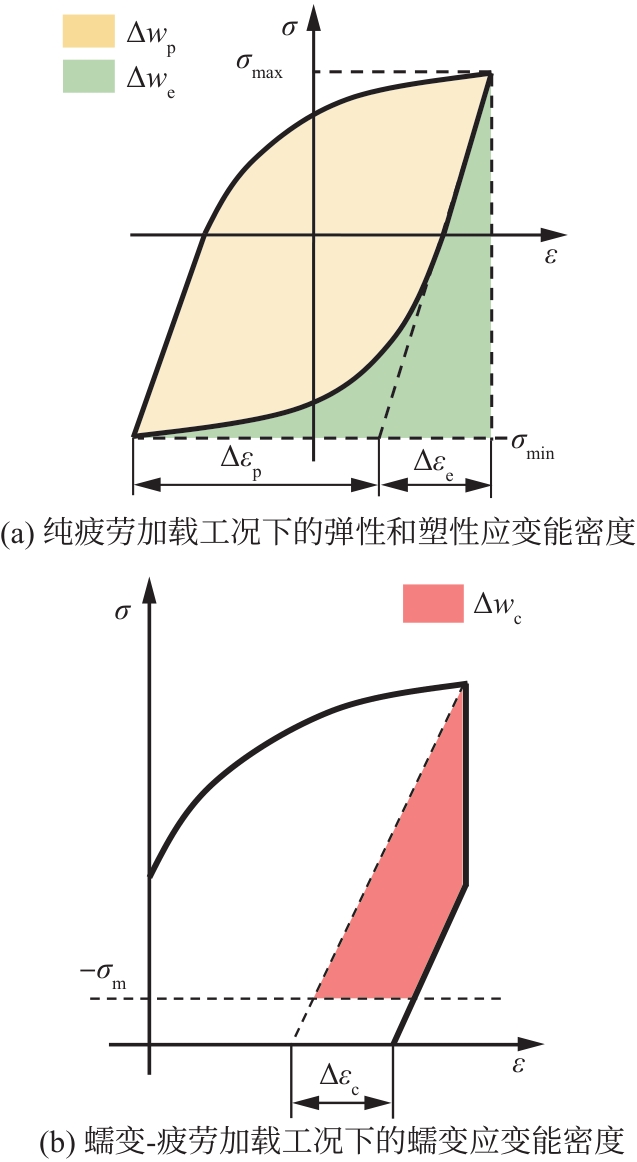
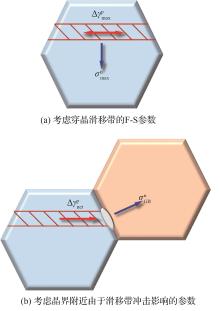
Fig.3
Schematic diagrams of two different fatigue indicator parameters
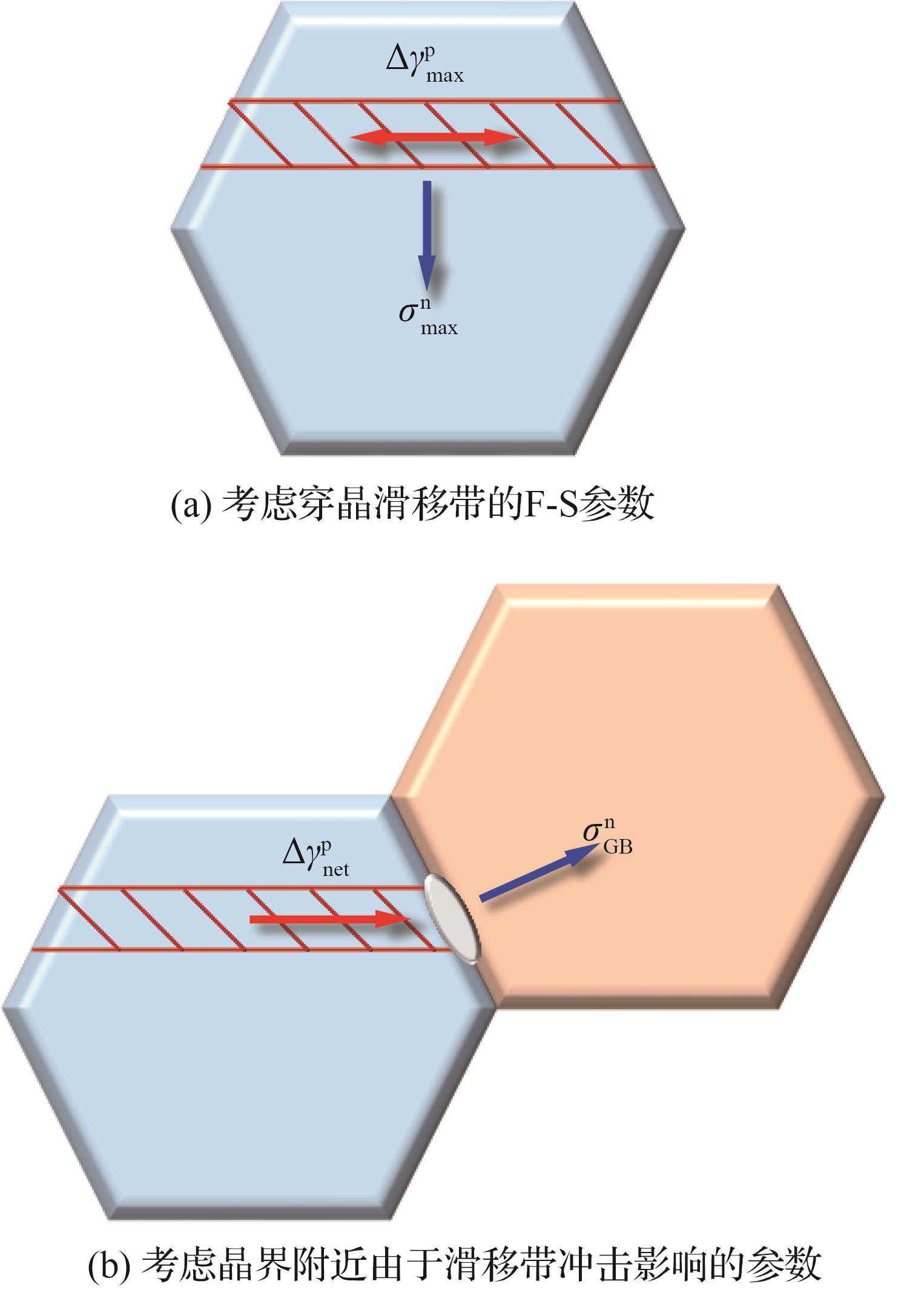
Fig.4
Research approaches of multi-scale theories from nano-scale to structure-scale
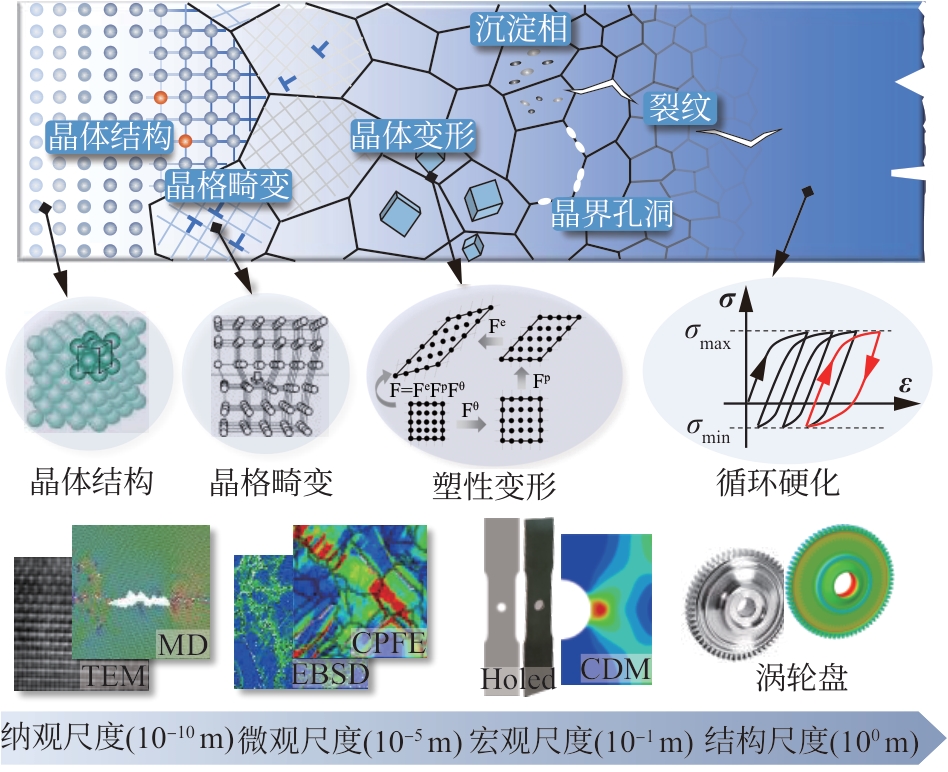
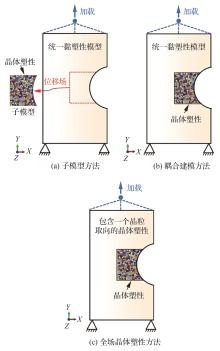
Fig.5
Schematic diagram of three common dual-scale modelling approaches[64]
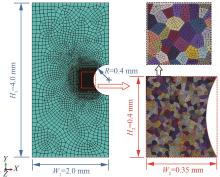
Fig.6
Macro-scale finite element model and crystal plasticity finite element model of notched structure
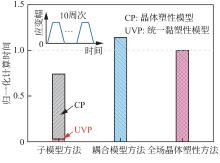
Fig.7
Comparison in calculation efficiency for the three dual-scale modelling approaches[64]
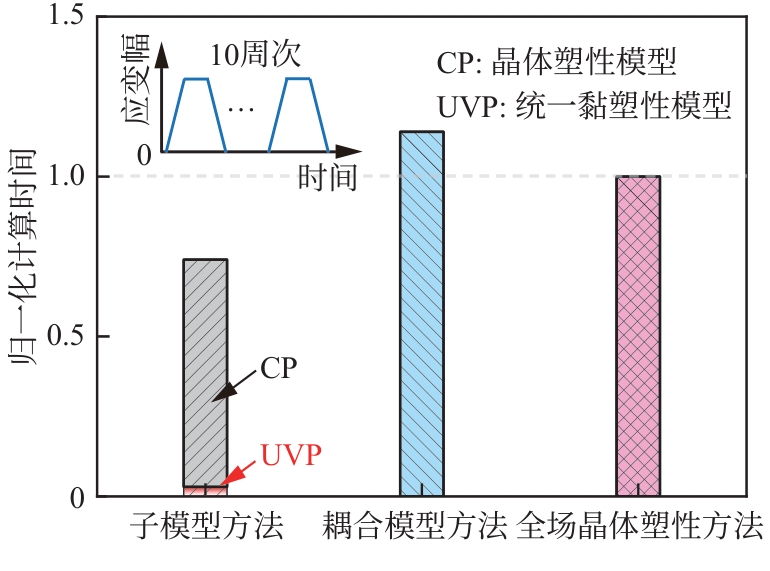
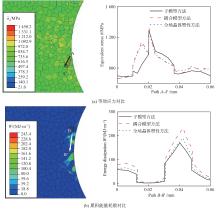
Fig.8
Comparisons of three dual-scale modelling approaches
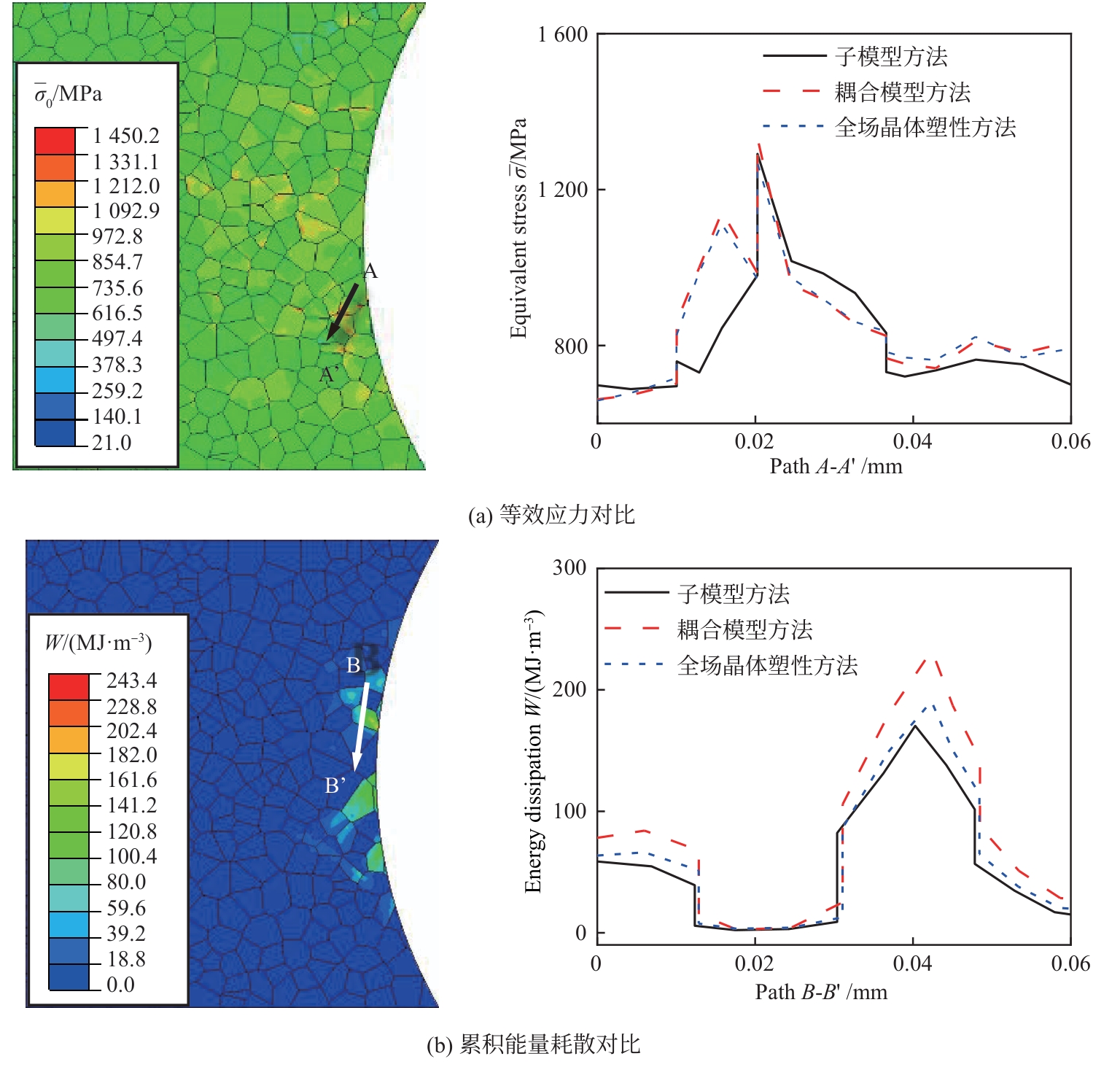
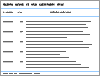
Table 1
Comparison of three dual-scale modelling approaches
| 建模方法 | 描述 | 计算时间/h | 使用频率 | 优缺点 |
|---|---|---|---|---|
| 子模型方法 | 将宏观模型的位移场作为晶体塑性模型的边界条件 | 6.8 | 高频 | 复杂建模过程但计算效率高 |
| 耦合建模方法 | 宏观尺度模型和晶体塑性模型耦合到相同有限元模型中 | 9.8 | 高频 | 2个模型难以耦合且计算效率低 |
| 全场晶体塑性方法 | 危险区域具有不同随机取向而远场区域具有一个取向的晶体塑性模型 | 8.5 | 低频 | 远场区域的晶粒取向很难确定 |
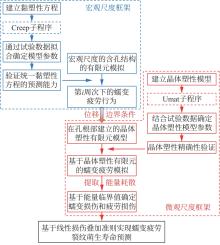
Fig.9
Overall flow chart of dual-scale modelling approach for predicting creep-fatigue crack initiation life
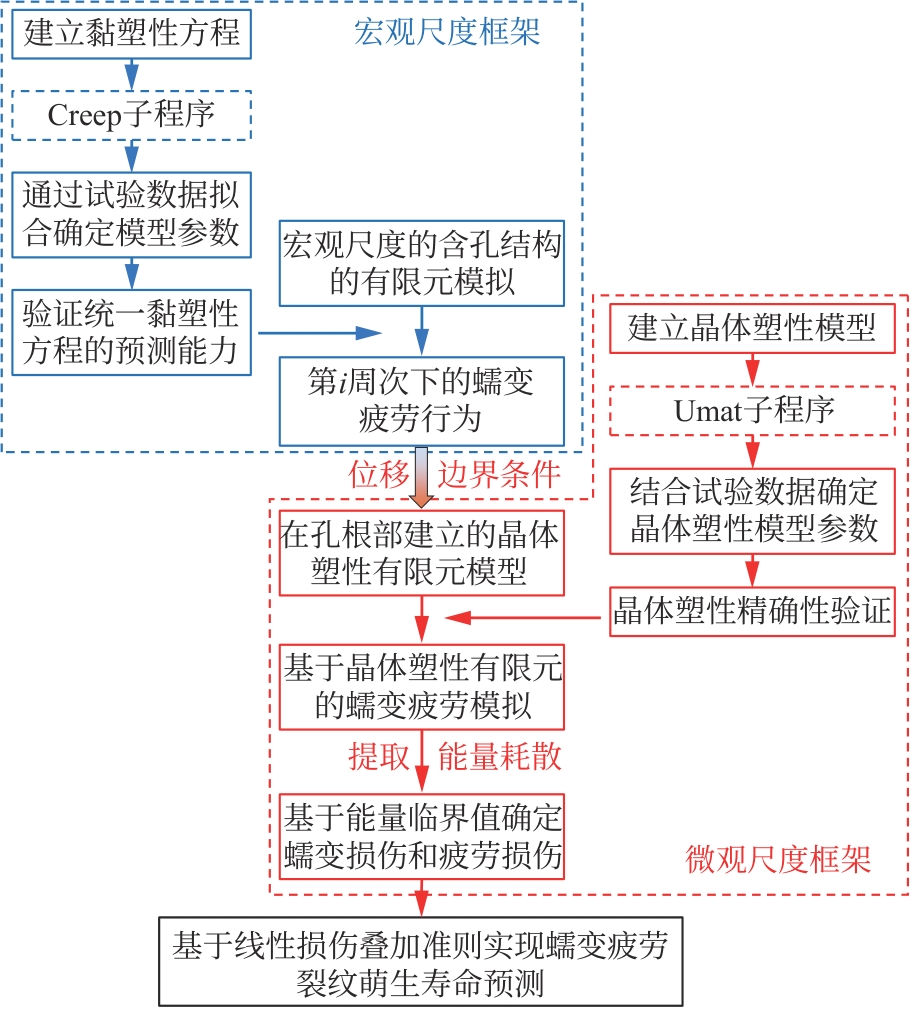
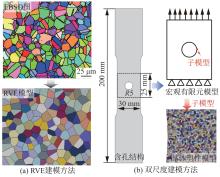
Fig.10
Finite element modelling approach
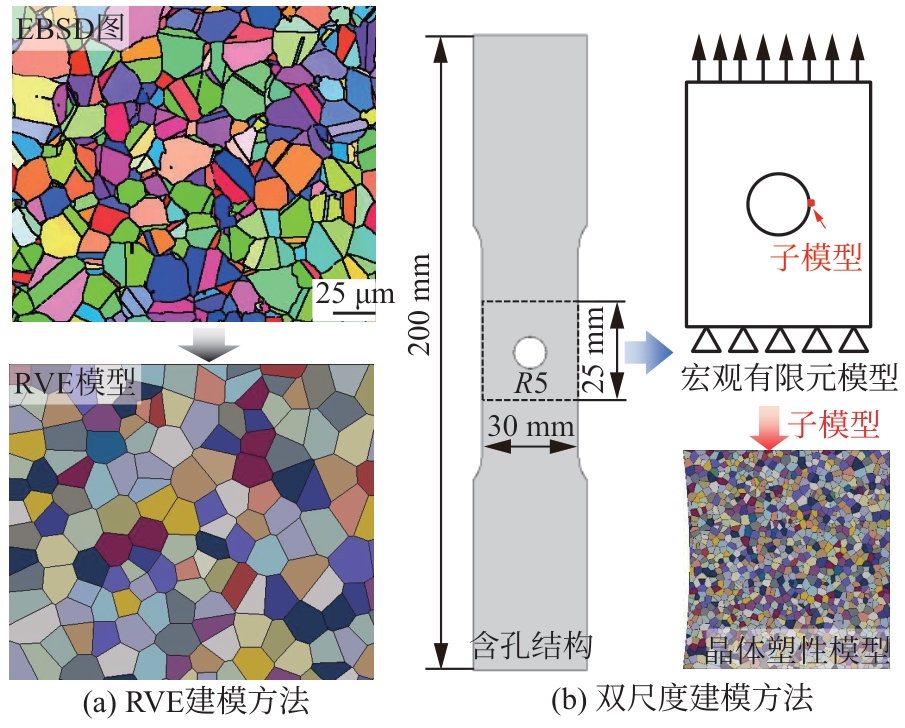
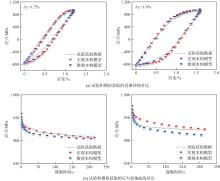
Fig.11
Comparison between experimental data and simulated results based on macro- and micro- constitutive models
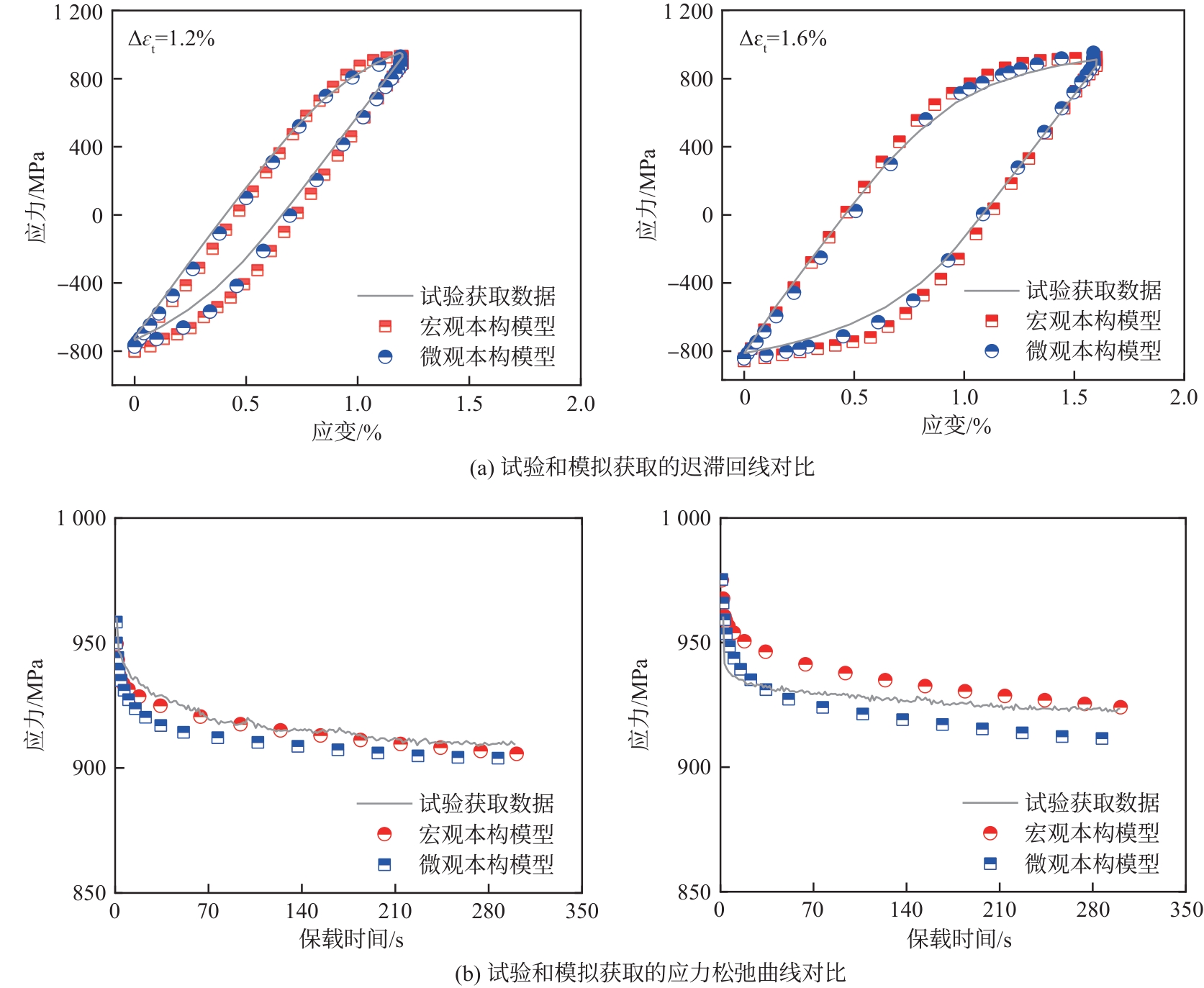
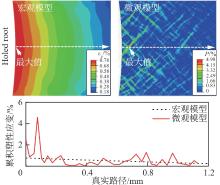
Fig.12
Accumulated plastic deformation of hole structure
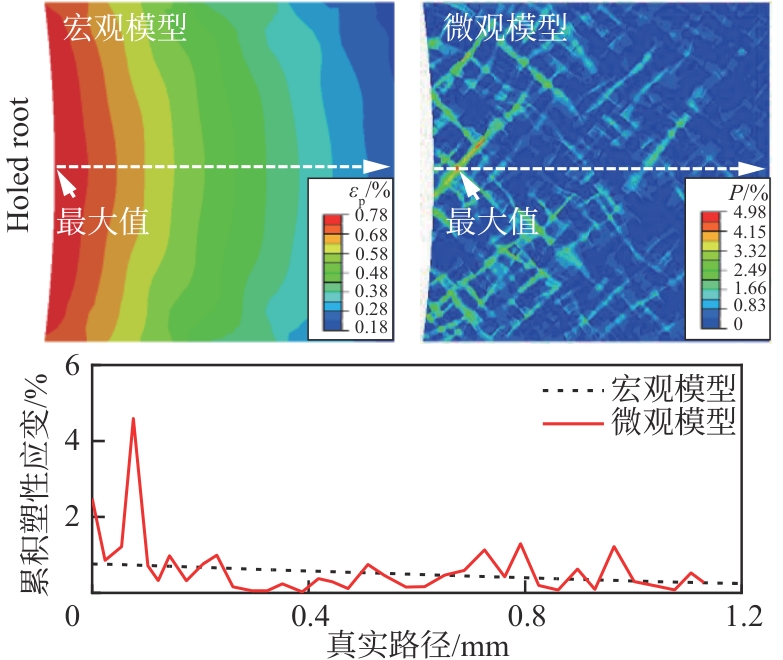
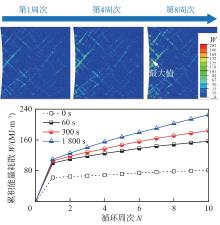
Fig.13
Evolution of accumulated energy dissipation based on micro-scale model
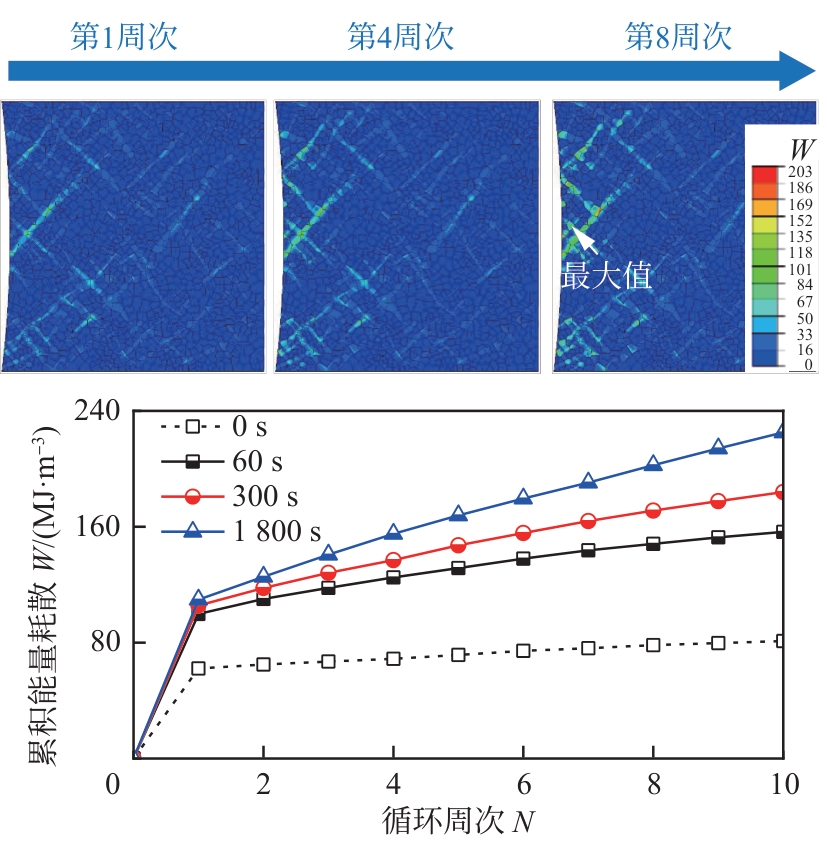
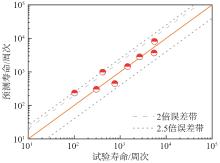
Fig.14
Comparisons between experimental creep-fatigue life and predicted results for hole structure
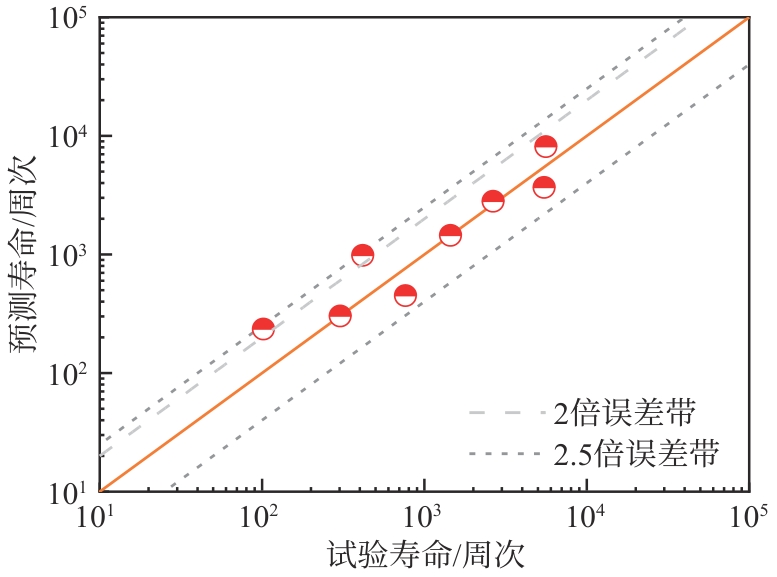
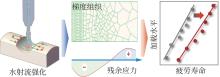
Fig.15
Water-jet technology for life improvement
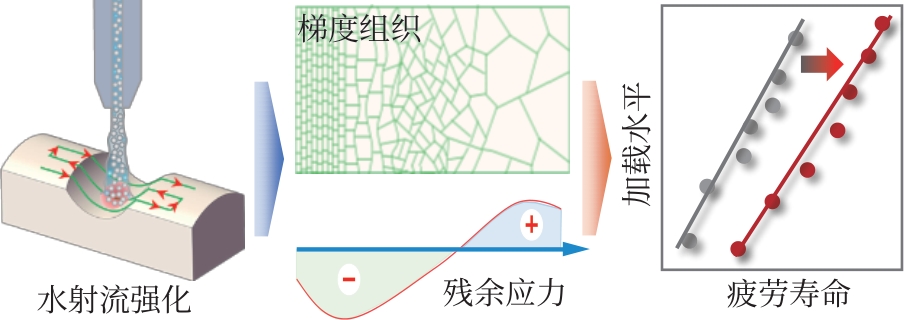
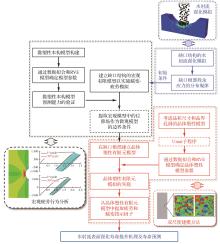
Fig.16
Overall flowchart for creep-fatigue life assessment of surface strengthening notch structure
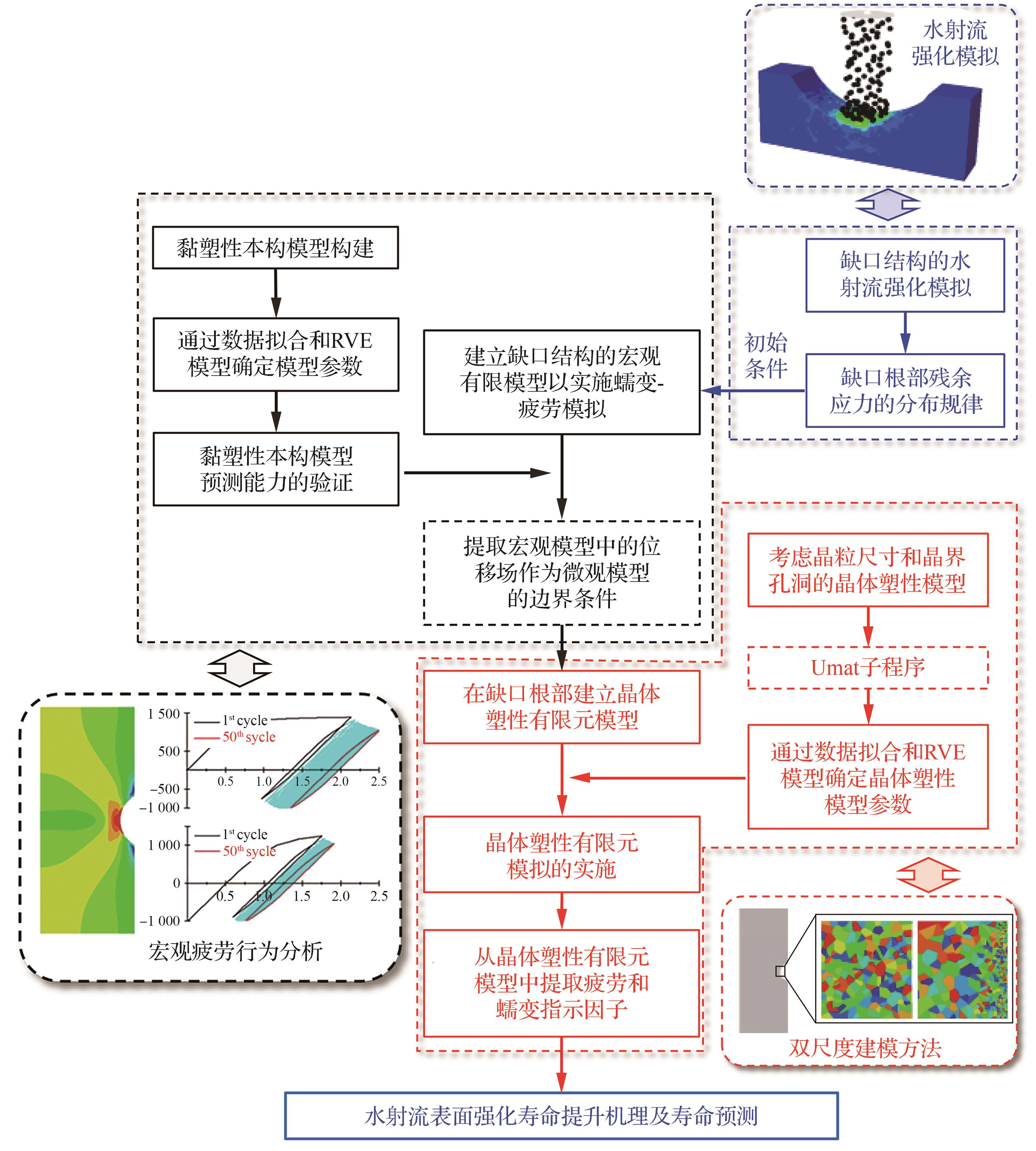
Fig.17
Investigation of crack initiation mechanisms for surface strengthening notch structure[100]
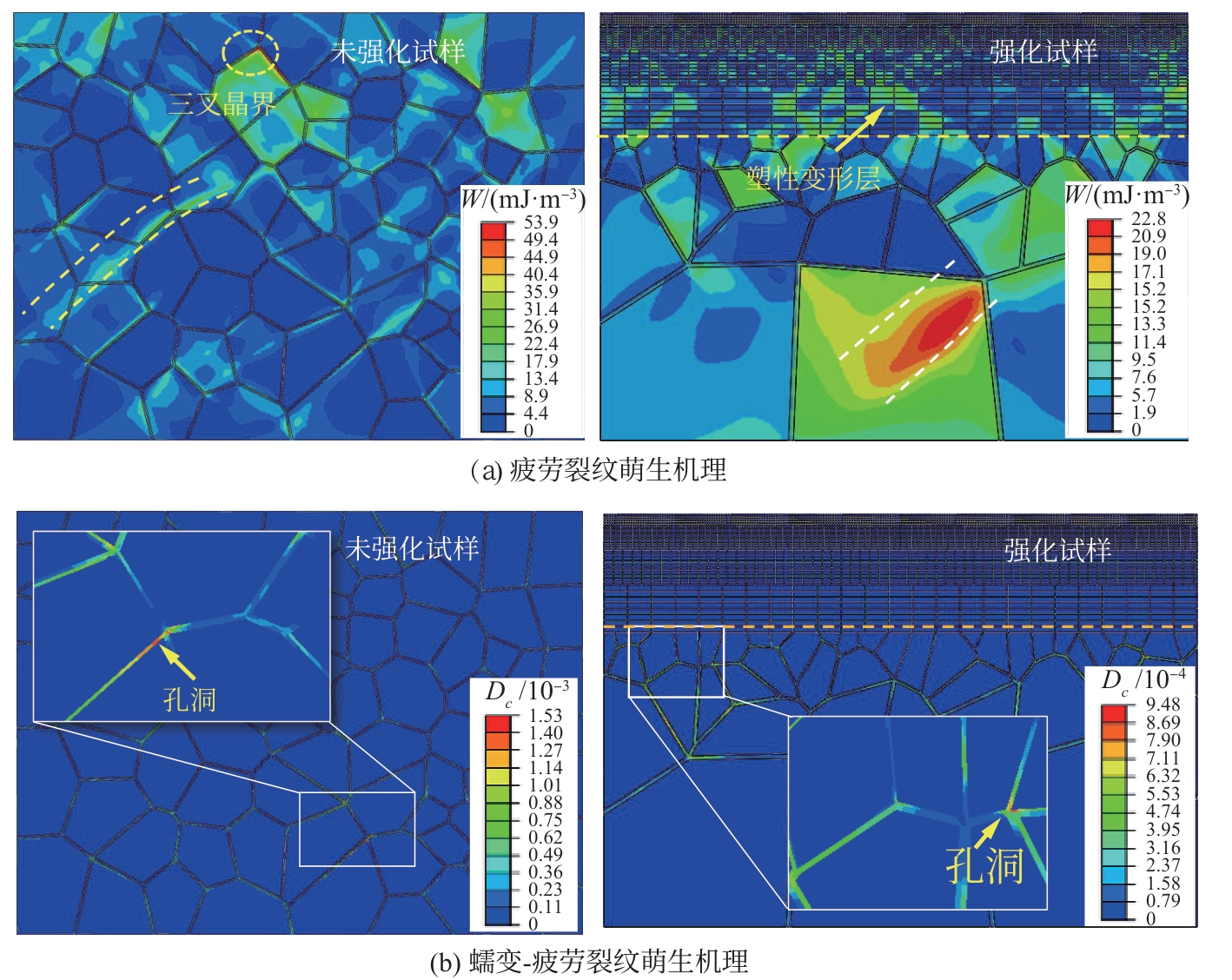
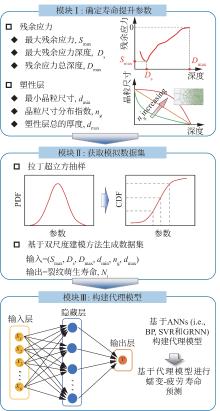
Fig.18
Construction of surrogate model for life prediction
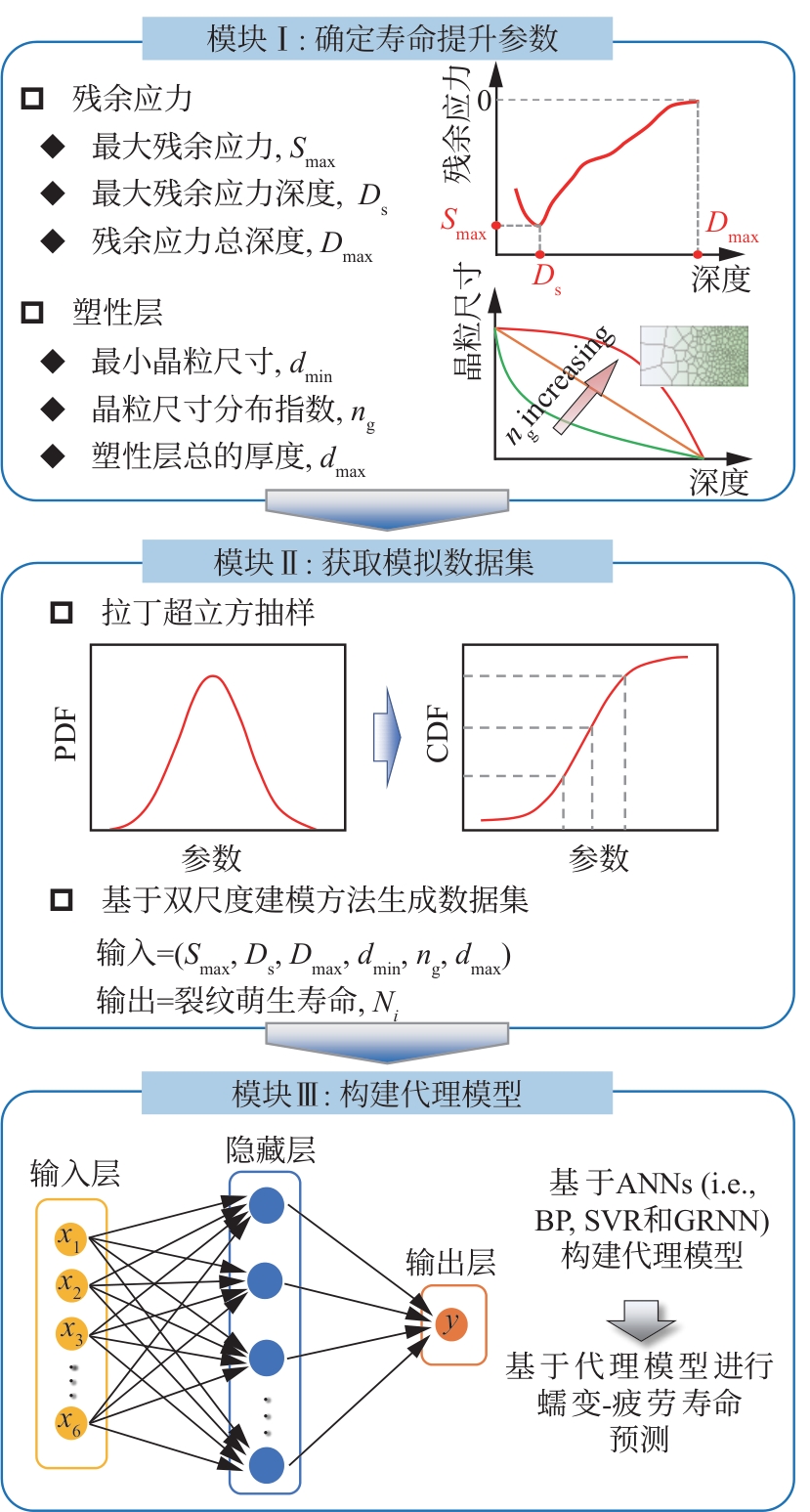
Table 2
Distribution of input parameters related to residual stress and plastic layer
| 输入参数 | 水平1 | 水平2 | 水平3 | 水平4 | 水平5 |
|---|---|---|---|---|---|
| Smax/MPa | 500 | 700 | 900 | 1 200 | 1 500 |
| Ds,s/μm | 0 | 30 | 70 | 120 | 180 |
| Ds,max/μm | 50 | 300 | 500 | 800 | 1 200 |
| dmin/nm | 100 | 300 | 600 | 1 000 | 1 500 |
| np | 0.2 | 0.5 | 1 | 2 | 5 |
| Dp,max/μm | 5 | 30 | 60 | 100 | 150 |
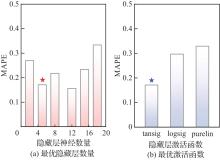
Fig.19
Determination of the optimal parameters for BP neural network
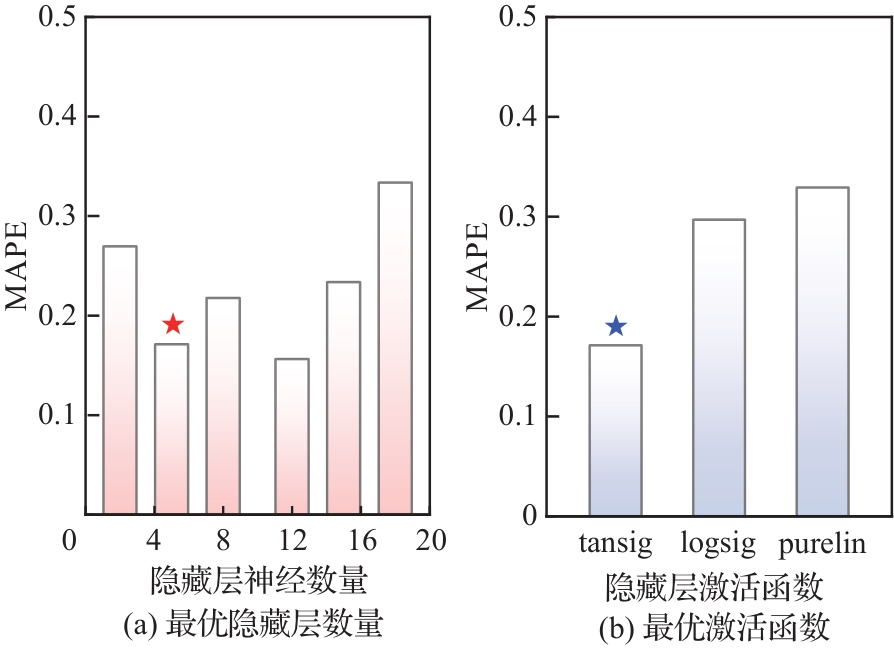
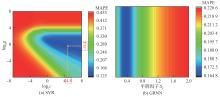
Fig.20
Hyper-parameters optimization of machine learning models under cross-validation process
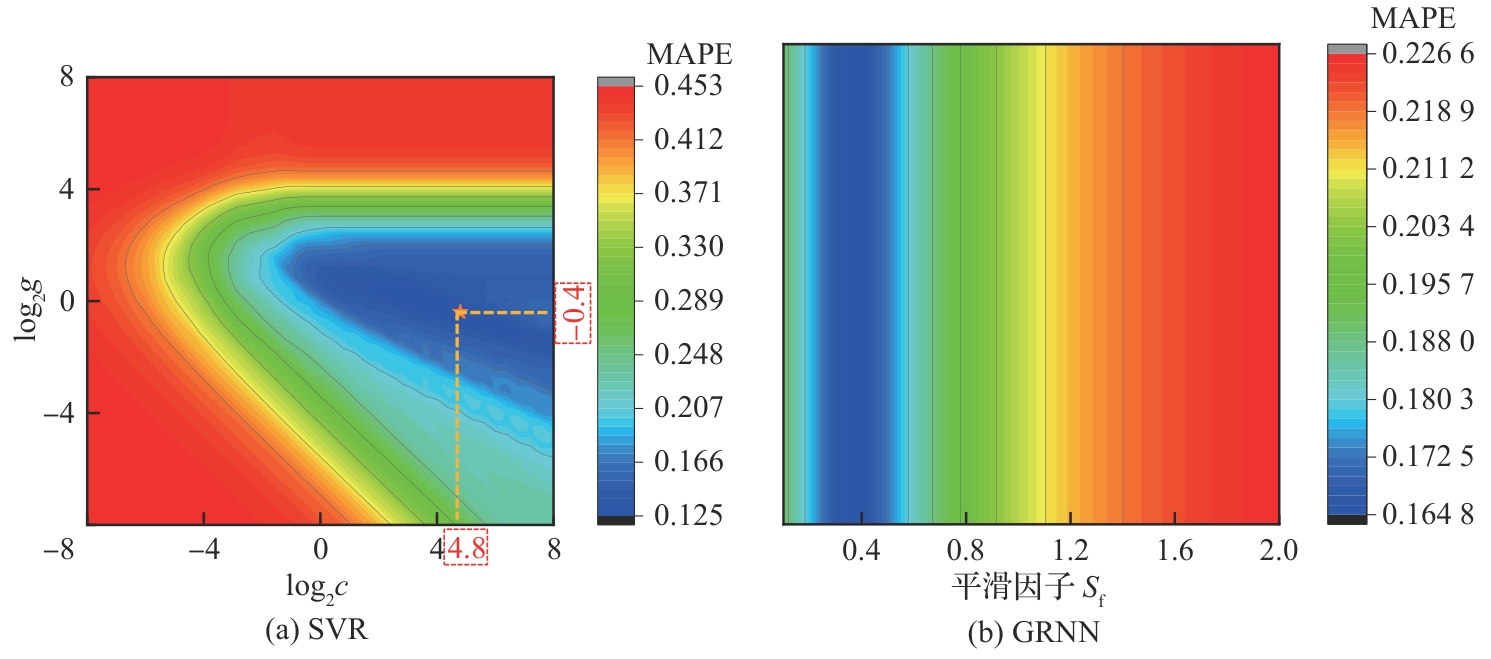
Fig.21
Comparison of life prediction results
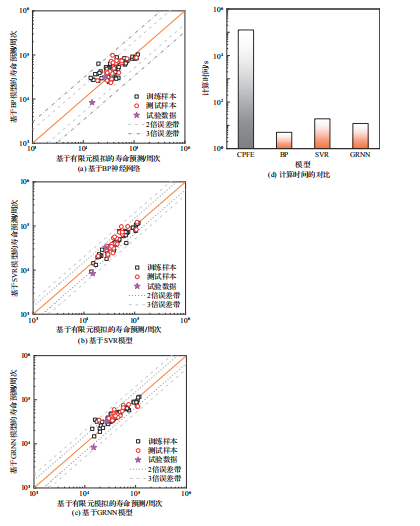
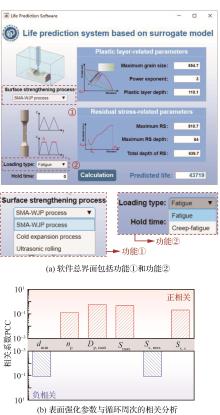
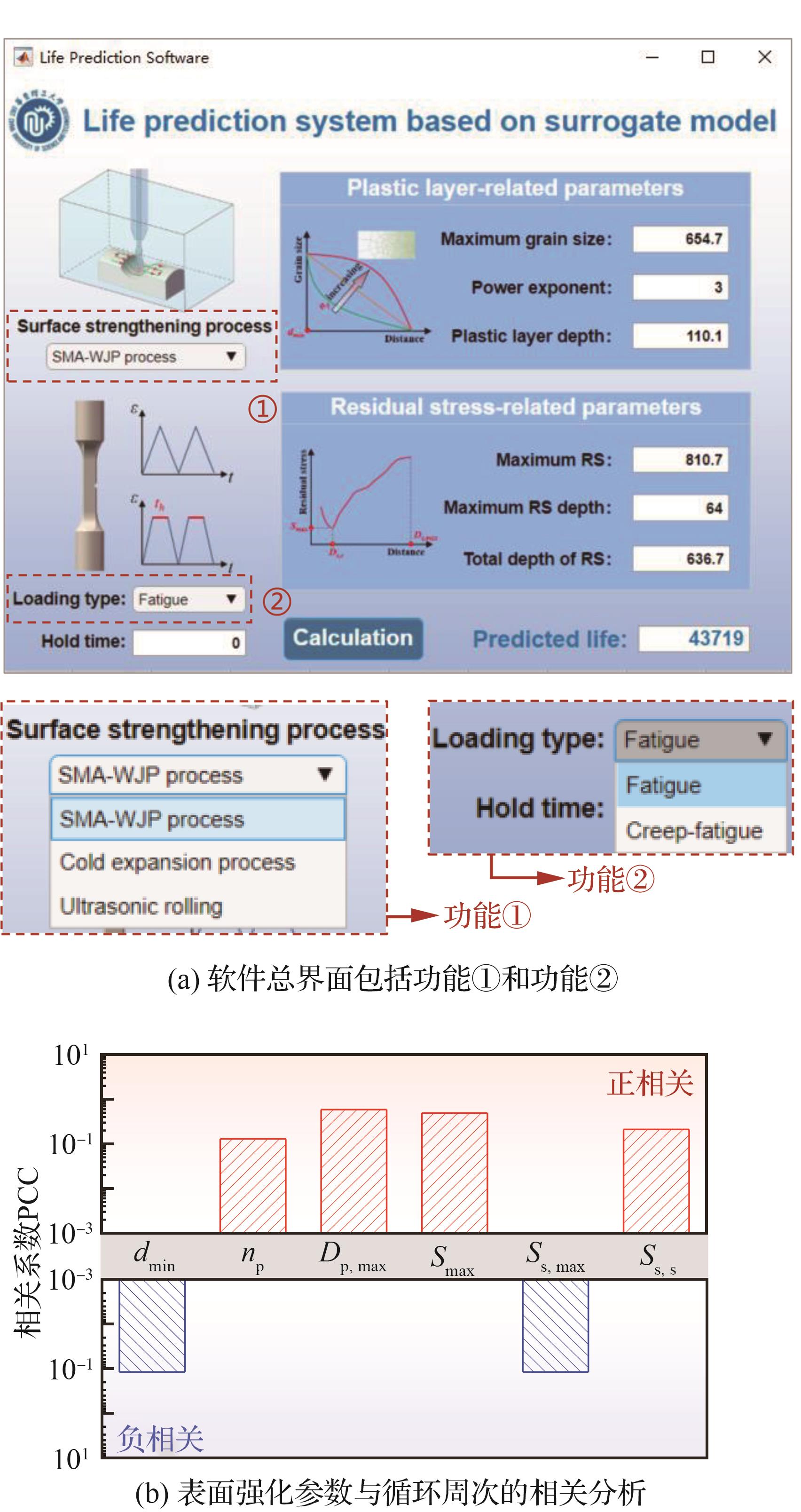
Fig.22
Interface development of life prediction system based on surrogate model
| 1 | 陈波, 李付国, 何敏. 延性金属材料损伤变量的实验表征方法研究[J]. 稀有金属材料与工程, 2011, 40(11): 2022-2025. |
| CHEN B, LI F G, HE M. Experimental characterization of damage variables of ductile metal[J]. Rare Metal Materials and Engineering, 2011, 40(11): 2022-2025 (in Chinese). | |
| 2 | SUN L, ZHANG X C, WANG R Z, et al. Evaluation of fatigue and creep-fatigue damage levels on the basis of engineering damage mechanics approach[J]. International Journal of Fatigue, 2023, 166: 107277. |
| 3 | 涂善东, 王正东, 陈建钧, 等. 基于结构弱点分析的高温构件延寿修复技术[J]. 压力容器, 2004, 21(9): 1-8. |
| TU S D, WANG Z D, CHEN J J, et al. Structural weakness spotting for life extension repair of high temperature components[J]. Pressure Vessel Technology, 2004, 21(9): 1-8 (in Chinese). | |
| 4 | JU Y B, KOYAMA M, SAWAGUCHI T, et al. Effects of ε-martensitic transformation on crack tip deformation, plastic damage accumulation, and slip plane cracking associated with low-cycle fatigue crack growth[J]. International Journal of Fatigue, 2017, 103: 533-545. |
| 5 | LONG X, CHONG K N, SU Y T, et al. Meso-scale low-cycle fatigue damage of polycrystalline nickel-based alloy by crystal plasticity finite element method[J]. International Journal of Fatigue, 2023, 175: 107778. |
| 6 | 孙李刚, 凌超, 陈浩, 等. 结构完整性分析中的多尺度力学方法[J]. 机械工程学报, 2021, 57(16): 106-121. |
| SUN L G, LING C, CHEN H, et al. Application of multiscale mechanics methods in structural integrity analysis[J]. Journal of Mechanical Engineering, 2021, 57(16): 106-121 (in Chinese). | |
| 7 | BRIFFOD F, SHIRAIWA T, ENOKI M. Microstructure modeling and crystal plasticity simulations for the evaluation of fatigue crack initiation in α-iron specimen including an elliptic defect[J]. Materials Science and Engineering: A, 2017, 695: 165-177. |
| 8 | DONG Y W, ZHU Y L, WU F H, et al. A dual-scale elasto-viscoplastic constitutive model of metallic materials to describe thermo-mechanically coupled monotonic and cyclic deformations[J]. International Journal of Mechanical Sciences, 2022, 224: 107332. |
| 9 | MCDOWELL D L, DUNNE F P E. Microstructure-sensitive computational modeling of fatigue crack formation[J]. International Journal of Fatigue, 2010, 32(9): 1521-1542. |
| 10 | SAJURI Z BIN, MIYASHITA Y, HOSOKAI Y, et al. Effects of Mn content and texture on fatigue properties of as-cast and extruded AZ61 magnesium alloys[J]. International Journal of Mechanical Sciences, 2006, 48(2): 198-209. |
| 11 | ZHANG Y C, LI X L, YUAN S H, et al. High-cycle-fatigue properties of selective-laser-melted AlSi10Mg with multiple building directions[J]. International Journal of Mechanical Sciences, 2022, 224: 107336. |
| 12 | CHEN B, JIANG J, DUNNE F P E. Is stored energy density the primary meso-scale mechanistic driver for fatigue crack nucleation?[J]. International Journal of Plasticity, 2018, 101: 213-229. |
| 13 | ZHAO N L, WANG W Z, LIU Y Z. Intergranular mechanical behavior in a blade groove-like component by crystal plasticity model with cohesive zone model[J]. Engineering Fracture Mechanics, 2018, 201: 196-213. |
| 14 | TINGA T, BREKELMANS W A M, GEERS M G D. Application of a multiscale constitutive framework to real gas turbine components[J]. Advanced Materials Research, 2011, 278: 253-258. |
| 15 | WANG R Z, GU H H, ZHU S P, et al. A data-driven roadmap for creep-fatigue reliability assessment and its implementation in low-pressure turbine disk at elevated temperatures[J]. Reliability Engineering & System Safety, 2022, 225: 108523. |
| 16 | GU H H, WANG R Z, ZHU S P, et al. Machine learning assisted probabilistic creep-fatigue damage assessment[J]. International Journal of Fatigue, 2022, 156: 106677. |
| 17 | COFFIN L F, TAVERNELLI J F. The cyclic straining and fatigue of metals[J]. Transactions of the Metallurgical Society of AIME, 1959, 215(5): 794-807. |
| 18 | MANSON S S, DOLAN T J. Thermal stress and low cycle fatigue[J]. Journal of Applied Mechanics, 1966, 33(4): 957. |
| 19 | OSTERGREN W J. A damage function and associated failure equations for predicting hold time and frequency effects in elevated temperature, low cycle fatigue[J]. Journal of Testing and Evaluation, 1976, 4(5): 327-339. |
| 20 | CHABOCHE J L, LESNE P M. A non-linear continuous fatigue damage model[J]. Fatigue & Fracture of Engineering Materials & Structures, 1988, 11(1): 1-17. |
| 21 | SHANG D G, YAO W X. A nonlinear damage cumulative model for uniaxial fatigue[J]. International Journal of Fatigue, 1999, 21(2): 187-194. |
| 22 | NADERI M, KHONSARI M M. An experimental approach to low-cycle fatigue damage based on thermodynamic entropy[J]. International Journal of Solids and Structures, 2010, 47(6): 875-880. |
| 23 | KACHANOV L M. Rupture time under creep conditions[J]. International Journal of Fracture, 1999, 97(1): 11-18. |
| 24 | RABOTNOV Y, LECKIE FA, PRAGER W. Creep problems in structural members[J]. Journal of Applied Mechanics, 1970, 37(1): 249. |
| 25 | BETTEN J, SKLEPUS S, ZOLOCHEVSKY A. A creep damage model for initially isotropic materials with different properties in tension and compression[J]. Engineering Fracture Mechanics, 1998, 59(5): 623-641. |
| 26 | ZHANG L, LIU Y R, YANG Q. A creep model with damage based on internal variable theory and its fundamental properties[J]. Mechanics of Materials, 2014, 78: 44-55. |
| 27 | SOSNIN O V, GOREV B V, RUBANOV V V. Energy variant of theory of creep[J]. Strength of Materials, 1976, 8(11): 1261-1266. |
| 28 | 王润梓. 基于能量密度耗散准则的蠕变—疲劳寿命预测模型及应用[D]. 上海: 华东理工大学, 2019. |
| WANG R Z. Creep-fatigue life prediction model based on energy density dissipation criterion and its application[D]. Shanghai: East China University of Science and Technology, 2019 (in Chinese). | |
| 29 | WEN J F, TU S T, XUAN F Z, et al. Effects of stress level and stress state on creep ductility: Evaluation of different models[J]. Journal of Materials Science & Technology, 2016, 32(8): 695-704. |
| 30 | HALES R. The role of cavity growth mechanisms in determining creep-rupture under multiaxial stresses[J]. Fatigue & Fracture of Engineering Materials & Structures, 1994, 17(5): 579-591. |
| 31 | TAKAHASHI Y. Further evaluation of creep-fatigue life prediction methods for low-carbon nitrogen-added 316 stainless steel[J]. Journal of Pressure Vessel Technology, 1999, 121(2): 142-148. |
| 32 | WANG R Z, ZHANG X C, TU S T, et al. A modified strain energy density exhaustion model for creep-fatigue life prediction[J]. International Journal of Fatigue, 2016, 90: 12-22. |
| 33 | WANG R Z, ZHANG X C, GONG J G, et al. Creep-fatigue life prediction and interaction diagram in nickel-based GH4169 superalloy at 650 ℃ based on cycle-by-cycle concept[J]. International Journal of Fatigue, 2017, 97: 114-123. |
| 34 | WANG R Z, WANG J, GONG J G, et al. Creep-fatigue behaviors and life assessments in two nickel-based superalloys[J]. Journal of Pressure Vessel Technology, 2018, 140(3): 031405. |
| 35 | SANGID M D. The physics of fatigue crack initiation[J]. International Journal of Fatigue, 2013, 57: 58-72. |
| 36 | POLÁK J. Role of persistent slip bands and persistent slip markings in fatigue crack initiation in polycrystals[J]. Crystals, 2023, 13(2): 220. |
| 37 | LUKÁŠ P, KUNZ L. Role of persistent slip bands in fatigue[J]. Philosophical Magazine, 2004, 84(3-5): 317-330. |
| 38 | HSIUNG L M, STOLOFF N S. A point defect model for fatigue crack initiation in Ni3Al+B single crystals[J]. Acta Metallurgica et Materialia, 1990, 38(6): 1191-1200. |
| 39 | SANGID M D, MAIER H J, SEHITOGLU H. A physically based fatigue model for prediction of crack initiation from persistent slip bands in polycrystals[J]. Acta Materialia, 2011, 59(1): 328-341. |
| 40 | BENNETT V P, MCDOWELL D L. Polycrystal orientation distribution effects on microslip in high cycle fatigue[J]. International Journal of Fatigue, 2003, 25(1): 27-39. |
| 41 | HALLBERG H, SIGMUND KYRRE Å, SKALLERUD B. Crystal plasticity modeling of microstructure influence on fatigue crack initiation in extruded Al6082-T6 with surface irregularities[J]. International Journal of Fatigue, 2018, 111: 16-32. |
| 42 | GU T, STOPKA K S, XU C, et al. Prediction of maximum fatigue indicator parameters for duplex Ti-6Al-4V using extreme value theory[J]. Acta Materialia, 2020, 188: 504-516. |
| 43 | MCDOWELL D L. Microstructure-sensitive computational fatigue analysis[M]∥Handbook of Materials Modeling. Dordrecht: Springer Netherlands, 2005: 1193-1214. |
| 44 | MANONUKUL A, DUNNE F P E. High-and low-cycle fatigue crack initiation using polycrystal plasticity[J]. Proceedings of the Royal Society of London Series A: Mathematical, Physical and Engineering Sciences, 2004, 460(2047): 1881-1903. |
| 45 | CRUZADO A, LUCARINI S, LLORCA J, et al. Crystal plasticity simulation of the effect of grain size on the fatigue behavior of polycrystalline Inconel 718[J]. International Journal of Fatigue, 2018, 113: 236-245. |
| 46 | CRUZADO A, LUCARINI S, LLORCA J, et al. Microstructure-based fatigue life model of metallic alloys with bilinear Coffin-Manson behavior[J]. International Journal of Fatigue, 2018, 107: 40-48. |
| 47 | HULL D, RIMMER D E. The growth of grain-boundary voids under stress[J]. Philosophical Magazine, 1959, 4(42): 673-687. |
| 48 | ROODPOSHTI P S, SARKAR A, MURTY K L, et al. Grain boundary sliding mechanism during high temperature deformation of AZ31 Magnesium alloy[J]. Materials Science and Engineering: A, 2016, 669: 171-177. |
| 49 | NEEDLEMAN A, RICE J R. Plastic creep flow effects in the diffusive cavitation of grain boundaries[M]∥Perspectives in Creep Fracture. Amsterdam: Elsevier, 1983: 107-124. |
| 50 | NEEDLEMAN A, ASARO R J, LEMONDS J, et al. Finite element analysis of crystalline solids[J]. Computer Methods in Applied Mechanics and Engineering, 1985, 52(1-3): 689-708. |
| 51 | ZHANG W, WANG X, WANG Y Y, et al. Type Ⅳ failure in weldment of creep resistant ferritic alloys: Ⅱ. Creep fracture and lifetime prediction[J]. Journal of the Mechanics and Physics of Solids, 2020, 134: 103775. |
| 52 | NEEDHAM N G, GLADMAN T. Nucleation and growth of creep cavities in a Type 347 steel[J]. Metal Science, 1980, 14(2): 64-72. |
| 53 | WEN J F, SRIVASTAVA A, BENZERGA A, et al. Creep crack growth by grain boundary cavitation under monotonic and cyclic loading[J]. Journal of the Mechanics and Physics of Solids, 2017, 108: 68-84. |
| 54 | HOLDSWORTH S. Creep-fatigue failure diagnosis[J]. Materials, 2015, 8(11): 7757-7769. |
| 55 | QU S, AN X H, YANG H J, et al. Microstructural evolution and mechanical properties of Cu-Al alloys subjected to equal channel angular pressing[J]. Acta Materialia, 2009, 57(5): 1586-1601. |
| 56 | YANG X F, XI Y Z, HE C Y, et al. Chemical short-range order strengthening mechanism in CoCrNi medium-entropy alloy under nanoindentation[J]. Scripta Materialia, 2022, 209: 114364. |
| 57 | VENKATARAMAN A, SANGID M D. A crystal plasticity model with an atomistically informed description of grain boundary sliding for improved predictions of deformation fields[J]. Computational Materials Science, 2021, 197: 110589. |
| 58 | ZHAO Y L, SONG Q H, JI H S, et al. Multi-scale modeling method for polycrystalline materials considering grain boundary misorientation angle[J]. Materials & Design, 2022, 221: 110998. |
| 59 | LI D F, BARRETT R A, O’DONOGHUE P E, et al. A multi-scale crystal plasticity model for cyclic plasticity and low-cycle fatigue in a precipitate-strengthened steel at elevated temperature[J]. Journal of the Mechanics and Physics of Solids, 2017, 101: 44-62. |
| 60 | GOH C H, WALLACE J M, NEU R W, et al. Polycrystal plasticity simulations of fretting fatigue[J]. International Journal of Fatigue, 2001, 23: 423-435. |
| 61 | MUSINSKI W D, MCDOWELL D L. Microstructure-sensitive probabilistic modeling of HCF crack initiation and early crack growth in Ni-base superalloy IN100 notched components[J]. International Journal of Fatigue, 2012, 37: 41-53. |
| 62 | SHANGGUAN W B, LU Z H. Experimental study and simulation of a hydraulic engine mount with fully coupled fluid-structure interaction finite element analysis model[J]. Computers & Structures, 2004, 82(22): 1751-1771. |
| 63 | ZHU S P, LIU Q, PENG W W, et al. Computational-experimental approaches for fatigue reliability assessment of turbine bladed disks[J]. International Journal of Mechanical Sciences, 2018, 142: 502-517. |
| 64 | LI K S, WANG R Z, WANG J,et al. Investigation of creep-fatigue crack initiation by using an optimal dual-scale modelling approach[J].International Journal of Fatigue, 2023, 172: 107621. |
| 65 | MEADE E D, SUN F W, TIERNAN P, et al. A multiscale experimentally-based finite element model to predict microstructure and damage evolution in martensitic steels[J]. International Journal of Plasticity, 2021, 139: 102966. |
| 66 | MEADE E D, SUN F, TIERNAN P, et al. Experimental study and multiscale modelling of the high temperature deformation of tempered martensite under multiaxial loading[J]. Materials Science and Engineering: A, 2018, 737: 383-392. |
| 67 | JACOB A, MEHMANPARAST A. Sensitivity analysis of material microstructure effects on predicted crack paths using finite element simulations[J]. Journal of Multiscale Modelling, 2016, 7(2): 1650003. |
| 68 | OWOLABI G M, PRASANNAVENKATESAN R, MCDOWELL D L. Probabilistic framework for a microstructure-sensitive fatigue Notch factor[J]. International Journal of Fatigue, 2010, 32(8): 1378-1388. |
| 69 | ZHAO Q, ABDEL WAHAB M, LING Y, et al. Fatigue crack propagation within Al-Cu-Mg single crystals based on crystal plasticity and XFEM combined with cohesive zone model[J]. Materials & Design, 2021, 210: 110015. |
| 70 | HAN Q N, QIU W H, HE Z W, et al. The effect of crystal orientation on fretting fatigue crack formation in Ni-based single-crystal superalloys: SEM observation and crystal plasticity finite element simulation[J]. Tribology International, 2018, 125: 209-219. |
| 71 | SHANG X Q, ZHANG H M, CUI Z S, et al. A multiscale investigation into the effect of grain size on void evolution and ductile fracture: Experiments and crystal plasticity modeling[J]. International Journal of Plasticity, 2020, 125: 133-149. |
| 72 | ALABORT E, BARBA D, SULZER S, et al. Grain boundary properties of a nickel-based superalloy: Characterisation and modelling[J]. Acta Materialia, 2018, 151: 377-394. |
| 73 | PEI H Q, YANG Y Z, GU S N, et al. Study on oxidation-creep behavior of a Ni-based single crystal superalloy based on crystal plasticity theory[J]. Materials Science and Engineering: A, 2022, 839: 142834. |
| 74 | CARPINTERI A, PAGGI M. Asymptotic analysis in linear elasticity: From the pioneering studies by wieghardt and Irwin until today[J]. Engineering Fracture Mechanics, 2009, 76(12): 1771-1784. |
| 75 | YUAN G J, WANG R Z, GONG C Y, et al. Investigations of micro-Notch effect on small fatigue crack initiation behaviour in nickel-based alloy GH4169: Experiments and simulations[J]. International Journal of Fatigue, 2020, 136: 105578. |
| 76 | SUN F W, MEADE E D, O′DOWD N P. Microscale modelling of the deformation of a martensitic steel using the Voronoi tessellation method[J]. Journal of the Mechanics and Physics of Solids, 2018, 113: 35-55. |
| 77 | RUIZ C, NOAILLY J, LACROIX D. Material property discontinuities in intervertebral disc porohyperelastic finite element models generate numerical instabilities due to volumetric strain variations[J]. Journal of the Mechanical Behavior of Biomedical Materials, 2013, 26: 1-10. |
| 78 | BAUER S, LACKNER R. Gradient-based adaptive discontinuity layout optimization for the prediction of strength properties in matrix-inclusion materials[J]. International Journal of Solids and Structures, 2015, 63: 82-98. |
| 79 | SKELTON R P. The energy density exhaustion method for assessing the creep-fatigue lives of specimens and components[J]. Materials at High Temperatures, 2013, 30(3): 183-201. |
| 80 | WANG R Z, GUO S J, CHEN H F, et al. Multi-axial creep-fatigue life prediction considering history-dependent damage evolution: A new numerical procedure and experimental validation[J]. Journal of the Mechanics and Physics of Solids, 2019, 131: 313-336. |
| 81 | HUO J Z, SUN D B, WU H Y, et al. Multi-axis low-cycle creep/fatigue life prediction of high-pressure turbine blades based on a new critical plane damage parameter[J]. Engineering Failure Analysis, 2019, 106: 104159. |
| 82 | BENEDETTI M, BERTO F, LE BONE L, et al. A novel Strain-Energy-Density based fatigue criterion accounting for mean stress and plasticity effects on the medium-to-high-cycle uniaxial fatigue strength of plain and notched components[J]. International Journal of Fatigue, 2020, 133: 105397. |
| 83 | KIM T W, KANG D H, YEOM J T, et al. Continuum damage mechanics-based creep-fatigue-interacted life prediction of nickel-based superalloy at high temperature[J]. Scripta Materialia, 2007, 57(12): 1149-1152. |
| 84 | PARK S, JUNG J, CHO W, et al. Predictive dual-scale finite element simulation for hole expansion failure of ferrite-bainite steel[J]. International Journal of Plasticity, 2021, 136: 102900. |
| 85 | WANG R Z, ZHU S P, WANG J, et al. High temperature fatigue and creep-fatigue behaviors in a Ni-based superalloy: Damage mechanisms and life assessment[J]. International Journal of Fatigue, 2019, 118: 8-21. |
| 86 | HILL R, RICE J R. Constitutive analysis of elastic-plastic crystals at arbitrary strain[J]. Journal of the Mechanics and Physics of Solids, 1972, 20(6): 401-413. |
| 87 | ASARO R J, RICE J R. Strain localization in ductile single crystals[J]. Journal of the Mechanics and Physics of Solids, 1977, 25(5): 309-338. |
| 88 | YUAN G J, ZHANG X C, CHEN B, et al. Low-cycle fatigue life prediction of a polycrystalline nickel-base superalloy using crystal plasticity modelling approach[J]. Journal of Materials Science & Technology, 2020, 38: 28-38. |
| 89 | LI D F, GOLDEN B J, O’DOWD N P. Multiscale modelling of mechanical response in a martensitic steel: A micromechanical and length-scale-dependent framework for precipitate hardening[J]. Acta Materialia, 2014, 80: 445-456. |
| 90 | FOURNIER B, DALLE F, SAUZAY M, et al. Comparison of various 9-12% Cr steels under fatigue and creep-fatigue loadings at high temperature[J]. Materials Science and Engineering: A, 2011, 528(22-23): 6934-6945. |
| 91 | CARROLL L J, CABET C, CARROLL M C, et al. The development of microstructural damage during high temperature creep-fatigue of a nickel alloy[J]. International Journal of Fatigue, 2013, 47: 115-125. |
| 92 | ZHANG S L, XUAN F Z. Interaction of cyclic softening and stress relaxation of 9-12% Cr steel under strain-controlled fatigue-creep condition: Experimental and modeling[J]. International Journal of Plasticity, 2017, 98: 45-64. |
| 93 | FREDERICK C O, ARMSTRONG P J. A mathematical representation of the multiaxial Bauschinger effect[J]. Materials at High Temperatures, 2007, 24(1): 1-26. |
| 94 | ZHANG K S, JU J W, LI Z H, et al. Micromechanics based fatigue life prediction of a polycrystalline metal applying crystal plasticity[J]. Mechanics of Materials, 2015, 85: 16-37. |
| 95 | LI K S, CHENG L Y, XU Y L, et al. A dual-scale modelling approach for creep-fatigue crack initiation life prediction of holed structure in a nickel-based superalloy[J]. International Journal of Fatigue, 2022, 154: 106522. |
| 96 | RAMULU M, KUNAPORN S, JENKINS M, et al. Fatigue performance of high-pressure waterjet-peened aluminum alloy[J]. Journal of Pressure Vessel Technology, 2002, 124(1): 118-123. |
| 97 | SOYAMA H, PARK J D, SAKA M. Use of cavitating jet for introducing compressive residual stress[J]. Journal of Manufacturing Science and Engineering, 2000, 122(1): 83-89. |
| 98 | RAMULU M, KUNAPORN S, AROLA D, et al. Waterjet machining and peening of metals[J]. Journal of Pressure Vessel Technology, 2000, 122(1): 90-95. |
| 99 | YAO S L, LI W, WANG J S, et al. Surface strengthening in confined spaces: A novel deflecting abrasive waterjet peening for improving the surface integrity of nickel-based superalloys GH4169[J]. Journal of Manufacturing Processes, 2023, 85: 417-433. |
| 100 | LI K S, YAO S L, CHENG L Y, et al. Creep-fatigue life prediction of notched structure after an advanced surface strengthening treatment in a nickel-based superalloy at 650 ℃[J]. International Journal of Plasticity, 2024, 173: 103861. |
| 101 | LIN Y, PAN J, ZHOU H F, et al. Mechanical properties and optimal grain size distribution profile of gradient grained nickel[J]. Acta Materialia, 2018, 153: 279-289. |
| 102 | SHIELDS M D, ZHANG J X. The generalization of Latin hypercube sampling[J]. Reliability Engineering & System Safety, 2016, 148: 96-108. |
| 103 | MCCLELLAND J L, RUMELHART D E. Explorations in parallel distributed processing:A handbook of models, programs and exercise[M]. Cambridge: The MIT Press, 1989:121-153. |
| 104 | CORTES C, VAPNIK V. Support-vector networks[J]. Machine Learning, 1995, 20(3): 273-297. |
| [1] | Mengwei ZHANG, Weiping HU, Haibin XU, Zhanqi MA, Zhixin ZHAN, Qingchun MENG. Experimental and theoretical model study on influence of scratch defects on fatigue life of 30Ni4CrMoA sample [J]. Acta Aeronautica et Astronautica Sinica, 2025, 46(3): 230743-230743. |
| [2] | Zhiguang HUA, Shiyuan PAN, Dongdong ZHAO, Xianglong LI, Manfeng DOU. Lifespan prediction of hydrogen fuel cell based on decomposition optimization parallel ESN [J]. Acta Aeronautica et Astronautica Sinica, 2025, 46(2): 330696-330696. |
| [3] | Lulu JIANG, Xin PAN, Wei JIANG, Rui FENG, Gang CHEN. Optimization shape design of capsule-supersonic parachute system based on fusion surrogate strategy [J]. Acta Aeronautica et Astronautica Sinica, 2025, 46(1): 630471-630471. |
| [4] | Zhuangzhuang CUI, Xin YUAN, Guoqing ZHAO, Simeng JING, Qijun ZHAO. Influence of control strategy on forward flight performance of coaxial rigid rotor high⁃speed helicopters [J]. Acta Aeronautica et Astronautica Sinica, 2024, 45(9): 529256-529256. |
| [5] | Jiaqi LIU, Rongqian CHEN, Jinhua LOU, Xu HAN, Hao WU, Yancheng YOU. Aerodynamic shape optimization of high-speed helicopter rotor airfoil based on deep learning [J]. Acta Aeronautica et Astronautica Sinica, 2024, 45(9): 529828-529828. |
| [6] | Tongzhou GAO, Xiaofan HE, Xiaolei WANG, Ziguang LI, Zhentao ZHU, Zhixin ZHAN. Fatigue life prediction of 2014-T6 aluminum alloy based on CDM theory and SVM model [J]. Acta Aeronautica et Astronautica Sinica, 2024, 45(7): 228952-228952. |
| [7] | Shusheng CHEN, Cong FENG, Zhaokang ZHANG, Ke ZHAO, Xinyang ZHANG, Zhenghong GAO. Aerodynamic design of wide-speed-range waverider-wing configuration based on global & gradient optimization method [J]. Acta Aeronautica et Astronautica Sinica, 2024, 45(6): 629596-629596. |
| [8] | Yuhan LI, Baoyu YANG, Yinong WU, Qiang ZHANG, Xiao TANG. Research on parameters correction method for thermal model of satellite optomechanical load [J]. Acta Aeronautica et Astronautica Sinica, 2024, 45(6): 628814-628814. |
| [9] | Wei WANG, Weigang AN, Bifeng SONG, Wenqing YANG. Dynamic soaring performance of albatross-inspired morphing wing [J]. Acta Aeronautica et Astronautica Sinica, 2024, 45(24): 630576-630576. |
| [10] | Mingqi LIU, Zhonghua HAN, Tao DU, Chenzhou XU, Han ZENG, Keshi ZHANG, Wenping SONG. Optimal control efficiency characteristics and wide-speed-range aerodynamic design optimization method for grid fins of launch vehicle [J]. Acta Aeronautica et Astronautica Sinica, 2024, 45(20): 129887-129887. |
| [11] | Zhendong GUO, Haojie LI, Liming SONG, Hualiang ZHANG, Zhao YIN. Robust optimization method based on adaptive sparse polynomial chaos [J]. Acta Aeronautica et Astronautica Sinica, 2024, 45(19): 630273-630273. |
| [12] | Guishuang TIAN, Shaoping WANG, Jian SHI, Mo TAO. IGBT life prediction method driven by model and data [J]. Acta Aeronautica et Astronautica Sinica, 2024, 45(15): 630173-630173. |
| [13] | Binjie MOU, Jinsong JIANG, Kun YANG, Huanbing FU, Dehong MENG, Wei JIN. Acoustic fatigue design method for fighter inlet structure [J]. Acta Aeronautica et Astronautica Sinica, 2024, 45(14): 229603-229603. |
| [14] | Yongjie ZHANG, Jingpiao ZHOU, Lei SHI, Dong LI, Binqian ZHANG. Optimization design method of central fuselage spherical deficient surface frames in blended⁃wing⁃body civil aircraft based on PRSEUS structure [J]. Acta Aeronautica et Astronautica Sinica, 2024, 45(12): 229331-229331. |
| [15] | Huan ZHAO, Zhenghong GAO, Lu XIA. Novel multi-fidelity surrogate model assisted many-objective optimization method [J]. ACTA AERONAUTICAET ASTRONAUTICA SINICA, 2023, 44(6): 126962-126962. |
| Viewed | ||||||
|
Full text |
|
|||||
|
Abstract |
|
|||||
Address: No.238, Baiyan Buiding, Beisihuan Zhonglu Road, Haidian District, Beijing, China
Postal code : 100083
E-mail:hkxb@buaa.edu.cn
Total visits: 6658907 Today visits: 1341All copyright © editorial office of Chinese Journal of Aeronautics
All copyright © editorial office of Chinese Journal of Aeronautics
Total visits: 6658907 Today visits: 1341

 CJA
CJA
