Acta Aeronautica et Astronautica Sinica ›› 2025, Vol. 46 ›› Issue (13): 531159.doi: 10.7527/S1000-6893.2024.31159
• Articles • Previous Articles
Xiaochen LYU1, Jingping SHI1,2, Yongxi LYU1,2( ), Gengnong LI1
Received:2024-09-06
Revised:2024-09-25
Accepted:2024-10-22
Online:2024-10-30
Published:2024-10-29
Contact:
Yongxi LYU
E-mail:yongxilyu@nwpu.edu.cn
Supported by:CLC Number:
Xiaochen LYU, Jingping SHI, Yongxi LYU, Gengnong LI. Flow angle reconstruction algorithm for MAGIC CARPET landing with sensor failure[J]. Acta Aeronautica et Astronautica Sinica, 2025, 46(13): 531159.
Fig.1
MAGIC CARPET Carrier landing control system
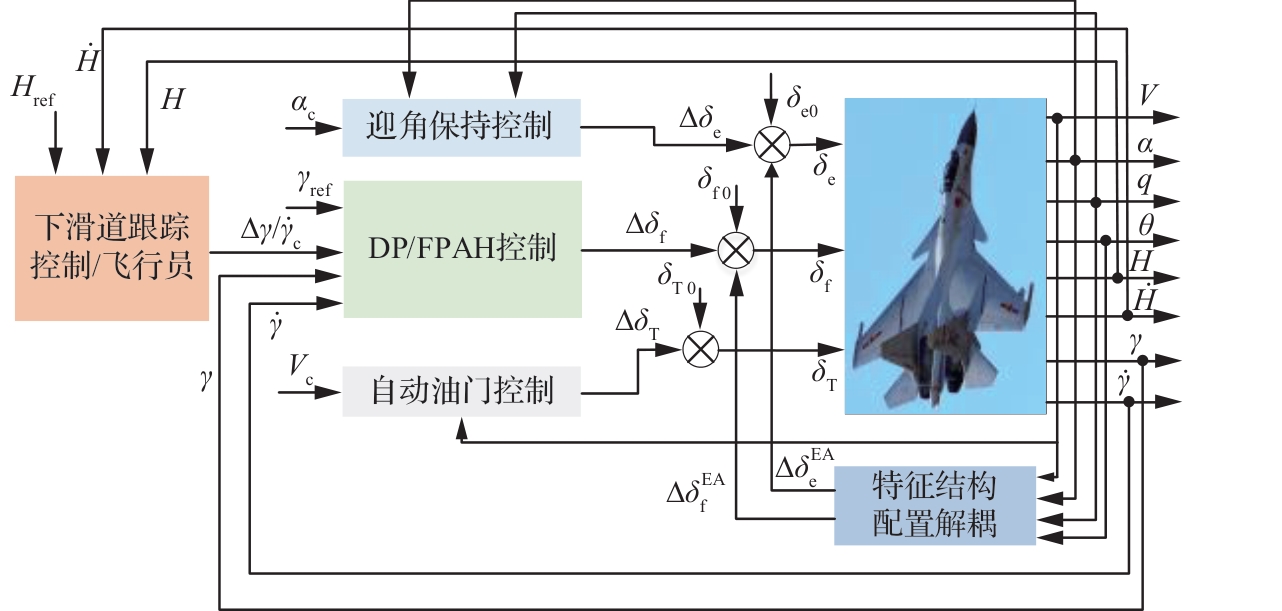
Fig.2
Wind triangle projected onto vertical plane
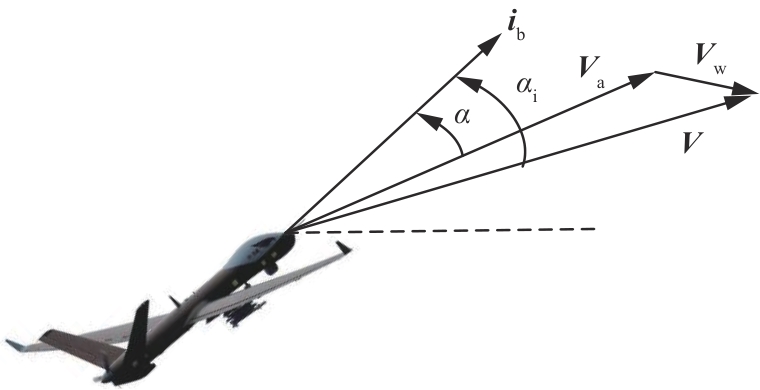
Fig.3
Flow angle reconstruction system
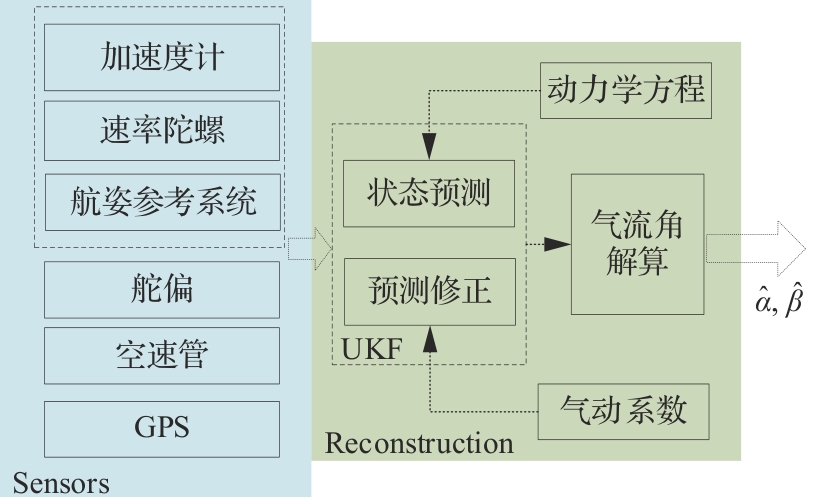
Fig.4
Closed-loop simulation validation framework
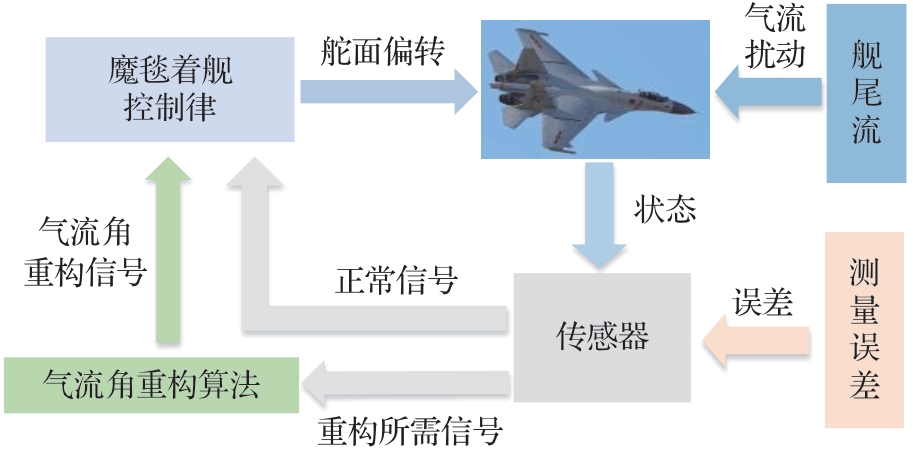
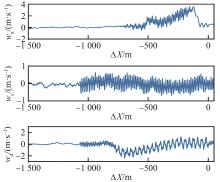
Fig.5
Wind effect during carrier landing
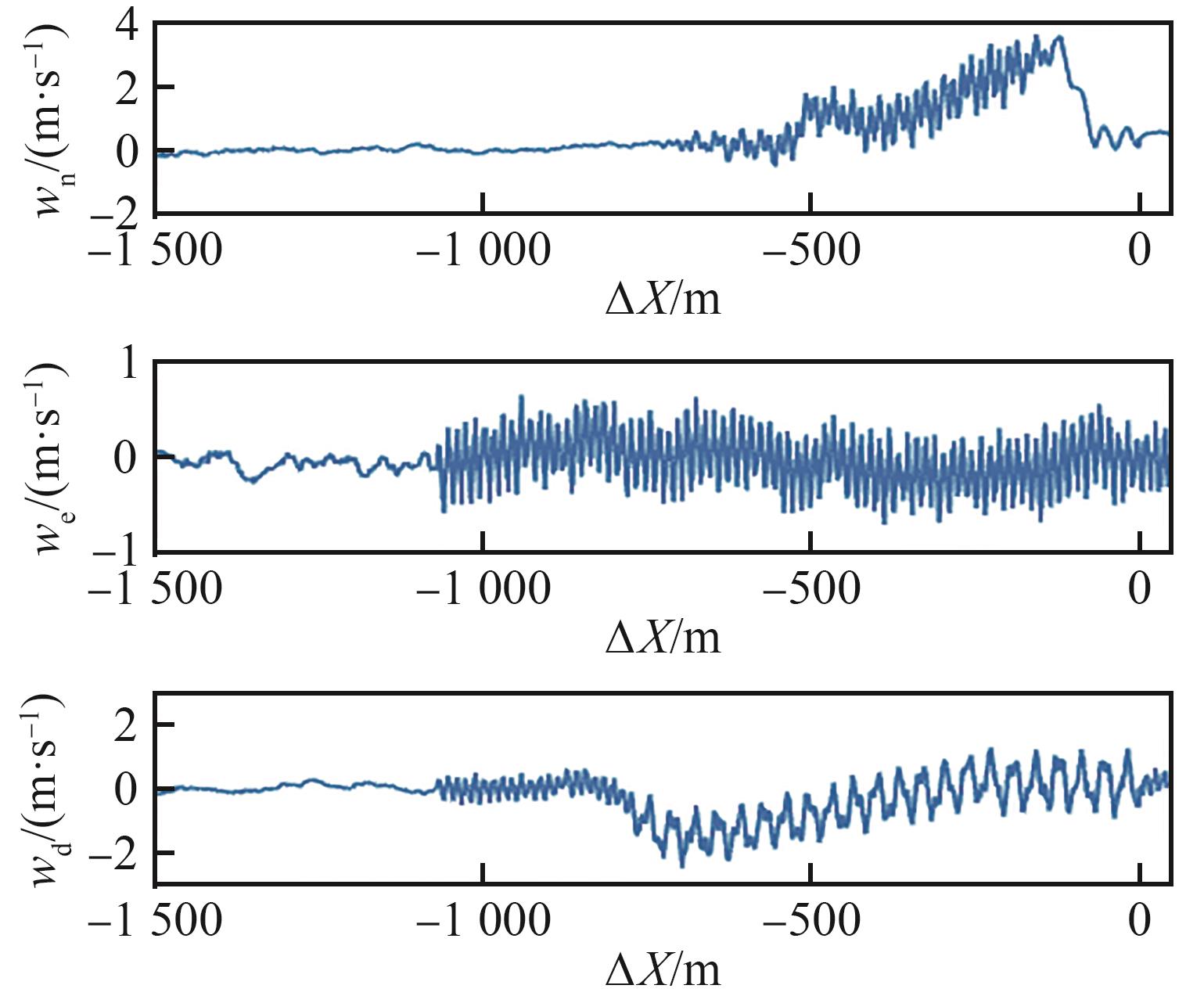
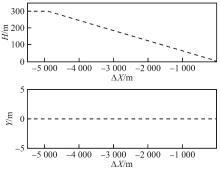
Fig.6
Nominal trajectory of carrier landing
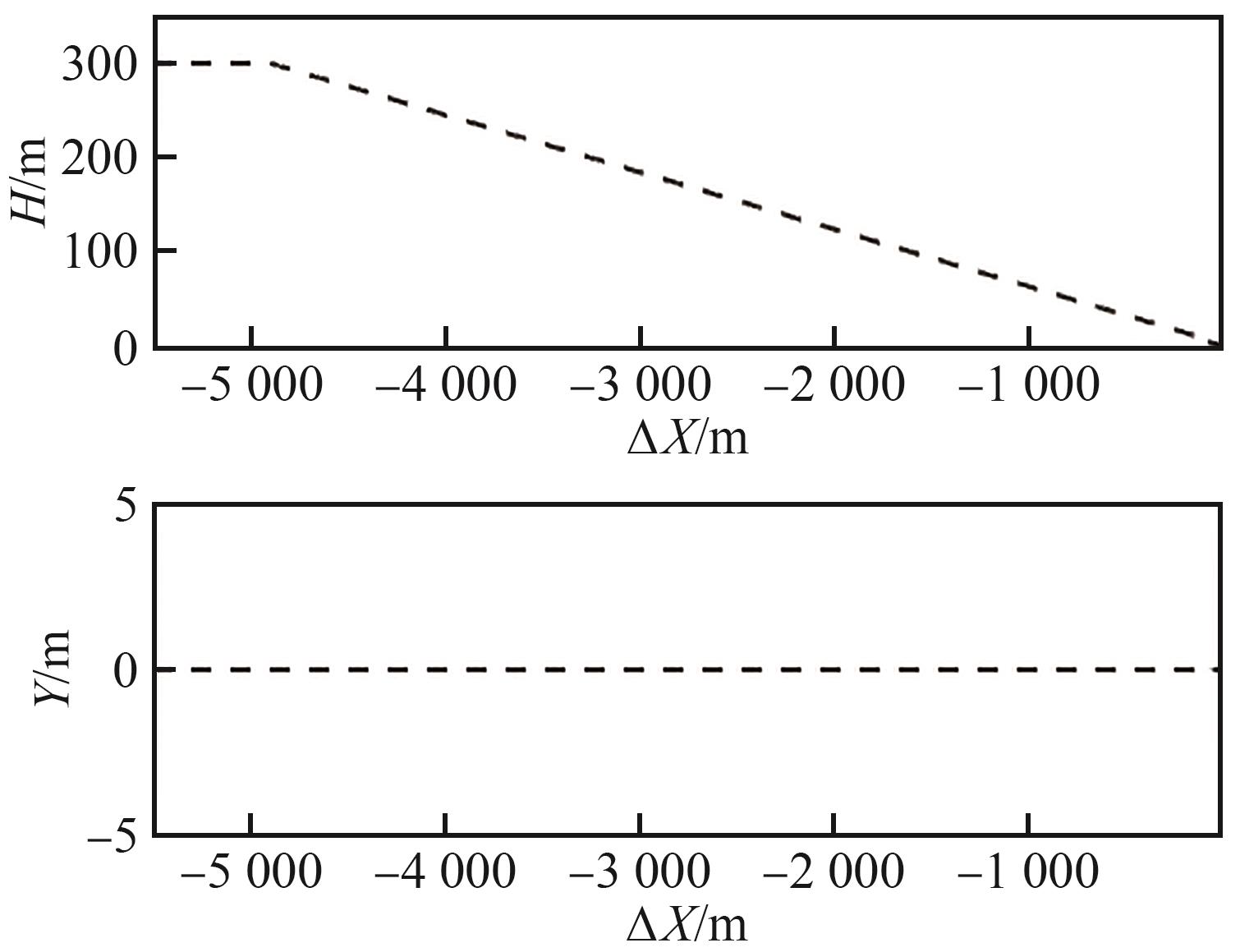
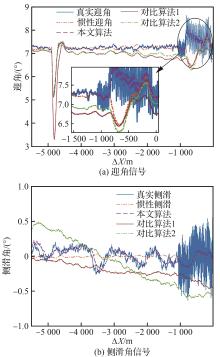
Fig.7
Reconstruction result of flow angle signals
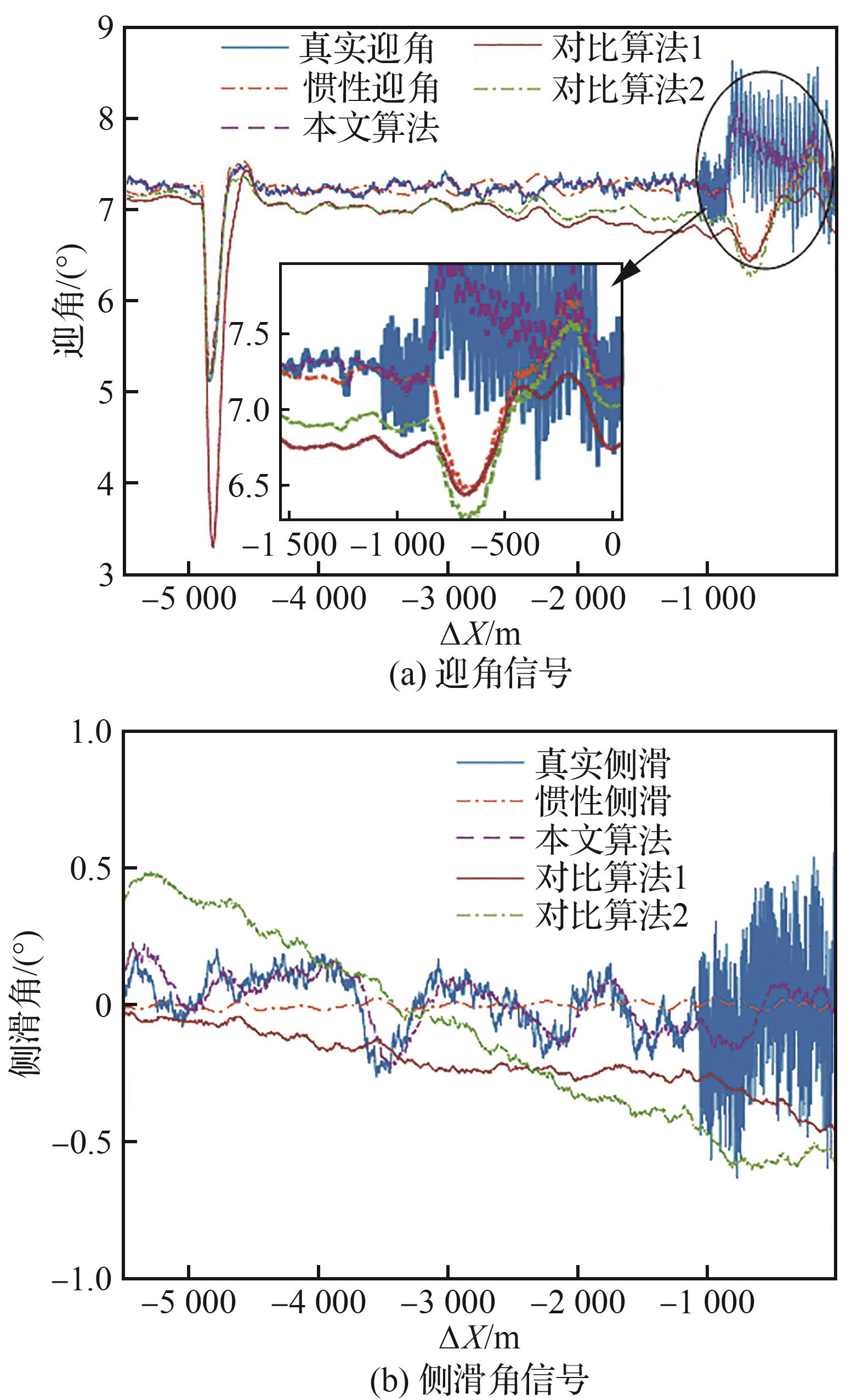
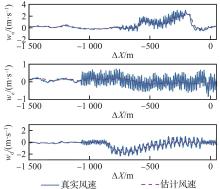
Fig.8
Estimation results of wind effect
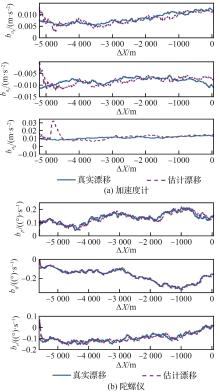
Fig.9
Estimation results of inertial sensor drift errors
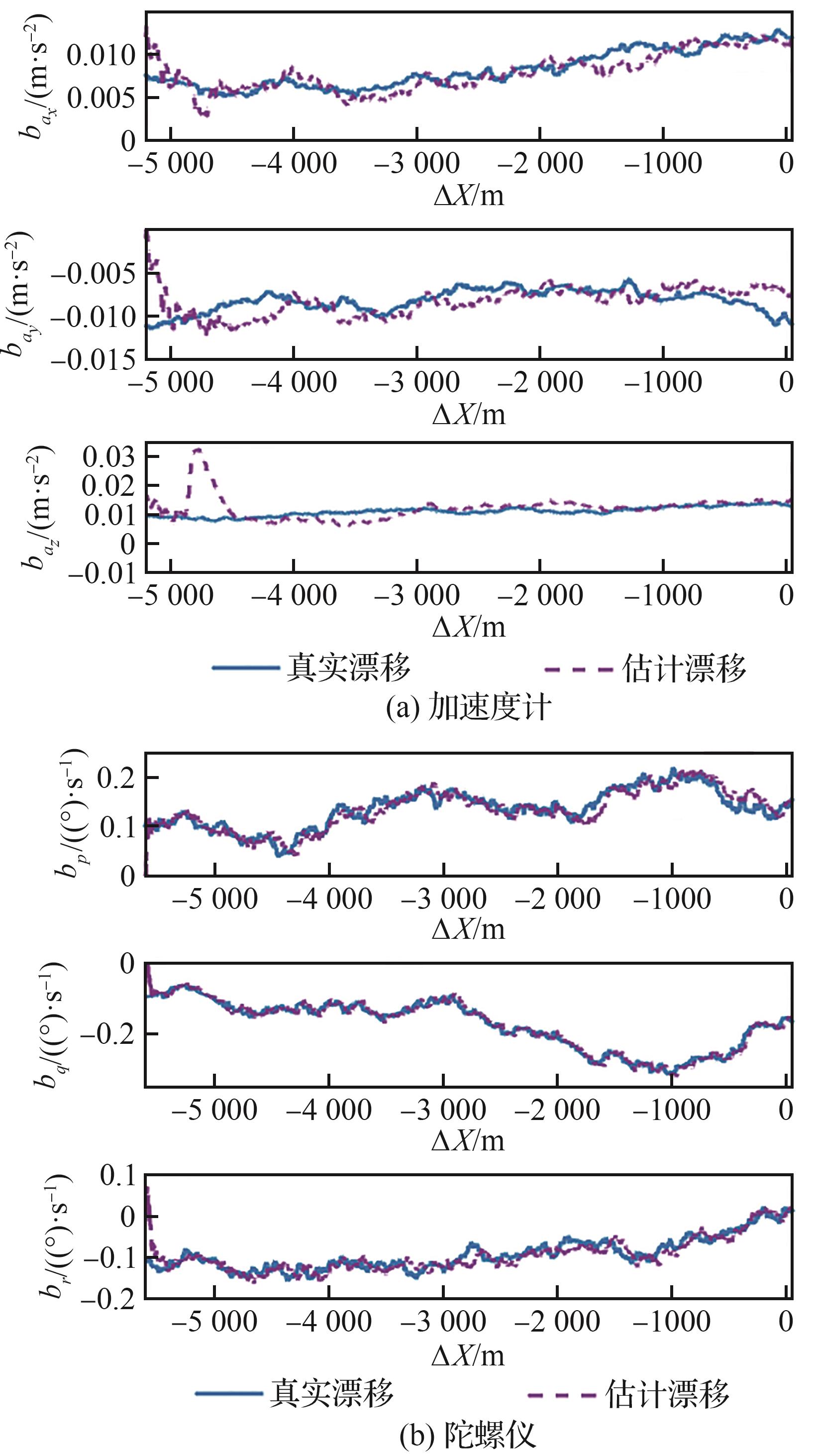
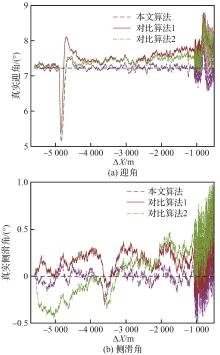
Fig.10
Comparison of flow angle retention results
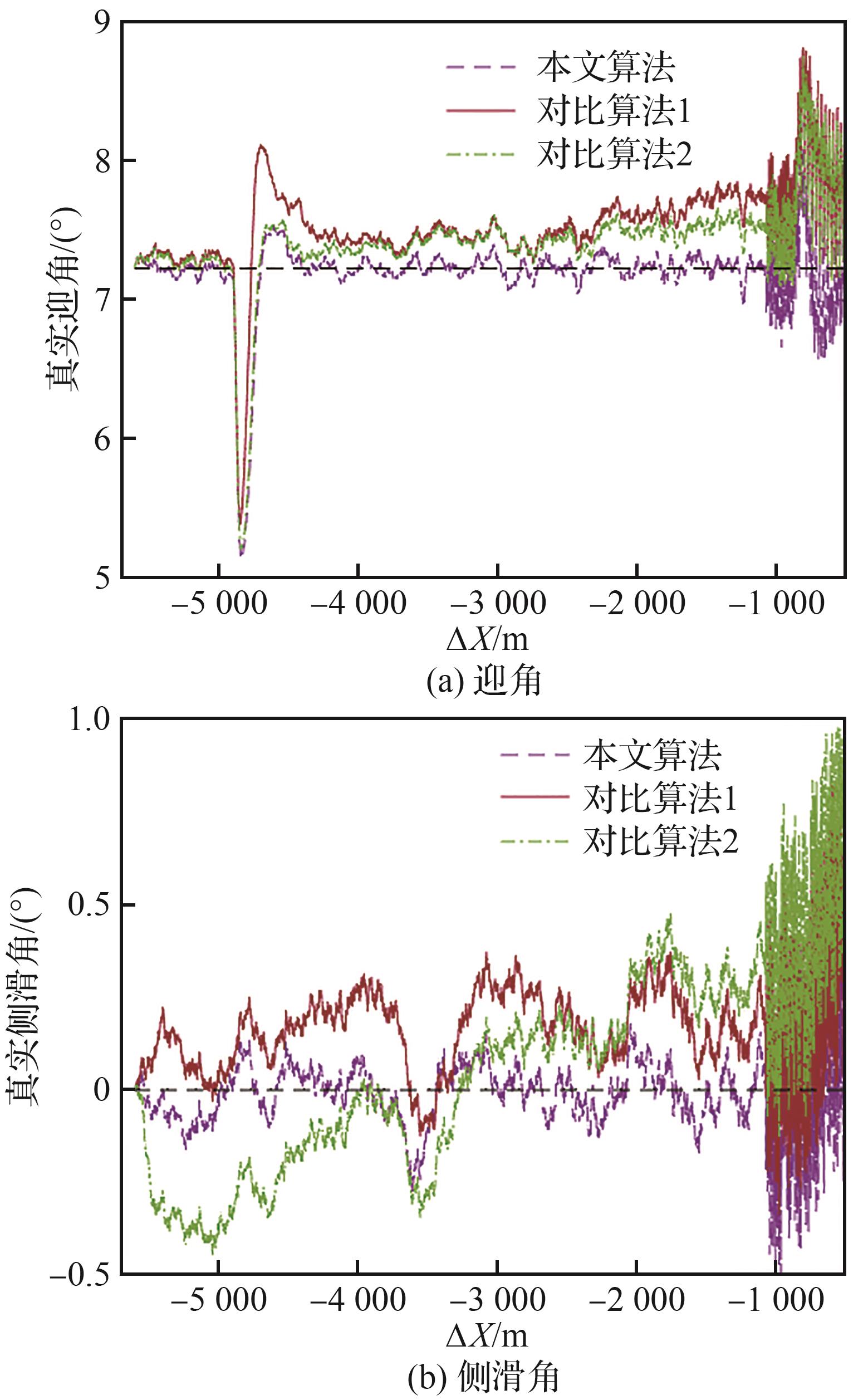
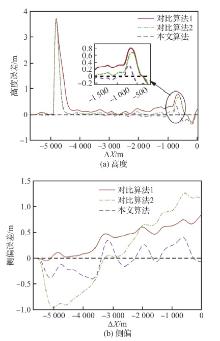
Fig.11
Nominal trajectory tracking errors
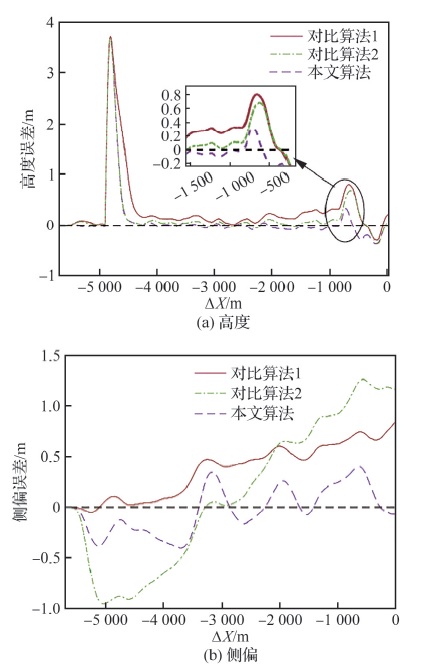

Table 1
Nominal trajectory tracking errors during carrier landing
| 算法 | 最大高度误差 | 平均高度误差 | 着舰点高度误差 | 最大侧偏误差 | 平均侧偏误差 | 着舰点侧偏误差 |
|---|---|---|---|---|---|---|
| 对比算法1 | 3.718 0 | 0.338 9 | 0.206 5 | 0.847 2 | 0.375 1 | 0.847 2 |
| 对比算法2 | 3.703 9 | 0.202 7 | 0.038 8 | 1.261 5 | 0.637 0 | 1.158 4 |
| 本文算法 | 3.694 9 | 0.180 7 | 0.006 0 | 0.401 4 | 0.195 4 | 0.072 2 |
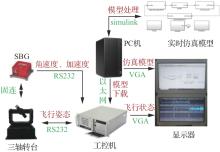
Fig.12
Structure of HIL simulation platform
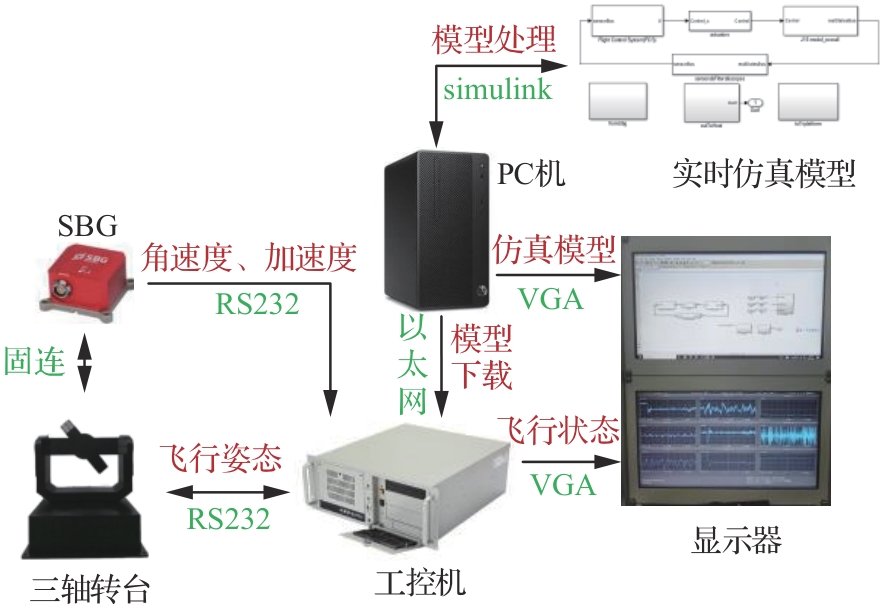
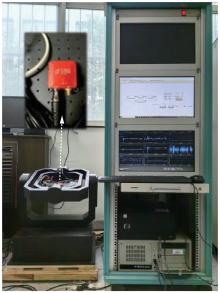
Fig.13
HIL simulation platform
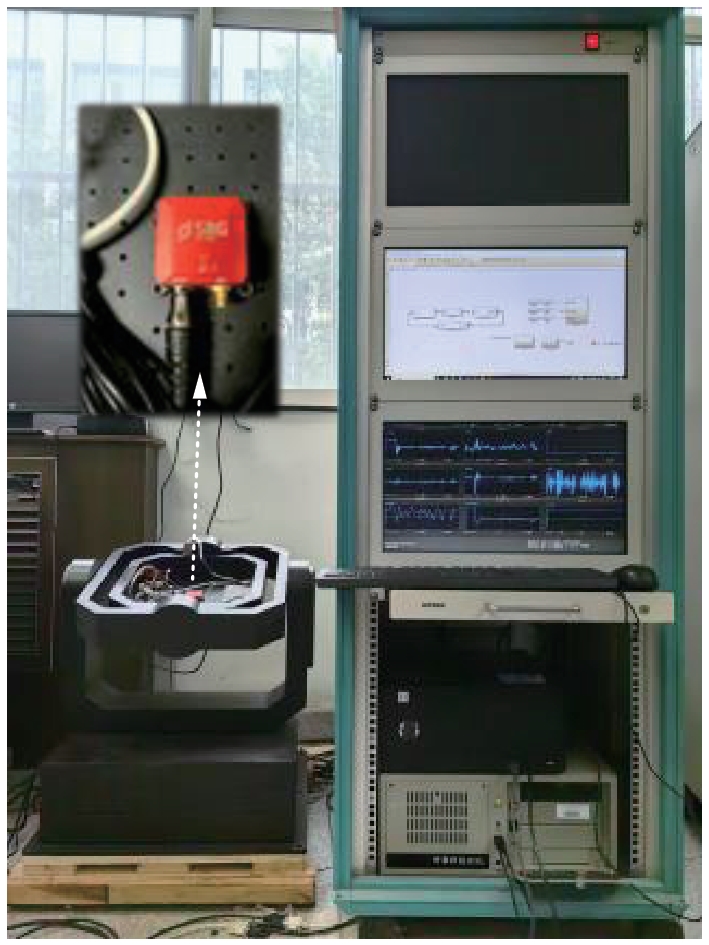
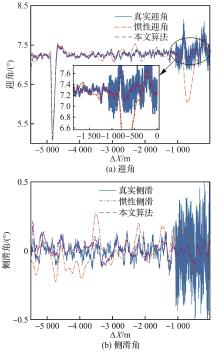
Fig.14
HIL reconstruction results of flow angle signals
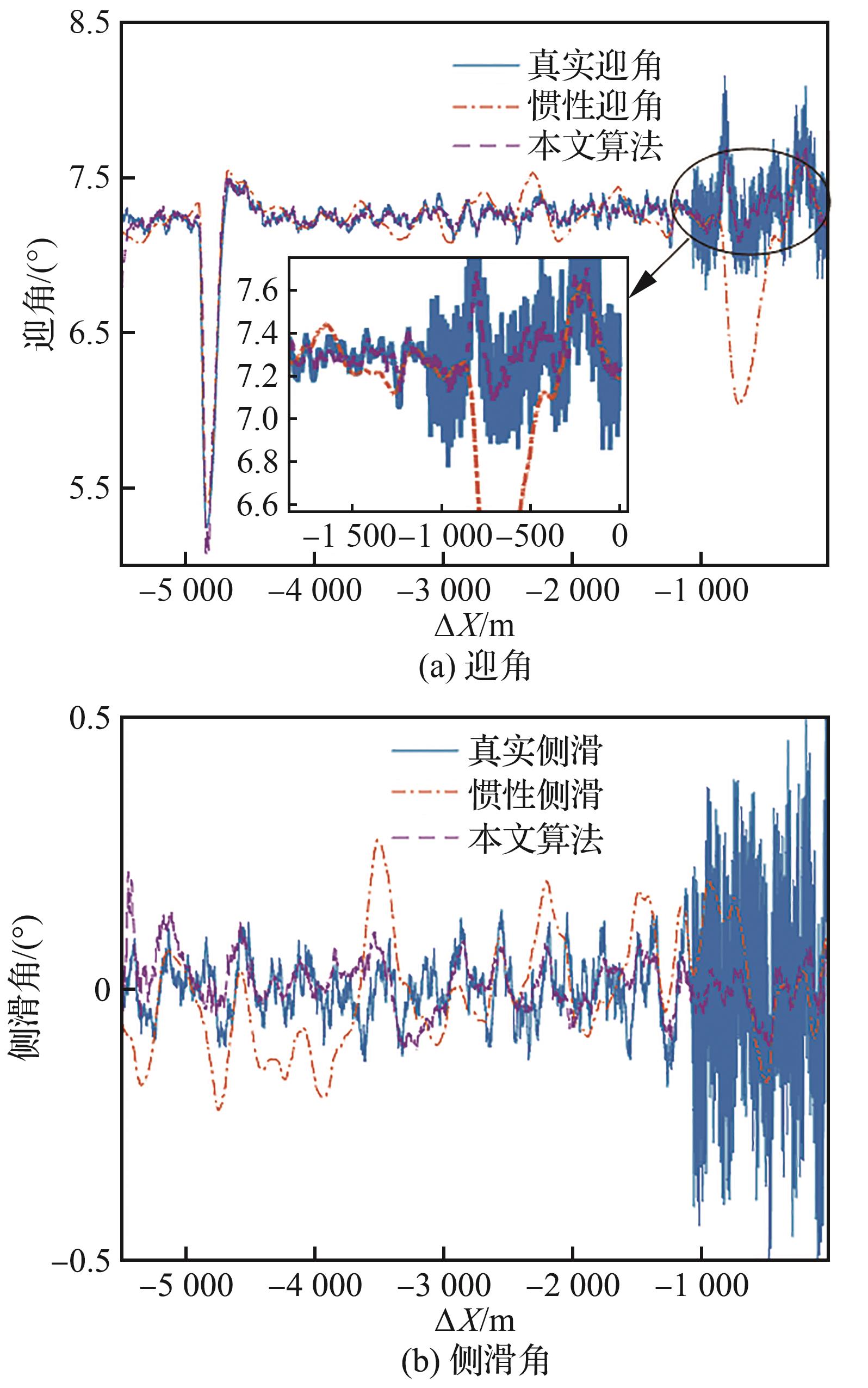
Fig.15
HIL estimation results of wind effect
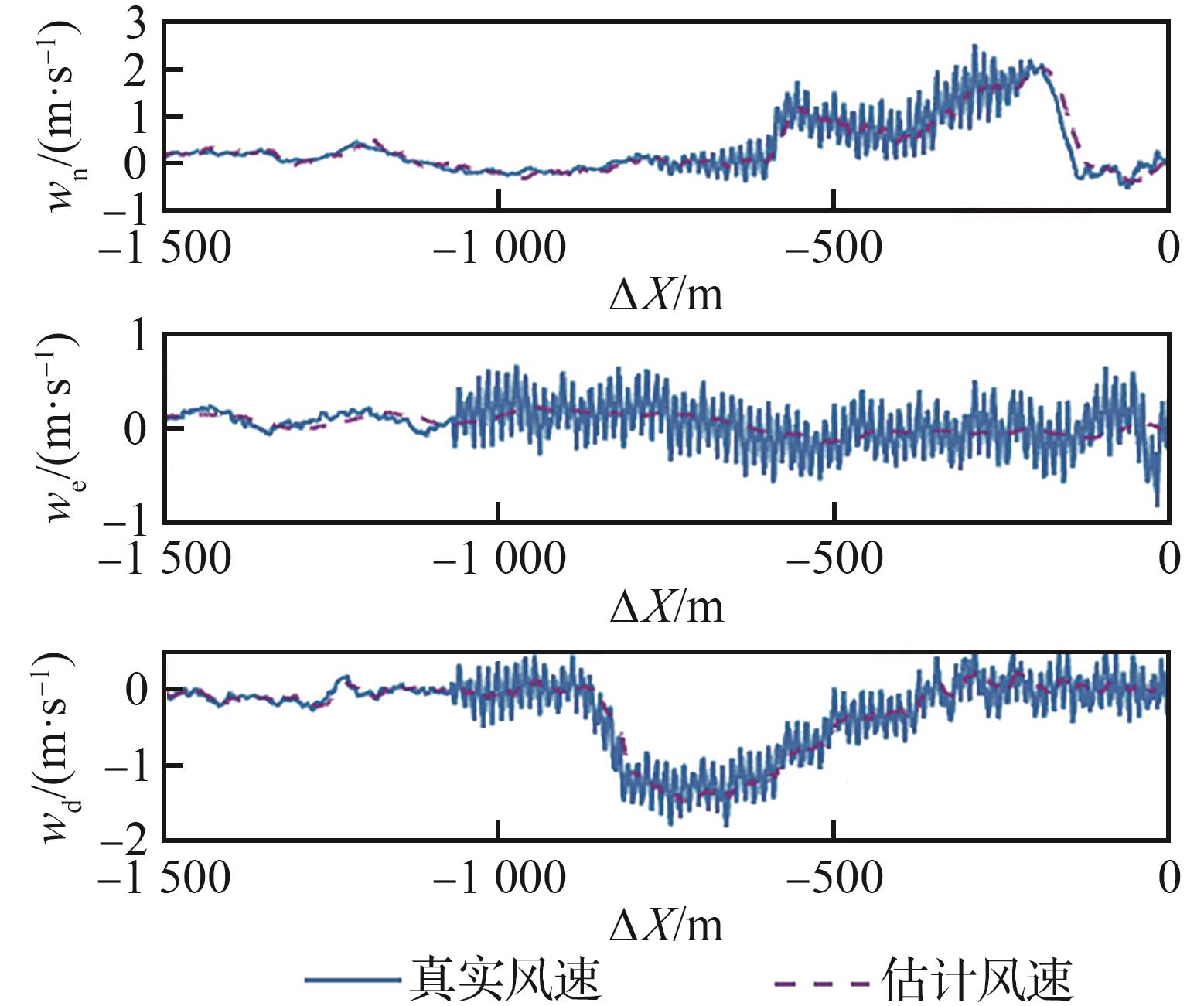
Fig.16
HIL estimation results of inertial sensor drift errors
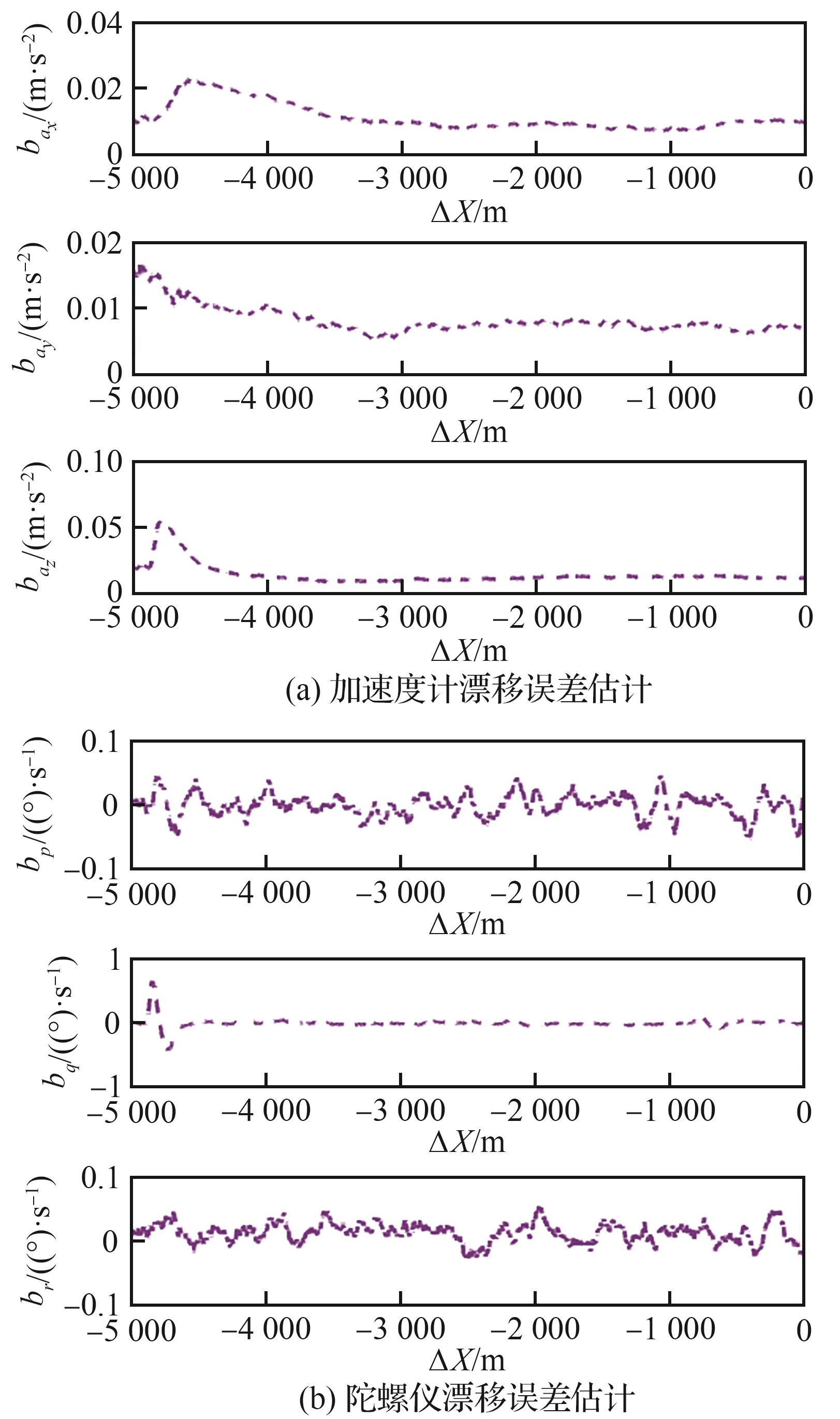
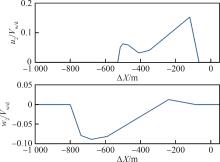
Fig.B1
Ratio of steady wake disturbance to deck wind speed
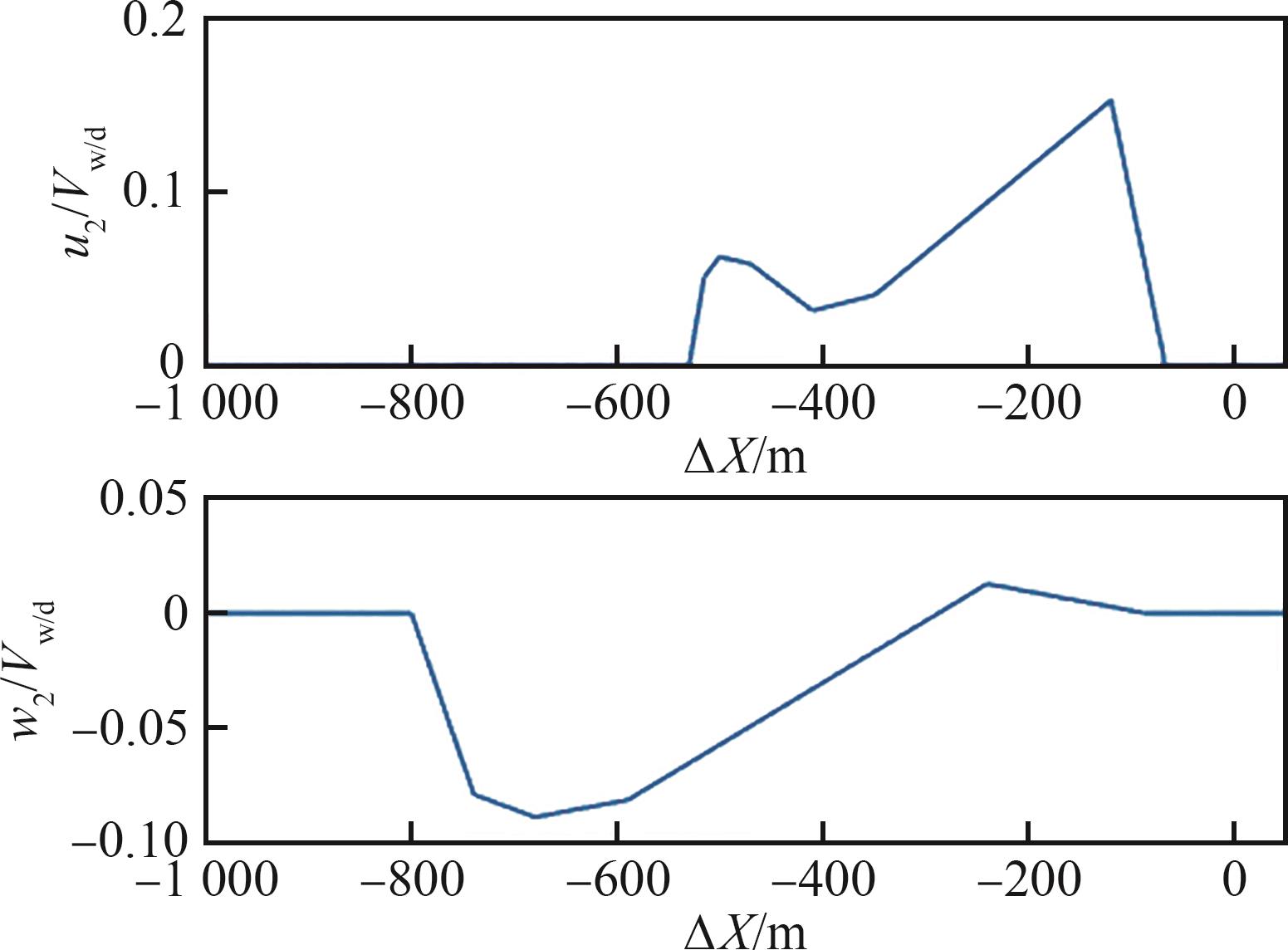
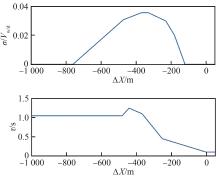
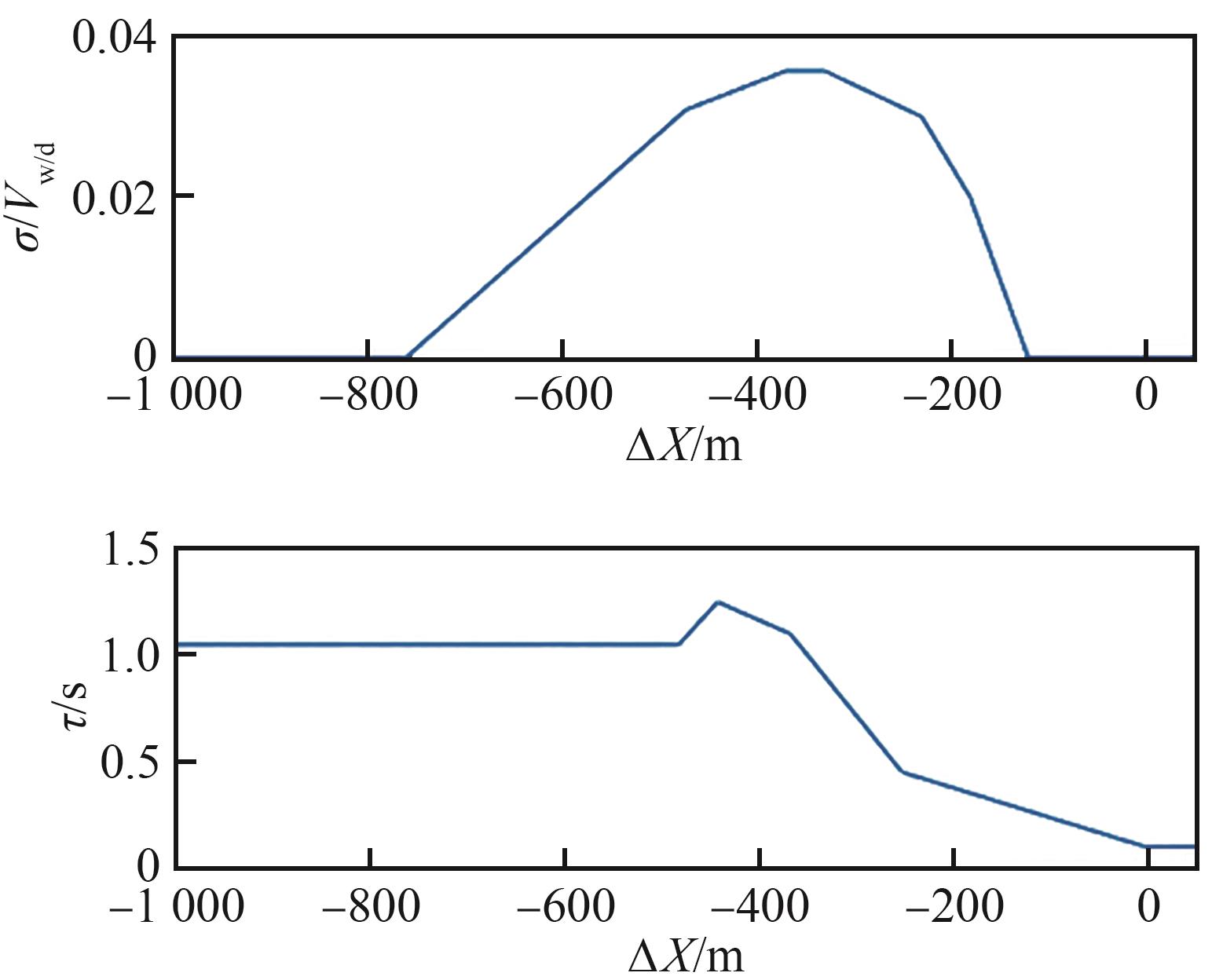
Fig.B2
Random wake RMS amplitude and time constant
| [1] | 孙笑云. 舰载飞机精确着舰飞行控制技术研究[D]. 南京: 南京航空航天大学, 2021: 1-4. |
| SUN X Y. Research on accurate carrier-based landing control scheme[D]. Nanjing: Nanjing University of Aeronautics and Astronautics, 2021: 1-4 (in Chinese). | |
| [2] | 史静平, 章卫国, 穆旭. 基于特征结构配置的非线性控制器在直接力控制中的应用[J]. 弹箭与制导学报, 2006, 26(3): 17-19. |
| SHI J P, ZHANG W G, MU X. Application of eigenstructure assignment to the design of direct lift control system[J]. Journal of Projectiles, Rockets, Missiles and Guidance, 2006, 26(3): 17-19 (in Chinese). | |
| [3] | DENHAM J W. Project MAGIC CARPET: “Advanced controls and displays for precision carrier landings”[C]∥54th AIAA Aerospace Sciences Meeting. Reston: AIAA, 2016. |
| [4] | 吴文海, 汪节, 高丽, 等. MAGIC CARPET着舰技术分析[J]. 系统工程与电子技术, 2018, 40(9): 2079-2091. |
| WU W H, WANG J, GAO L, et al. Analysis on MAGIC CARPET carrier landing technology[J]. Systems Engineering and Electronics, 2018, 40(9): 2079-2091 (in Chinese). | |
| [5] | GREEN B E, FINDLAY D. CFD analysis of the F/A-18E super hornet during aircraft-carrier landing high-lift aerodynamic conditions[C]∥54th AIAA Aerospace Sciences Meeting. Reston: AIAA, 2016. |
| [6] | RUDOWSKY T, HYNES M, LUTER M, et al. Review of the carrier approach criteria for carrier-based aircraftphase Ⅰ;Final report: NAWCADPAX/TR-2002/71[R]. Fort Belvoir: Defense Technical Information Center, 2002. |
| [7] | Department of the Navy.Naval aviation vision 2016-2015[R]. Washington, D.C.: Department of the Navy, 2016. |
| [8] | SHAFER D M, PAUL R C, KING M J, et al. Aircraft carrier landing demonstration using manual control by a ship-based observer[C]∥AIAA Scitech 2019 Forum. Reston: AIAA, 2019. |
| [9] | 张志冰, 张秀林, 王家兴, 等. 一种基于多操纵面控制分配的IDLC人工着舰精确控制方法[J]. 航空学报, 2021, 42(8): 525840. |
| ZHANG Z B, ZHANG X L, WANG J X, et al. An IDLC landing control method of carrier-based aircraft based on control allocation of multiple control surfaces[J]. Acta Aeronautica et Astronautica Sinica, 2021, 42(8): 525840 (in Chinese). | |
| [10] | 史静平. 直接力纵向解耦控制方法研究与实时仿真系统[D]. 西安: 西北工业大学, 2007: 26-32. |
| SHI J P. The research on the longitudinal direct lift control decoupling method and real-time simulation system[D]. Xi’an: Northwestern Polytechnical University, 2007: 26-32 (in Chinese). | |
| [11] | BEA. Final report: On the accident on 1st June 2009 to the Airbus A330-203 registered F-GZCP operated by Air France flight AF 447 Rio de Janeiro-Paris[R]. Le Bourget: BEA, 2012. |
| [12] | CARPENTER F L. Summary of facts-B2 accident on 23 February 2008: 89-2017[R]. Norway: Accident Invest Board, 2008. |
| [13] | RHUDY M B, LARRABEE T, CHAO H Y, et al. UAV attitude, heading, and wind estimation using GPS/INS and an air data system[C]∥AIAA Guidance, Navigation, and Control(GNC) Conference. Reston: AIAA, 2013: 5201. |
| [14] | CHO A, KANG Y S, PARK B J, et al. Airflow angle and wind estimation using GPS/INS navigation data and airspeed[C]∥2013 13th International Conference on Control, Automation and Systems(ICCAS 2013). Piscataway: IEEE Press, 2013: 1321-1324. |
| [15] | BEARD R W, MCLAIN T W. Small unmanned aircraft: Theory and practice[M]. Princeton: Princeton University Press, 2012: 121-123. |
| [16] | BERGER T, TISCHLER M, HAGEROTT S G, et al. Longitudinal control law design and handling qualities optimization for a business jet flight control system[C]∥AIAA Atmospheric Flight Mechanics Conference. Reston: AIAA, 2012. |
| [17] | BERGER T, TISCHLER M, HAGEROTT S G, et al. Lateral/directional control law design and handling qualities optimization for a business jet flight control system[C]∥AIAA Atmospheric Flight Mechanics (AFM) Conference. Reston: AIAA, 2013. |
| [18] | LU P, VAN KAMPEN E J, DE VISSER C, et al. Air data sensor fault detection and diagnosis in the presence of atmospheric turbulence: theory and experimental validation with real flight data[J]. IEEE Transactions on Control Systems Technology, 2021, 29(5): 2255-2263. |
| [19] | 杨宝钧, 宋招枘. 传感器失效下的迎角信号重构[J]. 航空科学技术, 2018, 29(8): 33-40. |
| YANG B J, SONG Z R. Reconfiguration of the angle of attack signal in disability of sensors[J]. Aeronautical Science & Technology, 2018, 29(8): 33-40 (in Chinese). | |
| [20] | 王军. 飞控系统传感器数据融合技术研究[D]. 西安: 西北工业大学, 2007: 36-56. |
| WANG J. Research on sensor data fusion technology of flight control system[D]. Xi’an: Northwestern Polytechnical University, 2007: 36-56 (in Chinese). | |
| [21] | MORELLI E A. Real-time aerodynamic parameter estimation without air flow angle measurements[J]. Journal of Aircraft, 2012, 49(4): 1064-1074. |
| [22] | RAMPRASADH C, ARYA H. Multi-stage fusion algorithm for estimation of aerodynamic angles in mini aerial vehicle[C]∥49th AIAA Aerospace Sciences Meeting Including the New Horizons Forum and Aerospace Exposition. Reston: AIAA, 2011: 1287. |
| [23] | TIAN P Z, CHAO H Y, FLANAGAN H P, et al. Design and evaluation of UAV flow angle estimation filters[J]. IEEE Transactions on Aerospace and Electronic Systems, 2019, 55(1): 371-383. |
| [24] | 朱奇. 基于直接力的着舰技术研究[D]. 西安: 西北工业大学, 2022: 57-88. |
| ZHU Q. Research on carrier-landing technology based on direct lift control[D]. Xi’an: Northwestern Polytechnical University, 2022: 57-88 (in Chinese). | |
| [25] | 彭兢, 金长江. 航空母舰尾流数值仿真研究[J]. 北京航空航天大学学报, 2000, 26(3): 340-343. |
| PENG J, JIN C J. Research on the numerical simulation of aircraft carrier air wake[J]. Journal of Beijing University of Aeronautics and Astronautics, 2000, 26(3): 340-343 (in Chinese). | |
| [26] | United States Department of Defense. Flying Qualities of Pilot Aircraft: MIL-H [S]. Arlington: DoD, 1997: 686-690. |
| [27] | 甄子洋, 王新华, 江驹, 等. 舰载机自动着舰引导与控制研究进展[J]. 航空学报, 2017, 38(2): 020435. |
| ZHEN Z Y, WANG X H, JIANG J, et al. Research progress in guidance and control of automatic carrier landing of carrier-based aircraft[J]. Acta Aeronautica et Astronautica Sinica, 2017, 38(2): 020435 (in Chinese). |
| [1] | Yunwen FENG, Da TENG, Cheng LU, Rui WANG, Junyu CHEN. Integrated mechanism and generative adversarial surrogate modeling for aircraft systems reliability evaluation [J]. Acta Aeronautica et Astronautica Sinica, 2025, 46(7): 230948-230948. |
| [2] | Wanying YUN, Fengyuan LI, Bo HUANG, Siyu WANG, Yunfei JIAO, Xinyu BAI, Xueqi HUANG. Enhanced metamodel-based importance sampling method for reliability analysis [J]. Acta Aeronautica et Astronautica Sinica, 2025, 46(7): 230738-230738. |
| [3] | Shenfang YUAN, Qiuhui XU, Jian CHEN. Reliability evaluation: From non-destructive testing to structural health monitoring [J]. Acta Aeronautica et Astronautica Sinica, 2025, 46(5): 531442-531442. |
| [4] | Rui KANG, Xiaoyang LI. Reliability science experiments [J]. Acta Aeronautica et Astronautica Sinica, 2025, 46(5): 531622-531622. |
| [5] | Weining MA, Qiwei HU, Xisheng JIA. Selective maintenance decision for equipment under multi-mission setting considering multiple resource constraints [J]. Acta Aeronautica et Astronautica Sinica, 2025, 46(2): 227327-227327. |
| [6] | Wei CHEN, Lulu LI, Dong CHEN, Shaohui ZHANG, Yafei LI, Ke WANG, Yuanyuan JIN, Mingliang XU. Multi-aircraft cooperative decision-making methods driven by differentiated support demands for carrier-based aircraft [J]. Acta Aeronautica et Astronautica Sinica, 2025, 46(13): 331274-331274. |
| [7] | Guang LIU, Hua WANG, Youfang LIN, Shuo HE, Yafei LI, Mingliang XU. Adaptive batch matching decision method for carrier-based aircraft support operations [J]. Acta Aeronautica et Astronautica Sinica, 2025, 46(1): 330615-330615. |
| [8] | Dapeng ZHOU, Xiaolei QU. Knowledge-based intelligent pigeon-inspired optimization of carrier-based aircraft landing control [J]. Acta Aeronautica et Astronautica Sinica, 2024, 45(S1): 730801-730801. |
| [9] | Yulian GONG, Jianguo ZHANG, Zhigang WU, Guangyuan CHU, Xiaoduo FAN, Ying HUANG. Reliability algorithm of composite structure based on active learning basis-adaptive PC-Kriging model [J]. Acta Aeronautica et Astronautica Sinica, 2024, 45(8): 228982-228982. |
| [10] | Fan ZHANG, Bohan CHENG, Peng WANG, Lei DONG. A two-stage degradation model and reliability analysis related to degradation of binary load-sharing systems [J]. Acta Aeronautica et Astronautica Sinica, 2024, 45(7): 229046-229046. |
| [11] | Xiaofeng XUE, Miaoyan ZHAO, Qianyi DU, Yunwen FENG, Junling FAN, Ting JIAO. Detection reliability based on quantification of human and environmental factors [J]. Acta Aeronautica et Astronautica Sinica, 2024, 45(6): 228859-228859. |
| [12] | Zhe WANG, Zhiping WANG, Kunying DING, Tao ZHANG, Yuanhang WANG. Reliability analysis of thermal barrier coatings on turbine guide vanes of a certain type of aero-engine [J]. Acta Aeronautica et Astronautica Sinica, 2024, 45(22): 430141-430141. |
| [13] | Fan ZHANG, Wei CONG, Runcao TIAN, Peng WANG. Heterogeneous data fusion and reliability analysis based on two-layer variable weights [J]. Acta Aeronautica et Astronautica Sinica, 2024, 45(22): 230297-230297. |
| [14] | Feng JIANG, Huacong LI, Jiangfeng FU, Xianwei LIU. Non-probabilistic reliability analysis with fuzzy failure and safe states [J]. Acta Aeronautica et Astronautica Sinica, 2024, 45(20): 229989-229989. |
| [15] | Xinqian ZHENG, Junying WANG, Weina HUANG, Yu FU, Ronghui CHENG, Hongyang XIONG. Uncertainty⁃based design system for aeroengines [J]. ACTA AERONAUTICAET ASTRONAUTICA SINICA, 2023, 44(7): 27099-027099. |
| Viewed | ||||||
|
Full text |
|
|||||
|
Abstract |
|
|||||
Address: No.238, Baiyan Buiding, Beisihuan Zhonglu Road, Haidian District, Beijing, China
Postal code : 100083
E-mail:hkxb@buaa.edu.cn
Total visits: 6658907 Today visits: 1341All copyright © editorial office of Chinese Journal of Aeronautics
All copyright © editorial office of Chinese Journal of Aeronautics
Total visits: 6658907 Today visits: 1341

 CJA
CJA
