Acta Aeronautica et Astronautica Sinica ›› 2025, Vol. 46 ›› Issue (8): 631189.doi: 10.7527/S1000-6893.2024.31189
• special column • Previous Articles Next Articles
Feiteng LUO1,2, Zhenming QU1, Haitao LI1, Xinke LI1, Dahao YAO1, Wenjuan CHEN1,2, Yaosong LONG1( ), Baoxi WEI3,4, Yanjin MAN3,4, Fujiang YANG3,4, Qiang CHENG5, Wubin KONG2,6
Received:2024-09-12
Revised:2024-09-30
Accepted:2024-10-11
Online:2024-10-25
Published:2024-10-15
Contact:
Yaosong LONG
E-mail:longyaosong@hust.edu.cn
Supported by:CLC Number:
Feiteng LUO, Zhenming QU, Haitao LI, Xinke LI, Dahao YAO, Wenjuan CHEN, Yaosong LONG, Baoxi WEI, Yanjin MAN, Fujiang YANG, Qiang CHENG, Wubin KONG. Research progress and key issues of inlet pre-injection at hypersonic condition[J]. Acta Aeronautica et Astronautica Sinica, 2025, 46(8): 631189.
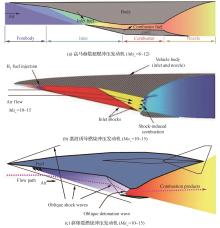
Fig.1
Schematic diagram of typical hypersonic propulsion system at higher Mach number
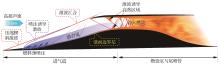
Fig.2
Schematic diagram of basic flowfield structure for inlet fuel pre-injection/mixing[10]
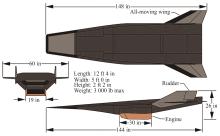
Fig.3
X-43A flight demonstrator and engine[15]
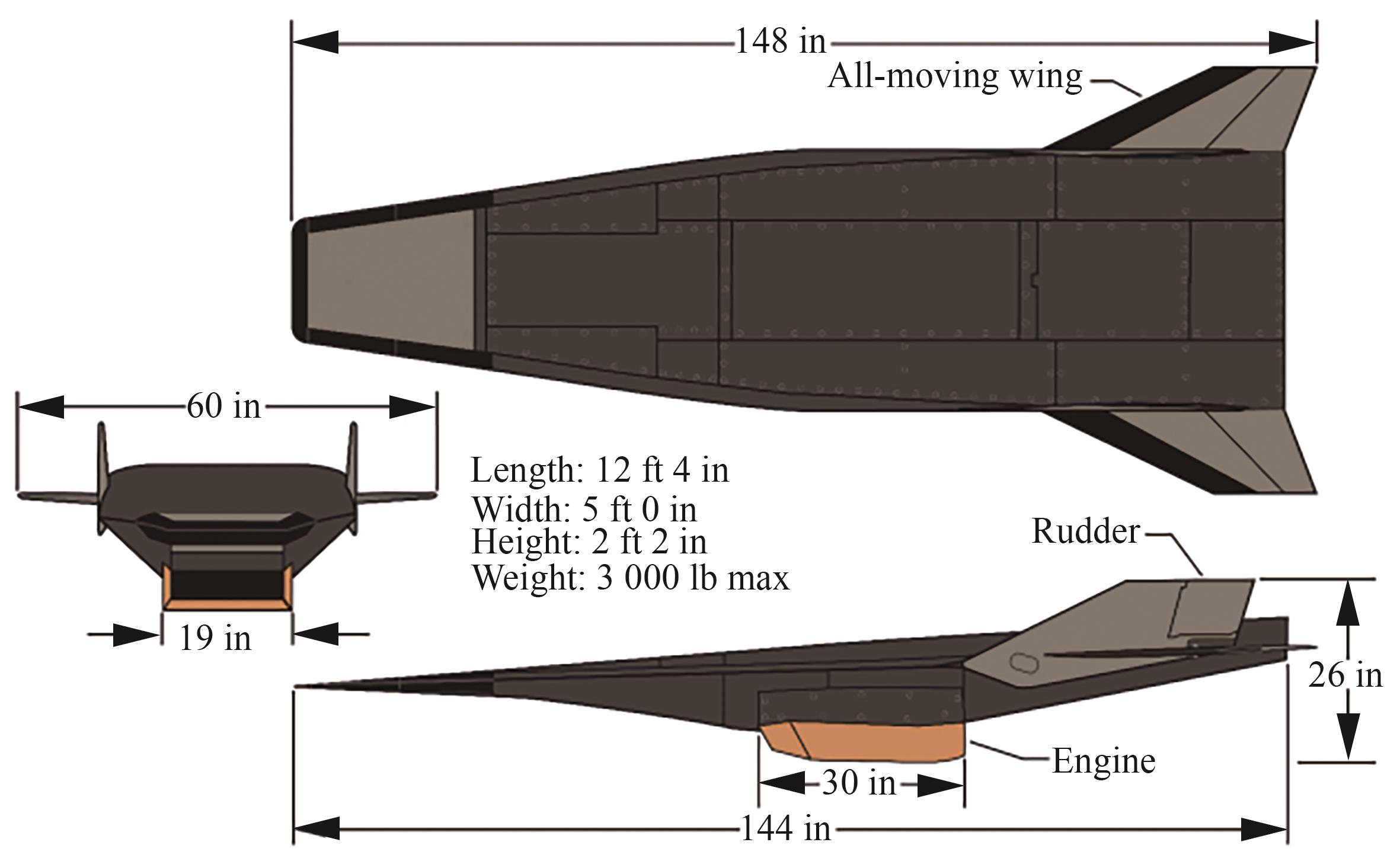
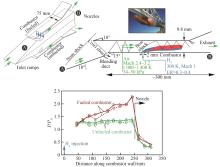
Fig.4
Hyshot-2 engine and test wall pressure[18]
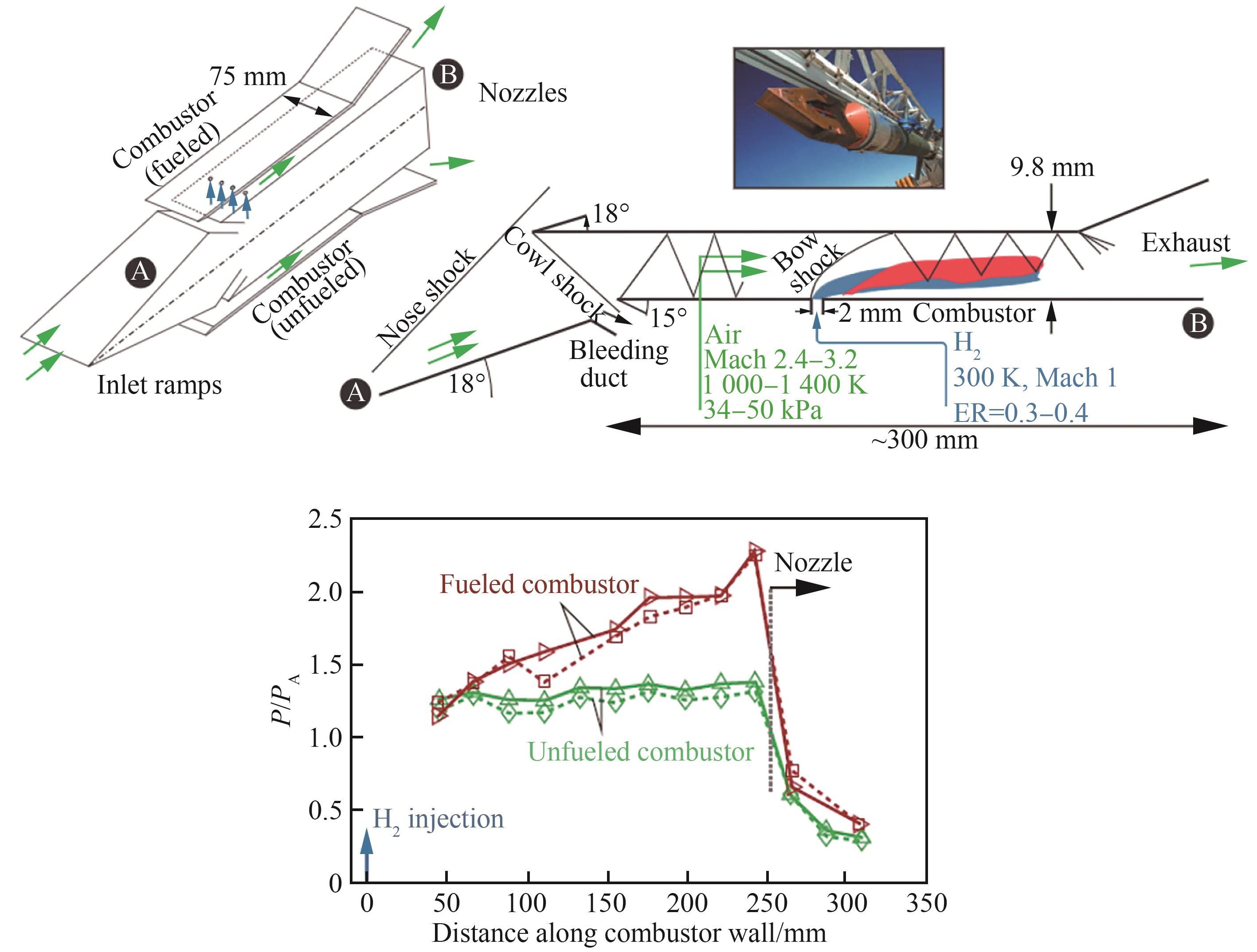
Fig.5
Hifire-2 engine[23]
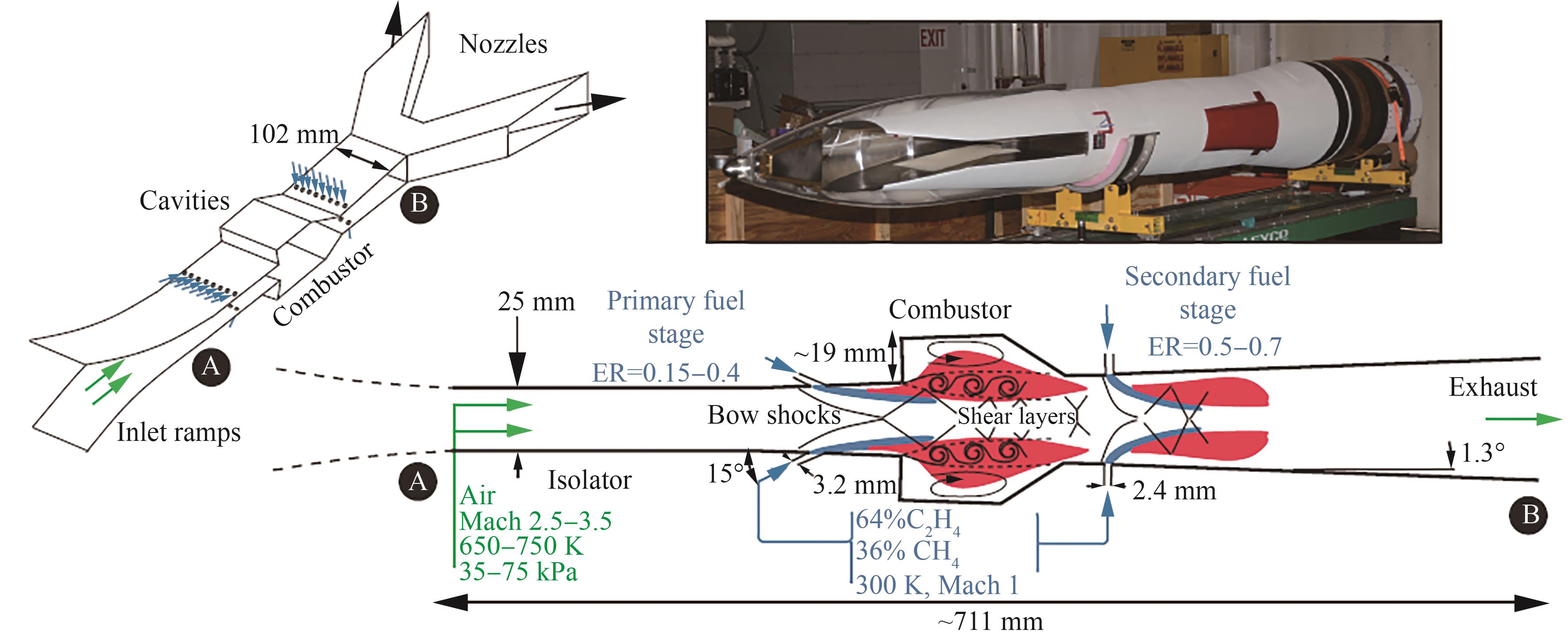
Fig.6
HEXAFLY-INT engine[25]
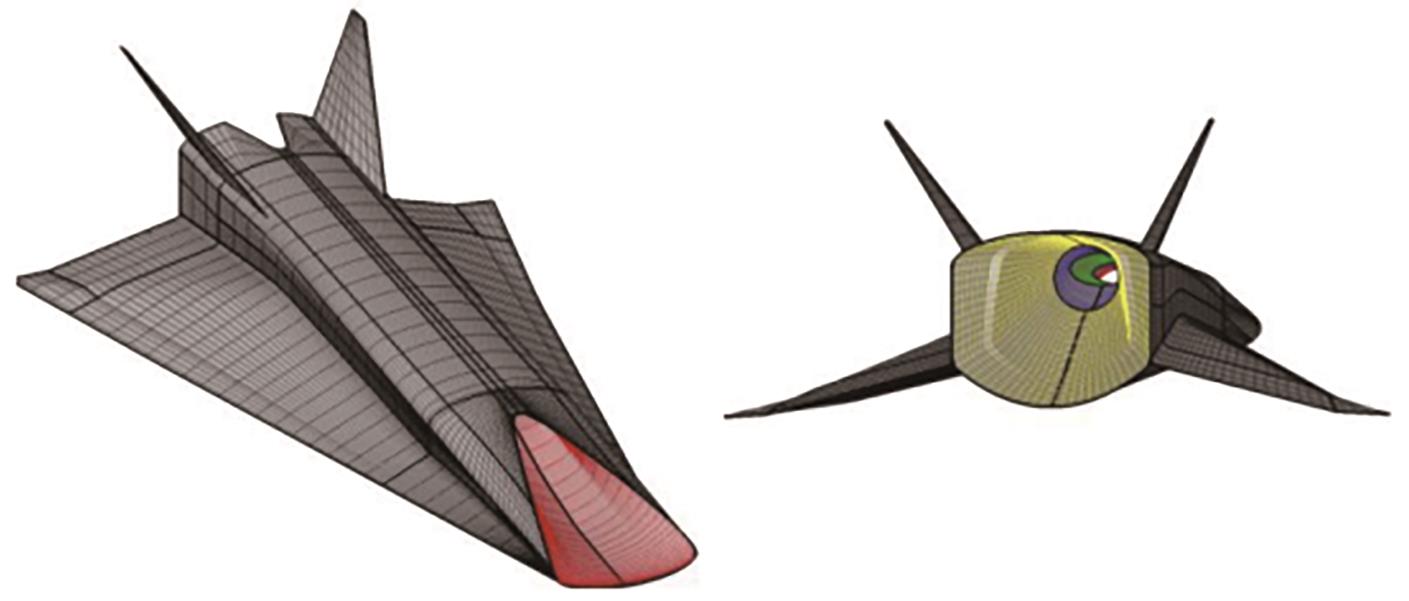
Fig.7
Shock-induced combustion engine[31]
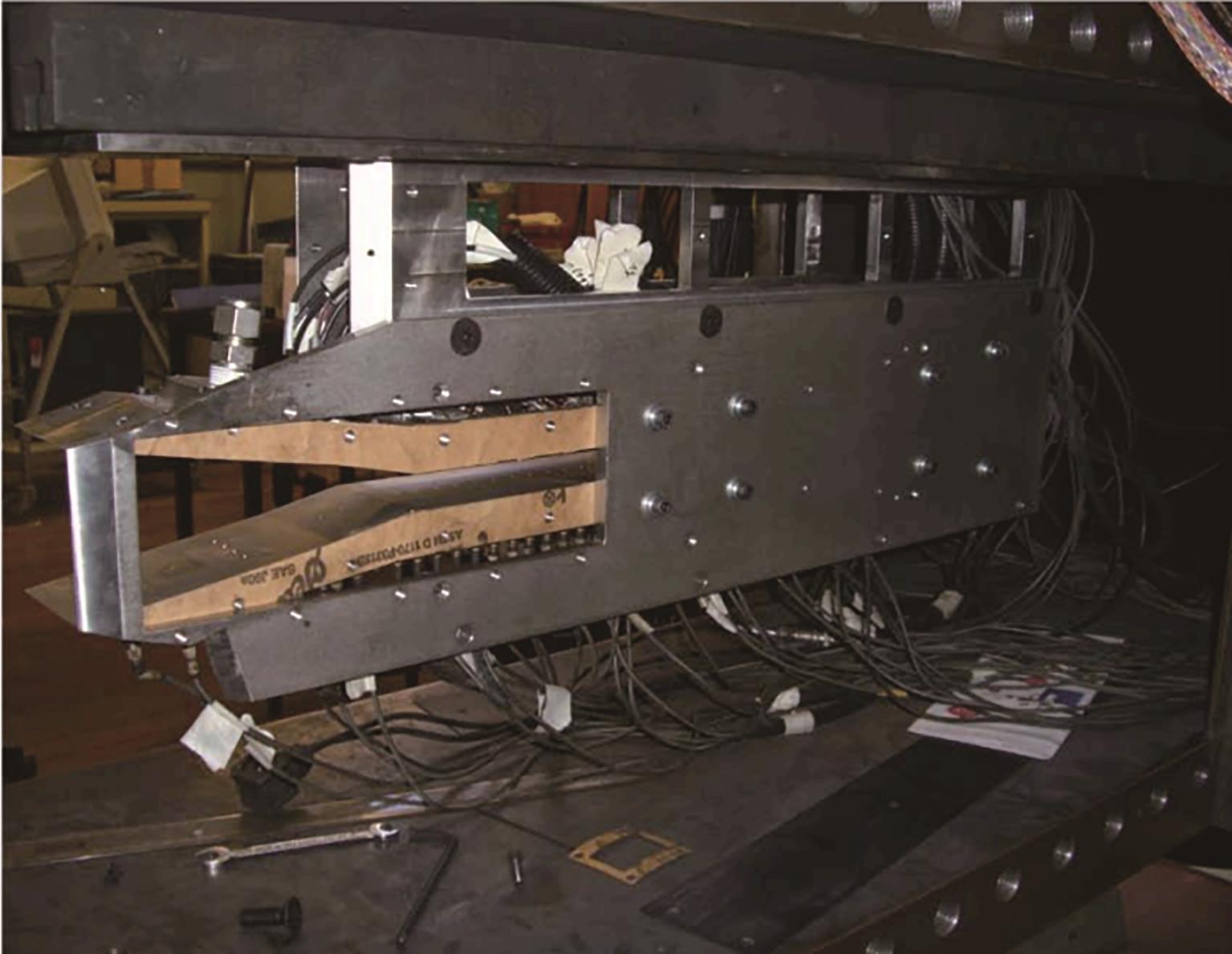
Fig.8
Oblique detonation engine[33]
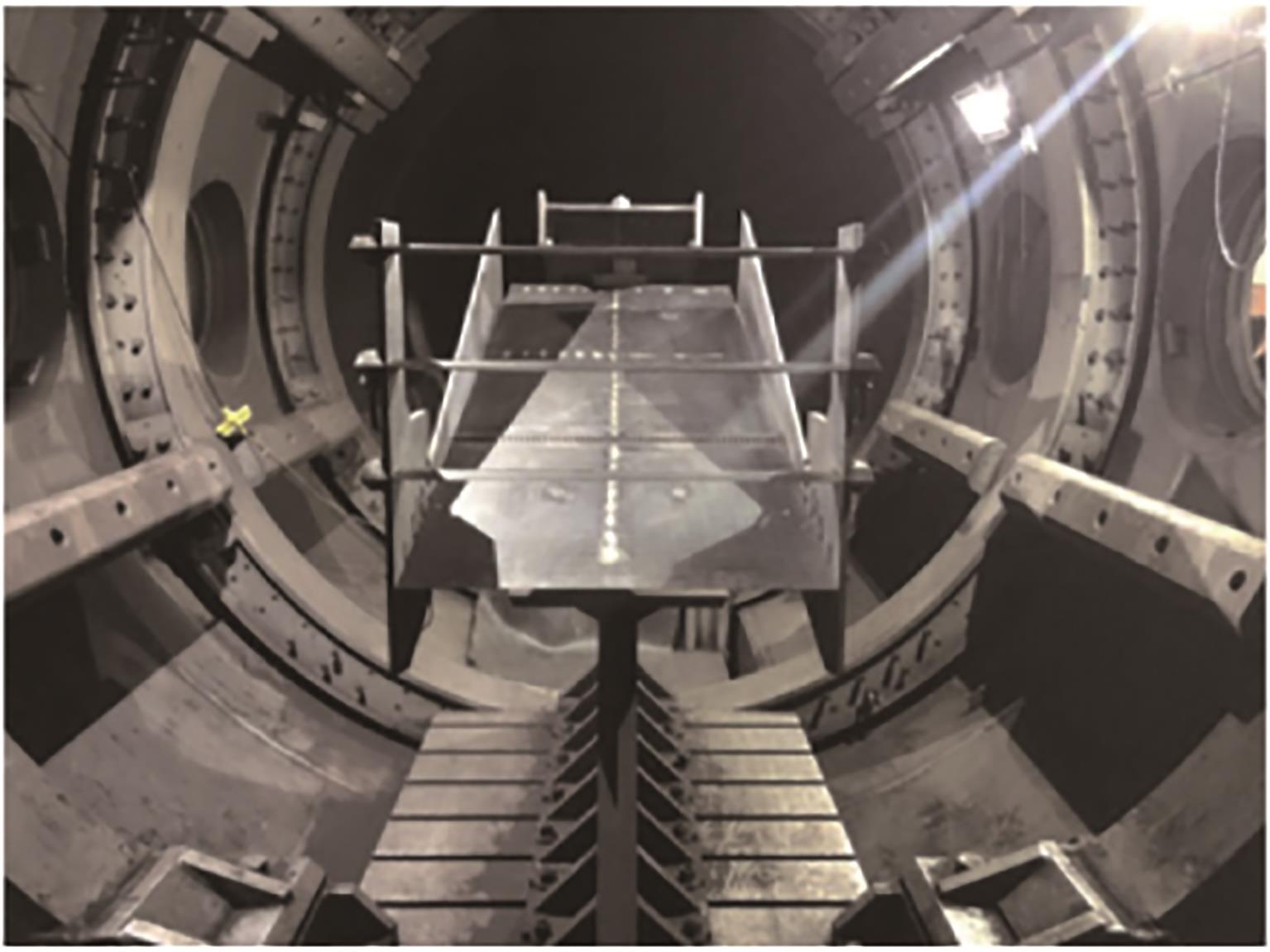
Fig.9
Typical injection method for supersonic inflow[34]
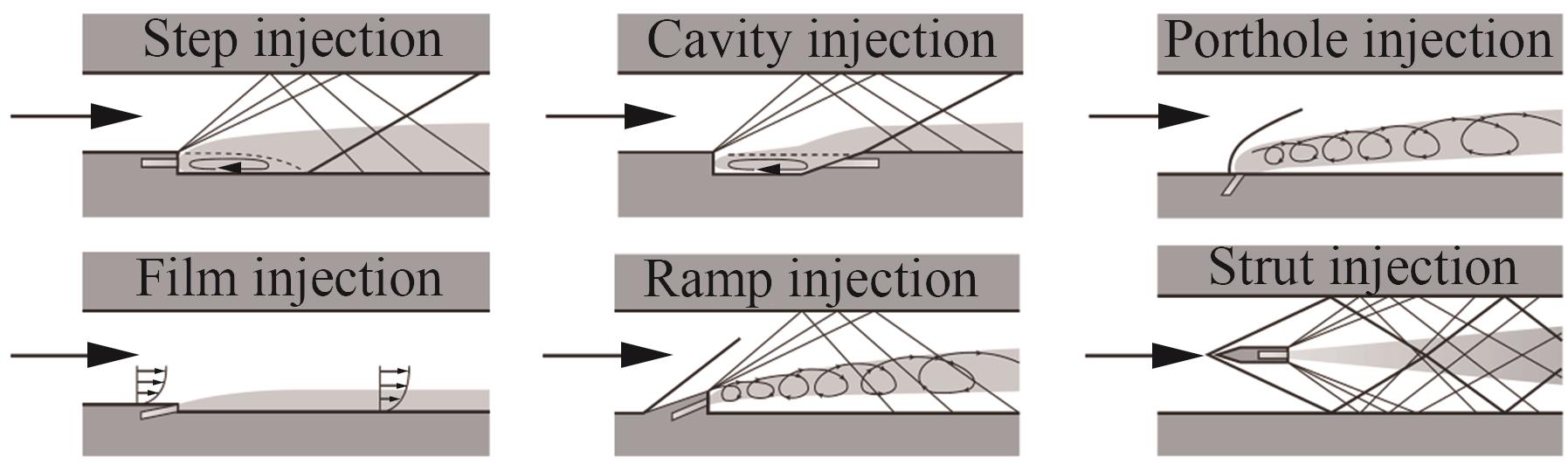
Fig.10
Schematic of a transverse sonic jet into supersonic flow[35]
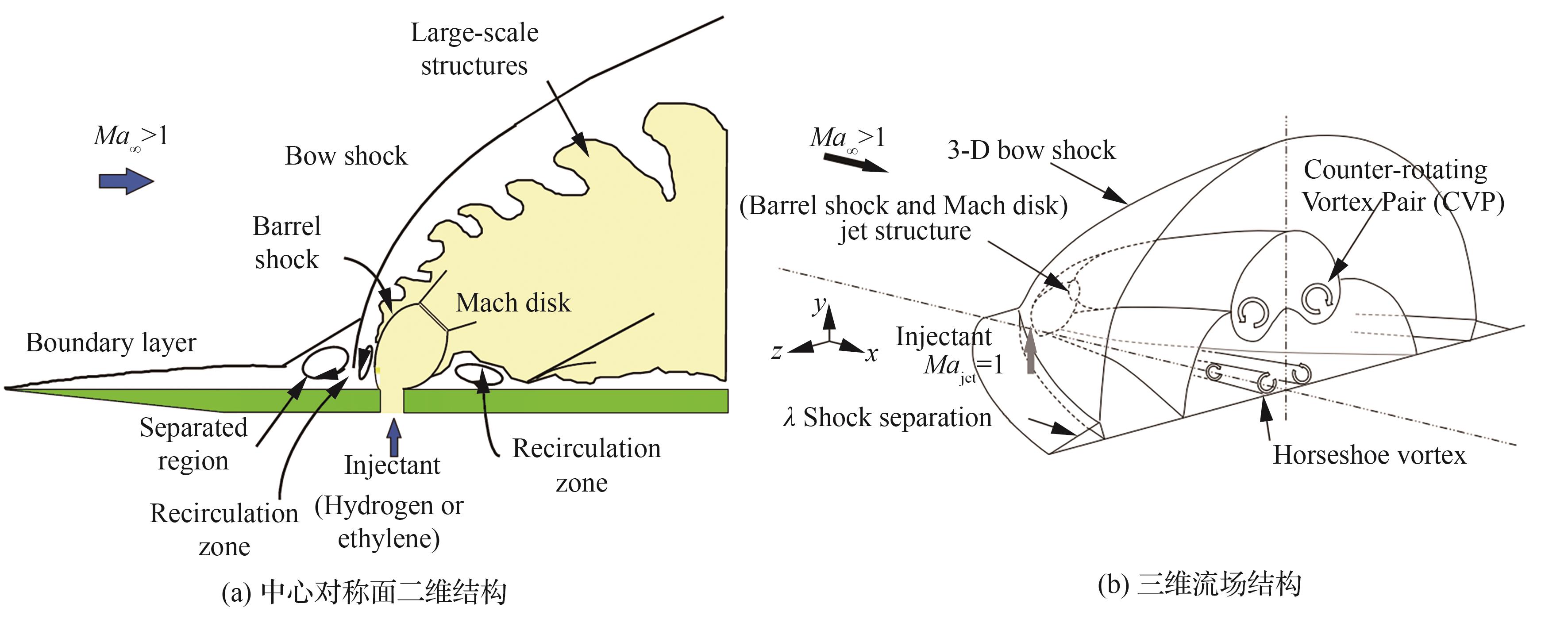
Fig.11
Density gradient and mass fraction contour at central surface for turbulent and laminar crossflow[40]
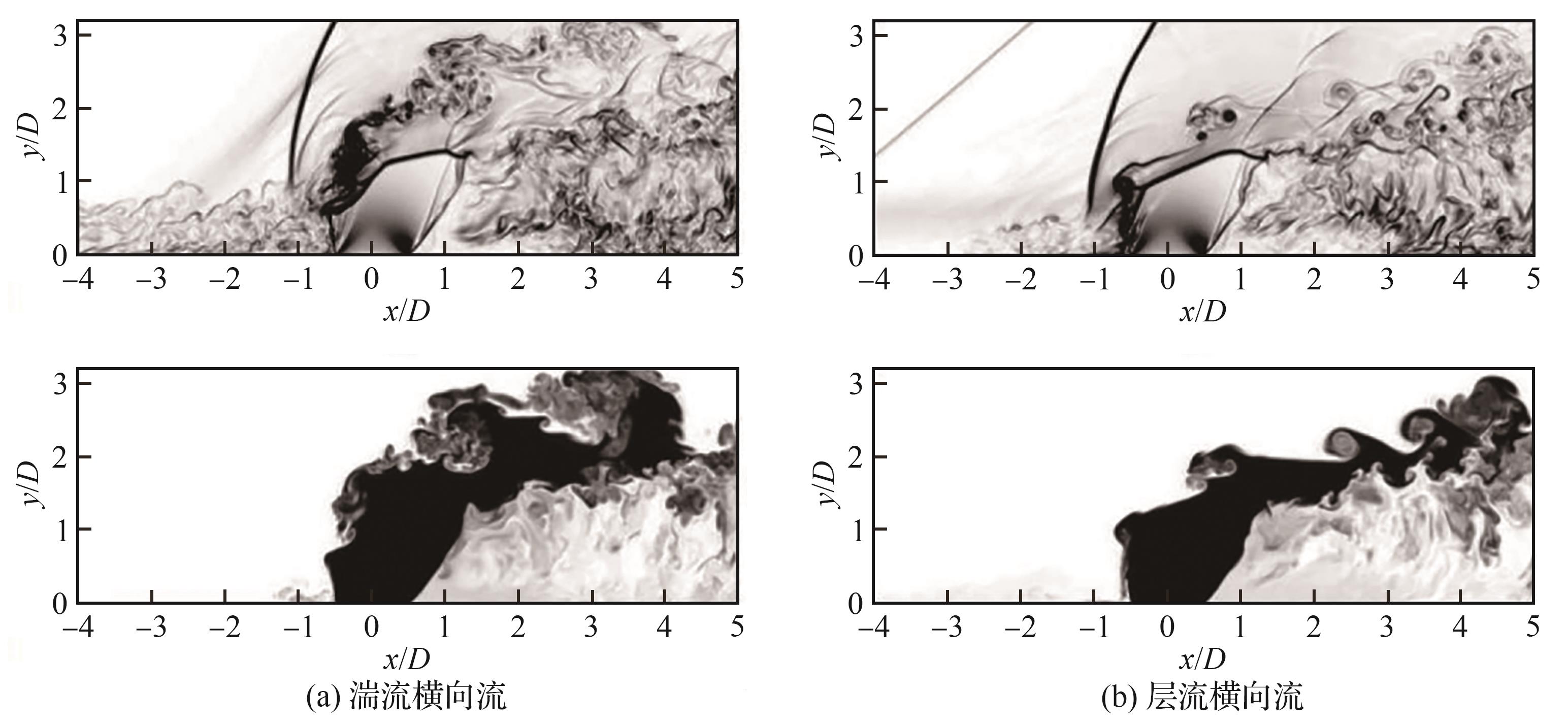
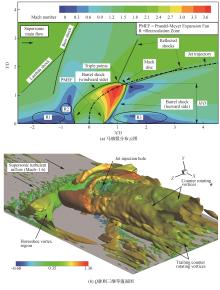
Fig.12
Typical shocks and flow features of transverse injection in supersonic flow obtained by large eddy simualtion[42]
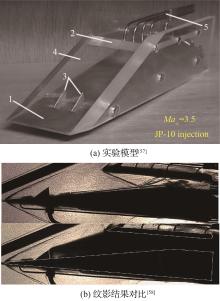
Fig.13
Experiment model and results
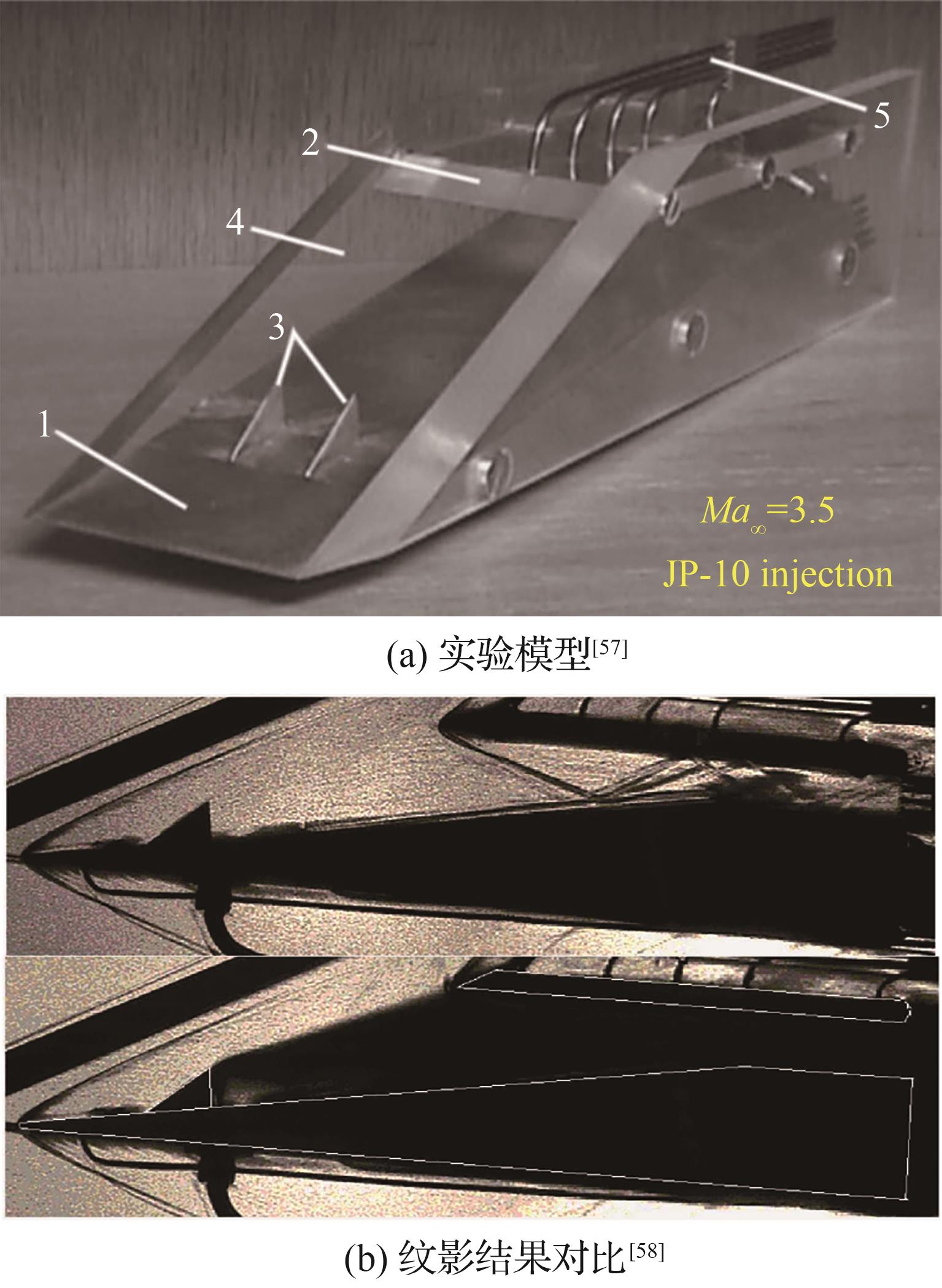
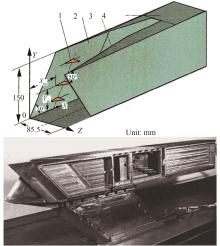
Fig.14
Scramjet model for numerical simulation[59]
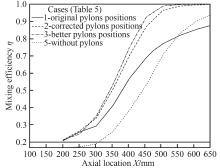
Fig.15
Mixing efficiency for different injection methods[59]
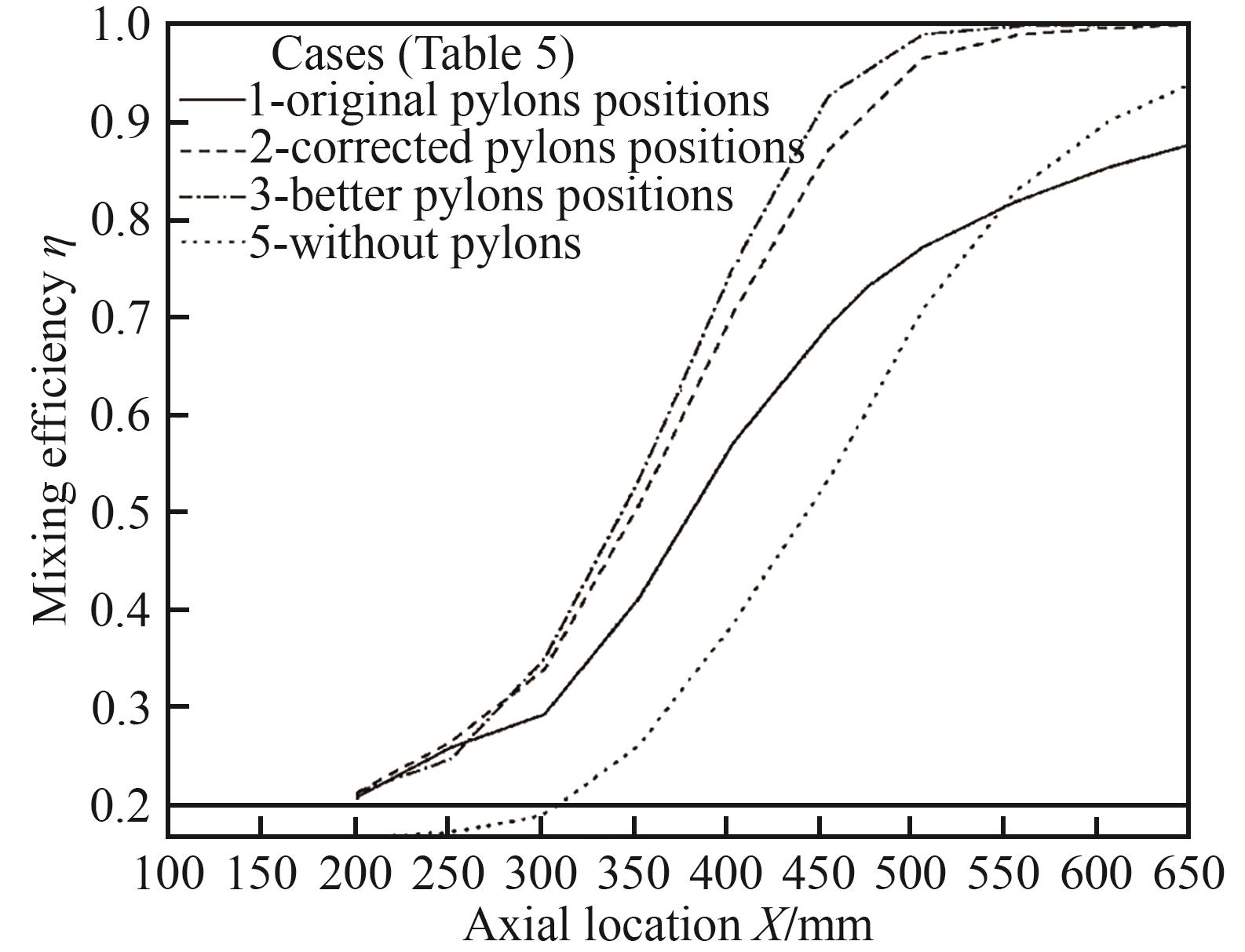
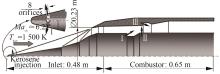
Fig.16
Axisymmetrical duel-mode scramjet model[60]
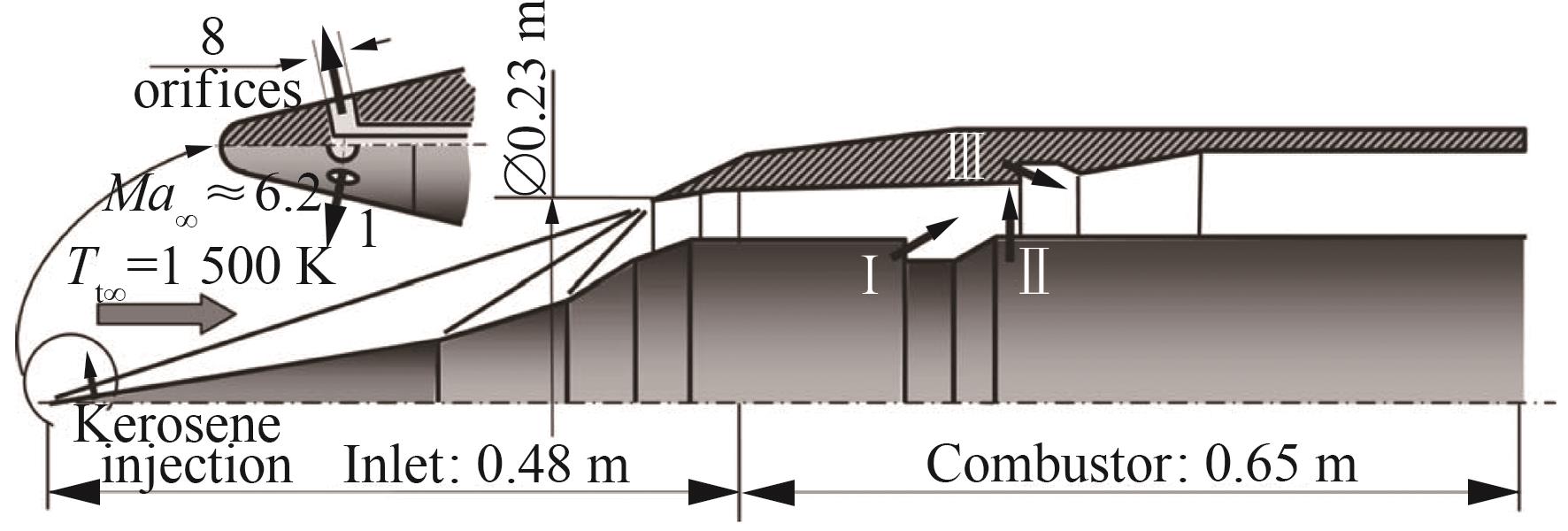
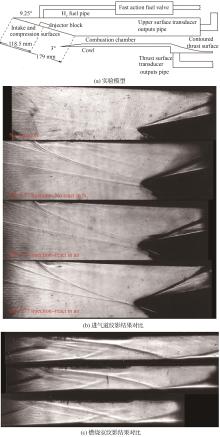
Fig.17
Two-dimensional generic scramjet model and experimental results[63]
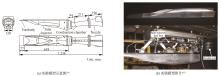
Fig.18
REST three-dimensional inward-turning scramjet model
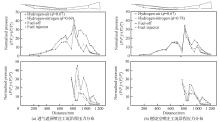
Fig.19
Wall pressure distribution for typical cases of REST scramjet model[65]
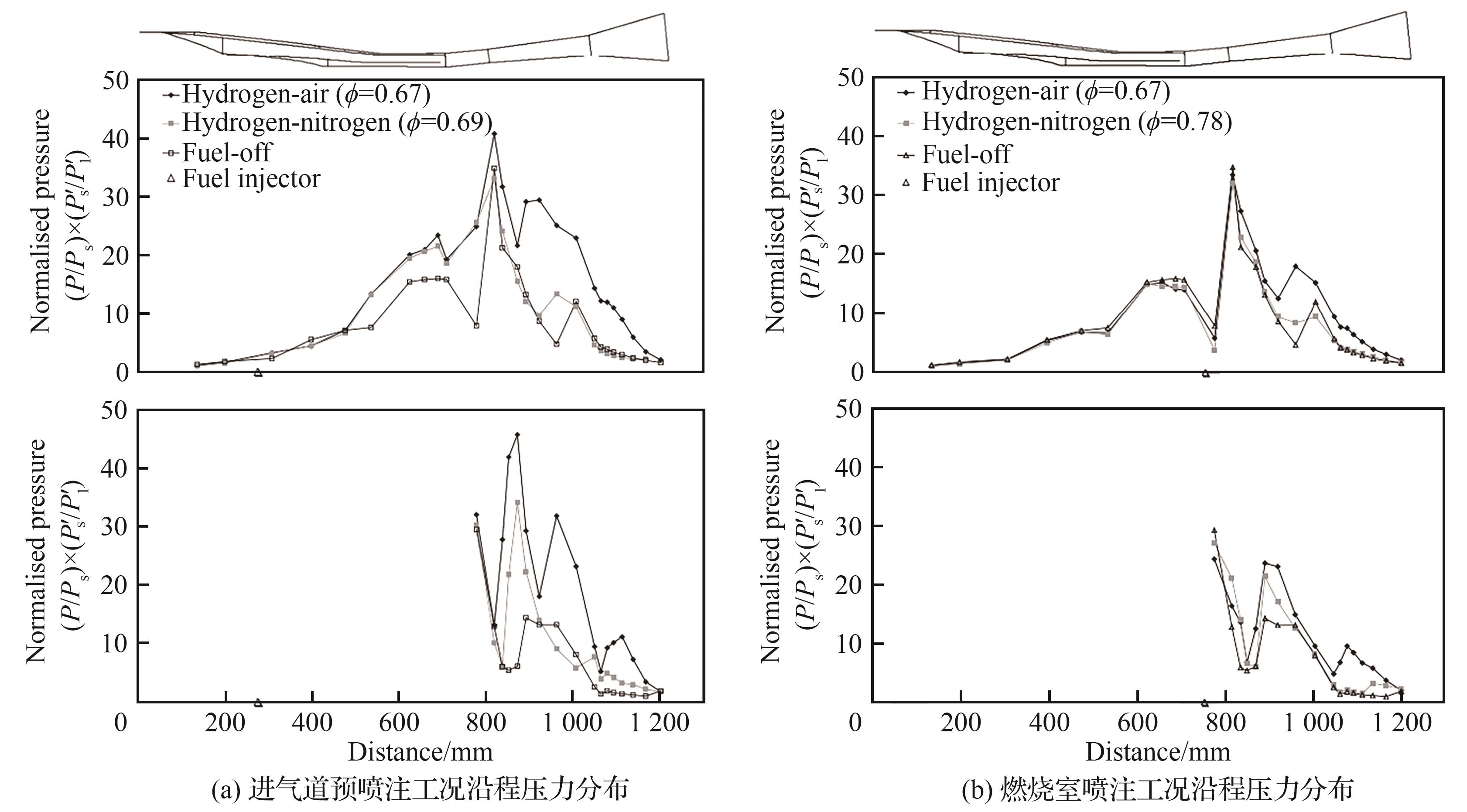
Fig.20
Front view of REST scramjet mounted in T4 shock-tunnel test section[66]
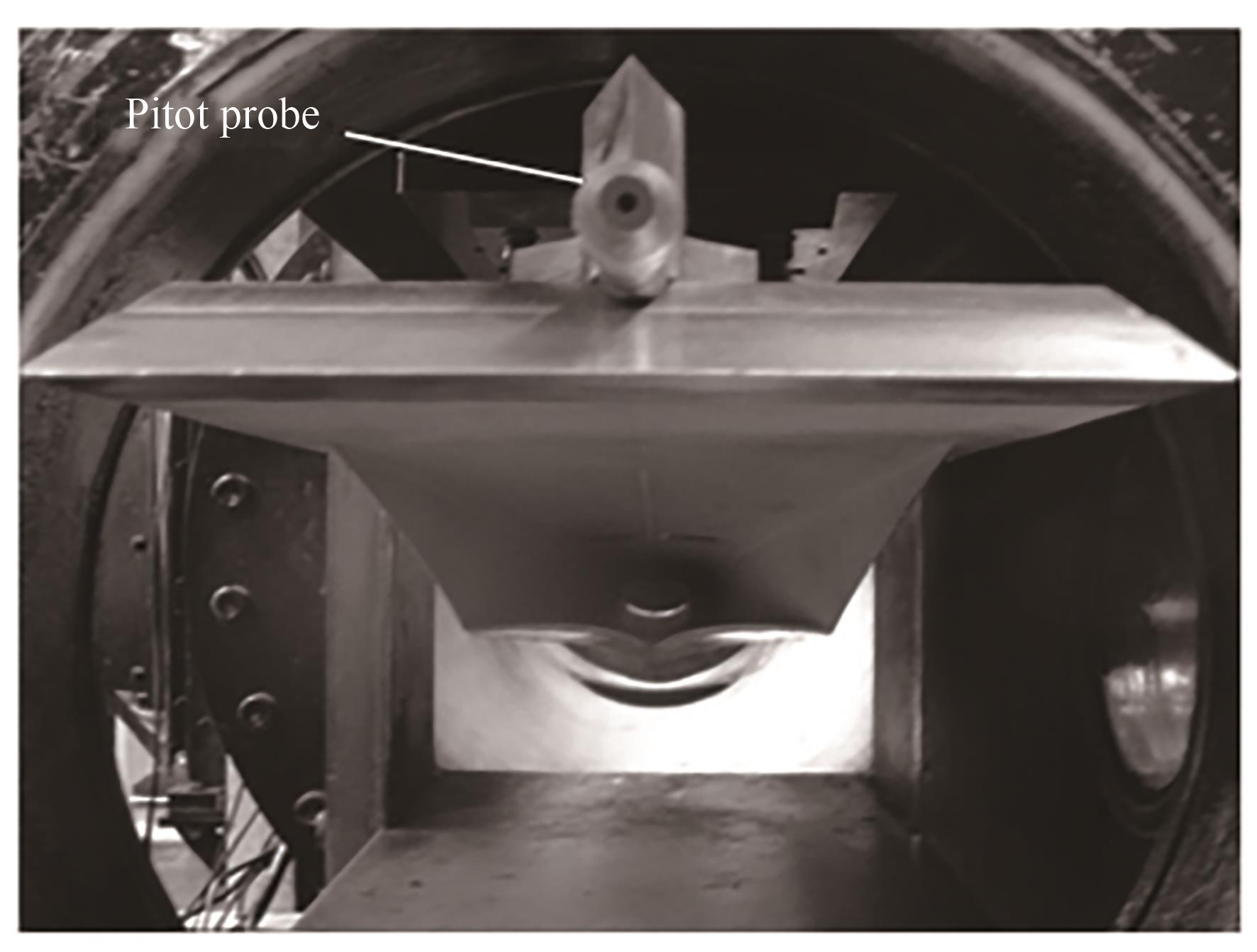
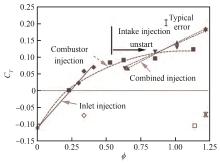
Fig.21
Thrust coefficient V.S. equivalence ratio for three fuel injection schemes[66]
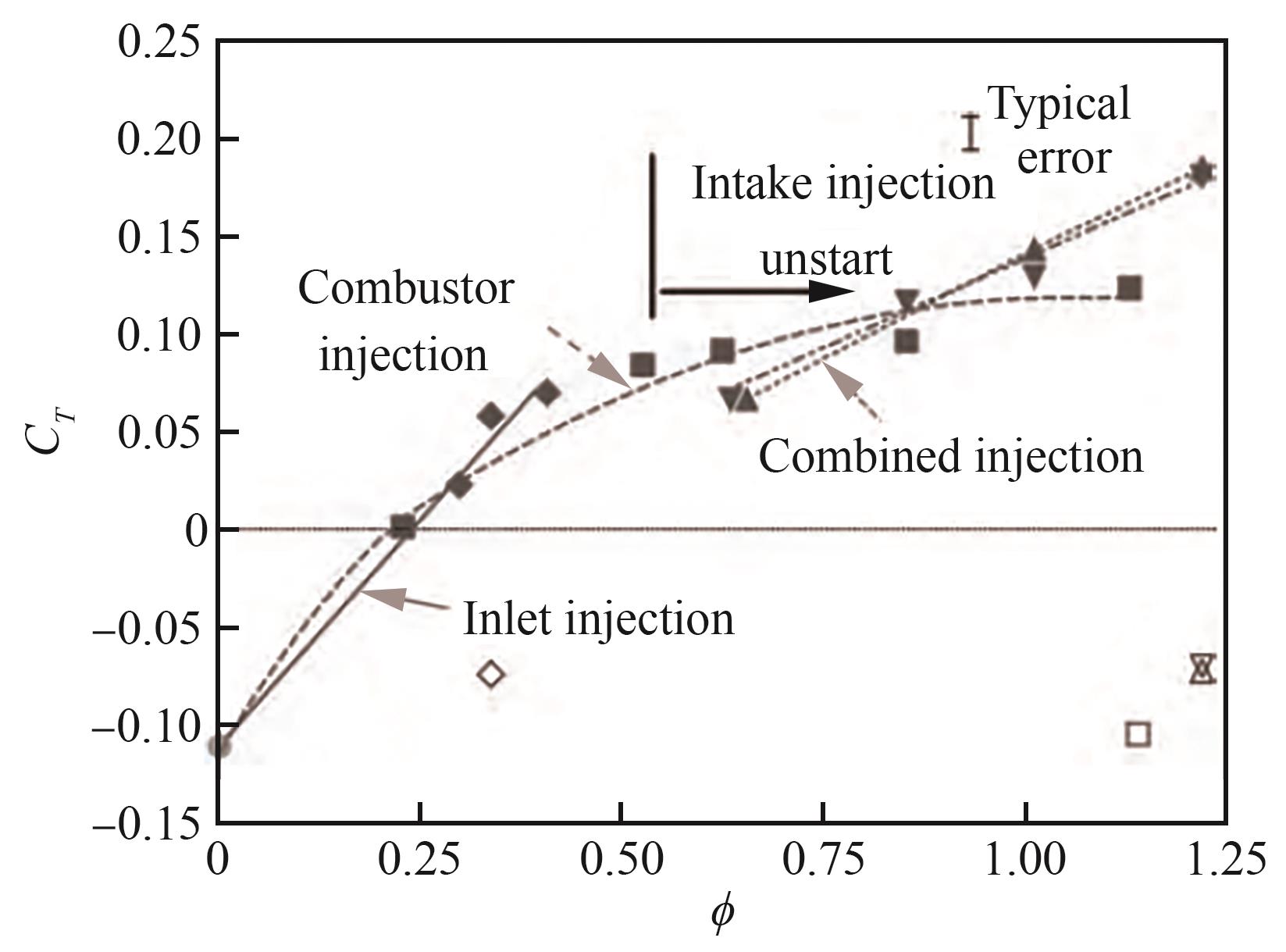
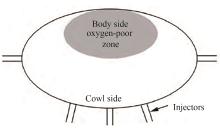
Fig.22
Tailored injetor layout[74]
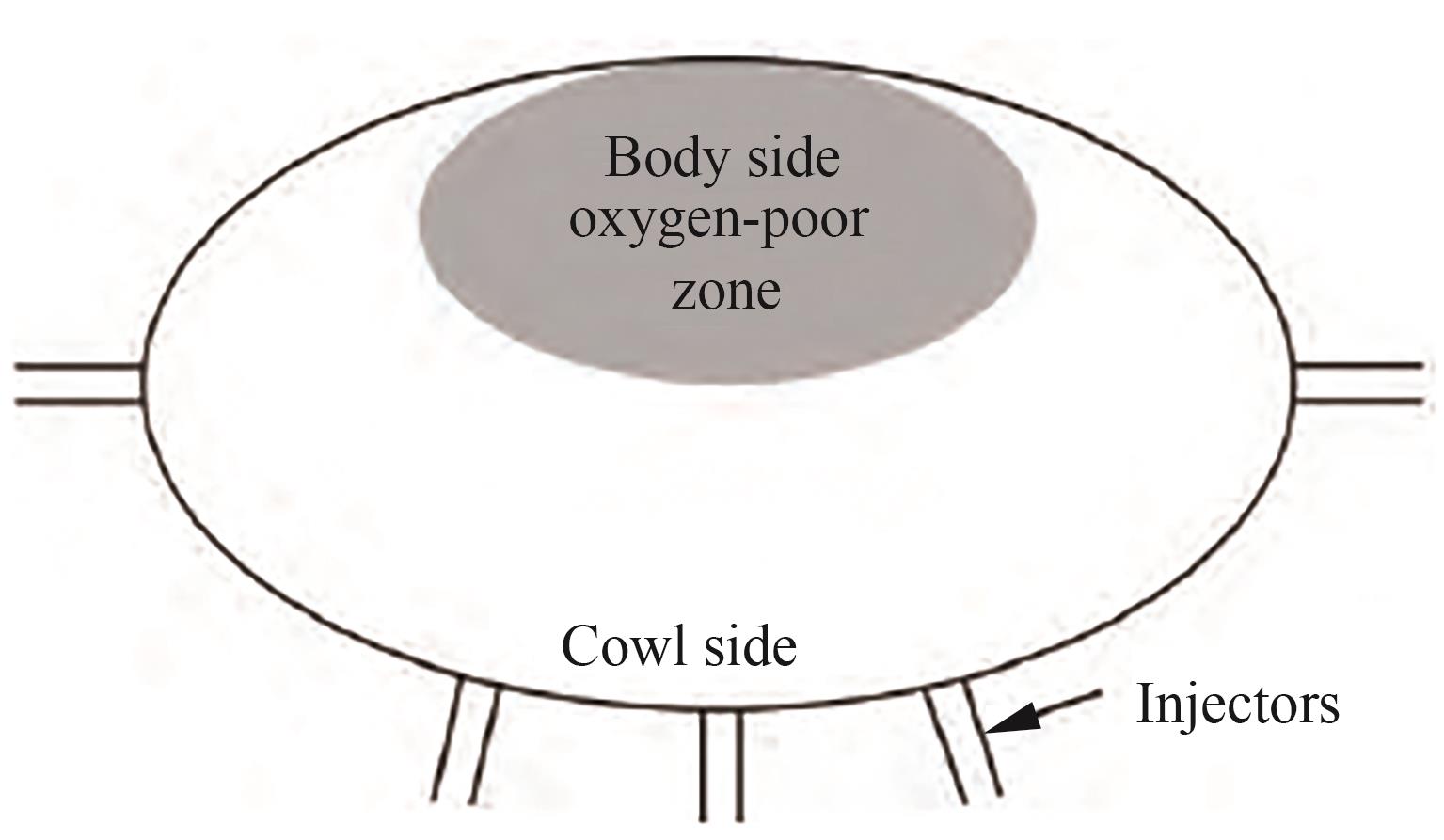
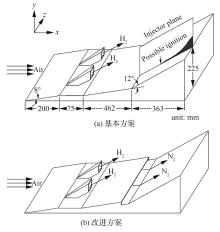
Fig.23
Cantilevered injector and improved configuration for suppression ignition[76]
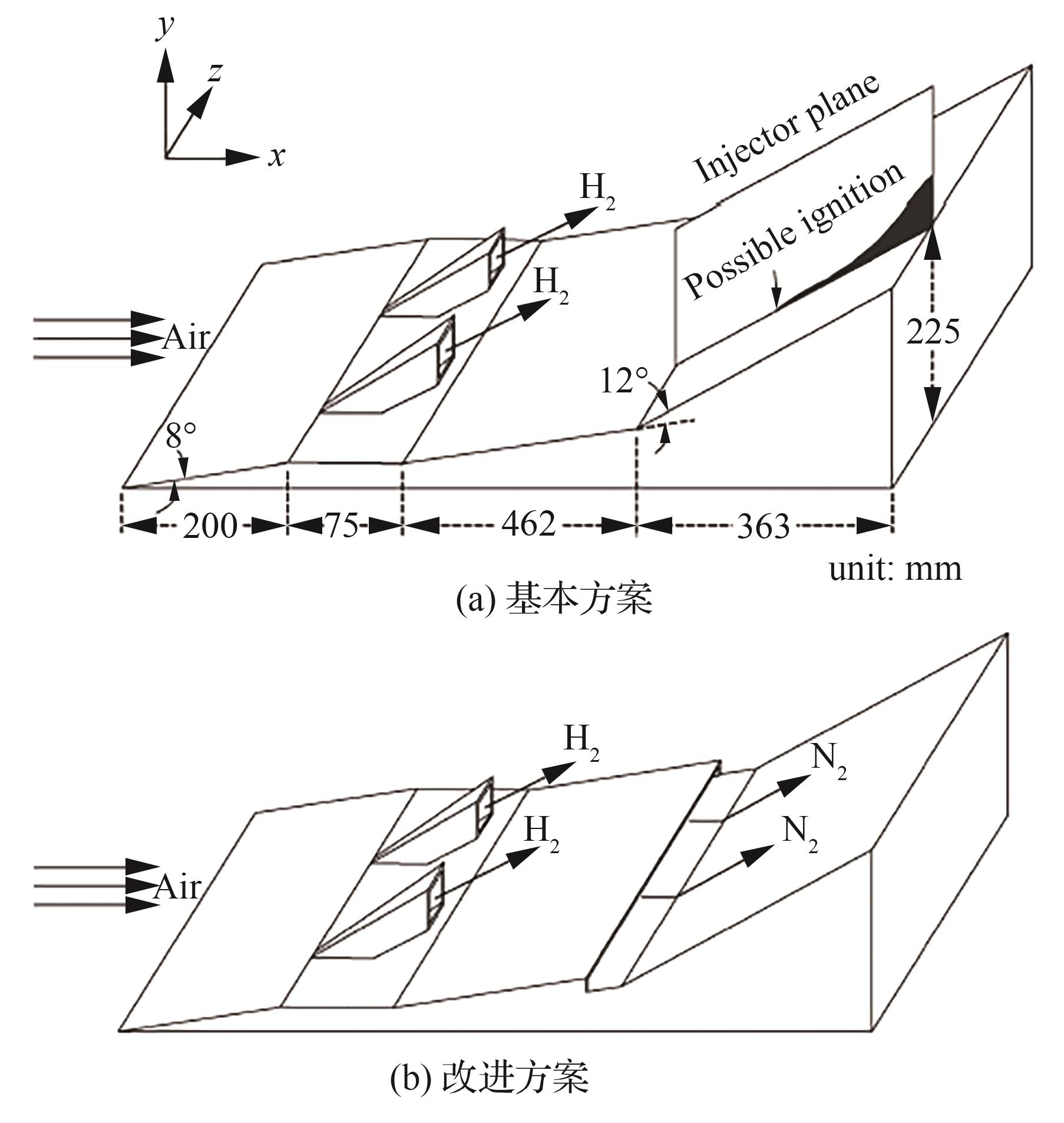
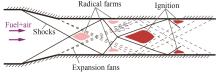
Fig.24
Schematics of radical farming and shock-induced combustion[5]
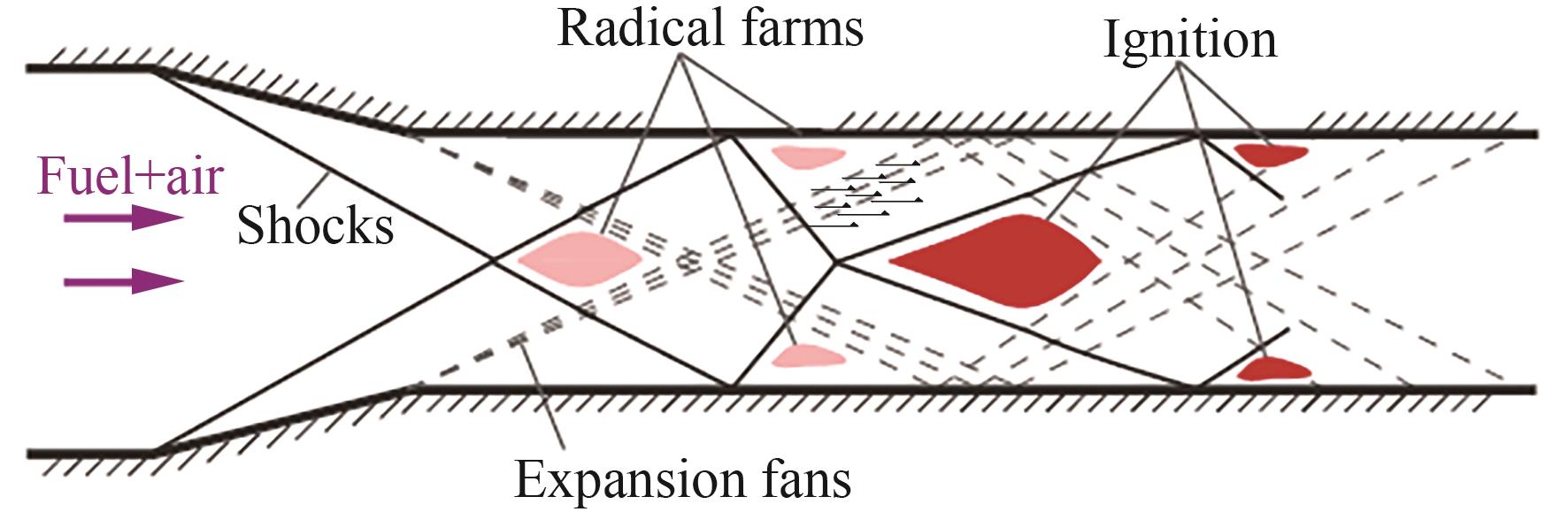
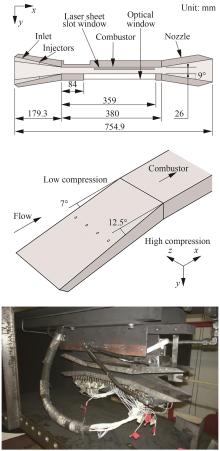
Fig.25
Thermal compression scramjet model with inlet fuel pre-injection[79]
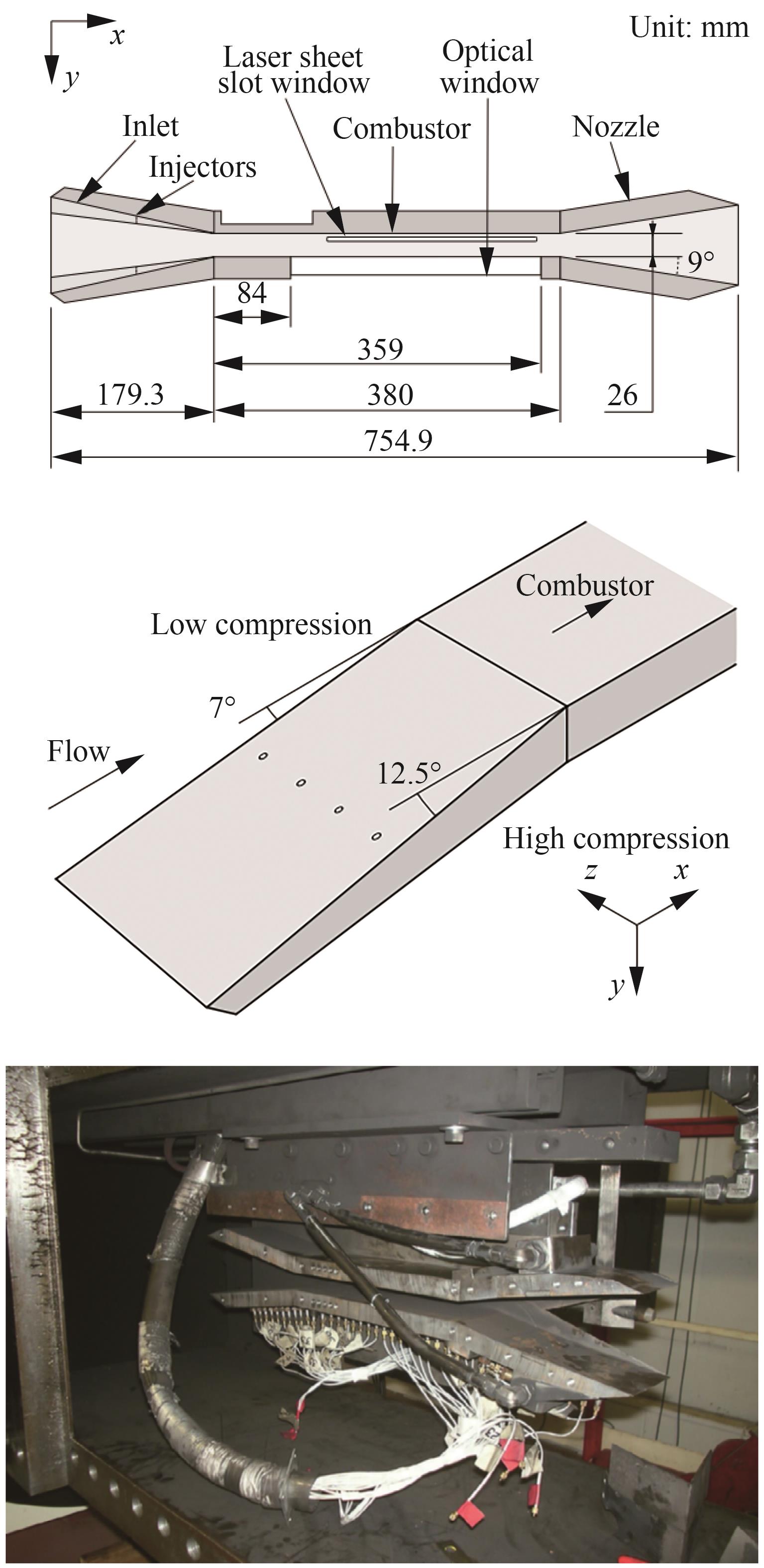
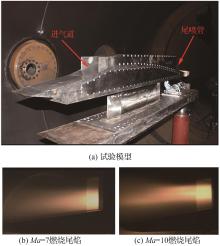
Fig.26
High-Mach-number scramjet model mounted in JF-12 wind tunnel[80]
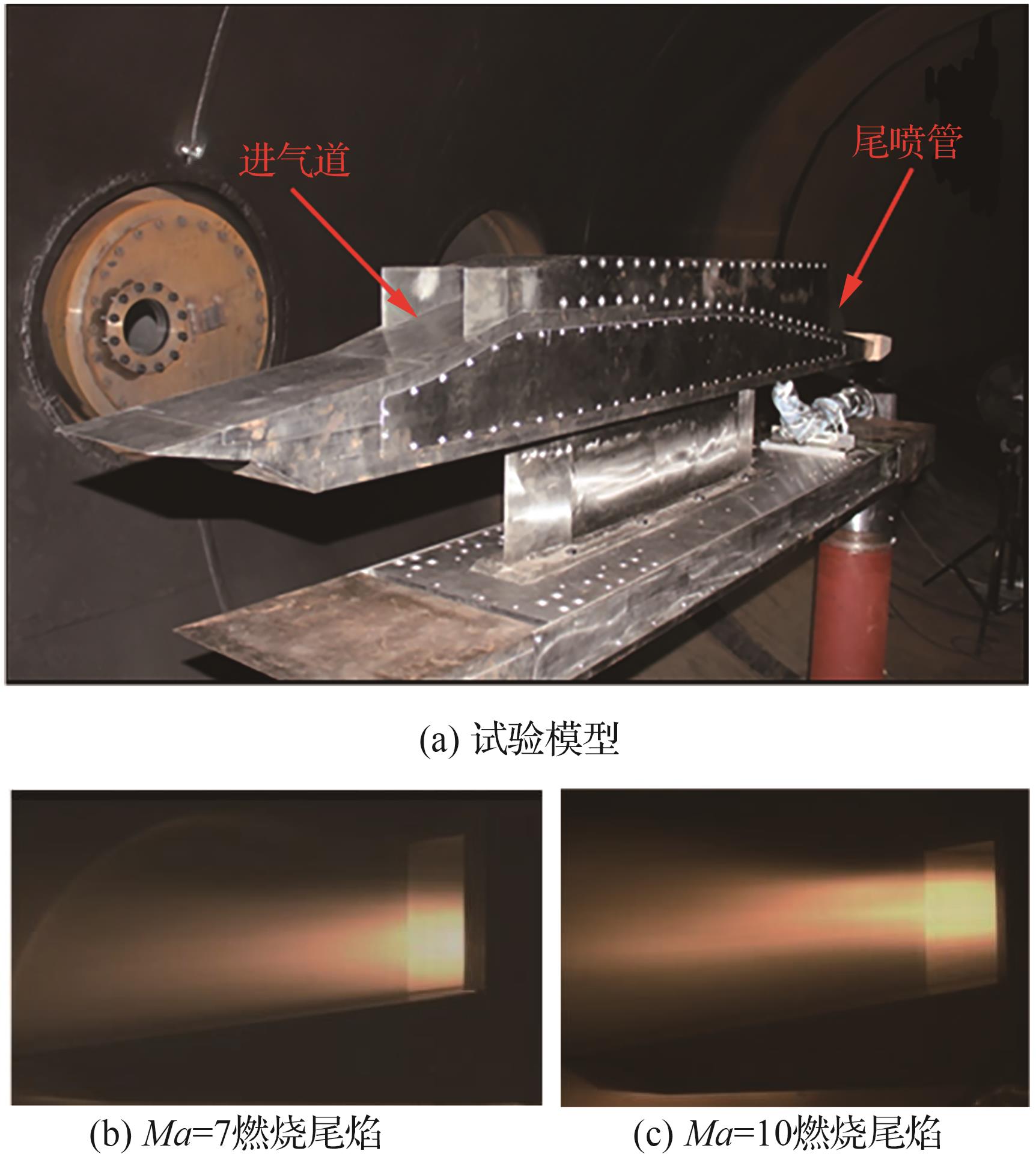
Fig.27
High-Mach-number scramjet experiment in FD-14A wind tunnel[81]
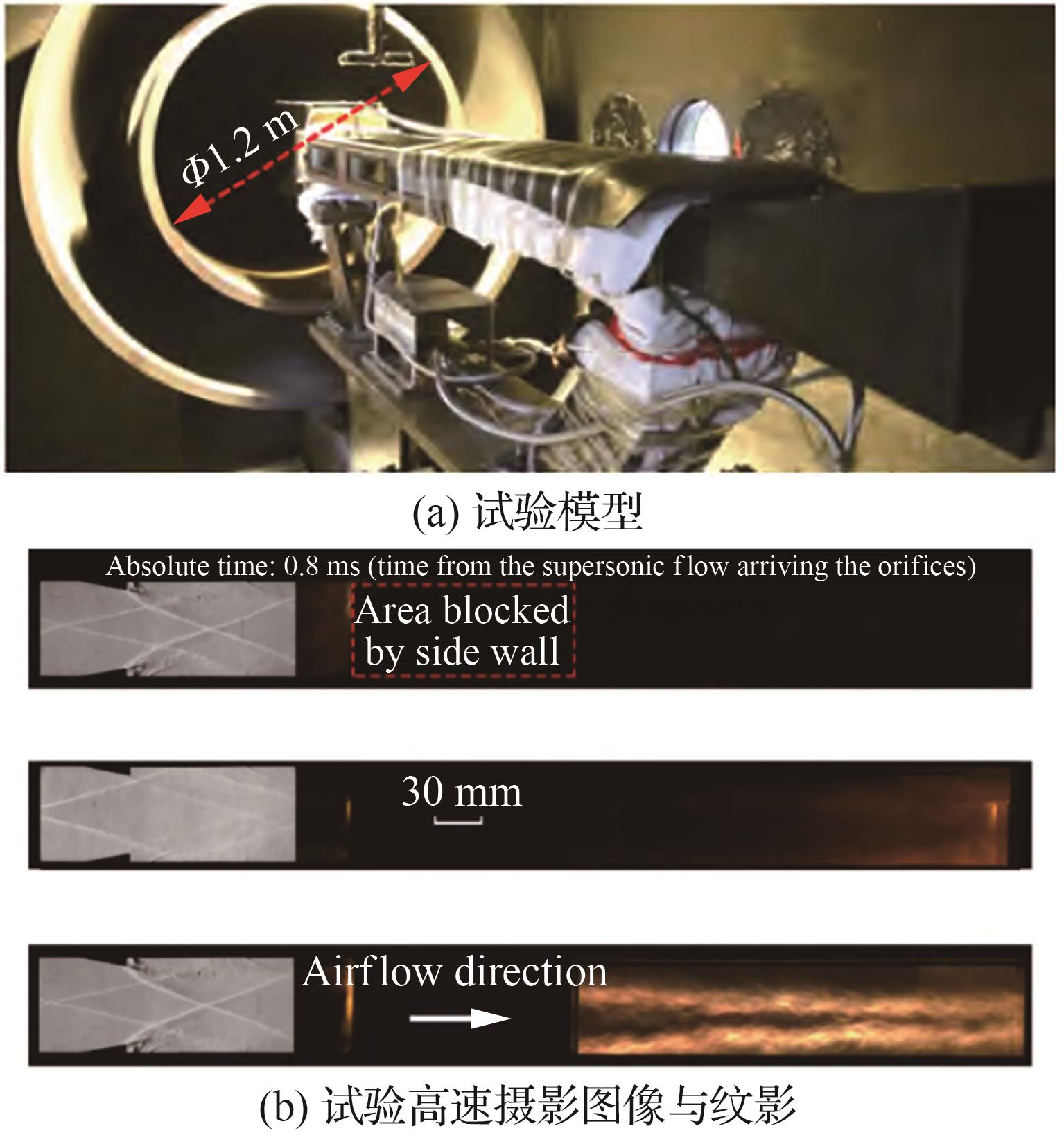
Fig.28
Ground tests conducted by China Academy of Aerospace Aerodynamics[82]
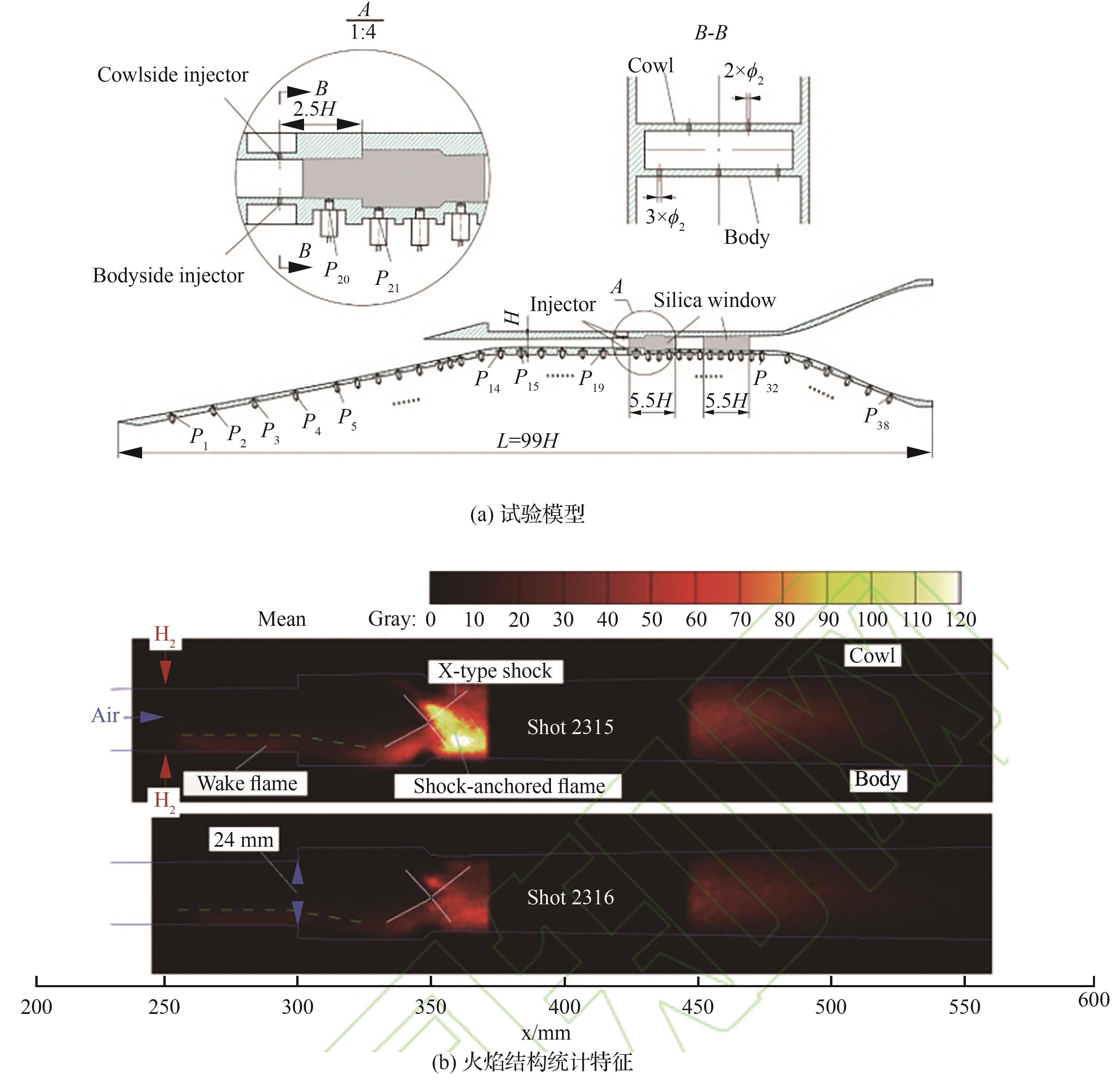
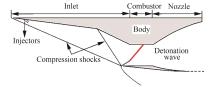
Fig.29
Schematic of external injection[83]
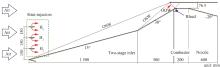
Fig.30
Schematic of designed ODE flowpath[84]
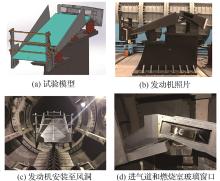
Fig.31
Oblique detonation tests with pre-injection conducted by Institute of Mechanics, Chinese Academy of Sciences[83]
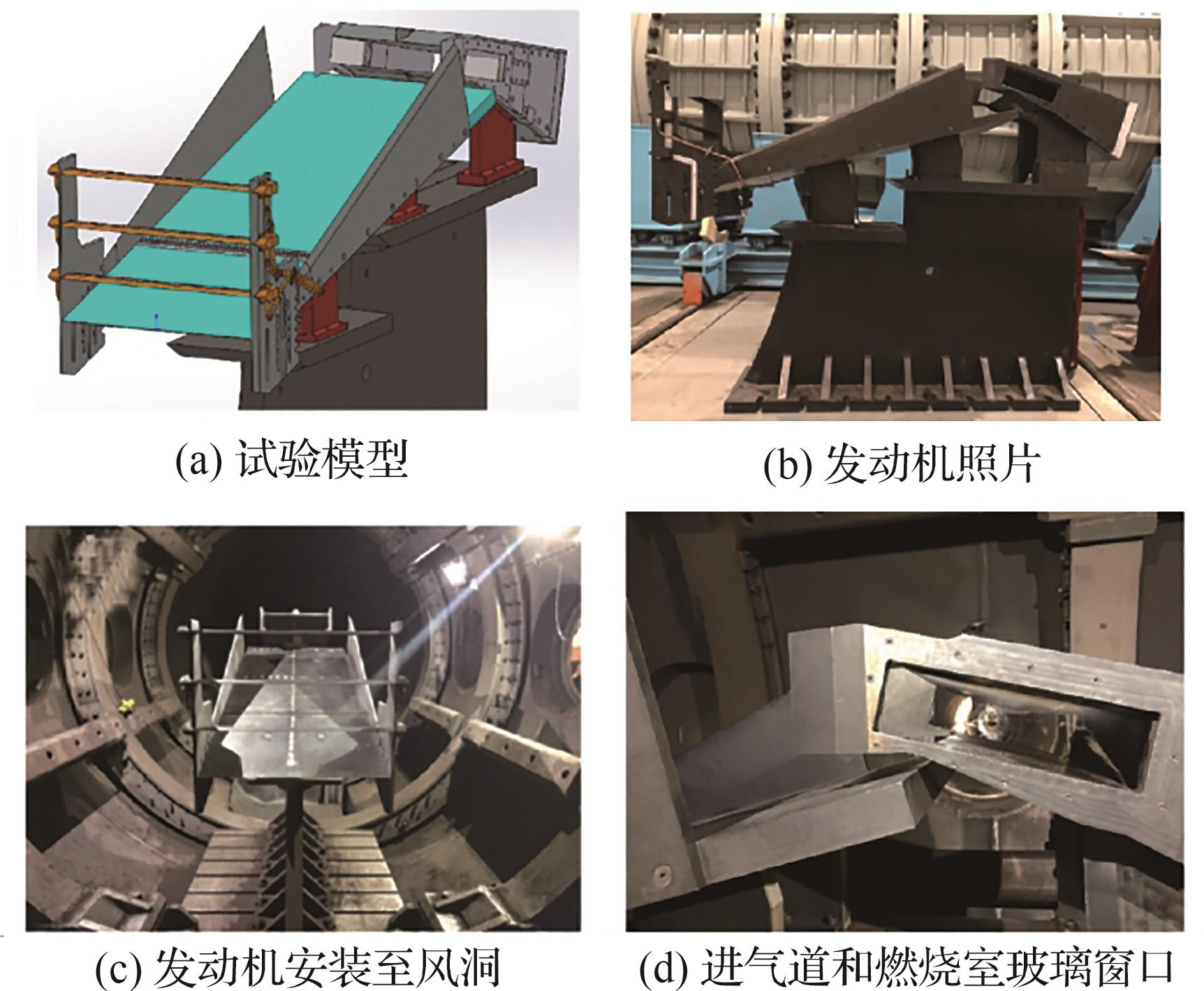
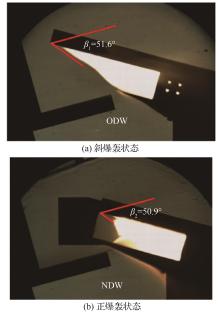
Fig.32
Test flowfields of oblique detonation engine[83]
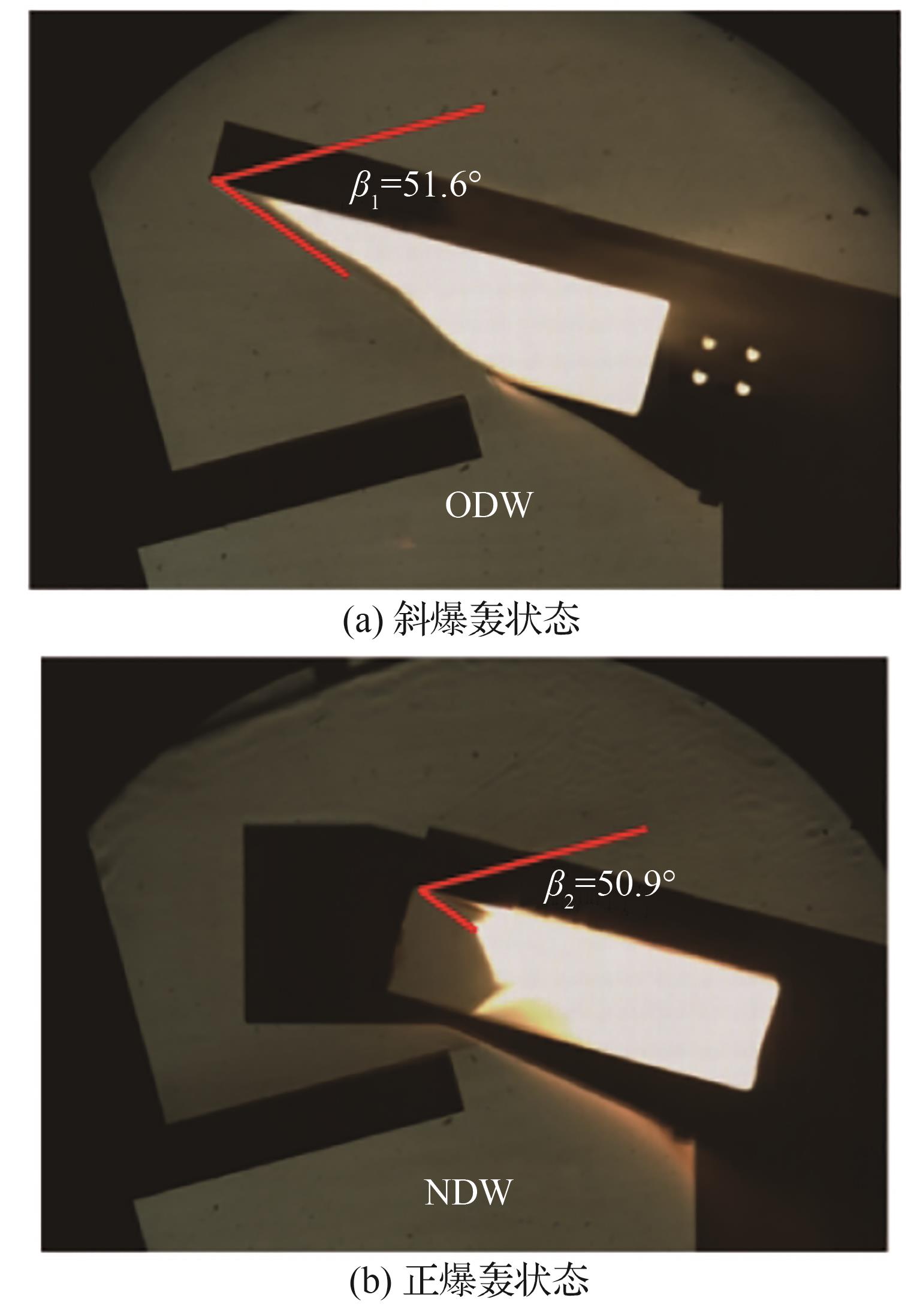
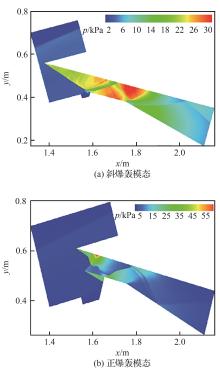
Fig.33
Pressure contour of typical detonation combustion mode[84]
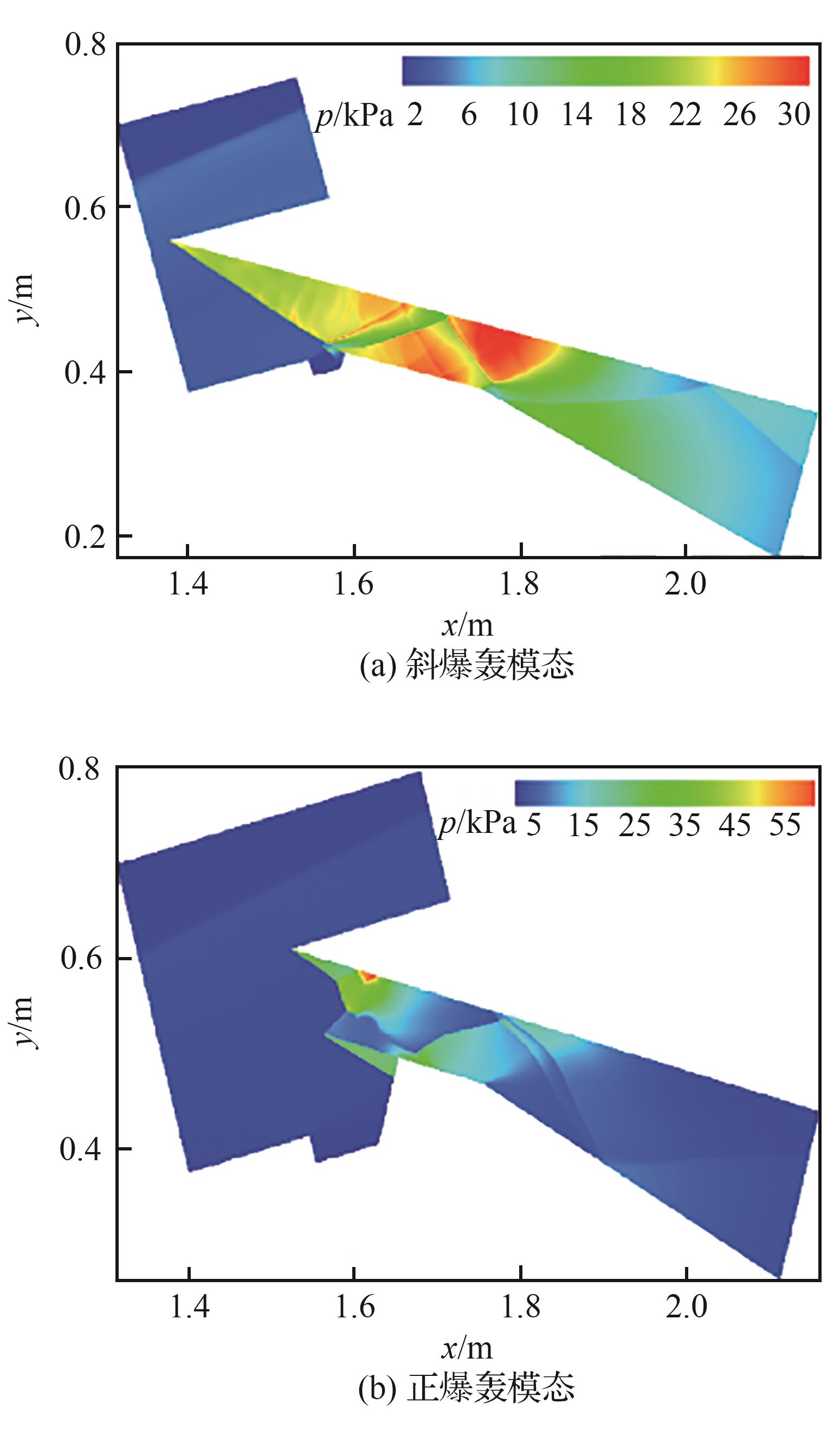
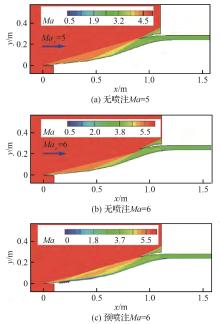
Fig.34
Mach number of inlet contours for 3 cases[85]
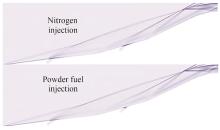
Fig.35
Numerical schlieren comparison for nitrogen injection and powder-fuel injection[86]
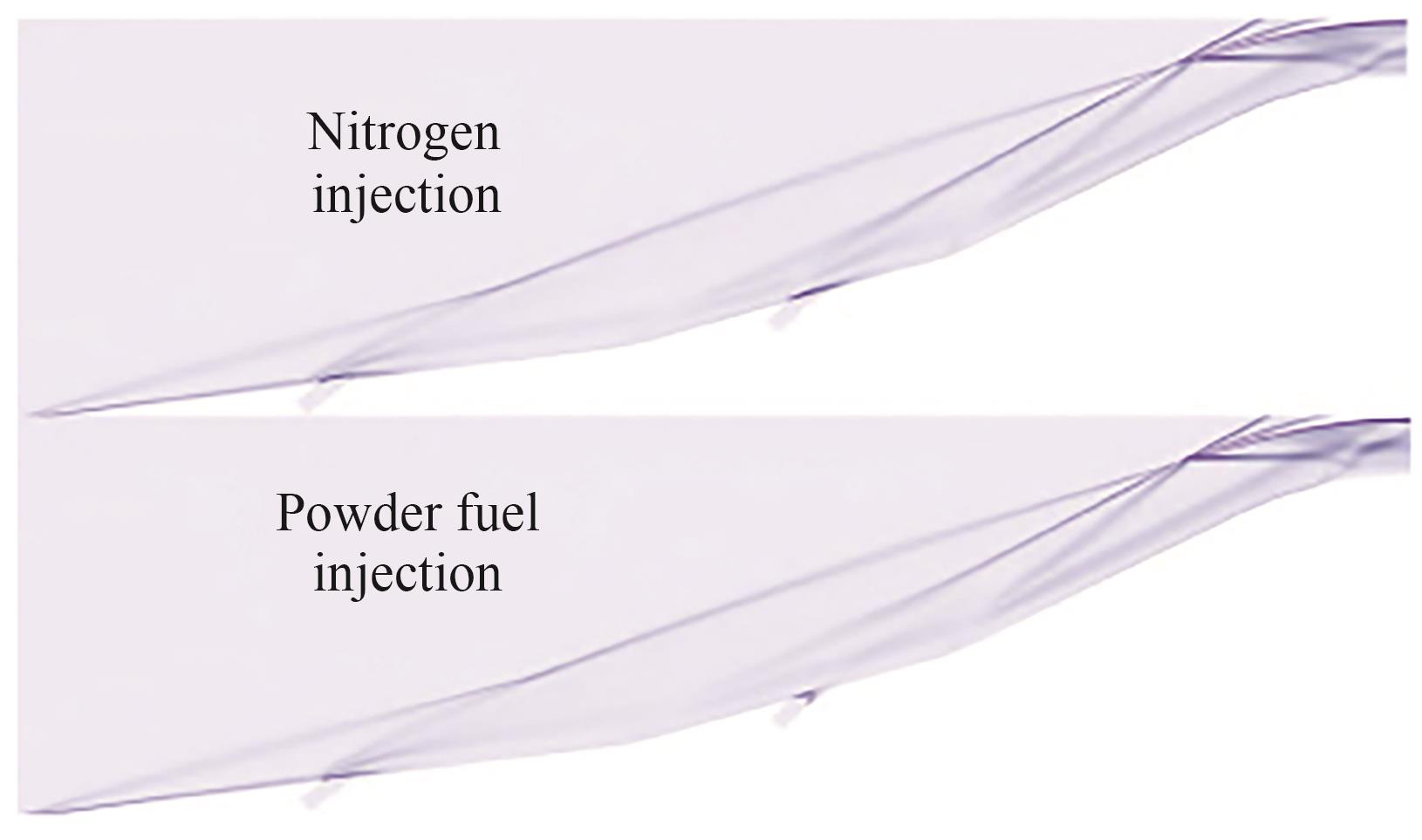
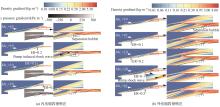
Fig.36
Effects of inlet pre-injection on compression shock wave at Ma=10 condition[87]
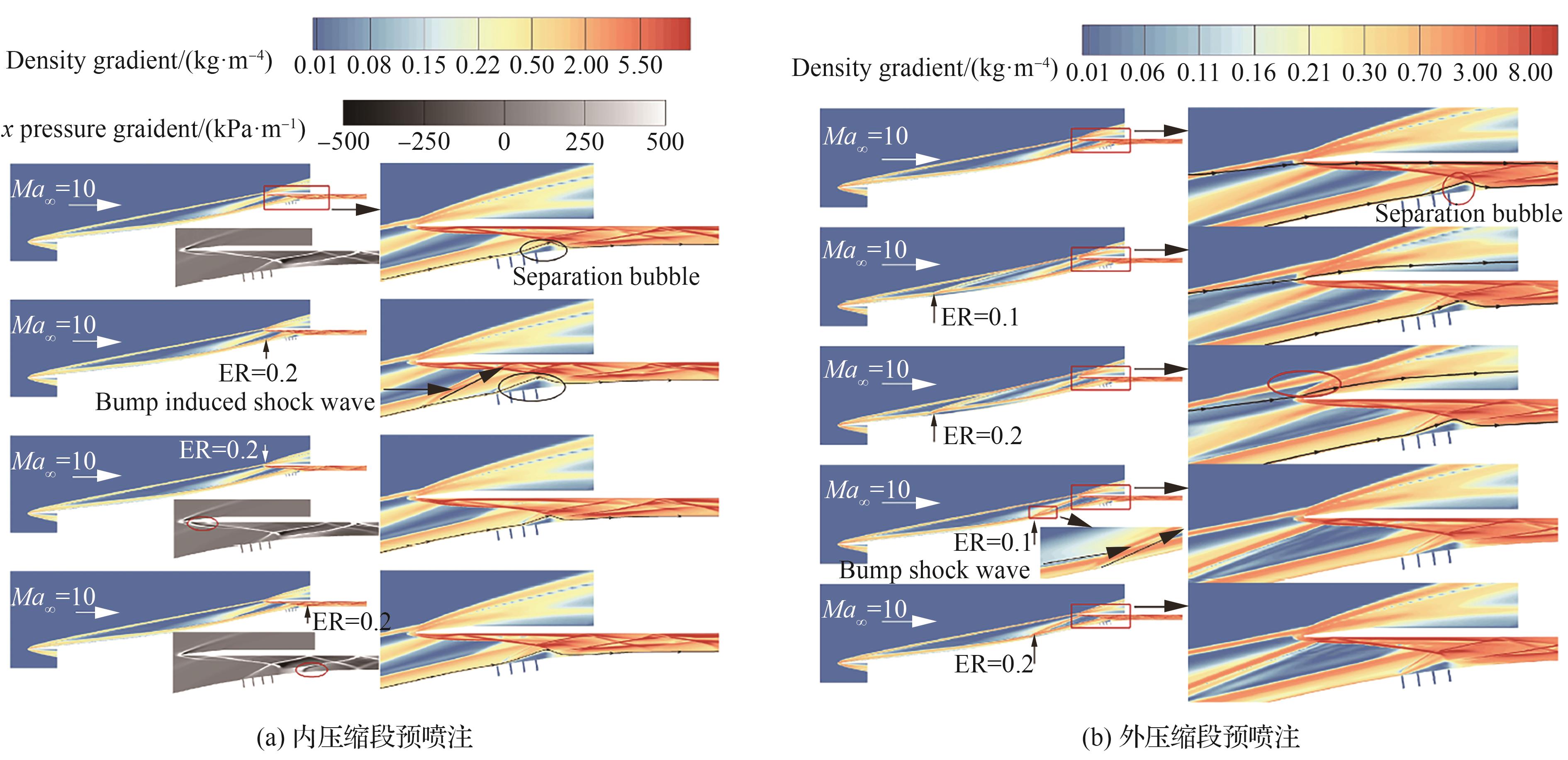
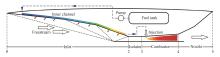
Fig.37
Schematic diagram of scramjet engine with inlet pre-injection active cooled inlet[93]
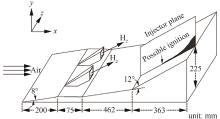
Fig.38
Cantilevered Injector configuration[68]
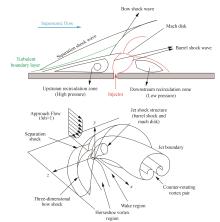
Fig.39
Schematic of fuel pre-injection jet flow structure[99]
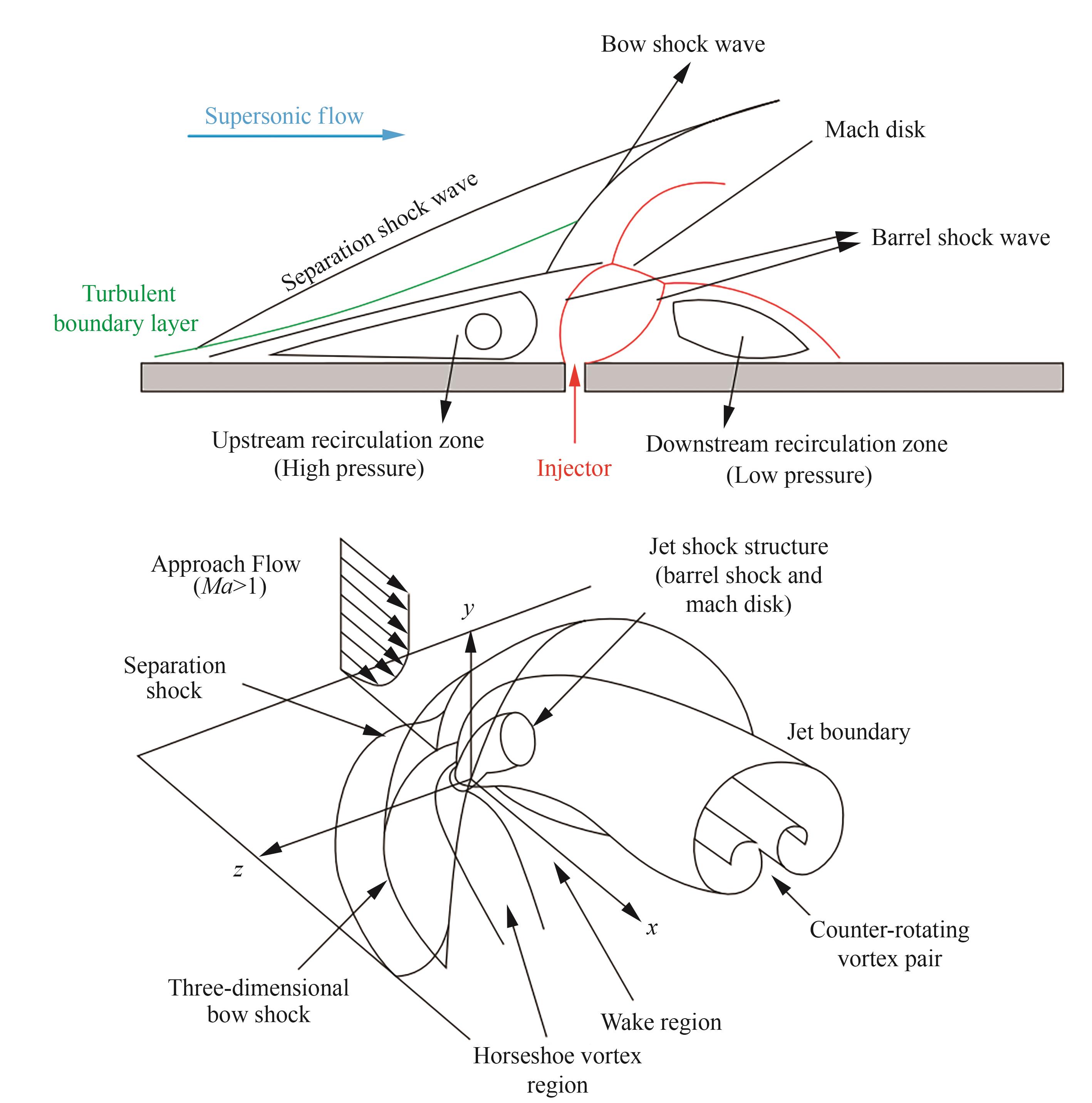
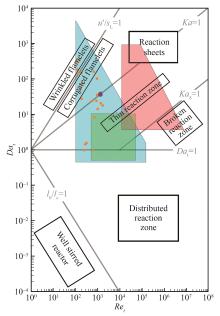
Fig.40
Borghi diagram of burner structures (Dat vs Ret)[111]
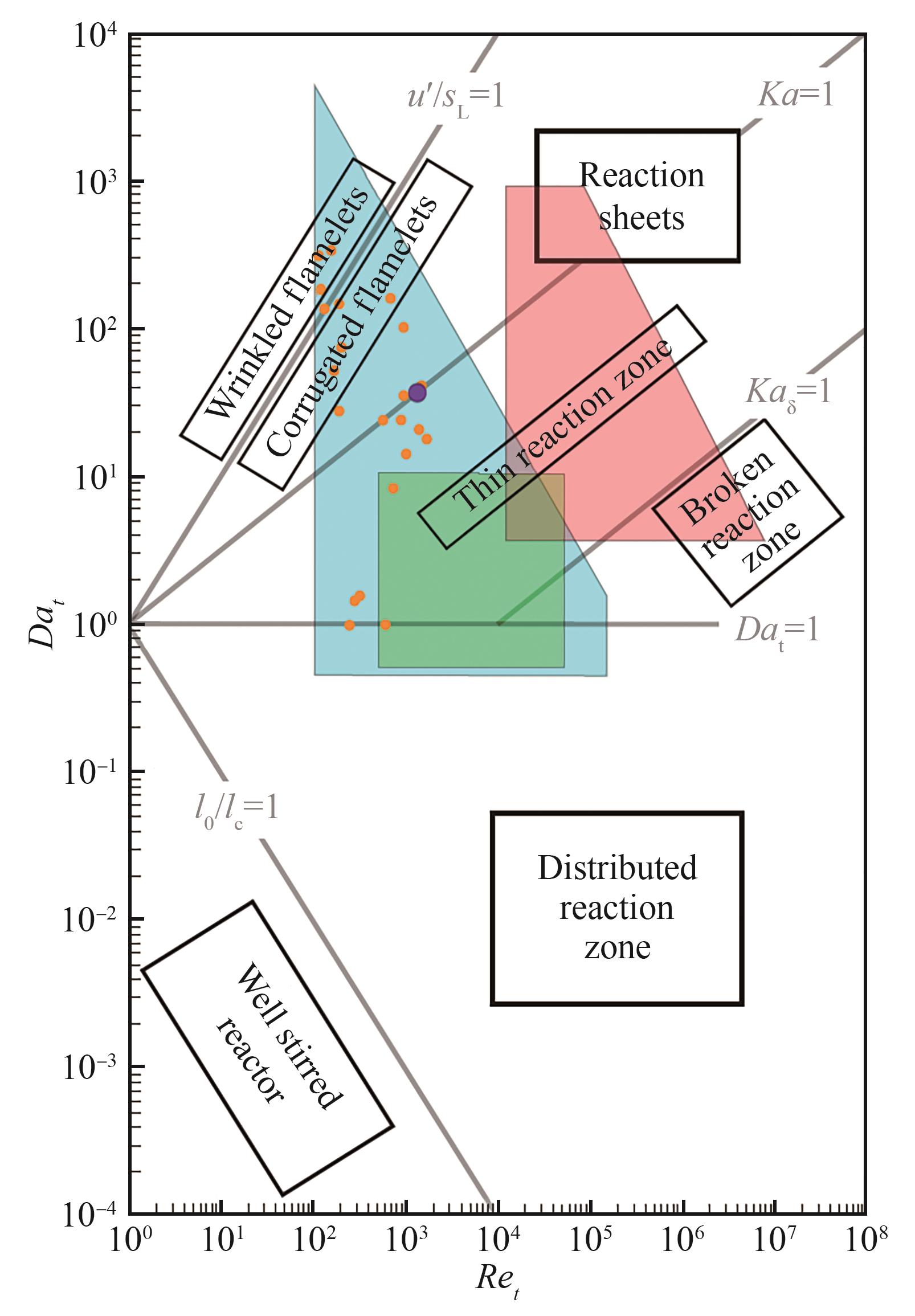
Fig.41
Basic development ideas of hypersonic inlet pre-injection
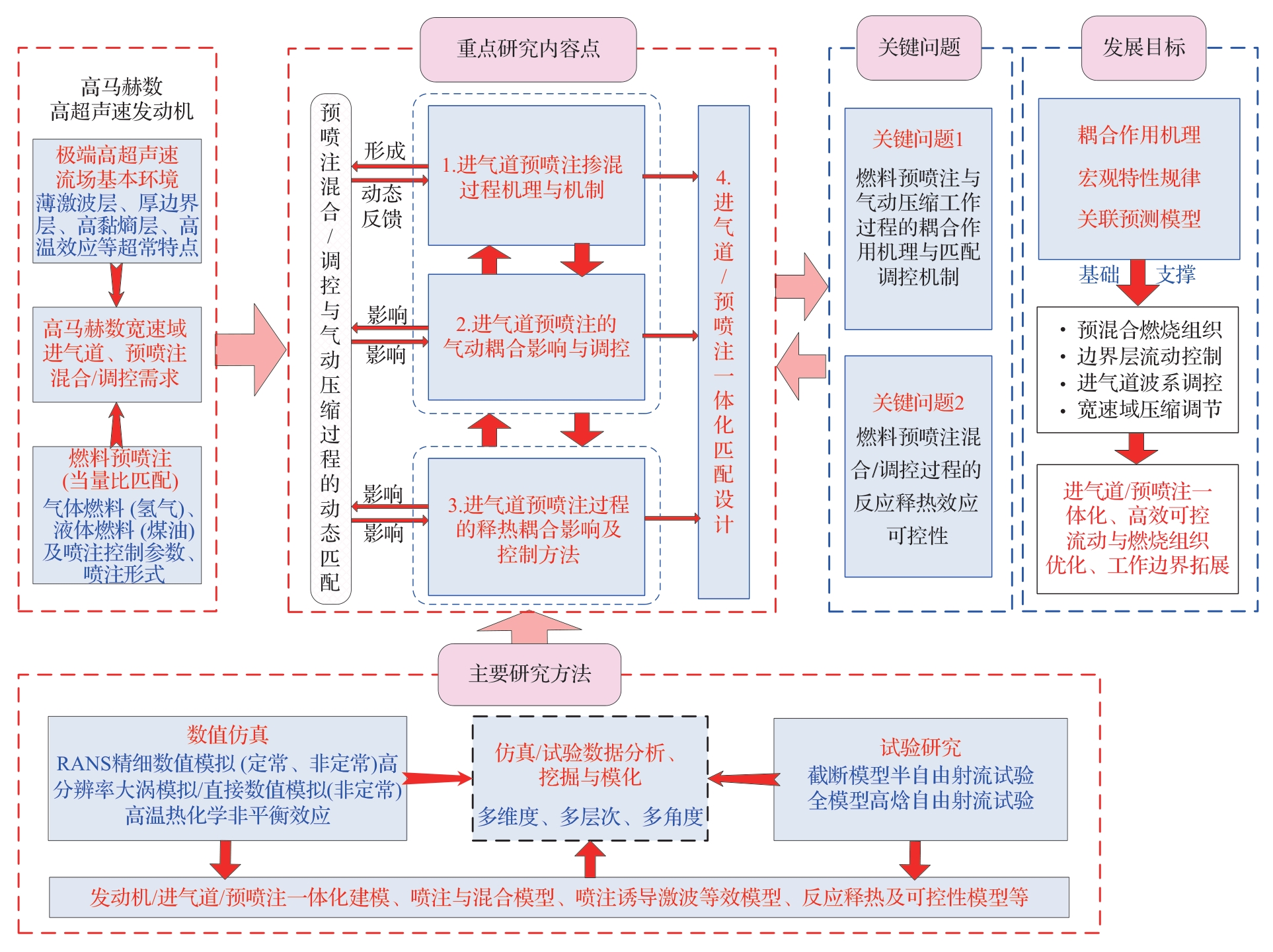
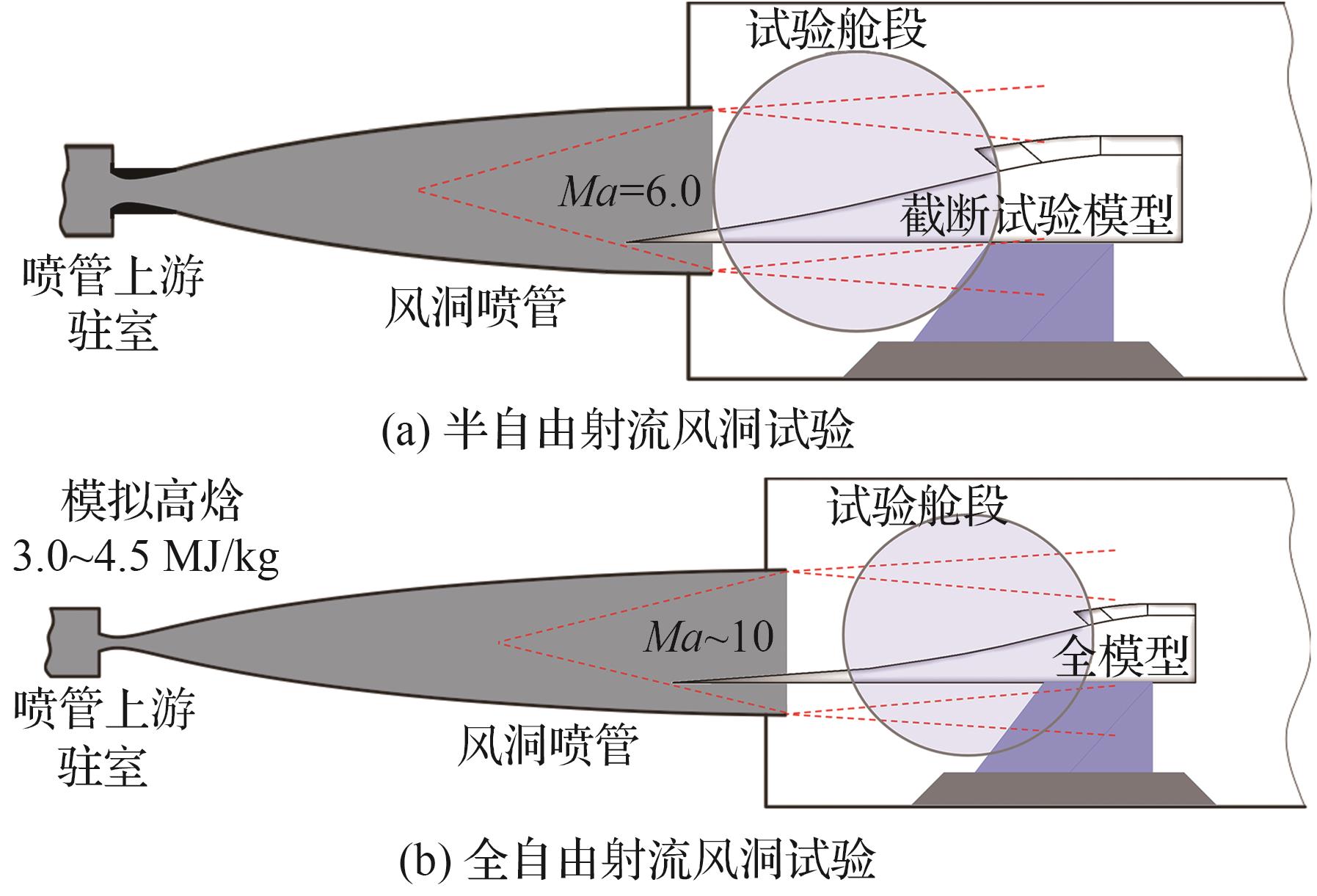
Fig.42
Schematic diagram of inlet pre-injetction experiment in wind tunnel
| 1 | 蔡国飙, 徐大军. 高超声速飞行器技术[M]. 北京: 科学出版社, 2012. |
| CAI G B, XU D J. Hypersonic vehicle technology[M]. Beijing: Science Press, 2012 (in Chinese). | |
| 2 | 纪鉴恒, 蔡尊, 王泰宇, 等. 宽速域超燃冲压发动机流动燃烧过程研究进展[J]. 航空学报, 2024, 45(3): 028696. |
| JI J H, CAI Z, WANG T Y, et al. Flow and combustion process for wide speed range scramjet: Review[J]. Acta Aeronautica et Astronautica Sinica, 2024, 45(3): 028696 (in Chinese). | |
| 3 | 刘小勇, 王明福, 刘建文, 等. 超燃冲压发动机研究回顾与展望[J]. 航空学报, 2024, 45(5): 529878. |
| LIU X Y, WANG M F, LIU J W, et al. Review and prospect of research on scramjet[J]. Acta Aeronautica et Astronautica Sinica, 2024, 45(5): 529878 (in Chinese). | |
| 4 | SISLIAN J P, ATAMANCHUK T M. Aerodynamic and propulsive performance of hypersonic detonation wave ramjets[C]∥Proceedings of the 9th International Symposium on Air Breathing Engines. Reston: AIAA, 1989. |
| 5 | URZAY J. Supersonic combustion in air-breathing propulsion systems for hypersonic flight[J]. Annual Review of Fluid Mechanics, 2018, 50: 593-627. |
| 6 | CURRAN E T, HEISER W H, PRATT D T. Fluid phenomena in scramjet combustion systems[J]. Annual Review of Fluid Mechanics, 1996, 28: 323-360. |
| 7 | FERRI A. Mixing-controlled supersonic combustion[J]. Annual Review of Fluid Mechanics, 1973, 5: 301-338. |
| 8 | GUTMARK E J, SCHADOW K C, YU K H. Mixing enhancement in supersonic free shear flows[J]. Annual Review of Fluid Mechanics, 1995, 27: 375-417. |
| 9 | VINOGRADOV V A, SHIKHMAN Y M, SEGAL C. A review of fuel pre-injection in supersonic, chemically reacting flows[J]. Applied Mechanics Reviews, 2007, 60(4): 139-148. |
| 10 | BRIESCHENK S, KLEINE H, O’BYRNE S. Laser ignition of hypersonic air-hydrogen flow[J]. Shock Waves, 2013, 23(5): 439-452. |
| 11 | LV Z, XU J L, SONG G T, et al. Review on the aerodynamic issues of the exhaust system for scramjet and turbine based combined cycle engine[J]. Progress in Aerospace Sciences, 2023, 143: 100956. |
| 12 | JIANG Z L, ZHANG Z J, LIU Y F, et al. Criteria for hypersonic airbreathing propulsion and its experimental verification[J]. Chinese Journal of Aeronautics, 2021, 34(3): 94-104. |
| 13 | VOLAND R T, HUEBNER L D, MCCLINTON C R. X-43A Hypersonic vehicle technology development[J]. Acta Astronautica, 2006, 59(1-5): 181-191. |
| 14 | POWELL O A, EDWARDS J T, NORRIS R B, et al. Development of hydrocarbon-fueled scramjet engines: the hypersonic technology (HyTech) program[J]. Journal of Propulsion and Power, 2001, 17(6): 1170-1176. |
| 15 | MARSHALL L, BAHM C, CORPENING G, et al. Overview with results and lessons learned of the X-43A Mach 10 flight[C]∥AIAA/CIRA 13th International Space Planes and Hypersonics Systems and Technologies Conference. Reston: AIAA, 2005. |
| 16 | BAHM C, BAUMANN E, MARTIN J, et al. The X-43A hyper-X Mach 7 flight 2 guidance, navigation, and control overview and flight test results[C]∥AIAA/CIRA 13th International Space Planes and Hypersonics Systems and Technologies Conference. Reston: AIAA, 2005. |
| 17 | HASS N, SMART M, PAULL A. Flight data analysis of the HYSHOT 2[C]∥AIAA/CIRA 13th International Space Planes and Hypersonics Systems and Technologies Conference. Reston: AIAA, 2005. |
| 18 | SMART M K, HASS N E, PAULL A. Flight data analysis of the HyShot 2 scramjet flight experiment[J]. AIAA Journal, 2006, 44(10): 2366-2375. |
| 19 | PAULL A, FROST M, ALESI H. HyShot-T4 supersonic combustion experiments: NAG-1-2113[R].Washington, D.C.: NASA, 1995 |
| 20 | GARDNER A D, HANNEMANN K, PAULL A, et al. Ground testing of the HyShot supersonic combustion flight experiment in HEG[M]∥Shock Waves. Berlin, Heidelberg: Springer, 2005: 329-334. |
| 21 | LAURENCE S J, KARL S, SCHRAMM J M, et al. Transient fluid-combustion phenomena in a model scramjet[J]. Journal of Fluid Mechanics, 2013, 722: 85-120. |
| 22 | HASS N, CABELL K, STORCH A, et al. HIFiRE direct-connect rig (HDCR) phase I scramjet test results from the NASA langley arc-heated scramjet test facility[C]∥17th AIAA International Space Planes and Hypersonic Systems and Technologies Conference. Reston: AIAA, 2011. |
| 23 | 邓帆, 尘军, 谢峰, 等. 基于超燃冲压发动机的HIFiRE项目飞行试验研究进展[J]. 航空动力学报, 2018, 33(3): 683-695. |
| DENG F, CHEN J, XIE F, et al. Research progress on flight tests of HIFiRE project based on scramjet[J]. Journal of Aerospace Power, 2018, 33(3): 683-695 (in Chinese). | |
| 24 | BOWCUTT K, PAULL A, DOLVIN D, et al. HIFiRE: An international collaboration to advance the science and technology of hypersonic flight[C]∥Proceedings of the 28th International Congress of the Aeronautical Sciences, Netherlands: ICAS Secretariat, 2012. |
| 25 | PEZZELLA G, MARINI M, CICALA M, et al. Aerodynamic characterization of HEXAFLY scramjet propelled hypersonic vehicle[C]∥32nd AIAA Applied Aerodynamics Conference. Reston: AIAA, 2014. |
| 26 | SELEZNEV R K. History of scramjet propulsion development[J]. Journal of Physics: Conference Series, 2018, 1009: 012028. |
| 27 | ODAM J, PAULL A. In new results in numerical and experimental fluid mechanics[M]. Berlin: Springer, 2007. |
| 28 | MCGUIRE J R, BOYCE R R, MUDFORD N R. Radical-farm ignition processes in two-dimensional supersonic combustion[J]. Journal of Propulsion and Power, 2008, 24(6): 1248-1257. |
| 29 | LORRAIN P, BRIESCHENK S, CAPRA B, et al. A detailed investigation of nominally 2-D radical-farming scramjet combustion[C]∥18th AIAA/3AF International Space Planes and Hypersonic Systems and Technologies Conference. Reston: AIAA, 2012. |
| 30 | SISLIAN J P, ATAMANCHUK T T. Aerodynamic and propulsive performance of hypersonic detonation wave ramjets[C]∥Proceedings in the 9th International Symposium on Air Breathing Engines. Reston: AIAA, 1989. |
| 31 | BOYCE R, MCINTYRE T. Combustion scaling laws and inlet starting for Mach 8 inlet-injection radical farming scramjets: ADA528340[R]. Brisbane: University of Queensland, 2010. |
| 32 | RAZZAQI S A, SILVESTER T, SMART M K, et al. The HIFiRE 7 flight experiment[C]∥22nd AIAA International Space Planes and Hypersonics Systems and Technologies Conference. Reston: AIAA, 2018. |
| 33 | 薛瑞, 杜鹏, 丁国誉, 等. 斜爆震燃烧与斜爆震发动机研究进展[J]. 应用力学学报, 2024, 41(2): 241-259. |
| XUE R, DU P, DING G Y, et al. Research status of oblique detonation combustion and oblique detonation engine[J]. Chinese Journal of Applied Mechanics, 2024, 41(2): 241-259 (in Chinese). | |
| 34 | TURNER J. An experimental investigation of inlet fuel injection in a three-dimensional scramjet engine[D]. Queensland: The University of Queensland, 2010. |
| 35 | TECHER A, MOULE Y, LEHNASCH G, et al. Mixing of fuel jet in supersonic crossflow: Estimation of subgrid-scale scalar fluctuations[J]. AIAA Journal, 2018, 56(2): 465-481. |
| 36 | SANTIAGO J G, DUTTON J C. Velocity measurements of a jet injected into a supersonic crossflow[J]. Journal of Propulsion and Power, 1997, 13(2): 264-273. |
| 37 | MAHESH K. The interaction of jets with crossflow[J]. Annual Review of Fluid Mechanics, 2013, 45: 379-407. |
| 38 | EVERETT D E, WOODMANSEE M A, DUTTON J C, et al. Wall pressure measurements for a sonic jet injected transversely into a supersonic crossflow[J]. Journal of Propulsion and Power, 1998, 14(6): 861-868. |
| 39 | VANLERBERGHE W M, SANTIAGO J G, DUTTON J C, et al. Mixing of a sonic transverse jet injected into a supersonic flow[J]. AIAA Journal, 2000, 38: 470-479. |
| 40 | KAWAI S, LELE S K. Large-eddy simulation of jet mixing in supersonic crossflows[J]. AIAA Journal, 2010, 48(9): 2063-2083. |
| 41 | KAWAI S, LELE S K. Mechanisms of jet mixing in a supersonic crossflow: A study using large-eddy simulation[C]∥44th AIAA/ASME/SAE/ASEE Joint Propulsion Conference & Exhibit. Reston: AIAA, 2008. |
| 42 | RANA Z A, THORNBER B, DRIKAKIS D. Transverse jet injection into a supersonic turbulent cross-flow[J]. Physics of Fluids, 2011, 23(4): 046103. |
| 43 | RANA Z A, DRIKAKIS D, THORNBER B J. Investigation of sonic jet mixing in a stream of supersonic cross-flow using large eddy simulation[C]∥Proceedings of the 27th International Congress of the Aeronautical Sciences. Nice: ICAS, 2010. |
| 44 | RANA Z A, THORNBER B, DRIKAKIS D. On the importance of generating accurate turbulent boundary condition for unsteady simulations[J]. Journal of Turbulence, 2011, 12: N35. |
| 45 | GÉNIN F, MENON S. Dynamics of sonic jet injection into supersonic crossflow[J]. Journal of Turbulence, 2010, 11(4): 1-30. |
| 46 | SCHETZ J A, BILLIG F S. Penetration of gaseous jets injected into a supersonic stream[J]. Journal of Spacecraft and Rockets, 1966, 3(11): 1658-1665. |
| 47 | SEGAL C. The scramjet engine: Processes and characteristics[D]. Cambridge: Cambridge University Press, 2009. |
| 48 | BLLLIG F S, ORTH R C, LASKY M. A unified analysis of gaseous jet penetration[J]. AIAA Journal, 1971, 9(6): 1048-1058. |
| 49 | HERSCH M, POVINELLI F P, POVINELLI L A. A schlieren technique for measuring jet penetration into a supersonic stream[J]. Journal of Spacecraft and Rockets, 1970, 7(6): 755-756. |
| 50 | ROGERS R C. Mixing of hydrogen injected from multiple injectors normal to a supersonic airstream[M]. Washington, D.C.: National Aeronautics and Space Administration, 1971. |
| 51 | MCCLINTON C R. Effect of ratio of wall boundary-layer thickness to jet diameter on mixing of a normal hydrogen jet in a supersonic stream[M]. Washington, D.C.: National Aeronautics and Space Administration, 1974. |
| 52 | FALEMPIN P H. Scramjet development in France[C]∥In Scramjet Propulsion, Vol 189 of Progress in Astronautics and Aeronautics. Reston: AIAA, 2000: 47-118. |
| 53 | PORTZ R, SEGAL C. Mixing in high-speed flows with thick boundary layers[C]∥40th AIAA/ASME/SAE/ASEE Joint Propulsion Conference and Exhibit. Reston: AIAA, 2004. |
| 54 | Kush Jr EA, Schetz JA. Liquid jet injection into a supersonic flow. AIAA Journal. 1973, 11(9): 1223-4. |
| 55 | FULLER R P, WU P-K, NEJAD A S, et al. Comparison of physical and aerodynamic ramps as fuel injectors in supersonic flow[J]. Journal of Propulsion and Power, 1998, 14(2): 135-145. |
| 56 | NORTHAM G, ANDERSON G. Survey of supersonic combustion ramjet research at Langley[C]∥24th Aerospace Sciences Meeting. Reston: AIAA, 1986. |
| 57 | VASIL’EV V I, KRASHENINNIKOV S Y, STEPANOV V A, et al. Numerical investigation of mixing augmentation behind oblique shock waves[J]. AIAA Journal, 1994, 32(2): 311-316. |
| 58 | LIVINGSTON T, SCHINDLER M, SEGAL C, et al. Penetration and spreading of liquid jets in an external-internal compression inlet[J]. AIAA Journal, 2000, 38(6): 989-994. |
| 59 | GUOSKOV O V, KOPCHENOV V I, LOMKOV K E, et al. Numerical research of gaseous fuel pre-injection in hypersonic three-dimensional inlet[J]. Journal of Propulsion and Power, 2001, 17(6): 1162-1169. |
| 60 | OGORODNIKOV D A, VINOGRADOV V A, SHIKHMAN Y M, et al. Russian research on experimental hydrogen-fueled dual-mode scramjet: Conception and preflight tests[J]. Journal of Propulsion and Power, 2001, 17(5): 1041-1048. |
| 61 | OGORODNIKOV D A, VINOGRADOV V A, PETROV M D, et al. Some results of CIAM scramjet technology[J]. AIAA Journal, 1999, 99: 4030. |
| 62 | VINOGRADOV V A, SHIKHMAN Y M, SEGAL C. A review of fuel pre-injection in supersonic, chemically reacting flows[J]. Applied Mechanics Reviews, 2007, 60(4): 139-148. |
| 63 | GARDNER A D, PAULL A, MCINTYRE T J. Upstream porthole injection in a 2-D scramjet model[J]. Shock Waves, 2002, 11(5): 369-375. |
| 64 | TURNER J C, SMART M K. Application of inlet injection to a three-dimensional scramjet at Mach 8[J]. AIAA Journal, 2010, 48(4): 829-838. |
| 65 | TURNER J, SMART M. Application of radical farming to a 3-D scramjet at Mach 8[C]∥46th AIAA Aerospace Sciences Meeting and Exhibit. Reston: AIAA, 2008. |
| 66 | SURAWEERA M V, SMART M K. Shock-tunnel experiments with a Mach 12 rectangular-to-elliptical shape-transition scramjet at offdesign conditions[J]. Journal of Propulsion and Power, 2009, 25(3): 555-564. |
| 67 | DOHERTY L J, SMART M K, MEE D J. Experimental testing of an airframe-integrated three-dimensional scramjet at Mach 10[J]. AIAA Journal, 2015, 53(11): 3196-3207. |
| 68 | SISLIAN J P, PARENT B. Hypervelocity fuel/air mixing in a shcramjet inlet[J]. Journal of Propulsion and Power, 2004, 20(2): 263-272. |
| 69 | ALEXANDER D C, SISLIAN J P, PARENT B. Hypervelocity fuel/air mixing in mixed-compression inlets of shcramjets[J]. AIAA Journal, 2006, 44(10): 2145-2155. |
| 70 | WANG Y W, SISLIAN J P. Numerical simulation of gaseous hydrocarbon fuel injection in a hypersonic inlet[J]. Journal of Propulsion and Power, 2010, 26(5): 1114-1124. |
| 71 | PARENT B, SISLIAN J P, SCHUMACHER J. Numerical investigation of the turbulent mixing performance of a cantilevered ramp injector[J]. AIAA Journal, 2002, 40: 1559-1566. |
| 72 | KIM J W, KWON O. Numerical simulation of mixing in an inlet-fueled hypersonic air-breathing propulsion[C]∥ICAS, 2016, 549-564. |
| 73 | BARTH J E, WHEATLEY V, SMART M K. Effects of hydrogen fuel injection in a Mach 12 scramjet inlet[J]. AIAA Journal, 2015, 53(10): 2907-2919. |
| 74 | BARTH J E, WISE D J, WHEATLEY V, et al. Tailored fuel injection for performance enhancement in a Mach 12 scramjet engine[J]. Journal of Propulsion and Power, 2019, 35(1): 72-86. |
| 75 | PORTZ R, SEGAL C. Penetration of gaseous jets in supersonic flows[J]. AIAA Journal, 2006, 44(10): 2426-2429. |
| 76 | SCHWARTZENTRUBER T E, SISLIAN J P, PARENT B. Suppression of premature ignition in the premixed inlet flow of a shcramjet[J]. Journal of Propulsion and Power, 2005, 21(1): 87-94. |
| 77 | BRICALLI M G, BROWN L M, BOYCE R R. Numerical investigation into the combustion behavior of an inlet-fueled thermal-compression-like scramjet[J]. AIAA Journal, 2015, 53(7): 1740-1760. |
| 78 | BRICALLI M G, BROWN L, BOYCE R R, et al. Thermal and mixing efficiency enhancement in nonuniform-compression scramjets[J]. AIAA Journal, 2019, 57(11): 4778-4791. |
| 79 | VANYAI T, BRIESCHENK S, BRICALLI M, et al. Thermal compression effects within a fundamental, hydrogen-fuelled scramjet[J]. Aerospace Science and Technology, 2021, 110: 106499. |
| 80 | 姚轩宇, 王春, 喻江, 等. JF12激波风洞高Mach数超燃冲压发动机实验研究[J]. 气体物理, 2019, 4(5): 25-31. |
| YAO X Y, WANG C, YU J, et al. High-Mach-number scramjet engine tests in JF12 shock tunnel[J]. Physics of Gases, 2019, 4(5): 25-31 (in Chinese). | |
| 81 | 吴里银, 孔小平, 李贤, 等. 马赫数10超燃冲压发动机激波风洞实验研究[J]. 推进技术, 2021, 42(12): 2818-2825. |
| WU L Y, KONG X P, LI X, et al. Experimental study on a scramjet at Mach 10 in shock tunnel[J]. Journal of Propulsion Technology, 2021, 42(12): 2818-2825 (in Chinese). | |
| 82 | 卢洪波, 林键, 金熠, 等. 马赫数10条件下冲压发动机内氢气燃烧特性试验[J]. 空气动力学学报, 2024, 42(4): 27-36. |
| LU H B, LIN J, JIN Y, et al. Hydrogen combustion experiments of a fullpath scramjet at a Mach 10 condition of high enthalpy shock tunnel[J]. Acta Aerodynamica Sinica, 2024, 42(4): 27-36 (in Chinese). | |
| 83 | 张子健, 韩信, 马凯夫, 等. 斜爆轰发动机燃烧机理试验研究[J]. 推进技术, 2021, 42(4): 786-794. |
| ZHANG Z J, HAN X, MA K F, et al. Experimental research on combustion mechanism of oblique detonation engines[J]. Journal of Propulsion Technology, 2021, 42(4): 786-794 (in Chinese). | |
| 84 | ZHANG Z J, MA K F, ZhANG W S, et al. Numerical investigation of a Mach 9 oblique detonation engine with fuel pre-injection[J]. Aerospace Science and Technology, 2020, 105: 106054. |
| 85 | 朱呈祥, 黄雨柔, 陈荣钱, 等. 高超声速进气道的裂解碳氢燃料提前喷注研究[J]. 推进技术, 2018, 39(1): 196-202. |
| ZHU C X, HUANG Y R, CHEN R Q, et al. Pre-injection of cracked hydrocarbon fuel in hypersonic inlets[J]. Journal of Propulsion Technology, 2018, 39(1): 196-202 (in Chinese). | |
| 86 | 丁宋毅, 孙波, 卓长飞, 等. 高超声速进气道内粉末燃料喷注及流动控制特性研究[J]. 推进技术, 2022, 43(12): 386-394. |
| DING S Y, SUN B, ZHUO C F, et al. Characteristics of powder fuel injection and flow control in hypersonic inlet[J]. Journal of Propulsion Technology, 2022, 43(12): 386-394 (in Chinese). | |
| 87 | 渠镇铭, 李海涛, 罗飞腾, 等. 燃料预喷注与释热对高马赫数进气道性能影响的数值研究[J]. 推进技术, 2024, 45(7): 38-52. |
| QU Z M, LI H T, LUO F T, et al. Numerical simulation of fuel pre-injection and heat release effects on higher Mach inlet performance[J]. Journal of Propulsion Technology, 2024, 45(7): 38-52 (in Chinese). | |
| 88 | PAULL A, STALKER R J, MEE D J. Experiments on supersonic combustion ramjet propulsion in a shock tunnel[J]. Journal of Fluid Mechanics, 1995, 296: 159-183. |
| 89 | 渠镇铭, 罗飞腾, 陈文娟, 等. 超高速内流壁面边界层惰性工质喷注减阻仿真研究[J]. 推进技术, 2024, 45(6): 53-71. |
| QU Z M, LUO F T, CHEN W J, et al. Numerical simulation of inert gas boundary layer injection for wall skin friction reduction under hypervelocity internal flow[J]. Journal of Propulsion Technology, 2024, 45(6): 53-71 (in Chinese). | |
| 90 | XUI R, ZHENG X, YUE L J, et al. Study of shock train/flame interaction and skin-friction reduction by hydrogen combustion in compressible boundary layer[J]. International Journal of Hydrogen Energy, 2020, 45(31): 15683-15696. |
| 91 | ZUO J Y, ZHANG S L, WEI D Y, et al. Effects of combustion on supersonic film cooling using gaseous hydrocarbon fuel as coolant[J]. Aerospace Science and Technology, 2020, 106: 106202. |
| 92 | QU Z M, LI X K, LUO F T, et al. Mechanisms and characteristics of wall skin friction reduction by boundary layer injection under hypervelocity inflow conditions[J]. International Journal of Heat and Fluid Flow, 2024, 106: 109269. |
| 93 | LI J Q, LI Y L. Thermodynamic analysis on the performance of hydrocarbon fueled scramjet with inlet active cooling[J]. Energy, 2024, 308: 132763. |
| 94 | 黄伟, 罗世彬, 王振国. 临近空间高超声速飞行器关键技术及展望[J]. 宇航学报, 2010, 31(5): 1259-1265. |
| HUANG W, LUO S B, WANG Z G. Key techniques and prospect of near-space hypersonic vehicle[J]. Journal of Astronautics, 2010, 31(5): 1259-1265 (in Chinese). | |
| 95 | 岳连捷, 张旭, 张启帆, 等. 高马赫数超燃冲压发动机技术研究进展[J]. 力学学报, 2022, 54(2): 263-288. |
| YUE L J, ZHANG X, ZHANG Q F, et al. Research progress on high-Mach-number scramjet engine technologies[J]. Chinese Journal of Theoretical and Applied Mechanics, 2022, 54(2): 263-288 (in Chinese). | |
| 96 | 唐浩然, 沈赤兵, 杜兆波, 等. 超燃冲压发动机燃料混合增强技术研究进展[J]. 航空兵器, 2023, 30(1): 80-94. |
| TANG H R, SHEN C B, DU Z B, et al. Research progress on fuel mixing enhancement technology of scramjet[J]. Aero Weaponry, 2023, 30(1): 80-94 (in Chinese). | |
| 97 | SEINER J M, DASH S M, KENZAKOWSKI D C. Historical survey on enhanced mixing in scramjet engines[J]. Journal of Propulsion and Power, 2001, 17(6): 1273-1286. |
| 98 | KNOWLES K, SADDINGTON A J. A review of jet mixing enhancement for aircraft propulsion applications[J]. Proceedings of the Institution of Mechanical Engineers, Part G: Journal of Aerospace Engineering, 2006, 220(2): 103-127. |
| 99 | PUDSEY A S, BOYCE R R. Numerical investigation of transverse jets through multiport injector arrays in a supersonic crossflow[J]. Journal of Propulsion and Power, 2010, 26(6): 1225-1236. |
| 100 | SCHETZ J A, HAWKINS P F, LEHMAN H. Structure of highly underexpanded transverse jets in a supersonic stream[J]. AIAA Journal, 1967, 5(5): 882-884. |
| 101 | ZHU C X, QIU R F, CHEN R Q, et al. Numerical investigation of fuel pre-injection with different injector configurations in hypersonic inlet[C]∥21st AIAA International Space Planes and Hypersonics Technologies Conference. Reston: AIAA, 2017. |
| 102 | LUO F T, QU Z M, LI H T, et al. Thermodynamic cycle performance modeling and numerical simulation of higher Mach scramjet with inlet pre-injection[J]. Thermal Science and Engineering Progress, 2024, 54: 102775. |
| 103 | SURAWEERA M, MEE D, STALKER R. Skin friction reduction in hypersonic turbulent flow by boundary layer combustion[C]∥43rd AIAA Aerospace Sciences Meeting and Exhibit. Reston: AIAA, 2005. |
| 104 | KIRCHHARTZ R, MEE D, STALKER R. Skin friction drag with boundary layer combustion in a circular combustor[C]∥15th AIAA International Space Planes and Hypersonic Systems and Technologies Conference. Reston: AIAA, 2008. |
| 105 | KIRCHHARTZ R M, MEE D J, STALKER R J. Supersonic skin-friction drag with tangential wall slot fuel injection and combustion[J]. AIAA Journal, 2012, 50(2): 313-324. |
| 106 | 张晓源, 覃粒子, 刘宇, 等. 离解组分复合对超燃尾喷管性能的影响[J]. 推进技术, 2013, 34(5): 589-594. |
| ZHANG X Y, QIN L Z, LIU Y, et al. Effects of radical recombination on scramjet nozzle performance[J]. Journal of Propulsion Technology, 2013, 34(5): 589-594 (in Chinese). | |
| 107 | KOO H, RAMAN V, VARGHESE P L. Direct numerical simulation of supersonic combustion with thermal nonequilibrium[J]. Proceedings of the Combustion Institute, 2015, 35(2): 2145-2153. |
| 108 | FIÉVET R, VOELKEL S, KOO H, et al. Effect of thermal nonequilibrium on ignition in scramjet combustors[J]. Proceedings of the Combustion Institute, 2017, 36(2): 2901-2910. |
| 109 | FIÉVET R, RAMAN V. Effect of vibrational nonequilibrium on isolator shock structure[J]. Journal of Propulsion and Power, 2018, 34(5): 1334-1344. |
| 110 | 吴忧, 陈兵, 杨庆春, 等. 碳氢燃料超燃冲压发动机热非平衡效应[J]. 航空学报, 2024, 45(11): 529399. |
| WU Y, CHEN B, YANG Q C, et al. Effects of thermal nonequilibrium on hydrocarbon⁃fueled scramjets[J]. Acta Aeronautica et Astronautica Sinica, 2024, 45(11): 529399 (in Chinese). | |
| 111 | COCKS P, DAWES W, CANT S. The influence of turbulence-chemistry interaction modelling for supersonic combustion[C]∥49th AIAA Aerospace Sciences Meeting Including the New Horizons Forum and Aerospace Exposition. Reston: AIAA, 2011. |
| [1] | Haiyu ZHAO, Li ZHOU, Wenjian DENG, Zhanxue WANG. Aerodynamic interference effects of propfan engine inlet and contra-rotating propfan [J]. Acta Aeronautica et Astronautica Sinica, 2025, 46(8): 631042-631042. |
| [2] | Xiaogang ZHENG, Zhancang HU, Zejun CAI, Chongguang SHI, Chengxiang ZHU, Yancheng YOU. Design of 3D inward-turning inlet considering cruising angle of attack [J]. Acta Aeronautica et Astronautica Sinica, 2025, 46(8): 631233-631233. |
| [3] | Xiaogang ZHENG, Chongguang SHI, Jiale ZHANG, Mi ZHANG, Wenlei ZHU, Chengxiang ZHU, Yancheng YOU. Research progress review on hypersonic three-dimensional inward-turning inlet [J]. Acta Aeronautica et Astronautica Sinica, 2025, 46(8): 631245-631245. |
| [4] | Yihao XU, Pengcheng DONG, Junchao ZHENG, Chunqing TAN, Hailong TANG. Overall performance optimization method of adaptive cycle propulsion system [J]. Acta Aeronautica et Astronautica Sinica, 2025, 46(7): 130987-130987. |
| [5] | Jun CHEN, Feng QU, Junjie FU. Design method of hypersonic inward turning inlet based on genetic and gradient hybrid optimization strategy [J]. Acta Aeronautica et Astronautica Sinica, 2025, 46(3): 130808-130808. |
| [6] | Fei XUE, Yuqi QIN, Wendong LIU, Yangang WANG. Experiments on stall initial disturbance characteristics of contra-rotating compressor with distorted inflow [J]. Acta Aeronautica et Astronautica Sinica, 2025, 46(2): 130474-130474. |
| [7] | Luoyu RAO, Tao ZHANG, Chongguang SHI, Chengxiang ZHU, Yancheng YOU. Effects of sideslip angle on shock wave interference structure of V-shaped blunt leading edge [J]. Acta Aeronautica et Astronautica Sinica, 2025, 46(2): 130681-130681. |
| [8] | Dong LI, Yining ZHANG, Wenhui LING, Guozhu LIANG, Hao MENG. Inlet flow characteristics analysis of air-breathing rotating detonation engine [J]. Acta Aeronautica et Astronautica Sinica, 2025, 46(2): 130732-130732. |
| [9] | Gaojie ZHENG, Xiaoming HE, Dongpo LI, Huijun TAN, Kun WANG, Zhenlong WU, Depeng WANG. Double 90° deflection inlet/volute coupling flow characteristics of tail-powered unmanned aerial vehicle [J]. Acta Aeronautica et Astronautica Sinica, 2024, 45(4): 128782-128782. |
| [10] | Bing WAN, Jun CHEN, Hanchen BAI. Full flow path performance design method for wide range scramjet based on equivalent thermodynamic process [J]. Acta Aeronautica et Astronautica Sinica, 2024, 45(4): 128757-128757. |
| [11] | Yu ZHU, Jianhui CHENG, Cheng CHEN, Hexia HUANG, Huijun TAN. Mechanism of Bump inlet stable working at supersonic speed [J]. Acta Aeronautica et Astronautica Sinica, 2024, 45(24): 130408-130408. |
| [12] | Xingdong LUO, Zihao HOU, Keming WU, Zhen SHEN, Shenrong ZHANG. Separation safety analysis for Stargazer using electromagnetic propulsion system [J]. Acta Aeronautica et Astronautica Sinica, 2024, 45(24): 630481-630481. |
| [13] | Yifan WANG, Haoying CHEN, Haibo ZHANG. Inlet/engine matching of adaptive cycle engine for cruise mission [J]. Acta Aeronautica et Astronautica Sinica, 2024, 45(2): 128637-128637. |
| [14] | Junyang YU, Wenguang FU, Peng SUN, Tao ZHANG, Chunxue WANG, Wei ZHAO. Design and stabilization mechanism of non-axisymmetric fans under inlet distortion conditions [J]. Acta Aeronautica et Astronautica Sinica, 2024, 45(16): 129725-129725. |
| [15] | Binjie MOU, Jinsong JIANG, Kun YANG, Huanbing FU, Dehong MENG, Wei JIN. Acoustic fatigue design method for fighter inlet structure [J]. Acta Aeronautica et Astronautica Sinica, 2024, 45(14): 229603-229603. |
| Viewed | ||||||
|
Full text |
|
|||||
|
Abstract |
|
|||||
Address: No.238, Baiyan Buiding, Beisihuan Zhonglu Road, Haidian District, Beijing, China
Postal code : 100083
E-mail:hkxb@buaa.edu.cn
Total visits: 6658907 Today visits: 1341All copyright © editorial office of Chinese Journal of Aeronautics
All copyright © editorial office of Chinese Journal of Aeronautics
Total visits: 6658907 Today visits: 1341

 CJA
CJA
