Acta Aeronautica et Astronautica Sinica ›› 2025, Vol. 46 ›› Issue (21): 532180.doi: 10.7527/S1000-6893.2025.32180
• Special Issue: 60th Anniversary of Aircraft Strength Research Institute of China •
Kairui TANG1, Zhe WANG2,3, Xiangming CHEN3, Baorang CUI4, Yanhui CHEN4, Puhui CHEN1( )
)
Received:2025-04-29
Revised:2025-06-17
Accepted:2025-07-03
Online:2025-07-21
Published:2025-07-15
Contact:
Puhui CHEN
E-mail:phchen@nuaa.edu.cn
CLC Number:
Kairui TANG, Zhe WANG, Xiangming CHEN, Baorang CUI, Yanhui CHEN, Puhui CHEN. A multi-fidelity data-driven framework for predicting mechanical property distributions of composite structures and its validation[J]. Acta Aeronautica et Astronautica Sinica, 2025, 46(21): 532180.
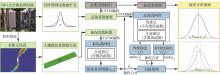
Fig.1
Multi-fidelity prediction framework
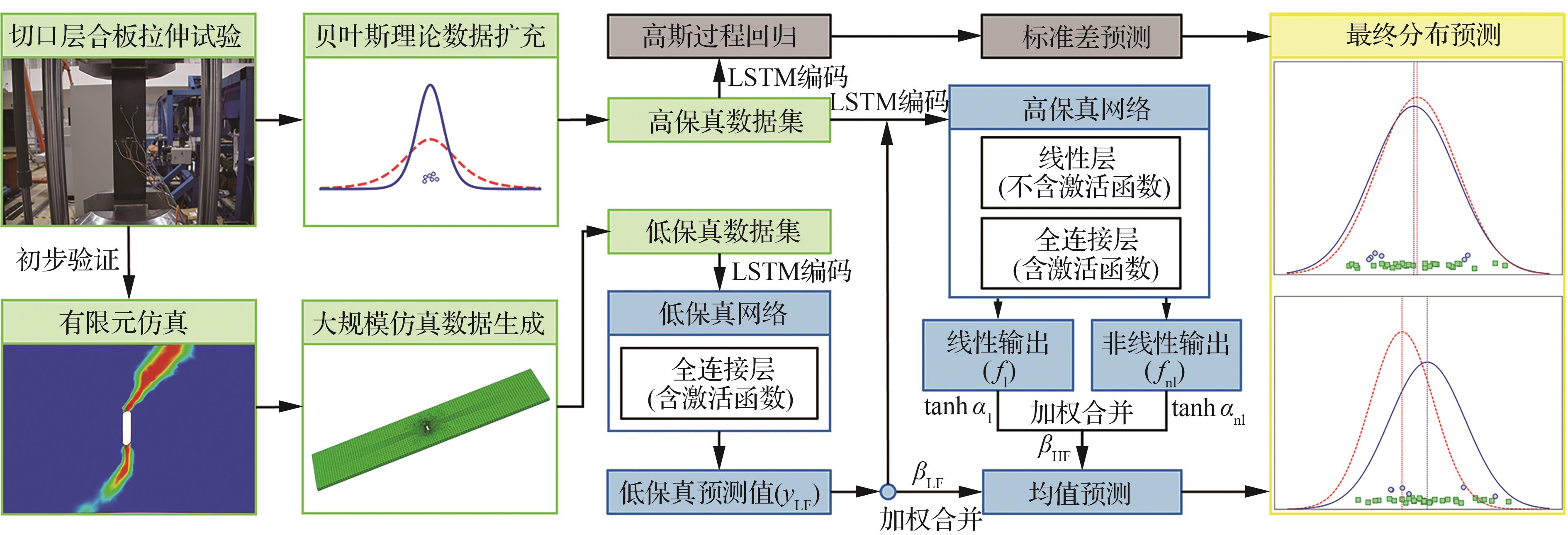
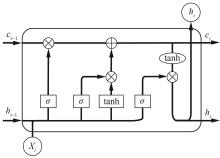
Fig.2
Schematic of a typical LSTM unit’s structure
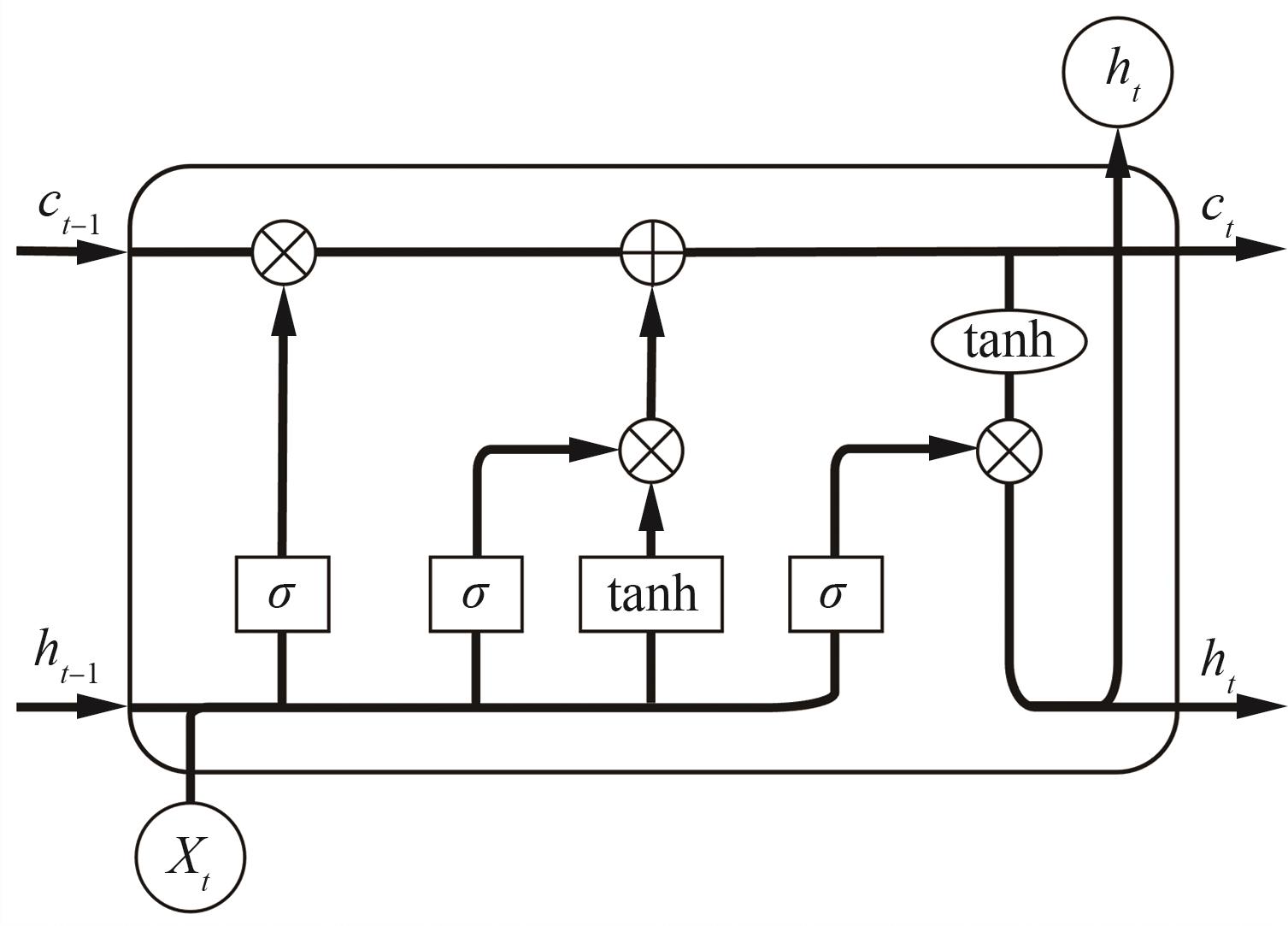

Table 1
Basic material parameters
| 参数 | 数值 | 参数 | 数值 |
|---|---|---|---|
| E1/MPa | 166 000 | XT /MPa | 3 242 |
| E2/MPa | 9 600 | XC /MPa | 1 654 |
| v12 | 0.31 | YT /MPa | 63.9 |
| G12/MPa | 4 600 | YC/MPa | 253 |
| G13/MPa | 4 600 | S12/MPa | 80 |
| G23/MPa | 3 330 | S13/MPa | 80 |
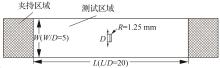
Fig.3
Geometric schematic of notched laminate specimen
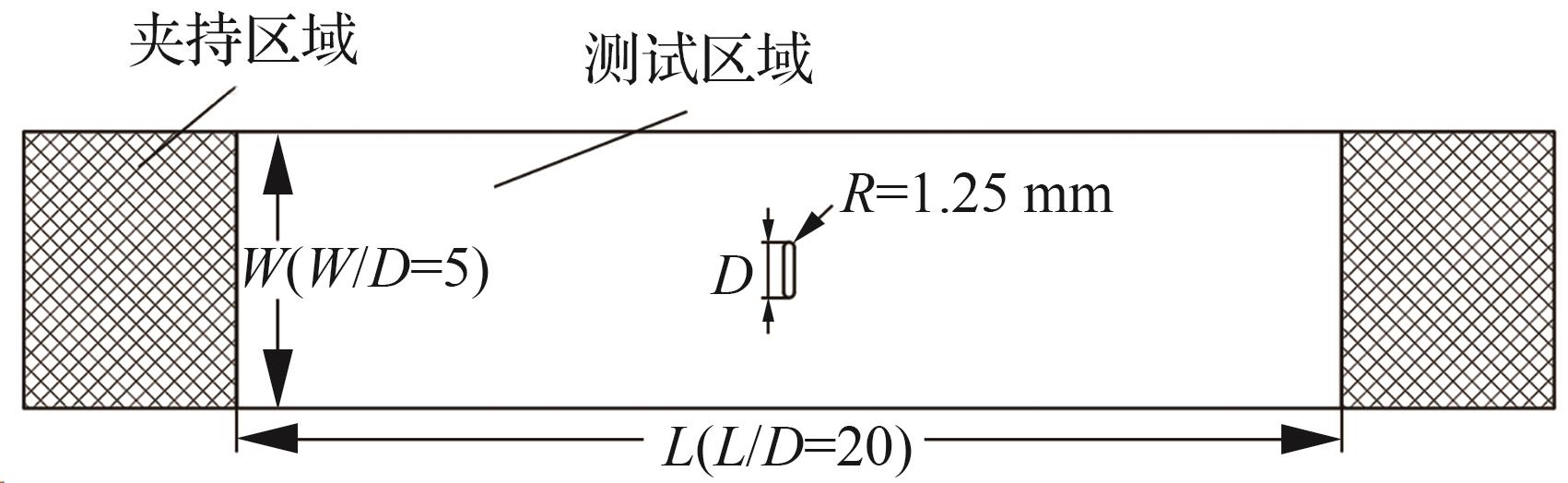
Table 2
Basic information of notched composite laminate specimens
| 铺层编号 | 铺层参数/(°) | 铺层比例/%[0/±45/90] | 铺层数 | 切口长度/mm(数量) |
|---|---|---|---|---|
| L1 | [45/-45/90/45/-45/45/-45/0/45/-45]S | 10/80/10 | 20 | 13(3),25(3),50(3) |
| L2 | [45/-45/90/0/45/-45/45/-45/90/0]S | 20/60/20 | 20 | 13(6),25(6),50(6) |
| L3 | [45/0/-45/90/45/0/90/-45/90/0]S | 30/40/30 | 20 | 13(6),25(6),50(6) |
| L4 | [45/0/-45/90/45/0/-45/0/90/0]S | 40/40/20 | 20 | 13(3),25(3),50(3) |
| L5 | [45/90/-45/0/0/45/0/0/-45/0]S | 50/40/10 | 20 | 13(3),25(3),50(3) |
| L6 | [45/0/0/-45/0/0/90/0/90/0]S | 60/20/20 | 20 | 13(6),25(6),50(3) |
| L01 | [45/0/-45/90]2S | 25/50/25 | 16 | 25(6) |
| L0 | [45/0/-45/90]3S | 25/50/25 | 24 | 13(3),25(3),50(3) |
| L02 | [45/0/-45/90]4S | 25/50/25 | 32 | 25(6) |
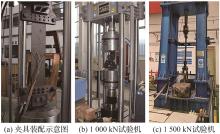
Fig.4
Photograph of test equipment
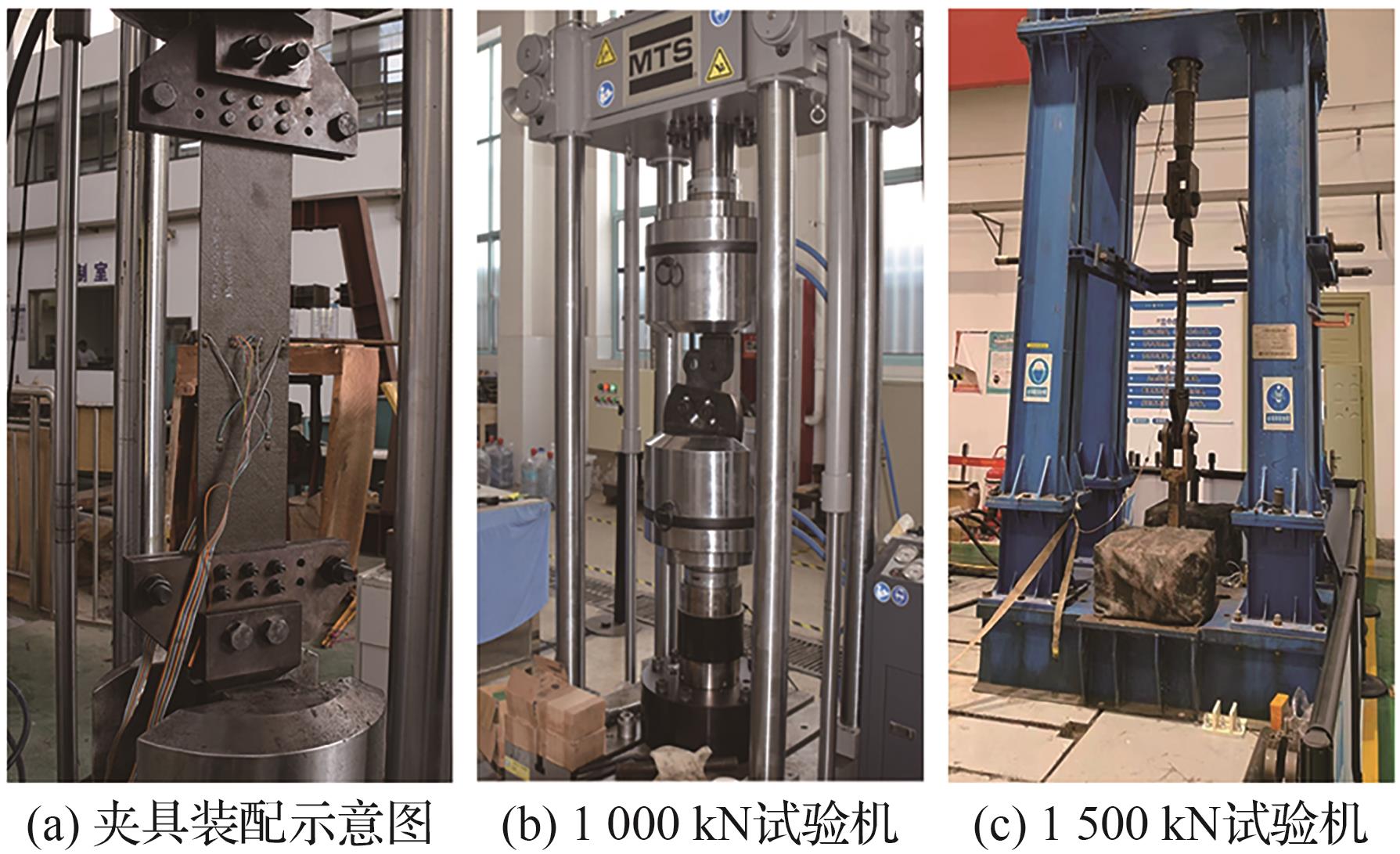
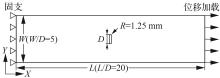
Fig.5
Loads and boundary conditions in finite element model
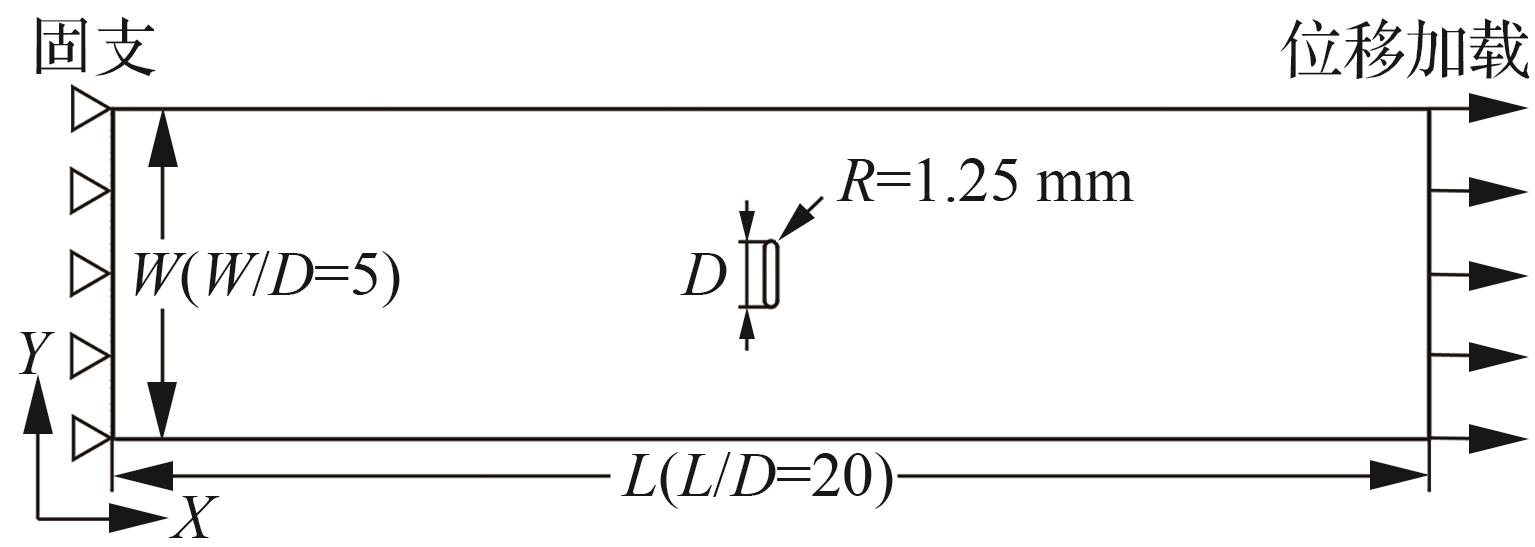

Fig.6
Schematic of mesh refinement near notch area
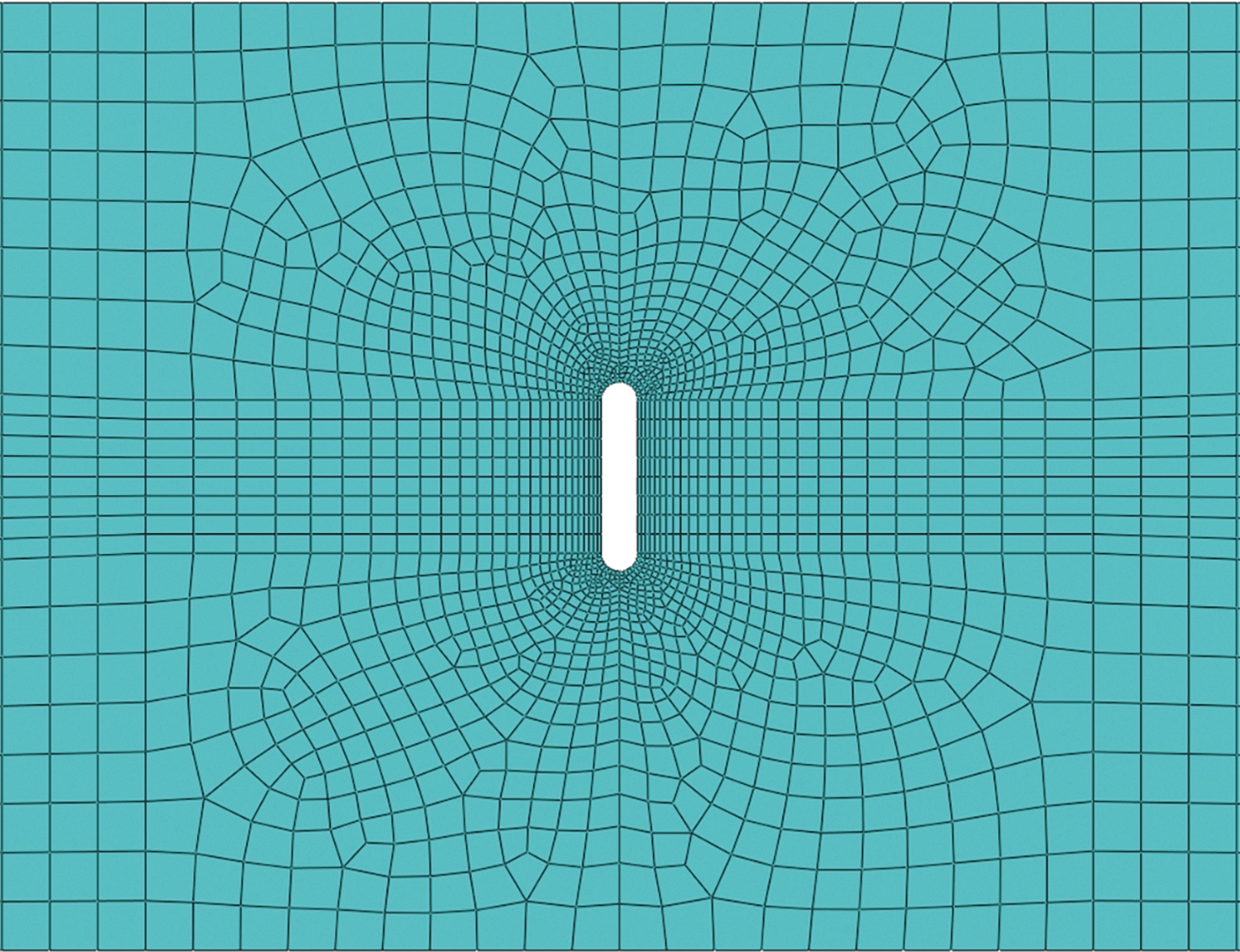
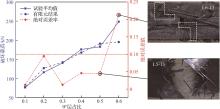
Fig.7
Comparison of results for L1-L6 specimens (notch length 13 mm)
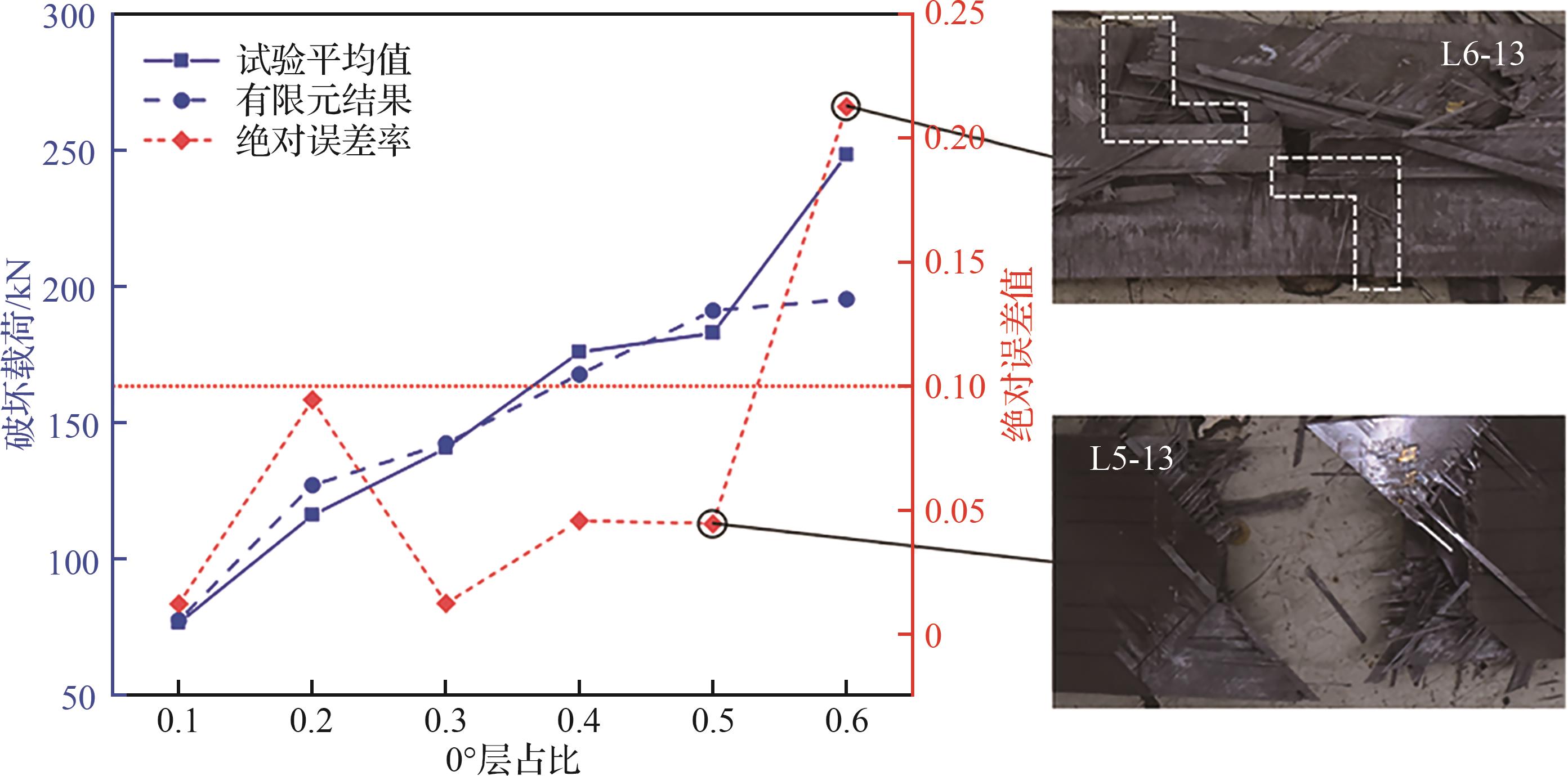
Fig.8
Comparison of results for L1-L6 specimens (notch length 25 mm)
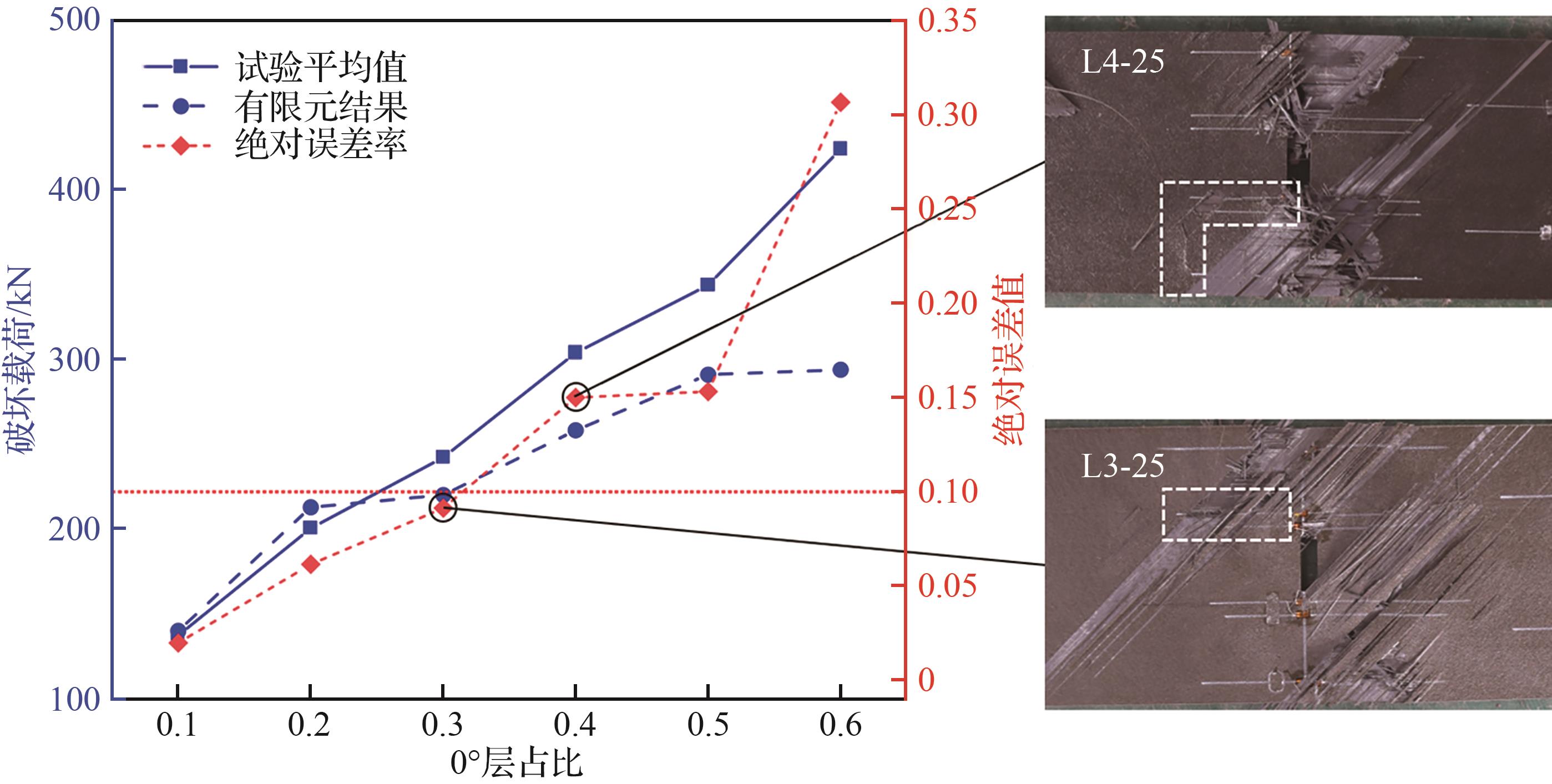
Fig.9
Comparison of results for L1-L6 specimens (notch length 50 mm)
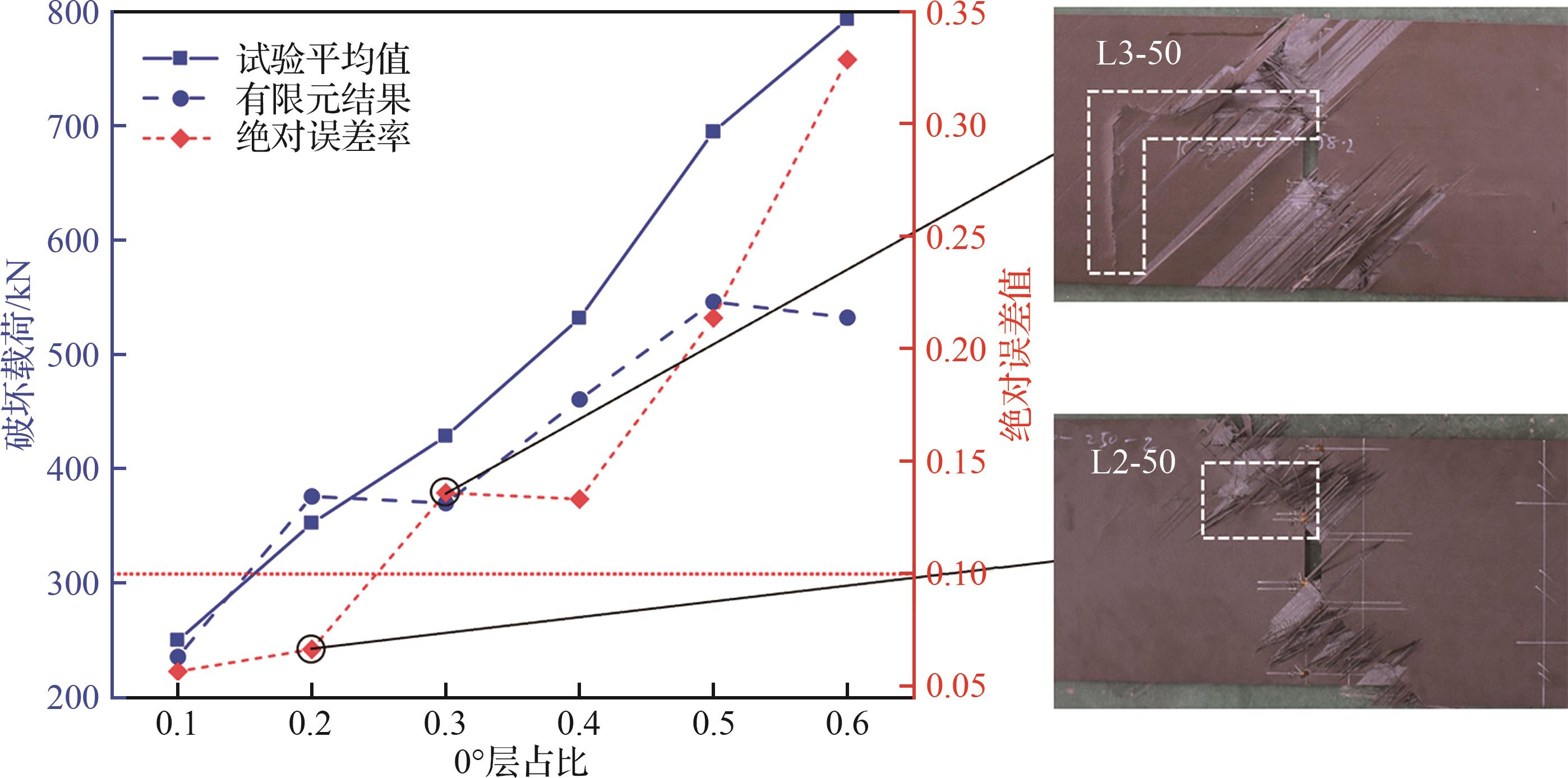
Fig.10
Comparison of experimental results for quasi-isotropic laminate specimens
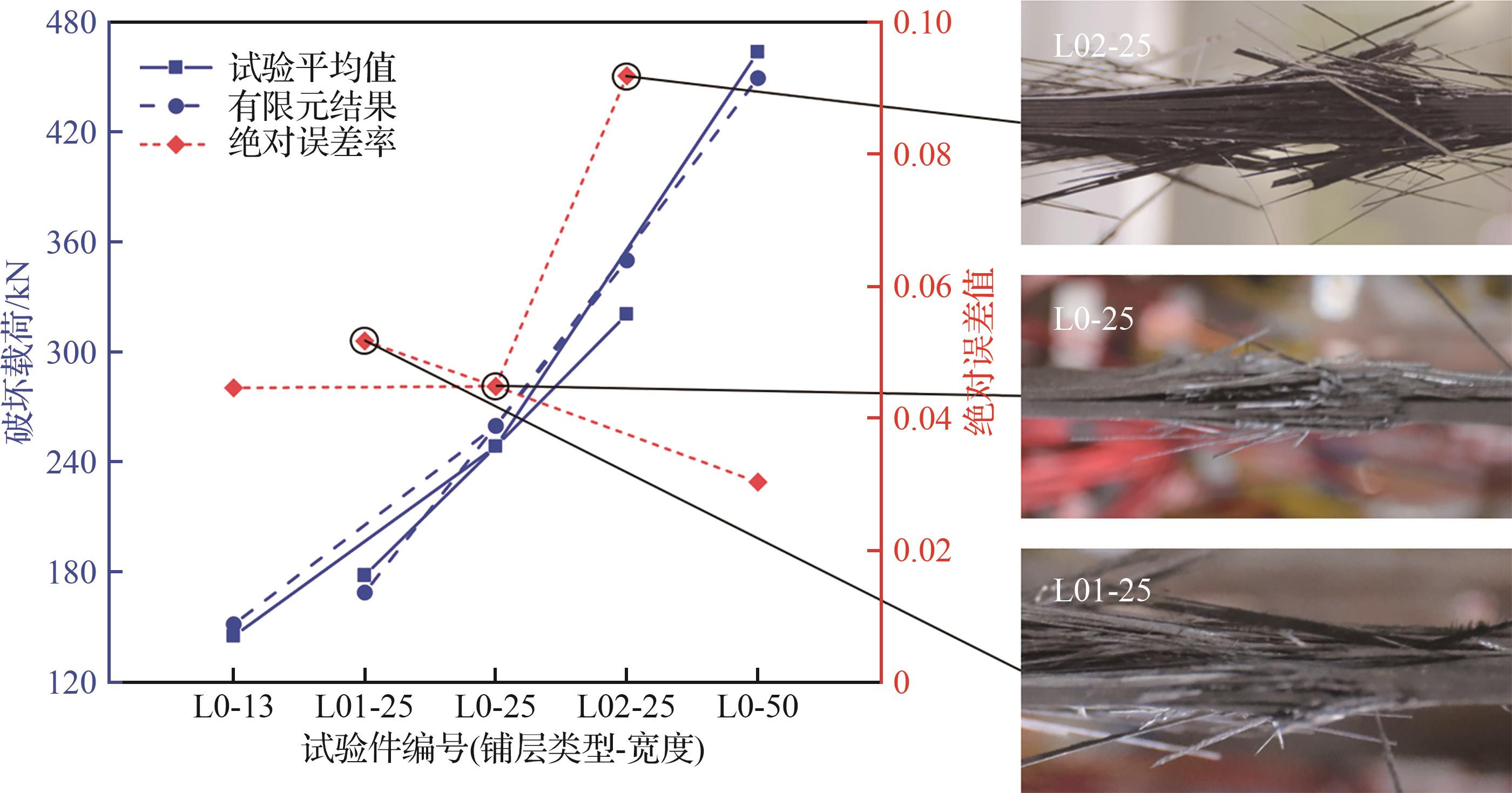
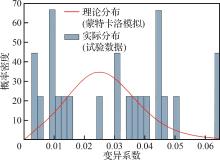
Fig.11
Theoretical and empirical distributions of coefficient of variation in experimental data
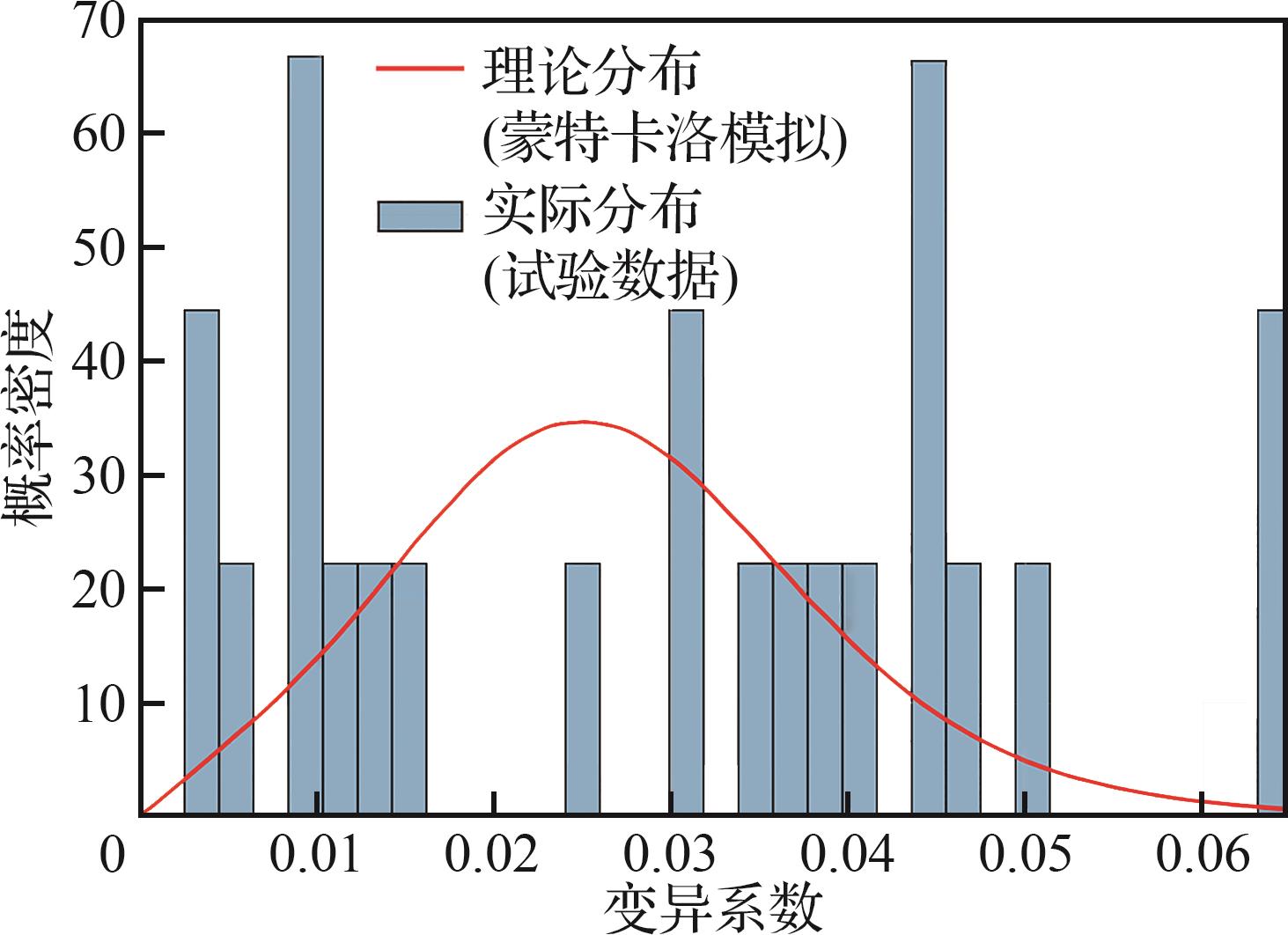
Fig.12
Comparison of Bayesian posterior predictive distribution based on an NIG prior and equivalent normal distribution
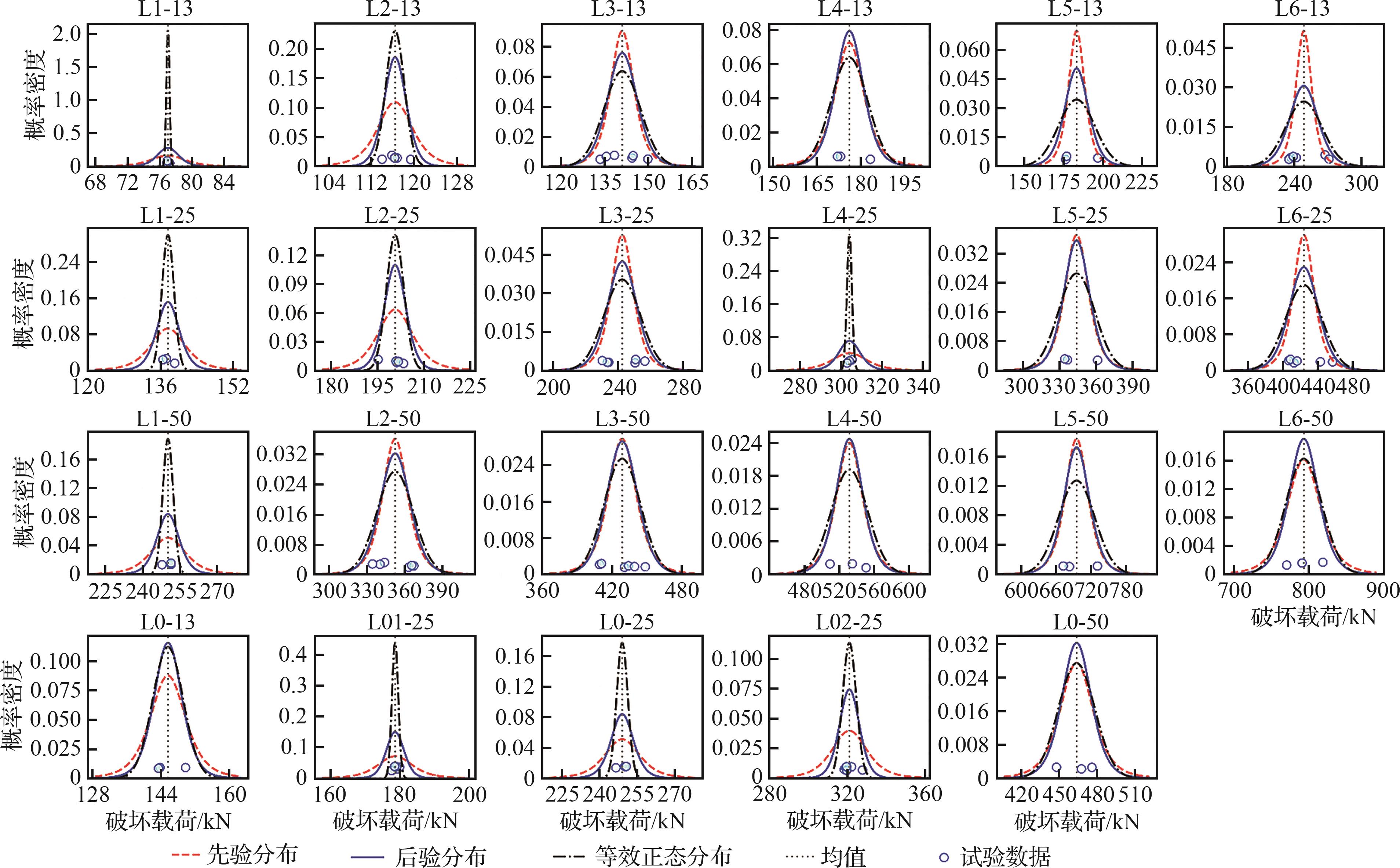
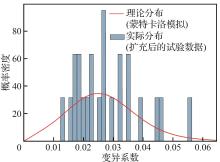
Fig.13
Histogram of coefficient of variation for augmented data and its comparison with theoretical distribution
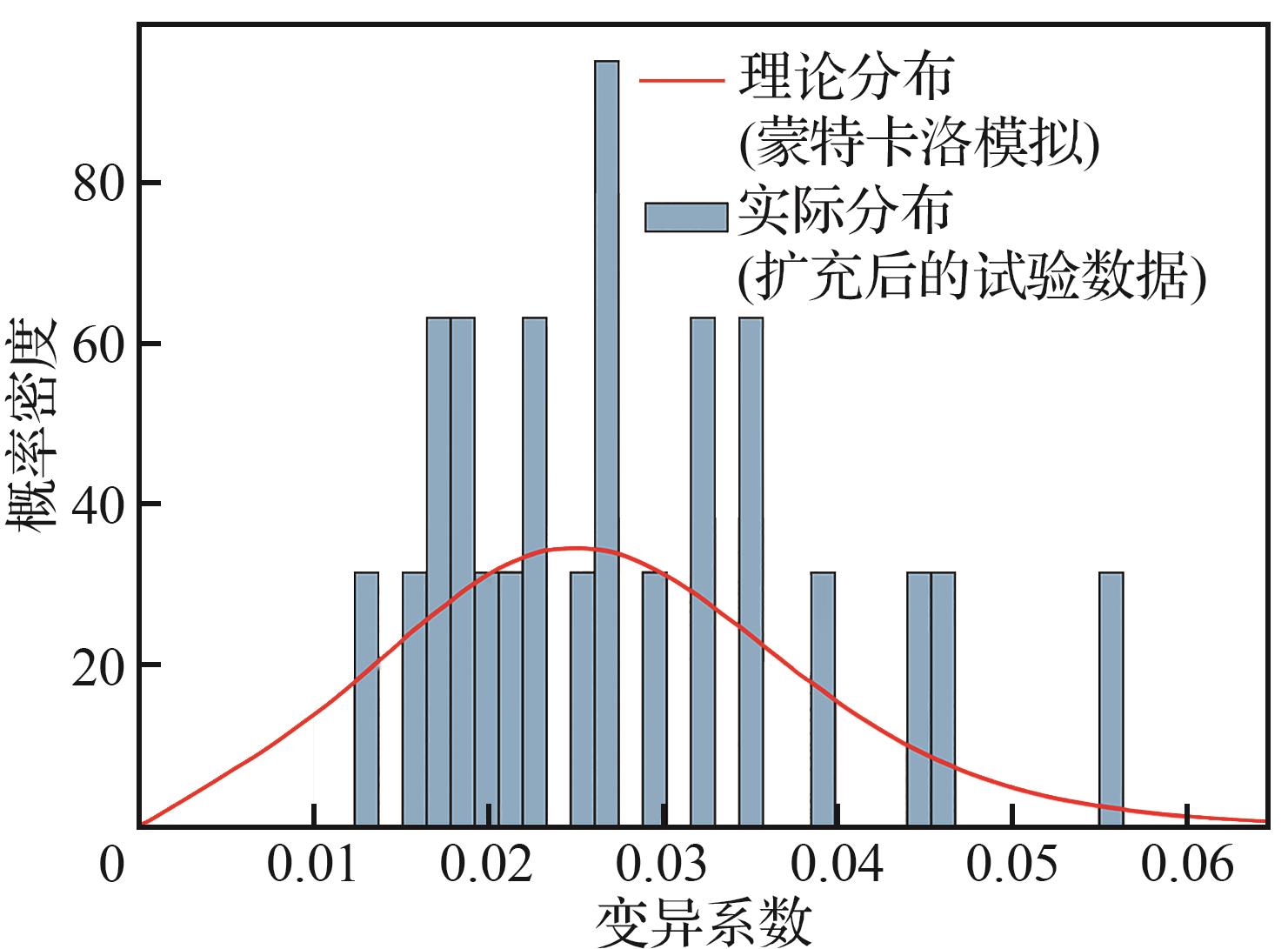
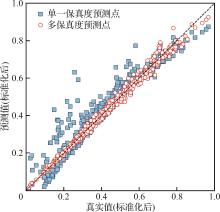
Fig.14
Comparison between multi-fidelity method and single-fidelity method
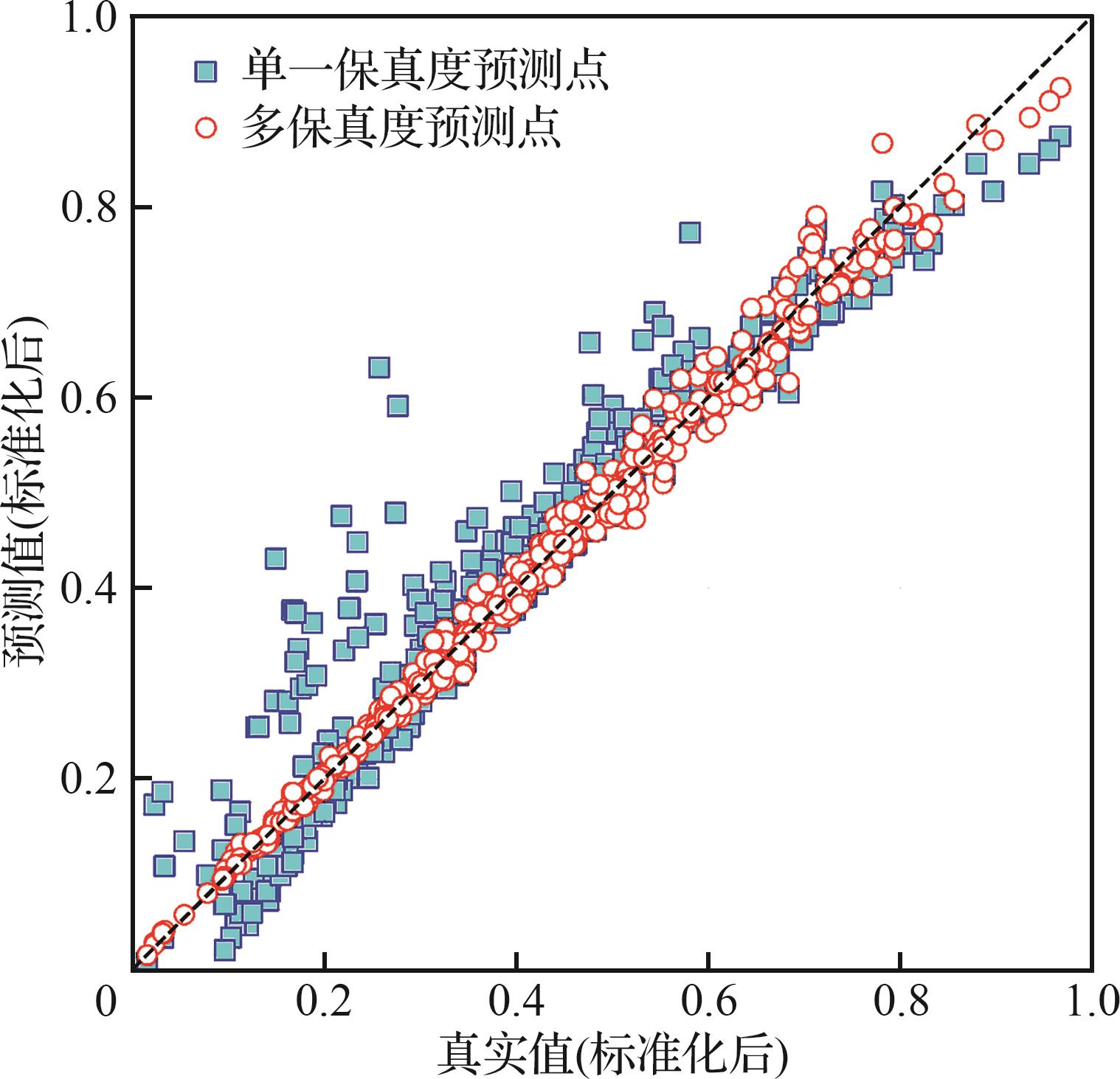
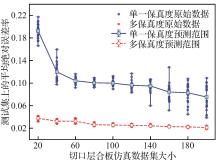
Fig.15
Comparison of predictive performance of two methods under different dataset sizes
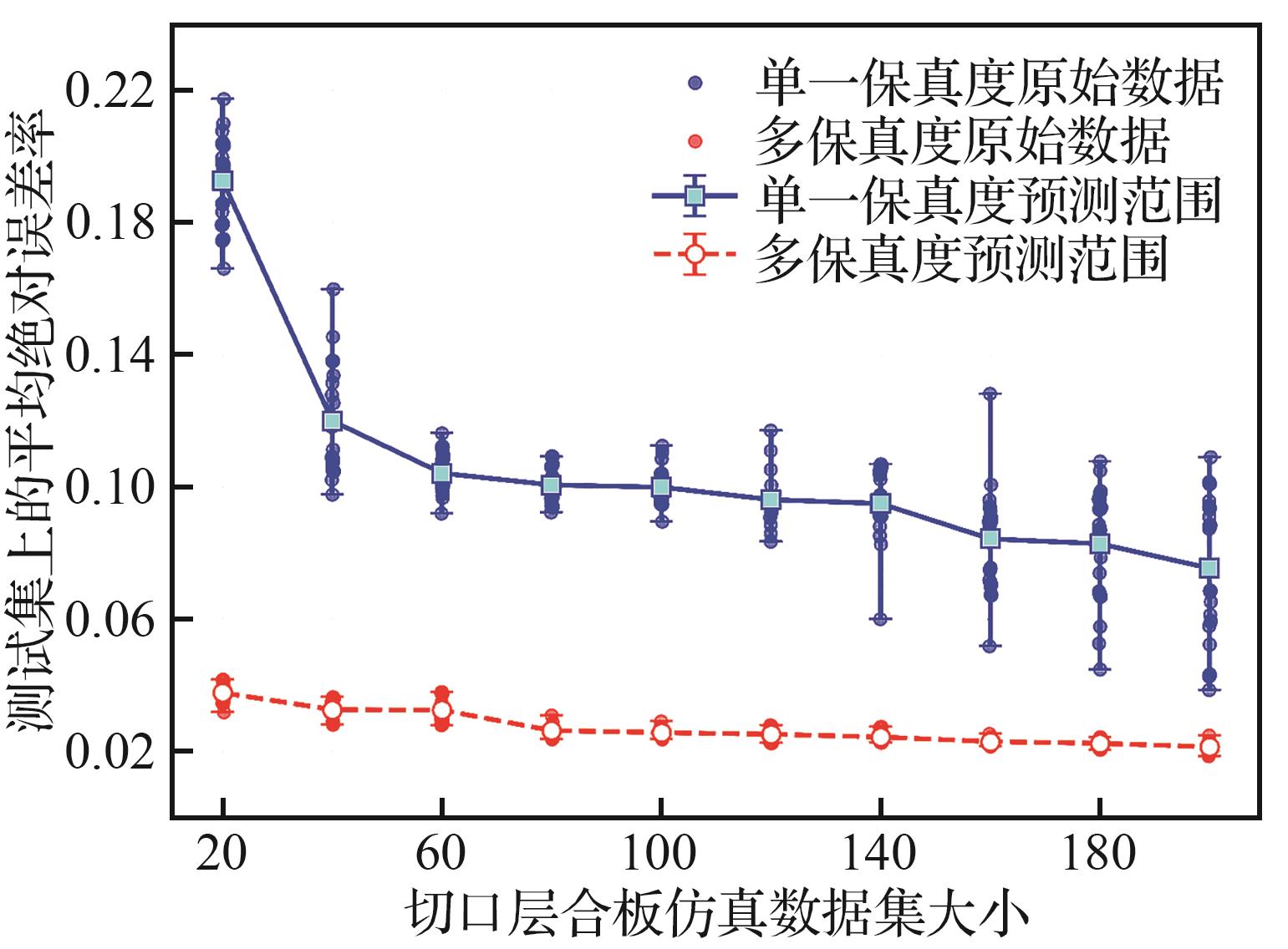
Fig.16
Predicted mean results
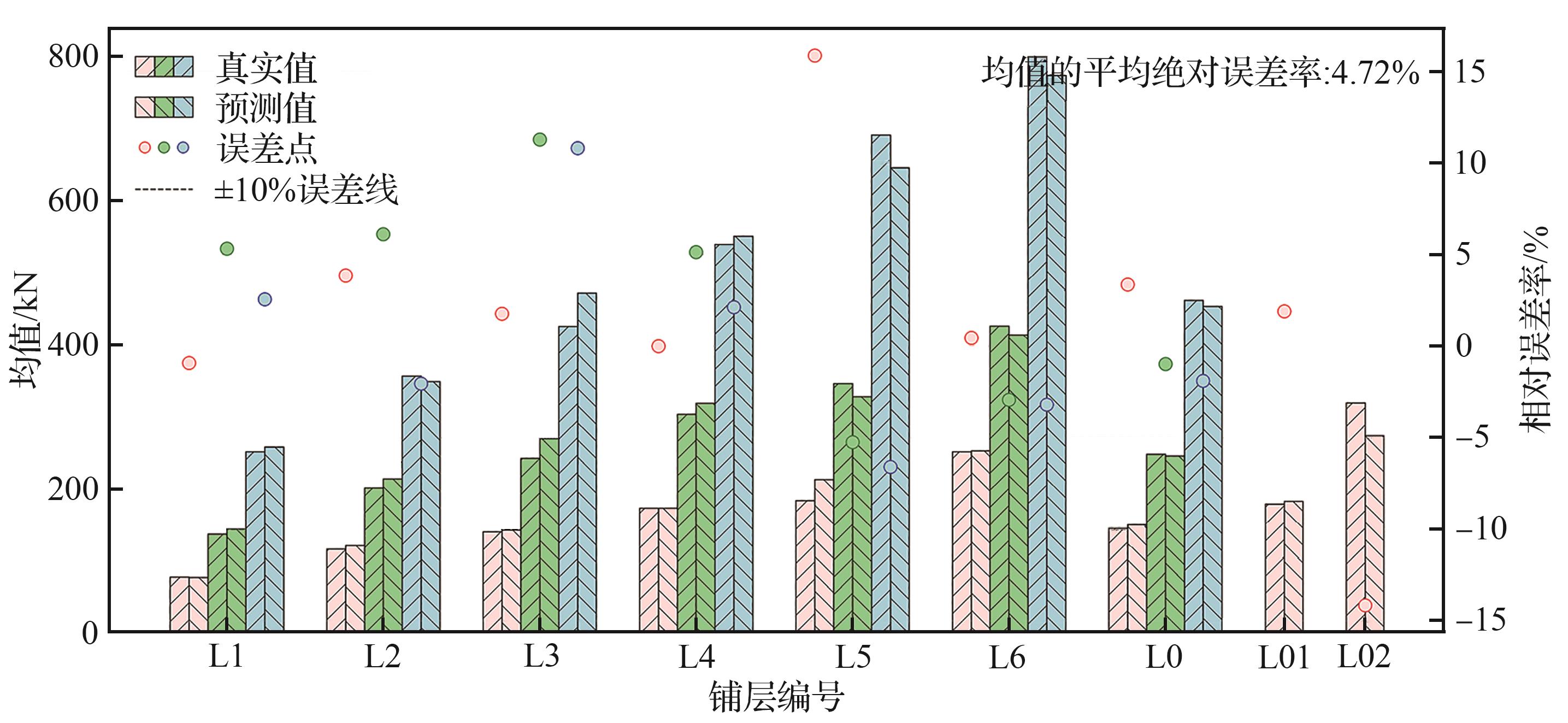
Fig.17
Predicted standard deviation results
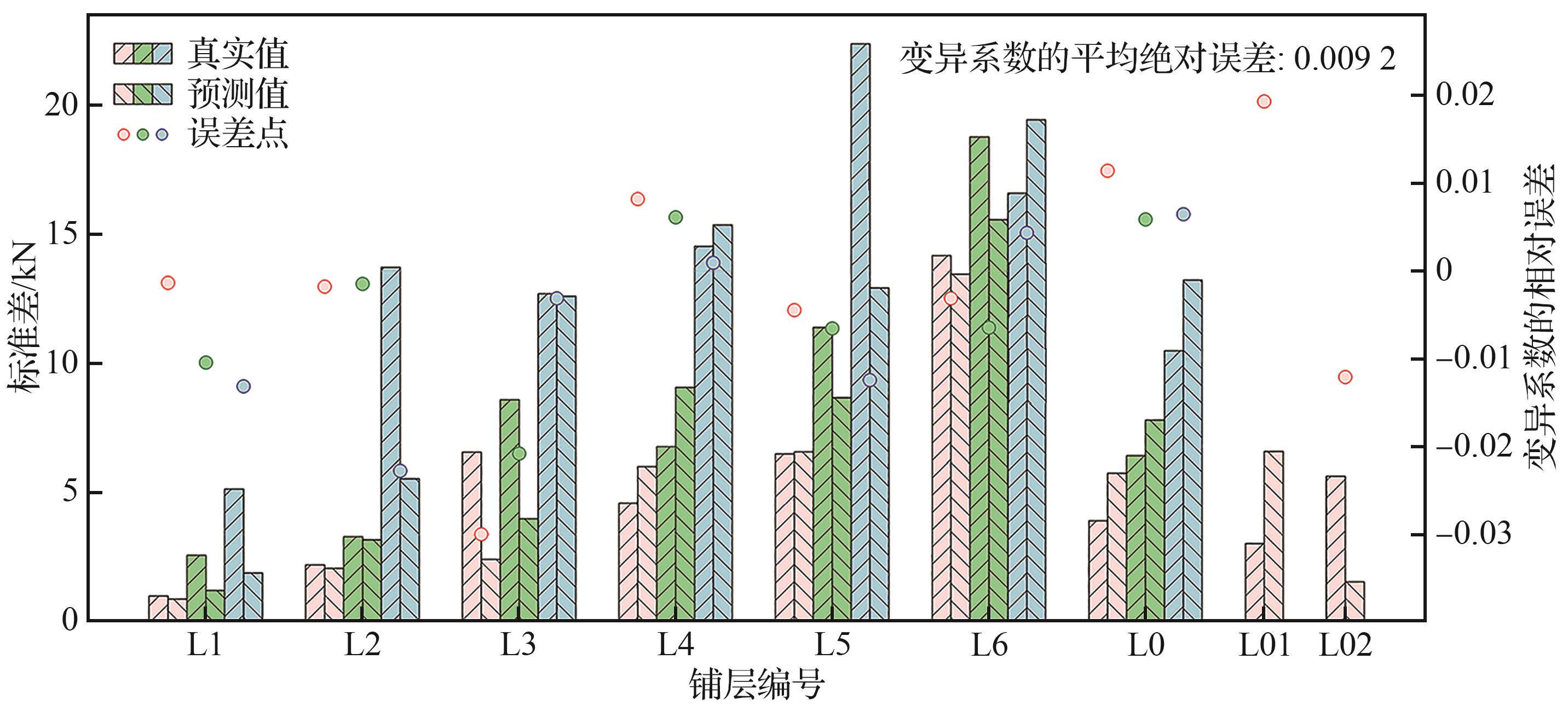
Fig.18
Predicted 10th percentile results
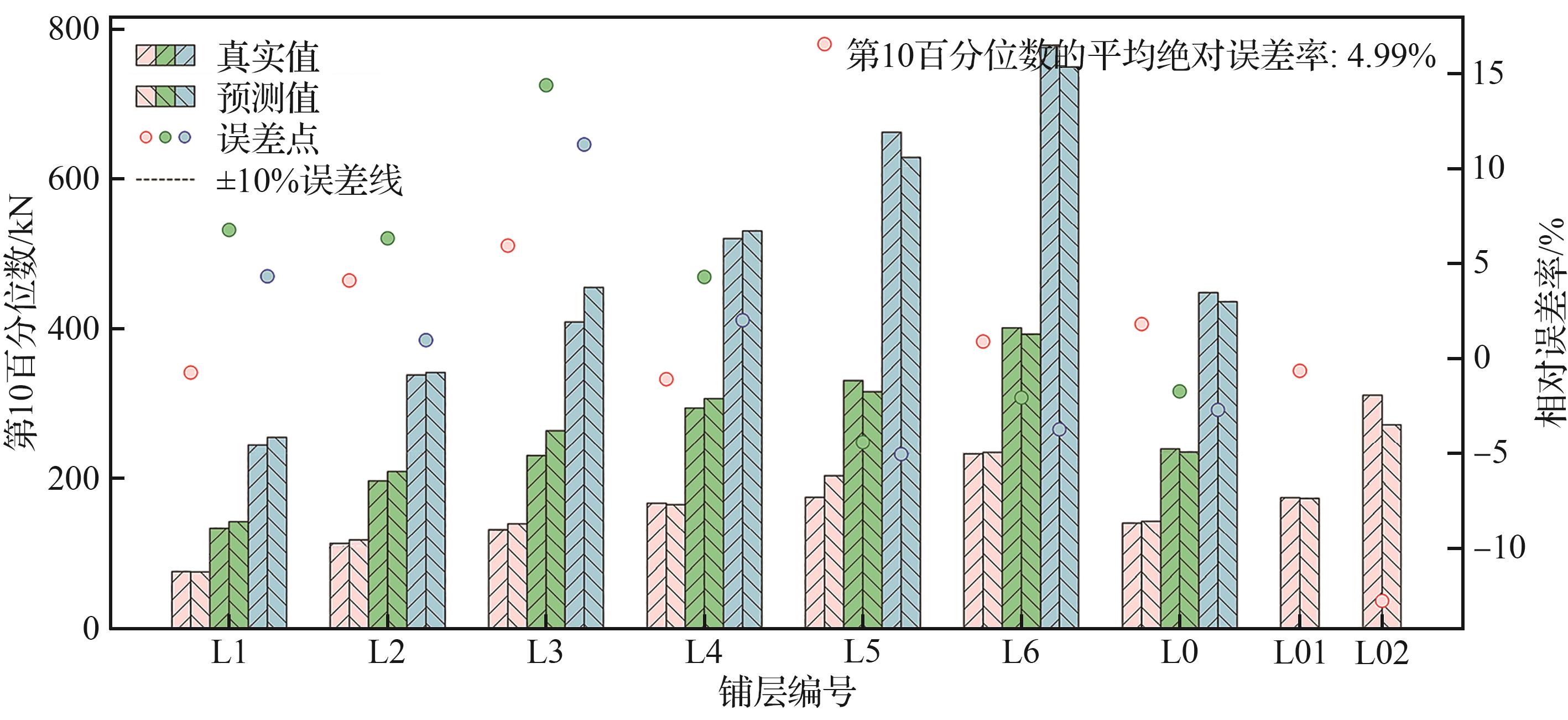
Fig.19
Comparison between predicted and actual distributions for L6-13
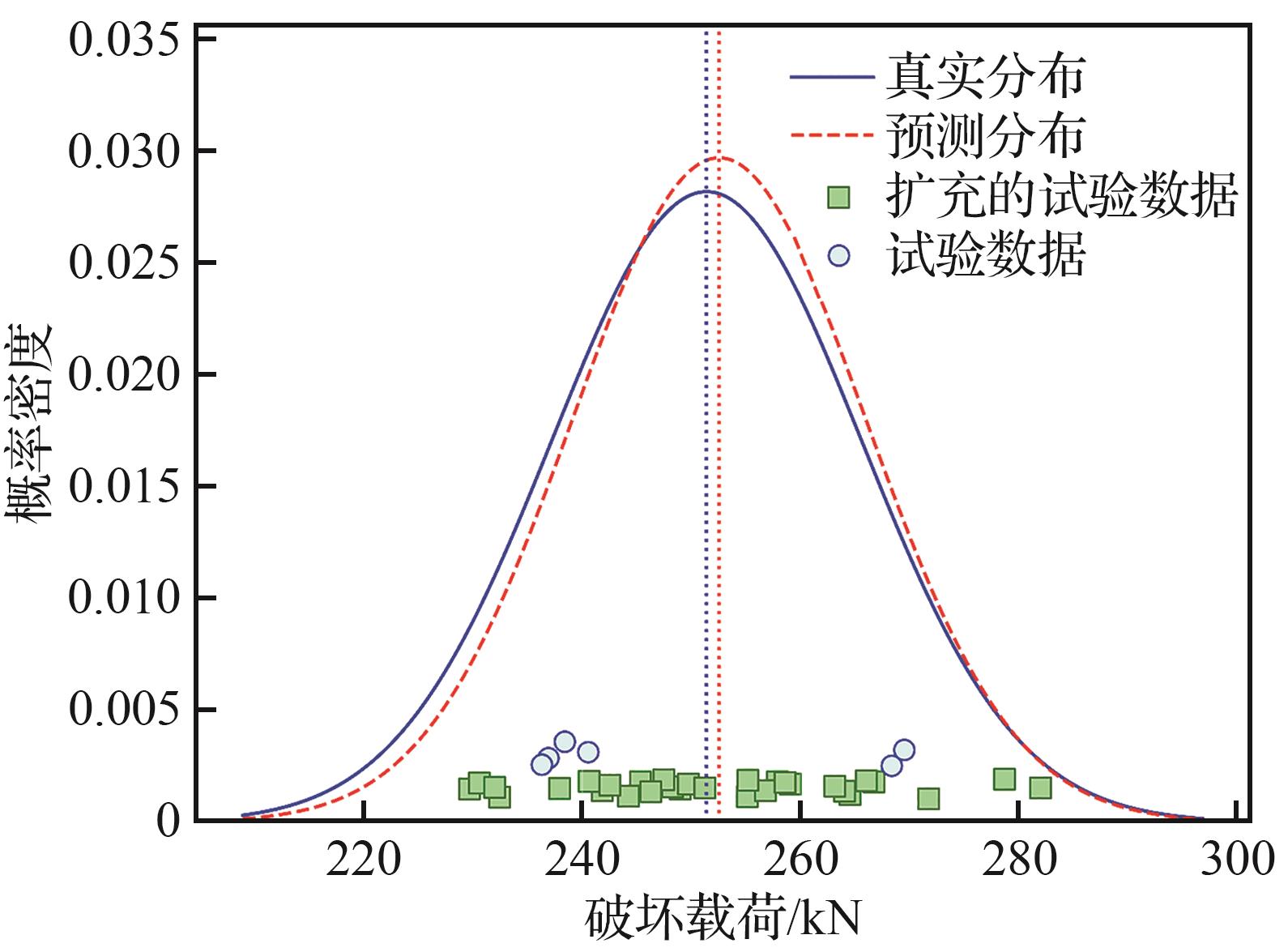
Fig.20
Comparison between predicted and actual distributions for L6-25
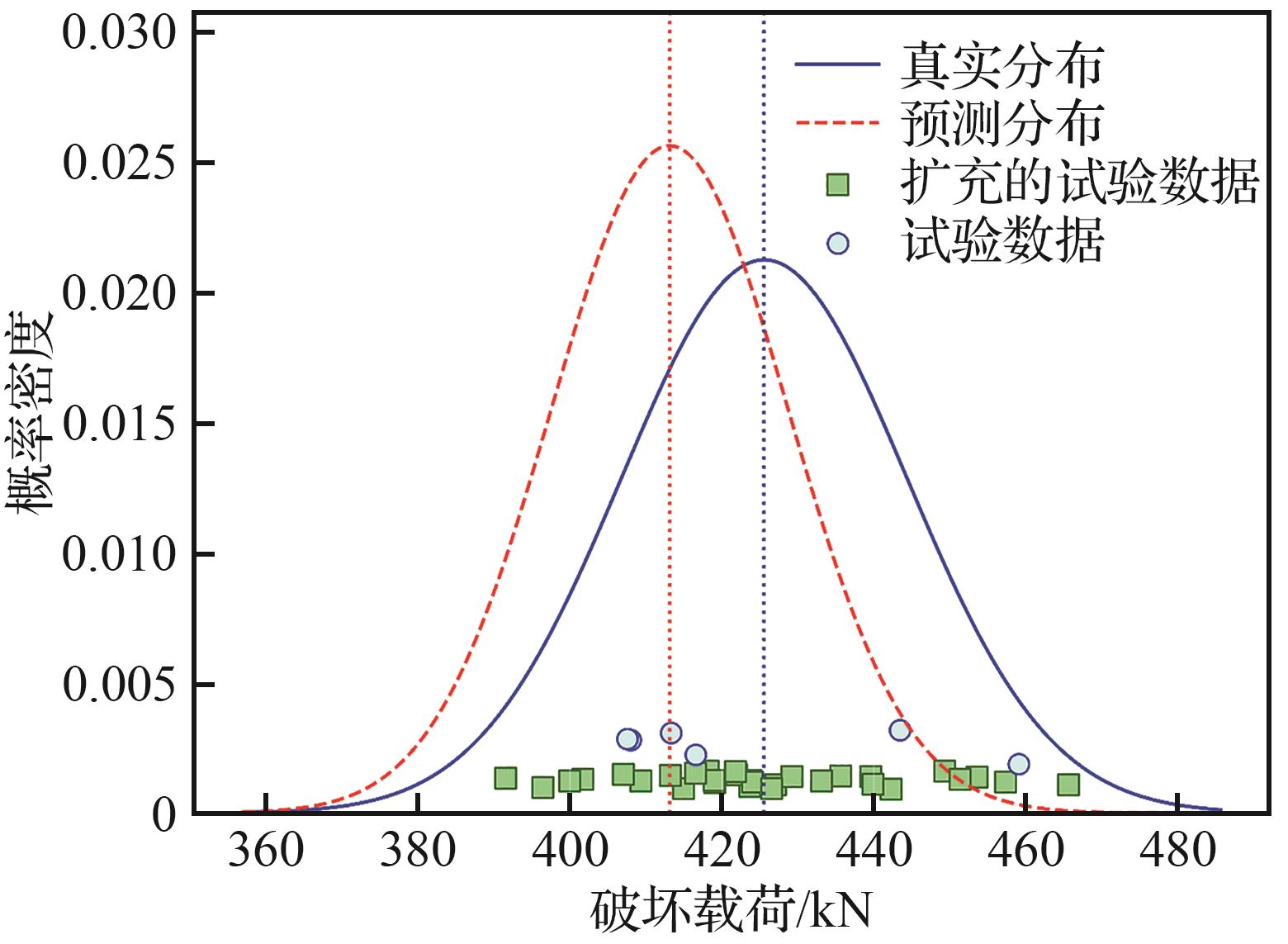
Fig.21
Comparison between predicted and actual distributions for L6-50
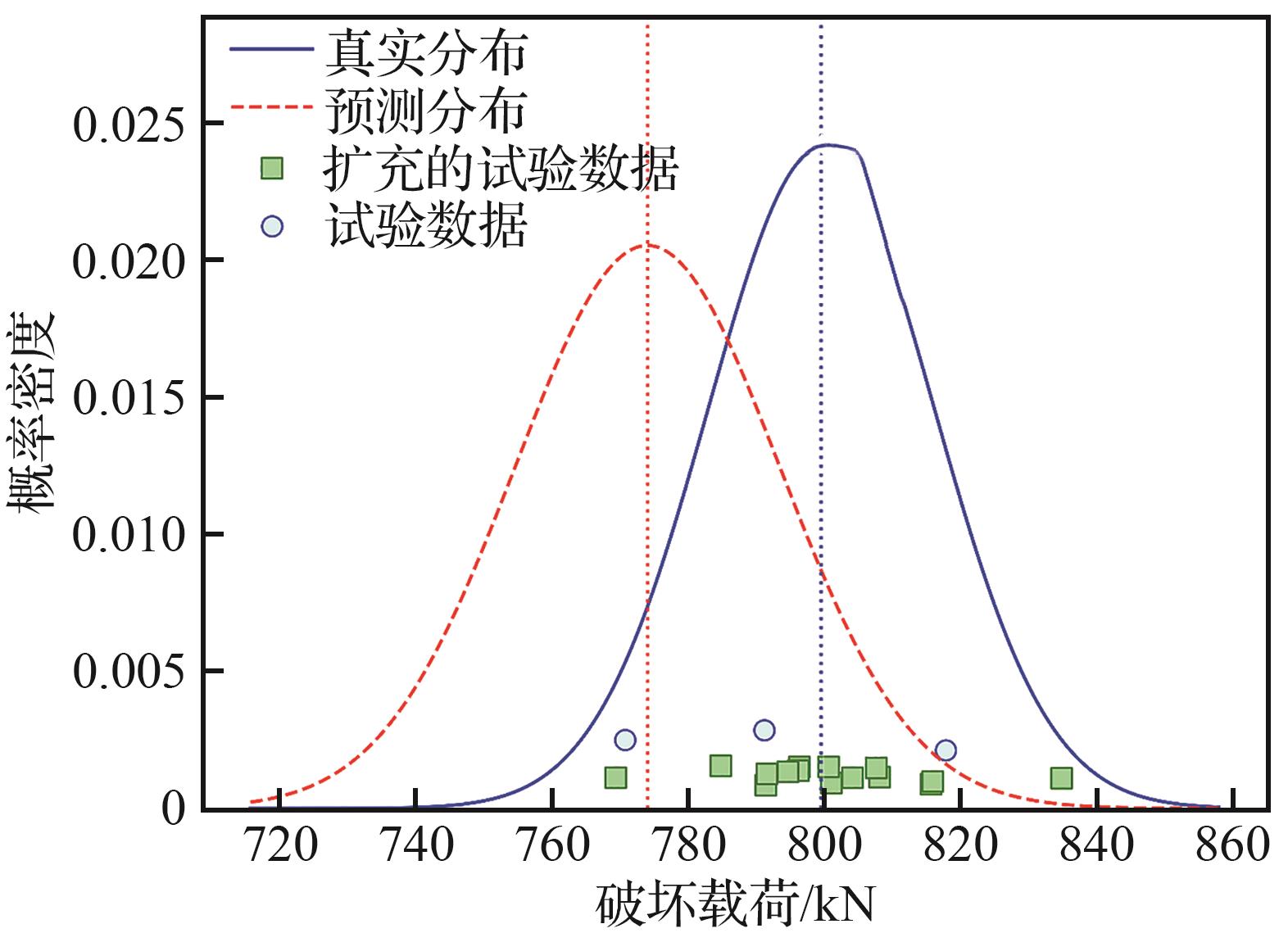
Table A1
Hyperparameters of single-fidelity network (Section 3.2)
| 超参数 | 数值 |
|---|---|
| 批次大小 | 10 |
| 学习率 | 0.001 |
| LSTM规模 | [64,40,40,8] |
| 神经网络结构 | [10,120,120,1] |
| 激活函数 | ReLu |
Table A2
Hyperparameters of multi-fidelity network (Section 3.2)
| 超参数 | 数值 |
|---|---|
| 批次大小 | 10 |
| 学习率 | 0.001 |
| LSTM规模 | [64,40,40,8] |
| 低保真度网络结构 | [10,120,120,1] |
| 高保真度网络结构 | [11,120,120,1] |
| 激活函数 | ReLu |
Table A3
Hyperparameters of multi-fidelity method (Section 4)
| 超参数 | 数值 |
|---|---|
| 批次大小 | 8 |
| 学习率 | 0.001 |
| LSTM规模 | [64,40,40,8] |
| 低保真度网络规模 | [10,64,64,1] |
| 高保真度网络规模 | [11,64,64,1] |
| 激活函数 | ReLu |
| GPR核函数 | Matern |
| GPR更新间隔 | 5 |
| [1] | U.S. Department of Defense. Composite materials handbook. Volume 3, Polymer matrix composites materials: Usage, design, and analysis[M]. Warrendale: SAE International, 2002. |
| [2] | U.S. Department of Defense. Composite materials handbook. Volume 1, Polymer matrix composites: Guidelines for characterization of structural materials[M]. Warrendale: SAE International, 2002. |
| [3] | CUMBO R, BARONI A, RICCIARDI A, et al. Design allowables of composite laminates: A review[J]. Journal of Composite Materials, 2022, 56(23): 3617-3634. |
| [4] | PAPADRAKAKIS M, PAPADOPOULOS V. Robust and efficient methods for stochastic finite element analysis using Monte Carlo simulation[J]. Computer Methods in Applied Mechanics and Engineering, 1996, 134(3-4): 325-340. |
| [5] | CAVDAR O, BAYRAKTAR A, CAVDAR A, et al. Perturbation based stochastic finite element analysis of the structural systems with composite sections under earthquake forces[J]. Steel and Composite Structures, 2008, 8(2): 129-144. |
| [6] | GHANEM R G, SPANOS P D. Spectral stochastic finite-element formulation for reliability analysis[J]. Journal of Engineering Mechanics, 1991, 117(10): 2351-2372. |
| [7] | STEFANOU G. The stochastic finite element method: Past, present and future[J]. Computer Methods in Applied Mechanics and Engineering, 2009, 198(9-12): 1031-1051. |
| [8] | CHAHAR R S, MUKHOPADHYAY T. Multi-fidelity machine learning based uncertainty quantification of progressive damage in composite laminates through optimal data fusion[J]. Engineering Applications of Artificial Intelligence, 2023, 125: 106647. |
| [9] | REINER J, LINDEN N, VAZIRI R, et al. Bayesian parameter estimation for the inclusion of uncertainty in progressive damage simulation of composites[J]. Composite Structures, 2023, 321: 117257. |
| [10] | REINER J. A multi-analysis framework for uncertainty quantification and data-driven simulation of design allowables in laminated composites[J]. Composites Science and Technology, 2025, 261: 111030. |
| [11] | FURTADO C, ARTEIRO A, BESSA M A, et al. Prediction of size effects in open-hole laminates using only the Young’s modulus, the strength, and the R-curve of the 0° ply[J]. Composites Part A: Applied Science and Manufacturing, 2017, 101: 306-317. |
| [12] | VALLMAJÓ O, CÓZAR I R, FURTADO C, et al. Virtual calculation of the B-value allowables of notched composite laminates[J]. Composite Structures, 2019, 212: 11-21. |
| [13] | FURTADO C, PEREIRA L F, TAVARES R P, et al. A methodology to generate design allowables of composite laminates using machine learning[J]. International Journal of Solids and Structures, 2021, 233: 111095. |
| [14] | TANG K R, CUI Y Y, CHEN P H. A deep learning method for addressing the scarcity of experimental data in composite structures: Multi-fidelity triple LSTM[J]. Thin-Walled Structures, 2025, 211: 113106. |
| [15] | YUAN M Q, ZHAO H T, XIE Y H, et al. Prediction of stiffness degradation based on machine learning: Axial elastic modulus of [0m/90n]s composite laminates[J]. Composites Science and Technology, 2022, 218: 109186. |
| [16] | GISELLE FERNÁNDEZ-GODINO M. Review of multi-fidelity models[J]. Advances in Computational Science and Engineering, 2023, 1(4): 351-400. |
| [17] | BREVAULT L, BALESDENT M, HEBBAL A. Overview of Gaussian process based multi-fidelity techniques with variable relationship between fidelities, application to aerospace systems[J]. Aerospace Science and Technology, 2020, 107: 106339. |
| [18] | MENG X H, EM K. A composite neural network that learns from multi-fidelity data: Application to function approximation and inverse PDE problems[J]. Journal of Computational Physics, 2020, 401: 109020. |
| [19] | EGOROVA O, HAFIZI R, WOODS D C, et al. Multifidelity statistical machine learning for molecular crystal structure prediction[J]. The Journal of Physical Chemistry A, 2020, 124(39): 8065-8078. |
| [20] | OREJUELA I P, GONZÁLEZ C L, GUERRA X B, et al. Geoid undulation modeling through the Cokriging method-A case study of Guayaquil, Ecuador[J]. Geodesy and Geodynamics, 2021, 12(5): 356-367. |
| [21] | ROUCHON J. Certification of large airplane composite structures[C]∥ICAS Congress Proceedings.1990, 2: 1439-1447. |
| [22] | MARCH A, WILLCOX K, WANG Q. Gradient-based multifidelity optimisation for aircraft design using Bayesian model calibration[J]. The Aeronautical Journal, 2011, 115(1174): 729-738. |
| [23] | PERDIKARIS P, RAISSI M, DAMIANOU A, et al. Nonlinear information fusion algorithms for data-efficient multi-fidelity modelling[J]. Proceedings Mathematical, Physical, and Engineering Sciences, 2017, 473(2198): 20160751. |
| [24] | MAHMOUDABADBOZCHELOU M, CAGGIONI M, SHAHSAVARI S, et al. Data-driven physics-informed constitutive metamodeling of complex fluids: A multifidelity neural network (MFNN) framework[J]. Journal of Rheology, 2021, 65(2): 179-198. |
| [25] | ZHANG P, YIN Z Y, JIN Y F, et al. Physics-informed multifidelity residual neural networks for hydromechanical modeling of granular soils and foundation considering internal erosion[J]. Journal of Engineering Mechanics, 2022, 148(4): 04022015. |
| [26] | PERDIKARIS P, RAISSI M, DAMIANOU A, et al. Nonlinear information fusion algorithms for data-efficient multi-fidelity modelling[J]. Proceedings Mathematical, Physical, and Engineering Sciences, 2017, 473(2198): 20160751. |
| [27] | LU L, DAO M, KUMAR P, et al. Extraction of mechanical properties of materials through deep learning from instrumented indentation[J]. PNAS 2020, 117(13): 7052-7062. |
| [28] | GREEN B G, WISNOM M R, HALLETT S R. An experimental investigation into the tensile strength scaling of notched composites[J]. Composites Part A: Applied Science and Manufacturing, 2007, 38(3): 867-878. |
| [29] | RIDHA M, WANG C H, CHEN B Y, et al. Modelling complex progressive failure in notched composite laminates with varying sizes and stacking sequences[J]. Composites Part A: Applied Science and Manufacturing, 2014, 58: 16-23. |
| [30] | LAFFAN M, PINHO S, ROBINSON P, et al. Measurement of the in situ ply fracture toughness associated with mode I fibre tensile failure in FRP. Part Ⅱ: Size and lay-up effects[J]. Composites Science and Technology, 2010, 70(4): 614-621. |
| [31] | JOHNSON N L, BALAKRISHNAN N. Continuous Univariate distributions[M]. 2nd ed. New York: John Wiley & Sons Inc, 1994: 515-516. |
| [32] | METROPOLIS N, ULAM S. The Monte Carlo method[J]. Journal of the American Statistical Association, 1949, 44(247): 335-341. |
| [33] | PARZEN E. On estimation of a probability density function and mode[J]. The Annals of Mathematical Statistics, 1962, 33(3): 1065-1076. |
| [34] | BERGER J. The case for objective Bayesian analysis[J]. Bayesian Analysis, 2006, 1(3): 385-402. |
| [35] | GELMAN A, CARLIN J B, STERN H S, et al. Bayesian data analysis[M]. 3rd ed. New York: Chapman and Hall/CRC, 2025: 150-151. |
| [36] | AKIBA T, SANO S, YANASE T, et al. Optuna: A next-generation hyperparameter optimization framework[C]∥Proceedings of the 25th ACM SIGKDD International Conference on Knowledge Discovery & Data Mining. New York: ACM, 2019: 2623-2631. |
| [1] | Miaojiao PENG, Jinwen HUANG, Dianyin HU, Rongqiao WANG, Junjie YANG, Zhigang JIA, Qinglin CHEN, Yifeng SUN, Yingqiang CAI, Kuan FAN, Zhaoyi ZHU, Xiaowen LI. Research progress on interfacial mechanical properties, damage mechanisms, and reinforcement strategies of CFRP composites for aero-engines [J]. Acta Aeronautica et Astronautica Sinica, 2025, 46(16): 231600-231600. |
| [2] | Chen LIU, Chen HE, Wenming GAO, Xianfeng WANG, Lin JIANG, Shuo CHENG, Yong LI, Jun XIAO. Dual scale ply design of composite aircraft auxiliary fuel tank [J]. Acta Aeronautica et Astronautica Sinica, 2025, 46(1): 230541-230541. |
| [3] | Zhiting GAO, Zhuang MA, Yanbo LIU. Effect of CVD-SiC array structure on ablation resistance of ZrB2/SiC coatings [J]. Acta Aeronautica et Astronautica Sinica, 2024, 45(3): 428842-428842. |
| [4] | Qian YANG, Yanzhe WANG, Di YANG, Zezhong LI, Weiwei QU. Prediction and planning of automatic laying speed for fiber reinforced composite materials based on data⁃driven model [J]. Acta Aeronautica et Astronautica Sinica, 2024, 45(10): 429313-429313. |
| [5] | Jian HAN, Shiyong SUN, Bin NIU, Rui YANG, Dongjiang WU. Progress in manufacturing technologies of resin⁃based composite lattice structures [J]. ACTA AERONAUTICAET ASTRONAUTICA SINICA, 2023, 44(9): 628255-628255. |
| [6] | Liping LIU, Yuyang QI, Yueguo LIN, Rui BAO, Jianxin XU, Zhenyu FENG, Guanghui QING. Tensile failure of carbon fiber composite material bonded-rivet hybrid repaired structure [J]. Acta Aeronautica et Astronautica Sinica, 2023, 44(24): 428676-428676. |
| [7] | WAN Aoshuang. Probabilistic assessment on damage tolerance of composite helicopter horizontal tail structure [J]. ACTA AERONAUTICAET ASTRONAUTICA SINICA, 2022, 43(6): 525557-525557. |
| [8] | ZHANG Junrui, ZHENG Xitao, YUAN Lin, ZHONG Guiyong, LI Guochen. Fatigue life prediction method for hybrid multi-bolted joints based on damage weight [J]. ACTA AERONAUTICAET ASTRONAUTICA SINICA, 2021, 42(5): 524306-524306. |
| [9] | WANG Binwen, AI Sen, ZHANG Guofan, NIE Xiaohua, WU Cunli. Validation method for post-buckling analysis model of stiffened composite panels considering uncertainties [J]. ACTA AERONAUTICAET ASTRONAUTICA SINICA, 2020, 41(8): 223987-223987. |
| [10] | WANG Rongqiao, LIU Fei, HU Dianyin, LI Da. Uncertainty quantification in low cycle fatigue life model based on Bayesian theory [J]. ACTA AERONAUTICAET ASTRONAUTICA SINICA, 2017, 38(9): 220832-220832. |
| [11] | WANG Xiaoming, ZHOU Wenya, WU Zhigang. Dynamic shape control of wings using piezoelectric fiber composite materials [J]. ACTA AERONAUTICAET ASTRONAUTICA SINICA, 2017, 38(1): 220313-220313. |
| [12] | LIU Jianming, WAN Xiaopeng, ZHAO Meiying. Fatigue life prediction of laminated bolted joint structures [J]. ACTA AERONAUTICAET ASTRONAUTICA SINICA, 2015, 36(6): 1867-1875. |
| [13] | DUAN Yugang, DONG Xiaowei, GE Yanming, LIU Dening. Robotic Fiber Placement Trajectory Planning Based on CATIA CNC Machining Path [J]. ACTA AERONAUTICAET ASTRONAUTICA SINICA, 2014, 35(9): 2632-2640. |
| [14] | MA Baoquan, ZHOU Zhenggan. Progress and Development Trends of Composite Structure Evaluation Using Noncontact Nondestructive Testing Techniques in Aviation and Aerospace Industries [J]. ACTA AERONAUTICAET ASTRONAUTICA SINICA, 2014, 35(7): 1787-1803. |
| [15] | DUAN Yugang, YAN Xiaofeng, LI Chao, ZHANG Xiaohui. Effect of Material and Shape of Compaction Roller on the Voids and Compaction Uniformity in Fiber Placement Process [J]. ACTA AERONAUTICAET ASTRONAUTICA SINICA, 2014, 35(4): 1173-1180. |
| Viewed | ||||||
|
Full text |
|
|||||
|
Abstract |
|
|||||
Address: No.238, Baiyan Buiding, Beisihuan Zhonglu Road, Haidian District, Beijing, China
Postal code : 100083
E-mail:hkxb@buaa.edu.cn
Total visits: 6658907 Today visits: 1341All copyright © editorial office of Chinese Journal of Aeronautics
All copyright © editorial office of Chinese Journal of Aeronautics
Total visits: 6658907 Today visits: 1341

 CJA
CJA
