Acta Aeronautica et Astronautica Sinica ›› 2025, Vol. 46 ›› Issue (21): 532312.doi: 10.7527/S1000-6893.2025.32312
• Special Issue: 60th Anniversary of Aircraft Strength Research Institute of China • Previous Articles Next Articles
Qiang ZHANG( ), Lei LI, Guangqi HUANG, Jiahui XIE, Guibin SONG
Received:2025-05-28
Revised:2025-06-17
Accepted:2025-07-01
Online:2025-07-04
Published:2025-07-03
Contact:
Qiang ZHANG
E-mail:1468074157@qq.com
CLC Number:
Qiang ZHANG, Lei LI, Guangqi HUANG, Jiahui XIE, Guibin SONG. Open-hole tensile mechanical behavior of carbon/glass hybrid composites[J]. Acta Aeronautica et Astronautica Sinica, 2025, 46(21): 532312.
Fig.1
Preparation of carbon/glass hybrid open-hole tension specimens
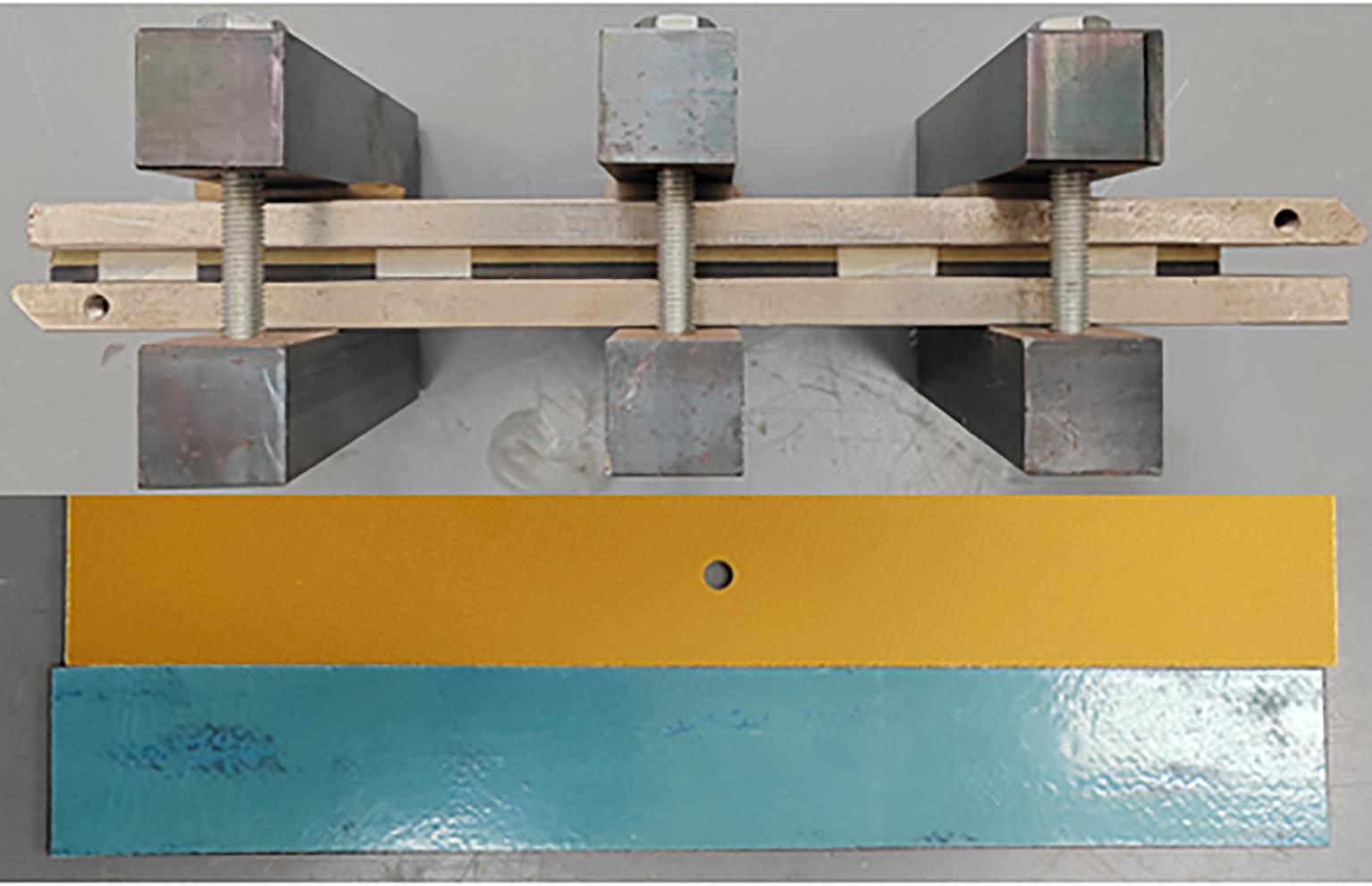
Fig.2
Open-hole tensile test
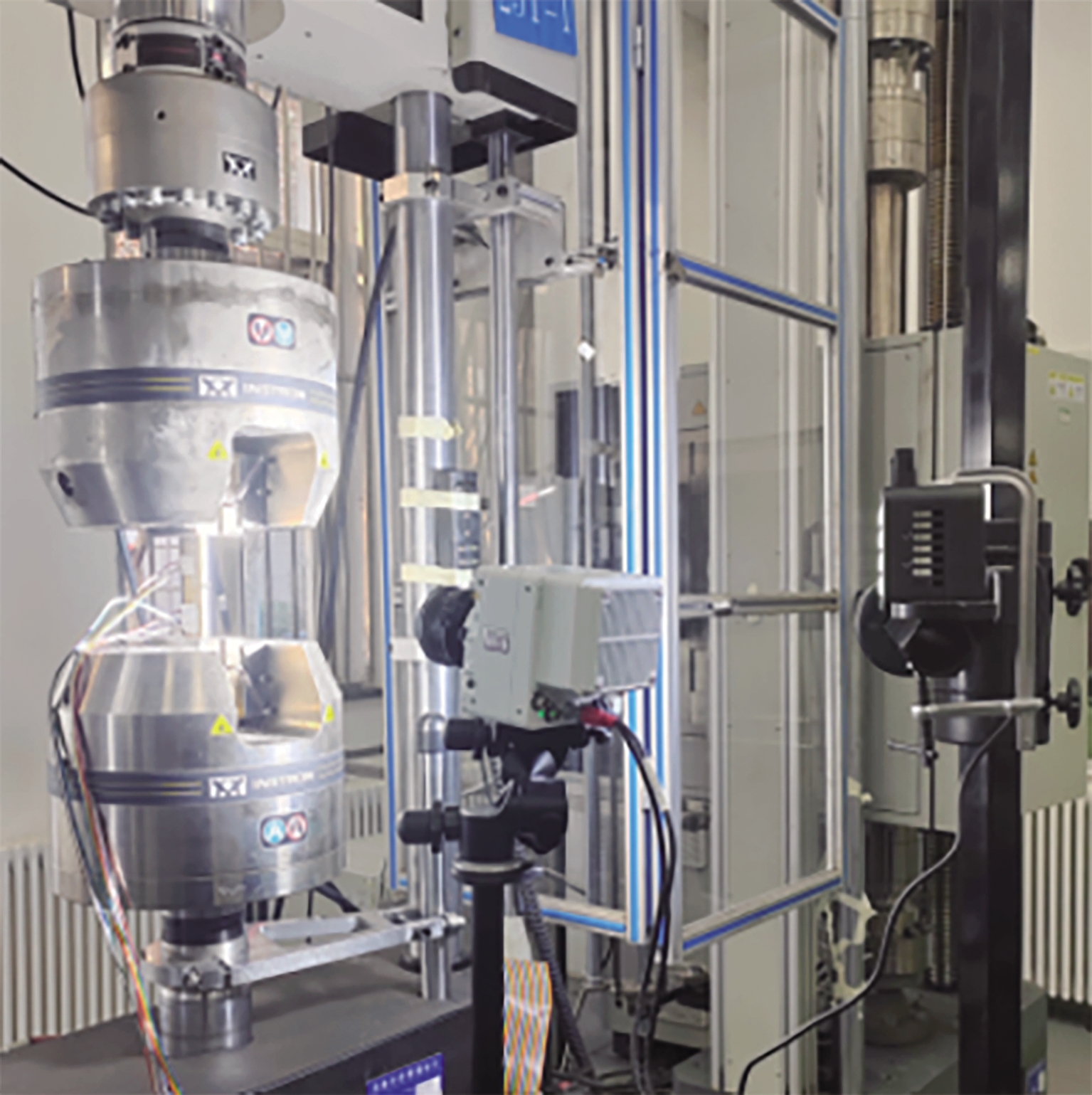
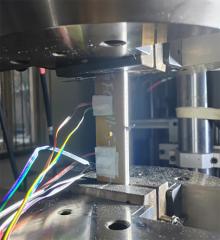
Fig.3
Testing local details
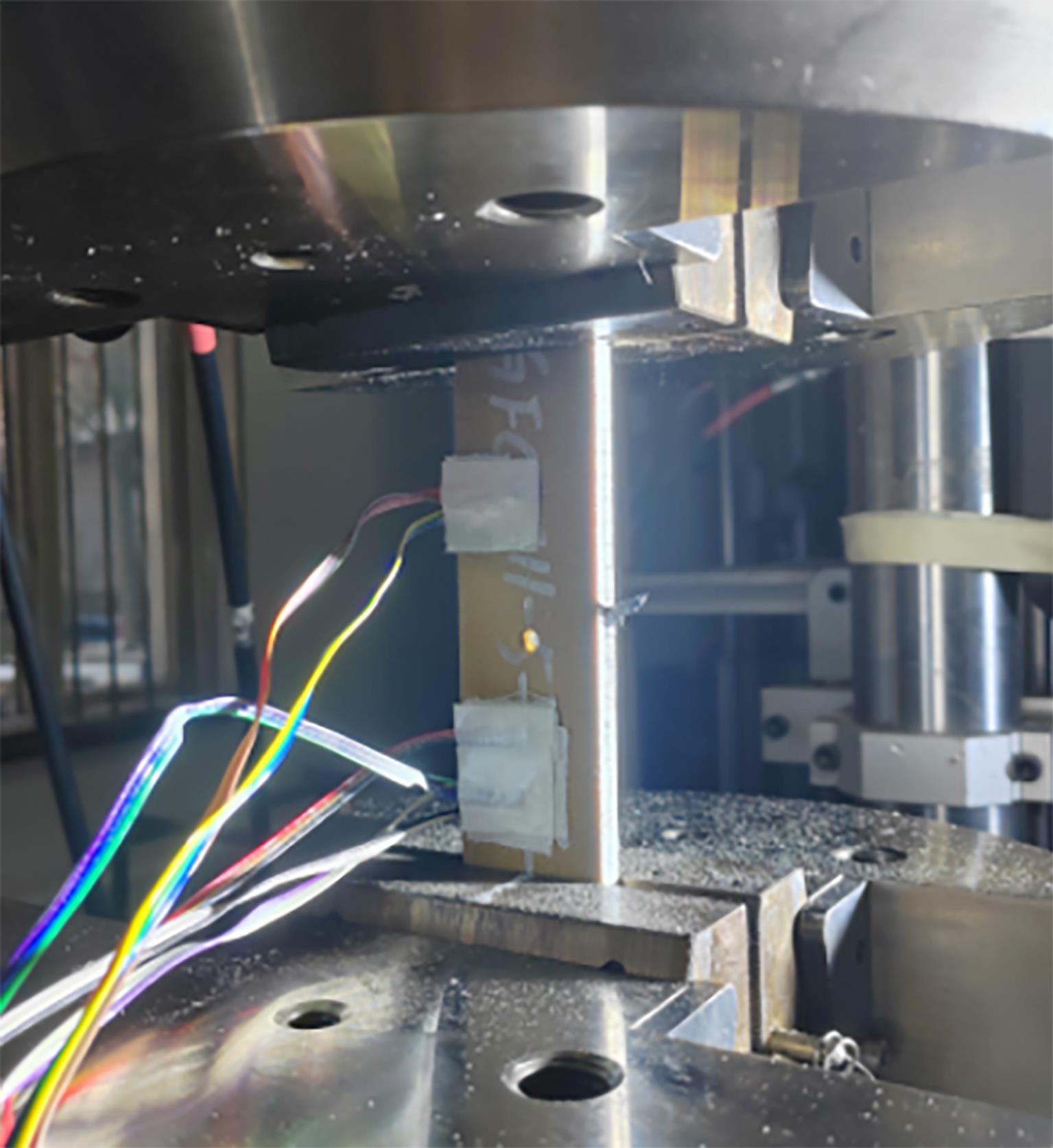
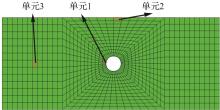
Fig.4
Schematic of position for stress extraction unit
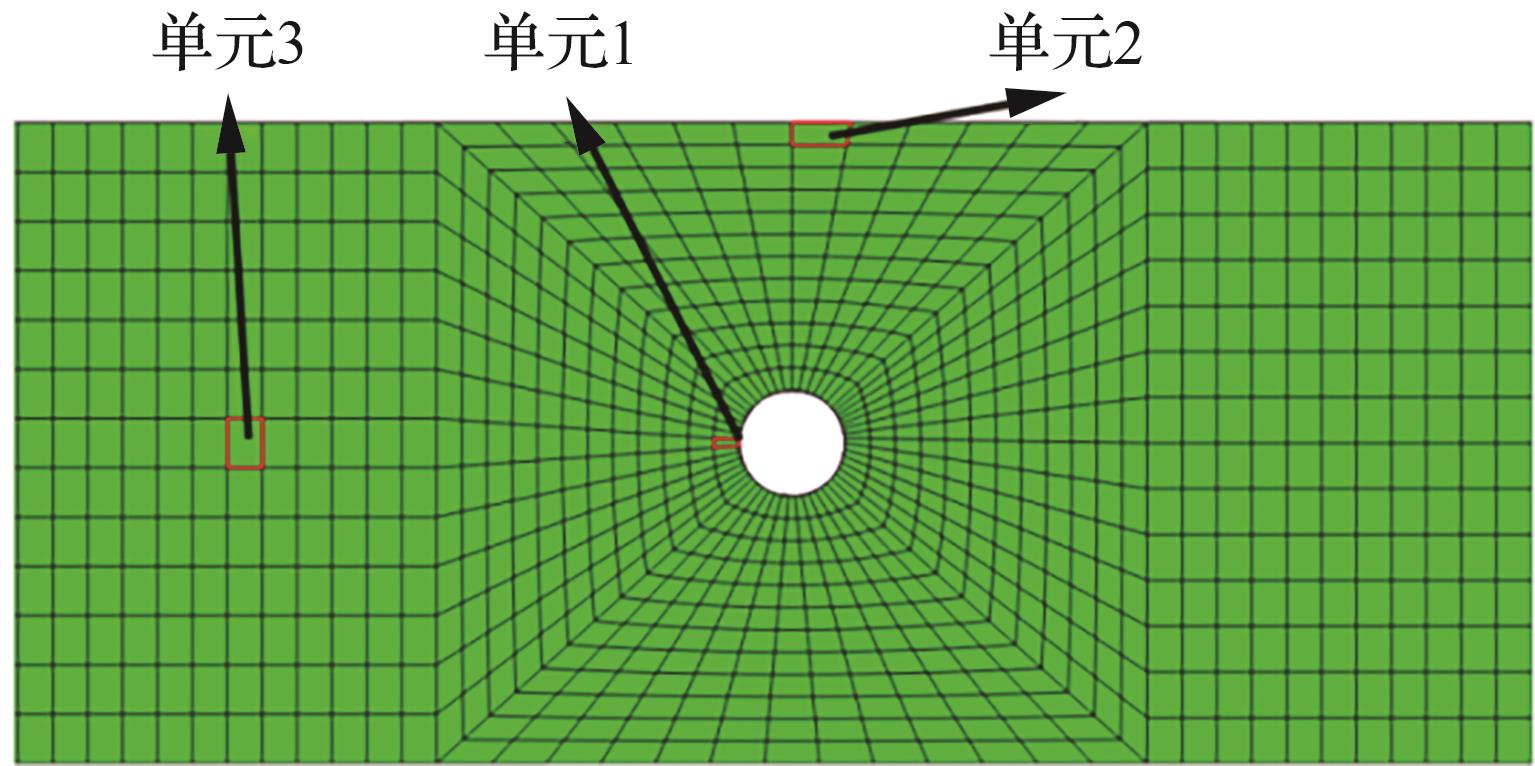
Fig.5
Side damage status of unbonded specimens
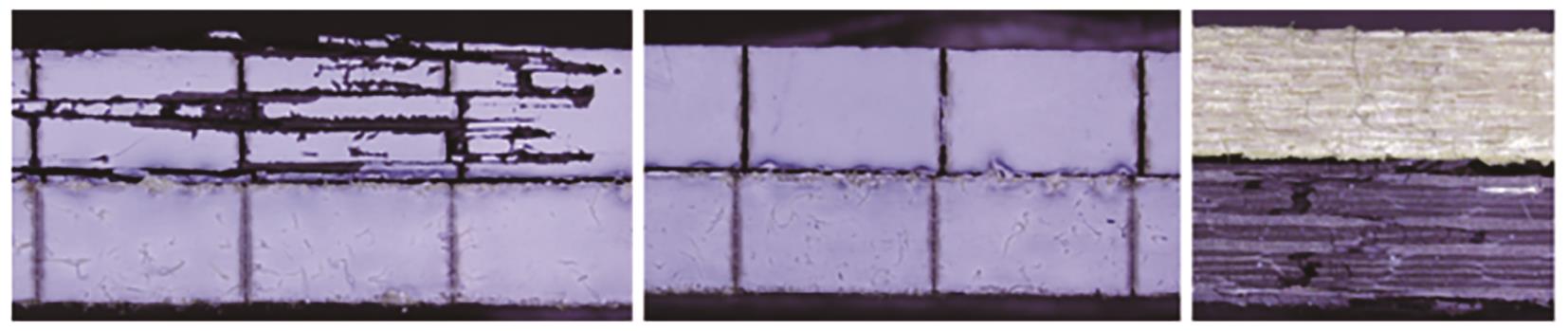

Fig.6
Side damage status of bonded specimen


Fig.7
Macroscopic damage status on side of bonded specimen

Fig.8
Instant breakage of unbonded specimens
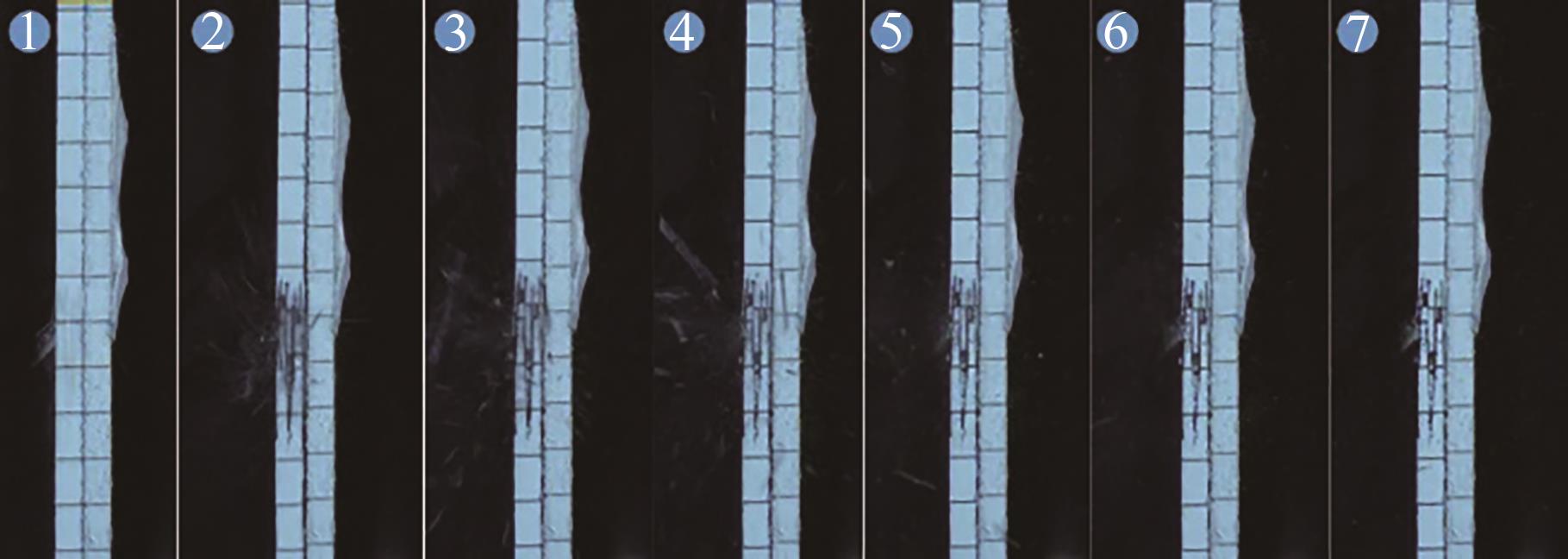
Fig.9
Instant breakage of bonded specimens
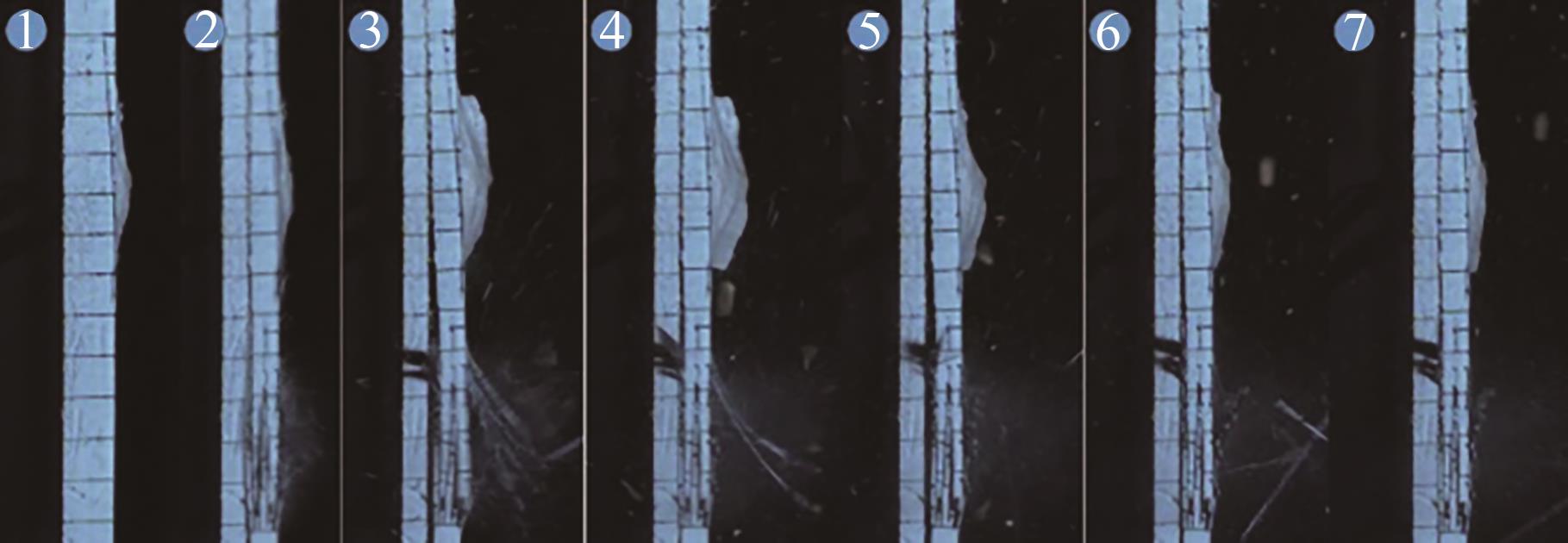
Fig.10
Strain collection of unbonded specimens
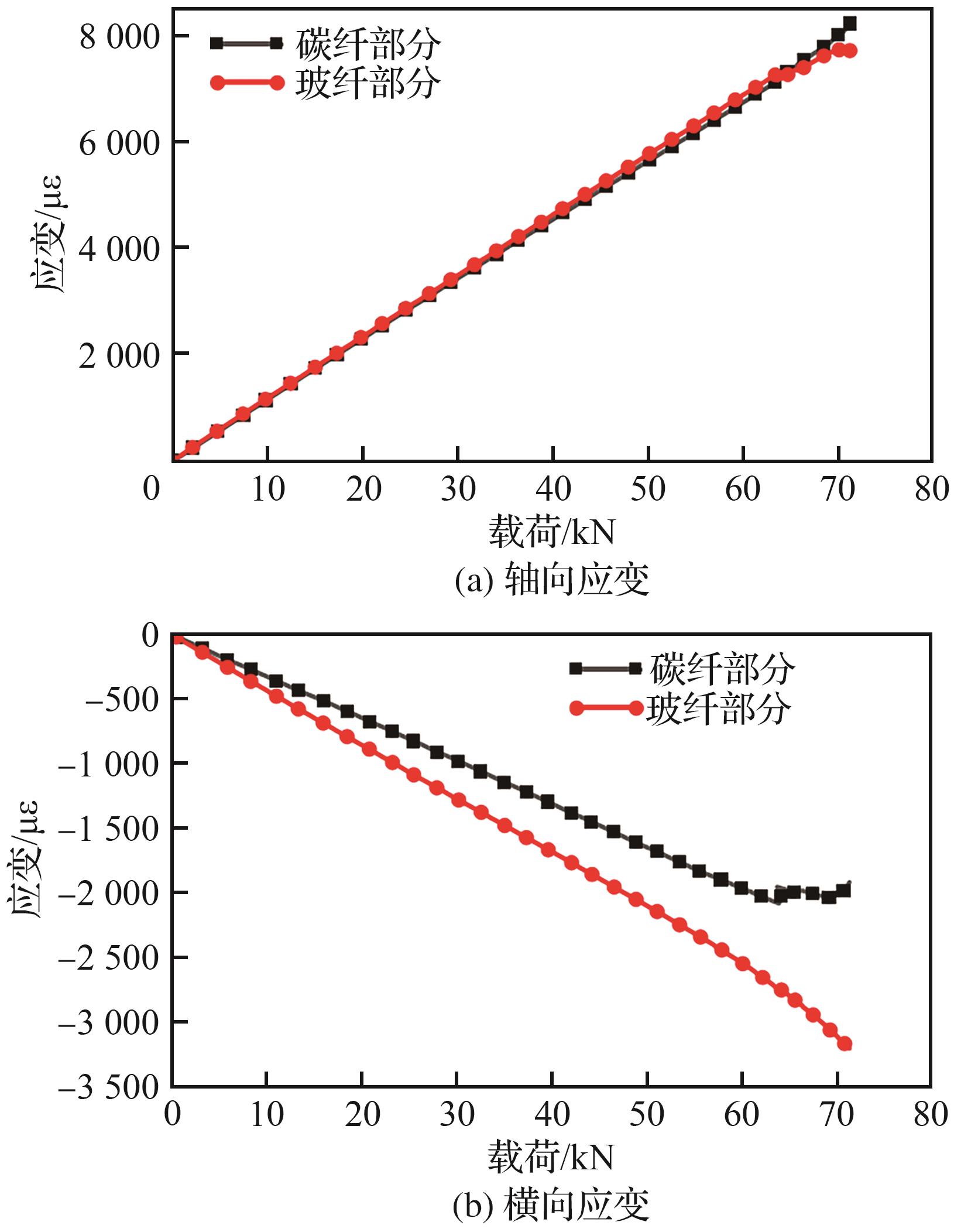
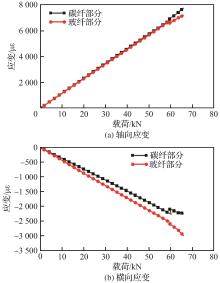
Fig.11
Strain collection of bonded specimens
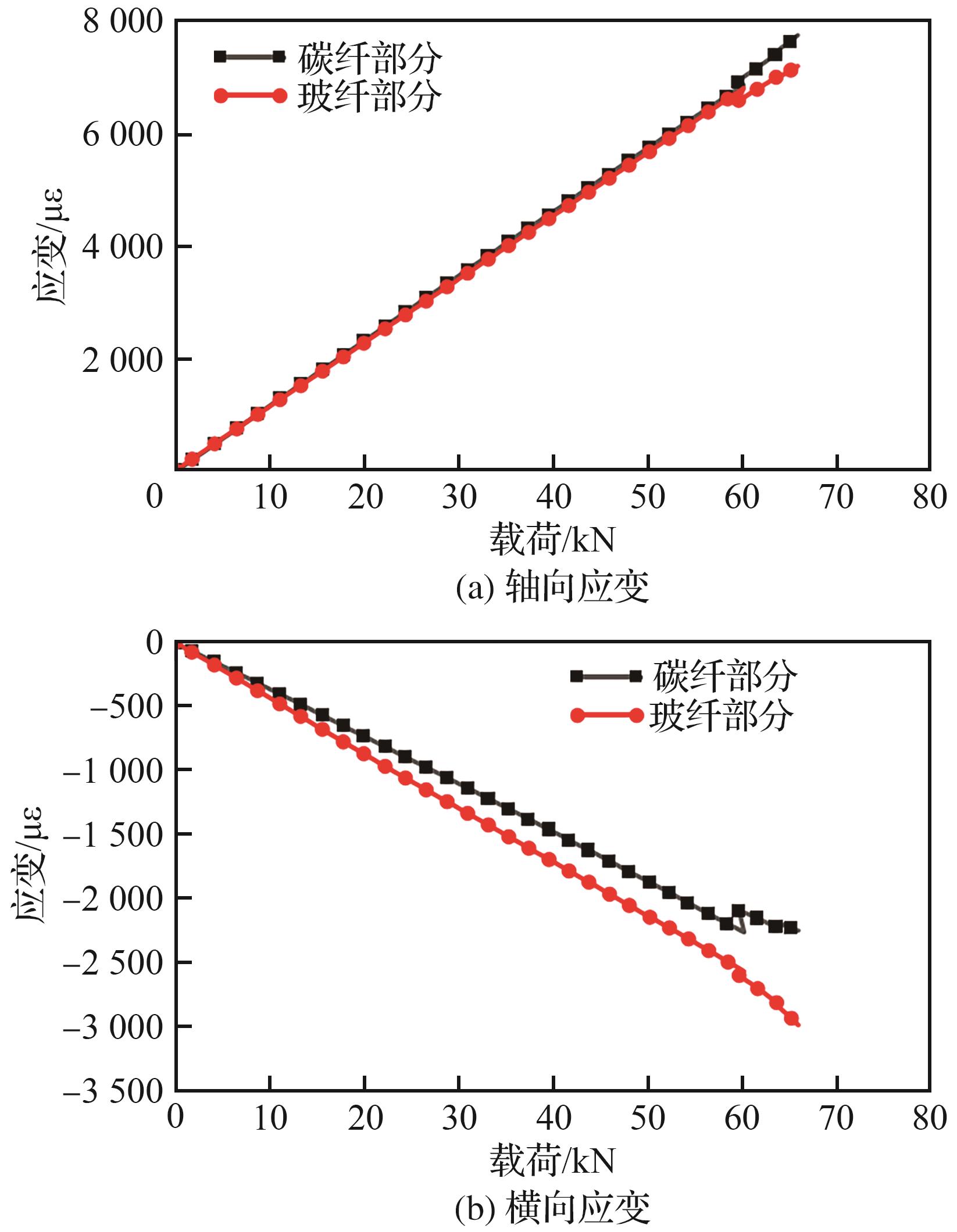
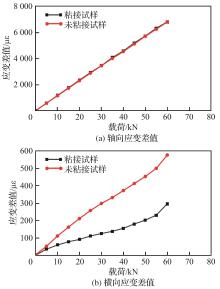
Fig.12
Comparison of strain differences
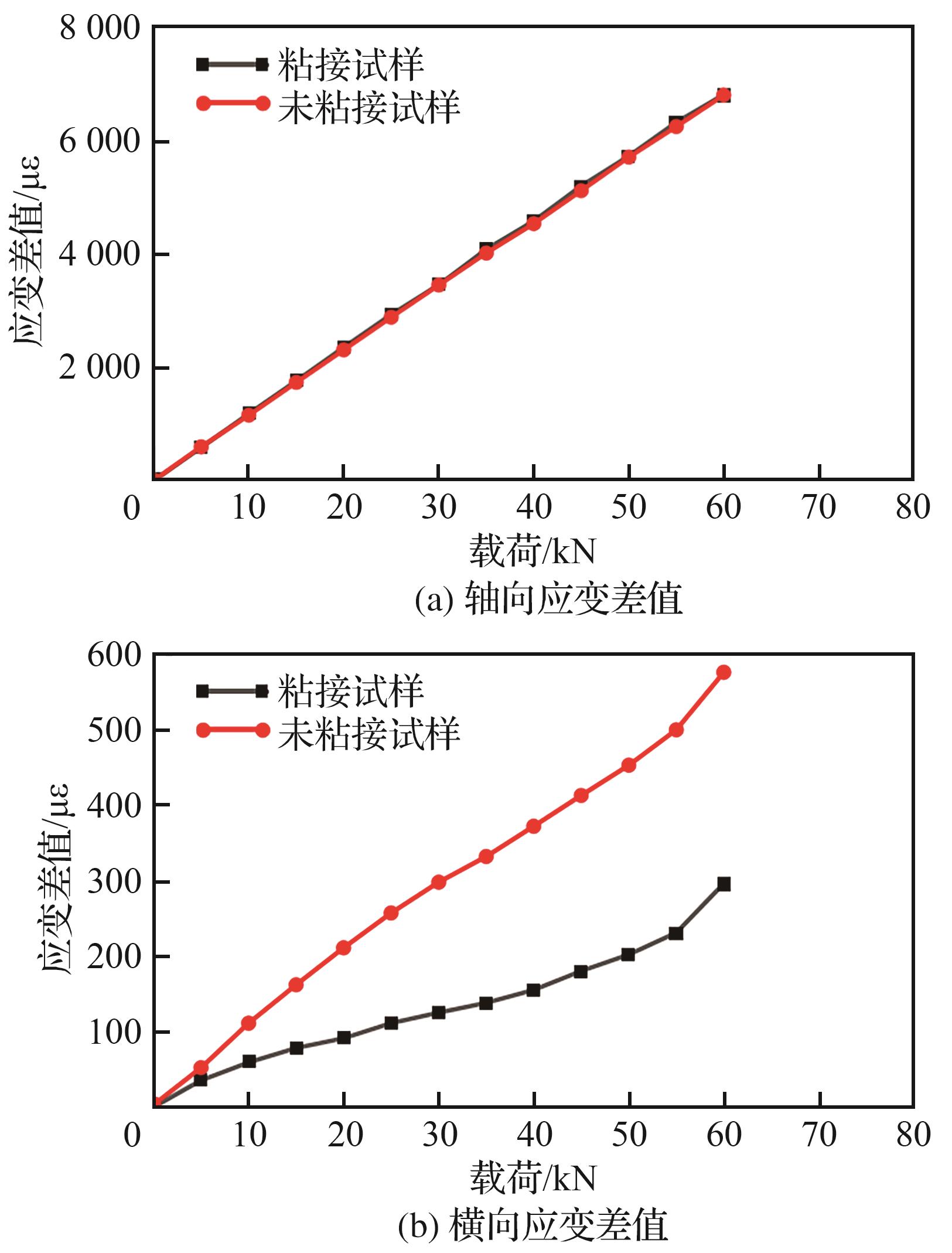
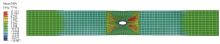
Fig.13
Stress contour of cohesive layer σ3


Fig.14
Stress contour of cohesive layer τ13


Fig.15
Stress contour of cohesive layer τ23


Table 1
Stress in cohesive layer units at different locations
| 位置 | τ13/MPa | τ23/MPa | σ3/MPa |
|---|---|---|---|
| 单元1 | 0.792 | 0.858 | 1.154 |
| 单元2 | 0.792 | 0.858 | 1.154 |
| 单元3 | -0.279 | -0.004 | -2.483 |

Fig.16
Stress contour of carbon fiber specimen σ1


Fig.17
Stress contour of glass fiber specimen σ1

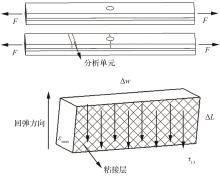
Fig.18
Unit model of τ13
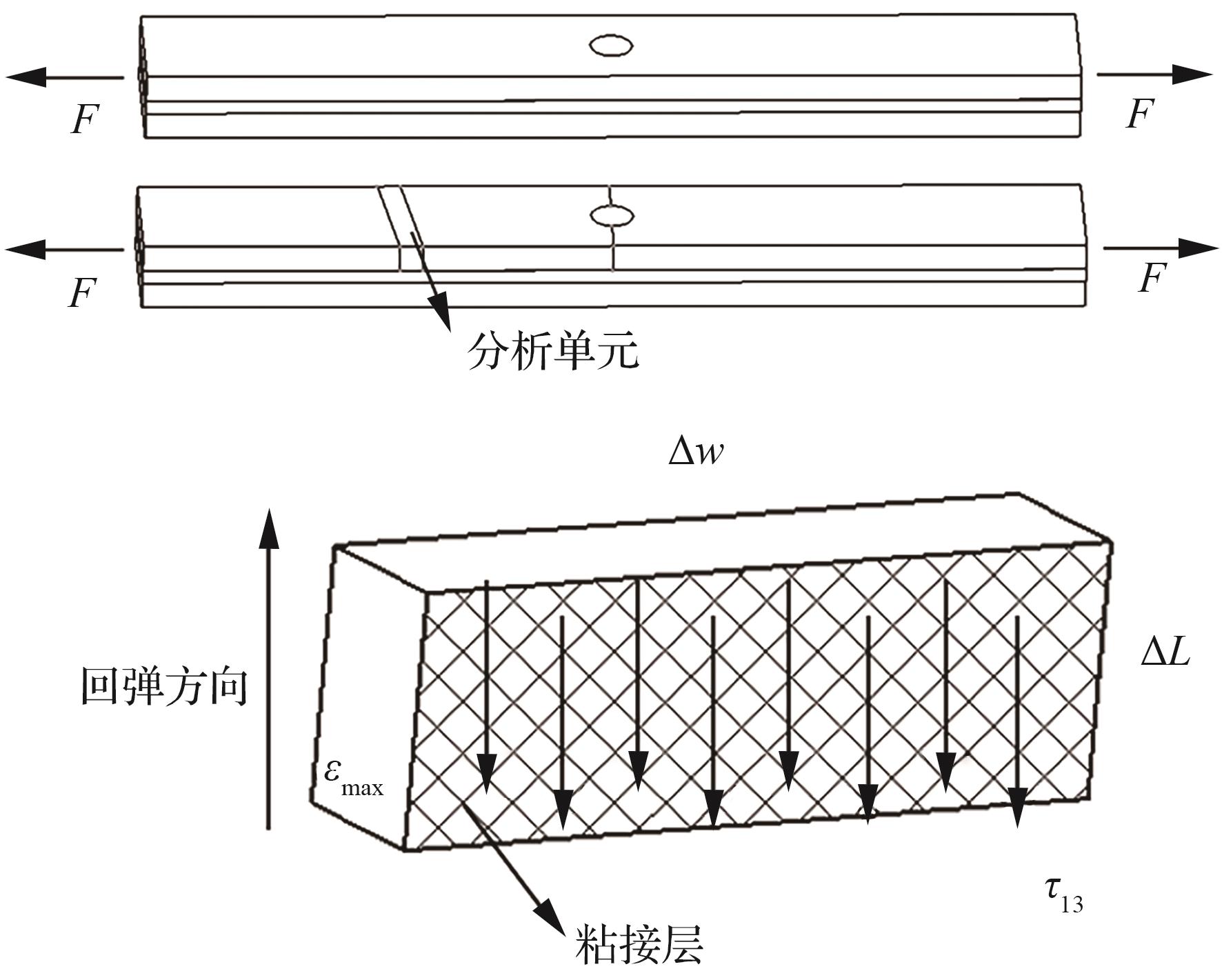
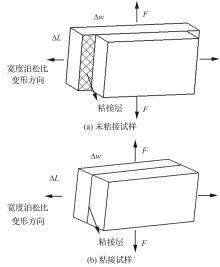
Fig.19
Unit model of τ23
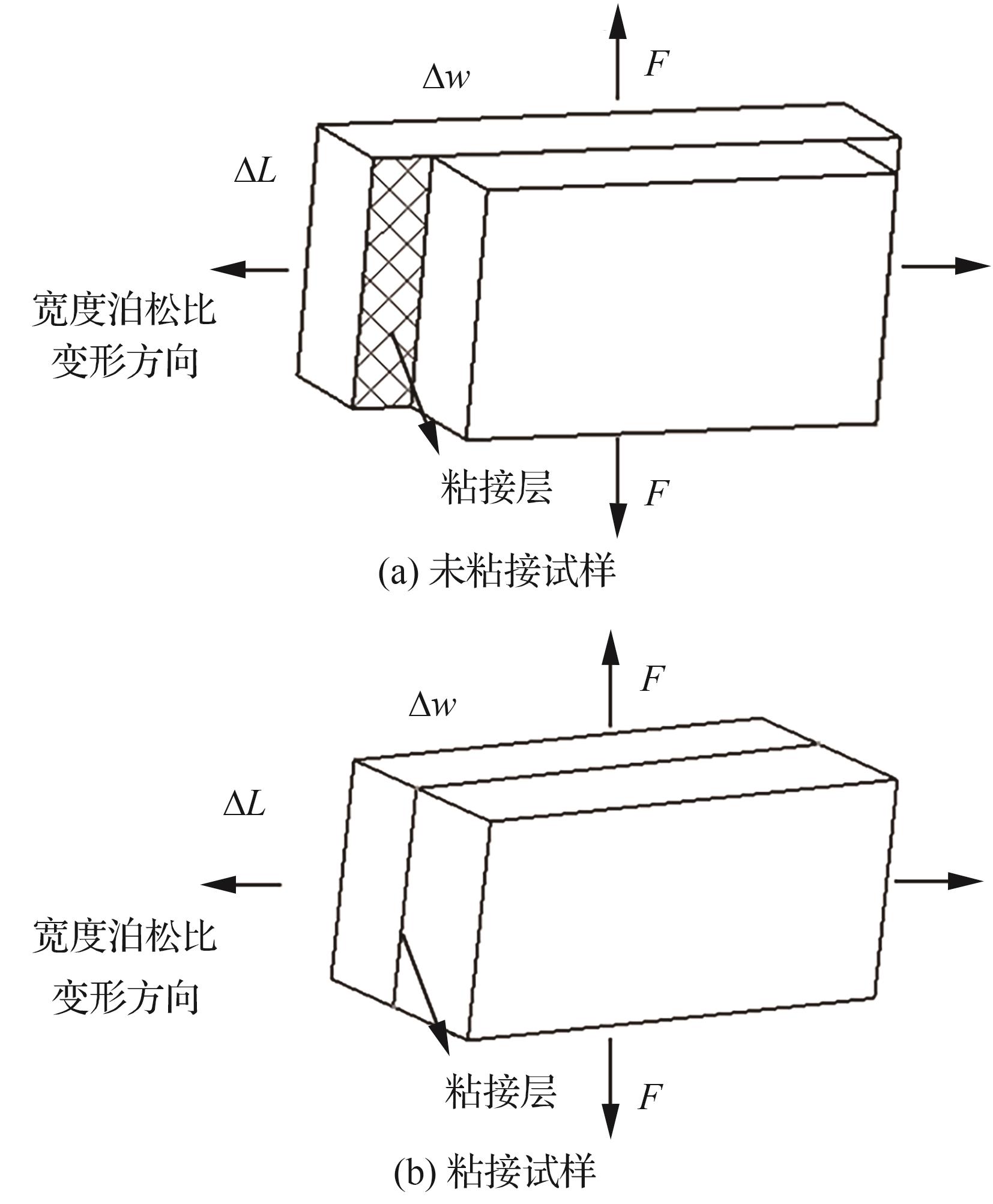
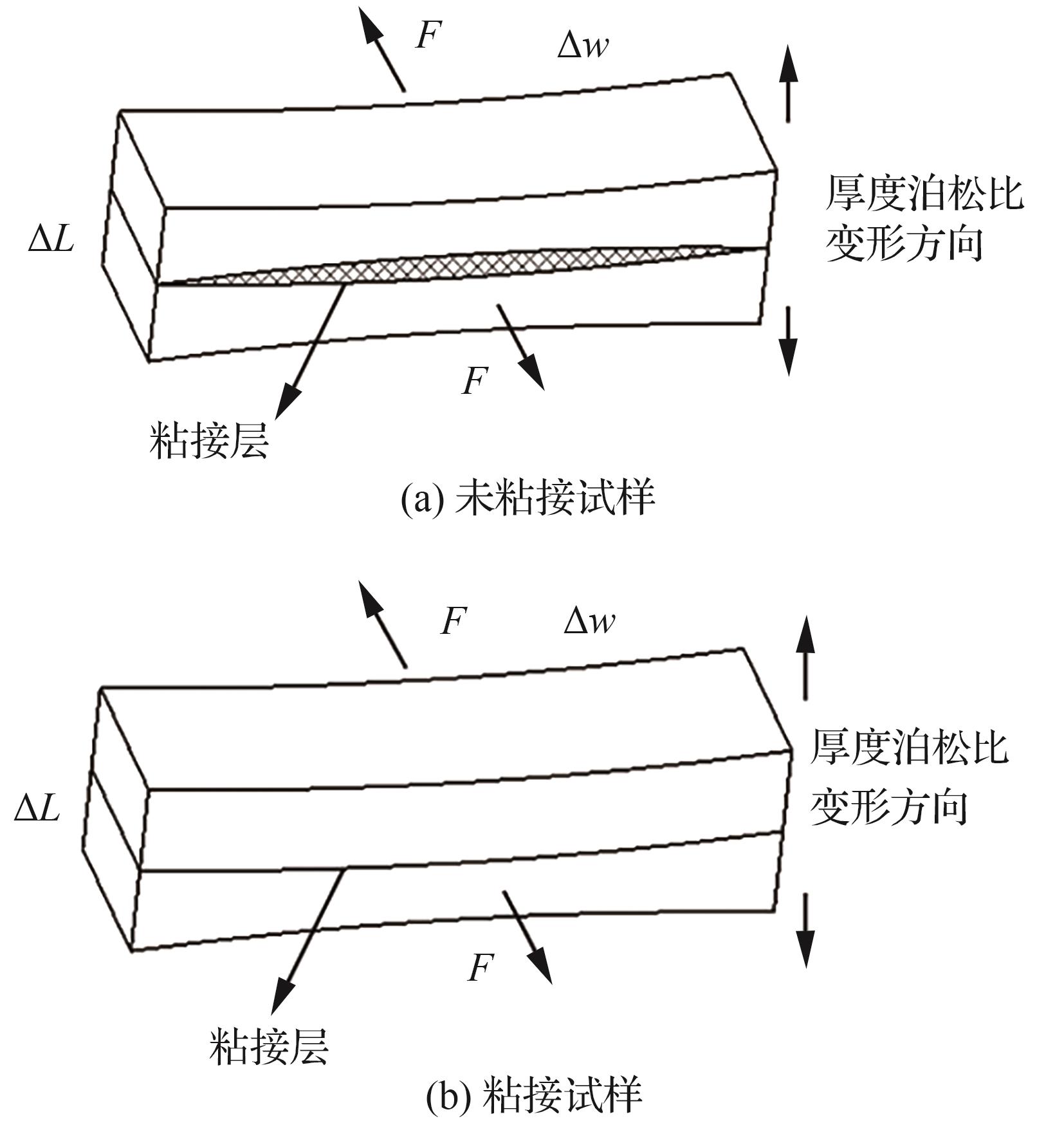
Fig.20
Unit model of σ3
| [1] | 肖守讷, 江兰馨, 蒋维, 等. 复合材料在轨道交通车辆中的应用与展望[J]. 交通运输工程学报, 2021, 21(1): 154-176. |
| XIAO S N, JIANG L X, JIANG W, et al. Application and prospect of composite materials in rail transit vehicles[J]. Journal of Traffic and Transportation Engineering, 2021, 21(1): 154-176 (in Chinese). | |
| [2] | 张超, 曹勇, 赵振强, 等. 树脂基复合材料在民用航空发动机中的应用与关键技术研究进展[J]. 航空学报, 2024, 45(2): 028556. |
| ZHANG C, CAO Y, ZHAO Z Q, et al. Applications and key challenges of polymer composites in civil aeroengines: State⁃of⁃art review[J]. Acta Aeronautica et Astronautica Sinica, 2024, 45(2): 028556 (in Chinese). | |
| [3] | 徐林, 刘传军, 赵崇书. 复合材料在民用飞机应用与发展趋势[J]. 复合材料科学与工程, 2024(9): 98-104. |
| XU L, LIU C J, ZHAO C S. Application and development trends of composite materials in civil aircraft[J]. Composites Science and Engineer, 2024(9): 98-104 (in Chinese). | |
| [4] | 汪璇, 裴轶群, 周方宇, 等. 船舶复合材料应用现状及发展趋势[J]. 造船技术, 2021 (4): 74-80. |
| WANG X, PEI Y Q, ZHOU F Y, et al. Application status and development trend of ship composite materials[J]. Marine Technology, 2021 (4): 74-80 (in Chinese). | |
| [5] | 曾耀莹, 王润宁, 侯佳琪, 等. 耐极端烧蚀环境C/C复合材料研究进展[J]. 航空学报, 2025, 46(6): 531927. |
| ZENG Y Y, WANG R N, HOU J Q, et al. Research progress of C/C composites resistant to extreme ablation environments[J]. Acta Aeronautica et Astronautica Sinica, 2025, 46(6): 531927 (in Chinese). | |
| [6] | 王湘, 夏俊康, 冀运东, 等. 复合材料开孔板拉伸损伤对剩余压缩强度的影响[J]. 复合材料学报, 2024, 41(4): 2111-2125. |
| WANG X, XIA J K, JI Y D, et al. Effect of tension damage on structures residual compression strength of open-hole composite laminates[J]. Acta Materiae Compositae Sinica, 2024, 41(4): 2111-2125 (in Chinese). | |
| [7] | 李汝鹏, 陈磊, 刘学术, 等. 基于渐进损伤理论的复合材料开孔拉伸失效分析[J]. 航空材料学报, 2018, 38(5): 138-146. |
| LI R P, CHEN L, LIU X S, et al. Progressive damage based failure analysis of open-hole composite laminates under tension[J]. Journal of Aeronautical Materials, 2018, 38(5): 138-146 (in Chinese). | |
| [8] | CHANG F K, CHANG K Y. A progressive damage model for laminated composites containing stress concentrations[J]. Journal of Composite Materials, 1987, 21(9): 834-855. |
| [9] | SWOLFS Y, VERPOEST I, GORBATIKH L. Recent advances in fibre-hybrid composites: materials selection, opportunities and applications[J]. International Materials Reviews, 2019, 64(4): 181-215. |
| [10] | HE B, WANG B, WANG Z, et al. Mechanical properties of hybrid composites reinforced by carbon fiber and high-strength and high-modulus polyimide fiber[J]. Polymer, 2020, 204: 122830. |
| [11] | WU Z S, YANG C Q, TOBE Y H, et al. Electrical and mechanical characterization of hybrid CFRP sheets[J]. Journal of Composite Materials, 2006, 40(3): 227-244. |
| [12] | PHILLIPS L N. The hybrid effect-does it exist?[J]. Composites, 1976, 7: 7-8. |
| [13] | MANDERS P W, BADER M G. The strength of hybrid glass/carbon fibre composites: Part 2 a statistical model[J]. Journal of Materials Science, 1981, 16: 2246-2256. |
| [14] | MAROM G, FISCHER S, TULER F R, et al. Hybrid effects in composites: conditions for positive or negative effects versus rule-of-mixtures behaviour[J]. Journal of Materials Science, 1978, 13: 1419-1426. |
| [15] | 徐波, 宋焕成. 混杂纤维复合材料的混杂效应[J]. 复合材料学报, 1988, 5(1): 67-73, |
| XU B, SONG H C. The hybrid effect of hybrid fibrous composites[J]. Acta Materiae Compositae Sinica, 1988, 5(1): 67-73 (in Chinese). | |
| [16] | 宋焕成, 邓浩, 梁志勇. 混杂纤维复合材料混杂效应的理论估算与实验[J]. 航空学报, 1990, 11(1): 65-69. |
| SONG H C, DENG H, LIANG Z Y. The estimation and experiment of hybrid effect of hybrid fibre-reinforced composites[J]. Acta Aeronautica et Astronautica Sinica, 1990, 11(1): 65-69 (in Chinese). | |
| [17] | 何小兵, 曹勇, 严波, 等. GFRP/CFRP层间混杂纤维复合材料极限拉伸性能[J]. 重庆交通大学学报(自然科学版), 2013, 32(6): 1153-1156. |
| HE X B, CAO Y, YAN B, et al. Ultimate tensile performance of interplay hybrid GFRP/CFRP composite[J]. Journal of Chongqing Jiaotong University(Natural Sciences), 2013, 32(6): 1153-1156 (in Chinese). | |
| [18] | HAERY H A, ZAHARI R, KUNTJORO W, et al. Tensile strength of notched woven fabric hybrid glass, carbon/epoxy composite laminates[J]. Journal of Industrial Textiles, 2014, 43(3): 383-395. |
| [19] | TAKETA I, USTARROZ J, GORBATIKH L, et al. Interply hybrid composites with carbon fiber reinforced polypropylene and self-reinforced polypropylene[J]. Composites Part A: Applied Science and Manufacturing, 2010, 41(8): 927-932. |
| [20] | 付凌峰, 姜鑫, 孙震, 等. 碳/玻混杂纤维铺层结构对风力机叶片弯扭耦合特性的影响[J]. 复合材料学报, 2023, 40(7): 3912-3920. |
| FU L F, JIANG X, SUN Z, et al. Influence of carbon/glass hybrid fiber layup structure on the bending-twisting coupling behavior of wind turbine blades[J]. Acta Materiae Compositae Sinica, 2023, 40(7): 3912-3920 (in Chinese). | |
| [21] | 马腾, 贾智源, 关晓方, 等. 混杂比对单向碳-玻层间混编复合材料0°压缩和弯曲性能的影响[J]. 复合材料学报, 2017, 34(4): 758-765. |
| MA T, JIA Z Y, GUAN X F, et al. Effects of hybrid ratio on the axial compressed and flexural properties of unidirectional inter-layer carbon-glass hybrid composites[J]. Acta Materiae Compositae Sinica, 2017, 34(4): 758-765 (in Chinese). | |
| [22] | 马芳武, 杨猛, 蒲永锋, 等. 混杂比对碳纤维-玄武岩纤维混杂增强环氧树脂基复合材料弯曲性能的影响[J]. 复合材料学报, 2019, 36(2): 362-369. |
| MA F W, YANG M, PU Y F, et al. Effect of hybrid ratio on the flexural properties of carbon and basalt hybrid fibers reinforced epoxy resin composites[J]. Acta Materiae Compositae Sinica, 2019, 36(2): 362-369 (in Chinese). | |
| [23] | 郑凯东, 陈宏达, 蔡伟, 等. 厚/薄铺层混杂复合材料低速冲击损伤特征[J]. 复合材料学报, 2025, 42(5): 2595-2606. |
| ZHENG K D, CHEN H D, CAI W, et al. Damage characteristics of low-velocity impact of hybrid laminates made of thick- and thin-plies[J]. Acta Materiae Compositae Sinica, 2025, 42(5): 2595-2606 (in Chinese). | |
| [24] | 李晨, 徐欢欢, 古兴瑾. 层间混杂复合材料板的拉伸强度预报[J]. 复合材料学报, 2017, 34(4): 795-800. |
| LI C, XU H H, GU X J. Prediction on tensile strength of inter-ply hybrid composite laminates[J]. Acta Materiae Compositae Sinica, 2017, 34(4): 795-800 (in Chinese). | |
| [25] | DASARI S, PATNAIK S, BHATTACHARYYA T, et al. Mode I and II interlaminar fracture toughness of glass/carbon inter‐ply hybrid FRP composites: Effects of stacking sequence and testing temperature[J]. Polymer Composites, 2023, 44(6): 3622-3633. |
| [26] | SRIRANGA B K, KIRTHAN L J. The mechanical properties of hybrid laminates composites on epoxy resin with natural jute fiber and S-glass fibers[J]. Materials Today: Proceedings, 2021, 46: 8927-8933. |
| [27] | American Society for Testing and Materials. Standard test method for open-hole tensile strength of polymer matrix composite laminates: [S]. West Conshohocken, PA: ASTM International, 2011. |
| [1] | Kairui TANG, Zhe WANG, Xiangming CHEN, Baorang CUI, Yanhui CHEN, Puhui CHEN. A multi-fidelity data-driven framework for predicting mechanical property distributions of composite structures and its validation [J]. Acta Aeronautica et Astronautica Sinica, 2025, 46(21): 532180-532180. |
| [2] | Yifei WANG, Geyong CAO, Yang CAO, Xiaojun WANG. Uncertainty technologies in aircraft digital strength twins [J]. Acta Aeronautica et Astronautica Sinica, 2025, 46(19): 532408-532408. |
| [3] | Miaojiao PENG, Jinwen HUANG, Dianyin HU, Rongqiao WANG, Junjie YANG, Zhigang JIA, Qinglin CHEN, Yifeng SUN, Yingqiang CAI, Kuan FAN, Zhaoyi ZHU, Xiaowen LI. Research progress on interfacial mechanical properties, damage mechanisms, and reinforcement strategies of CFRP composites for aero-engines [J]. Acta Aeronautica et Astronautica Sinica, 2025, 46(16): 231600-231600. |
| [4] | Chen LIU, Chen HE, Wenming GAO, Xianfeng WANG, Lin JIANG, Shuo CHENG, Yong LI, Jun XIAO. Dual scale ply design of composite aircraft auxiliary fuel tank [J]. Acta Aeronautica et Astronautica Sinica, 2025, 46(1): 230541-230541. |
| [5] | Zhiting GAO, Zhuang MA, Yanbo LIU. Effect of CVD-SiC array structure on ablation resistance of ZrB2/SiC coatings [J]. Acta Aeronautica et Astronautica Sinica, 2024, 45(3): 428842-428842. |
| [6] | Qian YANG, Yanzhe WANG, Di YANG, Zezhong LI, Weiwei QU. Prediction and planning of automatic laying speed for fiber reinforced composite materials based on data⁃driven model [J]. Acta Aeronautica et Astronautica Sinica, 2024, 45(10): 429313-429313. |
| [7] | Jian HAN, Shiyong SUN, Bin NIU, Rui YANG, Dongjiang WU. Progress in manufacturing technologies of resin⁃based composite lattice structures [J]. ACTA AERONAUTICAET ASTRONAUTICA SINICA, 2023, 44(9): 628255-628255. |
| [8] | Liping LIU, Yuyang QI, Yueguo LIN, Rui BAO, Jianxin XU, Zhenyu FENG, Guanghui QING. Tensile failure of carbon fiber composite material bonded-rivet hybrid repaired structure [J]. Acta Aeronautica et Astronautica Sinica, 2023, 44(24): 428676-428676. |
| [9] | WAN Aoshuang. Probabilistic assessment on damage tolerance of composite helicopter horizontal tail structure [J]. ACTA AERONAUTICAET ASTRONAUTICA SINICA, 2022, 43(6): 525557-525557. |
| [10] | ZHANG Junrui, ZHENG Xitao, YUAN Lin, ZHONG Guiyong, LI Guochen. Fatigue life prediction method for hybrid multi-bolted joints based on damage weight [J]. ACTA AERONAUTICAET ASTRONAUTICA SINICA, 2021, 42(5): 524306-524306. |
| [11] | WANG Binwen, AI Sen, ZHANG Guofan, NIE Xiaohua, WU Cunli. Validation method for post-buckling analysis model of stiffened composite panels considering uncertainties [J]. ACTA AERONAUTICAET ASTRONAUTICA SINICA, 2020, 41(8): 223987-223987. |
| [12] | WANG Xiaoming, ZHOU Wenya, WU Zhigang. Dynamic shape control of wings using piezoelectric fiber composite materials [J]. ACTA AERONAUTICAET ASTRONAUTICA SINICA, 2017, 38(1): 220313-220313. |
| [13] | LIU Jianming, WAN Xiaopeng, ZHAO Meiying. Fatigue life prediction of laminated bolted joint structures [J]. ACTA AERONAUTICAET ASTRONAUTICA SINICA, 2015, 36(6): 1867-1875. |
| [14] | DUAN Yugang, DONG Xiaowei, GE Yanming, LIU Dening. Robotic Fiber Placement Trajectory Planning Based on CATIA CNC Machining Path [J]. ACTA AERONAUTICAET ASTRONAUTICA SINICA, 2014, 35(9): 2632-2640. |
| [15] | MA Baoquan, ZHOU Zhenggan. Progress and Development Trends of Composite Structure Evaluation Using Noncontact Nondestructive Testing Techniques in Aviation and Aerospace Industries [J]. ACTA AERONAUTICAET ASTRONAUTICA SINICA, 2014, 35(7): 1787-1803. |
| Viewed | ||||||
|
Full text |
|
|||||
|
Abstract |
|
|||||
Address: No.238, Baiyan Buiding, Beisihuan Zhonglu Road, Haidian District, Beijing, China
Postal code : 100083
E-mail:hkxb@buaa.edu.cn
Total visits: 6658907 Today visits: 1341All copyright © editorial office of Chinese Journal of Aeronautics
All copyright © editorial office of Chinese Journal of Aeronautics
Total visits: 6658907 Today visits: 1341

 CJA
CJA
