黄俊, 张菁, 翁世倩( )
)
收稿日期:2025-07-18
修回日期:2025-08-11
接受日期:2025-10-14
出版日期:2025-11-11
发布日期:2025-11-11
通讯作者:
翁世倩
E-mail:68074638@qq.com
Jun HUANG, Jing ZHANG, Shiqian WENG()
Received:2025-07-18
Revised:2025-08-11
Accepted:2025-10-14
Online:2025-11-11
Published:2025-11-11
Contact:
Shiqian WENG
E-mail:68074638@qq.com
摘要:
机载光电目标识别技术在现代军事领域中具有重要的应用价值,但其在复杂战场环境下的性能仍面临诸多挑战。对基于可见光和红外数据的机载光电目标识别算法进行了系统性综述,重点分析了多光谱数据融合、深度学习应用、轻量化设计以及环境适应性等关键技术的研究现状与发展趋势。通过对现有算法分类应用研究,总结了各类方法的优势与局限性,并探讨了未来研究中亟待解决的问题,如复杂环境下的鲁棒性提升、实时性优化以及小样本学习等。旨在为机载光电目标识别领域的研究者提供全面的技术参考,并为进一步的研究方向提供理论支持。
中图分类号:
黄俊, 张菁, 翁世倩. 机载光电目标识别算法综述[J]. 航空学报, 2026, 47(6): 332601.
Jun HUANG, Jing ZHANG, Shiqian WENG. Airborne electro-optical target recognition algorithms[J]. Acta Aeronautica et Astronautica Sinica, 2026, 47(6): 332601.

表1
国内外目标识别算法技术路线对比分析
| 特性维度 | 国内 | 国外(以美国为代表) |
|---|---|---|
| 技术演进与现状 | ①强大的工程化实现和优化能力,针对机载弱小目标检测,在主流框架基础上,进行了大量改进和优化 ②轻量化模型成果显著,设计了众多适用于嵌入式平台的高效网络 ③多模态融合领域投入大,结合红外、SAR、高光谱等多源数据,弥补单一传感器在复杂气象条件下的不足 | ①引领基础架构创新,开创性模型如Faster R-CNN, YOLO, Vision Transformer源于国外顶尖实验室和公司 ②注重弱样本/零样本学习 ③持续在注意力机制、自监督学习、神经架构搜索等前沿方向探索 |
| 模型设计侧重点 | ①改进型架构,擅长对现有模型改进,通过插入自定义模块来快速提升在特定数据集上性能 ②核心优化目标是追求精度与速度的平衡,在模型剪枝、量化、知识蒸馏等方面研究深入 ③应用需求驱动,针对特定目标如航母、战斗机等开发高度定制化的识别算法 | ①创新架构,倾向于设计全新的网络模块或学习范式来解决遮挡、小目标等问题 ②重视模型决策过程的可解释性和对抗性攻击的鲁棒性 ③自动化机器学习,应用NAS等技术来自动化设计最适合特定机载任务和硬件的最优网络 |
| 数据与训练范式 | ①依赖国内建设的多个大型遥感数据集 ②拥有大量人工标注数据,标注质量和一致性参差不齐 ③采用半监督学习和自监督学习利用海量无标注遥感数据 | ①高质量的仿真数据,利用先进游戏引擎和物理模型生产高保真的合成数据,有效解决真实军事目标数据匮乏问题 ②大规模预训练模型,在互联网海量数据上预训练模型,具备强大的特征提取能力,再通过迁移学习适配机载遥感任务 |
| 系统集成与工程化 | ①系统解决方案导向,强调整套无人机解决方案的交付,算法作为核心模块嵌入到系统中 ②工程落地速度快,能够根据用户反馈快速迭代,在民用领域的推广应用非常成功如电力巡检,为军用技术成熟度提供大量实践场景 | ①算法-平台-芯片紧密耦合,美国Maven项目[ ②人机协同闭环,注重将识别结果融入指挥决策系统,并强调人在回路进行最终确认和干预 |
| 总结 | 工程实现及优化能力强,落地速度快 | 原始创新、技术成熟度、系统集成能力强 |
图 1
卷积神经网络典型结构[33]
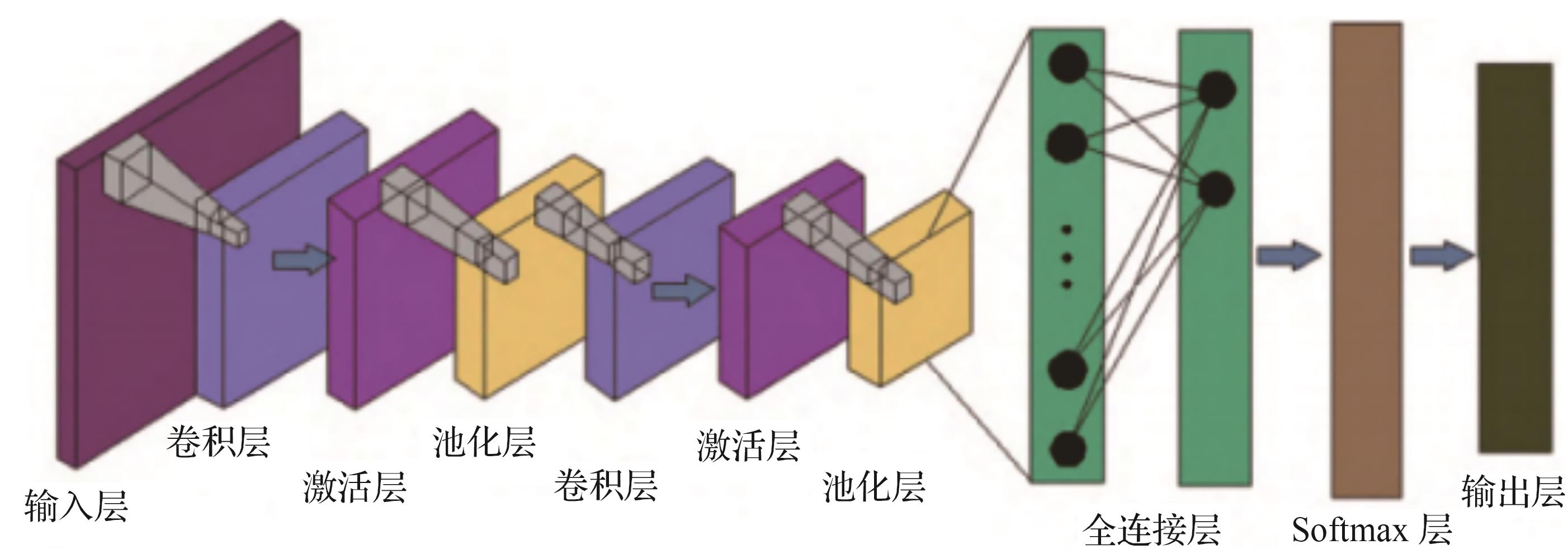
图 2
多光谱成像及其区域放大示例[41]
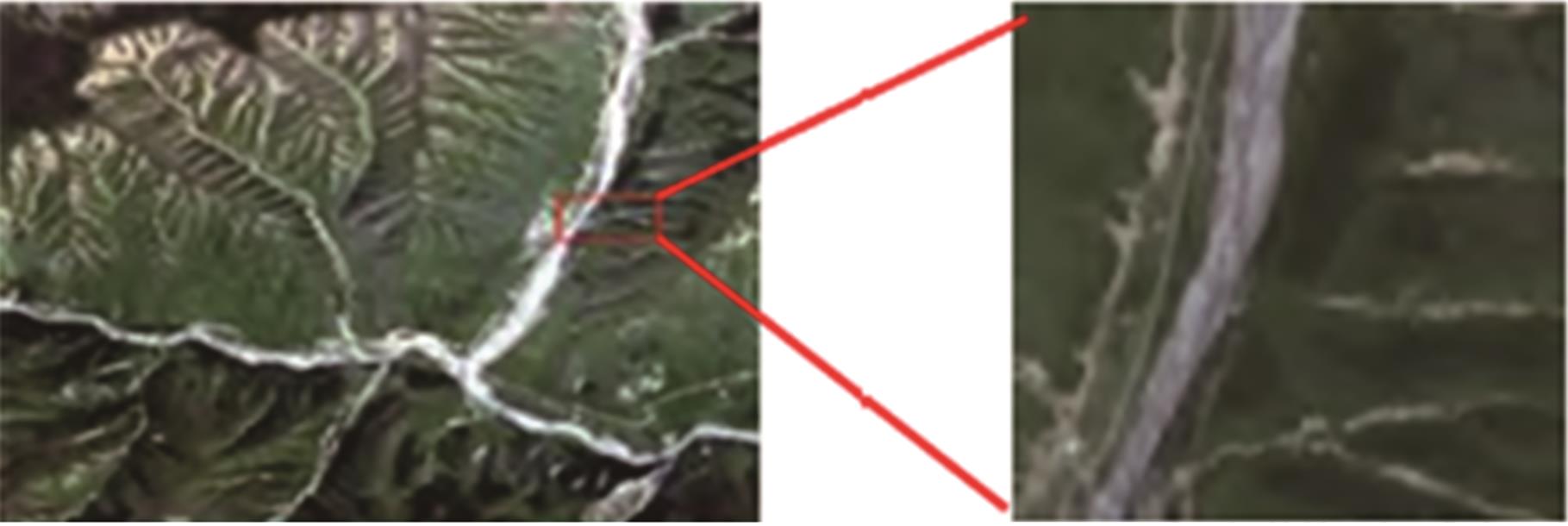
图 3
图像特征匹配[43]
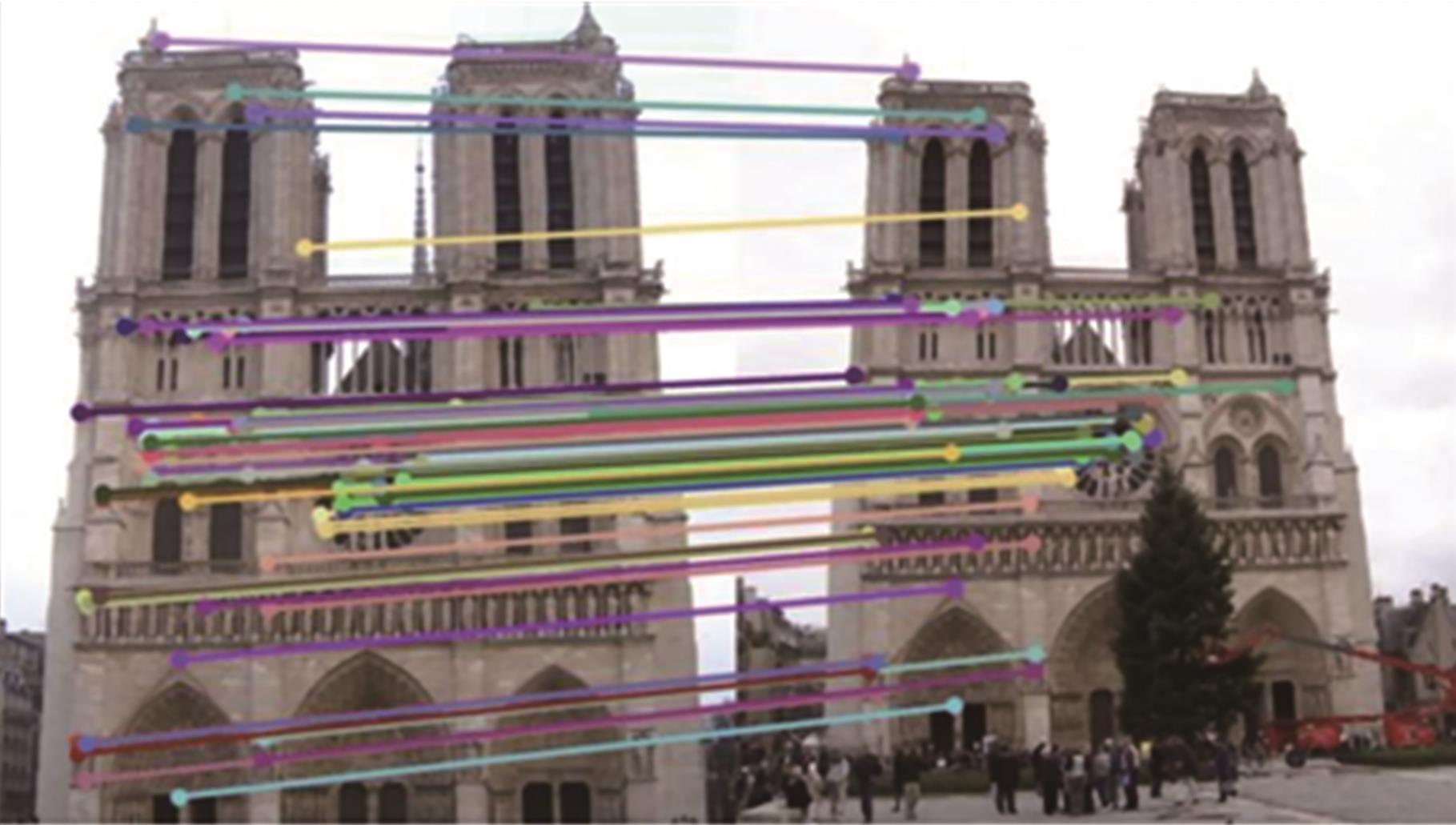
表2
对空、对地、对海目标识别算法差异分析
| 维度 | 对空目标识别 | 对地目标识别 | 对海目标识别 |
|---|---|---|---|
| 典型目标 | 战斗机、直升机、无人机、导弹等 | 典型目标:坦克、车辆、雷达站、机场、建筑等 | 舰船、航母、快艇、潜艇桅杆等 |
| 背景环境 | 相对简单:空旷天空为主,主要干扰为云层、太阳眩光 | 极度复杂:包含山川、城市、植被、道路、阴影等,纹理丰富,干扰极多 | 复杂且多变:广阔海面、海浪、云层倒影、太阳耀斑 |
| 目标特征 | 目标较小、形态相对固定、高速运动、与天空背景对比度通常较高 | 形态多样、纹理丰富、常被遮挡或伪装、与背景对比度可能较低 | 目标尺寸跨度大、结构特征明显、在海浪中若隐若现、易受镜面反射干扰 |
| 技术难点 | ①极小目标检测 ②低信噪比下的检测 ③高机动性导致运动模糊 ④云层干扰和虚警抑制 | ①复杂背景抑制 ②伪装与隐蔽目标检测 ③目标遮挡处理 ④目标多尺度变化 | ①海杂波抑制 ②舰船尾迹检测 ③目标与耀斑的区分 ④海面镜面反射干扰 |
| 算法侧重 | 检测与跟踪:重在“发现”和“锁定”远距离小目标 运动预测:基于动力学模型预测轨迹,辅助检测 | 分类与识别:重在区分目标具体型号 上下文推理:利用道路、阵地等环境信息辅助识别 | 检测与分割:重在从海杂波中“捞出”目标并确定其轮廓和航向尾迹分析:通过尾迹间接推断目标属性 |
| 关键技术 | ①空-时滤波:抑制云层等缓慢变化背景 ②基于运动特性的检测:如帧差法、光流法 ③弱小目标增强网络:如U-Net++ ④Track-Before-Detect (TBD) | ①高分辨率CNN/Transformer:用于精细分类 ②注意力机制:聚焦目标,抑制复杂背景 ③上下文语义分割:理解整个场景 ④多视角融合 | ①海杂波建模与抑制:经典算法(CFAR)与深度学习结合 ②红外与可见光融合:克服海面反射干扰 ③尾迹检测算法:傅里叶变换、Radon变换 ④舰船姿态估计 |
| 数据特征 | 中低分辨率、目标像素少、序列图像时序信息 | 高分辨率、多光谱、纹理信息 | 中分辨率、受海况影响大、多光谱信息 |
图 4
红外目标检测结果示例[60]
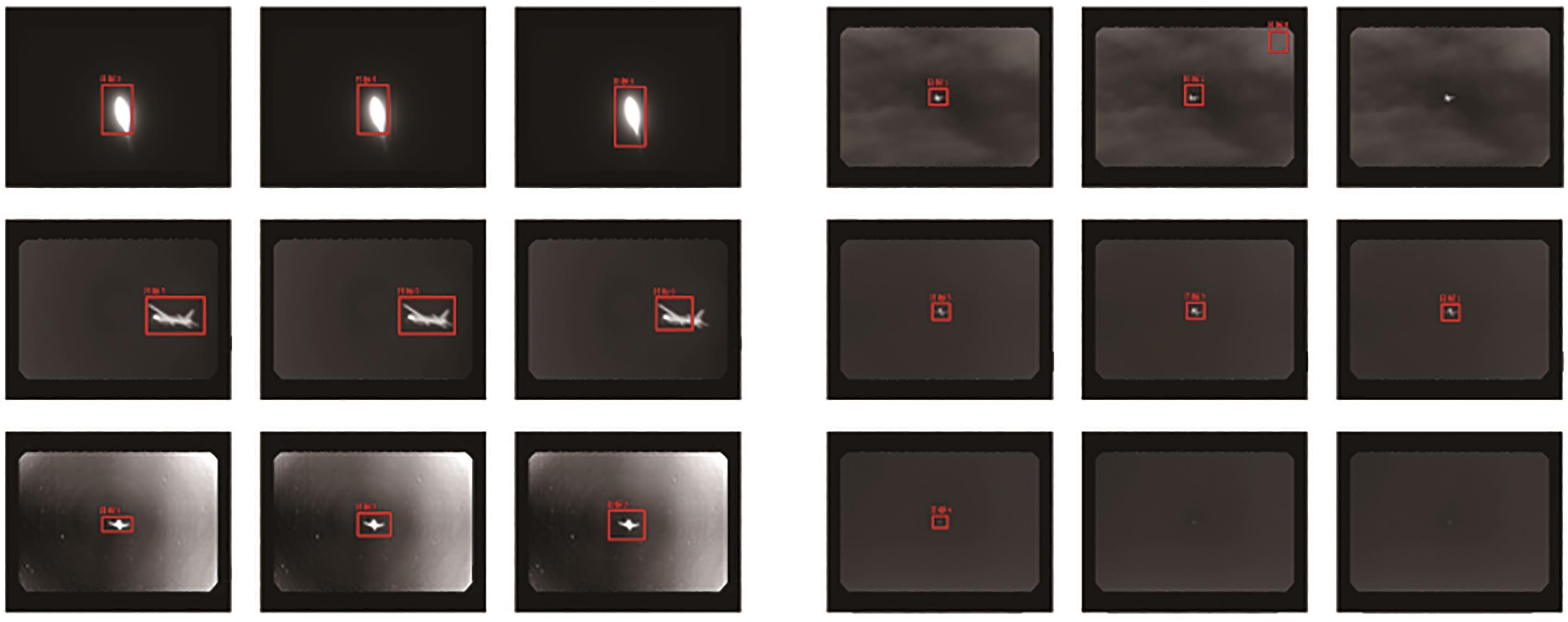
表3
2021年VisDrone挑战赛多目标检测竞赛结果评估[64]
| 方法 | AP/% | AP 50/% | AP 75/% | AR1/% | AR10/% | AR100/% | AR500/% |
|---|---|---|---|---|---|---|---|
| HAL-Retina-Net | 31.88 | 46.18 | 32.12 | 0.97 | 7.50 | 34.43 | 90.63 |
| DPNet | 30.92 | 54.62 | 31.17 | 1.05 | 8.00 | 36.80 | 50.48 |
| DE-FPN | 27.10 | 48.72 | 26.58 | 0.90 | 6.97 | 33.58 | 40.57 |
| CFE-SSDv2 | 26.48 | 47.30 | 26.08 | 1.16 | 8.76 | 33.85 | 38.94 |
| RD4MS | 22.68 | 44.85 | 20.24 | 1.55 | 7.45 | 29.63 | 38.59 |
| DPNet-ensemble | 29.62 | 54.00 | 28.70 | 0.58 | 3.69 | 17.10 | 42.37 |
| RRNet | 29.13 | 55.82 | 27.23 | 1.02 | 8.50 | 35.19 | 46.05 |
| ACM-OD | 29.13 | 54.07 | 27.38 | 0.32 | 1.48 | 9.46 | 44.53 |
| SSD | 28.59 | 50.97 | 28.29 | 0.50 | 3.38 | 15.95 | 42.72 |
| BetterFPN | 28.55 | 53.63 | 26.68 | 0.86 | 7.56 | 33.81 | 44.02 |
| DroneEye2020 | 34.57 | 58.21 | 35.74 | 0.28 | 1.92 | 6.93 | 52.37 |
| TAUN | 34.54 | 59.42 | 34.97 | 0.14 | 0.72 | 12.81 | 49.8 |
| CDNet | 34.19 | 57.52 | 35.13 | 0.8 | 8.12 | 39.39 | 52.62 |
| CascadeAdapt | 34.16 | 58.42 | 34.5 | 0.84 | 8.17 | 39.96 | 47.86 |
| HR-Cascade++ | 32.47 | 55.06 | 33.34 | 0.94 | 7.81 | 37.93 | 50.65 |
| DBNet | 39.43 | 65.34 | 41.07 | 0.29 | 2.03 | 12.13 | 55.36 |
| SOLOer | 39.42 | 63.91 | 40.87 | 1.75 | 10.94 | 44.69 | 55.91 |
| Swin-T | 39.4 | 63.91 | 40.87 | 1.76 | 10.96 | 44.65 | 56.83 |
| TPH-YOLO V5 | 39.18 | 62.83 | 41.34 | 2.61 | 13.63 | 45.62 | 56.88 |
| VistrongerDet | 38.77 | 64.28 | 40.24 | 0.77 | 8.1 | 43.23 | 55.12 |
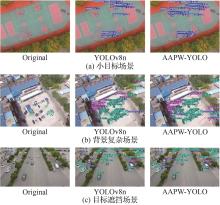
图 5
对地目标识别结果[65]
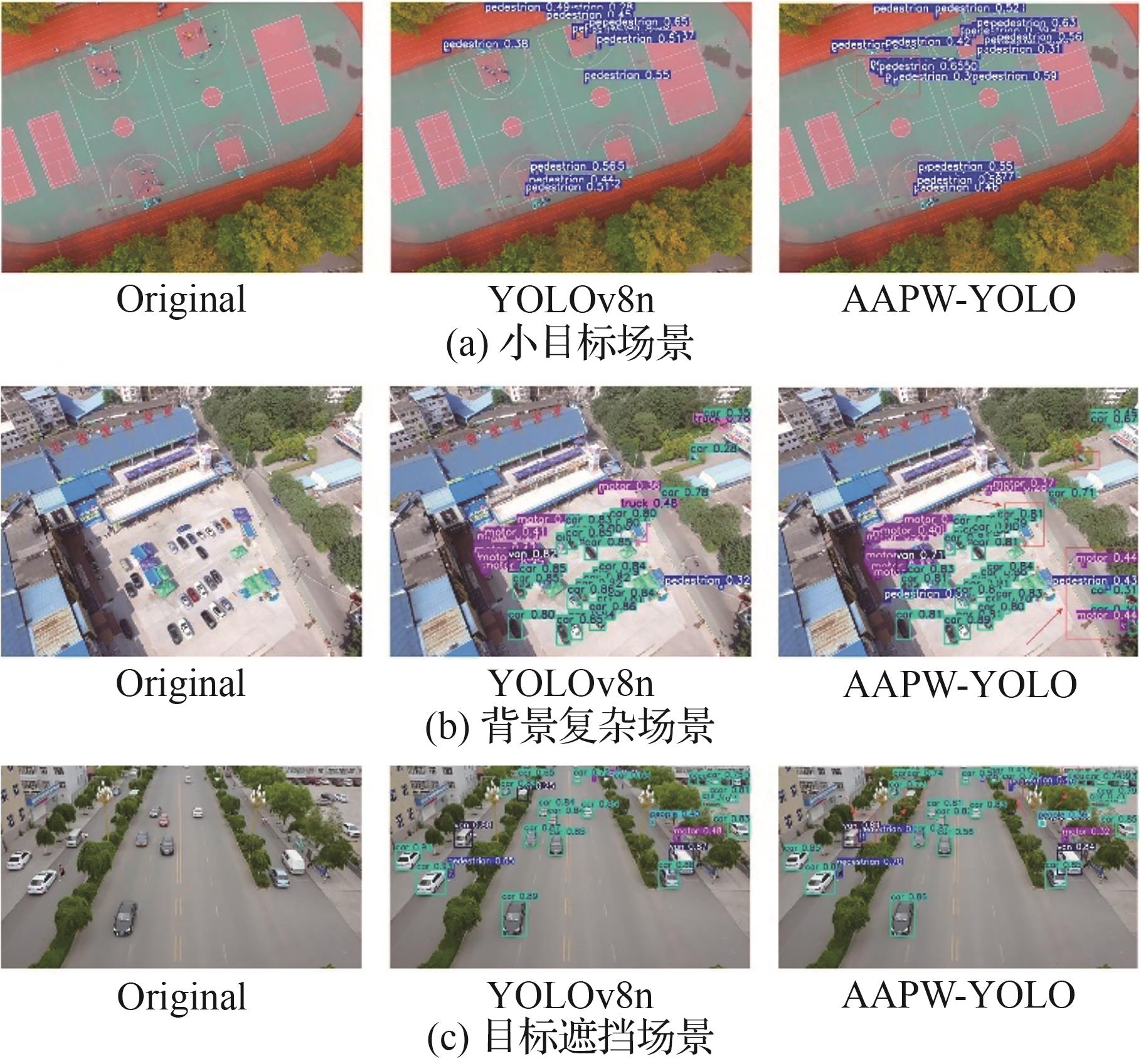
表4
典型深度学习目标检测算法比较[75]
| 分类方法 | 优点 | 不足 | 贡献 | mAP/% |
|---|---|---|---|---|
| R-CNN | CNN首次用于目标检测 | 训练繁琐,占资源,速度慢 | 采用Soft-NMS替换R- CNN算法中的NMS | 51.17 |
| Fast R-CNN | 提出ROI层 | 算法耗时,无法实时 | 通过Fast R-CNN框架实现了对舰船目标的检测 | 83.79 |
| Faster R-CNN | 引入RPN,精度与速度提高 | 计算复杂,无法实时 | RPN网络部分加入了K-means聚类算法,速度更快 | 95.18 |
| R-FCN | 共享网络,速度与性能提升 | 速度有提升,但仍不能实时 | 对特征提取网络进行混合尺度卷积核处理,使特征提取网络能够抑制相干斑噪声 | 97.37 |
| YOLOv1 | 速度较快 | 小的、靠近的目标检测较差 | 将YOLO引入船舶检测 | 57.3 |
| YOLOv2 | 分类检测联合训练, 速度更快 | 输入尺寸固定,小目标精度差 | 结合SVM,实现复杂背景下船舶分类 | 80.5 |
| YOLOv3 | 多尺度预测,小目标检测好 | 目标位置精准性不高,召回率低 | 设计了一种多尺度和自适应特征处理模块 | 91.47 |
| YOLOv4 | 兼顾了检测精度和速度 | 检测精度有待进一步提高 | 采用Softer-NMS对非极大值抑制算法进行优化,提升模型对密集船舶的检测能力和定位精度 | 96.78 |
| YOLOv5 | 模型尺寸小,部署成本低,灵活性高,检测速度高 | 检测精度可以进一步提高 | 引入Mixup数据增强方法, 采用Focal loss损失函数,用K-means聚类算法对数据集重新聚类 | 98.6 |
| YOLOv6 | 相对同类规模的算法,在检测精度和速度之间取得最佳权衡 | 性能有待提高 | ||
| YOLOX | 算法精度与速度进一步提升 | 大尺寸样本训练慢 | 引入了CA位置注意力模块,将CIoU损失和Focal loss损失引入到模型优化训练阶段 | 94.37 |
| YOLOv7 | 引入锚框机制,进一步提高了目标回归率 | 增加了训练成本 | 增强了复杂背景下对舰船关键特征的提取能力 | 95.37 |
| SSD | 适应多尺度目标训练与检测 | 依赖经验,小、近目标精度差 | 结合特征融合思想,提出基于特征融合的改进算法 | 81.7 |
| [1] | REDMON J, FARHADI A. YOLOv3: An incremental improvement[BD/OL]. arXiv preprint: 1804.02767, 2018. |
| [2] | LI C M, HUANG R, DING Z H, et al. A variational level set approach to segmentation and bias correction of images with intensity inhomogeneity[C]∥Medical Image Computing and Computer-Assisted Intervention-MICCAI 2008. Berlin: Springer, 2008: 1083-1091. |
| [3] | YANG Y F, XIE Y N, CAO J, et al. Attention-guided dual feature extraction approach for small target detection in infrared images[J]. The Visual Computer, 2025, 41(8): 5373-5389. |
| [4] | WOJKE N, BEWLEY A, PAULUS D. Simple online and realtime tracking with a deep association metric[C]∥2017 IEEE International Conference on Image Processing (ICIP). Piscataway: IEEE Press, 2017: 3645-3649. |
| [5] | EYKHOLT K, EVTIMOV I, FERNANDES E, et al. Robust physical-world attacks on deep learning visual classification[C]∥2018 IEEE/CVF Conference on Computer Vision and Pattern Recognition. Piscataway: IEEE Press, 2018: 1625-1634. |
| [6] | HAZIRBAS C, MA L N, DOMOKOS C, et al. FuseNet: Incorporating depth into semantic segmentation via fusion-based CNN architecture[M]∥Computer Vision-ACCV 2016. Cham: Springer International Publishing, 2017: 213-228. |
| [7] | FANG Q Y, HAN D P, WANG Z K. Cross-modality fusion transformer for multispectral object detection[BD/OL]. arXiv preprint: 2111.00273, 2021. |
| [8] | 孙一竣, 雷斌, 丁倩钰. 基于多尺度特征融合与全局注意力机制的变化检测研究[J].机电工程技术, 2025, 54(2): 25-28. |
| SUN Y J, LEI B, DING Q Y. Research on change detection based on multi-scale feature fusion and global attention mechanism[J]. Mechanical & Electrical Engineering Technology, 2025, 54(2): 25-28 (in Chinese). | |
| [9] | 汤永恒, 郭璇, 孙水发, 等. 基于跨尺度特征融合与注意力机制的遥感船舶检测[J]. 遥感信息, 2024, 39(5): 29-37. |
| TANG Y H, GUO X, SUN S F, et al. Remote sensing ship detection based on cross scale feature fusion and attention mechanism[J]. Remote Sensing Information, 2024, 39(5): 29-37 (in Chinese). | |
| [10] | 林亿, 赵明, 潘胜达, 等. 基于旋转不变特征的遥感图像飞机目标检测方法[J]. 光子学报, 2019, 48(6): 159-168. |
| LIN Y, ZHAO M, PAN S D, et al. Method of aircraft target detection in remote sensing images based on rotation-invariant feature[J]. Acta Photonica Sinica, 2019, 48(6): 159-168 (in Chinese). | |
| [11] | DING B L, ZHANG Y H, MA S. A lightweight real-time infrared object detection model based on YOLOv8 for unmanned aerial vehicles[J]. Drones, 2024, 8(9): 479. |
| [12] | YUE M, ZHANG L Q, HUANG J, et al. Lightweight and efficient tiny-object detection based on improved YOLOv8n for UAV aerial images[J]. Drones, 2024, 8(7): 276. |
| [13] | NIU C W, SONG Y S, ZHAO X Y. SE-lightweight YOLO: Higher accuracy in YOLO detection for vehicle inspection[J]. Applied Sciences, 2023, 13(24): 13052. |
| [14] | CHANG Y L, LI D, GAO Y L, et al. An improved YOLO model for UAV fuzzy small target image detection[J]. Applied Sciences, 2023, 13(9): 5409. |
| [15] | 郝紫霄, 王琦, 高尚. 基于YOLO-v5算法的航拍图像小目标检测改进算法[J]. 常州大学学报(自然科学版), 2023, 35(6): 45-51. |
| HAO Z X, WANG Q, GAO S. Improved algorithm for small target detection in aerial images based on YOLO-v5[J]. Journal of Changzhou University (Natural Science Edition), 2023, 35(6): 45-51 (in Chinese). | |
| [16] | QIU Z F, BAI H H, CHEN T Y. Special vehicle detection from UAV perspective via YOLO-GNS based deep learning network[J]. Drones, 2023, 7(2): 117. |
| [17] | 宋耀莲, 王粲, 李大焱, 等. 基于改进YOLOv5s的无人机小目标检测算法[J]. 浙江大学学报(工学版), 2024, 58(12): 2417-2426. |
| SONG Y L, WANG C, LI D Y, et al. UAV small target detection algorithm based on improved YOLOv5s[J]. Journal of Zhejiang University (Engineering Science), 2024, 58(12): 2417-2426 (in Chinese). | |
| [18] | FAN Y C, QIU Q L, HOU S H, et al. Application of improved YOLOv5 in aerial photographing infrared vehicle detection[J]. Electronics, 2022, 11(15): 2344. |
| [19] | REIS D, KUPEC J, HONG J, et al. Real-time flying object detection with YOLOv8[DB/OL]. arXiv preprint: 2305.09972, 2024. |
| [20] | DONG X N, JIANG H L, SONG Y S, et al. Precision detection of infrared small target in ground-to-air scene[J]. Remote Sensing, 2024, 16(22): 4230. |
| [21] | JIANG C C, REN H Z, YE X, et al. Object detection from UAV thermal infrared images and videos using YOLO models[J]. International Journal of Applied Earth Observation and Geoinformation, 2022, 112: 102912. |
| [22] | CHEN C L, ZHENG Z Y, XU T Y, et al. YOLO-based UAV technology: A review of the research and its applications[J]. Drones, 2023, 7(3): 190. |
| [23] | ZHU Z, LIU Q, CHEN H, et al. Infrared small vehicle detection based on parallel fusion network[J]. Acta Photonica Sinica, 2022, 51: 0210001. |
| [24] | MAHMOOD M T, AHMED S R A, AHMED M R A. Detection of vehicle with Infrared images in Road Traffic using YOLO computational mechanism[J]. IOP Conference Series: Materials Science and Engineering, 2020, 928(2): 022027. |
| [25] | KASPER-EULAERS M, HAHN N, BERGER S, et al. Short communication: Detecting heavy goods vehicles in rest areas in winter conditions using YOLOv5[J]. Algorithms, 2021, 14(4): 114. |
| [26] | SUCHMAN L. Algorithmic warfare and the reinvention of accuracy[J]. Critical Studies on Security, 2020, 8(2): 175-187. |
| [27] | HOGUE S. Project maven, big data, and ubiquitous knowledge: The impossible promises and hidden politics of algorithmic security vision[M]∥Automating Crime Prevention, Surveillance, and Military Operations. Cham: Springer International Publishing, 2021: 203-221. |
| [28] | 于子雯, 张宁, 潘越, 等. 基于改进的SIFT算法的异源图像匹配[J]. 激光与光电子学进展, 2022, 59(12): 214-225. |
| YU Z W, ZHANG N, PAN Y, et al. Heterogeneous image matching based on improved SIFT algorithm[J]. Laser & Optoelectronics Progress, 2022, 59(12): 214-225 (in Chinese). | |
| [29] | 张松兰. 基于卷积神经网络的图像识别综述[J]. 西安航空学院学报, 2023, 41(1): 74-81. |
| ZHANG S L. A review of image recognition based on convolutional neural network[J]. Journal of Xi’an Aeronautical Institute, 2023, 41(1): 74-81 (in Chinese). | |
| [30] | 乔风娟, 郭红利, 李伟, 等. 基于SVM的深度学习分类研究综述[J]. 齐鲁工业大学学报, 2018, 32(5): 39-44. |
| QIAO F J, GUO H L, LI W, et al. Research on deep learning classification based on SVM: A review[J]. Journal of Qilu University of Technology, 2018, 32(5): 39-44 (in Chinese). | |
| [31] | 韩成成, 增思涛, 林强, 等. 基于决策树的流数据分类算法综述[J]. 西北民族大学学报(自然科学版), 2020, 41(2): 20-30. |
| HAN C C, ZENG S T, LIN Q, et al. Decision tree based streaming data classification algorithm: A survey[J]. Journal of Northwest Minzu University (Natural Science), 2020, 41(2): 20-30 (in Chinese). | |
| [32] | 吕红燕, 冯倩. 随机森林算法研究综述[J]. 河北省科学院学报, 2019, 36(3): 37-41. |
| LV H Y, FENG Q. A review of random forests algorithm[J]. Journal of the Hebei Academy of Sciences, 2019, 36(3): 37-41 (in Chinese). | |
| [33] | 任青阳, 王彦丁, 施俭. 卷积神经网络目标检测算法研究进展[J]. 科学技术与工程, 2024, 24(32): 13665-13677. |
| REN Q Y, WANG Y D, SHI J. Advances in target detection algorithms for convolutional neural networks[J]. Science Technology and Engineering, 2024, 24(32): 13665-13677 (in Chinese). | |
| [34] | 刘建伟, 王园方, 罗雄麟. 深度记忆网络研究进展[J]. 计算机学报, 2021, 44(8): 1549-1589. |
| LIU J W, WANG Y F, LUO X L. Research and development on deep memory network[J]. Chinese Journal of Computers, 2021, 44(8): 1549-1589 (in Chinese). | |
| [35] | CHEN Y H, LI W, SAKARIDIS C, et al. Domain adaptive faster R-CNN for object detection in the wild[C]∥2018 IEEE/CVF Conference on Computer Vision and Pattern Recognition. Piscataway: IEEE Press, 2018: 3339-3348. |
| [36] | REDMON J, DIVVALA S, GIRSHICK R, et al. You only look once: Unified, real-time object detection[C]∥2016 IEEE Conference on Computer Vision and Pattern Recognition (CVPR). Piscataway: IEEE Press, 2016: 779-788. |
| [37] | 谌颃, 张袖斌, 肖斌, 等. 基于Faster-RCNN深度学习算法的图像识别技术研究[J]. 机器人产业, 2024(3): 98-102. |
| CHEN H, ZHANG X B, XIAO B, et al. Research on image recognition technology based on Faster-RCNN deep learning algorithm[J]. Robot Industry, 2024(3): 98-102 (in Chinese). | |
| [38] | 于航, 谭炳香, 沈明潭, 等. 基于机器学习算法的机载高光谱图像优势树种识别[J]. 自然资源遥感, 2024, 36(1): 118-127. |
| YU H, TAN B X, SHEN M T, et al. Identifying predominant tree species based on airborne hyperspectral images using machine learning algorithms[J]. Remote Sensing for Natural Resources, 2024, 36(1): 118-127 (in Chinese). | |
| [39] | 操乐林, 武春风, 侯晴宇, 等. 基于光谱成像的目标识别技术综述[J]. 光学技术, 2010, 36(1): 145-150. |
| CAO L L, WU C F, HOU Q Y, et al. Survey of target recognition technology based on spectrum imaging[J]. Optical Technique, 2010, 36(1): 145-150 (in Chinese). | |
| [40] | 倪斌, 黄照强, 郭健, 等. 基于机载和星载高光谱遥感的武夷山成矿带蚀变矿物信息识别研究[J]. 华东地质, 2023, 44(1): 67-81. |
| NI B, HUANG Z Q, GUO J, et al. Identification of altered mineral information in the Wuyishan metallogenic belt based on airborne and spaceborne hyperspectral remote sensing[J]. East China Geology, 2023, 44(1): 67-81 (in Chinese). | |
| [41] | 王世颍, 宋显浩, 王晓丽, 等. 全色和多光谱遥感图像融合下的植被覆盖度估算研究[J]. 草业科学, 2024, 41(12): 2777-2791. |
| WANG S Y, SONG X H, WANG X L, et al. Research on vegetation coverage estimation based on panchromatic and multispectral remote sensing image fusion[J]. Pratacultural Science, 2024, 41(12): 2777-2791 (in Chinese). | |
| [42] | 任艳, 刘胜男, 陈新禹, 等. 不同季节下无人机航拍图像与卫星图像匹配方法研究[J]. 弹箭与制导学报, 2023, 43(5): 16-24. |
| REN Y, LIU S N, CHEN X Y, et al. An image matching method for season-changing UAV aerial images and satellite images[J]. Journal of Projectiles, Rockets, Missiles and Guidance, 2023, 43(5): 16-24 (in Chinese). | |
| [43] | 郭植星. 基于单目视觉的可通行区域检测方法研究[D]. 广州: 广东工业大学, 2022. |
| GUO Z X. Research on detection method of passable area based on monocular vision[D]. Guangzhou: Guangdong University of Technology, 2022 (in Chinese). | |
| [44] | 于淼, 张路, 金豪, 等. 基于人工智能的红外图像特征点匹配方法[J]. 信息记录材料, 2023, 24(3): 167-169. |
| YU M, ZHANG L, JIN H, et al. Matching method of infrared image feature points based on artificial intelligence[J]. Information Recording Materials, 2023, 24(3): 167-169 (in Chinese). | |
| [45] | 孙雪. 基于U-Net的医学图像分割网络研究[D]. 南京: 南京邮电大学, 2022. |
| SUN X. Research on medical image segmentation network based on U-Net[D]. Nanjing: Nanjing University of Posts and Telecommunications, 2022 (in Chinese). | |
| [46] | IGLOVIKOV V, SHVETS A. TernausNet: U-Net with VGG11 encoder pre-trained on imagenet for image segmentation[DB/OL]. arXiv preprint: 1801.05746, 2018. |
| [47] | SOMMER L W, SCHUCHERT T, BEYERER J. Generating object proposals for improved object detection in aerial images[C]∥Electro-Optical Remote Sensing X, 2016. |
| [48] | 任守纲, 张景旭, 顾兴健, 等. 时间序列特征提取方法研究综述[J]. 小型微型计算机系统, 2021, 42(2): 271-278. |
| REN S G, ZHANG J X, GU X J, et al. Overview of feature extraction algorithms for time series[J]. Journal of Chinese Computer Systems, 2021, 42(2): 271-278 (in Chinese). | |
| [49] | WANG H, LI X. Optimization of network security intelligent early warning system based on image matching technology of partial differential equation[J]. Journal of Cyber Security and Mobility, 2024, 13(3): 461-488. |
| [50] | RAMADAN M, TOKHEY M EL, RAGAB A, et al. Adopted image matching techniques for aiding indoor navigation[J]. Ain Shams Engineering Journal, 2021, 12(4): 3649-3658. |
| [51] | ODEH N, TOMA A, MOHAMMED F, et al. An efficient system for automatic blood type determination based on image matching techniques[J]. Applied Sciences, 2021, 11(11): 5225. |
| [52] | 孙泽军. 机载光电系统中红外典型目标检测、识别与跟踪技术研究[D]. 南京: 南京航空航天大学, 2017. |
| SUN Z J. Research on detection, identification and tracking technology of infrared typical targets in airborne photoelectric system[D]. Nanjing: Nanjing University of Aeronautics and Astronautics, 2017 (in Chinese). | |
| [53] | 周翰祺, 方东旭, 张宁波, 等. 基于深度学习的多无人机多目标跟踪[J]. 计算机工程, 2025, 51(4): 57-65. |
| ZHOU H Q, FANG D X, ZHANG N B, et al. Multi-UAV multi-object tracking based on deep learning[J]. Computer Engineering, 2025, 51(4): 57-65 (in Chinese). | |
| [54] | MARTÍNEZ C, RICHARDSON T, CAMPOY P. Towards autonomous air-to-air refuelling for UAVs using visual information[C]∥2013 IEEE International Conference on Robotics and Automation. Piscataway: IEEE Press, 2013: 5756-5762. |
| [55] | LAURENZIS M, HENGY S, HOMMES A, et al. Multi-sensor field trials for detection and tracking of multiple small unmanned aerial vehicles flying at low altitude[C]∥Signal Processing, Sensor/Information Fusion, and Target Recognition XXVI, 2017. |
| [56] | WANG X Y, YANG Z, PIAO H Y, et al. Intelligent recognition method of target tactical behavior intention in air combat based on deep learning[J]. Engineering Applications of Artificial Intelligence, 2024, 138: 109460. |
| [57] | 宋波涛, 许广亮. 基于LSTM与1DCNN的导弹轨迹预测方法[J]. 系统工程与电子技术, 2023, 45(2): 504-512. |
| SONG B T, XU G L. Missile trajectory prediction method based on LSTM and 1DCNN[J]. Systems Engineering and Electronics, 2023, 45(2): 504-512 (in Chinese). | |
| [58] | 戴礼灿, 刘欣, 张海瀛, 等. 基于卡尔曼滤波算法展开的飞行目标轨迹预测[J]. 系统工程与电子技术, 2023, 45(6): 1814-1820. |
| DAI L C, LIU X, ZHANG H Y, et al. Flight target track prediction based on Kalman filter algorithm unfolding[J]. Systems Engineering and Electronics, 2023, 45(6): 1814-1820 (in Chinese). | |
| [59] | 童鹏飞, 陈好, 许新鹏, 等. 多导弹多目标协同探测信息融合技术研究[J]. 空天防御, 2020, 3(3): 54-62. |
| TONG P F, CHEN H, XU X P, et al. Study on information fusion technology of multi-missile multi-target collaborative detection[J]. Air & Space Defense, 2020, 3(3): 54-62 (in Chinese). | |
| [60] | 苏珂珂. 基于红外图像和辐射特性的空中目标双模识别算法研究[D]. 长春: 中国科学院大学(中国科学院长春光学精密机械与物理研究所), 2024. |
| SU K K. Research on dual-mode recognition algorithm of air target based on infrared image and radiation characteristics[D]. Changchun: Changchun Institute of Optics, Fine Mechanics and Physics, Chinese Academy of Sciences, 2024 (in Chinese). | |
| [61] | WANG Y L, SUN X Y, DING B, et al. Anti-UAV: An improved algorithm for small UAV target detection based on YOLOv8[M]∥Proceedings of 4th 2024 International Conference on Autonomous Unmanned Systems (4th ICAUS 2024). Singapore: Springer, 2025: 335-348. |
| [62] | KUMAR S, KUMAR A, KUMAR K. GhostNet-YOLO algorithm for object detection in UAV image[C]∥2023 Seventh International Conference on Image Information Processing (ICIIP). Piscataway: IEEE Press, 2023: 293-299. |
| [63] | 许晓阳, 高重阳. 改进YOLOv7-tiny的轻量级红外车辆目标检测算法[J]. 计算机工程与应用, 2024, 60(1): 74-83. |
| XU X Y, GAO C Y. Improved YOLOv7-tiny lightweight infrared vehicle target detection algorithm[J]. Computer Engineering and Applications, 2024, 60(1): 74-83 (in Chinese). | |
| [64] | 苑玉彬, 吴一全, 赵朗月, 等. 基于深度学习的无人机航拍视频多目标检测与跟踪研究进展[J]. 航空学报, 2023, 44(18): 028334. |
| YUAN Y B, WU Y Q, ZHAO L Y, et al. Research progress of UAV aerial video multi-object detection and tracking based on deep learning[J]. Acta Aeronautica et Astronautica Sinica, 2023, 44(18): 028334 (in Chinese). | |
| [65] | WU Y, MU X, SHI H, et al. An object detection model AAPW-YOLO for UAV remote sensing images based on adaptive convolution and reconstructed feature fusion[J]. Scientific Reports, 2025, 15(1): 16214. |
| [66] | 韩立祥. 基于红外与可见光图像融合技术的无人机对地目标检测系统设计[D]. 广汉: 中国民用航空飞行学院, 2024. |
| HAN L X. Design of UAV ground target detection system based on infrared and visible light image fusion technology[D]. Guanghan: Civil Aviation Flight University of China, 2024 (in Chinese). | |
| [67] | CHEN H, YANG W Z, ZHOU G Y, et al. MFRENet: Efficient detection of drone image based on multiscale feature aggregation and receptive field expanded[J]. Pattern Analysis and Applications, 2024, 27(4): 120. |
| [68] | CHEN X, WANG G H. FP-RTDETR: Enhancing infrared ship detection with multi-scale feature fusion and lightweight design[J]. The Journal of Supercomputing, 2025, 81(8): 984. |
| [69] | LAN Z Y, ZHUANG F Y, LIN Z J, et al. MFO-net: A multiscale feature optimization network for UAV image object detection[J]. IEEE Geoscience and Remote Sensing Letters, 2024, 21: 6006605. |
| [70] | NIU C H, HAN D Z, HAN B, et al. SAR-LtYOLOv8: A lightweight YOLOv8 model for small object detection in SAR ship images[J]. Computer Systems Science and Engineering, 2024, 48(6): 1723-1748. |
| [71] | ZHU M M, HU G P, ZHOU H, et al. Rapid ship detection in SAR images based on YOLOv3[C]∥2020 5th International Conference on Communication, Image and Signal Processing (CCISP). Piscataway: IEEE Press, 2020: 214-218. |
| [72] | WANG W Y, ZHANG H C, XU A L. Efficient ship detection in SAR images with dynamic feature smoothing and visual module using omni-dimensional dynamic large-scale convolution[J]. Multimedia Tools and Applications, 2024, 83(26): 68697-68721. |
| [73] | ZHAO D D, ZHANG Z, LU D D, et al. CV-YOLO: A complex-valued convolutional neural network for oriented ship detection in single-polarization single-look complex SAR images[J]. Remote Sensing, 2025, 17(8): 1478. |
| [74] | ZOU H C, WANG Z T. An enhanced object detection network for ship target detection in SAR images[J]. The Journal of Supercomputing, 2024, 80(12): 17377-17399. |
| [75] | 赵其昌, 吴一全, 苑玉彬. 光学遥感图像舰船目标检测与识别方法研究进展[J]. 航空学报, 2024, 45(8): 029025. |
| ZHAO Q C, WU Y Q, YUAN Y B. Progress of ship detection and recognition methods in optical remote sensing images[J]. Acta Aeronautica et Astronautica Sinica, 2024, 45(8): 029025 (in Chinese). | |
| [76] | FANG C G, BI Y, WU Z Y, et al. Ship detection in SAR image based on improved YOLOv5 network[C]∥International Conference on Computer Graphics, Artificial Intelligence, and Data Processing (ICCAID 2022), 2023. |
| [77] | WANG J P, LIN Y Q, GUO J, et al. SSS-YOLO: Towards more accurate detection for small ships in SAR image[J]. Remote Sensing Letters, 2021, 12(2): 93-102. |
| [78] | KHAN H M, CAI Y Z. Ship detection in SAR image using YOLOv2[C]∥2018 37th Chinese Control Conference (CCC). Piscataway: IEEE Press, 2018: 9495-9499. |
| [79] | 陈旭, 彭冬亮, 谷雨. 基于改进YOLOv5s的无人机图像实时目标检测[J]. 光电工程, 2022, 49(3): 69-81. |
| CHEN X, PENG D L, GU Y. Real-time object detection for UAV images based on improved YOLOv5s[J]. Opto-Electronic Engineering, 2022, 49(3): 69-81 (in Chinese). |
| [1] | 李乐言, 杨任农, 郭安新, 宋祺, 左家亮. 基于全域火力场的超视距空战威胁预测及动态逃逸方法[J]. 航空学报, 2026, 47(4): 332205-332205. |
| [2] | 冯子成, 张文龙, 刘冬辉, 于起峰. 复杂背景下反无人机红外目标鲁棒跟踪算法[J]. 航空学报, 2026, 47(4): 332264-332264. |
| [3] | 马赞, 白杰, 闫励勤, 陈勇, 孙淑光. 基于贝叶斯优化的机载智能避让系统安全性评估[J]. 航空学报, 2026, 47(1): 331973-331973. |
| [4] | 陶冶, 汤锦辉, 闫震, 周臣, 王冲. 融合表征转换与模式回归的航迹插补方法[J]. 航空学报, 2026, 47(1): 332106-332106. |
| [5] | 徐建宇, 周莉, 王占学, 是介, 史毫. 基于快速逐线计算模型的高超声速羽流红外辐射计算方法[J]. 航空学报, 2025, 46(8): 630778-630778. |
| [6] | 孟令捷, 李红光, 李新军. 基于地貌类别信息指导的SAR图像仿真方法[J]. 航空学报, 2025, 46(7): 331003-331003. |
| [7] | 马赞, 白杰, 陈勇, 刘瑞华, 张艳婷. 基于条件高斯PAC-Bayes的机载CNN分类器安全性评估[J]. 航空学报, 2025, 46(4): 330824-330824. |
| [8] | 赵志浩, 杨照华, 吴云, 余远金. 弱光环境下基于深度学习的单光子计数成像去噪方法[J]. 航空学报, 2025, 46(3): 630531-630531. |
| [9] | 吴一全, 童康. 基于深度学习的无人机航拍图像小目标检测研究进展[J]. 航空学报, 2025, 46(3): 30848-030848. |
| [10] | 项子健, 麻震宇, 杨希祥. 基于深度学习的复合材料结构性能参数反演[J]. 航空学报, 2025, 46(24): 231877-231877. |
| [11] | 范天麒, 邹征夏, 史振威. 基于强化学习数据合成的典型遥感目标检测[J]. 航空学报, 2025, 46(23): 631955-631955. |
| [12] | 刘奎, 孙浩, 伍瀚, 计科峰, 匡纲要. 动态亮度重建的无人机可见光-红外融合目标检测[J]. 航空学报, 2025, 46(23): 631968-631968. |
| [13] | 彭勃, 白吉康, 陈伟文, 郑向涛, 雷建军, 卢孝强. 基于深度学习的无人机搜救方法研究进展[J]. 航空学报, 2025, 46(23): 632761-632761. |
| [14] | 姜筱巍, 吴一全. 无人机航拍图像拼接方法研究进展[J]. 航空学报, 2025, 46(17): 331799-331799. |
| [15] | 朱斌, 杨少柒, 郭梁, 贾启明, 陈烨, 谢秀娟. 机载液氢燃料储供系统发展现状与展望[J]. 航空学报, 2025, 46(16): 231682-231682. |
| 阅读次数 | ||||||
|
全文 |
|
|||||
|
摘要 |
|
|||||
版权所有 © 航空学报编辑部
版权所有 © 2011航空学报杂志社
主管单位:中国科学技术协会 主办单位:中国航空学会 北京航空航天大学

 CJA
CJA
