张少平1( ), 侯美丽2, 李恒2, 郭会明1
收稿日期:2025-01-10
修回日期:2025-03-31
接受日期:2025-04-23
出版日期:2025-12-15
发布日期:2025-05-08
通讯作者:
张少平
E-mail:zhangshaoping@aecc.cn
基金资助:
Shaoping ZHANG1(), Meili HOU2, Heng LI2, Huiming GUO1
Received:2025-01-10
Revised:2025-03-31
Accepted:2025-04-23
Online:2025-12-15
Published:2025-05-08
Contact:
Shaoping ZHANG
E-mail:zhangshaoping@aecc.cn
Supported by:摘要:
随着航空动力技术的不断演进,发动机的结构设计、材料及制造工艺三者协同发展,为发动机性能的提升提供了关键支撑。一代发动机,一代结构设计方法,一代材料与制造工艺。尤其是近年来,伴随着发动机需求的复杂化和多样化,新结构、新材料和新工艺逐渐呈现出跨代创新的发展趋势。系统对比了各代军用涡扇发动机在结构设计、材料应用及制造工艺方面的特点,揭示了新一代航空发动机的3大核心技术创新方向:在结构设计领域,聚焦高结构效率整体式设计、高推进效率轻质化设计和长寿命高可靠结构设计,深入解析了空心点阵、拓扑优化、微纳仿生、耐高温/隐身/透波一体化多功能结构和变体结构等突破性技术;在材料创新方面,确立了超耐温结构材料、轻质高强材料、隐身材料、智能超材料等关键材料的材料体系,着重分析了这些新型材料在极端服役环境下的性能要求与应用前景;在制造工艺方面,分析了激光加工、增材制造、微纳制造及智能制造等先进制造技术对复杂构件成形和质量控制的革命性影响,构建新一代航空发动机制造技术体系。旨在为航空发动机的未来发展提供前瞻性参考与指导。
中图分类号:
张少平, 侯美丽, 李恒, 郭会明. 新一代航空发动机新结构设计及其对新材料与新工艺需求分析[J]. 航空学报, 2025, 46(23): 431793.
Shaoping ZHANG, Meili HOU, Heng LI, Huiming GUO. Analysis of new structural designs and requirements for new materials and manufacturing processes in next generation aircraft engines[J]. Acta Aeronautica et Astronautica Sinica, 2025, 46(23): 431793.
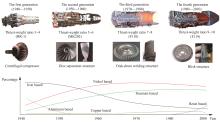
图 1
不同代次发动机结构及选材特点[5]
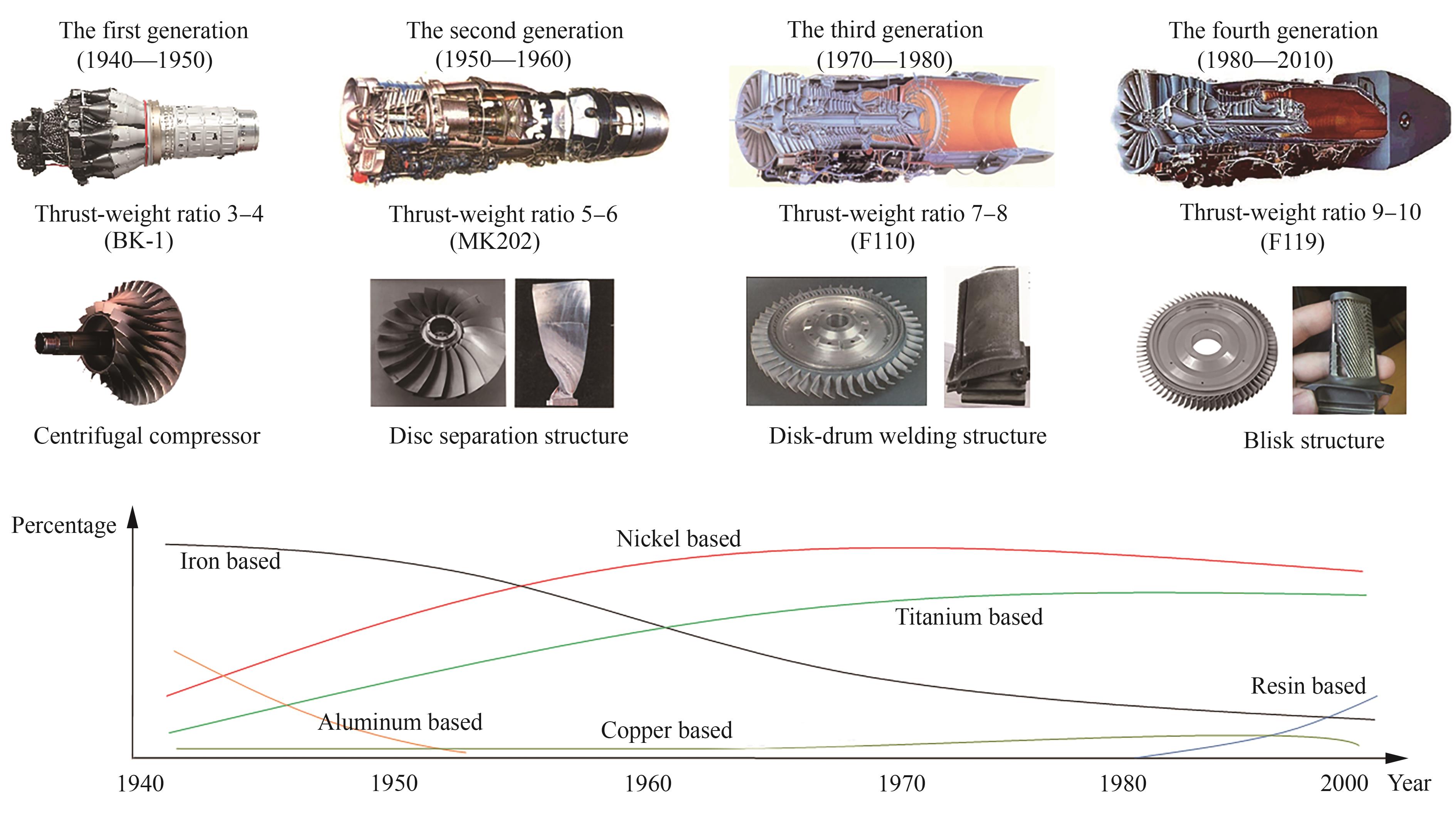
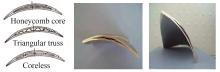
图 2
宽弦空心叶片结构示意图及剖切照片[18-19]
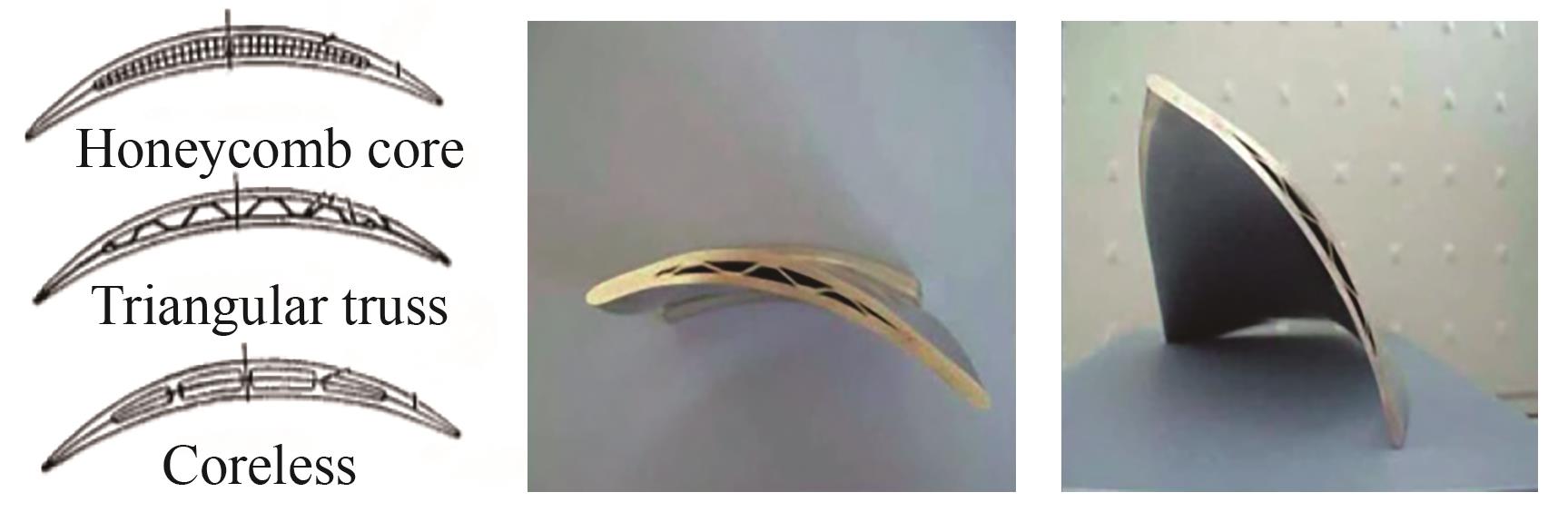

图 3
空心叶片及点阵单胞结构示意图[20]

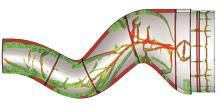
图 4
S弯喷管拓扑优化结构模型
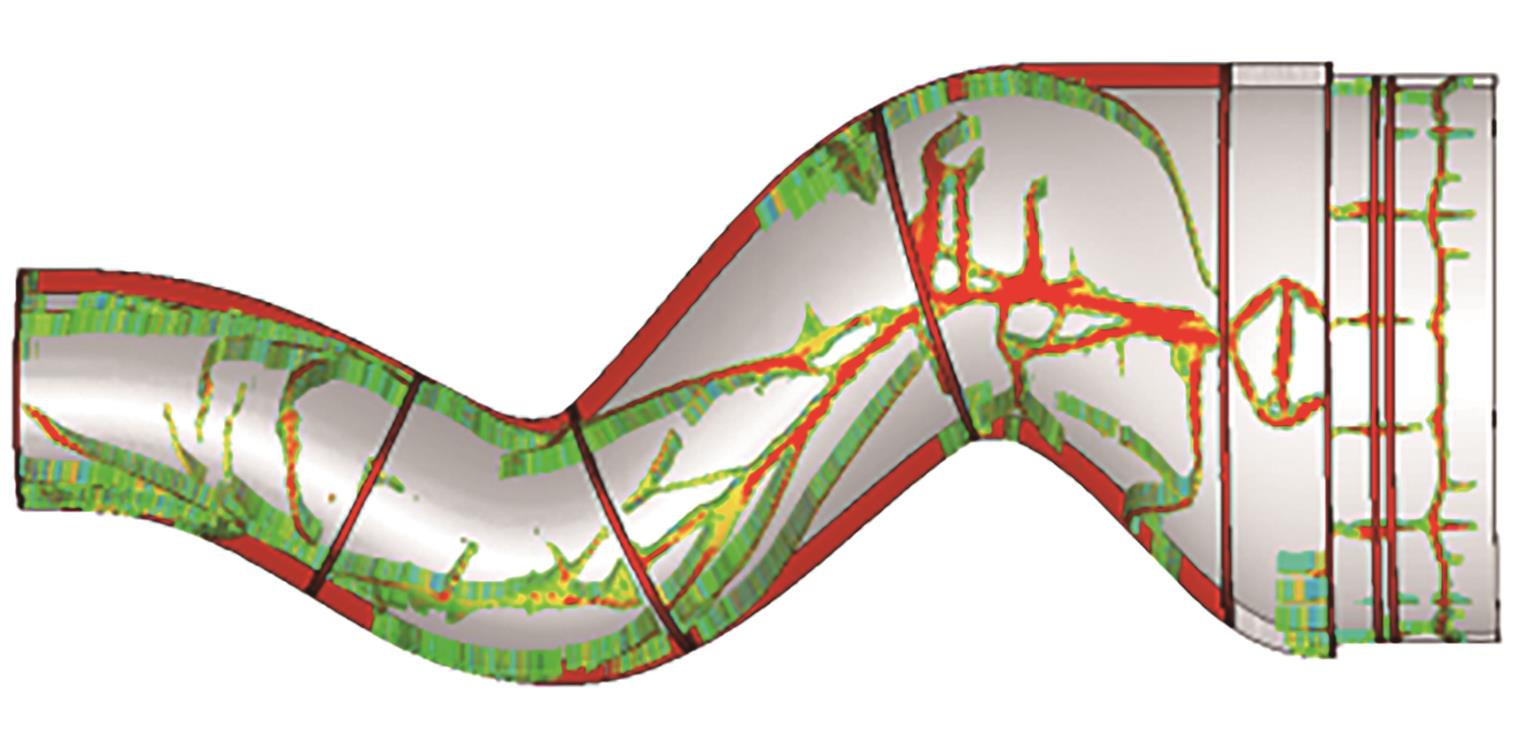
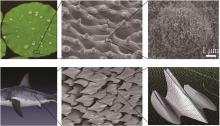
图 5
荷叶表面超疏水结构及鲨鱼皮表面鳞片结构[30]
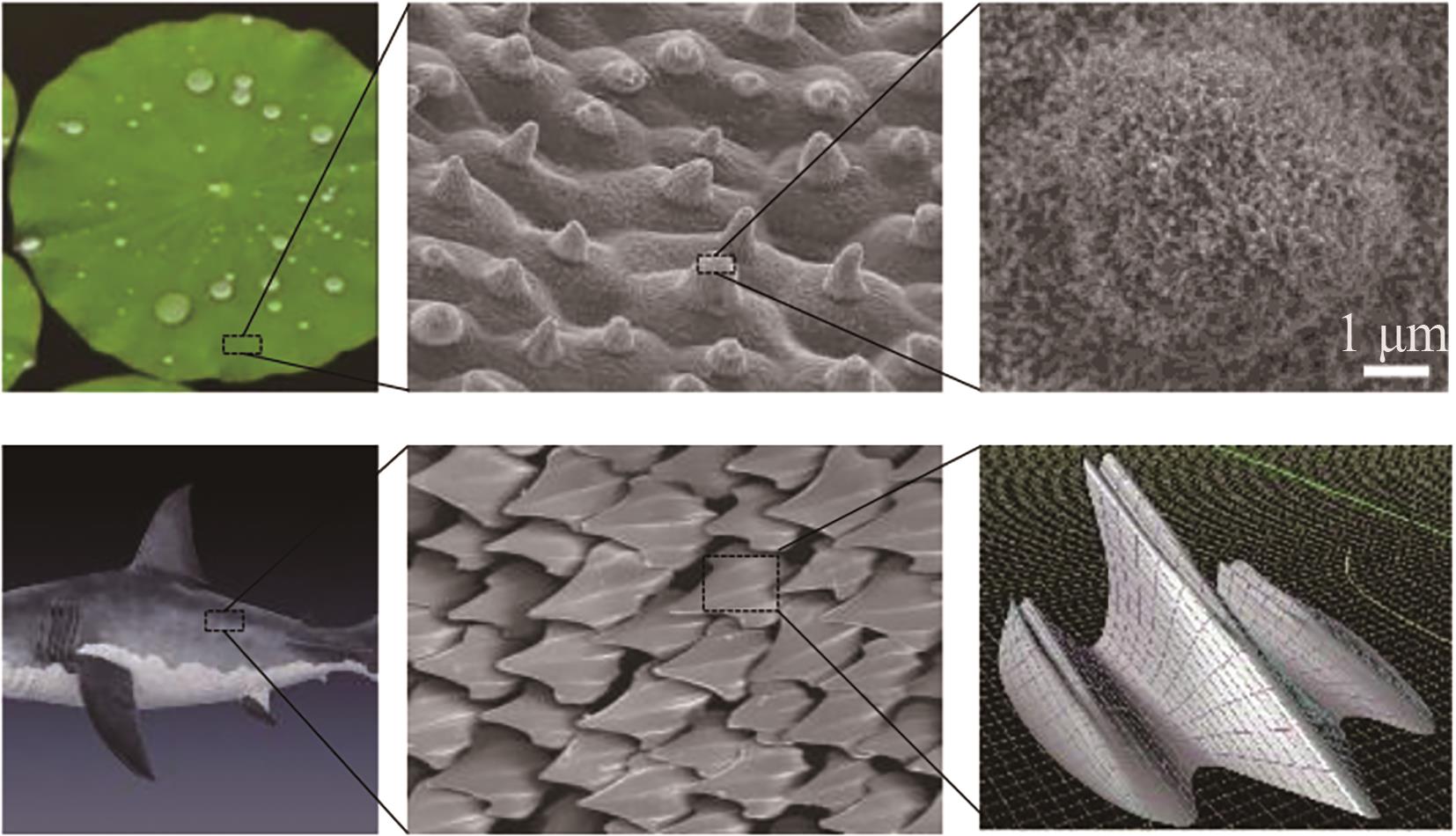

图 6
新月形沙丘及沙丘驻涡火焰稳定器[33]
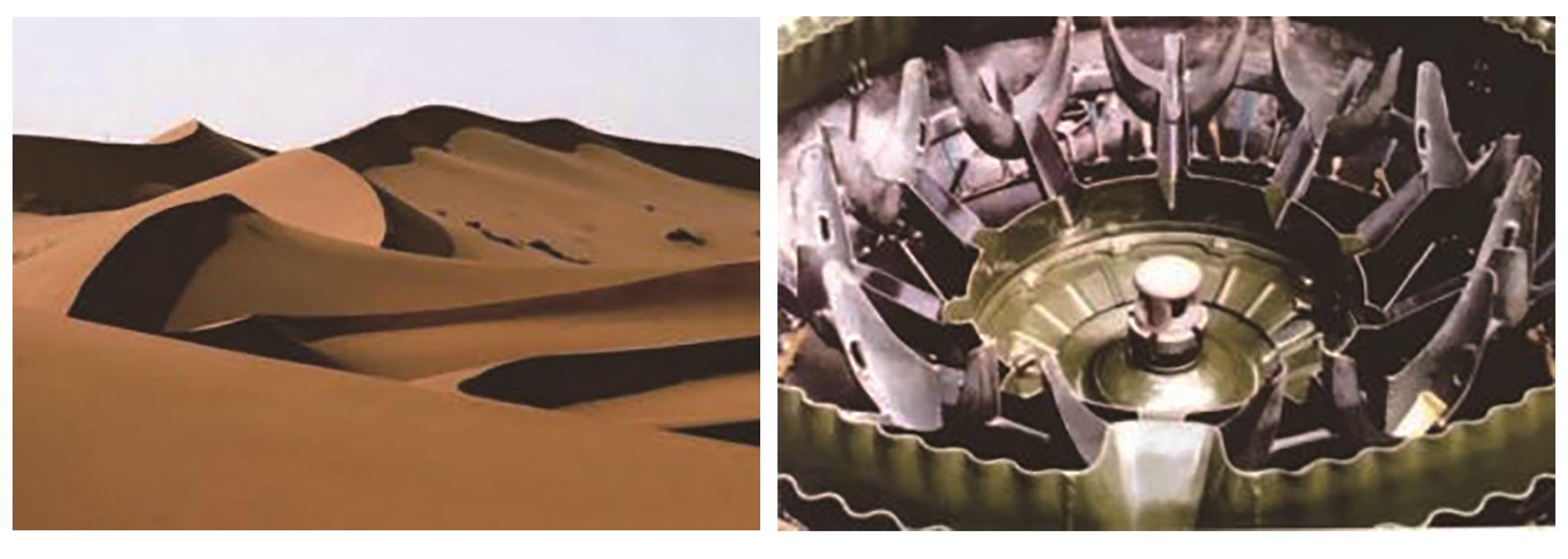
图 7
中介机匣流道表面微沟槽减阻设计[13]
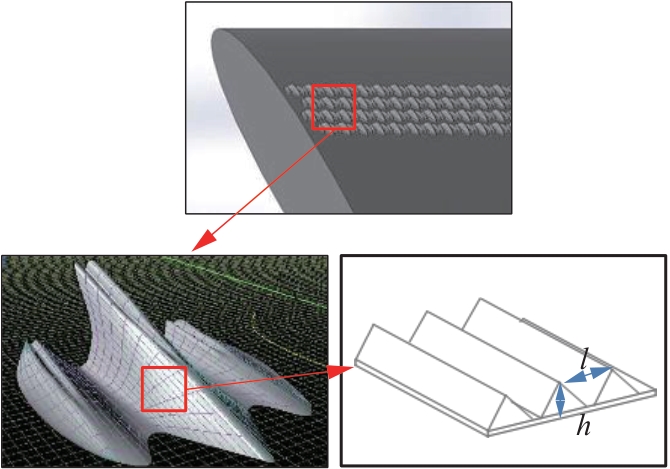

表1
涡轮叶片用高温材料发展历程及未来趋势[37]
| 应用年代 | 1960—1980年 | 1980—2000年 | 2000—2020年 | 2020—2050年 |
|---|---|---|---|---|
| 使用温度/℃ | 950~1 020 | 1 050~1 100 | 1 070~1 150 | ≥1 200 |
| 国外典型牌号 | IN100、IN713C、 Rene125 | PWA1484、ReneN5、SRR99、 CMSX-10 | ReneN6、EPM102 | 高熵合金、SiC/SiC复材、 发汗材料 |
| 国内典型牌号 | K403、K406、K417 | DZ125、DD3、IC6、DD6 | DD5、DD90、DD15、IC21 |
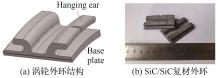
图 8
SiC/SiC复合材料涡轮外环[42]
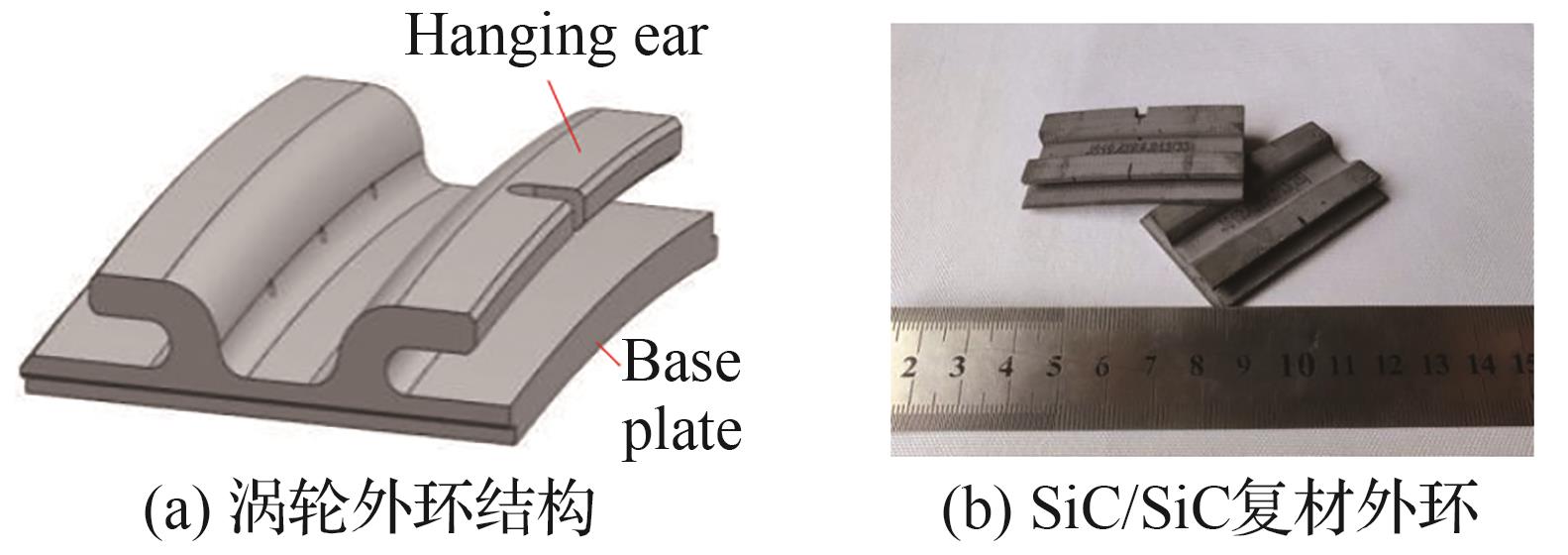
图 9
SiC/SiC复合材料涡轮导向叶片结构示意图
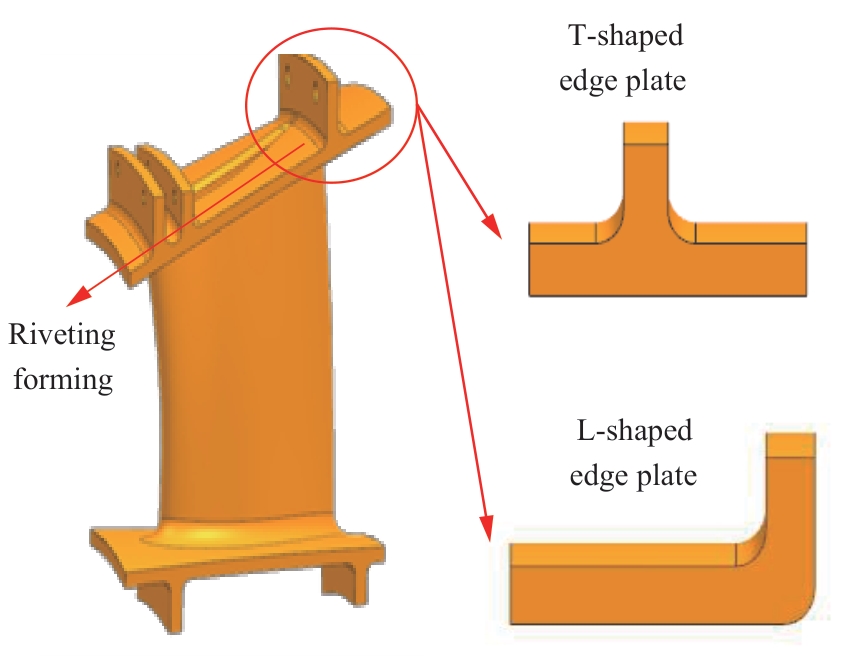
表2
压气机用轻质高强材料的发展历程及未来趋势[59-60]
| 应用年代 | 1960—1980年 | 1980—2000年 | 2000—2020年 | 2020—2050年 |
|---|---|---|---|---|
| 使用温度/℃ | 300~500 | 500~600 | 600~800 | ≥800 |
| 国外典型牌号 | Ti6Al4V、IMI550、BT3-1 | IMI834、Ti1100、BT36 | Ti2AlNb、TiAl | |
| 中国典型牌号 | TC4、TC11 | Ti60、Ti600 | Ti65、Ti150、Ti750 | |
| 材料类别 | 高强钛合金 | 高温钛合金 | 金属间化合物 | 钛基复材或新型金属间化合物 |
图 10
钛基复合材料整体叶环结构示意图[63]
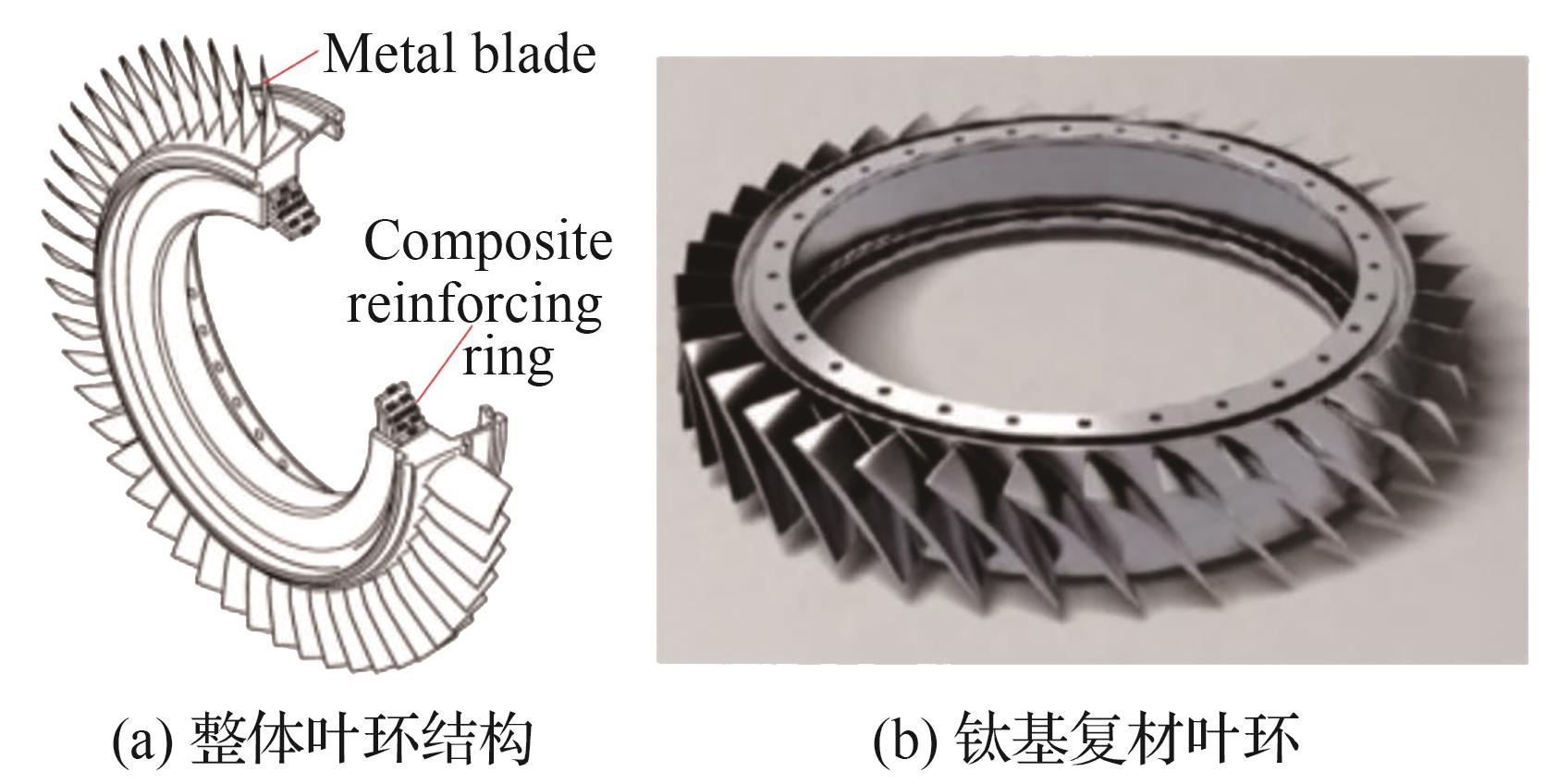
图 11
具有隐身功能的陶瓷基复合材料[65]
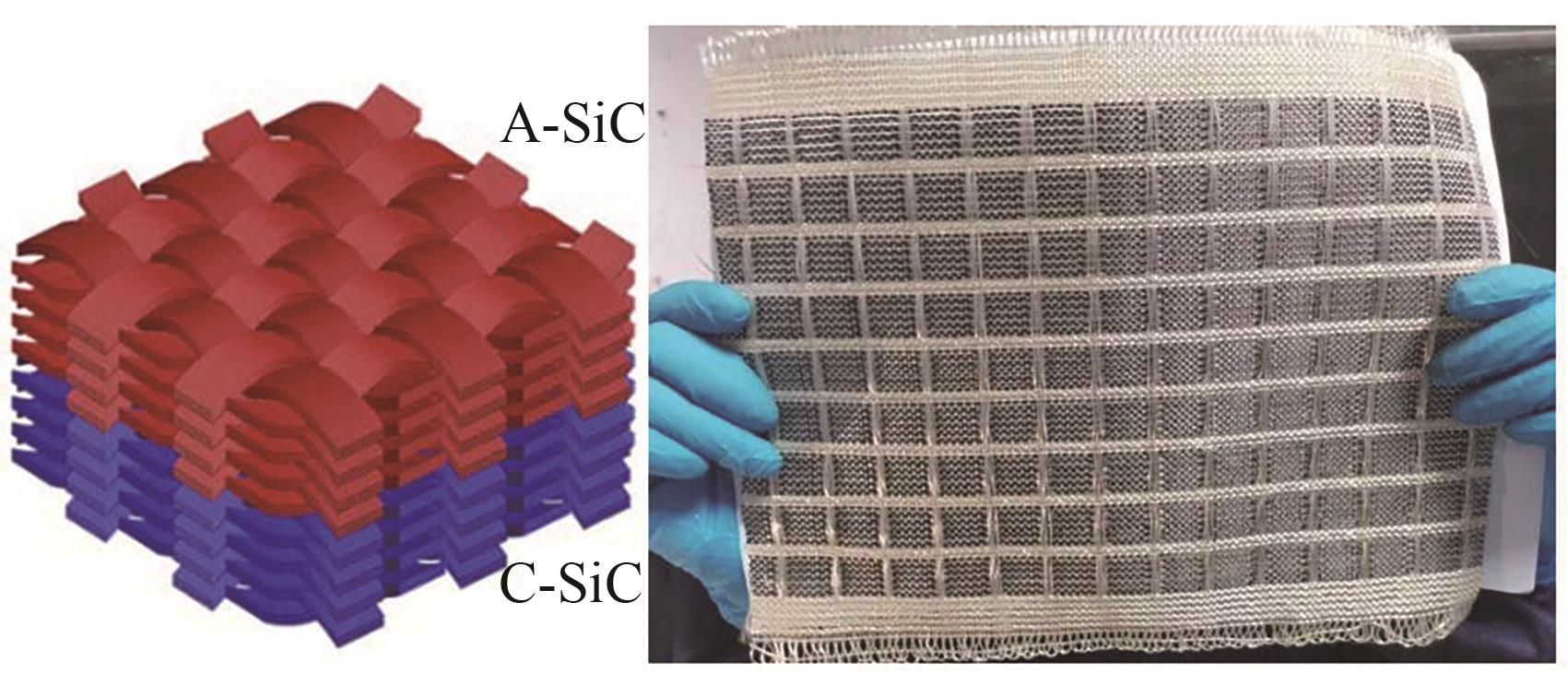
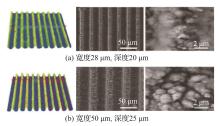
图 12
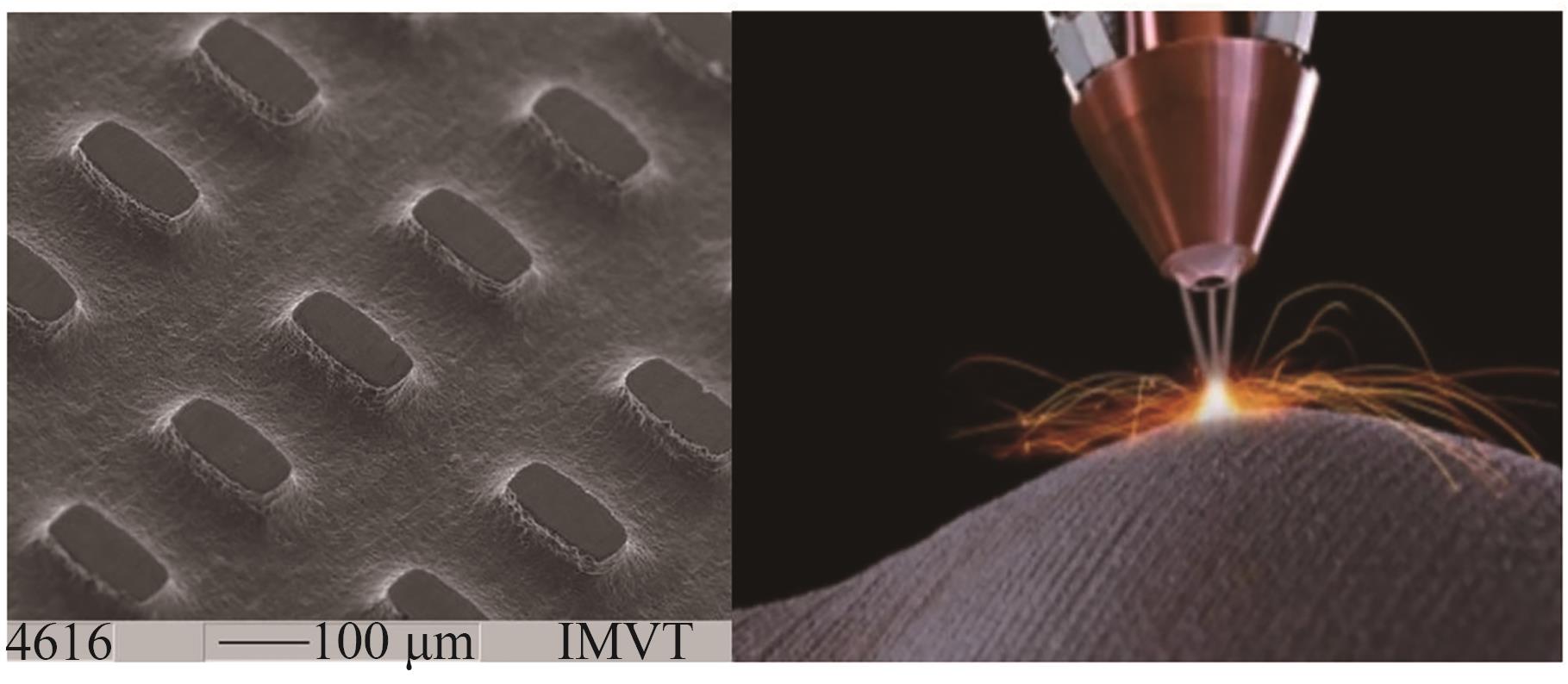
2种微U形沟槽结构的微观形貌[71]
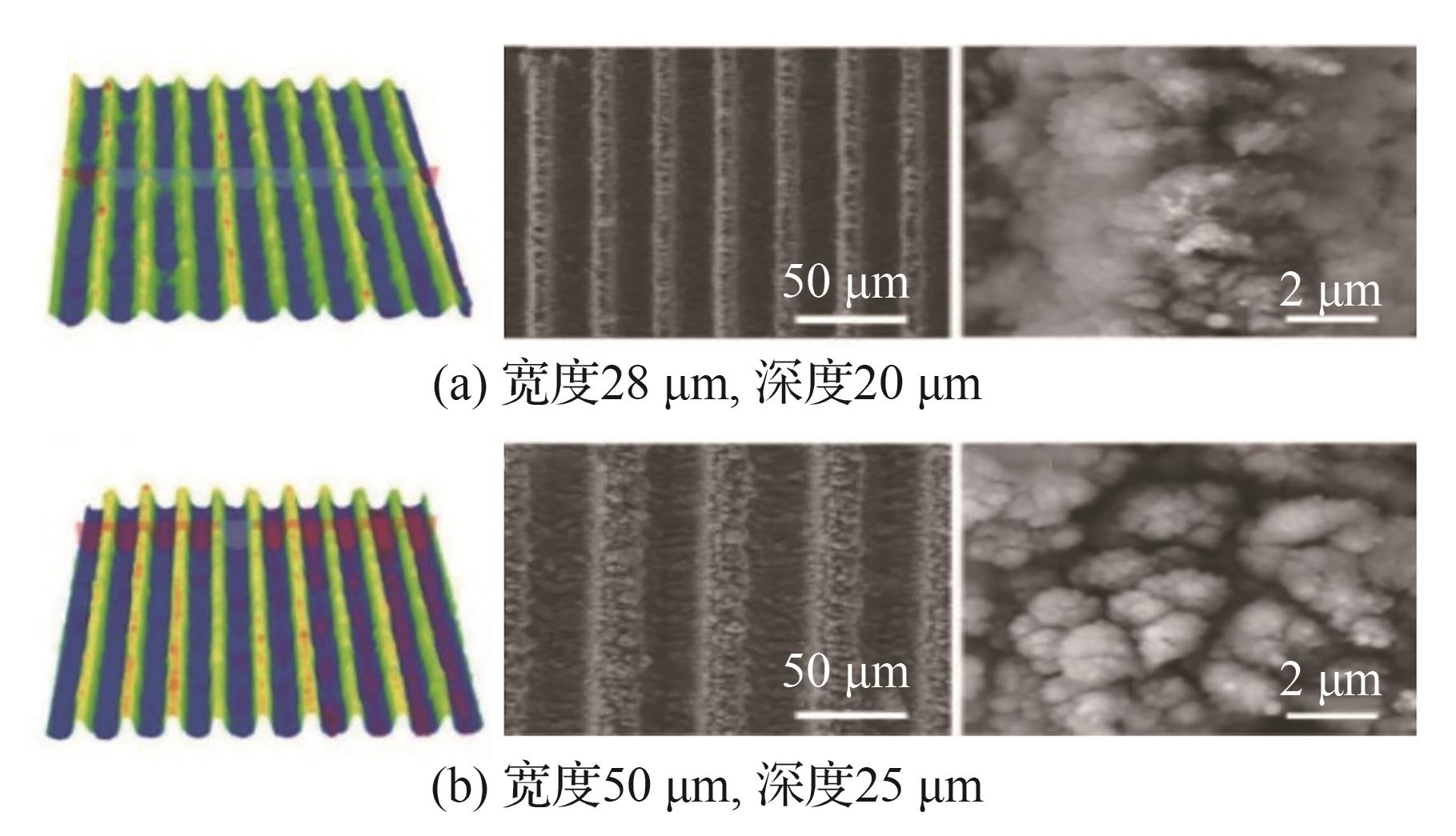
图 13
燃油喷嘴及增材制造件
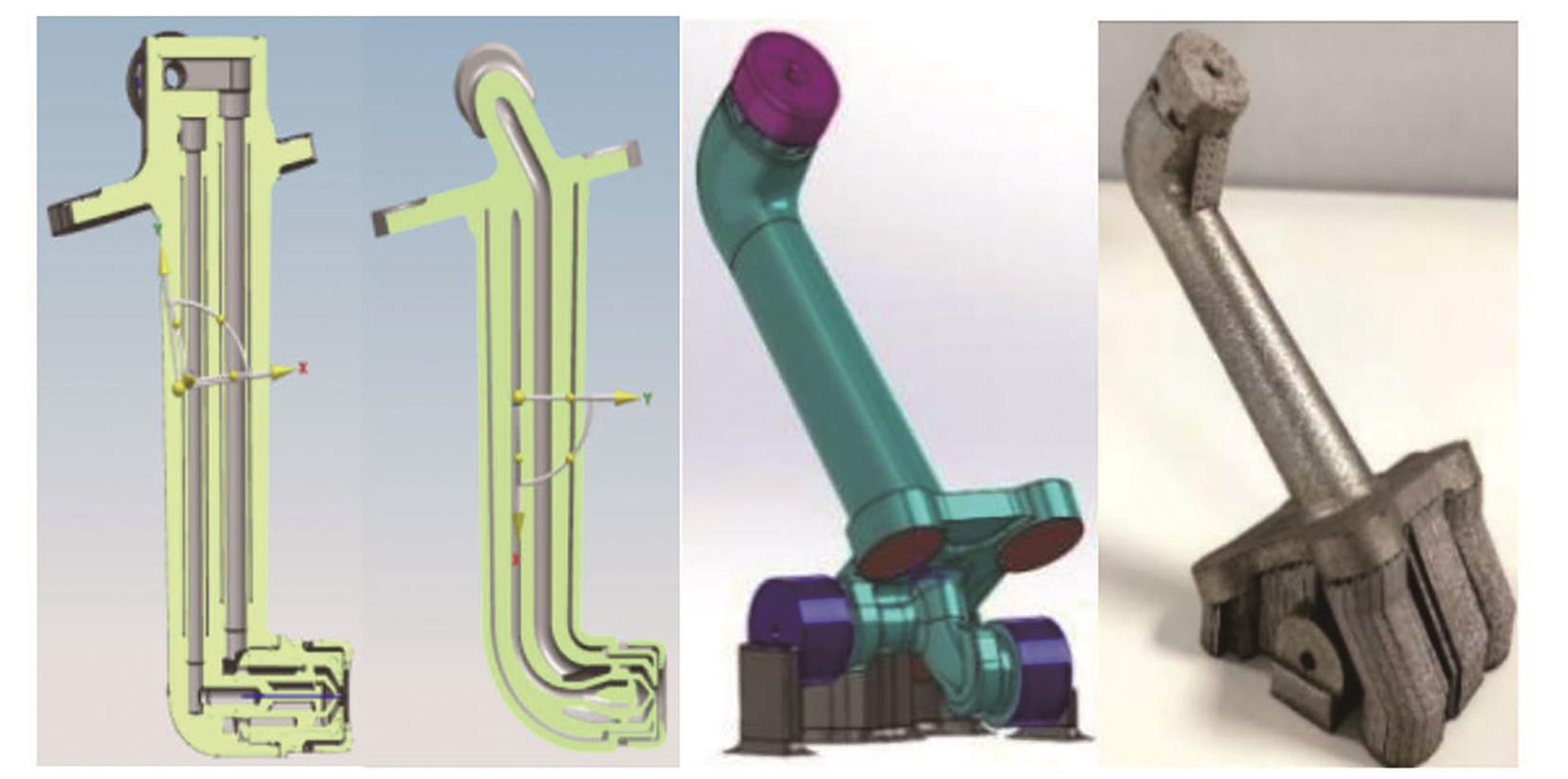
图 14
表面微纳加工及微结构示意图[80]
| [1] | 刘大响. 一代新材料, 一代新型发动机: 航空发动机的发展趋势及其对材料的需求[J]. 材料工程, 2017, 45(10): 1-5. |
| LIU D X. One generation of new material, one generation of new type engine: Development trend of aero-engine and its requirements for materials[J]. Journal of Materials Engineering, 2017, 45(10): 1-5 (in Chinese). | |
| [2] | 江和甫, 古远兴, 卿华. 航空发动机的新结构及其强度设计[J]. 燃气涡轮试验与研究, 2007, 20(2): 1-4. |
| JIANG H F, GU Y X, QING H. New structure and strength design of aeroengine[J]. Gas Turbine Experiment and Research, 2007, 20(2): 1-4 (in Chinese). | |
| [3] | 王强, 郑日恒, 陈懋章. 航空发动机科学技术的发展与创新[J]. 科技导报, 2021, 39(3): 59-70. |
| WANG Q, ZHENG R H, CHEN M Z. Development and innovation of aeroengine science and technology[J]. Science & Technology Review, 2021, 39(3): 59-70 (in Chinese). | |
| [4] | 焦华宾, 莫松. 航空涡轮发动机现状及未来发展综述[J]. 航空制造技术, 2015, 58(12): 62-65. |
| JIAO H B, MO S. Present status and development trend of aircraft turbine engine[J]. Aeronautical Manufacturing Technology, 2015, 58(12): 62-65 (in Chinese). | |
| [5] | 陈光. 航空发动机结构设计分析[M]. 北京: 北京航空航天大学出版社, 2006. |
| CHEN G. Structural design and analysis of aeroengine[M]. Beijing: Beijing University of Aeronautics and Astronautics Press, 2006 (in Chinese). | |
| [6] | XU Z Y, WANG Y D. Electrochemical machining of complex components of aero-engines: Developments, trends, and technological advances[J]. Chinese Journal of Aeronautics, 2021, 34(2): 28-53. |
| [7] | 周运龙, 马毅, 管迎春. 面向航空发动机高性能制造的激光选区熔化技术研究进展[J]. 航空学报, 2024, 45(13): 629508. |
| ZHOU Y L, MA Y, GUAN Y C. Research progress on laser selective melting technology for high-performance manufacturing of aero-engines[J]. Acta Aeronautica et Astronautica Sinica, 2024, 45(13): 629508 (in Chinese). | |
| [8] | 周冰洁, 张代军, 张英杰, 等. 高性能热塑性复合材料在航空发动机短舱上的应用[J]. 航空制造技术, 2020, 63(7): 86-91. |
| ZHOU B J, ZHANG D J, ZHANG Y J, et al. Applications of thermoplastic composites on aero-engine nacelles[J]. Aeronautical Manufacturing Technology, 2020, 63(7): 86-91 (in Chinese). | |
| [9] | 林京, 张博瑶, 张大义, 等. 航空燃气涡轮发动机故障诊断研究现状与展望[J]. 航空学报, 2022, 43(8): 626565. |
| LIN J, ZHANG B Y, ZHANG D Y, et al. Research status and prospect of fault diagnosis for gas turbine aeroengine[J]. Acta Aeronautica et Astronautica Sinica, 2022, 43(8): 626565 (in Chinese). | |
| [10] | 索德军, 孙明霞, 梁春华, 等. 美国战斗机发动机技术研究与产品研制的发展特点及趋势分析[J]. 航空发动机, 2016, 42(6): 82-89. |
| SUO D J, SUN M X, LIANG C H, et al. Review on technical investigation and product development of fighter engine in US[J]. Aeroengine, 2016, 42(6): 82-89 (in Chinese). | |
| [11] | 韩玉琪. 2023年军用航空动力进展[J]. 航空动力, 2024(1): 10-13. |
| HAN Y Q. Progress of military aero engine in 2023[J]. Aerospace Power, 2024(1): 10-13 (in Chinese). | |
| [12] | 张卫红, 周涵, 李韶英, 等. 航天高性能薄壁构件的材料-结构一体化设计综述[J]. 航空学报, 2023, 44(9): 627428. |
| ZHANG W H, ZHOU H, LI S Y, et al. Material-structure integrated design for high-performance aerospace thin-walled component[J]. Acta Aeronautica et Astronautica Sinica, 2023, 44(9): 627428 (in Chinese). | |
| [13] | 张少平, 郭会明, 高彤, 等. 基于先进激光加工技术的下一代航空发动机跨尺度整体式承力薄壁构件设计方法与应用[J]. 航空学报, 2024, 45(13): 630037. |
| ZHANG S P, GUO H M, GAO T, et al. Design and manufacturing method of multi-scale integrated load bearing thin-walled structure for application in next-generation aeroengine based on advanced laser processing technology[J]. Acta Aeronautica et Astronautica Sinica, 2024, 45(13): 630037 (in Chinese). | |
| [14] | 汪文君, 徐友良, 吴雪蓓, 等. 基于增材制造的微型涡喷发动机轻量化设计及试验[J]. 航空动力, 2019(3): 20-22. |
| WANG W J, XU Y L, WU X B, et al. Lightweight design and test of micro turbojet based on AM[J]. Aerospace Power, 2019(3): 20-22 (in Chinese). | |
| [15] | 张高, 刘梅军, 韩嘉琪, 等. 压气机整体叶盘修复再制造的研究进展[J]. 航空材料学报, 2024, 44(3): 65-81. |
| ZHANG G, LIU M J, HAN J Q, et al. Research progress in repair and remanufacture of compressor blisk[J]. Journal of Aeronautical Materials, 2024, 44(3): 65-81 (in Chinese). | |
| [16] | 陈茁, 张钰, 张洁, 等. SLM成形的空心梯度Gyroid点阵夹层结构力学特性研究[J/OL]. 机械科学与技术, 2024: 1-9. (2024-09-03)[2024-12-14]. . |
| CHEN Z, ZHANG Y, ZHANG J, et al. Study on mechanical properties of hollow gradient Gyroid lattice sandwich structure formed by SLM [J/OL]. Mechanical Science and Technology for Aerospace Engineering, 2024: 1-9. (2024-09-03)[2024-12-14]. (in Chinese). | |
| [17] | 常超, 马桢, 褚井泉, 等. 基于增材制造空心点阵结构的压缩变形研究[J]. 高压物理学报, 2022, 36(2): 35-42. |
| CHANG C, MA Z, CHU J Q, et al. Research on compression deformation of hollow lattice structure based on additive manufacturing[J]. Chinese Journal of High Pressure Physics, 2022, 36(2): 35-42 (in Chinese). | |
| [18] | 吴心晨. 宽弦空心风扇叶片超塑成形/扩散连接工艺研究[D]. 南京: 南京航空航天大学, 2015. |
| WU X C. Research on superplastic forming/diffusion joining process of wide chord hollow fan blades[D]. Nanjing: Nanjing University of Aeronautics and Astronautics, 2015 (in Chinese). | |
| [19] | 李灿, 郎利辉, SARDAR MUHAMMAD I, 等. 航空发动机宽弦空心风扇叶片制造研究综述[J]. 航空动力学报, 2023, 38(11): 2675-2687. |
| LI C, LANG L H, SARDAR MUHAMMAD I, et al. Review on manufacture of aeroengine wide chord hollow fan blade[J]. Journal of Aerospace Power, 2023, 38(11): 2675-2687 (in Chinese). | |
| [20] | 任毅如, 蒋宏勇, 金其多, 等. 仿生负泊松比拉胀内凹蜂窝结构耐撞性[J]. 航空学报, 2021, 42(3): 223978. |
| REN Y R, JIANG H Y, JIN Q D, et al. Crashworthiness of bio-inspired auxetic reentrant honeycomb with negative Poisson’s ratio[J]. Acta Aeronautica et Astronautica Sinica, 2021, 42(3): 223978 (in Chinese). | |
| [21] | 高强, 王健, 张严, 等. 拓扑优化方法及其在运载工程中的应用与展望[J]. 机械工程学报, 2024, 60(4): 369-390. |
| GAO Q, WANG J, ZHANG Y, et al. Topology optimization approaches and its application and prospect in transportation engineering[J]. Journal of Mechanical Engineering, 2024, 60(4): 369-390 (in Chinese). | |
| [22] | 陈小前, 赵勇, 霍森林, 等. 多尺度结构拓扑优化设计方法综述[J]. 航空学报, 2023, 44(15): 528863. |
| CHEN X Q, ZHAO Y, HUO S L, et al. A review of topology optimization design methods for multi-scale structures[J]. Acta Aeronautica et Astronautica Sinica, 2023, 44(15): 528863 (in Chinese). | |
| [23] | 邓扬晨, 刘晓欧, 朱继宏. 飞机加强框的一种结构拓扑优化设计方法[J]. 飞机设计, 2004, 24(4): 11-16. |
| DENG Y C, LIU X O, ZHU J H. An approach to structural topology optimization about aircraft reinforced frames design[J]. Aircraft Design, 2004, 24(4): 11-16 (in Chinese). | |
| [24] | 金栋平, 纪斌. 机翼后缘柔性支撑结构的拓扑优化[J]. 航空学报, 2015, 36(8): 2681-2687. |
| JIN D P, JI B. Topology optimization of flexible support structure for trailing edge[J]. Acta Aeronautica et Astronautica Sinica, 2015, 36(8): 2681-2687 (in Chinese). | |
| [25] | 曾金玲, 雷雨成, 魏德永. 冲焊桥壳的轻量化设计[J]. 机械设计, 2007, 24(1): 32-34. |
| ZENG J L, LEI Y C, WEI D Y. Light weighted optimization design of punching-welded bridge housing[J]. Journal of Machine Design, 2007, 24(1): 32-34 (in Chinese). | |
| [26] | 潘晋, 陈昌亚, 王德禹. 卫星结构的拓扑优化与灵敏度分析[J]. 宇航学报, 2004, 25(6): 673-676, 693. |
| PAN J, CHEN C Y, WANG D Y. Topology optimization and sensitivity analysis of satellite structure[J]. Journal of Astronautics, 2004, 25(6): 673-676, 693 (in Chinese). | |
| [27] | 王博, 周子童, 周演, 等. 薄壁结构多层级并发加筋拓扑优化研究[J]. 计算力学学报, 2021, 38(4): 487-497. |
| WANG B, ZHOU Z T, ZHOU Y, et al. Concurrent topology optimization of hierarchical stiffened thin-walled structures[J]. Chinese Journal of Computational Mechanics, 2021, 38(4): 487-497 (in Chinese). | |
| [28] | WANG B, ZHU S Y, HAO P, et al. Buckling of quasi-perfect cylindrical shell under axial compression: A combined experimental and numerical investigation[J]. International Journal of Solids and Structures, 2018, 130: 232-247. |
| [29] | HAO P, WANG Y T, LIU C, et al. A novel non-probabilistic reliability-based design optimization algorithm using enhanced chaos control method[J]. Computer Methods in Applied Mechanics and Engineering, 2017, 318: 572-593. |
| [30] | 沈洪, 任浩东, 李海东. 面向功能表面的激光仿生制造技术研究进展[J]. 空天防御, 2023, 6(2): 12-22. |
| SHEN H, REN H D, LI H D. Laser bionic manufacturing technology for functional surface[J]. Air & Space Defense, 2023, 6(2): 12-22 (in Chinese). | |
| [31] | 杨青, 成扬, 方政, 等. 仿生超滑表面的飞秒激光微纳制造及应用[J]. 光电工程, 2022, 49(1): 5-26. |
| YANG Q, CHENG Y, FANG Z, et al. The preparation and applications of bio-inspired slippery surface by femtosecond laser micro-nano manufacturing[J]. Opto-Electronic Engineering, 2022, 49(1): 5-26 (in Chinese). | |
| [32] | 黄窈, 谢守勇, 高鸣源, 等. 基于微纳仿生结构的可穿戴植物传感器制备及其性能研究[J]. 西南大学学报(自然科学版), 2024, 46(8): 198-208. |
| HUANG Y, XIE S Y, GAO M Y, et al. Fabrication and performance study of wearable plant sensor based on micro-nano bionic structure[J]. Journal of Southwest University (Natural Science Edition), 2024, 46(8): 198-208 (in Chinese). | |
| [33] | 孙培培, 李雯, 胡文颖. 仿生学在航空发动机领域的应用[J]. 航空动力, 2018(5): 12-15. |
| SUN P P, LI W, HU W Y. Application of bionics in aero engines[J]. Aerospace Power, 2018(5): 12-15 (in Chinese). | |
| [34] | 谭慧俊, 王子运, 张悦. 形状记忆合金在飞行器进气道中的应用研究进展[J]. 南京航空航天大学学报, 2019, 51(4): 438-448. |
| TAN H J, WANG Z Y, ZHANG Y. Review of applications of shape memory alloy in inlets[J]. Journal of Nanjing University of Aeronautics & Astronautics, 2019, 51(4): 438-448 (in Chinese). | |
| [35] | PITT D M, DUNNE J P, WHITE E V, et al. Wind tunnel demonstration of the sampson smart inlet[C]∥Industrial And Commercial Applications of Smart Structures Technologies, 2001. |
| [36] | 刘政显. 宽频吸波复合材料结构的力学与电磁性能研究[D]. 哈尔滨: 哈尔滨工程大学, 2023. |
| LIU Z X. Research on the mechanical and electromagnetic properties of broadband absorbing composite material structures[D]. Harbin: Harbin Engineering University, 2023 (in Chinese). | |
| [37] | 付青峰, 杨细莲, 刘克明. 航空发动机高温材料的研究现状及展望[J]. 热处理技术与装备, 2018, 39(3): 69-73. |
| FU Q F, YANG X L, LIU K M. Current status of research and prospect of high temperature materials for aeroengine[J]. Heat Treatment Technology and Equipment, 2018, 39(3): 69-73 (in Chinese). | |
| [38] | CHEN L, YANG X, SU Z A, et al. Fabrication and performance of micro-diamond modified C/SiC composites via precursor impregnation and pyrolysis process[J]. Ceramics International, 2018, 44(8): 9601-9608. |
| [39] | LIU L, LI H J, HAO K, et al. Effect of SiC location on the ablation of C/C-SiC composites in two heat fluxes[J]. Journal of Materials Science & Technology, 2015, 31(4): 345-354. |
| [40] | 王子媛, 曹鑫鑫, 蒋婷, 等. 高温燃气环境下SiCf/SiC和SiCf/SiC-EBC复合材料力学性能及损伤[J]. 航空材料学报, 2024, 44(4): 46-56. |
| WANG Z Y, CAO X X, JIANG T, et al. Mechanical properties and damage analysis of SiCf/SiC and SiCf/SiC-EBC composites in high-temperature combustion gas environment[J]. Journal of Aeronautical Materials, 2024, 44(4): 46-56 (in Chinese). | |
| [41] | 刘瑶瑶, 海维斌, 彭雨晴, 等. SiCf/SiC复合材料致密化过程模拟[J]. 陶瓷学报, 2022, 43(4): 674-683. |
| LIU Y Y, HAI W B, PENG Y Q, et al. Simulation of densification process of SiCf/SiC composites[J]. Journal of Ceramics, 2022, 43(4): 674-683 (in Chinese). | |
| [42] | 杜昆, 陈麒好, 孟宪龙, 等. 陶瓷基复合材料在航空发动机热端部件应用及热分析研究进展[J]. 推进技术, 2022, 43(2): 113-131. |
| DU K, CHEN Q H, MENG X L, et al. Advancement in application and thermal analysis of ceramic matrix composites in aeroengine hot components[J]. Journal of Propulsion Technology, 2022, 43(2): 113-131 (in Chinese). | |
| [43] | XIAO S J, GE C Y, ZHOU C H, et al. Tensile properties of 3D stitched C/C-SiC composites prepared by a hybrid chemical vapor infiltration (CVI) and polymer impregnation and pyrolysis (PIP) process[J]. Ceramics International, 2025, 51(7): 9376-9386. |
| [44] | SONG Z Y, XIAO K Y, XIAO S J, et al. Effect of porosity on the tensile strength and Micromechanisms of laminated stitched C/C-SiC composites[J]. Materials & Design, 2024, 247: 113429. |
| [45] | 郑刚, 陈阳, 南朝. TA11航空发动机叶片激光冲击强化技术研究[J]. 电加工与模具, 2023(): 44-46. |
| ZHENG G, CHEN Y, NAN C. Study on laser shock peening technology of TA11 aeroen-gine blade[J]. Electromachining & Mould, 2023(S1): 44-46 (in Chinese). | |
| [46] | 王冰, 相志磊, 周宗熠, 等. 耐600 ℃及以上高温钛合金研究进展[J]. 钢铁钒钛, 2024, 45(2): 42-50, 71. |
| WANG B, XIANG Z L, ZHOU Z Y, et al. Research status and prospect of titanium alloys resistant to high temperature of 600 ℃ and above[J]. Iron Steel Vanadium Titanium, 2024, 45(2): 42-50, 71 (in Chinese). | |
| [47] | XU R R, LI M Q, ZHAO Y H. A review of microstructure control and mechanical performance optimization of γ-TiAl alloys[J]. Journal of Alloys and Compounds, 2023, 932: 167611. |
| [48] | DONG S L, LIU S B, JI M L, et al. Anomalous increase of fracture toughness of TiAl-based alloys at high temperature[J]. Materials Characterization, 2024, 215: 114215. |
| [49] | XUE H, SONG Y, TONG X H, et al. Enhancing strength and ductility in high Nb-containing TiAl alloy additively manufactured via directed energy deposition[J]. Additive Manufacturing, 2024, 86: 104194. |
| [50] | YUE H Y, YANG J B, WANG Y L, et al. Effect of TiB2 on the microstructure and mechanical properties of TiAl alloy produced by laser direct energy deposition[J]. Materials Characterization, 2024, 212: 113992. |
| [51] | XIA Z W, SHAN C W, ZHANG M H, et al. Machinability of γ-TiAl: A review[J]. Chinese Journal of Aeronautics, 2023, 36(7): 40-75. |
| [52] | QIAO H C, ZHAO J B, GAO Y. Experimental investigation of laser peening on TiAl alloy microstructure and properties[J]. Chinese Journal of Aeronautics, 2015, 28(2): 609-616. |
| [53] | 胡胜鹏, 李文强, 付伟, 等. BNi-2非晶钎料钎焊高铌TiAl合金与GH3536合金接头组织与性能[J]. 航空学报, 2021, 42(3): 423846. |
| HU S P, LI W Q, FU W, et al. Interfacial microstructure and mechanical properties of high Nb containing TiAl alloy and GH3536 superalloy brazed using amorphous BNi-2 filler[J]. Acta Aeronautica et Astronautica Sinica, 2021, 42(3): 423846 (in Chinese). | |
| [54] | LIU Y J, HUANG Y S, GAO T F, et al. Synergistic effect of Mn and B on the cohesive properties of grain boundaries in Ni3Al: A first-principles study[J]. Materials Today Communications, 2024, 38: 108055. |
| [55] | GUO R, DING J, WANG Y J, et al. Oxidation behavior of pre-strained polycrystalline Ni3Al-based superalloy[J]. Materials, 2024, 17(7): 1561. |
| [56] | 滕宗延, 许雅南, 王轶农, 等. Ni3Al基高温合金的成分设计及室温性能[J]. 金属热处理, 2024, 49(3): 209-214. |
| TENG Z Y, XU Y N, WANG Y N, et al. Composition design and room temperature properties of Ni3Al-based superalloys[J]. Heat Treatment of Metals, 2024, 49(3): 209-214 (in Chinese). | |
| [57] | HUANG Y L, JIA L N, KONG B, et al. Microstructure and room temperature fracture toughness of Nb-Si-based alloys with Sr addition[J]. Rare Metals, 2024, 43(8): 3904-3912. |
| [58] | 朱飞, 胡平, 葛松伟, 等. Nb-Si基合金及其涂层的高温氧化行为研究进展[J]. 稀有金属材料与工程, 2023, 52(12): 4340-4354. |
| ZHU F, HU P, GE S W, et al. Research progress of high temperature oxidation behavior of Nb-Si based alloys and their coatings[J]. Rare Metal Materials and Engineering, 2023, 52(12): 4340-4354 (in Chinese). | |
| [59] | 吴建鹏, 朱振峰, 曹玉泉. 金属间化合物的研究现状与发展[J]. 热加工工艺, 2004, 33(5): 41-43. |
| WU J P, ZHU Z F, CAO Y Q. Research status and development on intermetallics compounds[J]. Hot Working Technology, 2004, 33(5): 41-43 (in Chinese). | |
| [60] | 金和喜, 魏克湘, 李建明, 等. 航空用钛合金研究进展[J]. 中国有色金属学报, 2015, 25(2): 280-292. |
| JIN H X, WEI K X, LI J M, et al. Research development of titanium alloy in aerospace industry[J]. The Chinese Journal of Nonferrous Metals, 2015, 25(2): 280-292 (in Chinese). | |
| [61] | 乐献刚, 周朝辉, 马岳, 等. TiAl金属间化合物缺口断裂性能[J]. 航空学报, 2010, 31(9): 1900-1906. |
| LE X G, ZHOU C H, MA Y, et al. Notch fracture properties of TiAl intermetallic compounds[J]. Acta Aeronautica et Astronautica Sinica, 2010, 31(9): 1900-1906 (in Chinese). | |
| [62] | 刘石双, 曹京霞, 周毅, 等. Ti2AlNb合金研究与展望[J]. 中国有色金属学报, 2021, 31(11): 3106-3126. |
| LIU S S, CAO J X, ZHOU Y, et al. Research and prospect of Ti2AlNb alloy[J]. The Chinese Journal of Nonferrous Metals, 2021, 31(11): 3106-3126 (in Chinese). | |
| [63] | 涂冰怡, 赵明, 商体松, 等. 航空发动机先进结构与关键制造技术[J]. 航空制造技术, 2014, 57(7): 53-56. |
| TU B Y, ZHAO M, SHANG T S, et al. Advanced structure and key manufaturing technology of aeroengine[J]. Aeronautical Manufacturing Technology, 2014, 57(7): 53-56 (in Chinese). | |
| [64] | 陈易诚, 涂建勇, 李鑫, 等. 雷达/红外兼容隐身材料设计原理及研究进展[J]. 材料导报, 2025, 39(6): 1-17. |
| CHEN Y C, TU J Y, LI X, et al. Design principle and research progress of radar/infrared compatible stealth materials[J]. Materials Reports, 2025, 39(6): 1-17 (in Chinese). | |
| [65] | 陈政伟, 范晓孟, 黄小萧, 等. 高温吸波陶瓷材料研究进展[J]. 现代技术陶瓷, 2020, 41(): 1-98. |
| CHEN Z W, FAN X M, HUANG X X, et al. Research progress and prospection on high-temperature wave-absorbing ceramic materials[J]. Advanced Ceramics, 2020, 41(S1): 1-98 (in Chinese). | |
| [66] | 宋若康, 张梦珊, 戴珍, 等. 烧蚀型防热/吸波多功能一体化复合材料的制备及性能[J]. 复合材料学报, 2024, 41(1): 271-280. |
| SONG R K, ZHANG M S, DAI Z, et al. Preparation and properties of multi-functional composite integrated with heat-shielding and radar-absorbing[J]. Acta Materiae Compositae Sinica, 2024, 41(1): 271-280 (in Chinese). | |
| [67] | 韩海滨, 张可成, 李金平. ZrW2O8负膨胀陶瓷材料进展[J]. 硅酸盐通报, 2005, 24(1): 85-88. |
| HAN H B, ZHANG K C, LI J P. Progress of negative thermal expansion ZrW2O8 ceramics[J]. Bulletin of the Chinese Ceramic Society, 2005, 24(1): 85-88 (in Chinese). | |
| [68] | ZHANG Y H, LI H, YANG Z W, et al. Microstructure evolution and shape memory behaviors of Ni47Ti44Nb9 alloy subjected to multistep thermomechanical loading with different prestrain levels[J]. Journal of Materials Science & Technology, 2024, 171: 80-93. |
| [69] | YANG Z W, LI H, ZHANG Y H, et al. Comparative study on mechanical and shape memory properties of hot forged NiTiNb in axial and radial direction[J]. Materials Science and Engineering: A, 2022, 836: 142717. |
| [70] | LI H, PENG L F, MENG B, et al. Energy field assisted metal forming: Current status, challenges and prospects[J]. International Journal of Machine Tools and Manufacture, 2023, 192: 104075. |
| [71] | 江国琛, 潘瑞, 陈昶昊, 等. 超快激光制备水面减阻微纳结构及其耐蚀性研究[J]. 中国激光, 2020, 47(8): 81-89. |
| JIANG G C, PAN R, CHEN C H, et al. Ultrafast laser fabricated drag reduction micro-nano structures and their corrosion resistance[J]. Chinese Journal of Lasers, 2020, 47(8): 81-89 (in Chinese). | |
| [72] | BIXLER G D, BHUSHAN B. Bioinspired micro/nanostructured surfaces for oil drag reduction in closed channel flow[J]. Soft Matter, 2013, 9(5): 1620-1635. |
| [73] | ZHONG S Y, ZHANG L, LI Y, et al. Superelastic and robust NiTi alloys with hierarchical microstructures by laser powder bed fusion[J]. Additive Manufacturing, 2024, 90: 104319. |
| [74] | MIAO D, ZHAO J Y, CAI X, et al. Mechanism of grain refinement induced by Mn element in wire arc addition manufacturing Al-Mg alloy[J]. Metals and Materials International, 2024, 30(9): 2558-2570. |
| [75] | ZHANG W, CHABOK A, WANG H, et al. Ultra-strong and ductile precipitation-strengthened high entropy alloy with 0.5% Nb addition produced by laser additive manufacturing[J]. Journal of Materials Science & Technology, 2024, 187: 195-211. |
| [76] | CHIARADIA V, PENSA E, MACHADO T O, et al. Improving the performance of photoactive terpene-based resin formulations for light-based additive manufacturing[J]. ACS Sustainable Chemistry & Engineering, 2024, 12(18): 6904-6912. |
| [77] | KHOO Z X, LIU Y, LOW Z H, et al. Fabrication of SLM NiTi shape memory alloy via repetitive laser scanning[J]. Shape Memory and Superelasticity, 2018, 4(1): 112-120. |
| [78] | 卢秉恒, 李涤尘. 增材制造(3D打印)技术发展[J]. 机械制造与自动化, 2013, 42(4): 1-4. |
| LU B H, LI D C. Development of the additive manufacturing(3D printing)technology[J]. Machine Building & Automation, 2013, 42(4): 1-4 (in Chinese). | |
| [79] | 李毅, 王振忠, 肖宇航, 等. 金属激光增材+X复合制造技术综述[J]. 航空学报, 2024, 45(13): 629349. |
| LI Y, WANG Z Z, XIAO Y H, et al. Review of laser-metal additive manufacturing + X hybrid technology[J]. Acta Aeronautica et Astronautica Sinica, 2024, 45(13): 629349 (in Chinese). | |
| [80] | 林启敬, 张福政, 赵立波. 微纳制造技术的发展趋势与发展建议[J]. 前瞻科技, 2024, 3(3): 7-18. |
| LIN Q J, ZHANG F Z, ZHAO L B. Development trends and development suggestions for micro-nano manufacturing technology[J]. Science and Technology Foresight, 2024, 3(3): 7-18 (in Chinese). | |
| [81] | 朱立华, 于文慧, 亓东锋, 等. 激光表面强化与微纳制造技术研究进展[J]. 材料保护, 2024, 57(8): 130-146. |
| ZHU L H, YU W H, QI D F, et al. Research progress in laser surface strengthening and micro-nano manufacturing technology[J]. Materials Protection, 2024, 57(8): 130-146 (in Chinese). | |
| [82] | 肖强, 徐睿. 超快激光制备材料表面微纳结构的研究进展[J]. 中国表面工程, 2020, 33(1): 1-17. |
| XIAO Q, XU R. Research progress in surface micro-nano structure of materials prepared by ultrafast laser[J]. China Surface Engineering, 2020, 33(1): 1-17 (in Chinese). | |
| [83] | 肖洪, 林志富, 王栋欢, 等. 智能航空发动机: 基础理论与关键技术[M]. 北京: 科学出版社, 2023. |
| XIAO H, LIN Z F, WANG D H, et al. Intelligent aircraft engine-basic theory and key technologies[M]. Beijing: Science Press, 2023 (in Chinese). | |
| [84] | LI H, YANG J C, CHEN G Y, et al. Towards intelligent design optimization: Progress and challenge of design optimization theories and technologies for plastic forming[J]. Chinese Journal of Aeronautics, 2021, 34(2): 104-123. |
| [85] | 邵冬. 罗罗的智能发动机愿景分析[J]. 航空动力, 2020(3): 27-30. |
| SHAO D. Analysis to the intelligent engine vision of rolls-royces[J]. Aerospace Power, 2020(3): 27-30 (in Chinese). |
| [1] | 姚斡维, 刘高文, 陈燕, 孔晓治, 林阿强. 高性能涡轮低位预旋供气系统正向设计[J]. 航空学报, 2025, 46(7): 130832-130832. |
| [2] | 何雅玲, 姜涛, 杜燊, 徐国强. 飞行包线内空气换热器能力边界研究及进展[J]. 航空学报, 2025, 46(5): 531745-531745. |
| [3] | 陶玄君, 于平超, 靳祎泽, 向振洋, 张大义. 航空发动机复杂叶片碰摩仿真方法与动力学特性分析[J]. 航空学报, 2025, 46(24): 232058-232058. |
| [4] | 张赟, 刘晨光, 张宇坤, 李朋. 基于叶端定时的航空发动机压气机叶片裂纹识别[J]. 航空学报, 2025, 46(23): 231823-231823. |
| [5] | 刘茜, 胡殿印, 王怡, 王荣桥, 陈高翔, 孔维瀚. 航空发动机结构可靠性设计研究进展与展望[J]. 航空学报, 2025, 46(21): 532625-532625. |
| [6] | 杨显赵, 刘高文, 郭令颖, 马佳乐, 林阿强. 高温降涡轮高位预旋供气系统设计[J]. 航空学报, 2025, 46(2): 130672-130672. |
| [7] | 曲桂娴, 刘冬阳, 杨旭, 邱天, 刘传凯, 丁水汀, 袁树峥, 郭侃. 基于传感器时序信息增强的剩余寿命预测方法[J]. 航空学报, 2025, 46(17): 231634-231634. |
| [8] | 边杰, 王四季, 刘飞春. 航空发动机鼠笼弹支设计与试验研究进展[J]. 航空学报, 2025, 46(17): 231571-231571. |
| [9] | 王志伟, 查天衡, 刘博文, 陈燕, 林阿强, 刘高文. 高转速旋转篦齿流动与温升特性实验[J]. 航空学报, 2025, 46(15): 131534-131534. |
| [10] | 尹泽勇, 李概奇, 石建成, 银越千. 先进通用核心机派生发展的理念、方法及实践[J]. 航空学报, 2024, 45(7): 29713-029713. |
| [11] | 黄维娜, 黎方娟, 祁宏斌. 航空发动机数字工程初步研究与发展思考[J]. 航空学报, 2024, 45(5): 529693-529693. |
| [12] | 齐国宁, 吴宝海, 符江锋. 高速高压燃油齿轮泵典型卸荷槽对比分析[J]. 航空学报, 2024, 45(5): 529666-529666. |
| [13] | 陈立芳, 孙亚冰, 周书华, 高强, 乔保栋, 李栋. 基于真实数据反演的风扇转子本机平衡方法[J]. 航空学报, 2024, 45(4): 628321-628321. |
| [14] | 马瑞贤, 王鑫, 王开明, 李斌, 廖明夫, 王四季. 航空发动机篦齿⁃橡胶涂层机匣碰摩实验[J]. 航空学报, 2024, 45(4): 628350-628350. |
| [15] | 胡明辉, 高金吉, 江志农, 王维民, 邹利民, 周涛, 凡云峰, 王越, 冯家欣, 李晨阳. 航空发动机振动监测与故障诊断技术研究进展[J]. 航空学报, 2024, 45(4): 630194-630194. |
| 阅读次数 | ||||||
|
全文 |
|
|||||
|
摘要 |
|
|||||
版权所有 © 航空学报编辑部
版权所有 © 2011航空学报杂志社
主管单位:中国科学技术协会 主办单位:中国航空学会 北京航空航天大学

 CJA
CJA
