Acta Aeronautica et Astronautica Sinica ›› 2026, Vol. 47 ›› Issue (19): 233284.doi: 10.7527/S1000-6893.2026.33284
• Solid Mechanics and Vehicle Conceptual Design • Previous Articles
Yujie CHENG1,2,3,4( ), Zheng HU1,3,4, Yongmei GAO5, Jiyan ZENG1,3,4, An ZHOU1,3,4, Bo SUN1,3,4
Received:2025-12-25
Revised:2026-03-02
Accepted:2026-04-09
Online:2026-05-06
Published:2026-04-30
Contact:
Yujie CHENG
E-mail:chengyujie@buaa.edu.cn
Supported by:CLC Number:
Yujie CHENG, Zheng HU, Yongmei GAO, Jiyan ZENG, An ZHOU, Bo SUN. Knowledge graph- and large language model-driven fault diagnosis for avionics equipment[J]. Acta Aeronautica et Astronautica Sinica, 2026, 47(19): 233284.
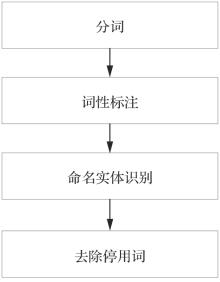
Fig.1
Core steps of natural language processing
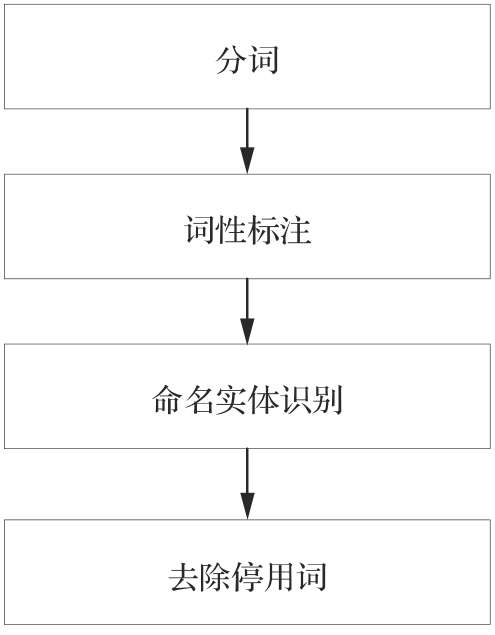
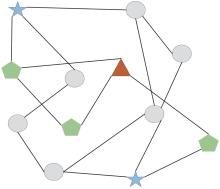
Fig.2
Illustration of subgraph construction
Table 1
Similarity measurement methods
| 方法 | 精度 | 敏感性 | 时间复杂度 | 缺点 |
|---|---|---|---|---|
| TF-IDF相似度 | 中 | 低 | 低 | 简单、快速,但无法反映序列信息 |
| 最长公共子序列 | 高 | 高 | 高 | 适用子问题重叠,复杂度高 |
| 欧氏距离相似度方法 | 中 | 低 | 低 | 常用距离定义,但未考虑总体变异 |
| levenshtein距离方法 | 高 | 中 | 高 | 可计算任意字符串间距离,字符串长时计算量大 |
| 杰卡德系数方法 | 中 | 中 | 低 | 可处理非对称二元变量,但忽略向量数值大小 |
| 余弦相似度 | 中 | 低 | 低 | 对重复词敏感,仅能分辨维间差异 |
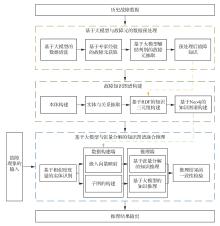
Fig.3
Process of avionics equipment fault diagnosis driven by integration of knowledge graphs and large language models
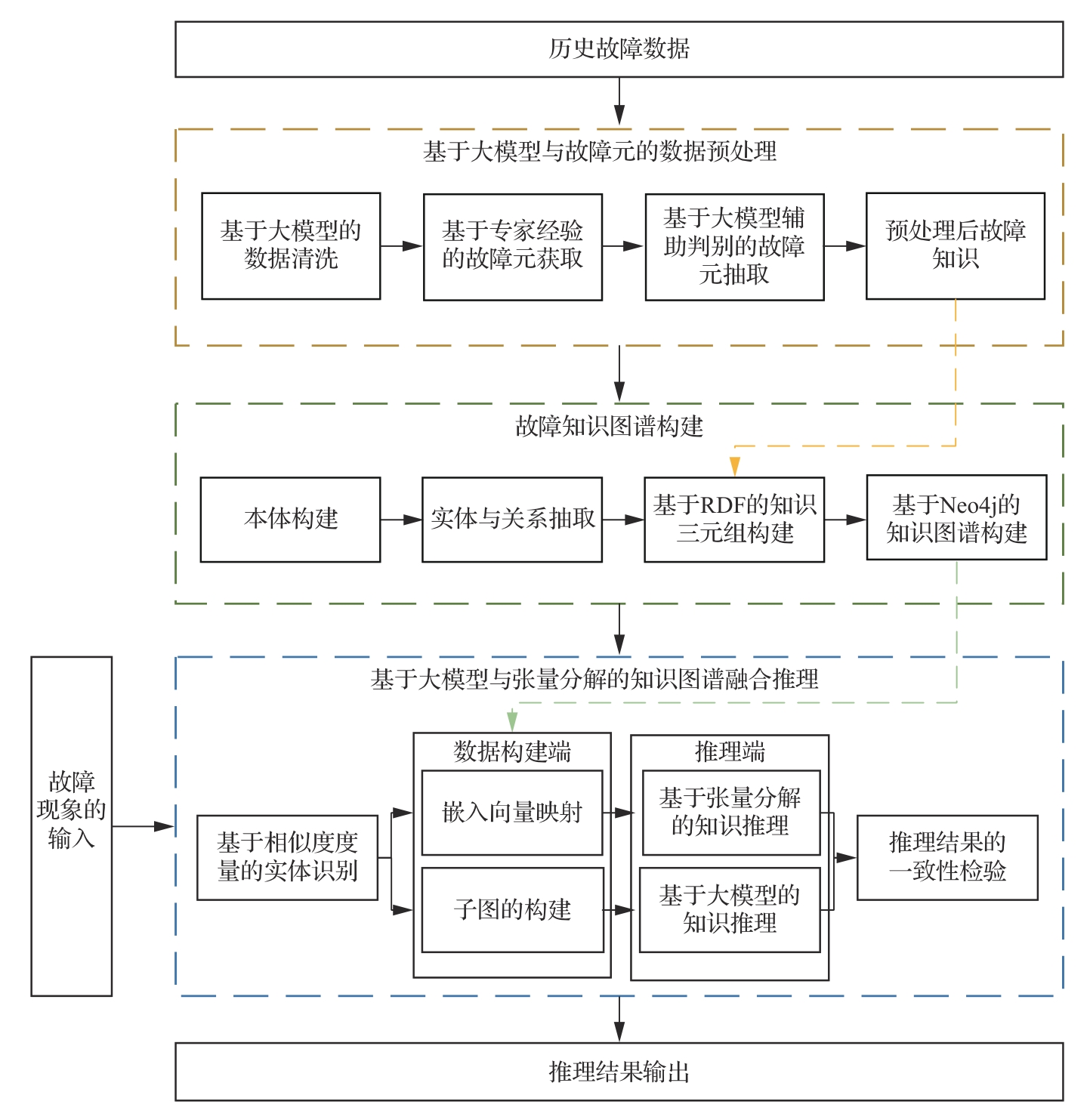
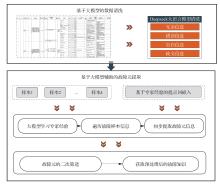
Fig.4
Data preprocessing based on large language models
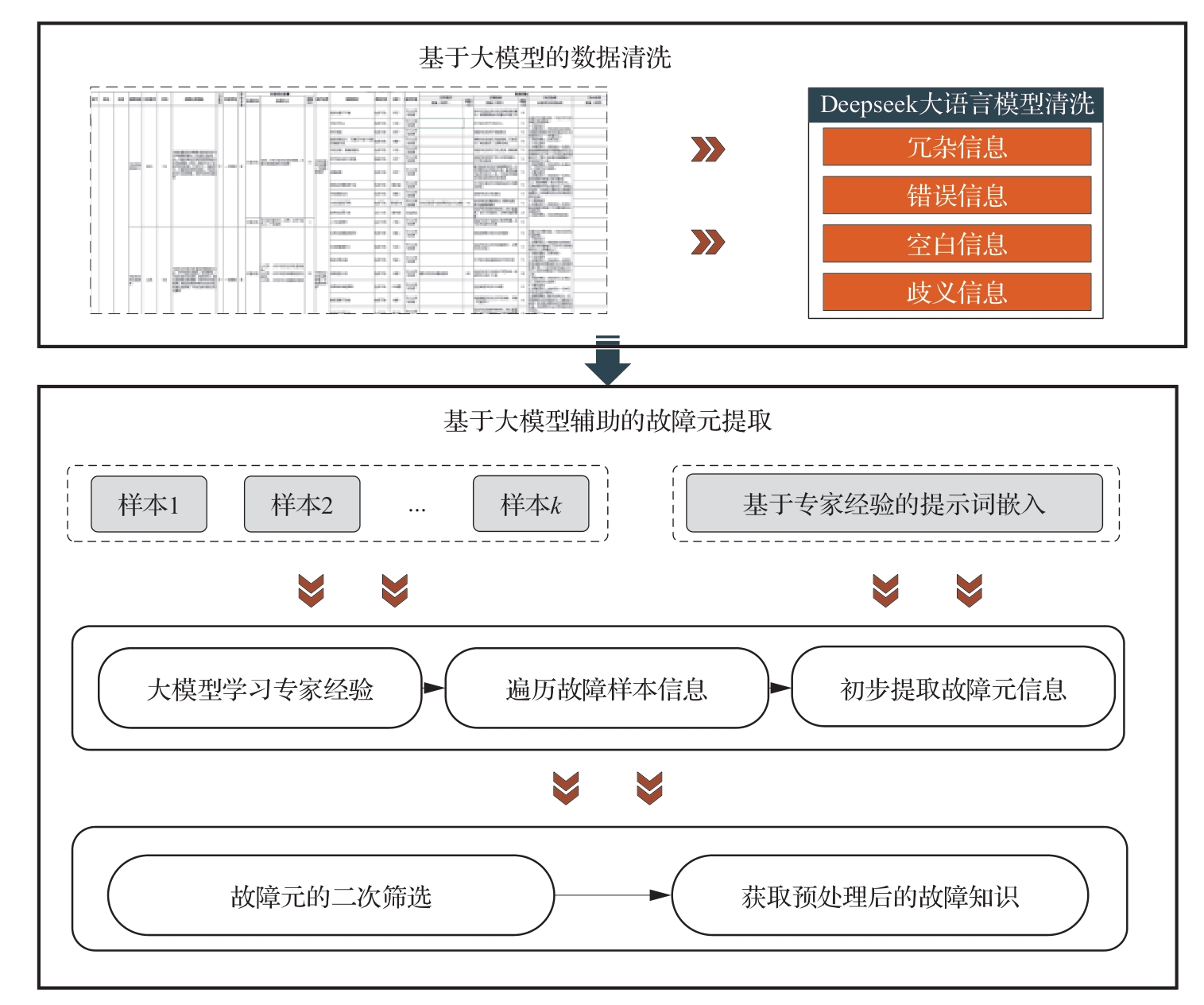
Fig.5
Fault knowledge graph construction process
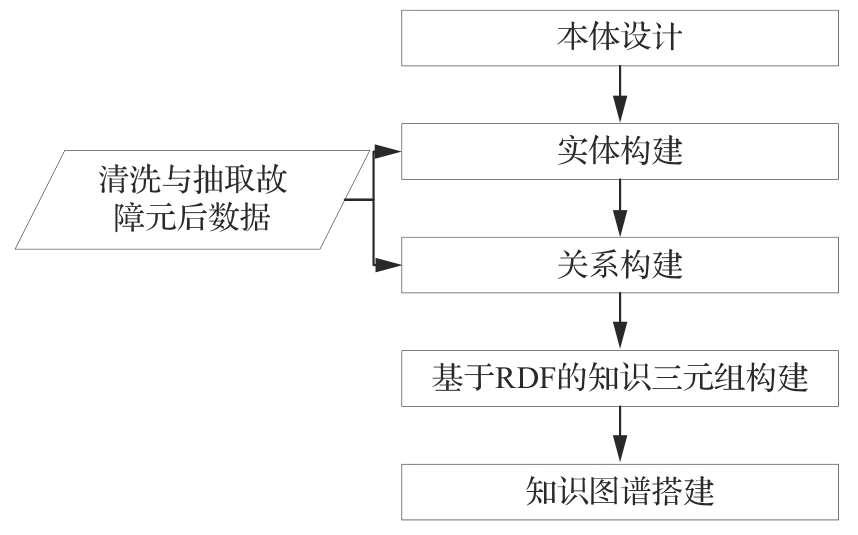
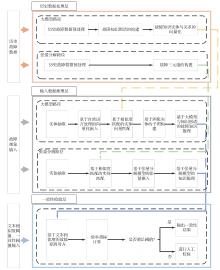
Fig.6
Knowledge fusion inference process based on large models and tensor decomposition
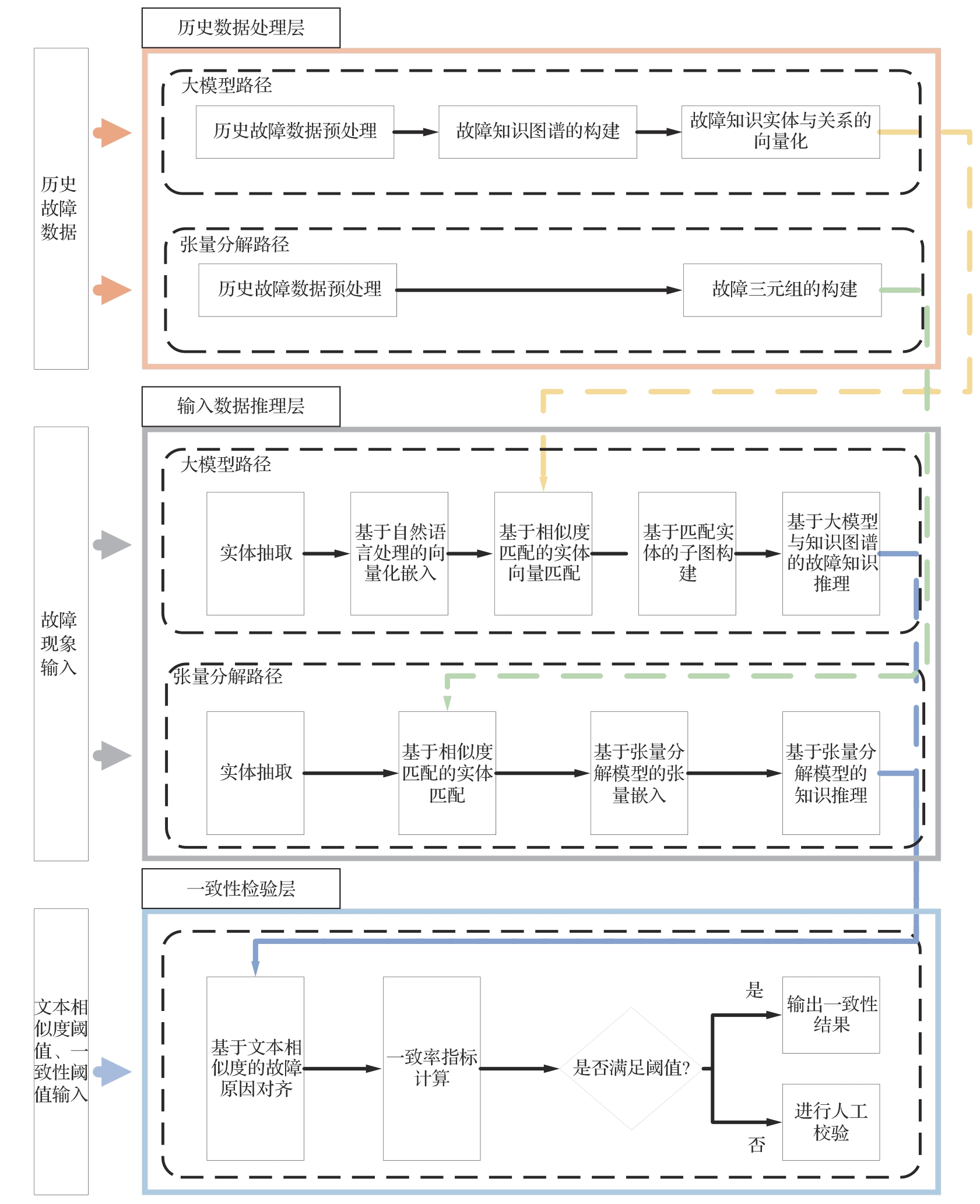
Table 2
FMEA data
| 产品名称 | 故障现象 | 故障定位结果 | 故障原因 | 处理措施 | 故障模式 |
|---|---|---|---|---|---|
| 开关矩阵模块 | 时钟异常复位 | 时钟异常复位 | 开箱检查模块 时钟 | 更换双工器指标测试合格 经验功能正常 | 开关矩阵模块时钟复位失败 |
基准频率源 模块 | 超短波时报故障 | 超短波通电时报故障 代码天线 | 超短波时报故障 | 更换开关输入电缆故障 排除 | 超短波话音无自听 |
| 接收激励模块 | 控制管理模块 报故 | 上电正常自检模块报故、 数据链报故 | 上电自检模块 报故 | 板上滤波器更换,进行故 障排除 | 数据链断网 |
| 电源模块 | 通电报故 | 电报PS2、DC、DC2故障 | PS2、DC、DC2 故障 | DC变换器输入短路导致 故障 | 电源模块DC、DC2无输出 |
Table 3
Expert-curated results of fault-element extraction
| 描述 | 类型 | 故障元 |
|---|---|---|
| 时钟异常复位 | 故障现象 | 时钟复位、异常复位 |
| 开箱检查模块时钟 | 故障原因 | 开箱检查、模块时钟 |
| 开关矩阵模块时钟复位失败 | 故障模式 | 开关矩阵、模块时钟、模块时钟复位失败、复位失败 |
| 更换双工器指标测试合格经验功能正常 | 处理措施 | 更换双工器、指标测试 |
| ︙ | ︙ | ︙ |
| 频综失锁 | 故障现象 | 频综、频综失锁 |
Table 4
Prompt engineering template
| 提示模板 |
|---|
你是一名具备航空电子装备维修经验的专家助手 【任务说明】 给定一条故障相关文本及其类型,首先对于该文本进行清洗,然后从文本中抽取一个或多个“故障元”。 “故障元”是用于故障知识建模的最小语义单元,应简洁、标准化、可复用。 【故障元抽取规则】 1.故障元应为短语级表达,避免完整句子;2.可将一个描述拆分为多个具有独立诊断意义的故障元;3.去除无实际诊断价值的修饰词,如“正常”“合格”“经验”“功能”等;4.保留关键对象、动作、状态和结果;5.不引入原文中不存在的语义;6.输出结果应符合该类型下的专业表达习惯: 故障现象:异常状态、告警、表现 故障原因:触发条件、根因对象 故障模式:具体失效形式或失败过程 处理措施:维修动作或检测操作 【输入】 描述:{故障描述文本} 类型:{故障类型} 【输出要求】 仅输出“故障元”字段,多个故障元之间使用中文顿号“、”分隔,不要输出其他解释性内容。 【示例输入1】 描述:时钟异常复位 类型:故障现象 【示例输出1】 时钟复位、异常复位 … 【示例输入x】 描述:xxxx 类型:xxx 【示例输出x】 xx、xxx |
Table 5
Knowledge extraction results based on large language models
| 故障元(故障现象) | 故障元(故障原因) | 故障元(故障模式) |
|---|---|---|
| 数据链、断链、断网 | 视频回放、飞行 | 高度表、输出无效 |
| DC、故障 | PS1电源模块、 DC故障 | 电源模块、DC/DC、 无输出 |
| 时钟、异常复位 | 开箱检查、模块 报故 | 监控记录模块、存储 模块、通信中断 |
| 组网 | FPGA | 天线接口单元、总 线、通信中断 |
系统自检、机架、 存储 | 系统自检、机架、 存储 | 监控记录模块、 RIO、通信中断 |
| 通信 | 系统、常温上电、 模块 | 时频模块、CAN总 线、通信中断 |
Table 6
Ontology entity and relation type table
| 实体1 | 实体2 | 关系 |
|---|---|---|
| 产品名称 | 故障模式 | 产品-模式 |
| 故障现象 | 故障模式 | 现象-模式 |
| 故障模式 | 故障原因 | 模式-原因 |
| 故障现象 | 故障元 | 现象-故障元 |
| 故障元 | 故障原因 | 故障元-故障原因 |
Table 7
Triplet examples
| 头实体 | 关系 | 尾实体 |
|---|---|---|
| 电源模块超温 | 现象-模式 | 电源模块超温 |
| 电源模块超温 | 模式-原因 | 电源模块温度过高 |
| 电源模块超温 | 现象-故障元 | 超温 |
| 超温 | 故障元-故障原因 | 电源模块温度过高 |
| 电源模块 | 产品-模式 | 电源模块超温 |
| 数据链系统机载端机 | 产品-模式 | 数据链断网 |
| 通信系统 | 现象-模式 | 数据链断网 |
| 数据链断网 | 模式-原因 | 因无搭建环境需返修 |
| 通信系统 | 现象-故障元 | 返修 |
Fig.7
Knowledge graph of avionics equipment failures (Excluding fault elements)
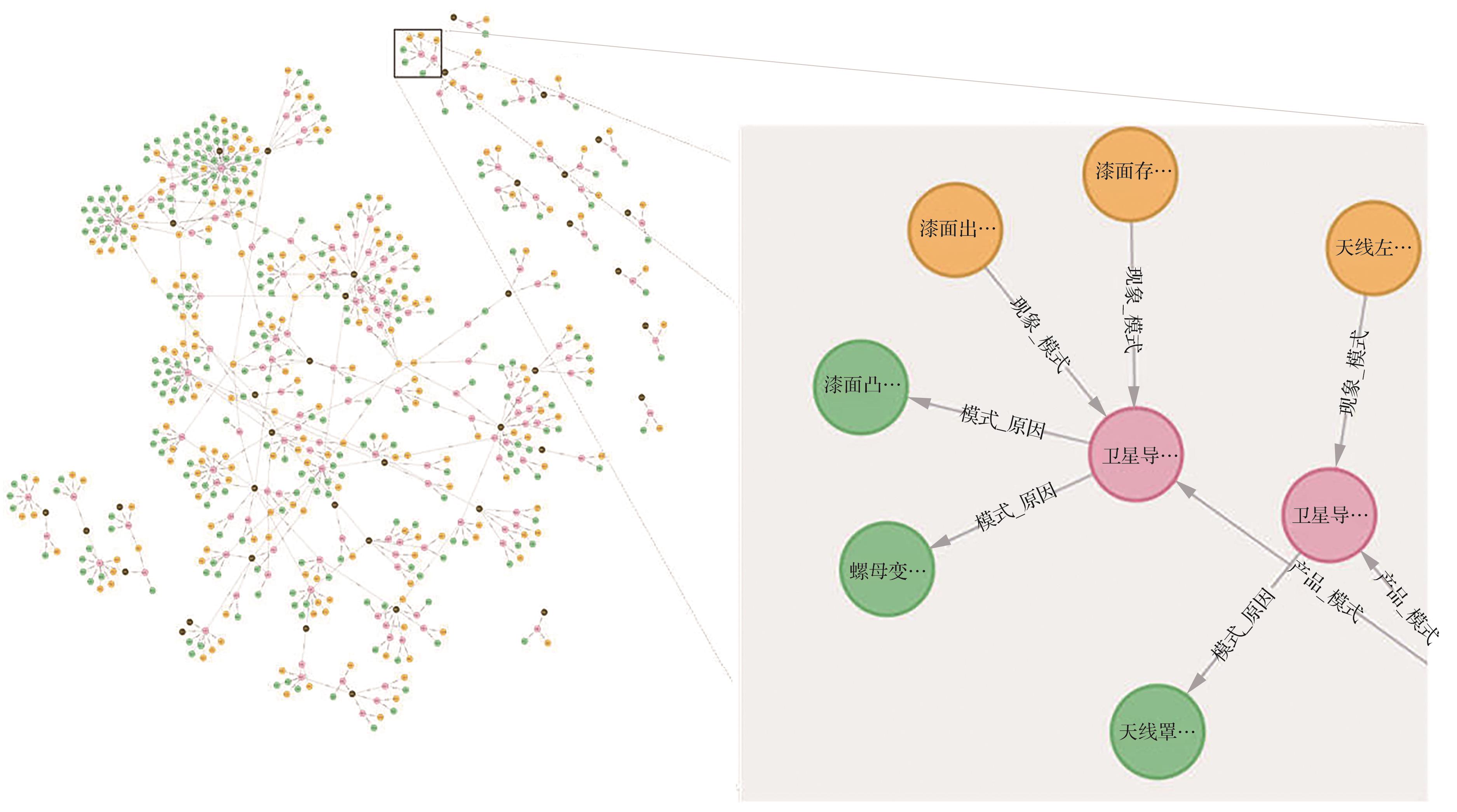
Fig.8
Knowledge graph of avionics equipment failures based on fault-elements
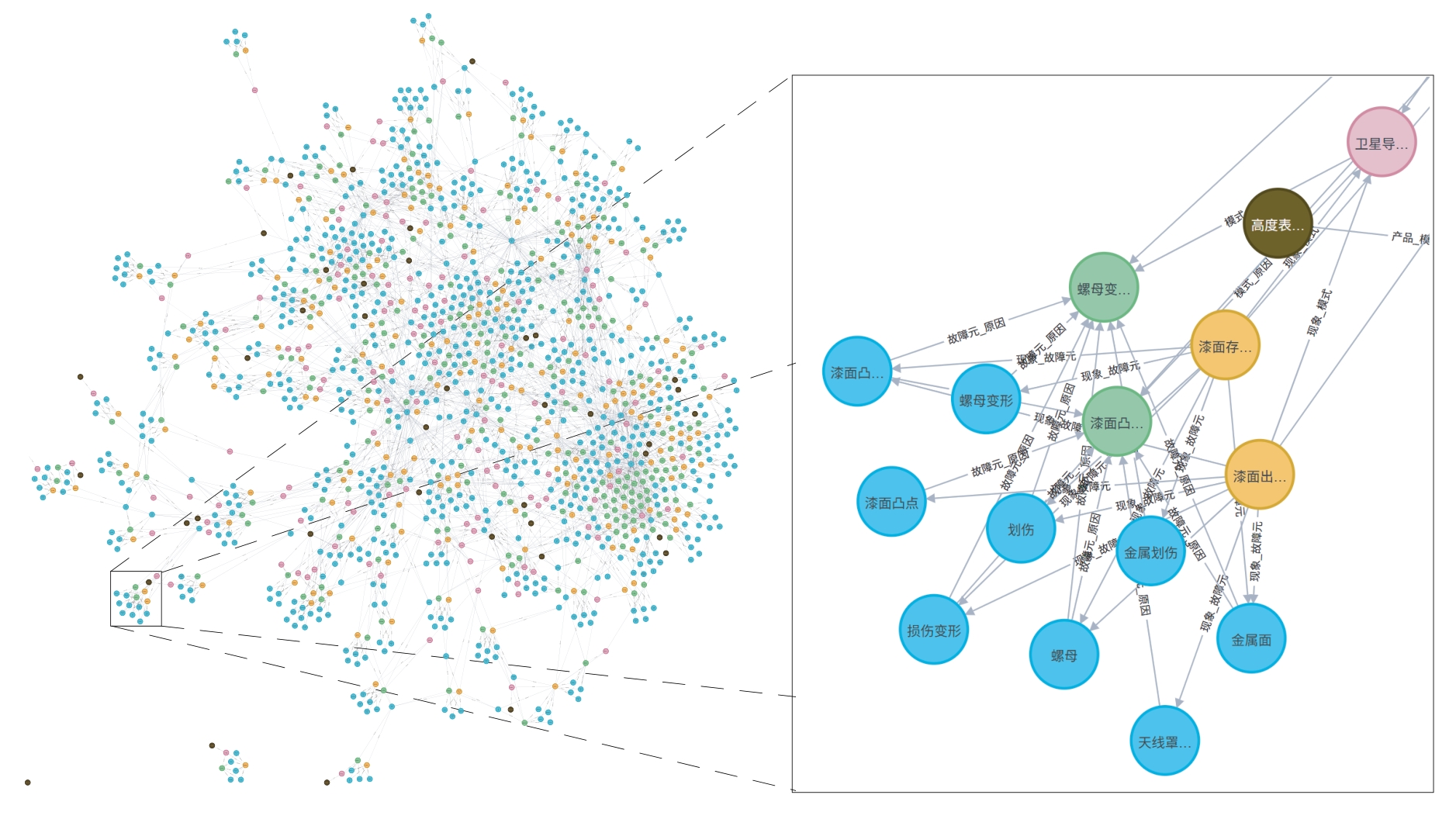
Table 8
Tensor decomposition model reasoning results
| 故障现象 | 一跳推理结果 | 二跳推理结果 |
|---|---|---|
| 时钟异常复位 | 通信中断 | 产品壳体应力问题 |
| 功放接口板D201芯片故障 | ||
| 排查FPGA的天线接口问题 | ||
| 时钟 | FLASH存储器故障 | |
| 开箱检查发现模块故障 |
Table 9
Subgraph extraction results
| 关键节点 | 一阶邻接 | 二阶邻接 |
|---|---|---|
| 时钟异常复位 | 模块报故 | 开箱检查发现模块故障 |
| 维修后出所 | ||
监控记录 模块 | 生产返工导致FLASH存储器故障 | |
| 上电自检模块报故 | ||
| FLASH存储器故障 |
Table 10
Large language model reasoning results
| 故障现象 | 故障原因 |
|---|---|
| 时钟异常复位 | 排查FPGA的天线接口问题 |
| FLASH存储器故障 | |
| 上电自检模块报故 |
Fig.9
Experimental results of a single sample vary with different thresholds
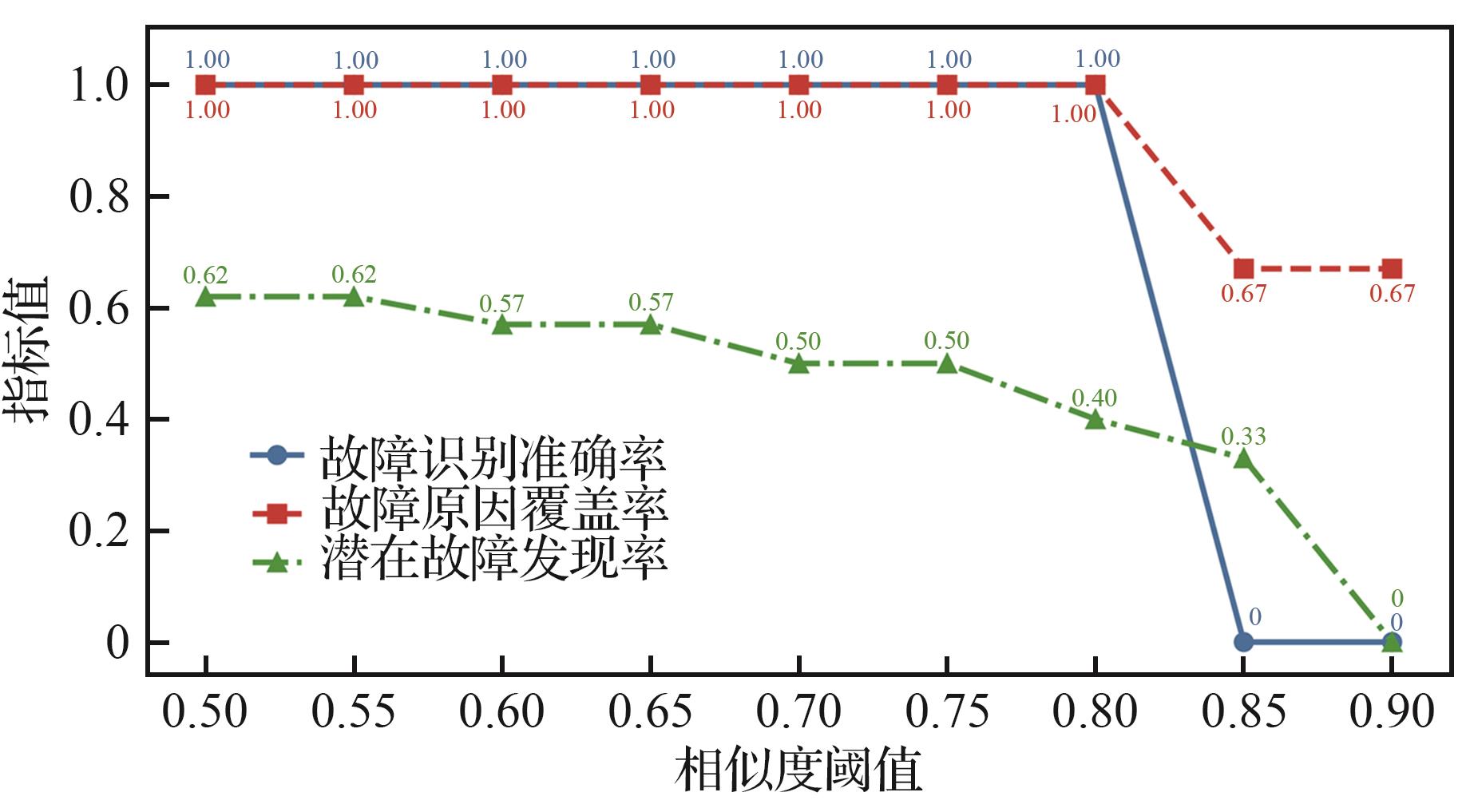
Fig.10
Experimental results of multiple samples vary with different thresholds
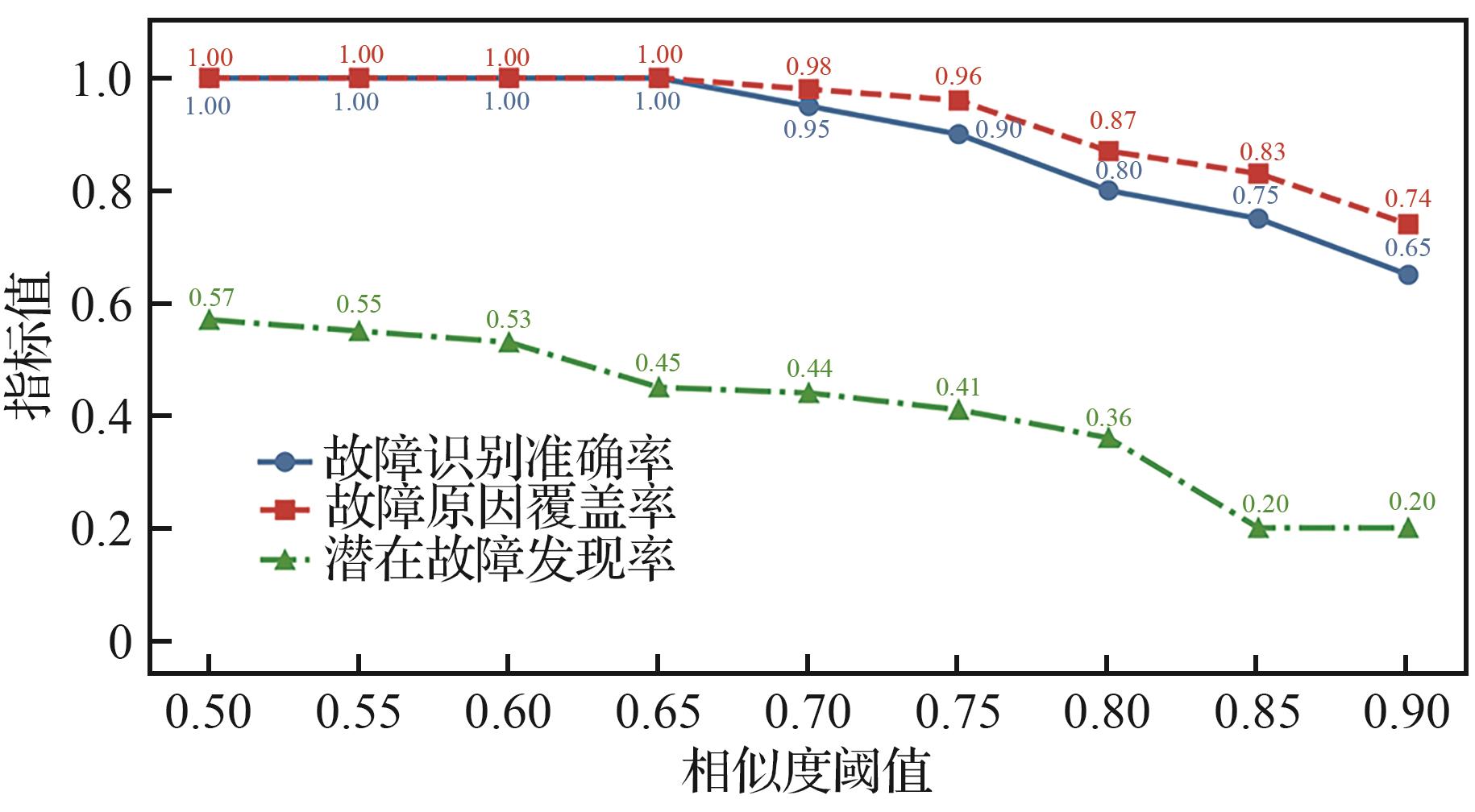
Table 11
Performance comparison of different fault reasoning methods
| 推理方法 | 故障原识别 准确率/% | 故障原因覆 盖率/% | 潜在故障原 因发现率/% |
|---|---|---|---|
| 本文方法 | 95 | 98.11 | 44 |
不采用故障元的融 合推理方法 | 10 | 41.5 | 8.3 |
| 张量分解推理方法 | 95 | 98.11 | 54 |
| 大语言模型推理方法 | 0 | 20.75 | 82.8 |
Table 12
Comparison of diagnostic results between proposed method and fusion reasoning method without fault elements
| 方法 | 第1组(本文方法) | 第2组(不采用故障元的融合推理方法) |
|---|---|---|
| 故障现象 | 时钟异常复位 | |
| 张量分解模型推理结果 | 产品壳体应力问题,开箱检查发现模块故障,FLASH存储器故障,…,生产返工导致FLASH存储器故障 | 上电自检模块报故,开箱检查发现模块故障,…,飞行员反映数据链断 |
| 大模型推理结果 | 开箱检查发现模块故障,上电自检模块报故,FLASH虚焊,…,生产返工导致FLASH存储器故障 | 开箱检查发现模块故障,开箱检查模块时钟 |
| 重合率 | 1.0 | 1.0 |
| 一致性推理结果 | 开箱检查发现模块故障,FLASH存储器故障,…,产品壳体应力问题,生产返工导致FLASH存储器故障 | 开箱检查发现模块故障,开箱检查模块时钟 |
| 最终输出 | 时钟异常复位根据共识原因,主要可能涉及:① FLASH存储器故障、生产返工导致FLASH故障;② 模块485总线功率放大单元,功率放大单元接口板D201芯片故障,排查FPGA的天线接口问题;③ 关键芯片虚焊/接触不良;④ 上电自检模块报故, 开箱检查发现模块故障;⑤ 实时时钟(RTC)电路故障;⑥ 产品壳体应力问题,设备在安装或运输中受到机械应力。 以下原因需在共识原因排查后作为延伸参考,实际处置中应谨慎验证:① FLASH芯片虚焊;② 模块故障引发数据链网络中断,间接影响时钟同步。 | 根据“开箱检查”这一首要步骤的发现,时钟异常复位的最可能原因是硬件模块本身存在功能性故障。具体指向“模块时钟”相关电路,这可能是时钟晶体、振荡器或时钟生成/分配芯片等核心计时元件损坏或不稳定,导致整个模块因基准时钟信号异常而不断复位。 |
Table 13
Comparison of diagnostic results between proposed method and tensor decomposition method
| 方法 | 第1组(本文方法) | 第3组(张量分解推理方法) |
|---|---|---|
| 故障现象 | 时钟异常复位 | |
| 最终输出 | 时钟异常复位根据共识原因,主要可能涉及:① FLASH存储器故障、生产返工导致FLASH故障;② 模块485总线功率放大单元, 功率放大单元接口板D201芯片故障, 排查FPGA的天线接口问题;③ 关键芯片虚焊/接触不良;④ 上电自检模块报故, 开箱检查发现模块故障;⑤ 实时时钟(RTC)电路故障;⑥ 产品壳体应力问题,设备在安装或运输中受到机械应力。 以下原因需在共识原因排查后作为延伸参考,实际处置中应谨慎验证:① FLASH芯片虚焊;② 模块故障引发数据链网络中断,间接影响时钟同步。 | 开箱检查发现模块故障,FLASH存储器故障,…,生产返工导致FLASH存储器故障 |
Table 14
Comparison of diagnostic results between proposed method and large model reasoning method
| 方法 | 第1组(本文方法) | 第4组(大模型推理方法) |
|---|---|---|
| 故障现象 | 时钟异常复位 | |
| 最终输出 | 时钟异常复位根据共识原因,主要可能涉及:① FLASH存储器故障、生产返工导致FLASH故障;② 模块485总线功率放大单元, 功率放大单元接口板D201芯片故障,排查FPGA的天线接口问题;③ 关键芯片虚焊/接触不良;④ 上电自检模块报故, 开箱检查发现模块故障;⑤ 实时时钟(RTC)电路故障;⑥ 产品壳体应力问题,设备在安装或运输中受到机械应力。 以下原因需在共识原因排查后作为延伸参考,实际处置中应谨慎验证:① FLASH芯片虚焊;② 模块故障引发数据链网络中断,间接影响时钟同步。 | 时钟出现异常复位,通常是由于其“心跳”——时钟信号——变得不稳定造成的。主要原因包括:外部晶体或谐振器因物理损坏、负载电容不匹配而起振不良;电源电压不稳、跌落或存在噪声干扰;以及电磁干扰过强或PCB布局不合理影响了时钟信号的完整性。这些硬件问题会导致微处理器运行错乱,最终触发内部保护机制而强制复位。 |
| [1] | 战祥新. 航空电子装备故障诊断方法研究[J]. 装备制造技术, 2016(11): 198-200. |
| ZHAN X X. Research on fault diagnosis method of avionics[J]. Equipment Manufacturing Technology, 2016(11): 198-200 (in Chinese). | |
| [2] | 曹明, 王鹏, 左洪福, 等. 民用航空发动机故障诊断与健康管理现状、挑战与机遇Ⅱ: 地面综合诊断、寿命管理和智能维护维修决策[J]. 航空学报, 2022, 43(9): 625574. |
| CAO M, WANG P, ZUO H F, et al. Current status, challenges and opportunities of civil aero-engine diagnostics & health management Ⅱ: Comprehensive off-board diagnosis, life management and intelligent condition based MRO[J]. Acta Aeronautica et Astronautica Sinica, 2022, 43(9): 625574 (in Chinese). | |
| [3] | 吕琛, 马剑, 王自力. PHM技术国内外发展情况综述[J]. 计算机测量与控制, 2016, 24(9): 1-4. |
| LYU C, MA J, WANG Z L. A state of the art review on PHM technology[J]. Computer Measurement & Control, 2016, 24(9): 1-4 (in Chinese). | |
| [4] | 张宝珍, 王萍, 尤晨宇. 国外飞机预测与健康管理技术发展计划综述[J]. 计算机测量与控制, 2016, 24(6): 1-7. |
| ZHANG B Z, WANG P, YOU C Y. Overview of oversea prognostics and health management technologies development projects[J]. Computer Measurement & Control, 2016, 24(6): 1-7 (in Chinese). | |
| [5] | 刘恩朋, 杨占才, 靳小波. 国外故障预测与健康管理系统开发平台综述[J]. 测控技术, 2014, 33(9): 1-4. |
| LIU E P, YANG Z C, JIN X B. Overview of foreign prognostics and health management system development platform[J]. Measurement & Control Technology, 2014, 33(9): 1-4 (in Chinese). | |
| [6] | 曾声奎, PECHT M, 吴际. 故障预测与健康管理(PHM)技术的现状与发展[J]. 航空学报, 2005, 26(5): 626-632. |
| ZENG S K, PECHT M, WU J. Status and perspectives of prognostics and health management technologies[J]. Acta Aeronautica et Astronautica Sinica, 2005, 26(5): 626-632 (in Chinese). | |
| [7] | 林燕. 航空航天领域故障预测与健康管理技术研究综述[J]. 中国航天, 2019(5): 21-26. |
| LIN Y. Summary of research on fault prediction and health management technology in aerospace field[J]. Aerospace China, 2019(5): 21-26 (in Chinese). | |
| [8] | CHEN X J, JIA S B, XIANG Y. A review: Knowledge reasoning over knowledge graph[J]. Expert Systems with Applications, 2020, 141: 112948. |
| [9] | LIU L H, TONG H H. Knowledge graph reasoning and its applications[C]∥29th ACM SIGKDD Conference on Knowledge Discovery and Data Mining. New York: ACM, 2023: 5813-5814. |
| [10] | 聂同攀, 曾继炎, 程玉杰, 等. 面向飞机电源系统故障诊断的知识图谱构建技术及应用[J]. 航空学报, 2022, 43(8): 625499. |
| NIE T P, ZENG J Y, CHENG Y J, et al. Knowledge graph construction technology and its application in aircraft power system fault diagnosis[J]. Acta Aeronautica et Astronautica Sinica, 2022, 43(8): 625499 (in Chinese). | |
| [11] | LIU L Q, WANG B, MA F Q, et al. A concurrent fault diagnosis method of transformer based on graph convolutional network and knowledge graph[J]. Frontiers in Energy Research, 2022, 10: 837553. |
| [12] | PELLISSIER TANON T, VRANDEČIĆ D, SCHAFFERT S, et al. From freebase to wikidata: The great migration[C]∥25th International Conference on World Wide Web. International World Wide Web Conferences Steering Committee, 2016. |
| [13] | LV Z H, YI K X, ZHOU W J, et al. A review of the knowledge extraction technology in knowledge graph[C]∥2022 41st Chinese Control Conference (CCC). Piscataway: IEEE Press, 2022: 4211-4218. |
| [14] | DEVLIN J, CHANG M W, LEE K, et al. BERT: Pre-training of deep bidirectional transformers for language understanding[EB/OL]. arXiv preprint: 1810.04805. 2018. |
| [15] | JOSHI M, CHEN D Q, LIU Y H, et al. SpanBERT: Improving pre-training by representing and predicting spans[EB/OL]. arXiv preprint: 1907.10529. 2019. |
| [16] | YAMADA I, ASAI A, SHINDO H, et al. LUKE: Deep contextualized entity representations with entity-aware self-attention[EB/OL]. arXiv preprint: 2010.01057. 2020. |
| [17] | WEN C J, JIA X D, CHEN T. Improving extraction of Chinese open relations using pre-trained language model and knowledge enhancement[J]. Data Intelligence, 2023, 5(4): 962-989. |
| [18] | XIAO X L, WANG Y J, XU N, et al. YAYI-UIE:A chat-enhanced instruction tuning framework for universal information extraction[EB/OL]. arXiv preprint: 2312.15548. 2023. |
| [19] | RAIAAN M A K, MUKTA M S H, FATEMA K, et al. A review on large language models: Architectures, applications, taxonomies, open issues and challenges[J]. IEEE Access, 2024, 12: 26839-26874. |
| [20] | LIU P F, QIAN L, ZHAO X W, et al. Joint knowledge graph and large language model for fault diagnosis and its application in aviation assembly[J]. IEEE Transactions on Industrial Informatics, 2024, 20(6): 8160-8169. |
| [21] | ZHENG S W, PAN K, LIU J, et al. Empirical study on fine-tuning pre-trained large language models for fault diagnosis of complex systems[J]. Reliability Engineering and System Safety, 2024, 252(C): 110173. |
| [22] | KHAN A, NAHAR R, CHEN H, et al. FaultExplainer: Leveraging large language models for interpretable fault detection and diagnosis[J]. Computers & Chemical Engineering, 2025, 199: 109152. |
| [23] | OJUOLAPE A E, HU S F. Explainable fault diagnosis of control systems using large language models[C]∥ 2024 IEEE Conference on Control Technology and Applications (CCTA). Piscataway: IEEE Press, 2024: 491-498. |
| [24] | MA Y F, ZHENG S, YANG Z, et al. A knowledge-graph enhanced large language model-based fault diagnostic reasoning and maintenance decision support pipeline towards industry 5.0[J]. International Journal of Production Research, 2026, 64(12): 5239-5260. |
| [25] | TAO L F, LIU H F, NING G A, et al. LLM-based framework for bearing fault diagnosis[J]. Mechanical Systems and Signal Processing, 2025, 224: 112127. |
| [26] | WANG J P, DONG Y H. Measurement of text similarity: A survey[J]. Information, 2020, 11(9): 421. |
| [27] | BALAZEVIC I, ALLEN C, HOSPEDALES T. TuckER: Tensor factorization for knowledge graph completion[C]∥2019 Conference on Empirical Methods in Natural Language Processing and the 9th International Joint Conference on Natural Language Processing (EMNLP-IJCNLP). Stroudsburg: ACL, 2019: 5184-5193. |
| [1] | Yu DING, Guoao NING, Kaixin JIN, Bo SUN, Huai LI, Xuanyuan SU. Fault data generation for electromechanical systems based on hierarchical Digital Twin [J]. Acta Aeronautica et Astronautica Sinica, 2026, 47(8): 432663-432663. |
| [2] | Yong TAO, Xiaotong WANG, Yazui LIU, Haitao LIU, Yufan ZHANG, Lei XUE, Ruijun GUO, Fan REN, Hongxing WEI. Intelligent parameter recommendation method for dual-robot drilling and riveting with knowledge-rule fusion and dynamic confidence quantification [J]. Acta Aeronautica et Astronautica Sinica, 2026, 47(8): 432623-432623. |
| [3] | Liang HAN, Xiaofan HE. Dynamic risk assessment of metallic lap-joint structures based on diagnosis and prognosis [J]. Acta Aeronautica et Astronautica Sinica, 2026, 47(7): 232500-232500. |
| [4] | Guowang CHEN, Qian TANG, Liu HE. Fault diagnosis method of helicopter tail transmission systems based on graph domain generalization [J]. Acta Aeronautica et Astronautica Sinica, 2026, 47(7): 232642-232642. |
| [5] | Zhaoqin PENG, Qicong LI, Haini ZHANG, Hong WU, Yunpeng MA. Improved ACGAN for fault diagnosis based on GRU and convolutional block attention module [J]. Acta Aeronautica et Astronautica Sinica, 2026, 47(2): 431929-431929. |
| [6] | Song YAN, Yi LI, Hongqiang QIN, Xing CUI, Yushan GAO. Exhaust-plume spectroscopic diagnostics of liquid rocket engine faults: From qualitative to quantitative [J]. Acta Aeronautica et Astronautica Sinica, 2026, 47(16): 133069-133069. |
| [7] | Ronghai KOU, Wenbo LI, Qingqing DANG, Jinjin XIE. Fault diagnosis of spacecraft attitude control system driven by data and model [J]. Acta Aeronautica et Astronautica Sinica, 2025, 46(S1): 732259-732259. |
| [8] | Qing GUO, Xiaoyang LIU, Junfeng FAN, Yu FU, Hongfu ZUO. Adaptive gas path fault diagnosis method of civil aviation engine fusing prior information [J]. Acta Aeronautica et Astronautica Sinica, 2025, 46(4): 230871-230871. |
| [9] | Shuming YANG, Jianjun WU, Changlin XIE, Yuqiang CHENG, Biao WANG. Application issues of data-driven intelligent fault diagnosis technologies for liquid rocket engines [J]. Acta Aeronautica et Astronautica Sinica, 2025, 46(15): 131427-131427. |
| [10] | Minghui HU, Jinji GAO, Zhinong JIANG, Weimin WANG, Limin ZOU, Tao ZHOU, Yunfeng FAN, Yue WANG, Jiaxin FENG, Chenyang LI. Research progress on vibration monitoring and fault diagnosis for aero-engine [J]. Acta Aeronautica et Astronautica Sinica, 2024, 45(4): 630194-630194. |
| [11] | Zhanjun HUANG, Xin DONG, Muyu LU, Ruitao ZHANG, Zhaoyang YAN, An ZHANG. Fault diagnosis of inverter of aviation HVDC sysytem based on DRSN and voltage amplitude analysis [J]. Acta Aeronautica et Astronautica Sinica, 2024, 45(3): 328685-328685. |
| [12] | Jiang CUI, Fan ZHOU, Yongfan CHEN, Li YU, Zhuoran ZHANG. A technique for aerospace generator rectifier fault diagnosis based on GAMF-CNN [J]. Acta Aeronautica et Astronautica Sinica, 2024, 45(24): 330398-330398. |
| [13] | Minghui HU, Shaopeng LIU, Hao WANG, Chenyang LI, Weimin WANG, Zhinong JIANG. Characterization and identification of gas turbine blade fracture faults based on broadband vibration [J]. Acta Aeronautica et Astronautica Sinica, 2024, 45(20): 230098-230098. |
| [14] | Tianqing LI, Weimin WANG, Xulong ZHANG, Shuhui WANG, Zhenyu FU. Identification method of rotor blade axial displacement based on blade tip timing [J]. Acta Aeronautica et Astronautica Sinica, 2024, 45(2): 228682-228682. |
| [15] | Yonggang CHEN, Kangni LIU, Shuai WANG. Fault knowledge graph construction for aviation equipment based on BiGRU⁃Attention improvement [J]. Acta Aeronautica et Astronautica Sinica, 2024, 45(18): 229916-229916. |
| Viewed | ||||||
|
Full text |
|
|||||
|
Abstract |
|
|||||
Address: No.238, Baiyan Buiding, Beisihuan Zhonglu Road, Haidian District, Beijing, China
Postal code : 100083
E-mail:hkxb@buaa.edu.cn
Total visits: 6658907 Today visits: 1341All copyright © editorial office of Chinese Journal of Aeronautics
All copyright © editorial office of Chinese Journal of Aeronautics
Total visits: 6658907 Today visits: 1341

 CJA

