Acta Aeronautica et Astronautica Sinica ›› 2026, Vol. 47 ›› Issue (7): 332759.doi: 10.7527/S1000-6893.2025.32759
• Electronics and Electrical Engineering and Control • Previous Articles
Yanlong HAN1, An ZHANG1,2, Wenhao BI1,2( ), Qiucen FAN1, Tianle HOU1
Received:2025-09-08
Revised:2025-10-16
Accepted:2025-11-28
Online:2025-12-09
Published:2025-12-08
Contact:
Wenhao BI
Supported by:CLC Number:
Yanlong HAN, An ZHANG, Wenhao BI, Qiucen FAN, Tianle HOU. Intelligent decision-making of airborne terminal infrared composite jamming based on DACTM-PPO[J]. Acta Aeronautica et Astronautica Sinica, 2026, 47(7): 332759.
Fig.1
Jamming process against infrared-guided missiles in airborne terminal phase
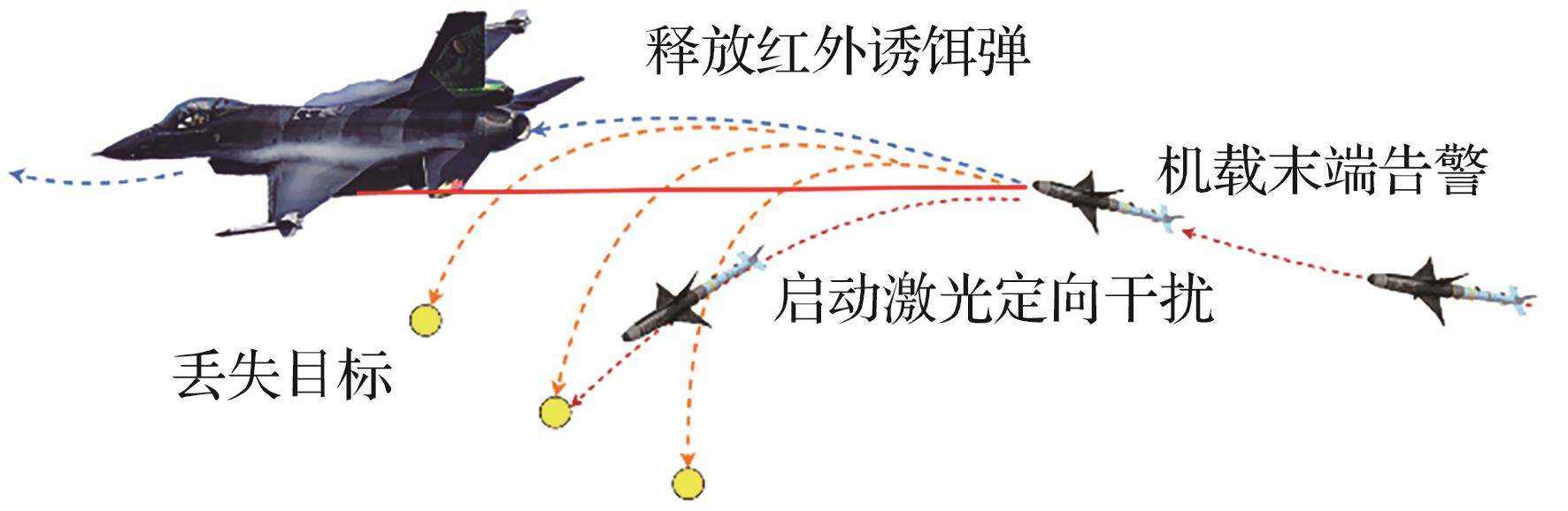
Fig.2
Schematic diagram of combat aircraft maneuvering
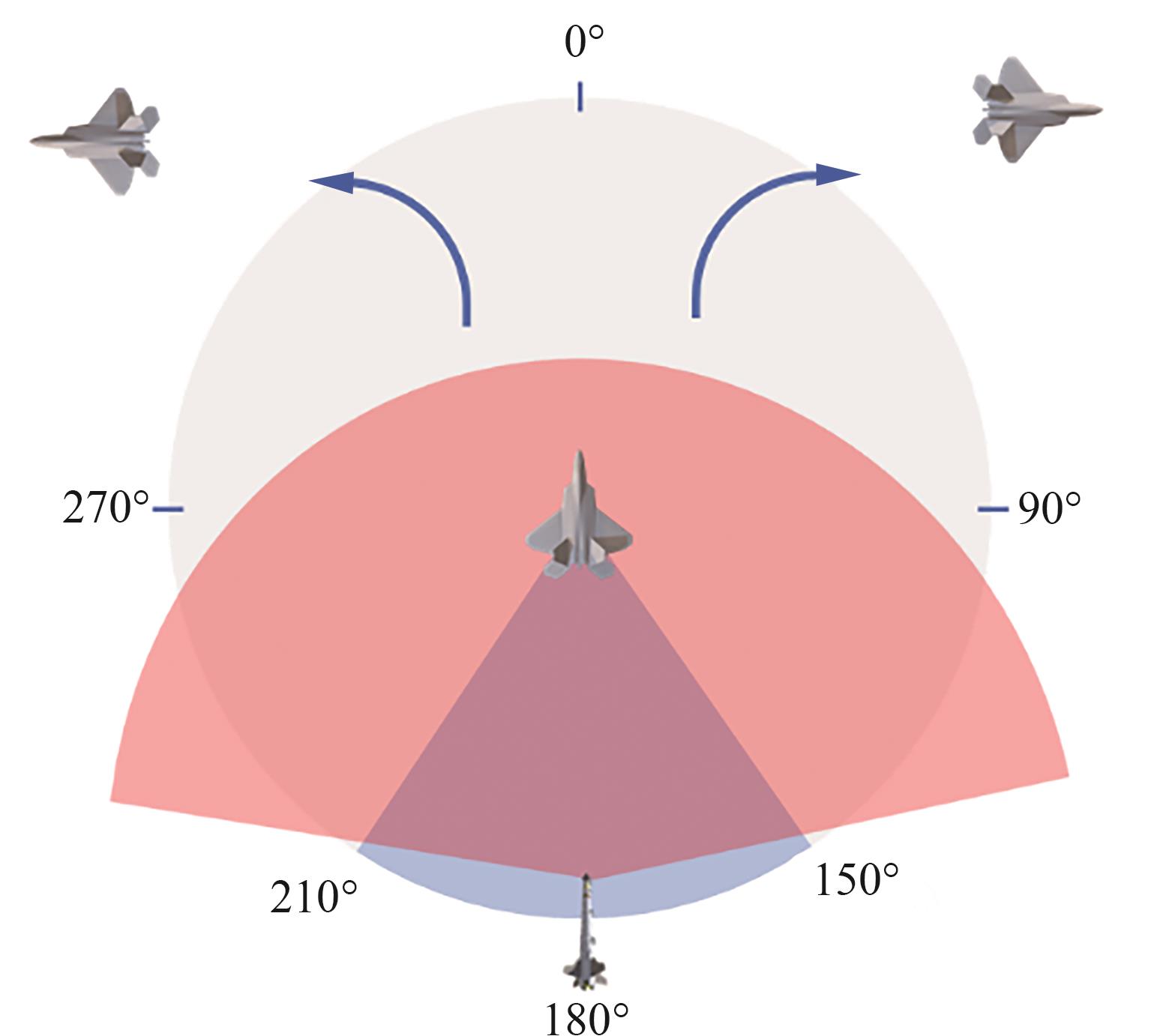
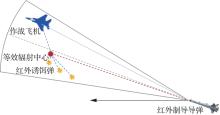
Fig.3
Schematic diagram of equivalent radiation center
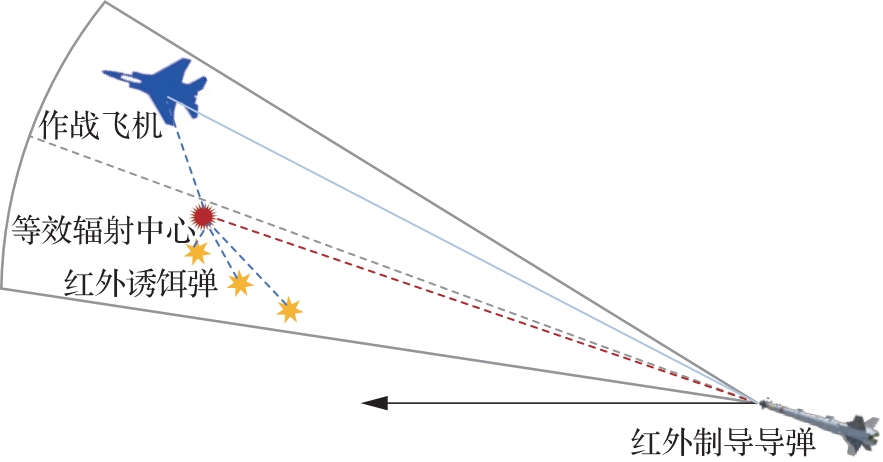
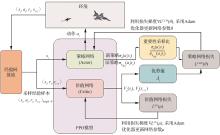
Fig.4
PPO training architecture
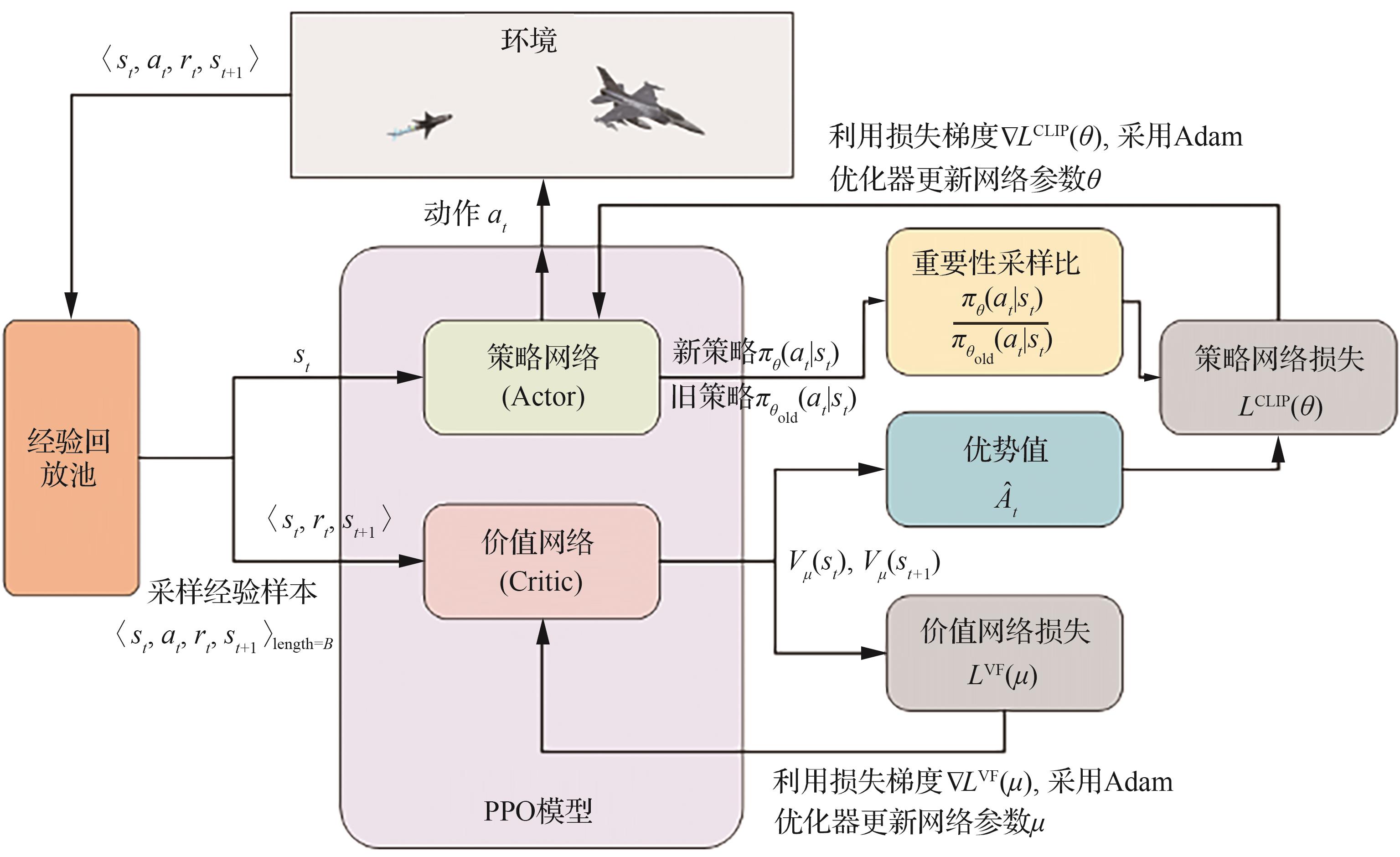
Fig.5
LSTM structure
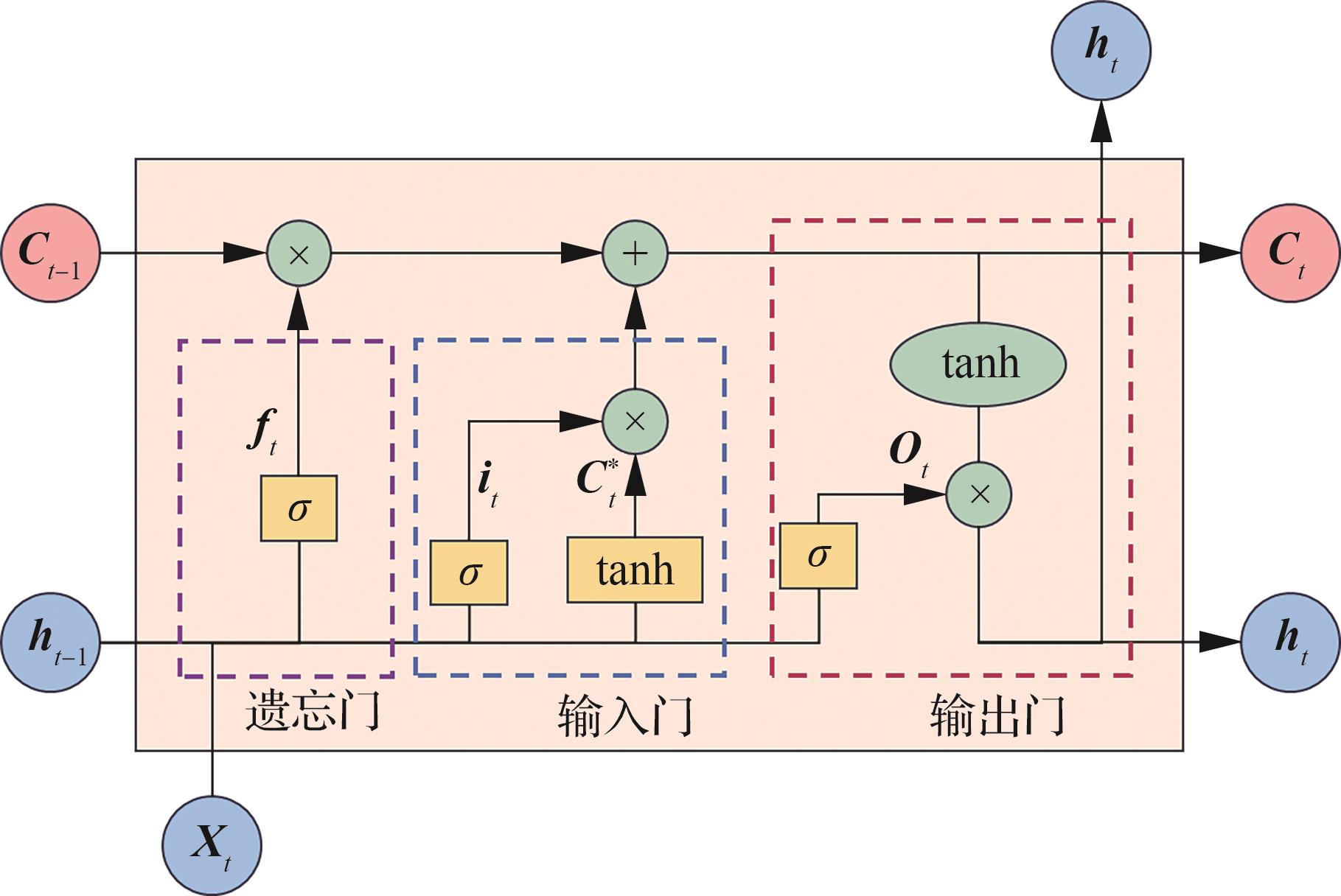
Fig.6
Strategy and value network structure
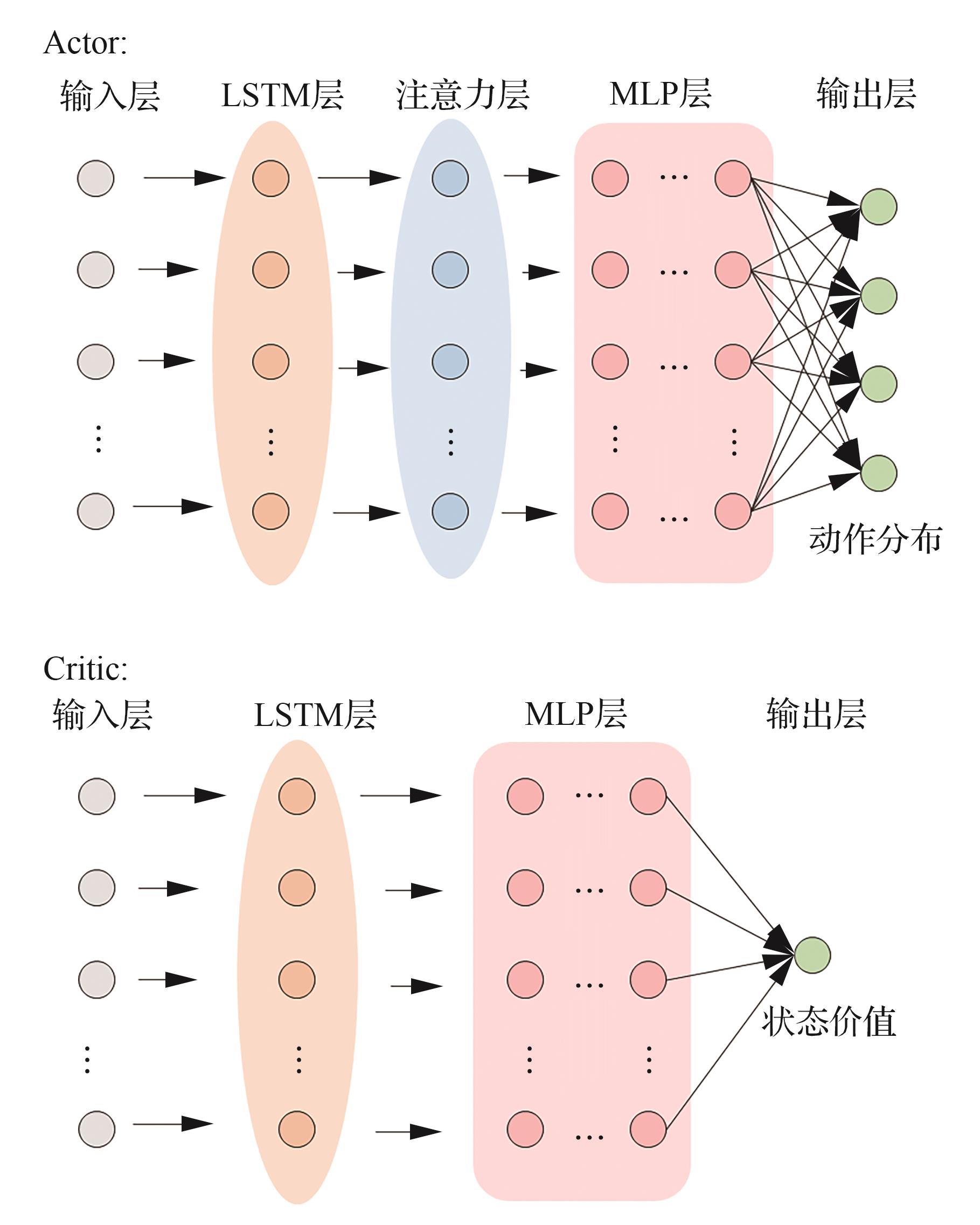
Table 1
Airborne terminal state space
| 状态名称 | 状态标识 | 维度 | 取值范围 |
|---|---|---|---|
| 机弹相对方位/rad | 2 | ||
| 最大测角误差/rad | 2 | ||
| 机弹距离编号 | 1 | ||
| 飞机速度/( ) | 1 | ||
| 飞机高度/m | 1 | ||
| 飞机俯仰角和偏航角/rad | 2 | ||
| 飞机机动动作 | 1 | ||
| 红外诱饵弹剩余数量/枚 | 1 |
Table 2
Airborne terminal action space
| 动作名称 | 动作标识 | 维度 | 取值范围 |
|---|---|---|---|
| 是否释放一组红外诱饵弹 | 1 | ||
| 每组红外诱饵弹枚数 | 1 | ||
| 组内红外诱饵弹弹间隔 | 1 | ||
| 激光定向干扰状态 | 1 |
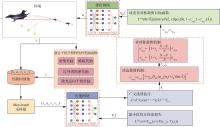
Fig.7
Flowchart of DACTM-PPO algorithm
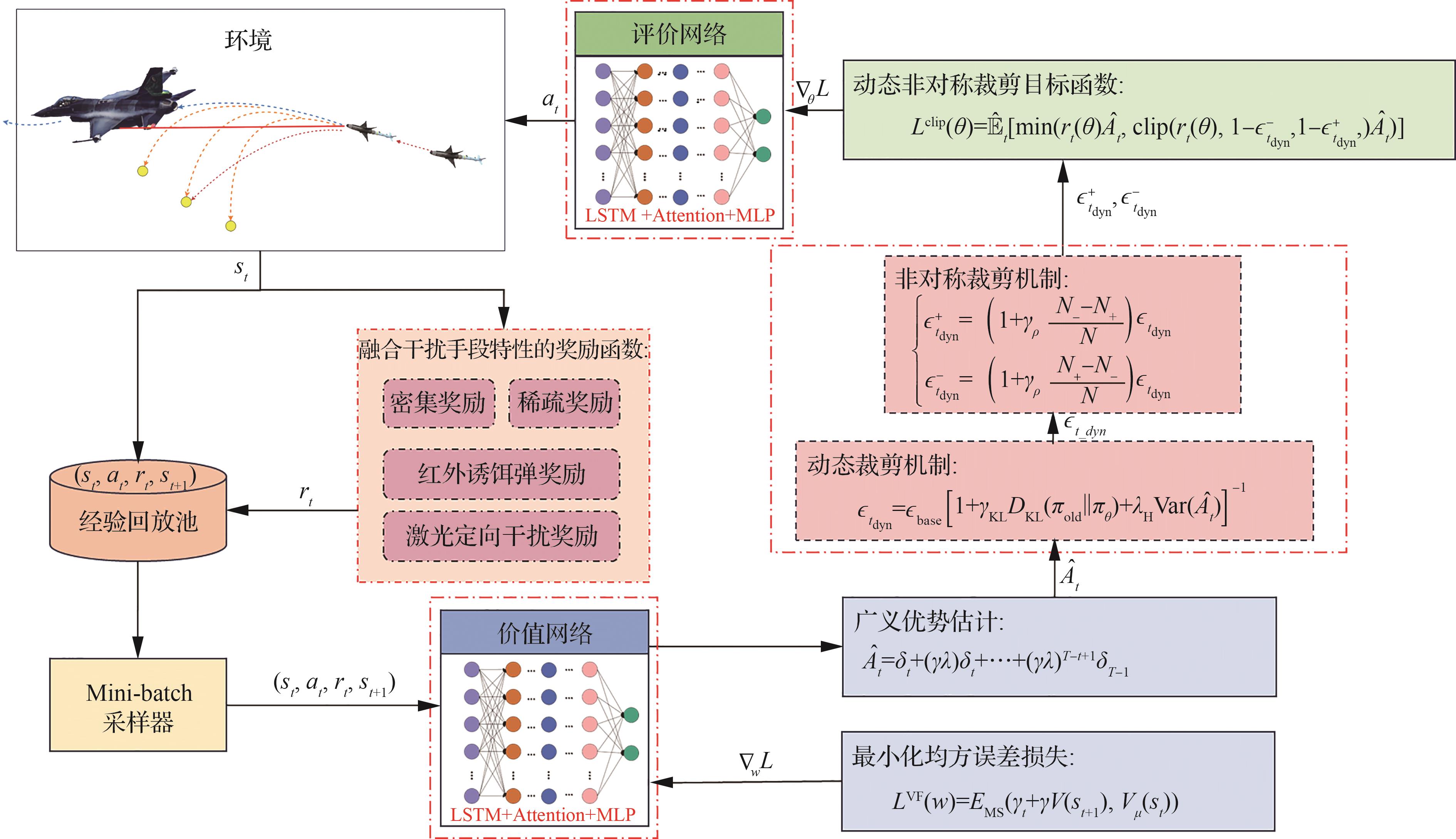
Table 3
Aircraft parameters and infrared jamming parameters
| 性能参数 | 数值或设置 |
|---|---|
| 最大过载 /g | 2.5 |
| 红外诱饵弹初始质量 /kg | 0.5 |
| 红外诱饵弹质量变化率 /(kg·s-1) | 0.01 |
| 红外诱饵弹速度 /(m·s-1) | 50 |
| 红外诱饵弹最大辐射强度 /(W·(sr)-1) | 9 000 |
| 红外诱饵弹燃烧时间 /s | 5 |
| 红外诱饵弹投放方向 | 沿机体坐标 系后下方45° |
| 激光定向干扰输出功率 /W | 4 000 |
| 激光束散角 /rad | 1×10⁻³ |
| 激光波长 /μm | 10.6 |
Table 4
Missile performance parameters
| 导弹性能参数 | 数值 |
|---|---|
| 最大过载 /g | 50 |
| 导弹杀伤半径 /m | 12 |
| 导引头最大作用距离 /m | 12 000 |
| 导引头视场角度 /(°) | 180 |
| 导弹最大角速度 /(rad·s-1) | 15.7 |
| 导引头光学系统焦距 /mm | 57 |
| 红外探测器像元尺寸 /μm | 12 |
Table 5
DACTM-PPO algorithm training parameters
| 算法参数 | 数值 |
|---|---|
| 最大训练次数 | |
| PPO剪切系数 | 0.2 |
| 折扣因子 | 0.95 |
| GAE折扣系数 | 0.98 |
| 熵正则项系数 | |
| 每轮训练迭代次数 | 4 |
| LSTM隐层维度 | 128 |
| LSTM层数 | 1 |
| 注意力键/查询维度 | 128 |
| 注意力Dropout概率 | 0.2 |
| Actor/Critic网络结构 | [256, 128, 64, 32] |
| Actor/Critic学习率 | |
| 训练批次样本数 | 128 |
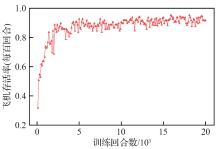
Fig.8
Trend of aircraft survival rate using DACTM-PPO algorithm
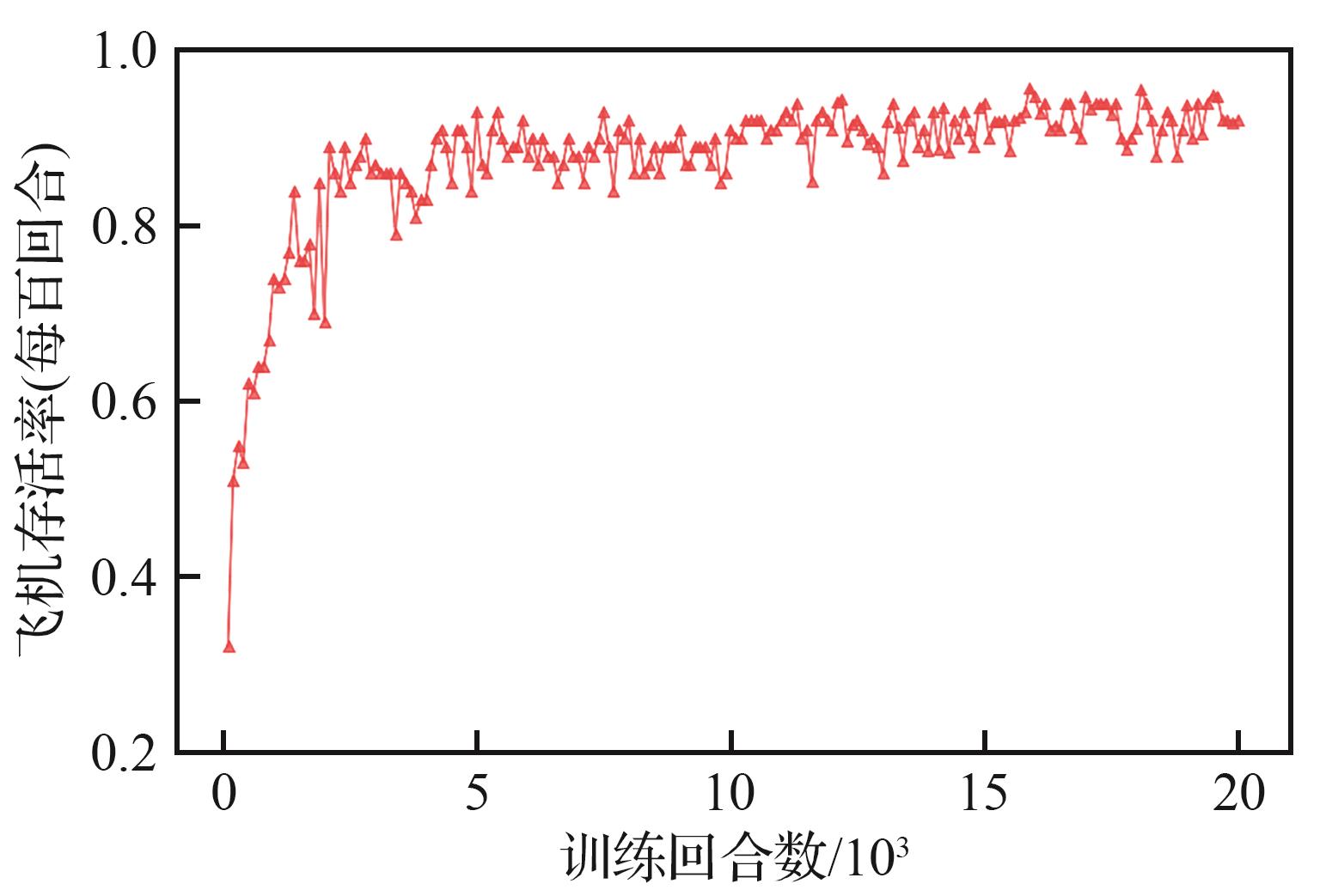
Fig.9
Reward function ablation experiment
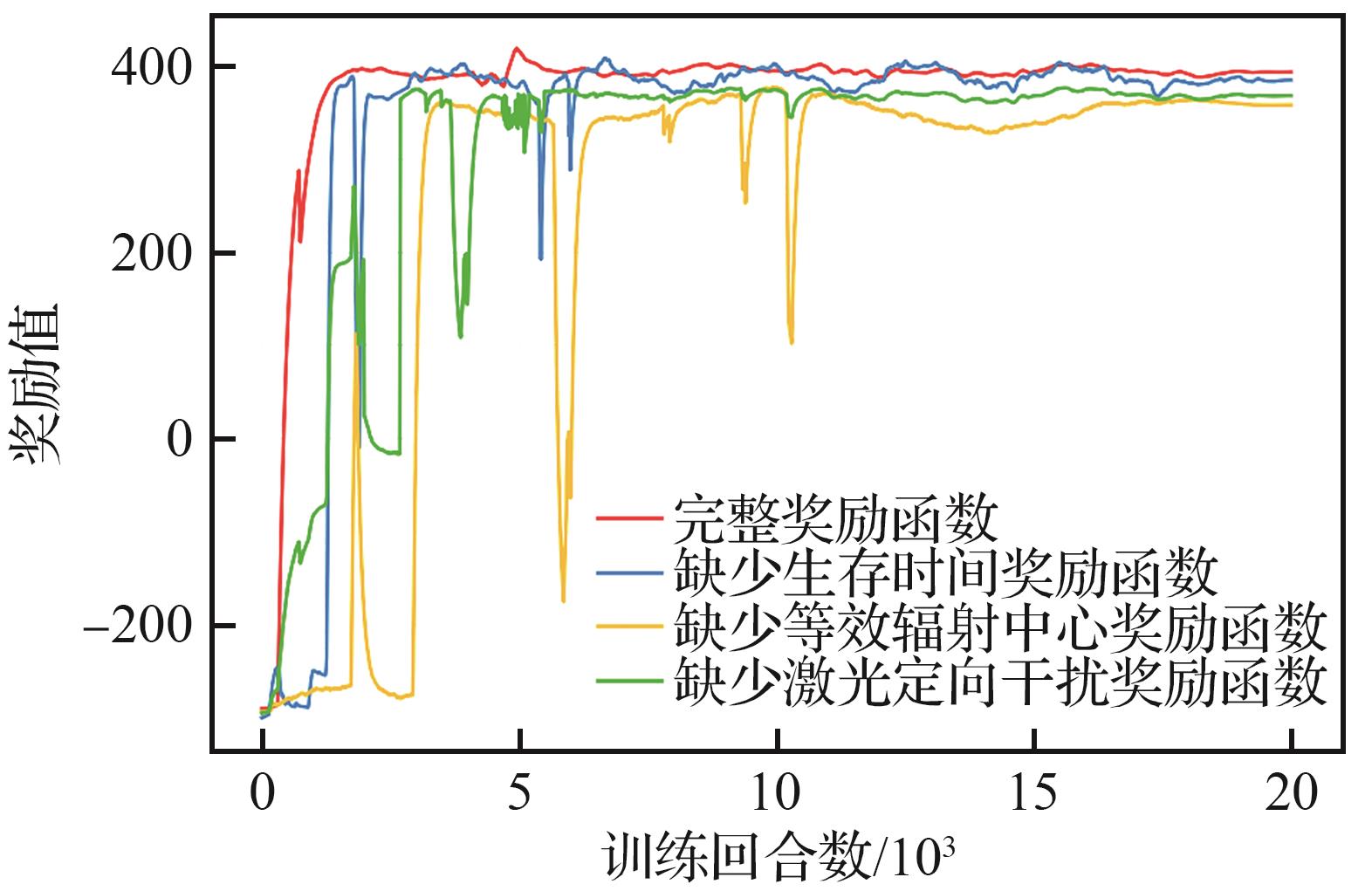
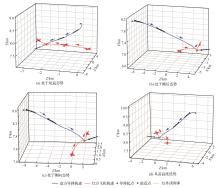
Fig.10
Schematic of missile-aircraft engagement under various postures
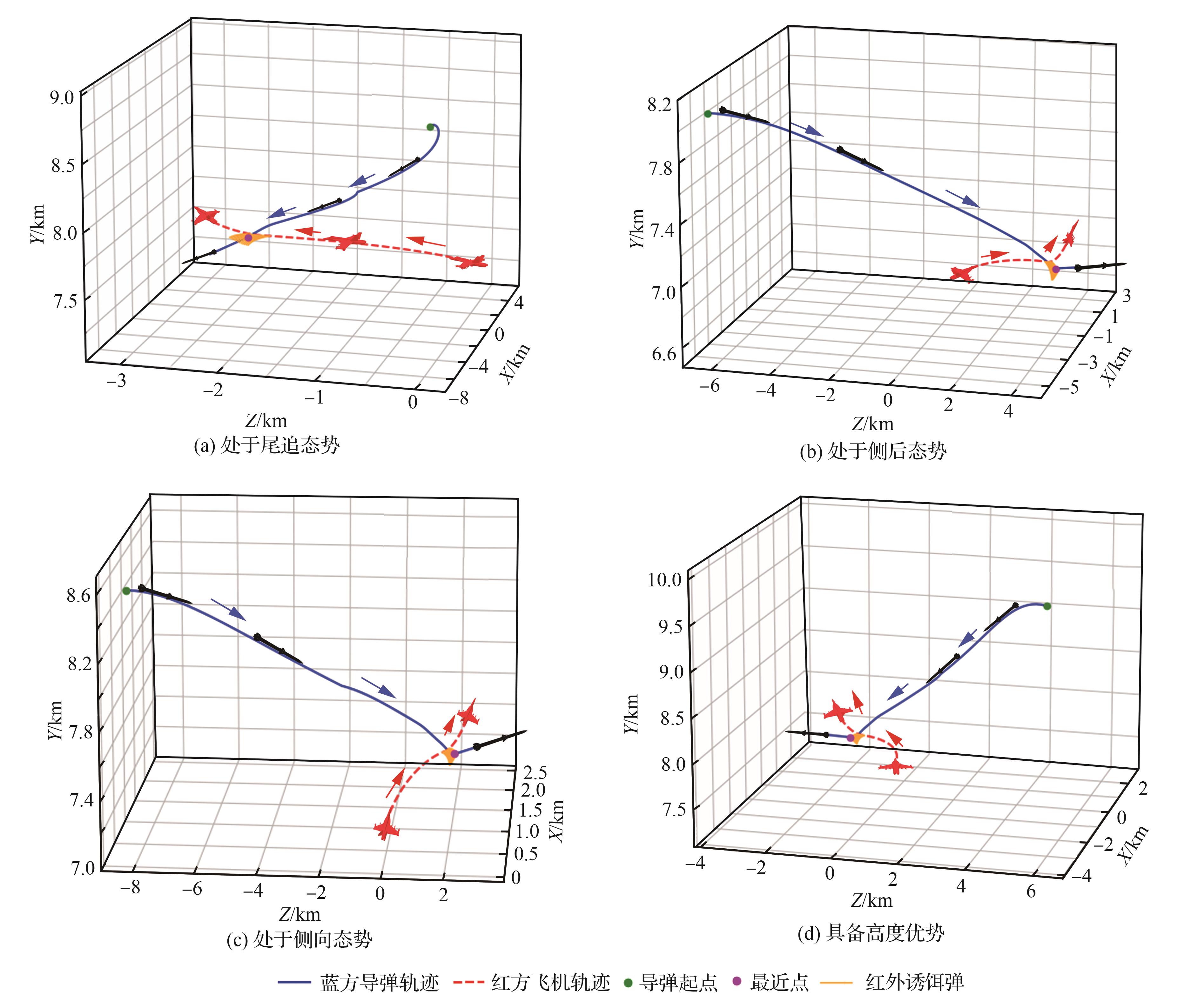
Table 6
SAC algorithm training parameters
| 参数 | 数值 |
|---|---|
| 最大训练次数 | |
| 折扣因子 | 0.95 |
| Actor/Critic学习率 | |
| 批样本次数 | 128 |
| 软更新系数 | |
| 初始温度 | 0.01 |
| 温度学习率 |
Fig.11
Reward trend comparison of three algorithms
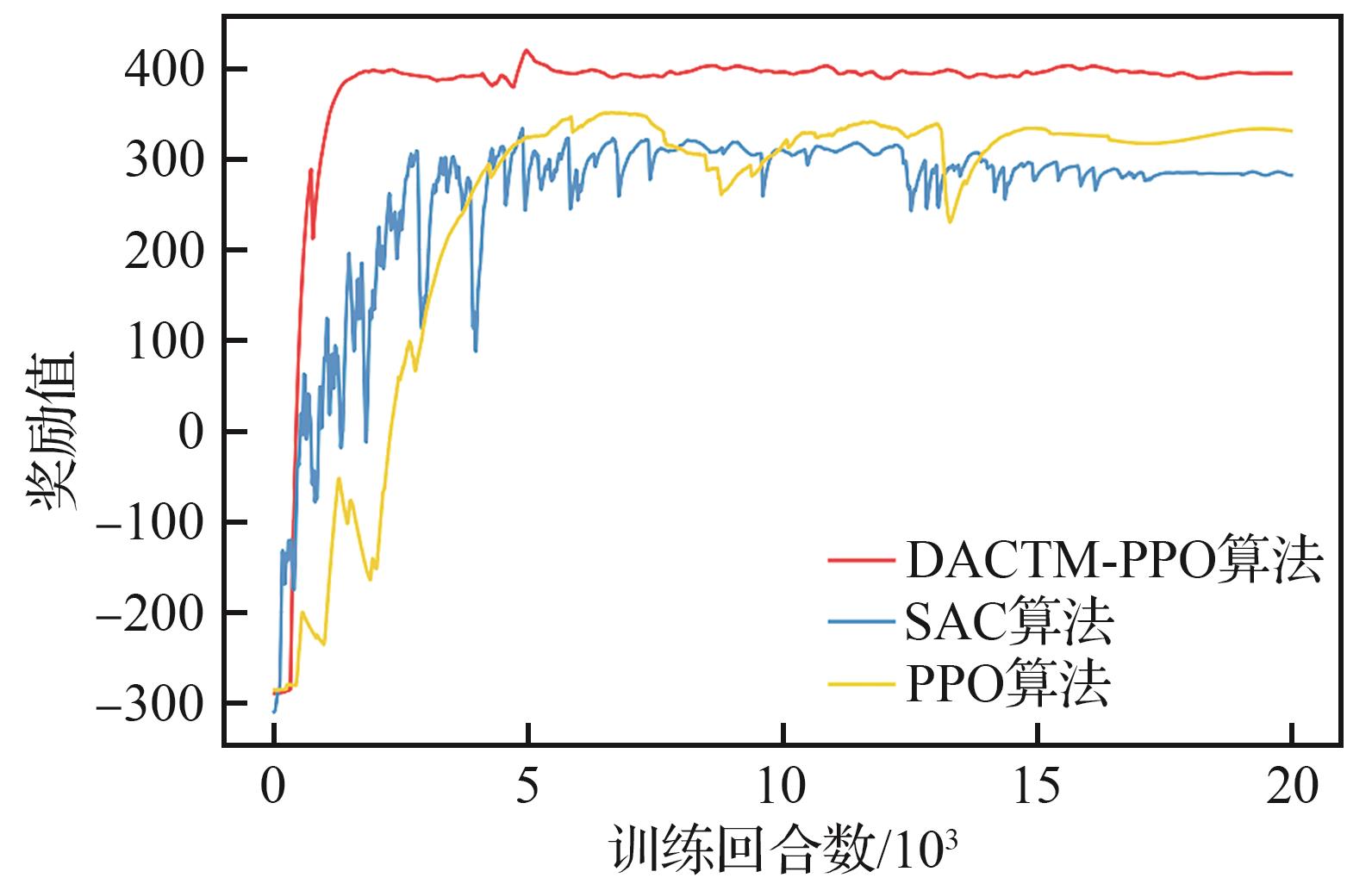
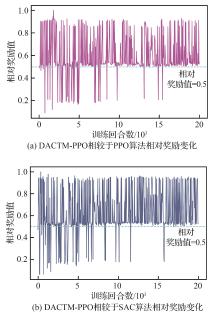
Fig.12
Relative reward changes of DACTM-PPO compared to PPO and SAC algorithms
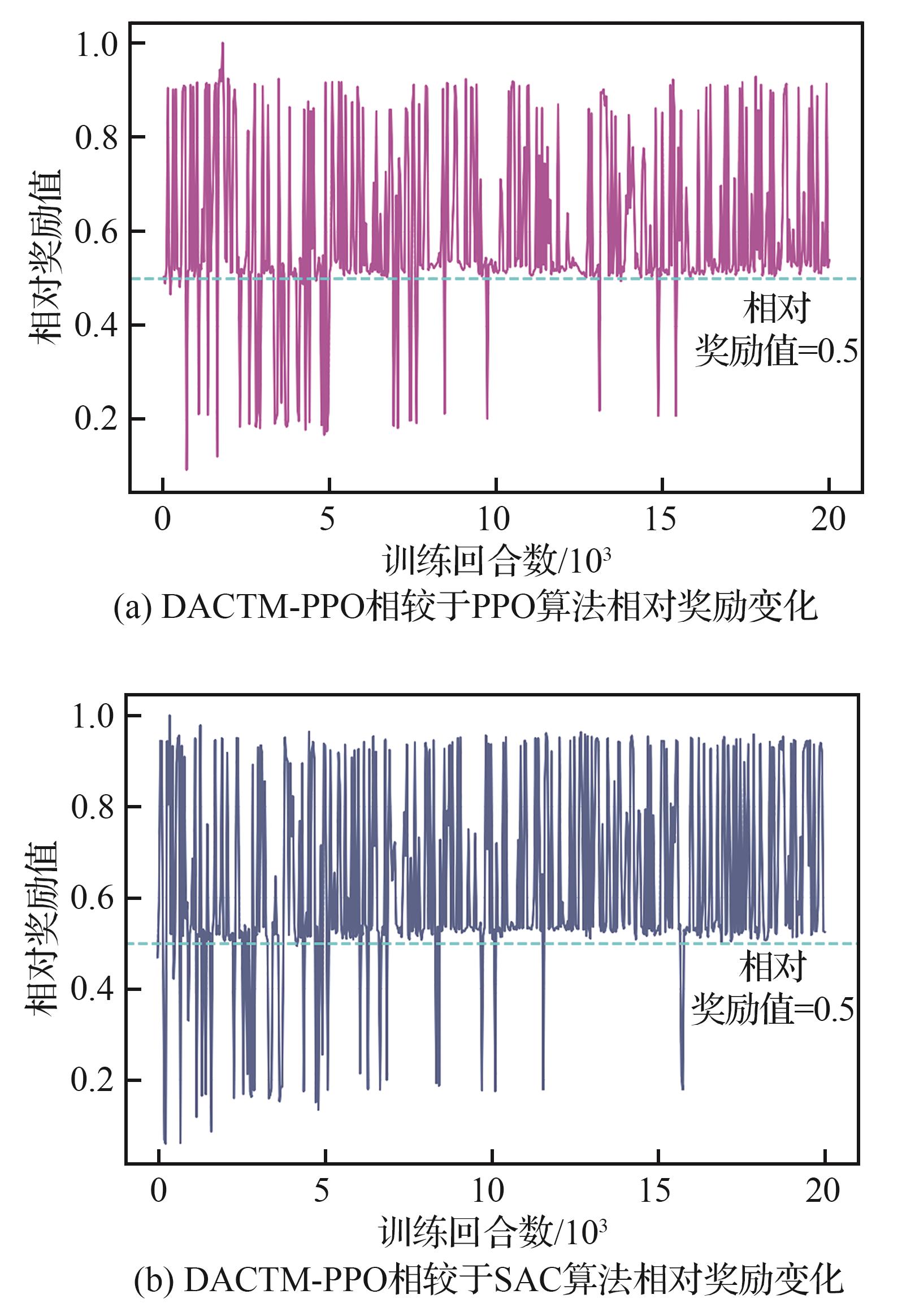
Table 7
Convergence effect comparison
| 算法 | 飞机存活率/% | 平均训练时长/s |
|---|---|---|
| DACTM-PPO | 94.6 | 5 589.39 |
| PPO | 81.2 | 5 083.36 |
| SAC | 79.6 | 24 108.40 |
| 预设规则 | 49.2 |
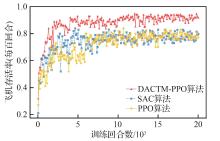
Fig.13
Aircraft survival rate trends of three algorithms
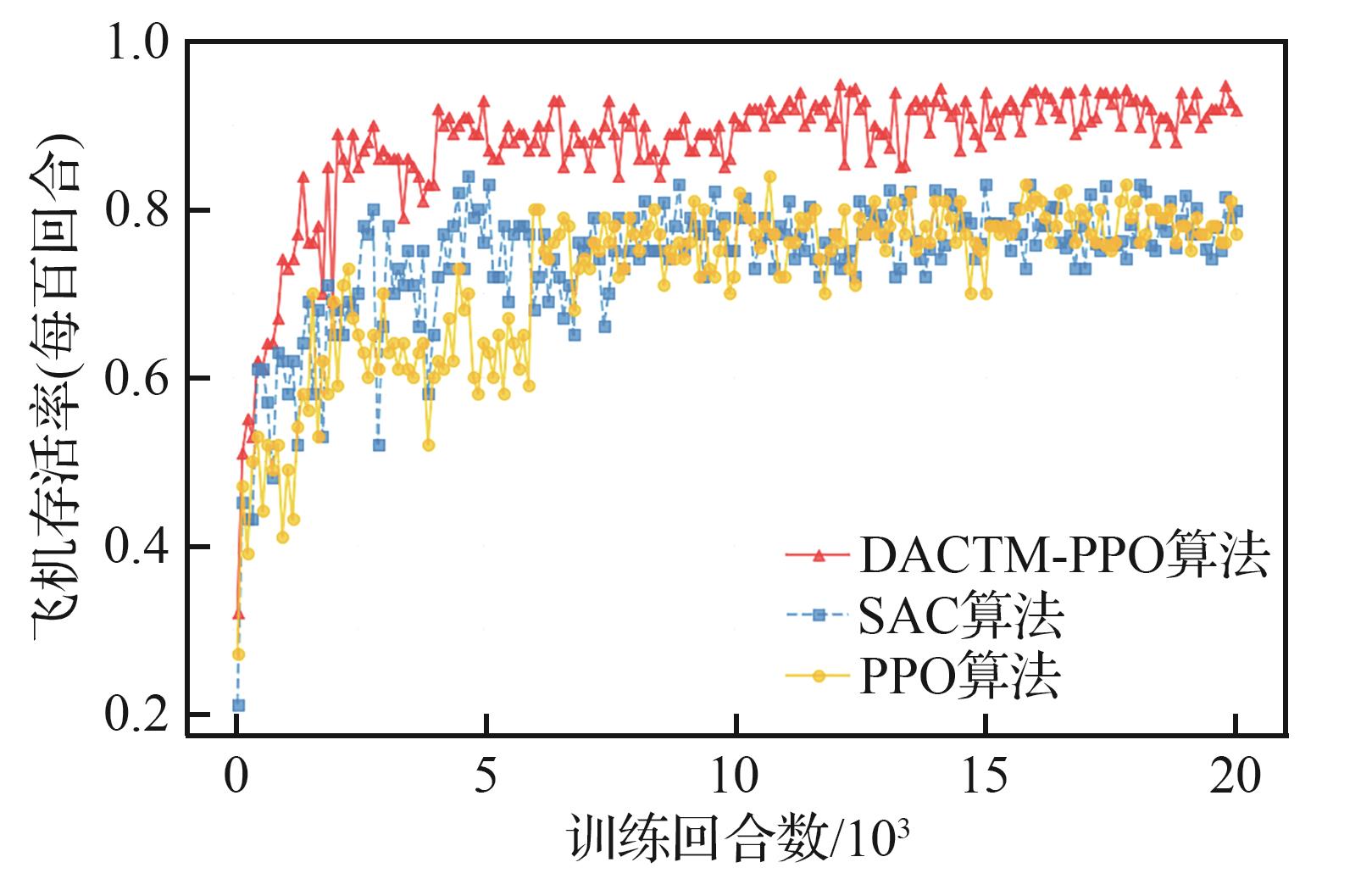
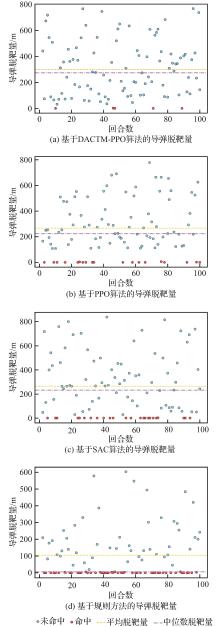
Fig.14
Missile miss distances under four methods
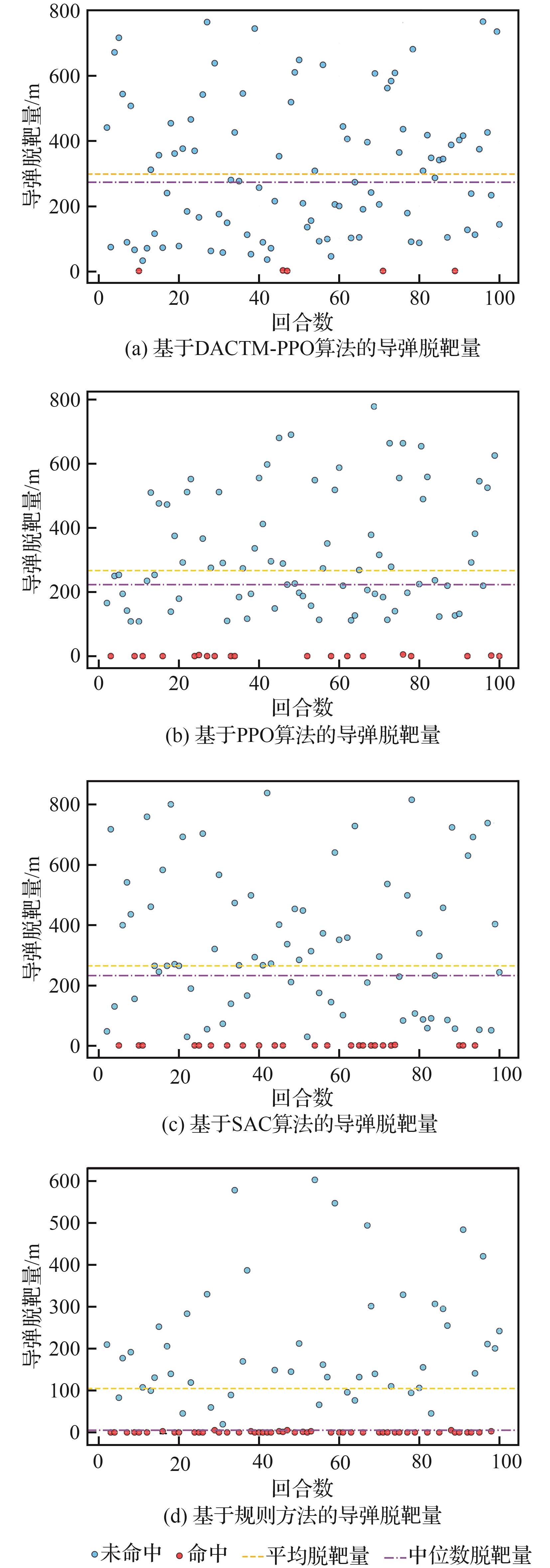
Table 8
Comparison of missile miss distances
| 算法 | 导弹平均脱靶量/m | 导弹中位数脱靶量/m |
|---|---|---|
| DACTM-PPO | 299.8 | 274.9 |
| PPO | 267.6 | 222.8 |
| SAC | 255.4 | 230.9 |
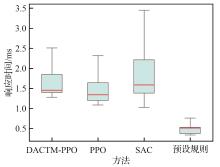
Fig.15
Response time under four methods
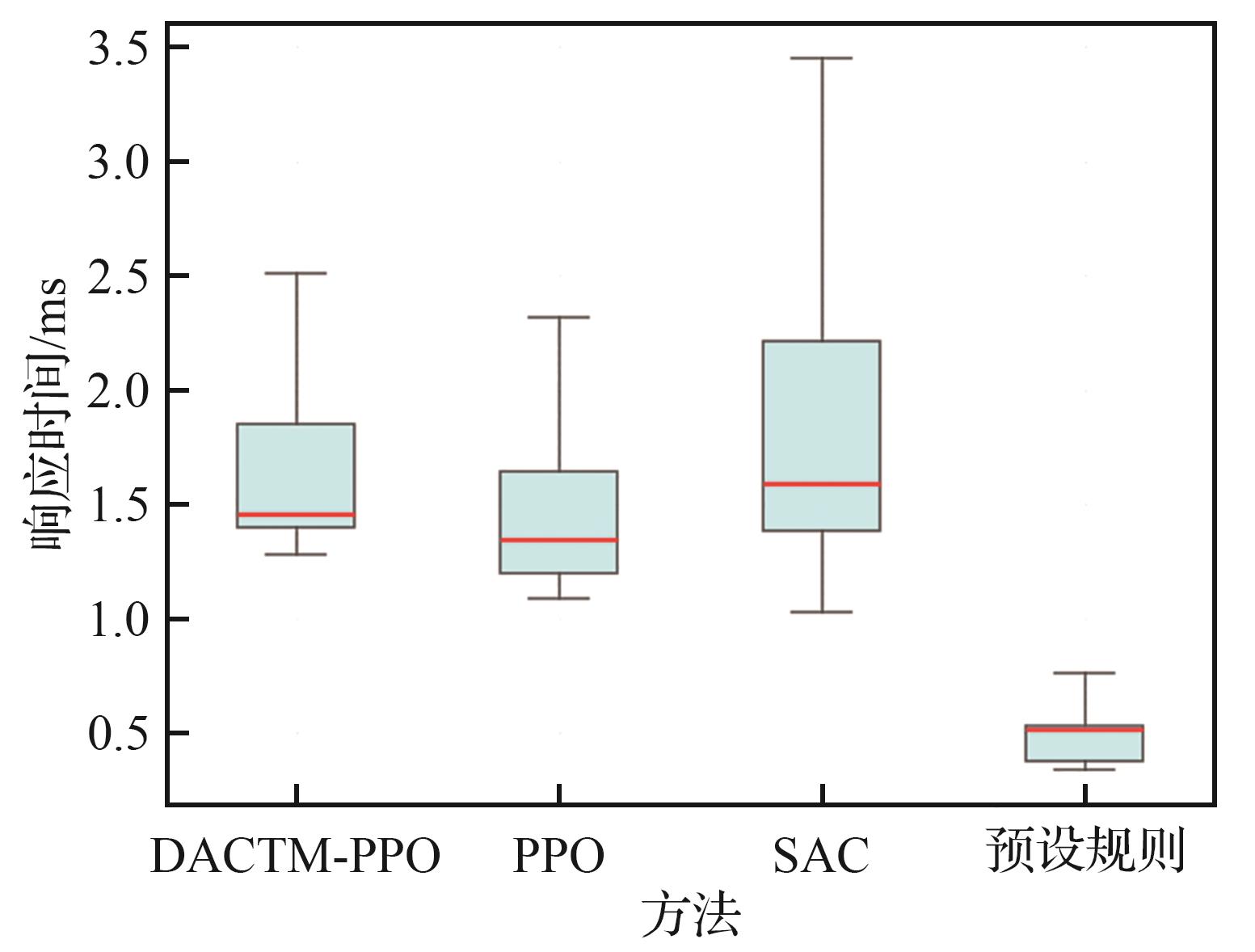
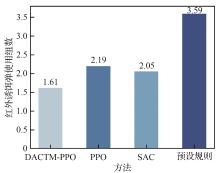
Fig.16
Comparison of number of infrared decoy munitions used
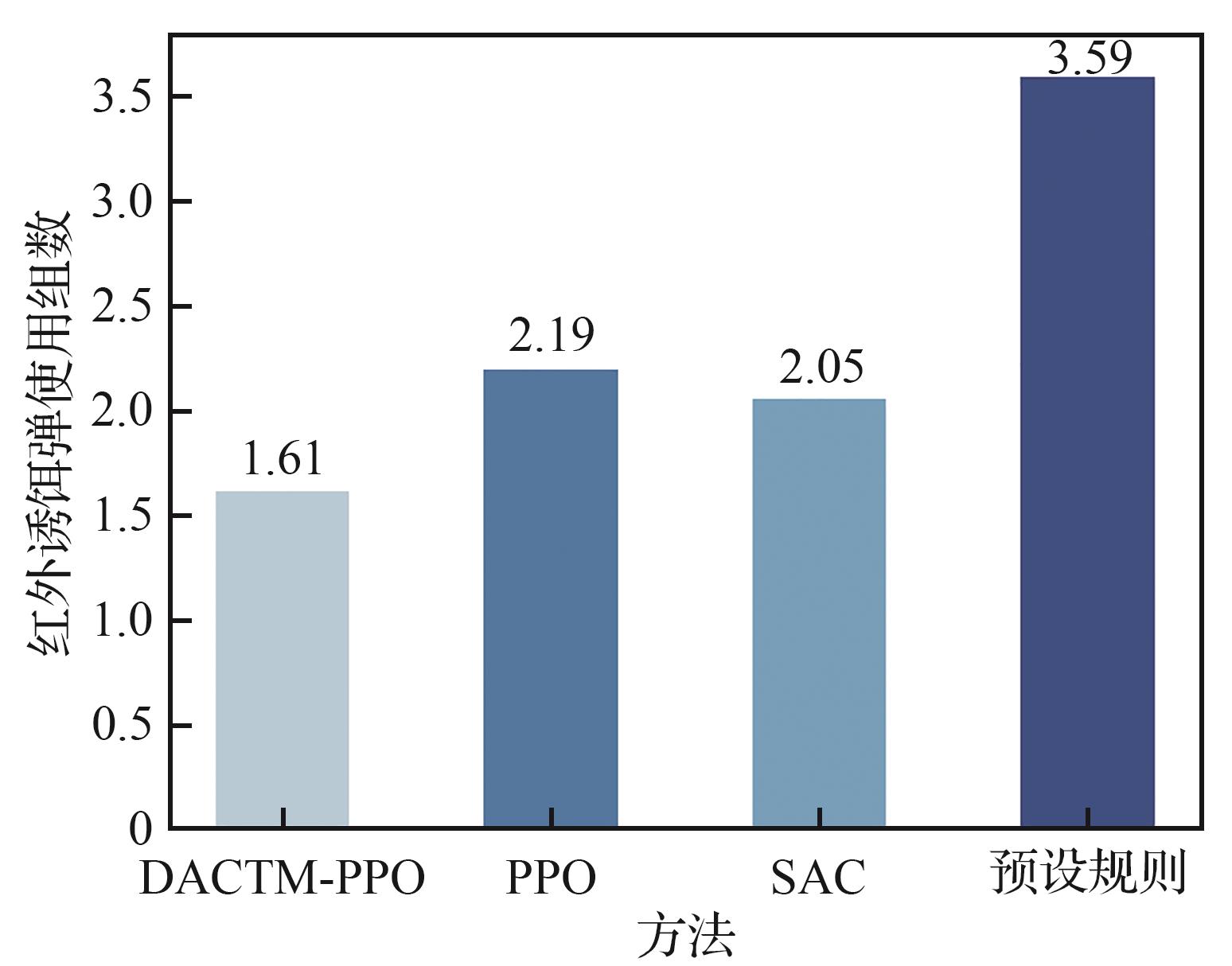
Fig.17
Comparison of effective duration and activation duration of laser directional interference
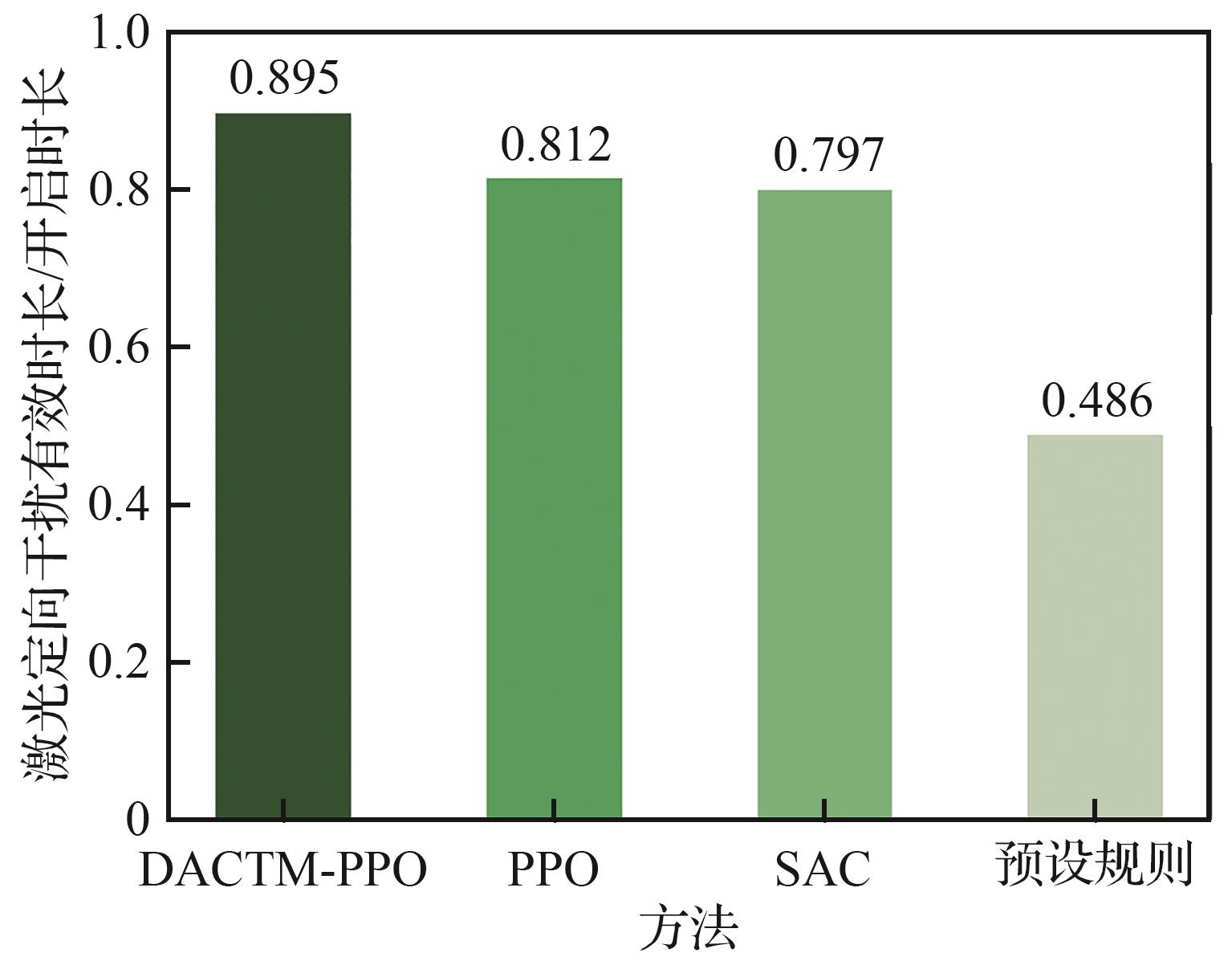
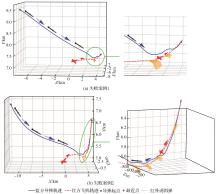
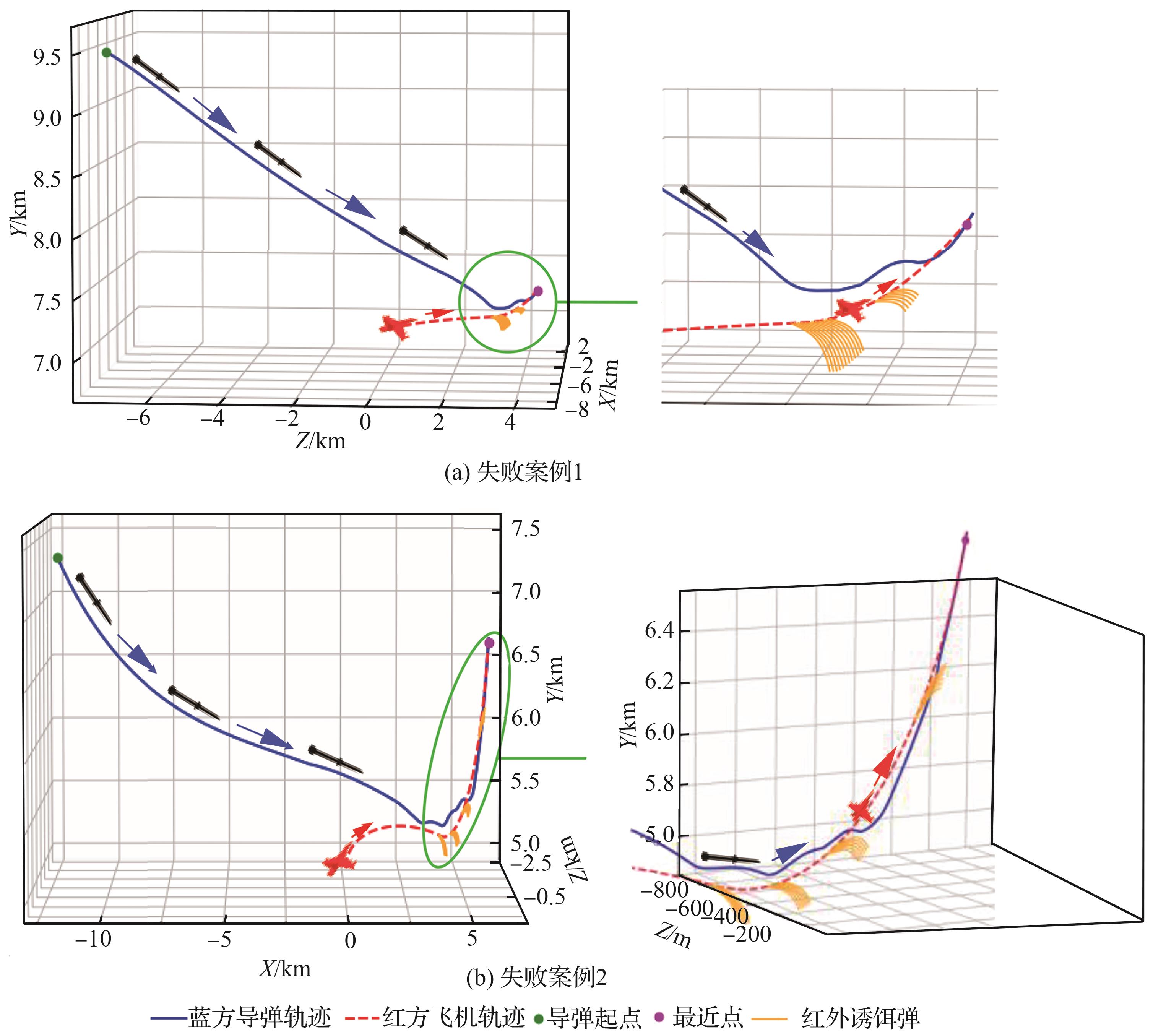
Fig.18
Schematic diagram of failure case
| [1] |
|
| [2] |
|
| [3] |
|
| [4] |
|
| [5] |
|
| [6] |
吴晓迪, 黄超超. 多枚红外诱饵弹运动轨迹仿真[J]. 激光与红外, 2015, 45(12): 1473-1476.
|
|
|
|
| [7] |
|
| [8] |
王炜强, 贾晓洪, 韩宇萌, 等. 定向干扰激光的红外成像建模与仿真[J]. 红外与激光工程, 2016, 45(6): 0606005.
|
|
|
|
| [9] |
张颜伟, 白春华, 蔡猛. 红外干扰弹与定向红外对抗系统协同使用研究[J]. 电光与控制, 2023, 30(2): 82-85.
|
|
|
|
| [10] |
白杨, 张成, 王博宇, 等. 机载末端红外对抗作战效能仿真研究[J]. 红外与激光工程, 2022, 51(11): 20220105.
|
|
|
|
| [11] |
|
| [12] |
徐西蒙, 魏贤智, 张涛, 等. 基于混沌粒子群优化算法的战斗机使用空射诱饵的攻击决策[J]. 电光与控制, 2015, 22(11): 42-47.
|
|
|
|
| [13] |
张涛, 周中良, 于雷, 等. 战斗机使用空射诱饵弹协同规避策略[J]. 系统工程与电子技术, 2017, 39(12): 2738-2744.
|
|
|
|
| [14] |
|
| [15] |
|
| [16] |
李传浩, 明振军, 王国新, 等. 基于多智能体深度强化学习的无人平台箔条干扰末端防御动态决策方法[J]. 兵工学报, 2025, 46(3): 19-33.
|
|
|
|
| [17] |
黄成, 邱志聪, 许家忠. 地月环境下航天器近距离接近自主决策[J]. 光学 精密工程, 2025, 33(6): 979-992.
|
|
|
|
| [18] |
|
| [19] |
|
| [20] |
|
| [21] |
|
| [22] |
|
| [23] |
|
| [24] |
王存灿, 王晓芳, 林海. 一种元学习和强化学习结合的多飞行器协同制导律[J]. 兵工学报, 2025, 46(7): 201-215.
|
|
|
|
| [25] |
|
| [1] | Wei XIONG, Dong ZHANG, Shuheng YANG, Zhi REN, Wenyi LIU. Manned/unmanned aerial vehicle collaborative interpretable method for intelligent air combat [J]. Acta Aeronautica et Astronautica Sinica, 2026, 47(7): 332547-332547. |
| [2] | Sihua GAO, Bingyang ZHAO, Jianfu LI. UAV complete data collection trajectory planning algorithm based on time window constraints [J]. Acta Aeronautica et Astronautica Sinica, 2026, 47(6): 332451-332451. |
| [3] | Yunxiao LIAN, Ni LI, Feng XIE, Pan ZHOU, Changyin DONG. A multi-UAV cooperative air combat decision-making method based on spatial-temporal information fusion [J]. Acta Aeronautica et Astronautica Sinica, 2026, 47(6): 332633-332633. |
| [4] | Lei ZHANG, Can TIAN, Fangqing WEN, Qinghe ZHANG, Han LIU. Multi-objective evolution with deep deterministic strategy gradient algorithm for mobile edge networks [J]. Acta Aeronautica et Astronautica Sinica, 2026, 47(3): 631880-631880. |
| [5] | Zan MA, Jie BAI, Liqin YAN, Yong CHEN, Shuguang SUN. Safety assessment for airborne intelligent avoidance system based on Bayesian optimization [J]. Acta Aeronautica et Astronautica Sinica, 2026, 47(1): 331973-331973. |
| [6] | Tao ZHANG, Pan LI, Zixu WANG, Zhenhua ZHU. Design of reward functions for helicopter attitude control in reinforcement learning [J]. Acta Aeronautica et Astronautica Sinica, 2025, 46(S1): 732184-732184. |
| [7] | Kaifang WAN, Zhilin WU, Yunhui WU, Haozhi QIANG, Yibo WU, Bo LI. Cooperative location of multiple UAVs with deep reinforcement learning in GPS-denied environment [J]. Acta Aeronautica et Astronautica Sinica, 2025, 46(8): 331024-331024. |
| [8] | Lingfeng JIANG, Xinkai LI, Hai ZHANG, Hanwei LI, Hongli ZHANG. Mapless navigation of UAVs in dynamic environments based on an improved TD3 algorithm [J]. Acta Aeronautica et Astronautica Sinica, 2025, 46(8): 331035-331035. |
| [9] | Min YANG, Guanjun LIU, Ziyuan ZHOU. Control of lunar landers based on secure reinforcement learning [J]. Acta Aeronautica et Astronautica Sinica, 2025, 46(3): 630553-630553. |
| [10] | Qichao XIE, Chengyu CAO, Yiyun ZHAO, Fanbiao LI. Integrated guidance and control method based on deep reinforcement learning parameter tuning [J]. Acta Aeronautica et Astronautica Sinica, 2025, 46(24): 632345-632345. |
| [11] | Tianqi FAN, Zhengxia ZOU, Zhenwei SHI. Typical remote sensing target detection with data synthesis based on reinforcement learning [J]. Acta Aeronautica et Astronautica Sinica, 2025, 46(23): 631955-631955. |
| [12] | Chen WANG, Caisheng WEI, Zeyang YIN, Kai JIN, Xingchen LI. Collaborative planning of multi-UAV trajectories and communication strategies considering channel resource constraints [J]. Acta Aeronautica et Astronautica Sinica, 2025, 46(18): 331837-331837. |
| [13] | Yizhe LUO, Hui ZHANG, Xinde YU, Zhao JIN, Shuo FENG, Yucheng SHI, Mingling XU. Hierarchical dynamic scheduling for multi-wave carrier-based aircraft ammunition support missions [J]. Acta Aeronautica et Astronautica Sinica, 2025, 46(18): 331945-331945. |
| [14] | Xiangsong HUANG, Mengyu WANG, Dapeng PAN. Adversarial reinforcement learning-based UAV escape path planning method [J]. Acta Aeronautica et Astronautica Sinica, 2025, 46(17): 331637-331637. |
| [15] | Yu WANG, Zhipeng XIE, Yongjian TIAN, Guanglei MENG. Distributed UAV formation control with virtual structure guided reinforcement learning [J]. Acta Aeronautica et Astronautica Sinica, 2025, 46(15): 331354-331354. |
| Viewed | ||||||
|
Full text |
|
|||||
|
Abstract |
|
|||||
Address: No.238, Baiyan Buiding, Beisihuan Zhonglu Road, Haidian District, Beijing, China
Postal code : 100083
E-mail:hkxb@buaa.edu.cn
Total visits: 6658907 Today visits: 1341All copyright © editorial office of Chinese Journal of Aeronautics
All copyright © editorial office of Chinese Journal of Aeronautics
Total visits: 6658907 Today visits: 1341

 CJA
CJA
