Acta Aeronautica et Astronautica Sinica ›› 2025, Vol. 46 ›› Issue (21): 532330.doi: 10.7527/S1000-6893.2025.32330
• Special Issue: 60th Anniversary of Aircraft Strength Research Institute of China • Previous Articles
Runjie GUO1, Longkun LU1,2( ), Zikang ZHOU1, Shengnan WANG1
Received:2025-05-30
Revised:2025-06-17
Accepted:2025-07-18
Online:2025-07-28
Published:2025-07-25
Contact:
Longkun LU
E-mail:lulongkun@nwpu.edu.cn
Supported by:CLC Number:
Runjie GUO, Longkun LU, Zikang ZHOU, Shengnan WANG. Progress in application of cohesive zone model in fracture simulation of aircraft metallic thin-walled structures[J]. Acta Aeronautica et Astronautica Sinica, 2025, 46(21): 532330.

Fig.1
Schematic diagram of a cohesive zone model


Fig.2
Early traction-separation laws
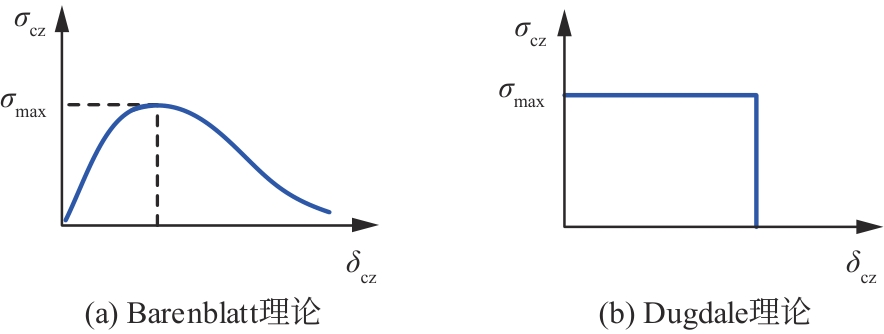

Fig.3
Typical TSLs

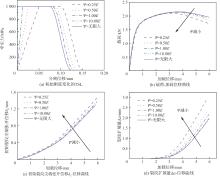
Fig.4
Influence of initial stiffness[18]
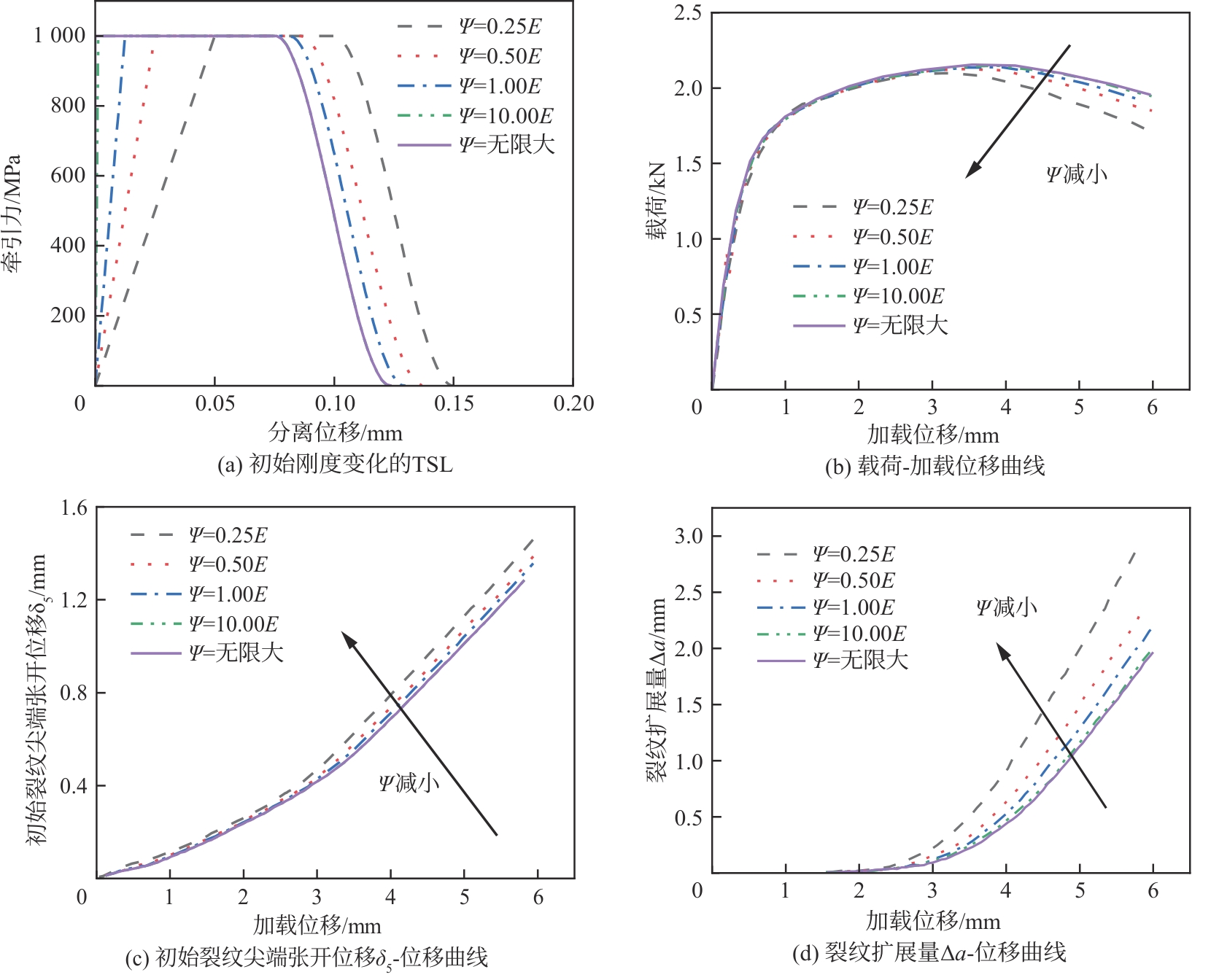
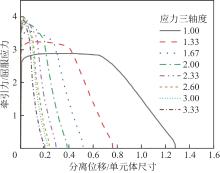
Fig.5
Normalized representative volume element (RVE) stress-strain curves under constant stress triaxiality[19]
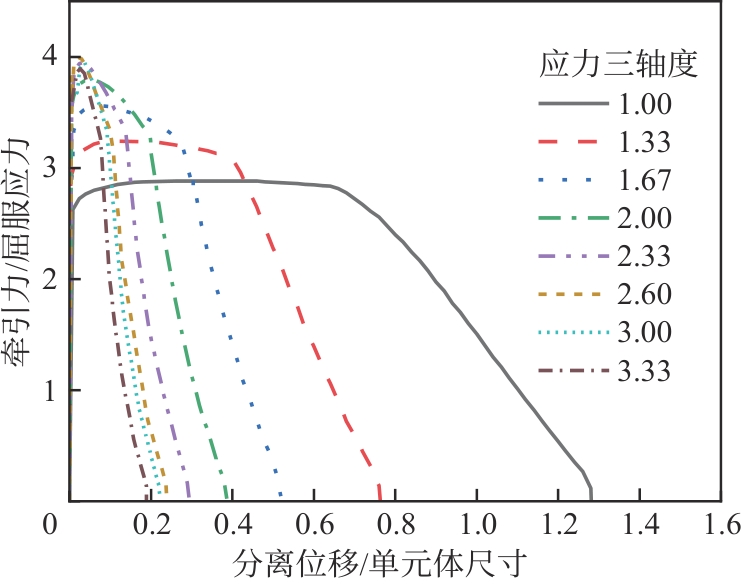
Fig.6
Four different TSLs with identical cohesive parameters[23]
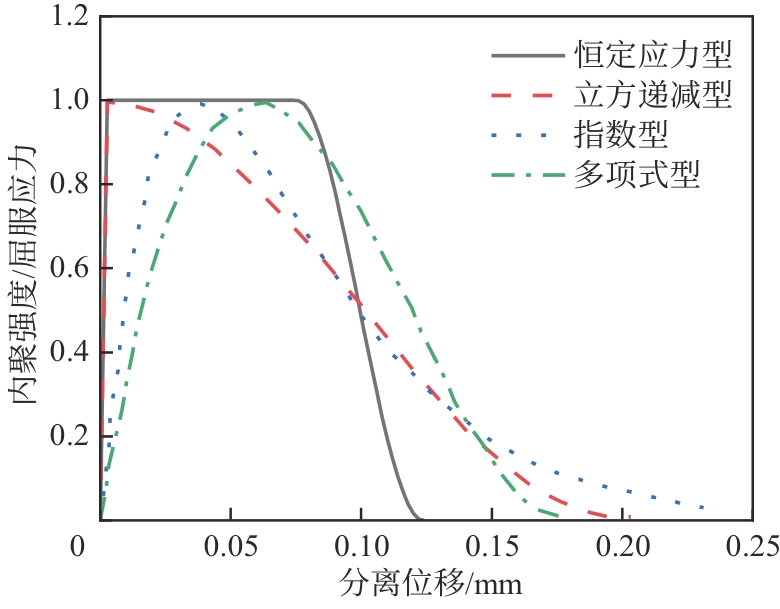
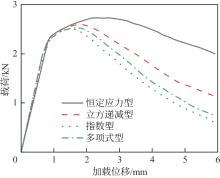
Fig.7
Load-displacement curves obtained from four TSLs[23]
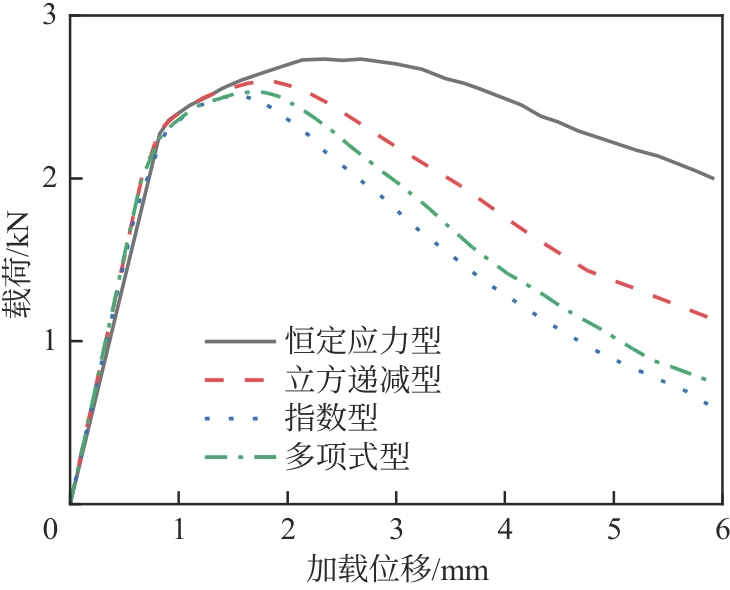
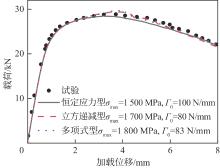
Fig.8
Similarity of simulation results based on different TSL shapes[24]
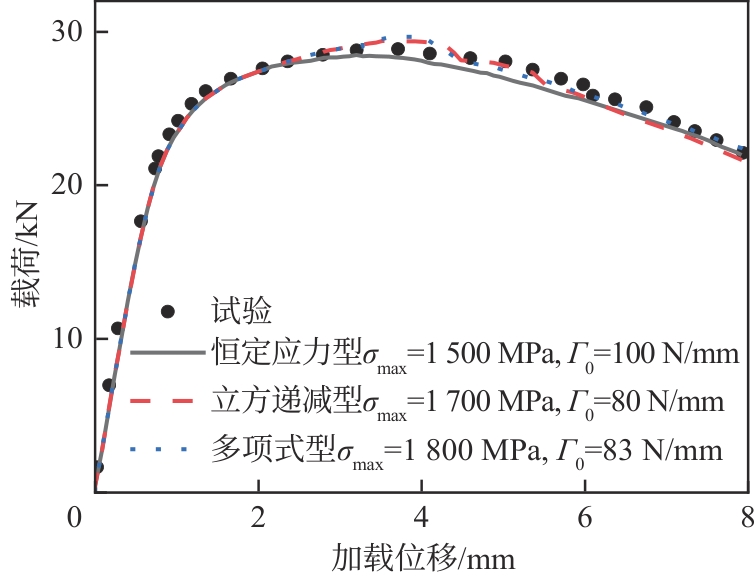
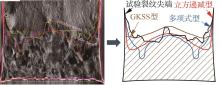
Fig.9
Tunneling effects of crack front[24]
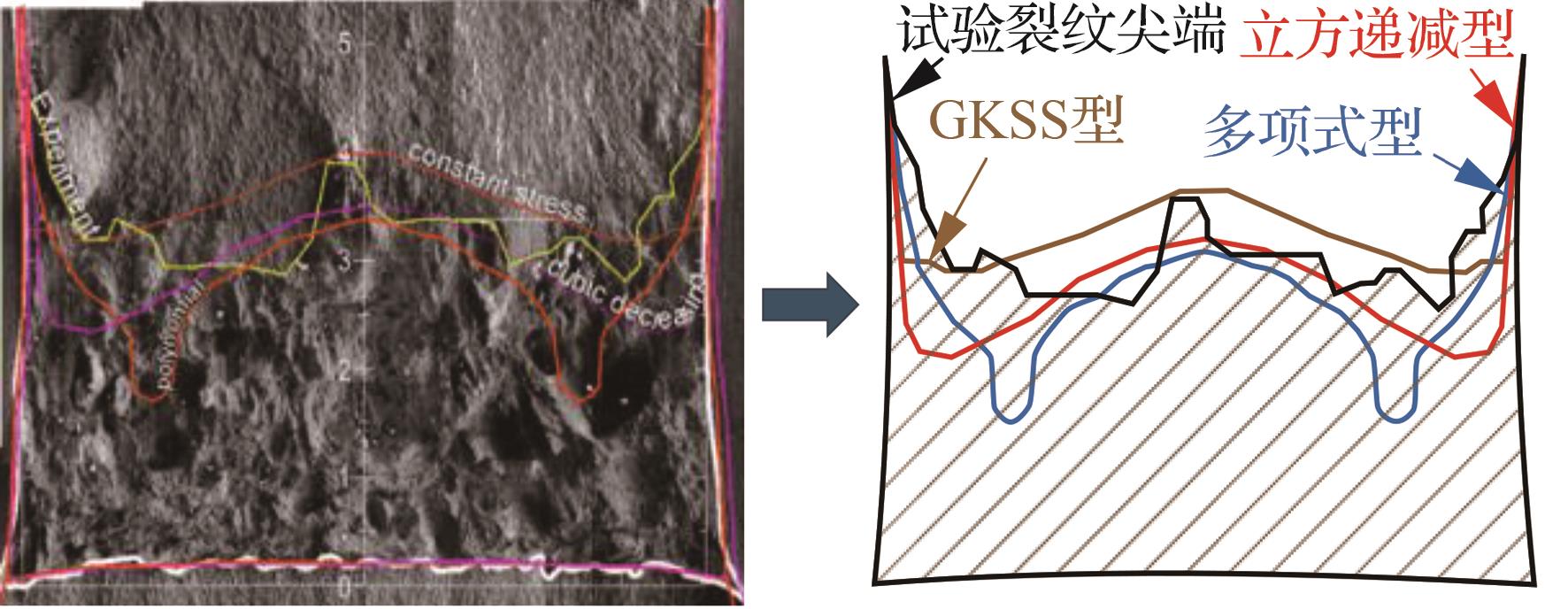

Table 1
Comparison of origins and applicability of different TSL shapes
| TSL形状 | 来源 | 优点 | 局限性 |
|---|---|---|---|
| 三角形 | 经验拟合 | 实现简单,收敛性好 | 不能反映平台段,无法描述延性屈服 |
| 梯形 | 经验拟合 | 物理意义接近延性断裂 | 转折点需光滑处理,可能不稳定 |
| GKSS型 | 对梯形TSL转折点进行平滑处理 | 收敛性好 | 物理上仅适用于韧性断裂 |
| 多项式型 | 基于界面空洞核化-聚合的势能函数 | 保证能量一致性,稳定性好 | 物理上不适宜使用于韧性断裂 |
| 指数型 | 基于原子势能曲线的指数衰减特性 | 保证能量一致性,稳定性好 | 物理上不适宜使用于韧性断裂 |
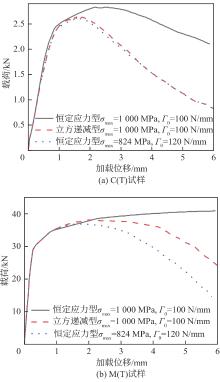
Fig.10
Plane strain conditions[24]
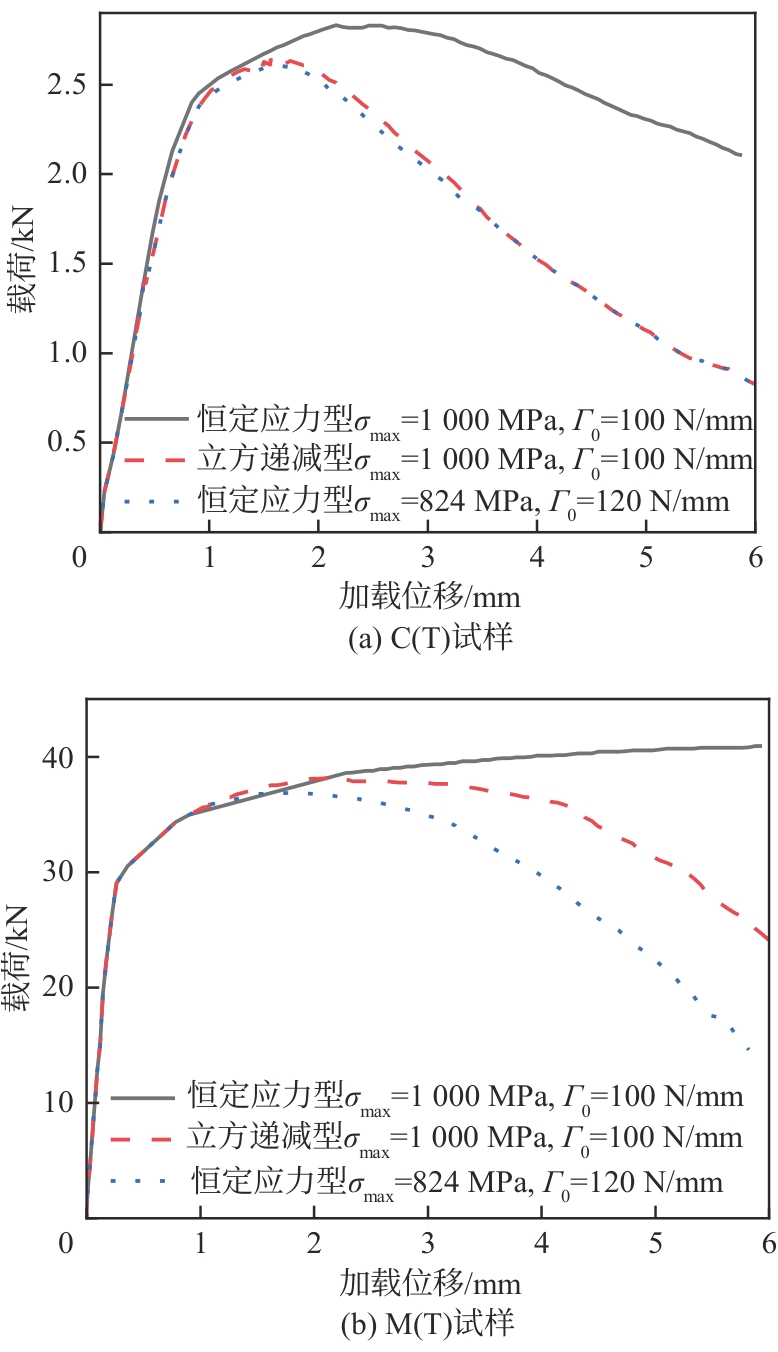

Fig.11
Parameter calibration under plane stress conditions[24]

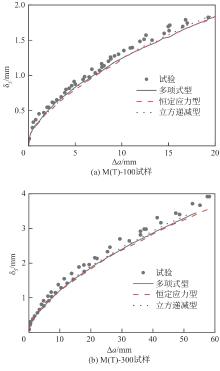
Fig.12
Plane stress conditions[24]
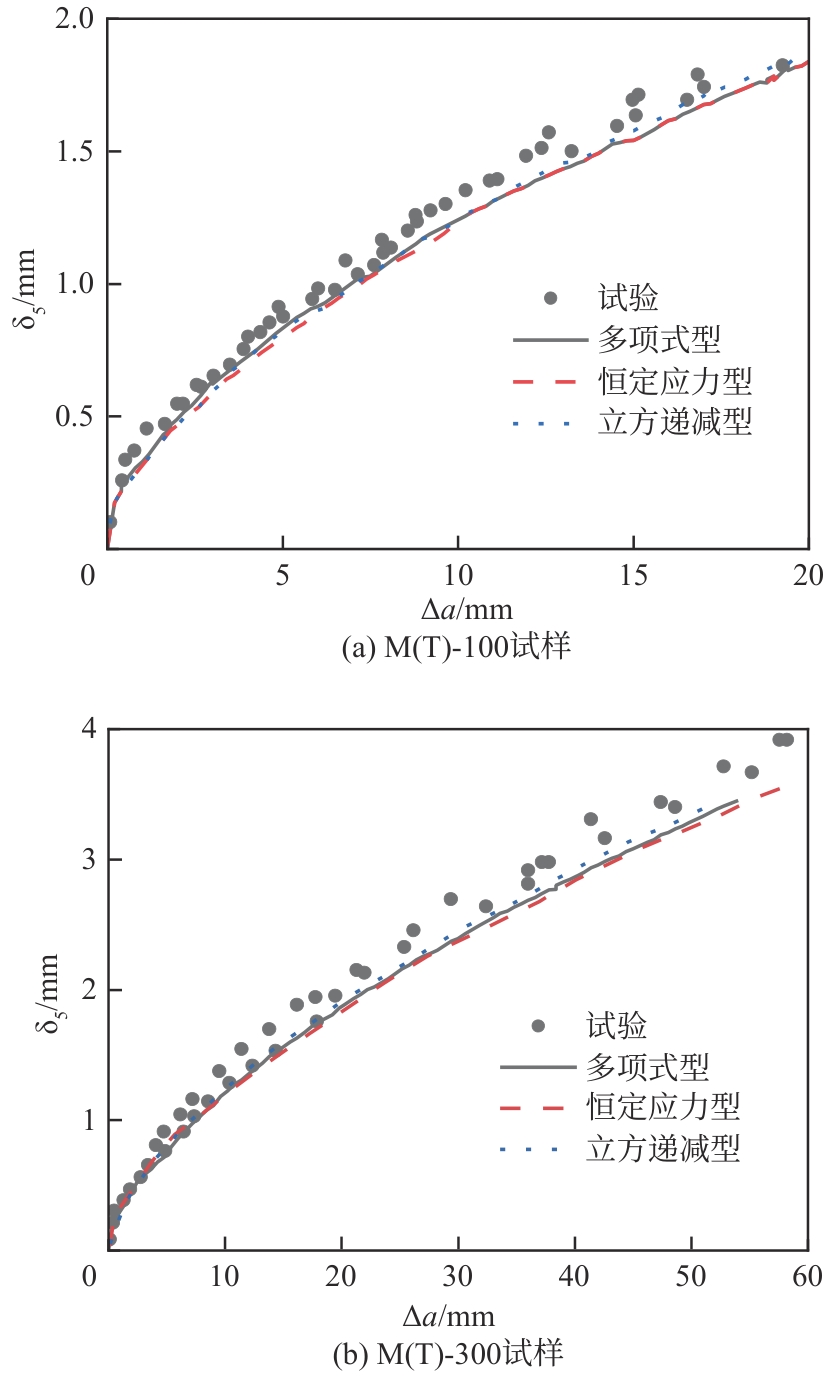
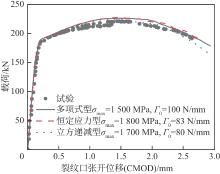
Fig.13
Simulation results of 3D finite element[24]
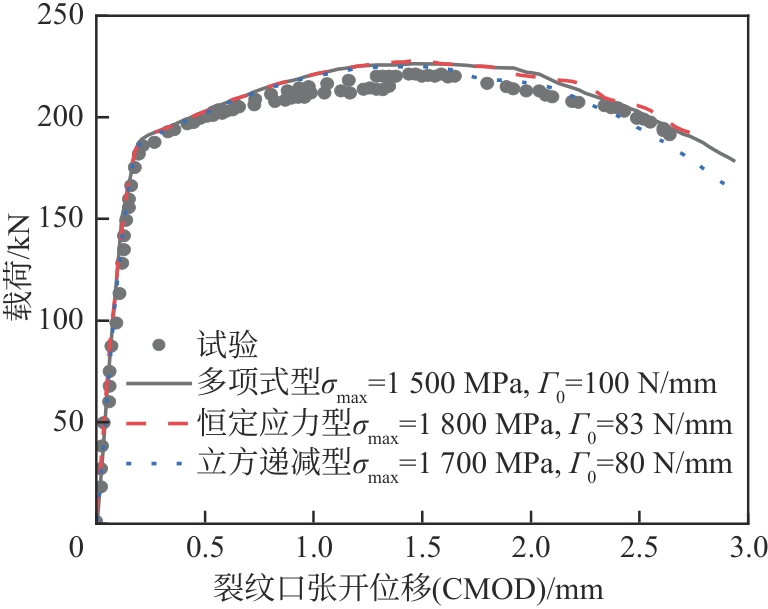
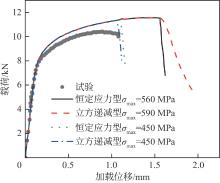
Fig.14
Experimental and simulation results of notched tensile bars[24]
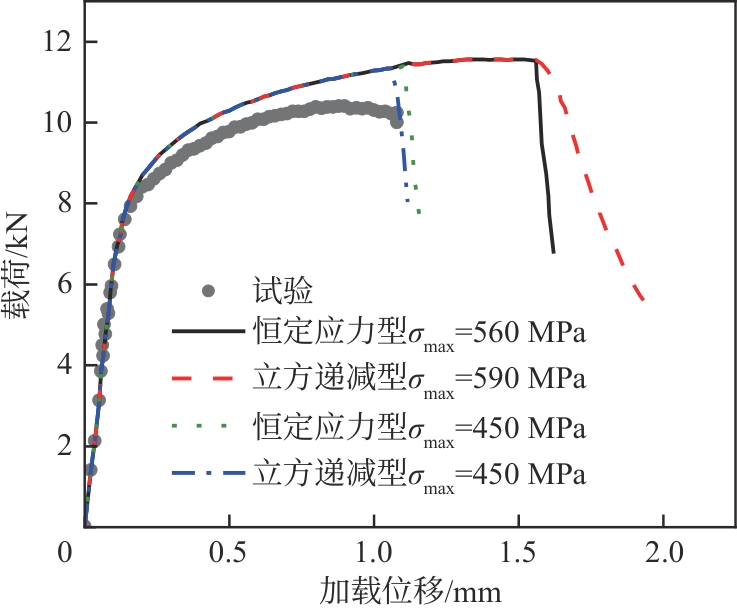
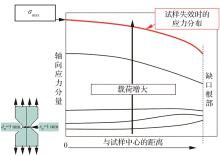
Fig.15
Determination of cohesive strength[25]
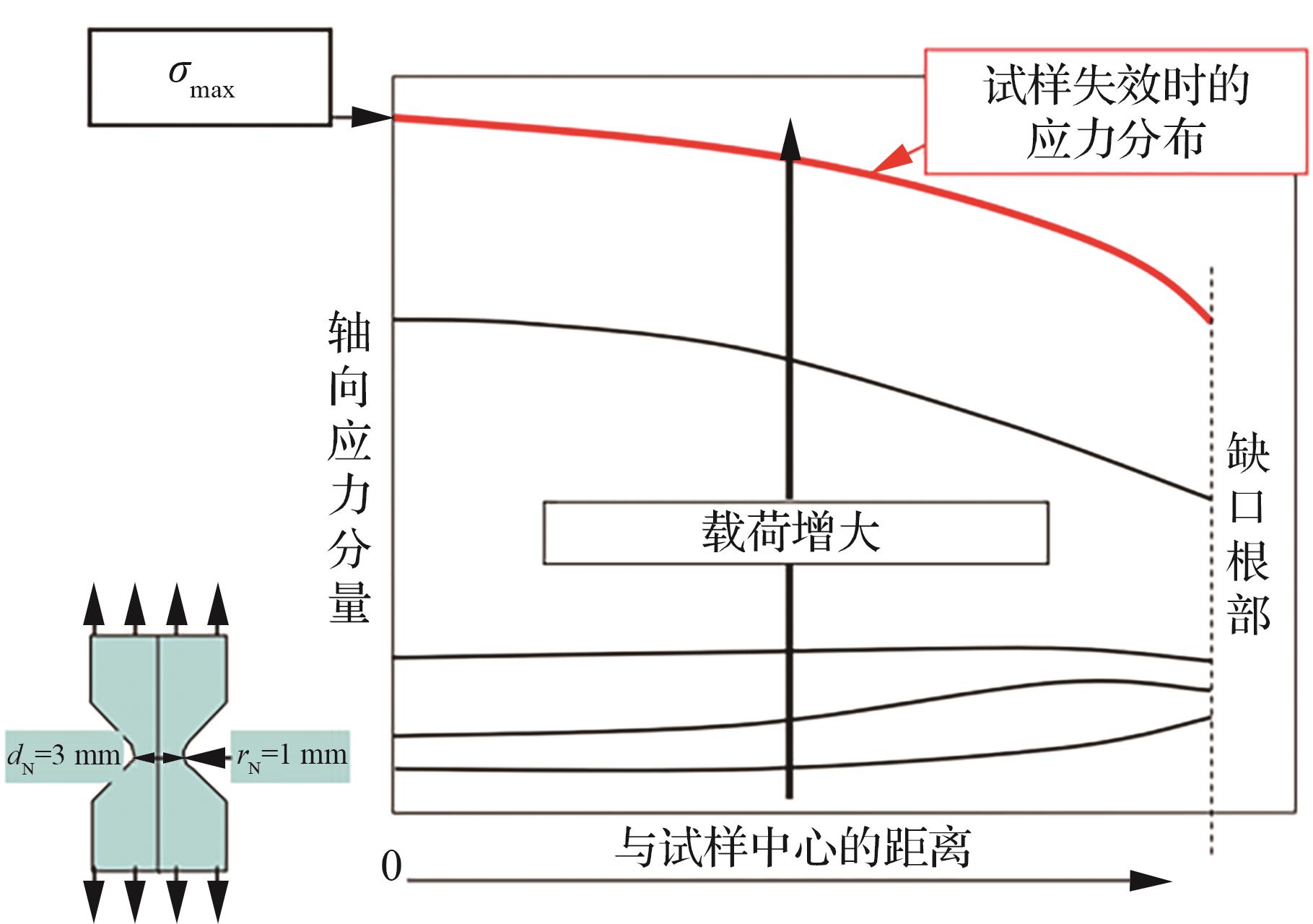
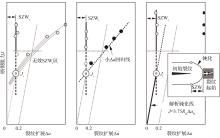
Fig.16
Three methods for determiningJi[25]
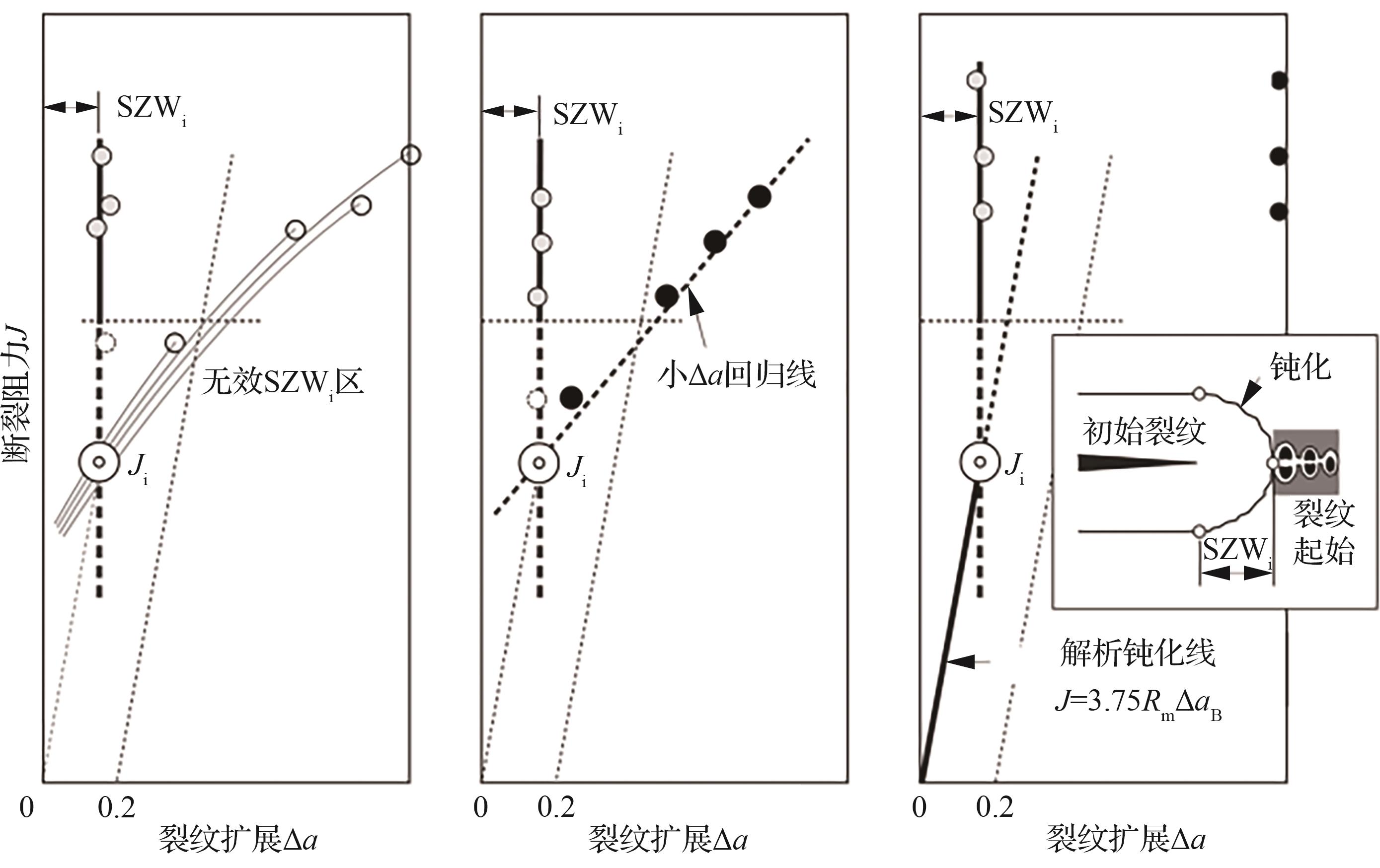

Fig.17
Effect of cohesive parameters on R-curves[25]
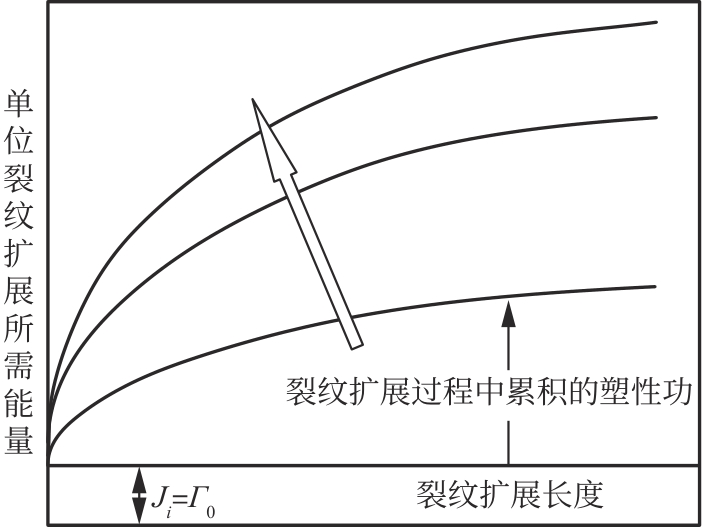
Fig.18
Influence of cohesive parameters on load versus crack extension curves[12]
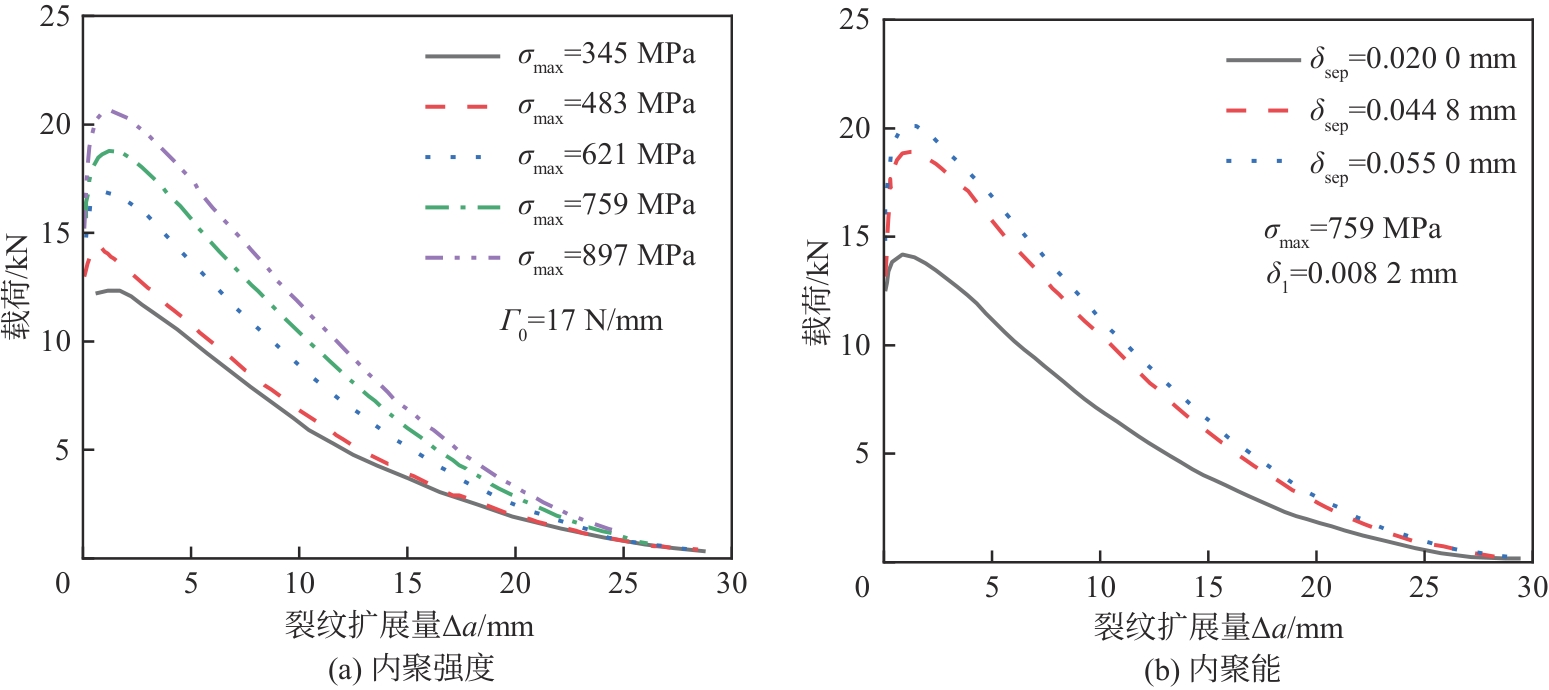
Fig.19
Influence of cohesive parameters on tunneling effect[12]
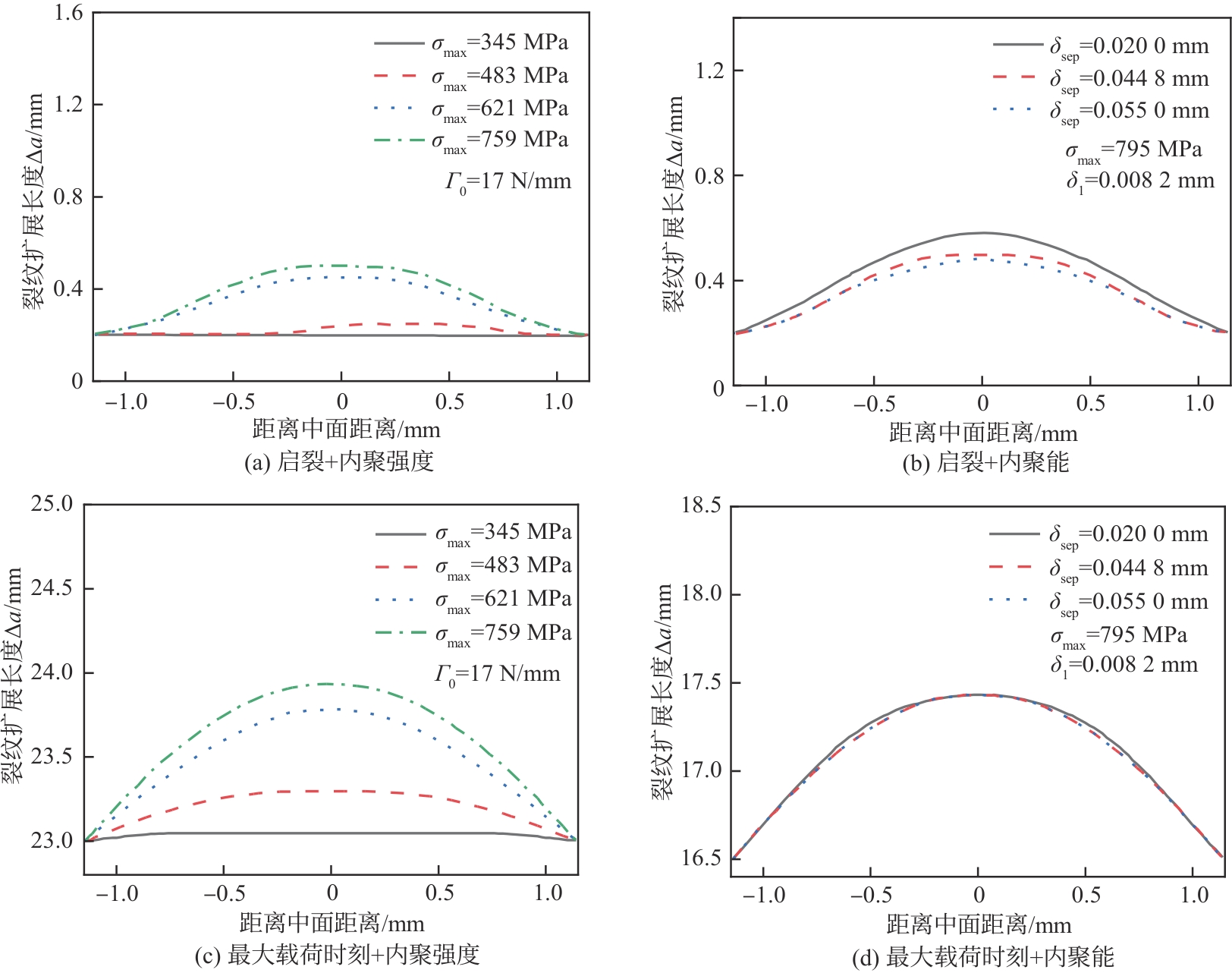

Fig.20
Inverse method to determine cohesive energy and cohesive strength[29]


Fig.21
Cohesive elements[25]

Fig.22
Transition from normal fracture to slant fracture[9]
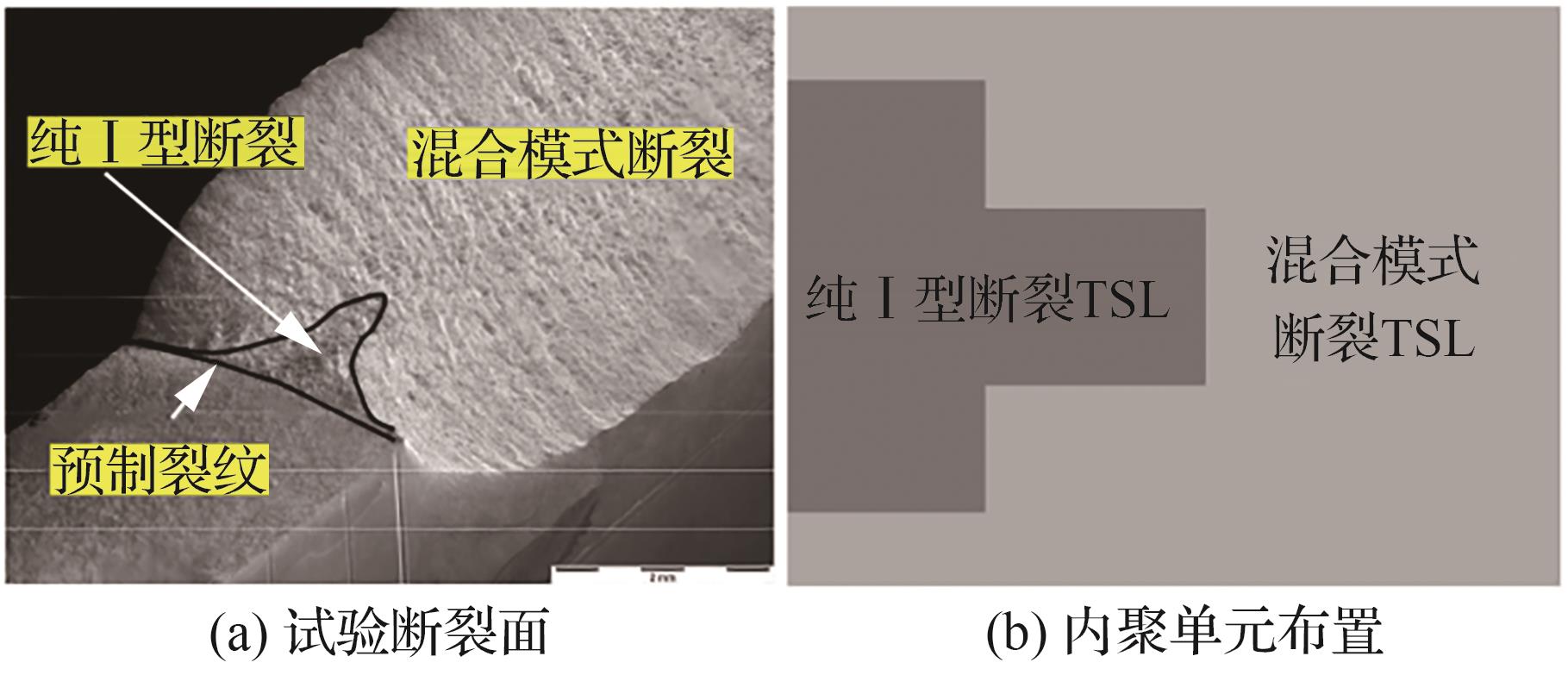

Fig.23
Finite element model of a cylindrical shell with circumferential stiffeners[48]

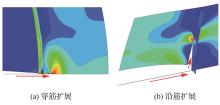
Fig.24
Two types of crack propagation behavior[48]
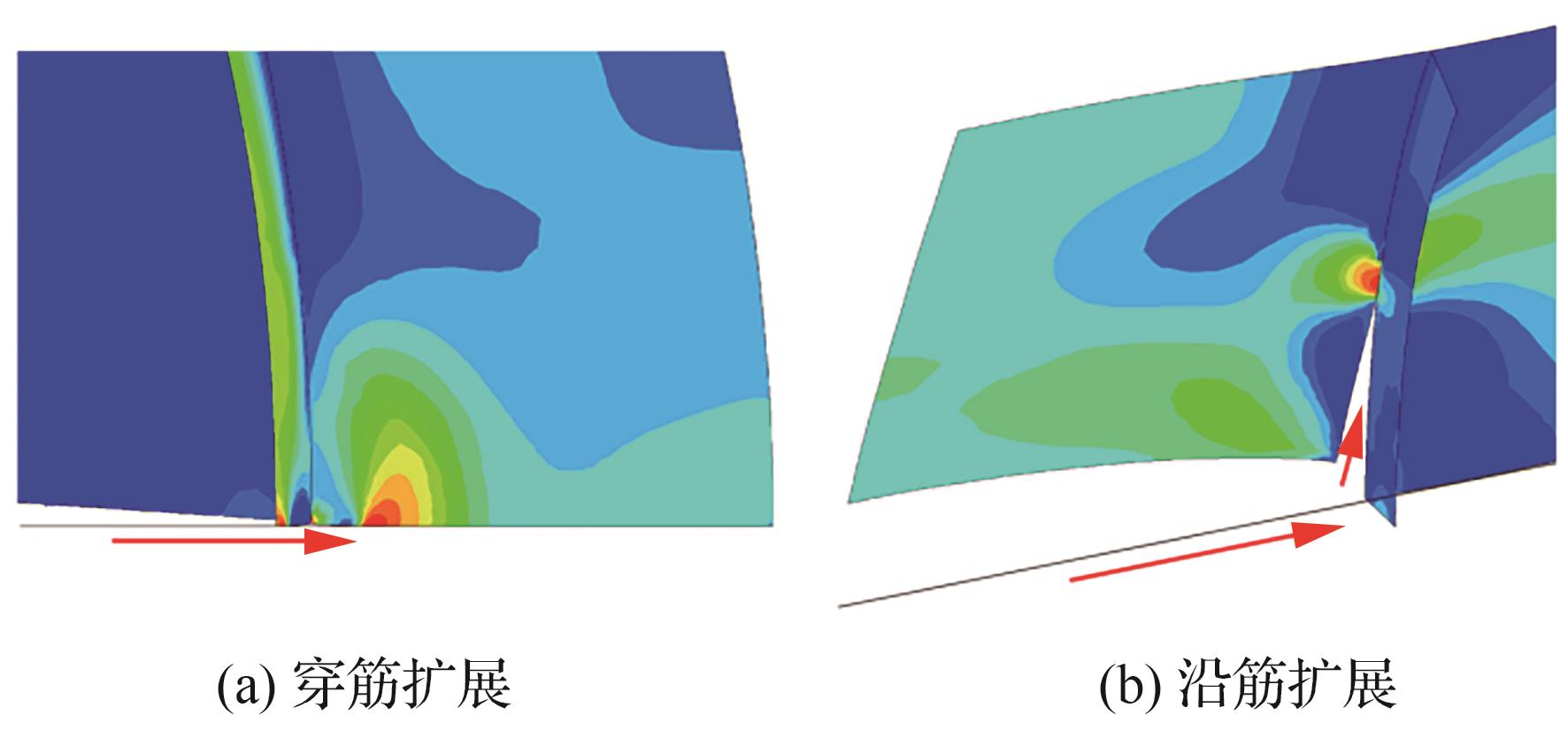
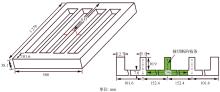
Fig.25
Schematic of five-stiffener integral panel[5]
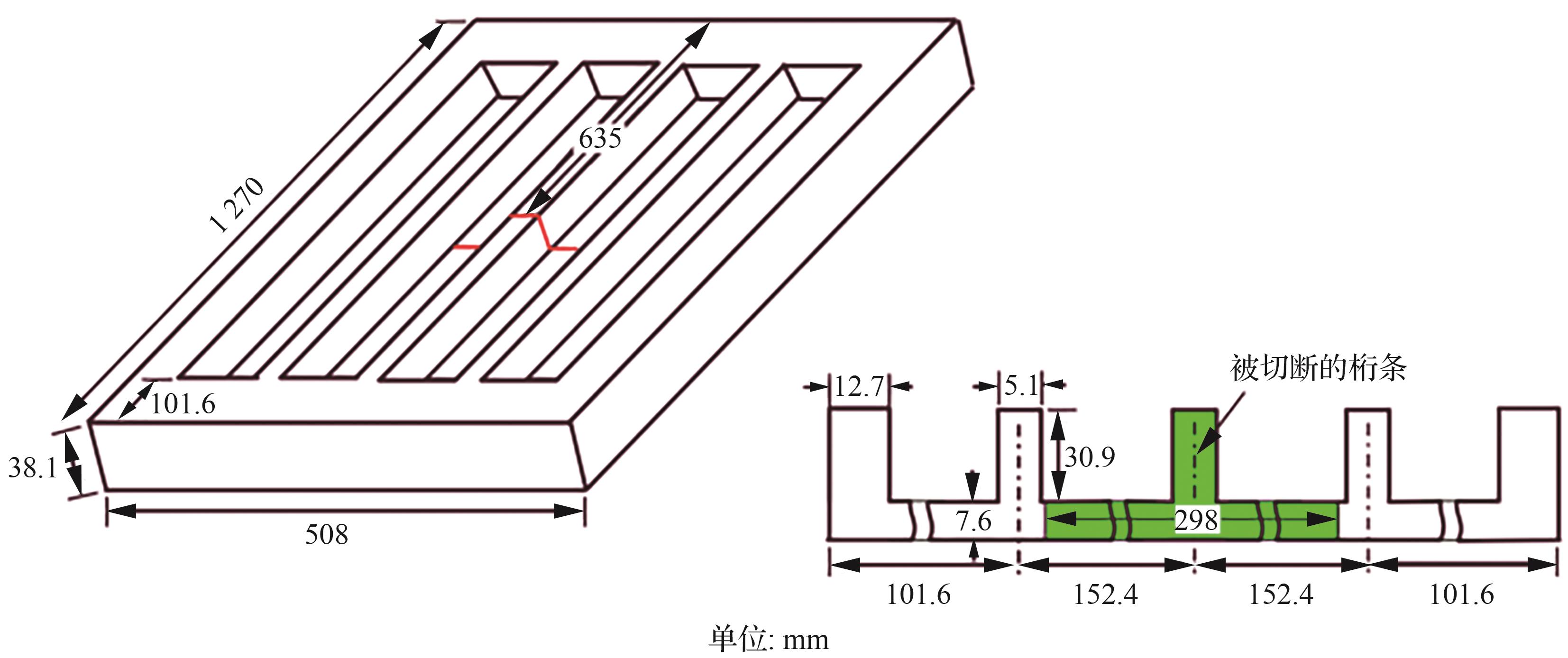
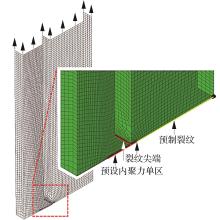
Fig.26
Shell element model and predefined cohesive elements[5]
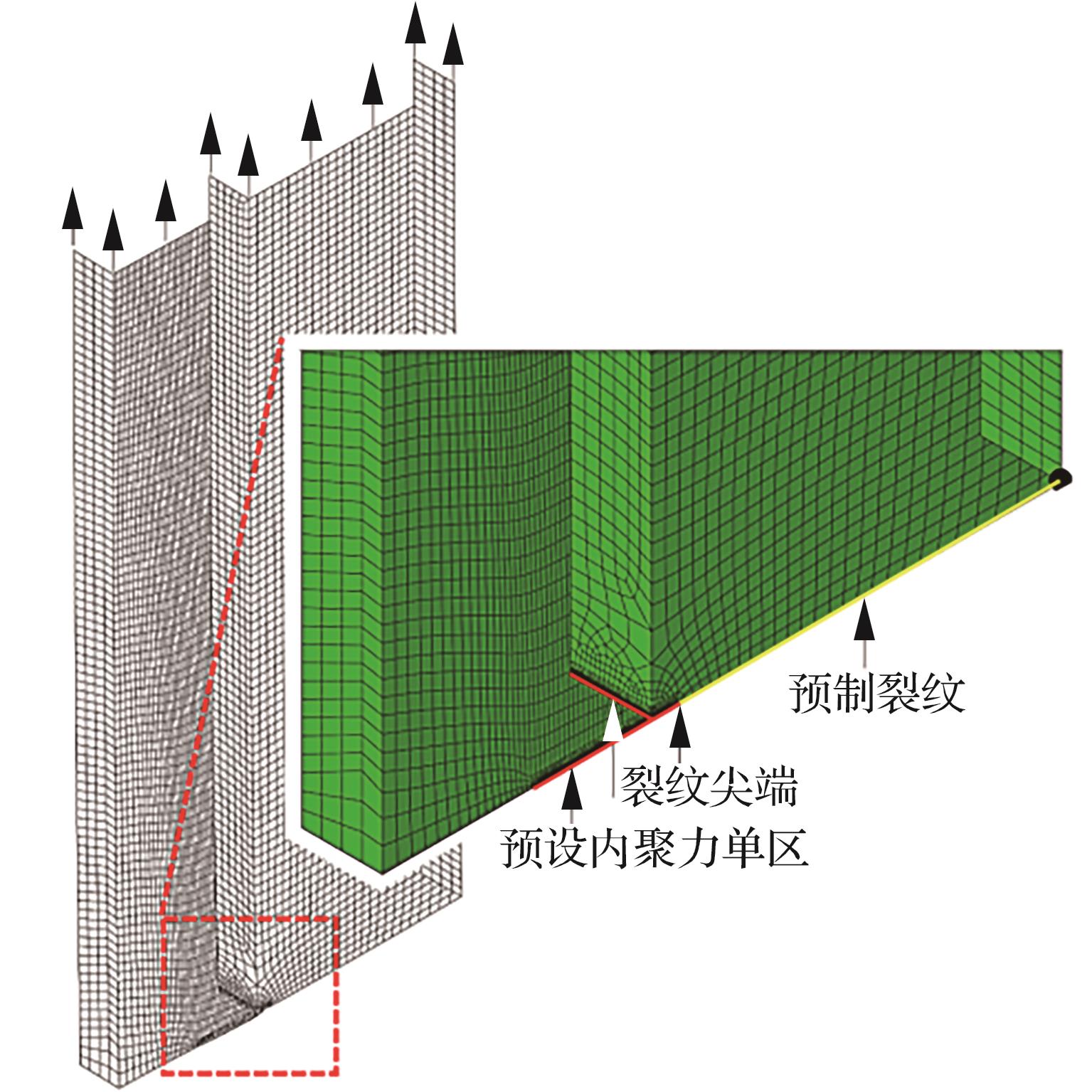
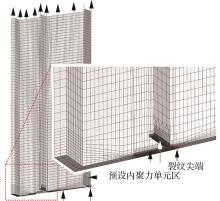
Fig.27
3D element model and predefined cohesive elements[5]
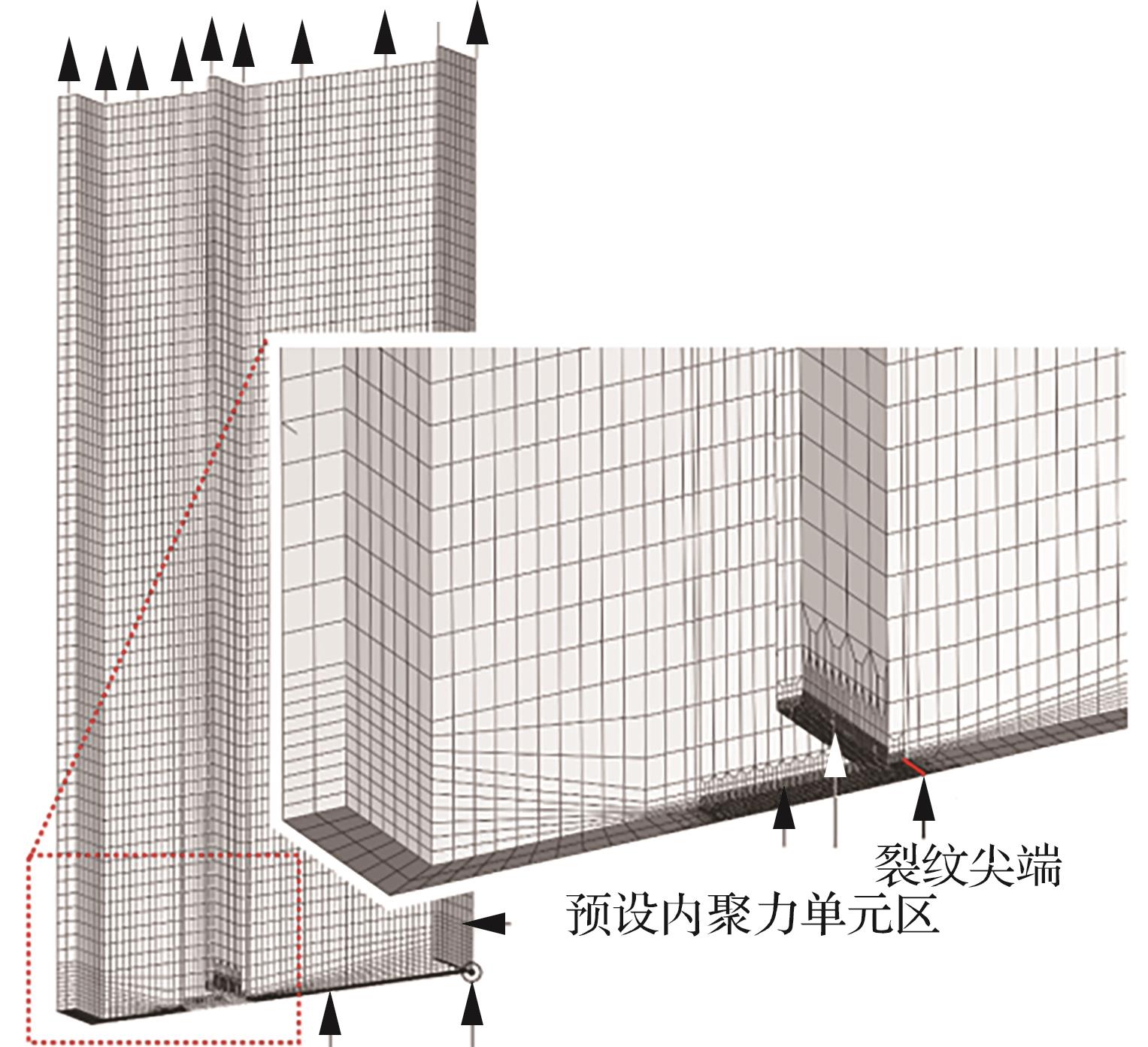
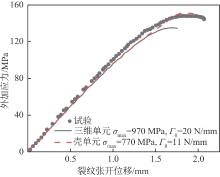
Fig.28
Comparison between experimental results and predictions from two models[5]
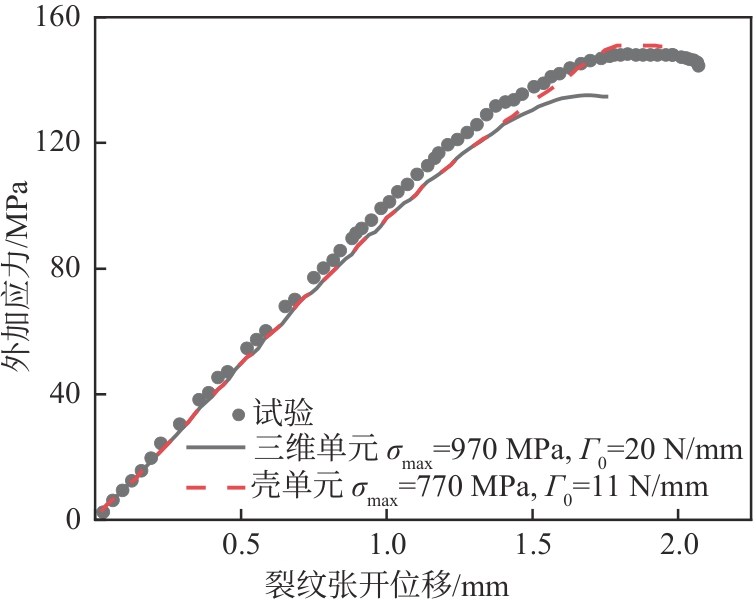

Fig.29
Normal stress contour of the ligament at maximum load[5]

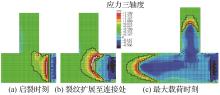
Fig.30
Stress triaxiality distribution under three typical conditions[5]
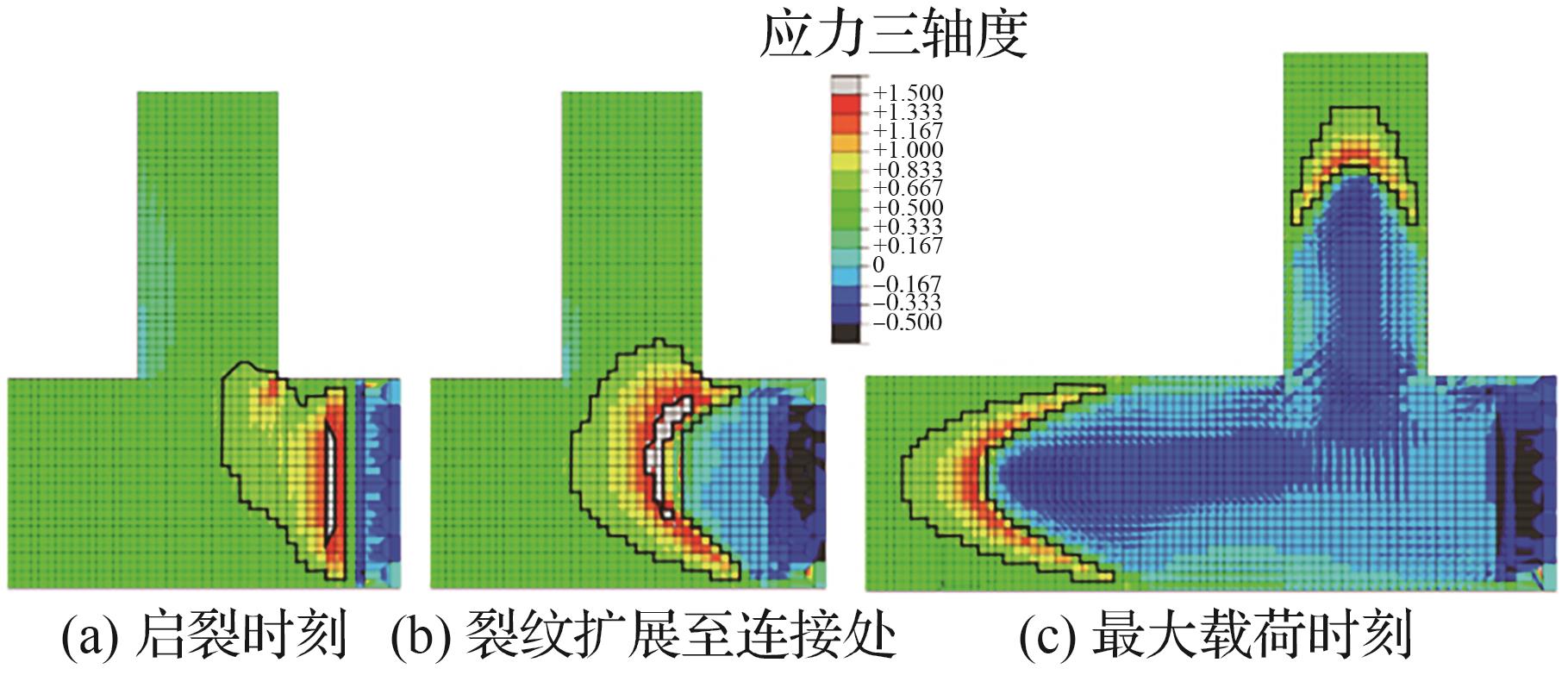

Fig.31
Stress triaxiality contour of M(T) specimen[5]

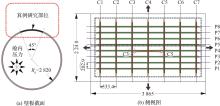
Fig.32
Fuselage panel structure with a two-bay crack[9]
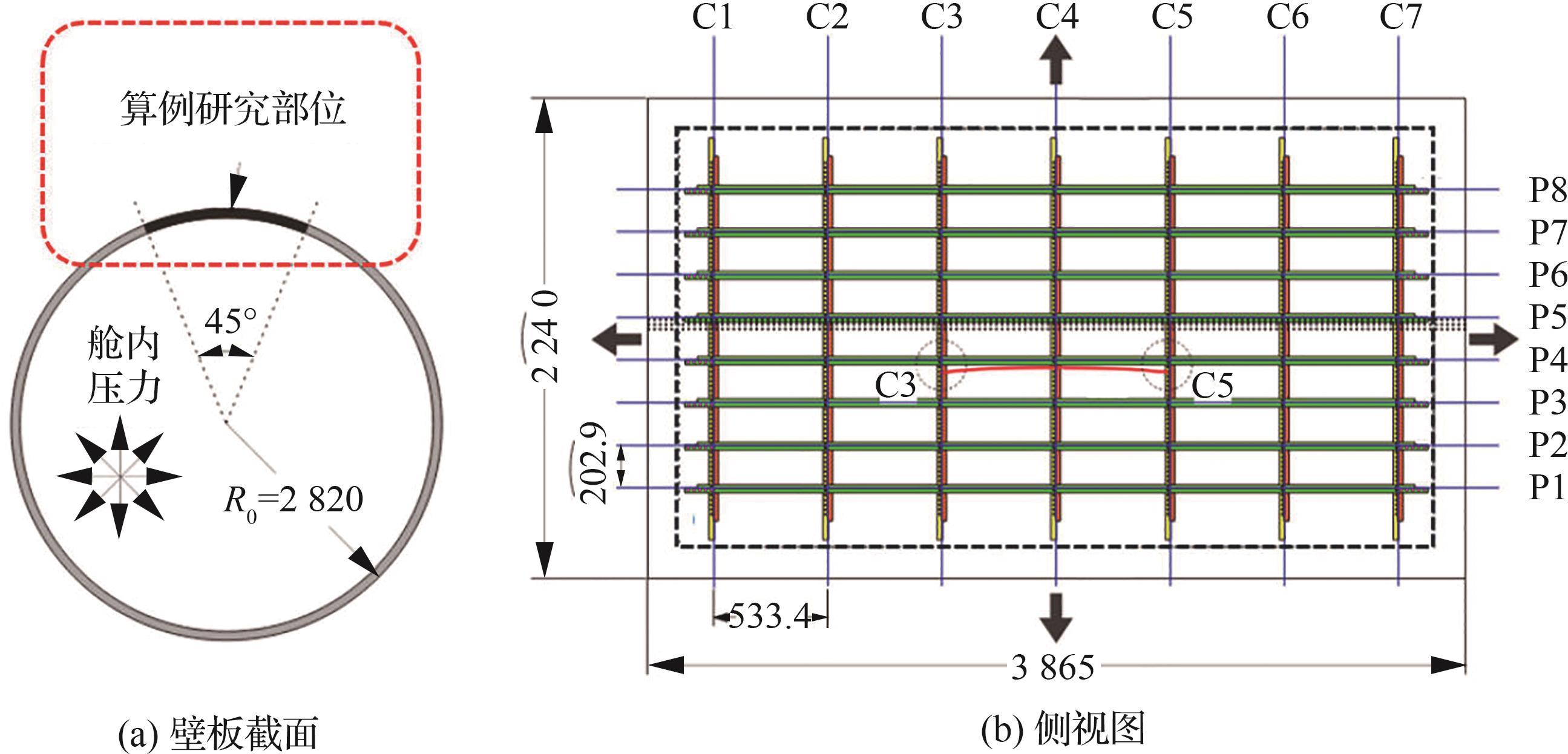
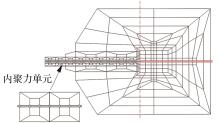
Fig.33
Location of inserted cohesive elements[9]
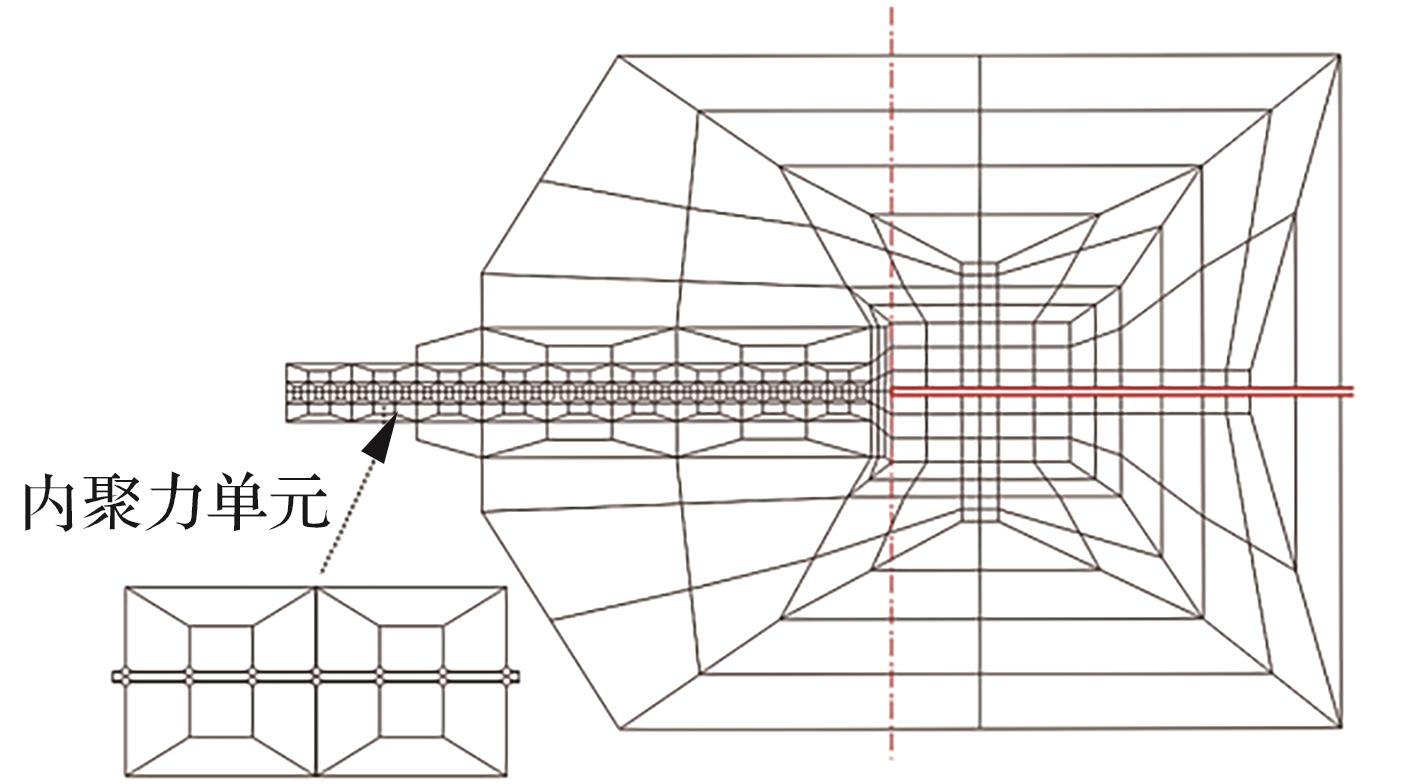
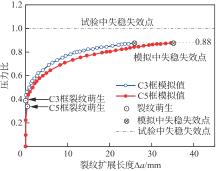
Fig.34
Normalized pressure versus crack extension at frames C3 and C5[9]
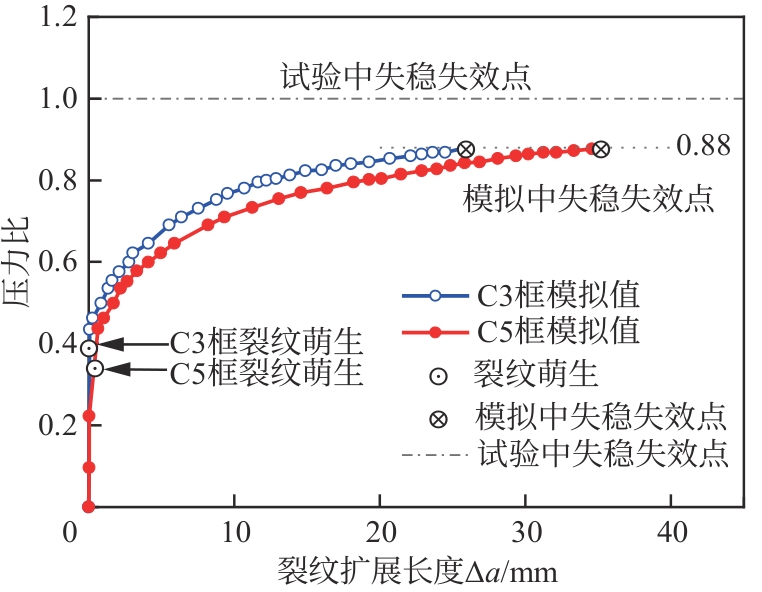
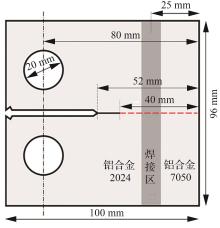
Fig.35
Friction stir welded dissimilar aluminum C(T) specimen[44]
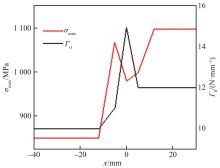
Fig.36
Variation of the cohesive properties in the weld region[44]
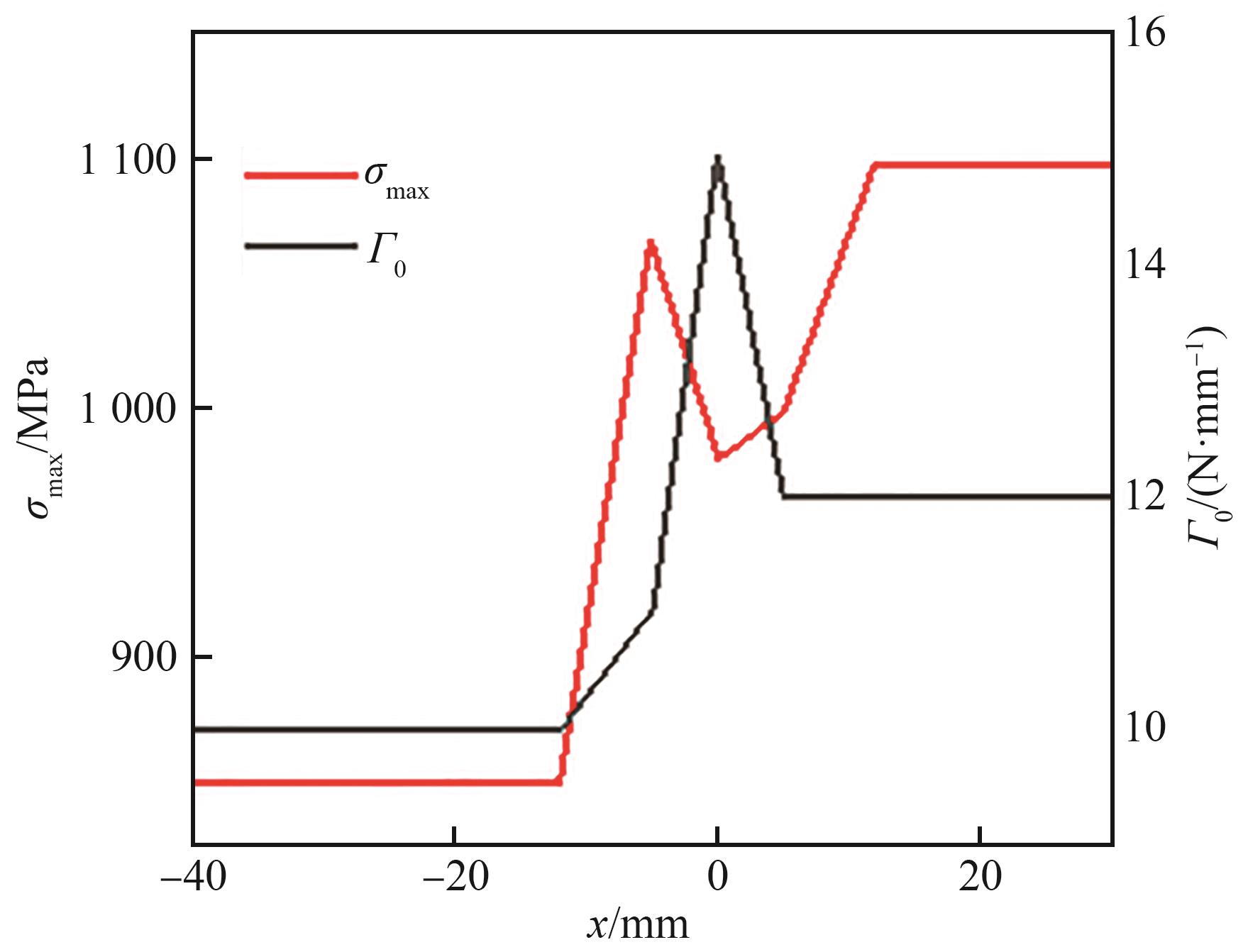
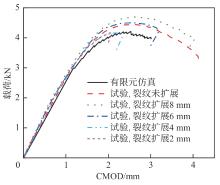
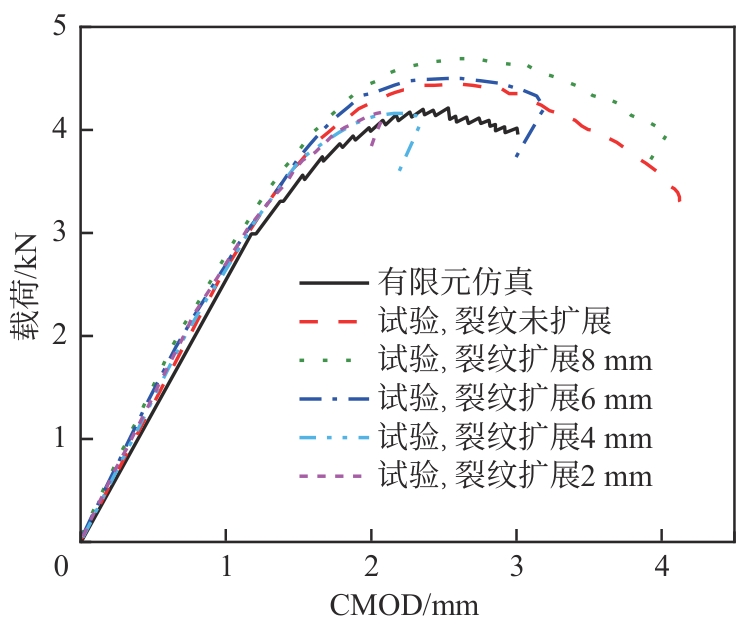
Fig.37
Comparison between finite element simulation and experimental results under various loading conditions[44]
| [1] | 段佳桐, 隋福成, 刘汉海, 等. 弯曲载荷下薄壁结构疲劳裂纹扩展性能[J]. 航空学报, 2021, 42(5): 524326. |
| DUAN J T, SUI F C, LIU H H, et al. Fatigue crack growth performance of thin-walled structure under bending load[J]. Acta Aeronautica et Astronautica Sinica, 2021, 42(5): 524326 (in Chinese). | |
| [2] | 王彬文, 陈先民, 苏运来, 等. 中国航空工业疲劳与结构完整性研究进展与展望[J]. 航空学报, 2021, 42(5): 524651. |
| WANG B W, CHEN X M, SU Y L, et al. Research progress and prospect of fatigue and structural integrity for aeronautical industry in China[J]. Acta Aeronautica et Astronautica Sinica, 2021, 42(5): 524651 (in Chinese). | |
| [3] | LU L K, LIU Z L, ZHUANG Z. The physical meanings of two incremental-J-integral-based fracture criteria for crack growth in elastic-plastic materials[J]. Engineering Fracture Mechanics, 2022, 259: 108106. |
| [4] | 姚寅, 黄再兴. 基于原子内聚力与表面能等效的内聚裂纹模型[J]. 航空学报, 2010, 31(9): 1796-1801. |
| YAO Y, HUANG Z X. A surface-energy equivalent cohesive crack model based on atomic cohesive force[J]. Acta Aeronautica et Astronautica Sinica, 2010, 31(9): 1796-1801 (in Chinese). | |
| [5] | SCHEIDER I, BROCKS W. Residual strength prediction of a complex structure using crack extension analyses[J]. Engineering Fracture Mechanics, 2009, 76(1): 149-163. |
| [6] | WOELKE P B, SHIELDS M D, HUTCHINSON J W. Cohesive zone modeling and calibration for mode I tearing of large ductile plates[J]. Engineering Fracture Mechanics, 2015, 147: 293-305. |
| [7] | SCHEIDER I, BROCKS W. Cohesive elements for thin-walled structures[J]. Computational Materials Science, 2006, 37(1-2): 101-109. |
| [8] | LI W Z, SIEGMUND T. An analysis of crack growth in thin-sheet metal via a cohesive zone model[J]. Engineering Fracture Mechanics, 2002, 69(18): 2073-2093. |
| [9] | CORNEC A, SCHÖNFELD W, SCHWALBE K H, et al. Application of the cohesive model for predicting the residual strength of a large scale fuselage structure with a two-bay crack[J]. Engineering Failure Analysis, 2009, 16(8): 2541-2558. |
| [10] | BARENBLATT G I. The mathematical theory of equilibrium cracks in brittle fracture[J]. Advances in Applied Mechanics, 1962, 7: 55-129. |
| [11] | DUGDALE D S. Yielding of steel sheets containing slits[J]. Journal of the Mechanics and Physics of Solids, 1960, 8(2): 100-104. |
| [12] | CHEN X, DENG X M, SUTTON M A. Simulation of stable tearing crack growth events using the cohesive zone model approach[J]. Engineering Fracture Mechanics, 2013, 99: 223-238. |
| [13] | NEEDLEMAN A. An analysis of decohesion along an imperfect interface[J]. International Journal of Fracture, 1990, 42(1): 21-40. |
| [14] | TVERGAARD V, HUTCHINSON J W. The relation between crack growth resistance and fracture process parameters in elastic-plastic solids[J]. Journal of the Mechanics and Physics of Solids, 1992, 40(6): 1377-1397. |
| [15] | CORNEC A, SCHEIDER I, SCHWALBE K H. On the practical application of the cohesive model[J]. Engineering Fracture Mechanics, 2003, 70(14): 1963-1987. |
| [16] | ROYCHOWDHURY S, ARUN ROY Y DAS, DODDS R H. Ductile tearing in thin aluminum panels: experiments and analyses using large-displacement, 3-D surface cohesive elements[J]. Engineering Fracture Mechanics, 2002, 69(8): 983-1002. |
| [17] | SCHEIDER I, BROCKS W. Simulation of cup–cone fracture using the cohesive model[J]. Engineering Fracture Mechanics, 2003, 70(14): 1943-1961. |
| [18] | YUAN H, LI X. Effects of the cohesive law on ductile crack propagation simulation by using cohesive zone models[J]. Engineering Fracture Mechanics, 2014, 126: 1-11. |
| [19] | SCHEIDER I. Derivation of separation laws for cohesive models in the course of ductile fracture[J]. Engineering Fracture Mechanics, 2009, 76(10): 1450-1459. |
| [20] | ANVARI M, SCHEIDER I, THAULOW C. Simulation of dynamic ductile crack growth using strain-rate and triaxiality-dependent cohesive elements[J]. Engineering Fracture Mechanics, 2006, 73(15): 2210-2228. |
| [21] | CHEN C R, KOLEDNIK O, HEERENS J, et al. Three-dimensional modeling of ductile crack growth: Cohesive zone parameters and crack tip triaxiality[J]. Engineering Fracture Mechanics, 2005, 72(13): 2072-2094. |
| [22] | VANAPALLI V T, DUTTA B K, CHATTOPADHYAY J, et al. Stress triaxiality based transferability of cohesive zone parameters[J]. Engineering Fracture Mechanics, 2020, 224: 106789. |
| [23] | SCHEIDER I, BROCKS W. The effect of the traction separation law on the results of cohesive zone crack propagation analyses[J]. Key Engineering Materials, 2003, 251-252: 313-318. |
| [24] | SCHEIDER I, BROCKS W. Effect of cohesive law and triaxiality dependence of cohesive parameters in ductile tearing[C]∥GDOUTOS E E. Fracture of Nano and Engineering Materials and Structures: Proceedings of the 16th European Conference of Fracture. Dordrecht: Springer, 2006: 1-7. |
| [25] | SCHWALBE K H, SCHEIDER I, CORNEC A. Guidelines for applying cohesive models to the damage behaviour of engineering materials and structures[M]. Berlin, Heidelberg: Springer, 2013. |
| [26] | YUAN H, LIN G Y, CORNEC A. Verification of a cohesive zone model for ductile fracture[J]. Journal of Engineering Materials and Technology, 1996, 118(2): 192-200. |
| [27] | SIEGMUND T, BROCKS W, HEERENS J, et al. Modeling of crack growth in thin sheet aluminum[C]∥ Recent Advances in Solids and Structures. New York: American Society of Mechanical Engineers, 1999: 15-22. |
| [28] | SHET C, CHANDRA N. Analysis of energy balance when using cohesive zone models to simulate fracture processes[J]. Journal of Engineering Materials and Technology, 2002, 124(4): 440-450. |
| [29] | ZHANG S, XUE H, WANG S, et al. A new method to determine cohesive parameters of elastic-plastic materials based on elastic component of J-integral[J]. Engineering Fracture Mechanics, 2025, 315: 110793. |
| [30] | ASTM International. : Standard test method for measurement of fracture toughness [S]. West Conshohocken: ASTM International, 2023. |
| [31] | Metallic materials-Unified method of test for the determination of quasistatic fracture toughness: [S]. International Organization for Standardization, 2002. |
| [32] | European Structural Integrity Society. ESIS recommendations for determining the fracture resistance of ductile materials: ESIS P1-92 [S]. Delf: European Structural Integrity Society, 1992. |
| [33] | SCHWALBE K H, HEERENS J, ZERBST U, et al. EFAM GTP 02-The GKSS procedure for determining the fracture behaviour of materials: 2002/24[R]. Geesthacht: GKSS Research Centre, 2002. |
| [34] | TAO C C, ZHANG C, JI H L, et al. Reconstruction and prediction of Mode-I cohesive law using artificial neural network[J]. Composites Science and Technology, 2024, 256: 110755. |
| [35] | PEREIRA F, DOURADO N, MORAIS J J L, et al. A new method for the identification of cohesive laws under pure loading modes[J]. Engineering Fracture Mechanics, 2022, 271: 108594. |
| [36] | 王彬文, 段世慧, 聂小华, 等. 航空结构分析CAE软件发展现状与未来挑战[J]. 航空学报, 2022, 43(6): 527272. |
| WANG B W, DUAN S H, NIE X H, et al. Development situation and future challenges of CAE software used in aeronautical structural analysis[J]. Acta Aeronautica et Astronautica Sinica, 2022, 43(6): 527272 (in Chinese). | |
| [37] | ROY Y A, DODDS R H. Simulation of ductile crack growth in thin aluminum panels using 3-D surface cohesive elements[J]. International Journal of Fracture, 2001, 110(1): 21-45. |
| [38] | SIEGMUND T, BROCKS W. Prediction of the work of separation and implications to modeling[J]. International Journal of Fracture, 1999, 99(1): 97-116. |
| [39] | ZAVATTIERI P D. Modeling of crack propagation in thin-walled structures using a cohesive model for shell elements[J]. Journal of Applied Mechanics, 2006, 73(6): 948-958. |
| [40] | BANERJEE A, MANIVASAGAM R. Triaxiality dependent cohesive zone model[J]. Engineering Fracture Mechanics, 2009, 76(12): 1761-1770. |
| [41] | SCHEIDER I, SCHÖDEL M. Simulation of crack growth in Al panels under biaxial loading[J]. Advanced Engineering Materials, 2006, 8(5): 410-414. |
| [42] | CHEN C R, KOLEDNIK O, SCHEIDER I, et al. On the determination of the cohesive zone parameters for the modeling of micro-ductile crack growth in thick specimens[J]. International Journal of Fracture, 2003, 120(3): 517-536. |
| [43] | BROCKS W, FALKENBERG R, SCHEIDER I. Coupling aspects in the simulation of hydrogen-induced stress-corrosion cracking[J]. Procedia IUTAM, 2012, 3: 11-24. |
| [44] | SCHEIDER I, BARBINI A, DOS SANTOS J F. Numerical residual strength prediction of stationary shoulder friction stir welding structures[J]. Engineering Fracture Mechanics, 2020, 230: 107010. |
| [45] | XU W, WAAS A M. Multiple solutions in cohesive zone models of fracture[J]. Engineering Fracture Mechanics, 2017, 177: 104-122. |
| [46] | 鲁龙坤. 弹塑性材料中裂纹尖端张开角的作用机理研究[D]. 西安: 西北工业大学, 2019: 99-112. |
| LU L K. The mechanism research of crack tip opening angle in elastic plastic materials [D]. Xi’an: Northwestern Polytechnical University, 2019: 99-112 (in Chinese). | |
| [47] | LU L K. A quantitative description of the influence of plastic dissipation on crack growth behaviors[J]. Engineering Fracture Mechanics, 2024, 305: 110197. |
| [48] | BROCKS W, SCHEIDER I, SCHÖDEL M. Simulation of crack extension in shell structures and prediction of residual strength[J]. Archive of Applied Mechanics, 2006, 76(11): 655-665. |
| [49] | 庄茁, 王恒, 宁宇, 等. 壳体断裂力学统一计算理论与飞行器结构设计[J]. 工程力学, 2023, 40(2): 1-7. |
| ZHUANG Z, WANG H, NING Y, et al. Unified computational theory of fracture mechanics in shell and aircraft structural design[J]. Engineering Mechanics, 2023, 40(2): 1-7. | |
| [50] | 孟亮, 杨金沅, 杨智威, 等. 典型飞机壁板结构的抗屈曲优化设计与试验验证[J]. 航空学报, 2024, 45(5): 529679. |
| MENG L, YANG J Y, YANG Z W, et al. Buckling-resisting optimization design of typical aircraft panel and test validation[J]. Acta Aeronautica et Astronautica Sinica, 2024, 45(5): 529679 (in Chinese). | |
| [51] | 王彬文, 陈向明, 邓凡臣, 等. 飞机壁板复杂载荷试验技术[J]. 航空学报, 2022, 43(3): 024987. |
| WANG B W, CHEN X M, DENG F C, et al. Complex load test technology for aircraft panels: Review[J]. Acta Aeronautica et Astronautica Sinica, 2022, 43(3): 024987 (in Chinese). | |
| [52] | ZERBST U, HEINIMANN M, DONNE C D, et al. Fracture and damage mechanics modelling of thin-walled structures—An overview[J]. Engineering Fracture Mechanics, 2009, 76(1): 5-43. |
| [53] | LU L K, LIU Z L, WANG T, et al. An analytical model of fracture process zone to explain why crack-tip opening angle works[J]. Engineering Fracture Mechanics, 2020, 233: 107054. |
| [54] | LU L K, LIU Z L, CUI Y N, et al. Driving force on line fracture process zone and fracture parameters suitable for elastic–plastic materials[J]. International Journal of Solids and Structures, 2021, 217-218: 15-26. |
| [1] | Jianjun ZHENG, Mengmeng WANG, Bin MU, Sha WEI. Dynamic load suppression method for constraint point in full-scale aircraft fatigue test using elastic damping [J]. Acta Aeronautica et Astronautica Sinica, 2025, 46(21): 532283-532283. |
| [2] | Yingjie SHI, Binchao LIU, Songsong LU, Liang CHEN, Hai SHANG, Rui BAO. Neural network model for wing strain-load relationship based on fusion of real and virtual data [J]. Acta Aeronautica et Astronautica Sinica, 2025, 46(19): 530921-530921. |
| [3] | Dingqiang DAI, Xuan ZHOU, Leiting DONG, Xiasheng SUN. Research progress and prospects of digital engineering and digital twin in field of aeronautical fatigue and structural integrity [J]. Acta Aeronautica et Astronautica Sinica, 2025, 46(19): 531022-531022. |
| [4] | Xu ZENG, Deshuang DENG, Hongjuan YANG, Zhengyan YANG, Shuyi MA, Lei YANG, Zhanjun WU. Research progress in low-velocity impact monitoring technology for aircraft structures [J]. Acta Aeronautica et Astronautica Sinica, 2024, 45(23): 30368-030368. |
| [5] | Xiangfan NIE, Yang LI, Yazhou WANG, Quanhong WAN, Weifeng HE. Research progress and prospect of laser shock peening technology in aircraft structure [J]. Acta Aeronautica et Astronautica Sinica, 2023, 44(24): 28595-028595. |
| [6] | WANG Binwen, NIE Xiaohua, WAN Chunhua, WU Cunli. Research and application of virtual test technology for static strength of full scale aircraft structure [J]. ACTA AERONAUTICAET ASTRONAUTICA SINICA, 2022, 43(6): 526273-526273. |
| [7] | HE Xiaofan, ZHU Junxian. Advances in durability severe spectrum: Development and application for military aircraft structures [J]. ACTA AERONAUTICAET ASTRONAUTICA SINICA, 2022, 43(12): 25070-025070. |
| [8] | YAN Chuliang. Development and prospect of aircraft structural life reliability assessment technology in China [J]. ACTA AERONAUTICAET ASTRONAUTICA SINICA, 2022, 43(10): 527869-527869. |
| [9] | ZHANG Yongjie, WU Yingying, ZHAO Shuwang, SI Jiangtao, YUAN Changsheng. Review of non-circular cross-section fuselage structure design research on blended-wing-body civil aircraft [J]. ACTA AERONAUTICAET ASTRONAUTICA SINICA, 2019, 40(9): 623054-623054. |
| [10] | SHU Zhan, PENG Xiao, LI Fafei, XU Qiang. Cohesive zone model for prepreg tack based on probe test [J]. ACTA AERONAUTICAET ASTRONAUTICA SINICA, 2018, 39(2): 421416-421416. |
| [11] | WANG Yanli, ZHU Youli, CAO Qiang, ZHANG Xiaohui. Progress and prospect of research on hole cold expansion technique [J]. ACTA AERONAUTICAET ASTRONAUTICA SINICA, 2018, 39(2): 21336-021336. |
| [12] | ZHANG Teng, HE Yuting, TAN Shen'gang, WANG Xinbo, ZHANG Sheng. Series of material property indices and their application to materials selection for aircraft structure [J]. ACTA AERONAUTICAET ASTRONAUTICA SINICA, 2016, 37(10): 3170-3177. |
| [13] | GU Yizhuo, LI Min, LI Yanxia, WANG Shaokai, ZHANG Zuoguang. Progress on manufacturing technology and process theory of aircraft composite structure [J]. ACTA AERONAUTICAET ASTRONAUTICA SINICA, 2015, 36(8): 2773-2797. |
| [14] | HE Xiaofan, DONG Yinghao, LI Yuhai, LIU Wenting. Probabilistic fracture mechanics approach accounting for both the variability of load spectra and of structural properties [J]. ACTA AERONAUTICAET ASTRONAUTICA SINICA, 2015, 36(4): 1142-1149. |
| [15] | LANG Lihui, YANG Xiying, LIU Kangning, CAI Gaocan, GUO Chan. A calculating model of material constants in ductile fracture criterion and its applications [J]. ACTA AERONAUTICAET ASTRONAUTICA SINICA, 2015, 36(2): 672-679. |
| Viewed | ||||||
|
Full text |
|
|||||
|
Abstract |
|
|||||
Address: No.238, Baiyan Buiding, Beisihuan Zhonglu Road, Haidian District, Beijing, China
Postal code : 100083
E-mail:hkxb@buaa.edu.cn
Total visits: 6658907 Today visits: 1341All copyright © editorial office of Chinese Journal of Aeronautics
All copyright © editorial office of Chinese Journal of Aeronautics
Total visits: 6658907 Today visits: 1341

 CJA
CJA
