Acta Aeronautica et Astronautica Sinica ›› 2025, Vol. 46 ›› Issue (13): 531329.doi: 10.7527/S1000-6893.2024.31329
• Articles • Previous Articles
Xudong CHEN1, Qiqi CHEN1, Yizhe LUO1,2,3( ), Jiabao WANG1, Mingliang XU1,2,3
Received:2024-09-30
Revised:2024-11-20
Accepted:2025-01-16
Online:2025-02-10
Published:2025-02-10
Contact:
Yizhe LUO
E-mail:luoyizhe@zzu.edu.cn
Supported by:CLC Number:
Xudong CHEN, Qiqi CHEN, Yizhe LUO, Jiabao WANG, Mingliang XU. Dynamic parallel scheduling of heterogeneous carrier-based aircraft deck support operations[J]. Acta Aeronautica et Astronautica Sinica, 2025, 46(13): 531329.
Fig.1
Transformation between parallel temporal sequences and serial logical sequences
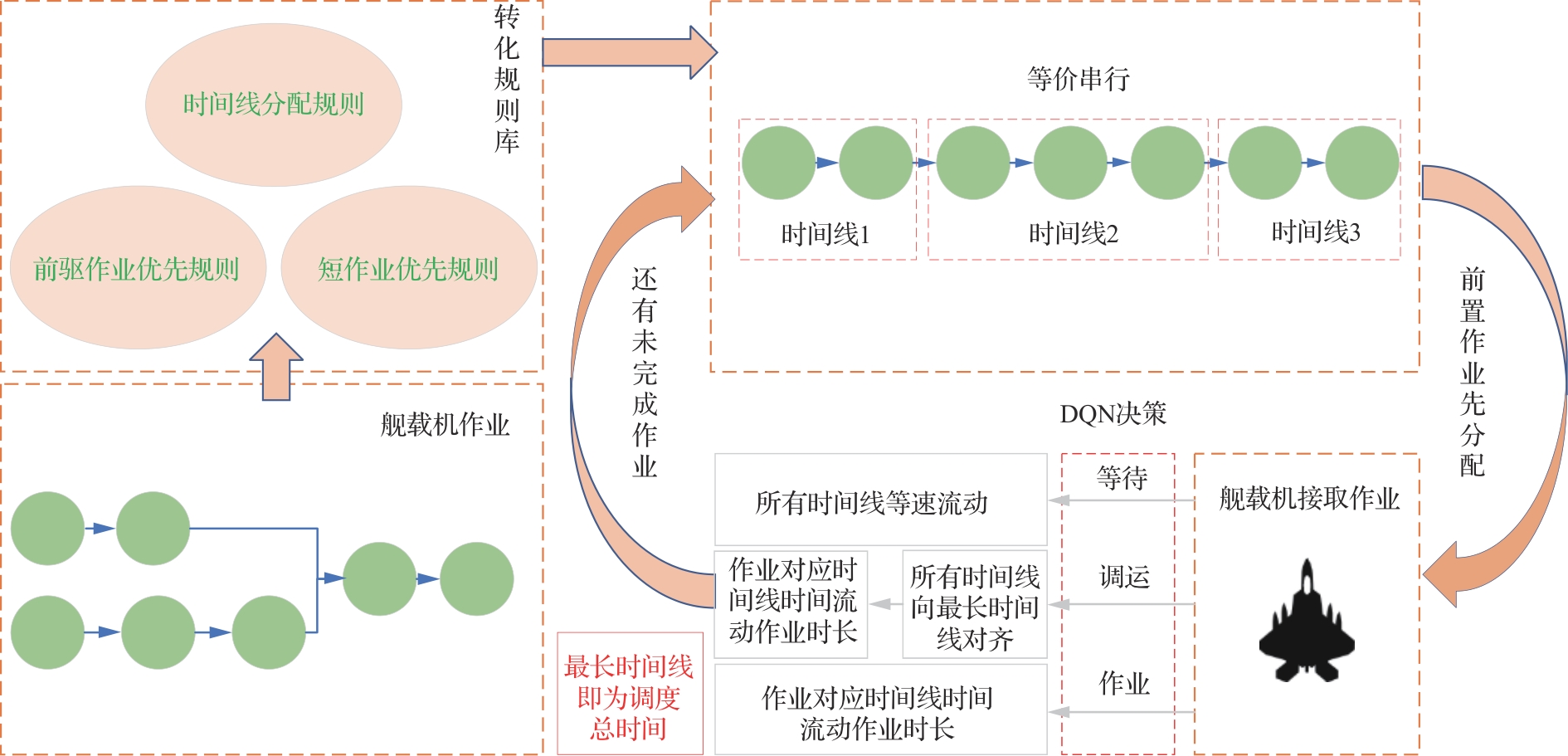
Fig.2
Training framework for support job scheduling decision model
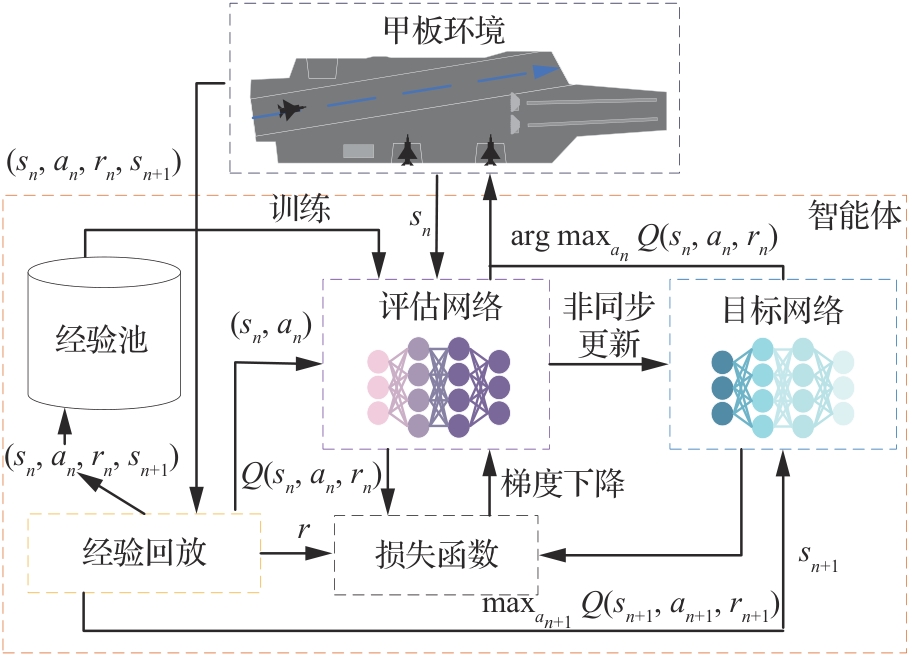
Fig.3
Framework for centralized decision-model scheduling module
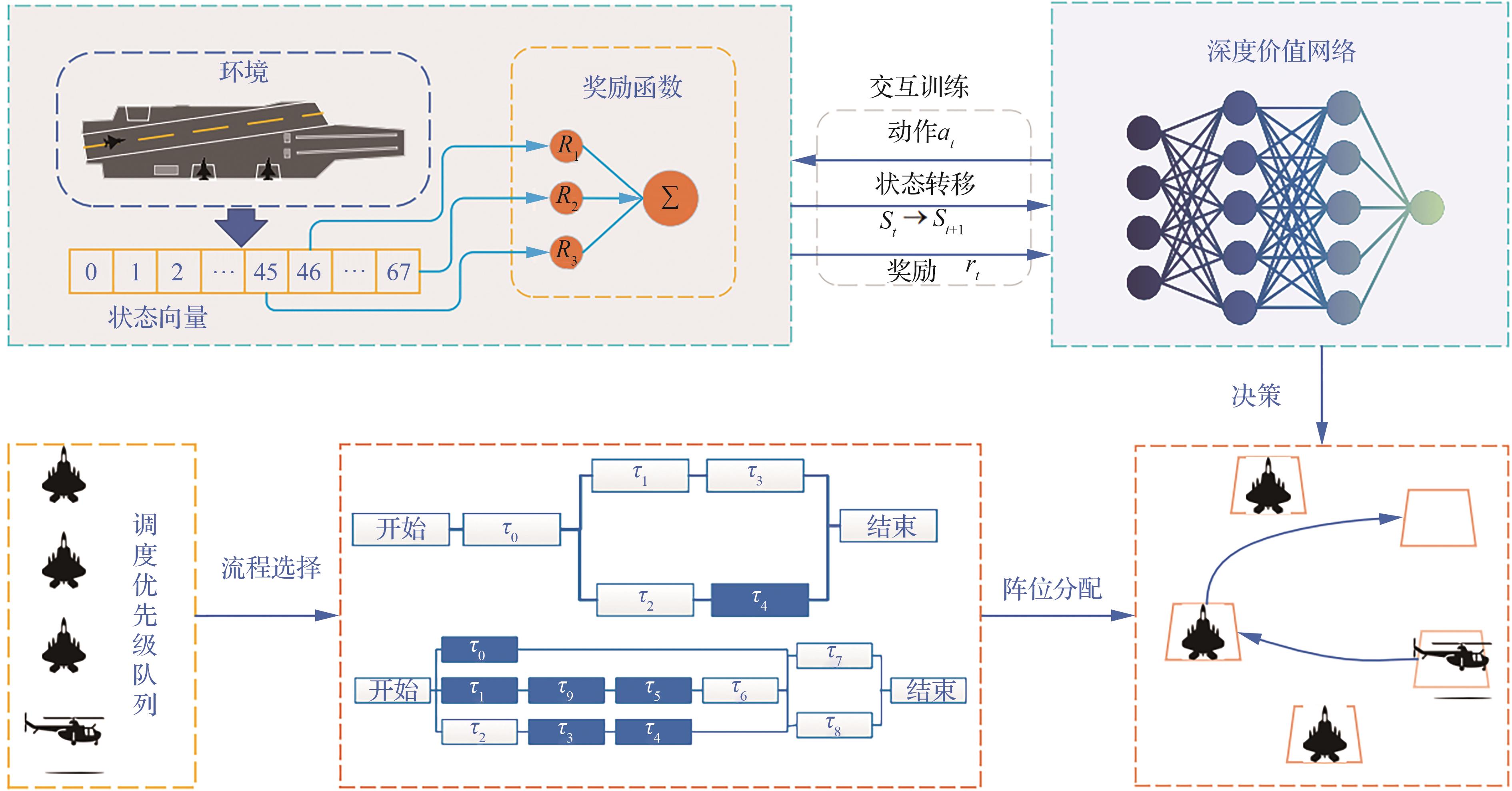
Fig.4
Aircraft carrier deck status illustration
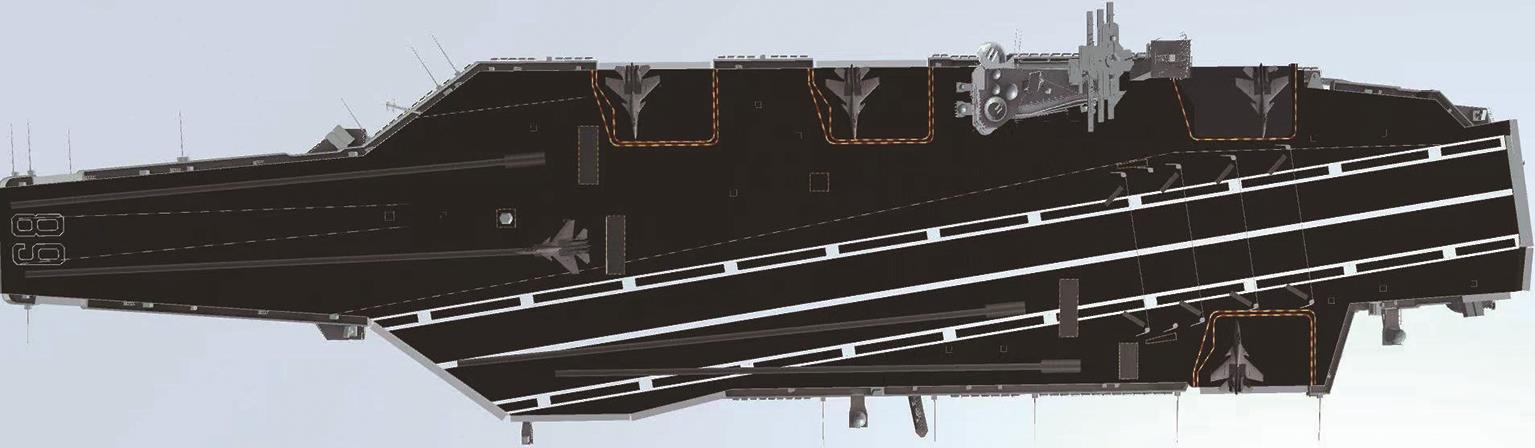

Fig.5
Predecessor-successor relationships in manned aircraft operation


Fig.6
Predecessor-successor relationships in UAV operation
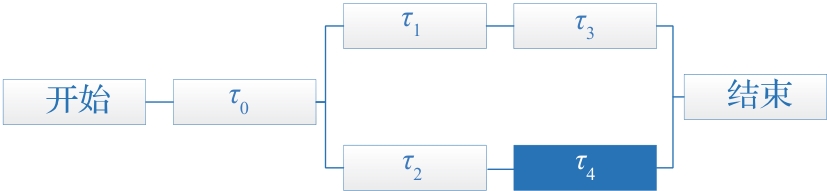
Table 1
Mapping table of task-resource
| 作业序号 | 执行时长/min | 所需资源 |
|---|---|---|
| 有人机作业0 | 37 | 资源0 |
| 有人机作业1 | 1 | 资源1 |
| 有人机作业2 | 20 | None |
| 有人机作业3 | 5 | 资源2 |
| 有人机作业4 | 12 | 资源3 |
| 有人机作业5 | 22 | 资源4 |
| 有人机作业6 | 12 | |
| 有人机作业7 | 7 | |
| 有人机作业8 | 12 | |
| 有人机作业9 | 1 | 资源5 |
| 无人机作业0 | 2 | |
| 无人机作业1 | 1 | |
| 无人机作业2 | 2 | |
| 无人机作业3 | 20 | |
| 无人机作业4 | 28 | 资源4 |
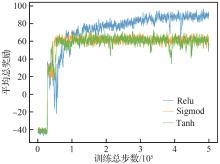
Fig.7
Comparison of activation function
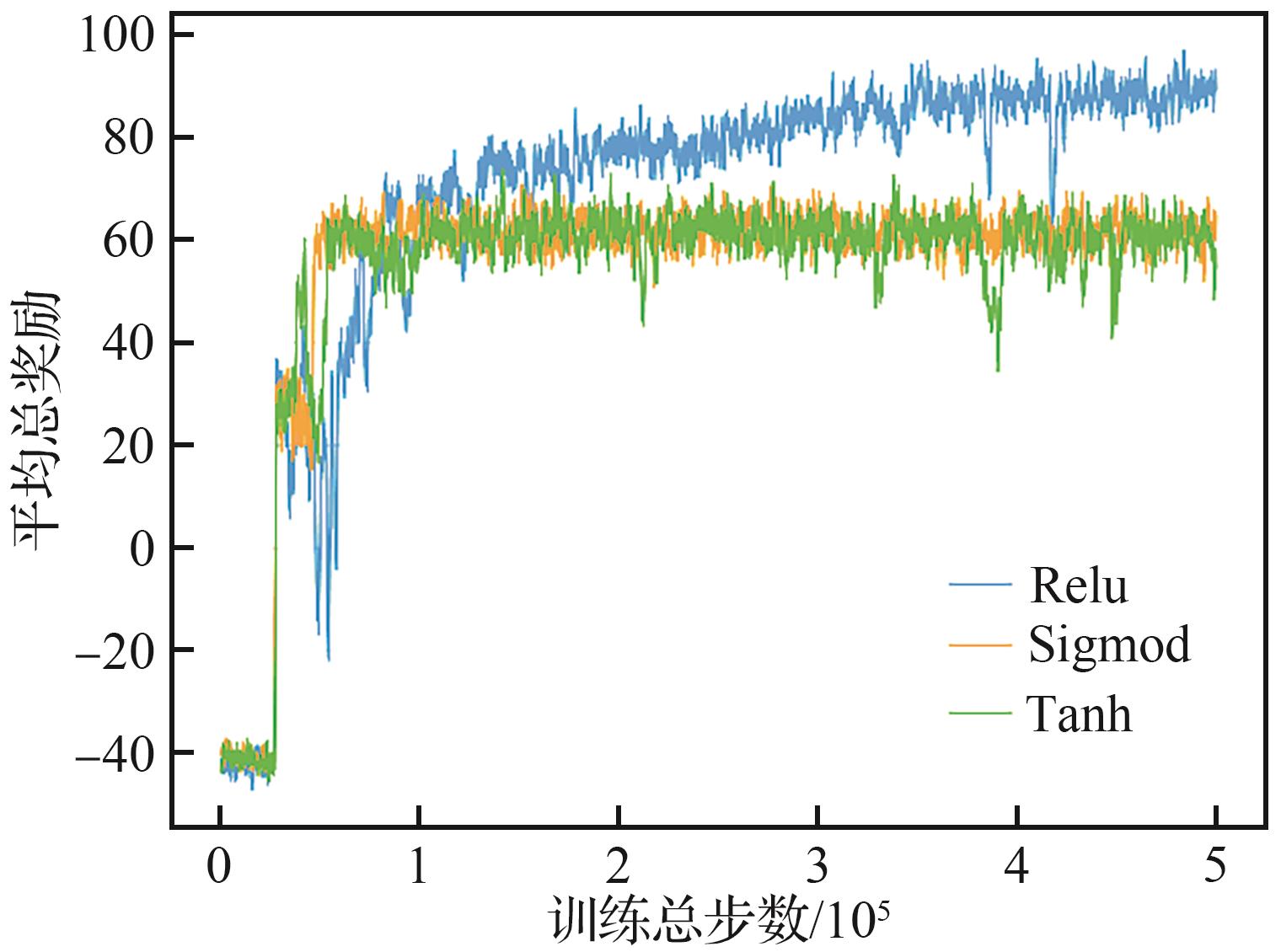
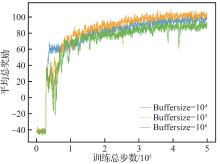
Fig.8
Comparison of Buffersize
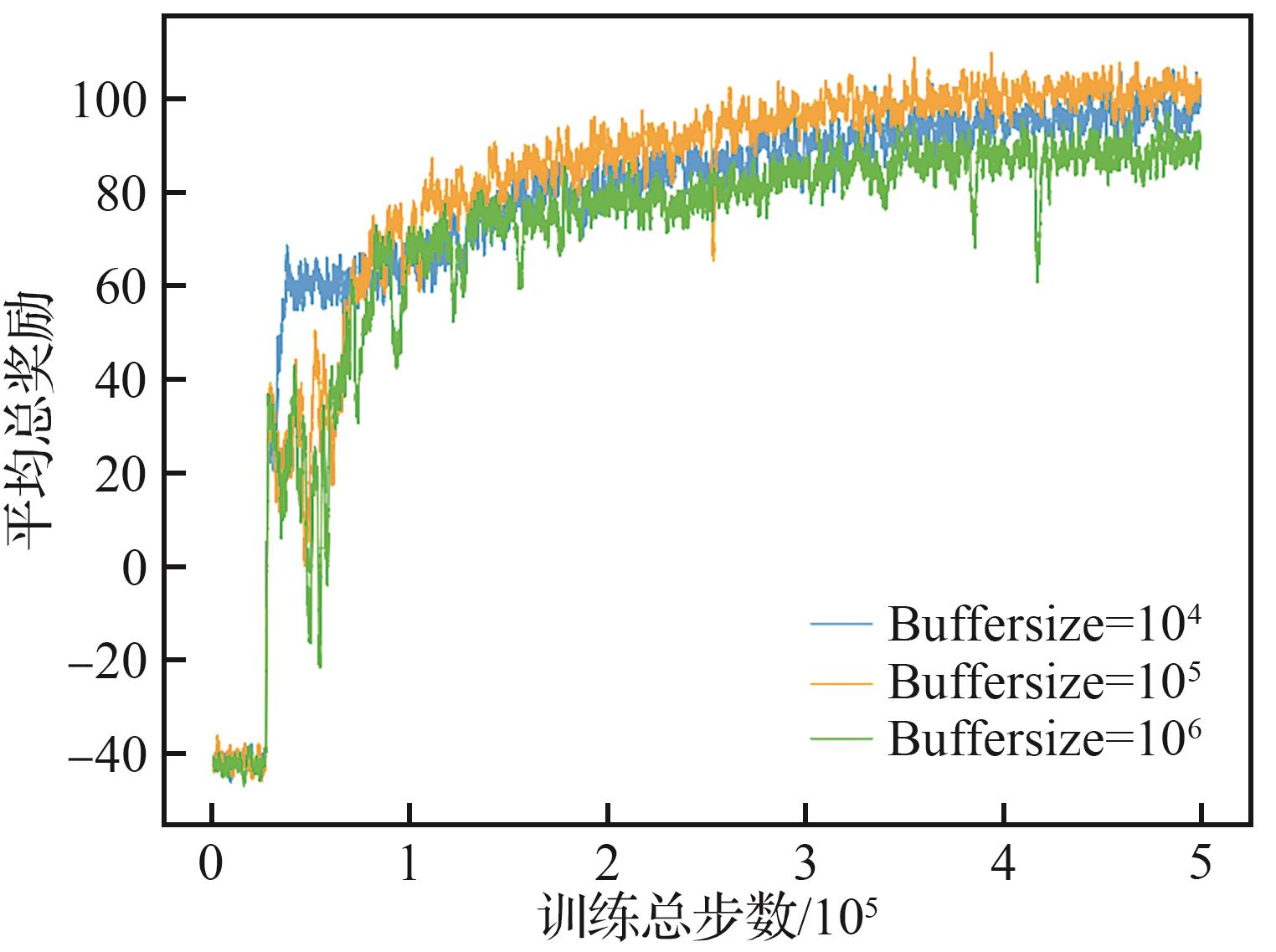
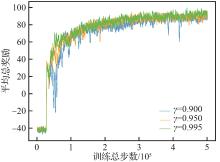
Fig.9
Comparison of parameter γ
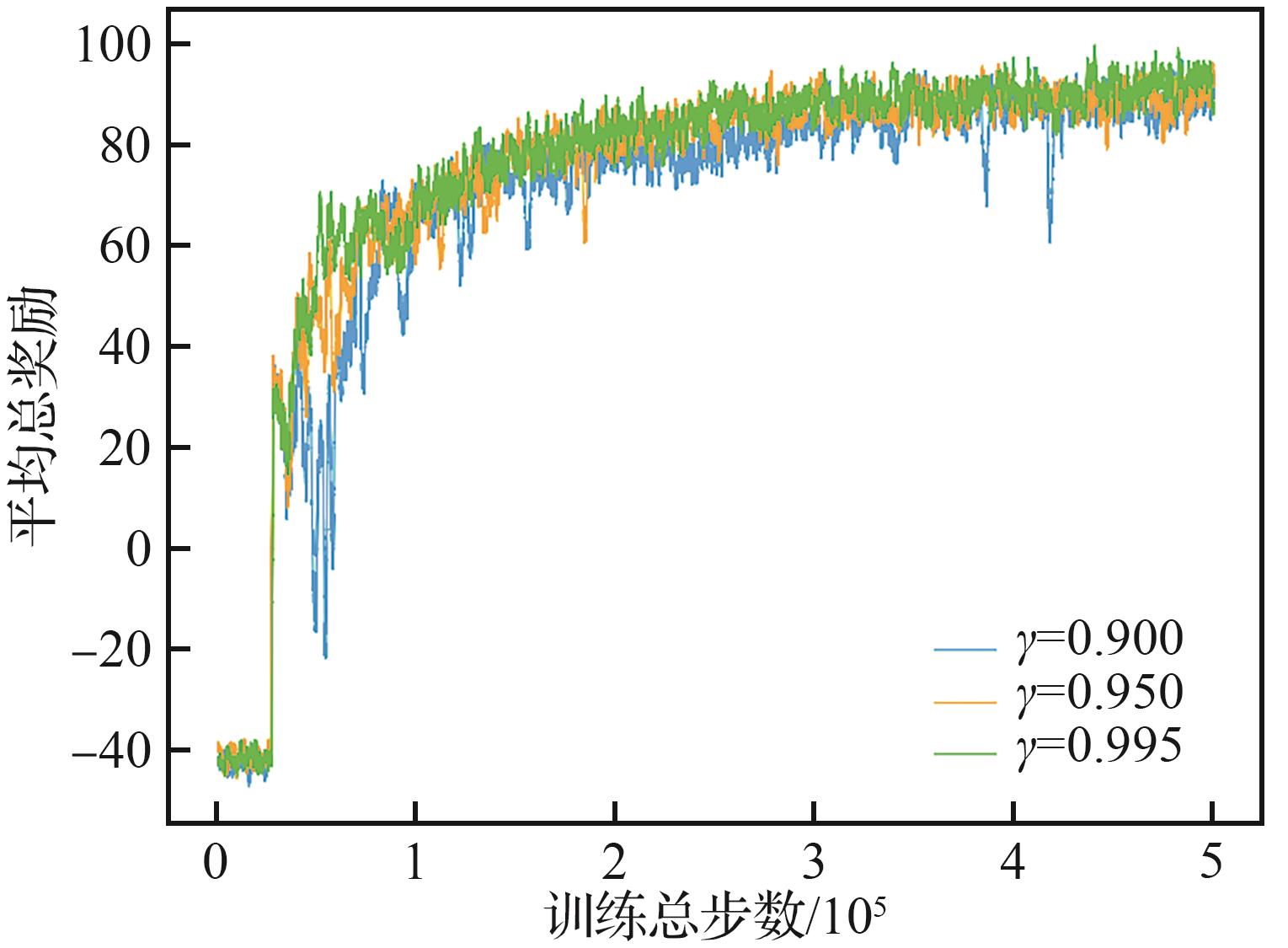
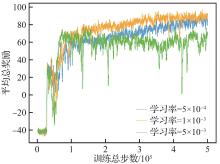
Fig.10
Comparison of learning rate
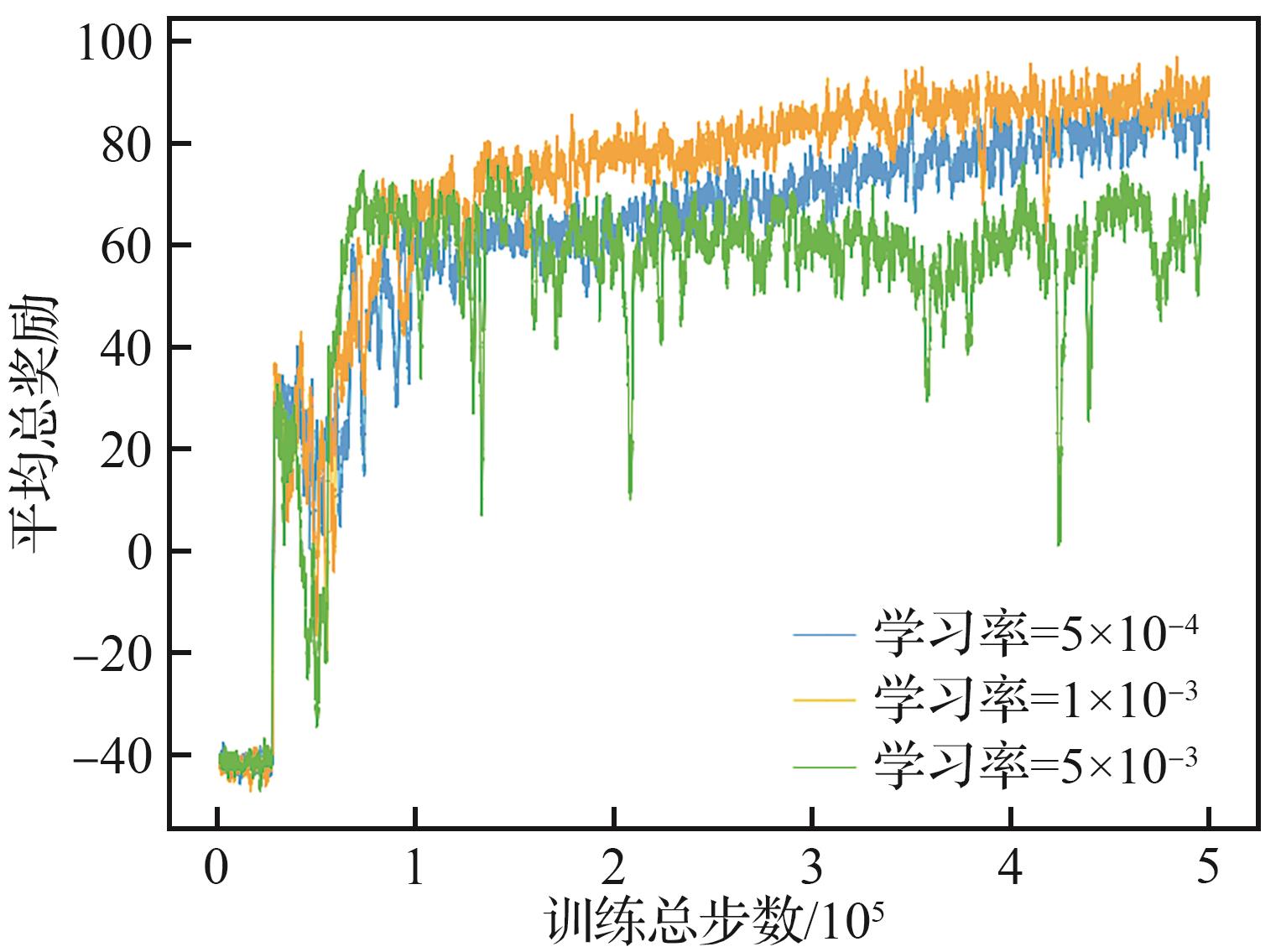
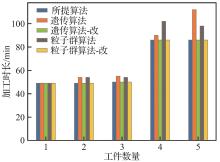
Fig.11
Comparison of dispatch time under condition 1
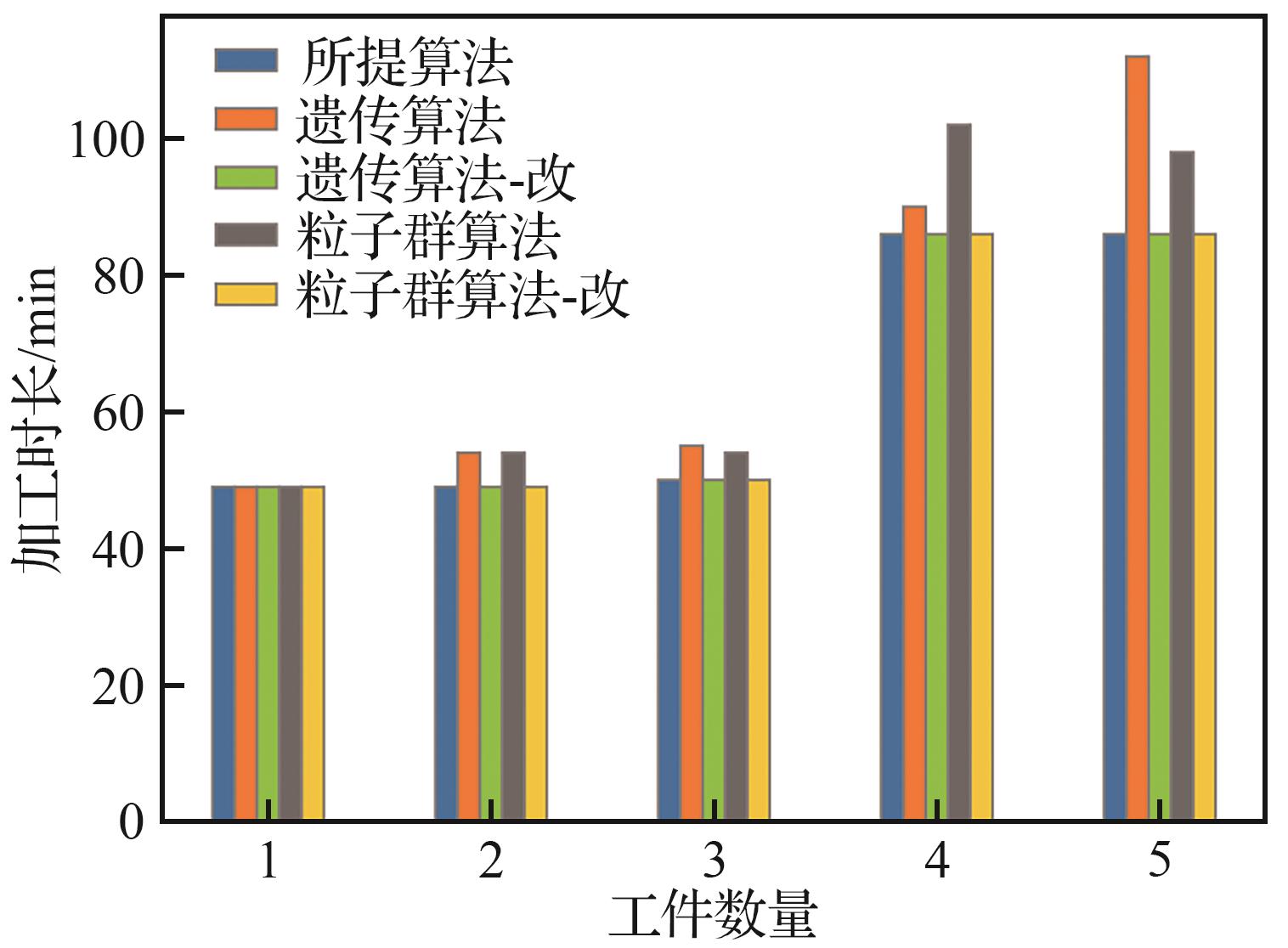
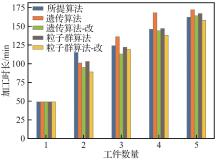
Fig.12
Comparison of dispatch time under condition 2
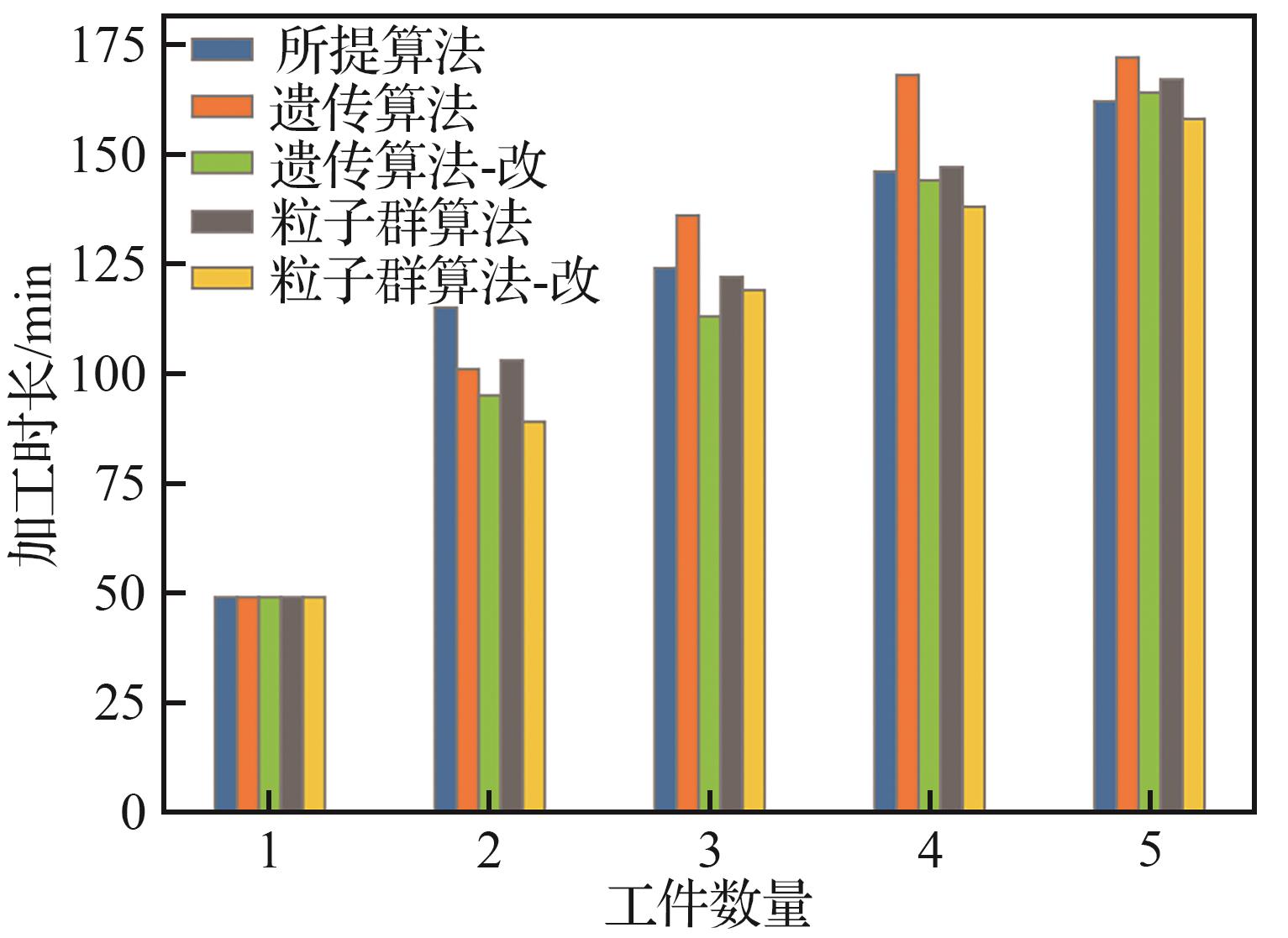
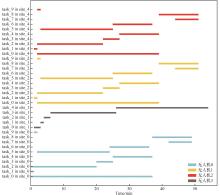
Fig.13
Optimal scheduling scheme in heuristic algorithm under condition 1
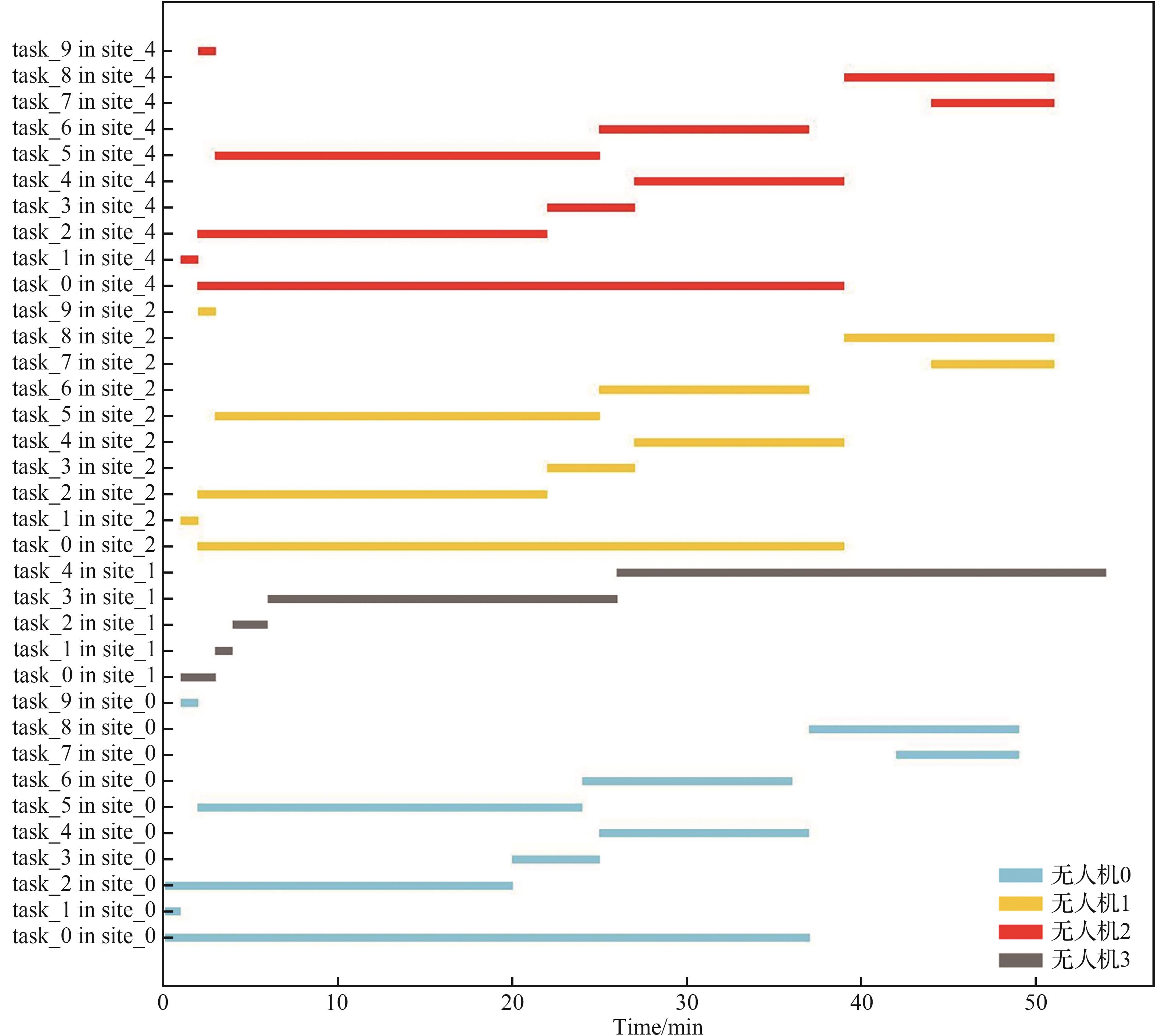
Fig.14
Scheduling scheme ofproposed algorithm under condition 1
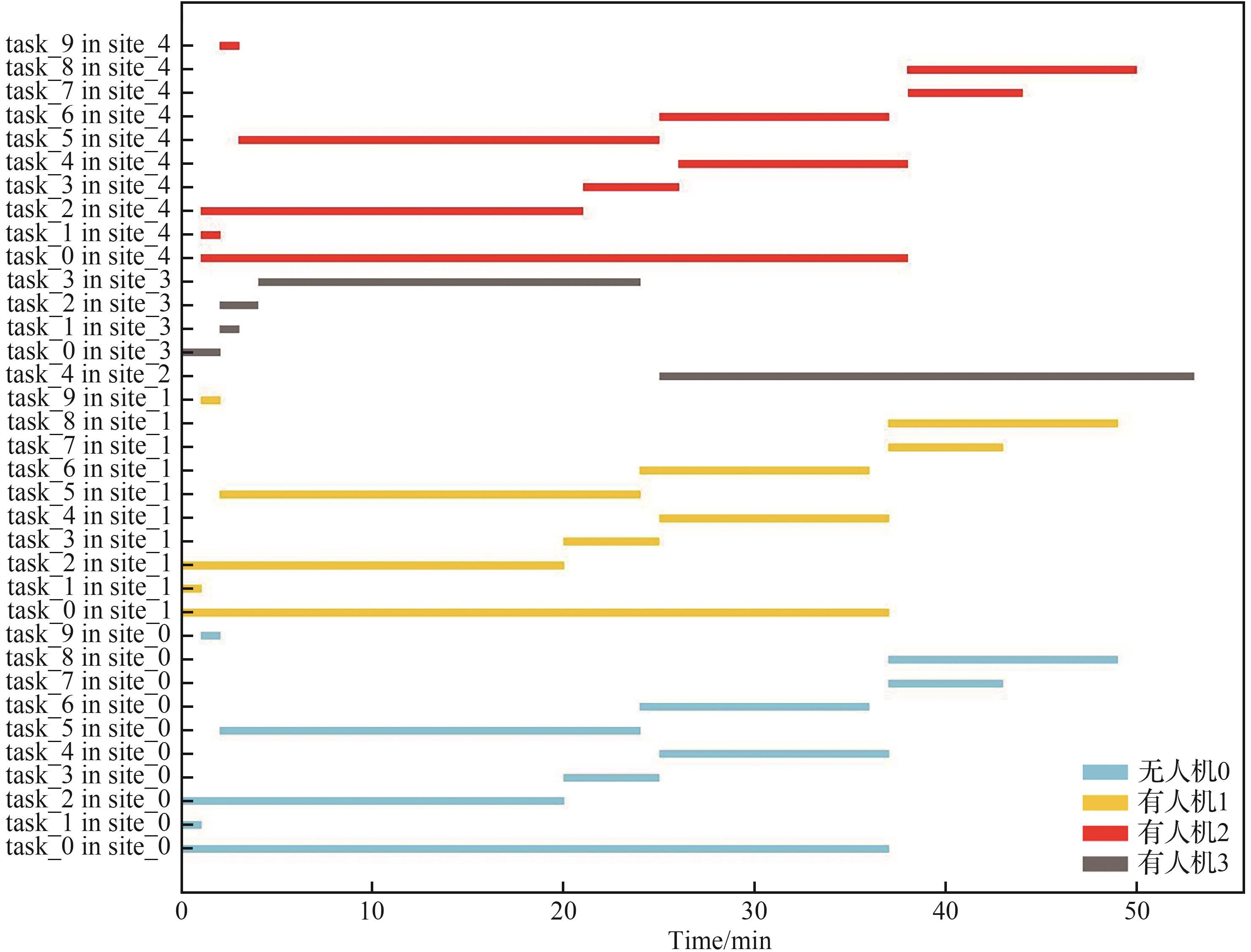
Fig.15
Optimal scheduling scheme in heuristic algorithm under condition 2
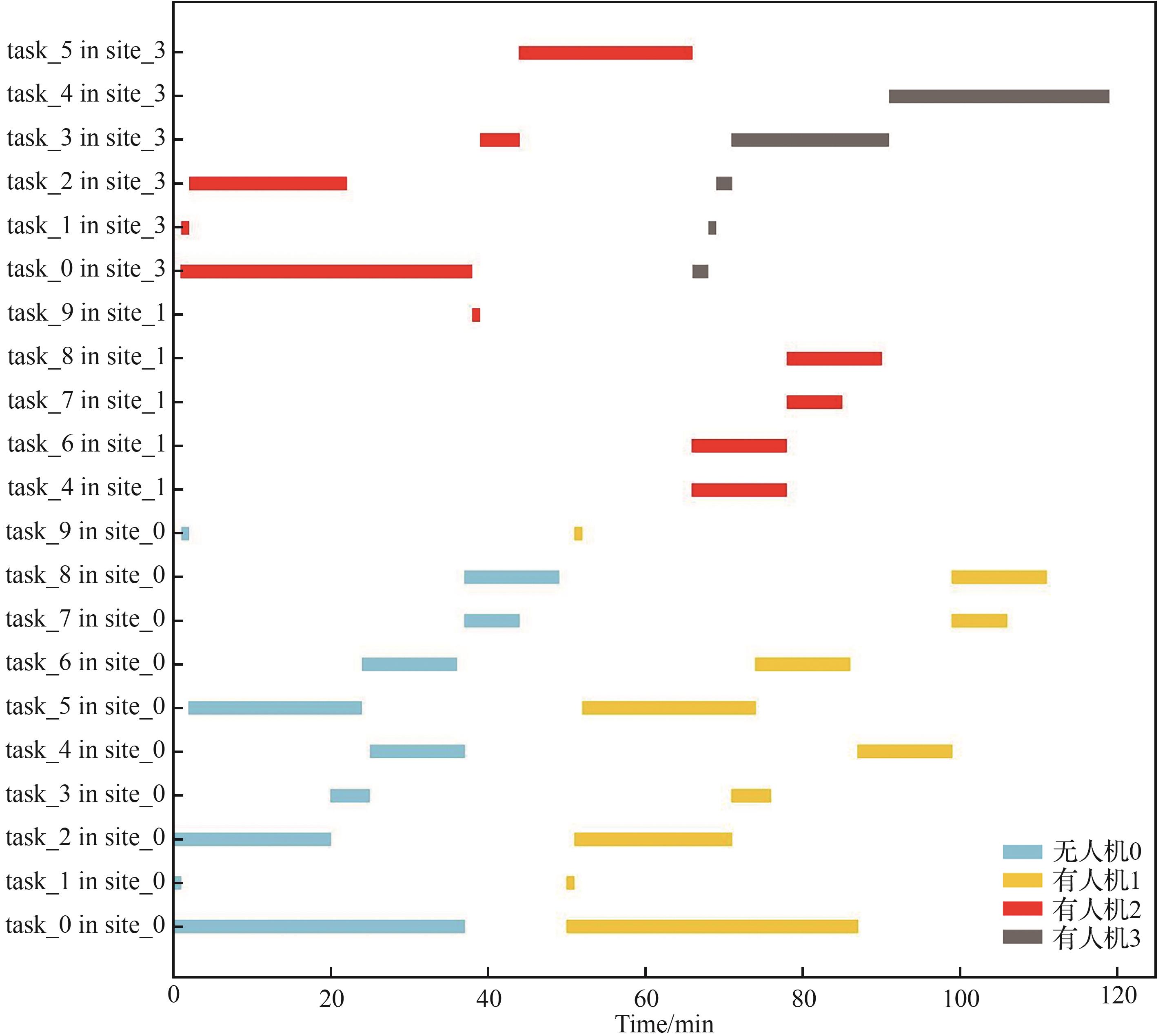
Fig.16
Schedulingscheme of proposed algorithm under condition 2
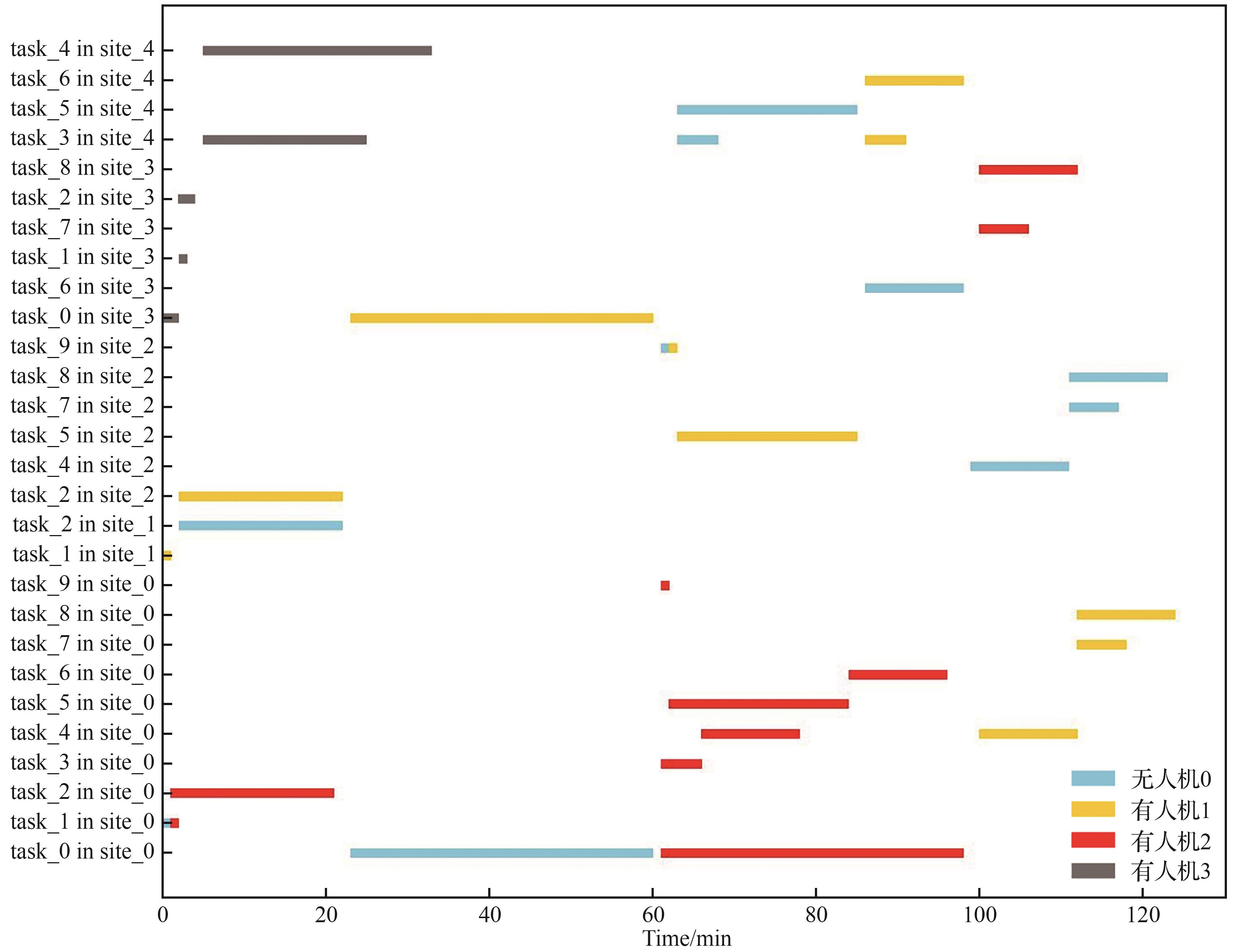
Table 2
Comparison of computation time
| 飞机数 | 解算时间/s | ||||
|---|---|---|---|---|---|
| Ours | GA | GA-改 | PSO | PSO-改 | |
| 1 | 0.36 | 81 | 92 | 65 | 87 |
| 2 | 0.39 | 125 | 148 | 148 | 136 |
| 3 | 0.48 | 179 | 196 | 196 | 193 |
| 4 | 0.56 | 182 | 208 | 208 | 201 |
| 5 | 0.75 | 274 | 300 | 300 | 279 |
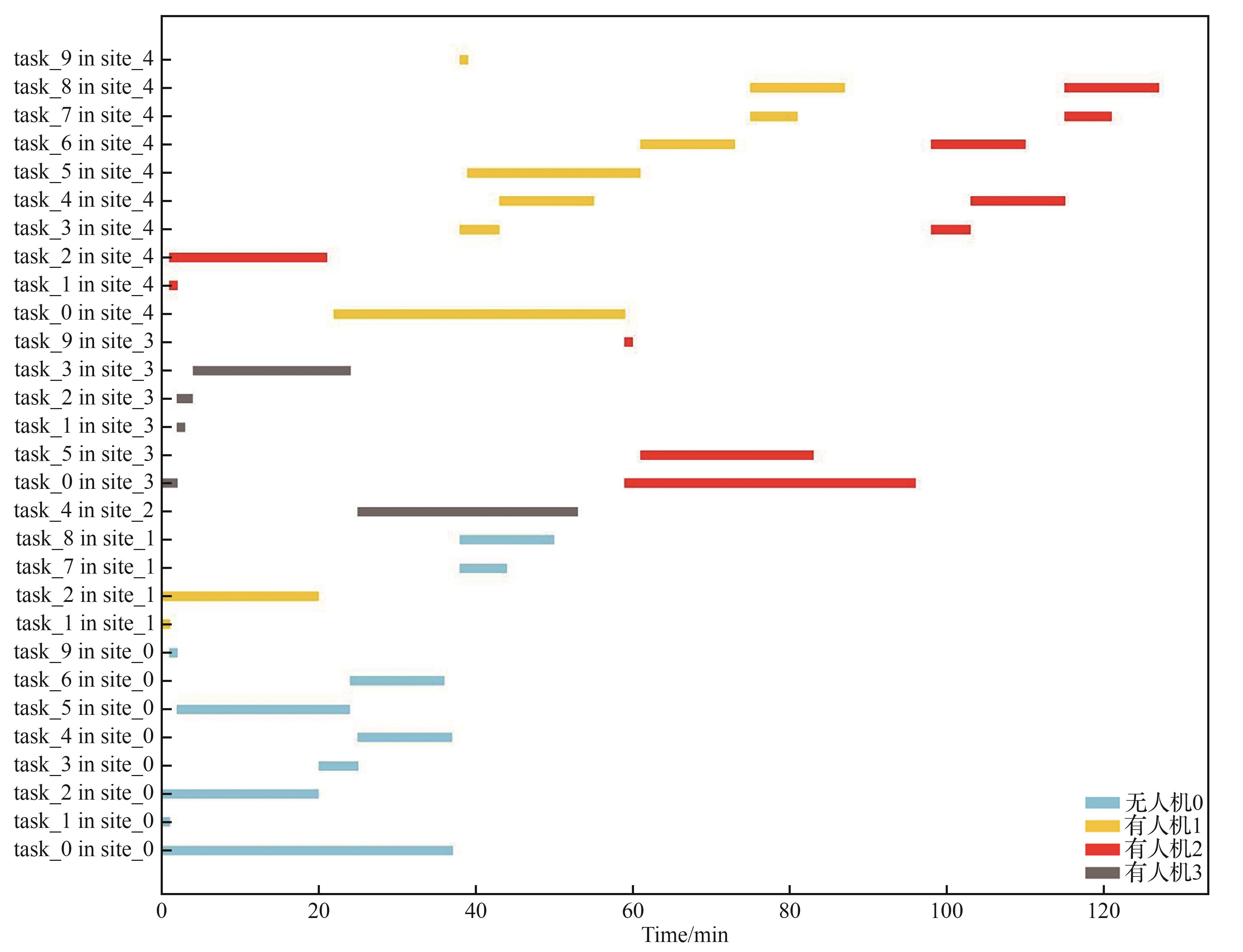
Fig.17
Scheduling scheme of proposed algorithm under condition 3
| [1] | 周晓光, 冯百胜, 迟志艳, 等. 基于闭排队网络的舰载机出动架次率分析[J]. 兵工自动化, 2014, 33(4): 79-83. |
| ZHOU X G, FENG B S, CHI Z Y, et al. Analysis of carrier-borne aircraft sortie generation rate based on closed queuing network[J]. Ordnance Industry Automation, 2014, 33(4): 79-83 (in Chinese). | |
| [2] | 司维超, 韩维, 史玮韦. 基于PSO算法的舰载机舰面布放调度方法研究[J]. 航空学报, 2012, 33(11): 2048-2056. |
| SI W C, HAN W, SHI W W. Research on deck-disposed scheduling method of carrier planes based on PSO algorithm[J]. Acta Aeronautica et Astronautica Sinica, 2012, 33(11): 2048-2056 (in Chinese). | |
| [3] | HUANG R, WEN W S, ZHOU Z, et al. Dynamic task offloading for multi-UAVs in vehicular edge computing with delay guarantees: A consensus ADMM-based optimization[J]. IEEE Transactions on Mobile Computing, 2024, 23(12): 13696-13712. |
| [4] | PARK G, LEE W, LEE K. 3D multi-trajectory and pick-up optimization of UAV for minimizing delivery time with weight restriction[J]. IEEE Transactions on Intelligent Transportation Systems, 2024, 25(11): 17562-17573. |
| [5] | WANG X, WANG Y, ZHAO J G, et al. Joint long-term user scheduling and beamforming design for burst IIoT[J]. IEEE Internet of Things Journal, 2024, 11(12): 22628-22642. |
| [6] | 薛松, 陈旭, 汪玉亭, 等. 基于改进多种群遗传算法的多目标资源受限项目调度问题研究[J]. 管理工程学报, 2023, 37(5): 167-175. |
| XUE S, CHEN X, WANG Y T, et al. Research on multi-objective resource-constrained project scheduling problem based on improved multi-population genetic algorithm[J]. Journal of Industrial Engineering and Engineering Management, 2023, 37(5): 167-175 (in Chinese). | |
| [7] | 朱云冲, 梁彦刚, 黎克波, 等. 基于PSO和RRT的智能弹群任务分配算法[J].航空学报,2023,44(S1): 727354. |
| ZHU Y C, LIANG Y G, LI K B, et al. Task assignment algorithm for intelligent missile swarm based on PSO and RRT[J]. Acta Aeronautica et Astronautica Sinica,2023,44(S1): 727354 (in Chinese) . | |
| [8] | 伍国华, 王天宇. 基于自适应模拟退火的大规模星座测控资源调度算法[J]. 航空学报, 2023, 44(12): 327759. |
| WU G H, WANG T Y. Large-scale constellation TT & C resource scheduling algorithm based on adaptive simulated annealing[J]. Acta Aeronautica et Astronautica Sinica, 2023, 44(12): 327759 (in Chinese). | |
| [9] | Ryan J C, Banerjee A G, Cummings M L, et al. Comparing the performance of expert user heuristics and an inte-ger linear program in aircraft carrier deck operations[J]. IEEE Transactions on Cybernetics, 2013, 44(6): 761-773. |
| [10] | 李经, 孙哲, 李梦龙, 等. 舰载机保障作业调度决策研究[J]. 舰船电子工程, 2018, 38(12): 165-168, 184. |
| LI J, SUN Z, LI M L, et al. Research on carrier-based aircraft deck operation scheduling[J]. Ship Electronic Engineering, 2018, 38(12): 165-168, 184 (in Chinese). | |
| [11] | LIU J, HAN W, LI J, et al. Integration design of sortie scheduling for carrier aircrafts based on hybrid flexible flowshop[J]. IEEE Systems Journal, 2020, 14(1): 1503-1511. |
| [12] | 孟杨凯, 王正, 范加利. 基于禁忌算法对不确定性舰载机保障的调度优化研究[J]. 系统仿真学报, 2021, 33(10): 2363-2371. |
| MENG Y K, WANG Z, FAN J L. Scheduling optimization research based on tabu algorithm for uncertainty carrier aircraft support[J]. Journal of System Simulation, 2021, 33(10): 2363-2371 (in Chinese). | |
| [13] | 刘玉杰, 万兵, 苏析超, 等. 基于IABC算法的舰载机着舰调度[J]. 控制与决策, 2022, 37(7): 1810-1818. |
| LIU Y J, WAN B, SU X C, et al. Scheduling of landing for carrier-based aircraft based on improved artificial bee colony algorithm[J]. Control and Decision, 2022, 37(7): 1810-1818 (in Chinese). | |
| [14] | 苏析超, 伍恒, 崔荣伟, 等. 基于边际-人工蜂群算法的舰载机机群出动保障人员配置-调度联合优化方法[J]. 北京航空航天大学学报, 2020, 46(11): 2056-2068. |
| SU X C, WU H, CUI R W, et al. Joint optimization method for carrier-based aircraft fleet sortie support personnel configuration and scheduling based on marginal-ABC algorithm[J]. Journal of Beijing University of Aeronautics and Astronautics, 2020, 46(11): 2056-2068 (in Chinese). | |
| [15] | 刘玉杰, 韩维, 苏析超, 等. 基于改进灰狼优化算法的舰载机着舰调度[J]. 北京航空航天大学学报, 2024, 50(3): 803-813. |
| LIU Y J, HAN W, SU X C, et al. Carrier aircraft landing scheduling problem based on improved gray wolf optimization[J]. Journal of Beijing University of Aeronautics and Astronautics, 2024, 50(3): 803-813 (in Chinese). | |
| [16] | 朱兴动, 赵洋, 范加利, 等. 基于改进引力搜索算法的舰载机一站式保障作业优化调度方法[J]. 舰船电子工程, 2023, 43(8): 98-103, 196. |
| ZHU X D, ZHAO Y, FAN J L, et al. Optimization and scheduling method for shipborne aircraft one-stop support operations based on improved gravity search algorithm[J]. Ship Electronic Engineering, 2023, 43(8): 98-103, 196 (in Chinese). | |
| [17] | 李亚飞, 吴庆顺, 徐明亮, 等. 基于强化学习的舰载机保障作业实时调度方法[J]. 中国科学: 信息科学, 2021, 51(2): 247-262. |
| LI Y F, WU Q S, XU M L, et al. Real-time scheduling for carrier-borne aircraft support operations: a reinforcement learning approach[J]. Scientia Sinica (Informationis), 2021, 51(2): 247-262 (in Chinese). | |
| [18] | LI Y F, WU Q S, HUANG X, et al. Efficient adaptive matching for real-time city express delivery[J]. IEEE Transactions on Knowledge and Data Engineering, 2023, 35(6): 5767-5779. |
| [19] | 于彤彤. 基于深度强化学习的舰载机在线调度方法与应用研究[D]. 北京: 北京工业大学, 2020. |
| YU T T. Research on online scheduling method and application of carrier-based aircraft based on deep reinforcement learning[D]. Beijing: Beijing University of Technology, 2020 (in Chinese). | |
| [20] | FENG H F, ZENG W. Deep reinforcement learning for carrier-borne aircraft support operation scheduling[C]∥2021 International Conference on Intelligent Computing, Automation and Applications (ICAA). Piscataway: IEEE Press, 2021. |
| [21] | 冯强, 曾声奎, 康锐. 基于MAS的舰载机动态调度模型[J]. 航空学报, 2009, 30(11): 2119-2125. |
| FENG Q, ZENG S K, KANG R. A MAS-based model for dynamic scheduling of carrier aircraft[J]. Acta Aeronautica et Astronautica Sinica, 2009, 30(11): 2119-2125 (in Chinese). | |
| [22] | FENG Q, LI S J, SUN B. A multi-agent based intelligent configuration method for aircraft fleet maintenance personnel[J]. Chinese Journal of Aeronautics, 2014, 27(2): 280-290. |
| [23] | HAO H J, ZHANG X Q, CHI Y, et al. Cooperative carrier aircraft support operation scheduling via multi-agent reinforcement learning[C]∥2023 24th IEEE International Conference on Mobile Data Management (MDM). Piscataway: IEEE Press, 2023. |
| [24] | WANG N J, MENG X L, LIU Q H, et al. High level architecture based simulation for aircraft carrier deck operations[C]∥2016 IEEE Advanced Information Management, Communicates, Electronic and Automation Control Conference (IMCEC). Piscataway: IEEE Press, 2016. |
| [25] | REN T, NIU J W, DAI B, et al. Enabling efficient scheduling in large-scale UAV-assisted mobile-edge computing via hierarchical reinforcement learning[J]. IEEE Internet of Things Journal, 2022, 9(10): 7095-7109. |
| [26] | LUO Y Z, WANG Y F, LEI Y L, et al. Decentralized user allocation and dynamic service for multi-UAV-enabled MEC system[J]. IEEE Transactions on Vehicular Technology, 2024, 73(1): 1306-1321. |
| [27] | Hu Y, Li J, Li X, et al. Knowledge-guided agent-tactic-aware learning for StarCraft micromanagement. Proceedings of the 27th International Joint Conference on Artificial Intelligence (IJCAI). Menlo Park: AAAI Press, 2018. |
| [1] | Gang ZHONG, Junming HUA, Sen DU, Yupu LIU, Hao LIU, Honghai ZHANG. Urban low-altitude flight plan optimal scheduling based on complex network [J]. Acta Aeronautica et Astronautica Sinica, 2025, 46(11): 531479-531479. |
| [2] | Xuejun ZHANG, Chenglong LI, Zhiyuan ZHANG, Yuan ZHENG. Constructing in-time risk management capabilities for low-altitude aviation systems: Concepts, technologies, and challenges [J]. Acta Aeronautica et Astronautica Sinica, 2025, 46(11): 531482-531482. |
| [3] | Jin YANG, Xu HANG, Yanjun WANG. Safety risk assessment of UAVs operations in airport controlled airspace [J]. Acta Aeronautica et Astronautica Sinica, 2025, 46(11): 531276-531276. |
| [4] | Chunxiao ZHANG, Tong GUO, Yumeng LI. Dual-population coevolutionary optimization for multi-layer urban air logistics network [J]. Acta Aeronautica et Astronautica Sinica, 2025, 46(11): 531477-531477. |
| [5] | Juntong WANG, Danwen BAO, Jiayi ZHOU, Jingxuan SHANG, Ziqian ZHANG. Low-altitude airspace planning: A review and prospect [J]. Acta Aeronautica et Astronautica Sinica, 2025, 46(11): 530879-530879. |
| [6] | Yunxiang CHEN, Jianping ZHANG, Zhiyuan WANG, Xiang ZOU, Yifei ZHAO, Tingfeng LAI. Safety separation calculation model for multi-rotor drones in low-altitude airspace based on avoidance strategy [J]. Acta Aeronautica et Astronautica Sinica, 2025, 46(11): 531887-531887. |
| [7] | . Research on eVTOL Scheduling Schemes for Dynamic Demand and Variable Intervals [J]. Acta Aeronautica et Astronautica Sinica, 0, (): 1-0. |
| [8] | Si-Yuan ZHANG Qian-qian LIU Wei-Dong JIAO. A multi-point location method of airport scene based on improved Cuckoo algorithm [J]. Acta Aeronautica et Astronautica Sinica, 0, (): 1-0. |
| [9] | . Mission planning for ship-helicopter group wave sortie and recovery oriented to mission time windows [J]. Acta Aeronautica et Astronautica Sinica, 0, (): 1-0. |
| [10] | . Real Time Dual Layer Path Planning of Unmanned Aerial Vehicles for Urban Low Altitude Logistics Distribution [J]. Acta Aeronautica et Astronautica Sinica, 0, (): 1-0. |
| [11] | Junfeng ZHANG, Zhao MA, Zhuoming DU, Rong HU. Dynamic robust scheduling of aircraft arrival in multi-runway mixed operation mode [J]. Acta Aeronautica et Astronautica Sinica, 2025, 46(7): 330956-330956. |
| [12] | Ge SONG, Pengfei HAN, Yuxiang LUO, Weijun PAN. Trajectory classification and anomaly detection based on stochastic depth ResNet [J]. Acta Aeronautica et Astronautica Sinica, 2025, 46(4): 330883-330883. |
| [13] | Guang LIU, Hua WANG, Youfang LIN, Shuo HE, Yafei LI, Mingliang XU. Adaptive batch matching decision method for carrier-based aircraft support operations [J]. Acta Aeronautica et Astronautica Sinica, 2025, 46(1): 330615-330615. |
| [14] | Xinglong WANG, Youjie WANG. Safety interval evaluation for multi-aircraft eVTOL in urban low altitude [J]. Acta Aeronautica et Astronautica Sinica, 2025, 46(1): 330604-330604. |
| [15] | . Collaborative mission schedule management method for air battle management [J]. Acta Aeronautica et Astronautica Sinica, 0, (): 1-0. |
| Viewed | ||||||
|
Full text |
|
|||||
|
Abstract |
|
|||||
Address: No.238, Baiyan Buiding, Beisihuan Zhonglu Road, Haidian District, Beijing, China
Postal code : 100083
E-mail:hkxb@buaa.edu.cn
Total visits: 6658907 Today visits: 1341All copyright © editorial office of Chinese Journal of Aeronautics
All copyright © editorial office of Chinese Journal of Aeronautics
Total visits: 6658907 Today visits: 1341

 CJA
CJA
