Acta Aeronautica et Astronautica Sinica ›› 2024, Vol. 45 ›› Issue (S1): 730583.doi: 10.7527/S1000-6893.2024.30583
• Articles • Previous Articles Next Articles
Shu ZHANG1,2, Kuo TIAN1,2( ), Cong GUO1,2
Received:2024-04-01
Revised:2024-04-23
Accepted:2024-05-20
Online:2024-12-25
Published:2024-07-05
Contact:
Kuo TIAN
E-mail:tiankuo@dlut.edu.cn
Supported by:CLC Number:
Shu ZHANG, Kuo TIAN, Cong GUO. Complex space reduction and optimization method based on multiple fidelity model[J]. Acta Aeronautica et Astronautica Sinica, 2024, 45(S1): 730583.
Fig.1
Complex space reduction and optimization method based on multiple fidelities
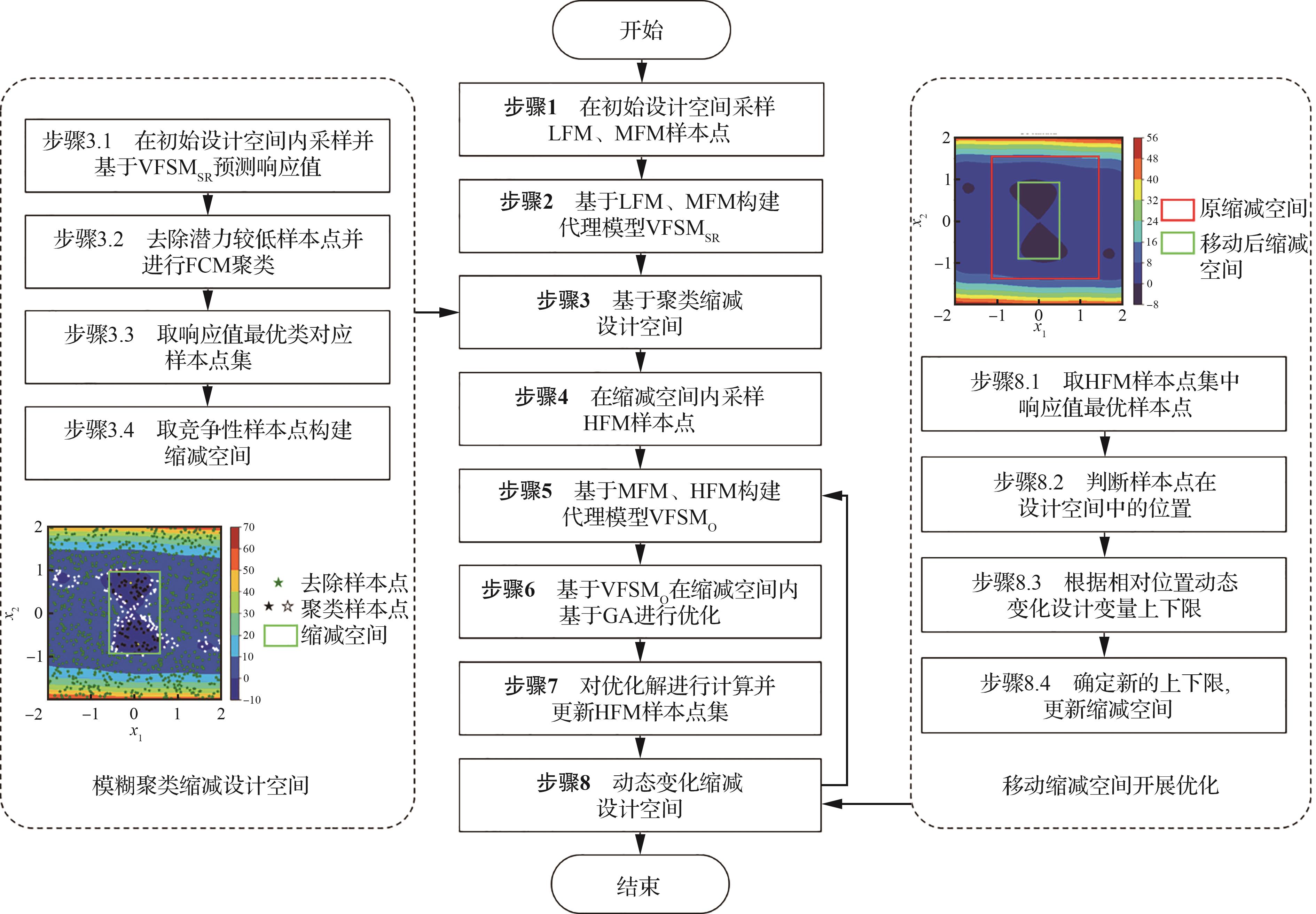
Fig.2
Schematic diagrams of core idea of proposed method
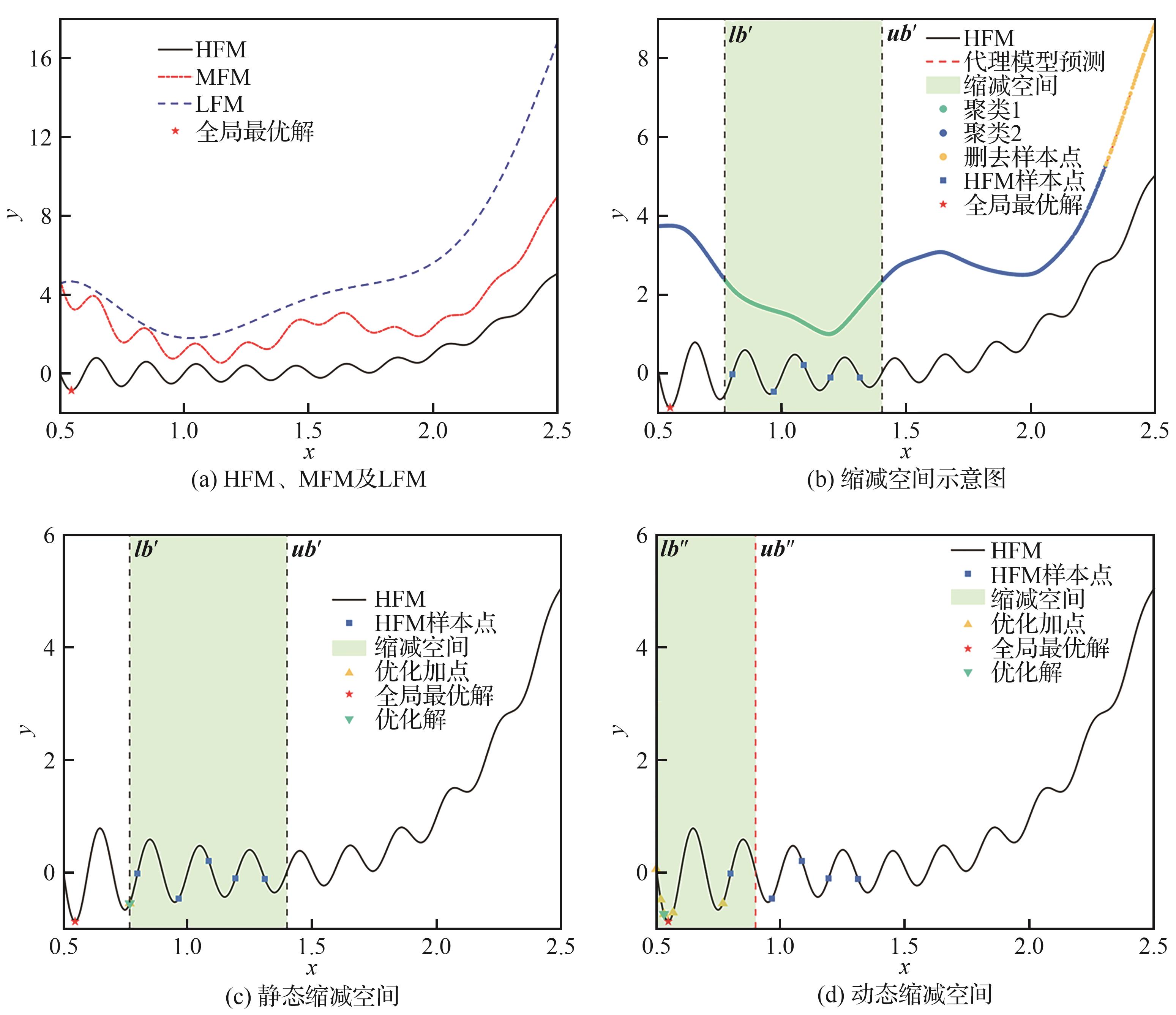
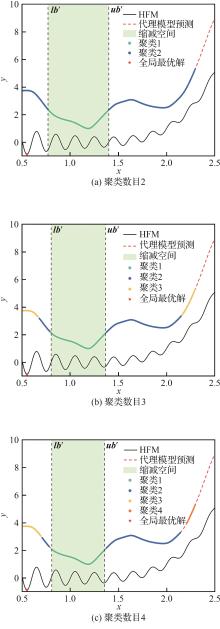
Fig.3
Comparison of number of FCM clusters
Table 1
Optimization results of one-dimensional test function
| 优化方法 | x | y | 相对误差/% | 耗时(LFM样本点数目) |
|---|---|---|---|---|
| 10高+5加点 | 1.110 5 | -0.145 7 | 83.23 | 150 |
| 8高+20低+5加点 | 1.351 8 | -0.353 9 | 59.27 | 150 |
| 5高+9中+20低+5加点动态缩减空间 | 0.531 6 | -0.740 1 | 14.83 | 150 |
| 5高+9中+20低+20加点动态缩减空间 | 0.548 0 | -0.868 9 | 00.02 | 300 |
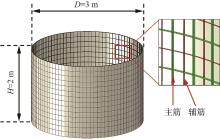
Fig.4
Schematic diagram of hierarchical stiffened shells
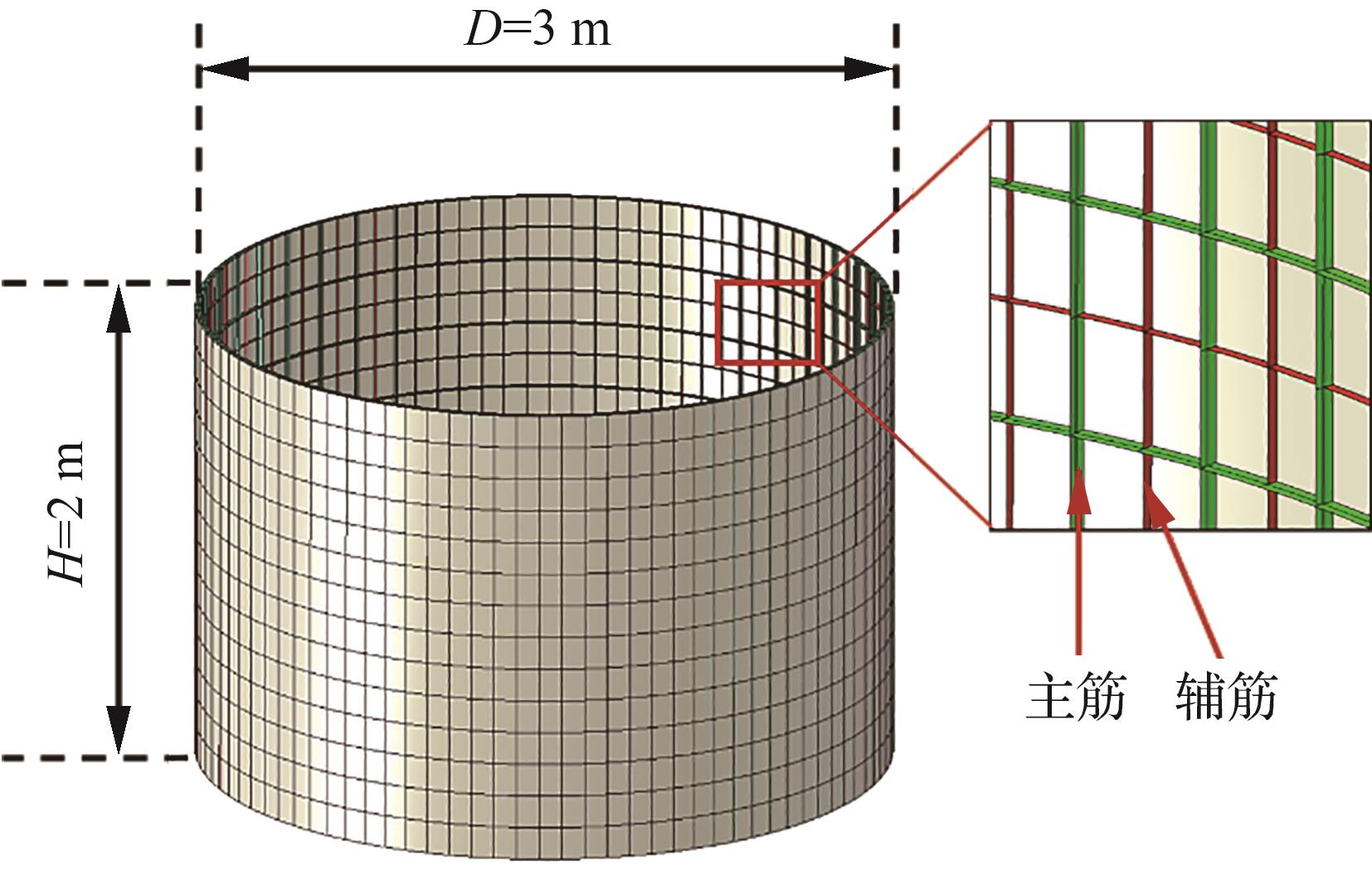
Table 2
Material information of hierarchical stiffened shells
| 参数 | 密度/(10-9 t·mm-3) | 弹性模量/GPa | 泊松比 | 屈服极限/MPa | 强度极限/MPa | 伸长率 |
|---|---|---|---|---|---|---|
| 数值 | 2.7 | 70 | 0.33 | 563 | 630 | 0.07 |
Table 3
Comparison of surrogate model prediction accuracy
| 参数 | 高保真度模型 | 中保真度模型 | 低保真度模型 |
|---|---|---|---|
| 样本点数量 | 25 | 200 | 2 000 |
| R2 | 0.93 | 0.90 | 0.62 |
| 耗时/h | 41.7 | 16.7 | 3.3 |
Table 4
Optimization results of hierarchical stiffened shells
| 优化方法 | hj/mm | hn/mm | Naj | Nan | Ncj | Ncn | trj/mm | trn/mm | ts/mm | Pcr/kN | 质量/kg | 耗时/h |
|---|---|---|---|---|---|---|---|---|---|---|---|---|
| 设计变量下限 | 15.0 | 6.0 | 20 | 1 | 3 | 1 | 3.0 | 3.0 | 2.5 | |||
| 设计变量上限 | 30.0 | 15.0 | 50 | 4 | 9 | 4 | 12.0 | 12.0 | 5.5 | |||
| 20高+5加点 | 30.0 | 14.8 | 33 | 1 | 8 | 1 | 6.6 | 10.8 | 4.2 | 22 820 | 355.0 | 41.7 |
| 20高+500低+5加点 | 30.0 | 15.0 | 45 | 1 | 4 | 3 | 6.7 | 9.9 | 3.9 | 21 681 | 354.8 | 42.5 |
| 10高+150中+1 000低+5加点静态缩减空间 | 27.0 | 14.6 | 48 | 1 | 7 | 1 | 9.1 | 9.1 | 3.6 | 22 182 | 355.0 | 39.2 |
| 10高+150中+1 000低+5加点动态缩减空间 | 30.0 | 14.4 | 49 | 1 | 5 | 1 | 11.4 | 6.7 | 3.4 | 24 870 | 355.0 | 39.2 |
| 25高+200中+5加点静态缩减空间[ | 29.9 | 10.6 | 47 | 2 | 8 | 1 | 9.6 | 3.2 | 3.8 | 25 032 | 355.0 | 67.0 |
Fig.5
Comparison of optimization results of hierarchical stiffened shells by various optimization methods
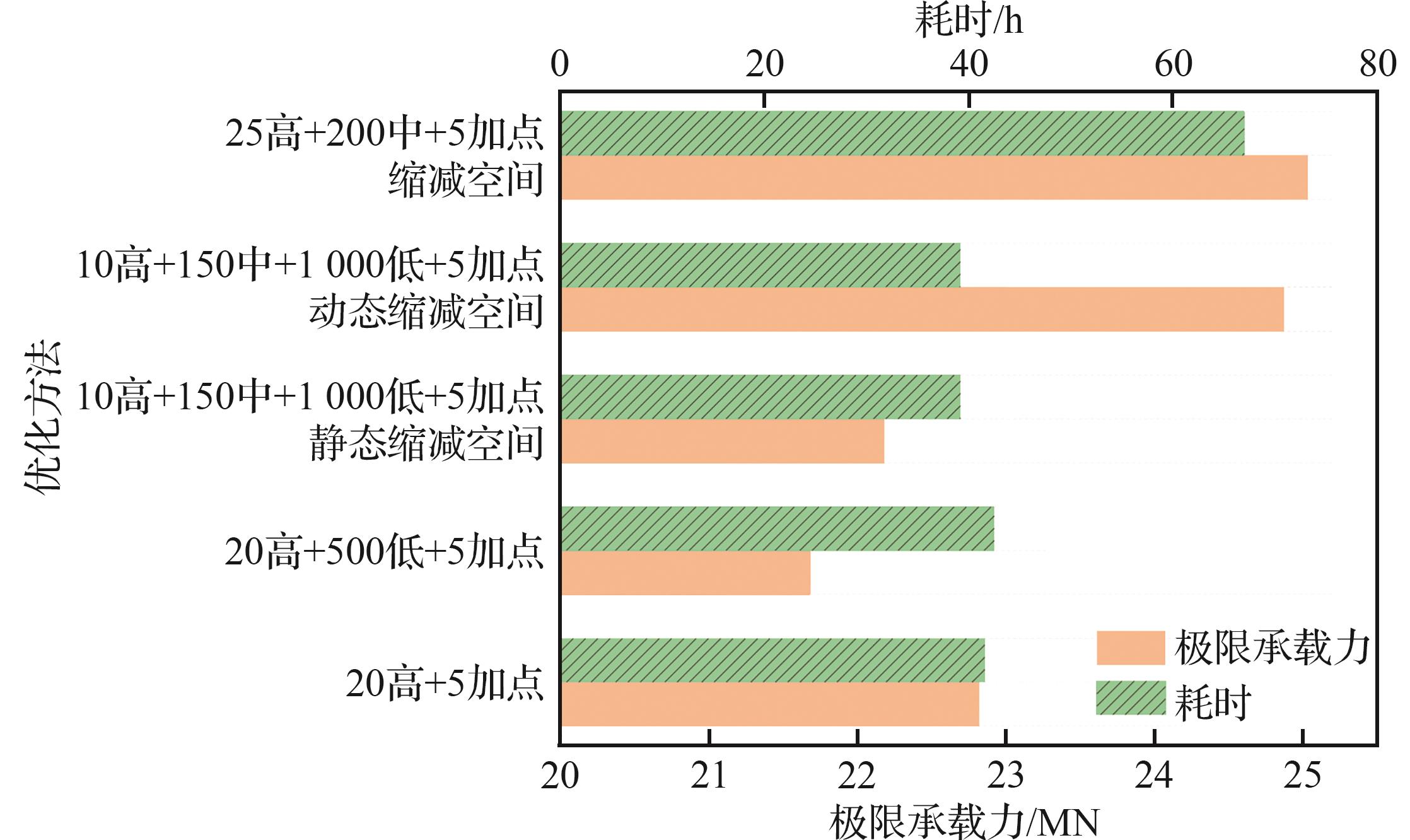
Fig.6
Buckling modes of optimization results of hierarchical stiffened shells by various optimization methods
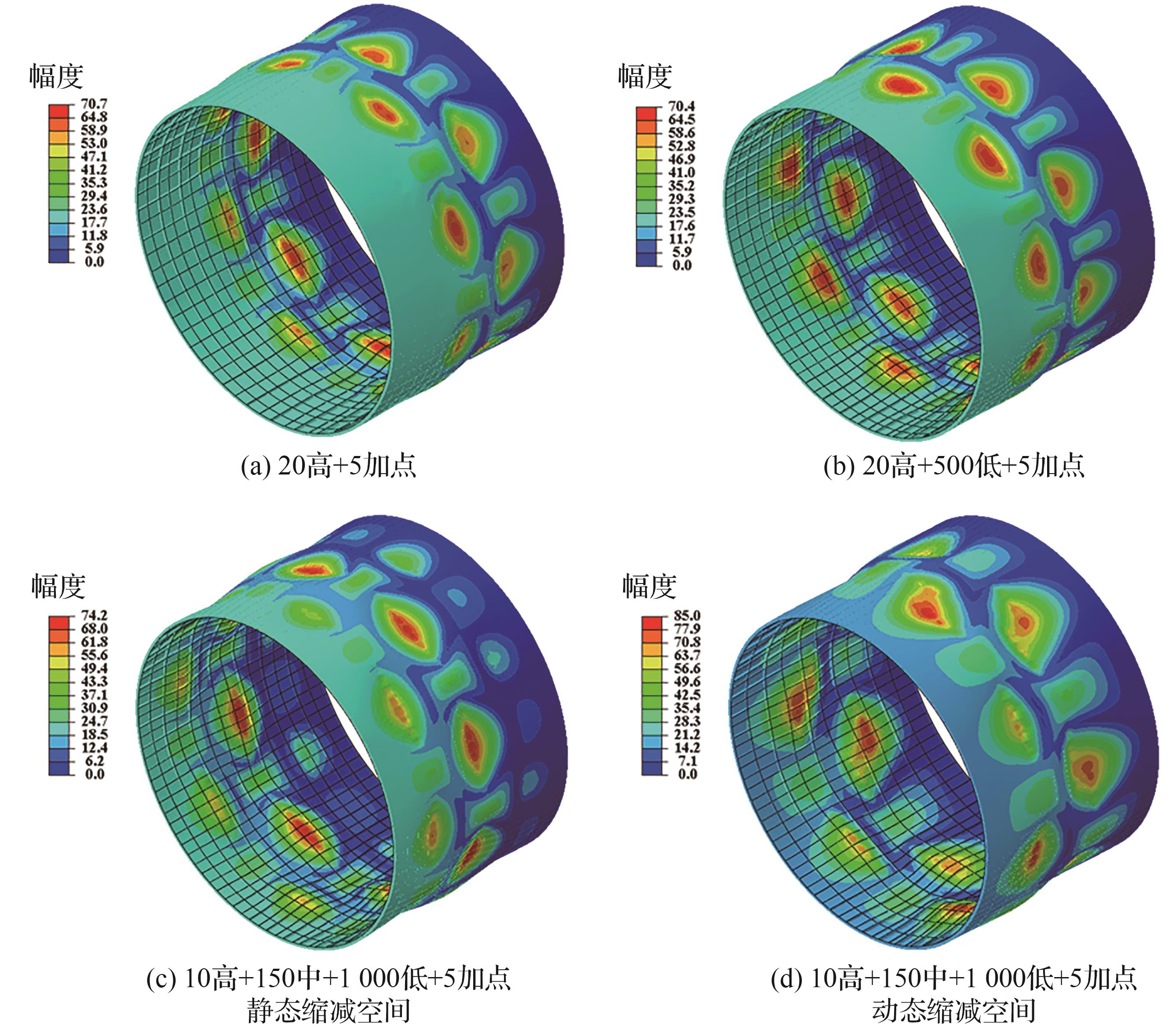
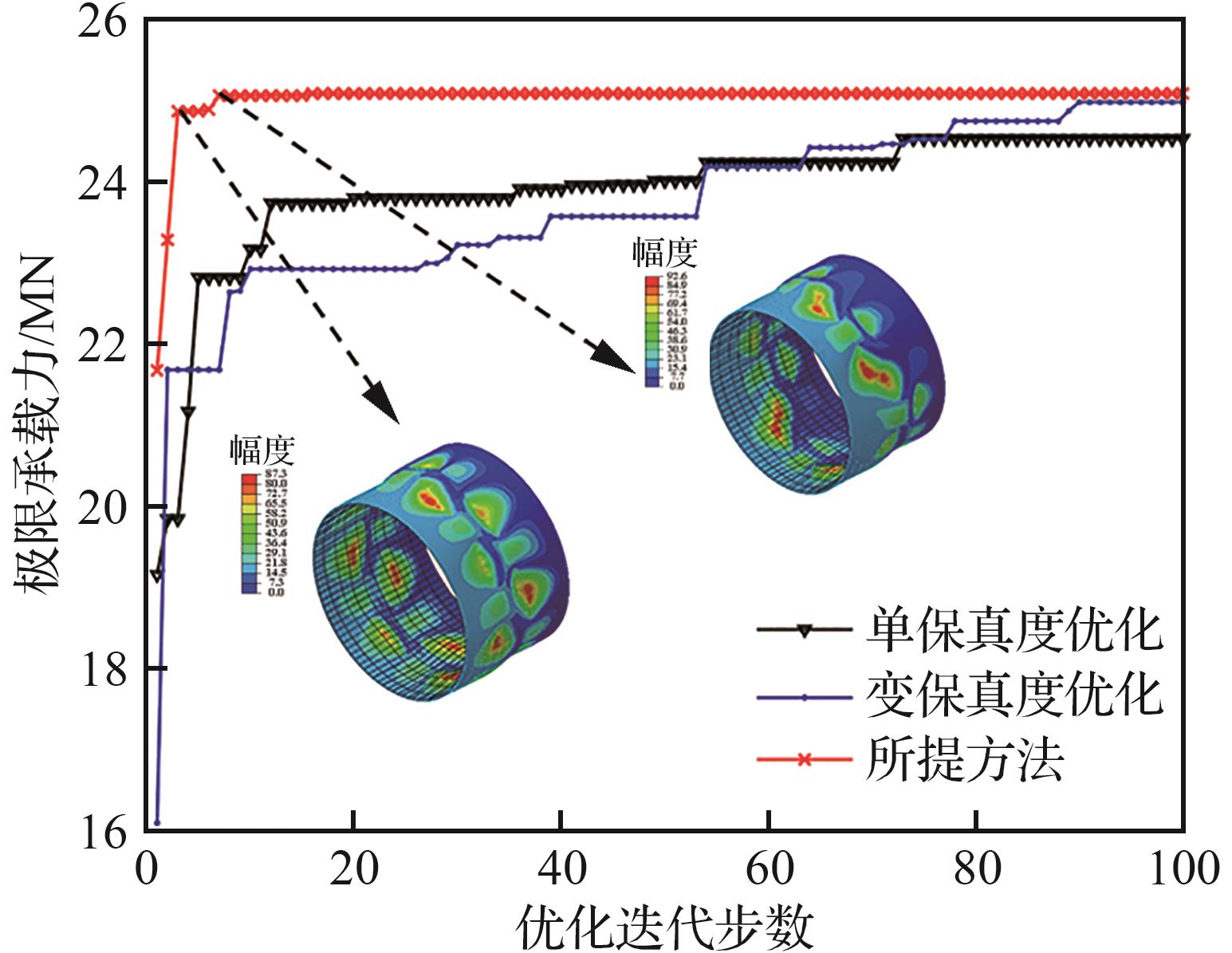
Fig.7
Optimization iteration curves of hierarchicalstiffened shells
| 1 | 赵欢, 高正红, 夏露. 基于新型高维代理模型的气动外形设计方法[J]. 航空学报, 2023, 44(5): 126924. |
| ZHAO H, GAO Z H, XIA L. Aerodynamic shape design optimization method based on novel high-dimensional surrogate model[J]. Acta Aeronautica et Astronautica Sinica, 2023, 44(5): 126924 (in Chinese). | |
| 2 | 张伟, 高正红, 周琳, 等. 基于代理模型全局优化的自适应参数化方法[J]. 航空学报, 2020, 41(10): 123815. |
| ZHANG W, GAO Z H, ZHOU L, et al. Adaptive parameterization method for surrogate-based global optimization[J]. Acta Aeronautica et Astronautica Sinica, 2020, 41(10): 123815 (in Chinese). | |
| 3 | 周奇, 杨扬, 宋学官, 等. 变可信度近似模型及其在复杂装备优化设计中的应用研究进展[J]. 机械工程学报, 2021, 56(24): 219-245. |
| ZHOU Q, YANG Y, SONG X G, et al. Survey of multi-fidelity surrogate models and their applications in the design and optimization of engineering equipment[J]. Journal of Mechanical Engineering, 2021, 56(24): 219-245 (in Chinese). | |
| 4 | 韩忠华, 许晨舟, 乔建领, 等. 基于代理模型的高效全局气动优化设计方法研究进展[J]. 航空学报, 2020, 41(5): 623344. |
| HAN Z H, XU C Z, QIAO J L, et al. Recent progress of efficient global aerodynamic shape optimization using surrogate-based approach[J]. Acta Aeronautica et Astronautica Sinica, 2020, 41(5): 623344 (in Chinese). | |
| 5 | 池力. 基于SOM和模糊聚类的设计空间缩减方法研究及应用[D]. 武汉: 华中科技大学, 2013: 11-14. |
| CHI L. Research and applications on design space reduction methods based on SOM and fuzzy clustering[D]. Wuhan: Huazhong University of Science and Technology, 2013: 11-14 (in Chinese). | |
| 6 | WANG G G, SIMPSON T. Fuzzy clustering based hierarchical metamodeling for design space reduction and optimization[J]. Engineering Optimization, 2004, 36(3): 313-335. |
| 7 | YE P C. A review on surrogate-based global optimization methods for computationally expensive functions[J]. Software Engineering, 2019, 7: 68-84. |
| 8 | KOCH P N, SIMPSON T W, ALLEN J K, et al. Statistical approximations for multidisciplinary design optimization: The problem of size[J]. Journal of Aircraft, 1999, 36(1): 275-286. |
| 9 | YE P C, PAN G. Global optimization method using ensemble of metamodels based on fuzzy clustering for design space reduction[J]. Engineering with Computers, 2017, 33(3): 573-585. |
| 10 | YE P C, PAN G, DONG Z M. Ensemble of surrogate based global optimization methods using hierarchical design space reduction[J]. Structural and Multidisciplinary Optimization, 2018, 58(2): 537-554. |
| 11 | 李春娜, 张阳康. 一种适用于气动优化的高效自适应全局优化方法[J]. 航空学报, 2020, 41(5): 623352. |
| LI C N, ZHANG Y K. An efficient adaptive global optimization method suitable for aerodynamic optimization[J]. Acta Aeronautica et Astronautica Sinica, 2020, 41(5): 623352 (in Chinese). | |
| 12 | TIAN K, LI Z C, MA X T, et al. Toward the robust establishment of variable-fidelity surrogate models for hierarchical stiffened shells by two-step adaptive updating approach[J]. Structural and Multidisciplinary Optimization, 2020, 61(4): 1515-1528. |
| 13 | 李增聪, 田阔, 赵海心. 面向多级加筋壳的高效变保真度代理模型[J]. 航空学报, 2020, 41(7): 623435. |
| LI Z C, TIAN K, ZHAO H X. Efficient variable-fidelity models for hierarchical stiffened shells[J]. Acta Aeronautica et Astronautica Sinica, 2020, 41(7): 623435 (in Chinese). | |
| 14 | 李增聪, 田阔, 黄蕾, 等. 面向变刚度复合材料筒壳高效屈曲分析的变保真度迁移学习模型[J]. 复合材料学报, 2022, 39(5): 2430-2440. |
| LI Z C, TIAN K, HUANG L, et al. Variable-fidelity transfer learning model for efficient buckling analysis of variable stiffness composite cylindrical shells[J]. Acta Materiae Compositae Sinica, 2022, 39(5): 2430-2440 (in Chinese). | |
| 15 | GUO Q, HANG J T, WANG S A, et al. Buckling optimization of variable stiffness composite cylinders by using multi-fidelity surrogate models[J]. Thin-Walled Structures, 2020, 156: 107014. |
| 16 | HAN Z H, XU C Z, ZHANG L, et al. Efficient aerodynamic shape optimization using variable-fidelity surrogate models and multilevel computational grids[J]. Chinese Journal of Aeronautics, 2020, 33(1): 31-47. |
| 17 | PHAM V, KIM M, TYAN M, et al. Numerical experience with variable-fidelity metamodeling for aerodynamic data fusion problems[J]. Journal of Defense Acquisition and Technology, 2019, 1(1): 1-8. |
| 18 | HAN Z H, GÖRTZ S. Hierarchical Kriging model for variable-fidelity surrogate modeling[J]. AIAA Journal, 2012, 50(9): 1885-1896. |
| 19 | RUAN X F, JIANG P, ZHOU Q, et al. Variable-fidelity probability of improvement method for efficient global optimization of expensive black-box problems[J]. Structural and Multidisciplinary Optimization, 2020, 62(6): 3021-3052. |
| 20 | CHENG M, JIANG P, HU J X, et al. A multi-fidelity surrogate modeling method based on variance-weighted sum for the fusion of multiple non-hierarchical low-fidelity data[J]. Structural and Multidisciplinary Optimization, 2021, 64(6): 3797-3818. |
| 21 | ZHANG L L, WU Y D, JIANG P, et al. A multi-fidelity surrogate modeling approach for incorporating multiple non-hierarchical low-fidelity data[J]. Advanced Engineering Informatics, 2022, 51: 101430. |
| 22 | ZAHIR M K, GAO Z H. Variable-fidelity optimization with design space reduction[J]. Chinese Journal of Aeronautics, 2013, 26(4): 841-849. |
| 23 | TIAN K, LI Z C, HUANG L, et al. Enhanced variable-fidelity surrogate-based optimization framework by Gaussian process regression and fuzzy clustering[J]. Computer Methods in Applied Mechanics and Engineering, 2020, 366: 113045. |
| 24 | BEZDEK J C, EHRLICH R, FULL W. FCM: The fuzzy c-means clustering algorithm[J]. Computers and Geosciences, 1984, 10(2-3): 191-203. |
| 25 | 汪庆淼. 基于目标函数的模糊聚类新算法及其应用研究[D]. 镇江: 江苏大学, 2014: 3-6. |
| WANG Q M. Research of new fuzzy clustering algorithms based on objective function and its applications[D]. Zhenjiang: Jiangsu University, 2014: 3-6 (in Chinese). | |
| 26 | LEWIS R, NASH S. A multigrid approach to the optimization of systems governed by differential equations[C]∥ Proceedings of the 8th Symposium on Multidisciplinary Analysis and Optimization. Reston, Virigina: AIAA, 2000. |
| 27 | GRAMACY R B, LEE H K H. Cases for the nugget in modeling computer experiments[J]. Statistics and Computing, 2012, 22(3): 713-722. |
| 28 | WAGNER H N R, HÜHNE C, NIEMANN S, et al. Robust knockdown factors for the design of cylindrical shells under axial compression: Analysis and modeling of stiffened and unstiffened cylinders[J]. Thin-Walled Structures, 2018, 127: 629-645. |
| 29 | HAO P, WANG B, LI G. Surrogate-based optimum design for stiffened shells with adaptive sampling[J]. AIAA Journal, 2012, 50(11): 2389-2407. |
| 30 | 胥磊, 王蓉晖, 王涛, 等. 基于Kriging代理模型的加筋柱壳结构优化[J]. 计算机仿真, 2021, 38(6): 51-55. |
| XU L, WANG R H, WANG T, et al. Optimization design of stiffened cylindrical shell structures based on Kriging model[J]. Computer Simulation, 2021, 38(6): 51-55 (in Chinese). | |
| 31 | 田阔. 基于多保真度建模的多层级筒壳屈曲分析及优化方法研究[D]. 大连: 大连理工大学, 2018: 62-74. |
| TIAN K. Research on buckling analysis and optimization methods of hierarchical cylindrical shells based on multi-fidelity modelling[D]. Dalian: Dalian University of Technology, 2018: 62-74 (in Chinese). | |
| 32 | WANG B, TIAN K, ZHOU C H, et al. Grid-pattern optimization framework of novel hierarchical stiffened shells allowing for imperfection sensitivity[J]. Aerospace Science and Technology, 2017, 62: 114-121. |
| 33 | TIAN K, WANG B, ZHANG K, et al. Tailoring the optimal load-carrying efficiency of hierarchical stiffened shells by competitive sampling[J]. Thin-Walled Structures, 2018, 133: 216-225. |
| 34 | HAO P, WANG B, LI G, et al. Hybrid optimization of hierarchical stiffened shells based on smeared stiffener method and finite element method[J]. Thin-Walled Structures, 2014, 82: 46-54. |
| [1] | Jihong ZHU, Jiacheng HAN, Xiaojun GU, Yahui ZHANG, Jun WANG, Jie HOU, Weihong ZHANG. Advances and challenges in cross-domain vehicle structures and morphing configuration design technologies [J]. Acta Aeronautica et Astronautica Sinica, 2025, 46(18): 431686-431686. |
| [2] | Liang MENG, Jinyuan YANG, Zhiwei YANG, Tong GAO, Hongquan LIU, Weihong ZHANG. Buckling⁃resisting optimization design of typical aircraft panel and test validation [J]. Acta Aeronautica et Astronautica Sinica, 2024, 45(5): 529679-529679. |
| [3] | Li CHEN, Xiaoyun ZENG, Wen HUANG, Jianfei ZHANG. Lattice structure optimization design under harmonic base acceleration excitations [J]. Acta Aeronautica et Astronautica Sinica, 2024, 45(5): 529704-529704. |
| [4] | Yuanling CHEN, Jiawen CHEN, Yueyang PAN, Mingyang YAN. Optimization of turbocharging system for aviation piston pump based on entropy production theory [J]. Acta Aeronautica et Astronautica Sinica, 2024, 45(4): 429015-429015. |
| [5] | Guotao YANG, Zhenjiang YUE, Li LIU. Rapid prediction of global hypersonic vehicle aerothermodynamics based on adaptive sampling [J]. ACTA AERONAUTICAET ASTRONAUTICA SINICA, 2023, 44(6): 127391-127391. |
| [6] | Xiaoqian CHEN, Yong ZHAO, Senlin HUO, Zeyu ZHANG, Bingxiao DU. A review of topology optimization design methods for multi-scale structures [J]. Acta Aeronautica et Astronautica Sinica, 2023, 44(15): 528863-528863. |
| [7] | ZHEN Xu, LIU Fang. Track fusion algorithm based on improved FCM and information entropy correction [J]. ACTA AERONAUTICAET ASTRONAUTICA SINICA, 2022, 43(5): 325236-325236. |
| [8] | LI Zengcong, TIAN Kuo, ZHAO Haixin. Efficient variable-fidelity models for hierarchical stiffened shells [J]. ACTA AERONAUTICAET ASTRONAUTICA SINICA, 2020, 41(7): 623435-623435. |
| [9] | BAI Junqiang, LEI Ruiwu, YANG Tihao, WANG Hui, HE Xiaolong, QIU Yasong. Progress of adjoint-based aerodynamic optimization design for large civil aircraft [J]. ACTA AERONAUTICAET ASTRONAUTICA SINICA, 2019, 40(1): 522642-522642. |
| [10] | ZHOU Zhu, HUANG Jiangtao, GAO Zhenghong, HUANG Yong, CHEN Zuobin, YU Jing. Challenges and prospects of numerical optimization design for large civil aircraft aerodynamic shape [J]. ACTA AERONAUTICAET ASTRONAUTICA SINICA, 2019, 40(1): 522370-522370. |
| [11] | ZUO Jialiang, YANG Rennong, ZHANG Ying, WU Meng, XIAO Yuze. Reconstruction and evaluation of close air combat decision- making process based on fuzzy clustering [J]. ACTA AERONAUTICAET ASTRONAUTICA SINICA, 2015, 36(5): 1650-1660. |
| [12] | ZHANG Lifeng, YAO Weixing, ZOU Jun. Equivalent multi-case optimization architecture for modular aircraft structures [J]. ACTA AERONAUTICAET ASTRONAUTICA SINICA, 2015, 36(3): 834-839. |
| [13] | JU Long, BAI Junqiang, SUN Zhiwei, CHEN Song, LI Quan. Integrated Aero-structure Design of Circulation Distribution for Commercial Aircraft Wing [J]. ACTA AERONAUTICAET ASTRONAUTICA SINICA, 2013, 34(12): 2725-2732. |
| [14] | LUO Yangjun, GAO Zongzhan, YUE Zhufeng, WU Ziyan. Reliability-based Optimization Design for Structures with Stochastic and Bounded Parameter Uncertainties [J]. ACTA AERONAUTICAET ASTRONAUTICA SINICA, 2011, 32(6): 1058-1066. |
| [15] | WANG Xichun;SU Hua;ZONG Zhaoke. Structural Optimization and Dynamic Simulation of Circumferential Convergent Hydrodynamic Finger Seal [J]. ACTA AERONAUTICAET ASTRONAUTICA SINICA, 2011, 32(2): 360-367. |
| Viewed | ||||||
|
Full text |
|
|||||
|
Abstract |
|
|||||
Address: No.238, Baiyan Buiding, Beisihuan Zhonglu Road, Haidian District, Beijing, China
Postal code : 100083
E-mail:hkxb@buaa.edu.cn
Total visits: 6658907 Today visits: 1341All copyright © editorial office of Chinese Journal of Aeronautics
All copyright © editorial office of Chinese Journal of Aeronautics
Total visits: 6658907 Today visits: 1341

 CJA
CJA
