Acta Aeronautica et Astronautica Sinica ›› 2026, Vol. 47 ›› Issue (7): 632973.doi: 10.7527/S1000-6893.2025.32973
• Special Topic: Aircraft-Engine Integration Technology • Previous Articles
Lei LIU1, Zhaorui ZHANG1, Kun WANG2, Zhihao WANG1, Chen ZHU1, Huijun TAN1( ), Hexia HUANG1
Received:2025-10-27
Revised:2025-11-24
Accepted:2025-12-16
Online:2026-01-22
Published:2026-01-09
Contact:
Huijun TAN
Supported by:CLC Number:
Lei LIU, Zhaorui ZHANG, Kun WANG, Zhihao WANG, Chen ZHU, Huijun TAN, Hexia HUANG. Research progress on aerodynamic design and flow control technologies for boundary layer ingestion inlets[J]. Acta Aeronautica et Astronautica Sinica, 2026, 47(7): 632973.
Fig.1
Technology Readiness Level (TRL) timeline for BLI2DTF propulsor[21]
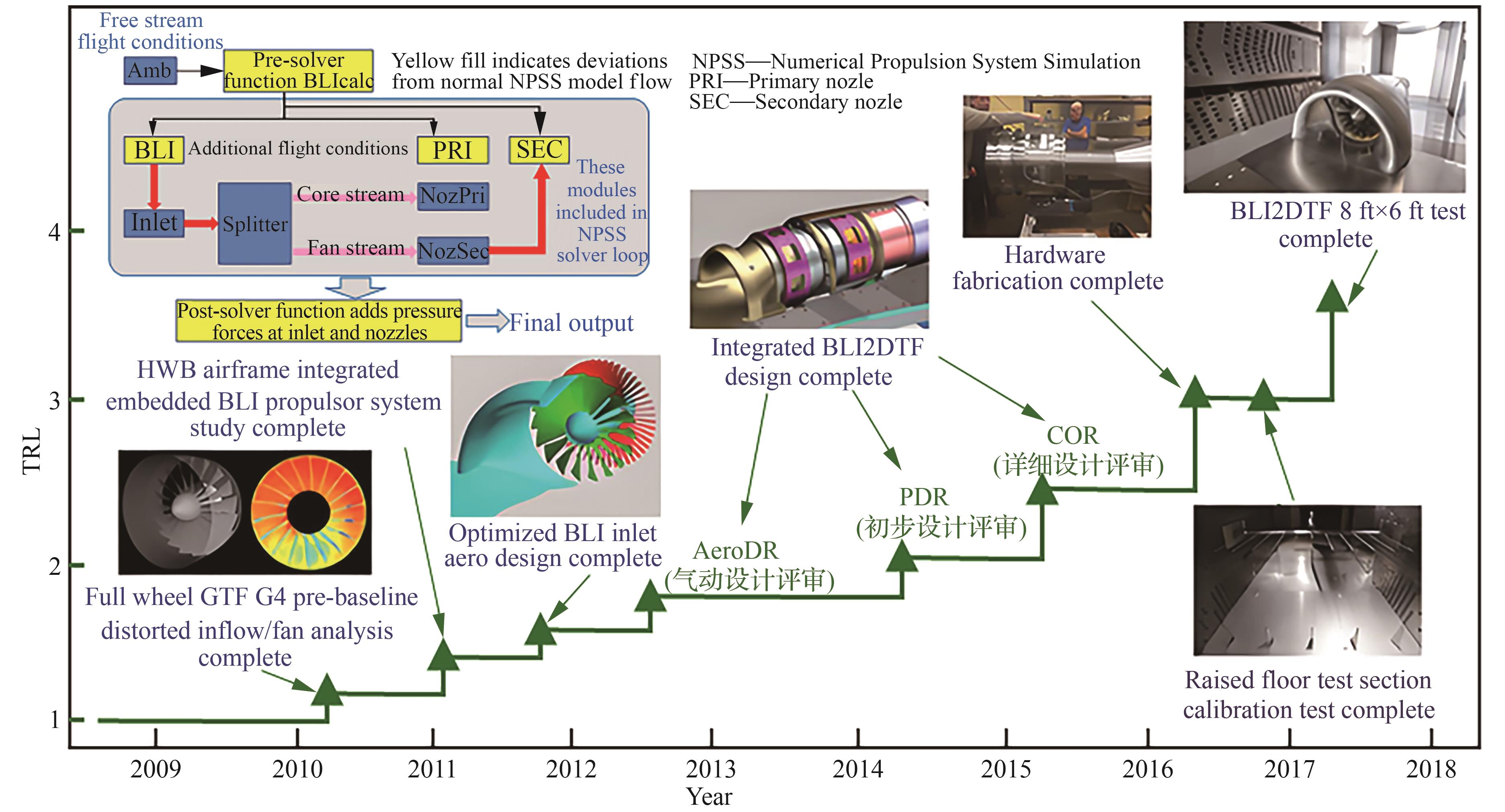
Fig.2
Comparison of non-BLI and BLI propulsion systems[26]
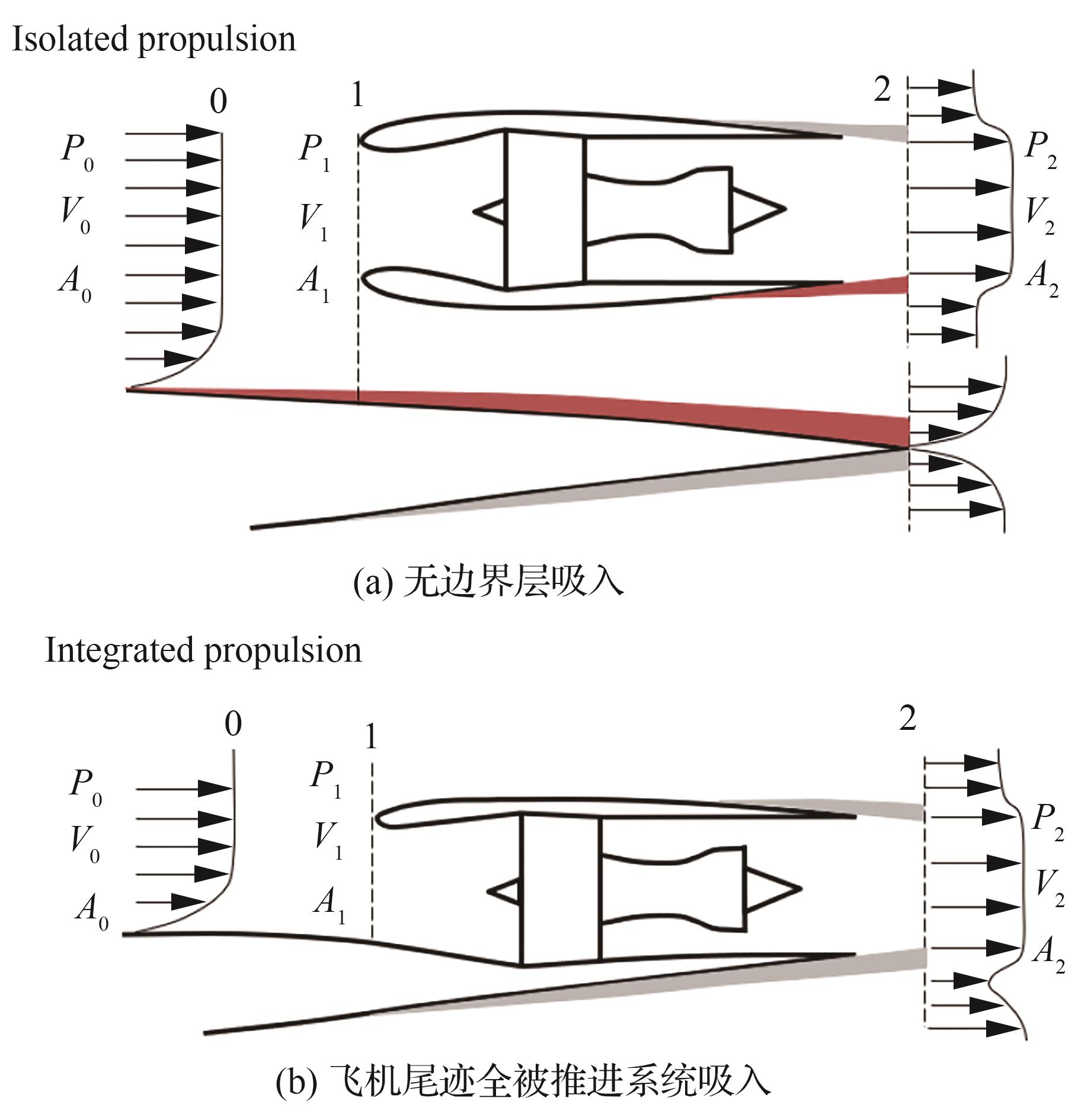
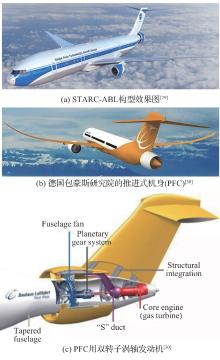
Fig.3
Conventional layout BLI aircraft and BLI inlet
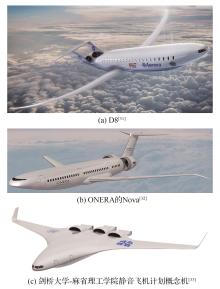
Fig.4
Unconventional BLI propulsion aircraft
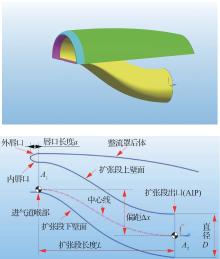
Fig.5
Typical BLI inlet[34]
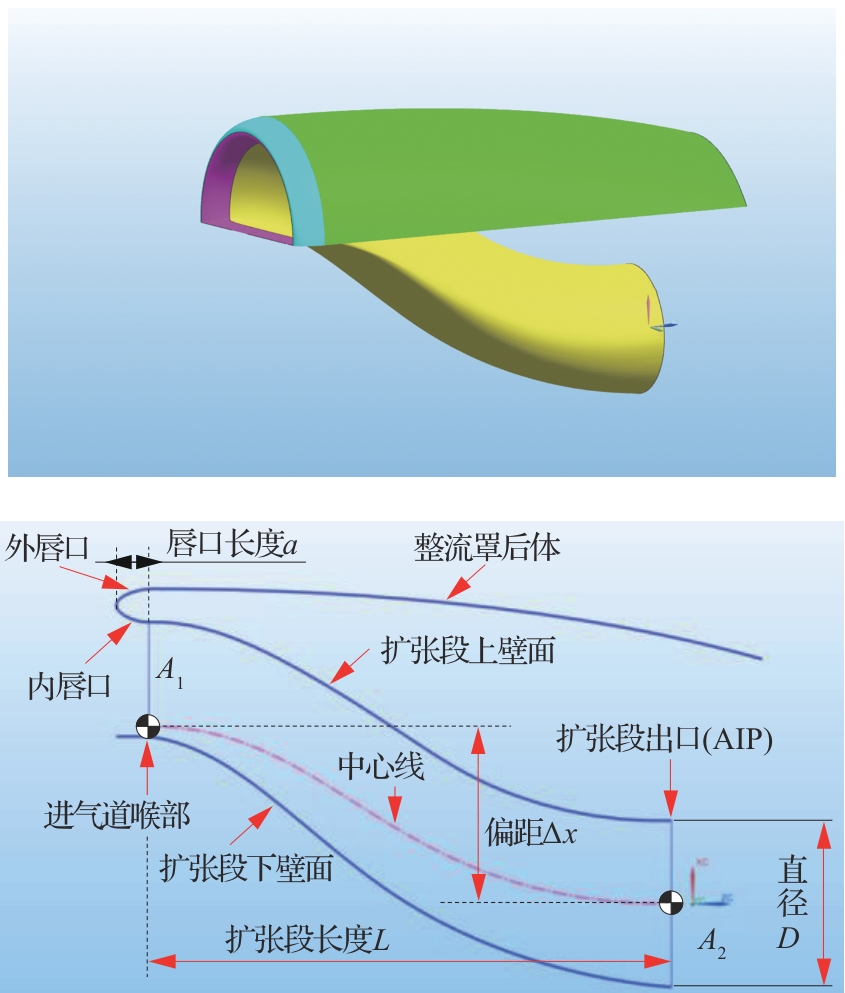
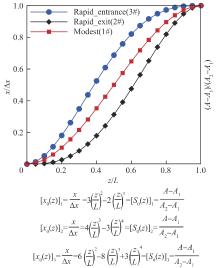
Fig.6
Distributions of centerline and streamwise cross-sectional area[35]
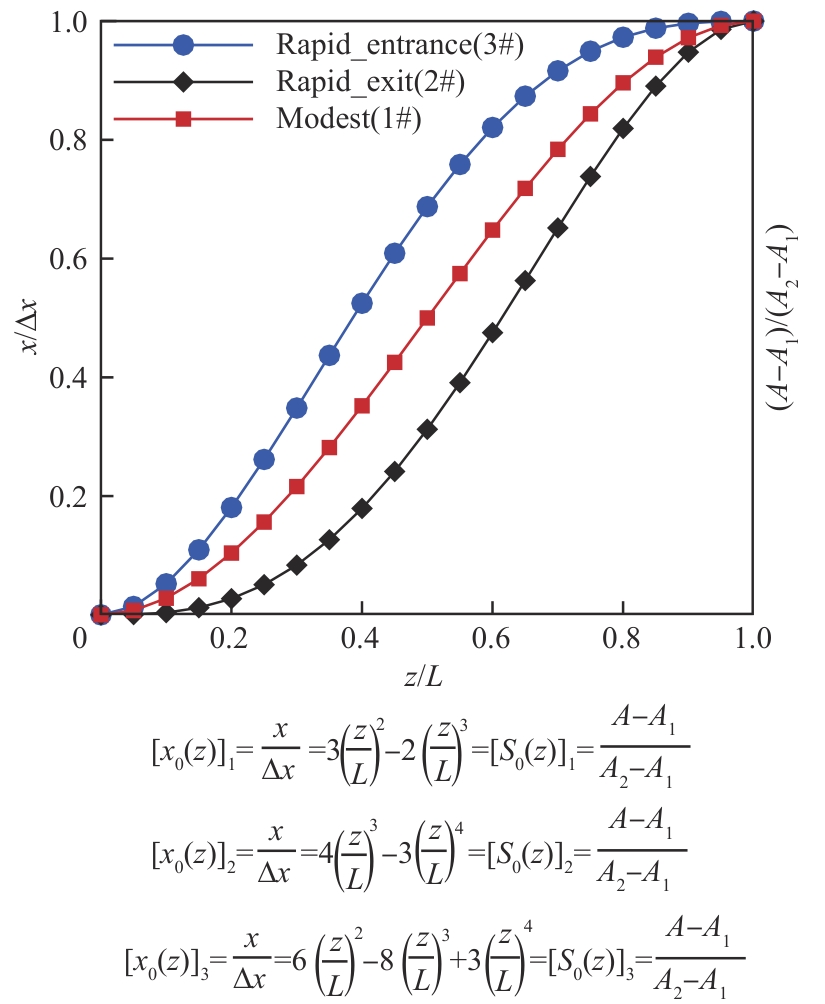
Fig.7
Typical cross-sectional shapes and streamwise control parameters of NASA-designed BLI inlet[40]
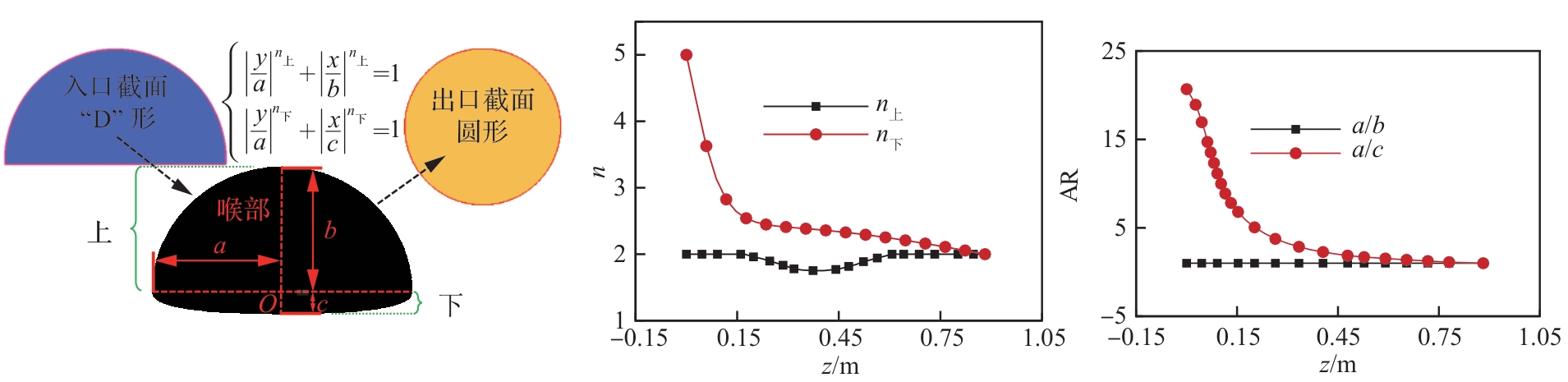
Fig.8
General design method for arbitrary shape diffusers based on curvature control[41]
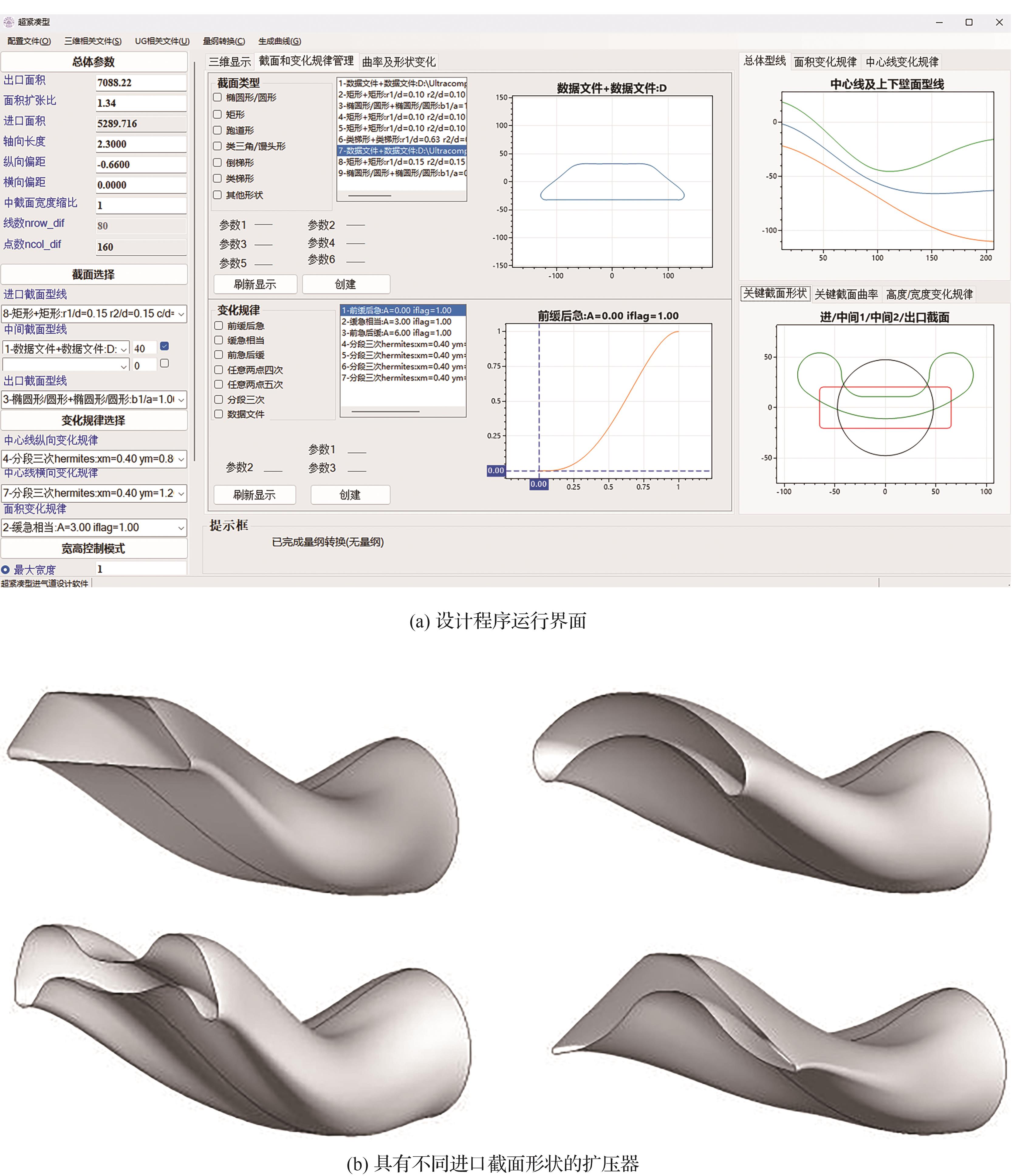
Fig.9
BLI inlet design method investigated by Li et al.[42]
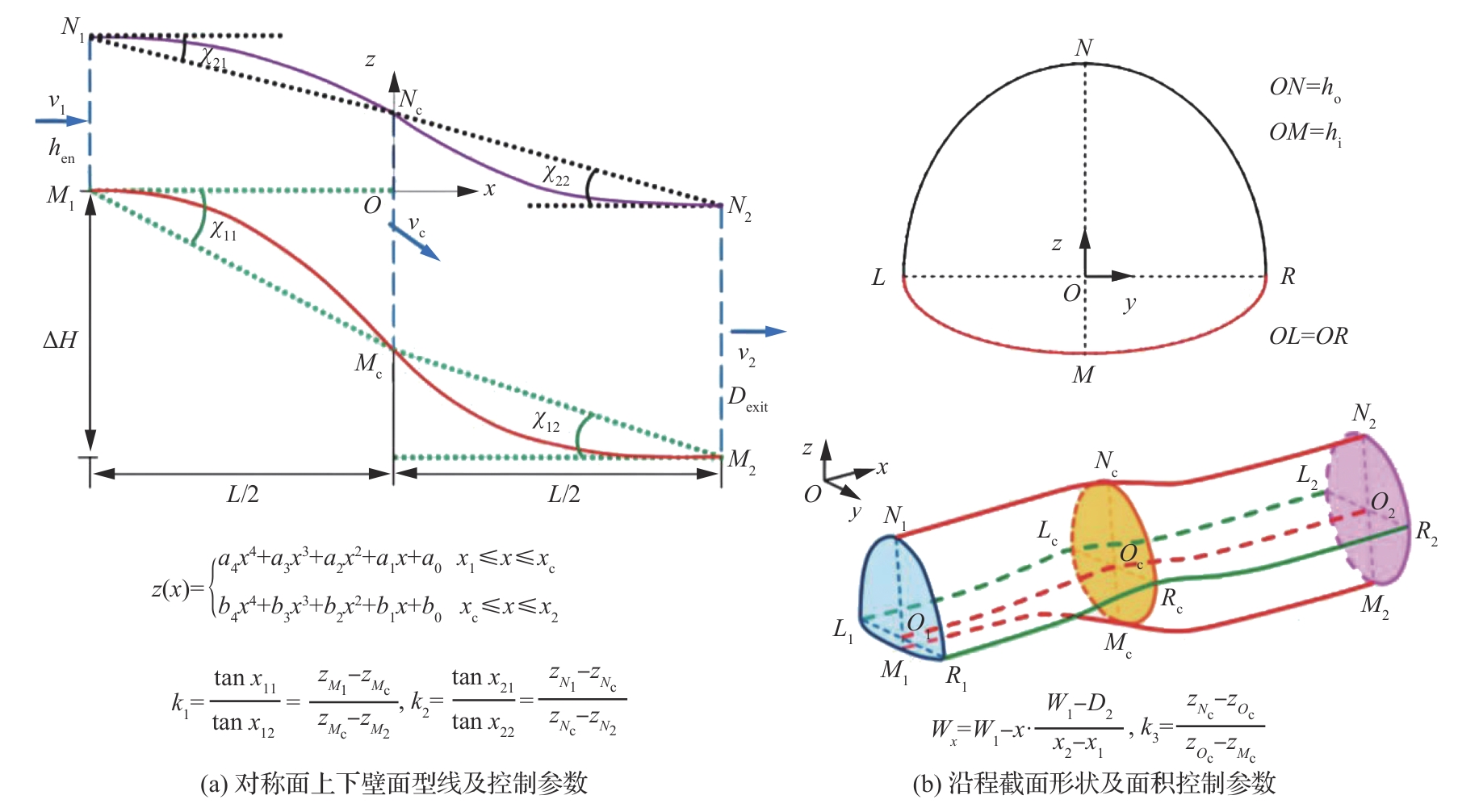

Table 1
Review of domestic and international research on subsonic inlet optimization
| 作者 | 进气道类型 | 优化方法 | 总压恢复变化量/% | 总压畸变变化量/% | 流量/(kg∙s-1) |
|---|---|---|---|---|---|
| Lee等[ | BLI | 伴随优化 | +3.25 | -52.5 | 未知 |
| Kim和Liou[ | BLI | 伴随优化 | -0.38 | -12.50 | 未知 |
| Zingg等[ | BLI | 伴随优化 | +1~+1.4 | -90 | 未知 |
| Kenway和Kiris[ | BLI | 伴随优化 | 未知 | -37.5 | 76.23~76.01 |
| Kucuk和Tuncer[ | M2129 | 伴随优化 | +0.6 | -17.60 | 2.82~2.92 |
| +1 | -33.70 | 2.82~2.90 | |||
| +1.5 | -71 | 2.82~2.50 | |||
| Kamat等[ | S弯 | 伴随优化 | 未知 | -8.36 | 未知 |
| 于广元[ | S弯 | 伴随优化 | +0.3 | -7.72 | 3.19~3.26 |
| +0.29 | -6.55 | 3.18~3.25 | |||
| Lee和Kim[ | S弯 | 伴随优化 | +1 | -25 | 未知 |
| +1.5 | -3 | 未知 | |||
| 唐静等[ | DSI | 伴随优化 | +5 | -3 | 未知 |
| 刘雷[ | BLI | 遗传算法 | +0.76 | -3.25 | 9.06~9.13 |
| 曾丽芳等[ | S弯 | 遗传算法 | +1.26 | -20.89 | 未知 |
| 张乐等[ | S弯 | 遗传算法 | +5.46 | -38.70 | 未知 |
| Chiereghin等[ | S弯 | 遗传算法 | +0.062 | -10 | 未知 |
| Aranake等[ | 蛇形 | 遗传算法 | +0.26 | -50 | 未知 |
| He等[ | 内鼓包S弯 | 粒子群优化方法 | +0.01 | -27.85 | 未知 |
| Rodriguez等[ | BLI | 拟牛顿法 | +0.022 | 0 | 未知 |
| Florea等[ | BLI | 全局加局部优化 | +1 | -30 | 未知 |
Fig.10
Control point distribution and comparison of surface limiting streamlines before and after optimization for NASA BLI Inlet A[44]
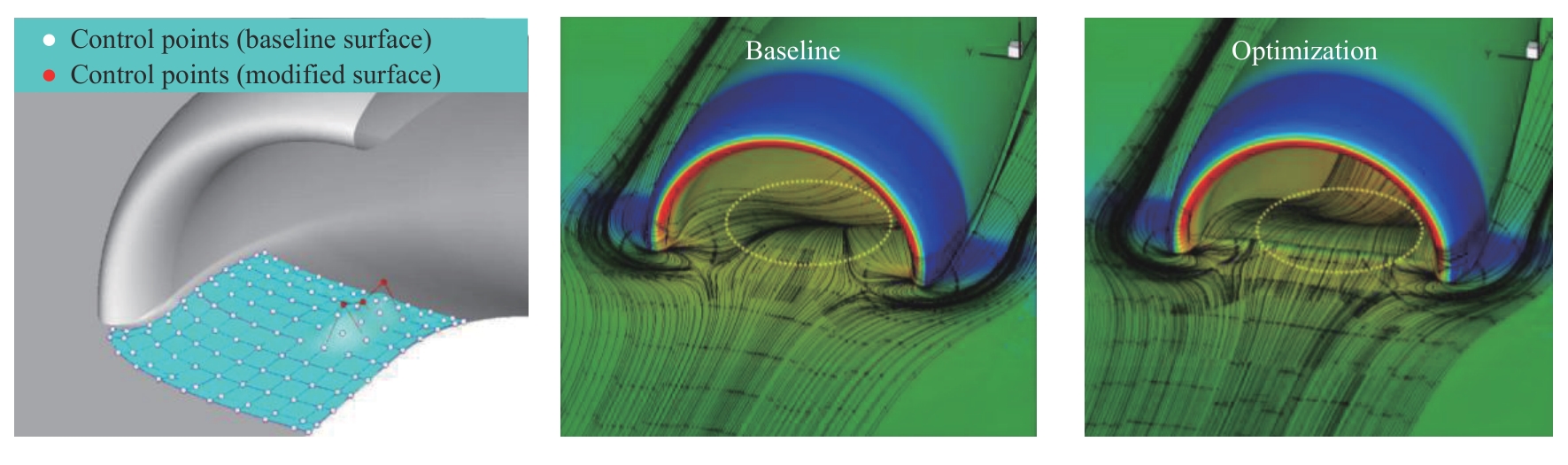
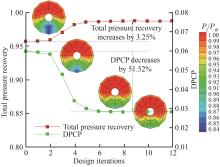
Fig.11
Comparison of exit total pressure recovery coefficient and distortion before and after optimization[44]
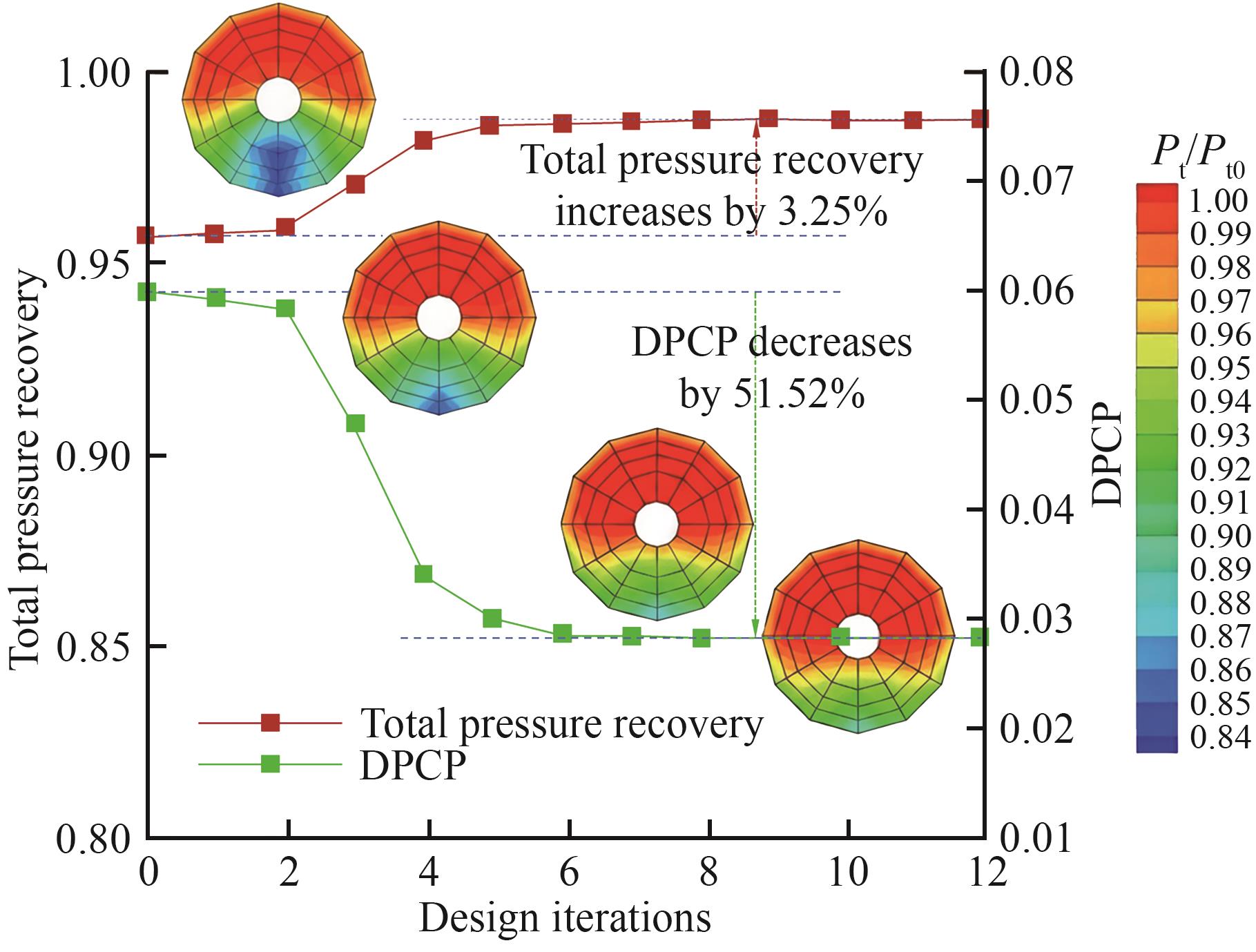
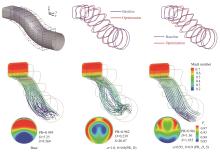
Fig.12
Optimization results of University of Toronto BLI inlet[37]
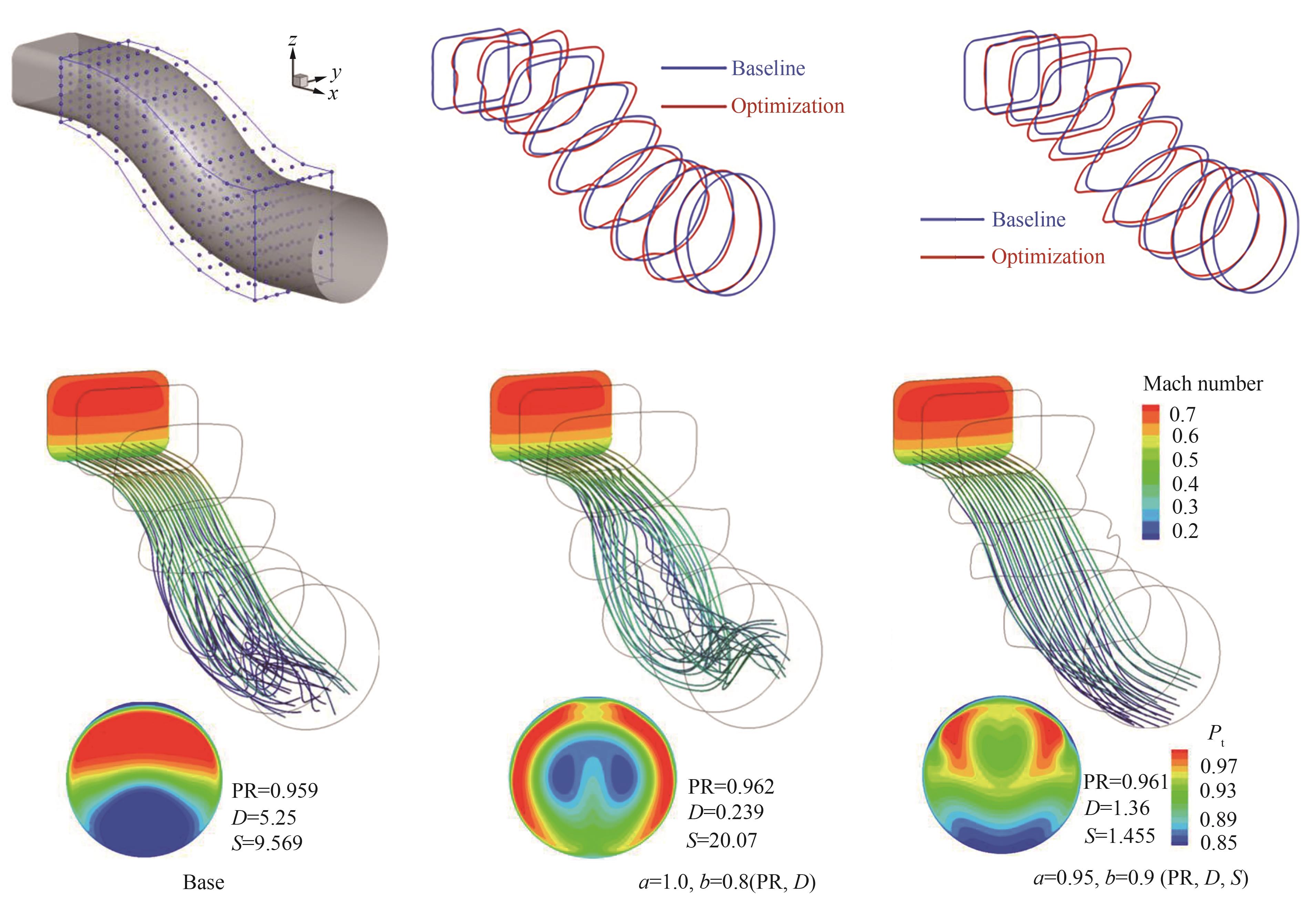
Fig.13
Comparison of inlet profile optimization results and exit performance for STARC-ABL[49]
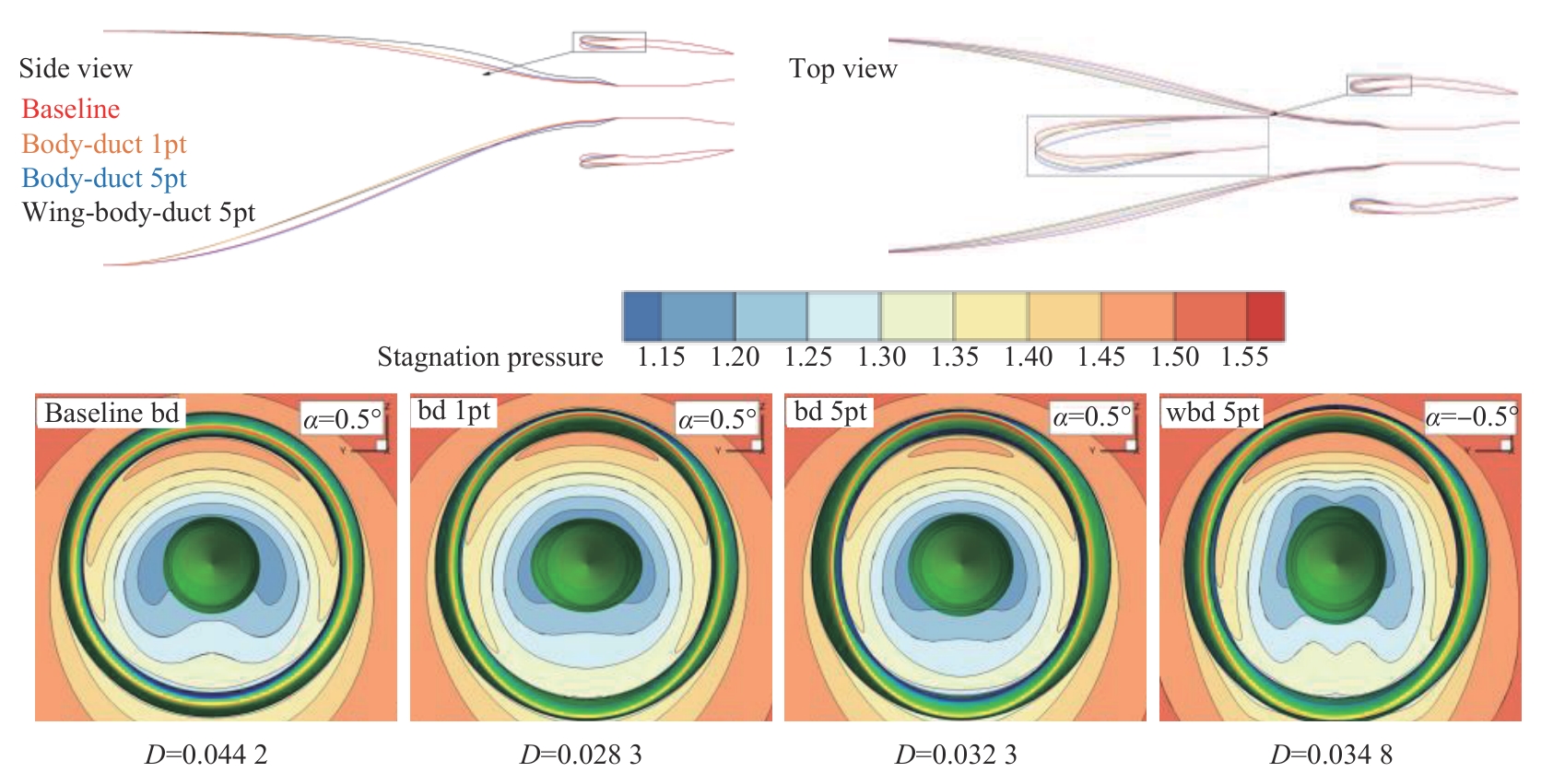
Fig. 14
Short BLI inlet and BLI propulsor from the United Technologies Research Center (UTRC) [65]
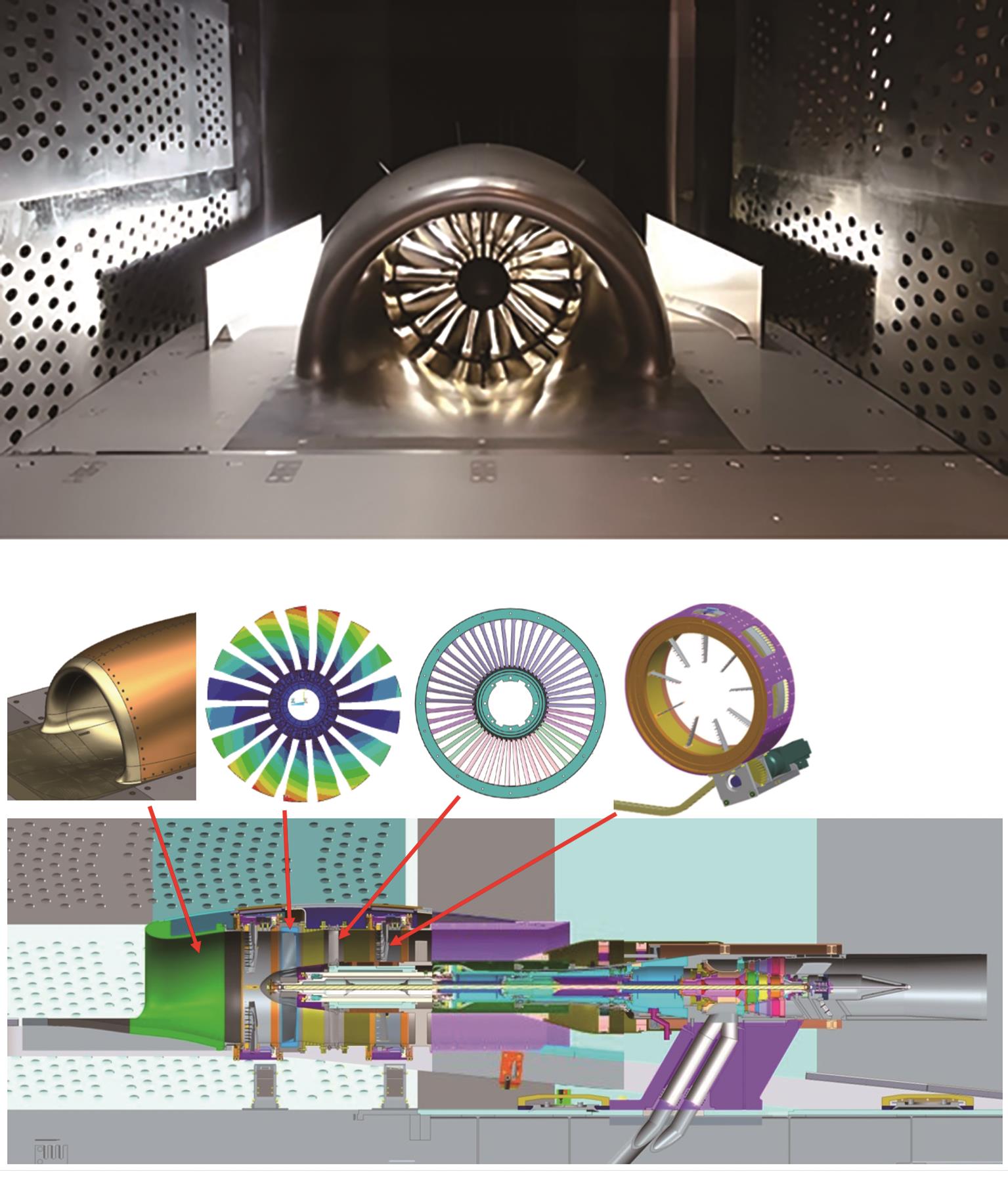
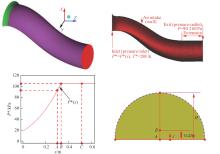
Fig. 15
BLI inlet and its inflow total pressure distribution function[40]
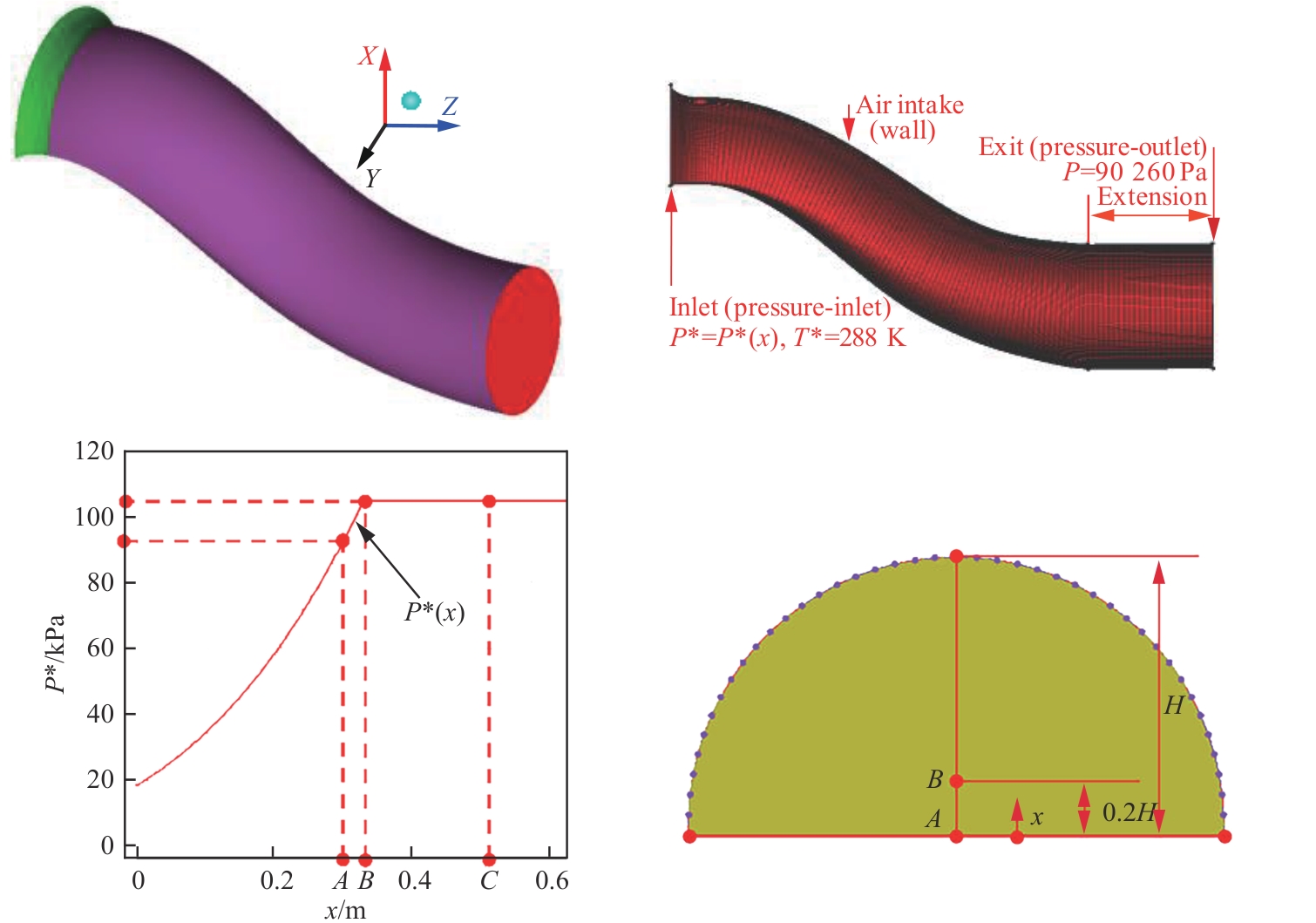
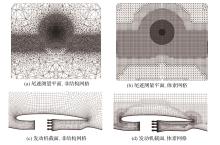
Fig.16
Schematic diagram of computational mesh topology[66]
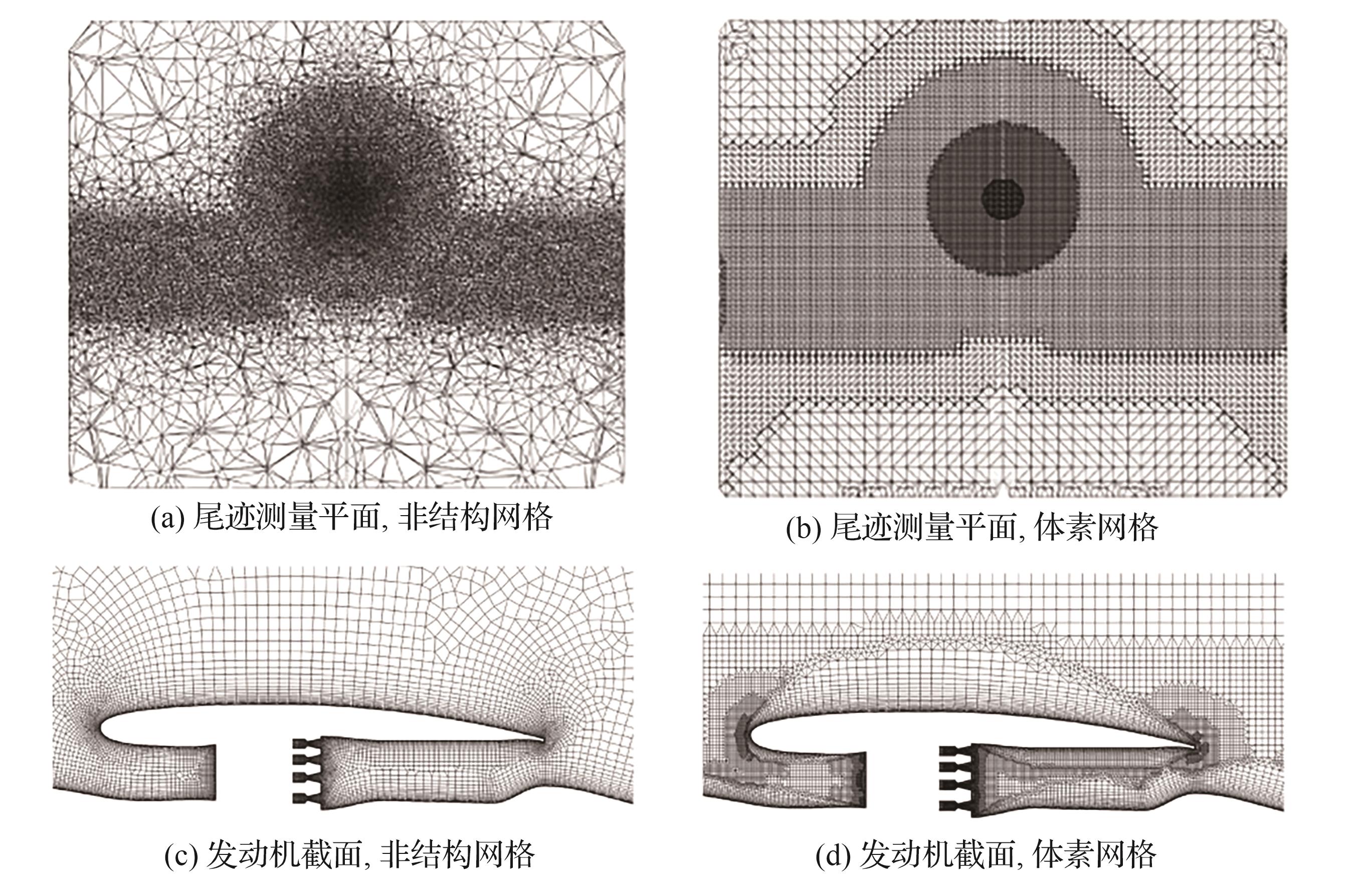
Fig.17
Experimental setup of BLI inlet in the NASA Glenn research center 8 ft×6 ft transonic wind tunnel[21]
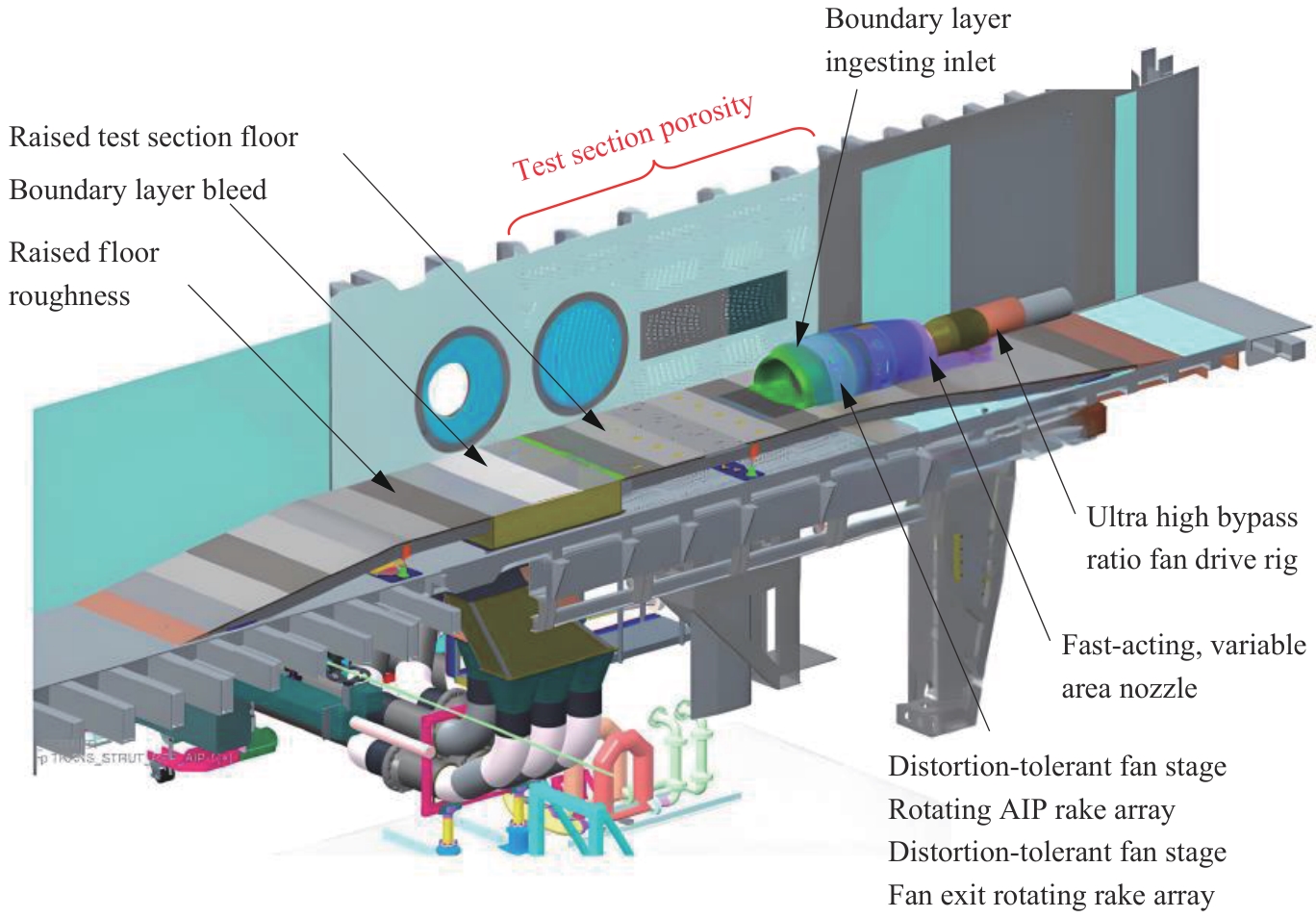
Fig.18
Test model of flush-mounted inlet[26]
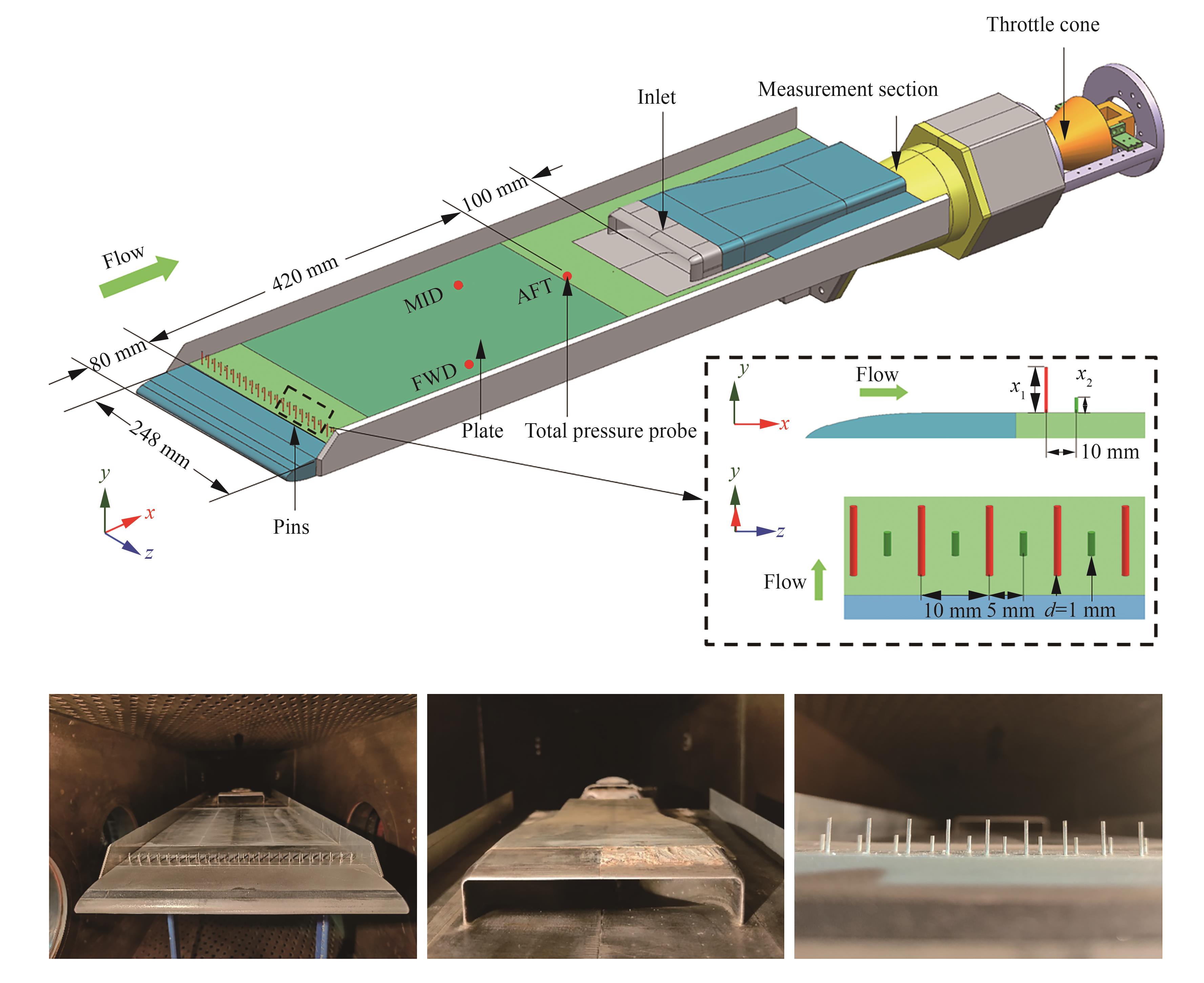
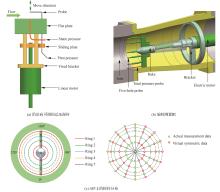
Fig.19
Exit swirl measurement setup for flush-mounted BLI inlet[26]
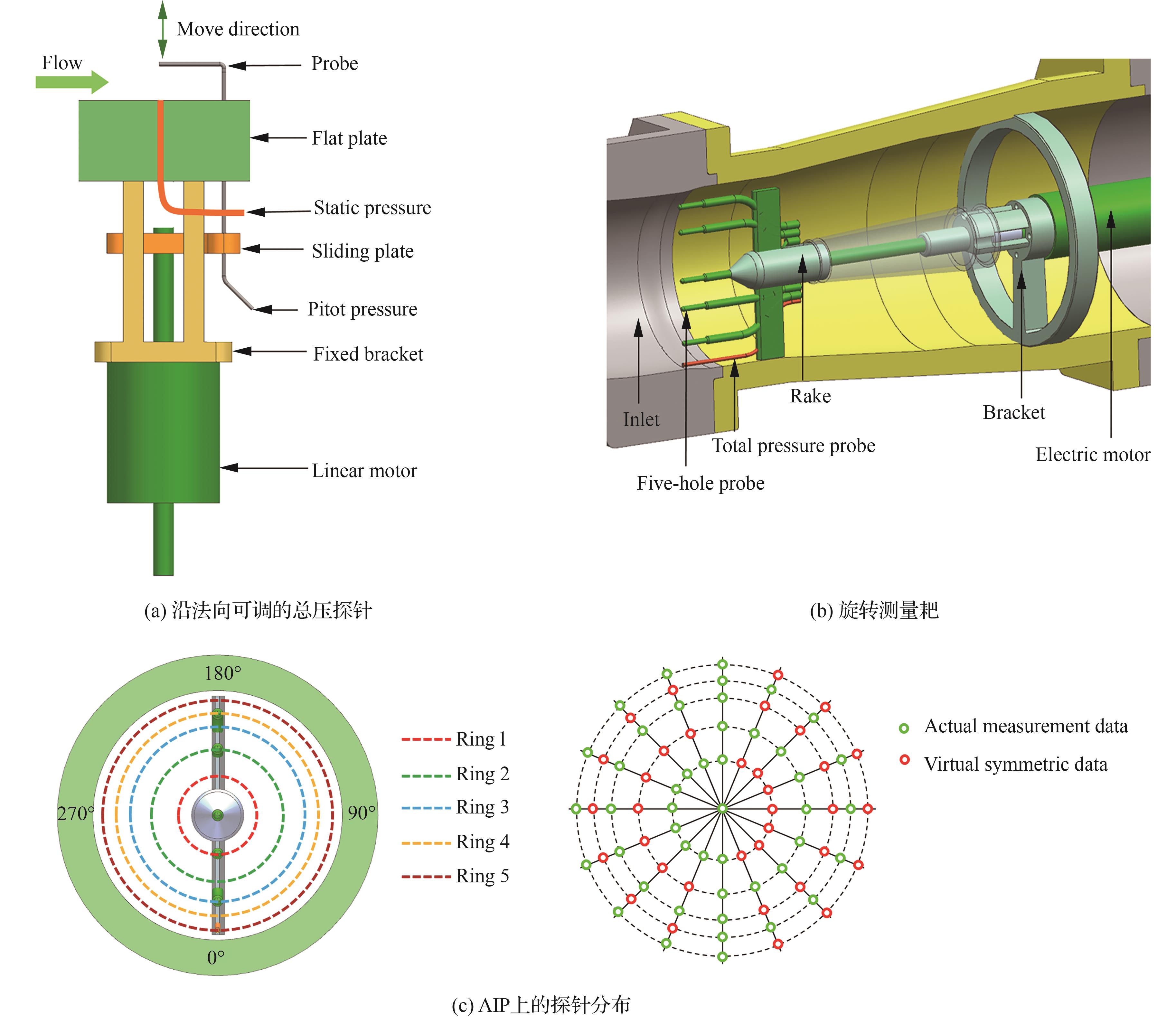
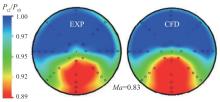
Fig.20
Total pressure profiles of a typical BLI inlet[82]
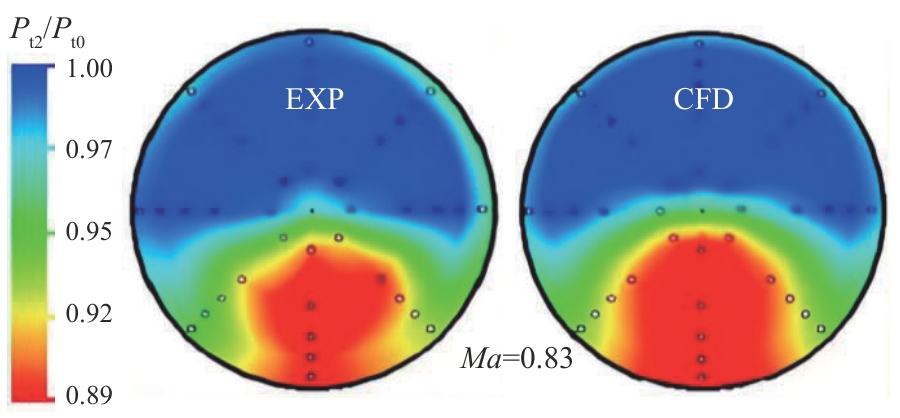
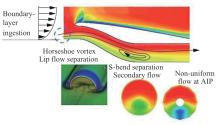
Fig.21
Cross-sectional view of N2-B inlet[83]
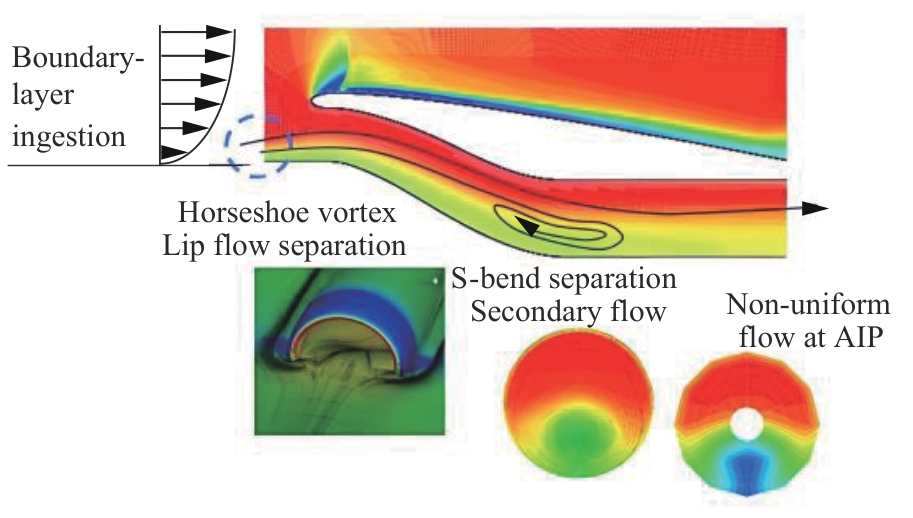
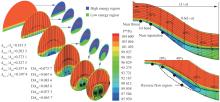
Fig.22
Schematic of internal flow structure in a typical BLI inlet (without flow control) [18]
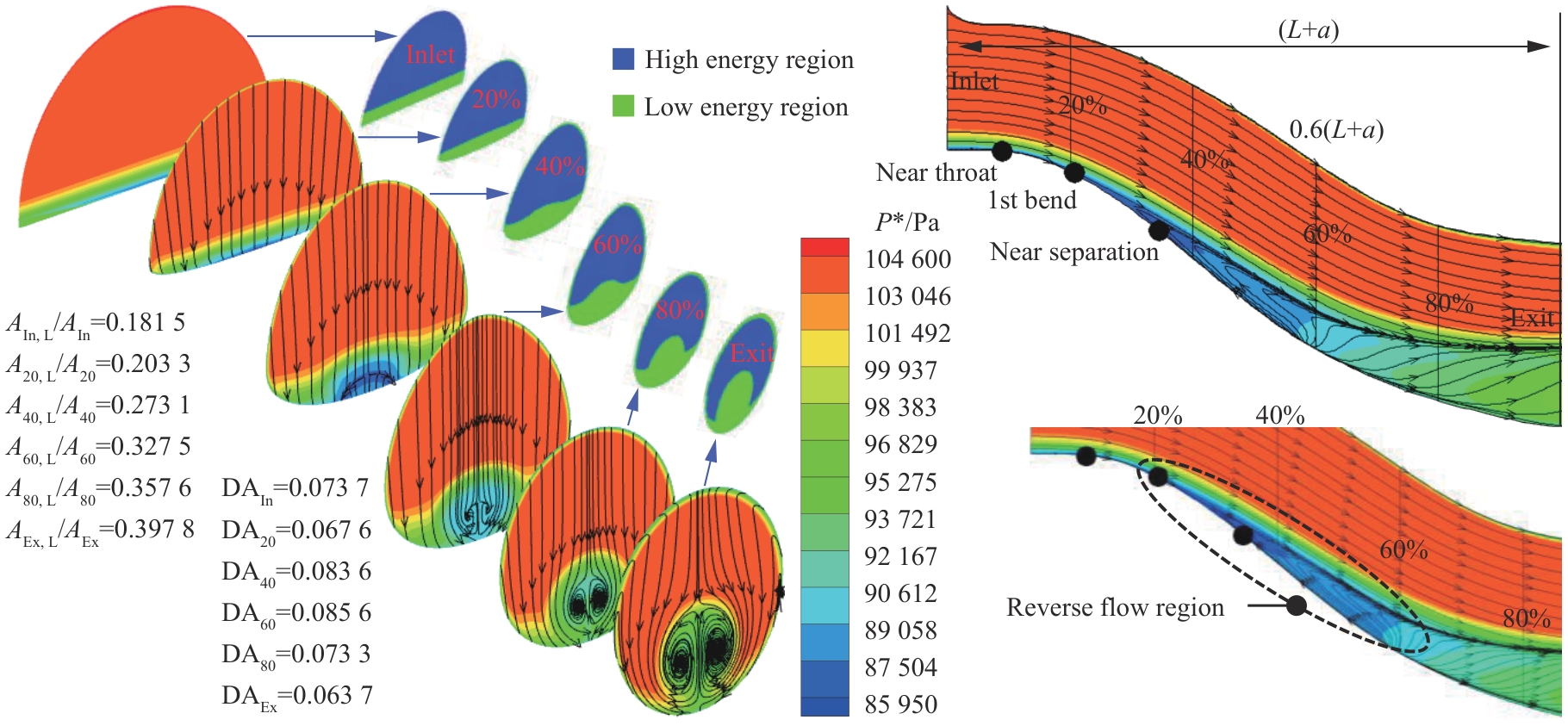
Table 2
Flow control methods for BLI inlets
| 研究者 | 控制方法 | 畸变指数改善效果 | 总压恢复影响 |
|---|---|---|---|
| Owens等[ | 涡流发生器(VG阵列) | DPCP畸变降低约80% | 降低约0.5% |
| Küçük等[ | 涡流发生器(VG优化) | 畸变降低约80% | 降低0.35% |
| Yi等[ | 涡流发生器 | DC60畸变降低>50% | 基本不变 |
| Scribben等[ | 主动连续微射流 | 周向畸变降低约70% | 提高约2% |
| Allan等[ | 射流+涡流发生器 | 畸变降低>50% | 基本不变 |
| Anderson等[ | 射流+涡流发生器 | 畸变降低 | 基本不变 |
| Gissen等[ | 合成射流+涡流发生器 | 周向畸变降低约35% | 降低<1% |
| Liu等[ | 吸气控制+扰流片 | DC60降低约93% | 提高约0.52% |
Fig.23
Suppression effect of VG on distortion[93]
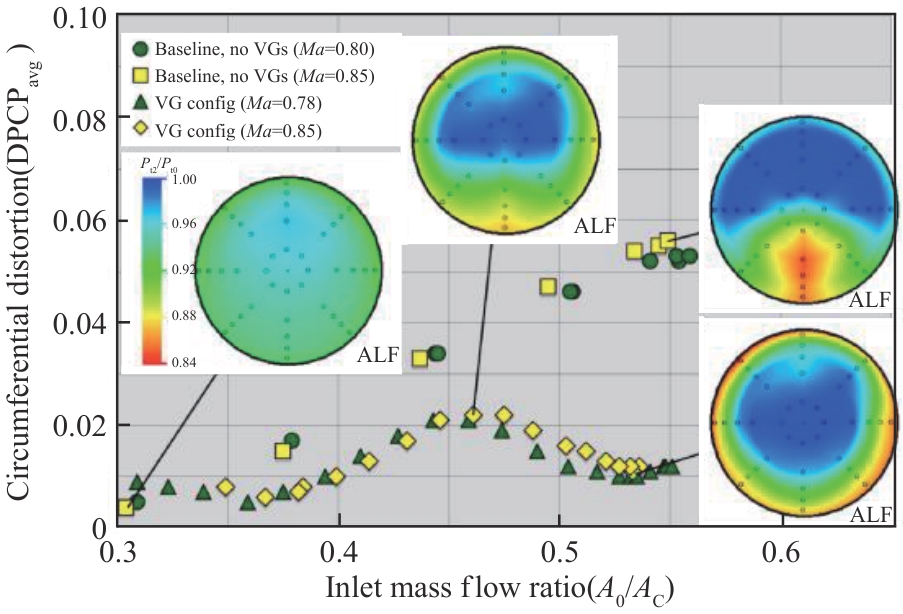
Fig.24
Effect of VG on total pressure recovery[93]
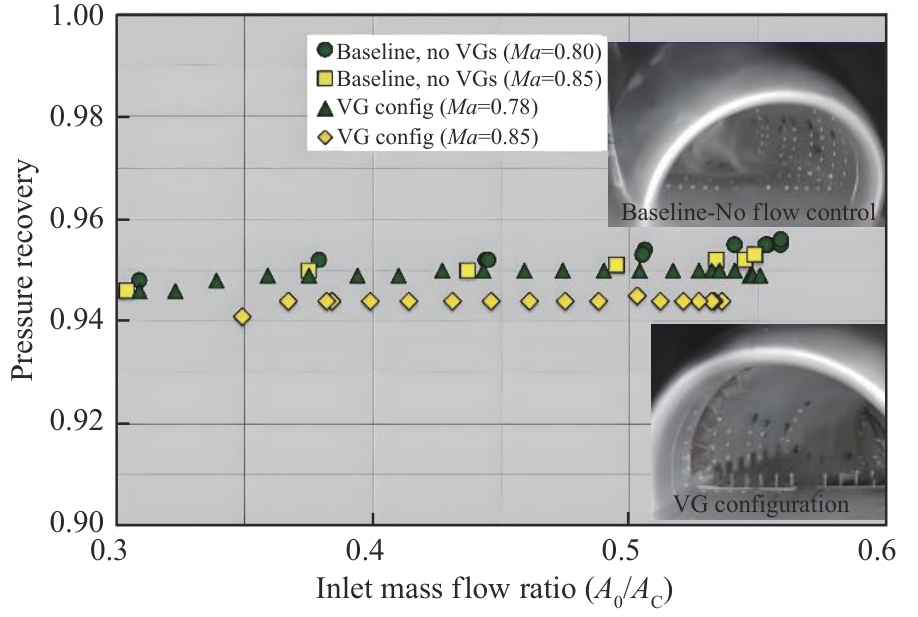
Fig.25
Micro-suction flow control[103-104]
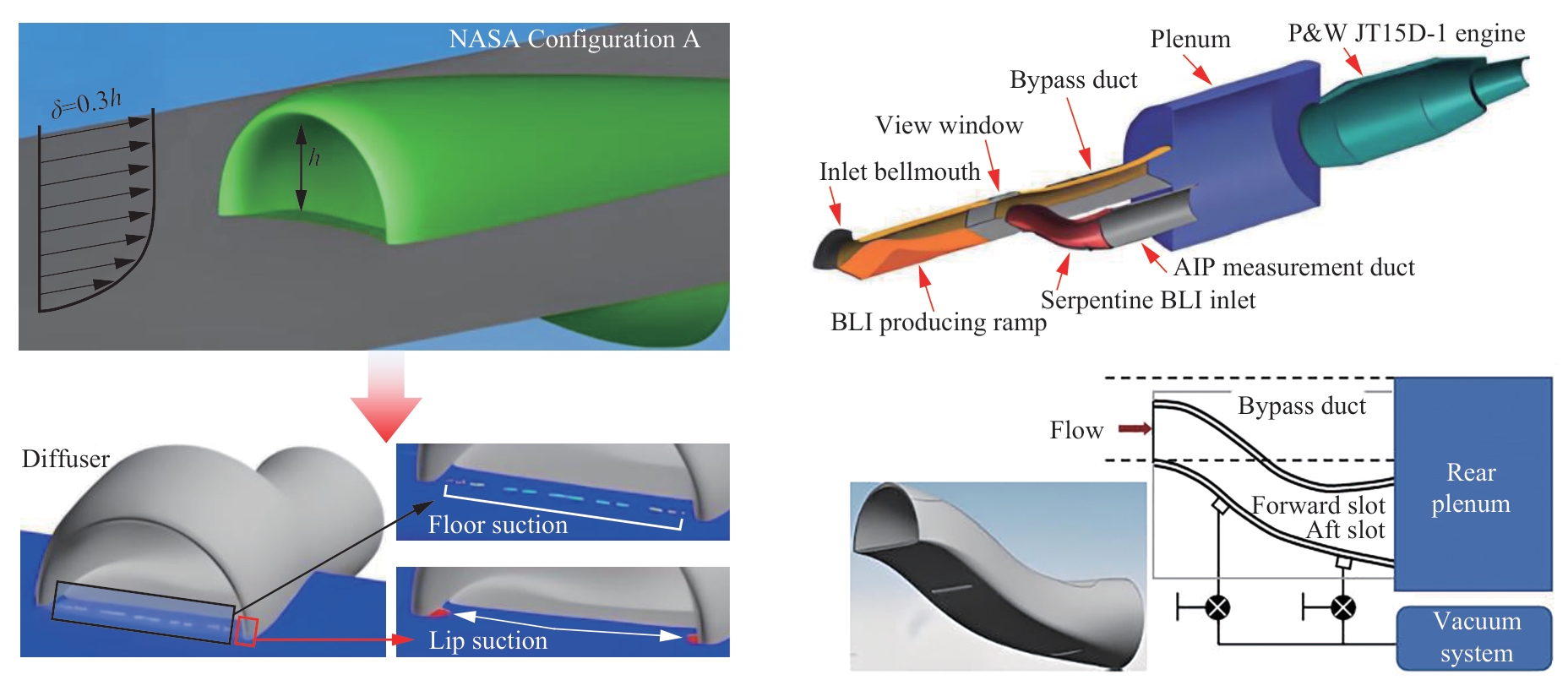
Fig.26
Steady micro-jets[105-106]
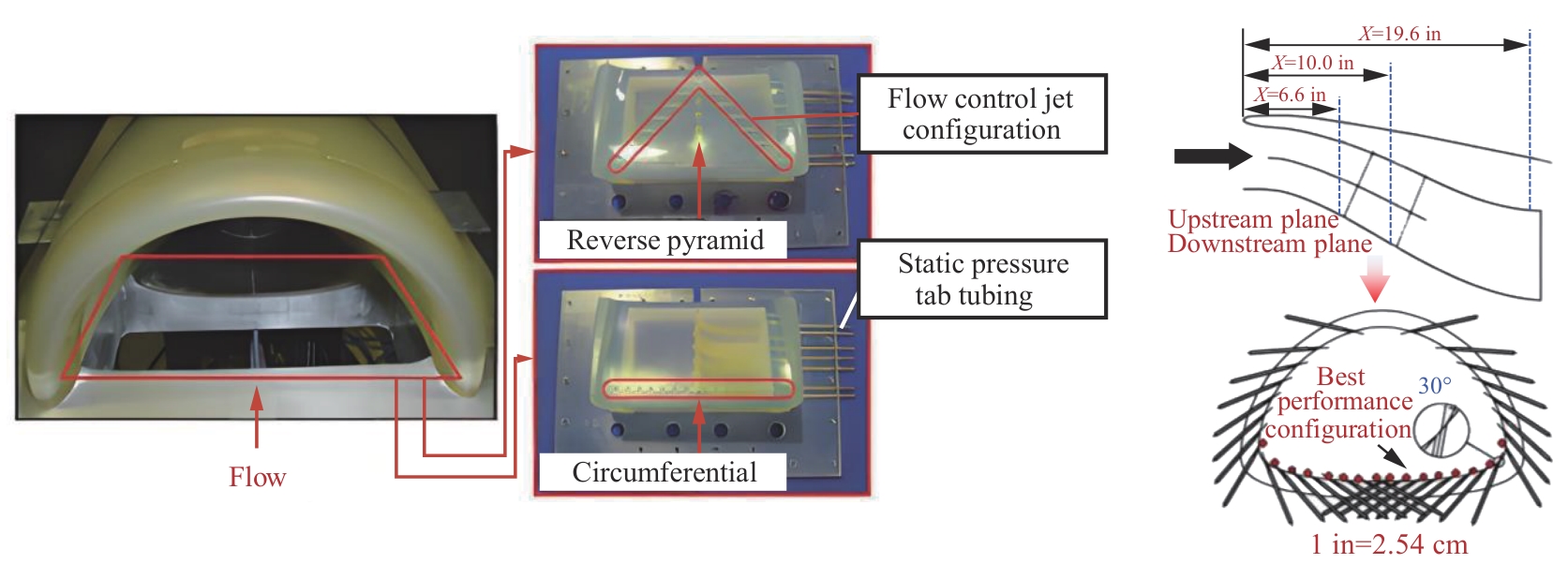
Fig.27
Combined suction-jet flow control technology based on ejector pump principle[103,109]
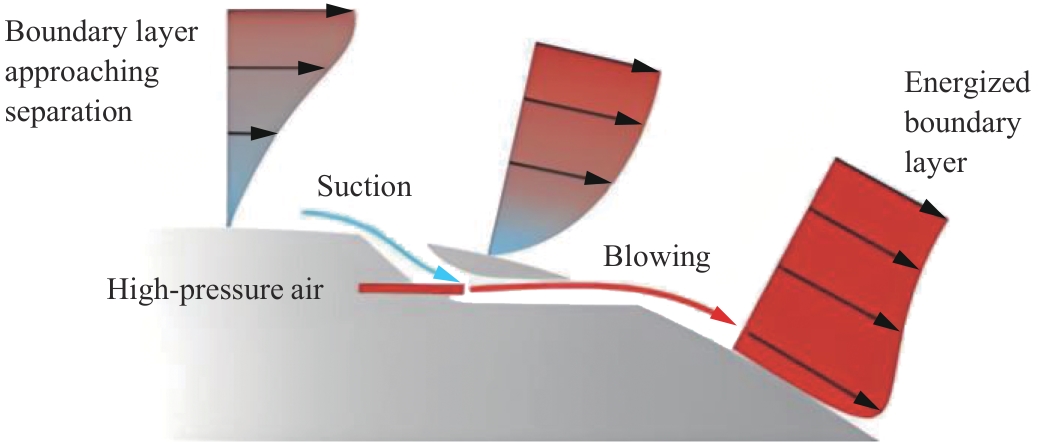
Fig.28
Pulsed jet actuator[106]
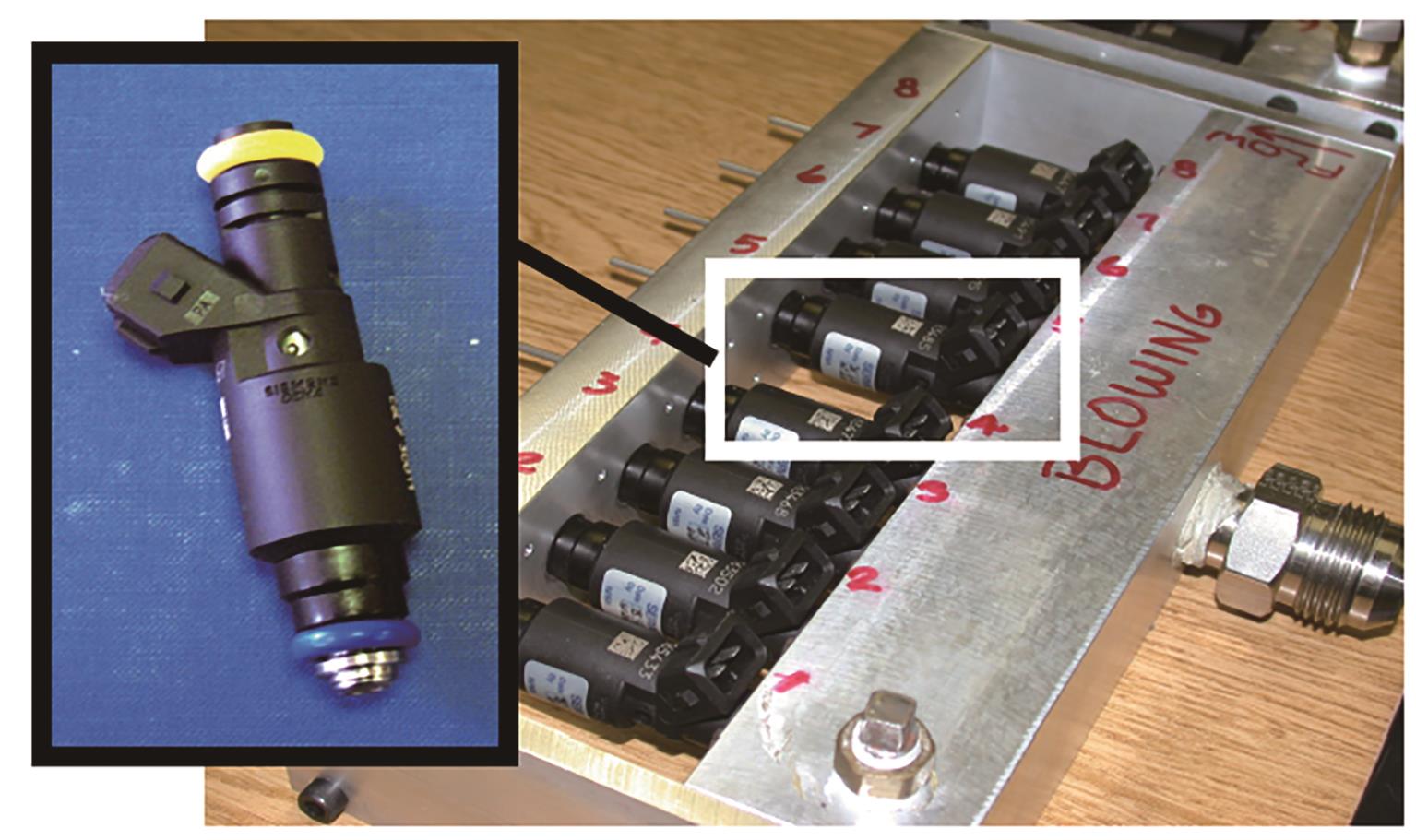
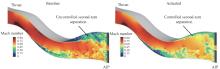
Fig.29
Instantaneous Mach number distributions on symmetry plane of an ultra-compact serpentine inlet before and after fluidic oscillator actuation[111]
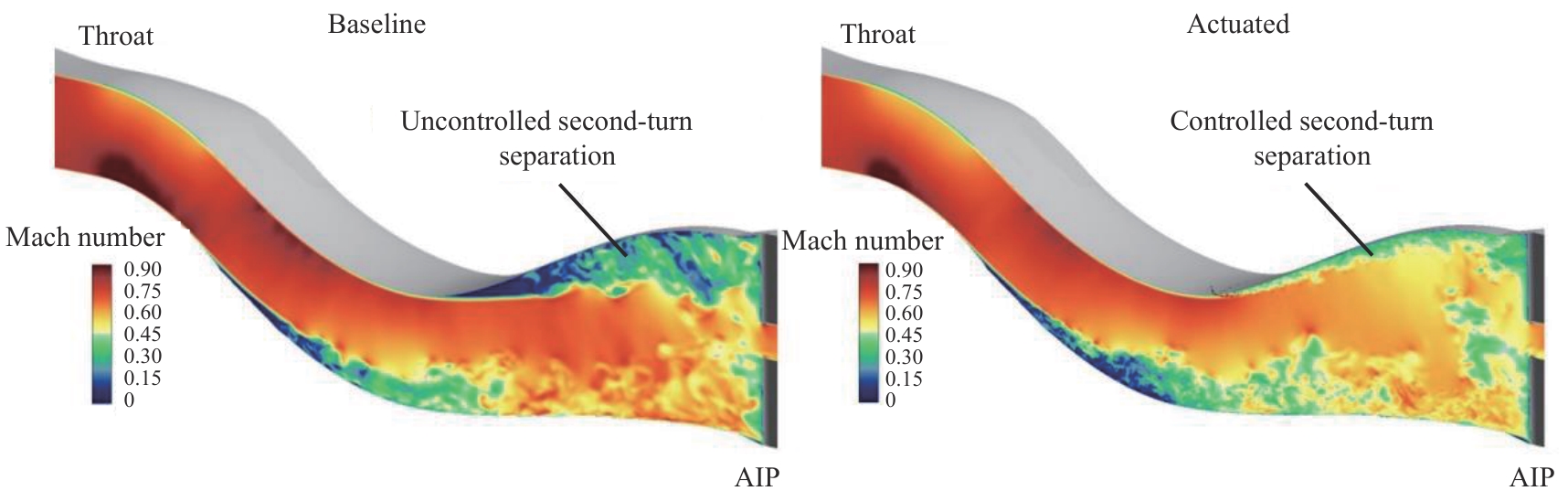
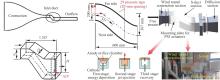
Fig.30
Schematic of internal flow control setup for an S-duct inlet based on synthetic jets[115-116]
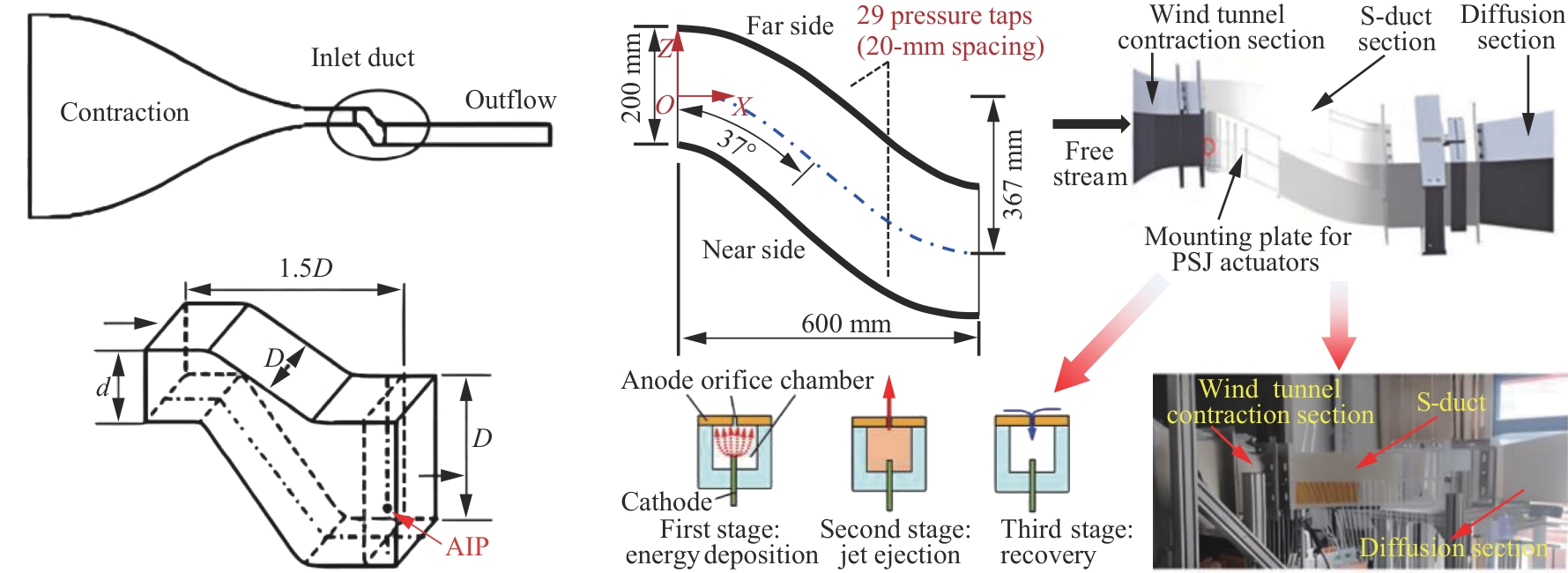
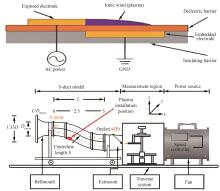
Fig.31
Schematic of internal flow control setup for an S-duct inlet based on plasma actuation [123]
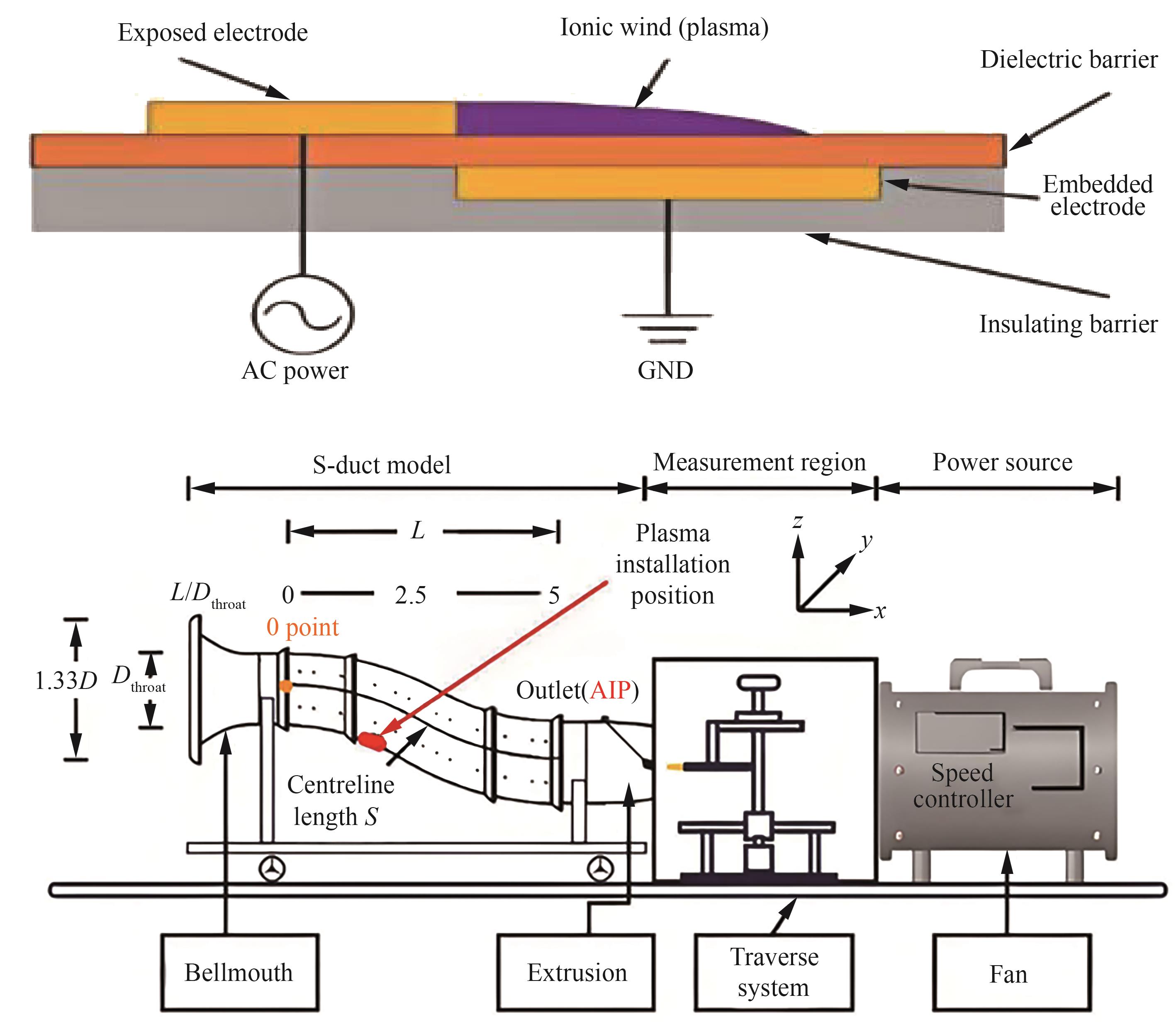
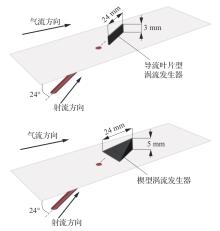
Fig.32
Combined flow control investigation by Anderson [126]
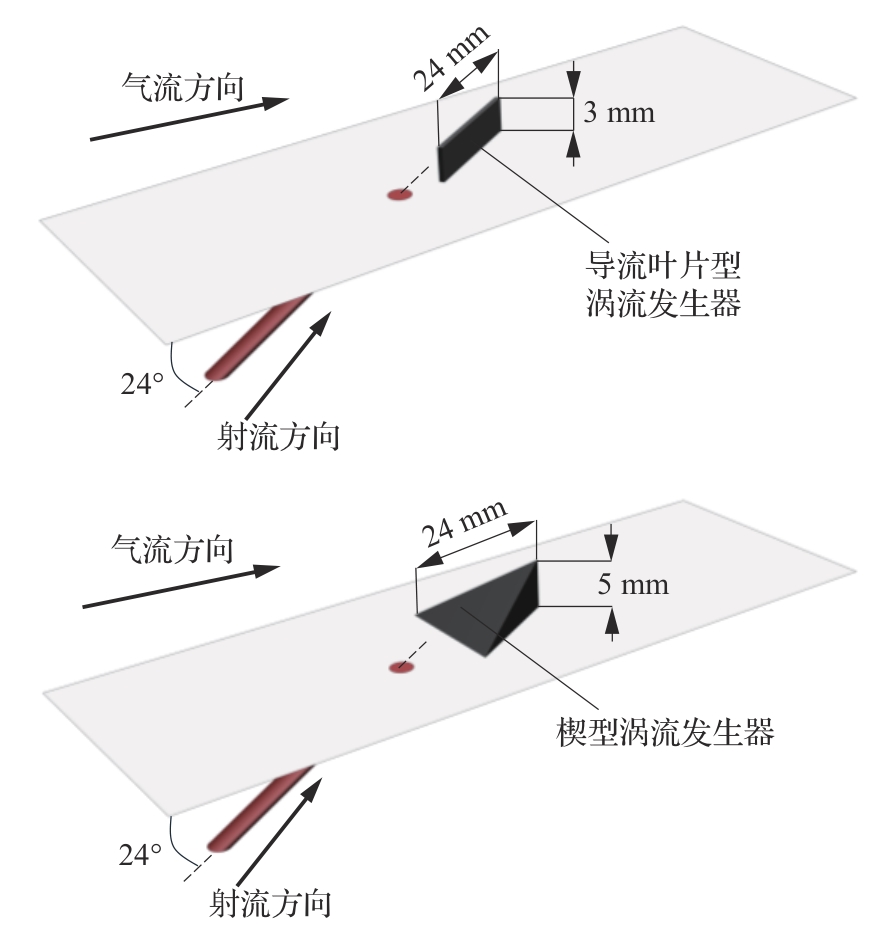
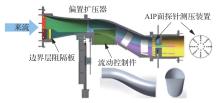
Fig.33
Schematic of offset diffuser[99]
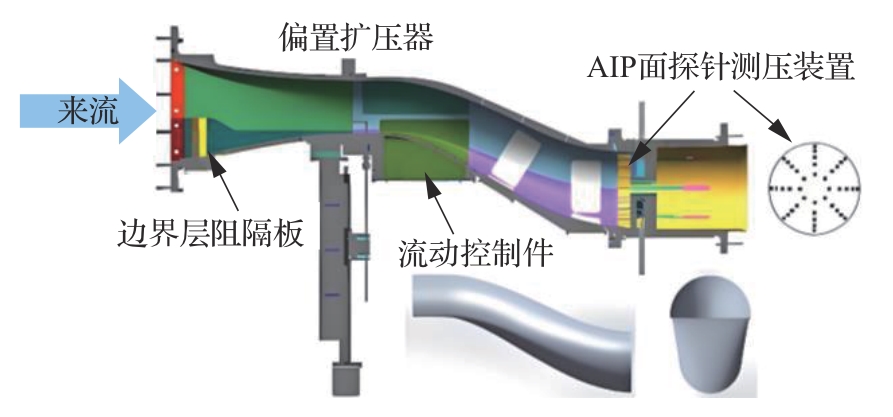
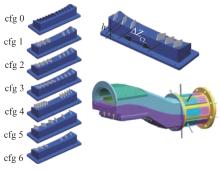
Fig.34
Schematic of experimental design [99]
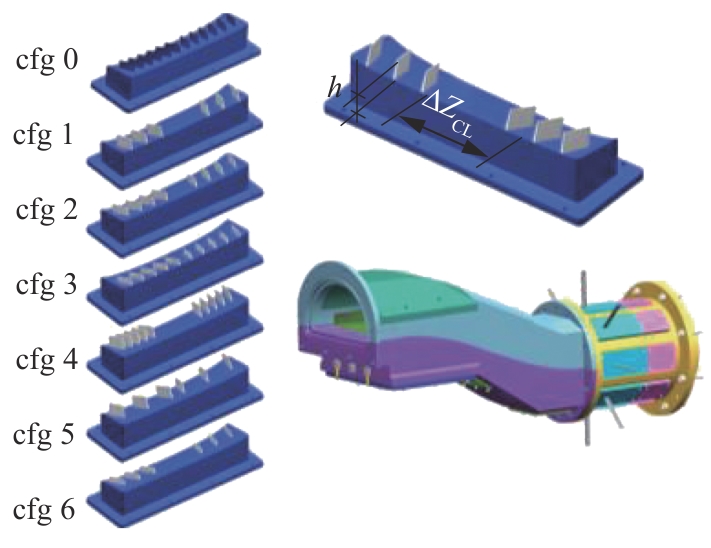
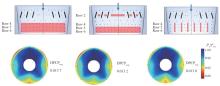
Fig.35
Time-averaged total pressure contours at AIP with synthetic jets[99]
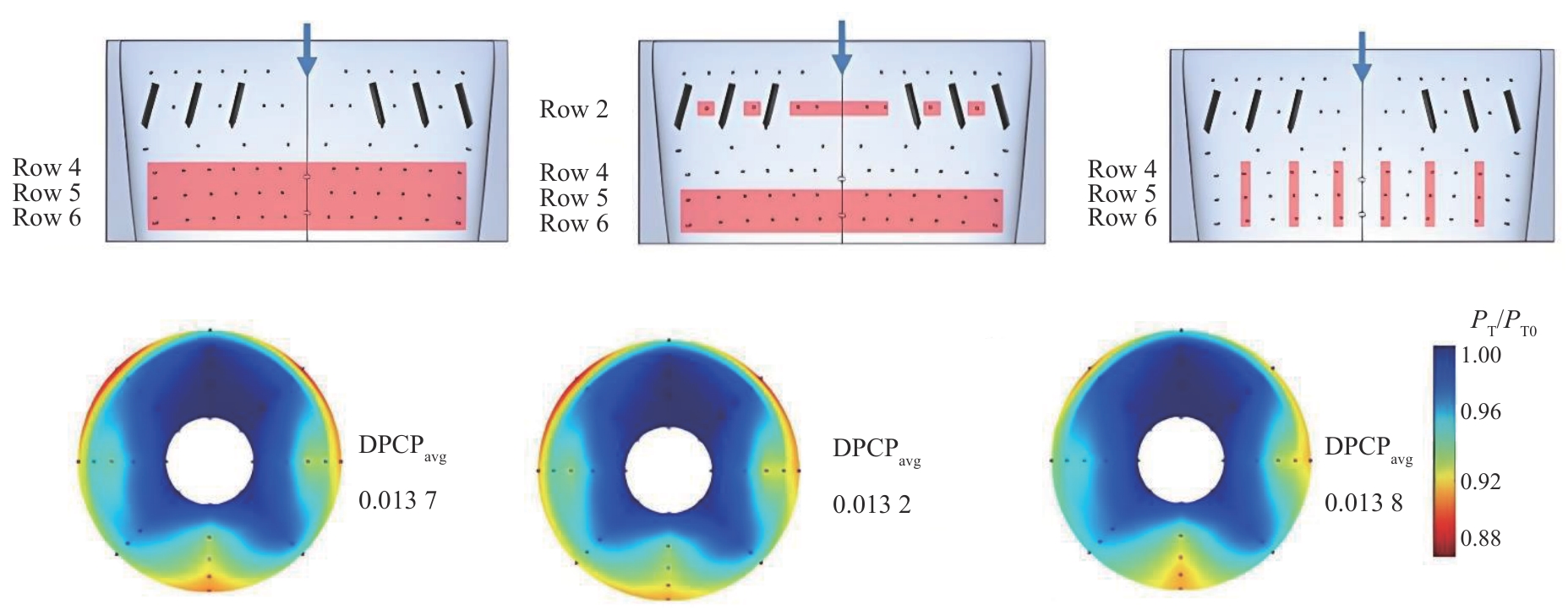
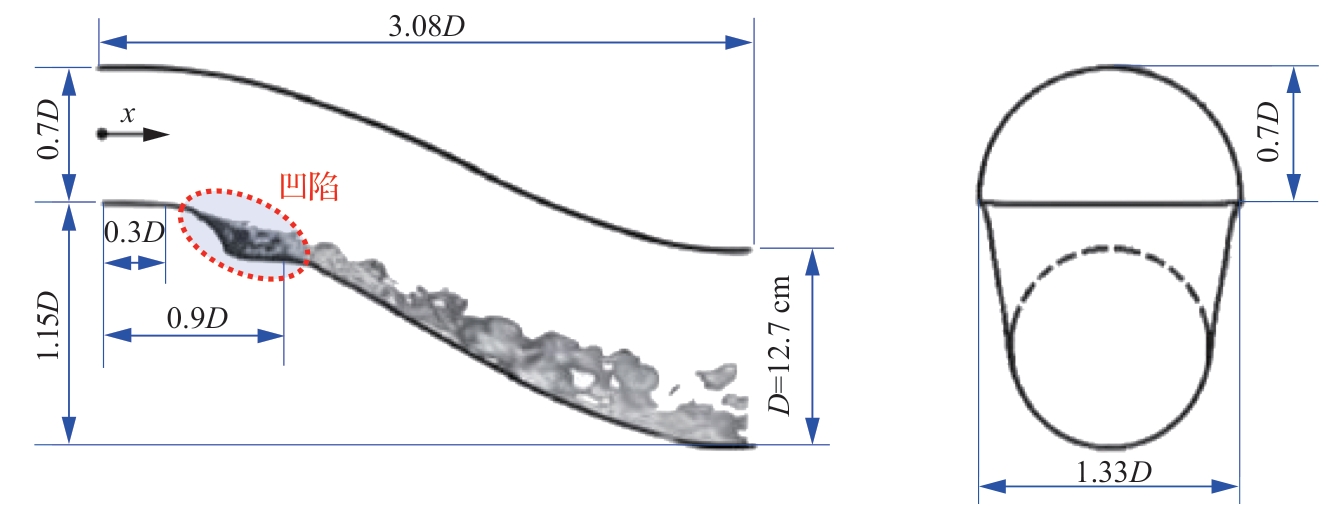
Fig.36
Internal flow control of a BLI inlet based on a micro-dimple and fluidic oscillator array[129]
| [1] |
|
| [2] |
European Environment Agency, EASA, EUROCONTROL. European aviation environmental report 2016[R]. 2016.
|
| [3] |
|
| [4] |
|
| [5] |
|
| [6] |
|
| [7] |
|
| [8] |
|
| [9] |
|
| [10] |
|
| [11] |
|
| [12] |
|
| [13] |
|
| [14] |
|
| [15] |
|
| [16] |
|
| [17] |
|
| [18] |
|
| [19] |
魏巍, 任思源, 达兴亚. 边界层吸入对方转圆进气道、风扇耦合影响[J]. 航空动力学报, 2020, 35(9): 1943-1953.
|
|
|
|
| [20] |
|
| [21] |
|
| [22] |
|
| [23] |
|
| [24] |
|
| [25] |
达兴亚, 范召林, 熊能, 等. 分布式边界层吸入推进系统的建模与分析[J]. 航空学报, 2018, 39(7): 122048.
|
|
|
|
| [26] |
汪昆. 狭缝式边界层吸入进气道的流动机理与畸变抑制研究[D]. 南京: 南京航空航天大学, 2024.
|
|
|
|
| [27] |
陈逖, 邱名, 江雄. 边界层吸入式推进系统研究进展[C]∥第三届中国航空科学技术大会. 北京: 中国航空学会,2017: 27-37.
|
|
|
|
| [28] |
|
| [29] |
|
| [30] |
|
| [31] |
|
| [32] |
ONERA. NOVA-NextGen ONERA versatile aircraft: Aircraft configuration image [EB/OL]. (2016-09-15) [2025-12-16].
|
| [33] |
|
| [34] |
|
| [35] |
陈健华. 附面层吸入式进气道主动流动控制研究[D]. 哈尔滨: 哈尔滨工业大学, 2009.
|
|
|
|
| [36] |
|
| [37] |
|
| [38] |
罗钜, 刘辉, 高雁飞, 等. 边界层吸入式电动涵道风扇设计研究[J]. 航空动力, 2023(4): 39-41.
|
|
|
|
| [39] |
|
| [40] |
刘雷. S弯进气道出口畸变控制及其对跨声速风扇流场影响研究[D]. 哈尔滨: 哈尔滨工业大学, 2015.
|
|
|
|
| [41] |
周慧晨, 谭慧俊, 李湘萍. 复杂变截面进气道的一种设计方法[J]. 航空动力学报, 2009, 24(6): 1357-1363.
|
|
|
|
| [42] |
|
| [43] |
|
| [44] |
|
| [45] |
|
| [46] |
|
| [47] |
KOO D,
|
| [48] |
|
| [49] |
|
| [50] |
|
| [51] |
|
| [52] |
于广元. 基于自由变形技术的伴随方法优化设计大曲率扩压通道[D]. 南京: 南京航空航天大学, 2014.
|
|
|
|
| [53] |
|
| [54] |
唐静, 贾洪印, 李彬, 等. DSI进气道鼓包外形优化[J]. 西北工业大学学报, 2017, 35(S1): 77-81.
|
|
|
|
| [55] |
曾丽芳, 胡建新, 潘定一, 等. 亚声速无人机S弯进气道的多点多目标优化设计[J]. 推进技术, 2021, 42(3): 495-504.
|
|
|
|
| [56] |
张乐, 周洲, 许晓平. 飞翼布局无人机保形非对称S弯进气道设计及优化[J]. 航空动力学报, 2016, 31(11): 2682-2690.
|
|
|
|
| [57] |
|
| [58] |
|
| [59] |
|
| [60] |
|
| [61] |
|
| [62] |
|
| [63] |
|
| [64] |
|
| [65] |
|
| [66] |
|
| [67] |
|
| [68] |
|
| [69] |
|
| [70] |
|
| [71] |
|
| [72] |
|
| [73] |
|
| [74] |
|
| [75] |
|
| [76] |
|
| [77] |
|
| [78] |
|
| [79] |
|
| [80] |
|
| [81] |
|
| [82] |
|
| [83] |
NASA. Optimization of hybrid wing-body aircraft [EB/OL]. (2014-07-30) [2025-12-16].
|
| [84] |
|
| [85] |
|
| [86] |
|
| [87] |
|
| [88] |
|
| [89] |
|
| [90] |
|
| [91] |
|
| [92] |
|
| [93] |
|
| [94] |
|
| [95] |
|
| [96] |
|
| [97] |
|
| [98] |
|
| [99] |
|
| [100] |
|
| [101] |
黄河峡, 孙姝, 于航, 等. 亚声速S弯进气道研究的新进展[J]. 推进技术, 2020, 41(12): 2641-2658.
|
|
|
|
| [102] |
战培国, 程娅红, 赵昕. 主动流动控制技术研究[J]. 航空科学技术, 2010, 21(5): 2-6.
|
|
|
|
| [103] |
|
| [104] |
|
| [105] |
|
| [106] |
|
| [107] |
刘雷, 陈浮, 宋彦萍, 等. 大量附面层吸入S弯进气道内吹气控制[J]. 航空动力学报, 2015, 30(10): 2498-2507.
|
|
|
|
| [108] |
|
| [109] |
|
| [110] |
|
| [111] |
|
| [112] |
孟腾, 董金钟, 吴西云. 流体振荡器在进气道流动控制中的应用研究[J]. 科学技术与工程, 2016, 16(32): 319-324, 341.
|
|
|
|
| [113] |
|
| [114] |
王士奇. 流体振荡器: 一种有前途的非稳态激励器[J]. 航空动力, 2022(1): 18-21.
|
|
|
|
| [115] |
陈占军, 王晋军. 合成射流改善S形进气道流场特性的研究[J]. 中国科学: 技术科学, 2012, 42(9): 1054-1060.
|
|
|
|
| [116] |
|
| [117] |
李斌斌, 程克明, 顾蕴松. 斜出口合成射流激励器S进气道分离流动控制[J]. 实验流体力学, 2012, 26(2): 34-37.
|
|
|
|
| [118] |
牛中国, 杜希奇, 金沙, 等. 进气道零质量射流控制技术研究[C]∥第五届中国航空学会青年科技论坛.北京: 中国航空学会, 2012: 86-90.
|
|
|
|
| [119] |
|
| [120] |
|
| [121] |
周岩, 罗振兵, 王林, 等. 等离子体合成射流激励器及其流动控制技术研究进展[J]. 航空学报, 2022, 43(3): 90-132.
|
|
|
|
| [122] |
|
| [123] |
|
| [124] |
|
| [125] |
|
| [126] |
|
| [127] |
|
| [128] |
|
| [129] |
|
| [1] | Yang ZHANG, Zhonghua HAN, Keshi ZHANG, Ke SONG, Wenping SONG. Aerodynamic design optimization of hypersonic vehicles considering lift matching [J]. Acta Aeronautica et Astronautica Sinica, 2026, 47(1): 632064-632064. |
| [2] | Guanghui WU, Jing WANG, Hairun XIE, Tuliang MA, Qiang MIAO, Jixin XIANG, Miao ZHANG. Data and knowledge-enabled intelligent aerodynamic design for civil aircraft [J]. Acta Aeronautica et Astronautica Sinica, 2025, 46(5): 531485-531485. |
| [3] | Shusheng CHEN, Muliang JIA, Jiahao LIN, Shiyi JIN, Zhenghong GAO, Yueqing WANG, Zhiqiang MA, Zheng LI, Chenlong DUAN, Jiawei LI. Empowering aircraft technology applications with generative models: Research progress and prospects [J]. Acta Aeronautica et Astronautica Sinica, 2025, 46(10): 631194-631194. |
| [4] | Guangjia LI, Hongbo WANG, Kai ZHANG, Zhisheng YI. Lift enhancement and drag reduction technologies of solar powered unmanned aerial vehicles in near space: Review [J]. Acta Aeronautica et Astronautica Sinica, 2024, 45(5): 529644-529644. |
| [5] | Mingqi LIU, Zhonghua HAN, Tao DU, Chenzhou XU, Han ZENG, Keshi ZHANG, Wenping SONG. Optimal control efficiency characteristics and wide-speed-range aerodynamic design optimization method for grid fins of launch vehicle [J]. Acta Aeronautica et Astronautica Sinica, 2024, 45(20): 129887-129887. |
| [6] | Xiaofei YANG, Tailu SUN, Dejun MENG, Haibao YIN, Yongmei WANG. Aerodynamic design method for core⁃driven fan stage considering multiple modes [J]. Acta Aeronautica et Astronautica Sinica, 2024, 45(2): 128625-128625. |
| [7] | Chunpeng LI, Zhansen QIAN, Xiasheng SUN. Trailing edge deformation matrix aerodynamic design for long-range civil aircraft variable camber wing [J]. ACTA AERONAUTICAET ASTRONAUTICA SINICA, 2023, 44(7): 127335-127335. |
| [8] | Xuhui ZHANG, Chunlei XIE, Sijia LIU, Ming YAN, Siyuan XING. Development needs and difficulty analysis for smart morphing aircraft [J]. Acta Aeronautica et Astronautica Sinica, 2023, 44(21): 529302-529302. |
| [9] | Xiaofeng WANG, Feng QU, Junjie FU, Zeyu WANG, Chaoyu LIU, Junqiang BAI. Discrete adjoint-based aerodynamic design optimization for hypersonic inward turning inlet [J]. Acta Aeronautica et Astronautica Sinica, 2023, 44(19): 128352-128352. |
| [10] | Haoge LI, Hua YANG, Yuxin YANG, Weifang CHEN. Refinement optimization design for heat reduction on windward surface of hypersonic lifting body [J]. ACTA AERONAUTICAET ASTRONAUTICA SINICA, 2022, 43(S2): 124-137. |
| [11] | WANG Yiwen, LAN Xiayu, SHI Yayun, HUA Jun, BAI Junqiang, ZHOU Zhu. Gradient optimization design for laminar airfoil considering inspiration effect [J]. ACTA AERONAUTICAET ASTRONAUTICA SINICA, 2022, 43(11): 527323-527323. |
| [12] | ZUO Guang, AI Bangcheng. Aerodynamic design of advanced space transportation system: Review [J]. ACTA AERONAUTICAET ASTRONAUTICA SINICA, 2021, 42(2): 624077-624077. |
| [13] | LUO Jiaqi, YANG Jing. Aerodynamic design optimization of a single low-speed compressor stage by an adjoint method [J]. ACTA AERONAUTICAET ASTRONAUTICA SINICA, 2020, 41(5): 623368-623368. |
| [14] | LI Runze, ZHANG Yufei, CHEN Haixin. Strategies and methods for multi-objective aerodynamic optimization design for supercritical wings [J]. ACTA AERONAUTICAET ASTRONAUTICA SINICA, 2020, 41(5): 623409-623409. |
| [15] | SONG Chao, LI Weibin, ZHOU Zhu, LIU Hongyang, LAN Qingsheng. Multi-objective aerodynamic optimization algorithm based on manifold reconstruction [J]. ACTA AERONAUTICAET ASTRONAUTICA SINICA, 2020, 41(5): 623687-623687. |
| Viewed | ||||||
|
Full text |
|
|||||
|
Abstract |
|
|||||
Address: No.238, Baiyan Buiding, Beisihuan Zhonglu Road, Haidian District, Beijing, China
Postal code : 100083
E-mail:hkxb@buaa.edu.cn
Total visits: 6658907 Today visits: 1341All copyright © editorial office of Chinese Journal of Aeronautics
All copyright © editorial office of Chinese Journal of Aeronautics
Total visits: 6658907 Today visits: 1341

 CJA
CJA
