Acta Aeronautica et Astronautica Sinica ›› 2026, Vol. 47 ›› Issue (1): 632051.doi: 10.7527/S1000-6893.2025.32051
• Special Topic: The 27th Annual Meeting of the China Association for Science and Technology • Previous Articles Next Articles
Tielin MA1, Biao JING2, Chongwen JIANG2, Nanxuan QIAO2,3( ), Jingcheng FU1, Jinwu XIANG2
Received:2025-03-31
Revised:2025-07-21
Accepted:2025-08-10
Online:2025-08-19
Published:2025-10-30
Contact:
Nanxuan QIAO
E-mail:qiaonanxuan@buaa.edu.cn
Supported by:CLC Number:
Tielin MA, Biao JING, Chongwen JIANG, Nanxuan QIAO, Jingcheng FU, Jinwu XIANG. Configuration design and mission capability evaluation of a cross-speed-range waverider-integrated morphing wing[J]. Acta Aeronautica et Astronautica Sinica, 2026, 47(1): 632051.
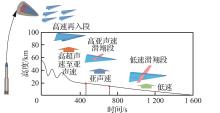
Fig.1
Mission profile of cross-speed-range morphing glide vehicle
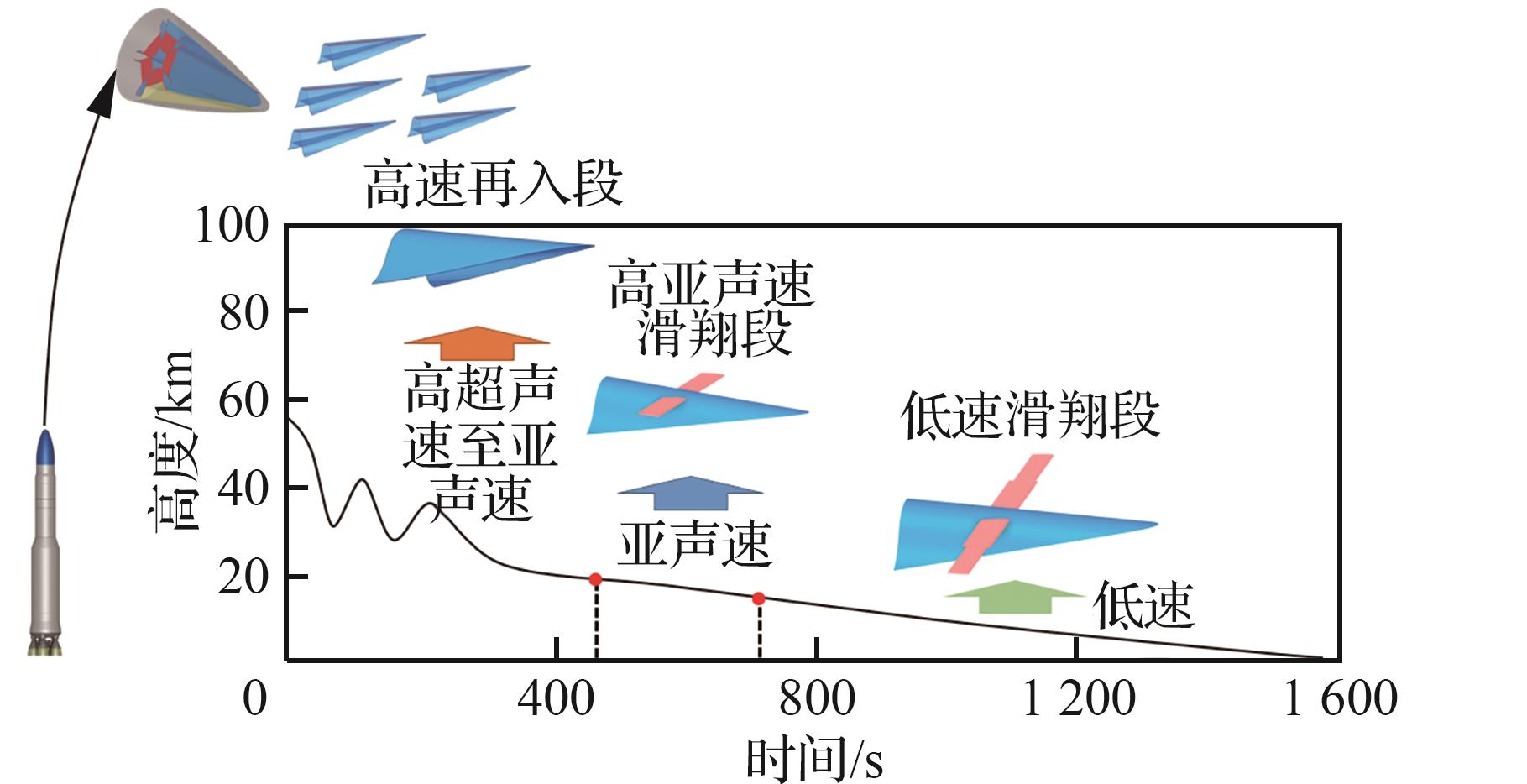
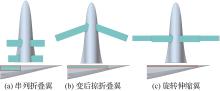
Fig.2
Typical in-plane morphing configuration layout
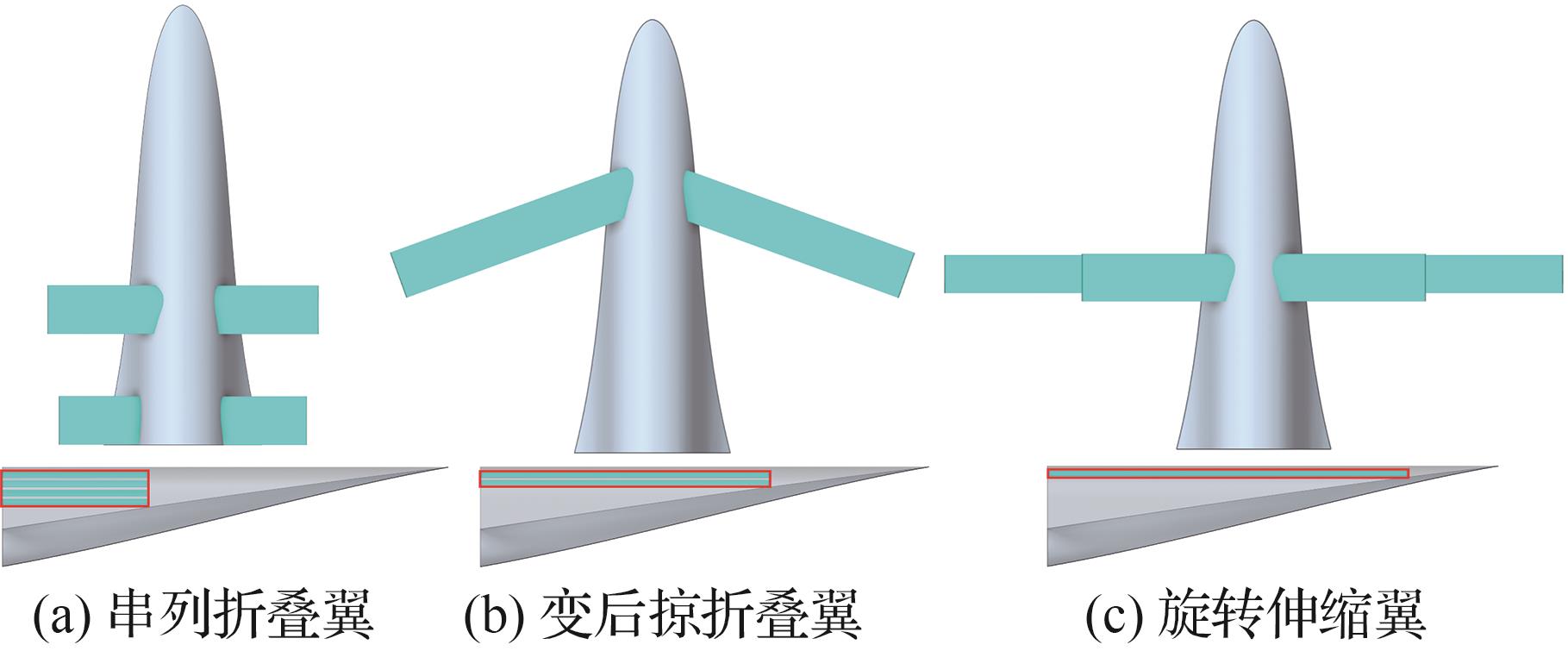
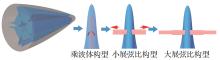
Fig.3
Schematic diagram of configuration switching for cross-speed-range morphing gliding vehicle
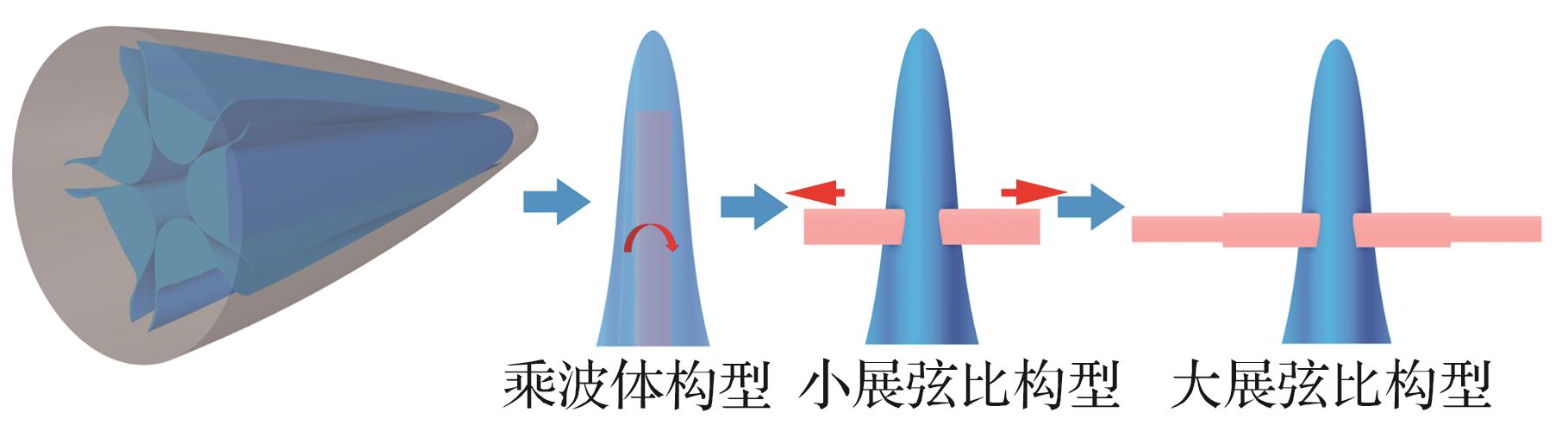
Table 1
Constraints during flight processes of different configurations
| 飞行器构型 | 过载 | 最大动压/kPa | 最大热流密度/(kW∙m-2) |
|---|---|---|---|
| 乘波体构型 | [ | 150 | 2 000 |
| 小展弦比构型 | [ | 10 | 1 000 |
| 大展弦比构型 | [ | 5 | 500 |
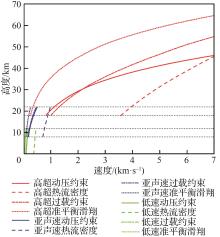
Fig.4
Multi-stage reentry flight corridor (linear velocity axis)
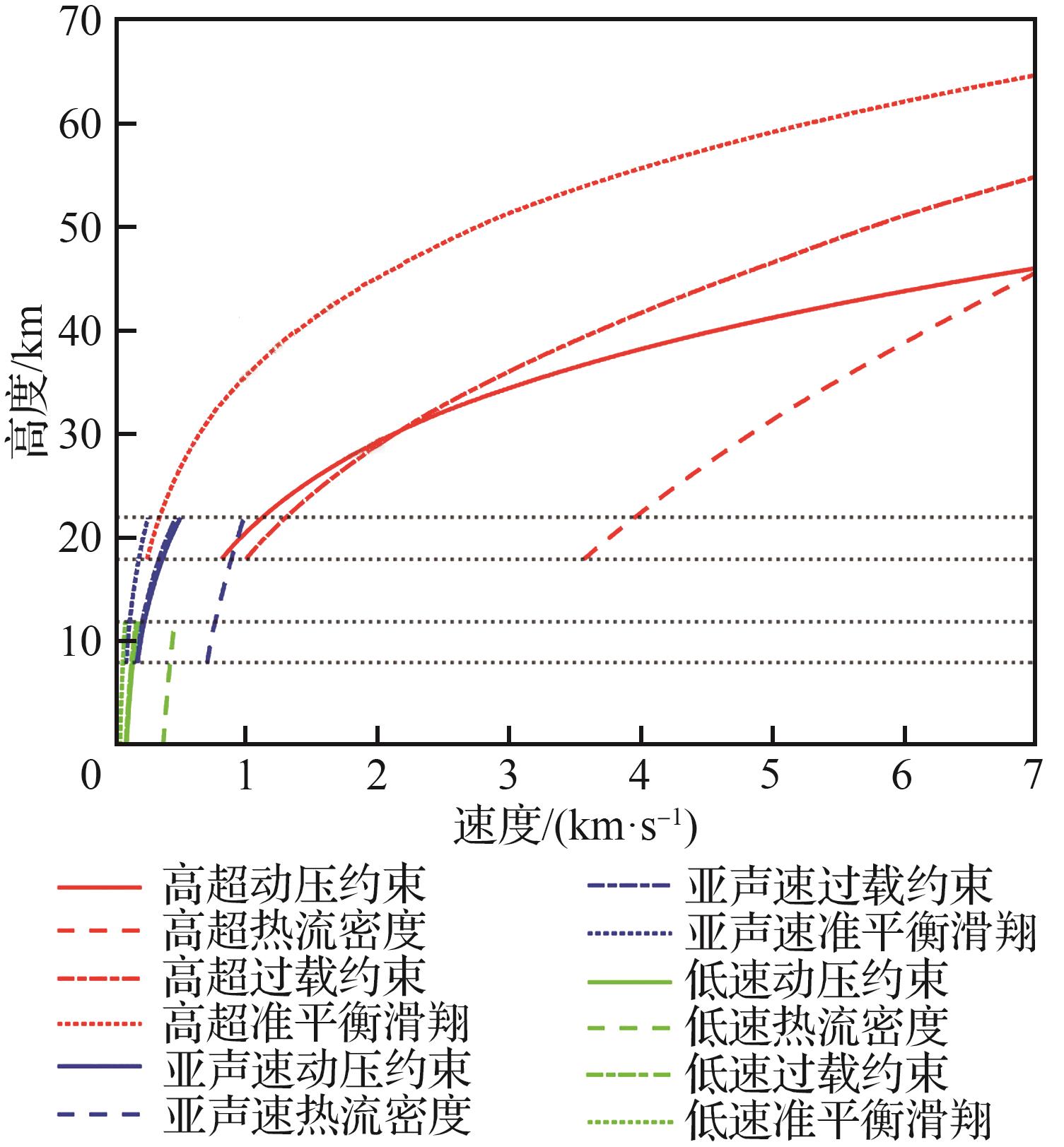
Fig.5
Multi-stage reentry flight corridor (logarithmic velocity axis)
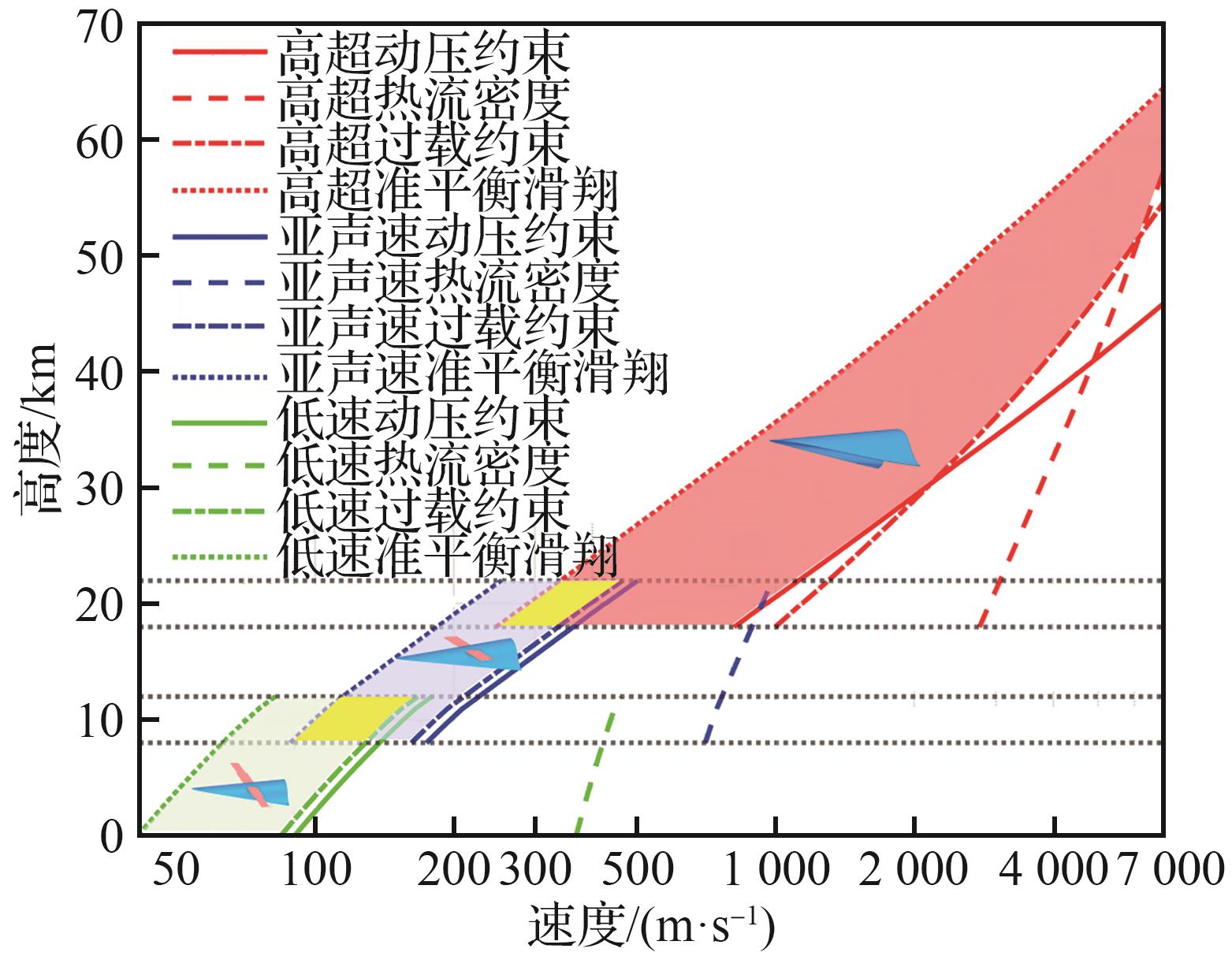
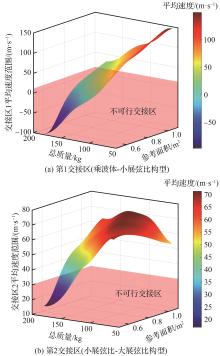
Fig.6
Average speed range during configuration switching intervals in reentry process
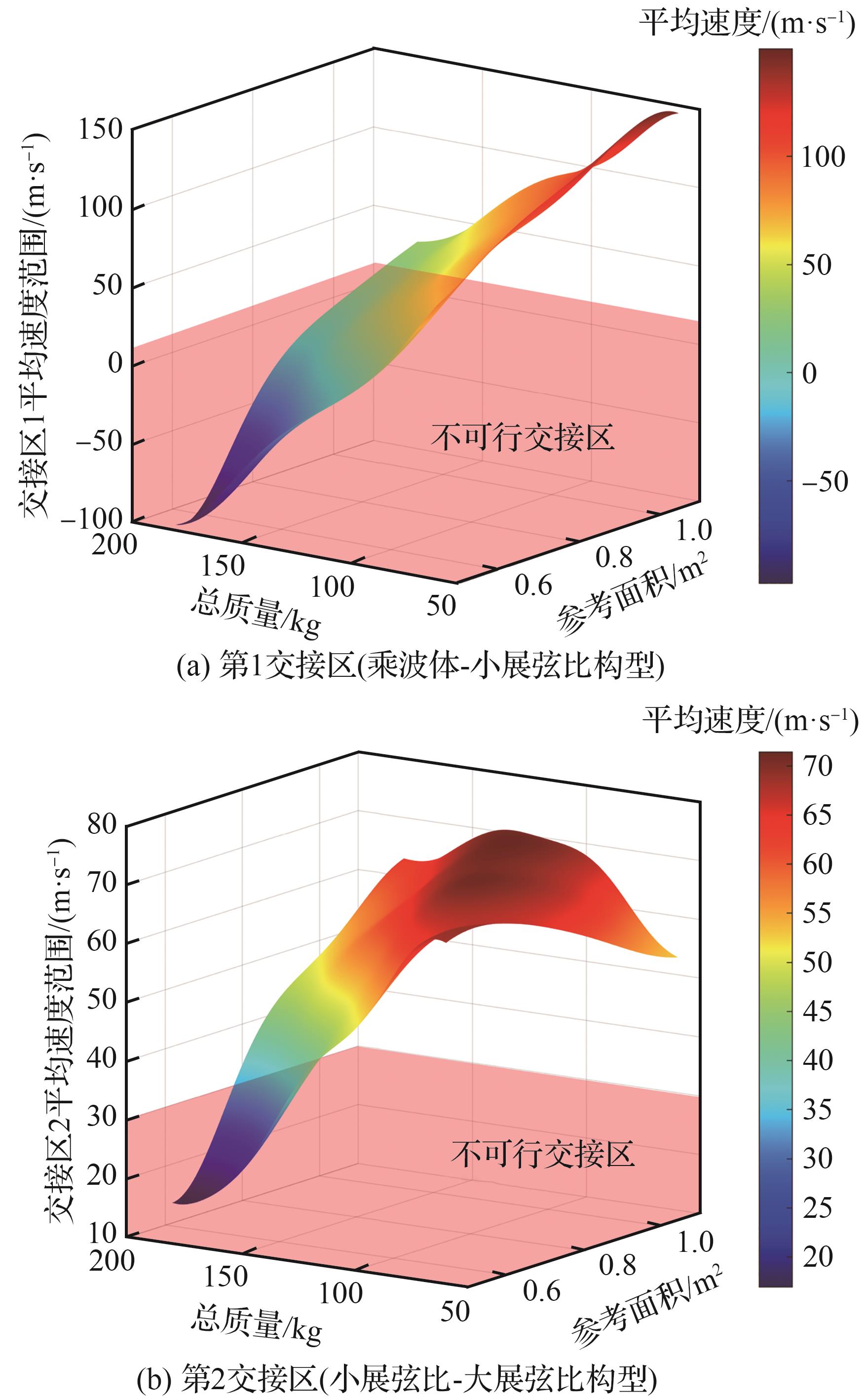
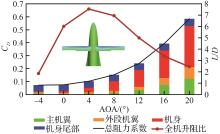
Fig.7
Aerodynamic forces on all components of aircraft in subsonic conditions (Ma=0.3)
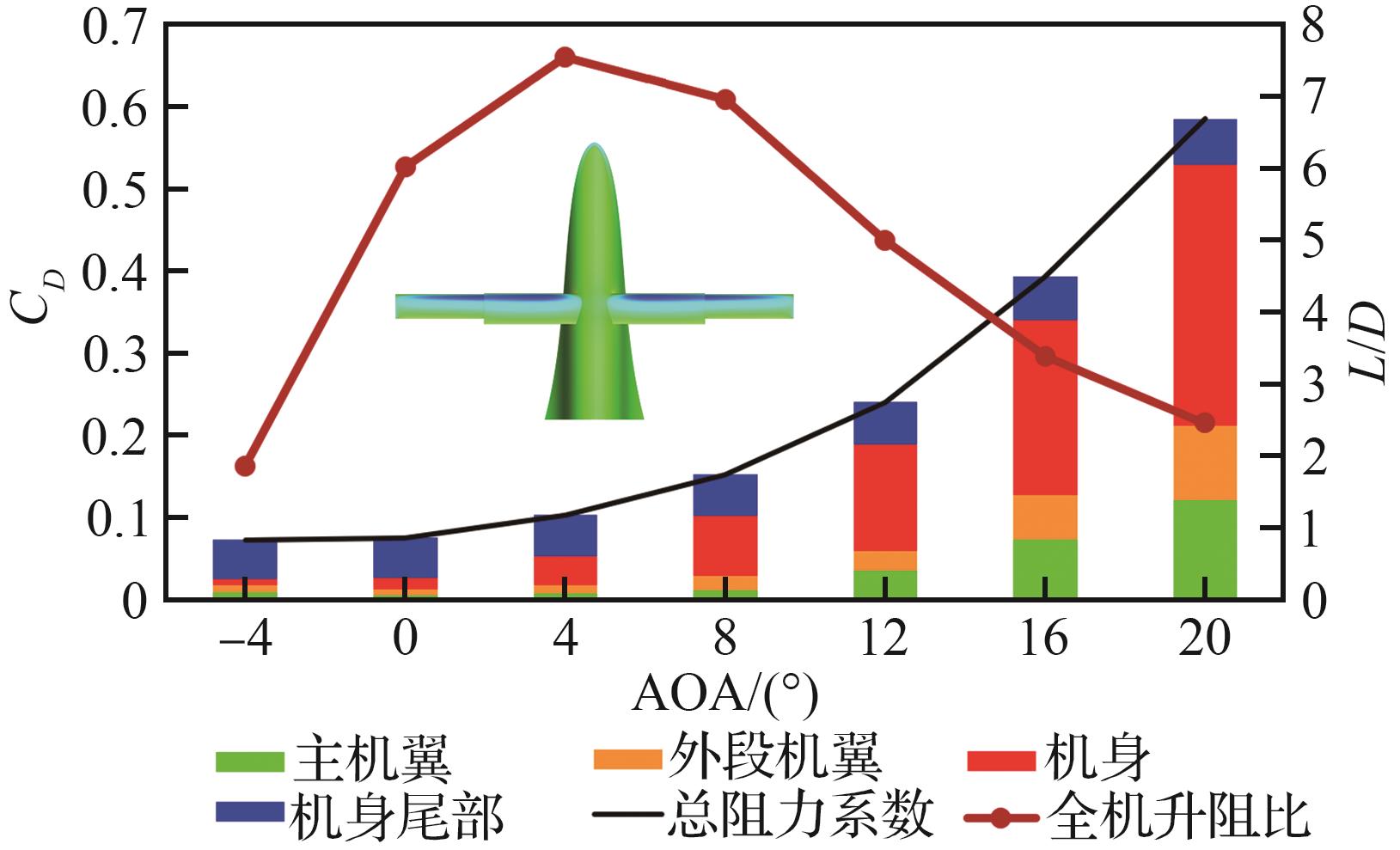
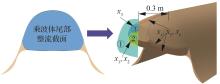
Fig.8
Parametrization method for fuselage tail fairing
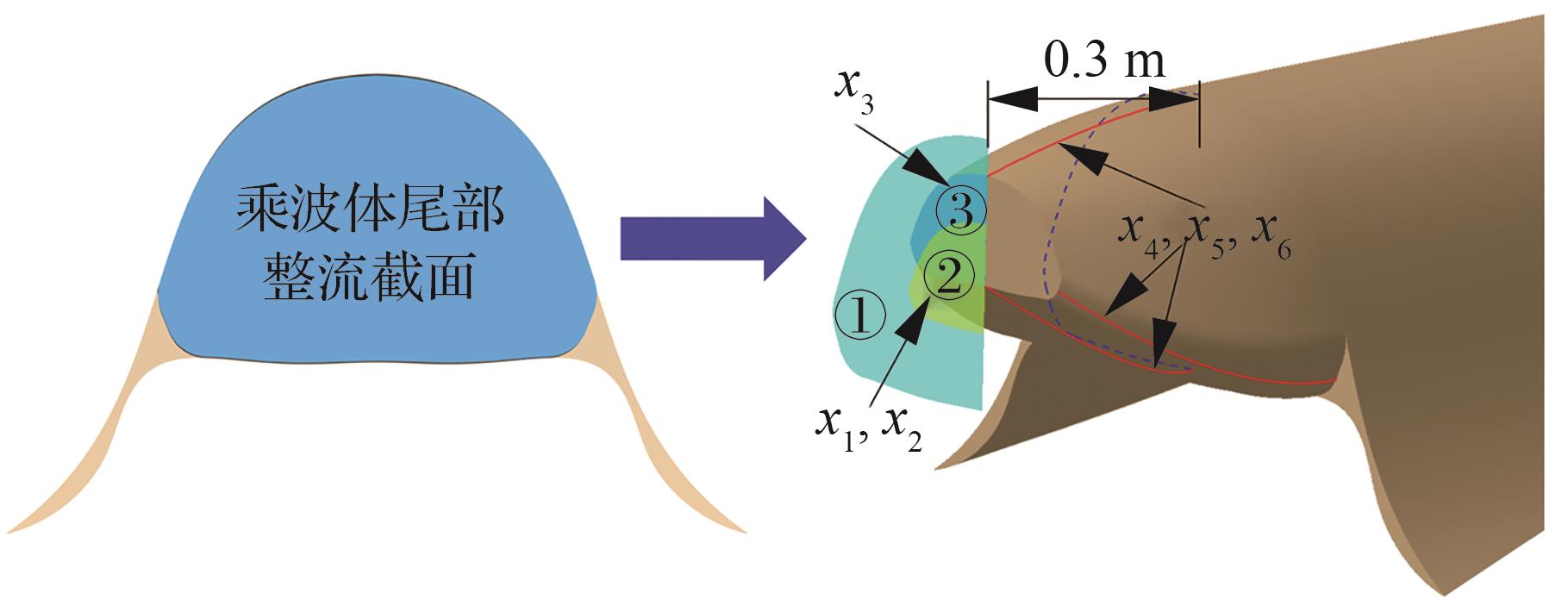
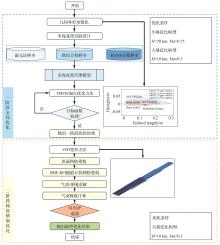
Fig.9
Optimization process of telescopic wing
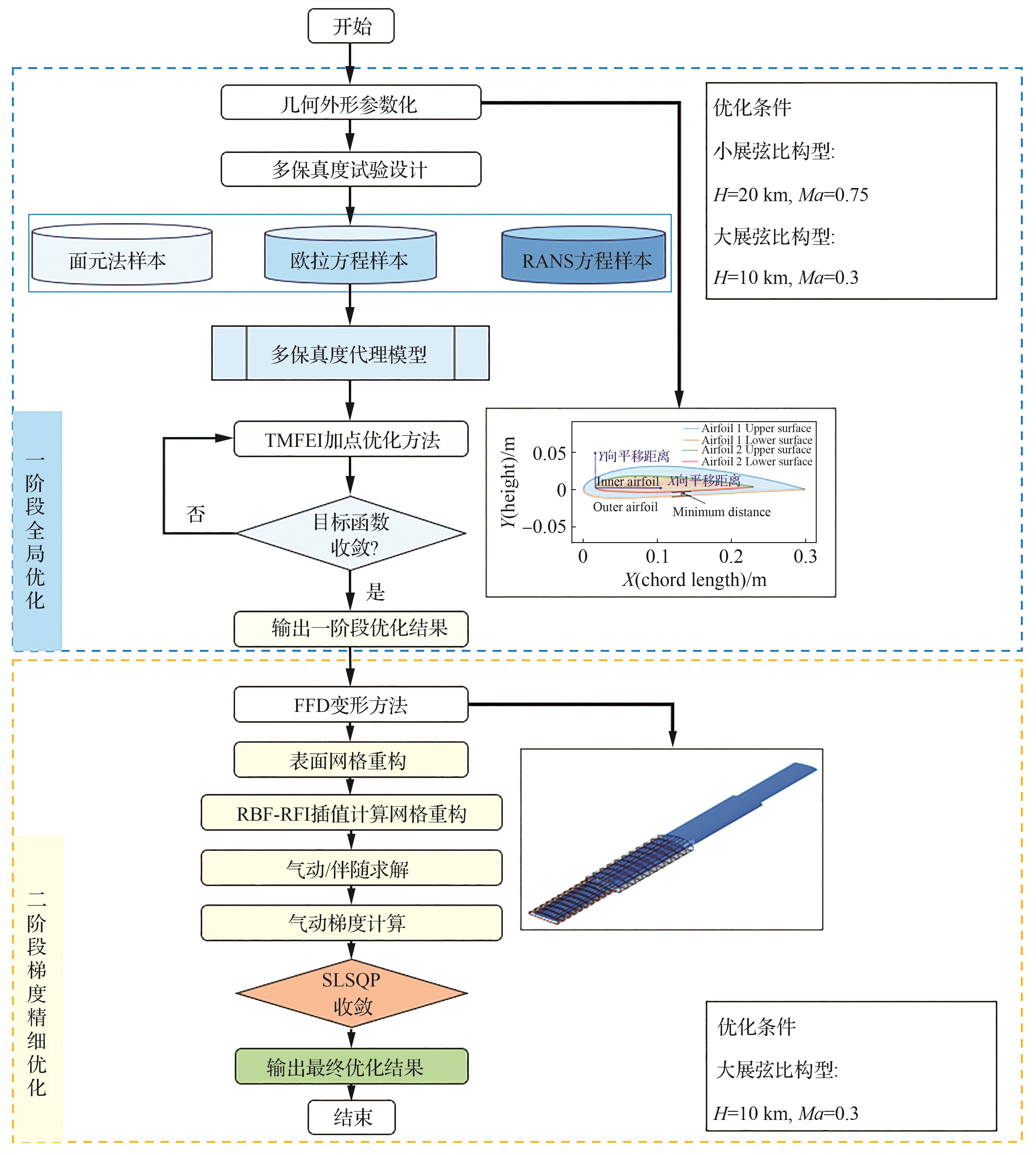
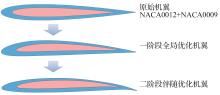
Fig.10
Two-stage optimization results of morphing wing
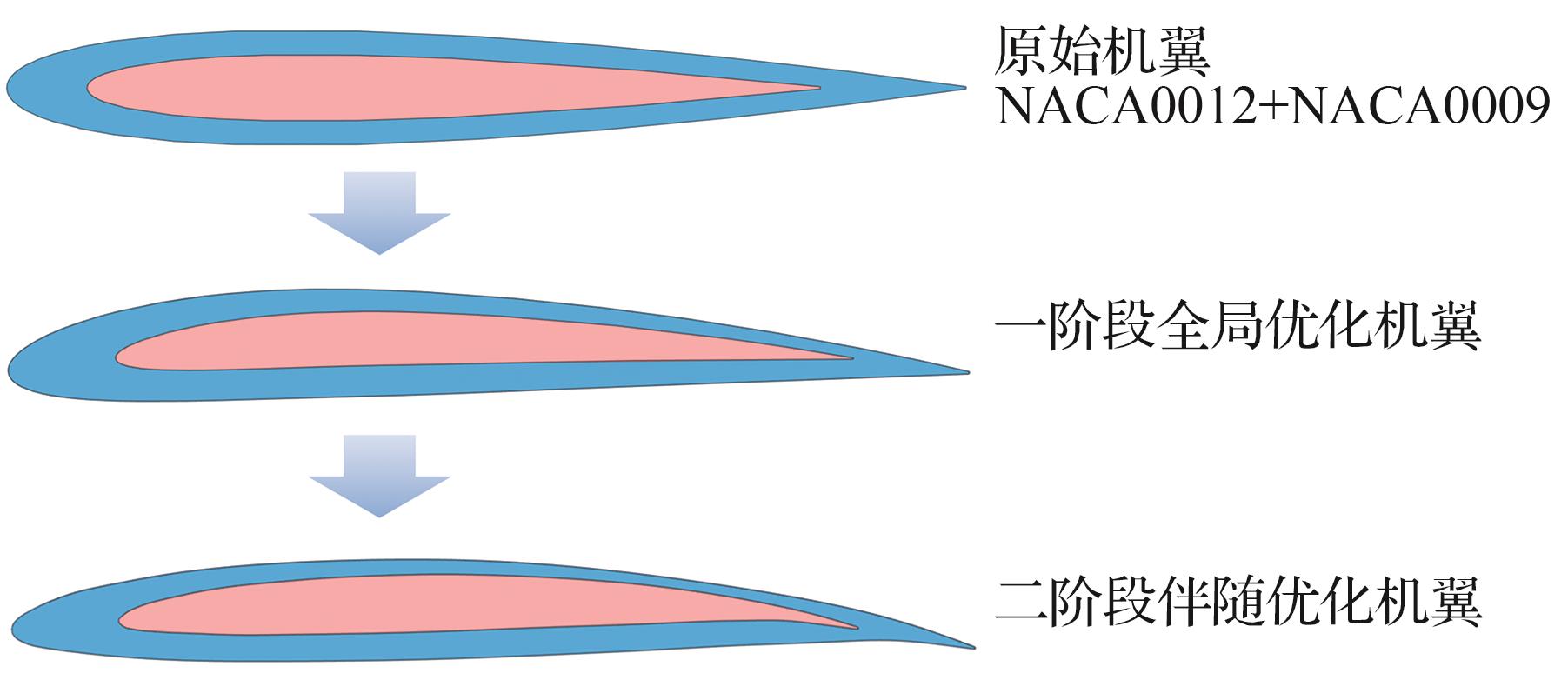
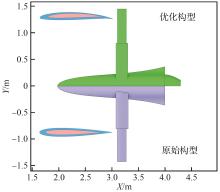
Fig.11
Comparison between original and optimized configurations
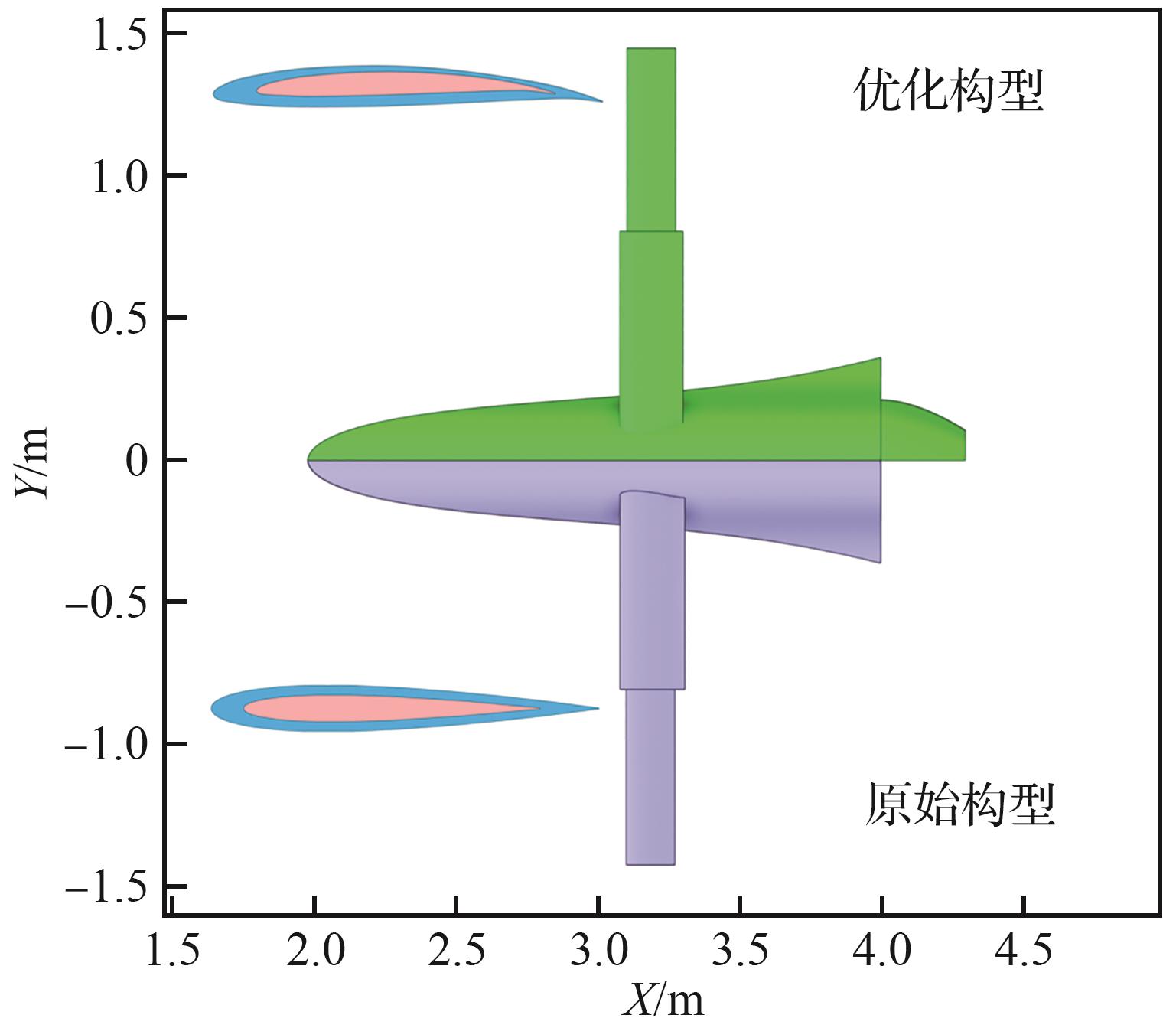
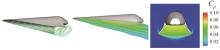
Fig.12
Flow field contour of waverider configuration
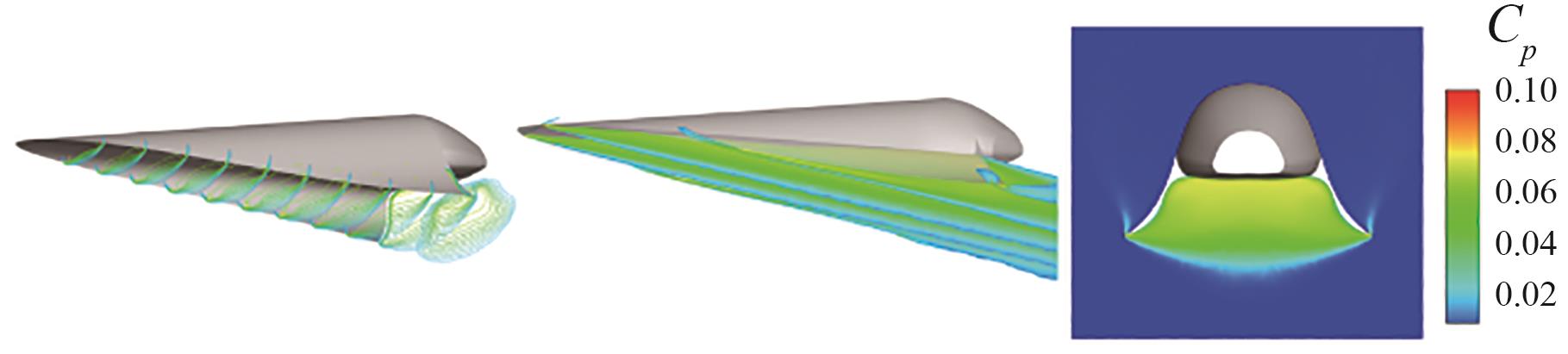
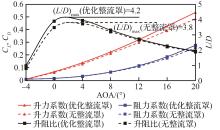
Fig.13
Longitudinal aerodynamic performance of waverider configuration
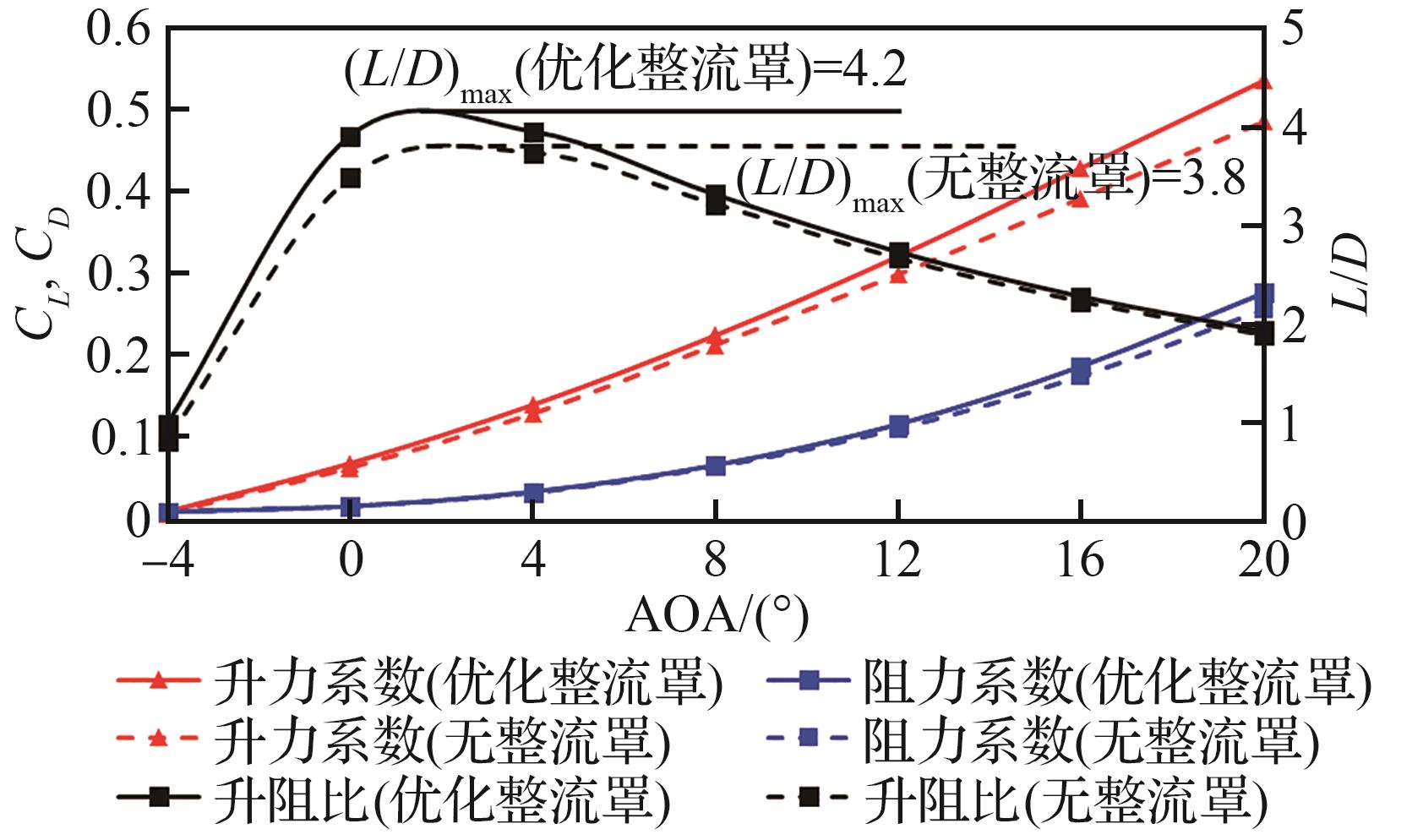
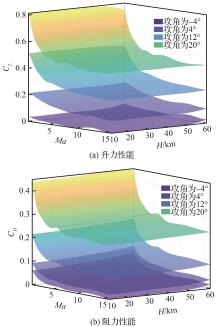
Fig.14
Wide-speed-range aerodynamic performance of waverider configuration
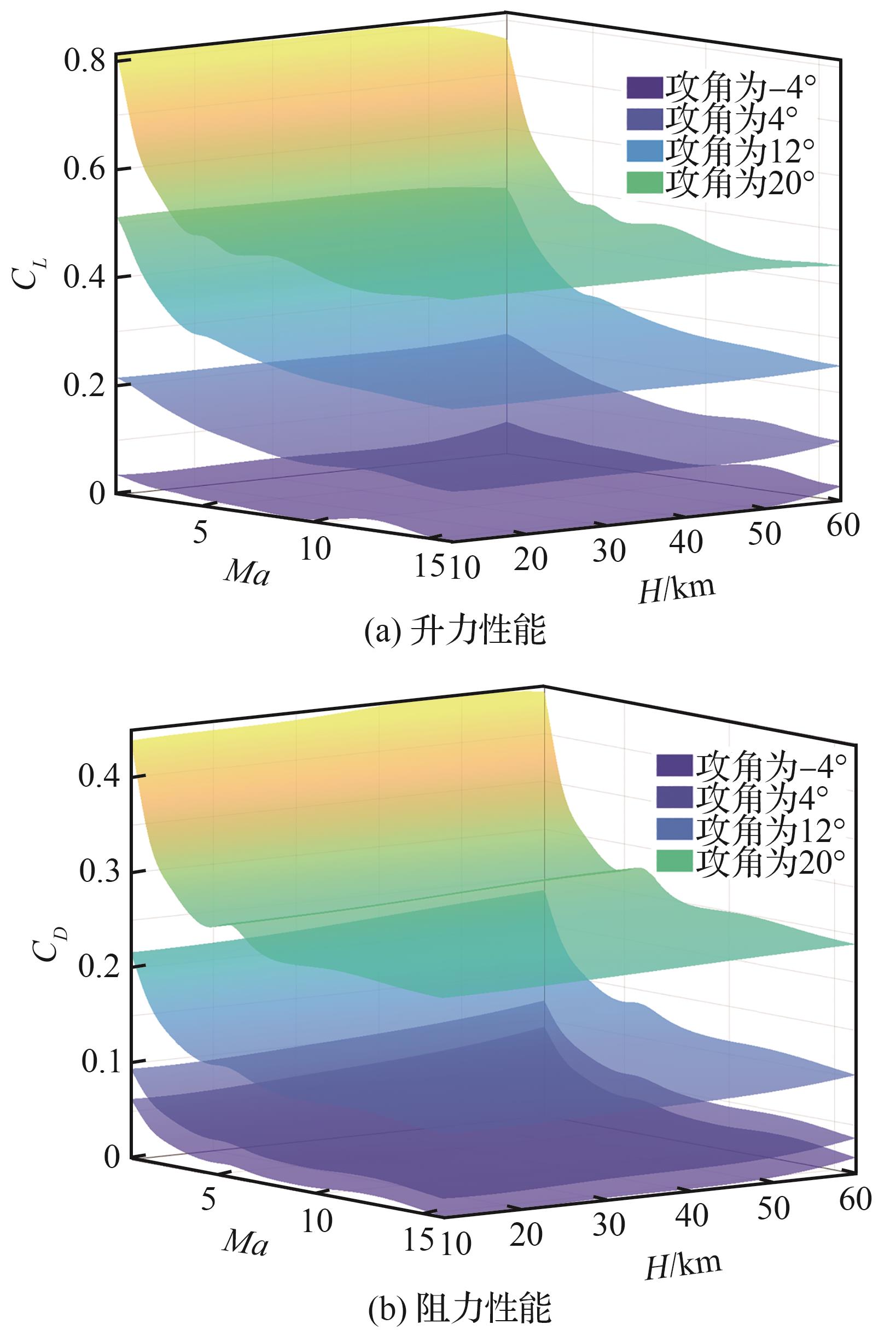
Fig.15
Flow field contour of low-aspect-ratio configuration
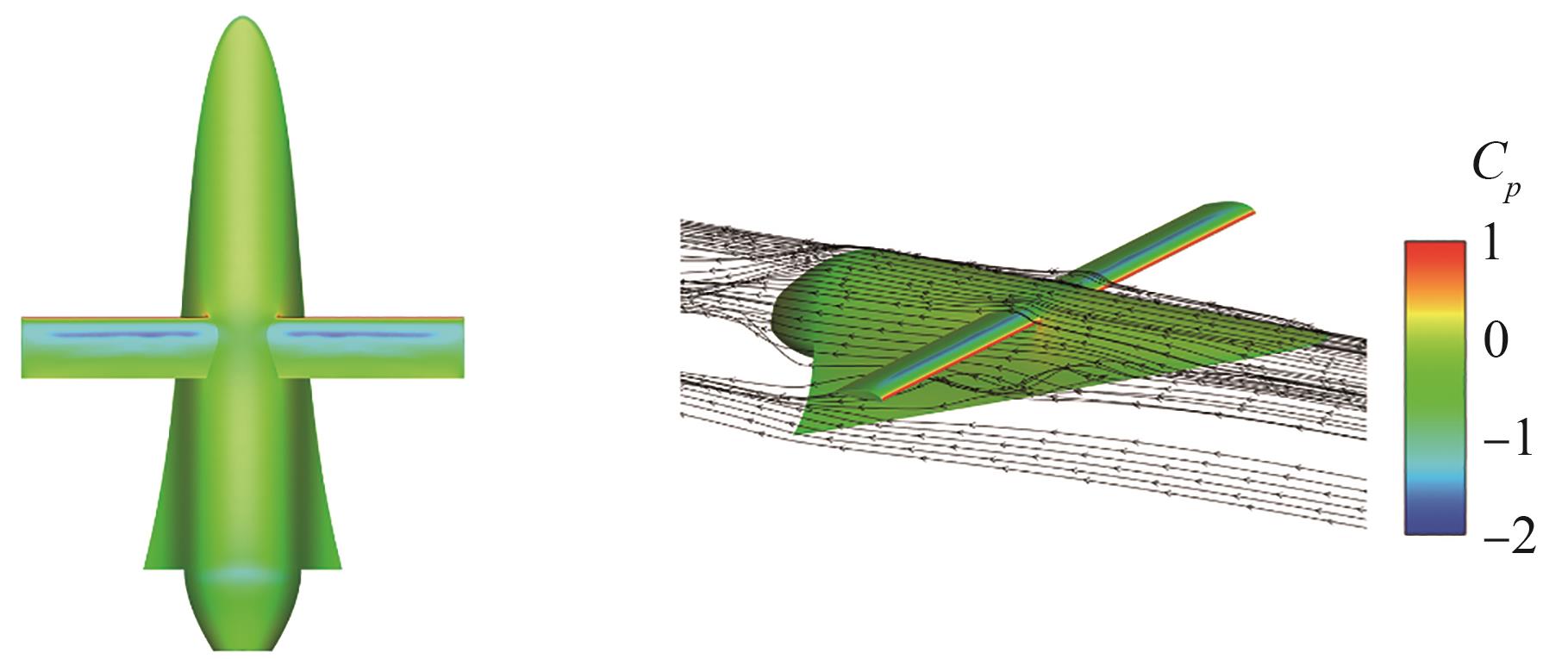
Fig.16
Longitudinal aerodynamic performance of low-aspect-ratio configuration
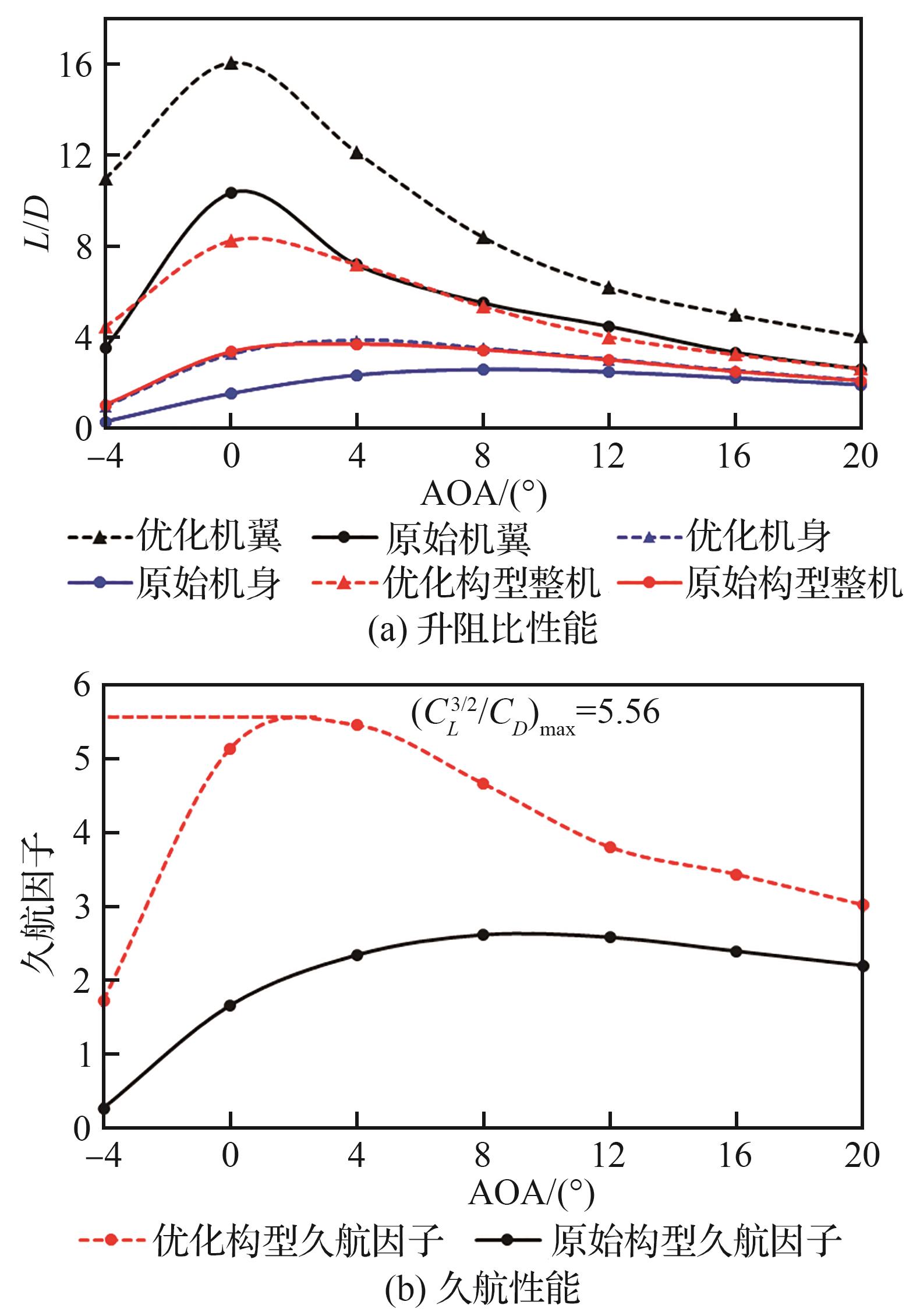
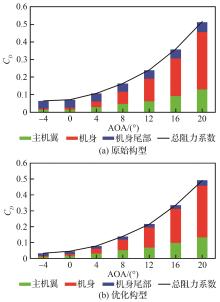
Fig.17
Drag coefficient contributions of components for low-aspect-ratio configuration
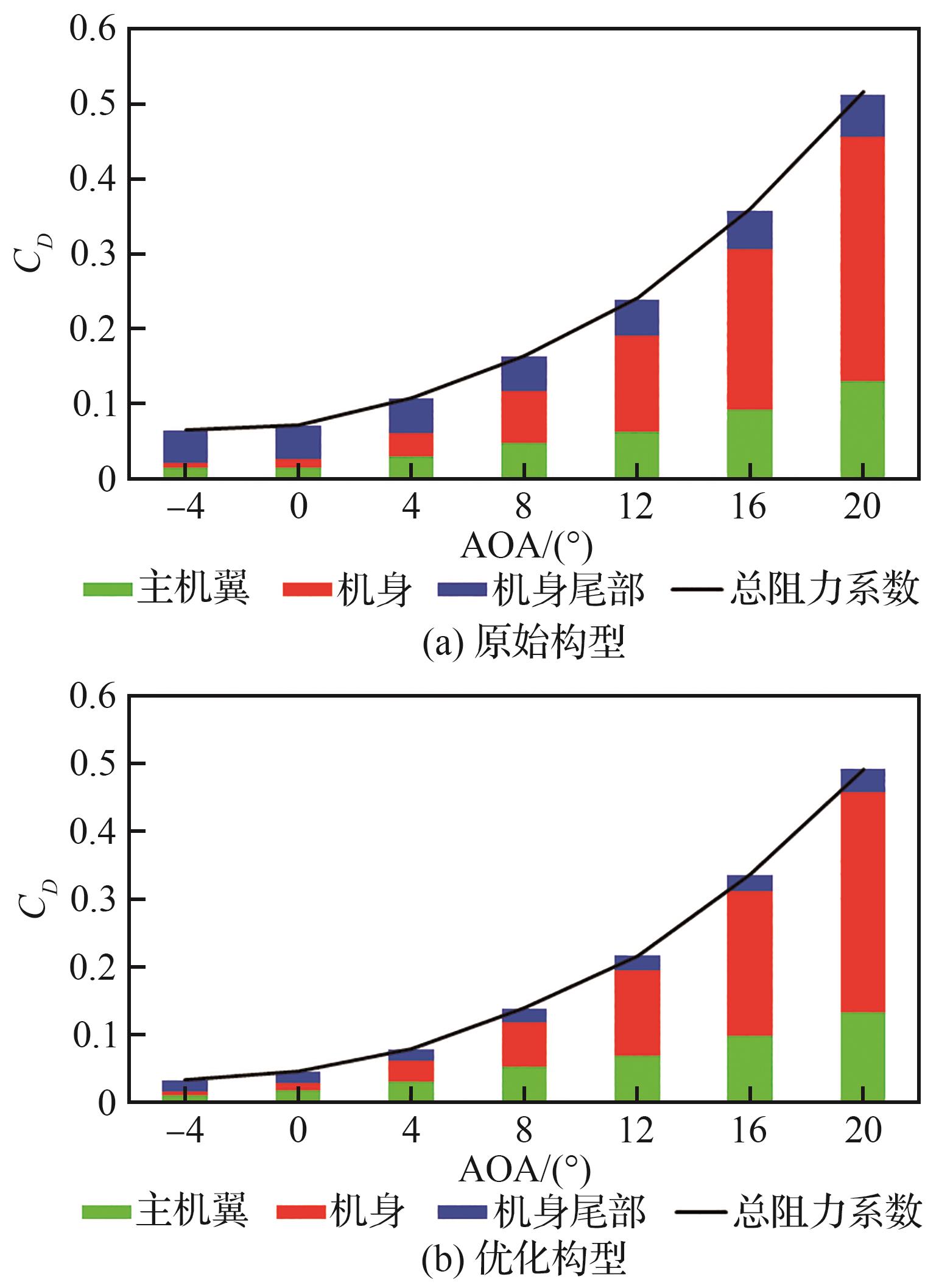
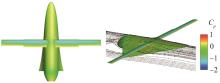
Fig.18
Flow field contour of high-aspect-ratio configuration
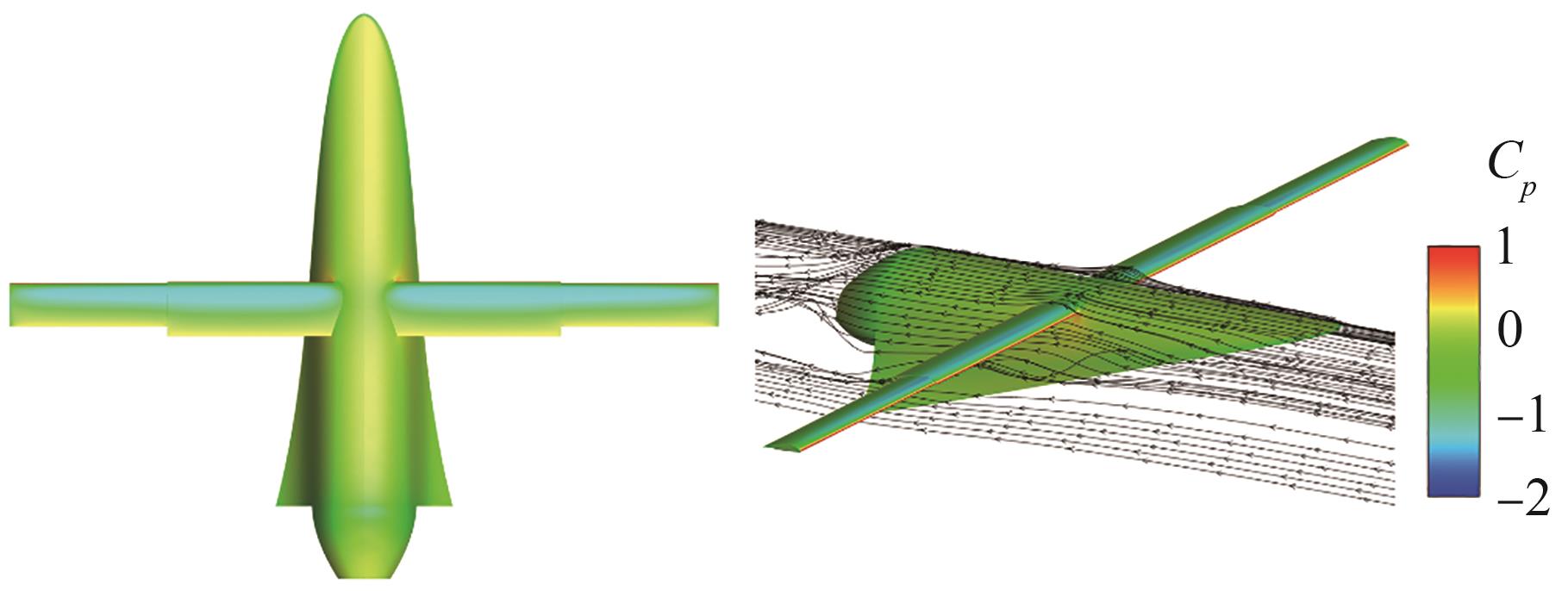
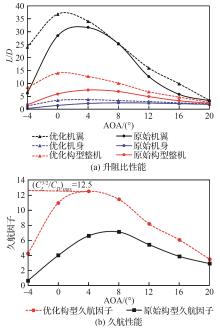
Fig.19
Longitudinal aerodynamic performance of high-aspect-ratio configuration
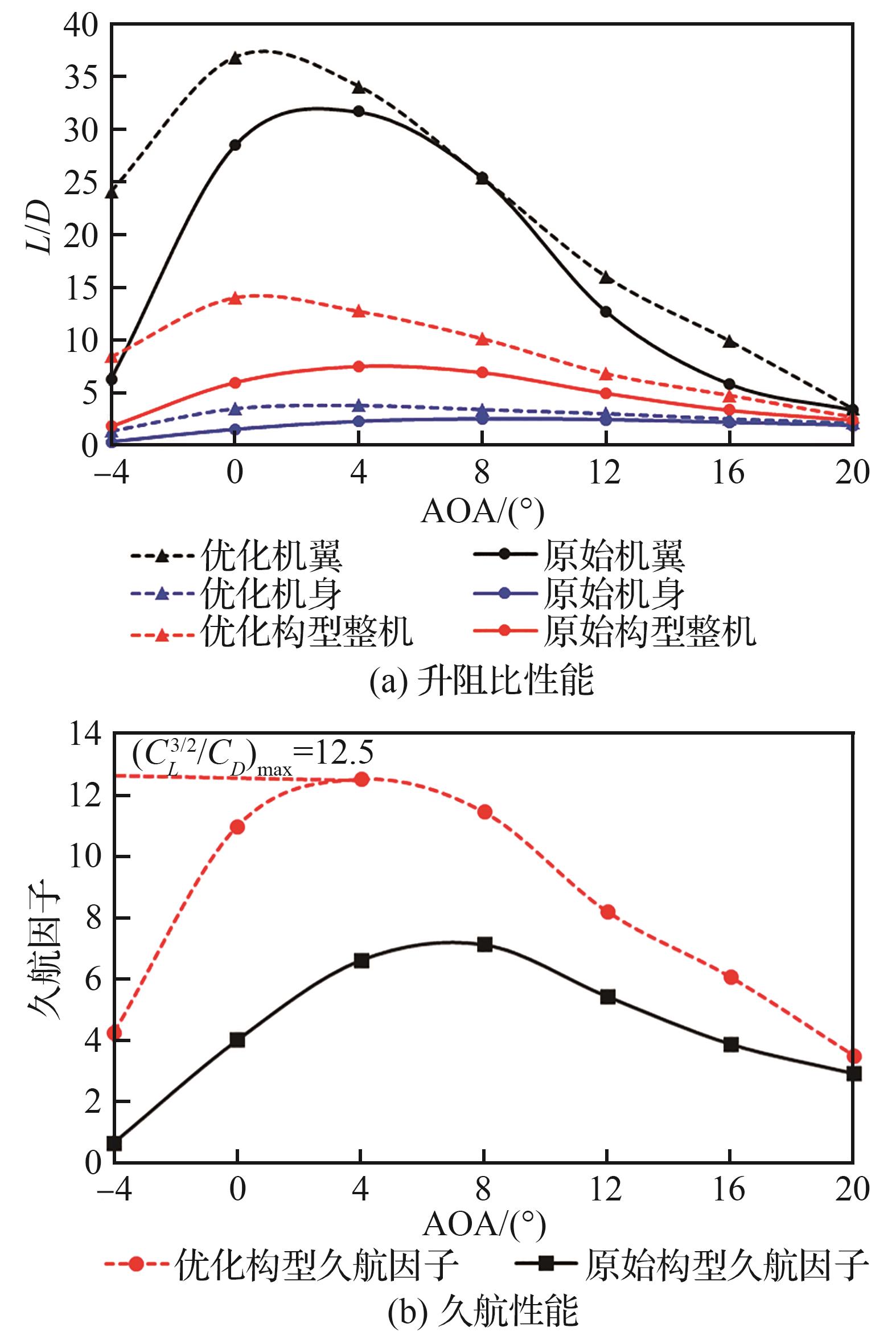
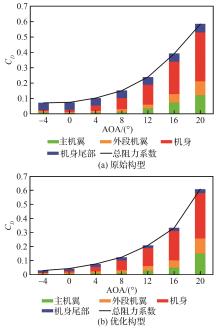
Fig.20
Drag coefficient contributions of components for high-aspect-ratio configuration
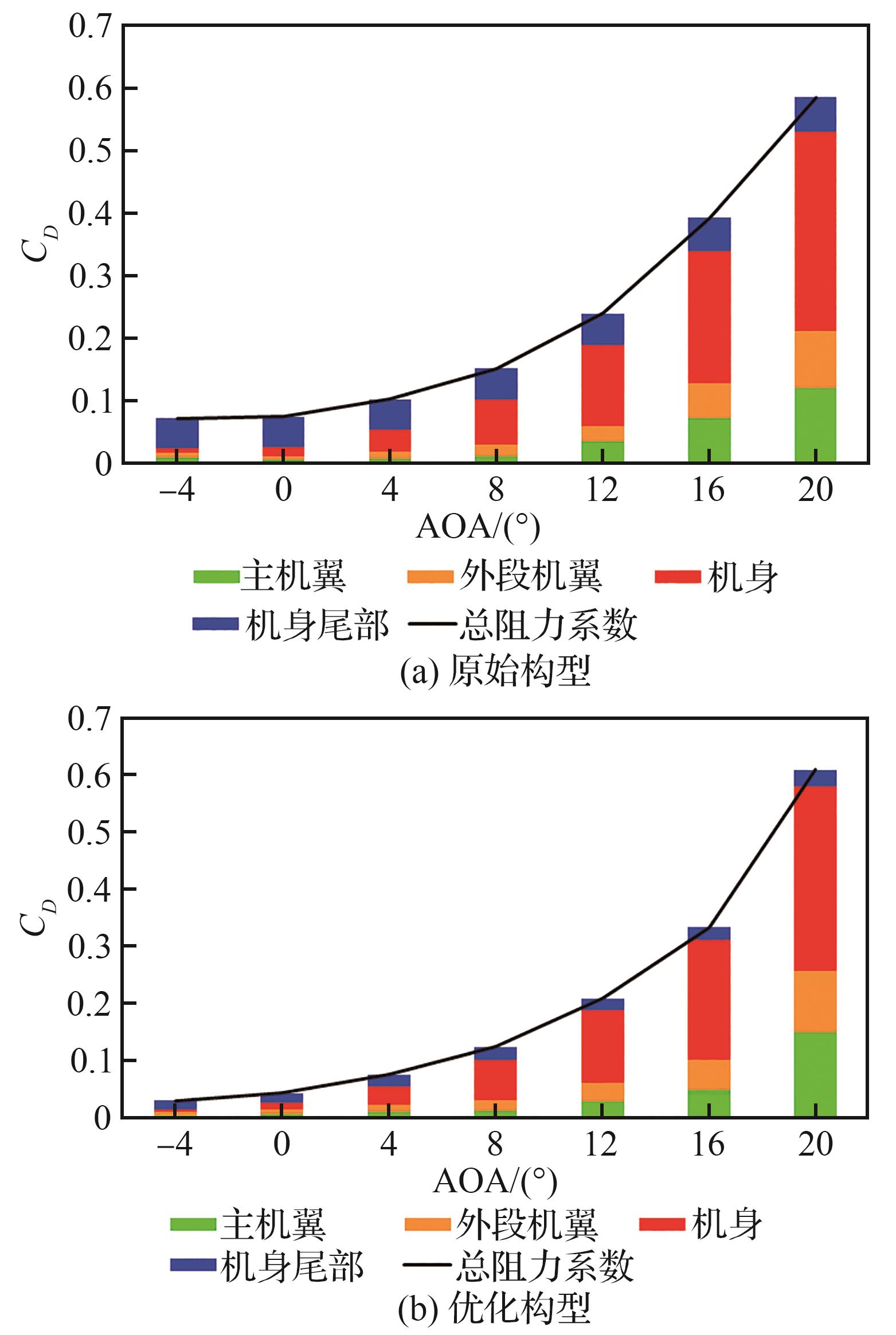
Fig.21
Rudder configuration scheme of waverider-integrated morphing wing layout
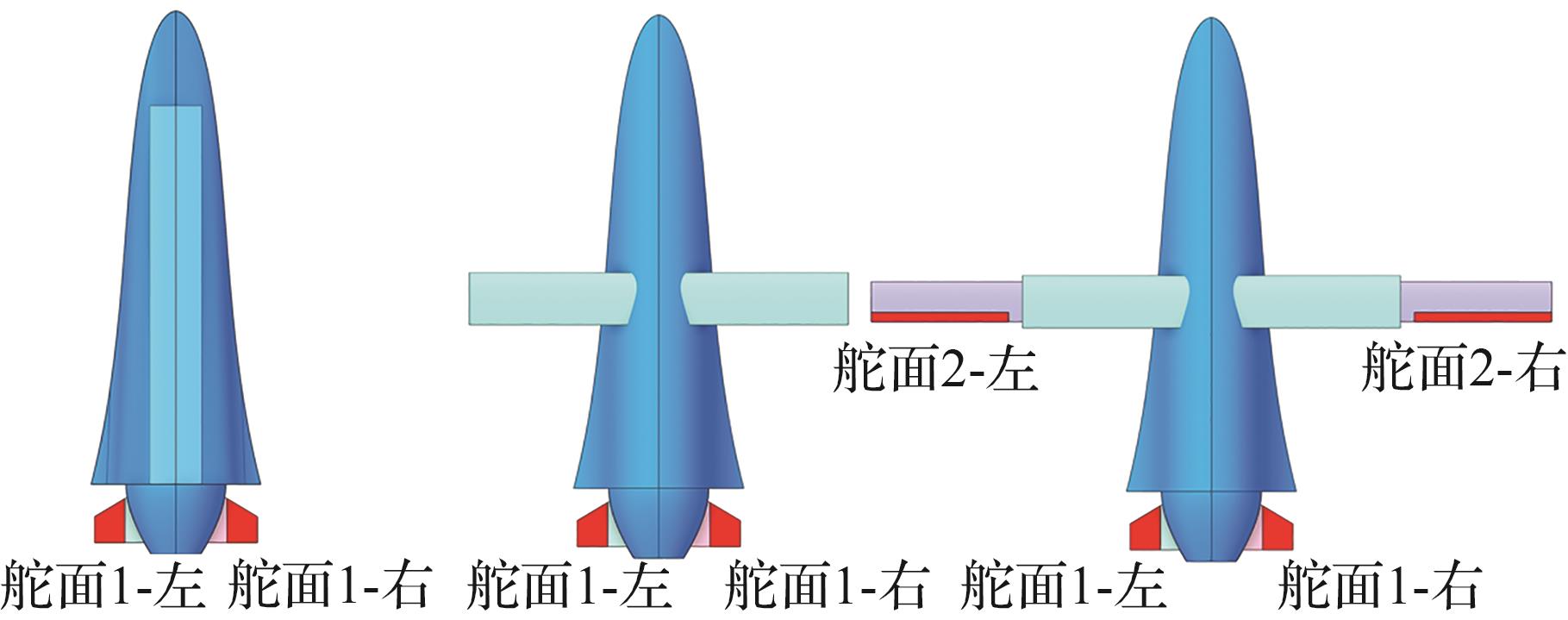
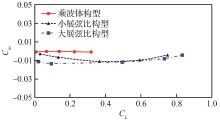
Fig.22
Pitching moment coefficient curves for three typical configurations
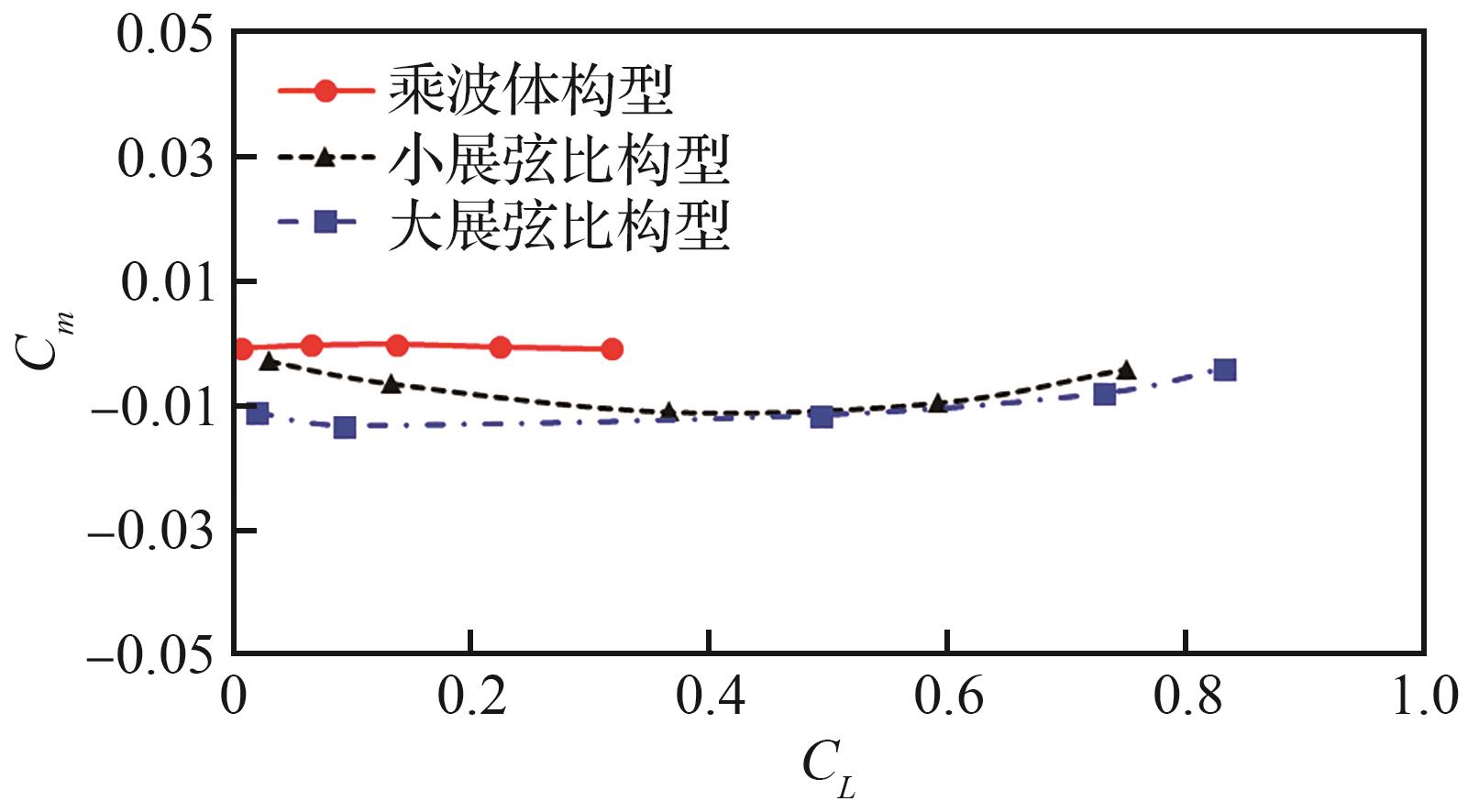
Fig.23
Solution process for vehicle reachable mission area
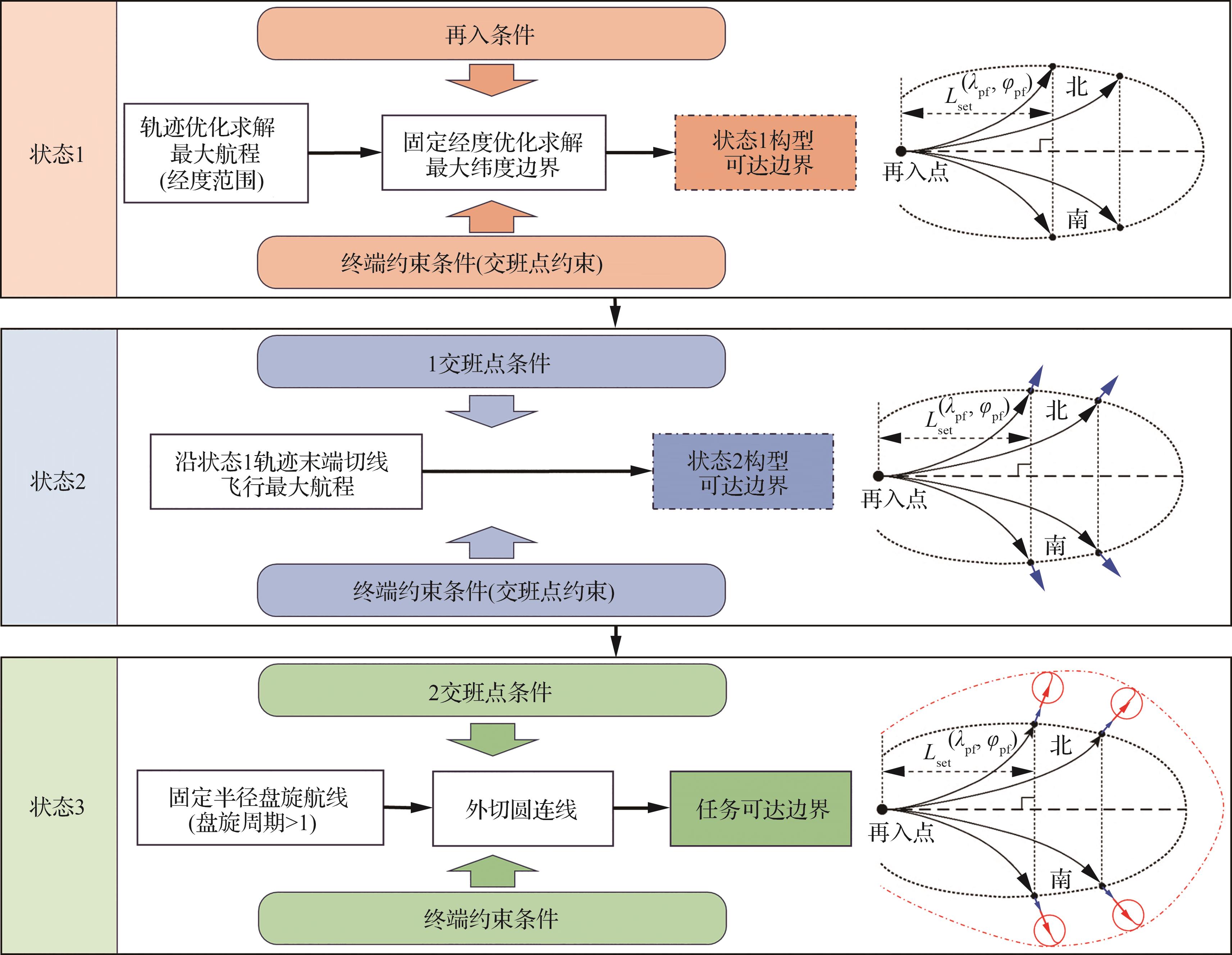
Table 2
Initial reentry conditions and reentry boundary constraints
| 边界条件 | 指标 |
|---|---|
| 再入高度/km | 60 |
| 再入速度/(m·s-1) | 5 500 |
| 乘波体构型法向过载 | [ |
| 小展弦比及大展弦比构型法向过载 | [ |
| 再入构型最大动压/kPa | 150 |
| 小展弦比构型最大动压/kPa | 10 |
| 大展弦比构型最大动压/kPa | 5 |
| 第1交班点高度/km | 20 |
| 第1交班点速度上限/(m·s-1) | 220 |
| 第1交班点航向倾角/(°) | 0 |
| 第2交班点高度/km | 10 |
| 第2交班点速度上限/(m·s-1) | 90 |
| 第2交班点航向倾角/(°) | 0 |
Table 3
Control constraints during reentry process
| 控制量 | 指标 |
|---|---|
| 攻角/(°) | [ |
| 乘波体构型攻角变化率/((°)·s-1) | [-5,5] |
| 小展弦比及大展弦比构型攻角变化率/((°)·s-1) | [-10,10] |
| 滚转角/(°) | [-30,30] |
| 乘波体构型滚转角变化率/((°)·s-1) | [-10,10] |
| 小展弦比及大展弦比构型滚转角变化率/((°)·s-1) | [-15,15] |
Fig.24
hp-RPM algorithm flowchart
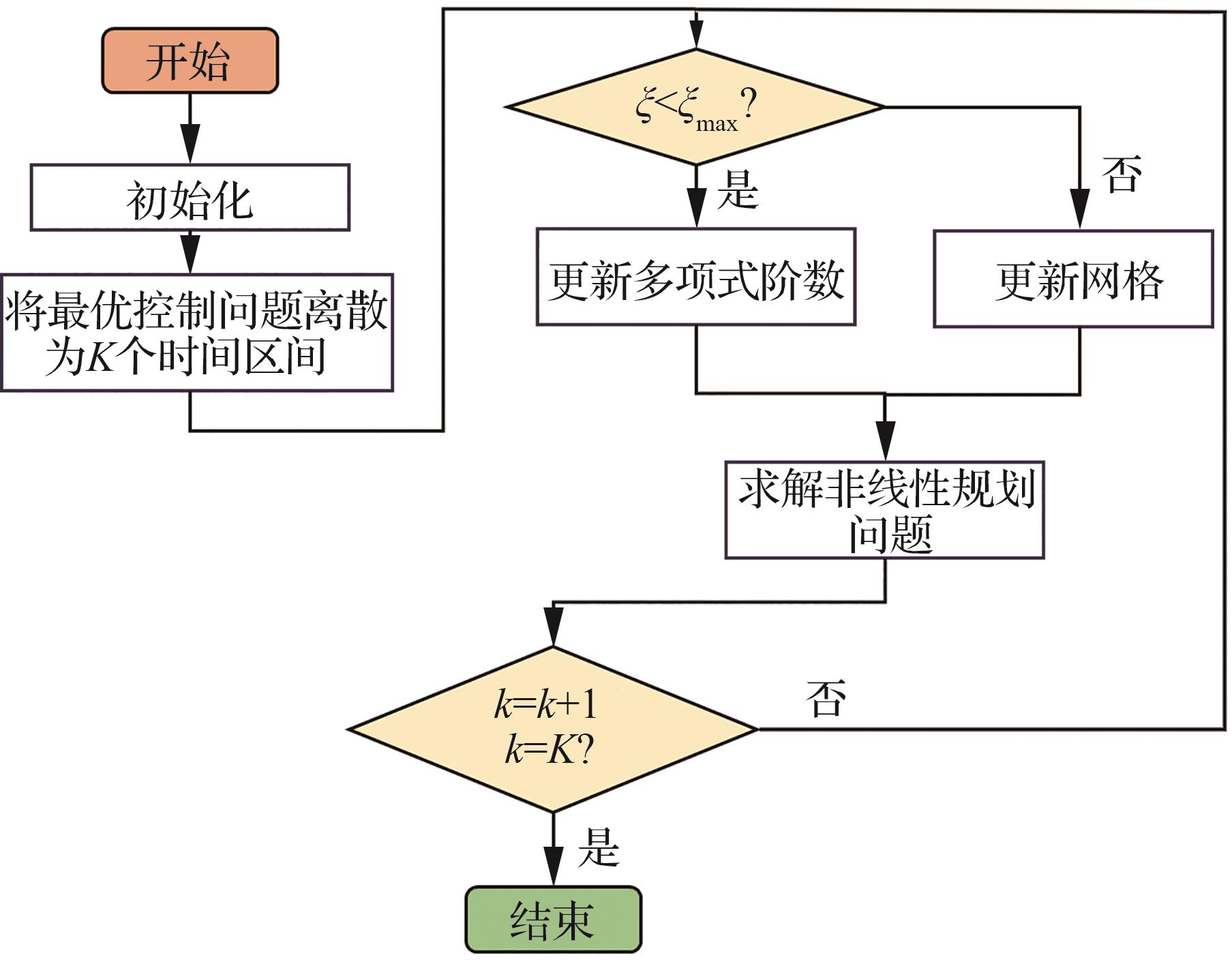
Fig.25
Comparison of original and optimized reachable domains (waverider reentry phase)
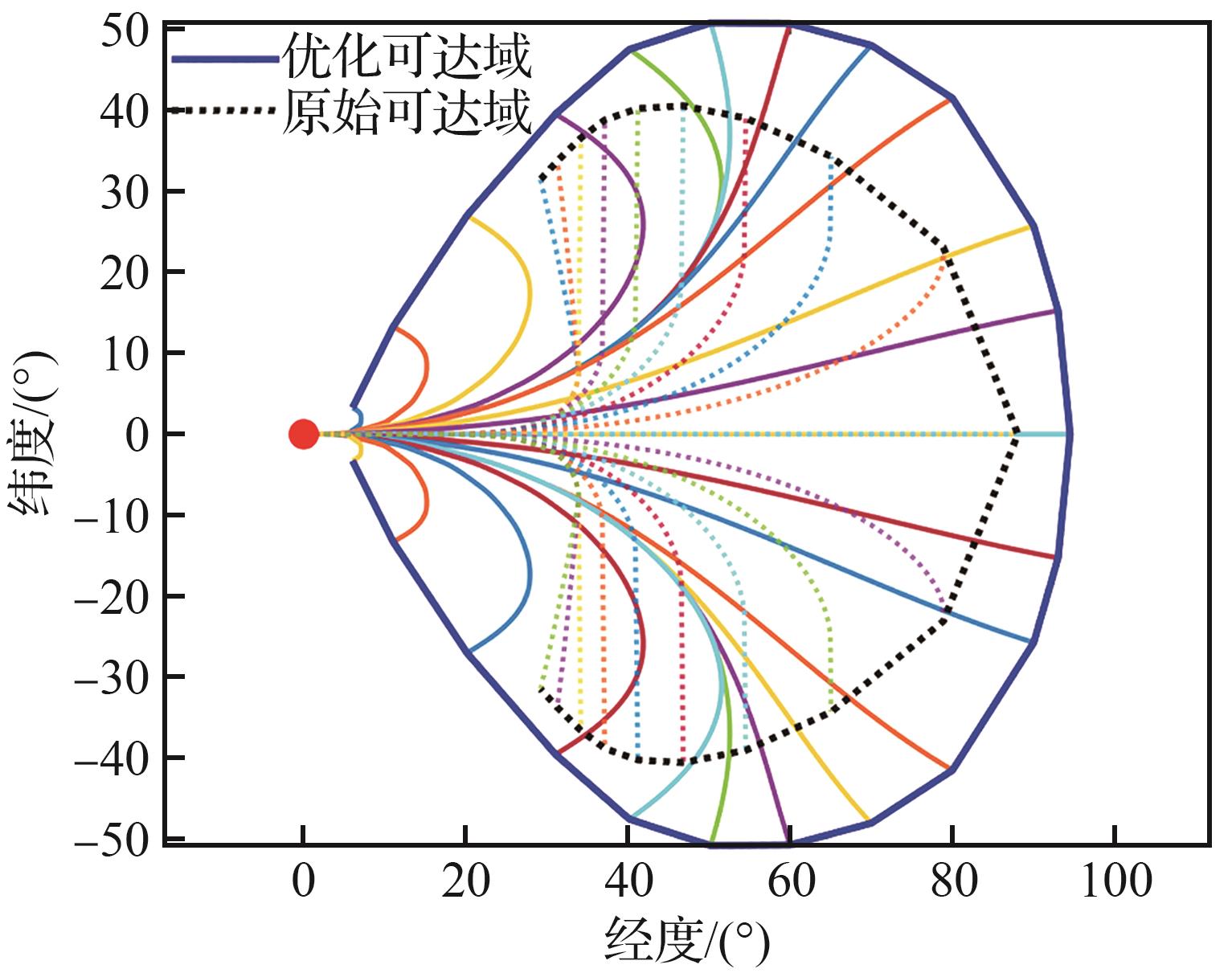
Fig.26
Reentry reachable domain and surveillance domain calculation results
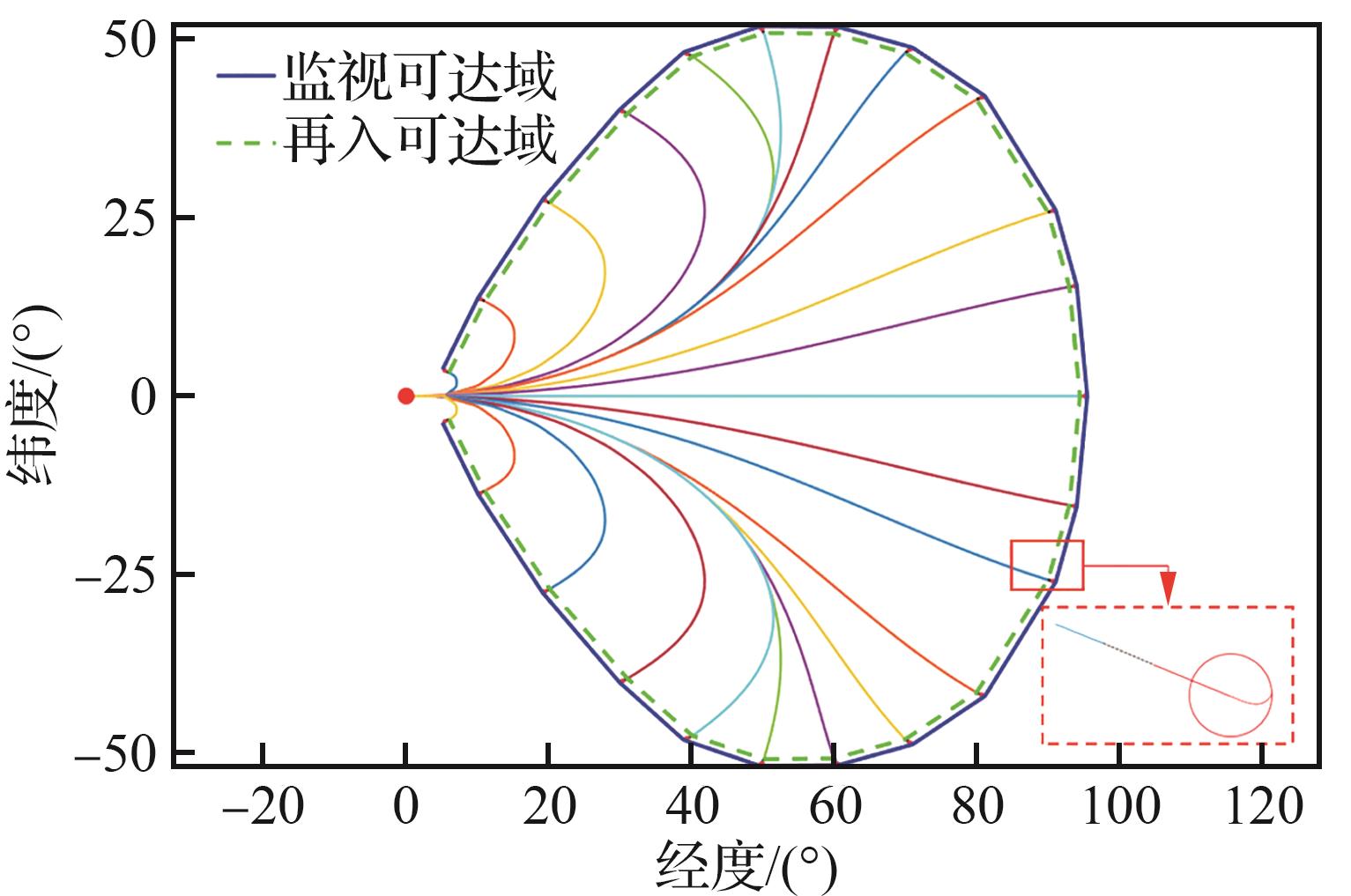
Fig.27
Glide altitude-time curves for vehicles with different total weights (second handover altitude is 10 km)
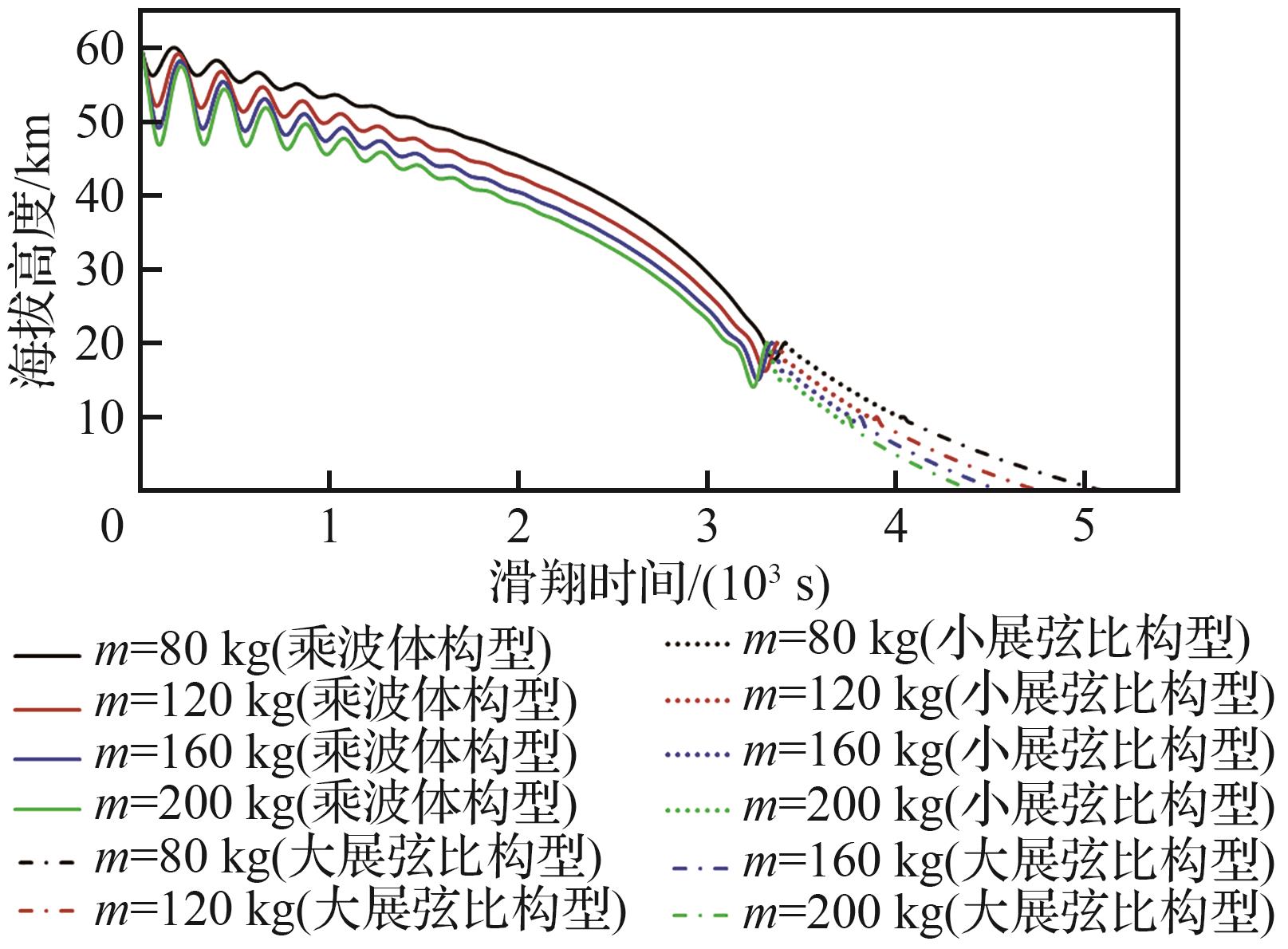
Table 4
Glide time and terminal longitude corresponding to different total weights (second handover altitude is 10 km)
| 总质量/kg | 乘波体构型滑翔时间/s | 小展弦比构型滑翔时间/s | 大展弦比构型滑翔时间/s | 亚声速总滑翔时间/s | 终点经度/(°) |
|---|---|---|---|---|---|
| 80 | 3 412 | 628 | 1 055 | 1 683 | 95.97 |
| 120 | 3 372 | 528 | 872 | 1 400 | 96.09 |
| 160 | 3 341 | 468 | 761 | 1 229 | 96.06 |
| 200 | 3 319 | 425 | 680 | 1 105 | 96.01 |
Fig.28
Glide altitude-time curves for vehicles with different total weights (no altitude constraint at the second handover point)
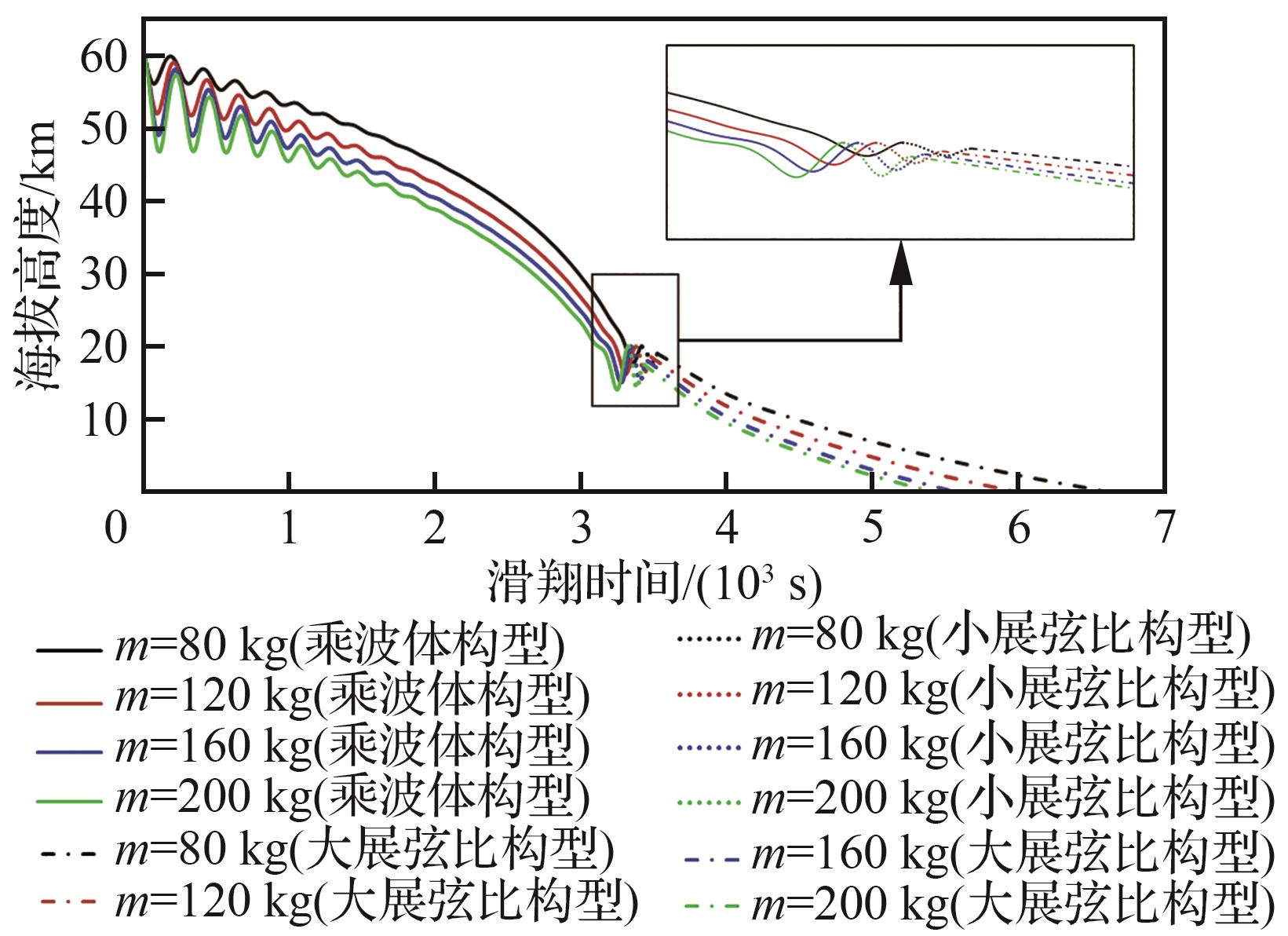
Table 5
Glide time and terminal longitude corresponding to different total weights (no altitude constraint at the second handover point)
| 总质量/kg | 乘波体构型滑翔时间/s | 小展弦比构型滑翔时间/s | 大展弦比构型滑翔时间/s | 亚声速总滑翔时间/s | 终点经度/(°) |
|---|---|---|---|---|---|
| 80 | 3 412 | 107 | 3 099 | 3 206 | 95.83 |
| 120 | 3 372 | 104 | 2 504 | 2 608 | 95.97 |
| 160 | 3 341 | 106 | 2 111 | 2 217 | 95.85 |
| 200 | 3 319 | 105 | 1 984 | 2 089 | 95.81 |
| [1] | 曲智国, 林强, 费太勇, 等. 美国高超声速武器发展与防御[J]. 战术导弹技术, 2023(2): 39-45. |
| QU Z G, LIN Q, FEI T Y, et al. Development and defense of American hypersonic weapon[J]. Tactical Missile Technology, 2023(2): 39-45 (in Chinese). | |
| [2] | 汪丰麟, 朱启超, 张杰. 俄罗斯高超声速武器发展简析[J]. 国防科技, 2021, 42(3): 57-64. |
| WANG F L, ZHU Q C, ZHANG J. The development history of Russian hypersonic weapons[J]. National Defense Technology, 2021, 42(3): 57-64 (in Chinese). | |
| [3] | HAN Z H, QIAO J L, ZHANG L W, et al. Recent progress of efficient low-boom design and optimization methods[J]. Progress in Aerospace Sciences, 2024, 146: 101007. |
| [4] | HILTON S, SABATINI R, GARDI A, et al. Space traffic management: Towards safe and unsegregated space transport operations[J]. Progress in Aerospace Sciences, 2019, 105: 98-125. |
| [5] | ZHAO Z T, HUANG W, YAN L, et al. An overview of research on wide-speed range waverider configuration[J]. Progress in Aerospace Sciences, 2020, 113: 100606. |
| [6] | LI Z H, JIANG C W, HU S Y, et al. Leading-edge cone method for waverider design[J]. AIAA Journal, 2023, 61(6): 2331-2346. |
| [7] | ZHANG T T, WANG Z G, HUANG W, et al. A design approach of wide-speed-range vehicles based on the cone-derived theory[J]. Aerospace Science and Technology, 2017, 71: 42-51. |
| [8] | ZHAO Z T, HUANG W, LI S B, et al. Variable Mach number design approach for a parallel waverider with a wide-speed range based on the osculating cone theory[J]. Acta Astronautica, 2018, 147: 163-174. |
| [9] | LI S B, LI L Q, HUANG W, et al. Design and investigation of equal cone-variable Mach number waverider in hypersonic flow[J]. Aerospace Science and Technology, 2020, 96: 105540. |
| [10] | 孟旭飞, 白鹏, 刘传振. 可变马赫数乘波体的宽速域性能优势探究[J]. 力学学报, 2024, 56(12): 3442-3454. |
| MENG X F, BAI P, LIU C Z. Advantage exploring of variable Mach number waverider in hypersonic wide-speed performances[J]. Chinese Journal of Theoretical and Applied Mechanics, 2024, 56(12): 3442-3454 (in Chinese). | |
| [11] | AJAJ R M, PARANCHEERIVILAKKATHIL M S, AMOOZGAR M, et al. Recent developments in the aeroelasticity of morphing aircraft[J]. Progress in Aerospace Sciences, 2021, 120: 100682. |
| [12] | LIU C Z, BAI P, YANG Y J, et al. Double swept waverider from osculating-cone method[J]. Journal of Aerospace Engineering, 2018, 31(6): 06018004. |
| [13] | WANG J F, LIU C Z, BAI P, et al. Design methodology of the waverider with a controllable planar shape[J]. Acta Astronautica, 2018, 151: 504-510. |
| [14] | 刘超宇, 屈峰, 李杰奇, 等. 涡波一体乘波飞行器宽速域气动优化设计研究[J]. 力学学报, 2023, 55(1): 70-83. |
| LIU C Y, QU F, LI J Q, et al. Aerodynamic optimization design of the vortex-shock integrated waverider in wide speed range[J]. Chinese Journal of Theoretical and Applied Mechanics, 2023, 55(1): 70-83 (in Chinese). | |
| [15] | LI Z H, JIANG C W, HU S Y, et al. Variable leading-edge cone method for waverider design[J]. Chinese Journal of Aeronautics, 2025, 38(3): 103225. |
| [16] | LIU C Z, BAI P. Waverider design using osculating method[J]. AIAA Journal, 2024, 62(5): 1643-1661. |
| [17] | PHOENIX A A, MAXWELL J R, ROGERS R E. Mach 5-3.5 morphing waverider accuracy and aerodynamic performance evaluation[J]. Journal of Aircraft, 2019, 56(5): 2047-2061. |
| [18] | DAI P, YAN B B, HUANG W, et al. Design and aerodynamic performance analysis of a variable-sweep-wing morphing waverider[J]. Aerospace Science and Technology, 2020, 98: 105703. |
| [19] | 罗世彬, 岳航, 刘俊. 高超声速变构型飞行器气动布局优化设计[J]. 电子技术与软件工程, 2023(2): 51-55. |
| LUO S B, YUE H, LIU J. Aerodynamic layout optimization design of hypersonic variable configuration aircraft[J]. Electronic Technology & Software Engineering, 2023(2): 51-55 (in Chinese). | |
| [20] | LIU B, LIANG H, HAN Z H, et al. Surrogate-based aerodynamic shape optimization of a morphing wing considering a wide Mach-number range[J]. Aerospace Science and Technology, 2022, 124: 107557. |
| [21] | LI H F, ZHANG R, LI Z Y, et al. Footprint problem with angle of attack optimization for high lifting reentry vehicle[J]. Chinese Journal of Aeronautics, 2012, 25(2): 243-251. |
| [22] | 吴楠, 王锋, 赵敏, 等. 高超声速滑翔再入飞行器的可达区快速预测[J]. 国防科技大学学报, 2021, 43(1): 1-6. |
| WU N, WANG F, ZHAO M, et al. Fast prediction for footprint of hypersonic glide reentry vehicle[J]. Journal of National University of Defense Technology, 2021, 43(1): 1-6 (in Chinese). | |
| [23] | ZHANG Y L, CHEN K J, LIU L H, et al. Rapid generation of landing footprint based on geometry-predicted trajectory[J]. Proceedings of the Institution of Mechanical Engineers, Part G: Journal of Aerospace Engineering, 2017, 231(10): 1851-1861. |
| [24] | GARG D, PATTERSON M, HAGER W W, et al. A unified framework for the numerical solution of optimal control problems using pseudospectral methods[J]. Automatica, 2010, 46(11): 1843-1851. |
| [25] | 李兆亭, 周祥, 张洪波, 等. 基于伪谱法的再入可达域影响因素分析[J]. 上海交通大学学报, 2022, 56(11): 1470-1478. |
| LI Z T, ZHOU X, ZHANG H B, et al. Analysis of entry footprint based on pseudospectral method[J]. Journal of Shanghai Jiao Tong University, 2022, 56(11): 1470-1478 (in Chinese). | |
| [26] | 王涛, 张洪波, 李永远, 等. Gauss伪谱法的再入可达域计算方法[J]. 国防科技大学学报, 2016, 38(3): 75-80. |
| WANG T, ZHANG H B, LI Y Y, et al. Landing footprint generation of entry vehicle based on Gauss pseudospectral method[J]. Journal of National University of Defense Technology, 2016, 38(3): 75-80 (in Chinese). | |
| [27] | 赵江, 周锐. 基于粒子群优化的再入可达区计算方法研究[J]. 兵工学报, 2015, 36(9): 1680-1687. |
| ZHAO J, ZHOU R. Landing footprint computation based on particle swarm optimization[J]. Acta Armamentarii, 2015, 36(9): 1680-1687 (in Chinese). | |
| [28] | GUO X L, HUANG Y R, LI T R, et al. Intelligent calculation of reachable domain under No-fly zone influence based on tangent flight trajectories[J]. Engineering Applications of Artificial Intelligence, 2024, 137: 109146. |
| [29] | HOLZINGER M J, SCHEERES D J, HAUSER J. Reachability using arbitrary performance indices[J]. IEEE Transactions on Automatic Control, 2015, 60(4): 1099-1103. |
| [30] | LIU K, ZHANG J L, GUO X L. Reentry flight capability assessment based on dynamics-informed neural network and piecewise guidance[J]. Aerospace, 2022, 9(12): 790. |
| [31] | CHAI R Q, TSOURDOS A, SAVVARIS A, et al. Trajectory planning for hypersonic reentry vehicle satisfying deterministic and probabilistic constraints[J]. Acta Astronautica, 2020, 177: 30-38. |
| [32] | PAN L, PENG S C, XIE Y, et al. 3D guidance for hypersonic reentry gliders based on analytical prediction[J]. Acta Astronautica, 2020, 167: 42-51. |
| [33] | ZHANG D, LIU L, WANG Y J. On-line reentry guidance algorithm with both path and no-fly zone constraints[J]. Acta Astronautica, 2015, 117: 243-253. |
| [34] | 张阳, 韩忠华, 张科施, 等. 高超声速飞行器宽速域气动布局设计与优化研究进展[J]. 空天技术, 2024(2): 1-14. |
| ZHANG Y, HAN Z H, ZHANG K S, et al. Progress in the research on aerodynamic layout design and optimization for wide-speed-range hypersonic vehicles[J]. Aerospace Technology, 2024(2): 1-14 (in Chinese). | |
| [35] | 刘文, 郭帅旗, 刘洋, 等. 乘波体设计与优化研究进展: 从高超声速至宽速域[J]. 力学学报, 2024, 56(6): 1655-1677. |
| LIU W, GUO S Q, LIU Y, et al. Advances in design and optimization of waverider: From hypersonic to wide-speed range[J]. Chinese Journal of Theoretical and Applied Mechanics, 2024, 56(6): 1655-1677 (in Chinese). | |
| [36] | 陈树生, 冯聪, 张兆康, 等. 基于全局/梯度优化方法的宽速域乘波-机翼布局气动设计[J]. 航空学报, 2024, 45(6): 629596. |
| CHEN S S, FENG C, ZHANG Z K, et al. Aerodynamic design of wide-speed-range waverider-wing configuration based on global & gradient optimization method[J]. Acta Aeronautica et Astronautica Sinica, 2024, 45(6): 629596 (in Chinese). | |
| [37] | 陈树生, 张兆康, 李金平, 等. 一种宽速域乘波三角翼气动布局设计[J]. 航空学报, 2023, 44(23): 128441. |
| CHEN S S, ZHANG Z K, LI J P, et al. Wide-speed aerodynamic layout adopting waverider-delta wing[J]. Acta Aeronautica et Astronautica Sinica, 2023, 44(23): 128441 (in Chinese). | |
| [38] | 孟旭飞, 白鹏, 刘传振. 基于可变马赫数锥形流场的定平面形状乘波体设计方法研究[J]. 力学学报, 2023, 55(9): 1809-1819. |
| MENG X F, BAI P, LIU C Z. Research on design method of planform-customized waverider from variable Mach number conical flow[J]. Chinese Journal of Theoretical and Applied Mechanics, 2023, 55(9): 1809-1819 (in Chinese). | |
| [39] | 李珺, 易怀喜, 王逗, 等. 基于投影法的双后掠乘波体气动性能[J]. 航空学报, 2021, 42(12): 124703. |
| LI J, YI H X, WANG D, et al. Aerodynamic performance of double swept waverider based on projection method[J]. Acta Aeronautica et Astronautica Sinica, 2021, 42(12): 124703 (in Chinese). | |
| [40] | 易怀喜, 王逗, 李珺, 等. 涡升力乘波体发展研究综述[J]. 航空工程进展, 2021, 12(6): 1-12. |
| YI H X, WANG D, LI J, et al. Overview on the development research of vortex lift waverider[J]. Advances in Aeronautical Science and Engineering, 2021, 12(6): 1-12 (in Chinese). | |
| [41] | 武宇飞, 龙腾, 史人赫, 等. 跨域变体飞行器气动力热非层次多模型融合降阶方法[J]. 航空学报, 2023, 44(21): 528259. |
| WU Y F, LONG T, SHI R H, et al. Non-hierarchical multi-model fusion order reduction based on aerodynamic and aerothermodynamic characteristics for cross-domain morphing aircraft[J]. Acta Aeronautica et Astronautica Sinica, 2023, 44(21): 528259 (in Chinese). | |
| [42] | 张龙, 田野, 李博骁. 应急快速抵近侦察监视技术发展现状与思考[J]. 兵工自动化, 2020, 39(6): 10-15. |
| ZHANG L, TIAN Y, LI B X. Development status and thinking of emergency fast close-in reconnaissance and surveillance techniques[J]. Ordnance Industry Automation, 2020, 39(6): 10-15 (in Chinese). | |
| [43] | 马铁林, 乔南璇, 付竟成, 等. 一种具备旋转伸缩功能的飞行器机翼: CN216086693U[P]. 2024-06-07. |
| MA T L, QIAO N X, FU J C, et al. An aircraft wing with rotatable and telescopic features: CN216086693U[P]. 2024-06-07 (in Chinese). | |
| [44] | QIAO N X, MA T L, JING B, et al. Design and aerodynamic analysis of the morphing waverider with rotating telescopic wing for wide-speed-range flight[J]. Aerospace Science and Technology, 2025, 158: 109941. |
| [45] | 乔南璇, 马铁林, 薛普, 等. 考虑多源模型时间成本的乘波体整流罩宽速域优化[J]. 力学学报, 2025, 57(3): 578-592. |
| QIAO N X, MA T L, XUE P, et al. Waverider fairing optimization incorporating multi-source model time cost[J]. Chinese Journal of Theoretical and Applied Mechanics, 2025, 57(3): 578-592 (in Chinese). | |
| [46] | 雍恩米, 唐国金, 陈磊. 高超声速无动力远程滑翔飞行器多约束条件下的轨迹快速生成[J]. 宇航学报, 2008, 29(1): 46-52. |
| YONG E M, TANG G J, CHEN L. Rapid trajectory planning for hypersonic unpowered long-range reentry vehicles with multi-constraints[J]. Journal of Astronautics, 2008, 29(1): 46-52 (in Chinese). |
| [1] | Xufei MENG, Peng BAI, Chuanzhen LIU. Influence of internal conical flow field parameters on performance of planform-customized waveriders [J]. Acta Aeronautica et Astronautica Sinica, 2026, 47(1): 632041-632041. |
| [2] | Jiaxin DUAN, Yuan LIU, Liangjie GAO, Zhansen QIAN. A novel wide-speed waverider design method with variable multi-parameter along spanwise direction [J]. Acta Aeronautica et Astronautica Sinica, 2026, 47(1): 632109-632109. |
| [3] | Xiaogang ZHENG, Chongguang SHI, Jiale ZHANG, Mi ZHANG, Wenlei ZHU, Chengxiang ZHU, Yancheng YOU. Research progress review on hypersonic three-dimensional inward-turning inlet [J]. Acta Aeronautica et Astronautica Sinica, 2025, 46(8): 631245-631245. |
| [4] | Kai YANG, Mengfei ZHANG, Chongguang SHI, Yaokun YU, Xiaogang ZHENG, Chengxiang ZHU, Yancheng YOU. Method of three-dimensional curved stream-surface and its application in external waverider [J]. Acta Aeronautica et Astronautica Sinica, 2025, 46(2): 130492-130492. |
| [5] | Junjie FU, Feng QU, Di SUN. Integrated design of waverider forebody and inward-turning inlet considering viscous effect under given flowfield distribution [J]. Acta Aeronautica et Astronautica Sinica, 2025, 46(14): 131451-131451. |
| [6] | Hao HE, Peng WANG. Integrated guidance and control method for high-speed morphing wing aircraft [J]. Acta Aeronautica et Astronautica Sinica, 2024, 45(S1): 730692-730692. |
| [7] | Shusheng CHEN, Muliang JIA, Yanxu LIU, Zhenghong GAO, Xinghao XIANG. Deformation modes and key technologies of aerodynamic layout design for morphing aircraft: Review [J]. Acta Aeronautica et Astronautica Sinica, 2024, 45(6): 629595-629595. |
| [8] | Shusheng CHEN, Cong FENG, Zhaokang ZHANG, Ke ZHAO, Xinyang ZHANG, Zhenghong GAO. Aerodynamic design of wide-speed-range waverider-wing configuration based on global & gradient optimization method [J]. Acta Aeronautica et Astronautica Sinica, 2024, 45(6): 629596-629596. |
| [9] | Lili CHEN, Jianxia LIU, Juntao ZHANG, Zheng GUO, Anping WU, Zhongxi HOU. Waverider forebody design method with longitudinal segments and multi-stage compression [J]. Acta Aeronautica et Astronautica Sinica, 2024, 45(4): 128744-128744. |
| [10] | Bin LI, Zenan ZHANG, Fei JIA, Jian SUN, Yanju LIU, Jinsong LENG. Research status and development trend of morphing wingtip technology [J]. Acta Aeronautica et Astronautica Sinica, 2024, 45(19): 30042-030042. |
| [11] | Shijie YU, Xinghua ZHOU, Rui HUANG. Parametric aeroelastic modeling and flutter characteristic analysis of variable camber wing [J]. ACTA AERONAUTICAET ASTRONAUTICA SINICA, 2023, 44(8): 227346-227346. |
| [12] | Chaoyu LIU, Feng QU, Di SUN, Chuanzhen LIU, Zhansen QIAN, Junqiang BAI. Discretized adjoint based aerodynamic optimization design for hypersonic osculating-cone waverider [J]. ACTA AERONAUTICAET ASTRONAUTICA SINICA, 2023, 44(4): 126664-126664. |
| [13] | Shusheng CHEN, Zhaokang ZHANG, Jinping LI, Cong FENG, Zhenghong GAO. Wide-speed aerodynamic layout adopting waverider-delta wing [J]. Acta Aeronautica et Astronautica Sinica, 2023, 44(23): 128441-128441. |
| [14] | Songcheng JIANG, Hui YANG, Yan WANG, Hong XIAO, Yongbin LIU, Chuanyang LI. Analysis of mechanical characteristics of flexible skin with tunable Poisson's ratio for morphing wing [J]. Acta Aeronautica et Astronautica Sinica, 2023, 44(13): 227748-227748. |
| [15] | LIU Chuanzhen, MENG Xufei, LIU Rongjian, BAI Peng. Experimental and numerical investigation of hypersonic performance of double swept waverider [J]. ACTA AERONAUTICAET ASTRONAUTICA SINICA, 2022, 43(9): 126015-126015. |
| Viewed | ||||||
|
Full text |
|
|||||
|
Abstract |
|
|||||
Address: No.238, Baiyan Buiding, Beisihuan Zhonglu Road, Haidian District, Beijing, China
Postal code : 100083
E-mail:hkxb@buaa.edu.cn
Total visits: 6658907 Today visits: 1341All copyright © editorial office of Chinese Journal of Aeronautics
All copyright © editorial office of Chinese Journal of Aeronautics
Total visits: 6658907 Today visits: 1341

 CJA
CJA
