Acta Aeronautica et Astronautica Sinica ›› 2025, Vol. 46 ›› Issue (18): 331808.doi: 10.7527/S1000-6893.2025.31808
• Electronics and Electrical Engineering and Control • Previous Articles Next Articles
Lixin YANG1,2, Yanbin LI1,2, Qingguo FEI1,2( )
)
Received:2025-01-14
Revised:2025-02-10
Accepted:2025-04-10
Online:2025-09-25
Published:2025-04-17
Contact:
Qingguo FEI
E-mail:qgfei@seu.edu.cn
Supported by:CLC Number:
Lixin YANG, Yanbin LI, Qingguo FEI. Research progress and prospect of electromagnetic functional structure of aerospace vehicles[J]. Acta Aeronautica et Astronautica Sinica, 2025, 46(18): 331808.
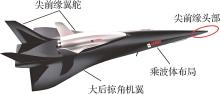
Fig.1
Schematic diagram of a typical aerospace vehicle[2]
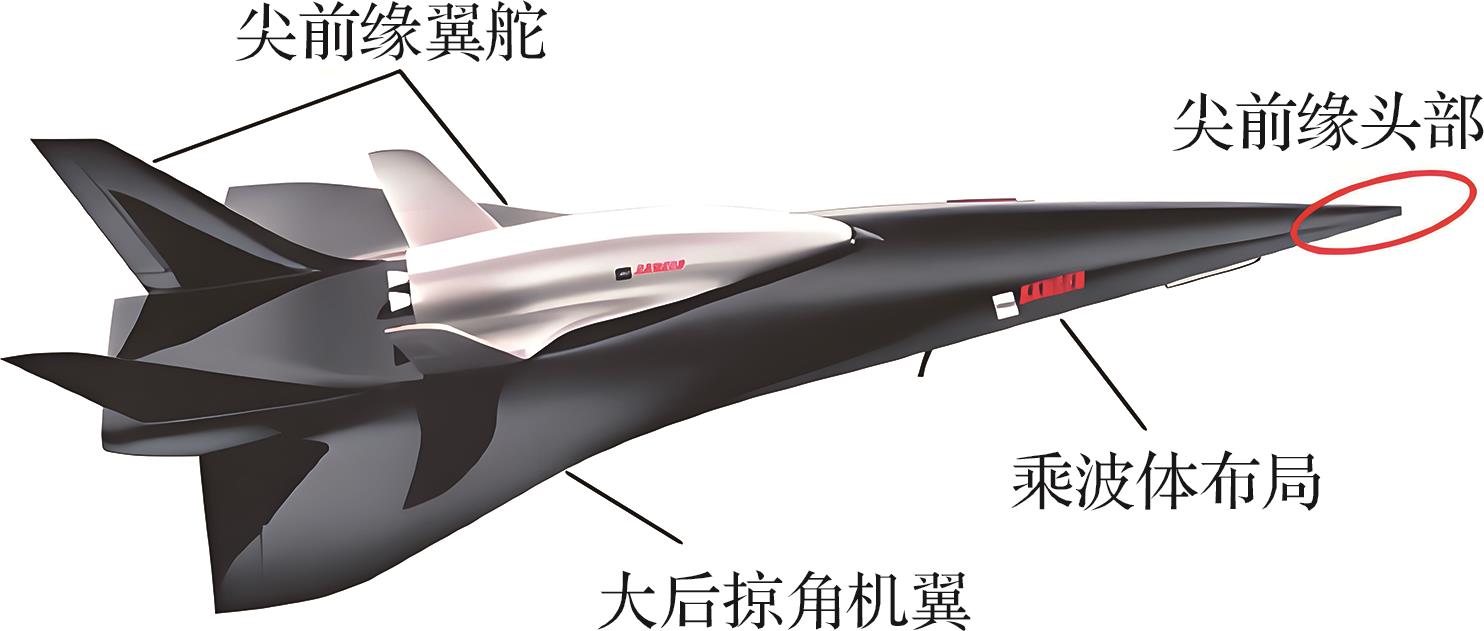
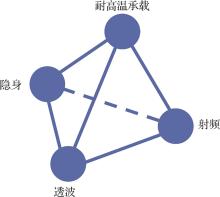
Fig.2
Tetrahedral schematic of electromagnetic functional structure
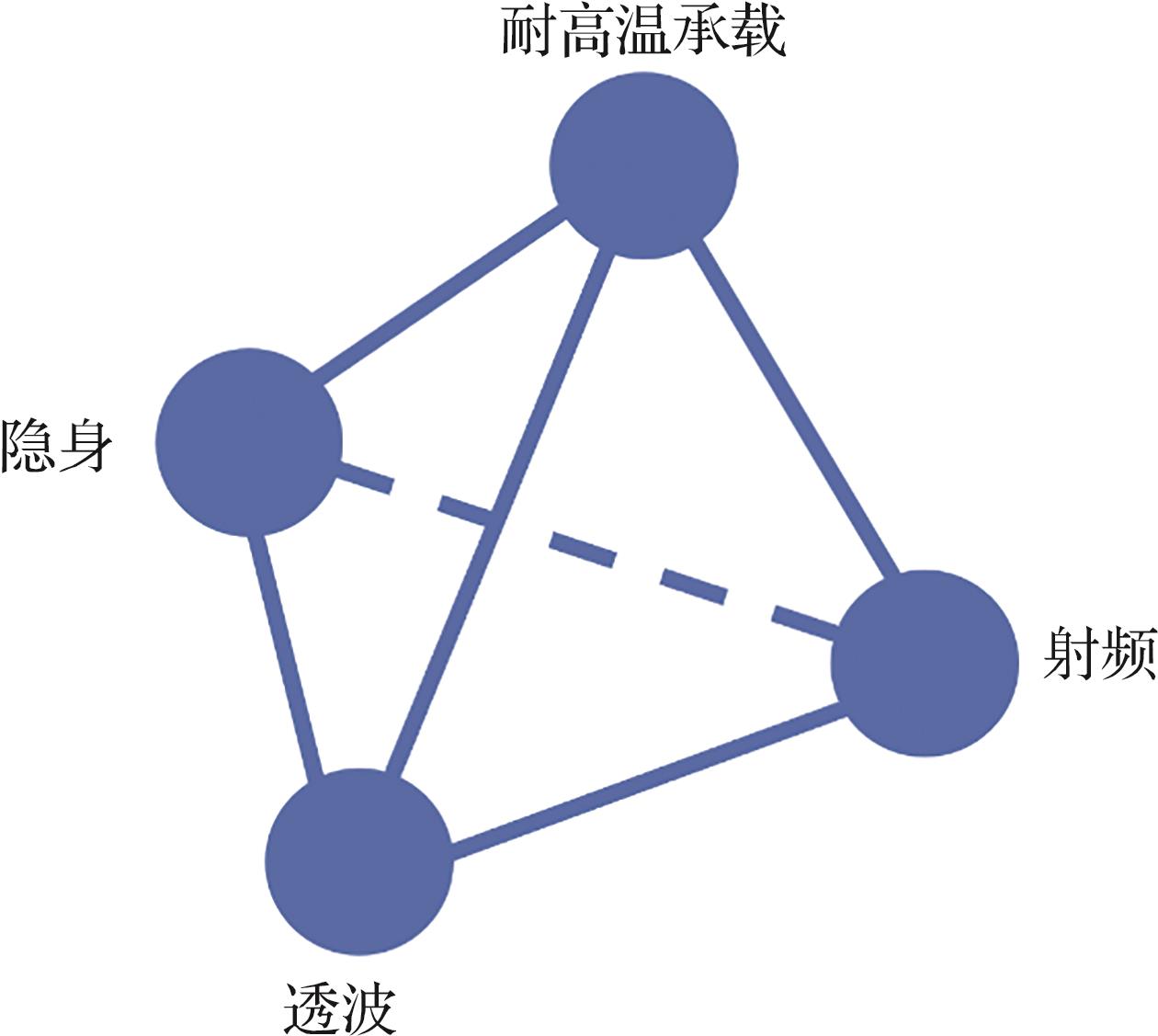
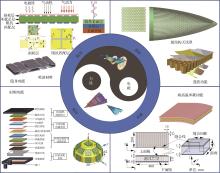
Fig.3
Schematic for Load-bearing, Wave-transparent, Stealth and Radio-Frequency (LWSR) multifunctional integration of electromagnetic functional structure
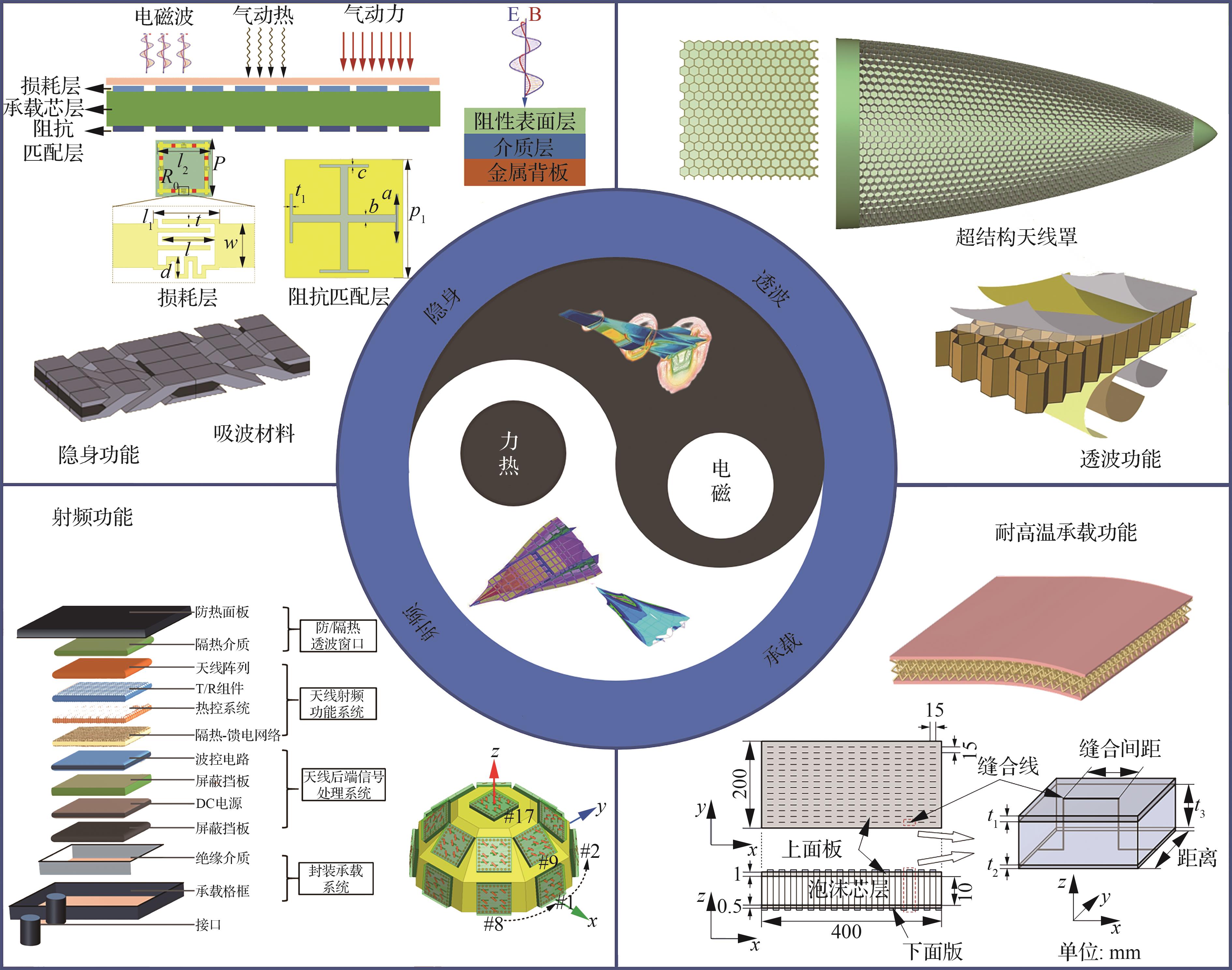
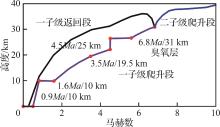
Fig.4
Flight profile of ascent phase of Sanger aerospace vehicle[25]
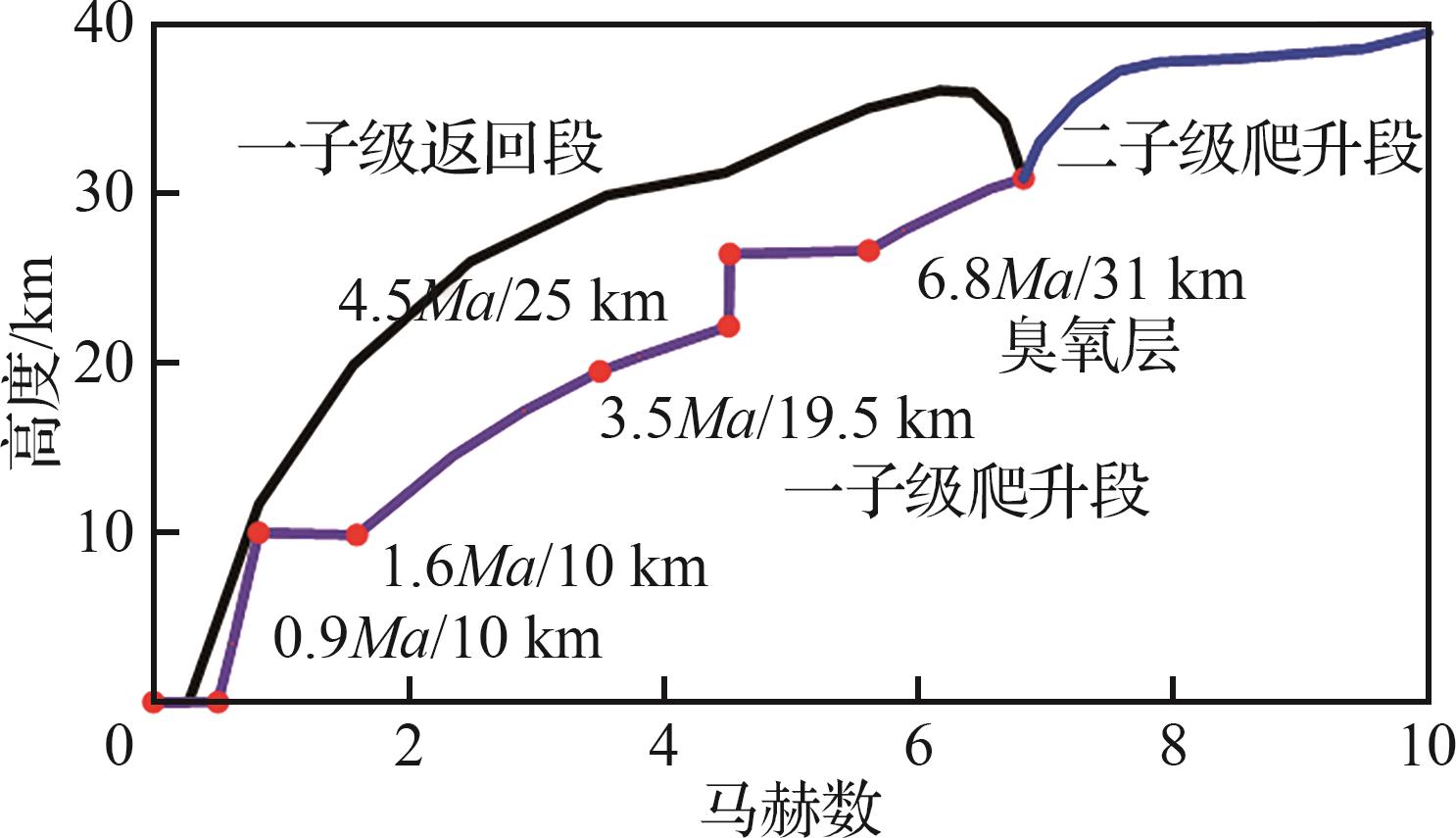
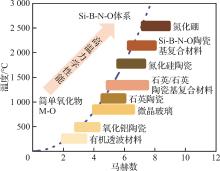
Fig.5
Main framework and operating temperature of wave-transparent materials[32]
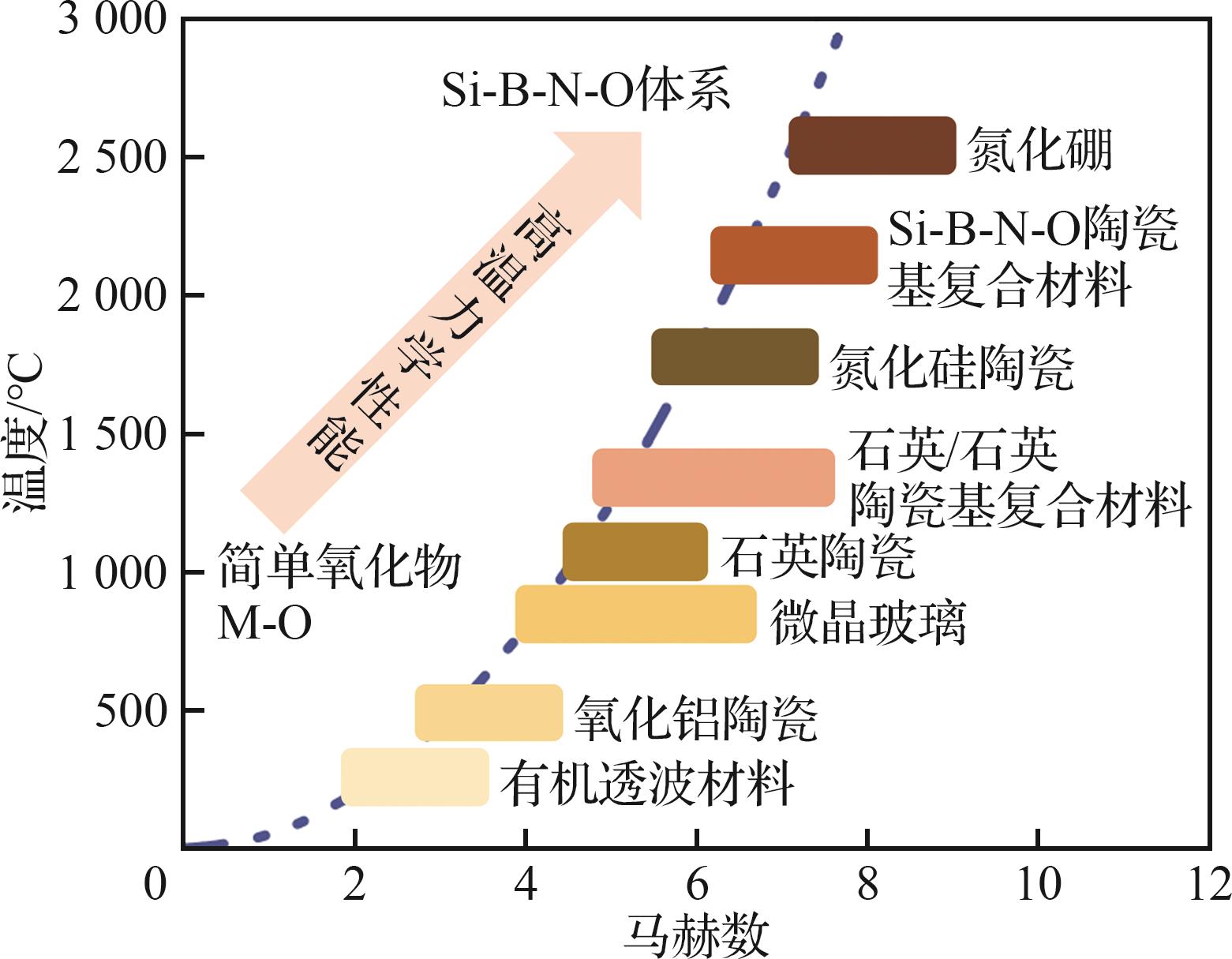
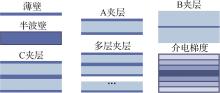
Fig.6
Classification of wave-transparent radome wall structures[61]
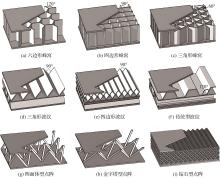
Fig.7
Types of microstructure core of radomes[78]

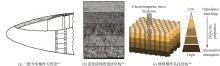
Fig.8
Dielectric gradient radome structures
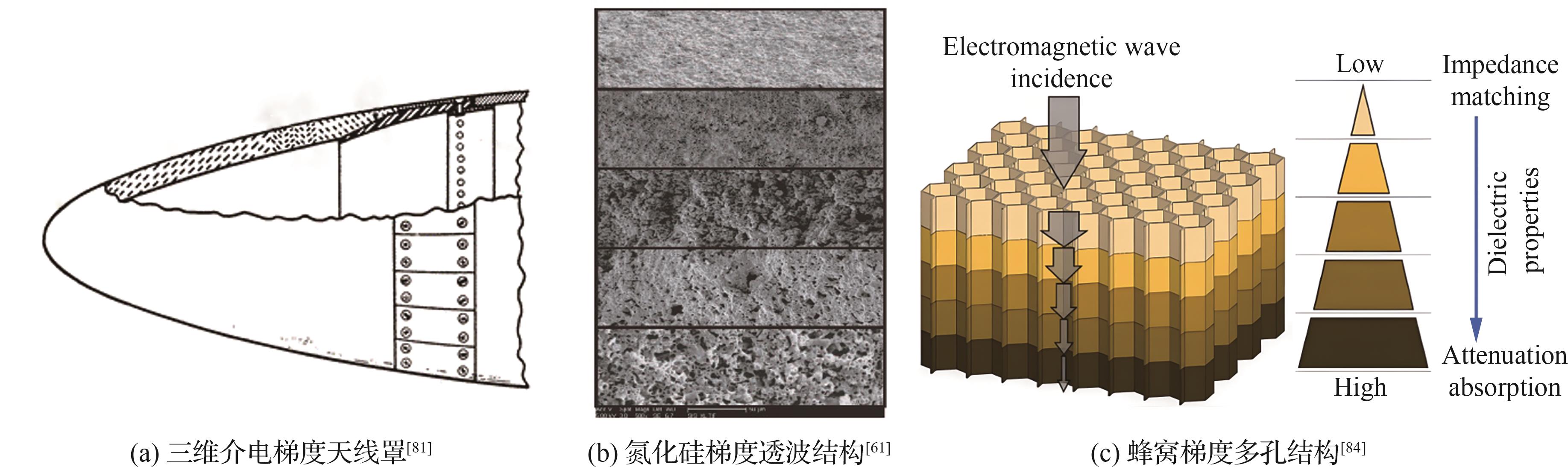
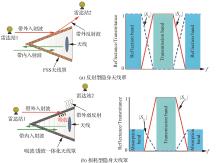
Fig.9
Radome stealth mechanisms and band characteristics[87]
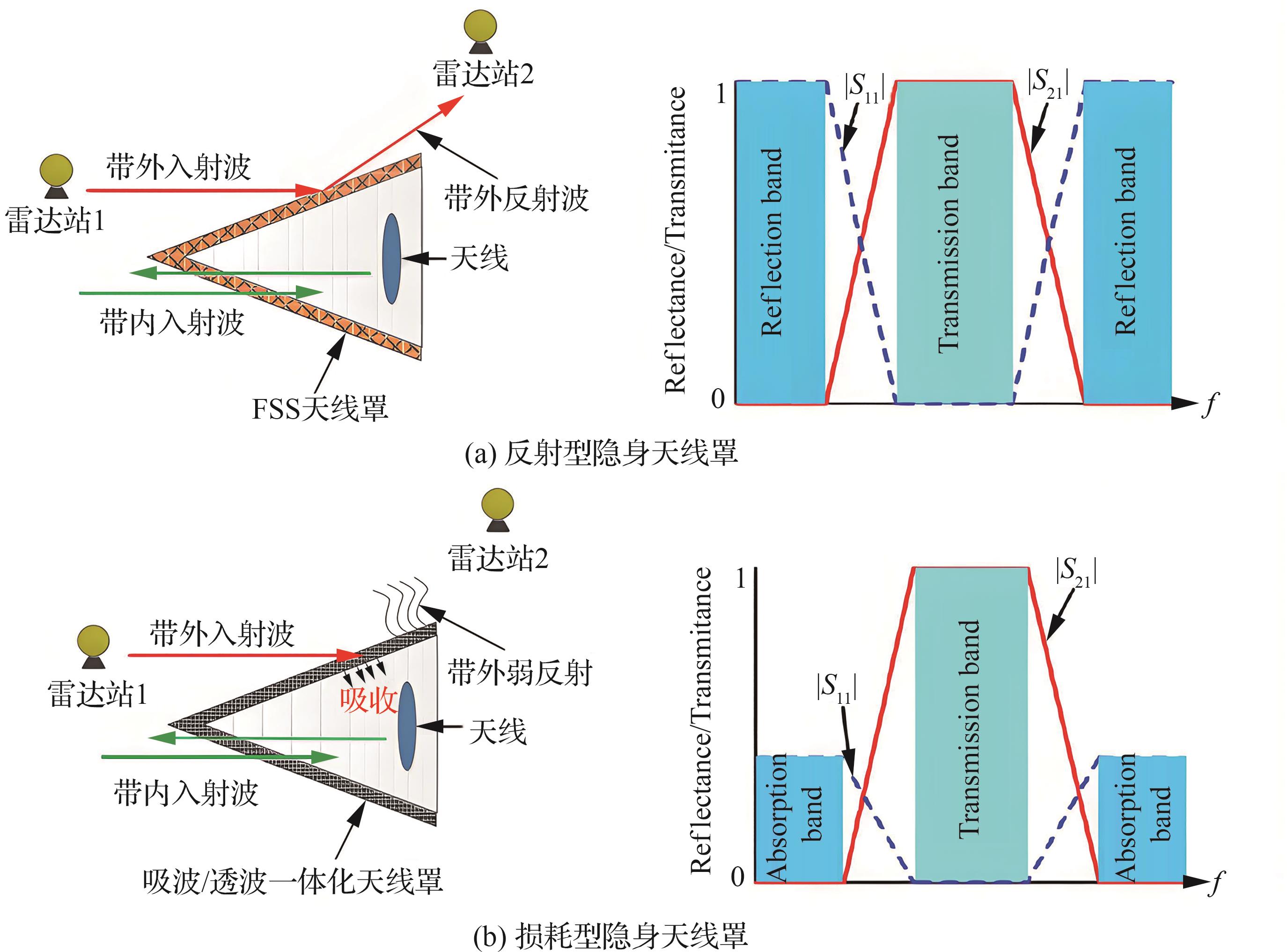
Fig.10
Reflective stealth radomes
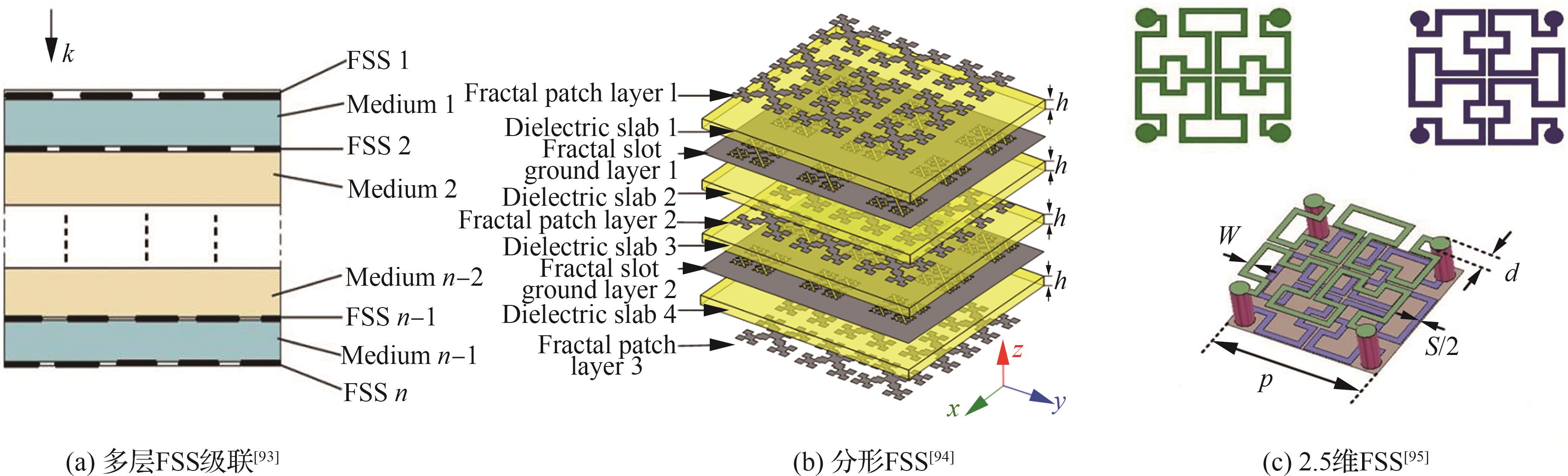
Fig.11
Lossy stealth radomes
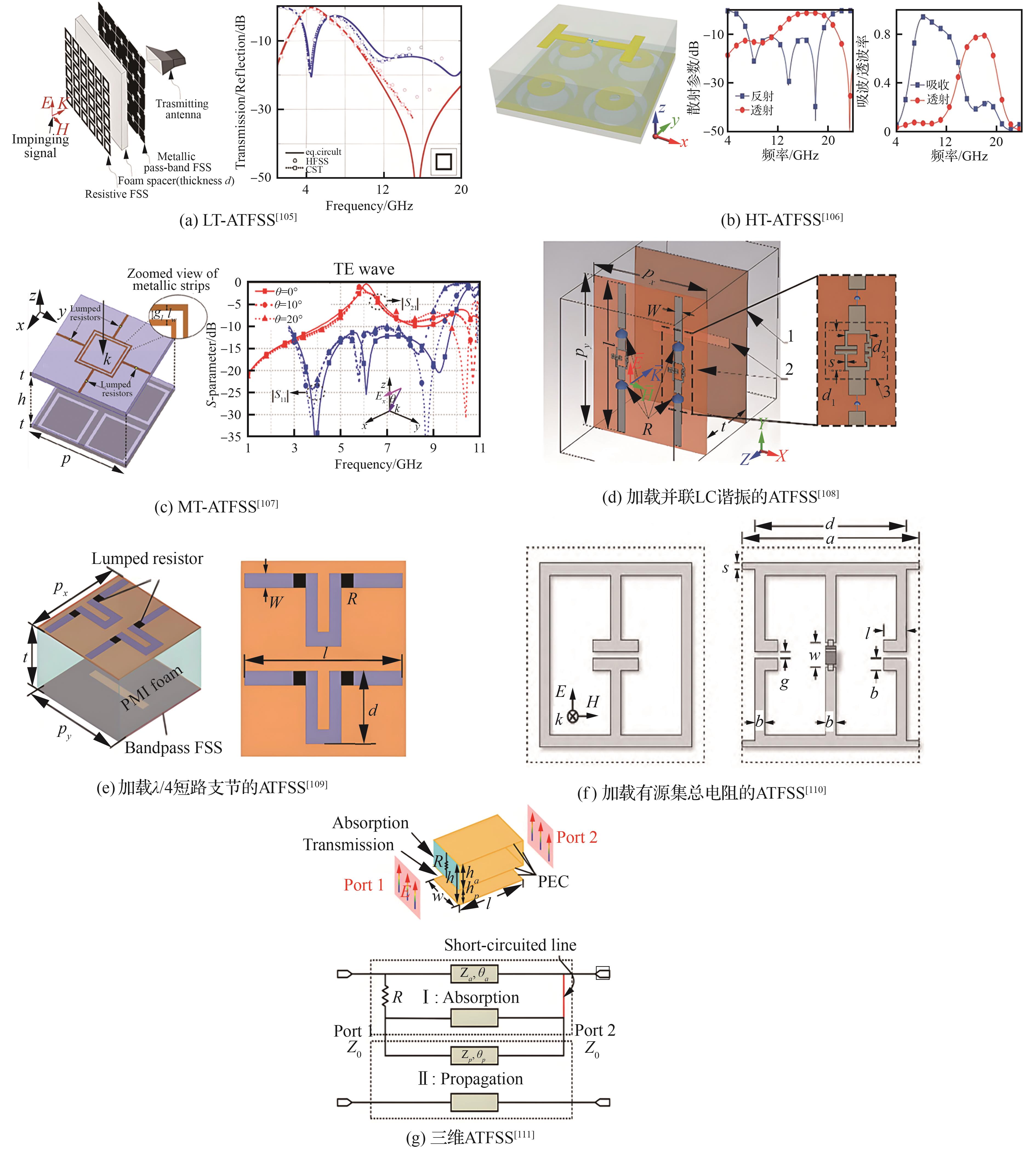
Fig.12
High-temperature FSS radome structures
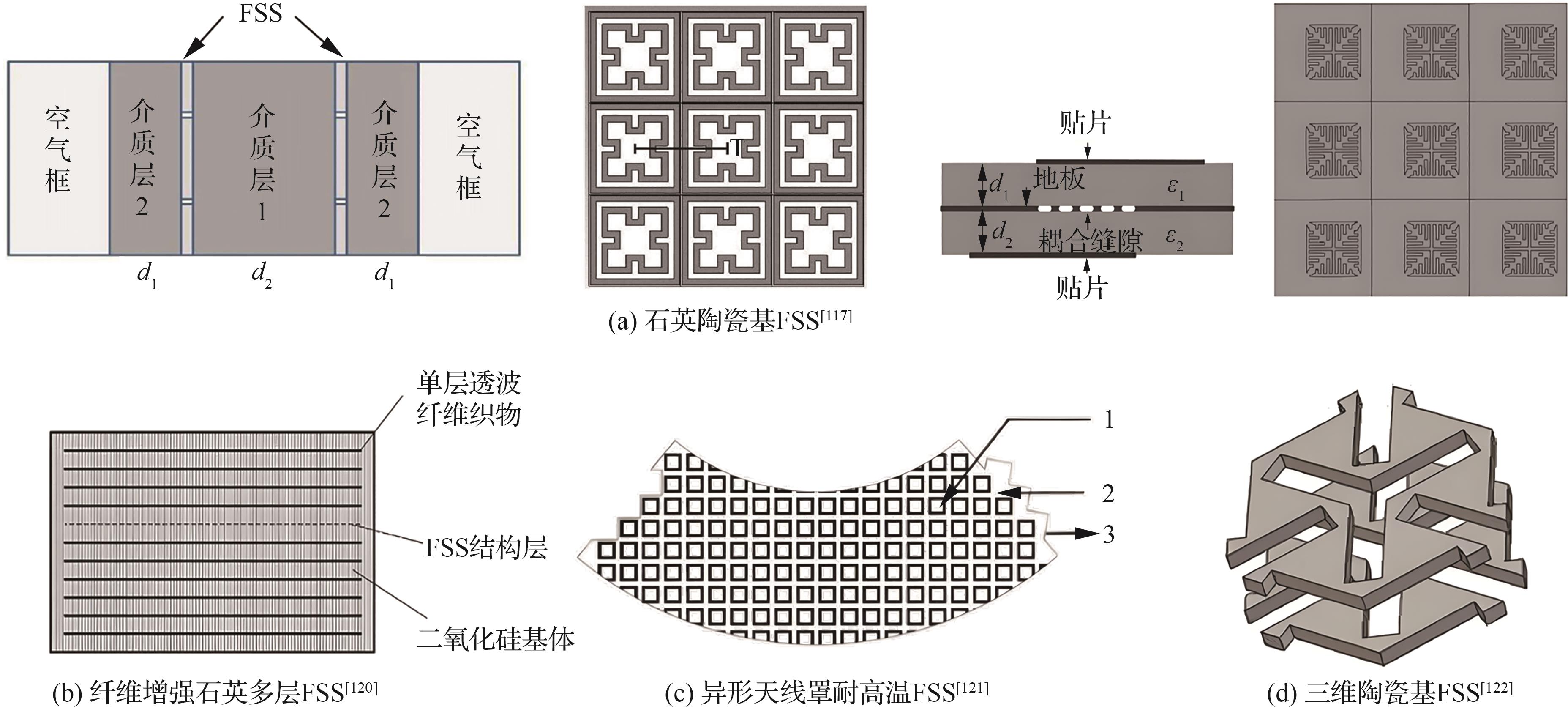
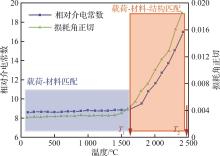
Fig.13
Schematic diagram of operating temperature for wave-transparent materials
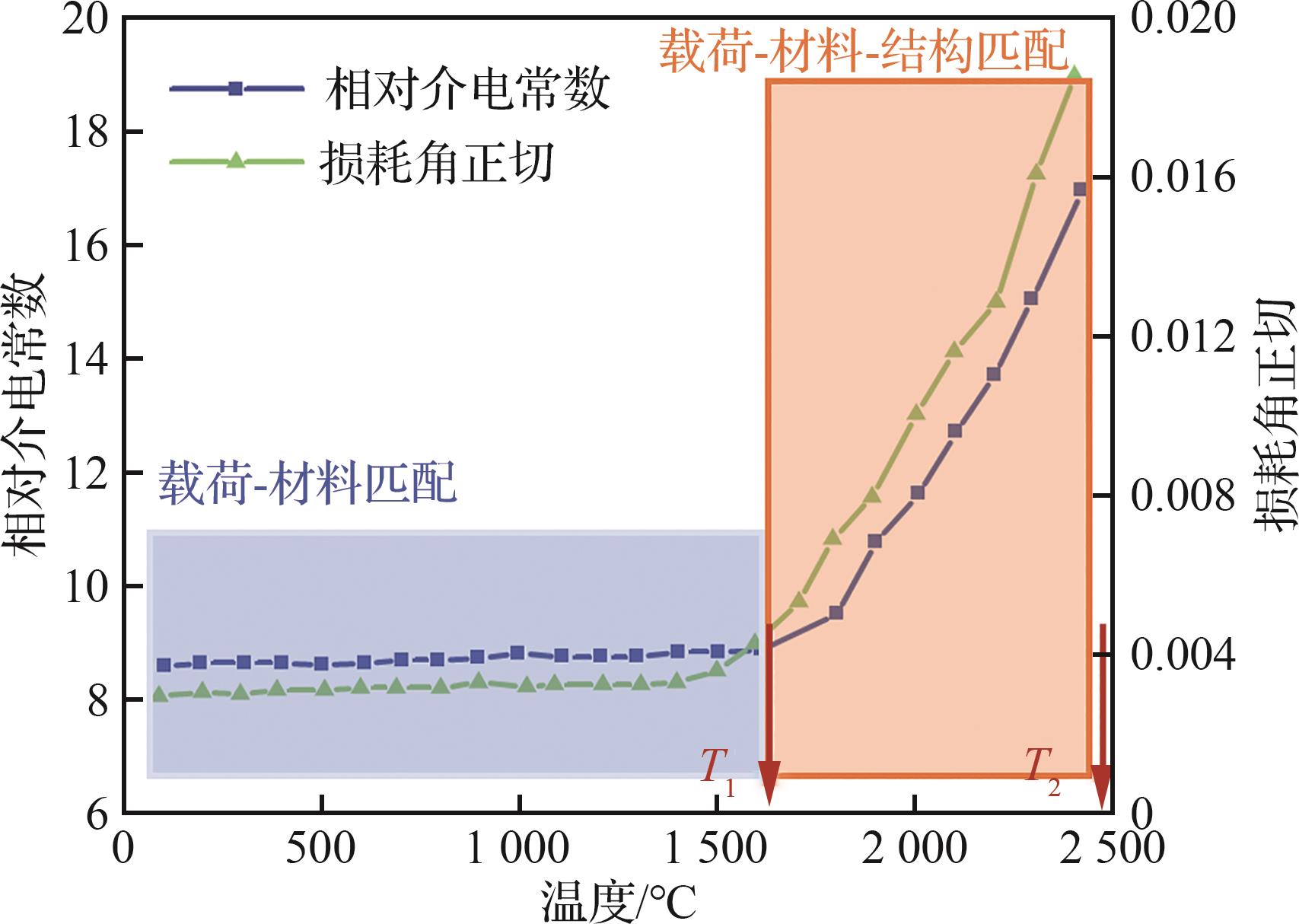
Fig.14
Schematic diagrams of different types of absorptive structures
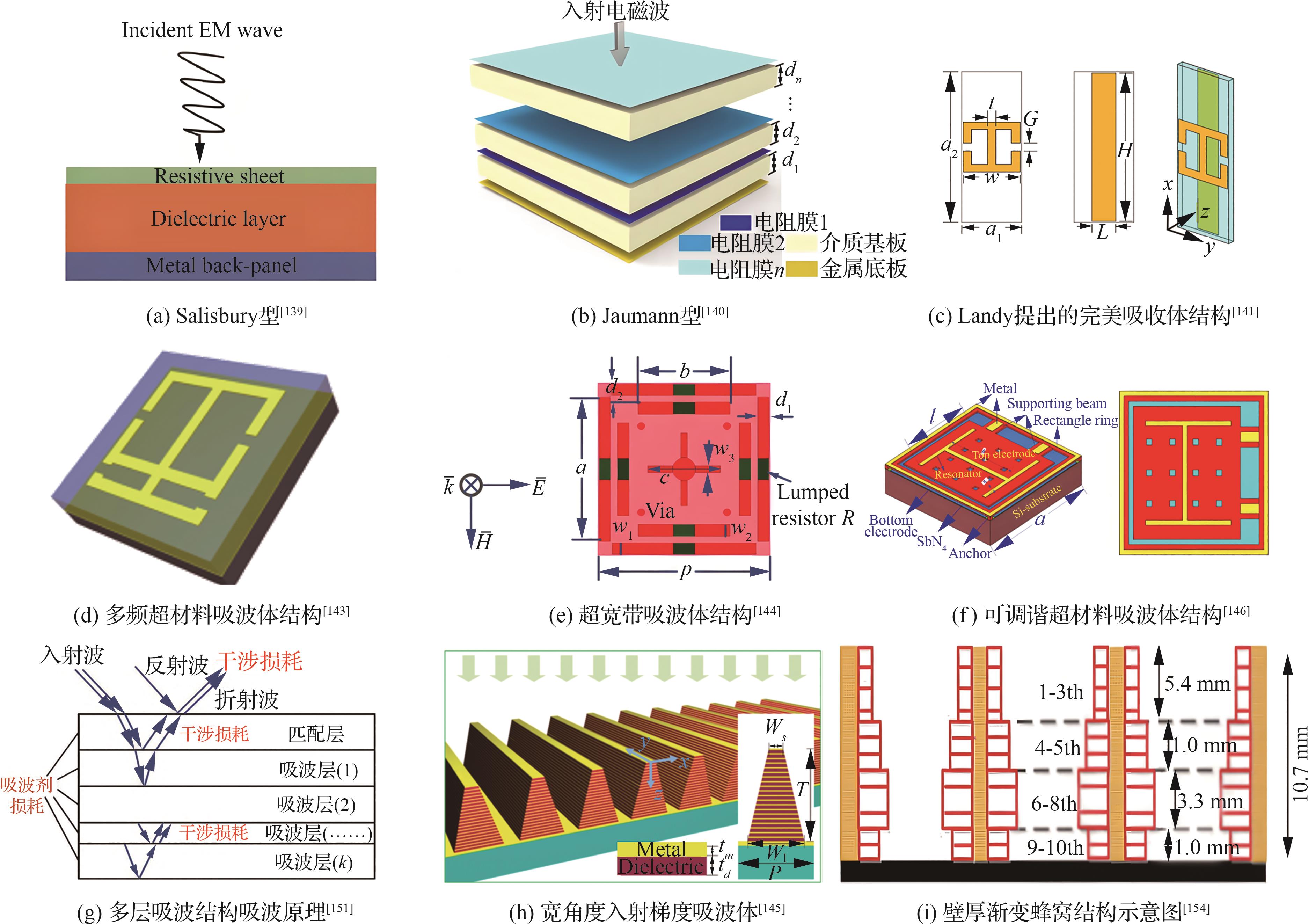
Fig.15
Schematic diagrams of different types of absorptive structures conformal antennas

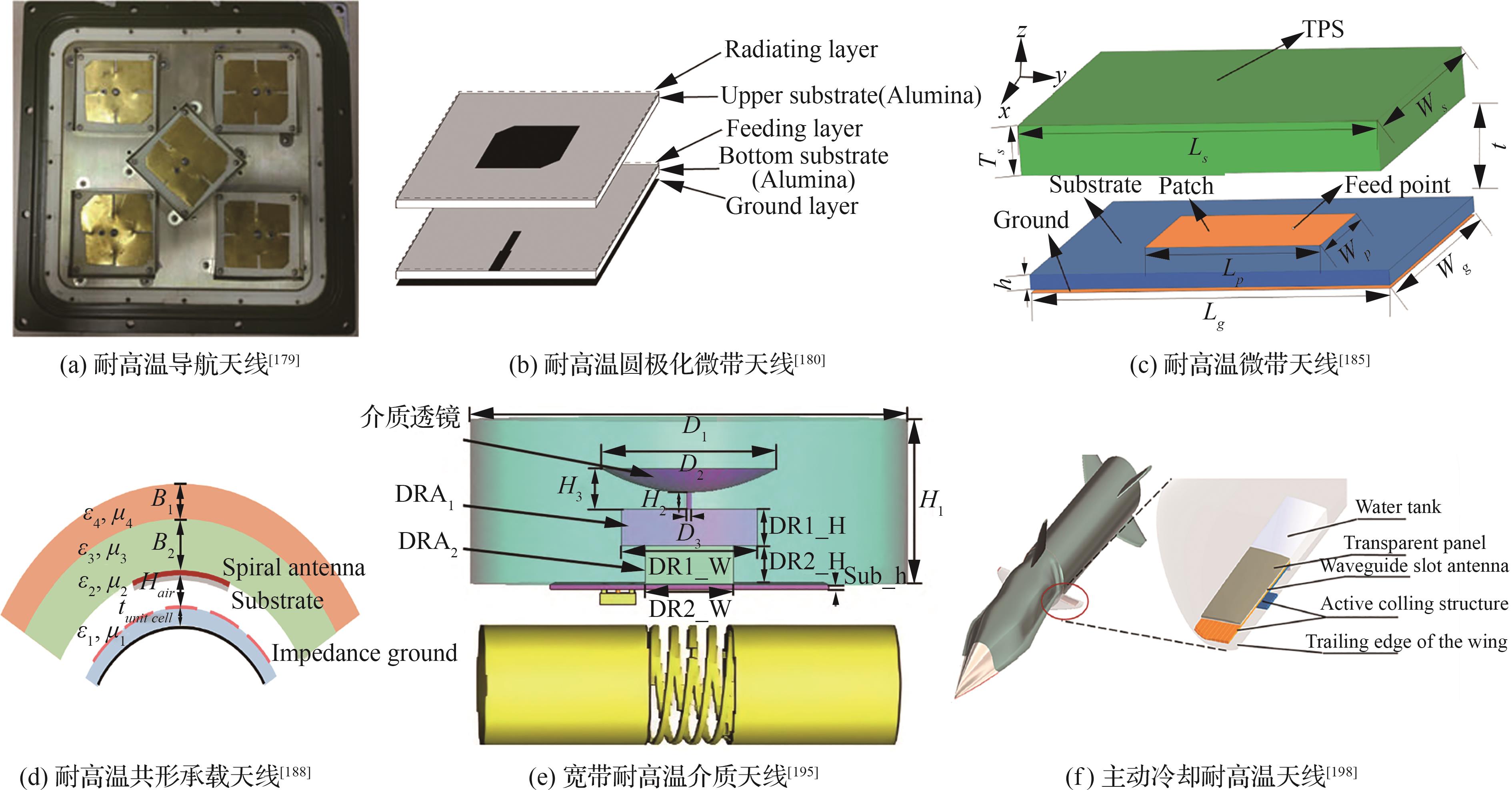
Fig.16
High-temperature design of antennas
| [1] | 王长青. 空天飞行技术创新与发展展望[J]. 宇航学报, 2021, 42(7): 807-819. |
| WANG C Q. Technological innovation and development prospect of aerospace vehicle[J]. Journal of Astronautics, 2021, 42(7): 807-819 (in Chinese). | |
| [2] | WEILAND C. The aerodynamics of real space vehicles in the light of supersonic and hypersonic approximate theories[J]. CEAS Space Journal, 2020, 12(1): 85-96. |
| [3] | 陈冰, 郑勇, 陈张雷, 等. 临近空间高超声速飞行器天文导航系统综述[J]. 航空学报, 2020, 41(8): 623686. |
| CHEN B, ZHENG Y, CHEN Z L, et al. A review of celestial navigation system on near space hypersonic vehicle[J]. Acta Aeronautica ET Astronautica Sinica, 2020, 41(8): 623686 (in Chinese). | |
| [4] | HUI Y N, KANG Y L. Overview of MEA key technology and system integration[J]. The Journal of Engineering, 2018, 2018(13): 661-664. |
| [5] | BRADSHAW S. Next generation aircraft propulsion: A Pratt & Whitney approach[J]. AM&P Technical Articles, 2023, 181(2): 12-16. |
| [6] | WANG L, LI J, LI K, et al. Development of EPDM composites reinforced by CNTs@SiO2 for thermal protection systems of aerospace propulsion: Significant improvement in oxidation and ablation resistance properties[J]. Chinese Journal of Aeronautics, 2024, 37(2): 471-481. |
| [7] | ZHAO C W, TU Z C, MAO J K, et al. Multi-scale collaborative design method for macroscopic thermal optimization and mesoscopic woven structure of hypersonic vehicle’s TOCMC leading edge[J]. Chinese Journal of Aeronautics, 2024, 37(4): 524-541. |
| [8] | LI W J, ZHANG Z W, JIANG Z H, et al. Comprehensive performance of multifunctional lightweight composite reinforced with integrated preform for thermal protection system exposed to extreme environment[J]. Aerospace Science and Technology, 2022, 126: 107647. |
| [9] | AI S G, WANG X, CHEN Y F, et al. Structural efficiency of a stitched integrated thermal protection system with thermal protection/insulation and load-bearing capacity[J]. Composite Structures, 2022, 298: 116073. |
| [10] | JI J M, REN J H, JIANG X Y, et al. A novel method for calculating broadband electrical performance of high-speed aircraft radome under thermo-mechanical-electrical coupling[J]. Chinese Journal of Aeronautics, 2024, 37(9): 463-474. |
| [11] | TAN Z P, BAI M, DANG X W, et al. A hybrid method for wave propagation through large dielectric radome[J]. IEEE Antennas and Wireless Propagation Letters, 2024, 23(10): 3277-3281. |
| [12] | DU Y H, TIAN Z L, ZHENG L Y, et al. Mechanical and dielectric properties of RE2SiO5 (RE=Ho, Er, Tm, Yb, and Lu) as high-temperature wave-transparent materials [J]. Ceramics International, 2024, 50(18): 32187-32197. |
| [13] | SHANG X B, ZHAI D, LIU M H, et al. Dielectric properties and electromagnetic wave transmission performance of aluminium silicate fibreboard at 915 MHz and 2 450 MHz[J]. Ceramics International, 2021, 47(6): 7539-7557. |
| [14] | LIANG X, ZHANG Z Q, ZHANG J T, et al. Study on microwave absorption performance of the skin-core dual-domain structure constructed with thin-ply laminate and honeycomb[J]. Polymers, 2024, 45(14): 12723-12737. |
| [15] | BAI L, CHANG N, ZHAO M Y, et al. Broadband absorption performance of 3D-printed polyetheretherketone-based electromagnetic wave-absorbing composites[J]. Chinese Journal of Aeronautics, 2024, 37(8): 547-558. |
| [16] | YANG J N, ZHANG Y T, TANG M C, et al. Compact wideband FSS-absorber-based low-RCS reflectarray antenna[J]. Chinese Journal of Aeronautics, 2023, 36(6): 332-339. |
| [17] | YU Y F, ZHANG C H, LIU Q, et al. High-selectivity band-absorptive frequency-selective rasorber[J]. IEEE Antennas and Wireless Propagation Letters, 2024, 23(9): 2623-2627. |
| [18] | QIAO M K, LI X C, LIAO Z Q, et al. Lossy frequency-selective surface metamaterials based on silicon slice with broadband microwave absorption at elevated temperature[J]. Physica status solidi-Rapid Research Letters, 2022, 16(4): 2100629. |
| [19] | WANG Y, YI S H, SUN X, et al. Electromagnetic wave absorbing metastructure for high-temperature resistant and broadband application[J]. Materials Today Nano, 2025, 29: 100572. |
| [20] | 王江涛, 陈帅, 沈承, 等. 吸波材料/结构及吸波-承载功能一体化结构研究进展[J]. 复合材料学报, 2024, 41(8): 3866-3882. |
| WANG J T, CHEN S, SHEN C, et al. Progress of wave-absorbing materials/structures and wave absorbing-load bearing multifunctional structures[J]. Acta Materiae Compositae Sinica, 2024, 41(8): 3866-3882 (in Chinese). | |
| [21] | 史则颖, 叶冬, 彭子寒, 等. 飞行器共形天线新型制造工艺及应用研究进展[J]. 航空学报, 2021, 42(10): 524812. |
| SHI Z Y, YE D, PENG Z H, et al. Research progress on novel manufacturing approaches of conformal antenna for aircraft[J]. Acta Aeronautica ET Astronautica Sinica, 2021, 42(10): 524812 (in Chinese). | |
| [22] | LI P, XU W Y, SONG L W. Power pattern tolerance analysis of radome with the material property error based on interval arithmetic[J]. IEEE Antennas and Wireless Propagation Letters, 2017, 16: 1321-1324. |
| [23] | DONG J C, ZHENG X T, HAN Y J, et al. A novel sandwich structured spoof surface plasmon polaritons antenna integrating multibeam and enhanced mechanical performances[J]. Thin-Walled Structures, 2024, 194(A): 111306. |
| [24] | ZHOU J Z, CAI Z H, KANG L, et al. Deformation sensing and electrical compensation of smart skin antenna structure with optimal fiber Bragg grating strain sensor placements[J]. Composite Structures, 2019, 211: 418-432. |
| [25] | 佘文学, 刘晓鹏, 刘凯. 桑格尔空天飞行器技术途径分析与思考[J]. 火箭推进, 2021, 47(6): 11-20. |
| SHE W X, LIU X P, LIU K. Analysis and thinking on technical approach of Sanger aerospace vehicle[J]. Journal of Rocket Propulsion, 2021, 47(6): 11-20 (in Chinese). | |
| [26] | BARTA J, MANELA M, FISCHER R. Si3N4 and Si2N2O for high performance radomes[J]. Materials Science and Engineering, 1985, 71: 265-272. |
| [27] | 张军, 张恒, 沈献民, 等. 电磁透波功能复合材料的研究[J]. 材料导报, 2003, 17(7): 64-66. |
| ZHANG J, ZHANG H, SHEN X M, et al. Investigation of electro-magnetic wave penetrating composite materials[J]. Materials Reports, 2003, 17(7): 64-66 (in Chinese). | |
| [28] | 吴大方, 林鹭劲, 任浩源, 等. 高超声速飞行器脆性透波材料大热流冲击下断裂性能试验[J]. 航空学报, 2019, 40(4): 222594. |
| WU D F, LIN L J, REN H Y, et al. Fracture performance test of wave transparent brittle materials of hypersonic vehicle under high-heat-flow thermal shock[J]. Acta Aeronautica ET Astronautica Sinica, 2019, 40(4): 222594 (in Chinese). | |
| [29] | 袁海根, 周玉玺. 透波复合材料研究进展[J]. 化学推进剂与高分子材料, 2006, 4(5): 30-36. |
| YUAN H G, ZHOU Y X. Research progress of transparent composites[J]. Chemical Propellants & Polymeric Materials, 2006, 4(5): 30-36 (in Chinese). | |
| [30] | 高晓菊, 王红洁. 高温微波功能复合材料研究进展[J]. 硅酸盐通报, 2007, 26(5): 975-979. |
| GAO X J, WANG H J. Research progress of high temperature microwave function composite[J]. Bulletin of the Chinese Ceramic Society, 2007, 26(5): 975-979 (in Chinese). | |
| [31] | MRUTHYUNJAYA L, SURYANARAYANA RAO K N. Measurement of dielectric constant of aerospace dielectric materials[J]. Journal of Spacecraft Technology, 1996, 6(2): 28-30. |
| [32] | 向天意, 李端, 李俊生, 等. 高温电磁透波材料的研究进展[J]. 材料导报, 2023, 37(18): 43-53. |
| XIANG T Y, LI D, LI J S, et al. Research progress of high temperature resistant electromagnetic wave-transparent materials[J]. Materials Reports, 2023, 37(18): 43-53 (in Chinese). | |
| [33] | BOLIVAR P H, BRUCHERSEIFER M, RIVAS J G, et al. Measurement of the dielectric constant and loss tangent of high dielectric-constant materials at terahertz frequencies[J]. IEEE Transactions on Microwave Theory and Techniques, 2003, 51(4): 1062-1066. |
| [34] | 张伟儒. 高性能氮化物透波材料的设计、制备及特性研究[D]. 武汉: 武汉理工大学, 2007. |
| ZHANG W R. Study on design, fabrication and characters of nitride ceramic wave-transparent materials with high performance[D]. Wuhan: Wuhan University of Technology, 2007 (in Chinese). | |
| [35] | 石毓锬, 梁国正, 兰立文. 树脂基复合材料在导弹雷达天线罩中的应用[J]. 材料工程, 2000, 28(5): 36-39. |
| SHI Y T, LIANG G Z, LAN L W. Research of polymer-matrix composites for missile radomes[J]. Journal of Materials Engineering, 2000, 28(5): 36-39 (in Chinese). | |
| [36] | TANG L, ZHANG J L, TANG Y S, et al. Polymer matrix wave-transparent composites: A review[J]. Journal of Materials Science & Technology, 2020, 75: 225-251. |
| [37] | ZU Y, ZHANG F F, CHEN D D, et al. Wave-transparent composites based on phthalonitrile resins with commendable thermal properties and dielectric performance[J]. Polymer, 2020, 198: 122490. |
| [38] | TANG L, FAN X L, TANG Y S, et al. Calcia-doped ceria hybrid coating functionalized PBO fibers with excellent UV resistance and improved interfacial compatibility with cyanate ester resins[J]. Applied Surface Science, 2021, 569: 151124. |
| [39] | 胡连成, 黎义, 于翘. 俄罗斯航天透波材料现状考察[J]. 宇航材料工艺, 1994, 24(1): 48-52. |
| HU L C, LI Y, YU Q. Investigation on the present situation of Russian space wave-transparent materials[J]. Aerospace Materials & Technology, 1994, 24(1): 48-52 (in Chinese). | |
| [40] | 常乃芳. 国外几种主要空空导弹 麻雀(AIM-7, RIM-7)[J]. 航空兵器, 1982(4): 30-35. |
| CHANG N F. Several main foreign air-to-air missile sparrows (AIM-7, RIM-7)[J]. Aero Weaponry, 1982(4): 30-35 (in Chinese). | |
| [41] | 崔唐茵, 刘瑞祥, 崔文亮, 等. 石英陶瓷天线罩表面封孔防潮涂层的研究[J]. 陶瓷, 2010(8): 32-34. |
| CUI T Y, LIU R X, CUI W L, et al. Study on moisture-proof coating for sealing hole on the surface of Shi Ying ceramic radome[J]. Ceramics, 2010(8): 32-34 (in Chinese). | |
| [42] | 闫联生, 李贺军, 崔红. 高温陶瓷透波材料研究进展[J]. 宇航材料工艺, 2004, 34(2): 14-16. |
| YAN L S, LI H J, CUI H. Development of high temperature ceramic wave-transparent materials[J]. Aerospace Materials & Technology, 2004, 34(2): 14-16 (in Chinese). | |
| [43] | YAO L X, LIU Z Q, SONG Q H, et al. Prediction modelling of cutting force in rotary ultrasonic end grinding 2.5D woven SiO2f/SiO2 ceramic matrix composite[J]. Composite Structures, 2023, 304(P1): 116448. |
| [44] | 蔡德龙, 陈斐, 何凤梅, 等. 高温透波陶瓷材料研究进展[J]. 现代技术陶瓷, 2019, 40(S1): 4-120. |
| CAI D L, CHEN F, HE F M, et al. Recent progress and prospection on high-temperature wave-transparent ceramic materials[J]. Advanced Ceramics, 2019, 40(S1): 4-120 (in Chinese). | |
| [45] | 刘景林. 氧化铝陶瓷介电性能的提高[J]. 耐火与石灰, 2007, 32(3): 21-23. |
| LIU J L. Improvement of dielectric properties of alumina ceramics[J]. Refractories & Lime, 2007, 32(3): 21-23 (in Chinese). | |
| [46] | 董继鹏, 何飞, 罗澜, 等. CeO2对镁铝硅钛系统微晶玻璃的相变和介电性能影响[J]. 无机材料学报, 2007, 22(1): 35-39. |
| DONG J P, HE F, LUO L, et al. Phase transition and dielectric properties of MgO-Al2O3-SiO2-TiO2 glass-ceramics adding CeO2 [J]. Journal of Inorganic Materials, 2007, 22(1): 35-39 (in Chinese). | |
| [47] | ZHANG B, MA J, YE J, et al. Ultra-low cost porous mullite ceramics with excellent dielectric properties and low thermal conductivity fabricated from Kaolin for radome applications[J]. Ceramics International, 2019, 45(15): 18865-18870. |
| [48] | WANG H, GENG H R, LIU C L. The influence of SiO2 on the aluminum borate whisker reinforced aluminum phosphate wave-transparent materials[J]. Procedia Engineering, 2012, 27: 1222-1227. |
| [49] | HAMMI N, KĘDZIERSKA M, WROŃSKA N, et al. Boron nitride embedded in chitosan hydrogel as a hydrophobic, promising metal-free, sustainable antibacterial material[J]. Materials Advances, 2023, 4(21): 5191-5199. |
| [50] | ZHANG T, ZHONG B, XIA L, et al. Large-scale synthesis of monodispersed Si-B-N-O doped carbon hollow cages with microwave absorption property[J]. Materials Research Bulletin, 2015, 72: 211-214. |
| [51] | 李端, 张长瑞, 李斌, 等. 氮化硼透波材料的研究进展与展望[J]. 硅酸盐通报, 2010, 29(5): 1072-1078, 1085. |
| LI D, ZHANG C R, LI B, et al. Progress and prospect of wave-transparent boron nitride materials[J]. Bulletin of the Chinese Ceramic Society, 2010, 29(5): 1072-1078, 1085 (in Chinese). | |
| [52] | XIANG Y, WANG Q, PENG Z H, et al. High-temperature properties of 2.5D SiO2f/SiO2 composites by Sol-gel[J]. Ceramics International, 2016, 42(11): 12802-12806. |
| [53] | PI Z Y, XIAO H G, LIU R, et al. Effects of brass coating and nano-SiO2 coating on steel fiber-matrix interfacial properties of cement-based composite[J]. Composites Part B: Engineering, 2020, 189: 107904. |
| [54] | XIA L, LU S R, ZHONG B, et al. Effect of boron doping on waterproof and dielectric properties of polyborosiloxane coating on SiO2f/SiO2 composites[J]. Chinese Journal of Aeronautics, 2019, 32(8): 2017-2027. |
| [55] | RAN Y C, SUN J S, KANG R K, et al. Towards understanding the machining process in grinding of ceramic matrix composites: A review[J]. Composites Part B: Engineering, 2024, 284: 111657. |
| [56] | 李光亚, 梁艳媛. 纤维增强SiBN陶瓷基复合材料的制备及性能[J]. 宇航材料工艺, 2016, 46(3): 61-64. |
| LI G Y, LIANG Y Y. Preparation and performance of fiber reinforced SiBN ceramic matrix composite[J]. Aerospace Materials & Technology, 2016, 46(3): 61-64 (in Chinese). | |
| [57] | SHEN X H, ZHANG L Z, REN Z K, et al. Improvement of mechanical properties of bio-inspired layered Si3N4/BN ceramics[J]. Ceramics International, 2024, 50(11): 18220-18226. |
| [58] | 李端, 张长瑞, 李斌, 等. SiO2f/SiO2-BN复合材料的制备及其性能[J]. 复合材料学报, 2011, 28(3): 63-68. |
| LI D, ZHANG C R, LI B, et al. Preparation and properties of SiO2f/SiO2-BN composites[J]. Acta Materiae Compositae Sinica, 2011, 28(3): 63-68 (in Chinese). | |
| [59] | 李端. 氮化硼纤维增强陶瓷基透波复合材料的制备与性能研究[D]. 长沙: 国防科学技术大学, 2011. |
| LI D. Preparation and properties of boron nitride fiber reinforced wave-transparent ceramic matrix composites[D]. Changsha: National University of Defense Technology, 2011 (in Chinese). | |
| [60] | 袁乃昌, 莫锦军. 多频段天线罩功率传输系数的优化设计[J]. 电波科学学报, 1999, 14(4): 378-383. |
| YUAN N C, MO J J. On optimizing the power transmission coefficient of multi frequency radomes[J]. Chinese Journal of Radio Science, 1999, 14(4): 378-383 (in Chinese). | |
| [61] | CHEN F, SHEN Q, ZHANG L M. Electromagnetic optimal design and preparation of broadband ceramic radome material with graded porous structure[J]. Progress in Electromagnetics Research, 2010, 105: 445-461. |
| [62] | 王小群, 杜善义, 韩杰才. 高速宽频带防空导弹天线罩研制探讨[J]. 宇航材料工艺, 1998, 28(2): 17-23. |
| WANG X Q, DU S Y, HAN J C. The study on manufacturing of radome for broad-band supersonic missile[J]. Aerospace Materials & Technology, 1998, 28(2): 17-23 (in Chinese). | |
| [63] | GU J, FAN Y, ZHANG Y H, et al. A novel 3-D half-mode SICC resonator for microwave and millimeter-wave applications[J]. Journal of Electromagnetic Waves and Applications, 2009, 23(11-12): 1429-1439. |
| [64] | MENG H F, DOU W B. Multi-objective optimization of radome performance with the structure of local uniform thickness[J]. IEICE Electronics Express, 2008, 5(20): 882-887. |
| [65] | XU W Y, DUAN B Y, LI P, et al. Multiobjective particle swarm optimization of boresight error and transmission loss for airborne radomes[J]. IEEE Transactions on Antennas and Propagation, 2014, 62(11): 5880-5885. |
| [66] | 万照辉. 变厚度设计及环境因素对天线罩电性能影响的分析和研究[D]. 南京: 南京航空航天大学, 2022. |
| WAN Z H. The design of the variable thickness radome and the environment’s influence on the electrical performance of the radome[D]. Nanjing: Nanjing University of Aeronautics and Astronautics, 2022 (in Chinese). | |
| [67] | 刘晓春. 雷达天线罩电性能设计技术[M]. 北京: 航空工业出版社, 2017. |
| LIU X C. Radome electrical performance design technology[M]. Beijing: Aviation Industry Press, 2017 (in Chinese). | |
| [68] | NAIR R U, JHA R M. Novel A-sandwich radome design for airborne applications[J]. Electronics Letters, 2007, 43(15): 787-789. |
| [69] | ÖZDEMIR B, SALAMCI E, KULOĞLU M, et al. Comparison of radome sandwich composite structures with finite element method[J]. Materials Today: Proceedings, 2021, 34: 297-303. |
| [70] | WANG B, LUO B L, HU W, et al. Manufacturing and mechanical testing of woven lattice truss C-sandwich radome composites[J]. Composite Structures, 2023, 308: 116675. |
| [71] | KEDAR A, REVANKAR U K. Parametric study of flat sandwich multilayer radome[J]. Progress in Electromagnetics Research, 2006, 66: 253-265. |
| [72] | NAIR R U, JHA R M. Electromagnetic design and performance analysis of airborne radomes: Trends and perspectives [antenna applications corner[J]. IEEE Antennas and Propagation Magazine, 2014, 56(4): 276-298. |
| [73] | 张云祥, 赵志钦, 史维光, 等. 自由空间法分析介质蜂窝等效复介电常数[J]. 电讯技术, 2013, 53(11): 1518-1522. |
| ZHANG Y X, ZHAO Z Q, SHI W G, et al. Analysis of dielectric honeycombs effective complex permittivity using free space method[J]. Telecommunication Engineering, 2013, 53(11): 1518-1522 (in Chinese). | |
| [74] | WANG P Y, WANG F S, DONG Y P, et al. Stability design of honeycomb sandwich radome with asymmetric shape[J]. Materials & Design, 2011, 32(3): 1636-1645. |
| [75] | HAN Y J, JIANG W, WANG J F, et al. Multi-functional sandwich structure with metamaterial antenna lattice cores: Protection, radiation and absorption[J]. IET Microwaves, Antennas & Propagation, 2020, 14(7): 593-599. |
| [76] | YOON D, NA D Y, PARK Y B. 3-D printed lattice core for wide angle scanning radome at X-band[J]. IEEE Access, 2023, 11: 140815-140825. |
| [77] | LUADANG B, PUKRAKSA R, JANPANGNGERN P, et al. Portable wideband directional antenna scheme with semicircular corrugated reflector for digital television reception[J]. Sensors, 2022, 22(14): 5338. |
| [78] | LOU Y H, ZHU Y X, FAN G F, et al. Design of ku-band flat Luneburg lens using ceramic 3-D printing[J]. IEEE Antennas and Wireless Propagation Letters, 2021, 20(2): 234-238. |
| [79] | LI J S, ZHANG C R, WANG S Q, et al. Effects of coatings of SiO2/(Si3N4+BN) radome materials on its mechanical and dielectric properties[J]. Rare Metal Materials and Engineering, 2007, 36(S2): 671-673. |
| [80] | KANDI K K, PUNUGUPATI G, PAGIDI M, et al. A novel gelcast SiO2-Si3N4-BN ceramic composites for radome applications[J]. Silicon, 2022, 14(13): 8179-8192. |
| [81] | VERZEMNIEKS J, SIMPSON F H. Silicon nitride articles with controlled multi-density regions: USA. 5103239[P]. 1992-04-07. |
| [82] | YE F, GAO L, YAO Y Y, et al. Design and preparation of sandwich structured Si3N4 ceramics for broadband microwave transmission[J]. Ceramics International, 2024, 50(12): 20811-20818. |
| [83] | GONG Z Y, XU Z K, ZHANG J, et al. The microstructure and mechanical properties of Si3N4f/BN/SiBCN micro composites fabricated by the PIP process[J]. Materials, 2024, 17(10): 2457. |
| [84] | 礼嵩明, 刘雨舜, 郭闻, 等. 非均质孔格结构材料电磁性能分析[J]. 复合材料学报, 2024, 42(8): 4398-4405. |
| LI S M, LIU Y S, GUO W, et al. Analysis of electromagnetic properties of heterogeneous lattice structure materials[J]. Acta Materiae Compositae Sinica, 42(8): 4398-4405 (in Chinese). | |
| [85] | WADLEY H N G. Multifunctional periodic cellular metals[J]. Philosophical Transactions Series A, Mathematical, Physical, and Engineering Sciences, 2006, 364(1838): 31-68. |
| [86] | HULASIRAMAN J, ALEX Z C. Ultrathin and conformal frequency selective surfaces bandpass filter to eliminate the 5G bands on radio altimeters[J]. Microwave and Optical Technology Letters, 2024, 66(1): e34001. |
| [87] | 薛坤. 基于频率选择表面的多功能隐身雷达天线罩的研究[D]. 西安: 西安电子科技大学, 2020. |
| XUE K. Research on multifunctional stealth radome based on frequency selective surface[D]. Xi’an: Xidian University, 2020 (in Chinese). | |
| [88] | XU Y, HE M. Design of multilayer frequency-selective surfaces by equivalent circuit method and basic building blocks[J]. International Journal of Antennas and Propagation, 2019, 2019(1): 9582564. |
| [89] | 张沂, 孙延龙. 一种Ku频段弯折结构小型化频率选择表面[J]. 电讯技术, 2022, 62(7): 984-988. |
| ZHANG Y, SUN Y L. A Ku-band miniaturized frequency selective surface with meander structure[J]. Telecommunication Engineering, 2022, 62(7): 984-988 (in Chinese). | |
| [90] | YIN W Y, ZHANG H, ZHONG T, et al. Ultra-miniaturized low-profile angularly-stable frequency selective surface design[J]. IEEE Transactions on Electromagnetic Compatibility, 2019, 61(4): 1234-1238. |
| [91] | YADAV S, PESWANI B, CHOUDHURY R, et al. Miniaturized band pass double-layered frequency selective superstrate for Wi-Max applications[C]∥2014 IEEE Symposium on Wireless Technology and Applications (ISWTA). Piscataway: IEEE Press, 2014: 182-187. |
| [92] | BAYATPUR F, SARABANDI K. Tuning performance of metamaterial-based frequency selective surfaces[J]. IEEE Transactions on Antennas and Propagation, 2009, 57(2): 590-592. |
| [93] | LI B, SHEN Z X. Synthesis of quasi-elliptic bandpass frequency-selective surface using cascaded loop arrays[J]. IEEE Transactions on Antennas and Propagation, 2013, 61(6): 3053-3059. |
| [94] | LI Y J, LI L, ZHANG Y L, et al. Design and synthesis of multilayer frequency selective surface based on antenna-filter-antenna using minkowski fractal structures[J]. IEEE Transactions on Antennas and Propagation, 2015, 63(1): 133-141. |
| [95] | KHAJEVANDI S, ORAIZI H, AMINI A, et al. Design of miniaturised-element FSS based on 2.5-dimensional closed-loop Hilbert fractal[J]. IET Microwaves, Antennas & Propagation, 2019, 13(6): 742-747. |
| [96] | DUTTA B R, GUPTA L, SHARMA N, et al. Advance 3D FSS with several transmission zeros for S, C and X frequency[J]. Materials Today: Proceedings, 2023, 74: 314-323. |
| [97] | SAHA S, BEGAM N, BISWAS S, et al. A cascaded tunable wide stop band frequency selective surface with high roll-off band edge[J]. Radioengineering, 2021, 30(1): 89-95. |
| [98] | PANWAR R, LEE J R. Progress in frequency selective surface-based smart electromagnetic structures: A critical review[J]. Aerospace Science and Technology, 2017, 66: 216-234. |
| [99] | GUO Q X, LI Z R, SU J X, et al. Dual-polarization absorptive/transmissive frequency selective surface based on ripple elements[J]. IEEE Antennas and Wireless Propagation Letters, 2019, 18(5): 961-965. |
| [100] | LIU W G, LI P, ZHANG Z H, et al. Transmission-band-switchable absorptive/transmissive frequency selective surface using liquid metal[J]. IEEE Antennas and Wireless Propagation Letters, 2023, 22(1): 144-148. |
| [101] | 曹文博, 麻晢乂培, 黄小忠, 等. 基于单层频率选择表面的轻质宽频吸波体设计[J]. 电子元件与材料, 2022, 41(2): 180-185. |
| CAO W B, MA Z, HUANG X Z, et al. Design of lightweight broadband absorber based on single-layer frequency selective surface[J]. Electronic Components and Materials, 2022, 41(2): 180-185 (in Chinese). | |
| [102] | 姚智馨, 肖绍球. 超宽带宽角极化不敏感的电路模拟吸波材料设计[J]. 雷达学报, 2021, 10(2): 274-280. |
| YAO Z X, XIAO S Q. Wide-angle, ultra-wideband, and polarization-insensitive circuit analog absorbers[J]. Journal of Radars, 2021, 10(2): 274-280 (in Chinese). | |
| [103] | 黄晓俊, 高丽娜, 曹苗, 等. 宽带柔性透明超材料吸波体设计[J]. 光子学报, 2024, 53(8): 0823002. |
| HUANG X J, GAO L N, CAO M, et al. Design of flexible and transparent metamaterial absorber with broadband[J]. Acta Photonica Sinica, 2024, 53(8): 0823002 (in Chinese). | |
| [104] | COSTA F, MONORCHIO A. A frequency selective radome with wideband absorbing properties[J]. IEEE Transactions on Antennas and Propagation, 2012, 60(6): 2740-2747. |
| [105] | YU Z Y, TANG W C, LI Y H, et al. Highly-selective, closely-spaced, tri-band bandpass three-dimensional frequency selective surface[J]. IEICE Electronics Express, 2020, 17(13): 20200153. |
| [106] | 李权, 庞永强, 沈理浩, 等. 一种低吸高透型频率选择表面设计与制备[J]. 微波学报, 2018, 34(5): 26-30. |
| LI Q, PANG Y Q, SHEN L H, et al. Design and preparation of frequency selection surface with property of low-frequency absorption and high-frequency transmission[J]. Journal of Microwaves, 2018, 34(5): 26-30 (in Chinese). | |
| [107] | HUANG H, SHEN Z X. Absorptive frequency-selective transmission structure with square-loop hybrid resonator[J]. IEEE Antennas and Wireless Propagation Letters, 2017, 16: 3212-3215. |
| [108] | CHEN Q, LIU L G, CHEN L, et al. Absorptive frequency selective surface using parallel LC resonance[J]. Electronics Letters, 2016, 52(6): 418-419. |
| [109] | CHEN Q, CHEN L, BAI J J, et al. Design of absorptive frequency selective surface with good transmission at high frequency[J]. Electronics Letters, 2015, 51(12): 885-886. |
| [110] | ZHANG K Z, JIANG W, GONG S X. Design bandpass frequency selective surface absorber using LC resonators[J]. IEEE Antennas and Wireless Propagation Letters, 2017, 16: 2586-2589. |
| [111] | SHEN Z X, WANG J, LI B. 3-D frequency selective rasorber: Concept, analysis, and design[J]. IEEE Transactions on Microwave Theory and Techniques, 2016, 64(10): 3087-3096. |
| [112] | 高贤志, 张剑, 崔凤单, 等. 陶瓷基频率选择表面透波材料工艺研究进展[J]. 空军工程大学学报(自然科学版), 2021, 22(6): 11-17. |
| GAO X Z, ZHANG J, CUI F D, et al. Research into ceramic-based frequency selective surface microwave transparent materials[J]. Journal of Air Force Engineering University (Natural Science Edition), 2021, 22(6): 11-17 (in Chinese). | |
| [113] | 毛富洲, 银锐明, 李鹏飞, 等. 天线罩用高温透波陶瓷材料的研究进展[J]. 硬质合金, 2022, 39(2): 149-155. |
| MAO F Z, YIN R M, LI P F, et al. Research progress of high-temperature wave-transparent ceramic materials for radome[J]. Cemented Carbides, 2022, 39(2): 149-155 (in Chinese). | |
| [114] | 郭雨. CAS基微晶玻璃连接多孔与致密Si3N4陶瓷的工艺及机理研究[D]. 哈尔滨: 哈尔滨工业大学, 2019. |
| GUO Y. Research on bonding process and joining mechanism of porous Si3N4/dense Si3N4 joints using CAS-based glass ceramics[D]. Harbin: Harbin Institute of Technology, 2019 (in Chinese). | |
| [115] | 宋麦丽, 傅利坤. 高性能耐高温陶瓷透波材料的研究进展[J]. 材料导报, 2012, 26(S1): 226-229. |
| SONG M L, FU L K. Research development of high temperature ceramic wave-transparent materials[J]. Materials Reports, 2012, 26(S1): 226-229 (in Chinese). | |
| [116] | 李端, 张长瑞, 李斌, 等. 氮化硅高温透波材料的研究现状和展望[J]. 宇航材料工艺, 2011, 41(6): 4-9. |
| LI D, ZHANG C R, LI B, et al. High temperature wave-transparent silicon nitride materials[J]. Aerospace Materials & Technology, 2011, 41(6): 4-9 (in Chinese). | |
| [117] | LI L Y, WANG J F, MA H, et al. Achieving all-dielectric metamaterial band-pass frequency selective surface via high-permittivity ceramics[J]. Applied Physics Letters, 2016, 108(12): 122902. |
| [118] | YUAN Q, MA H, JIANG J M, et al. Al2O3 based ceramic with polarization controlled meta-structure for high-temperature broadband backward scattering manipulation[J]. Journal of Alloys and Compounds, 2021, 854: 157168. |
| [119] | SINGH J, BAHEL S. Dielectric ceramics-based tunable and frequency-selective electromagnetic interference shields for next-generation applications[J]. Journal of Materials Science: Materials in Electronics, 2021, 32(12): 16052-16068. |
| [120] | SUN MY, YU YF F, AN K, et al. Active frequency selective rasorber based on fiber-reinforced SiO2 ceramic matrix composite[J]. IEEE Transactions on Electromagnetic Compatibility, 2022, 64(5): 1593-1601. |
| [121] | 高贤志, 张剑, 崔凤单, 等. 陶瓷基频率选择表面透波材料工艺研究进展[J]. 空军工程大学学报(自然科学版), 2021, 22(6): 11-17. |
| GAO X Z, ZHANG J, CUI F D, et al. Research into ceramic-based frequency selective surface microwave transparent materials[J]. Journal of Air Force Engineering University (Natural Science Edition), 2021, 22(6): 11-17 (in Chinese). | |
| [122] | GUO S R, WANG Y, XIE Y. Wireless control of active FSS with amplitude sensing module[J]. Microwave and Optical Technology Letters, 2025, 67(5): e70242. |
| [123] | GEORGE T, RICHARD J, SALVATORE L. Predictive capability for hypersonic structural response and life Prediction: phase 1-Identification of knowledge gaps: AFRL-RQ-WP-TR-2010-3068[R]. Ohio: U.S. Air Force Research Lab, 2012. |
| [124] | FENG G L, ZHOU W C, LI Y W, et al. Optimization of electromagnetic matching of Ba1- x Ca x Fe11.4Co0.6O19 (0.2≤x≤0.8) ceramics for microwave absorption within 2.6-18 GHz[J]. Ceramics International, 2020, 46(9): 13102-13106. |
| [125] | QI X S, HU Q, XU J L, et al. The synthesis and excellent electromagnetic radiation absorption properties of core/shell-structured Co/carbon nanotube-graphene nanocomposites[J]. RSC Advances, 2016, 6(14): 11382-11387. |
| [126] | CAO M S, SONG W L, HOU Z L, et al. The effects of temperature and frequency on the dielectric properties, electromagnetic interference shielding and microwave-absorption of short carbon fiber/silica composites[J]. Carbon, 2010, 48(3): 788-796. |
| [127] | ZHAO B, FAN B B, XU Y W, et al. Preparation of honeycomb SnO₂ foams and configuration-dependent microwave absorption features[J]. ACS Applied Materials & Interfaces, 2015, 7(47): 26217-26225. |
| [128] | XU H, SUN W, QIU X, et al. Structural, magnetic and microwave absorption properties of Ni-doped ZnO nanofibers[J]. Journal of Materials Science: Materials in Electronics, 2017, 28(3): 2803-2811. |
| [129] | 李建华, 张超, 王晓辉. 三元层状可加工导电MAX相陶瓷研究进展[J]. 现代技术陶瓷, 2017, 38(1): 3-20. |
| LI J H, ZHANG C, WANG X H. Progress in machinable and electrically conductive laminated ternary ceramics(MAX phases)[J]. Advanced Ceramics, 2017, 38(1): 3-20 (in Chinese). | |
| [130] | TAN Y Q, LUO H, ZHANG H B, et al. High-temperature electromagnetic interference shielding of layered Ti3AlC2 ceramics[J]. Scripta Materialia, 2017, 134: 47-51. |
| [131] | WEN Q L, ZHOU W C, WANG Y D, et al. Enhanced microwave absorption of plasma-sprayed Ti3SiC2/glass composite coatings[J]. Journal of Materials Science, 2017, 52(2): 832-842. |
| [132] | LUO C J, MIAO P, TANG Y S, et al. Excellent electromagnetic wave absorption of MOF/SiBCN nanomaterials at high temperature[J]. Chinese Journal of Aeronautics, 2021, 34(11): 277-291. |
| [133] | ZHANG H Y, XU Y J, ZHOU J G, et al. Stacking fault and unoccupied densities of state dependence of electromagnetic wave absorption in SiC nanowires[J]. Journal of Materials Chemistry C, 2015, 3(17): 4416-4423. |
| [134] | YANG H J, CAO M S, LI Y, et al. Enhanced dielectric properties and excellent microwave absorption of SiC powders driven with NiO nanorings[J]. Advanced Optical Materials, 2014, 2(3): 214-219. |
| [135] | KUANG J L, JIANG P, LIU W X, et al. Synergistic effect of Fe-doping and stacking faults on the dielectric permittivity and microwave absorption properties of SiC whiskers[J]. Applied Physics Letters, 2015, 106(21): 212903. |
| [136] | ZHOU Y, RATHER L J, YU K, et al. Research progress and recent advances in development and applications of infrared stealth materials: A comprehensive review[J]. Laser & Photonics Reviews, 2024, 18(12): 2400530. |
| [137] | YU K L, FAN T X, LOU S, et al. Biomimetic optical materials: Integration of nature’s design for manipulation of light[J]. Progress in Materials Science, 2013, 58(6): 825-873. |
| [138] | FENG M F, LIU S Y, CHENG H, et al. Multi-objective optimal design for flexible bio-inspired meta-structure with ultra-broadband microwave absorption and thin thickness[J]. Chinese Journal of Aeronautics, 2025, 38(3): 103399. |
| [139] | DE ROSA I M, DINESCU A, SARASINI F, et al. Effect of short carbon fibers and MWCNTs on microwave absorbing properties of polyester composites containing nickel-coated carbon fibers[J]. Composites Science and Technology, 2010, 70(1): 102-109. |
| [140] | 成来飞, 莫然, 殷小玮, 等. 吸波结构型陶瓷基复合材料[J]. 硅酸盐学报, 2017, 45(12): 1738-1747. |
| CHENG L F, MO R, YIN X W, et al. Wave-absorbing structural ceramic matrix composites[J]. Journal of the Chinese Ceramic Society, 2017, 45(12): 1738-1747 (in Chinese). | |
| [141] | LANDY N I, SAJUYIGBE S, MOCK J J, et al. Perfect metamaterial absorber[J]. Physical Review Letters, 2008, 100(20): 207402. |
| [142] | ZOU H J, CHENG Y Z. Design of a six-band terahertz metamaterial absorber for temperature sensing application[J]. Optical Materials, 2019, 88: 674-679. |
| [143] | TAO H, BINGHAM C M, PILON D, et al. A dual band terahertz metamaterial absorber[J]. Journal of Physics D: Applied Physics, 2010, 43(22): 225102. |
| [144] | SHI Y, LI Y C, HAO T, et al. A design of ultra-broadband metamaterial absorber[J]. Waves in Random and Complex Media, 2017, 27(2): 381-391. |
| [145] | CUI Y X, FUNG K H, XU J, et al. Ultrabroadband light absorption by a sawtooth anisotropic metamaterial slab[J]. Nano Letters, 2012, 12(3): 1443-1447. |
| [146] | HU F R, XU N N, WANG W M, et al. A dynamically tunable terahertz metamaterial absorber based on an electrostatic MEMS actuator and electrical dipole resonator array[J]. Journal of Micromechanics and Microengineering, 2016, 26(2): 025006. |
| [147] | 秦正, 梁中翥, 史晓燕, 等. 中红外-甚长波多模式谐振三波段超材料吸波体[J]. 红外与激光工程, 2022, 51(7): 88-92. |
| QIN Z, LIANG Z Z, SHI X Y, et al. Multimode resonance triple-band metamaterial absorber from mid-infrared to very long wavelengths[J]. Infrared and Laser Engineering, 2022, 51(7): 88-92 (in Chinese). | |
| [148] | YU P, BESTEIRO L V, HUANG Y J, et al. Broadband metamaterial absorbers[J]. Advanced Optical Materials, 2019, 7(3): 1800995. |
| [149] | VALAGIANNOPOULOS C A, TUKIAINEN A, AHO T, et al. Perfect magnetic mirror and simple perfect absorber in the visible spectrum[J]. Physical Review B, 2015, 91(11): 115305. |
| [150] | 胡婉欣, 尹洪峰, 袁蝴蝶, 等. 纤维增强树脂基吸波复合材料的研究进展[J]. 中国塑料, 2022, 36(10): 178-189. |
| HU W X, YIN H F, YUAN H D, et al. Research progress in fiber-reinforced-resin matrix microwave absorbing composites[J]. China Plastics, 2022, 36(10): 178-189 (in Chinese). | |
| [151] | 刘雄飞, 王壮, 吴尧尧, 等. 电磁吸波结构研究进展[J]. 材料导报, 2023, 37(22): 19-26. |
| LIU X F, WANG Z, WU Y Y, et al. A review of electromagnetic wave absorbing structures[J]. Materials Reports, 2023, 37(22): 19-26 (in Chinese). | |
| [152] | 冀志江, 解帅, 杨洋, 等. 石膏填充蜂窝结构吸波材料的吸波性能[J]. 建筑材料学报, 2016, 19(1): 185-190, 197. |
| JI Z J, XIE S, YANG Y, et al. Microwave absorbing properties of honeycomb structure filled with gypsum[J]. Journal of Building Materials, 2016, 19(1): 185-190, 197 (in Chinese). | |
| [153] | MACONACHIE T, LEARY M, LOZANOVSKI B, et al. SLM lattice structures: Properties, performance, applications and challenges[J]. Materials & Design, 2019, 183: 108137. |
| [154] | 李旭光, 吴雪猛, 石珺玺, 等. 蜂窝夹层结构复合材料的吸波隐身技术研究进展[J]. 复合材料学报, 2024, 41(6): 2775-2788. |
| LI X G, WU X M, SHI J X, et al. Research progress on microwave absorption stealth technology of honeycomb sandwich structure composites[J]. Acta Materiae Compositae Sinica, 2024, 41(6): 2775-2788 (in Chinese). | |
| [155] | LI M, SHANG Z L, PU L, et al. Low-profile, low sidelo e array antenna with ultrawide beam coverage for UAV communication[J]. Chinese Journal of Aeronautics, 2025, 38(1): 103159. |
| [156] | 许群, 王云香, 刘少斌, 等. 飞行器共形天线技术综述[J]. 现代雷达, 2015, 37(9): 50-54. |
| XU Q, WANG Y X, LIU S B, et al. An overview on conformal antenna technology for aircraft[J]. Modern Radar, 2015, 37(9): 50-54 (in Chinese). | |
| [157] | XU H, ZHANG B, DUAN J. Design of a novel conical conformal linear array antenna for C-band application[C]∥IOP Conference Series: Materials Science and Engineering. IOP Publishing, 2019, 612(3): 032133. |
| [158] | OGURTSOV S, KOZIEL S. A conformal circularly polarized series-fed microstrip antenna array design[J]. IEEE Transactions on Antennas and Propagation, 2020, 68(2): 873-881. |
| [159] | CHEN B, JIANG Z, WEI X L, et al. Innovative design and optimization of a two-dimensional deployable nine-grid planar antenna mechanism with a flat reflection surface[J]. Chinese Journal of Aeronautics, 2023, 36(11): 529-550. |
| [160] | KNOTT P. Design of a triple patch antenna element for double curved conformal antenna arrays[C]∥2006 First European Conference on Antennas and Propagation. Piscataway: IEEE Press, 2006: 1-4. |
| [161] | FANG S G, QU S W. Broadband wide-scanning large-curvature cylindrical conformal dipole array antenna with low-scattering characteristics[J]. IEEE Transactions on Antennas and Propagation, 2024, 72(8): 6437-6447. |
| [162] | LI Y, YANG F, OUYANG J, et al. Synthesis of conical conformal array antenna using invasive weed optimization method[J]. Applied Computational Electromagnetics Society Journal, 2013, 28(11): 1025-1030. |
| [163] | HAN W W, ZHOU X P, OUYANG J, et al. A six-port MIMO antenna system with high isolation for 5-GHz WLAN access points[J]. IEEE Antennas and Wireless Propagation Letters, 2014, 13: 880-883. |
| [164] | PELHAM T G, HILTON G, MELLIOS E, et al. Conformal antenna array design using aperture synthesis and on-platform modeling[J]. IEEE Access, 2021, 9: 60880-60890. |
| [165] | LI X W, WANG J H, LI Z, et al. Circularly polarized leaky-wave antenna with natural curl property[J]. IEEE Antennas and Wireless Propagation Letters, 2022, 21(3): 466-470. |
| [166] | LI X W, WANG J H, GOUSSETIS G, et al. Circularly polarized high gain leaky-wave antenna for CubeSat communication[J]. IEEE Transactions on Antennas and Propagation, 2022. 70(9): 7612-7624. |
| [167] | DAVID A F, DOUGLAS B. Sensors vs. airframes [J]. Aviation Week & Space Technology, 2006, 165(17): 46-47. |
| [168] | BARRIE D. Conformal consensus [J]. Aviation Week & Space Technology, 2006, 165(17): 51. |
| [169] | 鲁斯斯. 动态载荷下共形承载阵列天线电性能的高效计算与补偿方法研究[D]. 西安: 西安电子科技大学, 2019: 2-8. |
| LU S S. The methods of efficient computation and real-time compensation for EM performance of conformal load-bearing array antenna under dynamic load[D]. Xi’an: Xidian University, 2019: 2-8 (in Chinese). | |
| [170] | LIU Y, YANG H, JIN Z S, et al. A multibeam cylindrically conformal slot array antenna based on a modified rotman lens[J]. IEEE Transactions on Antennas and Propagation, 2018, 66(7): 3441-3452. |
| [171] | TANG C, ZHENG H X, LI Z W, et al. Broadband flexible microstrip antenna array with conformal load-bearing structure[J]. Micromachines, 2023, 14(2): 403. |
| [172] | ZHOU J Z, HUANG J, HE Q, et al. Development and coupling analysis of active skin antenna[J]. Smart Materials and Structures, 2017, 26(2): 025011. |
| [173] | 周金柱, 宋立伟, 杜雷刚, 等. 动载荷对结构功能一体化天线力电性能的影响[J]. 机械工程学报, 2016, 52(9): 105-115. |
| ZHOU J Z, SONG L W, DU L G, et al. Influence of dynamic load on the mechanical and electrical performance of structurally integrated antenna[J]. Journal of Mechanical Engineering, 2016, 52(9): 105-115 (in Chinese). | |
| [174] | 胡乃岗, 保宏, 连培园, 等. 大型相控阵天线结构与调整机构一体化设计[J]. 机械工程学报, 2015, 51(1): 196-202. |
| HU N G, BAO H, LIAN P Y, et al. Synthetic design of structure and adjustment mechanism of large phased array antennas[J]. Journal of Mechanical Engineering, 2015, 51(1): 196-202 (in Chinese). | |
| [175] | 郭水生, 姜潮, 唐宝富, 等. 一种天线阵面精度补偿优化方法[J]. 现代雷达, 2017, 39(4): 77-82. |
| GUO S S, JIANG C, TANG B F, et al. An optimization method for the surface accuracy compensation of array antennas plane[J]. Modern Radar, 2017, 39(4): 77-82 (in Chinese). | |
| [176] | PETERS L. Corrugated horns for microwave antennas Reviews and Abstracts[J]. IEEE Antennas and Propagation Society Newsletter, 1985, 27(2): 23. |
| [177] | HUANG D H, TSAO J. Analysis and correction of ultrasonic wavefront distortion based on a multilayer phase-screen model[J]. IEEE Transactions on Ultrasonics, Ferroelectrics, and Frequency Control, 2002, 49(12): 1686-1703. |
| [178] | WANG B H, GUO Y, WANG Y L, et al. Frequency-invariant pattern synthesis of conformal array antenna with low cross-polarisation[J]. IET Microwaves, Antennas & Propagation, 2008, 2(5): 442-450. |
| [179] | LIU Y T, ZHANG S Y, GAO Y G. A high-temperature stable antenna array for the satellite navigation system[J]. IEEE Antennas and Wireless Propagation Letters, 2016, 16: 1397-1400. |
| [180] | MIYAZAK T, SUMANTYO J T S, TAKAHASHI A, et al. Development of circularly polarized microstrip antenna for high temperature environment observation by synthetic aperture radar[C]∥7th Asia-Pacific Conference on Synthetic Aperture Radar (APSAR). Piscataway: IEEE Press, 2021: 1-5. |
| [181] | HAUSER R, FACHBERGER R, BRUCKNER G, et al. Ceramic patch antenna for high temperature applications[C]∥28th International Spring Seminar on Electronics Technology: Meeting the Challenges of Electronics Technology Progress, 2005. Piscataway: IEEE Press, 2005: 173-178. |
| [182] | KARACOLAK T, THIRUMALAI R V K G, MERRETT J N, et al. Silicon carbide (SiC) antennas for high-temperature and high-power applications[J]. IEEE Antennas and Wireless Propagation Letters, 2013, 12: 409-412. |
| [183] | CHENG H T, EBADI S, GONG X. A low-profile wireless passive temperature sensor using resonator/antenna integration up to 1 000 ℃[J]. IEEE Antennas and Wireless Propagation Letters, 2012, 11: 369-372. |
| [184] | IDHAIAM K S V, POZO P D, SABOLSKY K, et al. All-ceramic LC resonator for chipless temperature sensing within high temperature systems[J]. IEEE Sensors Journal, 2021, 21(18): 19771-19779. |
| [185] | ZHANG D L, LIU X, WU Q. Design of LP and CP microstrip antennas covered by lossy thermal protection system[J]. AEU-International Journal of Electronics and Communications, 2023, 170: 154752. |
| [186] | ZHOU Y F, ZHANG G, WANG X, et al. A novel high-temperature stable antenna with omnidirectional radiation pattern[C]∥2019 IEEE-APS Topical Conference on Antennas and Propagation in Wireless Communications (APWC). Piscataway: IEEE Press, 2019: 220-222. |
| [187] | RAO V S, BABU M R, SATYANARAYANA C. S band microstrip antenna for high temperature onboard applications[C]∥2014 Annual IEEE India Conference (INDICON). Piscataway: IEEE Press, 2014: 1-4. |
| [188] | WEN H Q, WU Q. Design of planar and curved spiral antennas covered by 2-D conformal thermal protection system[J]. IEEE Transactions on Antennas and Propagation, 2024, 72(12): 9103-9116. |
| [189] | LIU X, ZHANG D L, WU Q. Analysis and optimization of CP antenna covered by thermal protection system for broadband applications[J]. IEEE Transactions on Antennas and Propagation, 2023, 71(9): 7229-7240. |
| [190] | SHARMA A, ROMERO C, KIM Y R. Millimeter-wave ceramic antennas and fibers for extremely high-temperature applications[J]. IEEE Microwave Magazine, 2024, 25(8): 77-87. |
| [191] | RANO D, CHAUDHARY M A, HASHMI M S. A new model to determine effective permittivity and resonant frequency of patch antenna covered with multiple dielectric layers[J]. IEEE Access, 2020, 8: 34418-34430. |
| [192] | HASAN M, HUFFMAN J, KEFAUVER W N. Effects of proximity of thermal shields on tri-band antenna RF performance[C]∥IEEE International Conference on Wireless for Space and Extreme Environments. Piscataway: IEEE Press, 2013: 1-6. |
| [193] | WANG Y, XU F, DU Z W. Reducing the effects of the superstrate on the microstrip omnidirectional antenna with an annular ring[J]. IEEE Transactions on Antennas and Propagation, 2022, 70(9): 8566-8571. |
| [194] | YANG X Y, DENG H W, SUN N. Electric-thermal co-design of high temperature resistance ceramic dielectric rod antenna[C]∥2022 IEEE 9th International Symposium on Microwave, Antenna, Propagation and EMC Technologies for Wireless Communications (MAPE). Piscataway: IEEE Press, 2022: 156-159. |
| [195] | 陈琦, 肖永航, 郑承武, 等. 气凝胶加载耐高温超宽带复合介质谐振天线[J]. 微波学报, 2024, 40(5): 39-43, 49. |
| CHEN Q, XIAO Y H, ZHENG C W, et al. Ultra-wideband composite dielectric resonant antenna with aerogel-loaded high temperature resistance[J]. Journal of Microwaves, 2024, 40(5): 39-43, 49 (in Chinese). | |
| [196] | TIAN Y J, ZHAO H Y, OUYANG J. A coupled-feed microstrip Yagi antenna with high temperature resistance[C]∥16th UK-Europe-China Workshop on Millimetre Waves and Terahertz Technologies (UCMMT). Piscataway: IEEE Press, 2023: 1-3. |
| [197] | TAO J Y, YANG Z T, REN L, et al. Dual-band structurally embedded high-temperature resistant antenna with high isolation and wide beam[C]∥IEEE MTT-S International Wireless Symposium (IWS). Piscataway: IEEE Press, 2023: 1-3. |
| [198] | HU F, LI Z R, WU X, et al. Numerical study for heat dissipation performance of phase transition cooling structure towards the wing antenna of hypersonic vehicle[J]. Applied Thermal Engineering, 2024, 245: 122841. |
| [1] | Yongjie ZHANG, Hongchen WANG, Bo CUI, Jingpiao ZHOU. Research progress in installation environment adaptability of cryogenic liquid hydrogen tanks for hydrogen-powered aircraft [J]. Acta Aeronautica et Astronautica Sinica, 2025, 46(9): 629870-629870. |
| [2] | Zonglin JIANG, Guilai HAN, Yunpeng WANG, Yunfeng LIU, Chaokai YUAN, Changtong LUO, Chun WANG, Zongmin HU, Meikuan LIU. Theoretical bases and key technologies of JF-22 hypervelocity wind tunnel [J]. Acta Aeronautica et Astronautica Sinica, 2025, 46(5): 531130-531130. |
| [3] | Xingdong LUO, Zihao HOU, Keming WU, Zhen SHEN, Shenrong ZHANG. Separation safety analysis for Stargazer using electromagnetic propulsion system [J]. Acta Aeronautica et Astronautica Sinica, 2024, 45(24): 630481-630481. |
| [4] | Shaowei LI, Xin NING, Xingdong LUO, Zihao HOU, Jinglong BO. Aerodynamic interference characteristics of near⁃ground multibody separation by electromagnetic launch [J]. Acta Aeronautica et Astronautica Sinica, 2024, 45(18): 129884-129884. |
| [5] | Fei QIN, Zheng ZHAO, Guoqiang HE, Tingting JING, Xing SUN, Xianggeng WEI. Thermal structure technology development of rocket based combined cycle engine [J]. Acta Aeronautica et Astronautica Sinica, 2024, 45(11): 529572-529572. |
| [6] | Ziyun WANG, Hang YU, Yue ZHANG, Huijun TAN, Yi JIN, Xin LI. Research progress on key issues of adjustable inlet system for aerospace vehicles [J]. Acta Aeronautica et Astronautica Sinica, 2024, 45(11): 529440-529440. |
| [7] | Songcheng JIANG, Hui YANG, Yan WANG, Hong XIAO, Yongbin LIU, Chuanyang LI. Analysis of mechanical characteristics of flexible skin with tunable Poisson's ratio for morphing wing [J]. Acta Aeronautica et Astronautica Sinica, 2023, 44(13): 227748-227748. |
| [8] | ZHANG Juchen, LI Shicheng, LIU Yang, LI Xinglin. Multi-physical field analysis of tunnel ECM employed Realizable k-ε model [J]. ACTA AERONAUTICAET ASTRONAUTICA SINICA, 2022, 43(4): 525670-525670. |
| [9] | LI Xinkai, ZHANG Hongli, FAN Wenhui. Prescribed performance control for morphing aerospace vehicle under mismatched disturbances [J]. ACTA AERONAUTICAET ASTRONAUTICA SINICA, 2022, 43(2): 325008-325008. |
| [10] | WANG Yongqing. Fixed-wing carrier-based aircraft: Key technologies and future development [J]. ACTA AERONAUTICAET ASTRONAUTICA SINICA, 2021, 42(8): 525859-525859. |
| [11] | LIU Zhikan, LIU Shenshen, LIU Xiao, ZENG Lei, DAI Guangyue. RBF data transfer based on physical gradient modification [J]. ACTA AERONAUTICAET ASTRONAUTICA SINICA, 2021, 42(7): 124506-124506. |
| [12] | YOU Zhipeng, YANG Yong, LIU Gang, CAO Xiaorui, ZHENG Hongtao. Reentry guidance algorithm based on Kalman filter for aerospace vehicles [J]. ACTA AERONAUTICAET ASTRONAUTICA SINICA, 2021, 42(11): 524608-524608. |
| [13] | WANG Zhaoxin, ZHAO Hongwei. Micro- and nanoindentation testing techniques: Development and application [J]. ACTA AERONAUTICAET ASTRONAUTICA SINICA, 2021, 42(10): 524815-524815. |
| [14] | DONG Wang, QI Ruiyun, JIANG Bin. Composite fault tolerant control for aerospace vehicles with swing engines and aerodynamic fins [J]. ACTA AERONAUTICAET ASTRONAUTICA SINICA, 2020, 41(11): 623850-623850. |
| [15] | FANG Qun, LIU Yisi, WANG Xuefeng. Trajectory-orbit unified design for aerospace vehicles [J]. ACTA AERONAUTICAET ASTRONAUTICA SINICA, 2018, 39(4): 121398-121398. |
| Viewed | ||||||
|
Full text |
|
|||||
|
Abstract |
|
|||||
Address: No.238, Baiyan Buiding, Beisihuan Zhonglu Road, Haidian District, Beijing, China
Postal code : 100083
E-mail:hkxb@buaa.edu.cn
Total visits: 6658907 Today visits: 1341All copyright © editorial office of Chinese Journal of Aeronautics
All copyright © editorial office of Chinese Journal of Aeronautics
Total visits: 6658907 Today visits: 1341

 CJA
CJA
