陈国旺1,2, 唐倩1( ), 何刘1
收稿日期:2025-07-31
修回日期:2025-10-09
接受日期:2025-12-25
出版日期:2025-12-31
发布日期:2025-12-29
通讯作者:
唐倩
基金资助:
Guowang CHEN1,2, Qian TANG1(), Liu HE1
Received:2025-07-31
Revised:2025-10-09
Accepted:2025-12-25
Online:2025-12-31
Published:2025-12-29
Contact:
Qian TANG
Supported by:摘要:
针对直升机尾传动系统高精度故障数据难获取和传统迁移学习对未知故障的知识泛化不足问题,提出了用于直升机尾传动系统的自适应权重多级融合图域泛化(AMFGDG)故障诊断框架。首先,结合集中质量法与有限元法,生成直升机尾传动系统不同健康状态下的多节点振动数据,并用实验验证了该方法的有效性。基于所生成数据方法构建多源域的带有限元节点的图样本,同时以不同传感器的测试数据作为目标域的图样本。然后,采用自注意力机制完成图网络边权重自适应更新,实现节点间影响强度精准表征。引入混合专家门控策略完成跨图层级的信息融合,缓解多层图网络堆叠导致的过平滑现象。最后,结合分类损失、深度聚类损失及局部分布对齐损失实现诊断模型更新,完成故障诊断分类。基于直升机尾传动实验台私有数据集和西储大学轴承公开数据集的诊断结果对比和消融实验,验证了提出方法具有低数据依赖性和高泛化能力,诊断精度高达95.4%。
中图分类号:
陈国旺, 唐倩, 何刘. 基于图域泛化的直升机尾传动系统故障诊断方法[J]. 航空学报, 2026, 47(7): 232642.
Guowang CHEN, Qian TANG, Liu HE. Fault diagnosis method of helicopter tail transmission systems based on graph domain generalization[J]. Acta Aeronautica et Astronautica Sinica, 2026, 47(7): 232642.
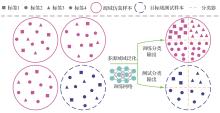
图 1
多源域泛化描述
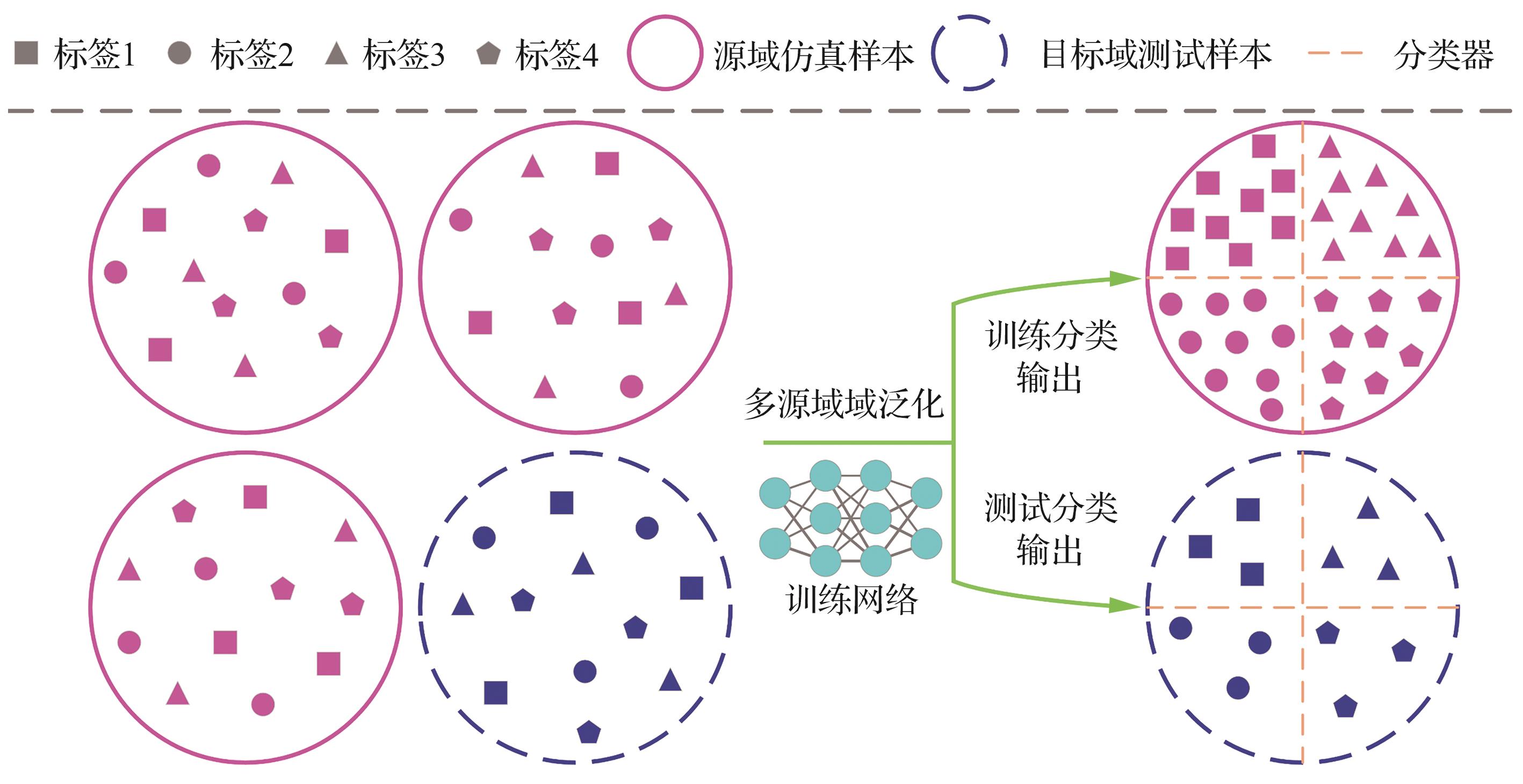
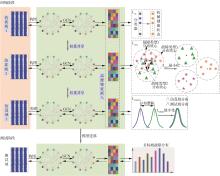
图 2
提出的AMFGDG 框架
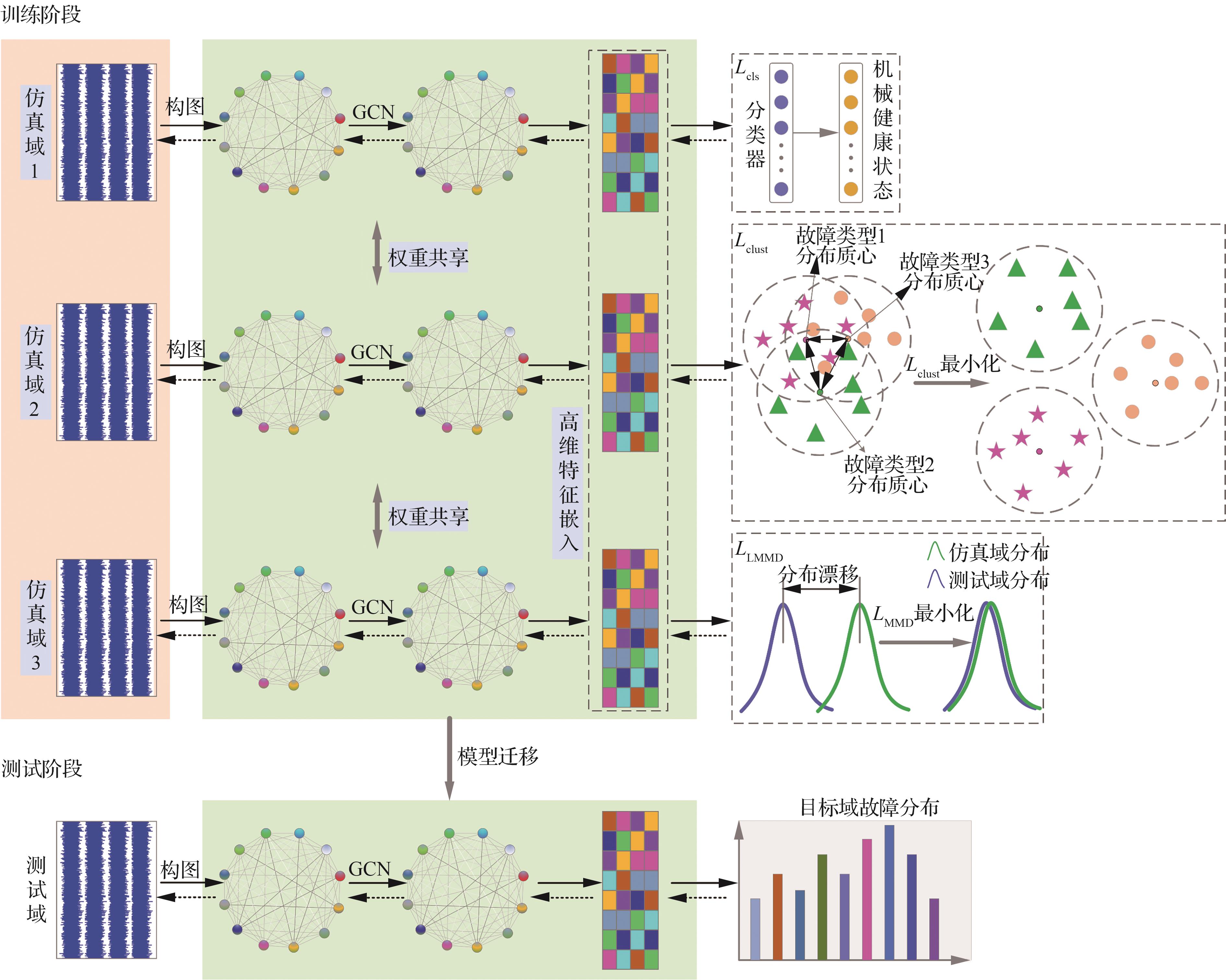
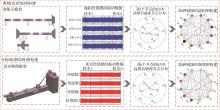
图 3
不同域的图构建
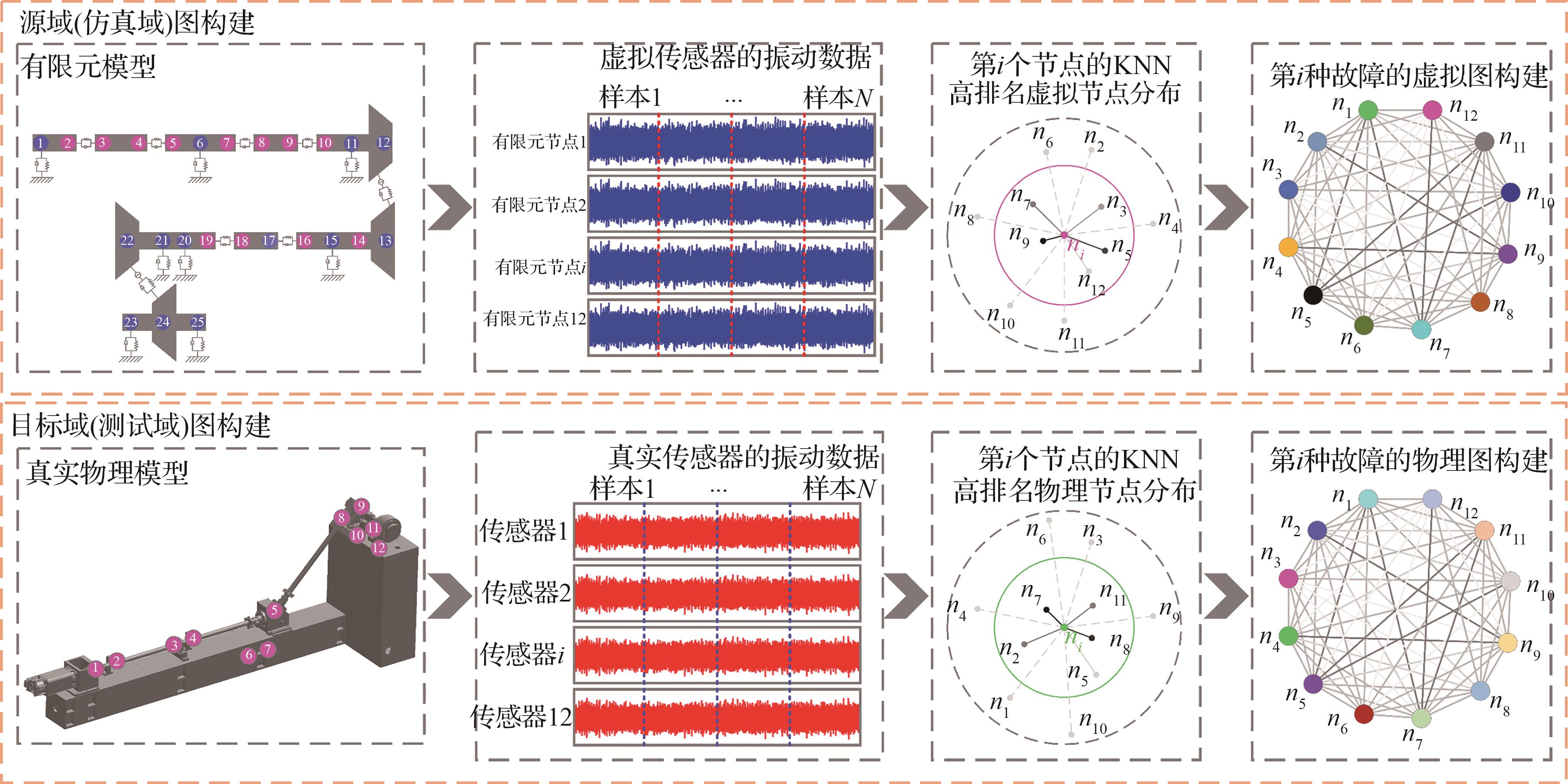
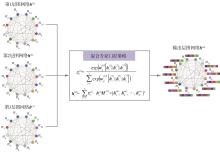
图 4
自适应权重多级图卷积网络
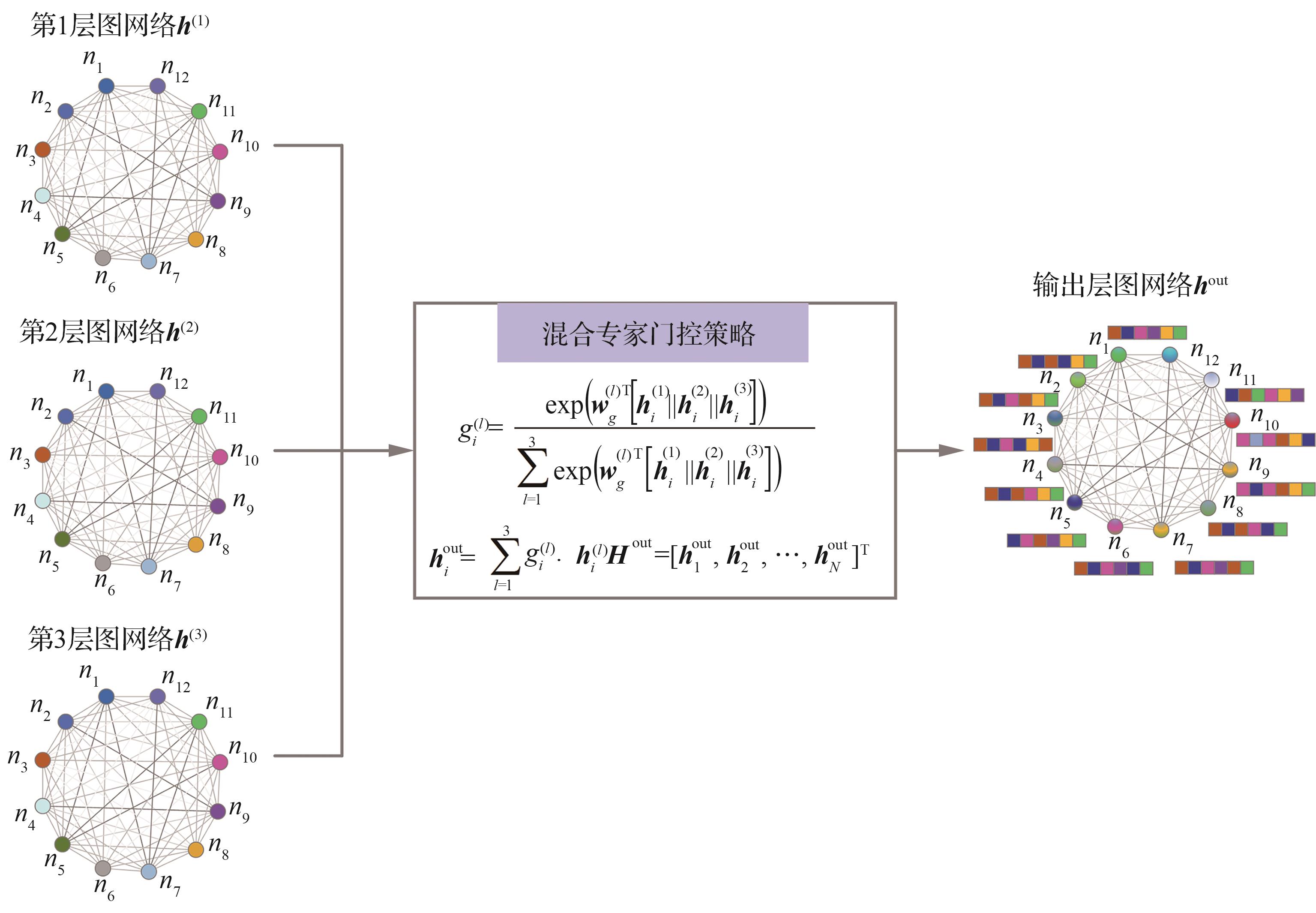
图 5
仿真数据生成流程图
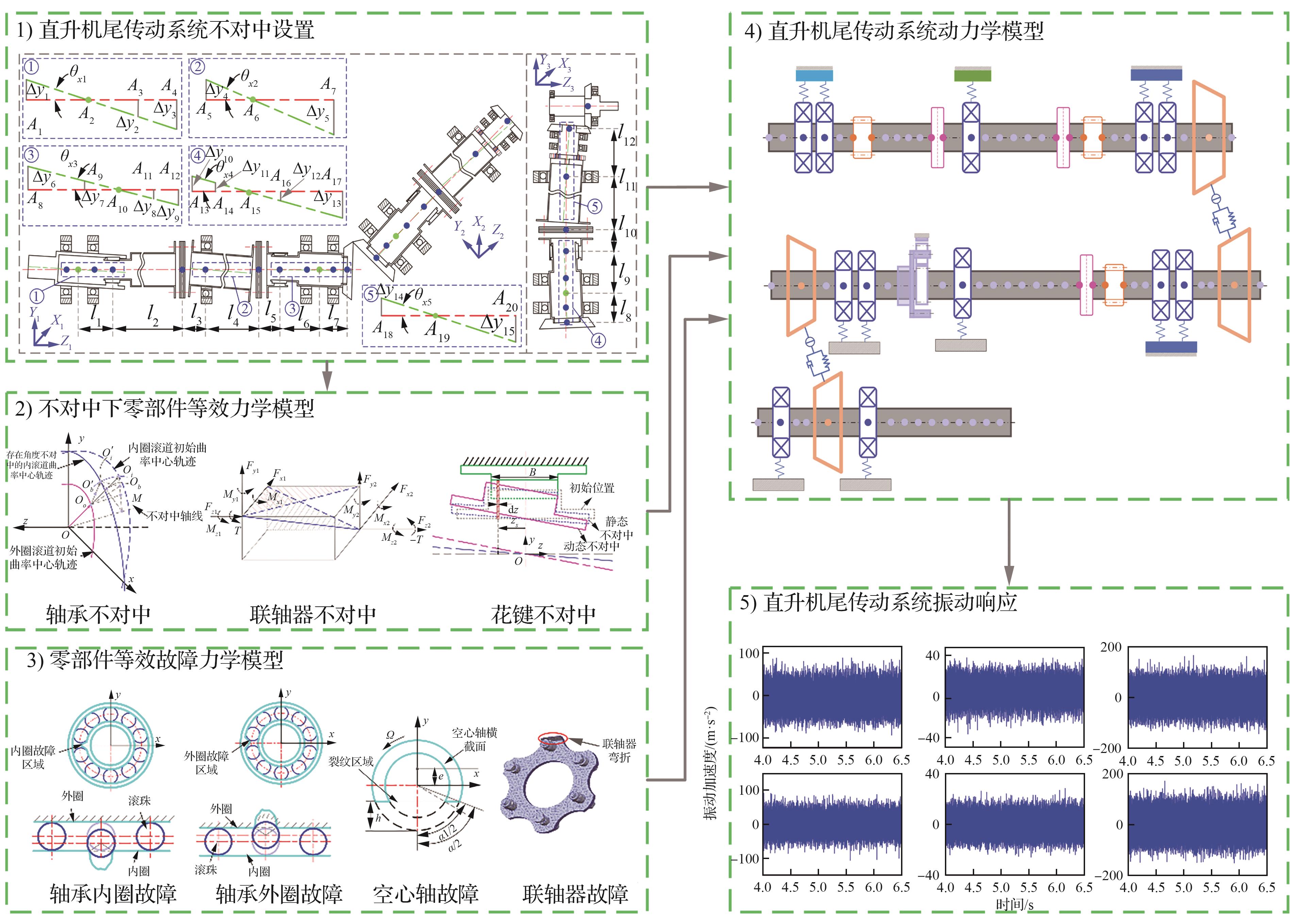
图 6
直升机尾传动系统三维模型
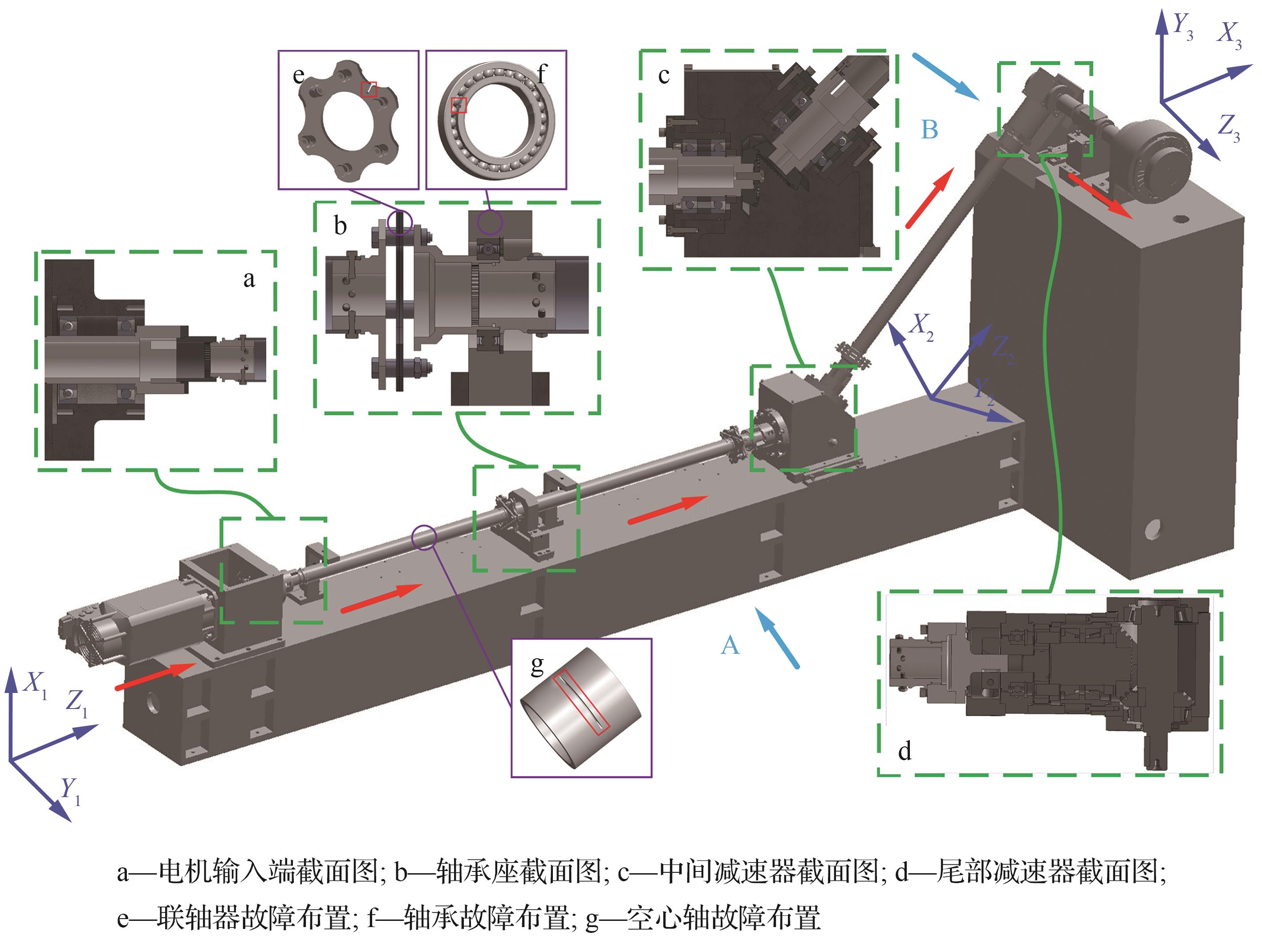
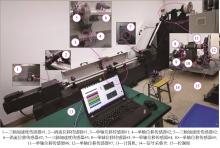
图 7
直升机尾传动系统实验台
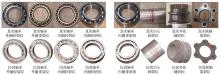
图 8
真实与虚拟故障设置
图 9
频域成分对比
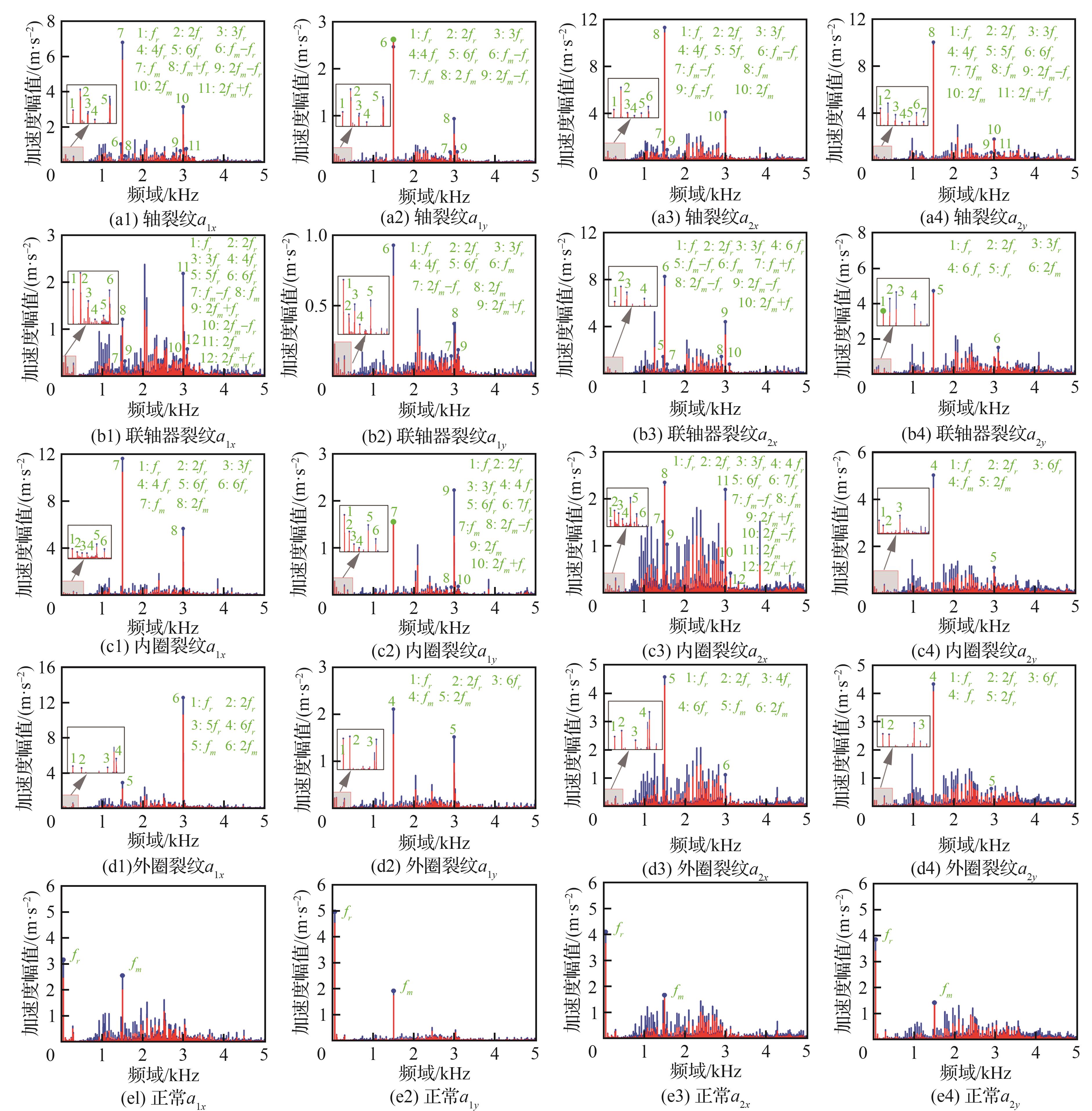
图 10
振动加速度均方根演化
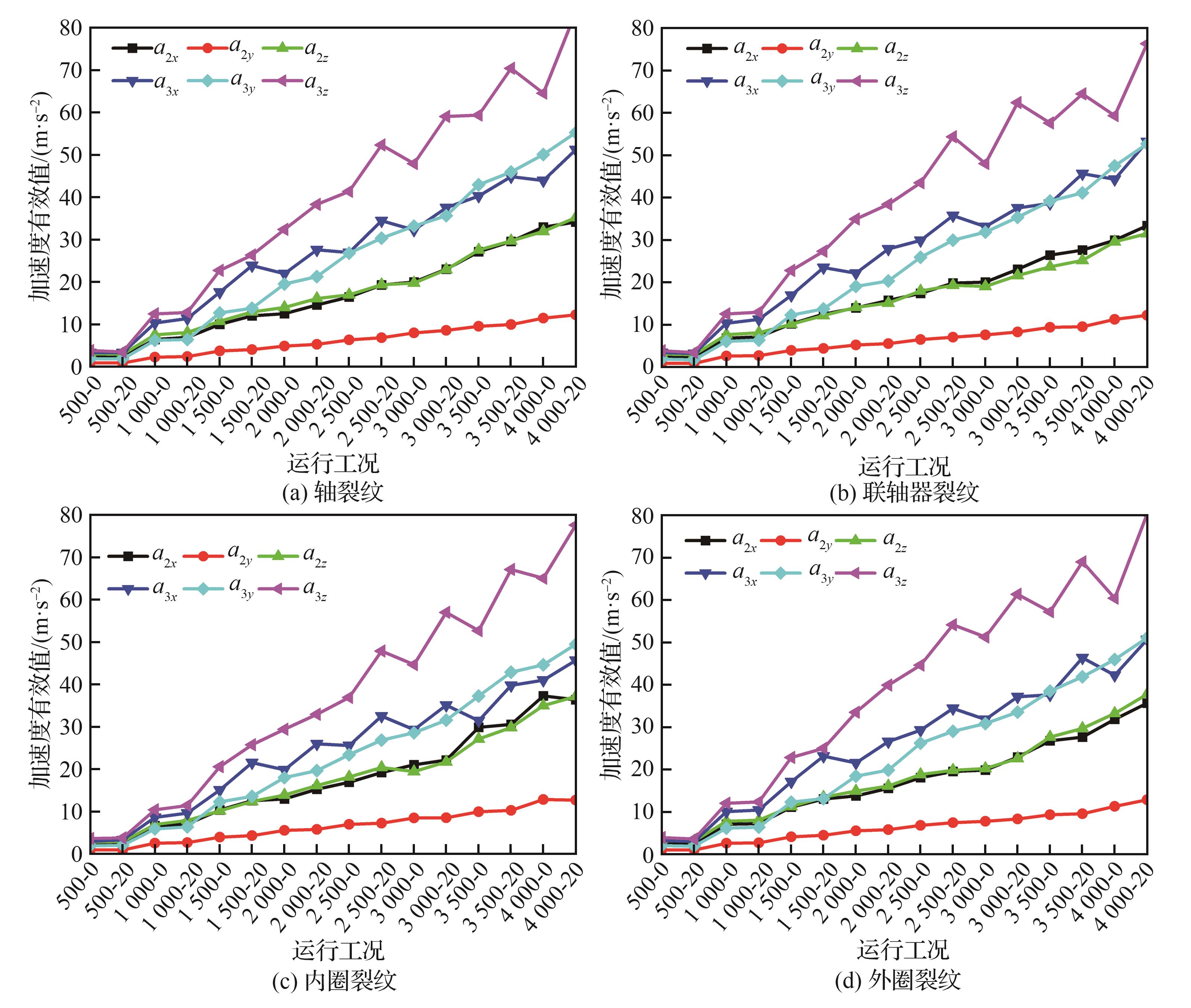

表1
故障数据集设置
| 数据集名称 | 数据集简称 | 故障全称 | 故障简称 | 转速-负载 |
|---|---|---|---|---|
| 重庆大学直升机数据集 | 数据集A | 健康 | HY | 1 000 r/min-0(N·m) 1 000 r/min-20(N·m) 3 000 r/min-0(N·m) 3 000 r/min-20(N·m) |
| 轴承外圈轻度裂纹 | OLC | |||
| 轴承外圈重度裂纹 | OHC | |||
| 轴承内圈轻度裂纹 | ILC | |||
| 轴承内圈轻度磨损 | ILW | |||
| 轴承内圈重度磨损 | IHW | |||
| 空心轴裂纹 | HSC | |||
| 外花键磨损 | ESW | |||
| 联轴器裂纹 | CC | |||
| 西储大学轴承数据集 | 数据集B | 健康 | HY | 1 797 r/min-0(HP) 1 772 r/min-1(HP) 1 750 r/min-2(HP) 1 730 r/min-3(HP) |
| 轴承内圈轻度故障 | ILF | |||
| 轴承内圈中度故障 | IMF | |||
| 轴承内圈重度故障 | IHF | |||
| 轴承外圈轻度故障 | OLF | |||
| 轴承外圈中度故障 | OMF | |||
| 轴承外圈重度故障 | OHF | |||
| 轴承滚珠轻度故障 | BLF | |||
| 轴承滚珠中度故障 | BMF | |||
| 轴承滚珠度故障 | BHF |
表2
泛化任务设置
| 数据集 | 泛化任务 | 源域(仿真域)工况 | 目标域(测试域)工况 | 源域(仿真域)标签 | 目标域(测试域)标签 |
|---|---|---|---|---|---|
| 重庆大学数据集 | T1 | 1 000-20, 3 000-0, 3 000-20 | 1 000-0 | 2,3,4 | 1 |
| T2 | 1 000-0, 3 000-0, 3 000-20 | 1 000-20 | 1,3,4 | 2 | |
| T3 | 1 000-0, 1 000-20, 3 000-20 | 3 000-0 | 1,2,4 | 3 | |
| T4 | 1 000-0, 1 000-20, 3 000-0 | 3 000-20 | 1,2,3 | 4 | |
| 西储大学数据集 | T1 | 1 797-0, 1 772-1, 1 750-2 | 1 730-3 | 2,3,4 | 1 |
| T2 | 1 797-0, 1 772-1, 1 730-3 | 1 750-2 | 1,3,4 | 2 | |
| T3 | 1 797-0, 1 750-2, 1 730-3 | 1 772-1 | 1,2,4 | 3 | |
| T4 | 1 772-1, 1 750-2, 1 730-3 | 1 797-0 | 1,2,3 | 4 |
表3
诊断精度对比
| 数据集 名称 | 泛化 任务 | 目标域精度/% | ||||
|---|---|---|---|---|---|---|
| DANN | DCORAL | CNN-C | CCDG | AMFGDG | ||
| 数据集A | T1 | 66.92 | 58.75 | 67.72 | 67.28 | 71.9 |
| T2 | 60.16 | 60.36 | 66.85 | 69.78 | 70.65 | |
| T3 | 74.70 | 73.51 | 74.78 | 73.49 | 81.87 | |
| T4 | 84.27 | 75.20 | 82.56 | 83.85 | 95.40 | |
| 数据集B | T1 | 50.54 | 71.11 | 77.62 | 75.62 | 86.32 |
| T2 | 55.52 | 70.43 | 69.86 | 70.04 | 82.59 | |
| T3 | 56.82 | 66.34 | 67.50 | 67.77 | 90.18 | |
| T4 | 56.71 | 64.52 | 74.86 | 73.66 | 88.25 | |
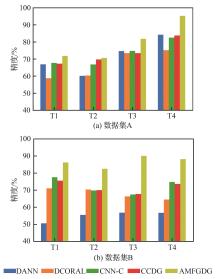
图 11
不同任务精度对比
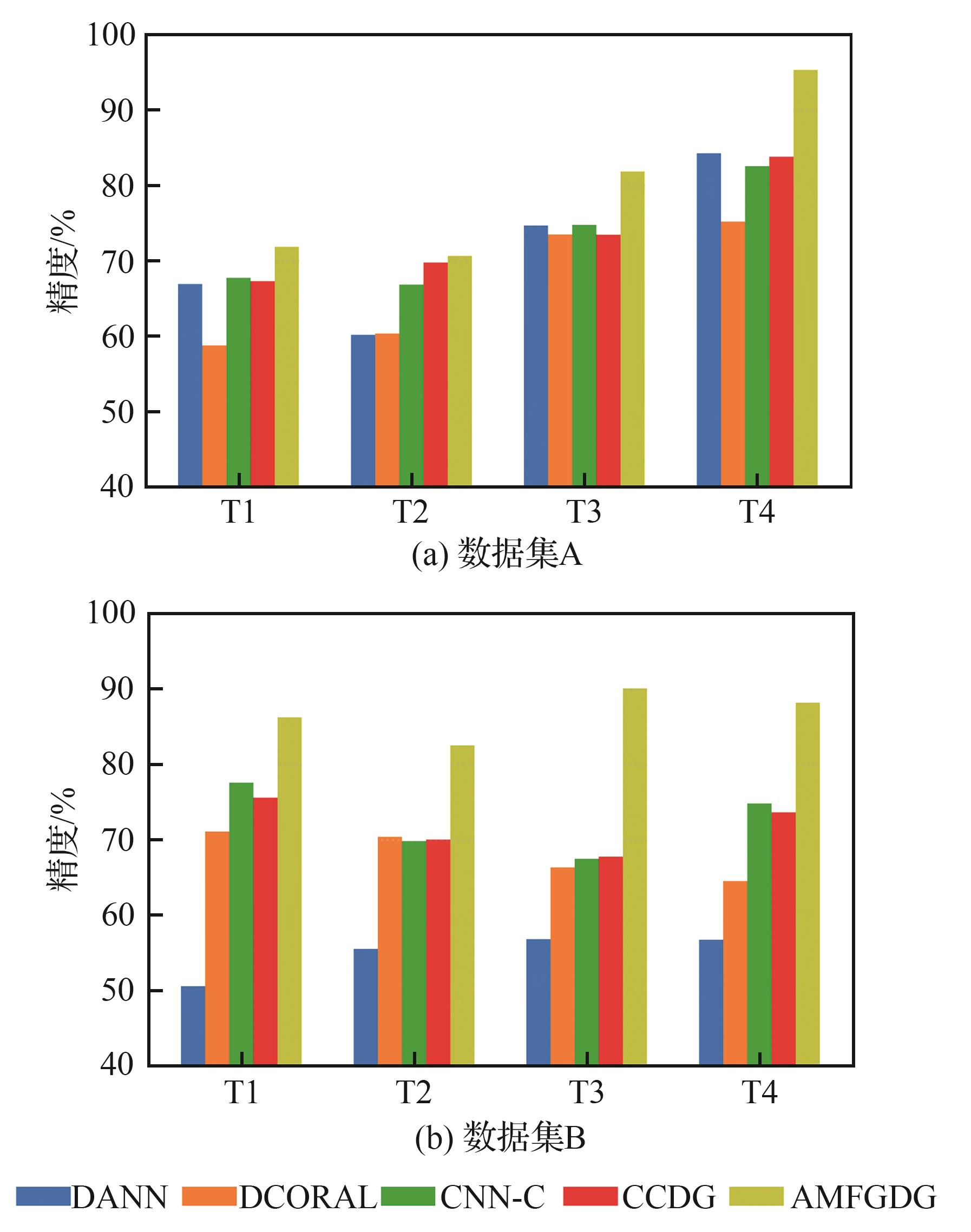
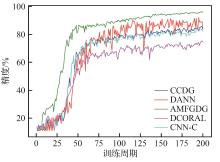
图 12
不同方法精度曲线
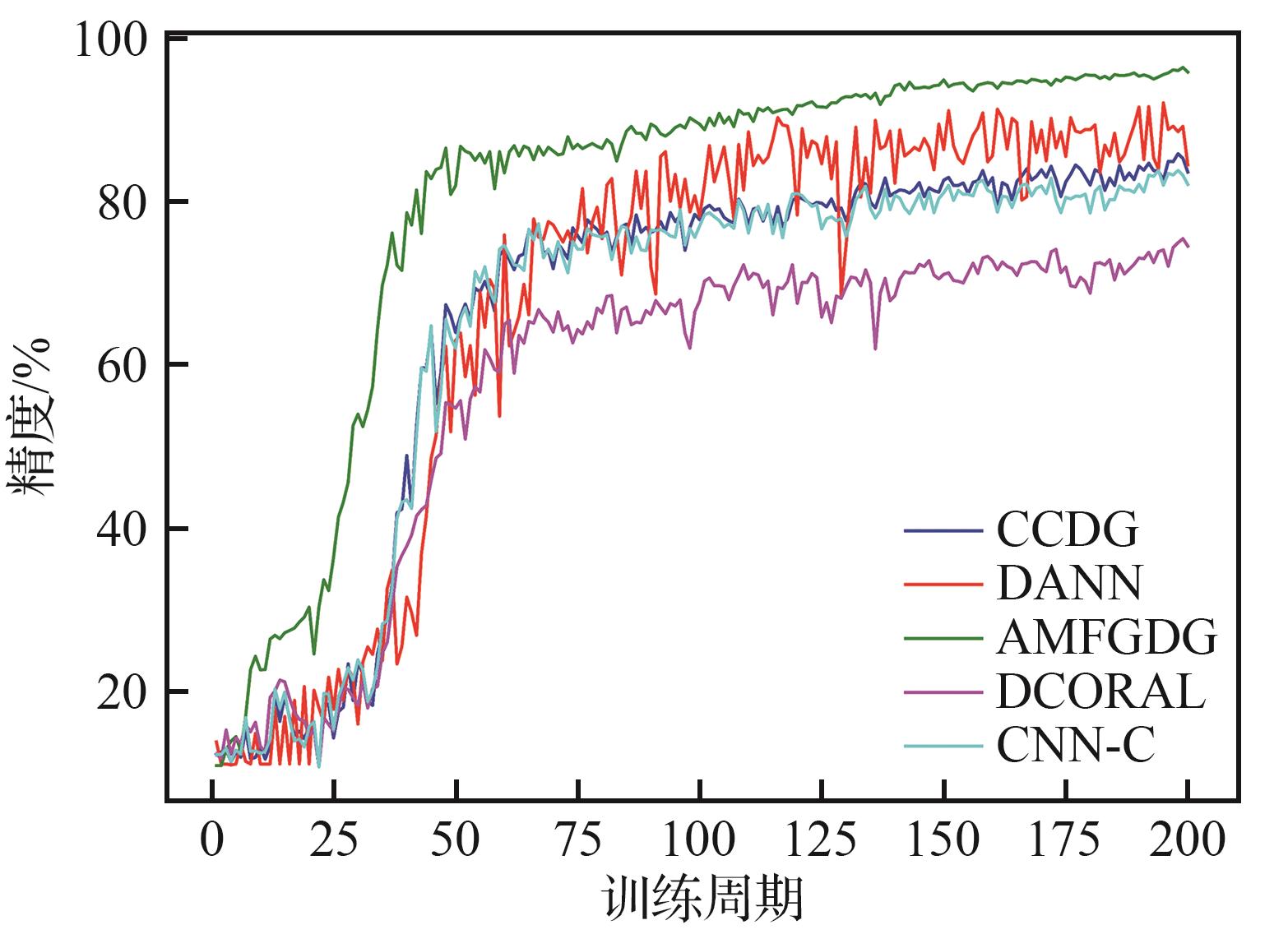
图 13
不同诊断方法的t-SNE
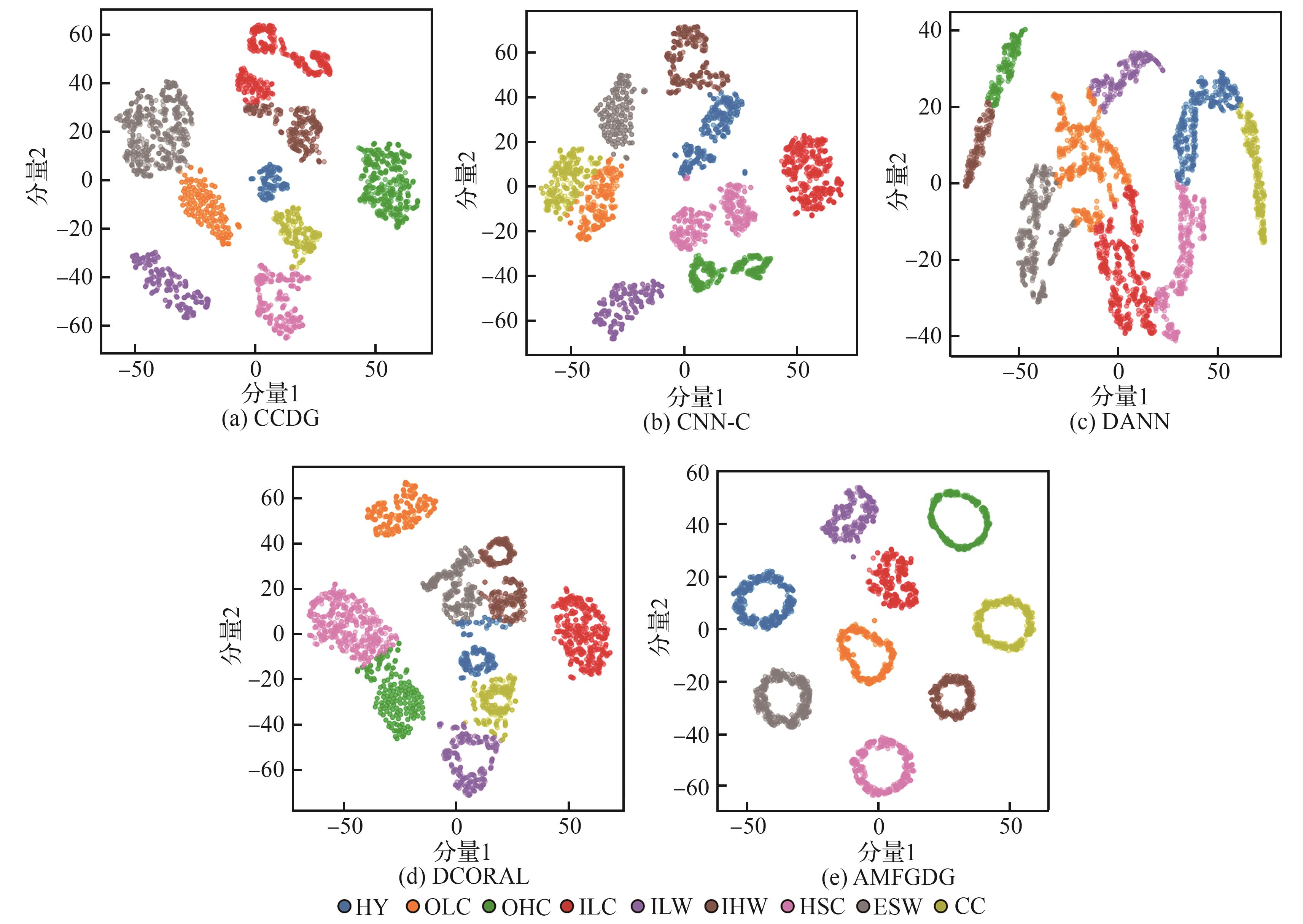
图 14
不同诊断方法的混淆矩阵
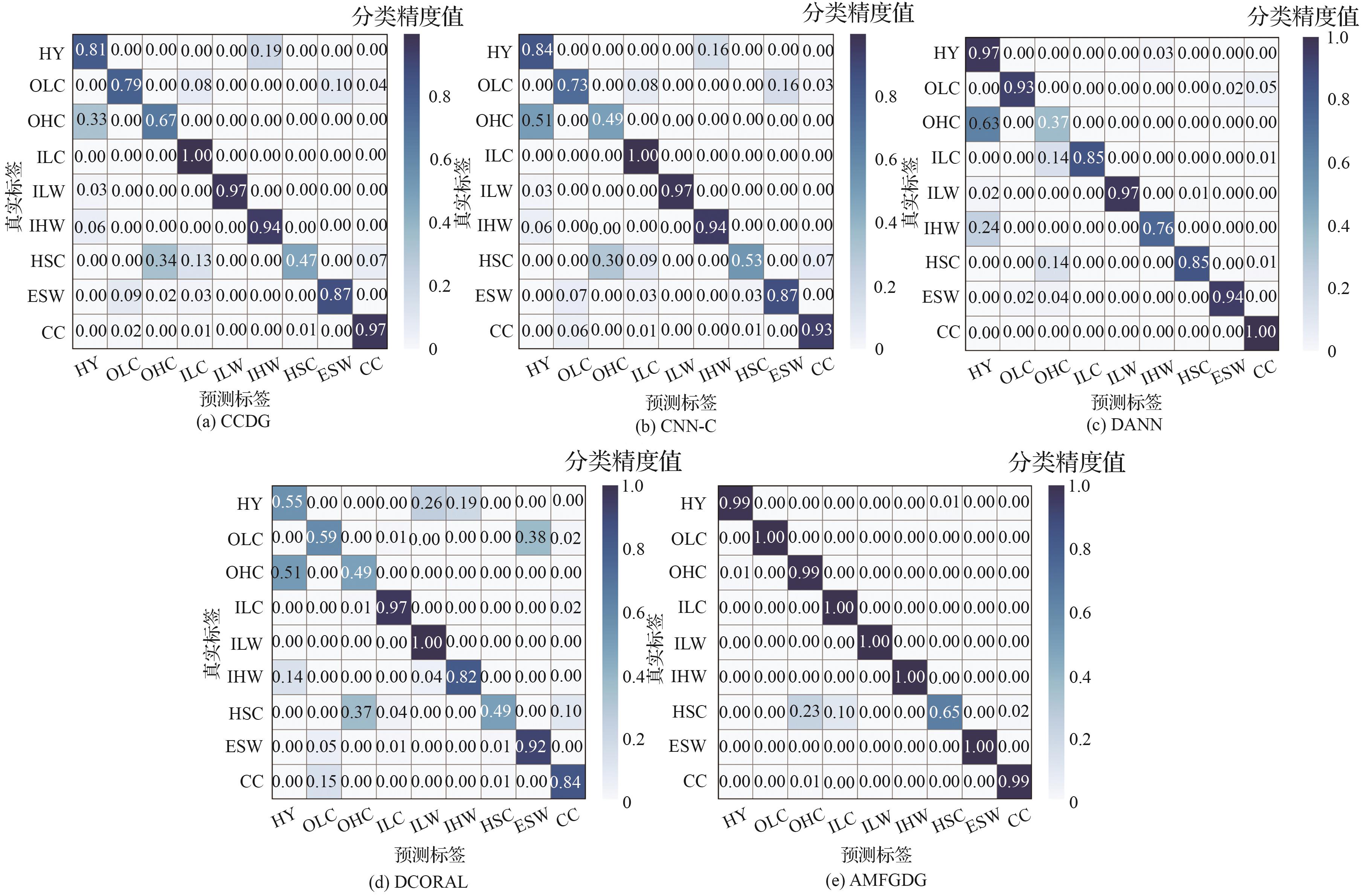
表4
不同消融模型精度对比
| 模型 | 模型A | 模型B | 模型C | 提出模型 |
|---|---|---|---|---|
| 精度/% | 76.28 | 84.67 | 94.78 | 95.40 |
图 15
不同消融模型的ROC曲线
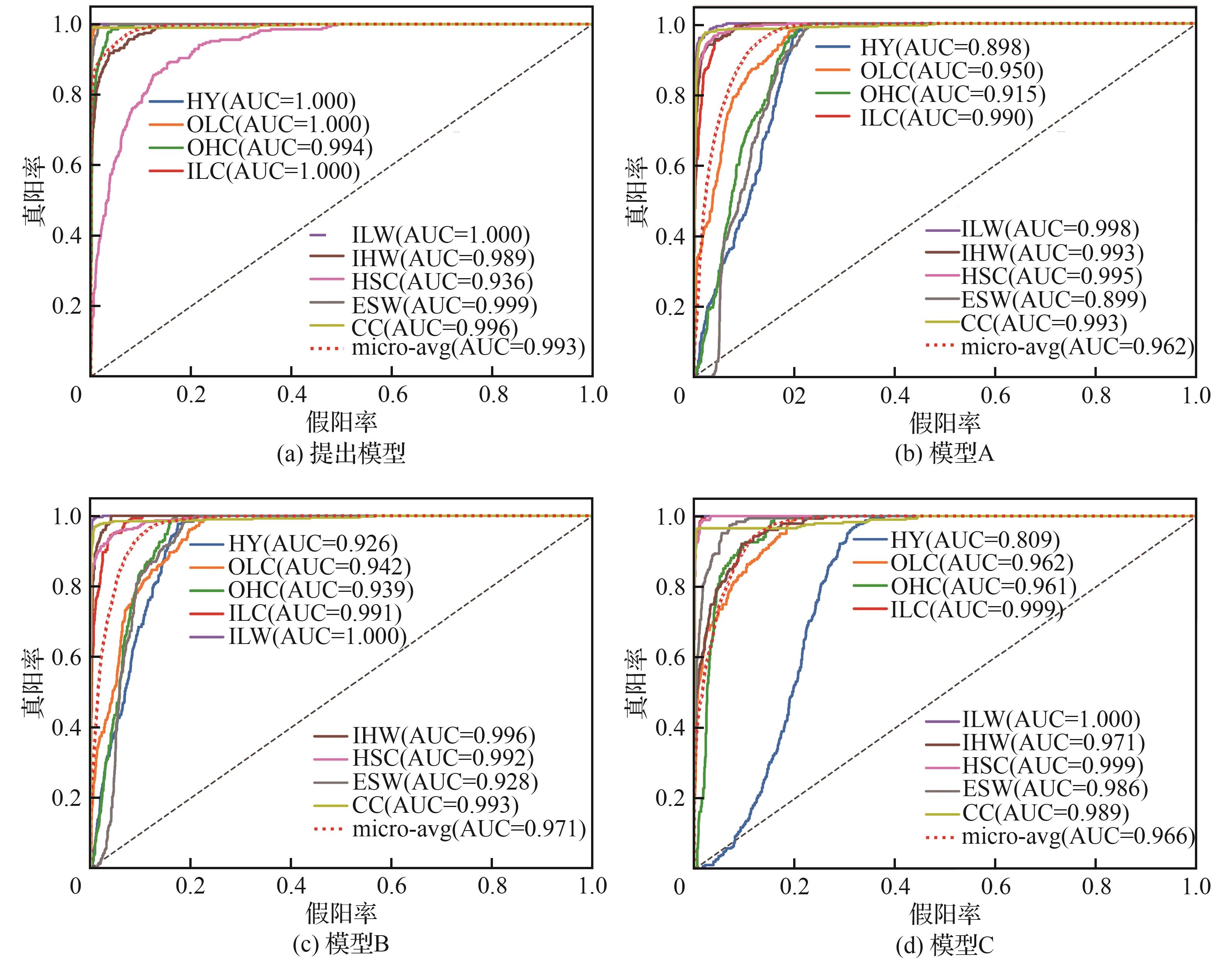
图 16
不同样本划分率的精度
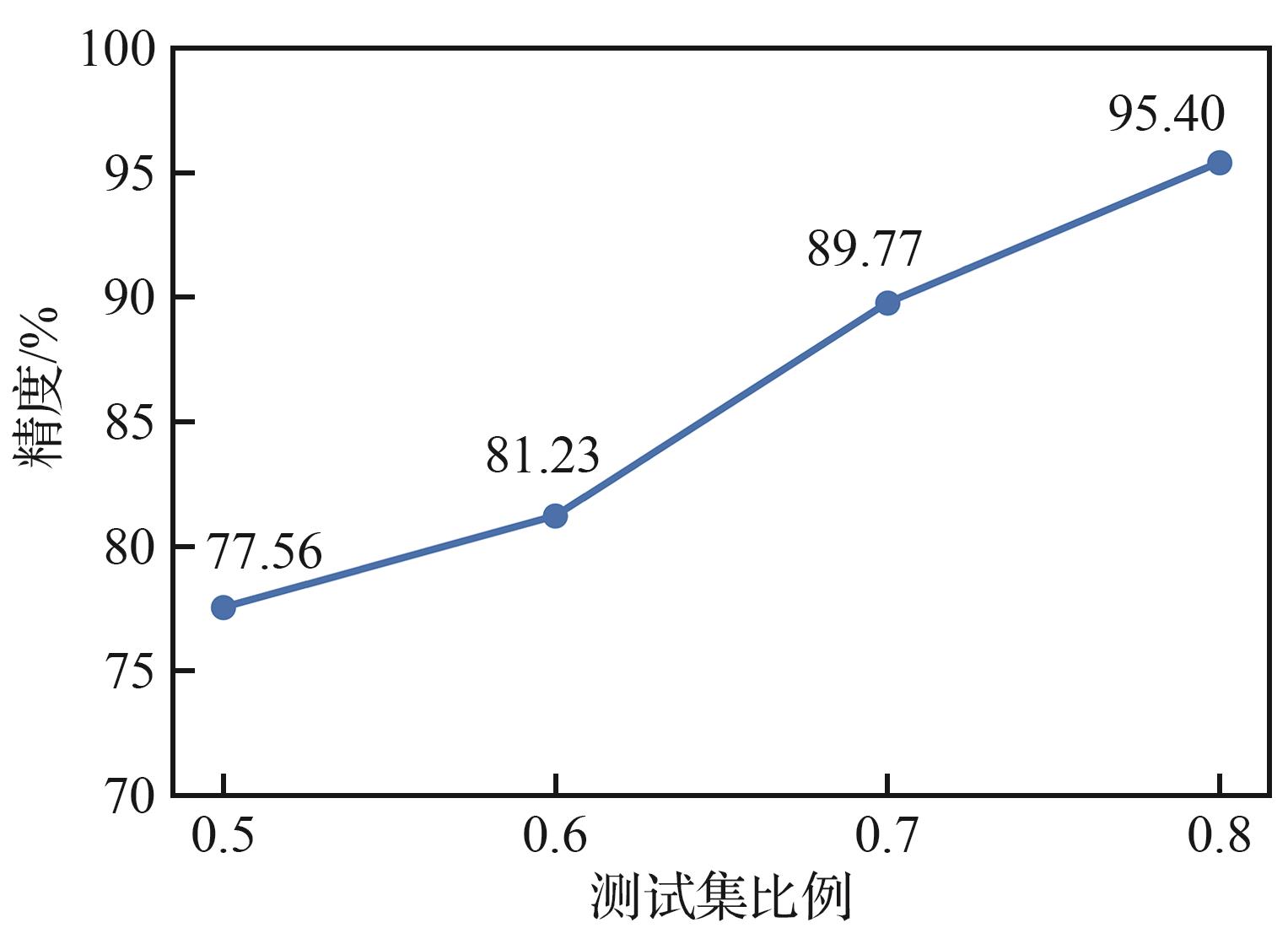
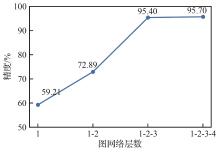
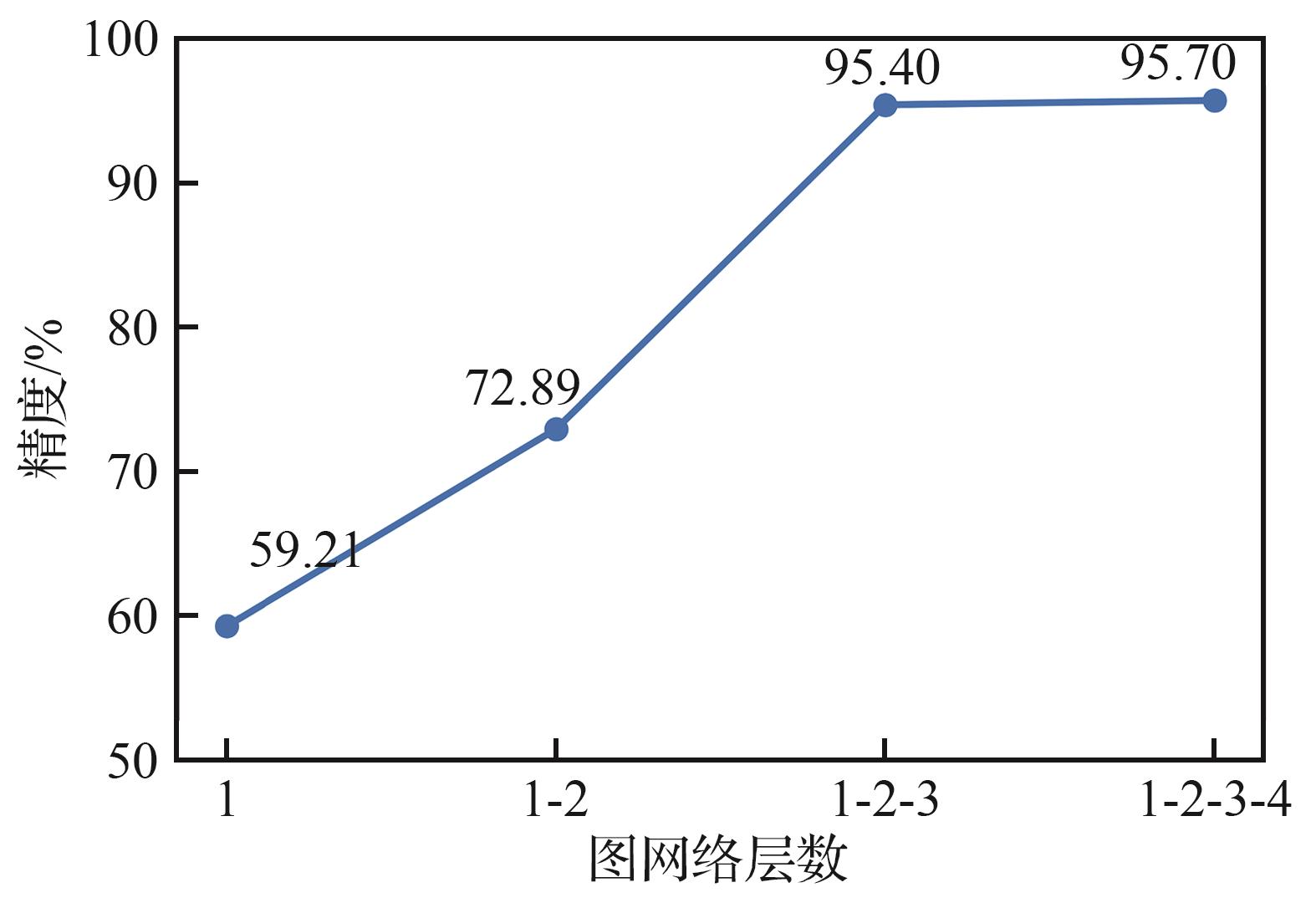
图 17
不同图卷积网络层融合的精度
| [1] |
|
| [2] |
|
| [3] |
|
| [4] |
|
| [5] |
张新, 赵艺珂, 王家序, 等. 基于最大平均峭度盲解卷积的直升机故障诊断[J]. 振动、测试与诊断, 2024, 44(3): 480-485, 617.
|
|
|
|
| [6] |
|
| [7] |
谢习华, 徐雷, 谭耀, 等. 基于PSO-GRNN的直升机旋翼不平衡故障诊断[J]. 噪声与振动控制, 2015, 35(2): 175-179.
|
|
|
|
| [8] |
|
| [9] |
|
| [10] |
余志锋, 熊邦书, 熊天旸, 等. 基于VMD-CWT和改进CNN的直升机轴承故障诊断[J]. 航空动力学报, 2021, 36(5): 948-958.
|
|
|
|
| [11] |
李恒, 唐倩, 陈国旺, 等. 数字孪生辅助的直升机尾传动系统轴承与传动轴故障诊断[J]. 航空动力学报, 2025, 40(6): 20230818.
|
|
|
|
| [12] |
|
| [13] |
|
| [14] |
|
| [15] |
|
| [16] |
|
| [17] |
|
| [18] |
|
| [19] |
|
| [20] |
|
| [21] |
|
| [22] |
|
| [23] |
|
| [24] |
|
| [25] |
|
| [26] |
|
| [27] |
李晖, 陈银超, 孙绍山, 等. 基于联邦图网络的转子系统故障诊断方法[J]. 航空学报, 2024, 45(17): 530611.
|
|
|
|
| [28] |
|
| [29] |
|
| [30] |
|
| [31] |
张锐奇, 孙弋, 于耀翔, 等. 数模联合驱动的动态对抗自适应轴承故障诊断方法[J]. 振动与冲击, 2023, 42(12): 256-263, 282.
|
|
|
|
| [32] |
于树博, 刘占生, 赵辰. 动力学仿真数据驱动的域自适应智能诊断方法[J]. 中国机械工程, 2023, 34(23): 2832-2841.
|
|
|
|
| [33] |
|
| [34] |
张龙, 张号, 王朝兵, 等. 显式动力学驱动的轴承变工况故障诊断方法[J]. 中国机械工程, 2023, 34(8): 982-992.
|
|
|
|
| [35] |
|
| [36] |
肖刚, 顾海瑞, 董锦锦, 等. 仿真数据驱动的长期服役电梯导轨故障迁移诊断方法[J]. 中国机械工程, 2024, 35(1): 125-135.
|
|
|
|
| [37] |
|
| [38] |
|
| [39] |
|
| [40] |
|
| [41] |
|
| [42] |
|
| [43] |
|
| [1] | 韩亮, 贺小帆. 基于诊断与预测的金属搭接结构动态风险评估[J]. 航空学报, 2026, 47(7): 232500-232500. |
| [2] | 彭朝琴, 李奇聪, 张海尼, 吴红, 马云鹏. 基于GRU和卷积注意力的改进ACGAN故障诊断方法[J]. 航空学报, 2026, 47(2): 431929-431929. |
| [3] | 寇容海, 李文博, 党庆庆, 谢进进. 数据与模型驱动的航天器姿态控制系统故障诊断[J]. 航空学报, 2025, 46(S1): 732259-732259. |
| [4] | 丁希仑, 陈一同, 王成才, 徐坤. 空间机器人操作技术研究现状与展望[J]. 航空学报, 2025, 46(6): 531556-531556. |
| [5] | 金栋平, 丁鼎峰, 伍霖, 文浩, 张晓彤, 孙加亮. 堆叠式卫星系统分离动力学关键技术与展望[J]. 航空学报, 2025, 46(5): 531342-531342. |
| [6] | 郭庆, 刘晓阳, 樊俊峰, 付宇, 左洪福. 融合先验信息的民航发动机自适应气路故障诊断方法[J]. 航空学报, 2025, 46(4): 230871-230871. |
| [7] | 严国乘, 王宏伦, 王延祥, 伦岳斌, 朱俊帆. 无人机拖曳式空中回收机翼折叠过程预设性能抗摆动控制[J]. 航空学报, 2025, 46(24): 331840-331840. |
| [8] | 杨述明, 吴建军, 谢昌霖, 程玉强, 王彪. 数据驱动智能故障诊断技术在液体火箭发动机的应用与展望[J]. 航空学报, 2025, 46(15): 131427-131427. |
| [9] | 王海涛, 雷江利, 荣伟. 柔性气动减速技术专栏群伞减速系统刚柔耦合动力学建模与分析[J]. 航空学报, 2025, 46(1): 630750-630750. |
| [10] | 胡明辉, 高金吉, 江志农, 王维民, 邹利民, 周涛, 凡云峰, 王越, 冯家欣, 李晨阳. 航空发动机振动监测与故障诊断技术研究进展[J]. 航空学报, 2024, 45(4): 630194-630194. |
| [11] | 黄湛钧, 董鑫, 卢沐宇, 张瑞涛, 闫钊阳, 张安. 基于DRSN与电压幅值分析的航空HVDC系统逆变器故障诊断[J]. 航空学报, 2024, 45(3): 328685-328685. |
| [12] | 崔江, 周凡, 陈永凡, 于立, 张卓然. 一种基于GAMF-CNN的航空发电机整流器故障诊断技术[J]. 航空学报, 2024, 45(24): 330398-330398. |
| [13] | 辛宏博, 陈清阳, 王鹏, 王玉杰, 侯中喜. 滑跑三维动力学建模与纠偏控制约束分析[J]. 航空学报, 2024, 45(21): 230154-230154. |
| [14] | 胡明辉, 刘少朋, 王浩, 李晨阳, 王维民, 江志农. 基于宽频振动的燃气轮机叶片断裂故障识别特征与辨识方法[J]. 航空学报, 2024, 45(20): 230098-230098. |
| [15] | 李天晴, 王维民, 张旭龙, 王树慧, 付振宇. 基于叶尖定时的转子叶片轴向位移辨识方法[J]. 航空学报, 2024, 45(2): 228682-228682. |
| 阅读次数 | ||||||
|
全文 |
|
|||||
|
摘要 |
|
|||||
版权所有 © 航空学报编辑部
版权所有 © 2011航空学报杂志社
主管单位:中国科学技术协会 主办单位:中国航空学会 北京航空航天大学

 CJA
CJA
