程梓昭1, 刘利军1,2( ), 林君健1
收稿日期:2026-01-13
修回日期:2026-03-13
接受日期:2026-03-27
出版日期:2026-04-21
发布日期:2026-04-14
通讯作者:
刘利军
E-mail:liulijun@xmu.edu.cn
基金资助:
Zizhao CHENG1, Lijun LIU1,2(), Junjian LIN1
Received:2026-01-13
Revised:2026-03-13
Accepted:2026-03-27
Online:2026-04-21
Published:2026-04-14
Contact:
Lijun LIU
E-mail:liulijun@xmu.edu.cn
Supported by:摘要:
针对组合动力发动机在模态转换过程中存在的强非线性、多执行器耦合以及对安全性和鲁棒性要求高等问题,对模态转换阶段的智能鲁棒控制方法进行系统研究。围绕推力连续跟踪与安全约束协同满足的控制目标,构建基于深度强化学习的智能控制框架,并引入对抗训练机制提升控制系统对观测扰动和不确定性的适应能力。在部件级仿真模型基础上,针对不同模态转换过程设计多输入多输出控制策略和分阶段训练环境,通过对抗强化学习实现控制策略的自学习与鲁棒性增强。同时,针对发动机参数波动问题,采用多智能体强化学习方法构建分布式控制结构,并在集中式训练、分布式执行的模式下完成控制器训练。进一步通过硬件在环平台开展实时性验证,结果显示控制周期满足毫秒级实时要求。仿真结果表明:在典型模态转换工况下,所设计的控制方法能够实现推力误差小于1%的稳态跟踪性能,模态转换期间推力波动幅值较对比控制方法表现更优,在引入观测扰动和参数拉偏条件下仍能保持安全约束不被触发。该智能鲁棒控制方法能够有效提升组合动力发动机模态转换过程中的控制精度、安全性与鲁棒性,为宽速域组合动力系统的工程应用提供了一种可行的智能控制方案。
中图分类号:
程梓昭, 刘利军, 林君健. 基于对抗强化学习的组合动力发动机模态转换智能鲁棒控制方法[J]. 航空学报, 2026, 47(15): 633361.
Zizhao CHENG, Lijun LIU, Junjian LIN. Intelligent robust control method for modal transition in combined power engines based on adversarial reinforcement learning[J]. Acta Aeronautica et Astronautica Sinica, 2026, 47(15): 633361.
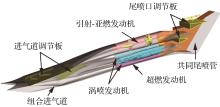
图1
组合动力发动机三维仿真模型
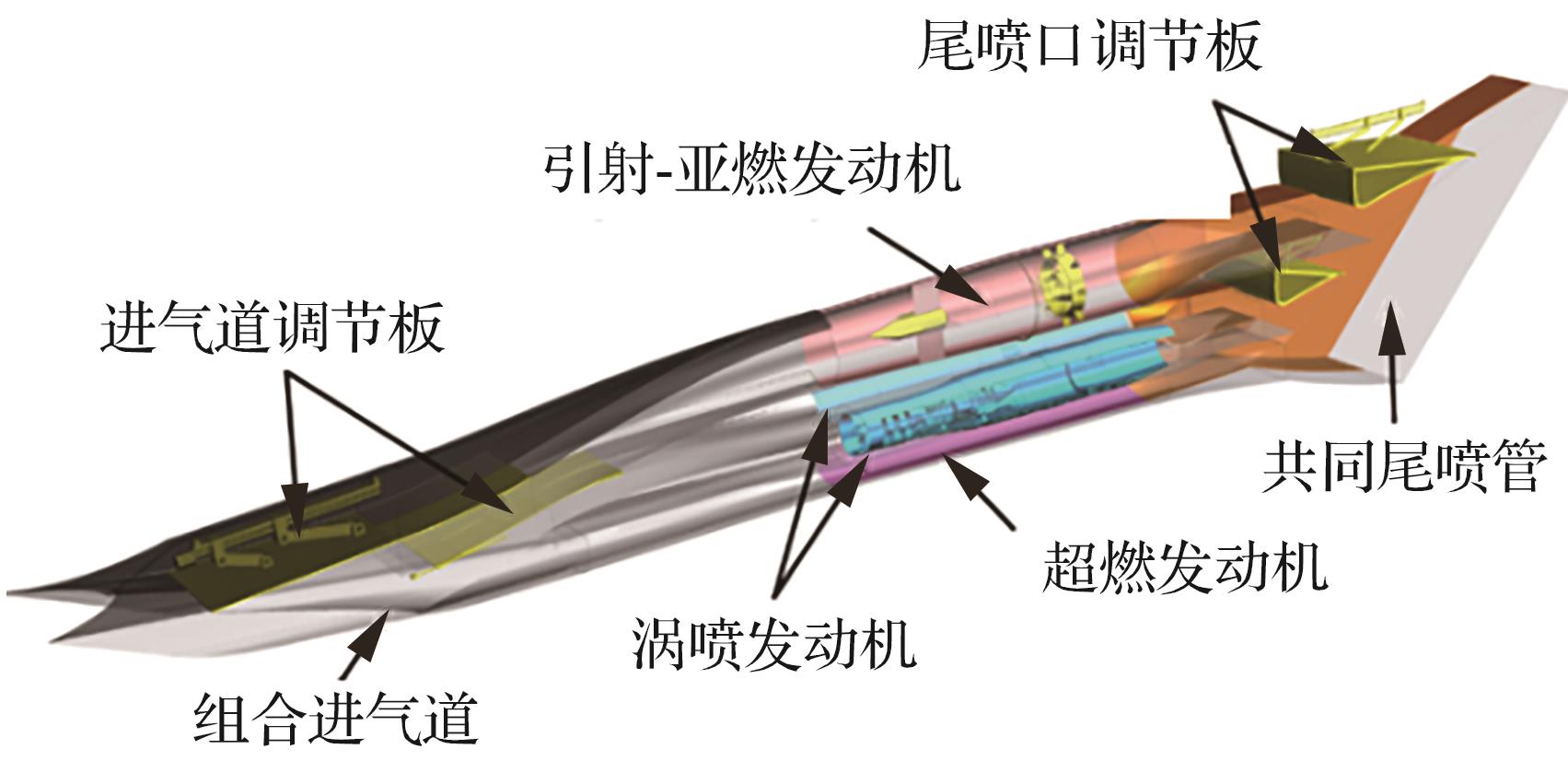
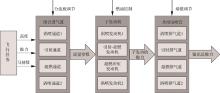
图 2
组合动力发动机整体结构
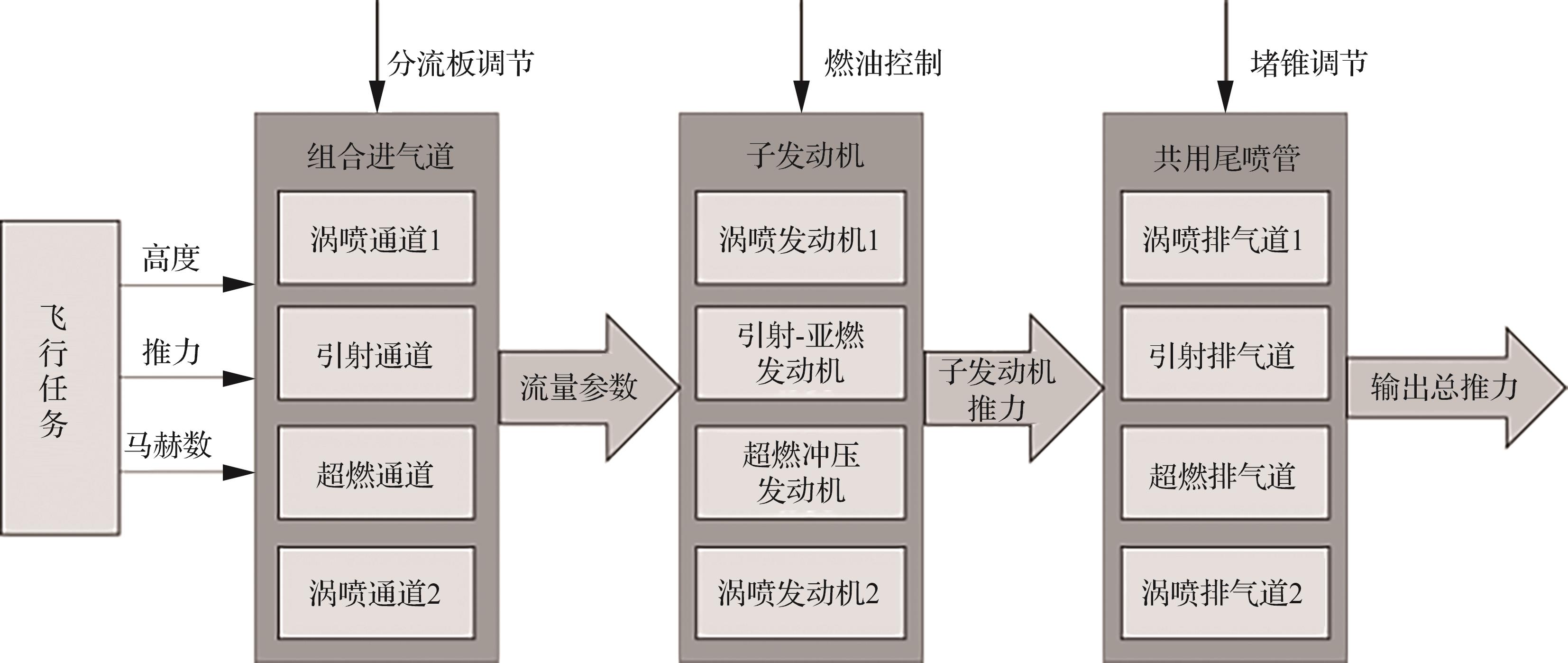
表1
组合动力发动机各模态工作范围
| 马赫数Ma | 模态 |
|---|---|
| 0~2.5 | 涡喷模态 |
| 1.8~2.5 | 涡喷-引射模态转换 |
| 1.8~3.3 | 引射模态 |
| 2.8~3.2 | 引射-亚燃模态转换 |
| 2.8~4.7 | 亚燃模态 |
| 4.3~4.7 | 亚燃-超燃模态转换 |
| 4.3~6.0 | 超燃模态 |
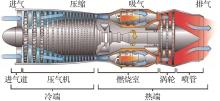
图3
涡喷发动机结构示意图
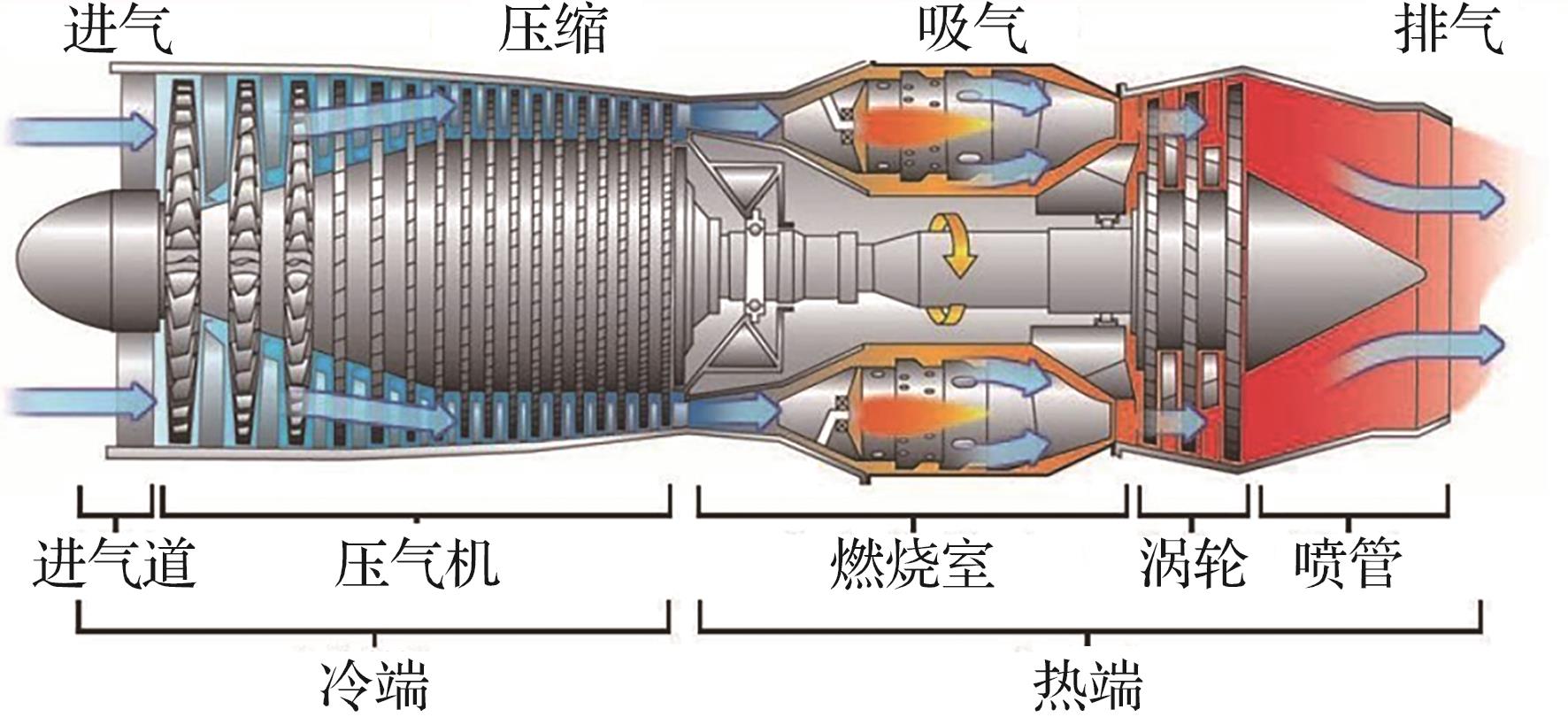
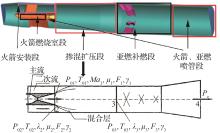
图4
引射-亚燃发动机及其引射掺混模块
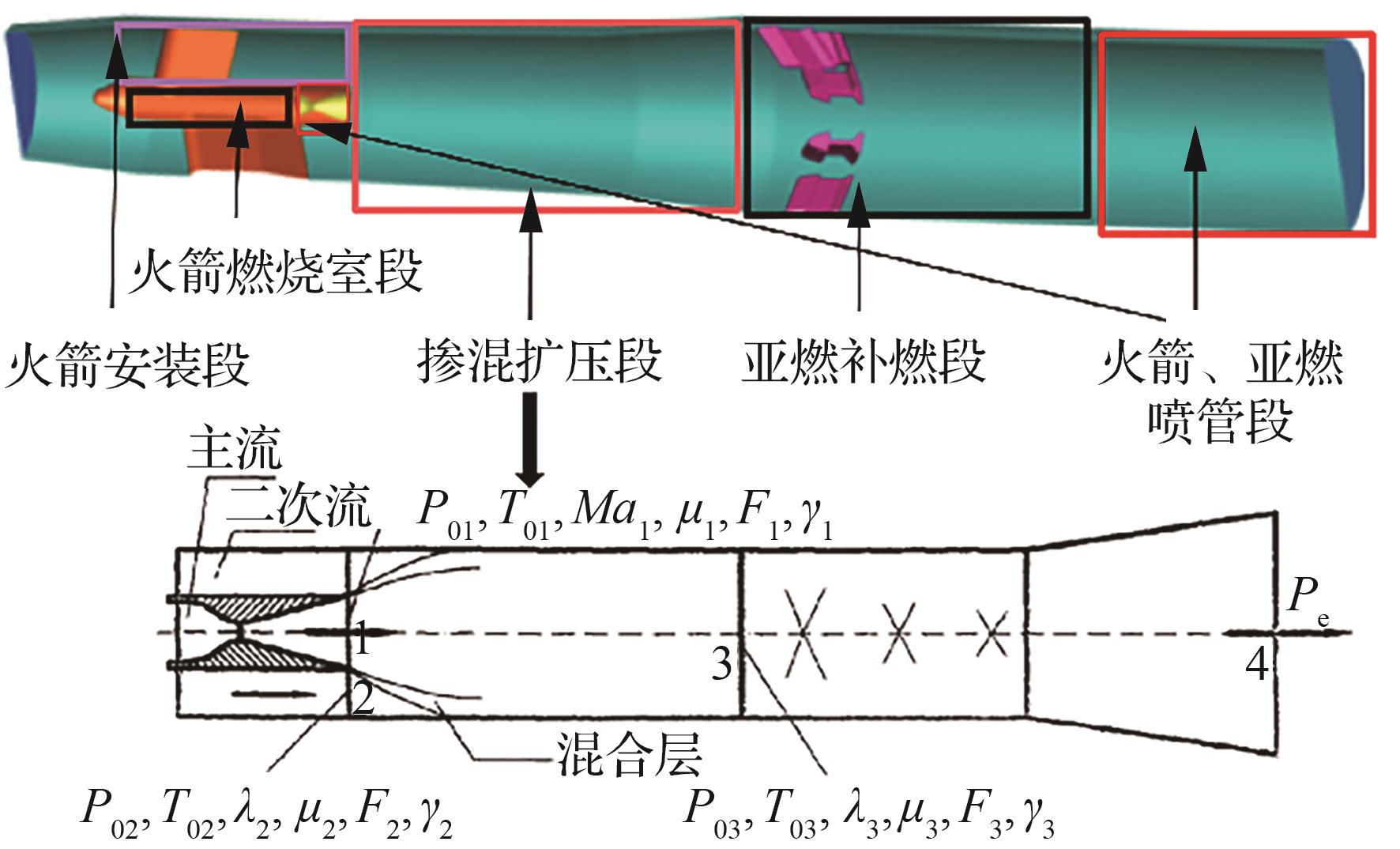
图5
超燃冲压发动机示意图
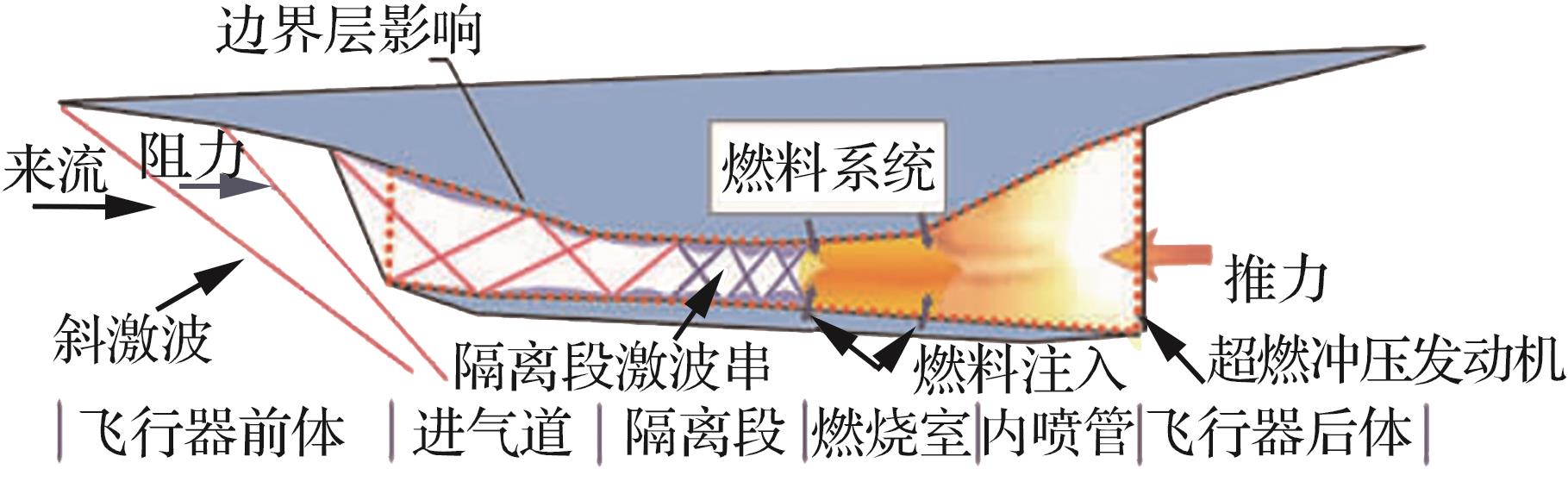
图6
组合动力发动机整机Simulink仿真模型
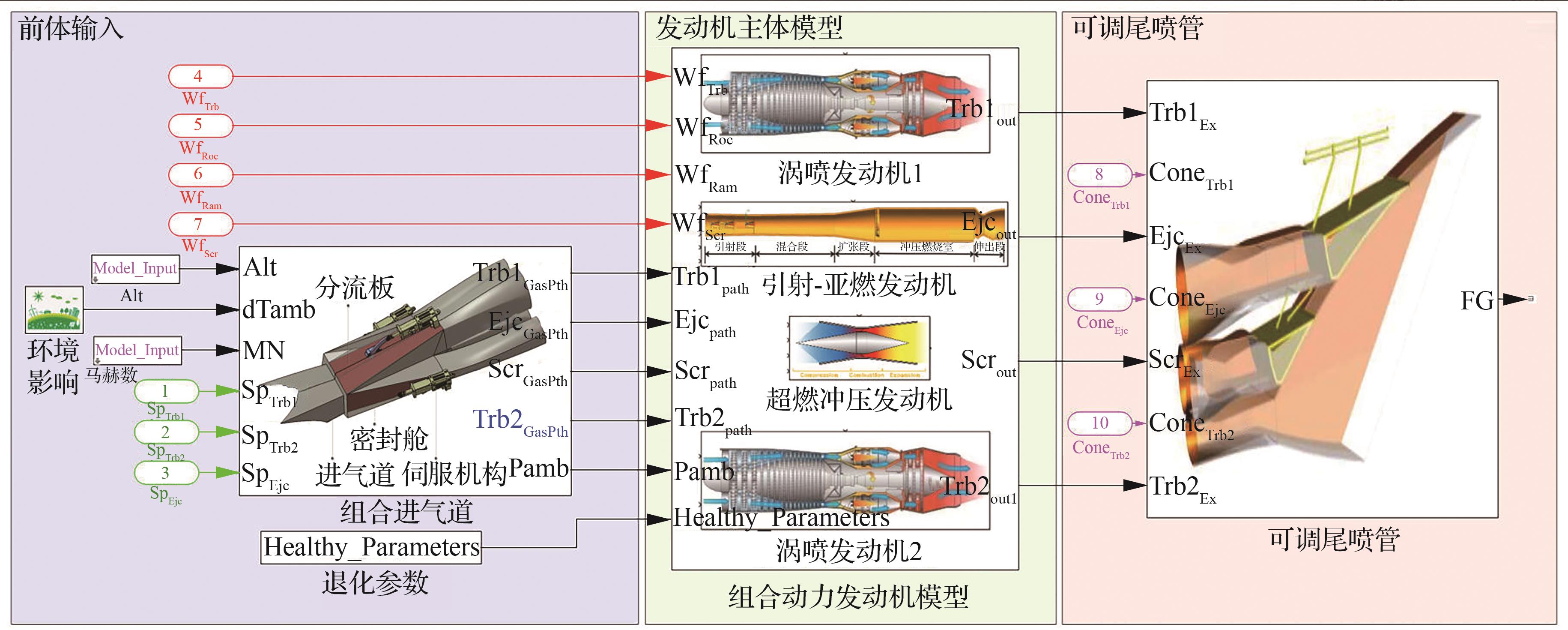
表2
模态转换1控制量与作动趋势
| 控制量 | 符号 | 作动趋势 |
|---|---|---|
| 涡喷通道分流板角度 | 分流板角度增大 | |
| 涡喷通道堵锥行程 | 堵锥行程增加 | |
| 引射通道分流板角度 | 分流板角度减小 | |
| 引射通道堵锥行程 | 堵锥行程减小 | |
| 涡喷发动机燃油 | 减少供油 | |
| 引射火箭燃油 | 增加供油 |
表3
模态转换2控制量与作动趋势
| 控制量 | 符号 | 作动趋势 |
|---|---|---|
| 引射火箭燃油量 | 停止供油 | |
| 亚燃补燃燃油量 | 增加供油 |
表4
模态转换3控制量与作动趋势
| 控制量 | 符号 | 作动趋势 |
|---|---|---|
| 引射通道分流板角度 | 分流板角度增大 | |
| 引射通道堵锥行程 | 堵锥行程增大 | |
| 亚燃补燃燃油量 | 停止供油 | |
| 超燃冲压燃油量 | 增加供油 |
图7
切换控制系统结构图
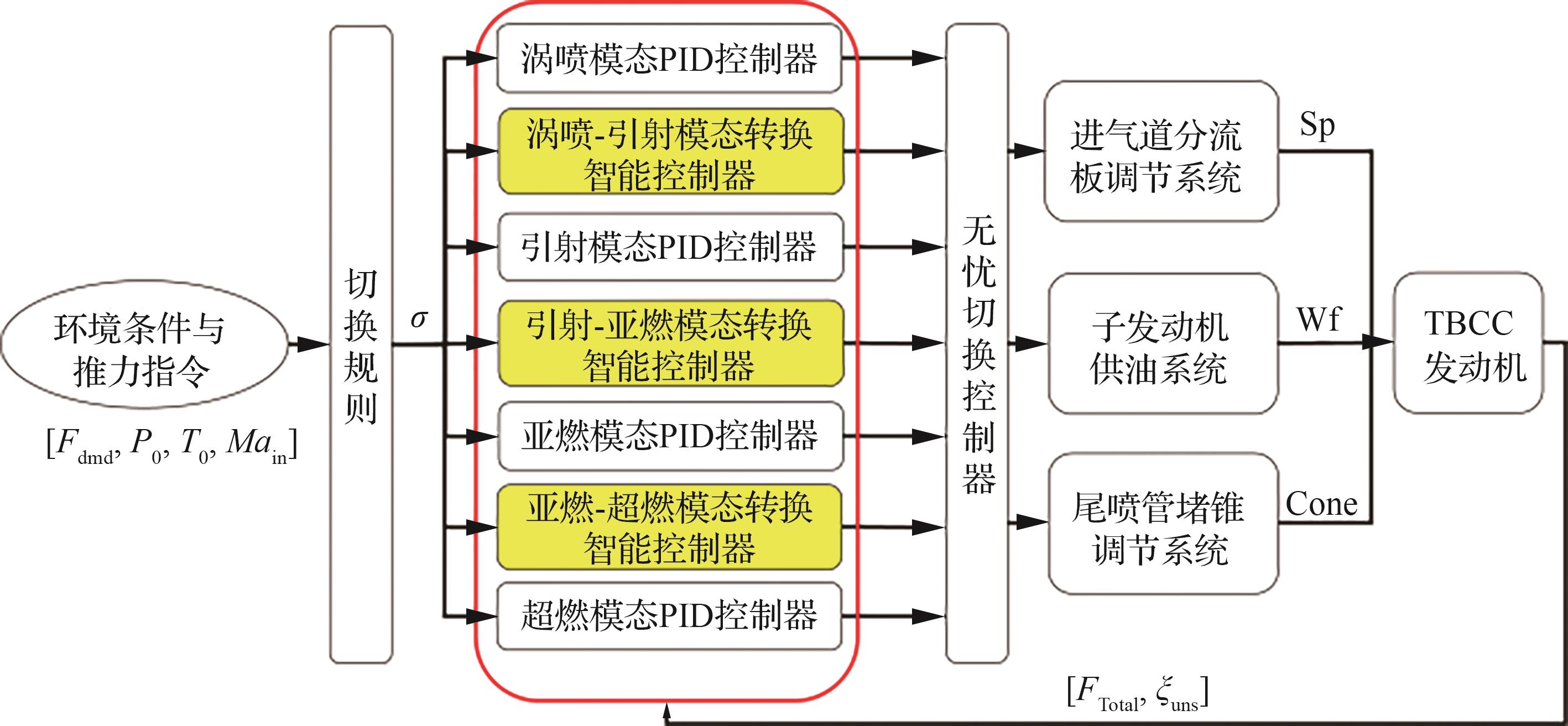
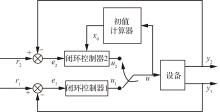
图8
无忧切换控制回路
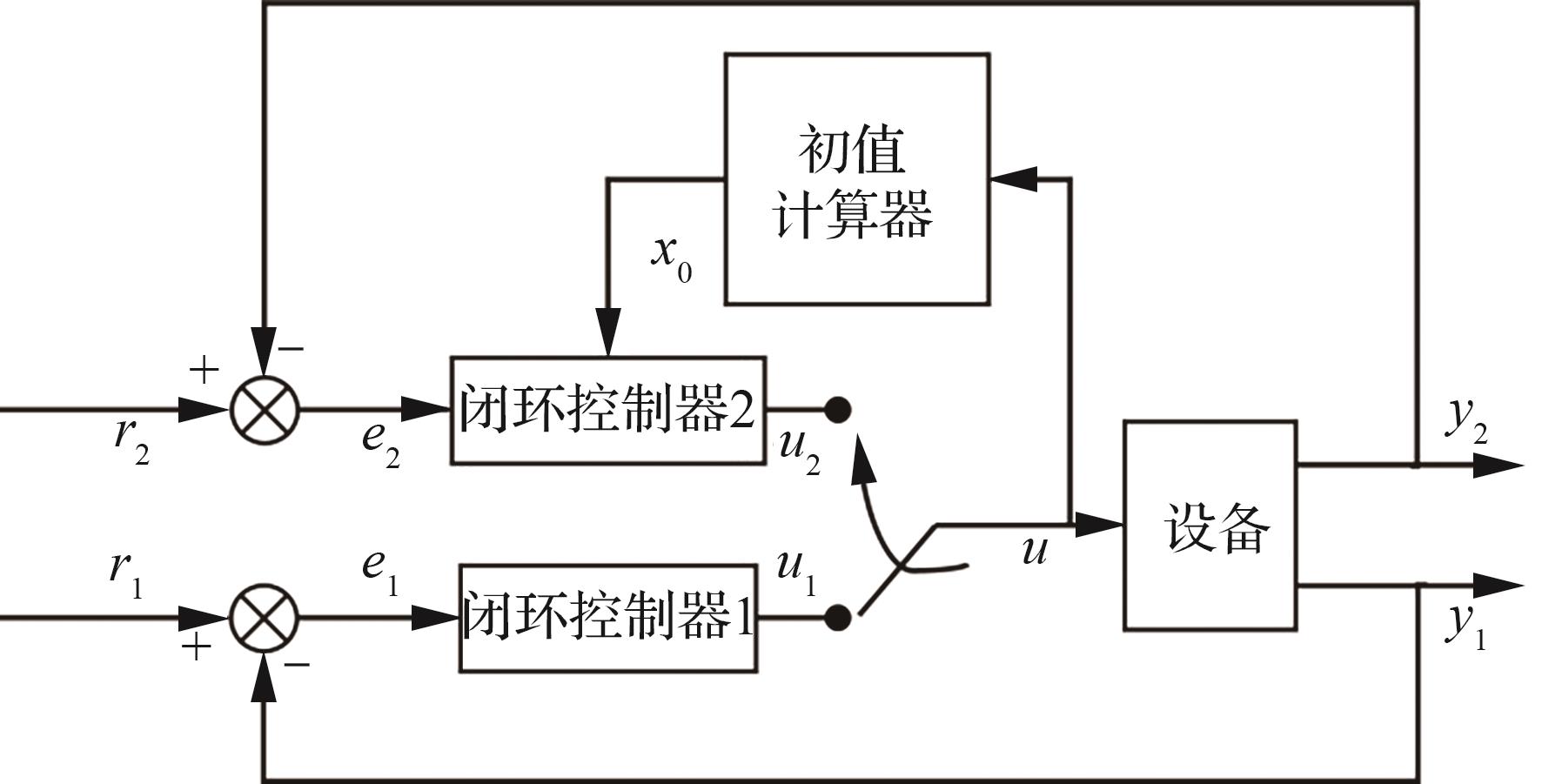
图9
状态对抗性-马尔可夫决策过程示意图
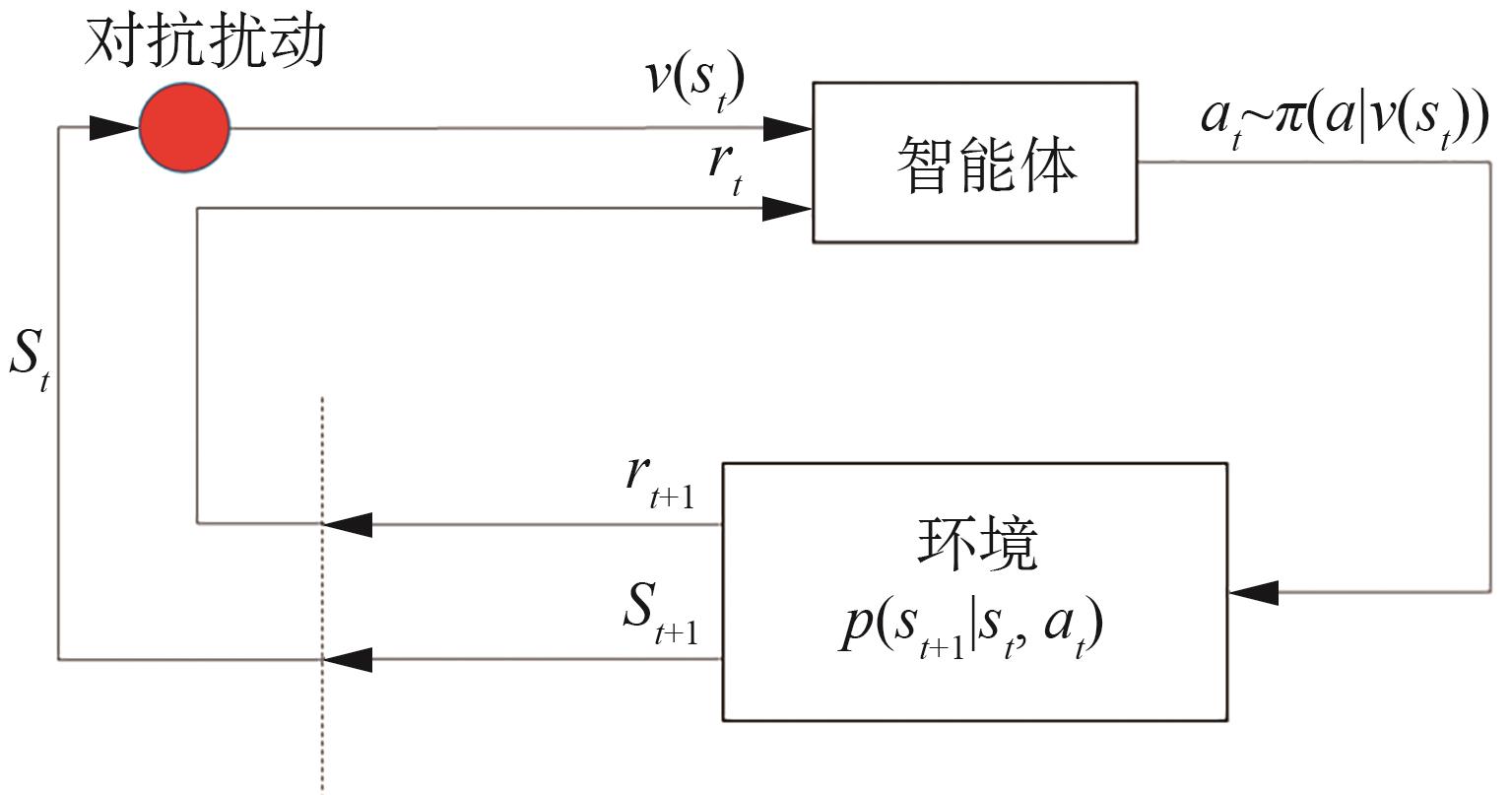
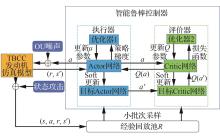
图10
控制器的控制-更新系统整体框架
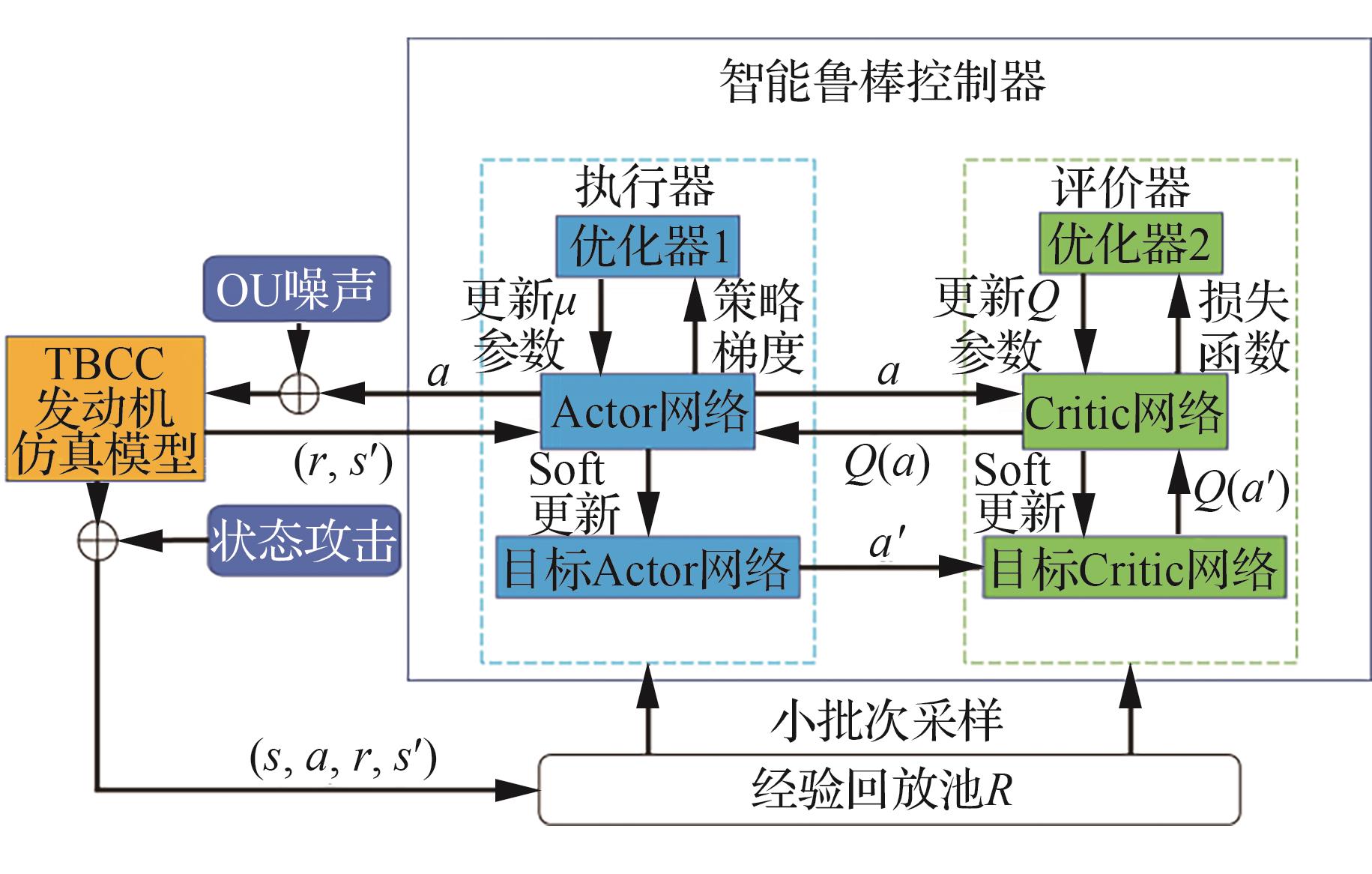
图11
控制器的动作网络与评价网络
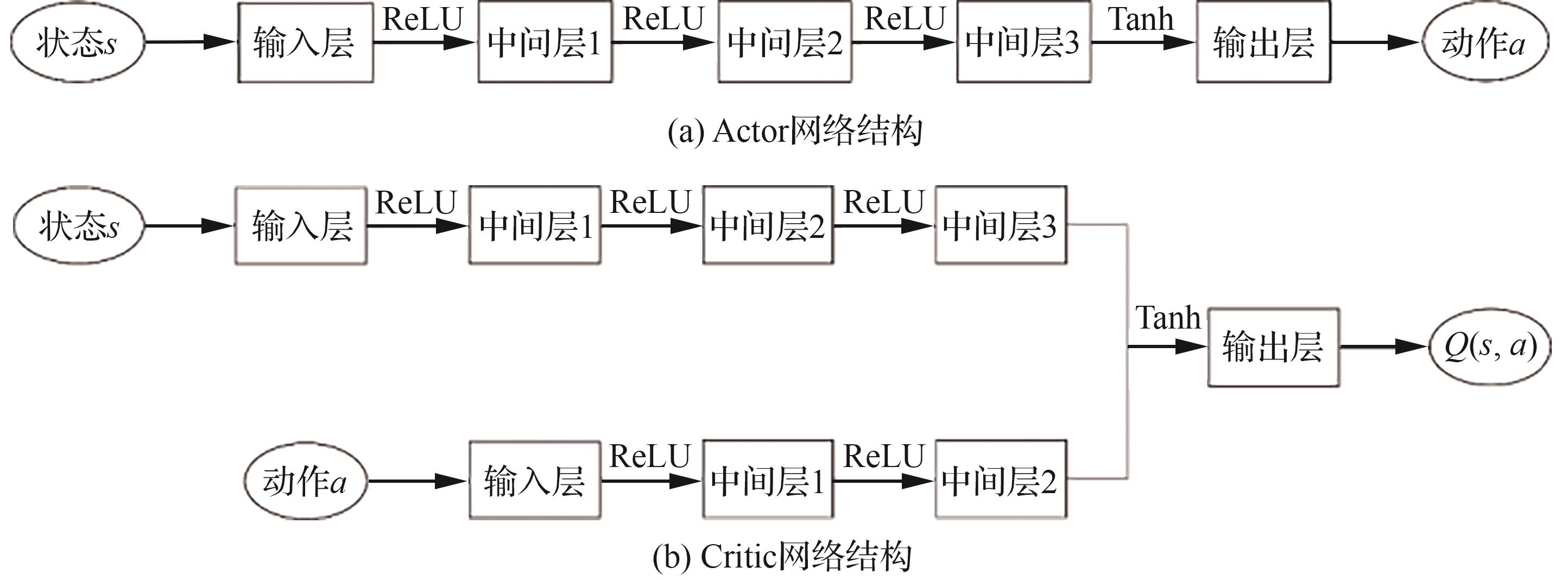
表5
各模态转换阶段控制器的观测变量
| 模态转换阶段 | 观测变量 | 符号 |
|---|---|---|
| 模态转换1 | 推力误差 | |
| 推力误差积分 | ||
| 总推力 | ||
| 推力误差微分 | ||
| 模态转换2 | 推力误差 | |
| 推力误差积分 | ||
| 总推力 | ||
| 推力误差微分 | ||
| 模态转换3 | 推力误差 | |
| 推力误差积分 | ||
| 总推力 | ||
| 推力误差微分 |
表6
各模态转换阶段控制器的控制变量
| 模态转化阶段 | 控制变量 | 符号 |
|---|---|---|
| 模态转换1 | 涡喷通道分流板角度 | |
| 引射通道分流板角度 | ||
| 涡喷发动机燃油量 | ||
| 引射火箭供油量 | ||
| 涡喷通道尾喷管堵锥行程 | ||
| 引射通道尾喷管堵锥行程 | ||
| 模态转换2 | 引射火箭供油量 | |
| 亚燃补燃室供油量 | ||
| 模态转换3 | 引射通道分流板角度 | |
| 亚燃补燃室供油量 | ||
| 超燃燃烧室供油量 | ||
| 共用尾喷管堵锥行程 |
表7
模态转换1控制器的超参数
| 参数 | 数值 |
|---|---|
| Actor网络隐含层神经元数量 | 64,64,64 |
| Critic网络隐含层神经元数量 | (40,40,40),(40,40) |
| Actor网络学习率 | 0.000 1 |
| Critic网络学习率 | 0.001 |
| Soft更新率 | 0.001 |
| 经验回放池规模 | 106 |
| 批量采样数量N | 128 |
| 奖励函数折扣因子γ | 0.99 |
| OU噪声标准差 | 0.4 |
| OU噪声标准差衰减率 | 0.001 |
表8
模态转换2控制器的超参数
| 参数 | 数值 |
|---|---|
| Actor网络隐含层神经元数量 | 40,40,30 |
| Critic网络隐含层神经元数量 | (30,30,30),(40,30) |
| Actor网络学习率 | 0.000 1 |
| Critic网络学习率 | 0.001 |
| Soft更新率 | 0.001 |
| 经验回放池规模 | 106 |
| 批量采样数量N | 128 |
| 奖励函数折扣因子γ | 0.99 |
| OU噪声标准差 | 0.3 |
| OU噪声标准差衰减率 | 0.001 |
表9
模态转换3控制器的超参数
| 参数 | 数值 |
|---|---|
| Actor网络隐含层神经元数量 | 30,30,30 |
| Critic网络隐含层神经元数量 | (40,40,30),(30,30) |
| Actor网络学习率 | 0.000 1 |
| Critic网络学习率 | 0.001 |
| Soft更新率 | 0.001 |
| 经验回放池规模 | 106 |
| 批量采样数量N | 128 |
| 奖励函数折扣因子γ | 0.99 |
| OU噪声标准差 | 0.4 |
| OU噪声标准差衰减率 | 0.001 |
表10
各模态转换阶段推力误差奖励函数比例系数
| 模态 | ||||||||
|---|---|---|---|---|---|---|---|---|
| 涡喷-引射 | -800 | -400 | -200 | -50 | -20 | 0 | 5 | 10 |
| 引射-亚燃 | -200 | -100 | -50 | -30 | -20 | 0 | 1 | 5 |
| 亚燃-超燃 | -200 | -100 | -50 | -20 | -5 | 0 | 1 | 2 |
表11
各模态转换过程安全奖励函数参数设置值
| 模态 | 参数 | 数值 |
|---|---|---|
| 涡喷-引射 | 10 | |
| 5 | ||
| 2 | ||
| 0.5 | ||
| 引射-亚燃 | 2 | |
| 5 | ||
| 1 | ||
| 1 | ||
| 亚燃-超燃 | 2 | |
| 4 | ||
| 1 | ||
| 0.5 |
表12
拉偏参数及参数设置范围
| 参数 | 符号 | 拉偏系数 | 拉偏系数范围 |
|---|---|---|---|
| 涡喷压气机流量数组 | |||
| 涡喷燃烧室燃烧效率 | |||
| 引射火箭出口总压强 | |||
| 引射火箭出口总流量 | |||
| 亚燃燃烧室出口总压强 | |||
| 亚燃燃烧室出口总流量 | |||
| 超燃进气道出口总压强 | |||
| 超燃进气道出口总温 |
图12
模态转换1控制器奖励函数收敛曲线
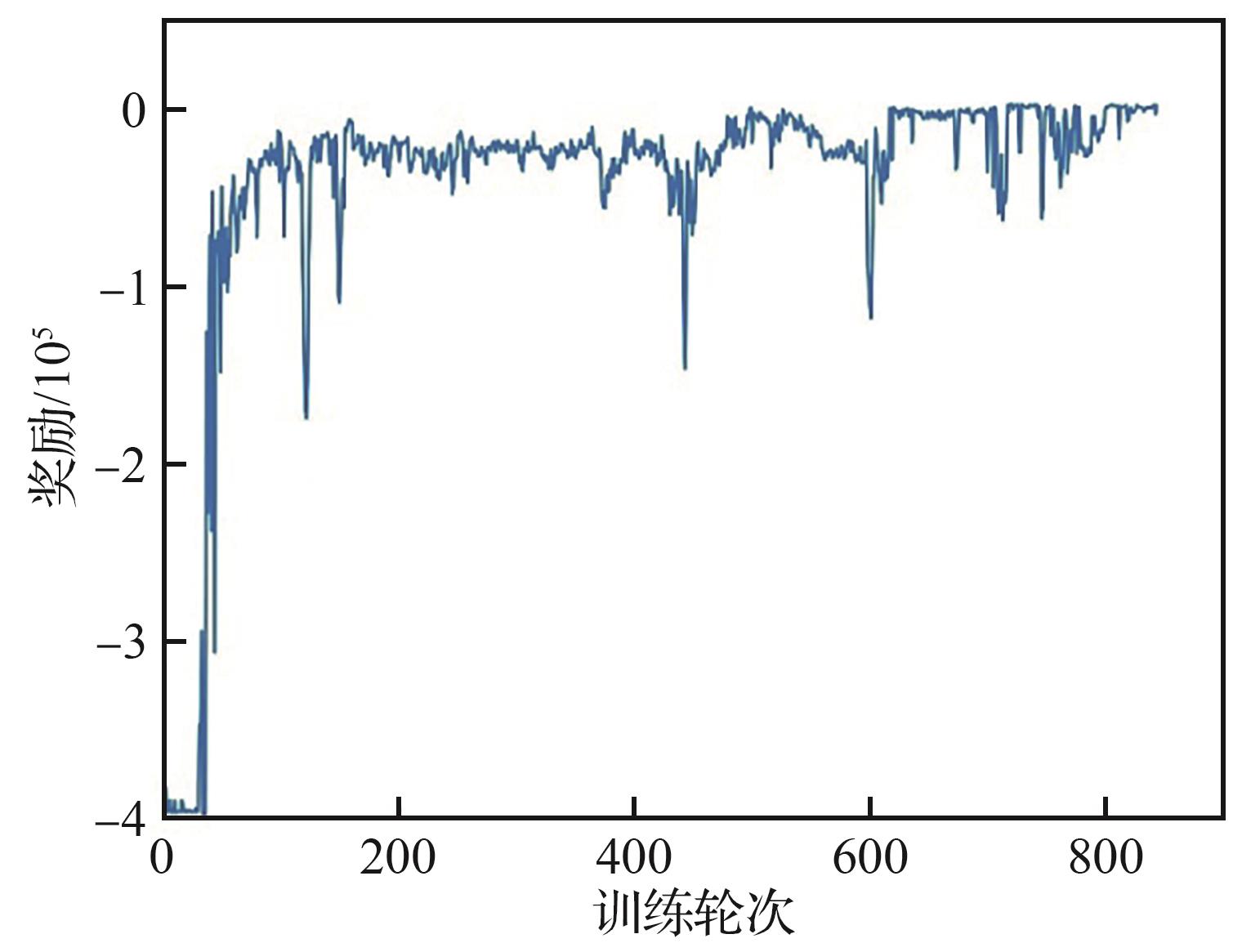
图13
模态转换1控制器推力跟踪曲线
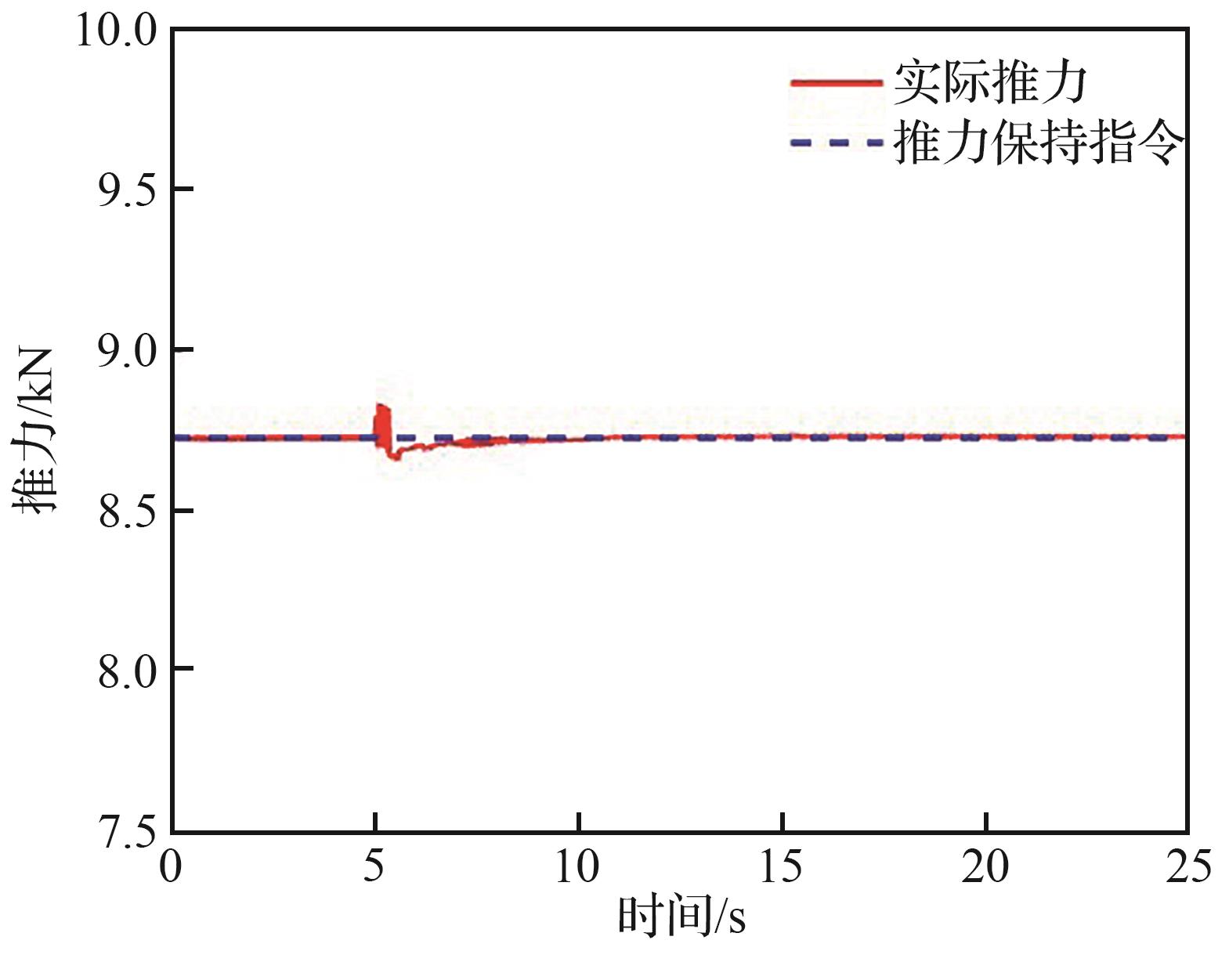

图14
模态转换1各部件作动规律

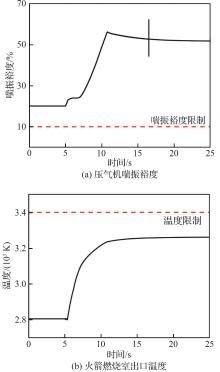
图15
模态转换1安全保护效果
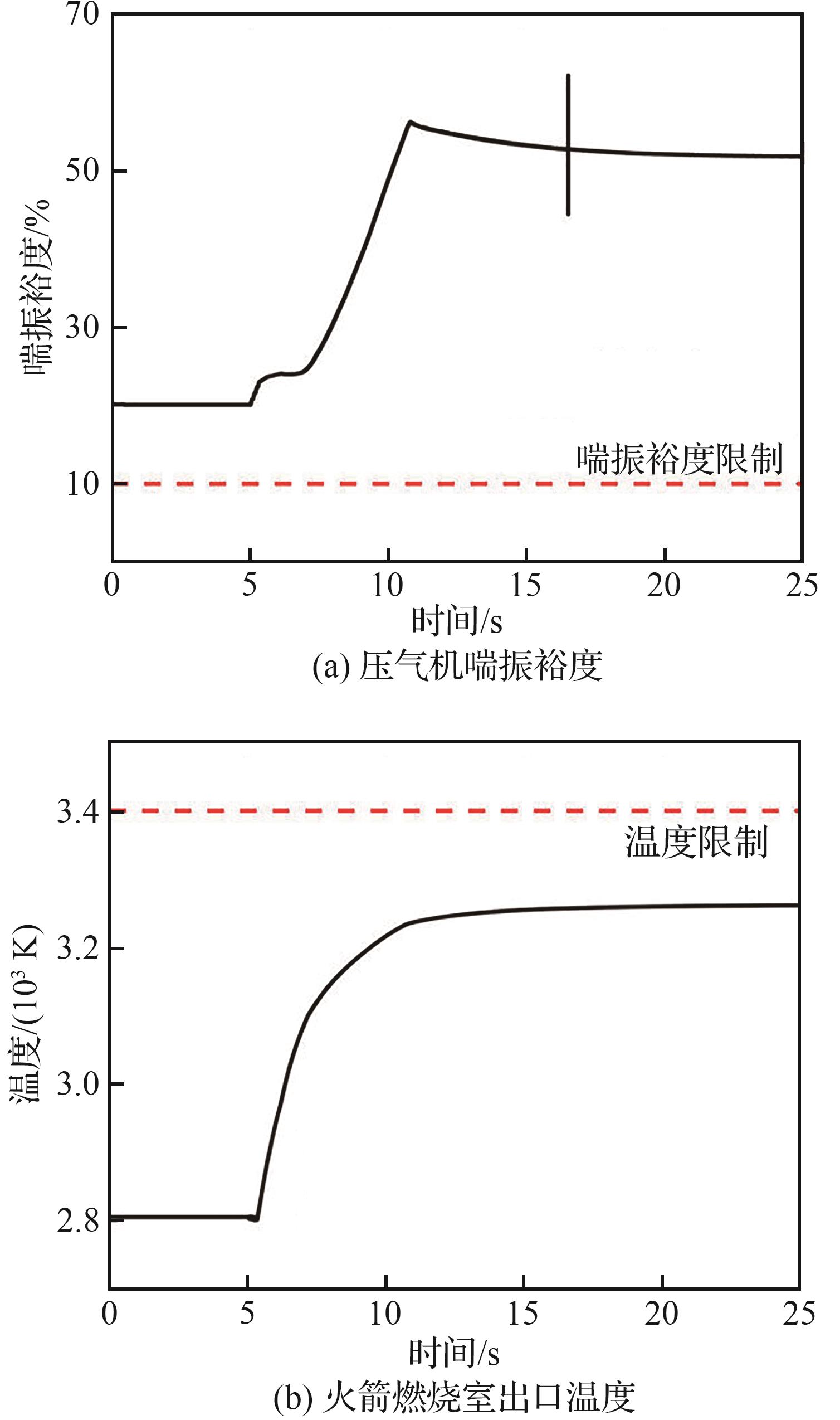
图 16
模态转换2控制器奖励函数收敛曲线
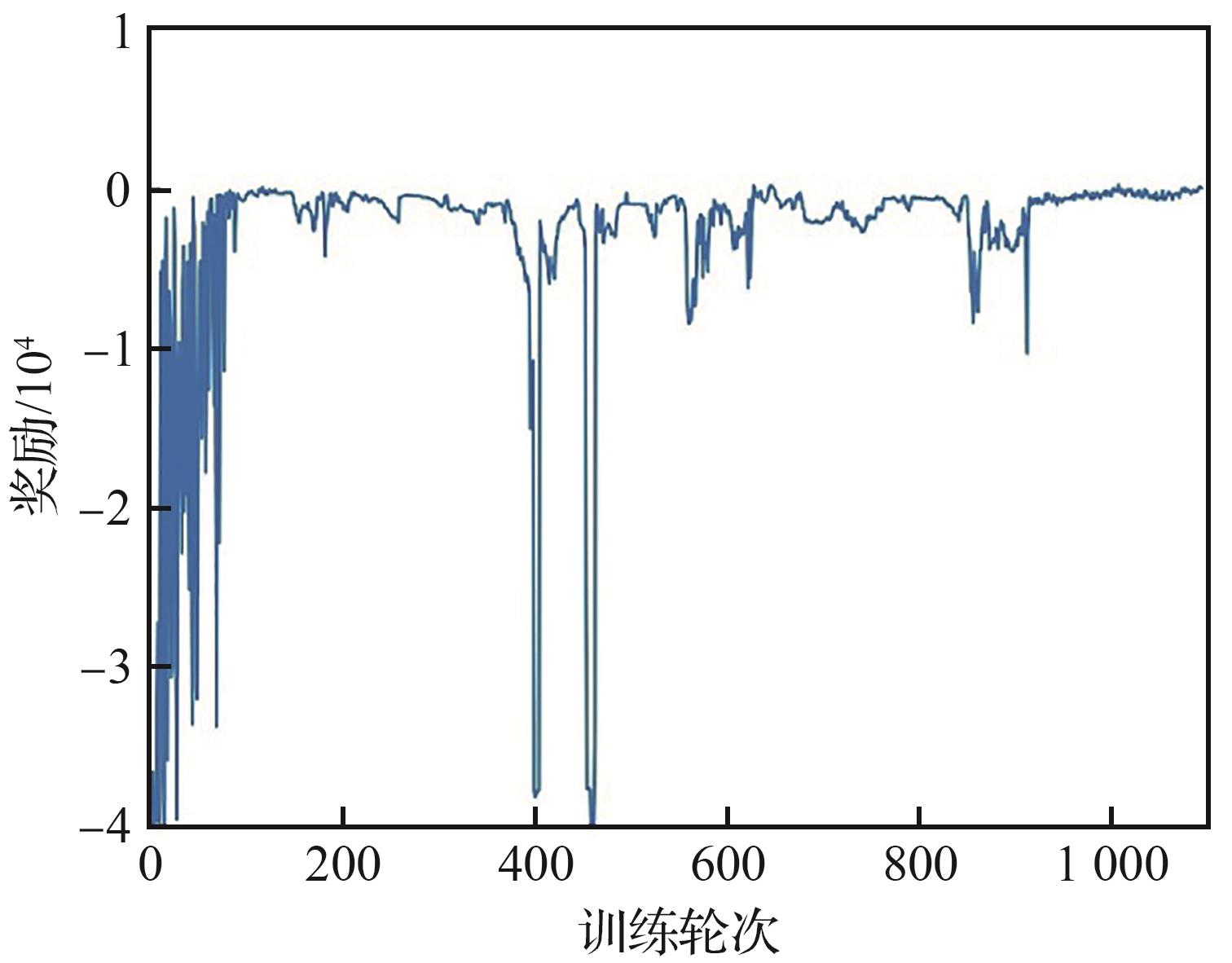
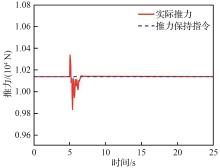
图 17
模态转换2控制器推力跟踪曲线
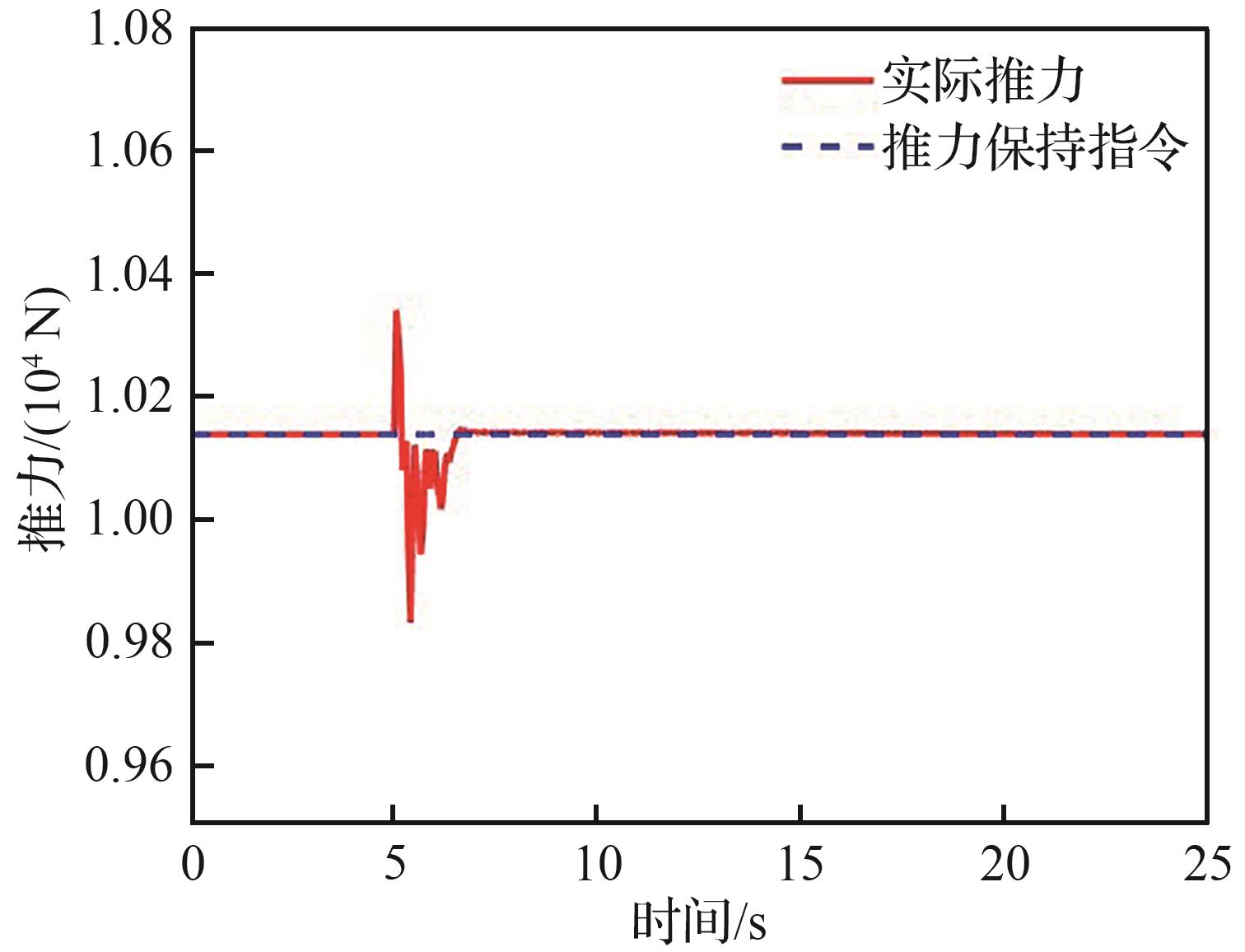
图18
模态转换2各部件作动规律
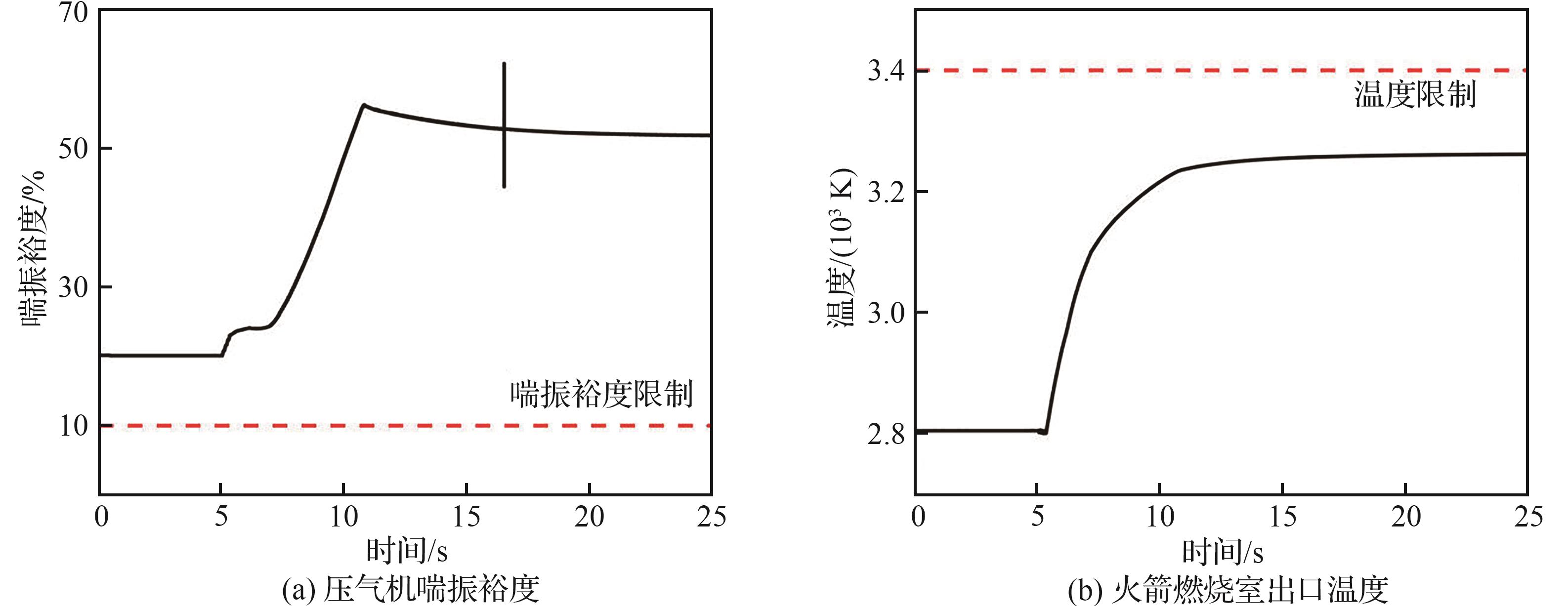
图19
模态转换2安全保护效果
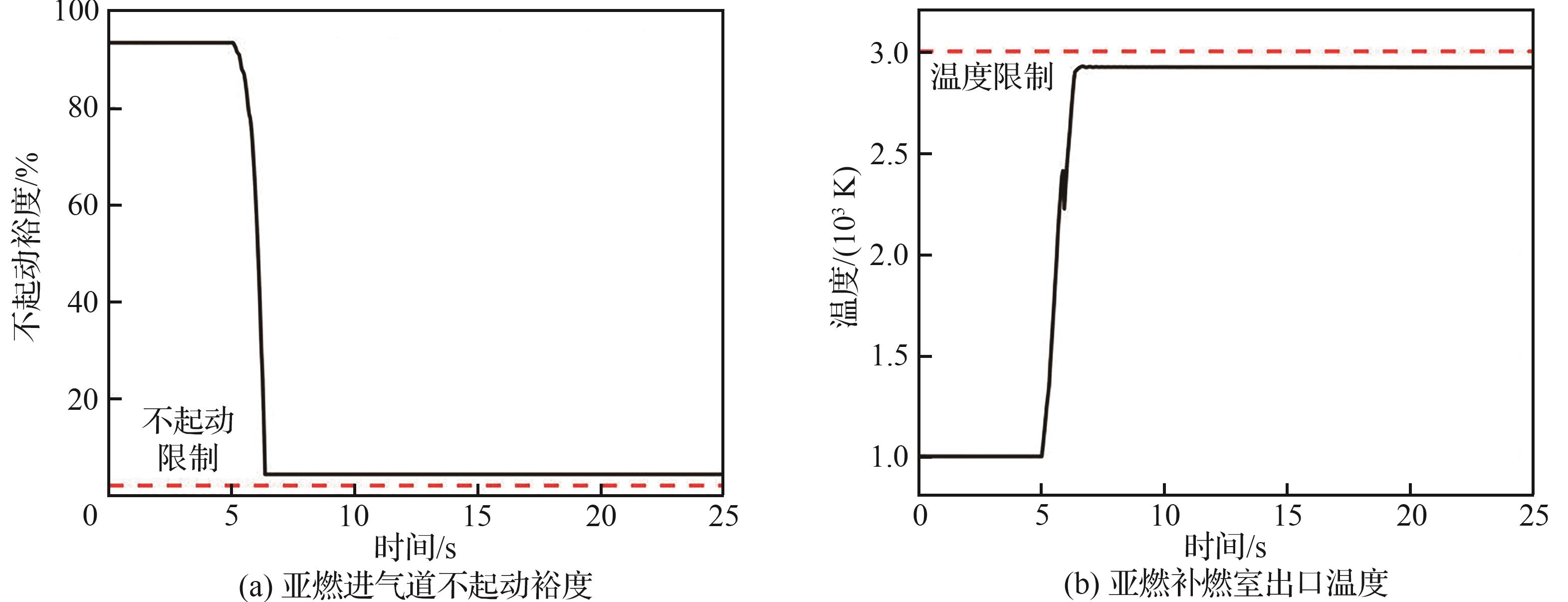
图 20
模态转换3控制器奖励函数收敛曲线
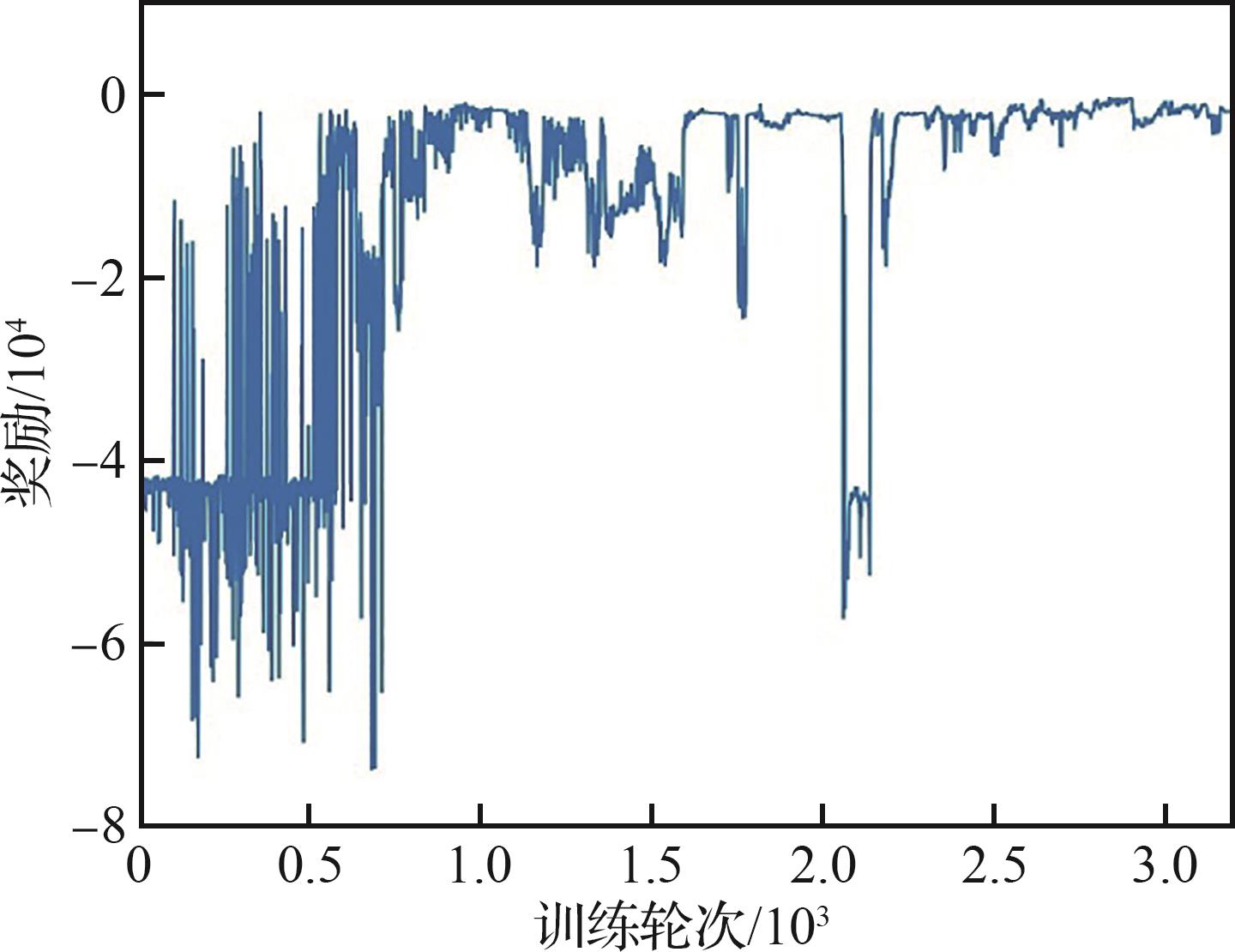
图21
模态转换3控制器推力跟踪曲线
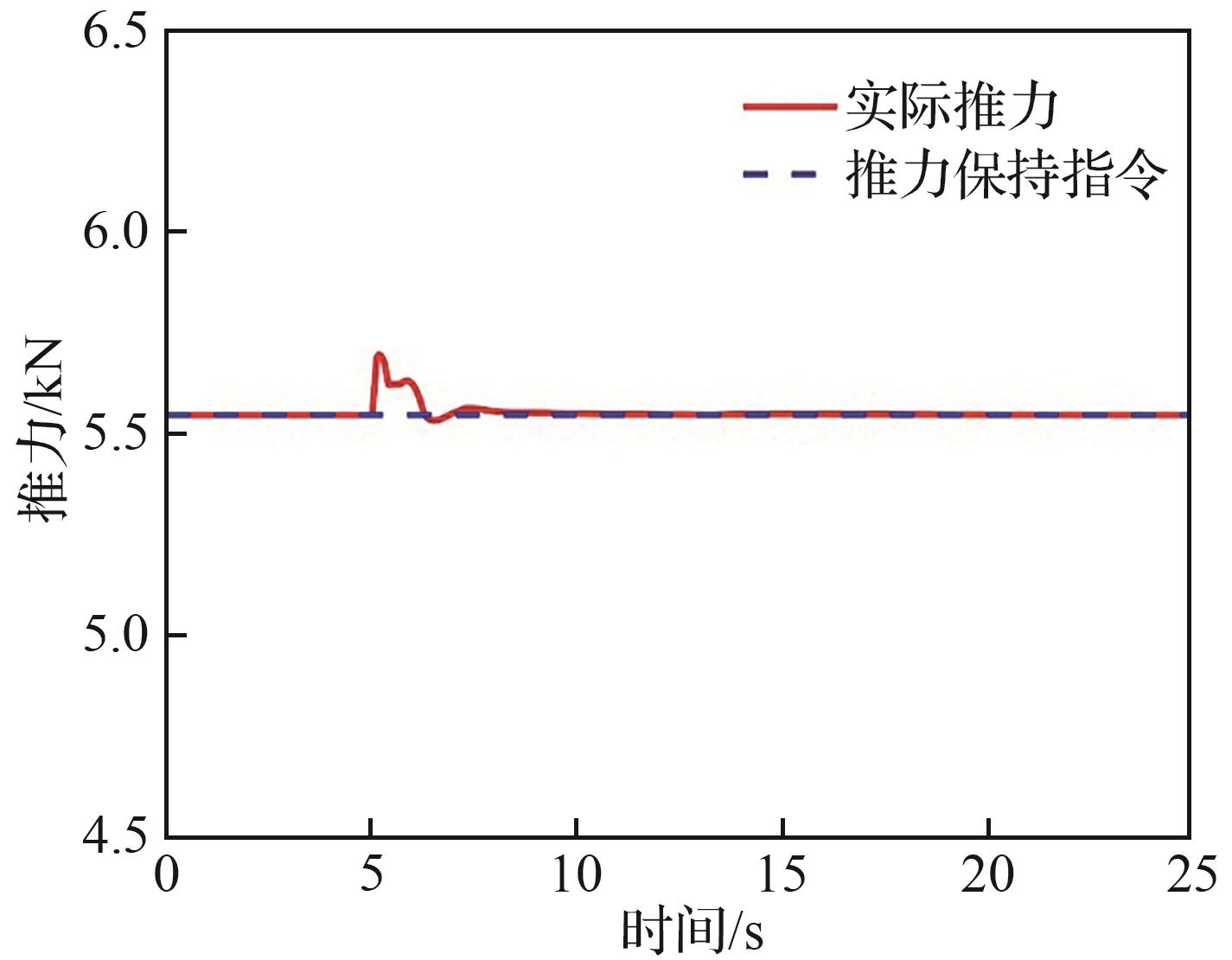
图22
模态转换3各部件作动规律
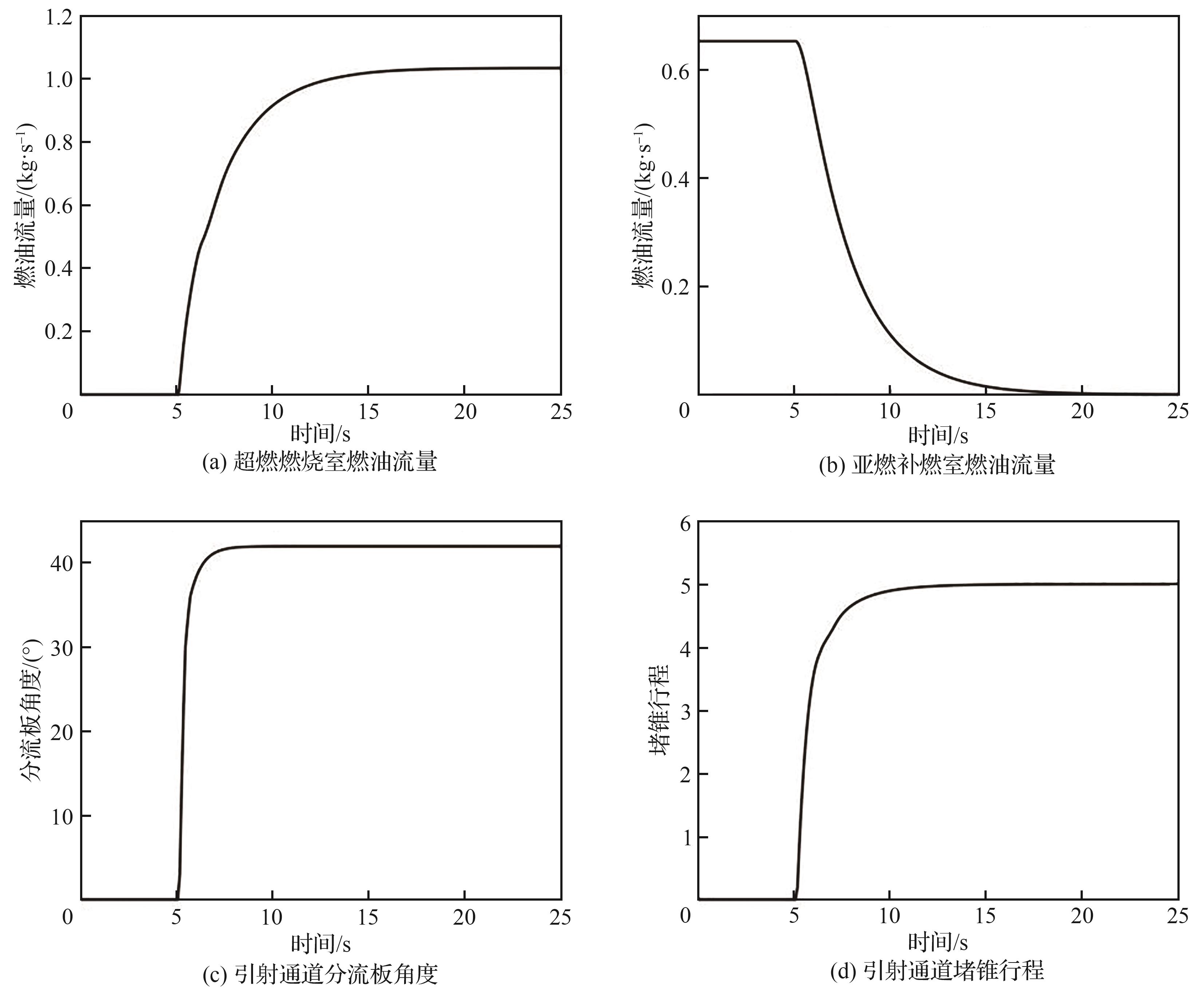
图23
模态转换3安全保护效果
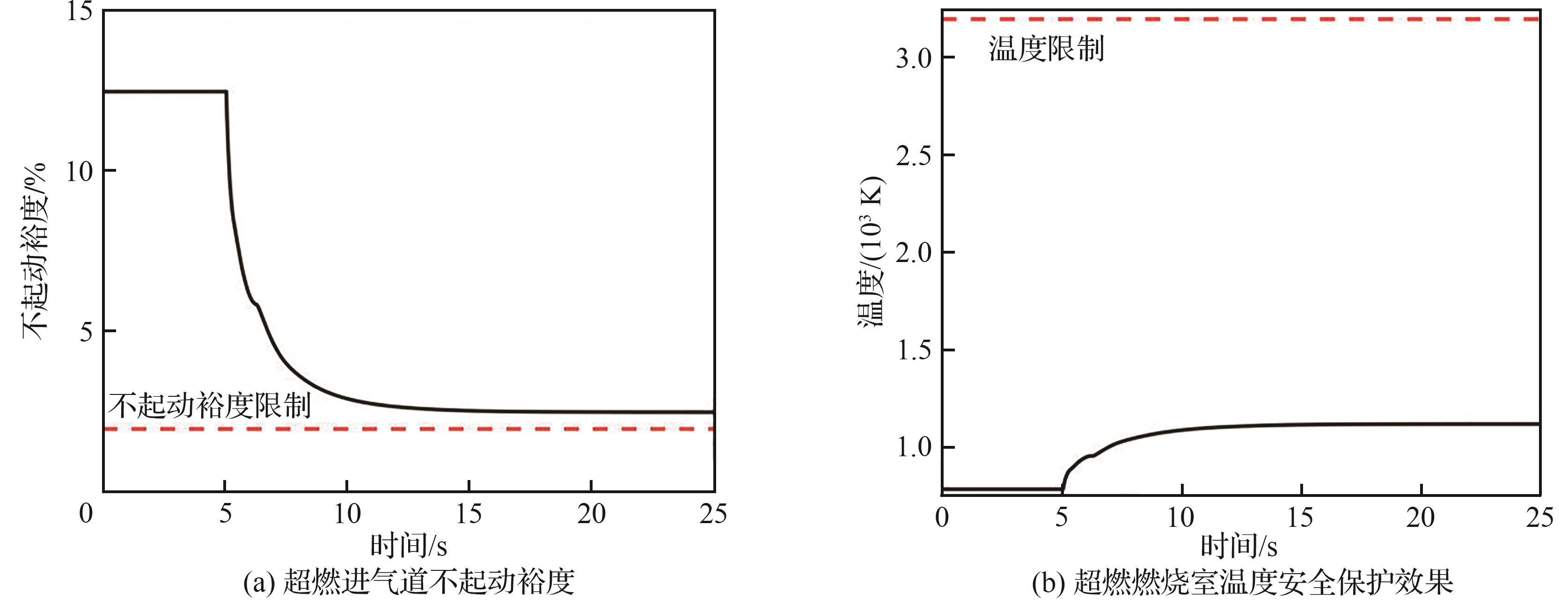
表13
各模态PID控制器参数[28]
| 模态 | KP | KI | KD |
|---|---|---|---|
| 涡喷模态 | 1.930 | 6.15 | 0.438 00 |
| 引射模态 | 4.360 | 1.69 | 0.003 26 |
| 亚燃模态 | 0.822 | 1.12 | 0.139 00 |
| 超燃模态 | 0.324 | 5.44 | 0 |
图24
模态转换2各控制器推力跟踪效果对比曲线
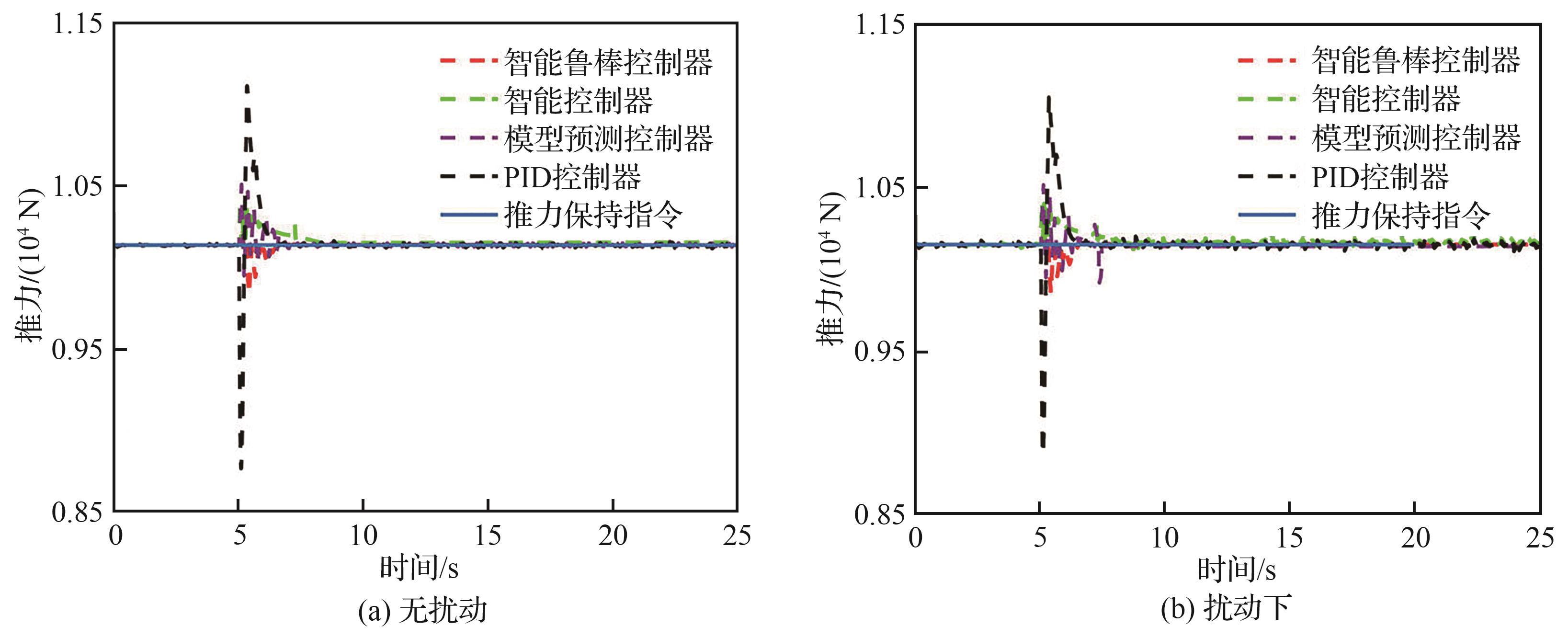
图25
模态转换2各控制器安全保护效果
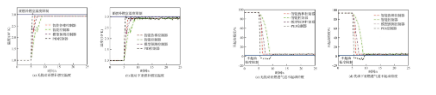
表14
各控制器在不同模态转换阶段的推力跟踪性能对比
| 模态转换阶段 | 控制器类型 | 最大推力偏差/% | 稳态误差/% | 扰动下推力波动/% | 是否满足安全限制 |
|---|---|---|---|---|---|
| 模态转换1 | 智能鲁棒控制器 | 3.1 | 0.8 | ±1.2 | 是 |
| 智能控制器 | 5.2 | 1.4 | ±3.9 | 是 | |
| 模型预测控制器 | 4.8 | 1.0 | ±2.1 | 否 | |
| PID控制器 | 8.6 | 2.9 | ±6.1 | 否 | |
| 模态转换2 | 智能鲁棒控制器 | 4.2 | 0.9 | ±1.6 | 是 |
| 智能控制器 | 4.3 | 1.8 | ±2.8 | 是 | |
| 模型预测控制器 | 5.1 | 1.2 | ±1.8 | 是 | |
| PID控制器 | 10.4 | 3.2 | ±3.0 | 否 | |
| 模态转换3 | 智能鲁棒控制器 | 4.8 | 1.0 | ±2.1 | 是 |
| 智能控制器 | 7.1 | 1.9 | ±3.6 | 否 | |
| 模型预测控制器 | 8.3 | 1.1 | ±2.6 | 是 | |
| PID控制器 | 12.7 | 4.1 | ±4.2 | 否 |
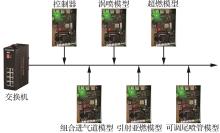
图26
硬件在环系统分布式架构图
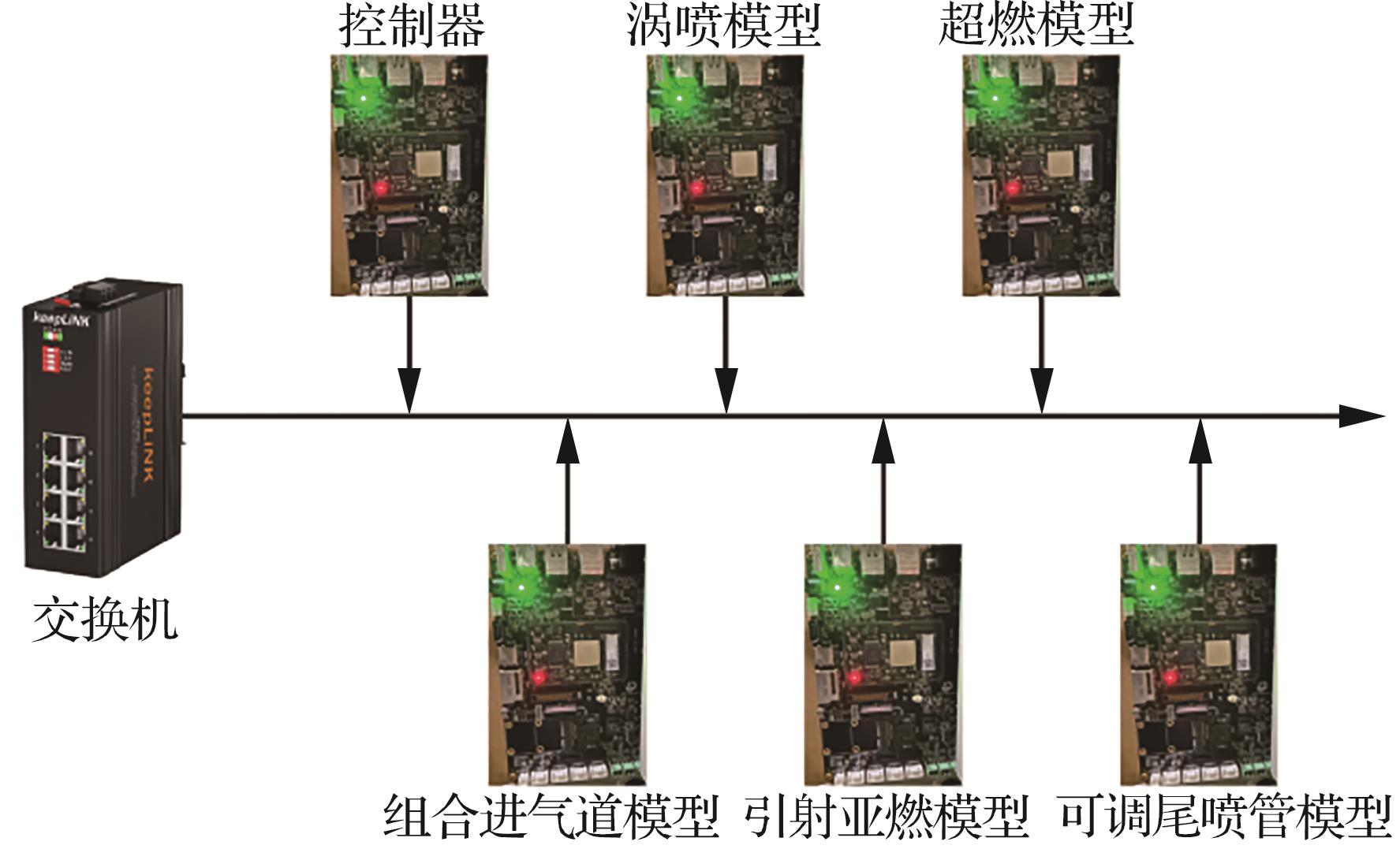
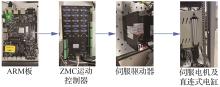
图27
执行器子系统硬件构成及控制流程
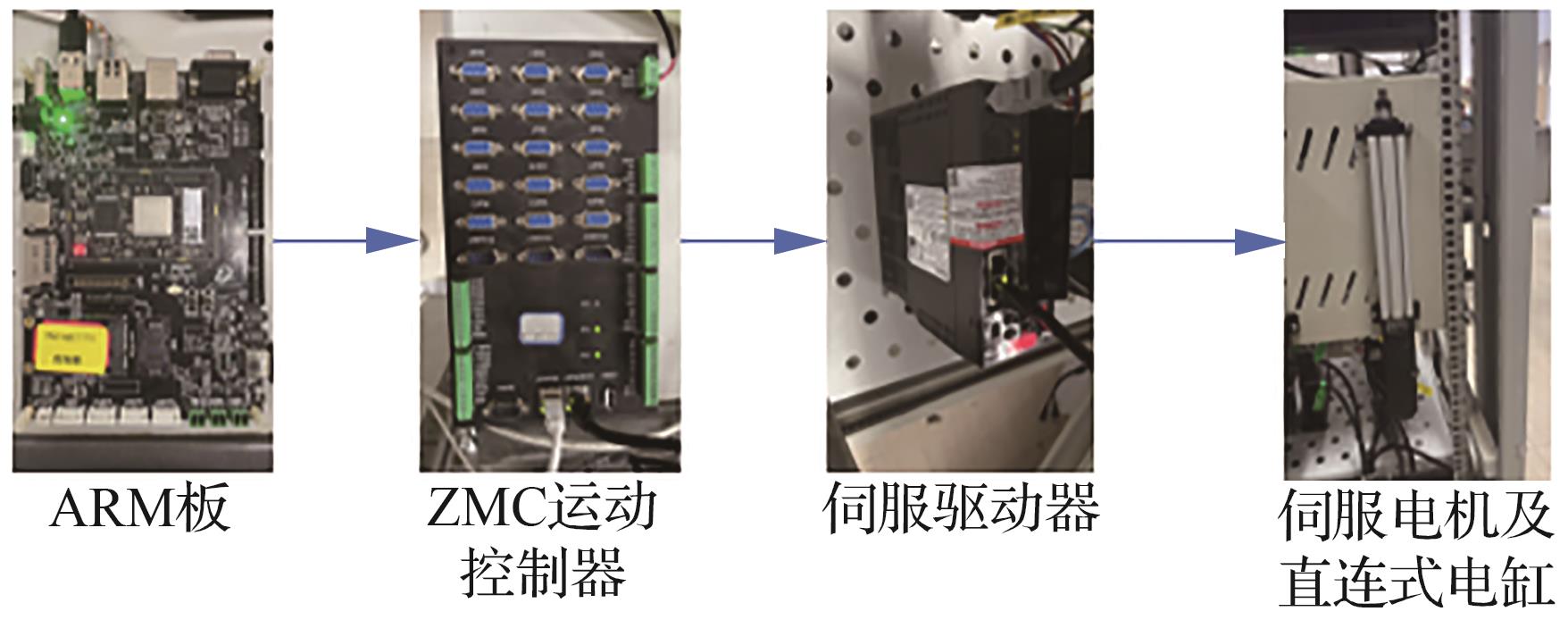
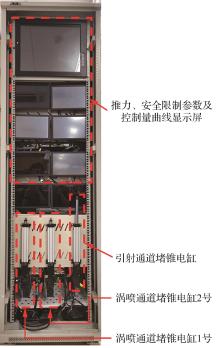
图28
硬件在环仿真系统实物图
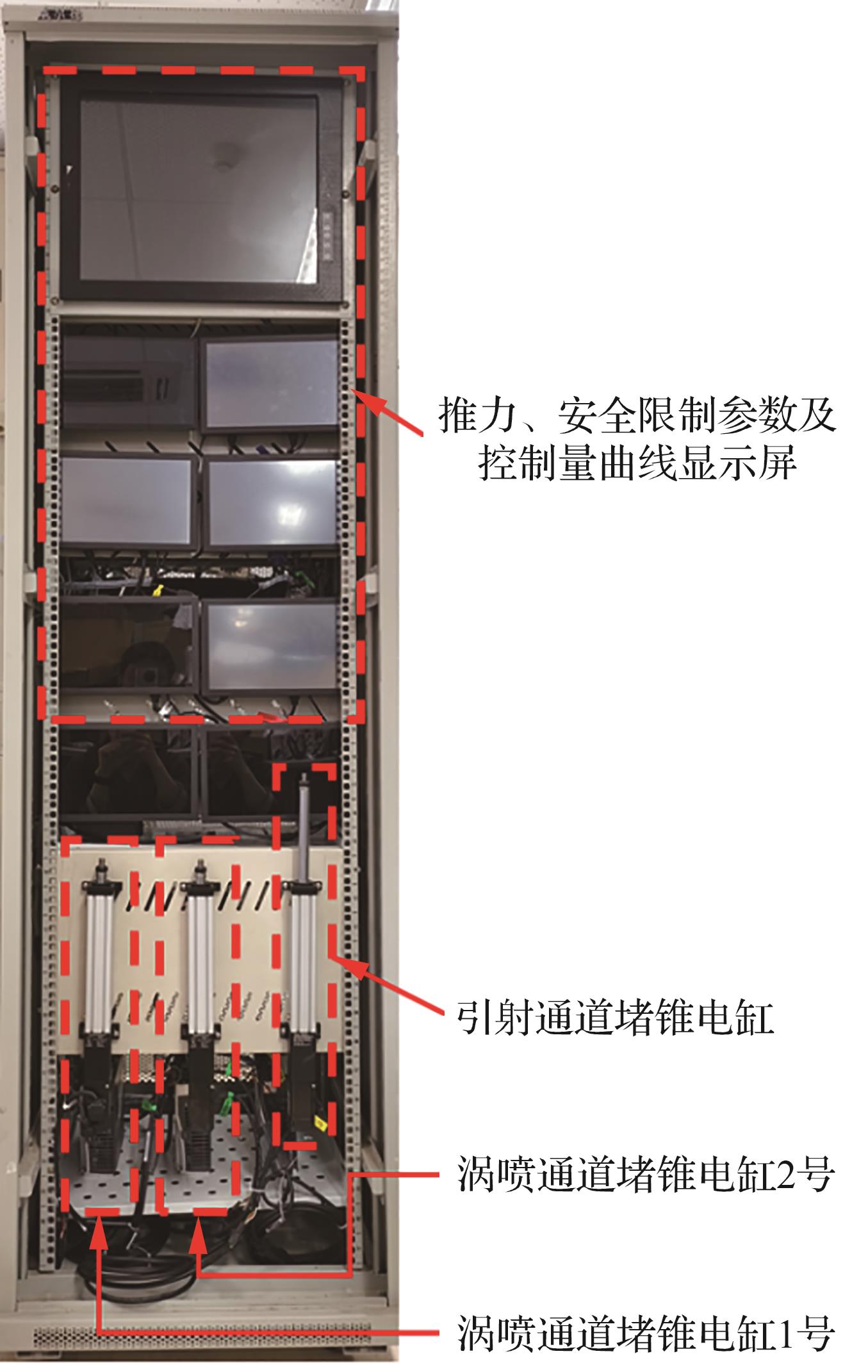
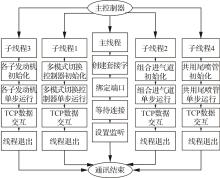
图29
基于Linux的分布式多线程socket通信流程图
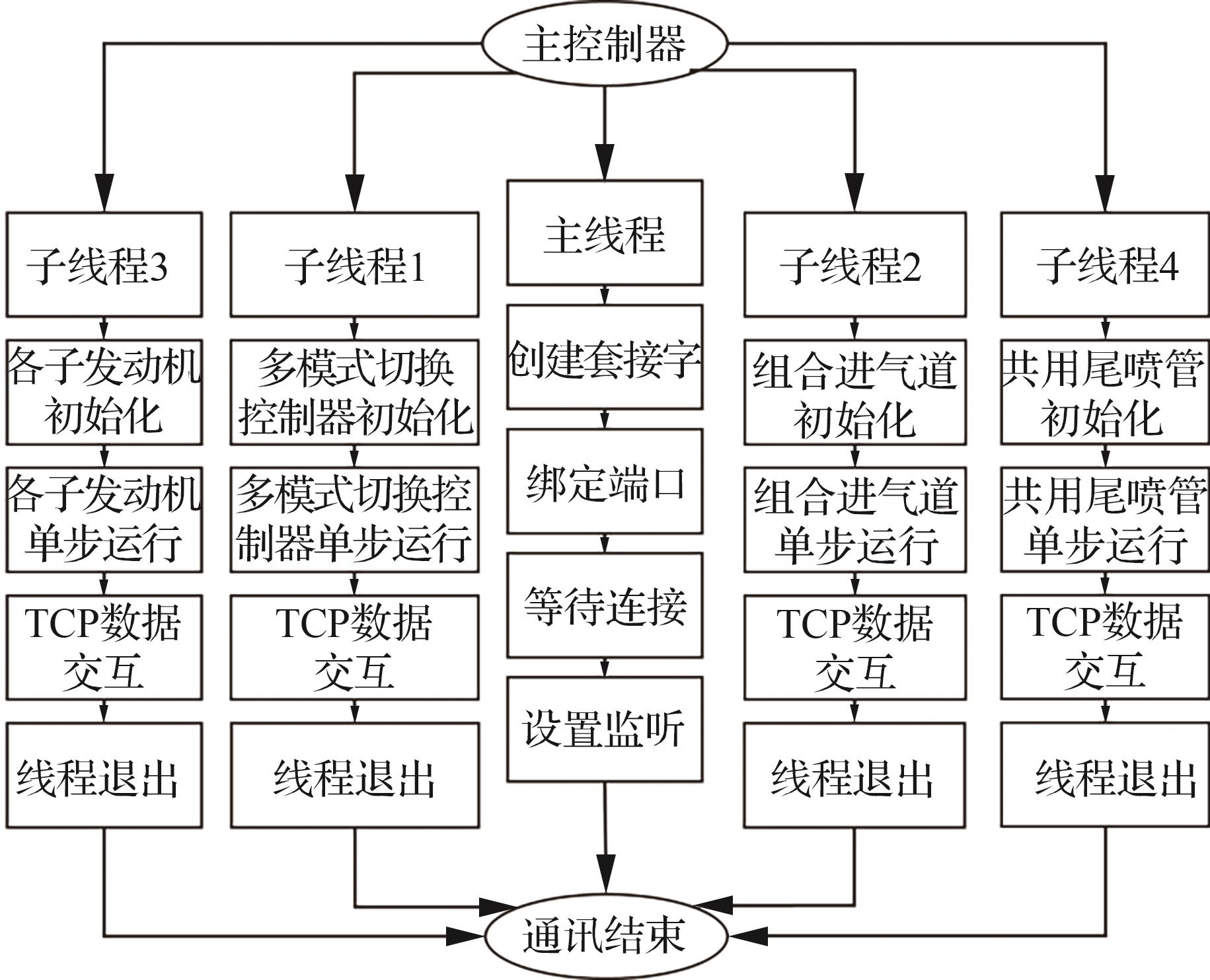
图 30
飞行轨迹条件
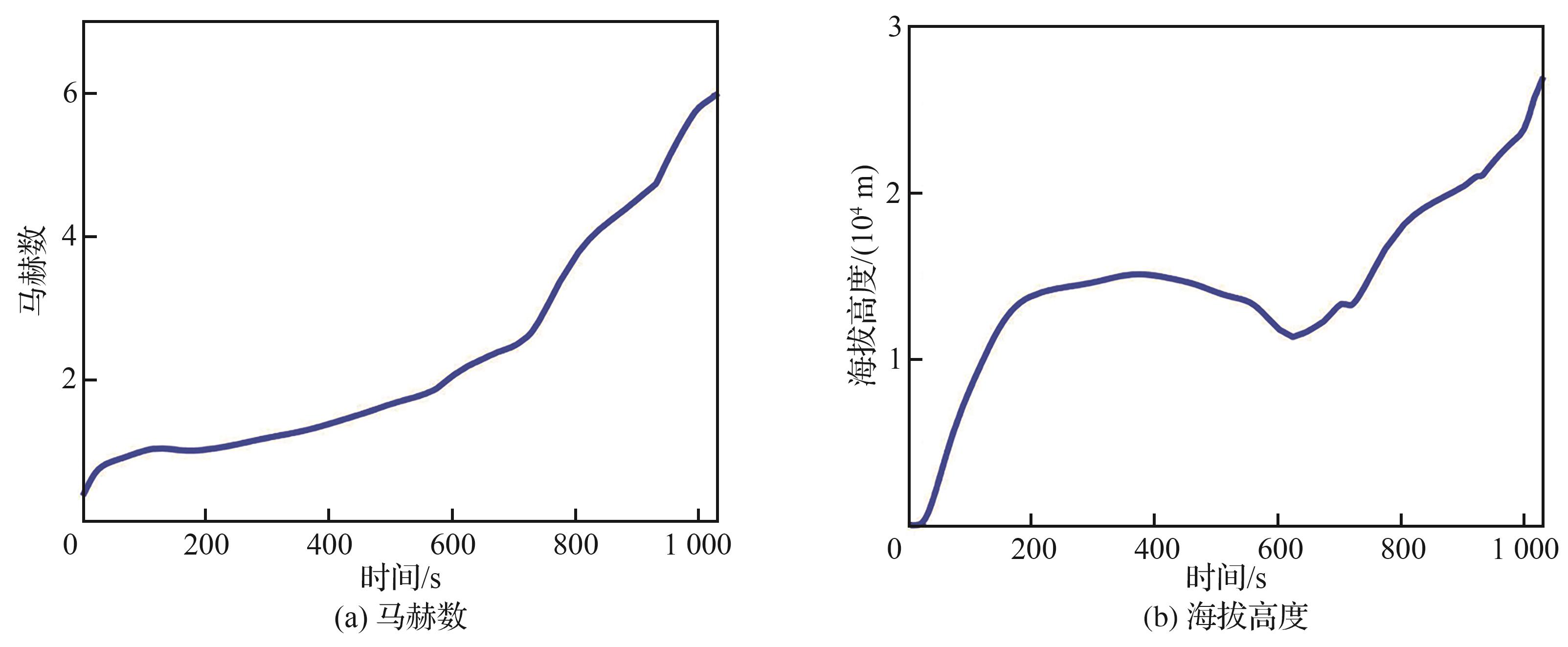
图 31
发动机硬件在环仿真系统控制器测试效果
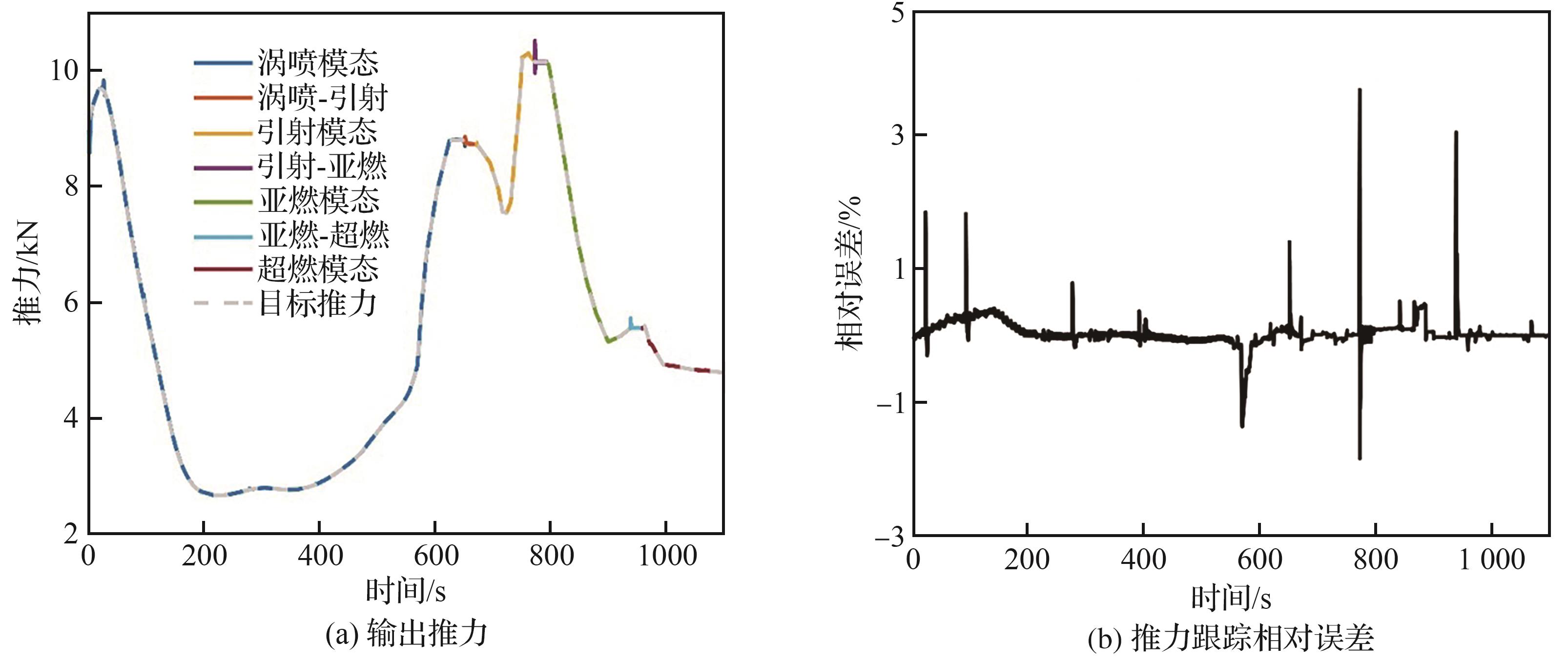
表15
单模态数值仿真与HIL仿真模态转换推力跟踪精度对比
| 模态转换阶段 | 仿真类型 | 最大推力偏差/% | 瞬态误差均值/% | 误差波动幅值/% |
|---|---|---|---|---|
| 模态转换1 | 单模态 | 3.1 | 0.7 | ±2.0 |
| HIL | 3.8 | 2.1 | ±2.1 | |
| 模态转换2 | 单模态 | 4.2 | 0.9 | ±2.4 |
| HIL | 4.3 | 2.5 | ±2.9 | |
| 模态转换3 | 单模态 | 4.8 | 1.0 | ±3.0 |
| HIL | 4.9 | 2.8 | ±3.8 |
| [1] | 潘锐, 赵群力. 国外高超声速飞机发展分析[J]. 航空科学技术, 2023, 34(11): 2-7. |
| PAN R, ZHAO Q L. Analysis on the development of hypersonic aircraft abroad[J]. Aeronautical Science & Technology, 2023, 34(11): 2-7 (in Chinese). | |
| [2] | CSANK J, THOMAS S. A turbine based combined cycle engine inlet model and mode transition simulation based on HiTECC tool[C]∥ 48th AIAA/ASME/SAE/ASEE Joint Propulsion Conference & Exhibit. Reston: AIAA, 2012. |
| [3] | 李茜, 崔艳林. 2020年高超声速推进技术发展综述[J]. 航空动力, 2021(2): 20-23. |
| LI Q, CUI Y L. Development review of hypersonic propulsion technology in 2020[J]. Aerospace Power, 2021(2): 20-23 (in Chinese). | |
| [4] | O’NEILL S. Supersonic travel seeks an encore[J]. Engineering, 2022, 10: 1-3. |
| [5] | 李文杰. 从研发项目看美国高超声速飞机发展策略[J]. 战术导弹技术, 2023(5): 59-63, 72. |
| LI W J. Analysis of development strategy of US hypersonic aircraft through research projects[J]. Tactical Missile Technology, 2023(5): 59-63, 72 (in Chinese). | |
| [6] | 李文杰, 林旭斌. NASA启动高超声速飞机研究[J]. 飞航导弹, 2021(5): 9-12. |
| LI W J, LIN X B. NASA launches hypersonic aircraft research[J]. Aerodynamic Missile Journal, 2021(5): 9-12 (in Chinese). | |
| [7] | PENEV P, ZAGORSKI N. Aerospace systems “aerial launch” at the modern stage[J]. Aerospace Research in Bulgaria, 2022, 34: 80-94. |
| [8] | LEISHMAN J G. History of rockets & space flight[M]∥ Introduction to aerospace flight vehicles. Daytona Beach: Embry-Riddle Aeronautical University, 2022. |
| [9] | EET-China. British military and industry jointly announce concept of military hypersonic aircraft demonstrator[EB/OL]. [2026-01-13]. . |
| [10] | News Tencent. Overview of the development of foreign hypersonic vehicle technology in 2023[EB/OL]. [2026-01-13]. . |
| [11] | 马婧雪. 含安全边界的TBCC组合发动机控制研究[D]. 哈尔滨: 哈尔滨工业大学, 2018. |
| MA J X. Control study for over-under TBCC engine with safety boundaries[D]. Harbin: Harbin Institute of Technology, 2018 (in Chinese). | |
| [12] | 林威全, 许航瑞, 兰旭东. TBCC发动机的发展历程及关键技术分析[J]. 清华大学学报(自然科学版), 2024, 64(9): 1521-1535. |
| LIN W Q, XU H R, LAN X D. Development and key technology analysis of turbine-based combined cycle engine[J]. Journal of Tsinghua University (Science and Technology), 2024, 64(9): 1521-1535 (in Chinese). | |
| [13] | 韦宝禧, 凌文辉, 冮强, 等. TRRE发动机关键技术分析及推进性能探索研究[J]. 推进技术, 2017, 38(2): 298-305. |
| WEI B X, LING W H, GANG Q, et al. Analysis of key technologies and propulsion performance research of TRRE engine[J]. Journal of Propulsion Technology, 2017, 38(2): 298-305 (in Chinese). | |
| [14] | 赵俊杰, 徐惊雷. 基于CFD/CSD的TRRE排气系统气-热耦合分析[J]. 机械制造与自动化, 2022, 51(2): 103-106. |
| ZHAO J J, XU J L. Fluid-thermal coupling analysis based on CFD/CSD of TRRE exhaust system[J]. Machine Building & Automation, 2022, 51(2): 103-106 (in Chinese). | |
| [15] | 程锋. 组合动力飞行器宽速域气动/推进一体化耦合建模方法研究[D]. 西安: 西北工业大学, 2019. |
| CHENG F. Study on wide speed range aerodynamics/propulsion integrated coupled modeling of combined propulsion vehicle[D]. Xi’an: Northwestern Polytechnical University, 2019 (in Chinese). | |
| [16] | 郭峰, 桂丰, 尤延铖, 等. 一种涡轮基组合动力的整机低速风洞试验研究[J]. 推进技术, 2019, 40(11): 2436-2443. |
| GUO F, GUI F, YOU Y C, et al. Low-speed wind tunnel test of a turbine-based combined cycle propulsion system[J]. Journal of Propulsion Technology, 2019, 40(11): 2436-2443 (in Chinese). | |
| [17] | 尹泽勇, 尤延铖, 朱呈祥, 等. 面向高超声速民机的多通道双涡轮引射冲压组合动力[J]. 航空学报, 2023, 44(2): 627181. |
| YIN Z Y, YOU Y C, ZHU C X, et al. Multi-channel dual-turbine ejector ramjet combined propulsion for hypersonic civil aircraft[J]. Acta Aeronautica et Astronautica Sinica, 2023, 44(2): 627181 (in Chinese). | |
| [18] | 李富霖, 陈敏, 唐海龙, 等. 考虑环境指标的变循环发动机控制规律设计[J]. 航空学报, 2025, 46(16): 231624. |
| LI F L, CHEN M, TANG H L, et al. Control law design for variable cycle engine considering environmental indicators[J]. Acta Aeronautica et Astronautica Sinica, 2025, 46(16): 231624 (in Chinese). | |
| [19] | 聂聆聪, 牟春晖, 李帅衡. 基于强化学习的宽速域冲压发动机燃烧室一维压力分布控制方法研究[J]. 推进技术, 2025, 46(6): 235-245. |
| NIE L C, MU C H, LI S H. One dimensional pressure distribution reinforcement learning control for ramjet combustor with wide range velocity[J]. Journal of Propulsion Technology, 2025, 46(6): 235-245 (in Chinese). | |
| [20] | 卢则鹏, 王建锋, 李清, 等. 有限功率下航空发动机伺服机构最优控制[J]. 海军航空大学学报, 2025, 40(5): 745-751, 790. |
| LU Z P, WANG J F, LI Q, et al. Optimal control of servo mechanism for aero-engine under limited power constraints[J]. Journal of Naval Aviation University, 2025, 40(5): 745-751, 790 (in Chinese). | |
| [21] | 张悦, 杨刚, 谭慧俊, 等. 外并联型进气道模态转换过程中低速通道再起动特性[J]. 航空学报, 2026, 47(6): 132842. |
| ZHANG Y, YANG G, TAN H J, et al. Restart characteristics of low-speed duct during mode transition in an over-under inlet[J]. Acta Aeronautica et Astronautica Sinica, 2026, 47(6): 132842 (in Chinese). | |
| [22] | GAO W B, ZHOU X, PAN M X, et al. Acceleration control strategy for aero-engines based on model-free deep reinforcement learning method[J]. Aerospace Science and Technology, 2022, 120: 107248. |
| [23] | QIAN R R, FENG Y M, JIANG M M, et al. Design and realization of intelligent aero-engine DDPG controller[J]. Journal of Physics: Conference Series, 2022, 2195(1): 012056. |
| [24] | GAO W B, PAN M X, ZHOU W X, et al. Aero-engine modeling and control method with model-based deep reinforcement learning[J]. Aerospace, 2023, 10(3): 209. |
| [25] | ZHU J M, TANG W, DONG J H, et al. A virtual reinforcement learning method for aero-engine intelligent control[C]∥ 2023 8th International Conference on Automation, Control and Robotics Engineering (CACRE). Piscataway: IEEE Press, 2023: 138-143. |
| [26] | HU Q K, ZHAO Y P. Aero-engine acceleration control using deep reinforcement learning with phase-based reward function[J]. Proceedings of the Institution of Mechanical Engineers, Part G: Journal of Aerospace Engineering, 2022, 236(9): 1878-1894. |
| [27] | 张栋, 唐硕. 超燃冲压发动机燃烧室准一维建模与分析[J]. 弹道学报, 2015, 27(1): 85-91. |
| ZHANG D, TANG S. Quasi one-dimensional modeling and analysis of scramjet combustor[J]. Journal of Ballistics, 2015, 27(1): 85-91 (in Chinese). | |
| [28] | 戴黄山. TBCC发动机安全强化学习智能控制方法研究[D]. 厦门: 厦门大学, 2023. |
| DAI H S. Safety-oriented reinforcement learning control of TBCC engines[D]. Xiamen: Xiamen University, 2023 (in Chinese). |
| [1] | 刘宇衡, 杨力, 黄琦龙. 基于可解释分层强化学习的防空反导策略优化[J]. 航空学报, 2026, 47(8): 332786-332786. |
| [2] | 张皓, 刘家宁, 许志, 杨垣鑫. 飞机主动防御模式下改进逆强化学习的来袭弹轨迹预测方法[J]. 航空学报, 2026, 47(8): 332753-332753. |
| [3] | 熊威, 张栋, 杨书恒, 任智, 刘文逸. 面向智能空战有人/无人机协同可解释方法[J]. 航空学报, 2026, 47(7): 332547-332547. |
| [4] | 韩滟泷, 张安, 毕文豪, 范秋岑, 侯天乐. 基于DACTM-PPO的机载末端红外复合干扰智能决策[J]. 航空学报, 2026, 47(7): 332759-332759. |
| [5] | 高思华, 赵炳阳, 李建伏. 基于时间窗约束的无人机完整性数据采集路径规划算法[J]. 航空学报, 2026, 47(6): 332451-332451. |
| [6] | 廉云霄, 李霓, 谢锋, 周攀, 董长印. 基于时空信息融合的多机协同空战决策方法[J]. 航空学报, 2026, 47(6): 332633-332633. |
| [7] | 张悦, 杨刚, 谭慧俊, 张晗天, 庞明池, 张龙芝, 高夏豪. 外并联型进气道模态转换过程中低速通道再起动特性[J]. 航空学报, 2026, 47(6): 132842-132842. |
| [8] | 张磊, 田灿, 文方青, 张清河, 刘含. 面向移动边缘网络的多目标进化深度确定性策略梯度算法[J]. 航空学报, 2026, 47(3): 631880-631880. |
| [9] | 贺硕, 刘佳林, 沈奥, 朱赛赛, 靳远远, 李璐璐, 李亚飞, 徐明亮. 多阶段协同决策的舰载机保障作业动态调度方法[J]. 航空学报, 2026, 47(15): 333077-333077. |
| [10] | 徐体超, 蒙文跃, 张健. 基于多目标强化学习的太阳能无人机航迹规划[J]. 航空学报, 2026, 47(12): 332817-332817. |
| [11] | 刘文林, 胡锡坤, 钟平. 强化学习驱动的退化遥感图像目标检测方法[J]. 航空学报, 2026, 47(10): 532861-532861. |
| [12] | 马赞, 白杰, 闫励勤, 陈勇, 孙淑光. 基于贝叶斯优化的机载智能避让系统安全性评估[J]. 航空学报, 2026, 47(1): 331973-331973. |
| [13] | 章涛, 李攀, 王梓旭, 朱振华. 面向直升机姿态控制的强化学习奖励函数设计[J]. 航空学报, 2025, 46(S1): 732184-732184. |
| [14] | 万开方, 吴志林, 武韫晖, 强皓植, 吴艺博, 李波. 拒止环境下基于深度强化学习的多无人机协同定位[J]. 航空学报, 2025, 46(8): 331024-331024. |
| [15] | 姜凌峰, 李新凯, 张海, 李涵玮, 张宏立. 基于改进TD3算法的无人机动态环境无地图导航[J]. 航空学报, 2025, 46(8): 331035-331035. |
| 阅读次数 | ||||||
|
全文 |
|
|||||
|
摘要 |
|
|||||
版权所有 © 航空学报编辑部
版权所有 © 2011航空学报杂志社
主管单位:中国科学技术协会 主办单位:中国航空学会 北京航空航天大学

 CJA