Acta Aeronautica et Astronautica Sinica ›› 2025, Vol. 46 ›› Issue (19): 532343.doi: 10.7527/S1000-6893.2025.32343
• Special Issue: Aircraft Digital Twin Technology • Previous Articles Next Articles
Lin LIN1, Shiwei SUO1, Dan LIU1( ), Yinxuan ZHANG2, Lingyu YUE1, Sihao ZHANG1, Yikun LIU1, Song FU1
Received:2025-05-30
Revised:2025-06-24
Accepted:2025-09-04
Online:2025-09-12
Published:2025-09-10
Contact:
Dan LIU
E-mail:liudan18@hit.edu.cn
Supported by:CLC Number:
Lin LIN, Shiwei SUO, Dan LIU, Yinxuan ZHANG, Lingyu YUE, Sihao ZHANG, Yikun LIU, Song FU. A deep feature fusion network based on multi-scale kernel construction for filling wing stress field data[J]. Acta Aeronautica et Astronautica Sinica, 2025, 46(19): 532343.
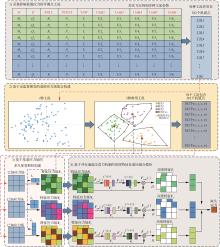
Fig.1
Engineering diagram of deep feature fusion network based on multi-scale kernel construction
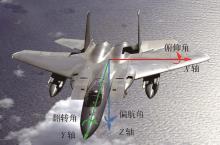
Fig.2
Attitude angle of a certain aircraft
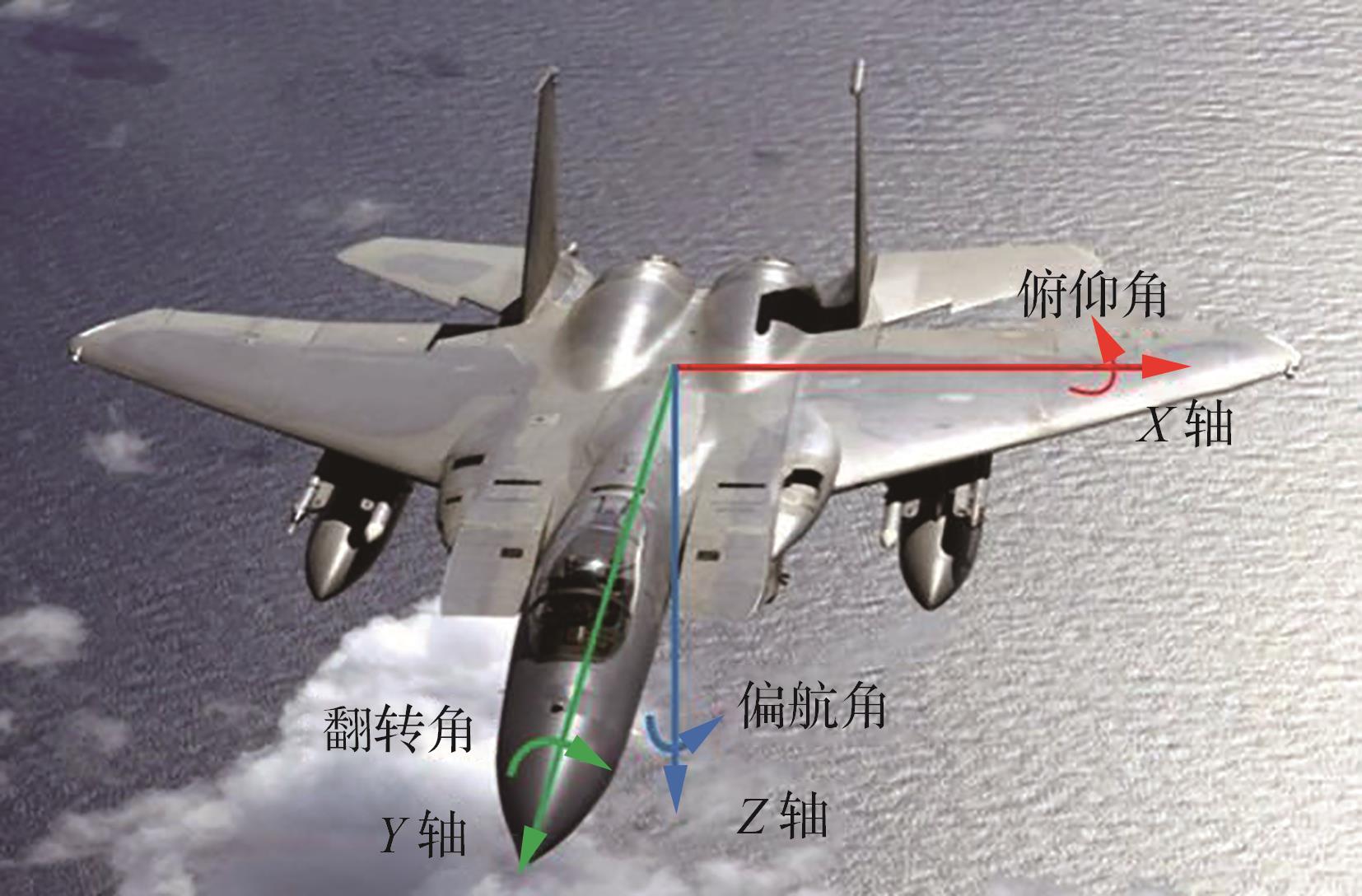
Fig.3
Extraction of convolutional kernel and process of convolutional stress field
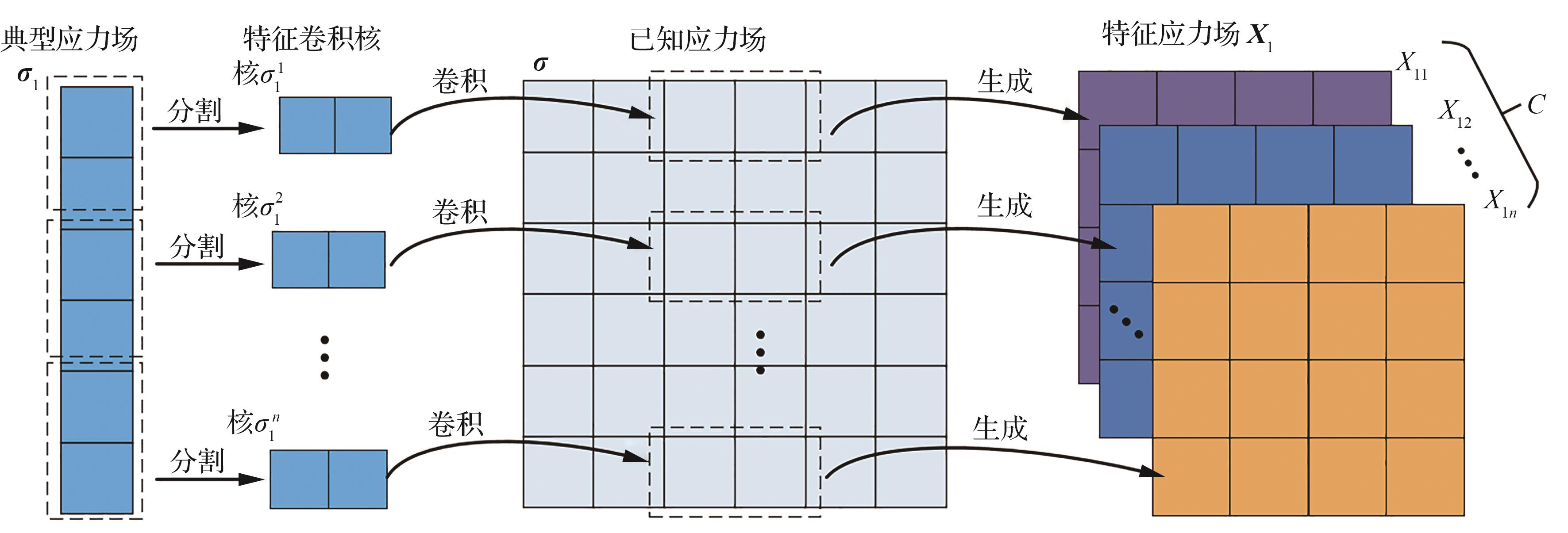
Fig.4
Channel adaptive selection mechanism for stress field feature
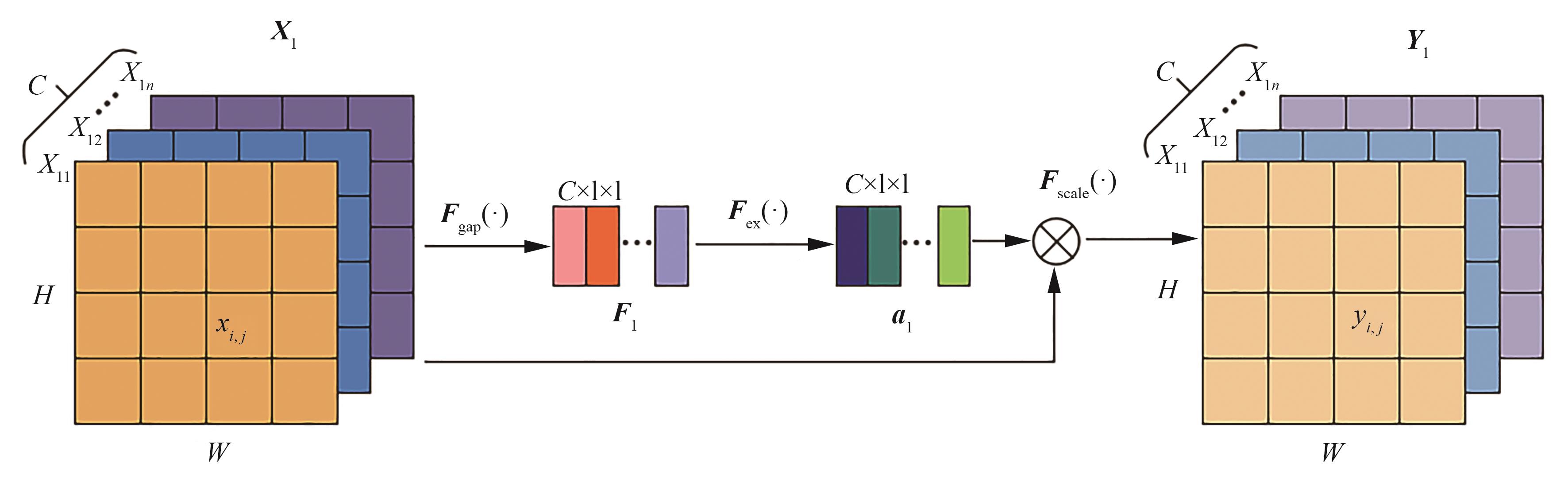
Table 1
State parameters of aircraft flight
| 参数名称 | 符号 | 参数描述 |
|---|---|---|
| 动压 | Q | 空气对飞机全压与静压的差值,与空气密度和飞机速度有关 |
| 马赫数 | Ma | 飞机的速度与当前高度的声速比值 |
| 滚转角速度 | p | 飞机绕其纵轴旋转的角速度 |
| 俯仰角速度 | q | 飞机绕其横轴旋转的角速 |
| 偏航角速度 | r | 飞机绕其垂直轴旋转的角速度 |
| 滚转角加速度 | Urdd1 | 飞机绕纵轴旋转时的角加速度 |
| 俯仰角加速度 | Urdd2 | 飞机绕横轴旋转时的角加速度 |
| 偏航角加速度 | Urdd3 | 飞机绕垂直轴旋转时的角加速度 |
| 侧向过载 | Urdd4 | 机身侧向的加速度与重力加速度的比值 |
| 法向过载 | Urdd5 | 机身垂向的加速度与重力加速度的比值 |
Table 2
Operating condition parameter data
| 类型 | Ma | Q | p/ (rad·s-1) | q/ (rad·s-1) | r/ (rad·s-1) | Urdd1/(rad·s-2) | Urdd2/(rad·s-2) | Urdd3/(rad·s-2) | Urdd4/g | Urdd5/g |
|---|---|---|---|---|---|---|---|---|---|---|
| 飞行状态1 | 1.5 | 0.07 | -0.04 | 0 | 0 | 0 | 7 | 0 | 0 | 0 |
| 飞行状态2 | 0.9 | 0.06 | 0 | 0 | 0 | 0 | 7 | 0 | 0 | 0 |
| 飞行状态79 | 0.7 | 0 | 0 | 0 | 0 | 0 | 7 | 0 | 0 | 0 |
Table 3
Coordinates and stress values under various operating conditions
| 类型 | 编号 | X/mm | Y/mm | Z/mm | σx /Pa | σy /Pa | σz /Pa |
|---|---|---|---|---|---|---|---|
| 飞行状态1 | 1 | 9 392 | -566.66 | 539.44 | 18.59 | 0 | -2 337.22 |
| 2 | 10 840 | -1 880 | 120.73 | 3.62 | 0 | 1 415.03 | |
| 382 | 10 210.7 | -3 404.09 | -72.7 | 0.02 | 0 | 5 749.42 | |
| 飞行状态2 | 1 | 9 392 | -566.66 | 539.438 | 0 | -74.34 | -2 455.82 |
| 2 | 10 840 | -1 880 | 120.725 | 0 | -14.47 | -1 553.05 | |
| 382 | 10 210.7 | -3 404.09 | -72.7 | 0 | -0.08 | 5 974.48 | |
| 飞行状态79 | 1 | 9 392 | -566.66 | 539.44 | 8.45 | -323.96 | -298.52 |
| 2 | 10 840 | -1 880 | 120.73 | 16.66 | -179.74 | -177.45 | |
| 382 | 10 210.7 | -3 404.09 | -72.7 | 3.16 | -19.45 | 128.03 |
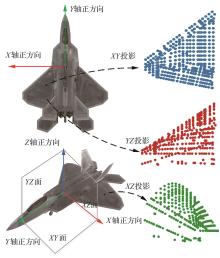
Fig.5
Three directions of stress and projection of wing stress points
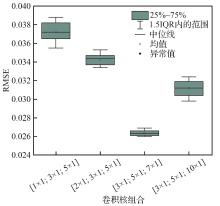
Fig.6
Experimental performance verification of the proposed method using different combinations of convolutional kernels on 10% missing rate data
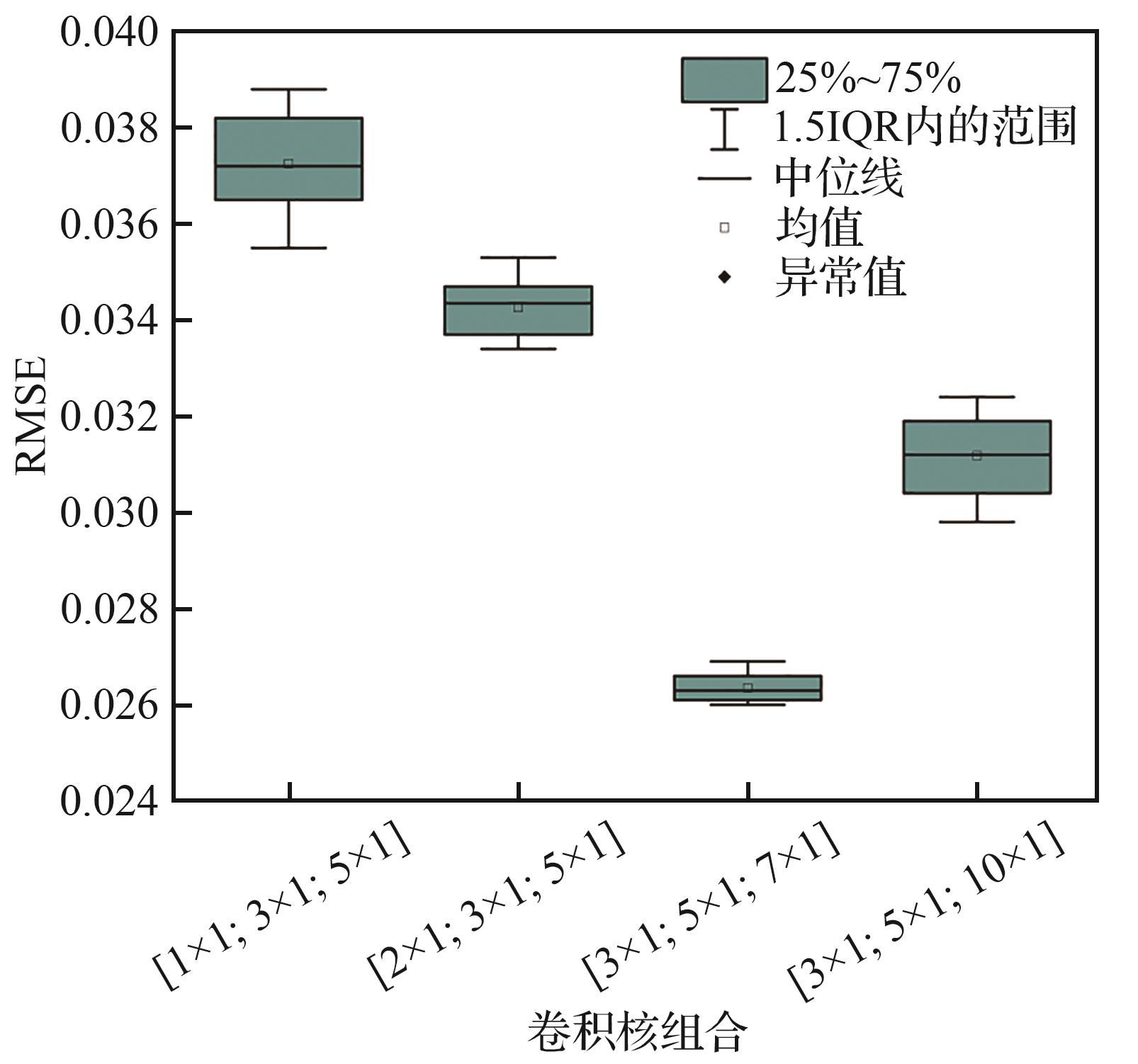
Table 4
Comparison of experimental results for filling in missing stress field data
| 指标 | 模型 | 缺失比例 | |||
|---|---|---|---|---|---|
| 70% | 50% | 30% | 10% | ||
| MAE | MLP | 0.102 4±0.009 4 | 0.073 4±0.008 5 | 0.067 2±0.007 9 | 0.069 2±0.006 7 |
| CNN | 0.106 5±0.005 1 | 0.113 1±0.006 5 | 0.104 2±0.005 7 | 0.103 4±0.005 1 | |
| LSTM | 0.103 2±0.008 6 | 0.106 2±0.009 5 | 0.092 9±0.008 2 | 0.087 5±0.006 9 | |
| GRU-LSTM | 0.063 2±0.007 7 | 0.068 6±0.006 7 | 0.055 9±0.009 5 | 0.042 9±0.006 8 | |
| CBAM-CNN-LSTM | 0.060 3±0.006 8 | 0.068 2±0.006 8 | 0.062 6±0.005 6 | 0.058 5±0.003 5 | |
| 本文所提方法 | 0.053 9±0.002 6 | 0.046 2±0.001 9 | 0.024 5±0.001 6 | 0.018 2±0.001 5 | |
| RMSE | MLP | 0.101 6±0.008 8 | 0.101 2±0.007 6 | 0.094 4±0.008 7 | 0.095 1±0.005 6 |
| CNN | 0.161 9±0.009 1 | 0.158 3±0.013 5 | 0.148 2±0.006 2 | 0.147 1±0.007 8 | |
| LSTM | 0.147 2±0.010 6 | 0.142 6±0.008 2 | 0.131 6±0.005 9 | 0.121 9±0.003 7 | |
| GRU-LSTM | 0.101 6±0.007 8 | 0.118 8±0.006 7 | 0.096 8±0.006 7 | 0.088 6±0.004 5 | |
| CBAM-CNN-LSTM | 0.097 5±0.006 5 | 0.096 3±0.009 6 | 0.102 9±0.012 4 | 0.097 9±0.008 6 | |
| 本文所提方法 | 0.084 2±0.001 8 | 0.070 9±0.002 3 | 0.046 6±0.001 8 | 0.025 7±0.001 5 | |
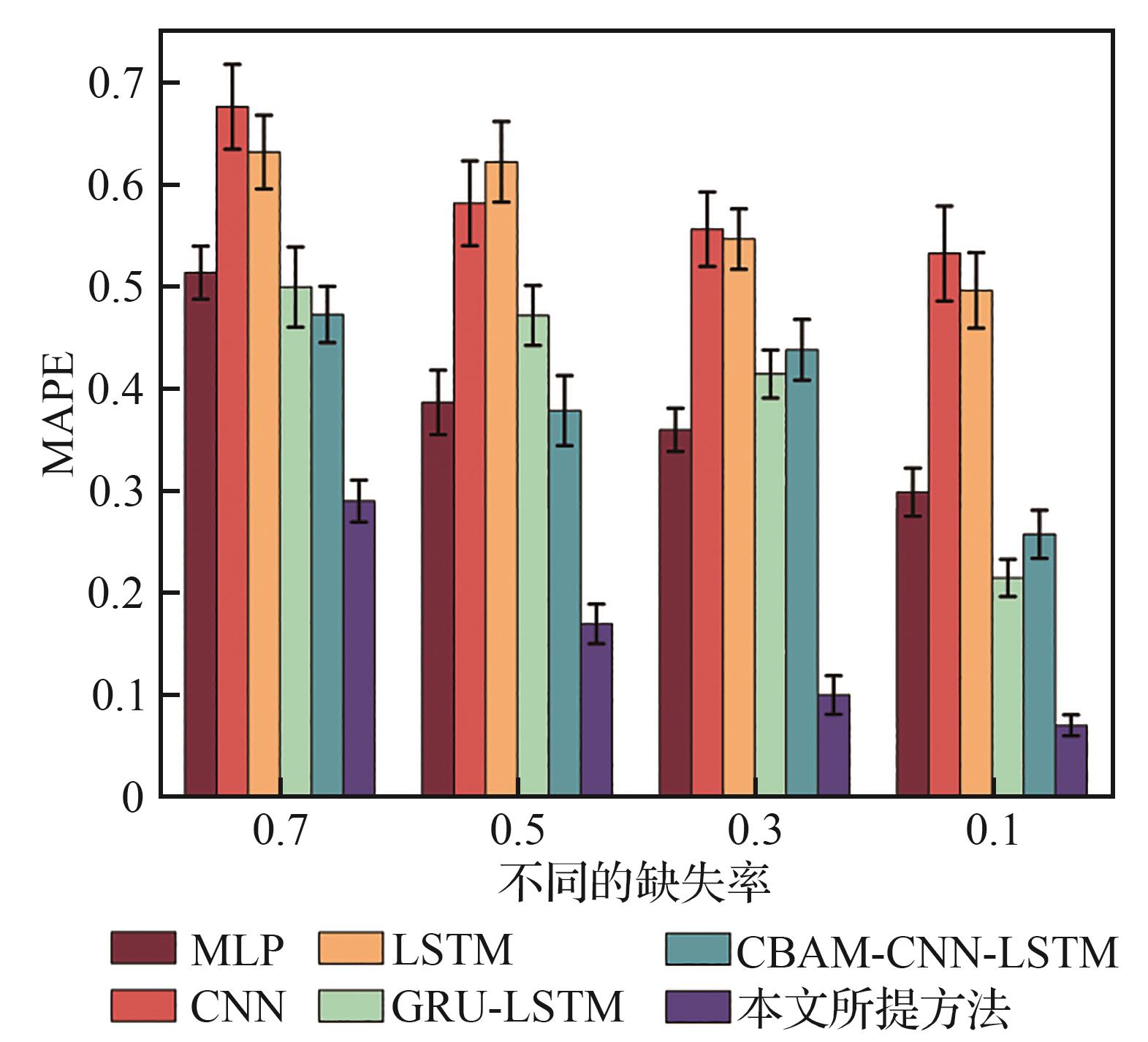
| MAPE | MLP | 51.36%±2.59% | 38.65%±3.16% | 35.95%±2.12% | 29.84%±2.35% |
| CNN | 67.62%±4.15% | 58.16%±4.15% | 55.62%±3.65% | 53.23%±4.65% | |
| LSTM | 63.18%±3.62% | 62.22%±3.95% | 54.65%±2.95% | 49.62%±3.71% | |
| GRU-LSTM | 49.95%±3.93% | 47.16%±2.94% | 41.42%±2.36% | 21.44%±1.82% | |
| CBAM-CNN-LSTM | 47.26%±2.76% | 37.84%±3.43% | 43.79%±2.98% | 25.72%±2.37% | |
| 本文所提方法 | 28.98%±2.06% | 16.94%±1.94% | 9.96%±1.89% | 6.98%±1.03% |
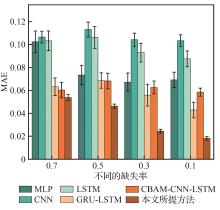
Fig.7
MAE for filling missing data in experiments
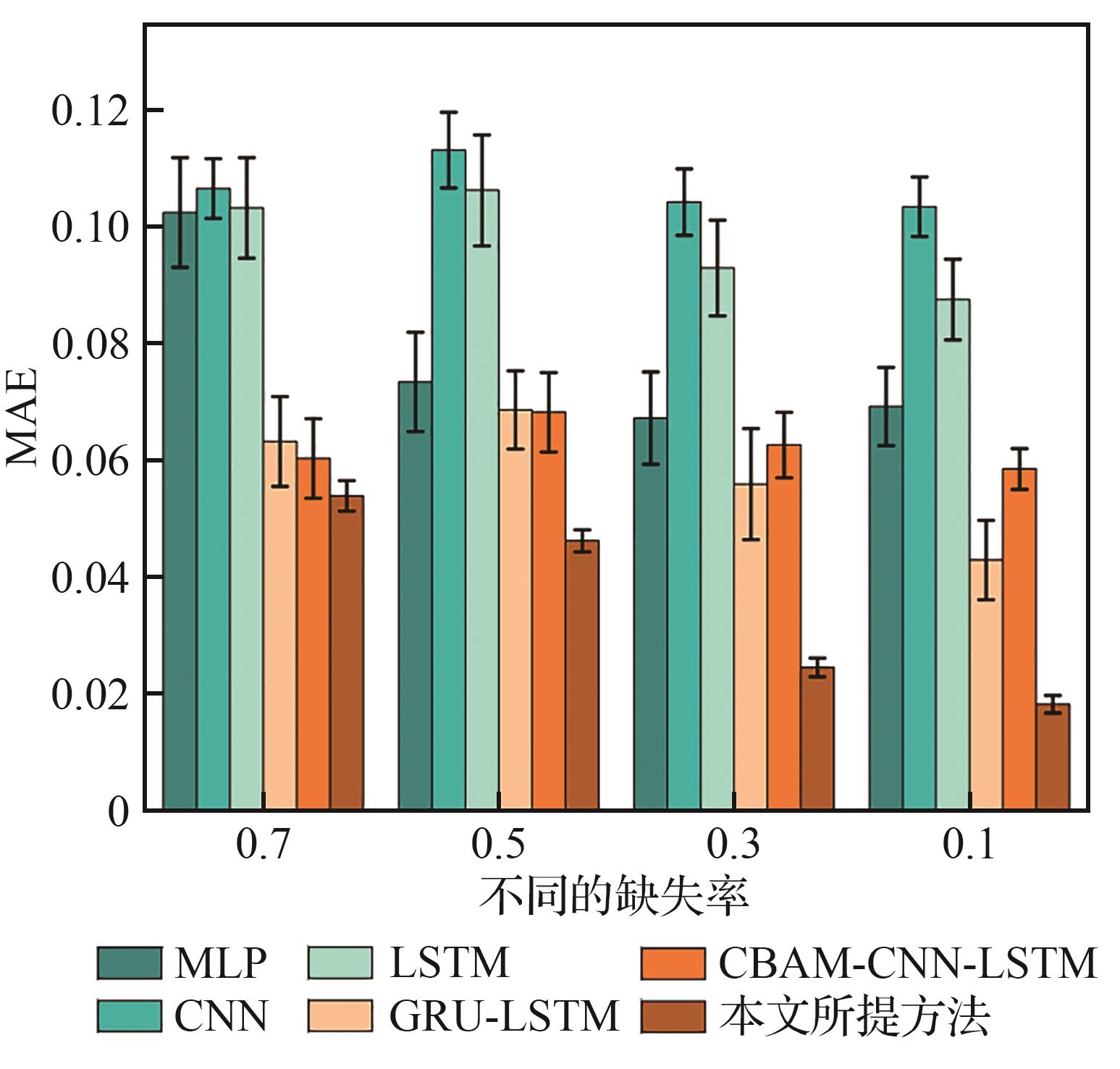
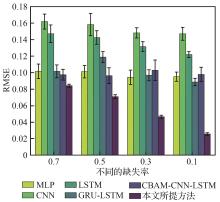
Fig.8
RMSE for filling missing data in experiments
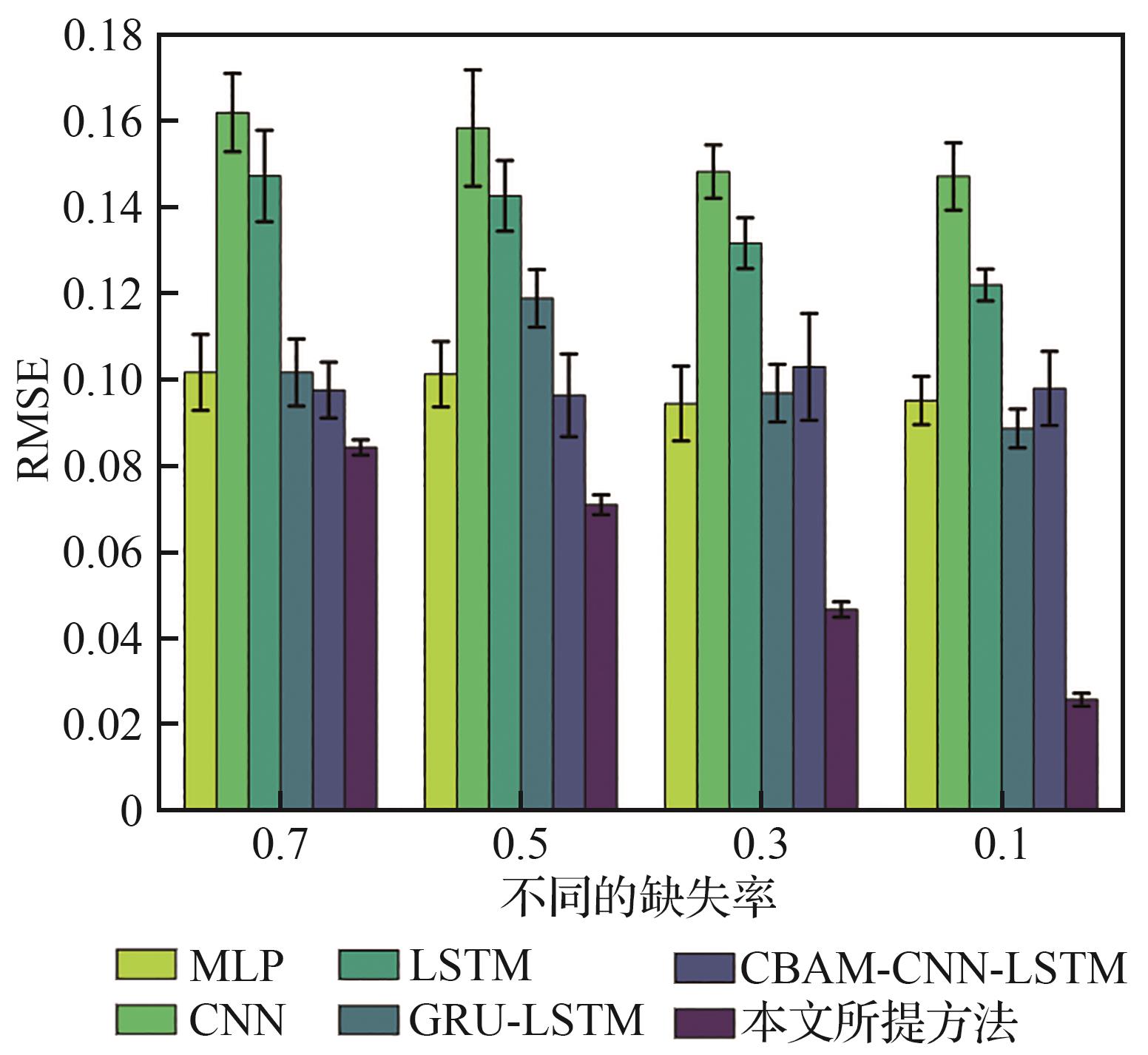
Fig.9
MAPE for filling missing data in experiments
| [1] | 王彬, 郑建军, 刘玮, 等. 机翼部段静力试验优化设计方法[J]. 航空学报, 2023, 44(18): 228065. |
| WANG B, ZHENG J J, LIU W, et al. Optimum design method for static test of aircraft wing segment[J]. Acta Aeronautica et Astronautica Sinica, 2023, 44(18): 228065 (in Chinese). | |
| [2] | 李文龙, 吴波, 谢帅. 有起落架布置的翼身整体结构机翼载荷测量技术[J]. 航空学报, 2024, 45(1): 229525. |
| LI W L, WU B, XIE S. Technology of wing load measurement for wing-body integrated structure with landing gear layout[J]. Acta Aeronautica et Astronautica Sinica, 2024, 45(1): 229525 (in Chinese). | |
| [3] | 张晟斐, 李天梅, 胡昌华, 等. 基于深度卷积生成对抗网络的缺失数据生成方法及其在剩余寿命预测中的应用[J]. 航空学报, 2022, 43(8): 225708. |
| ZHANG S F, LI T M, HU C H, et al. Missing data generation method and its application in remaining useful life prediction based on deep convolutional generative adversarial network[J]. Acta Aeronautica et Astronautica Sinica, 2022, 43(8): 225708 (in Chinese). | |
| [4] | CRESPO TURRADO C, SÁNCHEZ LASHERAS F, CALVO-ROLLÉ J L, et al. A new missing data imputation algorithm applied to electrical data loggers[J]. Sensors, 2015, 15(12): 31069-31082. |
| [5] | GUO Z J, WAN Y M, YE H. A data imputation method for multivariate time series based on generative adversarial network[J]. Neurocomputing, 2019, 360: 185-197. |
| [6] | FIERO M H, HUANG S, OREN E, et al. Statistical analysis and handling of missing data in cluster randomized trials: A systematic review[J]. Trials, 2016, 17: 72. |
| [7] | 任超, 李慧琴, 李天梅, 等. 基于退化模型动态校准的设备剩余寿命预测方法[J]. 航空学报, 2023, 44(19): 228345. |
| REN C, LI H Q, LI T M, et al. Equipment remaining useful life prediction method with dynamic calibration of degradation model[J]. Acta Aeronautica et Astronautica Sinica, 2023, 44(19): 228345 (in Chinese). | |
| [8] | CHE Z P, PURUSHOTHAM S, CHO K, et al. Recurrent neural networks for multivariate time series with missing values[J]. Scientific Reports, 2018, 8: 6085. |
| [9] | LIU M S, CLARIDGE D E. The maximum potential energy savings from optimizing cold deck and hot deck reset schedules for dual duct VAV systems[J]. Journal of Solar Energy Engineering, 1999, 121(3): 171-175. |
| [10] | 崔西明, 邱志鹏, 魏嘉, 等. 基于数据驱动的结构钢表面应力磁巴克豪森噪声表征方法[J]. 航空学报, 2023, 44(8): 427237. |
| CUI X M, QIU Z P, WEI J, et al. Data-driven method for characterization of structural steel surface stress of magnetic Barkhausen noise[J]. Acta Aeronautica et Astronautica Sinica, 2023, 44(8): 427237 (in Chinese). | |
| [11] | ZHAO L, CHEN Z K, YANG Z N, et al. Local similarity imputation based on fast clustering for incomplete data in cyber-physical systems[J]. IEEE Systems Journal, 2018, 12(2): 1610-1620. |
| [12] | 孙彬, 游航, 李文博, 等. 双光载荷图像融合及其在低空遥感中的应用[J]. 航空学报, 2025, 46(11): 531343. |
| SUN B, YOU H, LI W B, et al. Dual-band payload image fusion and its applications in low-altitude remote sensing[J]. Acta Aeronautica et Astronautica Sinica, 2025, 46(11): 531343 (in Chinese). | |
| [13] | ZHANG J H, AYTUG H. Comparison of imputation methods for discriminant analysis with strategically hidden data[J]. European Journal of Operational Research, 2016, 255(2): 522-530. |
| [14] | 林杰, 唐志共, 钱炜祺, 等. 飞行器生成式模型气动设计研究进展与展望[J]. 航空学报, 2025, 46(10): 631679. |
| LIN J, TANG Z G, QIAN W Q, et al. Research progress and prospects of aircraft aerodynamic design based on generative models[J]. Acta Aeronautica et Astronautica Sinica, 2025, 46(10): 631679 (in Chinese). | |
| [15] | LIU D, ZHONG S S, LIN L, et al. Feature-level SMOTE: Augmenting fault samples in learnable feature space for imbalanced fault diagnosis of gas turbines[J]. Expert Systems with Applications, 2024, 238: 122023. |
| [16] | SALINAS D, FLUNKERT V, GASTHAUS J, et al. DeepAR: Probabilistic forecasting with autoregressive recurrent networks[J]. International Journal of Forecasting, 2020, 36(3): 1181-1191. |
| [17] | 赵燕, 宋江涛, 唐宁. 某机翼的安全预测载荷模型建立[J]. 航空学报, 2020, 41(10): 223852. |
| ZHAO Y, SONG J T, TANG N. Construction of safety-predicting load model on certain wing[J]. Acta Aeronautica et Astronautica Sinica, 2020, 41(10): 223852 (in Chinese). | |
| [18] | 吴跃腾, 巴顿, 杜娟, 等. 基于深度注意力网络的压气机流场重构方法[J]. 航空学报, 2024, 45(24): 630580. |
| WU Y T, BA D, DU J, et al. Compressor flow field reconstruction method based on deep attention networks[J]. Acta Aeronautica et Astronautica Sinica, 2024, 45(24): 630580 (in Chinese). | |
| [19] | 张音旋, 张起, 许镇勇, 等. 一种基于残差网络的飞机力学响应预测方法[J]. 航空学报, 2025, 46(19):531295. |
| ZHANG Y X, ZHANG Q, XU Z Y, et al. A method for predicting aircraft mechanical response Based on residual networks[J]. Acta Aeronautica et Astronautica Sinica, 2025, 46(19):531295 (in Chinese). | |
| [20] | 王鹏飞, 曾丽芳, 邵雪明, 等. 基于预训练微调的机翼气动载荷多源数据融合建模方法研究[J]. 航空学报, 2025, 46(19):532297. |
| WANG P F, ZENG L F, SHAO X M, et al. Research on multi-source data fusion modeling method for aerodynamic load of aircraft wing based on pre-training and fine-tuning[J]. Acta Aeronautica et Astronautica Sinica, 2025, 46(19):532297 (in Chinese). | |
| [21] | COMBERT F K, XIE S K, LAWNICZAK A T. Bi-partitioned feature-weighted K-means clustering for detecting insurance fraud claim patterns[J]. Mathematics, 2025, 13(3): 434. |
| [22] | LIN L, ZU L Z, FU S, et al. Integrating adversarial training strategies into deep autoencoders: A novel aeroengine anomaly detection framework[J]. Engineering Applications of Artificial Intelligence, 2024, 136: 108856. |
| [23] | HAN B K, YIN P W, ZHANG Z Z, et al. Remaining useful life prediction of turbofan engines based on dual attention mechanism guided parallel CNN-LSTM[J]. Measurement Science and Technology, 2025, 36(1): 016160. |
| [24] | ROBESON S M, WILLMOTT C J. Decomposition of the mean absolute error (MAE) into systematic and unsystematic components[J]. PLoS One, 2023, 18(2): e0279774. |
| [25] | QIAN L M, CAO W R, CHEN L F. Influence of artificial intelligence on higher education reform and talent cultivation in the digital intelligence era[J]. Scientific Reports, 2025, 15: 6047. |
| [26] | DE MYTTENAERE A, GOLDEN B, LE GRAND B, et al. Mean absolute percentage error for regression models[J]. Neurocomputing, 2016, 192: 38-48. |
| [27] | FU S, LIN L, WANG Y, et al. MCA-DTCN: A novel dual-task temporal convolutional network with multi-channel attention for first prediction time detection and remaining useful life prediction[J]. Reliability Engineering & System Safety, 2024, 241: 109696. |
| [28] | RAZALI M N, ARBAIY N, LIN P C, et al. Optimizing multiclass classification using convolutional neural networks with class weights and early stopping for imbalanced datasets[J]. Electronics, 2025, 14(4): 705. |
| [29] | 李左飙, 温风波, 唐晓雷, 等. 基于深度学习的单排孔气膜冷却性能预测[J]. 航空学报, 2021, 42(4): 524331. |
| LI Z B, WEN F B, TANG X L, et al. Prediction of single-row hole film cooling performance based on deep learning[J]. Acta Aeronautica et Astronautica Sinica, 2021, 42(4): 524331 (in Chinese). | |
| [30] | 崔江, 周凡, 陈永凡, 等. 一种基于GAMF-CNN的航空发电机整流器故障诊断技术[J]. 航空学报, 2024, 45(24): 330398. |
| CUI J, ZHOU F, CHEN Y F, et al. A technique for aerospace generator rectifier fault diagnosis based on GAMF-CNN[J]. Acta Aeronautica et Astronautica Sinica, 2024, 45(24): 330398 (in Chinese). | |
| [31] | 何磊, 钱炜祺, 董康生, 等. 基于卷积神经网络的结冰翼型气动特性建模[J]. 航空学报, 2023, 44(5): 126434. |
| HE L, QIAN W Q, DONG K S, et al. Aerodynamic characteristics modeling of iced airfoil based on convolution neural networks[J]. Acta Aeronautica et Astronautica Sinica, 2023, 44(5): 126434 (in Chinese). | |
| [32] | 王志刚, 王业光, 杨宁, 等. 基于LSTM的飞行数据挖掘模型构建方法[J]. 航空学报, 2021, 42(8): 525800. |
| WANG Z G, WANG Y G, YANG N, et al. Construction method of flight data mining model based on LSTM[J]. Acta Aeronautica et Astronautica Sinica, 2021, 42(8): 525800 (in Chinese). | |
| [33] | MUNIR H S, REN S B, MUSTAFA M, et al. Attention based GRU-LSTM for software defect prediction[J]. PLoS One, 2021, 16(3): e0247444. |
| [34] | SUN B, HU W T, WANG H, et al. Remaining useful life prediction of rolling bearings based on CBAM-CNN-LSTM[J]. Sensors, 2025, 25(2): 554. |
| [1] | Yiwei HUANG, Yibin GENG, Tianhe GAO, Xuanwei HU, Yuan WANG, Hongyan MA, Kuo TIAN. Digital twin driven high precision reconstruction method for full-field deformation of structure [J]. Acta Aeronautica et Astronautica Sinica, 2025, 46(19): 530967-530967. |
| [2] | Dingqiang DAI, Xuan ZHOU, Leiting DONG, Xiasheng SUN. Research progress and prospects of digital engineering and digital twin in field of aeronautical fatigue and structural integrity [J]. Acta Aeronautica et Astronautica Sinica, 2025, 46(19): 531022-531022. |
| [3] | Shangyu LI, Hang FENG, Junquan CHEN, Bin CHEN, Dan MEI. A design architecture and conceptual modeling approach for digital twins [J]. Acta Aeronautica et Astronautica Sinica, 2025, 46(19): 531118-531118. |
| [4] | Junqi LEI, Yuehua CHENG, Bin JIANG, Cheng XU, Guili XU, Tianyu SUN. Digital-twin’s modelling and dynamic adjustment mechanism of rudder-loop-system under fault conditions [J]. Acta Aeronautica et Astronautica Sinica, 2025, 46(19): 531273-531273. |
| [5] | Liang CHEN, Lei HUANG, Yuxuan GU, Cong GUO, Kexin LIN, Yu GUAN, Jian SONG. Twinning technology of key part load based on flight parameters [J]. Acta Aeronautica et Astronautica Sinica, 2025, 46(19): 531292-531292. |
| [6] | Yuxuan GU, Cong GUO, Lei HUANG, Yifei DONG, Hongda DONG, Zhilun DENG. Refined management of fleet life driven by digital twins [J]. Acta Aeronautica et Astronautica Sinica, 2025, 46(19): 531290-531290. |
| [7] | Yinxuan ZHANG, Qi ZHANG, Zhenyong XU, Linshu MENG. Predicting method of aircraft mechanical response based on residual neural networks [J]. Acta Aeronautica et Astronautica Sinica, 2025, 46(19): 531295-531295. |
| [8] | Ruoyao XIAO, Lianyu ZHENG, Jian ZHOU, Siru ZHAO, Jieru ZHANG, Yuwu CHEN. Online optimization method for positioning accuracy in cylindrical components aligning based on digital twins [J]. Acta Aeronautica et Astronautica Sinica, 2025, 46(19): 531978-531978. |
| [9] | Jialiang HU, Jiangpeng WU, Sixu HUO, Yidi GAO, Hua ZHENG. Modal parameter estimation based on reconstruction of digital twin sweep data in flutter flight test [J]. Acta Aeronautica et Astronautica Sinica, 2025, 46(19): 531602-531602. |
| [10] | Pengfei WANG, Lifang ZENG, Xueming SHAO, Jun LI. Multi-source data fusion modeling method for aerodynamic load of aircraft wing based on pre-training and fine-tuning [J]. Acta Aeronautica et Astronautica Sinica, 2025, 46(19): 532297-532297. |
| [11] | Yifei WANG, Geyong CAO, Yang CAO, Xiaojun WANG. Uncertainty technologies in aircraft digital strength twins [J]. Acta Aeronautica et Astronautica Sinica, 2025, 46(19): 532408-532408. |
| [12] | Liang CHEN, Fanxing MENG, Chengbo WANG, Yinxuan ZHANG, Linshu MENG. Development and application of digital twins technology in aircraft strength design [J]. Acta Aeronautica et Astronautica Sinica, 2025, 46(19): 532252-532252. |
| [13] | Ran ZHUO, Chuliang YAN. A key component in digital twin of aircraft structures: Multi-dimensional flight parameter measurements [J]. Acta Aeronautica et Astronautica Sinica, 2025, 46(19): 532375-532375. |
| [14] | Kuo TIAN, Zhiyong SUN, Zengcong LI. High-precision digital twin method for structural static test monitoring [J]. Acta Aeronautica et Astronautica Sinica, 2024, 45(7): 429134-429134. |
| [15] | Weina HUANG, Fangjuan LI, Hongbin QI. Preliminary investigation and thoughts on aero-engine digital engineering development [J]. Acta Aeronautica et Astronautica Sinica, 2024, 45(5): 529693-529693. |
| Viewed | ||||||
|
Full text |
|
|||||
|
Abstract |
|
|||||
Address: No.238, Baiyan Buiding, Beisihuan Zhonglu Road, Haidian District, Beijing, China
Postal code : 100083
E-mail:hkxb@buaa.edu.cn
Total visits: 6658907 Today visits: 1341All copyright © editorial office of Chinese Journal of Aeronautics
All copyright © editorial office of Chinese Journal of Aeronautics
Total visits: 6658907 Today visits: 1341

 CJA
CJA
