Acta Aeronautica et Astronautica Sinica ›› 2025, Vol. 46 ›› Issue (10): 631511.doi: 10.7527/S1000-6893.2025.31511
• special column • Previous Articles
Youtao XUE1, Shaobo YAO1, Yuxin YANG1, Yi DUAN2, Wenwen ZHAO1,3( ), Haoge LI2
Received:2024-11-08
Revised:2024-12-23
Accepted:2025-02-17
Online:2025-03-07
Published:2025-03-06
Contact:
Wenwen ZHAO
E-mail:wwzhao@zju.edu.cn
Supported by:CLC Number:
Youtao XUE, Shaobo YAO, Yuxin YANG, Yi DUAN, Wenwen ZHAO, Haoge LI. Generalization of three-dimensional flight vehicle shape representation using generative models[J]. Acta Aeronautica et Astronautica Sinica, 2025, 46(10): 631511.
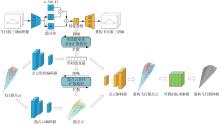
Fig.1
Technology roadmap
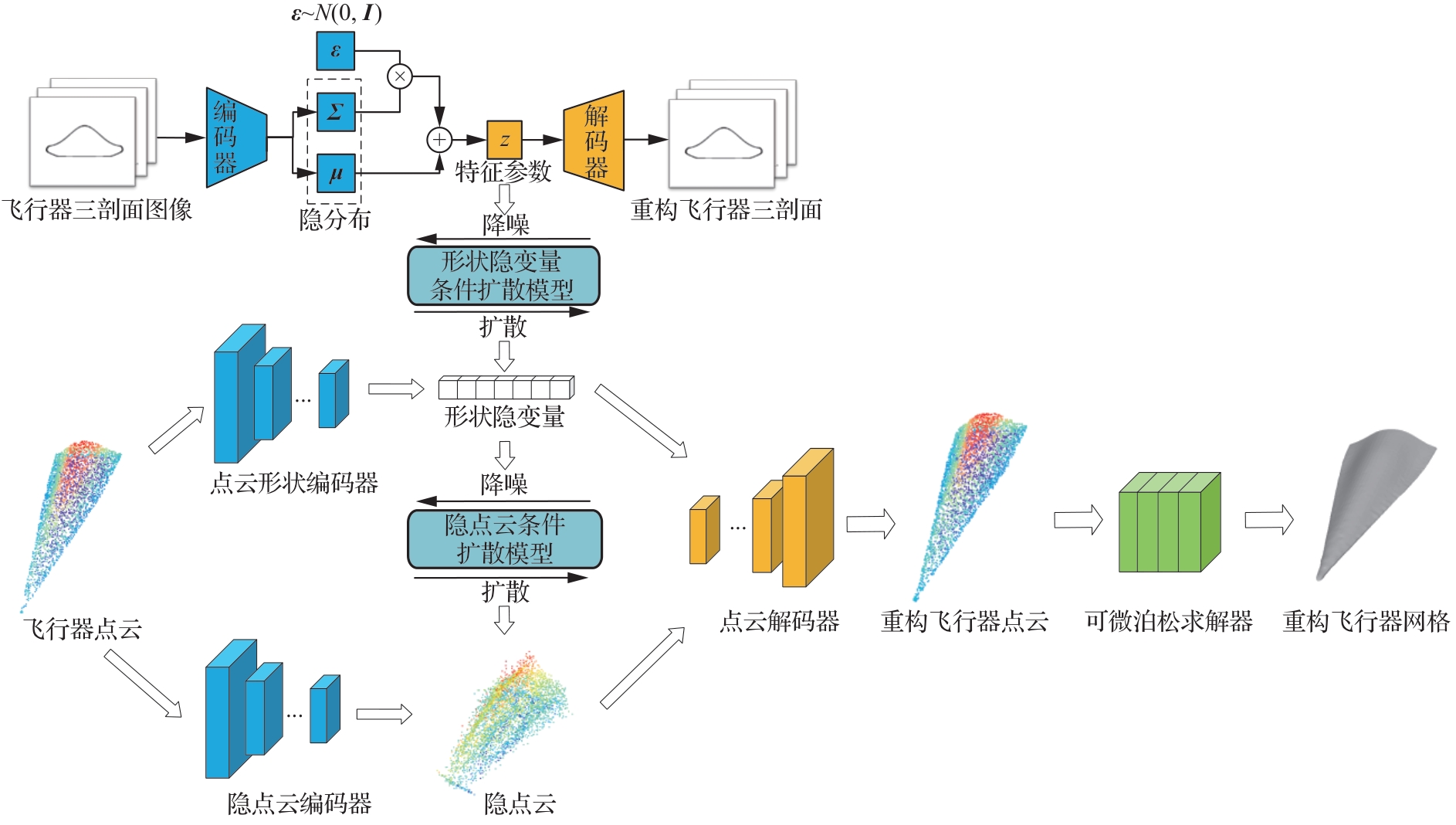
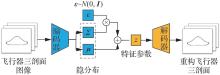
Fig.2
VAE framework
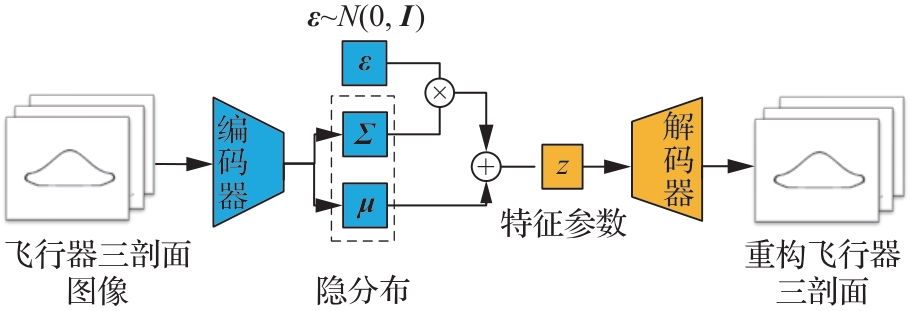
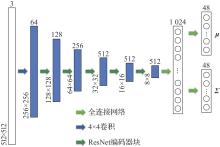
Fig.3
Encoders in VAE with ResNet as operator
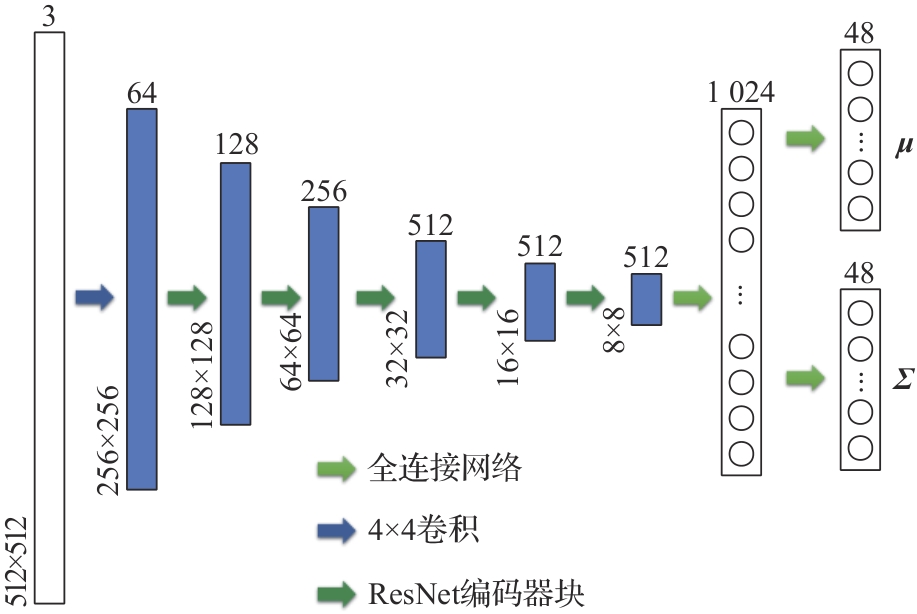
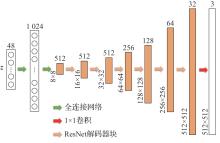
Fig.4
Decoders in VAE with ResNet asoperator
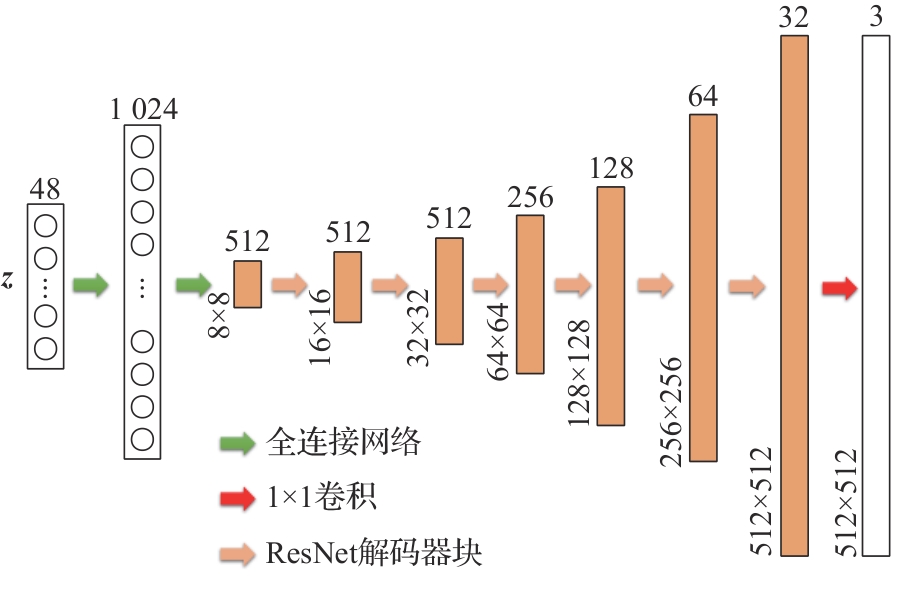
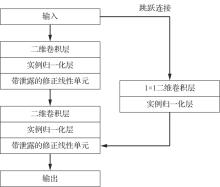
Fig.5
Specific structure of ResNet operator in Encoder
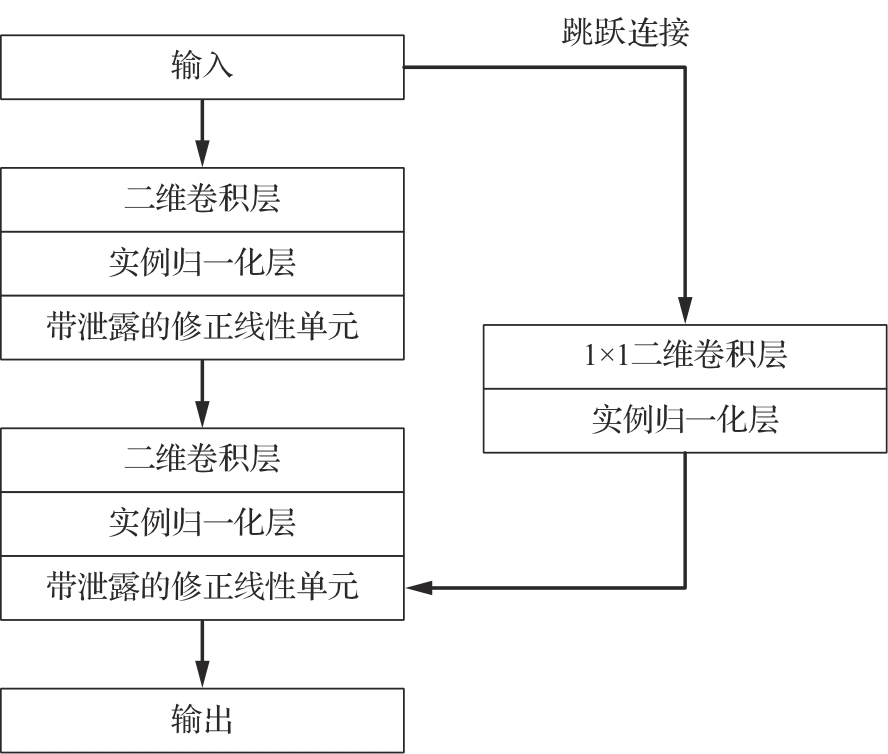
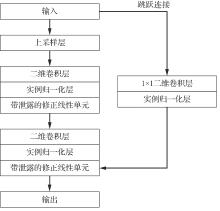
Fig.6
Specific structure of ResNet operator in Decoder
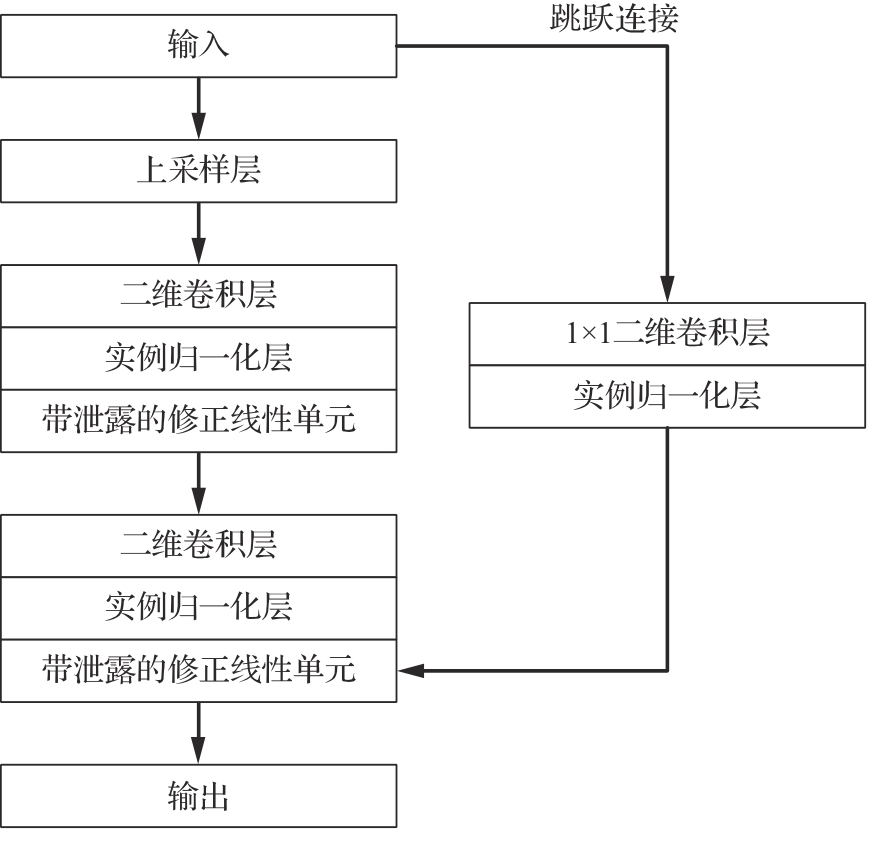
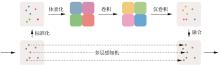
Fig.7
PVConv structure diagram[22]
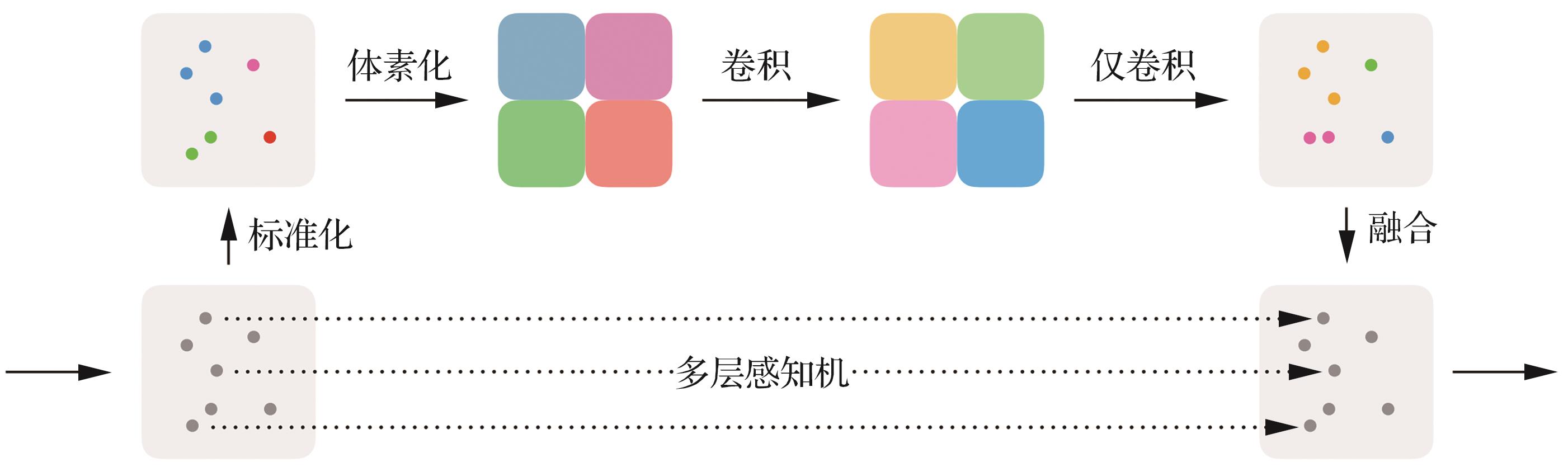
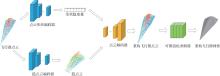
Fig.8
Point cloud VAE structure
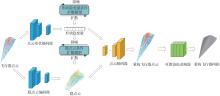
Fig.9
Conditional diffusion modelling and point cloud VAE
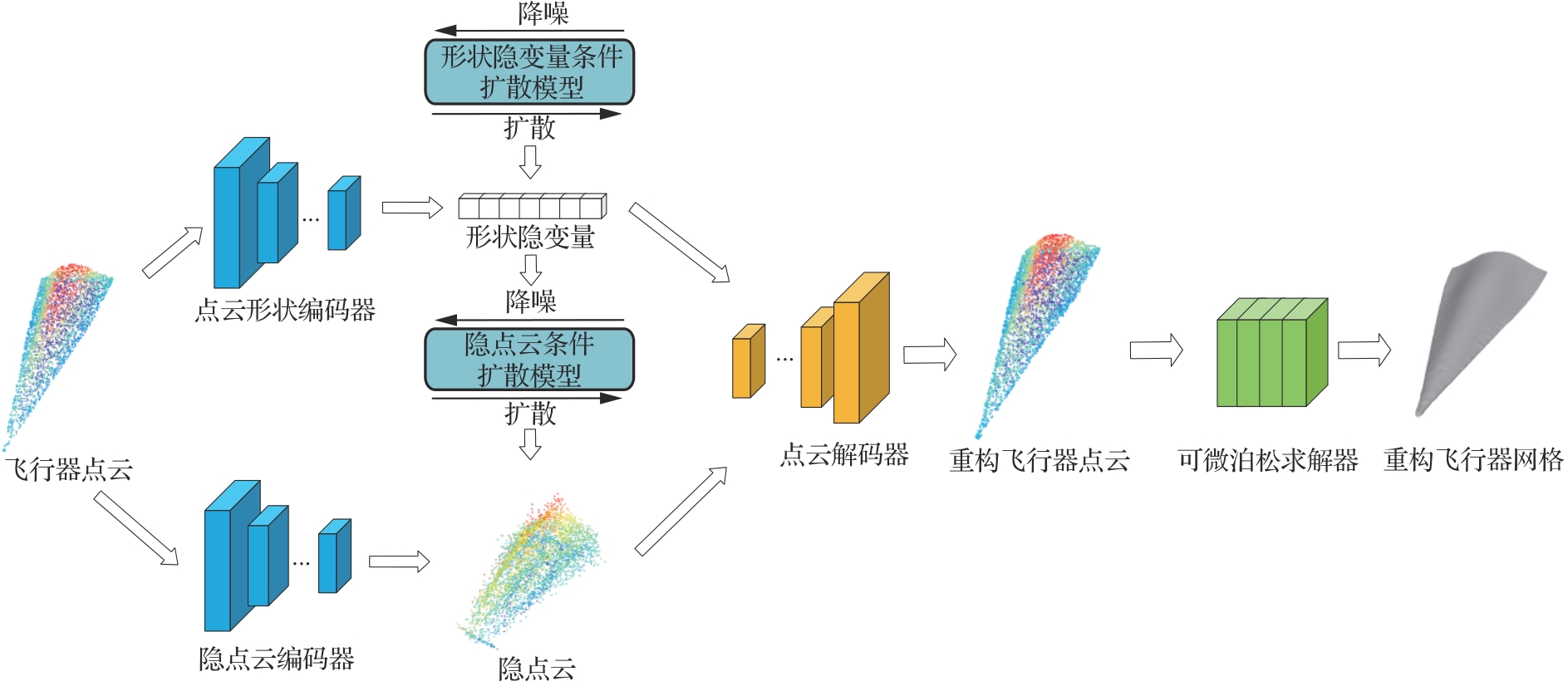
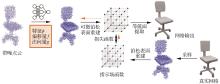
Fig.10
Flowchart of DPS[23]
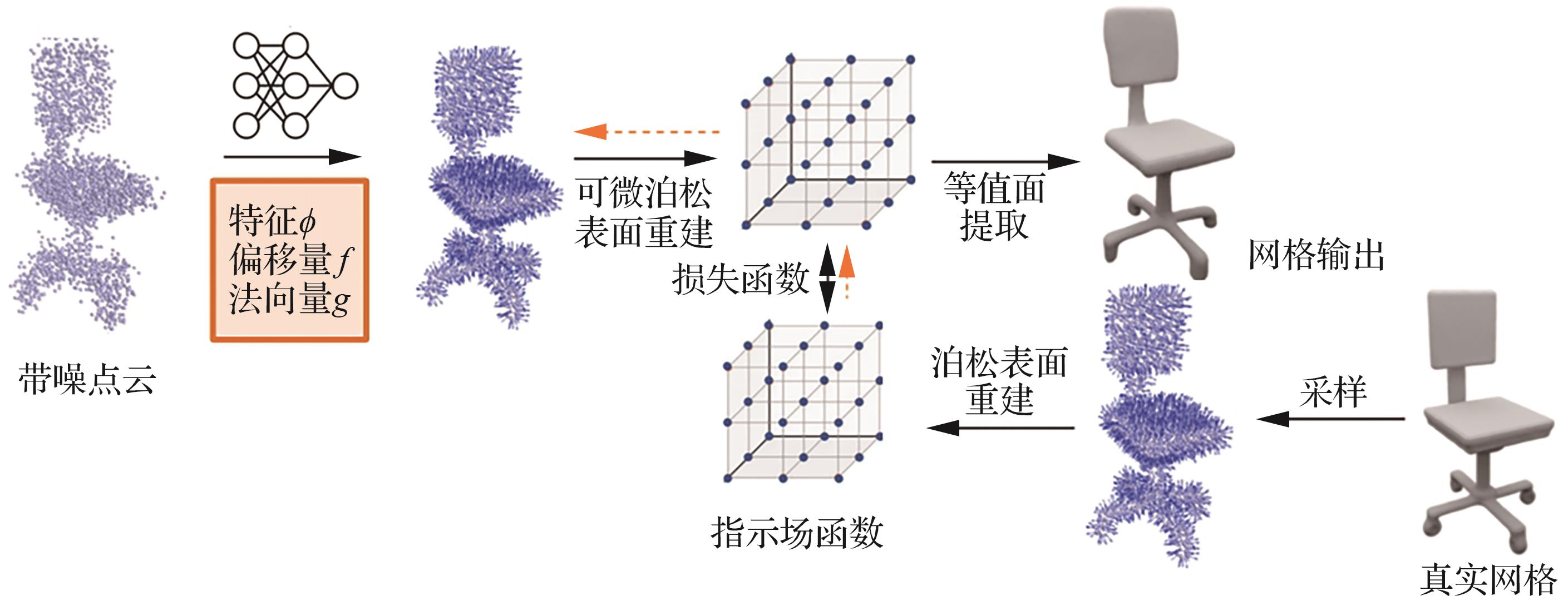
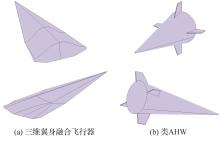
Fig.11
Initial shape
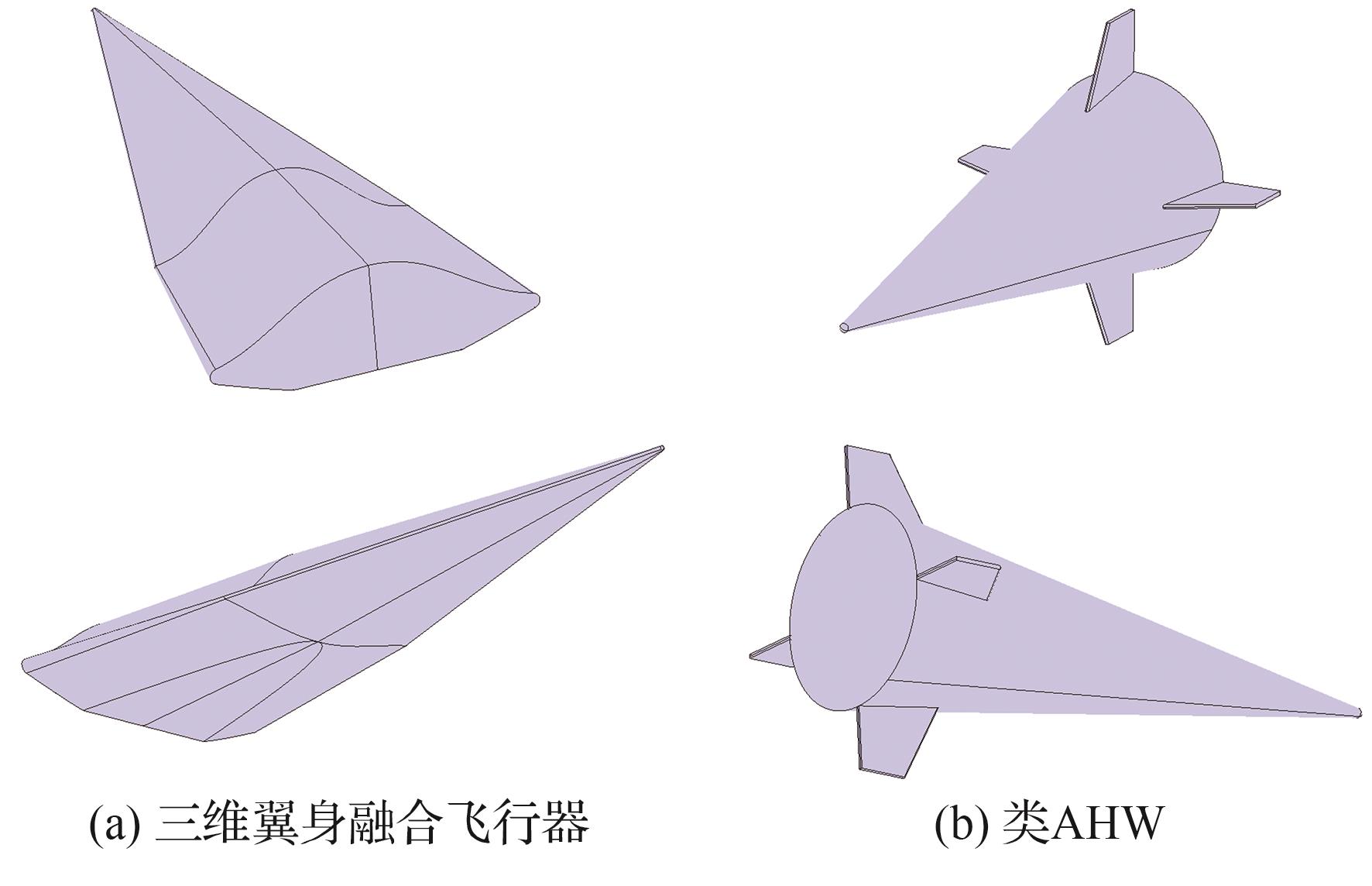
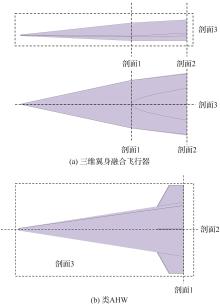
Fig.12
Profile locations
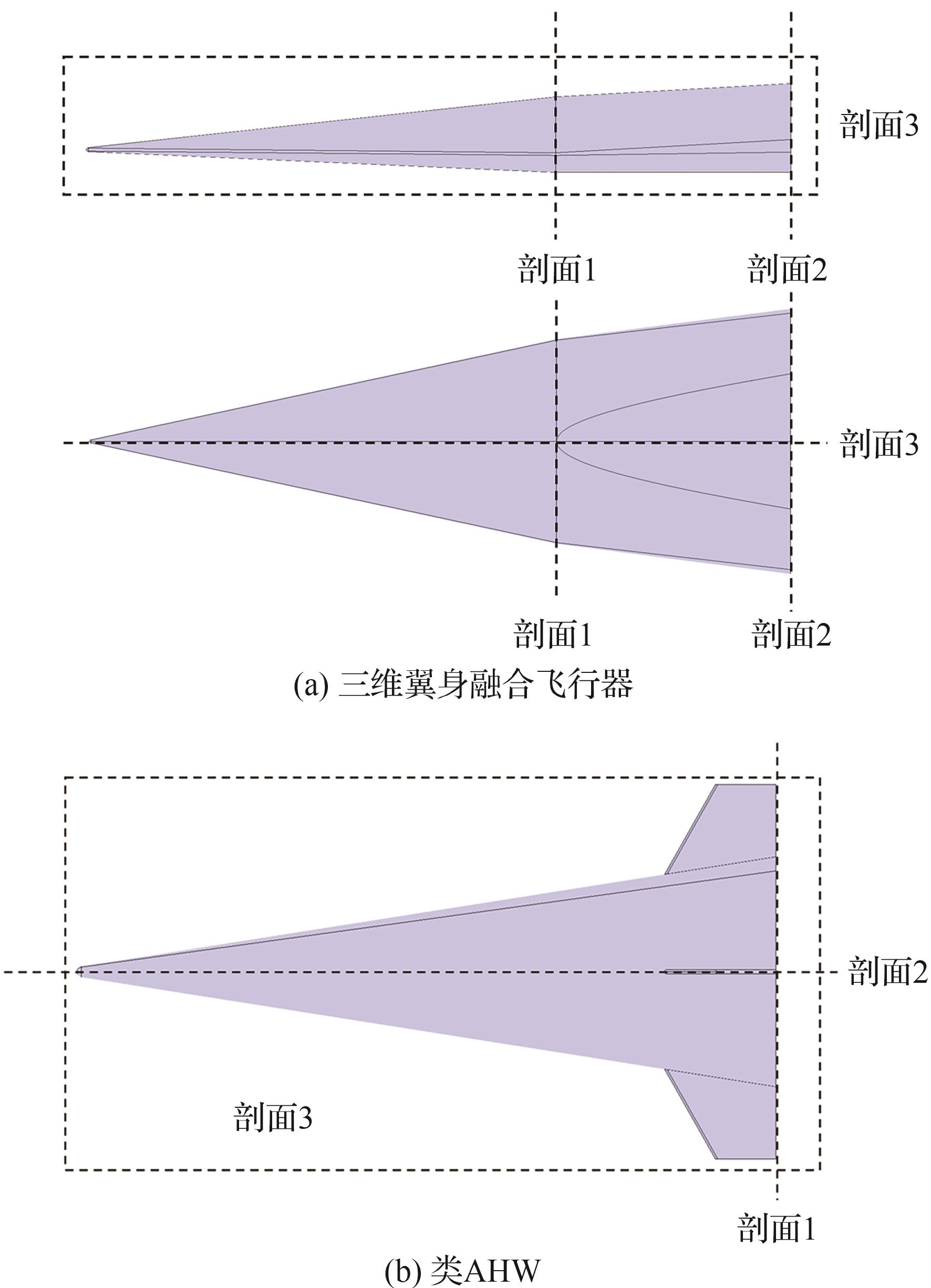
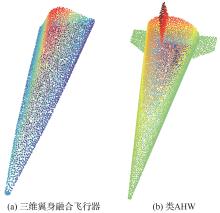
Fig.13
3D point clouds
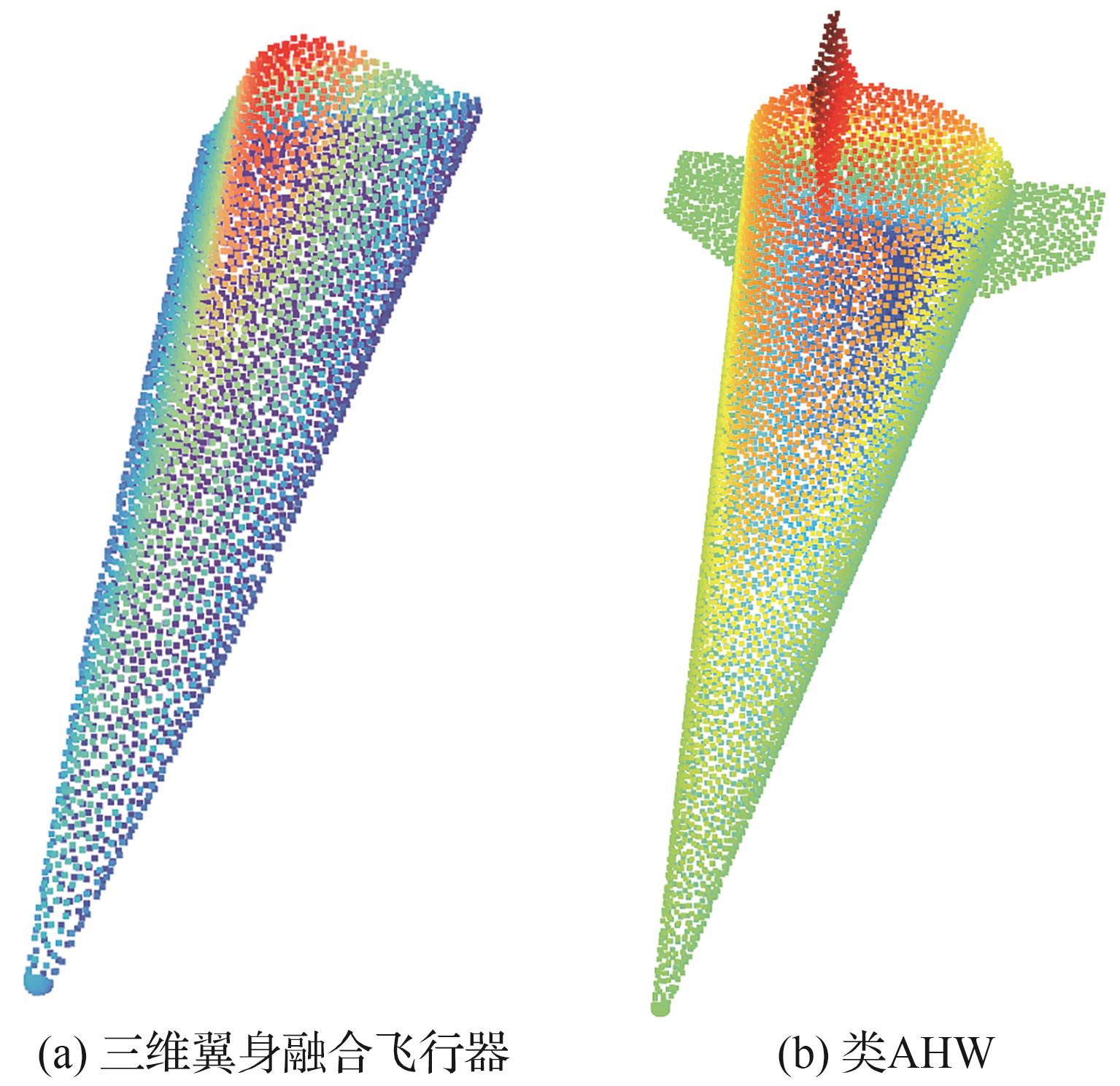
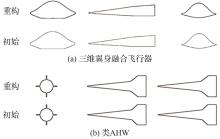
Fig.14
Comparison of reconstructed initial shape profile images
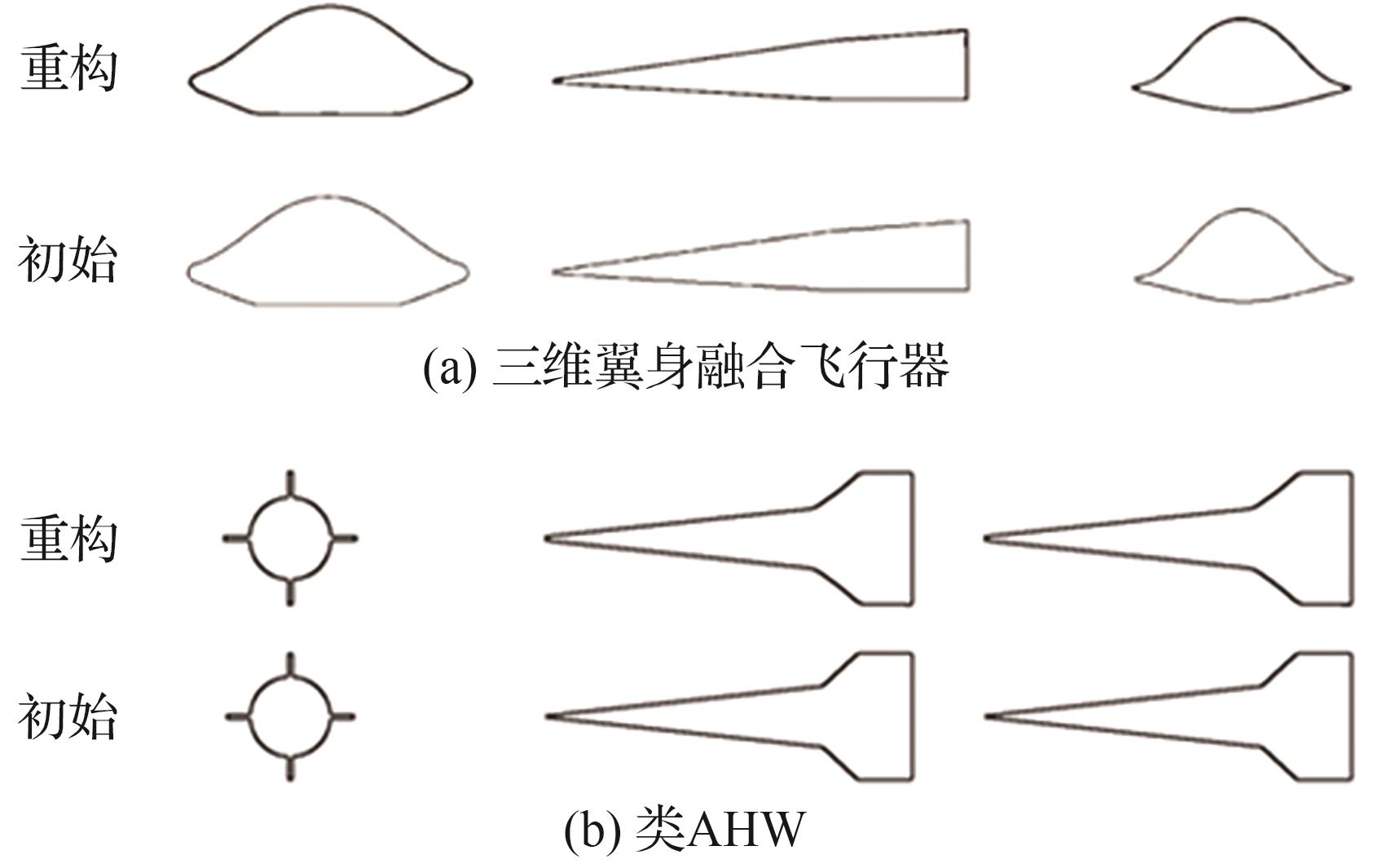
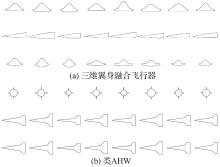
Fig.15
Generated profile images
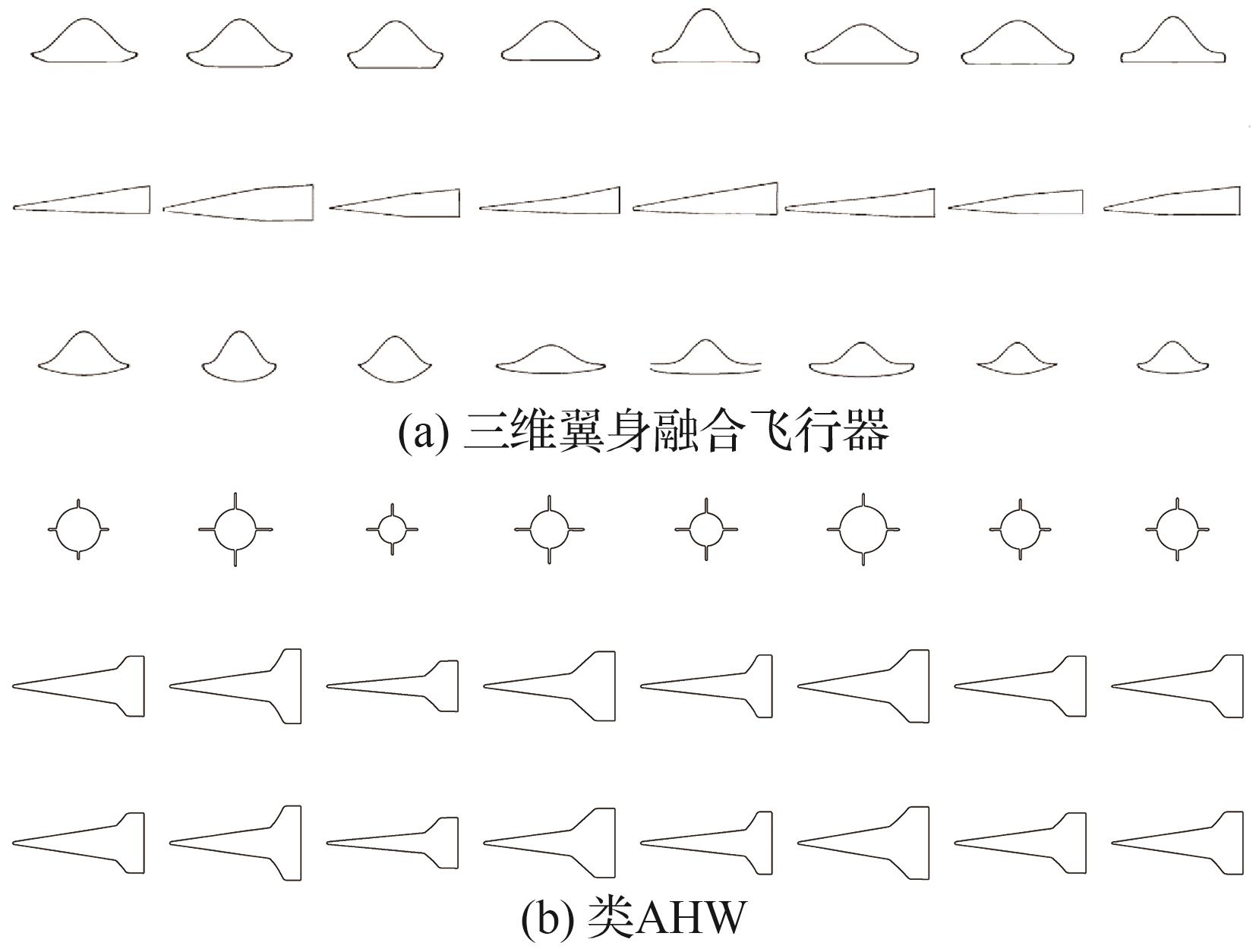
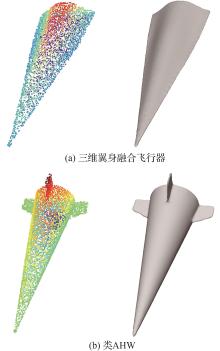
Fig.16
Converted mesh
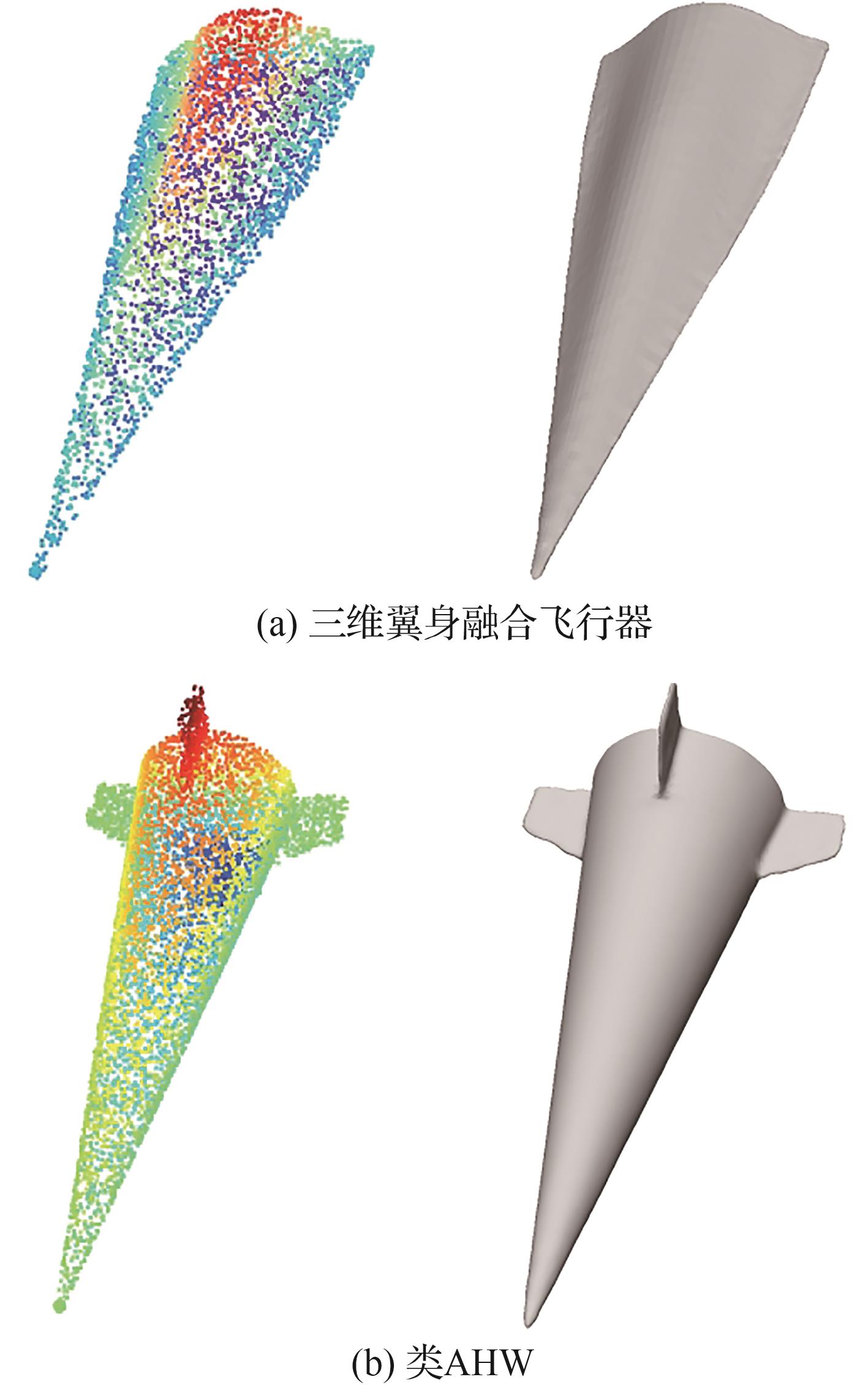
Fig.17
Geometric difference plots
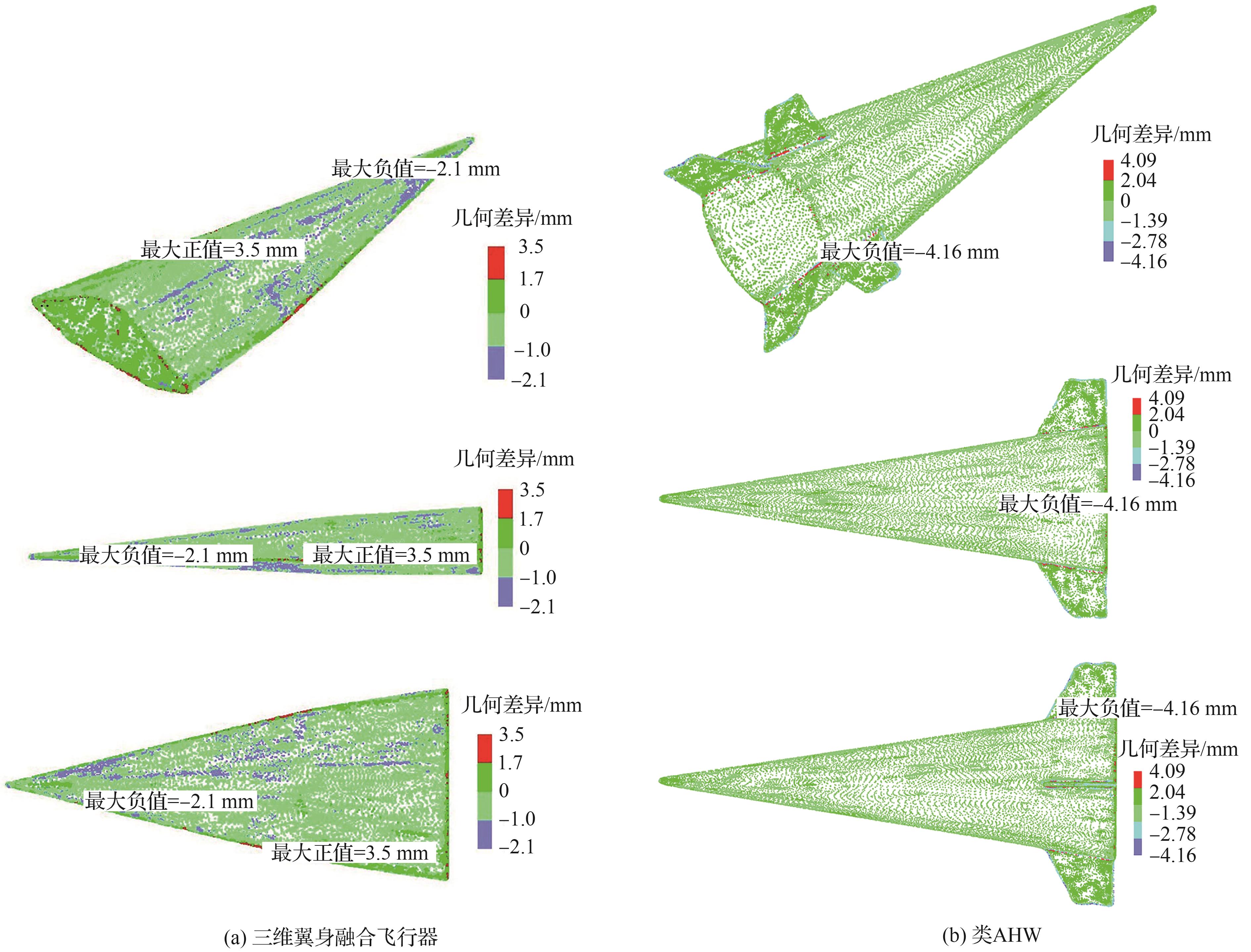
Fig.18
Comparison of blended wing-body vehicles generated based on profiles
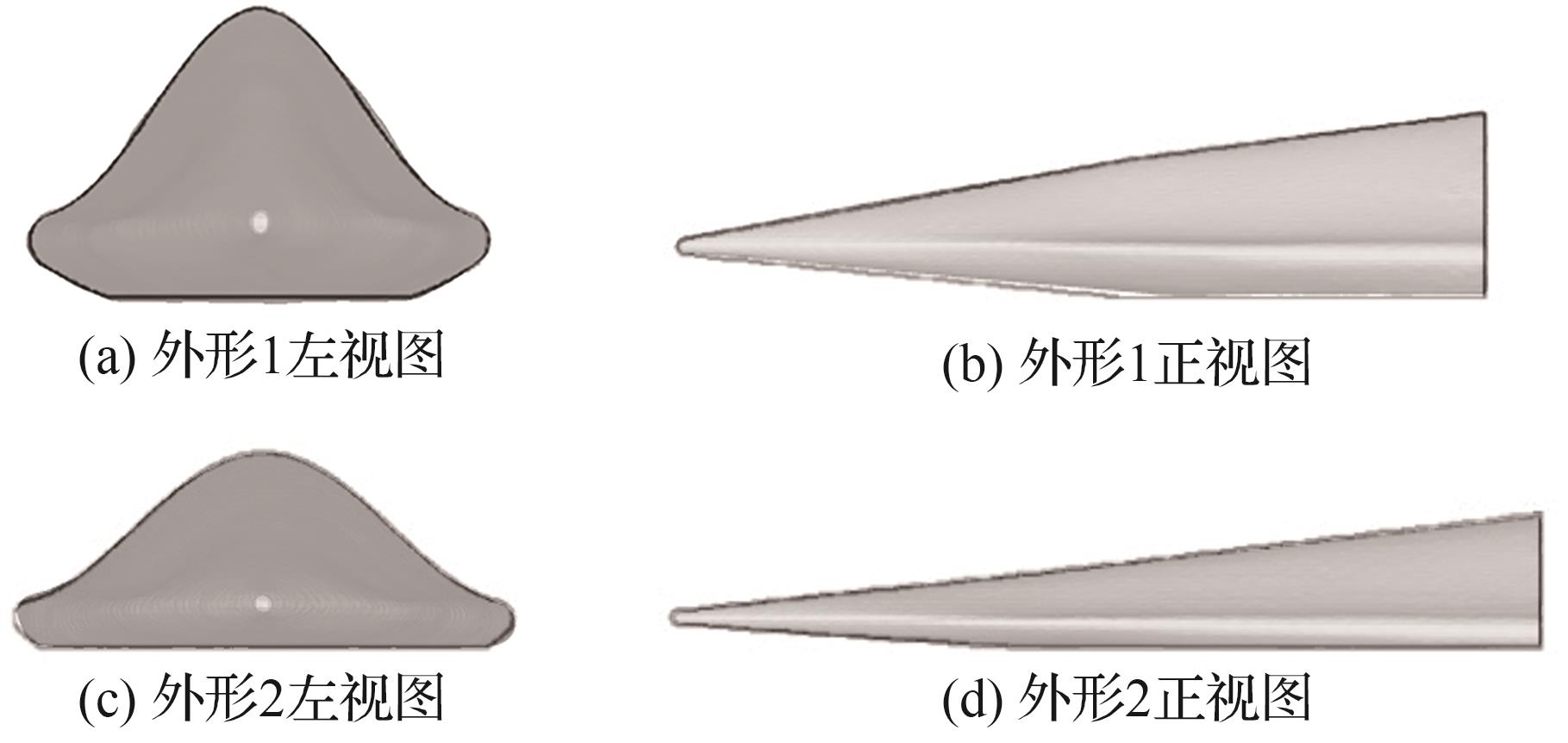
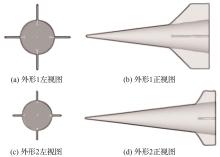
Fig.19
Comparison of AHW-like generated based on profiles
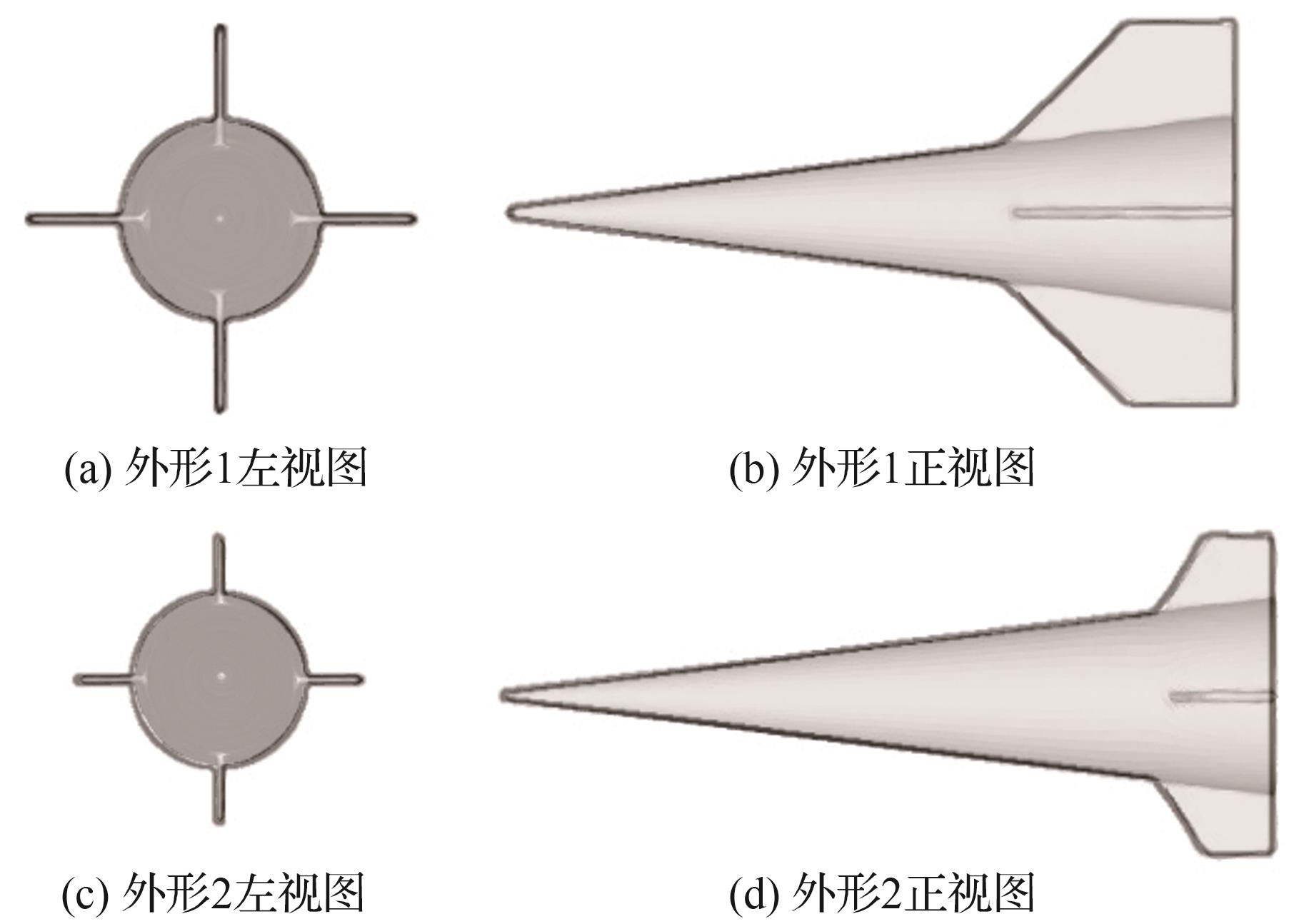
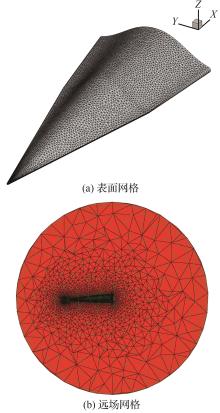
Fig.20
Mesh for initial shape calculation
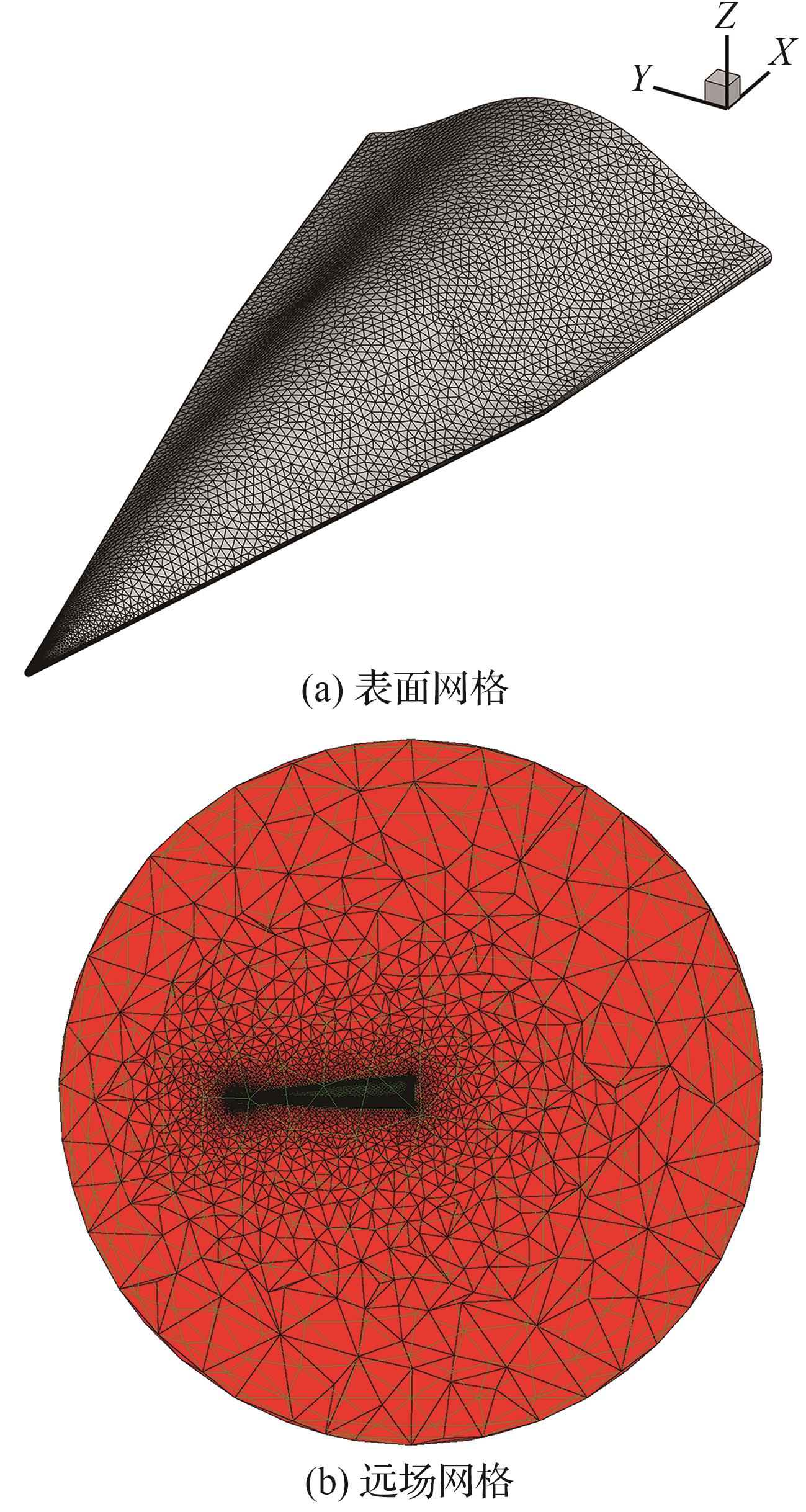

Table 1
Aerodynamic performance parameters of reconstructed and initial shapes at different angles of attack
| -5 | -0.022 07 | -0.022 77 | 3.067 6 | 0.009 76 | 0.010 01 | 2.520 8 | -2.261 9 | -2.274 7 | 0.560 9 |
| 0 | -0.005 81 | -0.005 93 | 2.085 7 | 0.006 97 | 0.007 13 | 2.267 9 | -0.833 7 | -0.832 1 | 0.186 4 |
| 5 | 0.010 23 | 0.010 38 | 1.444 4 | 0.007 44 | 0.007 58 | 1.918 8 | 1.375 2 | 1.368 6 | 0.483 7 |
| 10 | 0.028 06 | 0.028 88 | 2.850 5 | 0.011 45 | 0.011 74 | 2.445 5 | 2.450 2 | 2.460 5 | 0.415 1 |
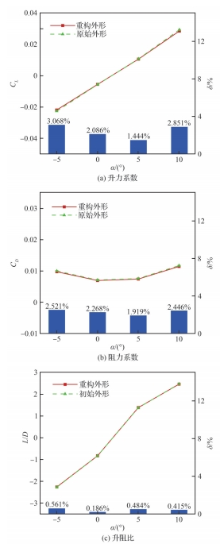
Fig.21
Aerodynamic performance parameters
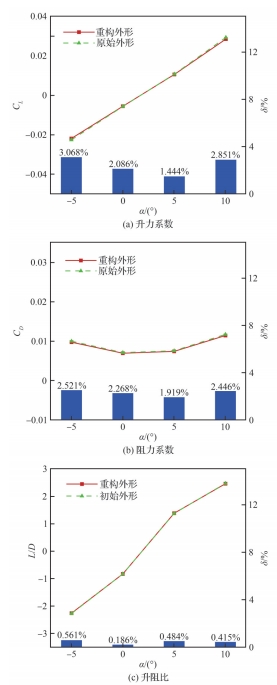
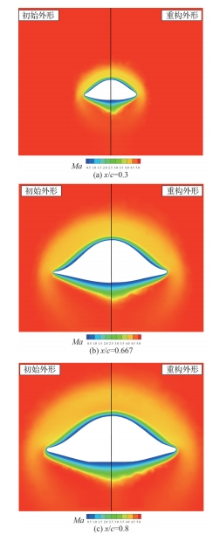
Fig.22
Mach number contour comparisons
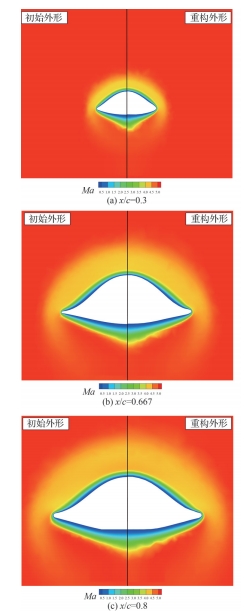
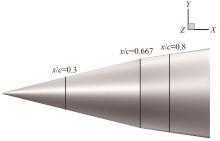
Fig.23
Slice locations
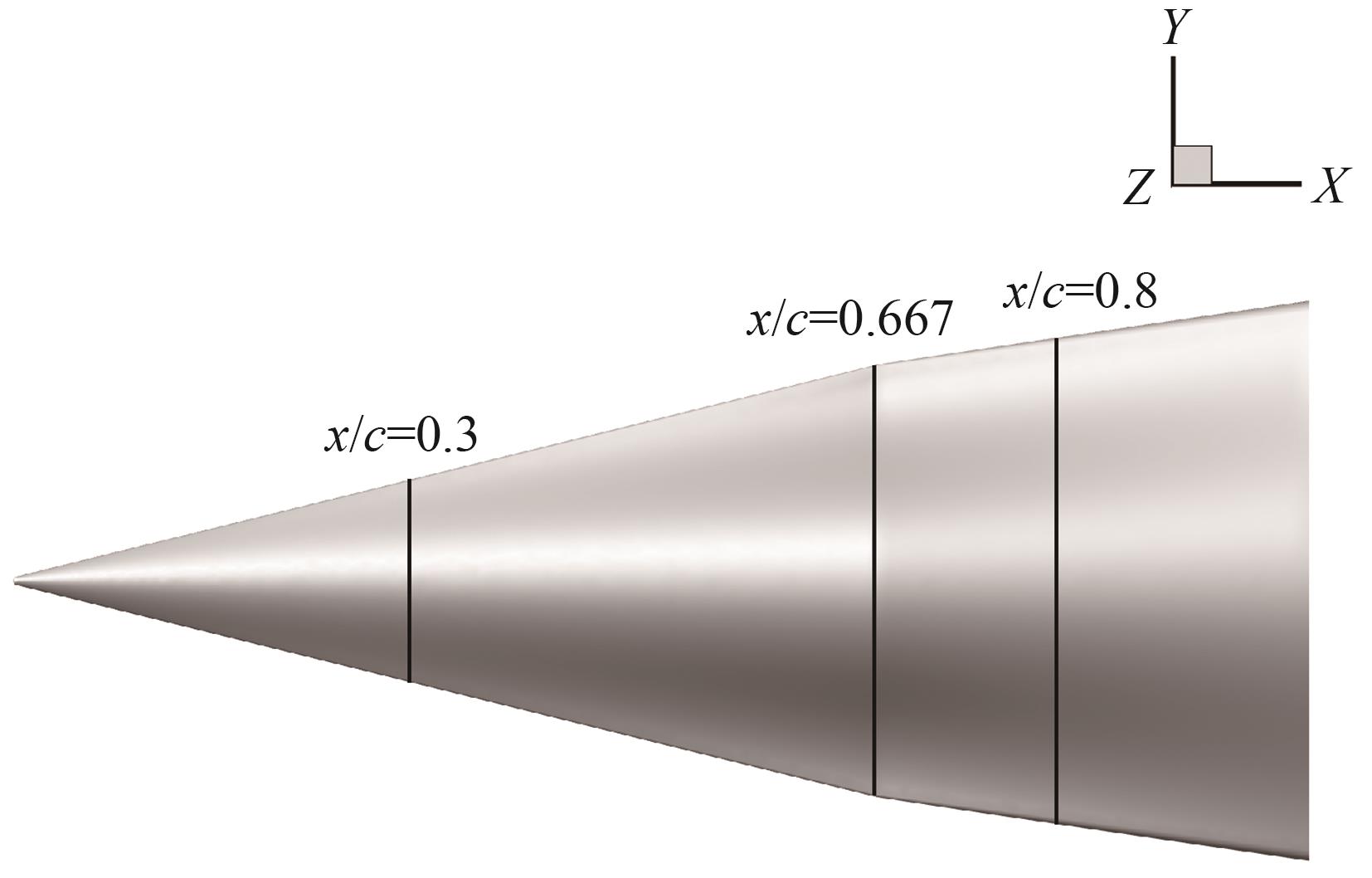
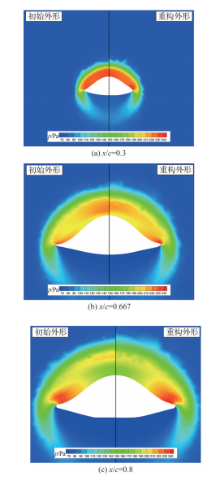
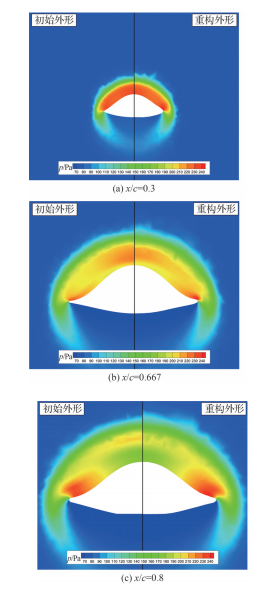
Fig.24
Pressure contour comparisons
| 1 | 关晓辉, 李占科, 宋笔锋. CST气动外形参数化方法研究[J]. 航空学报, 2012, 33(4): 625-633. |
| GUAN X H, LI Z K, SONG B F. A study on CST aerodynamic shape parameterization method[J]. Acta Aeronautica et Astronautica Sinica, 2012, 33(4): 625-633 (in Chinese). | |
| 2 | SAMAREH J. Aerodynamic shape optimization based on free-form deformation[C]∥10th AIAA/ISSMO Multidisciplinary Analysis and Optimization Conference. Reston: AIAA, 2004. |
| 3 | LIU R L, HUA Y, ZHOU Z F, et al. Prediction and optimization of airfoil aerodynamic performance using deep neural network coupled Bayesian method[J]. Physics of Fluids, 2022, 34(11): 117116. |
| 4 | SEKAR V, JIANG Q H, SHU C, et al. Fast flow field prediction over airfoils using deep learning approach[J]. Physics of Fluids, 2019, 31(5): 057103. |
| 5 | DU Q W, LIU T Y, YANG L K, et al. Airfoil design and surrogate modeling for performance prediction based on deep learning method[J]. Physics of Fluids, 2022, 34(1): 015111. |
| 6 | SEO J, YOON H S, KIM M I. Establishment of CNN and encoder-decoder models for the prediction of characteristics of flow and heat transfer around NACA sections[J]. Energies, 2022, 15(23): 9204. |
| 7 | CHEN D W, SUN Z X, YAO S B, et al. Data-driven rapid prediction model for aerodynamic force of high-speed train with arbitrary streamlined head[J]. Engineering Applications of Computational Fluid Mechanics, 2022, 16(1): 2191-2206. |
| 8 | LI J C, DU X S, MARTINS J R R A. Machine learning in aerodynamic shape optimization[J]. Progress in Aerospace Sciences, 2022, 134: 100849. |
| 9 | MASTERS D A, TAYLOR N J, RENDALL T C S, et al. Geometric comparison of aerofoil shape parameterization methods[J]. AIAA Journal, 2017, 55(5): 1575-1589. |
| 10 | CHANG I C, TORRES F J, TUNG C. Geometric analysis of wing sections[R]. Washington, D.C.: NASA, 1997. |
| 11 | ROBINSON G M, KEANE A J. Concise orthogonal representation of supercritical airfoils[J]. Journal of Aircraft, 2001, 38(3): 580-583. |
| 12 | 刘南, 白俊强, 邱亚松, 等. 基于本征正交分解的气动外形设计空间重构方法研究[J]. 西北工业大学学报, 2015, 33(2): 171-177. |
| LIU N, BAI J Q, QIU Y S, et al. Investigating aerodynamic shape design space reconstruction using proper orthogonal decomposition(POD)[J]. Journal of Northwestern Polytechnical University, 2015, 33(2): 171-177 (in Chinese). | |
| 13 | WU X J, ZHANG W W, PENG X H, et al. Benchmark aerodynamic shape optimization with the POD-based CST airfoil parametric method[J]. Aerospace Science and Technology, 2019, 84: 632-640. |
| 14 | LI J L, ZHANG Y, ZHU B B, et al. The aerodynamic optimization of hypersonic vehicles with the proper-orthogonal-decomposition-based CST method[J]. Aerospace Science and Technology, 2024, 151: 109295. |
| 15 | YANG Y X, XUE Y T, ZHAO W W, et al. Aerodynamic shape optimization based on proper orthogonal decomposition reparameterization under small training sets[J]. Aerospace Science and Technology, 2024, 147: 109072. |
| 16 | LI J C, ZHANG M Q, MARTINS J R R A, et al. Efficient aerodynamic shape optimization with deep-learning-based geometric filtering[J]. AIAA Journal, 2020, 58(10): 4243-4259. |
| 17 | CHEN W, CHIU K, FUGE M D. Airfoil design parameterization and optimization using Bézier generative adversarial networks[J]. AIAA Journal, 2020, 58(11): 4723-4735. |
| 18 | WANG Y Y, SHIMADA K, BARATI FARIMANI A. Airfoil GAN: encoding and synthesizing airfoils for aerodynamic shape optimization[J]. Journal of Computational Design and Engineering, 2023, 10(4): 1350-1362. |
| 19 | VISWANATH A, FORRESTER A I J, KEANE A J. Constrained design optimization using generative topographic mapping[J]. AIAA Journal, 2014, 52(5): 1010-1023. |
| 20 | DORONINA O A, GREY Z J, GLAWS A. Grassmannian shape representations for aerodynamic applications[DB/OL]. arXiv preprint: 2201.04649, 2022. |
| 21 | ZENG X H, VAHDAT A, WILLIAMS F, et al. LION: Latent point diffusion models for 3D Shape Generation[DB/OL]. arXiv preprint: 2210.06978, 2022. |
| 22 | LIU Z J, TANG H T, LIN Y J, et al. Point-voxel CNN for efficient 3D deep learning[DB/OL]. arXiv preprint: 1907.03739, 2019. |
| 23 | PENG S Y, JIANG C, LIAO Y Y, et al. Shape as points: A differentiable Poisson solver[DB/OL]. arXiv preprint: 2106.03452, 2021. |
| 24 | 陈小庆, 侯中喜, 刘建霞, 等. 边缘钝化对乘波构型性能影响分析[J]. 宇航学报, 2009, 30(4): 1334-1339. |
| CHEN X Q, HOU Z X, LIU J X, et al. The blunt leading edge’s influence to the performance of waverider[J]. Journal of Astronautics, 2009, 30(4): 1334-1339 (in Chinese). | |
| 25 | 刘建霞, 侯中喜, 陈小庆, 等. 高超声速滑翔飞行器气动性能的数值模拟研究[J]. 国防科技大学学报, 2012, 34(4): 22-27. |
| LIU J X, HOU Z X, CHEN X Q, et al. Numerical simulation on the aerodynamic performance of hypersonic glide vehicle[J]. Journal of National University of Defense Technology, 2012, 34(4): 22-27 (in Chinese). |
| [1] | . Design Space Geometric Filtering and Manifold Reconstruction-enhanced Gradient Optimization Design Method for Laminar Flow Wing [J]. Acta Aeronautica et Astronautica Sinica, 0, (): 1-0. |
| [2] | . Transition Prediction and Uncertainty Analysis of Self-developed Benchmark Models for Supersonic Laminar Wings [J]. Acta Aeronautica et Astronautica Sinica, 0, (): 1-0. |
| [3] | Xiangying GUO, Jie XU, Yongchang HUANG. Characteristic analysis of large-scale wavelength protuberances wings near critical angle [J]. Acta Aeronautica et Astronautica Sinica, 2024, 45(S1): 730557-730557. |
| [4] | Jinhua LOU, Rongqian CHEN, Jiaqi LIU, Yue BAO, Hao WU, Yancheng YOU. Aircraft aerodynamic performance prediction and inverse design based on a gated diffusion model [J]. Acta Aeronautica et Astronautica Sinica, 2025, 46(10): 631183-631183. |
| [5] | Shusheng CHEN, Muliang JIA, Yanxu LIU, Zhenghong GAO, Xinghao XIANG. Deformation modes and key technologies of aerodynamic layout design for morphing aircraft: Review [J]. Acta Aeronautica et Astronautica Sinica, 2024, 45(6): 629595-629595. |
| [6] | Liu LIU, Xianhong XIANG, Yufei ZHANG, Haixin CHEN, Chuang WEI, Jian ZHU, Pu YANG. A high lift-to-drag ratio unconventional blended-wing-body aerodynamic configuration with swallow tail [J]. Acta Aeronautica et Astronautica Sinica, 2024, 45(6): 629630-629630. |
| [7] | CHANG Min, SUN Yang, BAI Junqiang, MENG Xiaoxuan. Aerodynamic design optimization of twice folding wing for tube-launched UAV constrained by flat-angle rotation mechanism [J]. ACTA AERONAUTICAET ASTRONAUTICA SINICA, 2022, 43(11): 526331-526331. |
| [8] | CAO Fan, ZHANG Meifang, HU Xiao, TANG Zhili. Natural laminar flow optimization and transition sensitivity analysis of axisymmetric nacelle [J]. ACTA AERONAUTICAET ASTRONAUTICA SINICA, 2022, 43(11): 527330-527330. |
| [9] | GUO Xiangdong, LIU Qinglin, LIU Senyun, WANG Zixu, LI Ming. Numerical study of supercooled large droplet cloud evolution characteristics in icing wind tunnel [J]. ACTA AERONAUTICAET ASTRONAUTICA SINICA, 2020, 41(8): 123655-123655. |
| [10] | LI Chunna, ZHANG Yangkang. An efficient adaptive global optimization method suitable for aerodynamic optimization [J]. ACTA AERONAUTICAET ASTRONAUTICA SINICA, 2020, 41(5): 623352-623352. |
| [11] | LI Zhengzhou, GAO Chang, XIAO Tianhang, MA Zicheng, XIAO Jiliang, ZHU Jianhui. Extremely efficient prediction technique of dynamic derivatives for super/hypersonic flight vehicles [J]. ACTA AERONAUTICAET ASTRONAUTICA SINICA, 2020, 41(4): 123545-123545. |
| [12] | . Research on extremely efficient prediction technique of dynamic stability derivatives for high-speed flight vehicles [J]. ACTA AERONAUTICAET ASTRONAUTICA SINICA, 0, (): 0-0. |
| [13] | GUO Xiangdong, WANG Zixu, LI Ming, LIU Bei. Numerical investigation of phase transition effects of droplet in icing wind tunnel [J]. ACTA AERONAUTICAET ASTRONAUTICA SINICA, 2018, 39(3): 121586-121586. |
| [14] | GUO Xiangdong, WANG Zixu, LI Ming, XIAO Chunhua. Numerical study of supercooling characteristics of droplet in icing wind tunnel [J]. ACTA AERONAUTICAET ASTRONAUTICA SINICA, 2017, 38(10): 121254-121254. |
| [15] | QI Zhongyang, WANG Yankui, WANG Lei, SHA Yongxiang. Effects of nose and afterbody of blunt body on side force [J]. ACTA AERONAUTICAET ASTRONAUTICA SINICA, 2017, 38(9): 121117-121117. |
| Viewed | ||||||
|
Full text |
|
|||||
|
Abstract |
|
|||||
Address: No.238, Baiyan Buiding, Beisihuan Zhonglu Road, Haidian District, Beijing, China
Postal code : 100083
E-mail:hkxb@buaa.edu.cn
Total visits: 6658907 Today visits: 1341All copyright © editorial office of Chinese Journal of Aeronautics
All copyright © editorial office of Chinese Journal of Aeronautics
Total visits: 6658907 Today visits: 1341

 CJA
CJA
