Acta Aeronautica et Astronautica Sinica ›› 2025, Vol. 46 ›› Issue (22): 331937.doi: 10.7527/S1000-6893.2025.31937
• Electronics and Electrical Engineering and Control • Previous Articles
Yu WU1, Linke HE2, Ruizhen LI1, Zirui LIU1, Zixiao XU3, Weilin LI3( )
)
Received:2025-03-05
Revised:2025-04-15
Accepted:2025-05-19
Online:2025-06-06
Published:2025-06-05
Contact:
Weilin LI
E-mail:wli907@nwpu.edu.cn
Supported by:CLC Number:
Yu WU, Linke HE, Ruizhen LI, Zirui LIU, Zixiao XU, Weilin LI. Energy management strategy of hybrid aircraft based on stability[J]. Acta Aeronautica et Astronautica Sinica, 2025, 46(22): 331937.
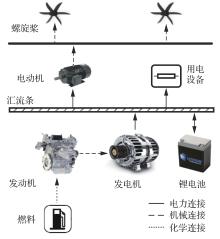
Fig.1
Topology of the series hybrid power system
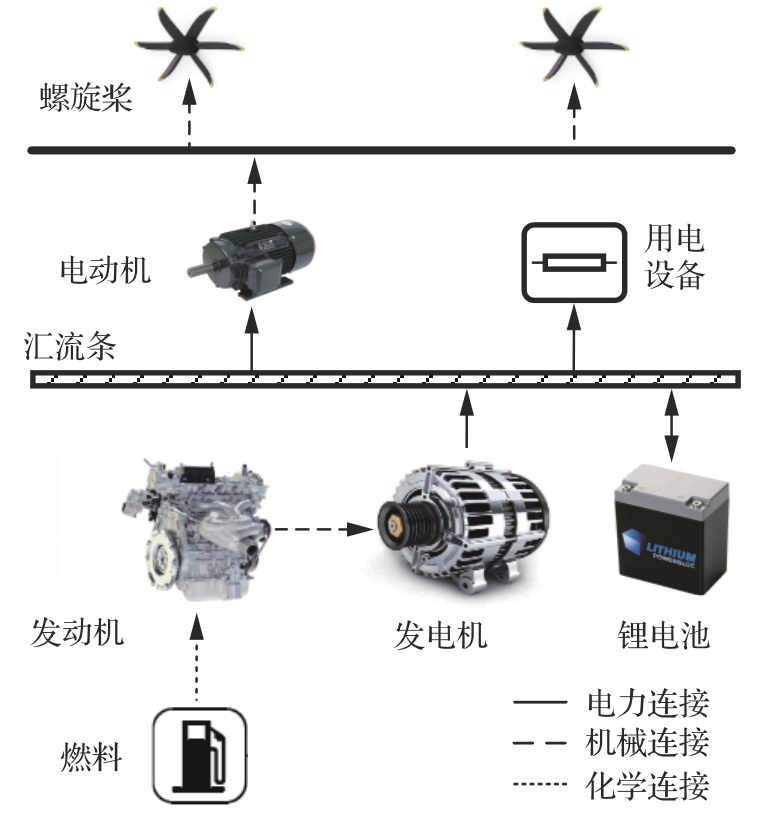
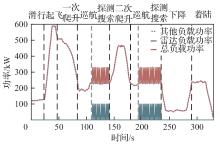
Fig.2
Flight mission profile
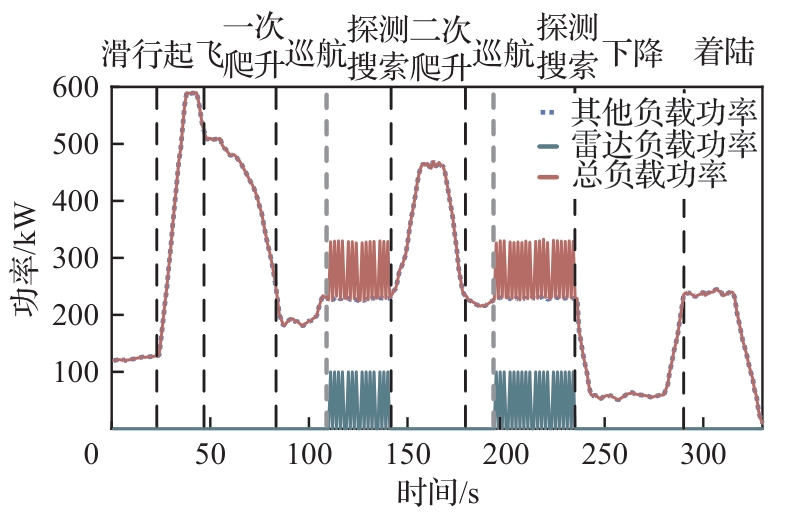
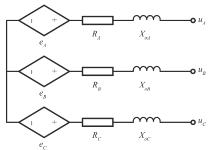
Fig.3
Equivalent circuit topology of PMSG
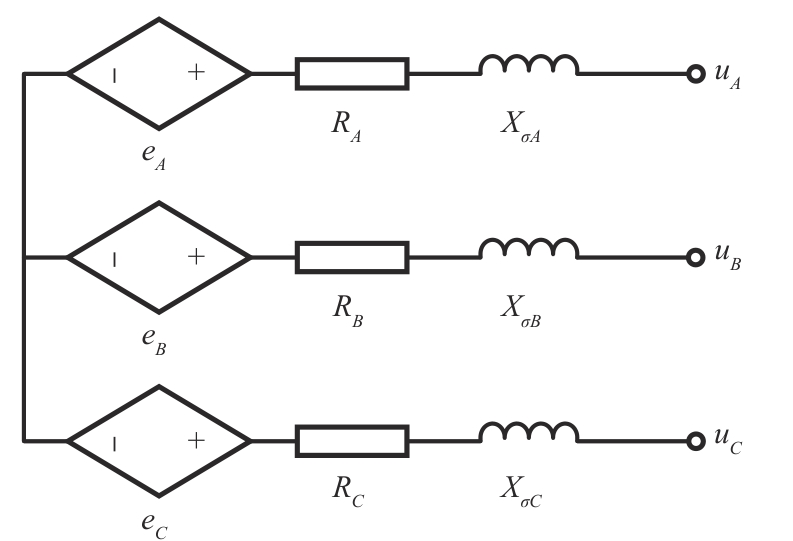
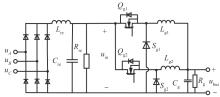
Fig.4
Post-converter topology of PMSG
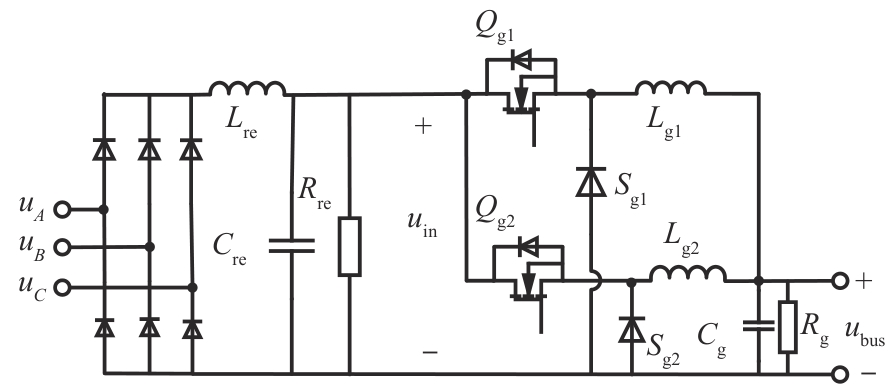
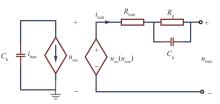
Fig.5
Equivalent circuit model of solid-state lithium battery
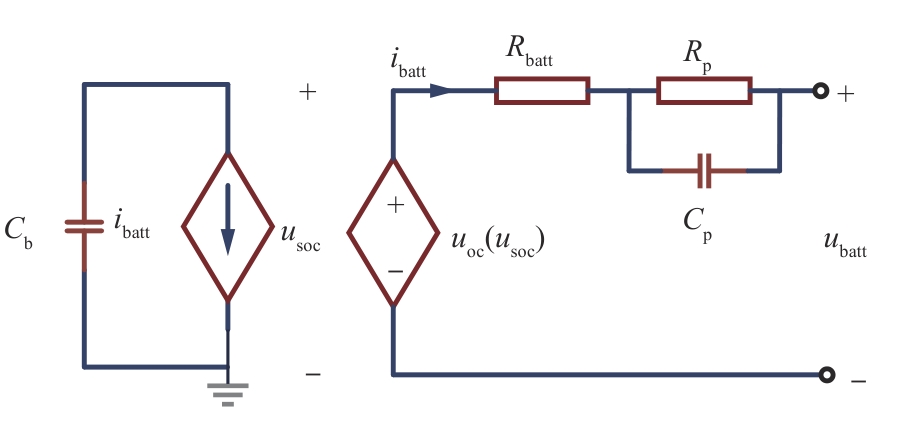
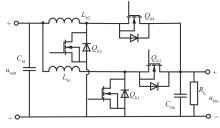
Fig.6
Topology of two-phase interleaved parallel bidirectional DC-DC converter
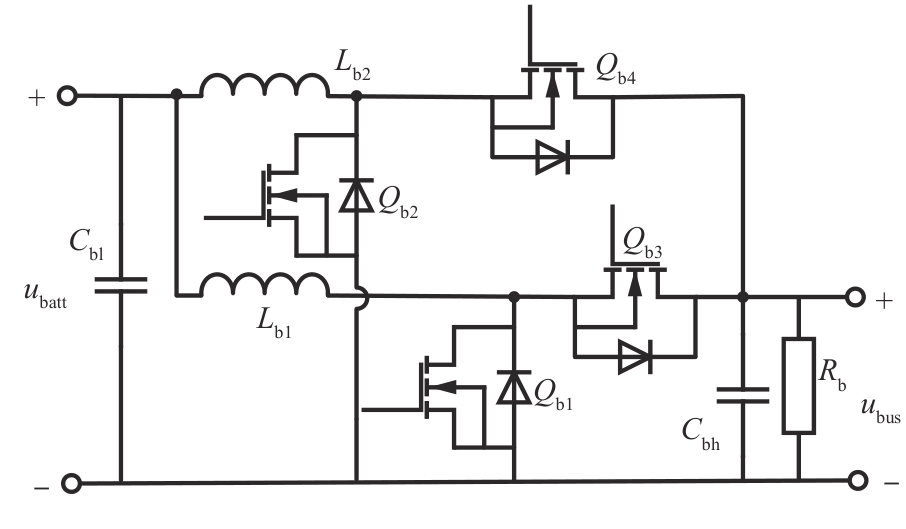
Fig.7
Load topology of the system
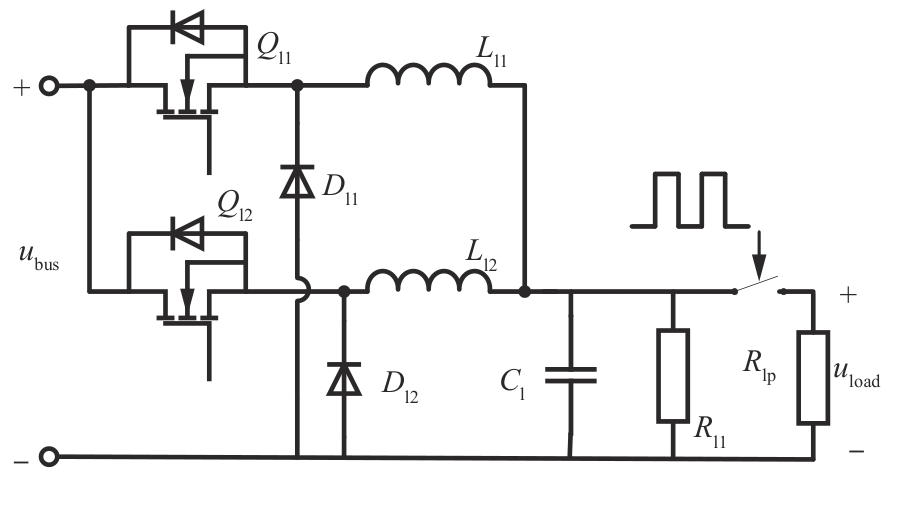
Fig.8
Virtual impedance method diagram
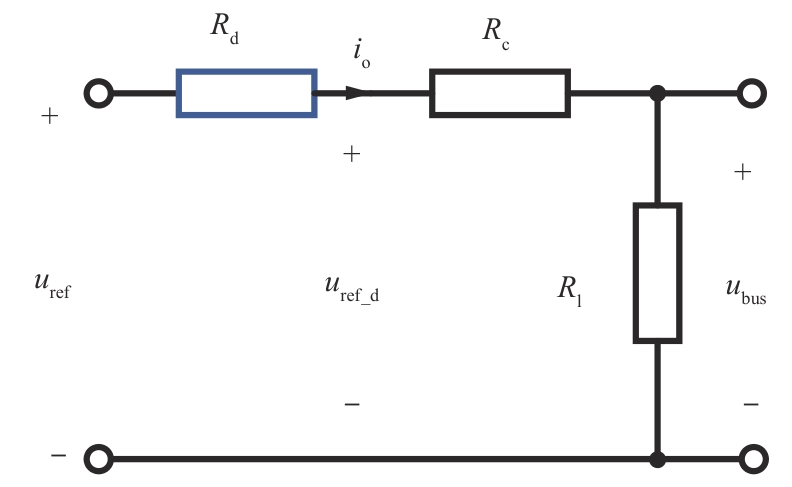
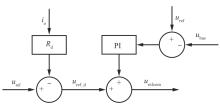
Fig.9
Adaptive voltage compensation virtual impedance method
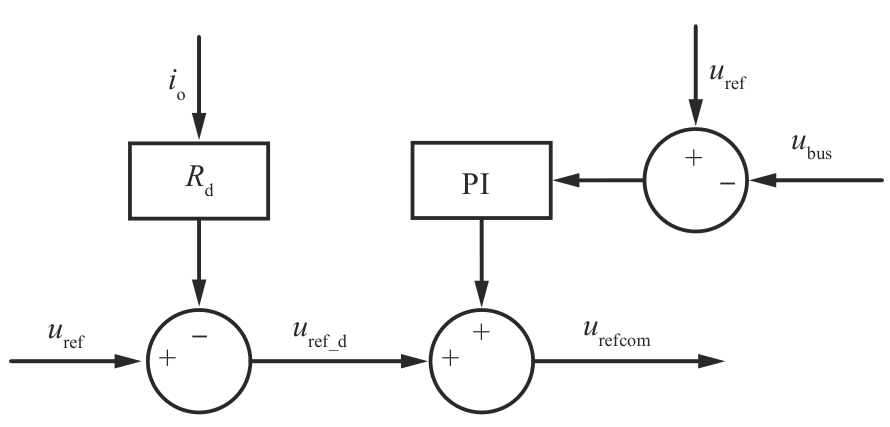
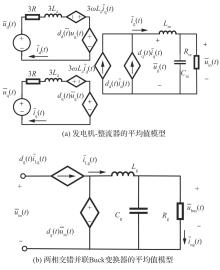
Fig.10
Averaged model of the generator and converter
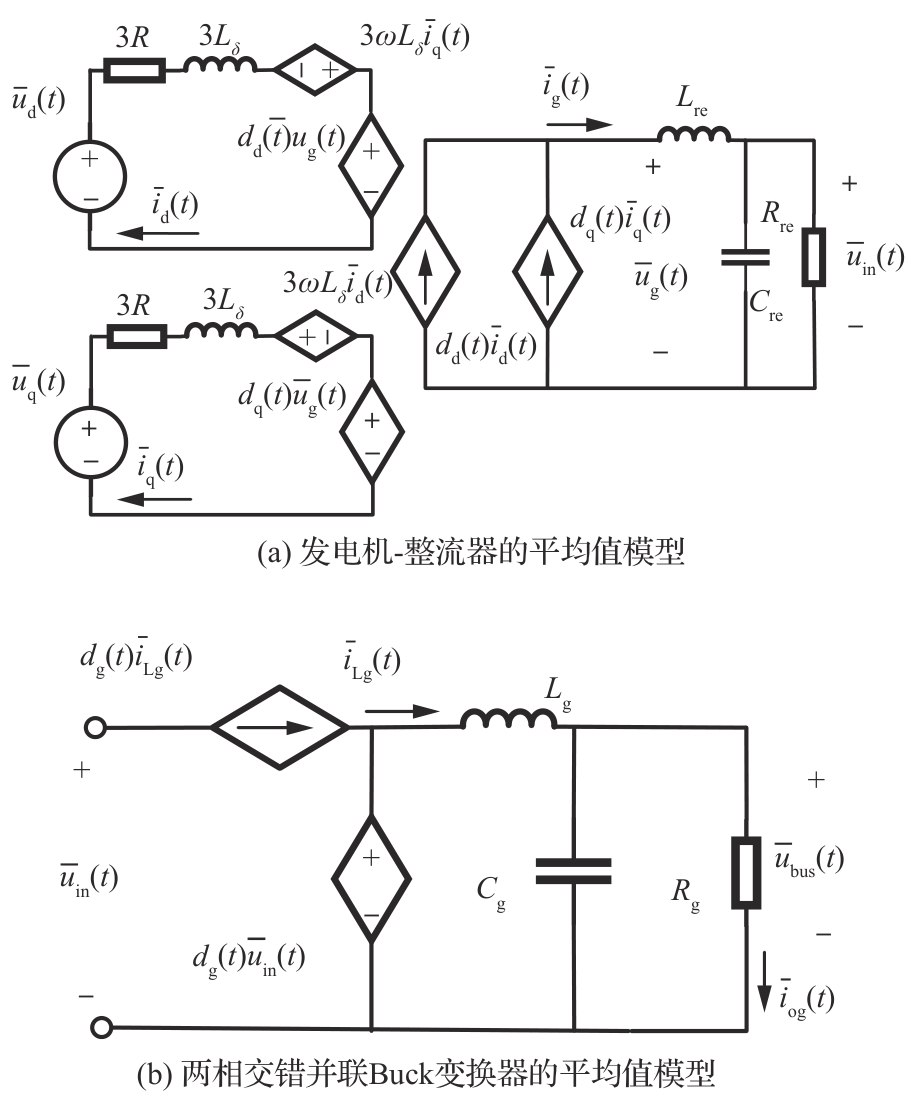
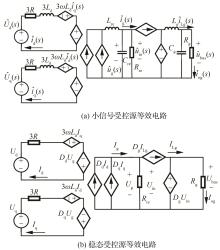
Fig.11
Equivalent circuit of generator-rectifier system
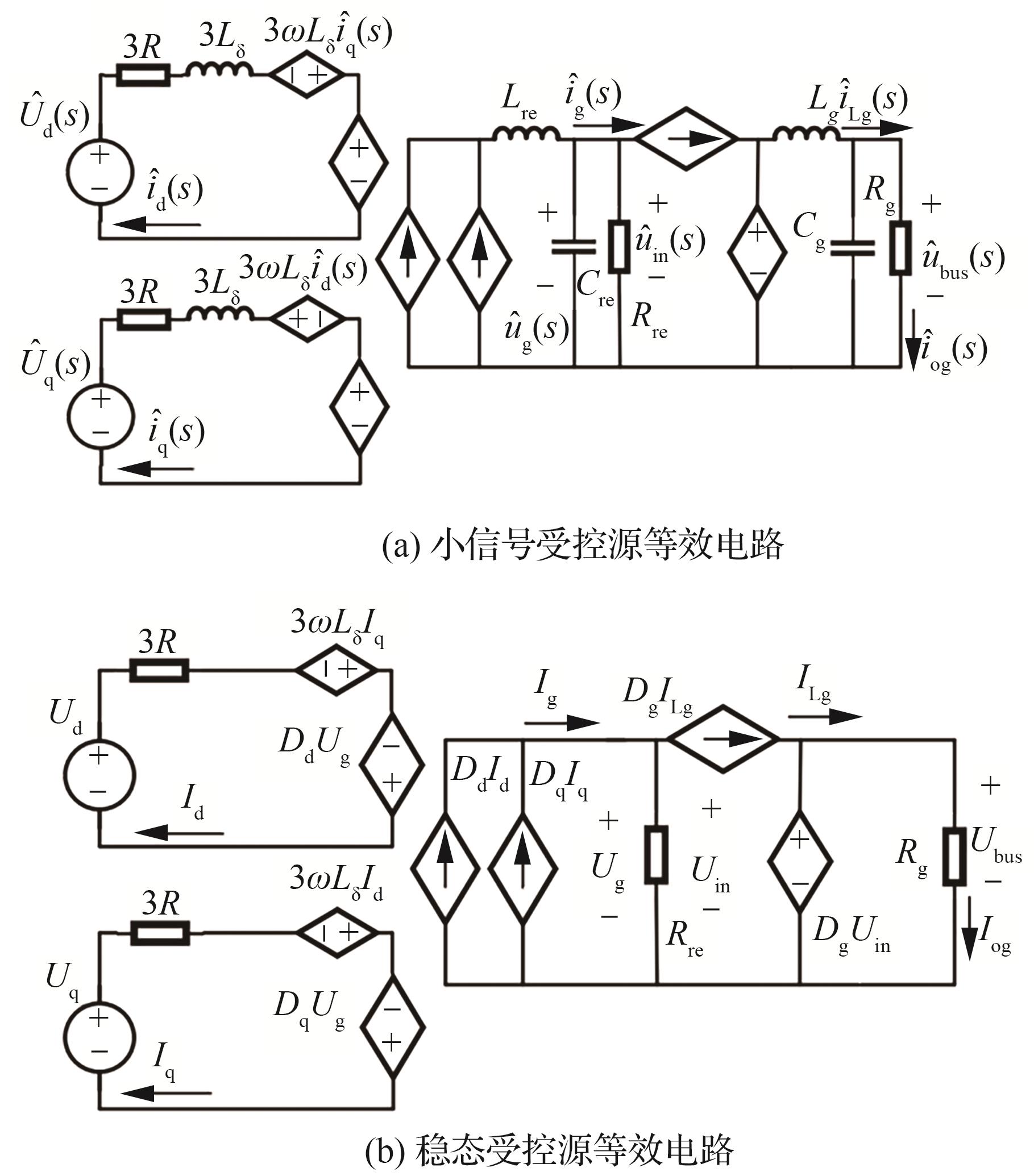
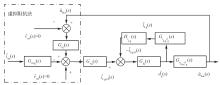
Fig.12
Small-signal system of converter voltage-current dual-loop and virtual impedance method
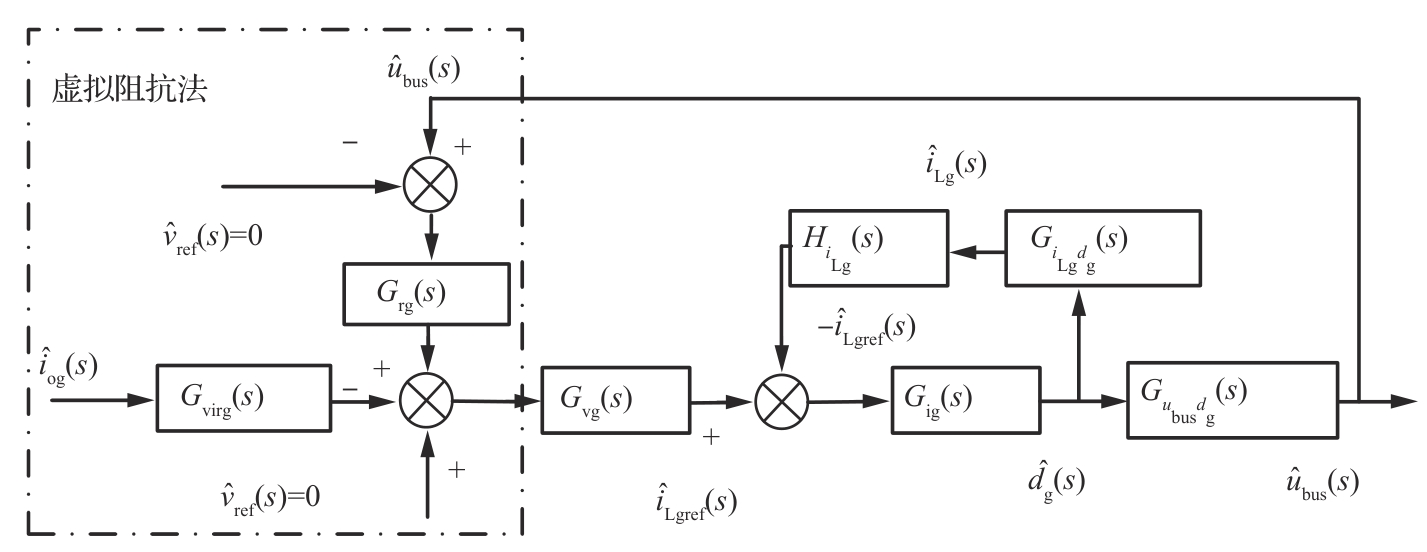
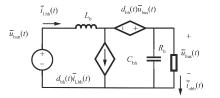
Fig.13
Averaged model of lithium battery and its downstream converter in boost mode
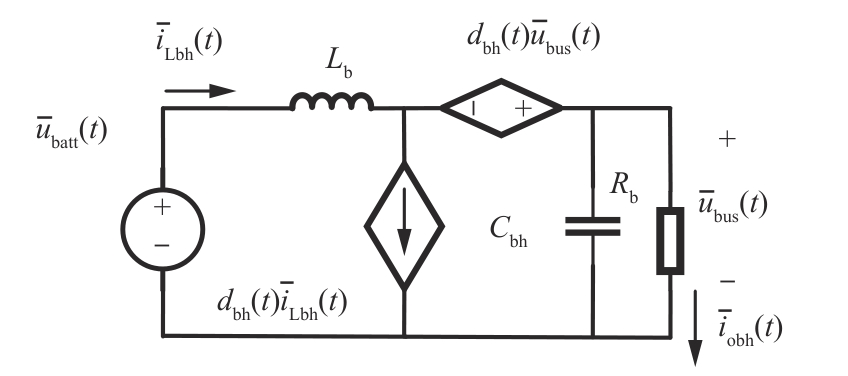
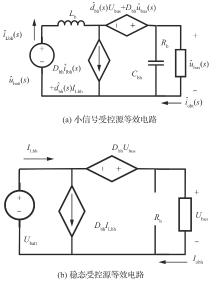
Fig.14
Equivalent circuit of lithium battery and its subsequent converter in boost mode
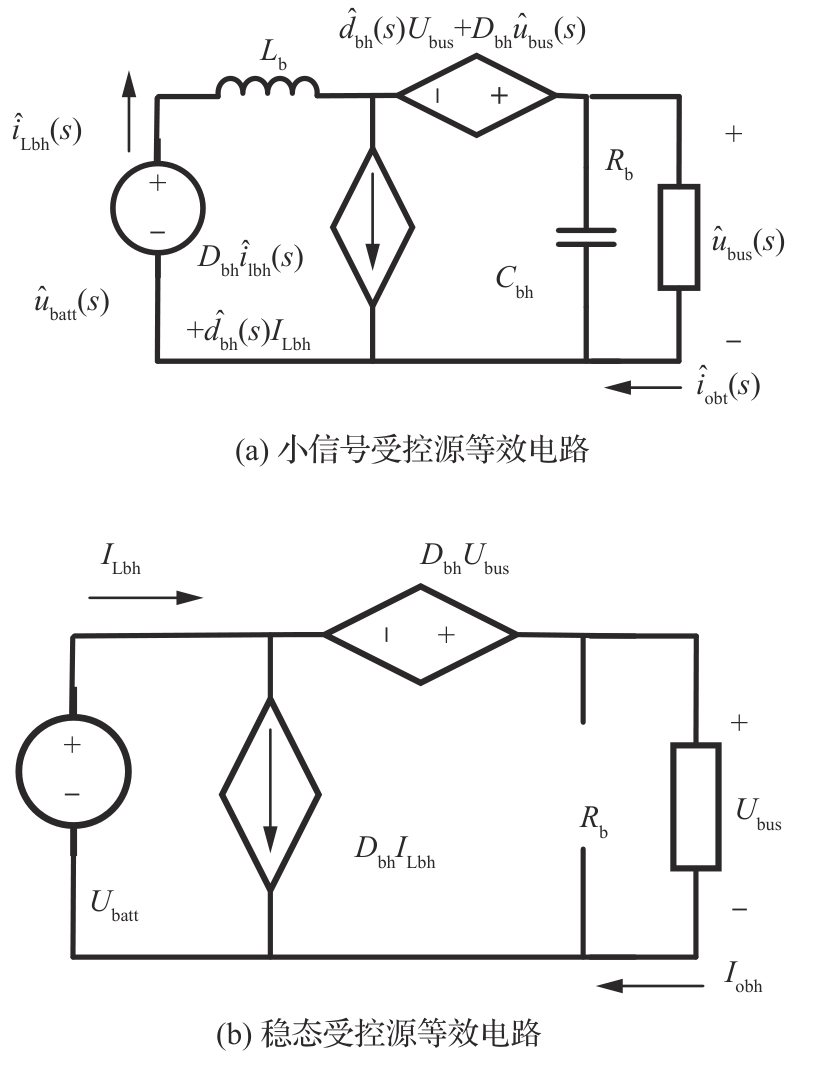
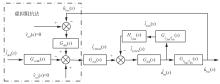
Fig.15
Small-signal system of converter voltage-current dual-loop and virtual impedance method in boost mode
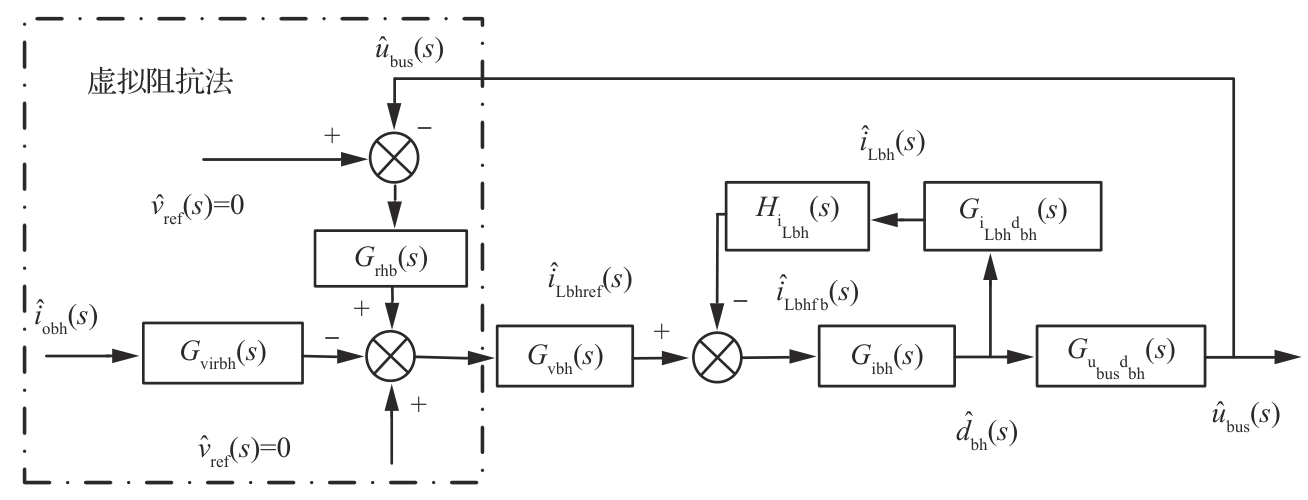
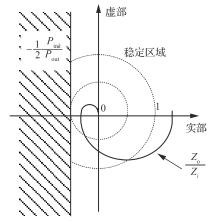
Fig.16
Restricted impedance ratio criterion based on discrete load impedance principle
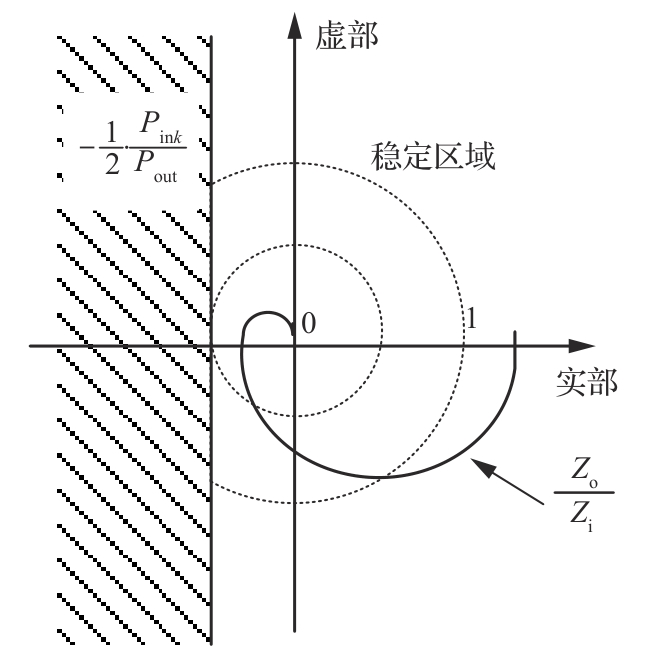
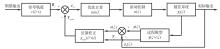
Fig.17
Structure of MPC algorithm
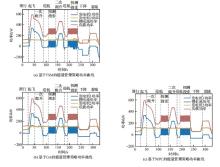
Fig.18
Power profiles under different energy management strategies

Table 1
Comparison results of simulation with different strategies
| 能量管理策略 | 耗油量/kg | 运行时间/s |
|---|---|---|
| FSM | 3.095 6 | |
| GA | 2.917 0 | 9.741 |
| MPC | 2.899 7 | 1.132 |
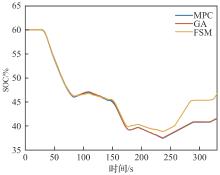
Fig.19
SOC variation curve of solid-state lithium battery
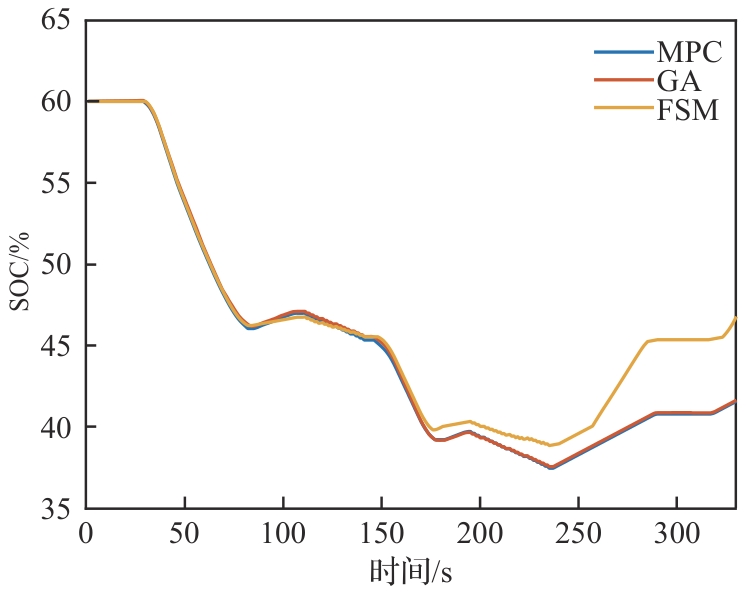

Fig.20
Semi-physical simulation platform
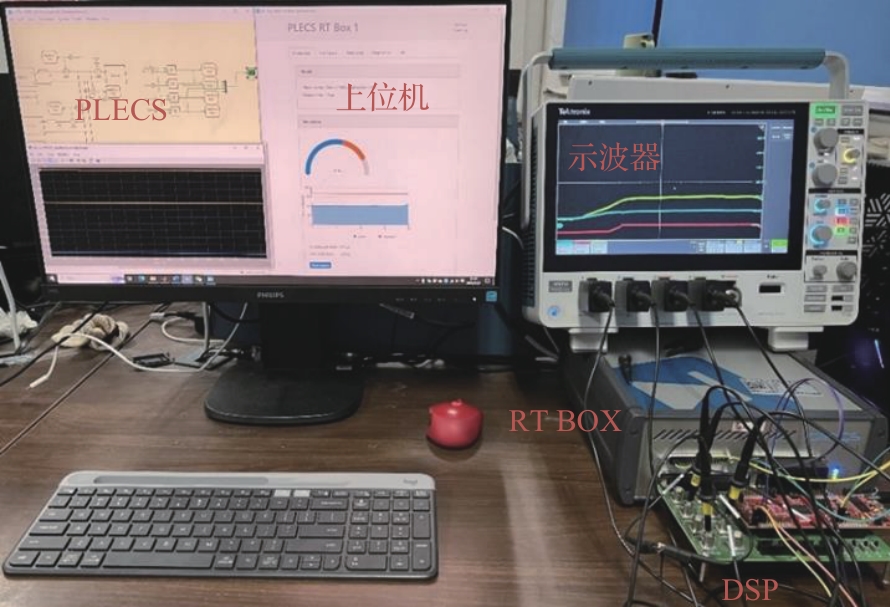
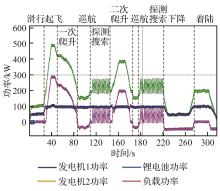
Fig.21
Semi-physical simulation results of the low level energy management control algerithm
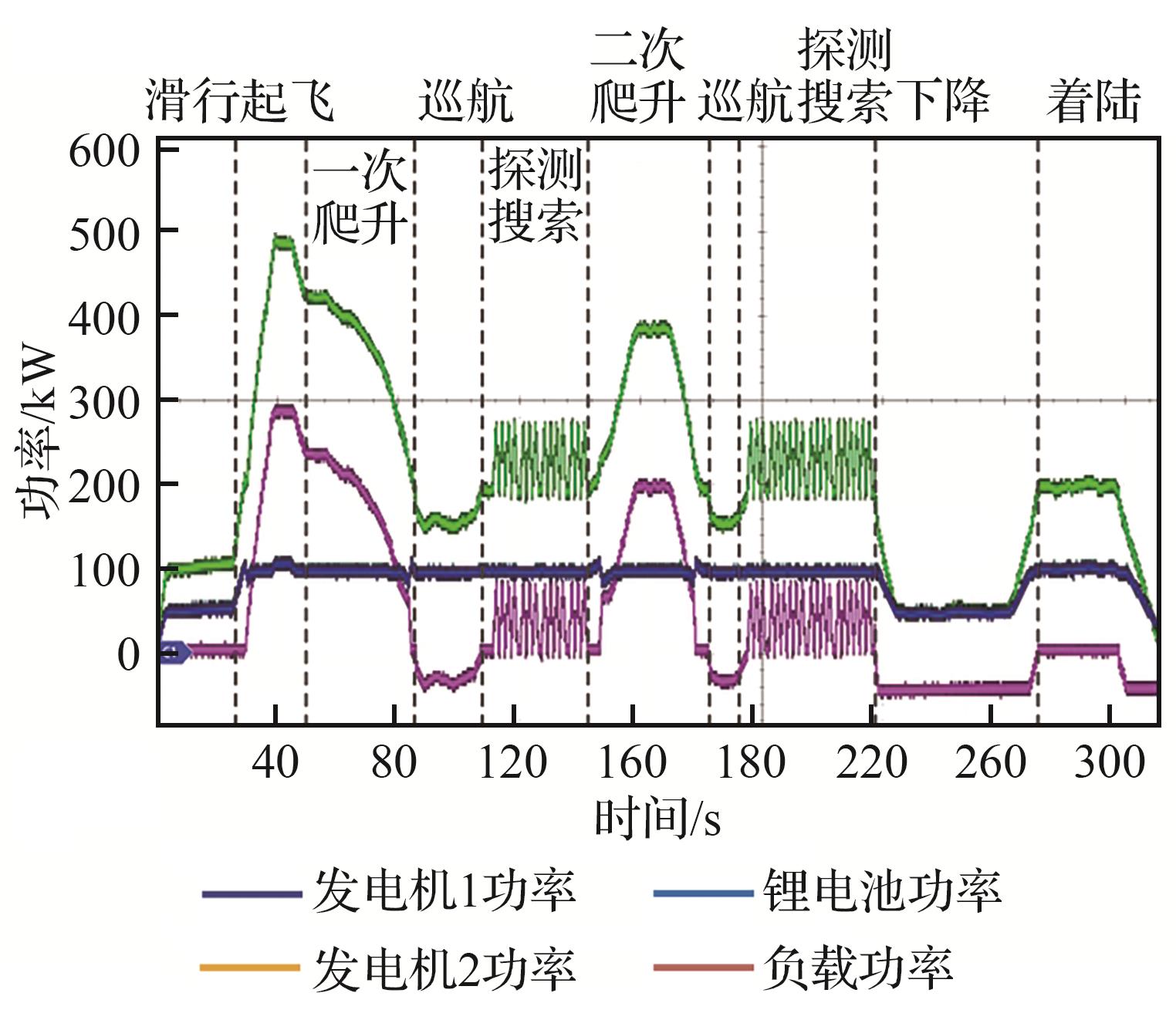
Fig.22
Comparison of stability optimization performance during takeoff phase
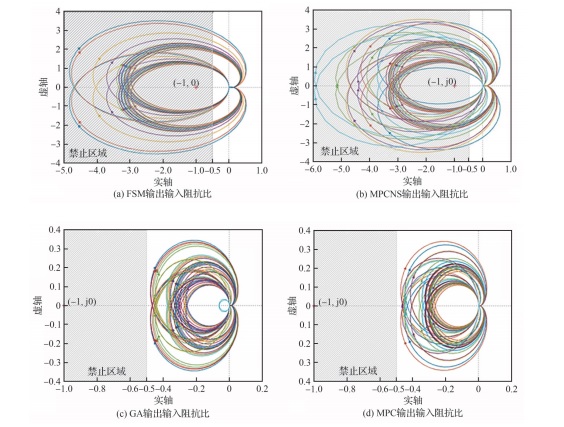
Fig.23
Comparison of stability optimization performance during climb phase
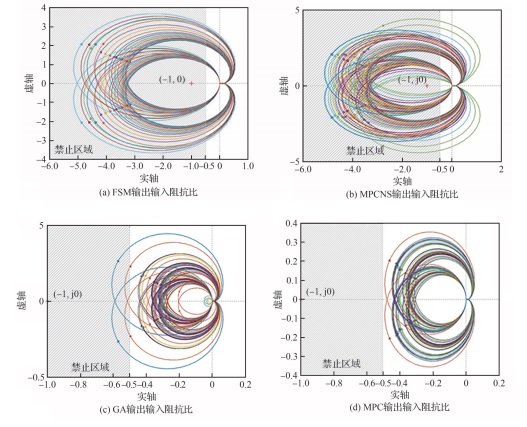
Fig.24
Comparison of stability optimization performance during initial landing phase
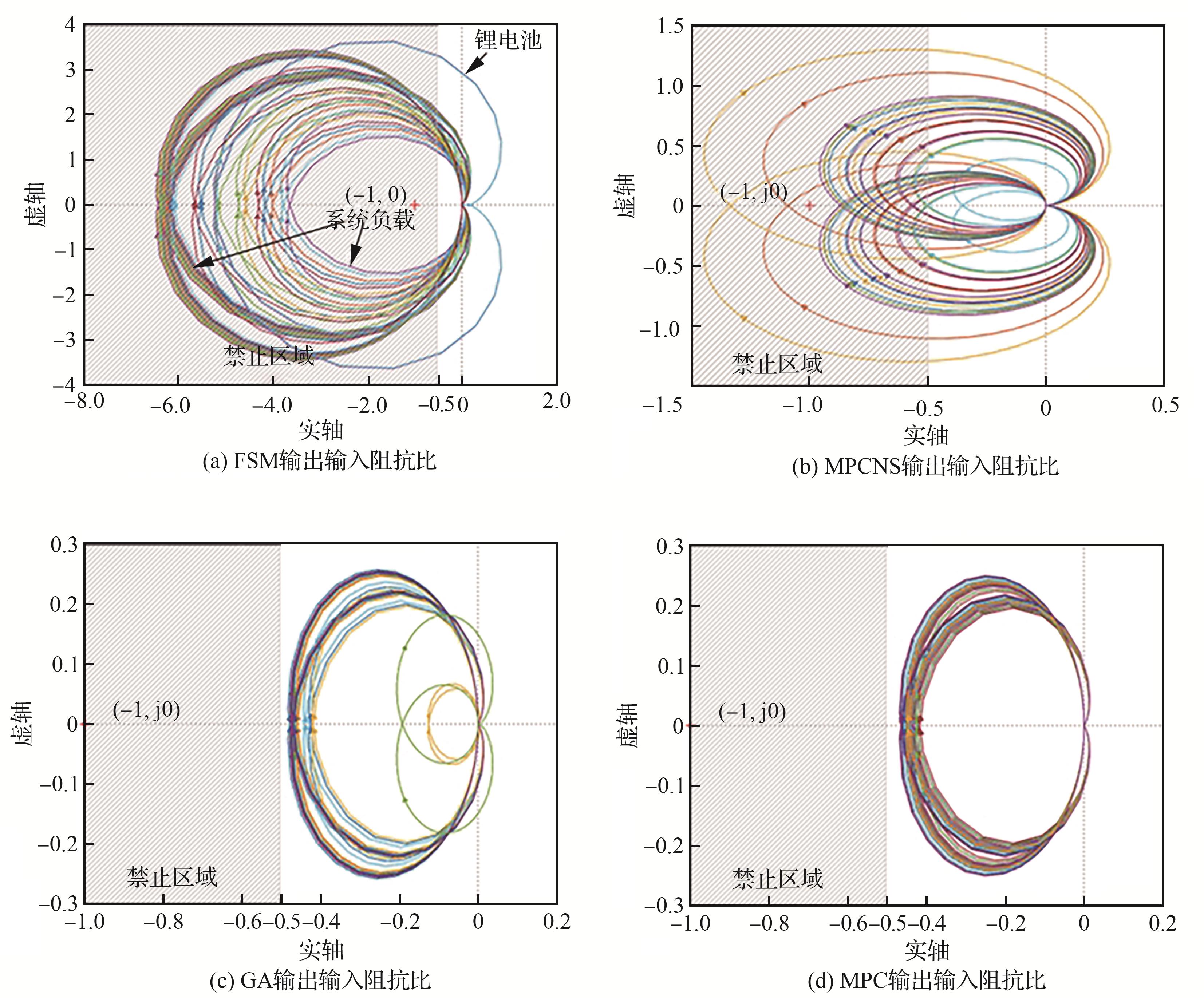
Fig.25
Comparison of stability optimization performance during final landing phase
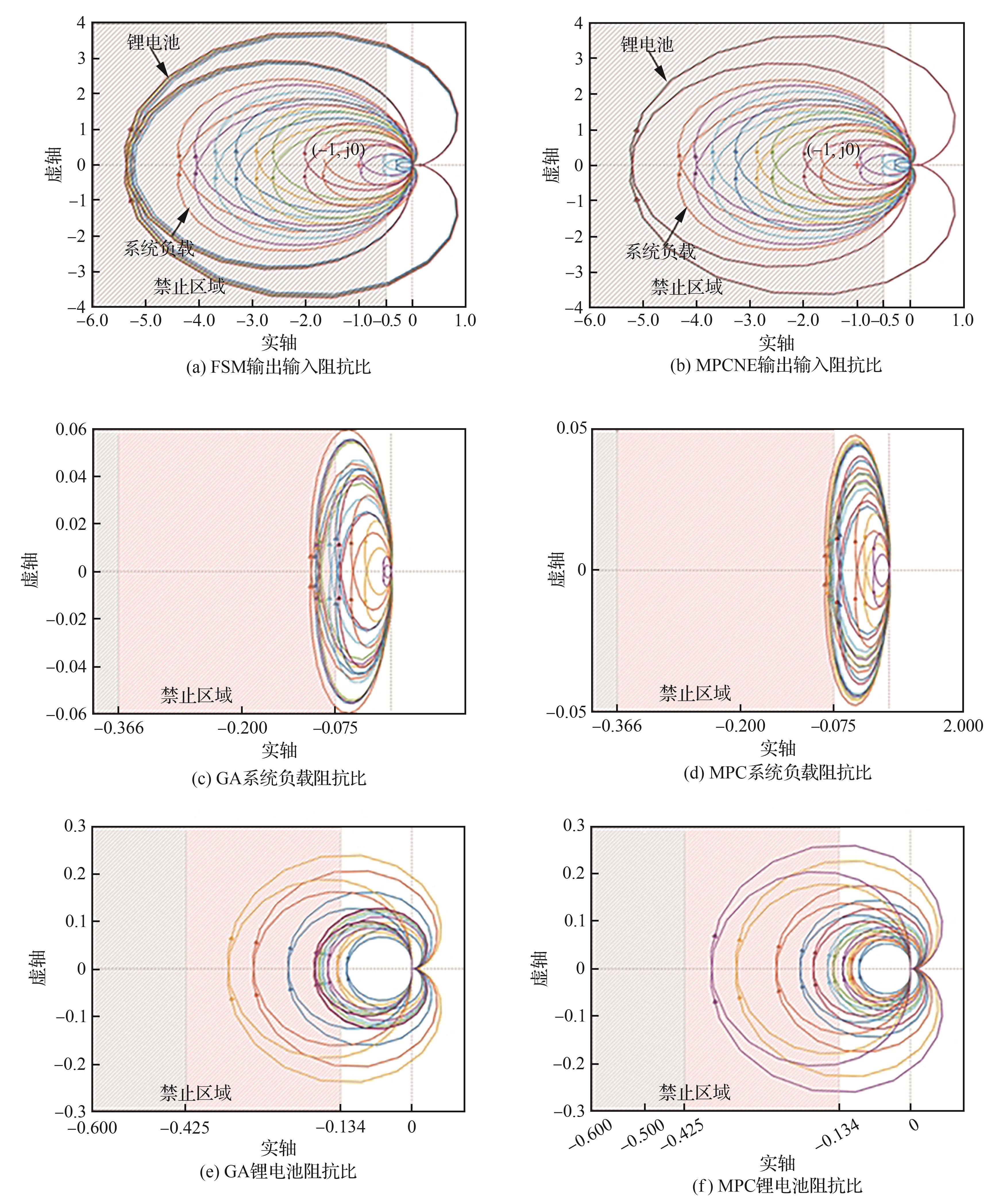
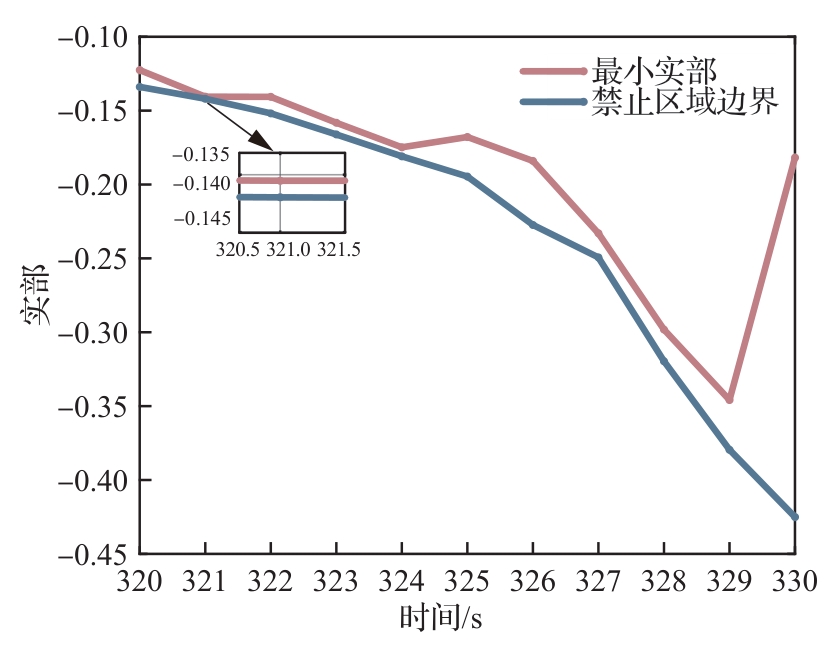
Fig.26
Comparison of GA algorithm for lithium battery-minimum real part and forbidden region boundary
| [1] | WALL T J, MEYER R T. Hybrid electric aircraft switched model optimal control[J]. Journal of Propulsion and Power, 2020, 36(4): 488-497. |
| [2] | VISWANATHAN V, EPSTEIN A H, CHIANG Y M, et al. The challenges and opportunities of battery-powered flight[J]. Nature, 2022, 601(7894): 519-525. |
| [3] | CANO T C, CASTRO I, RODRÍGUEZ A, et al. Future of electrical aircraft energy power systems: An architecture review[J]. IEEE Transactions on Transportation Electrification, 2021, 7(3): 1915-1929. |
| [4] | 邓景辉. 电动垂直起降飞行器的技术现状与发展[J]. 航空学报, 2024, 45(5): 529937. |
| DENG J H. Technical status and development of electric vertical take-off and landing aircraft[J]. Acta Aeronautica et Astronautica Sinica, 2024, 45(5): 529937 (in Chinese). | |
| [5] | SALEM K ABU, PALAIA G, QUARTA A A. Review of hybrid-electric aircraft technologies and designs: Critical analysis and novel solutions[J]. Progress in Aerospace Sciences, 2023, 141: 100924. |
| [6] | 陈起旭, 王群京, 钱喆, 等. 小型全电/混动飞机技术路线与动力系统综述[J]. 中国电机工程学报, 2024, 44(12): 4966-4986. |
| CHEN Q X, WANG Q J, QIAN Z, et al. Overview of the technical roadmap and powertrain system for small all-electric or hybrid aircraft[J]. Proceedings of the CSEE, 2024, 44(12): 4966-4986 (in Chinese). | |
| [7] | 徐聪, 郭子林, 王学尧, 等. 国外预警机发展现状及雷达关键技术研究[J]. 空天预警研究学报, 2023, 37(2): 79-88. |
| XU C, GUO Z L, WANG X Y, et al. Development status quo of foreign early warning aircraft and key technologies for airborne radar system[J]. Journal of Air & Space Early Warning Research, 2023, 37(2): 79-88 (in Chinese). | |
| [8] | 康乐, 冉千禧, 毛军逵, 等. 混合动力推进系统与飞机数字化设计现状与展望[J]. 推进技术, 2024, 45(3): 89-105. |
| KANG L, RAN Q X, MAO J K, et al. Hybrid propulsion systems and aircraft digital design status and prospects[J]. Journal of Propulsion Technology, 2024, 45(3): 89-105 (in Chinese). | |
| [9] | KIESEWETTER L, SHAKIB K H, SINGH P, et al. A holistic review of the current state of research on aircraft design concepts and consideration for advanced air mobility applications[J]. Progress in Aerospace Sciences, 2023, 142: 100949. |
| [10] | 刘勇智, 聂恺, 于锦禄, 等. 多电飞机270 V高压直流电力系统小信号稳定性分析[J]. 空军工程大学学报(自然科学版), 2021, 22(4): 35-40. |
| LIU Y Z, NIE K, YU J L, et al. Small signal stability analysis of multi-electric aircraft with 270 V HVDC power system[J]. Journal of Air Force Engineering University (Natural Science Edition), 2021, 22(4): 35-40 (in Chinese). | |
| [11] | RAOOFI T, YILDIZ M. Comprehensive review of battery state estimation strategies using machine learning for battery management systems of aircraft propulsion batteries[J]. Journal of Energy Storage, 2023, 59: 106486. |
| [12] | WANG Y D, HU J J, LIU N. Energy management in integrated energy system using energy-carbon integrated pricing method[J]. IEEE Transactions on Sustainable Energy, 2023, 14(4): 1992-2005. |
| [13] | ZHANG C Z, QIU Y Q, CHEN J W, et al. A comprehensive review of electrochemical hybrid power supply systems and intelligent energy managements for unmanned aerial vehicles in public services[J]. Energy and AI, 2022, 9: 100175. |
| [14] | 邓富昌, 张校锋. 基于规则的混合型燃料电池汽车能量管理策略[J]. 青岛大学学报(工程技术版), 2023, 38(3): 75-80. |
| DENG F C, ZHANG X F. Rule-based energy management strategy for hybrid fuel cell vehicles[J]. Journal of Qingdao University (Engineering & Technology Edition), 2023, 38(3): 75-80 (in Chinese). | |
| [15] | GABER M, EL-BANNA S H, ELDABAH M, et al. Design energy management system for generic hybrid power based on intelligent fuzzy logic technique[C]∥2021 International Telecommunications Conference (ITC-Egypt). Piscataway: IEEE Press, 2021: 1-4. |
| [16] | NJOYA MOTAPON S, DESSAINT L A, AL-HADDAD K. A comparative study of energy management schemes for a fuel-cell hybrid emergency power system of more-electric aircraft[J]. IEEE Transactions on Industrial Electronics, 2014, 61(3): 1320-1334. |
| [17] | SUN X W, ZHANG Y, ZHANG Y C, et al. Summary of health-state estimation of lithium-ion batteries based on electrochemical impedance spectroscopy[J]. Energies, 2023, 16(15): 5682. |
| [18] | 任崇岭, 刘慧军. 基于动态规划插电式并联混合动力汽车能量管理控制策略的研究[J]. 合肥工业大学学报(自然科学版), 2021, 44(9): 1157-1164. |
| REN C L, LIU H J. Optimal energy management strategy of plug-in parallel hybrid electric vehicle based on dynamic programming algorithm[J]. Journal of Hefei University of Technology (Natural Science), 2021, 44(9): 1157-1164 (in Chinese). | |
| [19] | LIU Y Z, YANG S S, WANG L, et al. Dynamic programming algorithm for management of aircraft power supply system[C]∥2018 IEEE International Conference on Electrical Systems for Aircraft, Railway, Ship Propulsion and Road Vehicles & International Transportation Electrification Conference (ESARS-ITEC). Piscataway: IEEE Press, 2018: 1-6. |
| [20] | JIAN L N, ZHU X Y, SHAO Z Y, et al. A scenario of vehicle-to-grid implementation and its double-layer optimal charging strategy for minimizing load variance within regional smart grids[J]. Energy Conversion and Management, 2014, 78: 508-517. |
| [21] | 赵勇, 谢金法, 时佳威, 等. 基于遗传算法优化支持向量机工况识别的燃料电池混合动力汽车能量管理策略[J]. 科学技术与工程, 2020, 20(14): 5820-5827. |
| ZHAO Y, XIE J F, SHI J W, et al. Energy management strategy of fuel cell hybrid electric vehicle based on gentic algorithm-support vector machine condition recognition[J]. Science Technology and Engineering, 2020, 20(14): 5820-5827 (in Chinese). | |
| [22] | LEI T, WANG Y B, JIN X Q, et al. An optimal fuzzy logic-based energy management strategy for a fuel cell/battery hybrid power unmanned aerial vehicle[J]. Aerospace, 2022, 9(2): 115. |
| [23] | ZHOU B, BURL J B, REZAEI A. Equivalent consumption minimization strategy with consideration of battery aging for parallel hybrid electric vehicles[J]. IEEE Access, 2020, 8: 204770-204781. |
| [24] | 刘晓童, 赵红, 袁焕涛, 等. 基于等效燃油消耗的轨迹参考控制策略研究[J]. 青岛大学学报(工程技术版), 2022, 37(3): 68-73. |
| LIU X T, ZHAO H, YUAN H T, et al. Research on trajectory reference control strategy based on equivalent fuel consumption[J]. Journal of Qingdao University (Engineering & Technology Edition), 2022, 37(3): 68-73 (in Chinese). | |
| [25] | 孙蕾, 林歆悠, 莫李平. 基于随机模型预测控制的插电式混合动力汽车多目标能量管理策略[J]. 控制理论与应用, 2022, 39(12): 2274-2282. |
| SUN L, LIN X Y, MO L P. Multi-objective energy management strategy based on stochastic model predictive control for a plug-in hybrid electric vehicle[J]. Control Theory & Applications, 2022, 39(12): 2274-2282 (in Chinese). | |
| [26] | 邓舒豪, 雷涛, 金贤球, 等. 燃料电池无人机混合电源系统稳定性及功率控制方法[J]. 航空学报, 2024, 45(17): 530032. |
| DENG S H, LEI T, JIN X Q, et al. Stability and power control method of hybrid power system for fuel cell UAVs[J]. Acta Aeronautica et Astronautica Sinica, 2024, 45(17): 530032 (in Chinese). | |
| [27] | 齐扬,李伟林,吴宇,等.航空推进电源系统研究综述[J].电源学报,2022,20(05):51-59. |
| QI Y, LI W L, WU Y, et al. Review of research on power systems for aerospace propulsion[J]. Journal of Power Supply, 2022, 20(5): 51-59 (in Chinese). | |
| [28] | HUANG S J, WANG X Y, LI G J, et al. Composite current-constrained control of stand-alone three-phase inverters under multiple load conditions[J]. IEEE Transactions on Power Electronics, 2024, 39(7): 7876-7889. |
| [29] | JEONG J, KIM S W, KIM H. Deep reinforcement learning based real-time renewable energy bidding with battery control[J]. IEEE Transactions on Energy Markets, Policy and Regulation, 2023, 1(2): 85-96. |
| [30] | LIU K Y, QIAN T, ZHANG W, et al. Review on small-signal stability of multiple virtual synchronous generators[J]. Renewable and Sustainable Energy Reviews, 2025, 215: 115543. |
| [31] | 张新闻, 杨树德, 王君瑞, 等. 阻抗法在多变流器并联系统稳定性分析中的应用[J]. 电气传动, 2019, 49(9): 12-15, 21. |
| ZHANG X W, YANG S D, WANG J R, et al. Impedance-based method used for stability analysis of multi-paralleled converter system[J]. Electric Drive, 2019, 49(9): 12-15, 21 (in Chinese). | |
| [32] | FENG X G, LIU J J, LEE F C. Impedance specifications for stable DC distributed power systems[J]. IEEE Transactions on Power Electronics, 2002, 17(2): 157-162. |
| [33] | LIU J J, FENG X G, LEE F C, et al. Stability margin monitoring for DC distributed power systems via perturbation approaches[J]. IEEE Transactions on Power Electronics, 2003, 18(6): 1254-1261. |
| [34] | 金贤球, 雷涛, 闵志豪, 等. 分布式电推进飞机能量优化动态管理技术研究[J]. 电气工程学报, 2023, 18(3): 315-331. |
| JIN X Q, LEI T, MIN Z H, et al. Strategies of energy optimal management for distributed hybrid electrical propulsion aircraft[J]. Journal of Electrical Engineering, 2023, 18(3): 315-331 (in Chinese). | |
| [35] | YANG C, LU Z X, WANG W D, et al. Energy management of hybrid electric propulsion system: Recent progress and a flying car perspective under three-dimensional transportation networks[J]. Green Energy and Intelligent Transportation, 2023, 2(1): 100061. |
| [1] | Jianye SUN, Dong YE, Yan XIAO. Active observation trajectory planning for non-cooperative spacecraft [J]. Acta Aeronautica et Astronautica Sinica, 2025, 46(15): 331587-331587. |
| [2] | Xinze XU, Guanxin HONG, Liang DU, Gang LIU. Manual approach and landing model of carrier-based aircraft in complex environments [J]. Acta Aeronautica et Astronautica Sinica, 2025, 46(13): 531802-531802. |
| [3] | Zijie YU, Zheng ZHENG, Qingdong LI, Lin GUO, Suping REN, Jian GUO. Trajectory planning for solar-powered UAVs based on deep reinforcement learning [J]. Acta Aeronautica et Astronautica Sinica, 2025, 46(12): 331420-331420. |
| [4] | Shuhao DENG, Tao LEI, Xianqiu JIN, Junxiang CHEN, Daiwen HUANG, Xiaobin ZHANG. Stability and power control method of hybrid power system for fuel cell UAVs [J]. Acta Aeronautica et Astronautica Sinica, 2024, 45(17): 530032-530032. |
| [5] | Chenglei YUE, Xuechuan WANG, Xiaokui YUE, Ting SONG. A spacecraft rendezvous and docking method based on inverse reinforcement learning [J]. Acta Aeronautica et Astronautica Sinica, 2023, 44(19): 328420-328420. |
| [6] | Chao WEN, Wenhan DONG, XIE Wujie, Ming CAI, Ri LIU. Distributed cooperative area search method for UAV swarms based on revisit mechanism [J]. ACTA AERONAUTICAET ASTRONAUTICA SINICA, 2023, 44(11): 327561-327561. |
| [7] | YAN Liming, GUO Xin, ZHAO Dongdong. Model predictive torque control of permanent magnet synchronous motor using novel analytic weighting factor assignment [J]. ACTA AERONAUTICAET ASTRONAUTICA SINICA, 2022, 43(12): 327785-327785. |
| [8] | CHAI Yuan, LUO Jianjun, WANG Mingming. Predictive game control for on-orbit transportation by multiple microsatellites with impulsive thrust [J]. ACTA AERONAUTICAET ASTRONAUTICA SINICA, 2022, 43(12): 326112-326112. |
| [9] | YAN Liming, ZHAO Dongdong, JIAO Ningfei. Robust model based-predictive torque control of aviation AC induction motor [J]. ACTA AERONAUTICAET ASTRONAUTICA SINICA, 2021, 42(9): 324700-324700. |
| [10] | ZHAO Dongdong, ZHAO Guosheng, XIA Lei, FANG Chun, MA Rui, HUANGFU Yigeng. Modeling and control of fuel cell cathode gas supply system for UAV [J]. ACTA AERONAUTICAET ASTRONAUTICA SINICA, 2021, 42(7): 324659-324659. |
| [11] | DONG Kaikai, LUO Jianjun, MA Weihua, GAO Dengwei, TAN Longyu. Global trajectory planning and control of rendezvous of non-cooperative targets based on double-layer MPC [J]. ACTA AERONAUTICAET ASTRONAUTICA SINICA, 2021, 42(11): 524903-524903. |
| [12] | WU Jianfa, WANG Honglun, HUANG Yu. Research development of solar powered UAV mission planning technology in large-scale time and space spans [J]. ACTA AERONAUTICAET ASTRONAUTICA SINICA, 2020, 41(3): 623414-623414. |
| [13] | WANG Zian, GONG Zheng, CHEN Yongliang, SHI Zhiwei, XU Jinfa. Online path planning and guidance for hybrid VTOL UAVs forced landing [J]. ACTA AERONAUTICAET ASTRONAUTICA SINICA, 2019, 40(10): 323105-323105. |
| [14] | NIE Xueyuan, YANG Guowei. Gust alleviation active control based on CFD reduced-order models [J]. ACTA AERONAUTICAET ASTRONAUTICA SINICA, 2015, 36(4): 1103-1111. |
| [15] | LIU Gang, LI Chuanjiang, MA Guangfu. Station-keeping of Tethered Satellite System Around a Halo Orbit Using Nonlinear Model Predictive Control [J]. ACTA AERONAUTICAET ASTRONAUTICA SINICA, 2014, 35(9): 2605-2614. |
| Viewed | ||||||
|
Full text |
|
|||||
|
Abstract |
|
|||||
Address: No.238, Baiyan Buiding, Beisihuan Zhonglu Road, Haidian District, Beijing, China
Postal code : 100083
E-mail:hkxb@buaa.edu.cn
Total visits: 6658907 Today visits: 1341All copyright © editorial office of Chinese Journal of Aeronautics
All copyright © editorial office of Chinese Journal of Aeronautics
Total visits: 6658907 Today visits: 1341

 CJA
CJA
