Acta Aeronautica et Astronautica Sinica ›› 2026, Vol. 47 ›› Issue (15): 632680.doi: 10.7527/S1000-6893.2025.32680
• Special Topic: Aeroengine Intelligent Control and Health Management • Previous Articles
Yi YANG1, Hanlin SHENG1( ), Bingxiong YIN1, Duoduo GU2, Wenzhe CAI2, Jiacheng LI1, Qian CHEN1
Received:2025-08-15
Revised:2025-09-09
Accepted:2025-11-10
Online:2025-11-20
Published:2025-11-13
Contact:
Hanlin SHENG
E-mail:dreamshl@nuaa.edu.cn
Supported by:CLC Number:
Yi YANG, Hanlin SHENG, Bingxiong YIN, Duoduo GU, Wenzhe CAI, Jiacheng LI, Qian CHEN. Direct thrust control method for multi-companion vectoring engines[J]. Acta Aeronautica et Astronautica Sinica, 2026, 47(15): 632680.
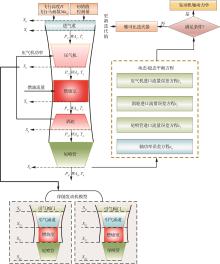
Fig.1
Multi-companion vectoring engine configuration

Table 1
Bleed-air duct (S21) simulation vs design-point parameters
| 引气涵道 | 流量/(kg·s-1) | 总焓/(kJ·kg-1) | 总温/K | 总压/kPa |
|---|---|---|---|---|
| 数学模型 | 0.05 | 516.63 | 925.14 | 480.36 |
| 设计点参数 | 0.05 | 523.11 | 937.08 | 500.56 |
| 误差量/% | 3.96 | 1.24 | 1.27 | 4.04 |
Table 2
Companion-engine nozzle (S24) simulation vs design-point parameters
| 伴随发动机喷管 | 流量/(kg·s-1) | 推力/N |
|---|---|---|
| 数学模型 | 0.102 5 | 10.41 |
| 设计点参数 | 0.106 7 | 11.06 |
| 误差量/% | 3.9 | 5.88 |
Fig.2
Experimentally acquired rotor component characteristic data
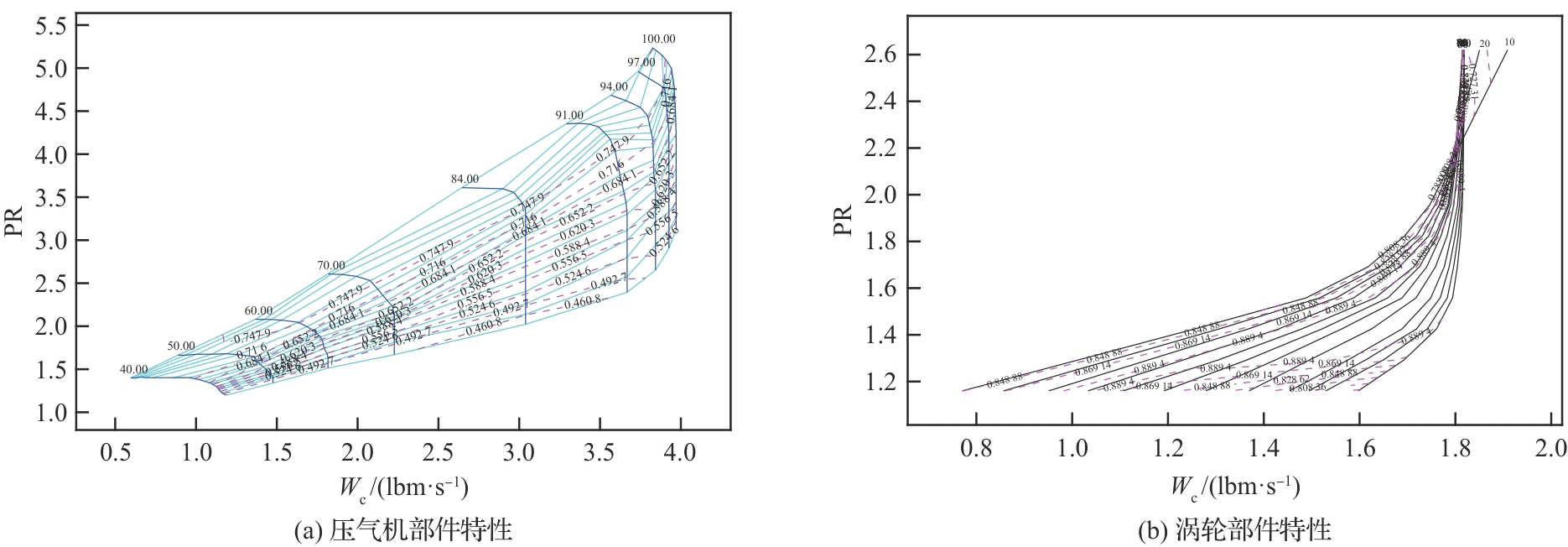
Fig.3
Comparison error between simulation results and experimental data
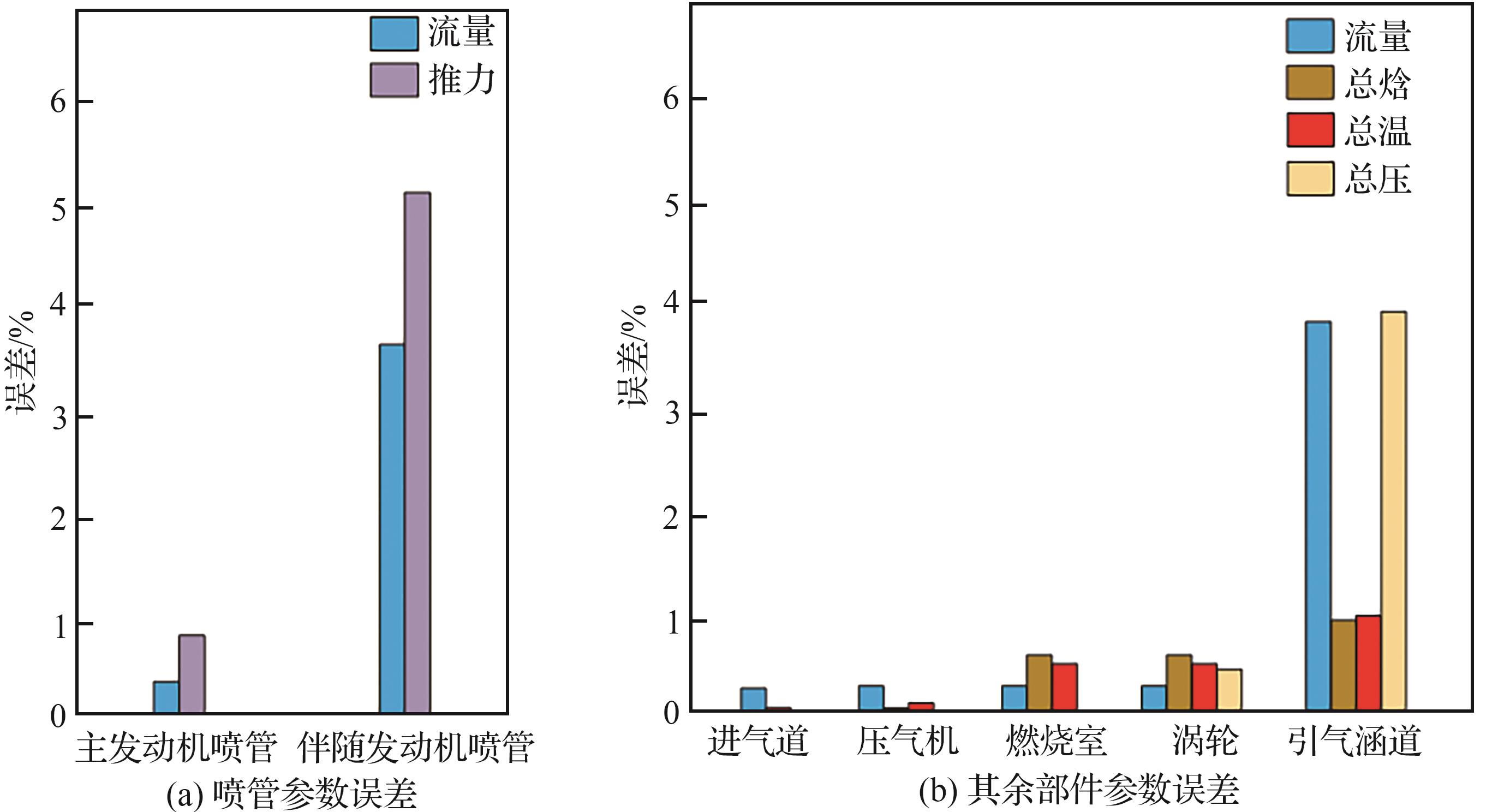
Fig.4
Principle structure diagram of UKF estimator
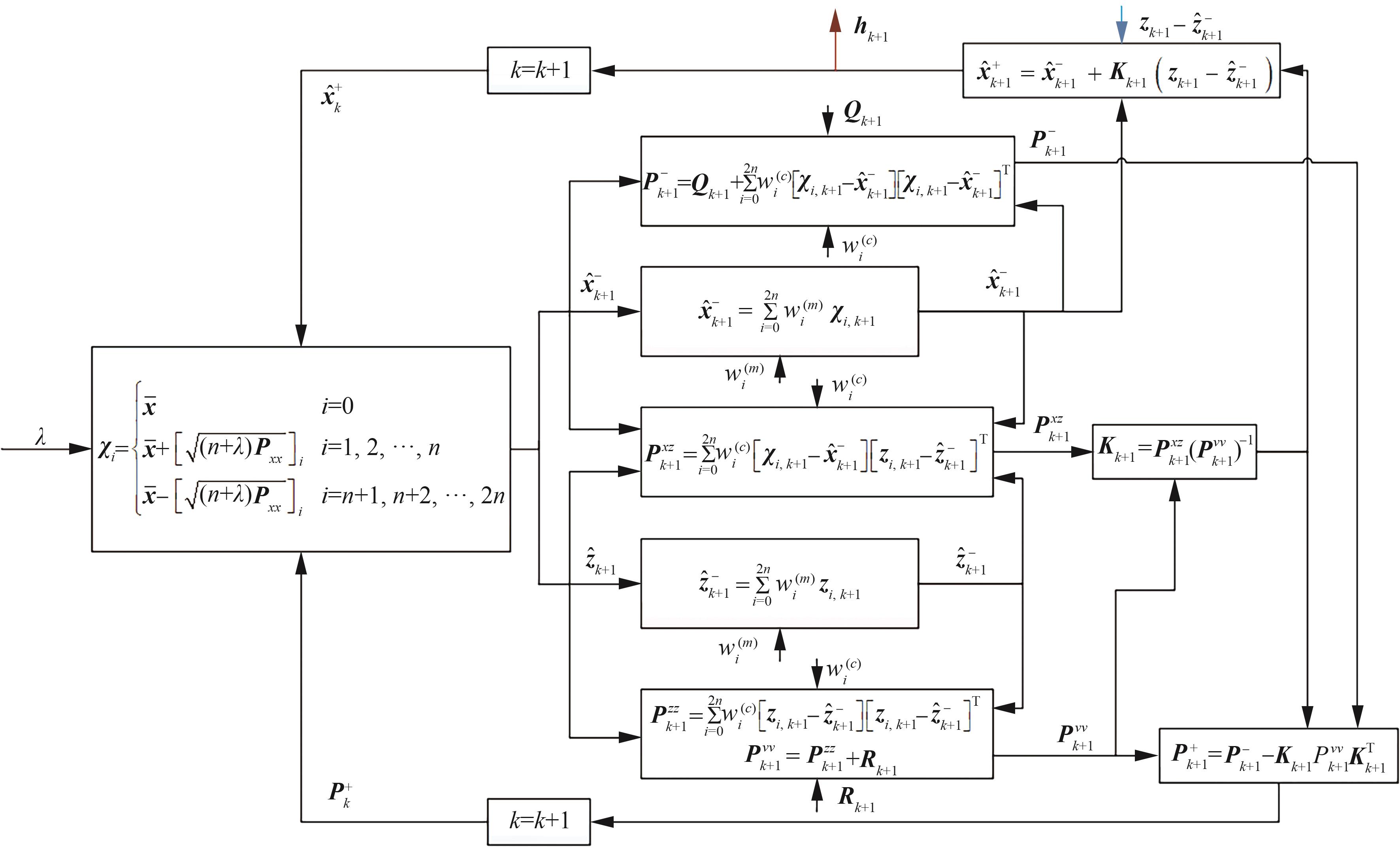
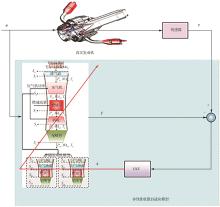
Fig.5
Principle of engine performance parameter estimation based on unscented Kalman filter
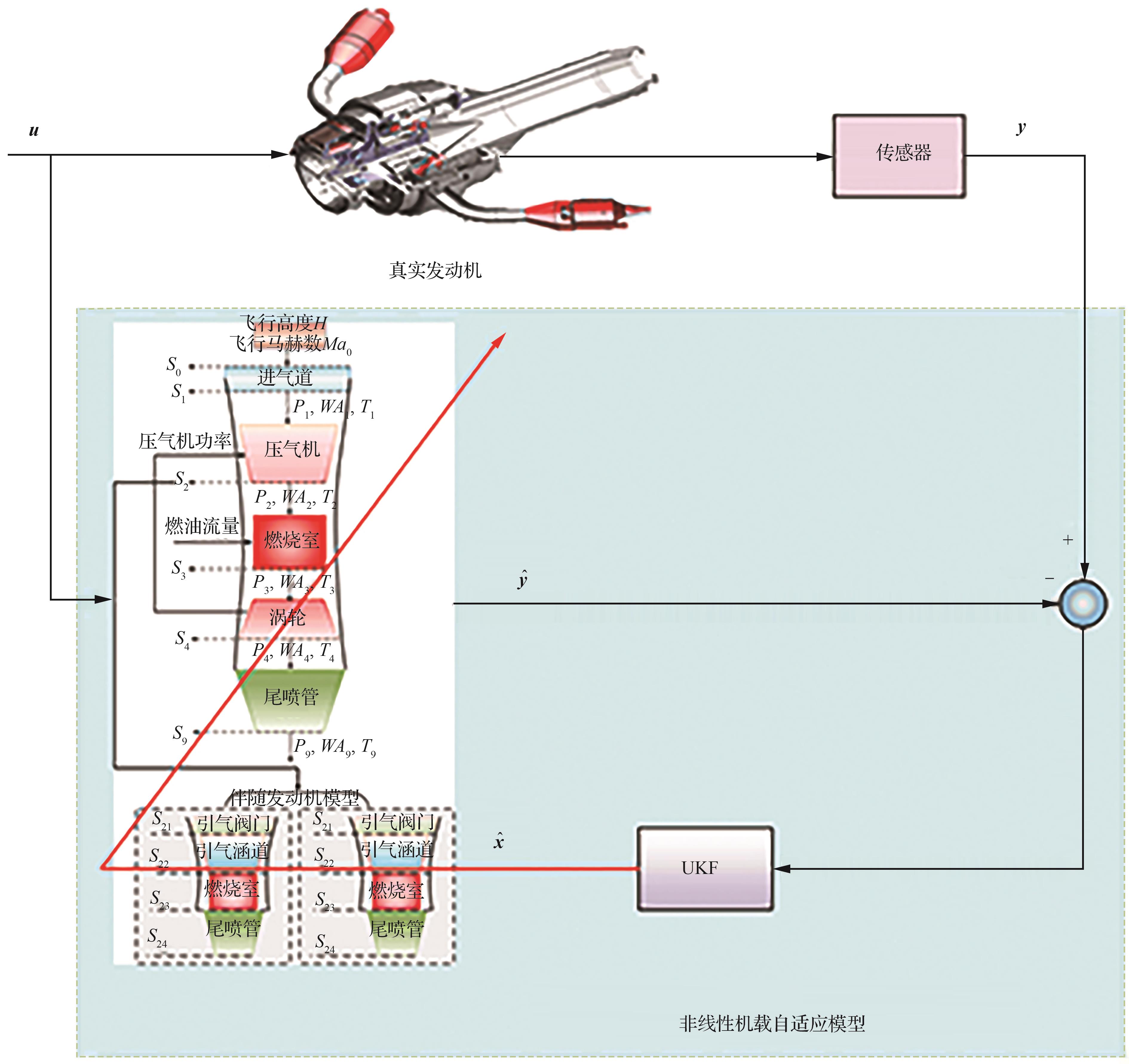
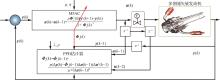
Fig.6
Multivariate model-free adaptive control framework
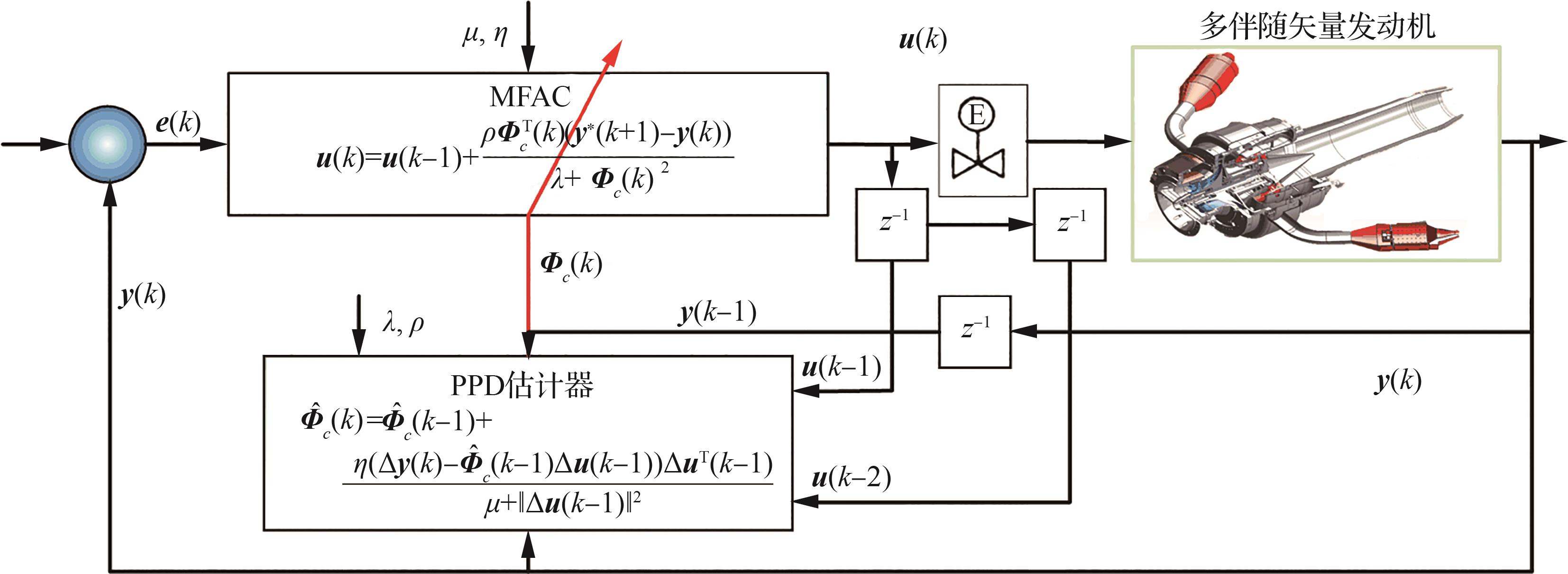
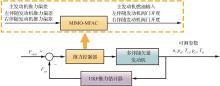
Fig.7
Schematic diagram of direct thrust control system structure
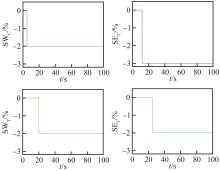
Fig.8
Schematic diagram of component performance coefficient variations
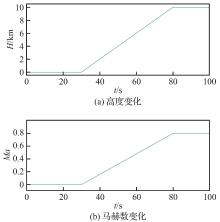
Fig.9
Schematic diagram of altitude and Mach number variations during airborne model verification phase
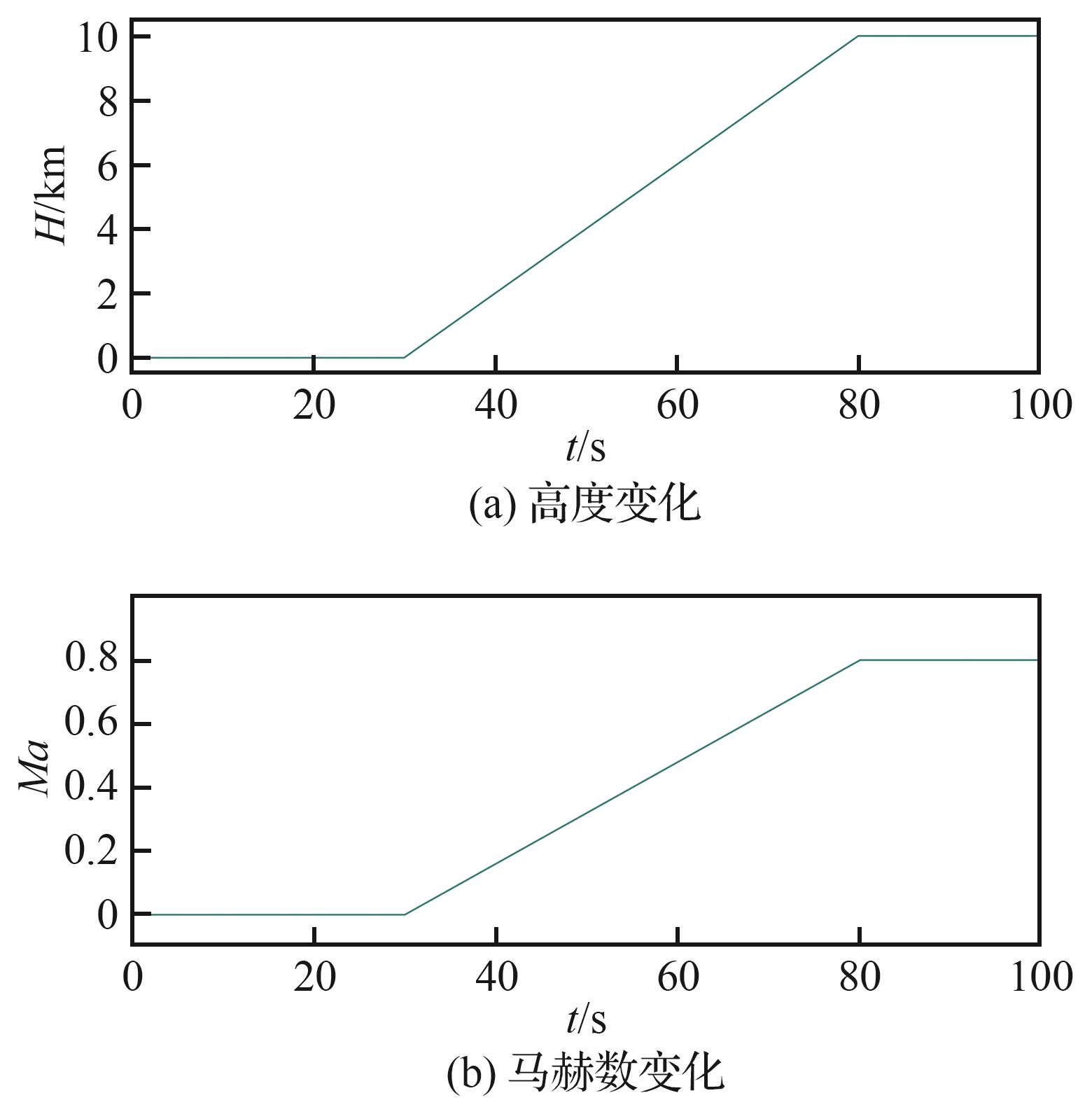
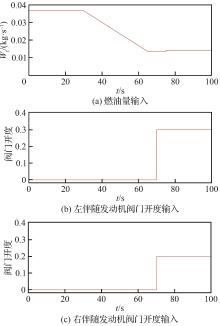
Fig.10
Open-loop inputs: Main-engine fuel flow and companion-engine valve position
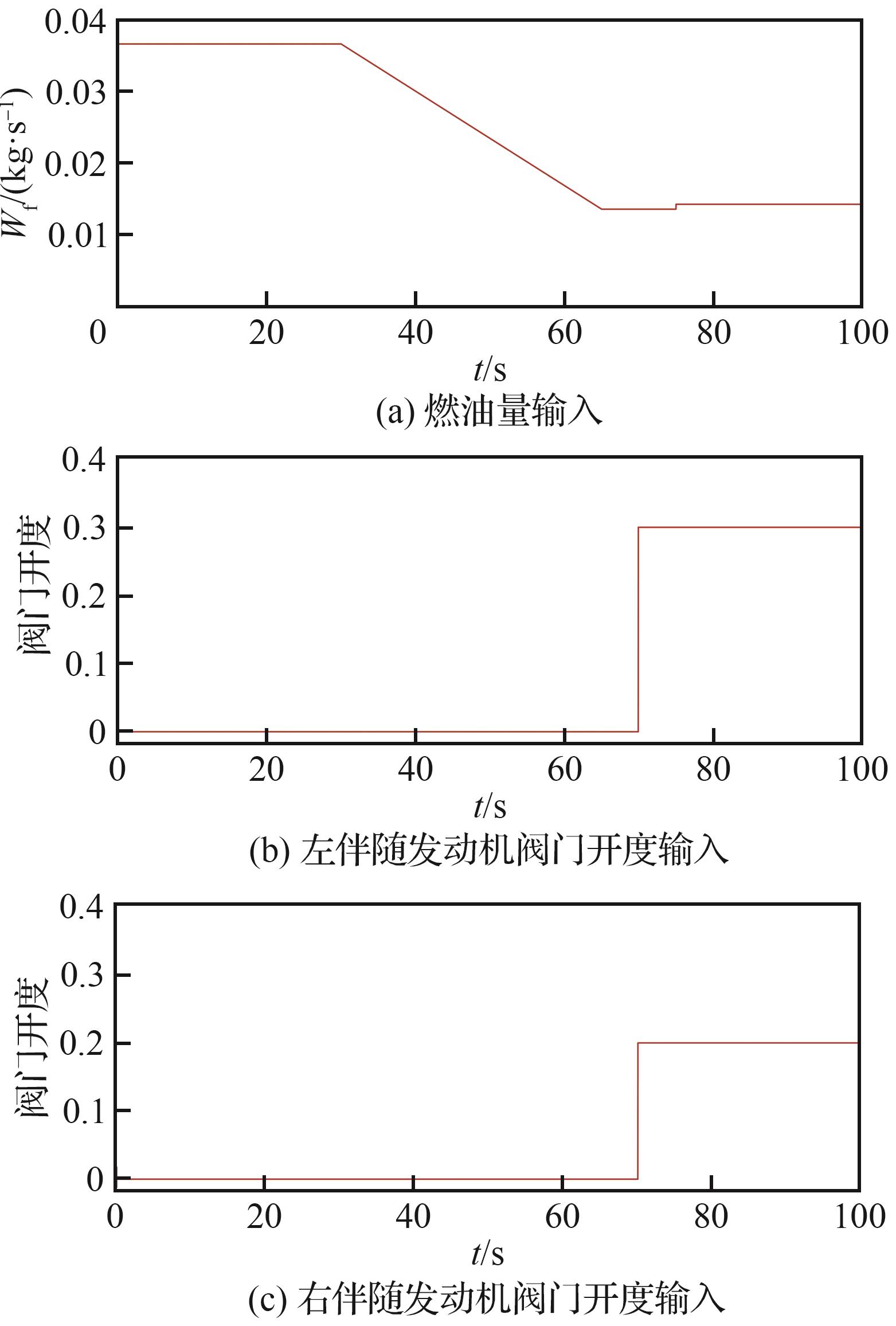
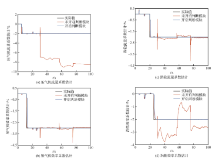
Fig.11
Comparison results of component performance coefficient estimation with and without engine steady-state/dynamic-state discrimination algorithm enabled
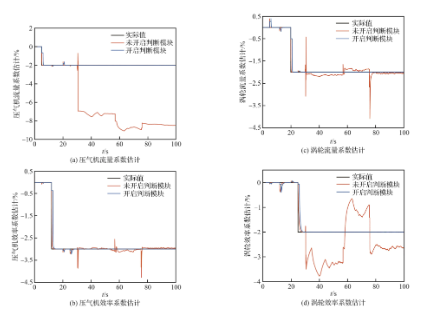
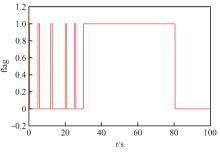
Fig.12
Schematic diagram of engine steady-state/dynamic-state discrimination algorithm results
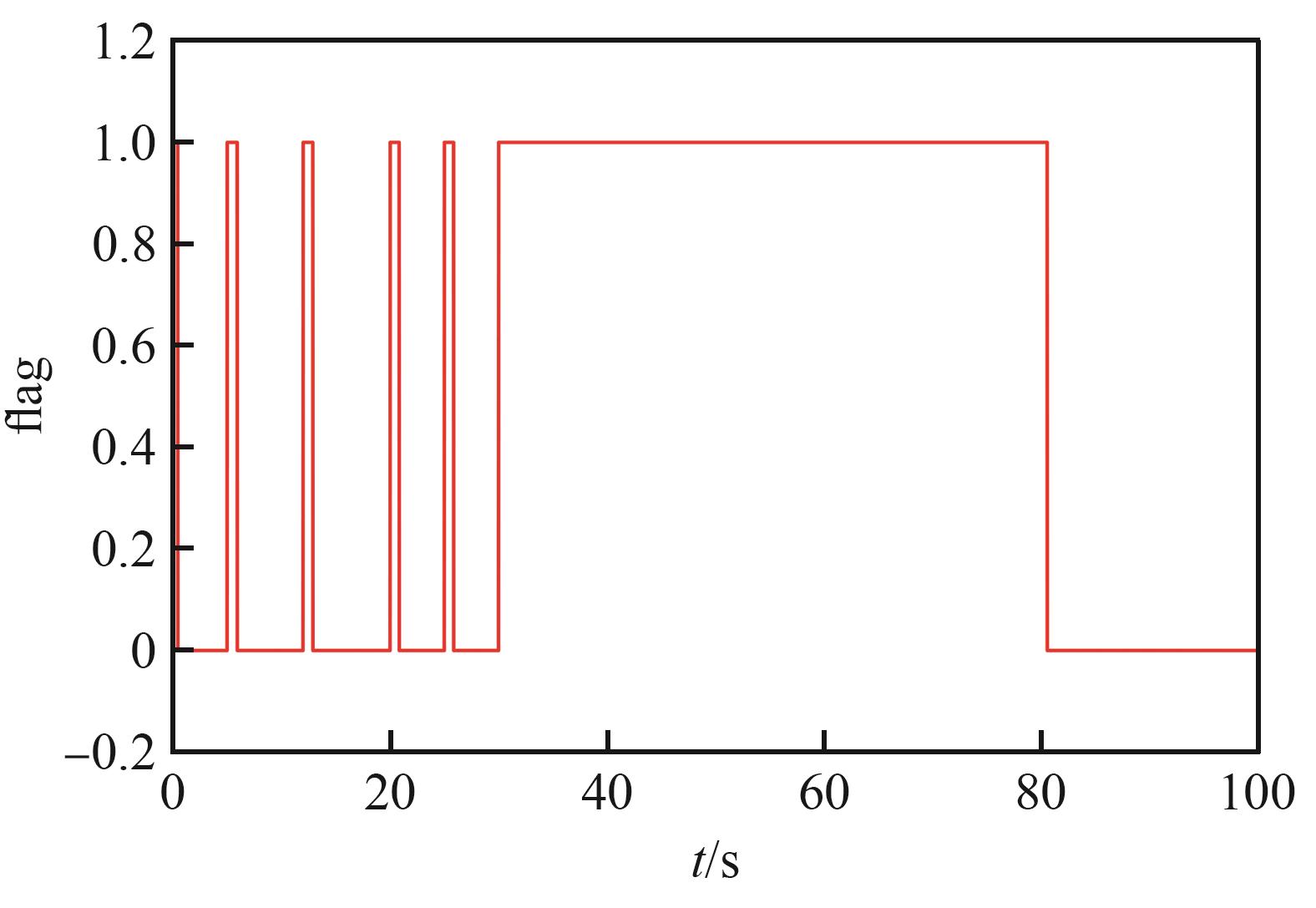
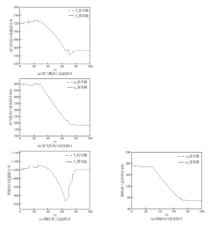
Fig.13
Engine measurable output estimation results with steady-state/dynamic-state discrimination algorithm activated
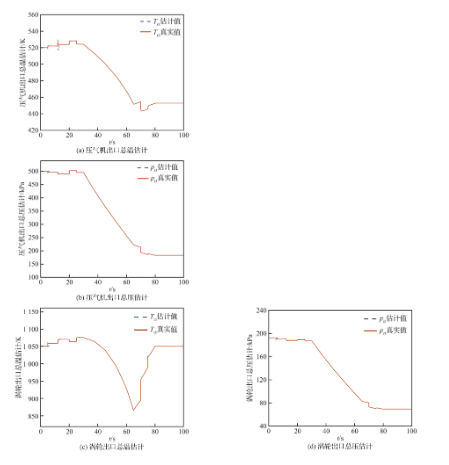
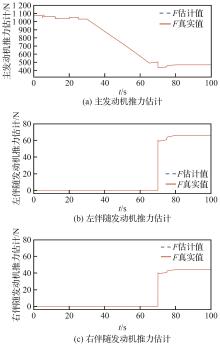
Fig.14
Engine thrust estimation results with steady-state/dynamic-state discrimination algorithm enabled
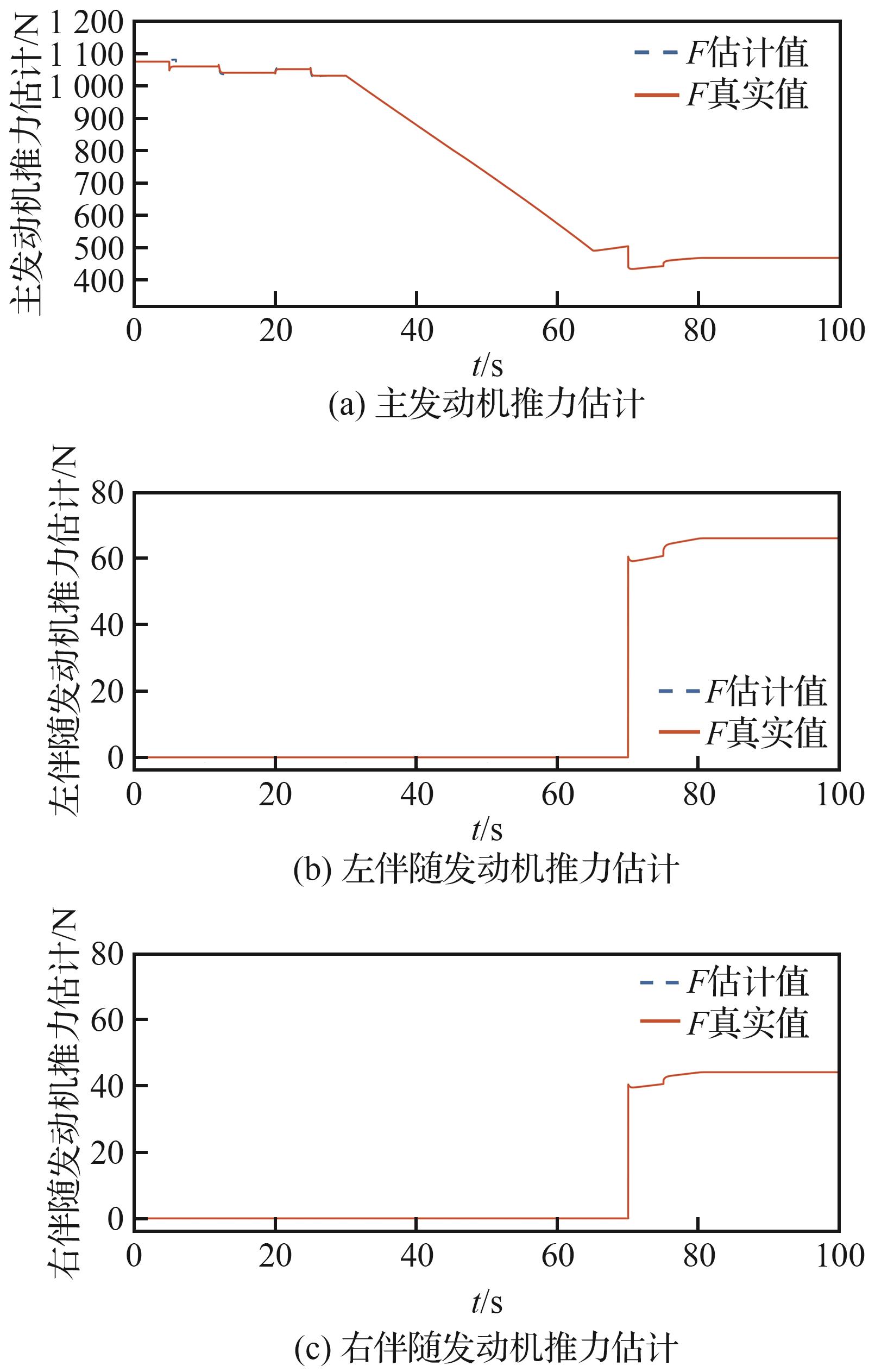
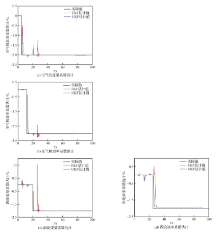
Fig.15
Comparison results of component performance coefficient estimation between UKF and EKF
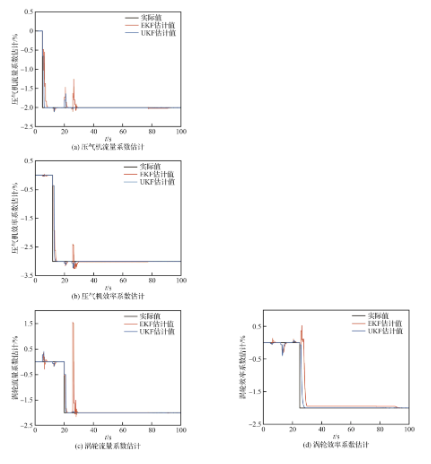
Table 3
Root mean square error of two Kalman
| 参数 | UKF的均方根误差 | EKF的均方根误差 |
|---|---|---|
| 压气机流量系数估计 | 0.001 33 | 0.001 76 |
| 压气机效率系数估计 | 0.002 63 | 0.003 07 |
| 涡轮流量系数估计 | 0.001 47 | 0.002 56 |
| 涡轮效率系数估计 | 0.002 07 | 0.003 80 |
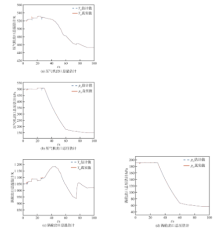
Fig.16
Estimation results of engine’ s measurable outputs under increased noise conditions
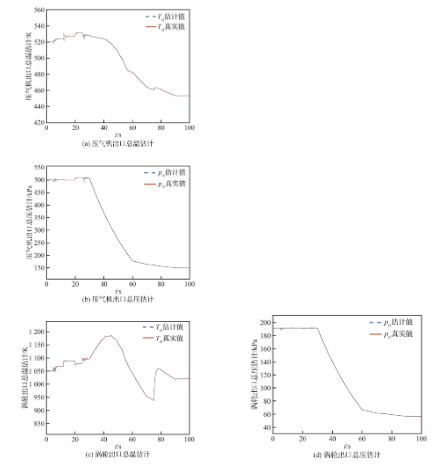
Table 4
Multi-input multi-output model-free adaptive thrust controller parameter table
| 参数 | 数值 |
|---|---|
| 0.1 | |
| 0.001 | |
| 1 | |
| 0.1 |
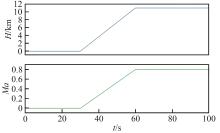
Fig.17
Schematic diagram of altitude and Mach number variations during take off phase
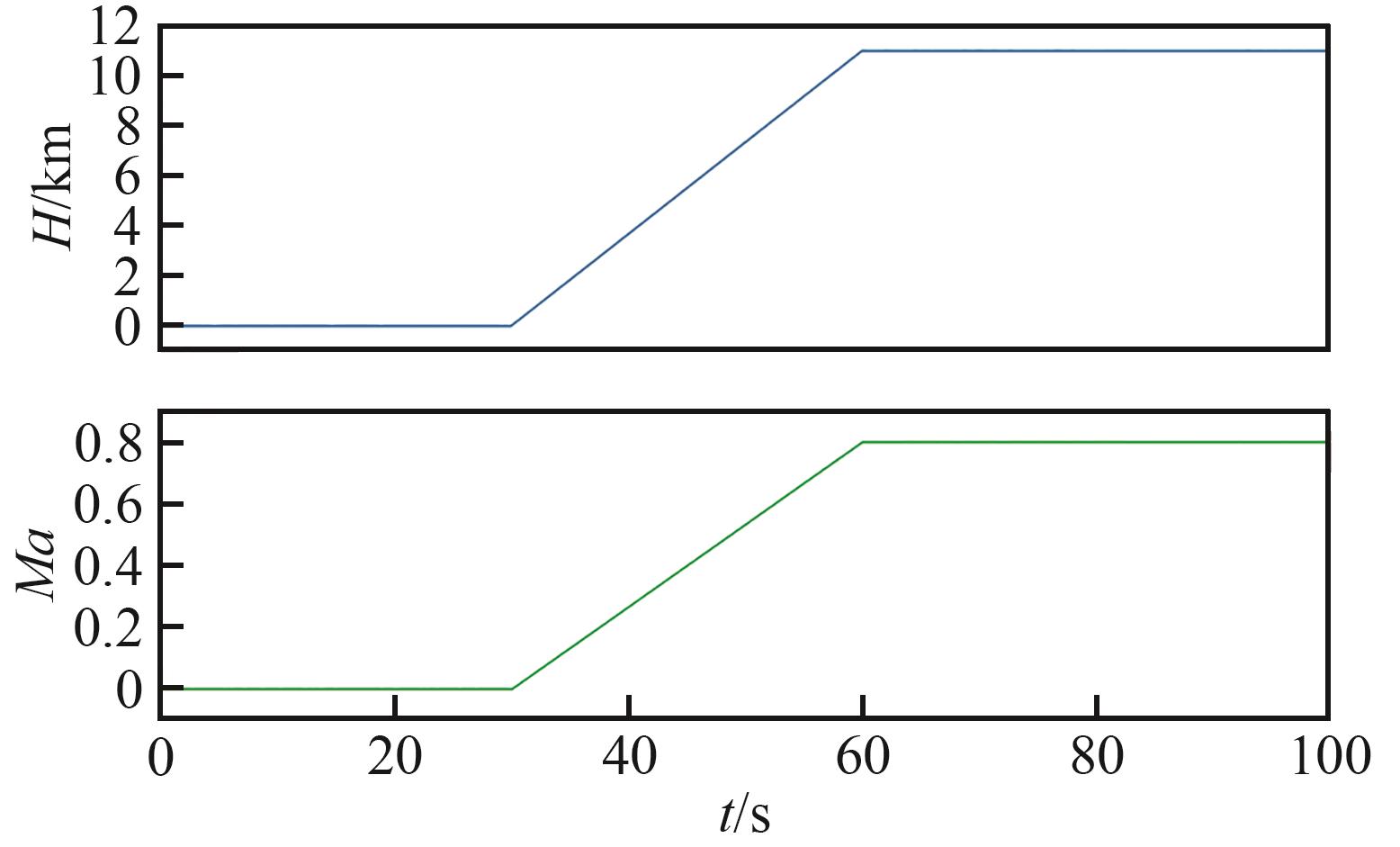
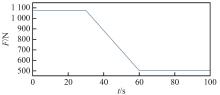
Fig.18
Schematic diagram of thrust commands for main engine during take off phase
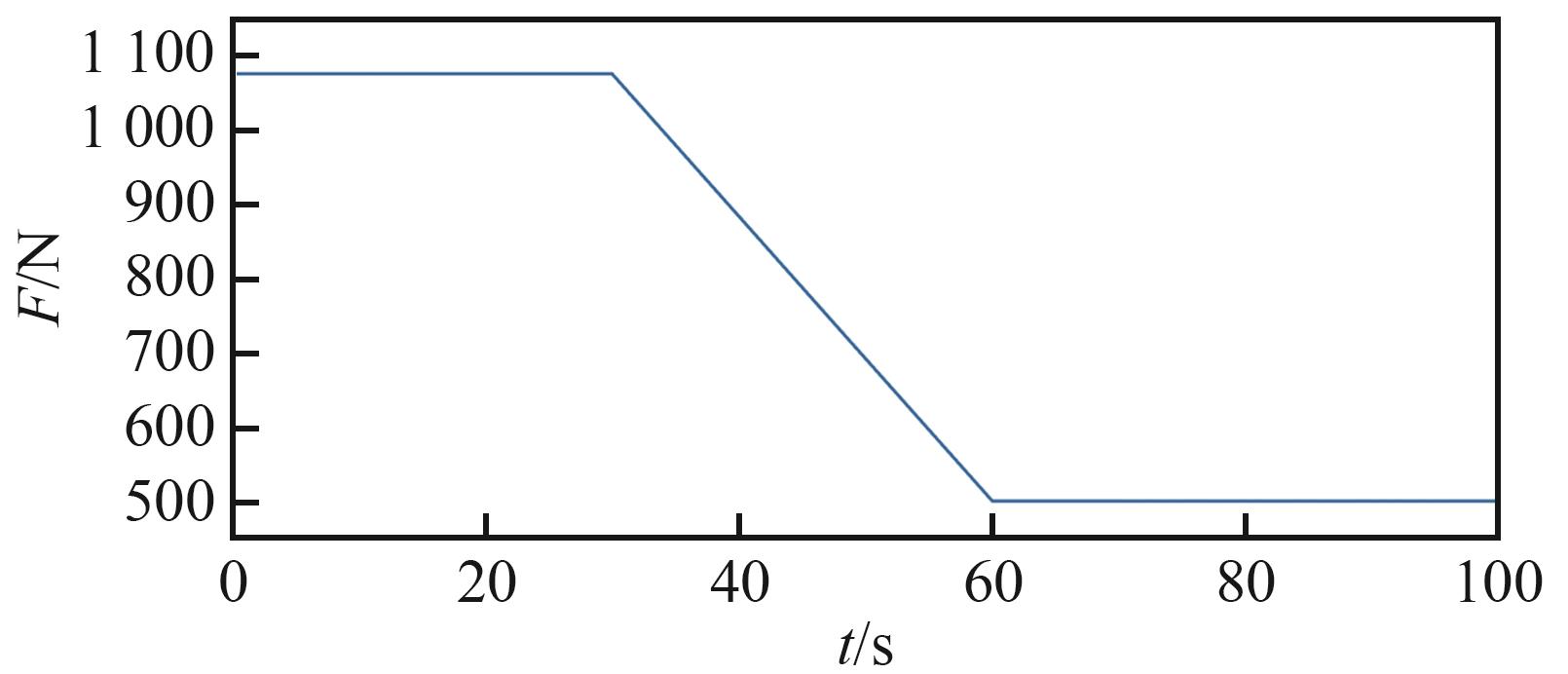
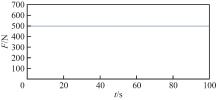
Fig.19
Schematic diagram of thrust commands for main engine during cruise phase
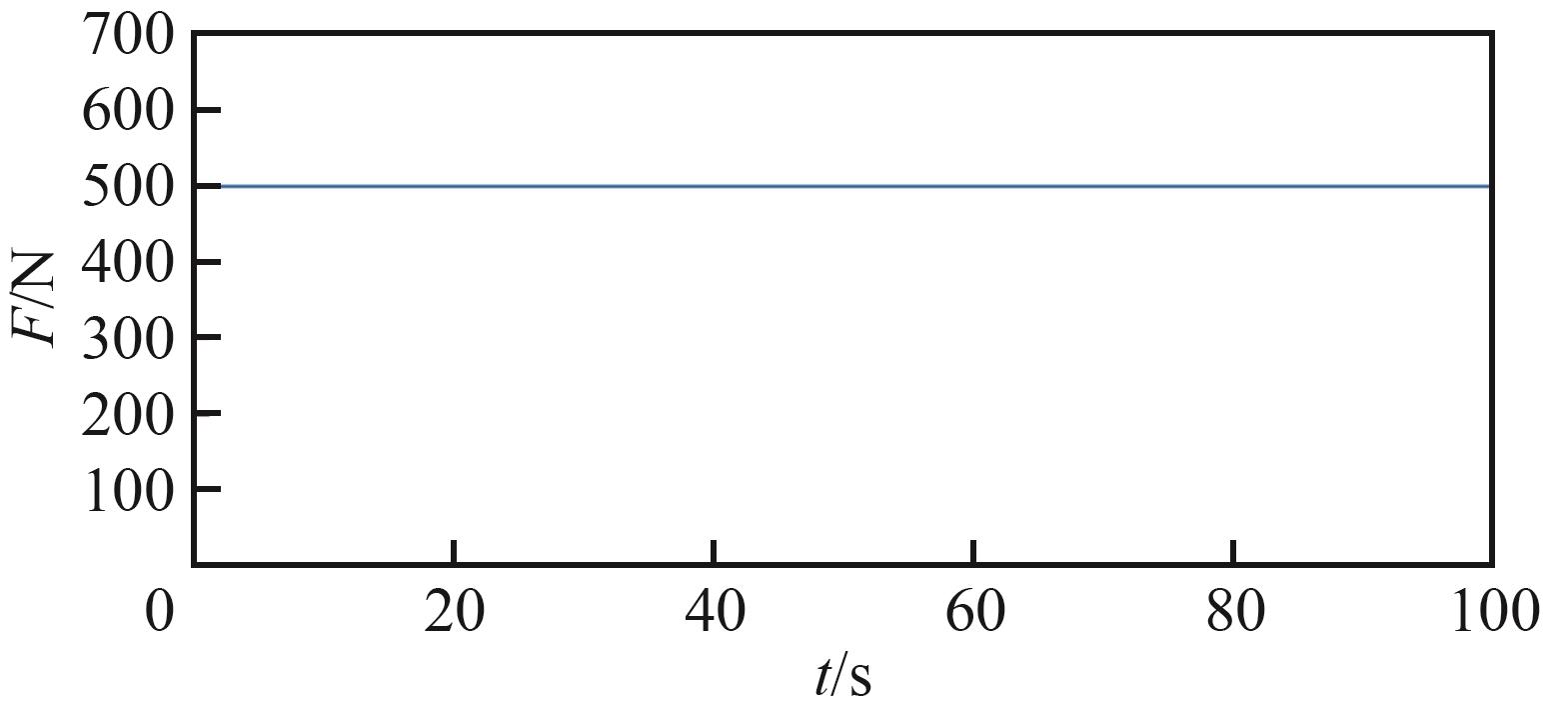
Table 5
Combat phase altitude vs Mach number cross-reference table
| 时间/ | 高度变化/km | 马赫数变化 |
|---|---|---|
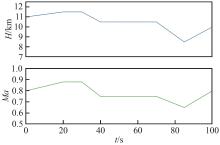
Fig.20
Schematic diagram of altitude and Mach number variations during combat phase
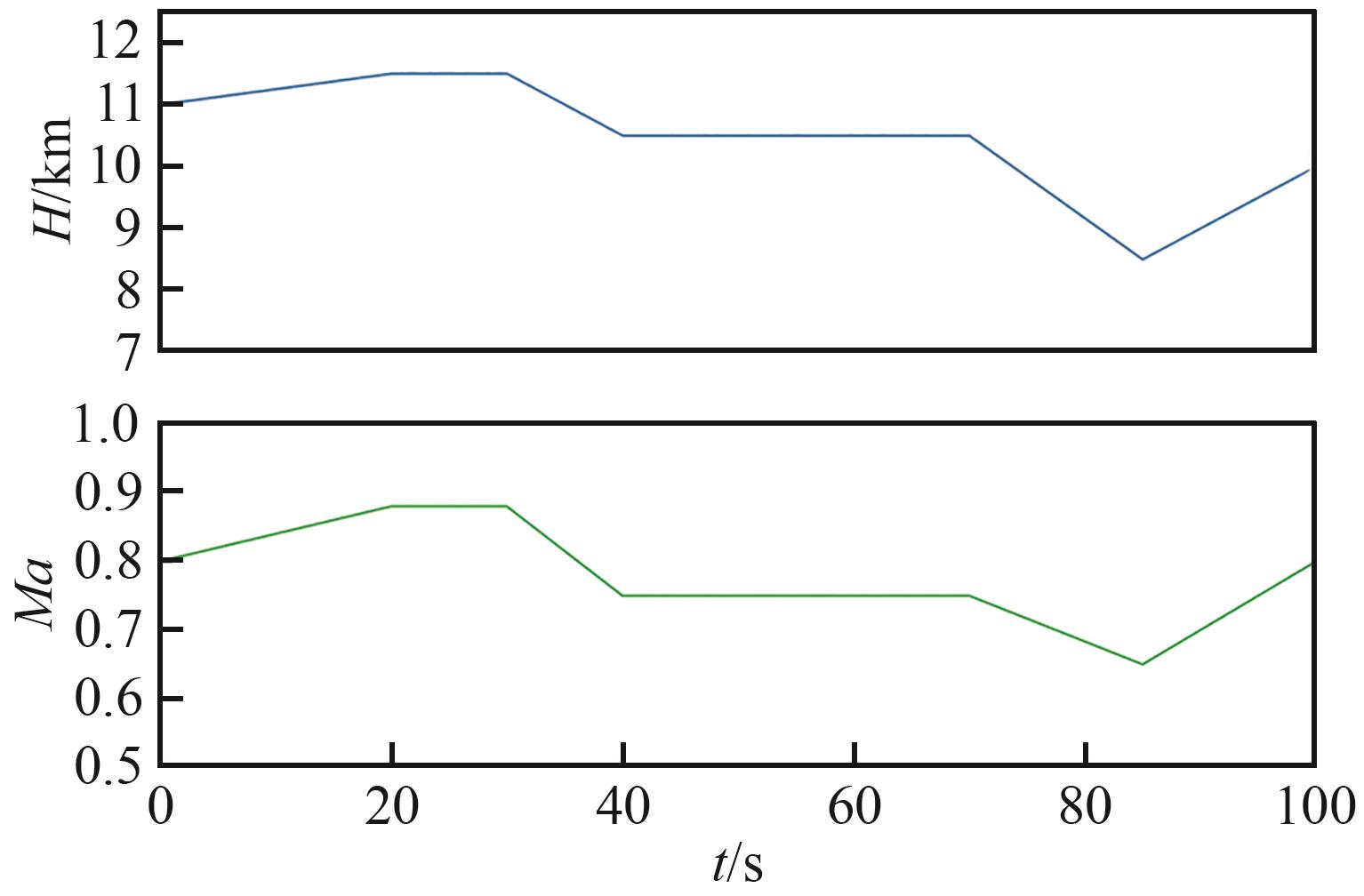
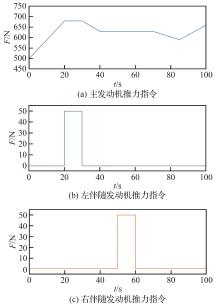
Fig.21
Schematic diagram of thrust commands for main engine and left/right companion engines
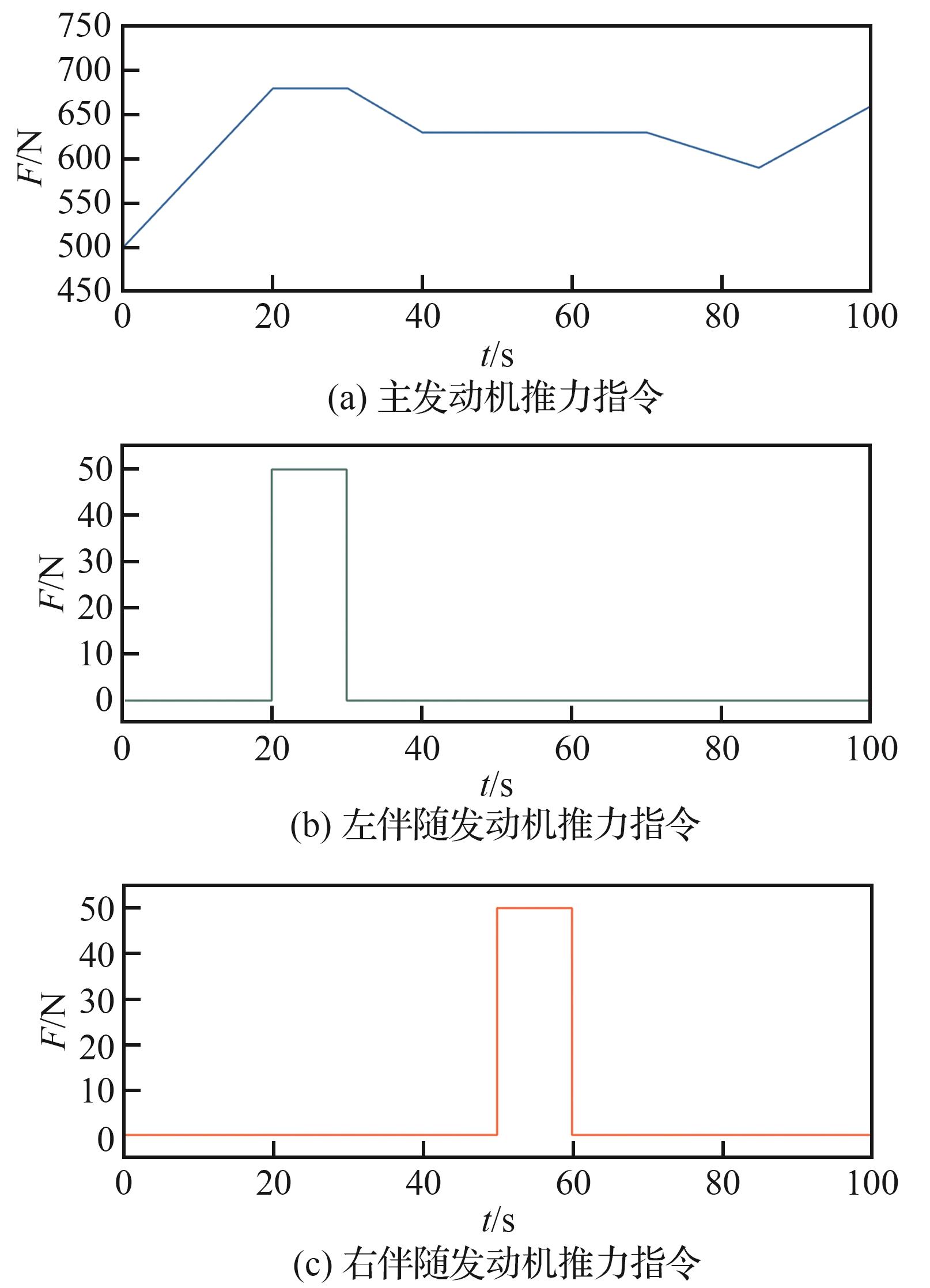
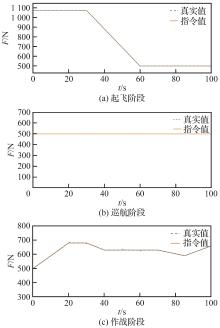
Fig.22
Schematic diagram of direct thrust control results for main engine under multivariate model-free adaptive framework
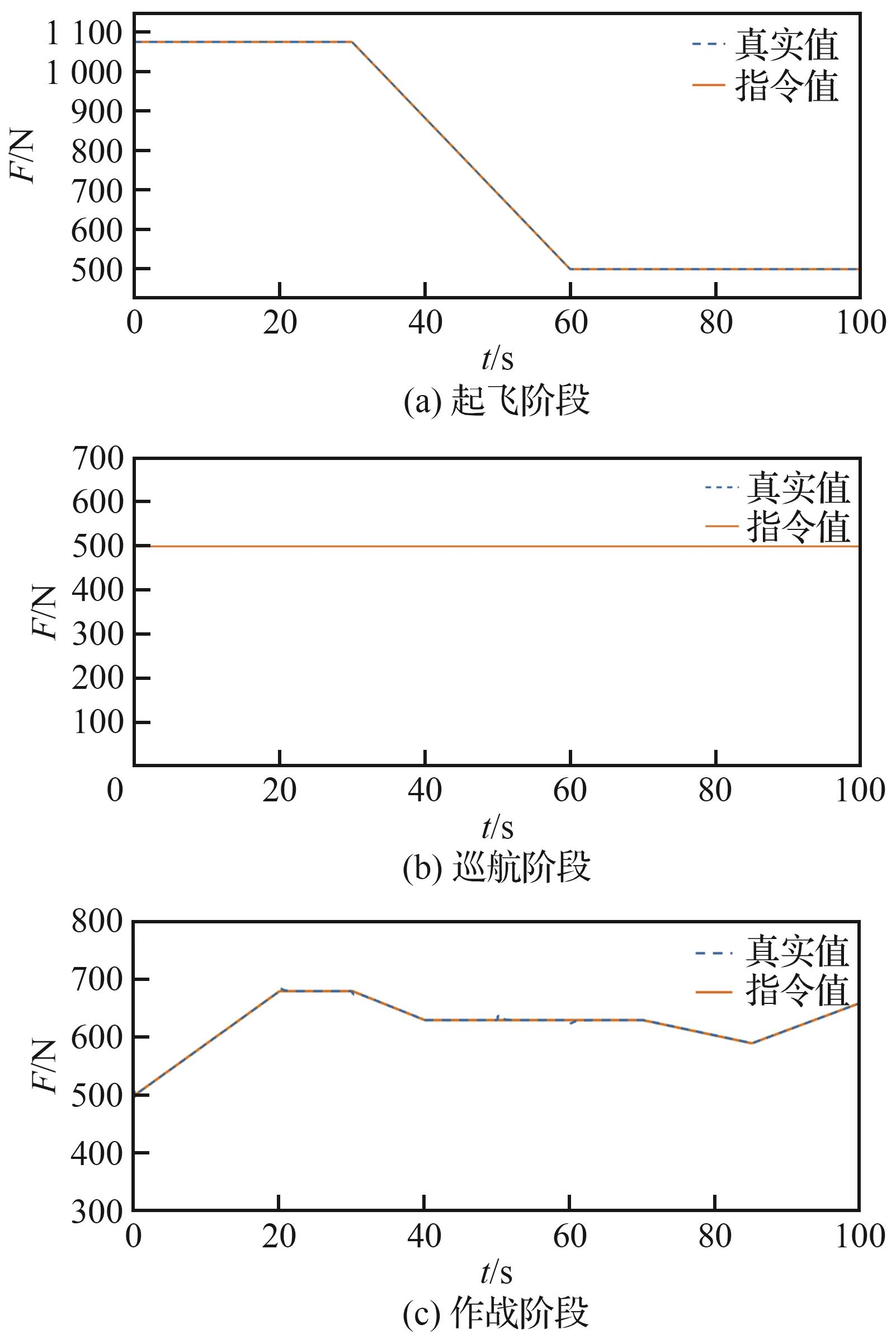
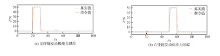
Fig.23
Schematic diagram of direct thrust control results for companion engines under multivariate model-free adaptive framework
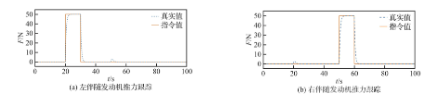
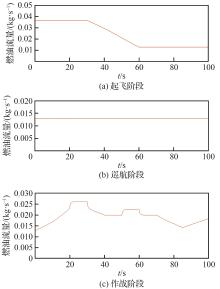
Fig.24
Main-engine fuel flow control profile
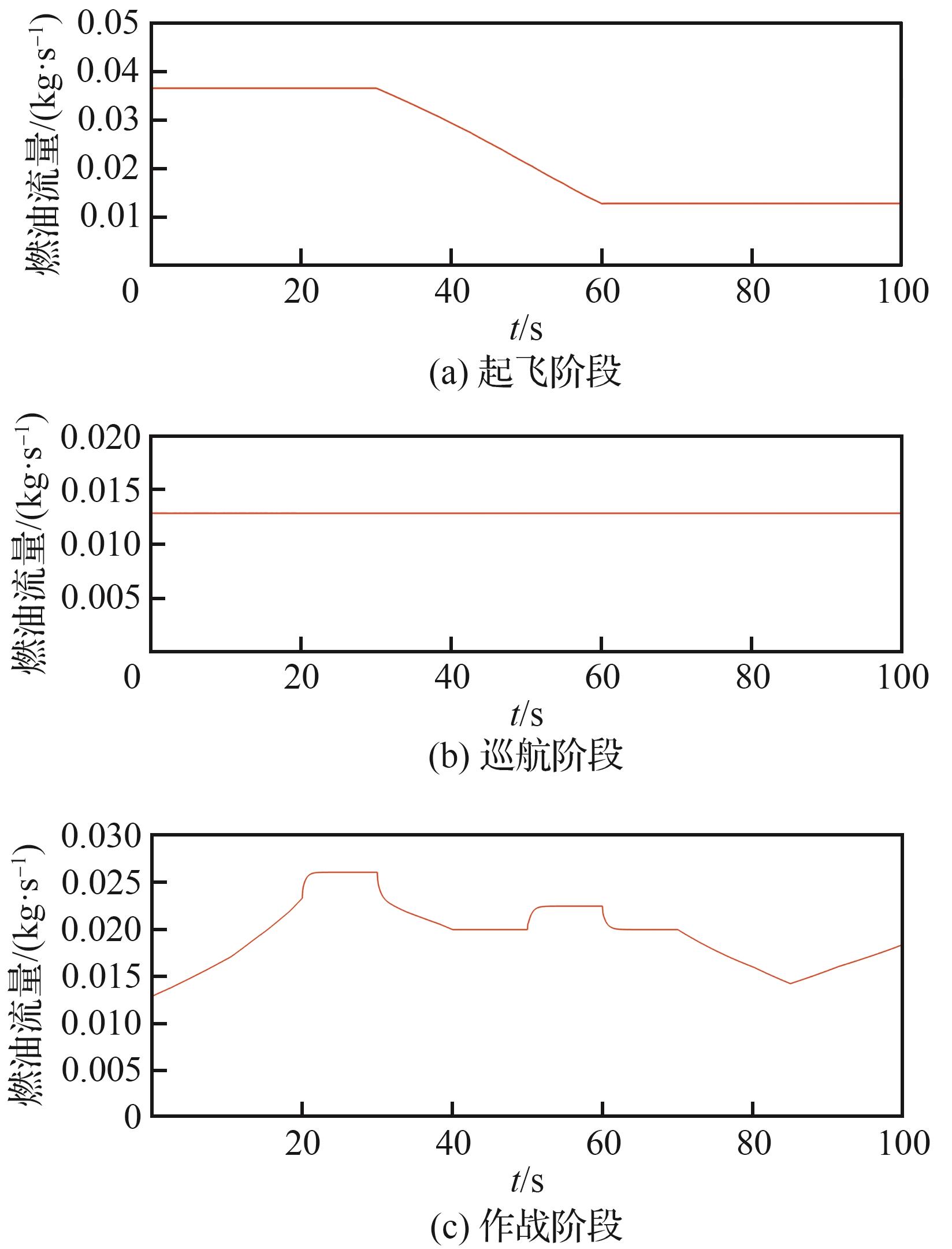
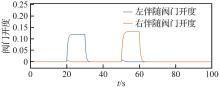
Fig.25
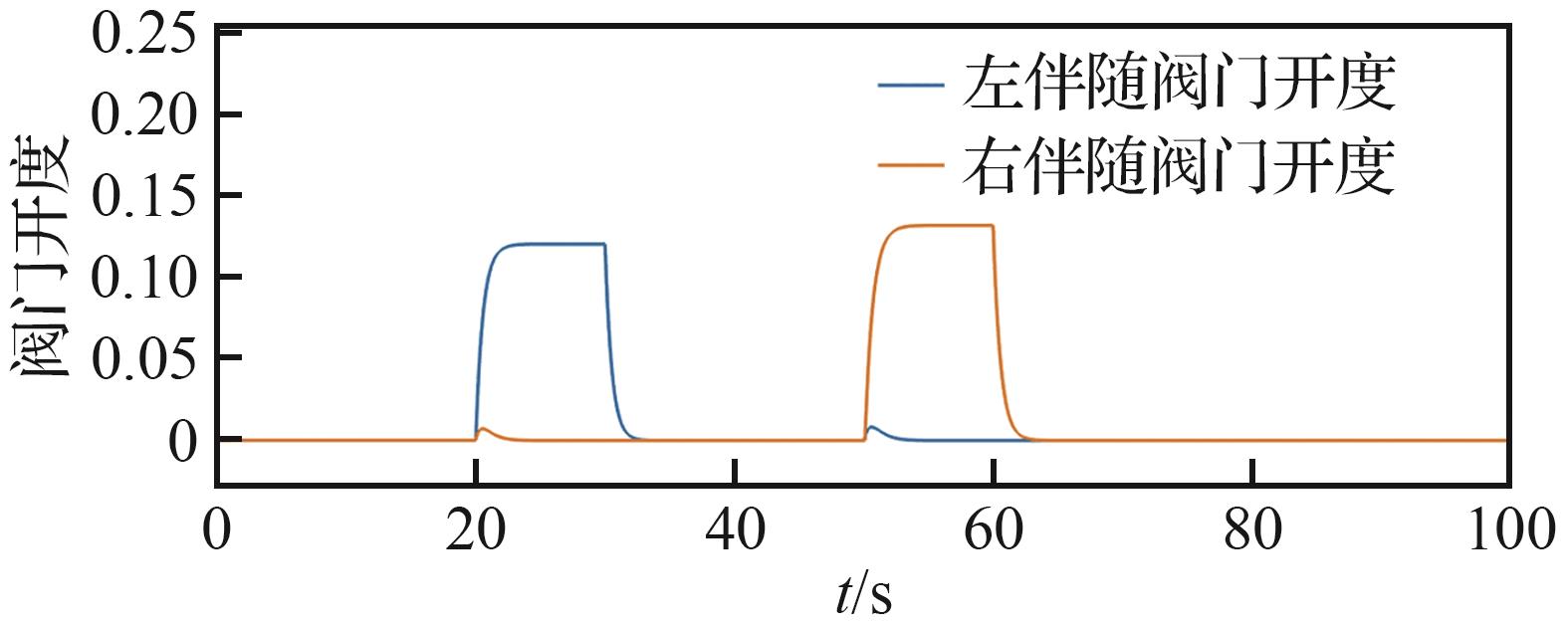
Companion-engine bleed valve position
| [1] | 孙志岩. 航空发动机控制系统发展概述[J]. 测控技术, 2019, 38(6): 1-4. |
| SUN Z Y. Overview of the development of aero-engine control systems [J]. Measurement & Control Technology, 2019, 38(6): 1-4 (in Chinese). | |
| [2] | GARG S. Aircraft turbine engine control research at NASA Glenn research center[J]. Journal of Aerospace Engineering, 2013, 26(2): 422-438. |
| [3] | GARG S, SIMON D L. Challenges in aircraft engine control and gas path health management: E-664065 [R]. Washington, D.C.: NASA, 2012. |
| [4] | CONNOLLY J W, CSANK J, CHICATELLI A, et al. Model-based control of a nonlinear aircraft engine simulation using an optimal tuner Kalman filter approach[C]∥49th AIAA/ASME/SAE/ASEE Joint Propulsion Conference. Reston: AIAA, 2013. |
| [5] | 尹炳雄, 谷多多, 蔡文哲, 等. 基于多模型切换预测控制的新型矢量发动机模态切换控制方法[J]. 航空动力学报, 2026, 41(4): 20240821. |
| YIN B X, GU D D, CAI W Z, et al. Mode switching control method based on multi-model switching predictive control for a novel thrust vector control engine[J]. Journal of Aerospace Power, 2026, 41(4): 20240821 (in Chinese). | |
| [6] | MCKINNEY J S. Simulation of turbofan engine, Part Ⅰ. Description of method and balancing technique: AFAPC-TR-67-125[R]. Ohio: Air Force Aero-Propulsion Laboratory, 1967. |
| [7] | KOENIG R W, FISHBACH L H. GENENG: A program for calculating design and off-design performance for turbojet and turbofan engines: NASA-TN-D-6552 [R]. Washington, D.C.: NASA, 1972. |
| [8] | FISHBACH L H, KOENIG R W. GENENG II: A program for calculating design and off-design performance of two-and three-spool turbofans with as many as three nozzles[M]. Washington, D.C.: NASA, 2018. |
| [9] | JIANG Y F, GONG X Y, LIU D, et al. EnlightenGAN: Deep light enhancement without paired supervision[J]. IEEE Transactions on Image Processing, 2021, 30: 2340-2349. |
| [10] | LYTLE J, FOLLEN G, NAIMAN C, et al. Numerical propulsion system simulation (NPSS) 1999 industry review: NASA/TM-2000-209795[R]. Washington, D.C.: NASA, 2000. |
| [11] | 周文祥, 黄金泉, 窦建平, 等. 面向对象的涡扇发动机及控制系统仿真平台[J]. 航空动力学报, 2007, 22(1): 119-125. |
| ZHOU W X, HUANG J Q, DOU J P, et al. Object-oriented simulation platform for turbofan engine and its control system[J]. Journal of Aerospace Power, 2007, 22(1): 119-125 (in Chinese). | |
| [12] | 夏飞, 黄金泉, 周文祥. 基于MATLAB/SIMULINK的航空发动机建模与仿真研究[J]. 航空动力学报, 2007, 22(12): 2134-2138. |
| XIA F, HUANG J Q, ZHOU W X. Modeling of and simulation research on turbofan engine based on MATLAB/SIMULINK[J]. Journal of Aerospace Power, 2007, 22(12): 2134-2138 (in Chinese). | |
| [13] | 张曙光, 魏志远, 夏双枝. 面向适航的航空发动机非线性气动热力建模方法综述[J]. 航空动力学报, 2018, 33(12): 2885-2899. |
| ZHANG S G, WEI Z Y, XIA S Z. Review on methods of aircraft engine nonlinear aerothermal-dynamic modeling for airworthiness requirement[J]. Journal of Aerospace Power, 2018, 33(12): 2885-2899 (in Chinese). | |
| [14] | 卓刚, 孙健国, 杨刚. 基于小波神经网络的航空发动机建模研究[J]. 南京航空航天大学学报, 2004, 36(6): 728-731. |
| ZHUO G, SUN J G, YANG G. Aeroengine modeling based on wavelet neural network[J]. Journal of Nanjing University of Aeronautics & Astronautics, 2004, 36(6): 728-731 (in Chinese). | |
| [15] | 杨坤, 宗国仁, 王伟. 基于Hammerstein系统的航空发动机部件级辨识建模方法[J]. 海军航空大学学报, 2025, 40(1): 133-141. |
| YANG K, ZONG G R, WANG W. Modeling and identification method for aerospace engine components based on Hammerstein systems[J]. Journal of Naval Aviation University, 2025, 40(1): 133-141 (in Chinese). | |
| [16] | 叶一帆, 王占学, 张晓博. 基于多代理模型的航空发动机建模及优化方法[J]. 推进技术, 2021, 42(12): 2684-2693. |
| YE Y F, WANG Z X, ZHANG X B. Multi-surrogates based modelling and optimization algorithm suitable for aero-engine[J]. Journal of Propulsion Technology, 2021, 42(12): 2684-2693 (in Chinese). | |
| [17] | LUPPOLD R, ROMAN J, GALLOPS G, et al. Estimating in-flight engine performance variations using Kalman filter concepts[C]∥25th Joint Propulsion Conference. Reston: AIAA, 1989. |
| [18] | KERR L J, NEMEC T S, GALLOPS G W. Real-time estimation of gas turbine engine damage using a control based Kalman filter algorithm[C]∥ASME 1991 International Gas Turbine and Aeroengine Congress and Exposition. New York: ASME, 2015. |
| [19] | VOLPONI A J, SIMON D L. Enhanced self tuning on-board real-time model (eSTORM) for aircraft engine performance health tracking: NASA/CR-2008-215272 [R]. Washington, D.C.: NASA, 2008. |
| [20] | LU F, ZHENG W H, HUANG J Q, et al. Life cycle performance estimation and in-flight health monitoring for gas turbine engine[J]. Journal of Dynamic Systems, Measurement, and Control, 2016, 138(9): 091009. |
| [21] | CHEN Q, SHENG H L, ZHANG T H. An improved nonlinear onboard adaptive model for aero-engine performance control[J]. Chinese Journal of Aeronautics, 2023, 36(10): 317-334. |
| [22] | 陆军, 郭迎清, 张书刚. 航空发动机非线性模型实时计算的迭代方法研究[J]. 航空动力学报, 2010, 25(3): 681-686. |
| LU J, GUO Y Q, ZHANG S G. Research on the iteration methods in aero-engine non-linear model real-time computation[J]. Journal of Aerospace Power, 2010, 25(3): 681-686 (in Chinese). | |
| [23] | 陆军, 郭迎清, 张书刚. 基于改进混合卡尔曼滤波器的航空发动机机载自适应模型[J]. 航空动力学报, 2011, 26(11): 2593-2600. |
| LU J, GUO Y Q, ZHANG S G. Aeroengine on-board adaptive model based on improved hybrid Kalman filter[J]. Journal of Aerospace Power, 2011, 26(11): 2593-2600 (in Chinese). | |
| [24] | XU M J, WANG K, LI M, et al. An adaptive on-board real-time model with residual online learning for gas turbine engines using adaptive memory online sequential extreme learning machine[J]. Aerospace Science and Technology, 2023, 141: 108513. |
| [25] | 代安宁. 航空发动机机载自适应模型及优化控制研究[D]. 大连: 大连理工大学, 2020. |
| DAI A N. Research on the on-board adaptive model and optimization control of aero-engine[D]. Dalian: Dalian University of Technology, 2020 (in Chinese). | |
| [26] | WEI Z Y, ZHANG S G, JAFARI S, et al. Gas turbine aero-engines real time on-board modelling: A review, research challenges, and exploring the future[J]. Progress in Aerospace Sciences, 2020, 121: 100693. |
| [27] | LU F, GAO T, HUANG J Q, et al. Nonlinear Kalman filters for aircraft engine gas path health estimation with measurement uncertainty[J]. Aerospace Science and Technology, 2018, 76: 126-140. |
| [28] | 陈芊. 高稳定高安全性航空发动机模型基智能控制方法研究[D]. 南京: 南京航空航天大学, 2023. |
| CHEN Q. Model-based intelligent control method with high stability and high safety for aircraft engine[D]. Nanjing: Nanjing University of Aeronautics and Astronautics, 2023 (in Chinese). | |
| [29] | LU F, LI Z H, HUANG J Q, et al. Hybrid state estimation for aircraft engine anomaly detection and fault accommodation[J]. AIAA Journal, 2020, 58(4): 1748-1762. |
| [30] | LU F, GAO T, HUANG J Q, et al. A novel distributed extended Kalman filter for aircraft engine gas-path health estimation with sensor fusion uncertainty[J]. Aerospace Science and Technology, 2019, 84: 90-106. |
| [31] | 杨曦中, 艾剑良. 基于改进强跟踪滤波器的发动机自适应模型[J]. 系统仿真学报, 2018, 30(8): 2918-2927. |
| YANG X Z, AI J L. Design of aircraft engine adaptive model based on improved strong tracking filter[J]. Journal of System Simulation, 2018, 30(8): 2918-2927 (in Chinese). | |
| [32] | ZHOU X, LU F, HUANG J Q. Fault diagnosis based on measurement reconstruction of HPT exit pressure for turbofan engine[J]. Chinese Journal of Aeronautics, 2019, 32(5): 1156-1170. |
| [33] | ZHANG Y, WEN S X, LIU K Z, et al. Health parameters estimation of turbofan engine based on improved UKF method[C]∥2022 41st Chinese Control Conference (CCC). Piscataway: IEEE Press, 2022: 4008-4015. |
| [34] | LU F, HUANG J Q, LV Y Q. Gas path health monitoring for a turbofan engine based on a nonlinear filtering approach[J]. Energies, 2013, 6(1): 492-513. |
| [35] | YANG B, SENGUPTA P, MENON P K. Turbine engine performance estimation using particle filters[C]∥ 53rd AIAA Aerospace Sciences Meeting. Reston: AIAA, 2015. |
| [36] | WANG Q H, HUANG J Q, LU F. An improved particle filtering algorithm for aircraft engine gas-path fault diagnosis[J]. Advances in Mechanical Engineering, 2016, 8(7): 1687814016659602. |
| [37] | YU J B. Aircraft engine health prognostics based on logistic regression with penalization regularization and state-space-based degradation framework[J]. Aerospace Science and Technology, 2017, 68: 345-361. |
| [38] | ZHU J T, HU Y, LI Y, et al. Application of adaptive square root cubature Kalman filter in turbofan engine gas path performance monitoring[J]. IOP Conference Series: Earth and Environmental Science, 2019, 267(4): 042073. |
| [1] | Qing WANG, Fengqi ZHENG, Di DING, Xi YUE. Aerodynamic coefficient identification method based on noise statistics estimation [J]. Acta Aeronautica et Astronautica Sinica, 2025, 46(7): 130920-130920. |
| [2] | HUANG Jingshuai, LI Yongyuan, TANG Guojian, BAO Weimin. Adaptive tracking method for hypersonic glide target [J]. ACTA AERONAUTICAET ASTRONAUTICA SINICA, 2020, 41(9): 323786-323786. |
| [3] | LIU Yiming, SHENG Wen, HU Bing, ZHANG Lei. Long time tracking beam scheduling and waveform optimization strategy for phased array radar [J]. ACTA AERONAUTICAET ASTRONAUTICA SINICA, 2020, 41(3): 323519-323519. |
| [4] | CHEN Xueqin, SUN Rui, WU Fan, JIANG Wancheng. Fault estimation in satellite attitude control system based on ATSUKF algorithm [J]. ACTA AERONAUTICAET ASTRONAUTICA SINICA, 2019, 40(5): 322551-322551. |
| [5] | YU Xiang, ZHANG Jianqiu. DOA model and tracking for Gaussian non-stationary maneuvering targets [J]. ACTA AERONAUTICAET ASTRONAUTICA SINICA, 2015, 36(10): 3430-3438. |
| [6] | GUO Ze, MIAO Lingjuan, ZHAO Hongsong. An Improved Strong Tracking UKF Algorithm and Its Application in SINS Initial Alignment Under Large Azimuth Misalignment Angles [J]. ACTA AERONAUTICAET ASTRONAUTICA SINICA, 2014, 35(1): 203-214. |
| [7] | XIE Yangguang, YI Guoxing, WANG Changhong, QU Yaobin. Application of Gauss-Hermite Filter in SINS Alignment [J]. ACTA AERONAUTICAET ASTRONAUTICA SINICA, 2012, (3): 554-560. |
| [8] | Zhao Lin;Ding Jicheng;Sun Ming;Shu Yu. Bit Synchronization and Carrier Tracking for Very Weak GPS Signals [J]. ACTA AERONAUTICAET ASTRONAUTICA SINICA, 2010, 31(6): 1204-1212. |
| [9] | Han Shuai;Wang Wenjing;Chen Xi;Meng Weixiao. Quasi-open-loop Structure for High Dynamic Carrier Tracking Based on UKF [J]. ACTA AERONAUTICAET ASTRONAUTICA SINICA, 2010, 31(12): 2393-2399. |
| [10] | Cao Juanjuan;Fang Jiancheng;Sheng Wei;Tao Ye. Study and Application of Low-cost Multi-sensor Integrated Navigation for Small UAV Autonomous Flight [J]. ACTA AERONAUTICAET ASTRONAUTICA SINICA, 2009, 30(10): 1923-1929. |
| [11] | SUN Jun-wei;CUI Ping-yuan;HUANG Xiang-yu. Autonomous Optical Navigation for Spacecraft Around Moon [J]. ACTA AERONAUTICAET ASTRONAUTICA SINICA, 2006, 27(6): 1145-1149. |
| Viewed | ||||||
|
Full text |
|
|||||
|
Abstract |
|
|||||
Address: No.238, Baiyan Buiding, Beisihuan Zhonglu Road, Haidian District, Beijing, China
Postal code : 100083
E-mail:hkxb@buaa.edu.cn
Total visits: 6658907 Today visits: 1341All copyright © editorial office of Chinese Journal of Aeronautics
All copyright © editorial office of Chinese Journal of Aeronautics
Total visits: 6658907 Today visits: 1341

 CJA
CJA
