Acta Aeronautica et Astronautica Sinica ›› 2025, Vol. 46 ›› Issue (24): 632256.doi: 10.7527/S1000-6893.2025.32256
• special column • Previous Articles
Yuqian ZHANG1, Yongge LI1,2( ), Xiaochuan LIU3, Yong XU1,2
Received:2025-05-19
Revised:2025-06-10
Accepted:2025-07-01
Online:2025-07-21
Published:2025-07-15
Contact:
Yongge LI
E-mail:liyonge@nwpu.edu.cn
Supported by:CLC Number:
Yuqian ZHANG, Yongge LI, Xiaochuan LIU, Yong XU. Digital-twin-driven reliability domain analysis for aircraft landing gear systems[J]. Acta Aeronautica et Astronautica Sinica, 2025, 46(24): 632256.
Fig.1
Framework for reliability domain analysis of aircraft landing gear system based on digital twin
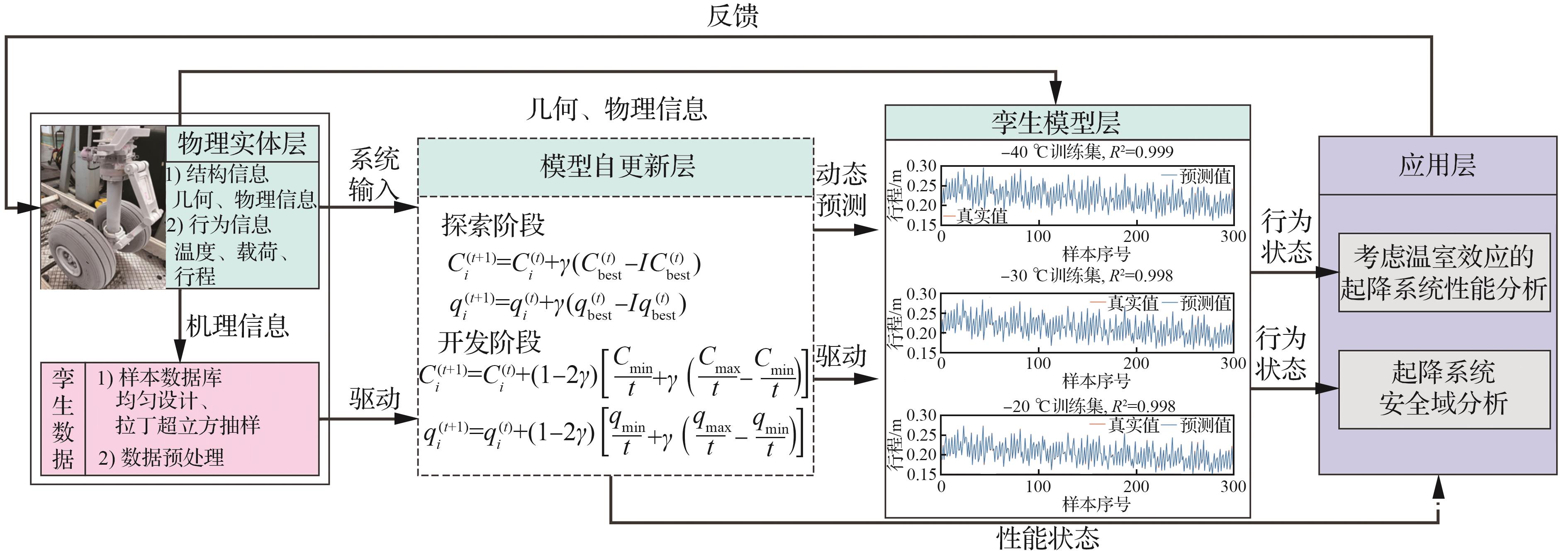
Fig.2
Diagram of structural model and stress analysis of aircraft landing gear systems[16]
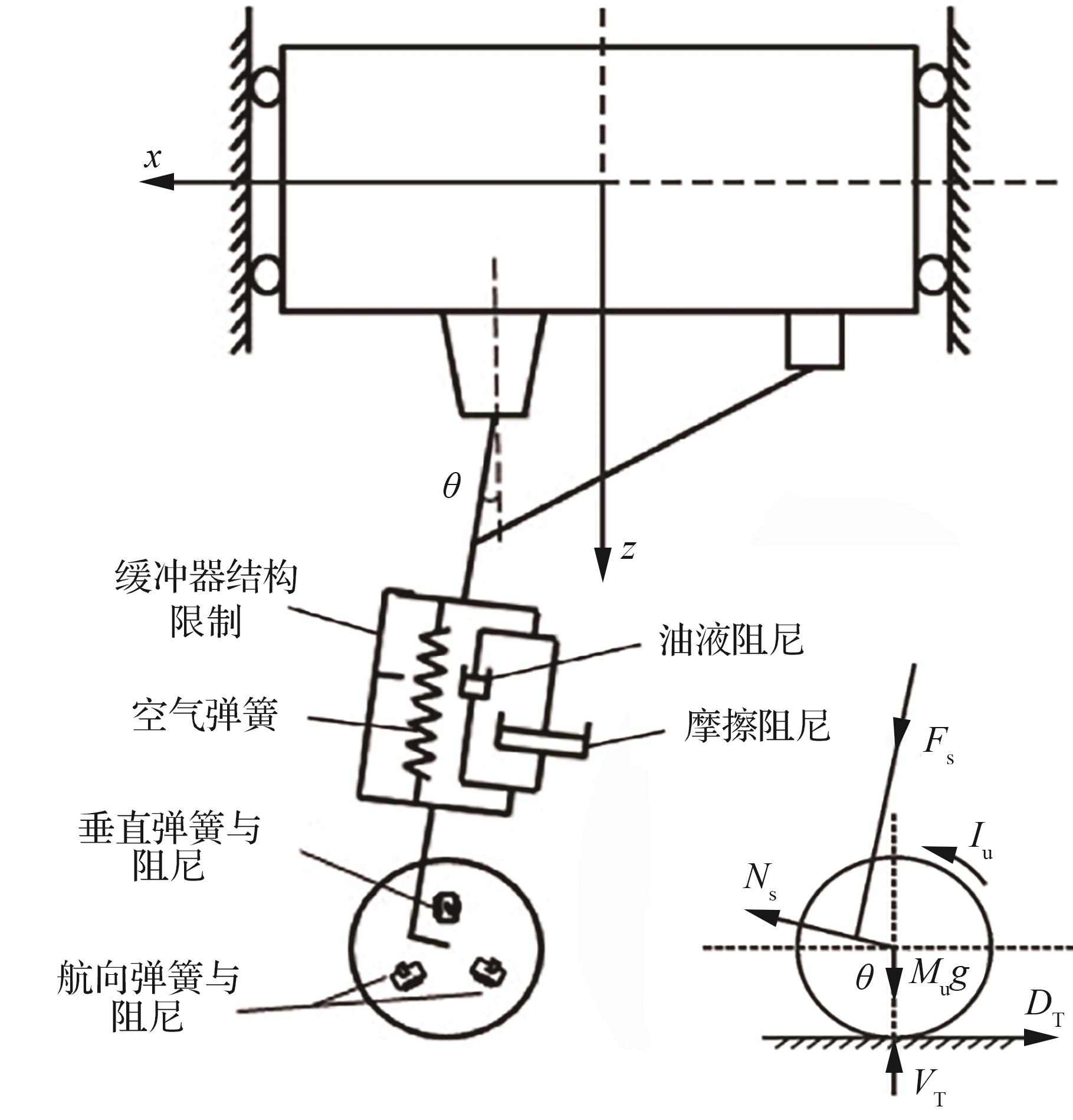

Table 1
Statistical information of random variables
| 随机变量 | 标识 |
|---|---|
| 初始充填压力/MPa | |
| 初始充气体积/cm³ | |
| 压气面积/m2 | |
| 正行程回油孔流量系数 | |
| 反行程回油孔流量系数 | |
| 主油腔压油面积/m2 | |
| 回油腔压油面积/m2 | |
| 主油孔面积/m2 | |
| 正行程回油腔油孔面积/m2 | |
| 反行程回油腔油孔面积/m2 |
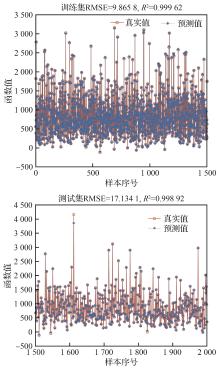
Fig.3
Comparison of actual values and predicted values
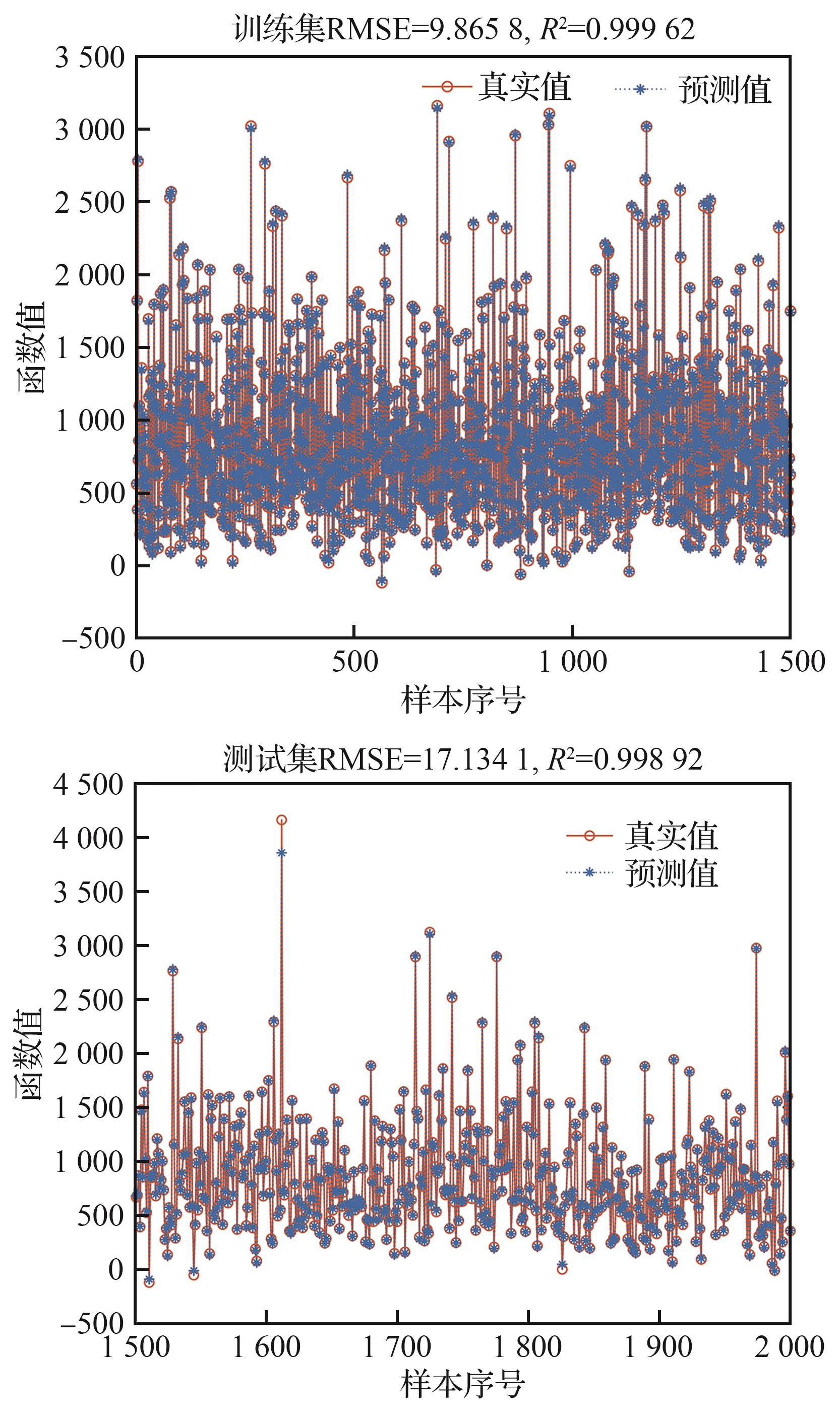
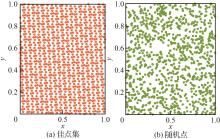
Fig.4
Two-dimensional initial population generated by good point set and random method

Fig.5
Fitting efficiency failure mode
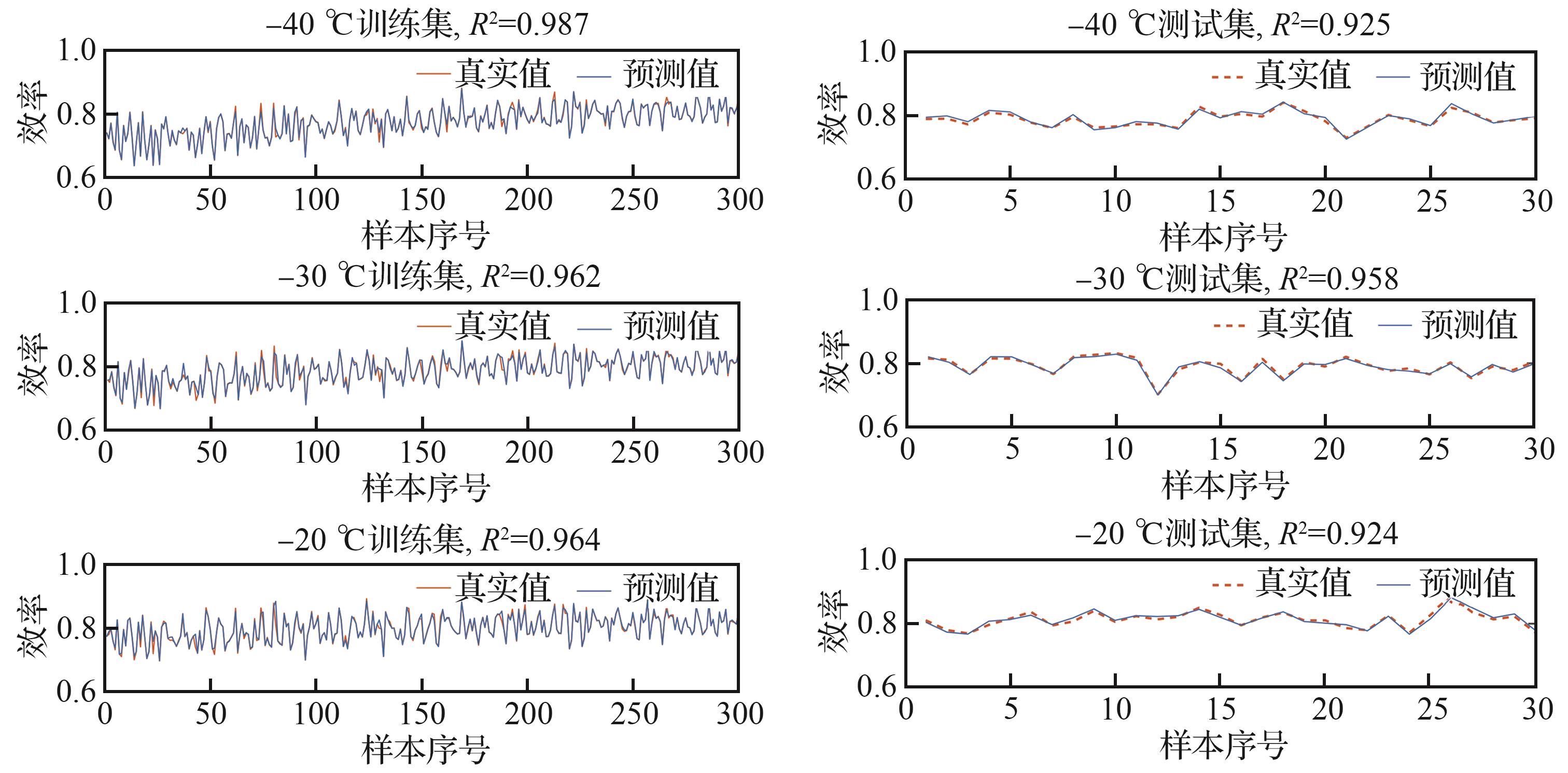
Fig.6
Fitting stroke failure mode
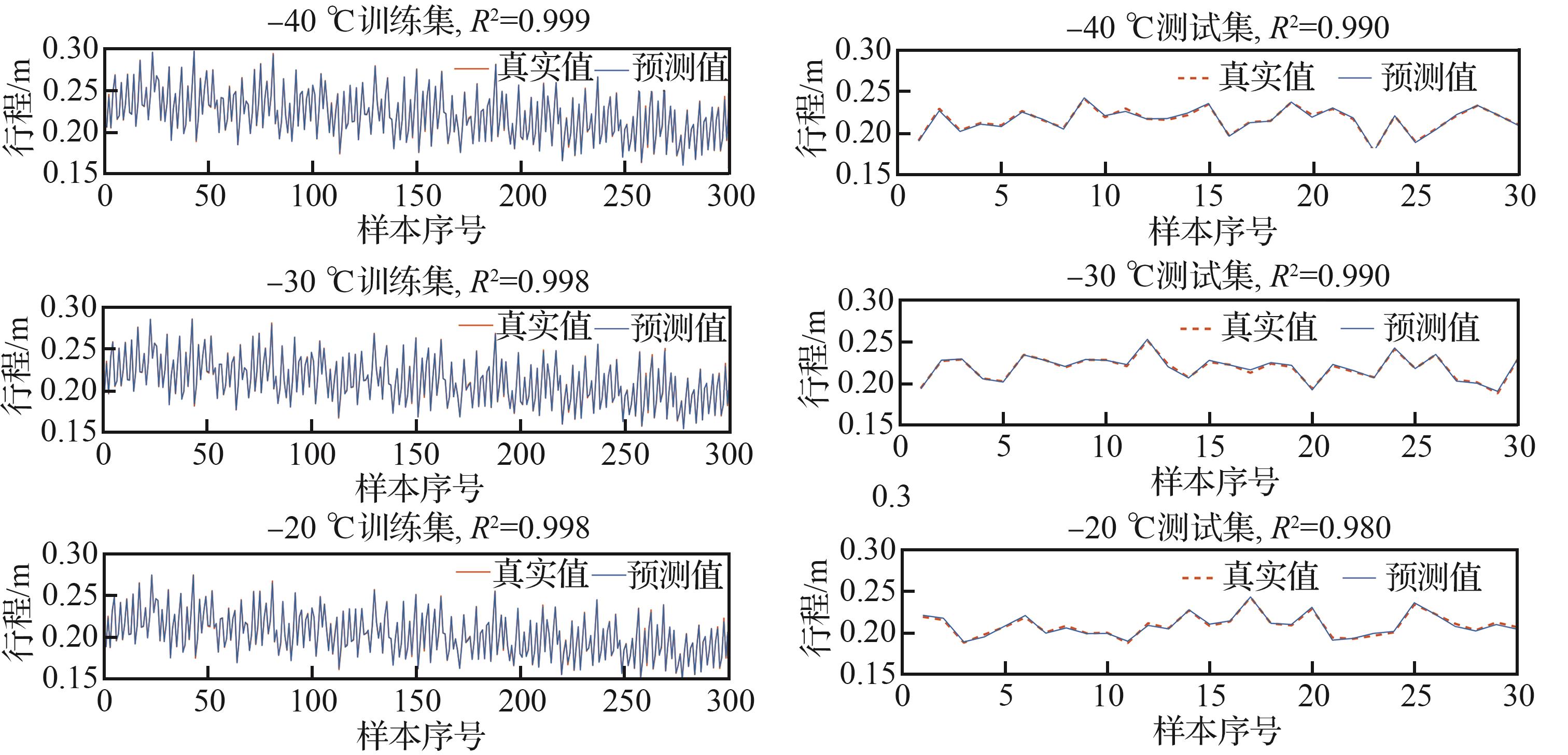
Fig.7
Fitting overload failure mode
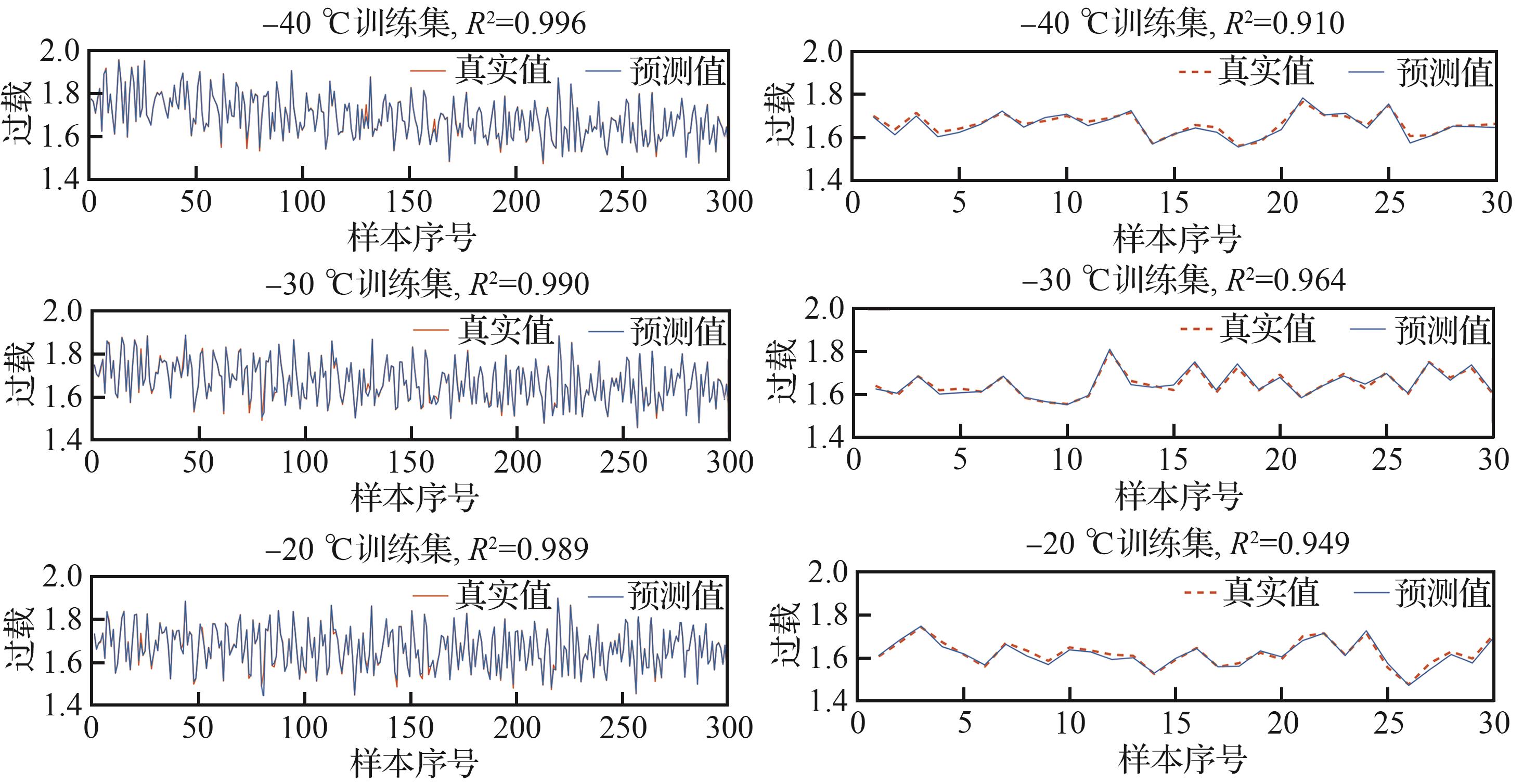
Fig.8
Failure patterns of different failure modes at various temperatures
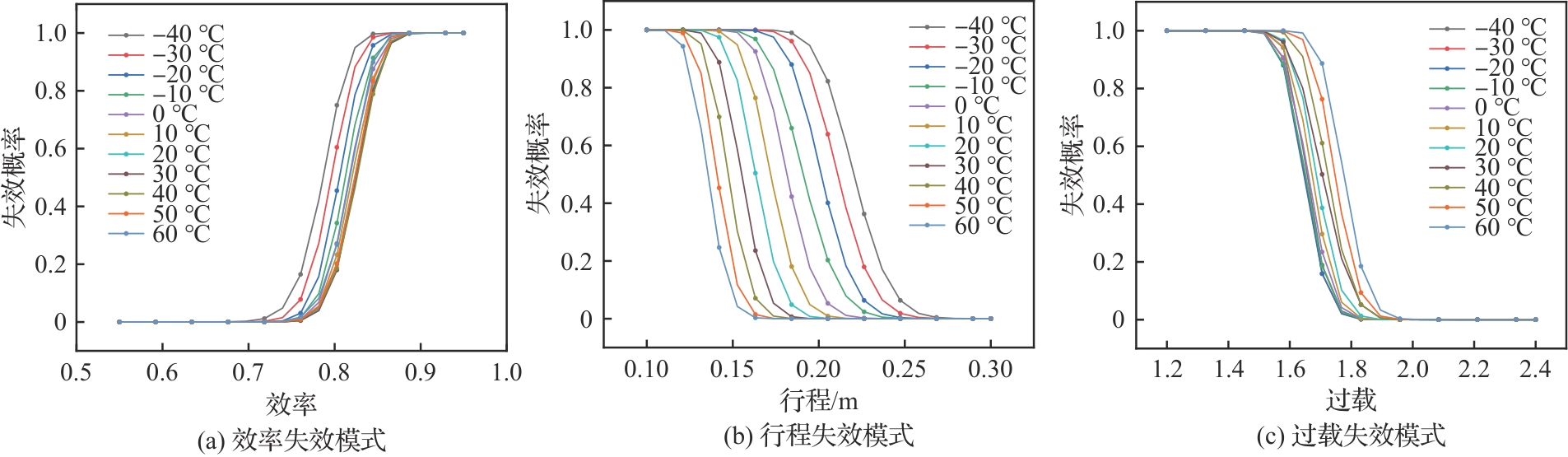
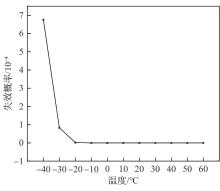
Fig.9
Variation pattern of failure probability due to temperature change
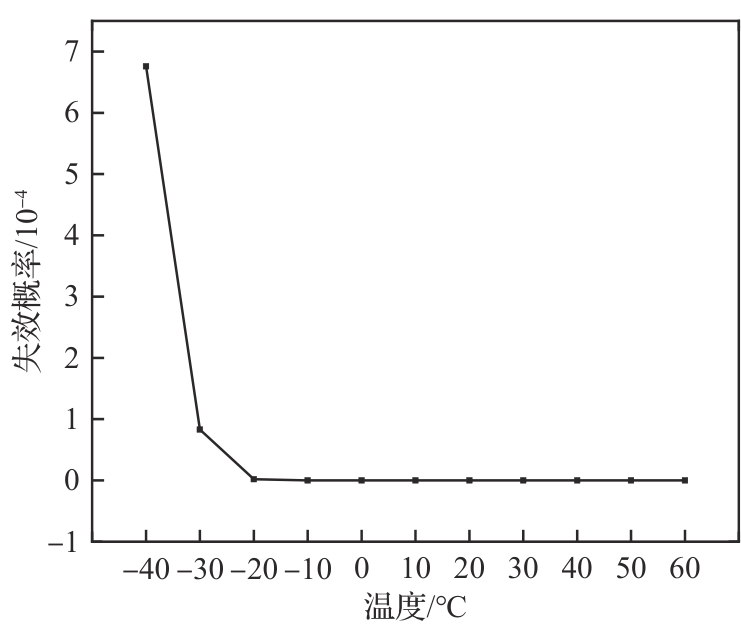
Table 2
Failure probability values in low-temperature environments
| 温度/℃ | 效率失效模式 | 行程失效模式 | 过载失效模式 |
|---|---|---|---|
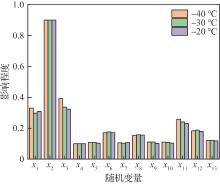
Fig.10
Sensitivity analysis
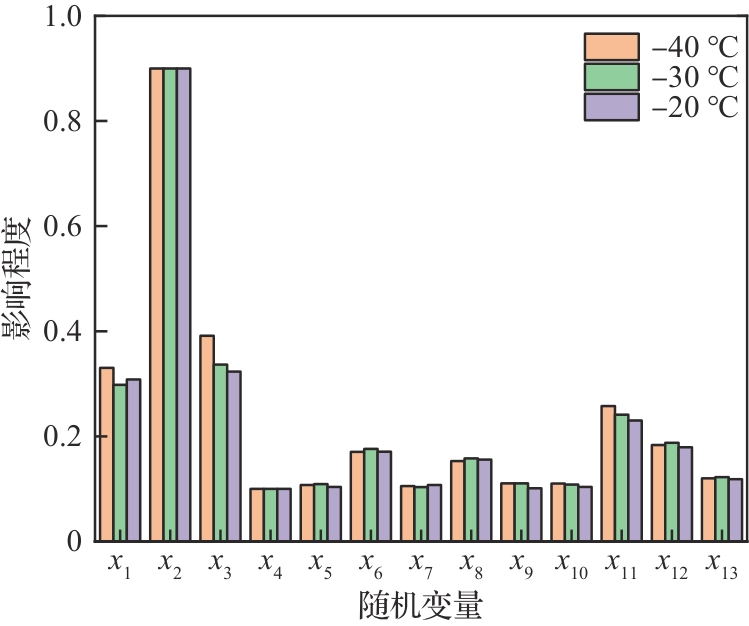
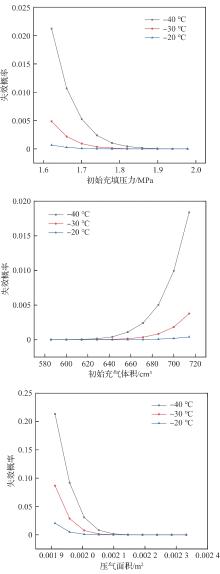
Fig.11
Failure probability trend chart of key parameters
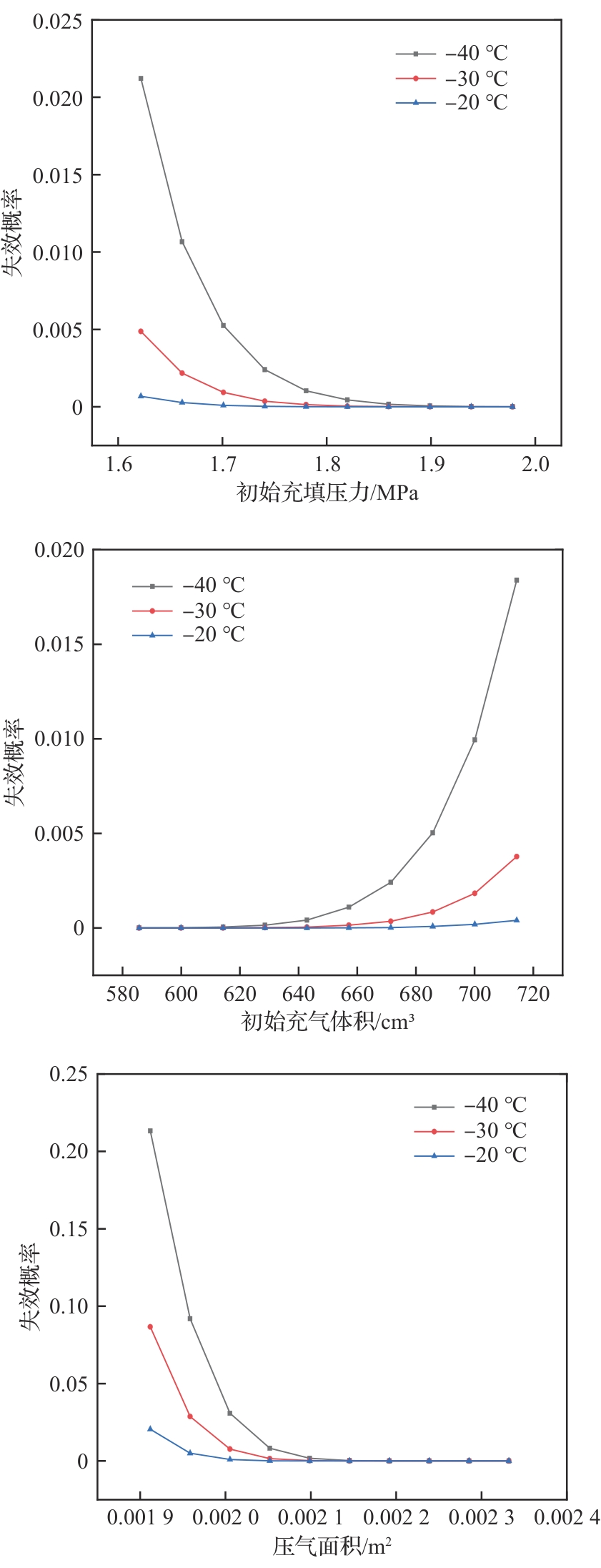
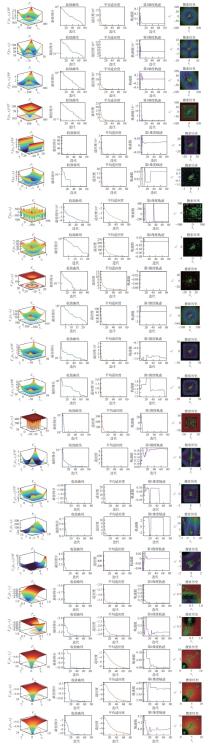
Fig.12
Qualitative analysis of GFCOA
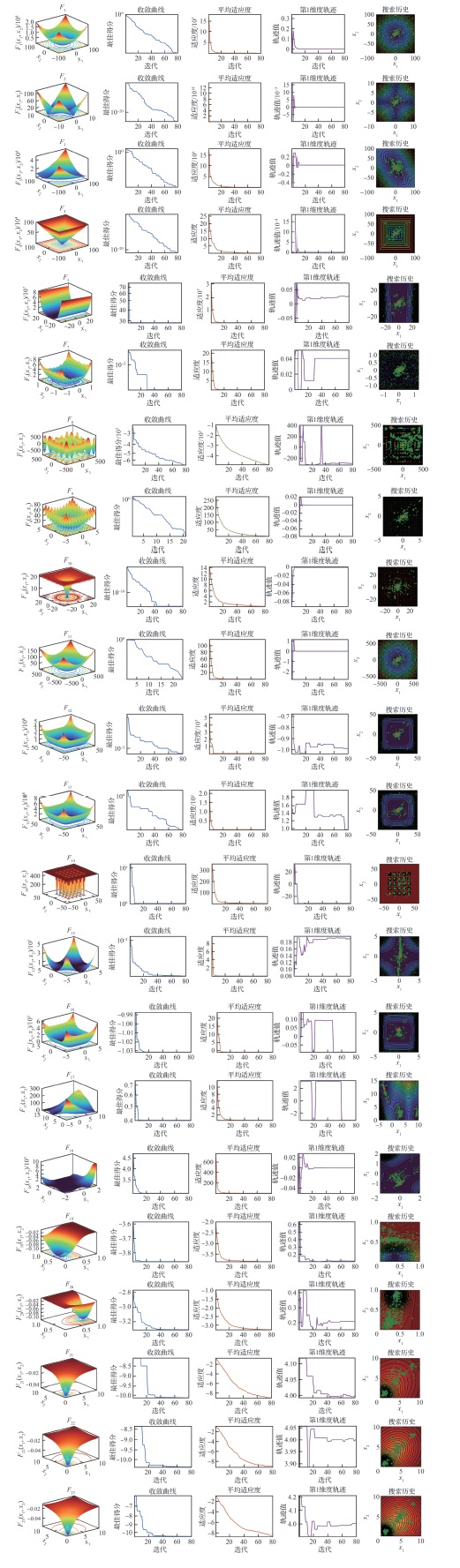
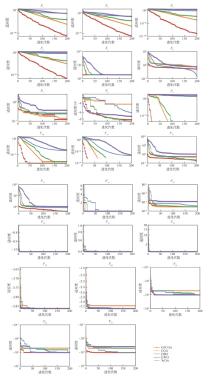
Fig.13
Convergence curves of GFCOA and contrast algorithms in optimization of CEC-2005
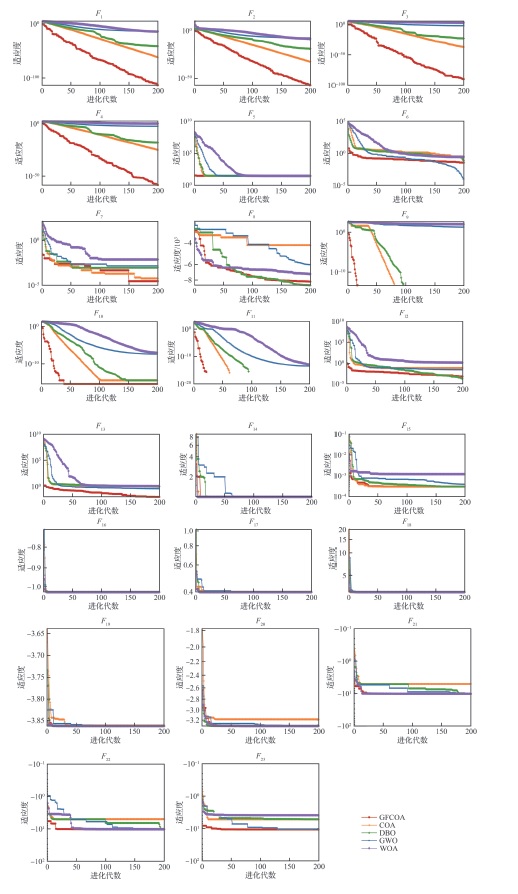
Table 3
Optimal parameter value in low temperature environments
| 温度/℃ | 初始充填压力/MPa | 初始充气体积/cm³ | 压气面积/m2 |
|---|---|---|---|
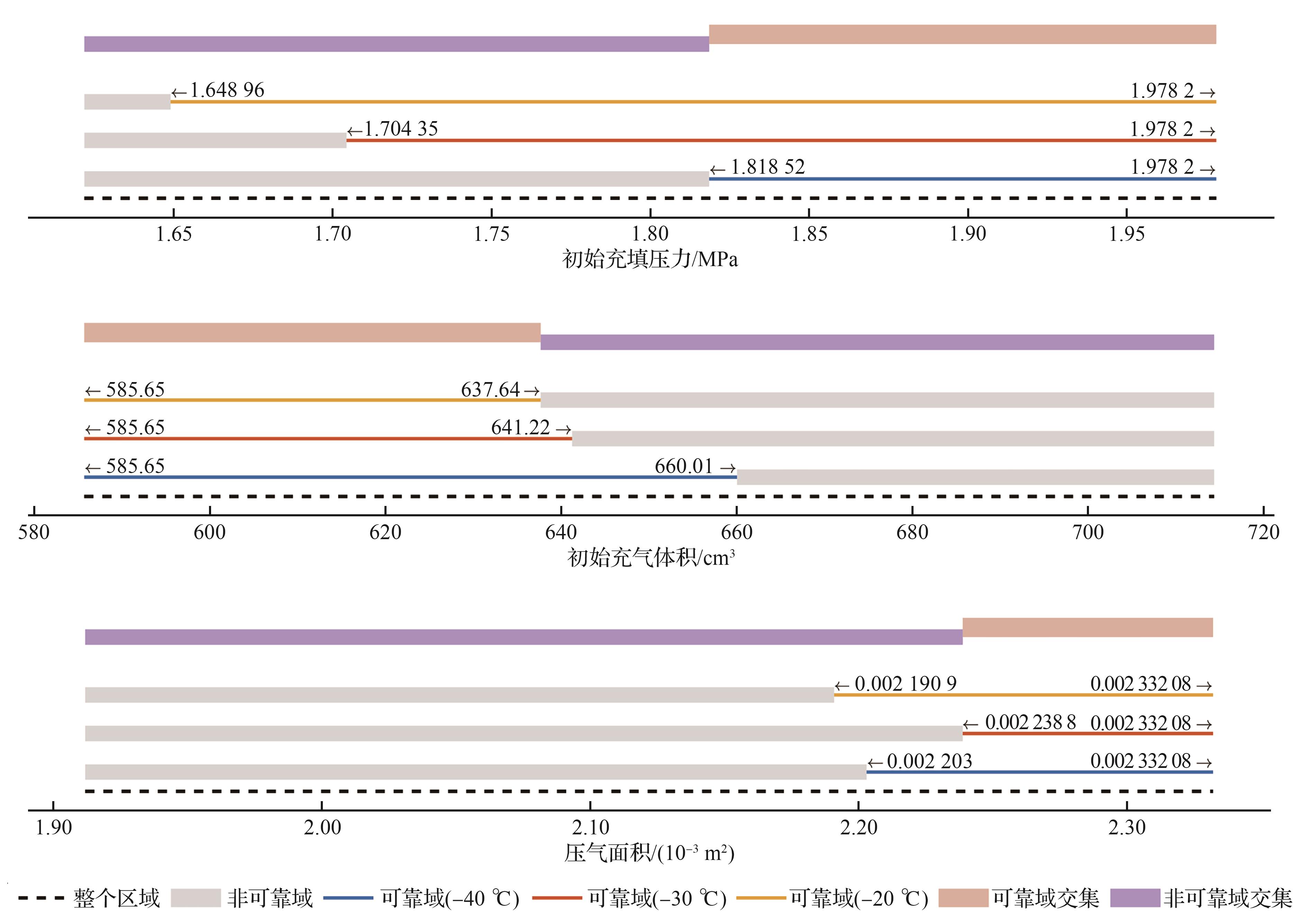
Fig.14
Reliability domain analysis
| [1] | 惠旭龙, 刘小川, 白春玉, 等. 民机机身框段和全机坠撞响应的对比研究[J/OL]. 航空学报,(2025-01-21)[2025-02-18]. . |
| XI X L, LIU X C, BAI C Y, et al. Research on the com parison of crash response between the fuselage section and full-scale civil aircraft[J/OL]. Acta Aeronautica et Astronautica Sinica, (2025-01-21)[2025-02-18]. (in Chinese). | |
| [2] | SWATI R F, ASFANDYAR AMJAD M, TALHA M, et al. Crashworthiness study of UCAV’s main landing gear using explicit dynamics[J]. International Journal of Crashworthiness, 2022, 27(6): 1843-1859. |
| [3] | 朱晨辰, 王彬文, 刘小川, 等. 复杂环境下起落架动力学行为研究现状与展望[J]. 航空科学技术, 2023, 34(1): 1-11. |
| ZHU C C, WANG B W, LIU X C, et al. Research status and prospect of landing gear dynamics in complex environment[J]. Aeronautical Science & Technology, 2023, 34(1): 1-11 (in Chinese). | |
| [4] | HEININEN A A. Modeling and simulation of an aircraft main landing gear shock absorber[D]. Tampere: Tampere University of Technology, 2015: 34-40. |
| [5] | 胡锐, 牟让科, 宋得军, 等. 温度对油: 气式起落架缓冲性能的影响研究[J]. 航空工程进展, 2022, 13(3): 150-156. |
| HU R, MU R K, SONG D J, et al. Research on the influence of temperature on the cushioning performance of oil-air landing gear[J]. Advances in Aeronautical Science and Engineering, 2022, 13(3): 150-156 (in Chinese). | |
| [6] | 方威, 朱林刚, 王友善. 环境温度对飞机起落架缓冲性能影响分析[J]. 机械设计与制造工程, 2021, 50(11): 76-80. |
| FANG W, ZHU L G, WANG Y S. Analysis of ambient temperature influence to landing gear shock absorber performance of aircraft[J]. Machine Design and Manufacturing Engineering, 2021, 50(11): 76-80 (in Chinese). | |
| [7] | 陈艺夫, 马宇航, 蓝庆生, 等. 基于多项式混沌法的翼型不确定性分析及梯度优化设计[J]. 航空学报, 2023, 44(8): 127446. |
| CHEN Y F, MA Y H, LAN Q S, et al. Uncertainty analysis and gradient optimization design of airfoil based on polynomial chaos expansion method[J]. Acta Aeronautica et Astronautica Sinica, 2023, 44(8): 127446 (in Chinese). | |
| [8] | LUO C Q, ZHU S P, KESHTEGAR B, et al. Active Kriging-based conjugate first-order reliability method for highly efficient structural reliability analysis using resample strategy[J]. Computer Methods in Applied Mechanics and Engineering, 2024, 423: 116863. |
| [9] | 杨倩, 郭晓峰, 李芹, 等. 基于POD和代理模型的热气防冰性能预测方法[J]. 航空学报, 2023, 44(1): 626992. |
| YANG Q, GUO X F, LI Q, et al. Hot air anti-icing performance estimation method based on POD and surrogate model[J]. Acta Aeronautica et Astronautica Sinica, 2023, 44(1): 626992 (in Chinese). | |
| [10] | 刘佳奇, 冯蕴雯, 路成, 等. 基于智能神经网络的航空发动机运行安全分析[J]. 航空学报, 2022, 43(9): 625375. |
| LIU J Q, FENG Y W, LU C, et al. Safety analysis of aero-engine operation based on intelligent neural network[J]. Acta Aeronautica et Astronautica Sinica, 2022, 43(9): 625375 (in Chinese). | |
| [11] | LIU Q, XU Y, LI Y G, et al. Fixed-interval smoothing of an aeroelastic airfoil model with cubic or free-play nonlinearity in incompressible flow[J]. Acta Mechanica Sinica, 2021, 37(7): 1168-1182. |
| [12] | FENG J, WANG X L, LIU Q, et al. Fusing deep learning features for parameter identification of a stochastic airfoil system[J]. Nonlinear Dynamics, 2025, 113(5): 4211-4233. |
| [13] | TORZONI M, TEZZELE M, MARIANI S, et al. A digital twin framework for civil engineering structures[J]. Computer Methods in Applied Mechanics and Engineering, 2024, 418: 116584. |
| [14] | TAO F, QI Q. Make more digital twins[J]. Nature, 2019, 573(7775): 490-491. |
| [15] | 郭丞皓, 于劲松, 宋悦, 等. 基于数字孪生的飞机起落架健康管理技术[J]. 航空学报, 2023, 44(11): 227629. |
| GUO C H, YU J S, SONG Y, et al. Application of digital twin-based aircraft landing gear health management technology[J]. Acta Aeronautica et Astronautica Sinica, 2023, 44(11): 227629 (in Chinese). | |
| [16] | 朱晨辰, 王彬文, 马晓利, 等. 考虑温度效应的起落架落震缓冲性能研究[J]. 应用力学学报, 2023, 40(1): 25-33. |
| ZHU C C, WANG B W, MA X L, et al. Landing gear shock buffering performance considering the temperature effect[J]. Chinese Journal of Applied Mechanics, 2023, 40(1): 25-33 (in Chinese). | |
| [17] | 张峰, 杨旭锋, 刘永寿, 等. 飞机起落架缓冲器参数可靠性灵敏度分析[J]. 振动工程学报, 2015, 28(1): 67-72. |
| ZHANG F, YANG X F, LIU Y S, et al. Reliability parameter sensitivity analysis for aircraft landing gear shock absorber[J]. Journal of Vibration Engineering, 2015, 28(1): 67-72 (in Chinese). | |
| [18] | SOARES C, BRAZDIL P B, KUBA P. A meta-learning method to select the kernel width in support vector regression[J]. Machine Learning, 2004, 54(3): 195-209. |
| [19] | DEHGHANI M, MONTAZERI Z, TROJOVSKÁ E, et al. Coati optimization algorithm: A new bio-inspired metaheuristic algorithm for solving optimization problems[J]. Knowledge-Based Systems, 2023, 259: 110011. |
| [20] | GUIMARÃES H, MATOS J C, HENRIQUES A A. An innovative adaptive sparse response surface method for structural reliability analysis[J]. Structural Safety, 2018, 73: 12-28. |
| [21] | TIZHOOSH H R. Opposition-based learning: A new scheme for machine intelligence[C]∥International Conference on Computational Intelligence for Modelling, Control and Automation and International Conference on Intelligent Agents, Web Technologies and Internet Commerce (CIMCA-IAWTIC’06). Piscataway: IEEE Press, 2005: 695-701. |
| [22] | YAN A J, HU K C. Improved strategy and its application to the optimization of seagull optimization algorithm[J]. Information and Control, 2022, 51(6): 688-698. |
| [23] | TANYILDIZI E, DEMIR G. Golden sine algorithm: A novel math-inspired algorithm[J]. Advances in Electrical and Computer Engineering, 2017, 17(2): 71-78. |
| [24] | WU Y T. Computational methods for efficient structural reliability and reliability sensitivity analysis[J]. AIAA Journal, 1994, 32(8): 1717-1723. |
| [25] | WU Y T, MOHANTY S. Variable screening and ranking using sampling-based sensitivity measures[J]. Reliability Engineering & System Safety, 2006, 91(6): 634-647. |
| [26] | XUE J K, SHEN B. Dung beetle optimizer: A new meta-heuristic algorithm for global optimization[J]. The Journal of Supercomputing, 2023, 79(7): 7305-7336. |
| [27] | MIRJALILI S, MIRJALILI S M, LEWIS A. Grey wolf optimizer[J]. Advances in Engineering Software, 2014, 69: 46-61. |
| [28] | MIRJALILI S, LEWIS A. The whale optimization algorithm[J]. Advances in Engineering Software, 2016, 95: 51-67. |
| [1] | Zhouwei FAN, Chuihuan KONG, Ming LIU, Zhaoguang TAN. Sensitivity analysis on key parameters of hybrid hydrogen fuel cell commercial aircraft [J]. Acta Aeronautica et Astronautica Sinica, 2025, 46(9): 631066-631066. |
| [2] | Lei HUANG, Cong GUO, Xiaobo ZHANG, Liangchen SUN, Yinghui ZUO, Bo WANG, Kuo TIAN. Aircraft structural health management method based on flight parameter-load-life digital twin models [J]. Acta Aeronautica et Astronautica Sinica, 2025, 46(21): 532382-532382. |
| [3] | Yiwei HUANG, Yibin GENG, Tianhe GAO, Xuanwei HU, Yuan WANG, Hongyan MA, Kuo TIAN. Digital twin driven high precision reconstruction method for full-field deformation of structure [J]. Acta Aeronautica et Astronautica Sinica, 2025, 46(19): 530967-530967. |
| [4] | Dingqiang DAI, Xuan ZHOU, Leiting DONG, Xiasheng SUN. Research progress and prospects of digital engineering and digital twin in field of aeronautical fatigue and structural integrity [J]. Acta Aeronautica et Astronautica Sinica, 2025, 46(19): 531022-531022. |
| [5] | Shangyu LI, Hang FENG, Junquan CHEN, Bin CHEN, Dan MEI. A design architecture and conceptual modeling approach for digital twins [J]. Acta Aeronautica et Astronautica Sinica, 2025, 46(19): 531118-531118. |
| [6] | Junqi LEI, Yuehua CHENG, Bin JIANG, Cheng XU, Guili XU, Tianyu SUN. Digital-twin’s modelling and dynamic adjustment mechanism of rudder-loop-system under fault conditions [J]. Acta Aeronautica et Astronautica Sinica, 2025, 46(19): 531273-531273. |
| [7] | Liang CHEN, Lei HUANG, Yuxuan GU, Cong GUO, Kexin LIN, Yu GUAN, Jian SONG. Twinning technology of key part load based on flight parameters [J]. Acta Aeronautica et Astronautica Sinica, 2025, 46(19): 531292-531292. |
| [8] | Yuxuan GU, Cong GUO, Lei HUANG, Yifei DONG, Hongda DONG, Zhilun DENG. Refined management of fleet life driven by digital twins [J]. Acta Aeronautica et Astronautica Sinica, 2025, 46(19): 531290-531290. |
| [9] | Yinxuan ZHANG, Qi ZHANG, Zhenyong XU, Linshu MENG. Predicting method of aircraft mechanical response based on residual neural networks [J]. Acta Aeronautica et Astronautica Sinica, 2025, 46(19): 531295-531295. |
| [10] | Ruoyao XIAO, Lianyu ZHENG, Jian ZHOU, Siru ZHAO, Jieru ZHANG, Yuwu CHEN. Online optimization method for positioning accuracy in cylindrical components aligning based on digital twins [J]. Acta Aeronautica et Astronautica Sinica, 2025, 46(19): 531978-531978. |
| [11] | Jialiang HU, Jiangpeng WU, Sixu HUO, Yidi GAO, Hua ZHENG. Modal parameter estimation based on reconstruction of digital twin sweep data in flutter flight test [J]. Acta Aeronautica et Astronautica Sinica, 2025, 46(19): 531602-531602. |
| [12] | Pengfei WANG, Lifang ZENG, Xueming SHAO, Jun LI. Multi-source data fusion modeling method for aerodynamic load of aircraft wing based on pre-training and fine-tuning [J]. Acta Aeronautica et Astronautica Sinica, 2025, 46(19): 532297-532297. |
| [13] | Yifei WANG, Geyong CAO, Yang CAO, Xiaojun WANG. Uncertainty technologies in aircraft digital strength twins [J]. Acta Aeronautica et Astronautica Sinica, 2025, 46(19): 532408-532408. |
| [14] | Liang CHEN, Fanxing MENG, Chengbo WANG, Yinxuan ZHANG, Linshu MENG. Development and application of digital twins technology in aircraft strength design [J]. Acta Aeronautica et Astronautica Sinica, 2025, 46(19): 532252-532252. |
| [15] | Ran ZHUO, Chuliang YAN. A key component in digital twin of aircraft structures: Multi-dimensional flight parameter measurements [J]. Acta Aeronautica et Astronautica Sinica, 2025, 46(19): 532375-532375. |
| Viewed | ||||||
|
Full text |
|
|||||
|
Abstract |
|
|||||
Address: No.238, Baiyan Buiding, Beisihuan Zhonglu Road, Haidian District, Beijing, China
Postal code : 100083
E-mail:hkxb@buaa.edu.cn
Total visits: 6658907 Today visits: 1341All copyright © editorial office of Chinese Journal of Aeronautics
All copyright © editorial office of Chinese Journal of Aeronautics
Total visits: 6658907 Today visits: 1341

 CJA
CJA
