贾惟1( ), 陈哲1, 巴志恒2, 陈志豪2, 王曼3, 丁水汀1
收稿日期:2025-12-24
修回日期:2026-01-09
接受日期:2026-01-14
出版日期:2026-01-20
发布日期:2026-01-19
通讯作者:
贾惟
E-mail:caucjiawei@163.com
基金资助:
Wei JIA1(), Zhe CHEN1, Zhiheng BA2, Zhihao CHEN2, Man WANG3, Shuiting DING1
Received:2025-12-24
Revised:2026-01-09
Accepted:2026-01-14
Online:2026-01-20
Published:2026-01-19
Contact:
Wei JIA
E-mail:caucjiawei@163.com
Supported by:摘要:
随着航空电动化的发展,分布式电推进技术正在成为未来航空动力发展的一个重要方向。但是,分布式推进系统的短舱唇口极易发生结冰,对飞机性能和飞行安全构成潜在威胁。为了研究分布式推进系统短舱方形唇口的结冰规律,基于商用软件FLUENT发展了三维冰形数值模拟方法,同时发展了体积力模型以模拟风扇叶片对气流的作用力,分析了风扇抽吸作用、液态水含量以及水滴直径对短舱唇口冰形特征的影响规律。结果表明:风扇的抽吸作用通过增加唇口区域气流的速度改变过冷水滴的收集系数,进而影响唇口冰形的厚度分布与轮廓特征。考虑抽吸作用后,短舱唇口上壁面冰形呈现出波浪形分布,其前缘处存在明显的冰角,同时短舱外侧壁面的冰形向短舱内侧偏转。当液态水含量由0.3 g/m³增加至1.5 g/m³时,外侧壁面的冰形偏转角增大了11倍左右;当水滴直径由10 μm增加至40 μm时,外侧壁面的冰形偏转角增大了约2倍。研究成果可以为分布式推进系统短舱防/除冰的设计与优化提供参考。
中图分类号:
贾惟, 陈哲, 巴志恒, 陈志豪, 王曼, 丁水汀. 分布式推进系统短舱方形唇口结冰数值模拟[J]. 航空学报, 2026, 47(20): 133276.
Wei JIA, Zhe CHEN, Zhiheng BA, Zhihao CHEN, Man WANG, Shuiting DING. Numerical simulation of icing at nacelle square-shaped lip of distributed propulsion system[J]. Acta Aeronautica et Astronautica Sinica, 2026, 47(20): 133276.
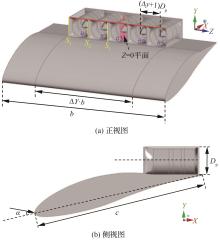
图 1
翼上布局五涵道风扇模型
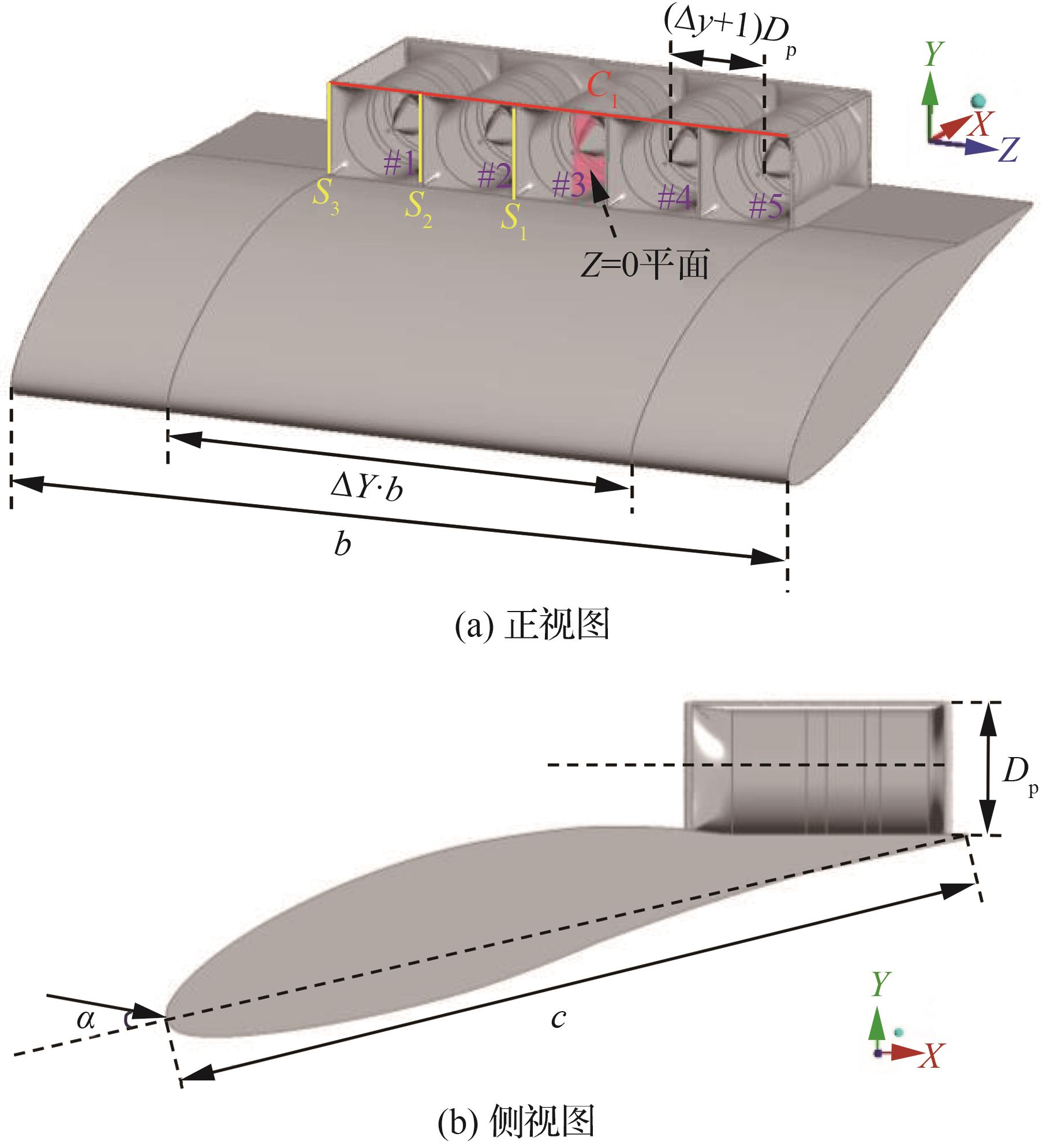
表1
模型几何参数
| 参数 | 数值 |
|---|---|
| 弦长c/cm | 100 |
| 翼展b/cm | 141.2 |
| 唇口高度Dp/cm | 15.84 |
| 风扇列阵占比ΔY | 0.6 |
| 相邻风扇间距Δy∙Dp/cm | 1 |
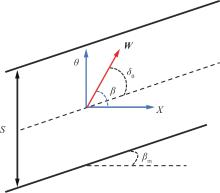
图 2
相对气流角和相对速度示意图
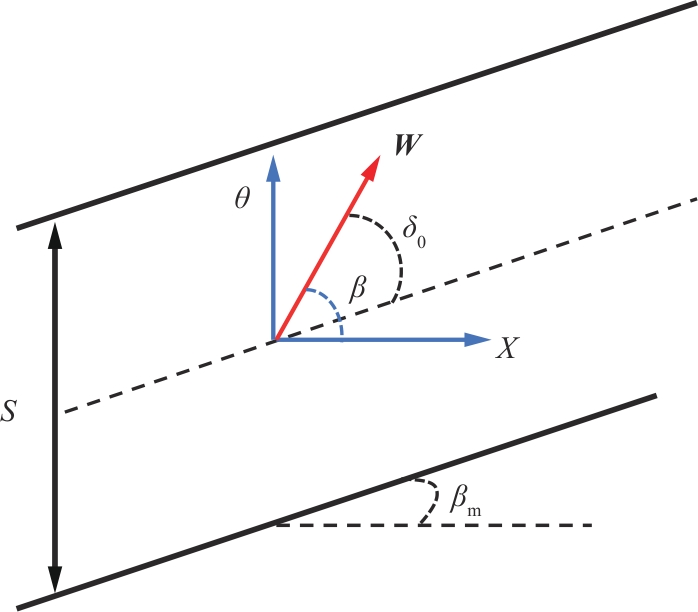
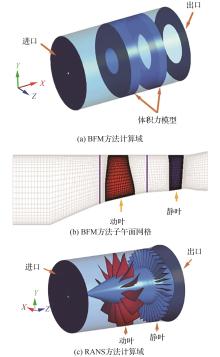
图 3
风扇全环计算域
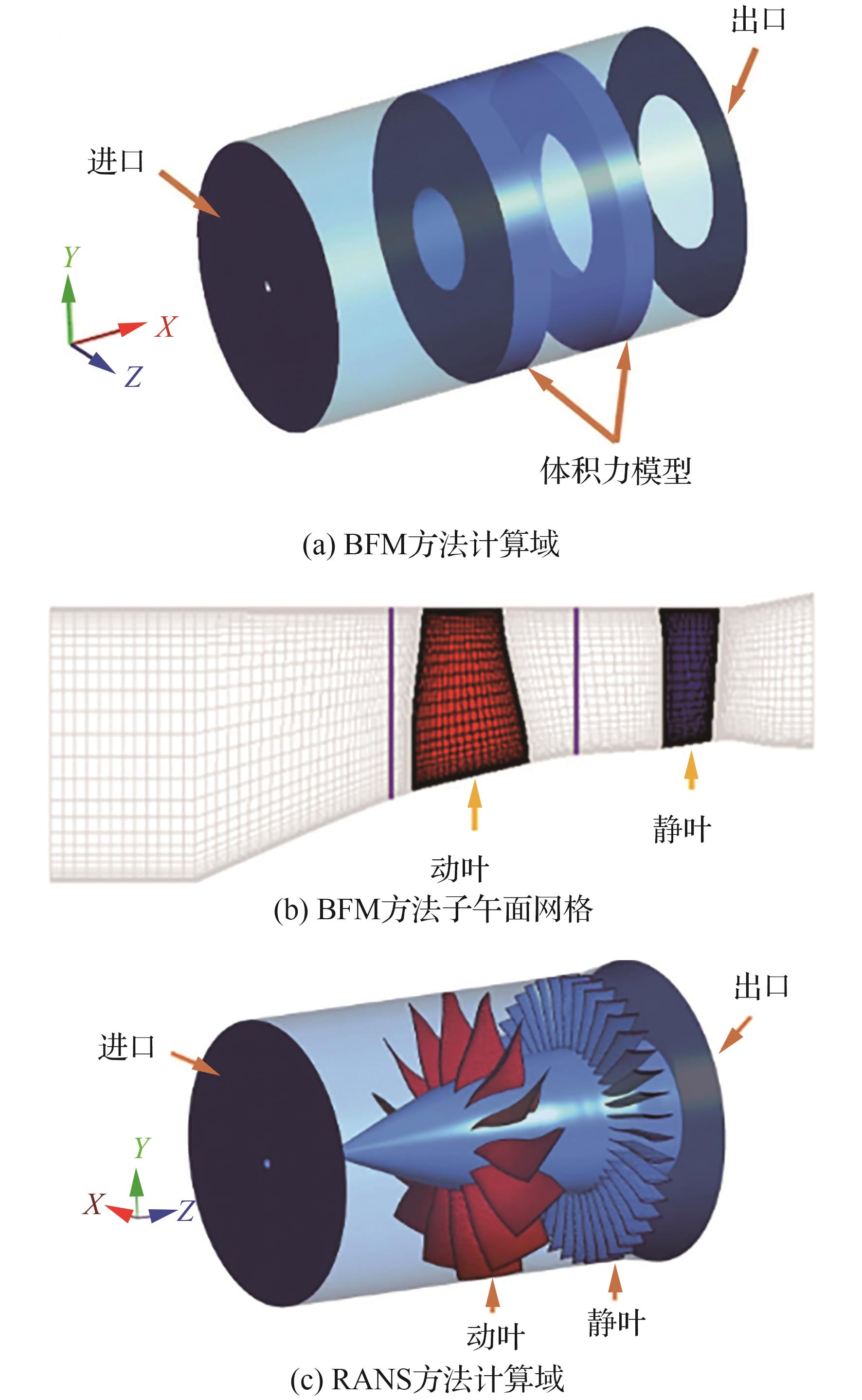
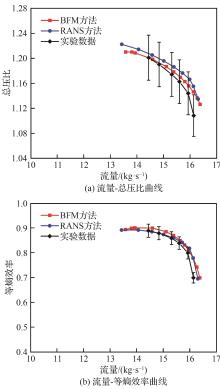
图 4
设计转速下风扇气动特性曲线
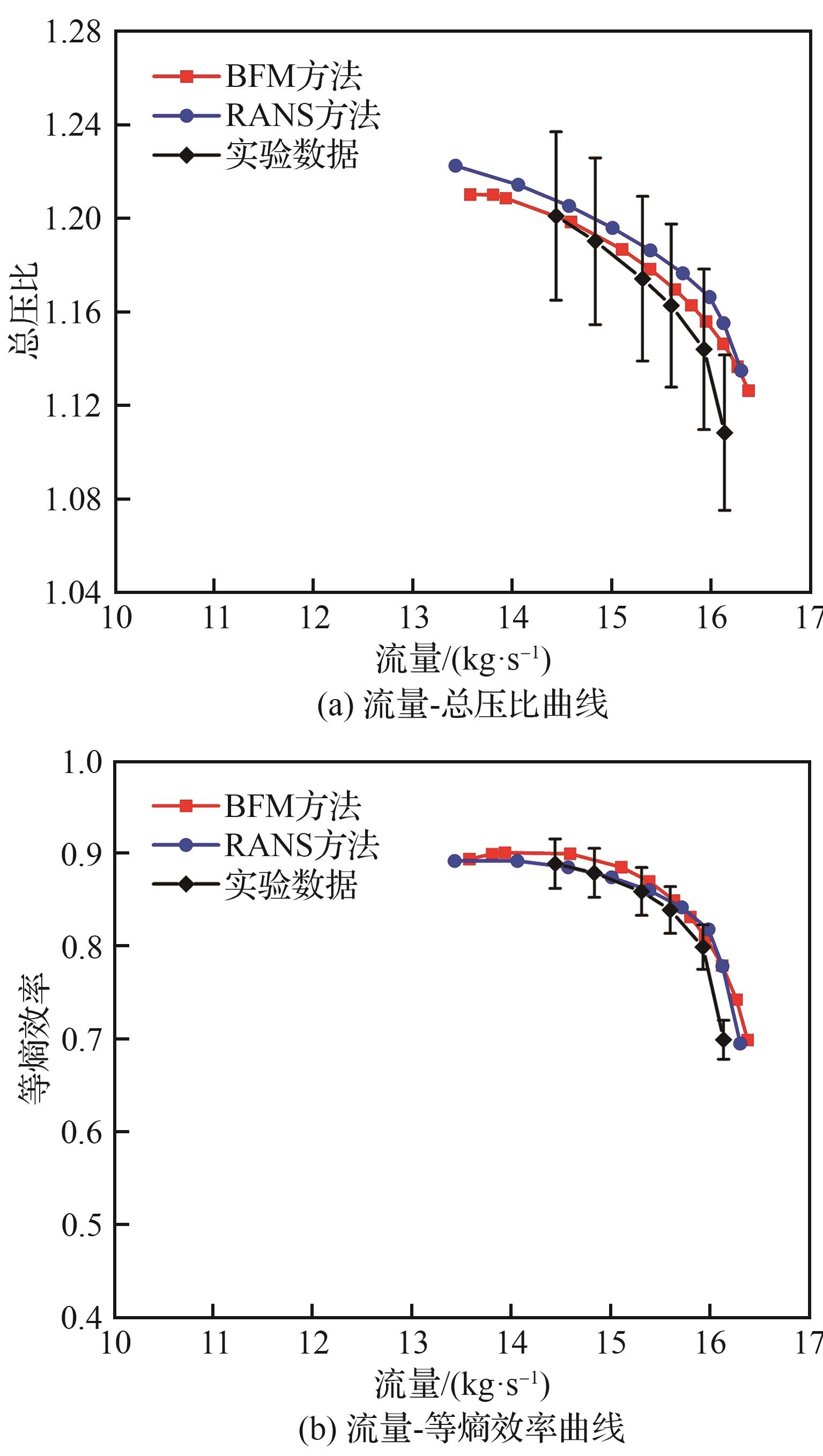
图 5
子午面总压云图
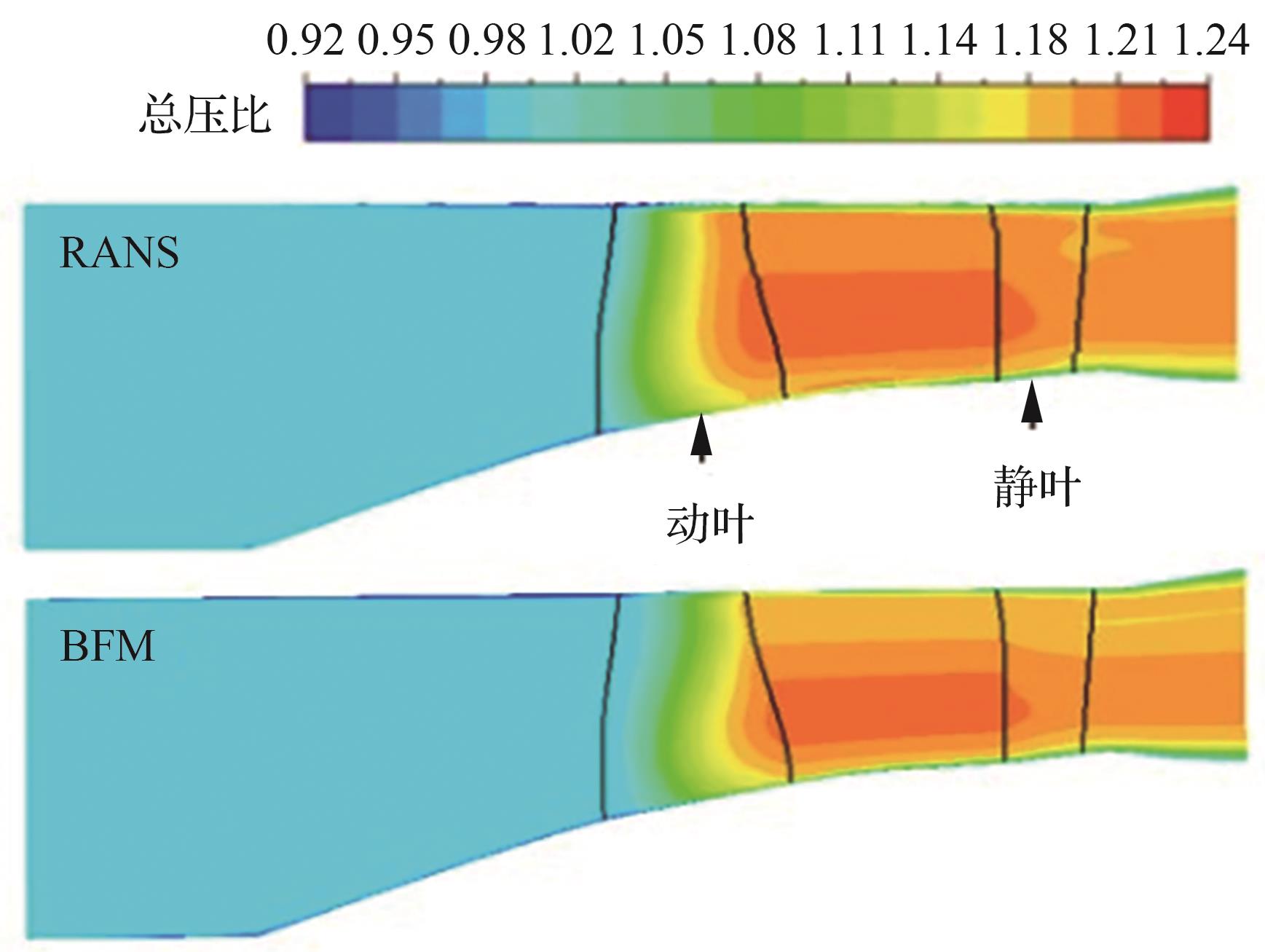
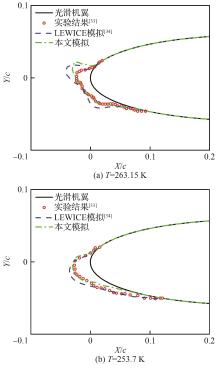
图 6
NACA0012机翼冰形
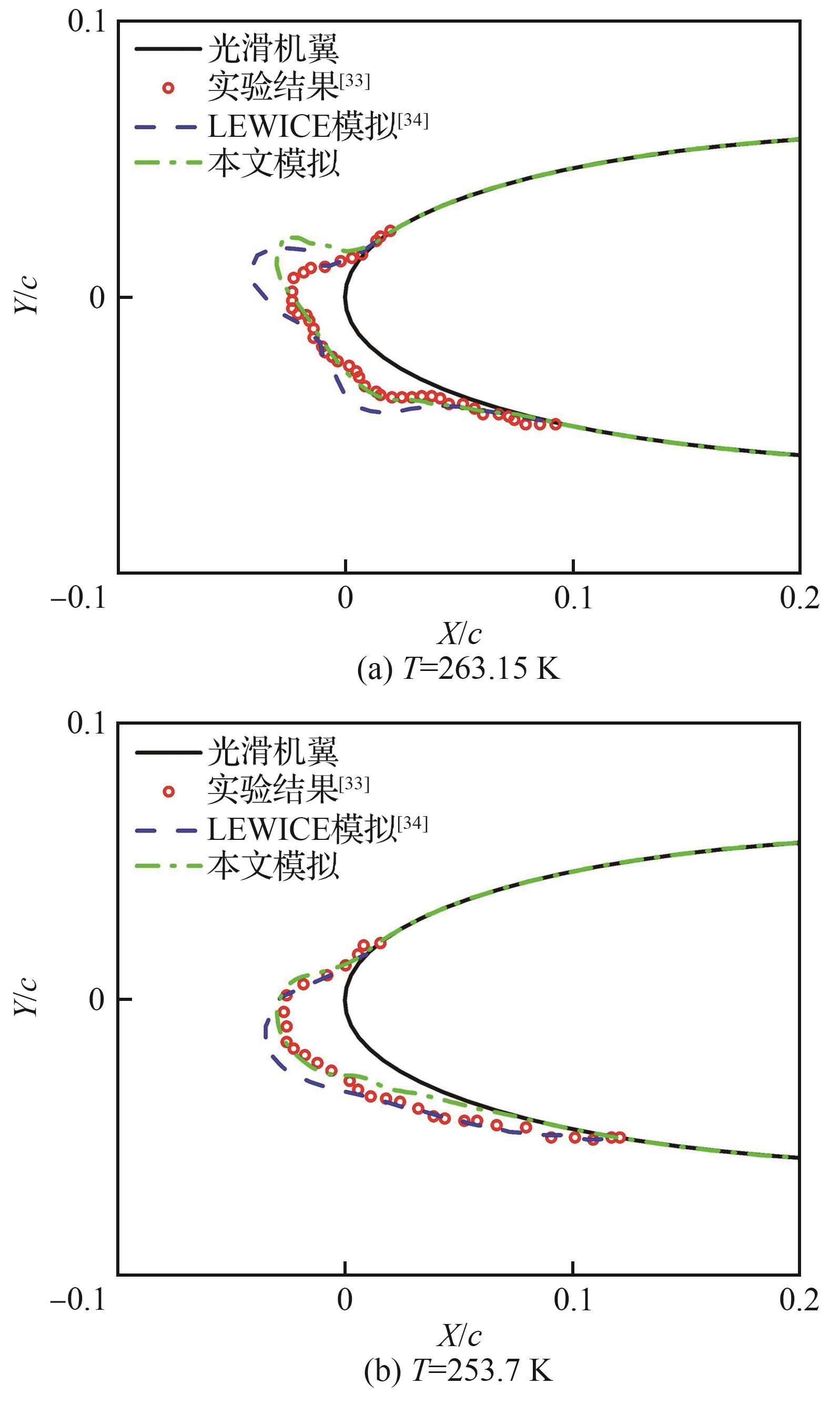
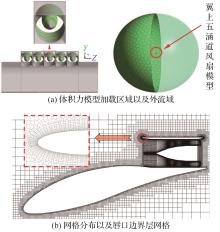
图 7
翼上布局五涵道风扇计算域和网格
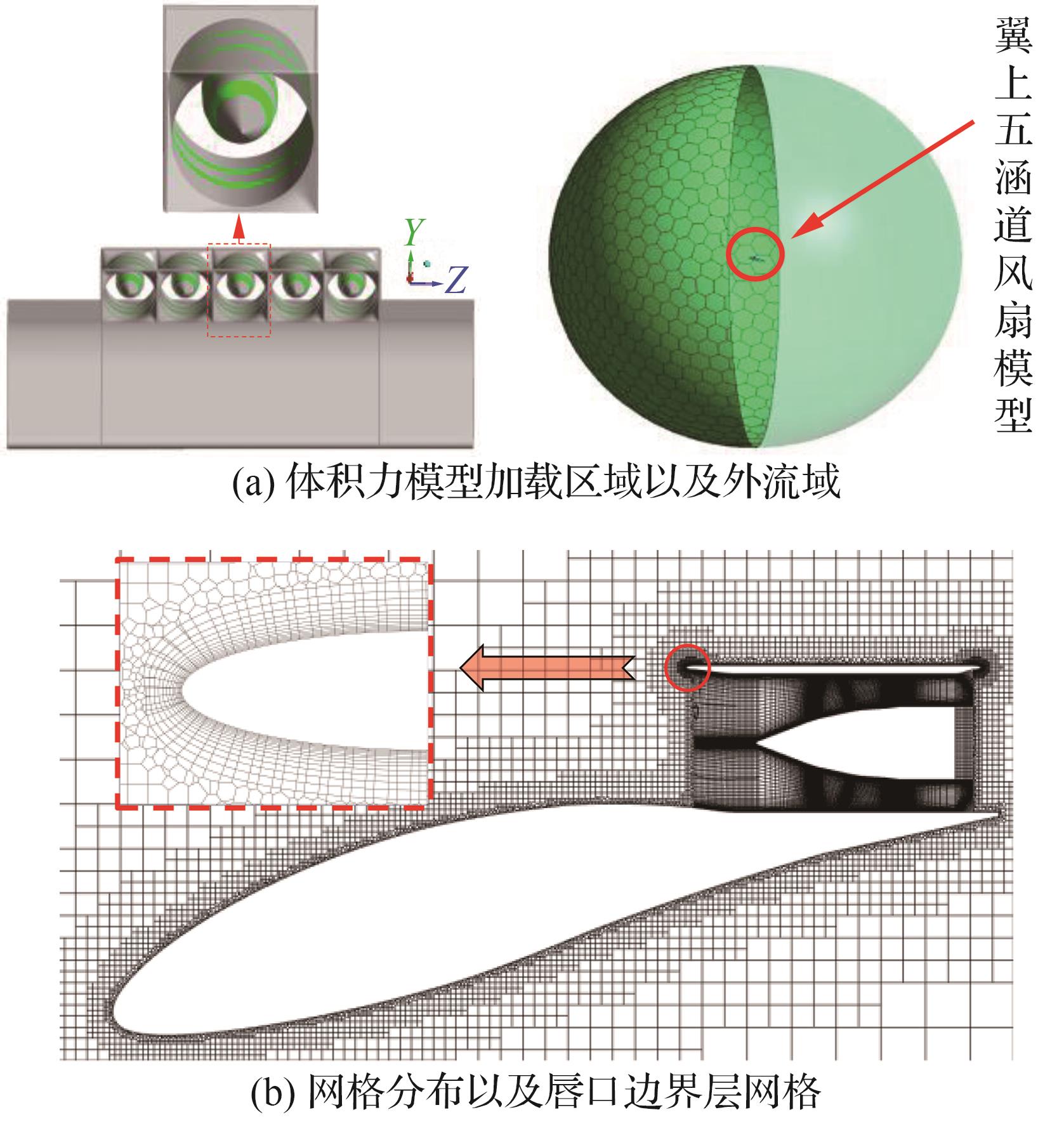
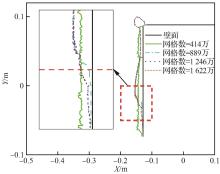
图 8
网格无关性验证结果
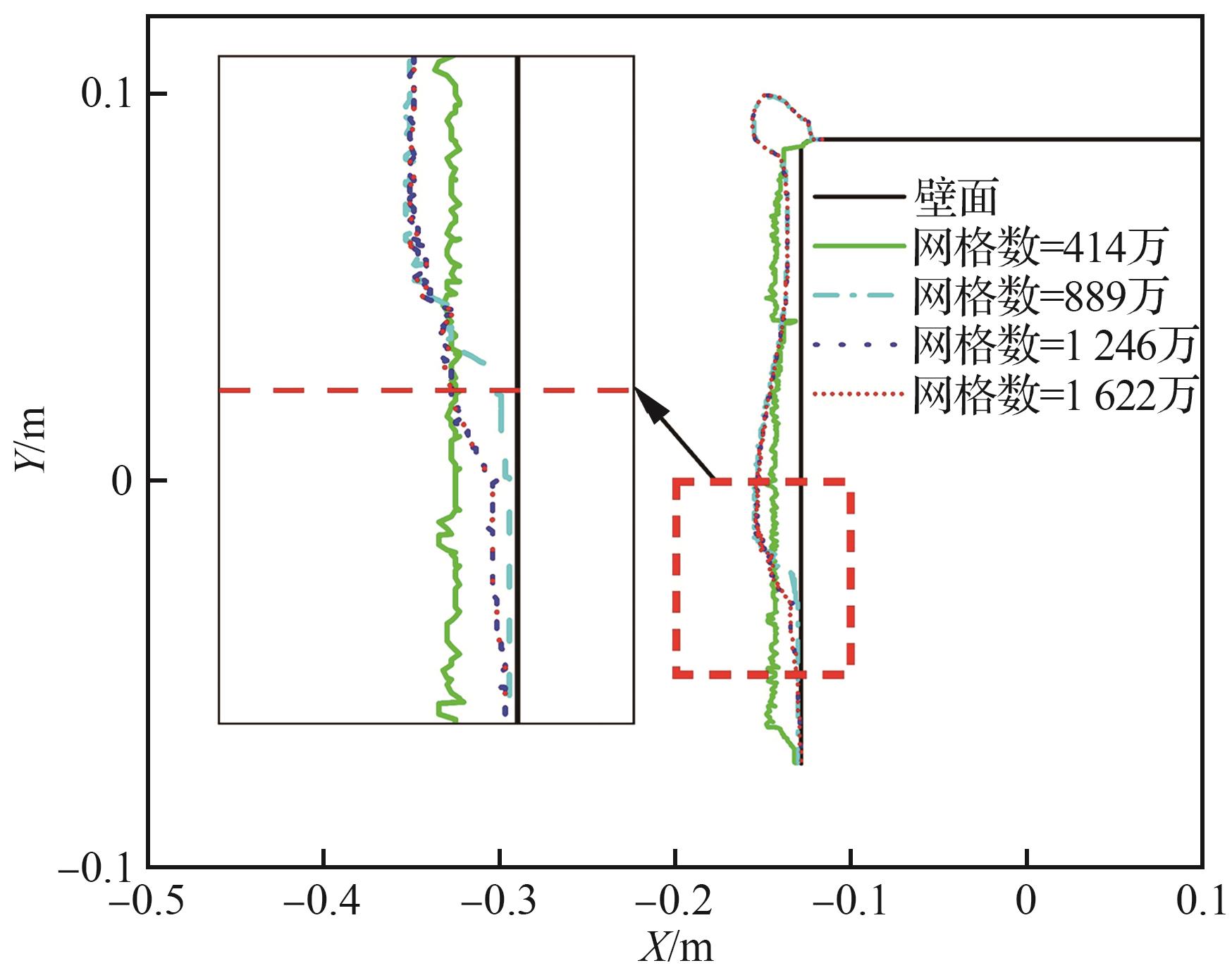
表2
计算工况
| 参数 | Case 1 | Case 2 |
|---|---|---|
| BFM | 是 | 否 |
| U∞/(m·s-1) | 91 | 91 |
| T∞/℃ | -10 | -10 |
| LWC/(g·m-3) | 1.5 | 1.5 |
| d/μm | 30 | 30 |
| t/min | 3 | 3 |
| α/(˚) | 0 | 0 |
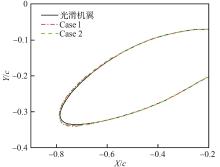
图 9
机翼前缘的二维冰形
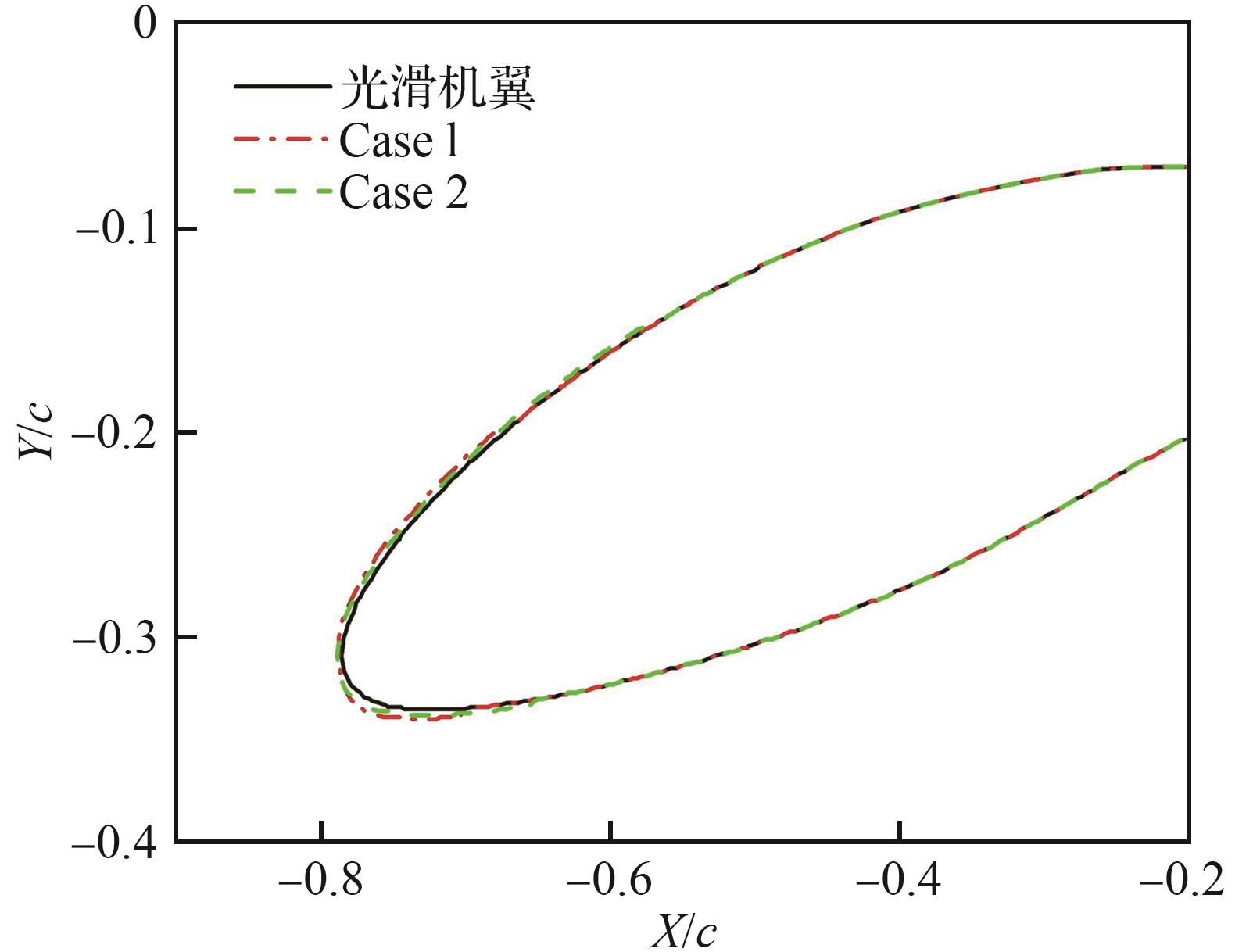
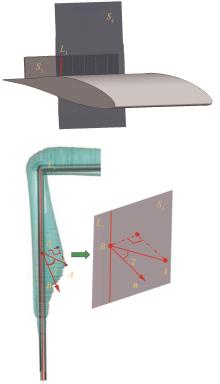
图 10
冰形偏转角γ示意图
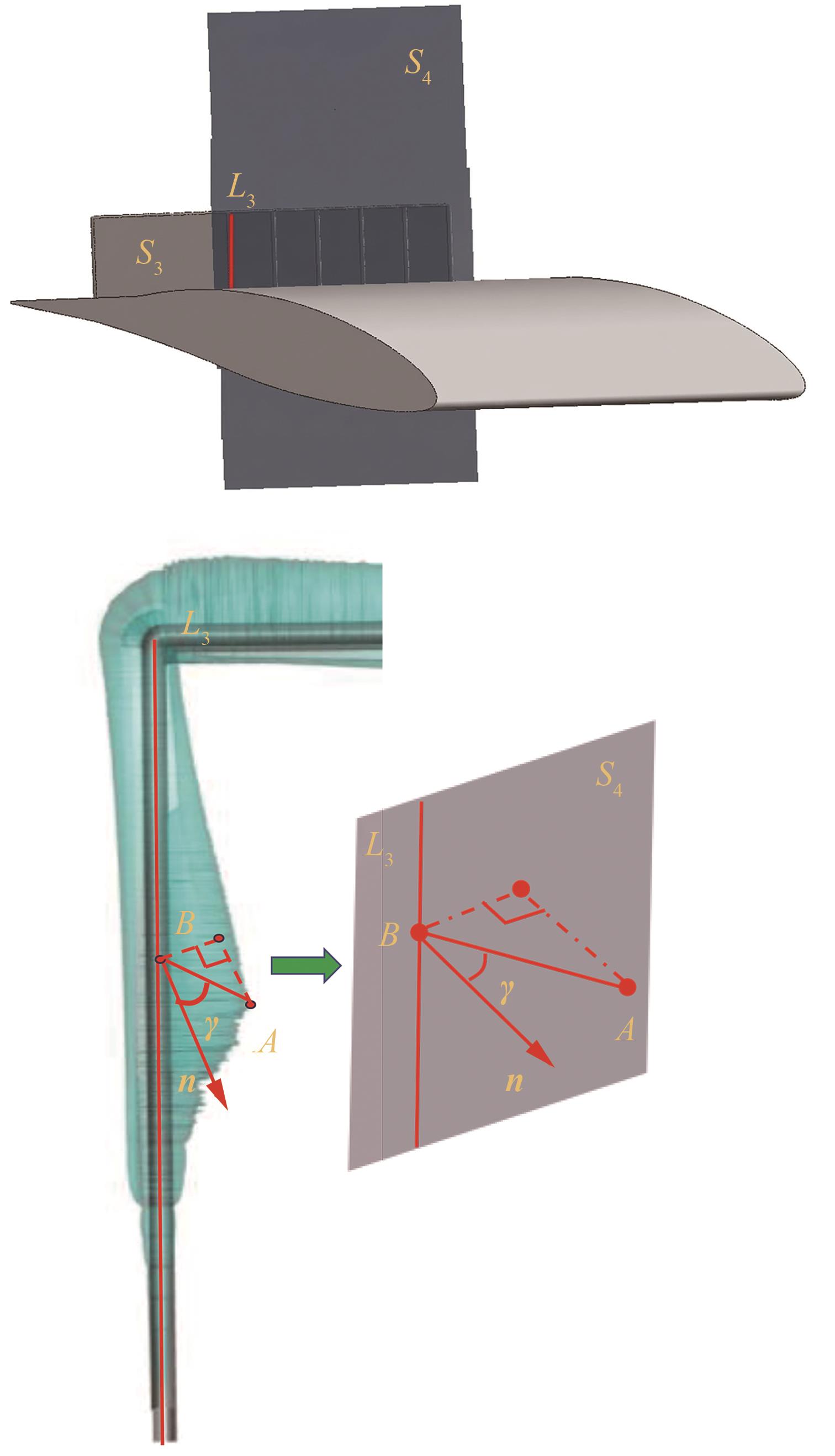
图 11
唇口前缘处的水滴容积分数云图
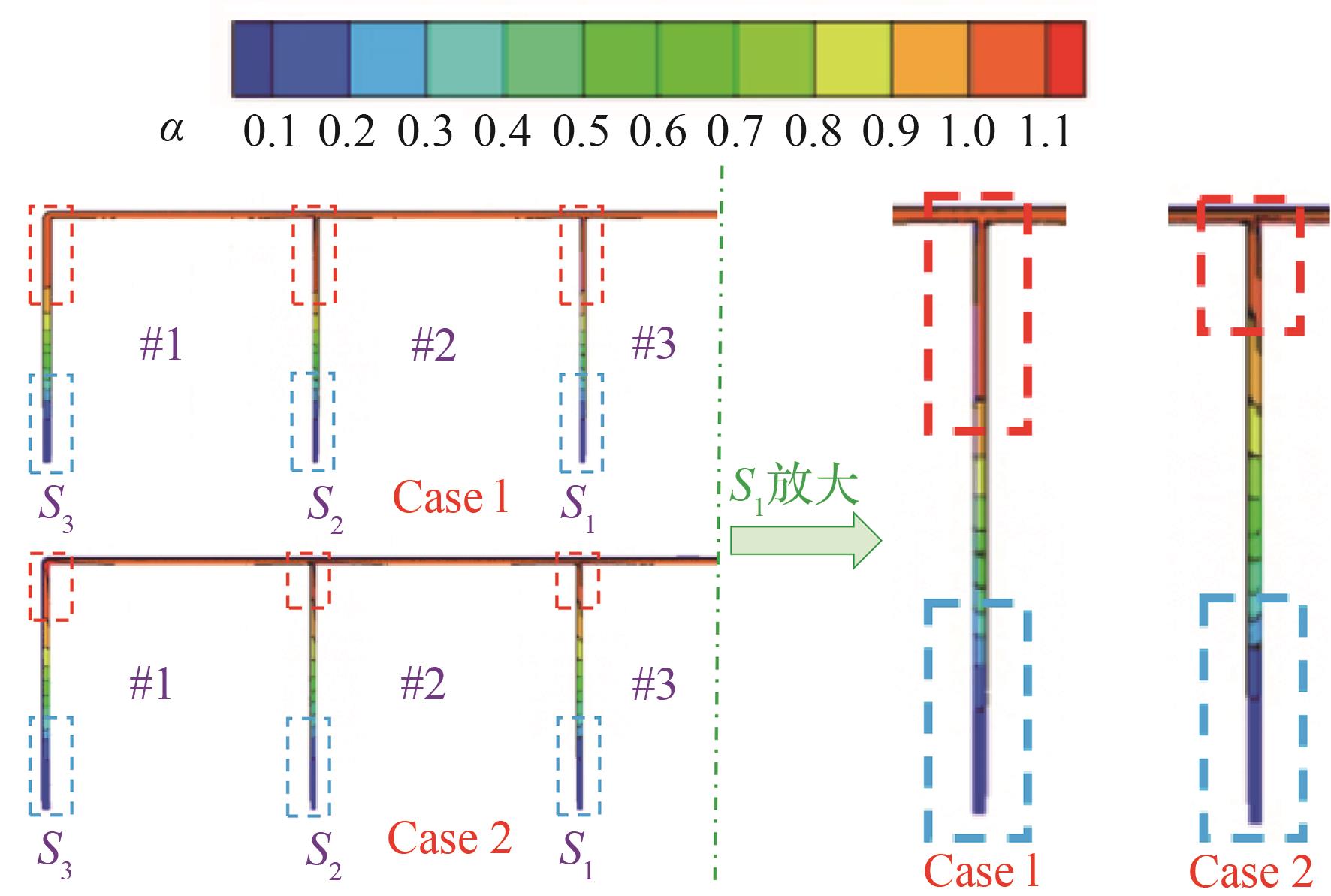
图 12
唇口前缘处的三维冰形
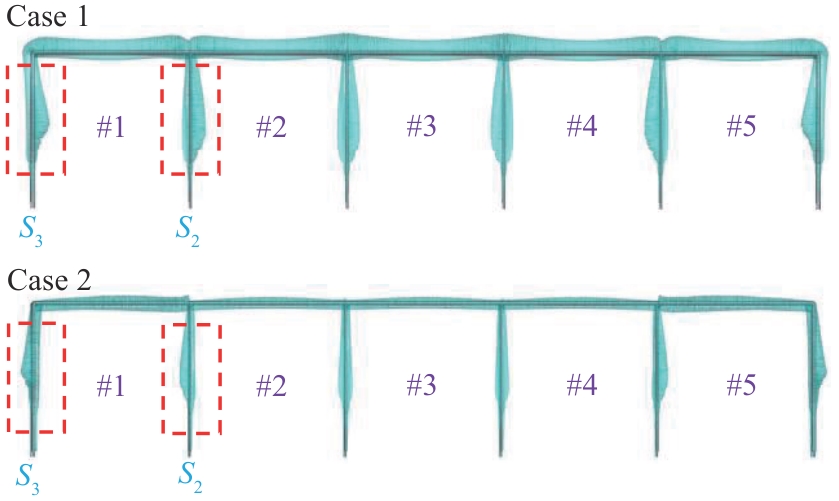
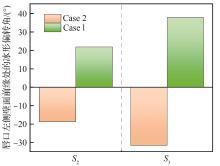
图 13
S3和S2处的冰形偏转角对比
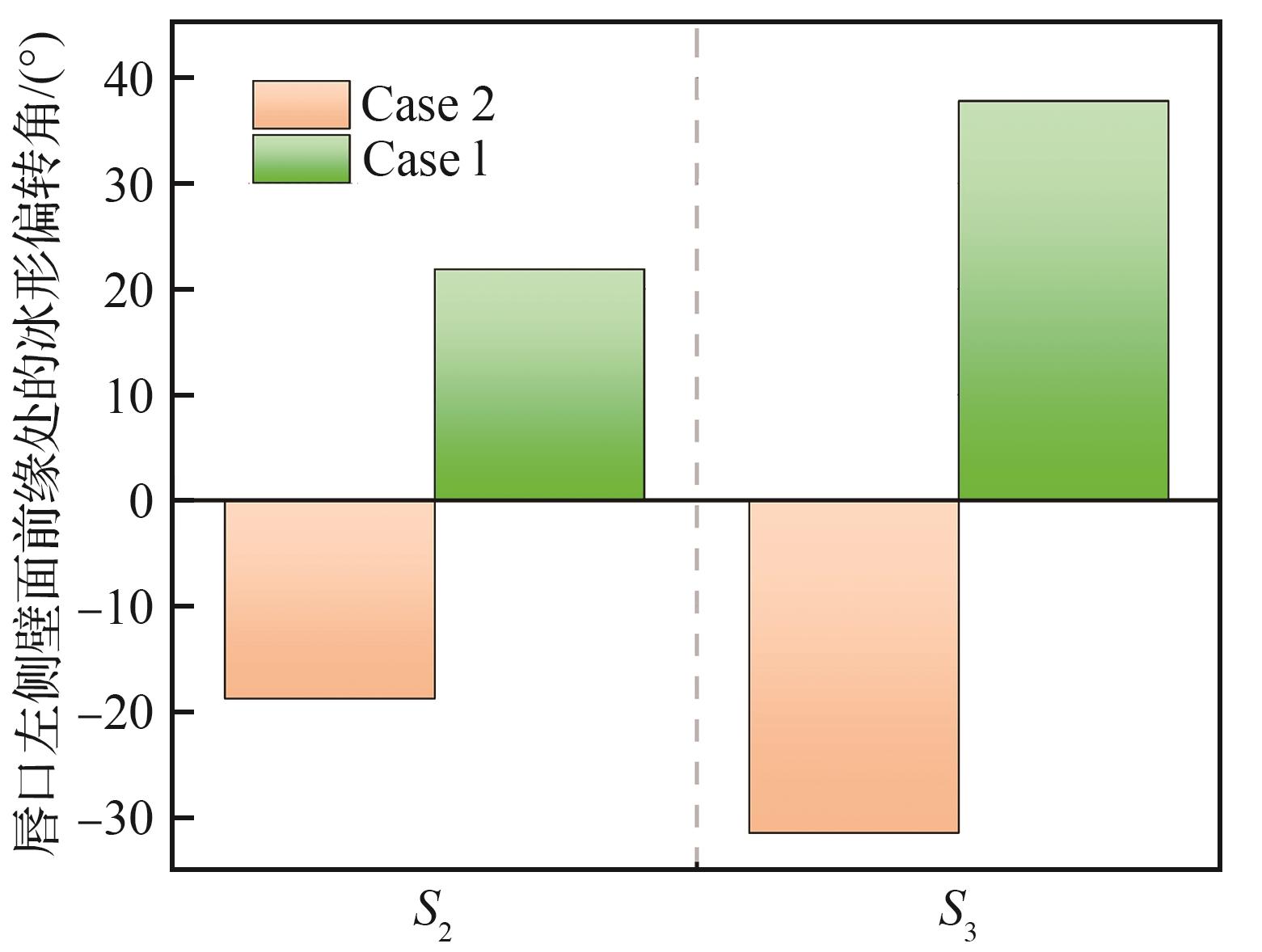
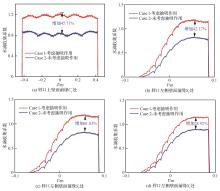
图14
短舱唇口前缘处的水滴收集系数
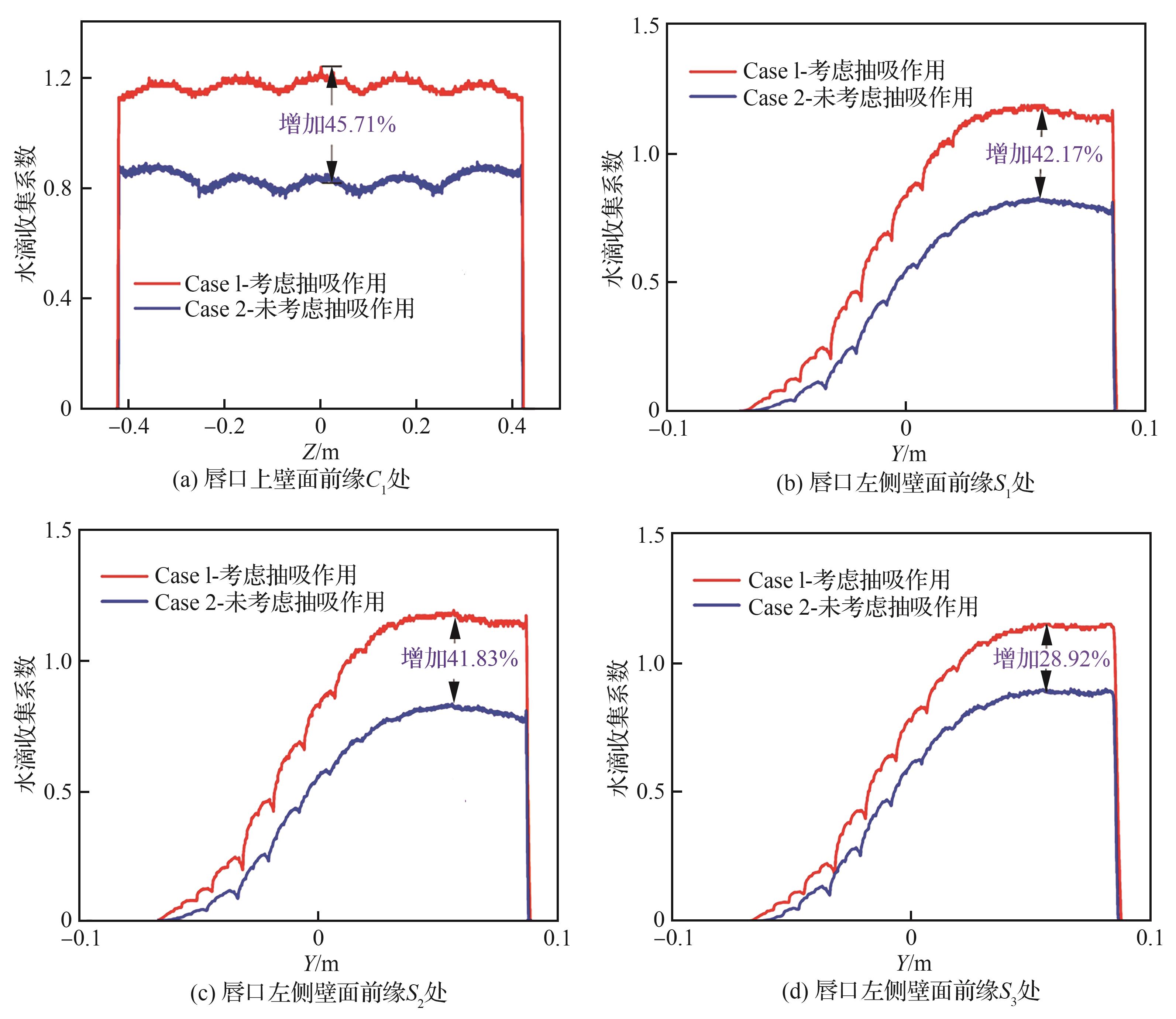
图15
短舱唇口前缘处的二维冰形
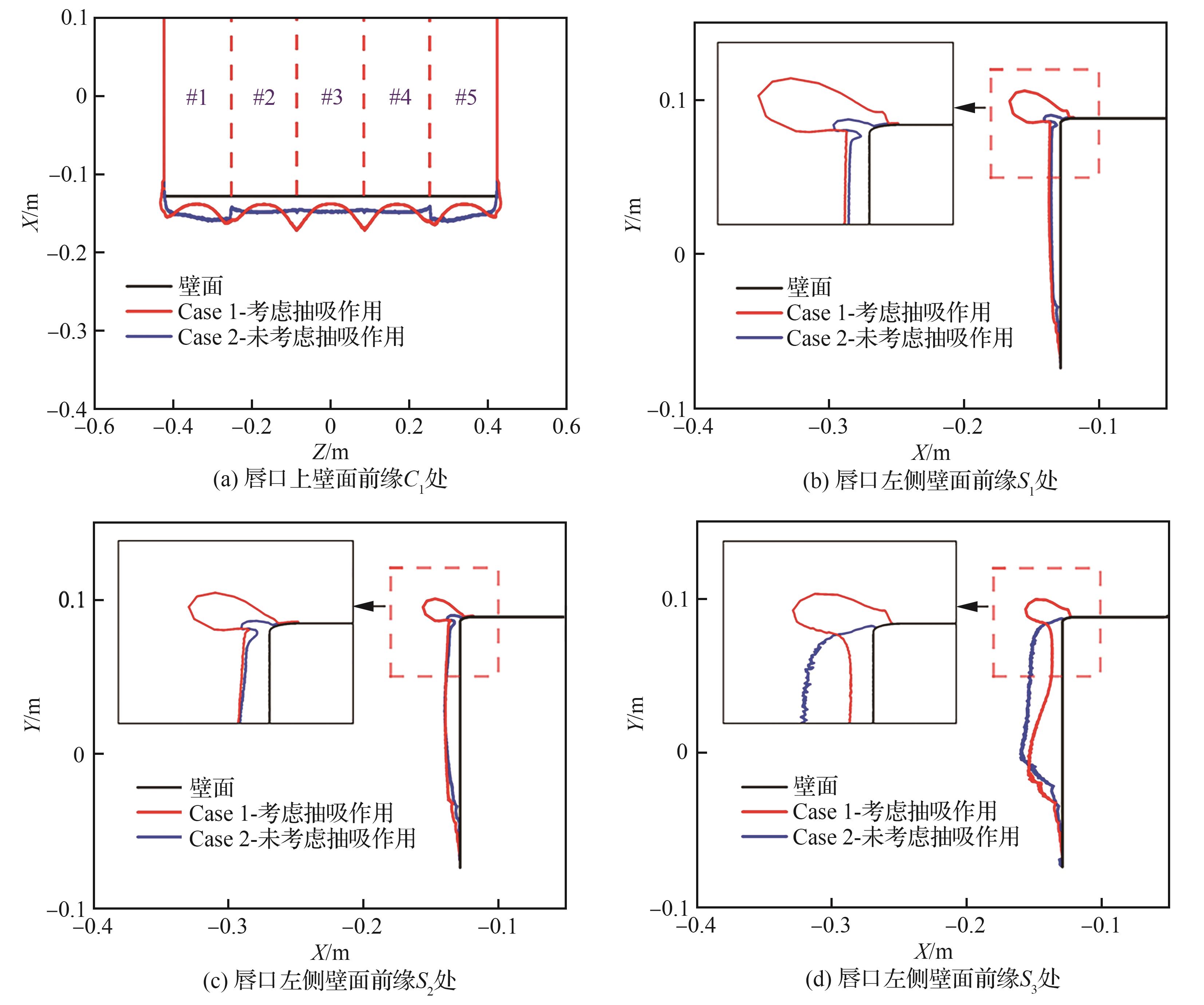
图16
1号涵道风扇短舱唇口处不同展向位置的速度云图
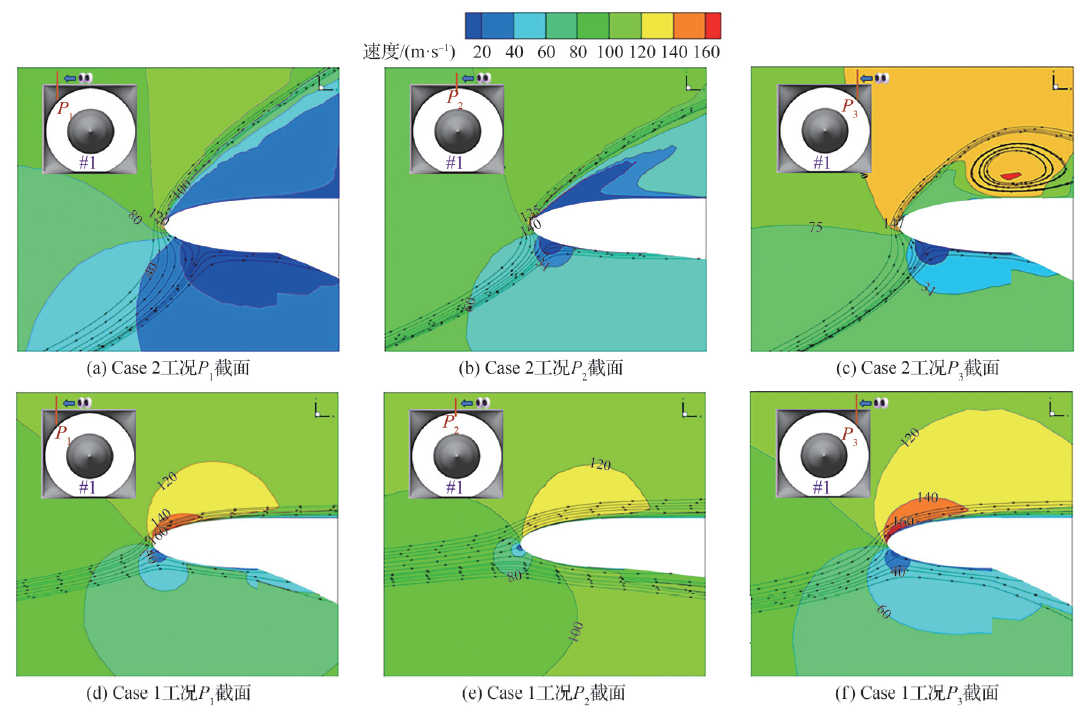
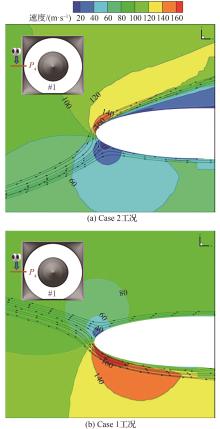
图 17
侧壁面S3中间截面P4位置的速度云图
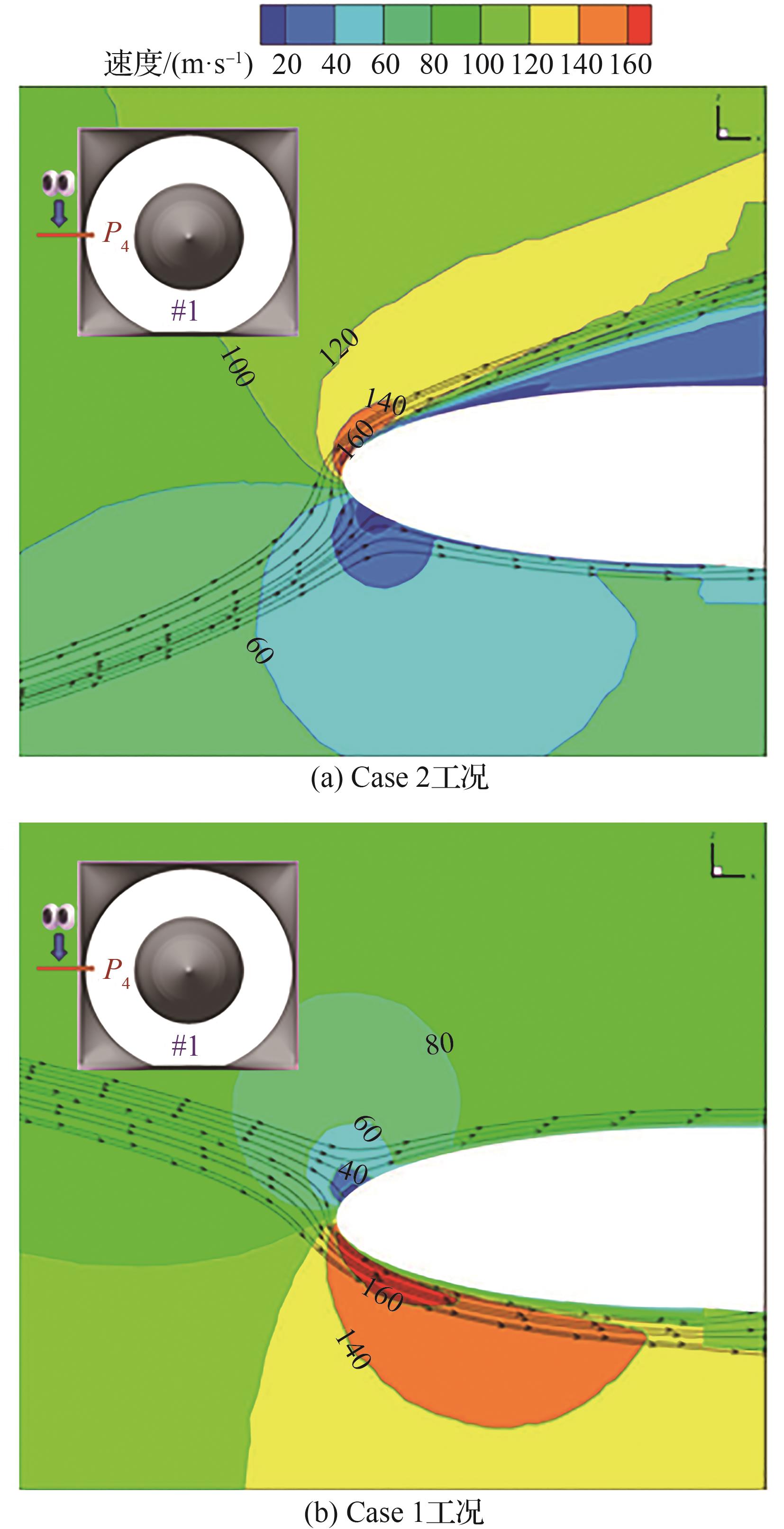
图 18
不同液态水含量下短舱唇口的二维冰形
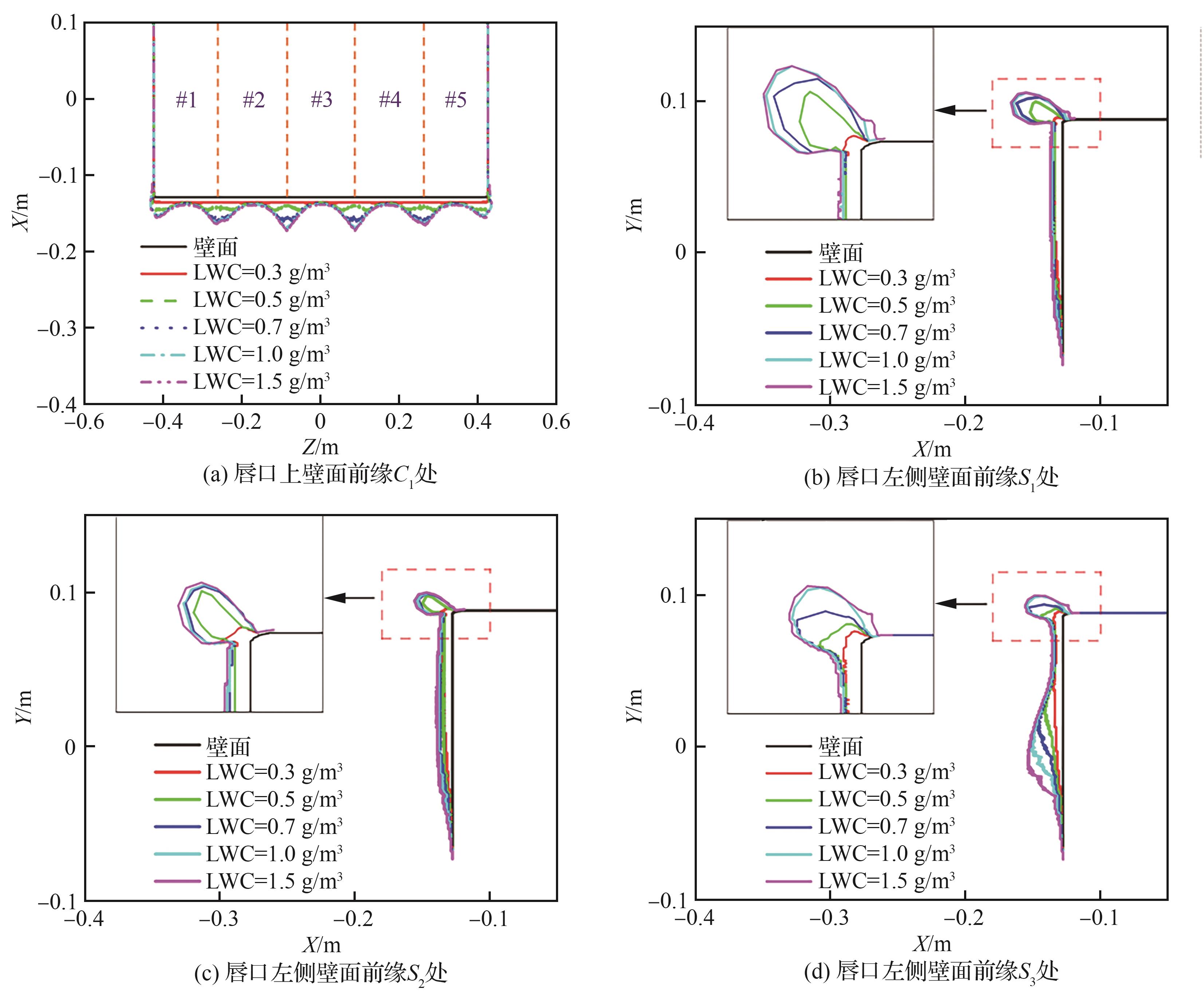
图 19
不同液态水含量下短舱唇口冰形特征参数
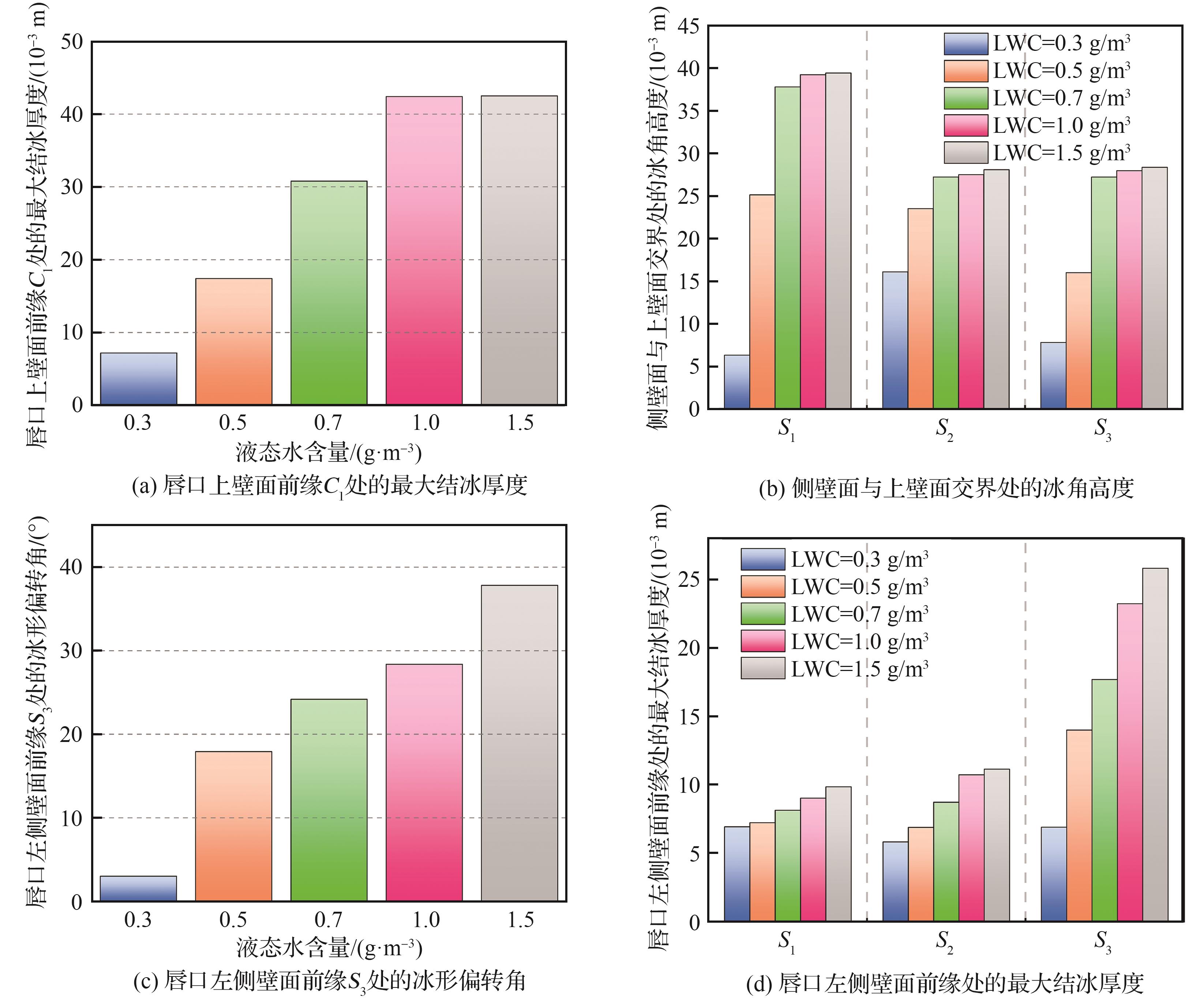
图 20
不同水滴直径下短舱唇口的二维冰形
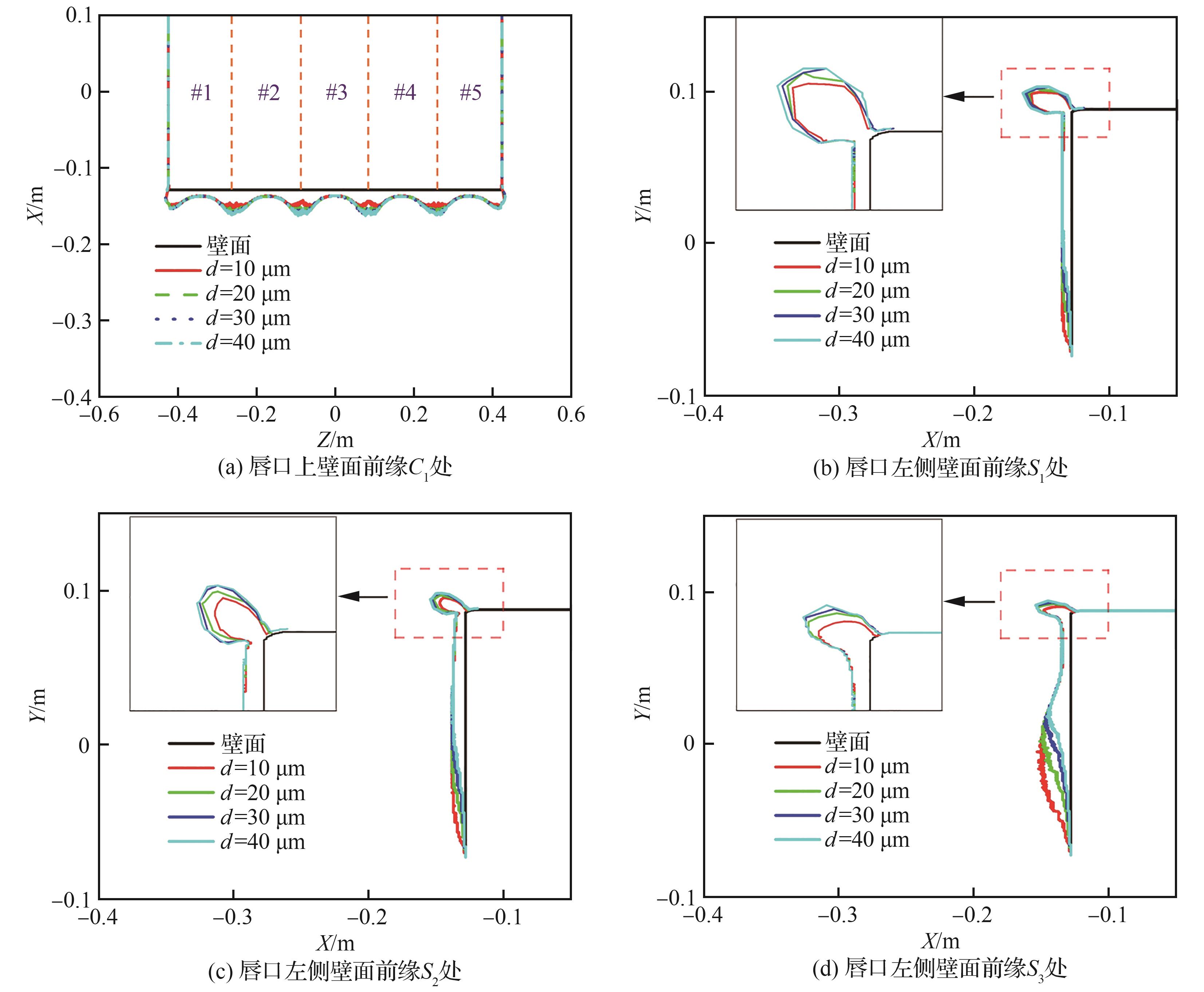
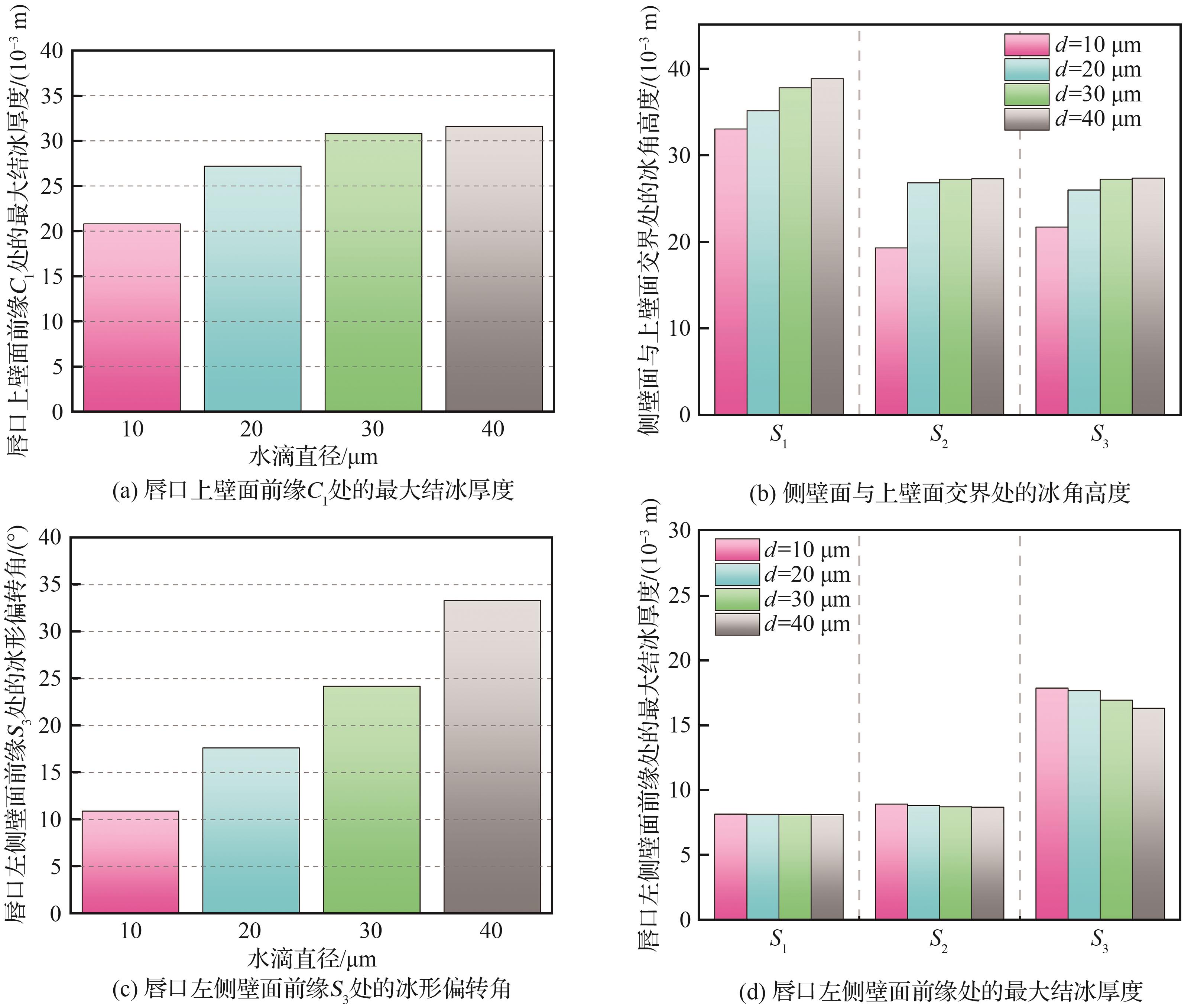
图21
不同水滴直径下短舱唇口冰形特征参数
| [1] | 吴光辉, 张志雄, 王兆兵, 等. 航空制造业绿色低碳化发展研究[J]. 中国工程科学, 2023, 25(5): 157-164. |
| WU G H, ZHANG Z X, WANG Z B, et al. Green and low-carbon development of aviation manufacturing industry[J]. Strategic Study of CAE, 2023, 25(5): 157-164 (in Chinese). | |
| [2] | KIM H D, PERRY A T, ANSELL P J. A review of distributed electric propulsion concepts for air vehicle technology[C]∥ 2018 AIAA/IEEE Electric Aircraft Technologies Symposium (EATS). Piscataway: IEEE Press, 2018: 1-21. |
| [3] | PERRY A T. The effects of aero-propulsive coupling on aircraft with distributed propulsion systems[D]. Urbana-Champaign: University of Illinois at Urbana-Champaign, 2020: 1-3. |
| [4] | OKONKWO P, SMITH H. Review of evolving trends in blended wing body aircraft design[J]. Progress in Aerospace Sciences, 2016, 82: 1-23. |
| [5] | KIRNER R, RAFFAELLI L, ROLT A, et al. An assessment of distributed propulsion: Advanced propulsion system architectures for conventional aircraft configurations[J]. Aerospace Science and Technology, 2015, 46: 42-50. |
| [6] | 黄俊. 分布式电推进飞机设计技术综述[J]. 航空学报, 2021, 42(3): 624037. |
| HUANG J. Survey on design technology of distributed electric propulsion aircraft[J]. Acta Aeronautica et Astronautica Sinica, 2021, 42(3): 624037 (in Chinese). | |
| [7] | PATTERSON M D, GERMAN B J, MOORE M D. Performance analysis and design of on-demand electric aircraft concepts[C]∥ 12th AIAA Aviation Technology, Integration, and Operations (ATIO) Conference and 14th AIAA/ISSMO Multidisciplinary Analysis and Optimization Conference. Reston: AIAA, 2012. |
| [8] | 中国民用航空局. 运输类飞机适航标准 [S]. 北京: 中国民用航空局, 2016. |
| Civil Aviation Administration of China. Airworthiness standards: transport category airplanes [S]. Beijing: Civil Aviation Administration of China, 2016 (in Chinese). | |
| [9] | WIROGO S, SRIRAMBHATLA S. An Eulerian method to calculate the collection efficiency on two and three dimensional bodies[C]∥ 41st Aerospace Sciences Meeting and Exhibit. Reston: AIAA, 2003. |
| [10] | ZHAO Y, CHANG S, YANG B, et al. Experimental study on the thermal performance of loop heat pipe for the aircraft anti-icing system[J]. International Journal of Heat and Mass Transfer, 2017, 111: 795-803. |
| [11] | DONG W, ZHENG M, ZHU J, et al. Experimental investigation on anti-icing performance of an engine inlet strut[J]. Journal of Propulsion and Power, 2016, 33(2): 379-386. |
| [12] | BARUZZI G S, OSWALD M, PETT A, et al. Multi-physics simulation of aircraft ice protection system and ice impact with turbofan blades[C]∥ 8th AIAA Atmospheric and Space Environments Conference. Reston: AIAA, 2016. |
| [13] | 郁嘉, 赵柏阳, 卜雪琴, 等. 某型飞机发动机短舱热气防冰系统性能数值模拟[J]. 空气动力学学报, 2016, 34(3): 302-307. |
| YU J, ZHAO B Y, BU X Q, et al. Numerical simulation of the performance of an engine nacelle hot-air anti-icing system[J]. Acta Aerodynamica Sinica, 2016, 34(3): 302-307 (in Chinese). | |
| [14] | LI C, CHEN N L, YI X, et al. Numerical study of wind tunnel wall effects on icing cloud distribution and water collection in aero-engine nacelles[J]. Aerospace, 2025, 12(4): 335. |
| [15] | AL-KHALIL K M, KEITH T G, DE WITT K J, et al. Thermal analysis of engine inlet anti-icing systems[J]. Journal of Propulsion and Power, 1990, 6(5): 628-634. |
| [16] | GUAN N, HOU X H, ZHU Q K, et al. Numerical simulation of engine nacelle icing with a propeller[C]∥ 2022 4th International Academic Exchange Conference on Science and Technology Innovation (IAECST). Piscataway: IEEE Press, 2023: 221-225. |
| [17] | SHEN X B, LIN G P, YU J, et al. Three-dimensional numerical simulation of ice accretion at the engine inlet[J]. Journal of Aircraft, 2013, 50(2): 635-642. |
| [18] | WANG Z Q, GUAN N, LU Y X, et al. Super-cooled droplet impact and ice accretion on an aircraft engine nacelle lip[J]. Journal of Physics: Conference Series, 2024, 2691(1): 012003. |
| [19] | YANG Q, GUO X F, DONG W, et al. Ice accretion and aerodynamic effects on a turbofan engine nacelle under takeoff conditions[J]. Aerospace Science and Technology, 2022, 126: 107571. |
| [20] | 郭奇灵, 郭龙, 刘森云, 等. 发动机进气道结冰及压力特性试验研究[J/OL]. 实验流体力学, (2025-05-29)[2025-10-10]. . |
| GUO Q L, GUO L, LIU S Y, et al. Experiment study on icing and pressure characteristics of engine inlet[J/OL]. Journal of Experiments in Fluid Mechanics, (2025-05-29) [2025-10-10]. (in Chinese). | |
| [21] | QI H F, CHANG S N, YANG Y L, et al. Numerical investigations on aero-engine icing characteristics at mixed phase conditions[J]. Applied Thermal Engineering, 2024, 238: 122044. |
| [22] | PAPADAKIS M, YEONG H W, WONG S C, et al. Comparison of experimental and computational ice shapes for an engine inlet[C]∥ AIAA Atmospheric and Space Environments Conference. Reston: AIAA, 2010. |
| [23] | ÖZGEN S, CAMBEK M. In-flight ice formation simulation on finite wings and air intakes[J]. The Aeronautical Journal, 2012, 116(1178): 337-362. |
| [24] | KERHO M F. Aero-propulsive coupling of an embedded, distributed propulsion system[C]∥ 33rd AIAA Applied Aerodynamics Conference. Reston: AIAA, 2015. |
| [25] | DE VRIES R, BROWN M, VOS R. Preliminary sizing method for hybrid-electric distributed-propulsion aircraft[J]. Journal of Aircraft, 2019, 56(6): 2172-2188. |
| [26] | JIA W, LIU T, KONG Q G, et al. Aero-propulsive interaction analysis of a distributed propulsion system under windmilling conditions[J]. Physics of Fluids, 2025, 37(6): 067110. |
| [27] | MARBLE F E. Section C. three-dimensional flow in turbomachines[M]∥ Aerodynamics of Turbines and Compressors. (HSA-1). Princeton: Princeton University Press, 1964: 83-166. |
| [28] | HALL D K, GREITZER E M, TAN C S. Analysis of fan stage conceptual design attributes for boundary layer ingestion[J]. Journal of Turbomachinery, 2017, 139(7): 071012. |
| [29] | THOLLET W. Body force modeling of fan-airframe interactions[D]. Toulouse: ISAE-SUPAERO, 2017: 24. |
| [30] | 史磊, 杨光, 林文俊. 前缘侵蚀对风扇转子叶片气动特性的影响机理[J]. 航空学报, 2019, 40(10): 123007. |
| SHI L, YANG G, LIN W J. Influence mechanism of leading-edge erosion on aerodynamic performance of fan rotor blade[J]. Acta Aeronautica et Astronautica Sinica, 2019, 40(10): 123007 (in Chinese). | |
| [31] | YE Z K, SHEN X B, ZHAO J Y, et al. Impingement characteristics investigation of supercooled large droplets based on Eulerian method[J]. Transactions of Nanjing University of Aeronautics and Astronautics, 2025, 42(2): 191-200. |
| [32] | JIA W, ZHANG F, ZHANG Z Q. Numerical and experimental investigation of the supercooled large droplets icing of rotating spinner[J]. Applied Thermal Engineering, 2024, 257: 124159. |
| [33] | SHIN J, BOND T H. Experimental and computational ice shapes and resulting drag increase for a NACA 0012 airfoil[C]∥ The Fifth Symposium on Numerical and Physical Aspects of Aerodynamic Flows. New York: Springer-Verlag, 1992: 11-13. |
| [34] | SHIN J, BOND T. Results of an icing test on a NACA 0012 airfoil in the NASA Lewis Icing Research Tunnel[C]∥ 30th Aerospace Sciences Meeting and Exhibit. Reston: AIAA, 1992. |
| [35] | 易贤, 任靖豪, 赖庆仁, 等. 大型飞机全尺寸多段翼结冰特性计算和试验[J]. 航空学报, 2025, 46(5): 531575. |
| YI X, REN J H, LAI Q R, et al. Icing characteristics of full-scale multi-element configurations of large aircraft: Computation and experiment[J]. Acta Aeronautica et Astronautica Sinica, 2025, 46(5): 531575 (in Chinese). | |
| [36] | 任靖豪, 王强, 陈宁立, 等. 多段翼构型结冰计算方法及结冰影响分析[J]. 航空学报, 2024, 45(14): 129328. |
| REN J H, WANG Q, CHEN N L, et al. Numerical simulation and aerodynamic performance effects of multi-element airfoil ice accretion[J]. Acta Aeronautica et Astronautica Sinica, 2024, 45(14): 129328 (in Chinese). | |
| [37] | 陈宁立, 易贤, 王强, 等. NNW-ICE软件的三维结冰模型及精度验证[J]. 航空学报, 2024, 45(12): 129188. |
| CHEN N L, YI X, WANG Q, et al. Three-dimensional model for ice accretion in NNW-ICE software and validation of its precision[J]. Acta Aeronautica et Astronautica Sinica, 2024, 45(12): 129188 (in Chinese). | |
| [38] | 卜雪琴, 黄平, 林贵平, 等. 多步法冰晶积冰数值模拟[J]. 航空学报, 2024, 45(14): 129308. |
| BU X Q, HUANG P, LIN G P, et al. Multi-step method for numerical simulation of ice crystal icing[J]. Acta Aeronautica et Astronautica Sinica, 2024, 45(14): 129308 (in Chinese). | |
| [39] | 杜杰. 后掠翼结冰特性研究及快速预测方法[D]. 广汉: 中国民用航空飞行学院, 2025: 41-44. |
| DU J. Study on icing characteristics of swept wing and its rapid prediction method[D]. Guanghan: Civil Aviation Flight University of China, 2025: 41-44 (in Chinese). | |
| [40] | 李概奇, 田骏丹, 吴晶峰, 等. 新研民用涡轴发动机结冰适航试验[J]. 航空学报, 2025, 46(12): 131388. |
| LI G Q, TIAN J D, WU J F, et al. Icing airworthiness test on a newly developed civil turbo-shaft engine[J]. Acta Aeronautica et Astronautica Sinica, 2025, 46(12): 131388 (in Chinese). | |
| [41] | 李庆庆. 飞机机翼结冰过程数值模拟及气动特性分析[D]. 汉中: 陕西理工大学, 2022: 28-29. |
| LI Q Q. Numerical simulation and aerodynamic analysis of aircraft wing icing process[D]. Hanzhong: Shaanxi University of Technology, 2022: 28-29 (in Chinese). | |
| [42] | SHAD A, SHERIF S A. Quasi-steady simulation of glaze ice accretion and heat transfer in the supercooled large droplet regime in atmospheric turbulent air flow[J]. ASME Journal of Heat and Mass Transfer, 2023, 145(5): 053001. |
| [43] | 牛俊杰, 桑为民, 李栋, 等. 一种基于水滴收集量代理模型的结冰试飞空域确定方法[J]. 航空学报, 2023, 44(1): 627697. |
| NIU J J, SANG W M, LI D, et al. Icing test flight area determination method based on surrogated model of water droplet collection[J]. Acta Aeronautica et Astronautica Sinica, 2023, 44(1): 627697 (in Chinese). | |
| [44] | SHAD A, SHERIF S A. Numerical modeling of atmospheric rime ice accretion on an airfoil using an Eulerian approach[J]. Journal of Fluids Engineering, 2022, 144(6): 061112. |
| [45] | SHAD A, AHMED H, ZGHEIB N, et al. Stokes-dependent droplet collection efficiency on a NACA 0012 airfoil from droplet-informed simulations with statistical overloading[J]. Philosophical Transactions of the Royal Society A: Mathematical, Physical and Engineering Sciences, 2025, 383(2301): 20240368. |
| [46] | KIM HS, BRAGG MB. Effects of leading-edge ice accretion geometry on airfoil performance[C]∥ 17th Applied Aerodynamics Conference. Reston: AIAA, 1999. |
| [47] | AL-KHALIL K M, KEITH T G, DE WITT K J. Icing calculations on a typical commercial jet engine inlet nacelle[J]. Journal of Aircraft, 1997, 34(1): 87-93. |
| [48] | RAUSA A, MORELLI M, GUARDONE A. A novel method for robust and efficient prediction of ice shedding from rotorcraft blades[J]. Journal of Computational and Applied Mathematics, 2021, 391: 113452. |
| [49] | MALIK Y A, KARPEN N, BONACCURSO E, et al. Experimental investigation of the accretion and shedding process on a heatable NACA0012 airfoil in ice crystal icing conditions[J]. Cold Regions Science and Technology, 2024, 217: 104030. |
| [50] | NIE S X, LI C, CHEN A H, et al. Study on ice impact damage characteristics of turboshaft engine compressor blade considering centrifugal force[J]. Engineering Failure Analysis, 2025, 169: 109171. |
| [51] | YUAN Z A, LI C, LI J, et al. Investigation of damage mechanisms in compressor blades under block ice impingement at different angles using a coupled SPH-FEM approach[J]. Powder Technology, 2026, 470: 121905. |
| [52] | 侯亮. 航空发动机风扇叶片冰撞击数值仿真与验证[D]. 上海: 上海交通大学, 2017: 1-4. |
| HOU L. Numerical simulation and verification of ice impact on aero-engine fan blades[D]. Shanghai: Shanghai Jiao Tong University, 2017: 1-4 (in Chinese). |
| [1] | 李锦烨, 崔伟, 王祁旻, 吴大卫. 双缝襟翼带滑流效应的分布式动力气动设计[J]. 航空学报, 2026, 47(7): 633240-633240. |
| [2] | 刘备, 达兴亚, 朱耀武, 易渊. 分布式推进飞行器纵向气动/推进耦合效应[J]. 航空学报, 2026, 47(4): 132280-132280. |
| [3] | 徐博铭, 王科雷, 周洲, 孙蓬勃. 翼上涵道风扇布局升推耦合特性分析[J]. 航空学报, 2026, 47(16): 133029-133029. |
| [4] | 王科雷, 周洲, 李明浩. 动力翼单元松耦合设计方法研究及试验验证[J]. 航空学报, 2025, 46(9): 212-229. |
| [5] | 李卓远, 杨旭东, 孙恺, 熊俊辉, 史帅. 分布式涵道风扇气动布局复杂强干扰效应及性能影响[J]. 航空学报, 2025, 46(3): 130805-130805. |
| [6] | 韩凯, 白俊强, 冯少东, 余时泷, 黄俊炜, 唐矗, 邱亚松. 面向飞-推融合构型的分布式涵道风扇新型高效高精度动量源方法[J]. 航空学报, 2025, 46(17): 131728-131728. |
| [7] | 周芳, 王庆勇, 秦宇奇, 张博涛, 王掩刚. 叶片源项模型的研究回顾与进展[J]. 航空学报, 2025, 46(10): 31178-031178. |
| [8] | 黄维康, 张卓然, 达兴亚, 袁培博, 高华敏. 高速对转涵道风扇双驱动电机的热特性[J]. 航空学报, 2024, 45(8): 129048-129048. |
| [9] | 张星雨, 高正红, 雷涛, 闵志豪, 李伟林, 张晓斌. 分布式电推进飞机气动-推进耦合特性地面试验[J]. 航空学报, 2022, 43(8): 125389-125389. |
| [10] | 蒙超恒, 裴海龙, 程子欢. 涵道风扇式无人机的优先级控制分配[J]. 航空学报, 2020, 41(10): 324017-324017. |
| [11] | 达兴亚, 范召林, 熊能, 吴军强, 赵忠良. 分布式边界层吸入推进系统的建模与分析[J]. 航空学报, 2018, 39(7): 122048-122048. |
| [12] | 王超, 常士楠, 吴孟龙, 靳军. 过冷大水滴飞溅特性数值分析[J]. 航空学报, 2014, 35(4): 1004-1011. |
| [13] | 易贤;朱国林;王开春;桂业伟. 结冰风洞试验水滴直径选取方法[J]. 航空学报, 2010, 31(5): 877-882. |
| 阅读次数 | ||||||
|
全文 |
|
|||||
|
摘要 |
|
|||||
版权所有 © 航空学报编辑部
版权所有 © 2011航空学报杂志社
主管单位:中国科学技术协会 主办单位:中国航空学会 北京航空航天大学

 CJA

